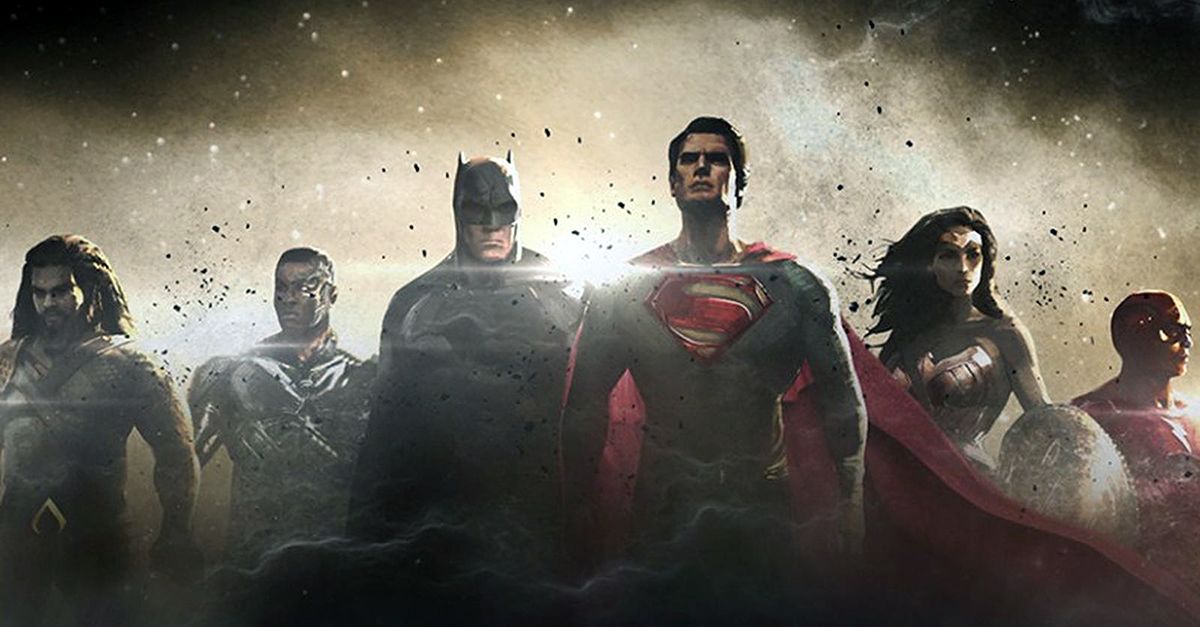
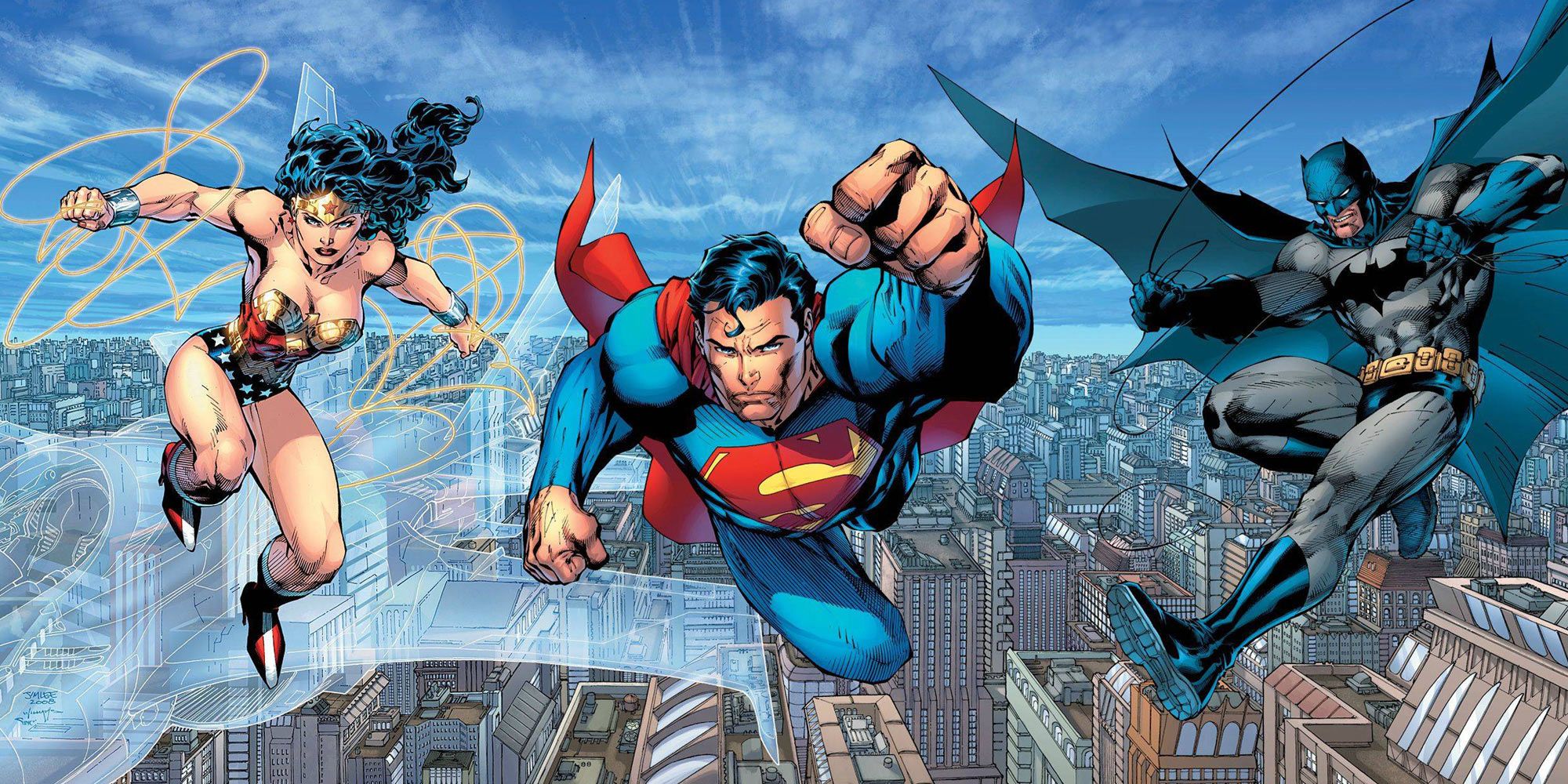
The Doug Stanhope Principle (And Why We Should Apply It)

In my experience, comedians offer the most memorable and insightful commentaries on otherwise serious issues. Even if they’re just trying to be funny, which is their job, I think those commentaries have worth beyond the laughs. There are even times I think comedians don’t realize just how insightful their humor can be.

I’ve made my love of comedy known before and not just through my weekly Sexy Sunday Thoughts. I’ve cited accomplished comedians like Christopher Titus when exploring very non-funny issues, such as jealousy. I don’t just do this to help lighten the mood on a site I want to keep light and sexy. I do it because comedy can reveal more than the breadth of our sense of humor.
With that in mind, I’d like to cite a comedian by the name of Doug Stanhope. I’ve never mentioned before, but has been one of my personal favorites for years. He’s not on the same level as a Jon Stewart, George Carlin, or Lewis Black. However, given his brand of humor, that’s not too surprising.

Stanhope’s comedy is decidedly NSFW, touching on issues that would give most network producers brain aneurisms. His opinions are overtly harsh and unconcerned with your delicate sensibilities. If you’re wondering just how harsh he can be, here’s a quick taste.

That said, he is not a shock comic in the tradition of Howard Stern or Andrew Dice Clay. Stanope’s comedy, as crude as it can be at times, is very smart. One bit in particular stands out. It comes from his “Deadbeat Hero” album, one of my personal favorites and one I think every comedy fan should listen to at least once.

In that album, he talks about a number of issues, but one in particular stands out. That issue is marriage, one I’ve discussed too on this site, albeit not with the same level of humor. On this topic, he makes one of the most insightful observations I’ve ever seen on a treasured institution.

If marriage didn’t exist, would you invent it? Would you go “Baby, this shit we got together, it’s so good we gotta get the government in on this shit. We can’t just share this commitment ‘tweenst us. We need judges and lawyers involved in this shit, baby. It’s hot!”

The bolded parts are my doing because I think the implications of that question go beyond the comedy, more so than I think Stanhope himself intended. In a sense, it reflects the paradox of marriage and traditional romance that I’ve talked about before in that we see it as natural, yet we need all these social institutions to protect it.

The fact those institutions exist is a subtle, but telling sign that these traditions aren’t as natural as we think they are. More than anything else, they’re the product of taboos and social norms that people cling to out of fear, familiarity, and ignorance. I won’t go so far as to call it a form of excuse banking, but I think it highlights our imperfect understanding of human nature.

One of Doug Stanhope’s greatest strengths as a comedian is his ability to break down a treasured and cherished concept in a way that’s both revealing and insightful. What he did for marriage with this one question immediately makes us ponder the flaws in our current understanding of it.

Once we stop laughing at the punch-line, though, I would take it a step further. I would ask that question again in more general form as a means to help us scrutinize our traditions, values, and everything else we hold sacred. Sure, that’s bound to make some people uncomfortable, but that’s exactly the point of certain brand of comedy, especially Stanhope’s.

Like the Simpson Filter I coined earlier this year, let’s coin another using this question. Since I’m not a branding expert with only a fraction of the wit of Doug Stanhope, I’ll call it “The Stanhope Principle.” The core of that principle can be summed up in one simple question.

If something didn’t exist in its current form, would you invent it that way?

Sure, it’s not nearly as funny as Stanhope’s bit on marriage, nor is it meant to be. In essence, it’s a question meant to get your brain thinking about things that it usually doesn’t think about. In some cases, they’re issues you’ve gone out of your way to avoid.

Take any current issue, be it a major political controversy or a certain state in your personal life. Now, apply the Stanhope Principle and try to answer the question honestly. Here are just a few possible examples.

  • If our tax system existed in its current form, would we invent it that way?
  • If our health care system existed in its current form, would we invent it that way?
  • If our current relationship existed in its current form, would we invent it that way?
  • If the job we worked existed in its current form, would we invent it that way?
  • If our website/blog/product existed in its current form, would we invent it that way?

If you ask that question and answer it honestly, which is key, you might be surprised by what you find out. You might think your personal relationships are functional, but applying the Stanhope Principle could expose flaws that you’ve been overlooking or ignoring.

Apply in a larger context, such as politics, marriage, and gender issues, and the insights get a bit more complicated. Given the current inequalities that still pervade in our society, as well as the double standards we apply, the Stanhope Principle reveals the breadth of the flaws within these institutions.

It can be distressing, acknowledging those flaws. That’s usually where the excuse banking enters the picture, but that can only further mask them. Another honest application of the Stanhope Principle will only remind us of those flaws and even reveal how we’ve made our situation worse.

Ideally, the Stanhope Principle should be a basis for improvement. A good example is Apple, one of the biggest, most successful companies in the world. Steve Jobs and Steve Wozniak probably didn’t know they were applying that principle, but they were.

They saw the current state of computers. They saw there was a lot of room for improvement. Given how cumbersome computers were for much of their early history, they decided to innovate and create a better way of using them. The result is a company that is worth over half-a-trillion dollars.

Applying the Stanhope Principle for worked out pretty well for Apple. I’m not saying it can make everyone a billionaire, but it does help break down a situation and an issue in a way that allows us to see the bigger picture.

More than anything else, it exposes the imperfections of our current situation. For some, it motivates them into improving their situation, be it a relationship, a business, or a social policy. For others, it’s an uncomfortable reminder that there’s a flaw in that they need to cover up or mask. In that sense, it should be easy to see who are more likely to become billionaires.

There are all sorts of way to apply the Stanhope Principle. I’ll certainly try to apply it to future issues that I discuss on this site. For now, I just want to offer my sincere thanks to Doug Stanhope and the principle he inspired. He has made the world inherently funnier and more interesting to explore.

4 Comments

Filed under Current Events, Marriage and Relationships, Reasons and Excuses

Teaching About Sex, Consent, And Relationships (Through Video Games)

Let’s face it. Most kids aren’t that eager to learn about the stuff that their teachers, parents, and school administrators want them to learn about. They’re not interested in knowing the skills that will make them healthy, productive, tax-paying consumers who will keep society running. They’re interested in the skills that will make them popular and/or get them laid.

The deficiencies of our education system are many and I’ve made no secret of my disdain for the experiences I had within that system. However, I don’t want to dwell too much on that this time. Talking about how much I hated high school is rarely that sexy.

Instead, I want to focus on something that most kids are eager to enjoy and how some people are using that to improve their understanding of sex, sexuality, and relationship. What could kids possibly excite kids that much to learn about something that they would rather not learn from the same gym teacher that makes them run laps in winter?

The answer is more obvious than you think. It’s video games. Admit it, that almost makes too much sense.

There’s no question that kids love playing video games more than learning about quadratic functions. According to a survey done by the MacArthur Foundation, approximately 97 percent of kids between the ages of 12 and 17 play video games. When it comes to statistics and surveys, you can’t get much more definitive without asking kids whether chocolate fudge tastes good.

Kids might not be able to agree whether Superman could beat the Hulk, which he totally could, but they agree that video games are awesome. So if kids love video games so much, why not use that love to teach them valuable lessons about sex, relationships, and consent?

That’s not a rhetorical question. I’m not being facetious either. It’s not about the medium or whatever asinine controversies it may have. It’s about working with what kids already love and using that to help them in valuable ways. It’s not that radical a concept. Hit movies have been made about it.

When it comes to teaching kids about sex, though, I wouldn’t expect Edward James Olmos to star in a movie about that. That doesn’t mean the concept is entirely flawed. Teaching kids about sex is hard enough. Teaching them in a way they’ll remember and take seriously might be beyond the power of Hollywood.

That still doesn’t stop some from trying. In a story by Kimberly Lawson at Vice, an associate professor of medicine at Yale University has helped create a game called PlayForward: Elm City Stories. It’s a fairly straightforward, two-dimensional role playing game that is less about killing aliens or Nazis and more about guiding players through a narrative, showing how their decisions affect them along the way.

That’s not quite as radical as it sounds. Role-playing games represent a large chunk of the video game industry. Major game franchises like “Mass Effect” and “Final Fantasy” are built around the idea of having players make choices and face repercussions of those choices. Take away the aliens and the monsters, though, and you’ve got a solid basis for understanding real life choices.

PlayForward: Elm City Stories plays less like Dungeons & Dragons and more like the classic board game, Life. In it, you play as avatar in a fictional, but fairly realistic city where you have to navigate a variety of activities and make choices along the way.

Some of those activities involve who you your friends are. Some involve going to certain events and parties. Some even involve whether or not to make out with a cute girl. It may sound mundane, but like most RPGs, the appeal is diving into the world of the character and leading them through it. Here’s how Vice describes the experience.

Players have to make important, life-changing decisions, including whether or not they should go upstairs to make out with someone, if they should use a condom or not during sex, and whether they should accept pills found in someone’s grandmother’s medicine cabinet. At any point, they can fast-forward to the epilogue to see what their character’s life looks like at 30, based on the decisions they’ve made.

Through that experience, players learn about more than just saying no to the guy on the street corner offering a free hit of crack. They experience both the short-term and long-term impacts of their decisions. Given the notoriously short attention spans and limited foresight of kids, that kind of insight in indispensable when teaching them about sex and relationships.

It’s no “Super Mario Brothers,” but the lessons it conveys are more valuable than any princess. It puts the players in a position to choose the right and wrong path. It shows them just how right and wrong those paths can be in the long run for their character and themselves, by default.

Beyond just consequences, the game gives players a chance to explore situations involving intimacy, consent, and relationships. Their choices help forge the relationships they have throughout the game. To get a better outcome, they actually need a better understanding of intimacy and consent. The fact that gives them tools to apply those lessons in the real world just a pleasant side-effect.

In a sense, PlayForward: Elm City Stories is coming along at the perfect time. We live in a world where sexual harassment and sexual assault are heated issues. We, as a society, are not as willing to turn a blind eye to these sorts of indiscretions anymore.
Just punishing the Harvey Weinsteins of the world isn’t enough, though. We need to teach the emerging generation that there’s a time and a place to show a beautiful woman your genitals. Knowing those circumstances will be the difference between having a great sex life and being sued into oblivion.

Kids aren’t going to learn those skills through lectures, after school specials, and cute puppets. Some of the most effective learning methods involve active engagement with real activities that offer real rewards. In that sense, video games are the perfect medium for that kind of teaching.

While I doubt that PlayForward: Elm City Stories will win any game of the year awards, it sets an important precedent that is worth building upon. Saving princesses and shooting killer aliens is still fun, but learning about relationships, consent, and sex will take a player much further in life.

Kids, and people in general, learn best when they don’t know they’re learning something. Video games may still have a nasty reputation in some circles, but it offers opportunities to teach valuable skills that aren’t easy to teach, especially to hormonal teenagers. We should take advantage of those opportunities and hopefully, PlayForward: Elm City Stories is just the beginning.

1 Comment

Filed under Current Events, gender issues, sex in media

Is Loneliness Really THAT Bad For You?

I’d like to preface this article with what I hope is an exciting announcement. As I write this, I’m preparing to move to a new place. By nearly every measure, it’s a good thing. My living situation is set to change for the better.

Without getting into the specifics, just know that I’ve been living with roommates in a shared house for quite some time now. That has been my standard living situation since college. For a while now, I’ve been looking to upgrade that situation by buying my own condo. I’ve been working hard, selling as many sexy novels as I can, to scrap together enough money.

Finally, I had the money and I found the perfect place. In less than a month, I’ll be living on my own in a beautiful one bedroom, one bathroom condo that I won’t have to share with anyone else. I won’t just be able to sleep naked anymore. My entire living situation will be clothing optional. Just thinking about it brings tears of joy to my eyes.

I’m genuinely excited about this and not just because it will provide more opportunities for nudity. However, it does give me some pause in terms of the larger implications. Every major change in life, be it a living situation or a new lover, is bound to have unforeseen impacts. Moving to a new place certainly qualifies.

The most jarring change in this instance is that, for the first time in my adult life, I’ll be living completely alone. I won’t have to contend with roommates. I won’t have to share any ounce of my living space. Everything from the thermostat to the brand of toilet paper to the visibility of my Playboy calendar will be completely under my control.

I don’t deny that living alone has its appeal, but I’m somewhat used to always being in a place where I could just go talk to someone if I wanted. Living in this new place will mean fewer opportunities of that nature. Then, I found this distressing article from the New York Times on the potential health hazards of living alone and suddenly, the price for clothing-optional living seems a bit higher.

The hazards are not necessarily trivial. This isn’t something that can be fixed by eating an extra bowl of fruit, running a few miles, or getting a coffee enema, which is a thing. According to the article, these are some of the issues that loneliness and isolation can breed.

Loneliness can accelerate cognitive decline in older adults, and isolated individuals are twice as likely to die prematurely as those with more robust social interactions. These effects start early: Socially isolated children have significantly poorer health 20 years later, even after controlling for other factors. All told, loneliness is as important a risk factor for early death as obesity and smoking.

While it’s important to note that the keyword in that conclusion is that it can incur these effects. That doesn’t necessarily mean it will. As I’ve noted before, human beings are frustratingly complex creatures. Anyone who claims that there’s a simple solution to a big problem is usually pursuing a bullshit agenda that makes lousy documentaries.

However, there is some relevant data behind this phenomenon of loneliness being detrimental to someone’s mental health. According to a 2013 study by the American Journal for Public Health, socially isolated men and women died earlier at a rate that was consistent with smoking and high blood pressure. Those kinds of correlations are disconcerting, even if they’re not akin to direct causation.

Smoking, Cigarette, Smoke, Unhealthy, Cigar, Addiction

Under the lens of caveman logic, that makes sense. Human beings are a very social species. Social interaction is a core need, right up there with food, water, and a regular orgasm. It’s because of our social nature that solitary confinement is rightly seen as torture.

While I do have plenty of other social outlets, primarily my friends and a very supportive family, living alone will make it easier to keep to myself more often. Granted, that could change fairly quickly if I fall in love and get into a relationship. That’s something I am actively working on. However, I’m not going to assume that’ll happen soon after I move in.

I’m taking these concerns seriously, but I’m still looking forward to the benefits. As if often the case with something as complex as human psychology, there are also potential benefits to living alone. There is some research that indicates that certain people do better when they live alone. I’m not sure that I’m one of those people, but Psychology Today summed it up nicely with the kind caveman logic that makes me smile.

For some people, living alone is not just a casual preference – it feels more like a need. What happens when you are deprived of a genuine need? You can’t stop thinking about it. You daydream about it, makes plans for when you will get to have that need fulfilled again. When living alone is a need and you finally get to do it after being deprived, you feel relief and a sense that your living situation is once again just what it should be.

So with these variations in mind, I’ve got a lot to think about as I prepare to take this big step in my life. I’m still excited about it. I’m really looking forward to actually owning my own place, having a space I can truly call my own. It goes beyond having an excuse to spend more time naked. It’s about me carving a real space for myself.

I don’t know entirely how I’m going to handle it. I like to think I know myself well enough to believe that I’ll be among those who benefit from living alone. I could very well be wrong, but I’ll finally have a chance to find out.

To everyone else who may be facing this issue, take some comfort in the knowledge that the question as to whether being alone is bad for you has no clear-cut answer. It varies from person to person. Some people benefit. Some people don’t. Human beings are kinky like that. As an aspiring erotica/romance writer, that’s something I can appreciate.

1 Comment

Filed under Jack Fisher's Insights, War on Boredom

Sexy Sunday Thoughts: Holiday Shopping Edition

By now, everyone should be done digesting their Thanksgiving dinner, as well as any leftovers. If not, those leftovers have probably gone bad and I wouldn’t advise trying to digest them at this point. That holiday is over now. It’s time to move onto the next big event. This one doesn’t just involve gut-busting food or eggnog spiced with whiskey. This one involves decorations, lights, and shopping.

That’s right. Christmas is upon us. Kids wait eagerly for this month every year. Adults wait for it too, if only to see the holiday specials they loved as kids. I admit it. I still watch those specials. I still love them. However, what I love more about this time of year is the shopping.

Yes, I’m a man. Yes, I love shopping. No, I’m not going to apologize for it. That should explain why I love Christmas more than most. Ask anyone who has known me for more than a year and they’ll tell you the same thing. I love Christmas and I love shopping for presents.

That may not be very sexy, even for an aspiring erotica/romance writer. Then again, I did write a holiday-themed sexy novel called “Holiday Heat” so I think I deserve an exception. I still stand by it, though. Shopping during the holidays is one of my favorite activities that I can’t legally do naked.

I don’t know how many feel the same, especially among my male audience. However large or small it is, I’m still dedicating this week’s edition of Sexy Sunday Thoughts to holiday shopping. Your wallet may hate you, but other parts of your body will thank you later.


“Who among us hasn’t accidentally dripped melted chocolate on a beautiful woman’s cleavage, just to watch her lick it up?”


“Time moves so slow watching your lover strip, frustratingly fast once they get in bed, and not slow enough when the afterglow settles in.”


“No epic romance begins with a poop joke, but many endure because of them.”


“A sexy accent is a good substitute for men too cheap to buy cologne.”


“Assuming someone is good at oral sex is as foolish as assuming a plumber is good at brain surgery.”


“True love is a man who doesn’t lose his erection when his lover accidentally farts.”


“It takes balls to get the love of your life, but it also takes a willingness to let someone else hold them an uncomfortably strong grip.”


Whether you love or hate holiday shopping, this is the time to get started. This is the time to be proactive and finish it off quickly. I made sure mine was done before the end of November. Now, I can just sit back, sip some eggnog, and enjoy Christmas specials for the rest of December. It’s a damn good feeling and I hope others get to enjoy it as well.

Leave a comment

Filed under Sexy Sunday Thoughts

The TomatoMeter: Is It Ruining Movies?

Let’s not lie to ourselves. We all have that one movie that we love, but everyone else, from our friends to professional critics, hate with a passion. I don’t deny I have my share. In fact, I have more than one. Some of my favorite guilty pleasure movies involve such critically panned classics like “Dude Where’s My Care?” and “Terminator Genisys.”

I don’t apologize for loving those movies, nor should anyone else apologize for liking the movies that they like. Everybody is entitled to their own tastes in movies, TV shows, comics, and porn. Granted, tastes in porn can be somewhat revealing about a person, but that’s another discussion for another article.

The discussion I’d like to have now has less to do with our ability to love critically panned movies and more to do with what’s happening with the movie industry, which has released more than it share of terrible movies. These are strange times for Hollywood and not just because it’s much harder to hide a sordid sex scandal.

Anyone who has watched at least one movie or been to the non-pornographic parts of the internet for at least ten minutes has probably heard of a site called Rotten Tomatoes. It is to movies what a rectal thermometer is to your health. Most people don’t like using it. Many try to ignore or avoid it. Sometimes, though, it tells us important things about our general health.

I’ll try to keep the rectal analogies to a minimum because there’s a growing issue with respect to Rotten Tomatoes and how it’s effecting the industry. More than one major producer has come out and bemoaned the site’s impact on the industry. Granted, one of those voices is Brett Ratner and his credibility has taken a huge hit lately. That doesn’t make that impact any less serious.

There was a time as recently as 2007 that a movie could get a lousy score on Rotten Tomatoes and still do well at the box office. Most recently, movies like “Transformers: Revenge of the Fallen” were the poster boy for this phenomenon. That movie earned a pitiful 19 percent on the Tomatometer, but it still managed to rake in over $836 million at the box office.

Personally, I really enjoyed that movie. I thought it was a lot of fun, despite Shia Lebouf’s goofy demeanor, at times. However, that movie might have been the last of its kind in that it failed so hard with critics, but still made plenty of money, both domestically and at the foreign box office. Later movies did much worse domestically and had to rely on international box office receipts to turn a profit.

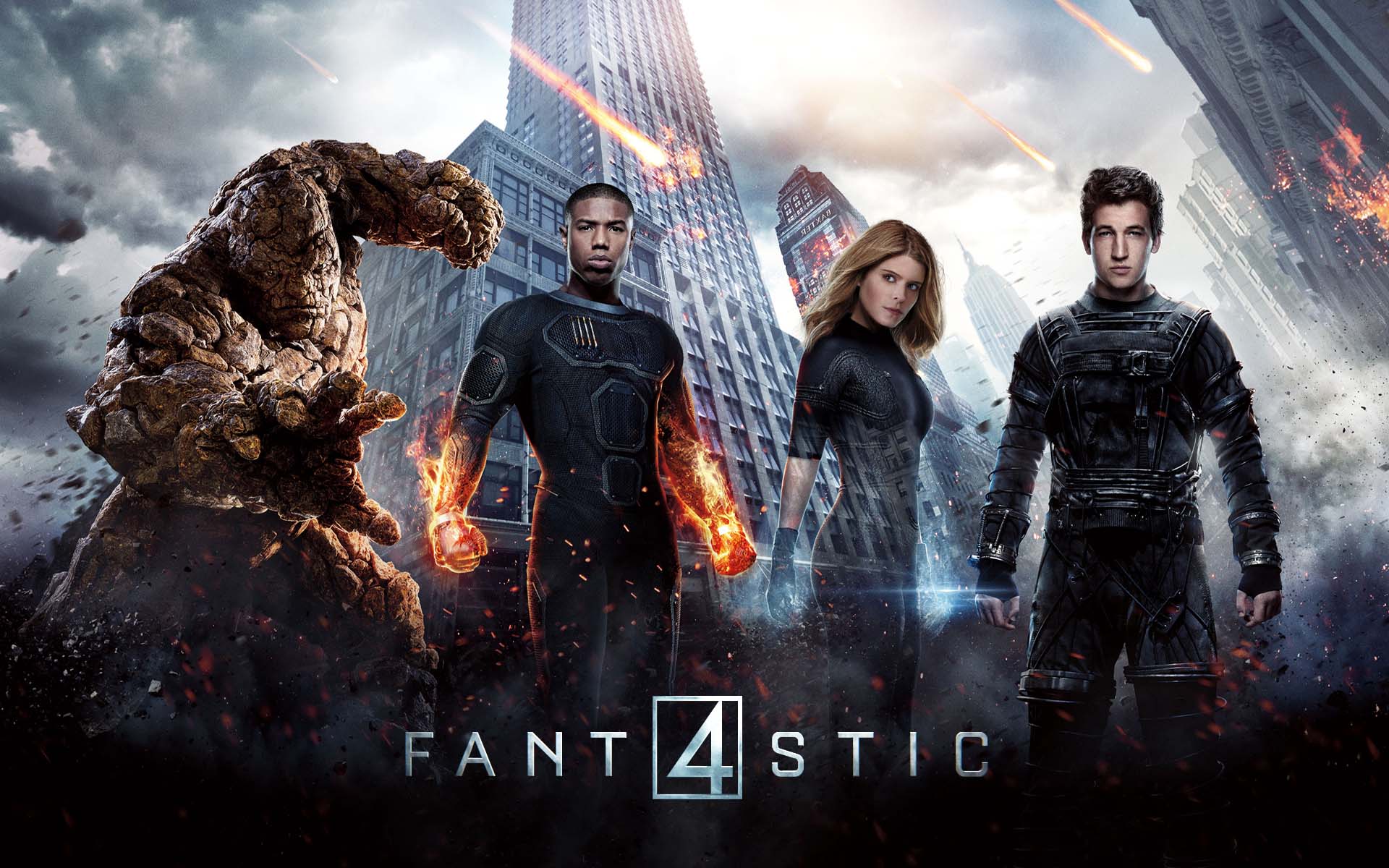
Since then, a bat Tomatometer score can really hurt a movie’s profits. Most recently, the two movies that suffered this the most were “Fantastic Four” and “Batman v. Superman: Dawn of Justice.” Both of these movies didn’t just under-perform. In some cases, major studios singled them out as a reason for declining profits.

Even more recently, the “Justice League” movie took a major hit when its Tomatometer score tanked, even though the majority of audiences liked it. There’s already a lot of doomsaying going on that, due to the poor reception of the movie, it could end up losing a great deal of money for Warner Brothers.

Think about that for a moment. The critics hated that movie, but the audiences loved it. However, due to the poor Tomatometer score, a movie like “Justice League” is doomed to go down in history as a failure. Even if the point of the movie is to entertain the audience, which “Justice League” seemed to achieve, it’s going to fail because a handful of critics said so.

This is where the influence of Rotten Tomatoes gets kind of scary. There are a great many movies that audiences love, such as “Independence Day” and “Home Alone” that have lousy Tomatometer scores, but were still huge box office successes. They succeeded because they pleased audiences and not critics. They’re certainly not the only ones.

If those movies had come out today, then they wouldn’t have been as much a success. Today, it’s easier than ever to look up how acclaimed a movie is and judge its quality, based on its score. Some of the people who ended up loving movies “Home Alone” might never have seen it, just because of the Tomatometer.

On some levels, that’s understandable. People don’t want to pay to see a movie that sucks. We waste our money on enough crap these days. We don’t want to pay $15 to see a movie we don’t like. However, how do we even know we won’t like it until we see it? Are we really going to trust critics to do that kind of thinking for us?

Now, there will be some who never pay much attention to what critics say. Even if Rotten Tomatoes had been around years ago, I still would’ve seen “Dude Where’s My Care?” because that’s just the kind of guilty pleasure movie I love.

However, if too many studios are concerned about what the almighty Tomatometer says, then movies like that might not even get made in the first place. Sure, the world wouldn’t change much if a movie like “Dude Where’s My Care?” had never been made, but that’s not the point.

If an entire industry is going to obsess over what a handful of critics on Rotten Tomatoes say about their movie, then they’re going to focus on pleasing them instead of audiences. This has already caused some consternation among movie fans, some of which suspect that there’s something corrupt going on behind the scenes.

While I don’t usually subscribe to conspiracy theories, I don’t think this one would take a full-blown CIA operation to achieve. If a movie studio wants to spend a few extra million dollars bribing movie critics to prop up their Tomatometer score, then I can’t think of how anyone could stop them.

Sure, it’s unethical, but nobody is going to prison for that. Human nature tells us that if there’s a low-risk way to achieve high-risk returns with little chance of getting caught and only minor repercussions at best, then it probably will happen at some point. It’s not unreasonable to suspect that it has happened in the past, but those involved are smart enough not to get caught.

With the Rotten Tomatoes, though, that kind of corruption becomes even easier because the result is quantifiable. You can see it in the Tomatometer score of a movie. It’s hard to imagine such a powerful tool not getting corrupted at some point.

For now, I suspect this trend will continue with Rotten Tomatoes wielding greater and greater power over a movie’s success. That trend could easily change or reverse down the line. For now, though, I won’t go so far as to say that Rotten Tomatoes is actively ruining movies. I’ll just say that it’s setting a dangerous precedent.

1 Comment

Filed under Celebrities and Celebrity Culture, Current Events, Movie Reviews

What “The Gifted” Reveals (And Warns Us) About Ourselves

Every now and then, a TV show comes along at just the right time. Like bikinis in the summer, hot chocolate in the winter, or beer at a football game, it just makes the right connections for all the right reasons.

You could argue that shows like “Married With Children” or “South Park” were shows that just happened to come along at a time when audiences were eager for something different, but didn’t know it. Some, especially “Married With Children,” couldn’t be made today because of changing standards. The fat jokes alone would’ve triggered endless whining on social media that would’ve gone on for years.

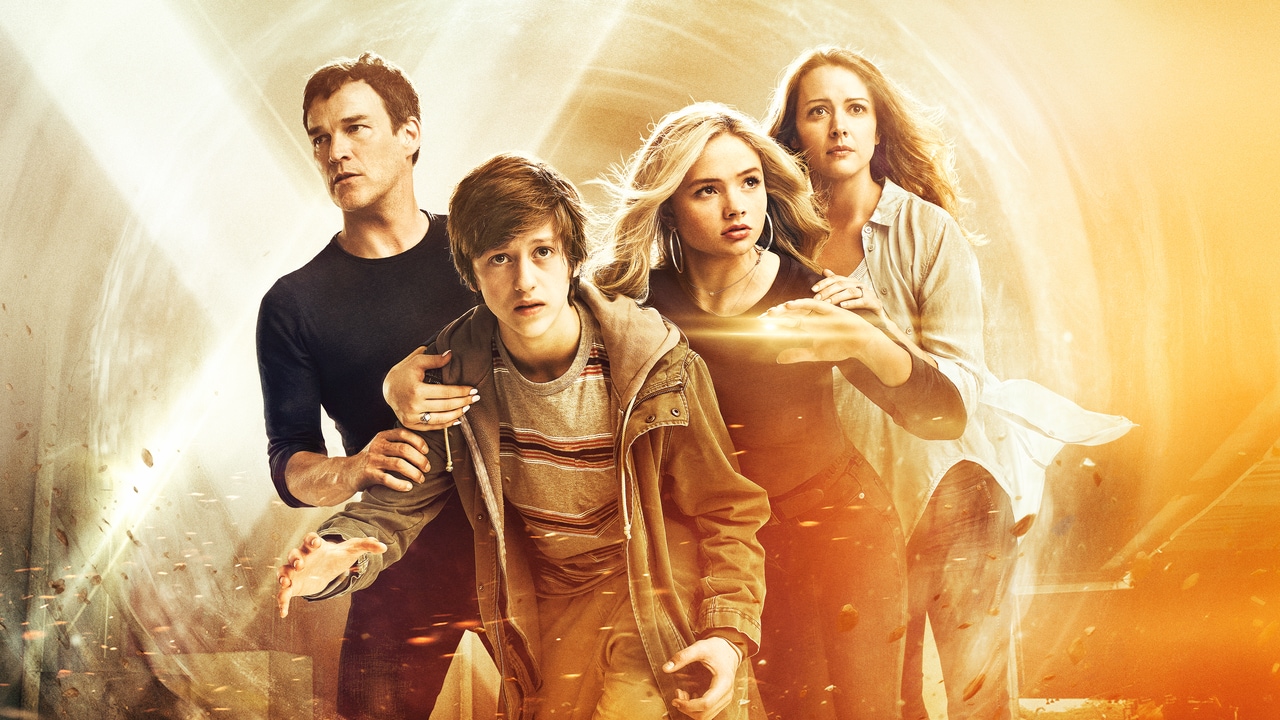
That brings me to “The Gifted,” Fox’s latest effort to squeeze every cent of profit from the X-men franchise. Yes, this is going to be another one of those posts. As I’ve done before, I’m going to tie real-world issues to one of my favorite superheroes. Unlike other posts, though, those ties go beyond getting romance tips from Deadpool.

While I’m usually skeptical about efforts to shamelessly exploit the glut of superhero shows on TV, I gladly make an exception for “The Gifted” and for a good reason. Compared to superhero melodrama on the CW or the gritty violence of the superheroes on Netflix, it’s a very different kind of show with a very different kind of struggle. Unlike aliens, blind lawyers, and secret armies of ninjas, this struggle is more relevant.

That’s because “The Gifted” doesn’t focus on heroes. Sure, it takes place in the same world as the X-men, but they aren’t the focus. Instead, the show builds its story around the Von Strucker family. They don’t live in a mansion. They don’t have their own personal hypersonic jet. They don’t even have their own personal high-tech training room.

The Von Struckers, unlike their comic counterparts, are an ordinary middle class family. They aren’t concerned with superheroes, super-villains, and insane love triangles between heroes. They’re concerned with work, school, taxes, and taking out the garbage. In a sense, they are a reflection of real people in a world with unreal challenges.

That’s a perspective that rarely manifests in the X-men movies. In fact, other than a memorable scene in “X2: X-men United,” the impact that mutants have on ordinary people is rarely touched on. Sure, they’ll show humans running in terror from a Sentinel or a pissed-off Magneto. That doesn’t give us much insight into the lives these people live.

The Gifted” builds an entire narrative around a family that lives in this world and during exceedingly tense times, no less. This is not a world where seeing the X-men take down a Sentinel is the sort of thing that happens every other Tuesday. This is a world where both the X-men and the Brotherhood have disappeared in an event that has only been referred to as “The July 15th Incident.”

That incident, much like 9/11 or a major assassination, created a dramatic/traumatic shift in society. Suddenly, mutants aren’t just another minority issue. They’re an existential threat, like nuclear weapons or mass pandemics. Mutants aren’t just a distant threat anymore. They’re a real threat.

From the perspective of the Von Struckers, at least in the first episode, the danger of mutants is like the threat of terrorism. They know it’s there. They accept the systems and precautions that society has put in place to deal with it. They’ve learned not to think much of it. They’re too busy just being an ordinary family in a world that happens to have individuals who have the mutant ability to turn into ice cream.

In a sense, we’ve done the same thing in the real world. We accept that we live in a world where the NSA reads all our emails, the CIA tries to assassinate world leaders, and gross injustices happen every day. We know, to some extent, that it’s manifesting all around us. We just shut it out and try to live our lives.

What happens, though, when that injustice hits you or someone you love? That’s what happens to the Von Struckers in the very first episode of “The Gifted.” Their blissfully oblivious lives are shattered when Reed and Kate Strucker find out their children are both mutants. Not only that, one of them ends up trashing the school gymnasium when his powers first manifest.

Their happy, middle class lives aren’t just disrupted. They’re shattered, spit on, and covered in fresh whale shit. To make matters worse, Reed Strucker, played by Stephen Moyer, was a prosecutor who made his living sending mutants to prison. Short of beating mutant children with a baseball bat for a living, he couldn’t have had a worse job.

The mutants he sent to prison weren’t always guilty of crimes. Sometimes, it was just a matter of being in the wrong place when their biology decided to act up. It would be like a teenage boy being arrested for an awkward boner, something we can’t always control. Granted, mutant powers tend to be more destructive, but they can be just as unpredictable.

It’s this revelation, as well as the events that unfold in the episodes that follow, that really highlight the impact that “The Gifted” leaves. It’s an impact more relevant than most X-men stories, including the ones that involve jealous ex-lovers. In a sense, it’s one that many minorities already understand all too well.

From the beginning of the show, there’s never a sense that Reed Strucker believed that he was hurting anyone. He never came off as the kind of guy who hates mutants and longs for the days where men like him can throw mutants into internment camps. He’s just doing his job, which he believes is making the public safer.

It’s really no different from those who genuinely believe that homosexuality is inherently harmful or that gun control will only lead to more violence. Most of the people who believe these things, the Pat Robertsons and Richard Spencers of the world notwithstanding, are decent people who want to live in a world where they’re families are safe.

Then, something traumatic comes along that shatters this worldview. They find out they have a gay son or they find themselves in the crossfire of a mass shooting. Suddenly, they can’t ignore these injustices anymore. They can’t go about their happy lives as though the system isn’t victimizing someone. It’s one of those rare situations where no amount of excuse banking can change the truth.

In a sense, the Von Strucker family are reflections of the families in the real world that find themselves on the wrong end of injustice. Whether it’s a Muslim family victimized by racial profiling or being on the wrong side of a sexual harassment claim, it’s not possible to avoid or ignore it anymore. These injustices are hurting you and the people you love. It’s soul-shattering, but that’s what makes “The Gifted” so compelling.

In the fourth episode, this message really hits hard. Reed finds himself in a jail cell right next to Polaris, a mutant who he prosecuted in the first episode, who also happens to be Magneto’s daughter. In these bleak conditions, she basically lays out all the hard truths that he and others like him avoid.

Yes, there was an incident where a group of mutants, which you could substitute for any minority, did something terrible. That was a terrible incident, but efforts to prevent other incidents like that are just hurting real people who don’t want to be superheroes fighting killer robots. Polaris is just one of them. Reed’s children are two more.

That harsh message is one that carries over in the real world, often in tragic ways. Back in 2007, a documentary called “For The Bible Tells Me So” highlighted deeply religious families who had been vehemently anti-gay, only to have one of their children turn out to be gay. Sometimes, it changed their perspective. In some instances, though, it ended tragically.

It’s a harsh, but necessary truth. We can’t control our circumstances. Much like Reed Strucker, we sometimes find ourselves in the worst situations at the worst possible times. The world is chaotic, full of strange people who do terrible things. The fact we can’t control or prevent those things is agonizing, at times. We, as a society, will do as much as we can to mitigate that danger.

In the process, though, we’ll try to fight injustice with more injustice. We’ll obsess less over what is real and more about what is potentially real. It leads us to do extreme things like throw innocent people into internment camps or create killer robots to protect people.

The Gifted” reveals the cost of those measures. It goes beyond the eccentricities surrounding superheroes and focus on the real impact that real minorities feel. Most who are lucky enough to not be part of that group remain content to ignore it. Then, when it finally affects them, they realize just how unjust it is.

At a time when injustices are harder to hide and minorities are a growing part of society, these are important messages. The X-men have been exploring these themes for years, often with colorful adventures involving cosmic birds. “The Gifted” goes even deeper and during these troubled times, these are messages worth heeding.

2 Comments

Filed under Current Events, gender issues, X-men

My Justice League Review (And Why The Criticisms Are Unwarranted)

When I did my review for the “Wonder Woman” movie earlier this year, I did so under fairly favorable circumstances. The movie was already getting a lot of positive buzz from critics and general word-of-mouth. I was excited to see it in any case, but that buzz certainly set a positive tone when assessing the merits of that movie.

With “Justice League,” I face the polar opposite of those circumstances. While I generally try not to give much weight to critics or Rotten Tomatoes scores, it was hard to avoid this time. Unlike “Wonder Woman,” the buzz for this movie was entirely negative and it showed in the box office returns, also known as the only real measure that studios care about.

For a movie that was set to be a major milestone, finally putting DC’s most iconic heroes into one movie, it has since become an outright scandal. How can a movie with so much superhero star power do this poorly? That’s a question I am not equipped to answer, especially since people much smarter and more well-connected than me already have.

Instead, I’m going to walk right into this ongoing firestorm of whining and anger to give my spoiler-free review of this movie. I wanted to do it sooner, but I decided to let that firestorm die down just a bit before I offered my take. That might have been a mistake on my part. There’s a lot of noise surrounding “Justice League,” but not much insight.

With that in mind, I’m going to keep my review simple. I’m not going to try and extrapolate a bigger picture, like I did with “Wonder Woman.” I’m just going to focus my review on one simple question.

Is “Justice League” a good movie?

Before I go into detail and try to talk over all the noise, I want to answer this question with my honest and sincere sentiment. Given how much I’ve talked about comic books, superheroes, and superhero movies, including the sexy parts, I like to think my answer has at least some weight. However much stock you put into my opinion, here’s my ultimate conclusion on “Justice League.”

It is a good movie.

Yes, I realize that sentiment doesn’t reflect its Tomatometer score. Keep in mind, though, that score reflects the opinions of critics who are paid to see and/or overthink movies. It doesn’t reflect how actual fans feel about it, which actually shows in the response for this movie.

Even critics can’t deny that this movie went out of its way to please fans, especially those who were dissatisfied with “Batman v. Superman: Dawn Of Justice.” It directly dealt with the aftermath of that movie, as well as the characters’ reaction to it. It even dealt with the aftermath of “Wonder Woman,” building upon a foundation and creating connections, exactly like a real movie universe should.

Those connections weren’t too critical to appreciate the movie as a whole. It also works very well on its own, creating a simple, concise plot that really ramps up the scale. Again, it’s entirely consistent with the effort to make a large, inter-connected movie universe, just as Marvel has done with so much acclaim.

However, that’s not my primary reason for me saying that “Justice League” is a good movie. In simplest terms, this movie is good because it sticks to the basics and does them very well. It doesn’t try to be overly elaborate. It doesn’t attempt to reinvent the characters to an excessive degree. Yes, those characters have some variations, compared to their comic counterparts, but it’s nothing that warrants confusion or outrage.

Superman is still Superman. Wonder Woman is still Wonder Woman. Batman is still Batman, even if it is through the brooding demeanor of Ben Affleck. Getting those three right is critical to the success of any “Justice League” movie and this one makes it a point to do that early on.

It doesn’t stop there, though. It puts time and energy into developing the rest of the league, namely Flash, Aquaman, and Cyborg. These three characters had only brief cameos in “Batman v. Superman: Dawn Of Justice,” but they achieved much greater depth here.

These supporting members weren’t just there to fill out the ranks. They each had their own personal story to follow. Through that story, Flash, Aquaman, and Cyborg gain a personal stake in “Justice League.” It’s not just about saving the world for them. They’re struggling for something greater and, through the story, they achieve it.

At times, there are a lot of plots unfolding simultaneously. The personal stories of all those involved tend to mix. While it does get somewhat messy, it never gets chaotic. The story never goes off-track and it never becomes too confusing, which was a common criticism levied against “Batman v. Superman: Dawn Of Justice.”

A major reason why the story remained so concise was because of the main villain, Steppenwolf. While he’s not as iconic a villain as Lex Luthor, Loki, or Darkseid, who is mentioned multiple times, he does plenty to establish himself as a powerful threat and a highly motivated villain.

Like the other members of the league, his role in the plot has a personal component. He doesn’t just show up, wanting to destroy the world for shits and giggles. There’s an actual reason behind his actions and those reasons never become excuses, something that should carry weight for any character.

On top of those reasons, Steppenwolf’s story helps build the bigger picture of the DC Extended Universe. Through it, we learn that there are much larger conflicts in this universe that go beyond the Justice League. It helps establish a larger role for the Amazons, who showed their strength in “Wonder Woman.” It also establishes the Atlanteans and Green Lantern Corp, who are set to show theirs in future movies.

If the secondary goal of “Justice League” was to build a world and expand the possibilities, it certainly succeeded. If its primary goal was to bring each hero together in a way that was entertaining, flashy, and dramatic, then it succeeded as well.

There were plenty of powerful moments. There were plenty of dramatic moments. There were even some funny moments, most of which involved Ezra Miller’s Flash. Few of the moments felt forced or contrived. None felt empty either. There was purpose in every moment, decision, and action. By those most basic of standards, “Justice League” works.

I would even argue that this movie works better than a lot of Marvel movies. I would certainly put it above titles like “Avengers: Age Of Ultron” and “Iron Man 3,” movies that I think get more praise than they deserve. “Justice League” even makes the effort to improve on the mistakes of its predecessor, something few franchises even try, as “Amazing Spider-Man” can attest.

None of this is to say that “Justice League” is without flaws. It certainly has a few. The effects aren’t as flashy or colorful as other movies. Even “Man Of Steel” had better effects, by comparison. It’s also worth belaboring that Ben Affleck is no Christian Bale and Steppenwolf is no Darkseid. It really did feel as though the movie held back, at times.

If that’s the biggest shortcoming of “Justice League,” though, then I still say it qualifies as a good movie. It tells a story. It fleshes out characters. It tells a big, flashy story, full of big battles and satisfying conclusions. There’s a sense of emotional catharsis at the end that is much more uplifting than what we got in “Batman v. Superman: Dawn Of Justice.” When put in the context of the greater DCEU, it acts like frosting on the cake.

Why, then, does it receive such hate and scorn from critics? If this movie does have a major crime, it’s that it isn’t crafted in the same mold as Marvel with their cinematic universe. I don’t deny that Marvel sets a very high bar. However, this movie cannot and should not operate by those same standards. If it did, then those same critics would just whine that it’s ripping off Marvel too much.

There are other criticisms of “Justice League,” but when so many of them revolve around Henry Cavill’s digitally-removed mustache, those criticisms are downright petty. It is possible to hate and criticize this movie by focusing on those petty issues, but that’s hardly a fair way to judge the actual substance of the movie.

In terms of actual substance, “Justice League” has it and plenty more. It Superman being Superman, Batman being Batman, and Wonder Woman being Wonder Woman, just in case her movie didn’t give you enough of that. For that reason, “Justice League” deserves far more praise than it has gotten and far less petty criticism.

In the end, it still gives us a satisfying, live-action Justice League movie. That, in and of itself, makes it inherently awesome

4 Comments

Filed under Comic Books, Jack Fisher, Superheroes, Movie Reviews, Wonder Woman

What Our Sexual Fantasies Say About Us

Before I start another discussion on something sexy, kinky, or whatever other words you want to describe the novels I write, I have a quick thought experiment I’d like to pitch. It involves your sexual fantasies. Compared to some of the other thought experiments I’ve entertained, it’s probably the easiest one I’ve ever posed.

I want you to imagine your favorite sexual fantasy. It doesn’t have to be a dream you once had. It doesn’t have to involve some decadent wedding reception that involves tequila, blackouts, and awkward conversations the next morning. It just has to be something you find very hot. Make it that one fantasy to which your mind drifts when you’re trying to get in the mood.

If you’re still with me and/or have clean underwear handy, then hold onto that fantasy. Having shared one of my own, I know the power of those lurid, yet intimate thoughts. Now, with those thoughts at the forefront of your mind, I want you to contemplate what that fantasy reveals about you.

I’m not trying to offer therapy here. I’m not trying to be too Freudian either. I’m just trying to get everyone to scrutinize something that they probably avoid scrutinizing for all the wrong reasons. I understand that overthinking your sexual thoughts, or any sexual feelings in general, can be uncomfortable. I also think it’s something we need to do more often to mitigate some of that discomfort.

Let’s face it. Talking about sex is hard enough. Thinking about it can be just as hard and not just because it means having to change your underwear or, as I’ve experienced, hiding an awkward boner. If we’re to make sense of this important facet of our lives, then we have to give a little extra thought to those fantasies we entertain.

I bring it up because those fantasies do reveal something about ourselves. Granted, it doesn’t reveal everything or even half of who we are, sexually and otherwise. It is an important component, though. After reading a few articles from Bustle and the Daily Mail, I think it’s worth exploring.

With those fantasies I asked you to entertain, here’s some possible, potentially kinky interpretations of those fantasies that you might find revealing. You may be surprised by what you learn about yourself and your desires.


Sexy Insight #1: Being Dominant (Also) Means Being Laid Back

I know it sounds counter-intuitive, wanting to be a dominant lover and being laid back. Those sound like incompatible traits, like being an Amish hacker. Now, that’s not to say that domination fantasies don’t have some basis in loving control and setting the tone with your lover, whether it’s with positions, whips, or bondage. However, there are more subtle implications at work.

Think about it. To be laid back is to minimize effort and maximize results. Being dominant accomplishes that. When you’re dominant, you don’t have to put the extra energy into setting the tone. That energy comes to you. That’s a major reason why the fantasy appeals to people with laid back personalities.

It seems like an inversion of personalities, being laid back in every other realm except the bedroom. Personally, I think it makes a kinky bit of sense. To be a sloth in everything else, but to be a total boss in the bedroom offers a strange, yet sexy balance to it all. I think that’s both sexy and healthy.


Sexy Insight #2: Being Submissive (Also) Means Having Control Issues

While we’re on the subject of inverted personality types in the bedroom, the same logic applies to those who have fantasies about submission. Again, there are some personality types that just enjoy surrendering control to their lover and trusting them to please them, as only they can. That’s a simple, inherently sexy fantasy that most people can get, so much so that it becomes a best selling novel.

Dig a little deeper and you’ll also find some kinky quirks behind the basics. To be sexually submissive is to surrender control and, believe it or not, some domineering individuals find that uniquely arousing. Think of the most uptight, control freak you can think of. Imagine how stressful that must be, clinging to that control and exercising it every day.

In that context, it’s not too hard to imagine them fantasizing about giving it all over to someone. It’s freeing in a strange sort of way, giving over that kind of control to someone and then having them use it to pleasure you. For once, you don’t have to control everything. It’s a paradox, of sorts, but one that can lead to orgasms. For that reasons, these fantasies can be extra potent and extra revealing.


Sexy Insight #3: Forbidden People Mean (Intensely) Greater Desire

This one really shouldn’t surprise anyone. I’ve talked about the forbidden fruit factor of sex before. It’s part of the reason that Catholic school girls are such a kinky trope. It’s also why they tend to enter our sexier fantasies more often than most will dare admit. I’m not just referring to super sexy celebrities either.

A forbidden person, be it someone who is married or someone who is a friend of a friend, often carries with them this aura that sets them apart. They may not look like John Cena after a cage match, but there’s an obstacle to being with them that no other person has. Us being such a competitive species, a fantasy with a forbidden person carries more weight.

To want to be with that forbidden person requires extra desire. Just having that desire reveals that your breadth for sexuality is greater than you think. Keep that in mind the next time you see your best friend’s sibling/friend/co-worker. That might be your body’s way of telling you that your capacity for desire is much greater than you think.


Sexy Insight #4: Sex With A Stranger Is (Extra) Physical

This is a pretty basic fantasy, as well as a popular premise for under-budget porno films. To be fair, it’s a pretty simple premise in the real world too. A couple of attractive strangers meet, they agree that they’re really horny, and then they have sex. On the surface, that’s not much of a fantasy. Dig a little deeper, though, and you’ll see there’s much more to it.

Hooking up with a stranger is basic in another important way. It’s all about the physical act of sex. Sure, that kind of sex is taboo, but taboos have a knack for gaining a sexual component. By making the intimacy purely physical, it circumvents any emotional entanglements and/or personal ties. In that sense, it’s kind of liberating.

By focusing only on the physical, it all becomes about you and getting that toe-curling pleasure you seek. It’s your chance to be a little selfish while minimizing the entanglements. In that sense, it’s one of those fantasies that’s more pragmatic than most. At a time when Disney movies have convinced us that every interaction between potential lovers has to be emotional, this sort of fantasy can be pretty intense.


Sexy Insight #5: Watching Others Also Means Grading Yourself

There’s nothing inherently subtle about voyeurism. It’s another one of those taboos that isn’t always very kinky, but still has this strange appeal. Even at an age when there’s an unlimited amount of free porn on the internet, there’s still something extra fanciful about watching another couple go at it, even if it doesn’t involve a significant other.

Beyond the appeal of a life sex show, though, it can offer other insights. Unlike the porn on your computer screen, the sex you see in real life isn’t made to be shot on a camera or viewed from a certain angle. There’s a special realness to it and sometimes, that kind of realness can make for a potent fantasy. It’s another paradox, but one that has become even more powerful in the digital age.

Part of that power involves just seeing how other people go at it, compared to you. How do you even know you’re that good at sex if you don’t see other people do it in a non-pornographic setting? Typically, we gauge our abilities by comparing ourselves to others. We do that in everything from video game leader-boards to Yelp reviews. Why should sex be any different?

It may come back to the taboo factor and our inability to break them. Whatever the case, it’s still one of those self-serving fantasies that most won’t readily admit, but enjoy entertaining none-the-less. However, if you’re serious about improving your love-making skills, then it’s hard to call that entirely selfish.


Sexy Insight #6: Spanking Blurs Pain And Pleasure (Among Other Things)

This is probably one of the most basic forms of kink. It was a popular sexy fantasy long before “50 Shades Of Grey” made it mainstream. It might not be as taboo to admit you enjoy being spanked these days, but it’s still a potent fantasy in its own right.

The psychology of spanking may be different for kids, but for adults, it offers a unique experience that blurs the line between pleasure and pain. Blurring that line is a big part of what makes this fantasy so endearing. It reflects that innate desire for excitement and arousal, which is actually hard-wired into us to some extent.

Pain and pleasure reflects opposite extremes of a broad spectrum of novel experiences. Spanking and sex are simple, basic ways to achieve those extremes at the same time. By doing so, the experience becomes a potent mix of both. Just wanting that chaotic blend of experiences says a lot about someone’s hunger for other experiences.

Sure, there’s also a punishment component. That’s kind of the initial intent of spanking. Mixing sex with atonement, thereby alleviating guilt, can be pretty potent as well, not to mention pragmatic. However, it’s the bigger picture of experiences that make that fantasy so profound.


Do you still have that fantasy in your mind? Has it since taken on a whole new dimension? I hope it has and I hope it gives some greater insight into your own personal proclivities. Maybe it’ll help your sex life. Maybe it’ll help you better understand your own nature. Whatever the case, I hope I’ve given you reason to think extra hard about your sexy thoughts.

Leave a comment

Filed under gender issues, sexuality

The Sexiest Dream I’ve Ever Had (That I’m Willing To Share)

Strap yourselves and loosen your panties because I’m going to get personal on this blog again. I don’t do it too often, but when I do, I try to make it memorable. I’ve talked about my fondness of sleeping naked and the most awkward boner I’ve ever gotten. I’ve even recounted the hottest teacher I ever had a crush on. I’m not afraid to get personal is what I’m saying.

This time, I want to get personal in a different way. I don’t just want to share past experiences or explore those sexy/awkward moments that we’ve all had in some form or another, regardless of gender or setting. I want to talk about the fantasies we have in our quiet moments.

Specifically, I want to talk about dreams, primarily the sexy variety. It’s one thing to just see a someone walking down the street and imagine what they look like naked. A dream is more vivid. It’s something that manifests from the deepest parts of your psyche. We don’t fully understand them, but most people recognize their power. Not every dream is sexy, but those that are go beyond simple fantasy.

I’ve certainly had my share of sexy dreams. I’m not afraid to admit that. Granted, I save most of those details for my novels, but there are a select few that I don’t mind sharing. One, in particular, has always stood out to me.

It’s not one that involves a childhood crush, of which I’ve had more than one. It’s not one that involves a celebrity, pop star, or cartoon character who may or may not look like Wonder Woman. When you’re young, horny, and hormonal, those kinds of dreams are a dime a dozen. What this one lacks in media inspiration it makes up for in raw imagery, which is a big reason why it’s so memorable.

Rather than just list the details and the note the sensations, I’ll try to narrate it as though it were a scene from my novels. If you don’t have a dry pair of panties nearby, now would be a good time to get some.


It’s so sunny and hot, a perfect day at the beach. I don’t know how, but I find myself on a secluded tropical island. It has the feel of an expensive resort, one remote and overpriced, but worth every penny. I don’t see the hotel or the beach chairs, but I don’t mind. I’m too busy admiring the pristine, white sand and the beautiful blue waves.

The air is so clean and crisp, mixed with a gentle breeze that warms my body while still sending chills down my spine somehow. It’s at this point I realize I’m naked. If I had trunks on, I’ve since ditched them. I don’t care though. I just love the feeling of hot, tropical air over my body.

For a moment, I stand just a few feet away from the crashing waves, feeling the hot sand between my toes and taking in the peaceful noises. Then, as I gaze out into the sparkling ocean, I see two beautiful female figures emerge from the water. I don’t recognize them, but they recognize me.

One has bright, platinum blond hair that seems to shine with the radiance of the sun. She’s wearing a white bikini, which barely contains her ample breasts and heart-shaped ass. It looks like she’d rather not wear it, but tolerates because it augments her every curve.

The other, who stands next to her, has silky auburn hair that looks like it had been polished by an angel. It illuminates a figure that is every bit as beautiful. She bears a more athletic frame, one that her black bikini reveals much of. She too looks inclined to remove it too, but keeps it on, if only to entice me.

Everything about these two women radiates with perfect femininity. Everything about them leaves me in perfect awe. I watch as they laugh and splash each other. They carry on like a couple of old friends who have known each other since childhood. They keep looking at me, as though they know me. I feel like I know them, but I can’t seem to put a name on them.

I can only smile, to which they respond. I swear their smile makes the sea sparkle around them. They both make their way towards me, as though I’d been waiting for them. My heart races and the air seems to grow hotter.

When they arrive, they laugh as they eagerly embrace me. Immediately, I feel their warm flesh on mine. It’s ecstasy. It’s like smothering my skin with pure, unfiltered ecstasy. I want nothing more than to stay in their embrace for all eternity.

My smile grows as they take turns kissing me. I kiss them too, tasting the sweetness of their lips. It’s like the first bite of my favorite treat, so full of life and passion. They laugh and I laugh. They then whisper something into my ear. I can’t make out the words. I can barely make out my own heartbeat. I only make out three words.

“Let’s make love.”

The next thing I know, the two beautiful women shed their bikinis, throwing them out into the ocean, as though they’ve no intention of ever wearing them again. I see with utter astonishment their exposed breasts and curvy hips. They’re so beautiful. Every female feature shines with perfection, as though polished by divine forces.

Freed from their clothing, they embrace me again. I embrace them, as well. We laugh and kiss, the echoes of the crashing waves mixing with every sensation. At some point, I notice the sun starting to set over the ocean. Did that much time really pass? How long have we been out here?

I don’t know. I don’t care. Time has no more meaning to me. All that means anything anymore is this moment with these two beautiful women. Together, we lay down on the sand. We kiss and touch some more. Soon, the air is so hot and the sensations are so strong that I can’t stand it. I want what they want. That’s all I want. I’m ready and so are they.

Then, just as we’re about to make love, I wake up. I rise up in my bed, short of breath and feeling hot all over, but I swear I can still taste their lips and hear the crashing waves of the ocean.


I’ll give everyone a moment to catch their breath and change their underwear. Take all the time you need. I totally understand.

I don’t know exactly when I first had this dream. I do remember it happening in the summer after just having return from a vacation to the beach. I was a teenager and had already realized how much I love beautiful women in bikinis. Given how vocal I’ve been about my love for the beach, I’m sure that surprises no one.

It’s one of the few dreams that I vividly remember. It’s also one of the few dreams I’ve had on multiple occasions. It doesn’t happen often, but when it does, I sleep extra well for reasons I hope are obvious. I consider it a beautiful, sexy fantasy that helped inspire me to write erotica/romance novels.

I think most people have these kinds of special dreams at some point in their lives. They may not inspire you to write sexy novels, but they still inspire you. That’s what makes them special.

That’s the sexiest dream I’m willing to share for now. I have others, but I’ll hold off on sharing them until I feel the time is right. Until then, I’d like to encourage others to take the time to share their sexy dreams as well. Either post them in the comments or just share them with close friends or family, assuming it’s not too awkward.

Even if it is, though, these sexy dreams are powerful insights into the things that drive our desires. They’re like messages from our psyche and even if they would make a lousy novel, we would be wise to listen. Besides, some dreams are just too sexy to keep to ourselves.

2 Comments

Filed under Jack Fisher's Insights, sexuality

Why Wonder Woman Is The Most Important Member Of The Justice League

There’s a lot that can be said about the “Justice League” movie. Granted, not a lot of it has been good lately. The horrendous critical reception, despite the solid audience reception, has effectively muted the sheer accomplishment of creating this movie in the first place.

It is a hell of an accomplishment, creating a live-action “Justice League” movie just two decades after “Batman and Robin” nearly ruined the genre completely. While the success of movies like “The Avengers” has undermined the novelty of the concept, it still means something to those like me who grew up loving these characters in comics and cartoons.

I could spend multiple blog posts discussing and dissecting the issues with the “Justice League” movie, but I’ll save them for another time. For now, I want to take a moment to highlight an important point that the “Justice League” made, despite all the controversies and shortcomings that hounded it. That point is this.

Wonder Woman is THE most important member of the Justice League.

I know that sounds like something a hopeless fanboy would say, particularly those who enjoy talking about the kinkier elements of Wonder Woman’s history. It’s probably something most Wonder Woman fans would agree with and not give much thought to. However, I’d like to take a moment to make my point, even to those die-hard fans of Superman, Batman, and even Plastic Man. You know who you are.

Even among those die-hard fans, there’s no denying that Wonder Woman is part of DC’s superhero trinity. For decades, Superman, Wonder Woman, and Batman have been the anchor of DC’s entire superhero universe, both in terms of popularity and importance. That superhero foundation is unlikely to change anytime soon.

Most of the time, though, Superman or Batman wield the most influence. Between Batman’s cast of iconic villains and Superman’s iconic status, they have a lot going for them, in terms of influence and depth. I don’t deny the strength of their status, nor do I think Wonder Woman trumps them on every level.

However, I still contend that Wonder Woman is the most important member of DC’s superhero pantheon in terms of impact, theme, and narrative. She may never get as many movies as Batman. Considering she has the same number of movies as Catwoman, though, I don’t think that’s a fair measure of Wonder Woman’s importance.

The reason I believe she is that important has less to do with her role within the world of DC and more to do with how she goes about being a hero and an icon. Her situation is very different from that of Batman, Superman, or any other hero in the DC universe, male or female.

Wonder Woman didn’t enter a flawed world that needs heroes by accident or tragedy. In fact, she had every possible reason to not join that world. Her situation before becoming a hero was as ideal as it gets without ripping off a Disney movie.

She was a princess on Themyscira, a literal island paradise. As the daughter of Hippolyta, she wanted for nothing. She was surrounded by love, support, and luxury of every kind. Who would ever be inclined to leave such a place to begin with? Those who saw the “Wonder Woman” movie remember that her mother did not want Diana to leave and did what she could to dissuade her.

Despite this, Diana still left her paradise home. She chose to enter a world full of gender inequality, oppression, and bad reality TV. She chose to confront all those flaws and fight them, both with her fists and her heart. She didn’t need to lose someone or be forced by tragedy. That alone makes her a greater hero than most can hope to be.

Contrast that with Batman or Superman. Batman became who he is because of tragedy. Crime took his parents so he built his entire heroic persona out of a response to that tragedy. It helped drive him to become the hero he is. It also led to some pretty insane feats, even by comic book standards.

Superman’s heroic persona wasn’t built on quite as much tragedy, but like Batman, he was somewhat guided into the heroic role. From the time he was an infant, these ideals were in stilled in him. Those who saw the classic 1978 “Superman” movie remember the message his father gave him, through the famous voice of Marlon Brando.

Live as one of them, Kal-El, to discover where your strength and your power are needed. Always hold in your heart the pride of your special heritage. They can be a great people, Kal-El; they wish to be. They only lack the light to show the way. For this reason above all, their capacity for good, I have sent them you…my only son.

Whether by accident or luck, Superman ended up with perfect loving parents who helped nourish those ideals in him. Between those ideals and his immense powers, him not being a hero was never really an option.

With Wonder Woman, she didn’t need circumstances or guidance. She chose the path that led her to becoming a hero. She even chose that path when there were obstacles in her way, namely her mother. Beyond that choice, though, Wonder Woman’s heroism takes on an even greater context when you look at how she goes about it.

Superman may be the ideal when it comes to heroic values. Batman may be the ideal when it comes to seeking justice. However, Wonder Woman’s ideals are even greater in the sense that they’re concepts that ordinary people can relate to. Despite all her power, her approach is something that is wonderfully unifying, if that’s not too fitting a term.

She doesn’t just provide a standard with which to measure heroism. She goes out of her way to confront the good, the bad, and the frustrating of the modern world and not always with her firsts.

In the “Wonder Woman” movie, she doesn’t just criticize the attitudes of early 20th century England, which weren’t very progressive to say the least. She smiled and cheered when she saw a woman with her baby. She also went from fighting alongside men on a bloody battlefield to celebrating with them afterwards.

Along the way, she always wore her heart and her emotions on her sleeve. However, they weren’t a weakness, as they’ve been with Superman. They weren’t her primary motivation either, as is often the case with Batman. She channels her emotions and her passions to win over the hearts of men, women, children, and everyone in between. That’s a power that far exceeds anything form Superman’s strength or Batman’s gadgets.

That ability to embrace a flawed world, confronting its ugliness and its beauty, is something that everyone can do and not just Wonder Woman. She just does it better than most and inspires others to join her. She certainly inspired Steve Trevor in the “Wonder Woman” movie. The fact it got Chris Pine naked was just a nice bonus.

It’s an approach she utilizes in every other medium, from comics to cartoons. For those who enjoyed seeing Wonder Woman’s capacity for heart and strength, I urge you to check out the “Justice League Unlimited” cartoon from the early 2000s. There’s no naked Chris Pine, but Wonder Woman still shines in so many meaningful ways.

Every one of those ways comes back to her heart and her willingness to embrace a flawed world with love and compassion. It’s not just about what is right and wrong, just and unjust, or masculine or feminine. It’s about tempering hate and oppression with love and compassion. Those are powerful principles that work just as well in the real world as they do the fictional one.

While those principles might not help the critical reception of “Justice League,” those who’ve seen the movie have likely seen all the ways Wonder Woman uses her heart and her skills to the utmost. It may not convince everyone that she’s the most important member of the Justice League, but I hope it makes a powerful case.

It’s a concept that will likely carry over into future movies in the DC Extended Universe, but has already shown itself to be true throughout the comics, especially in recent years. Superman and Batman have their place and their status among the world of superheroes. However, Wonder Woman’s impact extends far beyond any comic book or movie. It’s an impact that we would all be wise to learn from.

2 Comments

Filed under Celebrities and Celebrity Culture, Comic Books, Jack Fisher, Superheroes, gender issues