My Frustrations And Fondness With Bumbling Dad Tropes

ventilador-griffin-750x500-750x500

We know them, love them, laugh at them, and cringe at them every now and then. They entertain us. They educate us. They amuse us in any number of ways, both with real-life antics and those only possible through animation. They are the clumsy, bumbling, oafish father figures of popular culture. Compared to many other tropes, they make up a sizable chunk of the overall comedy footprint in our media landscape.

Don’t get the wrong idea. I don’t write that with disdain or dismay. In fact, I’m quite fond of the bumbling father figures that make up a sizable chunk of sitcoms, animated shows, and movies. I grew up on a steady diet of “The Simpson,” “Family Guy,” and “Married With Children.” Characters like Homer Simpson, Peter Griffin, and Al Bundy have had a profound impact on my world and not just in terms of laughter.

As I get older, though, I find myself scrutinizing the dynamics of these faltering father figures more and more. I also find myself paying more attention to the context and circumstances surrounding them, especially as our media and culture evolves in accord with changing trends, some less positive than others.

Maybe it’s because I’m an adult now. Maybe it’s because, as both an adult and a man, I have too much experience with the larger complexities of the world. I can still laugh every time Homer does something foolish or Peter does something stupid. However, a part of me can’t help but contemplate the larger implications of bumbling dads.

Some of it has to do with double standards, which I’ve talked about many times before. Some of it deals with the struggles/inexperience in developing complex fatherly characters who aren’t blatant rip-offs of Superman, John McClane, Jack Baur, or Ward Cleaver. Most of it simply reflects a sentiment that I find frustrating at times.

Think, for a moment, about the dumbest, most hilariously idiotic antics in a show featuring bumbling dads. “The Simpson,” alone, should give plenty of content to draw from. With those antics in mind, contemplate what those antics say about the bumbling dad as a character and what it says about male characters, as a whole.

Whether he’s Homer Simpson, Peter Griffin, or a guy you know in real life who once threw up in a kiddie pool after doing shots of habenero sauce on a dare, the themes are fairly consistent. At the heart of every conflict in the story is a selfish, moronic, thick-headed guy who, if he didn’t have his wife and kids, would’ve been dead by now.

The bumbling dad isn’t just the catalyst for most of the conflicts in the show. He basically embodies the inherent ineptitude of men, as a whole. Whereas strong, independent women are celebrated as a trope of their own, the bumbling dad acts as a case study as to why men can’t function on their own. Unless they have a woman and a family to restrain them, they’ll collapse under the weight of their own stupidity.

It doesn’t just reflect poorly on male characters. It sends a pretty frustrating message to female characters as well, saying that women basically have to act as referees on top of being spouses and mothers. Their role, in the context of the bumbling dad trope, is to either clean up the mess or reign the man in before he does some serious damage.

In a sense, the bumbling dad is the catalyst for the nagging woman, a character not nearly as hilarious that can be every bit as frustrating. One causes all the chaos and problems in a story. The other whines about it and tries to limit the damage, often while failing to teach the bumbling dad any meaningful lessons that’ll help him be less bumbling.

Granted, there are some exceptions to that dynamic. Compared to Marge Simpson and Lois Griffin, Peggy Bundy from “Married With Childrencompletely subverts this trope. Then again, that whole show went out of its way to undermine every standard sitcom trope that ever existed. As I noted before, it’s the kind of show that could never be made today.

Those exceptions aside, the bumbling dad represents another point of frustration that has more to do with the implications of character development, as a whole. It’s a frustration that even plays out in other forms of media that don’t involve idiot married men who only still have their limbs because their wives won’t let them near fireworks.

When you take a step back and look at the kinds of roles bumbling dads have in so many narratives, you notice a number of recurring themes that don’t just reflect poorly on them as men and fathers. They also help enable a lot of the themes that reflect poorly on certain female characters as well.

Essentially, the bumbling dad is allowed to be an idiot with flaws, ineptitude, and shortcomings of all kinds. It’s okay that he make a fool of himself, getting hurt and causing all sorts of damage with his antics. When Al Bundy and his idiot male friends keep falling off a roof, it’s funny and entertaining. If a female character did that, though, that just wouldn’t have the same impact.

Even in shows like “Married With Children,” the female characters were never allowed to fall off a roof, get hurt, or get into fights of any kind. Even when they’re not nagging or trying to be the voice of reason, the female characters are treated as more fragile, needing to fill a more specific role rather than explore the vast array of buffoonery that their male counterparts get to experience.

A female character can’t be bumbling, idiotic, or self-destructive. That would imply she has too many flaws. Even in the days before the recent push for more female representation, that was considered taboo.

A female character can’t be the catalyst for a problem either, unless it involves the moral crusades of Lisa Simpson. The idea of a female character causing anywhere near the problems as a man would just trigger too much outrage for daring to hint that women can be as flawed as men. That last sentence was sarcasm, by the way.

This, essentially, is the driving force behind the frustration. The bumbling dad trope basically gives the impression that men are the only ones who can be foolish, self-destructive, unreasonable, and unlikable. Women can occasionally do those things, but never to the point of the bumbling dad.

In terms of character development, that’s limiting to characters of any gender. It means all the conflict, plot twists, and memorable story elements have to come from the male characters. All the female characters ever do is react, recover, or rebuild from the male character’s antics.

The bumbling dad basically sets up the expectations alongside the comedy. We expect them to do something stupid. We expect them to make a fool of themselves, get hurt, and not think things through. We also expect the women to basically bring them back in line again because without them, they just couldn’t function.

Beyond the expectations, the bumbling dad is basically the crash test dummy for all the chaos within a plot. They’re the ones that get hurt. They bear the brunt end of the physical comedy, be it a slap in the face or constantly falling down a cliff. The idea of women getting hurt just as much, even in an era where the push for tough female characters has never been greater, still doesn’t sit right with audiences.

That says as much about lingering gender norms as it does about bumbling dads, as a whole. Beyond just relegating the comedy and the personal journey to a particular male character, it gives the impression that women aren’t capable of doing foolish things. Anyone with a stable internet connection knows that’s just not true.

Again, this is not to say the bumbling dad trope is inherently “toxic.” I’ve already made clear how much I despise that terminology. There will always be a place for bumbling dads and the comedy they inspire. There’s also plenty of room for non-male, non-dad characters to be foolish as well. When it comes to gender, age, race, and sexual orientation, stupidity is the ultimate egalitarian.

1 Comment

Filed under gender issues, human nature, media issues, sex in society, sexuality

The (Possible) Timeline For Human/Robot Marriage

3b8ab30300000578-0-image-m-2_1482240679723

It wasn’t that long ago when the idea that same-sex marriage would be legal in all 50 states and over two dozen countries around the world seemed outrageous. In fact, you’d only have to go back 25 years to be in a world where no state or country recognized same-sex marriage as a legitimate marriage.

That kind of societal shift is pretty remarkable. Considering how long it took for women to get the right to vote and for racial segregation to dissolve, the legalization of same-sex marriage felt downright sudden. It didn’t just reflect changing attitudes towards homosexuality and sexual minorities, in general. It showed that society was capable of expanding its idea of love, romance, sex, and family.

Granted, that did plenty to upset the regressive, ultra-conservative crowd. Some are making a concerted effort to re-institute bans same-sex marriage and there are still plenty of anti-LGBT organizations out there who work to undermine marriage equality, even at this late stage.

As it stands, though, their fighting a losing battle, both in terms of ideology and in terms of shifting demographics. At this point, it’s fair to say that they’ve lost and same-sex marriage is here to say. However, there may be another marriage-related issue brewing and it might be even more of a game-changer than same-sex marriage. That’s because this issue involves sex robots.

I’ve already done plenty of speculation about how robots may affect our sex lives, our emotional health, and even our concept of family. However, I’ve yet to take a step back and assess the implications of sex robots on a larger societal level. That impact is difficult to predict, if only because human society is so unpredictable.

Few could’ve predicted the rapid adoption of same-sex marriage. I imagine it’ll be even harder to predict the impact of sex robots, if only because there’s no precedent. Humans have never lived in a world where functional, intelligent sex robots are part of society. Sure, some eccentric person will try to marry a sex doll every now and then, but that’s a novelty and not a legal, recognized trend.

Difficult or not, I am willing to make one prediction that I’m fairly confident will happen. Save this page, mark this date, and carve it in bedrock because I strongly believe that this will be a real controversy that plays out at some point in my lifetime.

Marriage between humans and robots WILL happen and it WILL be legalized at some point in the future.

To be fair, I am not the first person to make this prediction. People much smarter and more informed than I am have made similar predictions. The general consensus is that by the year 2050, human/robot marriage will be a legally recognized union. It won’t just be some eccentric oddity reserved for the socially awkward. It’ll carry the same legal, social, and emotional weight as any marriage today.

I’m willing to be a bit bolder with my prediction, though. I’ll go so far as to say that human/robot marriage will occur far sooner than 2050. I’m not ready to put a date on it, but I do see it happening sooner than most expect. I also expect there to be plenty of controversy. It’ll likely be more heated than the one surrounding same-sex marriage.

Like same-sex marriage, though, it’ll happen. Humans will marry robots. Men will marry female sex robots. Women will marry male sex robots. Some men will marry male sex robots and some women will marry female sex robots. I’m sure there will even be plenty who marry sex robots who blur the gender line in ways that’s hard to imagine without getting too kinky. It’ll still happen and it will be legally recognized as marriage.

I’ll give a moment for social conservatives and extreme reactionaries to stop shuddering in horror. Take all the time you need. To that crowd and anyone else concerned/scared of this possibility, I can offer at least some solace in the sense that this isn’t going to happen overnight. However, the factors for it to eventually happen are already manifesting.

For human/robot marriage to happen, a number of things need to occur first. There will need to be progression of events, some of them social and some of them technological. As those events occur, though, the path to human/robot marriage will become clearer. In simplest terms, this is the timeline for how we’ll navigate that path.

Step 1: Robot intelligence must advance to a point where they have a sense of self and identity.

Step 2: Robots must gain some level of citizenship status within a society, which must also happen in conjunction with a change in what constitutes identity in a non-human context.

Step 3: Robots and humans must start forming intimate personal relationships, romantic and platonic, that closely mirror those between other humans.

Step 4: The relationships between humans and robots must gain some level of acceptance as a legitimate, non-taboo kind of relationship.

There are probably more detailed steps in between, but I would identify these steps as the most critical. So far, none of them have been achieved. While I’m aware that Saudi Arabia recognized its first robot citizen in 2017, I see that as more of a symbolic gesture cloaked as a PR stunt.

The robot they recognized, Sophia, is not the kind of robot people will marry in the future. This robot, which is pretty advanced by most standards, doesn’t quite meet the criteria necessary for sentience. It’s unlikely that she would be able to pass the Turing Test consistently or carry out the personal, physical, and emotional attributes of a spouse.

At the moment, human-level intelligence in a robot has not been achieved, let alone the kind of intelligence necessary to have a sense of self and will. We’re still quite a way from a robot that will one day ask whether or not it has a soul, which may end up being the moment we find out whether artificial intelligence becomes an existential crisis.

In the human/robot marriage timeline, though, we work under the assumption that the robots we create for uses beyond sex or labor will share a desire to form intimate connections. Granted, that’s a pretty lofty assumption, but one I think is already manifesting with the rise of the sex robot industry.

The fact sex robots are a growing industry and a growing controversy already reveals a desire, at least from the human part, to form an intimate connection with machines. If that desire finds its way into robots and artificial intelligent systems, then it’s likely those machines will seek connections too.

I believe that, as soon as there’s a robot or an intelligence that has such desires, the first and most critical step in the human/robot marriage timeline will be fulfilled. After that, it may only be a decade before humans start marrying robots. It may happen even sooner than that simply because digital evolution is so much faster than biological evolution.

It’s hard to say how close we are to creating that kind of intelligence. Even the most advanced sex robots today and the most advanced AIs aren’t quite at a level where they gain a sense of identity, but I believe we’re closer to that point than most realize. There are some who say robots will never advance beyond a certain point, but there are others who say it might reach that point by 2029 at the earliest.

If history is any guide, those who tend to claim a technological feat is impossible are usually proven wrong and look downright stupid through the lens of history. Those who are insanely optimistic about also get proven wrong too. For the most part, the achievement happens somewhere in the middle.

I won’t predict when robots are capable of human-level intelligence, but I believe it will happen before 2050 and it probably won’t happen all at once. Technology never does. At some point, though, we will find ourselves living in a world where non-human intelligence is part of our lives and it won’t seem like a novelty. It’ll be our new normal.

As happened with other minority struggles, it’ll take a while for robots to gain the kind of legal status necessary for a legitimate marriage. It’ll be controversial and probably end up being a major political issue. However, given the economics of robotics along with the intimate connections we’ve already forged, I believe robot citizenship will eventually happen and must faster than we expect.

Once that intelligence finds its way into a body or form with which humans can share intimate relationships, then human/robot marriage doesn’t just become possible. It becomes inevitable. We’ve already had people marry their phones. Is it really such a stretch to imagine that they’ll marry an intelligent robot capable of forming intimate, loving connections? I think it’s not just possible. It’s inevitable.

2 Comments

Filed under futurism, Marriage and Relationships, sex in society, sexuality

Are Cheerleaders An Endangered Profession?

cheerlader

There are certain professions that go extinct and for perfectly valid reasons. Occupations like elevator operator, switchboard operators, and milkmen are all jobs that just don’t have a place in the economy or society anymore. Technology and trends have rendered them unnecessary or obsolete.

For a small, but vocal contingent of regressive individuals with a low threshold for outrage, there’s a particular occupation that they’d like to add to that list. That is the profession/hobby of cheerleading, specifically the kind that involves parading beautiful women in sexy attire so they can dance, shake pom-poms, and get a crowd excited. Hell, it’s not like there’s anything inherently appealing about that.

That last sentence was sarcasm, by the way. I want to make clear that, as both a man and an avid sports fan, I love cheerleaders. They embody so many wonderful concepts about the world. They combine sports, sex appeal, dancing, and excitement. They bring happiness, excitement, and spirit to an event. There is literally no downside.

Unfortunately, that regressive crowd who insist on seeing sexism, misogyny, and oppression at every corner sees none of that. They only see beautiful women being paraded around in sexy attire for horny men to gawk at. It doesn’t matter if those women choose to do so or are paid to do. Beautiful women attracting the attention of horny men is seen as inherently oppressive to all women everywhere.


That was sarcasm too. I’m sorry if I’m using more than usual, but I find it’s the best way to highlight the sheer absurdity of this attitude. However, it’s an absurdity with serious implications because it reflects a growing trend. Now, in an era where it’s suddenly scandalous to depict the female body in any sexual context, cheerleading is a growing target.

It’s a target that has already taken a few hits. Earlier this year, Formula One Racing announced that it would no longer utilize grid girls, who are basically cheerleaders for racing. This act was cheered by the radical anti-sex feminist crowd. It was probably secretly cheered by priests, mullahs, and monks, as well. While it did inspire somewhat of a backlash, it hasn’t stopped that same crowd from aiming at other targets.

More recently, NFL cheerleaders are in the spotlight. In terms of cheerleading, as a profession, this is basically going for the very top of the hierarchy. The NFL is for cheerleaders what the Pro Bowl is for NFL players. It’s seen as the very pinnacle of the profession and it may be in danger.

It hasn’t helped that there have been some distressing scandals involving how some NFL cheerleaders are treated. The recent scandal involving the Washington Redskins cheerleading squad has only added more fuel to the outrage. Never mind that the facts of these scandals are limited and anecdotal, in some cases. It gives the regressive crowd everything they need to cry sexism and misogyny.

Now, none of this is to downplay some of the real issues surrounding cheerleading, as a profession. There are certainly issues with respect to how much cheerleaders are paid and how their lives are micromanaged. Those issues should be addressed and reformed. However, that’s not the conversation anyone wants to have.

Instead, cheerleading is getting lumped into other outdated traditions like arranged marriages, virginity tests, and being forced to cover their ankles in public. It’s not a profession or a passion that needs to be reformed and improved. It’s something that needs to be outright purged from society.

That’s not just an extreme reaction to a job that isn’t even the most dangerous or the most prone to sex scandals. It’s an attack on the very idea that beautiful, sexy women can and should be used to promote anything, be it a sports team or a fast food meal. The problem isn’t how the job is unfairly managed. It’s the job itself.

From the perspective of cheerleading’s opponents, it objectifies the female body and commodifies female sexuality for the consumption of men. In an era where sexually harassing a woman is seen as the ultimate evil, whereas sexually abusing a man isn’t nearly as outrageous, that’s just unacceptable.

The attitudes of the women who seek this profession don’t matter. The attitudes of the men who enjoy the sexiness and excitement that cheerleaders inspire especially don’t matter. All that matters is that cheerleaders are too sexually stimulating to the masses and that’s feeding a culture of misogyny and sexism. I wish that were sarcasm, but that’s what these regressive people genuinely believe.

For them, undermining the freedom and agency of those who want to pursue cheerleading and those who want to admire cheerleaders is a price they’re willing to pay. While some, like the Grid Girls, try to fight back, they’re facing an uphill battle and it’s one that cheerleaders might end up losing.

That’s because these are exceedingly sensitive times. Just trying to inject reason and criticism into the movement against sexism is subject to irrational outrage. Matt Damon found that out the hard way. More and more, people are just avoiding the conversation altogether because it just keeps fueling more outrage.

The current dynamic is as simple as it is unfair. If you stand up for cheerleaders, then the regressive crowd can just claim you’re a sexiest who wants to gawk at beautiful women. Even if you’re a woman speaking on behalf of cheerleaders, your criticism can be cast aside because you’re just brainwashed by the patriarchy and you’re for the objectification of women.

Never mind the fact that the very concept of objectification is fundamentally flawed. Never mind the fact that that flawed concept is also prone to some pretty disturbing double standards. The protests against cheerleading is framed as a protest against sexism, misogyny, and patriarchal oppression. It doesn’t matter how wrong or misguided that notion is. That’s the perception and there’s just no way to win that argument.

These days, being called a sexist is bad for business and for your profession. I believe the regressive crowd knows that, to some extent. They understand that the NFL is a business and one that has already been ravaged by negative press. Their success and their profits are dependent on their brand. If they see something as potentially damaging to their brand, then they’re going to either get rid of it or downplay it.

I’m not good at predicting the future, but depending on how these recent cheerleading scandals play out, I suspect that the NFL might just slowly phase out cheerleaders, altogether. It’s the path of least resistance. Keeping them around means keeping the outrage around. That’s just more risk and frustration than it’s worth.

It would be another major loss, one far bigger than the loss of the Grid Girls. However, as much as I love cheerleaders and the sex appeal they bring, I can totally understand why a major organization like the NFL would resort to such an extreme. By just removing cheerleaders, altogether, the crowd of regressive outrage will move onto their next crusade and, hopefully, leave them alone.

It’s a scenario that nobody wins. If the NFL ends up eliminating cheerleaders, it won’t be because they’ve seen the error of their ways and are now champions of women’s empowerment. They’re just protecting their brand. They’re trying to stop the whining, an approach that only offers the illusion of progress and not actual progress.

Personally, I hope the NFL resists the outrage. The more ground we give to regressive attitudes, the more regressive our society becomes. This is a crowd that won’t stop until everything that might potentially evoke sexual feelings or portray women in a sexy way is either eliminated or stigmatized.

As both a fan of all things sexy and an aspiring erotica/romance writer, that’s not a world I want to live in. That’s not a world that even other women want to live in, as the Grid Girls have shown. It’s a boring, unsexy, downright dystopian world that’s worth resisting and I hope there are plenty of cheerleaders, male and female alike, who will cheer on that effort.

Leave a comment

Filed under Current Events, gender issues, media issues, political correctness, sex in society, sexuality, sports

The (Fragile) State Of Modern Chivalry

Courtesy Photo

These days, you can’t go more than a few days without hearing someone complaining that chivalry is dead, dying, or some elaborate patriarchal conspiracy to keep women in their place. A few are even arguing it’s part of some matriarchal conspiracy to control men. The very concept of chivalry is in a precarious state is what I’m saying.

Now, I’m somewhat hesitant to write about this because in my experience, both in real life and online, it brings out a lot of mixed sentiments. I’ve met men who resent it. I’ve met women who are outright offended by it. No matter how I approach it, there’s no way to avoid rubbing certain people the wrong way.

Hesitation aside, I do feel compelled to talk about it because the idea of modern chivalry, the kind that involves common courtesy and not the medieval kind that made high school English class so frustrating, is kind of personal to me. That’s because I had awesome, loving parents who went out of their way to teach me and my siblings the manners, attitude, and mentality that go into modern chivalry.

They may not have built their entire parenting strategy around it, but I like to think that them emphasizing it was part of a larger life lesson. It’s one that effects me to this day. I still make it a point to hold doors, pull out chairs, and address people as sir/ma’am. If I don’t, then I feel like I’m not showing the respect I want.

It may not sound like much, but I find myself wondering and worrying about the state of this gender-driven quirk. Some of that worry stems from how relevant those vital lessons my parents taught me are today and whether they’re losing relevance with each passing year. That might just be a byproduct of me getting older, but it does concern me, if only because I feel there’s a lot of gender-driven conflict these days.

To understand why, I need to give a little background as to just how my parents instilled an appreciation of modern chivalry in me and, as a bonus, demonstrate why they’re so awesome. While both my parents were big on teaching me and my siblings manners, my father was more focused in emphasizing courteous behavior.

As a kid, I remember more than one occasion where we would go out somewhere and my father told me to hold the door for women and/or total strangers coming up behind you. It wasn’t just for women either. He made it clear that if you have a chance to hold the door for someone, you do it and you be a gentleman about it.

I only remembered why it was so important on the occasions I forgot. There was this one time when I was around 10-years-old that my parents took me and my siblings to the mall. I, being an overly excited kid, ran out ahead to get inside. In doing so, I forgot to hold the door for a woman and her daughter. My dad did not approve of that.

I vividly recall him catching up with me, grabbing me by the arm, and telling me that if I’m going to run out ahead like that, I damn well better hold the door like a goddamn gentleman. Remember, I was only 10 at the time and my father was holding me to higher standards than that. At the time, I was kind of annoyed, but as I got older, I came to appreciate that lesson.

There were probably other similar incidents. My dad, who I know occasionally reads this site, can probably remember plenty of others like that. I hope they’re still relatively few because as I got older, things like holding doors, pulling out chairs, and saying sir/ma’am became second nature to me. It got to a point where I really didn’t think about it.

Then, in a more recent incident, I had an encounter that kind of worried me. I was walking around my neighborhood. I then make my way into a fast food restaurant for a quick lunch. Since an older woman was behind me, I held the door for them. She smiled and thanked me. I replied with a simple, “You’re welcome, ma’am.”

It was that last part, though, that got a stronger reaction. She was genuinely surprised when I said “ma’am.” It was a pleasant surprised, though. She even went out of her way to thank me for being so courtesy, claiming she doesn’t hear that sort of rhetoric much anymore.

Now, this was not some old woman longing for the good old days, mind you. This woman didn’t look that much older than me. It really caught me off-guard, mostly because I was just doing what my parents had taught me to do all my life. It also kind of worried me, too.

That’s not the first time something like that happened. I’ve said “sir/ma’am” to strangers before and gotten strange looks, both from older and younger crowds. I’ve noticed the older women, though, are the ones that react most often to it. They tend to react most positively as well. Women who are around my age or younger just smile and shrug it off, as though it’s no big deal.

I’m honestly not sure what to make of it. I understand my experiences are purely anecdotal and it’s unreasonable to make broad generalizations about society, as a whole. However, the more reactions of this sort that I encounter, the more I worry that the value of modern chivalry is declining.

That worry, though, is not akin to some old man longing for the good old days. I understand that the good old days are never as good as we remember. I feel a more pressing concern is how this attitude reflects the growing tension between genders that seems to fuel so many conflicts, these days.

I’ve talked about a few of those conflicts, including the absurd ones. A part of me can’t help but wonder whether the lack of a reaction I get from younger women on my chivalrous acts reflects a distressing trend in attitudes towards men, in general.

I worry that recent scandals, trends in feminism, and even a few trends in men’s rights activism are conditioning people to just assume the worst in men, even when they demonstrate good conduct. Assuming the worst in any situation is usually the first step towards falling into a nasty cycle of self-fulfilling prophecies.

In that context, there’s no behavior, chivalrous or otherwise, that can convince anyone that they’re just trying to be polite. I hold a door for a woman with those assumptions and she won’t see it as good manners. She’ll just see it as some elaborate effort to get into her pants or somehow draw her into a system of patriarchal oppression.

The assumptions are just as bad for the men. I hold a door for a man, or just get seen holding the door for a woman, and the assumption is I’m trapped in some radical feminist agenda that seeks to turn all men into weak, submissive, beta-males. Again, it overlooks the mere possibility that it’s just the kind, courteous, polite thing to do.

I sincerely hope this is just empty concern on my part and the observations I’ve made are just a byproduct of growing cynicism. I also hope that the current state of gender politics doesn’t reduce the concept of modern chivalry to an agenda. Just acting like a decent human being to other people, regardless of their gender, should never be an agenda.

It’ll be interesting to see how the current social landscape evolves over the next several years. How it sees and interprets modern chivalry will reveal a lot about the direction we’re heading with respect to how men and women relate to one another. If every little action suddenly becomes part of an agenda, then I imagine it’ll get a lot harder to just show common courtesy to someone.

I hope it doesn’t get that bad. I sincerely hope that the lessons my parents taught me about showing good manners and common courtesy are just as relevant in the future as they are now. If I ever get around to having kids, I intend to teach them those same lessons.

Some things just don’t need to be part of a gender-driven conflict. They can just be an overly-formal way of showing respect to one another. Call it what you want, be it modern chivalry or just not being an asshole to someone. There’s still a place for it in any society and I believe there always will be.

1 Comment

Filed under gender issues, Jack Fisher's Insights, Marriage and Relationships, romance

Sexy Sunday Thoughts: (Belated) Cinco De Mayo Edition

cinco-de-mayo-e1334011426792

Greetings, and a very happy belated El Cinco de Mayo to all. I know I’m a day late, but I’ve always been one to enjoy the afterglow of a holiday, among other things. I find those are actually the most relaxing moments of an event. Celebrating takes all sorts of time, energy, and planning. When you get to the afterglow, though, you can just chill.

I admit I don’t celebrate El Cinco de Mayo. However, I grew up in a pretty diverse area that had a sizable Hispanic population. Without going into too much detail about my neighbors, I’ll just say those people know how to throw a party and cook amazing food. Even though I was pretty shy as a kid, I always appreciated a joyous occasion and great food.

Tacos, burritos, and pretty much anything else you can dip in hot sauce is already a sizable part of my diet. A day of celebration that involves feasts and festivities is certainly welcome. I don’t speak Spanish very well, but I know the language of great food and sexy musings.

As such, I’m happy to dedicate this week’s edition of my Sexy Sunday Thoughts to those basking in the afterglow of another great holiday. By now, I imagine many are tired and still digesting their spicy feasts. A little sexy spirit helps to maximize that glow. Enjoy!


“At some point, we all need to acknowledge that smelling women’s panties is more desperation than fetish.”


“The worst blowjob a man can get is still better than the best shoulder rub he’s ever gotten.”


“Is it possible that we’re only attracted to chiseled abs because we’re more certain that person won’t eat our leftovers?”


“The line between wrestling and sex is like the line between a snack and a meal in that one can easily morph into the other.”


“If a man’s penis were replaced with a woman’s vibrator, then batteries would become the world’s most valuable resource.”


“Someone who has great sex on the day they die can objectively say didn’t die in vain.”


“When you think about it, the most basic form of romantic love stems from a sincere desire to give someone else an orgasm.”


I hope that gets everyone in the mood for a nice Sunday siesta, among other things. This is the time of year when the weather is warm enough to minimize the amount of clothing you need to wear around the house. As someone with a noted fondness for sleeping naked, it’s a wonderful time of year and having an excuse to eat more burritos certainly doesn’t hurt.

Leave a comment

Filed under Sexy Sunday Thoughts

How And Why It Became Trendy To Hate “The Big Bang Theory”

1488462637_058409_1488464865_noticia_normal

There was once a time in the mid-90s when Hootie and the Blowfish was the hottest band in the world. They’re music was everywhere. You couldn’t listen to the radio for more than five minutes without hearing one of their songs. I didn’t consider myself a huge fan, but I found plenty of their songs catchy and fun. I still have “Hold My Hand” on my phone.

Then, for reasons I still don’t quite understand, it became cool to hate them. Suddenly, admitting that you enjoyed your music was akin to admitting that you did shots of paint thinner to win a five-dollar bet. It got to the point when even “The Simpsonsmade a joke about them in an episode.

The same thing happened to Nickelback in the 2000s. They went through an early period of intense success. Their fourth album, “The Long Road,” sold over five million copies. That’s success that most artists only ever dream of. I even admit I have that album and I love it. Their song, “Feelin’ Way Too Damn Good,” is on my workout playlist.

Then, for reasons that I’d rather not speculate on, it became cool to hate them too. While that hasn’t stopped them from selling over 50 million albums and becoming one of the most successful acts of a decade, it’s still trendy to despise them as everything wrong with music. It doesn’t seem to matter how successful they are. For some strange, esoteric reason, they embody everything wrong with the world.

If I would write that with more sarcasm, I would. However, this piece isn’t about Hootie and the Blowfish or Nickelback. I reference them because they’ve already gone through what’s happening to “The Big Bang Theory” seems to be enduring right now. They’ve risen to the top, defying the odds to achieve a level of success that most can only dream of. Then, it becomes cool to hate them for any number of reasons.

Now, I know I’ve criticized “The Big Bang Theory” before. I’ve cited it as the show that contains one of the worst romances in all of fiction. I don’t deny that it’s brand of humor and reliance on nerdy, socially inept men can be dry at times. That said, I do consider myself a fan of the show.

I watch it regularly. I even laugh at it. It has flaws, but I think the things it does well do plenty to overshadow those flaws. Sheldon is eccentric, but funny. Amy is quirky, but endearing. Howard, while creepy in the early seasons, has really grown up in all the right ways over the years. I would even go so far as to say that the show is worth watching just for Raj Koothrappali.

It’s not the best show on television, but like Nickelback and Hootie and the Blowfish, there’s no denying its success. It’s been syndicated and regularly ranks as one of the highest rated prime-time shows. Then, somewhere along the way, it became cool to hate the show as much as Nickelback.

You don’t have to look far to find articles of people whining about the show. Even Cracked, a site I often reference, once wrote a scathing article that flat out insulted anyone who dared enjoy the show. This is a direct quote.

Who are you people? The people watching The Big Bang Theory, I mean. Show yourselves. The world demands explanation. I mean that, too. In every way, shape, and form, this is the Justin Bieber of television shows.

I know the internet is full of this kind of trolling, but we’re not talking about snuff films and public crucifixion here. It’s a goddamn TV sitcom. It tries to be funny and entertaining. It doesn’t always work for everyone, but it still works for some. Are those people, which I guess includes me, somehow damaged just for liking this show?

I could probably ask the same of those who enjoy music from Nickelback and Hootie and the Blowfish. I could even offer a partial answer if I only use the basis of personal taste. That is, after all, what the consumption of all media is, be it music, movies, or TV. You tend to consume what you like. It’s that simple.

However, for an issue like this, there are added complications when something becomes cool to hate. Suddenly, it’s no longer a matter of just liking something different. It’s a matter of having some inherent personal flaw for liking something that has a vocal contingent of critics.

Call those critics whatever you want. Call them hipsters, trolls, or any number of other names that would warrant fines from the FCC. They’re still driven by the same focused outrage that dominates politics, religious disputes, and Overwatch tournaments. The only real question is why a show like “The Big Bang Theory” gets singled out.

It’s a hard question to answer and I’m not qualified to answer it completely. However, I do think something strange happens to movie, TV show, or band when they get so successful and so acclaimed that those who don’t like the show just can’t stop at not watching it.

It’s rare for any show to achieve the kind of success “The Big Bang Theory” has garnered. Success makes a show a bigger target. If shows like “South Park” or “The Simpsons” weren’t so successful, nobody would care how bad some of their jokes were or how controversial a certain character might be.

Some of that might be out of envy. There’s only so much success to go around. The fact “The Big Bang Theory” is so successful means, in the eyes of those who hate it, that it’s robbing success from shows that might be funnier or more worthy of it. Never mind the fact that the humor and worthiness of a show is completely subjective. Fans of that show will see “The Big Bang Theory” as a thief and a fraud.

Like it or not, envy can be a pretty powerful source of emotion. It’s underrated compared to outrage and hate, but still potent in its own right. However, I don’t think that’s the sole reason why “The Big Bang Theory” gets more hate than most prime-time shows that don’t involve CSI spin-offs.

I suspect there’s a deeper reason driving the hatred towards “The Big Bang Theory” that even Nickelback doesn’t have to deal with. I think part of that reason has to do with the archetypes the show uses. I don’t think it’s a coincidence that the combination of nerdy, socially awkward young men and a cute ditzy blonde conjures some heated emotional reactions, to say the least.

There’s no doubt that combination is contrived and relies heavily on old stereotypes. Then again, you could say that about a lot of other shows. The fact this one uses nerds and cute blondes, though, just makes it seem more overt. It makes every joke, every plot, and every gag seem cheap or forced.

It makes some of the resentment to the show understandable, but I think that resentment is even more compounded by trends in political correctness. Chief among those trends is a growing aversion to stereotypes. Characters and archetypes once considered inoffensive are now controversial. Jokes that were once just in poor taste are now the source of intense outrage.

Since its inception, “The Big Bang Theory” has relied a lot on stereotypes for its characters and its humor. Like all shows, it exaggerates certain personas. Sheldon Cooper, alone, is a testament to a character whose quirks are taken to a ridiculous extreme.

By relying on these stereotypes, though, it makes itself an even bigger target. Laughing at the show, in the eyes of some, means accepting some of these stereotypes and having the audacity to find them funny. That appears to be the undertone of the Cracked article I cited earlier. It seems to be the undertone of a lot of the hatred the show gets.

Now, I don’t deny that “The Big Bang Theory” can go overboard with cliches and stereotypes. There are a number of episodes in “The Big Bang Theory” that even I find bland. However, for the most part, I still laugh. I still find myself enjoying the story. Even when I can apply some of those stereotypes to myself, I still laugh.

At the end of the day, “The Big Bang Theory” is still just a TV show in the same way Nickelback is just a band. Nobody forces anyone to watch it. It’s easy to just change the channel and watch something else. However, when a show becomes so successful while relying on a premise that is getting more politically incorrect with each passing year, it’s bound to attract criticism and not just from the hipster crowd.

I still enjoy the show and I intend to keep watching it. I also intend to keep all the songs by Nickelback and Hootie and the Blowfish on my phone for the foreseeable future. If that makes me uncool in the eyes of some, then so be it. To me, it doesn’t matter if something is cool to hate. Petty hate is still petty hate.

I also expect to see plenty more hatred directed at the show for how it treats nerds, women, minorities, and humor. It’s just too successful and too big a target to avoid that kind of scrutiny. In that situation though, as with Nickelback and Hootie and the Blowfish, sometimes the best you can do is just laugh and enjoy it on your own terms. Bazinga!

2 Comments

Filed under human nature, media issues

Why Abstinence Only Sex Education Is Only Getting More Harmful

screen_shot_2017-06-06_at_10-20-47_am

There was once a time when it was possible, albeit cumbersome, for a parent to control the information and education their child received from the cradle up to and even a little bit beyond their high school graduation. Some even went further than that, attempting to control their children well into adulthood. I’m not saying that’s right or wrong. I’m not a parent yet so I’m not in a position to judge. I’m just saying it was possible.

A parent could, for the most part, prevent their children from watching certain TV shows, seeing certain movies, or reading certain books that contained information and messages that they didn’t want them consuming. Sure, every now and then one of their kids’ friends might sneak some “illicit” information past their guard, but they could still exert a fair amount of control over what and how their kids learned.

Without getting too deep into the logistics, it’s safe to say that those days are either over or numbered. In today’s world of ever-increased connectivity, along with cheap smartphones and easy internet access, kids are capable of accessing an unlimited wealth of information that no parent can hope to filter.

In many ways, that’s a good thing. Both the millennial generation and the emerging youth in Generation Z are the most educated cohort of people to have ever lived on this planet. Given that level of education, combined with access to so much information, why do some parents still believe they can keep their kids ignorant about sex?

I don’t deny that talking to children about sex is uncomfortable for parents, to say the least. It’s just as uncomfortable for the kids too. I still remember how awkward it was when my parents told me about sex. I still love and commend them for enduring that awkwardness because it made me more informed later in life. Other parents, however, insist on taking the opposite approach.

On April 23rd, 2018, there was a nationwide effort conducted by concerned parents who didn’t approve of how their children were being educated about sex. They called it “Sex Ed Sit Out” and it’s exactly what it sounds like. Rather than directly deal with the information their children are being taught, they seek to prevent their children from ever learning about it.

The fact they’re doing this in an era where any kid with a smartphone can look up detailed information about anatomy, sexuality, sexual orientation, and transgender issues is pretty telling. The fact this is being done with support of socially conservative, sex-negative organizations like the Family Research Council and the Liberty Counsel should also be a major red flag.

The effort, itself, was instigated by a North Carolina mother who called herself “The Activist Mommy.” She’s an extremely religious woman who espouses extremely regressive views on any form of sexuality that doesn’t fall in line with what popes, monks, mullahs, and rabbis deem moral. What set her off, though, was what she found out her kids had been learning in sex ed at their school.

It wasn’t just that they were teaching kids about contraception, safe sex practices, and the radical notion that sexual desires aren’t some disease that need to be cured or managed. It was also the idea that these programs had the audacity to inform children about LGBTQ issues relating to sexuality. It even had the gall to ask kids to think about and question how those issues effect them.

Assume that last paragraph was written with the utmost sarcasm, but that was a serious issue for these parents. This isn’t just about information that may or may not conflict with their preferred holy books. Some go so far as to call it “graphic, gender-bending, promiscuity-promoting sex education.”

They frequently throw around phrases like “the sexualization of our children” to get parents really uncomfortable. They treat such education as though they’re a how-to guide, complete with drills and a maintenance schedule. In reality, that’s not how the program works and anyone with an internet connection can verify that.

It’s still not enough for these parents, though. I don’t doubt they love their kids with all their hearts, but I think they’re seriously underestimating their ability to control both the inherent biology of children and the dangers of trying to preserve ignorance in an era where information is so easy to access.

It’s because of that same access that anyone can learn that abstinence only sex education programs don’t work. It doesn’t just bear out through data in peer-reviewed studies. Those programs even fail the basic tenets of common sense and logic. To prove this, just think of all the instances when not knowing about something made it not exist. Outside Freddy Kruger movies, that just doesn’t work in the real world.

Beyond simply being ineffective and a waste of taxpayer money, taking that same abstinence approach to LGBTQ issues is potentially more damaging. It’s one thing to tell children that having a strong desire to be intimate with someone is immoral, dangerous, and may doom their soul to damnation. It’s quite another to instill the notion that they’re somehow damaged for not having gender-based attitudes consistent with 50s sitcoms.

Like it or not, human beings are complicated, diverse creatures with a wide range of desires, attitudes, and identities. The idea that something as inherently powerful as sex can fit into the narrow scope of a 50s sitcom requires a gross misunderstanding of the chaotic, unpredictable nature of sexuality and biology in general.

Granted, this sort of repressive ideology is nothing new. Religious organizations have been protesting sex education in public school for years, favoring abstinence instead of any information that might hint that sex could involve something other than just two married heterosexuals making babies that grow into devout church-going tax-payers.

However, the rhetoric from people like the Activist Mommy is getting louder as gender-driven conflicts enter the conversation on top of the sexual components. It’s more than enough to get parents worried, outraged, and even a little anxious about what their kids are learning.

Whatever their sentiments, sincere and well-meaning as they might be, the abstinence approach still doesn‘t work. It was already ineffective in the era before the internet, as evidenced by the rates of teen pregnancy over the past several decades. However, that same inefficacy may be more damaging now than it was two decades ago.

To understand how, think back to what I mentioned earlier about parents being able to control what their kids learned in the past. Outside extremely restrictive religious communities, that’s just not feasible anymore. Today, just as during any other time period in human history, kids are going to get curious and/or horny. Unlike past eras, though, it’s easier than ever find the information they’re looking for.

That’s not just dangerous to the extent those kids learn things their parents don’t want them to know. It’s dangerous in the sense that there’s a lot of misinformation on the internet, especially about sex. That doesn’t just extend to the unrealistic depictions and expectations in the average porno either. It’s disturbingly easy to find bias sources of information.

Even if that information is accurate, there’s still more damage to be done by abstinence. Once a kid learns that information, much to the dismay of their parent, it’s hard to unlearn it. At the same time, it may also reveal to the kid just how much their parents have been lying to them on issues of sex, gender, and their own bodies.

Now, I get that parents have to lie to their kids every now and then, but some lies are more destructive than others. If the lie is too big or egregious, then suddenly that kid has a valid reason not to trust their parents. First, they say sex you can get pregnant by hugging someone. Then, they expect you to believe them when they say driving after doing tequila shots at a party is dangerous?

As a general rule, if keeping a secret from your kid involves something that can’t easily be uncovered with a couple internet searches, then they’re going to find out eventually. It doesn’t matter how hard you try to protect your kid from this information. If it’s out there and they’re curious, they’ll find it. That’s just the nature of the age we live in.

A child may or may not be capable of understanding sexuality or gender issues at a particular age, but most agree that it’s healthy for a child to trust their parents. Most people, kids and adults alike, can forgive small lies. For bigger lies that can claim natural, healthy desires are a disease, though, those are much harder to overlook.

For the parents to participated in this sit out, I hope they come to understand that at some point. Their children, which I’m certain they love with all their heart, are going to learn about sex, gender, and everything in between at some point. When that point comes and it’s too late, then the damage might already be irreparable.

1 Comment

Filed under gender issues, sex in media, sex in society, sexuality

The following is a review I wrote for PopMatters for Avengers #1. Enjoy!

Marvel’s Avengers #1 Defends Old School Avenging

Leave a comment

May 3, 2018 · 2:06 pm

How Superhero Movies Are Preparing Us For The Future Of Human Enhancement

justice-league-cyborg-star-labs-1050432-1280x0

As a kid growing up on a healthy diet of superhero comics, video games, and superhero-themed cartoons that were very much ahead of their time on social issues, I often daydreamed about how awesome it would be to have the same powers as my favorite heroes. As an adult, I still daydream every now and then, often when I’m tired, frustrated, or stuck in traffic.

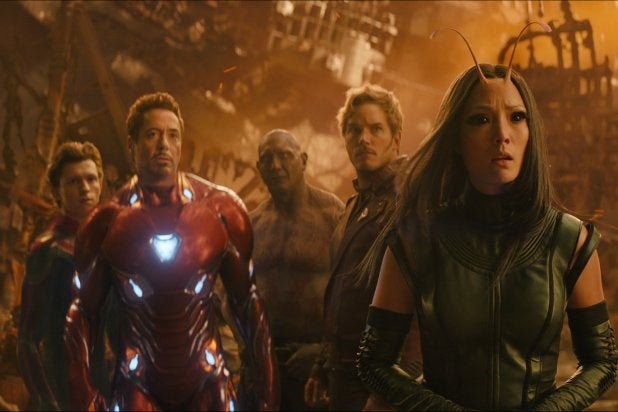
A major component in the overall appeal of the superhero genre is the wish fulfillment fantasy it embodies. Captain America represents the peak of physical conditioning. Iron Man represents the peak of technological know-how. Superman represents the peak of pretty much every possible feat we can imagine, a few of which are even impossible.

It’s a common fantasy of anyone who ever struggled in gym class or couldn’t open a can of pickles. It is, after all, those moments of struggle that remind us of just how limited we are, as humans. Our bodies are remarkable in so many ways, but they’re still frustratingly frail.

That status, however, may very well change. Unlike every other point in the approximately 200,000 year history of the human species, we’re actively working to transcend the limits of evolution through advances in biotechnology, advances in the treatment of disease, and even the integration of cybernetics into our brains and even our genitals.

Some of these advances are closer than others. Chances are that most people alive today won’t live to see the day when they can shape-shift at will like Mystique or fly around like Iron Man in mech suits designed by Elon Musk’s descendants. However, there may be young children alive today who will live long enough to see such wonders.

I’m not the only one who thinks this. There are people out there much smarter than me who believes that the first functionally immortal person is already alive today. They still might be in diapers, but there is a real chance that by the time they’re as old as I am, they’ll live in a world where things like aging, disease, and not being able to run 13 miles in 30 minutes like Captain America is a thing of the past.

A lot has already changed in the time I’ve been alive. I still remember a time when the idea of computers that could fit into your pocket was seen as too futuristic for some people. It was seen as just a fancy gadget from Star Trek. Given that kind of change, it’s hard to imagine what the next several decades holds for the future of humanity.

That’s where superhero media is helping in unexpected ways, though. To some extent, the modern superhero media of today is doing the same thing “Star Trek” did for previous generations. It doesn’t present a fanciful world where big green men can smash monsters or where a sickly young army recruit can be instantly transformed into the ultimate soldier. It offers a tantalizing vision of what the future could be.

It’s a vision that I believe got muddied between the end of the early “Star Trek” era and rise of modern superhero movies that began with “X-men,” “Iron Man,” and Christopher Nolan’s “Batman Begins.” Within that gap, events like Watergate, the the Vietnam War, and the rise of less optimistic, much more cynical generations made it very difficult to look forward to a better future.

Modern superhero movies have not eliminated that cynicism, but I believe it has helped tempered it. Optimism, as a whole, is actually on the rise. As bad as some recent headlines have been, some being downright disturbing, there is an increasing sense that the future is not all doom and gloom. We still dare to daydream about a better tomorrow.

More recent superhero movies, especially those that began with “Iron Man” and the emergence of the Marvel Cinematic Universe, aren’t nearly as fanciful as the old Richard Donner “Superman” movies. They’re not as gritty as Christopher Nolan’s “Batman” movies either. In a sense, this health balance has presented audiences with a world that still feels fanciful, but is also full of possibilities.

The idea that we can use science and biotechnology to turn someone who was once weak and sickly into the pinnacle of strength is not just a product of Jack Kirby’s legendary imagination. There are people working on that as I write this. It’s not out of the realm of possibility that we may one day enhance ourselves to the same level as Captain America.

Chances are we won’t even stop there. As I noted earlier, the human body has a lot of flaws. Also, thanks to the painfully slow progress of evolution, it hasn’t been upgraded in over 100,000 years. From our biology’s perspective, we’re still cavemen roaming the African Savannah with spears and rocks. Our bodies need upgrades, especially if we’re to become a space-faring species like the ones in “Guardians of the Galaxy.”

Some of those upgrades will come sooner than others. The end result, though, will be something far greater than even Captain America’s abilities. Some of those abilities seem impossible now. Remember, though, it wasn’t that long ago that the idea of computers in our pockets seemed just as impossible.

This is where, I believe, modern superhero movies are doing a much greater service than just entertaining the masses and making billions of dollars for Disney. Through heroes like Captain America, Iron Man, Thor, and even “Ant Man,” these movies make the case that such enhancements can do more than just fight invading aliens.

These movies can also help make the case that humanity can use these advancements to become better, as a whole. Characters like Steve Rogers, Tony Stark, Scott Lang, and Peter Parker all have the opportunities to be both destructive and productive with their enhanced abilities. At times, they even lapse into destructive tendencies, as we saw with Tony in “Iron Man 3.”

In the end, though, these characters use those enhanced abilities to do good for the world. They’re still human and they still have human flaws, which they don’t even try to hide. However, even with these flaws, they still feel inclined to do good, heroic things with their abilities.

That doesn’t just make for a good superhero narrative. It sends the message that we, as a species, can aspire to do so much good with the advances the future brings. There are still plenty of dangers, both with existing technology and with emerging technologies. The essence of the superhero narrative, though, tells us that we can confront those dangers and come out of it better than before.

That’s an important mentality to have as we move into an era where human enhancement is both possible and common. By believing we can use it to pursue the same heroics as the superheroes in movies like “The Avengers,” we give our species the push it needs to advance in a way that brings out the best in us.

There will still be villains along the way, as plenty of superhero movies show. The fact we still root for the heroes, though, helps reveal where our aspirations reside. With these movies effecting an entire generation of young people, I believe modern superhero movies are doing plenty to prepare them for the future of human enhancement.

With the staggering success of “Avengers: Infinity War,” a movie that has raised the bar for superhero movies of all kinds, the impact of superhero media has never been greater. That impact may very well be the key to preparing the next generation for unprecedented advancements in technology, society, and progress. That, to some extent, might end up being the most heroic thing this genre can do.

1 Comment

Filed under Comic Books, Jack Fisher, Superheroes, futurism, human nature, Sexy Future

The Strange Appeal Of The Apocalypse (According To “Rick And Morty”)

s3e2_specific_rick

What is it about the apocalypse that fascinates us so much? Why do movies about zombies, machine uprisings, and overall societal collapse appeal to us? Is it just the dramatic, action-packed stories they evoke that thrills us? Could there be something more to that appeal?

While I enjoy a good apocalyptic tale every now and then, I don’t consider myself a fan of the genre. In general, I opt for more hopeful and optimistic stories about the future and the present. I can still appreciate movies like “World War Z” and TV shows like “The Walking Dead,” but it’s not the kind of story that appeals to me, in general.

Even so, I don’t deny that there is a certain appeal to it. I’m not just talking about apocalyptic stories either. For some, the idea of a world in which civilization has collapsed has an innate allure that goes beyond zombies, killer robots, or even invading aliens. To some extent, that appeal is directly related to the flaws of civilization itself.

To appreciate those flaws and where the apocalypse fits in, it’s necessary to reference a show that has a knack for conveying complex philosophical insights in a way that’s both entertaining and hilarious. Yes, I’m referring to “Rick and Morty” again. No, I’m not apologizing for that.

In the same way this show has conveyed complexities of nihilism and the burdens of genius, this show also does a better job than most at conveying the unique appeal of the collapse of civilization. It does this through two episodes, “Rick Potion Number 9” and “Rickmancing The Stone.” While the details are subtle, as is often the case with “Rick and Morty,” the message is clear.

Simply put, the fruits of modern civilization are debilitating, dehumanizing, and soul-crushing for the vast majority of people. If you’re rich, good looking, and well-connected, then civilization is fantastic for you. You can get pretty much whatever you want and you can get other people to do all the hard stuff you don’t want to do.

If you’re everyone else, though, you’re kind of stuck. Throughout “Rick and Morty,” Rick Sanchez doesn’t hide from that fact. His nihilistic commentary on life, death, and everything in between makes clear that civilization is just a few extra inconveniences to an undisputed super-genius who can build a nuclear reactor out of pond scum.

However, it’s through characters like Jerry Smith, Rick’s perpetually mediocre son-in-law, that the true weight of modern civilization becomes clear. To some extent, Jerry represents all the non-Ricks of the world. They don’t have the benefits of good looks, deep pockets, or god-like genius navigate civilization. They’re basically stuck working for the scraps.

Both myself and most people reading this probably have more in common with Jerry than they care to admit. We work jobs we don’t like to make just enough money to survive in a society where simply living is both overly-complicated and expensive by modern infrastructure, law, and economics. For most people, just living in a decent place with a manageable mortgage payment and good WiFi is the most they can hope for.

In the apocalypse, though, everything is simpler. All those complexities of modern civilization go out the window. Life is no longer defined by your ability to find a job, pay the bills, stay out of jail, and not piss off the wrong people. It’s defined by your ability to survive day-by-day. It basically resets our society back to its tribal roots.

For some, that’s a horrible setback because it means they actually have to work, sweat, and toil for their survival rather than relying on underpaid peasants. For most, though, it’s a massive equalizer. Suddenly, your money, your fancy clothes, and your tax bracket don’t matter. All that matters is your ability to survive another day.

In “Rick Potion Number 9,” Rick and Morty’s antics bring about the complete collapse of civilization. In the process, Jerry Smith gets a chance to be something other than the guy that modern society walks all over because of his inherent mediocrity. Suddenly, he doesn’t need genius, looks, or connections to thrive. He just needs an ability to hold a crow bar and fight monsters.

In “Rickmancing The Stone,” this breakdown of civilization and equalization of stakes gets an even greater push, albeit without Jerry. He still plays a part in the story, but only to the extent that it’s clear just how much modern civilization crushes people like Jerry whose skills are too limited to thrive. Conversely, a “Mad Max: Fury Road” style apocalypse simplifies the types of necessary skills.

In that world, and nearly every other apocalyptic narrative for that matter, you don’t need to go to a fancy college, invest in complex industry, or network with rich elites. You just need to be willing and able to learn basic survival skills, like hunting, foraging, self-defense, and basic crafts. Most people with moderate hand-eye coordination and a little grit can learn those skills.

These are skills that go back to the basics of our hunter/gatherer past. They’re skills that still manifest today, both with rugged outdoor-lovers and in societies that have collapsed, albeit on a non-zombie, non-global scale. Whatever the circumstances, though, the end results are the same. The apocalypse doesn’t just simplify the stakes. It requires us to be egalitarian in the most pragmatic way possible.

Think of all the petty divisions we currently deal with, from identity politics to philosophical debates to never-ending feud between “Star Wars” fans and “Star Trek” fans. In the face of an apocalypse, all that stuff becomes meaningless. Disagreements over feminism and masculinity don’t matter. Clashes between liberals and conservatives don’t matter. Complex economic theories don’t matter.

To some extent, that is appealing. Sure, it also means no internet, no TV, no movies, no social media, and no media of any kind. It also means no air conditioning, no electricity, no modern medicine, and no modern comforts. That may limit the appeal, but at the same time, it removes the complications that comes with those amenities.

Let’s face it. They are complications that get pretty infuriating. In the modern world, you can’t just survive. You have to have a career. You have to have some sort of profitable skill. Even if you do, that’s no guarantee you’ll gain the respect you want, attract the mates you want, or establish yourself as a productive member of your community.

In the world of the apocalypse, it doesn’t matter how many Twitter followers you had or likes you got on FaceBook. It doesn’t matter how many friends you had in high school, how many matches you won on “Overwatch,” or how many dumb things you did as a kid. When society, civilization, and infrastructure collapse, none of that matters. You’re essentially free to just live and survive.

For the Jerry Smiths of the world, the apocalypse would be the perfect make-or-break scenario. You either show that you’re willing to work, fight, and survive or you die. That’s all there is to it. It’s simple, blunt, and uncomplicated. You have just as much an opportunity as some guy who went to an overpriced prep school. Even if you fail, you fail on your own accord.

That said, there’s also a dark side to that appeal. While “Rick and Morty” double down on the dehumanizing, degrading nature of modern civilization, other shows like “The Walking Dead” show how it can take people who would be unremarkable in a civilized society and turn them into monsters. That’s how a high school football coach can become a tyrannical, but charismatic dictator.

Like modern civilization, the apocalypse affects people in different ways. Some, like Jerry Smith and Negan, might actually thrive in it. Others won’t be able to handle it, having become too comfortable with the trappings of civilization. That’s something that modern survivalist groups bank on and, should the apocalypse ever come, we’ll see how much or how little that pays off.

Personally, I hope that day never comes. It’s not just because I probably wouldn’t last long in an apocalypse. I’ve never gone camping, I don’t have any survival training, and I’m not sure how I’ll react to a zombie. I think that while modern civilization has its flaws, it has more long-term potential than any apocalypse, by default.

Since much of that potential is still unrealized, although we are making progress, the apocalypse will still have more appeal to the vast majority of people who feel trapped by the rigid complexity of modern civilization. They can only do so much with their lives and there’s only so much they have to risk.

Then again, maybe that’s something both civilization and the apocalypse have in common. As Rick Sanchez once said, “To live is to risk it all. Otherwise, you’re just an inert chunk of randomly assembled molecules drifting wherever the universe blows you.” It’s just easier to do that in the apocalypse because, with or without zombies, the stakes are simpler and clearer for everyone.

1 Comment

Filed under Current Events, human nature, Rick and Morty