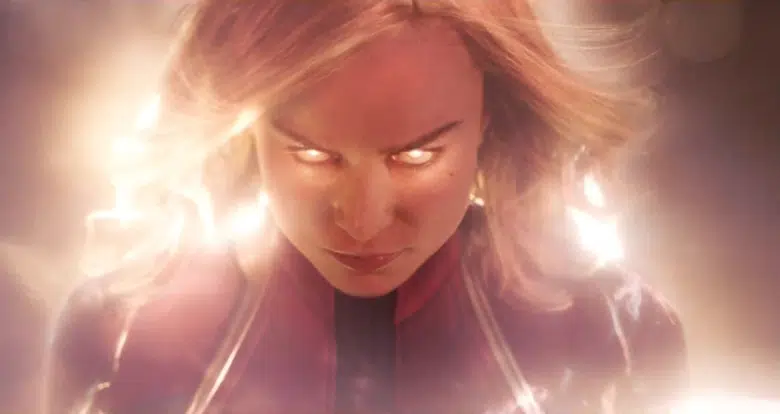
The Future Of Villains And Villainy

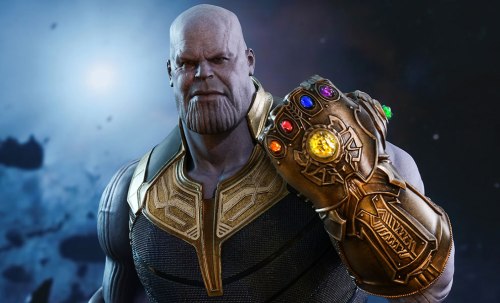
marvel-avengers-infinity-war-thanos-sixth-scale-figure-hot-toys-feature-903429-1

What is happening to villains these days? That’s an entirely reasonable question to ask. Over the past decade, we’ve seen a remarkable shift in how we approach villainy in movies, TV, comic books, and video games. I’m not just talking about the superhero media, either. However, that happens to be the most visible manifestation of this change.

As a long-time fan of both superheroes and quality villains, I welcome this change. At the same time, I’m curious about where it’s leading and what it means for the future. Villains are as old as storytelling itself. From the Bible to “Star Wars,” these stories work best when there’s villainy to oppose the unfolding narrative. Villains have always evolved alongside the heroes that oppose them, but that evolution seems to be accelerating.
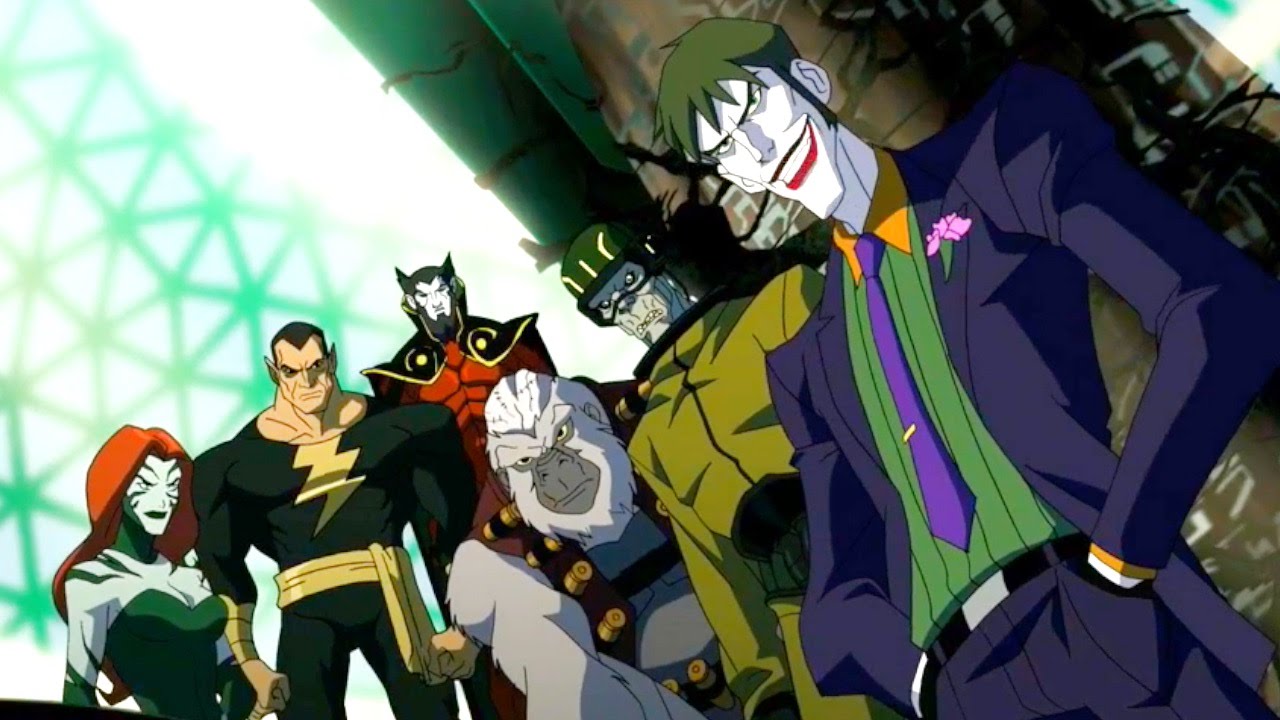
I’ve discussed the unique journey that villains undergo and how they set themselves apart from heroes. Traditionally, a villain’s primary purpose was to both oppose the hero and highlight how heroic they are. The sheer malice of characters like Lex Luthor help contrast the pure selflessness of characters like Superman. It’s easier to appreciate those heroes knowing they have to deal such malicious opponents.

Then, something remarkable happened. Audiences began demanding more of their villains. It wasn’t enough to just have a villain oppose a hero. People began wanting villains who were understandable and even relatable to some extent. Ironically, they wanted a villain they could root for.

That helped lead to characters like Walter White from “Breaking Bad.” His impact was so profound that I even called his influence the Walter White effect. However, I think there were others who paved the way for Walter White. If I had to pick one villain that helped kick-start this trend in villainy, it would be Heath Ledger’s Joker from “The Dark Knight.”

From this portrayal of villainy, the emerging state of villains emerged and it may very well set the tone for the future. On the surface, this version of the Joker wasn’t too different from the one who had existed in the comics for years. He’s dangerous, destructive, murderous, and callous, like many villains. Unlike most, though, he does what he does with a laugh and a smile.

What made this version of the Joker so memorable was the principles behind his madness. To him, society is corrupt and people aren’t inherently good. As such, he seeks to point out how laughable it is when others try to save it. Batman’s crusade against crime is the biggest joke of all, which helps drive their rivalry.

It’s a philosophy that few other than terrorists and extreme nihilists would buy into, but it’s one that’s understandable to some extent. We don’t have to agree with them or their methods. We just have to see their twisted logic. They can’t just be standard James Bond villains whose motives are indistinguishable from fascists, communists, or terrorists. There needs to be something more personal at work.

We saw plenty of that in 2018’s biggest movies. From “Black Panther” to “ Avengers: Infinity War” to “Incredibles 2,” the villains all had something personal at stake. Erik Killmonger saw his villainous actions as heroic. He wasn’t out to just take over Wakanda. He had a vision in mind that felt justified to some extent, especially to those familiar with real-world historical injustices.

Thanos raised the bar even more in “Avengers: Infinity War.” He never tries to come off as a hero, but he never sees his actions as villainous, either. In fact, when heroes like Dr. Strange call him out, he frames his desire to cull half the population in the universe as mercy. For him, it’s simple math. Half a population is better than no population at all.

These motivations, as devious they might be on paper, have some semblance of merit to it. Both Thanos and Killmonger think they’re doing the right thing. That significantly impacts how the heroes in their stories go about thwarting them, although I would argue that one story was more complete while the other remains unresolved.
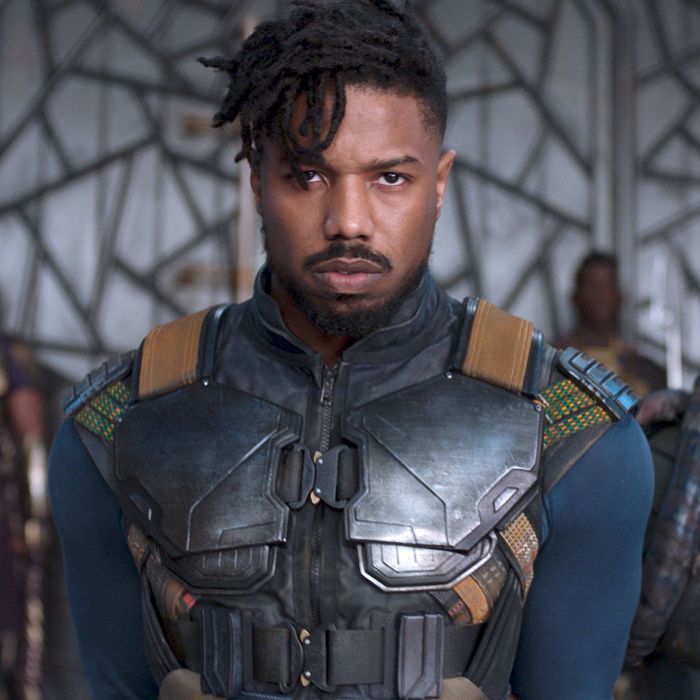
In “Black Panther,” T’Challa doesn’t just stop at defeating Killmonger. He actually sees some of his enemy’s points and takes steps to address them. He doesn’t revert things back to the way they were. Wakanda doesn’t return to the same isolated state it had been at the start of the movie. Instead, he seeks to find a middle ground. That, I would argue, is the new template for how heroes defeat this kind of villain.

The resolution in “Avengers: Infinity War,” however, is not as clear. That’s largely due to the story not being complete. There is a sequel planned, but at no point in the three-hour spectacle did the Avengers attempt to prove Thanos wrong. They only ever tried to stop him. That oversight has not gone unnoticed by audiences.

This, in many ways, sums up the new dynamic between heroes in villains. It’s no longer enough for heroes to just defeat their adversaries. It’s not even enough for villains to be exceptionally devious. There have to be larger principles at work. It can’t just be reduced to general greed, ego, or bullying.

Thanos seeks to kill have the population because he believes that it’ll prevent the complete extinction of all life.

Erik Killmonger seeks to empower oppressed minorities to right past injustices.

Dr. Doom seeks to conquer the world because a world under his rule is the only one free of suffering and want. That’s actually canon in the comics.

It’s makes crafting compelling villains more difficult, but at the same time, it opens the door to more complexity. On top of that, it demands that audiences think beyond the good versus evil dynamic that has defined so many stories, going back to the days of fairy tales. It’s a challenge that some are certain to fail. Some already have, sadly.
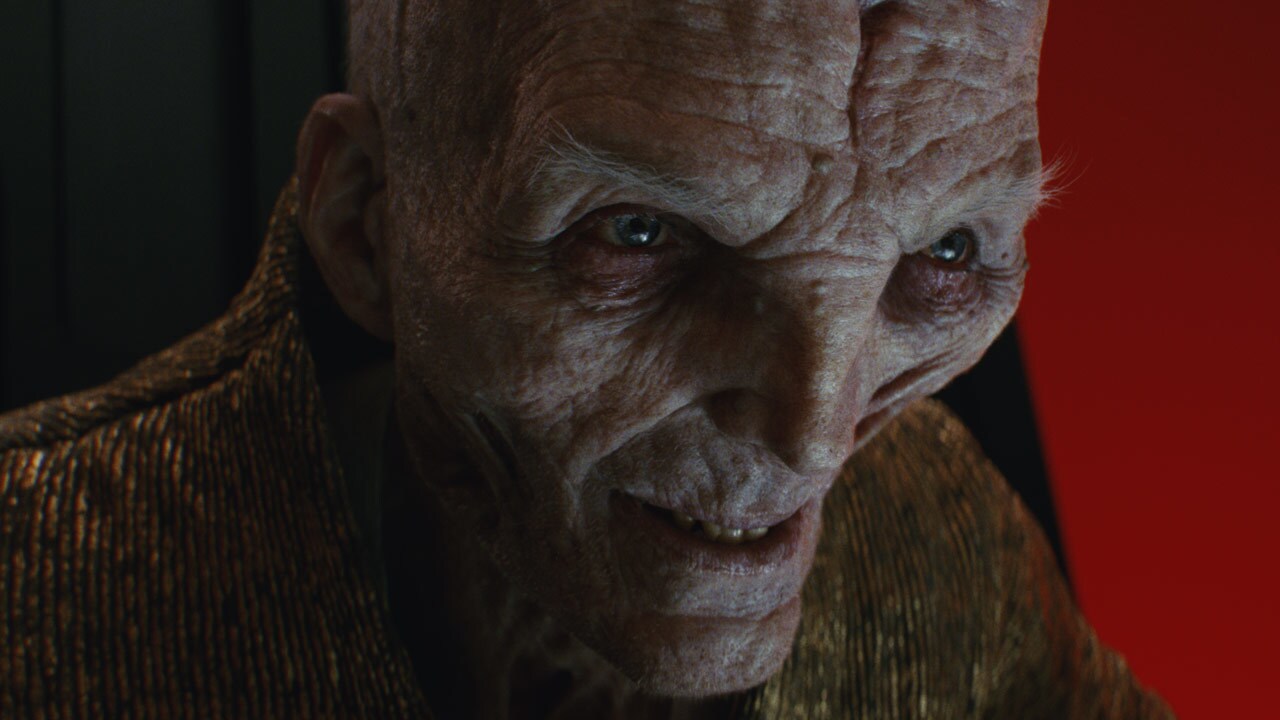
It also sets the tone for future forms of villainy. How that villainy manifests is impossible to predict, but given the current trends, I think there’s room to speculate. At the heart of this emerging villainy is the idea that the current system just isn’t working. It’s so bad that the only viable option is to destroy and rebuild it. There’s no room, whatsoever, for reform.

This is where the heroes will have to evolve, as well. They can’t just play “Super Friends” and save the day. They have to actually make meaningful changes to move society forward. King T’Challa did that at the end of “Black Panther.” Other heroes need to be as willing. Otherwise, they won’t be able to call themselves heroes. They’re just defenders of a status quo may not be working as well as they think.

It’s an ideological struggle that parallels many real-world struggles. People today have less and less faith in established institutions. As a result, more people are falling sway to populist rhetoric that promises to break down the current system entirely. By and large, people today aren’t content with just preserving things as they are. They seek more meaningful change.

That presents a serious problem for heroes and a golden opportunity for villains. Historically, heroes haven’t been able to effect change beyond a certain point. Some of that is for logistical reasons. A hero can never create a functioning utopia without ending the story completely, which is something major media companies cannot have. There’s too much money to be made.

Logistics aside, the future of villainy will have plenty of raw materials to work with and plenty of societal angst to draw upon. Heroes who save the day, but do little else won’t be able to call themselves heroes in the world currently unfolding. Villains who have a real vision with understandable motivations will find themselves with more supporters than before.

It’s no longer taboo to root for the villain, especially when the heroes don’t confront the flaws in their rhetoric. In what seems prophetic now, “Avengers: Age of Ultron” may have put it best when Ultron stated:

“I’m sorry, I know you mean well. You just didn’t think it through. You want to protect the world, but you don’t want it to change.”

That’ll be the key to the future of villainy, change in a world that resists too much of it happening at once. It’ll make for some complicated villains, but it will definitely make the struggle of heroes even harder. However it plays out, I believe it’ll be worth watching.


3 Comments

Filed under Comic Books, Jack Fisher, Superheroes, human nature, movies, philosophy, psychology, superhero comics, superhero movies, television, X-men

Daily Sexy Musing: Road Trips

motoring01

For some people, a road trip is a test of endurance and back muscles. I consider myself among those people. I’ve never cared much for road trips. I consider any car ride over two hours to be a chore. As a result, I don’t find much sex appeal in road trips.

That said, I don’t deny that there are some who do. I’m even related to a few of them. I can see it in them, even when they don’t state it overtly. There’s something inherently appealing about venturing down long roads to distant places, getting away from the tedium of their everyday lives. For them, there is real appeal in a road trip and some of it is sexy.

One of my roommates in college took it to another level. He owned a motorcycle and he once joked about how much long rides made his girlfriend horny. It’s also worth noting that this roommate was terrible at telling jokes and carried himself with the subtlety of a bullhorn, especially when his girlfriend was involved.

Even though road trips don’t appeal to me, I can certainly appreciate those who feel otherwise. For the purposes of today’s Daily Sexy Musing, I’d like to channel the spirit of my former roommate and his girlfriend in tapping the joys of a road trip. Some people need to just get away. Why not make it sexy as hell?

It’s the middle of the day. We’ve had a long week. Every hour has been 60 minutes of toil. Just coming home isn’t enough anymore. Our home has become nothing more than a pit stop in our daily regimen. It can no longer soothe our frayed nerves or nurture our shared passions. We must get away.

On a whim, we make a fateful decision. We abandon our current plans, shove aside our reservations, and just act without thinking. We cannot escape our lives, but we can seek new excitement. We need only let go of the shackles that keep us in place.

I take your hand.

You hold it tightly.

We enter the car and we start driving.

There’s no destination in mind. There’s no itinerary to maintain or schedule to keep. The only direction that matters is the one that takes us away from work and responsibilities. With every mile traveled, the air gets cleaner. Every breath feels fresher, like a weight from our souls has finally faltered.

Farther and farther, I take us into the unknown. The roads become less familiar and the scenery becomes more exotic. We’re not far from home, but we might as well be in another time zone. Everything feels so new and fresh, a world of beauty hiding in plain sight.

I look over at you. I see you smile with the brilliance of a thousand suns. The thrill of the road and the reprieve from the familiar is liberating. Beyond your smile, though, I see more than just exhilaration. You have that glint in your eye, one that hints at something other than relief.

I pull the car over into an unfamiliar place.

I park in a secluded area away from prying eyes.

I welcome you into my embrace and you lovingly accept.

In the confined space of a car, we smother one another with free passions. We don’t just kiss. We entwine our tongues like two snakes in heat, wildly slithering in an open field. Clothes become too tight. Flesh becomes too hot. In the freedom granted by the road, we rediscover our love and make it for this new world to see.

It is only a brief trip, but we reach our destination.

Leave a comment

Filed under Daily Sexy Musings

Why “Adulting” Is Getting Harder

adulting-1

I’ve stated before that there are certain words I believe should be purged from the English lexicon. Contrived, agenda-driven terms like “toxic masculinity” or “mansplaining” are at the top of my list. I strongly believe that terminology like that is doing everything to further hostility and hinder understanding.

That being said, there are a few words that I have mixed feelings about. I think they also do plenty to divide people for all the wrong reasons, but I also understand why they exist. One term that I feel is increasingly relevant, albeit for negative reasons, is the concept of “adulting.”

I put that term in quotes for a reason, but it’s not out of sarcasm or scorn. This is one of those words that exists because there’s a need for it. Even if you think “adulting” sounds silly, chances are a word every bit as silly, if not more so, would’ve been coined. That’s because what it means to be a functioning adult is changing and not in a way that makes things easier.

This sentiment is implied in the popular definition. Even though it’s a fairly new term, it has become relevant enough to warrant a listing in the Oxford Dictionary, which defines it as follows:

The practice of behaving in a way characteristic of a responsible adult, especially the accomplishment of mundane but necessary tasks.

It may seem too simple to warrant scrutiny and maybe that was right several decades ago. However, a lot has changed in the past 30 years. A lot has changed in the past 10 years. The world isn’t as simple as it used to be. It’s become incredibly complex, full of fake news, alternative facts, and contrived outrage. That has changed what it means to be an adult.

I know this will elicit plenty of groans from certain crowds, but I’ll say it anyways. Being an adult is hard these days. Yes, I’m aware that it’s supposed to be hard to some extent. It always has been, going back to the hunter/gatherer days. Being an adult means functioning on your own and contributing to your society. You can no longer rely on parents or elders to provide for you. You must now do the providing.

It’s a challenge for many, some more so than others. However, there are some unique challenges facing adults today, especially among the younger crowds. I know this because I’m one of them. I’ve discussed the distressing issues surrounding Millennials and the potential issues that Generation Z will face in the coming years. Many of those issues, though, will affect everyone of any generation.

I’m not just referring to the crippling student loan debts that are burdening Millennials or the rising cost of housing in urban areas. There are deeper, more fundamental struggles that hinder or even discourage our ability to embrace adulthood. You want to know why nostalgia is so popular or why escapism is so prominent in media? Well, the complications and frequent frustrations that come with “adulting” are huge factors.

To understand, here’s a list of a few reasons why “adulting” is a thing and why just being an adult is getting harder. Hopefully, it’ll help make sense of this annoying, but relevant term. You’ll still probably roll your eyes whenever someone claims they cannot “adult” anymore for the day. If nothing else, this will help you understand where they’re coming from.


Too Much Information Is Overwhelming Us (And Making Us Mentally Ill)

This isn’t just a Millennial thing. It’s not even a byproduct of social media. The trend of people just getting more and more information has been happening for decades as people moved further and further away from rural, agrarian communities. Today, more people are educated now than at any point in human history. That has many benefits, but it comes at a cost.

Now, we can’t just see what’s going on in our world through pictures and streaming media. We can read about things, learn about them, and scrutinize them. That’s helpful in some instances, but in a world that’s increasingly connected and full of conflicting information, it can be overwhelming.

On top of that, we tend to find out about bad news and horrific atrocities as they’re unfolding. Many people alive today actually saw the horrors of the September 11th attacks occur on live TV. More recently, people were able to follow the horrors of the Parkland shooting as it unfolded on social media.

Being informed is part of being an adult, but when you’re informed of every horrific thing that happens in the world, it can wear on you. Some research has shown that this sort of system is impacting peoples’ mental health. In that context, it makes sense for someone to want to step back from that part of adulting.

For most of human history, we didn’t know or care about the horrors going on outside our tiny community. In the past 30 years, we know everything that’s going on everywhere. The human mind is good at a lot of things. Making sense of that much information isn’t one of them.


Our Options Feel Increasingly Limited (And We Don’t Know Which To Follow)

Growing up, every adult told me the path to success was simple. If you just stayed in school, got good grades, went to a decent college, and got a bachelor’s degree, then you were set. You could expect to find a good job with decent pay that would allow you to build a comfortable living for yourself and your future family. I believed in that path. I followed it. I can safely say it was half-true at best.

While there is plenty of merit to a college education, it’s no longer the clear-cut path it once was. I personally know people who graduated from good schools with quality degrees in subjects like engineering and they’re struggling. It’s not that people are getting useless degrees in underwater basket weaving. It’s that just getting a degree is no longer sufficient.

After graduating from college, I was in this daze for a while and many of my fellow graduates were the same. We were all told that getting this degree would set us on the right path, but nobody told us how to navigate that path or what it even looked like. As a result, most people ended up in jobs that had nothing to do with their college major.

On top of that, the job market is becoming increasingly unstable. The rise of the gig economy is making it so people don’t just live paycheck to paycheck. They live job to job, never knowing if they’ll even have one when they wake up the next day. These are not the same well-paying, blue collar factory jobs of the past. This is work that will not help pay a mortgage or a student loan debt.

However, we’re still told that this is the path. This is how we’ll prosper in the future. Even as we look for other options, most adults today don’t know how viable they are. We’re left in a state of uncertainty that past adults never had to deal with. We still need to choose, though, because our bills aren’t going to pay themselves.


There’s No Margin For Error And Every Mistake Will Follow You Forever

Remember when it was possible to make a dirty, offensive joke among friends and not worry about it haunting you for the rest of your life? I’m not being old or cantankerous. I’m serious because I do remember when that was possible. In my youth, I heard plenty of jokes that would’ve ruined someone’s life today if they’d been captured on video or posted on social media.

This isn’t just about political correctness or identity politics corrupting discourse. Adults today live in a world where any mistake they make, be it a bad joke or an off-hand comment, can come back to haunt them. It doesn’t matter if it’s from a celebrity or even if it occurs in private. It can still cost you dearly.

Now, I wish I didn’t have to say this, but I have to since I’m posting this on the internet. None of what I’m saying is implying that certain behavior, language, or comments are justified. I think it’s a good thing, for the most part, that certain people are paying a price for their bigoted attitudes. However, that good does come at a cost and it’s felt by adults at every level.

To some extent, we envy kids now because kids can say dumb things and get away with it. They’re kids. They have an excuse and it’s one of the few excuses most people accept these days. If you’re an adult, though, you’ve got nothing of the sort. You can blame liberals, conservatives, or Ambien all you want. You’re still going to pay a price.

As adults, we’re responsible for what we say and do. That’s part of what it means to be an adult. The problem is that in a world where every mistake is documented and preserved forever, our margin for error is exceedingly small. How many people don’t get the job they want because of an embarrassing photo or tweet they made a decade ago? How many people get fired because of it?

Regardless of how justified it may or may not be, it adds further stress to the inherently-stressful responsibilities that come with being an adult. The adults of today have many complications to deal with and if you mess even one up, then it could haunt you to the day you die. Now, do you understand why so many adults seem so uptight about adulting?


We Feel Like We Cannot Escape (And Badly Need To)

Life has always carried harsh burdens. Whether it was escaping wars or fighting disease, people of every generation in every period have sought out some reprieve from the endless struggle. Sometimes, it takes the form of games, drugs, books, or sports. After a long day of working the fields or gathering food, we needed some form of reprieve.

It’s as important today as it was in previous centuries. The big difference today is that we feel like we have fewer and fewer opportunities to do so. Life on farms and fields was rough, but at least the challenges were clear and laid out. We worked to survive. If we survived, we celebrated. It was simple.

Today, surviving just isn’t enough. We have bills to pay, debts to service, jobs to find, and connections to make. On top of that, we have to keep up with the news and popular trends. We have to fit into an increasingly diverse world where people of different communities and cultures are connected. It’s a lot of work, taking time and energy that go beyond plowing a field.

It doesn’t help that the abundance of information and the prominence of bad news makes the future seem so bleak. Even if society is progressing on almost every measurable level, our perceptions imply that the world outside our windows is dangerous, hostile, and hopeless. We can’t do anything about it, our politicians are inept, and our votes don’t even count.

In those frustrating circumstances, it makes sense for people to lose themselves in video games, movies, and TV shows. The whole concept of binge-watching allows adults to lose themselves in hours of content, which subsequently allows them to detach from a harsh reality that they have no hope of effecting.

Say what you want about adults who still love comic books and video games. The fact that they’re both multi-billion dollar industries is a sign that many are desperate for an escape from the frustrations of their adult lives. The things we loved as kids are just the easiest and most familiar paths.


There are plenty of other reasons I could list about “adulting” and why it’s getting increasingly difficult. I have a feeling that many adults reading this have their own sets of reasons and there will probably be more within the coming years. There will also be others who complain about anyone who tries to talk about those reasons. It’s sure to evoke more frustration and whining.

In the end, we all have to be adults at some point. There’s a time and a place to just step back from it all and take a breath. That shouldn’t be controversial, but the fact that “adulting” is now a thing means there are a lot of complications to adult life and we’re not doing a good enough job handling them.

Leave a comment

Filed under human nature, outrage culture, philosophy, psychology

Jack Fisher’s Sexy Sunday Thoughts: Sexy Moaning Edition

moaning-woman

It’s unavoidable. When you’re sharing a passionate moment, you’re going to moan at some point. It’s like a reflex. Your body is doing something awesome and your mind is telling you it’s awesome. You’re going to try and vocalize that somehow. A good, sexy moan achieves all that and then some.

Moaning is one of those acts that has a mixed reputation and not in a good way. Most of the time, you don’t moan for a good reason. Sometimes, it’s out of distress. Sometimes, it’s out of discomfort. It’s not one of those things that has inherently sexy connotations. Like true love or the sound of an alarm clock, though, you know it when you hear it.

Many of my novels and sexy short stories often highlight the moaning often associated with intimate moments. Plenty of other erotica/romance media, from movies to porn, do the same. In the right circumstances, a moan can be the perfect manifestation of sexiness and passion. It’s difficult to achieve, but it’s certainly worth pursuing.

This week’s edition of my Sexy Sunday Thoughts is dedicated to that pursuit and the extra-sexy results they achieve. Some may not be in the mood for that kind of moaning this early on a Sunday. At the very least, I hope it gives you an appreciation for it. Enjoy!


“When you think about it, a brothel is essentially an orgasm clinic.”


“The most awkward part of puberty is suddenly wanting to see other people naked.”


“The size of the dildo someone uses says a lot about their standards for a good time.”


“Pity sex is like a penny in that it has actual value, but it’s generally not the currency most prefer.”


“A couple’s first kiss counts as their act of foreplay in that it shows how willing they are to touch body parts.”


“How loud we are during sex often determines how sore we are the next day.”


“Going to a strip club on a date invites serious conflict between one’s heart and genitals.”


I’m not going to assume any of that got people moaning for all the right reasons. At the very least, I hope it got certain people in the kind of mood that makes it a pleasant byproduct. Intimacy and romance manifest in all kinds of ways. Some are cruder than others and moaning certainly qualifies. That doesn’t make it any less sexy.

1 Comment

Filed under Sexy Sunday Thoughts

Daily Sexy Musing: The Joy (And Danger) Of Thrill Sex

large_cropped_gettyimages-153763574

Thrill sex is one of those kinky, yet subjective aspects of romance. What counts as thrilling for some may seem mundane to others. Some couples consider sex in a moving car on a busy highway as thrilling. Others consider sex outside a police station in broad daylight as thrilling. Both can get the job done. One just carries more risk/danger than others.

When I was in high school, the pinnacle of thrill sex involved couples who did it in their parents’ bedroom while they were home. I can see how that would be thrilling to hormonal teenagers, but it’s one of those situational thrills that depends heavily on circumstance. Some parents may get incensed by the idea. Some may end up reacting with shotguns.

As subjective it can be, thrill sex is one of those special manifestations of intimacy that even non-romantics can appreciate. It doesn’t have to be overtly dangerous. It just has to mix things up in a way that carries risk beyond strangers seeing your genitals. The following Daily Sexy Musing is a celebration of the diverse appeal of thrill sex. For all those adventurous couples out there, I hope it gives you some ideas. Enjoy!

When I’m around you, I want you. I crave your loving, intimate touch. It’s not just a desire. It’s a need, as necessary as air or food. I can tell you want me too. I can feel it every time your gaze undresses me wholly.

Most of the time, we manage that urge. However, there are times when it cannot be managed, nor should it. Within those moments, a private dwelling and a warm bed aren’t always available. Sometimes, they’re not even sufficient. These are the times when we need something more.

To hell with closed doors.

To hell with safe domains.

To hell with modest restraint.

To hell with anything that dare hides our passion.

I take your hand and you take mine. Together, we seek a setting fraught with risk and danger. The thought, alone, gets our hearts racing. The rush mixes with desire, every lurid inclination amplified like gasoline on a fire. As the need burns hotter, our effort grows bolder.

Maybe we’ll do it in the bathroom of an airplane as it flies over an ocean.

Maybe we’ll do it near the edge of a cliff overlooking a canyon.

Maybe we’ll do it in the woods where hungry animals dwell.

Maybe we’ll do it in your father’s garage while he’s cleaning his guns.

It doesn’t matter where, when, or how. I want you so much. I seek to demonstrate that love, physically and passionately. I don’t care if the whole world sees us in our lurid glory. I want everyone to know the breadth of our love. I want them to marvel and gasp at how well we express it.

The danger doesn’t dissuade us. If anything, it further excites us. Clothes become a burden. Flesh becomes hot with urgency. We seek out that which repels lovers less bold than us. We pity the limits of their passion while celebrating our own.

Finally, we find that special place.

We secure that special moment.

We’re surrounded by danger, inviting great embarrassment and real harm. We don’t care. Our love and passion overshadows all of that.

From that great risk comes greater reward. In that moment of palpable peril, our love becomes more than love. It becomes a true thrill.

Leave a comment

Filed under Daily Sexy Musings

How The Captain Marvel Movie Could Actually Fail

captain_marvel_poster_1688

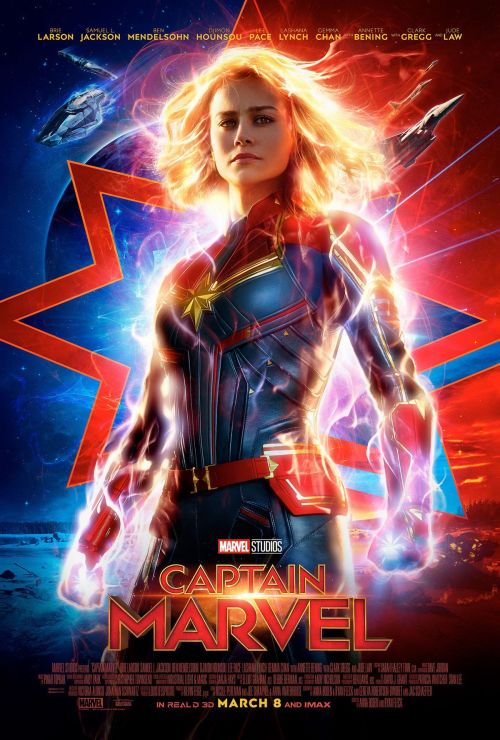
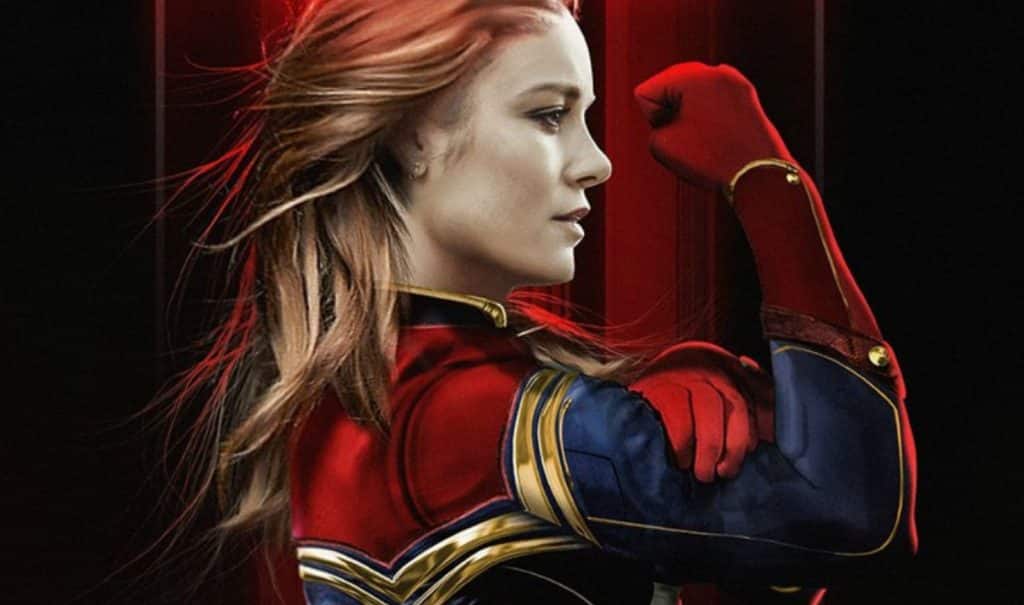
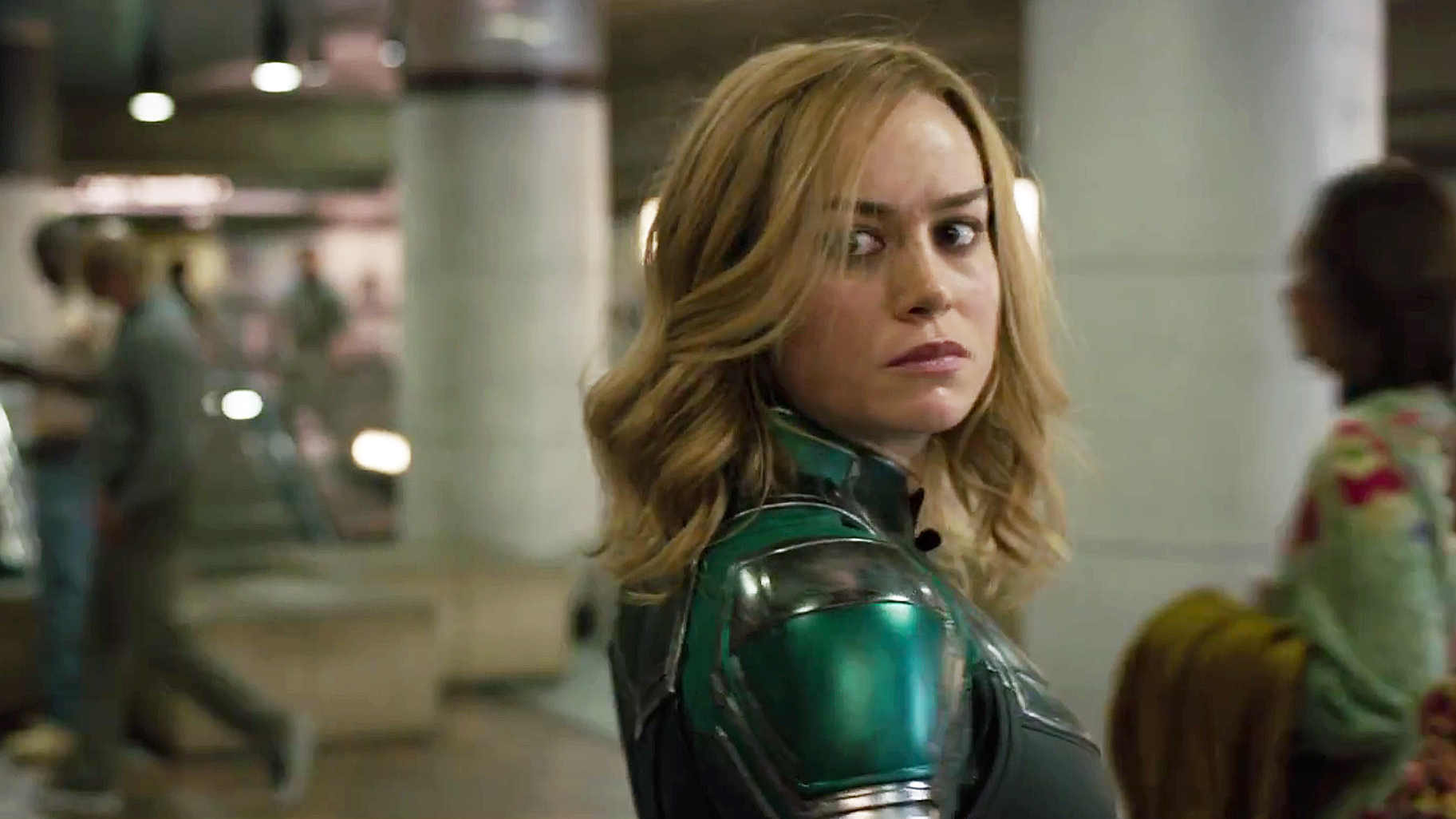
I hope everyone has had a chance to catch their breath after the release of the “Captain Marveltrailer. I certainly needed a day or two. It was one of those experiences in which it takes time to process every wondrous detail. I don’t know how many times I watched it. I just know that March 8, 2019 cannot get here fast enough.

The response to the trailer has been overwhelmingly positive, which has become the norm for all things affiliated with Marvel Studios. The bar for this movie is high, but matching and exceeding high bars is exactly what Carol Danvers does. The Marvel Cinematic Universe is already on an unprecedented win streak, both in terms of acclaim and box office. By all accounts, “Captain Marvel” is poised to continue that streak.

If I had to bet on it, I would place a hefty wager on “Captain Marvel” succeeding. Marvel Studios is riding such a huge wave of hype after “Avengers: Infinity War” that the idea of one of their movies failing seems unthinkable. However, it wasn’t that long ago that people felt the same way about “Star Wars.” Then, “Solo: A Star Wars Story” came along and shattered that notion with the force of a thousand Death Stars.

Like it or not, the law of averages dictates that Marvel Studios will fail at some point. Whether or not that happens with “Captain Marvel” remains to be seen. For the moment, that doesn’t seem likely, but the possibility is definitely there. I would go so far as to say that “Captain Marvel” is more vulnerable than previous Marvel movies and not just because the bar for success is so ridiculously high.

Kevin Feige, the President of Marvel Studios, has gone on record as saying that Captain Marvel will be one of the most powerful characters in the MCU. Her presence will be a game-changer for the immediate and distant future. That means the margin for error is ridiculously small. Marvel Studios literally cannot afford for “Captain Marvel” to fail. That may end up being what makes this movie so vulnerable.

As a lifelong fan of superhero comics and a Captain Marvel fan, I feel like it’s worth contemplating this most distressing possibility. Never mind the implications for Marvel, Disney, and the entire superhero genre that may unfold in the event that “Captain Marvel” fails. How could a movie with so much going for it and an Oscar-winning actress in Brie Larson end up failing in the first place?

After watching the new trailer multiple times, reading multiple articles, and contemplating my previous comments on this movie, I’ve surmised a handful of concerns that I believe could derail this movie. Some of these concerns assume certain details that may very well be dead wrong by the time the movie comes out. I have no insight beyond the trailers I’ve seen and the details that have been made public.

I don’t expect everyone to share these concerns. Some may even have entirely difference concerns and I’d be happy to discuss them in the comics. For now, this is just me, as a fan of both Carol Danvers and superhero comics, contemplating what could go wrong for a movie that aspires to do so much.


Reason #1: Limiting The Extent Of Carol’s Agency (Inadvertently)

One of the biggest revelations from the second trailer had to do with an important plot point that was ripped directly from the comics. In the first minute, we find out that Carol’s memory has been erased and she’s caught up in the agenda of the Kree. Given how the only notable Kree character in the MCU to date has been Ronan the Accuser, this does not bode well for her.

This is a critical detail because in the comics, Carol lost both her memories and her powers at one point and had to effectively rebuild herself. That struggle helped establish how resilient she was, as a character. It also helped build her appeal. More importantly, though, it emphasized her struggle to regain her sense of agency.

Being mind-wiped is always a tricky plot point, as was nicely demonstrated in “Captain America: Civil War.” The biggest problem is being mind-wiped really hinders a character’s ability to make weighty choices. For Bucky Barnes, that isn’t too controversial. For Carol Danvers, a female hero in an era where female heroes have become fodder for identity politics, it could be an issue.

If, from the get-go, Carol is just a puppet of the Kree and her entire story revolves around her escaping their control, then that doesn’t just narrow the plot. It limits her agency because it makes her choices predictable. If, at any point in the story, she’s faced with a choice to follow the agenda of the Kree or go against them, it’s not going to surprise anyone when she chooses to go against the aliens trying to use her.

By making too much of the story about Carol re-asserting her agency, it makes the movie less about her fighting shape-shifting aliens and more about her regaining her independence. While that too can be a compelling story, and one in line with her history in the comics, it hinders the plot by making every choice obvious. When none of the choices in a story seem difficult, it can get boring fast.


Reason #2: Not Allowing Carol To Be Wrong

This is another factor that could make “Captain Marvel” too predictable and boring. Marvel Studios has made it clear that they want Carol Danvers to be the future of the MCU. Like Captain America, she’s poised to become the face of Marvel and their Disney overlords. For that very reason, it’s important that they allow her to be wrong.

To understand why, think back to “Wonder Woman,” the movie that set the gold standard for female superhero movies. In this movie, Wonder Woman doesn’t just make a fateful choice when she leaves Paradise Island. She also ends up being dead wrong about the identity of Ares. It made for a powerful moment that genuinely surprised me.

That moment didn’t just establish that Wonder Woman was fallible, despite being this overpowered badass warrior princess. It humanized her in a critical way. You could argue that this trait is more integral to Marvel’s heroes because they end up being wrong in a wide variety of ways. Tony Stark’s journey to becoming Iron Man started with him being wrong about something.

My concern for Carol is that making her this overpowered female hero who can defeat Thanos will take priority over everything else. The story won’t even give her a chance to be wrong or make a bad decision. That won’t just make the plot predictable and boring. It could earn Carol Danvers the dreaded “Mary Sue” label that has plagued characters like Rey.

That, more than anything, could derail Carol’s ascension to the upper echelons of the MCU. If she becomes a joke more than an icon, then she won’t be able to do carry out the bold plans that Marvel Studios has laid out for her. Part of what makes characters like Iron Man and Wonder Woman so popular is that they’re so easy to cheer for. Cheering for an annoyingly flawless character who is never wrong is much harder.


Reason #3: Not Effectively Explaining Carol’s Absence From The MCU

This is more a logistical concern than anything else. Before the first trailer ever dropped, it was established that “Captain Marvel” was going to take place in the 1990s. As a result, it would unfold within a world before the Avengers ever assembled and before superheroes ever became mainstream. It would also explore the origin of pre-eye patch Nick Fury, something that “Captain America: The Winter Soldier” only hinted at.

That’s an intriguing idea that digs into an unexplored aspect of the MCU. At the same time, it does raise a major question. If Carol has been Captain Marvel since the 1990s, where has she been? Why wasn’t she available when Loki or Ultron attacked? While it makes sense outside the movies in that a “Captain Marvel” movie wasn’t even scheduled before 2012, those questions are still relevant in the story.

The end of “Avengers: Infinity War” somewhat compounds this issue because Nick Fury reveals that he has had a way of contacting Carol all this time. A tie-in comic also hints at his past dealings with Carol, but is vague on why he chose not to summon her. Chances are “Captain Marvel” will try to answer that question more in depth, but that answer might not be adequate.

It’s not a trivial detail that can be glossed over. If Carol doesn’t have a good reason for not being on Earth during invasions from aliens and genocidal robots, then that makes it harder to get behind her as the most powerful hero in the MCU. It can’t come off as an excuse because Marvel Studios hadn’t planned that far ahead. Without a good reason, Carol just wouldn’t come off as heroic.


Reason #4: Making Her A Female Superhero BEFORE Making Her A Great Female Characters

This is where the stakes for “Captain Marvel” get frustratingly political. I’ve mentioned before how creating quality female characters has become mired in identity politics. This movie has already been affected somewhat by those corruptive forces. “Wonder Woman” managed to avoid it from a plot perspective and that’s the most “Captain Marvel” can do.

This means that before Carol Danvers becomes the super-powerful, high-flying badass we saw in the trailer, she needs to establish herself as a character, first. This is something I’ve seen movies, comics, and TV shows get completely backwards in recent years. There’s such an emphasis on making someone a “strong female character” that they forget the part where they’re a compelling character.

Carol Danvers has decades of character development in the comics. She’s someone who has deal with upheavals in her personal life, her superhero life, and everything in between. It’s hard to fit all of that into a two-and-a-half hour movie, but both “Wonder Woman” and “Captain America: The First Avenger” showed that it’s possible.

I can easily imagine Marvel Studios feeling tempted to make “Captain Marvel” the kind of cosmic spectacle we saw in “Guardians of the Galaxy.” I wouldn’t blame them for taking that approach, but having that without establishing the depths behind Carol Danvers would only be half a movie. Visual spectacles are great, but without quality characters, it’s just flashy images and nothing else.


Reason #5: Trying Too Hard To Make Carol Too Powerful

This issue is part logistics and part agenda. The events of “Avengers: Infinity War” were astonishing in terms of scope and scale. In the end, the collective might of dozens of Avengers could not stop Thanos. He was stronger than Thor, the Hulk, and the entire army of Wakanda. By default, taking him down requires a new level of power.

Carol Danvers promises to wield such power. Before the movie finished shooting, Kevin Feige dubbed her the most powerful Avengers in the MCU. That power may be necessary to defeat Thanos, but getting Carol that power could be tricky. Her power levels are already pretty extreme in the comics, but the MCU deals with different circumstances and scales.

The second trailer offers some clues as to how Carol gets her powers. Like the comics, they’re tied to her biology getting mixed up with that of the Kree. Beyond that, the scope and extent of her powers are vague. It’s not clear whether there’s something unique about her or the process that gives her so much power. At some point, she’ll have to level up and expanding powers in superhero media is always tricky.

When powers don’t have defined limits or are left vague, they tend to resolve every story in the spirit of a Deus Ex Machina trope. In short, there’s a supremely powerful threat. Then, by some contrived happenstance, the good guys gain access to power at or greater than the threat. It’s simple, but contrived. A DC movie may get a pass, but the bar for Marvel Studios is higher.


Again, I believe that “Captain Marvel” will be a great movie. Most of these concerns are just a byproduct of only knowing the movie through a couple of trailers. None of these reasons are inescapable. Given the impressive track record of Marvel Studios, there’s no reason to believe they won’t find a way to make it work and raise the bar even more.

One way or another, “Captain Marvel” is set to be a major turning point for the MCU. Whether it succeeds or fails, it will have a significant impact on the overall genre. However, it’s in the best interest for the MCU, Marvel, and superhero media, in general, that this movie succeeds.

4 Comments

Filed under Comic Books, Jack Fisher, Superheroes, gender issues, Marvel, movies, political correctness, superhero comics, superhero movies, women's issues, Wonder Woman

The following is a review I wrote for PopMatters for “X-Men: The Exterminated #1.”

On Melodrama and Family Ties in Marvel’s ‘X-Men: The Exterminated #1’

Leave a comment

December 6, 2018 · 7:53 pm

Daily Sexy Musing: Ode Sexy Doctors

2481e9b0000752e409895ab3809db1d6

Doctors are sexy on a fundamental level. I think most people agree with that to some extent. Men are drawn to sexy nurses. Women are drawn the smart, charismatic doctors that George Clooney and Hugh Laurie helped make famous. It’s not just some niche genre for porn or romance novels. There’s genuine sensual undertones to someone who heals others.

I believe it predates George Clooney. Go back to any point in history. If you had the skills and knowledge to heal someone, then you didn’t just provide a valuable service to your community. You had something that made you genuinely attractive. Someone who can heal and treat illness is objectively useful. Being useful is the first step towards being sexy.

Doctors, regardless of gender, are capable of eliciting all sorts of emotions from people. When we’re sick, we’re at our most vulnerable. We trust in our doctors to treat us and heal us. That kind of trust can take on some very intimate connotations. It can even lead to the famous Florence Nightingale trope where patients and doctors fall in love.

Given how our health and survival are so closely linked, we’re always going to have a more intimate connection with those who can heal us. The following Daily Sexy Musing is an ode to those uniquely intimate feelings we have towards those who tend to us when we’re ill. Enjoy!

My body failed me. I am at its mercy, weighed down by pain, fatigue, and weakness. I’m not just ill. I am vulnerable. I have the will to survive, but not the strength. I fight to overcome, but it’s not enough. I need a healing hand. Specifically, I need your loving touch.

You heed my call.

You come to my aid.

You console my wounded state.

Like an angel answering a prayer, you impart your skill unto me.

As I lay sick and suffering, you work your healing magic, tending to me and treating me. You describe my ailment with such knowledge and certainty, speaking a language that only a select few understand. It’s like you see beyond the surface of my flesh, finding the flaws and fixing them.

You brave pained cries and foul moods, undeterred by disease and distress. Instead of aversion, you feel compassion. Your heart is strong and your spirit is stronger. You don’t just confront the death and disease that attacks life on all sides. You fight it head on.

In that battle, you slay the beast.

Through that struggle, I am healed.

From my weakest moment, I regain my strength.

For that, I am in your debt. However, I seek more than simply repayment. You understand what it means to heal, but underestimate the greater effect. I was at your mercy. I was at the mercy of everyone and everything around me. You could’ve done anything to me and I would’ve been helpless.

Even so, you healed me.

Even so, you comforted me.

Of all the things you could’ve done, you did what was best for me.

Now, thanks to you, my spirit and my vigor have returned. In you, I see a compassionate heart and a capable soul. Around you, I don’t just feel safe. I feel stronger. With you, I want to share that strength. My body, now free of illness, is ready to connect once more.

You came to me when I was weak.

Now, I come to you when I’m strong.

Together, we celebrate our health.

Our hearts beat together. Our bodies become entwined. You are my doctor, the keeper of my health. I am your patient, the catalyst for your soul. As one, the spark of life burns brightest.

Leave a comment

Filed under Daily Sexy Musings

The Stigma Of Being Single (Especially If You’re A Man)

maledepression

Picture, for a moment, a single woman in her mid-30s with no kids. What’s the image that comes to mind? For most people, especially those who watch sitcoms or have seen one episode of “Sex In The City,” a certain narrative plays out that helps shape that picture.

The woman is probably not a supermodel, nor could she be mistaken for Sarah Jessica Parker. She probably has a stable career. She probably has her own money, a tight social circle, and a fair amount of independence. She likely has a few hobbies and passions outside her career. Even if she isn’t in a relationship, it’s easy to imagine her being happy with her situation.

The fact that she’s single wouldn’t raise many red flags. That said, there are some stigmas associated with being single at a certain age for women. There’s still this misguided notion that women who are single at that age have somehow come up short in life. Every woman has different reasons for being single. By and large, though, we tend to have sympathy for women who stay single.

Now, picture a single man in his mid-30s with no kids. What image comes to mind in that instance? Chances are it’s not the same as that picture you imagined of a single woman. A single man in his mid-30s probably won’t inspire mental pictures of Channing Tatum. Hell, it probably won’t even inspire pictures of Jonah Hill.

A single man in his mid-30s with no kids will likely raise more red flags than the woman. It’s not just that the man is struggling to forge a meaningful relationship. He’s not just unlucky in love. There’s something wrong with him. A man like that must be a creep to some extent. He must have some sort of shortcoming or deficiency that repulses the opposite sex.

Maybe he has unhealthy hobbies.

Maybe he has a short temper and abusive tendencies.

Maybe he’s just a lazy slob who doesn’t even try.

It’s still entirely possible that a single man in his 30s is just content being single. He doesn’t feel inclined to pursue a relationship at the moment. He’s healthy, relatively attractive, and contributes positively to society. He’s not opposed to being in a relationship, but not just for the sake of being with someone.

No matter how common that possibility is, though, that’s probably not the first assumption you would make if all you knew about a man was that he’s over 30 and single. Even though marriage rates are declining, there’s still a stigma associated with being single beyond a certain age. It exists for women and men, but the stigma is more pronounced for men.

There’s no getting around it. A single man in his mid-30s is going to evoke a different reaction. It’s not a double standard like some of the others I’ve cited. It’s just the byproduct of different expectations and assumptions. I know this better than most because I’m a single man in my mid-30s with no kids and I’ve witnessed some of these reactions.

It’s subtle, but noticeable. When I tell someone I’m single and in my 30s, I get this weird look. If the person doesn’t know me very well, I get the sense they’re a little concerned. Once they learn that about me, I suspect they think that’s creepy or odd. There have been times when I’ve seen people, mostly women, get uncomfortable when they learn I’m over 30 and single.

There was even one instance where a woman at a store asked if I was gay. That really caught me off-guard, but it was the first time when I really felt the stigma of being single. I laughed it off at the time and so did the woman. However, when I later recalled the incident, I felt genuinely anxious about my status. I worry that it will undermine my ability to find love in the future.

I’ve even seen it among relatives. While most of my family don’t make a big deal out of it, there are a few who express concern about me. They see my age and my relationship status as a problem to be solved. I can understand that sentiment. I even appreciate it because I know it comes from sincere concern. Even so, I still feel the stigma on some levels.

I know I’m not alone in that. As much progress as we’ve made in society, with respect to tolerating non-traditional relationships, there’s still this over-arching sentiment that being single is a deficiency. It’s not so much a choice as it is an excuse. When it’s less subtle, it can be downright demeaning. It takes many forms, but often carries similar themes.

Your standards are too high.

You’re not a desirable companion.

You’re too high-maintenance and clingy.

You’re past your prime.

You’ve got little to offer.

I’ve seen this levied at women and men. I know women who get very combative when someone tries to figure out why they’re not in a relationship after a certain age. I honestly don’t blame them, but I’ve seen those same women get plenty of sympathy. Even when they make excuses, men and women alike will offer them support when they need it.

As a man, though, I feel like I can’t get away with that. If I were as apprehensive as some of the women I’ve known, I wouldn’t get a lick of sympathy. If anything, I would be scorned. Men would look down at me as desperate and whiny. Woman would look down on me as pathetic and weak. None of those traits warrant much sympathy or support.

On some levels, I  understand why being single is stigmatized. For society to grow, it needs people to get together, forge close society bonds, and creature stable families. People who remain single aren’t contributing to that growth and stigma is just one way of incentivizing them to try harder, even if it creates distressing taboos.

I can also understand why the stigma is more pronounced in men. Like it or not, men tend to commit more crime. Men who lack the influence of a stabilizing relationship tend to cause more deviance and there’s even some research to back that up. It’s one of those instances where a particular prejudice has some statistics behind it.

However, statistics rarely tell the entire story. More often than not, they leave out critical details. In my case, the primary factor that has influenced my single status is a desire not to be with someone just for the sake of being with someone. I’ve seen more than one person fall into the trap of being with someone who is totally wrong for them, but stays with them to avoid being single.

I don’t want that for myself. I want any relationship I have, be it romantic or platonic, to be for the right reasons. Being single hasn’t made me feel more inclined to commit crime or do something deviant. It’s a reasonable choice that I made for myself and I don’t regret it. That doesn’t make it any less frustrating when other people make misguided assumptions about why I’m single.

I’ve met women who’ve made similar choices. I’ve also known plenty more who are single for different, but understandable reasons. They’re not selfish predators who are just holding out to marry a prince who will love them, cater to their every need, and be their personal pocketbook. There are women like that, but they’re the annoyingly loud exception and not the norm.

When it comes to being single, the lingering stigma feels like a very small battle in a much larger war involving gender, society, and politics. As a self-professed romantic, I’m all for encouraging people to find love and forge relationship. It’s a beautiful thing and I feel like that same stigma undermines the beauty.

On top of that, it shoves yet another wedge between men and women when we already have too many of those. We’ve steadily moved away from the notion that an unmarried woman at a certain age must either be a widow, a prostitute, or a nun. There’s still room for improvement, but we’re steadily making progress in empowering people to find their way, regardless of whether they’re single.

At the same time, a man remaining single is not prone to as much scrutiny as we’ve seen in in the past. There are still assumptions and anxieties that are uniquely associated with single men. Regardless of whether single men or single women have it worse, I feel as though one part of the stigma is being addressed while the other is being overlooked.

Like it or not, this is going to be an increasingly relevant issue. As women stay single for longer, there are going to be more single men. That’s just basic math. The desire to find someone special won’t go away anytime soon. The stigma is just making it more difficult and a lot less romantic.

3 Comments

Filed under gender issues, Marriage and Relationships, men's issues, sex in society, sexuality, women's issues

Marveling At The Second “Captain Marvel” Trailer

The second “Captain Marvel” trailer has dropped. There’s a lot I’d love to talk about. For now, though, let’s just take a moment to marvel at what awaits us in March 2019.

1 Comment

Filed under Comic Books, Jack Fisher, Superheroes, movies, superhero comics, superhero movies