Tag Archives: mental health

Love, Intimacy, And The Making Of Mass Murderers

gross-the-pain-of-surviving-a-school-shooting

Every now and then, I feel compelled to comment on an ongoing story that I know is still raw in the minds of many people. Usually, I try to wait for the worst of the storm to pass. When it comes to school shootings and spree killers, though, I think the recent events in Parkland have shown that time can only do so much to temper the horror.

Before I go any further, I want to make one thing clear. I am very hesitant to talk about this topic. Whenever it comes up, and it comes up way too often, my first instinct is to keep my mouth shut and not add to the noise, outrage, and anguish that it evokes in people.  The last thing I want to do is add to the pain of such losses or encourage those who would use it to further an agenda.

Image result for Sean Hannity

However, there is one part of this issue that I feel is worth talking about, even when the memories of such a terrible event are still raw. In fact, I think it should be discussed while we’re all more aware of the terror caused by such heinous crimes. No, I’m not talking about guns, although that is a discussion worth having. I’m talking about the forces that turn people into mass murderers in the first place.

This is one of those issues where everyone has an opinion, but nobody has any answers. Whenever there’s a mass shooting, any attempt to explain it is basically a media Rorschach test where if you want to blame a certain thing for mass shootings, you can. The fact that it fits with someone’s beliefs, politics, and agenda is not a coincidence.

With the Parkland shooting, the results of this test are already playing out. We’ve got people blaming everything from bad parenting to video games to mental health. Some are already forming conspiracy theories about it, which are sure to embolden the professional trolls of the world. Agenda or not, there’s an inherent need to point fingers and seize upon an simple explanation to make sense of such horror.

Image result for finger pointing after a shooting

While I understand the desire to make sense of something so terrible, I also think the search for a simple, easy-to-identify explanation is inherently misguided. I also think there’s no such thing as an easy explanation when it comes to deviant human behavior. Human beings are complex creatures. The sheer breadth of thought and personalities makes it next to impossible to predict what goes on in the mind of a mass killer.

That said, there is one aspect that I feel is worth touching on, if only because it rarely comes up when everyone begins the finger-pointing after a mass killing. It’s not related certain forms of media. It’s not some weapon or product that can be regulated or banned either. It’s not even some sort of mental illness that can be treated with overpriced medication.

Image result for young men with mental illness

This factor in the minds of such deranged individuals, which I believe is a factor worth considering, doesn’t have an easy label to slap onto it. However, it does consist of three simple components that are fundamental to the human experience.

  • Love
  • Intimacy
  • Belonging

I know those all sound like things you’d expect an aspiring erotica/romance writer to cite, but I’m dead serious when I say these are factors we should consider when contemplating the mentality of a spree killer. Specifically, it’s the absence of these factors that needs greater scrutiny when studying a deviant mind.

When it comes to mass killers, there are all sorts of stereotypes, some of which are more common than others. They’re often angry, lonely, isolated, self-centered, emotionally muted, and impulsive. Some even have real medical issues. The infamous shooter of the University of Texas in 1966 had a brain tumor and prescription drugs in his system.
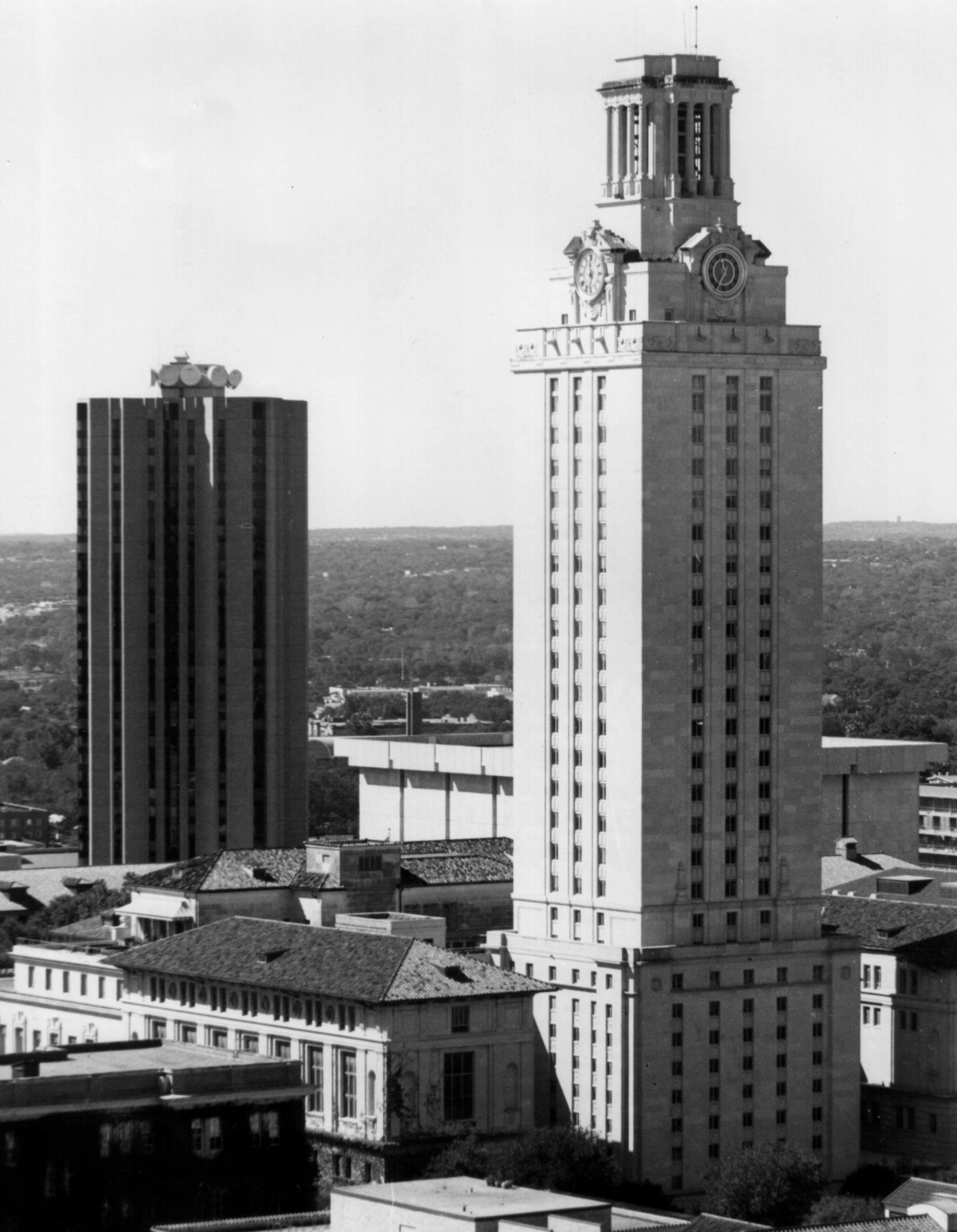
Image result for Texas clock tower shooting

Like most stereotypes, though, the profile of mass killers is not universal. Even if you take all the scientific data we have on the twisted minds of these people, it doesn’t create a clear or predictable picture. That’s why predicting these horrific events is impossible. We never truly know when someone is just going to snap.

It’s for that reason that, rather than focus on the traits these mass killers have, we should take time focus on the traits of those who don’t become violent or deviant. Rather than agonize over what went wrong, we should also note what goes right when someone becomes a healthy, productive member of a society.

Since society, as a whole, is so complex and our modern civilization is so diverse, it helps to narrow in on the more basic units of society. From a biological and evolutionary standpoint, a hunter/gatherer society provides the simplest approach. I’ve used this example before when discussing our pre-modern sex lives, but it’s just as useful when assessing the raw basics of human experience.

Image result for Adam and Eve in paradise

Within that society, those three factors I mentioned aren’t just present. The society doesn’t work without them. In a hunter/gatherer society, everyone has a role to play and a purpose to contribute. You hunt, you gather, and you share those resources within a close-knit community.

That close-knit component is where the love comes in. On top of having a clear role and a defined purpose, members of a hunter/gatherer society are surrounded by family, friends, and community that loves and supports one another. It’s not just out of charity either. That love and support keeps the society strong, providing emotional fulfillment in addition to the physical fulfillment from sharing resources.

From that love and fulfillment, a sense of intimacy naturally follows. I’m not just talking about sexual intimacy either, although the behavior of the notoriously non-violent Bonobo chimps does strongly hint at its value. In a close-knit community, being able to open up and embrace others is part of what binds that community. It helps make each individual within that community stronger, mentally and physically.

Related image

That’s not to say those communities never have a deviant or a psychopath every now and then. Within this simple template, though, it’s easier to understand the core needs of the human psyche. It’s not just food and water that a person needs to survive. They also need love, intimacy, and a sense of belonging to give their lives a sense of purpose.

As a result, there is a growing body of evidence that those hunter/gatherer societies were exceedingly peaceful. Sure, there were a few tribal conflicts here and there, but there’s little evidence that someone who grew up in such a close-knit community went onto become a spree killer.

Image result for hunter gatherer societies today

With that basic understanding in mind, look back at the long list of spree killers. Look at their personal stories, which vary from tragic to affluent. Now, look at how much or how little love, intimacy, and belonging they had in their lives. To some, it may seem like they had everything they needed. However, that doesn’t mean that’s how they felt as they went down that dark path that led them to commit such atrocities.

To some extent, it’s a lot easier to feel isolated, alone, and unloved in our modern civilization. We don’t function in small, close-knit tribes anymore. We regularly find ourselves surrounded by all these people that we don’t know, don’t understand, and have no intimate connection with.

On top of that, seeking love and intimacy beyond family is much harder, especially for men. Some have even pointed out that many of these mass killers lack any semblance of a satisfying sex life and growing sentiments that demonize men’s sexual expression isn’t helping. While I don’t think a lack of sex is as big a factor as some claim, I think it does contribute to a certain extent.

Image result for lonely man

In a world where these men don’t need to hunt or gather, have no sense of purpose or role, and have limited outlets for intimacy and sex, what does this do to their minds? I’ve mentioned before why I believe solitary confinement is one of the worst forms of torture, but its effects need not be confined to a cell.

Human beings are complex and adaptive, but they’re also vulnerable. Strain them in any number of directions and there’s sure to be damage. I know people who have endured such damage. I, personally, have had my own struggles. However, I’m lucky to have a very supportive, very loving family that has always been there for me. I believe that love is a big part of what has helped me live, love, and function.

Image result for group of people hugging

We may never know what goes on in the mind of a mass murderer or someone who just up and snaps. Until we can actually read the thoughts of someone, which we are working on, we can’t know whether a mass murderer just didn’t get a lot of love in life or if he just played too many violent video games as a kid.

That still won’t stop people from pointing fingers and pursuing agendas. It’s only natural to want to blame something in wake of such a terrible tragedy. Atrocities, like mass shootings, are the result of something that went horribly wrong within a person and a society. It’s certainly worth scrutinizing those flaws, but it’s also worth remembering what happens when it goes into making it right.

Image result for group of people hugging

Human beings are capable of unspeakable atrocities, but they are also capable of wonderful acts of kindness. Understanding what goes into forging these kind, loving souls will be the most potent recourse in preventing these terrible tragedies. There’s a lot that goes into creating such souls, but love, intimacy, and belonging will likely be the core ingredients.

Leave a comment

Filed under Current Events, human nature

Boredom Vs. A Lack Of Belonging: Which Drives Outrage Culture More?

http3a2f2fi-huffpost-com2fgen2f45348782fimages2fn-group-holding-hands-628x314

Here’s a quick non-rhetorical question. Which is worse, crippling boredom or social isolation? There’s no right answer, but every answer has distressing implications. More than anything else, those answers reinforce why solitary confinement is rightly considered torture.

I ask that question because I had an interesting conversation with someone on Reddit about what drives certain people to be constantly outraged about whatever happens to be controversial that day. I’ve talked a bit about outrage culture before and how professional trolls exploit them, but I haven’t really dug into the mechanisms behind it. Given how new controversies seem to trend every day, I think it’s worth scrutinizing.

In the discussion, I singled out boredom as a possibly underrated factor. Having highlighted the power of crippling boredom, I felt qualified to make the case that boredom may very well be an understated, under-appreciated cause. I still feel there’s a case to be made.

In the grand scheme of things, humanity is in uncharted territory when it comes to boredom. For most of human history, we had to live our lives under the constant threat of plague, famine, war, and natural disasters. Whether we were hunter/gatherers or subsistence farmers, life was chaotic and unpredictable.

Say what you will about those harsh, pre-modern eras, but they weren’t boring. They couldn’t be. There was always work to do. Given the lack of effective birth control, there were children to raise. Even if social media had existed 100 years ago, who would have the time or energy to even be outraged about a man wearing a sexist shirt.

Fast forward to the 21st century and things like war, famine, disease, and crippling poverty are all in decline. This is objectively good on so many ways, but for some people, especially in well-to-do middle class people, it leaves a large void that quickly becomes boring if not filled with something. Sometimes, it can get so bad that it can lead to outright murder.

When I made this argument, I think more than a few people took it seriously on Reddit. It was easy to see how someone whose life is so affluent and devoid of heart-pounding conflict that they will latch onto petty outrages just so they can feel something. Like someone stuck in solitary confinement, they’ll do anything for some sort of stimulation beyond counting the tiles on the floor.

Given how our brains can’t always discern the source of arousal, sometimes it’ll settle for whatever adrenaline rush we get from righteous outraged. Some go so far as to call the rush we get from outrage an addiction and it’s not a wholly inaccurate idea.

However, one person in that discussion pointed another element that also relies on that part of the brain that can’t always discern what gets it aroused. Instead of combating boredom, though, this issue deals with our inherent need to join a group and become part of a larger movement.

It’s very much an extension of tribalism and, like seeking stimulation when there is none, human beings are well-equipped by evolutionary biology to form groups. Whether we’re a small band of hunter/gatherers or a group of Taylor Swift fans, it doesn’t take much for us to form those groups and our brains reward us greatly.

Being part of a group feels good. Being part of something gives us a rush. It’s a major reason why peer pressure works and why tribalism often overrules reason. That solidarity we feel when we’re part of a group isn’t just intoxicating. It’s a fundamental component of any highly social species, which includes humans.

What this means for those constantly outrage isn’t that far off from the implications relating to boredom. Like boredom, our current society is pretty unprecedented in terms of how easy it is to form a close-nit group and share in that solidarity that has been driving our species since the hunter/gatherer days.

Thanks to social media and mass communication, it’s possible for people to do more than just share their opinions, no matter how outrageous they might be. It’s also possible to connect with those who either share in those opinions or despise them. In terms of forming a tribe, it’s a two-for-one-deal because it creates both a sense of “us” while revealing a “them” to rally against.

For anyone who has spent any amount of time on social media, it doesn’t take much to see the whole us versus them mentality to take shape. If any amount of disagreement goes on long enough, Godwin’s Law usually takes over and the battle lines are set.

On top of this, the social issues in 2018 aren’t quite nearly as clear-cut as they were in decades past. In the past, there were some pretty egregious injustices surrounding civil rights, women’s rights, and LGBT rights that required major social movements to combat. By and large, society has done a lot to improve the state for these marginalized groups.

There’s no question that being part of such righteous movements is laudable. We, as a society, rightly praise civil rights leaders who stand for such righteous causes. Naturally, some people seek to emulate that. Whether by ego or altruism, it’s only natural that they want to experience that kind of accomplishment.

Thanks to the sheer breadth of human progress, though, there causes on the levels faced by Martin Luther King Jr. or Mahatma Gandhi. However, because that drive to be part of a movement is just that strong, those same people will settle for pettier movements that protest sexy women in video games or bemoan the lack of diversity in old TV shows like “Friends.”

Make no mistake. Those outrages are petty and asinine when compared to the real injustices that past social movements have fought, but the brains of the outraged can’t tell the difference. From their perspective, their movement is every bit as righteous as every other civil rights movement in history. The outrage they express and the solidarity they feel is every bit as fulfilling as something that alleviates boredom.

Even if these causes are petty and the outrage is shallow, it’s important to note the alternative here. If these same people who protest the lack of diversity in the tech industry didn’t have this sort of thing to drive them, then what would happen to the group they’d formed?

Absent that outrage and protest, the group has nothing to rally behind. The person has nothing provoking arousal, be it anger or excitement. Without this dynamic, they don’t belong to something bigger anymore. They’re not the ones marching alongside famous civil rights leaders of the past. They’re just alone, by themselves, contributing nothing of value.

For many people, that’s just untenable. I would go so far as to say it’s almost as untenable as crippling boredom. Even self-proclaimed introverts and ardent individualists, we seek an identity and a constant source of stimulation. When we lack one or both, we lack a core element of any social species. In the same way we’re driven to meet the rest of our basic needs, we’ll be driven to find that somewhere, no matter how misguided.

In the past, we might have found that sense of belonging and purpose through our small communities or organized religion. Today, the world is much bigger and more diverse, thanks to technology and civilization. Organized religion is also not effective anymore due to factors too numerous to list. People are still going to seek belonging.

It’s somewhat ironic that civilization has advanced to such a degree that there aren’t as many clear-cut, good versus evil movements to be part of anymore. However, there’s still this longing to be the hero of our own story and be part of something greater, even if it means actually going out of their way to feel outraged.

Getting back to the initial question I posed, I think the influence of boredom and belonging are inherently linked. We agonize over escaping boredom and over having a sense of belonging. We can’t get that same rush our ancestors felt when surviving bear attacks and hunger so we’ll settle for whining about protests during football games. It’s still annoyingly petty, but distressingly understandable.

4 Comments

Filed under Current Events, gender issues, Reasons and Excuses, War on Boredom

Why Treating Sexuality As A Disease (Always) Fails

mentalhealth.jpg.size-custom-crop.1086x0

It wasn’t too long ago that discussions about reparative therapy, also known as gay conversion therapy, became more a joke than a serious concept. Going back to Michele Bachman’s failed presidential bid in 2012, and all the assorted jokes about her husband, who ran a religion-based therapy center, I think it’s safe to say that this issue has run its course and for good reason.

There was once a time when attempting to change someone’s sexuality into whatever society deemed acceptable was a serious pursuit. Even Sigmund Freud contributed to that effort, going so far as to claim that homosexuality could be cured through hypnosis. Seeing as how hypnotists are more likely to work in Las Vegas stage shows instead of clinics, it should be obvious how wrong he was.

As it stands, reparative therapy is rejected and discouraged by nearly every legitimate psychological and therapeutic organization on the planet. There are still those who claim that’s just part of the larger gay agenda, but those claims don’t deserve to be taken seriously. Whenever that many organizations to agree that something is so ineffective and harmful, it’s usually a pretty clear sign that there’s something wrong with it.

For the rest of the population that doesn’t buy into homophobic conspiracy theories, the issue is resolved. While there’s still a lot we don’t understand about human sexuality, our current understanding offers a fairly concise conclusion. It’s not possible to completely change or radically reorient someone’s sexuality.

So in light this widely-accepted conclusion, any subsequent efforts to radically alter someone’s sexuality through archaic tactics that involve shame, guilt, and pseudo-spiritual bunk should be just as asinine. The keyword there is it should be. Even though reparative therapy is roundly condemned, the spirit of that therapy continues, albeit with a different target.

This time, the targets aren’t homosexuals or some other sexual minority. Instead, the scope is bigger and more extensive than even defunct anti-gay ministries could ever hope to achieve. It’s taking aim at sexuality, as a whole, particularly that of men. While it doesn’t have an official title, the tactics are distressingly similar.

I’m reluctant to put a label on it because I’d rather not throw around blanket terms for an issue this vast. Much of it stems from those opposing everything associated with “toxic masculinity,” a term I’ve already condemned.

From sex scandals to advertising to representations in major movies, the obstacle is the same. A particular brand of male sexuality that caters to straight men seeking the company of beautiful women for basic, shallow reasons isn’t just falling out of favor. It’s seen as corrupt, part of some grand patriarchal conspiracy.

It’s so corrupt that some, such as Joss Whedon, describe it like a disease. Men who simply have these desires are somehow flawed and need to either be educated or scorned. It’s not quite at the level that homosexuals endured in the past, but the common themes are still there.

It’s hard to pinpoint where it began. Some might point to the Harvey Weinstein scandal as the catalyst that turned the public against the whims of horny men, but I think it goes back further than that, even past the 2016 Presidential Election. The concept of criticizing men’s preference to admire beautiful women isn’t new. The extent of that criticism, however, is unprecedented and still growing.

Regardless of how it began, either through vocal critics of breast depictions in video games or protesting sexy advertising, it’s a major movement now. It has popular hashtags and the backing of powerful media outlets. If you’re a straight man who enjoys admiring beautiful women, then congratulations. You’re the source of all the problems in our current sexual landscape.

Given the intensity of the rhetoric in the movement, it’s not just about protesting the injustices perpetrated by men in positions of power who freely exploited that power. It’s attacking certain manifestations of sexuality as a whole, deeming them “problematic” to the point where it’s practically pathologized. That’s how we end up with asinine terms like “toxic masculinity.”

It’s for that reason that the parallels between the long-debunked ideas of reparative therapy and ongoing condemnations of male sexuality are all the more disturbing. Stories about LGBT youth who survived reparative therapy, and not all of them do, tend to tell similar stories. The so-called therapy they get usually involves the following:

  • Excessive condemnation and shaming of certain desires
  • Attributing certain sexual desires with negative connotations
  • Demanding frequent confessions of guilt for past misdeeds, real or imagined
  • Demanding complete dissociation from a previous lifestyle
  • Attributing desires and feelings to disease or an unhealthy state of being
  • Attacking or subverting someone’s identity in an effort to re-shape it
  • Conditioning someone to associate natural feelings with negative sentiments

To anyone who has been keeping track of how men have been criticized for their attitudes towards some of the recent sexual misconduct scandals, these methods should sound painfully familiar. It’s also worth noting that these are methods that the American Psychological Association deems harmful and even dangerous.

Now, I want to be careful with my rhetoric here because I don’t want to imply that straight men who enjoy looking at beautiful women in bikinis are suffering to the same extent LGBT people suffered in these faux-therapeutic settings. That’s not the point I’m trying to make here. I’m just trying to highlight the extent to which the approaches are similar, even if they’re not the same.

It’s one thing to punish actual misconduct. It’s quite another to attack the underlying desires of an entire group. Men looking at beautiful women is now a symptom of objectification, patriarchy, and misogyny. Conversely, women looking at beautiful men is a major Hollywood movie starting Channing Tatum. See the difference?

That difference matters because treating those attitudes as diseases is every bit as misguided as treating homosexuality or transgenderism as a disease. It would be akin to referring to all homosexuality as “toxic sexuality” instead of a simple variation among the vast spectrum that is human sexuality.

That’s not to say there aren’t issues with certain attitudes men have towards sexuality. There are plenty of issues about women’s attitudes as well. However, the fact that the current culture, empowered by social media and selective biases, treats those attitudes the same way reparative therapy treats homosexuality is both revealing and distressing.

The negative impacts of those methods are well-documented, both in terms of harm and ineffectiveness. Relentlessly shaming people for their sexuality, be they straight men or gay women, is pretty damaging. It doesn’t take a licensed therapist to know that conditioning someone to hate their own desires will seriously affect their mental health.

There are many lessons to learn from the failures of reparative therapy. For one, it revealed just how powerful sexual and romantic desire can be in a person. It can also reflect how lonely it can be when those feelings are deemed defective, toxic, or deviant by a society, at large. Countless LGBT individuals have suffered because of these misguided efforts. More will suffer if those lessons aren’t heeded.

5 Comments

Filed under Current Events, gender issues, sex in media, sex in society, sexuality

Is Loneliness Really THAT Bad For You?

I’d like to preface this article with what I hope is an exciting announcement. As I write this, I’m preparing to move to a new place. By nearly every measure, it’s a good thing. My living situation is set to change for the better.

Without getting into the specifics, just know that I’ve been living with roommates in a shared house for quite some time now. That has been my standard living situation since college. For a while now, I’ve been looking to upgrade that situation by buying my own condo. I’ve been working hard, selling as many sexy novels as I can, to scrap together enough money.

Finally, I had the money and I found the perfect place. In less than a month, I’ll be living on my own in a beautiful one bedroom, one bathroom condo that I won’t have to share with anyone else. I won’t just be able to sleep naked anymore. My entire living situation will be clothing optional. Just thinking about it brings tears of joy to my eyes.

I’m genuinely excited about this and not just because it will provide more opportunities for nudity. However, it does give me some pause in terms of the larger implications. Every major change in life, be it a living situation or a new lover, is bound to have unforeseen impacts. Moving to a new place certainly qualifies.

The most jarring change in this instance is that, for the first time in my adult life, I’ll be living completely alone. I won’t have to contend with roommates. I won’t have to share any ounce of my living space. Everything from the thermostat to the brand of toilet paper to the visibility of my Playboy calendar will be completely under my control.

I don’t deny that living alone has its appeal, but I’m somewhat used to always being in a place where I could just go talk to someone if I wanted. Living in this new place will mean fewer opportunities of that nature. Then, I found this distressing article from the New York Times on the potential health hazards of living alone and suddenly, the price for clothing-optional living seems a bit higher.

The hazards are not necessarily trivial. This isn’t something that can be fixed by eating an extra bowl of fruit, running a few miles, or getting a coffee enema, which is a thing. According to the article, these are some of the issues that loneliness and isolation can breed.

Loneliness can accelerate cognitive decline in older adults, and isolated individuals are twice as likely to die prematurely as those with more robust social interactions. These effects start early: Socially isolated children have significantly poorer health 20 years later, even after controlling for other factors. All told, loneliness is as important a risk factor for early death as obesity and smoking.

While it’s important to note that the keyword in that conclusion is that it can incur these effects. That doesn’t necessarily mean it will. As I’ve noted before, human beings are frustratingly complex creatures. Anyone who claims that there’s a simple solution to a big problem is usually pursuing a bullshit agenda that makes lousy documentaries.

However, there is some relevant data behind this phenomenon of loneliness being detrimental to someone’s mental health. According to a 2013 study by the American Journal for Public Health, socially isolated men and women died earlier at a rate that was consistent with smoking and high blood pressure. Those kinds of correlations are disconcerting, even if they’re not akin to direct causation.

Smoking, Cigarette, Smoke, Unhealthy, Cigar, Addiction

Under the lens of caveman logic, that makes sense. Human beings are a very social species. Social interaction is a core need, right up there with food, water, and a regular orgasm. It’s because of our social nature that solitary confinement is rightly seen as torture.

While I do have plenty of other social outlets, primarily my friends and a very supportive family, living alone will make it easier to keep to myself more often. Granted, that could change fairly quickly if I fall in love and get into a relationship. That’s something I am actively working on. However, I’m not going to assume that’ll happen soon after I move in.

I’m taking these concerns seriously, but I’m still looking forward to the benefits. As if often the case with something as complex as human psychology, there are also potential benefits to living alone. There is some research that indicates that certain people do better when they live alone. I’m not sure that I’m one of those people, but Psychology Today summed it up nicely with the kind caveman logic that makes me smile.

For some people, living alone is not just a casual preference – it feels more like a need. What happens when you are deprived of a genuine need? You can’t stop thinking about it. You daydream about it, makes plans for when you will get to have that need fulfilled again. When living alone is a need and you finally get to do it after being deprived, you feel relief and a sense that your living situation is once again just what it should be.

So with these variations in mind, I’ve got a lot to think about as I prepare to take this big step in my life. I’m still excited about it. I’m really looking forward to actually owning my own place, having a space I can truly call my own. It goes beyond having an excuse to spend more time naked. It’s about me carving a real space for myself.

I don’t know entirely how I’m going to handle it. I like to think I know myself well enough to believe that I’ll be among those who benefit from living alone. I could very well be wrong, but I’ll finally have a chance to find out.

To everyone else who may be facing this issue, take some comfort in the knowledge that the question as to whether being alone is bad for you has no clear-cut answer. It varies from person to person. Some people benefit. Some people don’t. Human beings are kinky like that. As an aspiring erotica/romance writer, that’s something I can appreciate.

1 Comment

Filed under Jack Fisher's Insights, War on Boredom

A Drug That Eliminates The Need For Sleep (Is Almost Here)

Whenever I talk about the possibilities of human enhancement, sexy and otherwise, I do so with the hope that the benefits outweigh the costs. I understand that all progress comes at a cost. I also understand that it’s impossible to know the full extent of those costs until the genie is out of the bottle and the bottle is destroyed.

Never-the-less, I still think the risks we take with future technology are worth taking. In fact, I would argue we have to take them because our caveman tendencies towards tribalism and our inherent vulnerability to bullshit is a clear indication that our current situation is not working well enough. We, as a species, need to improve if we’re going to function on this confined planet.

Certain enhancements will do a lot more than others. I’ve mentioned emerging tools like smart blood, brain implants, and CRISPR. It’s impossible to overstate the kind of impact those advances will have on the human condition. They will be akin to giving a light sabre to a chimp.

Other enhancements, however, will have a more subtle effect. They’re also likely to happen sooner, despite Elon Musk’s best efforts. That brings me back to sleep and the annoying need to spend a third of our lives doing it. I’ve already asked people to consider how their life would change if they didn’t have to sleep as much. Well, I have a confession to make. That was kind of a loaded question.

That’s because that, as we speak, there are efforts underway to reduce or eliminate our need to sleep. This is not some far-off fantasy out of a “Star Trek” re-run. This is actually happening, courtesy of DARPA, also known as the Defense Department’s officially-sanctioned mad science division.

However, there’s nothing mad about their motivations. DARPA is in the business of developing obscenely-advanced technology to ensure that the United States Military remains the most technologically advanced military on the planet by an obscene margin. Part of that effort involves developing technology that creates soldiers that don’t have to sleep.

In the grand scheme of things, that’s one of the least weird projects they’ve pursued. This is a department that is researching flying submarines for crying out loud. As awesome/crazy as those concepts are, this potential breakthrough in sleep technology could have implications that go far beyond having soldiers that don’t require a nap.

According to Wired, DARPA’s years of mad science has culminated in the development of a spray that users would apply, just like ordinary nasal spray. The spray contains a naturally-occurring brain hormone called Orexin A, which helps keep the brain in a state of alertness without the aid of heavy stimulates or copious amounts of coffee.

It’s somewhat crude in that it’s basically dumping chemicals into the brain and hoping for the best. That approach is not that different from those of other psychoactive drugs, which are fraught with all kinds of danger. Unlike other emerging technologies, though, this one is already happening. From here, it’s just a matter of refinement.

At the moment, the technology is basic and unrefined, but that’s how all technology starts. Just look at the models of old cell phones. That refinement will occur, though. There’s too much potential profit in it. Between truckers, grade-grubbing college students, and marathon gaming, there are a lot of people out there who would gladly pay to not have to sleep.

Depending on how much it costs, I would certainly jump at the chance to not feel so damn tired on a Monday morning. It would also give me more time and energy to write more sexy novels or explore more sexy issues on this blog. When sleep becomes optional and you have a lot of stuff you want to do, this sort of technology suddenly becomes invaluable.

I doubt I’m the only one whose life would invariably change, due to this technology, and I’m not just talking about hardcore night owls. Think about all the people who work demanding, energy-sapping jobs. These jobs don’t just put a huge premium on sleep. They can be downright damaging. Take away the need to sleep and suddenly, these people can have a life again.

That, in many ways, is the biggest implication of this technology. Suddenly, that third of our lives that we spend sleeping suddenly becomes open to us. Human society may vary wildly across time, space, and sexual practices, but they’re all bound by the same limits. People still need to sleep and rest. What happens to those societies when that changes?

It’s impossible to know, but we may find out soon enough. As we’ve seen before with other popular drugs, once a market is established, people build entirely new lifestyles around it. We saw it already with boner pills. This one may end up being even more groundbreaking and it doesn’t require an awkward conversation with your doctor.

While this is sure to enrich drug companies to no end, it’s also the first step in a much larger process of removing the burden of sleep. Other emerging technologies that I’ve mentioned, such as smart blood and brain implants, will take it a step further.

Theoretically, they could both rewire or augment our biology so that we never need sleep in the first place. There would be no need to take a drug. There would be no need to worry about ever being tired. It may even make it so that other people who have to sleep are pitied the same way we pity those who don’t have high-speed internet.

These kinds of advancements will already enhance so much of the human condition, from cognitive function to mental acuity to sexual prowess. Removing sleep from that equation gives those same enhanced humans even more time to flex their enhancements. It’s hard to know what people will do with that kind of time on their hands, but I imagine some of it will inspire a few sexy novels.

A society full of people who never need to sleep is completely unprecedented. Hell, a society where sleep is entirely optional is unprecedented as well. It wasn’t that long ago that society was at the mercy of the night. Even if you weren’t tired back then, you couldn’t do much when it was pitch black outside. Then, electric lighting came along and freed people to do more with their time.

When technology gives people an opportunity to work around the limits of nature, they generally take it. The consequences or implications are rarely clear, but given how little we think things through, I can’t imagine we’ll hesitate to make this technology part of our culture.

Time will tell. Money will be made. Entirely new lifestyles will emerge. It’s amazing to imagine what we’ll do with ourselves when sleep is no longer an issue. I hope it helps me write more sexy novels. I also hope it helps others live a richer life. Whenever it happens, I look forward to the day when beds are just used for sex and showing off fancy linens.

1 Comment

Filed under Sexy Future, Thought Experiment

What If We Didn’t Have To Sleep?

Last week, I went to bed early in hopes of getting some extra sleep. The next couple of days were going to be long and busy. I wanted to be as rested as possible in anticipation. Any over-worked college student who ever tried to do this in anticipation of an exam probably knows where I’m going with this.

My hopes were quickly dashed because I ended up lying in bed for several hours, tossing and turning, trying to will myself to sleep. I was tired and usually I’m pretty good at falling asleep when I need to, but not on this night. For whatever reason, I just couldn’t get the rest I wanted.

It was frustrating, but easily resolved the next day with more coffee. However, in recalling that frustration, I found myself thinking back to all the other nights where I just lay there in bed, trying to sleep and failing miserably. It led me to one inescapable conclusion. That’s a lot of wasted time that I could’ve used to do something else.

With that time, I could’ve written dozens of more sexy novels. For all I know, one of them might have been a masterpiece and a best seller. Sure, it’s more likely that most of them would either be average or crap, but the fact is I still would’ve written them.

With that time, I also could’ve read more books written more content for this blog, or worked out more. How much healthier or more well-read would I be? Sure, a lot of those books might have been comics, but I’ve shown before that comics can provide some pretty uncanny insights.

With that time, I could’ve just done more of the mundane stuff that gives me joy. I could’ve played more video games, danced to terrible pop music, or binged-watched more of the shows that my friends and family keep recommending.

My point is that I’ve wasted a lot of time in bed, failing to fall asleep. I doubt I’m alone either. How many others out there struggle to fall asleep at night? Seeing as how the market for sleeping pills is around $58 billion, I imagine it’s more than a few.

I’m not saying sleep is a waste of time. There’s a biological need associated with sleep. Like food, not getting enough of it will actually kill you in the long run. That puts sleep just above sex in terms of the needs hierarchy, albeit not by much. While the need for sleep is somewhat of a mystery, we know we have to do it. We just don’t realize how much of it consumes our lives.

As it stands, we spend about a third of our lives sleeping. That means every day we’re alive, we’re stuck only living part of it. That’s a lot of time that we end up losing. That leads me to a simple, but colorful thought experiment. What if we could get that time back? What if we, as a whole, didn’t have to sleep or only needed a little to be refreshed?

This isn’t one of my overly sexy or overly disturbing thought experiments. This is basically akin to wondering what it would be like to have superpowers, something most people do on a daily basis when they’re stuck in traffic. Not sleeping may not be as impressive as flying like Superman, but it would incur an undeniable impact on our lives and our society.

Some of it might be good. Some of it might be bad. Some of it might be downright mundane. For certain people, not sleeping just means more time sitting on the couch watching “Star Trek” re-runs. Whatever the case, it has many possibilities for better, for worse, and everything in between.

As much as I enjoy sleeping naked, I would prefer to have more time and energy to do more things. I might even end up doing those things naked anyways so it wouldn’t be too much of a loss. Sure, that might cause some legal issues, but I’m willing to make that trade-off.

There are a lot of things I’d like to do, try, or explore. The problem is often a confluence of time, energy, and focus. I don’t always have enough of all three and sometimes one overcompensates for the other. The need to sleep is the only factor that ties into all them.

I get that there are some who genuinely enjoy sleep. I admit it’s a great feeling, waking up on a Saturday morning, feeling rested and refreshed. However, is it really worth all that time we miss? Who’s to say that what we do with that extra time won’t be just as rewarding? Like I said, there are trade-offs.

I’m not sure what I would do if I didn’t have to sleep so much, but I like to think I’d be able to do more and be better. What about you, the wonderful readers of this humble, yet sexy website? What would you do if you had an extra eight hours of life every day? Would you be more productive? Would you be happier? Would you succumb faster to the looming plague of boredom?

It’s a non-disturbing, non-sexual thought experiment that I encourage everyone to try it and share your thoughts in the comments. We’re all the mercy of our need to sleep to some extent. It’s interesting to imagine what our lives would be like or what kind of person we’d become if we had more time to work with.

1 Comment

Filed under Jack Fisher's Insights, Thought Experiment

Does (Too Much) Knowledge Drive You Crazy? “Rick And Morty” Says Yes!

Greetings, and wubba lubba dub dub! If you remember that wacky string of words from a previous article, then you know, in part, what this will be about. That’s right. I’m going to talk about “Rick and Morty” again.

I promise it involves a serious issue and one I’ve touched on before. I know that’s hard to do when “Rick and Morty” contains characters named Mr. Poopybutthole, but I’m willing to rise to that challenge because I think this show illustrates that issue better than most, while still being hilariously subversive.

In some ways, the issue stems from problems I already highlighted with the crippling effects of boredom. It’s an issue Rick Sanchez deals with many times in the show and it’s just one of the reasons why I pegged him as someone who might relate to an emerging generation that will have to deal with more boredom than any generation before it.

However, this may even go beyond boredom in the sense that it strains our sanity more directly. In a world that’s already full of traffic jams, internet trolls, and reality TV shows featuring spoiled toddlers, that’s already pushing it. It all boils down to one simple question.

“Does too much knowledge drive us crazy?”

It’s a question that “Rick and Morty” tries to address in the least subtle way possible. In an episode called “Morty’s Mind Blowers,” which inspired this article, Morty briefly gains ultimate knowledge by gazing into the eyes of an alien turtle. I swear on Pamela Anderson’s tits that’s not made up. That really happened.

Naturally, this drives Morty nuts, which is saying something because it’s hardly the first time he’s been horribly traumatized. This is a different kind of trauma, though. Having all that knowledge, plenty of which strains his teenage brain more than it can handle, leaves him completely unhinged. He carries himself as someone who will need heavy medication and a padded cell.

Rick, being the lovable asshole he is, just shrugs this off and offers a simple solution. He’ll simply remove Morty’s memory of the experience from his brain. In fact, he reveals that he does this quite often, so much so that there’s a whole room full of Morty’s memories that he’s removed during their mind-bending adventures. Again, not a word of that is made up.

It’s an extension, of sorts, on a concept I’ve discussed earlier in dealing with trauma. I think most would see, to some extent, the merit of removing traumatic memories from someone’s brain. It spares them undue suffering and helps them function. On the basis of limiting someone’s pain, I think it could be argued that it’s a moral thing to do.

If, however, we use that same moral concept of reducing suffering, then what does that mean when excessive knowledge strains the human psyche to untenable extremes? If such knowledge inevitably leads to suffering, then it might take more than just removing memories to fix it.

It’s a distressing, but documented phenomenon and not just in shows like “Rick and Morty” either. There is a body of research that shows a correlation between mental illness and individuals with genius IQs. While correlation and causation are very different concepts, so much so that they’re easily confused, it’s hard to ignore the pattern here.

Those with obscenely high IQs know more you, me, or 99 percent of the average population. They see the world in a way that’s so different that it’s hard to relate to them on a fundamental level. It goes beyond the comical social awkwardness we see in shows like “The Big Bang Theory.” It can be downright debilitating for some people.

It speaks to the inherent limits of our caveman brains. As I’ve said many times before, our brains are not wired to process ultimate knowledge. They’re wired with two purposes in mind, namely survival and reproduction. While I enjoy writing stories about the latter, it’s hard to get around the former.

Knowing a lot means thinking a lot. Thinking a lot means realizing things that most people never even contemplate, either because they’re too busy trying to get laid or too stupid to wrap their head around it. In that sense, idiots may have an advantage when it comes to sanity, but what happens when it gets harder to be a happy idiot in this world?

As I write this, our society is being influenced by something called the Flynn Effect. In essence, it’s like Moore’s Law in that it documents a general rise in our collective IQ as civilization advances. That has huge implications and not just for the viral video industry that lives off the theatrics of idiots.

idiot moron 19 I can count to potato (22 photos)

I’ve noted that it’s getting a lot easier and cheaper these days to educate people without sending them to the hormonal torture camp that is high school. This generation, as well as the next one, is the most educated generations of all time. Is it possible that as people get smarter, they’ll be more prone to mental illness?

It’s a difficult question to answer, especially when you throw brain augmentation like those being developed by Neuralink into the mix. It may very well be the case that Morty wouldn’t have needed his memories removed if he just had some sort of brain implant that allowed him to process all the knowledge he had. That may be what keeps everybody sane in the distant future.

It’s impossible to know for sure, but the conclusion of “Morty’s Mind Blowers” isn’t very hopeful. Near the end, Morty tries to absorb all the other memories he’s had purged from his brain over the years. Once he has them all back, he decides there’s only one solution. He tries to kill himself. Yes, it gets that dark.

Naturally, he doesn’t succeed and not because someone talked him down. He doesn’t succeed because his sister, Summer, shows up and we find out that Rick actually had a plan for something like this, as he often does with everything.

To solve the issue, and effectively render all the conflict in the episode pointless, Summer purges Rick and Morty’s memory of the events of the entire episode. She then restores them to what they were at the beginning and makes it seem as though they fell asleep watching TV. There’s no real resolution, no greater insight, and no real lesson learned. This isn’t a 50s sitcom. This is “Rick and Morty.”

That resolution, as crass as it might be, might be the most we can do at this point. Our caveman brains are still painfully limited, even as our ability to craft and share knowledge grows. At what point do we reach a tipping point where so much knowledge starts to drive us crazy?

We don’t know for sure and the development of brain augmentation is sure to complicate things, but shows like “Rick and Morty” highlight just how hilariously unequipped we are to deal with this stuff at the moment. For now, we might be best taking Rick’s own advice and simply not thinking about it.

In that sense, maybe reading some of my sexy stories will help. It’s just a suggestion.

cropped-passionrelapse_9781786511645_bookmark.jpg

1 Comment

Filed under Jack Fisher's Insights, Rick and Morty, Thought Experiment

Purging Bad Memories And The (Hidden) Price That Comes With It

Think about the most traumatic experience you’ve ever had. No, this isn’t another thought experiment, nor is it something I’ll put a sexy spin on. It’s an honest, but difficult question to contemplate. Some people don’t even need to contemplate it. Some trauma is so severe that simply asking the question is redundant.

Even if you accept, as I have argued, that the world is getting better and people are generally good, there is still a lot of suffering in this world. There are horrific wars throughout the world, extreme poverty, and gruesome crimes unfolding every day. The crimes themselves are awful, but it’s often the scars they leave on people, mentally and emotionally, that further amplifies the suffering.

Those scars can be pretty debilitating, even after the physical wounds heal. It often manifests in post-traumatic stress disorder, a terrible mental state that effectively locks someone into their scars. Wars, violence, abuse, and criminal victimization can create varying degrees of trauma and coping with that trauma can be a never-ending struggle.

Now, here’s the part where I try to make this discussion less depressing. This is a blog that talks about sexy thoughts, sexy novels, and personal stories involving awkward boners. In general, I want my posts to inspire and, if possible, arouse in the sexiest way possible.

I don’t think it’s possible to make something like dealing with terrible trauma sexy, but it does present an opportunity to discuss something that might not just be a thought experiment within our lifetime. It boils down to one simple question.

“If you could purge traumatic memories from your mind, would you do it?”

If that question sounds familiar, then congratulations. You’ve probably seen one of Jim Carrey’s most underrated movies, “Eternal Sunshine of the Spotless Mind.” Granted, it wasn’t exactly as funny or memorable as “Ace Ventura: Pet Detective,” but it dealt with this question in ways nobody had dared by making the concept of purging memories a simple service to facilitate the process of getting over a loss.

All three “Men In Black” movies streamlined that process even more with their trademark neuralizer, a device that erases peoples’ memories of an incident in a simple flash. When you’re a super-secret government agency trying to hide aliens from the public, it’s kind of a necessity. However, its implications are much greater than simply making life easier for government agents.

Think back to that traumatic experience I mentioned earlier. In addition, think of the many traumatic experiences behind those who suffer from PTSD. All that suffering is built around the memories of those horrible moments. Whether it’s an atrocity in a war, severe child abuse, or a sexual assault, it’s the memory that locks that moment into the mind.

Now, imagine being able to purge that memory from your brain. In an instant, be it a flash by a neuralizer or the service offered in “Eternal Sunshine of the Spotless Mind,” that experience is gone. You didn’t just forget it. As far as your brain is concerned, it never happened.

It’s a concept that “Eternal Sunshine of the Spotless Mind” avoids and is never expanded upon in “Men In Black.” The ability to purge our memories of traumatic experiences has huge implications, even if they’re not as entertaining as watching Will Smith fight aliens. It’s one thing to improve our memories. Actually manipulating them opens up a new world of complications, some of which we might not be ready to confront.

At the moment, we don’t have to because the technology isn’t there yet. While we have a fairly comprehensive understanding of how our brain forms memories, we currently lack the necessary tools to manipulate them. However, those tools are in development.

Once again, I’ll mention Neuralink and the advanced brain implants its hoping to use to augment human cognition. Given how often our brains frustrate us with our inability to keep up with the world or program a goddamn coffee maker, it’s a given that there will be a market for that. Part of that enhancement, though, will likely extent to memories.

It may even be among the early uses for the implants developed by companies like Neuralink. As I write this, PTSD plagues millions of people, many of them military veterans who experienced unspeakable horrors in a war zone. Given the inherent difficulties in treating PTSD, who wouldn’t opt for a better way?

Sure, it involves manipulating our brains, but talk to anyone who can’t sleep, work, or form functional relationships because of their trauma. Some of them would do brain surgery on themselves and accept all the risks that came with it. Some experiences are just that traumatic and I’m not just talking about the ones that involve wars and clowns.

It’s a tragic situation, but one that makes the idea of actually purging those memories from our minds more pressing. Before brain implants like Neuralink start enhancing our minds for the hell of it, they’ll focus on treating those who are sick. It happened with artificial limbs. It will likely happen with brain manipulation.

Due to the wars in Afghanistan and Iraq, we’re already dealing with a significant population suffering from PTDS. Since those wars show no signs of ending, that population will likely grow. Medical science has gotten better at helping soldiers recover from major injuries, but treatments for the brain are still lagging, so much so that governments are considering using MDMA, also known as Ecstasy, to treat PTSD.

Unlike a bullet wound or a broken bone, though, traumatic experiences don’t always heal. Our brain is wired to tie powerful emotions to powerful memories. That’s great for giving us fond memories of the food we eat, the sex we have, and the social bonds we create, but terrible when it comes to dealing with trauma.

In a sense, removing the memories completely may be the only way to actually cure PTSD and allow people to live fully functional lives. Given the incentives, the prevalence, and mankind’s innate ability to make awesome tools, this ability will likely emerge at some point, possibly in my lifetime.

That may be great for those who endure traumatic experiences, but it may come at a price, as all great advancements do. If we live in a world where trauma is so easy to treat and so easy to get rid of, then does that undermine the power of those experiences? Would we, as a species, become numb to those who experience trauma and those who inflict it?

Picture a scenario where someone commits a brutal rape, one that leaves another person so traumatized and scarred that it may haunt them until their dying daze. Right now, we would all want that rapist punished to the fullest extent of the law. However, what if a simple brain implant removes that experience completely while simple medicine treats the wounds?

If the victims has no memory of the experience, no lingering pain, and suffers no ill-effects for the rest of their lives, then do we still treat the rapist with the same disdain? Right now, that’s an unconscionable question to answer. I’m sure there are those who want to strangle me through their computer screens, just by asking it.

First, I apologize if that question causes someone significant distress, but it’s a question worth asking. Once we have the ability to undo all suffering caused by a crime, then will that affect our ability and desire to punish such crimes? No amount of Will Smith fighting aliens can detract from those implications.

At the moment, the technology doesn’t exist, but the trauma doesn’t stop. As decent, empathic human beings, we want to do everything in our power to stop such trauma and heal those wounds. Our efforts may get to a point where we can literally attack the source of that trauma. The questions still remain. What will the hidden cost be and can we stomach that cost?

1 Comment

Filed under Marriage and Relationships, Second Sexual Revolution, Sexy Future

Using Sex Robots (As Therapy)

It feels like I joke about sex robots every chance I get on this blog. In my defense, this is a blog that sells sexy stories, promotes steamy romance, and dares to imagine a future with bionic genitalia. Make no mistake, though. sex robots are a serious issue.

Sure, they’re easy to make light of when they still look like over-sized blow-up dolls with tits, but they are steadily becoming more advanced. They’re already entering the sex industry, albeit in a limited capacity. There are actual companies working on them, as we speak, and for good reason. The demand for sex is like the demand for water. It’s a market that can always be counted on and one Amazon hasn’t monopolized yet.

I’ve talked a bit about how sex robots might impact us, but I always assume that impact will be far greater than anything an aspiring erotica/romance writer can imagine. Hell, I doubt even movies can imagine it, although some like “Ex Machina” make a concerted effort.

I intend to keep discussing the breadth of that impact on this blog in all sorts of ways, including those that’ll make people horny as hell and others that’ll make people more uncomfortable than a vegan at a butcher shop. In any case, it’s worth belaboring both the upheavals and the opportunities that functional sex robots will present.

Sure, there will always be truly deranged people who will become more deranged by presence and use of sex robots. Those people are always a minority, though. Like Charles Manson, they’re the disturbing exceptions that make the news, but not the norm.

Beyond the extremes, though, there’s another aspect of sex robots that I think warrants discussion and one that actually builds on other issues I’ve brought up on this blog, primarily those involving the challenges most people face in forging a healthy sex life in the modern era. If the failure of celebrity couples are any indication, then those challenges are more daunting than we think.

To illustrate the extent of those issues, take a moment to think about the number of people you know who have sought therapy or counseling in some form. Chances are you know more than one. I certainly do. Hell, I challenge anyone to find someone who doesn’t know anyone who has sought therapy.

According to the American Psychological Association, approximately half of American households had someone who’d sought therapy in some form or another. That data was gathered in 2004, though, and pointed out that some couldn’t even seek therapy, due to a lack of insurance. That’s a lot of therapy and a lot of people who need it that aren’t getting it.

Now, take a moment to consider how much of that therapy involved someone’s sex life. While I doubt it applied to every case, I imagine there’s a significant portion of psychological issues that are tied to sex. The fact that sexual dysfunction is so prevalent leads me to believe that more than a few psychological issues are at work here.

Hell, it’s practically part of our popular culture. Watch any sitcom, any movie that doesn’t involve talking animals, or any novel that involves a Biff Tannen/Regina George knock-off and you’ll see it. A man or a woman has an unsatisfying, frustrating, or non-existent sex life. It is the source of a lot of problems, plots, jokes, gags, and obstacles.

Enter the intelligent, interactive, fully-functional sex robot. What does that do to therapy and the reasons we seek it? I’m not just asking that because I want you to picture a world full of advanced sex robots that look and function like Jenna Jameson and Channing Tatum on crack. Granted, I always want people thinking those kinds of sexy thoughts on this blog, but I want people to keep their panties on and look at the bigger picture.

Think, for a moment, how much stress and frustration most people experience when dealing with their sexual desires. It doesn’t matter that it’s the 21st century, internet porn is everywhere, and women are legally allowed to have sex that doesn’t involve making babies. People who aren’t celebrities, supermodels, or as attractive as either struggle to satisfy those desires.

It can and does take a psychological and physical toll on people. If the documented health benefits of orgasms are any indication, then nature wants us to have plenty of sex. Not getting it is like denying the body and mind key nutrients. Without it, there will be issues that go beyond bad moods and morning wood.

At the moment, it’s not easy for a lot of people to explore their sexuality and actually engage in meaningful sexual exchanges. Between uptight religious attitudes, rampant slut shaming, and woefully unequal gender dynamics, finding an adequate sexual outlet is not like going to the grocery store to buy some snacks when you’re hungry. It also comes with all sorts of risks, including disease, pregnancy, and toxic relationships.

The sheer breadth of this difficulty is a major driving force behind the sexual frustrations of many men and women, alike. It’s hard enough just articulating those desires, even to a therapist that is legally obligated to never tell another living soul about your clown fetish. Actually exploring those feelings and achieving some level of sexual gratification is more difficult.

Sex robots don’t just change that situation. They don’t just rewrite the rules of the sexual playbook. They throw the playbook out, shoot the people who wrote it, and use their notes as toilet paper. Sex robots are destined to upend the sex industry and already are in some parts of the world. The impact they’ll have on therapy, though, may be just as great, if not underrated.

Picture a scenario, if you can, of a young man or women going into a therapist’s office in the not-so-distant future. In that future, sex robots are a mature technology in the sense that robots are nearly indistinguishable from humans. They look, feel, and sound real. They have a measure of intelligence, but it’s not much greater than that of the virtual assistants we already use today.

Knowing this, the therapist sits the man or woman down and talks to them. They find out quickly that this person is dealing with depression, anxiety, stress, and loneliness on a level that’s beyond that of most people. As part of the treatment, the therapist provides them with a specially-programmed sex robot. It’s here where the implications become both daunting and seamy.

Unlike the traditional sex robots that ordinary horny people use, or the sex bots you see in an “Austin Powers” movies, these sex robots are programmed with a specific purpose. They’re not just there to give their patients a good orgasm. They can get that from porn or sex toys. The sex robot, in this case, will have a more intimate function.

First, they’re molded to look like someone that the patient feels strong sexual attraction for. That may require some kinky tweaks, especially for those who have crushes on Jennifer Lawrence. However, that’s both doable and kind of necessary. There are already sex dolls molded after porn stars. That same process can be applied to sex robots.

Second, the robot is programmed with a specific personality profile that takes into account the patient’s mental issues. It won’t be enough to just get them off. They’ll need to create an emotional bond with them so that they can help them cope with those issues.

Maybe that involves a sex robots that’s a kinky, assertive dominatrix to help someone with authority issues. Maybe it’s a sex robot that’s meek and submissive to help someone with poor self-esteem. Maybe it’s a sex robot that’s just extra-durable to help someone who’s a real nymphomaniac. There are many ways a sex robot can help people is what I’m saying.

That process may not always include kinky sex. The sex robot may just be programmed to provide some sort of emotional intimacy that the person lacks or can’t find with another person. They could even be programmed to satisfy those who suffer from physical deformities, paralysis, or chronic disease. Thanks to these robots, everyone can have a physically and emotionally satisfying sexual experienced.

The possibilities are limited only by the extent to which a sex robot can be programmed for a specific purpose. Given how good we are at customizing our phones, cars, and even weapons, it’s very likely that we’ll do the same with sex robots for therapeutic and non-therapeutic use.

On the therapy side, though, those possibilities have the greatest implications. It’s one thing for normal, healthy people to enjoy regular, satisfying sex with a robot. It’s quite another when people who would otherwise be crippled or hindered by mental illness are suddenly able to function again and achieve some measure of happiness.

Think, for a moment, what that means for society. It elevates sex robots beyond a mere novelty or kink. Suddenly, they become a means to treat people who never would’ve gotten treatment otherwise. In addition, those who’ve lost loved ones, become ill, or just can’t attract those cute cheerleader types that gets their blood flowing can enjoy intimate, satisfying experiences.

In terms of quality of life, it’s a huge boost. In terms of how we approach our sex lives and sexuality, in general, that’s a bit harder to quantify, even for a mind as lurid as mine. Having a society where everyone, man and woman alike, is sexually satisfied is kind of unprecedented.

It’s really hard to know just how such a society functions or even if it can function. Throughout history, our species has struggled to channel and manage our sex drive. The extent to which we have so many sexual taboos and asinine double standards just proves that the struggle is still ongoing.

Modern medicine, contraception, and even the mainstreaming of the porn industry has helped make sex less dirty, to some extent. We still have a long way to go before full sexual satisfaction is achievable to everyone, not just the beautiful, the popular, and the mentally healthy.

Sex robots could very well be the most critical tool society creates in helping people achieve a level of emotional, physical, and mental satisfaction. In a world where everyone is that satisfied, how will we conduct ourselves? How will we interact with each other? It’s impossible to say, but if writing sexy novels has taught me anything, it’s that few things are more therapeutic than a satisfying sex life.

8 Comments

Filed under Marriage and Relationships, sex robots, Sexy Future

On Conditioning The Brain (For Love)

In nearly every love story, the actual process of falling in love is the easy part. A man sees a beautiful woman. A woman see’s a handsome man. A man see’s another beautiful man or a woman see’s another beautiful woman. Sexy romantic activities follow. People don’t need much incentive or reason to fall in love is what I’m saying.

The real challenge, and the main struggle in those same love stories, is convincing someone else to love them back. It can be an all-encompassing, all-consuming struggle that inspires epic quests, blood feuds, and kinky fantasies of every kind, from the genuinely heart-warming to the downright disturbing.

In most stories, those elaborate efforts either pay off or make for the kind of Shakespearean tragedy that crushes the spirits of every high school English student for generations. Love stories have a special knack for hitting a broad spectrum of emotions, from the kind that makes us cry to the kind that makes us horny. That’s a big part of their appeal and that’s the kind of appeal I try to capture in my novels.

As epic as these love stories can be, on top of the sex appeal they inherently bring, there’s one key element to love that’s easy to overlook, but impossible to avoid. No matter who you or a character in a story falls in love with, you can’t do much with that feeling if the person you love isn’t receptive to it on some level. Even if they don’t eventually love you back, you work under the assumption that they’re open to love.

That’s usually a pretty safe assumption. Between the novels I write, as well as the many other epic love stories that have been written, it’s clear that humans are a very passionate species. We fall in love almost as often as we go to war for stupid reasons. It’s literally hardwired into our brain.

However, it’s that same wiring that makes love such an erratic, fleeting emotion. It’s the primary reason why that, until recently, a marriage built around love was seen as unstable. That makes an unsexy bit of sense when you think about it. Given how easily we fall in love with others, or how horny we get after being with one person for a while, relying on love to hold a marriage together seems like a bold bet with long odds.

Granted, it’s a beautiful thing when it pays off. However, as with any bet that has such high stakes, it’s safe to assume that someone will try to cheat in order to change the odds. Why else would so many stories involve love potions, spells, and elaborate lies that blow up in someone’s face?

While those kinds of manipulations can be dishonest, and more than a little creepy, it’s also understandable. It’s an unfair world full of unfeeling people who seem eager to crush your emotions, burn them to a crisp, and spit on the ashes. If there was a way to just nudge someone’s emotions to be in line with your own, wouldn’t you take it?

That leads to a distressing, but relevant question. It’s part philosophical, part practical, and part ethically suspect. I know those are a lot of conflicting parts, but bear with me because it affects our love lives and our sex lives so it’s pretty damn important. Here it is and feel free to take as much time as you need to contemplate it.

“Is a love that is conditioned, coerced, or magically conjured in someone any less sincere?”

I know what the knee-jerk reaction to that sort of question is. The idea that any kind of love that’s forced is somehow sincere seems like something you shouldn’t imply unless you’re wearing a suit of adamantium armor. Most love stories built around forced love tends to either fall apart or turn into some twisted form of BDSM erotica. It can even show up in classic Disney movies, albeit indirectly.

In a perfect world full of singing animals and naked supermodels, love would never have to be conditioned or coerced. Those in love would just need to follow the steps laid out in every John Hughes movie ever made and that’s it. You’ll win the love of whoever you desire.

Sadly, we know this isn’t a perfect world. Animals don’t sing. You have to pay to see naked supermodels. Love and heartache aren’t always mutually exclusive either. Every other love song ever made is proof of that. So why shouldn’t we entertain the thought that a magic love potion every now and then might be warranted?

The substance of this question was inspired, in part, by the post I did about the less pleasant details of Marvel’s defacto Wonder Woman, Carol “Captain Marvel” Danvers. Early in her history, one of Carol Danvers’ most defining stories came when she was manipulated by a powerful being named Marcus Immortus into falling in love with her.

Sure, he did it so he could impregnate her and be reborn before he died of accelerated aging, but his tactic worked. He did get Carol to fall in love with her and bear his child. It might be one of the most infamous Marvel stories that doesn’t involve clones, time travel, or deals with the devil. Some go so far as to call it rape and that wouldn’t be entirely wrong in certain jurisdictions.

That still doesn’t change the actual results of Immortus’ efforts. As much as asshole as he is, does that make Carol’s emotions in the story any less real? From her perspective, does it really matter if the love she feels is forced, conditioned, or magically conjured? It’s easy for anyone not in Carol’s position to be disgusted by that kind of treachery. When you’re in love, though, you tend not to care much for those kinds of details.

It has been well-documented in both science and any number of one night stands. Being in love is like a drug, one that induces a sense of euphoria on par with a cocaine binge with Led Zeppelin. Your brain, being the crude hunk of biomatter that it is, doesn’t care about the circumstances. It loves to love. It wants to love. It doesn’t give a wet fart where it comes from. When it happens, it lets us know how awesome it is.

It doesn’t help that the brain is incredibly easy to fool. Con artists, street magicians, and used car salesmen all know this better than anyone. The brain, as wonderfully complex as it is, can be tricked and manipulated. If someone can evoke the right chemical cocktail in your cerebral cortex, it won’t ask twice. It might not even ask once. If it checks all the right boxes, we’ll get that same passionate rush.

It’s a disturbing thought, but it’s distressingly easy to imagine. Say, for instance, that someone conditioned another to love them the same way Marcus Immortus did with Carol Danvers. That person now loves them with all their heart. They don’t know, nor do they care, how that love happened. They just feel it and that’s all there is to it.

Now, imagine that same person living the rest of their life with that conditioned love. They never find out that it was forced or conjured within them. To them, it’s as real as any genuine, non-coerced love that we’ve ever felt. They love someone and feel loved in return. They go to their graves having felt that love, experienced it, and cherished it with all their hearts.

While the idea of creating that kind of love seems distressing, requiring that someone has no respect whatsoever for someone else’s individual autonomy, it does seem oddly pragmatic. It even seems like a win-win on some levels. One person gets the lover they want. The other gets to live a life immersed in the high that is love. Other than the guilt one person might feel for resorting to such tactics, it’s not like anyone really suffers.

I don’t bring this issue up to undermine the profound nature of love. As an aspiring erotica/romance writer, contemplating these things and asking these sometimes unsexy questions are just part of the job. Capturing the appeal of love in a novel is something I try to do with every story I write. I did my best with “Passion Relapse.” I hope I succeed even more with “Rescued Hearts.”

However, there’s no denying the complexities of love and the passions behind it. They’re not always pure. They’re not always sexy either. Stories like that of Carol Danvers and Marcus Immortus highlight a fundamental tension, of sorts, within the nature of love. Our brains can’t always tell the difference when a feeling is real or induced.

At the end of the day, though, does that really matter? Isn’t a feeling as powerful as love worth it? It’s something to contemplate when scrutinizing love or telling sexy stories. As long as we remain such a passionate species, we’ll keep seeking that feeling with our hearts, our genitals, and everything in between.

3 Comments

Filed under Marriage and Relationships