Tag Archives: politics

John Oliver, Sex Dolls, And The (Unwarranted) Shaming Of Lonely Men

6732

There’s a general rule in comedy with respect to insults. If you’re going to demean, denigrate, or make fun of a particular person or group, you don’t want to punch down. Granted, you can do it. You can even get a few laughs out of it if you do it well and are exceptionally funny. However, in the grand scheme of things, you’re still an asshole.

It’s the main reason why comedians, be they stand-up comics or talk show hosts, generally direct their insults at the rich, powerful, and privileged. There’s a general understanding that if you’re doing well in this chaotic game of life, either through luck or talent, you can afford to take a few insults. At the end of the day, you can still go home and cry into a pile of money, fame, and affluence.

When you insult a group that has none of those things in any abundance, it’s usually not something people respect, even if they laugh. It’s why even great comedians like George Carlin had to be very careful and exceptionally skilled when he joked about rape.

We miss you, George. We miss you SO much.

Unfortunately, not everyone can be as funny or talented as George Carlin. Sometimes, insult comedy hits an undeserving target. It tends to reveal something about the comedian delivering the insult and where society is, in terms of sympathies. It’s often subtle, but the subtext is there and it has larger implications.

That brings me to John Oliver, the nerdy smart-ass British comedian who owes 95 percent of his fame to John Stewart. His show, “Last Week Tonight,” has won multiple Emmy awards and has garnered substantial praise for its colorful approach to tackling major issues, from the abortion debate to annoying robocalls to the flaws in standardized testing.

While I don’t agree with Mr. Oliver’s politics all the time or his approach to tackling certain issues, I consider myself a fan of his show. Compared to other satirical comedy shows, he tends to strike just the right balance between quality comedy and tackling serious issues.

However, he recently took a comedic jab that deviated from his usual style and not in a good way. It occurred during his episode that focused on China’s controversial One Child Policy. It’s an issue that has been subject to plenty of controversy for years and I think Mr. Oliver was right to talk about it.

One of the major consequences of this policy, which Mr. Oliver rightly pointed out, was how it led to a massive gender population imbalance. Due to a historic preference for sons, there are millions more men than women in China. The disparity is so great that it has caused major social upheavals.

While discussing some of those upheavals, the issue of sex dolls came up. In a country where there are so many lonely men, it makes sense that they would seek some form of outlet and it helps that the market of sex dolls is growing. This is where Mr. Oliver did a little punching down and, unlike his jabs at New Zealand, this didn’t have the same impact. See for yourself in this clip.

Take a moment to consider what he’s joking about here. There are millions of men in China who, through no fault of their own, are likely doomed to a life of loneliness. It’s not because they’re bad men. They’re not creepy, cruel, or misogynistic. They’re just at the mercy of math and demographics. There simply aren’t enough women in their country.

For these men, the old saying that there’s plenty of fish in the sea is an outright lie. Their options are limited and Mr. Oliver is making light of that. He essentially claims that men who use sex dolls are somehow even more pathetic and destined for more loneliness. He makes that claim as someone who is married, has a child, and doesn’t have to deal with those prospects.

It’s not just bad comedy. It’s hypocritical. Earlier in that same clip, he showed sympathy and understanding to a Chinese woman who was forced to have an abortion against her will. He’s shown similar sympathy to people in other situations, from women dealing with restrictive abortion laws to prisoners who had been screwed over by an unfair justice system.

Why would he show no sympathy for these lonely men?

Moreover, why would he make a joke about it?

To some extent, it’s not all on him. There is an egregious double standard when it comes to men who use sex toys. A woman can walk into a sex shop, buy a vibrator, and talk about using it without too much stigma. Sure, there will be a few repressive, sex-negative religious zealots who will complain about anything that gives anyone unsanctioned pleasure, but most people don’t take them seriously.

For men, however, there’s a taboo surrounding the use of sex toys in any capacity. Some of that comes from men more than women. There’s this not-so-subtle assumption that a man who needs a sex toy is somehow less manly. Any man who has to resort to one must be somehow deficient. It can’t just be that he’s lonely or wants to use new tools to please his lover. That would make too much sense.

For the men in China, and other areas where there’s a huge gender disparity, the situation is even worse. These are men who are facing both loneliness and sexual frustration. There’s more than a little evidence that this is not healthy for them on any level. That’s not to say that sex dolls or sex toys will help fill that void, but it will give them an outlet, just as a vibrator gives a lonely woman an outlet.

Unlike a lonely woman, though, these men can’t expect much sympathy. As Mr. Oliver demonstrates, they can expect plenty of shame and stigma. It doesn’t matter that they can’t do anything about their situation. They’re victims of circumstance, demographics, and basic math. Adding stigma and taboo to the mix is akin to kicking them in the balls on the worst day of their lives.

I won’t say that Mr. Oliver should apologize for his remark. He’s a comedian. He’s a citizen in a free country. He can say what he wants. However, the fact that he can joke about lonely men and still get a laugh says a lot about the current attitudes towards lonely men, in general.

We know they’re suffering. We know there’s not much they can do about it, especially in places like China. While we’ll give plenty of sympathy to the lonely women who resort to using sex toys, we’ll stick to shaming and stigmatizing the men who dare to do the same. Then, we’ll pretend to be surprised when they get angry and resentful.

Is that fair? No, it isn’t.

Is that funny? No, I argue that it’s not, especially with the way Mr. Oliver went about it.

He’s no George Carlin. He’s no John Stewart, either. In this particular case, he’s just an asshole.
4 Comments

Filed under Current Events, gender issues, human nature, men's issues, outrage culture, psychology, sex in society, sex robots, sexuality, women's issues

Why Biological Weapons Will Be A (MUCH) Bigger Threat In The Future

diabolical-biological-warfare

It wasn’t too long ago that the biggest existential threat facing humanity was nuclear war. I’ve noted before how distressingly close we’ve come to a nuclear disaster and how the threat of a nuclear holocaust is still present. However, that threat has abated in recent decades, especially as nuclear weapons have gotten so destructive that their use is somewhat redundant.

More recently, people have become more concerned about the threat posed by advanced artificial intelligence. The idea is that at some point, an AI will become so intelligent and capable that we won’t be able to stop it in the event it decides that humanity must go extinct. It’s the basis of every Terminator movie, as well as an Avengers movie.

While I certainly have my concerns about the dangers of advanced artificial intelligence, it’s not the threat that worries me most these days. We still have some measure of control over the development of AI and we’re in a good position to guide that technology down a path that won’t destroy the human race. The same cannot be said for biological weapons.

If there’s one true threat that worries me more with each passing day, it’s that. Biological weapons are one of those major threats that does not slip under the radar, as evidenced by plenty of movies, books, and TV shows. However, the extent of that threat has become more understated in recent years and has the potential to be something more powerful than nuclear weapons.

By powerful, I don’t necessarily mean deadlier. At the end of the day, nuclear weapons are still more capable of rendering the human race extinct and turning the whole planet into a radioactive wasteland. The true power of biological weapons less about how deadly they can be and more about how useful they could be to potential governments, tyrants, or extremists.

For most of human history, that power has been limited. There’s no question that disease has shaped the course of human history. Some plagues are so influential that they mark major turning points for entire continents. The same can be said for our ability to treat such diseases. However, all these diseases had one fatal flaw that kept them from wiping out the human race.

Thanks to the fundamental forces of evolution, a deadly pathogen can only be so deadly and still survive. After all, an organism’s ultimate goal isn’t to kill everything it encounters. It’s to survive and reproduce. It can’t do that if it kills a carrier too quickly. If it’s too benign, however, then the carrier’s immune system will wipe it out.

That’s why even diseases as deadly as Ebola and Influenza can only be so infectious. If they kill all their hosts, then they die with them. That’s why, much to the chagrin of creationists, evolution doesn’t favor the natural emergence of apocalyptic diseases. They can still devastate the human race, but they can’t necessarily wipe it out. It would only wipe itself out in the process and most lifeforms avoid that.

It’s also why the large-scale biological weapons programs of the 20th century could only be so effective. Even if a country manufactured enough doses of an existing disease to infect every person on the planet, it won’t necessarily be deadly enough to kill everyone. Even at its worst, smallpox and bubonic plague never killed more than two-thirds of those it infected.

That’s not even factoring in how difficult it is to distribute these pathogens to everyone without anyone noticing. It’s even harder today because powerful governments invest significant resources into preventing and containing an outbreak. If large numbers of people start getting sick and dropping dead at a rapid rate, then someone will notice and take action.

That’s why, for the most part, biological weapons are both ethically untenable and not very useful as weapons of mass destruction. They’re difficult to control, difficult to distribute, and have unpredictable effects. They also require immense resources, considerable technical know-how, and a keen understanding of science. Thankfully, these are all things that extreme religious zealots tend to lack.

For the most part, these powerful constraints have kept biological weapons from being too great a threat. However, recent advances in biotechnology could change that and it’s here where I really start to worry. With recent advances in gene-editing and the emergence of tools like CRISPR, those limitations that kept biological weapons in check may no longer be insurmountable.

While I’ve done plenty to highlight all the good that tools like CRISPR could do, I don’t deny that there are potential dangers. Like nuclear weapons, this technology is undeniably powerful and powerful technology always carries great risks. With CRISPR, the risks aren’t as overt as obvious as fiery mushroom clouds, but they can be every bit as deadly.

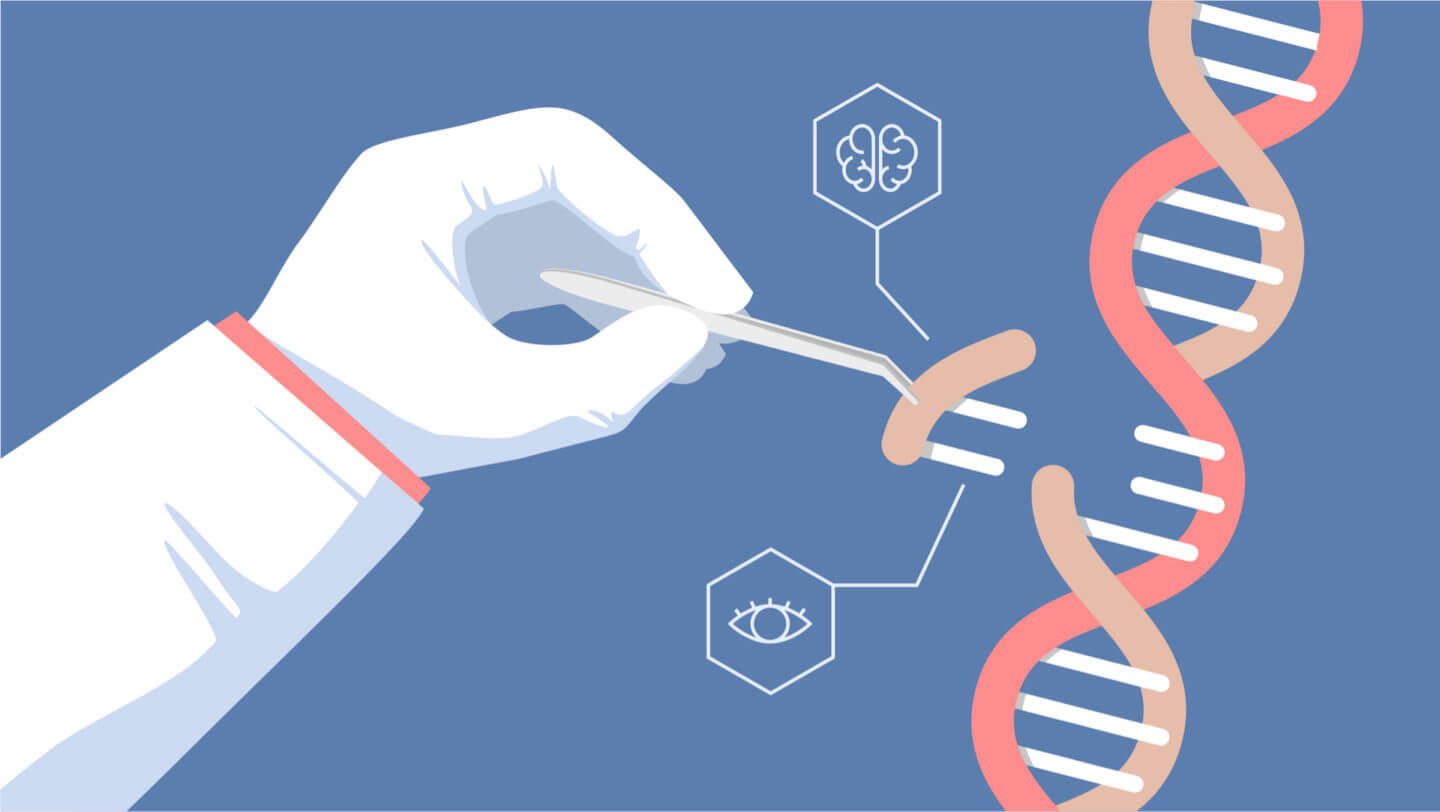
In theory, CRISPR makes it possible to cut and paste genetic material with the same ease as arranging scattered puzzle pieces. With right materials and tools, this technology could be used to create genetic combinations in organisms that could never occur naturally or even with artificial selection.

Imagine a strain of smallpox that was lethal 100 percent of the time and just as infectious.

Imagine a strain of the flu that was as easy to spread as the common cold, but as deadly as bubonic plague.

Imagine a strain of an entirely new pathogen that is extremely lethal and completely immune to all modern medicine.

These are all possible, albeit exceedingly difficult, with genetic editing. Unlike nuclear weapons, it doesn’t require the procurement of expensive and dangerous elements. It just needs DNA, RNA, and a lab with which to produce them. It’s a scary idea, but that’s actually not the worst of it, nor is it the one that worries me most.

A doomsday bioweapon like that might be appealing to generic super-villains, but like nuclear weapons, they’re not very strategic because they kill everyone and everything. For those with a more strategic form of blood-lust, advanced biological weapons offer advantages that sets them apart from any other weapon.

Instead of a pathogen infecting everyone it comes into contact with, what if it only infected a certain group of people that carry a specifics traits associated with a particular race or ethnic group? What if someone wanted to be even more strategic than that and craft a pathogen that attacked only one specific person?

In principle, this is possible if you can manipulate the genetics of a disease in just the right way. Granted, it’s extremely difficult, but the potential utility makes it more useful than a nuclear bomb will ever be.

Suddenly, a government or terrorist organization doesn’t need a skilled assassin on the level of James Bond to target a specific person or group. They just need the right genetic material and a working knowledge of how to program it into a synthetic pathogen. It could even be made to look like a completely different disease, which ensured it didn’t raise any red flags.

It’s not the ultimate weapon, but it’s pretty darn close. Biological weapons with this level of refinement could potentially target entire groups of people and never put the attackers at risk. As a strategy, it can effectively end an entire conflict without a shot being fired. Those infected wouldn’t even know it was fired if the pathogen were effectively distributed.

It’s one of those weapons that both terrorists and governments would be tempted to use. The most distressing part is they could use it in a way that’s difficult to detect, let alone counter. Even after all the death and destruction has been wrought, how do you even prove that it was a result of a bioweapon? Even if you could prove that, how would you know who made it?

These are the kinds of questions that only have disturbing answers. They’re also the reasons why I believe biological weapons are poised to become a far bigger issue in the coming years. Even if it’s unlikely they’ll wipe out the human race, they can still cause a special kind of destruction that’s almost impossible to counter.

Unlike any other weapon, though, the destruction could be targeted, undetectable, and unstoppable. Those who wield this technology would have the power to spread death with a level of precision and tact unprecedented in human history. While I believe that humanity will eventually be able to handle dangerous technology like artificial intelligence, I doubt it’ll ever be capable of handling a weapon like that.

2 Comments

Filed under biotechnology, CRISPR, Current Events, futurism, technology

When Is It Okay To Tell Someone To Grow Thicker Skin?

offended-7

When I was a kid, I played little league baseball. My father also volunteered, being a lover of baseball and an all-around awesome guy. It was fun. I enjoyed it, even though I wasn’t that good. However, I still thought I was better than the majority of the kids on my team. I’d been playing baseball with my dad in the backyard for years. I had developed those skills more than most.

Then, one year, my skills started to slip. In my defense, that was also around the time I developed asthma. I still thought I was good, but there’s only so much you can do with those skills when you’re coughing and wheezing half the time. As a result, my coach had me bat next to last and made me play outfield, which I took as a personal affront.

I know he wasn’t trying to insult me, but I took it very personally. Being a kid, I gave him and everyone around me a bad attitude. When I told my father about this, I thought he would be on my side. Instead, he wasn’t having it. My dad was not the kind of guy who rewarded bad attitudes. No matter how much I told him the coach’s decision upset me, he had the same response.

“Can’t hack it? Get your jacket.”

That became a mantra of his. At the time, I hated it. As I got older, I came to appreciate it. On the surface, it may seem harsh, especially when it’s directed a kid in the context of a little league game. However, it conveys and important lesson while indirectly raising an important question.

When is it okay to tell someone they need to grow thicker skin?

I believe this question is more important now than it ever was when I was a kid playing little league baseball. With the rise of outrage culture and numerous controversies on issues that rarely warrant controversy, I feel as though my father’s wise advice is more relevant than ever.

That said, answering this question isn’t simple. I know it’s tempting for anyone annoyed by political correctness to just brush off outrage as coming from thin-skinned, over-coddled snowflakes. That is, after all, a popular perception among the most vocal critics of outrage culture. However, that recourse ignores some important caveats.

It’s one thing to tell an over-privileged college student majoring in underwater basket weaving that they need to grow thicker skin. It’s quite another to say the same thing to a wounded veteran or a rape survivor. Make no mistake. Those over-privileged professional whiners exist and they deserve both criticism and scorn. They’re still the extreme cases. Most people operate in that vast area between extremes.

To illustrate, consider the following example. You’re on a stage telling a story in front of a large group of people. The story isn’t political, nor is it an attempt to convince someone of a particular worldview. The story contains some difficult themes, including references to graphic violence, sexual abuse, and racism. It doesn’t have to be based on real events. Those themes just have to be sufficiently graphic.

After you’re done telling the story, a small segment of the audience comes up to you and tells you they found your story to be deeply offensive. They claim that the simple act of you telling a story caused them real psychological harm. How do you respond to them?

For some people, their first inclination will be to apologize to them and everyone else who felt offended. This is often the first recourse for any celebrity who tends to make a public gaff, of sorts. It’s an easy option and, at the very least, will mitigate some of the outrage, but it has the added effect of derailing serious discussions.

For others, the first inclination will be to brush off those who are offended and tell them to grow thicker skin. There are certain individuals who make this their primary response. They tend to be less concerned about hurting peoples’ feelings and often criticize those who are easily offended. While that may be warranted in some instances, it can often come off as callous. In some cases, it devolves into outright trolling.

Whatever the recourse, both responses have the same flaw. They ignore the actual substance behind those who took offense to the story. It generalizes the nature of the harm they claim to have endured. It essentially lumps the offense that some thin-skinned college kid feels with that of someone who has legitimate issues.

Without those insights, any apology or lack of apology will make light of any genuine offense someone endures. Those details are necessary in determining who needs to grow thicker skin and who deserves a sincere apology. In essence, the right response is determined on a case-by-case basis and that can get both tricky and cumbersome.

Say one of the audience members took offense because they felt the story glorified the current and historical oppression of women by way of patriarchal traditions. Someone harmed by anything that vague definitely needs to grow thicker skin.

Say one of the audience members took offense because they’re struggling with a legitimate mental illness and parts of the story caused them significant distress that required medical intervention. In that case, telling them to grow thicker skin isn’t just insensitive. It’s downright malicious. People with legitimate medical issues can only do so much to manage their reactions.

It can get a lot more complicated. One of the audience members may have endured a real trauma in their lives and while they’re not on medications, they’re still struggling and hearing the story opened some unhealed wounds. In this instance, an apology is warranted, but only in the context of acknowledging someone’s real-world issues. You can’t tell them to grow thicker skin, but you can encourage them to heal.

Maybe there’s another audience member who just says the story was patently offensive and is too heavy on outdated stereotypes. They’ll angrily rant at how certain elements denigrated their heritage, their culture, and their race. It’s not just that the story was offensive. They believe anyone who tells it is as bad as those who made it. This person may be sincere, but they could also benefit from growing thicker skin.

There are any number of ways someone can claim offense. Some are legitimate, but most are contrived. As a general rule, any offense that requires someone to be offended on behalf of other people is questionable at best and insincere at worst. It tends to happen whenever people try to make broad claims about cultural appropriation or stereotypes.

Even if certain generalizations about cultures are legitimate and certain stereotypes have a basis in fact, the offense is still taken personally. The very fact that it exists is an affront. That’s usually another sign that thicker skin is at least part of the solution. It’s one thing to abhor racist acts. It’s quite another to abhor that it exists at all.

Everyone is wired differently. Some are just more easily-offended than others. That’s an inescapable fact of life in world that’s diverse and has the technology to over-react to anything that anyone may say. Even with those caveats, it certainly helps to discern those who suffer real harm from certain rhetoric and those who really need to grow thicker skin.

There are some criteria that can help us make that determination. It may not help in every case, but here are just a few.

If someone is offended by the fact that something exists, then they need to grow thicker skin.

If someone is offended by mere opinions of other people, then they need to grow thicker skin.

If someone is offended on behalf of an entire group, then they need to grow thicker skin.

If someone is offended because other people can’t know the specifics of what offends them without reading their mind, then they need to grow thicker skin.

If someone is offended by something that was not intended to offend or harm, then they need to grow thicker skin.

Again, these are just general guidelines and there are certainly exceptions to many. However, if we apply these standards to my story as an upset little leaguer who took offense to his coach’s decisions, then my father’s reaction would be appropriate. In that situation, someone is right to tell me that I should grow thicker skin. Moreover, I became stronger and more mature as a result.

1 Comment

Filed under human nature, outrage culture, political correctness, psychology

Good People, Corruption, And Politics According To “Designated Survivor”

1200x627-q80_254c4e9ea1d7fec00147aba9a99acb7e

Politics is a dirty, cut-throat world that often requires good people to compromise principles, integrity, and basic human decency. Most people wouldn’t argue that. Even before the internet, the corruption that often goes hand-in-hand with politics was well-documented. That corruption has only become more visible in recent years. It’s hard to go more than a week without seeing a fresh case of shady political conduct.

However, instead of dwelling on how ugly politics can get in the age of social media and outrage culture, I’d like to scrutinize the nature of that corruption. I don’t doubt the ugliness or absurdities that politics often breeds, but it also poses some interesting question.

Do politics naturally corrupt the people who get involved?

Is corruption in politics unavoidable?

Do politics only attract corrupt individuals?

Is it possible to get anything done in politics without some amount of corruption?

These are not easy questions to answer. You don’t have to look hard to find corrupt politicians or uncover cases where politics undermined efforts to pursue a public good. However, the extent and the process of that corruption is sometimes difficult to understand. Those of us not involved in politics have a hard time imagining how ordinary people could become so callous.

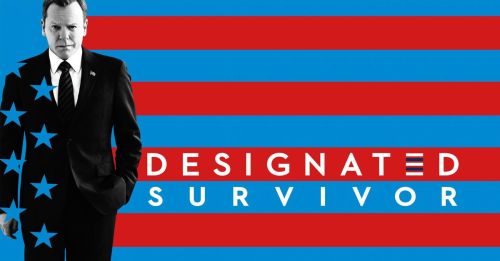
That’s why a show like “Designated Survivor” is so uniquely compelling. Even as a work of fiction, this show explores the complex world of politics within the most extreme of circumstances. There’s political drama, intense action, and ongoing mysteries that go beyond politics, but the latest season of the show accomplished something unique in terms of how people become corrupt.

The premise of the show starts simple. Tom Kirkman, played by Keifer Sutherland, works at the White House as a fairly low-level department head as the Secretary of Housing and Urban Development. In terms of rank and influence, his authority is barely above that of a typical intern.

Then, prior to the annual State of the Union Speech, he gets picked for the unenviable role of designated survivor, which is a real thing. It’s a role meant to keep the government going in the worst of worst-case scenarios when there’s a catastrophic attack that kills the President, Congress, and much of the government. In the pilot episode, that’s exactly what happens.

Suddenly, this man who has never run for political office or served as an elected official is thrust into the role of President of the United States and after the worst attack in the history of the country. It’s overwhelming, to say the least. It makes for great TV drama, but it also creates a unique experiment in what power and politics do to an otherwise ordinary person.

Before Kirkman is thrust into this role, it’s established early on that he’s somewhat of an idealist. He identifies as an independent who is genuinely concerned with using the political process to pursue a public good. He also demonstrates early on that he has a strict understanding of right and wrong. For him, there’s no compromise or second-guessing when it comes to ethics.

On paper, he has the kind of character and ethics that most people want in a politician. Even the dire circumstances of his ascension are favorable because he never had to raise money from billionaires to finance his campaign. He doesn’t even have to make shady deals or back-stab anyone, which is also an all-too-common tactic in politics.

In a sense, Tom Kirkman comes into this position of power free of corruption. He is in a position where he can govern with his principles and ideals intact. This isn’t “Mr. Smith Goes To Washington.” This is Mr. Smith gaining unprecedented power without having to go through the corrupt process.

Throughout the first and second season of the show, Kirkman tries to do his job with his ideals intact. Whether it’s tracking down who blew up the Capitol or preventing an all-out war in East Asia, he has to constantly render difficult and weighty decisions that test his ability to keep being that affable man from the first episode.

For the most part, he succeeds on many fronts. The conflicts throughout the show often followed a common formula. President Kirkman faces a difficult issue. One side urges him to make one risky, politically-motivated decision. The other side urges something else that’s just as risky and just as political. Kirkman, unwilling to compromise his laurels, has to forge a third option.

Time and again, the integrity of his character shows. By the end of the second season, the extent of that integrity is beyond dispute. Then, the third season arrives, via Netflix, and everything changes and not just due to the sudden increase in profanity.

This season, unlike the previous two, cast aside the formula of the first two seasons, but not without reason. The entire third season is built around Kirkman running for re-election as an independent. At this point, all the good he did with respect to rebuilding the government after a devastating attack is a distant memory. It’s all politics now and this is where his integrity is pushed to the limit.

Almost immediately, Kirkman discovers that just being a man of integrity isn’t enough. The first episode of the third season really sets the tone, highlighting how easy it is for his ideals to get lost in the politics of an election. Just saying what’s true and right isn’t enough. It has to resonate with voters. That’s the only criterion that counts for anything.

His primary opponent in this season is Cornelius Moss. In the second season, he was an ally. He came in as a former president who knew the rigors of the job better than most. He was also an experienced politician. He had experienced the corrupt world of politics and he had successfully navigated it. As a result, he never comes off as having the kind of integrity and principles that Kirkman espouses.

For a while, Moss comes off as an outright villain in the world of “Designated Survivor” and in a season that introduces a full-fledged bioterrorist, no less. He conducts himself the same way most people expect a corrupt politician to behave. He doesn’t care about truth, integrity, or decency. He does whatever he must in order to win the election and secure his power.

In previous seasons, Kirkman would’ve sought a way to counter those tactics and come out with his integrity intact. It was part of what made him so respectable, as both a character and a politician. Season three makes it abundantly clear that this is not going to work this time. If Kirkman wants to win, he’ll have to compromise his principles.

Without spoiling too many plot points, I’ll just state that the conclusion of this struggle leaves Kirkman in a very vulnerable position. He’s no longer the same man he was when he became President. The attack on the Capitol that made him President was an extreme circumstance that he never could’ve known about. What happens with the election in season three is very much a byproduct of his own choices.

It doesn’t definitively answer those questions I listed earlier, but it does offer some insights. More than anything else, season three of “Designated Survivor” makes the case that the political process will ultimately corrupt anyone who gets involved. It doesn’t matter how principled or decent they are. The very nature of navigating power requires that people compromise their ideals.

It’s not just Tom Kirkman who struggles with it, either. The same supporting cast that helped him cling to his principles for the first two seasons, such as Aaron Shore, Emily Rhodes, and Seth Wright, end up compromising, as well. For some, it’s disconcerting. For others, it’s downright traumatic. In the final episodes of Season 3, the reactions of Emily Rhodes nicely mirror those who valued Kirkman’s character.

There’s now an unavoidable disconnect between what Kirkman says and what he does. Even the actions of Cornelius Moss are obscured when he too becomes a victim of shady political dealings. In the end, there’s no one left in “Designated Survivor” whose integrity hasn’t been compromised. There’s also no one left whose morals aren’t muddled by circumstances.

Even in a fictional context, the politics in “Designated Survivor” are surprisingly reflective of real-world complications. Like in the show, every political party or movement believes they’re right and their opponents are wrong. They believe in what they’re doing. They also believe that if they fail, then the wrong policies will prevail.

Conservatives, liberals, libertarians, and even anarchists are guilty of that flawed mentality. It’s one of the many reasons why politics tends to breed polarization. When people are so convinced that they’re the good guys, they become more willing to cross certain lines to defeat the bad guys. Tom Kirkman managed to avoid that for two seasons. He couldn’t in the third.

Whether or not he’s vindicated for his choices remains to be seen. Depending on whether the show gets a fourth season, it’s inevitable that he’ll face consequences for his choices. How he manages those consequences will reveal how much integrity he still has. If he plays his cards poorly, he may not have any left when all is said and done.

Designated Survivor” is a great show that explores difficult issues. Season three had its faults, but it marked a major turning point for Tom Kirkman. He is definitely not the same person he was in the show’s first episode, but he’s not quite at that point where we can say he’s lost sight of his laurels.

Both circumstances and politics did plenty to change Tom Kirkman over the course of the show. You could make the case that these forces corrupted him. After season three, you could also make the case that he’s now on the same path as Walter White from “Breaking Bad” in that these circumstances simply brought out a side of him that was always there.

Whatever the case, the ugliness of politics is something people have to navigate, both in the real world and the fictional world of “Designated Survivor.” Good people will keep trying to do good. Corrupt people will keep pursuing corrupt behavior. Politics, whatever form it takes, can only ever complicate that process.

Leave a comment

Filed under Current Events, human nature, political correctness, psychology, technology

Why I Believe In Climate Change, But Doubt Environmentalists

103_shutterstock_88550854-740px

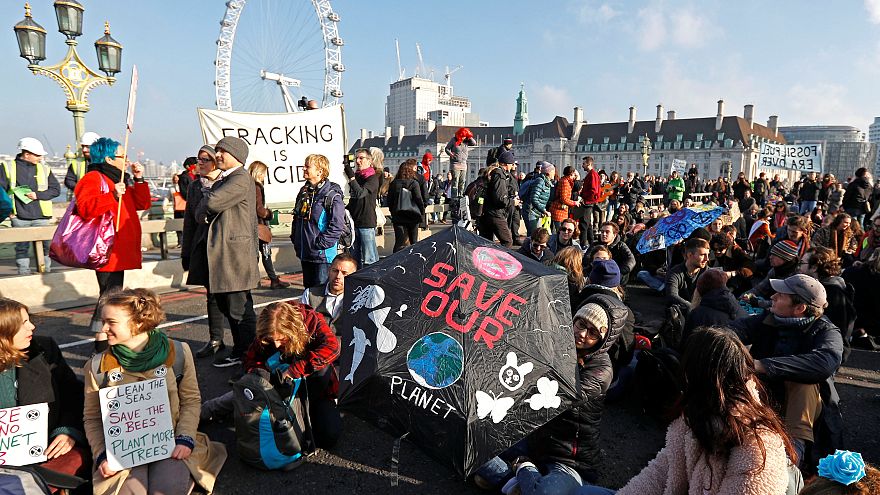
There aren’t a lot of hot button issues that genuinely affect everyone. The environment is one of those issues. We all live in it. We’re all impacted by it. Whenever it changes significantly, we all feel it. That’s why, regardless of your politics or personal leanings, we should take environmental issues seriously.

Given that preface, I’d like to make my own sentiments clear. The environment, like other sensitive topics I’ve discussed, is prone to all sorts of secondary agendas. Some who claim to take environmental issues seriously often do so because it serves their interest in other, often indirect ways. In the interest of transparency, this is where I stand on the environment.

I do believe that climate change is real, human activity is contributing to it, and we should pursue policies to improve the environment and promote cleaner industry.

However, I don’t entirely trust the rhetoric, sincerity, and positions of those who identify as environmentalists.

I know that sounds like someone trying to have their cake and eat it too, but there is a context here. It’s one that I’ve developed over a number of years, some of which I’ve been on the side hardcore environmentalists. As I’ve gotten older, however, I see more and more complications with this issue and not just in terms of the absurd conspiracy theories it attracts.

While I know this will put me at odds certain parts of the political spectrum, I generally accept that the existing science surrounding climate change. The Earth is getting warmer and human activity is a major cause. There have been real, tangible impacts attributed to climate change and I believe those links are real.

The point where I often deviate from environmentalists is when issues of feasible solutions emerge. I’m happy to support efforts that raise awareness and educates the public on the existential dangers of climate change. However, just sounding the alarm is only half the battle. The other half involves doing something about it and this is where environmentalists have a problem.

It’s not that they outright avoid talking about solutions, which sets them apart from other agenda-driven politics. Some of their solutions do have merit and some are even making headway into the economy. However, there’s an over-arching theme of those solutions that leads me to question just how much the environment actually matters to certain environmentalists.

Talk to any self-identified environmentalist and, usually after they’re done talking about melted ice caps and dying polar bears, they’ll single out greedy corporations as the enemy. They tend to lump oil companies, coal producers, and any corporation that doesn’t sound eco-friendly as part of some international consortium of billionaires intent on maintaining their pollution-loving ways for the sake of profit.

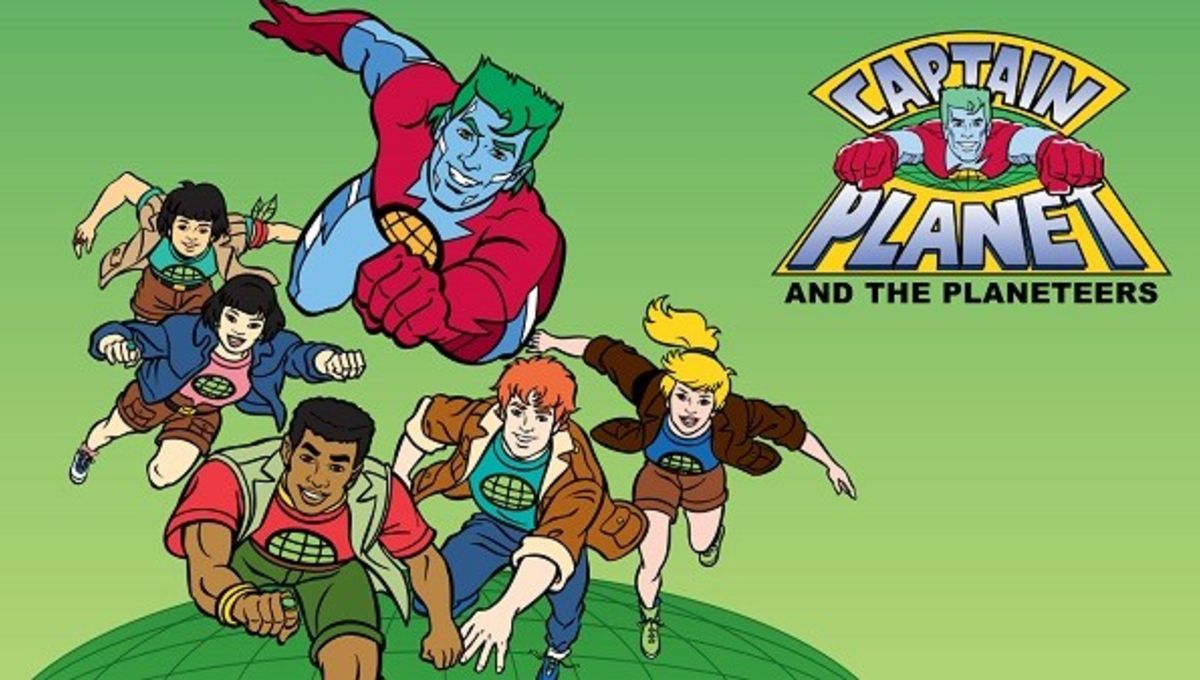
Now, I don’t like defending big corporations, especially when their track record in protecting the environment has plenty of room for improvement. At the same time, I have a hard time believing that the solution to such an enormous problem involves battling big, industrial polluters as though it were an episode of “Captain Planet.”

As much as I love cheesy cartoons in the 1990s, the problems of the real world are far more complicated. Environmentalists, like many other vocal politically-driven groups, try to simplify the issue. Through their protests and the rhetoric surrounding it, they give the impression that to save the world, they need only defeat the evil polluters.

This is where I don’t just question the veracity of environmentalists. I genuinely doubt that the environment is their primary concern. If it were, then protesting polluters would only be a small part of their efforts. If they’re serious about making the world cleaner and more efficient, they would dedicate more time and energy into improving clean energy technology, which itself is prone to corporate greed.

This disconnect is most apparent whenever the topic of nuclear power comes up. Unlike other green energy technologies, nuclear energy is a mature technology that has been providing energy for decades. Compared to other forms of energy, it has very low emissions, but provides abundant energy, regardless of whether the sun is shining or the wind is blowing.

Despite those benefits, the same environmentalists who favor shutting down coal power plants won’t support the construction or further refinement of nuclear power planets. They’ll even outright oppose it and for reasons every bit as irrational as those championed by climate change deniers.

While there are legitimate disadvantages to utilizing nuclear power, I rarely hear environmentalists promote efforts to mitigate those issues. They won’t champion the development of advanced nuclear power, including versions that produce far less waste and are less prone to meltdowns. Many won’t even concede it as an option.

This is akin to anti-abortion advocates who support making abortion illegal in all cases, but also oppose contraception, despite the fact it significantly reduces abortions. It also parallels other environmentalists who protest the usage of genetically modified foods, but overlook the distressing fact that billions would starve without this technology.

It’s not just a case of the perfect being the enemy of the good. It’s environmentalists favoring a particular narrative over actual solutions to the problems they protest. As I’ve noted before, people like to believe that they’re the heroes of their own story. When they take a particular position, they see themselves as the underdogs in an epic struggle against good and evil.

While that makes for great superhero comics and Tolkien novels, it rarely aligns with reality. Environmentalists think they’re protesting a greedy corporation run by an army of Lex Luthors who enjoy bathing in the tears of starving orphans, but the truth is more complicated and more mundane.

A key part of that truth that environmentalists tend to overlook is the fact that, no matter how greedy or evil a corporation may be, they have a vested interest in the world remaining intact. Corporations, be they greedy or virtuous, are driven to make profits. They can’t make profits, nor enjoy the fruits of their wealth, in a world where the planet is a toxic wasteland.

That’s why even oil companies, the boogeyman of many environmentalists, are actively researching more environmentally friendly products. It’s also why oil-rich countries like Saudi Arabia, which has harmed the environment in ways beyond pollution, is also investing in a post-oil economy.

It’s very likely that the advances in green energy that will improve the environment won’t come from some dedicated environmentalist who protests outside of coal plants. Chances are it will be some greedy, profit-seeking business person trying to make money in a world where the demand for energy is rapidly increasing.

Beyond just generating energy, those same greedy billionaires have just as much incentive to create clean, lush landscapes that attract other billionaires and customers. In general, people don’t like being in polluted communities. Aside from the illness and misery it generates, it also means there are fewer people buying goods and producing for the economy. Even the most devious billionaire is hurt by that.

The incentives for improving the environment are already there. That’s not to say there aren’t some who are truly malicious in how they treat the environment, but in terms of an investment that helps greedy people get richer, it’s one of the worst investments anyone can make and not just because of the bad PR it generates.

Environmentalists will gladly single out those exceedingly malicious corporations, but ignore the bigger picture. They, ironically, don’t see the forest from the trees when it comes to action that genuinely improves the environment. They cling to that epic war raging in their minds of them battling evil corporations that are out to destroy the planet, as though that would somehow benefit any business.

I get the appeal of wanting to feel like a hero in an epic struggle. My love of superhero comics should be proof enough of that. However, when that same struggle both ignores and undermines real solutions that could alleviate a serious issue, then it’s hard to take environmentalist rhetoric seriously.

There’s having genuine concern for the environment and then there’s just being against greedy corporations. Those who are unable to discern between the two can call themselves a lot of things, but they certainly aren’t helping the environment.

2 Comments

Filed under Environment, human nature, outrage culture, political correctness, technology

Why The Republic Of Gilead Would Fail (Spectacularly) In The Real World

w3yn9m9s-1490826576-991x470

In recent years, there has been a great deal of dread among feminists, libertarians, and supporters of secular values in the United States. The country seems to be going down an authoritarian path. Traditions of liberty and personal freedom are under threat by a government that seems more inclined to micromanage peoples’ lives for their own benefit.

One path in particular is becoming a lot more prominent. That is the one that could lead the United States to a government like that of the Republic of Gilead, the repressive theocratic regime from Margaret Atwood’s novel, “The Handmaid’s Tale.” In that system, gender politics are pushed to the utmost extreme. The freedom, equality, sex, and love that contemporary society enjoys doesn’t exist.

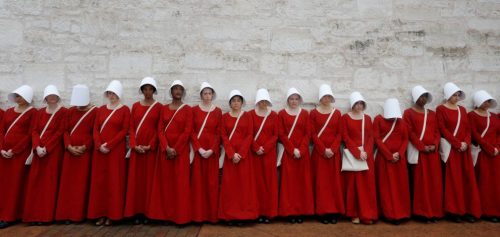
The reasons for these fears are many. The current state of gender politics has become heated with the rise of the anti-harassment movement and ongoing legal battles surrounding abortion access. During the protests surrounding upheavals on the Supreme Court, it was common to see female protesters dressed in the distinct garb from the “The Handmaid’s Tale.” Such protest has even spread to other countries.

The message is clear. People are worried that our society is inching closer to a world similar to the repressive gender politics of Gilead. I can certainly understand those concerns. While I’ve often criticized certain aspects of gender politics, I don’t deny the worry that many women feel about the current state of affairs.

That said, I believe the idea that the United States, or any western country for that matter, could descend into a state of gender apartheid like Gilead is absurd. While we should be concerned about the influence of religious extremism, even in the west, the chances of it ever gaining power on the level depicted in “The Handmaid’s Tale” is precisely zero.

Even if a regime like it came to power, it wouldn’t just fail quickly. It would collapse so spectacularly that it would be a joke on par with the Emu War. Gilead is not this all-encompassing, overwhelming power on par with Big Brother in George Orwell’s “1984.” Atwood even implied at the end of “The Handmaid’s Tale” that the regime was set to fall.

We’ve yet to hear that part of the story, but Atwood did announce that she’s working on a sequel. One way or another, Gilead’s days are numbered, even in the fanciful world that she created. Before then, I’d like to break down why the Republic of Gilead would be doomed if it ever attempted to set up shop in the real world.

If nothing else, I’d like to offer some perspective to those who fear that the state of gender politics is regressing. To those people, I share your concerns. However, I’m an optimist. I believe both feminists and men’s rights activists can and will find plenty of common ground on these issues in due time.

Even if they don’t, they can take comfort in knowing that Gilead, as both a philosophy and a system, is so flawed that dreading it is an exercise in hyperbole. There are still plenty of lessons to be learned from “The Handmaid’s Tale,” but in terms of setting up a competent theocratic regime, it’s a perfect check-list on what not to do.


Reason #1: Establishing Gilead Would Collapse The Economy

One of the first things the Sons of Jacob did when they established Gilead was fire every woman from their job and effectively eliminate their legal rights. On top of it being an exercise in brutal oppression, it removed half the labor force from the economy. In 2010, there were approximately 123 million women in the workforce. Firing every one of them wouldn’t just cause a huge recession. It would destroy the economy at every level.

Even the most ardent anti-feminist would be badly hurt by a world where half the GDP just disappeared. Suddenly, the industries that everybody relies on just cease functioning. Baking, health care, technology, and basic services essentially collapse as both the labor pool and the consumer base disappears.

That means from the very beginning, Gilead would have to navigate the worst economic collapse in history. More often than not, governments that cause collapses or fail to recover from them don’t last very long. Even if the Sons of Jacob found a way to blame it on minorities, feminists, or other religions, they would still be on the hook for fixing things and doing so with half the labor force will be difficult, to say the least.

Beyond the logistics, destroying an entire economy as part of a religious crusade is going to piss off some very powerful people who were thriving in the current system. America, alone, has over 500 billionaires whose massive wealth would be threatened by such a collapse. People with those kinds of resources aren’t going to let Gilead succeed, even if they manage to seize power.


Reason #2: Micromanaging Peoples’ Lives Is Impossible (In The Long Run)

I’ve noted before that fascist systems have many fundamental flaws. There’s a reason why some of the most brutal, authoritarian regimes in history still ended up collapsing. In the long run, they find out the hard way that it’s just impossible to effectively manage the lives their citizens.

The Republic of Gilead is a lot like Big Brother in that it takes micromanaging to a ridiculous extreme. It doesn’t just have its own secret police to enforce a rigid caste system. Much of its governing philosophy relies on ensuring people stick to their roles and never deviate. Women do what the state requires them to do without question. Men do the same, right down to how they structure their families.

That system only works if human beings are like machines who never get bored doing the same thing over and over again for their entire lives. Since human beings are not like that, there’s no way that kind of society can remain functional in the long run. The fact that the boredom of solitary confinement drives people crazy is proof enough of that.

It still gets worse than that. In every revolution, there’s often a period of heavy solidarity when the people rally behind the new regime as the beginning of a new Utopian vision. This happened in the Russian Revolution and during the Cultural Revolution in Communist China. Unfortunately for Gilead, it came to power by brute, terrorizing force.

That means this government coming to power isn’t the will of the people. It’s just plain bullying and people tend to resent that sort of thing. Even the Iran Revolution had the good sense to rally the people. The Republic of Gilead didn’t bother with that. It’s hard to imagine that collapsing the economy and subjugating half the population at gunpoint will make them many friends.


Reason #3: Theocracies Are The Least Stable Forms Of Autocracies

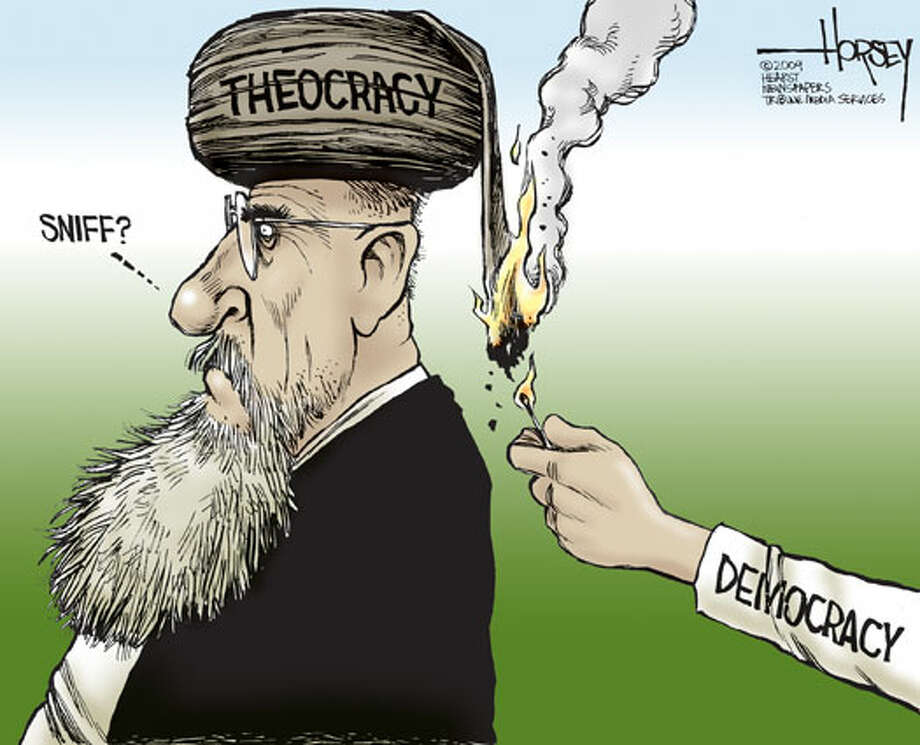
Remember when a purely theocratic state managed to prosper without being located atop an ocean of valuable oil? I don’t either and there’s a good reason for that. When it comes to repressive authoritarian states, theocracies are the worst possible choice. That’s because by entwining government with religion, it’s also entwining itself with the various flaws of religion.

Big Brother didn’t bother with religion in “1984.” It didn’t have to because religion, for all intents and purposes, was obsolete. The authority of the state and the authority of a deity was the same thing. The Republic of Gilead doesn’t have that luxury. Their politics and theology is based on an extremely conservative form of Christianity.

While that may seem fine to the Pat Robertson’s of the world, it adds a whole host of complications to the mix. The Sons of Jacob justify their repressive actions by appealing to Christianity and the bible. That’s okay if every single person in the entire republic agrees on one single interpretation of a religion and its holy text. Unfortunately, that has never occurred in the history of humanity.

There are dozens upon dozens of denominations in Christianity. There are also fringe cults, radical sects, and even schisms within those groups. At most, Gilead could have a unified theology at the beginning, but as new generations come along, that unity will collapse.

People will inevitably disagree. Every side will claim God is with them and everyone else are heretics. This sort of thing has been happening with religion for centuries. It won’t stop in Gilead. At some point, someone is going to think they heard God tell them something else and no one will be able to convince them otherwise. When that happens, conflict will ensue.

That sort of conflict can be managed in a more secular dictatorship. When government and religion are entwined, though, it’s much harder to work around. Even if Gilead could survive an economic collapse and the logistics of micromanaging peoples’ lives, it’s very unlikely it’ll survive the never-ending onslaught of religious debates.


Reason #4: Gilead Would Be An Easy Target For Invasion

Whether you’ve read the book or only watched the TV show, it’s hard to tell what sort of geopolitics the Republic of Gilead deals with. There are a few hints that there are other countries who did not descend into theocratic repression. There are even some cases of refugees in neighboring areas where women still have their rights.

The existence of those neighbors is yet another complication that ensures Gilead won’t last long, no matter how much its leaders pray. It already created a huge refugee crisis when it took over a sovereign government by force. At the same time, it handicapped itself by collapsing its economy and relegating half its population to serve as baby factories. It’s not just a source of chaos. It’s an easy target.

Neither the book nor the show reveals much about Gilead’s military capabilities. Even if we assume they get their hands on nuclear weapons, they’re still vulnerable because other countries have them too. More importantly, they know how to operate and maintain them. Religious zealots are good at a lot of things, but science isn’t one of them.

In the same way creationists aren’t likely to understand quantum mechanics, an entire government run by religious extremists aren’t likely to manage advanced weaponry. As time goes on, their emphasis of religion over reality will undermine their ability to develop such weapons. Their secular neighbors will have no such qualms.

Letting Gilead endure with its religious extremism and gender oppression means establishing a precedent that most other countries don’t want. Seeing one country fall to such a violent overthrow would be jarring enough. The first reaction to every nearby country would be to take steps to ensure it doesn’t happen to them. One of those steps could be overthrowing Gilead before one woman has to wear those goofy outfits.


Regardless of how you feel about “The Handmaid’s Tale” or where you stand in terms of gender politics, the book offers a powerful message. Like “1984,” it shows how bad things can get when extremism takes hold. Whether you’re a man, woman, or transgender, we have a lot more incentive to get along rather than fight one another. At the end of the day, that will ensure that Gilead remains nothing more than a flawed, fictional country.

Leave a comment

Filed under Current Events, gender issues, human nature, Marriage and Relationships, men's issues, outrage culture, political correctness, psychology, religion, sex in society, sexuality, television, women's issues

Why The Outrage Over Brie Larson And “Captain Marvel” Is Misguided (And Counterproductive)

captain_marvel_comics_nick-fury_avengers

Celebrities sometimes say dumb things. I doubt most people would contest that. Sometimes, celebrities say things that aren’t dumb, but badly taken out of context. I imagine most people would agree with that too. However, in an era where outrage is a national pastime and social media makes it way too easy to blow things out of proportion, it’s easy for a celebrity to cause controversy for all the wrong reasons.

Brie Larson, whose star is set to rise considerably with the release of “Captain Marvel,” is learning this the hard way and a large consortium of angry people on the internet are intent on making it harder. What should’ve been a culmination of a young woman’s career and a female hero’s ascension to the superhero A-list is now mired in the ugliest kind of gender politics.

The origin of that controversy actually had nothing to do with Ms. Larson’s role on “Captain Marvel.” Back in June 2018, she made some overly political comments while accepting the Crystal Award for Excellence in Film. While celebrities making political statements is nothing new, Ms. Larson’s statement was hardly extreme.

It wasn’t some radical feminist tirade.

It wasn’t some angry rant about the outcome of 2016 Presidential Election.

It wasn’t even some act of elaborate virtue signaling by some smug celebrity.

All Ms. Larson did was advocate for greater diversity among film critics. She didn’t just make such a statement on a whim, either. She did so in response to a study published by the USC Annenberg School for Communication and Journalism that revealed a significant lack of representation in the industry of film criticism.

That’s not an unreasonable concern. The western world is becoming more diverse and the success of movies like “Black Panther” and “Crazy Rich Asians” shows that there’s a market for such diverse tastes. Advocating for greater representation in the field of film criticism makes a lot of sense.

Unfortunately, that’s not the message that some people gleamed from Ms. Larson’s comments. All they heard was that she doesn’t want to hear from white men anymore. They somehow got the impression that Brie Larson resents white men and her movies, including “Captain Marvel,” aren’t made for them. They’re not even welcome in the conversation.

Who these people are and the politics they represent is difficult to discern. I don’t think it’s accurate to call them conservative, liberal, feminist, anti-feminist, leftist, or any other political label. Outrage culture rarely gets that specific, but given the heated politics surrounding movies like “Ghostbusters” and “Star Wars: The Last Jedi,” it’s a frustratingly familiar narrative.

While I can understand some of the outrage surrounding “Ghostbusters” and “Star Wars: The Last Jedi,” in this case I don’t think it’s justified. That’s not just because I’m a big fan of Marvel Comics, superhero movies, and all things Captain Marvel. It’s because the actual substance of Ms. Larson’s words don’t warrant the controversy she has generated.

For specific reference, here’s what she actually said during her speech in June 2018. Read it very slowly and try to understand the context of her statement.

“I don’t want to hear what a white man has to say about ‘A Wrinkle in Time.’ I want to hear what a woman of color, a biracial woman has to say about the film. I want to hear what teenagers think about the film. If you make a movie that is a love letter to women of color, there is a chance that a woman of color does not have access to review and critique your film. Do not say the talent is not there, because it is.”

Remember, she said these words after learning how little diversity there was among movie critics. Unlike most people, she was actually in a position to do something about it. Being an Oscar winning actress who was poised to join the Marvel Cinematic Universe, her words carry more weight than most.

Even so, those words were construed as racist and sexist, two exceedingly loaded terms that bring out the worst in people, especially on the internet. Never mind the fact that she made clear in her original speech that she did not hate white men. Never mind the fact that she has since clarified her words. She is still being attacked as some angry radical feminist who hates men, especially those who are white.

It would be one thing if she had said outright that white men should be banned from criticizing certain movies. Many celebrities, including a few still relevant today, have said far worse. However, that’s not what Ms. Larson said. She never, at any point, advocated disparaging white men. She didn’t even say that people who hate her movies are racist and sexist, something the “Star Wars” crowd is painfully familiar with.

Again, all Ms. Larson spoke out against was a lack of diversity among film critics. That part is worth emphasizing because it renders the outrage surrounding her statement as utterly absurd. It also makes the targeted attack on the fan reviews for “Captain Marvel” both asinine and misguided.

Even though the movie isn’t out yet, the movie is being targeted with negative comments on Rotten Tomatoes. Since it has only screened for a handful of audiences, it’s unlikely that any of these people actually saw the movie or were inclined to see it in the first place. Some are even claiming that this has already impacted the projected box office for the movie.

Whether that impact manifests remains to be seen, but it’s worth noting that when “Black Panther” was targeted with similar attacks, it failed miserably. At the moment, early reactions to “Captain Marvelhave been glowing so the chances of these attacks hurting the box office are probably minor at best. If the pre-ticket sales are any indication, the movie will likely turn a hefty profit for Marvel and their Disney overlords.

Even if there were an impact, it would be for all the wrong reasons. It would send the message that there’s a large contingent of people who are willing to work together to tank a movie because of comments a celebrity said that had nothing to do with that movie and weren’t the least bit controversial, when taken in context.

In this case, it was simply twisting someone’s comments to make them sseem like they said things that they never said or even implied. Then, those who bought into that narrative simply use that as an excuse to disparage a movie that they haven’t seen. That’s not just absurd, even by the skewed standards of outrage culture. It sends the worst possible message from those who think they’re protecting their favorite movie genre.

It tells the world that they don’t care what a celebrity actually says. They actively look for an excuse to hate someone who doesn’t completely buy into their preferred status quo. It would be one thing if that status quo was just and reasonable, but that’s not the case here.

All Ms. Larson did was advocate for more diversity among film critics. If that is somehow too extreme, then the problem isn’t with her or celebrities like her. It’s with those determined to hate her. There are a lot of issues in the world of celebrities and movies that warrant outrage, but advocating for more diversity in film criticism isn’t one of them.

I can already hear some people typing angry comments stating that if she had said those same words, but changed the demographic to something other than white men, then it would be an issue. However, the fact remains that this isn’t what she said.

It also doesn’t help that Brie Larson identifies as a feminist and that term has become incredibly loaded in recent years. However, she has never embraced the kind of radical rhetoric that other, less likable celebrities have espoused. Until she does, those determined to identify her and “Captain Marvel” as racist, sexist propaganda are only doing themselves and their politics a disservice.

16 Comments

Filed under Celebrities and Celebrity Culture, extremism, gender issues, Marvel, media issues, men's issues, movies, outrage culture, political correctness, superhero movies

Rise Of The Phony Nihilists

1230453_1

A while back, a relative of mine told a story about a college professor and a smart-ass student. The student claimed he was a hardcore nihilist. He genuinely believed that there was no inherent purpose to humanity, life, or the universe. His professor didn’t respond at first. However, that didn’t stop him from making a point and sending a message.

Shortly after that initial encounter, the professor handed out grades on the first paper. He gave the self-professed nihilist a zero. When the student protested the grade, the professor just shrugged and reminded him that he was a nihilist. If he thought nothing mattered, then why should he care about his grades?

Regardless of whether this story is true, it makes an interesting point. That professor, who I suspect a PHD in trolling, exposed his arrogant student’s hypocrisy. He claimed to be a nihilist, but he still cared about his grades. He may have overestimated the extent of his nihilism, but the professor proved it only went so far.

It’s a lesson that’s a lot more relevant today because nihilism, in general, has become oddly fashionable. We have popular TV shows like “Rick and Morty,” “True Detective,” and “Bojack Horseman” that each espouse a certain degree of nihilistic philosophy. Iconic villains like Heath Ledger’s Joker in “The Dark Knight” also embody the random chaos that often reflects the chaos of a nihilistic worldview.

As much as I love the “The Dark Knight” and “Rick and Morty,” including its unique approach to exploring nihilism, there are serious issues with applying their philosophy to real life. These are fictional characters unbound by the logistics and consequences of real life. Nobody could reasonably do what they do and get the same result. We already have enough scary clowns committing crimes.

That hasn’t stopped some people from taking those complex philosophical concepts more seriously than most. It also happens to complement the ongoing rise of trolling, both on the internet and in real life. That makes sense because the mentality of a troll has to be nihilistic to some extent. When your goal is to cross lines and demean people for the thrill of it, you can’t be too concerned with greater meaning.

That’s not to say there aren’t trolls who are genuine sadists. I’ve encountered more than a few who would qualify. For the most part, though, nihilism is an excuse rather than a motivation. Some pretend they just want to watch the world burn when they say something that’s horribly offensive or laughably absurd. They’re just trying and failing to be as charismatic as Heath Ledger’s Joker.

It’s a phony brand of nihilism and one that defeats itself when you apply the slightest bit of scrutiny. It often leads to empty arguments on otherwise serious issues. It usually breaks down like this.

Someone will say something absurd, wrong, or just flat out offensive.

Someone else calls them out on it.

An argument ensues that usually involves an escalating amount of hatred, insults, and frustration.

Ultimately, the person who made the triggering remark claims they’re just in it for the kicks, the cheap thrills, and to taste the tears of their enemies.

In the end, they try to come off as this enlightened, above-it-all intellectual who has somehow transcended the petty arguments that the non-nihilists of the world keep having. They pretend they’re above it all or just don’t care. Again, it’s an excuse. They’re not full-on nihilists in the traditions of Rick Sanchez or Friedrich Nietzsche. They’re just assholes trying to hide from the fact that they’re assholes.

These same people who claim to care nothing about the greater meaning of the universe rarely practice what they so poorly preach. They still pay their taxes. They still work jobs that they probably hate to make money so that they can function in this undeniably flawed society we live in. If they were truly nihilists, they wouldn’t see the point in any of that.

If they got sick, they wouldn’t go to a doctor to get better. What’s the point?

If they lost all their money, they wouldn’t worry. What’s the point?

If their lives were utterly ruined by their behavior, they wouldn’t complain about it. What’s the point?

The phony nihilists pretend they can be Rick Sanchez or Heath Ledger’s Joker. However, they never come close to turning themselves into a pickle or setting fire to a giant pile of money. Those are things that a hardcore nihilist would do and they wouldn’t bother arguing about it. Again, and this is the question that phony nihilists avoid answering, what’s the point?

More and more, nihilism is being used less as a philosophy and more as a rhetorical tactic from trolls. In an era where it’s easy to troll and people are extremely divided, I understand why this brand of phony nihilism is emerging. I can even see why it has an appeal. It allows people to skip the part where they have to justify their beliefs or take responsibility for the actions. It’s more about convenience than conviction.

I don’t expect the trend of phony nihilism to stop anytime soon. If anything, it’s going to intensify as the world becomes increasingly complex on every level. There are over 7.7 billion people on this planet and it’s getting exceedingly difficult to feel like you matter in such a world. Falling into a nihilist trap is easy and even comforting for some.

It’s still not an excuse to be an asshole. Even if you think nothing truly matters and we’re all just globs of matter waiting for the heat death of the universe, you’re alive in this world with billions of other people trying to find their place in it. Being an asshole, whether it’s out of nihilism or some other philosophy, is never justified.

6 Comments

Filed under human nature, media issues, nihilism, outrage culture, philosophy, psychology

Why More Men Are Confiding In Sex Workers

australia_prostitution

Where do you turn to when you need to confide in someone? Who can you trust to listen to your problems, not judge you, and show you basic human decency? Some people are lucky enough to have one or more person they can turn to during difficult times.

For me, it’s my parents. Both my mother and my father have always been there for me, no matter what I’m going through. I can tell them anything and I know they’ll listen. They won’t judge me. They won’t tell me to just suck it up. They’ve helped me through some pretty difficult times and I love them deeply for that.

Some people aren’t as lucky. They don’t have close friends or family members they feel they can turn to. This is especially true for those with poor social skills or severe social anxieties. These issues affect everyone, regardless of race, gender, or sexual orientation. However, in recent years, the impact on men has been more pronounced.

As a result, some of those men have been turning to an unexpected source when they need to confide in someone. It’s not friends, family members, or licensed therapists. It’s sex workers. While there are plenty of ugly politics surrounding sex work, some of which I’ve discussed, this unusual phenomenon makes sense, albeit for tragic reasons.

Rather than speculate on those reasons, I’ll let Nicole Emma share the distressing details from her recent Ted Talk. While I strongly recommend everyone to listen to the full lecture, this one anecdote she shared nicely sums up the issue.

“Yesterday, a miracle happened. Since my wife passed, I’ve been very lonely. I haven’t so much as been hugged in over two years. I’m not handsome. I’m not rich. I don’t know how to talk to women, but you held me. You rubbed my back. You listened to me vent about my grief. This might just be a job for you, but today you saved my life.”

Think about this aside from the fact that a man hired a sex worker. This man was lonely, having lost his wife and not experienced much physical intimacy since then. He’s not some charismatic character from a beer commercial. He’s just an ordinary man with the same basic needs as everyone else. He felt like he couldn’t meet those needs so he turned to a sex worker.

Why he felt this way is difficult to surmise, but as a man, I can make a few educated guesses. Like it or not, there’s a stigma associated with men who share their insecurities. I learned that first-hand last year when I dealt with the death of someone very close to me. Even though I was comfortable confiding in my parents, I still felt inclined to hold back.

I know I’m not the only man who has felt this and there are people far smarter than me who have studied this. There are many factors behind this taboo. Some will blame “toxic masculinity,” a flawed concept at best. Others will attribute it to certain expectations about men that we simply don’t scrutinize as much as we should.

Regardless of the cause, the issue comes back to having few outlets for their feelings. Not everyone can afford a therapist and some are even reluctant to share these sentiments online. Given the prevalence of trolling these days, I can’t say I blame them. In that context, a sex worker is in a perfect position to help these men.

Yes, I’m aware that may be a poor choice of words.

Logistically, it provides them with something clear and transparent. The man knows what the woman wants. The woman knows what the man wants. The price is clear and predetermined. There’s no uncertainty or mixed messages.

Beyond the logistics, the exchange fulfills some of basic of needs. There’s actual, physical intimacy. There’s no screen between the man and the sex worker. There’s real human contact and that, in and of itself, provides significant health benefits. Add the inherent health benefits of orgasms and the impact of a sex worker can be more therapeutic than any therapist.

Even without the sex, a sex worker offers the man something that’s difficult to find, even in today’s hyper-connected world. For once, they’re with someone who will listen to them in a way that’s objective, unbiased, and free of judgment. A sex worker may see them as a client, but part of their work involves providing intimacy. Oftentimes, the line between physical and emotional intimacy isn’t clear.

Ms. Emma, having been a sex worker for years, understood that and, based on her personal testimony, she did her job very well. That man she referenced benefited from having that kind of intimacy. Unlike a therapist or a counselor, she didn’t treat him as someone who was sick or in need of medication. She just treated him as a lonely man who needed some intimacy.

I think many men can empathize with that situation. I doubt don’t that women can empathize with it as well. Sometimes, you don’t want therapy and you don’t want the complexities of other social interactions. You just want someone who provides a service that allows you to feel some basic level of emotional and physical intimacy.

Regardless of how you feel about the legality of prostitution or the men who hire sex workers, there’s no denying that this sort of intimacy is a fundamental need. We’ve seen what happens when people don’t get it. In recent years, we’ve seen it get downright ugly and hateful.

People need emotional and physical outlets, regardless of gender. The fact that sex workers are the primary outlet for some men is emblematic of a much larger problem. Beyond the taboos, stigmas, and misguided gender politics, we’re still human. We all still seek intimate connections. Without it, people will suffer and ignoring that suffering will only make it worse.

3 Comments

Filed under Current Events, gender issues, human nature, men's issues, political correctness, prostitution, psychology, romance, sex in society, sexuality, women's issues

Five Comic Books I Would Recommend To Bill Maher

image2

I love comic books.

I love superhero movies.

I love geek culture and actively participate in it.

I also understand that there are people who don’t share those passions. Some may even see them as childish and foolish. That’s perfectly fine. It doesn’t make them a bad person, by default. It doesn’t even mean I can’t get along with them or agree with them on other issues.

The fact I have to make that disclaimer only makes the current state of affairs more frustrating. I feel it’s more necessary now because I’m about to address a topic has evoked all the wrong emotions for all the wrong reasons. Normally, my first instinct is to avoid such controversy, but since it involves superhero comics, I feel inclined to respond.

It started late last year with a blog post by Bill Maher, a late night talk show host for the long-running HBO series, “Real Time With Bill Maher.” That blog post came shortly after the death of Stan Lee and, without going too heavily into details, attacked the culture behind comic books and superhero media.

Many took that post as an insult to the legacy of Stan Lee. Having read that post multiple times, I really didn’t get that sense. I won’t deny that I took some offense to it, but I’ve read far more offensive things in the comments section of YouTube videos. The fact that it got such a visceral reaction only skewed the conversation even more.

Then, this past week on his show, Mr. Maher finally addressed the issue again in the closing commentary on his show. If you haven’t seen it, here it is.

The long and short of it is his commentary had less to do with Stan Lee and more to do with people who think comic books warrant serious cultural weight. He goes onto bemoan how people cling to the things they loved as kids as a way of avoiding the adult world. It’s less an indictment on people who like comics and more a criticism of people who whine about adulting, in general.

To some extent, I understand his criticism. There are people in this world who try to avoid adult responsibilities at every turn. They don’t want to deal with the harshness of the real world and cling to fantasies about having superpowers that render those problems moot. Even as someone who loves superhero comics and movies, I think that’s an issue for some people.

For most people though, it’s just fun. Mr. Maher seems to completely overlook that. I don’t care how old you get. Having fun is fun. Comics are a lot of fun to read, follow, and enjoy. The more “serious” pieces of literature that he recommends in his commentary probably have plenty of merit, but they’re not nearly as fun.

The idea that he finds superhero media as childish is understandable. Bill Maher is over 60 years old. For most of his life, comic books and superheroes have been for children. It’s only within the last 30 years that they’ve matured to a point where they appeal to all ages, so much so that they’ve raked in over $20 billion at the box office. You don’t make that much money on childish things.
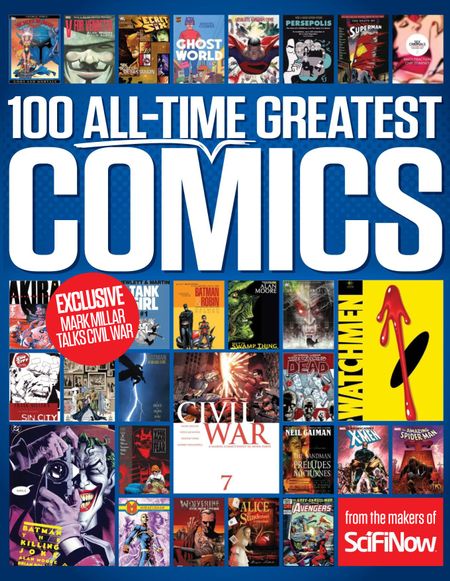
In addition to box office billions, some comics have gained serious acclaim. A select few have even been recognized as some of the greatest literary works in the past 100 years. I doubt Mr. Maher is aware of this because most of these amazing works happened after he became an adult. I imagine that if you were to ask most people his age, they would agree that comics shouldn’t be considered serious literature.

I respectfully disagree with that notion and I know many others disagree as well. That said, I doubt anyone will ever convince Mr. Maher that he’s wrong. He has made his politics very clear on many occasions and I don’t doubt he’ll say other offensive things in the future.

At the very least, I can offer Mr. Maher some perspective. I believe that, if he were to give comics a chance, he would see their literary value. He may still think they’re childish, but I think he would have a greater appreciation for the medium, if only because he sees how it has evolved since he was a kid.

What follows are five comics that I would personally recommend to Mr. Maher. I feel these books would help show just how salient comics can be in terms of society, politics, and art. While I doubt he’ll give them a chance, I hope others who share his sentiments take a moment to see why comic books and superhero media have become such an integral part of our culture.


Watchmen

This is an easy choice and not just because Watchmen routinely ranks near the top as on of the greatest comic books of all time. This seminal work by Alan Moore and David Gibbons actually speaks to the same criticisms that Mr. Maher levied against superheroes. Watchmen is, at its heart, the ultimate deconstruction of the entire concept of superheroes.

This story isn’t just about heroes fighting villains or heroes fighting other heroes. Watchmen is a story with deep, philosophical overtones about what it means to wield power and make peace in a chaotic world. It casts a harsh light on the dangers of relying on superheroes or super-powered beings to solve big problems on the global stage. It’s a sentiment that Mr. Maher himself has made on more than one occasion.

Being a political person, I believe Mr. Maher would find a lot to enjoy about the world of Watchmen. Beyond the art and the complexities of the story, it has a message that goes beyond good guys fighting bad guys.

In many respects, Watchmen was the comic that broke all the rules and ushered the medium into a new era. It proved that a comic could make serious contributions to the world of literature. Between its unique place in the history of comics and the awards it received, I think Watchmen can prove to Mr. Maher that comics can be great works of art that tell relevant messages for the real world.


Sandman

This is another series that routinely gets mentioned in discussions surrounding the greatest comics of all time. Like Watchmen, Sandman pushed the limits on what a comic book could be. It’s not a standard superhero comic. It’s not about heroes searching for some ominous glowing object, which is something Mr. Maher pointed out in his criticism. Sandman is deeper than that.

The writer of Sandman, Neil Gaiman, dared to craft a more mature fantasy. This is a world where mythological figures like Morpheus, Lucifer, and even characters from the bible interact with one another in a complex narrative that provides insight into spirituality, religion, and philosophy.

I believe that insight would appeal to Mr. Maher more than most and not just because he’s a self-admitted stoner. Say what you will about him, but he’s a very intelligent man who went to an Ivy League school. He also majored in English, which I think would make Sandman that much more appealing to him.

The story in Sandman is not something most children will understand or appreciate. Even most adults may struggle to make sense of the various themes that Gaiman explores throughout the book. It’s a powerful story, but one that works best in the medium of comics. I think if Mr. Maher gave Sandman a chance, he would see that.


X-men: God Loves, Man Kills

Even though Mr. Maher singled out superheroes as the most childish element of comics, I believe there are still a select few that would still appeal to him, if only because of his political leanings. Mr. Maher has always identified as a liberal and routinely espouses the value of liberal principles. He grew up watching the civil rights movement unfold and it has clearly had an impact on him.

That’s exactly why a comic like X-men: God Loves, Man Kills would resonate with him. Even though it follows many common superhero themes, this classic X-men story by legendary X-men writer, Chris Claremont, goes much further in linking the struggle of the X-men with that of civil rights.

This story is less about the X-men fighting killer robots and more about confronting the depths of human bigotry. In addition to providing the inspiration for “X2,” it explores a kind of bigotry that feels like it was ripped from the real world. It even throws religion into the mix with the introduction of Reverend William Stryker, a man who has drawn more than a few comparisons with Vice President Mike Pence.

Mr. Maher will probably notice those parallels more than most. He has made no secret of his disdain for organized religion and the people who use it to justify their bigotry. X-men: God Loves, Man Kills tells a story of just how dangerous that kind of religiously-motivated bigotry can get. Even though it’s still a superhero story, it doesn’t hide from the real-world parallels.

Good literature, whether it’s a comic book or a novel, often reflects the controversies of its time. The X-men were created right at the onset of the Civil Rights Movement. Stan Lee has gone on record as saying that elements of the X-men were inspired by real life heroes of the Civil Rights Movement. As both a proud liberal and a critic of religion, Mr. Maher will find plenty to like about this classic X-men story.


All-Star Superman

This story might be the toughest sell for Mr. Maher. However, I think if any comic can demonstrate the value of superheroes, it’s All-Star Superman. This love letter to Superman and all the fanciful themes surrounding him is a celebration of the ultimate hero. Even if Mr. Maher thinks idolizing heroes is dangerous, I think even he’ll appreciate why Superman is such an icon after 80 years.

What makes All-Star Superman special isn’t in how it depicts the Man of Steel at his best. It’s not just about him saving the day, defeating Lex Luthor, and winning the love of Lois Lane. More than anything else, the story that Grant Morrison and Frank Quietly tell demonstrates just how much Superman inspires those around him.

Throughout the series, there are many great moments that are full of heart, hope, and compassion. Some of it is cartoonishly over-the-top, but it never feels corny. There’s never a point where Superman takes a moment to tell a bunch of kids to eat their vegetables and stay in school. It doesn’t try to make Superman someone he’s not. He’s the ultimate paragon of virtue and this series just runs with that.

To further raise the stakes, this version of Superman is living on borrowed time. As powerful as he is, he has saved the day one time too many. He basically has to do what he can with what little time he has left to make the world a better place. It’s an endeavor that even Mr. Maher can appreciate.

More than once, Mr. Maher has tried to inspire others to be better. Even if his efforts are politically motivated, the will to inspire is something he’s always shown, going back to his days on “Politically Incorrect.” Even if he thinks Superman comics are for kids, he can still appreciate Superman’s efforts to inspire the good in others.


Y: The Last Man

This is another acclaimed comic series that doesn’t rely on superheroes, fancy costumes, or superpowers. At a time when gender politics are such a hot topic, a series like Y: The Last Man is more relevant than ever. This beloved comic by Brian K. Vaughan and Pia Guerra takes issues surrounding gender to an apocalyptic extreme.

As someone who has routinely criticized how the debate surrounding feminism and gender has evolved, I believe Mr. Maher will find a lot to like about Y: The Last Man. This is a story that puts men and women in the ultimate bind. One day, without warning, every creature on Earth with a Y chromosome just keels over and dies. Only one man, Yorick Brown, and his pet monkey, Ampersand, survive.

The story the follows is both a fight for survival and a critical insight into what happens when gender dynamics operate in extremes. The world that Vaughan and Guerra show just how much men and women rely on one another without realizing it. When one is completely removed from the equation, it pushes people beyond the brink.

At the same time, it shows just how resilient people can be in terrible situations. The will to survive knows no gender. It can bring out the best and the worst in someone, but the best is what usually keeps driving us. Mr. Maher has often spoken urgently about issues like climate change. The apocalyptic setting of Y: The Last Man shows why that urgency is necessary.


Again, I don’t expect Mr. Maher to change his mind on much. He has made it abundantly clear in the past that he is very set in his ways. However, if he is genuinely open to seeing the merits of comic books, these titles should help. Comic books may have been for kids when he was a kid. They have since become so much more and their legacy, like that of Stan Lee’s, will continue for generations to come.

Leave a comment

Filed under Celebrities and Celebrity Culture, Current Events, media issues, political correctness, religion, superhero comics, superhero movies, television