Category Archives: sex in media

What Does It Mean For A Woman To “Own” Her Sexuality?

53900-liberation-from-womens-liberation

In a perfect world, human sexuality wouldn’t be so political. From  a biological and societal standpoint, the fundamentals are simple.

Two people meet.

They gauge one another’s interest.

They decide to engage in an intimate relationship.

Together, they make a mutual effort to enjoy the fruits of that relationship.

Ideally, an expression of sexuality is a mutual exchange between two people seeking an intimate connection. It doesn’t matter whether it’s a heterosexual relationship, a homosexual relationship, or something more elaborate. So long as those involved are willing, considerate, and open, everyone shares in the benefits.

Sadly, we don’t live in that perfect world. Like it or not, human sexuality is one of the most politically charged topics anyone can discuss. It’s connected to hot button issues like abortion, sexual assault, domestic violence, child welfare, poverty, crime, human trafficking, and even religion. Considering its role in propagating our species, it’s understandable why discussions about about it get heated.

That said, some of those discussions are political for all the wrong reasons. A few are even built on a foundation of absurdities that only serve to distort our perspectives on human sexuality and not in a good way. One of those discussions involve the idea of a woman “owning her sexuality.”

This idea isn’t new, but it has become a more common refrain in recent years, often in conjunction with media depictions of female sexuality. It’s become a slogan, of sorts, for whenever a female celebrity or fictional character does something that’s sexually empowering. Depending on where someone is on the political spectrum, they’ll either cheer or scorn their actions.

However, what constitutes “sexual empowerment” is poorly defined and exceedingly inconsistent. In some cases, empowerment involves a woman being more sexual than society at large deems appropriate. In other cases, empowerment involves a woman being less sexual or less feminine. Here are just a few examples.

When Miley Cyrus was nude in one of her music videos, some saw this as empowering.

When Lara Croft was redesigned to be less sexy in her 2014 reboot, some saw this as empowering.

When Muslim women justify restrictive Islamic dress codes, some saw this as empowering.

When some women decided to stop shaving their body hair, some saw this as empowering.

Regardless of what form it takes, the empowerment is framed as women either reclaiming or owning their sexual selves. What it means is often vague, but it usually carries a particular set of connotations.

To own one’s sexuality is to break a set of unspoken rules, give the finger to an unjust system, and forge your own sexual path. It’s like that moment in every great sports movie where the underdog beats the odds and triumphs over their evil opponents. In that triumph, their notion of what constitutes a fair and just expression of human sexuality is vindicated. All others are somehow flawed.

I concede that this is a gross generalization, but it’s the most common narrative I see whenever there’s a story about a woman owning her sexuality. It’s built around the assumption that female sexuality is always the underdog and to own it, a woman needs to somehow seize it from the clutches of repressive, misogynistic men.

Now, I don’t deny that there are many injustices in the current social landscape. Historically, female sexuality has been subject to seriously repressive taboos. Even today, there are still various taboos about female sexual pleasure. Many women genuinely suffer because of it. The idea of women enjoying sex as much as men is still jarring to some people. Some even find it threatening.

In that sense, I don’t blame women for wanting to embrace their sexual selves in an environment that treats their sexuality as tool for political issues or marketing. Like men, they have feelings and desires. They have every right to pursue them with the same passion as anyone else. When it comes to “owning” it, though, the terminology tends to obscure that pursuit.

The fact that “owning” your sexuality can mean so many different things ensures it ultimately means very little. It has become one of those vague, catch-all terms that’s supposed to mark something as meaningful, progressive, or enlightened. In many cases, it comes down to people using sexuality to provoke a reaction, garner attention, or protest an injustice.

While I’m in favor of protesting sexual injustices, the fact that “owning your sexuality” is such an ambiguous act makes it a poor form of protest. All it does is assert that you can make choices about how you express your sexuality and you’re willing to endure the criticism. That doesn’t say anything about the injustice itself.

If anything, the very concept of owning your sexuality raises more questions than answers. To own something implies possession. The fact that a woman owning her sexuality is so celebrated implies that the woman didn’t possess it in the first place. If that’s the case, then when was it taken from her? At what point did she not own it? What did she have to overcome in order to get it back?

To some extent, for a woman to own her sexuality, she and others like her must buy into the idea that someone else governs it to some extent. In some cases, it’s the media with their depictions of idealized feminine beauty. In others, it’s repressive religious dogma that seeks to control female sexuality.

While there are real instances of women having to escape repressive environments, there’s a big difference between a female celebrity posing nude for a magazine and a woman being brutally punished for committing adultery. One involves someone escaping a coercive force that causes them real physical harm. The other involves them doing something that will only subject them to harsh scrutiny, at worst.

In that context, a woman owning her sexuality is no different than willingly enduring extra criticism and aggressive slut shaming. Can it be excessive? It certainly can be. Is it the same as someone putting their life and their body at risk in order to express their sexuality? I would argue that it isn’t.

I know my opinion may not count for much on this issue since I’m a heterosexual man. I concede that there’s only so much I can understand about the female experience. At the same time, I feel inclined to point out that men are human too. Men are also burdened by various taboos and double standards. As such, a man “owning his sexuality” is subject to entirely different standards.

The fact that those standards are so different implies that there’s little substance behind the concept. If a woman can act overtly sexual in one instance and exercise extreme modesty, yet claim to own her sexuality in both cases, then where does the ownership come in? At what point is it any different than just making choices and living with them?

If there is no difference, then the concept is ultimately pointless.

1 Comment

Filed under Celebrities and Celebrity Culture, Current Events, gender issues, men's issues, outrage culture, political correctness, sex in media, sex in society, sexuality, women's issues

Mia Kalifa, The Porn Industry, And Why Her (Lack Of) Earnings Matter

mia-khalifa

Imagine that you’re young, low on money, and in need of a quick buck. You do a few side-gigs, like drive a taxi or do some yard work. You make some money up front. You’re grateful for it. You wish you didn’t have to do it, but you still did and you’re ready to move forward with your life.

Now, imagine that same work you did ended up making someone else a boatload of money that continues to flow in, even though you’ve long since finished your part. Maybe while mowing the lawn, you discovered a priceless artifact under a tree stump. Maybe while driving a taxi, your car became the site of an infamous crime. Anyone with a white 1993 Ford Bronco SUV can attest to that.

With those ideas in mind, let’s talk about Mia Kalifa. If you don’t know who that is, just ask any straight man with an internet connection and a suspiciously large supply of tissue boxes. You might not get an honest answer, but rest assured, she’s a known public figure and not just because she has over 15 million followers on Instagram.

One of the reasons why she has so many.

She’s worth talking about, but not because she’s a former porn star who still garners a great deal of popularity, despite having not worked in the industry for years. Recently, she made the news after revealing that, even though she was one of the most popular porn stars in the world for a time, she made a total of $12,000 for her entire career.

For someone who was that successful in an industry that’s already exceedingly crowded by an abundance of content, that just doesn’t seem to add up. Most working people make more than $12,000 in a year, even if they’re paid minimum wage. They even get to keep their clothes on. What’s going on here?

There is a context to that story. By her own admission, she was in the industry for about three months. She only got paid a flat rate of about $1,000 for each scene she did and, given how few she ended up doing, it’s still more than minimum wage. She basically made $12,000 for approximately two weeks of work. Ignoring, for the moment, that the work involved making porn, it’s not a terrible rate.

However, what stands out most about her story is that she continues to generate money for the companies that initially paid her. To this day, those scenes she shot still generate traffic for popular sites like PornHub and that traffic still makes its parent company, MindGeek, some additional profit.

Most people don’t know, or want to know for that matter, that the most popular porn sites and studios are owned by MindGeek. Think of any site your significant other won’t admit to visiting. Chances are, they own it. They’re basically the Amazon of porn. They’re so big that there really isn’t a close second.

It’s because they’re so big that Ms. Kalifa’s story isn’t unique. Most people who enter the porn industry, be they male or female, have to go through MindGeek in some form or another. They’re basically a monopoly and because of that, they can get away with shady practices, such as underpaying workers or short-changing them with fine print.

Listed above are sites few will admit to knowing.

Most porn performers, including Ms. Kalifa, only get paid a flat rate per scene. They basically function as independent contractors, which means they’re not salaried employees who get benefits. They’re basically Uber drivers, but with sex. Unlike Uber drivers, though, the top performers can actually make a lot more, but they’re the exception and not the norm. Most performers are in Ms. Kalifa’s situation.

It’s not a situation unique to porn. Other elements of the entertainment industry have used similar practices for years. The music industry has plenty of examples of successful artists who sell millions of albums, but still go bankrupt because most of that money went to the companies they worked for rather than the artists themselves.

It even happens in the comic book industry. Few individuals have created and drawn more iconic character than Jack Kirby, but because he was a work-for-hire, he didn’t technically own his creations. The companies he worked for, both Marvel and DC Comics, owned them. As a result of this, there were some lengthy legal battles with Kirby’s estate. Not surprisingly, the companies won.

Think of any industry that involves performing or creating some kind of art. There’s a good chance that there are cases where someone creates something that becomes successful, but the creators themselves don’t profit from it. Only the companies profit.

Again, there’s a context to that. In industries like music, the top one percent of performers earn over three-quarters of the revenue. Most creative endeavors fail to turn a profit. As someone trying hard to break into the publishing industry, I can attest to how common failure and rejection are. These industries, as shady as their practices might be, need to make a profit and that often requires enduring many losses.

That’s exactly why Mia Kalifa’s story matters. It doesn’t just shed light on the less glamorous aspects of the porn industry. It highlights how the actual people behind popular media don’t reap as much of the benefits as we think. For porn stars, current and former, that’s made even harder by the stigma and taboos surrounding the industry. Ms. Kalifa endured those unpleasant elements more than most.

It’s a system that’s only getting worse. There was a time when porn stars could make considerably more money and even earn some residual income from the booming DVD market. Thanks to the advent of streaming media and excessive piracy, that’s no longer the case. It’s why many porn stars are turning to escorting or licensing products.

Given the dirty nature of the business, few politicians or advocates will loudly proclaim they want to help the people in the porn industry. The last few years have been very difficult for anyone in the sex industry. Laws are making sex work more restrictive and more dangerous to everyone involved. Performers will end up with the stigma, but the companies will get most of the profits.

To some extent, what happened to Mia Kalifa’s career is a microcosm of what’s happening to entertainment in general. We’re currently in an era where big companies are acquiring as much intellectual property as possible. Companies, be they major movie studios or porn producers, have a vested interest in controlling the content at the cost of the performers.

Since so few entertainment products turn a profit, these companies have too much incentive to short-change performers and creators. There’s no law that requires companies to give performers a small percentage of future earnings. There’s no law that stops them from exploiting the content created by performers, even if those same performers don’t want to be associated with the work anymore.

Given the money and influence of these companies, that’s not likely to change anytime soon. However, Mia Kalifa did us all a service by making people aware of this very flawed system. The fact that she did this while fully clothed and being brutally honest in a world that lives in alternative facts might be her best performance to date.

1 Comment

Filed under Celebrities and Celebrity Culture, human nature, media issues, outrage culture, political correctness, prostitution, sex in media, sex in society, women's issues

The (Surprising) Sources And Implications Of Slut Shaming

vicious-cycle-of-shaming

As a fan of romance and people exploring their sexy side, I’m generally opposed to slut shaming. I understand why it exists, to some extent. Nearly every society in history has had certain hang-ups about sex. Considering its role in propagating the species, it’s understandable that people give it extra scrutiny.

That said, I consider slut shaming a misguided form of scrutiny. The definition, itself, has some ugly implications that go far beyond the inherent risks associated with being reckless, promiscuous, and irresponsible.

For one, it’s almost entirely heaped upon women. James Bond never gets called a slut for his promiscuous behavior. Instead, he gets to be a masculine icon. A woman who has just as much sex gets called a slut and is often painted as deviant. Look no further than legendary Bond girls like Xania Onatopp and Pussy Galore for proof of that.

While it can be pretty overt in popular media, it’s even more pernicious in real life. From women who choose wear revealing clothing to those who actively attempt to confront sexual stigma, there’s no shortage of shaming from multiple directions. It’s frustrating in that it amounts to incessant whining about how other people choose to live their lives, but recent research has cast slut shaming in a new light.

A study published in the Journal of Evolution and Human Behavior attempted to analyze how behaviors associated with slut shaming differed among genders. The popular narrative is that men do most of the slut shaming. The logic is that men see beautiful women having a lot of sex. That bothers them because those women aren’t having sex with them.

Granted, that’s a gross generalization that I’m sure many men and even a few women find offensive. Despite the details, that is the common narrative and it tends to play out in one too many teen comedies. However, science has a way of disrupting those narratives in unexpected ways.

The study revealed that while men and women were equally likely to not trust promiscuous women, women who were more likely to favor punishing those women. In a comprehensive summary conducted by PsyPost, the differences were pretty striking.

“In the study, participants played one of three kinds of economic decision-making games. The participants were led to believe they were playing against a female opponent in real-time, but were actually only interacting with computerized responses.

The opponents varied in whether they appeared to be sexually accessible or sexually restricted. For some participants, the opponent was depicted as a woman wearing a tight, red outfit and an abundance of makeup. For others, the opponent was depicted as a woman wearing loose-fitting clothing with less makeup.

The researchers found that both male and female participants were less willing to share money with a woman wearing the tight outfit. The participants also trusted sexually-accessible opponents with a financial investment less than sexually-restrictive opponents.

Women, but not men, were also willing to inflict punishments on a sexually-accessible female opponent who made an unfair offer, even though it left them empty-handed as well.

Given the choice between receiving a small sum of money while their opponent took a large sum or having neither player receive any money at all, women tended to pick the latter option.”

Take a moment to comprehend what this does to the slut shaming narrative. For those who idealize that 1950s sitcom family life that never truly existed, it’s an aberration. While those women make for good one-night-stands, they hardly make for quality long-term relationships.

Why, then, would men be reluctant to punish those women? I’ve noted before how society tends to micromanage women’s bodies. Slut shaming is only a half-measure because it offers no tangible punishment. While certain societies don’t mind punishing promiscuous women, it doesn’t appear to be entirely predicated on male attitudes.

This study shows that women are just as mistrustful of promiscuous women and are willing to go further in terms of punishing their behavior. The reasons for this are difficult to surmise. The researchers hypothesized that men were primarily concerned with avoiding investment in a child that wasn’t theirs. From an evolutionary standpoint, that’s something to avoid, but not punish.

Conversely, women may be more concerned with the bigger picture. The researchers surmised that women had an evolutionary imperative to keep the cost of sex high to improve their value as potential partners. Actively punishing potential rivals further served that purpose.

From a logistical standpoint, it makes sense. They see beautiful, promiscuous women as people who use cheat codes in video games. They have an unfair advantage when it comes to attracting potential partners and that has significant consequences, especially to those who aren’t beautiful or sexually flexible.

Beyond distracting partners who might otherwise be interested in them, it lowers the value of the sex they have to offer. Why would men be as interested in having sex with them when there are promiscuous women who were willing to give it to them for a lower cost with fewer strings?

While I believe this may be a factor for some women, it’s also another broad generalization that would offend more than a few women. It assumes too much about how they think and feel. Believing women slut shame because it hinders their own sexual value is as absurd as blaming all misogyny on some vast patriarchal conspiracy.

Like all research, the study is limited and can only reveal so much about the complexities of human behavior. The researchers themselves freely admitted this, but that’s exactly why it warrants further study. Like it or not, slut shaming is still prominent in most modern societies. I would argue that the internet and social media are making it worse.

At the same time, I also believe that slut shaming is something we should confront. It causes real harm to real people. It damages our love lives, our sex lives, and everything in between. There are instances in which someone’s irresponsible sexual behavior genuinely warrants scrutiny, but shaming can only serve to make things worse, even for people who aren’t sluts.

3 Comments

Filed under gender issues, human nature, men's issues, outrage culture, political correctness, psychology, sex in media, sex in society, sexuality, women's issues

What I Wish I Learned In Sex Ed

sexeducation2

I like to think I had a good education in sex growing up. I grew up in an area that heavily promoted comprehensive sex education and did not solely rely on telling horny teenagers to abstain. On top of that, my parents were very upfront and transparent on sexual issues. They did not lie to me and they did not avoid the issue whenever I asked them questions.

In that sense, I consider myself luckier than most. I’ve heard way too many horror stories about kids getting a form of sex education that’s downright damaging. At the same time, there are some things I wish my teachers and parents had taught me. I feel like it would’ve saved me a lot of stress, confusion, and uncertainty later on in life.

While some things can only be learned through experience, I think in matters of sexuality, insight goes a long way. It’s one of the few acts we’re biologically wired to seek. Even if we find something out on our own, we’re not always going to understand it and that often means making flawed assumptions. That can make things awkward, to say the least.

What follows is a list of minor, but relevant aspects about sex that I wish I’d learned more about growing up. Some of these issues are things my teachers probably couldn’t have mentioned in a health class without getting into trouble with parents, but that’s exactly why they’re worth putting out there. I think these are conversations worth having with young people, especially as we enter a new sexual landscape.


Number 1: What Orgasms Are And How They Differ With Gender

Looking back on my experience with sex education, this feels like the biggest oversight. I learned about male and female anatomy. I learned about pregnancy, contraception, and diseases. I even learned a little about healthy relationship skills. At no point in any of these discussions did orgasms come up.

While I knew what they were, no teacher ever said that word or even hinted that they were a normal part of sex. They either avoided the issue or pretended it didn’t exist. They described sexual function the same way my biology teacher described how animals digest food. This led me to wonder that adults were hiding something from me and my peers.

Later on, as I learned more about sex outside of school, it gave the impression that adults just didn’t want to tell young people about things that felt good. Never mind that orgasms have a lot of health benefits and are a great way for a couple to bond. Not even mentioning them just sent too many mixed messages that only get more mixed over time.


Number 2: Feeling Horny Is Natural (And Not An Affliction)

This was especially common in middle school. Granted, most teachers said that thinking about sex is natural. However, actually wanting it might as well have been the same as wanting to steal a car. In any case where someone might have wanted sex outside of marriage, it was framed as something deviant and wrong.

Again, this was not a religious school. This was a secular public school in a community that was not overly-religious. Even so, every health teacher gave the impression that being horny was no different than having a violent impulse to choke kittens. I’m thankful my parents did plenty to counter that, but it did leave me feeling more stressed than I already was as a teenager.


Number 3: The Sex You See In Porn Isn’t “Real” Sex

Most reasonable adults understand that the sex they see in porn isn’t supposed to mirror actual sex. That kind of sex is designed to be shot, edited, and exaggerated for erotic effects. The problem is that too many reasonable adults, some of which teach health classes to teenagers, assume that only adults are watching porn.

I knew what porn was when I was a teenager. I knew how to access it. Everyone in my class knew as well and anyone who claimed they didn’t were liars. While there were discussions about sex in the media, it never got beyond things like body image and peer pressure. They never actually explained to uninformed teenagers that porn is not a good representation of what sex is.

For men who think they’re supposed to hump for 40 minutes straight and women who think they have to hiss every half-second, it’s an important tidbit that’s worth sharing. It also doesn’t help that porn does a terrible job of depicting romance. Just a simple explanation at how exaggerated it was would’ve gone a long way towards developing a healthy understanding of what non-pornographic sex was.


Number 4: Not Having Sex Isn’t The End Of The World

This issue is similar to the issues associated with the DARE program that tried to convince teenagers to not do drugs. That program not only doesn’t work. It gave me and my peers a very flawed image of drugs for years to come. The way my health teachers talked about sex wasn’t much different.

Beyond skipping the joys of orgasms, they often described sex as this scourge that was spreading disease and misery to countless teenagers. If you weren’t doing it, then something must be wrong with you. At the time, I already had severe self-esteem issues that were compounded by a terrible acne problem that made me feel ugly and unloved.

While no teacher ever said that people who don’t have sex are somehow flawed. They only ever framed people who didn’t have sex as safer and less likely to get diseases. That’s not the same as saying it’s okay, it’s not the end of the world, and it’s actually pretty common. That revelation may not seem like much now, but at the time, it would’ve made a world of difference.


Number 5: Sex Can Be Emotional, Intimate, And Fun

This is a bit more personal for me because I was a closeted romance fan. I’d been a romance fan before I was a teenager and once sex entered the picture, I knew there was a link. My health teachers just did a terrible job of explaining it. They talked about sex as though it was just a formality, like a wedding or a tax refund. Romance and intimacy never entered the picture.

Sex was either just a small part of human reproduction or this dangerous thrill sport on par with juggling chainsaws while wrestling a hungry grizzly. There was no emphasis on intimacy, romance, or just the fun of it all. Couples do have sex for fun. There’s nothing wrong with that. My own parents even told me that. My health teachers, on the other hand, gave the impression they were completely unrelated.


Number 6: Some People Are Just Wired Differently For Sex

This may have been a product of my own teenage angst more than anything else. The way my teachers talked about sex made it seem as though everyone had this scary creature lurking inside them and a good chunk of our lives are spent keeping it at bay. Everyone had to do their part to tame their sexual demons. There was no way around it.

However, that’s not how peoples’ sex drives work. Some people just aren’t that sexual. They don’t get as horny as the average people. When they do, the things that satisfy them are wildly different than the things that satisfy others. Some people have elaborate kinks. Some are happy with a quickie in the shower twice a year.

This idea that everyone has their own sexual makeup wasn’t even hinted at. It made it seem as though everyone in the world, myself included, had the same sexual proclivities. Even though we can’t agree on gods, the afterlife, or pizza toppings, we’re all somehow in agreement on this. I know it sounds like common sense to an adult. To a teenager, it framed the world in a strange, overwhelming way that I could’ve done without.


Number 7: Not Every Woman Goes Crazy On Their Period

I know people don’t like talking about women’s bodies, especially when it comes to that time of month. They’ve been taboo for centuries and for a long list of frustrating reasons. When young men learn about what women go through during pregnancy and menstruation, though, they get the impression that their hormones turn them into meth addicts in withdraw.

Having grown up in a house with multiple women, sharing a bathroom, and just being around a lot of women in general, I know that most women don’t radically change when they’re on their period. Some do have issues. Most are understandable, treatable, and not a reason to fear an entire gender.

In the sex ed I got, I had multiple male teachers joke about how glad they were to not have to deal with periods. These teachers were married, by the way. It made me wonder whether they knew when to leave town or sleep in the basement during certain times of month. It also made me wonder if the women in my family were different because they didn’t seem to go crazy every month.

There’s certainly room to talk about women’s issues during sex ed, even among teenage boys. However, a little perspective would’ve gone a long way. It made being around girls more awkward than it already was. I was a teenager. There’s only so much awkwardness I could handle and I handled it poorly. I’m not saying better sex ed would’ve fixed everything, but it sure would’ve helped.

Leave a comment

Filed under gender issues, Jack Fisher's Insights, men's issues, sex in media, sex in society, sexuality, women's issues

Why “F Is For Family” Is The Perfect Satire Of The American Dream

netflix-f-is-for-family-bill-burr-e1498677110849

What would you say about a man who constantly yells, curses like a sailor on crack, and constantly threatens to put his kids through a wall? On the surface, it sounds like this guy has some serious anger issues. You would probably suspect there’s something wrong with him and that he needs help from a competent therapist.

Then, after you find out that man’s name is Frank Murphy from the animated show, “F is for Family,” you quickly realize that even the best therapist in the world couldn’t do squat for this man. His anger, cursing, and threats of intentional property damage are entirely understandable. In fact, he would need a therapist if he didn’t exhibit some level of anger.

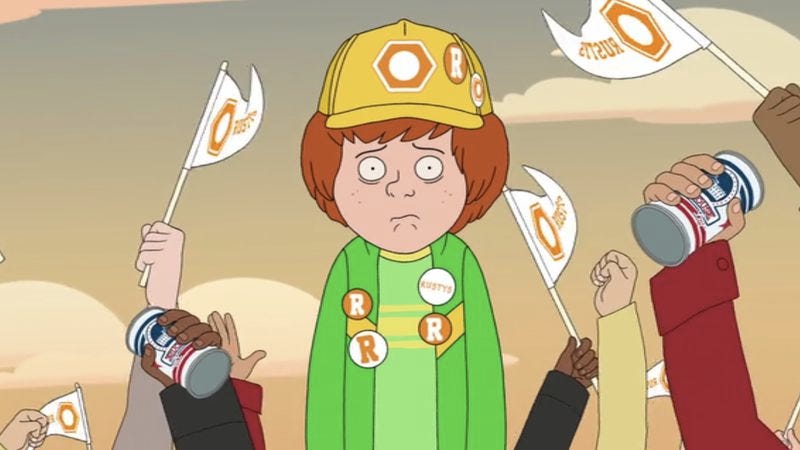
That’s because Frank Murphy, along with every other major theme in “F is for Family,” is the personification of the disillusion of the American Dream. Take everything you think you know about what it means to work hard, get ahead, and achieve your goals in life. Then, kick it in the gut, spit on it, and throw it through a brick wall. That’s Frank Murphy’s life. That’s what “F is for Family” is all about.

I only recently discovered this show while browsing Netflix and I’m glad I did. “F is for Family” is one of those shows that takes an overdone concept, like a dysfunctional cartoon family, and injects it with some overdue nuance. This isn’t a show about a bumbling dad, a nagging mom, or mischievous kids. The issues and themes in “F is for Family” feel genuinely relevant to the current state of the world.

For a show that takes place in the 1970s, that’s quite an accomplishment. At the same time, it makes sense for this show to take place during that particular time period in America because that’s when the hopes, dreams, and optimism of the post-World War II economic boom began to falter. They just faltered a lot faster for Frank Murphy and his family.

In many respects, Frank’s short-tempered persona is a byproduct of that decline. Throughout the show, it’s clear that Frank underwent a significant transformation. He wasn’t always this rage-filled working stiff who jumps at any chance to cuss out anyone in close proximity. He was once an upbeat, optimistic man who reflected the spirit of his time and his country. This is even reflected in the show’s opening theme.

He starts off as an idealistic youth. Born in 1931, he enters adulthood just as his country returns victorious from World War II. Like others before him, he serves his country after getting drafted in the Korean War. He returns home somewhat scarred, but still optimistic about his future. In 1958, he has dreams of flying airplanes and marrying Sue, a young woman in college at the time.

By all accounts, Frank plays by the rules. He works hard and carries out his duty as well as anyone can expect. He’s not some thick-headed dope like Homer Simpson or Peter Griffin. He’s also not some misanthropic underachiever like Al Bundy. He can speak in complete sentences, form coherent thoughts, and demonstrate an average level of competence.

He is, for the most part, an appropriate representation of a working class man trying to provide for his family. The problem, and the frequent source of his anger, is that his efforts often go unrewarded and unappreciated. In some cases, he gets completely screwed over, both by forces beyond his control and by unexpected consequences from his behavior.

In the first season, he works hard and sucks up to his asshole boss, Lance Dunbarton, to get a promotion at the airport he works at as a baggage handler. He even manages to avert a strike on Christmas Eve. Rather than get rewarded for this effort, he gets fired.

In the second season, he gets a chance to return to work, but the way he confronts his former supervisor, Bob Pogo, ends up making his situation worse.

Along the way, Frank also attempts to deal with the constant dysfunction of his family, which includes a rebellious teenage son, a wimpy pre-teen son who gets bullied at every turn, and a young daughter who refuses to conform to traditional gender norms. On top of all that, his wife is dissatisfied with just being a housewife and her efforts to achieve her own dreams cause plenty of marital strife.

At every level, Frank Murphy’s life is not the at all consistent with what the American dream had promised. Instead of the white picket fence with a content wife and well-behaved kids, his life is a constantly-devolving mess. No matter how hard he works or how much he plays by the rules, nothing seems to improve. Things only ever get more frustrating. After only a few episodes, it’s easy to understand why Frank is so angry.

To some extent, Frank Murphy is a fitting personification of Murphy’s Law. That’s not to say that everything goes wrong for him all the time, but through three eventful seasons, his attempts to improve his lot in life never works out. For every step forward he takes, he suffers a major setback.

He finally gets his job back at the airport where he hopes to pursue his dream as a pilot. Then, he gets his wife pregnant and they have to put their dreams on hold again.

He tries to improve things with Sue by taking his wife out for a romantic evening on their anniversary, but ends up getting into a major fight that makes everything worse.

Even his family isn’t immune to this regressive trap. While Frank struggles to find a stable job, Sue attempts to enter the working world, only to have her dreams crushed when the company she works for steals her invention. On top of that, she works in an office where she’s constantly belittled, harassed, and demeaned by co-workers whose conduct makes Don Draper look like a hippie.

His rebellious son also has dreams of becoming a rock star, but ends up getting kicked out of his band after a breakdown involving his drug-loving neighbor’s busty girlfriend. In season 3, he tries to reinvent himself and he tries to find a sense of belonging with a new group of friends. The end result is him getting arrested and spending a night in jail.

His youngest son, Bill Murphy, learns these harsh lessons even earlier than his father. He also tries to work hard and play by the rules. He tries to stand up for himself and confront the bully who torments him. Like his father, though, he ends up making things worse. I won’t get too deep into spoilers, but I will note that there’s some heavy arson and awkward boners involved.

Even his brainy daughter, Maureen, isn’t immune from it. Being a young girl in the early 1970s, her dreams are limited. Even when she aims low, like winning a ring toss contest on kids show, it still fails and through no fault of her own. Like her parents and brothers, the world seems determined to deny her any semblance of success.
If the essence of satire is to offer scathing criticism of a particular social construct, as those who edit Wikipedia imply, then “F is for Family” is a direct attack on the ideals and assumptions we associate with the American Dream. It never gets overly-nihilistic like “Rick and Morty” or “Bojack Horseman.” With every episode and sub-plot, it chips away at the foundation on which that dream is built.

It’s established throughout the show Frank and Sue were both in a position to achieve that dream. They were on a promising path with Sue being in college and Frank wanting to become a pilot. Even when they faced a major obstacle, namely Sue getting pregnant, they tried to do the right thing. They sacrificed for each other and their family.

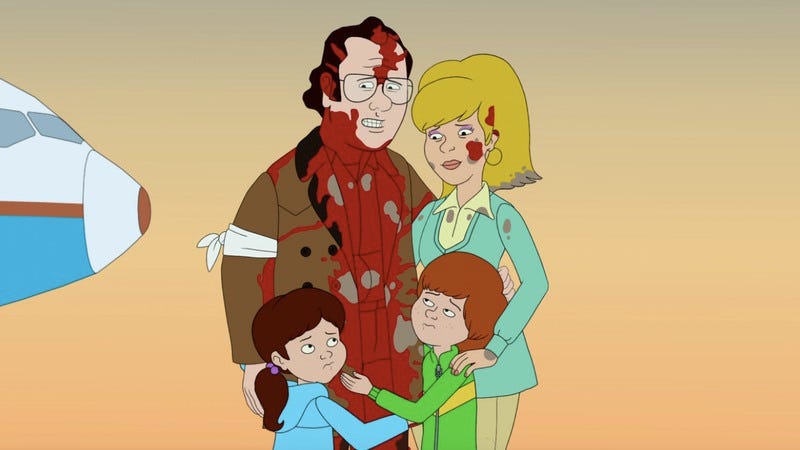
That’s NOT red paint.

In any other narrative, their responsible behavior would be rewarded. By the standards of the American Dream, they did the right thing. They got married and tried to provide for their family. However, despite those sacrifices, they’re repeatedly denied their dreams. At the end of the day, doing the right thing and playing by the rules just doesn’t cut it.

Frank watches as his obese, slob of a boss screws him over on Christmas Eve. Sue watches as the company that made her so miserable steals her idea and profits from it. Their kids watch as the world around them rewards and punishes those who don’t deserve it. The only ones who ever seem to benefit are those strong enough to skirt the rules or well-connected enough to bend them.

In that context, it’s fitting that “F is for Family” takes place in the 1970s. That marked the end of the post-World War II economic boom and the beginning of major economic decline from which working class people never recovered. The well-paying, blue-collar jobs that once allowed a man like Frank Murphy to support his family are long gone thanks to the rise of automation and globalization.

While the show never dives too deep into the complexities of this decline, it provides a great deal of crude tongue-in-cheek humor that reveals just how flawed the American Dream had become at that point. There are not-too-subtle jokes about women, minorities, family life, politics, and the media that highlight just how flawed the system is. Frank Murphy is just the guy who gets screwed more than most.

In the end, though, that’s what makes “F is for Family” the ultimate satire for the idealized narrative we associate with the American Dream. It shows that this notion that a hard-working, self-sacrificing working man who plays by the rules will achieve his dream is nothing more than a bad fairy tale. Frank does everything society expects a working class man to do and rewards him with jack squat.

Given everything he endures, from abandoning his dreams of becoming a pilot so he could provide for a family that rarely shows him any gratitude, I’ll rephrase the question I asked earlier. What would you say about a man like Frank Murphy, who played by the rules and bought into the American Dream, only to see it screw him over at every turn? Can you really blame him for being so angry?

4 Comments

Filed under gender issues, human nature, Marriage and Relationships, men's issues, political correctness, psychology, sex in media, television

When Fighting For Equality Is Counterproductive

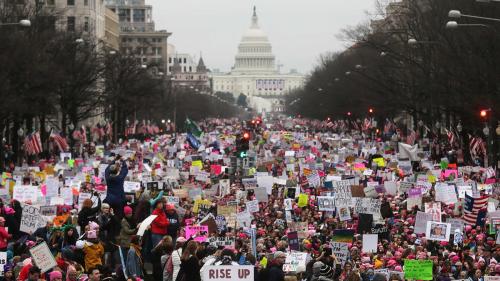
632318086-dc-rally-women-march-washington

Have you ever met someone who is just inherently better at something than you? No matter how hard you practice, you just can’t reach their level. They’re still better. It’s an unfortunate fact of life that we all have to learn at some point, but I worry that some people are trying to put that lesson off while others are trying to outright subvert it.

In general, the intent is noble. The world is full of horrendous inequality. There’s wealth inequality, gender inequality, and even inequality in representation within superhero comics. While we have done a lot in the century to reduce inequality, there’s still plenty of room for improvement.

For the most part, people support those efforts. You won’t find many people who aren’t enjoying a fat inheritance that will say outright they want less equality. Segregation, rigid caste systems, and the dehumanization of minorities is largely frowned upon for reasons I hope I don’t have to recount.

Seeking a more equal and just world is a perfectly respectable endeavor. For the most part, I support those efforts. I believe we should work towards a more egalitarian society where the rights and dignity of individuals are protected and respected. Even though we have laws in place, as well as principles espoused at an international level, we could do a better job at enforcing them.

With all that said, there’s still one burning question that I feel is worth answering. It relates directly to the first question I asked earlier and the harsh lesson it teaches us.

How much equality is actually possible?

It’s one of those questions that’s impossible to answer, but evokes many heated debates, regardless of politics or affiliation. Whether it’s economic issues or gender issues, these debates often devolve into one side calling the other a fascist or a bully. Every now and then, there’s some meaningful discourse and even a few novel ideas. In the era of outrage culture, though, this seems to be getting increasingly rare.

We’re at a point where even the slightest hint of inequality is deemed untenable.

Are there too few female superheroes in comic books? That’s not equal!

Are there too few people of color being cast in major move roles? That’s not equal!

Are there too few minorities in Forbes list of 100 richest people? That’s not equal!

Are there too few women in fields of science, medicine, and technology? That’s not equal!

Are there too few dating options for people who are disabled or obese? That’s not equal!

Are there too many beautiful women who only hook up with assholes? That’s not equal!

Are there too many handsome men who only date supermodels? That’s not equal!

I could list dozens of other situations that are grossly unequal. I purposefully omitted big ones like the gender wage gap and racial disparity in criminal arrests because these are cases that best highlight the logistics of promoting equality versus the ideals surrounding equality.

By law, it’s illegal to pay someone less because of their gender and has been since 1963. The courts have also historically ruled that it’s illegal to selectively enforce laws on the basis of race. These precedents are decades old and on the books for any lawyer to enforce. Why is there still so much inequality?

There are many reasons for that and I’m not smart enough to make sense of all of them. However, I think the mechanisms that continue to drive inequality can be best summed up by a terrible Jennifer Aniston movie from 2006 called “The Break-Up.” Yes, I know that sounds ridiculously random. I promise there’s a reason behind it and it relates to the underlying concept of equality.

In that movie, a couple is going through some nasty conflicts that are only mildly amusing at best. However, the most revealing quote from the movie, which also happens to be most relevant to this topic, is when Jennifer Aniston’s character tells her significant other this.

“I want you to WANT to do the dishes.”

It is, without question, an absurd statement that makes an unreasonable demand on someone she claims to love. It nicely sums up the entire conflict of the movie and effectively spoils the ending. These two are not in a functional relationship. In fact, if they had actually stayed together at the end, it would have been unhealthy for both of them.

That’s not because the relationship was unequal. It’s because both Jennifer Aniston’s character and Vince Vaughn’s character had very different ideas of what was “fair.” I put fair in quotes because it was an empty concept in this context. They didn’t just want equality in terms of roles, responsibilities, and privileges. They wanted equality of outcome and consequences.

That’s not just an unreasonable expectation. It’s a catalyst for outrage. It’s one thing to fight for legal equal protection, but fighting for equal outcomes and consequences is a losing battle. You’re better off trying to divert Niagara Falls by spitting at it. On top of that, it sets people up for disappointment and outrage.

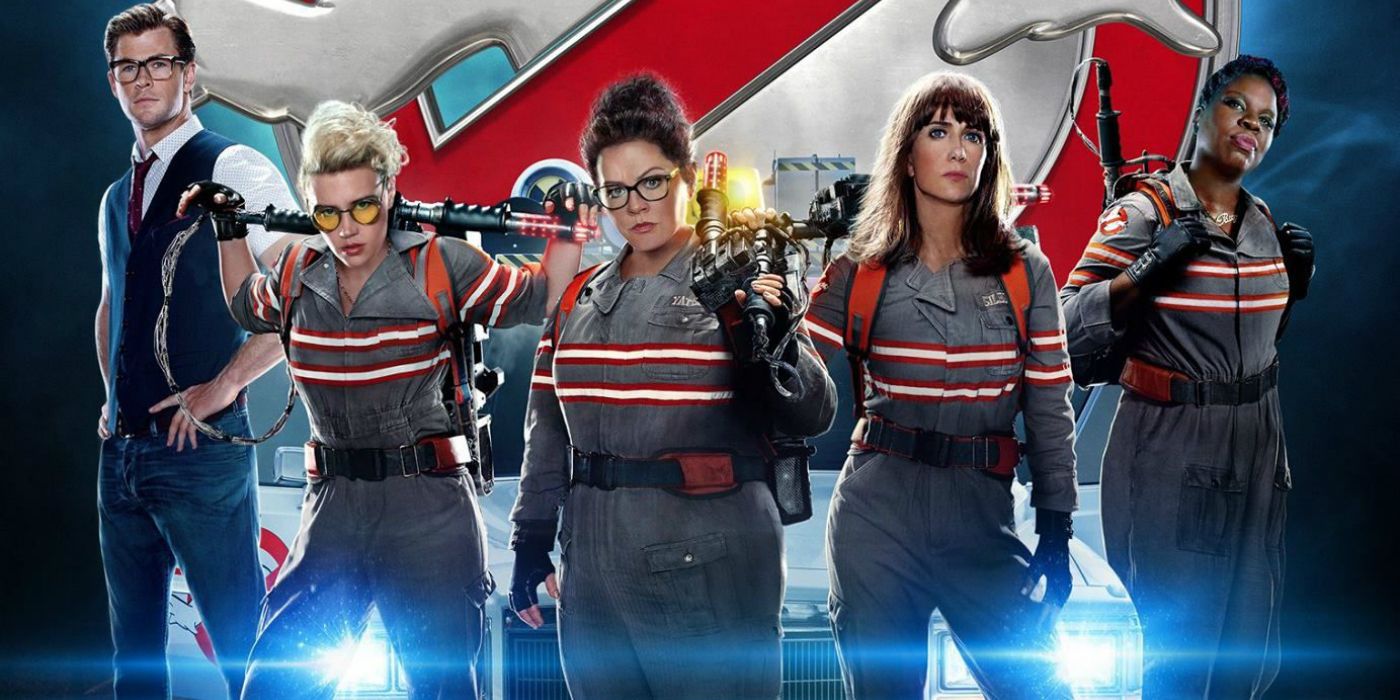
The all-female remake of “Ghostbusters” was never going to make as much money or be as beloved as the original.

The push for less sexy video game characters was never going to improve gender relations in the gaming community.

Attempts to replace Iron Man with a 15-year-old black girl from Chicago was never going last for very long.

All these outcomes were fairly predictable, but still generated incredible outrage with people crying discrimination, racism, sexism, and every other kind of insult in keeping with Godwin’s Law. As a result, those still fighting for what they see as “fair” have to step up their game and push harder. That often means becoming more extreme in rhetoric, emotions, and tactics.

Since things like reality, facts, and basic human nature often get lost in extremes, it makes sense that we have such radical segments of the political and social spectrum. I believe most of them genuinely believe they’re fighting for greater equality and greater fairness, as they see it. A few are probably just genuine assholes looking for excuses to be bigger assholes, but they’re the minority.

To some extent, I can appreciate the intent and effort of those fighting for more equality. The world is still imperfect and humanity, as a whole, is exceedingly imperfect. Our collective history is riddled with injustices and atrocities of staggering proportions. We should strive to be better, as individuals and as a civilization. A part of that effort pursuing a society of equal rights, privileges, and responsibilities.

At the same time, some levels of inequality are unavoidable. Sometimes, it’s due to simple demographics. Sometimes, it’s due to the basic laws of biodiversity or sexual dimorphism. Sometimes, there are individuals that are just inherently better at you than something. I could practice basketball every hour of every day for the rest of my life. I’ll still never be as good as LeBron James.

That kind of equality is just not possible in the real world. Until we all become shape-shifting cyborgs, we can only be equal to a certain extent. Many sincere people disagree on where that extent is and where it should apply.

However, there’s a real danger in trying to achieve the impossible and getting upset whenever it’s not achieved. It doesn’t just suck up energy, ideas, and resources from other meaningful endeavors. It fosters hostility towards others and their ideas. In the same way Jennifer Aniston’s character couldn’t make her boyfriend want to do the dishes, we can’t make someone else want our idea of equality.

1 Comment

Filed under gender issues, human nature, Marriage and Relationships, media issues, men's issues, outrage culture, political correctness, psychology, sex in media, sex in society

Why Idris Elba’s Advice To Men On The Anti-Harassment Movement Is Flawed

Luther-Idris-Elba-edcf67d

These are tenuous times for gender relations. Between the rise of the anti-harassment movement and the revelation of egregious crimes committed by once-respected celebrities, society is undergoing to significant upheaval in how we approach sex, relationships, and harassment.

Some claim this upheaval is overdue and I don’t disagree. There is a well-documented history of powerful people getting away with egregious behavior. In general, it’s a good thing when society seeks justice and accountability for everyone, regardless of gender, race, religion, sexual orientation, etc.

With that good, however, often comes obstacles that need to be navigated carefully and flawed human beings have a mixed history in those efforts to say the least. We’ve already seen some of that in how some have responded to the anti-harassment movement. Some are going so far as to avoid women entirely to minimize the risk. This is an extreme reaction, but one in keeping with the law of proportional backlash.

It has been frustrating for those who genuinely seek to improve gender relations. It has also made for easy sources of outrage with one side calling the other misogynist, patriarchal bigots and the other calling them regressive, whiny leftists. There’s a lot of room for arguments and plenty of opportunities for shouting, especially in the age of social media.


It’s still a relevant question for people caught up in the current state of gender politics, avoiding accusations of sexual misconduct and maintaining amicable relations among the genders. Crimes should be prosecuted and punished. Good people, whether they’re men, women, or something in between, should be free to engage with one another without fear of getting caught up in fervor.

Recently, the reigning sexiest man alive, Idris Elba, offered an easy solution to all those arguing about the current state of gender relations that many have rallied around. In an interview with Vanity Fair, he had this to say to those worried about navigating the anti-harassment movement.

“It’s only difficult if you’re a man with something to hide.”

It’s a simple, logical, almost mundane piece of advice. Many loudly cheered it as a welcome change of pace from the more complicated responses given by Matt Damon and Henry Cavill. When you’re the sexiest man alive and a top choice for the next James Bond, it’s easy to offer a simple solution that carries significant weight.

Now, I have a lot of respect for Mr. Elba. He’s a great actor and, by all accounts, one of Hollywood’s most likable personalities. In a perfect world, his words would not be controversial and require no further scrutiny. Sadly, we don’t live in that world.

I won’t go so far as to say that Mr. Elba is dead wrong. I won’t say he’s more than half-right, either. More than anything else, his comments are incomplete. They’re coming from a famous celebrity who also happens to be a tall, dark, handsome man whose success often leads to a considerable detachment from reality, as often happens in Hollywood.

If Mr. Elba had just said that men who have something to hide will probably face more difficulty than others, then he would be spot on. Whether you’re a famous celebrity or some ordinary person living their lives, having nothing to hide makes you far less likely to be on the wrong end of a sexual assault accusation.

In the era of smart phones, social media, and hacked emails, it’s considerably harder for anyone to hide their misconduct, sexual or otherwise. If anything, celebrities and powerful politicians are the only ones with the resources to hide their misdeeds and even that isn’t always enough. For non-celebrities, though, the resources are far more limited and this is where the merit of Mr. Elba’s words comes up short.

There are many ways to break down why simply having nothing to hide is not the most effective strategy for navigating the current landscape of gender politics. To best illustrate why it’s so shallow, though, we need only know the story of Brian Banks.

This guy’s story will upset/move you. You have been warned.

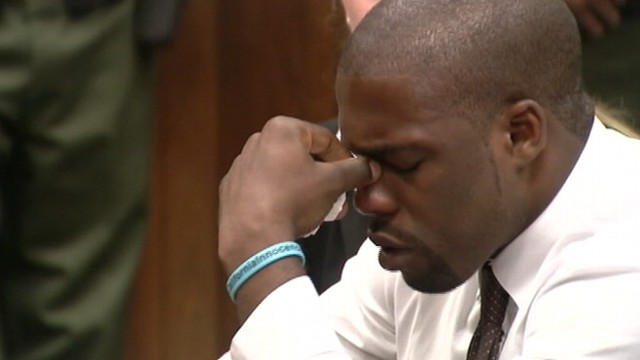
If you’re not familiar with that name, then chances are Mr. Elba isn’t either. His story is a tragedy with a bittersweet ending. Back in 2002, he was a promising a promising football player from Long Beach, California who had already committed to playing college football at USC.

Then, a classmate of his accused him of raping her in a stairway. Rather than face the possibility of 41 years to life in prison, Banks accepted a plea deal that included five years in prison, five years of probation, and having to register as a sex offender. By every measure, his life and his once-promising future was over. On top of it all, Banks was completely innocent.

That’s not just what a court eventually ruled. The accuser actually confessed that she made it up, adding that it was part of an effort with her mother to sue the school for money. It’s every bit as deplorable as it sounds. By the time this came out, though, it was 2012. He still served five years in prison for a crime he didn’t commit and lost out on his once promising football career.

Brian Banks followed Mr. Elba’s advice to the letter. He had nothing to hide. That still wasn’t enough, though. His life was still derailed and had the accuser not confessed, he probably wouldn’t have been able to rebuild his life to the extent that he has.

It’s easy for someone like Mr. Elba to give that advice and just as easy for him to practice it. As I noted before, he’s rich, successful, handsome, and respected. If someone tried to falsely accuse him of sexual misconduct, he wouldn’t have a hard time fighting it. Beyond his reputation as the sexiest man alive, he has access to the best legal defense that obscene wealth can buy.

People like Brain Banks don’t have that luxury. Exceedingly few individuals do. Banks plead guilty to a crime he didn’t commit because, without those resources, there was a real possibility that he would’ve gotten a much worse sentence. He’s actually fortunate that he managed to escape the fate he did. Others, however, weren’t so lucky.

Brian Banks’ story, alone, is tangible proof that Mr. Elba’s advice is incomplete. Sadly, there are other stories like this and some of them have far less pleasant outcomes. According to the Innocence Project, there are an estimated 20,000 innocent people serving prison sentences for crimes they did not commit. They too had nothing to hide, but were convicted anyways.

There’s men like Randolph Arledge, who served 29 years for a rape and murder that he did not commit. The evidence that convicted him was based entirely on informant testimony.

There’s also the story of Marvin Anderson, who had no criminal record when he was convicted of a brutal rape for which he served 20 years in prison.

There’s also the case of Ted Bradford, who spent 10 years in prison for a rape he did not commit. There wasn’t even any physical evidence tying him to the crime.

There’s the case of David Johns Bryson, who served 20 years for heinous crime involving kidnapping and rape. A combination of bad forensic science and misguided police tactics did him in.

These men are not celebrities. They’re not rich movie producers or well-connected politicians. They’re just ordinary men trying to live their lives. They had no more to hide than anyone else. That still wasn’t enough. In some cases, they were the victims of mistaken identity. In others, they were the targets of a vindictive accuser. In every case, their lives were irreparably damaged.

I still don’t doubt Mr. Elba’s sincerity. Even those who applaud his words probably don’t realize the flaws in his advice. Names like Brian Banks probably don’t ever cross their mind. Even if it did, Mr. Elba’s words present a clean, concise response to those who express concern about the larger impacts of the anti-harassment movement. For those looking for an easy recourse to a difficult problem, it has a lot of appeal.

That’s the biggest problem with simple solutions to complex problems. The narrative of the anti-harassment movement, or any social movement, cannot accommodate that much complexity. If it did, the narrative wouldn’t be as compelling. As I’ve noted before, the idea that there’s this brave movement of empowered women standing up to serial abusers has all the makings of a feel-good Hollywood story.

The reality, though, is far less ideal. Men like Brian Banks found that out the hard way. If the work of the Innocence Project is any indication, there are probably plenty more who never had anything to hide, but still got convicted. For them, Mr. Elba’s advice will only compound one kind of injustice with another.

2 Comments

Filed under Celebrities and Celebrity Culture, Current Events, gender issues, human nature, media issues, men's issues, outrage culture, political correctness, sex in media, sex in society, sexuality, women's issues

Kamala Khan Vs. America Chavez: How To Succeed (And Fail) With Female Superheroes

birthday_present__marvel_team_up_by_viktormon-d7mq5iy

It shouldn’t be that difficult or controversial to create compelling female superheroes. In a perfect world, it would be no different than creating quality male heroes. As long as they’re compelling, enjoyable, and foster great stories, that should be enough.

Sadly, we don’t live in a perfect world. You could even argue it has become even worse in recent years for female superheroes because they’ve become entwined with identity politics. It’s no longer sufficient for a female hero to just be likable and interesting. They have to take part in the never-ending whining contest that dominates outrage culture.

As a lifelong fan of superhero comics, this really frustrates me. I get that comics, like any medium, often reflect the issues of the time. That’s not new and comics have taken positions in those issues. Iconic stories have been crafted around them. The current situation with female superheroes, however, is less a reflection of the times and more a liability.

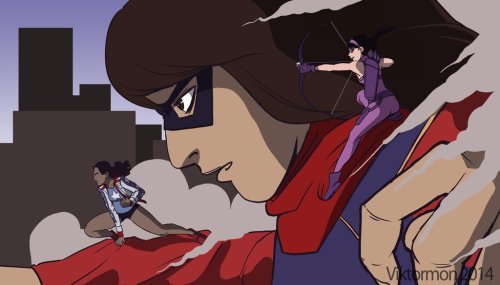
To illustrate this point, I’d like to single out two female superheroes, Kamala “Ms. Marvel” Khan and America “Miss America” Chavez. Both characters were created within the past 10 years. They’ve also been cited as prominent figures in the recent push for diversity within comics that has caused a lot of uproar or all the wrong reasons.

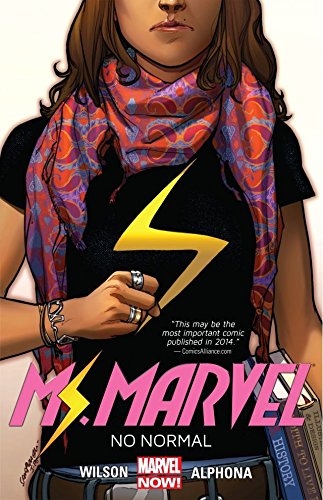
What sets them apart is that one character, Kamala Khan, has become a success story by most measures. Since her debut issue in February 2014, she has become popular and beloved. She has received and won numerous accolades and her graphic novels have made it onto the New York Times Best Sellers list. I consider myself a fan of hers. She’s one of my favorite female heroes.

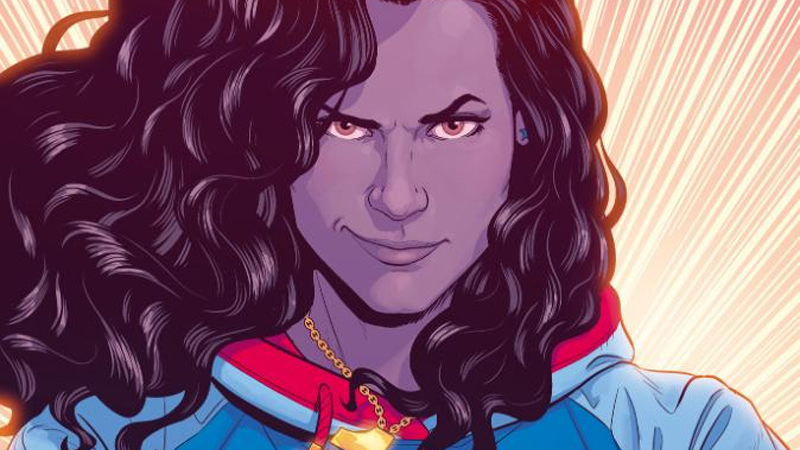
On the other end of that spectrum is America Chavez. She debuted in 2011 and went onto have her own ongoing series. Unlike Kamala, though, her series received no accolades, sold poorly, and did nothing to endear her to fans of superhero comics. She has had opportunities to establish herself as a quality female hero. With few exceptions, she has failed at every turn.

These two characters represent a stark dichotomy in the current world of female superheroes. One provides a template for success. The other is a cautionary tale of how not to create a compelling female superhero in the current climate. It’s pretty striking how two characters created within a similar cultural environment can go in such wildly different directions. However, that difference also carries with it plenty of lessons.

To be fair to the medium I love, creating female superheroes today is very different compared to past decades. If Wonder Woman, Storm, Carol Danvers, or Supergirl were created today, they wouldn’t have the same impact. They came out at different times and under different circumstances. Those circumstances played a key role in how they became iconic.

Great female superheroes, and quality female characters in general, have traits that allow them to resonate in any era. However, the timing and influences have to be right for them to carve a place in popular culture. Kamala Khan and America Chavez dealt with similar circumstances when they debuted. That makes them a good case study in how female superheroes can succeed and fail.


Why Kamala Khan Succeeded

I still remember the day I read Ms. Marvel #1. I hadn’t been planning to buy it. I remember clearly that it was a light week, in terms of comics. I happened to have a few extra bucks to spend. I had heard that there was going to be a new Ms. Marvel. Having been a fan of Carol Danvers, I decided to check it out.

I’m glad I did because that one fateful issue made me a Kamala Kahn fan for years to come. The story it told struck all the right chords. It presented a character who felt real, genuine, and relatable. The fact that she was a girl, a Muslim, and the daughter of Pakistani immigrants was secondary. She still felt like a character that I could be friends with if she were real.

The reasons why Kamala was so endearing had little to do with how many diversity points she scored and everything to do with how the writer, G. Willow Wilson, went about developing her. She spent almost the entire first issue just revealing who Kamala was and what sort of life she had. We learn about her family, her friends, her hopes, her dreams, and even her favorite hobbies.

She quickly becomes more than just another teenage character. She’s a self-professed fangirl who writes fan fiction, plays MMO games, and loves gyros. Wilson approached developing Kamala the same way Stan Lee approached developing Peter Parker. She developed the personality before turning them into a superhero.

When Kamala finally does get her powers, Wilson establishes a solid reason for why she’s a hero. Just getting powers isn’t enough. Unlike Peter Parker, however, she doesn’t need a loved one to die. Being a fan of superheroes and having decent parents puts her in a position to make that choice without anyone dying. That, alone, makes her worthy of admiration.

From that point forward, it’s easy to root for Kamala. She carries herself as someone you want to root for. She personifies how fans of superhero comics are inspired by their heroes. Her having a chance to be a hero like the ones she idolizes isn’t just endearing. It’s special. That’s why she succeeds and why it’s very likely we’ll see her enter the Marvel Cinematic Universe at some point.


Why America Chavez Failed

Take everything I just said about why Kamala Khan works and why she’s so lovable. Then, reverse it completely. That’s basically who America Chavez is and why she’s more a joke than a success.

On paper, America has a lot going for her. She’s not just another generic female hero. She’s Latina, she’s a lesbian, and she comes from a very different world, literally and figuratively. In terms of diversity points, she checks as many boxes as Kamala. She has her own unique style and she even uses a familiar moniker that has been successfully used by others.

Beyond those traits, however, there’s nothing about her character or her story that will get superhero fans cheering. She’s not relatable like Peter Parker or Kamala Khan. She’s from a place called Utopian Parallel, which is exactly as boring as it sounds. Her world was threatened with destruction, but her parents sacrificed themselves to save it. They’re the only respectable heroes in her story.

America, for reasons that are poorly told and poorly developed, decides to prove that she’s as good a hero as her parents. Her world is a utopia. It doesn’t need her. As a result, she just looks for a world that needs heroes and happens to choose one that has a massive glut of them. Already, her judgment is questionable.

If you’re expecting me to explain the depths of why she’s a hero and how she distinguishes herself, I’m sorry to disappoint. That’s the extent of her heroic journey. She doesn’t answer the hero’s call as much as she looks for an excuse. She doesn’t work her way into the world of heroism. She just throws herself into it and skips the part that makes it a meaningful story.

It certainly doesn’t help that she’s grossly overpowered in a way that makes every battle feel boring. Unlike other powerful characters, including Superman or Captain Marvel, there’s no real intrigue to her abilities. Whereas Kamala Khan and Peter Parker struggle, seeing their powers as burdens at times, America Chavez rarely strains herself. When she does, it feels forced and contrived.

On top of all that, America never comes off as a likable person. In nearly every scene she’s in, she carries herself with an in-your-face, screw-you, I’m-better-than-everyone attitude that isn’t the least bit endearing. She basically tries too hard to be a badass female hero, but forgets the part where heroes are actually supposed to be admirable.

It’s not enough to just punch a Nazi, which she does at one point. Being a hero means embodying ideals that go beyond gender politics. America Chavez’s story is so contrived, at times, that it feels like the most shameless kind of pandering. It’s why those who bemoan Marvel’s diversity push often cite America Chavez as the personification of everything wrong with that effort. Sadly, she gives them plenty to work with.


Lessons For The Future

I have high hopes for Ms. Marvel. I even hope that, at some point, America Chavez becomes a solid character. There’s plenty of room for new characters that resonate with everyone, regardless of gender, race, creed, ethnicity, or sexual orientation. It doesn’t have to come at the cost of established characters, either. Heroes can be anyone. That’s what makes them icons.

Now, I understand that there are plenty of people out there who don’t like Kamala. I don’t deny that she has her flaws and she’s had some pretty unflattering moments. I also understand that America Chavez has her share of fans who think I’m not being fair to her. I don’t claim that my take on her is definitive.

I singled these two characters out because I believe they embody the struggle facing female superheroes in the existing cultural climate. Like any creative endeavor, there is a right and wrong way to go about it. Kamala Khan and America Chavez provide important lessons on what to do and what to avoid. They include, but aren’t restricted to, the following.

Lesson #1: Build the character before the hero

Lesson #2: Appeal to everyone and not just a select few

Lesson #3: Make their struggle feel real and genuine

Lesson #4: Give the character a distinct and endearing voice

Lesson #5: Don’t just rely on punching Nazis

There are many other lessons to be learned from characters like Kamala Khan and America Chavez. Some of those lessons have to be learned the hard way, but they’re worth learning. More quality female superheroes can only help the genre, as a whole. Superheroes, by definition, are supposed to inspire others to be better. That inspiration need not be restricted to gender, race, or any other distinction.

17 Comments

Filed under censorship, Comic Books, Jack Fisher, Superheroes, gender issues, media issues, political correctness, sex in media, superhero comics, superhero movies, women's issues

Five Overused Romantic Sub-Plots (And How To Fix Them)

videoblocks-romantic-couple-in-paris-eiffel-tower-embrace-kissing-honeymoon-enjoying-european-summer-holiday-travel-vacation-adventure_slmvy-k4ox_thumbnail-full01

Being a self-professed romance fan, I know more about the intricacies of romantic sub-plots than most men would ever dare admit. I’ve consumed an absurd amount of romantic media over the years and I’ve noticed more than a few common themes, some more endearing than others.

However, by consuming so much romantic content, I’ve also seen certain themes get overused and badly mishandled. I could list countless instances promising romantic sub-plots collapsing because it fell into a narrative trap. Sometimes, it’s because of poor writing. Sometimes, it’s because the story has too many constraints. I’ve even cited a few famous cases that exhibit both.

Whatever the case, it’s not hard to screw up a romantic sub-plot. I’ve done that more than a few times with the stories I’ve written. Lately, though, there are certain types of sub-plots that have lost their luster. They’ve either been done too many times or haven’t innovated in way too long.

Overused or not, I believe there are elements of these sub-plots that are worth saving. They just need some refinement and polish. What follows is a list of five overdone romantic sub-plots, why they’ve become so bland, and how to fix them. I’ve covered some of these elements before. This is just the romance lover in me offering some tips for future romance stories.


Romantic Sub-Plot #1: Best Friends Turned Lovers

Why It’s Overdone

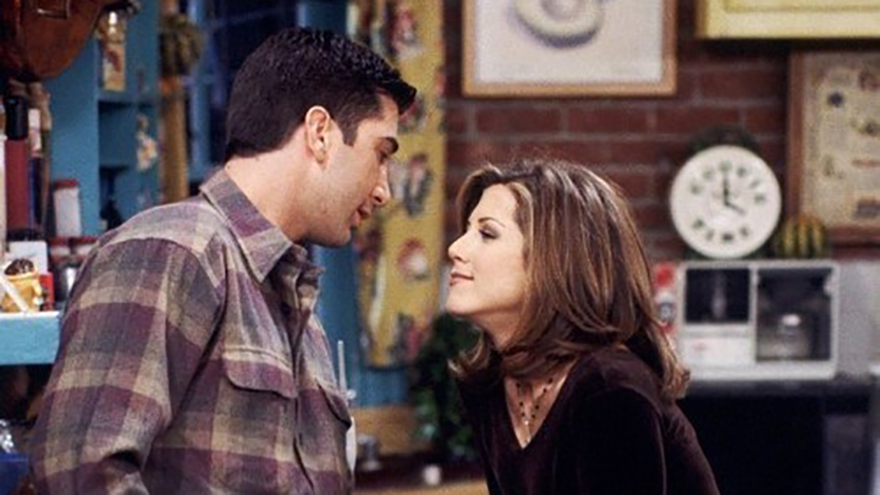
I think you can thank sitcoms like “Friends” and movies like “Clueless” for this sub-plot to fall out of favor. Personally, I blame Ross and Rachel for giving this theme a bad name. They took the whole friends-falling-in-love plot way too far. Towards the end, it was more annoying than compelling.

These days, this sub-plot isn’t as common as it used to be. I think a lot of romance fans were burned out on it in the 1990s and early 2000s. There’s only so many times a character can say in so many words “I didn’t realize that what I was looking for was right here in front of me” and sound genuine.

How To Fix It

Simply put, this sub-plot needs to shake up the setting. Too many times, a story about friends becoming lovers is built around one friend having had feelings for the other over many years. That can be sweet when done right, but it’s way too easy to be done wrong. These days, it almost comes off as a long con or stalking.

To fix it, the emphasis needs to shift towards two characters undergoing major upheavals. Perhaps they go through a tragedy or trauma that changes the way they feel about other people. It can’t just be restricted to their friend/lover, either. This upheaval should affect their entire world and from there, they come together in a new way.

It has the potential to show two characters go through major growth as individuals, which eventually turns into growth as a couple. That kind of growth can work wonders for any romance and could offer something more meaningful than old friends hiding their feelings.


Romantic Sub-Plot #2: Love Triangles

Why It’s Overdone

I’ve already made my hatred of love triangles very clear. I’ve gone so far as to cite one from the X-men as the worst of all time. Beyond the comics, though, it’s not hard to see cases of this sub-plot done horribly wrong. Even contemporary romance like “Twilight” and “The Hunger Games” have made this troubled trope more insufferable.

Simply put, love triangles reduce everyone involved to prizes or plot devices. It’s next to impossible to make every character in a love triangle feel like a real character. It turns romantic development into a competition and in the long run, nobody wins and certain characters lose badly.

How To Fix It

I’m tempted to say that love triangles should be abandoned and killed with a 12-gauge shotgun, but I’m not a fan of throwing away romantic themes, no matter how much I despise them. For this particular theme, I think it needs more than just a fix. It needs a complete overhaul.

By that, it can’t just involve two people competing for someone else’s affection. That gets old fast. If there is going to be a love triangle, then it should actually take the time to show why someone is torn in the first place. It needs to be clear that someone genuinely loves more than one person and there’s a reason for that love.

This is also a sub-plot that may benefit from shifting taboos. Non-monogamy is becoming more mainstream and there aren’t many real romance stories about that idea that aren’t bad pornos. A love triangle has to stop being an either/or plot and become a why/how plot. There needs to be a concerted effort to ensure everyone involved gets some sort of emotional resolution that doesn’t involve someone getting screwed over.


Romantic Sub-Plot #3: Destined Lovers

Why It’s Overdone

If you’ve gone through any high school English class or are just familiar with certain literary traditions, you’ve probably seen this in all kinds of media. “Romeo and Juliet” is probably the most famous, but it still shows up frequently throughout romantic media. It’s prevalent in movies like “Titanic” and comics like “Superman.”

Don’t get me wrong. I have a soft spot for star-crossed lovers who are destined to fall in love, but it’s a very bland sub-plot. There’s no real sense of conflict. You know two characters are going to end up together and where’s the intrigue there?

How To Fix It

For this sub-plot, I think a simple shift in context would help. Most romance featuring destined lovers emphasis how they come together, despite the obstacles in front of them. I think it might be more compelling to explore why these characters are star-crossed to begin with. Is it just destiny or are there other forces at work?

There are a lot of factors that go into romance, even those of the non-destined variety. Why not explore the concept of destiny, as it relates to love? Why not dig a little deeper into the intricacies of how it unites people so completely? That wouldn’t just offer a meta-perspective of love, as a plot device. It would give us all an opportunity to reconsider what it means to be in love.


Romantic Sub-Plot #4: Love At First Sight

Why It’s Overdone

This sub-plot is very similar to the destined lovers trope. It’s often a pre-cursor to two people finding out they’re destined to be together. For many of the same reasons, it’s pretty bland and basic. One character sees another, some sappy music starts playing, and the love story is effectively laid out.

We see it happen very overtly in “Romeo and Juliet” and “Titanic.” We see it manifest in some form in most romantic comedies. A character just sees someone they find attractive and that becomes the catalyst for their love. It’s sweet, but not very deep and it has just become too predictable at this point. When two people fall in love at first sight, what other story is there to tell?

How To Fix It

This one can’t be fixed with the same methods as the destined lovers sub-plot. This is one of those plots that doesn’t have to be radically altered, but definitely needs fresh nuance. Finding that nuance means injecting more than just love into the mix when two characters first meet.

The first encounter between two characters is always pivotal. It helps set the tone for their relationship, romantic and otherwise. To make this sub-plot work in new ways, characters need to intrigue each other in new ways. It can’t be enough that they’re attractive. There has to be something else about them.

Maybe the character has a skill that someone has never seen before. Maybe the character causes someone to re-think a past assumption. Maybe it sends them on a new journey that their love interest can join. There are many opportunities here. There doesn’t have to just be one.


Romantic Sub-Plot #5: Sex Complicating Love

Why It’s Overdone

This one is probably the most overtly sexual romantic sub-plot that also happens to be the most predictable. Ironically, it’s “Austin Powers: The Spy Who Shagged Me” that summed it up best. Things go from “Don’t worry, it won’t get weird” to “It got weird, didn’t it?” That’s every sex-complicating-love story in a nutshell.

This one also has the burden of being weighed down by long-standing sexual taboos. While it may seem like those taboos have faded in the 21st century, it’s still the slutty women and stud men who die first in slasher movies. Sex, even in a romance story, still comes off as something dirty that somehow undermines a romance.

Even though sexual attitudes have evolved a great deal, the idea that sex complicates/ruins a relationship hasn’t moved very far. It’s why sex tends to be an afterthought in modern romances. Sometimes, it’s ignored or assumed and that’s just a waste of quality sexual chemistry.

How To Fix It

As an aspiring erotica/romance writer, I’ve been working on that for years. While I can’t claim to have a definitive answer, I have surmised a few ideas turn sex from a complication to a catalyst. It doesn’t have to be overly titillating or pornographic, although that can work. It just has to supplement the romance rather than subvert it.

Sex in romance is often treated like an endgame. It’s marks the culmination rather than the progression of a relationship. I believe that’s a missed opportunity. In any romance, sex should function as a progression, of sorts. It takes the relationship to a new stage, one where new opportunities for emotional and personal growth emerge.

When two characters have sex, it can be more than just a chance to depict genitals and female breasts. It can be an exercise of intimacy where two characters strengthen their bond, rather than sully it. That gives greater meaning to the sexiness and nothing makes romance hotter than genuinely meaningful sex.

3 Comments

Filed under Marriage and Relationships, media issues, polyamory, romance, sex in media, sexuality

Why Men Should Also Be Concerned About The Future Of Roe v. Wade

108294094

These are tenuous times for abortion rights. Regardless of your gender, there’s no getting around the news. The overall trend in abortion access is not on the path of greater accessibility. If anything, it’s going in the opposite direction.

Regardless of which side you’re on in this exceedingly divisive issue, there’s no denying the legal reality. For the past 25 years, a woman’s ability to get an abortion has steadily eroded, thanks largely to the spread of TRAP Laws. These laws may not explicitly outlaw abortion, but they make getting one inconvenient at best and impossible at worst.

As I say in every piece I write about abortion, I don’t particularly enjoy talking about abortion. This is an issue that I feel I’m woefully unqualified to talk about because I’m not a woman and will never know what it’s like to be in such a difficult situation.

That said, there is an aspect about this topic that I feel needs to be addressed and it’s a part of the issue that impacts men. It takes two to make a baby, last I checked. Even though it’s objectively true that abortion affects women more directly, men do have a role and I feel that role will expand as abortion rights trend in a less-than-liberal direction.

As I write this, the United States Supreme Court is in the midst of a huge shake-up. After the retirement of Justice Anthony Kennedy, the justice system is poised to shift heavily to the right. That has caused plenty of concerns among those who worry about the status of Roe v. Wade, the Supreme Court case that legalized abortion nationwide in 1973.

At the moment, it still seems like a long-shot for this decision to be overturned. However, Supreme Court decisions have been overturned in the past. It happened with racial segregation. It happened with anti-sodomy laws. Legally speaking, there’s no reason why it couldn’t happen with abortion.

Now, that process is fraught with a long list of political, legal, and ethical complications, the least of which would be the long-term alienation of whatever political party favors it. However, I don’t want to harp too much on the politics here. Instead, I want to focus on the social component because that’s where the effects will be most directly felt.

Women, by far, will be the most directly impacted. There are still women alive today who can recount what life was like before Roe v. Wade. Their stories are becoming more relevant. For men, however, I don’t think those stories are as well-known and for good reason. Women had to endure bearing those unwanted children. At worst, men just found themselves on the wrong end of a shotgun wedding.

If Roe v. Wade were overturned, however, that wouldn’t be the only predicament most men faced. Beyond the abortion issue, 1973 was a very different place. In that world, it was possible for a man to just skip town, run out on a pregnant woman, and never interact with her again. While that man would have to be a callous, irresponsible asshole, it was possible and it did happen.

That sort of thing isn’t as easy to do today. Anyone who has seen a single episode of Maury Povich knows that. Between social media, improvements in paternity tests, and tougher child support laws, most of which came after 1973, it’s a lot harder for a man to escape parental obligations. It’s not impossible, but it’s not as easy as just skipping town.

In a world where women cannot easily end an unwanted pregnancy, there will be greater incentive to find these reckless men and hold them responsible. Where there’s an incentive, especially one that has the potential to become a lucrative legal racket, there will be people and businesses that emerge to fill that need.

How that manifests is hard to determine, but desperate people will find a way and you won’t find many more desperate than a woman dealing with a child she can neither afford nor care for. I know a sizable contingent of people, many of which are probably men, will blame the woman for being promiscuous. That still doesn’t change the basic equation of human reproduction.

Two people are involved. Those people, in a world where decisions about a pregnancy are pre-made by the law, are going to be in a tough situation. Regardless of whether a pregnancy was the result of an accident, a crime, or an extortion plot, there will be serious ramifications and not just in terms of legal fees.

The story of women enduring the rigors and hardship of an unwanted pregnancy are many. However, the story of men living in a world without Roe v. Wade and modern child support laws haven’t been told yet because the circumstances haven’t been in place. On the day Roe v. Wade gets overturned, those stories will begin and those are stories men don’t want told.

They’re not very sexy stories, to say the least. They have sexy moments, but extremely unsexy outcomes. Picture, if you can, the following scenario that may play out in a world without Roe v. Wade.

A young man with plenty of dreams has a one-night stand with a woman in a lone act of recklessness. The woman ends up pregnant. Since they live in a state where abortion is illegal, she has to have the child. The man has no idea for months until the woman tracks him down through the courts, forces him to take a paternity test, and confirms that he’s the father.

With no say in the matter, he’s legally liable for child support for the next 18 years. The woman, without any of his input, decides to keep the child instead of putting it up for adoption. The man resents the woman for making this decision without him, but begrudgingly goes along with it, if only to avoid the stigma.

Years go by and his life becomes more of a struggle. He can barely afford to support himself due to the child support payments. He and the mother of his child are constantly at each other’s throats, going through legal battles over how much support is needed and how much access he should have to his child.

Between the legal and financial struggles, both end up in poverty. Their child ends up in poverty too, growing up in a broken home. In a world where there are few choices for women and fewer choices for men, there are plenty others.

Does that sound like an appealing, functional society? Does it sound like one that benefits men, women, and children in any capacity? You don’t need to be a liberal, conservative, or a Supreme Court Justice to understand why such a society is undesirable.

Some of this isn’t even speculation. There have been societies that have outlawed abortion completely. Those societies didn’t prosper. They didn’t benefit men, women, or children. However, the lessons from those societies will probably not faze the anti-abortion crowd. I doubt they’ll give any judges or legislators pause as they push for more restrictions.

The impact of these laws will be felt first by the women. They still bear the children. They’ll still suffer the most negative effects at first. Those effects will quickly find their way to the men, as well. Unlike the men prior to 1973, they won’t be able to escape it.

As a man, there’s only so much I can bring to the table in the abortion debate. However, given the current laws surrounding child support, child rearing, and parental rights, there are more than a few issues that should give men cause for concern. Even if you’re a man and you consider yourself anti-abortion, there’s one inescapable truth. A world without Roe v. Wade is going to impact everyone.

4 Comments

Filed under gender issues, human nature, Marriage and Relationships, media issues, men's issues, outrage culture, political correctness, sex in media, sex in society, women's issues