Tag Archives: social justice

No, Porn Is NOT A Public Health Crisis (But Our Attitudes About It Are)

porn-industry

In his book, “Sex and God,” which I highly recommend, author Darrel Ray tells a brief, but revealing story about the topic of porn addition. It goes something like this:

One day, an anxious and distressed man walks into a therapist’s office. He tells the therapist he’s addicted to porn. He spends no less than six hours a day watching, masturbating at least three times in the process. Needless to say, this habit has completely disrupted his life.

He struggles to hold down a job. He struggles to maintain a relationship. His porn consumption is so all-encompassing that it is a serious detriment to his day-to-day living. He desperately seeks help and the therapist listens intently, hoping to help this man overcome this issue and forge a healthier life.

The next day, another anxious and distressed man walks into the same therapist’s office. He also tells the therapist he’s addicted to porn. However, when the therapist asks how much porn he consumes, the man says he watches only a few hours every week. He does masturbates, but not every day and never more than twice.

He holds down a steady job. He has a wife and kids that he loves dearly. He also comes from a deeply religious community where he’s widely respected. He’s terrified that someone will find out that he watches porn or masturbates. The guilt he feels is so serious and he desperately seeks help.

The therapist still listens intently, but has to find a way to explain to the man that the porn itself is not the problem. It’s the undue guilt he feels that’s causing all these issues.

It’s a basic story, but one that reflects the strange, eccentric nature of our attitudes towards porn. It exists. It’s legal. It’s a multi-billion dollar industry, complete with some of the most heavily trafficked websites on the internet. There have been efforts to ban it in the past, but those efforts rarely succeed. Even in non-democratic countries, porn finds a way to feed the human libido.

Image result for anti-porn crusade

Despite this, there are still efforts by regressive people on both sides of the political spectrum who see porn the same way others see crystal meth. It’s not just an addictive drug. It’s one that has seriously detrimental side effects on those who use it and society as a whole. It’s one of those strange sentiments that both radical feminists and right-wing conservatives share for different reasons.

I don’t want to focus too much on the reasons for those sentiments, nor do I want to break down all the reasons why I believe they’re misguided. That’s not the reason I’m writing this article. In general, I try avoid talking about these sorts of moral crusades because, like other notable crusades, they tend to be more spectacle than substance.

That said, I have noticed the anti-porn crowd shifting their tactics in their quest to temper human desire. Rather than push for outright censorship, which is rarely popular in democratic societies, this crowd is attempting to label porn a public health crisis.

Image result for anti-porn crusade

The government of Utah, the current title holder for most porn subscriptions by state, was the first to declare porn a public health crisis back in 2016. Other states have followed, but the most notable is Florida, who managed to declare it a public health crisis after denying a ban on assault rifles.

Let that sink in for a moment. Florida says that porn is a crisis that warrants greater scrutiny than assault weapons, which actually kill people. If that doesn’t show just how flawed our attitudes are about porn and guns, then I don’t know what does.

Bear in mind that just declaring porn a health crisis has limited effect beyond bad PR for the business. A government cannot censor porn any more than they can shut down another multi-billion dollar industry with massive global reach. As CNN reported, it’s more a symbolic gesture, which is just a fancy way of saying it’s one huge act of virtue signaling. It’s as empty and worthless as any declaration can possibly be.

Image result for anti-porn crusade

While this crowd will eagerly cite studies that claim porn leads to all sorts of negative behaviors that destroy families and relationships, they’re just as eager to ignore the many flaws in those studies. They’ll also ignore data that suggests an increase in porn consumption actually decreases instances of sex crimes.

As I’ve noted before, human beings are complex, multi-layered creatures. Porn is just one of those few things that impacts a wider range of those complexities than most. It strikes at our moral values, our understanding of intimacy, our insights into sex, and our concept of love.

For some people, it has no effect. For some, it has a positive effect. For others, it has a negative effect. You could say the same thing for everything from fast food to video games to stamp collecting. When it comes to the effect, it depends on the attitude of the individual and how they’re wired.

Image result for anti-porn crusade

The republican party in America has made no secret of their attitudes towards porn. That attitude is not unlike the one of the second man who walked into the therapists office that I described earlier. It’s not the porn that made him feel so damaged. It was his attitude and overbearing guilt, which is often religiously motivated.

It’s for this reason that organizations like the American Psychological Association don’t put porn addiction in the same category they do with substance abuse. They’ve noted that the vast majority of porn consumers rarely suffer ill-effects. For some, it even provides significant benefits.

There is, however, a small subset of the population that struggles with it. By small, I mean less than 10 percent. These people are, in their own minds, hopelessly addicted to porn. However, when compared to the prevalence of alcoholism or prescription drugs, porn is hardly a fair comparison. That’s not to take away from the suffering of those people, but there is a context to it.

Image result for anti-porn crusade

Porn is not like a chemical you inject into your brain to directly evoke a particular effect. It’s not sort of mental conditioning, either. For those addicted to it, as with other addictions, there are other factors involved. It’s not the porn itself as much as it is the mentality behind it.

Maybe someone is using it because they’re just a lot hornier than the average person. Maybe it’s because they’re not getting enough sex from their current personal life. Maybe it’s because there’s a particular aspect of their sexuality that they cannot otherwise explore. Whatever their reason, the damage only gets worse when they’re racked with guilt about it.

Image result for racked with guilt

Everyone’s experience with porn, sex, and everything in between is different. Actor Terry Crews claimed he battled porn addiction, but absent any larger context, it’s hard to know whether porn was actually the problem or whether it was an effect of something else.

That’s the ultimate irony of calling porn a public health crisis. It attempts to label an effect as a cause, which isn’t just asinine. It’s utterly backwards and detracts from other, more substantive issues. By calling porn a crisis, it creates the sentiment that there’s this one, simple target that’s the source of all these complex troubles.

I can already spoil the outcome of that effort right now. Even if porn disappeared tomorrow, those troubles would remain. Those attitudes would continue hurting those who were addicted. It won’t solve any problems. It’ll just redirect those issues, waste time, needlessly spend taxpayer money, and further undermine our ability to be comfortable with our sexuality.


Related image

4 Comments

Filed under Current Events, gender issues, sex in media, sex in society, sexuality

Boredom Vs. A Lack Of Belonging: Which Drives Outrage Culture More?

http3a2f2fi-huffpost-com2fgen2f45348782fimages2fn-group-holding-hands-628x314

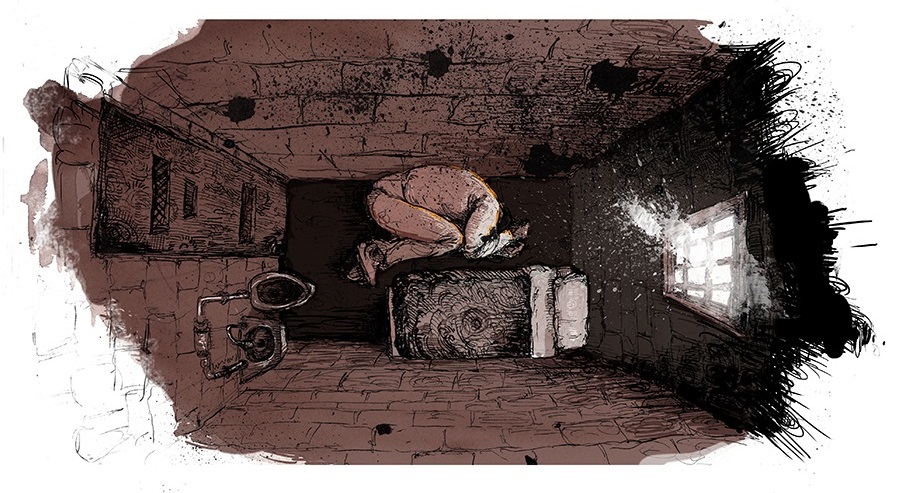
Here’s a quick non-rhetorical question. Which is worse, crippling boredom or social isolation? There’s no right answer, but every answer has distressing implications. More than anything else, those answers reinforce why solitary confinement is rightly considered torture.

I ask that question because I had an interesting conversation with someone on Reddit about what drives certain people to be constantly outraged about whatever happens to be controversial that day. I’ve talked a bit about outrage culture before and how professional trolls exploit them, but I haven’t really dug into the mechanisms behind it. Given how new controversies seem to trend every day, I think it’s worth scrutinizing.

In the discussion, I singled out boredom as a possibly underrated factor. Having highlighted the power of crippling boredom, I felt qualified to make the case that boredom may very well be an understated, under-appreciated cause. I still feel there’s a case to be made.

In the grand scheme of things, humanity is in uncharted territory when it comes to boredom. For most of human history, we had to live our lives under the constant threat of plague, famine, war, and natural disasters. Whether we were hunter/gatherers or subsistence farmers, life was chaotic and unpredictable.

Say what you will about those harsh, pre-modern eras, but they weren’t boring. They couldn’t be. There was always work to do. Given the lack of effective birth control, there were children to raise. Even if social media had existed 100 years ago, who would have the time or energy to even be outraged about a man wearing a sexist shirt.

Fast forward to the 21st century and things like war, famine, disease, and crippling poverty are all in decline. This is objectively good on so many ways, but for some people, especially in well-to-do middle class people, it leaves a large void that quickly becomes boring if not filled with something. Sometimes, it can get so bad that it can lead to outright murder.

When I made this argument, I think more than a few people took it seriously on Reddit. It was easy to see how someone whose life is so affluent and devoid of heart-pounding conflict that they will latch onto petty outrages just so they can feel something. Like someone stuck in solitary confinement, they’ll do anything for some sort of stimulation beyond counting the tiles on the floor.

Given how our brains can’t always discern the source of arousal, sometimes it’ll settle for whatever adrenaline rush we get from righteous outraged. Some go so far as to call the rush we get from outrage an addiction and it’s not a wholly inaccurate idea.

However, one person in that discussion pointed another element that also relies on that part of the brain that can’t always discern what gets it aroused. Instead of combating boredom, though, this issue deals with our inherent need to join a group and become part of a larger movement.

It’s very much an extension of tribalism and, like seeking stimulation when there is none, human beings are well-equipped by evolutionary biology to form groups. Whether we’re a small band of hunter/gatherers or a group of Taylor Swift fans, it doesn’t take much for us to form those groups and our brains reward us greatly.

Being part of a group feels good. Being part of something gives us a rush. It’s a major reason why peer pressure works and why tribalism often overrules reason. That solidarity we feel when we’re part of a group isn’t just intoxicating. It’s a fundamental component of any highly social species, which includes humans.

What this means for those constantly outrage isn’t that far off from the implications relating to boredom. Like boredom, our current society is pretty unprecedented in terms of how easy it is to form a close-nit group and share in that solidarity that has been driving our species since the hunter/gatherer days.

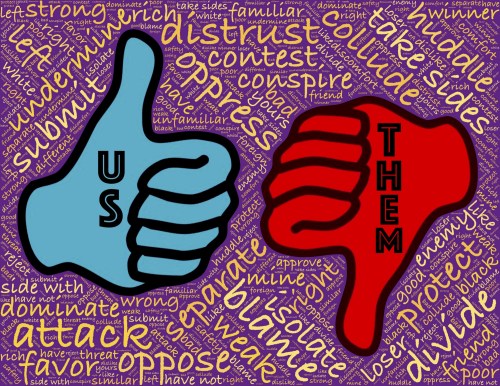
Thanks to social media and mass communication, it’s possible for people to do more than just share their opinions, no matter how outrageous they might be. It’s also possible to connect with those who either share in those opinions or despise them. In terms of forming a tribe, it’s a two-for-one-deal because it creates both a sense of “us” while revealing a “them” to rally against.

For anyone who has spent any amount of time on social media, it doesn’t take much to see the whole us versus them mentality to take shape. If any amount of disagreement goes on long enough, Godwin’s Law usually takes over and the battle lines are set.

On top of this, the social issues in 2018 aren’t quite nearly as clear-cut as they were in decades past. In the past, there were some pretty egregious injustices surrounding civil rights, women’s rights, and LGBT rights that required major social movements to combat. By and large, society has done a lot to improve the state for these marginalized groups.

There’s no question that being part of such righteous movements is laudable. We, as a society, rightly praise civil rights leaders who stand for such righteous causes. Naturally, some people seek to emulate that. Whether by ego or altruism, it’s only natural that they want to experience that kind of accomplishment.

Thanks to the sheer breadth of human progress, though, there causes on the levels faced by Martin Luther King Jr. or Mahatma Gandhi. However, because that drive to be part of a movement is just that strong, those same people will settle for pettier movements that protest sexy women in video games or bemoan the lack of diversity in old TV shows like “Friends.”

Make no mistake. Those outrages are petty and asinine when compared to the real injustices that past social movements have fought, but the brains of the outraged can’t tell the difference. From their perspective, their movement is every bit as righteous as every other civil rights movement in history. The outrage they express and the solidarity they feel is every bit as fulfilling as something that alleviates boredom.

Even if these causes are petty and the outrage is shallow, it’s important to note the alternative here. If these same people who protest the lack of diversity in the tech industry didn’t have this sort of thing to drive them, then what would happen to the group they’d formed?

Absent that outrage and protest, the group has nothing to rally behind. The person has nothing provoking arousal, be it anger or excitement. Without this dynamic, they don’t belong to something bigger anymore. They’re not the ones marching alongside famous civil rights leaders of the past. They’re just alone, by themselves, contributing nothing of value.

For many people, that’s just untenable. I would go so far as to say it’s almost as untenable as crippling boredom. Even self-proclaimed introverts and ardent individualists, we seek an identity and a constant source of stimulation. When we lack one or both, we lack a core element of any social species. In the same way we’re driven to meet the rest of our basic needs, we’ll be driven to find that somewhere, no matter how misguided.

In the past, we might have found that sense of belonging and purpose through our small communities or organized religion. Today, the world is much bigger and more diverse, thanks to technology and civilization. Organized religion is also not effective anymore due to factors too numerous to list. People are still going to seek belonging.

It’s somewhat ironic that civilization has advanced to such a degree that there aren’t as many clear-cut, good versus evil movements to be part of anymore. However, there’s still this longing to be the hero of our own story and be part of something greater, even if it means actually going out of their way to feel outraged.

Getting back to the initial question I posed, I think the influence of boredom and belonging are inherently linked. We agonize over escaping boredom and over having a sense of belonging. We can’t get that same rush our ancestors felt when surviving bear attacks and hunger so we’ll settle for whining about protests during football games. It’s still annoyingly petty, but distressingly understandable.

4 Comments

Filed under Current Events, gender issues, Reasons and Excuses, War on Boredom

Finding Greater Hope In Disturbing News

Every now and then, there’s a news story that comes along that’s so disturbing, so horrific, and so utterly offensive to every level of decency that it makes me question the faith I have in humanity. I know I’ve said before that I genuine believe that people are naturally good, at heart. I’ve even shared stories about how I came to believe this. However, there are times when that believe is tested.

Last week, I got an unexpected test in the form of one of the most disturbing news stories I’ve heard that didn’t involve a mass shooting. At least with mass shootings, it presents the opportunity for good people to show their strength in the face of those who are truly deranged. In this case, there were many of those opportunities to say the least.

While the story is still unfolding with each passing day, it has already made national headlines. It involves the now-infamous Turpin family and the unspeakable horrors they inflicted upon their own children. To those of you who haven’t heard this story, consider yourselves lucky. This is one of those stories that tests both your stomach and your soul.

The details are disturbing to recount. They involve abusive parents, abused kids, gross neglect, intentional malnourishment, and all the disturbing forces in between that drive such deviant behavior. The full story is still unfolding, but accord to a report from ABC News, these are the current facts:

An investigation is underway in California after 13 siblings – ages 2 to 29 – were allegedly held captive in a home, some “shackled to their beds with chains and padlocks,” the Riverside County Sheriff’s Department said in a news release.

Parents David Allen Turpin, 57, and Louise Anna Turpin, 49, were arrested in the alleged torture and child endangerment case in Perris, California, about 27 miles south of San Bernardino.

The investigation began early-Sunday morning when a 17-year-old girl apparently escaped from the home and called 911, saying her 12 brothers and sisters were still being held captive there, the sheriff’s office said.

Responding officers said the teen “appeared to be only 10 years old and slightly emaciated.”

Inside the home, several children were “shackled to their beds with chains and padlocks in dark and foul-smelling surroundings,” the sheriff’s office said. “The victims appeared to be malnourished and very dirty.”

Seven of the alleged victims were adults, ranging in ages from 18 to 29, the sheriff’s office said. The others were children as young as 2. The siblings – who authorities say claimed to be starving – were given food and drinks and interviewed, the sheriff’s office said. They were then hospitalized for treatment, the authorities said.

I’m not going to lie. I felt sick to my stomach reading this story. The idea that anyone, let alone parents, would do these sorts of things to children is pretty disturbing. While there are all sorts of crazy theories circulating about the psychology behind such sadistic behavior, the full truth will probably never be known. Besides, the damage has been done. These children will probably carry some deep scars for the rest of their lives.

News stories like these often remind us that as amazing a species we are, there are still parts of it that are undeniably devious. While I prefer to emphasize the good in people, as well as the progress we’ve made, it’s neither logical nor just to ignore the bad. Parents torturing, neglecting, and abusing their children is objectively bad by any sane measure.

As awful as it is, however, it’s still important to balance out the terrible with the hopeful. In most great atrocities, there are often glimmers of hope. That may seem impossible for a story like this, but it is there if you look. The horrors of the holocaust were undeniable, but even that darkest of periods can reveal moments of true heroism and inspiration.

Even with that in mind, how could anyone find such moments in a story like this? Something this atrocious makes that difficult. However, the moments are there. Even if the worst of this story has yet to come out, there are some powerful lessons to be learned. Here are just a few.


Bright Spot #1: Atrocities Rarely Stay Hidden (Especially These Days)

There was once a time when it was much easier to hide from the authorities and public scrutiny. A truly sadistic person could take their victims out into the vast wilderness, away from prying eyes, and commit their atrocities without much risk of getting caught. For most of human history, that was the norm and not the exception.

It’s different today. Thanks to modern infrastructure, the media, and mass communication, it’s much harder to hide these sorts of atrocities from the public. That’s especially true in a modern, industrialized country where we have internet, emergency services, and a semi-functional justice system.

If the Turpin family had lived in a less developed country, chances are their crimes would’ve gone unpunished. Even if one of their children had escaped, they probably wouldn’t have been able to get proper help or convince the authorities to aid them. In some parts of the world, those authorities don’t even exist.

Say what you will about the state of the industrialized world. It certainly has its flaws. However, when it comes to committing atrocities on children, those crimes are hard to hide and are rightly condemned. That counts as both progress and justice.


Bright Spot #2: All That Abuse Did NOT Prevent The Children From Escaping

Even though the Turpin family couldn’t hide their atrocities forever, they still managed to hide them for much longer than most people will ever be comfortable admitting. One of the ways they hid it was to condition and control their children to an extent not seen outside of a North Korean prison camp.

Stories of the sheer breadth of the neglect these children suffered are still coming in, but one thing is clear. The parents of these children worked tirelessly to control every aspect of their lives. They were sheltered, starved, restrained, and completely cut off from the outside world. By all accounts, there was no outside world, except the world their parents wanted them to see.

Despite all this, though, one of these kids still found the strength and the will to escape. The only reason these crimes were even exposed was because the 17-year-old daughter climbed out a window and managed to call 911. The fact that this girl, despite all the abuse and deprivation, still found the will to escape says a lot about her and the human desire for freedom.

As repressive as these parents were, it still wasn’t enough. They still sought to escape. The strength of the girl who managed to escape cannot be overstated and it highlights, what I believe, is the biggest takeaway from this otherwise horrific story.


Bright Spot #3: It’s REALLY Hard To Control/Break Someone


hope

No matter how disturbing this story gets or what kind of horrific details emerge in the coming weeks, there’s one important lesson we should all take from such a disturbing crime. No matter how much a person is abused or how much someone tries to control them, it’s extremely difficult to completely break them.

These children, including the girl who escaped, were conditioned from birth to live under their parents’ authority. They grew up literally not knowing any other way to live. As far as they knew, the idea of not being controlled by their parents was an alien concept. In terms of controlling and/or breaking someone’s will to resist, the parents had every circumstance working in their favor.

Despite all that, they still failed. They still could not completely control their children because they still tried to escape. It only took one of them to succeed to make the point. No matter how strict the control or hard the abuse, they can’t subvert the natural desire to be free. If nothing else about this terrible story inspires you, let that be it.


I don’t wish to dwell too much on this story, if only because much of it is still playing out. While we shouldn’t discount the horrors involved, there are some small bits of hope that we can glean from such a story. It may not completely overshadow the breadth of the atrocities, but it should remind us that as flawed as the human race may be, we will fight such atrocities when we confront them.

3 Comments

Filed under Current Events

The Devastation Of Alienation On Our Sexuality (Among Other Things)

When I was growing up, the concept of alienation only applied to grunge rock, heavy metal, and whatever other media disaffected youth used to voice their dissatisfaction with the world around them. Being such a miserable teenager myself, I thought I understood that sentiment to some extent. As I’ve gotten older, I’ve realized that there’s a lot more to it.

Alienation has been in the news a lot lately, but it’s not one of those annoying contemporary buzzwords like “toxic masculinity.” It’s actually a term with a dictionary definition, which also has some philosophical backbone that goes back centuries. Like most philosophical terms, though, it has undergone some revisions over the years.

Rather than get into the long, tedious path the idea of alienation has taken, I want to apply it to our current situation. In addition, I’m going to analyze alienation the same way I often do with superhero comics in that I’m going to apply it to sexuality. I doubt that’ll surprise long-time readers of this blog, but I also doubt it’ll surprise anyone who has observed recent societal trends in how we approach sex in society.

Without question, there is a sense of alienation going on in our collective sex lives. While it doesn’t affect everybody, especially the billionaire rock star/celebrity crowd, it does affect some people more than others. I imagine I’ll upset or offend some people by identifying parts of that crowd, but I need to take that chance to make my point.

The basics of alienation are simple. According to Dictionary.com, the definition is as follows:

  • The act of alienatingor of causing someone to become indifferent or hostile.
  • The state of being alienatedwithdrawn, or isolated from the world, through indifference or disaffection.
  • The act of turning away, transferring, or diverting.

Within the scope of this definition, you probably know someone who has experienced this type of feeling. At the very least, you knew someone growing up who just felt left out of everything and went out of their way to detach themselves from the rest of society.

Their reasons for doing this vary. Some have serious mental health issues. Others are driven to alienation by economic factors like poverty. Some even go so far as to say that our modern form of capitalism is an inherently alienating force. The entire premise of “Fight Club” actually revolves around that idea, as so wonderfully articulated by the folks at Wisecrack.

With respect to sexuality, though, alienation is a bit trickier. So much attention has been placed on how powerful men solicit sex from beautiful women or how women struggle to maintain some semblance of sexual freedom that it’s hard to see the forest from the trees. Being both a man and an aspiring erotica/romance writer, I’m going to make an effort.

I don’t doubt for a second that alienation affects the sexuality of all genders. Sex, especially if you’re not having the kind that fulfills your needs and desires, can be pretty alienating. We humans are wired to want, seek, and enjoy sex. Given the crude and clunky nature of biology, in general, it’s bound to get distressing and disorienting.

For centuries, women were more prone to sexual alienation than men. That’s because, until relatively recently, their sexual choices were made for them. They didn’t get to choose their spouse. They didn’t get to live their own lives or explore their sexuality with a variety of partners. In fact, doing so might actually be detrimental to their safety.

When you have no choices and much of your life is controlled by others, it’s easy to feel alienated. You have no agency, control, or freedom to even know what you want sexually. That led to a lot of unsatisfied, desperate women.

Conversely, men weren’t just allowed to fool around on their spouses. In fact, it was kind of expected. In that respect, not having a mistress might actually be alienating. Men who loved their wives too much were even criticized.

Then, in the late 20th century and into the 21st century, the pendulum swung in the other direction. The women’s rights movements and the rise of modern feminism gave women more control of their sexuality. For the most part, modern women can explore their sexuality and enjoy a level of sexual freedom once reserved for aristocratic men with a legion of mistresses.

By and large, this has been a good thing. In fact, greater gender equality with respect to sexuality might actually be more conducive to our caveman brains. The sexual practices of Bonobo apes are a testament to that. However, in some respects, the pendulum has swung so far in the other direction that the alienating forces are hitting another group.

I’ve mentioned it before and it seems to be an ongoing trend. With the rise of third-wave feminism and political correctness, all the evil and ills of the world are attributed to horny men seeking sex from beautiful women. It’s very much a double standard that seems to be intensifying with each passing year.

Whereas a man trying to seek sex with multiple women are more likely to be seen as a misogynist pig, women seeking sex are seen as empowered. Sure, there’s still slut-shaming, but a good chunk of that actually comes from other women. It’s almost paradoxical in the sense that a woman will be criticized, no matter how much or how little she decides to exercise her sexual freedom.

That too can be alienating, but those same women can take comfort in the knowledge that they’re the sexual gatekeepers. They’re the ones who give the consent. They’re the ones who decide whether a man is getting sex. If the man has a problem with that choice, then he can be subject to serious consequences, even if he misinterprets the message.

The recent surge of sex scandals and the growing emphasis on consent has put a lot more pressure on men, especially those who aren’t rich, well-connected, or attractive. In terms of raw numbers, that represents the vast majority of men, myself included. Some call it the 80/20 rule of dating, but I prefer to think of it as a greater alienation complex.

By that, I mean the existing standards and methods for men seeking love, sex, and intimacy make most men prone to a sense of alienation. I won’t say it’s as bad as it was for Victorian Era women, but alienation is difficult for anyone, regardless of time, circumstance, or gender.

The situation for men is akin to playing a game in which you know other players cheat and/or have inherent advantages, but there’s nothing you can do about it. On top of that, the standards are so high and the margin for error is so low that, from a distance, it seems impossible. It creates this distressing sentiment that you will never find the love or intimacy you seek.

I’m not going to lie. I’ve looked in the mirror on some mornings and felt that way, especially in my awkward, acne-laden teen years. I like to think I’ve gotten better over the years because I’ve worked on myself, gotten into shape, and made myself more attractive to the opposite sex. However, I understand that there are plenty of men who struggle to do that or don’t have the same opportunities.

For them, the alienation is almost unavoidable. They see the marketplace for love and sex, but don’t see any opportunities. Sure, they can still play the game, but it would be like a toddler trying to win a boxing match against Floyd Mayweather. It just doesn’t seem worth it.

Within the current system, the structures in place ensure that there will always be a sizable chunk of men who are left out of the sexual landscape. They’re not the only ones either. Women who are either unattractive or not inclined to play by the evolving rules of that landscape will be just as isolated. So long as those standards are so rigid, there will be a lot of sexually unsatisfied people in this world.

From a pragmatic standpoint, our current approach to sexuality fails the Stanhope Principle. Society cannot function or progress with such a system. Any system that has such large groups of people feeling alienated and left out is inherently unstable. Karl Marx, however you feel about him and his ideas, made that obvious years ago.

For now, we can only do so much to adapt the current system. The sexual alienation that people feel will continue to evolve, for better and for worse, in accord with major trends. If history is any guide, though, the sexual landscape will continue to change. Whether or not that’ll mitigate or intensify the alienation remains to be seen.

3 Comments

Filed under gender issues, sex in society, sexuality

Aziz Ansari: A Case Study Of He Said/She Said And Impossible Justice

775097771ph00038-official-v

Ordinarily, I prefer to wait until an ongoing scandal involving a celebrity dies down before I comment on it. In my experience, it takes time for the full story to emerge. Most of the time, a more complete story tends to render any premature comments moot. John Carpenter recently provided a notable example of why such prudence is important.

That said, there are times when patience is also moot because the narrative follows an all too familiar pattern. It becomes so predictable that you can practically set your watch to it. Over the past several months, especially since the Harvey Weinstein scandal, we’ve seen that pattern play out in all sorts of disheartening ways. That’s why I’m opting not to wait on offering comments on Aziz Ansari.

By now, everybody with an internet connection, a social media feed, and a predilection for celebrity meltdowns knows the story. Aziz Ansari is the latest case of the Weinstein Effect. His name has officially been added to the growing list of male celebrities being accused of sexual misconduct.

The story first broke on Babe.net where a 23-year-old Brooklyn-based photographer calling herself Grace, which isn’t her real name, told a very distressing story about a night she had with Ansari. That story reads like a bad date, but still echoes with some of the same themes that Harvey Weinstein has helped make infamous. Naturally, this story is already striking a chord with the ongoing anti-harassment movement.

The way Grace tells it, she got into a situation that she lost control over and Ansari took advantage of that situation. I don’t want to get too caught up in the details. They’re just too unsexy, even for an aspiring erotica/romance writer.

Before I even attempt to comment, it’s worth pointing out that Grace said herself that she confronted Ansari about this privately. On the surface, it seemed like a terrible example of miscommunication and mixed messages. According to the article, this was the exchange.

Grace: I just want to take this moment to make you aware of [your] behavior and how uneasy it made me.

Ansari: Clearly, I misread things in the moment and I’m truly sorry.

If this had occurred several years ago, that probably would’ve been the end of it. The incident would’ve been a nasty experience for Grace and an uncomfortable memory for Ansari, but it probably wouldn’t have made the news, outside a few disreputable tabloids. Since powerful men harassing women has become a far greater issue, though, this is now national news.

It’s already generating the kind of divisive arguments that have been cropping up since the Weinstein scandal. Supporters of the anti-harassment movement are siding with Grace, accepting her story as another example of powerful men exploiting women. Opponents, including a few celebrities, are saying this movement is going too far and devolving into a man-hating witch-hunt.

Neither side is going to convince the other they’re wrong. Both sides have plenty of rhetoric to make their point. When I look at this story, though, I see far greater forces at work. I also see a devolving situation that is doing more to divide people in lieu of addressing real issues surrounding men, women, consent, and harassment.

When you read over Grace’s story and then read the statement Aziz Ansari issued in response, there’s one inescapable fact. It’s impossible to vindicate or disprove either version of the story. It is very much a classic he said/she said ordeal. She said he assaulted her. He said everything they did was consensual. There’s no way to be certain.

Sure, there’s a distinct possibility that one of them is lying. Everyone, celebrity and non-celebrity alike, is prone to lying. There have been documented incidents of women falsely accusing men. There have been men who have lied and gotten away with sexual misconduct. However, without knowing more details about the incident, it’s not possible to truly know.

Me being a guy who places a lot of faith in people, I suspect that both Grace and Ansari believe they’re telling the truth. I believe that if you hooked them up to a perfect lie detector, it would verify that both of them believe their respective stories with all their hearts.

This sounds like an impossible position until you remember that our memories are not very reliable, especially when it comes to unpleasant memories. Beyond simply not remembering the details of a terrible situation, our brains are wired to avoid the kind of mental discomfort that comes with enduring or committing a sexual assault at all costs, even if that means mis-remembering the truth.

It’s because of this that the he said/she said nature of stories like this is difficult to process. It creates a scenario that’s different from most other crimes and injustices. There’s no dead body. There’s no lost or damaged property. There’s nothing tangible to highlight the crime or misdeed. There are only two conflicting stories. As a result, it leads to a situation of impossible justice.

Even if everything Grace described happened exactly as she said it did, there’s no way to prove it in a courtroom or even a civil case. Even if Ansari is one-hundred percent innocent and is the victim of an elaborate extortion plot, there’s no way to prove that either, absent a confession or new information.

In both instances, there’s an injustice being committed. Since humans are wired with an innate sense of justice that shows even when we’re infants, that situation is untenable in our collective minds. People hear a terrible story like Grace’s and that inner justice system goes into overdrive.

Since we don’t have the time, energy, or even the capabilities to gather all the facts, we’re left relying on a certain degree of prejudice. This is where the impossible justice of he said/she said gets real ugly and this scandal with Ansari demonstrates it. When people start relying on prejudices, it tends to bring out the worst in humanity.

For those who believe our culture is full of entitled, misogynistic men who see women only as objects to be owned, then their prejudices will be reinforced by this story. For those who believe the movement against sexual misconduct is going too far and all men are being demonized, this story does the same.

That’s greatest tragedy of an impossible justice. It gives certain people the anecdotal evidence they need to further their agenda. It also gives those who stand against that agenda even more incentive to fight back. In the end, it only serves to heighten hostilities and intensify the rhetoric.

At a time when men and women are increasingly divided, especially in matters pertaining to sex and intimacy, this sort of story really drives us in all the wrong directions. It frames all men as sleazy pigs who jump at any opportunity to harass a woman. It frames all women as victims who must fight back against everyone and everything attacking them, real or imagined.

For me, personally, this story makes me sick to my stomach because it’s one of those stories that’s perfect for pushing an agenda, but not for pursuing justice. If what happened to Grace is true, then I’m in favor of having Ansari face justice for his misdeeds. I say that as someone who has been a fan of his comedy and his work on “Parks and Recreation.”

As it stands, though, there’s not enough evidence beyond the he said/she said dynamic to convict anyone of a crime. Absent that kind of justice, people are filling in the blanks with whatever gender-driven prejudices they want to strengthen.

In my personal opinion, which may put me at odds with both sides, I believe that there’s a third version of this story between Grace and Ansari that is closer to the truth. In that version, Ansari isn’t a total gentleman and Grace isn’t a hapless victim either. It’s just an experience that becomes awkward and unpleasant for them, the memories of which later get conflated and influenced by outside sources.

In the end, it’s still impossible to know for sure. Short of high-definition video, unambiguous audio, and an ability to read the exact thoughts of both Grace and Ansari during those moments when they were together, we can’t know how consensual or hostile the situation was between them. It messes with our desire for justice, especially when it comes to how men treat women.

In seeking that justice, though, it’s important to remember that there are instances where the truth isn’t just elusive. It’s physically impossible to ascertain. In those instances, trying to fill that uncertainty with agendas will only lead to more injustice in the long run for everyone.

7 Comments

Filed under Celebrities and Celebrity Culture, Current Events, gender issues, sex in media, sex in society

Social Context Versus “Toxic” Behaviors: Why The Difference Matters (A Lot)

There’s a fairly well-known set of experiments involving rats and cocaine. It’s a strange, yet revealing combination. In the initial experiment, a rat in a cage was given the choice between cocaine and food. Not surprisingly, especially for someone who has ever tried cocaine, the rat chose cocaine to the point of killing itself.

That experiment, which took place in the 1960s and 1970s, helped establish the idea that those who use cocaine would be so damaged, so addicted, and so utterly gone that they would rather take the drug than survive. It was pretty scary stuff and it helped inspire harsher anti-drug policies in the 1980s.

However, that experiment came into question in 1981 when a professor named Bruce Alexander re-did the experiment, but with one critical change. He didn’t isolate the rats in a cage. He put them in a colorful, positive environment with other rats that came to be known as “rat park.” The results weren’t nearly as scary.

As it turns out, when placed in a better environment with more social support, the rats didn’t become irreversibly damaged cocaine addicts. In fact, even when offered much more addictive drugs like morphine, the rats didn’t imbibe in illicit, drug-fueled bliss nearly as much as their caged counterparts.

I bring up this experiment because it illustrates an important point about behavior and social creatures. Context and social setting matters. It matters a lot. Put someone in a cage, strip them of any social support, and isolate them from the world and they’re bound to endure some pretty toxic effects. That’s a big reason why solitary confinement is considered torture.

That brings me back to the inherently flawed idea of “toxic masculinity,” a term I’ve gone on record as saying should be buried in the deepest, darkest pit of our collective lexicon. I don’t want to re-hash or belabor any of the points I’ve already made about toxic masculinity. I’ll just note that some of the rhetoric surrounding it is distressingly similar to what anti-drug zealots used when demonizing cocaine.

Think, for a moment, about some of the negative traits associated with toxic masculinity. They include, but aren’t restricted to, stuff like:

  • Suppression of emotions
  • Being prone to violence
  • Increases in aggression
  • Associations with abhorrent sexual behavior

Then, look at the traits associated with cocaine addiction and note some of the parallels. In each case, there’s a direct association between these traits and a tangible, unambiguous cause. In one case, it’s a drug. In the other, it’s just being a man and associating with masculinity. Like the rats in that first experiment, though, there’s no context or social circumstances to consider.

That begs an intriguing, but important question, especially to those who still want to use “toxic masculinity” as a catch-all for certain behaviors. Is it really the nature of masculinity itself that’s behind these toxic behaviors or is it the social circumstances within the society?

That’s not a question anyone, especially not aspiring erotica/romance writers, can definitively answer. I don’t doubt it has been asked in other ways. It might even have been studied to some extent, but since it involves the complex machinations of the human psyche, definitive answers are hard to come by.

Even without the results of those studies, is it really that hard to contemplate the possibility that circumstances may effect how masculinity and femininity manifest? The rat park experiments alone hint at a fairly significant impact. Given the orders of magnitude in difference between rat and human brains, it’s not unreasonable to suspect that impact is substantial.

While we can’t run the kinds of experiments that Bruce Alexander did in 1981, we can assess the current status of masculinity within our culture. It may vary from region to region, but in terms of modern western culture, there are a number of traits that we’ve come to associate with masculinity.

It tends to manifest most distinctly in our standard models of romance, which puts men in situations where they have to be competitive, aggressive, cunning, and determined to get the kind of emotional and sexual satisfaction they want. Even when they do, those same situations make them just as inclined to seek other outlets of satisfaction.

Furthermore, men have to navigate these situations with the added baggage of being biologically wired to seek social, romantic, and sexual connections. Women have this wiring too, but the circumstances for them are different in that the culture has different expectations. Moreover, there’s no concept of “toxic femininity” to color their feminine traits as inherently negative.

What this means is the men are entering these circumstances pre-programmed to be very horny, very lonely, and in need of various forms of fulfillment. Being men, they’re expected to go out and get it while women are expected to just let it come to them. Now, I get that this is a gross oversimplification that obscures the overall gender dynamics, but in terms of the overall culture, these are the circumstances.

To illustrate the inherent issues with those circumstance, here’s a scenario that should help paint a picture of the male predicament. Again, it’s a gross oversimplification that I’m sure will offend more than a few people, but still reflects an important point.

Man: Hello, ma’am. I’m lonely and horny. How do I go about getting sex, love, and social support?

Woman: First of all, the fact that you just admitted you’re horny is disgusting. Women being horny, that’s beautiful and erotic. Men being horny is not, so you’re already a pig in my mind.

Man: What? Why? That’s not fair.

Woman: Don’t interrupt me! Talking down to a woman is rude and sexist. It’s basically the first step towards harassment and abuse. Raising your voice to a woman, showing any kind of dominance, is just perpetuating an oppressive gender stereotype that has no place in the current year.

Man: Okay. I’m sorry about that. So how do I go about it then?

Woman: You’re still talking over me. You’re getting dangerously close to harassing me and since you’re a man, everyone will believe me if I accuse you. So choose your words very carefully because if any woman feels upset by what you say or do, even if it’s unintentional, we can accuse you of being an abuser and ruin your life.

Man: Well, I’d like to avoid that at all costs.

Woman: Then, you’ll have to play by our rules. You’ll have to respect every choice a woman makes and take her side in every argument. Disagree with us or go against us and we’ll label you a sexist, misogynist pig. Then, you’ll never find love, sex, or any kind of social support.

Man: Wow. That almost sounds risky. I might just be better off watching porn and masturbating by myself.

Woman: Now, you’re just making it worse. For one, watching porn or admiring female bodies in any capacity is insulting, demeaning, and objectifying.

Man: But I’m attracted to beautiful women. Is that bad?

Woman: It’s awful! You’re contributing to unhealthy beauty standards that not every woman can hope to achieve. You’re part of a much larger problem in society that forces women to meet obligations that are difficult, inconvenient, or outright impossible. That makes you an accomplice to all the crimes ever committed against women.

Man: But I’ve never attacked, hurt, or insulted a woman in my entire life.

Woman: That doesn’t matter. Since men have gotten away with too many crimes in the past, you have to be the one to pay the price in the present. That means you have to carry the guilt of men you’ve never met for crimes and attitudes you had no part in creating. If you go against this in any way, then you’re an even bigger sexist misogynist.

Man: I don’t want that. I don’t want that at all. I guess I’ll have to find some other way to masturbate.

Woman: You’re still making it worse. You see, women can masturbate because it’s sexy and erotic. Men can’t. It’s just disgusting for reasons that neither of us can change. If any women finds out you’ve ever masturbated or paid for sex in any capacity, then they’ll think you’re a creep and a loser. They won’t even look at you, let alone want to be with you.

Man: But that’s not fair! I can’t turn off my desires.

Woman: That’s too bad. You’ll just have to suppress them while you jump through all the elaborate hoops a woman demands in the meantime. Just remember that even if you jump through all those hoops and do everything they ask, they still reserve the right to not have sex with you or love you in the way you want. That’s their choice and you can’t do anything about it.

Man: So what am I supposed to do? This is making me kind of frustrated and angry.

Woman: That’s not my problem. You either play by these arbitrary rules or we cut you off socially, sexually, and romantically. Try to change any of these rules and that just makes you the biggest misogynist of them all.

I’ll stop there and give everyone a moment to fume. Take all the time you need. It’s not the first time I’ve crafted a scenario with some pretty distressing monologues.

If you can get past the outrage, then try and take a moment to reflect on the circumstances in the scenario. Men are in a situation where the path to the kind of sexual, emotional, and social fulfillment that all social species seek is full of potential pitfalls.

Since those obstacles have gotten a lot more treacherous lately, it’s even harder for men to actively seek the very things that make them healthy and fulfilled. It’s akin to forcing the rats from the cocaine experiment back in the cage and demanding that they not succumb to the detrimental effects.

Now, it’s worth pointing out that women didn’t create these circumstances. There’s no feminist conspiracy any more than there’s a nefarious patriarchal conspiracy. In fact, some of these circumstances stem from traditions men have promoted, like the whole obsession with female purity and the concept of slut-shaming. Men have done more than their part to create and exacerbate these circumstances.

As it stands, though, the circumstances for men are such that frustration, anger, and isolation are almost inescapable. Unless you’re very rich and very well-connected, you’ve got a lot of hazards to navigate. Slip up and you’ll be labeled a creep, a misogynist, or worse. Even if that doesn’t put you in a literal cage, it’ll make you feel like you’re in one. At that point, is it really that surprising when a person’s behavior comes off as toxic?

With these circumstances in mind, the concept of “toxic masculinity” becomes even more asinine because it utterly ignores this context. Absent that context, it can only ever damage whatever harmony men and women have. Given how sensitive we’ve become to scandals and sexism, we can’t afford to do much more damage and expect either gender to come out better.

3 Comments

Filed under gender issues, sex in media, sex in society, sexuality

Why The Term “Toxic Masculinity” Should Be Retired

There aren’t a lot of terms in the English language that I wish could be uninvented. As someone with a strong appreciation for language, as well as someone who aced every essay question in school, the concept of throwing away words is akin to throwing away a box of fresh donuts. It’s an abhorrent thought.

That said, I do find myself making exceptions every now and then. Sometimes, you have to because a set of words comes along that’s so loaded, so skewed, and so esoteric that its only real use is to embolden assholes and inspire disdain. Given how there are enough assholes in this world, male and female alike, such words can be powerful weapons.

That leads me to one of the few terms I wish we could expunge from the English language, as well as every other language, including those invented by Tolken and Star Trek.

Toxic Masculinity

You’ve probably heard it before and never in a positive context so get ready to cringe. You may find yourself cringing again, just by reading over it. For that, I apologize. However, this term and what it entails is worth discussing because it affects men, women, and everything in between.

In terms of contemporary meaning, it’s worth noting that the idea of toxic masculinity is fairly new in terms of context. It only recently emerged as a major buzzword of third wave feminism, which I’ve mentioned before and is still evolving. It’s definition is somewhat vague, which is one of its many problems, but according to Wikipedia, it embodies all sorts of problematic concepts.

The concept of toxic masculinity is used in the social sciences to describe traditional norms of behavior among men in contemporary American and European society that are associated with detrimental social and psychological effects. Such “toxic” masculine norms include dominance, devaluation of women, extreme self-reliance, and the suppression of emotions.

Conformity with certain traits viewed as traditionally male, such as misogyny, homophobia, and violence, can be considered “toxic” due to harmful effects on others in society, while related traits, including self-reliance and the stifling of emotions, are correlated with harm to men themselves through psychological problems such as depression, increased stress, and substance abuse. Other traditionally masculine traits such as devotion to work, pride in excelling at sports, and providing for one’s family, are not considered to be toxic.

In simplest terms, toxic masculinity is the idea that the very traits and social norms associated with manhood are both destructive to modern society and detrimental to women. It is basically the invisible hand that guides people towards regressive, patriarchal attitudes that prefer that everyone live in a 50s sitcom.

Granted, that’s an extremely oversimplified understanding of the concept, but it would take way too many blog posts to get into all the nuances that have been ascribed to toxic masculinity. For this piece, I want to focus on the bigger picture and not the fine print.

Now, to be fair, the idea of men being beasts is not new. It pre-dates feminism and modern society by centuries, going all the way back to pagan folklore. However, that concept always came with a particular context, one that the very idea of toxic masculinity seems to ignore.

Dig deep into any mythos about snarling, beast-like men and you’ll usually encounter the same themes. Put a man in a situation where he’s stripped of humanity, love, community, and family and he becomes a pretty dangerous person. That’s basically the entire concept behind the appeal of characters like Wolverine from the X-men.

With toxic masculinity, though, that important caveat gets overlooked or cast aside. In applying toxic masculinity in its current context, there’s no circumstance behind all these negative traits associated with men. Just being a man and having any concept of masculinity is inherently toxic.

This is the most nefarious, not to mention insulting, aspect of the concept. It eschews any idea of context and calls the entire experience of being masculine toxic. It creates a situation where the only way to not be toxic is to be feminine, which is overly convenient for those arguing certain brands of feminism.

In essence, it readily embraces one of the most common and well-known fallacies of all time. You’ve probably heard it before, but it can’t be belabored enough.

Correlation does NOT imply causation.

It’s behind every major superstition and many failed scientific observations. It’s also the only way in which toxic masculinity works, with respect to criticizing an entire gender.

With toxic masculinity, there is no circumstance or context. There’s no need to subject anyone to a dehumanizing process, be it complex social pressures or an adamantium bonding process. Just being a man who exercises his masculinity in any capacity is inherently toxic.

That’s a wonderfully simplistic understanding that encapsulates an entire gender for all the wrong reasons, but as is often the case with wonderfully simplistic ideas, it’s not accurate. With toxic masculinity, though, it’s far more dangerous.

Being such a new word that hasn’t had time to develop traditions and complexity, toxic masculinity is a lot like other concepts, such as “fake news” and “alternative facts.” They’re so new and so vague that you can basically use it as linguistic cheat code to discount anything that you either don’t agree with or don’t care to scrutinize.

A man commits more crime than a woman? That’s toxic masculinity.

A man blames a rape victims for putting herself in a dangerous situation? That’s toxic masculinity.

A man makes an inappropriate joke that offends women? That’s toxic masculinity.

A man denies sexually harassing a woman? That’s toxic masculinity.

A man uses vulgar, profane insults while playing video games? That’s toxic masculinity.

There’s a clear pattern here in that there doesn’t need to be a pattern. Just take any undesirable trait ever ascribed to a man and call it toxic masculinity. Then, like magic, there’s no need to scrutinize context or circumstance. There’s no need to run any tests or dig deeper. You know the diagnosis and the treatment is obvious. If masculinity is so toxic, then that means we just have to discourage masculinity altogether.

Again, it’s an overly simple interpretation of an exceedingly complex phenomenon. It’s one that lumps all men, as well as the many dynamics behind masculinity, into a singular collection of traits that just happen to have all sorts of negative connotations. It provides a clear antagonist for those seeking gender equality or women’s rights. It also provides a potent mechanism for shaming men.

Ironically, this concept of treating certain gender traits as outright diseases is not unprecedented. In fact, there was a time when the roles were reversed and it was feminine traits that were considered “toxic.” However, people didn’t call it that. They actually had a medical term for it, which was “female hysteria.” Look at the definition and notice some of the parallels to toxic masculinity.

Women considered to have had it exhibited a wide array of symptoms, including faintness, nervousness, sexual desire, insomnia, fluid retention, heaviness in the abdomen, shortness of breath, irritability, loss of appetite for food or sex, and a “tendency to cause trouble”.

It seems funny and disturbing now, but back then, it was a serious issue. Society really did get to a point where being too feminine was considered a disease. Just being a woman carried with it an inherent shame that people couldn’t escape.

However, at least with female hysteria, the treatment wasn’t that bad in that it involved regularly being masturbated to orgasm. In terms of medical treatments, that beats the hell out of headaches and constipation. For toxic masculinity, though, there is no such treatment.

Since the term is so vague and its concepts so loaded, it creates a situation where the only way to avoid it is for a man to constantly denounce, deny, and disparage a core part of his identity. That usually involves a lot of virtue signaling and adopting the role of a beta male. The fact that approach has one too many similarities to gay conversion therapy should give anyone pause.

As it stands, the newness and ambiguity of toxic masculinity makes it a useful term for those who need an easy way to disparage men or extrapolate specific male behaviors to suit an agenda. That’s what makes it such a dangerous term for men and women alike, but that’s also what makes it an easy term to drop.

Now, I’m not denying that men have their share of undesirable traits. I also don’t deny that there are some aspects of masculinity that are worth scrutinizing. However, little good has ever come from creating terms that treat basic human traits as a disease. It creates a dangerous precedent that skews what it means to be sick and healthy.

Since it’s in the best interest for society and aspiring erotica/romance writers for genders to get along, ditching such a flawed concept like toxic masculinity will definitely help. It won’t solve all the issues associated with masculinity and feminism, but if we can do it for female hysteria, we can do it for toxic masculinity.

22 Comments

Filed under gender issues, sex in media, sex in society

Reflecting On The Brighter Headlines Of 2017

Goodnews

It’s over. The year that was 2017 is done and for some, the big New Years ball in Times Square couldn’t drop fast enough. I don’t blame those people. It was, indeed, a rough year for many. I consider myself among the lucky few who made strides in 2017 and have high hopes that I’ll do the same in 2018.

Even for those who did enjoy progress this past year, it’s easy for the news paint a different picture. Every day seems to bring a new headline hinting that we’re all about to die a terrible death, either by nuclear war, a new plague, or by all our smartphones exploding at once. I try to be optimistic about most things, but I totally understand why others are so pessimistic.

The past couple years have been more hectic than most, primarily due to the results of the 2016 Election. It was around the end of 2016 when I made it a point to remind everyone that, despite what the news media may claim, the world is becoming a better place by nearly every objective measure. I even go out of my way to report on news that promises the end of disease, suffering, and stupidity within the foreseeable future.

However, I realize that such progress is difficult to see and some of the more futuristic advancements I’ve discussed are still a way off, especially with sex robots. So, in the interest of putting a positive spin on the end of 2017, I’d like to highlight a few uplifting and promising news stories to help get everyone excited about 2018.

Some of them involve technological breakthroughs that promise to improve the lives of many. Others involve the kind of feel-good stories that often get overshadowed by bloodier, more sensational headlines. These are the stories from which we should draw inspiration as we head into 2018. We’ll do ourselves and our futures better by moving forward with a sense of hope.


Muslim Hackers Unite To Kick ISIS Off The Internet

There’s no way around it. Muslims face a lot of discrimination, thanks largely to the worst of the worst of their extremes. Religion taken to extremes can, has, and will continue to cause all sorts of horrors throughout the world. That’s why a news story like this is important for perspective.

When it comes to taking on the extremes of any religion, the best weapon are the adherents of that very religion. Given how ISIS has often exploited technology to further their extremism, there’s an uncanny sense of poetic justice in seeing other Muslims fight back. It should give anyone hope that the extremes of any faith rarely succeed in the long run.


FaceBook Uses AI To Help Prevent Suicide

Social media and its effect on people has been in the news for all the wrong reasons lately. The events of 2017, which built off the side-show horrors of 2016, only made it worse. It’s getting to a point where social media only ever makes the news when it’s doing something bad.

However, like ski-masks, machetes, and crazy glue, it’s a tool like any other. Its moral value depends on how it’s used. For an effort like using artificial intelligence to measure social media activity to assess suicide risks, I say that’s an inherent good. We lost some great people to suicide in 2017. Any effort, be it AI or simply calling a hot line, should be applauded.


Practical Quantum Computers Are Almost A Reality

On the technology side of things, something I try to stay on top of on this blog, there are all sorts of exciting advances and not just in sex toys. Most are bits and pieces of progress from other bits that we made in years past. Others, however, have the potential to bring so much more.

That’s why advances in practical quantum computers is such a big deal. The idea and concept of quantum computers is actually pretty old. Making them practical, however, has been one of the biggest engineering challenges in computer technology. It’s a first step, but by far the biggest.

Advances in 2017 weren’t just baby steps. Now, the theoretical part of quantum computers is basically resolved. It’s now a matter of when and not if. Once quantum computers enter the picture, then all bets are off. From biotechnology to 3D printing to sex toys, quantum computers promise to revolutionize all of it and this past year brought us that much closer.


Gene Therapy Is Set To Cure Once Incurable Diseases

I’ve talked about big advances in biotechnology. I build the entire basis of “Skin Deep” around them and entertained thoughts of a world where diseases that hindered our sex lives are no longer a concern. Some of those advances are still a way off, but 2017 saw advances that should make our future that much healthier.

Before we can wipe out all disease, we need to attack those most vulnerable. This past year, we began that process by modifying the genes that cause fatal inherited diseases like SCID and Glybera. It’s a critical first step towards modifying other disease-causing genes, both in developing embryos and adult humans.

It may not be the giant leap some are looking for, but those leaps rarely come in a single year. However, this still counts as a major step and by taking that step, the years beyond 2017 will have less suffering and more health.


Getting Into Space Got A Lot Cheaper Thanks To SpaceX

If fighting the good fight and advances in technology aren’t enough to lift your spirits, then why not look to the stars? Let’s face it. It’s been a while since anyone got excited about space travel. Nobody has been to the moon in decades and space travel is so routine that we don’t even think about it. Then, Elon Musk came along and made it cool again.

Musk being Musk, though, he had to do one better. He actually made space travel a growing economy. Thanks to developments by his company, SpaceX, getting to space got a lot cheaper and more efficient with the Falcon 9 rocket. It marks one of the most important steps in making space travel more than just a gimmick for governments.

Cheaper, more efficient rockets means getting to space is easier. Getting to space easier means more opportunities. More opportunities mean more chances for ordinary to know what it’s like to actually venture towards the stars. That should give anyone who admires the stars reasons to get excited for 2018.


Prison Inmates Give Food To Needy Kids

Blurred image of prisoner shaking hands with charity owner when handing over food donation.

Even if you’re still jaded by 2017 and all the stories I just shared didn’t help, then sit tight. I’ve got one more that should help make 2018 more appealing. Even if you think this past year sucked, I’m willing to bet you consider yourself less jaded than standard prison inmate. If you’re free or not in the process of being arrested, you consider that a plus.

So when a bunch of prison inmates find it in their hearts to give food to needy children, how can your heart possibly remain hardened? It’s true. This past year, a group of prison inmates showed that humanity is not at all beyond possibly say your heart is still hardened?

These kinds of stories are part of the reason why I believe humanity deserves more credit than it gets. Yes, the news tends to highlight our worst, but stories like this show us at our best. That’s why I believe having faith in humanity is so important and carrying that faith into 2018 can only help us in the years to come.

4 Comments

Filed under Current Events, Jack Fisher's Insights

Five TV Shows That Could NEVER Be Made Today (Thanks To Political Correctness)

It’s amazing how much our culture can change in such a short period of time, relatively speaking. It wasn’t that long ago that mixed-race couples were considered scandalous, depicting a toilet on a TV show was taboo, and Bill Cosby was a respectable public figure. Whether it’s decades, years, or just a few weeks, things can change quickly.

That change, however, isn’t always logical or in the right direction. Hell, I’m still trying to figure out the appeal of fidget spinners. While I like to think that most change in society is progress, I don’t deny there are instances where we all take a step backwards and sometimes fall on our asses.

This brings me TV, an undeniable catalyst for cultural change. For more than a half-century now, TV shaped, re-shaped, and upended our culture in all sorts of ways. From Elvis’ scandalous hips to the rise of music videos to shows like “Breaking Bad,” TV has been a force for better, for worse, and for just pure entertainment value.

There have been any number of shows, specials, and moments from TV that have come to define our culture. However, there are some shows that, if they happened today, would generate a very different response than they did when they first aired.

I’m not just talking about shock value or controversy either. I mean that if some these shows debuted in the current year, they would generate the kind of outrage, whining, and protests that flood social media and spur the kinds of debates that can only ever end with someone comparing someone lese to Nazis.

These are sensitive times for reasons I don’t think I have to articulate. We’ve made progress in some ways, but may be regressing in others. Some blame feminism. Some blame toxic masculinity. Some blame greed, bigotry, or political correctness. Some even blame the illuminati, but that may be pushing it.

Everyone seems to see something wrong in the culture of the past and the present. Everyone likes to blame someone or something different. More often than not, it’s a confluence of forces that make certain TV shows of the past ill-fit for the present.

Some of that is due to seriously outdated views and stereotypes. It’s entirely understandable why those shows would never work today. Most sensible people wouldn’t argue that. There are some shows, however, that would generate enormous outrage for petty, asinine reasons.

What follows is a list of classic TV shows that, whether due to content, style, or theme, would never air today. It would just be too controversial and not necessarily for the right reasons. It may reflect a lot about the sensitive nature of our culture today, but in many respects, it also shows just how erratic our collective tastes can be.


“All In The Family”

This one should be pretty obvious. “All In The Family” was already controversial in its day. It subverted the whole idea that a father figure in a sitcom should be respectable, upstanding, and just. Archie Bunker is none of those things and the show was memorable because of it.

Much of the show was built around Archie being a bigot, but a lovable bigot. In this day and age, that sounds like an oxymoron. At the time though, the early to mid 1970s to be precise, it worked for the same reason Sheldon Cooper works in “The Big Bang Theory.” You can be an asshole in a sitcom, but you can still be lovable.

Unlike Sheldon Cooper, though, making Archie’s bigotry lovable today is next to impossible without making him a B-list villain in a Tyler Perry movie. In nearly every episode, he says a line that would’ve caused legions of anti-racist, anti-sexist, anti-bigot crowds everywhere to erupt on social media. Anyone who even pretended to laugh at that show would be crucified as a Nazi sympathizer.

Beyond Archie Bunker’s bigotry, though, the overall themes of the show would be enough to make it too controversial for TV. The show routinely mentions “the good old days.” Today, though, that idea has been taken to mean the days when people could be assholes to minorities and get away with it. However anyone may feel about the show or its message, it just would just cause too many shit storms to air today.


“South Park”

I know this seems odd because “South Park” is still on the air, having just completed its 21st season. However, even long-time fans of the show can probably appreciate why it should be on this list, especially when you consider how different the show was in its early days.

Even back in the late 90s, this show generated more than its share of controversy for its vulgarity, profanity, and tendency to kill Kenny every episode. It’s the finer details of those controversies, though, that ensure the “South Park” we saw in those earlier seasons could never air today.

Eric Cartman alone would’ve made the show too controversial. Like Archie Bunker, his overt racism, anti-Semitism, and attitudes towards the poor would’ve triggered plenty of outrage. Add depictions of sacred religious icons and characters like Big Gay Al to the mix and the show wouldn’t have made it past the first episode.

The fact that “South Park” is still on the air is less a testament to its staying power and more a testament to its ability to adapt. It is not the same show it was when it debuted in that it doesn’t confront controversy the same way it used to. Even with that adaptation, it still couldn’t debut today, not with someone like Eric Cartman on the cast.


“Two And A Half Men”

This is another show that ended in 2012, which isn’t that long ago in the grand scheme of things. Even so, a lot has changed since “Two and a Half Men” debuted in 2003 and not just with respect to Charlie Sheen’s public persona. In terms of the premise and structure of the show, it could never air today without generating way too much backlash.

This is one of those shows that would enrage both feminists and men’s rights activists, alike. Beyond Charlie Harper’s blatant womanizing, treating nearly every female character a disposable sex toy, there’s also his overly emasculated brother, Alan. In addition to having an ex-wife who routinely screws him over, Alan is needy, submissive, and constantly mooching off of everyone around him.

Even by beta-male standards, Alan Harper is an affront to any man with any measure of self-respect, just as Charlie is an affront to any woman with a shred of feminist inclinations. Granted, that didn’t stop the show from being funny. I admit I loved this show while it was on, even after Charlie Sheen got replaced by Ashton Kutcher. However, its brand of humor would just never work if it aired today.

That says nothing about the depiction of the dim-witted kid, Jake Harper. His depiction would come off as more tragic than lovable than it did in 2003. In terms of the sheer volume of people this show would offend in the current year, “Two and a Half Men” is in a league of its own.


“Baywatch”

First off, I need to make clear that I’m not referring to the sub-par movie that never should’ve been made in the first place. I’m referring to the original “Baywatch” TV show that debuted in 1989, much to the joy of straight heterosexual males everywhere. The show, with its premise built around beautiful women in bikinis and David Hasselhoff’s chest hair, had plenty of appeal.

That appeal is still there today. There’s always appeal for beautiful women and manly men. However, these days it’s become distressingly taboo to admire beautiful women in any capacity that isn’t associated with Wonder Woman movies. We’re at a point where just looking at a beautiful woman is considered harassment by some people.

It’s for that reason that “Baywatch” would never work today. I can already imagine the various angry protests it would incur. People will claim the show contributes to female objectification, rape culture, toxic masculinity, and all sorts of buzzwords meant to make anyone feel guilty for committing the terrible sin of admiring a beautiful woman.

I’ve made clear how absurd this trend is. However, I don’t see it changing anytime soon. As a result, “Baywatch” would just be way too controversial and would probably draw the ire of every feminist or uptight religious zealot with internet access. It’s sad that this world would deny us a show that so nicely depicts Pamela Anderson’s bouncing breasts, but that’s the world we live in.


“Married With Children”

Once again, this show finds a way to be relevant on this site. I’ve mentioned it before in breaking down other topics. I’ll probably mention it again because it touches on so many important aspects of men, women, and family life. Despite that relevance, there’s no denying that “Married With Children” could never be made today.

The list of people this show offended, beyond the angry woman that tried to get it canceled, is as vast as it is comprehensive. This show cracked jokes about women, teenagers, marriage, genitals, animals, fat people, minorities, transsexuals, homosexuals, and pretty much every other minority group you can imagine.

It cracked these jokes in the backdrop of a sitcom that went out of its way to subvert every feel-good family drama that ever existed, so much so that it was originally called “Not The Cosbys.” In many respects, “Married With Children” went even further than “South Park” and “Two and a Half Men” in crafting a sitcom around every offensive trope in the book. It did this with a bravado and glee that you can’t help but respect.

That kind of antipathy to everything that’s supposed to make a sitcom endearing is a big part of what made “Married With Children” so successful. It came along at just the right time to subvert existing trends in TV, creating characters and icons that were raw, unfiltered, and offensive. That timing is also why it could never be made today.

Between the fat jokes, Al joking about shooting his wife, and Kelly Bundy being a stereotypical dumb blond, “Married With Children” would find a way to upset everyone. However, I still think those same upset people would laugh at the show. It was just that funny. It’s a big part of why the show still ranks as one of my personal favorites.

Even if “Married With Children” could never be made today, it still reflects an attitude that I think many people feel whenever anyone gets upset over a TV show. In a sense, it serves as the model for how a show can be so offensive, yet so funny. The fact we’ll probably never see anything like it again makes it all the more special.


4 Comments

Filed under Current Events, gender issues, sex in media, sex in society

Why People Blame The Victim (And How To Avoid It)

In wake of recent social trends and lurid scandals that took way too long to expose, we’ve entered a precarious moment in our history. I’m not just talking about ongoing issues surrounding gender inequality or trends in our sexual behavior, either. We, the same people who can’t even agree on the color of a dress, have come to a rare consensus on an issue.

Blaming the victims a sexual assault is BAD.

I’ll give everyone a moment to stop cringing and rolling their eyes. I know. This feels like one of those issues that shouldn’t even be an issue to begin with. Unfortunately, it evokes all sorts of heated emotions between men, women, feminists, men’s right’s activists, the transgender community, and certain species of baboons for all I know. It’s that a very loaded, very unsexy a topic.

Now, before I go any further, I want to make one thing abundantly clear. In talking about the particulars victim blaming, I’m not getting behind a particular movement or agenda. I’m choosing to confront this issue for the same reason I’ve used for confronting many unsexy issues.

Issues like sexual assault, and the victim blaming that comes with it, tie directly with our sexuality and our ability to love one another, albeit on the more sinister end of the spectrum. Given my efforts to become a successful erotica/romance writer, I can’t ignore these issues, nor do I want to.

I apologize if the way I go about discussing this issue offends or upsets some people. It wouldn’t be the first time I’ve been clumsy or misinformed with my words. However, this is one issue that nobody, be they a Hollywood producer or erotica/romance writer, should avoid. Sexual assault and sexual harassment are bad enough. Blaming the victim is just the napalm that gets dumped on that fire.

Overall, I think it’s a good thing that there’s rising awareness about sexual misconduct, especially among those in positions of power. Sure, it has been prone to a few misguided controversies, but the overall intent is good. Sexual misconduct is a serious crime. Who could possibly be against it?

That is a rhetorical question, by the way. I’ll skip the part where I recount how various internet trolls would answer that and get to victim blaming, which is where this inherently noble endeavor hits a brick wall and tries to pick a fight with it. Given that brick walls are undefeated against people armed only with profanity and alcohol, it’s a fight that tends to leave everyone bloodied.

It happened with the Harvey Weinstein scandal. It happened with Corey Feldman. It will likely happen again with the next major scandal to break. At some point in the narrative, someone will imply or state outright that the victims bear some or all of the responsibility for what happened to them.

Some will say they put themselves in a bad situation. Some will say they secretly wanted it and just played the victim to score sympathy. Some will say they dressed in a way that made them deserving of it, which is especially common among those who decry beautiful women in sexy attire. There’s another term for this kind rhetoric. It’s called being an asshole.

There’s really not much context here because by every measure, blaming the victim of a crime is a pretty rotten thing to do. Whether you’re a man, a woman, or something in between, scolding someone who just endured a traumatic injustice is right up there with strangling a puppy, drop-kicking a kitten, and slitting a unicorn’s throat.

As nasty a reaction it is, there is also an underlying mechanism behind it. Some of it is tied to the flawed wiring of our caveman brains, but I would argue most of it stems from the inherent difficulty of thinking rationally when we’re in such an emotionally charged state. Given the seriousness of crimes like sexual assault, emotions are often in overdrive.

The moment we hear about sexual assault, it triggers something in our collective minds that makes us want to lash out. It’s such an egregious injustice and most decent human beings seek to right an injustice. It’s actually one of humanity’s best qualities and one of the reasons I believe people are generally good.

However, sexual assault is not like a stolen phone, a damaged house, or a black eye. You can buy someone a new phone. You can help them fix their house. You can give someone with a black eye and ice pack to help sooth their suffering. You can’t easily do that with someone who endured a sexual assault.

Many times, as was often the case with perpetrators like Bill Cosby, the injustices aren’t tangible, nor are they easy to remedy. However, we’re still appalled that such an injustice even occurred. That innate sense of justice that we have hardwired into our brains at birth urges us to right this egregious wrong.

Unfortunately, our brains are still crude instruments that can’t always tell the difference between perpetrator and victim, especially when we’re in an emotional state. As a result, we have a hard time separating the crime from the actual people involved. It’s not some shady, patriarchal agenda. It’s just a byproduct of our inherent need to maintain a just and fair world around us.

Then, there’s the extreme tribalism that comes into play. Yes, that lingering flaw from our caveman past plays a part in this too. Think back to any case involving a sex scandal, be it one involving a celebrity or someone in a position of power. Then, look at those who did the bulk of the victim blaming. Chances are they’ll have some sort of allegiance or admiration to the accused.

That makes sense because we instinctively defend members of our tribe. Whether we share a political affiliation, an ideology, or a fondness for Bill Cosby’s brand of comedy, our first reflex is to defend our tribe, even if it means turning a blind out to cold, hard facts. This is why some people will still defend men like O.J. Simpson against all evidence to the contrary.

On some levels, it’s understandable, even if victim blaming is such an egregious act. Nobody wants to believe that they’re a bad person. Some want to believe they’re the hero of their own story and the world around them is full of villains. That’s where victim blaming becomes a dick move disguised as a defense mechanism.

If anything associated with their tribe becomes affiliated with something as horrible as sexual assault, then it becomes personal for them. When it becomes that personal, then other people can only be targets. As a result, the people those victim-blamers target will, in turn, fire back with the same tactics. Again, the people become disconnected from the injustice and it just becomes a glorified shouting match.

It basically adds another injustice on top of another, turning a crime into a personal struggle to protect your tribe, identity, and certainty that you’re a decent person and those who don’t agree with you are assholes. It’s a great way to rally a tribe in the struggle for survival. In an era where false accusations and poorly-worded tweets ruin lives, it’s downright dangerous.

Within this danger, though, lies the key to confront the fuel that feeds the fires of victim blaming. It’s impossible, at least for now, to know the pain a victim feels or the veracity of an accusation. Absent that certainty, the best we can do is focus on the underlying injustices surrounding sexual assault.

Whether it’s a man exploiting his power to abuse women or a woman going out of her way to ruin a man’s life, the connective tissue to the entire issue revolves around justice. Our desire to live in a just world is one of the few things that transcends tribalism.

To illustrate how that plays out, here’s a quick scenario.

Person One: Help me! That asshole has been sexually harassing me for years!

Person Two: What? What the hell happened? What did you do?

Do you see the disconnect there? The foundation for victim blaming is right there in the initial reaction. If the accused is someone the second person likes or respects, their first instinct will be to defend them. That’s hard to avoid and both sides can turn on each other quickly.

Now, here’s the same scenario with a key change.

Person One: Help me! That asshole has been sexually harassing me for years!

Person Two: What? That’s terrible! Nobody should have to endure something like that.

See the difference? This time, the second person doesn’t immediately personalize the issue. He and the victim are on the same page. They both understand that this is a crime. This is an injustice. That serves as a foundation for fixing it.

I don’t deny that it’s only a minor change and one that’s difficult to utilize in every instance. That’s unavoidable for emotionally charged issues like sexual assault. However, that’s exactly why the effort is so important. Anything we can do to stay on the side of the victims and confront the larger injustices of sexual assault will be far more productive than just attacking one another.

Until we can finally upgrade our caveman brains, egregious acts like sexual assault and victim blaming will likely remain. There are many mechanisms behind it, but there are far more that transcend it. Whatever the long-term outcome of the ongoing efforts to confront sexual misconduct, we have many more reasons to come together than we do to keep casting blame.

4 Comments

Filed under Current Events, gender issues, sex in society, sexuality