Tag Archives: gender roles

Why We Should Be Excited (And Worried) About A “Y: The Last Man” TV Show

y-the-last-man

There are certain announcements that certain kinds of comic book fans have been waiting to hear for years. Most people who don’t have boxes and bookshelves full of comics probably won’t appreciate the importance of those announcements when they finally arrive. Ideally, everyone eventually comes to acknowledge how important it is in the long run.

Just recently, one of those announcements hit the entertainment wire and comic book fans like myself are still trying to catch their breath from the excitement. It has to do with a series called “Y: The Last Man,” one of the most critically acclaimed comic book series of the past 20 years. According to The Hollywood Reporter, FX has officially ordered a pilot for a TV series based on this comic.

I know that may not sound like ground-breaking news in an era when TV shows based on comic books account for a sizable chunk of programming. There are shows featuring famous superheroes like “The Flash,” “Supergirl,” and “Daredevil.” There are also shows based on non-superhero comics like “Preacher” and “The Walking Dead.” Why is adding yet another show to that list such a big deal?

Well, as someone who has thoroughly read and deeply enjoyed Y: The Last Man, I can attest that this is one of those comics that is special for all the right reasons. It’s compelling, dramatic, mysterious, and emotional on so many levels. It doesn’t just tell a great story. It builds an entirely new world around a truly catastrophic event.

The premise of Y: The Last Man is simple in concept, but grandiose in implications. One day, all the men in the world just die. They don’t get sick first. There’s no mass pandemic. They all just start bleeding from their mouth and eyes before they keel over and die. It’s not just human men either. Everything with a Y-chromosome just dies.

It happens so suddenly and so quickly. It’s not the flashiest apocalypse, but it’s every bit as brutal and traumatic as it sounds. In the midst of this massive gendercide, only one man survives for mysterious reasons. His name is Yorick Brown, an amateur escape artist who also happens to have a male pet monkey, who also survives.

The story about how he survives in this post-apocalyptic world, while also trying to uncover the mysteries of the plague that killed all the men, is full of intrigue, sorrow, hope, and drama. The fact that it manages to achieve all this without zombies or superheroes makes it all the more remarkable.

Add on top quality writing from by acclaimed comic writer Brian K. Vaughan and top-notch art from Pia Guerra and it’s easy to see why this series received multiple awards, including the coveted Eisner Award back in 2008. The fact that Y: The Last Man wasn’t made into a movie or TV show earlier is both shocking and outrageous.

To be fair, there have been multiple attempts to make a movie based on the series, all of which failed for a wide variety of reasons. Given the scope and nature of the story, though, a TV series is probably more suited and there has been interest in making one since 2010.

Now that there’s finally a pilot in the works on FX, a network that is less inclined to water down the harsher elements of the series, there’s are plenty of reasons for comic fans and fans of apocalyptic dramas to be excited. At the same time, however, there are also a plenty of reasons to worry.

Had this been announced five years ago, I don’t think those worries would’ve been major. Then, gender politics began getting exceedingly heated. From scandals born from video games to new concerns about female representation in movies to the anti-harassment movement, things have gotten a lot more hostile between genders.

This is an era where every action between men and women are subject to greater scrutiny. It’s an era where attempts at rational discussion are overshadowed by ever-present outrage. Buzzwords like mansplaining, social justice warrior, soy boy, and toxic masculinity are now part of our lexicon. I’ve expressed my dismay over such terms and why they’re empty in meaning, but I don’t expect them to disappear anytime soon.

It’s because of these ongoing trends in gender politics that I’m concerned about what form Y: The Last Man will take in this era. I don’t expect a perfect, panel-for-panel recreation of the 60-issue comic series. That’s not always necessary, as the success of “The Walking Dead” has proven.

However, I do worry that the greater meaning and dramatic impacts of the story will get lost, somehow, under the weight of ongoing gender politics. Some of those concerns are even articulated in the Hollywood Report’s announcement. Mr. Vaughan is even quoted as saying this when he met with potential show-runner, Michael Green.

“When [Green] first pitched his take on it to Nina Jacobson and me a long time ago, he came in saying he wanted to do something about toxic masculinity. It felt very relevant, and unfortunately, I think it’s only become more relevant with each passing day. His take on it was really brave and very different, but exciting as well. I really admire how audacious he’s been with his translation.”

It’s the bolded part that really has me worried. I’m not entirely surprised that producers of the show would want to tap into ongoing debates about toxic masculinity, no matter how asinine a term that might be. Like it or not, it is a relevant issue and for a premise that involves killing nearly all the men on the planet, it’s going to influence the story.

It’s just a matter of how different those involved want to make the narrative in Y: The Last Man. What matters most, however, is keeping with the overall theme of the story. Y: The Last Man is not just about an apocalypse involving gendercide. It’s part of a much larger world full of colorful and, at times, eccentric characters.

What happens to these characters is downright traumatic, as is to be expected in the face of a global apocalypse. The world, as they know it, is shattered. Their sons, fathers, husbands, and brothers are all dead. The pain, the loss, the sorrow, and the anger surrounding that trauma is what helps drive the story.

That’s especially true of the lone male survivor, Yorick Brown. In the comic, he’s not a superhero or even a multi-talented super-genius. In fact, he’s painfully human and downright inept at times, especially compared to some of his supporting cast. However, he never comes off as a whiny beta male or a brutish meathead. He’s the kind of character we see in real men throughout the real world.

Any effort to subvert that by turning him into some sort of superhero or some beta male weakling will remove a core aspect of Yorick’s appeal, not to mention the appeal of the overall story. It’s not just Yorick’s story either. The female characters in this story are every bit as rich and diverse, but as we saw with the female characters in “Star Wars: The Last Jedi,” that can be badly mishandled.

There are no Mary Sues in Y: The Last Man. There are no Lara Crofts or Wonder Womans either. These characters, especially Yorick’s sister, Hero Brown, and his bodyguard and traveling companion, Agent 355, are all as human as he is. They fight, struggle, fail, and suffer like real people navigating a traumatic apocalypse.

That’s not to say there aren’t some elements of gender politics in Y: The Last Man. There are aspects of the story that lend plenty of fodder to the radical feminist part of the political spectrum. There are a few characters who go so far as to celebrate the death of all men. The fact that some women in the real world have advocated killing all men shows that this sentiment is very present.

At the same time, there are parts of Y: The Last Man that will appeal to the men’s rights crowd, as well. The way society collapses with the death of all the men will give plenty of credence to those seeking to highlight men’s role in society. As with the radical feminists, though, it might be tempting to take it too far.

The story is not defined exclusively by toxic masculinity or radical feminism. It’s a story that puts men, women, and society in an extreme situation that brings out the best and worst in them. That would be the ultimate failure for a show like this and an egregious insult for a series as celebrated as Y: The Last Man. If it becomes driven by gender politics and not the spirit of the actual story, then that’s tragedy for all genders.

 

Leave a comment

Filed under Comic Books, Jack Fisher, Superheroes, gender issues, sex in society, sexuality

In Defense Of Hook-Up Culture (To A Point)

635915974671817180628327593_the-crucial-guide-to-surviving-the-hook-up-culture

There are certain cultural phenomena that are difficult to defend. Things like big businesses, the NFL, or the current president come to mind. However, some of those things are attacked, denigrated, or hated for misguided reasons. It’s not always the case that they should be defended, but there are times when a little balance is needed.

When it comes to a topic that’s easy to criticize, hook-up culture has a bigger target than most and that target has only grown in recent years. It’s one of those issues that has fronts for both the unceasing war on horny women and the escalating war on horny men. To defend it means fighting a two-front war, which has historically been a bad idea.

I’m still going to try, though, and not because I think hook-up culture in its current state deserves to be defended. There are certain aspects about that state that I find flawed, some of which I’ve discussed before. Even so, I do believe some aspects of hook-up culture should be defended. I still intend to pick my battles very carefully, though.

At the moment, hook-up culture has been getting attacked on multiple fronts. It used to be that only cantankerous old people whined about young people having more sex than what priests, mullahs, rabbis, and monks deem appropriate. These people saw hook-up culture as antithetical to the idealized nuclear family model that was glorified in every 50s sitcom.

Most people, these days, don’t take that kind of whining seriously. However, a new attack on hook-up culture is actually coming from other young people and otherwise educated people that are smart enough to recognize why those idealized 50s sitcoms were pure fantasy. Instead, they’re attacking hook-up culture as some inherently toxic manifestation that’s destroying men and women alike.

Make no mistake. This attack isn’t restricted to extreme conservatives who see hook-up culture as an affront to traditional values or liberals who see it as a tool of oppression that’s inherently objectifying. It’s not even restricted to man-hating feminists who think cat-calling constitutes assault or women-hating men who see every woman is a gold-digger who wants to ruin his life.

The attack runs deeper than that. Taken all together, these attacks reflects a sentiment that isn’t always hostile to sex, but treats it the same way most people treat a phobia. Regardless of political or agenda affiliation, sex from the attackers is almost always in a context of anxiety, fear, and hyper-vigilance. That phobia manifests in different ways.

If you’re a conservative traditionalist, hook-up culture evokes a fear that anything other than the nuclear family will destroy society and hurt those who participate.

If you’re a liberal progressive, hook-up culture evokes the fear that men will exploit women, using them for their own selfish reasons and subsequently contributing to their continued oppression.

To some extent, I can understand those fears. However, like most phobias that don’t involve spiders, those fear are not justified. They also reflect some very unhealthy attitudes about sex, intimacy, and romance in general.

Some of those attitudes play out in the sensationalized headlines surrounding hook-up culture. In these stories, it’s often portrayed as callous, bland, and overtly hedonistic. People aren’t getting together to fall in love, get married, and make babies. They’re just having sex the same way they would scratch an itch.

For some people, that’s unnerving, especially if they have children above the age of consent. There may even be a twinge of jealousy in that these young people are enjoying the kind of fun that older people didn’t get to experience when they were that age. While I suspect that’s a factor, I don’t think it’s the root cause.

Beyond the cause, though, the attitudes feed the sex-phobic sentiments whenever there’s news that hook-up culture may be harmful. There has been research on the topic and while the American Psychological Association does not draw any sweeping conclusions, it does take the position that hook-up culture is often prone to complications.

Chief among those complications, which also provokes the sentiments of the liberal progressive crowd, are the instances in which people regret hooking up. This is especially sensitive for women. In one study, over 75 percent of the women who’d hooked up with someone regretted it.

For some, it was just an unsatisfying experience. For others, it was somewhat traumatizing. This has become especially taboo since the recent scandal with Aziz Ansari in which the line between regret and misconduct is difficult to see. If you have an agenda, though, confirmation bias will allow you to see these situations as either misogynistic assault or man-hating extortion.

That’s what I find particularly dangerous/revealing about these attacks on hook-up culture. It’s so easy to find instances where people have a bad experience with it or are negatively affected by it. By singling these instances out, whether it’s mental health issues or part of a major celebrity scandal, every side can point to hook-up culture to justify their various sexual anxieties.

It probably doesn’t help that these anxieties may very well contribute to the ongoing orgasm gap between men and women. It also doesn’t help that trends in social media have made hook-up culture even easier to pursue than ever before. By nearly every measure, hook-up culture has little way of defending itself.

This is where I come in and I’m already bracing myself for the criticism.

armor knight man art warrior wallpaper

When I take a step back and look at the intent of hook-up culture instead of the anecdotes surrounding it, I do see something that’s worth defending. I’m not going to discount the negative impact it might have on some people, but I think the sentiment behind hook-up culture deserves more merit.

To highlight that merit, I need only ask a few questions. I doubt I’ll get honest answers from everyone, but at least consider them when contemplating hook-up culture.

Is it possible that hook-up culture reflects some of the inherent flaws with our traditional approaches towards seeking love and sex?

Is it possible that those engaged in hook-up culture are actually looking for some casual intimacy and NOT just hedonistic indulgence?

Is it possible that men prefer hook-up culture because they don’t want to jump through all the hoops of a relationship to get the intimacy and sexual release they desire?

Is it possible that women prefer hook-up culture because they just want to enjoy the toe-curling pleasure that comes with basic sexual intimacy?

Is it possible that some people just want to explore their sexuality without committing too much of their time, energy, and life to a relationship?

None of the questions above are rhetorical or factious in any way. They’re serious, honest questions that I think need to be asked when assessing the issues surrounding hook-up culture.

Regardless of whether or not hook-up culture exists, people are going to get horny. People are going to want to express their sexual desires. There’s no way to stop that. Religion, government, and culture has tried desperately over the years, some going to more extremes than others. All have failed.

This is what I think it hook-up culture’s best defense. It reflects and acknowledges the inherent need of people to express and explore their sexual desires without navigating the myriad of legal, social, and cultural rituals associated with it. In some respects, that reveals the inherent shortcomings in those rituals themselves.

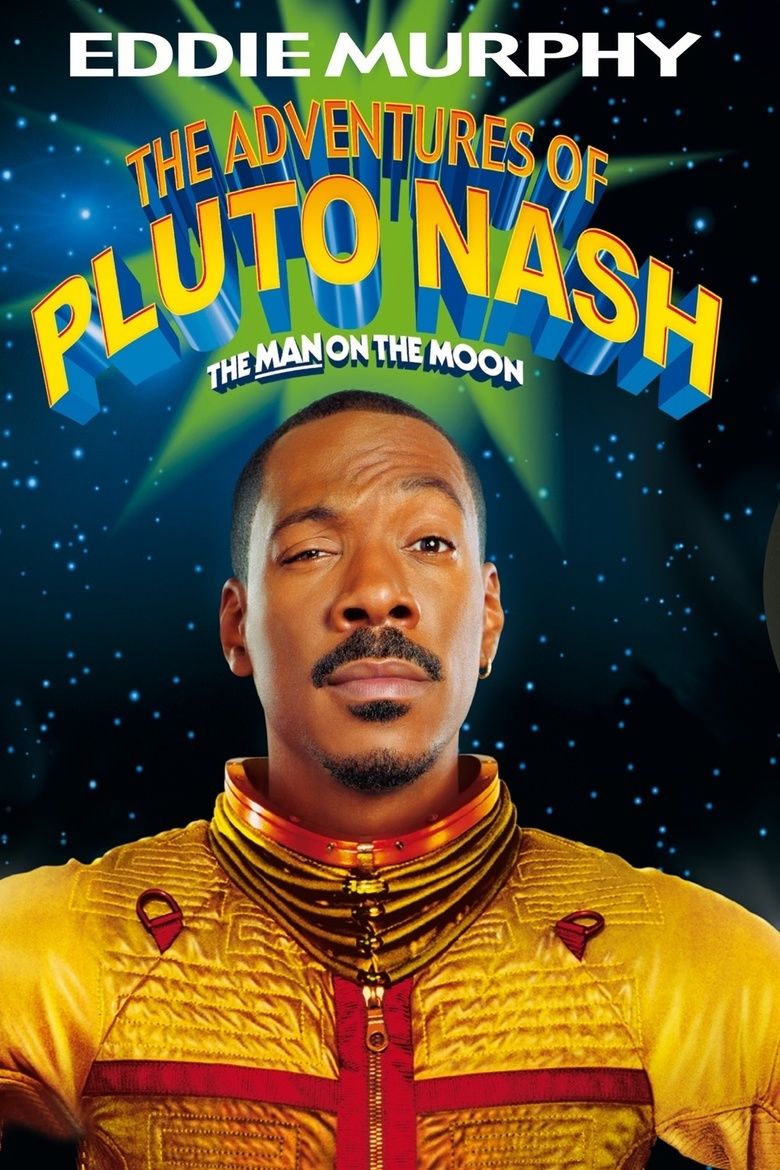
I don’t doubt there are risks associated with hook-up culture. Disease and unwanted pregnancy are at the top of that list, along with instances of exploitation and assault. Focusing on those outcomes is like calling Eddie Murphy’s entire career a failure just because he stared in “Pluto Nash.”

There is a larger context to consider. Remember that study about people regretting their hook-ups? Well, science is rarely that definitive when it comes to matters of human psychology and sexuality. Later studies reveal that the extent of that regret isn’t very strong. It turns out that, like paying to see “Pluto Nash,” we tend to get over it. Most functioning human beings do.

Those same studies also make clear that the quality of the hook-up matters. If someone hooks up with someone for sex, but the sex isn’t satisfying, then of course there’s going to be some regret and anxiety later on. That’s what happens whenever our expectations aren’t met. Just ask anyone who got excited about the Jacksonville Jaguars’ failed Super Bowl guarantee.

This is where the extent of my defense of hook-up culture ends. While I think the various criticisms and anxieties about it are unwarranted, it does carry some baggage that makes all those unpleasant anecdotes so common.

Hook-up culture, in its current form, has all sorts of heavy expectations surrounding it. Whether it’s people actively engaged in it or those observing it from the outside, there’s this sense that hook-up culture is this non-stop party where everyone is enjoying the Caligula-style orgy and nobody leaves unsatisfied. That’s just not how human sexuality works.

Human beings are a passionate, social species. When hook-up culture becomes too dispassionate, which can happen, then it ceases to be a healthy expression of human sexuality. In that context, it’s basically glorified masturbation. As a romance fan and an aspiring erotica/romance writer, I can’t get behind that sort of callousness.

However, I think the attacks on hook-up culture are more misguided than hook-up culture itself. Men are seeing it as an agenda that beautiful women are exploiting. Women are seeing it as an agenda that misogynistic men are exploiting. Liberals and conservatives are seeing it as an affront to everything they deem good and moral. In attacking it, though, they all reveal their own sexual anxieties.

If our collective sexual attitudes are to improve, along with our overall satisfaction, we need to confront these anxieties. Hook-up culture isn’t going away because people wanting to enjoy sex with fewer strings is not going away. We can either learn from it or fight it, with the understanding that fighting it rarely ends well for either side.

Leave a comment

Filed under gender issues, sex in media, sex in society, sexuality

Five Reasons Why I WOULD Date A Transgender Woman

Model

The older I get, the more I realize just how much work, energy, and even flat out luck goes into finding a romantic partner. It’s not just from my own personal experience, either. I see it play out in my friends and family as they find lovers, some of which work out and some of which don’t.

At the moment, I am single and my efforts to find love have been difficult, to say the least. I’ve tried online dating. I’ve tried putting myself out there. I’ve even tried flirting a bit. It hasn’t really amounted to much, thus far, but I remain hopeful that I’ll find that special someone one day.

Recently, though, someone asked me an interesting question. Over the course of a conversation about our respective struggles in finding love, he asked if I would ever consider dating a transgender woman. That’s the first time someone asked me that question seriously and I needed a moment to think about it.

As I’ve said before, my knowledge of transgenderism is fairly limited. However, writing about the issue has given me opportunities to interact with a few transgender individuals. I can say without hesitation that much of my interactions with transgender people have been positive. Nearly everyone I’ve met, thus far, has been decent and sincere.

With those experiences in mind, I thought long and hard about this issue. I’m not the first one, either. According to a poll done by adamandeve.com, which isn’t exactly scientific, about 65 percent of adults say they would not date a transgender individual. There are any number of reasons why that might be, but I don’t want to speculate so I’ll just give my answer.

Yes, I WOULD date a transgender woman.

Now, I’m not saying that to virtue signal. I’ve already made my feelings on that fairly clear. I came to this conclusion after thinking about what I want in a lover, what kind of person I would want to be for them, and how I would go about pursuing a relationship. After considering all that, the answer became fairly clear.

I would, indeed, be open to dating a transgender woman. I don’t deny that it would be somewhat different than dating a cis-gendered woman, but every individual has their quirks. I don’t see why being transgender should be a deal-breaker in a relationship, at least for me.

I even came up with a few reasons as to why I would be open to such a relationship. Please note that these reasons are coming from someone whose experience with transgender people is limited. I have had issues in the past where my discussions on the issue have inadvertently offended certain people. I will make an effort to avoid that here, but please bear with me if I slip up.


Reason #1: A Transgender Woman Has A More Balanced Understanding Of Gender

This is probably my top reason and the first that came to mind when I contemplated this issue. A transgender person who often has to approach gender in a radically different way from what the social and cultural norms dictate. Their world is one where it just doesn’t work to put clear, defined lines between men and women.

This is kind of a big deal for me because there have been times in my life where I’ve been insecure about what’s expected of me as a man. I love romance. I love passion. I like to explore emotions and walk the fine lines of certain cultural expectations. Some of these things will earn awkward looks from other men and even other women. That was why I often hid my love of romance as a teenager and even a young adult.

I think a transgender woman would understand that feeling better than most, not conforming to certain expectations of their gender and trying to navigate those issues that the Ben Shapiros of the world say don’t exist. I think I would find a lot of common sentiments with a transgender woman, more so than a cis-woman in some cases.


Reason #2: A Transgender Woman Has Greater Insight Into Male AND Female Anatomy 

This was probably the second thing that popped into my mind. I admit, it’s fairly crude. It’s probably the same idea an immature teenage boy might give if asked about the benefits of dating a transgender woman. I have a feeling a number of transgender individuals would roll their eye at that, but I also think there’s something to be said about someone’s experience with the diversity of human anatomy.

In my conversations with transgender women in the past, that experience often involves a disconnect between the mind and the body. The mind says they’re a woman. The body says they’re a man. The struggle is trying to get the body and mind on the same page.

Gender reassignment surgery is just part of that experience and one that’s too big to cover in one post. As it stands, the process has advanced to a point where a transgender woman can have a fairly comprehensive understanding of what it’s like to have both a penis and a vagina.

I think that understanding would help with the intimacy of a relationship. I’ve been with girls who think a penis is basically a faulty light switch, which has made for some awkward moments. Regardless of your gender, it helps to have a better understanding of how genitals actually work.


Reason #3: A Transgender Woman Has A Firmer Grasp On Her Identity

This is a more introspective reason. It’s a reason that also reflects on issues of identity, as a whole. I’ve met men and women throughout my life present themselves in one way, but it’s obvious they’re forcing it. They don’t always know who they are, but try desperately to be what everyone around them expects.

Transgender individuals probably have greater self-awareness than any cis-gendered person ever will. It takes a lot of personal insight to understand that your mind says you’re one thing, but your body says another. It’s difficult for most cis-gendered people, like myself, to comprehend. That’s why it’s so easy to take self-awareness for granted.

For me, dating a transgender woman who is secure in her identity means dating someone who understands who she is and what she wants to be. That’s a rare and under-valued quality in a partner. If one or both people in a relationship lack that, then there will be problems. I imagine a transgender woman would teach me a thing or two about my own identity that I might not have realized.


Reason #4: A Transgender Woman Better Understands The Importance Of Personal Growth

There are a lot of things that go into a successful relationship. One trait my parents often emphasized is to love more than just who a person is when you meet them. It’s often more critical to love who they’re trying to be. People are not static. They grow and develop over time. That’s just part of the human experience.

A transgender person faces more growing pains than most. They have to live their lives with a body and mind that are at odds. Just dealing with that is something that most non-transgender people struggle to grasp, but that means their growth process as individuals takes more turns than most.

For someone seeking to truly align the identity of their mind and body, it takes more than just growth or surgery. It also involves growing up in a world that is not very friendly to transgender individuals. That kind of growth involves a lot of hazards and their ability to navigate them reveals the kind of person they are.

For someone like me, who sometimes has difficulty surmising who someone is trying to be, a transgender woman provides a unique personal story. As someone with a strong appreciation for such stories, I can see an intimate appeal to that sort of connection.


Reason #5: A Transgender Woman Faces A Unique Set Of Life Experiences That Reflect A Unique Kind Of Strength 

This reason ties, somewhat, into the previous reason because it stems from that personal growth that a transgender person undergoes. In aligning their mind and their body into a singular identity, they undergo a difficult growth process. That process requires strength, namely a kind most cis-gendered people take for granted.

I wake up every day, look in a mirror, and don’t even think about my gender identity. I feel like a man. I look like a man. I have manly interests. I don’t have to put an ounce of effort into it. That part of my identity is not in conflict. I imagine if I woke up tomorrow in a woman’s body, I would be very confused and probably very distressed.

Dealing with that sort of disconnect requires strength and not just the kind that involves accepting their identity or undergoing surgery. Like I said before, it takes an uncanny amount of self-awareness to realize one’s identity. A transgender woman who made it to a point where she’s willing to date a guy like me reflects a strength that’s hard to put into words, even for an aspiring erotica/romance writer.

No matter who you are, having a firm grasp of your identity and being willing to share it with someone takes strength. A transgender woman would have more strength than most and for a guy with as many sexy thoughts as me, I think we could make a relationship work. I may never get a chance to try, but I’m comfortable saying I would be open to the experience.

16 Comments

Filed under gender issues, Jack Fisher's Insights, sex in society, sexuality

Ode To Tomboys And How One Made Me A Better Person

I try not to get personal on this site too often. When I do, though, I try to make an important point that others can learn from. That’s not easy, since everyone’s personal experiences are different. When one of those stories resonates, though, it’s a beautiful thing.

With that beauty in mind, I’d like to take a moment to appreciate a certain female persona that tends to evoke mixed emotions in people. For me, though, that persona has a special place in my heart because certain women have influenced me in a major way. That persona, in this case, is that of the female tomboy.

I know the stereotypical tomboy isn’t known for her sex appeal. She doesn’t come off like the kind of person who would inspire an aspiring erotica/romance writer. However, I think the appeal of a tomboy goes far beyond how little she has in common with the cast of “Mean Girls.”

I’m guessing that most people knew someone growing up who fit the mold of a tomboy. She was a girl, but she didn’t have “girly” interest. She liked sports. She liked cars. She liked to hang out with boys, didn’t care for makeup, and didn’t mind getting her nails dirty. Whether she was a friend, relative, or classmate, she probably stood out more than most.

There’s all sorts of social and psychological insights into what makes a girl a tomboy. I don’t want to get too much into that. For this, I want to keep things personal. I want to tell a short story about how a very special tomboy influenced me in a positive way, one that I still feel to this day.

Out of respect for her privacy, as well as the fact that I haven’t kept in touch with her, I won’t use her real name. From here on out, I’m just going to call her Carly. If, by some remote chance she ever reads this, she’ll probably recognize the importance of that name. She may even recognize me. I hope that happens because I don’t think she knows what a profound impact she had on me.

I knew Carly from grade school. We met when we were in the third grade and we shared the same classes until grade six. That’s a pretty critical time because we were both still kids, but were on the edge of puberty. While I don’t think it played too great a role at the time, I think it influenced the context of our friendship and our connection.

What made Carly stand out, even for a kid like me, was the fact that she didn’t look like the kind of hardcore tomboy you’d imagine after seeing “Little Giants.” If you randomly met her in public, you wouldn’t know she was a tomboy, but you would probably expect it. While she did look feminine, she never wore dresses, skirts, or makeup.

If you spent any amount of time with her, you learned quickly that Carly wasn’t a typical girl. She didn’t conduct herself like the other girls I knew. Whenever we did group projects, she worked with boys. Whenever we had lunch at the cafeteria, she sat with the boys. It wasn’t that she hated other girls. She just preferred being around boys, myself included.

I didn’t think too much of that until I saw her doing more than just being around boys. What made Carly special was how she went out of her way to match other boys in terms of skill, grit, and strength. While the other girls hung out on the playground, Carly was playing basketball and football. While those same girls talked about boy bands, she talked about who won on Monday Night Football.

I remember multiple instances where the boys got together to play touch football and she would be the only girl who wanted to play. We let her too. None of the other boys joked about it. There was this unspoken rule that Carly was one of the guys. She proved that she belonged. Anyone who gave her crap about it was not welcome.

Keep in mind, these are pre-teen boys who still think cooties are a thing. These are boys whose maturity level is limited by the amount of cartoons they watched that same morning. The fact that none of them gave Carly a second look, nor did they question her ability, says as much about them as it does about her.

More than any other girl, at that time, Carly fascinated me. I watched as she ran alongside other boys during gym class, playing sports like football and baseball better than some of the other boys I knew. Being so young, I wasn’t sure what to make of it. I just knew I had to go out of my way to hang out with her and be friends with her.

While I won’t say we were close friends, we did know each other. We recognized each other outside of class. That eventually culminated in a moment that would both solidify Carly’s place in my memory and inspire me in ways I didn’t appreciate until later in life. That moment occurred when I was in little league one year.

From the time I was in first grade until the time I went to middle school, I played little league baseball. I loved baseball as a kid and it was the only sport I ever felt passionate enough about to play seriously. In all those years of playing little league, I played with a lot of other boys, some more memorable than others. However, through those same years, only one girl ever dared to play little league with boys and that was Carly.

I still remember the day when I saw her run out onto the field, a dirty old hat and a new baseball glove in hand. I had no idea she would be on my team, but when I saw her, I remember smiling. I even watched as she fielded pop flies and practiced batting with the coach. While I wouldn’t say she was our best player, she held her own. She could throw, run, hit, and catch. She wasn’t just a tomboy. She was an athlete.

In later years, that memory has taken on far greater meaning. Remember, I was a kid at the time. I was still at an age where girls might as well have been another species. Since pre-school, boys hung out with boys. Girls hung out with girls. We didn’t question it. We just separated ourselves, as though it had been ordained.

Carly showed that those unwritten rules weren’t really rules. She showed that girls didn’t have to be that different. Girls could still like boyish things. They could also be tough, play sports, and relate to boys just as well as they did with girls. Carly embodied that spirit better than anyone I’d known before or since. She was like a kid version of Rhonda Rousey.

That may not sound like much on the surface, but I can’t overstate the importance of that influence. The fact that I knew a girl who could so comfortably embrace boyish things made me question whether the divide between genders really mattered that much. The older I got, the more I realized how arbitrary that divide truly was. Carly was living proof of that.

It was because of Carly that I began interacting more with girls. This did make me a bit weird in the eyes of other boys. I started seeking out female company before it was considered cool for a kid. I like to think that gave me a head start on puberty in that it prepared me to appreciate female company better than most.

It’s also through my interactions with Carly that I stopped trying to talk to girls as though they were so radically different. In doing so, I realized that girls can talk about things like sports, cartoons, and even comics. While these girls might not have been tomboys like Carly, we were capable of sharing the same interests.

Conversely, it showed me that boys can share girls’ interests as well. To me, that was a big deal because it’s through dealing with girls that I developed a fondness for romance. Whereas boys may look at movie, comic, or TV show and appreciate the action, I often found myself appreciating the romantic sub-plots. I don’t think I would’ve had the mind to appreciate those things without Carly.

For that, I’ll always be grateful to her. At the same time, I regret not being a closer friend with her or keeping in touch with her. In my defense, we ended up going to different middle schools so we never got a chance. I would still love to know what came of her. She struck me as the kind of girl who would go far in life.

I don’t know if she outgrew her tomboy persona, as many girls do. Even if she did, Carly’s influence on me was a turning point. I may have been a kid when I knew her, but she inspired in me the kinds of ideas that shaped me into the man I am today. I like to think I’m a better overall person because of it.

Dealing with Carly helped me interact better with girls and people who were different from me, in general. Carly also proved to me that girls and boys weren’t so different after all. We could relate to one another, work together, and grow together. As a kid, that’s a radical concept. As an adult, that’s an important life lesson that helps men and women alike appreciate each other.

2 Comments

Filed under gender issues, Jack Fisher's Insights, sexuality

Why Treating Sexuality As A Disease (Always) Fails

mentalhealth.jpg.size-custom-crop.1086x0

It wasn’t too long ago that discussions about reparative therapy, also known as gay conversion therapy, became more a joke than a serious concept. Going back to Michele Bachman’s failed presidential bid in 2012, and all the assorted jokes about her husband, who ran a religion-based therapy center, I think it’s safe to say that this issue has run its course and for good reason.

There was once a time when attempting to change someone’s sexuality into whatever society deemed acceptable was a serious pursuit. Even Sigmund Freud contributed to that effort, going so far as to claim that homosexuality could be cured through hypnosis. Seeing as how hypnotists are more likely to work in Las Vegas stage shows instead of clinics, it should be obvious how wrong he was.

As it stands, reparative therapy is rejected and discouraged by nearly every legitimate psychological and therapeutic organization on the planet. There are still those who claim that’s just part of the larger gay agenda, but those claims don’t deserve to be taken seriously. Whenever that many organizations to agree that something is so ineffective and harmful, it’s usually a pretty clear sign that there’s something wrong with it.

For the rest of the population that doesn’t buy into homophobic conspiracy theories, the issue is resolved. While there’s still a lot we don’t understand about human sexuality, our current understanding offers a fairly concise conclusion. It’s not possible to completely change or radically reorient someone’s sexuality.

So in light this widely-accepted conclusion, any subsequent efforts to radically alter someone’s sexuality through archaic tactics that involve shame, guilt, and pseudo-spiritual bunk should be just as asinine. The keyword there is it should be. Even though reparative therapy is roundly condemned, the spirit of that therapy continues, albeit with a different target.

This time, the targets aren’t homosexuals or some other sexual minority. Instead, the scope is bigger and more extensive than even defunct anti-gay ministries could ever hope to achieve. It’s taking aim at sexuality, as a whole, particularly that of men. While it doesn’t have an official title, the tactics are distressingly similar.

I’m reluctant to put a label on it because I’d rather not throw around blanket terms for an issue this vast. Much of it stems from those opposing everything associated with “toxic masculinity,” a term I’ve already condemned.

From sex scandals to advertising to representations in major movies, the obstacle is the same. A particular brand of male sexuality that caters to straight men seeking the company of beautiful women for basic, shallow reasons isn’t just falling out of favor. It’s seen as corrupt, part of some grand patriarchal conspiracy.

It’s so corrupt that some, such as Joss Whedon, describe it like a disease. Men who simply have these desires are somehow flawed and need to either be educated or scorned. It’s not quite at the level that homosexuals endured in the past, but the common themes are still there.

It’s hard to pinpoint where it began. Some might point to the Harvey Weinstein scandal as the catalyst that turned the public against the whims of horny men, but I think it goes back further than that, even past the 2016 Presidential Election. The concept of criticizing men’s preference to admire beautiful women isn’t new. The extent of that criticism, however, is unprecedented and still growing.

Regardless of how it began, either through vocal critics of breast depictions in video games or protesting sexy advertising, it’s a major movement now. It has popular hashtags and the backing of powerful media outlets. If you’re a straight man who enjoys admiring beautiful women, then congratulations. You’re the source of all the problems in our current sexual landscape.

Given the intensity of the rhetoric in the movement, it’s not just about protesting the injustices perpetrated by men in positions of power who freely exploited that power. It’s attacking certain manifestations of sexuality as a whole, deeming them “problematic” to the point where it’s practically pathologized. That’s how we end up with asinine terms like “toxic masculinity.”

It’s for that reason that the parallels between the long-debunked ideas of reparative therapy and ongoing condemnations of male sexuality are all the more disturbing. Stories about LGBT youth who survived reparative therapy, and not all of them do, tend to tell similar stories. The so-called therapy they get usually involves the following:

  • Excessive condemnation and shaming of certain desires
  • Attributing certain sexual desires with negative connotations
  • Demanding frequent confessions of guilt for past misdeeds, real or imagined
  • Demanding complete dissociation from a previous lifestyle
  • Attributing desires and feelings to disease or an unhealthy state of being
  • Attacking or subverting someone’s identity in an effort to re-shape it
  • Conditioning someone to associate natural feelings with negative sentiments

To anyone who has been keeping track of how men have been criticized for their attitudes towards some of the recent sexual misconduct scandals, these methods should sound painfully familiar. It’s also worth noting that these are methods that the American Psychological Association deems harmful and even dangerous.

Now, I want to be careful with my rhetoric here because I don’t want to imply that straight men who enjoy looking at beautiful women in bikinis are suffering to the same extent LGBT people suffered in these faux-therapeutic settings. That’s not the point I’m trying to make here. I’m just trying to highlight the extent to which the approaches are similar, even if they’re not the same.

It’s one thing to punish actual misconduct. It’s quite another to attack the underlying desires of an entire group. Men looking at beautiful women is now a symptom of objectification, patriarchy, and misogyny. Conversely, women looking at beautiful men is a major Hollywood movie starting Channing Tatum. See the difference?

That difference matters because treating those attitudes as diseases is every bit as misguided as treating homosexuality or transgenderism as a disease. It would be akin to referring to all homosexuality as “toxic sexuality” instead of a simple variation among the vast spectrum that is human sexuality.

That’s not to say there aren’t issues with certain attitudes men have towards sexuality. There are plenty of issues about women’s attitudes as well. However, the fact that the current culture, empowered by social media and selective biases, treats those attitudes the same way reparative therapy treats homosexuality is both revealing and distressing.

The negative impacts of those methods are well-documented, both in terms of harm and ineffectiveness. Relentlessly shaming people for their sexuality, be they straight men or gay women, is pretty damaging. It doesn’t take a licensed therapist to know that conditioning someone to hate their own desires will seriously affect their mental health.

There are many lessons to learn from the failures of reparative therapy. For one, it revealed just how powerful sexual and romantic desire can be in a person. It can also reflect how lonely it can be when those feelings are deemed defective, toxic, or deviant by a society, at large. Countless LGBT individuals have suffered because of these misguided efforts. More will suffer if those lessons aren’t heeded.

5 Comments

Filed under Current Events, gender issues, sex in media, sex in society, sexuality

The Limited Appeal Of Male Sex Robots (For Now)

bionic4

Whenever I talk about sex robots, it’s usually within a particular context from a particular perspective. Being a straight man and an aspiring erotica/romance writer, it’s a perspective I feel more qualified to explore than most. Even so, I don’t deny that in the evolving world of sex robots, there are many perspectives to consider.

There will likely be many more in the years to come. Sex robots, and the potential impact they’ll have on society, is becoming more and more relevant as the technology evolves. Make no mistake. That technology will evolve rapidly because there is an established demand. It’s the same demand that fuels the thriving sex industry. People are horny and they’re willing to pay money to satisfy that horniness.

While I hope to do my part with my sexy novels, I understand there’s no substitute for something akin to a sex robot. A sex robot won’t just tell you a sexy story in the erotic voice of Pamela Anderson, Scarlett Johansson, or Morgan Freeman, if that’s what you’re into. In its perfected form, it’ll allow users to physically act out their sexual desires in whatever way they find satisfying.

We’re still a long way away from that form, but there has been progress in recent years and I have reported on it while also exploring the implications. As advances in robotics, artificial intelligence, and virtual reality become more refined, I’m sure I’ll have more to report. I’m sure there are many horny men out there who are already imagining how they’ll customize their own sex robot.

However, in discussing the future of sex robots and the various implications of their advancement, there is one perspective I’ve negated. That’s from those whose ideal form of a sex robot does not involve breast size, butt shapes, or a voice that sounds like Taylor Swift. Yes, I’m referring to male sex robots.

While they don’t make the news nearly as often, nor do they spark the same concerns in terms of societal impact, they will likely be part of any future society in which sex robots are a thing. They’ll be there in the future for the same reason that male prostitutes are here in the present. There’s still a demand, even if the consumer base is different.

Just like there are with female sex robots, there are people actively developing male sex robots that cater to women and gay men. In fact, much of that development is coming from the same companies. Realbotix, who made headlines last year when they debuted a prototype female sex robot, is just one of them. Recently, they confirmed that they’re working on a male sex robot too.

The particulars are unclear, but still plenty sexy to those women and gay men who are intrigued by the idea of a sexy robot lover. According to Realbotix CEO, Matt McMullen, this male sex robot will be customizable, allowing users to select various body shapes and sizes. That, unsurprisingly, includes the intricate details of the robot penis.

The technology is a lot closer than most people think. Bionic penises are already real. Like early smartphones and LASIK eye surgery, though, they’re in a nascent stage. In time, they’ll become more functional. It probably won’t be too long before most artificial penises are more effective than any natural penis. I’ll give every man who ever felt insecure about their man parts a moment to stop trembling.

Even with such promising advances, it’ll take more than putting a bionic penis on an attractive male body to create a functional sex robot. Even with all the sexy possibilities, the demand and interest in male sex robots is nowhere near what it is for female sex robots. According to the Daily Mail, the current market for sex robots is around 95 percent straight men. That is not a trivial disparity.

Even so, five percent is more than zero and every market changes, especially those relating to sex appeal. However, male sex robots have not generated the same conversations as their female counterparts. Whereas female sex robots have already inspired dystopian visions among feminists and a memorable episode of “Rick and Morty,” male sex robots haven’t generated any such visions.

Sure, there are some who worry that male sex robots could make men obsolete, but those worries haven’t translated into more robust conversations. Some of that may just be because the market is so limited for male sex robots at the moment. The reason for this might not be obvious for women who still find the concept of sex robots creepy, but it makes sense to any man who has struggled to find love.

The best example of this involves the current disparities in online dating. I’ve mentioned it before when talking about my own struggles to find love. As it stands, online dating works wonderfully if you’re a marginally attractive woman. The sheer volume of men searching for love grossly outnumbers the number of women doing the same.

Whether you’re using eHarmony or Tinder, being a woman means having a distinct mathematical advantage. When using these services, women basically have their pick of the litter. Even outside the online world, the number of horny men vastly outnumbers the number of available women. That’s why there are so many more female prostitutes compared to men.

It’s because of those raw numbers that the demand for a male sex robot isn’t that strong. Sure, there might be a few women who are intrigued by the concept. Some may even be turned on by it. For the moment, though, it’s not much more than a novelty. If a woman wants sex, it’s probably easier and cheaper for them to use Tinder.

For that reason, it’s likely that male sex robots probably won’t advance as quickly as their female counterparts. They may even lag for a while, especially if sex robots remain an expensive luxury. However, that limited appeal won’t stay limited.

I’m certain of this for the same reason I’m certain that female sex robots will change the overall sexual landscape. We’re already in some fairly sensitive times, with respect to gender-driven conflicts. Ongoing issues surrounding ideas of consent, concerns over sexual harassment, and widening double standards that negatively impact one gender over the other may end up accelerating the adoption of sex robots.

At some point, the math that favors attractive women won’t be as favorable. If there aren’t as many men seeking their company, thanks to sex robots, then what are they to do? Those women will still seek the same intimacy and connection that all human beings crave. They’ll still want more than just the basic release that a cheap sex toy may offer.

It’s one of the few things both genders share, regardless of whatever double standards divide us. Regardless of our ability to meet are most basic needs, we still seek something deeper. A beautiful woman with unlimited access to handsome men with the abs of David Beckham is still going to crave something greater.

A sex robot may not be the same as the kind of love I often write about in my novels, but when combined with artificial intelligence, it has the potential to create that connection that goes beyond the physical acts of sex. That connection has just as much appeal to women as it does to men. It will just take more time for one type of appeal to catch up with the other.

Now, as I write this, I concede that my perspective on this matter is skewed. I’m not a woman, nor do I claim to know how most women feel about the prospects of male sex robots. It could very well be the case that there’s more demand than most people think. Perhaps, this is one of those cases where we don’t know because we don’t bother to ask.

If there are any female readers willing to provide some insight, I’d love to hear about it. I imagine with companies like Realbotix making major investments in sex robots of all types, we’ll be asking more and more of these questions in the coming years. Some of those questions may not be as sexy as we prefer, but they’re still worth asking.

As it stands, the economics of sex robots will remain consistent with existing circumstances for men and women. For now, there are a lot of unsatisfied men out there. Once sex robots enter the picture, that’ll change a lot aspects about society, including those affecting unsatisfied women. Those changes will probably come sooner than expected, but that’s exactly why they’re worth contemplating now.

5 Comments

Filed under gender issues, sex in society, sex robots, sexuality

How Men Are Set Up To Fail With Women

When it comes to seeking love and sex, I kind of need to be on top of things. I’m trying to get into the business of writing sexy romance novels. I’ve got another novel coming out in a couple months and a couple manuscripts I hope to submit to my publisher very soon. If I want to tell quality romance stories with the right amount of sex appeal, I need to know about the dynamics of these intimate processes.

Unfortunately, that’s a lot harder than it sounds and few people who aren’t billionaire rock stars/supermodels would contest that. Finding love and finding sex aren’t always mutually exclusive, but they tend to be linked for reasons I don’t think require much explanation. Humans are a sexual, passionate species. Ideally, we should make the process of seeking those experiences clear, efficient, and understandable.

I’ll give everyone a moment to stop laughing because I know we’re a long way from that ideal. In some respects, we’re doing the exact opposite. We’re actually making it harder on ourselves to find love, sex, and everything in between and I’m not just talking about the effects of recent sex scandals. We’ve gotten to a point where men and women aren’t just on the same page. They’re not even reading the same book.

This brings me to a recent article from Cracked.com. I know they’ve been hit or miss lately. Between their poor understanding of what makes someone a pervert and their knack for complicating ideas of consent, they’ve had a bit of a regressive streak lately. They’ve been less focused on humor and more focused on pushing the kind of everything-is-sexist agenda that is rarely funny.

This time, however, they’ve managed to step back from that agenda and offer some insight into the other side of that equation. Yes, women do face their share of challenges in pursuing love and sex with men. Sifting through the crop of potential partners, trying to figure out who one wants something meaningful and who just wants a quick romp, is frustrating and the source of nearly every romantic comedy ever made.

However, the other side of that struggle with the men, has its own set of challenges and our culture does plenty to add to the difficulty. Since I am a man and I’m familiar with some of these challenges, I feel it’s worth talking about. I’m also glad Cracked.com took the time to write something like this. For those interested, here’s the link:

Five Ways Society Trains Men To Expect Sex From Women

This is one of those articles that will likely generate plenty of discussions among feminists, MRAs, egalitarians, and romance fans, like myself. There are some parts of it that still come off as overly-gendered preaching. However, I think the article presents the situation in a way where those discussions need not involve threats or insults to each other’s mothers. Then again, this is the internet.

Chief among the arguments that this article makes involves how our culture, from movies to TV shows to comic books, gives the impression that good men have do things a certain way to get love and sex from women. However, those things rarely involve the kind of work, strength, and achievements that women and men alike find attractive.

Instead, sitcoms and romantic comedies constantly feed men the idea that just being meek, passive, and constantly friend-zoned will eventually earn them their dream girl. At no point is there any effort to actually find out what that dream girl actually wants in a lover because that just wouldn’t make for a good romance movie, even if it makes total sense. The article puts it even more succinctly.

The idea that women will eventually find their lengthy secret crushes cute if they cling to them is an anxiety-reducing godsend. So they keep waiting and waiting for the “right” time. But that time never comes, because their life isn’t being written by a hack. So they get bitter and frustrated, because they don’t just feel rejected; they feel ripped off, like they were owed love, but it was somehow denied them.

It’s basically an extension of the old “nice guys finish last” diatribe that I’ve criticized before. I admit that even I bought into that growing up and my lack of romantic interest from other women is testament to how flawed this concept is. It also says something that my favorite romantic movie, “Crazy/Beautiful,” does not follow that trope.

It gets even worse than that, though. Beyond presenting a false understanding that good men have to be meek to get the girl, there’s also this weird/unhealthy idea that every romantic pursuit has to be its own epic narrative. In the same way people erroneously believe they’re the hero of their own story, they believe they’re one of the lovable nerds in “The Big Bang Theory” who ends up with the cute girl.

Never mind the fact that some of the romance in that show may be very unhealthy, there’s a sense that sex and romance has to fit into this narrative or it’s a total failure. There’s no room for more mundane notions that a guy just asks a girl out, she says no, and they get on with their lives. That story just seems wrong and doesn’t fit the epic love story/sexual conquest that men build up in their minds.

This is where it gets really soul-crushing for men looking for that kind of romance and sex that bad Julia Roberts movies are made of. For men who try to play by those rules, being the meek and lovable underdog that they think will get them love and sex, what happens when it fails? What happens when Leonard Hofsteader doesn’t get the girl and ends up alone, heartbroken, and frustrated?

It can be pretty traumatic and the article points that out, giving the impression that men have no room for error. If they fail to get the love and sex they seek by playing by the rules laid out in every romantic comedy ever made, then they will die poor and lonely.

So Nice Guys see countless stories wherein women vent about creepy encounters they’ve had with men who interrupted their days, and it freaks them out. That venting is understandable — I’d be angry too if I was constantly getting harassed about my chiseled good looks while trying to run errands. But Nice Guys end up under the impression that every encounter ends in either a sweeping success or a reminder of why mace was invented. They think there’s no margin for error, because there’s a constant fear that failure will end in loneliness and humiliation. There’s a brutal contradiction. Nice Guys are told that they need to meet new people, but also that if they fuck up even a tiny bit, they will be mocked.

This is also where some of the gender disparities really show, especially from the male end of the equation. That’s because within this epic romance narrative that men think they’re part of, there’s one component that amplifies the tension between gender. It has to do with who decides the when, where, how, and why of love and sex.

Even within a society where women are vulnerable to various forms of sexual misconduct, they are still very much the sexual and romantic gatekeepers, as the article calls it. In that narrative, the women are the ones who decide whether or not anyone has any sex. The women are the ones who decide whether or not a relationship ensues. It’s not like sex and romance have any cooperative elements, right?

That last part was meant to be sarcasm, but it’s no laughing matter in the context of the narrative that men think they have to follow. So much of it is built on the idea that women are the final decision-makers. It’s an idea that frustrates men and is rarely acknowledged by women, creating the kind of inequality in a relationship that is rarely healthy.

It’s a component that does more than just set men up for heartbreak and women up for frustration. It can be downright unsexy when it comes together. The article puts it better than I ever could.

So while many men from generations past thought that the female orgasm was a myth and that a clitoris was an African insect, most Nice Guys readily accept that a woman’s sexual satisfaction is important. But in getting that message across, we’ve accidentally started telling men that while it’s wrong to try to seduce women in most situations, when sex does happen, you’d better be goddamn incredible at it.

Think about the disconnect in that dynamic. Since women are the sexual gatekeepers, men can’t readily seduce a woman without coming off as a creep or a Biff Tannen wannabe. Even when they do get the go-ahead for sex, if they don’t satisfy the woman with the prowess of Wilt Chamberlin on crack, then they’ve failed.

Considering sex, like anything in life, takes practice and cooperation, this kind of imbalance is bound to make for some less-than-romantic situations that’ll leave everyone involved unsatisfied. Men, particularly, build up all these expectations around what they think movies, TV shows, and bad porno says is important and grade themselves on that steep curve.

It’s not too hard to imagine why men get so frustrated and women are so disappointed, which only serves to heighten the hostilities between genders. Real life simply doesn’t play out the same way that movies, sitcoms, or sexy romance novels do. If they did, then there would be no appeal to those things in the first place.

That’s probably the most important take-away from this article. Yes, there are still parts where it tacitly mentions the ongoing sex scandals that make men groan, but the message is fairly concise. The way we’re going about finding love and sex is exceedingly imbalanced. It’s making men and women despise each other far more than they should.

Being the optimist I am, at heart, I believe that our inherent desire for love and sex will gradually change this narrative. Men and women, as hostile as they can be to one another, still seek love and the toe-curling pleasure that comes with making it. It may take time and more frustration, but we’ll find a way to go about it. Genuine love and great sex is worth it.

1 Comment

Filed under gender issues, sex in media, sex in society, sexuality

Why Our Assumptions About Male And Female Promiscuity May Be (Very) Wrong

most-sexually-charged-excerpts-from-erotica-books

When it comes to assumption, we tend not to question them, by default. That’s why they’re assumptions. It’s literally in the definition. It’s entirely natural to make assumptions, especially when they have some sort of inherent logic to them. It’s just how we, as a species, make sense of a chaotic world that we’re trying to survive.

The problem is, as I’ve pointed out many times before, our caveman brains aren’t wired logic. They’re wired primarily to help us survive and reproduce. That’s why our brains are so prone to all sorts of logical fallacies. That’s also why it’s hard to let go of assumptions, even when empirical data a very different story.

This brings me to our assumptions about sexual promiscuity. I’m hope I have your attention now because I knew a bland article about logical fallacies, caveman logic, and false assumption wasn’t going to get anyone excited. Put it in a context that’s both sexy and relevant, especially to an aspiring erotica/romance writer, and there’s much more appeal.

Sexy or not, the issue of assumptions in our sex lives are a lot more relevant in the era of “fake news” and “alternative facts.” These days, people are more likely to cling to their assumptions than ever before, even in the face of obvious evidence to the contrary. Hell, “South Park” even did an entire episode about this concept.

There are all sorts of complex psychological and social reasons for this, some of which I’ve covered before in other less sexy discussions. However, I’m not going to belabor those concepts. Most people know that humans can be exceedingly stubborn, even when faced with undeniable data that counters their assumptions.

That becomes a bigger problem, though, when you’re actually trying to make sense of something on an academic level. Our collective sexuality is one of those things that we try to study and understand, even if our efforts turn out to be disturbingly wrong. I like to think we’ve gotten better at it in the modern era, but sometimes fresh data reveals there’s still room for improvement.

This leads me to one of the most common assumptions about sexuality and the particulars of sexual promiscuity. You’ve probably heard it articulated at some point. It’s the basic structure surrounding male promiscuity versus female promiscuity. It goes like this:

  • Men are promiscuous because sperm production is cheap and there’s an biological incentive to have sex with multiple females in order to sire multiple offspring
  • Women are more selective about their sex partners because bearing children is risky and requires resources, which incentivizes securing men who will stick around to care for those children

There are all sorts of jokes and colloquialisms about this, men being dogs and women being angels. It’s also reflective of the most obvious double standards surrounding male and female sexuality and for most people, it makes sense.

A man can have sex with a thousand woman and, in theory, sire a thousand children. Ignoring the egregious child support payments this man would have to pay, it is consistent with the biological imperative to survive and reproduce.

Conversely, it makes just as much sense for a woman to secure a male partner who won’t just have children with her, but stay with her and invest in raising those children with her. This bears out in the many benefits ascribed to two-parent households.

However, if these assumptions were so logical and so biologically sound, then that would be reflected in the data we gather about our sexuality. Logic should be consistent with data, right? That’s the entire foundation of the scientific method, after all.

This is where the details get sketchy, but in a sexy sort of way. In an article from The Conversation, much of the biological data behind these assumptions about sexual promiscuity among men and women gets an added bit of scrutiny. In doing so, some revealing details emerge. Here is a brief excerpt that should raise a few eyebrows, among other body parts.

The common belief was that males and females were radically different. Moreover, attitudes about Victorian women influenced beliefs about nonhuman females. Males were considered to be active, combative, more variable, and more evolved and complex. Females were deemed to be passive, nurturing; less variable, with arrested development equivalent to that of a child. “True women” were expected to be pure, submissive to men, sexually restrained and uninterested in sex – and this representation was also seamlessly applied to female animals.

Although these ideas may now seem quaint, most scholars of the time embraced them as scientific truths. These stereotypes of men and women survived through the 20th century and influenced research on male-female sexual differences in animal behavior.

Unconscious biases and expectations can influence the questions scientists ask and also their interpretations of data. Behavioral biologist Marcy Lawton and colleagues describe a fascinating example. In 1992, eminent male scientists studying a species of bird wrote an excellent book on the species – but were mystified by the lack of aggression in males. They did report violent and frequent clashes among females, but dismissed their importance. These scientists expected males to be combative and females to be passive – when observations failed to meet their expectations, they were unable to envision alternative possibilities, or realize the potential significance of what they were seeing.

The same likely happened with regard to sexual behavior: Many scientists saw promiscuity in males and coyness in females because that is what they expected to see and what theory – and societal attitudes – told them they should see.

There’s much more to the article and I strongly recommend everyone take the time to read it, in full. It’s somewhat long because it references a lot of old research on animal behavior, as well as cultural attitudes towards sex and gender. However, the underlying theme is fairly clear.

The assumptions about coy, reserved females and aggressive, promiscuous males aren’t clearly reflected in the observed data. In fact, cultural attitudes going all the way back to the Victorian Era may have influenced our interpretation of the data, leading us to negate anything that countered those assumptions. That’s confirmation bias at its most basic.

This is similar to the message in the book, “Sex At Dawn,” which basically argues that our caveman ancestors had much better sex lives than we did. In that context, male and female promiscuity plays out in a very different way that also clashes with many of our assumptions.

In both “Sex At Dawn” and the article, the data seems to suggest that promiscuous females have higher rates of reproductive success. Biologically speaking, this makes sense because she’s getting a diverse sample of sperm and the higher quality material eventually finds a way to win out.

I’ll resist the urge to paint too crude a picture, although I will say that women pursuing a variety of men and attempting to weed out the best among them should not be too shocking. When you’re looking to find love and/or a baby daddy, you want quality and you can’t really be sure of that quality unless you find ways to test it. That’s not quite as dirty as it sounds, but it’s close.

With men, the data also clashes with the assumptions that men need only hump as many things with a pulse as possible. The article questions the idea that sperm is cheap and men’s contributions are purely resource-driven. The data actually suggests that men exercise a considerable degree of selection in choosing their partners. Just having a pulse and a vagina is not the only criteria.

As is now also well-documented, sperm production is limited and males can run out of sperm – what researchers term “sperm depletion.”

Consequently, we now know males may allocate more or less sperm to any given female, depending on her age, health or previous mated status. Such differential treatment among preferred and nonpreferred females is a form of male mate choice. In some species, males may even refuse to copulate with certain females. Indeed, male mate choice is now a particularly active field of study.

In essence, men are capable of being selective and downright loyal to their partners. Women are also just as capable of being sexually open, seeking out a variety of lovers in search of quality partners, both for social and reproductive success. In that sense, the promiscuous tendencies of both genders are a lot more level than any Victorian Era assumption would have us believe.

Add on top of this the documented health benefits of sexual promiscuity, as well as the sexual mores of our hunter/gatherer ancestors, and it’s increasingly clear that our assumptions about the sexual promiscuity are not consistent with biology, logic, or reality in general.

In a sense, our society already reflects this. The growing prevalence of blended families shows that the Victorian ideals that later played out in 1950s sitcoms aren’t accurate reflections of human nature. I doubt that this data will shatter the various assumptions that many still have on sexual promiscuity, but as with most excuses, they can only clash with reality so much.

Leave a comment

Filed under gender issues, polyamory, sex in society, sexuality

Gal Gadot’s Message To Misogynists (And Why It’s Incomplete)

It has been a good year for Gal Gadot. When you’re the woman who brought Wonder Woman to life in one of the most successful movies of 2017, as well as the highest grossing superhero origins movie of all time, you can objectively say you’re doing pretty damn well for yourself.

Ms. Gadot has every reason to be confident and not just because she’s the second woman since Lynda Carter who can call herself Wonder Woman with a straight face. She didn’t just make the “Wonder Woman” movie an unmitigated success while also getting Chris Pine naked in the process. She did it in a way that was truly empowering to women, female superheroes, and guys who just appreciate women who can kick ass.

As such, Ms. Gadot’s words carry a lot more weight than most people, regardless of their gender. She could say tomorrow that pineapples and beaver testicles are the greatest pizza topping of all time and we, as a society, would still take her seriously. That’s how much power you get from making an awesome “Wonder Woman” and doing part of it while pregnant, no less.

That’s why when, during a promotional interview with IGN with her “Justice League” co-star, Ezra Miller, Ms. Gadot made a bold proclamation. Granted, it wasn’t entirely serious and Miller had goaded her, but since she’s Gal “Wonder Woman” Gadot, these words still carry weight.

“Misogynist sexists, your wrath upon this world is over!”

If you want to see the full interview in order to get the full context of the statement, which is important here, you can watch the video here.

Again, the statement wasn’t on the same level as a full-blown protest, complete with bra burning. This is her and a co-star goofing around, but some of that sentiment stems directly from some distressing recent events involving powerful men being dicks to women. These issues are serious, bringing out the best and worst in people.

That’s why Ms. Gadot’s message matters. As I write these words, there are probably people out there taking them far more seriously than she intended. Some may even use it as a rallying cry to wage war against everyone with a penis who dared to have a dirty thought about a beautiful woman. While those people may be a fringe minority, the message still resonates, due to the unique time we find ourselves in, as a culture.

There’s no question that 2017 is a turning point and not just for female superhero movies like “Wonder Woman.” USA Today is already calling it “The Harvey Weinstein Effect” and has been maintaining a list of powerful men who have lost their jobs and/or reputations, due to sexual misconduct.

At this point, even if you’re a card-carrying member of the patriarchy, you can’t deny the growing trend. It’s gotten to a point where anytime you see a male public figure’s name trending on social media, there’s a good chance that they’re somehow involved in some sordid sexual misconduct. Say what you will about the merits of this trend, but it’s happening.

Going back to Ms. Gadot’s bold proclamation, I think it’s partially accurate in that it’s already being fulfilled. Powerful men who have harassed women are losing power, reputation, and influence. Influential organizations are cutting ties with those who are embroiled in sex scandals.

If you’re a powerful man who loves using his power to coerce sexual favors, this is not a good time for you and Ms. Gadot’s words should strike fear in you. While that part of her statement is valid, and most people would probably agree with it, there is one issue with it. It’s incomplete.

By that, I don’t mean Ms. Gadot misspoke. I am not foolish enough to tell Wonder Woman herself how she should talk when she could probably kill me with her pinkie toe. In terms of the overall substance of her message, though, it’s one of those instances where the rhetoric is more ambitious than the words.

The problem is that the message gives the impression that there’s an actual war going on. Coming from Gal Gadot, who served in the Israeli army before becoming Wonder Woman, it makes sense for her to frame it in such a way.

However, when it comes to powerful men exploiting vulnerable women, that’s not a war. That’s an societal problem on top of a leverage problem on top of a biological problem within the ongoing problem that is our caveman brains. Granted, that’s a lot of problems, but framing it as a war only compounds them.

That’s because wars, and wraths by default, are chaotic and bloody. Wars have casualties and most of the time, they’re not just enemy soldiers. Declaring a war on something, even if it’s an objectively bad thing, is bound to stir chaos that will affect others than the intended targets. Just look at the casualties in the ongoing war on drugs for distressing proof of that.

Ms. Gadot’s comment also implies there’s some shadowy army of evil Harvey Weinstein clones, each plotting and planning to create a world where they can harass and assault women with impunity. That may very well be a plot for another Wonder Woman movie, but it’s not reflective of the real world.

The kind of misogyny that creates men like Harvey Weinstein is not the result of some shadowy conspiracy that only Alex Jones would buy into. They’re largely a result of unequal power structures, outdated ideas about gender roles, and people generally taking advantage of opportunities that other horny men can only dream of.

It’s not an agenda or a wrath that’s in play here. It’s injustice and exploitation, coupled with greed and corruption. That, in and of itself, is a pretty toxic combination that affects people of any gender. It can get pretty bad at every levels of power, but it’s not just restricted to misogyny or general sexism.

Now, there’s no question that there’s still a lot of injustice and sexism in the world. If Ms. Gadot wants to fight that, both as an advocate and as Wonder Woman, I would gladly fight beside her, along with anyone else who would heed her call. That call, however, can’t be the same as a war cry against a secret cabal of misogynist sexists. It has to have more substance than that.

For the most part, people already despise misogynist sexists. Neither Ms. Gadot nor Wonder Woman need to convince anyone of that. Men with sordid pasts are already seeing their reputations and authority being undermined by recent efforts. Ms. Gadot herself even played a part in one of them involving Brett Ratner.

However, it can’t be like Wonder Woman’s final battle against Ares in the “Wonder Woman” movie. That’s not how sexism manifests in the real world. It’s not one of those things that can be fought with fists and godly powers. It’s one of those things that can only be fought with understanding, knowledge, and compassion, all of which are among Wonder Woman’s core tenants.

I don’t know what a better rallying cry would be for Ms. Gadot. Even if I did, it wouldn’t mean much coming from a male erotica/romance writer. Sexual harassment, sexual assault, and sexism are all serious issues. As such, any effort to confront them needs to start with the right message and I hope Gal Gadot is among those who delivers that message.

1 Comment

Filed under Celebrities and Celebrity Culture, Comic Books, Jack Fisher, Superheroes, gender issues

Forgiving Sexual Misconduct (And Why We Should Try It)

When someone says they’re sorry, how do you decide whether or not to accept their apology? Some are easier than others. If someone uses your toothbrush by mistake, it’s not a big deal for them to say they’re sorry, buy you a new one, and move on with your lives. It’s only when someone does something that’s really egregious that we find out how forgiving we truly are.

When it comes to egregious behavior, though, sexual assault and sexual harassment are near the top of the list. Recent news surrounding celebrity sex scandals have only solidified that sentiment. Just being a dick to someone is bad enough. Being a dick in a way that makes someone feel violated, used, and abused takes it ten steps further.

As bad as those lurid misdeeds can be, should we still accept their apologies when they express remorse? It’s a hard question to ask and one I’m sure evokes a lot of difficult emotions, especially for those who have been victims. However, forgiveness is a powerful force, more so than most people realize.

I’m not saying that everyone should forget about someone’s crime or overlook how awful it was, but it’s still a question that’s worth asking. Our ability to answer it will reveal a lot about our society and the kind of people we are. Knowing those risks, I’ll say it outright.

Should we forgive those accused of sexual misconduct if they apologize? 

I ask that question with the understanding that some people will never forgive someone for their misdeeds and for entirely understandable reasons. I don’t blame animal lovers for refusing to forgive Michael Vick for what he did to innocent dogs. I certainly wouldn’t blame victims of sexual assault to forgive the likes of Harvey Weinstein or Bill Cosby if they ever came out and offered a heartfelt apology.

However, even if certain people can’t forgive, that doesn’t mean that we, as a society, shouldn’t make the effort. Human beings are flawed creatures. They make mistakes. They do bad things, some worse than others. They may not think of their actions as bad. They may just see what they do as their own twisted version of “normal.”

It’s only when the breadth of their crimes are shoved in their faces that they stop making excuses. For those with power and influence, those excuses can be pretty egregious, as I’ve mentioned in my discussions on excuse banking. Despite those factors, these people are still human, at the end of the day. Provided they’re not sociopaths, they do have feelings and they do experience remorse.

Even if we, as a society, hate what they’ve done, should we give them the benefit of the doubt when they apologize? That may be harder to do for certain celebrities, but I still believe it’s worth doing.

It reflects a sentiment I expressed a while back on our growing lack of faith in people, as a whole. We’ve become so jaded, so cynical about the world that as soon as we see a public figure’s name trending, we instinctively assume the worst. I admit that whenever I see someone on the top trends of Twitter, I brace myself for news that’s going to churn my stomach.

It’s that kind of cynicism that really poisons our perceptions, leading us to assume the worst in people. Beyond making us miserable like extra in an old grunge music video, it numbs us to the possibility that someone can be capable of redemption. If we’re just too cynical, we don’t even bother giving them a chance.

That’s a tragedy, in and of itself, because if we don’t at least try to forgive people for their crimes, then what reason do they have to apologize in the first place? It just gives people more reasons to make more excuses, as Kevin Spacey tried and failed to do when his scandal broke.

Those excuses just leave us more jaded, thereby making those accused more defensive. It’s a brutal cycle that ensures people will become more focused on not getting caught for their misdeeds rather than rectifying them. That’s not a healthy mentality for any society, be it one that exists online or one from our caveman days.

I don’t deny that forgiveness is a challenge, especially as we’ve become more sensitive to certain types of crimes. It’s also a two-way street in that the celebrity and/or public figure has to actually apologize in the first place. That doesn’t always happen. Some people are incapable of such humility.

Some, however, do make the effort. Shortly after news of his scandal broke, Louis CK issued a statement admitting the allegations were true and expressed remorse for them. He didn’t file a lawsuit or go on a PR blitz to quash the story. He confronted it directly and owned up to it. That’s something even non-celebrities struggle to do and for that, he deserves some credit.

Again, that’s not to say that the things Louis CK did weren’t egregious. If possible, he should face the same penalties that any non-celebrity would face if they were in his position, whether that be a hefty fine, a restraining order, or jail time.

However, once he pays his price and admits his guilt, the ball is then in our court. It’s up to us to give him another chance to make amends. Yes, it’s a risk because if he does it again, then there will be another victim that suffers. We still have to ask ourselves, though, what good can possibly come by punishing someone like Louis CK until the day he dies?

Excessive shaming can have some pretty debilitating effects on people, some of which can inspire even more misdeeds. Think back to what I described with learned helplessness and Al Bundy Syndrome. At some point, a person subjected to too much punishment just stops trying to avoid it and does nothing to change their behavior. That too can lead to more victims and more crimes.

That’s why, in the grand scheme of things, it’s in our best interests as decent human beings to give those who express remorse for their sexual misdeeds a chance. First, give them a chance to confront and apologize for their actions. Then, once convinced of their sincerity, give them a chance to be good again.

That means not belaboring or hounding them for their past crimes. That doesn’t mean ignoring them either. What happened in the past is bad, but it should remain in the past. The focus should be on the present and the future. If both sides are on the same page, in that respect, then that’ll do much more to improve our sate of affairs. Let’s not lie to ourselves. We kind of need that right now.

1 Comment

Filed under Celebrities and Celebrity Culture, Current Events