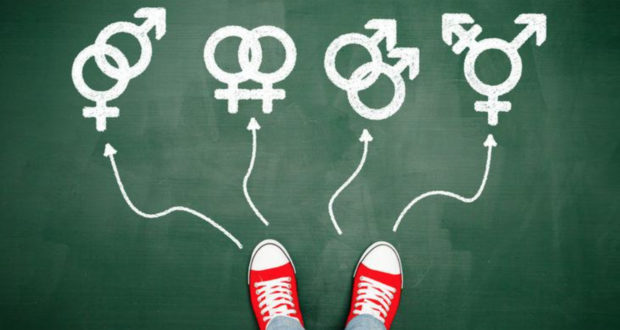
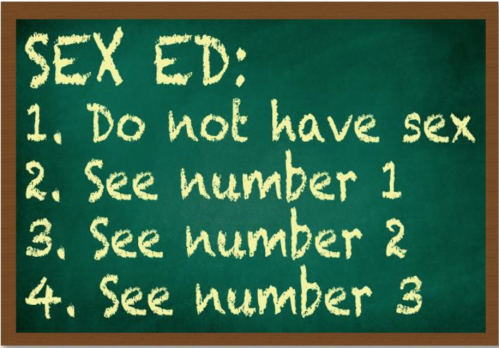
Why Abstinence Only Sex Education Is Only Getting More Harmful

screen_shot_2017-06-06_at_10-20-47_am

There was once a time when it was possible, albeit cumbersome, for a parent to control the information and education their child received from the cradle up to and even a little bit beyond their high school graduation. Some even went further than that, attempting to control their children well into adulthood. I’m not saying that’s right or wrong. I’m not a parent yet so I’m not in a position to judge. I’m just saying it was possible.

A parent could, for the most part, prevent their children from watching certain TV shows, seeing certain movies, or reading certain books that contained information and messages that they didn’t want them consuming. Sure, every now and then one of their kids’ friends might sneak some “illicit” information past their guard, but they could still exert a fair amount of control over what and how their kids learned.

Without getting too deep into the logistics, it’s safe to say that those days are either over or numbered. In today’s world of ever-increased connectivity, along with cheap smartphones and easy internet access, kids are capable of accessing an unlimited wealth of information that no parent can hope to filter.

In many ways, that’s a good thing. Both the millennial generation and the emerging youth in Generation Z are the most educated cohort of people to have ever lived on this planet. Given that level of education, combined with access to so much information, why do some parents still believe they can keep their kids ignorant about sex?

I don’t deny that talking to children about sex is uncomfortable for parents, to say the least. It’s just as uncomfortable for the kids too. I still remember how awkward it was when my parents told me about sex. I still love and commend them for enduring that awkwardness because it made me more informed later in life. Other parents, however, insist on taking the opposite approach.

On April 23rd, 2018, there was a nationwide effort conducted by concerned parents who didn’t approve of how their children were being educated about sex. They called it “Sex Ed Sit Out” and it’s exactly what it sounds like. Rather than directly deal with the information their children are being taught, they seek to prevent their children from ever learning about it.

The fact they’re doing this in an era where any kid with a smartphone can look up detailed information about anatomy, sexuality, sexual orientation, and transgender issues is pretty telling. The fact this is being done with support of socially conservative, sex-negative organizations like the Family Research Council and the Liberty Counsel should also be a major red flag.

The effort, itself, was instigated by a North Carolina mother who called herself “The Activist Mommy.” She’s an extremely religious woman who espouses extremely regressive views on any form of sexuality that doesn’t fall in line with what popes, monks, mullahs, and rabbis deem moral. What set her off, though, was what she found out her kids had been learning in sex ed at their school.

It wasn’t just that they were teaching kids about contraception, safe sex practices, and the radical notion that sexual desires aren’t some disease that need to be cured or managed. It was also the idea that these programs had the audacity to inform children about LGBTQ issues relating to sexuality. It even had the gall to ask kids to think about and question how those issues effect them.

Assume that last paragraph was written with the utmost sarcasm, but that was a serious issue for these parents. This isn’t just about information that may or may not conflict with their preferred holy books. Some go so far as to call it “graphic, gender-bending, promiscuity-promoting sex education.”

They frequently throw around phrases like “the sexualization of our children” to get parents really uncomfortable. They treat such education as though they’re a how-to guide, complete with drills and a maintenance schedule. In reality, that’s not how the program works and anyone with an internet connection can verify that.

It’s still not enough for these parents, though. I don’t doubt they love their kids with all their hearts, but I think they’re seriously underestimating their ability to control both the inherent biology of children and the dangers of trying to preserve ignorance in an era where information is so easy to access.

It’s because of that same access that anyone can learn that abstinence only sex education programs don’t work. It doesn’t just bear out through data in peer-reviewed studies. Those programs even fail the basic tenets of common sense and logic. To prove this, just think of all the instances when not knowing about something made it not exist. Outside Freddy Kruger movies, that just doesn’t work in the real world.

Beyond simply being ineffective and a waste of taxpayer money, taking that same abstinence approach to LGBTQ issues is potentially more damaging. It’s one thing to tell children that having a strong desire to be intimate with someone is immoral, dangerous, and may doom their soul to damnation. It’s quite another to instill the notion that they’re somehow damaged for not having gender-based attitudes consistent with 50s sitcoms.

Like it or not, human beings are complicated, diverse creatures with a wide range of desires, attitudes, and identities. The idea that something as inherently powerful as sex can fit into the narrow scope of a 50s sitcom requires a gross misunderstanding of the chaotic, unpredictable nature of sexuality and biology in general.

Granted, this sort of repressive ideology is nothing new. Religious organizations have been protesting sex education in public school for years, favoring abstinence instead of any information that might hint that sex could involve something other than just two married heterosexuals making babies that grow into devout church-going tax-payers.

However, the rhetoric from people like the Activist Mommy is getting louder as gender-driven conflicts enter the conversation on top of the sexual components. It’s more than enough to get parents worried, outraged, and even a little anxious about what their kids are learning.

Whatever their sentiments, sincere and well-meaning as they might be, the abstinence approach still doesn‘t work. It was already ineffective in the era before the internet, as evidenced by the rates of teen pregnancy over the past several decades. However, that same inefficacy may be more damaging now than it was two decades ago.

To understand how, think back to what I mentioned earlier about parents being able to control what their kids learned in the past. Outside extremely restrictive religious communities, that’s just not feasible anymore. Today, just as during any other time period in human history, kids are going to get curious and/or horny. Unlike past eras, though, it’s easier than ever find the information they’re looking for.

That’s not just dangerous to the extent those kids learn things their parents don’t want them to know. It’s dangerous in the sense that there’s a lot of misinformation on the internet, especially about sex. That doesn’t just extend to the unrealistic depictions and expectations in the average porno either. It’s disturbingly easy to find bias sources of information.

Even if that information is accurate, there’s still more damage to be done by abstinence. Once a kid learns that information, much to the dismay of their parent, it’s hard to unlearn it. At the same time, it may also reveal to the kid just how much their parents have been lying to them on issues of sex, gender, and their own bodies.

Now, I get that parents have to lie to their kids every now and then, but some lies are more destructive than others. If the lie is too big or egregious, then suddenly that kid has a valid reason not to trust their parents. First, they say sex you can get pregnant by hugging someone. Then, they expect you to believe them when they say driving after doing tequila shots at a party is dangerous?

As a general rule, if keeping a secret from your kid involves something that can’t easily be uncovered with a couple internet searches, then they’re going to find out eventually. It doesn’t matter how hard you try to protect your kid from this information. If it’s out there and they’re curious, they’ll find it. That’s just the nature of the age we live in.

A child may or may not be capable of understanding sexuality or gender issues at a particular age, but most agree that it’s healthy for a child to trust their parents. Most people, kids and adults alike, can forgive small lies. For bigger lies that can claim natural, healthy desires are a disease, though, those are much harder to overlook.

For the parents to participated in this sit out, I hope they come to understand that at some point. Their children, which I’m certain they love with all their heart, are going to learn about sex, gender, and everything in between at some point. When that point comes and it’s too late, then the damage might already be irreparable.

1 Comment

Filed under gender issues, sex in media, sex in society, sexuality

The following is a review I wrote for PopMatters for Avengers #1. Enjoy!

Marvel’s Avengers #1 Defends Old School Avenging

Leave a comment

May 3, 2018 · 2:06 pm

How Superhero Movies Are Preparing Us For The Future Of Human Enhancement

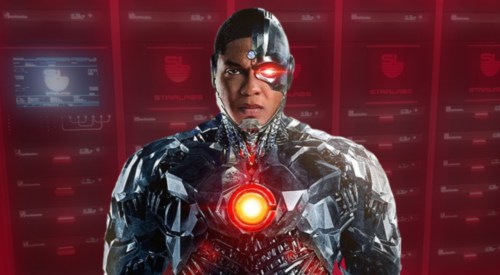
justice-league-cyborg-star-labs-1050432-1280x0

As a kid growing up on a healthy diet of superhero comics, video games, and superhero-themed cartoons that were very much ahead of their time on social issues, I often daydreamed about how awesome it would be to have the same powers as my favorite heroes. As an adult, I still daydream every now and then, often when I’m tired, frustrated, or stuck in traffic.

A major component in the overall appeal of the superhero genre is the wish fulfillment fantasy it embodies. Captain America represents the peak of physical conditioning. Iron Man represents the peak of technological know-how. Superman represents the peak of pretty much every possible feat we can imagine, a few of which are even impossible.

It’s a common fantasy of anyone who ever struggled in gym class or couldn’t open a can of pickles. It is, after all, those moments of struggle that remind us of just how limited we are, as humans. Our bodies are remarkable in so many ways, but they’re still frustratingly frail.

That status, however, may very well change. Unlike every other point in the approximately 200,000 year history of the human species, we’re actively working to transcend the limits of evolution through advances in biotechnology, advances in the treatment of disease, and even the integration of cybernetics into our brains and even our genitals.

Some of these advances are closer than others. Chances are that most people alive today won’t live to see the day when they can shape-shift at will like Mystique or fly around like Iron Man in mech suits designed by Elon Musk’s descendants. However, there may be young children alive today who will live long enough to see such wonders.

I’m not the only one who thinks this. There are people out there much smarter than me who believes that the first functionally immortal person is already alive today. They still might be in diapers, but there is a real chance that by the time they’re as old as I am, they’ll live in a world where things like aging, disease, and not being able to run 13 miles in 30 minutes like Captain America is a thing of the past.

A lot has already changed in the time I’ve been alive. I still remember a time when the idea of computers that could fit into your pocket was seen as too futuristic for some people. It was seen as just a fancy gadget from Star Trek. Given that kind of change, it’s hard to imagine what the next several decades holds for the future of humanity.

That’s where superhero media is helping in unexpected ways, though. To some extent, the modern superhero media of today is doing the same thing “Star Trek” did for previous generations. It doesn’t present a fanciful world where big green men can smash monsters or where a sickly young army recruit can be instantly transformed into the ultimate soldier. It offers a tantalizing vision of what the future could be.

It’s a vision that I believe got muddied between the end of the early “Star Trek” era and rise of modern superhero movies that began with “X-men,” “Iron Man,” and Christopher Nolan’s “Batman Begins.” Within that gap, events like Watergate, the the Vietnam War, and the rise of less optimistic, much more cynical generations made it very difficult to look forward to a better future.

Modern superhero movies have not eliminated that cynicism, but I believe it has helped tempered it. Optimism, as a whole, is actually on the rise. As bad as some recent headlines have been, some being downright disturbing, there is an increasing sense that the future is not all doom and gloom. We still dare to daydream about a better tomorrow.

More recent superhero movies, especially those that began with “Iron Man” and the emergence of the Marvel Cinematic Universe, aren’t nearly as fanciful as the old Richard Donner “Superman” movies. They’re not as gritty as Christopher Nolan’s “Batman” movies either. In a sense, this health balance has presented audiences with a world that still feels fanciful, but is also full of possibilities.

The idea that we can use science and biotechnology to turn someone who was once weak and sickly into the pinnacle of strength is not just a product of Jack Kirby’s legendary imagination. There are people working on that as I write this. It’s not out of the realm of possibility that we may one day enhance ourselves to the same level as Captain America.

Chances are we won’t even stop there. As I noted earlier, the human body has a lot of flaws. Also, thanks to the painfully slow progress of evolution, it hasn’t been upgraded in over 100,000 years. From our biology’s perspective, we’re still cavemen roaming the African Savannah with spears and rocks. Our bodies need upgrades, especially if we’re to become a space-faring species like the ones in “Guardians of the Galaxy.”

Some of those upgrades will come sooner than others. The end result, though, will be something far greater than even Captain America’s abilities. Some of those abilities seem impossible now. Remember, though, it wasn’t that long ago that the idea of computers in our pockets seemed just as impossible.

This is where, I believe, modern superhero movies are doing a much greater service than just entertaining the masses and making billions of dollars for Disney. Through heroes like Captain America, Iron Man, Thor, and even “Ant Man,” these movies make the case that such enhancements can do more than just fight invading aliens.

These movies can also help make the case that humanity can use these advancements to become better, as a whole. Characters like Steve Rogers, Tony Stark, Scott Lang, and Peter Parker all have the opportunities to be both destructive and productive with their enhanced abilities. At times, they even lapse into destructive tendencies, as we saw with Tony in “Iron Man 3.”

In the end, though, these characters use those enhanced abilities to do good for the world. They’re still human and they still have human flaws, which they don’t even try to hide. However, even with these flaws, they still feel inclined to do good, heroic things with their abilities.

That doesn’t just make for a good superhero narrative. It sends the message that we, as a species, can aspire to do so much good with the advances the future brings. There are still plenty of dangers, both with existing technology and with emerging technologies. The essence of the superhero narrative, though, tells us that we can confront those dangers and come out of it better than before.

That’s an important mentality to have as we move into an era where human enhancement is both possible and common. By believing we can use it to pursue the same heroics as the superheroes in movies like “The Avengers,” we give our species the push it needs to advance in a way that brings out the best in us.

There will still be villains along the way, as plenty of superhero movies show. The fact we still root for the heroes, though, helps reveal where our aspirations reside. With these movies effecting an entire generation of young people, I believe modern superhero movies are doing plenty to prepare them for the future of human enhancement.

With the staggering success of “Avengers: Infinity War,” a movie that has raised the bar for superhero movies of all kinds, the impact of superhero media has never been greater. That impact may very well be the key to preparing the next generation for unprecedented advancements in technology, society, and progress. That, to some extent, might end up being the most heroic thing this genre can do.

1 Comment

Filed under Comic Books, Jack Fisher, Superheroes, futurism, human nature, Sexy Future

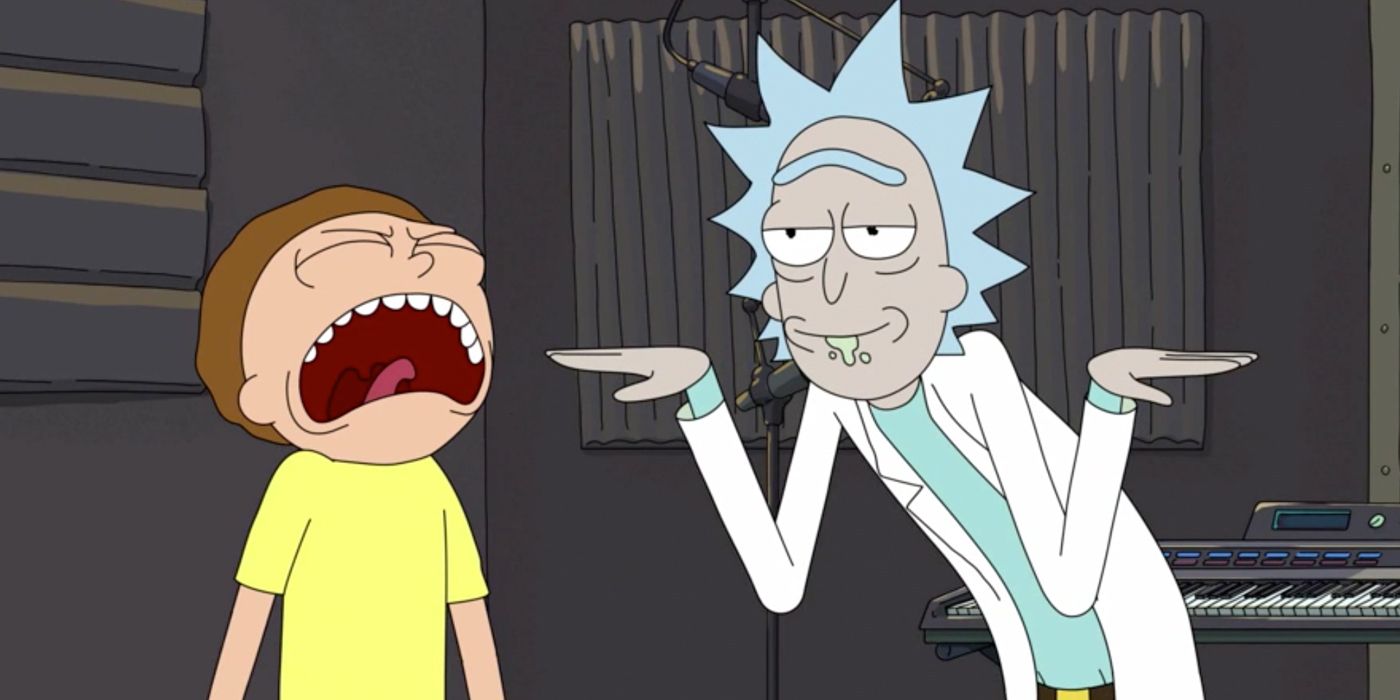
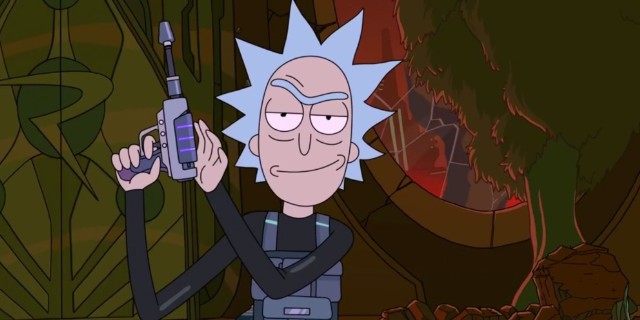
The Strange Appeal Of The Apocalypse (According To “Rick And Morty”)

s3e2_specific_rick

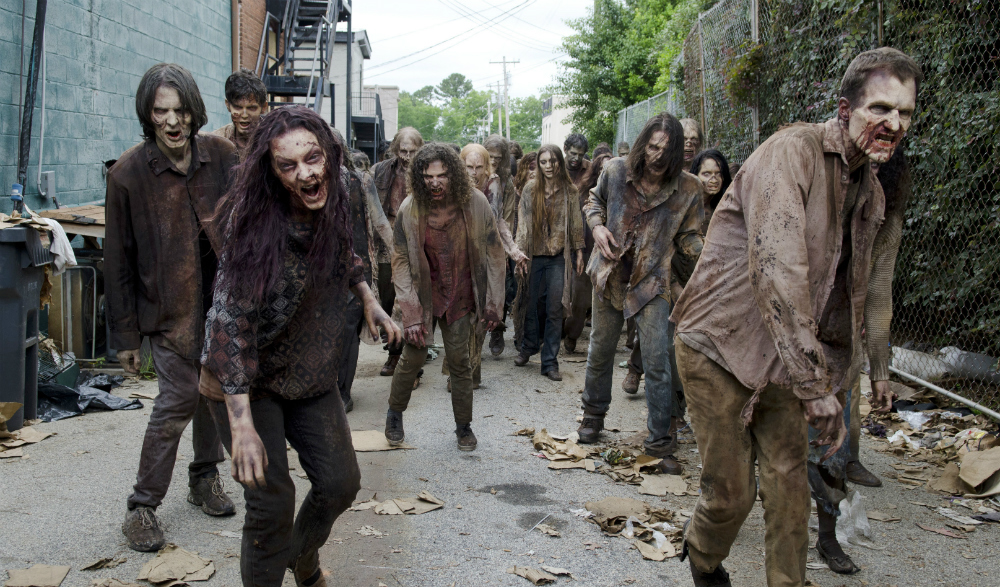
What is it about the apocalypse that fascinates us so much? Why do movies about zombies, machine uprisings, and overall societal collapse appeal to us? Is it just the dramatic, action-packed stories they evoke that thrills us? Could there be something more to that appeal?

While I enjoy a good apocalyptic tale every now and then, I don’t consider myself a fan of the genre. In general, I opt for more hopeful and optimistic stories about the future and the present. I can still appreciate movies like “World War Z” and TV shows like “The Walking Dead,” but it’s not the kind of story that appeals to me, in general.

Even so, I don’t deny that there is a certain appeal to it. I’m not just talking about apocalyptic stories either. For some, the idea of a world in which civilization has collapsed has an innate allure that goes beyond zombies, killer robots, or even invading aliens. To some extent, that appeal is directly related to the flaws of civilization itself.

To appreciate those flaws and where the apocalypse fits in, it’s necessary to reference a show that has a knack for conveying complex philosophical insights in a way that’s both entertaining and hilarious. Yes, I’m referring to “Rick and Morty” again. No, I’m not apologizing for that.

In the same way this show has conveyed complexities of nihilism and the burdens of genius, this show also does a better job than most at conveying the unique appeal of the collapse of civilization. It does this through two episodes, “Rick Potion Number 9” and “Rickmancing The Stone.” While the details are subtle, as is often the case with “Rick and Morty,” the message is clear.

Simply put, the fruits of modern civilization are debilitating, dehumanizing, and soul-crushing for the vast majority of people. If you’re rich, good looking, and well-connected, then civilization is fantastic for you. You can get pretty much whatever you want and you can get other people to do all the hard stuff you don’t want to do.

If you’re everyone else, though, you’re kind of stuck. Throughout “Rick and Morty,” Rick Sanchez doesn’t hide from that fact. His nihilistic commentary on life, death, and everything in between makes clear that civilization is just a few extra inconveniences to an undisputed super-genius who can build a nuclear reactor out of pond scum.

However, it’s through characters like Jerry Smith, Rick’s perpetually mediocre son-in-law, that the true weight of modern civilization becomes clear. To some extent, Jerry represents all the non-Ricks of the world. They don’t have the benefits of good looks, deep pockets, or god-like genius navigate civilization. They’re basically stuck working for the scraps.

Both myself and most people reading this probably have more in common with Jerry than they care to admit. We work jobs we don’t like to make just enough money to survive in a society where simply living is both overly-complicated and expensive by modern infrastructure, law, and economics. For most people, just living in a decent place with a manageable mortgage payment and good WiFi is the most they can hope for.

In the apocalypse, though, everything is simpler. All those complexities of modern civilization go out the window. Life is no longer defined by your ability to find a job, pay the bills, stay out of jail, and not piss off the wrong people. It’s defined by your ability to survive day-by-day. It basically resets our society back to its tribal roots.

For some, that’s a horrible setback because it means they actually have to work, sweat, and toil for their survival rather than relying on underpaid peasants. For most, though, it’s a massive equalizer. Suddenly, your money, your fancy clothes, and your tax bracket don’t matter. All that matters is your ability to survive another day.

In “Rick Potion Number 9,” Rick and Morty’s antics bring about the complete collapse of civilization. In the process, Jerry Smith gets a chance to be something other than the guy that modern society walks all over because of his inherent mediocrity. Suddenly, he doesn’t need genius, looks, or connections to thrive. He just needs an ability to hold a crow bar and fight monsters.

In “Rickmancing The Stone,” this breakdown of civilization and equalization of stakes gets an even greater push, albeit without Jerry. He still plays a part in the story, but only to the extent that it’s clear just how much modern civilization crushes people like Jerry whose skills are too limited to thrive. Conversely, a “Mad Max: Fury Road” style apocalypse simplifies the types of necessary skills.

In that world, and nearly every other apocalyptic narrative for that matter, you don’t need to go to a fancy college, invest in complex industry, or network with rich elites. You just need to be willing and able to learn basic survival skills, like hunting, foraging, self-defense, and basic crafts. Most people with moderate hand-eye coordination and a little grit can learn those skills.

These are skills that go back to the basics of our hunter/gatherer past. They’re skills that still manifest today, both with rugged outdoor-lovers and in societies that have collapsed, albeit on a non-zombie, non-global scale. Whatever the circumstances, though, the end results are the same. The apocalypse doesn’t just simplify the stakes. It requires us to be egalitarian in the most pragmatic way possible.

Think of all the petty divisions we currently deal with, from identity politics to philosophical debates to never-ending feud between “Star Wars” fans and “Star Trek” fans. In the face of an apocalypse, all that stuff becomes meaningless. Disagreements over feminism and masculinity don’t matter. Clashes between liberals and conservatives don’t matter. Complex economic theories don’t matter.

To some extent, that is appealing. Sure, it also means no internet, no TV, no movies, no social media, and no media of any kind. It also means no air conditioning, no electricity, no modern medicine, and no modern comforts. That may limit the appeal, but at the same time, it removes the complications that comes with those amenities.

Let’s face it. They are complications that get pretty infuriating. In the modern world, you can’t just survive. You have to have a career. You have to have some sort of profitable skill. Even if you do, that’s no guarantee you’ll gain the respect you want, attract the mates you want, or establish yourself as a productive member of your community.

In the world of the apocalypse, it doesn’t matter how many Twitter followers you had or likes you got on FaceBook. It doesn’t matter how many friends you had in high school, how many matches you won on “Overwatch,” or how many dumb things you did as a kid. When society, civilization, and infrastructure collapse, none of that matters. You’re essentially free to just live and survive.

For the Jerry Smiths of the world, the apocalypse would be the perfect make-or-break scenario. You either show that you’re willing to work, fight, and survive or you die. That’s all there is to it. It’s simple, blunt, and uncomplicated. You have just as much an opportunity as some guy who went to an overpriced prep school. Even if you fail, you fail on your own accord.

That said, there’s also a dark side to that appeal. While “Rick and Morty” double down on the dehumanizing, degrading nature of modern civilization, other shows like “The Walking Dead” show how it can take people who would be unremarkable in a civilized society and turn them into monsters. That’s how a high school football coach can become a tyrannical, but charismatic dictator.

Like modern civilization, the apocalypse affects people in different ways. Some, like Jerry Smith and Negan, might actually thrive in it. Others won’t be able to handle it, having become too comfortable with the trappings of civilization. That’s something that modern survivalist groups bank on and, should the apocalypse ever come, we’ll see how much or how little that pays off.

Personally, I hope that day never comes. It’s not just because I probably wouldn’t last long in an apocalypse. I’ve never gone camping, I don’t have any survival training, and I’m not sure how I’ll react to a zombie. I think that while modern civilization has its flaws, it has more long-term potential than any apocalypse, by default.

Since much of that potential is still unrealized, although we are making progress, the apocalypse will still have more appeal to the vast majority of people who feel trapped by the rigid complexity of modern civilization. They can only do so much with their lives and there’s only so much they have to risk.

Then again, maybe that’s something both civilization and the apocalypse have in common. As Rick Sanchez once said, “To live is to risk it all. Otherwise, you’re just an inert chunk of randomly assembled molecules drifting wherever the universe blows you.” It’s just easier to do that in the apocalypse because, with or without zombies, the stakes are simpler and clearer for everyone.

1 Comment

Filed under Current Events, human nature, Rick and Morty

Profiles In Noble Masculinity: Joel From “The Last Of Us”

cc579d19ebf45fbc7dc3d7a8e58527e5-e1508672973350

For the past few years, it has become a popular pasttime to label certain elements of popular culture as toxic or “problematic.” Take any character, song, plot, role, or trope from any brand of media. Apply an excessive amount of scrutiny, distorting it as much as necessary along the way. In the end, some people will find a way to make it offensive.

It’s through that process that shows like “Seinfeld” can be called racist. Movies like “Crocodile Dundee” can be called culturally insensitive. Movies like “Big” can be called creepy. Even classic video games like “Mario” and “Zelda” can be considered sexist. Scrutinize it enough and everything becomes racist, sexist, homophobic, transphobic, and culturally insensitive.

I find that whole process to be an exercise in trolling that does more to spark outrage than it does meaningful discussion. It’s the same process that created the idea of “toxic masculinity,” a concept I’ve gone out of my way to deconstruct on more than one occasion.

I don’t want to bemoan all the flaws and frustrations that occur when regressive attitudes mix with regressive agendas. There’s enough debate, discussion, and outright shouting going on in that field as it stands. Instead, I want to shift the tone of the conversation by going to the opposite end of the spectrum.

By that, I mean I’m going to do the opposite of highlighting something that some may find “problematic.” Instead, I’m going to cite something that I think is inherently positive from which we can learn. In fact, I’m going to try and coin a new phrase that’s more uplifting than some of the other buzzwords used by the regressive crowd.

I call it “noble masculinity.” It’s the idea that there are noble, admirable traits in male characters that are worth celebrating in the context of a larger story. Having talked so much about toxic masculinity and why I think it’s such a flawed concept, I feel it’s only fitting that I attempt to counter it with something more positive.

I know it’s popular to criticize and complain about male behaviors these days and, as a man, I don’t deny that we can do some foolish things. However, men are also capable of incredible acts of virtue. Those traits deserve more attention, if only to remind everyone that men can be more than outrage fodder.

There are a lot fictional male characters from movies, TV shows, video games, and comics that I could cite who embody positive masculine traits. Characters like Superman, John McClane, and even James Bond come to mind, although I’m sure there are some who would disagree with the last one.

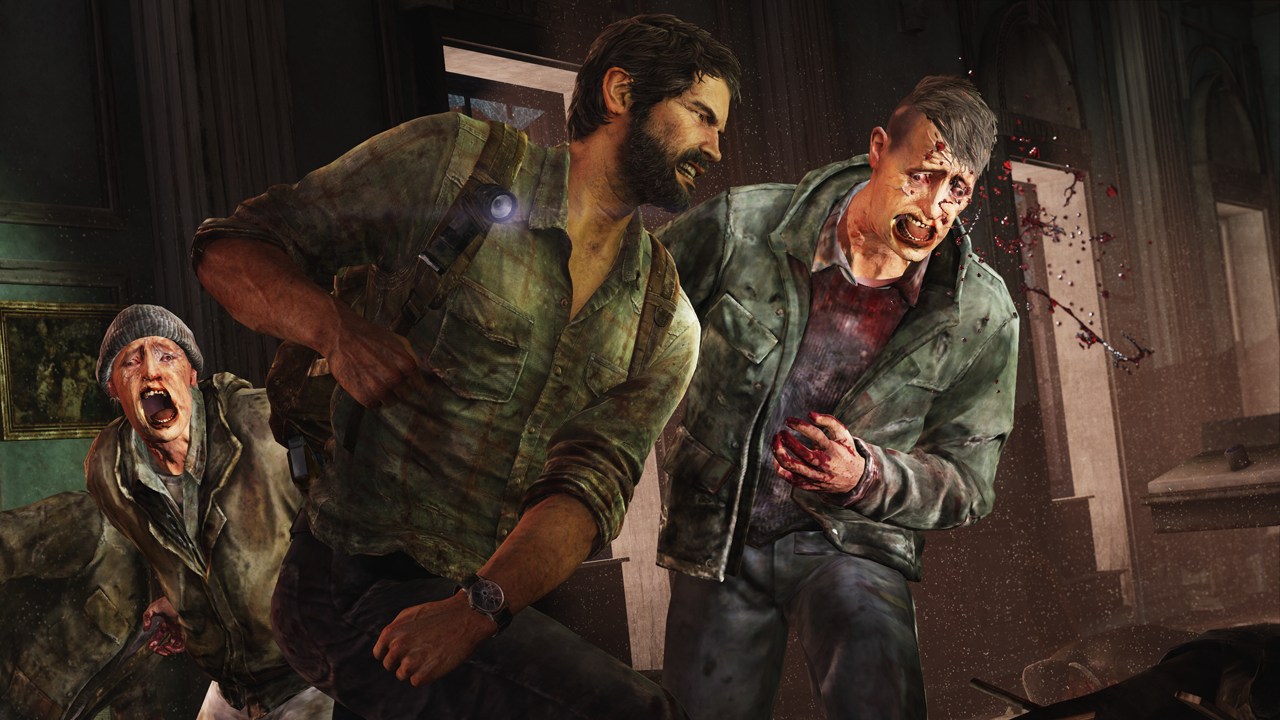
However, in this initial exercise of exploring noble masculinity, I want to cite a lesser-known male character from popular, critically acclaimed video game that some have called the most riveting, emotionally resonant story-driven epic of the console generation. That game is called “The Last of Us” and the source of the noble masculinity comes from Joel, the grizzled, yet vulnerable male protagonist of the story.

For those who haven’t played “The Last of Us” or just don’t play video games in general, Joel may initially come off as a mix of old cowboy tropes and John McClane rip-offs. However, by following his story, he reveals a level of depth that includes instances of noble masculinity that men and women alike can appreciate.

Joel’s story is not built on prophecies, superhuman abilities, or dumb luck. As a character and a person, Joel is largely defined by a grit that’s uniquely masculine in many ways. At the beginning of the game, he’s not looking to become part of some larger struggle. He’s just a single dad, trying to make a living and provide for his daughter, Sarah. In world full of dim-witted father figures, it’s pretty refreshing.

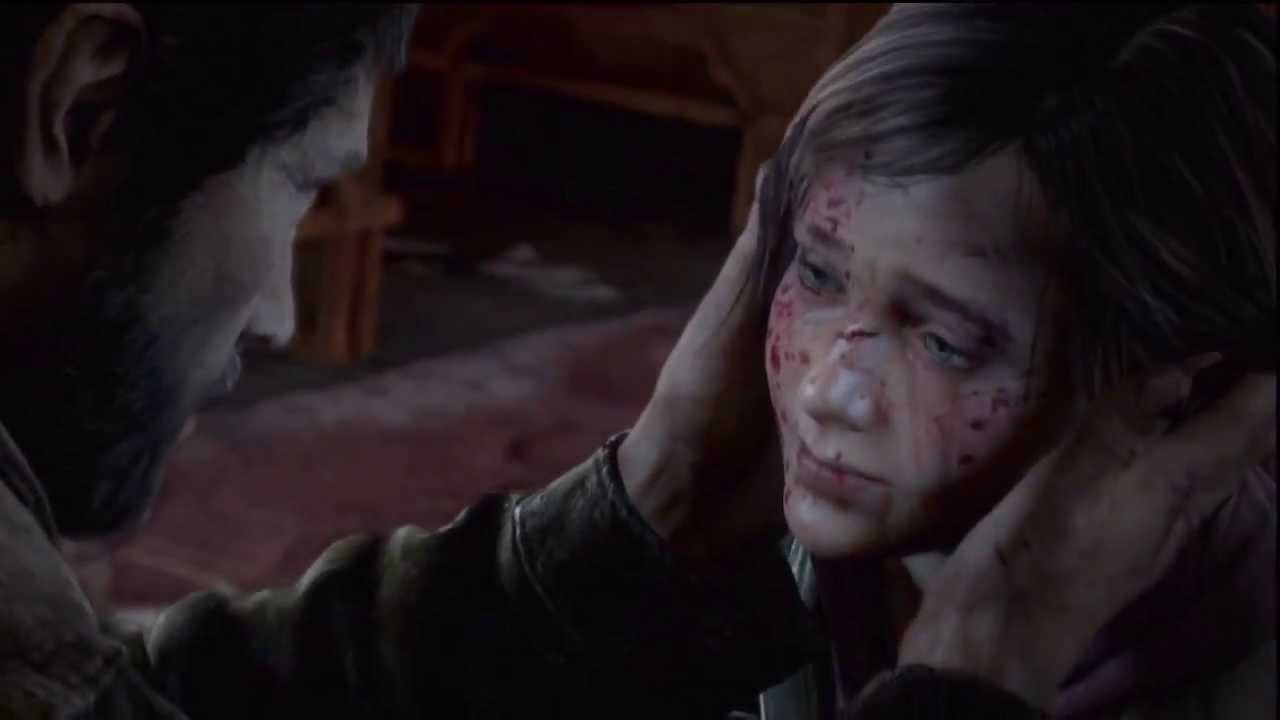
Then, within the first 10 minutes of the game, Joel suffers the greatest loss any parent can endure. He tries to protect his daughter from first stages of a full-blown apocalypse, but ultimately fails. He ends up watching his daughter die in his arms. It’s a very emotional moment, one in which Joel’s pain is palpable.

That defining moment establishes Joel as a man who fights to protect those he loves, but is all too human and very much at the mercy of forces beyond his control. There’s only so much that he do when the world around him is falling apart. No amount of anger, lament, or sorrow can change that. He, as a man and a survivor of this apocalypse, has to find a way to cope.

While his coping skills aren’t perfect, as evidenced in many powerful scenes throughout the game, Joel’s grief helps drive him. It also lays the foundation for the emotional development he undergoes after he meets Ellie, his young female co-protagonist who becomes a critical part of the gameplay and the story.

I could probably write another article about Ellie and why she’s one of the most compelling female characters in modern video games, but in the context of noble masculinity, she’s very much a catalyst for Joel’s emotional journey. Her own story is remarkable, but her influence on Joel is where she really shines.

It’s not a case of a knight rescuing a princess or a female character trying too hard to be an equal to her male compatriots. In fact, Joel’s first impression of Ellie isn’t a good one. She comes off as an irritable brat with a bad attitude. Essentially, she’s the kind of immature teenager that guys like Joel go out of their way to avoid.

However, their stories soon become intertwined. They end up having to work together, rely on each other, and fight for one another in order to survive a post-apocalyptic world that has been destroyed by zombies, toxic fungus, and military-enforced curfews. Before long, they establish a bond that brings out the best and worst of both characters.

For Joel, the best is reflected in those same paternal instincts that caused him so much pain and sorrow at the beginning. He comes to see Ellie as a surrogate daughter, of sorts. At times, he resists that and even gets upset when the idea is thrown in his face. In the end, though, he doesn’t avoid it.

As a result, Joel’s story embodies more than the love a father has for his child. It also reveals how willing a man is to form a bond with a total stranger, who is not even that nice to him in the beginning, and tries to protect them with that same paternal dedication. It doesn’t happen all at once. He even resists it at times. He still embraces it and all the tribulations that come with it.

That, more than anything, is the most important element of noble masculinity that Joel embodies. He’s not Superman, nor does he pretend to be. He’s also very aware of his own shortcomings, saying at one point that he trusts others more than he trusts himself. Most men are reluctant to acknowledge such insecurity, let alone reveal it. Joel doesn’t hide from it. If anything, he channels it.

It’s something that resonates with Ellie too. Throughout the game, she has opportunities to cut ties with him and go along with someone who might be better-equipped to help her. However, she choses to stay with Joel. Just as he comes to see her as a daughter, she comes to see him as a father.

The fact that he and Ellie go through this journey in the midst of an ongoing apocalypse makes their bond that much more powerful. It also requires that Joel push himself harder and confront the limitations that kept him from saving his daughter. Being a father made for great sorrow in the past, but it also made him stronger and more determined in the future.

That’s not to say that Joel doesn’t have his low points. There are moments where Joel does not come off as noble. Some even argue that his decisions towards the end of the game undermines his nobility. I would argue that it actually reinforces it.

When the world is already in the middle of an apocalypse and people are willing to sacrifice innocence for what they think is the greater good, then that’s when traits of noble masculinity become most critical. That’s when a father’s willingness to protect his child should be at its strongest.

That dedication still comes at a price. With a sequel in “The Last Of Us Part II” already in the works, it’s likely that Joel will continue to pay a price for his choices, however noble they might be. The fact that he still makes those choices and is willing to accept the risks reflects the challenges and strength that come with masculine drive.

Joel is probably not the greatest example of noble masculinity in all of fiction, but I would argue that his is the most relatable. He’s not perfect, nor does he pretend to be. He doesn’t have any capabilities that are impossible for other men to achieve. He’s a man who was utterly destroyed when he lost his daughter, but didn’t run from the chance to be a father again and to a total stranger, no less.

Flaws and shortcomings aside, I still contend that the noble masculinity that Joel shows throughout “The Last of Us” are far greater than any of the “toxic” traits that others may cite. In playing the game, it’s hard not to empathize with him or his journey, especially if you’re a parent. In appreciating his strengths, though, it shows that there is room for a brand of masculinity that anyone of any gender can admire.

9 Comments

Filed under gender issues, human nature, sex in media, video games

Infinitely Astounding And Then Some: My Review Of “Avengers: Infinity War”

https3a2f2fblogs-images-forbes-com2fcurtissilver2ffiles2f20182f042favengers

We’ve heard it all our lives from parents, teachers, and cartoon characters. Good things come to those who wait. Patience is a virtue. If something is worth having, then taking your time and going through the process will make it that much more rewarding.

As impatient, overly energetic kids, we hated that. As adults, we still hate it to some extent. However, those inane words of wisdom have proven themselves valid time and again.

To some extent, the Marvel Cinematic Universe has a been a decade-long exercise in patience. That patience has already paid off in so many ways with so many memorable moments, raising the bar for cinematic excellence every step of the way. After ten years of that process, though, how could it possibly vindicate all the patience?

Well, having seen “Avengers: Infinity War,” I’m comfortable saying that all the waiting, hype, and post-credits teasers was totally worth it. Never before has a movie come along that required so much build-up and so much connection from other films over such a lengthy period of time. Never before has a film franchise ever achieved such sustained, consistent success that has raked in billions for its Disney overlords.

By nearly every measure, “Avengers: Infinity War” is the culmination of all those efforts. It’s an effort that spans dozens of movies, made and re-birthed entire careers, and dared to tell the kind of story that required such a lengthy, elaborate process. It’s the kind of movie that, a decade ago, seemed impossible. Well, the impossible has been done and the results are nothing short of astounding.

Beyond the hype, setup, and process that went into making this movie, “Avengers: Infinity War” is a ride like no other. It’s not just about superheroes coming together to battle a common enemy. It’s not just about big battle scenes and witty quips between gods and talking raccoons. This is a movie with a powerful, impactful story that strikes so many emotional chords.

That may seem strange for a superhero movie, which have traditionally been big-budget spectacles meant to delight the inner child/fanboy in us all. The idea that a superhero movie could generate real drama and evoke powerful emotions almost seems like a subversion of the underlying appeal of the genre.

It’s for that reason that “Avengers: Infinity War” is so special. It doesn’t just build around the appeal of all these iconic characters, most of which are older than the actors and actresses playing them. It crafts a story that takes all the emotional stakes that had been set up in other movies and pushes them to the absolute limit.

The emotional journey that began in “Iron Man” and “The Avengers” comes to a head in a way that’s both definitive and powerful. There’s no more teasing surrounding Thanos, the Infinity Stones, and all the agendas surrounding them, many of which began in the earliest phases of the MCU. The stakes are clear, the threat is there, and the battles surrounding both are appropriately epic.

Beyond just the spectacle, though, “Avengers: Infinity War” succeeds in what might be the most important aspect for a movie of this scope and scale. The story and the high-octane clashes that fuel it all unfold in a way that makes the last decade of Marvel movies feel even more relevant.

Marvel big-wigs like Kevin Feige love to say it’s all connected. Well, “Avengers: Infinity War” strengthens those connections. Suddenly, the plots involving the infinity stones, going all the way back to “Captain America” and “Guardians of the Galaxy,” matter that much more.

All those plots gain much greater weight as Thanos fights to retrieve all six stones. Now, all the triumphs and failures of these characters more weight. These characters we’ve been cheering for and connecting with now have to push themselves beyond their limits. The end result is an experience that hits as hard as a punch by the Hulk.

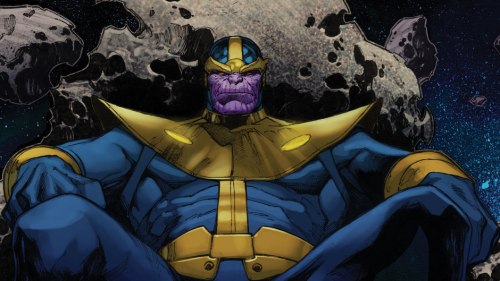
Beyond the connections created by the past ten years of Marvel movies, “Avengers: Infinity War” succeeds in another important way. It crafts the conflict around a powerful, compelling villain. After seeing the movie, I think most would agree that Thanos really steals the show and not just because Josh Brolin’s voice gives us all the right shivers.

It was probably the biggest challenge of this movie, beyond having to build it around a decade of overarching plot points. This movie needed to make Thanos more than just a daunting threat. It had to make him compelling. Given his colorful history in the comics, that was more challenging than most non-comic fans realize.

Thanos needed to be adapted, to some extent, in order for him to work. He couldn’t just be this mad, death-obsessed monster. In a universe that has birthed compelling villains like Loki and Erik Killmonger, he has to have some level of complexity. “Avengers: Infinity War” gives him more than any CGI-generated character could ever hope for.

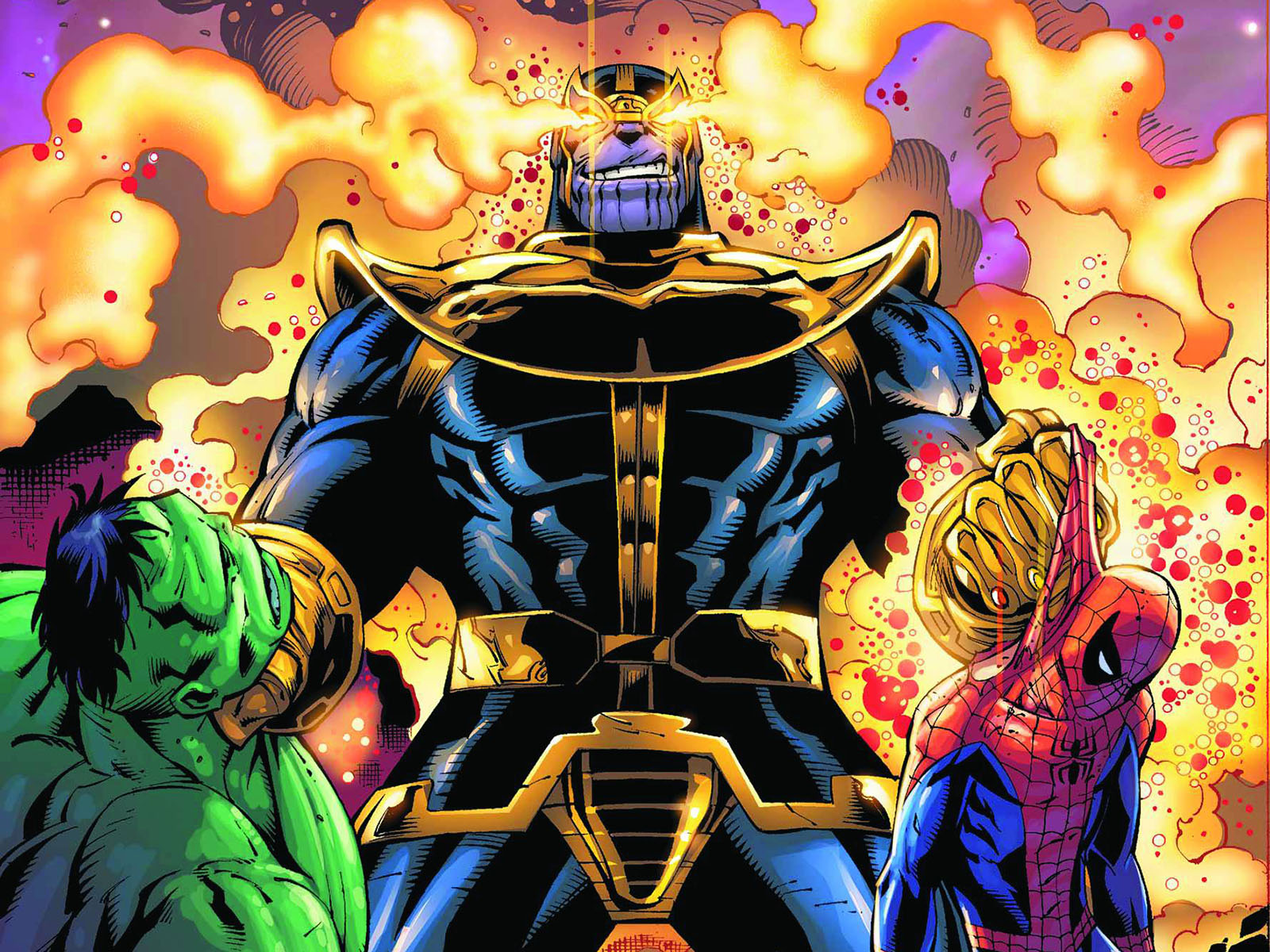
It’s not just that Thanos is menacing, powerful, and able to subdue the Hulk. It’s that he has a clear, unambiguous motivation. He’s very overt about what he’s doing and why he’s doing it. What makes it all the more remarkable is that he finds a way to justify it that doesn’t come off as outright villainous. I would argue that he justifies his actions are better than any other villain in the MCU.

That doesn’t just make Thanos compelling, as both a character and a villain. It helps create moments that establish he’s not just some overwhelming force of evil. He’s a being who has feelings and emotions. Even in the comics, Thanos is a very emotion-driven character. The emotions, in this case, are directed towards something other than wanting to hook up with the living embodiment of death.

As menacing as Thanos is, though, he’s driven by his passions and those passions push him to the kinds of extremes that make all villains so dangerous. It’s not the same kind of greed and ego that makes Lex Luthor’s villainy so overt. As a result, the Avengers have to tap into their own passions to stop him.

This brings out the best in them as well. There are moments between Iron Man, Spider-Man, Vision, the Scarlet Witch, Starlord, Gamora, and Thor that really elevate the drama. There are moments of romance, building on romantic sub-plots from previous movies. There are moments of heart-wrenching loss, more so than any other Marvel movie to date. Most importantly, though, those moments carry weight and impact.

That, more than anything, is what makes “Avengers: Infinity War” a special cinematic experience that was worth waiting a decade for. To some extent, the movie makes clear that it needed those ten years to build up the drama and story. It also needed those ten years to make us, the audience, really care about all these characters. That way, when the final credits roll, we all feel the true breadth of that impact.

You could, in theory, still watch “Avengers: Infinity War” without having seen any other Marvel movie or superhero movie, in general. Even in that context, it’s still a great movie full of action, drama, and memorable moments featuring gods, super soldiers, and talking raccoons. However, without all the movies that came before it and all the connections from them, it just doesn’t carry the same weight.

If “Avengers: Infinity War” has any flaws, it’s that. To truly appreciate the impact of the movie, it’s necessary to know and somewhat care about the other movies in the MCU that helped set it up. Without that, the movie is just another spectacle. It’s still an amazing spectacle full of quality acting and stunning effects. It just relies so much on the foundation that other movies have crafted.

I’ve no problem saying that “Avengers: Infinity War” is one of the greatest superhero movies ever made. It may very well go onto become the highest-grossing superhero movie of all time. However, it’s not without flaws. They are very minor, but they are there.

If there’s one glaring flaw in this masterful superhero saga, though, it’s that the movie is clearly organized to be in two parts. Like “Kill Bill” or the latest “Star Wars” trilogy, the story is incomplete, by necessity. As a result, the ending feels abrupt. It’s still more impactful than gut punch by an army of Hulks, but it’s one of those endings that never comes off as an endpoint.

This movie is presented very much in the mold of “The Empire Strikes Back” in that it hits the heroes hard, allows the villains to make devastating gains, and really raises the stakes for the sequel. Just as that movie made you want to see Luke Skywalker battle Dearth Vader again, “Avengers: Infinity War” makes you want to see the Avengers take down Thanos.

There’s so many things to love about “Avengers: Infinity War” and what it managed to accomplish. It is definitely a historic achievement for movies and the superhero genre, as a whole. If I had to score it, I’d give it a 9.5 out of 10. It’s not perfect because it’s incomplete, but it’s as close to perfect as anything can get after ten years of build-up.

The wait was long and agonizing, but so worth it. The wait for “Avengers 4” will likely be agonizing as well, but Marvel Studios has made a glorious habit of rewarding such patience so I certainly don’t mind waiting. “Avengers: Infinity War” once again raised the bar. I look forward to seeing how Marvel and Disney raise it again.

5 Comments

Filed under Comic Books, Jack Fisher, Superheroes, Movie Reviews

Sexy Sunday Thoughts: Infinity War Edition

537bc6a21256d

I hope it goes without saying to my fellow comic book fans, but this has been one of the biggest weekend in the history of the superhero genre. After over a decade of built-up and hype, “Avengers: Infinity War” has come out. It might very well be the biggest cinematic event since “Star Wars,” “Titanic,” or the first time someone saw female nipples on a movie screen.

There’s no way to overstate it. “Avengers: Infinity War” is a game-changing moment for a genre and an industry. Beyond simply giving Disney and Marvel a fresh pool of money to swim in, it promises to raise the bar for just how epic a superhero movie can be and just how impactful superheroes are on popular culture.

I still intend to craft my full review of the movie. I imagine there are plenty of people out there still in line, trying to get tickets for this monumental convergence of cinematic spectacle. I urge every one of those people to hang in there. I assure you the wait is worth it.

To make that weight slightly more bearable, I dedicate this week’s edition of my Sexy Sunday Thoughts to all those celebrating release of “Avengers: Infinity War.” We’ve waited a long time for a moment like this. Let’s celebrate it as best we can and for me, that means a little sex appeal.


“You can accurately judge the experience and skill of a lover by how well they touch nipples.”


“Is it possible that leather is only associated with kink because it’s easier to wipe away embarrassing stains?”


“Whoever invented the UV lamp probably made a LOT of unexpected enemies.”


“Technically speaking, an orgy is a conspiracy of orgasms.”


“Laughing during sex is only slightly less awkward than throwing up during desert.”


“Sex can be given, love has be earned, and anal must be negotiated.”


“Using a vibrator during sex is the intimate equivalent of a spoiler.”


These sexy thoughts might not have the power of the Infinity Gauntlet or the menacing presence of Thanos. If nothing else, I hope they get peoples’ hearts racing for reasons other than those evoked by the movie. For superhero fans, comic fans, and fans of all things epic, “Avengers: Infinity War” is a historic achievement. The way I see it, some sexy musings can be part of the celebration.

Leave a comment

Filed under Sexy Short Story

“Avenging Desire” A Sexy Short Story

4c0207704be29296-600x400

The following is a sexy short story entitled “Avenging Desire.” It’s not based on any real events, but it was inspired by the recent hype surrounding the debut of “Avengers: Infinity War.” Enjoy!

The wait was almost over. The day that fans of Marvel and superhero movies had been waiting for had finally arrived. “Avengers: Infinity War” was set to release and fans of all kinds had lined up outside the MaxCinema IMAX theater for the midnight showing.

Michelle Meyers considered herself one of those fans. In fact, she considered herself a bigger fan than 90 percent of those waiting in line, thinking they could get away with not pre-ordering tickets two weeks ahead of time. A few days ago, she would’ve laughed at them for their lack of foresight. Now, if they knew her current predicament, they’d probably be laughing at her.

“The biggest movie premier of my life,” Michelle mused as she sat on the hood of her car, “and fate finds a way to make it harder for me… and break my heart, in the process.”

Muttering a string of curses to herself, she looked away from the crowd and checked her phone. She had a little more than an hour before the midnight premier of the movie. She should’ve been more excited than any sane woman should for a movie premier. It was the cinematic event of a lifetime and Michelle thought she’d prepared for it, even going so far as to get a Black Widow costume.

Then, it happened. More specifically, her boyfriend happened. Eric Landon, the man she’d dated for two years and seen more than her share of superhero movies with, broke up with her. On top of that, she found out he’d been cheating on her with some girl he met on a comic book message board, of all places. If that weren’t bad enough, he’d been the one to pre-order their tickets.

“Fuck you, Eric,” Michelle said, still staring at her phone, which had an old picture of them in the background. “Fuck you for being worse than Thanos when it comes to loving your girlfriend. The least you could’ve done was break my heart after we saw the movie.”

She kept cursing her ex under her breath and in her mind, hoping that new girl he left her for would bust his balls like the Hulk every chance she got. Michelle had gone through bad break-ups before, but she’d never hated someone so much for ending a relationship at the worst possible time.

It wasn’t just that the tickets he bought had been in his name. She’d also found out just a few hours ago that Eric intended to use what should’ve been her ticket to take his new girlfriend to see the movie. For all she knew, they were already in line and Eric was wearing the same old Captain America T-shirt he wore on their first date.

It was tempting to just hunt him down, kick his ass in public, and take the ticket that was rightfully hers. However, Michelle had another plan, one that would help her see the movie and get back at her ex. It required a little cunning and sacrifice on her part, but for a chance to see “Avengers: Infinity War” tonight, she was willing to take that chance.

As time ticked by at an agonizingly slow pace, Michelle kept checking her phone, watching as the premier drew closer by the second. Finally, she heard the voice she’d been waiting.

“Michelle Meyers…is that you?” said Samuel Hartman, the man who held the keys to making her night a success.

“That’s me,” Michelle said, putting on her best smile and using her most seductive tone. “You’re right on time, Sam.”

“I know you couldn’t give too many specifics with your text, but how do you want to…”

Michelle held up her hand to silence him. He sounded so nervous, if not a little anxious. She couldn’t have that. She had to maintain a certain mood. It was the only way they could both get what they wanted.

“Don’t overthink this, Sam. I was vague for a reason,” she said as she got off the hood of her car. “First, let me see the tickets. I need to be sure…more so than I was with Eric.”

“Of course,” he replied, already sounding somewhat calmer.

She watched as Sam reached into his back pocket, took out his wallet, and showed her two movie tickets to the “Avengers: Infinity War” premier, which was set to begin in under an hour. Michelle then approached him, scrutinizing the tickets to make sure they were real. Having worked in a movie theater during high school, she knew how to spot fakes. Near as she could tell, they were real.

“Wow! You got great seats,” Michelle said with a smile.

“My older brother is a real movie junky,” Sam said. “He has picking the best seats down to a science.”

“And you thought to use it on the biggest movie premier of the past decade…smart.”

“Well, in my defense, I do consider myself an Avengers fan. Plus, I failed miserably to get tickets to the Black Panther movie and I wasn’t going to make that mistake again.”

“Except, you already had someone to share those tickets with, didn’t you?” Michelle said.

“I did,” he admitted, “but that’s where my sister’s terrible luck is your gain. She and I were going to see this movie tonight, just like we have with every MCU movie. Then, her car breaks down on her way back from Florida and she’s not going to be in until tomorrow night.”

“My older brother is a mechanic. I’ll get him to fix that car for free if this is as worth it as I hope.”

Michelle took a step closer and, in a move that would’ve made the Black Widow proud, pulled the young man into an intimate embrace. It was a lot more intimate than she usually offered for someone she’d just met, but for Sam and the promise of seeing “Avengers: Infinity War,” she made an exception.

Sam wasn’t just a guy who happened to have a spare ticket to the movie. The only reason Michelle knew him was because he worked for the same law firm as Eric. Sam even outranked him technically, having been close to one of the partners at the firm. She’d met him at the office Christmas party and remembered that he’d recently endured a nasty break-up as well. That aligned their goals in ways beyond the movie.

Michelle had overheard Eric talking to Sam about “Avengers: Infinity War” earlier in the week, just before she found out about his lying, cheating antics. She also remembered Sam being less an asshole when debating who could lift Thor’s hammer. That made the revelation that he had a spare ticket even more enticing. It also made her method of payment much clearer.

“Um…Michelle?” said Sam, still holding the tickets and his wallet.

“Yes, Sam?” said Michelle, smiling playfully as she let her body press against his.

“I know you said you wanted to earn this ticket,” he told her.

“I still do,” she replied seductively.

“For the record, though…I still would’ve accepted cash. I would’ve even offered a discount after what Eric did to you. I mean…cheating on you and using his ticket on the girl he cheated with? That’s just wrong!”

“It’s for that exact reason I didn’t accept the discount. You see, unlike Eric, I prefer to put in the work. I like doing things the hard way. It makes the end results so much more rewarding.”

With each word she spoke, Michelle channeled every ounce her flirting skills. She hadn’t used those skills much since college and even back then, she needed a little alcohol to really maximize the effect. True to her word, she decided to push herself with Sam and for all the right reasons.

As he stood dumbfounded in her embrace, she casually grasped his arms and lowered them so that he put the tickets and his wallet away. She then guided his arms around her waist so they could share a more complete embrace. She could still sense Sam overthinking things to some extent, but if the sudden hardness in his pants were any indication, his thoughts were giving way to action. Tony Stark would’ve been proud.

“That’s also why I parked my car all the way out here,” Michelle told him, gesturing towards her car. “It’s a long walk to the theater, it’s in a corner lot, and it’s right across from that pile of broken concrete that the construction crews haven’t cleaned up yet.”

“Yeah, I figured there was a reason for that,” said Sam with an awkward grin.

“The reason is simple,” she said more intently. “It’s remote and private. On top of that, all the cops are in the theater, making sure nobody sneaks in a bottle of bourbon inside a toy hammer.”

“Would you think less of me if I tried something like that when I saw Thor: Ragnarok last year?”

“Actually…I’d find that incredibly hot.”

She must have sounded like Scarlett Johannsen because she swore she felt a bulge form in Sam’s pants instantly. Embracing him under the poor illumination of a street light, the crowded theater in the distance taking up everyone else’s attention, she and Sam might as well have been in the same underground cave as Thor was in “Avengers: Age of Ultron.”

Michelle didn’t know Sam that well, but he loved superhero movies like her and he hadn’t given away her ticket to “Avengers: Infinity War” to some undeserving bitch. That was more than enough to evoke the desires she needed to make their little transaction work.

The first part of it involved a simple kiss, which Michelle gave Sam without hesitation. She even threw in a little tongue with some extra body contact. That actually surprised him, but in the best possible way.

“Whoa,” Sam said after their lips parted, “you’re very direct.”

“I am when I have to be,” she quipped.

“Eric once mentioned how determined you could be when in the right mindset. I think he undersold that trait.”

“Please don’t mention that name from here on out. As far as I’m concerned, there are only three things that matter right now…you, me, and seeing this goddamn movie.”

Michelle kissed him again, being even more direct than before. She practically shoved her tongue into his mouth, grabbed his wrist and guiding his hands down onto her butt. That time, Sam didn’t hesitate. Instead, he kissed back. Apparently, his brain had caught up with the rest of his body. Much like the Avengers, they were ready to assemble for the ultimate mission.

Having set the tone and made her intentions clear, Michelle sensed they were ready for the next part of their transaction. That meant a different kind of assembling.

“Now then,” Michelle said, after their lips parted, “why don’t we take this to the back seat of my car and finalize our little deal?”

“Between this movie and your kissing skills…I’m just going to shut up now.”

“Works for me!”

Tapping the same giddy spirit she felt years ago when she came out of the first “Iron Man” movie, she latched onto Sam’s arm and led him to her car. As soon as she opened the rear passenger doors, she couldn’t get into the back seat with him fast enough.

Her car wasn’t the most spacious vehicle in the world, but she’d cleaned it out that afternoon, knowing she’d need every bit of space for tonight. As soon as she closed the door behind her, doing one quick check to make sure nobody was in sight, Michelle smothered Sam with healthy dose of kissing and fondling.

Before long, he was lying on the back seat with her on top of him, his hands back on her butt as their still-clothed bodies pressed together in the confined space. She more she kissed him, the more she kissed back. The more she pawed his chest, the more he squeezed his butt. It wasn’t quite the kind of teamwork the Avengers embodied, but it still seemed fitting.

All the kissing and touching helped things heat up very quickly. Already, Michelle felt the air inside her car get hotter and stickier. It made staying fully clothed unbearable for a second longer.

“Sam,” she said, already breathless as she lay on top of him, “it’s getting hotter than Surtur’s balls in here. What do you we ditch these itchy clothes?”

Sam just grinned, keeping his promise to shut up while she carried out their little transaction. That fact alone – him actually keeping a promise – already put him above her ex. That might very well make the next part even more enjoyable.

Rising up in the seat, still straddling his waist, Michelle took off her Black Widow themed T-shirt to reveal a matching black bra. Then, with the same seductive glance that made Scarlett Johannsen the best part of “Iron Man 2,” she unhooked the clasp and removed it, allowing her breasts to tumble free.

“Michelle,” Sam said, his eyes widening with delight at the sight of her breasts.

“You can call me Natasha Romanov if you want,” Michelle said playfully, doing her best Russian accent.

“I’ll…stick to Michelle,” he said jokingly.

They both laughed and kissed again. Sam didn’t need help guiding his hands to her breasts. He quickly found his way and began fondling them with both hands. He wasn’t too hard. He was actually careful. Clearly, he had fondled breasts before and was pretty good at it. That got Michelle even more eager to get out of her clothes.

First, she helped Sam keep up. As he fondled and admired her breasts, she undid his button-up shirt with an Avengers logo on the chest. Once that was off, she undid his belt buckle and pants. That proved more challenging because that bulge she felt earlier had grown quite a bit. Still determined, both to finish the job and see the movie, she managed to pull them off, boxers and all.

“That’s better,” Sam said as he eagerly kicked off his pants.

“Yes…much better,” said Michelle.

She felt like a drunken prom date, getting her first glimpse of Sam’s dick. In addition to being in better shape than Eric, Sam was more endowed as well. In the spirit of Thor, she looked to test if he was worthy of it. That also meant testing just how determined she was to see “Avengers: Infinity War.”

“I’m going to suck your dick, now,” she told him. “Then, I’m going to fuck you. I’m going to fuck you so well that you’ll deem me worthy of that ticket…so worthy that Thor, himself, would be proud.”

“You just keep sweetening this deal, Michelle,” Sam said with the widest grin she’d ever seen on a man.

He must have felt like Tony Stark at that moment and Michelle intended to affirm that feeling. Still hovering over him, letting him admire and touch her breasts, she reached down and began fondling his cock. That got a favorable reaction, one that she followed to the utmost.

With his rigid member in hand, she adjusted herself so that she could get a more up-close look at his manhood. Sam did the same, rising up from the seat so she had room to work. Now comfortably resting with his back against the door, Michelle leaned in and took his length into her mouth.

“Oh yeah!” he moaned upon feeling her lips around his shaft.

Encouraged, she began sucking him off, treating it like a mission ordered by Captain America himself. Michelle usually wasn’t that eager to give a blowjob. When she’d been with Eric, he often had to sweet-talk her into it. She didn’t need that with Sam. He’d already given her plenty of incentive to both go the extra distance and even enjoy it a little.

On paper, it seemed like a chore. She would give a man sex. He’d give her a ticket to see “Avengers: Infinity War.” It was a simple, albeit lurid transaction. It might have even been illicit, according to her uncle, who happened to be a cop. Michelle refused to approach it like that, though. Like Scott Lang in “Ant Man,” she saw it as an opportunity worth pursuing.

Whether she was just that excited about the movie or just extra horny for some reason, Michelle’s efforts paid off. Eric’s blissful moans were proof enough of that, as well as the way his dick throbbed in her mouth. After sucking and slithering her way along his length, he was as hard as the Hulk’s bicep. That was her queue for the next part.

“Mmm…so strong and hard,” Michelle said playfully. “Ready to smash my pussy like the Hulk, Sam?”

“Hell yeah!” Sam said, now every bit as into it as her.

She grinned up at him, giving the tip of his dick one last lick in anticipation. She then rose up, undid her tight-fitting black pants, and pulled them down, along with her panties. Upon kicking them off with her sandals, Michelle eagerly straddled him so that his member was perfectly aligned with her wet opening.

“For the record,” she said, now gazing intently into his eyes, “I’m not just doing this for a movie ticket. I’m doing this to avenge the pain my ex caused me.”

“Avenge huh?” said Sam in a humored tone. “I can totally respect that!”

He smiled playfully and she smiled back before capturing his lips again. Then, as their tongues became entwined, Michelle thrust her hips downward and drove his cock up into her.

A surge of sharp sensations followed. The penetration was surprisingly smooth. She’d gotten herself much wetter than she’d thought. Either Sam was having an effect on her or the prospect of seeing “Avengers: Infinity War” made her just that horny. She preferred to think it was a little of both.

“Ohhh Michelle!” Sam moaned.

“Yeah…you like that?” Michelle said curtly. “You like how I avenge my ex?”

“Ohhh fuck yeah! Avenge him…just like that!”

She laughed playfully and kept kissing him, all while thoroughly gyrating her hips and building up towards a sexual rhythm. She clung to his shoulders while he held onto her waist, their naked bodies gliding and moving together in a sexual heat. Michelle even noticed the windows fogging up from all the heat and sweat. It was her kind of avenging, indeed.

As if possessed by the devious spirit of Loki, Michelle rode Sam’s cock with a passion, making it a point to fuck him better than she’d fucked Eric in the last few months of their relationship. She was hard and thorough with every movement, really working his length into her depths. Together, they made a potent heat within her car, even rocking it at times.

Soon, it didn’t feel like an obstacle between her and seeing “Avengers: Infinity War.” It was almost like a bonus, getting some hot sex before the movie. It almost didn’t seem fair, but then again, it wasn’t fair how her ex treated her so she figured they were officially even.

Within the back seat, despite the inherent confinement, she and Sam managed to go at it longer than she’d expected. He even managed to work up a good sweat, his chest glistening under the limited lighting from outside. She felt some sweat beading up on her naked skin as well as they worked their way towards a thunderous peak.

It even got a little chaotic, naked bodies shifting around while hands eagerly roamed. At one point, Sam was squeezing her butt as she rode him and she was pinching his nipples. At another, she was leaning back as she rode him so he could keep fondling her breasts. Whatever form their sex took, it had the same goals. One involved seeing the movie. The other involved something more basic.

“Michelle, I…I’m close!” Sam grunted, his every breath becoming more labored. “I’m getting real…real close!”

“Ooh me too, Sam!” Michelle moaned. “Please…come first. I want you…to come first!”

That seemed so counterintuitive, a woman wanting a man to climax first during sex. Then again, it was part of the transaction. She promised to give him a satisfying fuck in exchange for that ticket. That meant his peak had priority, but that didn’t mean she couldn’t also enjoy it.

Still leaning back, allowing Sam to keep admiring her breasts, Michelle worked her hips in a final surge of energy. Like that last desperate push the Avengers made against the Chitari in the first movie, she was determined to finish. Much like her favorite superhero team, she eventually triumphed.

“Ohhh Michelle!” Sam cried out as he finally climaxed.

It was so abrupt, but intense. Michelle felt Sam’s body tense within her grasp, his hands really squeezing her butt as the feeling took over. She finally slowed her motions, watching as Sam’s face contorted to the pleasure that came along with his release. She made sure he enjoyed it, remaining on top of him while his dick throbbed inside her.

Since she was so close to her own climax, though, she kept the rhythm going for a bit longer. From that final push, along with a little extra self-stimulation, she managed to achieve orgasm as well. She hadn’t expected it, as part of her deal with Sam. The fact she could just made the avenging that much more satisfying.

“Mmm…Sam!” Michelle moaned. “Avenge…with me!”

That sounded so cheesy out loud, but in a state of orgasmic bliss, she was beyond caring. With Sam still reeling from his own peak, Michelle grabbed onto his shoulders, closed her eyes, and threw her head back as she let out a cry that felt like it came straight from Asgard.

She was much louder and more energetic than she’d intended. However, she’d always enjoyed being vocal during sex. Adding that on top of her excitement on seeing “Avengers: Infinity War” just made her deal with Sam that much sweeter.

“I think…we’re done avenging,” said Sam breathlessly.

“That’s for sure!” said Michelle, still dazed by her orgasm.

Their naked bodies remained entwined as she soaked in the feeling, taking in every last ripple of pleasure that coursed up through her body. She even threw in a sultry kiss and an extra embrace. It helped let Sam know that what they had just done was more than just a transaction for movie tickets.

Once the feeling passed, their bodies parted and Michelle caught her breath. Still sweaty and sticky, she and Sam were sure to look pretty disheveled in the theater. She didn’t care, though. She was too excited about the movie, among other things.

“Come on,” she told him. “Let’s get dressed and get in line. We’ve got a movie to see!”

“I haven’t forgotten,” said Sam as he gathered his clothes.

As soon as he found his pants, he took his wallet out again and handed her the ticket. Michelle, still fully nude, eagerly took it. Having done her part and completed the deal, it was hers now. Just holding it in her hand helped it feel real.

“I’m also glad you didn’t take the discount price I offered,” Sam told her.

“Of course you didn’t,” Michelle teased as she put the ticket in her purse. “This way, you got to have sex.”

“That, and I helped avenge something that needed avenging,” he said, “On the night of an Avengers movie premier, I can’t think of anything more fitting.”

1 Comment

Filed under Sexy Short Story

Five Life Lessons I Learned During My First Visit To A Strip Club

strip-club-bachelor-vegas-1200x800

What can you learn at a strip club that can help you with life in general? That’s not a rhetorical question or something Glenn Quagmire said on an episode of “Family Guy.” That’s a legitimate question with real answers. I know that because I’ve been to strip clubs. I’ve contemplated those questions. I’ve also surmised my share of answers.
I won’t claim those answers are definitive. Everyone’s experience at strip clubs are different, be they of the male or female variety. However, during that fateful first visit to a strip club, I found myself learning a whole lot more than I expected. I went in just hoping to see beautiful women getting naked. It ended up being much more than that.

I’ve shared my love of Las Vegas before. I’ve shared experiences I had and even based one of my novels on both Las Vegas and strippers. The city is near and dear to my heart, is what I’m saying. It’s one big spectacle, one that goes out of its way to overtly sexy. There are sexy shows to see, sexy sites to visit, and plenty of sexy people in general just walking the strip.

Related image

For a lover of romance and all things sexy, Las Vegas is a fantasy paradise. I learned that quickly during my first visit, which occurred shortly after I turned 21. It was a truly magical experience at a time in my life when I was just starting to come out of the shell I’d built around myself during high school.

One of those experiences, naturally, involved my first trip to a strip club. Needless to say, I was excited and anxious. This would be the first time I would be in an adult establishment where I could admire abundant nudity on something other than a computer screen. Like everything else in Las Vegas, it blurred the lines between fantasy and reality in the best possible way.

I won’t share all the details of that first strip club experience, but I will gladly share some of the critical life lessons I learned that night. Out of respect for the women I saw and any legal ramifications, I won’t say which strip club I went to. I’ll just say it was a fairly prominent one that most Las Vegas veterans have heard of.

Again, I won’t claim that these lessons are the definitive insights a man can glean from his first trip to a strip club. Everyone is going to learn different lessons from different experiences. These are just the five lessons I learned during that fateful first adventure into this sexy world.


Lesson #1: Admire, Don’t Stare (And Know The Difference)

Image result for man at strip club

The first thing I noticed when I walked into that strip club for the first time was there was a lot to see. This was Las Vegas, after all. Las Vegas is to strippers what the Pro Bowl is to the NFL. You go into a Las Vegas strip club and you won’t see any rookies. You’ll only see seasoned pros who have the stats, talent, and game.

That said, just looking at all the beautiful women isn’t enough. Staring won’t cut it either. Most women, strippers or otherwise, don’t want to be looked at the same way most look at a golden toilet seat. They want to be admired. Give them that admiration and they’ll show their appreciation, sometimes very directly.

That involves doing more than just staring blankly at a topless woman. It involves smiling, moving a little to the music, and clapping when she does something amazing like hang upside down from one leg. Throw in a few tips and she’ll appreciate it. If she’s generous, she’ll even reward that admiration with some of her own.

During my first visit, I made it a point to single out certain women who was uniquely endowed for her job. By that, I mean she had breasts that were about as natural as the Hoover Dam. As I admired her every move, she responded by mashing my fast between her breasts after I tipped her. That, in many ways, showed me how much more valuable it was to admire a woman rather than just stare at her.

There is a difference. To know the difference, spend some time in front of a mirror. Take a moment to just stare blankly at yourself. Then, put a little effort into admiring yourself. The difference should be obvious. It’s just much more obvious for strippers.


Lesson #2: Personality Helps, But Energy Helps More

Image result for man at strip club

I admit when I first entered the strip club, I was shy and overwhelmed. My social skills were way behind to curve, thanks to all the issues I had in high school. However, I was at a phase in my life when I was just starting to catch up. I wasn’t some moody, self-loathing teenager anymore. I was an adult man with an emerging persona.

That persona helped me stand out in a crowded strip club. I was young, eager, and full of excitement at all the sight of naked women. I admit it was a little immature because of my youth, but I made up for it by having a respectable, endearing personality. The women at the club really responded to it.

However, personality only went so far. That only informed them that I was a decent guy who wasn’t going to drool over them like a slob. To show I was worth getting to know, I had to put a little effort into the experience. I had to take some of that youthful energy I had and make it stand out.

That meant clapping more, cheering more, and smiling more. I showed genuine excitement for the women as they danced, giving compliments and even dancing a little in my seat. I definitely showed more energy than the older guys around me and the fact that the women gave me more attention showed there’s something to be said about channeling your energy.

Excitement is infectious. When someone near you is excited, you tend to get excited to. Human beings are a social species. Strippers are human too and they’re just as prone to getting excited. Sure, it’s part of their job, but a little excitement in your work helps make that work all the more rewarding.


Lesson #3: Half-Truths Are Better Than Outright Lies

Related image

This is one of the tougher lessons I learned in my first visit to a strip club. Las Vegas is a fantasy town and people love fantasy, in general. There’s a time to be blunt and brutally honest about who you are or why you’re doing something. A strip club in Las Veags isn’t one of them.

That doesn’t mean lying, though. I came into that strip club with a roll of $20s. I even made sure that roll was thicker than it really was, which the Bouncer seemed to notice. That, in turn, got me a front-row seat and some extra attention from the bartender. I didn’t tell them that I wasn’t the son of a wealthy hedge fund manager. I did’t tell them I wasn’t, either. Sometimes, it doesn’t hurt to let others assume.

When talking to the strippers, though, you can’t rely too much on assumptions. You also can’t blurt out every detail of your life story. I got a little overly chatty with a couple women early. At some point, I realized that throwing too much hard truth in a fantasy setting was really a turn-off. To the credit of the women working there, they didn’t make it more awkward than it needed to be.

I quickly learned that it works better to use half-truths or vague hints about why you’re there. If someone asks how much money you have, don’t give an exact dollar figure. When one woman asked me, I just responded with, “That depends.” That wasn’t entirely wrong or wholly true, but it sent the right message.

More than anything else, I learned that it helps to be a mystery to people to some extent. That’s not just a tactic to pretend you’re a high roller with a stripper. It’s a way of getting someone interested in you and actually wanting to learn more about you. Whether they’re just looking for a tip or seeking true love, leave them with something to find. They may end up finding more than they expect and you’ll be better for it.


Lesson #4: Know How To Negotiate Your Intentions And Desires

Image result for man at strip club

There are a lot of official and unofficial rules in a strip club. Officially, these beautiful women are there to entertain you, entice you, and extract tips. That’s it. That’s the end of the arrangement. If you’re looking for them to be your girlfriend, your therapist, or your servant for a day, you’re undermining the rules.

In strip clubs, the dynamic is much more overt. In exchange for money and attention, the strippers give you a fantasy and some intimate affection. You want something from them. They want something from you. The key is negotiating the best way to get it. Neither of you will always get what you want, but understanding the rules and being able to negotiate will go a long way.

In many respects, my first trip to a strip club gave me a crash course in what it meant to convey my attentions and negotiate with someone on getting what I wanted out of the experience. It wasn’t just about saying, “Here’s some money. Let me touch your boobs.” It was more akin to, “I want an experience. How can I convince you to help me make it?”

Outside a strip club, we negotiate our desires all the time. Sometimes it’s with a lover, a co-worker, or a relative. Sometimes it’s with a total stranger. In any case, there’s are rules and expectations. If you try to subvert those rules or make unreasonable expectations, you’re bound to run into trouble. In a strip club, that can get you thrown out. In real life, that can have even worse consequences.

Like it or not, people in the real world usually want something from you. Whether it’s money or love, the key is navigating it responsibly. Going to a strip club gave me a chance to be more direct about it and it was a great experience. Being able to see beautiful women naked was a nice bonus as well.


Lesson #5: How You Present Yourself Matters As Much As What You Say

Image result for man at strip club

This is where I kind of have to give credit to my mother. Yes, I know that’s an odd thing to say about experiences involving strip clubs, but I think this warrants an exception. Before I even left for Vegas, my mom insisted I get some fancy new clothes that were nicer, albeit less comfortable than I was used to. Even though I complained at first, I’m really glad she convinced me to spruce up my wardrobe.

When I ventured into the strip club, I wore a nice button-up shirt, a new set of jeans, and dress shoes that most guys wouldn’t wear outside a wedding. I definitely didn’t look like some college student just experiencing Vegas for the first time. I looked like a refined, well-dressed, well-groomed gentleman. That sends a powerful message to men and women alike.

It showed in the way the bouncer was extra nice to me. It also showed in the way the bartenders and strippers treated me. Compared to some of the other men in that club, who were primarily wearing T-shirts and flip-flops, I stood out for all the right reasons. I sent the message that I care enough about myself to look good. I also sent the message that I care about presenting a good image of myself to others.

That sort of approach doesn’t just attract a man to strippers. It attracts a man to everyone. I know it sounds obvious, but I don’t think some people appreciate the true impact that presentation has on others. I treated going into a strip club kind of like a job interview. I wanted to look my best and present myself as someone worthy of attention.

In addition to good clothes, presenting yourself with confidence and energy helps supplement your efforts. It says even more about the kind of person you are. It gives the impression that you’re excited about life and you want to share it. The inherent social nature of people in general will draw them to you. It’s simple biology.


That, my friends, concludes my list of critical lessons that I learned from a strip club. To the women working at that club and the fine folks who managed it, I sincerely thank you. You taught me more about life than just the inherent beauty of topless women. I hope others can draw from those lessons as well. When applied properly, they can help you in ways that go beyond having a great time at a strip club.

4 Comments

Filed under gender issues, Jack Fisher's Insights, sex in society, sexuality

How To Do Romantic Sub-Plots Right (And Why Some Fail)

3586038c620fcc65ac400b9fc3bc86ca1

This will probably surprise no one who regularly visits this site, but I love romantic sub-plots. In many cases, they’re my favorite part of a movie, TV show, or comic book. I’ve made my love for romance in general fairly well-known, but romantic sub-plots offer a special kind of appeal.

Now, when I say romantic sub-plots, I’m not referring to the stories built solely around romance, like many of my novels. I’m referring to stories that are primarily presented as another genre, be it sci-fi, fantasy, or a blatant “Die Hard” rip-off, but include a secondary romantic story that runs parallel to the main story.

Sometimes, that story is subtle. Sometimes, it becomes a major catalyst for other parts of the main story. Sometimes, it just adds a little melodrama in between all the bigger, flashier conflicts. Watch pretty much any prime time show on the CW these days and you’ll see examples of every kind to some extent.

As much as I love these sub-plots, though, they can also be frustrating. For every romantic sub-plot I felt was handled well, I can think of five others that were horribly botched. On one end, you have the rich, balanced love story of Han Solo and Princess Leia in the original “Star Wars” trilogy. On the other, you’ve got the inherently toxic love story between Penny and Leonard in “The Big Bang Theory.”

There’s so much variety and diversity to romantic sub-plots that I could spend an entire weekend going through all of them. However, for the sake of making a more concise point, I want to focus on what makes a romantic sub-plot truly compelling. Regardless of genre, medium, or scope, a good romantic sub-plot can really enhance the overall plot.

Like every other sub-plot or storytelling tactic, though, romantic sub-plots are prone to all sorts of tropes, cliches, and traditions. Some are more useful than others. However, some can create obstacles and pitfalls that derail an otherwise promising romantic sub-plot.

While I don’t consider myself an expert on all the mechanisms that go into a good romantic sub-plot, I do know plenty of others out there who are far smarter than me and far more capable of explaining the subject in a more comprehensive way. They may not be experts either, but they know how to get the point across.

That’s where wonderful YouTube channels like Overly Sarcastic Productions come in. I’ve referenced it before in previous discussions about strong female characters, but it also provides other extensive breakdowns of various tropes and does it in a colorful, entertaining way, sometimes literally.

One such video in their Trope Talk series covers romantic sub-plots and the breakdown here is the best I’ve seen to date on what makes a good and not-so-good sub-plot. If you haven’t seen it yet, I highly recommend you watch it. If nothing else, it should put some of your favorite and least favorite romantic sub-plots into a larger context.

There’s a lot of fast-talking, broad-based breakdowns of this trope, which the narrator freely admits she doesn’t fully understand. However, she demonstrates that she understands enough to point out what not to do when pursuing a romantic sub-plot on a fairly basic level. I want to go beyond basics.

The video singles out a few TV shows and cartoons where the romantic sub-plot falls flat, such as “The Legend of Korra” and “Castle.” In both cases, the sub-plot is very shallow in that it’s built entirely on the fact that a straight male and a straight female character work closely together. As such, they become romantically entangled.

Therein likes the most glaring problem, though. Just being two characters who work together is seen as sufficient to justify the sub-plot. As a result, there’s no effort to build meaningful chemistry between the characters. In some cases, there isn’t even an effort to establish whether they’re romantically compatible with one another.

This is probably the most common, not to mention the most annoying, problem that arises when romantic sub-plots enter a story. The sub-plot is given the bare minimum in terms of depth, relying on the audience to fill in the blanks as to why these two should be together.

This happens a lot in the superhero genre. Romantic sub-plots and soap operas are the cornerstone of some of the most iconic superhero comics, TV shows, and movies. One of the most epic examples, the Dark Phoenix Saga, is set to become a movie next year. However, I would argue that the superhero genre is most guilty of this common shortcoming.

Take, for instance, the first “Iron Man” movie and the romantic sub-plot between Tony Stark and Pepper Potts. Never mind the fact that these two characters don’t have much of a romance in the comics. The first movie and the two successful sequels that follow do plenty to establish Tony and Pepper as the primary romance of the story. However, it does little to show why these two belong together.

The same thing happens with Thor and Jane Foster in the first two “Thor” movies. Unlike Iron Man, the comics establish a more robust romantic history between these two. The movies, however, do little to drawn from this history. They rely solely on the fact that Thor spends a little time around Jane, she’s attracted to him, and that’s all that’s necessary for the romance to unfold.

Again, it’s shallow in that it relies too heavily on the audience to fill in the gaps of chemistry and compatibility. For any functional romance, those gaps are pretty big. Just getting together is only a small part of that process and the story around it. Movies like “Thor” and “Iron Man” give the impression that just being around each other long enough is sufficient. These characters don’t have to actually work on their romance.

Compare that to the much more developed romances in the superhero genre, such as Barry and Iris in “The Flash” TV show. In that romance, just getting together isn’t the end of the story. It’s just part of it. Barry and Iris actually work, struggle, sacrifice, and even argue at times, but that’s exactly what makes their relationship so meaningful.

Outside the superhero genre, there are other ways the romantic sub-plot gets derailed in a way that’s more annoying than entertaining. I think “Friends” was one of the worst offenders with Ross and Rachel because almost the entirety of the sub-plot was built around them struggling to get together. Sure, the process of two people coming together can be compelling, but that can’t be the whole story.

Movies tend to struggle with it even more, but mostly due to logistical reasons. There’s only so much romantic development you can squeeze into a two or three hour movie. However, it can be done. Despite being brief and tragic, the sub-plot of Sarah Conners and Kyle Reese in the original “Terminator” movie showed that it is possible for a romantic sub-plot to be meaningful within those limitations.

Far more often, though, movies try to rush a sub-plot or outright force it. That’s part of what makes any romance hard to take seriously. In a movie like “Jurassic World,” where you have two very different characters in Claire and Owen, it really has to be forced because outside the plot of the movie, it’s hard to imagine these two having a meaningful relationship.

In some respects, that’s a good litmus test for any romantic sub-plot. If you can’t see the characters involved functioning outside the plot of the movie, then chances are the romantic sub-plot is fundamentally flawed. It’s easy to imagine iconic couples like Superman and Lois Lane, Cyclops and Jean Grey, or even Allie and Noah in “The Notebook” enjoying a functional relationship past the final credits.

Even for couples where it’s harder to picture them outside a conflict, it helps when a romantic sub-plot still puts in extra effort to make the romance believable. While this is a challenge in movies, TV, and comics, I’ve actually seen this handled a lot better in modern video games.

Romantic sub-plots are important elements of popular games like the “Uncharted” series. What makes that sub-plot effective, though, is how much time and energy is put into establishing why a man like Nathan Drake would be with a woman like Elena Fisher. It even goes out of its way to show how these two characters create a genuinely functional relationship towards the end.

While it might be a bit of a stretch, I would also cite the “Mass Effect” series that I’ve praised before in how well it handles romantic sub-plots. Now, it’s a stretch because the game is structured in a way where the player can choose a particular romantic sub-plot or choose to not have one at all. That makes the story a lot more fluid than a movie or TV show, but it still manages to create depth for a sub-plot.

That depth shows, regardless of which romantic sub-plot the player chooses. Whether it’s Shepard and Liara, Shepard and Ashley, or Shepard and Garrus, the game provides opportunities for depth and development. If you follow the sub-plot through to the end, the romance has genuine dramatic weight.

In the end, that’s the most important impact of any romantic sub-plot. When done right, it adds greater weight to the overall narrative. It creates an emotional dimension that goes beyond just achieving a goal or surviving a conflict. It fleshes out the emotions, passions, and desires of the characters involved.

Conversely, it can really disrupt the plot when done wrong. I’ve already covered how the worst love triangle in history derailed the X-men movies. Talk to any “Star Wars” fan and they’ll probably say the poor romance between Anakin Skywalker and Padme was the most disappointing part of the prequels not named Jar Jar Binks.

To some extent, a romantic sub-plot is a gamble. It stretches the odds, but it also increases the payout. When it fails, it can fail pretty spectacularly. When it works, though, it can make for some of the most dramatic, passionate moments in a story. As an unapologetic romance lover, I say it’s a gamble worth taking.

1 Comment

Filed under Comic Books, Jack Fisher, Superheroes, gender issues, human nature, Love Or Obsession, Marriage and Relationships, movies, romance, sex in media