

People seek out love. Whether you’re a man, woman, transgender, or just anyone with human emotions, we have an inherent drive to connect with one another. Whether it’s emotional or physical, we are wired to desire such intimate connections. It’s an integral part of being human.
I suspect most reasonable people would agree with that sentiment. Humans are social creatures. Both science and general experience make that abundantly clear. The disagreements tend to occur on the nature, process, and exercise of those intimate bonds. What some think of as love may come off as obsession to someone else. I’ve tried to be mindful of that difference, both within real and fictional romance.
Things only get trickier when you apply gender differences to the concept of seeking love. In a perfect world, there would be no differences, but we don’t live in that world. In today’s complicated web of social norms, traditions, gender politics, stereotypes, and taboos, how you go about pursuing love and feeling loved varies considerably by gender.

Now, I can’t speak to how women or those who identify as transgender approach that process. I am a heterosexual man. I can only speak to my own experiences, some of which I’ve shared in the past. I certainly can’t claim to speak for all men, either. Everyone is different, complete with their own romantic quirks and kinks.
However, in contemplating various gender issues and social taboos, I feel like there’s a growing disconnect surrounding the idea of masculinity, being in love, and what it means to feel loved. Some of that has to do with the current state of identity politics and loaded terms like “toxic masculinity,” a concept I’ve done plenty to criticize before. Other issues, I believe, run much deeper.
For me, being the self-admitted romantic I am, it comes back to what it means to feel loved. People can argue what love is until the end of time. I’ll leave those discussions to smarter, more capable individuals with a better understanding of philosophy. Instead, I want to focus on what it means for men, in general, to feel loved.

As a man with a modest amount of romantic experience, I think men are held to a very different standard. Some of it isn’t fair, but women and transgender individuals can probably make that same claim. With men, I believe those standards are rarely scrutinized and easily misconstrued.
To understand how, you need only refer to Chris Rock’s
2018 Netflix special, “Tamborine.” In it, he made this memorable observation about men and how they are loved.
“Only women, children, and dogs are loved unconditionally. Men are loved under the condition that they provide something.”
In addition to being both hilarious and insightful, this sentiment reflects the unique challenges that men face when it comes to love. It’s not always overt and oftentimes, it’s inadvertent. Some of these issues are just woven into social norms that go back to certain pre-modern traditions about family structure.

Whatever their source, society never stops evolving. How people interact and relate to one another will keep adapting to changing circumstances and make no mistake, those circumstances will change rapidly in the coming years. That’s going to impact how men, women, and everyone in between relates to one another and not always for the better.
With that in mind, I’d like to start a discussion on what men seek in pursuing love and how to go about making men feel loved. I know the media, popular culture, and even a recent movie centered around men’s thoughts have given us many impressions. In the interest of streamlining the discussion, I’d like to offer a brief list of insights and approaches for making a man feel loved.
Again, this list is hardly definitive. I’m just one heterosexual man. I’m sure there are plenty of other men out there with different experiences who can offer far greater insights. If you’d like to share those insights, please post them in the comments. For now, here are just a few small ways to help a man feel loved and inspire him to love others.
Make His Efforts And Contributions Feel Valued (And Not Just Expected)

This one is subtle, but powerful. Watch any sitcom, from “Married With Children” to “Leave It To Beaver,” and the man of the family is usually the sole provider. Regardless of how you feel about this family structure, be it a hallmark of tradition or a byproduct of a patriarchal conspiracy, the sentiment comes off as more of an assumption rather than a contribution.
Even if a man works his ass off every day, whether it’s digging ditches or selling women’s shoes like Al Bundy, that work isn’t always valued. It’s just expected. It’s just what a man is supposed to do. Him wanting any other kind of affirmation is just seen as excessive or a byproduct of a fragile male ego. However, such assumptions only breed resentment.
In almost any other situation, we seek and hope for acknowledgement of our sacrifices. We want our labor, be it physical or emotional, to feel valued. It’s part of being a social species and is not contingent on gender. A man isn’t going to feel loved if what he contributes is always taken for granted.
It doesn’t have to be glowing praise. It just has to be an acknowledgement of his efforts. That makes him feel good about the contributions he makes and will only make him work harder at returning the favor, which is good for any healthy love.
Treat Him As A Partner And Not An Asset

This idea manifests in many ways, the most obvious being instances of women seeking men for the sole purpose of gaining access to their money and resources. This sort of thing isn’t new. That kind of power dynamic goes back to ancient times when wealthy kings saw women as assets just as much as they saw his wealth as an asset.
We don’t live in ancient times anymore. While we still have rich men using their wealth to hook up with beautiful women, this issue often arises among those who are not rich. Relationships may start out as loving and intimate, but can descend into a bland business partnership where the man is nothing more than a buffer against poverty.
It’s true that a man can bring things like money, resources, and the siring children to a relationship. However, that can’t be the only things of value. If men are reduced to just the things they do, then they’re not going to feel loved. They’re going to feel like a tool, one who can be easily replaced by anyone of greater means.
That’s often why men get concerned, jealous, or even paranoid when their lover treats them more like a tradeable asset rather than an equal partner. Even those who champion equality often fall into a trap that focuses only on the tangible components of that relationship. Since love is inherently intangible, it can leave things feeling unbalanced.
Don’t Treat His Interests And Hobbies As Stupid Or Juvenile

When it comes to men’s interests, there’s often a sense that they’re always immature or crude. Sports, video games, and comic books are seen as something for children. Mature men are expected to outgrow them and embrace other interests more befitting of adults. However, it’s often the case that those interests align with those favored by women.
People have all sorts of hobbies, be it watching football, building birdhouses, or trash talking one another while playing video games. While some are healthier than others, denigrating them just sends the message that you want men to build their interests around you. It’s akin to wanting them to want to do the dishes rather than just doing the dishes. One requires courtesy. The other requires the thought police.
All good relationships require some level of sacrifice, but when one side is expected to sacrifice something they love and cherish, it gives the impression that they’re not loved for who they are. They’re only loved for what someone else wants them to be. It also implies that the only way for men to love someone is for them to make their significant other the center of their world.
That may count as romance in a fairy tale, but in the real world, that’s dangerously close to obsession. Most men seeking love aren’t looking for that kind of relationship. They’re seeking someone who will love them for who they are, which includes their hobbies.
That doesn’t mean you have to share in those hobbies. If you do, that’s a nice bonus. That shouldn’t be a deal-breaker, though. A man who can keep loving the things he loves and share some of that love with someone else is going to make him that much more appreciative.
Don’t Assume He Can/Should Fix Everything

When your car breaks down, you take it to a mechanic. When your toilet backs up, you call a plumber. Most people don’t give that a second thought. The fact that many mechanics and plumbers are men is beside the point, although I’m sure that colors our perceptions about what people who fix things look like.
In any relationship, things are going to break. That’s just life. However, when the burden of fixing everything falls on the man, it creates another imbalance that can compound a bad situation.
Regardless of whether you think men are more inclined to fix things, just assuming that they can further reduces a relationship to roles. If you’re the man, you fix things. It’s not always appliances, either. If someone is upset, the man is supposed to fix it. If something goes wrong, the man is supposed to resolve it.
If a good relationship is supposed to be a partnership, then this dynamic is hardly equal. One side can’t be solely responsible for resolving every problem, be it a faulty garbage disposal or serious intimacy issues. Being in love and making your partner feel loved goes both ways. Expecting only one side to get their hands dirty and make the sacrifices isn’t going to leave someone feeling appreciated, let alone loved.
Make Your Love Feel Like A Choice Rather Than A Favor

I’ve heard more than one women, and even a few men, tell their partners they’re lucky to have them. It’s not always in a condescending sort of way, but by definition, it kind of is. It sends the message that the love they’re sharing isn’t really a matter of choice. It’s just a favor they’re giving to someone, one that can be revoked at any time.
That kind of a relationship is many things, but it is not very loving. Men jump through a lot of hoops to be with someone. I know women have challenges as well, but in the current gender climate, men are still the ones who do most of the pursuing and women are the ones making the choices. Just look at the gender disparity on dating sites for proof of that.
As a result, a relationship will feel more like a privilege than a genuine, emotional connection. It creates this dynamic where a man feels like he has to navigate a constantly-shifting set of expectations, just to keep the relationship going. The woman is the one who sets those expectations and can determine at any moment that he has failed and the relationship is over.
Again, I’m not claiming that this is how most women approach a relationship. By and large, the love they feel is real. However, a good chunk of that love is contingent on the men treating that love as a favor that is granted rather than something that’s genuine and sincere. As Chris Rock said, it’s a conditional kind of love and that love will limit any relationship in the long run.
I hope this list helps further the discussion surrounding men, love, and relationships. If you feel like I missed something or need to expand on a particular concept, please let me know in the comments. For everyone out there lucky enough to be in relationships, I hope this gives you something to think about and provides tools with which you can use to make one another feel truly loved.


/cdn.vox-cdn.com/uploads/chorus_image/image/63184208/CaptainMarvel5c1d2766eb7f0.0.jpg)








































 Jack Fisher's Official Publishing Blog
Why The Outrage Over Brie Larson And “Captain Marvel” Is Misguided (And Counterproductive)
Celebrities sometimes say dumb things. I doubt most people would contest that. Sometimes, celebrities say things that aren’t dumb, but badly taken out of context. I imagine most people would agree with that too. However, in an era where outrage is a national pastime and social media makes it way too easy to blow things out of proportion, it’s easy for a celebrity to cause controversy for all the wrong reasons.
Brie Larson, whose star is set to rise considerably with the release of “Captain Marvel,” is learning this the hard way and a large consortium of angry people on the internet are intent on making it harder. What should’ve been a culmination of a young woman’s career and a female hero’s ascension to the superhero A-list is now mired in the ugliest kind of gender politics.
The origin of that controversy actually had nothing to do with Ms. Larson’s role on “Captain Marvel.” Back in June 2018, she made some overly political comments while accepting the Crystal Award for Excellence in Film. While celebrities making political statements is nothing new, Ms. Larson’s statement was hardly extreme.
It wasn’t some radical feminist tirade.
It wasn’t some angry rant about the outcome of 2016 Presidential Election.
It wasn’t even some act of elaborate virtue signaling by some smug celebrity.
All Ms. Larson did was advocate for greater diversity among film critics. She didn’t just make such a statement on a whim, either. She did so in response to a study published by the USC Annenberg School for Communication and Journalism that revealed a significant lack of representation in the industry of film criticism.
That’s not an unreasonable concern. The western world is becoming more diverse and the success of movies like “Black Panther” and “Crazy Rich Asians” shows that there’s a market for such diverse tastes. Advocating for greater representation in the field of film criticism makes a lot of sense.
Unfortunately, that’s not the message that some people gleamed from Ms. Larson’s comments. All they heard was that she doesn’t want to hear from white men anymore. They somehow got the impression that Brie Larson resents white men and her movies, including “Captain Marvel,” aren’t made for them. They’re not even welcome in the conversation.
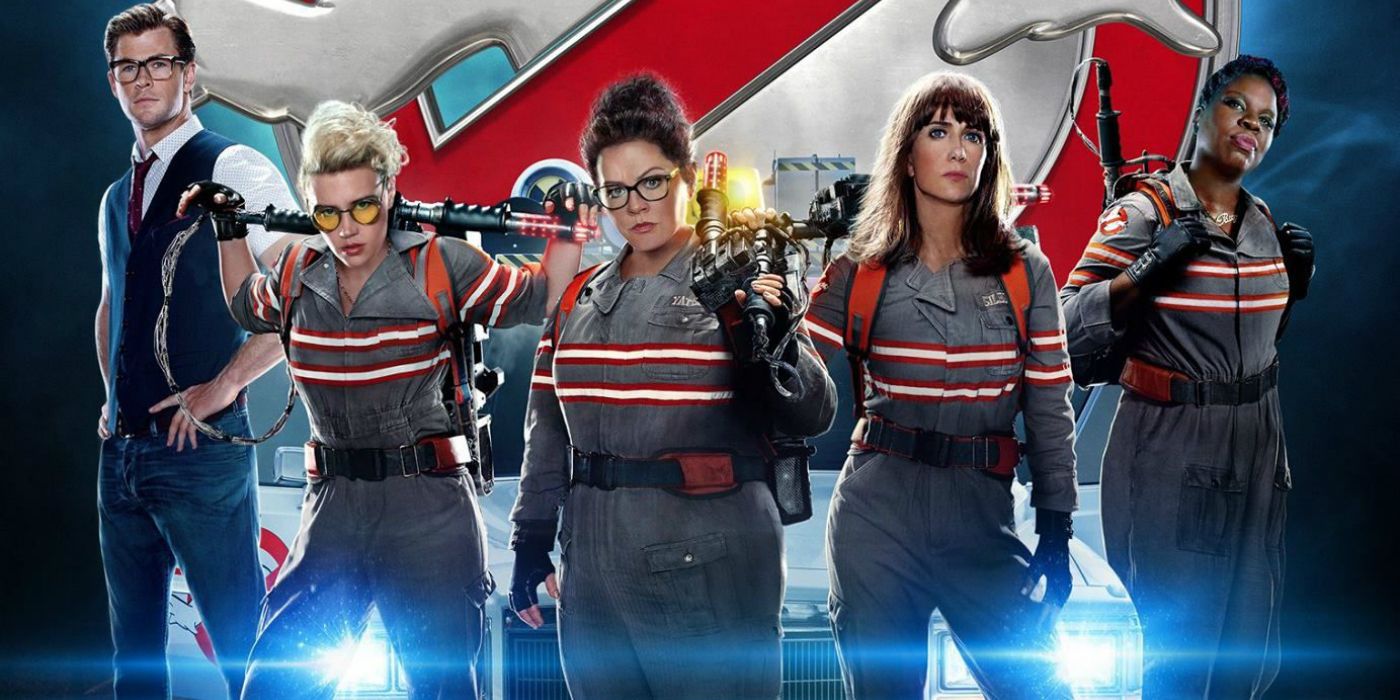
Who these people are and the politics they represent is difficult to discern. I don’t think it’s accurate to call them conservative, liberal, feminist, anti-feminist, leftist, or any other political label. Outrage culture rarely gets that specific, but given the heated politics surrounding movies like “Ghostbusters” and “Star Wars: The Last Jedi,” it’s a frustratingly familiar narrative.
While I can understand some of the outrage surrounding “Ghostbusters” and “Star Wars: The Last Jedi,” in this case I don’t think it’s justified. That’s not just because I’m a big fan of Marvel Comics, superhero movies, and all things Captain Marvel. It’s because the actual substance of Ms. Larson’s words don’t warrant the controversy she has generated.
For specific reference, here’s what she actually said during her speech in June 2018. Read it very slowly and try to understand the context of her statement.
Remember, she said these words after learning how little diversity there was among movie critics. Unlike most people, she was actually in a position to do something about it. Being an Oscar winning actress who was poised to join the Marvel Cinematic Universe, her words carry more weight than most.
Even so, those words were construed as racist and sexist, two exceedingly loaded terms that bring out the worst in people, especially on the internet. Never mind the fact that she made clear in her original speech that she did not hate white men. Never mind the fact that she has since clarified her words. She is still being attacked as some angry radical feminist who hates men, especially those who are white.
It would be one thing if she had said outright that white men should be banned from criticizing certain movies. Many celebrities, including a few still relevant today, have said far worse. However, that’s not what Ms. Larson said. She never, at any point, advocated disparaging white men. She didn’t even say that people who hate her movies are racist and sexist, something the “Star Wars” crowd is painfully familiar with.
Again, all Ms. Larson spoke out against was a lack of diversity among film critics. That part is worth emphasizing because it renders the outrage surrounding her statement as utterly absurd. It also makes the targeted attack on the fan reviews for “Captain Marvel” both asinine and misguided.
Even though the movie isn’t out yet, the movie is being targeted with negative comments on Rotten Tomatoes. Since it has only screened for a handful of audiences, it’s unlikely that any of these people actually saw the movie or were inclined to see it in the first place. Some are even claiming that this has already impacted the projected box office for the movie.
Whether that impact manifests remains to be seen, but it’s worth noting that when “Black Panther” was targeted with similar attacks, it failed miserably. At the moment, early reactions to “Captain Marvel” have been glowing so the chances of these attacks hurting the box office are probably minor at best. If the pre-ticket sales are any indication, the movie will likely turn a hefty profit for Marvel and their Disney overlords.
Even if there were an impact, it would be for all the wrong reasons. It would send the message that there’s a large contingent of people who are willing to work together to tank a movie because of comments a celebrity said that had nothing to do with that movie and weren’t the least bit controversial, when taken in context.
In this case, it was simply twisting someone’s comments to make them sseem like they said things that they never said or even implied. Then, those who bought into that narrative simply use that as an excuse to disparage a movie that they haven’t seen. That’s not just absurd, even by the skewed standards of outrage culture. It sends the worst possible message from those who think they’re protecting their favorite movie genre.
It tells the world that they don’t care what a celebrity actually says. They actively look for an excuse to hate someone who doesn’t completely buy into their preferred status quo. It would be one thing if that status quo was just and reasonable, but that’s not the case here.
All Ms. Larson did was advocate for more diversity among film critics. If that is somehow too extreme, then the problem isn’t with her or celebrities like her. It’s with those determined to hate her. There are a lot of issues in the world of celebrities and movies that warrant outrage, but advocating for more diversity in film criticism isn’t one of them.
I can already hear some people typing angry comments stating that if she had said those same words, but changed the demographic to something other than white men, then it would be an issue. However, the fact remains that this isn’t what she said.
It also doesn’t help that Brie Larson identifies as a feminist and that term has become incredibly loaded in recent years. However, she has never embraced the kind of radical rhetoric that other, less likable celebrities have espoused. Until she does, those determined to identify her and “Captain Marvel” as racist, sexist propaganda are only doing themselves and their politics a disservice.
16 Comments
Filed under Celebrities and Celebrity Culture, extremism, gender issues, Marvel, media issues, men's issues, movies, outrage culture, political correctness, superhero movies
Tagged as anti-feminism, Brie Larson, Brie Larson comments, Captain Marvel, Carol Danvers, celebrities, celebrity controversy, celebrity culture, celebrity scandals, ComicsGate, female superheroes, feminism, gender, gender disparity, gender inequality, gender politics, internet outrage, internet trolls, Marvel, Marvel Cinematic Universe, Marvel Comics, Men's Rights Activists, movie criticism, movie critics, movies, MRA, outrage, outrage culture, political correctness, politics, Racism, Rotten Tomatoes, Superheroes, trolls