Tag Archives: anti-feminism

Gender, Equality, And The Pain That Binds Us

gender-bias-design-aiga-640

Imagine, for a moment, there are two kids playing on a playground. Both are young, rowdy, and energetic. They run around, rough-house, and engage in the kind of reckless fun you would expect of most kids.

Then, at some point, they both run into each other. They both get hurt, sustaining similar bruises and experiencing similar pain. They both start crying. Those cries are equally loud and they each shed the same volume of tears. Naturally, this gets the attention of nearby adults.

However, in responding to the cries, one child ends up getting more attention than the others. Most crowd around that child, offering solace and treatment. All the while, the other child is still crying just as loudly. Only a handful of other adults tend to that child, but the crying and the pain persist.

Does what I just describe sound fair? Does the idea of one child’s pain getting more attention than the other strike seem wrong to you? Absent any larger context or notable personality disorders, I believe most people would agree. The idea that one child’s pain warrants more attention than others is wrong. It offends that innate sense of empathy and justice that binds us as humans.

I tell this story to make an important point about pain. To some extent, pain is the ultimate egalitarian. It doesn’t care about your gender, your race, your ethnic background, your politics, your ideology, or your religion. It also doesn’t care about how many arguments you win, how much virtue signaling you do, or how informed you may be. It still hurts all the same.

Pain is, effectively, the one uniting force that reasonable and unreasonable people alike can agree on. It affects us all. Too much of it can leave lasting scars. When someone’s pain is ignored or overlooked, it still feels like an injustice. On the most basic level, pain reveals just how similar we are in the grand scheme of things.

I make this important point in lieu of a revealing conversation I had with someone on Reddit. Every now and then, you find yourself interact with people who help you come to profound realizations without seeking them in the first place. It’s a conversation that I feel is worth sharing, if only to thank the person who inspired it.

The conversation began with a woman posting a brief inquiry in the Men’s Rights subreddit. That, in and of itself, is pretty remarkable and says a lot about the woman. She identifies herself as a feminist, yet she goes out of her way to start a conversation in a place that is sure to have differing opinions. In this era of highly bias media exposure, we should all take a moment to appreciate her open-mindedness.

The substance of her post was not combative or hostile. At no point did she come off as anything other than sincere and curious. These are the exact words she used to start the conversation.

I’m a woman and for lack of a better term a feminist and to be honest I don’t understand why there has to be conflict between men’s rights and women’s rights. The way society is set up at the moment I think women face more challenges, the majority of which are created by men. But on the flip side men also face challenges due to their gender, but these problems are often created by men as well. I’m not saying for either gender men create all the problems, as women we have to step up and acknowledge what we do as well.

I guess what I’m asking is why not try and work with the feminist movement?

When I first read this post, I admit I was somewhat worried about the reaction it would generate. In my vast experience with Reddit and message boards, people who go out of their way to talk to those who disagree with them tend to start conversations that get easily derailed. Whether it’s feminism or Star Trek, people can get pretty passionate with their opinions and that can cause problems.

In reading through some of the comments, there were indeed some crass remarks. You see those in almost any subreddit or message board in some form or another. Not everyone was reasonable during the conversation, but I still felt it was a conversation worth having.

That’s why I made it a point to submit some comments of my own. In doing so, and getting a few generous responses from the woman, I came to this critical realization about pain and how it affects gender issues, double standards, and identity politics as a whole.

When you get down to the most fundamental level, it all comes back to pain. Feminism, men’s rights, the LGBT community, racial politics, ethnic conflicts, and even clashes within a sub-culture all build their movements around the pain their group experiences.

Whether it’s political oppression, social stigma, legal discrimination, or just plain hostility, these groups and the agendas they pursue are forged by the pain they experience. The most divisive part of that agenda, though, is the idea that their pain matters more than others.

With respect to gender, which was the primary topic of the discussion the woman started, much of the arguments could be broken down into categories of pain. For the feminist crowd, the pain they experience from discrimination, slut shaming, harassment, reproductive rights, and specific health issues takes priority and understandably so.

It’s just as understandable that the men’s rights crowd would prioritize the pain they experience by damaging double standards, legal discrimination, circumcision, social pressures, and violent victimization. When they feel their pain is deemed less important or trivial, it doesn’t just inspire resentment. It sends the message that someone else’s pain doesn’t matter.

That very notion, the idea that someone else’s pain is more important than another, undermines some of the most fundamental facets of our humanity. That’s not to say there aren’t times when certain pain takes priority. When there’s an ongoing atrocity, like a mass shooting or a war crime, then that’s an instance where we should prioritize that pain.

It’s an indirect message that few intend to send, but many find themselves surmising. A woman stands up and should that their pain is important. Others interpret that as her saying that the pain of men doesn’t matter. A man does the same, shouting that their pain is important. Even if they’re wholly sincere, women interpret that as opposition.

When it comes to discussions about gender politics, racial politics, ideology, or social justice, though, the act of elevating someone else’s pain over the other will only ever serve to breed resentment. It’s rarely direct, but that’s exactly what makes it so impactful.

If there’s one message that I took away from the conversation, it’s that one person’s pain can undermine the other when agendas take priority over understanding. Whether they’re feminist, men’s rights, LGBT, religious, or racial in nature, building that agenda around a particular pain requires that it be elevated to some extent.

That may be understandable within a certain context, but when the agenda takes on the character of an ideology, it turns that pain into a force for division. Given our tribal nature, those divisions can widen considerably and at a time when there are over 7.6 billion of us, that can be more damaging.

Even with these divisions, the conversation with that woman gave me hope because it reminded me of just how similar we are when you get down to it. We all experience pain in our lives. We all tend to elevate our own pain compared to that of others. However, the fact that we’re all vulnerable to such pain proves that we’re more equal than we think.

I believe we can take comfort in that, if only to remind ourselves that our pain matters as much as those of others. We are, at the end of the day, a compassionate species. We may have any number of ways to divide ourselves, but we have far more powerful ways to bring us together.

To the woman who posted that message, I sincerely thank you. I hope your effort will inspire others as much as they inspired me.

2 Comments

Filed under gender issues, human nature, sex in society, sexuality

Why We Should Be Excited (And Worried) About A “Y: The Last Man” TV Show

y-the-last-man

There are certain announcements that certain kinds of comic book fans have been waiting to hear for years. Most people who don’t have boxes and bookshelves full of comics probably won’t appreciate the importance of those announcements when they finally arrive. Ideally, everyone eventually comes to acknowledge how important it is in the long run.

Just recently, one of those announcements hit the entertainment wire and comic book fans like myself are still trying to catch their breath from the excitement. It has to do with a series called “Y: The Last Man,” one of the most critically acclaimed comic book series of the past 20 years. According to The Hollywood Reporter, FX has officially ordered a pilot for a TV series based on this comic.

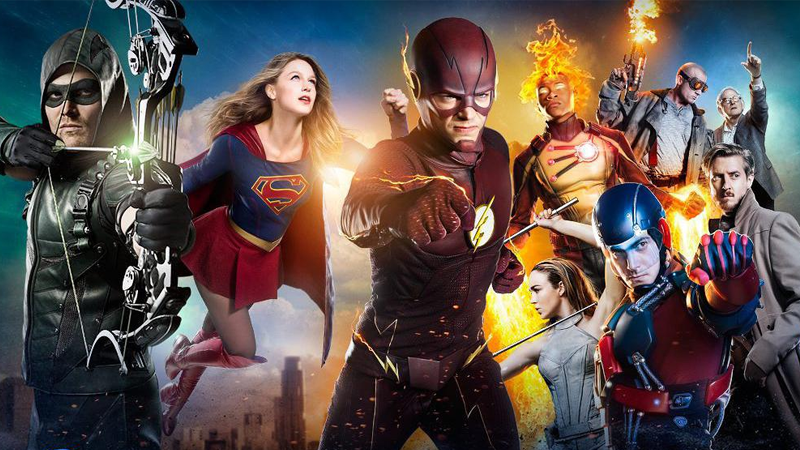
I know that may not sound like ground-breaking news in an era when TV shows based on comic books account for a sizable chunk of programming. There are shows featuring famous superheroes like “The Flash,” “Supergirl,” and “Daredevil.” There are also shows based on non-superhero comics like “Preacher” and “The Walking Dead.” Why is adding yet another show to that list such a big deal?

Well, as someone who has thoroughly read and deeply enjoyed Y: The Last Man, I can attest that this is one of those comics that is special for all the right reasons. It’s compelling, dramatic, mysterious, and emotional on so many levels. It doesn’t just tell a great story. It builds an entirely new world around a truly catastrophic event.

The premise of Y: The Last Man is simple in concept, but grandiose in implications. One day, all the men in the world just die. They don’t get sick first. There’s no mass pandemic. They all just start bleeding from their mouth and eyes before they keel over and die. It’s not just human men either. Everything with a Y-chromosome just dies.

It happens so suddenly and so quickly. It’s not the flashiest apocalypse, but it’s every bit as brutal and traumatic as it sounds. In the midst of this massive gendercide, only one man survives for mysterious reasons. His name is Yorick Brown, an amateur escape artist who also happens to have a male pet monkey, who also survives.

The story about how he survives in this post-apocalyptic world, while also trying to uncover the mysteries of the plague that killed all the men, is full of intrigue, sorrow, hope, and drama. The fact that it manages to achieve all this without zombies or superheroes makes it all the more remarkable.

Add on top quality writing from by acclaimed comic writer Brian K. Vaughan and top-notch art from Pia Guerra and it’s easy to see why this series received multiple awards, including the coveted Eisner Award back in 2008. The fact that Y: The Last Man wasn’t made into a movie or TV show earlier is both shocking and outrageous.

To be fair, there have been multiple attempts to make a movie based on the series, all of which failed for a wide variety of reasons. Given the scope and nature of the story, though, a TV series is probably more suited and there has been interest in making one since 2010.

Now that there’s finally a pilot in the works on FX, a network that is less inclined to water down the harsher elements of the series, there’s are plenty of reasons for comic fans and fans of apocalyptic dramas to be excited. At the same time, however, there are also a plenty of reasons to worry.

Had this been announced five years ago, I don’t think those worries would’ve been major. Then, gender politics began getting exceedingly heated. From scandals born from video games to new concerns about female representation in movies to the anti-harassment movement, things have gotten a lot more hostile between genders.

This is an era where every action between men and women are subject to greater scrutiny. It’s an era where attempts at rational discussion are overshadowed by ever-present outrage. Buzzwords like mansplaining, social justice warrior, soy boy, and toxic masculinity are now part of our lexicon. I’ve expressed my dismay over such terms and why they’re empty in meaning, but I don’t expect them to disappear anytime soon.

It’s because of these ongoing trends in gender politics that I’m concerned about what form Y: The Last Man will take in this era. I don’t expect a perfect, panel-for-panel recreation of the 60-issue comic series. That’s not always necessary, as the success of “The Walking Dead” has proven.

However, I do worry that the greater meaning and dramatic impacts of the story will get lost, somehow, under the weight of ongoing gender politics. Some of those concerns are even articulated in the Hollywood Report’s announcement. Mr. Vaughan is even quoted as saying this when he met with potential show-runner, Michael Green.

“When [Green] first pitched his take on it to Nina Jacobson and me a long time ago, he came in saying he wanted to do something about toxic masculinity. It felt very relevant, and unfortunately, I think it’s only become more relevant with each passing day. His take on it was really brave and very different, but exciting as well. I really admire how audacious he’s been with his translation.”

It’s the bolded part that really has me worried. I’m not entirely surprised that producers of the show would want to tap into ongoing debates about toxic masculinity, no matter how asinine a term that might be. Like it or not, it is a relevant issue and for a premise that involves killing nearly all the men on the planet, it’s going to influence the story.

It’s just a matter of how different those involved want to make the narrative in Y: The Last Man. What matters most, however, is keeping with the overall theme of the story. Y: The Last Man is not just about an apocalypse involving gendercide. It’s part of a much larger world full of colorful and, at times, eccentric characters.

What happens to these characters is downright traumatic, as is to be expected in the face of a global apocalypse. The world, as they know it, is shattered. Their sons, fathers, husbands, and brothers are all dead. The pain, the loss, the sorrow, and the anger surrounding that trauma is what helps drive the story.

That’s especially true of the lone male survivor, Yorick Brown. In the comic, he’s not a superhero or even a multi-talented super-genius. In fact, he’s painfully human and downright inept at times, especially compared to some of his supporting cast. However, he never comes off as a whiny beta male or a brutish meathead. He’s the kind of character we see in real men throughout the real world.

Any effort to subvert that by turning him into some sort of superhero or some beta male weakling will remove a core aspect of Yorick’s appeal, not to mention the appeal of the overall story. It’s not just Yorick’s story either. The female characters in this story are every bit as rich and diverse, but as we saw with the female characters in “Star Wars: The Last Jedi,” that can be badly mishandled.

There are no Mary Sues in Y: The Last Man. There are no Lara Crofts or Wonder Womans either. These characters, especially Yorick’s sister, Hero Brown, and his bodyguard and traveling companion, Agent 355, are all as human as he is. They fight, struggle, fail, and suffer like real people navigating a traumatic apocalypse.

That’s not to say there aren’t some elements of gender politics in Y: The Last Man. There are aspects of the story that lend plenty of fodder to the radical feminist part of the political spectrum. There are a few characters who go so far as to celebrate the death of all men. The fact that some women in the real world have advocated killing all men shows that this sentiment is very present.

At the same time, there are parts of Y: The Last Man that will appeal to the men’s rights crowd, as well. The way society collapses with the death of all the men will give plenty of credence to those seeking to highlight men’s role in society. As with the radical feminists, though, it might be tempting to take it too far.

The story is not defined exclusively by toxic masculinity or radical feminism. It’s a story that puts men, women, and society in an extreme situation that brings out the best and worst in them. That would be the ultimate failure for a show like this and an egregious insult for a series as celebrated as Y: The Last Man. If it becomes driven by gender politics and not the spirit of the actual story, then that’s tragedy for all genders.


Leave a comment

Filed under Comic Books, Jack Fisher, Superheroes, gender issues, sex in society, sexuality

When Regressive Gender Politics Inspire Deviant Sexual Taboos

christian-grey-anastasia-steele-jamie-dornan-dakota-johnson

Take a moment to think about the many non-criminal, but still deviant behaviors that  society considers taboo. From not tipping the pizza guy to not asking for permission when you borrow your roommate’s toothbrush, there are plenty of behaviors that may not be illegal, but still make us recoil to some extent because they subvert social norms.

Now, consider for a moment that there was a point in time when these behaviors weren’t taboo. For some, you don’t have to go back too far. For others, you may need to go back a century or several, but the point is these taboos didn’t just arise randomly. There were factors that inspired it.

I’ve talked about the origins of taboos before, as well as ways to break them. When it comes to sexual taboos, though, it gets even more complicated, not to mention kinky. It’s one thing for an inane social norm to take on a life of its own. Add a powerful, instinctual drive to the mix and that taboo may gain a few extra lives in the process.

Image result for BDSM

Few things inspire more elaborate taboos than sex. Anyone familiar with a particular area’s porn consumption understands that to some extent. Sex is such an integral part of life, love, and passion that it’s bound to inspire more than a few taboos. We don’t usually think about where those taboos come from, but there’s usually a catalyst of sorts that inspires them.

I bring all this up because we live in sensitive times where it doesn’t take much to inspire a controversy, especially when it involves a sex scandal. It’s a world where everyone seems downright eager to get outraged about something, be it a sex scandal or something a celebrity wore.

Some of that outrage is built on a foundation of good intentions. Say what you will about the extent of the anti-harassment movement, but the goal is commendable. A world with less harassment, sexual or otherwise, is an objectively better world.

Image result for anti-harassment

However, problems arise when that movement becomes a moral panic and few things bring out our collective eccentricities than those. Just ask everyone still worried about Satanic cults operating day care centers. Those same panics can also inspire taboos. They can even turn something that wasn’t a taboo before into something far less mundane.

As I type this, there may be a new taboo forming before our eyes in wake of the anti-harassment movement. I’m not saying it’s official or anything, but the factors are in place and since it involves sex, it’s sure to evoke a wide range of feelings. To illustrate the extent of this emerging taboo, consider the following scenario.

There’s a woman in a room, casually lofting about. A man enters. He’s big, strong, and aggressive. He storms over to the woman, passion and desire in his eyes, and pins her up against the wall. Then, without asking, he kisses her and starts caressing her body. The woman is shocked and overwhelmed, but finds herself kissing back.

Then, after overpowering her with his strength and lust, he strips her naked and has sex with her right then and there. He doesn’t ask for permission. He just does it. He’s aggressive, but passionate. He’s not out to hurt her. He’s just there to take her. When he finishes, he wraps his powerful arms around her and holds her close so she cannot escape and kisses her again in a final act of domination.

This brief, but steamy scenario is a fairly familiar scene. It plays out in countless pornographic narratives, from the most hardcore content you can find on the internet to the erotica/romance novels that I like to write. It was even a big part of a best selling BDSM novel called “50 Shades Of Grey” that I’m sure everyone has heard of by now.

Image result for 50 shades of grey scene

In the recent past, that might have made a certain crowd a bit uncomfortable, but it wouldn’t have been taboo. Now, many would see this scenario as outright sexual assault and demand that the man be thrown in jail. It wouldn’t even matter if the woman in the scenario said she liked it. In the context of a moral panic, the man is an abuser.

I understand, to some extent, why certain people would feel that way. From an outside perspective, not knowing the thoughts and desires of those involved, it seems pretty distressing. In the past, such concerns would be addressed privately or by police. In the post-privacy world of social media, hash-tags, and professional trolls, it’s much easier for these sorts of matters to gain public scrutiny.

Image result for internet outrage

I know there are still those who say the anti-harassment movement isn’t at the level of a moral panic just yet, but it doesn’t have to be at the same level of the Satanic Panic to inspire taboos. That scenario I described above may not have checked all the necessary boxes before, but it sure does now and that’s going to complicate certain sexual attitudes.

The idea that such a scenario could become taboo didn’t cross my mind until someone on Reddit brought it up. They cited an article from the New York Times where a woman expressed outright dread that she was betraying the anti-harassment movement because she’d enjoyed those kinds of dominating experiences in the past.

In the article, a sex and intimacy therapist and psychologist named Michaela Boehm says that woman’s feelings aren’t deviant. She even goes onto make a statement that probably wouldn’t have been controversial a decade ago, but would certainly spark outrage now.

Many women like to be dominated in bed. “Not in their lifestyle, not in their career, but in the bedroom, many women would like to surrender,” Dr. Boehm said. This may explain why, on Amazon’s list of best-selling erotica — a medium that, unlike pornography, is mostly produced and enjoyed by women — themes of male dominance tend to, well, dominate.

Chances are if a man had said those words, he would be scorned as a modern day monster. Even though a licensed psychologist says there’s nothing wrong or unhealthy about women enjoying those kinds of experiences, the sentiment is there. As such, the roots of the taboo are already in place.

Now, the reasons why a woman may enjoy submissive sexual experiences are many and there is some research behind it, but I won’t go too deep into that issue. I want to focus on what happens when taboo is thrown into the mix. Even if there were no biological factors behind the appeal of that kind of sex, a taboo does plenty to complicate things.

Related image

Think back to that same scenario again. Now, add a few other forces to the mix. It’s not just erotic. It’s dangerous. The man could get into a lot of trouble if word got out and the woman could get into trouble if she admits she enjoys it. If you don’t think that doesn’t add appeal to an experience, then you’ll have a hard time explaining the appeal of skydiving.

Call it the forbidden fruit effect. Call it misattribution of arousal, a real phenomenon where your brain may not know the difference between being in danger and being horny. Whatever biological factors might be behind it, taboo only adds more fuel to the proverbial fire.

Suddenly, this simple manifestation of sex takes on a form of kink that it didn’t have before. Kink, much like skydiving, has appeal because there’s a thrill to it, both in terms of danger and the fact that it’s considered deviant. Add the basic pleasures that come with sex and suddenly, a mundane experience becomes a night with James Bond.

Image result for James Bond

I doubt that’s what those in the anti-harassment movement intended. It may very well be fine print in the law of proportional backlash that tends to affect major social movements. However, unintended consequences are often the pre-cursor to taboos and it may already be too late for this one.

Sexual attitudes are always evolving and at the moment, they’re evolving in a climate of fear and uncertainty. People are more vigilant with their sex lives and how they interact with women. That’s where practices like the Mike Pence rules comes in. There’s a risk that the way we publicly go about sex is making it difficult for anyone to know what’s acceptable anymore.

Conversely, taboos embrace the danger, the risk, and the utter abnormality of an act. They take something you didn’t once think was a big deal and make it seem like a trill ride at Disneyland. Given the ambiguity surrounding consent and inherent power of the human sex drive, this is one taboo that may be more potent than most.

Image result for women love bad boys

Now, that’s not to say that submissive sex is destined to exceed the Satanic Panic in terms of taboo, but the potential is there. History shows that efforts to re-shape attitudes is a messy process. Sometimes, it works beautifully. Sometimes, it fails spectacularly. There are many ways to combat a certain social ill, but making it taboo may end up doing more harm than good.

If you’re still not convinced, go to the nearest theme park and ride a few roller coasters. That should remind you of the kind of forces you’re working with here.

1 Comment

Filed under Current Events, gender issues, sex in society, sexuality

Implications And Predictions In France’s Battle Against Sex Dolls

high-end-american-adult-gifts-usa-sex-dolls

When it comes to making predictions about the future, I don’t consider myself all that prophetic. When it involves issues like sex, our attitudes towards it, and all the crazy ways we try to navigate it, I like to think that writing sexy stories gives me some added insight.

As complex, diverse, and irrational as people can be, especially when it comes to sex, we tend to be predictable when it comes to how we react to upheavals in the sexual landscape. Honestly, is anyone really that surprised when internet porn becomes controversial?

The general rule of thumb is that if it something subverts a certain sexual norm, such as removing an expected consequence of sex or undermining a long-standing tradition, someone is going to oppose it. If it somehow makes sex easier to enjoy, but doesn’t involve producing more taxpayers/adherents to government and religion, it’s going to be labeled a moral crisis.

Image result for religion hates sex

That’s why nobody should be surprised that when Paris opened a brothel that exclusively utilized sex dolls instead of actual prostitutes, it was controversial. However, the nature of that controversy is different than past efforts to enforce the de-facto state of prudishness. This isn’t just something that moral crusaders and religious zealots oppose. This may very well be a sign of things to come.

For some context, the story is fairly simple. It’s not some crude joke from the pages of The Onion. There really was a brothel in Paris that allowed individual and couples to pay money to “rent” a high-end sex doll. Ignoring, for a moment, the natural aversion to using a sex doll that someone else had used, the concept makes sense from a purely economic standpoint.

Image result for sex doll brothel

As it stands, operating a brothel and living off the proceeds of a prostitute is illegal in France. In 2011, it also became illegal to buy sexual services, although it’s still legal to sell them. It’s a messy web that complicates the sex industry throughout Paris, but that’s exactly why a business like this works.

On paper, there are no prostitutes involved. They’re using sex dolls. People aren’t buying sex, per se. They’re renting a very fancy sexy toy to use for a while. Renting, using, or buying sex toys is not illegal in France. Other than taking customers away from real prostitutes, this operation was basically an elaborate, yet pragmatic way to circumvent the complications of prostitution laws.

However, the fact the brothel tried to circumvent the law wasn’t the issue. The primary reason for the push to shut it down wasn’t because it offended some uptight religious zealots, who have historically been the most common opponents of sexual upheavals. The main reason came from an emerging branch of feminism, claiming that such an operation was basically a catalyst for rape.

Image result for sex doll brothel

Now, I try not to cast too broad a brush when it comes to feminism. In the past, I have made it a point to distinguish that there are positive brands of feminism, as well as some inherently regressive kinds. This kind is definitely consistent with the latter. It’s not using the same morality approach that religious zealots have used in the past, but the tactics are the same.

According to a feminist group in France, the brothel is basically a den of rape. It’s very existence promotes the kind of rape culture that feminists have been protesting with increasing fervor over the past few years. These are their exact words, according to The Local.

Lorraine Questiaux of the feminist group Mouvement du Nid (Nest Movement) has argued that Xdolls is making money from “simulating the rape of a woman.”

“Can we in France approve a business that is based on the promotion of rape?” she asked.

On one hand, I can sort of see where they’re coming from, thinking that people may simulate rape fantasies in this place and that can’t be healthy. On the other, I can’t really take those concerns it seriously because it assumes an awful lot about how other people think and feel about sex dolls.

Image result for man with sex doll

Simple, non-kinky logic says that you cannot rape a sex doll any more than you can rape a dirty washcloth in the shower. It’s possible that some people may have some really twisted thoughts when they’re using a sex doll or acting out a fantasy, but to assume those are the only thoughts that every person end up thinking is a gross generalization of the vast complexity that is human sexuality.

The police in Paris seemed to agree with that logic. No matter how outraged the feminist group might have been, their protest had no legal standing and rightly so. This is what the police said, once again according to The Local.

But a police source said that while the brothel posed moral questions, the use of the word rape was not legally relevant in this context.

“You cannot accuse a man of raping a doll. It is as if a woman were to file a complaint with the police against a dildo,” the source told Le Parisien.

Most reasonable people, and probably most non-radical feminists for that matter, would agree with that logic. In a perfect world, that would be the end of the issue. Since we don’t live in a perfect world, even if it’s a better world than most realize, it’s unreasonable to assume that this is the last we’ll hear of this issue.

It’s here where I’m going to make a few predictions. As always, I need to make clear that I cannot see the future any better than those reading this article. However, I’ve studied enough sexual upheavals in history, both in centuries past and in more recent times, to see where this is going. The fact that this was even a news story is a sign that there’s something much bigger coming.

Image result for women's protest

Whatever it is, it’s probably going to supplement the ongoing anti-harassment movement that continues to make headlines, although not for the right reasons. It’s also going to become more relevant as advances in sex dolls and, eventually, sex robots continue to occur at a rapid pace. Even before sex robots gain a measure of sentience, there will be a concerted effort to stop them.

If anything, this story out of Paris is going to motivate other feminist groups with a distinctly sex-negative ideology to step up their efforts. No ideology likes to lose and I suspect they’ll see this story as a new front in the battle against rape culture and male domination. It’s not enough to make gains in the workplace or in entertainment. Even having men pretend to be dominant is dangerous, from their perspective.

These efforts to regulate or shame the use of sex dolls will follow the similar tactics used in other anti-prostitution efforts. As I’ve noted before, those efforts tend to skew the sexual marketplace, inflating the value of one kind of sex while attempting to manipulate how sex is pursued by those in positions of power. Sex dolls and sex robots don’t just change the marketplace. They may very well collapse it.

Image result for sex robots

On some levels, I suspect that both the extreme regressive on one side of the spectrum and the moral crusaders on the other side already understand this. They know that if sex dolls and sex robots become sufficiently advanced, then the current system that they prefer becomes less sustainable.

They lose power and influence, as a result. Even in non-sexual matters, people fight to retain their power. Whether you’re an outdated business or just part of the demographic that benefits the most from the current system, you’re going to fight to preserve the status quo and you’re going to make any excuse necessary to do so.

That’s why I suspect that the absurd notion that sex dolls promote rape will become a major talking point in the near-future. There may even be bogus studies conducted by biased researchers, funded by the anti-sex equivalent of the Koch brothers, claiming there’s a link between rape and sex dolls.

Image result for sex robots

From there, pundits and politicians will cite those flawed studies to justify laws and regulations against sex dolls. They already do it with internet porn and video games. It probably won’t take much convincing that a sex dolls, which literally cannot give consent, somehow encourage rape. It’ll become a buzzword and a moral panic, the idea that these dolls will condition people to become rapists.

I don’t think it’ll get quite to the same level as the Satanic Panic of the 1980s, but I suspect there will be plenty of outrage for those who see more people seeking the company of sex dolls rather than jumping through whatever elaborate hoops our culture creates for pursuing sex. It’s already hectic, given all the concerns about harassment and the devastating impacts of divorce laws.

In the end, though, I suspect that these efforts won’t win out in the long run. There’s just too much incentive and too much appeal to both sex dolls and sex robots for any moral crusade to stop it. The human libido is too strong and the potential profits to be made are too great.

Image result for sex robots

Historically, fighting something that’s fueled by the human sex drive is a losing battle, but one that certain groups insist on fighting. While I don’t know what form it’ll take, I expect that fighting to escalate in the coming years. This story out of France may end up being the first shot.

6 Comments

Filed under Current Events, gender issues, human nature, sex in society, sex robots, sexuality

Gender Equality, The Market For Sex, And How Prostitution Affects Both

shutterstock_311561246

How do you put a real, tangible value on sex? I’m just not talking about the hourly rate charged by a prostitute. I’m talking about the kind of value that allows us to quantify an experience in terms of resources, market, and exchange. Sex already has an inherent value in that we need it to propagate our species. Just how far does that value go and how much does it affect our society?

I don’t think I’m exaggerating when I say that sex is the second oldest universal currency in the history of the human species after food. People have been using sex as a currency for millennia and not always in the sense of formal prostitution.

Parents marry their daughters off for dowries. Spies have used sex to extract valuable information. Then, there are teenagers who have sex in hopes of gaining popularity. This sexual exchange goes on all the time in the real world and in any number of movies. Call it prostitution if you want. Hate it all you want. It still happens.

The mere fact that it keeps happening, despite the best efforts of repressive governments, shows that the value of sex does a lot to drive our society. For better or for worse, the pursuit and exchange of sex is one of the most powerful driving forces in the overall human experience.

Given the extent of this driving force, it’s bound to affect how the genders interact with one another. Whether it’s ancient patriarchal societies or western democracies, the exchange of sex has an impact on how people relate to one another. It’s for that very reason that it’s worth pondering what happens when the value of sex is skewed.

This is where it really helps to look at the market value for sex in a libertarian context. Technically speaking, the free market approach is consistent with how sex was exchanged in the hunter/gatherer days of humanity. In that sense, it serves as a baseline of sorts for the market value of sex.

With that context in mind, sex exchanged for certain reasons by a particular gender will have a certain value. A man paying a woman for sex has one value. A woman paying a man for sex has another. A man paying multiple women for multiple sex acts over the course of several nights also has value, albeit a more elaborate one.

That payment doesn’t always involve money, either. Sometimes, the payment is in the form of loving intimacy, not unlike the kind I describe in my books. Sometimes, the payment comes in the form of a particular experience or fantasy, like groupies having sex with rock stars. The key to this exchange is that it is done freely and everyone involves gets the value they seek from it.

Ideally, that’s how the market for sex is determined in perfect libertarian world. Unfortunately, that is not the situation the sexual marketplace faces. Multiple social forces that include the law, social stigma, taboos, and media influences all coordinate to skew the market value for sex. As a result, it skews gender relations as well.

In fact, I would argue that the market value for sex has become more skewed over the past few years than it has in the past several decades. The emergence of the anti-harassment movement and the increasing stigma on certain aspects of male sexuality is inflating the sexual market in some places while crashing it in others.

At the moment, most people would agree that female sexuality is more valued than that of males. Beautiful women are used to sell pretty much everything from shampoo to fast food. It’s no secret that men seek the company of beautiful women. Their company is highly valued, both in terms of money and social standing. The late Hugh Hefner understood that better than anyone.

That’s not to say attractive men don’t also hold value. There’s a reason why men like George Clooney, Chris Hemsworth, and even the Old Spice Guy are celebrated and pursued. However, their sexual market value has less to do with how they look and more to do with what they can do. None of them can bear children, but they have unique skills that make them desirable.

Where the market gets skewed is when that libertarian free exchange gets taxed, so to speak, by a potent mix of laws and social norms. If you’re a beautiful woman, you rarely have to pay for sex. Even if you’re marginally attractive, chances are you don’t have to hire a male gigolo. So long as you’re not actively pursuing someone like George Clooney, you can probably put yourself out there and let the sex come to you.

The taxes, in this case, tend to hit the men seeking sex. Under the current law, they have only a handful of options with respect to seeking sex. They need to convince a woman to freely have sex with them without overtly paying her, which would get them arrested. That often involves indirect payments in the forms of dates, adulation, flirting, and attention.

You could claim that those indirect payments are still akin to prostitution, as some have argued, but that’s where the market gets even more skewed. In that situation, where there’s no option for a simpler exchange involving money and sex, the value of female sexuality doesn’t just go up. The cost for men goes up as well.

For most other goods and services, this creates the kind of premium that makes certain things harder for more people to purchase. There’s a reason why only rich, successful people have Rolex watches, stretch limousines, private jets, and gold-encrusted smart-phones. That makes sense for the luxury crowd. With sex, though, that premium has some unique caveats.

For most people, the desire for a gold-encrusted smartphone isn’t there. Most people can see these expensive yachts and fancy cars from afar. They might even admire them. However, admiring something isn’t the same as desiring it. Most people don’t desire a 100-foot yacht and all the responsibilities that come with it. Nearly everyone desires sex.

Regardless of your gender, you can’t turn off your sex drive. Every effort at doing so has resulted in some pretty damaging effects. People are still going to want sex. For those who lack the beauty, social skills, or charisma to get it, there are only so many ways of going about it. When some of those ways are restricted or hindered, there’s a disparity of unfulfilled desires and that disparity can breed problems.

At the moment, that disparity primarily affects the vast majority of men who aren’t rich or as attractive as Ryan Gosling. They have the same sexual desire that men have always had, but their outlets for that desire are fairly limited, more so now than ever before.

That’s not just because prostitution is illegal and simply being caught with a prostitute is subject to significant stigma. Female sexuality is so valued in wake of the anti-harassment movement that simply attempting to get sex carries a higher risk of being labeled a creep, a harasser, or worse. Women have the power to ruin a man’s life, even if the sex is consensual.

That power is directly linked to the inflated value of sex. By keeping prostitution illegal, the access is controlled and the cost goes up. That’s because, by having to operate in a black or gray market, the cost of doing business is subject to the black market premium. Anything on the black market is going to come with greater risk. With greater risks come greater costs and not always in terms of money.

In a sense, prostitution laws and limiting access to sex by a particular gender puts greater power in the hands of those who are wealthy and can subvert the base market. There’s a reason why rich, powerful people can hire prostitutes with relative impunity while the vast majority of those arrested for prostitution are poor or disadvantaged.

Again, if you’re attractive and have easy access to various resources, those laws don’t affect you. If you’re not, whether you’re a prostitute or someone seeking their services, you can be singled out and arrested. In that market, the value primarily benefits those at the top and I’m not just talking about rich people.

There are plenty of others who have a vested interest in inflating the price of female sexuality and limiting sexual outlets for men. It’s the high value of female sexuality that puts many women, from Hollywood to feminist circles, in greater positions of influence. That’s not to say it’s a full-fledged conspiracy. Like any form of market manipulation, though, it’s a way for certain people to maximize their value.

That manipulation may very well be escalating with the expansion of the anti-harassment movement and increasing efforts to regulate the porn industry. These efforts promise to further skew the sexual marketplace, making it so that those of limited resources will have to pay an even higher price to get sex.

The effects of that disparity are hard to predict, but the signs are there. The existing double standards that assume female victimization and male aggression are only compounding the cost of pursuing sex. At some point, the market can only stay inflated so long before it crashes.

Once again, I want to make clear that I’m not claiming there’s some feminist conspiracy looking to control all forms of male sexuality. In my experience, humans are exceedingly limited at carrying out conspiracies and history has given plenty of examples. That said, I do think those who benefit from female sexuality being more valued have a strong incentive to cling to that value.

In any market, those who have an advantage will work hard to maintain that advantage. That’s why I believe efforts to curb prostitution and the porn industry will escalate in the coming years. However, history also shows that sometimes, those efforts can backfire horribly.

Prostitution isn’t going away anytime soon, but efforts to control it will continue to skew the sexual marketplace and gender disparities, alike. If there’s one consolation, though, it’s that inflated markets have a tendency to correct themselves over time. It may take a while for the sexual marketplace to balance out, but so long as the human desire for sex remains strong, our collective libido will find a way.

4 Comments

Filed under gender issues, human nature, Marriage and Relationships, sex in society, sexuality

Dangerous Double Standards And The Distressing Stories They Tell

father-main1

When it comes to conveying complex ideas in an understandable way, I don’t consider myself exceptionally skilled. When it comes to telling a story, though, that’s a skill I know I have and not just because I aced every essay question in college.

Sometimes, a story is the best way to convey an idea and the emotional weight it carries. Anyone can list the details of complex issues like gun control, abortion rights, or net neutrality. Some, like John Oliver, can even make it funny or entertaining. However, explaining what an issue is doesn’t necessarily convey why it matters.

Whenever I talk about gender double standards, be it uncomfortable thought experiments or imbalances in our sexual attitudes, I try to do so in a way that highlights the larger implications. Those implications, I believe, are part of the reason why there’s so much hostility on issues like the anti-harassment movement, representation in popular culture, and fair treatment under the law.

I don’t want to belabor the points I’ve made on that topic in the past. Instead, I want to tell a quick story that I thought about turning into a short novel. Then, something happened in the process that struck me on a personal level. Read the following story and see if you can tell where the process broke down.

An average man, single and living alone, is walking down the street on a Saturday evening. It’s cold and rainy. Not many people are out in these conditions.

Then, as he passes by the dumpster near his home, he sees a girl who can’t be older than 10-years-old huddling under some dirty boxes. She’s wearing dirty clothes, she’s shivering, and is clearly in a bad situation.

The man feels sorrow and concern for the girl. He asks her where her parents are. He learns that the girl has run away. Her mother was abusive, even showing him some scars she had from when her mother cut her with a fork. Horrified, the man offers to help the girl. She eagerly accepts.

The man takes the girl home, gives her some badly-needed food, lets her take a hot bath, and lets her sleep in his bed while he sleeps on the couch. The next morning, he calls social services and finds out the girl’s mother is nowhere to be found. Overwhelmed and under-staffed, they are unable to find any relatives to take care of her.

Having grown fond of her company, he offers to look after her. The girl eagerly accepts. The man spends the next several weeks caring for her, getting her new clothes and introducing her to his family. At first, his parents and siblings are uncertain about him taking care of a kid. When they meet her and see how much she loves him, their worries quickly fade.

As time goes on, the girl comes to love the man as a father. She starts calling him daddy. At first, he keeps reminding her that he’s not her real father. Soon, he stops and just smiles. The girl enriches his life in ways he never imagined. He wants to be a father to this girl who isn’t his. He wants to love her in the way she deserves.

Then, one day, a woman arrives at his door. She’s angry, disheveled, and badly dressed. She claims to be the girl’s mother. When the girl sees her, she’s terrified and hides behind the man in fear. The man demands that she leave, but she refuses to leave without her daughter. He threatens to call the police, but she threatens to do the same.

She then takes a step closer, revealing bad teeth, foul breath, and loveless eyes, and presents him with an ultimatum. If he doesn’t hand over the girl, she’ll call social services, the police, and the local news crew and tell him that he’s a sick pervert who took a girl off the streets just so he could groom her to be his personal slave.

It doesn’t stop there. She points out that he’s single, unmarried, and living by himself. Conversely, she’s just a poor woman who got taken advantage of by the girl’s biological father, fled out of fear for their safety, and got tragically separated in the process. All she wants to do is get her daughter back and away from a sadistic pervert. She even says she’ll claim he gave her all the girl’s scars.

In that story, he won’t be the man who took a poor little girl under his care and loved her like a father. He’ll become a disgusting pervert, his reputation destroyed and his life ruined. The fact the girls loves him will just be proof of how much he’s groomed her to be his slave.

The man is horrified. The girl says her mother is a liar and a monster. The woman just laughs before asking one more time for the man to hand over the girl. The man, seeing the terrified look in the girl’s eyes, doesn’t want to see her suffer. He then gets up in her face and tells her this.

“You stay the hell away from her! She belongs with me! Lie all you want. I know the truth and so does she.”

The woman just shakes her head and laughs again.

“It doesn’t matter what the truth is. Everyone will believe me at my worst before they believe you at your best.”

This is as far as I could take the story. At this point, the creative process broke down for me. For someone like me who loves telling stories, sexy or otherwise, that’s akin to tripping over my own feet in the middle of a race. It usually takes a lot for me to throw my hands up and give up on a story. This was one of them.

Image result for man in defeat

That’s because when I imagined that final confrontation, I could not come up with a way to see it through. I can easily see the man fighting the woman’s accusations and winning out in the end. I can also see the woman winning out and the man having his life ruined, all because he showed compassion for a little girl.

The fact that I can see both outcomes as equally possible really bothers me and not just because I found myself unable to finish the story. In telling that story, I touched on a disturbing implication of double standards and the assumptions we have about men, women, and how they treat one another.

The story was partially inspired by an incident in the UK where a man, who happens to be a widower, took his teenage daughter on a vacation. When they checked into a motel, though, the staff got suspicious that an older man was traveling with a teenage girl. They called the police on him, suspecting that he might be a pedophile.

 The dad and daughter were staying over for trip to Thorpe Park together

By most measures, it’s a simple, albeit egregious misunderstanding. It deeply disturbed the girl and put the father in a terrible position. He was able to show the staff pictures and IDs to prove that he was the girl’s father and not some pervert. The damage was done, though.

When I read that story, I found myself wondering what would’ve happened if the man hadn’t had those family pictures. Then, I wondered what would’ve happened if the man wasn’t a blood relative of the girl. Then, and this is where the impact got especially heavy, I wondered what would’ve happened if the man had just tried to help a girl who had run away and had nowhere to go.

If he had been a woman helping a 14-year-old girl in her time of need, I doubt anyone would’ve batted an eye. However, because this involves a man and expectations about parenting is different for men, the situation takes on a much darker undertone.

Image result for man with daughter

That undertone highlights why these gender double standards can be so damaging. It’s one thing for those standards to inspire overplayed tropes about men in sitcoms. When they create a real incentive for people to not do the compassionate thing, that’s not just a problem. That creates real, tangible harm in the world.

Men are capable of kindness and compassion. Most decent people believe this. However, when there’s a situation in which assuming the best for one gender requires that you assume the worst for another, that reflects the kind of double standard that needs to be confronted.

We’re already seeing men show more reluctance in being alone with women. Any level of reluctance requires a certain level of fear. When it gets to a point that just being alone with another human being scares us, then that’s a sign that something is very wrong with our attitudes.

7 Comments

Filed under gender issues, sex in society, sexuality

On “Demolition Man” And The Path To A Dispassionate Dystopia

dm1

When it comes to foreseeing the future, be it a “Star Trek” utopia or a “Mad Max” wasteland, Hollywood can be downright prophetic at times. While movies are wrong way more often than they’re right, there are the times when certain movies are more prophetic than they probably intended. Every vision of the future varies wildly, but a few of those visions end up being more relevant, albeit for distressing reasons.

One movie that I find myself contemplating a lot more lately is “Demolition Man.” To date, it’s still one of my favorite Sylvester Stallone movies that doesn’t involve Rocky Balboa. When I was a kid who was just beginning to appreciate R-rated movies, “Demolition Man” ranked right up there with “Terminator 2: Judgment Day.”

It wasn’t just because it was a great action movie, complete with over-the-top violence and a charismatic villain that Wesley Snipes played to perfection. Like “Terminator 2: Judgment Day,” it had depth to it, something that’s rare in action movies, even today. However, after seeing it again recently on cable, I think it’s vision of the future is more relevant now than it was in 1993.

In terms of predicting certain trends, “Demolition Man” already had a pretty good track record. The movie foresaw things like video chat, self-driving cars, mass surveillance, and Arnold Schwarzenegger getting into politics.

There is, however, one vision that even “The Simpsons” didn’t predict and it’s downright distressing at how accurate it was. Beyond the technological advances, the shiny world of “Demolition Man” has a very dystopian undertone.

While it looks peaceful and prosperous on the surface, the movie quickly reveals that this is a world dominated by an extremely authoritarian system run by the well-mannered, yet devious Dr. Raymond Cocteau. It’s a system that willfully and proudly employs draconian laws that ban anything and everything that might be bad for you, from cigarettes to loud music to spicy food.

It’s a system that doesn’t just punish people for cussing. Anyone who doesn’t go along with Cocteau’s rules is basically doomed to live in the sewers as part of a permanent underclass, as Dennis Leary’s character, Edgar Friendly, so eloquently put it. His world regulates intimate human contact to a level that even the Catholic Church would find egregious.

This is a world where people don’t touch each other. They don’t hug each other. Even when they try to high-five each other, they stop just short so that their skin never touches. Needless to say, the people in this world don’t have much of a sex life. In fact, it makes for a very awkward scene at one point.

This is pretty revealing in the sense that when John Spartan, Stallone’s main character, asks about “the old fashioned way” to Sandra Bullock’s character, Lenina Huxley, she’s repulsed by the idea. She then goes on this long rant about how sex is so dangerous. She even notes that in this future, sex requires a goddamn license from the government.

It seemed so laughably ridiculous back in 1993. Unfortunately, it makes a distressing amount of sense in 2018. We may not need a license to have sex, but we’re already developing apps and legal framework surrounding sex and consent. Is the idea that we may one day need a license to have sex really that outrageous?

The situation we have now is not the same in “Demolition Man,” but the themes are eerily similar. As I’ve noted before, the war against horny men and horny women has been escalating. While we’ve done a lot to reduce the stigma of people having sex for reasons other than procreation, society is giving people others reasons to be as repulsed as Huxley was by the idea of “old fashioned” sex.

We’re now in an era where the mere act of depicting a beautiful woman in a video game is considered oppressive to women. Given the recent surge of sex scandals and public displays by celebrities, there’s a growing undercurrent in our culture that would’ve made Dr. Cocteau’s job that much easier.

There’s now a full-fledged movement against sexual misconduct in all forms, be it harassment in the workplace or flirting in public. Reactions to that movement are still ongoing and changing by the day. Some are adopting the so-called Mike Pence rules when dealing with the opposite sex. Some are taking a more radical approach and attempting to just distance themselves from the entire gender setup.

Both approaches play right into Dr. Cocteau’s hands. Both seem to manifest in the dystopian order that we see in “Demolition Man.” It’s a world that came from a society that only ever saw the bad in people. Dr. Cocteau himself said that before he took charge, people trembled in fear at what society had become. That fear made it easy for someone like him to step in and impose his order.

In “Demolition Man,” the violence and crime of the past was used as the source of that fear. Today, violent crime is at record lows, but fear of crime is prevalent as ever thanks largely to media depictions. At the same time, fear of sexual harassment or being accused of it is growing, even as rates of sexual assault declined by more than half.

Given that potent combination of fear, which perfectly entwines sex with violence, is it any wonder that people in 2018 are avoiding being alone with the opposite sex and are less inclined to resist the growth of mass surveillance? Dr. Cocteau may be a fictional character, but we’re following a similar path without him.

Demolition Man” takes place in the year 2032. Is it really that impossible to think our collective fear surrounding violence and sex in 2018 won’t lead to a similarly dispassionate world? As much an optimist as I am about the future, a part of me does worry that we’ll walk the path that Cocteau laid out in the movie.

In that world, fear about crime and sex is so great that basic touch is seen as a pre-cursor to deviance. We already saw Matt Damon get in trouble for suggesting there was a spectrum for harassment. As a result, our future interactions will have to be micromanaged. Even if the crime rates continue to drop, the slightest chance that someone could harass or assault another has to be taken as a certainty.
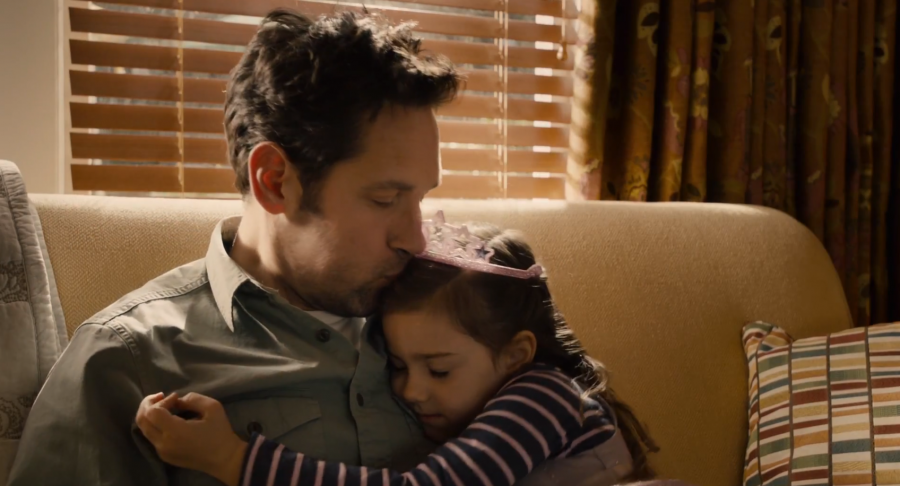
That may not mean we dress in the strange robes that the people wear in “Demolition Man,” but it’s very likely that world won’t allow for much provocative attire. We already know how cultures like that manifest today and they’re not sexy or friendly, to say the least.

What makes these manifestations worse than those in “Demolition Man” is that these conditions may not need to be imposed by someone like Dr. Cocteau. We may just become so crippled by our fears of violence, harassment, or being accused of harassment that we’ll just create the repressive world of Cocteau without him. That, in my mind, would be an even worse dystopia.

Now, I concede we’re still a long way from that kind of society. If someone like Dr. Cocteau came along today and tried to impose the kind of society that required a license for any kind of sexual activity, he would probably fail. I take some comfort in that.

However, the more our fears surrounding sex, gender, harassment, and violence escalate, the more inclined we’ll be to craft a more repressive, disconnected world. History and basic human biology has shown that sort of effort never works in the long run and can be very damaging.

There are a lot of lessons to be had from a movie like “Demolition Man” while still enjoying Sylvester Stallone delivering his memorable one-liners. Beyond the over-the-top action that makes the movie such a spectacle, there’s a message that is more important in 2018 than it ever was in 1993.

A world built around elaborate, authoritarian rules that try to regulate human expression may seem utopian on the surface, but it becomes distinctly dystopian when you look at the implications. Some of forces behind that dystopia in “Demolition Man” are already starting to manifest. If it ever gets to a point where a high-five has to be rethought, then we should worry.

1 Comment

Filed under Current Events, gender issues, sex in society, sexuality

Remembering (And Learning From) The Satanic Panic

stufftoblowyourmind-podcasts-wp-content-uploads-sites-24-2015-04-satanic

Lock your doors, hide your children, and pray with the force of a million pious nuns because it’s happening. It’s out there and it’s probably going on as you’re reading this. There’s a vast network of Satanic cults who have infiltrated schools, child day care centers, and major media outlets. They’re coming for you, they’re coming for your kids, and they’re determined to corrupt every soul they can.

I hope everyone who just read that laugh paragraph is either laughing or confused. It was not meant to be serious. The fact that I actually have to clarify that for a certain segment of people who may take it seriously says a lot about the human condition. It also reveals even more, albeit in a way that’s hardly flattering to our species.

When one person has crazy, irrational fears, we can easily shrug them off and move on with our lives. When a large group of people have those fears, though, it’s a bit harder to ignore, especially when it becomes a full-fledged panic that spurs outrage, ruins lives, and wastes resources.

Image result for moral panic

This is exactly what happened in the 1980s during the so-called Satanic Panic. It may sound like the name of a bad heavy metal band or one of those funny church signs, but make no mistake. It was no laughing matter. There was a real, genuine fear among people that there was a conspiracy of Satanists looking to abuse, exploit, and corrupt children.

It got so serious that major news outlets, the FBI, and even Oprah Winfrey began reporting on it. They included disturbing recollections of adults taking children into dark rooms, dressing up in Satanic attire, and subjecting them to unspeakable abuse that often included sex acts. It got pretty horrifying, which is part of why it got so much attention. This is just a small sample of what some kids recalled.

In hours of footage, they talked about how the devil-worshipers preyed on the wealthy community, holding pedophilic orgies and murdering innocent people. They said the Satanists abused and tortured babies, slitting their throats, drinking their blood and dancing while wearing their skulls.

It all sounds too horrible to imagine. The descriptions are objectively horrifying. There’s just one key detail that undercuts that horror. There’s no verifiable evidence that any of it happened. There’s only evidence that the lives of innocent adults were irreparably ruined.

Image result for satanic ritual

It’s amazing to think that something so irrational had terrified and overwhelmed sane, rational people in a civilized society. Actually, that might have been amazing to contemplate five years ago. I think it’s distressingly easy to imagine something like that happening in an era where false accusations can become a viral media spectacle.

Most people may roll their eyes at the notion that history tends to repeat itself from those who don’t heed it’s lessons. Historically speaking, though, those lessons keep popping up in new forms in conjunction with new panics. One day, it’s a conspiracy of Satanists. The next, it’s a conspiracy of Bronies. In each case, a similar pattern emerges. History may not entirely repeat itself, but it sure follows a similar script.

The catalyst for Satanic Ritual Abuse panic was similar to what triggers most panics. One particular story, which may or may not be true, captures the public’s imagination and terrifies parents to no end. The story, in this case, was called “Michelle Remembers” by Lawrence Pazder. This was to Satanic Ritual Abuse what Harvey Weinstein and GamerGate was to the ongoing panic over sexual misconduct.

Related image

The book itself is a disturbing story disguised as a real documentation about a psychiatrist uncovering repressed memories from a woman who had been abused by a Satanic cult. Almost immediately after publication, the legitimacy of the story came into question and Pazder got sued for libel. That didn’t matter, though. The story went onto become very popular and was actually taken seriously.

This culminated in the infamous McMartin Preschool Trial where, after seven years and millions of dollars in legal fees, those accused were found innocent. That didn’t matter in the end. The media coverage, combined with public fears, made them Satan-loving monsters by default. Needless to say, their lives were ruined.

Image result for McMartin preschool trial

As I said before, and it’s worth belaboring, there was no hard evidence that any of these crazy Satanic rituals ever took place. The allegations were pretty elaborate, but the problem from a truth perspective was that they were based primarily on the testimony of young children. That’s a huge problem beyond the fact that most anecdotal evidence, even from competent adults, is unreliable and rarely admissible in a trial.

The testimony of those children was gained largely through something called recovered-memory therapy. It’s not as intensive as it sounds. Therapists just ask impressionable kids leading questions and get them to tell say whatever they want while claiming it’s a real memory.

That proved to be an effective/dangerous tool in provoking the emotions of the masses. It’s one thing when an adult makes a claim that sounds extreme, but when a child says it who may have been horribly abused, that nurturing instinct that most decent human beings have goes into overdrive. It doesn’t matter if there’s no evidence. The mere possibility that it could be true convinces us.

Image result for satanic ritual

Even after more thorough investigations revealed far more mundane truths, there was still plenty of panic. There was even an organization called Believe The Children that advocated accepting their testimony, even if it couldn’t be verified and meant ruining innocent lives.

This is where some of the distressing similarities to the ongoing crusade against sexual misconduct start to manifest. Now, right of the back, I want to make clear that I am not claiming that the movement to combat sexual harassment is as vacuous as the movement against Satanic Ritual Abuse. I really want to make that clear. However, the parallels are worth noting.

Yes, there have been cases of real, verified assault that have been proven in a court of law. There have also been cases where a false accusation put an innocent person in prison. Just like those urging that people believe the horrific stories told by the children, though, there are those who urge that we place a similar belief in anyone who accuses someone of a sex crime.

Image result for false rape accusations

There’s a reason why we have a justice system. There’s also a reason why the standard of proof for a serious crime is so high. There are some who don’t like applying that standard to sexual misconduct, but there’s a reason for that. In a civilized society, we understand that punishing innocent people can be much more damaging than letting a guilty person go.

I know that doesn’t sit well with certain people. One person getting away with a sex crime is one too much, especially for those who have been victimized. However, and I know this is going to strike the wrong chords, but that’s the price we all pay for having a functional justice system.

Image result for justice system

It’s not perfect because humans aren’t perfect. Trying to make it perfect, though, at the cost of innocent lives is a price that undermines the very concept of justice. The Satanic Ritual Abuse craze in the 1980s ruined innocent lives. Their suffering is a crime in and of itself.

In a sense, the unjust suffering of an innocent is twice the injustice of a guilty person getting acquitted because it inflicts unjust guilt on someone and forces them to carry that burden beyond the accusation. That is why presumption of innocence is so important in any justice system.

The ongoing efforts to combat sexual misconduct has noble goals. Even the panic around Satanic Ritual Abuse had noble goals in wanting to protect children. Most decent people are on the same page with those goals. However, when outrage, anecdotes, and hyperbole are the primary tactics, it leaves little room for actual substance.

Image result for satanic ritual abuse

That substance matters because, in terms of the bigger picture, violence against women has gone down significantly over the past 20 years. Women today are far safer and less likely to be victimized than they’ve been in decades past. I know that’s not much comfort to those who have been victimized, but one burning tree doesn’t need to start a forest fire.

In the end, the Satanic Ritual Abuse panic created a pretty scary environment for parents and children, so much so that little things like facts, truth, and justice got lost within the horror. Those little things matter even more with real crimes like sexual assault. If there’s one lesson we should learn from the Satanic panic of the 1980s, it’s that terrible stories can lead to terrible injustices if the truth gets overlooked.

In the interest of ending this on a lighter note, check out this old video from the Satanic Panic and enjoy a good laugh. Yes, they really took it that seriously.


9 Comments

Filed under Current Events, gender issues, human nature, sex in society

An Important Question That Feminists And MRAs Must Answer (Honestly)

There are certain debates that I try to avoid. Sure, I’ll contribute to a debate between Marvel and DC fans. That often inspires some trolling, but it won’t inspire outright threats. When those debates revolve around unpleasant issues like race, religion, gender, or anything having to do with politics since last year’s election, I avoid it like the plague.

Every now and then, though, I feel compelled to at least comment on an ongoing debate. While I doubt that comment will resolve anything, I try to make sure it’s something worth adding to the conversation, if only to provide perspective. In my experience, perspective is the first thing lost when people start insulting each other’s mothers.

Before I started writing erotica/romance novels, I actually enjoyed debates. I thought they represented meaningful dialog. Then, I learned the hard way that the desire to win an argument often gets in the way of having productive discussions. There are few topics that don’t involve religion where this plays out more in gender issues.

Sometimes it’s between sex positive feminists and sex negative feminists. Sometimes it’s between feminists and men’s rights activists. Sometimes it’s between alpha males and beta males. In any case, the drama and the vitriol is the same. The sides of the argument are passionate and committed. Neither is likely to ever sway the other.

I can understand that, to some extent. There are undeniable gender disparities in this world, as well as a few subtle disparities that rarely come up in debates. I can also understand why certain people take the sides they do. Feminists, no matter what type they may be, are going to argue for women’s issues. MRAs, no matter how adversarial they may be to feminists, will take the side of men.

There are important issues that are worth debating, regardless of how much or how little you care about gender disparities. Even if neither side can completely win the argument, the debates do inspire all sorts of ideas that enrich everybody involved.

That being said, I still feel compelled to inject a little perspective into the debate. I think emotions on both sides are in overdrive after some pretty major sex scandals, which is fueling more outrage than discussion. As such, I’d like to reorient that perspective by asking one basic question to feminists, MRAs, and gender-driven ideologues of all types.

Do the goals of your ideology directly benefit you to the direct detriment of another?

It’s a yes-or-no question, but I imagine it’s one of those questions that few can answer honestly on a whim. That’s the key part that I want to emphasize. Anyone who answers this question, regardless of which side on gender issues they take, should answer this question with the kind of brutal honesty usually reserved for British TV personalities.

That’s because the question is twofold. The first part is somewhat a given. If you’re in the business of discussing gender issues, you usually have a goal. A part of that goal usually involves benefiting you and others like you. That’s the point of any effort that requires you to endure arguments, insults, and trolling.

The goals of feminism, men’s rights advocates, and everything in between involve benefitting individuals within their tribe. That’s not the issue here. It’s the second part where the honesty is harder to discern because it requires a self-assessment and a greater understanding of the bigger picture.

If you’re looking to achieve a goal that hurts or inconveniences no one, then chances are it’s not going to inspire many debates. Those efforts rarely face any political or social overtones. They’re as simple as being low on marshmallows and wanting to get more. The only one you’re inconveniencing is yourself.

When that goal involves something detrimental or inconvenient to someone else, regardless of whether it’s real or perceived, that’s when you run into problems. If that benefit you seek requires someone else to pay a price, then you’ve got a problem. It’s not always a bad problem. There are times when that the absence of that benefit is an injustice. Issues like voting or protection from violence are good examples.

Those kinds of goals tend to be simple with tangible, documented harm that is directly linked to a gender disparity. It’s the more complicated goals, such as those involving body image, mass media, or cultural trends, that tend evoke the kind of cyclical vitriol on both sides that never seems to abate.

These issues can’t be easily solved by passing a law or flipping a switch. They often require large groups to change their attitudes, beliefs, and assumptions about the world. In the same way people struggle to break bad habits, this sort of thing is not easy to do. It plays out in all sorts of ways.

“Stop admiring sexy women! That’s sexist!”

“Stop asking for free stuff because you’re a woman! That’s fascist!”

“Stop demanding that I find you attractive! That’s body shaming!”

“Stop enjoying what you love because it’s perpetuating misogyny/racism/misandry/homophobia/transphobia!”

However it plays out, the end result has a similar dynamic. In achieving the goal for one side, it negatively impacts the other. Sometimes their power and influence isn’t as great. Sometimes they’re shamed for liking something or supporting a certain position. Sometimes they have to pay a price, sometimes with money and sometimes with other forms of social currency.

In that situation, it creates a predicament to whoever is arguing on the other side. It undermines they’re objectivity. That person, be they a feminist or an MRA, has something to gain by their side prevailing. Like an investor who has a vested interest in a product failing, they’ll argue louder than most that the product is crap.

This is difficult to acknowledge because it undermines someone’s inherent sense that they’re the hero in this story. If Superman only did what he did because he acknowledged he got free ice cream for every criminal he stopped, then that would affect how people saw his motivations.

I don’t doubt that feminists and MRAs are motivated to pursue what they feel is an objective good. However, if they have something to gain from their side prevailing, then there’s a non-zero amount of subjectivity involved. Absent that perspective, the effort becomes less about confronting those gender disparities and more about maximizing your own personal advantage.

Let’s not lie to ourselves. If life were a video game, we would want to use cheat codes every now and then. It’s not wrong to admit that or even to seek advantages that others can’t have. However, to not acknowledge those self-serving facets of an issue is to claim your character is somehow greater and your opponents might as well be Nazis.

Very little good can some from any debate when both sides think their opponents are just monsters to be slain and not people with their own interests at heart. I don’t doubt that debates over gender disparities and gender-related issues will continue. I also don’t doubt that some of those debates will be as rational as the “Deadpool 2” synopsis.

It’s for those reasons that this question needs to be asked and answered honestly. I get it. Honesty is tough in a world of fake news, internet trolls, and all-around assholes. That’s why, if we’re serious about achieving our goals, we need to value it in any discussion about gender. The future of the human race literally depends on it.

2 Comments

Filed under gender issues, Marriage and Relationships

When A Controversy (That Involves Scantily Clad Women) Should NOT Be A Controversy

We live in a controversial time within a controversial place surrounded by all sorts of high-tech tools that allow us to spread controversy in every direction. It may very well be the first time in human history where controversy of any kind has a chance to spread discord among large swaths of people with too much free time and a cell phone.

That can be a good and a bad thing in that it makes us more aware of the world outside our immediate surroundings. However, when it’s a bad thing, it’s bad for frustratingly insipid reasons. Lately, whenever those reasons involve beautiful women, the people who admire them, and sexism, it becomes even more frustrating.

Like many other self-professed comic book fans, I’ve been eagerly following the news surrounding “Justice League.” After the success of “Wonder Woman,” this movie marks a huge step in the development of DC’s evolving cinematic universe, which Warner Brothers is hoping will compete directly with the cinematic juggernaut known as the Marvel Cinematic Universe.

That kind of competition is bound to attract some controversy, if only from angry fans trash-talking each other about whether Wonder Woman could beat up Thor. Sometimes, that controversy is healthy. This is not one of those times.

Just days before the movie came out, this little incident sparked the wrong kind of controversy for all the wrong reasons. Unfortunately, it involves beautiful women in sexy attire. It’s something that should be innately fun, enjoyable, and positive for everyone who isn’t a celibate monk seeking to avoid temptation. Instead, it sparks Round 8,839,272,093 of another angry debate about gender and sexism.

Now, I’m as sick of these debates as everyone else. I’d much rather be focusing on enjoying this movie and seeing how it measures up to “Wonder Woman,” but certain people just can’t help themselves whenever they see an opportunity to evoke some fresh outrage.

This time, it has to do with how the Amazons are dressed. After their introduction in “Wonder Woman,” which made for some truly wonderful moments, they’re set to participate again in “Justice League.” That should be a good thing. They’re a tribe of powerful ancient warriors. Why shouldn’t they participate in a battle to save the world?

That fact might as well be an afterthought for some people because apparently, they’re not dressed appropriately. I must have missed a meeting because at some point, someone passed a rule that said you couldn’t look sexy while saving the world. As an aspiring erotica/romance writer, I oppose such a rule with every fiber of my being.

Wherever it came from, it seems to be an issue now. There are real people who insist on making this a major issue, which requires them to ignore the fact that a tribe of badass warrior women is involved in the first place. Instead, they’re just focusing on how they’re dressed. Seriously, is this really worth that level of outrage?

Never mind the fact that warrior women kind of have to be really fit and being fit is a major factor in sex appeal. The fact that “Justice League” dares to offer that kind of sex appeal in any capacity is somehow an affront to women, feminism, and progress in the 21st century. If I could write that with more sarcasm, I would.

Before I go on too angry a rant, it’s worth noting that this sort of thing stands in direct contract to Gal Gadot’s own message that women should dress however the hell they want. It’s also worth noting that one of the actresses, Brooke Ence, who plays one of the Amazons, did not see much controversy with the attire. In a USA Today interview, she said this:

As she recalls, not every warrior wore a two-piece, and “the girls on set, we never thought of (the new costumes) as a sexy version. It felt a little more glamorous, if anything, because we had bigger, beautiful hair, which I loved.”

In fact, the CrossFit champion, who gets a heroic scene in the new movie, added, “I’m an athlete first, right? (Usually) I can’t wear anything without someone commenting about my (muscular) body. So for me, it was actually really cool to be able to show it and not immediately feel masculine, but still very feminine.”

By the actual words of a woman who actually wore that attire, she liked that sexy attire. She thought it was glamorous and showed off the body that she clearly worked so hard to sculpt. There’s no hint, whatsoever, that she was forced to dress this way to appeal to horny men.

That implies, shockingly enough, that sometimes women want to dress sexy. It implies that it’s okay to look sexy and it’s okay for men to appreciate that. I even made a formal announcement about it last year. I guess some people didn’t get the memo.

I’ll try to limit the sarcasm from here on out, but this is the key factor in determining whether a controversy involving scantily-clad women even warrants controversy to begin with. This is not an old Carl’s Junior ad or necessarily softcore standards utilized by Victoria’s Secret. These are female characters in a movie that is trying to appeal to everyone, including men.

The women wearing that attire never claimed they were being exploited. There was no noticeable uptick in sex crimes as a result of this attire being worn. The only offense anyone took were those claiming to be offended on behalf of all women. Therein lies the problem, though.

If one of the actresses had come out and said they felt degraded by that attire, that would be one thing. If it came out that some asshole producer forced them to wear it after they’d objected, that would be quite another. Given the recent climate surrounding sexual exploitation, they probably would’ve had a lot of allies.

That didn’t happen, though. Instead, those allies jumped the gun. They didn’t wait to hear from the women wearing the sexy attire. They didn’t even ask how they felt about wearing it. They just assumed, outright, that it was degrading, offensive, and sexist. That’s not just arrogant and presumptuous. It’s counterproductive because it turns allies in the fight against sexism into assholes.

In order to be offended for everyone, you have to assume everyone feels the same way you do. That’s a flawed, egotistical, narcissistic assumption. That’s exactly the kind of selfishness that Wonder Woman and Gal Gadot oppose with their emphasis on compassion and understanding. Anyone who feels as though they have to be offended for someone other than themselves is basically forcing unwarranted outrage.

This is the kind of thing that gives feminism, men’s rights activists, and people who make excuses for being arrogant dicks a bad name. It’s not that they react to something that’s controversial. They have to either create it or bend it to fit their agenda. I guarantee that as I type this, there are countless debates going on about the merits of sexism, scantily clad women, and sex appeal that aren’t making anyone horny.

That’s not to say that scantily clad women are always positive. Even an aspiring erotica/romance writer understands there’s a line between beauty and gratuity. There’s nothing about the Amazons’ attire that’s so gratuitous that it should require someone’s credit card number and a quick clearing of their browser history. The fact that it has been addressed by those who participated in it should be the end of the story.

Sadly, I suspect this won’t be the end. Even after the outrage over this issue passes, there will be another. For reasons that I wish I didn’t have to discuss, there will still be controversy every time a beautiful woman decides to show more skin than a priest, monk, or mullah deems appropriate.

Until we’re all comfortable in our own skin, or find a way to upgrade our brains to avoid the outrage before it starts, I suspect these kinds of controversies will continue. Just remember that if it has to be forced by those not involved, it’s not a controversy of merit. All it does is take away from those who just want to enjoy being sexy or admire those who are.

1 Comment

Filed under Celebrities and Celebrity Culture, Comic Books, Jack Fisher, Superheroes, gender issues, sex in media