Category Archives: Comic Books, Jack Fisher, Superheroes

Why I’m More Excited For “X-men: Dark Phoenix” Than “Avengers: Infinity War”

Not long ago, the internet stopped for a brief moment and had a shared orgasm over the “Avengers: Infinity War” trailer. I’m not going to lie. I enjoyed my share of the collective ecstasy. I had a smile on my face for the rest of the day. Sure, I had a hard time hiding my comic book loving boner, but compared to other awkward boners I’ve dealt with, I was more than happy to wear loose pants for the rest of the day.

I honestly didn’t think I could be more excited about the impressive slate of superhero movies set for release in 2018. Then, Entertainment Weekly had to come along and offer a first glimpse into “X-men: Dark Phoenix,” a movie I’ve talked about before with the same anxious excitement as Wonder Woman. Honestly, I don’t think anyone not named MC Hammer makes pants loose enough.

I don’t know if the timing was on purpose. I just know that my erection can only get so hard when it comes to superhero movies. Me being an unapologetic X-men fan, which I’ve belabored more than once on this site, I’m inherently more excited about this movie than I am “Avengers: Infinity War.”

I get it. Marvel Studios and Kevin Feige are on a win-streak that would make an entire team of Michael Jordan’s envious. To date, the Marvel Cinematic Universe has raked in over $13 billion and “Avengers: Infinity War” is guaranteed to add to it and at a time when even highly-touted X-men movies can’t rake in more than $800 million.

Why, then, should anyone who isn’t an unapologetic X-men fan be more excited about “X-men: Dark Phoenix?” There are many reasons, more so than most who aren’t X-men fans probably realize. Some are more obvious than other. The first, and most notable, can best be summed up by two words: Sophie Turner.

In case anyone needs a reminder why she’s such a big deal, take a look at these first glimpses of Ms. Turner in all her Jean Grey/Dark Phoenix glory. Be sure you have loose pants and clean underwear handy. Don’t say I didn’t warn you.

SophieJean1

I’ll give everyone a moment for their heart to settle and their pants to untighten. Take all the time you need. Believe me, it took me longer than I expected.

That one picture, in addition literally burning with Ms. Turner’s sex appeal, checks the most important box I listed in my article about how to not screw up a Dark Phoenix movie. It unleashes the fiery passion of the Phoenix and uses Sophie Turner’s sex appeal to do it.

While I doubt that director Simon Kinberg read that post, it’s a big deal that he’s emphasized this aspect of “X-men: Dark Phoenix.” That’s primarily because that critical element that makes the Phoenix Saga one of the greatest X-men stories of all time was omitted from the last attempt to do a Dark Phoenix movie, “X-men: The Last Stand.” The less said about that craptactular failure, the better.

Beyond capturing the necessary elements for a decent Dark Phoenix story, it also reflects a fundamental difference between this movie and “Avengers: Infinity War.” At its core, the Phoenix Saga is about a beloved friend and hero becoming corrupted. It involves high drama, heart-breaking sacrifices, and beautiful redheaded women kicking ass.

The core of “Avengers: Infinity War” is decidedly not that, especially after Black Widow died her hair. This movie is banking less on high drama and more on over-the-top battles involving the most powerful heroes of the Marvel Cinematic Universe against Thanos, one of Marvel’s most overpowered villains with a disturbingly extreme death fetish.

Now, there’s nothing inherently wrong with that approach. In fact, it’s probably the best possible approach for a movie that has been built up over the course of over a dozen big-budget films. Nobody can ever claim that Kevin Feige hasn’t been thorough in establishing the scale for this movie.

The problem, if you can call it that, is because of that scale, it’s difficult for a movie like “Avengers: Infinity War” to be anything other than what you expect it to be. It’s going to be an intense, over-the-top battle that will triple down on the themes that made the first Avenger’s movie so successful. At this point, that’s all it can do.

X-men: Dark Phoenix” offers something more than that. Like “Avengers: Infinity War,” it’s expanding the scope and scale of the movie to a level that no previous X-men movie has ever attempted. Whereas the first X-men trilogy tried way too hard to stay grounded, this one is letting the X-men push the boundaries like they do every other week in the comics.

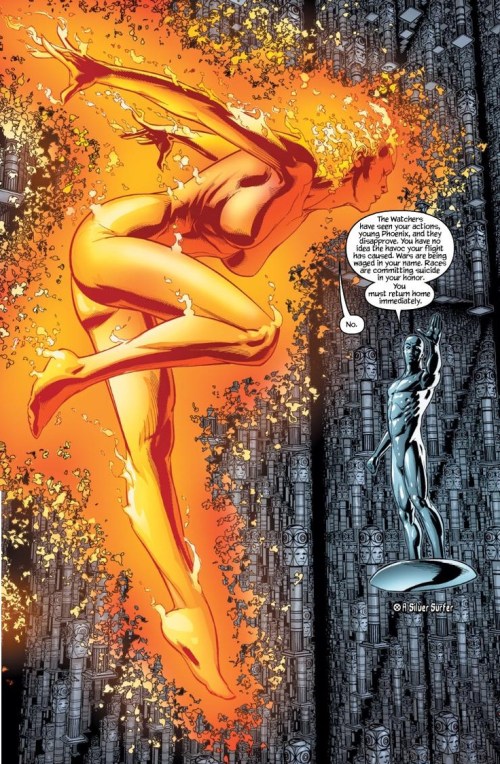
X-men: Dark Phoenix” will let the X-men go into space. It’ll let Jean Grey get overwhelmed and surrounded by cosmic fire, something “X-men: The Last Stand” barely even attempted. It’ll even let Sophie Turner get naked. That alone is worth the bloated ticket price.

Those elements, both the cosmic fire and the nudity, don’t even have to be forced. They’re actually in line with the canon X-men comics. Jean Grey has been known to fly around in the cosmic buff every now and then. I won’t say it’s a critical element to Phoenix Saga movie, but as someone who values nudity more than most, I can safely say it’s a hell of a bonus.
b0eecc16ca5ed57fd3b9cb5d6c5d65ea--jean-grey-phoenix-dark-phoenix

While I doubt anyone will pay extra to see Thanos get naked in “Avengers: Infinity War,” there’s one more element that helps sell me on “X-men: Dark Phoenix.” It has less to do with spectacle or nudity and more to do with underlying theme.

In a sense, “X-men: Dark Phoenix” is an opportunity to go beyond superhero movies. Like “Logan” and “Deadpool” before it, this movie has elements that can help it go beyond superhero movies, just as the original Phoenix Saga dared to go beyond stories about super-powered people in spandex costumes defeating villains.

There are all sorts of genres that “X-men: Dark Phoenix” can encompass. It can be a tragedy. It can be a sci-fi adventure. It can be a romance, which I’ve touched on before. It can be so many things, all within a single narrative. The ability for one movie to encompass all those elements, be it a superhero movie or a Disney musical, is a rare and special thing.

Avengers: Infinity War” has its place and chances are, it’s going to make more money than “X-men: Dark Phoenix.” It may end up making more money than any movie in history that doesn’t involve exploding death stars or blue aliens.

For me, someone who isn’t one of Fox or Disney’s accountants, you can’t put a price on the breadth of experiences offered by “X-men: Dark Phoenix.” Given the early fan responses to these new teasers, it’s safe to say I’m not a alone in this sentiment. Hopefully, those sentiments only grow once the first trailer drops.

If Fox, Simon Kinberg, and Sophie Turner can get it right in all the ways X-men: The Last Stand” failed and/or didn’t attempt, then it promises to be a truly special cinematic experience.

Also, and it’s worth repeating, the prospect of Sophie Turner getting naked outside a disturbing scene in “Game of Thrones” should appeal to everyone. Besides, why should Jennifer Lawrence’s nudity-loving Mystique have all the fun?
 

11 Comments

Filed under Comic Books, Jack Fisher, Superheroes, X-men

Gal Gadot’s Message To Misogynists (And Why It’s Incomplete)

It has been a good year for Gal Gadot. When you’re the woman who brought Wonder Woman to life in one of the most successful movies of 2017, as well as the highest grossing superhero origins movie of all time, you can objectively say you’re doing pretty damn well for yourself.

Ms. Gadot has every reason to be confident and not just because she’s the second woman since Lynda Carter who can call herself Wonder Woman with a straight face. She didn’t just make the “Wonder Woman” movie an unmitigated success while also getting Chris Pine naked in the process. She did it in a way that was truly empowering to women, female superheroes, and guys who just appreciate women who can kick ass.

As such, Ms. Gadot’s words carry a lot more weight than most people, regardless of their gender. She could say tomorrow that pineapples and beaver testicles are the greatest pizza topping of all time and we, as a society, would still take her seriously. That’s how much power you get from making an awesome “Wonder Woman” and doing part of it while pregnant, no less.

That’s why when, during a promotional interview with IGN with her “Justice League” co-star, Ezra Miller, Ms. Gadot made a bold proclamation. Granted, it wasn’t entirely serious and Miller had goaded her, but since she’s Gal “Wonder Woman” Gadot, these words still carry weight.

“Misogynist sexists, your wrath upon this world is over!”

If you want to see the full interview in order to get the full context of the statement, which is important here, you can watch the video here.

Again, the statement wasn’t on the same level as a full-blown protest, complete with bra burning. This is her and a co-star goofing around, but some of that sentiment stems directly from some distressing recent events involving powerful men being dicks to women. These issues are serious, bringing out the best and worst in people.

That’s why Ms. Gadot’s message matters. As I write these words, there are probably people out there taking them far more seriously than she intended. Some may even use it as a rallying cry to wage war against everyone with a penis who dared to have a dirty thought about a beautiful woman. While those people may be a fringe minority, the message still resonates, due to the unique time we find ourselves in, as a culture.

There’s no question that 2017 is a turning point and not just for female superhero movies like “Wonder Woman.” USA Today is already calling it “The Harvey Weinstein Effect” and has been maintaining a list of powerful men who have lost their jobs and/or reputations, due to sexual misconduct.

At this point, even if you’re a card-carrying member of the patriarchy, you can’t deny the growing trend. It’s gotten to a point where anytime you see a male public figure’s name trending on social media, there’s a good chance that they’re somehow involved in some sordid sexual misconduct. Say what you will about the merits of this trend, but it’s happening.

Going back to Ms. Gadot’s bold proclamation, I think it’s partially accurate in that it’s already being fulfilled. Powerful men who have harassed women are losing power, reputation, and influence. Influential organizations are cutting ties with those who are embroiled in sex scandals.

If you’re a powerful man who loves using his power to coerce sexual favors, this is not a good time for you and Ms. Gadot’s words should strike fear in you. While that part of her statement is valid, and most people would probably agree with it, there is one issue with it. It’s incomplete.

By that, I don’t mean Ms. Gadot misspoke. I am not foolish enough to tell Wonder Woman herself how she should talk when she could probably kill me with her pinkie toe. In terms of the overall substance of her message, though, it’s one of those instances where the rhetoric is more ambitious than the words.

The problem is that the message gives the impression that there’s an actual war going on. Coming from Gal Gadot, who served in the Israeli army before becoming Wonder Woman, it makes sense for her to frame it in such a way.

However, when it comes to powerful men exploiting vulnerable women, that’s not a war. That’s an societal problem on top of a leverage problem on top of a biological problem within the ongoing problem that is our caveman brains. Granted, that’s a lot of problems, but framing it as a war only compounds them.

That’s because wars, and wraths by default, are chaotic and bloody. Wars have casualties and most of the time, they’re not just enemy soldiers. Declaring a war on something, even if it’s an objectively bad thing, is bound to stir chaos that will affect others than the intended targets. Just look at the casualties in the ongoing war on drugs for distressing proof of that.

Ms. Gadot’s comment also implies there’s some shadowy army of evil Harvey Weinstein clones, each plotting and planning to create a world where they can harass and assault women with impunity. That may very well be a plot for another Wonder Woman movie, but it’s not reflective of the real world.

The kind of misogyny that creates men like Harvey Weinstein is not the result of some shadowy conspiracy that only Alex Jones would buy into. They’re largely a result of unequal power structures, outdated ideas about gender roles, and people generally taking advantage of opportunities that other horny men can only dream of.

It’s not an agenda or a wrath that’s in play here. It’s injustice and exploitation, coupled with greed and corruption. That, in and of itself, is a pretty toxic combination that affects people of any gender. It can get pretty bad at every levels of power, but it’s not just restricted to misogyny or general sexism.

Now, there’s no question that there’s still a lot of injustice and sexism in the world. If Ms. Gadot wants to fight that, both as an advocate and as Wonder Woman, I would gladly fight beside her, along with anyone else who would heed her call. That call, however, can’t be the same as a war cry against a secret cabal of misogynist sexists. It has to have more substance than that.

For the most part, people already despise misogynist sexists. Neither Ms. Gadot nor Wonder Woman need to convince anyone of that. Men with sordid pasts are already seeing their reputations and authority being undermined by recent efforts. Ms. Gadot herself even played a part in one of them involving Brett Ratner.

However, it can’t be like Wonder Woman’s final battle against Ares in the “Wonder Woman” movie. That’s not how sexism manifests in the real world. It’s not one of those things that can be fought with fists and godly powers. It’s one of those things that can only be fought with understanding, knowledge, and compassion, all of which are among Wonder Woman’s core tenants.

I don’t know what a better rallying cry would be for Ms. Gadot. Even if I did, it wouldn’t mean much coming from a male erotica/romance writer. Sexual harassment, sexual assault, and sexism are all serious issues. As such, any effort to confront them needs to start with the right message and I hope Gal Gadot is among those who delivers that message.

1 Comment

Filed under Celebrities and Celebrity Culture, Comic Books, Jack Fisher, Superheroes, gender issues

My Justice League Review (And Why The Criticisms Are Unwarranted)

When I did my review for the “Wonder Woman” movie earlier this year, I did so under fairly favorable circumstances. The movie was already getting a lot of positive buzz from critics and general word-of-mouth. I was excited to see it in any case, but that buzz certainly set a positive tone when assessing the merits of that movie.

With “Justice League,” I face the polar opposite of those circumstances. While I generally try not to give much weight to critics or Rotten Tomatoes scores, it was hard to avoid this time. Unlike “Wonder Woman,” the buzz for this movie was entirely negative and it showed in the box office returns, also known as the only real measure that studios care about.

For a movie that was set to be a major milestone, finally putting DC’s most iconic heroes into one movie, it has since become an outright scandal. How can a movie with so much superhero star power do this poorly? That’s a question I am not equipped to answer, especially since people much smarter and more well-connected than me already have.

Instead, I’m going to walk right into this ongoing firestorm of whining and anger to give my spoiler-free review of this movie. I wanted to do it sooner, but I decided to let that firestorm die down just a bit before I offered my take. That might have been a mistake on my part. There’s a lot of noise surrounding “Justice League,” but not much insight.

With that in mind, I’m going to keep my review simple. I’m not going to try and extrapolate a bigger picture, like I did with “Wonder Woman.” I’m just going to focus my review on one simple question.

Is “Justice League” a good movie?

Before I go into detail and try to talk over all the noise, I want to answer this question with my honest and sincere sentiment. Given how much I’ve talked about comic books, superheroes, and superhero movies, including the sexy parts, I like to think my answer has at least some weight. However much stock you put into my opinion, here’s my ultimate conclusion on “Justice League.”

It is a good movie.

Yes, I realize that sentiment doesn’t reflect its Tomatometer score. Keep in mind, though, that score reflects the opinions of critics who are paid to see and/or overthink movies. It doesn’t reflect how actual fans feel about it, which actually shows in the response for this movie.

Even critics can’t deny that this movie went out of its way to please fans, especially those who were dissatisfied with “Batman v. Superman: Dawn Of Justice.” It directly dealt with the aftermath of that movie, as well as the characters’ reaction to it. It even dealt with the aftermath of “Wonder Woman,” building upon a foundation and creating connections, exactly like a real movie universe should.

Those connections weren’t too critical to appreciate the movie as a whole. It also works very well on its own, creating a simple, concise plot that really ramps up the scale. Again, it’s entirely consistent with the effort to make a large, inter-connected movie universe, just as Marvel has done with so much acclaim.

However, that’s not my primary reason for me saying that “Justice League” is a good movie. In simplest terms, this movie is good because it sticks to the basics and does them very well. It doesn’t try to be overly elaborate. It doesn’t attempt to reinvent the characters to an excessive degree. Yes, those characters have some variations, compared to their comic counterparts, but it’s nothing that warrants confusion or outrage.

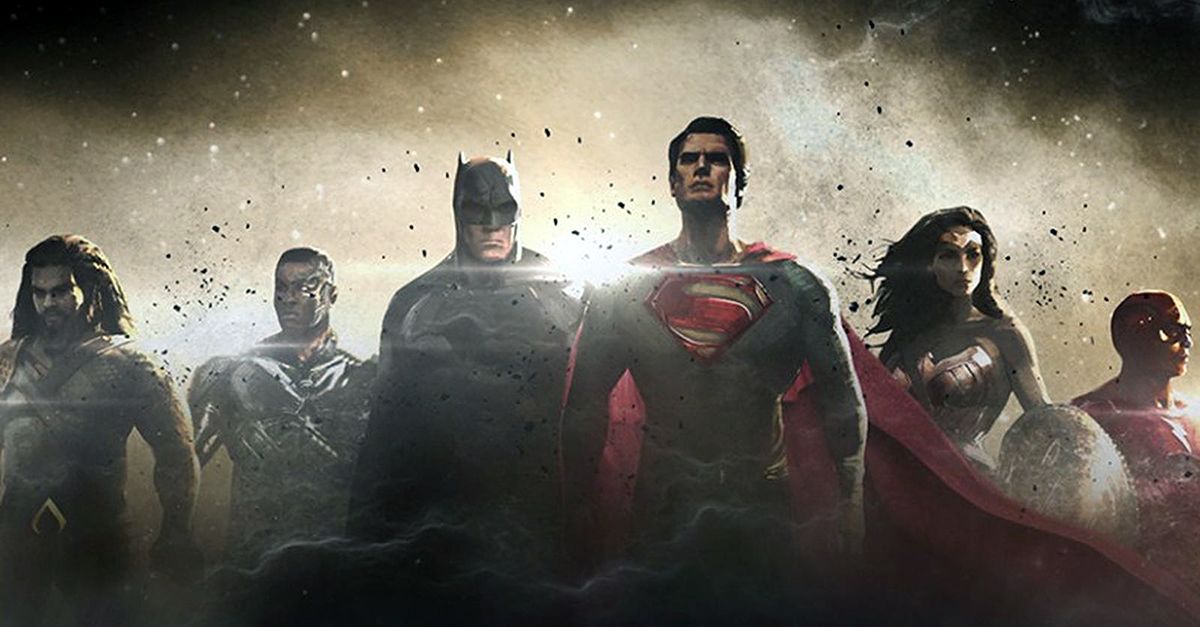
Superman is still Superman. Wonder Woman is still Wonder Woman. Batman is still Batman, even if it is through the brooding demeanor of Ben Affleck. Getting those three right is critical to the success of any “Justice League” movie and this one makes it a point to do that early on.

It doesn’t stop there, though. It puts time and energy into developing the rest of the league, namely Flash, Aquaman, and Cyborg. These three characters had only brief cameos in “Batman v. Superman: Dawn Of Justice,” but they achieved much greater depth here.

These supporting members weren’t just there to fill out the ranks. They each had their own personal story to follow. Through that story, Flash, Aquaman, and Cyborg gain a personal stake in “Justice League.” It’s not just about saving the world for them. They’re struggling for something greater and, through the story, they achieve it.

At times, there are a lot of plots unfolding simultaneously. The personal stories of all those involved tend to mix. While it does get somewhat messy, it never gets chaotic. The story never goes off-track and it never becomes too confusing, which was a common criticism levied against “Batman v. Superman: Dawn Of Justice.”

A major reason why the story remained so concise was because of the main villain, Steppenwolf. While he’s not as iconic a villain as Lex Luthor, Loki, or Darkseid, who is mentioned multiple times, he does plenty to establish himself as a powerful threat and a highly motivated villain.

Like the other members of the league, his role in the plot has a personal component. He doesn’t just show up, wanting to destroy the world for shits and giggles. There’s an actual reason behind his actions and those reasons never become excuses, something that should carry weight for any character.

On top of those reasons, Steppenwolf’s story helps build the bigger picture of the DC Extended Universe. Through it, we learn that there are much larger conflicts in this universe that go beyond the Justice League. It helps establish a larger role for the Amazons, who showed their strength in “Wonder Woman.” It also establishes the Atlanteans and Green Lantern Corp, who are set to show theirs in future movies.

If the secondary goal of “Justice League” was to build a world and expand the possibilities, it certainly succeeded. If its primary goal was to bring each hero together in a way that was entertaining, flashy, and dramatic, then it succeeded as well.

There were plenty of powerful moments. There were plenty of dramatic moments. There were even some funny moments, most of which involved Ezra Miller’s Flash. Few of the moments felt forced or contrived. None felt empty either. There was purpose in every moment, decision, and action. By those most basic of standards, “Justice League” works.

I would even argue that this movie works better than a lot of Marvel movies. I would certainly put it above titles like “Avengers: Age Of Ultron” and “Iron Man 3,” movies that I think get more praise than they deserve. “Justice League” even makes the effort to improve on the mistakes of its predecessor, something few franchises even try, as “Amazing Spider-Man” can attest.

None of this is to say that “Justice League” is without flaws. It certainly has a few. The effects aren’t as flashy or colorful as other movies. Even “Man Of Steel” had better effects, by comparison. It’s also worth belaboring that Ben Affleck is no Christian Bale and Steppenwolf is no Darkseid. It really did feel as though the movie held back, at times.

If that’s the biggest shortcoming of “Justice League,” though, then I still say it qualifies as a good movie. It tells a story. It fleshes out characters. It tells a big, flashy story, full of big battles and satisfying conclusions. There’s a sense of emotional catharsis at the end that is much more uplifting than what we got in “Batman v. Superman: Dawn Of Justice.” When put in the context of the greater DCEU, it acts like frosting on the cake.

Why, then, does it receive such hate and scorn from critics? If this movie does have a major crime, it’s that it isn’t crafted in the same mold as Marvel with their cinematic universe. I don’t deny that Marvel sets a very high bar. However, this movie cannot and should not operate by those same standards. If it did, then those same critics would just whine that it’s ripping off Marvel too much.

There are other criticisms of “Justice League,” but when so many of them revolve around Henry Cavill’s digitally-removed mustache, those criticisms are downright petty. It is possible to hate and criticize this movie by focusing on those petty issues, but that’s hardly a fair way to judge the actual substance of the movie.

In terms of actual substance, “Justice League” has it and plenty more. It Superman being Superman, Batman being Batman, and Wonder Woman being Wonder Woman, just in case her movie didn’t give you enough of that. For that reason, “Justice League” deserves far more praise than it has gotten and far less petty criticism.

In the end, it still gives us a satisfying, live-action Justice League movie. That, in and of itself, makes it inherently awesome

4 Comments

Filed under Comic Books, Jack Fisher, Superheroes, Movie Reviews, Wonder Woman

Why Wonder Woman Is The Most Important Member Of The Justice League

There’s a lot that can be said about the “Justice League” movie. Granted, not a lot of it has been good lately. The horrendous critical reception, despite the solid audience reception, has effectively muted the sheer accomplishment of creating this movie in the first place.

It is a hell of an accomplishment, creating a live-action “Justice League” movie just two decades after “Batman and Robin” nearly ruined the genre completely. While the success of movies like “The Avengers” has undermined the novelty of the concept, it still means something to those like me who grew up loving these characters in comics and cartoons.

I could spend multiple blog posts discussing and dissecting the issues with the “Justice League” movie, but I’ll save them for another time. For now, I want to take a moment to highlight an important point that the “Justice League” made, despite all the controversies and shortcomings that hounded it. That point is this.

Wonder Woman is THE most important member of the Justice League.

I know that sounds like something a hopeless fanboy would say, particularly those who enjoy talking about the kinkier elements of Wonder Woman’s history. It’s probably something most Wonder Woman fans would agree with and not give much thought to. However, I’d like to take a moment to make my point, even to those die-hard fans of Superman, Batman, and even Plastic Man. You know who you are.

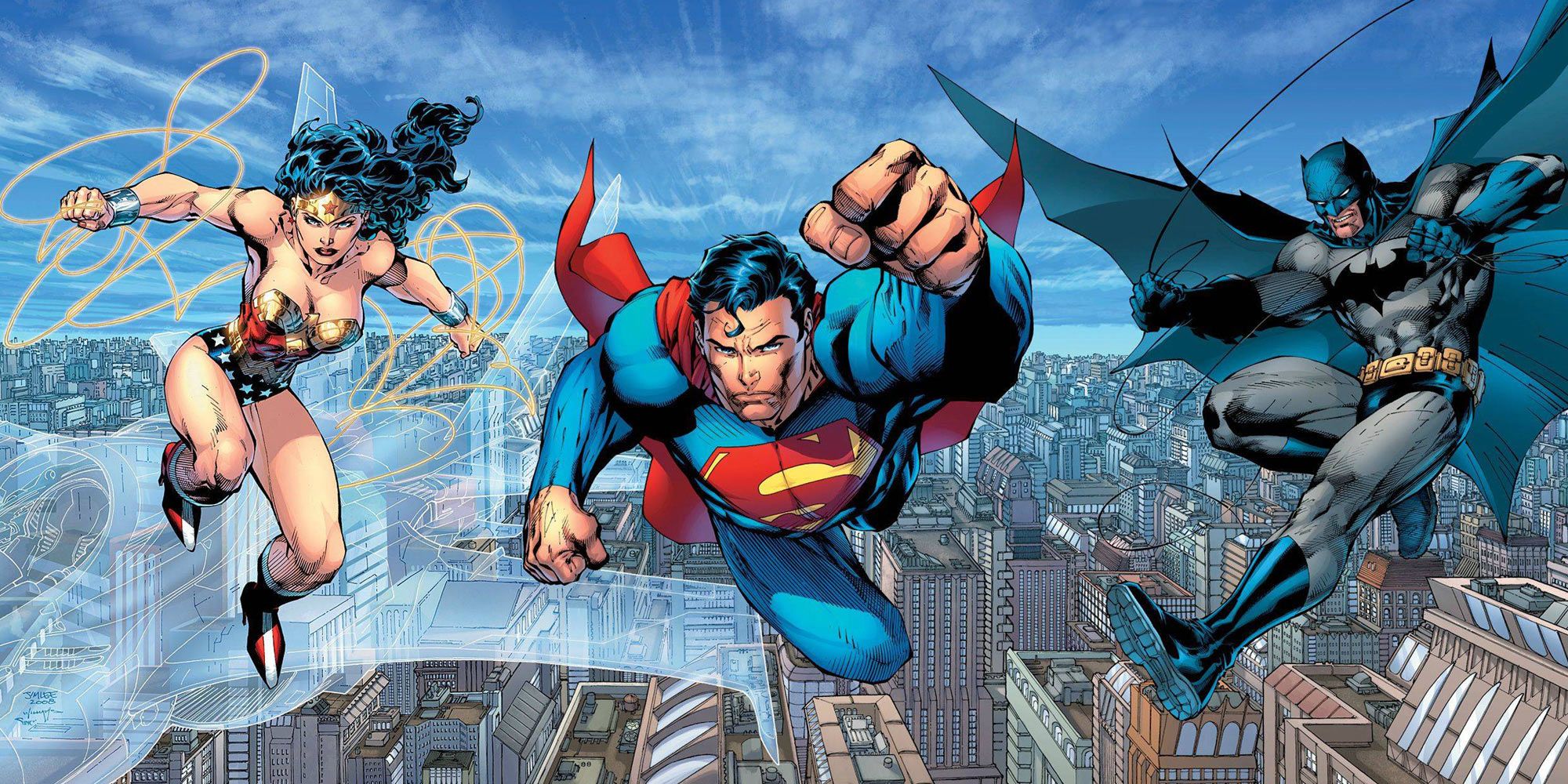
Even among those die-hard fans, there’s no denying that Wonder Woman is part of DC’s superhero trinity. For decades, Superman, Wonder Woman, and Batman have been the anchor of DC’s entire superhero universe, both in terms of popularity and importance. That superhero foundation is unlikely to change anytime soon.

Most of the time, though, Superman or Batman wield the most influence. Between Batman’s cast of iconic villains and Superman’s iconic status, they have a lot going for them, in terms of influence and depth. I don’t deny the strength of their status, nor do I think Wonder Woman trumps them on every level.

However, I still contend that Wonder Woman is the most important member of DC’s superhero pantheon in terms of impact, theme, and narrative. She may never get as many movies as Batman. Considering she has the same number of movies as Catwoman, though, I don’t think that’s a fair measure of Wonder Woman’s importance.

The reason I believe she is that important has less to do with her role within the world of DC and more to do with how she goes about being a hero and an icon. Her situation is very different from that of Batman, Superman, or any other hero in the DC universe, male or female.

Wonder Woman didn’t enter a flawed world that needs heroes by accident or tragedy. In fact, she had every possible reason to not join that world. Her situation before becoming a hero was as ideal as it gets without ripping off a Disney movie.

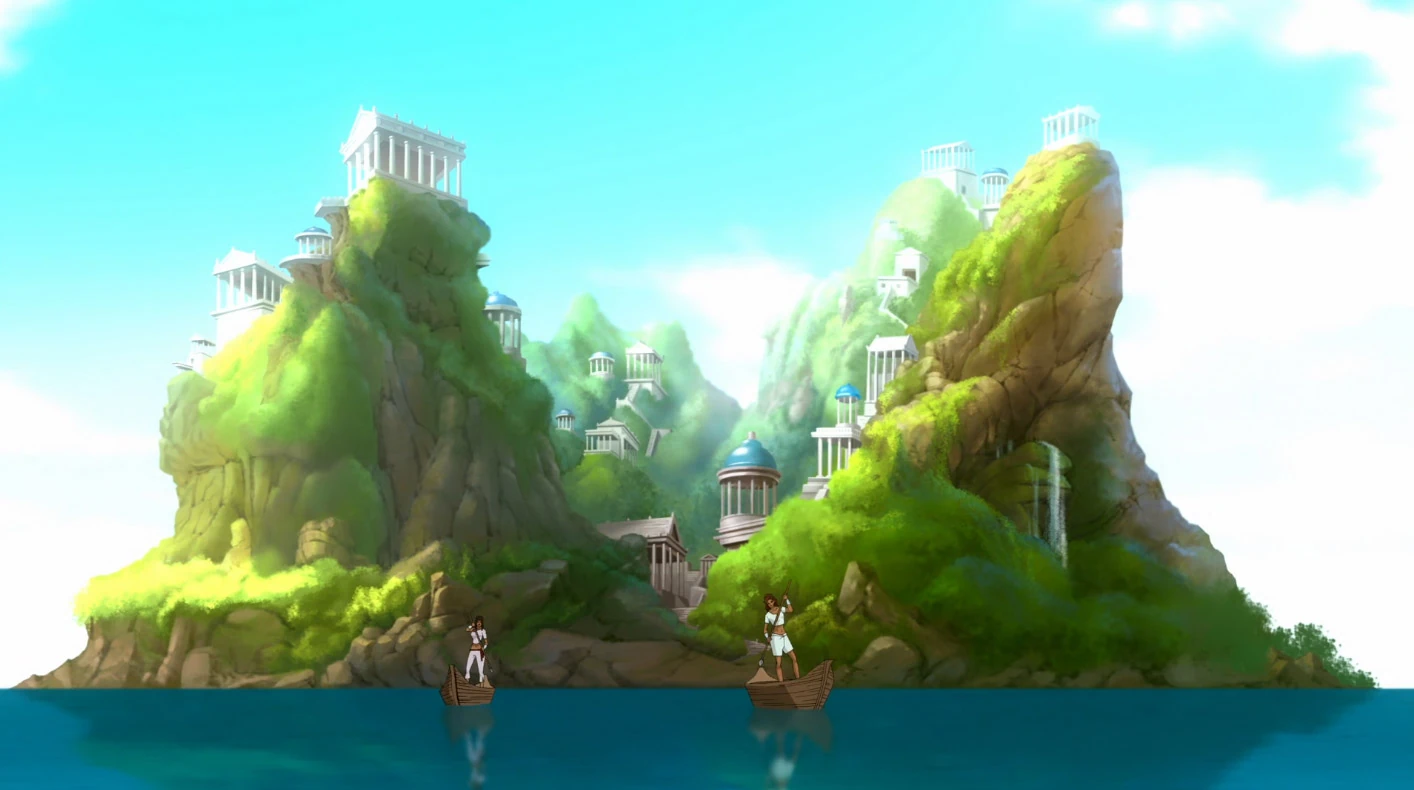
She was a princess on Themyscira, a literal island paradise. As the daughter of Hippolyta, she wanted for nothing. She was surrounded by love, support, and luxury of every kind. Who would ever be inclined to leave such a place to begin with? Those who saw the “Wonder Woman” movie remember that her mother did not want Diana to leave and did what she could to dissuade her.

Despite this, Diana still left her paradise home. She chose to enter a world full of gender inequality, oppression, and bad reality TV. She chose to confront all those flaws and fight them, both with her fists and her heart. She didn’t need to lose someone or be forced by tragedy. That alone makes her a greater hero than most can hope to be.

Contrast that with Batman or Superman. Batman became who he is because of tragedy. Crime took his parents so he built his entire heroic persona out of a response to that tragedy. It helped drive him to become the hero he is. It also led to some pretty insane feats, even by comic book standards.

Superman’s heroic persona wasn’t built on quite as much tragedy, but like Batman, he was somewhat guided into the heroic role. From the time he was an infant, these ideals were in stilled in him. Those who saw the classic 1978 “Superman” movie remember the message his father gave him, through the famous voice of Marlon Brando.

Live as one of them, Kal-El, to discover where your strength and your power are needed. Always hold in your heart the pride of your special heritage. They can be a great people, Kal-El; they wish to be. They only lack the light to show the way. For this reason above all, their capacity for good, I have sent them you…my only son.

Whether by accident or luck, Superman ended up with perfect loving parents who helped nourish those ideals in him. Between those ideals and his immense powers, him not being a hero was never really an option.

With Wonder Woman, she didn’t need circumstances or guidance. She chose the path that led her to becoming a hero. She even chose that path when there were obstacles in her way, namely her mother. Beyond that choice, though, Wonder Woman’s heroism takes on an even greater context when you look at how she goes about it.

Superman may be the ideal when it comes to heroic values. Batman may be the ideal when it comes to seeking justice. However, Wonder Woman’s ideals are even greater in the sense that they’re concepts that ordinary people can relate to. Despite all her power, her approach is something that is wonderfully unifying, if that’s not too fitting a term.

She doesn’t just provide a standard with which to measure heroism. She goes out of her way to confront the good, the bad, and the frustrating of the modern world and not always with her firsts.

In the “Wonder Woman” movie, she doesn’t just criticize the attitudes of early 20th century England, which weren’t very progressive to say the least. She smiled and cheered when she saw a woman with her baby. She also went from fighting alongside men on a bloody battlefield to celebrating with them afterwards.

Along the way, she always wore her heart and her emotions on her sleeve. However, they weren’t a weakness, as they’ve been with Superman. They weren’t her primary motivation either, as is often the case with Batman. She channels her emotions and her passions to win over the hearts of men, women, children, and everyone in between. That’s a power that far exceeds anything form Superman’s strength or Batman’s gadgets.

That ability to embrace a flawed world, confronting its ugliness and its beauty, is something that everyone can do and not just Wonder Woman. She just does it better than most and inspires others to join her. She certainly inspired Steve Trevor in the “Wonder Woman” movie. The fact it got Chris Pine naked was just a nice bonus.

It’s an approach she utilizes in every other medium, from comics to cartoons. For those who enjoyed seeing Wonder Woman’s capacity for heart and strength, I urge you to check out the “Justice League Unlimited” cartoon from the early 2000s. There’s no naked Chris Pine, but Wonder Woman still shines in so many meaningful ways.

Every one of those ways comes back to her heart and her willingness to embrace a flawed world with love and compassion. It’s not just about what is right and wrong, just and unjust, or masculine or feminine. It’s about tempering hate and oppression with love and compassion. Those are powerful principles that work just as well in the real world as they do the fictional one.

While those principles might not help the critical reception of “Justice League,” those who’ve seen the movie have likely seen all the ways Wonder Woman uses her heart and her skills to the utmost. It may not convince everyone that she’s the most important member of the Justice League, but I hope it makes a powerful case.

It’s a concept that will likely carry over into future movies in the DC Extended Universe, but has already shown itself to be true throughout the comics, especially in recent years. Superman and Batman have their place and their status among the world of superheroes. However, Wonder Woman’s impact extends far beyond any comic book or movie. It’s an impact that we would all be wise to learn from.

2 Comments

Filed under Celebrities and Celebrity Culture, Comic Books, Jack Fisher, Superheroes, gender issues

Why Stupid Love Is Honest Love (According To Batman)

Whenever someone says love is stupid, they’re usually getting over having their heart broken or upset that other people aren’t lining up to fuck them. It’s a cynical, jaded position on one of the most fundamental and powerful emotions there is in the human experience. As an aspiring erotica/romance writer, I’m often reminded of its power.

Sometimes, though, you need other kinds of reminders to appreciate the breadth of love. In a sense, it is stupid, but not in the way ex-lovers, recent divorcees, and Evanescence fans often claim. It is an inherently irrational, exceedingly overwhelming emotion that drives us to do some pretty crazy things. However, that’s exactly what makes it beautiful.

That beauty isn’t easy to see. Sometimes, it manifests in subtle ways. Other times, though, it’s front and center in a Batman comic. No, that’s not some colorful aside. I’m dead serious. The stupidity of love has actually manifested itself in a Batman comic and it’s beautiful to a level that only Batman can achieve.

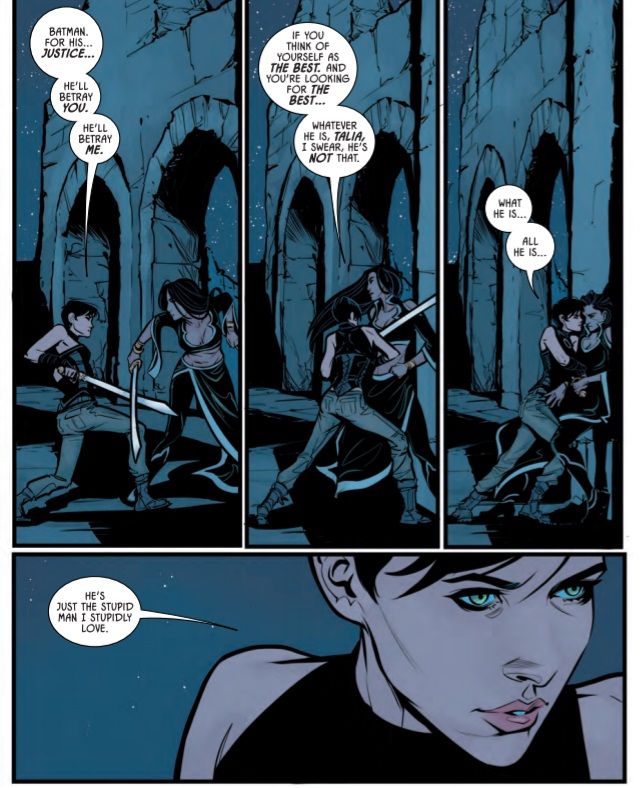
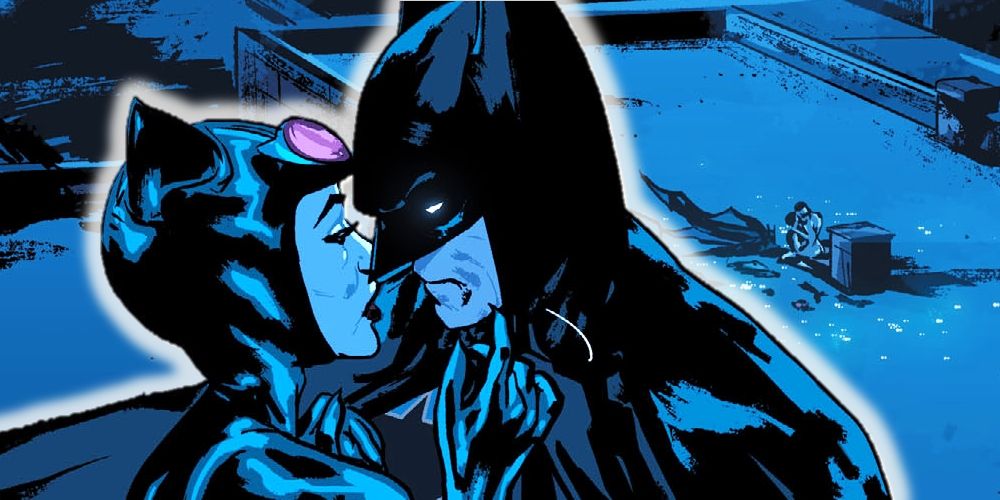
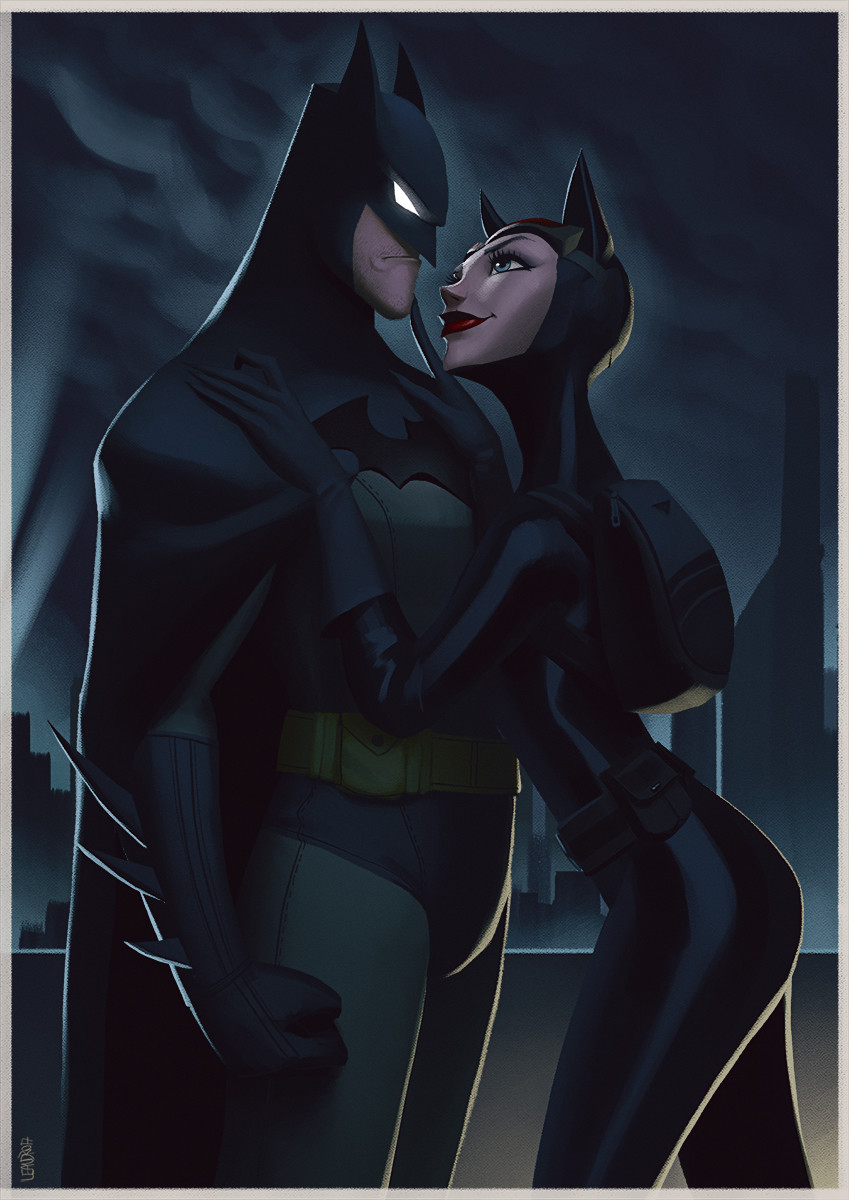
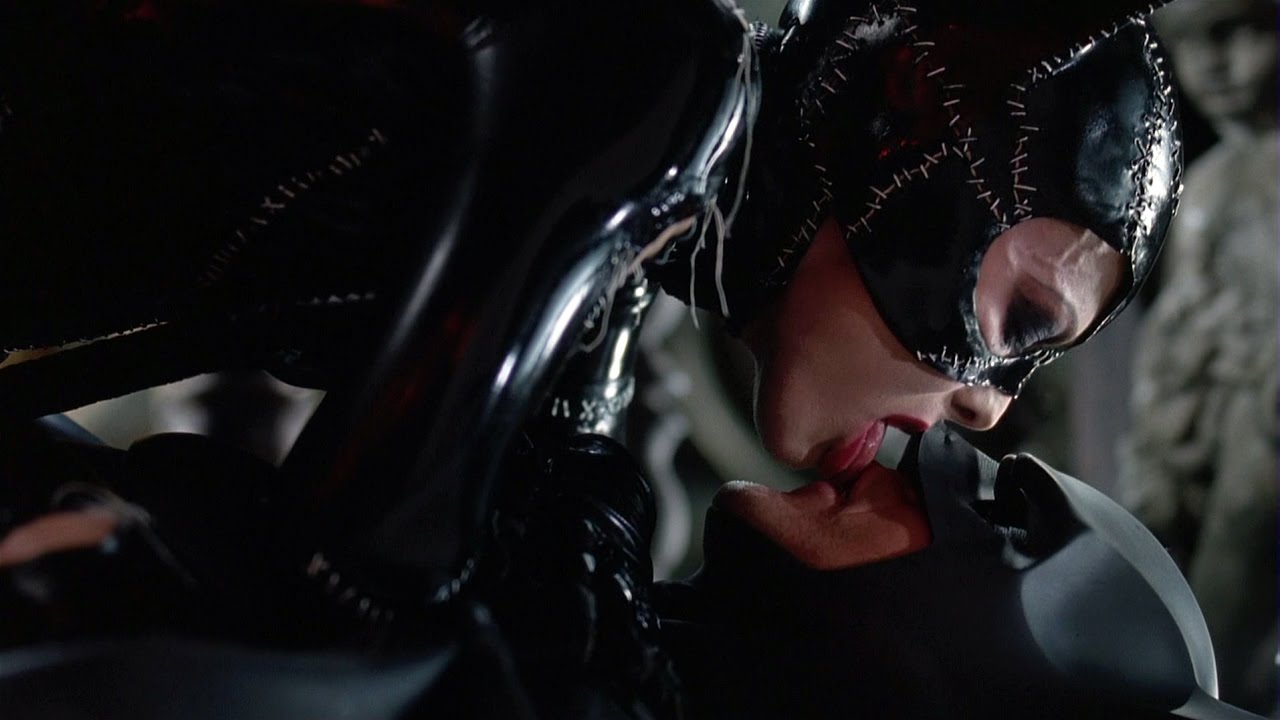
This beauty was on full display in Batman #35, which picks right up from the huge development that occurred a few issues back when Catwoman accepted Batman’s marriage proposal. It has little to do with wedding plans, overpriced engagement rings, or how good Catwoman looks in skin-tight outfits. It actually goes out of the way to highlight the stupidity of love and all its uncanny beauty.

The context of the issue is secondary. If you really want to know the particulars, I highly recommend you read Batman #35 to get the full context of the situation. With respect to the topic at hand, namely the stupidity of love, all you need to know is that Catwoman has a chance to confront one of Batman’s other famous flames, Talia Al Ghul.

That’s a big deal for anyone who dares to get involved with Batman’s personal life. Talia Al Ghul isn’t just someone that both Batman and Bruce Wayne were fond of seeing naked. She’s also the mother of Damien Wayne, but not in the classic sense. He wasn’t conceived in the classic, fun sort of way.

The creation of Damien Wayne, much like Baman’s relationship with Talia, was largely a byproduct of a cold, unfeeling agenda. It had a specific purpose, a defined goal, and very little passion involved. It’s even less sexy than it sounds. It’s basically the antithesis of the stupidity of love.

That’s very much who Talia Al Ghul is. Sure, she looks almost as good as Catwoman in skin-tight outfits, but she’s not much of a romantic. She’s a cold, calculating bitch who sees love as an asset at best and an inconvenience at worst. She’s also the one Catwoman has to deal with in Batman #35 and not just because she’s marrying her baby daddy.

The clash between these two women may not be as sexy as nude oil wrestling at the Playboy mansion. It may not even be as epic as a battle between Superman and Doomsday. However, the way this fight plays out perfectly highlights both the stupidity and the beauty of love. Catwoman herself articulates it perfectly.

It’s not just that loving Batman carries with it a lot of baggage. It’s not just that being involved with the goddamn Batman is overwhelming and not just because he tends to attract homicidal clowns. To love someone like Batman is not to ignore the sheer stupidity of being involved with him in the first place. It’s to embrace it.

It’s a message that fans of romance and aspiring erotica/romance writer alike can get behind. Instead of scrutinizing or overthinking why someone loves another person, you just focus on the love itself. Sure, it’s stupid in the sense that it ignores the logistics. Sometimes, though, that’s the key to making love work.

When you’re in love with a complex person with loads of baggage, like Batman, there’s a lot to think about and scrutinize. It’s one of the many reasons that Batman has had such a colorful history with women. Between being a costumed crime fighter and a billionaire playboy, he’s a complicated man with a lot of moving parts.

It’s because of those complications that many of those women who may genuinely love him find plenty of reasons to walk away. Talia Al Ghul is a perfect example of this because she approaches her love with Batman in a way that’s cold and calculated.

To love him, in her mind, isn’t to embrace his baggage. It’s to re-shape and re-mold it into something she sees as greater. What she tries to do with Batman is very similar to what many people try to do with their lovers in the sense that they try to change and mold them into the person they want them to be, even if it means undermining the person they are.

That’s not just a losing battle that only leads to greater heartache. It goes against the very principles of love. You don’t love someone for who you want them to be. You love them for who they are.

Talia Al Ghul wants Batman to be a certain way for her. She feels she knows what’s best for him, their future, and their family. She’s also willing to lie, cheat, and manipulate him into achieving those goals. She may leave his balls intact, but she’ll make sure his soul is hers to guide. Even Regina George isn’t quite that ambitious.

Catwoman does the exact opposite. She doesn’t try to change Batman into some ideal version of a man that she has in her head. She loves him for who he is and doesn’t want to mold him into something else. On paper, that’s still kind of stupid in the sense that it basically permits him to keep doing the crazy things he does. However, it’s probably the most sincere and honest love anyone can offer.

That does more than contrast Catwoman’s love for Batman from that of Talia Al Ghul. It shows how genuine love compares to the shallow brand of love that comes with caveats. Some people build their relationships around an agenda, much like Talia Al Ghul. They see it as a means to an end. Love, in that context, is indistinguishable from a mortgage application.

Loving someone honestly means loving their flaws as much as their strengths. Catwoman doesn’t overlook or deny those flaws in Batman. Batman himself doesn’t try to hide them either. That honesty, making themselves so vulnerable to one another, is stupid from a purely logistical point of view.

However, that’s exactly what makes their love so sincere. Even if you’re not a comic book fan or a fan of beautiful women in skin-tight outfits, it’s still a love that’s worth celebrating.


2 Comments

Filed under Comic Books, Jack Fisher, Superheroes, Marriage and Relationships

When A Controversy (That Involves Scantily Clad Women) Should NOT Be A Controversy

We live in a controversial time within a controversial place surrounded by all sorts of high-tech tools that allow us to spread controversy in every direction. It may very well be the first time in human history where controversy of any kind has a chance to spread discord among large swaths of people with too much free time and a cell phone.

That can be a good and a bad thing in that it makes us more aware of the world outside our immediate surroundings. However, when it’s a bad thing, it’s bad for frustratingly insipid reasons. Lately, whenever those reasons involve beautiful women, the people who admire them, and sexism, it becomes even more frustrating.

Like many other self-professed comic book fans, I’ve been eagerly following the news surrounding “Justice League.” After the success of “Wonder Woman,” this movie marks a huge step in the development of DC’s evolving cinematic universe, which Warner Brothers is hoping will compete directly with the cinematic juggernaut known as the Marvel Cinematic Universe.

That kind of competition is bound to attract some controversy, if only from angry fans trash-talking each other about whether Wonder Woman could beat up Thor. Sometimes, that controversy is healthy. This is not one of those times.

Just days before the movie came out, this little incident sparked the wrong kind of controversy for all the wrong reasons. Unfortunately, it involves beautiful women in sexy attire. It’s something that should be innately fun, enjoyable, and positive for everyone who isn’t a celibate monk seeking to avoid temptation. Instead, it sparks Round 8,839,272,093 of another angry debate about gender and sexism.

Now, I’m as sick of these debates as everyone else. I’d much rather be focusing on enjoying this movie and seeing how it measures up to “Wonder Woman,” but certain people just can’t help themselves whenever they see an opportunity to evoke some fresh outrage.

This time, it has to do with how the Amazons are dressed. After their introduction in “Wonder Woman,” which made for some truly wonderful moments, they’re set to participate again in “Justice League.” That should be a good thing. They’re a tribe of powerful ancient warriors. Why shouldn’t they participate in a battle to save the world?

That fact might as well be an afterthought for some people because apparently, they’re not dressed appropriately. I must have missed a meeting because at some point, someone passed a rule that said you couldn’t look sexy while saving the world. As an aspiring erotica/romance writer, I oppose such a rule with every fiber of my being.

Wherever it came from, it seems to be an issue now. There are real people who insist on making this a major issue, which requires them to ignore the fact that a tribe of badass warrior women is involved in the first place. Instead, they’re just focusing on how they’re dressed. Seriously, is this really worth that level of outrage?

Never mind the fact that warrior women kind of have to be really fit and being fit is a major factor in sex appeal. The fact that “Justice League” dares to offer that kind of sex appeal in any capacity is somehow an affront to women, feminism, and progress in the 21st century. If I could write that with more sarcasm, I would.

Before I go on too angry a rant, it’s worth noting that this sort of thing stands in direct contract to Gal Gadot’s own message that women should dress however the hell they want. It’s also worth noting that one of the actresses, Brooke Ence, who plays one of the Amazons, did not see much controversy with the attire. In a USA Today interview, she said this:

As she recalls, not every warrior wore a two-piece, and “the girls on set, we never thought of (the new costumes) as a sexy version. It felt a little more glamorous, if anything, because we had bigger, beautiful hair, which I loved.”

In fact, the CrossFit champion, who gets a heroic scene in the new movie, added, “I’m an athlete first, right? (Usually) I can’t wear anything without someone commenting about my (muscular) body. So for me, it was actually really cool to be able to show it and not immediately feel masculine, but still very feminine.”

By the actual words of a woman who actually wore that attire, she liked that sexy attire. She thought it was glamorous and showed off the body that she clearly worked so hard to sculpt. There’s no hint, whatsoever, that she was forced to dress this way to appeal to horny men.

That implies, shockingly enough, that sometimes women want to dress sexy. It implies that it’s okay to look sexy and it’s okay for men to appreciate that. I even made a formal announcement about it last year. I guess some people didn’t get the memo.

I’ll try to limit the sarcasm from here on out, but this is the key factor in determining whether a controversy involving scantily-clad women even warrants controversy to begin with. This is not an old Carl’s Junior ad or necessarily softcore standards utilized by Victoria’s Secret. These are female characters in a movie that is trying to appeal to everyone, including men.

The women wearing that attire never claimed they were being exploited. There was no noticeable uptick in sex crimes as a result of this attire being worn. The only offense anyone took were those claiming to be offended on behalf of all women. Therein lies the problem, though.

If one of the actresses had come out and said they felt degraded by that attire, that would be one thing. If it came out that some asshole producer forced them to wear it after they’d objected, that would be quite another. Given the recent climate surrounding sexual exploitation, they probably would’ve had a lot of allies.

That didn’t happen, though. Instead, those allies jumped the gun. They didn’t wait to hear from the women wearing the sexy attire. They didn’t even ask how they felt about wearing it. They just assumed, outright, that it was degrading, offensive, and sexist. That’s not just arrogant and presumptuous. It’s counterproductive because it turns allies in the fight against sexism into assholes.

In order to be offended for everyone, you have to assume everyone feels the same way you do. That’s a flawed, egotistical, narcissistic assumption. That’s exactly the kind of selfishness that Wonder Woman and Gal Gadot oppose with their emphasis on compassion and understanding. Anyone who feels as though they have to be offended for someone other than themselves is basically forcing unwarranted outrage.

This is the kind of thing that gives feminism, men’s rights activists, and people who make excuses for being arrogant dicks a bad name. It’s not that they react to something that’s controversial. They have to either create it or bend it to fit their agenda. I guarantee that as I type this, there are countless debates going on about the merits of sexism, scantily clad women, and sex appeal that aren’t making anyone horny.

That’s not to say that scantily clad women are always positive. Even an aspiring erotica/romance writer understands there’s a line between beauty and gratuity. There’s nothing about the Amazons’ attire that’s so gratuitous that it should require someone’s credit card number and a quick clearing of their browser history. The fact that it has been addressed by those who participated in it should be the end of the story.

Sadly, I suspect this won’t be the end. Even after the outrage over this issue passes, there will be another. For reasons that I wish I didn’t have to discuss, there will still be controversy every time a beautiful woman decides to show more skin than a priest, monk, or mullah deems appropriate.

Until we’re all comfortable in our own skin, or find a way to upgrade our brains to avoid the outrage before it starts, I suspect these kinds of controversies will continue. Just remember that if it has to be forced by those not involved, it’s not a controversy of merit. All it does is take away from those who just want to enjoy being sexy or admire those who are.

1 Comment

Filed under Celebrities and Celebrity Culture, Comic Books, Jack Fisher, Superheroes, gender issues, sex in media

My Fan Theory: The (True) Origins Of Mutants And The X-men

Fans of anything, be it a TV show, a comic book, or extra spicy buffalo wings, like to believe their passion makes them an expert. They believe, either by arrogance or sincere belief, that they understand it better than most people. They may even believe that they can do it better. That’s the entire basis of fan fiction, in as such that fans feel they have something to contribute.

More often than not, those efforts are forgetful at best. I say that as someone who has written his share of fan fiction before he began writing sexy novels. Anyone who has followed my Twitter feed knows that. I’ve never assumed that my work was that good. If it were, then Marvel would’ve paid me to do it so they can make more money. There’s a reason their writers get to do what they do for a living.

That still won’t stop me from making a concerted effort. Since I can’t call myself a successful writer just yet, although I am making progress, I still write with the assumption that it’s average at best. I understand that have a long way to go before I can call my writing objectively good.

That’s why I’m always looking for opportunities to improve. That brings me to this particular opportunity that spun out of my article about fan theories. In case you didn’t read that article, all you need to know is that I’ve become a big fan of them in recent years, especially since they’ve exploded in popularity on sites like Reddit.

Being such a fan, I think the time is right for me to take a shot to see if I can contribute to the phenomenon in some meaningful way. That’s why, channeling the same spirit that inspires fan fiction, I want to add to the overall zeitgeist by creating my own fan theory.

Since fan theories often stem from those who follow something with particular passion, it’s only fitting that this one involves X-men. I’ve made my passion for X-men very apparent on this blog. It’s something I follow closely, often using it as inspiration for various articles on this blog. If any fan is qualified to craft a fan theory, I’m confident I check all the right boxes.

With that in mind, here’s Jack Fisher’s first official fan theory about the X-men. It’s not just mindless speculation. Like the famous no-dinosaurs in Jurassic Park theory, it helps make sense of something that isn’t readily obvious from reading X-men comics Marvel comics in general.

I’m not going to claim it’s secret canon, but I think it adds a new, richer context to X-men as a whole. It all boils down to one simple concept.


Mutants in the Marvel Universe are a direct evolutionary response to the existence of aliens, gods, and magic.

To understand what I mean by this, and why the implications are so serious, I need to point something out that most everyone who passed high school biology probably already knows. The mutation we see in X-men comics is nothing like the mutations we see in the real world.

Sure, there are documented cases where certain genetic mutations confer certain direct benefits, but those mutations never come close to the kinds of powers we see in the X-men. Abilities like shooting lasers from your eyes, summoning hurricanes, or vomiting acid, which I swear is an actual mutant power in the X-men, are physically impossible in our world.

However, in the world of Marvel, the concept of impossible is exceedingly opaque. In that world, it’s possible to devour worlds and create talking raccoons. In that world, gods exist. Magic exists. Advanced aliens exist. Cosmic forces that defy our understanding of reality occur every day, often in the labs of Dr. Doom.

The common existence of such forces doesn’t just make mutation, and all the crazy abilities it conjures, possible within the context of the Marvel Universe. Under this theory, it makes them necessary in that humans must evolve these kinds of abilities in order to survive. Like our universe, evolution is about survival and in a world where giant space gods exist, that requires more than just making better tools.

That’s where the X-gene comes in. According to Marvel’s own wiki on mutant biology, it works in a way similar to how we understand actual genetics in the real world.

This gene leads (via transcription and translation) to an exotic protein. This protein produces chemical signals inducing mutations on other genes, ending up with mutant organisms, variously empowered.

This mechanism is key to this theory because in the real world, there is evidence that a more stressful environment affects how a species mutates. In the Marvel Universe, those stresses aren’t exactly subtle.

In fact, it manifested in a very real way in a recent comic called Marvel Legacy #1. In this comic, it is revealed that powerful forces that include the gods of Asgard, the Phoenix Force, and mystical beings like Agamotto, were present on Earth in 1,000,000 B.C., a time when humans were still evolving from other primates. Their presence, which included a battle with one of those space gods I mentioned, certainly created plenty of stress.

That stress, combined with the thousands of generations that followed, led to the manifestation of the X-gene. It’s basically the human race’s way of adapting to a universe where beings can use magic hammers to trigger thunderstorms on a whim.

However, even without the events of Marvel Legacy #1, there’s another recognized phenomenon in the Marvel Universe that lends credence to this theory. It happened in an event from 2012 called “Avengers vs. X-men,” which is exactly what it sounds like.

In that event, which was a culmination of events that nearly brought mutants to extinction, Tony Stark surmises that there are cosmic forces that will not accept mutants going extinct.

In this case, it’s the Phoenix Force again, which has a tendency to cause big problems in the Marvel universe. Once it sensed mutants were going extinct, it reacted like a rubber band snapping in the other direction. It determined that mutants need to exist. While it doesn’t specifically state why, the fact that someone as smart as Tony Stark came to this conclusion makes it more than mere speculation.

If he’s right, and Tony Stark is usually right in things that don’t involve his love life, then that means this theory has a basis in the biology and physics of the Marvel universe. It means that if mutants vanished from the human populous, then they would be inherently vulnerable to the many powerful forces that threaten it.

In a sense, it’s not just about there being no mutants or X-men to aid the Avengers in a battle against Thanos. It’s about giving the human gene pool the biological tools it needs to survive a universe where beings like Thanos exist. Without it, the human race is the biological equivalent of a dodo bird.

There are a number of other events throughout the history of X-men and the Marvel universe that I could cite, from “X-men: First To Last” to a good chunk of Louis Simonson’s run on “X-Factor.” I won’t get too deep into specifics, but the themes are the same. Humans need to evolve into mutants in order to survive in the Marvel universe.

In the context of this theory, the existence of mutants mutants and their abilities takes on a more defined purpose. The X-gene doesn’t just happen. It’s an evolutionary response to all the craziness that exists within the Marvel universe.

It also raises the stakes for the X-men’s efforts for peace and understanding. Evolution, being an imperfect and messy process in any universe, is bound to cause plenty of tension within a species. The need to coexist doesn’t just pertain to mutants. It applies to both. Without each other, their chances of survival are greatly diminished.


Now, I don’t expect this fan theory to be vindicated or even acknowledged by Marvel in any capacity. Like all fan theories, this is just me interpreting a story and extrapolating a larger theory to add a sense of nuance. It also takes other major events from Marvel’s canon and provides greater connections, which I believe helps any narrative.

It is, and it’s worth belaboring, my first effort at a serious fan theory. I don’t expect it to shake X-men fans or comic fans to their core. I just hope it gets people thinking and discussing. If you think my theory works or think I’m full of crap, I’d love to hear from you. The best part about fan theories is the discussions they inspire. Sure, some of those discussions can get pretty profane, but I’m willing to take that chance.

3 Comments

Filed under Comic Books, Jack Fisher, Superheroes, X-men

My Top 5 Favorite Fan Theories

There are many guilty pleasures on the internet these days, although only a few require a total clearing of your browser history. I don’t deny enjoying some of those pleasures, but there is one in particular that I’ve grown fond of in recent years. It’s one of the few that requires extra thinking, but in a fun, non-tedious sort of way.

I’m referring about fan theories, also known as the biggest chunk of Reddit that doesn’t involve celebrities answering random questions about their genitals. Now, I didn’t realize how much I loved fan theories until I started exploring them. Like pumpkin spice lattes, they’re one of those strange novelties you don’t know you like until you try them.

I didn’t even know they were a thing until Cracked.com started doing articles about them. I was among those who didn’t bother reading too much into a TV show, movie, or song. I just took them in, singled out the ones that had beautiful women in bikinis, and enjoyed the extra butter in my popcorn. Fan theories inspired me to dig a little deeper and sometimes, it can change the overall experience for the better.

Granted, some fan theories are going to be much more absurd than others, as many “Game of Thrones” fans will attest. Some are so absurd that creators have to come out and shoot it down, as a “Friends” co-creator had to do when a theory involving Phoebe and meth-fueled fantasies gained popularity. Yes, these theories can get that crazy.

Sure, those crazier fan theories are good for a laugh, but I prefer fan theories that add nuance and depth to the story. Even if they require a few contrivances here and there, I find that they enhance the overall impact of the narrative. Sometimes, they can even clarify some ambiguous plot points.

As a general fan of stories that have impact, both in the heart and in the loins, there are certain fan theories that resonate with me more than others. That’s why I’d like to list my top five favorite fan theories and why I think they improve the overall story. If nothing else, I hope it gets people to watch a little closer at the media they consume. They may surprise themselves by how a little imagination can add to the experience.


Fan Theory #1: James Bond Is A Title, Not A Name

This fan theory is beautiful in its simplicity. It doesn’t require a huge stretch of the imagination. If anything, it helps connect a few dots that you didn’t even know where there. No matter which version of James Bond you prefer, from Sean Connery to Daniel Craig, this theory fits into it.

The concept is simple. James Bond, like the 007 designation itself, isn’t the name of an actual person. It’s a title. This doesn’t necessarily mean that every James Bond movie ever made fits into the same continuity. It just means James Bond is less a person and more a concept.

He represents the epitome of a spy, a badass, and a smooth-talking ladies man. In every era, from the Cold War to today, there’s a need for men like that. James Bond represents the ideal for those men. Like Navy Seals, only a few have what it takes. Those select few earn the right to go by that name that makes women of all eras swoon. I find that inherently poetic.

If you subscribe to this theory, it even enhances other movies. It ties directly into a theory about the movie, “The Rock,” and somehow it makes Sean Connery even more badass. The sheer reach of this theory is part of why it’s my favorite.


Fan Theory #2: Stan Lee Is The Watcher

As a die-hard comic book fan, which I’ve made clear on many occasions, this theory is near and dear to my heart, if only because it further immortalizes the legend that is Stan “The Man” Lee.

As anyone who has seen a Marvel movie since 2000 knows, Stan Lee often appears as a cameo in every movie. From a hot dog vendor in “X2: X-men United” to a Fed Ex guy in “Captain America: Civil War,” he seems to pop up everywhere, regardless of which studio owns the movie rights.

Well, this fan theory takes those appearances and turns them into something more than just a fun gimmick. It says that Stan is actually playing the same character in all his appearances, namely that of Uatu, The Watcher. Those who know Marvel lore understand why this is a big deal and why it makes so much sense.

The Watcher is like a cosmic historian, documenting and cataloging every major event in the Marvel universe, going back to the beginning. He’s been known to change appearance and show up unexpectedly throughout the comics. Who better encapsulates that spirit other than Stan “The Man” Lee?

This is actually one of those theories that became so popular that it was effectively confirmed in “Guardians of the Galaxy Volume 2” wherein Stan Lee is shown interacting with the Watchers. It could mean that this theory might expand the breadth of the entire Marvel Cinematic Universe, a feat that only Stan himself could hope to accomplish.


Fan Theory #3: R2-D2 And Chewbacca Are Secret Rebel Agents

I don’t deny it. I’ve seen every Star Wars movie to date in the theaters and I love every one of them, Jar Jar Binks notwithstanding. I know there’s a popular Jar Jar fan theory that helps make “The Phantom Menace” somewhat more interesting, but I don’t think it does much to enhance the overall saga.

That’s why this theory about R2-D2 and Chewbacca is much more intriguing. It claims that at the end of “Revenge of the Sith,” R2 did not get its memory wiped. Why would it? It witnessed the rise of the Empire and the fall of Anakin Skywalker. That’s very useful information for the future rebellion.

However, R2 and anyone else associated with the old Jedi order needs to lay low once Palpatine comes to power. That’s where Chewbacca comes in, who already established a relationship with Yoda in “Revenge of the Sith.” By becoming an agent of Yoda and the rebels, he can coordinate with R2 to spread intel among the rebellion right under the Empire’s nose.

It also explains how he ended up with Han Solo, a smuggler who constantly annoys the empire with his criminal activities. By being on Tattooine, he can keep an eye on Luke along with Obi-Wan while relaying intel.

More than any other theory, it provides connective tissue between the prequels and the sequels. It also makes R2 even more lovable, which in and of itself is quite an accomplishment.


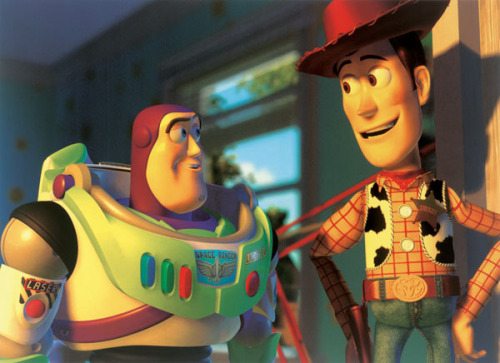
Fan Theory #4: Andy’s Parents Are Going Through (A Nasty) Divorce

Honestly, who doesn’t love “Toy Story?” I question the emotional health of anyone who doesn’t. It’s such a fun, upbeat story full of heart and emotion. It helped make Pixar the gold standard for animated movies that make adults cry like children.

Well, get some tissues because this fan theory makes “Toy Story” just a little bit more emotional, if you can believe that. It helps make sense of why Andy is so imaginative, preferring to play with toys for hours on end in his room. The answer is simple, but solemn. His parents are going through a nasty divorce.

While there’s nothing in the movies that directly hint at it, the absence of Andy’s father is somewhat telling. Some eagle-eyed fans have even pointed out that Andy’s mother isn’t wearing a wedding ring. That hints that there’s something amiss in his home life. Either Andy’s father left his family or he got kicked out of the house. It also explains why the family was moving in the first movie.

I like this theory because it adds some context to Andy’s home life. It makes me understand why he loves his toys so much. He creates these wonderful worlds in his mind to escape and cope with a tough situation. Compared to what he could’ve done, I think it’s both healthy and refreshing.


Fan Theory #5: The Dinosaurs In “Jurassic Park” Are NOT Dinosaurs

The appeal of “Jurassic Park” is pretty easy to understand. In terms of summer blockbusters, it checks all the right boxes. It involves cute kids, running from monsters, and wondrous imagery that doesn’t entirely rely on CGI. It’s so wondrous that you don’t care that the dinosaurs in that movie look nothing like actual dinosaurs and the science behind making them is impossible in the real world.

That’s why this fan theory is so compelling because it adds an extra layer to that wonder. Simply put, Jurassic Park has no dinosaurs. All those creatures you see in every movie aren’t based on any actual creatures that once lived. They were all genetically engineered to simply look like what people think are dinosaurs.

While that may help make sense of why the creatures in the movies don’t resemble anything we see in the fossil record, it adds an even greater amount of intrigue to “Jurassic Park” because it gives Dr. Hammond a more subtle motivation. Why would he even ask a couple of paleontologist to visit his park in the first place?

This theory gives a more clear-cut answer in that Hammond knew that if he could fool a couple of paleontologists, then he knew he was onto something. He could call the creatures in his park dinosaurs instead of some zoo for genetic monstrosities. Remember, he wants to appeal to family and kids.

This theory, like the Stan Lee/Watcher theory, actually got some level of confirmation in “Jurassic World.” In that movie, Dr. Henry Wu flat out says that “there are no dinosaurs in Jurassic World.” Everything was engineered to up the spectacle. It’s one of those theories that makes too much sense, but in a good way.

2 Comments

Filed under Celebrities and Celebrity Culture, Comic Books, Jack Fisher, Superheroes, Jack Fisher's Insights

Five Reasons Why “X-men: The Animated Series” Was More Progressive Than You Think

DNcLvqLVQAAI1iI

This past Halloween was extra sweet for a certain group of comic book fans, one that I just happen to be part of. Even if you’re not a comic book fan and were just a kid of the 90s, growing up on a steady diet of Saturday morning cartoons, this year marked a special milestone for one of the best shows of that era.

Yes, it involves superheroes. Yes, it involves X-men, which I often go out of my way to discuss. Yes, it involves this iconic theme music that has since become my ring tone.

That insanely catchy guitar rift that got stuck in the heads of millions of fans is from “X-men: The Animated Series.” On October 31st, 1992, this series debuted on Fox Kids and countless childhoods were forged from that day forward, including my own.

That was 25 years ago and while that thought makes me feel way older than I care to feel, it still brings back fond memories. One of my favorite parts of the day, as a kid, was rushing home from school, turning on the TV, and watching my favorite shows. “X-men: The Animated Series,” along with shows like “Spider-Man” and “Power Rangers,” were a big part of my carton diet.

I largely credit this show and “Spider-Man” for getting me into comic books, superheroes, and everything that came with it. I also credit those shows with giving me an early understanding of character development, romance, and storytelling, which would go onto help me write my sexy novels.

For that reason, and many others, “X-men: The Animated Series” has a special place in my heart. I imagine many X-men fans feel the same way because it was this show that helped the X-men really peak in the 90s. What the Avengers are today, the X-men were in the 90s. They were very much the alpha and omega of all things involving superheroes.

While this 25th anniversary gives me time to reflect fondly over how much this show enriched my childhood, my life as an adult has only further expanded my perspective. When I look back on “X-men: The Animated Series,” I’m somewhat amazed by how relevant it still is in terms of theme, drama, and story.

It’s easy to forget that this series came out at a time when most cartoons followed a simple, predictable formula, regardless of whether or not superheroes were involved. There was evil. The heroes found out about said evil. They fought it. Then, the credits roll. “X-men: The Animated Seriesdared to think bigger.

While the animation and voice acting might be somewhat dated, this show dared to speak up about social issues. It dared to explore ideas of hate, bigotry, and discrimination. At a time when parents were still fighting mortal crusades over rock music, this show tried to be relevant in a new way.

Now, as I look back on this series that lasted for five years and 76 glorious episodes, I realize just how progressive and insightful this show truly was for its time. As more and more forms of media, including comics, push for greater diversity, “X-men: The Animated Series” found a way to pull that off 25 years ahead of schedule.

In a sense, the X-men have always been about progressive themes like inclusion, diversity, and justice. Even though some of those words have become toxic today, they embodied the best of it, going back to its earliest days of drawing parallels with the Civil Rights movement. This show just captured it at a time when it a new form of progressive concepts were taking hold.

So, in honor of the 25th anniversary of this show,  I’d like to highlight five reasons why “X-men: The Animated Series” was even more progressive than you remember. Even if you’re not a fan of X-men or comics, it’s amazing to think that a show from 25 years ago achieved so much of what others are trying to accomplish today.


“Genuine bigotry and hatred was depicted in ordinary people.”

To X-men fans, it seems obvious. Bigotry and hatred are very much a part of the X-men’s DNA, going all the way back to their early days in the 60s. However, for a kids cartoon, this was akin to Miley Cyrus flashing her tits on an episode of “Hannah Montana.”

X-men: The Animated Series” did not water down the themes of blind hatred and bigotry espoused in the comics. If anything, they took it a step further by giving a voice, putting that blind hatred on display through characters like Graydon Creed.

This especially played out in the second season where hate groups like the Friends of Humanity formed. They’re the anti-mutant equivalent of the KKK. Their hate was so blind and deep that when one character, Jubilee, asked them why they hated her so much, Creed said simply, “You were born!”

That kind of hatred is harsh in real life, let alone a kids show. The fact that this show gave the X-men more than just monsters, tyrants, and aliens to fight showed an uncanny, if that’s not too fitting a term, willingness to scrutinize these painfully real issues.

As a kid, I barely understood it. As an adult, I’ve come to appreciate it even more. I like to think that exposing that kind of hate in a cartoon showed an entire generation of kids what true assholes look and sound like. Given the amount of assholes in this world, those lessons were invaluable. Plus, it was way more entertaining than “Sesame Street.”


“The characters were diverse and had vastly different personalities.”

Here’s a quick question that should trigger some unpleasant conversations on message boards, as if there are any others. Look at the cast of the Avengers movie. Aside from talking raccoons and androids, what do you notice? They’re mostly men, they’re mostly white, and they mostly have the same avenging personality.

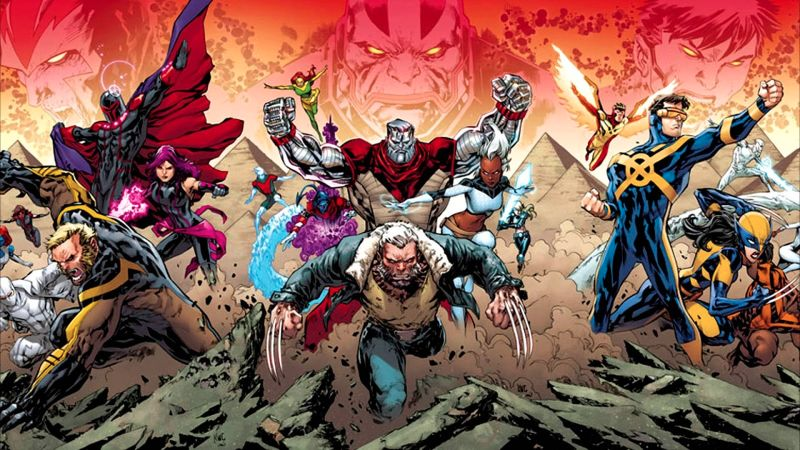
Now, look at the X-men. You’ve got an uptight white guy, a burly Canadian, a sexy southern woman, an African goddess, a smooth-talking Cajun, a giddy teenage girl, and a guy in a wheelchair. Even by today’s absurd diversity standards, the X-men check a lot of boxes. They’ve been checking those boxes since long before diversity was even an annoying buzzword.

It’s not just that the cast of “X-men: The Animated Series” was diverse on the surface. It’s not just that they disagreed with each other, as the Avengers frequently do. They had such wildly different personalities that didn’t always mesh. Cyclops and Wolverine alone had all sorts of clashes and not just over wanting to sleep with the same redhead.

That kind of diversity of thought and personality is something modern cartoons, TV shows, and movies still struggle to achieve. “X-men: The Animated Series” managed to achieve that at a time when Hillary Clinton was still likable. It was a big accomplishment at the time and one that only gets more impressive as the years go by and people still fight about diversity in media.


“The show did feminism and strong female characters RIGHT.”

x-ladies

I’ve said it before and I’ll keep saying it in future posts. Talking about feminism is dangerous, divisive, and frustrating, especially in wake of recent scandals. Nobody seems to know how to even handle feminism or strong female characters who aren’t Wonder Woman. Long before the “Wonder Woman” movie raised the bar, though, “X-men: The Animated Series” made sure it set that bar pretty damn high.

Even by modern standards, “X-men: The Animated Series” found a way to do feminism right. Unlike other cartoons, the female characters weren’t part of the supporting cast or relegated to roles of a love interest. They actually participated on the same level as the male characters.

They didn’t have to create new female characters or force a female character into a male role. “X-men: The Animated Series” simply took characters like Storm, Rogue, Jubilee, and Jean Grey and maximized their strengths. They gave them personalities, power, and individual stories. They didn’t have to show up their male teammates. They could stand on their own and thrive as women.

In terms of feminism, “X-men: The Animated Series” was at omega-level standards long before it became a priority. At a time when we’re still struggling to make solid female characters, it’s remarkable and refreshing to see how well it was done.


“The show didn’t shy away from harsh, dramatic moments.”

People used to make a big deal about cartoon violence. The big worry was that kids would see a cartoon duck fighting with a cartoon rabbit and think that playing with double-barreled shotguns were toys. It was a very different, very strange time, to say the least.

X-men: The Animated Series” basically gave a big, adamantium finger to this debate, at least to the extent that they could get around the network censors. This show did not shy away from the harsh, dramatic moments that had played out in the comics. In fact, in the second episode of the series, one of the characters dies.

Keep in mind, this is a kids show where characters are not allowed to curse or show blood. The fact that this show killed a character in an early episode, and referenced death on more than one occasions, showed a remarkable willingness to portray real struggles with real stakes. Sure, it probably upset a few parents, but it sent a powerful message about the real world.

X-men: The Animated Series” dealt with real issues of bigotry, hatred, and intolerance. As such, it couldn’t water down the harshness and the pain it incurred. These are issues that people are still reluctant to talk about today and this show brought it up during the Clinton Administration. That shows both guts and foresight.


“The villains, heroes, and themes had layers of complexity.”

Watch any cartoon made before 1992 and chances are the characters you see will be pretty basic. You have your evil, mustache-twirling villains. You have your generic good guy/hero types. You have exaggerated violence and shameless toy promotions. There’s not a whole lot of depth there.

X-men: The Animated Series” once again dared to do more. It dared to let its characters grow and evolve over the course of five seasons. It’s an approach that worked so well that others, like the “Spider-Man” cartoon that debuted two years later, went onto adopt it. These characters had all sorts of layers and depth in the comics. The show chose not to simplify it for a young audience and embrace that complexity.

Sure, characters like Magneto, Sinister, and Apocalypse came off as generic bad guys at first, but they developed more and more depth as the series went on. There were even times when Magneto came off as genuinely sympathetic. For a kids show, these moments were pretty heavy and something you just wouldn’t get with the Ninja Turtles.

Today, everyone is trying to give their characters that Walter White style of complexity. Everyone is trying to create a series with a sense of progression. Well, “X-men: The Animated Series” were already doing that in the days of dial-up internet.


The fact this show succeeded to the extent that it did, while being as progressive as it was, even by modern standards, is nothing short of uncanny. After 25 years, the show still has a special place in the hearts of X-men fans. Sure, the animation and dialogue may be dated, but those progressive themes have never been more relevant.

10 Comments

Filed under Comic Books, Jack Fisher, Superheroes, X-men

A (Potential) Solution To The Worst Love Triangle Of All Time

There are some romantic sub-plots that cannot and will not work, no matter how well they’re written. You could resurrect Shakespeare, Tolken, and Faulkner, merge their brains, and still never salvage those plots. More often than not, most of those un-salvageable sub-plots involve love triangles and I’ve made it abundantly clear how much I despise love triangles.

In a sense, love triangles are a symptom of a much larger problem with romance. They’re basically a reverse cheat code in that they’re supposed to be an easy way to inject drama into a romance, but only ends up making things harder in the long run. While it’s not impossible for a love triangle to work, as fans of “Buffy the Vampire Slayer” might argue, it’s exceedingly rare.

That brings me back to what I’ve identified as the worst love triangle of all time, namely the one involving Cyclops, Jean Grey, and Wolverine of the X-men. I could talk for days as to why it’s so awful. However, I don’t want to re-hash those old arguments. I want this article to be more productive in that it offers solutions instead of whining.

In general, this is an aspect of comics I don’t enjoy talking about and avoid at every turn. I probably would’ve kept avoiding it and talked more about my sexy college experiences, but a few recent announcements by Marvel Comics has me and many X-men fans contemplating this god-awful love tingle once again.

It started a couple weeks ago when Marvel announced that Jean Grey, the one that isn’t a time traveler, is returning from the dead after 14 years. Needless to say, this sparked a firestorm of cheers and squees from X-men fans who have been longing for her return for years. I’m not going to lie. I did my share of squeeing.

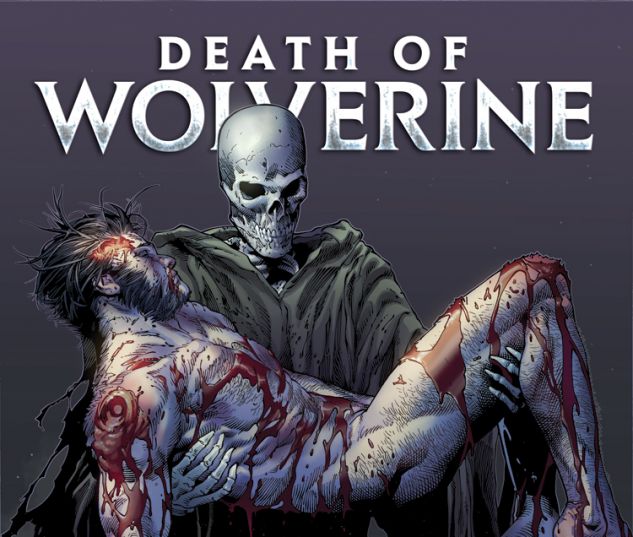
Then, less than a week later, Marvel dropped another bomb in the pages of Marvel Legacy #1, their latest blockbuster event comic meant to bump sales and soak the panties of collectors. Wolverine, who has been dead since 2014 and was subsequently replaced by multiple characters, is alive again.

That surprised nobody so there wasn’t as much squeeing. Wolverine has survived a nuclear explosion, getting his flesh blown off, and being run over by a steamroller. It was only ever a matter of when and not if he would return. However, him returning at the same time as Jean Grey is one of those coincidences that no self-respecting X-men fan believes to be a coincidence.

If there was any silver lining to Jean Grey being dead for so long, it was that it kept anyone from dragging that god-awful love triangle back into the forefront. With Jean dead, Wolverine could move on and pursue other relationships, like he did with Storm. Cyclops pursued a brief, but passionate relationship with Emma Frost. Both characters seemed to move on from that horrible affront to romance.

Now, with Jean Grey and Wolverine back in the picture and a time-traveling Cyclops still running around, these three are finally in the same universe again. That means there will be the temptation to revisit this malignant tumor of a love triangle. As someone who loves all three of those characters dearly, I am not looking forward to that.

It’s too early to say how the story will play out. Marvel hasn’t revealed anything about how Wolverine came back from the dead. There also isn’t much information on the particulars of Jean Grey’s resurrection. We only know the outcome in that they’re both alive again and that’s usually all anyone needs to re-visit that infuriating love triangle.

Given the circumstances of how it played out, which I’ve noted before, it’s hard to twist this love triangle in a way where anyone comes out looking good. No matter what happens, someone gets screwed over.

If Jean Grey chooses to be with Cyclops, then it screws Wolverine over by reducing him to an obsessive, whiny stalker instead of the ultimate loner.

If Jean Grey chooses to be with Wolverine, then it screws Cyclops over by reducing him to nothing more than an obstacle for Wolverine.

In both cases, Jean Grey comes off as either a prize to be won or a heartless bitch who plays with the heart of any man who dares to fall in love with her. In the end, nobody wins in a love triangle, especially one that was so horribly contrived to begin with.

All that said, I don’t deny that the love triangle is hard to ignore. While it’s not an integral part for each character, it is one of those unresolved issues that has never truly been laid to rest. It’s like a dangling plot hole that can never be totally ignored.

Even so, the love triangle is so toxic to all three characters involved. It only ever brings out the worst in them at every turn. So if it’s only a matter of time before the love triangle re-surfaces again in the X-men comics, then what’s the ultimate endgame? Is there a solution to this omega-level migraine of a plot?

I’m not a writer at Marvel, nor do I have a sliver of influence with them. However, I am a passionate X-men fan, as well as an unapologetic romantic who writes sexy love stories. Given that passion and experience, I have a solution that I doubt Marvel will ever take seriously, but one that essentially fixes the worst love triangle in the history of romance. The solution is as simple as it is sexy.

Make Cyclops/Jean Grey/Wolverine the first polyamorous relationship in comics.

I’ll give comic fans a moment to stop rolling their eyes and/or laughing. I’ll give the ardent proponents of the Cyclops/Jean and Wolverine/Jean relationship a moment to stop shaking their heads as well. This may be the only time both sets of fans are on the same page. I assure you, though, it’s no joke. I’m as serious as an attack by Thanos.

Just think about it from a purely pragmatic point of view. Jean Grey’s love for Cyclops is beyond dispute, being the oldest and most serious relationship in the history of X-men. Her attraction to Wolverine is also beyond dispute, which has made for more than a few sexy moments in the history of X-men.

On top of that, both Cyclops and Wolverine have a history of wanting to hook up with more than one woman. I’ve gone over the long list of romance/hook-ups that Wolverine has gone through. This is a guy who hooked up with Squirrel Girl, for crying out loud. That should be proof that this man cannot handle monogamy.

Cyclops, despite his reputation as a boy scout, also has a history with wanting to hook up with other women. Granted, he’s not even in the same time zone as Wolverine, but the sentiment is there. Unlike other heroes, such as Superman or Mr. Fantastic, he can’t seem to shake it off.

That makes him, Wolverine, and Jean ideal candidates for a polyamorous relationship. They exist in the real world. There is even some evidence that polyamory can be beneficial to certain couples because they require a great deal of communication and understanding, two key requirements to any successful relationship.

Given that Jean Grey is a powerful psychic and Cyclops has a history of attracting psychics, they’re better equipped than any other couple in the real world or the fictional world the create a functioning polyamorous relationship. When real psychics are involved, the obstacles associated with communication become an instant strength.

It works great for Wolverine too because it means he can still be Wolverine. He can still strike out on his own every now and then, stab some monsters, and hook up with a few crazy women. He wouldn’t be tied down by Jean Grey and unable to be what makes him awesome. He can still live, love, and fight like Wolverine.

It may very well be the only way that the nauseatingly overplayed melodrama that is the Cyclops/Jean Grey/Wolverine love triangle gets resolved. With a polyamorous relationship, all three characters get to share in the emotional fulfillment. They all get to feel loved and nobody gets left out in the cold. It may even bring them all closer together.

That might be impossible for some to imagine with Cyclops and Wolverine, two characters who have been at odds since the moment they met. However, they have shown throughout their history that they can get along. They can work together and bond over a shared goal, especially when that goal involves Jean Grey.

On paper, a polyamorous relationship between Cyclops, Jean Grey, and Wolverine would solve so many problems. Everyone involved could have their cake and eat it too. That might be the primary reason why Marvel would never do it, though. It makes too much sense.

I don’t think that a polyamorous relationship would be too taboo for Marvel. In recent years, Marvel has shown a willingness to explore non-traditional relationships. Back in 2012, they celebrated their first same-sex wedding in the pages of Astonishing X-men. They have a fairly lengthy list of LGBT characters as well. Even Daken, Wolverine’s son, has a history of eccentric sexual preferences.

The timing would even be right because polyamorous relationships are on the rise and monogamy is on the decline, especially among young people. While there will always be a place for strong, monogamous couples in comics, why not mix things up a relationship that everyone at Marvel seems eager to strain?

A polygamous relationship isn’t necessarily taboo these days, but it’s something nobody has really tried. It seems like the only way comics, TV, or movies can ever inject drama into a romance is to throw in a love triangle. On behalf of all hopeless romantics, I’d like to go on record as saying that tactic is old, not to mention detrimental.

Cyclops, Jean Grey, and Wolverine are in a perfect position to try something different, creating a new kind of romance that we haven’t seen in comics, TV, or anything that didn’t used to air late night on Cinemax. It would be challenging, but that’s exactly what would make it so appealing.

That may also be why Marvel would never try it. It’s so different and there’s no successful formula to follow. Sure, William Marston, the kink-loving creator of Wonder Woman, did it to great effect, but it would require all sorts of dynamics that take a great deal of effort. That effort might just be more than Marvel, or any comic company, is willing to put in at the moment.

Maybe a time will come when polyamorous relationships find their way into comics, just like same-sex relationships. It may not happen with Cyclops, Jean Grey, and Wolverine, but they are the ones that stand to benefit the most from it. Compared to another exceedingly toxic triangle, it would be a welcome change to the world of superhero romance.

9 Comments

Filed under Comic Books, Jack Fisher, Superheroes, Marriage and Relationships, X-men