Tag Archives: men’s issues

The Pathetic Life Of Alan Harper: A Prelude/Warning To Men?

maxresdefault

Sometimes, popular culture is uncanny at predicting the future. “Star Trek” famously predicted cell phones. “2001: A Space Odyssey” predicted tablet computers. Then, there’s “The Simpsons,” which has predicted so many things that it’s creepy. Some predictions, however, fly under the radar. Some aren’t even predictions as much as they are worst case scenarios.

One such scenario played out in “Two and a Half Men,” a show more famous for its off-screen drama than its on-screen antics. Granted, those antics were fairly crude. Most episodes revolved around dirty jokes, sexual innuendo, and glorified hedonism. In today’s social climate, this show would trigger mass protests with every episode.
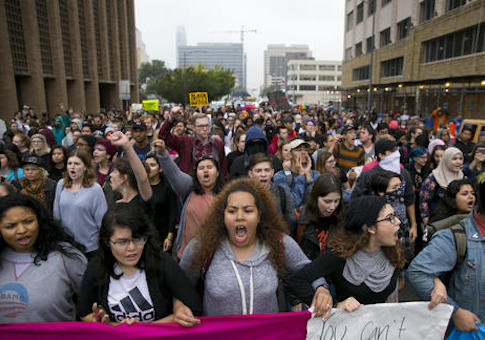
That didn’t stop it from being funny. I consider myself a fan of the show. However, this is one of those shows that could never be made today, even with an emotionally-stable Charlie Sheen. Its brand of comedy just wouldn’t work in an era where sexy Halloween costumes are considered controversial.

However, the message “Two and a Half Men” conveyed goes beyond its brand of humor and the actors who made it controversial. It’s a message that probably wasn’t intended when the show first aired, but one that manifested with time. That message centers around the only male character to make it through every season alive and unaltered, Alan Harper.

As a character, Alan is the catalyst for the whole show. It begins with him getting kicked out of his house by his wife, forcing him to live with his brother, Charlie. It serves as the foundation for the antics that follow. However, in light of recent trends in feminism, Alan Harper has become more of a concept than a character.
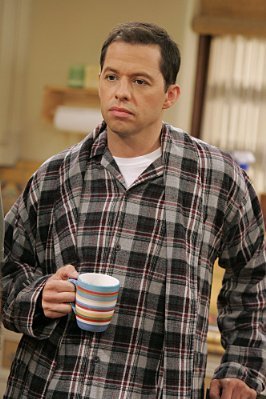
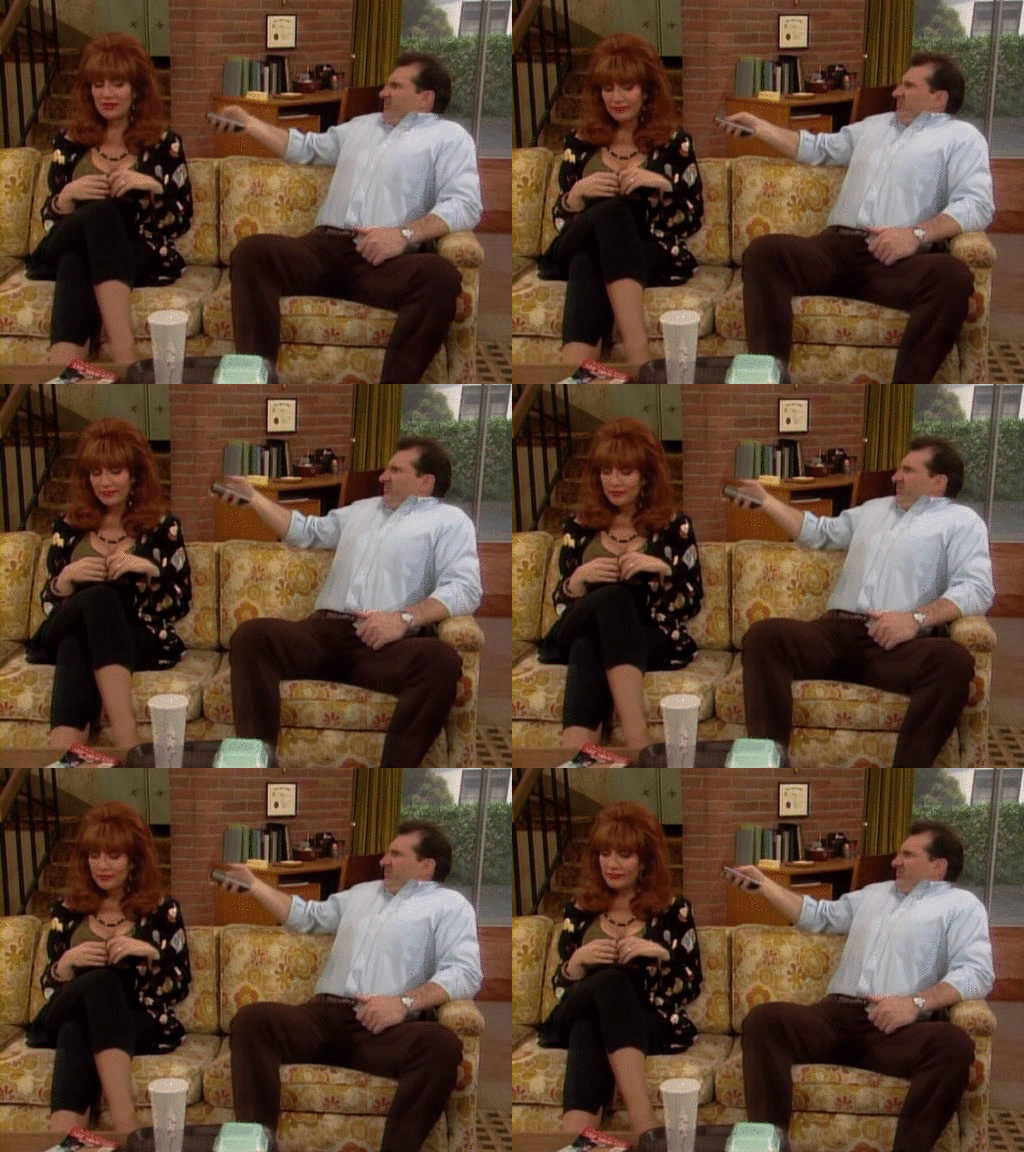
Simply put, Alan Harper is the perfect embodiment of a defeated, emasculated man. He’s a step below the stereotypical beta male. He’s the masculine equivalent of rock bottom. Even the entire cast of “The Big Bang Theory” or Al Bundy from “Married With Children” would feel sorry for him.

You don’t need to watch every episode of every season to see how this plays out. The show rarely goes more than a few minutes without highlighting how pathetic Alan is. The denigration goes beyond his ex-wife kicking him out of his house, divorcing him, and hitting him with egregious alimony payments.

Alan Harper, at his core, is a man dependent on everyone around him for affirmation, but is incapable or unwilling to earn it. His womanizing brother, Charlie Harper, often describes him as a parasitic leech who feeds on the pity of others to survive. In terms if how he conducts himself throughout the show, that’s pretty accurate.

Everything Alan does, from trying to make a living to pursuing romance, is done from a position of dependence. He depends on his brother for a place to live. He depends on his ex-wife to see his son, Jake. He depends on all the women he encounters for love, sex, and affection. He never has any leverage, always working from a position of weakness.

This earns him sympathy, but he’s no lovable loser. In addition to being dependent and weak, he’s also neurotic, selfish, and lazy. He rarely puts much effort into improving his lot in life. He never stands up for himself, rarely accepts responsibility for his mistakes, and endures failure without ever learning from it.

This is especially true in the later seasons of the show after Charlie Sheen was fired. Instead of having to leech off his brother, Alan managed to leech off a total stranger in Walden Schmidt. He makes every possible excuse to keep living in his brother’s house, never pay for anything, and avoid any semblance of personal growth.

Even if you pity Alan Harper, there’s little reason to respect him. Whenever he has a chance to make choices that can change that, he either makes the wrong decision or avoids it entirely. He’s not just a perpetual victim of a vindictive ex-wife, a hedonistic brother, and an idiot son. He actually clings to his victimhood, as though it were part of his identity.

It was fodder for comedy when “Two and a Half Men” was still on the air. Now, it’s a serious issue that affects men and women alike. That’s because leveraging victimhood has become less a comedy trope and more an ideological tactic.

The current discourse, especially when it comes to gender, is often built around who victimizes who. A big part of the anti-harassment movement is driven by the idea that women have been victims for years, suffering in silence under the thumb of misogynistic men. There are more than a few situations like that in “Two and a Half Men.”
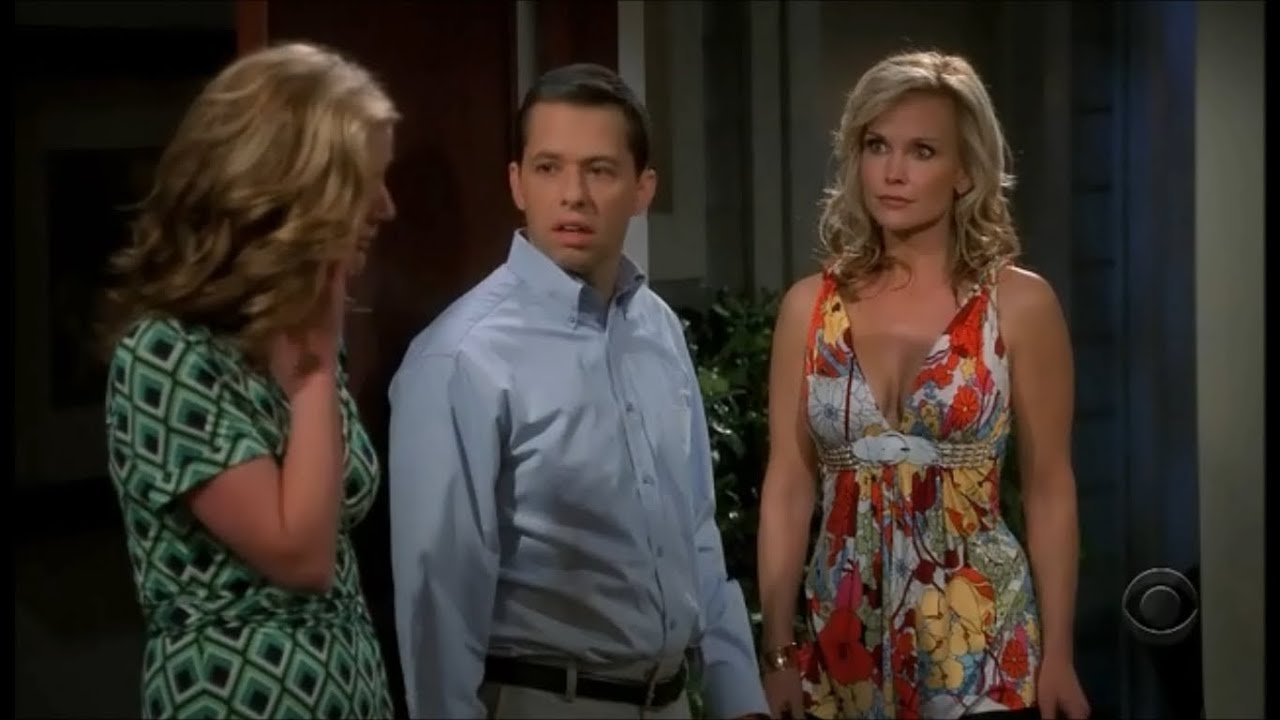
Men are just as guilty of using that tactic too, albeit not to the extent of Alan Harper. Men have cited the lack of attention people give Terry Crews or Corey Feldman whenever they talk about issues like sexual abuse. They’ll point out the ways in which women get preferential treatment in our society, some of which actually plays out in “Two and a Half Men.”

There’s no question that harassment and inequality are problems, but just being a victim can’t be the end of the conversation. Alan Harper is, in essence, the personification of what happens when we don’t attempt to further that conversation. It impacts everybody, but it’s especially relevant for men.

Alan reflects a worst-case-scenario. In the overall gender dynamic, he draws every bad card and makes every wrong move. He marries a woman who hates him and exerts immense control over his life. He has a callous, egocentric mother who gives him no affection, guidance, or support. The entire world takes advantage of him and he does nothing to stop it.

To make matters worse, there’s very little Alan can do to stop it. Even if he stands up for himself, he has no support because he’s so dependent on other people. If he gets kicked out of the house, he has nowhere to go. If he makes any money, someone else ends up getting it, often his ex-wife or an ex-girlfriend. He’s not just pathetic in how he handles it. He’s utterly trapped.

This is the kind of nightmare scenario that men genuinely worry about. Many women may laugh it off, but men aren’t blind to the bigger picture. If Alan Harper were gay or transsexual, then he would have organizations that support him. There are many groups that work hard to help disadvantaged members in the LGBT community.

There are also plenty of organizations that help women as well. If Alan were a woman who had been kicked out of his house by a vindictive husband, then there’s no way that the comedy in “Two and a Half Men” would’ve worked. It’s not funny to see a poor woman get thrown out on the streets and denied custody of her child. When it happens to a man like Alan, though, it’s hilarious.
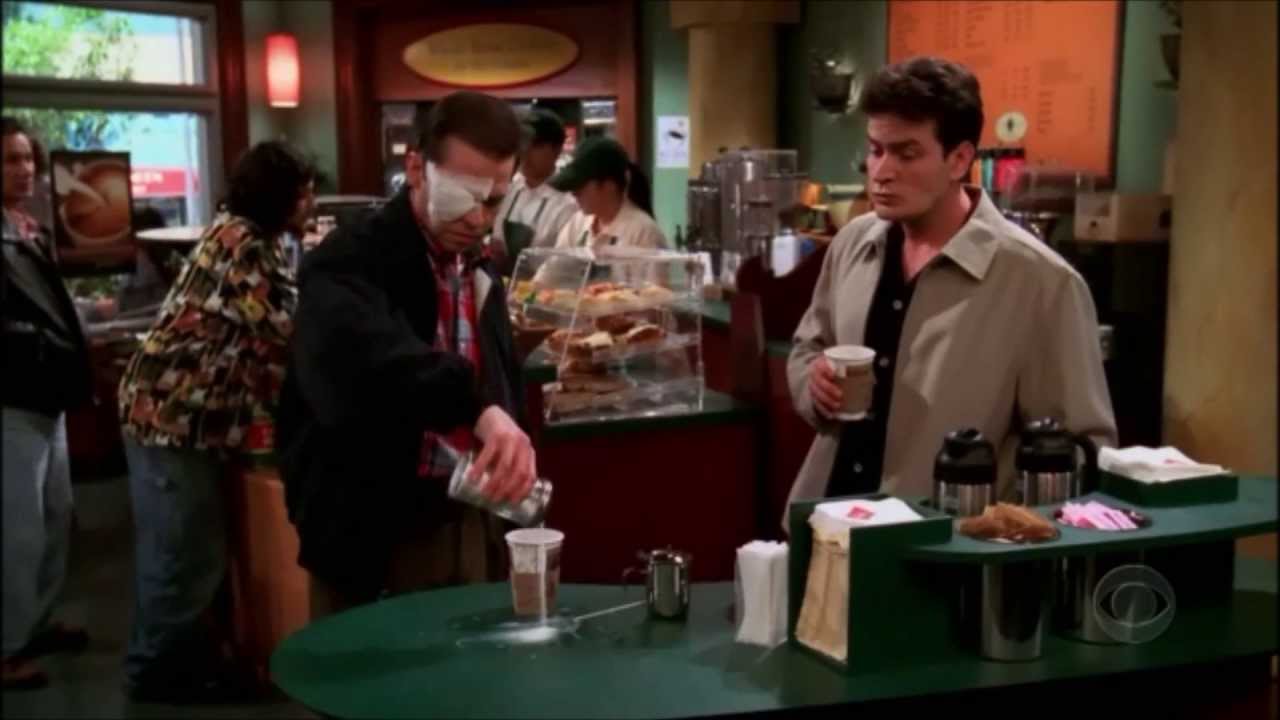
That’s where the humor in “Two and a Half Men” becomes distressingly serious. A character like Alan Harper lends himself to ridicule, but his situation is no laughing matter. He’s the pinnacle of a defeated man. Society does nothing to help him and everything to mock him. If he weren’t a man, it would be a tragedy. Instead, it’s a comedy.

For men, that’s a scary thought. On top of that, his situation can manifest in the real world, minus the laugh track. It is possible for a man to lose his home, his kid, and his money thanks to a vindictive wife. It is possible for a man to be so utterly helpless that he has to depend on everyone’s pity to survive.
The fact that it’s possible, but still funny in the context of a sitcom, gives men more pause today than it did when “Two and a Half Men” was still on the air. Men’s lives are being ruined by a society that does not give them the benefit of the doubt. Any debate that tries to take the side of men tends to get labeled as misogynistic.

We can either take those concerns seriously or create a society where men may end up like Alan Harper, laughably pathetic and utterly destitute. “Two and a Half Men” was still a funny show. However, the core of its comedy has serious implications and that are worth taking seriously, now more than ever.

12 Comments

Filed under gender issues, human nature, Marriage and Relationships, political correctness, psychology, romance, sex in media, sex in society, sexuality, women's issues

Why Men Remain Single: The Science, Lies, And Logistics

9a67b9b6-9c66-11e8-8838-278d266b5e3b

There’s an emerging crisis. To most, it’s just another distressing trend among the many we have in this chaotic world. More men are staying single. Some do it by choice. Some just do it because they’ve given up and decided to take themselves out of the dating pool. Whatever their reason, the results are the same.

Men aren’t seeking love, getting married, or having children. According to both Gallup and data from the United Kingdom, the number of single adults is increasing, especially among the younger generations. Even the number of couples cohabitating aren’t increasing. In the United States alone, 64 percent of young adults report being single. That’s nearly two-thirds of the youth population.

Naturally, the abundance of single men is causing more concern than single women. To governments, demographers, religious leaders, conservatives, and women looking for romance, that’s a major issue with enormous ramifications. They see perpetually single men as a danger that threatens to undercut the current social fabric. Some societies are already having to deal with it, albeit for different reasons.

There are plenty of theories as to why these men are opting to remain single. Conservatives claim they’ve lost touch with tradition. Feminists blame lingering misogyny. They’ll often cite the emerging incel phenomenon as proof that these men are toxic burdens who will hold everyone back.

To all those various groups and their theories, I respectfully disagree. Speaking as a man who is currently single, but very open to finding love, I like to think I have more insight than most on single male mentality. I can’t claim to speak for all men, single or otherwise. However, I can offer my personal take while also citing some actual research.

In August 2018, the Journal of Evolutionary Psychological Science published a study that surveyed approximately 13,400 men on this issue. The methods weren’t exactly sophisticated. They used Reddit as a source of data. As a regular user of Reddit, I can attest that there are some meaningful insights from commenters. I can also attest that there’s a lot of trolling and misinformation.

That said, the study still provides some insights into this phenomenon that has so many people worried. I won’t say it’s definitive. No study is. The author of the paper freely admits that. However, there’s still some truth to be gleaned from the data, as well as a few lies.

To appreciate both, here are the top five reasons that men in the study gave for being single.

1: Poor Looks

2: Low Self-Esteem/Confidence

3: Not Putting Much Effort Into Seeking Relationships

4: Not Being Interested In A Relationship

5: Poor Social Skills With Women

There were a total of 43 other categories of reasons/excuses that men gave, but these were the most common. I feel they’re worth highlighting because they identify some of the inherent complications men deal with in today’s relationship scene.

Of those five stated reasons, three of them reflect traits that a person can actually control to some extent. Looks, confidence, and social skills can all be improved through work and effort. I, myself, am a testament to that. It’s not easy, but it is possible. It’s the other two reasons, though, namely the third and fourth most common response, that are the most telling.

In those cases, being single is a choice. The men don’t want to seek out companionship. They want to stay single. That notion seems off-putting to a lot of people, implying that there’s something wrong with them. How could men not be miserable staying single? That concept just feels flawed in the context of our current culture.

It’s a concept that doesn’t apply equally to women. The idea of a single woman isn’t seen as a societal problem. It’s even glorified in the media. There are popular songs about it. The entire “Sex in the City” franchise is built around it. That’s understandable, to some extent. Historically, women have had very few opportunities for independence. I don’t think anyone should be surprised that some are celebrating it.

With men, though, there’s a disconnect between those who have certain assumptions about masculinity and the mentality of those who don’t abide by those assumptions. This is where some of the lies surrounding the study show. It isn’t explicitly stated in the data, but it is implied.

It all comes back to incentives. If you look at the current structure of relationships, as reflected in popular culture and social norms, men don’t necessarily have much incentive to pursue a relationship. To understand why, just consider the expectations men face in those relationships.

Men are expected to set aside their interests, hobbies, and passions for their partner. They need to stop playing video games, hanging out with friends, and watching sports all day so they can tend to their lover’s needs. They’re expected to support their partner emotionally and financially at every turn. In return, they get love, intimacy, sex, and family. To many men, that reward just isn’t sufficient.

What I just described is not an accurate description of how most relationships play out in the real world. It assumes a lot about how much women want to control their partners. Granted, there are some very controlling women out there. I’ve known a few, but they’re not nearly as common as 80s teen movies would indicate.

How common they are doesn’t matter, though. That is the perception men have of relationships. On top of that, many young people are currently swimming in student loan debt, unable to get a high-paying job, and withholding their rage every time older generations blame them for ruining things. From a logistical standpoint, it makes sense for men to protect their independence.

It certainly doesn’t help that young men are one of the easiest demographics to denigrate. They commit most of the crime. They’re the ones spreading hate, misogyny, and outrage throughout our hyper-connected culture. Even if they’re more likely to be victimized in violent crime and less likely to garner sympathy, you’re not going to face much stigma for hating them.

That doesn’t even factor in the serious inequities in marriage laws, which I’ve talked about before. A man entering a relationship is taking a chance, but unlike the woman, he’s risking more than just heartbreak. If ever that relationship gets to that stage and binding contracts become involved, he stands to lose more than just a partner.

Again, and I feel it’s worth belaboring, some of the reasons these men give for wanting to remain single are based on flawed assumptions about relationships. However, when it comes to issues surrounding our emotions and the hyper-connected media that evokes them, perception matters more than any data from a study.

The men who participated in this particular study are probably not an accurate reflection of all men. They do provide some important insight, though, on the current state of relationships, gender, and everything in between.

Regardless of the study’s conclusion, though, the romance-lover in me genuinely believes that there’s room for improvement. Whether or not we pursue that improvement depends largely on the choices men make and the incentives they have to make them.

11 Comments

Filed under gender issues, human nature, Marriage and Relationships, men's issues, psychology, sex in society, sexuality, Wonder Woman

Abortion, Prostitution, And The Indirect (But Powerful) Link Between Them

Pic

When it comes to conflict between genders, there are many factors driving it. Chief among them is the unavoidable ignorance that comes with men not knowing what it’s like to be a woman and women not knowing what it’s like to be a man. Add those who identify as transgender into the mix and there’s a massive disparity in understanding.

While I consider that limited understanding to be the primary driving force behind gender-driven conflicts, there’s another force that is a close second. It has less to do with how people relate to one another and more to do with who determines the accessibility and availability of sex.

As an aspiring erotica/romance writer, this issue is more relevant to me than others. However, after a few notable news stories, one involving prostitution and another involving abortion, the issue is now relevant to everyone and that’s why I feel it’s worth talking about.

The concept of sex being this tangible commodity that certain people control is already bound to cause plenty of consternation among people from every part of the political spectrum, but for logistical purposes, this is how we treat sex in a modern context. It’s no longer something we do for survival or for the passing on of property.

Like food, sex has developed a more diverse role in the modern world. We treat it as a tangible asset that we must manage. Like any asset, though, there are logistics to it and those who do the managing wield a great deal of power. Why else would pimps be so glorified in popular culture?

Who actually wields that power, though, depends on the political affiliation of who you talk to. If you ask someone who is liberal, feminist, or left-leaning, they will claim that the power is held primarily by rich old men who try to manage sex by punishing those who do it in ways they don’t like.

Ask someone who is conservative, traditional, and right-leaning, and they’ll probably say the power is held by radical feminists and their submissive male allies who wield the power of sexual management. They’re just as convinced as those opposing them that they’re right. It’s difficult to convince them otherwise and I’m not going to try. That’s not the purpose of this article.

My goal here is to point out a connection from which the conflict has evolved. Given recent events in the political world, that evolution is likely to continue and not in a direction that benefits either side in the long run. To understand that connection, I need to dig a little deeper into the unspoken, but powerful link between abortion and prostitution.

I know that just talking about one of these issues is abound to send peoples’ passions into overdrive. I’ve discussed abortion before. I’ve discussed prostitution as well. I haven’t really touched on the link between them because they’re tied up in different political domains, but have enough similarities affect one another.

Prostitution is commonly known as the world’s oldest profession and for good reason. It only ever makes the news when there’s a scandal or a legal upheaval. For once, there has been an uptick in the latter rather than the former. It began with new laws that made it more difficult for prostitutes to operate online. In some respects, these efforts are the byproduct of a trend that has been going on since the early 2000s.

Most industrialized countries in the world accept, to some degree, that it’s impossible to stamp out prostitution completely. As a result, there have been more elaborate efforts to reduce it that don’t rely entirely on blanket prohibition. Currently, the most popular approach is known as the Swedish model.

In this setup, it’s legal for someone to sell sex, but it remains illegal to buy it. It’s akin to making it legal to set up a lemonade stand, but illegal to buy lemonade. While that sounds absurd on paper, the intent of the law is somewhat clever. It’s a means to criminalize the buyer of sex to give the seller more leverage. Since the seller is often assumed to be an exploited woman, it’s viewed as an equalizer of sorts.

Granted, the assumption that those selling sex are always exploited women is flawed, as an estimated 20 percent of prostitutes are men. There are people in the world who enter the business willingly, just as there are people who willingly work in coal mines.

There’s also plenty of data that indicates that the Swedish model doesn’t have the desired effect. There’s also no evidence that it has reduced human trafficking, either. That hasn’t stopped it from spreading to other countries. In the process, it has had another effect that goes beyond the issue of prostitution.

Essentially, this approach to combating prostitution places more power in the hands of women with respect to managing sexuality. Since they make up the majority of the prostitutes in the world and men are the primary clients, this dynamic ensures they have more leverage. They can, under this model, decide whether or not their client becomes a criminal. That’s a lot of leverage and not the kinky kind.

This is where the link to abortion comes into play. It’s an indirect link, but it utilizes the same dynamics. In countries where abortion is legal, the women wield a significant amount of power in terms of sexual decision-making. In the context of abortion, they can decide how the consequences of sex play out.

Women can, in this dynamic, decide whether or not to have a child if she becomes pregnant. Whether or not the father wants to child is irrelevant. The woman can abort the child against the father’s wishes. She can even have the child against his wishes, in which case he would be on the hook for child support for 18 years.

Again, that’s a lot of power for one gender to wield. That’s not to say it isn’t understandable. Women are the ones who bear children. They’re the one whose bodies undergo the 9-month rigor that is pregnancy. It’s totally logical that women would have more leverage in this situation because they’re putting themselves at greater risk.

However, and I know this is where I’ll upset a few people, there comes a point where that leverage can become excessive. There are cases where men lose their money and their freedom because of what a woman chooses. There’s no way for them to opt out of their parental responsibilities. That hasn’t stopped some from attempting to create a legal mechanism for that choice, but to date those efforts have not been successful.

Within this context, it shouldn’t be that surprising that abortion rights are steadily eroding. In the United States, it’s looking more likely with recent upheavals in the Supreme Court that this erosion will accelerate. Some are already claiming that we’re on our way to becoming the kind of oppressive society depicted in “The Handmaid’s Tale.”

While most of those concerns are overly apocalyptic, I think part of that effort is tied directly to who wields the power in the sexual landscape. Women are poised to gain more of that power as prostitution laws in the mold of the Swedish model spread. They’ve also gained even more leverage socially through the anti-harassment movement.

From the perspective of men, who cannot turn off their sex drives, women already wield so much authority in matters of sex. They’re the ones more likely to get paid to do it. They get to decide when and where it happens. They get to decide whether or not a sex act was consensual. They don’t even face the same stigma or consequences when sex crimes does occur and are granted greater protections by the law.

That perspective is not going to sway most women, though. The same women arguing for abortion rights are just as likely to argue for the Swedish model in combating prostitution. It’s a common thread among certain brands sex-negative feminism that see prostitution as an inherently oppressive force for women in every circumstance.

This is where the paths converge and where the fuel for the conflict gets a boost. Whether intentionally or by accident, both prostitution and abortion eventually link back to who wields authority in sexual matters. Both sides can claim some form of oppression. Both sides can even be right to a limited extent. By fighting to secure the most leverage though, they inevitably invite more backlash.

I don’t claim to know what the endgame is. I have a feeling that once sex robots enter the picture, and they have to some extent, there will be a major upheaval in the whole sexual landscape that neither side will be able to confront. Until then, though, the conflict over sexual leverage will continue. In the end, though, it’s unlikely that anyone will ever be truly satisfied.

1 Comment

Filed under gender issues, human nature, Marriage and Relationships, political correctness, prostitution, psychology, sex in society, sexuality

The Humor In Mutilating Men Versus The Atrocity Of Harming Women

45ee4ed9041461da247f826745881661e77f2046

It’s one of the most traumatic things a man can experience, the permanent damage or total removal of his penis. Whether by accident or intentional violence, he’s badly injured on a physical physical and psychological level. His ability to identify as a man, experience intimacy with others, or just feel basic pleasure is irreparably damaged.

Just mentioning the possibility of losing his penis will make most men cringe. Joke all you want about how much men glorify their genitals, but it really is an important part of their bodies and their identities. Losing it is like losing a limb, which does plenty to cause serious mental trauma. Add losing a key aspect of their masculinity to the mix and that trauma becomes amplified.

Despite that trauma, men losing their genitals is fodder for comedy. Recently, Netflix released a movie called “The Package,” the plot of which is built entirely around a man who loses his penis in an accident. That movie, if you look it up on IMDB, is listed as a comedy. Imagine, for a moment, a movie that tried to make a comedy out of female genital mutilation. How much outrage would that generate?

There’s nothing funny about women’s bodies getting mutilated or even harmed in any serious way. For men, though, it’s actually a pretty common trope. You don’t have to look too deep into the history of media to find jokes about men losing their genitals.

It’s a famous line in “The Big Leboswki.”

It’s a recurring theme in “Fight Club.”

It’s a sub-plot in an episode of “Rick and Morty.”

It’s a primary plot in an episode of “Family Guy.”

Even in media that isn’t overtly comedic, it still becomes a joke. Just look up the various internet memes about Theon Greyjoy from “Game of Thrones” for proof of that. In each case, the mutilation of men and the loss of their masculinity is portrayed as something that’s inherently funny. The fact that Netflix made a movie about that premise shouldn’t surprise anyone.

Even in the cases of real stories about real men losing their genitals, it’s prone to plenty of humor. The most famous case is probably that of John Wayne Bobbitt, whose wife cut off his penis after he raped her. While Bobbitt was, by all accounts, a horribly abusive man who deserved plenty of condemnation for what he did, his name still inspires jokes.

When people say the name Bobbitt, they don’t think of all the abuse he imparted on his wife. They think of how funny it is that his wife cut his dick off. While he was able to get it re-attached, many other men aren’t so lucky. Whether it’s public perception or daytime talk shows, a man losing his penis is still seen as funny.

Conversely, any media that shows a woman being harmed in any way, even if it’s just a slap in the face, is seen as an irredeemable atrocity. Watch shows like “Married With Children” or “The Simpsons” and you’ll see plenty of scenes where Al Bundy and Homer Simpson badly injure themselves through their antics. However, there are exceedingly few scenes that ever lead to the women being harmed.

Anything that leaves any lasting scar on a woman is inherently abhorrent. There are even major international organizations that work to combat practices like female genital mutilation. When women lose their reproductive organs from disease or injury, it’s seen as a tragedy. Anyone who laughs at their pain is rightly scorned.

Why is this, though? Why is it that an entire comedy can be built around a man losing his penis while any plot that involves a woman getting hurt in any way is dead serious? That’s not an easy question to answer. It can’t be entirely attributed to the gender-driven  double standards that I’ve singled out before.

I don’t claim to know the full answer, but I think it’s worth discussing, if only for the sake of maintaining a balanced perspective. I don’t doubt that many have their theories. Some may attribute the humor we find in men getting mutilated to trends in modern feminism. I would strongly disagree with that.

I believe that this idea of laughing at male mutilation while gasping at female victimization preceded modern feminism by a great deal. I would go so far as to say it goes back much further than that. I believe this unique quirk in gender dynamics has roots in ancient pre-modern societies that transcend geography, culture, and ethnicity.

At the core of this phenomenon is one unpleasant, but inescapable truth. I’m probably going to upset some of my fellow men by saying this, but I think it needs to be said.

We NEED to be comfortable with men getting mutilated on some levels.

Take a moment to stop fuming. Then, take a moment to consider why we would need to be okay with this in both current and ancient societies. From a purely logistic standpoint, it makes sense.

For most of human history, men were expected to carry out the dangerous, back-breaking, body-maiming work that built our civilization. Regardless of location, culture, or traditions, putting men in these situations was necessary. Someone needed to fight the wars, plow the fields, hunt dangerous animals, and work in factories.

Until very recently, men had to fill that role because women were at a severe disadvantage due to the dangers and risks of child-rearing. In the pre-modern world, the most vulnerable individuals in a society were pregnant women, newborn infants, and women in labor. In 18th-century England alone, there were 25 deaths per 1,000 births.

With odds like that, there was a legitimate reason to give women extra protection and care that was not afforded to men. Men didn’t have the babies and no society could survive in the long run if it didn’t have a growing population. That’s why, for better or for worse, there are so many cultural and religious traditions that encourage women to remain in domestic roles.

Those same traditions, however, establish a dynamic requiring that we accept a certain level of male victimization. It’s one thing for a man to die in battle or having his genitals maimed in an accident. It’s quite another for a woman, who are tasked with birthing and caring for a new generation, to endure similar harm. Another man can still impregnate a healthy woman. No amount of men can impregnate an injured woman.

I know that dynamic is offensive to both feminists and men’s rights activists because it reduces their value to their reproductive capacity. I get why that’s offensive. Even I find it offensive, as a man. However, therein lies the most critical detail with respect to male mutilation versus male victimization.

These disparate standards, which predate the modern era by centuries, are still very much ingrained in our society. We still see women, especially those of breeding age, as more valuable than men. We romanticize young men who heroically sacrifice themselves in war, but recoil at the idea of young women suffering a similar fate.

Add emerging demographic issues with respect to declining fertility rates and the same incentives for accepting male mutilation are there. We still need people to have children for society to grow and function, but more women are having fewer children and more men are eschewing the pursuit of families entirely.

In terms of logistics, that increases the value of every woman who wishes to have a children and decreases the value of men who refuse to go along with that plan. In that system, a man losing his genitals or suffering a severe injury has to be funny in order for the situation to be tenable. By the same token, any harm coming to a woman has to remain extremely taboo.

Logistics aside, it’s still an unfair predicament that undermines the suffering and trauma that men endure. The fact that we have to be okay with their suffering while overvaluing the suffering of women is bound to fuel more egregious double standards. Movies like “The Package” certainty don’t help, but so long as this age-old gender disparity persists, men losing their penises will remain fodder for comedy rather than tragedy.

10 Comments

Filed under circumcision, gender issues, human nature, media issues, men's issues, outrage culture, political correctness, psychology, sex in media, sex in society, women's issues

Al Bundy, Circumcision, And Double Standards In Humor

does-male-circumcision-shield-women-from-hiv-750

When you want to know how taboo a topic is, it helps to look at how sensitive people are to jokes about it. Most people can comfortably joke about teenagers, old people, the President, the French, and the Pope. Some of those jokes even make it into popular cartoons and sitcoms that we still laugh at to this day.

Then, there are topics for which making jokes is a gamble. Make the wrong remark at the wrong time and it could really cost you. Just ask Gilbert Gottfried or Roseanne Barr. The stakes get even higher when you joke about religion. Some have a better sense of humor than others, but those that don’t tend to make the news for all the wrong reasons.

Since humor and religion rarely mix, I want to focus on a topic that’s slightly less sensitive in circumcision. I say slightly because gender-specific humor is a lot trickier these days. Old jokes about women drivers and gay men just don’t work anymore and not because more cars are driving themselves.

Between trends in feminism and outrage over Wonder Woman’s armpit hair, the current state of gender politics is no laughing matter. I’ve talked about gender conflicts on many occasions and I’ve also discussed serious issues surrounding circumcision. I’m also aware that the current issues surrounding circumcision aren’t on many peoples’ radar, but I still think it’s worth talking about.

This isn’t just about representation in media or offensive stereotypes. This is about purposefully mutilating parts of the human body. When it happens to women, it’s a major problem that warrants major resources to combat. When it happens to men, though, it’s no big deal and prone to plenty of humor.

It’s more than just a double standard. It reveals a lot about our overall attitudes when we’re willing to joke about something. It shows how much the issue matters and how much energy we’re willing to put in to confront it. To understand the state of circumcision for men, you need look no further than an old episode of “Married With Children.”

I’ve mentioned this classic Fox sitcom before. I put it at the top of my list of TV shows that could never be made today. The fat jokes alone would get it cancelled. It’s a show that went out of its way to be controversial, much to the chagrin of a Michigan house wife. That included an episode about circumcision.

This particular episode was called “A Little Off The Top” and if you know anything about male circumcision, you understand why that’s an overly appropriate title. It starts with Al Bundy getting injured in a basketball game, going to a hospital, and getting circumcised due to a medical error.

It’s all portrayed with typical “Married With Children” hilarity. In fact, one of the most memorable moments of the episode is when Peggy gets a call from the hospital and Marcy, the Bundy family’s neighbor and one of Al’s many enemies, laughs hysterically. I’m not going to lie. When I saw a recent rerun of the episode, I laughed too.

That’s the genius of “Married With Children.” It can take depressing situations like a loveless marriage, a lousy job, and idiot kids and make it funny. It’s part of why this show is one of my favorite shows of all time. When you strip away the humor in this episode, though, there are some disturbing overtones.

To illustrate, here’s a quick thought experiment. Imagine, for a moment, that this isn’t happening in a TV show and you just randomly stumbled across a news article.

“Local Chicago man rushed to a hospital after injury playing basketball is mistakenly circumcised. Family and neighbors make fun of him.”

Take away the iconic Bundy family and the context of a sitcom. Just look at it in terms of raw facts. A man gets an injury, goes to the hospital, has his genitals mutilated against his will due to an error, and is laughed at because of it. The fact that it happens to Al Bundy makes it funny. If it happened to anyone in the real world, it’s not likely to be as funny.

Medical errors are already horrifying enough. This one is extra disturbing for men because it involves our genitals. There’s already a growing reservation about circumcising baby boys for no medical reason who cannot consent, which did not exist when “Married With Children” was on the air. On top of that, there’s a distinct double standard in play.

Even in the lewd world of a 90s Fox sitcom, there are lines that even the Bundy family cannot cross. If you were to reverse the genders in this episode, as I’ve put forth as part of previous thought experiments, then the humor just doesn’t work. If the episode involved a woman who’d been circumcised against her will by accident, then it wouldn’t be funny. It would be disturbing.

The reasons for that aren’t entirely simple. There is a medical and logistical difference between male and female circumcision. For the most part, female circumcision in its various forms are prone to more complications, even in a medical setting. Male and female anatomy are different. There’s no getting around that.

However, the logistics are the same. They both involve cutting, altering, or outright mutilating someone’s genitals against their will. Despite these similarities, one is still capable of being funny while the other is not.

That idea matters because when something can be funny, it impacts how seriously we take it as a society. We can joke about ditzy blonde women, bone-headed men, and irresponsible teenagers because they’re not seen as dire issues. That’s also the reason why we can make jokes about the Vatican in 2018 that probably would’ve gotten people killed half-a-century ago.

The fact that male circumcision can be a joke or the premise of a sitcom says that it’s not serious enough to be on the same level as female genital mutilation. They may not be the same thing, but the implications are still there. When a woman is mutilated, it’s a travesty. When a man is mutilated, it’s comedy. That is not a trivial gap.

I doubt “Married With Children” was trying to make a statement about male circumcision when the episode first aired. The show made a lot of controversial jokes and circumcision barely cracks the top ten. Even if that episode aired today, it probably wouldn’t be that controversial, which says a lot about how little our attitudes about male circumcision have changed since the mid-90s.

In that same time, though, efforts to combat female genital mutilation have gained ground. Efforts to beautify and protect the female body are part of a larger social trend. However, those efforts are not equally prescribed to men, even when the concept is the same.

Now, I’m in no ways in favor of making jokes about male circumcision taboo. Historically speaking, making anything taboo only tends to make an issue worse. I’m also not advocating that we start joking about female genital mutilation, either. My point in citing a memorable episode from a raunchy 90s sitcom is to show the vast disparity in the circumcision debate.

When something is a joke for one group of people, but an atrocity for another, then there’s a major disconnect in the issue. Both sides can and should be discussed seriously. Both can and should be held to similar standards are humor, as well. When you start making exceptions for one over the other, then that obscures the debate for both.

3 Comments

Filed under circumcision, gender issues, political correctness, sex in media, sex in society, sexuality

Biotechnology And The Future Of Gender

future-woman-cyber-technology-eye-panel-concept-33807025

With each passing year, it seems gender-driven conflicts are becoming more and more heated and less and less rational. Every time I bring them up, which is distressingly often, I feel like I have to walk through a minefield while juggling chainsaws. I know it doesn’t take much to start a controversy these days and I’d rather not add fuel to that fire.

The current state of gender conflict is pretty intense. I expect it to get worse before it gets better, but I don’t want to dwell on that too much for the moment. Instead, I’d like to do what I often do when I discuss emerging technology and contemplate the future. Moreover, I want to focus on the potential for a better future between the genders.

Yes, I realize the situation is pretty hectic now. I also don’t deny that trends in feminism and the associated backlash make it difficult to be optimistic. I’m still going to try because I believe we’re getting close to a point where the barriers that hinder a truly egalitarian society will eventually fall. It’s just a matter of developing the right tools.

Chief among those tools are those emerging in the field of biotechnology. It’s a subject I’ve highlighted before, primarily in terms of its potential to treat disease and provide better contraception. Those kinds of advances are just stepping stones, though. The true potential of biotechnology goes much further.

With respect to gender, I think most won’t deny that there’s room for improvement in terms of the current dynamic. Whether you’re a man, woman, or something in between, most people don’t have to think too hard to surmise imperfections in the current system. I’ve mentioned a few, but they’re worth scrutinizing.

If you’re a woman, those imperfections take a fairly direct toll and not just in terms of being the gender that bears children. Beyond the burdens that facet of womanhood has incurred historical, there are still some fairly substantial gaps between women and men today. Regardless of whether or not you’re a feminist, the data is pretty clear. Women are not on a level playing field with men.

If you’re a man, that’s just as true. Men may not bear children, but they also bear plenty of burdens. They are expected to fight in bloody wars, making up 97 percent of all war deaths. They work harder, more dangerous jobs that disproportionately kill them. They’re also expected to be okay with having their genitals mutilated as babies. By those metrics, men are not on a level playing field, either.

Things get even more unequal when you put transgender issues into the mix and I’m not just talking about which bathrooms they have to use. Transgender individuals face a unique brand of issues, ranging from housing discrimination to healthcare access. Regardless of how you feel about transgender issues, and some question whether it’s even real, these people are struggling under the current dynamic.

It’s a dynamic that, for most of human history, has been heavily influenced by the limits of biology. Like it or not, we’re very much at the mercy of what evolution has wrought. Even if you’re among the crowd who thinks gender is entirely socially constructed, it’s impossible to get around hard biology, at least for now.

The hard data is fairly clear. Human beings are sexually dimorphic, which means there are intrinsic physical differences between men and women. Since one gender bears children while the other doesn’t, that kind of has to be the case. Considering how well our species has thrived over the past several thousand years, you could make the case that these dynamics have worked fairly well.

However, there’s still room for improvement. In the tradition of the Doug Stanhope principle, it’s worth asking a simple question about our current gender situation. If the current dynamic didn’t exist, would you invent it that way? If you were working from scratch, would you create a species in which half the population had to bear children for nine months while the other half had part of their genitals hanging outside their bodies?

I’m not saying the human body, in its current form, isn’t a beautiful work of nature, but there’s no denying its flaws. As long as those flaws remain in place, the amount of progress we can make towards a truly egalitarian society will be limited. With the emergence of biotechnology, though, there may come a time when we may not be subject to those constraints.

When you get right down to the differences in muscle mass and endurance, much of it is driven by genetics. There’s only so much we can do with hormones and supplements, as female body builders have shown, before genetics comes into play. We’re only just starting to hack some of those genes, but there’s still room for refinement.

That refinement will come as the technology matures, just as we’ve seen with refinements to in vitro fertilization and LASIK eye surgery. It won’t happen all at once, but there may come a point when we have a sufficient understanding of the human genome and how to change it at the genetic level with tools like CRISPR.

Once we have that knowledge, then there’s no reason why we couldn’t modify individual genomes to a point where men and women are completely equal in terms of strength, stamina, and overall physicality. In that situation, there’s no reason why a woman couldn’t carry out the same physically demanding tasks as men.

For the mental side, though, that may end up being trickier. There’s still a lot we don’t know about the brain in general, let alone the innate differences between men and women. Most current research seems to suggest there are some differences, but the extent of those differences aren’t really clear. There’s evidence that there could be even more differences in the brains of transgender individuals.

Even if those differences are biologically innate, they can still be manipulated with the right tool. Some of those tools are already in development in the form of brain implants, such as those being developed by Neuralink. Whether it’s problem solving or emotional intelligence, there’s no reason why any gender-based difference can’t be resolved with a properly-calibrated implant.

Put all these advances together and the future of gender may render our current conflicts obsolete. I believe that if it is the goal of society to create a truly egalitarian structure for men, women, and everything in between, then the necessary tools to do so will make that possible at some point. The only question is whether or not that will actually be the goal.

I can’t speak for everyone who has ever argued for a certain gender-based issue. Being a man, I don’t deny that my perspectives on gender are limited by my experiences. However, if we’re going by what has worked best from an evolutionary perspective, a species that can effectively cooperate, communicate, and share knowledge has a huge advantage.

Reducing gender disparity at a genetic and physical level has plenty of benefits on paper. Add artificial wombs to the mix, effectively removing the burden of child-rearing from half the population, and suddenly our entire species is on a level playing field. That opens the door to entirely new manifestations of gender, as we know it.

I can’t predict what form that will take. Once we start manipulating our genes and our looks, by default, then the line between what is feminine and what is masculine may blur. While I don’t think it will disappear entirely, I think there will be some adjustments. It may even lead to entirely new gender-driven conflicts in the short term.

In the long run, though, I think the future of gender will arc towards greater equality overall. There may come a time where every individual born has the same physical and mental potential, regardless of their gender. Women will be as physically strong as men. Men will be able to multi-task like women. They may still look distinct, but their abilities will be truly equal.

A society full of those individuals will require an entirely new dynamic, one built around a host of new tools that we’re just starting to develop. It could just as easily go in the opposite direction with various gender gaps widening as a result of those tools. However, I believe that the benefits of equality will win out, albeit for purely pragmatic reasons. A future with that level of equality will likely result in the greatest potential for everyone.

2 Comments

Filed under futurism, gender issues, human nature, Marriage and Relationships, sex in society, sexuality

Why Henry Cavill Shouldn’t Apologize For His Comments On The Anti-Harassment Movement (But Still Had To)

gettyimages-873854634-1200x800

What does it say about the state of a society when people have to apologize for voicing honest, legitimate concerns? Pragmatically speaking, it implies that the value of truth and just has been subsumed by other influences. Whether it’s politics or ideology, it’s not hard for society to get to a point where unreasonable forces subvert reasonable issues.

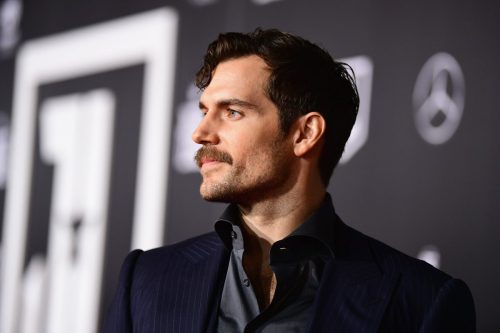
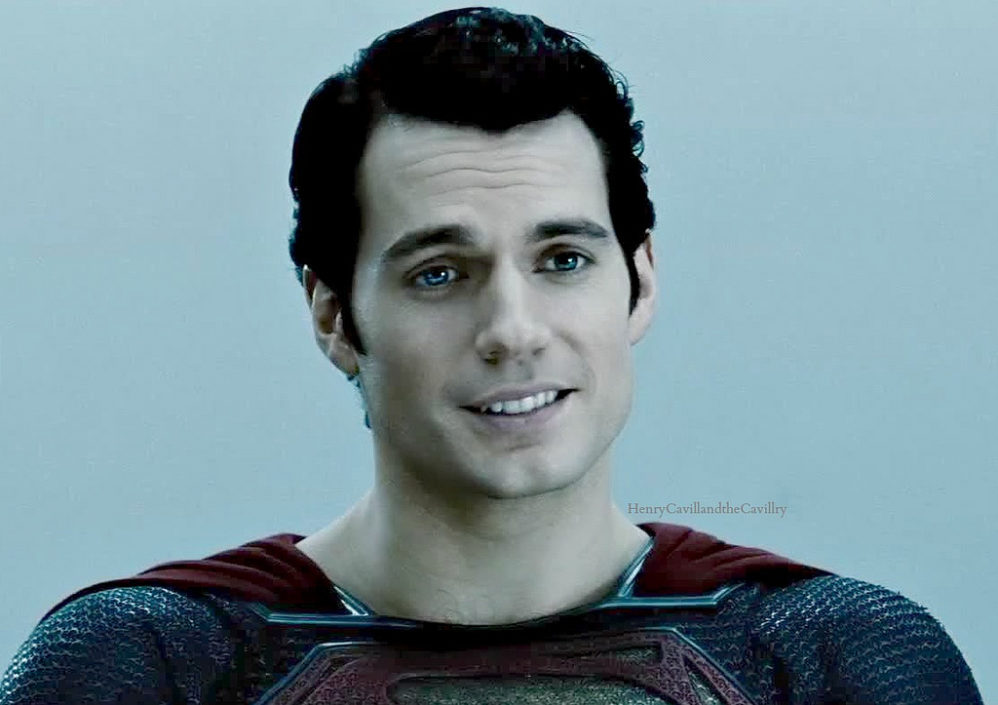
In that sense, it’s ironic that the latest person to experience those influences once played Superman, the personification of truth, justice, and the American way. Henry Cavill, whose star has risen significantly since he broke out in “Man of Steel,” got into some hot water recently after an interview with GQ.

In that interview, he essentially made the same mistake Matt Damon made when he tried to comment on the anti-harassment movement. He said something that was reasonable, honest, and understandable from a purely logistical standpoint. He’s worried that something as simile as flirting with a woman could somehow be construed as harassment, which could lead to a full-blown scandal.

For reference, these were his exact words from the interview and the ones that subsequently led him down the same path as Matt Damon.

It’s very difficult to do that if there are certain rules in place. Because then it’s like: ‘Well, I don’t want to go up and talk to her, because I’m going to be called a rapist or something’. So you’re like, ‘Forget it, I’m going to call an ex-girlfriend instead, and then just go back to a relationship, which never really worked’. But it’s way safer than casting myself into the fires of hell, because I’m someone in the public eye, and if I go and flirt with someone, then who knows what’s going to happen?

Now? Now you really can’t pursue someone further than, ‘No’. It’s like, ‘OK, cool’. But then there’s the, ‘Oh why’d you give up?’ And it’s like, ‘Well, because I didn’t want to go to jail?’

Think about what he’s saying here and take a step back to see how he got to that point. He’s talking about being called a rapist just for going up to a woman and talking to her. How is that reasonable? It’s not. It sounds paranoid, but it’s perfectly understandable in the current social climate.

It’s easy to picture a scenario where someone like Cavill walks up to a woman, starts flirting, and ends up saying something inappropriate. That’s not just something men do. Women do that too. Being vulgar knows no gender. However, if the woman in this scenario takes particular offense, it could be construed as harassment or even assault.

If a woman was especially vindictive or just prone to exaggeration, she could accuse him of assaulting her. Even if those accusations aren’t even close to warranting an actual crime, it would still be devastating. The accusation alone would be enough to derail a promising career.

You don’t have to look far for evidence of this. Aziz Ansari was not charged with any crimes for the infamous incident that came out earlier this year and even if he had been, there’s no way he would’ve been convicted. An incident built entirely around a he said/she-said situation doesn’t come close to meeting the burden of proof for a criminal conviction.

That doesn’t matter, though. Ansari’s career has already taken a major down turn. His hit show, “Masters of None,” has not been renewed by Netflix since the allegations came out. Men like Henry Cavill, whose careers are ascending, certainly take notice of that. They don’t even have to commit a crime and suddenly, everything they worked for is in ashes.

For powerful men in Hollywood, it’s a reasonable concern, but one they probably won’t get much sympathy for expressing. Men like Henry Cavill are rich, successful, and handsome enough to comfortably wear Superman’s skin-tight costume. He’s a man who can attract women just by breathing. However, that may end up making him even more vulnerable.

Most people aren’t going to be inclined to make a big deal about someone who flirts inappropriately. When that person is a celebrity, though, the incentives are much stronger. You need only have an overreaction or a burning desire for attention to twist it into something much worse.

It’s for that reason that Cavill shouldn’t have apologized for his comments. His concerns are legitimate and after all the work he’s put in, he’s right to worry about the forces that might destroy it. That still didn’t matter. His comments still triggered a major backlash on social media. He also had to apologize for it. These were his exact words.

“Having seen the reaction to an article in particular about my feelings on dating and the #metoo movement, I just wanted to apologize for any confusion and misunderstanding that this may have created. Insensitivity was absolutely not my intention. In light of this I would just like to clarify and confirm to all that I have always and will continue to hold women in the highest of regard, no matter the type of relationship whether it be friendship, professional, or a significant other. Never would I intend to disrespect in any way, shape or form. This experience has taught me a valuable lesson as to the context and the nuance of editorial liberties. I look forward to clarifying my position in the future towards a subject that it so vitally important and in which I wholeheartedly support.”

Notice that there’s nothing in that apology that expands on his concerns. Cavill doesn’t attempt to re-frame his point or address some of the complaints levied against him. He just throws his hands up and apologizes about everything, as though every word he said was factually wrong.

Now, to be fair to Cavill, it’s very likely that the statement he gave was written by a publicist or agent. Chances are he was pressured to read that as quickly as possible in order to prevent him from getting labeled a misogynist or someone who did not wholly support the anti-harassment movement. Even if he didn’t feel inclined to apologize, he still had to do it in order to preserve his career and reputation.

Regardless of his reasons for doing so, he still apologized for telling the honest truth. The backlash he received didn’t even argue that truth. Most of it amounted to scoffing at the concerns of a rich, handsome celebrity who is undeserving of any sympathy. One commenter even went so far as to call him a wannabe victim.

Such criticism is every bit as absurd as the kind Matt Damon got when he dared to point out that there’s a difference between patting a woman on the butt and full-blown rape. They also fail to acknowledge that it’s entirely possible for a woman to be vindictive enough to falsely accuse someone of a heinous crime for the sole purpose of ruining their career, despite documented cases that this has happened.

It’s one thing to expose the serious crimes of predators like Bill Cosby and Harvey Weinstein. Those cases did have evidence and are being processed through appropriate legal means. The behaviors Henry Cavill described don’t even come close to that kind of conduct.

The fact that Cavill had to apologize sets a dangerous precedent for the anti-harassment movement. History has shown that any movement that throws off honest truth and basic justice is built on a poor foundation. In time, that foundation eventually crumbles and the merits of the movement get lost.

There are plenty of behaviors among celebrities and non-celebrities that warrant outrage. What Henry Cavill said wasn’t one of them. The fact he still had to apologize for his words does not bode well for anyone concerned with the values that heroes like Superman embody.

10 Comments

Filed under Celebrities and Celebrity Culture, Current Events, gender issues, media issues, political correctness, sex in media, sex in society, sexuality

What It Means To “Man Up” And Why It’s Changing (For The Worse)

man-up-and-military-press

It wasn’t that long ago that parents and peers emphasized the importance of “manning up” to young boys. There would come a point in a kid’s life where he was encouraged to do more than just grow up. He was expected to push himself in a unique way, fighting and sacrificing for those who couldn’t. Sometimes, those expectations were unreasonable and a little unhealthy, but it was part of the overall gender dynamic.

That dynamic has been changing a great deal over the past several decades. I’m young enough to have grown up during many of those changes, but old enough to remember the old traditions associated with “manning up.” The sheer breadth of that change has been remarkable, but not entirely in a good way.

For the most part, I was never pushed too hard to man up by others. My friends and family encouraged me to push myself, but never to the point where I felt pressure or anxiety. I often ended up pushing myself, whether it involved going to college or moving out of my parents’ house.

That’s not say I didn’t feel any pressure to “man up” at any point in my life. Beyond my friends and family, I was as vulnerable to expectations surrounding masculinity as anyone. Most of the time, those expectations involved little things like stepping up to fix a problem, helping out those who were physically limited, and enduring pain or discomfort in the name of a particular goal.

Overall, I feel as though these expectations were either healthy or benign. Some of those standards could’ve been gender neural. When you see someone in a wheelchair at the grocery store struggling to get something from a shelf, it’s neither masculine nor feminine to help them. That’s just common courtesy.

In recent years, however, the whole notion of “manning up” has gained new a new complications. Some of them are ideological. Some of them are politically motivated. It’s because of these various nuances that I put the term in quotes because its meaning keeps shifting, gaining and losing connotations year by year. At some point, the term itself may become empty.

In contemplating that meaning, I thought briefly about the connotations that term had back when I was a kid. I doubt my interpretation was definitive, but I like to think it captured the spirit of the term. When someone told me to “man up,” this is what I took it to mean.

  • Grow up and mature
  • Take responsibility and solve your own problems
  • Stop whining and start doing something about it
  • Quit being satisfied with mediocrity and push yourself
  • Be stronger and tougher in difficult situations
  • Work hard and endure for the good of others who can’t

I don’t think it’s a coincidence that many of these same traits associated with superheroes, as espoused by the comic books I read and the cartoons I watched. They might have colored my perspective on masculinity and “manning up,” but I suspect these ideals were still consistent with healthy masculinity. The fact that characters like Wonder Woman and Storm of the X-men had some of these traits was just a bonus.

Now, as I contemplate the meaning of “manning up” in its current context, those don’t seem to have the same prominence they once did. There are also a new host of expectations surrounding the term that are fueled, in part, by identity politics. Some even conflict with others, which adds even more complications.

To get a feel for those complications, I posed a question on Reddit on what “manning up” meant to them. The response somewhat surprised me. Most wouldn’t have found their way into the comic books or cartoons I consumed as a kid, to say the least. They involved ideas such as this.

  • Checking your privileged and making way for those your kind has oppressed
  • Acknowledging the crimes and guilt of your gender, as a whole
  • Sacrificing any advantage or benefits that being a man might have once conferred
  • Subjecting yourself to greater degradation in the name of greater equality
  • Learning about all the ways men have ruined society and the world
  • Accepting that the things men love are unhealthy, damaging, and detrimental

None of these are very positive traits for those being told to “man up.” It’s basically a less overt way to tell them that them being a man is “problematic,” a term that has also gained one too many complications. It’s a term reserved for those who appear to be benefiting too much from being a man who isn’t subject to the rigors of childbirth, rampant sexism, and a long history of exploitation.

Never mind the fact that no one alive to day is directly responsible for the injustices their ancestors committed. They’re also not responsible for the injustices their particular race, gender, or ethnicity committed. It happened in the past. Yes, parts of that past were horrible, but punishing people in the present doesn’t make it less horrific. If anything, it just tries to fight one injustice with another.

This is where the concept of “manning up” really loses whatever positive connotations it once held. It’s a sentiment that many responders to my Reddit question shared. When they contemplate that term, they interpret as someone telling them that they need to endure, suffer, or overlook a particular aspect of their identity.

A few posters went so far as to say the term can be replaced with “serve my interests” and carry the same meaning. While I don’t entirely agree with that notion, I can understand why it would feel that way. Being a man, I sometimes feel like I’m expected to get to the front of the line when the time comes to sacrifice. I won’t go so far as to say I find it oppressive, but it certainly feels like I’m held to a different standard.

Sometimes, that standard can be unreasonable. That was another common theme of the responses I got. The notion of “manning up” denotes operating in a way to avoid a particular stigma that others wouldn’t incur for the same behavior. It’s not always ideological, but the pressure is there.

A man who is too emotional is considered a sissy and has to “man up.” A woman or even a gay man who does this won’t face that stigma.

A man who is reluctant to sacrifice for the well-being of another group is considered selfish and should “man up.” A woman or another minority who show a similar reluctance can do the same, but won’t face the same stigma.

A man who shows his pain when he’s harassed is told to suck it up and “man up.” A woman or minority who is harassed can expect plenty of supporters who will cheer them on. Even if men are subject to more overall harassment, they don’t get any sympathy. They’re told to “man up” while everyone else is allowed to seek social support without much scrutiny.

This, I feel, is the ultimate tragedy of the concept. A term that once use to reflect certain ideals for men has now become an instrument of ridicule. It’s no longer a lesson for boys to learn. It’s a rhetorical shortcut that allows someone to hold an entire group of people to a different standard, one that requires them to go out of their way for someone else.

I don’t doubt that there are instances where it’s good for society that some people go out of their way to help others. For those who are disabled, elderly, or ill, it’s just more just and compassionate to set a different standard for ourselves. We don’t ask someone who is missing a limb or suffering from ALS to “man up.” We go out of our way to help them.

It’s the extent of those instances, however, that seems to be damaging the notion. It’s no longer sufficient to just have a particular ailment or shortcoming. Just being someone who isn’t a man who can claim some sort of injustice, be it historical or contemporary, is sufficient.

I believe that’s a dangerous precedent for men and women, for that matter. It sends the message that in order for there to be more justice and equality, an entire group of people need to sacrifice to an extent where they have to be the villains. They have to come to the table, surrender unconditionally, and admit they were wrong and they were the cause of the problem.

That may not be sentiment of those telling someone to “man up,” but that’s how it’s being interpreted. It’s less a masculine ideal and more a shaming tactic, one that is more likely to incur a backlash rather than get someone to reconsider their understanding of gender roles.

I still feel like there’s a way to recapture the positive elements of “manning up.” Gender dynamics is one of those concepts that’s always evolving. Sometimes, there’s progress. Sometimes, there are setbacks. At the moment, I think masculinity and femininity are going through some growing pains as they adapt to a changing world. That process is likely to involve plenty of conflicts and controversies along the way.

In the long run, though, I think society will find a healthy balance with respect to “manning up.” I think there’s a way to use that notion to bring out the best in men and women alike. It’ll likely take plenty of work, toil, and sacrifice from everyone involved in gender-driven controversies, but it’s definitely worth doing.

1 Comment

Filed under gender issues, human nature, Marriage and Relationships, media issues, political correctness, sex in society, sexuality

Masculinity, Mourning, And My Recent Loss

1

How is a man supposed to mourn when he’s lost someone he really cares about? That’s not a rhetorical question. I’m asking because it’s a question I wish I could answer. It’s also a question that I’ve been struggling with over the past week or so.

Recently, I got the sad news from my father that my grandmother had passed away. I’ve been debating on whether or not I should talk about it on this site. I know people don’t come here to hear about my personal crap. They would much rather talk about upcoming superhero movies, sex robots, and double standards.

However, I’ve since concluded that this is something I need to share, if only to help me cope. Without getting too much into the personal details, this loss really hurt. I was very close to my grandmother. She was a big part of my life for as long as I can remember and just referring to her in the past tense is a strange and distressing feeling, but one I knew I would have to face eventually.

I even knew it was coming sooner rather than later. My grandmother’s death did not catch anyone by surprise. She was in her late 90s and had been dealing with a lot of health problems over the past four years. The past several months have been especially bad, but I still visited her regularly, hoping to boost her spirits.

Now, the idea that I can’t visit her ever again is really hard to process. My grandmother was one of those special individuals whose presence just made everything inherently better. Even with her declining health, she never lost that amazing spirit. She lit up the room and she enriched my life in ways I can never put into words.

Mourning her has proven to be one of the biggest challenges of my adult life. I understand that this is the natural order of things. I know that loved ones eventually die, especially those who lived long, fruitful lives like my grandmother. That doesn’t make it any less painful.

In dealing with it, though, I find myself contemplating things about mourning that I didn’t expect. Some of it involves my own personal issues. Others involve a bigger issue that I feel is worth exploring, even as my current emotional state is so raw.

There are a lot of things I didn’t learn from school, parents, siblings, or peers that I wish I had while growing up. Chief among those things is coping with loss. It’s not that nobody tried to teach me those skills. It’s not like there was a course in it, either. I just never made much effort to learn them. In fact, I feel as though I avoided them outright.

Some of that might just be a result of me being more reserved. Most people who know me can attest that I tend to swallow certain feelings more than others, especially when those feelings come from real emotional anguish. I’ll sob, I’ll shed tears, and I’ll let my voice crack under the strain. I’ll try not to let it go beyond that, though.

It’s not something my family and friends pressure me to do. However, there are times I feel as though that’s what a man is supposed to do. While I don’t like attributing things to gender stereotypes, especially when double standards are involved, this is one instance where I fall right into a specific masculine archetype.

I freely admit that I don’t always express my emotions very well. I’m more inclined to hide them and hold them in. I even try to avoid them, hoping they just go away with time. That may work for some minor emotional upheavals. It doesn’t work quite as well when you’re dealing with a heavy personal loss.

That limited ability to express emotions very well has been really glaring since I got the news. I remember not reacting too strongly, but wishing I could. I remember being at a total loss, but wishing I weren’t. There were so many things I wanted to express and articulate, but couldn’t. I can honestly say that I’ve never been at such a loss before.

At that moment, being a man felt like being shackled to something. It was like trying to cross a river with heavy weights on my ankles. Even when sitting alone in my room with no one to judge me for how much emotion I showed, I still found myself at a loss. I knew I was feeling something hard, but I just didn’t know how to express it.

I’m not saying that inability is entirely attributed to me being a man. I can’t speak for all men, but I can attest on a personal level that I do feel pressure to put on a tough face when confronted with painful emotions. To do otherwise just seems contrary to what it means to be a man and maintain a masculine demeanor.

I know that sounds like I’m blaming my gender for my shortcomings, and maybe I am to some degree, but I find myself wishing that the processing of painful emotions didn’t carry these gender-based standards. Yes, there are some men who are every bit as emotionally expressive as most women, but those kinds of tendencies aren’t encouraged or celebrated. In some cases, they’re scorned.

I don’t blame women or women for that stigma. I get the sense we’re all responsible for propagating those standards, albeit indirectly. The idea that showing certain emotions isn’t manly while not showing enough isn’t womanly feels like an unnecessary burden that we place on ourselves, one I just learned is heavier than most.

While I don’t feel like men are mocked as much for showing their emotions as they were in the past, I still find myself struggling. It’s as though I had the opportunity learn how to deal with these painful feelings when I was growing up, but was pressured to not take advantage of them because doing so would reveal a personal weakness.

As misguided as that sentiment might have been, I’m still responsible for making those choices. I don’t deny that when it comes to knowing how to deal with losses on this level, I’m behind the curve. I’m very lucky that I have so many wonderful family, friends, and relatives who have been there for me every step of the way during this process. I don’t think I could’ve handled this as well as I have without them.

I just wish being a man didn’t make it inherently more difficult. Again, this is just my own experience and I can’t speak for all men. Maybe mine is an anomaly and my limited coping skills have more to do with my own personal issues than my gender. Whatever the case, this loss has revealed a lot about being a man and dealing with emotions.

I’m really going to miss my grandmother. I loved her a great deal and the idea of living life without her in it is still hard to wrap my head around. I intend to push forward, though. I know that’s what she would want. That’s what all our loved ones ultimately want once they’re gone.

Even if they can’t be in our lives anymore, we can still move forward with the strength their love gave us. To all those out there who have suffered a loss, I encourage you to take comfort in that strength. To my grandmother, who I’ll miss dearly, I thank you for showing me just how much strength there is in love.

12 Comments

Filed under gender issues, human nature, Jack Fisher's Insights, psychology

Why The Sexual Revolution Was Incomplete (And How It Can Be Completed)

hippies-free_-love_-600x521

Imagine, for a moment, putting together a piece of furniture, but stopping before it was finished. Depending on where you stop, chances are the furniture isn’t going to be as useful as you’d hoped. Sure, it may still function to some extent, but it’s incomplete. As a result, it can’t entirely do what it’s supposed to do.

With that idea in mind, imagine the same thing happening to a major social movement, a new vision for society, or a full-blown revolution. What happens if it stops before it realizes its goals? Even if some of those goals were unachievable, abruptly stopping an ongoing process or not bothering to adjust the methods of that process is bound to cause issues.

Some argue that the civil rights movement that began in 1950s was never completed. Others may argue that the French Revolution and the Russian Revolution were never complete, which was why they resulted in so much chaos and destruction. I’m not an expert on those subjects so I’m not going to wade into them.

However, I would support an argument stating that the sexual revolution that began in the 1960s was not complete and that has heavily influenced ongoing controversies involving sex, gender, and everything in between. Again, I am not an expert in this field. I am an aspiring erotica/romance writer. I’m about as much an expert as I am a wizard.

Expert or not, I do think that incomplete revolution is worth talking about in the context of ongoing gender-driven issues. We’re in the midst of pretty significant upheaval in wake of the anti-harassment movement, which I’ve talked about on more than one occasion and in some pretty eclectic ways. It may seem like this upheaval is very recent, but I believe its roots go back to the sexual revolution in the 1960s.

With each passing year, the sexual revolution gets a worse and worse rap. Conservative types will blame the sexual revolution for everything from human trafficking to the Catholic Church sex abuse scandals. Liberal types are starting to blame it on current social ills like the Harvey Weinstein scandal and so-called toxic masculinity.

To some extent, that’s understandable when you consider the context of the sexual revolution. As I’ve noted before, this major social upheaval emerged in a perfect convergence of factors. First, contraception and modern medicine made exploring sex less risky. Second, a generation of young people that has grown up in the exceedingly uptight 1950s rebelled.

Regardless of how you may feel about the sexual revolution now, it’s easy to understand why it happened when you look at the circumstances. A generation saw the state of sex in society and were not satisfied with it. As such, they sought change. Moreover, they sought radical change and not just in the classic hippie sort of way.

It wasn’t just about unmarried men and women having sex just to enjoy it and not make grandkids for their parents. The sexual revolution dared to explore and undermine taboos about homosexuality, monogamy, and gender roles. To some extent, the sexual revolution helped facilitate a new era of feminism that pushed for greater gender equality.

While I know feminism has some controversial connotations these days, the brand of feminism that emerged during the sexual revolution is one that I think most would support in 2018. They helped push for some of the legal protections and educational opportunities that have helped multiple generations of women and men alike.

Moreover, and most importantly to the gender issues of today, the sexual revolution attempted to normalize discussions and depictions of sexuality in general. One could argue that was the most critical aspect of the revolution, beyond the hippies and free love. After all, it’s next to impossible to have a meaningful discussion about anything if the topic is so taboo.

It’s also in this critical area, however, that the sexual revolution came up short. Sure, those involved did plenty of outrageous things, in private and in public, that shocked and terrified their more repressed elders. That was revolutionary for its time. However, they didn’t confront the stigma surrounding sex, at least not in a way that was gender neutral.

This is where I’m sure I’m going to draw the ire of both sides of gender-driven debates, but I think this needs to be said to add a little insight to the current debate. Yes, the sexual revolution did a lot to make sexual activity outside of marriage less taboo. However, that impact did not affect men and women the same way.

In wake of that revolution, men no longer faced as much stigma for fooling around sexually. The idea of “boys will be boys” became an accepted mantra. A young man fooled around in his youth, had multiple partners, and generally enjoyed himself without much shame. The sexual revolution helped him a great deal in terms of realizing his sexuality.

Ideally, women should’ve enjoyed the same freedom. However, that’s not what happened. There’s no “girls will be girls” equivalent. Even during the sexual revolution, women who slept around like their male counterparts were still subject to stigma. They were still called sluts and whores. They were generally looked down upon.

Now, before some start bemoaning “patriarchy” or something of the sort, it’s important to note that the source of that stigma does not come exclusively from men. In fact, according to a study done by Demos, other women were far more likely to slut-shame or use derogatory words to other women compared to men.

Regardless of the source, that lingering stigma that the sexual revolution attempted to confront has helped maintain a significant gender gap with respect to sexual freedom. It’s why men can be studs, but only women can be sluts, a frustrating double standard that has lingered well beyond the 1960s.

It may also be a significant factor in the current orgasm gap between men and women. Whereas the male orgasm is seen as routine and uncomplicated, the female orgasm has this elaborate mystique surrounding it. Just talking about it seems akin to talking about the meaning of life.

In many respects, that vast disparity reflects the current sexual divide. Men are still expected to be sexually aggressive. Women are still expected to be sexually reserved. Any deviation is subject to stigma. As is often the case with expectations, it doesn’t take much for them to become a self-fulfilling prophecy.

Due to that aggression, society has done a lot to cater to male sexual desires. That same system has done just as much to mystify female sexuality. It’s a grossly imperfect system, one that limits the ability of women to explore their sexuality without fear while giving men in positions of power more reason to pursue sex as though it were a holy relic.

That is not in line with the ideals of the sexual revolution. Love them or hate them, hippies had the right idea in terms of openness about sex. They did not divide the sexuality of a particular gender into something entirely different. They saw it as one thing that was worth exploring, but stopped short of pursuing it fully.

That shortcoming has had some noteworthy consequences. Reason Magazine nicely summed it up in a recent article about the sexual revolution and the sexual frustrations that current generations face.

The problem is not that sex has been over commodified as hardline feminists and conservatives (talk about strange bedfellows!) like to assert; the problem is that it hasn’t been commodified enough. The sexual industry in the broadest sense hasn’t matured enough yet to cater to the myriad and diverse needs of lonely single people (of both sexes). Where are the Dr. Ruths for single people facing confidence issues or looking for advice?

Now, none of this is to detract from the aspects of the sexual revolution that were misguided or had long-reaching consequences. The law of proportional backlash for social movements doesn’t care how complete or incomplete it is. Even if the sexual revolution had succeeded, it would’ve still incurred a counter-revolution of some sorts.

Regardless of its shortcomings, the sexual revolution got the conversation going on how we stigmatize sex. It wasn’t completed and there are plenty of flaws in our current sexual landscape to show that. Even so, that conversation is still worth having and I would argue it’s more important to have now than at any time in 1960s.

1 Comment

Filed under gender issues, political correctness, polyamory, Second Sexual Revolution, sex in society, sexuality