Tag Archives: women’s issues

Pro Life, The Sanctity Of Life, And The (Literal) Value Of Life

People participate in the annual March for Life rally on the National Mall in Washington

As a general principle, I limit my discussions on abortion to a maximum of three per year with zero still being the preferred amount. Last year, I wrote a couple articles about it, but that was it. I tried to make clear on both occasions that while I don’t deny the seriousness of this issue, I generally have little to contribute.

It’s not just because I’m a man and will never need an abortion. Pretty much all the arguments surrounding abortion are intractable. Like debating creationism, there’s no way to convince someone who is set in their opinions to change them. You’d have a better chance convincing someone the sky is green, Mars is made of cheese, and “The Emoji Movie” wasn’t terrible.

All that said, abortion is still a serious issue that is evolving before our eyes both culturally and legally. This is one of those issues that affects everybody, either directly or indirectly. Regardless of whether you’re a baby, an old man, or an aspiring erotica/romance writer, abortion’s reach is vast because it involves life, sex, family, and the propagation of our species. The stakes can’t get much higher than that.

Even with those stakes, the only reason I’m talking about it now is because I live less than two hours away from Washington DC. When there’s a major protest, I generally know about it before it starts trending on social media. The latest gathering was the annual March For Life protest, a demonstration dedicated to decrying the ills of abortion and supporting “pro-life” legislation.

Now, I put “pro-life” in quotes for a reason that I hope will make sense in a bit. I’ve already criticized that term because there are those who use it to hide the fact that they care more about maintaining consequences for those who have more sex than churches, mosques, and synagogues prefer. I don’t intend to belabor that argument, but it is somewhat related to the point I want to make.

Having seen plenty of these protests, I notice a common theme that is at the forefront of the “pro-life” movement, but is rarely scrutinized. That’s the whole concept of the “sanctity of life.” I put that in quotes too for the same reasons I hope are obvious by the end of this article. Unlike the anti-sex crowd, this concept is central to the overall movement.

Beyond the intractable belief that life begins at conception and abortion is the taking of a life, the idea that there’s an inherent value to all life, regardless of what stage it’s at or how it affects the life of the mother bearing it. Without there being substantial value, then the whole arguments about when life even begins becomes meaningless.

I’m not going to make the argument that life has no value or that life, in general, should be devalued. I’m of the belief that we only get one life to live and that makes it valuable to some extent. However, I do want to take a minute to try and quantify that value, if only to provide some context to the “pro-life” movement.

I’m not first one to try this. The late, great George Carlin dug into this issue with more candor and brilliance than I or anyone else ever could in 1996. He dared to ask this question in a way that still came off as funny, yet insightful.

“Only living people care about it, so the whole thing grows out of a completely biased point of view. It’s a self-serving, man-made bullshit story. It’s one of these things we tell ourselves so we’ll feel noble. Life is sacred, makes you feel noble.

Well let me ask you this, if everything that ever lived is dead, and everything alive is going to die, where does the sacred part come in? I’m having trouble with that. Because even with the stuff we preach about the sanctity of life, we don’t practice it.”

It may sound cynical, but it’s relevant if the “pro-life” movement is to have any logical and moral validity to it. If it’s going to ascribe a high value to life, then that value can’t be too vague. There has to be some part of it that translates into real, tangible value. Without that, “pro-life” arguments are just empty rhetoric wrapped in inflamed emotions.

So in order to give that value to life, I want to pose a couple questions to the “pro-life” crowd. I don’t expect anyone to answer, but I think it’s important to put this question out there to put context into the anti-abortion arguments that seem so intractable.

“If you truly believe abortion is murder and want to save the lives of unborn children, are you willing to pay women to carry their unwanted children to term?”

That’s a simple yes/no question that shouldn’t be too hard to answer. I have a feeling many answers will be quick and brash, as most are in highly emotional debates. I expect the phrase “personal responsibility” to get thrown around a lot. That seems to be a catch-all word that conveniently provides an excuse to not help someone in a bad situation.

I’ll set aside the issues with that concept for now and ask the second question. This is where it gets more specific.

“How much are you willing to pay someone to not get an abortion and carry a child to term?”

I expect more variation with this question. I also expect more vitriol because I’m basically asking someone to put a price on a human life. I understand that very thought makes a lot of people uncomfortable. Nobody likes to think of themselves, a loved one, or a child as having some sort of number attached to it.

Then again, we don’t seem to mind that when we get our social security numbers, our addresses, or our paychecks. Like it or not, we’re all ascribed some amount of numeric value at some point in our lives. That doesn’t mean some lives are inherently more valuable than others, but it highlights the fact that we can and do link life to numbers.

Now, in order to help out those who may struggle with this question, allow me to do some simple math that should help make this question more palatable.

According to the Centers for Disease Control, there were 652,639 legal induced abortions in the year 2014. In addition, the average total cost for pre-natal care according to the Kaiser Family Foundation is approximately $2,000. Since that’s only for healthy babies, let’s make it $2,500 to account for complications.

Now, multiply 652,693 by $2,500 and we get $1,631,732,500. For the sake of redundancy and accounting for other possible complications, let’s round that up to a total of $1.7 billion. So for $1.7 billion, you could conceivably cover the cost of pre-natal care to every woman seeking an abortion. For that price, there could’ve been zero abortions in 2014.

With that number in mind, would you be willing to pay that price? I know $1.7 billion seems like a lot, but in terms of the US economy, it’s pennies. The size of the US economy is measured in trillions these days. Even with respect to government spending, the defense budget alone in 2014 was $614 billion. A sum of $1.7 billion barely would’ve registered.

Even if you’re against the idea of the government spending money, on principle, that kind of money is out there in the private sector. According to OpenSecrets.org, the pharmaceutical companies alone spent over $3.7 billion in lobbying over a 10-year span.

Even religious organizations have money to spend on this issue. Back in 2015, CNN reported that the vehemently anti-abortion Vatican had over $8 billion in assets. That’s just one denomination, too. According to the Giving USA Foundation, churches received over $114 billion in tax-free charitable donations in 2014. Given that sum, is $1.7 billion really that much?

It gets even better than that, though. Abortion, as a whole, is on the decline. That means it would be even cheaper to pay the price to stop all abortions in 2018. Abortion still happens, though, and if you genuinely think abortion is murder, then there’s just one more question.

“If you’re NOT willing to pay any price to stop all abortion, then how can you say life is sacred and has intrinsic value?”

I understand that sounds like a loaded question after overly simplifying the issue. I concede that if stopping all abortions were as easy as writing a check for $1.7 billion, somebody would’ve done it by now. It’s not that easy an issue. Abortion wouldn’t be such a hot-button issue if it were.

What I’m trying to get at here is that a general unwillingness to put any tangible value on life essentially undermines the arguments of the “pro-life” movement. We’re willing to pay hundreds of dollars for a smart phone and more than five bucks for a latte. What does it say about someone’s stance on abortion if they say life is sacred, but won’t put up any actual money for the lives they’re trying to preserve?

The March For Life demonstration, as well as most anti-abortion demonstrations, didn’t stress measures like encouraging women to carry a child to term, lowering the cost of pre-natal care, or improving contraception access so that abortions aren’t necessary. Most of it centered on favoring legislation that would make abortion more difficult to obtain.

Never mind the fact that such legislation often has some fairly detrimental effects on women’s health, as John Oliver highlighted a couple years ago. That effort doesn’t vindicate the arguments of the “pro-life” movement, nor does it even accomplish their stated goals. It’s basically a way to claim they’re winning the debate and, as I’ve pointed out before, winning a debate isn’t the same as being right.

I feel like I’ve already talked enough about abortion for one day/month/year. If I want to make one point with this article on abortion and the March For Life protest, as a whole, it’s being “pro-life” and promoting the inherent value of life is a great emotional argument. However, if there’s no substance behind that argument, then it’s not a movement that can logically sustain itself in the long run.

Now, do you understand why I put “pro-life” in quotes?

7 Comments

Filed under Current Events, gender issues, sex in society, sexuality

Why The Men Were Silent At The Golden Globes (For Good Reason)

When I was in middle school, I had a particularly vindictive gym teacher one year who had a knack for breaking the spirits of pre-teens. If we forgot to wash our uniforms, failed to take our seats on time, or just farted too loud, we were given a choice. Either we had to run a mile or do 100 push-ups. We got to choose, but both choices sucked.

The real kicker was that if we didn’t choose, then the teacher would choose for us and would go out of his way to make that choice seem extra cruel. It was one of those situations where it really didn’t matter what we said or did. One way or another, we were going to suffer for our actions and inaction.

This brings me to this year’s Golden Globes. Bear with me. I promise that’s not as big a non-sequiter as it sounds. There’s a valid reason I brought up the story of my vindictive gym teacher and it ties directly into the ongoing social movement to combat the sexual misconduct of powerful men.

I’ve talked about this issue before and, to be honest, I wish I didn’t have to keep discussing it. I would much rather be telling sexy stories, sharing sexy thoughts, or discussing upcoming superhero movies. However, these issues surrounding sexual misconduct in Hollywood have an undeniable impact on the sexual landscape and as an aspiring erotica/romance writer, that’s not something I can ignore.

A lot has been said and done since the movement began in wake of the Harvey Weinstein scandal. There has been a great deal of outrage, complete with protests and hashtags. Powerful men have fallen. Careers and reputations have been ruined. Entire movies and TV shows have actually been changed, as a result of this effort.

In some respects, it’s a good thing and I have pointed out the silver linings. Men harassing or abusing women is not something a just society should overlook. This isn’t one of those irrational moral panics, such as Satanic ritual abuse or the impact of violent video games. These instances of men abusing women have happened and some of the accused have confessed.

However, this ongoing crusade against powerful men, as well as horny men in general, has walked a fine line between a pursuing justice and demonizing any man who ever dared to admire a beautiful woman. It’s not quite at the level of an old-fashioned witch hunt, but it’s already in that dark territory where passions obscure reality.

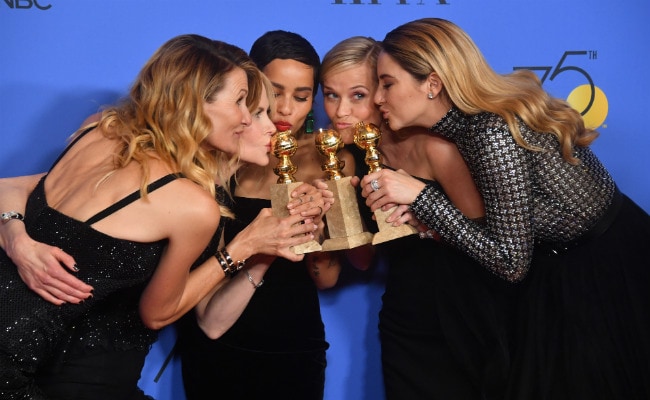
What happened at the Golden Globes might end up being the most telling sign of all. Initially, the big news for this event was positive. Some of the most prominent women in Hollywood, including Emma Watson and Oprah Winfrey, came together in a show of solidarity against the sexual victimization of women. They all wore black dresses and got behind the newly-created “Time’s Up” movement.

Like other movements before it, the intent is good. This movement seeks to provide legal defense and resources for those who have been victimized by sexual misconduct. That’s an objectively good thing, but that wasn’t the most revealing moment of the Golden Globes. Instead, the biggest message came from what was not said.

It has been reported by more than one outlet. While the women at the Golden Globes were quite vocal in their ongoing efforts to clamp down on sexual misconduct, the men were mostly silent. Other than a brief remark from Seth Meyers at the beginning and some men dressing in black, Hollywood’s male stars were largely silent.

To some, this is already very problematic. I imagine it’s going to stir quite a bit of outrage among those trying to further the movement. However, when you take a step back and look at the situation in which these men were in, their silence makes complete sense. In fact, those same women who are determined to combat the Harvey Weinsteins of the world may very well have made it their only option.

To understand why, think back to my vindictive gym teacher for a moment. That teacher understood that to break the spirits of powerless pre-teens, it was necessary to put them in a situation where their choices mattered less than the ugly gym uniforms the school forced them to wear. By establishing just how powerless they were, it made any effort to speak up seem pointless.

These men, as powerful and successful they may be, were in a situation not unlike the one my hapless classmates were in that year. There was nothing they could’ve said or done that wouldn’t have been deconstructed, dissected, or misconstrued. No matter what they said or didn’t say, it would be used to label them as enemies of the movement and of women, as a whole.

If one of the men stood up on that stage and gave an impassioned speech condemning Harvey Weinstein, then his reputation would suffer. He would be labeled a virtue signaling white knight who was compensating for something. After what happened to Joss Whedon, those concerns wouldn’t be unfounded. He may even still face condemnation among women for not speaking up earlier or naming other harassers.

If that same man stood up and tried to give an impassioned speech on the importance of confronting the issue responsibly, then he would likely have suffered condemnation similar to that of Matt Damon, who dared to question whether all harassment should be treated equally. Even hinting at such nuance would’ve earned that man the toxic label of a misogynistic victim blamer.

Essentially, the men at the Golden Globes knew they couldn’t win either way. No matter what they said, it would’ve been used against them or undermined their career, somehow. These men, as powerful and successful they may be, are still human, despite what Tom Cruise may claim. They want to protect their jobs and their reputations. They can’t do that if they get slapped with these toxic labels.

In the end, silence was their safest bet and that, in and of itself, reveals the extent to which this crusade against sexual misconduct has gone. It’s past the point where people can have reasoned arguments about the issue. Now, it’s all outrage and hyperbole. Either you’re completely on board with that outrage or you’re just as bad as Harvey Weinstein. There is no gray area.

That lack of gray area means men have to be silent, which is the exact opposite of what the women in the movement are trying to achieve. It’s ironic, but understandable. These men aren’t going to garner much sympathy. They’re rich, handsome, and successful. There’s only so much sympathy they can inspire, due to their position.

Silence is the only way to avoid the added scrutiny that would undermine a career. Silence is the only way to avoid saying something that might offend, enrage, or upset a public that has shown in recent times an uncanny unwillingness to ruin lives and reputations. It’s actually worse than censorship, when you think about it, because it is self-imposed rather than coerced.

The fact that the men didn’t speak up at the Golden Globes may or may not represent a tipping point, of sorts. If the anti-harassment movement has created an environment that’s so frail that silence is the safest recourse, then that same movement lacks a critical component it needs to succeed.

Like it or not, men need to be part of the conversation with respect to sexual misconduct. Silence on their part means the crimes, the culture, and the attitudes that fosters such misconduct won’t change. Moreover, their point of view cannot be discounted as virtue signaling or “mansplaining.” The fact remains that if people feel helpless, then they won’t care enough to make the effort.

Like the broken spirits of my old gym class, if the men don’t think their words matter or may be used against them, then it makes perfect sense for them to remain silent. Outrage, awareness, and condemnation alone is not going to inspire meaningful change in the dynamics between men and women.

Both sides actually have to listen to one another and feel their words actually matter. It’s only then when silence will no longer be the most preferred and logical recourse.

4 Comments

Filed under Celebrities and Celebrity Culture, Current Events, gender issues, sex in media, sex in society, sexuality

Why The Term “Toxic Masculinity” Should Be Retired

There aren’t a lot of terms in the English language that I wish could be uninvented. As someone with a strong appreciation for language, as well as someone who aced every essay question in school, the concept of throwing away words is akin to throwing away a box of fresh donuts. It’s an abhorrent thought.

That said, I do find myself making exceptions every now and then. Sometimes, you have to because a set of words comes along that’s so loaded, so skewed, and so esoteric that its only real use is to embolden assholes and inspire disdain. Given how there are enough assholes in this world, male and female alike, such words can be powerful weapons.

That leads me to one of the few terms I wish we could expunge from the English language, as well as every other language, including those invented by Tolken and Star Trek.

Toxic Masculinity

You’ve probably heard it before and never in a positive context so get ready to cringe. You may find yourself cringing again, just by reading over it. For that, I apologize. However, this term and what it entails is worth discussing because it affects men, women, and everything in between.

In terms of contemporary meaning, it’s worth noting that the idea of toxic masculinity is fairly new in terms of context. It only recently emerged as a major buzzword of third wave feminism, which I’ve mentioned before and is still evolving. It’s definition is somewhat vague, which is one of its many problems, but according to Wikipedia, it embodies all sorts of problematic concepts.

The concept of toxic masculinity is used in the social sciences to describe traditional norms of behavior among men in contemporary American and European society that are associated with detrimental social and psychological effects. Such “toxic” masculine norms include dominance, devaluation of women, extreme self-reliance, and the suppression of emotions.

Conformity with certain traits viewed as traditionally male, such as misogyny, homophobia, and violence, can be considered “toxic” due to harmful effects on others in society, while related traits, including self-reliance and the stifling of emotions, are correlated with harm to men themselves through psychological problems such as depression, increased stress, and substance abuse. Other traditionally masculine traits such as devotion to work, pride in excelling at sports, and providing for one’s family, are not considered to be toxic.

In simplest terms, toxic masculinity is the idea that the very traits and social norms associated with manhood are both destructive to modern society and detrimental to women. It is basically the invisible hand that guides people towards regressive, patriarchal attitudes that prefer that everyone live in a 50s sitcom.

Granted, that’s an extremely oversimplified understanding of the concept, but it would take way too many blog posts to get into all the nuances that have been ascribed to toxic masculinity. For this piece, I want to focus on the bigger picture and not the fine print.

Now, to be fair, the idea of men being beasts is not new. It pre-dates feminism and modern society by centuries, going all the way back to pagan folklore. However, that concept always came with a particular context, one that the very idea of toxic masculinity seems to ignore.

Dig deep into any mythos about snarling, beast-like men and you’ll usually encounter the same themes. Put a man in a situation where he’s stripped of humanity, love, community, and family and he becomes a pretty dangerous person. That’s basically the entire concept behind the appeal of characters like Wolverine from the X-men.

With toxic masculinity, though, that important caveat gets overlooked or cast aside. In applying toxic masculinity in its current context, there’s no circumstance behind all these negative traits associated with men. Just being a man and having any concept of masculinity is inherently toxic.

This is the most nefarious, not to mention insulting, aspect of the concept. It eschews any idea of context and calls the entire experience of being masculine toxic. It creates a situation where the only way to not be toxic is to be feminine, which is overly convenient for those arguing certain brands of feminism.

In essence, it readily embraces one of the most common and well-known fallacies of all time. You’ve probably heard it before, but it can’t be belabored enough.

Correlation does NOT imply causation.

It’s behind every major superstition and many failed scientific observations. It’s also the only way in which toxic masculinity works, with respect to criticizing an entire gender.

With toxic masculinity, there is no circumstance or context. There’s no need to subject anyone to a dehumanizing process, be it complex social pressures or an adamantium bonding process. Just being a man who exercises his masculinity in any capacity is inherently toxic.

That’s a wonderfully simplistic understanding that encapsulates an entire gender for all the wrong reasons, but as is often the case with wonderfully simplistic ideas, it’s not accurate. With toxic masculinity, though, it’s far more dangerous.

Being such a new word that hasn’t had time to develop traditions and complexity, toxic masculinity is a lot like other concepts, such as “fake news” and “alternative facts.” They’re so new and so vague that you can basically use it as linguistic cheat code to discount anything that you either don’t agree with or don’t care to scrutinize.

A man commits more crime than a woman? That’s toxic masculinity.

A man blames a rape victims for putting herself in a dangerous situation? That’s toxic masculinity.

A man makes an inappropriate joke that offends women? That’s toxic masculinity.

A man denies sexually harassing a woman? That’s toxic masculinity.

A man uses vulgar, profane insults while playing video games? That’s toxic masculinity.

There’s a clear pattern here in that there doesn’t need to be a pattern. Just take any undesirable trait ever ascribed to a man and call it toxic masculinity. Then, like magic, there’s no need to scrutinize context or circumstance. There’s no need to run any tests or dig deeper. You know the diagnosis and the treatment is obvious. If masculinity is so toxic, then that means we just have to discourage masculinity altogether.

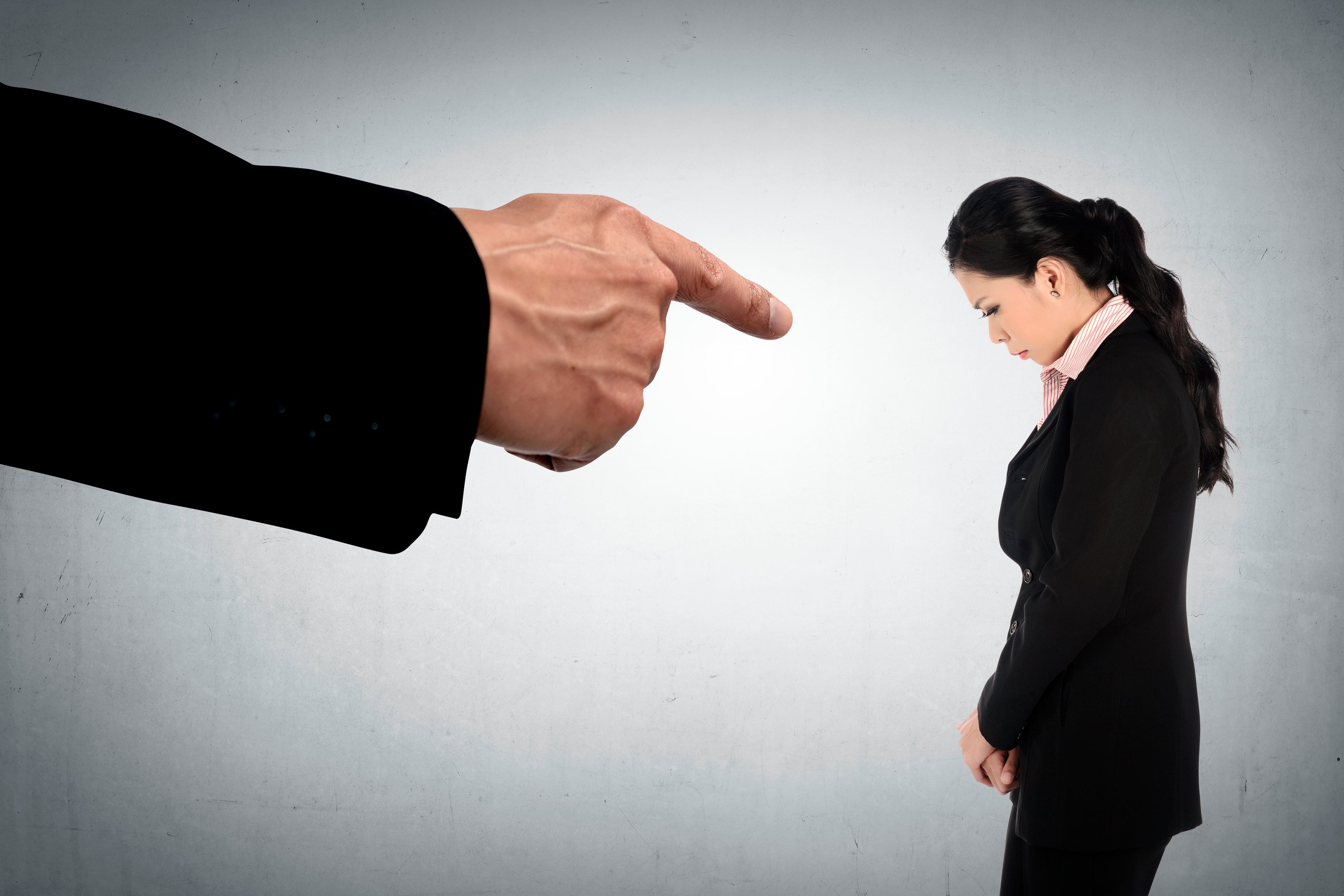
Again, it’s an overly simple interpretation of an exceedingly complex phenomenon. It’s one that lumps all men, as well as the many dynamics behind masculinity, into a singular collection of traits that just happen to have all sorts of negative connotations. It provides a clear antagonist for those seeking gender equality or women’s rights. It also provides a potent mechanism for shaming men.

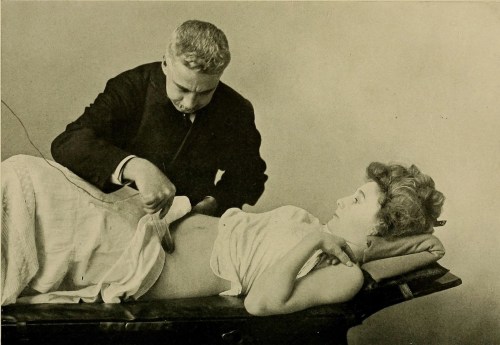
Ironically, this concept of treating certain gender traits as outright diseases is not unprecedented. In fact, there was a time when the roles were reversed and it was feminine traits that were considered “toxic.” However, people didn’t call it that. They actually had a medical term for it, which was “female hysteria.” Look at the definition and notice some of the parallels to toxic masculinity.

Women considered to have had it exhibited a wide array of symptoms, including faintness, nervousness, sexual desire, insomnia, fluid retention, heaviness in the abdomen, shortness of breath, irritability, loss of appetite for food or sex, and a “tendency to cause trouble”.

It seems funny and disturbing now, but back then, it was a serious issue. Society really did get to a point where being too feminine was considered a disease. Just being a woman carried with it an inherent shame that people couldn’t escape.

However, at least with female hysteria, the treatment wasn’t that bad in that it involved regularly being masturbated to orgasm. In terms of medical treatments, that beats the hell out of headaches and constipation. For toxic masculinity, though, there is no such treatment.

Since the term is so vague and its concepts so loaded, it creates a situation where the only way to avoid it is for a man to constantly denounce, deny, and disparage a core part of his identity. That usually involves a lot of virtue signaling and adopting the role of a beta male. The fact that approach has one too many similarities to gay conversion therapy should give anyone pause.

As it stands, the newness and ambiguity of toxic masculinity makes it a useful term for those who need an easy way to disparage men or extrapolate specific male behaviors to suit an agenda. That’s what makes it such a dangerous term for men and women alike, but that’s also what makes it an easy term to drop.

Now, I’m not denying that men have their share of undesirable traits. I also don’t deny that there are some aspects of masculinity that are worth scrutinizing. However, little good has ever come from creating terms that treat basic human traits as a disease. It creates a dangerous precedent that skews what it means to be sick and healthy.

Since it’s in the best interest for society and aspiring erotica/romance writers for genders to get along, ditching such a flawed concept like toxic masculinity will definitely help. It won’t solve all the issues associated with masculinity and feminism, but if we can do it for female hysteria, we can do it for toxic masculinity.

22 Comments

Filed under gender issues, sex in media, sex in society

Why People Blame The Victim (And How To Avoid It)

In wake of recent social trends and lurid scandals that took way too long to expose, we’ve entered a precarious moment in our history. I’m not just talking about ongoing issues surrounding gender inequality or trends in our sexual behavior, either. We, the same people who can’t even agree on the color of a dress, have come to a rare consensus on an issue.

Blaming the victims a sexual assault is BAD.

I’ll give everyone a moment to stop cringing and rolling their eyes. I know. This feels like one of those issues that shouldn’t even be an issue to begin with. Unfortunately, it evokes all sorts of heated emotions between men, women, feminists, men’s right’s activists, the transgender community, and certain species of baboons for all I know. It’s that a very loaded, very unsexy a topic.

Now, before I go any further, I want to make one thing abundantly clear. In talking about the particulars victim blaming, I’m not getting behind a particular movement or agenda. I’m choosing to confront this issue for the same reason I’ve used for confronting many unsexy issues.

Issues like sexual assault, and the victim blaming that comes with it, tie directly with our sexuality and our ability to love one another, albeit on the more sinister end of the spectrum. Given my efforts to become a successful erotica/romance writer, I can’t ignore these issues, nor do I want to.

I apologize if the way I go about discussing this issue offends or upsets some people. It wouldn’t be the first time I’ve been clumsy or misinformed with my words. However, this is one issue that nobody, be they a Hollywood producer or erotica/romance writer, should avoid. Sexual assault and sexual harassment are bad enough. Blaming the victim is just the napalm that gets dumped on that fire.

Overall, I think it’s a good thing that there’s rising awareness about sexual misconduct, especially among those in positions of power. Sure, it has been prone to a few misguided controversies, but the overall intent is good. Sexual misconduct is a serious crime. Who could possibly be against it?

That is a rhetorical question, by the way. I’ll skip the part where I recount how various internet trolls would answer that and get to victim blaming, which is where this inherently noble endeavor hits a brick wall and tries to pick a fight with it. Given that brick walls are undefeated against people armed only with profanity and alcohol, it’s a fight that tends to leave everyone bloodied.

It happened with the Harvey Weinstein scandal. It happened with Corey Feldman. It will likely happen again with the next major scandal to break. At some point in the narrative, someone will imply or state outright that the victims bear some or all of the responsibility for what happened to them.

Some will say they put themselves in a bad situation. Some will say they secretly wanted it and just played the victim to score sympathy. Some will say they dressed in a way that made them deserving of it, which is especially common among those who decry beautiful women in sexy attire. There’s another term for this kind rhetoric. It’s called being an asshole.

There’s really not much context here because by every measure, blaming the victim of a crime is a pretty rotten thing to do. Whether you’re a man, a woman, or something in between, scolding someone who just endured a traumatic injustice is right up there with strangling a puppy, drop-kicking a kitten, and slitting a unicorn’s throat.

As nasty a reaction it is, there is also an underlying mechanism behind it. Some of it is tied to the flawed wiring of our caveman brains, but I would argue most of it stems from the inherent difficulty of thinking rationally when we’re in such an emotionally charged state. Given the seriousness of crimes like sexual assault, emotions are often in overdrive.

The moment we hear about sexual assault, it triggers something in our collective minds that makes us want to lash out. It’s such an egregious injustice and most decent human beings seek to right an injustice. It’s actually one of humanity’s best qualities and one of the reasons I believe people are generally good.

However, sexual assault is not like a stolen phone, a damaged house, or a black eye. You can buy someone a new phone. You can help them fix their house. You can give someone with a black eye and ice pack to help sooth their suffering. You can’t easily do that with someone who endured a sexual assault.

Many times, as was often the case with perpetrators like Bill Cosby, the injustices aren’t tangible, nor are they easy to remedy. However, we’re still appalled that such an injustice even occurred. That innate sense of justice that we have hardwired into our brains at birth urges us to right this egregious wrong.

Unfortunately, our brains are still crude instruments that can’t always tell the difference between perpetrator and victim, especially when we’re in an emotional state. As a result, we have a hard time separating the crime from the actual people involved. It’s not some shady, patriarchal agenda. It’s just a byproduct of our inherent need to maintain a just and fair world around us.

Then, there’s the extreme tribalism that comes into play. Yes, that lingering flaw from our caveman past plays a part in this too. Think back to any case involving a sex scandal, be it one involving a celebrity or someone in a position of power. Then, look at those who did the bulk of the victim blaming. Chances are they’ll have some sort of allegiance or admiration to the accused.

That makes sense because we instinctively defend members of our tribe. Whether we share a political affiliation, an ideology, or a fondness for Bill Cosby’s brand of comedy, our first reflex is to defend our tribe, even if it means turning a blind out to cold, hard facts. This is why some people will still defend men like O.J. Simpson against all evidence to the contrary.

On some levels, it’s understandable, even if victim blaming is such an egregious act. Nobody wants to believe that they’re a bad person. Some want to believe they’re the hero of their own story and the world around them is full of villains. That’s where victim blaming becomes a dick move disguised as a defense mechanism.

If anything associated with their tribe becomes affiliated with something as horrible as sexual assault, then it becomes personal for them. When it becomes that personal, then other people can only be targets. As a result, the people those victim-blamers target will, in turn, fire back with the same tactics. Again, the people become disconnected from the injustice and it just becomes a glorified shouting match.

It basically adds another injustice on top of another, turning a crime into a personal struggle to protect your tribe, identity, and certainty that you’re a decent person and those who don’t agree with you are assholes. It’s a great way to rally a tribe in the struggle for survival. In an era where false accusations and poorly-worded tweets ruin lives, it’s downright dangerous.

Within this danger, though, lies the key to confront the fuel that feeds the fires of victim blaming. It’s impossible, at least for now, to know the pain a victim feels or the veracity of an accusation. Absent that certainty, the best we can do is focus on the underlying injustices surrounding sexual assault.

Whether it’s a man exploiting his power to abuse women or a woman going out of her way to ruin a man’s life, the connective tissue to the entire issue revolves around justice. Our desire to live in a just world is one of the few things that transcends tribalism.

To illustrate how that plays out, here’s a quick scenario.

Person One: Help me! That asshole has been sexually harassing me for years!

Person Two: What? What the hell happened? What did you do?

Do you see the disconnect there? The foundation for victim blaming is right there in the initial reaction. If the accused is someone the second person likes or respects, their first instinct will be to defend them. That’s hard to avoid and both sides can turn on each other quickly.

Now, here’s the same scenario with a key change.

Person One: Help me! That asshole has been sexually harassing me for years!

Person Two: What? That’s terrible! Nobody should have to endure something like that.

See the difference? This time, the second person doesn’t immediately personalize the issue. He and the victim are on the same page. They both understand that this is a crime. This is an injustice. That serves as a foundation for fixing it.

I don’t deny that it’s only a minor change and one that’s difficult to utilize in every instance. That’s unavoidable for emotionally charged issues like sexual assault. However, that’s exactly why the effort is so important. Anything we can do to stay on the side of the victims and confront the larger injustices of sexual assault will be far more productive than just attacking one another.

Until we can finally upgrade our caveman brains, egregious acts like sexual assault and victim blaming will likely remain. There are many mechanisms behind it, but there are far more that transcend it. Whatever the long-term outcome of the ongoing efforts to confront sexual misconduct, we have many more reasons to come together than we do to keep casting blame.

4 Comments

Filed under Current Events, gender issues, sex in society, sexuality

Gender Equality, Artificial Ovaries, And The End Of Menopause

There are certain situations where, if you take away modern medicine, social institutions, and various life hacks, there’s an inescapable gender disparity. I know that by saying that, I’m inviting all sorts of nasty comments. There are those who claim that just hinting at inherent gender differences is to empower the patriarchy, oppress women, and probably strangle puppies in the process.

This piece isn’t directed at those people, nor is it directed at those who want to fight Round 2,697,206,077 of never-ending the gender wars arguments that the internet has made exceedingly easy to wage. I write this with the intent to inspire hope, excitement, and maybe a few sexy thoughts beyond those I share every Sunday.

When it comes to helping men and women operate on a level playing field, technology has been the great equalizer. It’s because of technology that we’ve helped women gain a greater level of control over their fertility. It’s because of technology that men who otherwise wouldn’t have been able to have children can now do so. A huge chunk of modern society is built around having greater control over our sexual health.

For men, that control has gotten pretty darn robust. Thanks to advancements in modern medicine, as well as tireless marketing efforts from pharmaceutical companies, men can enjoy continuous sexual function well into old age. Say what you will about the greed of pharmaceutical companies, but the collective sex lives of men are better because of it.

While that’s great news for men who want to stay sexy into their golden years, this does widen a particular gender disparity that is rarely discussed, if only because it evokes distressing thoughts about what our grandparents do in their private time. While modern medicine allows men to keep humping like they did in their youth, women face the biological equivalent of a brick wall as they get older.

It’s called menopause and like reverse puberty, it’s a fact of life for women. It typically happens in a woman’s late 40s or early 50s. It’s effects vary from woman to woman, but its signature trait is that a woman stops menstruating. That means they no longer have periods, they no longer ovulate, and they can no longer have children.

At the moment, it’s basically a fact of life. If a woman lives long enough, this is what they deal with. It’s like graying hair, wrinkly skin, or liver spots. At a certain point, their reproductive systems cease functioning. While they can still have sex, the various biological changes associated with menopause can make that difficult.

In terms of the gender scorecard, this definitely deducts some points for women. Whereas men have a way to keep their dicks functioning well into their elder years, women’s options are much more limited. Sure, there are a few medical ways to deal with it, some of which can be purchased at a local pharmacy for less than twenty bucks. However, the biology is still behind the curve.

What if a woman wants to continue having children late in life? What if a woman couldn’t have children in her youth, but later wants them even after her fertility has declined? Whereas men can still father children into their 90s, women seem to be out of luck.

However, and this is where I offer a glimmer of hope to those dreading their unsexy elder years, that may change thanks to recent advancements in biotechnology. According to MIT Technology Review, our ongoing research into regenerative medicine is drawing us closer to the day when we can actually regrow a woman’s ovaries. Here are the basics of this amazing and inherently sexy work.

The work, carried out at Wake Forest Baptist Medical Center, suggests a potential alternative to the synthetic hormones millions of women take after reaching middle age. A paper describing the findings was published Tuesday in Nature Communications.

When tested in rats, the pieces of tissue, known as organoids, were better than traditional hormone replacement drugs at improving bone health and preventing weight gain. The treatment was also as good as hormone drugs at maintaining healthy tissue in the uterus.

In essence, this is like treating your organs as rusty car parts that need replacing. Ovaries, like any other organ in the body, tend to break down as time goes on. We’ve already grown some basic organs in the lab. Growing ovaries, though, has far greater implications than simply keeping your body humming along.

Ovaries, as anyone who sat through a health class knows, are the organs that produce the various hormones and androgens that make up a woman’s biology. It plays key roles in just about everything having to do with female sex and reproduction. Once it shuts down, it’s like the main generator of a building going down. Sure, some parts have backup power, but that’s not enough to keep it running.

The ability to regrow fresh, healthy ovaries completely changes that dichotomy. In some respects, it puts the women out ahead of the men in terms of sexual function in their golden years. Unlike little blue pills or even bionic penises, these re-grown ovaries are entirely functional organs. It’s like resetting, rebooting, and re-energizing a woman’s sexual function.

This doesn’t just mean that women can still have healthy children well beyond their golden years. It means they can also avoid the various downgrades to their sexual function that often comes with menopause. They don’t need to take pills or constantly replenish hormones. They’ll have entirely functional organs inside them to do that for them.

Now, ignoring the possibility that creating new ovaries may also lead to creating enhanced ovaries, this does more than just improve the sex lives of older women. In many respects, it puts them on the same level as their elder male counterparts.

Their sexual function and their reproductive function don’t have to decline with age. Like older men, they can still have sex for fun. They can still have sex to make babies. Their options are just as open. If you’re a fan of gender equality, then this is an advancement that’s every bit as vital as advances in male birth control.

While I’m sure this will still generate some unpleasant mental images about our parents and grandparents, the incentives are already in place and too great to ignore. Sure, there will be some women who opt not to get fresh ovaries, just as there are some men who don’t mind having a less active penis later in life. However, the fact that medical science will give people these options is a true game-changer.

Technology has always changed our society in immense ways, but technology that affects our sex lives and our reproductive health tends to have bigger impacts than most. What happens to our family structures when our grandparents are still having children at the same time as our parents? What happens when getting older is no longer associated with succumbing to menopause and sexual dysfunction?

These are the kinds of questions that don’t have easy answers now, but those answers may end up finding us sooner than we expect. Since I’m in the business of erotica/romance novels, it may very well affect me at some point. Then again, having more people who stay horny into old age might be good for business.


1 Comment

Filed under gender issues, Second Sexual Revolution, sex in society, Sexy Future

When A Controversy (That Involves Scantily Clad Women) Should NOT Be A Controversy

We live in a controversial time within a controversial place surrounded by all sorts of high-tech tools that allow us to spread controversy in every direction. It may very well be the first time in human history where controversy of any kind has a chance to spread discord among large swaths of people with too much free time and a cell phone.

That can be a good and a bad thing in that it makes us more aware of the world outside our immediate surroundings. However, when it’s a bad thing, it’s bad for frustratingly insipid reasons. Lately, whenever those reasons involve beautiful women, the people who admire them, and sexism, it becomes even more frustrating.

Like many other self-professed comic book fans, I’ve been eagerly following the news surrounding “Justice League.” After the success of “Wonder Woman,” this movie marks a huge step in the development of DC’s evolving cinematic universe, which Warner Brothers is hoping will compete directly with the cinematic juggernaut known as the Marvel Cinematic Universe.

That kind of competition is bound to attract some controversy, if only from angry fans trash-talking each other about whether Wonder Woman could beat up Thor. Sometimes, that controversy is healthy. This is not one of those times.

Just days before the movie came out, this little incident sparked the wrong kind of controversy for all the wrong reasons. Unfortunately, it involves beautiful women in sexy attire. It’s something that should be innately fun, enjoyable, and positive for everyone who isn’t a celibate monk seeking to avoid temptation. Instead, it sparks Round 8,839,272,093 of another angry debate about gender and sexism.

Now, I’m as sick of these debates as everyone else. I’d much rather be focusing on enjoying this movie and seeing how it measures up to “Wonder Woman,” but certain people just can’t help themselves whenever they see an opportunity to evoke some fresh outrage.

This time, it has to do with how the Amazons are dressed. After their introduction in “Wonder Woman,” which made for some truly wonderful moments, they’re set to participate again in “Justice League.” That should be a good thing. They’re a tribe of powerful ancient warriors. Why shouldn’t they participate in a battle to save the world?

That fact might as well be an afterthought for some people because apparently, they’re not dressed appropriately. I must have missed a meeting because at some point, someone passed a rule that said you couldn’t look sexy while saving the world. As an aspiring erotica/romance writer, I oppose such a rule with every fiber of my being.

Wherever it came from, it seems to be an issue now. There are real people who insist on making this a major issue, which requires them to ignore the fact that a tribe of badass warrior women is involved in the first place. Instead, they’re just focusing on how they’re dressed. Seriously, is this really worth that level of outrage?

Never mind the fact that warrior women kind of have to be really fit and being fit is a major factor in sex appeal. The fact that “Justice League” dares to offer that kind of sex appeal in any capacity is somehow an affront to women, feminism, and progress in the 21st century. If I could write that with more sarcasm, I would.

Before I go on too angry a rant, it’s worth noting that this sort of thing stands in direct contract to Gal Gadot’s own message that women should dress however the hell they want. It’s also worth noting that one of the actresses, Brooke Ence, who plays one of the Amazons, did not see much controversy with the attire. In a USA Today interview, she said this:

As she recalls, not every warrior wore a two-piece, and “the girls on set, we never thought of (the new costumes) as a sexy version. It felt a little more glamorous, if anything, because we had bigger, beautiful hair, which I loved.”

In fact, the CrossFit champion, who gets a heroic scene in the new movie, added, “I’m an athlete first, right? (Usually) I can’t wear anything without someone commenting about my (muscular) body. So for me, it was actually really cool to be able to show it and not immediately feel masculine, but still very feminine.”

By the actual words of a woman who actually wore that attire, she liked that sexy attire. She thought it was glamorous and showed off the body that she clearly worked so hard to sculpt. There’s no hint, whatsoever, that she was forced to dress this way to appeal to horny men.

That implies, shockingly enough, that sometimes women want to dress sexy. It implies that it’s okay to look sexy and it’s okay for men to appreciate that. I even made a formal announcement about it last year. I guess some people didn’t get the memo.

I’ll try to limit the sarcasm from here on out, but this is the key factor in determining whether a controversy involving scantily-clad women even warrants controversy to begin with. This is not an old Carl’s Junior ad or necessarily softcore standards utilized by Victoria’s Secret. These are female characters in a movie that is trying to appeal to everyone, including men.

The women wearing that attire never claimed they were being exploited. There was no noticeable uptick in sex crimes as a result of this attire being worn. The only offense anyone took were those claiming to be offended on behalf of all women. Therein lies the problem, though.

If one of the actresses had come out and said they felt degraded by that attire, that would be one thing. If it came out that some asshole producer forced them to wear it after they’d objected, that would be quite another. Given the recent climate surrounding sexual exploitation, they probably would’ve had a lot of allies.

That didn’t happen, though. Instead, those allies jumped the gun. They didn’t wait to hear from the women wearing the sexy attire. They didn’t even ask how they felt about wearing it. They just assumed, outright, that it was degrading, offensive, and sexist. That’s not just arrogant and presumptuous. It’s counterproductive because it turns allies in the fight against sexism into assholes.

In order to be offended for everyone, you have to assume everyone feels the same way you do. That’s a flawed, egotistical, narcissistic assumption. That’s exactly the kind of selfishness that Wonder Woman and Gal Gadot oppose with their emphasis on compassion and understanding. Anyone who feels as though they have to be offended for someone other than themselves is basically forcing unwarranted outrage.

This is the kind of thing that gives feminism, men’s rights activists, and people who make excuses for being arrogant dicks a bad name. It’s not that they react to something that’s controversial. They have to either create it or bend it to fit their agenda. I guarantee that as I type this, there are countless debates going on about the merits of sexism, scantily clad women, and sex appeal that aren’t making anyone horny.

That’s not to say that scantily clad women are always positive. Even an aspiring erotica/romance writer understands there’s a line between beauty and gratuity. There’s nothing about the Amazons’ attire that’s so gratuitous that it should require someone’s credit card number and a quick clearing of their browser history. The fact that it has been addressed by those who participated in it should be the end of the story.

Sadly, I suspect this won’t be the end. Even after the outrage over this issue passes, there will be another. For reasons that I wish I didn’t have to discuss, there will still be controversy every time a beautiful woman decides to show more skin than a priest, monk, or mullah deems appropriate.

Until we’re all comfortable in our own skin, or find a way to upgrade our brains to avoid the outrage before it starts, I suspect these kinds of controversies will continue. Just remember that if it has to be forced by those not involved, it’s not a controversy of merit. All it does is take away from those who just want to enjoy being sexy or admire those who are.

1 Comment

Filed under Celebrities and Celebrity Culture, Comic Books, Jack Fisher, Superheroes, gender issues, sex in media

A Better Male Feminist: Ron Swanson

When it comes to icons and heroes, it says a lot about society when most these days are fictional characters. We’ve become a very cynical bunch, never putting too much stock into real people. It’s often only a matter of time before they tweet something stupid or are discovered to be card-carrying asshole.

In some ways, it’s a sign of the times. We are an exceedingly jaded bunch, born from a generation of burned-out hippies. We also live in a world where we have no concept of privacy and no ability to give anyone who holds problematic opinions a pass. For anyone who becomes an icon, it’s usually only a matter of time before they say or do something to ruin their iconic status.

Recently, Joss Whedon added his name to that bloated list of fallen icons. Up until a few weeks ago, he wasn’t just a successful director and alpha dog of geek culture. He was held up, by many, as a feminist icon. He was the gold standard that feminists referred to when asked to reference how a male feminist should conduct themselves.

Now, like so many other icons whose hypocrisy was exposed, Joss Whedon’s once impeccable feminist credentials have been shattered. While I’ve argued that his hypocrisy isn’t quite on the same level as other less reputable celebrities, it’s still a mortal blow, of sorts, to his status as an icon. He may still be a celebrity and a successful director, but he cannot be a feminist icon anymore.

I think that’s more than tragic. As an unapologetic fan of superhero comics, I know the value of having an iconic hero who embodies the values of a particular idea. While I’ve taken issue with certain brands of feminism, I do think there are still important women’s issues that deserve attention. Those kinds of struggles need icons and heroes.

So, in lieu of Joss Whedon’s shortcomings in this area, I’d like to offer an alternative to those seeking a new feminist hero who can raise the bar for everyone in terms of true gender equality. That hero is already an icon to many and one whose feminist credentials are a lot more pragmatic than Whedon’s ever were.

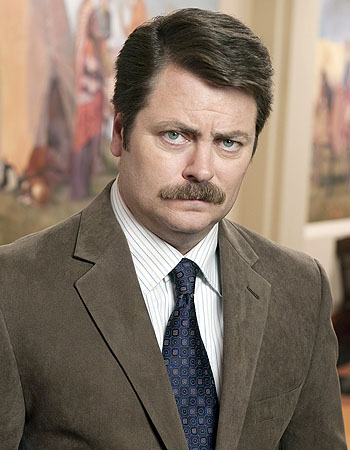
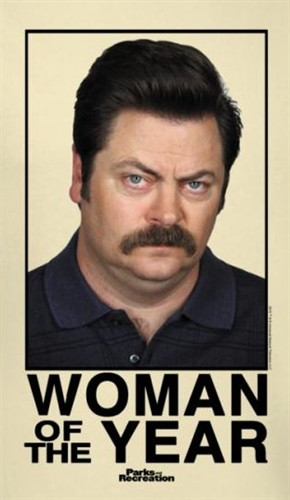
He’s a man, but he’s a man who earns the respect of men, women, and everything in between. He’s also a fictional character, but one who managed to carve a special place in popular culture for all the right reasons. Ladies, gentlemen, and those of unspecified gender, I give you the ultimate feminist hero, Ron Swanson.

To those who haven’t watched every episode of “Parks and Recreation,” bear with me. I have a feeling that those already familiar with the unstoppable force of American manliness that is Ron Swanson don’t need much convincing. They already know damn well why this man deserves to be an icon to men and woman alike.

For the sake of those who haven’t seen the show, and I weep for those people, allow me to explain. Ron Swanson isn’t just a man of many talents, from wood-working to cutting wasteful government spending. He’s a man of principle. Throughout every season of the show, he makes those principles clear and doesn’t give a wet fart about whose feelings or faces are hurt in the process.

Those are ideals that plenty of men can respect. However, it’s how he conducts himself around women that sets him apart even more. The fact he can do so with a perfectly groomed mustache is just an awesome bonus.

One of Ron Swanson’s most defining traits is that he deals with everyone the same way and sees them on a similar level, as individuals. Specifically, he sees most people as morons who annoy him and are too lazy/stupid/weak to solve their own problems. Yes, that’s a somewhat cynical view of people in general, but that’s just it. It’s how he views people.

Ron Swanson is nothing if not even-handed in dealing with men and women alike. Throughout the show, he holds both genders to the same standard. If you annoy him, as most people do, he won’t give you special treatment on the basis of what body parts you may or may not have. Annoyance is annoyance, no matter where it comes from.

That is, in essence, what traditional feminism has been about, treating both genders fairly and holding them to a similar standard. Ron Swanson does that better than anyone. Moreover, he doesn’t need to be constantly reminded. That’s just how he rolls. He doesn’t need any rigorous feminist training.

He also trusts women to be as capable as men in whatever tasks he gives them. While he’s the director of the Pawnee Park’s Department, he delegates most of the tasks to his deputy, Leslie Knope. However, he doesn’t do that because he has to. He does it because he trusts her to do the job and because Leslie wants that job.

His relationship with Leslie Knope shows that Ron is capable of working with women, trusting them, and acknowledging their value in a professional, non-romantic sort of way.

He has a similar relationship with his assistant, the crass and crude April Ludgate. Again, Ron doesn’t give her the job because she’s a woman. He gives her the job because he knows she’ll do it effectively. He also doesn’t try to make her conform to any particular standard for an assistant, gender or otherwise. He lets her be herself. Can you think of fairer, more pro-feminist way to deal with a female employee? I think not.

Beyond his working relationships, Ron shows he’s also capable of having deeper relationships with other women. Not all of them are healthy, though. He’s been divorced twice, both to women named Tammy. However, it’s these unhealthy relationships that really help solidify Ron’s status as a true feminist hero for men and women alike.

In a sense, Ron’s ex-wives are the very antithesis of feminism. In fact, they’re perfect feminist villains. Tammy One, as Ron calls her, is a joyless, ball-busting tyrant who has the warmth and comfort of a venomous snake. She exists to control everyone around her, especially Ron. She doesn’t accept anyone for who they are. She tries to mold them into whoever she wants them to be. Men and women alike are right to fear her.

On top of that, she works for the IRS. I honestly can’t think of a way to make anyone, man or woman, more terrifying. The fact that Ron survived a marriage with her should immediately give him credibility with any feminist looking to avoid the label of a man-hater.

Then, there’s Tammy Two, as Ron calls her, and while not quite as terrifying, she’s every bit as devious. What she lacks in Tammy One’s callousness, she more than makes up for with weaponized sex appeal. I’m not talking about the cute, lovable kind of sex appeal either. I’m talking about the kind that attempts to strangle a man with brute vaginal strength.

Like Tammy One, Tammy Two attempts to use sex to bend men and everyone around her to her will. Throughout the show, she makes multiple attempts to seduce Ron back into her grasp and almost succeeds a number of times. Despite her supernatural ability to manipulate men with her vagina, Ron is able to resist and break her hold.

On one level, that’s a perfect demonstration of a woman who uses sexuality for manipulation, something feminists and men’s rights activists alike complain about. On another, it also demonstrates that some men cannot be bought with sex, no matter how wild and amazing it might be. Ron is one of those men and he’s a better man because of it.

Despite his experiences with his ex-wives, Ron Swanson still treats women fairly. He’s even a romantic, of sorts, and not just towards bacon. In the later seasons of the show, he meets a woman named Diane Lewis and she’s everything the Tammys aren’t.

She accepts him for who he is, doesn’t want him to change, and eventually marries him. Ron treats her the same. Theirs is a true relationship of equals, a kind that feminists can respect and admire alongside that of Cyclops and Jean Grey. For a man to have endured two failed marriages to two monstrous women, yet still love a better woman for all the right reasons, is as heroic a story as any, especially within a feminist context.

Between the way Ron works with women, the way he loves them, and the way he deals with them, he demonstrates a far more refined approach to feminism than Joss Whedon ever did. He didn’t need to create female heroes. He didn’t need to make multi-billion dollar movies or iconic TV shows. He just had to show that it’s possible to deal with women in a fair, equal, and respectful way.

The fact that Ron does all of that without being the kind of whiney beta-male that makes every male feminist sound like they have a deflated scrotum. Ron is, by every measure, as alpha as it gets when it comes to men. He’s strong, he’s tough, he’s stern, and he has one of the manliest mustaches of all time. No one in their right mind would doubt this man’s masculine credentials.

On top of that, he’s not the kind overly-muscled, John Rambo kind of alpha male with woefully impractical muscles and ridiculous skills that nobody without Arnold Schwarzenegger’s body-building routine can hope to match. Ron Swanson has the build and physique of an actual man. He does set the bar too high or inspire body image issues, except when it comes to manly facial hair.

By nearly every measure, Ron Swanson is the kind of man that should earn him a place in the feminist hall of fame. He is everything men respect and women admire. He should be the icon and hero that feminists refer to.

I’m not saying he’s without flaws. I’m not saying there aren’t other men, real and fictional, who deserve a similar status. I’m just saying that Ron Swanson is the kind if icon that feminists can rally around. Granted, Ron doesn’t care much for rallies, icons, heroes, or annoying people in general, but that’s what makes him Ron fucking Swanson.

3 Comments

Filed under Celebrities and Celebrity Culture, Current Events, gender issues

Ta Ta Towels: The Latest In Tit Technology

FBMD01000aae0d0000b0210000f22e00001031000098320000ce390000fc4b000037530000f655000076580000dd7d0000

Every now and then, someone finds a way to channel their capacity for sexy thoughts and problem solving into something innovative. It speaks volumes to the human capacity for invention and sex appeal when we see a sexy problem, find a sexy solution, and turn it into a sexy product. As an aspiring erotica/romance writer, it brings tears of joy to my eyes.

Those tears went beyond joy when I uncovered the latest innovation in technology involving female breasts. I’m sure I got the attention of the straight males and gay females right now.

We’d all be wise to pay attention because, as much as we disagree on everything from pizza toppings to which deity loves us more, we tend to agree that breasts are awesome. Any tool that can enhance them in any way is inherently awesome, by default. From infants to old farts, there’s little dispute. Boobs are awesome and so is anything tool that helps them.

Enter the Ta Ta Towel. It’s kind of what it sounds like. It’s a towel made specifically to dry, cradle, and support a woman’s breasts. On paper, it does have a legitimate function. When a woman gets out of the shower or it’s just really hot, their boobs are wet and/or sweaty. That can be uncomfortable. It can mess up some perfectly good bras or shirts.

The Ta Ta Towel fixes that situation by creating something that will both support those beautiful vessels of mother’s milk and keep them dry, smooth, and comfortable. I’m not a woman and I don’t have breasts, but I imagine that kind of comfort can be the difference between a good day and the kind of day where you have to resist the urge to stick your head in a trash compactor.

Let’s not lie to ourselves or deny the inner 13-year-old in all of us. Practical or not, this is a new innovation for maximizing the look, feel, and comfort of female breasts. This is the kind of thing that men and women alike can cheer together in gender harmony. Men love looking at breasts. Women love their breasts. Everybody wins with the Ta Ta Towel.

Now, it may very well be one of those weird things that is only a thing for a while. Like the snuggie, the non-hovering hover board, or the Chia Pet, it may be one of those sexy fads that comes and goes. It wouldn’t be the first time boobs have been subject to weird trends either. Given their importance for both genders, they do tend to attract some pretty kinky fashion fads.

Compared to the other weird shit we, as a society, do in the name of the female breast, I’d say the Ta Ta Towel is pretty balanced. Yes, it has a practical use. Yes, it improves the beauty and feel of the female breast, something that is already awesome to begin with. Yes, it’s a product that washed up actresses or retired porn stars will probably sell on infomercials.

It checks all the right boxes, as well as a few unnecessary ones. That doesn’t matter, though. The Ta Ta Towel still does something special, caring for and enhancing the great natural wonders that are female breasts. For that reason, and on behalf of all erotica/romance writers, I declare this wondrous innovation good.

Excuse me, I just teared up again.

5 Comments

Filed under Uncategorized

A (Distressing) Thought Experiment On Gender Double Standards

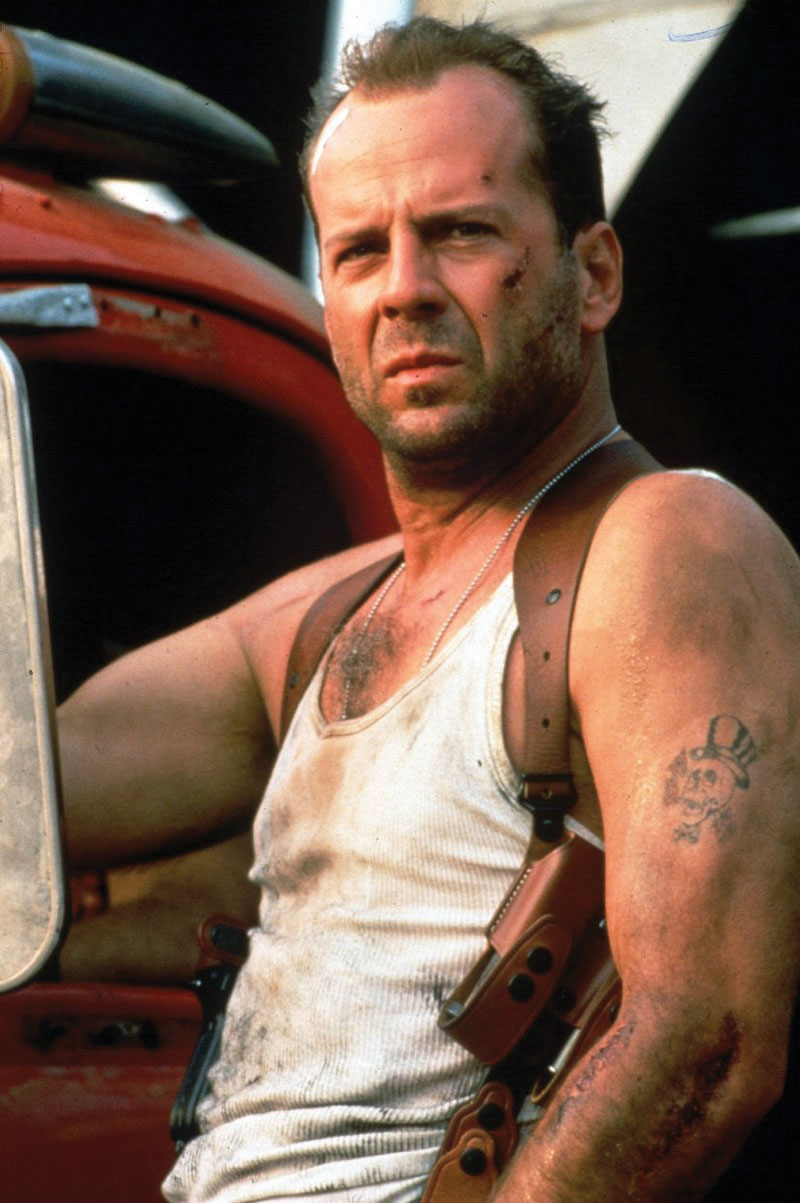
http://vignette1.wikia.nocookie.net/diehard/images/e/ea/DH3_-_John_McClane.jpg/revision/latest?cb=20130411165945

Whenever I pose one of my thought experiments, I do so with the hope of inspiring novel, entertaining ideas that get people thinking for all the right reasons. Ideally, these ideas are fun and enlightening. If they make people horny in the process, then that’s just a bonus.

Every now and then, however, it’s not enough for an idea to be enlightening or sexy. Sometimes, for a thought experiment to work, it needs to make people feel uncomfortable. It needs to create some sort of mental distress.

I know that’s something most people avoid. I’ve even pointed out how our brains are wired to do anything and everything to avoid mental distress, even if it leads to outright hypocrisy.

Well, as uncomfortable as it is, mental distress has a purpose. It forces us to contemplate an idea that highlights a major problem in the world. It’s often one of those problems we know is there on some level, but avoid thinking about because it’s too daunting. For this particular thought experiment, it’s not so much that the idea is overwhelming. It’s more that it reveals something about our attitudes that we don’t often scrutinize.

So with that in mind, here’s the experiment. Think back to any action scene in any major action movie of the past couple decades. Given the glut of superhero movies and “Die Hard” rip-offs out there, that shouldn’t be too difficult. Specifically, think of a scene where a female character was kicking ass. Given the rise of strong female characters, that shouldn’t be too difficult either.

A good example comes from the memorable Black Widow fight scene in “Iron Man 2.” By any measure, it’s a wonderfully entertaining scene. It has Scarlett Johanssen kicking ass in a skin-tight outfit. What’s not to love about it? Most people who watch this scene, especially comic book fans and people who find Scarlett Johanssen sexy, would be rightly entertained.

Here’s where the thought experiment comes in. This is where it gets really uncomfortable. Watch the scene above once as you usually would. You don’t need to know the context too much. This is just Black Widow beating up the hired goons of Justin Hammer, the primary antagonist of the movie. Use that first reaction as a baseline of sorts.

Now, watch the scene again. This time, though, reverse all the genders of the characters involved. Make Black Widow a man. Make Justin Hammer’s goons women. Let it play out in your mind, this lone male character beating up all these women. Does the scene evoke the same reaction? For most people not named Chris Brown, it probably makes you sick to your stomach.

This goes beyond the typical double standards between men and women, which I’ve talked about before. It even goes beyond strong female characters, which I’ve also touched on in various ways. This is one of those dynamics that has always been there right in front of us. We just don’t take the time to scrutinize it.

Image result for stressed out man

We can watch scenes of James Bond beating the crap out of a bunch of SPECTRE henchmen and be entertained. We can also watch scenes of Black Widow, Sarah Conner, and Furiosa do the same and be entertained. Swap the genders, though, and it becomes extremely distressing. We don’t see powerful characters kicking ass anymore. We just see a man beating up multiple women.

Find a scene like the one above from “Iron Man 2” and do the same thought experiment. Look for a scene where a woman beats up a much of male thugs. Then, swap the genders. Chances are, the feelings it evokes are just as distressing.

Image result for Furiosa fighting

For a greater sense of context, I came up with this thought experiment after reading an article on Cracked.com about the way Hollywood treats men. I’ve cited Cracked before because and while I don’t always agree with them, they’re good at tackling serious topics in a humorous way, even sexy topics. This one, however, had a hard time being funny.

6 Backwards Ideas Hollywood Still Has About Men

Some parts of the article were more inane than others, like pointing out how every leading man has to be at least a half-foot taller than the average guy or how tortured men are somehow compelling. Some of those details are just quirks, blatant examples of style over substance.

Beyond the quirks, though, there are some genuinely disturbing dynamics at work. We find such entertainment in women beating the crap out of men. We also find entertainment in men beating the crap out of men. However, when it’s men beating the crap out of women, context doesn’t matter. It always makes us feel disgusted and repulsed.

The thought experiment I just posed highlights that. However, it goes beyond violence as well. Rape is one of those super-sensitive issues that’s impossible to make funny or sexy. However, if you put it in the context of prison rape where men rape men, then that somehow changes things, so much so that jokes about rape will even find their way into an episode of SpongeBob SquarePants.

Image result for Spongebob Soap

Then, there are the cases where women rape men. Yes, that does happen in real life. Women are capable of domestic violence against men. However, it’s still okay to joke about. Christopher Titus has even worked it into his standup. It even finds its way into cartoons that air on prime-time.

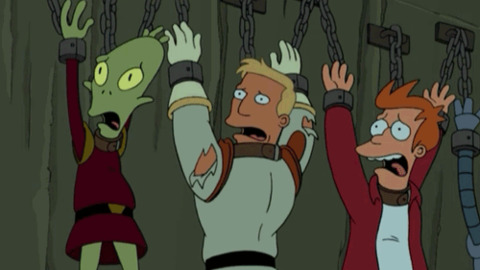
The best example of this is the “Futurama” episode, “Death By Snu Snu.” In that episode, the cast encounters a planet populated by big, hulking, hostile Amazonian women, albeit not of the Wonder Woman variety. Through a series of hilarious antics that are entirely appropriate for a show that has a hard-drinking, sociopath robot, the male characters end up captured.

This is where the line between hilarity and distress blurs if you dare do the same thought experiment. Once captured, the Amazonian women decide to “torment” their prisoners with “snu snu,” which is their alien verbiage for sex. The reaction of Fry and Zap Branigan is a mix of horror and intrigue.

Related image

Granted, it’s presented in a funny way, but that doesn’t change the actual substance of what happens. The women rape these men. They rape them and it’s portrayed as humorous. I’m not going to lie. I did laugh somewhat at how the episode played out. Most people with a healthy sense of humor would.

However, if you do the same thought experiment with the Black Widow scene in “Iron Man 2,” it takes on a very different context. Watch the episode again, but turn the hulking Amazons into men. Then, turn Fry and Zap into women. Suddenly, that scene takes on a much darker undertone.

It would push the line even for the most hardcore porn. Think about how that would play out, a group of warrior men taking a couple of women who just stumbled upon their world and deciding to rape them to death. It wouldn’t just be rated NC-17. It would be outright banned and subject to protest from every women’s group in the world.

What does it say about our attitudes, our culture, and our standards when we’re okay with one gender dynamic and not the other? Now, there are inherent differences in those dynamics. Human beings are a sexually dimorphic species. That means there are inherently different traits within the genders that are impossible to overlook completely.

However, the sheer breadth of the disparity here is cause for concern. If flipping the genders of a story or scene evokes such a different reaction, then that’s a serious disconnect that’s worth scrutinizing.

That’s not to say that the scenes in “Iron Man 2” or “Futurama” are wrong or not entertaining. There’s just something inherently revealing about ourselves when we flip the gender dynamics and react to the same scene. We may not like what that reveals, but it’s not something that can or should be ignored.

21 Comments

Filed under Thought Experiment

Update On Artificial Wombs And Potential Obstacles

https://images.vice.com/motherboard/content-images/article/33240/1462377604137288.png?crop=0.63718820861678xw:1xh;center,center&resize=1050:*

Earlier this year, I talked about the promise of artificial wombs and how they could be the ultimate solution to abortion, gender inequality, and stretch marks. At a time when abortion laws are becoming increasingly controversial and people are protesting gender inequality in major cities, I think that promise is becoming increasingly important.

As it stands, though, the science behind artificial wombs is still very young. It may be one of those technologies that doesn’t get perfected within our lifetimes, but then again the pace of technology is wildly unpredictable. Remember, your smartphone is a million times more powerful than every computer at NASA in 1969. Technology can sneak up on us is what I’m saying.

Artificial wombs probably won’t advance at the same pace as smart phones, if only because they involve women’s body parts and we’re always a bit more careful/awkward when it comes to women’s body parts. However, that doesn’t keep the technology from advancing.

Just last month, doctors in Philadelphia were able to bring a premature lamb to term using a special fluid-filled bag that mimicked the conditions of a womb. The baby lamb was able to develop and eventually survive on its own outside the bag. By all accounts, the lambs developed normally.

It’s not a full-blown artificial womb, but it’s an important step. The lambs in this case weren’t entirely grown in the womb. They were placed in the bag just 105 days after conception, which is akin to a human fetus being 22 weeks into its 40-week gestation period.

That means that, if applied to humans, more prematurely-born infants could survive to term. On top of that, if there’s a complication with the mother’s health, she needs to only endure half a pregnancy before transferring the fetus to one of these units. Her life will be saved. The baby’s life will be saved. Given how many children die due to premature birth, this is a technology that could potentially save countless lives.

Then, as the technology improves, it will eventually reach the point where a child can develop entirely within an artificial womb. There’s no need for a woman to endure any pregnancy at all. The extent to which that would change our society, from gender issues to sexuality, cannot be overstated.

https://i0.wp.com/www.medicalnewstoday.com/content/images/articles/315/315815/pregnant-lady-with-a-cold.jpg

That technology is still a ways off, but we’re literally halfway there. Depending on how the pace of advancement will change, due to financial and regulatory pressures, it’s hard to say whether it’ll happen in my lifetime. However, it will happen. There’s just too much appeal to not having to endure nine months of pregnancy.

That leads me to a personal story that occurred recently while I was meeting with some family friends. It’s a story that highlights one of the biggest issues that artificial wombs would have and it has nothing to do with the technology.

Recently, a close relative of mine had a child. It was a joyous occasion for the entire family. I was certainly happy. I’ve had a chance to see that child grow it’s been a wonderful experience for everyone involved.

https://s-media-cache-ak0.pinimg.com/736x/57/df/ed/57dfedeb81cd1b3d705d8bd2471c1a08.jpg

It has also led to a number of discussions about the rigors of pregnancy. Many women in my family have their share of stories about what it was like to grow another human inside them over a nine-month period. Some of those stories were funny. Some of them made me cringe in ways I usually reserve for a dentist appointment.

At one point in that discussion, though, I brought up artificial wombs. I asked them if they had the option of having their child, but without going through the rigors of pregnancy, would they do it? After the stories they described, I thought at least some would jump at the chance. However, none of them did.

It’s true. Every woman I asked said they would still endure nine months of hardship for their child. That surprised me because it hints at the mentality women feel when it comes to bearing their children. As uncomfortable and inconvenient as it is, they still go through it and would do it again for their children. That says a lot about a mother’s love.

https://i0.wp.com/healthandmindcare.com/wp-content/uploads/2015/03/Cute-Mother-and-Baby-Bonding-17.jpg

It also hints that the prospect of using artificial wombs in lieu of pregnancy might not catch on, even after the technology is perfected. Even if an artificial womb is healthier, safer, and cheaper than natural birth, there may still be women who opt for the old fashioned way of baby-making.

This isn’t just someone who still opts to use a flip-phone over a smartphone. This is someone who is willing to put their bodies through a rigorous process that technology may very well make obsolete. What does that say about the human mindset, specifically those of women when they bear children?

Could this be a mentality that’s hardwired into our brains? Could this also be a product of people not keeping up with the times? Perhaps younger generations would be more willing to use an artificial womb over natural birth. Cultural attitudes may affect it as well. It may very well be the case that being a woman and not giving birth creates an identity crisis of sorts.

https://childrens-hospital.lomalindahealth.org/sites/childrens-hospital.lomalindahealth.org/files/featured-image/ch-mother-and-baby.jpg

It’s hard to tell at the moment because the technology is so new. It hasn’t even been used on humans yet, but that is going to happen soon, if only to ensure that premature babies survive. After that, there may be a shift in cultural attitudes. If the technology advances rapidly, it may lead to genuine conflict. In that sense, maybe Aldous Huxley, was onto something when he wrote “Brave New World.”

Maybe my family is unique in their attitudes towards natural birth. Maybe this is a question that we’re not ready to answer yet. Maybe it’s one I’ll ask again at another family gathering, if only to see if their attitudes have changed.

Technology changes societies. Some incur more change than others, as the inventor of ski masks can attest. However, we’ve never had a technology that changes how we actually propagate our species. That puts artificial wombs in a special, uncharted territory. What it means for us and the children we bear remains to be seen.

3 Comments

Filed under Sexy Future