Tag Archives: toxic masculinity

The WRONG Way To Deal With The Incel Phenomenon (And Ideas For A Better Way)

wallpaper-man-and-woman-at-sunset

When dealing with complex social issues, people have a frustrating tendency to propose solutions that cause more problems. Some of them are unintended and manageable. Some are just absurd and untenable.

I say that as someone who has stated before that complaining about a problem without pursuing a solution amounts to little more than empty whining. I’m in favor of confronting major issues, be they small-scale problems on a local level and bigger problems that may end up being an existential threat to the human race.

However, most reasonable people agree that attempting to solve a problem with a bad solution is akin to killing a fly with a machine gun. Even if it works, it causes plenty of damage and creates an entirely new set of problems that need solving.

This brings me to what I feel is the most asinine issue to emerge since religious zealots got needlessly outraged over the Teletubbies. I’m referring, sadly, to the incel phenomenon and believe me, it makes me miss the days when the Teletubbies were a problem.

I’ve mentioned it before and I’d really prefer to talk about less frustrating topics, but this is quickly evolving/devolving into an issue that isn’t going away on its own. People have started dying because of this phenomenon. Some depraved individuals are already being idolized because of it. This is not one of those things that will blow over after the next Kardashian scandal.

Before I go any further, I need to make clear that I do not think highly the incel phenomenon. It brings out the absolute worst in those who espouse it. I also do not associate incels with other movements involving men’s rights, gender equality, or any mainstream political ideology. These individuals are their own entity.

Their deplorable behavior and demeaning attitudes are solely on them. Their hatred, misogyny, and violent acts are not the least bit justified. I can only manage so much sympathy for those who identify as incel, given the recent news surrounding them. With all that being said, I’m going to try and be fair in addressing this problem.

As much as I abhor the ideology of self-identified incels, I don’t deny that they’re real human beings who are in a state of deep distress. I also don’t deny that their distress is painful to them. Others can call it pathetic all they want. To them, the pain is real.
This is a group of people who genuinely feel that they are the victims of a gross injustice. They see themselves as individuals who have followed all the rules that society has laid out for them. They believe themselves to be good, decent people who are worthy of sex, love, and intimacy. To them, the fact that they aren’t getting any of that is akin to denying a starving child food while donating meals to Bill Gates.

It certainly doesn’t help that popular culture has been selling us all the narrative for decades that being a nice person will get you the lover you want. Since kids, we’ve been led to believe that if we just follow the examples of our favorite photogenic heroes, we’ll get what we want. It always works out in the movies and on TV. Why shouldn’t it work out in real life?

Anyone with a passing knowledge of reality knows why that sentiment is dead wrong. We all have to learn at some point that we are not the heroes of our own story. Things don’t always work out. Life isn’t fair. Nobody owes you anything and the universe doesn’t give a wet fart about your feelings.
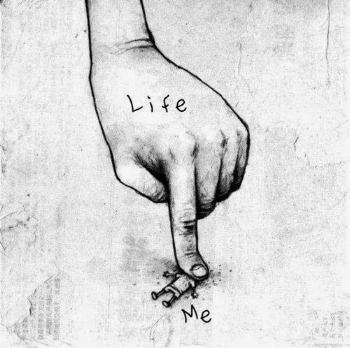
It’s a painful revelation, but for those in the incel movement, that pain is too much. It’s not that they haven’t gotten over it. It’s that they’ve given up. They call it “taking the black pill” instead of the red pill. Rather than the truth offered by “The Matrix,” the black pill is akin to just waving the white flag and conceding the battle to the machines.

In this case, though, the machines are the social conditions that ensure incels will never have sex, find love, or feel intimacy. Like sexual and romantic nihilists, they stop trying to navigate a world that they believe is actively working against them. They don’t try to change it or help it. They’re just left wallowing in their hatred and misery.

To some, it’s self-deprecating melodrama. I think it’s tragic. I even understand to some extent how certain people might look at the challenges before them, see how many forces are working against them, and not even try because the odds are so stacked against them. Whether or not that’s actually true doesn’t matter. This is their mentality and it’s a very damaging mentality.

It’s for that reason that the potential “solutions” some have set forth seem intent on either furthering that damage or exchanging one problem for another. One emerging “solution” comes in the form of something called enforced monogamy. It’s not quite what it sounds, but it still lends itself to a great many problems.

The logic, on paper, makes some sense. It posits that in a sexually free market, most of the women will only pursue the top tier of men. It works if you have the looks of Brad Pitt or the bank account of Warren Buffet, but for most everyone else, they’re left behind. As such, monogamy must be rigidly enforced and promiscuity significantly discouraged.

It could take many forms. People who have sex with one too many people could be taxed, fined, or jailed. People who refuse to marry someone could be required to do so. If someone doesn’t sufficiently perform they’re monogamous duties, then they’re subject to both condemnation and punishment. Whatever form it takes, the inherent flaws ensure this “solution” will only incur more problems.

Never mind the fact that human beings, as a species, may not be naturally monogamous. Never mind the fact that sexual monogamy is exceedingly rare throughout the animal kingdom. For the good of society and repressed incels, it has to be imposed and enforced. I’ll give everyone a minute to fume over that half-hearted effort at sarcasm.

In any case, this recourse requires that some segment of the population be oppressed to placate another. Historically speaking, that has never worked out. Sure, using the power of society to guide and/or micromanage sexuality might grant a little intimacy to those who wouldn’t otherwise have it. It will also significantly undermine the freedom and liberty of another individual.

It doesn’t just exchange one problem for another. Whenever society tries to micromanage peoples’ lives, it tends to collapse and not just because it fails the Boredom Filter. Human beings are complex and difficult to manage. Trying to manage the unmanageable is destined to end in failure.

While it’s doubtful that forced monogamy will ever gain favor in any society outside “The Handmaid’s Tale,” other less oppressive solutions have been put forth, relatively speaking. They largely center around legalizing sex work or hastening the development of sex robots.

While I’ve spoken favorably about sex robots and advocated the decriminalization of prostitution, I don’t think either would resolve the incel issue. In fact, I think it would make the situation worse.

Even if we all woke up tomorrow and discovered that prostitution was legal and sex robots were perfected, the incel phenomenon would still exist because those who identify as such would still feel like failures. Even if they had plenty of satisfying sex with prostitutes and sex robots, the fact they had to resort to those means would only affirm their failure.

On top of that, those working in prostitution who served them would probably be subject to stigma of their own. That’s on top of the stigma already associated with sex work. There would be a similar stigma on the manufacturers of sex robots or sex dolls, which has already drawn ire from sex-negative feminists.

In the end, not only will incels still feel angry and resentful, but those associated with this “solution” would have a reason to feel that way too. Given the breadth of that problem and the inherent flaws of the proposed solutions, is there any recourse that is both effective and tenable? I believe there is, but it’s not one of those solutions that’s simple, direct, and requires the passage or removal of a particular law.

The incel phenomenon was born of chaotic social issues that were further compounded by mass media and popular culture. Before solutions like prostitution and sex robots can even enter the conversation, the stigma associated with sex, both for the incels and those involved in sex work, must be confronted.

The idea that anyone who has too much sex or not enough sex deserves stigma is the primary driving force behind controversies surrounding sexuality. Whether it comes from uptight religious zealots or radical feminists, heaping stigma on someone else’s sex life is both damaging and demeaning.

Beyond confronting the stigma, it’s also important to educate those who identify as incels that it’s not entirely hopeless. They can still find love, sex, and intimacy. Part of that process, though, involves learning that they are not owed sex and they have to actually work for someone else’s affection.

That could come in the form of helping people develop better social skills. It could also come in the form of identifying those in the incel community that have legitimate issues with mental health. At the end of the day, they’re still people. Helping them should be prioritized over resenting them.
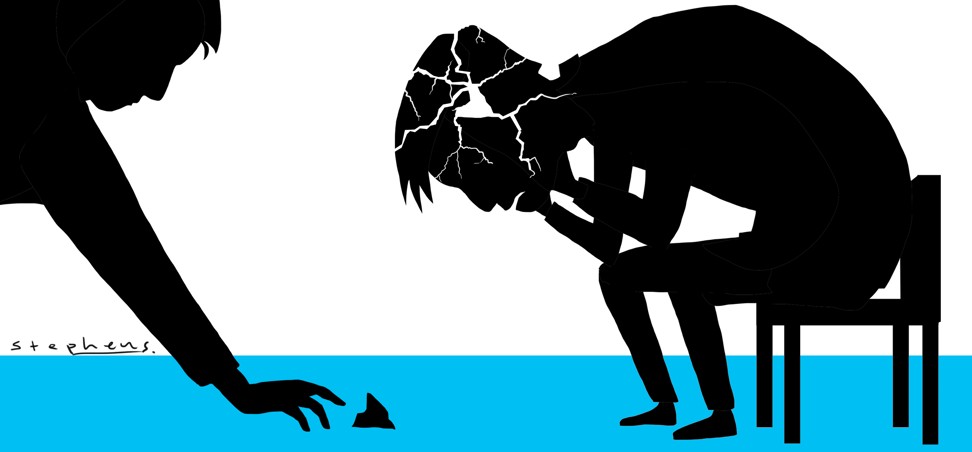
Re-shaping attitudes and teaching better social skills will be a slow, arduous process. People do have a nasty tendency to cling to their hate. However, it is possible to help someone overcome it. I believe most incels can be helped and are deserving of it. Only those who commit acts of violence should face such scorn.

This is not the kind of effort that one particular gender must take on. It has to be a collective effort, which I know will upset some who feel incels are an exclusive manifestation of toxic masculinity, a term I still contend is inherently flawed. We’re all still human, regardless of our gender. If some of us our suffering, then we’re still the one’s responsible for confronting it.

We can’t expect the incel issue to resolve itself. We also can’t expect those who identify as such to change just because others scorn, mock, or hate them. At some point, one side has to take a deep breath, be the adult, and confront the issue in a meaningful way.

Chances are it’ll get worse before it gets better. It’s also likely that both incels and those who despise them will hate dealing with the issues associated with them. However, that’s exactly why it’s so important to address. The longer a group of people remain at the mercy of stigma and self-loathing, the more suffering the world around them is likely to incur.

13 Comments

Filed under Current Events, gender issues, human nature, political correctness, sex in media, sex in society, sexuality

Profiles In Noble Masculinity: Hank Hill

nol3t

When it comes to paragons of masculinity, the standards tend to skew towards characters who crank the testosterone levels up to the maximum and even go a little bit beyond. From mythical figures like Hercules to modern icons like James Bond, it often seems as though that a truly masculine man has to exceed some lofty standards.

While there’s certainly a place for that kind of masculinity, I don’t think that has to be the only criteria. I believe there’s room for a more subtle, yet equally strong manifestation of manliness. They don’t have to be the kind of men who sweat raw testosterone and shave with shards of broken glass. They can be their own man and still embody respectable masculinity.

I chose Joel from “The Last Of Us” for my first profile in noble masculinity primarily because his example was not very subtle. He embodied the masculine values of strength, survival, fatherhood, and compassion in ways that are easy to highlight within a larger narrative. It didn’t take much work to make my case for Joel’s noble traits.

For my next profile, though, I’ve chosen a character who presents a tougher challenge. He comes from a narrative that’s very different from Joel’s. Instead of a post-apocalyptic world where everything comes back to survival, his is a more contemporary story from the far less dire setting of suburban Texas.

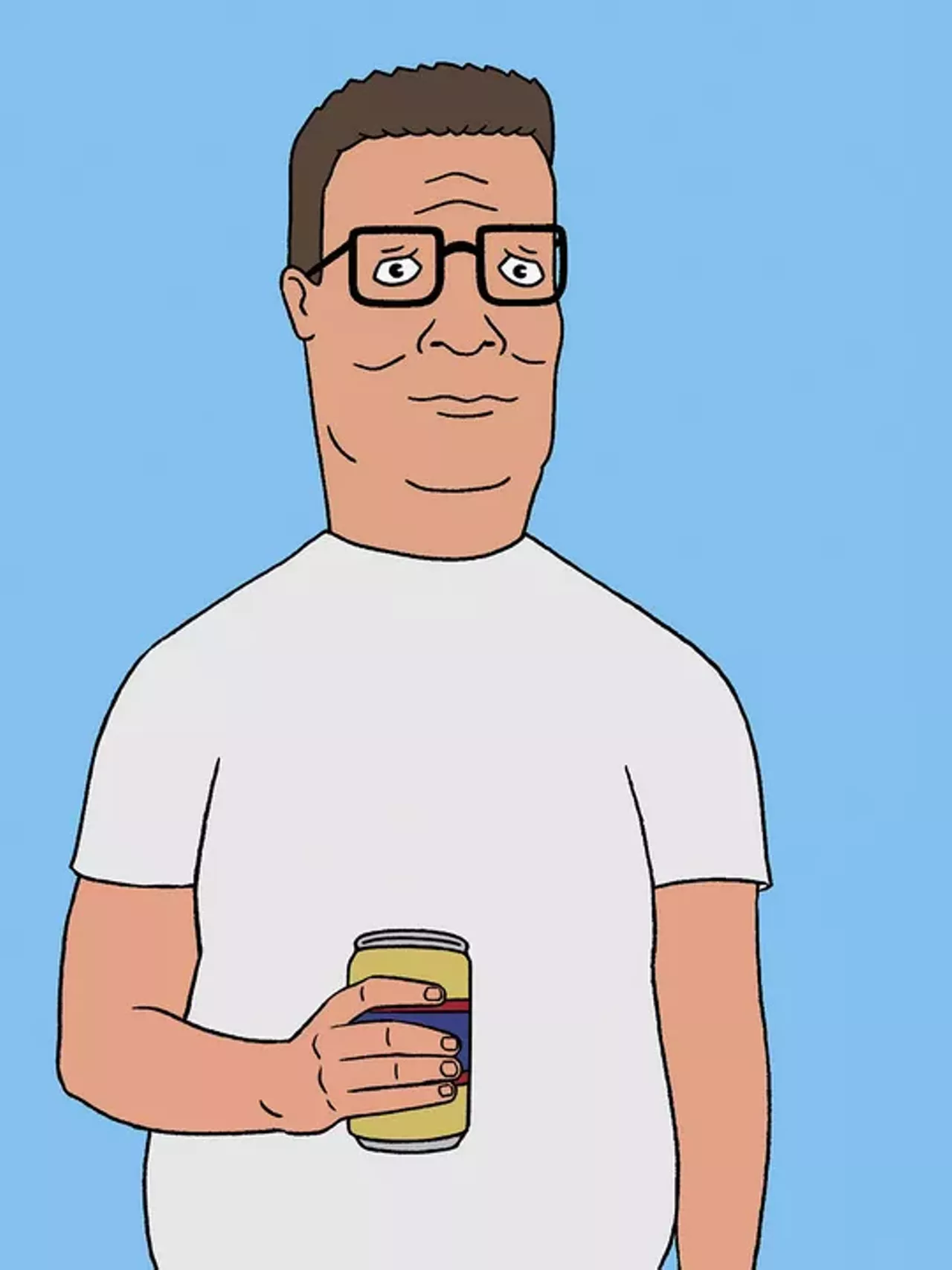
His name is Hank Hill. He sells propane and propane accessories. He’s a proud American, a hard worker, a die-hard football fan, and the star of “King of the Hill.” In the pantheon of modern-era animation, it’s a show that doesn’t usually rank near the top for most people, but the fact it lasted 13 years proves it did something right and Hank his is one of those things.

I consider him another example of noble masculinity. He’s one that differs considerably from Joel in “The Last Of Us,” but I consider him an example none-the-less. Over the course of 258 episodes and 13 seasons, Hank establishes himself as one of those rare characters who manages to be compelling and respectable without being too flawed.

He’s not a bumbling dad, nor is he self-absorbed narcissist always looking to get ahead. Hank Hill, at is core, is blue collar family man who loves his job, loves his wife, and tries to make the most of his situation. He’s not a whiner. When he sees a problem, he tries to fix it. When he makes a mistake, he owns up to it, even if he stumbles along the way.

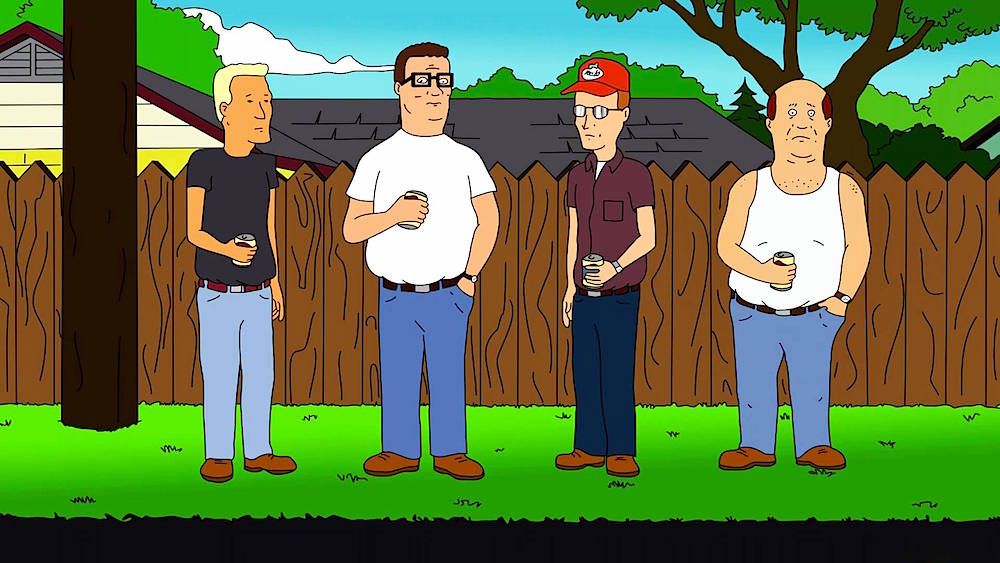
He tries to do all of this while surrounded by characters who have a wide range of issues, flaws, and eccentricities. One of his neighbors is a self-loathing loser obsessed with his wife. Another is a chain-smoking paranoid idiot who doesn’t know his wife cheats on him. The other is Boomhaur. Actually, Boomhaur is awesome.

Beyond his idiot friends, Hank also deals with a know-it-all wife with an inflated ego, a lazy son who goes out of his way to under-achieve, a bimbo niece who attracts all the wrong people, and an eccentric, misogynistic father who hates his guts. The fact that Hank manages to maintain such a calm, collected demeanor most of the time is a testament to his strength.

That strength, however, isn’t exactly obvious if you just look at his persona on paper. In fact, if you just skim the basics, Hank doesn’t come off as a very interesting character, let alone one who fits the criteria for noble masculinity. He’s conservative, he’s frugal, he doesn’t exude charisma, and he’s a staunch defender of law, order, and the status quo.

Hank isn’t the kind of man who willingly goes on adventures, acts on an impulse, or seeks to radically change the world around him. He actually likes his world, for the most part, and actively defends it from those who try to upset it. This has led to more than a few conflicts throughout the show, but Hank’s ability to resolve those conflicts reveals that there’s much more to his character.

It’s in those efforts where Hank’s nobility, as both a man and a character, really shows. While he is a staunch traditionalist who goes to church, votes Republican, and is extremely uncomfortable with sex, he’s also remarkably tolerant of those who don’t share his views.

Throughout the show, he encounters people who are overtly promiscuous, exceedingly liberal, and don’t care much for football. At no point, though, does he try to change those people or convince them that they’re flawed. Sure, he’ll threaten to kick an ass every now and then, but he usually reserves that recourse for those who most deserve it.

When he’s not kicking asses that deserve to be kicked, Hank is also demonstrates an ability to reserve judgment and not make anything too personal. Throughout the show, he’s encountered crazy right-wing religious types, flamboyant homosexuals, and unapologetic womanizers. By nearly every measure, he deals with them in a way that’s respectable and fair for the most part.

For the most part, indeed.

Hank doesn’t condone or condemn their behavior. He’s more concerned with the consequences they have on others. In his view as a freedom-loving American, what people choose to do is their business, provided they understand and accept responsibility for the consequences.

Throughout the course of the show, he’ll point out or remind others of those consequences. He’ll even help some confront it. However, he doesn’t make it personal. He doesn’t whine about it. He doesn’t try to get everyone to embrace his way of doing things. Hank basically lets other people be free and live their lives.

It’s not the same as slaying giant monsters or rescuing princesses from towers, but it’s noble in its own right. In the context of masculinity, Hank Hill’s ability to remain strong, stern, and confident in the face of so much chaos from so many characters, each with plenty of quirks and eccentricities, is a testament to the kind of man he is.

He’s a man who takes pride in his work, leads by example, and tries to be the voice of reason in a world full of unreasonable people. He’s willing to be brave and bold when he has to be. He’s also willing to take responsibility when others won’t or refuse to. As a man, he’s someone who earns the respect of others and does plenty to maintain it.

That’s not to say that Hank is without his flaws. Sometimes, he is traditional to the point of being petty. In one episode, the entire plot was driven by his dismay at another family sitting in his non-assigned seat at church. He can also be controlling, especially with how he raises his son, Bobby.

On more than one occasion, he’s been an obstacle for Bobby’s endeavors. His famous refrain, “That boy ain’t right,” is often said in the context of him wanting to guide Bobby down a certain path. Most of the time, though, he does so in a way that’s appropriate for a caring father. Other times, though, he gives the impression that he wants Bobby to be just like him.

Even with these flaws, Hank Hill still commands and earns respect. As a man, a father, and an American, he checks most of the boxes in terms of noble masculinity. He’s strong, responsible, hard-working, and accepting of other peoples’ strengths and flaws. He’s a man worthy of admiration and the fact he knows propane is a nice bonus.

4 Comments

Filed under gender issues, media issues, noble masculinity, political correctness

What Radical Feminists and Incel Men Have In Common

bandw-man-and-woman-arguing

Since I’ve been browsing the internet, I’ve tried to keep up with its assorted jargon, slang, and euphemisms. Given the rapid pace of technology and the uneven pace at which society adapts, it can be pretty daunting. There are times I feel like I have fallen behind. I still remember feeling foolish when I asked someone what a hashtag was.

While I make an effort to keep up, there are certain parts of net-based sub-culture that I prefer to avoid. I’m not just talking about Twilight message boards. I’m talking about the kind of domains on the internet where people who have genuine, in-need-of-help problems congregate to whine, complain, and otherwise compound their problems.

One such sub-culture that I’ve avoided talking about on this site or in general is that of the so-called incel community. For those of you who haven’t heard of it, and I envy those who had avoided it thus far, incel stands for “involuntary celibate.” In essence, they identify themselves as men who would like to have sex, but cannot because women and society at large has prevented this. It’s as crass as it sounds, but it gets much worse.

I would’ve been content to never even mention the incel community on this site. Then, a self-identified incel carried out a deadly attack in Toronto that killed 10 people and suddenly incels weren’t just in the news. They were a genuine danger. Since I try to discuss relevant topics on this site, be they sex robots or superhero movies, I’m going to grit my teeth and talk about this frustrating phenomenon.

It’s not just frustrating because it gives men, masculinity, and people with poor social skills a bad name. It’s frustrating because it’s so inherently pathetic and juvenile. Moreover, it’s something that has an ironic, but fitting parallel with radical feminism.

Yes, I know that sounds counter-intuitive. I also imagine there are some self-identified feminists out there who want to punch me through their computer screen. To those individuals, I ask that you restrain yourself for just a moment so I can explain.

Before I go any further, I want to make one thing clear. I do not associate radical feminism with more mainstream brands of feminism that, for the most part, are fairly reasonable in their rhetoric and sincere in their efforts. I also want to make clear that I do not associate the incel community with men’s rights activists, who are every bit as reasonable and sincere.

The incel community and radical feminists are extremists, plain and simple. They don’t even try to be reasonable. Like the extremists of a religion or political ideology, they cannot and will not be dissuaded. Their attitudes and conduct are built on a foundation of unceasing, uncompromising outrage.

This is where, ironically and fittingly, both incels and radical feminists intersect. They are, to a large extent, defined by their outrage. They despise a world that they feel has deprived them of something they deserve. They carry themselves as perpetual victims, trapped in a society that actively plots against them to keep them miserable.

You don’t have to look too far to see the similarities here. The incel community doesn’t even try to hide its blatant misogyny, just as radical feminists don’t even try to hide their overt man-hating. The targets of their hate are different, but the intent behind it is the same.

The hatred is a catalyst and a rallying point for those inclined to embrace more extreme forms of ideology. That hatred simplifies complex issues, allows them generalize large swaths of people, and believe without question that there’s a cabal of evil bullies actively plotting against them. They are basically the Alex Jones of gender conflicts.

It’s for that reason that few take them seriously, even within feminist and men’s rights communities. Even when a radical feminist claims all heterosexual sex is rape or an incel man claims that all women are sluts, they’re either ignored or written off as trolls. However, in wake of recent events, that’s getting somewhat harder.

Between the attacks in Toronto and the growing spread of outrage culture, both radical feminism and the incel community have many ways of making their voices louder and spreading their hatred. Like any extreme within an ideology, they will complicate or outright corrupt reasonable debate on reasonable issues involving gender.

I believe those issues should be discussed and I’ve tried to approach them on this site in as balanced a way I can, at least to the extent I can as a man and an aspiring erotica/romance writer. However, in the same way creationism obscures science, radical gender ideology obscures real gender issues.

It even goes beyond derailing otherwise important debates about relevant issues. In the one area where both incel men and radical feminists are most alike goes back to their attitudes. Beyond the hate and trolling, there’s one other trait that binds them. They embrace and cling to the idea of perpetual victim-hood.

Incel men believe they are victims of greedy, selfish women who refuse to give them the sex and intimacy they want. Radical Feminsts believe they are victims of a greedy, oppressive patriarchy that only exists to bully them and hold them back. In that context, they are always victims. They never have to claim a shred of responsibility. They can just blame their perceived oppressors.

That’s not just insulting to real victims. It’s flat out lazy. Incel men and radical feminists carry themselves as though other people must go out of their way to give them something, be it sex, justice, or reparations of some sort. They, themselves, don’t have to do anything. They just whine, complain, and shame others to get what they want.

I would call that approach childish, but that would be insulting to children. The absurdity of that mentality is impossible to overstate. However, and I think reasonable feminists and men’s right activists would agree, there are a few basic truths that we all must accept, regardless of our gender.

The universe is not fair.

Some people are born with more advantages than others.

Nobody owes you anything, be it sex or preferential treatment.

Respect, achievement, and merit must be earned and not given.

These are the simple, inescapable facts of life. We learn them at some point in our lives. Some take longer than others, though. What makes incels and radical feminists so similar, and so unworthy of respect, is how they utterly refuse to learn those lessons. As a result, they’re just setting themselves up for more frustration.

6 Comments

Filed under gender issues, human nature, political correctness, sex in society, sexuality

What My Mother Taught Me About Being A Better Man (With Roller Coasters)
roller-coaster-2

Whenever I get a little personal on this site, I often focus on two topics. One is how awful high school was for me. The other is how awesome my parents are. I’m sorry if it sounds like I’m bragging, but I’m just being honest and truthful. They really are that awesome and I intend to belabor that every chance I get.

As it just so happens, Mother’s Day is tomorrow and since I have such a wonderful mother, I’d like to share a personal story that I hope conveys a larger message about masculinity, in general. I promise this isn’t going to be another complex exploration about bogus topics like “toxic” masculinity or double standards. It’s just a simple story about my amazing mom and how she helped me grow into a better man.

There are a long list of stories I could share. Some of those stories I’m sure my mother would prefer I kept private. There are plenty others I’m sure my mom would love for me to share, if only to document some of the more memorable moments our family has shared over the years. Since I know she occasionally reads this site, I think she’ll agree that this is definitely one worth sharing.

That’s because it involves roller coasters. That’s not some elaborate metaphor. I’m dead serious. This is a story about me, my mother, and roller coasters. It’s kind of what it sounds like, but I promise it has other, more meaningful connotations that I think are wholly appropriate on the eve of Mother’s Day.

First, I need to provide a little context. This particular moment occurred when I was around ten-years-old. That’s relevant because that was the age when I was finally tall enough to ride most of the rides at amusement parks like Six Flags and Kings Dominion. As it just so happens, both are within a two hour drive of where we lived.

My mom, being the wonderful person she is, used that as opportunity to plan a day-long trip to Kings Dominion. I went with my younger brother, my aunt, and a cousin of mine. It was blazing hot, but being an energetic kid, I was too excited to care. I don’t even remember complaining with my mom urged me to put on extra sunscreen.

After spending about an hour just exploring the park, doing some small rides and playing some games, we came across a roller coaster that, to my 10-year-old mind, might as well have been Mount Everest. I’m not saying I was an overly fearful kid, but this was uncharted territory for me. My first instinct was not to go on such a ride.

To some extent, that was my default instinct to that point in my life. I know kids at that age can be both frustratingly reckless or annoyingly helpless with very little in between. It’s an age where kids still cling to the safety of their parents, but are just starting to feel that inclination to explore the world.

I was probably more reluctant than most kids my age. Both my parents and siblings would probably admit that I was a very self-disciplined kid, often to a fault. I did not like going out of my comfort zone and taking chances. I even complained when I had to, as kids are prone to do.

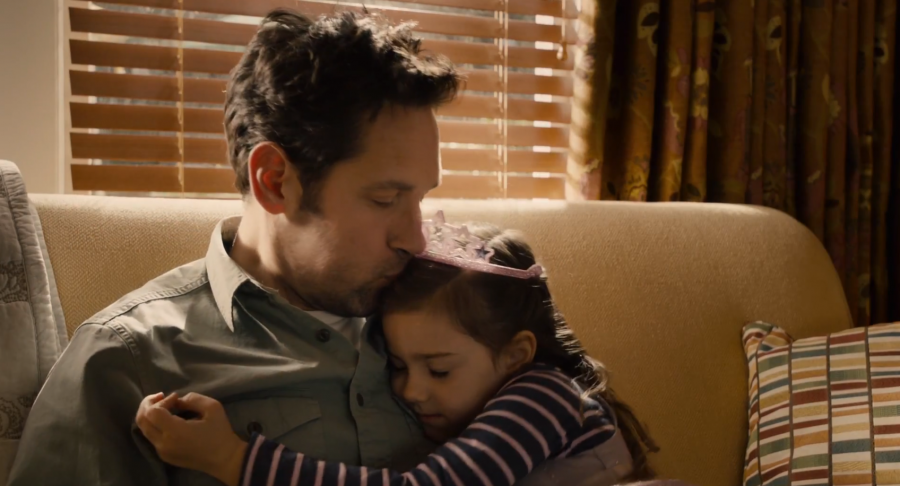
On that day at Kings Dominion, though, my mom gave me an extra push. She never shoved me or pressured me. She got encouraged me, getting excited about the ride so that I got excited too. Before long, that excitement overrode any fear or reservations I had. Thanks to that encouragement, I went on the ride with her and to this date, I feel like that was a pivotal moment in my young life.

At the time, though, it was just an incredible thrill. I loved it. I loved it even more than my mom promised. I remember getting off that ride, feeling dizzy and unable to stand. I probably looked like I was drunk, but I didn’t care. I had so much fun and so did my mom. We went on that ride again.

It was the first of many. From that day forward, my mother and I became the roller coaster aficionados of the family. Whenever we went to an amusement park, be it Kings Dominion, Six Flags, or Disney World, my mom and I would jump at the chance to ride the biggest, scariest ride. Sometimes friends, siblings, and cousins would join us. Other times, they would chicken out. My mom and I never did.

Those were wonderful times. They’re among some of the fondest memories I have with my mother as a kid. Beyond the thrills and adrenaline, though, I find those experiences had another effect on me. This effect was more personal, though. It also played a major part in the critical, yet often treacherous process of a kid growing into an adult.

By taking a chance on those roller coasters, doing something risky for once, my mom taught me a valuable lesson about being an adult and a man. She showed me that sometimes, we need to embrace a little danger. We need to leave the safety of the familiar and explore new, potentially hazardous experiences.

That kind of mentality takes both bravery and even a little foolishness. It’s a combination of traits often associated with masculinity, being willing and able to take those risks for new and exciting experiences. I’m not saying that men are the only ones who have such risk-seeking behavior. Women can be every bit as adventurous, as my mother so aptly demonstrated.

For me, the ten-year-old boy who still saw himself as such, those experiences marked the early steps of a more profound maturation process. It wasn’t just that I was now old enough and tall enough to ride all the roller coasters at most theme parks. I realized that my experiences didn’t just have to be kid-friendly experiences.

I could take chances, venture into once-forbidden areas, and explore life in ways I hadn’t dared. Doing that can be scary and sometimes requires a little encouragement, not unlike the kind my mother gave me that day at Kings Dominion. It can also be very rewarding, as the rush from an awesome thrill ride so wonderfully proves.

I was still a shy, reserved person, even as I entered adulthood. I still took longer than most to emerge from my shell. However, thanks to my wonderful mother and her loving encouragement to try out a few thrill rides, I understood what it meant to be an adult and a strong man.

To my mother, and all those wonderful mothers who encourage their children with the same love and care, I thank you. You helped teach me how to be brave, how to embrace the adult world, and how awesome roller coasters are. For that, I will be forever grateful. To her and to all the other mother’s out there, Happy Mother’s Day!

9 Comments

Filed under gender issues, Jack Fisher's Insights

My Frustrations And Fondness With Bumbling Dad Tropes

ventilador-griffin-750x500-750x500

We know them, love them, laugh at them, and cringe at them every now and then. They entertain us. They educate us. They amuse us in any number of ways, both with real-life antics and those only possible through animation. They are the clumsy, bumbling, oafish father figures of popular culture. Compared to many other tropes, they make up a sizable chunk of the overall comedy footprint in our media landscape.

Don’t get the wrong idea. I don’t write that with disdain or dismay. In fact, I’m quite fond of the bumbling father figures that make up a sizable chunk of sitcoms, animated shows, and movies. I grew up on a steady diet of “The Simpson,” “Family Guy,” and “Married With Children.” Characters like Homer Simpson, Peter Griffin, and Al Bundy have had a profound impact on my world and not just in terms of laughter.

As I get older, though, I find myself scrutinizing the dynamics of these faltering father figures more and more. I also find myself paying more attention to the context and circumstances surrounding them, especially as our media and culture evolves in accord with changing trends, some less positive than others.

Maybe it’s because I’m an adult now. Maybe it’s because, as both an adult and a man, I have too much experience with the larger complexities of the world. I can still laugh every time Homer does something foolish or Peter does something stupid. However, a part of me can’t help but contemplate the larger implications of bumbling dads.

Some of it has to do with double standards, which I’ve talked about many times before. Some of it deals with the struggles/inexperience in developing complex fatherly characters who aren’t blatant rip-offs of Superman, John McClane, Jack Baur, or Ward Cleaver. Most of it simply reflects a sentiment that I find frustrating at times.

Think, for a moment, about the dumbest, most hilariously idiotic antics in a show featuring bumbling dads. “The Simpson,” alone, should give plenty of content to draw from. With those antics in mind, contemplate what those antics say about the bumbling dad as a character and what it says about male characters, as a whole.

Whether he’s Homer Simpson, Peter Griffin, or a guy you know in real life who once threw up in a kiddie pool after doing shots of habenero sauce on a dare, the themes are fairly consistent. At the heart of every conflict in the story is a selfish, moronic, thick-headed guy who, if he didn’t have his wife and kids, would’ve been dead by now.

The bumbling dad isn’t just the catalyst for most of the conflicts in the show. He basically embodies the inherent ineptitude of men, as a whole. Whereas strong, independent women are celebrated as a trope of their own, the bumbling dad acts as a case study as to why men can’t function on their own. Unless they have a woman and a family to restrain them, they’ll collapse under the weight of their own stupidity.

It doesn’t just reflect poorly on male characters. It sends a pretty frustrating message to female characters as well, saying that women basically have to act as referees on top of being spouses and mothers. Their role, in the context of the bumbling dad trope, is to either clean up the mess or reign the man in before he does some serious damage.

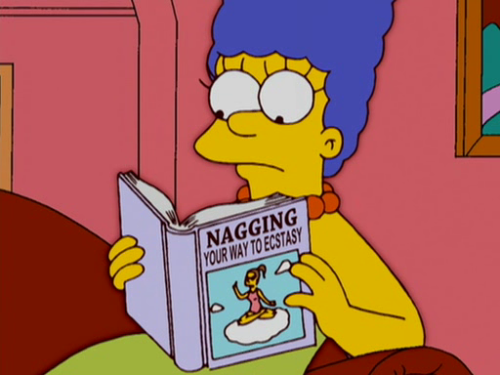
In a sense, the bumbling dad is the catalyst for the nagging woman, a character not nearly as hilarious that can be every bit as frustrating. One causes all the chaos and problems in a story. The other whines about it and tries to limit the damage, often while failing to teach the bumbling dad any meaningful lessons that’ll help him be less bumbling.

Granted, there are some exceptions to that dynamic. Compared to Marge Simpson and Lois Griffin, Peggy Bundy from “Married With Childrencompletely subverts this trope. Then again, that whole show went out of its way to undermine every standard sitcom trope that ever existed. As I noted before, it’s the kind of show that could never be made today.

Those exceptions aside, the bumbling dad represents another point of frustration that has more to do with the implications of character development, as a whole. It’s a frustration that even plays out in other forms of media that don’t involve idiot married men who only still have their limbs because their wives won’t let them near fireworks.

When you take a step back and look at the kinds of roles bumbling dads have in so many narratives, you notice a number of recurring themes that don’t just reflect poorly on them as men and fathers. They also help enable a lot of the themes that reflect poorly on certain female characters as well.

Essentially, the bumbling dad is allowed to be an idiot with flaws, ineptitude, and shortcomings of all kinds. It’s okay that he make a fool of himself, getting hurt and causing all sorts of damage with his antics. When Al Bundy and his idiot male friends keep falling off a roof, it’s funny and entertaining. If a female character did that, though, that just wouldn’t have the same impact.

Even in shows like “Married With Children,” the female characters were never allowed to fall off a roof, get hurt, or get into fights of any kind. Even when they’re not nagging or trying to be the voice of reason, the female characters are treated as more fragile, needing to fill a more specific role rather than explore the vast array of buffoonery that their male counterparts get to experience.

A female character can’t be bumbling, idiotic, or self-destructive. That would imply she has too many flaws. Even in the days before the recent push for more female representation, that was considered taboo.

A female character can’t be the catalyst for a problem either, unless it involves the moral crusades of Lisa Simpson. The idea of a female character causing anywhere near the problems as a man would just trigger too much outrage for daring to hint that women can be as flawed as men. That last sentence was sarcasm, by the way.

This, essentially, is the driving force behind the frustration. The bumbling dad trope basically gives the impression that men are the only ones who can be foolish, self-destructive, unreasonable, and unlikable. Women can occasionally do those things, but never to the point of the bumbling dad.

In terms of character development, that’s limiting to characters of any gender. It means all the conflict, plot twists, and memorable story elements have to come from the male characters. All the female characters ever do is react, recover, or rebuild from the male character’s antics.

The bumbling dad basically sets up the expectations alongside the comedy. We expect them to do something stupid. We expect them to make a fool of themselves, get hurt, and not think things through. We also expect the women to basically bring them back in line again because without them, they just couldn’t function.

Beyond the expectations, the bumbling dad is basically the crash test dummy for all the chaos within a plot. They’re the ones that get hurt. They bear the brunt end of the physical comedy, be it a slap in the face or constantly falling down a cliff. The idea of women getting hurt just as much, even in an era where the push for tough female characters has never been greater, still doesn’t sit right with audiences.

That says as much about lingering gender norms as it does about bumbling dads, as a whole. Beyond just relegating the comedy and the personal journey to a particular male character, it gives the impression that women aren’t capable of doing foolish things. Anyone with a stable internet connection knows that’s just not true.

Again, this is not to say the bumbling dad trope is inherently “toxic.” I’ve already made clear how much I despise that terminology. There will always be a place for bumbling dads and the comedy they inspire. There’s also plenty of room for non-male, non-dad characters to be foolish as well. When it comes to gender, age, race, and sexual orientation, stupidity is the ultimate egalitarian.

1 Comment

Filed under gender issues, human nature, media issues, sex in society, sexuality

The (Fragile) State Of Modern Chivalry

Courtesy Photo

These days, you can’t go more than a few days without hearing someone complaining that chivalry is dead, dying, or some elaborate patriarchal conspiracy to keep women in their place. A few are even arguing it’s part of some matriarchal conspiracy to control men. The very concept of chivalry is in a precarious state is what I’m saying.

Now, I’m somewhat hesitant to write about this because in my experience, both in real life and online, it brings out a lot of mixed sentiments. I’ve met men who resent it. I’ve met women who are outright offended by it. No matter how I approach it, there’s no way to avoid rubbing certain people the wrong way.

Hesitation aside, I do feel compelled to talk about it because the idea of modern chivalry, the kind that involves common courtesy and not the medieval kind that made high school English class so frustrating, is kind of personal to me. That’s because I had awesome, loving parents who went out of their way to teach me and my siblings the manners, attitude, and mentality that go into modern chivalry.

They may not have built their entire parenting strategy around it, but I like to think that them emphasizing it was part of a larger life lesson. It’s one that effects me to this day. I still make it a point to hold doors, pull out chairs, and address people as sir/ma’am. If I don’t, then I feel like I’m not showing the respect I want.

It may not sound like much, but I find myself wondering and worrying about the state of this gender-driven quirk. Some of that worry stems from how relevant those vital lessons my parents taught me are today and whether they’re losing relevance with each passing year. That might just be a byproduct of me getting older, but it does concern me, if only because I feel there’s a lot of gender-driven conflict these days.

To understand why, I need to give a little background as to just how my parents instilled an appreciation of modern chivalry in me and, as a bonus, demonstrate why they’re so awesome. While both my parents were big on teaching me and my siblings manners, my father was more focused in emphasizing courteous behavior.

As a kid, I remember more than one occasion where we would go out somewhere and my father told me to hold the door for women and/or total strangers coming up behind you. It wasn’t just for women either. He made it clear that if you have a chance to hold the door for someone, you do it and you be a gentleman about it.

I only remembered why it was so important on the occasions I forgot. There was this one time when I was around 10-years-old that my parents took me and my siblings to the mall. I, being an overly excited kid, ran out ahead to get inside. In doing so, I forgot to hold the door for a woman and her daughter. My dad did not approve of that.

I vividly recall him catching up with me, grabbing me by the arm, and telling me that if I’m going to run out ahead like that, I damn well better hold the door like a goddamn gentleman. Remember, I was only 10 at the time and my father was holding me to higher standards than that. At the time, I was kind of annoyed, but as I got older, I came to appreciate that lesson.

There were probably other similar incidents. My dad, who I know occasionally reads this site, can probably remember plenty of others like that. I hope they’re still relatively few because as I got older, things like holding doors, pulling out chairs, and saying sir/ma’am became second nature to me. It got to a point where I really didn’t think about it.

Then, in a more recent incident, I had an encounter that kind of worried me. I was walking around my neighborhood. I then make my way into a fast food restaurant for a quick lunch. Since an older woman was behind me, I held the door for them. She smiled and thanked me. I replied with a simple, “You’re welcome, ma’am.”

It was that last part, though, that got a stronger reaction. She was genuinely surprised when I said “ma’am.” It was a pleasant surprised, though. She even went out of her way to thank me for being so courtesy, claiming she doesn’t hear that sort of rhetoric much anymore.

Now, this was not some old woman longing for the good old days, mind you. This woman didn’t look that much older than me. It really caught me off-guard, mostly because I was just doing what my parents had taught me to do all my life. It also kind of worried me, too.

That’s not the first time something like that happened. I’ve said “sir/ma’am” to strangers before and gotten strange looks, both from older and younger crowds. I’ve noticed the older women, though, are the ones that react most often to it. They tend to react most positively as well. Women who are around my age or younger just smile and shrug it off, as though it’s no big deal.

I’m honestly not sure what to make of it. I understand my experiences are purely anecdotal and it’s unreasonable to make broad generalizations about society, as a whole. However, the more reactions of this sort that I encounter, the more I worry that the value of modern chivalry is declining.

That worry, though, is not akin to some old man longing for the good old days. I understand that the good old days are never as good as we remember. I feel a more pressing concern is how this attitude reflects the growing tension between genders that seems to fuel so many conflicts, these days.

I’ve talked about a few of those conflicts, including the absurd ones. A part of me can’t help but wonder whether the lack of a reaction I get from younger women on my chivalrous acts reflects a distressing trend in attitudes towards men, in general.

I worry that recent scandals, trends in feminism, and even a few trends in men’s rights activism are conditioning people to just assume the worst in men, even when they demonstrate good conduct. Assuming the worst in any situation is usually the first step towards falling into a nasty cycle of self-fulfilling prophecies.

In that context, there’s no behavior, chivalrous or otherwise, that can convince anyone that they’re just trying to be polite. I hold a door for a woman with those assumptions and she won’t see it as good manners. She’ll just see it as some elaborate effort to get into her pants or somehow draw her into a system of patriarchal oppression.

The assumptions are just as bad for the men. I hold a door for a man, or just get seen holding the door for a woman, and the assumption is I’m trapped in some radical feminist agenda that seeks to turn all men into weak, submissive, beta-males. Again, it overlooks the mere possibility that it’s just the kind, courteous, polite thing to do.

I sincerely hope this is just empty concern on my part and the observations I’ve made are just a byproduct of growing cynicism. I also hope that the current state of gender politics doesn’t reduce the concept of modern chivalry to an agenda. Just acting like a decent human being to other people, regardless of their gender, should never be an agenda.

It’ll be interesting to see how the current social landscape evolves over the next several years. How it sees and interprets modern chivalry will reveal a lot about the direction we’re heading with respect to how men and women relate to one another. If every little action suddenly becomes part of an agenda, then I imagine it’ll get a lot harder to just show common courtesy to someone.

I hope it doesn’t get that bad. I sincerely hope that the lessons my parents taught me about showing good manners and common courtesy are just as relevant in the future as they are now. If I ever get around to having kids, I intend to teach them those same lessons.

Some things just don’t need to be part of a gender-driven conflict. They can just be an overly-formal way of showing respect to one another. Call it what you want, be it modern chivalry or just not being an asshole to someone. There’s still a place for it in any society and I believe there always will be.

1 Comment

Filed under gender issues, Jack Fisher's Insights, Marriage and Relationships, romance

Profiles In Noble Masculinity: Joel From “The Last Of Us”

cc579d19ebf45fbc7dc3d7a8e58527e5-e1508672973350

For the past few years, it has become a popular pasttime to label certain elements of popular culture as toxic or “problematic.” Take any character, song, plot, role, or trope from any brand of media. Apply an excessive amount of scrutiny, distorting it as much as necessary along the way. In the end, some people will find a way to make it offensive.

It’s through that process that shows like “Seinfeld” can be called racist. Movies like “Crocodile Dundee” can be called culturally insensitive. Movies like “Big” can be called creepy. Even classic video games like “Mario” and “Zelda” can be considered sexist. Scrutinize it enough and everything becomes racist, sexist, homophobic, transphobic, and culturally insensitive.

I find that whole process to be an exercise in trolling that does more to spark outrage than it does meaningful discussion. It’s the same process that created the idea of “toxic masculinity,” a concept I’ve gone out of my way to deconstruct on more than one occasion.

I don’t want to bemoan all the flaws and frustrations that occur when regressive attitudes mix with regressive agendas. There’s enough debate, discussion, and outright shouting going on in that field as it stands. Instead, I want to shift the tone of the conversation by going to the opposite end of the spectrum.

By that, I mean I’m going to do the opposite of highlighting something that some may find “problematic.” Instead, I’m going to cite something that I think is inherently positive from which we can learn. In fact, I’m going to try and coin a new phrase that’s more uplifting than some of the other buzzwords used by the regressive crowd.

I call it “noble masculinity.” It’s the idea that there are noble, admirable traits in male characters that are worth celebrating in the context of a larger story. Having talked so much about toxic masculinity and why I think it’s such a flawed concept, I feel it’s only fitting that I attempt to counter it with something more positive.

I know it’s popular to criticize and complain about male behaviors these days and, as a man, I don’t deny that we can do some foolish things. However, men are also capable of incredible acts of virtue. Those traits deserve more attention, if only to remind everyone that men can be more than outrage fodder.

There are a lot fictional male characters from movies, TV shows, video games, and comics that I could cite who embody positive masculine traits. Characters like Superman, John McClane, and even James Bond come to mind, although I’m sure there are some who would disagree with the last one.

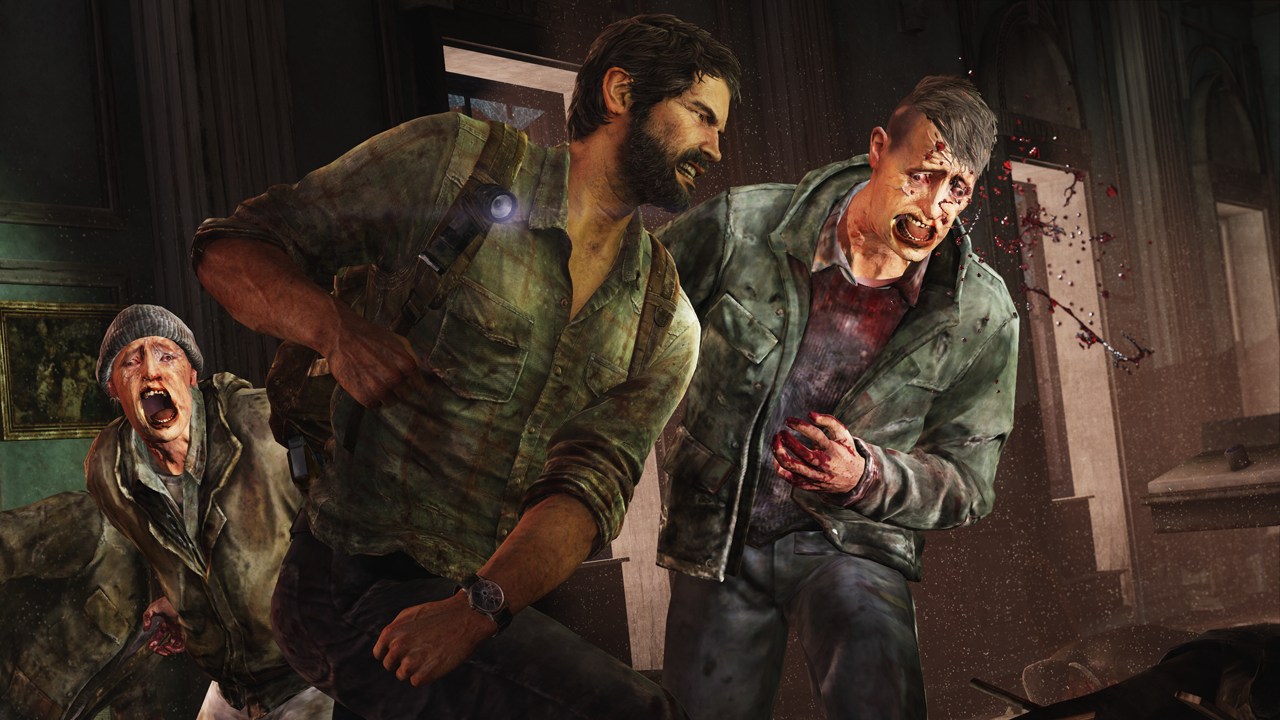
However, in this initial exercise of exploring noble masculinity, I want to cite a lesser-known male character from popular, critically acclaimed video game that some have called the most riveting, emotionally resonant story-driven epic of the console generation. That game is called “The Last of Us” and the source of the noble masculinity comes from Joel, the grizzled, yet vulnerable male protagonist of the story.

For those who haven’t played “The Last of Us” or just don’t play video games in general, Joel may initially come off as a mix of old cowboy tropes and John McClane rip-offs. However, by following his story, he reveals a level of depth that includes instances of noble masculinity that men and women alike can appreciate.

Joel’s story is not built on prophecies, superhuman abilities, or dumb luck. As a character and a person, Joel is largely defined by a grit that’s uniquely masculine in many ways. At the beginning of the game, he’s not looking to become part of some larger struggle. He’s just a single dad, trying to make a living and provide for his daughter, Sarah. In world full of dim-witted father figures, it’s pretty refreshing.

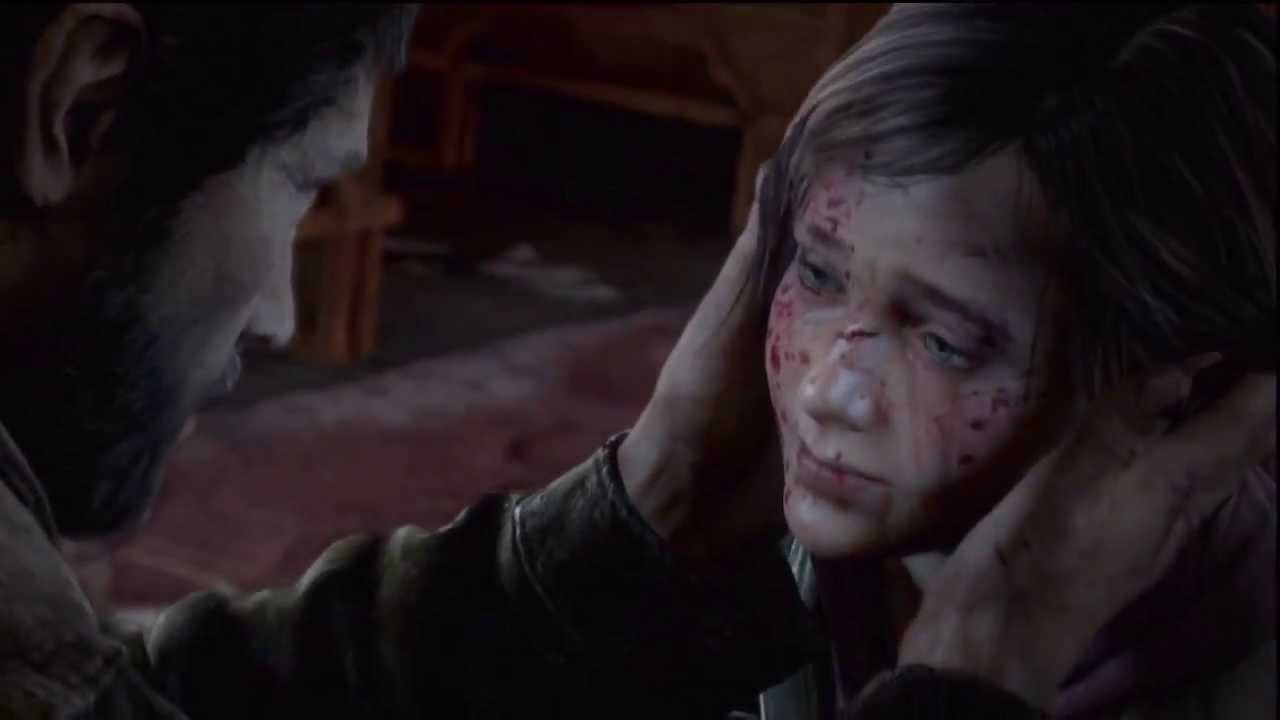
Then, within the first 10 minutes of the game, Joel suffers the greatest loss any parent can endure. He tries to protect his daughter from first stages of a full-blown apocalypse, but ultimately fails. He ends up watching his daughter die in his arms. It’s a very emotional moment, one in which Joel’s pain is palpable.

That defining moment establishes Joel as a man who fights to protect those he loves, but is all too human and very much at the mercy of forces beyond his control. There’s only so much that he do when the world around him is falling apart. No amount of anger, lament, or sorrow can change that. He, as a man and a survivor of this apocalypse, has to find a way to cope.

While his coping skills aren’t perfect, as evidenced in many powerful scenes throughout the game, Joel’s grief helps drive him. It also lays the foundation for the emotional development he undergoes after he meets Ellie, his young female co-protagonist who becomes a critical part of the gameplay and the story.

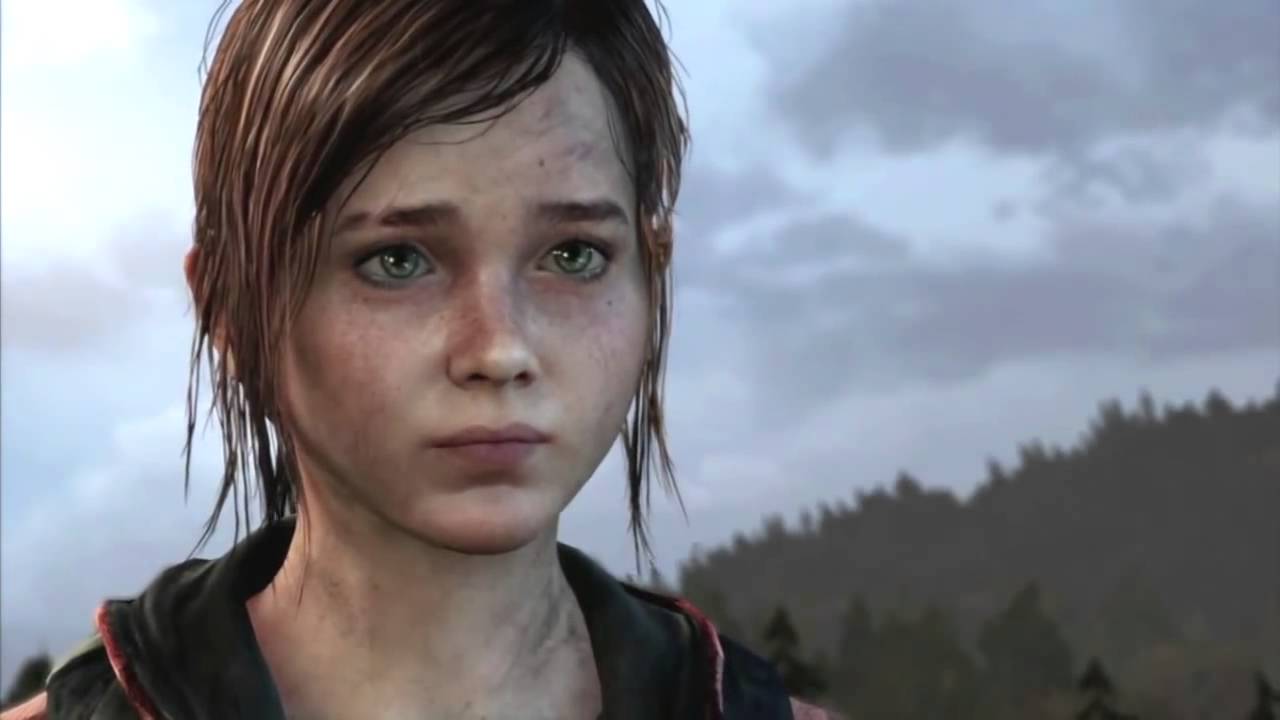
I could probably write another article about Ellie and why she’s one of the most compelling female characters in modern video games, but in the context of noble masculinity, she’s very much a catalyst for Joel’s emotional journey. Her own story is remarkable, but her influence on Joel is where she really shines.

It’s not a case of a knight rescuing a princess or a female character trying too hard to be an equal to her male compatriots. In fact, Joel’s first impression of Ellie isn’t a good one. She comes off as an irritable brat with a bad attitude. Essentially, she’s the kind of immature teenager that guys like Joel go out of their way to avoid.

However, their stories soon become intertwined. They end up having to work together, rely on each other, and fight for one another in order to survive a post-apocalyptic world that has been destroyed by zombies, toxic fungus, and military-enforced curfews. Before long, they establish a bond that brings out the best and worst of both characters.

For Joel, the best is reflected in those same paternal instincts that caused him so much pain and sorrow at the beginning. He comes to see Ellie as a surrogate daughter, of sorts. At times, he resists that and even gets upset when the idea is thrown in his face. In the end, though, he doesn’t avoid it.

As a result, Joel’s story embodies more than the love a father has for his child. It also reveals how willing a man is to form a bond with a total stranger, who is not even that nice to him in the beginning, and tries to protect them with that same paternal dedication. It doesn’t happen all at once. He even resists it at times. He still embraces it and all the tribulations that come with it.

That, more than anything, is the most important element of noble masculinity that Joel embodies. He’s not Superman, nor does he pretend to be. He’s also very aware of his own shortcomings, saying at one point that he trusts others more than he trusts himself. Most men are reluctant to acknowledge such insecurity, let alone reveal it. Joel doesn’t hide from it. If anything, he channels it.

It’s something that resonates with Ellie too. Throughout the game, she has opportunities to cut ties with him and go along with someone who might be better-equipped to help her. However, she choses to stay with Joel. Just as he comes to see her as a daughter, she comes to see him as a father.

The fact that he and Ellie go through this journey in the midst of an ongoing apocalypse makes their bond that much more powerful. It also requires that Joel push himself harder and confront the limitations that kept him from saving his daughter. Being a father made for great sorrow in the past, but it also made him stronger and more determined in the future.

That’s not to say that Joel doesn’t have his low points. There are moments where Joel does not come off as noble. Some even argue that his decisions towards the end of the game undermines his nobility. I would argue that it actually reinforces it.

When the world is already in the middle of an apocalypse and people are willing to sacrifice innocence for what they think is the greater good, then that’s when traits of noble masculinity become most critical. That’s when a father’s willingness to protect his child should be at its strongest.

That dedication still comes at a price. With a sequel in “The Last Of Us Part II” already in the works, it’s likely that Joel will continue to pay a price for his choices, however noble they might be. The fact that he still makes those choices and is willing to accept the risks reflects the challenges and strength that come with masculine drive.

Joel is probably not the greatest example of noble masculinity in all of fiction, but I would argue that his is the most relatable. He’s not perfect, nor does he pretend to be. He doesn’t have any capabilities that are impossible for other men to achieve. He’s a man who was utterly destroyed when he lost his daughter, but didn’t run from the chance to be a father again and to a total stranger, no less.

Flaws and shortcomings aside, I still contend that the noble masculinity that Joel shows throughout “The Last of Us” are far greater than any of the “toxic” traits that others may cite. In playing the game, it’s hard not to empathize with him or his journey, especially if you’re a parent. In appreciating his strengths, though, it shows that there is room for a brand of masculinity that anyone of any gender can admire.

9 Comments

Filed under gender issues, human nature, sex in media, video games

Why We Should Be Excited (And Worried) About A “Y: The Last Man” TV Show

y-the-last-man

There are certain announcements that certain kinds of comic book fans have been waiting to hear for years. Most people who don’t have boxes and bookshelves full of comics probably won’t appreciate the importance of those announcements when they finally arrive. Ideally, everyone eventually comes to acknowledge how important it is in the long run.

Just recently, one of those announcements hit the entertainment wire and comic book fans like myself are still trying to catch their breath from the excitement. It has to do with a series called “Y: The Last Man,” one of the most critically acclaimed comic book series of the past 20 years. According to The Hollywood Reporter, FX has officially ordered a pilot for a TV series based on this comic.

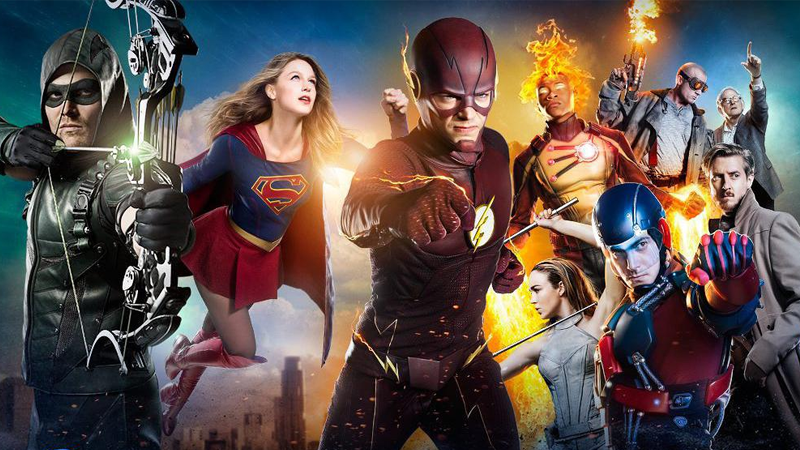
I know that may not sound like ground-breaking news in an era when TV shows based on comic books account for a sizable chunk of programming. There are shows featuring famous superheroes like “The Flash,” “Supergirl,” and “Daredevil.” There are also shows based on non-superhero comics like “Preacher” and “The Walking Dead.” Why is adding yet another show to that list such a big deal?

Well, as someone who has thoroughly read and deeply enjoyed Y: The Last Man, I can attest that this is one of those comics that is special for all the right reasons. It’s compelling, dramatic, mysterious, and emotional on so many levels. It doesn’t just tell a great story. It builds an entirely new world around a truly catastrophic event.

The premise of Y: The Last Man is simple in concept, but grandiose in implications. One day, all the men in the world just die. They don’t get sick first. There’s no mass pandemic. They all just start bleeding from their mouth and eyes before they keel over and die. It’s not just human men either. Everything with a Y-chromosome just dies.

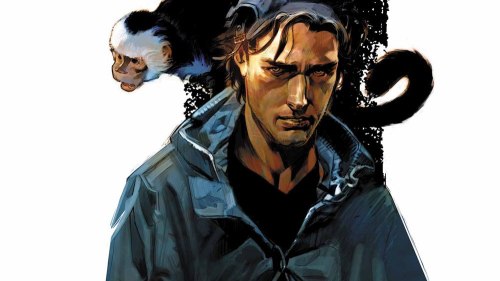
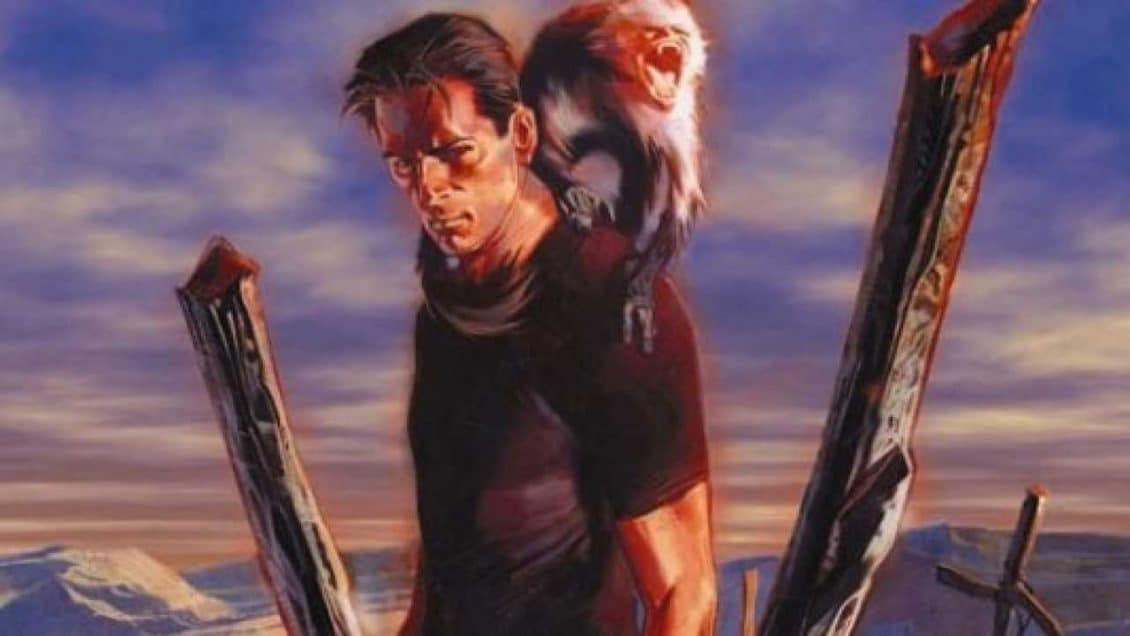
It happens so suddenly and so quickly. It’s not the flashiest apocalypse, but it’s every bit as brutal and traumatic as it sounds. In the midst of this massive gendercide, only one man survives for mysterious reasons. His name is Yorick Brown, an amateur escape artist who also happens to have a male pet monkey, who also survives.

The story about how he survives in this post-apocalyptic world, while also trying to uncover the mysteries of the plague that killed all the men, is full of intrigue, sorrow, hope, and drama. The fact that it manages to achieve all this without zombies or superheroes makes it all the more remarkable.

Add on top quality writing from by acclaimed comic writer Brian K. Vaughan and top-notch art from Pia Guerra and it’s easy to see why this series received multiple awards, including the coveted Eisner Award back in 2008. The fact that Y: The Last Man wasn’t made into a movie or TV show earlier is both shocking and outrageous.

To be fair, there have been multiple attempts to make a movie based on the series, all of which failed for a wide variety of reasons. Given the scope and nature of the story, though, a TV series is probably more suited and there has been interest in making one since 2010.

Now that there’s finally a pilot in the works on FX, a network that is less inclined to water down the harsher elements of the series, there’s are plenty of reasons for comic fans and fans of apocalyptic dramas to be excited. At the same time, however, there are also a plenty of reasons to worry.

Had this been announced five years ago, I don’t think those worries would’ve been major. Then, gender politics began getting exceedingly heated. From scandals born from video games to new concerns about female representation in movies to the anti-harassment movement, things have gotten a lot more hostile between genders.

This is an era where every action between men and women are subject to greater scrutiny. It’s an era where attempts at rational discussion are overshadowed by ever-present outrage. Buzzwords like mansplaining, social justice warrior, soy boy, and toxic masculinity are now part of our lexicon. I’ve expressed my dismay over such terms and why they’re empty in meaning, but I don’t expect them to disappear anytime soon.

It’s because of these ongoing trends in gender politics that I’m concerned about what form Y: The Last Man will take in this era. I don’t expect a perfect, panel-for-panel recreation of the 60-issue comic series. That’s not always necessary, as the success of “The Walking Dead” has proven.

However, I do worry that the greater meaning and dramatic impacts of the story will get lost, somehow, under the weight of ongoing gender politics. Some of those concerns are even articulated in the Hollywood Report’s announcement. Mr. Vaughan is even quoted as saying this when he met with potential show-runner, Michael Green.

“When [Green] first pitched his take on it to Nina Jacobson and me a long time ago, he came in saying he wanted to do something about toxic masculinity. It felt very relevant, and unfortunately, I think it’s only become more relevant with each passing day. His take on it was really brave and very different, but exciting as well. I really admire how audacious he’s been with his translation.”

It’s the bolded part that really has me worried. I’m not entirely surprised that producers of the show would want to tap into ongoing debates about toxic masculinity, no matter how asinine a term that might be. Like it or not, it is a relevant issue and for a premise that involves killing nearly all the men on the planet, it’s going to influence the story.

It’s just a matter of how different those involved want to make the narrative in Y: The Last Man. What matters most, however, is keeping with the overall theme of the story. Y: The Last Man is not just about an apocalypse involving gendercide. It’s part of a much larger world full of colorful and, at times, eccentric characters.

What happens to these characters is downright traumatic, as is to be expected in the face of a global apocalypse. The world, as they know it, is shattered. Their sons, fathers, husbands, and brothers are all dead. The pain, the loss, the sorrow, and the anger surrounding that trauma is what helps drive the story.

That’s especially true of the lone male survivor, Yorick Brown. In the comic, he’s not a superhero or even a multi-talented super-genius. In fact, he’s painfully human and downright inept at times, especially compared to some of his supporting cast. However, he never comes off as a whiny beta male or a brutish meathead. He’s the kind of character we see in real men throughout the real world.

Any effort to subvert that by turning him into some sort of superhero or some beta male weakling will remove a core aspect of Yorick’s appeal, not to mention the appeal of the overall story. It’s not just Yorick’s story either. The female characters in this story are every bit as rich and diverse, but as we saw with the female characters in “Star Wars: The Last Jedi,” that can be badly mishandled.

There are no Mary Sues in Y: The Last Man. There are no Lara Crofts or Wonder Womans either. These characters, especially Yorick’s sister, Hero Brown, and his bodyguard and traveling companion, Agent 355, are all as human as he is. They fight, struggle, fail, and suffer like real people navigating a traumatic apocalypse.

That’s not to say there aren’t some elements of gender politics in Y: The Last Man. There are aspects of the story that lend plenty of fodder to the radical feminist part of the political spectrum. There are a few characters who go so far as to celebrate the death of all men. The fact that some women in the real world have advocated killing all men shows that this sentiment is very present.

At the same time, there are parts of Y: The Last Man that will appeal to the men’s rights crowd, as well. The way society collapses with the death of all the men will give plenty of credence to those seeking to highlight men’s role in society. As with the radical feminists, though, it might be tempting to take it too far.

The story is not defined exclusively by toxic masculinity or radical feminism. It’s a story that puts men, women, and society in an extreme situation that brings out the best and worst in them. That would be the ultimate failure for a show like this and an egregious insult for a series as celebrated as Y: The Last Man. If it becomes driven by gender politics and not the spirit of the actual story, then that’s tragedy for all genders.


Leave a comment

Filed under Comic Books, Jack Fisher, Superheroes, gender issues, sex in society, sexuality

When Regressive Gender Politics Inspire Deviant Sexual Taboos

christian-grey-anastasia-steele-jamie-dornan-dakota-johnson

Take a moment to think about the many non-criminal, but still deviant behaviors that  society considers taboo. From not tipping the pizza guy to not asking for permission when you borrow your roommate’s toothbrush, there are plenty of behaviors that may not be illegal, but still make us recoil to some extent because they subvert social norms.

Now, consider for a moment that there was a point in time when these behaviors weren’t taboo. For some, you don’t have to go back too far. For others, you may need to go back a century or several, but the point is these taboos didn’t just arise randomly. There were factors that inspired it.

I’ve talked about the origins of taboos before, as well as ways to break them. When it comes to sexual taboos, though, it gets even more complicated, not to mention kinky. It’s one thing for an inane social norm to take on a life of its own. Add a powerful, instinctual drive to the mix and that taboo may gain a few extra lives in the process.

Image result for BDSM

Few things inspire more elaborate taboos than sex. Anyone familiar with a particular area’s porn consumption understands that to some extent. Sex is such an integral part of life, love, and passion that it’s bound to inspire more than a few taboos. We don’t usually think about where those taboos come from, but there’s usually a catalyst of sorts that inspires them.

I bring all this up because we live in sensitive times where it doesn’t take much to inspire a controversy, especially when it involves a sex scandal. It’s a world where everyone seems downright eager to get outraged about something, be it a sex scandal or something a celebrity wore.

Some of that outrage is built on a foundation of good intentions. Say what you will about the extent of the anti-harassment movement, but the goal is commendable. A world with less harassment, sexual or otherwise, is an objectively better world.

Image result for anti-harassment

However, problems arise when that movement becomes a moral panic and few things bring out our collective eccentricities than those. Just ask everyone still worried about Satanic cults operating day care centers. Those same panics can also inspire taboos. They can even turn something that wasn’t a taboo before into something far less mundane.

As I type this, there may be a new taboo forming before our eyes in wake of the anti-harassment movement. I’m not saying it’s official or anything, but the factors are in place and since it involves sex, it’s sure to evoke a wide range of feelings. To illustrate the extent of this emerging taboo, consider the following scenario.

There’s a woman in a room, casually lofting about. A man enters. He’s big, strong, and aggressive. He storms over to the woman, passion and desire in his eyes, and pins her up against the wall. Then, without asking, he kisses her and starts caressing her body. The woman is shocked and overwhelmed, but finds herself kissing back.

Then, after overpowering her with his strength and lust, he strips her naked and has sex with her right then and there. He doesn’t ask for permission. He just does it. He’s aggressive, but passionate. He’s not out to hurt her. He’s just there to take her. When he finishes, he wraps his powerful arms around her and holds her close so she cannot escape and kisses her again in a final act of domination.

This brief, but steamy scenario is a fairly familiar scene. It plays out in countless pornographic narratives, from the most hardcore content you can find on the internet to the erotica/romance novels that I like to write. It was even a big part of a best selling BDSM novel called “50 Shades Of Grey” that I’m sure everyone has heard of by now.

Image result for 50 shades of grey scene

In the recent past, that might have made a certain crowd a bit uncomfortable, but it wouldn’t have been taboo. Now, many would see this scenario as outright sexual assault and demand that the man be thrown in jail. It wouldn’t even matter if the woman in the scenario said she liked it. In the context of a moral panic, the man is an abuser.

I understand, to some extent, why certain people would feel that way. From an outside perspective, not knowing the thoughts and desires of those involved, it seems pretty distressing. In the past, such concerns would be addressed privately or by police. In the post-privacy world of social media, hash-tags, and professional trolls, it’s much easier for these sorts of matters to gain public scrutiny.

Image result for internet outrage

I know there are still those who say the anti-harassment movement isn’t at the level of a moral panic just yet, but it doesn’t have to be at the same level of the Satanic Panic to inspire taboos. That scenario I described above may not have checked all the necessary boxes before, but it sure does now and that’s going to complicate certain sexual attitudes.

The idea that such a scenario could become taboo didn’t cross my mind until someone on Reddit brought it up. They cited an article from the New York Times where a woman expressed outright dread that she was betraying the anti-harassment movement because she’d enjoyed those kinds of dominating experiences in the past.

In the article, a sex and intimacy therapist and psychologist named Michaela Boehm says that woman’s feelings aren’t deviant. She even goes onto make a statement that probably wouldn’t have been controversial a decade ago, but would certainly spark outrage now.

Many women like to be dominated in bed. “Not in their lifestyle, not in their career, but in the bedroom, many women would like to surrender,” Dr. Boehm said. This may explain why, on Amazon’s list of best-selling erotica — a medium that, unlike pornography, is mostly produced and enjoyed by women — themes of male dominance tend to, well, dominate.

Chances are if a man had said those words, he would be scorned as a modern day monster. Even though a licensed psychologist says there’s nothing wrong or unhealthy about women enjoying those kinds of experiences, the sentiment is there. As such, the roots of the taboo are already in place.

Now, the reasons why a woman may enjoy submissive sexual experiences are many and there is some research behind it, but I won’t go too deep into that issue. I want to focus on what happens when taboo is thrown into the mix. Even if there were no biological factors behind the appeal of that kind of sex, a taboo does plenty to complicate things.

Related image

Think back to that same scenario again. Now, add a few other forces to the mix. It’s not just erotic. It’s dangerous. The man could get into a lot of trouble if word got out and the woman could get into trouble if she admits she enjoys it. If you don’t think that doesn’t add appeal to an experience, then you’ll have a hard time explaining the appeal of skydiving.

Call it the forbidden fruit effect. Call it misattribution of arousal, a real phenomenon where your brain may not know the difference between being in danger and being horny. Whatever biological factors might be behind it, taboo only adds more fuel to the proverbial fire.

Suddenly, this simple manifestation of sex takes on a form of kink that it didn’t have before. Kink, much like skydiving, has appeal because there’s a thrill to it, both in terms of danger and the fact that it’s considered deviant. Add the basic pleasures that come with sex and suddenly, a mundane experience becomes a night with James Bond.

Image result for James Bond

I doubt that’s what those in the anti-harassment movement intended. It may very well be fine print in the law of proportional backlash that tends to affect major social movements. However, unintended consequences are often the pre-cursor to taboos and it may already be too late for this one.

Sexual attitudes are always evolving and at the moment, they’re evolving in a climate of fear and uncertainty. People are more vigilant with their sex lives and how they interact with women. That’s where practices like the Mike Pence rules comes in. There’s a risk that the way we publicly go about sex is making it difficult for anyone to know what’s acceptable anymore.

Conversely, taboos embrace the danger, the risk, and the utter abnormality of an act. They take something you didn’t once think was a big deal and make it seem like a trill ride at Disneyland. Given the ambiguity surrounding consent and inherent power of the human sex drive, this is one taboo that may be more potent than most.

Image result for women love bad boys

Now, that’s not to say that submissive sex is destined to exceed the Satanic Panic in terms of taboo, but the potential is there. History shows that efforts to re-shape attitudes is a messy process. Sometimes, it works beautifully. Sometimes, it fails spectacularly. There are many ways to combat a certain social ill, but making it taboo may end up doing more harm than good.

If you’re still not convinced, go to the nearest theme park and ride a few roller coasters. That should remind you of the kind of forces you’re working with here.

1 Comment

Filed under Current Events, gender issues, sex in society, sexuality

Dangerous Double Standards And The Distressing Stories They Tell

father-main1

When it comes to conveying complex ideas in an understandable way, I don’t consider myself exceptionally skilled. When it comes to telling a story, though, that’s a skill I know I have and not just because I aced every essay question in college.

Sometimes, a story is the best way to convey an idea and the emotional weight it carries. Anyone can list the details of complex issues like gun control, abortion rights, or net neutrality. Some, like John Oliver, can even make it funny or entertaining. However, explaining what an issue is doesn’t necessarily convey why it matters.

Whenever I talk about gender double standards, be it uncomfortable thought experiments or imbalances in our sexual attitudes, I try to do so in a way that highlights the larger implications. Those implications, I believe, are part of the reason why there’s so much hostility on issues like the anti-harassment movement, representation in popular culture, and fair treatment under the law.

I don’t want to belabor the points I’ve made on that topic in the past. Instead, I want to tell a quick story that I thought about turning into a short novel. Then, something happened in the process that struck me on a personal level. Read the following story and see if you can tell where the process broke down.

An average man, single and living alone, is walking down the street on a Saturday evening. It’s cold and rainy. Not many people are out in these conditions.

Then, as he passes by the dumpster near his home, he sees a girl who can’t be older than 10-years-old huddling under some dirty boxes. She’s wearing dirty clothes, she’s shivering, and is clearly in a bad situation.

The man feels sorrow and concern for the girl. He asks her where her parents are. He learns that the girl has run away. Her mother was abusive, even showing him some scars she had from when her mother cut her with a fork. Horrified, the man offers to help the girl. She eagerly accepts.

The man takes the girl home, gives her some badly-needed food, lets her take a hot bath, and lets her sleep in his bed while he sleeps on the couch. The next morning, he calls social services and finds out the girl’s mother is nowhere to be found. Overwhelmed and under-staffed, they are unable to find any relatives to take care of her.

Having grown fond of her company, he offers to look after her. The girl eagerly accepts. The man spends the next several weeks caring for her, getting her new clothes and introducing her to his family. At first, his parents and siblings are uncertain about him taking care of a kid. When they meet her and see how much she loves him, their worries quickly fade.

As time goes on, the girl comes to love the man as a father. She starts calling him daddy. At first, he keeps reminding her that he’s not her real father. Soon, he stops and just smiles. The girl enriches his life in ways he never imagined. He wants to be a father to this girl who isn’t his. He wants to love her in the way she deserves.

Then, one day, a woman arrives at his door. She’s angry, disheveled, and badly dressed. She claims to be the girl’s mother. When the girl sees her, she’s terrified and hides behind the man in fear. The man demands that she leave, but she refuses to leave without her daughter. He threatens to call the police, but she threatens to do the same.

She then takes a step closer, revealing bad teeth, foul breath, and loveless eyes, and presents him with an ultimatum. If he doesn’t hand over the girl, she’ll call social services, the police, and the local news crew and tell him that he’s a sick pervert who took a girl off the streets just so he could groom her to be his personal slave.

It doesn’t stop there. She points out that he’s single, unmarried, and living by himself. Conversely, she’s just a poor woman who got taken advantage of by the girl’s biological father, fled out of fear for their safety, and got tragically separated in the process. All she wants to do is get her daughter back and away from a sadistic pervert. She even says she’ll claim he gave her all the girl’s scars.

In that story, he won’t be the man who took a poor little girl under his care and loved her like a father. He’ll become a disgusting pervert, his reputation destroyed and his life ruined. The fact the girls loves him will just be proof of how much he’s groomed her to be his slave.

The man is horrified. The girl says her mother is a liar and a monster. The woman just laughs before asking one more time for the man to hand over the girl. The man, seeing the terrified look in the girl’s eyes, doesn’t want to see her suffer. He then gets up in her face and tells her this.

“You stay the hell away from her! She belongs with me! Lie all you want. I know the truth and so does she.”

The woman just shakes her head and laughs again.

“It doesn’t matter what the truth is. Everyone will believe me at my worst before they believe you at your best.”

This is as far as I could take the story. At this point, the creative process broke down for me. For someone like me who loves telling stories, sexy or otherwise, that’s akin to tripping over my own feet in the middle of a race. It usually takes a lot for me to throw my hands up and give up on a story. This was one of them.

Image result for man in defeat

That’s because when I imagined that final confrontation, I could not come up with a way to see it through. I can easily see the man fighting the woman’s accusations and winning out in the end. I can also see the woman winning out and the man having his life ruined, all because he showed compassion for a little girl.

The fact that I can see both outcomes as equally possible really bothers me and not just because I found myself unable to finish the story. In telling that story, I touched on a disturbing implication of double standards and the assumptions we have about men, women, and how they treat one another.

The story was partially inspired by an incident in the UK where a man, who happens to be a widower, took his teenage daughter on a vacation. When they checked into a motel, though, the staff got suspicious that an older man was traveling with a teenage girl. They called the police on him, suspecting that he might be a pedophile.

 The dad and daughter were staying over for trip to Thorpe Park together

By most measures, it’s a simple, albeit egregious misunderstanding. It deeply disturbed the girl and put the father in a terrible position. He was able to show the staff pictures and IDs to prove that he was the girl’s father and not some pervert. The damage was done, though.

When I read that story, I found myself wondering what would’ve happened if the man hadn’t had those family pictures. Then, I wondered what would’ve happened if the man wasn’t a blood relative of the girl. Then, and this is where the impact got especially heavy, I wondered what would’ve happened if the man had just tried to help a girl who had run away and had nowhere to go.

If he had been a woman helping a 14-year-old girl in her time of need, I doubt anyone would’ve batted an eye. However, because this involves a man and expectations about parenting is different for men, the situation takes on a much darker undertone.

Image result for man with daughter

That undertone highlights why these gender double standards can be so damaging. It’s one thing for those standards to inspire overplayed tropes about men in sitcoms. When they create a real incentive for people to not do the compassionate thing, that’s not just a problem. That creates real, tangible harm in the world.

Men are capable of kindness and compassion. Most decent people believe this. However, when there’s a situation in which assuming the best for one gender requires that you assume the worst for another, that reflects the kind of double standard that needs to be confronted.

We’re already seeing men show more reluctance in being alone with women. Any level of reluctance requires a certain level of fear. When it gets to a point that just being alone with another human being scares us, then that’s a sign that something is very wrong with our attitudes.

7 Comments

Filed under gender issues, sex in society, sexuality