Tag Archives: Men’s Rights Activists

Why Idris Elba’s Advice To Men On The Anti-Harassment Movement Is Flawed

Luther-Idris-Elba-edcf67d

These are tenuous times for gender relations. Between the rise of the anti-harassment movement and the revelation of egregious crimes committed by once-respected celebrities, society is undergoing to significant upheaval in how we approach sex, relationships, and harassment.

Some claim this upheaval is overdue and I don’t disagree. There is a well-documented history of powerful people getting away with egregious behavior. In general, it’s a good thing when society seeks justice and accountability for everyone, regardless of gender, race, religion, sexual orientation, etc.

With that good, however, often comes obstacles that need to be navigated carefully and flawed human beings have a mixed history in those efforts to say the least. We’ve already seen some of that in how some have responded to the anti-harassment movement. Some are going so far as to avoid women entirely to minimize the risk. This is an extreme reaction, but one in keeping with the law of proportional backlash.

It has been frustrating for those who genuinely seek to improve gender relations. It has also made for easy sources of outrage with one side calling the other misogynist, patriarchal bigots and the other calling them regressive, whiny leftists. There’s a lot of room for arguments and plenty of opportunities for shouting, especially in the age of social media.


It’s still a relevant question for people caught up in the current state of gender politics, avoiding accusations of sexual misconduct and maintaining amicable relations among the genders. Crimes should be prosecuted and punished. Good people, whether they’re men, women, or something in between, should be free to engage with one another without fear of getting caught up in fervor.

Recently, the reigning sexiest man alive, Idris Elba, offered an easy solution to all those arguing about the current state of gender relations that many have rallied around. In an interview with Vanity Fair, he had this to say to those worried about navigating the anti-harassment movement.

“It’s only difficult if you’re a man with something to hide.”

It’s a simple, logical, almost mundane piece of advice. Many loudly cheered it as a welcome change of pace from the more complicated responses given by Matt Damon and Henry Cavill. When you’re the sexiest man alive and a top choice for the next James Bond, it’s easy to offer a simple solution that carries significant weight.

Now, I have a lot of respect for Mr. Elba. He’s a great actor and, by all accounts, one of Hollywood’s most likable personalities. In a perfect world, his words would not be controversial and require no further scrutiny. Sadly, we don’t live in that world.

I won’t go so far as to say that Mr. Elba is dead wrong. I won’t say he’s more than half-right, either. More than anything else, his comments are incomplete. They’re coming from a famous celebrity who also happens to be a tall, dark, handsome man whose success often leads to a considerable detachment from reality, as often happens in Hollywood.

If Mr. Elba had just said that men who have something to hide will probably face more difficulty than others, then he would be spot on. Whether you’re a famous celebrity or some ordinary person living their lives, having nothing to hide makes you far less likely to be on the wrong end of a sexual assault accusation.

In the era of smart phones, social media, and hacked emails, it’s considerably harder for anyone to hide their misconduct, sexual or otherwise. If anything, celebrities and powerful politicians are the only ones with the resources to hide their misdeeds and even that isn’t always enough. For non-celebrities, though, the resources are far more limited and this is where the merit of Mr. Elba’s words comes up short.

There are many ways to break down why simply having nothing to hide is not the most effective strategy for navigating the current landscape of gender politics. To best illustrate why it’s so shallow, though, we need only know the story of Brian Banks.

This guy’s story will upset/move you. You have been warned.

If you’re not familiar with that name, then chances are Mr. Elba isn’t either. His story is a tragedy with a bittersweet ending. Back in 2002, he was a promising a promising football player from Long Beach, California who had already committed to playing college football at USC.

Then, a classmate of his accused him of raping her in a stairway. Rather than face the possibility of 41 years to life in prison, Banks accepted a plea deal that included five years in prison, five years of probation, and having to register as a sex offender. By every measure, his life and his once-promising future was over. On top of it all, Banks was completely innocent.

That’s not just what a court eventually ruled. The accuser actually confessed that she made it up, adding that it was part of an effort with her mother to sue the school for money. It’s every bit as deplorable as it sounds. By the time this came out, though, it was 2012. He still served five years in prison for a crime he didn’t commit and lost out on his once promising football career.
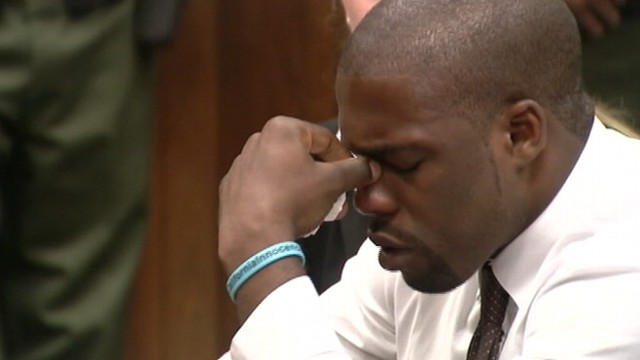
Brian Banks followed Mr. Elba’s advice to the letter. He had nothing to hide. That still wasn’t enough, though. His life was still derailed and had the accuser not confessed, he probably wouldn’t have been able to rebuild his life to the extent that he has.

It’s easy for someone like Mr. Elba to give that advice and just as easy for him to practice it. As I noted before, he’s rich, successful, handsome, and respected. If someone tried to falsely accuse him of sexual misconduct, he wouldn’t have a hard time fighting it. Beyond his reputation as the sexiest man alive, he has access to the best legal defense that obscene wealth can buy.

People like Brain Banks don’t have that luxury. Exceedingly few individuals do. Banks plead guilty to a crime he didn’t commit because, without those resources, there was a real possibility that he would’ve gotten a much worse sentence. He’s actually fortunate that he managed to escape the fate he did. Others, however, weren’t so lucky.

Brian Banks’ story, alone, is tangible proof that Mr. Elba’s advice is incomplete. Sadly, there are other stories like this and some of them have far less pleasant outcomes. According to the Innocence Project, there are an estimated 20,000 innocent people serving prison sentences for crimes they did not commit. They too had nothing to hide, but were convicted anyways.

There’s men like Randolph Arledge, who served 29 years for a rape and murder that he did not commit. The evidence that convicted him was based entirely on informant testimony.

There’s also the story of Marvin Anderson, who had no criminal record when he was convicted of a brutal rape for which he served 20 years in prison.

There’s also the case of Ted Bradford, who spent 10 years in prison for a rape he did not commit. There wasn’t even any physical evidence tying him to the crime.

There’s the case of David Johns Bryson, who served 20 years for heinous crime involving kidnapping and rape. A combination of bad forensic science and misguided police tactics did him in.

These men are not celebrities. They’re not rich movie producers or well-connected politicians. They’re just ordinary men trying to live their lives. They had no more to hide than anyone else. That still wasn’t enough. In some cases, they were the victims of mistaken identity. In others, they were the targets of a vindictive accuser. In every case, their lives were irreparably damaged.

I still don’t doubt Mr. Elba’s sincerity. Even those who applaud his words probably don’t realize the flaws in his advice. Names like Brian Banks probably don’t ever cross their mind. Even if it did, Mr. Elba’s words present a clean, concise response to those who express concern about the larger impacts of the anti-harassment movement. For those looking for an easy recourse to a difficult problem, it has a lot of appeal.

That’s the biggest problem with simple solutions to complex problems. The narrative of the anti-harassment movement, or any social movement, cannot accommodate that much complexity. If it did, the narrative wouldn’t be as compelling. As I’ve noted before, the idea that there’s this brave movement of empowered women standing up to serial abusers has all the makings of a feel-good Hollywood story.

The reality, though, is far less ideal. Men like Brian Banks found that out the hard way. If the work of the Innocence Project is any indication, there are probably plenty more who never had anything to hide, but still got convicted. For them, Mr. Elba’s advice will only compound one kind of injustice with another.


2 Comments

Filed under Celebrities and Celebrity Culture, Current Events, gender issues, human nature, media issues, men's issues, outrage culture, political correctness, sex in media, sex in society, sexuality, women's issues

Masculinity, Feelings, And The Taboo Of Expressing Emotions

man-crying_2532946b

Real men don’t get all touchy-feely with their emotions. How many times have you heard that said in one way or another? Maybe that’s the wrong question to ask. Maybe a better question would be why is it that men can’t get emotional without it being a flaw?

Whatever way you frame the question, it’s hard to deny that there’s an unspoken taboo when it comes to men expressing emotions. A man who gets emotional is seen as weak. He’ll get called a sissy, a wimp, or a pussy. Their ego takes a hit. Their reputation and sense of worth takes a hit. As a result, men have little choice but to suppress their emotions, which is objectively unhealthy.

Conversely, a woman who gets emotional tends not to get criticized. For them, showing emotions is normal. We don’t think it’s wrong for a woman to cry during an emotionally distressing experience. We don’t see that as a sign of weakness. If anything, we would be more concerned if they didn’t show emotion.

It’s a strange, but impactful dynamic. One gender is allowed to express a wide range of emotions without ridicule. The other is expected to suppress those emotions. For men, the only acceptable emotion, it seems, is anger. Men being angry is the only emotion they can show that isn’t entirely taboo, although even that is changing.

The same regressive attitudes that create meaningless terms like “toxic masculinity” adds even more constraints on men’s emotions. Now, a man isn’t even allowed to be angry anymore. His anger just identifies him as another member of a toxic culture that hates women, despises minorities, and wants to create a patriarchal world where they’re all Don Draper.

I hope I don’t need to explain why that notion is wrong, misguided, and just plain asinine. That’s not the purpose of this piece.

I bring this topic up because, as a man, I’ve felt the impact of these attitudes on a personal level. There are a lot of stereotypes about men and masculinity that don’t bother me because the effects are usually overblown or exaggerated. This is one issue where I’ve felt genuine distress.

As I’ve said many times before, I’m a big romance fan. I love romance in comics, movies, TV shows, and even video games. I’ve been a fan of all things romantic since I was a teenager. However, a young man who admits that enjoys romance is likely to get a lot of odd looks from men and women. Nobody ever told me that it’s uncool for men to like romance, but that’s the impression I got.

As a result, I was downright secretive about my love of romance. I wouldn’t mention romantic sub-plots in movies or TV shows among friends or family. I often had to seek out romantic media covertly. There were even occasions where I would be watching something with heavy romance on TV, but change the channel as soon as someone entered the room.

At times, I treated hiding my fondness for romance with the same tact as most men would in hiding their porn stash. If anything, hiding porn would’ve been easier because most people expect men to enjoy that. A man admitting he watches porn won’t surprise anyone these days. A man admitting he enjoys romance doesn’t have that luxury.

That sounds melodramatic on my part and in hindsight, it probably was. However, being a man, I didn’t want to deal with that extra scrutiny. Growing up, I already had other personal issues to deal with, including a terrible acne problem that killed my confidence for most of my youth. The last thing I needed was another reason to feel like a freak.

Eventually, it helped when I found online communities full of romance fans who were men, women, gay, straight, bisexual, and everything in between. That finally gave me an outlet and it’s a big reason why I started writing sexy stories. While I’ve come to appreciate that outlet, it was still frustrating having to hide the fact that I liked romance. If I weren’t a man, it wouldn’t have been a big deal.

As hard as that was, the cost of managing emotions as a man can get much higher. Just this past year, I’ve felt the extent of that cost in ways I honestly can’t put into words. It started with the passing of my grandmother. Saying goodbye to her was one of the hardest things I’ve ever done before.

I had to go through so many painful feelings during that process. I couldn’t tell you whether I handled them well. I like to think I did, but I can’t say with a straight face that I successfully managed my emotions through that whole ordeal. There was a lot I had to either temper or suppress.

It wasn’t because someone was stopping me. There weren’t a cabal of other men actively shaming me for feeling sadness, sorrow, and grief. There weren’t teams of women questioning my masculinity because I dared to show unmanly emotions. As a man, I just didn’t know how to express these feelings. There was just a sense that this wasn’t something men did.

I think it’s only getting harder as masculinity, itself, faces more scrutiny. Nobody can seem to agree on when it’s okay for men to get emotional or how they should go about it. We just know there’s a high price for screwing up. Think about the kinds of criticisms men face if they don’t put on the tough, confident poise of James Bond.

A man who shows too much anger is just a product of toxic masculinity.

A man who cries openly is overly sensitive.

A man who is overly romantic is either whipped or domesticated.

A man who shows sadness is weak and incapable.

A man who tries to talk about his feelings is either mansplaining or whining.

Given all these pitfalls, how is a man supposed to go about expressing his emotions? Just being strong isn’t enough anymore because strength has steadily become more gender neutral. While I think that’s a good thing for men and women alike, I also believe that dealing with emotions is a major blind spot in the world of gender politics.

That’s not to say this issue is being ignored. In wake of the anti-harassment movement, there has been some efforts to re-evaluate how we think about men and emotion. A few tech companies have even formed private men’s groups where men can get together and do more than discuss these issues, among other things.

I can already hear some men saying those groups are for wimps. Some might even doubt the masculinity of the men who participate. That’s understandable. These kinds of attitudes don’t change overnight. However, between the growing suicide rate among men and the impact emotions have on mental health, this is an issue worth confronting.

I won’t say yet whether these groups will be effective at helping men with their emotions, but I believe it’s a start. I also believe that this is one issue in which men and women can come together on. Other parts of the anti-harassment movement and modern feminism are bound to be divisive. This can actually be a unifying force.

Human beings are emotional creatures. No matter how masculine you are or how feminine you are, you’re going to experience a wide range of emotions over the course of your life. If one gender can’t even figure out which emotions are socially acceptable, then how can we hope to forge emotional bonds with one another?

I don’t doubt that emotions are difficult to deal with. I’ve learned that the hard way this past year. I know plenty of other men who are going through the same struggle. In the end, being able and comfortable expressing feelings should be one of the most gender-neutral aspects of the human experience.

2 Comments

Filed under gender issues, human nature, men's issues, outrage culture, sex in society, sexuality, women's issues

Movember Memories: Recounting The Time I Let My Beard Grow For Three Months

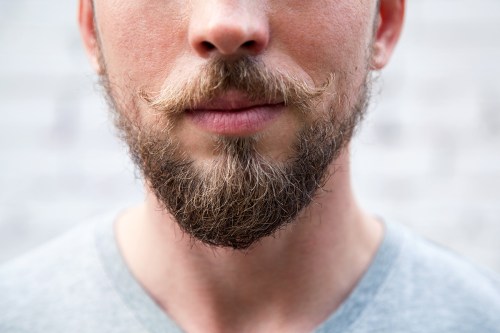
Close up man 's face with a beard and mustache

Greetings, and a very happy Movember to everyone. What is Movember, you ask? It’s not a holiday, a new social movement, or some exciting business opportunity that requires your credit card number. It’s actually an engaging, month-long event that helps raise awareness for objectively good causes.

Specifically, those causes involve serious issues affecting men, such as prostate cancer, testicular cancer, and suicide. In the same way Breast Cancer Awareness Month brings attention to a serious health issue that affects women, Movember does something similar for men. However, participating involves more than just talking about these issues.

Men who participate in this effort show their support by growing mustaches. For an entire month, they channel their inner Ron Swanson to show support for those affected by this issue. It may not seem like much, but it has had a positive impact. In 2012, the Movember Foundation raised $95 million dollars. Also, like Ron Swanson, it demonstrates the power of the mustache.

If you haven’t already, please consider donating to the Movember Foundation. Whether you’re liberal, conservative, feminist, libertarian, socialist, communist, or even an anarchist, it’s a great cause that helps a lot of people. I know gender politics is very heated these days, but providing support to those who need it should not be controversial.

In the spirit of Movember, I’d like to share a personal story that I think is fitting for this cause. It has to do with me and my relationship to facial hair. It’s something nearly every man has to deal with as they grow up. Everyone goes about it their own way. Some have to figure out the hard way that there’s a right and wrong way to manage it.

That’s exactly what I had to go through one fateful fall during my first semester of college. It was an exciting time. The nightmare that was high school was over. My acne problem had finally passed. I had been accepted into my top choice school. I finally had a chance to live on my own and get a taste of real independence. These were exciting times, indeed.

I celebrated that independence in many ways, but one of the first was that I stopped shaving entirely. For me, that was a big deal because I liked letting my facial hair grow. At first, it was just a good way for me to cover my acne. After a while, I just liked the way it made me look. Like my father and uncles, facial hair made me look distinctly masculine. It also gave me some badly-needed confidence.

While living at home, my mother often made me shave or trim my beard. Usually, she wouldn’t let me go more than two weeks without some kind of trim. I understand why she did it, but I still wanted to develop my own manly look. In college, I got that chance and I took it.

For three straight months, I did not shave. I didn’t use any blades, clippers, or trimmers. I just let my beard grow. Compared to all the other crazy things I could’ve done during my first semester in college, it was pretty tame. For me, though, it was a genuine thrill because I got to decide for myself how I wanted to look.

As a result, I learned a lot of important lessons about facial hair. For one, it can get dandruff. That actually became an issue at one point. It wasn’t enough to make me shave it, but after about two months, I had to actually put shampoo in my beard to keep the dandruff from getting too bad.

The next thing I notices is that when food gets caught in it, you tend not to notice until hours later. When a good chunk of your diet consists of noodles and cafeteria food, that is somewhat of an issue. One time, I got a box of buffalo wings for a football game. It got so messy that there were sauce stains in my beard for the rest of the day. Considering how much I love that smell, I didn’t see that as a bad thing.

Then, the weather got cold and I learned something else about having a thick beard. It will freeze up in a cold rain. A week before Thanksgiving, some freezing rain hit the area and I actually felt miniature icicles form in my beard. It was a weird feeling, but I didn’t see it as a detriment.

Shortly after that, though, I finally caved and trimmed it. I didn’t shave all of it off. I just trimmed it. My reason for doing so had less to do with the effects of the hair and more to do with the overall look it gave me. In addition to not shaving my beard, I didn’t cut my hair either. In doing so, I learned that unkempt hair over my entire face just wasn’t a good look for me.

I won’t say I looked bad. I’ll just say that I looked a bit too much like a first-year college student who enjoyed not being told when to shave. At one point, I looked like a crazed mountain man who lived in a cabin without running water. You can get away with that look in college. In the professional world, however, it’s a bit tougher.

After trimming it for Thanksgiving, I finally got into the habit of trimming it regularly. For a while, I just trimmed it with clippers every two weeks. Eventually, I got around to actually shaving parts of it. At one point, I did shave all of it off, but that did not look good on me. By the time I graduated college, I found a look that I embraced.

Currently, I maintain a healthy patch of facial hair that I try to keep trim. I haven’t let my beard grow that much in a long time. For Movember, though, I occasionally let my mustache get extra thick. I think it looks good on me and it helps me convey the kind of masculinity I want.

I don’t know if I’ll ever let my beard grow that thick again. Maybe at some point down the line, I’ll give it another shot. It may look better on me now than it did in college. If I do, I’ll be sure to share the results.

In the meantime, I encourage everyone to participate or contribute to Movember. Again, please take some time to donate to the Movember Foundation. There are serious male issues worth confronting. You don’t have to grow a thick beard like I did. You just have to let your manly mustache do the talking.

4 Comments

Filed under gender issues, Jack Fisher's Insights, men's issues, sex in society

Controlling Women’s Bodies Versus Policing Men’s Thoughts

000_hkg10109760-e1506859911100

Discussing gender issues, whether it’s from a feminist perspective or a male perspective, is fraught with problems. I’m not just referring to the hashtags, virtue signaling, systemic deficiencies, or historic injustices, either. Talk to anyone on any part of the political spectrum for more than five minutes and you’ll realize something very quickly.

Addressing gender issues isn’t just difficult. It’s frustrating.

By that, I don’t mean that it’s impossible to have a productive conversation. There are just certain aspects of that conversation that are intractable. We’ll never be able to agree because we’ll never be on the same page.

Women will point out the historic abuses and injustices perpetrated by men.

Men will point out the inherent advantages and privileges that women are afforded.

Women will bemoan instances of harassment, toxic masculinity, and patriarchal oppression.

Men will cite instances of egregious double standards, male disposability, and cultural marginalization.

Those in the transgender community will point out how both sides are guilty of denigrating their community.

From the most radical of feminists to the most egregious misogynist, there seems to be no common ground. It fuels a great deal of the perpetual outrage culture surrounding gender. Whatever your ideology, it feels like there’s no underlying thread through which we can get to the heart of the conflict.

While I don’t claim to be an expert in feminism, men’s issues, or gender, I’ve written enough about these topics to gain some insight. In doing so, I wish to do something other than complain about the state of gender politics. Instead, I’d like to offer an idea that I believe puts many gender-driven conflicts into a more cohesive context.

The primary catalyst for gender conflicts boils down to controlling women’s bodies versus policing men’s thoughts.

I know it’s a generalization, one that seems too simple to cover so many complicated issues. However, the connections are there. If you take a step back, it’s possible to see how many current and past issues involving gender came down to this simple dynamic.

To understand its implications, take a moment to think about the different ways we judge men and women. Consider how we do it now, how we’ve done it in the past, and the ways we justify it. When you look at the big picture, there are some clear patterns.

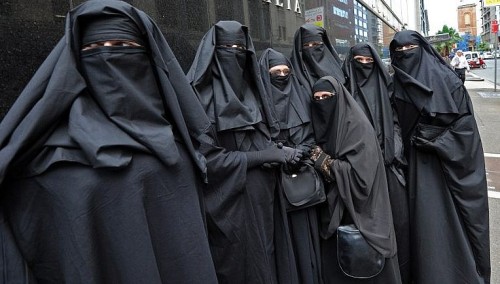
Take, for example, the extent to which modesty and chastity is emphasized for women. In both modern Islamic cultures and ancient agrarian cultures, a virtuous woman was one who didn’t show off her body, didn’t have promiscuous sex, and didn’t thrust herself into major issues. At the same time, modesty in men is never mentioned.

Why is this? I know some feminists will cite the nefarious patriarchy as the source of all female marginalization. That makes for a great melodrama, but it does not reflect reality. I know I’ll upset a few feminists here when I say this, but I think it needs to be said.

The obsession over the female body has nothing to do with patriarchy and everything to do with the fact that women bear children. That’s the one intractable difference between men and women that no ideology can deny. One gender has to carry the future of the species inside their bodies for nine months and the other doesn’t.

Any woman who has endured a pregnancy can attest that this process is strenuous, to say the least. Unfortunately, it’s necessary for the continuation of our species and, by default, the growth of society. From a purely pragmatic perspective, it makes sense to micromanage female bodies.

We need female bodies to be healthy and safe in order to bear children. The fact that, for much of recorded history, men needed to be certain those children were theirs for the inheritance of property only increased that need. Women who were promiscuous, injured, or in any way damaged didn’t just result in their own suffering. It could cause the entire tribe to suffer.

It certainly doesn’t help that we had a limited understanding of human biology and disease until recently. It also doesn’t help that these values of protecting female bodies became enshrined in religion and culture, some of which are still practiced today. This emphasis on controlling the female body is the foundation on which many taboos, traditions, and tropes are built.

On that same foundation is the other side of that dynamic that involves policing the thoughts of men. By that, I don’t just mean men acting immature at the sight of a naked woman or cringing at discussions concerning female biology. I’m talking about a mentality that builds assumptions and expectations about an entire gender based on unknowable thoughts.

Think back to what Judeo-Christian morals say about men who look at a women with lust. It’s such an important issue that Jesus himself says outright that just thinking sexy thoughts about a woman is a major transgression. He didn’t say anything about homosexuality, but he made it clear that contemplating lust is as bad as acting on it.

Many religious traditions and cultures place a similar emphasis on the subject. It’s why traditions in Islam and ancient China advocate separating men from women. If they’re in close proximity, they may look at one another. If they look at one another, then they may think lustful thoughts.

This isn’t just cultures being sexually uptight or overly patriarchal. This emphasis on scorning men’s thoughts makes logistical sense when you look at the intent. From perspective of a functional society, it has to emphasize thought over actions because just judging a man for his actions is insufficient when you extrapolate the consequences.

Say a man sexually assaults a woman. The community rightfully convicts him and punishes him as harshly as possible. No matter how harsh or cruel, though, it doesn’t undo the harm he inflicted on the woman. She is still traumatized. She might even be permanently injured. As I noted before, when a female body suffers, it puts the future of the community in danger.

As a result, we have no choice but to attack the thoughts of the man that preceded his assault. The only way to prevent damage to the female body is to prevent those violent thoughts from occurring in the first place. Unfortunately, we can’t read thoughts. We don’t know what a man is or isn’t thinking when he commits an egregious crime. As a result, we’re left with expectations and assumptions.

That’s where we get flawed concepts like toxic masculinity, the male gaze, and mansplaining. That’s also why there’s a greater emphasis on assuming the guilt of men and believing the claims of women. Attacking their thoughts is the only sure-fire way to prevent them from turning into actions that would harm women and their bodies.

Please note that I emphasized the harm to the female bodies with respect to men’s actions. That’s not an accident. The assumptions are the same today as they were in ancient times when protecting the reproductive function of women wasn’t just a cultural tradition. It was a matter of survival. Any effort that could reduce the chances of a female body being harmed had merit. From there, natural selection does the rest.

With this dynamic in mind, look at some of the relevant cultural issues going on today. Even if the connections aren’t direct, the influencing factors are there. Nearly every one of them come back to controlling women’s bodies and policing men’s thoughts.

At the heart of the abortion debate is controlling women’s bodies.

At the heart of the debate over depictions of women in media is policing men’s thoughts.

At the heart of the anti-harassment movement, the anti-pornography movement, and the opposition to prostitution is the control of female bodies and the policing of men’s thoughts.

It’s rarely stated outright. However, that is what many issues comes back to. Often times, the people involved won’t use words like “control” or “policing.” They’ll claim they’re protecting women’s bodies and enlightening men’s thoughts. That may be the intention, but there are only so many ways anyone can go about pursuing such recourse.

To protect anything, you have to be able to control it to some degree. We can’t protect people, pets, or possessions without some kind of containment. The same goes for reforming someone’s attitudes. It’s necessary to police undesired thoughts to promote the thoughts you want.

In both cases, the outcome is the same. It’s both impossible and untenable to completely control women’s bodies. That requires a level of subjugation that even the most brazen misogynist cannot stomach or maintain. It’s just as impractical to police men’s thoughts. We can never know for sure what someone else is thinking. We’re left to assume and that’s usually the first step towards expecting the worst.

Despite the efforts of government, culture, tradition, and organized religion, nobody has come close to controlling women’s bodies and policing men’s thoughts to any sustainable extent. Men will still think sexy thoughts, a small part of which will precede a serious crime. Women will still put themselves at risk to be free, have fun, and enjoy their bodies on their own terms.

Even if 99 percent of what men think results in no crimes and 99 percent of what women did with their bodies resulted in no negative effects, we’ll still obsess over that one percent of the time when something goes horribly wrong. That obsession will continue to fuel the most radical parts of feminism and the most vocal parts of men’s rights activists.

For now, there’s no way to bridge the gap. That may change as a result of major social and technological trends, but this is the current situation. Again, I don’t claim this idea of controlling women’s bodies and policing men’s thoughts is the definitive catalyst for all gender-driven conflicts. This is just an idea I wanted to share in hopes of providing perspective.

14 Comments

Filed under gender issues, human nature, men's issues, outrage culture, political correctness, sex in society, sexuality, women's issues

Why Men Should Also Be Concerned About The Future Of Roe v. Wade

108294094

These are tenuous times for abortion rights. Regardless of your gender, there’s no getting around the news. The overall trend in abortion access is not on the path of greater accessibility. If anything, it’s going in the opposite direction.

Regardless of which side you’re on in this exceedingly divisive issue, there’s no denying the legal reality. For the past 25 years, a woman’s ability to get an abortion has steadily eroded, thanks largely to the spread of TRAP Laws. These laws may not explicitly outlaw abortion, but they make getting one inconvenient at best and impossible at worst.

As I say in every piece I write about abortion, I don’t particularly enjoy talking about abortion. This is an issue that I feel I’m woefully unqualified to talk about because I’m not a woman and will never know what it’s like to be in such a difficult situation.

That said, there is an aspect about this topic that I feel needs to be addressed and it’s a part of the issue that impacts men. It takes two to make a baby, last I checked. Even though it’s objectively true that abortion affects women more directly, men do have a role and I feel that role will expand as abortion rights trend in a less-than-liberal direction.

As I write this, the United States Supreme Court is in the midst of a huge shake-up. After the retirement of Justice Anthony Kennedy, the justice system is poised to shift heavily to the right. That has caused plenty of concerns among those who worry about the status of Roe v. Wade, the Supreme Court case that legalized abortion nationwide in 1973.

At the moment, it still seems like a long-shot for this decision to be overturned. However, Supreme Court decisions have been overturned in the past. It happened with racial segregation. It happened with anti-sodomy laws. Legally speaking, there’s no reason why it couldn’t happen with abortion.

Now, that process is fraught with a long list of political, legal, and ethical complications, the least of which would be the long-term alienation of whatever political party favors it. However, I don’t want to harp too much on the politics here. Instead, I want to focus on the social component because that’s where the effects will be most directly felt.

Women, by far, will be the most directly impacted. There are still women alive today who can recount what life was like before Roe v. Wade. Their stories are becoming more relevant. For men, however, I don’t think those stories are as well-known and for good reason. Women had to endure bearing those unwanted children. At worst, men just found themselves on the wrong end of a shotgun wedding.

If Roe v. Wade were overturned, however, that wouldn’t be the only predicament most men faced. Beyond the abortion issue, 1973 was a very different place. In that world, it was possible for a man to just skip town, run out on a pregnant woman, and never interact with her again. While that man would have to be a callous, irresponsible asshole, it was possible and it did happen.

That sort of thing isn’t as easy to do today. Anyone who has seen a single episode of Maury Povich knows that. Between social media, improvements in paternity tests, and tougher child support laws, most of which came after 1973, it’s a lot harder for a man to escape parental obligations. It’s not impossible, but it’s not as easy as just skipping town.

In a world where women cannot easily end an unwanted pregnancy, there will be greater incentive to find these reckless men and hold them responsible. Where there’s an incentive, especially one that has the potential to become a lucrative legal racket, there will be people and businesses that emerge to fill that need.

How that manifests is hard to determine, but desperate people will find a way and you won’t find many more desperate than a woman dealing with a child she can neither afford nor care for. I know a sizable contingent of people, many of which are probably men, will blame the woman for being promiscuous. That still doesn’t change the basic equation of human reproduction.

Two people are involved. Those people, in a world where decisions about a pregnancy are pre-made by the law, are going to be in a tough situation. Regardless of whether a pregnancy was the result of an accident, a crime, or an extortion plot, there will be serious ramifications and not just in terms of legal fees.

The story of women enduring the rigors and hardship of an unwanted pregnancy are many. However, the story of men living in a world without Roe v. Wade and modern child support laws haven’t been told yet because the circumstances haven’t been in place. On the day Roe v. Wade gets overturned, those stories will begin and those are stories men don’t want told.

They’re not very sexy stories, to say the least. They have sexy moments, but extremely unsexy outcomes. Picture, if you can, the following scenario that may play out in a world without Roe v. Wade.

A young man with plenty of dreams has a one-night stand with a woman in a lone act of recklessness. The woman ends up pregnant. Since they live in a state where abortion is illegal, she has to have the child. The man has no idea for months until the woman tracks him down through the courts, forces him to take a paternity test, and confirms that he’s the father.

With no say in the matter, he’s legally liable for child support for the next 18 years. The woman, without any of his input, decides to keep the child instead of putting it up for adoption. The man resents the woman for making this decision without him, but begrudgingly goes along with it, if only to avoid the stigma.

Years go by and his life becomes more of a struggle. He can barely afford to support himself due to the child support payments. He and the mother of his child are constantly at each other’s throats, going through legal battles over how much support is needed and how much access he should have to his child.

Between the legal and financial struggles, both end up in poverty. Their child ends up in poverty too, growing up in a broken home. In a world where there are few choices for women and fewer choices for men, there are plenty others.

Does that sound like an appealing, functional society? Does it sound like one that benefits men, women, and children in any capacity? You don’t need to be a liberal, conservative, or a Supreme Court Justice to understand why such a society is undesirable.

Some of this isn’t even speculation. There have been societies that have outlawed abortion completely. Those societies didn’t prosper. They didn’t benefit men, women, or children. However, the lessons from those societies will probably not faze the anti-abortion crowd. I doubt they’ll give any judges or legislators pause as they push for more restrictions.

The impact of these laws will be felt first by the women. They still bear the children. They’ll still suffer the most negative effects at first. Those effects will quickly find their way to the men, as well. Unlike the men prior to 1973, they won’t be able to escape it.

As a man, there’s only so much I can bring to the table in the abortion debate. However, given the current laws surrounding child support, child rearing, and parental rights, there are more than a few issues that should give men cause for concern. Even if you’re a man and you consider yourself anti-abortion, there’s one inescapable truth. A world without Roe v. Wade is going to impact everyone.

4 Comments

Filed under gender issues, human nature, Marriage and Relationships, media issues, men's issues, outrage culture, political correctness, sex in media, sex in society, women's issues

Why I Don’t Use The Term “Social Justice Warrior” And Ideas For A Better Label

sjw-o-face

Every now and then, I get comments and criticisms about my writing style. Some are constructive. Some are just angry rants that I’m perfectly content to ignore. There is one criticism, though, that I feel is worth addressing.

Specifically, it involves some specific terms I avoid using. Most people with an internet connection or access to cable news have probably heard the term “social justice warrior” at least once. It’s rarely in a positive light. It’s often used as an insult or a signal that you’re about to say something that’s going to evoke a lot of angry comments on social media.

I’ve been tempted to use it in the past. I’ve discussed many topics involving feminism, men’s issues, and social inequality that often get people throwing that term around as though it were a demonic chant. There’s a reason I’ve avoided it, though, and I hope to demonstrate that it’s a good reason.

First off, I want to make clear that I despise the term “social justice warrior” almost as much as I despise “toxic masculinity,” a phrase I believe cannot fade from our language fast enough. I see this label as one of the worst manifestations of the English language since the hippie era and at least they could blame psychedelic drugs.

I also believe that its continued usage will do more to breed hatred, outrage, and division at a time when we’re already more divided than ever. It derails a conversation and detracts from discussions about serious issue involving society, justice, and gender. This term is literally holding back progress, which is ironic given the nature of its definition.

The actual definition of a social justice warrior, or SJW as it’s colloquially used, is somewhat vague. It’s a modern-day catch-all term for a particular brand of politics and social attitudes. According to Wikipedia, the definition is as follows:

A pejorative term for an individual who promotes socially progressive views, including feminism, civil rights, and multiculturalism, as well as identity politics. The accusation that somebody is an SJW carries implications that they are pursuing personal validation rather than any deep-seated conviction, and engaging in disingenuous arguments.

I think that definition covers most of the most common ways the term is used, but I think it underscores how much vitriol it inspires. Spend any amount of time on social media and you’ll find some of the most hateful, demeaning, and divisive rhetoric you can imagine.

However, it’s not just the extreme rhetoric this term inspires that discourages me from using it. It’s not even the tendency for a conversation to devolve rapidly as soon as the words “social justice warrior” show up in a sentence. What I find most objectionable about this term is how fundamentally dishonest it is.

To illustrate how, look at the anti-abortion movement, another extremely divisive issue that tends to evoke all the wrong emotions. There are some pretty passionate opponents to abortion, but they don’t call themselves anti-abortion. They call themselves “pro-life.” It’s a disingenuous term, but from a marketing standpoint, it’s brilliant.

That’s because, if you go by the literal meaning of the words, it means you’re for life in general. It doesn’t directly imply anything about abortion. By calling themselves “pro-life,” they skew the meaning so that they can claim they’re on the side of all things alive and good.

Again, it’s a smart ploy, but it’s also dishonest and George Carlin did a brilliant job of explaining why. Those who use the “social justice” label use a similar tactic. They use words that denote inherently positive concepts like society and justice. However, I would argue that this ploy is even more dishonest than those hiding behind the “pro-life” table.

Most reasonable people are for justice. They’re also for a functional society in which people of any race, gender, religion, or ethnic background can live in peace and enjoy the same protections under the law. On paper, we have that. In practice, there’s room for improvement.

However, whenever I listen to someone who adheres to the Wikipedia definition of “social justice warrior,” I never get the impression that their ideas of justice are genuine. They tend to reflect a personal, selfish brand of justice that is more concerned with how the world makes them feel and less with how it really works.

A “social justice warrior” will look at issues like female depictions in video games, cultural appropriation in media, and proper pronoun usage and not see the full picture. In fact, they’ll go out of their way to ignore that picture and focus only on the parts that sends their emotions into overdrive.

It’s not enough to just criticize these injustices. A “social justice warrior” has to treat them like some grand conspiracy by wannabe fascists who bathe in the tears of orphans and wish they could still own slaves. It becomes a potent blend of holier-than-thou grandstanding and virtue signaling. To say that brings out the worst in some people would be an understatement.

Talk to most people outside a 4chan board and chances are, they’ll be in favor of a just society whether they’re liberal, conservative, progressive, feminist, or whatever other political affiliation they may have. The fact that “social justice” now has more to do with misguided outrage and little to do with actual justice is downright tragic.

The term gets thrown around so often that I’ve made a conscious decision to just avoid using it in my writing. After this article, I intend to use different words that I feel are more reflective of the outrageous attitudes that “social justice warrior” evokes.

I’m not doing that because using words gives them power and I don’t want to give “social justice warrior” more power than it already has. While I doubt that’ll reduce the vitriol it currently carries, I still prefer terminology that’s more reflective of these damaging attitudes.

In the name of offering some potential solutions to this issue, I want to put forth a new approach to dealing with the “social justice warrior” phenomenon. I believe that it reflects an ideology that’s worth confronting. It espouses attitudes that promote censorship, infantilize groups of people, and elevates one person’s feelings over another for all the wrong reasons.

These are people and attitudes that will continue to make noise and push bad ideas on a society that already has too many circling around. For that reason, I believe that warrants creating some new labels for them, one that I think is more descriptive of what they truly area. Here are just a few.

Professional Whiner

Regressive Whiner

Weakly Whiner

Sad Whiner

I think the theme here is pretty obvious. Most of the time, “social justice warriors” don’t really protest. They whine. They whine in a way that’s worse than any child. They don’t try to solve a problem. They don’t try to learn the facts and figure out a better process for doing something. They just whine.

That’s not just pathetic. That makes whole “warrior” part of their label hypocritical. Warriors are supposed to fight and not whine. When reality doesn’t cater to your feelings, whining never changes that. A “social justice warrior” may even understand that, but they also understand that without validation of some sort, their outrage is empty.

That, I believe, is the key to confronting the misguided attitudes of the “social justice warrior” phenomenon. Attitudes that have little to do with actual justice or a healthy society need to be called out for what they are. I say that as someone who does have attitudes that some may consider progressive, but I understand that whining about them won’t do much to further those ideals.

At the end of the day, if all “social justice warriors” have to go on is whining, then the harsh reality of the world will do plenty to undercut their attitudes in the long run. Calling them what they truly are will just help remind them a little sooner.

4 Comments

Filed under Current Events, gender issues, philosophy, political correctness, sex in society

Why The Sexual Revolution Was Incomplete (And How It Can Be Completed)

hippies-free_-love_-600x521

Imagine, for a moment, putting together a piece of furniture, but stopping before it was finished. Depending on where you stop, chances are the furniture isn’t going to be as useful as you’d hoped. Sure, it may still function to some extent, but it’s incomplete. As a result, it can’t entirely do what it’s supposed to do.

With that idea in mind, imagine the same thing happening to a major social movement, a new vision for society, or a full-blown revolution. What happens if it stops before it realizes its goals? Even if some of those goals were unachievable, abruptly stopping an ongoing process or not bothering to adjust the methods of that process is bound to cause issues.

Some argue that the civil rights movement that began in 1950s was never completed. Others may argue that the French Revolution and the Russian Revolution were never complete, which was why they resulted in so much chaos and destruction. I’m not an expert on those subjects so I’m not going to wade into them.

However, I would support an argument stating that the sexual revolution that began in the 1960s was not complete and that has heavily influenced ongoing controversies involving sex, gender, and everything in between. Again, I am not an expert in this field. I am an aspiring erotica/romance writer. I’m about as much an expert as I am a wizard.

Expert or not, I do think that incomplete revolution is worth talking about in the context of ongoing gender-driven issues. We’re in the midst of pretty significant upheaval in wake of the anti-harassment movement, which I’ve talked about on more than one occasion and in some pretty eclectic ways. It may seem like this upheaval is very recent, but I believe its roots go back to the sexual revolution in the 1960s.

With each passing year, the sexual revolution gets a worse and worse rap. Conservative types will blame the sexual revolution for everything from human trafficking to the Catholic Church sex abuse scandals. Liberal types are starting to blame it on current social ills like the Harvey Weinstein scandal and so-called toxic masculinity.

To some extent, that’s understandable when you consider the context of the sexual revolution. As I’ve noted before, this major social upheaval emerged in a perfect convergence of factors. First, contraception and modern medicine made exploring sex less risky. Second, a generation of young people that has grown up in the exceedingly uptight 1950s rebelled.

Regardless of how you may feel about the sexual revolution now, it’s easy to understand why it happened when you look at the circumstances. A generation saw the state of sex in society and were not satisfied with it. As such, they sought change. Moreover, they sought radical change and not just in the classic hippie sort of way.

It wasn’t just about unmarried men and women having sex just to enjoy it and not make grandkids for their parents. The sexual revolution dared to explore and undermine taboos about homosexuality, monogamy, and gender roles. To some extent, the sexual revolution helped facilitate a new era of feminism that pushed for greater gender equality.

While I know feminism has some controversial connotations these days, the brand of feminism that emerged during the sexual revolution is one that I think most would support in 2018. They helped push for some of the legal protections and educational opportunities that have helped multiple generations of women and men alike.

Moreover, and most importantly to the gender issues of today, the sexual revolution attempted to normalize discussions and depictions of sexuality in general. One could argue that was the most critical aspect of the revolution, beyond the hippies and free love. After all, it’s next to impossible to have a meaningful discussion about anything if the topic is so taboo.

It’s also in this critical area, however, that the sexual revolution came up short. Sure, those involved did plenty of outrageous things, in private and in public, that shocked and terrified their more repressed elders. That was revolutionary for its time. However, they didn’t confront the stigma surrounding sex, at least not in a way that was gender neutral.

This is where I’m sure I’m going to draw the ire of both sides of gender-driven debates, but I think this needs to be said to add a little insight to the current debate. Yes, the sexual revolution did a lot to make sexual activity outside of marriage less taboo. However, that impact did not affect men and women the same way.

In wake of that revolution, men no longer faced as much stigma for fooling around sexually. The idea of “boys will be boys” became an accepted mantra. A young man fooled around in his youth, had multiple partners, and generally enjoyed himself without much shame. The sexual revolution helped him a great deal in terms of realizing his sexuality.

Ideally, women should’ve enjoyed the same freedom. However, that’s not what happened. There’s no “girls will be girls” equivalent. Even during the sexual revolution, women who slept around like their male counterparts were still subject to stigma. They were still called sluts and whores. They were generally looked down upon.

Now, before some start bemoaning “patriarchy” or something of the sort, it’s important to note that the source of that stigma does not come exclusively from men. In fact, according to a study done by Demos, other women were far more likely to slut-shame or use derogatory words to other women compared to men.

Regardless of the source, that lingering stigma that the sexual revolution attempted to confront has helped maintain a significant gender gap with respect to sexual freedom. It’s why men can be studs, but only women can be sluts, a frustrating double standard that has lingered well beyond the 1960s.

It may also be a significant factor in the current orgasm gap between men and women. Whereas the male orgasm is seen as routine and uncomplicated, the female orgasm has this elaborate mystique surrounding it. Just talking about it seems akin to talking about the meaning of life.

In many respects, that vast disparity reflects the current sexual divide. Men are still expected to be sexually aggressive. Women are still expected to be sexually reserved. Any deviation is subject to stigma. As is often the case with expectations, it doesn’t take much for them to become a self-fulfilling prophecy.

Due to that aggression, society has done a lot to cater to male sexual desires. That same system has done just as much to mystify female sexuality. It’s a grossly imperfect system, one that limits the ability of women to explore their sexuality without fear while giving men in positions of power more reason to pursue sex as though it were a holy relic.

That is not in line with the ideals of the sexual revolution. Love them or hate them, hippies had the right idea in terms of openness about sex. They did not divide the sexuality of a particular gender into something entirely different. They saw it as one thing that was worth exploring, but stopped short of pursuing it fully.

That shortcoming has had some noteworthy consequences. Reason Magazine nicely summed it up in a recent article about the sexual revolution and the sexual frustrations that current generations face.

The problem is not that sex has been over commodified as hardline feminists and conservatives (talk about strange bedfellows!) like to assert; the problem is that it hasn’t been commodified enough. The sexual industry in the broadest sense hasn’t matured enough yet to cater to the myriad and diverse needs of lonely single people (of both sexes). Where are the Dr. Ruths for single people facing confidence issues or looking for advice?

Now, none of this is to detract from the aspects of the sexual revolution that were misguided or had long-reaching consequences. The law of proportional backlash for social movements doesn’t care how complete or incomplete it is. Even if the sexual revolution had succeeded, it would’ve still incurred a counter-revolution of some sorts.

Regardless of its shortcomings, the sexual revolution got the conversation going on how we stigmatize sex. It wasn’t completed and there are plenty of flaws in our current sexual landscape to show that. Even so, that conversation is still worth having and I would argue it’s more important to have now than at any time in 1960s.

1 Comment

Filed under gender issues, political correctness, polyamory, Second Sexual Revolution, sex in society, sexuality

What Radical Feminists and Incel Men Have In Common

bandw-man-and-woman-arguing

Since I’ve been browsing the internet, I’ve tried to keep up with its assorted jargon, slang, and euphemisms. Given the rapid pace of technology and the uneven pace at which society adapts, it can be pretty daunting. There are times I feel like I have fallen behind. I still remember feeling foolish when I asked someone what a hashtag was.

While I make an effort to keep up, there are certain parts of net-based sub-culture that I prefer to avoid. I’m not just talking about Twilight message boards. I’m talking about the kind of domains on the internet where people who have genuine, in-need-of-help problems congregate to whine, complain, and otherwise compound their problems.

One such sub-culture that I’ve avoided talking about on this site or in general is that of the so-called incel community. For those of you who haven’t heard of it, and I envy those who had avoided it thus far, incel stands for “involuntary celibate.” In essence, they identify themselves as men who would like to have sex, but cannot because women and society at large has prevented this. It’s as crass as it sounds, but it gets much worse.

I would’ve been content to never even mention the incel community on this site. Then, a self-identified incel carried out a deadly attack in Toronto that killed 10 people and suddenly incels weren’t just in the news. They were a genuine danger. Since I try to discuss relevant topics on this site, be they sex robots or superhero movies, I’m going to grit my teeth and talk about this frustrating phenomenon.

It’s not just frustrating because it gives men, masculinity, and people with poor social skills a bad name. It’s frustrating because it’s so inherently pathetic and juvenile. Moreover, it’s something that has an ironic, but fitting parallel with radical feminism.

Yes, I know that sounds counter-intuitive. I also imagine there are some self-identified feminists out there who want to punch me through their computer screen. To those individuals, I ask that you restrain yourself for just a moment so I can explain.

Before I go any further, I want to make one thing clear. I do not associate radical feminism with more mainstream brands of feminism that, for the most part, are fairly reasonable in their rhetoric and sincere in their efforts. I also want to make clear that I do not associate the incel community with men’s rights activists, who are every bit as reasonable and sincere.

The incel community and radical feminists are extremists, plain and simple. They don’t even try to be reasonable. Like the extremists of a religion or political ideology, they cannot and will not be dissuaded. Their attitudes and conduct are built on a foundation of unceasing, uncompromising outrage.

This is where, ironically and fittingly, both incels and radical feminists intersect. They are, to a large extent, defined by their outrage. They despise a world that they feel has deprived them of something they deserve. They carry themselves as perpetual victims, trapped in a society that actively plots against them to keep them miserable.

You don’t have to look too far to see the similarities here. The incel community doesn’t even try to hide its blatant misogyny, just as radical feminists don’t even try to hide their overt man-hating. The targets of their hate are different, but the intent behind it is the same.

The hatred is a catalyst and a rallying point for those inclined to embrace more extreme forms of ideology. That hatred simplifies complex issues, allows them generalize large swaths of people, and believe without question that there’s a cabal of evil bullies actively plotting against them. They are basically the Alex Jones of gender conflicts.

It’s for that reason that few take them seriously, even within feminist and men’s rights communities. Even when a radical feminist claims all heterosexual sex is rape or an incel man claims that all women are sluts, they’re either ignored or written off as trolls. However, in wake of recent events, that’s getting somewhat harder.

Between the attacks in Toronto and the growing spread of outrage culture, both radical feminism and the incel community have many ways of making their voices louder and spreading their hatred. Like any extreme within an ideology, they will complicate or outright corrupt reasonable debate on reasonable issues involving gender.

I believe those issues should be discussed and I’ve tried to approach them on this site in as balanced a way I can, at least to the extent I can as a man and an aspiring erotica/romance writer. However, in the same way creationism obscures science, radical gender ideology obscures real gender issues.

It even goes beyond derailing otherwise important debates about relevant issues. In the one area where both incel men and radical feminists are most alike goes back to their attitudes. Beyond the hate and trolling, there’s one other trait that binds them. They embrace and cling to the idea of perpetual victim-hood.

Incel men believe they are victims of greedy, selfish women who refuse to give them the sex and intimacy they want. Radical Feminsts believe they are victims of a greedy, oppressive patriarchy that only exists to bully them and hold them back. In that context, they are always victims. They never have to claim a shred of responsibility. They can just blame their perceived oppressors.

That’s not just insulting to real victims. It’s flat out lazy. Incel men and radical feminists carry themselves as though other people must go out of their way to give them something, be it sex, justice, or reparations of some sort. They, themselves, don’t have to do anything. They just whine, complain, and shame others to get what they want.

I would call that approach childish, but that would be insulting to children. The absurdity of that mentality is impossible to overstate. However, and I think reasonable feminists and men’s right activists would agree, there are a few basic truths that we all must accept, regardless of our gender.

The universe is not fair.

Some people are born with more advantages than others.

Nobody owes you anything, be it sex or preferential treatment.

Respect, achievement, and merit must be earned and not given.

These are the simple, inescapable facts of life. We learn them at some point in our lives. Some take longer than others, though. What makes incels and radical feminists so similar, and so unworthy of respect, is how they utterly refuse to learn those lessons. As a result, they’re just setting themselves up for more frustration.

6 Comments

Filed under gender issues, human nature, political correctness, sex in society, sexuality

The (Fragile) State Of Modern Chivalry

Courtesy Photo

These days, you can’t go more than a few days without hearing someone complaining that chivalry is dead, dying, or some elaborate patriarchal conspiracy to keep women in their place. A few are even arguing it’s part of some matriarchal conspiracy to control men. The very concept of chivalry is in a precarious state is what I’m saying.

Now, I’m somewhat hesitant to write about this because in my experience, both in real life and online, it brings out a lot of mixed sentiments. I’ve met men who resent it. I’ve met women who are outright offended by it. No matter how I approach it, there’s no way to avoid rubbing certain people the wrong way.

Hesitation aside, I do feel compelled to talk about it because the idea of modern chivalry, the kind that involves common courtesy and not the medieval kind that made high school English class so frustrating, is kind of personal to me. That’s because I had awesome, loving parents who went out of their way to teach me and my siblings the manners, attitude, and mentality that go into modern chivalry.

They may not have built their entire parenting strategy around it, but I like to think that them emphasizing it was part of a larger life lesson. It’s one that effects me to this day. I still make it a point to hold doors, pull out chairs, and address people as sir/ma’am. If I don’t, then I feel like I’m not showing the respect I want.

It may not sound like much, but I find myself wondering and worrying about the state of this gender-driven quirk. Some of that worry stems from how relevant those vital lessons my parents taught me are today and whether they’re losing relevance with each passing year. That might just be a byproduct of me getting older, but it does concern me, if only because I feel there’s a lot of gender-driven conflict these days.

To understand why, I need to give a little background as to just how my parents instilled an appreciation of modern chivalry in me and, as a bonus, demonstrate why they’re so awesome. While both my parents were big on teaching me and my siblings manners, my father was more focused in emphasizing courteous behavior.

As a kid, I remember more than one occasion where we would go out somewhere and my father told me to hold the door for women and/or total strangers coming up behind you. It wasn’t just for women either. He made it clear that if you have a chance to hold the door for someone, you do it and you be a gentleman about it.

I only remembered why it was so important on the occasions I forgot. There was this one time when I was around 10-years-old that my parents took me and my siblings to the mall. I, being an overly excited kid, ran out ahead to get inside. In doing so, I forgot to hold the door for a woman and her daughter. My dad did not approve of that.

I vividly recall him catching up with me, grabbing me by the arm, and telling me that if I’m going to run out ahead like that, I damn well better hold the door like a goddamn gentleman. Remember, I was only 10 at the time and my father was holding me to higher standards than that. At the time, I was kind of annoyed, but as I got older, I came to appreciate that lesson.

There were probably other similar incidents. My dad, who I know occasionally reads this site, can probably remember plenty of others like that. I hope they’re still relatively few because as I got older, things like holding doors, pulling out chairs, and saying sir/ma’am became second nature to me. It got to a point where I really didn’t think about it.

Then, in a more recent incident, I had an encounter that kind of worried me. I was walking around my neighborhood. I then make my way into a fast food restaurant for a quick lunch. Since an older woman was behind me, I held the door for them. She smiled and thanked me. I replied with a simple, “You’re welcome, ma’am.”

It was that last part, though, that got a stronger reaction. She was genuinely surprised when I said “ma’am.” It was a pleasant surprised, though. She even went out of her way to thank me for being so courtesy, claiming she doesn’t hear that sort of rhetoric much anymore.

Now, this was not some old woman longing for the good old days, mind you. This woman didn’t look that much older than me. It really caught me off-guard, mostly because I was just doing what my parents had taught me to do all my life. It also kind of worried me, too.

That’s not the first time something like that happened. I’ve said “sir/ma’am” to strangers before and gotten strange looks, both from older and younger crowds. I’ve noticed the older women, though, are the ones that react most often to it. They tend to react most positively as well. Women who are around my age or younger just smile and shrug it off, as though it’s no big deal.

I’m honestly not sure what to make of it. I understand my experiences are purely anecdotal and it’s unreasonable to make broad generalizations about society, as a whole. However, the more reactions of this sort that I encounter, the more I worry that the value of modern chivalry is declining.

That worry, though, is not akin to some old man longing for the good old days. I understand that the good old days are never as good as we remember. I feel a more pressing concern is how this attitude reflects the growing tension between genders that seems to fuel so many conflicts, these days.

I’ve talked about a few of those conflicts, including the absurd ones. A part of me can’t help but wonder whether the lack of a reaction I get from younger women on my chivalrous acts reflects a distressing trend in attitudes towards men, in general.

I worry that recent scandals, trends in feminism, and even a few trends in men’s rights activism are conditioning people to just assume the worst in men, even when they demonstrate good conduct. Assuming the worst in any situation is usually the first step towards falling into a nasty cycle of self-fulfilling prophecies.

In that context, there’s no behavior, chivalrous or otherwise, that can convince anyone that they’re just trying to be polite. I hold a door for a woman with those assumptions and she won’t see it as good manners. She’ll just see it as some elaborate effort to get into her pants or somehow draw her into a system of patriarchal oppression.

The assumptions are just as bad for the men. I hold a door for a man, or just get seen holding the door for a woman, and the assumption is I’m trapped in some radical feminist agenda that seeks to turn all men into weak, submissive, beta-males. Again, it overlooks the mere possibility that it’s just the kind, courteous, polite thing to do.

I sincerely hope this is just empty concern on my part and the observations I’ve made are just a byproduct of growing cynicism. I also hope that the current state of gender politics doesn’t reduce the concept of modern chivalry to an agenda. Just acting like a decent human being to other people, regardless of their gender, should never be an agenda.

It’ll be interesting to see how the current social landscape evolves over the next several years. How it sees and interprets modern chivalry will reveal a lot about the direction we’re heading with respect to how men and women relate to one another. If every little action suddenly becomes part of an agenda, then I imagine it’ll get a lot harder to just show common courtesy to someone.
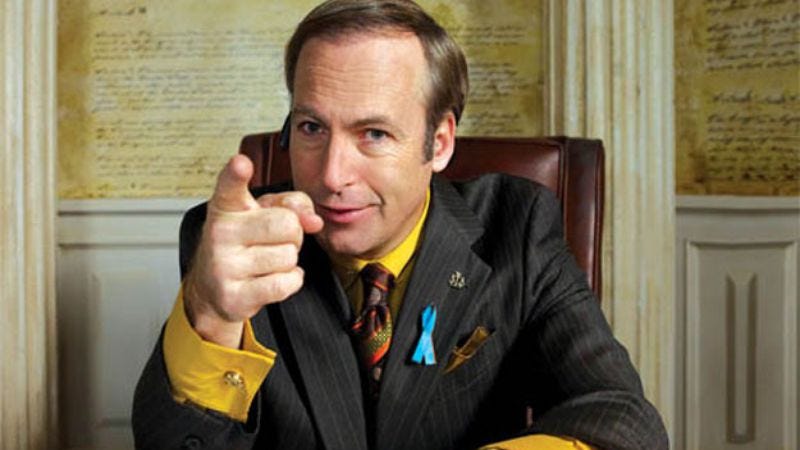
I hope it doesn’t get that bad. I sincerely hope that the lessons my parents taught me about showing good manners and common courtesy are just as relevant in the future as they are now. If I ever get around to having kids, I intend to teach them those same lessons.

Some things just don’t need to be part of a gender-driven conflict. They can just be an overly-formal way of showing respect to one another. Call it what you want, be it modern chivalry or just not being an asshole to someone. There’s still a place for it in any society and I believe there always will be.

1 Comment

Filed under gender issues, Jack Fisher's Insights, Marriage and Relationships, romance

Five Reasons Why Legal Prostitution Will Improve Gender Relations

Red Light District

When it comes to improving relations between genders these days, I believe all options should be on the table. Granted, some are crazier and less feasible than others, but I believe there’s a growing urgency to improve the situation. In times of crisis, we can’t be picky.

Between the anti-harassment movement that’s making it increasingly difficult for men to interact with women and the associated counter-movements by bitter men, I think there’s a strong need for some sort of mitigating force. What we’re doing right now is clearly not enough. Anyone who spends too much time on Tumblr or reads the comments section on alt-right articles can see that.

Being the foolish optimist I am, I believe there are multiple ways to improve relations between men and women. Some are large. Some are small. I have enough faith in humanity to believe that we’ll eventually do enough to make it so the genders of this world can genuinely get along.

Image result for men and women arguing

In an effort to help this process, I’d like to put forth one possible mechanism for improving gender relations that I believe will go farther than most. It’s something that might seem politically untenable now, but like same-sex marriage before it, that may change quicker than we think. I’m talk about, of course, legalized prostitution.

I’ve talked about prostitution before, both in term of its legal standing and how it impacts sex in society as a whole. I suspect it’ll come up again on any number of topics, but for this discussion, I want to keep the focus on improving gender relations. There are already many people much smarter than me who have argued for the legality of prostitution on a much broader scope.

For that reason, I’m not going to focus on the legal or logistical reasons for legalizing prostitution. Also, for the purposes of this discussion, I’m going to define “legal prostitution” as the kind favored by Amnesty International, who put forth their position on prostitution in 2016. Specifically, this is their favored policy on prostitution.

The policy makes several calls on governments including for them to ensure protection from harm, exploitation and coercion; the participation of sex workers in the development of laws that affect their lives and safety; an end to discrimination and access to education and employment options for all.

It recommends the decriminalization of consensual sex work, including those laws that prohibit associated activities—such as bans on buying, solicitation and general organization of sex work. This is based on evidence that these laws often make sex workers less safe and provide impunity for abusers with sex workers often too scared of being penalized to report crime to the police. Laws on sex work should focus on protecting people from exploitation and abuse, rather than trying to ban all sex work and penalize sex workers.

With that in mind, I’m going to set aside the other issue surrounding prostitution and focus on how legalizing it will improve gender relations. Keep in mind, though, this is simply my sentiment as someone who writes a lot about sex and gender relations. What I say is not meant to be a prediction. It’s just me contemplating how a world of legal prostitution would be a world of better gender relations.


Reason #1: It Would Help Separate Pursing Sex From Pursuing Love

Image result for finding love

This might just be the romance lover in me, but I stand by my admittedly-sappy position that there’s a big difference between having sex and making love. Human beings are emotional, passionate creatures. They’re also horny and playful. When the two mix, it tends to cause problems, to say the least.

There are times when someone just wants to have sex and not get love involved. Conversely, there are times when someone wants love and doesn’t care much for sex. When prostitution is illegal, it’s more difficult to pursue sex, especially if you’re not rich and/or well-connected. Instead, you have to constantly pretend you’re not looking for it, which makes us uncertain whether someone really loves us or just parts of us.

There’s a time for sex. There’s a time for love. There’s a time for both. With legal prostitution, there’s a way to take care of the basic sexual needs. That, in and of itself, has plenty of health benefits for everybody, regardless of gender. Those benefits, combined with the ability of people to make their intentions clearer, ensures that pursue of love and pursuit of sex is less likely to conflict.

I believe a lot of hostility between men and women stems from resentment for those who thought someone loved them, but just wanted sex. There’s plenty more conflict from those who thought they were just seeking sex, only to find that someone else wanted more. Resolving this disconnect, I believe, will go a long way towards helping genders communicate better.


Reason #2: It Would Provide A Sexual Outlet For Those Who Wouldn’t Otherwise Have One

Related image

Let’s face it. If you’re a beautiful woman or an attractive man, you don’t have to worry too much about getting sex. More often than not, it comes to you and most people in that position exploit it to some degree. While others may resent them, can you honestly blame them?

As I noted before, rich and powerful people rarely need to worry about getting arrested for sex. It’s the not-so-rich, not-so-powerful people who struggle. Both prostitutes and clients alike are vulnerable, leaving the sexual marketplace reserved only for those who can afford the legal risks and associated legal bills.

With legalized prostitution, the market doesn’t just expand. It gives those who may not be rich, but have just enough resources to hire a prostitute every now and then. They may not be attractive or endowed, but in a legal, regulated environment, they can pursue sex in a way they wouldn’t be able to get otherwise.

Having that kind of sexual outlet can go a long way for some people and I’m not just referring to mental health. Those who resent women for their lack of sex suddenly don’t have as many reasons to resent. Whether they’re unattractive or disabled in some way, they have a way of enjoying some basic intimacy.

Beyond just improving the mood of those who had once been sexually deprived, it makes the sexual marketplace in general more egalitarian. Rather than be reserved for the rich and the beautiful, people of many different means can pursue a level of sexual satisfaction with greater ease. If you don’t think that’ll have much benefit, then you haven’t spent enough time around sexually satisfied people.


Reason #3: The Stigmas And Taboos Surrounding Sexuality Would Diminish

Related image

One of the biggest catalysts for conflict in sexuality involves stigmas and taboos. I’ve talked about taboos before and make no mistake. They have a powerful impact on both society and how individuals within that society interact. It’s also a taboo that affects women and men in the sex industry in unique ways.

As it stands, people working in the sex industry are either labeled as criminals or as pariahs, due to stigma. Even those who work in legal areas of the sex industry, like porn, are subject to a level of stigma that undermines their ability to function in society. People see what they did as deviant and dirty. Adding illegality to the mix only makes it worse.

By making prostitution legal, available, and well-regulated, there are fewer factors in place that could fuel taboos and stigmas. By keeping prostitution illegal, it just reinforces the notion that sex that isn’t line with what priests, mullahs, rabbis, and monks claim is moral is deserving of the stigma.

With a legal, robust marketplace in which people other than the rich and the beautiful can enjoy sex safely, the strength of that stigma isn’t as great. The fact that it’s becoming more possible for former porn stars to build a successful life after their careers gives me hope that the stigma and taboos are already in decline. Legalizing prostitution may just accelerate that process.


Reason #4: Individuals Would Be Better Able To Explore Their Sexuality

Image result for sex teacher

This is especially important for those who may struggle with their sexuality at times. Even for those who know for certain they’re heterosexual, homosexual, or transgender will struggle to actually experience those feelings in an intimate way. By not being able to explore, people are essentially doomed to stumble around in the dark.

This leads to more than a few conflicts among genders and sexual orientations. There are serious psychological effects to sexual repression, especially for those whose sexuality offends the Vatican. That inner conflict only further fuels the animosity, discord, and outright hatred that often manifests among genders.

When people don’t understand us, we tend to get upset. However, how can we expect others to understand us when we don’t fully understand our own sexual preferences? It’s not always easy to do that in our personal lives. We often run the risk of pursuing the wrong sex with the wrong kind of person, which can be awkward to say the least.

Legalized prostitution, specifically the kind that is mature and diverse enough for various proclivities, provides people with a means of exploring their sexuality. They may think they’re one kind of sexual creature, but find out they’re something else entirely. Having that kind of certainty and self-awareness goes a long way towards being healthier as both an individual as a member of a larger community.


Reason #5: The Overall Attitude Towards Sex Would Improve

Image result for healthy sex

This is probably the most important, most far-reaching reason for legalizing prostitution in the name of improving gender relations. The fact that paying for sex is illegal basically codifies the notion that sex is somehow deviant, dangerous, and needs government regulation. Even if you’re not a hardcore libertarian, that should still bother you.

There are a lot of unhealthy attitudes with respect to sex, both from uptight religious zealots and repressive moral crusaders. The idea that there has to be all these taboos, stigmas, and concerns about sex only ensure that people will treat it as a mine-field rather than a critical component of life.

As a result, people have more reasons to put distance between themselves and others rather than actually pursue intimacy. Some communities go to great length to separate the genders. The ongoing anti-harassment movement is giving men too many reasons to avoid women entirely. If we want healthier attitudes toward sex and intimacy, this is not the way to do it.

By making prostitution legal, pursuing intimacy isn’t just legal. It provides people with an opportunity to directly confront aspects of sexuality that they would otherwise relegate to prejudice and taboo. If people have a chance to actually confront these attitudes, then they have a chance to realize how right or wrong they are.


Now, none of this is to say that there wouldn’t be costs or drawbacks to legalizing prostitution. There are costs and drawbacks to everything in this world. However, given the current climate between men and women, I think the benefits of legalizing prostitution vastly outweigh the costs.

1 Comment

Filed under gender issues, human nature, sex in society, sexuality