Category Archives: sexuality

A Quick Perspective On Controversy, Scandals, Politics, And Elvis’ Hips

Every controversy seems absurd when you look at it with enough hindsight. Think of all the big social and political controversies going on right now. From mansplaining and safe spaces to all-female movie remakes to sexy Super Bowl Halftime shows, there’s no shortage of outrage and moral panics. In general, I try to avoid contributing, but I’d be lying if I said I wasn’t affected to some extent.

Even if the issues feel genuinely serious, it’s worth taking a step back and maintaining a certain perspective. What seems serious now won’t always end up being that serious in the grand scheme of things. Things like the Cuban Missile Crisis were serious. The impact of playing Dungeons and Dragons don’t even come close. For the most part, these controversies become obscure footnotes in the history of pop culture.

In the interest of preserving a balanced perspective, I find it helpful to think back to Elvis’ hips. For anyone under the age of 50, I’m sure that sounds strange, but make no mistake. At one point in time, Elvis’ hips were the most controversial thing in the world.

It’s hard to imagine now, given the accessibility of sexy music videos and internet porn, but there was a time when Elvis Presley shaking his hips on live TV was the most scandalous thing in the free world. People at the time deemed his dancing too sexual and obscene. There was serious, genuine concern that this was just too shocking and lurid for innocent eyes to see.

Granted, this took place in 1956. The world was a very different place in 1956. However, that’s not exactly an ancient time period. There are plenty of people alive today who were alive in 1956. They lived through that controversy. They might have even watched that fateful episode of the Ed Sullivan show where Elvis dared to shake his hips in too sexy a way. Now, compared to a standard Beyoncé video, it almost seems quaint.

Even if it sounds absurd now, take a moment to appreciate the context of this controversy. There was a time when people genuinely thought Elvis shaking his hips was too obscene. These same people genuinely thought such overt sexuality would do serious damage to society.

Now, look at everything we deem too obscene, controversial, or damaging today. How much of it will seem just as absurd as the sexiness of Elvis’ hips several decades from now? We may think that our standards have been fully refined, but history has shown time and again that this rarely holds. What is obscene today may be mundane tomorrow and obscene again a decade from now.

Controversies are fleeting, petty, and often build on a foundation of absurdity.

People are often irrational, following emotions over logic while claiming every emotion is perfectly logical.

Trends are unpredictable and fleeting. In 1956 it was Elvis’ hips. In 2003 it was Janet Jackson’s nipple. Who knows what it’ll be this year or in the years that follows?

With time and perspective, it rarely ends up being as serious as we thought. Even if it was, people and society adapt. That’s what we have to do, as a species. We might make fools of ourselves along the way, getting worked up over something that ended up being so petty and contrived. The best we can do is laugh and learn from it.

Think about that the next time someone complains about a halftime show or a music video. Remember Elvis’ hips and the perspective they offer. It’s every bit as powerful as his music.

Leave a comment

Filed under censorship, human nature, media issues, outrage culture, political correctness, politics, psychology, sex in society, sexuality, Uncategorized

A Troubling (But Probable) Thought Experiment Involving Sex Robots And Stalkers

It’s an unavoidable rule of technology. Nobody truly knows how a new machine, gadget, or invention will be used in the future. I doubt the person who invented ski masks knew it would be a common tool of criminals. We can try and anticipate how certain technology will affect society, but there will always be unexpected impacts that come from unplanned uses.

When it comes to sex robots, the impacts are far greater in scope and scale than anyone can possibly predict. I’ve made a concerted effort on multiple occasions. I don’t gloss over the more distressing impacts, either. Chances are this technology will effect people, society, and culture in ways nobody will be able to predict, including aspiring writers who use sex robots in multiple short stories.

It’s often through writing sexy short stories and erotica/romance novels that I often come up with ideas I hadn’t previously considered. Some of those ideas lead to larger thought experiments. Since sex robots are making the news more and more often lately, I thought I’d share one.

It goes as follows:

A man or woman meets someone. They immediately fall for them. It’s love, lust, and passion all rolled into one. They become so obsessed with this person that they can’t imagine not being with them in some way.

Naturally, they pursue this person. They try befriending, flirting, and seducing them. It doesn’t work. They get rejected. At first, it’s just a setback. They try harder to win the love of this special someone. It ultimately fails. Eventually, that someone threatens to call the police and put a restraining order on them.

The person is dejected and sad, but not dissuaded. Since they can’t be with this person they love so dearly, they seek the next best thing. When their would-be love isn’t looking, they scan their body. They then send those specifications to a company that makes sex robots.

They request that the company make them a robot that perfectly resembles the love that rejected them. They also request that the robot be programmed to love them unconditionally and obey them. The company agrees. They make a sex robot that looks, sounds, smells, and acts like the lover they couldn’t have.

Naturally, the person is overjoyed. They lovingly tend to the sex robot, treating it like a real lover. They live out the love they wish they’d had. At some point, it becomes so real that they don’t bother with the person who rejected them. They’re content to leave them alone and live out the fantasy for as long as they please.

Take a moment to think about what I just described. I admit it has some disturbing elements. Stalkers who obsess over someone to an unhealthy degree is a real phenomenon. It ruins lives and can be very damaging to both people.

Throw sex robots into the mix and things get more complicated. What I just described is not technically impossible. It probably won’t be feasible for decades, but there’s nothing against the laws of physics that prevent people from creating perfect sex robot duplicates of random people they see on the streets.

All that anyone would need is the right data. Whether it’s done directly with a device or surmised from a collection of pictures, practically anyone can be made into a sex robot. I’ve noted before how this could effect the porn industry with stars and celebrities licensing their bodies as sex robots. However, I doubt it would stop there.

Whereas celebrities might have the money and legal resources to license their bodies and combat unauthorized use as a sex robot, most ordinary people wouldn’t have that luxury. In the same way most people don’t have access to high-powered attorneys that keep celebrities and rich people out of jail, the average person probably wouldn’t have much recourse.

If some random person found out their high school crush made a sex robot of them, how would they combat it? Could they sue them? Could they sue the manufacturer? What if the sex robot came from an illicit source? How they deal with that?

Moreover, would it even be worth the effort? If a would-be stalker is content to make a sex robot of their obsessive crush, which in turn stops them from stalking altogether, then why would anyone care? Who’s being harmed in this situation?

You could argue the would-be stalker is hurting themselves, but how could we possibly police that? We can’t stop people from hurting themselves. Prohibition proved that. However, with sex robots, we essentially give people a way to cling to an obsession and never move on. Is that healthy? Is there any way to stop it? Is it even worth the effort?

Try to put yourself in this scenario. How would you feel about it? How would you go about confronting it, if at all?

This is just one of the many scenarios that may play out once this technology matures. Again, there will likely be other effects I can’t imagine. Unfortunately, not all of those effects will be inherently sexy.

Leave a comment

Filed under Artificial Intelligence, futurism, psychology, sex in society, sex robots, sexuality, Sexy Future, technology

A Comment On Bill Maher’s (Dystopian) Rant About Sex Robots

Remember that time someone old, out of touch, and under-informed made an accurate prediction about the impact of emerging technology? That’s not a rhetorical question. Honestly, does anyone remember that ever happening to a meaningful extent?

I ask because it’s been happening for years. People keep seeing an amazing new technology and assume the worst. In some cases, they’re just dead wrong about trends that will or won’t catch on. Some just made dead wrong assumptions about how technology and society would evolve.

At the end of the day, nobody truly knows for sure. It’s fun to speculate, especially when that technology involves sex robots. I know I’ve entertained some colorful possibilities and potential issues, but I never claim I know for certain. I try not to be overly optimistic, but I don’t try to be downright fatalistic, either.

Then, there’s Bill Maher’s latest rant about the future of sex robots. I could try and break down every flaw in his commentary, but I’ll let the clip speak for itself.

Now, I need to disclose that I’m a fan of Bill Maher. I like his show. I think he’s funny. He’s got a great wit and a dry style that I’ve always found entertaining. When it comes to technology, though, he’s more a chronic whiner than a visionary.

He compares social media to cigarettes and complains about how technology has become too complicated. For a man who’s over 60, that’s not surprising. However, for someone smart enough to stay on TV for over three decades, it’s still absurd.

Deconstructing his rant is not that hard. Maher frames the impact of sex robots as an either/or position. To him, people will either completely reject human intimacy for robots or reject robots in favor of human intimacy. However, he never justifies why people would choose only one or the other.

Would people only interact with a sex robot because they can have sex on a level that humans just can’t match? That assumes people are really basic and would all react the same if they somehow had access to a life-like sex robot. However, people are not basic. People are complicated. They have many different wants, needs, and attitudes. Maher himself has noted this when discussing other issues.

Sex robots will change human dynamics significantly. It won’t destroy them. It won’t completely destroy the whole of society. They’re not nuclear weapons. They’ll just change how things are and for older people, especially in Maher’s demographic, that can be scary. It’s easy to assume the worst, but it’s still an assumption and those are notoriously unreliable for predicting the future. The stock market alone is proof of that.

There are many other things I can say about Maher’s rant, but it would all come back to the same point. It’s just flawed and misguided. It assumes there’s not room for both human connection and sex robots in the future. Considering how adaptive and social humans are, I believe we’ll find a way to incorporate them into a new social dynamic that nobody can predict.

It’ll be nothing like Maher can ever imagine.

It’ll be nothing like I can imagine, either.

The future will still come. It’s just a matter of how we’ll adapt, evolve, and grow with it.

1 Comment

Filed under Artificial Intelligence, futurism, sex in society, sex robots, sexuality, Sexy Future, technology

Sex Vs. Violence (And The Distressing Standards Behind Them)

What makes something obscene? I know the law has its own esoteric definition, but there’s no universal standard. What’s obscene to one person may be mundane to others. How else do you explain old cigarette commercials to millennials or the Super Bowl halftime show to baby boomers?

I ask this question because someone pointed out recently just how many of the biggest, most successful box office movies of the past 10 years rely on violence to sell tickets. I’m not knocking it. I was among those cheering during the final battle scene at the end of “Avengers Endgame.” I also freely admit I watched every season of “24” and was entertained by all the violence it included.

However, that same person who pointed out how much violence was part of these big-budget entertainment products, but was still PG-13. At the same time, if even one of those products included a single image of a female nipple or a depiction of a male penis, then it wouldn’t just be rated R. It would be deemed too obscene for children.

Think about that for a moment. A network TV show can freely depict a scene where Jack Baur tortures a prisoner and a PG-13 movie can depict Captain America beating the crap out of nameless thugs in an elevator, but the viewing public just can’t handle the sight of a female nipple. That’s just too much.

The only thing that could make it worse is the depiction of a penis. That wouldn’t just make a movie or TV show rated R. It would be classified as porn. Never mind the fact that half the population has a penis and even kids know what a penis looks like. Just a depiction of one in any form of media is enough to make it obscene. Meanwhile, you can buy a shirt that has Captain America punching the President.

Now, I know I’m bias because I write sexy stories and talk about sexy topics, but I feel it’s a relevant question to ask.

Why are we more comfortable consuming violent content than sexual content?

I get that sex makes people uncomfortable. I also get why parents don’t like talking to their kids about it. However, when it comes to violence, it’s okay to keep that in a proverbial blind spot.

I remember cartoons in the 80s and 90s. Those cartoons, in addition to being glorified toy commercials, used some form of violence to resolve a plot or tell a story. Some parents complained, but nobody thought it was obscene.

I remember watching “R-Rated” movies as a kid too. I put that in quotes because, by today’s standards, these movies would barley qualify as PG-13. The first “Terminator” movie was rated R. I saw it as a kid. My parents didn’t make a big deal about the sex scene in it, but that was often cited as the scene that made that movie R-rated.

If those same kids watched a simple depiction of two naked people making love, minus the violence, then that content would still be considered mature. If that scene didn’t hide genitals, then it would be considered porn. It doesn’t matter if the scene is romantic, tasteful, and completely consensual. It’s still as pornographic as the most depraved parts of the internet.

Why is that the case?

Why is this a fair standard?

Why do depictions of violence get a pass while depictions of sex are subject to rigid standards?

I understand sex makes people uncomfortable. I also understand that people can be immature about it. They can be just as immature about violence too, but people are willing to confront and tolerate it. With sex, however, it’s always obscene. It’s always taboo. There’s no room for nuance or context.

Going back to the standards of obscenity I mentioned earlier, I think there’s room for improvement. Violence, by definition, harms people. Sex, when done right, does the exact opposite. If we’re going to have standards for obscenity, then let’s at least keep things in perspective.

Leave a comment

Filed under censorship, human nature, outrage culture, political correctness, psychology, sex in media, sex in society, sexuality, video games

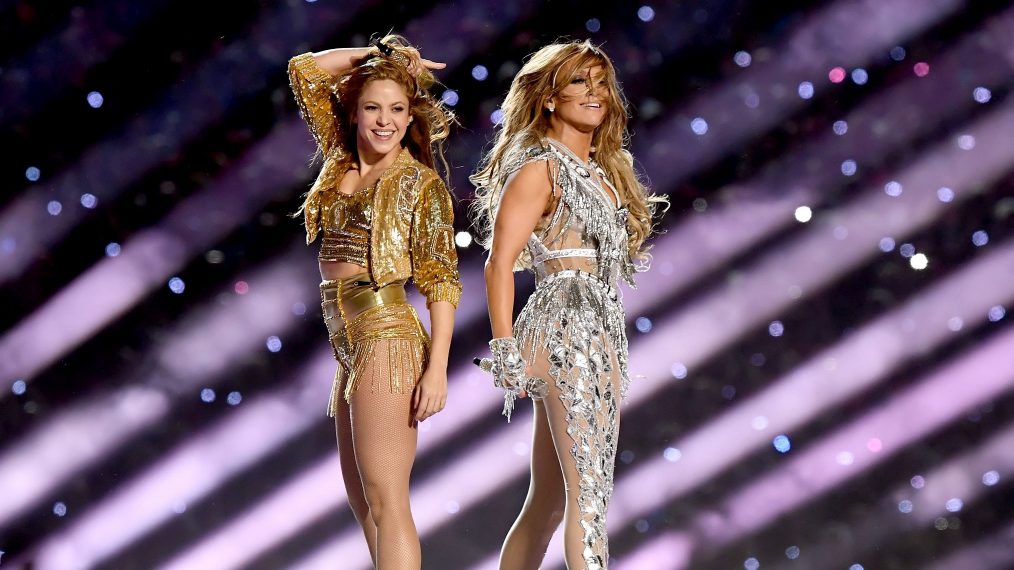
A Message To Those Who Whined About The Super Bowl LIV Halftime Show

I promise I won’t keep obsessing over the Super Bowl and how great it was this year, even though it was an objectively amazing game. I originally intended to take a break from sports references for a while, if only to prepare myself for baseball season.

However, those plans went out the window when I saw the equally amazing Super Bowl halftime show featuring Shakira and Jennifer Lopez. To say it was stunning would’ve been an insult. I’ll go on record as saying it’s the greatest Super Bowl halftime show of all time. I don’t see how it will be topped in the near future.

That said, I knew before it was over that it was going to piss some people off. I didn’t even need to check my Twitter feed to know who those people were. I could already sense the collective gasps of a certain segment of people who identify too much with Helen Lovejoy.

We know who these people are. Some of them identify with a particular religion. Some identify with a particular ideology. It doesn’t always come from one point in the spectrum, but it always comes from the extremes. It’s annoying, frustrating, idiotic, asinine, selfish, and just plain stupid. I put it on the same level as those behind those awful car insurance commercials that I despise.

To these people, there’s no arguing with them. They see two beautiful women dancing, singing, and energizing a crowd and they don’t see fun. They see something dangerous, subversive, and perverse. To them, such a thing shouldn’t even exist. It’s not just offensive. It’s dangerous and could corrupt the minds, bodies, and souls of children and adults alike.

To those same people, I have a message.

Grow up or get out.

If that sounds too harsh, I’m sorry. I don’t know of a nicer way to say it.

If you’re the kind of religious zealot who see women doing anything other than obeying her husband, birthing children, and keeping her mouth shut, then you’re in the wrong part of the world.

If you’re the kind of dogmatic, moral values preaching conservative who think women and music that wouldn’t be allowed in a 1950s sitcom is a subversive plot, then your attitudes are 10 steps behind that of most children.

If you’re the kind of regressive, perpetually angry liberal who think any depiction of beautiful women in the media is akin gross objectification that deserves the same condemnation of human trafficking, you need to drag yourself out of the dystopian fantasy land you’ve been living in.

I’ve no sympathy for these people. Whether they’re priest, mullahs, liberals, conservatives, rabbis, feminists, misogynists, or college students with too much free time on their hands, they deserve nothing but scorn. This was an incredible show full of beauty, spectacle, and wonder. It brought joy and astonishment to many. If you can’t enjoy that because your politics or theology won’t let you, then that’s your problem.

There are parts of this world in which you don’t have to confront such joy. There are entire countries where women are subjugated and censored by law. There are remote islands, villages, and lands on which you can’t even access spectacles like this. Go there and create your own joyless world in which women can’t be beautiful, men can’t admire it, and music can’t be played.

The alternative is to just grow up and except that entertainment exists. It’s beautiful, sexy, and powerful sometimes. If you can’t be a mature adult about it, then you have problems beyond your inability to appreciate a great show.

3 Comments

Filed under football, gender issues, outrage culture, religion, sex in media, sex in society, sexuality, television

How (And Why) Boredom Undermines Gender Equality

istock-535894841

Imagine, for a moment, you’re in relationship of perfect equality. You and your partner are the personification of gender equality. You share equal roles and responsibilities. In terms of who does what, gender doesn’t factor into the equation. You do your part and your partner does theirs. From dishes to child care to paying the bills, it’s as equal as any relationship can be.

In essence, your relationship is the ideal that feminism, egalitarians, and even most Men’s Rights Activists champion when they describe the fair and just society they’re fighting for. In a perfect world, your relationship would be the standard. Even if you can’t imagine your current relationship being that perfect, you can still appreciate the ideal.

As with most ideals, though, there’s a major flaw and it has to do with boredom.

The scenario I just described above isn’t another one of my thought experiments. It was inspired by a story in Pluralist about a woman who is frustratingly bored with her perfect feminist husband. To get an idea of how frustrated she is, here’s a direct quote from the article.

“Don’t get me wrong, I love him and this year we celebrated 17 years together – 13 of them married – but I wish he’d lie, cheat, defame or slander just once, so that I could feel better about my own less-than-perfect character. Simply put, I’m bored of being married to a paragon of virtue.”

Now, I know it’s tempting to roll your eyes at a woman making this kind of complaint about her love life. The idea that a spouse is too perfect is like a billionaire complaining that the seats in their new Lamborghini are too soft. I’ve seen more than a few comments on social media criticizing this woman for being so petty. Some have used her story as proof that women can’t handle nice guys and men just can’t win with women.

I don’t think that criticism is fair. I also don’t think that her story proves or disproves a particular aspect of gender politics. However, I believe it does highlight how boredom can complicate the push for gender equality. It’s a factor that rarely comes up in discussions surrounding feminism, men’s issues, LGBT issues, and the societal factors that exist in between. It still has immense influence.

After reading the Pluralist story, I felt sympathy for the woman. I know it’s hard to feel much for someone in such a perfect relationship, especially for those of us who are single, but I can understand how boredom can undermine a seemingly ideal situation. To some extent, this woman’s story shows how boredom can complicate the otherwise noble efforts to pursue gender equality.

In making sense of the woman’s feelings, I found myself thinking back to the high school. If that sounds like an odd connection, I promise there is a logic to it. Now, I’ve made clear in the past how much I hated high school. To say my experience was not ideal would be a gross understatement. That said, the idea behind high school has some useful parallels to gender politics.

The ideals of high school are simple. You take a large group of teenagers, put them into a structured environment, educate them to a particular standard, and send them out into the world with all the knowledge and skills they need to become functional adults. Again, that’s the ideal. While that effort works fine for some, there are many more for whom it fails.

For this particular woman, she represents the lucky few who ace every test, pass every class, and follow every rule. As a result, she should be perfectly equipped to enter adulthood. By all accounts, she does. There are no surprises or setbacks. Everything goes according to the plan and the ideals behind it.

It’s here where the boredom takes hold. That lack of major upheavals means there’s little in terms of challenge or growth. The path is already set. The obstacles have already been cleared. You just have to walk it and you’ll get to where you’re going. There’s no strain, but there’s no sense of achievement, either. In the grand scheme of things, you didn’t overcome anything.

In the context of gender equality, it’s akin to a clear, unobstructed path that doesn’t test or excite anyone. That directly conflicts with the basic psychology of boredom that craves novelty and seeks more intense sensations. Perfect equality, be it in a relationship or a high school, doesn’t leave much room for any of this.

This isn’t just about people being inherently flawed or needing something to complain about. In practice, true equality means the outcome of every challenge is determined. The woman herself stated that she knew how a situation would play out in her marriage. There’s never any negotiation or exchange. With such clear-cut equality, everything is pre-determined.

“If I told him on Friday I was spending Saturday chilling at a spa, he’d probably drop me there so I didn’t have to drive, then take the kids to their clubs before making sure the house was tidy.”

When everything is that predictable, then boredom is practically unavoidable. When there’s nothing to gain or lose, then it’s only a matter of time before malaise sets in. It’s not the woman’s fault and it’s not her husband’s fault, either. That’s just how boredom works.

The article went onto cite a number of studies that indicate couples in equitable relationships have less sex, but they primarily focus on the symptoms of boredom and not the underlying cause. For the woman in the story, I think her frustration has little to do with her husband sharing in the work and everything to do with how predictable everything is.

If I could talk to this woman, I would caution her against wanting her husband to lie, cheat, or develop a bad attitude with her. That might shake things up for her in the short-term, but would do a great deal of damage to the both of them in the long run. I would advise that she and her husband seek new challenges outside gender roles. Both she and her husband may benefit from shaking things up for a while.

What that may entail depends on the nature of their relationship. The article didn’t get into too many personal details and understandably so. Without getting to know this woman or her husband, I can’t be certain what else might be fostering such boredom. There could be other issues beyond their relationship that are causing these feelings.

Whatever the case, the corrosive power of boredom is difficult to work around. Equality is generally a good thing, but when equality fosters predictability, boredom is an unfortunate byproduct. This woman, whatever her politics, knows this better than anyone.

I still support efforts to improve gender equality, especially within relationships. I think it’s beneficial to everyone when roles and responsibilities are shared in an equitable manner. However, I also believe that human beings need challenges and obstacles. Without that, pursuing a greater good takes a back seat to escaping crippling boredom.

Leave a comment

Filed under gender issues, human nature, men's issues, outrage culture, philosophy, psychology, romance, sex in society, sexuality, War on Boredom

Movember Memories: A Story About Sweat (And Other Manly Issues)

groamo-e1478022777979

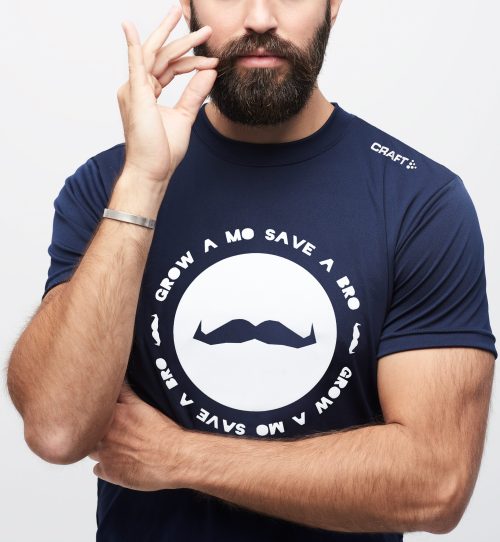
Greetings and I hope everyone is in the Movember spirit. Last year, I decided to become a part of this effort. I feel it’s an objectively good cause that aims to help real people in need. I sincerely hope others join that effort over time.

For those who are unaware, Movember is a movement that started with the Movember Foundation. This foundation works to raise awareness of and donate money towards major issues that predominately impact men. Those issues include research for prostate cancer, mental health treatment, and suicide prevention. These are all wonderful causes to support and I encourage everyone to donate to the foundation.

As part of my effort to help with this cause, I shared a personal story last year about the time I grew a thick beard in college and some of the colorful lessons that taught me. This year, I’d like to do something similar and tell another story. However, this is a different kind of story and one I think offers a more relevant message to the Movember spirit.

This particular story comes from right from one of the most respectable men in my life, my father. He told me this story a few years back when he recounted the time he’d spent in the military. It’s a story that, at the time, we just thought was funny. I still think it is. I also think it has a deeper message that’s more relevant today, especially for men.

Before I continue, I want to make clear that I may not get all the details of this story correct. My father, who I know occasionally reads this site, might reach out to me and note a few corrections. If that’s the case, I’ll gladly update it. That said, I recall enough to ensure I can capture the heart of the story.

The setting of this story is fairly simple. It’s the mid-1970s on a military base in the Midwest. At the time, my dad is done with basic and is officially on active duty. However, he hasn’t been deployed so much of those duties involve basic grunt work around the base. It’s a typical, standard military life for a young man at the time.

One unique part of that life, however, involved a grizzled old officer who, out of respect for this amazing American, I’ll just call the Colonel. The Colonel is basically the senior officers of senior officers at the base. He’s been in the military all his life. He fought in World War II. He probably knows General Patton’s shoe size.

He’s also old enough and has enough seniority to not have a filter. He does not give a damn and won’t hesitate to say the things that would get a typical private punched in the jaw. As a result, he has a special kind of respect and admiration from young soldiers, like my dad. They would gladly share a beer with the Colonel and joke with him without the fear of push-ups.

While that lack of a filter made him popular with soldiers like my dad, it made the Colonel a nuisance to the other officers. Most were content to just overlook his charming personality and chalk it up to being a cantankerous old man. However, that same jaded charm sometimes caused a spectacle.

This one particular spectacle occurred on a day in which the officers and recruits had another regular meeting in the barracks. This was standard for active duty soldiers and my dad had gone through it many times before. He sat in his assigned seat with the rest of his unit. The officers, including the Colonel, sat in the back.

These meetings were often tedious, but a big part of what made them such a drag was the heat. These barracks did not have air conditioning and were not well-ventilated. It was basically an over-sized locker room, full of several dozen men in full military gear. Needless to say, it got uncomfortably sticky at times.

However, since this was the military and good soldiers were conditioned not to complain, nobody said anything about it. My dad certainly didn’t. No one in his unit did, either. They all wanted to. It was one of the most common complaints among his unit.

Finally, one day, the Colonel spoke up. His exact words were as follows.

“Hey! How come no one wants to talk about sweat?”

For other young soldiers, like my dad, who had sat through one too many sweaty meetings, it was a true Spartacus moment. This old guy who hadn’t given a fuck since the Kennedy Administration finally said what they all were thinking. It still earned him an irate look from the other officers, but he got the message across.

This was an issue. It mattered to them. It was taboo to bring up so the one guy whose filter died years ago broke it. It might not have solved the problem, but acknowledging it was a good start.

I wish I could describe the grin on my dad’s face when he first told this story. I could tell it was a fond memory from a strange time in his life, but it’s a story that still resonates with me. It’s also one I think we can learn from.

One of the chief goals of the Movember Foundation is to raise awareness of issues that affect men, but that’s tricky these days, given the current state of gender politics. When the topic of men’s issues come up, it often gets cast aside as rabid anti-feminism or cloaked misogyny. Even if there are legitimate issues, such as prostate cancer and mental health, it still carries negative connotations.

I get the sense that has changed somewhat in recent years. I think there has been somewhat of a backlash to the more extreme elements of gender politics. Issues that effect men are being taken more seriously and I think the Movember Foundation is helping with that. The challenge is being the one to stand up in a hot, crowded room and asking the questions that others are afraid to ask.

How come no one wants to talk about sweat?

You could just as easily apply that to other issues involving men.

How come no one wants to talk about the disparity in cancer research between prostate cancer and breast cancer?

How come no one wants to talk about men committing suicide at higher rates?

How come no one wants to talk about men falling behind in pursuing higher education?

How come no one wants to talk about male victims of domestic abuse?

These are all real issues that effect real people. At the end of the day, regardless of what our gender is, we’re still human. Even issues that effect only part of us ultimately impact all of us. I hope we can all channel the spirit of the Colonel and ask why we’re not talking about these issues. While that old man might not be with us, his message still is. It started with sweat, but it can apply to much more.

Again, in the spirit of Movember, please consider donating to the Movember Foundation and supporting the meaningful work it does.

Leave a comment

Filed under gender issues, Jack Fisher's Insights, men's issues, sex in society, sexuality

Answering (And Understanding) Where The “Good” Men Have Gone

shutterstock_249465919

Human beings are social creatures. We’re biologically wired to pursue social and emotional bonds. It’s one of the most fundamental traits for being human. Being a fan of romance, I certainly appreciate it. For that same reason, though, I think it’s telling when people encounter barriers in seeking those bonds.

In recent years, one particular question has been asked any number of ways. It’s often asked in many different contexts, which in turn inspires many different answers. The implications are still the same.

Where have all the “good” men gone?

Now, I put “good” in quotation marks for a reason. I hope that reason becomes apparent soon enough because adding that qualifier to the question frames it as a blanket statement about an entire gender. As a man, who sees himself as “good” by most standards, I feel I have a personal stake in addressing this question. However, I suspect the answers I provide won’t go over well with certain women and even a few men.

Before I answer, it’s important to add a specific context to what makes a man “good.” When the question is often asked, it’s often done from the perspective of women seeking men for marriage. We no longer live in an era where women have their spouses chosen for them or must seek marriage as a means of survival. Despite what some regressive individuals may say, I believe that’s an objectively good thing.

The complications arise when we start to establish the criteria of what makes a “good” man worthy of marriage. Most people, regardless of gender, understand there’s a difference between the person you hook up with and the one you marry. Ideally, this is a person you want to share your life with, for better or for worse. This is someone you genuinely love and go out of your way for.

The primary reason why this question is being asked, namely by women seeking a male spouse, is because they’re having an increasingly difficult time finding someone who meets that criteria. It shows in the data. According to Pew Research, about half of the adult population in America is married, which marks significant decline compared to what it was 50 years ago.

There are many theories as to why this is occurring, some more offensively absurd than others. Even the not-so-absurd theories have become mired in gender politics, which has a tendency to denigrate everyone in the grand scheme of things. I certainly have mine and I don’t think the answers are simple. Every person is different. People are complicated, in general, and so are the societies they live in.

However, this question about “good” men frames the issue a problem ascribed to men. It implies that the issue has nothing to do with a the overall desire to seek long-term romantic bonds. Like I said before, humans are emotional creatures wired to seek romantic bonds. The problem is that the men worthy of such bonds just aren’t there anymore. That’s why women are asking the question to begin with.

As a man, who hopes to one day find someone to marry and love with all my heart, I can offer my take on the answer. Simply put, those good men exist. They’re just not where you’re looking to find them. Even if you are, you might not even realize that those men are good because you don’t give them a chance.

Now, I understand that answer is basic and simplistic. It’s the sentiment of one person who just happens to contemplate romance than most straight men are likely to admit. Everyone’s situation is different, but there is a bigger forest to see and my opinion is only one of those trees. To see that forest, it’s necessary to understand the question better.

Thankfully, there has been research done on this topic. According to a study done in the Journal of Marriage and Family, a major factor driving this question could be a combination of demographics and math. To understand how, this is how they compiled the data.

Focusing their analyses on single heterosexual women, the researchers used data from the American Community Survey (2008-2012; 2013-2017) to predict the likely characteristics of these women’s husbands if they had husbands and then compared those characteristics to what’s actually available in these single women’s dating pool. More specifically, the researchers generated “synthetic spouses” for the single women in their sample by first matching them with demographically similar women (e.g., same race, education, military status, income) who happened to be married. The “synthetic spouses” were designed to reflect the characteristics of the husbands of the similar-married women. Thus, assuming women of similar demographics are looking for similar characteristics in their partners, this method offers a starting point for documenting the characteristics single women might be looking for in a partner.

The long and short of it is simple. The women in the study had criteria for the kind of man they want to marry. However, when that criteria was applied to the male population, there was a significant disparity. Over half the male population was eliminated on the basis of income alone. Essentially, the supply of men who meet this standard for marriage is not sufficient to meet demand.

That’s not to say that it’s the fault of women for having standards that are too high, although I know some have made that argument. While I agree that there are some women who make wholly unreasonable expectations of men, I think they’re the minority. I would argue those changing standards have less to do with gender politics and more to do social and economic factors.

Both women and men are able to be more independent today than they were 50 to 100 years ago. A basic consequence of independence is that you can afford to elevate your standards. When you have the money, time, and resources, you’re less likely to settle for less. It’s the same reason why you willingly pay extra for a better phone or faster internet if you have the means.

A much bigger factor, in my opinion, has to do with the economics and imbalances in marriage. Over the past several decades, the wealth gap has grown and the ability to make a comfortable living, which the women in the study prioritize, is getting considerably difficult. For a man, especially if he doesn’t have a college degree, it’s getting harder and harder to meet those criteria.

At the same time, the investment in relationships has only grown. It’s no longer enough to be a steady, dependable partner. Along with our newfound independence, men and women alike seek something greater from their spouse. That something often requires money, time, and resources. Between student loan debt and the rising cost of living, those assets have become increasingly scarce.

On top of that, the price of failure has gone up considerably as well. While both parties suffer significant loss when a relationship or marriage fails, men tend to take a bigger hit from a material standpoint. Between alimony laws and child custody, men stand to lose a lot if they don’t measure up to the woman’s ideals of a good spouse.

None of this even attempts to factor in the effects of other trends in gender politics, such as the anti-harassment movement. The criteria for a “good” man doesn’t even matter if it becomes overly difficult to be intimate with someone without fear of being accused of something. Even without such complications, the underlying question still evokes troubling answers.

Those answers still aren’t complete. There are still going to be women out there who cannot find a suitable partner for reasons beyond her control. There will also be genuinely good men out there who struggle just as much to find a partner of their own. As a romantic, I believe love does inspire people to make these connections, even when we insist on making it more difficult.

Leave a comment

Filed under gender issues, human nature, Marriage and Relationships, men's issues, psychology, romance, sex in society, sexuality, women's issues

Theon Greyjoy and Sansa Stark: How “Game of Thrones” Managed to Avoid Double Standards

swlxd57g7rbk7fszejfk5sighi

The following is an article written and submitted by DC-MarvelGirl 1997, who is a friend of mine and a talented young writer. She has a website and a YouTube channel that I highly recommend. I sincerely thank her for taking the time to write this, as it relates closely to other issues I’ve brought up on this site regarding gender, double standards, and media depictions. Enjoy!


Theon1

In a world of double standards, there comes a point where we should question when something is no longer a joke. With television shows such as “Cobra Kai” and “Married with Children” managing to poke fun at emasculation and male circumcision, after the fact we oftentimes question why we find those jokes funny. If those same jokes were made about women, it would be considered “sexist”. When it comes to men, it is almost as though we are okay with men being brutalized.

It’s pretty hard to avoid double standards in this day and age. However, I would say that there might be an exception to this. Today, I will be discussing the television series “Game of Thrones”, and how they managed to avoid double standards about gender.

Now, I’m not expert on “Game of Thrones”. In fact, I’ve only started reading the first book, and I am halfway through it as I am writing this. When you find a story that genuinely intrigues you and piques your interest, you want to keep reading it. With “Game of Thrones” it is no exception. Additionally, when it comes to issues such as gender, the novels do not hold back. The television series most definitely didn’t hold back when it came to showing brutalization of various characters. The throne room scene where Sophie Turner’s Sansa Stark is being stripped and beaten in front of noblemen forever solidifies for me why she’s such a great actress. In fact, it is my favorite scene to view in general. However, naturally, we as human beings would be uncomfortable seeing women being beaten and brutalized. And I can attest as a woman myself that it is disheartening to watch happen. I think a huge part of it is because we consistently try to protect women and keep them as pure as possible. It consistently shows throughout history, as well, how women are treated in comparison to men.

sansa1

In Sansa’s case, she’s received her taste of brutality on more than one occasion. She’s been forced to suffer and endure so much throughout the course of the television series. You watch the scenes where she is being beaten by Joffrey’s men and the scene where Ramsay Bolton rapes her on their wedding night, you cannot help but feel discomforted viewing it. I don’t think any rational person wouldn’t feel uncomfortable watching scenes like that.

However, what is even more uncomfortable is what occurs with the character of Theon Greyjoy – who throughout the course of the show, and the books, has gone through as much brutalization as Sansa. I would argue that what happens to Theon on the show is worse. When I say that “Game of Thrones” doesn’t hold back with showing brutalization of both men and women, this is where I make my point.

Theon2

With the character of Theon, we are introduced to him as the character who is taken pity upon by Ned Stark, who proceeds to take him in as his ward. Theon starts of similarly to that of Sansa – arrogant and overconfident, and the character that is probably one of the least liked on the show in the first season. Nonetheless, he gets a taste of what it’s like to be broken to nothing after he makes mistake upon mistake, betraying the Stark family. This leads to he being captured by Ramsay Bolton – who at that point is leading Winterfell with an iron fist. This leads to Theon suffering his own torture.

As if Ramsay cutting Theon’s fingers off isn’t bad enough, but Ramsay further emasculates him by cutting his genitalia off. It simply gets worse as Ramsay is next shown eating a long and plump sausage right in front of his captive, making Theon believe that Ramsay is eating his genitals. In addition to emasculating Theon, Ramsay proceeds to rename him “Reek” to further degrade him.

Ramsay

With “Game of Thrones” and the way they portray torture so graphically, there is never a moment where emasculation and brutalization are treated as a joke. Whenever you watch those moments, you can hardly help but feel uncomfortable. With “Game of Thrones”, it’s rare that you will find any double standards regarding the treatment of men and women. In Theon and Sansa’s cases, these would be handled differently if these characters were on a sit-com. Sansa’s situations of rape and being stripped and beaten would be treated seriously on almost any cable network show. Unfortunately, Theon’s case would more than likely be turned into a joke about male circumcision and put on an episode of “Married with Children”.

It comes to show that the book series “A Song of Ice and Fire” and the TV show “Game of Thrones” give a truly eye-opening look at how different genders are treated. It displays an old-fashioned viewpoint of the traditional gender roles, which is a given. Nonetheless, it doesn’t display hypocrisy when displaying torture being thrust upon men and women. Theon and Sansa alike are both treated by various characters with a level of brutality to further humiliate and degrade them. It strips them down to being polar opposites of who they used to be before. Sansa starts off as a bratty and pretentious princess who slowly unravels to a woman who is a lot more hardened, yet she manages to not lose her compassion for others. Theon starts off as an arrogant show-off whom after being emasculated is broken to something else utterly. Nonetheless, you cannot deny that there is something to be said here.

With “Game of Thrones”, both men and women alike suffer and get put through more than we could ever imagine. Both genders are shown to receive the same amount of brutal treatment, and there is no sugarcoating anything at all. If anything, the books and the show alike give us material where you don’t need to talk about double standards, because there are essentially none. However, it doesn’t mean it isn’t worth discussing and bringing up.

DC-MarvelGirl 1997

Leave a comment

Filed under Game of Thrones, gender issues, media issues, men's issues, outrage culture, political correctness, psychology, sex in media, sex in society, sexuality, television, women's issues

The Potential (And Pitfalls) Of Polyamory In The X-Men Comics

x-men-1-brooks-party

Two years ago, I wrote an article that explored the idea of using polyamory to resolve the infamous Cyclops/Jean Grey/Wolverine love triangle in the X-Men comics. I admit that it was primarily a thought experiment. It was my way of attempting to resolve what I believe to be the worst manifestation of a love triangle in all of fiction. I never expected it to manifest in any form outside head canon of fan fiction.

Then, “X-Men #1” by Jonathan Hickman and Leinil Francis Yu came out, almost two years to the day that I published that article. While it wasn’t overtly stated that polyamory is now a thing in the X-Men comics, there were certain details that strongly hinted at it, so much so that multiple outlets in the world of comics have taken it seriously.

I’m not saying the article I wrote was prophetic. I certainly didn’t predict that Marvel would ever pursue this recourse or even hint at it. At the same time, it’s kind of surreal that this is something that might actually play out in mainstream superhero comics. The fact that it’s playing out in a company owned by Disney makes that even more astonishing.

Now, before I go any further, I want to make one thing clear. After reading “X-Men #1” and all the speculation surrounding it, nothing has been definitively confirmed. The writers and editors at Marvel have not stated outright that they’re actually making Cyclops, Jean Grey, and Wolverine a polyamorous couple. It’s been hinted at, but not confirmed on panel.

In comics, that means a lot. Like a death without a body, if it doesn’t happen explicitly on panel, then you can’t assume it did. That’s just how comics work. That extends to love triangles, polyamory, and everything in between.

That said, I think Hickman and Yu have created the right circumstances. Two years ago, Jean Grey was still dead, Cyclops was dead, and Wolverine had just come back to life. The events of House of X and Powers of X establish that the X-Men, and the rest of the mutant race for that matter, have established a new world for themselves on the living island of Krakoa. It’s a chance to do things differently.

In this new setup, the tensions and melodrama of the past are left in the past. The final pages of House of X #6 make that clear, especially with Cyclops, Jean Grey, and Wolverine. There’s even a nice moment between Jean Grey and Emma Frost, who have been bitter rivals for years. Hickman makes clear that these characters are looking to move forward and not revisit old drama.

The only question is what does that entail? Does moving forward simply mean moving past these old romantic complications? The final pages of “Uncanny X-Men #22,” which predate House of X and Powers of X, establish on panel that Cyclops and Jean Grey are still a thing. They still love each other and don’t hesitate for a second to embrace one another, now that they’re alive again.

ScottJean

However, it’s not quite as clear that they’re content to pursue the same relationship they had before Jean died at the hands of Magneto back in 2004. On some levels, it makes sense to do something different. Both Cyclops and Jean Grey know what happens when they try to ignore these other feelings. They just fester under the surface and it hurts them both in the long run.

Even though their love for one another is very clear, the way they go about their relationship has shown plenty of flaws, going back to the days of Chris Clarmeont’s run on Uncanny X-Men. They still want to be together. They even want to be a family. The events of “X-Men #1” depict them as more a family than reunited lovers, which I thought was both sweet and overdue.

It’s also in this area that the potential for polyamory has already revealed itself. Most have pointed out the unusual arrangement of Cyclops, Jean Grey, and Wolverine’s rooms on the new moon-based Summer house. They’re all connected with Jean’s room in between Cyclops’ and Wolverine’s. They even have doorways between them, which is something the other rooms don’t.

It’s not definitive confirmation, but it certainly implies the possibility. Solicits of future issues have also hinted that Emma Frost may enter the picture as well. If Hickman, Yu, and Marvel are serious about pursuing this plot, then it could open the door for a very different kind of romantic sub-plot, the likes of which we haven’t seen in superhero comics.

While superhero comics have been quite progressive at times, and even somewhat daring, when it comes to pursuing non-traditional relationships, they’ve never attempted to tackle polyamory. Even though it exists in the real world, it’s not something superhero comics have ever taken seriously. This could change that.

A seriously, well-written polyamorous relationship between Cyclops, Jean Grey, and Wolverine could effectively redefine what it means for these characters to love one another. It helps that it’s happening at a time when the X-Men and the entire mutant race are redefining themselves on Krakoa. They’re building their own homeland and culture. Why wouldn’t they redefine how they handle relationships while they’re at it?

It could address some of the most egregious flaws that the love triangle has propagated over the years. Jean Grey would no longer be a prize to be won by Cyclops or Wolverine. Cyclops would no longer be an obstacle for Wolverine. More importantly, it would allow Wolverine to have his romantic connection with someone without being limited by it. For someone with his extensive romantic history, that’s very important.

However, that’s the best case scenario. It also assumes that Hickman is serious about pursuing this sub-plot. Like I said earlier, it has not be confirmed on-panel. There’s no hint in House of X, Powers of X, or “X-Men #1” that there’s something elaborate going on with them. They just carry themselves as though they’re on much better terms than they were before they all died on one another.

There are risks associated with pursuing this kind of relationship. While Hickman is a great writer with a great pedigree for superhero comics, he’s never tackled a love triangle with this much baggage. If handled poorly, it could do serious damage to all the characters involved.

It could devalue the depth and history of the Cyclops/Jean Grey romance, which is one of the most iconic in all of superhero comics. It could also take a character like Wolverine, who has a complicated history as a loner who rarely gets tied down by one relationship, and make him seem out of character. Him becoming a part of the Summers/Grey family would be like James Bond joining the clergy.

There’s also a chance that a polyamorous relationship with these three could devolve into something that is just played up for novelty. The fact that it’s so different can’t be the only reason for doing it. If it is, then it’s not going to be believable and the characters involved will suffer because of it.

Given how these characters have already suffered, I don’t think the time is right to deconstruct their relationships and romantic sub-plots the only reason for doing so is shock value. These are characters poised to enter the MCU at some point. I doubt Disney will want them overly complicated before that occurs.

Personally, it’s for that reason that I doubt Marvel will seriously pursue a polyamorous relationship between Cyclops, Jean Grey, and Wolverine. They may hint at it. They may tease it. They’ll do everything possible, except depict it on panel, which will keep readers guessing and speculating. It’s something they’ve done before, much to the chagrin of fans.

If they do try it, though, I sincerely hope that Hickman, Lu, and the rest of Marvel’s creative team takes the concept seriously. The X-Men, throughout their history, have depicted characters who are very different, if not downright weird compared to the rest of the world. If that’s going to extend to how they pursue romance and relationships, then it deserves a serious effort.

However, it cannot and should not come at the cost of the characters or the iconic romances that came before it.

1 Comment

Filed under polyamory, romance, sex in media, sex in society, sexuality, superhero comics, X-men