Tag Archives: men

Recalling The Time I Felt Most Emasculated

depressed-man1_3265726b

Everybody has a few low points in their lives that they would prefer to forget. Even the richest, most privileged among us have moments where they feel like a wounded deer in a den of hungry wolves. I’ve certainly had my share of those days. While the pain they’ve caused me has waned over the years, I still remember them as clearly as they day they happened.

Talking about those moments is never easy. Most are content to keep them buried in the past and not think about them, a tactic favored by eccentric mad scientist cartoon characters. However, I believe there is some therapeutic value to revisiting those moments. Some of them can even offer insights that are more relevant today than they were when they happened.
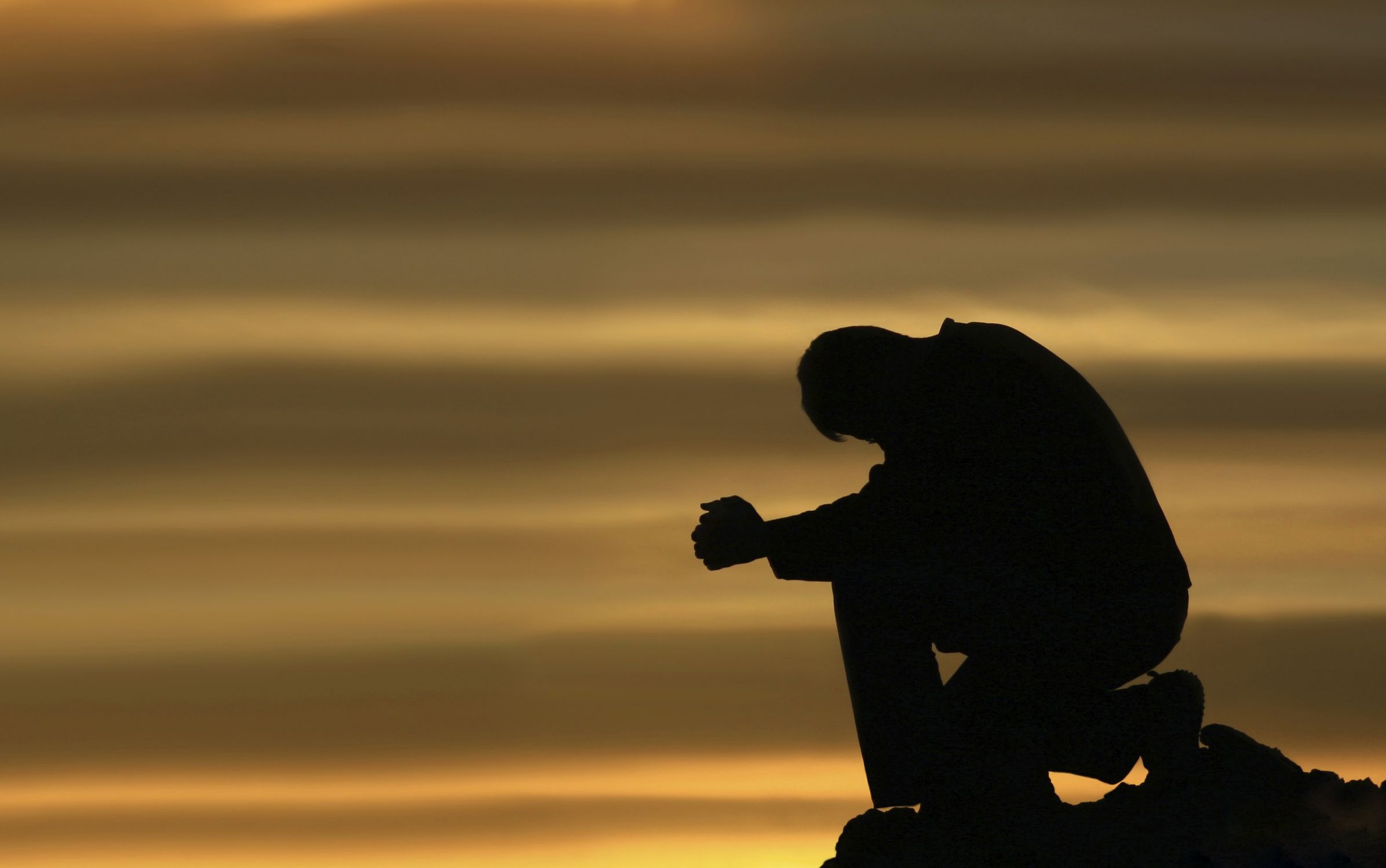
In that spirit, I’d like to share one the greatest low points I ever had. What makes it relevant, though, isn’t that it was just especially bad. This one particular point marked the time in my life when I felt most emasculated, as a man.

Seeing as how I’ve talked a great deal about masculinity, from the way it has been demonized by ongoing social trends to the double standards that affect it, I think moments like this stand out more than they would have in previous years. I’ve even found myself recalling these moments more lately, but this particular moment tends to hit me the hardest.

To understand this memory and why it left me feeling so emasculated, I need to establish the situation. It takes place back when I was in grade school, specifically the fifth grade. That’s an important detail because this is a time when most kids are on the cusp of puberty and just learning what it means to mature from a kid to an adult.

Even before this particular event, I wasn’t handling that transition as well as I’d hoped. I had some attitude problems back then. I wasn’t much of a troublemaker, but I had a nasty habit of getting defensive. I would take things way too personally and overreact way too easily, even by the standards of a fifth grader.

As a result, this left me with few friends and more than a few enemies. I won’t say they were outright bullies, but they were close and I did everything I could go to goad them. My social skills were just that poor and my insecurities were just that great.

All those issues culminated near the end of the school year when my class took part in this big Civil War project that was supposed to be fun. The way it worked was we all picked names out of a hat to represent notable Civil War figures. Then, we would act out those roles in a make-shift activities, the last one being this big mock battle outside using water balloons.

It should’ve been fun. It was late May, the weather was warm, and we’d have an excuse throwing water balloons at each other. For me, though, it turned into one of the worst moments of my pre-adult life. I still consider it one of the most damaging moments of my life, to date.

Back when we were picking names out of a hat, I had the misfortune of picking the name of a woman. The name of the woman was Louisa May Alcott and, for all the wrong reasons, I’ve come to shutter at that name. That’s not to criticize her place in history, but picking that name really made that project a nightmare.

I tried to get another name, but my teacher wouldn’t let me. In hindsight, I could understand why. There were a lot of girls in that class stuck with male roles and there were only a few female roles to go around. I couldn’t even trade with someone. She basically told me to suck it up and go with it.

That, alone, was tough because I was the only boy in that class stuck with a female role. Needless to say, I got made fun of pretty quickly. Thanks to my attitude and immaturity at the time, I did everything possible to make it worse.

Throughout the project, I felt very uncomfortable playing this role and didn’t do a very good job. No matter what I did, I just gave everyone another reason to make fun of me and I reacted in a way that just gave them more incentive. In many ways, it was my fault for letting it get that bad. There were easy solutions, though, and my teachers never did a damn thing to help me.

Finally, on the day of the water balloon fight, it all came to ahead. I had already been in a bad mood that day and I did a lousy job of hiding it. As a result, I heard some kids talking about how they’d gang up on me and target me alone with their water balloons. It left me genuinely scared that I was going to be completely humiliated.

That might have been paranoia on my part, but it was more than enough to make me sit it out. When we were lining up to start the water balloon fight, I slipped away and sat down near the back wall of the school. I don’t remember if I told my teacher. I’m pretty sure I got knocked down a grade for not participating, but I wasn’t thinking about that.

However, that wasn’t the worst part. Shortly after the water balloon fight started, some of the kids from my class started mocking me from far. They started calling out, “Hi Louisa!” None of them ran up to me and threw their water balloon at me, but the damage had been done.

It was at that moment, all those kids laughing at me and calling me that woman’s name, where the distress I felt turned into outright emasculation. Make no mistake. There is a difference. Just being embarrassed is hard enough for anyone. Being emasculated, though, feels much more personal.

Regardless of how you feel about gender being a social construct or the faults in masculine standards, our gender is very much a part of who we are. Being a man is part of who I am, more so than me being a comic book fan or an aspiring erotica/romance writer. When I feel like that part of me is under attack, the damage runs much deeper.

Hearing those voices from my classmates and the laughter that followed didn’t just make me feel upset, sad, and angry. I suddenly felt less than human, lacking the qualities of men and women alike. I had no sense of worth, dignity, or identity. I felt like a wounded animal, just waiting to get eaten.

I tried to shut it out. I just kept my head down and stared at my shoes the entire time, trying with all my might not to break down and cry on the spot. I managed to avoid that, thankfully. I don’t doubt that would’ve made the moment even worse.

I’m also grateful that one of the school counselors stopped by and sat next to me. I think her presence was what stopped the chanting. She talked to me, but I don’t remember her saying anything that made me feel better. I just sat there and waited for the day to end.

Eventually, it did. I got through it and moved forward, but that moment still left quite a few scars that took a long time to heal. After that day, I became much more of a shut-in. I stopped talking in class. I stopped trying to make friends. I basically shut myself off as much as possible, saying as little as I could to get through the day.

I’m not saying that moment was completely responsible for my poor social skills, which would carry on through high school where a terrible acne problem helped compound my situation. However, I do think it set the tone. It damaged my sense of self, both in terms of my gender and of the person I was growing into.

It took a long time and a lot of work, complete with the undying support of my friends and family, to recover from that moment. When I think back on it now, I feel like it has greater meaning at a time when masculinity is seen as inherently negative. Having had my masculinity attacked at one point, I understand how damaging it can be.

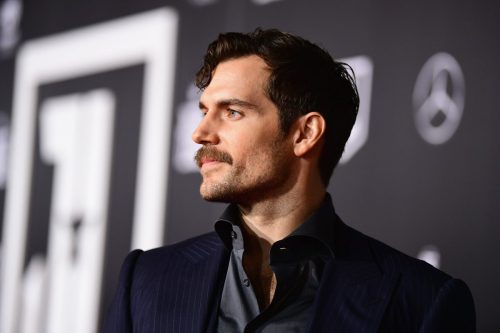
These days, it’s not uncommon to hear people decry and demean men, as a whole. There have been women who advocated for the outright murder of men. They’ve been brushed off, not unlike how my teachers brushed off my discomfort on that fateful day. However, if a man even shows a hint of misogyny, they’re outright vilified. Just ask Henry Cavill.

That gives the impression that it’s okay to make a man feel emasculated, but you’re an outright monster if you make a woman feel offended in any way. It’s as though our gender determines how much compassion we get. That’s not just unfair. That’s unjust to an egregious extent.

I’ve since come to terms with what happened that day. I acknowledge that I was responsible for how parts of it played out, but there were also factors I couldn’t control and it hurt me on a deeply personal level. I don’t doubt for a second that plenty of men out there have found themselves in similar positions, feeling so low and utter unmasculine that it’s downright traumatic.

Nobody deserves to feel that way, regardless of their gender. I hope that by sharing my experience, other men will feel comfortable sharing theirs as well. There may still be those who hear stories like this and roll their eyes, thinking a man’s pain just cannot compare to that of a woman or someone who is transgender. To those people, I would say that pain is pain. It doesn’t care about your gender. It still hurts all the same.
4 Comments

Filed under gender issues, human nature, Jack Fisher's Insights, psychology, sex in society, sexuality

Why Henry Cavill Shouldn’t Apologize For His Comments On The Anti-Harassment Movement (But Still Had To)

gettyimages-873854634-1200x800

What does it say about the state of a society when people have to apologize for voicing honest, legitimate concerns? Pragmatically speaking, it implies that the value of truth and just has been subsumed by other influences. Whether it’s politics or ideology, it’s not hard for society to get to a point where unreasonable forces subvert reasonable issues.

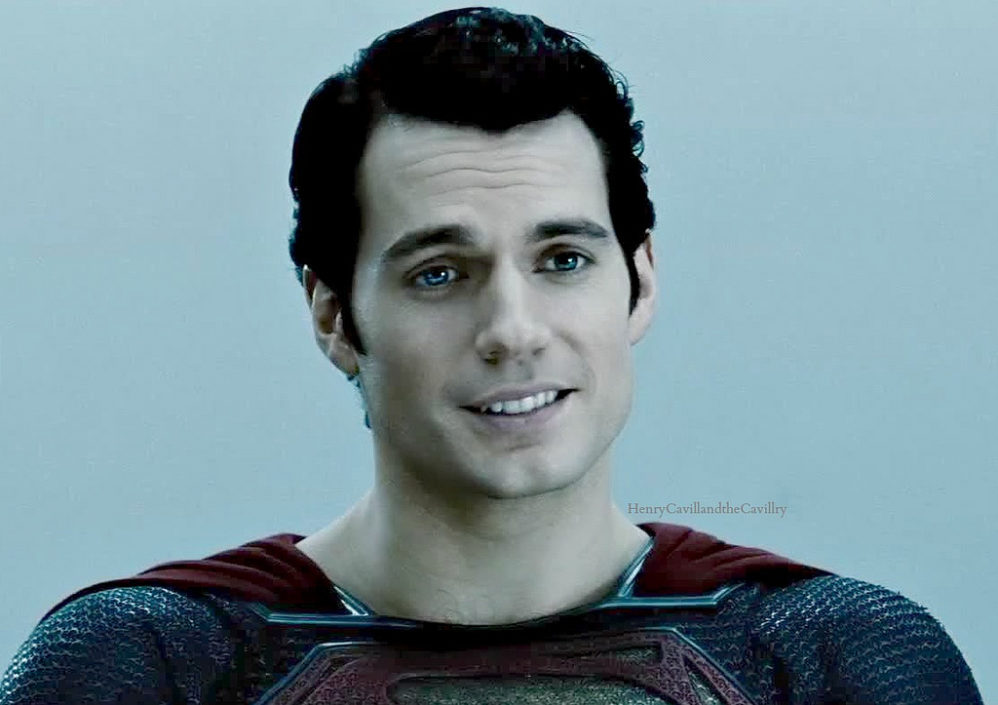
In that sense, it’s ironic that the latest person to experience those influences once played Superman, the personification of truth, justice, and the American way. Henry Cavill, whose star has risen significantly since he broke out in “Man of Steel,” got into some hot water recently after an interview with GQ.

In that interview, he essentially made the same mistake Matt Damon made when he tried to comment on the anti-harassment movement. He said something that was reasonable, honest, and understandable from a purely logistical standpoint. He’s worried that something as simile as flirting with a woman could somehow be construed as harassment, which could lead to a full-blown scandal.

For reference, these were his exact words from the interview and the ones that subsequently led him down the same path as Matt Damon.

It’s very difficult to do that if there are certain rules in place. Because then it’s like: ‘Well, I don’t want to go up and talk to her, because I’m going to be called a rapist or something’. So you’re like, ‘Forget it, I’m going to call an ex-girlfriend instead, and then just go back to a relationship, which never really worked’. But it’s way safer than casting myself into the fires of hell, because I’m someone in the public eye, and if I go and flirt with someone, then who knows what’s going to happen?

Now? Now you really can’t pursue someone further than, ‘No’. It’s like, ‘OK, cool’. But then there’s the, ‘Oh why’d you give up?’ And it’s like, ‘Well, because I didn’t want to go to jail?’

Think about what he’s saying here and take a step back to see how he got to that point. He’s talking about being called a rapist just for going up to a woman and talking to her. How is that reasonable? It’s not. It sounds paranoid, but it’s perfectly understandable in the current social climate.

It’s easy to picture a scenario where someone like Cavill walks up to a woman, starts flirting, and ends up saying something inappropriate. That’s not just something men do. Women do that too. Being vulgar knows no gender. However, if the woman in this scenario takes particular offense, it could be construed as harassment or even assault.

If a woman was especially vindictive or just prone to exaggeration, she could accuse him of assaulting her. Even if those accusations aren’t even close to warranting an actual crime, it would still be devastating. The accusation alone would be enough to derail a promising career.

You don’t have to look far for evidence of this. Aziz Ansari was not charged with any crimes for the infamous incident that came out earlier this year and even if he had been, there’s no way he would’ve been convicted. An incident built entirely around a he said/she-said situation doesn’t come close to meeting the burden of proof for a criminal conviction.

That doesn’t matter, though. Ansari’s career has already taken a major down turn. His hit show, “Masters of None,” has not been renewed by Netflix since the allegations came out. Men like Henry Cavill, whose careers are ascending, certainly take notice of that. They don’t even have to commit a crime and suddenly, everything they worked for is in ashes.

For powerful men in Hollywood, it’s a reasonable concern, but one they probably won’t get much sympathy for expressing. Men like Henry Cavill are rich, successful, and handsome enough to comfortably wear Superman’s skin-tight costume. He’s a man who can attract women just by breathing. However, that may end up making him even more vulnerable.

Most people aren’t going to be inclined to make a big deal about someone who flirts inappropriately. When that person is a celebrity, though, the incentives are much stronger. You need only have an overreaction or a burning desire for attention to twist it into something much worse.

It’s for that reason that Cavill shouldn’t have apologized for his comments. His concerns are legitimate and after all the work he’s put in, he’s right to worry about the forces that might destroy it. That still didn’t matter. His comments still triggered a major backlash on social media. He also had to apologize for it. These were his exact words.

“Having seen the reaction to an article in particular about my feelings on dating and the #metoo movement, I just wanted to apologize for any confusion and misunderstanding that this may have created. Insensitivity was absolutely not my intention. In light of this I would just like to clarify and confirm to all that I have always and will continue to hold women in the highest of regard, no matter the type of relationship whether it be friendship, professional, or a significant other. Never would I intend to disrespect in any way, shape or form. This experience has taught me a valuable lesson as to the context and the nuance of editorial liberties. I look forward to clarifying my position in the future towards a subject that it so vitally important and in which I wholeheartedly support.”

Notice that there’s nothing in that apology that expands on his concerns. Cavill doesn’t attempt to re-frame his point or address some of the complaints levied against him. He just throws his hands up and apologizes about everything, as though every word he said was factually wrong.

Now, to be fair to Cavill, it’s very likely that the statement he gave was written by a publicist or agent. Chances are he was pressured to read that as quickly as possible in order to prevent him from getting labeled a misogynist or someone who did not wholly support the anti-harassment movement. Even if he didn’t feel inclined to apologize, he still had to do it in order to preserve his career and reputation.

Regardless of his reasons for doing so, he still apologized for telling the honest truth. The backlash he received didn’t even argue that truth. Most of it amounted to scoffing at the concerns of a rich, handsome celebrity who is undeserving of any sympathy. One commenter even went so far as to call him a wannabe victim.

Such criticism is every bit as absurd as the kind Matt Damon got when he dared to point out that there’s a difference between patting a woman on the butt and full-blown rape. They also fail to acknowledge that it’s entirely possible for a woman to be vindictive enough to falsely accuse someone of a heinous crime for the sole purpose of ruining their career, despite documented cases that this has happened.

It’s one thing to expose the serious crimes of predators like Bill Cosby and Harvey Weinstein. Those cases did have evidence and are being processed through appropriate legal means. The behaviors Henry Cavill described don’t even come close to that kind of conduct.

The fact that Cavill had to apologize sets a dangerous precedent for the anti-harassment movement. History has shown that any movement that throws off honest truth and basic justice is built on a poor foundation. In time, that foundation eventually crumbles and the merits of the movement get lost.

There are plenty of behaviors among celebrities and non-celebrities that warrant outrage. What Henry Cavill said wasn’t one of them. The fact he still had to apologize for his words does not bode well for anyone concerned with the values that heroes like Superman embody.

10 Comments

Filed under Celebrities and Celebrity Culture, Current Events, gender issues, media issues, political correctness, sex in media, sex in society, sexuality

What It Means To “Man Up” And Why It’s Changing (For The Worse)

man-up-and-military-press

It wasn’t that long ago that parents and peers emphasized the importance of “manning up” to young boys. There would come a point in a kid’s life where he was encouraged to do more than just grow up. He was expected to push himself in a unique way, fighting and sacrificing for those who couldn’t. Sometimes, those expectations were unreasonable and a little unhealthy, but it was part of the overall gender dynamic.

That dynamic has been changing a great deal over the past several decades. I’m young enough to have grown up during many of those changes, but old enough to remember the old traditions associated with “manning up.” The sheer breadth of that change has been remarkable, but not entirely in a good way.

For the most part, I was never pushed too hard to man up by others. My friends and family encouraged me to push myself, but never to the point where I felt pressure or anxiety. I often ended up pushing myself, whether it involved going to college or moving out of my parents’ house.

That’s not say I didn’t feel any pressure to “man up” at any point in my life. Beyond my friends and family, I was as vulnerable to expectations surrounding masculinity as anyone. Most of the time, those expectations involved little things like stepping up to fix a problem, helping out those who were physically limited, and enduring pain or discomfort in the name of a particular goal.

Overall, I feel as though these expectations were either healthy or benign. Some of those standards could’ve been gender neural. When you see someone in a wheelchair at the grocery store struggling to get something from a shelf, it’s neither masculine nor feminine to help them. That’s just common courtesy.

In recent years, however, the whole notion of “manning up” has gained new a new complications. Some of them are ideological. Some of them are politically motivated. It’s because of these various nuances that I put the term in quotes because its meaning keeps shifting, gaining and losing connotations year by year. At some point, the term itself may become empty.

In contemplating that meaning, I thought briefly about the connotations that term had back when I was a kid. I doubt my interpretation was definitive, but I like to think it captured the spirit of the term. When someone told me to “man up,” this is what I took it to mean.

  • Grow up and mature
  • Take responsibility and solve your own problems
  • Stop whining and start doing something about it
  • Quit being satisfied with mediocrity and push yourself
  • Be stronger and tougher in difficult situations
  • Work hard and endure for the good of others who can’t

I don’t think it’s a coincidence that many of these same traits associated with superheroes, as espoused by the comic books I read and the cartoons I watched. They might have colored my perspective on masculinity and “manning up,” but I suspect these ideals were still consistent with healthy masculinity. The fact that characters like Wonder Woman and Storm of the X-men had some of these traits was just a bonus.

Now, as I contemplate the meaning of “manning up” in its current context, those don’t seem to have the same prominence they once did. There are also a new host of expectations surrounding the term that are fueled, in part, by identity politics. Some even conflict with others, which adds even more complications.

To get a feel for those complications, I posed a question on Reddit on what “manning up” meant to them. The response somewhat surprised me. Most wouldn’t have found their way into the comic books or cartoons I consumed as a kid, to say the least. They involved ideas such as this.

  • Checking your privileged and making way for those your kind has oppressed
  • Acknowledging the crimes and guilt of your gender, as a whole
  • Sacrificing any advantage or benefits that being a man might have once conferred
  • Subjecting yourself to greater degradation in the name of greater equality
  • Learning about all the ways men have ruined society and the world
  • Accepting that the things men love are unhealthy, damaging, and detrimental

None of these are very positive traits for those being told to “man up.” It’s basically a less overt way to tell them that them being a man is “problematic,” a term that has also gained one too many complications. It’s a term reserved for those who appear to be benefiting too much from being a man who isn’t subject to the rigors of childbirth, rampant sexism, and a long history of exploitation.

Never mind the fact that no one alive to day is directly responsible for the injustices their ancestors committed. They’re also not responsible for the injustices their particular race, gender, or ethnicity committed. It happened in the past. Yes, parts of that past were horrible, but punishing people in the present doesn’t make it less horrific. If anything, it just tries to fight one injustice with another.

This is where the concept of “manning up” really loses whatever positive connotations it once held. It’s a sentiment that many responders to my Reddit question shared. When they contemplate that term, they interpret as someone telling them that they need to endure, suffer, or overlook a particular aspect of their identity.

A few posters went so far as to say the term can be replaced with “serve my interests” and carry the same meaning. While I don’t entirely agree with that notion, I can understand why it would feel that way. Being a man, I sometimes feel like I’m expected to get to the front of the line when the time comes to sacrifice. I won’t go so far as to say I find it oppressive, but it certainly feels like I’m held to a different standard.

Sometimes, that standard can be unreasonable. That was another common theme of the responses I got. The notion of “manning up” denotes operating in a way to avoid a particular stigma that others wouldn’t incur for the same behavior. It’s not always ideological, but the pressure is there.

A man who is too emotional is considered a sissy and has to “man up.” A woman or even a gay man who does this won’t face that stigma.

A man who is reluctant to sacrifice for the well-being of another group is considered selfish and should “man up.” A woman or another minority who show a similar reluctance can do the same, but won’t face the same stigma.

A man who shows his pain when he’s harassed is told to suck it up and “man up.” A woman or minority who is harassed can expect plenty of supporters who will cheer them on. Even if men are subject to more overall harassment, they don’t get any sympathy. They’re told to “man up” while everyone else is allowed to seek social support without much scrutiny.

This, I feel, is the ultimate tragedy of the concept. A term that once use to reflect certain ideals for men has now become an instrument of ridicule. It’s no longer a lesson for boys to learn. It’s a rhetorical shortcut that allows someone to hold an entire group of people to a different standard, one that requires them to go out of their way for someone else.

I don’t doubt that there are instances where it’s good for society that some people go out of their way to help others. For those who are disabled, elderly, or ill, it’s just more just and compassionate to set a different standard for ourselves. We don’t ask someone who is missing a limb or suffering from ALS to “man up.” We go out of our way to help them.

It’s the extent of those instances, however, that seems to be damaging the notion. It’s no longer sufficient to just have a particular ailment or shortcoming. Just being someone who isn’t a man who can claim some sort of injustice, be it historical or contemporary, is sufficient.

I believe that’s a dangerous precedent for men and women, for that matter. It sends the message that in order for there to be more justice and equality, an entire group of people need to sacrifice to an extent where they have to be the villains. They have to come to the table, surrender unconditionally, and admit they were wrong and they were the cause of the problem.

That may not be sentiment of those telling someone to “man up,” but that’s how it’s being interpreted. It’s less a masculine ideal and more a shaming tactic, one that is more likely to incur a backlash rather than get someone to reconsider their understanding of gender roles.

I still feel like there’s a way to recapture the positive elements of “manning up.” Gender dynamics is one of those concepts that’s always evolving. Sometimes, there’s progress. Sometimes, there are setbacks. At the moment, I think masculinity and femininity are going through some growing pains as they adapt to a changing world. That process is likely to involve plenty of conflicts and controversies along the way.

In the long run, though, I think society will find a healthy balance with respect to “manning up.” I think there’s a way to use that notion to bring out the best in men and women alike. It’ll likely take plenty of work, toil, and sacrifice from everyone involved in gender-driven controversies, but it’s definitely worth doing.

1 Comment

Filed under gender issues, human nature, Marriage and Relationships, media issues, political correctness, sex in society, sexuality

Masculinity, Mourning, And My Recent Loss

1

How is a man supposed to mourn when he’s lost someone he really cares about? That’s not a rhetorical question. I’m asking because it’s a question I wish I could answer. It’s also a question that I’ve been struggling with over the past week or so.

Recently, I got the sad news from my father that my grandmother had passed away. I’ve been debating on whether or not I should talk about it on this site. I know people don’t come here to hear about my personal crap. They would much rather talk about upcoming superhero movies, sex robots, and double standards.

However, I’ve since concluded that this is something I need to share, if only to help me cope. Without getting too much into the personal details, this loss really hurt. I was very close to my grandmother. She was a big part of my life for as long as I can remember and just referring to her in the past tense is a strange and distressing feeling, but one I knew I would have to face eventually.

I even knew it was coming sooner rather than later. My grandmother’s death did not catch anyone by surprise. She was in her late 90s and had been dealing with a lot of health problems over the past four years. The past several months have been especially bad, but I still visited her regularly, hoping to boost her spirits.

Now, the idea that I can’t visit her ever again is really hard to process. My grandmother was one of those special individuals whose presence just made everything inherently better. Even with her declining health, she never lost that amazing spirit. She lit up the room and she enriched my life in ways I can never put into words.

Mourning her has proven to be one of the biggest challenges of my adult life. I understand that this is the natural order of things. I know that loved ones eventually die, especially those who lived long, fruitful lives like my grandmother. That doesn’t make it any less painful.

In dealing with it, though, I find myself contemplating things about mourning that I didn’t expect. Some of it involves my own personal issues. Others involve a bigger issue that I feel is worth exploring, even as my current emotional state is so raw.

There are a lot of things I didn’t learn from school, parents, siblings, or peers that I wish I had while growing up. Chief among those things is coping with loss. It’s not that nobody tried to teach me those skills. It’s not like there was a course in it, either. I just never made much effort to learn them. In fact, I feel as though I avoided them outright.

Some of that might just be a result of me being more reserved. Most people who know me can attest that I tend to swallow certain feelings more than others, especially when those feelings come from real emotional anguish. I’ll sob, I’ll shed tears, and I’ll let my voice crack under the strain. I’ll try not to let it go beyond that, though.

It’s not something my family and friends pressure me to do. However, there are times I feel as though that’s what a man is supposed to do. While I don’t like attributing things to gender stereotypes, especially when double standards are involved, this is one instance where I fall right into a specific masculine archetype.

I freely admit that I don’t always express my emotions very well. I’m more inclined to hide them and hold them in. I even try to avoid them, hoping they just go away with time. That may work for some minor emotional upheavals. It doesn’t work quite as well when you’re dealing with a heavy personal loss.

That limited ability to express emotions very well has been really glaring since I got the news. I remember not reacting too strongly, but wishing I could. I remember being at a total loss, but wishing I weren’t. There were so many things I wanted to express and articulate, but couldn’t. I can honestly say that I’ve never been at such a loss before.

At that moment, being a man felt like being shackled to something. It was like trying to cross a river with heavy weights on my ankles. Even when sitting alone in my room with no one to judge me for how much emotion I showed, I still found myself at a loss. I knew I was feeling something hard, but I just didn’t know how to express it.

I’m not saying that inability is entirely attributed to me being a man. I can’t speak for all men, but I can attest on a personal level that I do feel pressure to put on a tough face when confronted with painful emotions. To do otherwise just seems contrary to what it means to be a man and maintain a masculine demeanor.

I know that sounds like I’m blaming my gender for my shortcomings, and maybe I am to some degree, but I find myself wishing that the processing of painful emotions didn’t carry these gender-based standards. Yes, there are some men who are every bit as emotionally expressive as most women, but those kinds of tendencies aren’t encouraged or celebrated. In some cases, they’re scorned.

I don’t blame women or women for that stigma. I get the sense we’re all responsible for propagating those standards, albeit indirectly. The idea that showing certain emotions isn’t manly while not showing enough isn’t womanly feels like an unnecessary burden that we place on ourselves, one I just learned is heavier than most.

While I don’t feel like men are mocked as much for showing their emotions as they were in the past, I still find myself struggling. It’s as though I had the opportunity learn how to deal with these painful feelings when I was growing up, but was pressured to not take advantage of them because doing so would reveal a personal weakness.

As misguided as that sentiment might have been, I’m still responsible for making those choices. I don’t deny that when it comes to knowing how to deal with losses on this level, I’m behind the curve. I’m very lucky that I have so many wonderful family, friends, and relatives who have been there for me every step of the way during this process. I don’t think I could’ve handled this as well as I have without them.

I just wish being a man didn’t make it inherently more difficult. Again, this is just my own experience and I can’t speak for all men. Maybe mine is an anomaly and my limited coping skills have more to do with my own personal issues than my gender. Whatever the case, this loss has revealed a lot about being a man and dealing with emotions.

I’m really going to miss my grandmother. I loved her a great deal and the idea of living life without her in it is still hard to wrap my head around. I intend to push forward, though. I know that’s what she would want. That’s what all our loved ones ultimately want once they’re gone.

Even if they can’t be in our lives anymore, we can still move forward with the strength their love gave us. To all those out there who have suffered a loss, I encourage you to take comfort in that strength. To my grandmother, who I’ll miss dearly, I thank you for showing me just how much strength there is in love.

12 Comments

Filed under gender issues, human nature, Jack Fisher's Insights, psychology

Becoming A Better Man: A Lesson From My Father

tatkoi

As kids, we rarely appreciate the lessons and insights our parents give us. For the most part, we see their efforts as an obstacle to our daily goal of having candy for every meal and staying up as late as we want. It’s only after we grow into adults and learn much harsher lessons from the world around us that we truly appreciate our parents.

That has certainly been my case. I’m very fortunate and very grateful because I have the best parents I ever could’ve hoped for. My mother and father did everything a kid could ask for in a parent and then some. I try to thank them every chance I get and I’m not just saying that because I know they regularly read this site. I genuinely mean it.

Earlier this year, I shared a special personal story about me and my mother to help celebrate Mother’s Day. Rest assured, I have just as many special stories about my father. I’ve mentioned before how his parenting style is distinct from my mother’s. He’s a lot more direct in how he establishes how a good, honorable man should behave. It’s because of him that I have a healthy appreciation for noble masculinity.

There are so many stories I could tell that demonstrate why my dad is so special and how he helped me appreciate the importance of becoming a better man. On the eve of Father’s Day, I’d like to share one of those stories. It’s one I’m sure I remember more vividly than my dad because while it was a defining moment for me, he probably sees it as just another day of being a great father.

This particular story takes place when I was about nine years old. I was a kid, but a growing kid. It was an age where you start to understand what it means to mature. I bring that up because it ended up being a critical component of this particular story.

My family was visiting one of my many aunts and uncles. I don’t remember the occasion, but my family has never needed much excuse to get together and party. For me, I just loved going there to hang out with my cousins. Growing or not, though, I was a kid and kid get rowdy after a certain period of time and sugar intake. It might as well be a law of physics.

The most memorable part of the visit, however, came towards the end when it was getting late and my parents needed the kids to settle down. In a confined space full of kids no older than 10, they might as well ask gravity to reverse itself on top of that. It just wasn’t going to happen without some sort of parenting wizardry.

That’s where my father comes in. It’s right around nine o’clock and my parents, along with every other adult in that house, were low on patience. My siblings and cousins had crowded in a bedroom where I was sort of leading the rowdiness, listening to music and yelling at the TV. My father might as well have walked into an insane asylum and I was the one handing out the tainted meds.

The first thing he did was turn off the TV, which for a kid my age was like slap in the face coupled with a kick to the shin. He didn’t raise his voice or yell. He just walked in there, carrying himself like a Navy Seal, and let his presence do the talking. Most of the younger kids in the room listened, but I didn’t. I still insisted on being difficult.

I ended up making a scene, saying I didn’t want to go and I wasn’t tired. I wasn’t even cute about it either. I admit I was an outright brat. If my father’s reading this, I think he remembers this better than I do. He’d probably use much stronger words, but in my defense, I was an immature kid surrounded by other immature kids.

Despite that attitude, my father didn’t flinch for a nanosecond. He just stood there, looked down at me with a glare that could’ve melted steel, and just kept repeating my name in this stern, stoic mantra. Again, he didn’t yell. He didn’t demand my obedience. He didn’t lay a hand on me. He just stood there like a titan.

At first, it annoyed the hell out of me and that just made me more restless. I kept making a racket that I’m sure the other adults in the house heard. My dad was well within his right to grab me by the shirt and put the fear of God in me. He still didn’t do it. He just kept repeating my name, as if to wear me down.

On paper, it shouldn’t have worked. It shouldn’t have gotten an immature kid my age to shut up. I don’t even remember how long I kept it up. After repeating my name in that tough, but authoritative voice for who knows how long, I finally broke. I just fell silent. Every kid in the room fell silent as well. It was downright eerie, but it worked. My father had silenced a room full of kids without breaking a sweat.

If that doesn’t demonstrate how awesome my dad is, I don’t know what will. He still wasn’t done, though. After the room fell silent, he told me we were leaving in a half-hour. I just nodded. I then asked if we could play one more game before that. I didn’t ask in a whiny, childish tone, though. I asked in the same serious tone he’d used. My dad, being as loving as he was tough, just smiled and nodded.

As the years have gone by, that moment has gained greater and greater meaning. It was at that moment that I realized what it meant to be mature. Just whining and begging wasn’t going to get me what I wanted anymore. If I wanted something from someone, I had to show respect and humility when I asked.

My father didn’t spell that out for me. Instead, he demonstrated it in a way I would never forget. He didn’t try to explain, word for word, the merits of being mature around other adults and why I should do it. He showed me. He made it so that what I’d been doing before as a kid no longer worked. If I wanted to get my way, I had to do something different. I had to be more mature about it.

That kind of lesson is a lot to process for a nine-year-old. I don’t think I began to appreciate it until a few years later when I noticed other kids around me trying to avoid that kind of maturation. When they wanted something, they still whined and complained. I didn’t do that and I’m a better man because of that.

It made me better through the rest of my youth. Talk to any of my relatives who knew me during that time and they’ll probably say the same thing. I was a lot more mature than most kids my age. Some even said that talking to me was like talking to a young adult. That earned me more respect than most kids my age and that helped a great deal, especially as I struggled through my teenage years.

It ended up being one of the most important lessons I ever learned as a kid. It might have been the most valuable lesson that my father ever taught me. To get what you want and to get along with people, you can’t beg for it. You can’t force it, either. You have to show respect and respect begins by showing it to others. It doesn’t matter if your a kid or adult. There’s value in being mature, respectful, and kind.

There are so many great memories I have of me and my dad, from trips to the beach to just paying catch in the back yard. However, that fateful day when he taught me that important lesson in maturity still stands out, especially on the eve of Father’s Day. It’s a moment that I treasure to this day and one that has helped shaped me into the man I am today.

I hope that story resonates with fathers and their children. To my own dad, if you’re reading this, thank you from the bottom of my heart. Thank you for being such an awesome father and for showing me how to be a better man.

1 Comment

Filed under gender issues, Jack Fisher's Insights, noble masculinity

Profiles In Noble Masculinity: Hank Hill

nol3t

When it comes to paragons of masculinity, the standards tend to skew towards characters who crank the testosterone levels up to the maximum and even go a little bit beyond. From mythical figures like Hercules to modern icons like James Bond, it often seems as though that a truly masculine man has to exceed some lofty standards.

While there’s certainly a place for that kind of masculinity, I don’t think that has to be the only criteria. I believe there’s room for a more subtle, yet equally strong manifestation of manliness. They don’t have to be the kind of men who sweat raw testosterone and shave with shards of broken glass. They can be their own man and still embody respectable masculinity.

I chose Joel from “The Last Of Us” for my first profile in noble masculinity primarily because his example was not very subtle. He embodied the masculine values of strength, survival, fatherhood, and compassion in ways that are easy to highlight within a larger narrative. It didn’t take much work to make my case for Joel’s noble traits.

For my next profile, though, I’ve chosen a character who presents a tougher challenge. He comes from a narrative that’s very different from Joel’s. Instead of a post-apocalyptic world where everything comes back to survival, his is a more contemporary story from the far less dire setting of suburban Texas.

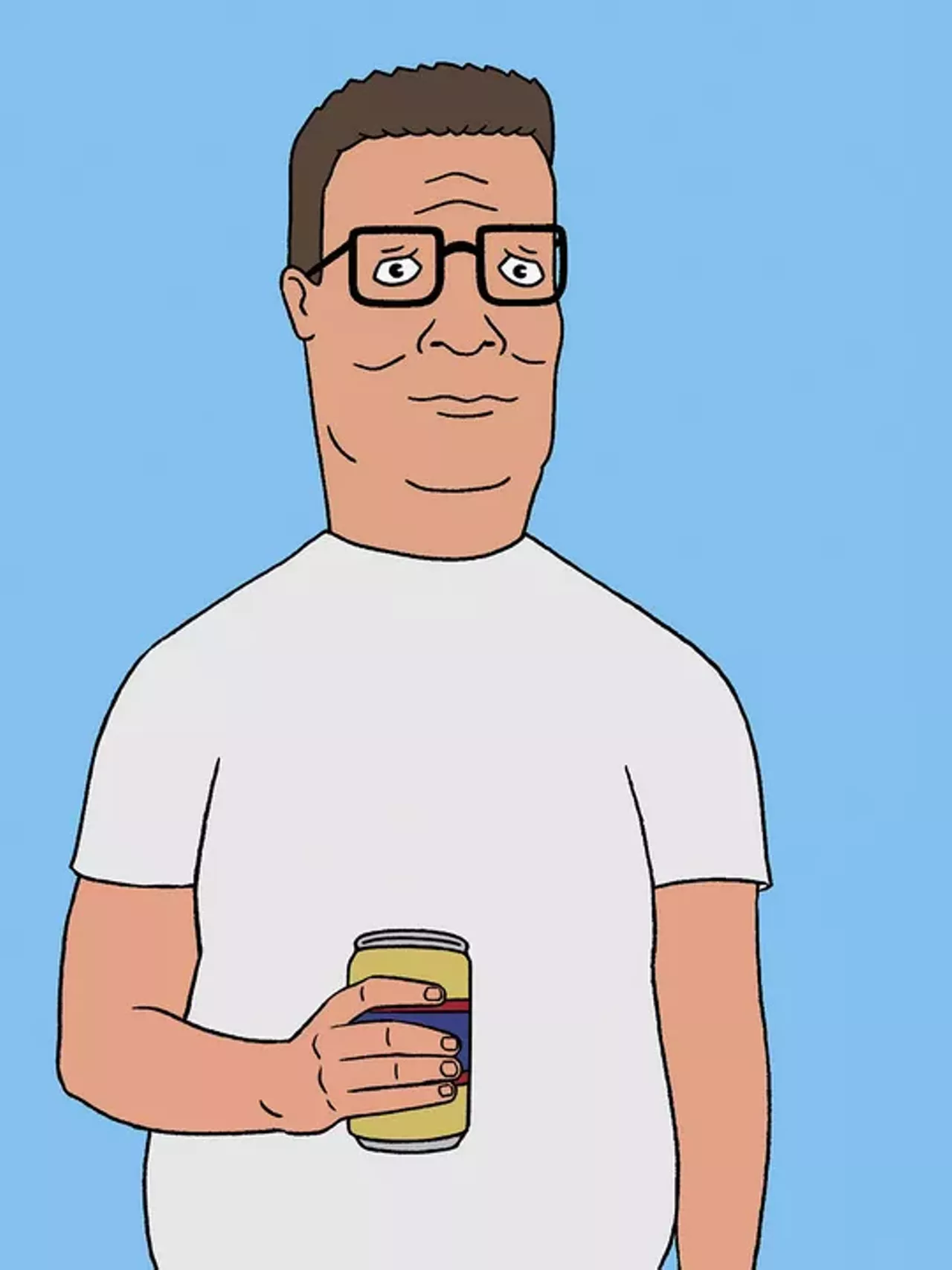
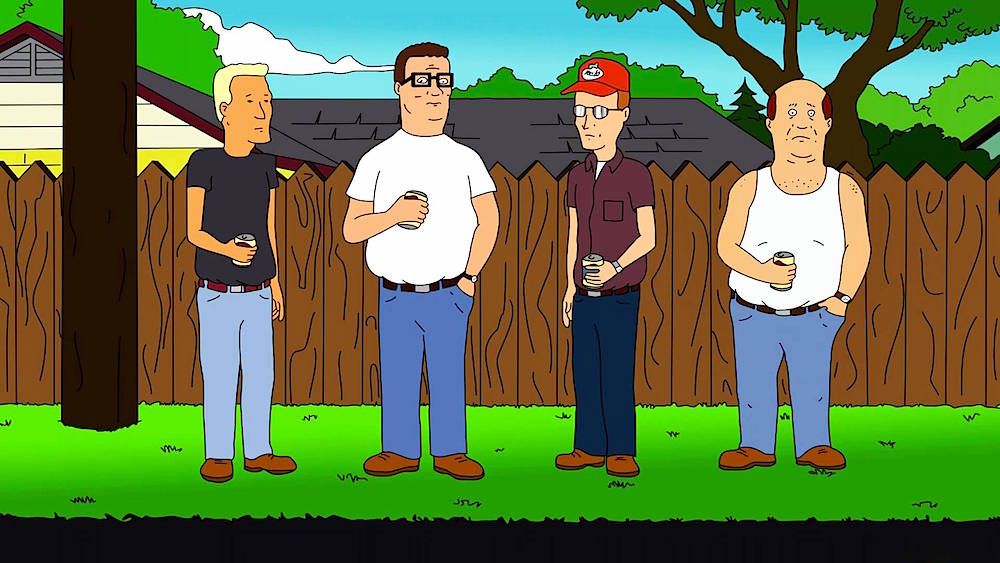
His name is Hank Hill. He sells propane and propane accessories. He’s a proud American, a hard worker, a die-hard football fan, and the star of “King of the Hill.” In the pantheon of modern-era animation, it’s a show that doesn’t usually rank near the top for most people, but the fact it lasted 13 years proves it did something right and Hank his is one of those things.

I consider him another example of noble masculinity. He’s one that differs considerably from Joel in “The Last Of Us,” but I consider him an example none-the-less. Over the course of 258 episodes and 13 seasons, Hank establishes himself as one of those rare characters who manages to be compelling and respectable without being too flawed.

He’s not a bumbling dad, nor is he self-absorbed narcissist always looking to get ahead. Hank Hill, at is core, is blue collar family man who loves his job, loves his wife, and tries to make the most of his situation. He’s not a whiner. When he sees a problem, he tries to fix it. When he makes a mistake, he owns up to it, even if he stumbles along the way.

He tries to do all of this while surrounded by characters who have a wide range of issues, flaws, and eccentricities. One of his neighbors is a self-loathing loser obsessed with his wife. Another is a chain-smoking paranoid idiot who doesn’t know his wife cheats on him. The other is Boomhaur. Actually, Boomhaur is awesome.

Beyond his idiot friends, Hank also deals with a know-it-all wife with an inflated ego, a lazy son who goes out of his way to under-achieve, a bimbo niece who attracts all the wrong people, and an eccentric, misogynistic father who hates his guts. The fact that Hank manages to maintain such a calm, collected demeanor most of the time is a testament to his strength.

That strength, however, isn’t exactly obvious if you just look at his persona on paper. In fact, if you just skim the basics, Hank doesn’t come off as a very interesting character, let alone one who fits the criteria for noble masculinity. He’s conservative, he’s frugal, he doesn’t exude charisma, and he’s a staunch defender of law, order, and the status quo.

Hank isn’t the kind of man who willingly goes on adventures, acts on an impulse, or seeks to radically change the world around him. He actually likes his world, for the most part, and actively defends it from those who try to upset it. This has led to more than a few conflicts throughout the show, but Hank’s ability to resolve those conflicts reveals that there’s much more to his character.

It’s in those efforts where Hank’s nobility, as both a man and a character, really shows. While he is a staunch traditionalist who goes to church, votes Republican, and is extremely uncomfortable with sex, he’s also remarkably tolerant of those who don’t share his views.

Throughout the show, he encounters people who are overtly promiscuous, exceedingly liberal, and don’t care much for football. At no point, though, does he try to change those people or convince them that they’re flawed. Sure, he’ll threaten to kick an ass every now and then, but he usually reserves that recourse for those who most deserve it.

When he’s not kicking asses that deserve to be kicked, Hank is also demonstrates an ability to reserve judgment and not make anything too personal. Throughout the show, he’s encountered crazy right-wing religious types, flamboyant homosexuals, and unapologetic womanizers. By nearly every measure, he deals with them in a way that’s respectable and fair for the most part.

For the most part, indeed.

Hank doesn’t condone or condemn their behavior. He’s more concerned with the consequences they have on others. In his view as a freedom-loving American, what people choose to do is their business, provided they understand and accept responsibility for the consequences.

Throughout the course of the show, he’ll point out or remind others of those consequences. He’ll even help some confront it. However, he doesn’t make it personal. He doesn’t whine about it. He doesn’t try to get everyone to embrace his way of doing things. Hank basically lets other people be free and live their lives.

It’s not the same as slaying giant monsters or rescuing princesses from towers, but it’s noble in its own right. In the context of masculinity, Hank Hill’s ability to remain strong, stern, and confident in the face of so much chaos from so many characters, each with plenty of quirks and eccentricities, is a testament to the kind of man he is.

He’s a man who takes pride in his work, leads by example, and tries to be the voice of reason in a world full of unreasonable people. He’s willing to be brave and bold when he has to be. He’s also willing to take responsibility when others won’t or refuse to. As a man, he’s someone who earns the respect of others and does plenty to maintain it.

That’s not to say that Hank is without his flaws. Sometimes, he is traditional to the point of being petty. In one episode, the entire plot was driven by his dismay at another family sitting in his non-assigned seat at church. He can also be controlling, especially with how he raises his son, Bobby.

On more than one occasion, he’s been an obstacle for Bobby’s endeavors. His famous refrain, “That boy ain’t right,” is often said in the context of him wanting to guide Bobby down a certain path. Most of the time, though, he does so in a way that’s appropriate for a caring father. Other times, though, he gives the impression that he wants Bobby to be just like him.

Even with these flaws, Hank Hill still commands and earns respect. As a man, a father, and an American, he checks most of the boxes in terms of noble masculinity. He’s strong, responsible, hard-working, and accepting of other peoples’ strengths and flaws. He’s a man worthy of admiration and the fact he knows propane is a nice bonus.

4 Comments

Filed under gender issues, media issues, noble masculinity, political correctness

The (Fragile) State Of Modern Chivalry

Courtesy Photo

These days, you can’t go more than a few days without hearing someone complaining that chivalry is dead, dying, or some elaborate patriarchal conspiracy to keep women in their place. A few are even arguing it’s part of some matriarchal conspiracy to control men. The very concept of chivalry is in a precarious state is what I’m saying.

Now, I’m somewhat hesitant to write about this because in my experience, both in real life and online, it brings out a lot of mixed sentiments. I’ve met men who resent it. I’ve met women who are outright offended by it. No matter how I approach it, there’s no way to avoid rubbing certain people the wrong way.

Hesitation aside, I do feel compelled to talk about it because the idea of modern chivalry, the kind that involves common courtesy and not the medieval kind that made high school English class so frustrating, is kind of personal to me. That’s because I had awesome, loving parents who went out of their way to teach me and my siblings the manners, attitude, and mentality that go into modern chivalry.

They may not have built their entire parenting strategy around it, but I like to think that them emphasizing it was part of a larger life lesson. It’s one that effects me to this day. I still make it a point to hold doors, pull out chairs, and address people as sir/ma’am. If I don’t, then I feel like I’m not showing the respect I want.

It may not sound like much, but I find myself wondering and worrying about the state of this gender-driven quirk. Some of that worry stems from how relevant those vital lessons my parents taught me are today and whether they’re losing relevance with each passing year. That might just be a byproduct of me getting older, but it does concern me, if only because I feel there’s a lot of gender-driven conflict these days.

To understand why, I need to give a little background as to just how my parents instilled an appreciation of modern chivalry in me and, as a bonus, demonstrate why they’re so awesome. While both my parents were big on teaching me and my siblings manners, my father was more focused in emphasizing courteous behavior.

As a kid, I remember more than one occasion where we would go out somewhere and my father told me to hold the door for women and/or total strangers coming up behind you. It wasn’t just for women either. He made it clear that if you have a chance to hold the door for someone, you do it and you be a gentleman about it.

I only remembered why it was so important on the occasions I forgot. There was this one time when I was around 10-years-old that my parents took me and my siblings to the mall. I, being an overly excited kid, ran out ahead to get inside. In doing so, I forgot to hold the door for a woman and her daughter. My dad did not approve of that.

I vividly recall him catching up with me, grabbing me by the arm, and telling me that if I’m going to run out ahead like that, I damn well better hold the door like a goddamn gentleman. Remember, I was only 10 at the time and my father was holding me to higher standards than that. At the time, I was kind of annoyed, but as I got older, I came to appreciate that lesson.

There were probably other similar incidents. My dad, who I know occasionally reads this site, can probably remember plenty of others like that. I hope they’re still relatively few because as I got older, things like holding doors, pulling out chairs, and saying sir/ma’am became second nature to me. It got to a point where I really didn’t think about it.

Then, in a more recent incident, I had an encounter that kind of worried me. I was walking around my neighborhood. I then make my way into a fast food restaurant for a quick lunch. Since an older woman was behind me, I held the door for them. She smiled and thanked me. I replied with a simple, “You’re welcome, ma’am.”

It was that last part, though, that got a stronger reaction. She was genuinely surprised when I said “ma’am.” It was a pleasant surprised, though. She even went out of her way to thank me for being so courtesy, claiming she doesn’t hear that sort of rhetoric much anymore.

Now, this was not some old woman longing for the good old days, mind you. This woman didn’t look that much older than me. It really caught me off-guard, mostly because I was just doing what my parents had taught me to do all my life. It also kind of worried me, too.

That’s not the first time something like that happened. I’ve said “sir/ma’am” to strangers before and gotten strange looks, both from older and younger crowds. I’ve noticed the older women, though, are the ones that react most often to it. They tend to react most positively as well. Women who are around my age or younger just smile and shrug it off, as though it’s no big deal.

I’m honestly not sure what to make of it. I understand my experiences are purely anecdotal and it’s unreasonable to make broad generalizations about society, as a whole. However, the more reactions of this sort that I encounter, the more I worry that the value of modern chivalry is declining.

That worry, though, is not akin to some old man longing for the good old days. I understand that the good old days are never as good as we remember. I feel a more pressing concern is how this attitude reflects the growing tension between genders that seems to fuel so many conflicts, these days.

I’ve talked about a few of those conflicts, including the absurd ones. A part of me can’t help but wonder whether the lack of a reaction I get from younger women on my chivalrous acts reflects a distressing trend in attitudes towards men, in general.

I worry that recent scandals, trends in feminism, and even a few trends in men’s rights activism are conditioning people to just assume the worst in men, even when they demonstrate good conduct. Assuming the worst in any situation is usually the first step towards falling into a nasty cycle of self-fulfilling prophecies.

In that context, there’s no behavior, chivalrous or otherwise, that can convince anyone that they’re just trying to be polite. I hold a door for a woman with those assumptions and she won’t see it as good manners. She’ll just see it as some elaborate effort to get into her pants or somehow draw her into a system of patriarchal oppression.

The assumptions are just as bad for the men. I hold a door for a man, or just get seen holding the door for a woman, and the assumption is I’m trapped in some radical feminist agenda that seeks to turn all men into weak, submissive, beta-males. Again, it overlooks the mere possibility that it’s just the kind, courteous, polite thing to do.

I sincerely hope this is just empty concern on my part and the observations I’ve made are just a byproduct of growing cynicism. I also hope that the current state of gender politics doesn’t reduce the concept of modern chivalry to an agenda. Just acting like a decent human being to other people, regardless of their gender, should never be an agenda.

It’ll be interesting to see how the current social landscape evolves over the next several years. How it sees and interprets modern chivalry will reveal a lot about the direction we’re heading with respect to how men and women relate to one another. If every little action suddenly becomes part of an agenda, then I imagine it’ll get a lot harder to just show common courtesy to someone.

I hope it doesn’t get that bad. I sincerely hope that the lessons my parents taught me about showing good manners and common courtesy are just as relevant in the future as they are now. If I ever get around to having kids, I intend to teach them those same lessons.

Some things just don’t need to be part of a gender-driven conflict. They can just be an overly-formal way of showing respect to one another. Call it what you want, be it modern chivalry or just not being an asshole to someone. There’s still a place for it in any society and I believe there always will be.

1 Comment

Filed under gender issues, Jack Fisher's Insights, Marriage and Relationships, romance

Profiles In Noble Masculinity: Joel From “The Last Of Us”

cc579d19ebf45fbc7dc3d7a8e58527e5-e1508672973350

For the past few years, it has become a popular pasttime to label certain elements of popular culture as toxic or “problematic.” Take any character, song, plot, role, or trope from any brand of media. Apply an excessive amount of scrutiny, distorting it as much as necessary along the way. In the end, some people will find a way to make it offensive.

It’s through that process that shows like “Seinfeld” can be called racist. Movies like “Crocodile Dundee” can be called culturally insensitive. Movies like “Big” can be called creepy. Even classic video games like “Mario” and “Zelda” can be considered sexist. Scrutinize it enough and everything becomes racist, sexist, homophobic, transphobic, and culturally insensitive.

I find that whole process to be an exercise in trolling that does more to spark outrage than it does meaningful discussion. It’s the same process that created the idea of “toxic masculinity,” a concept I’ve gone out of my way to deconstruct on more than one occasion.

I don’t want to bemoan all the flaws and frustrations that occur when regressive attitudes mix with regressive agendas. There’s enough debate, discussion, and outright shouting going on in that field as it stands. Instead, I want to shift the tone of the conversation by going to the opposite end of the spectrum.

By that, I mean I’m going to do the opposite of highlighting something that some may find “problematic.” Instead, I’m going to cite something that I think is inherently positive from which we can learn. In fact, I’m going to try and coin a new phrase that’s more uplifting than some of the other buzzwords used by the regressive crowd.

I call it “noble masculinity.” It’s the idea that there are noble, admirable traits in male characters that are worth celebrating in the context of a larger story. Having talked so much about toxic masculinity and why I think it’s such a flawed concept, I feel it’s only fitting that I attempt to counter it with something more positive.

I know it’s popular to criticize and complain about male behaviors these days and, as a man, I don’t deny that we can do some foolish things. However, men are also capable of incredible acts of virtue. Those traits deserve more attention, if only to remind everyone that men can be more than outrage fodder.

There are a lot fictional male characters from movies, TV shows, video games, and comics that I could cite who embody positive masculine traits. Characters like Superman, John McClane, and even James Bond come to mind, although I’m sure there are some who would disagree with the last one.

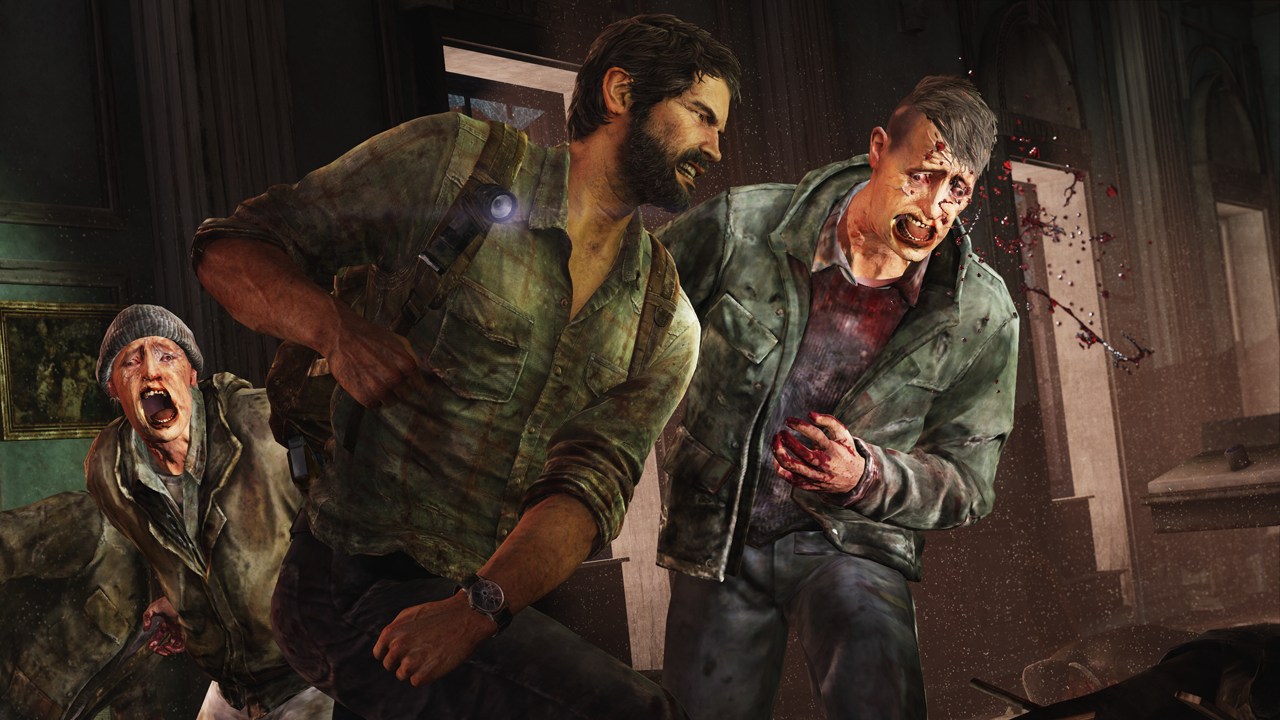
However, in this initial exercise of exploring noble masculinity, I want to cite a lesser-known male character from popular, critically acclaimed video game that some have called the most riveting, emotionally resonant story-driven epic of the console generation. That game is called “The Last of Us” and the source of the noble masculinity comes from Joel, the grizzled, yet vulnerable male protagonist of the story.

For those who haven’t played “The Last of Us” or just don’t play video games in general, Joel may initially come off as a mix of old cowboy tropes and John McClane rip-offs. However, by following his story, he reveals a level of depth that includes instances of noble masculinity that men and women alike can appreciate.

Joel’s story is not built on prophecies, superhuman abilities, or dumb luck. As a character and a person, Joel is largely defined by a grit that’s uniquely masculine in many ways. At the beginning of the game, he’s not looking to become part of some larger struggle. He’s just a single dad, trying to make a living and provide for his daughter, Sarah. In world full of dim-witted father figures, it’s pretty refreshing.

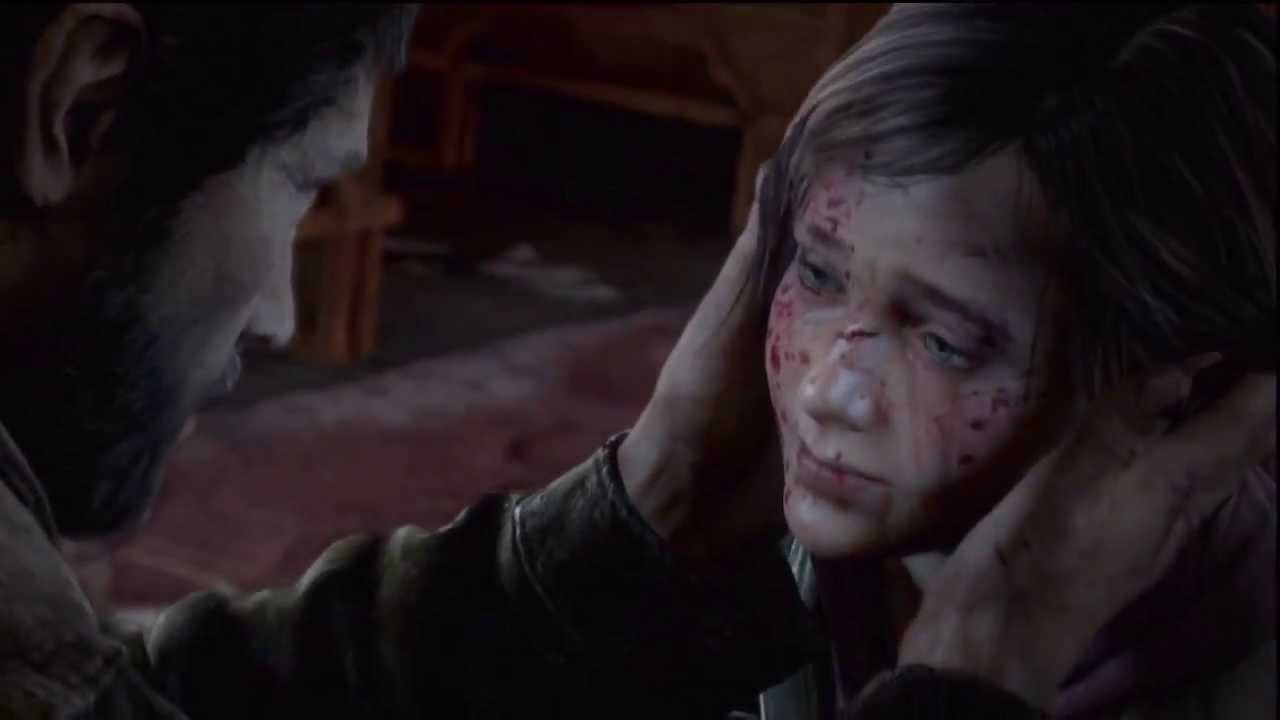
Then, within the first 10 minutes of the game, Joel suffers the greatest loss any parent can endure. He tries to protect his daughter from first stages of a full-blown apocalypse, but ultimately fails. He ends up watching his daughter die in his arms. It’s a very emotional moment, one in which Joel’s pain is palpable.

That defining moment establishes Joel as a man who fights to protect those he loves, but is all too human and very much at the mercy of forces beyond his control. There’s only so much that he do when the world around him is falling apart. No amount of anger, lament, or sorrow can change that. He, as a man and a survivor of this apocalypse, has to find a way to cope.

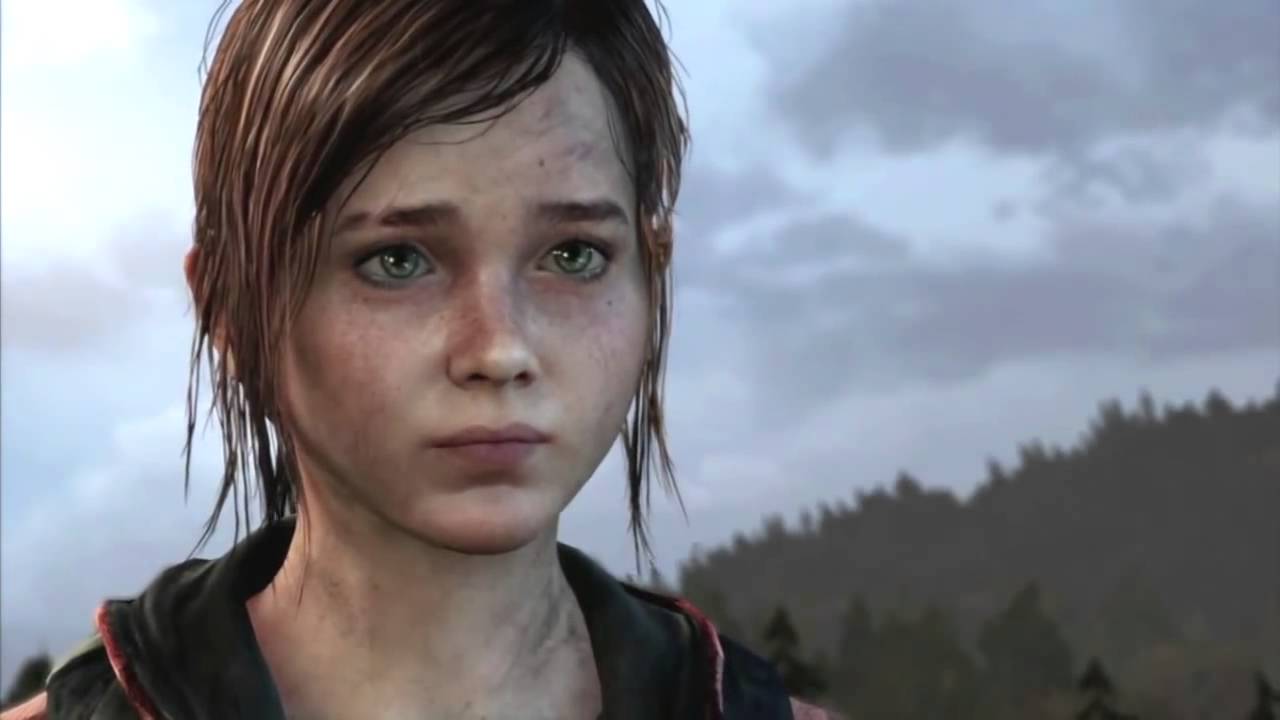
While his coping skills aren’t perfect, as evidenced in many powerful scenes throughout the game, Joel’s grief helps drive him. It also lays the foundation for the emotional development he undergoes after he meets Ellie, his young female co-protagonist who becomes a critical part of the gameplay and the story.

I could probably write another article about Ellie and why she’s one of the most compelling female characters in modern video games, but in the context of noble masculinity, she’s very much a catalyst for Joel’s emotional journey. Her own story is remarkable, but her influence on Joel is where she really shines.

It’s not a case of a knight rescuing a princess or a female character trying too hard to be an equal to her male compatriots. In fact, Joel’s first impression of Ellie isn’t a good one. She comes off as an irritable brat with a bad attitude. Essentially, she’s the kind of immature teenager that guys like Joel go out of their way to avoid.

However, their stories soon become intertwined. They end up having to work together, rely on each other, and fight for one another in order to survive a post-apocalyptic world that has been destroyed by zombies, toxic fungus, and military-enforced curfews. Before long, they establish a bond that brings out the best and worst of both characters.

For Joel, the best is reflected in those same paternal instincts that caused him so much pain and sorrow at the beginning. He comes to see Ellie as a surrogate daughter, of sorts. At times, he resists that and even gets upset when the idea is thrown in his face. In the end, though, he doesn’t avoid it.

As a result, Joel’s story embodies more than the love a father has for his child. It also reveals how willing a man is to form a bond with a total stranger, who is not even that nice to him in the beginning, and tries to protect them with that same paternal dedication. It doesn’t happen all at once. He even resists it at times. He still embraces it and all the tribulations that come with it.

That, more than anything, is the most important element of noble masculinity that Joel embodies. He’s not Superman, nor does he pretend to be. He’s also very aware of his own shortcomings, saying at one point that he trusts others more than he trusts himself. Most men are reluctant to acknowledge such insecurity, let alone reveal it. Joel doesn’t hide from it. If anything, he channels it.

It’s something that resonates with Ellie too. Throughout the game, she has opportunities to cut ties with him and go along with someone who might be better-equipped to help her. However, she choses to stay with Joel. Just as he comes to see her as a daughter, she comes to see him as a father.

The fact that he and Ellie go through this journey in the midst of an ongoing apocalypse makes their bond that much more powerful. It also requires that Joel push himself harder and confront the limitations that kept him from saving his daughter. Being a father made for great sorrow in the past, but it also made him stronger and more determined in the future.

That’s not to say that Joel doesn’t have his low points. There are moments where Joel does not come off as noble. Some even argue that his decisions towards the end of the game undermines his nobility. I would argue that it actually reinforces it.

When the world is already in the middle of an apocalypse and people are willing to sacrifice innocence for what they think is the greater good, then that’s when traits of noble masculinity become most critical. That’s when a father’s willingness to protect his child should be at its strongest.

That dedication still comes at a price. With a sequel in “The Last Of Us Part II” already in the works, it’s likely that Joel will continue to pay a price for his choices, however noble they might be. The fact that he still makes those choices and is willing to accept the risks reflects the challenges and strength that come with masculine drive.

Joel is probably not the greatest example of noble masculinity in all of fiction, but I would argue that his is the most relatable. He’s not perfect, nor does he pretend to be. He doesn’t have any capabilities that are impossible for other men to achieve. He’s a man who was utterly destroyed when he lost his daughter, but didn’t run from the chance to be a father again and to a total stranger, no less.

Flaws and shortcomings aside, I still contend that the noble masculinity that Joel shows throughout “The Last of Us” are far greater than any of the “toxic” traits that others may cite. In playing the game, it’s hard not to empathize with him or his journey, especially if you’re a parent. In appreciating his strengths, though, it shows that there is room for a brand of masculinity that anyone of any gender can admire.

9 Comments

Filed under gender issues, human nature, sex in media, video games

Why We Should Be Excited (And Worried) About A “Y: The Last Man” TV Show

y-the-last-man

There are certain announcements that certain kinds of comic book fans have been waiting to hear for years. Most people who don’t have boxes and bookshelves full of comics probably won’t appreciate the importance of those announcements when they finally arrive. Ideally, everyone eventually comes to acknowledge how important it is in the long run.

Just recently, one of those announcements hit the entertainment wire and comic book fans like myself are still trying to catch their breath from the excitement. It has to do with a series called “Y: The Last Man,” one of the most critically acclaimed comic book series of the past 20 years. According to The Hollywood Reporter, FX has officially ordered a pilot for a TV series based on this comic.

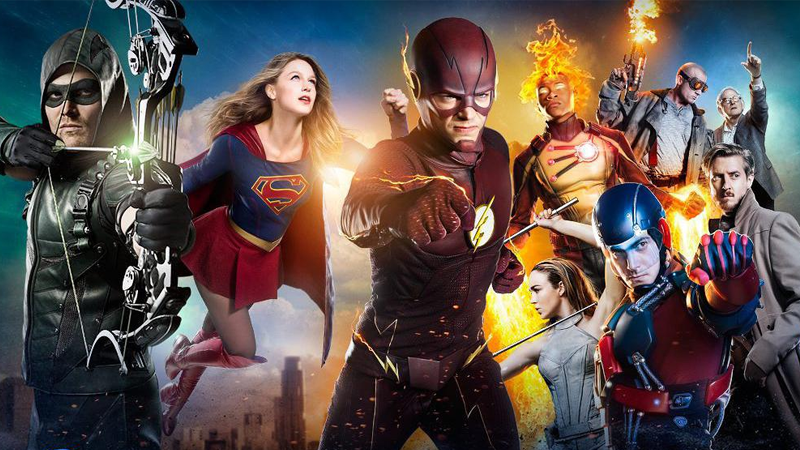
I know that may not sound like ground-breaking news in an era when TV shows based on comic books account for a sizable chunk of programming. There are shows featuring famous superheroes like “The Flash,” “Supergirl,” and “Daredevil.” There are also shows based on non-superhero comics like “Preacher” and “The Walking Dead.” Why is adding yet another show to that list such a big deal?

Well, as someone who has thoroughly read and deeply enjoyed Y: The Last Man, I can attest that this is one of those comics that is special for all the right reasons. It’s compelling, dramatic, mysterious, and emotional on so many levels. It doesn’t just tell a great story. It builds an entirely new world around a truly catastrophic event.

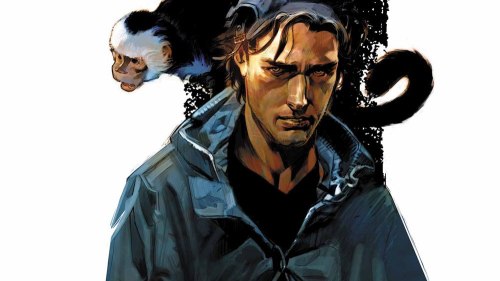
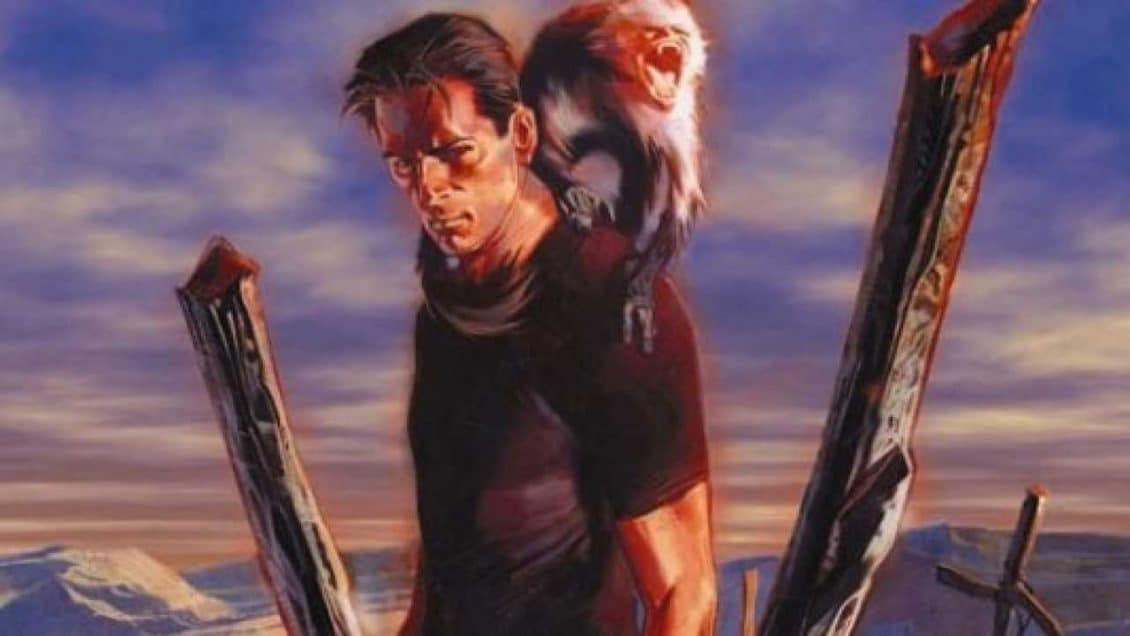
The premise of Y: The Last Man is simple in concept, but grandiose in implications. One day, all the men in the world just die. They don’t get sick first. There’s no mass pandemic. They all just start bleeding from their mouth and eyes before they keel over and die. It’s not just human men either. Everything with a Y-chromosome just dies.

It happens so suddenly and so quickly. It’s not the flashiest apocalypse, but it’s every bit as brutal and traumatic as it sounds. In the midst of this massive gendercide, only one man survives for mysterious reasons. His name is Yorick Brown, an amateur escape artist who also happens to have a male pet monkey, who also survives.

The story about how he survives in this post-apocalyptic world, while also trying to uncover the mysteries of the plague that killed all the men, is full of intrigue, sorrow, hope, and drama. The fact that it manages to achieve all this without zombies or superheroes makes it all the more remarkable.

Add on top quality writing from by acclaimed comic writer Brian K. Vaughan and top-notch art from Pia Guerra and it’s easy to see why this series received multiple awards, including the coveted Eisner Award back in 2008. The fact that Y: The Last Man wasn’t made into a movie or TV show earlier is both shocking and outrageous.

To be fair, there have been multiple attempts to make a movie based on the series, all of which failed for a wide variety of reasons. Given the scope and nature of the story, though, a TV series is probably more suited and there has been interest in making one since 2010.

Now that there’s finally a pilot in the works on FX, a network that is less inclined to water down the harsher elements of the series, there’s are plenty of reasons for comic fans and fans of apocalyptic dramas to be excited. At the same time, however, there are also a plenty of reasons to worry.

Had this been announced five years ago, I don’t think those worries would’ve been major. Then, gender politics began getting exceedingly heated. From scandals born from video games to new concerns about female representation in movies to the anti-harassment movement, things have gotten a lot more hostile between genders.

This is an era where every action between men and women are subject to greater scrutiny. It’s an era where attempts at rational discussion are overshadowed by ever-present outrage. Buzzwords like mansplaining, social justice warrior, soy boy, and toxic masculinity are now part of our lexicon. I’ve expressed my dismay over such terms and why they’re empty in meaning, but I don’t expect them to disappear anytime soon.

It’s because of these ongoing trends in gender politics that I’m concerned about what form Y: The Last Man will take in this era. I don’t expect a perfect, panel-for-panel recreation of the 60-issue comic series. That’s not always necessary, as the success of “The Walking Dead” has proven.

However, I do worry that the greater meaning and dramatic impacts of the story will get lost, somehow, under the weight of ongoing gender politics. Some of those concerns are even articulated in the Hollywood Report’s announcement. Mr. Vaughan is even quoted as saying this when he met with potential show-runner, Michael Green.

“When [Green] first pitched his take on it to Nina Jacobson and me a long time ago, he came in saying he wanted to do something about toxic masculinity. It felt very relevant, and unfortunately, I think it’s only become more relevant with each passing day. His take on it was really brave and very different, but exciting as well. I really admire how audacious he’s been with his translation.”

It’s the bolded part that really has me worried. I’m not entirely surprised that producers of the show would want to tap into ongoing debates about toxic masculinity, no matter how asinine a term that might be. Like it or not, it is a relevant issue and for a premise that involves killing nearly all the men on the planet, it’s going to influence the story.

It’s just a matter of how different those involved want to make the narrative in Y: The Last Man. What matters most, however, is keeping with the overall theme of the story. Y: The Last Man is not just about an apocalypse involving gendercide. It’s part of a much larger world full of colorful and, at times, eccentric characters.

What happens to these characters is downright traumatic, as is to be expected in the face of a global apocalypse. The world, as they know it, is shattered. Their sons, fathers, husbands, and brothers are all dead. The pain, the loss, the sorrow, and the anger surrounding that trauma is what helps drive the story.

That’s especially true of the lone male survivor, Yorick Brown. In the comic, he’s not a superhero or even a multi-talented super-genius. In fact, he’s painfully human and downright inept at times, especially compared to some of his supporting cast. However, he never comes off as a whiny beta male or a brutish meathead. He’s the kind of character we see in real men throughout the real world.

Any effort to subvert that by turning him into some sort of superhero or some beta male weakling will remove a core aspect of Yorick’s appeal, not to mention the appeal of the overall story. It’s not just Yorick’s story either. The female characters in this story are every bit as rich and diverse, but as we saw with the female characters in “Star Wars: The Last Jedi,” that can be badly mishandled.

There are no Mary Sues in Y: The Last Man. There are no Lara Crofts or Wonder Womans either. These characters, especially Yorick’s sister, Hero Brown, and his bodyguard and traveling companion, Agent 355, are all as human as he is. They fight, struggle, fail, and suffer like real people navigating a traumatic apocalypse.

That’s not to say there aren’t some elements of gender politics in Y: The Last Man. There are aspects of the story that lend plenty of fodder to the radical feminist part of the political spectrum. There are a few characters who go so far as to celebrate the death of all men. The fact that some women in the real world have advocated killing all men shows that this sentiment is very present.

At the same time, there are parts of Y: The Last Man that will appeal to the men’s rights crowd, as well. The way society collapses with the death of all the men will give plenty of credence to those seeking to highlight men’s role in society. As with the radical feminists, though, it might be tempting to take it too far.

The story is not defined exclusively by toxic masculinity or radical feminism. It’s a story that puts men, women, and society in an extreme situation that brings out the best and worst in them. That would be the ultimate failure for a show like this and an egregious insult for a series as celebrated as Y: The Last Man. If it becomes driven by gender politics and not the spirit of the actual story, then that’s tragedy for all genders.


Leave a comment

Filed under Comic Books, Jack Fisher, Superheroes, gender issues, sex in society, sexuality

The Time I Tried On A Banana Hammock (And Loved It)

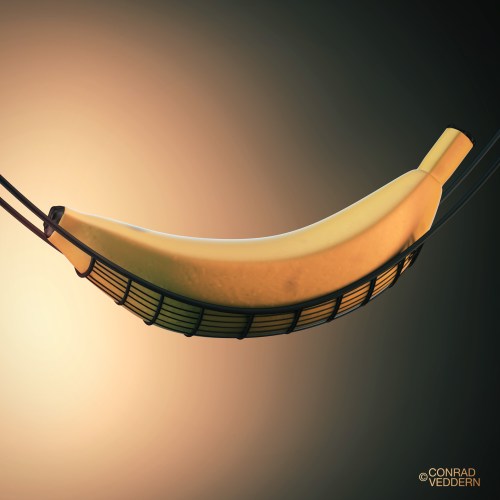
conrx-veddern-banana-hammock-signed

Brace yourself because I’m about to get personal. That’s right. I’m taking a break from talking about disturbing trends in sexual attitudes, major upheavals from technological advances, and sex robots to share a little something about myself that should offer some revealing insight into my sexy way of thinking.

Ideally, I’d like this personal anecdote to convey a larger meaning, of sorts. I’d like it to help reinforce some of the points I often make about double standards, sexual norms, and our overall sexual mentality. If it just ends up as me sharing another quirky story from my life, I’ll be okay with that too. Be forewarned, though. This is one of those stories that might be both funny and unflattering.

It’s not a very elaborate story, nor would I consider it a major turning point in my life. It’s not even the most personal story I’ve shared on this blog, especially compared to ones that involve awkward boners. In fact, the entirety of the story can be summed up in one simple sentence.

I tried on a banana hammock and loved it.

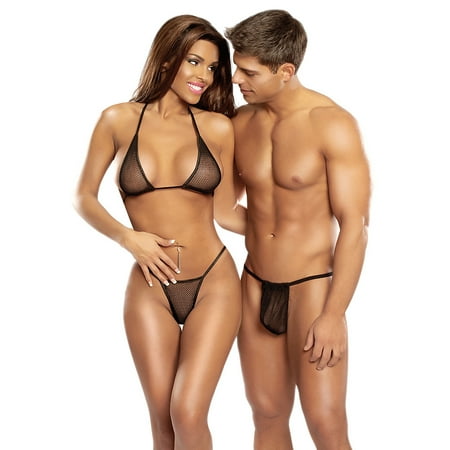
In case you don’t know what a banana hammock is, it’s basically the male version of a thong. I’m not talking about a speedo swimsuit that you might see at a beach in Rio. I’m talking about the kind of underwear that is basically a fancy napkin held in place by dental floss. If you need a more visual reference, this is what one looks like.

Related image

Granted, most men don’t look that fit, but that’s not the point of the story or why I’m sharing it. I know banana hammocks are basically a novelty, one usually reserved for male strippers, underwear models, and body builders. They don’t have the same reverence that female thongs have and there’s a reason for that. However, it’s the extent of that reason that makes me want to share this story.

For context, here’s how it all played out. It takes place during my last few years in college, a time when I was finally recovering from the social anxieties I’d developed in high school and began emerging from my shell. During those years, I was lucky enough to have a couple of really great roommates with whom I didn’t mind sharing personal stuff.

One of those roommates, as it just so happens, loved banana hammocks. To him, they were just something he wore to fool around, but he still loved them. Me being the kind of guy who had worn boxers since middle school, I didn’t see the appeal. Then, one day, for reasons I can only attribute to boredom and curiosity, my roommate dared me to try one on.

Image result for triple dog dare

I’m not usually one to take people up on foolish dares that don’t involve pizza toppings, but I found myself seriously considering it. My roommate even sweetened the deal by letting me wear one that he hadn’t opened yet. It was still sealed in a plastic package, having never touched another man’s package, so to speak. It was one of those opportunities for which I couldn’t make many excuses.

Me being just as bored and/or curious, I decided to take my roommate up on his dare. I wouldn’t just keep my shirt on either. I would go into the bathroom, take everything off, and come out wearing only that banana hammock. Short of walking around naked, it was the most exposed I could’ve been. This being before I started sleeping naked regularly, it would be a unique experience.

With all that in mind, I went into the bathroom, got undressed, and put the banana hammock on. I admit, it was somewhat uncomfortable at first, but not in the way you might think. I just wasn’t used to my underwear cradling my man parts the way this thing did. After a moment, though, something amazing happened.

I found myself really liking how it looked on me. I found myself posing a bit in front of the mirror. Keep in mind, though, that this is a time in my life before I started exercising regularly. I wasn’t necessarily unhealthy since I walked everywhere in college, but I wasn’t as fit as I am now. Even so, wearing that banana hammock made me feel downright sexy.

Related image

I can honestly say I had never felt that sexy before in my life and that includes the moments I’d spent with women. I felt like I could walk up to a woman with confidence and proudly declare that I am a sexy man who enjoys the company of sexy women. Sure, that might have gotten me some odd looks, but I wouldn’t have cared. I felt that good.

Needless to say, I walked out of that bathroom feeling a lot less self-conscious than I’d anticipated. Even my roommate seemed a little surprised. His reaction, however, was kind of predictable. He wasn’t shocked or anything. He just laughed, clapped, and said it looked good on me. I remember laughing too and cracking some dirty jokes. I still don’t think it conveyed the impact of the moment.

At the time, it felt like one of those things immature college guys do when they’re in between classes. Over time, though, that experience has stuck with me and for the right reasons. That was one of the first times I really knew what it was like to feel confident as a man. It wouldn’t be the last, though.

Image result for confident guy

As I got older, I had more of those moments that helped strengthen me into the man I am now. However, that one fateful day when I tried on a banana hammock for the first time and loved it stands out more than most. Unfortunately, I didn’t get to keep it. My roommate still took it back. I think he even wore it the next day, although I’m not sure.

Whatever the case, the impact was indelible and I’ve found myself contemplating it more lately. As I said before, a beautiful woman wearing a thong isn’t that much of a spectacle anymore. If anything, it’s celebrated. It’s a symbol of sexiness. It creates spectacles at the beach and inspires sexy songs.

For men, though, the reaction is different. I won’t go so far as to say it’s a double standard. Granted, there are some men that can’t look that sexy in a banana hammock, just as there are some women who can’t pull it off either. Even for the men who do, though, it’s not seen with the same sexual aura.

Image result for banana hammock

A man walking around in a banana hammock is sure to generate plenty of looks, but they don’t evoke the same intrigue and interest as a female thong. Some women may find it attractive, as the success of the “Magic Mike” movies has shown. Others may find it funny. However, there’s still a notable gap between the sex appeal of a banana hammock and that of a thong.

Perhaps the success of movies like “Magic Mike” can narrow that gap. Personally, I hope it does. I think I look better in a banana hammock now than I did back in college. If I find myself in a relationship with someone, I’d like to think my lover would find it just as sexy as I would with them if they wore a thong.

In a sense, albeit a limited one, the disparity between banana hammocks and thongs reflect the different attitudes we have towards sex appeal. It’s far from the widest disparity between genders and, unlike others, isn’t that detrimental. That said, I do hope it narrows so men can enjoy that extra sexy feeling along with women. That, I believe, is a feeling that should be gender neutral.

Image result for couple wearing thongs

3 Comments

Filed under Jack Fisher's Insights, sexuality