It’s been a long year. I don’t think that’s a controversial statement at this point. A year as objectively awful as 2020 has a tendency to drag. It’s still not over, so there’s a distinct possibility that it could get even worse. As scary as that prospect sounds, there are still some things we should still embrace, despite the all-around horrors of 2020.
The fact that we made it to November is an accomplishment in and of itself. Given the events of all the previous months, anything involving health definitely deserves greater emphasis. As it just so happens, the annual Movember events that help raise awareness of men’s health is perfectly in line with that effort.
I know men’s health issues tend to get less attention than others. That doesn’t make them any less important. Men are people too. Men also suffer serious health issues that disproportionately impact them, such as prostate cancer. The Movember foundation helps raise money and awareness for these issues.
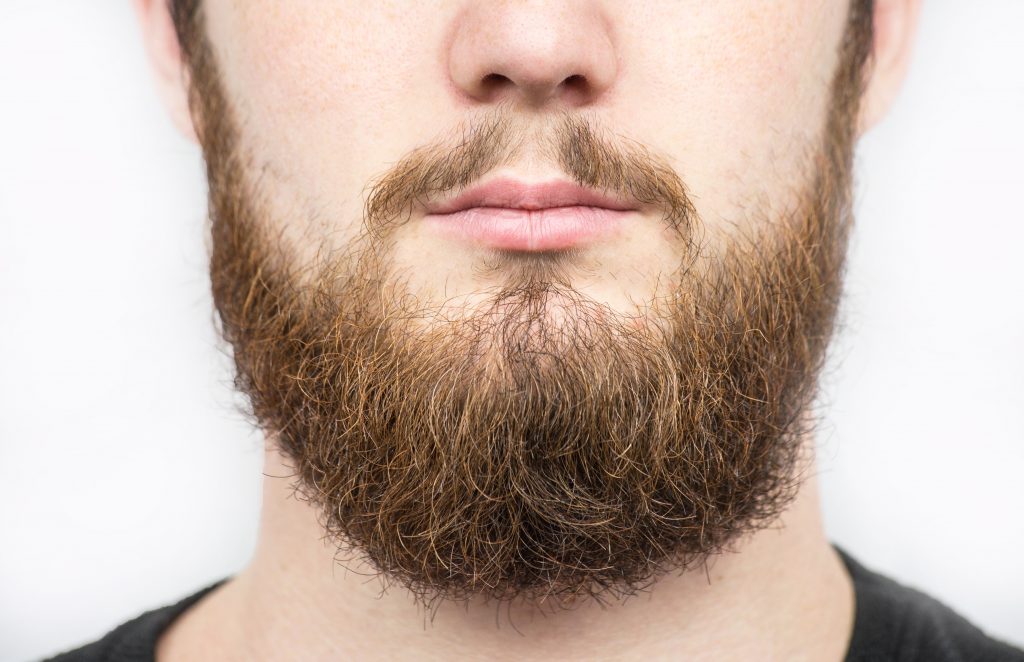
In addition to donating money, men also participate by growing a mustache or facial hair. I’ve shared my own personal story with that effort and I can attest to the manliness this brings out in others. I can also attest that there’s some serious sex appeal to manly facial hair. The sexiness of Ron Swanson is proof enough of that.
So, in the spirit of Movember, I dedicate these Sexy Sunday Thoughts to the cause of men’s health. Once you’ve enjoyed the overall sexiness, please consider donating to the Movember foundation. Men’s health, and health in general, has never been more important. It won’t undo how bad this year has been, but it will help set up a better future for men and boys alike.
“An unzipped fly in a man sends a very different message than a short skirt on a woman.”
“Makeup sex was likely the first attempt at conflict resolution.”
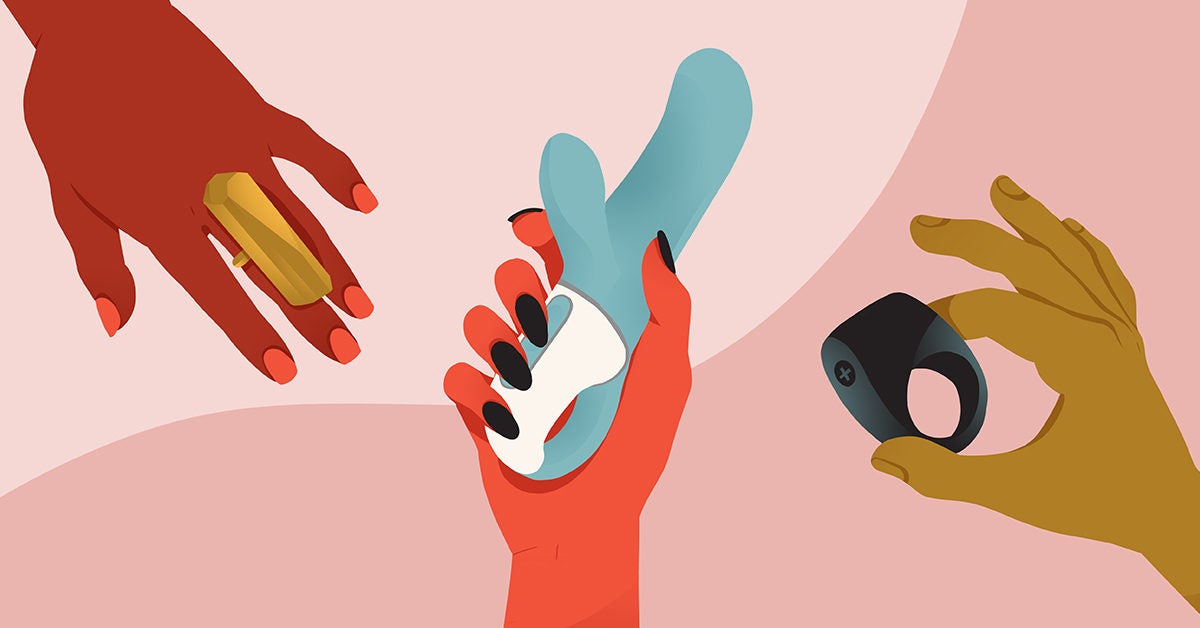
“A woman with a backup vibrator knows the benefits and value of being proactive.”
“A date without romance is just a conspiracy to get laid.”
“On some levels, the nature of orgasms make hate sex inherently hypocritical.”
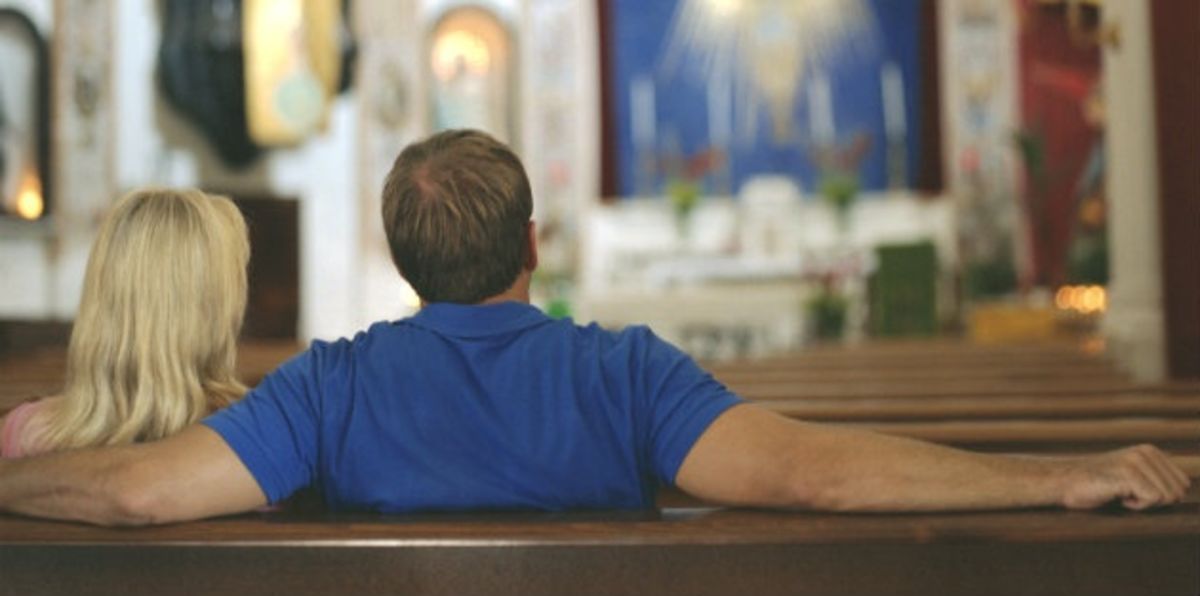
“Taking your date to church is like wearing a bikini in a nudist colony.”
“A tease is just someone who is willing to lie to your face and your genitals.”
The following is a vide for my YouTube channel, Jack’s World. It once again explores “Megamind,” a movie I’ve highlighted in the past for it’s colorful subversion of the superhero genre. It felt like the time was right to discuss it on my channel. This time, I explore how “Megamind” gave us the first true Incel villain before the concept of an “incel” was a thing.
Like anything involving incels, it’s a distressing topic and bound to generate some less-than-comfortable feelings. I still welcome comments and discussion. Enjoy!
That’s probably something you’ve heard more than once in the past few weeks. Chances are, you started hearing it the day after Halloween. If you’ve been to a mall or a major box store recently, you’ve probably seen Christmas decoration and displays popping up. A few even went up alongside displays for Halloween candy.
This raises a question that always seems to come up around this time of year, usually in the weeks between Halloween and Thanksgiving.
How early is too early for Christmas decoration?
Sometimes, it’s asked cynically. Other times, it asked with the same whiny undertone as a kid who complains that he can’t have ice cream for every meal. It still gets asked every year, it seems. Even a global pandemic hasn’t stopped seasonal displays and holiday themed commercials from popping up.
Before I even try to answer this, I need to make one important disclaimer. It’ll likely undermine my credibility in addressing this question, but I don’t care. I’m putting it out there.
I already have my Christmas decorations up.
I actually put them up the day before Halloween.
Yes, I understand that’s much earlier than most.
No, I don’t care if you think that’s too early.
I love Christmas and I love holiday decorations. I make no apologies for that. Talk to anyone in my family. They’ll tell you the same thing. I take Christmas seriously. I’m the guy who has his decorations up before everyone else. I’m also the guy who keeps them up longer than everyone else. I also usually start my Christmas shopping before Thanksgiving.
I say all this to make abundantly clear that I am hopelessly bias when it comes to this question. In my defense, I live alone and I own my own place. Legally speaking, I can put up Christmas decorations whenever I want and keep them up for as long as I want. I have the HOA documents to prove it.
I still realize that I’m an anomaly with respect to Christmas decorations. What counts as too early for me is going to be different from most other people, even if they love Christmas as much as I do. It’s still a question worth taking seriously, if only to maintain some consistency in our holiday traditions.
Growing up, we had a simple rule in my family. The earliest we can put up decorations is the week after Thanksgiving. Sometimes, we did it earlier, but only because we had other things going on and had to get it out of the way. I think that’s a fair rule.
I have friends and family members who say any day after Thanksgiving is no longer considered “too early.” The way they see it, Thanksgiving is the last holiday before Christmas. Once it passes, it’s perfectly acceptable to start looking forward to and planning for Christmas. I can’t disagree with that.
A select few take it a step further. They say that, if stores and malls are going to have Christmas displays, then it’s perfectly acceptable for everyone else to do the same. Why should these businesses play by different rules? They are, after all, responding to market forces. We, the consumers, are part of the market. They’re not setting the tone. We are because we respond to it.
That’s an interesting sentiment, albeit one I’m not sure I buy into. I’ve seen some stores put up holiday displays on the first day of October. Even for me, that’s a little too early, if only because the weather is still warm and Christmas is a winter-themed holiday. Putting it up while the weather is still warm is like getting ready for bed at noon.
I’ve never had a particular date or signal that I follow when I put my decorations up. One key indicator that often prompts me is the arrival of a few cold days. That triggers in me an inclination to start thinking about the holidays because they always seem to arrive faster than we expect. I just like to be proactive.
That was the case this year. A few days before Halloween, it got very cold. It didn’t stay cold, but that was enough of a sign for me to dust off my storage bins and break out the decorations. For me, that’s the point when it no longer became “too early” for Christmas decorations.
You may or may not agree with that point, but that was part of my decision-making process with respect to putting up my decorations. I won’t say it was the biggest part. I just love the holidays that much. I’ll look for any excuse to put my decorations up. I may do it even earlier next year, but I still understand that makes me an anomaly.
If you decide through a different process, I respect that. I even offer you to share it in the comments. I gave my justification for putting my decorations up. At this point, it’s no longer “too early” by my standards to put up your decorations. What does your standard say and how do you determine it?
Please let me know. We’re going to be hearing this question a lot between now and Thanksgiving. Let’s not avoid it or the implications.
Like everyone else in this pandemic-ravaged world, I have been closely following any and all news regarding a COVID-19 vaccine. I liken it to waiting in a burning building with millions of other people and only a handful of firefighters trying to save the day. Those who have been working on this effort are real-life superheroes and we should be cheering them on.
Now, I’ve had some strong opinions about those who denigrate science, but I’ve also been very reluctant to get excited about any potentially good news. I attribute some of that to being jaded and cynical after seeing this pandemic do so much damage. I don’t deny that my spirit is still quite wounded after nearly a year of objectively awful news.
Well, wounded or not, the work continues. Those real-life superheroes I mentioned have never stopped this vital effort. To them, we should all be in awe, as well as grateful, because it looks like an effective vaccine is actually on the horizon, courtesy of Pfizer.
For those who might be a bit behind, this is what the Associated Press reported.
Pfizer Inc. said Monday that its COVID-19 vaccine may be a remarkable 90% effective, based on early and incomplete test results that nevertheless brought a big burst of optimism to a world desperate for the means to finally bring the catastrophic outbreak under control.
The announcement came less than a week after an election seen as a referendum on President Donald Trump’s handling of the scourge, which has killed more than 1.2 million people worldwide, including almost a quarter-million in the United States alone.
“We’re in a position potentially to be able to offer some hope,” Dr. Bill Gruber, Pfizer’s senior vice president of clinical development, told The Associated Press. “We’re very encouraged.”
Pfizer, which is developing the vaccine with its German partner BioNTech, now is on track to apply later this month for emergency-use approval from the U.S. Food and Drug Administration, once it has the necessary safety information in hand.
Even if all goes well, authorities have stressed it is unlikely any vaccine will arrive much before the end of the year, and the limited initial supplies will be rationed.
Dr. Anthony Fauci, the U.S. government’s top infectious-disease expert, said the results suggesting 90% effectiveness are “just extraordinary,” adding: “Not very many people expected it would be as high as that.”
I don’t want to understate or overstate the importance of this news. This is a big deal. This isn’t some hyped up treatment, like Hydroxychloroquine. This is a real vaccine developed by a real company by real scientists.
It’s also not one of those treatments that just came off the drawing board. This vaccine is currently in Phase 3 trials, which is the last phase for any vaccine or treatment to pass before it’s ultimately approved for public use. That means this vaccine is on the home stretch. It could conceivably be approved within the next few months.
That’s very different from some of the other overhyped treatments that were floating around earlier this year. That’s also why I didn’t get my hopes up. Most of those treatments weren’t beyond the first phase of testing and the vast majority of new drugs never make it to the final phase. The fact that this vaccine is even at that point is reason for hope.
Now, a part of me is genuinely encouraged by this. However, another part is still concerned.
My concern, however, has little to do with the science or the testing. I understand why it has to be so rigorous. I would defer to those much smarter and more experienced than me to deal with the specifics. Much of my concern has to do with the perceptions and perspectives this vaccine will bring if and when it’s approved.
The first part of that concern stems somewhat from lingering cynicism. I genuinely worry that once news comes out that the vaccine is approved and being used, too many people will start behaving as though the pandemic is over. They’ll stop wearing masks and they’ll stop social distancing.
Even with a working vaccine, that will make things worse and people will suffer because of it. We already have enough problems with people refusing to wear masks. A vaccine could only make it worse and cause a spike in cases before the effects can take hold.
That is worth belaboring. It will take time for a vaccine’s effects to be felt. Even if this particular vaccine is available on January 1st, 2021, it’s going to take months for enough doses to be given. That doesn’t even get into the challenge of manufacture and distribution.
If we do eventually get to a post-pandemic world in 2021, it’s probably not going to be until some point later in the year. That’s not pessimism or cynicism. That’s just science and biology.
Another concern I have is basically the same I had when this mess started. Thanks to anti-science, anti-vaccine advocates, this pandemic could ultimately get extended because of peoples’ reluctance to take the vaccine. Even if these people are a minority, that’s still a huge problem that will ultimately hurt people.
Even those who aren’t advocates may still be reluctant to accept the science. There are members of my own family who are as reasonable and rational as they come, but even they say they will not be first in line to get the vaccine. That’s actually a popular sentiment. People say they support vaccines, but they won’t be first in line to get it.
To those people, I respectfully ask that you reconsider that position. Like it or not, this pandemic won’t end until enough people take this vaccine and develop immunity. Someone has to be first in line. If no one is willing to take the chance, then the virus will just keep spreading. It does not care how reluctant you are. It just cares that you’re vulnerable.
To that end, I’d like to state outright that, should this particular vaccine get approved for public use, I will gladly be first in line to take it. I’ll take that risk. I’ll roll up my sleeve and trust the scientists who worked so hard on this thing. If nothing happens, then I hope that’s enough to allay your fears and concerns.
I want this pandemic to end. We all do, at this point. I’d like to go to a movie theater or a baseball game at some point next year. However, we can’t wait for someone to end it for us. We have to play a part. The scientists and doctors are clearly doing theirs, more so than I can put into words. Now, let’s be ready and willing to do ours.
Today is a uniquely special day. Yes, it’s New Comic Book Day, but it’s also Veterans Day. I find that wonderfully fitting. That means we can spend part of our day appreciating our favorite fictional heroes and the rest honoring the real heroes who serve in our armed forces.
There’s a lot to appreciate on a day like this. Fiction heroes, after all, are embodiments of our highest ideals. Things like honor, duty, respect, loyalty, comradery, and altruism are all qualities we cherish in our favorite heroes. They’re also traits that our brave men and women in the military aspire to uphold.
It’s a beautiful thing and certainly worthy of a holiday or several. Even if you’re not a fan of comics or superheroes, it’s still something to celebrate. If you can, try to do more by either volunteering for a Veterans organization or donating to a veterans charity. Both real heroes and those in comics need and deserve our support.
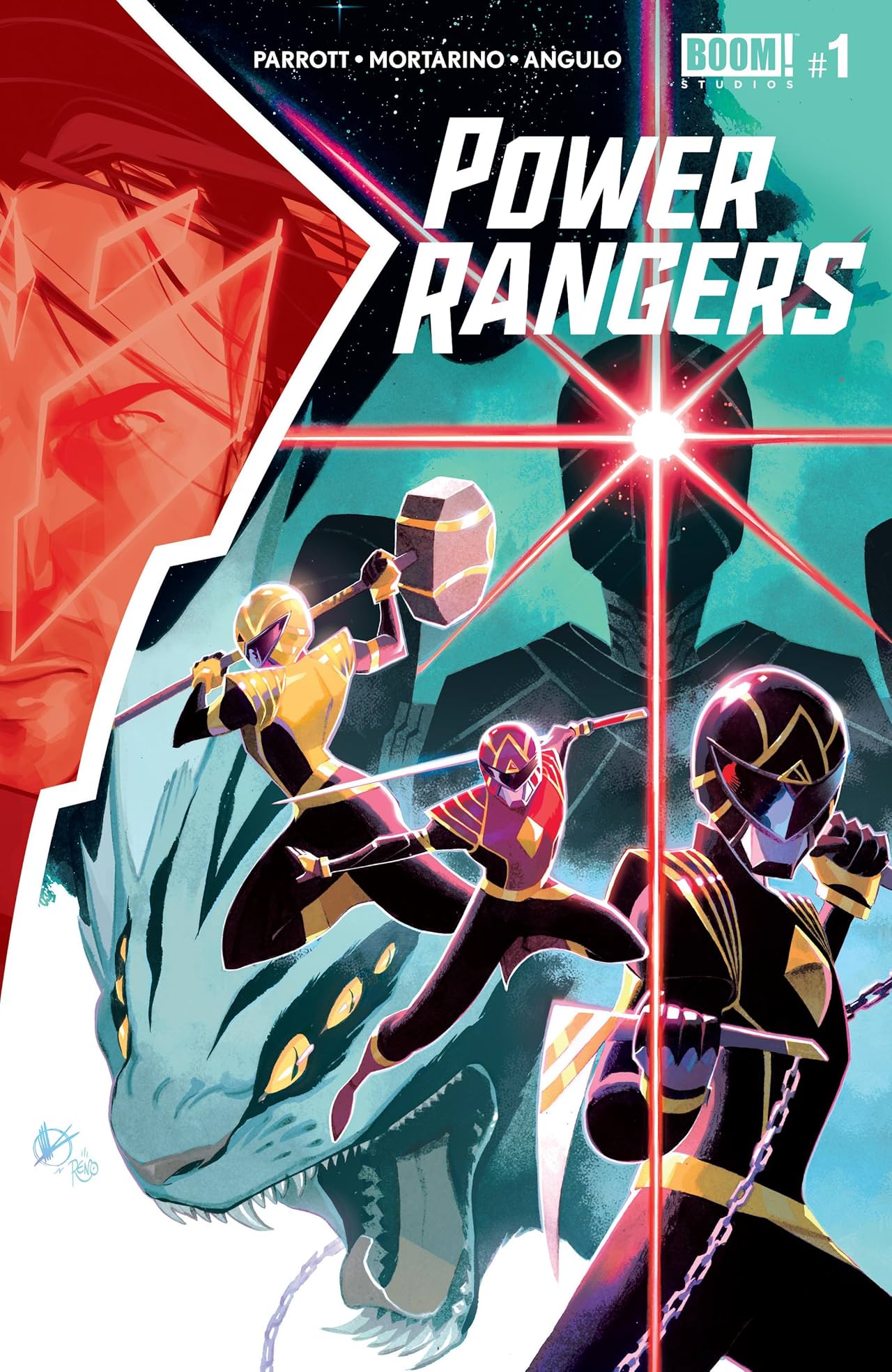
Keep that in mind as you read about and admire your favorite heroes today. I certainly will. For much of my life, comic books and superheroes have given me a strong appreciation for these high ideals. We may think they’re impossible to achieve in the real world, but they’re still worth striving for. As part of that effort, here is my pull list and pick for the week.
To all the men and women out there who have served their country or are currently serving, I salute you. Happy Veterans Day to all and here’s to a very special New Comic Book Day.
Tomorrow is Veterans Day. As I’ve done before in previous years, I go out of my way to acknowledge the sacrifice and service those who have served in the military. It’s one of the few issues that transcends ideology, politics, and debate. Those who have served deserve our utmost admiration and respect.
There’s a personal element for me, as well. I have many close family members who have served in the United States Military. I have grandparents who served in World War II. I have an uncle who served in Vietnam. They know what it means to serve their country in times of war and peace.
I know it is often used as a platitude by politicians and pundits, supporting the troops. That doesn’t make it any less deserving of such support. I certainly offer my thanks and my respect to our veterans, especially on days like Veterans Day. I also encourage others to do so and to support various veterans charities.
In the past, I’ve donated to the Wounded Warrior Project. I strongly encourage others to do the same, donating to this or other veteran-supporting charities. On top of that, I’d like to share a quick story that was told to me a few years back by one of my uncles.
Out of respect for his privacy, I won’t reveal my uncle’s name or which branch he served. I’ll just state that he has been very involved in supporting veterans since he got out of the service many years ago. He’s actively involved with churches and organizations. He’s the kind of man who will go above and beyond for a fellow veteran.
This particular story he shared took place at a local church. For years, a group of World War II veterans would meet there around a certain date. They’d catch up, drink, and laugh in all the ways you’d expect of old friends. It was a tradition they all cherished.
However, in recent years, that group’s numbers have been dwindling. Even though millions served in World War II, there are only an estimated 300,000 left alive. That may sound like a lot, but in a small group like this, they noticed when many of their friends began dying. It got to a point where the group was small, so much so that there was little to catch up on.
This is where my uncle comes in. At one particular gathering at a church, he met up with this old guy wearing the distinct World War II veteran attire most recognize. He was sitting alone and not in the best shape, health-wise. He didn’t look sad, but you could tell he was among the last of the friends he served with.
My uncle, being the wonderful man he is, sat down and talked to the man. They got along well. In doing so, my uncle found out that this old man was the last surviving member of his platoon. They’d been close for many years, but now he was the last one. Given his age, it wouldn’t be long before his entire platoon joined the many others who made the ultimate sacrifice.
It struck my uncle because he knew that, once this man passed, too many of his stories would pass with him. That just couldn’t stand. My uncle sat with that man and just listened to him reminisce. I don’t know how long they chatted, but my uncle made it a point to hear his story, knowing those who could tell them were dwindling fast.
It’s a special kind of way to honor a veteran. You can help them in many ways, but I like to think just listening to them and their story goes a long way. War and combat has consumed entire generations. They leave lasting marks, including many scars.
That’s why it’s important to remember and honor them. There are memories worth preserving, full of lessons worth learning. Times may change. Warfare often changes with it. The one constant is the strength it takes to fight, serve, and sacrifice.
I hope this story from my uncle gets that point across. I also hope it inspires others to help and honor our veterans in their own special way.
Thank you and to all those who are serving now or have served, I hope you feel the love and support you deserve on Veterans Day this year.
It’s over, America. We did it. The election of 2020 has concluded. We now have a winner and, come January 20, 2021, there will be a new occupant of the White House. Let’s all take a moment to appreciate this. It is, after all, a cornerstone of American democracy.
We, the people, elect our leaders. We don’t always like who wins, but it’s still on us, as a people, to make that decision. I know that sounds cheesy, given these cynical times, but it’s still worth saying.
With those platitudes out of the way, I have another important message I’d like to share with my fellow Americans. It’s simple, succinct, and apolitical. It’s simply this.
Regardless of how you voted, let’s all make an effort to be kinder to one another.
It’s not a tall request. It’s not something that requires great sacrifice or rigor. It’s just a simple act that anyone can do, regardless of their affiliations or ideology.
It shouldn’t seem so daunting, but these past few years have made it difficult to grasp. I’m on the internet every day. I see plenty of instances of horrendous, unbridled hatred. It’s on social media, message boards, Reddit, and even text messages. I won’t offer examples because it’s just that disgusting.
It’s not always political, but for these past few years, politics has been a catalyst for such hatred. It’s no longer enough to simply disagree with someone on a particular issue. The default has become utter and complete hatred of anyone who disagrees with you.
Whether it’s on abortion, LGBTQ rights, party affiliation, or sexy characters in video games, there’s no room for understanding and nuance anymore. Either someone agrees with you or you hate them in the utmost.
That is not healthy.
That is not conducive to a functional society.
Moreover, that is not in keeping with the American spirit.
America was not founded on hatred. No society founded on hatred could ever become so strong and dominant. It takes people living, loving, and cooperating with one another, regardless of differences, to build what America has built.
Have we made mistakes? Absolutely, we have. Every country has, some more so than others.
We’re human. We have flaws. Hatred is one of our most egregious flaws, but it need not be our most defining.
So, with that made, I sincerely hope that my fellow Americans will use this recent election as a turning point. We don’t need to “own” our opponents to vindicate ourselves. We don’t need to hate each other to prove ourselves right. We just need to be kind and make the most of the lives we live, as Americans and as fellow humans.
To that end, I’ll end this message with one of my favorite quotes by John F. Kennedy.
“We have the power to make this the best generation of mankind in the history of the world or make it the last.”
Women are attracted to bad boy. Men are attracted to bad girls, although it’s much more understated. It’s a common mantra, but one I think is incomplete. To me, there’s a difference between being a bad boy/bad girl and a rebel. In terms of romance and sex appeal, I think the rebel has the edge. I would even argue that’s the true source of the bad boy/bad girl sex appeal.
A bad boy/bad girl just breaks the rules. They shun authority and deviate from existing social norms. Now, I don’t deny that can have sex appeal for some people. However, just breaking the rules because you don’t like them is hardly sex. A rebel will break rules too, but with more purpose and agency behind it.
I’ve known rebellious men and women. When they break the rules, they have a reason for it and they don’t hide it. They’re not just looking for chaos and trouble. They want to chart their own path. They want to live their own life. That, in my opinion, shows a level of strength and self-awareness that warrants sex appeal. Men and women alike can appreciate it.
It may not do it for you, but it should be easy to understand why so many others are smitten by it. It’s that special kind of sex appeal that I want to acknowledge with this round of my Sexy Sunday thoughts. Enjoy!
“In a healthy relationship, sharing your browser history is both an intimate and informative act.”
“Getting someone a thoughtful gift is the only universally accepted form of foreplay.”
“Confidence will get you laid, but arrogance will get you divorced.”
“Evolutionarily speaking, you have every possible incentive to regularly wash your genitals.”
“A lack of sexual education guarantees an abundance of awkward moments later in life.”
“As a general rule when it comes to lovemaking, don’t be too rough with any body part you’re eager to lick.”
“If life were a video game, then a one-night stand can be either a trap or a bonus level, depending on your score.”
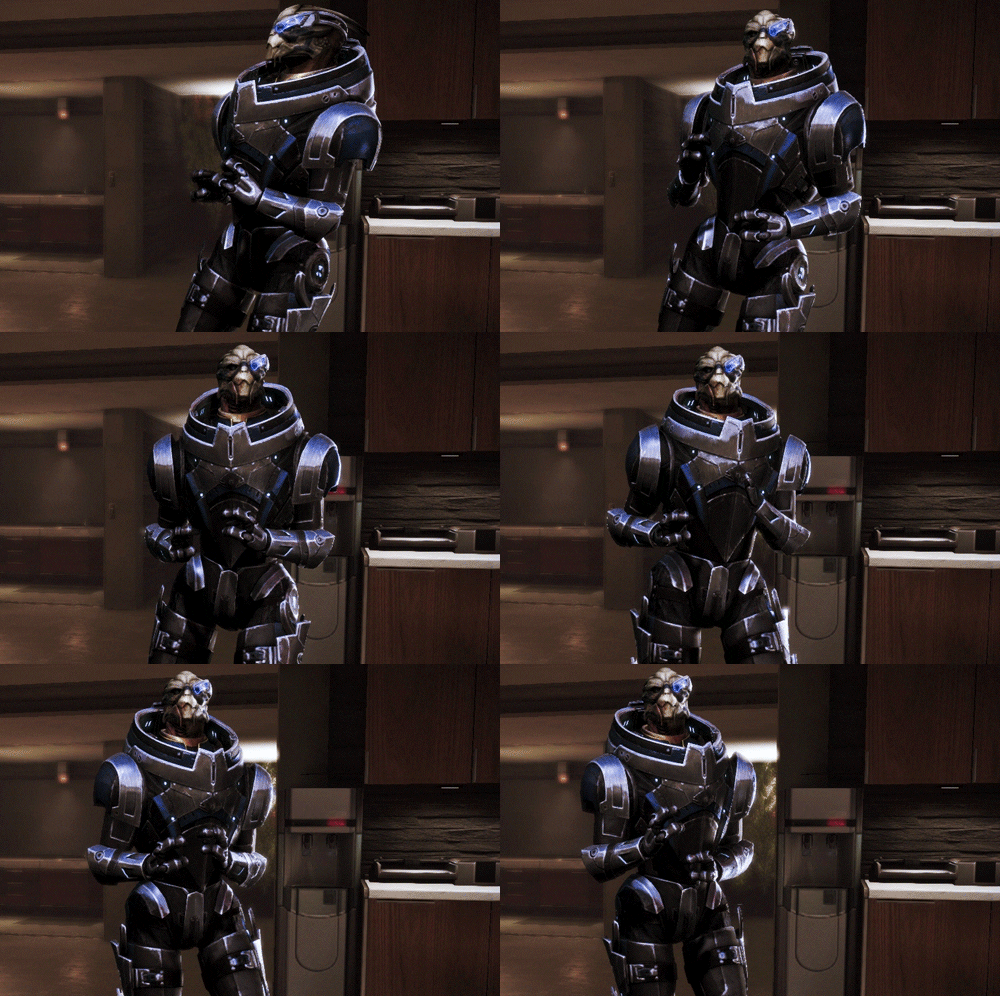
To all my fellow “Mass Effect” fans, Happy N7 Day!
The past few years have been uneventful in this annual celebration of this beloved sci-fi series. This year is very different. Not only did we get confirmation of a remastered version of the original trilogy that I spent so many hours lost in, Bioware announced another game is officially in the works!
Not much is known about the next installment in BioWare’s epic space opera, but the studio says a team of veterans at the company is working on it. Do not expect the game to come out anytime soon as BioWare general manager Casey Hudson noted in a blog post that the game is in “early stages” of development and the studio cannot share any additional details at this time.
As a fan of all things “Mass Effect,” I couldn’t be more excited. This year has sucked on so many levels. This announcement helps make it feel just a bit less awful.
Now, if you’ll excuse me, I must start calibrating myself for the arrival of this game.
The following is a video from my YouTube channel, Jack’s World. It’s a video essay in which I reveal my hopes for the X-Men whenever they join the Marvel Cinematic Universe. I’ve written about it before, but I added a bit more speculation and expectation here. I also got a chance to use a new mic and sound editing software. Hope it makes a difference. Enjoy!
















 Jack Fisher's Official Publishing Blog