Category Archives: sex in society

Why The Men Were Silent At The Golden Globes (For Good Reason)

When I was in middle school, I had a particularly vindictive gym teacher one year who had a knack for breaking the spirits of pre-teens. If we forgot to wash our uniforms, failed to take our seats on time, or just farted too loud, we were given a choice. Either we had to run a mile or do 100 push-ups. We got to choose, but both choices sucked.

The real kicker was that if we didn’t choose, then the teacher would choose for us and would go out of his way to make that choice seem extra cruel. It was one of those situations where it really didn’t matter what we said or did. One way or another, we were going to suffer for our actions and inaction.

This brings me to this year’s Golden Globes. Bear with me. I promise that’s not as big a non-sequiter as it sounds. There’s a valid reason I brought up the story of my vindictive gym teacher and it ties directly into the ongoing social movement to combat the sexual misconduct of powerful men.

I’ve talked about this issue before and, to be honest, I wish I didn’t have to keep discussing it. I would much rather be telling sexy stories, sharing sexy thoughts, or discussing upcoming superhero movies. However, these issues surrounding sexual misconduct in Hollywood have an undeniable impact on the sexual landscape and as an aspiring erotica/romance writer, that’s not something I can ignore.

A lot has been said and done since the movement began in wake of the Harvey Weinstein scandal. There has been a great deal of outrage, complete with protests and hashtags. Powerful men have fallen. Careers and reputations have been ruined. Entire movies and TV shows have actually been changed, as a result of this effort.

In some respects, it’s a good thing and I have pointed out the silver linings. Men harassing or abusing women is not something a just society should overlook. This isn’t one of those irrational moral panics, such as Satanic ritual abuse or the impact of violent video games. These instances of men abusing women have happened and some of the accused have confessed.

However, this ongoing crusade against powerful men, as well as horny men in general, has walked a fine line between a pursuing justice and demonizing any man who ever dared to admire a beautiful woman. It’s not quite at the level of an old-fashioned witch hunt, but it’s already in that dark territory where passions obscure reality.

What happened at the Golden Globes might end up being the most telling sign of all. Initially, the big news for this event was positive. Some of the most prominent women in Hollywood, including Emma Watson and Oprah Winfrey, came together in a show of solidarity against the sexual victimization of women. They all wore black dresses and got behind the newly-created “Time’s Up” movement.
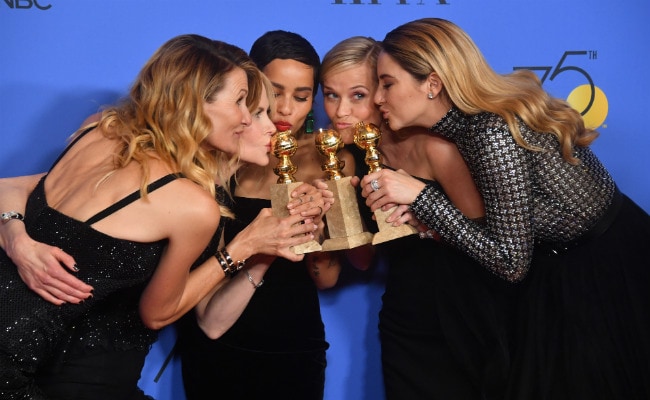
Like other movements before it, the intent is good. This movement seeks to provide legal defense and resources for those who have been victimized by sexual misconduct. That’s an objectively good thing, but that wasn’t the most revealing moment of the Golden Globes. Instead, the biggest message came from what was not said.

It has been reported by more than one outlet. While the women at the Golden Globes were quite vocal in their ongoing efforts to clamp down on sexual misconduct, the men were mostly silent. Other than a brief remark from Seth Meyers at the beginning and some men dressing in black, Hollywood’s male stars were largely silent.

To some, this is already very problematic. I imagine it’s going to stir quite a bit of outrage among those trying to further the movement. However, when you take a step back and look at the situation in which these men were in, their silence makes complete sense. In fact, those same women who are determined to combat the Harvey Weinsteins of the world may very well have made it their only option.

To understand why, think back to my vindictive gym teacher for a moment. That teacher understood that to break the spirits of powerless pre-teens, it was necessary to put them in a situation where their choices mattered less than the ugly gym uniforms the school forced them to wear. By establishing just how powerless they were, it made any effort to speak up seem pointless.

These men, as powerful and successful they may be, were in a situation not unlike the one my hapless classmates were in that year. There was nothing they could’ve said or done that wouldn’t have been deconstructed, dissected, or misconstrued. No matter what they said or didn’t say, it would be used to label them as enemies of the movement and of women, as a whole.

If one of the men stood up on that stage and gave an impassioned speech condemning Harvey Weinstein, then his reputation would suffer. He would be labeled a virtue signaling white knight who was compensating for something. After what happened to Joss Whedon, those concerns wouldn’t be unfounded. He may even still face condemnation among women for not speaking up earlier or naming other harassers.

If that same man stood up and tried to give an impassioned speech on the importance of confronting the issue responsibly, then he would likely have suffered condemnation similar to that of Matt Damon, who dared to question whether all harassment should be treated equally. Even hinting at such nuance would’ve earned that man the toxic label of a misogynistic victim blamer.

Essentially, the men at the Golden Globes knew they couldn’t win either way. No matter what they said, it would’ve been used against them or undermined their career, somehow. These men, as powerful and successful they may be, are still human, despite what Tom Cruise may claim. They want to protect their jobs and their reputations. They can’t do that if they get slapped with these toxic labels.

In the end, silence was their safest bet and that, in and of itself, reveals the extent to which this crusade against sexual misconduct has gone. It’s past the point where people can have reasoned arguments about the issue. Now, it’s all outrage and hyperbole. Either you’re completely on board with that outrage or you’re just as bad as Harvey Weinstein. There is no gray area.

That lack of gray area means men have to be silent, which is the exact opposite of what the women in the movement are trying to achieve. It’s ironic, but understandable. These men aren’t going to garner much sympathy. They’re rich, handsome, and successful. There’s only so much sympathy they can inspire, due to their position.

Silence is the only way to avoid the added scrutiny that would undermine a career. Silence is the only way to avoid saying something that might offend, enrage, or upset a public that has shown in recent times an uncanny unwillingness to ruin lives and reputations. It’s actually worse than censorship, when you think about it, because it is self-imposed rather than coerced.

The fact that the men didn’t speak up at the Golden Globes may or may not represent a tipping point, of sorts. If the anti-harassment movement has created an environment that’s so frail that silence is the safest recourse, then that same movement lacks a critical component it needs to succeed.

Like it or not, men need to be part of the conversation with respect to sexual misconduct. Silence on their part means the crimes, the culture, and the attitudes that fosters such misconduct won’t change. Moreover, their point of view cannot be discounted as virtue signaling or “mansplaining.” The fact remains that if people feel helpless, then they won’t care enough to make the effort.

Like the broken spirits of my old gym class, if the men don’t think their words matter or may be used against them, then it makes perfect sense for them to remain silent. Outrage, awareness, and condemnation alone is not going to inspire meaningful change in the dynamics between men and women.

Both sides actually have to listen to one another and feel their words actually matter. It’s only then when silence will no longer be the most preferred and logical recourse.

4 Comments

Filed under Celebrities and Celebrity Culture, Current Events, gender issues, sex in media, sex in society, sexuality

Social Context Versus “Toxic” Behaviors: Why The Difference Matters (A Lot)

There’s a fairly well-known set of experiments involving rats and cocaine. It’s a strange, yet revealing combination. In the initial experiment, a rat in a cage was given the choice between cocaine and food. Not surprisingly, especially for someone who has ever tried cocaine, the rat chose cocaine to the point of killing itself.

That experiment, which took place in the 1960s and 1970s, helped establish the idea that those who use cocaine would be so damaged, so addicted, and so utterly gone that they would rather take the drug than survive. It was pretty scary stuff and it helped inspire harsher anti-drug policies in the 1980s.

However, that experiment came into question in 1981 when a professor named Bruce Alexander re-did the experiment, but with one critical change. He didn’t isolate the rats in a cage. He put them in a colorful, positive environment with other rats that came to be known as “rat park.” The results weren’t nearly as scary.

As it turns out, when placed in a better environment with more social support, the rats didn’t become irreversibly damaged cocaine addicts. In fact, even when offered much more addictive drugs like morphine, the rats didn’t imbibe in illicit, drug-fueled bliss nearly as much as their caged counterparts.

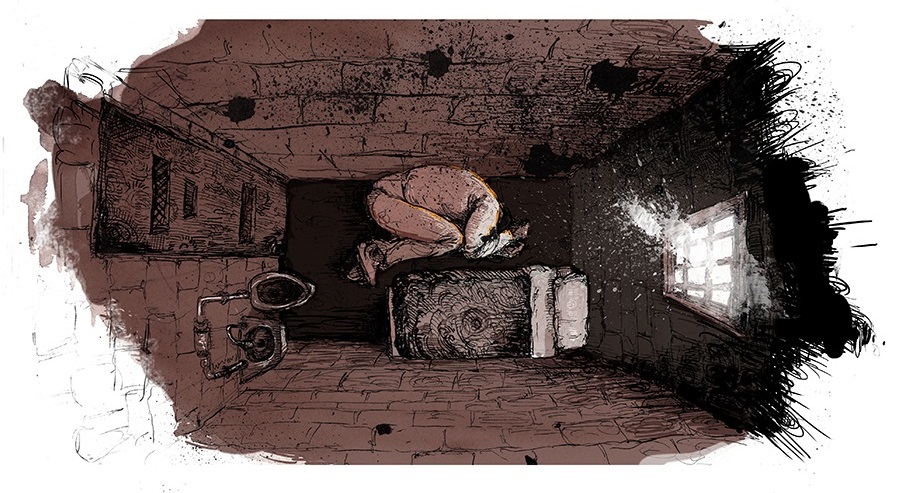
I bring up this experiment because it illustrates an important point about behavior and social creatures. Context and social setting matters. It matters a lot. Put someone in a cage, strip them of any social support, and isolate them from the world and they’re bound to endure some pretty toxic effects. That’s a big reason why solitary confinement is considered torture.

That brings me back to the inherently flawed idea of “toxic masculinity,” a term I’ve gone on record as saying should be buried in the deepest, darkest pit of our collective lexicon. I don’t want to re-hash or belabor any of the points I’ve already made about toxic masculinity. I’ll just note that some of the rhetoric surrounding it is distressingly similar to what anti-drug zealots used when demonizing cocaine.

Think, for a moment, about some of the negative traits associated with toxic masculinity. They include, but aren’t restricted to, stuff like:

  • Suppression of emotions
  • Being prone to violence
  • Increases in aggression
  • Associations with abhorrent sexual behavior

Then, look at the traits associated with cocaine addiction and note some of the parallels. In each case, there’s a direct association between these traits and a tangible, unambiguous cause. In one case, it’s a drug. In the other, it’s just being a man and associating with masculinity. Like the rats in that first experiment, though, there’s no context or social circumstances to consider.

That begs an intriguing, but important question, especially to those who still want to use “toxic masculinity” as a catch-all for certain behaviors. Is it really the nature of masculinity itself that’s behind these toxic behaviors or is it the social circumstances within the society?

That’s not a question anyone, especially not aspiring erotica/romance writers, can definitively answer. I don’t doubt it has been asked in other ways. It might even have been studied to some extent, but since it involves the complex machinations of the human psyche, definitive answers are hard to come by.

Even without the results of those studies, is it really that hard to contemplate the possibility that circumstances may effect how masculinity and femininity manifest? The rat park experiments alone hint at a fairly significant impact. Given the orders of magnitude in difference between rat and human brains, it’s not unreasonable to suspect that impact is substantial.

While we can’t run the kinds of experiments that Bruce Alexander did in 1981, we can assess the current status of masculinity within our culture. It may vary from region to region, but in terms of modern western culture, there are a number of traits that we’ve come to associate with masculinity.

It tends to manifest most distinctly in our standard models of romance, which puts men in situations where they have to be competitive, aggressive, cunning, and determined to get the kind of emotional and sexual satisfaction they want. Even when they do, those same situations make them just as inclined to seek other outlets of satisfaction.

Furthermore, men have to navigate these situations with the added baggage of being biologically wired to seek social, romantic, and sexual connections. Women have this wiring too, but the circumstances for them are different in that the culture has different expectations. Moreover, there’s no concept of “toxic femininity” to color their feminine traits as inherently negative.

What this means is the men are entering these circumstances pre-programmed to be very horny, very lonely, and in need of various forms of fulfillment. Being men, they’re expected to go out and get it while women are expected to just let it come to them. Now, I get that this is a gross oversimplification that obscures the overall gender dynamics, but in terms of the overall culture, these are the circumstances.

To illustrate the inherent issues with those circumstance, here’s a scenario that should help paint a picture of the male predicament. Again, it’s a gross oversimplification that I’m sure will offend more than a few people, but still reflects an important point.

Man: Hello, ma’am. I’m lonely and horny. How do I go about getting sex, love, and social support?

Woman: First of all, the fact that you just admitted you’re horny is disgusting. Women being horny, that’s beautiful and erotic. Men being horny is not, so you’re already a pig in my mind.

Man: What? Why? That’s not fair.

Woman: Don’t interrupt me! Talking down to a woman is rude and sexist. It’s basically the first step towards harassment and abuse. Raising your voice to a woman, showing any kind of dominance, is just perpetuating an oppressive gender stereotype that has no place in the current year.

Man: Okay. I’m sorry about that. So how do I go about it then?

Woman: You’re still talking over me. You’re getting dangerously close to harassing me and since you’re a man, everyone will believe me if I accuse you. So choose your words very carefully because if any woman feels upset by what you say or do, even if it’s unintentional, we can accuse you of being an abuser and ruin your life.

Man: Well, I’d like to avoid that at all costs.

Woman: Then, you’ll have to play by our rules. You’ll have to respect every choice a woman makes and take her side in every argument. Disagree with us or go against us and we’ll label you a sexist, misogynist pig. Then, you’ll never find love, sex, or any kind of social support.

Man: Wow. That almost sounds risky. I might just be better off watching porn and masturbating by myself.

Woman: Now, you’re just making it worse. For one, watching porn or admiring female bodies in any capacity is insulting, demeaning, and objectifying.

Man: But I’m attracted to beautiful women. Is that bad?

Woman: It’s awful! You’re contributing to unhealthy beauty standards that not every woman can hope to achieve. You’re part of a much larger problem in society that forces women to meet obligations that are difficult, inconvenient, or outright impossible. That makes you an accomplice to all the crimes ever committed against women.

Man: But I’ve never attacked, hurt, or insulted a woman in my entire life.

Woman: That doesn’t matter. Since men have gotten away with too many crimes in the past, you have to be the one to pay the price in the present. That means you have to carry the guilt of men you’ve never met for crimes and attitudes you had no part in creating. If you go against this in any way, then you’re an even bigger sexist misogynist.

Man: I don’t want that. I don’t want that at all. I guess I’ll have to find some other way to masturbate.

Woman: You’re still making it worse. You see, women can masturbate because it’s sexy and erotic. Men can’t. It’s just disgusting for reasons that neither of us can change. If any women finds out you’ve ever masturbated or paid for sex in any capacity, then they’ll think you’re a creep and a loser. They won’t even look at you, let alone want to be with you.

Man: But that’s not fair! I can’t turn off my desires.

Woman: That’s too bad. You’ll just have to suppress them while you jump through all the elaborate hoops a woman demands in the meantime. Just remember that even if you jump through all those hoops and do everything they ask, they still reserve the right to not have sex with you or love you in the way you want. That’s their choice and you can’t do anything about it.

Man: So what am I supposed to do? This is making me kind of frustrated and angry.

Woman: That’s not my problem. You either play by these arbitrary rules or we cut you off socially, sexually, and romantically. Try to change any of these rules and that just makes you the biggest misogynist of them all.

I’ll stop there and give everyone a moment to fume. Take all the time you need. It’s not the first time I’ve crafted a scenario with some pretty distressing monologues.

If you can get past the outrage, then try and take a moment to reflect on the circumstances in the scenario. Men are in a situation where the path to the kind of sexual, emotional, and social fulfillment that all social species seek is full of potential pitfalls.

Since those obstacles have gotten a lot more treacherous lately, it’s even harder for men to actively seek the very things that make them healthy and fulfilled. It’s akin to forcing the rats from the cocaine experiment back in the cage and demanding that they not succumb to the detrimental effects.

Now, it’s worth pointing out that women didn’t create these circumstances. There’s no feminist conspiracy any more than there’s a nefarious patriarchal conspiracy. In fact, some of these circumstances stem from traditions men have promoted, like the whole obsession with female purity and the concept of slut-shaming. Men have done more than their part to create and exacerbate these circumstances.

As it stands, though, the circumstances for men are such that frustration, anger, and isolation are almost inescapable. Unless you’re very rich and very well-connected, you’ve got a lot of hazards to navigate. Slip up and you’ll be labeled a creep, a misogynist, or worse. Even if that doesn’t put you in a literal cage, it’ll make you feel like you’re in one. At that point, is it really that surprising when a person’s behavior comes off as toxic?

With these circumstances in mind, the concept of “toxic masculinity” becomes even more asinine because it utterly ignores this context. Absent that context, it can only ever damage whatever harmony men and women have. Given how sensitive we’ve become to scandals and sexism, we can’t afford to do much more damage and expect either gender to come out better.

3 Comments

Filed under gender issues, sex in media, sex in society, sexuality

Why The Term “Toxic Masculinity” Should Be Retired

There aren’t a lot of terms in the English language that I wish could be uninvented. As someone with a strong appreciation for language, as well as someone who aced every essay question in school, the concept of throwing away words is akin to throwing away a box of fresh donuts. It’s an abhorrent thought.

That said, I do find myself making exceptions every now and then. Sometimes, you have to because a set of words comes along that’s so loaded, so skewed, and so esoteric that its only real use is to embolden assholes and inspire disdain. Given how there are enough assholes in this world, male and female alike, such words can be powerful weapons.

That leads me to one of the few terms I wish we could expunge from the English language, as well as every other language, including those invented by Tolken and Star Trek.

Toxic Masculinity

You’ve probably heard it before and never in a positive context so get ready to cringe. You may find yourself cringing again, just by reading over it. For that, I apologize. However, this term and what it entails is worth discussing because it affects men, women, and everything in between.

In terms of contemporary meaning, it’s worth noting that the idea of toxic masculinity is fairly new in terms of context. It only recently emerged as a major buzzword of third wave feminism, which I’ve mentioned before and is still evolving. It’s definition is somewhat vague, which is one of its many problems, but according to Wikipedia, it embodies all sorts of problematic concepts.

The concept of toxic masculinity is used in the social sciences to describe traditional norms of behavior among men in contemporary American and European society that are associated with detrimental social and psychological effects. Such “toxic” masculine norms include dominance, devaluation of women, extreme self-reliance, and the suppression of emotions.

Conformity with certain traits viewed as traditionally male, such as misogyny, homophobia, and violence, can be considered “toxic” due to harmful effects on others in society, while related traits, including self-reliance and the stifling of emotions, are correlated with harm to men themselves through psychological problems such as depression, increased stress, and substance abuse. Other traditionally masculine traits such as devotion to work, pride in excelling at sports, and providing for one’s family, are not considered to be toxic.

In simplest terms, toxic masculinity is the idea that the very traits and social norms associated with manhood are both destructive to modern society and detrimental to women. It is basically the invisible hand that guides people towards regressive, patriarchal attitudes that prefer that everyone live in a 50s sitcom.

Granted, that’s an extremely oversimplified understanding of the concept, but it would take way too many blog posts to get into all the nuances that have been ascribed to toxic masculinity. For this piece, I want to focus on the bigger picture and not the fine print.

Now, to be fair, the idea of men being beasts is not new. It pre-dates feminism and modern society by centuries, going all the way back to pagan folklore. However, that concept always came with a particular context, one that the very idea of toxic masculinity seems to ignore.

Dig deep into any mythos about snarling, beast-like men and you’ll usually encounter the same themes. Put a man in a situation where he’s stripped of humanity, love, community, and family and he becomes a pretty dangerous person. That’s basically the entire concept behind the appeal of characters like Wolverine from the X-men.

With toxic masculinity, though, that important caveat gets overlooked or cast aside. In applying toxic masculinity in its current context, there’s no circumstance behind all these negative traits associated with men. Just being a man and having any concept of masculinity is inherently toxic.

This is the most nefarious, not to mention insulting, aspect of the concept. It eschews any idea of context and calls the entire experience of being masculine toxic. It creates a situation where the only way to not be toxic is to be feminine, which is overly convenient for those arguing certain brands of feminism.

In essence, it readily embraces one of the most common and well-known fallacies of all time. You’ve probably heard it before, but it can’t be belabored enough.

Correlation does NOT imply causation.

It’s behind every major superstition and many failed scientific observations. It’s also the only way in which toxic masculinity works, with respect to criticizing an entire gender.

With toxic masculinity, there is no circumstance or context. There’s no need to subject anyone to a dehumanizing process, be it complex social pressures or an adamantium bonding process. Just being a man who exercises his masculinity in any capacity is inherently toxic.

That’s a wonderfully simplistic understanding that encapsulates an entire gender for all the wrong reasons, but as is often the case with wonderfully simplistic ideas, it’s not accurate. With toxic masculinity, though, it’s far more dangerous.

Being such a new word that hasn’t had time to develop traditions and complexity, toxic masculinity is a lot like other concepts, such as “fake news” and “alternative facts.” They’re so new and so vague that you can basically use it as linguistic cheat code to discount anything that you either don’t agree with or don’t care to scrutinize.

A man commits more crime than a woman? That’s toxic masculinity.

A man blames a rape victims for putting herself in a dangerous situation? That’s toxic masculinity.

A man makes an inappropriate joke that offends women? That’s toxic masculinity.

A man denies sexually harassing a woman? That’s toxic masculinity.

A man uses vulgar, profane insults while playing video games? That’s toxic masculinity.

There’s a clear pattern here in that there doesn’t need to be a pattern. Just take any undesirable trait ever ascribed to a man and call it toxic masculinity. Then, like magic, there’s no need to scrutinize context or circumstance. There’s no need to run any tests or dig deeper. You know the diagnosis and the treatment is obvious. If masculinity is so toxic, then that means we just have to discourage masculinity altogether.

Again, it’s an overly simple interpretation of an exceedingly complex phenomenon. It’s one that lumps all men, as well as the many dynamics behind masculinity, into a singular collection of traits that just happen to have all sorts of negative connotations. It provides a clear antagonist for those seeking gender equality or women’s rights. It also provides a potent mechanism for shaming men.

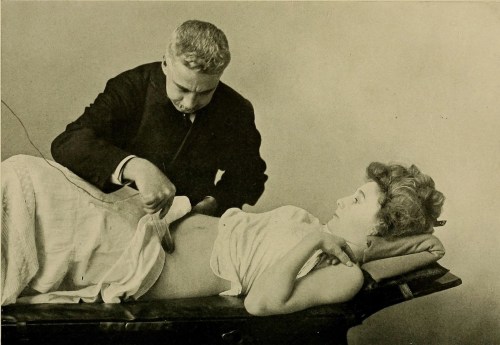
Ironically, this concept of treating certain gender traits as outright diseases is not unprecedented. In fact, there was a time when the roles were reversed and it was feminine traits that were considered “toxic.” However, people didn’t call it that. They actually had a medical term for it, which was “female hysteria.” Look at the definition and notice some of the parallels to toxic masculinity.

Women considered to have had it exhibited a wide array of symptoms, including faintness, nervousness, sexual desire, insomnia, fluid retention, heaviness in the abdomen, shortness of breath, irritability, loss of appetite for food or sex, and a “tendency to cause trouble”.

It seems funny and disturbing now, but back then, it was a serious issue. Society really did get to a point where being too feminine was considered a disease. Just being a woman carried with it an inherent shame that people couldn’t escape.

However, at least with female hysteria, the treatment wasn’t that bad in that it involved regularly being masturbated to orgasm. In terms of medical treatments, that beats the hell out of headaches and constipation. For toxic masculinity, though, there is no such treatment.

Since the term is so vague and its concepts so loaded, it creates a situation where the only way to avoid it is for a man to constantly denounce, deny, and disparage a core part of his identity. That usually involves a lot of virtue signaling and adopting the role of a beta male. The fact that approach has one too many similarities to gay conversion therapy should give anyone pause.

As it stands, the newness and ambiguity of toxic masculinity makes it a useful term for those who need an easy way to disparage men or extrapolate specific male behaviors to suit an agenda. That’s what makes it such a dangerous term for men and women alike, but that’s also what makes it an easy term to drop.

Now, I’m not denying that men have their share of undesirable traits. I also don’t deny that there are some aspects of masculinity that are worth scrutinizing. However, little good has ever come from creating terms that treat basic human traits as a disease. It creates a dangerous precedent that skews what it means to be sick and healthy.

Since it’s in the best interest for society and aspiring erotica/romance writers for genders to get along, ditching such a flawed concept like toxic masculinity will definitely help. It won’t solve all the issues associated with masculinity and feminism, but if we can do it for female hysteria, we can do it for toxic masculinity.

22 Comments

Filed under gender issues, sex in media, sex in society

Five TV Shows That Could NEVER Be Made Today (Thanks To Political Correctness)

It’s amazing how much our culture can change in such a short period of time, relatively speaking. It wasn’t that long ago that mixed-race couples were considered scandalous, depicting a toilet on a TV show was taboo, and Bill Cosby was a respectable public figure. Whether it’s decades, years, or just a few weeks, things can change quickly.

That change, however, isn’t always logical or in the right direction. Hell, I’m still trying to figure out the appeal of fidget spinners. While I like to think that most change in society is progress, I don’t deny there are instances where we all take a step backwards and sometimes fall on our asses.

This brings me TV, an undeniable catalyst for cultural change. For more than a half-century now, TV shaped, re-shaped, and upended our culture in all sorts of ways. From Elvis’ scandalous hips to the rise of music videos to shows like “Breaking Bad,” TV has been a force for better, for worse, and for just pure entertainment value.

There have been any number of shows, specials, and moments from TV that have come to define our culture. However, there are some shows that, if they happened today, would generate a very different response than they did when they first aired.

I’m not just talking about shock value or controversy either. I mean that if some these shows debuted in the current year, they would generate the kind of outrage, whining, and protests that flood social media and spur the kinds of debates that can only ever end with someone comparing someone lese to Nazis.

These are sensitive times for reasons I don’t think I have to articulate. We’ve made progress in some ways, but may be regressing in others. Some blame feminism. Some blame toxic masculinity. Some blame greed, bigotry, or political correctness. Some even blame the illuminati, but that may be pushing it.

Everyone seems to see something wrong in the culture of the past and the present. Everyone likes to blame someone or something different. More often than not, it’s a confluence of forces that make certain TV shows of the past ill-fit for the present.

Some of that is due to seriously outdated views and stereotypes. It’s entirely understandable why those shows would never work today. Most sensible people wouldn’t argue that. There are some shows, however, that would generate enormous outrage for petty, asinine reasons.

What follows is a list of classic TV shows that, whether due to content, style, or theme, would never air today. It would just be too controversial and not necessarily for the right reasons. It may reflect a lot about the sensitive nature of our culture today, but in many respects, it also shows just how erratic our collective tastes can be.


“All In The Family”

This one should be pretty obvious. “All In The Family” was already controversial in its day. It subverted the whole idea that a father figure in a sitcom should be respectable, upstanding, and just. Archie Bunker is none of those things and the show was memorable because of it.

Much of the show was built around Archie being a bigot, but a lovable bigot. In this day and age, that sounds like an oxymoron. At the time though, the early to mid 1970s to be precise, it worked for the same reason Sheldon Cooper works in “The Big Bang Theory.” You can be an asshole in a sitcom, but you can still be lovable.

Unlike Sheldon Cooper, though, making Archie’s bigotry lovable today is next to impossible without making him a B-list villain in a Tyler Perry movie. In nearly every episode, he says a line that would’ve caused legions of anti-racist, anti-sexist, anti-bigot crowds everywhere to erupt on social media. Anyone who even pretended to laugh at that show would be crucified as a Nazi sympathizer.

Beyond Archie Bunker’s bigotry, though, the overall themes of the show would be enough to make it too controversial for TV. The show routinely mentions “the good old days.” Today, though, that idea has been taken to mean the days when people could be assholes to minorities and get away with it. However anyone may feel about the show or its message, it just would just cause too many shit storms to air today.


“South Park”

I know this seems odd because “South Park” is still on the air, having just completed its 21st season. However, even long-time fans of the show can probably appreciate why it should be on this list, especially when you consider how different the show was in its early days.

Even back in the late 90s, this show generated more than its share of controversy for its vulgarity, profanity, and tendency to kill Kenny every episode. It’s the finer details of those controversies, though, that ensure the “South Park” we saw in those earlier seasons could never air today.

Eric Cartman alone would’ve made the show too controversial. Like Archie Bunker, his overt racism, anti-Semitism, and attitudes towards the poor would’ve triggered plenty of outrage. Add depictions of sacred religious icons and characters like Big Gay Al to the mix and the show wouldn’t have made it past the first episode.

The fact that “South Park” is still on the air is less a testament to its staying power and more a testament to its ability to adapt. It is not the same show it was when it debuted in that it doesn’t confront controversy the same way it used to. Even with that adaptation, it still couldn’t debut today, not with someone like Eric Cartman on the cast.


“Two And A Half Men”

This is another show that ended in 2012, which isn’t that long ago in the grand scheme of things. Even so, a lot has changed since “Two and a Half Men” debuted in 2003 and not just with respect to Charlie Sheen’s public persona. In terms of the premise and structure of the show, it could never air today without generating way too much backlash.

This is one of those shows that would enrage both feminists and men’s rights activists, alike. Beyond Charlie Harper’s blatant womanizing, treating nearly every female character a disposable sex toy, there’s also his overly emasculated brother, Alan. In addition to having an ex-wife who routinely screws him over, Alan is needy, submissive, and constantly mooching off of everyone around him.

Even by beta-male standards, Alan Harper is an affront to any man with any measure of self-respect, just as Charlie is an affront to any woman with a shred of feminist inclinations. Granted, that didn’t stop the show from being funny. I admit I loved this show while it was on, even after Charlie Sheen got replaced by Ashton Kutcher. However, its brand of humor would just never work if it aired today.

That says nothing about the depiction of the dim-witted kid, Jake Harper. His depiction would come off as more tragic than lovable than it did in 2003. In terms of the sheer volume of people this show would offend in the current year, “Two and a Half Men” is in a league of its own.


“Baywatch”

First off, I need to make clear that I’m not referring to the sub-par movie that never should’ve been made in the first place. I’m referring to the original “Baywatch” TV show that debuted in 1989, much to the joy of straight heterosexual males everywhere. The show, with its premise built around beautiful women in bikinis and David Hasselhoff’s chest hair, had plenty of appeal.

That appeal is still there today. There’s always appeal for beautiful women and manly men. However, these days it’s become distressingly taboo to admire beautiful women in any capacity that isn’t associated with Wonder Woman movies. We’re at a point where just looking at a beautiful woman is considered harassment by some people.

It’s for that reason that “Baywatch” would never work today. I can already imagine the various angry protests it would incur. People will claim the show contributes to female objectification, rape culture, toxic masculinity, and all sorts of buzzwords meant to make anyone feel guilty for committing the terrible sin of admiring a beautiful woman.

I’ve made clear how absurd this trend is. However, I don’t see it changing anytime soon. As a result, “Baywatch” would just be way too controversial and would probably draw the ire of every feminist or uptight religious zealot with internet access. It’s sad that this world would deny us a show that so nicely depicts Pamela Anderson’s bouncing breasts, but that’s the world we live in.


“Married With Children”

Once again, this show finds a way to be relevant on this site. I’ve mentioned it before in breaking down other topics. I’ll probably mention it again because it touches on so many important aspects of men, women, and family life. Despite that relevance, there’s no denying that “Married With Children” could never be made today.

The list of people this show offended, beyond the angry woman that tried to get it canceled, is as vast as it is comprehensive. This show cracked jokes about women, teenagers, marriage, genitals, animals, fat people, minorities, transsexuals, homosexuals, and pretty much every other minority group you can imagine.

It cracked these jokes in the backdrop of a sitcom that went out of its way to subvert every feel-good family drama that ever existed, so much so that it was originally called “Not The Cosbys.” In many respects, “Married With Children” went even further than “South Park” and “Two and a Half Men” in crafting a sitcom around every offensive trope in the book. It did this with a bravado and glee that you can’t help but respect.

That kind of antipathy to everything that’s supposed to make a sitcom endearing is a big part of what made “Married With Children” so successful. It came along at just the right time to subvert existing trends in TV, creating characters and icons that were raw, unfiltered, and offensive. That timing is also why it could never be made today.

Between the fat jokes, Al joking about shooting his wife, and Kelly Bundy being a stereotypical dumb blond, “Married With Children” would find a way to upset everyone. However, I still think those same upset people would laugh at the show. It was just that funny. It’s a big part of why the show still ranks as one of my personal favorites.

Even if “Married With Children” could never be made today, it still reflects an attitude that I think many people feel whenever anyone gets upset over a TV show. In a sense, it serves as the model for how a show can be so offensive, yet so funny. The fact we’ll probably never see anything like it again makes it all the more special.


4 Comments

Filed under Current Events, gender issues, sex in media, sex in society

Study Confirms We’re Hornier Around The Holidays

I love the holidays. In terms of themes, traditions, and elaborate decorations, there’s just so much to love about them. I’ve loved them since I was a kid. I still love them as an adult. The older I get, the more reasons I find the love the holidays.

With that in mind, I’d like to share one of those reasons for anyone who might not have enough to love the holidays as much as I do. Even if you don’t need another reason, one more couldn’t hurt. On top of that, this one has to do with sex, love, and making babies under the light of a Christmas tree. I hope I have your attention now.

No, this isn’t just me trying to sell one of my sexy holiday-themed novels, although I do have one that I’m more than happy to promote. This is me reporting on a real scientific phenomenon that’s both sexy and festive, a potent combination for this time of year, if ever there was one.

It comes courtesy of Health.com, a site not known for being festive or sexy. However, one particular reports on a lesser-known phenomenon associated with the holidays and it has little to do with how many times people watch “The Charlie Brown Christmas Special.”

According to a real study published in Scientific Reports, there is a notable uptick in sexual interest during the holidays and that interest actually results in a surge of babies the following September. No, this isn’t something out of The Onion. This is a direct quote.

More babies are born in September than any other month in the United States, which means that nine months prior—right around Christmas and New Year’s—is the most popular time of year for conception.

Think about that for a moment, especially if your birthday is in September. Despite all the whining about the so-called War on Christmas or the overt commercialization of Christmas, there’s still something about the holidays that gets people in the mood. As an aspiring erotica/romance writer and a lover of Christmas, this fills my eyes with tears of holiday joy.

The actual data of the study is pretty revealing in that holidays seem to have a genuine effect on our collective libido. It’s not just Christmas that sees this effect either, but since it’s the biggest holiday of the year in terms of raw capital, the sexy effects are most pronounced.

If you’re interested in the raw data or just want to know the specifics of such a sexy study, here’s what researchers at Indiana University and the Instituto Gulbenkian de Ciencia in Portugal did to surmise this sexy, yet festive conclusion. It’s not exactly in depth, but the results speak for themselves.

To investigate mood and interest in sex, researchers looked at Google Trends data from 2004 to 2014, and Twitter data from 2010 to 2014, in nearly 130 countries. In predominantly Christian countries, they found that web searches for the word sex were highest around Christmas—even in countries in the Southern hemisphere, like Australia and Argentina, where Christmas takes place in the summer.

In majority Muslim countries, web searches for sex spiked around Eid-al-Fitr, a major holiday that marks the end of Ramadan. This was particularly interesting, say the researchers, since Ramadan is based on a lunar calendar and is observed during different seasons, depending on the year.

The study is the first “planetary-level” look at human interest and desire as they refer to sex and reproduction at different times of the year, says co-lead author Luis Rocha, PhD, professor of informatics and associate professor of cognitive science at Indiana University. And it offers strong support for the idea that interest in sex peaks during major cultural or religious celebrations, he says.

Beyond the data, it makes a lot of sense from a purely anecdotal perspective. The holidays, especially Christmas, make us all more inherently aware of traditions and personal connections. We often take time off work, break from our rigorous routines, and share quality moments with our loved ones.

More quality moments, absent the rigors of work, mean more opportunities to get sexy. Add cold weather that forces us to remain indoors and huddling together for body heat and those opportunities get even sexier. It’s just basic math and the sexiest kind of biology.

Considering there’s more than one person in my family who was born in September, I like to think my folks have contributed to this phenomenon. I think it’s a phenomenon that deserves more celebration, even if it can never exceed the strong association between holidays and overpriced toys.

It’s also worth noting that in the pre-Christian era of Western Civilization, there was this proto-Christmas holiday that Ancient Roman celebrated called Saturnalia. While some of its traditions aren’t directly linked to the holiday that became Christmas, it did involve such festivities as gift-giving, feasts, and constant partying. For those with particularly elaborate holiday traditions, that should sound familiar.

Whatever the source, be it the pre-Christian traditions or the modern commercialism we’ve all embraced, there’s just something about the holidays that makes us all feel a bit friskier. It’s a beautiful thing and the fact that there’s real science to bake it up just makes it all the more beautiful.

So, in the spirit of the holidays, I urge everyone to take some time in between gift-giving and Christmas cookies to get a little extra cozy with your lover. You won’t be offending anyone’s religious sensibilities by doing so. In fact, you’ll be carrying on a proud tradition that the human race has celebrated since it invented the concept of holidays. If we’re going to celebrate anything, we’re going to get sexy while doing it.

With that in mind, I hope this adds a little sex appeal to your holiday traditions. If, come September, you find that your festities resulted in the creation of a new life, then you just gave that child even more reasons to love Christmas. Everybody wins.

1 Comment

Filed under sex in society, sexuality

Making Sense Of Sexual Misconduct, Valid Arguments, And Matt Damon

We like to think that when there’s a serious problem, our first instinct is to approach it with a logical, reasoned understanding of what it is and how to go about solving it. Ideally, that’s how competent, civil societies go about these things. By those same ideals, though, nobody ever cheats on their taxes, lies on their resume, or downloads free movies from torrent sites.

In the real world, there are some problems where our emotions surrounding an issue are so powerful, so intense that they undercut our ability to approach it logically. It’s part of the flawed wiring in our caveman brains that seems to crop up in every major issue I discuss on this blog.

That brings me back to one of the most emotionally charged issues of the day in sexual assault. It’s an issue that has touched everything from movies to video games to the comic book industry that I’m so fond of. Between the scandals and the movements they inspire, it’s one of the most heated issues that doesn’t involve Star Wars fan theories.

It’s because the emotions surrounding sexual assault and sexual harassment are so heated right now that trying to force any level of logic or context into the discussion is next to impossible. If done poorly, it can come off as victim blaming, which is tends to intensify emotions even more.

This brings me to Matt Damon, an actor who has built much of his career about having to be rescued. Unfortunately, he didn’t get that memo about the current emotional state of this issue. It’s still very raw and very charged. There’s a reason for that, but that reason is secondary right now and he just found that out the hard way.

It happened during a recent interview for ABC’s “Popcorn with Peter Travers.” During the interview, Mr. Damon decided to give his opinion on the issue, as many other celebrities have on the issue. This is what he had to say.

“I think it’s wonderful that women are feeling empowered to tell their stories and it’s totally necessary,” he said. “I do believe there’s a spectrum of behavior. … You know, there’s a difference between, you know, patting someone on the butt and rape or child molestation, right? Both of those behaviors need to be confronted and eradicated without question, but they shouldn’t be conflated.”

The bold parts are my doing. That’s because these are the parts stirring even more emotion within an already heated discussion that shows no signs of settling. Harvey Weinstein triggered it and subsequent celebrity scandals escalated it. Matt Damon may have escalated it even more by trying to put a kind of logic into a discussion that isn’t ready for it.

On paper, what Mr. Damon said isn’t unreasonable. In fact, it’s fairly logical by most standards. There is, indeed, a spectrum of behavior for sexual misconduct, just as there’s a spectrum for behavior of any kind of deviance.

In the same way that stealing a bag of candy from a grocery store isn’t the same as stealing the Mona Lisa, an unwanted hug at an office Christmas party is not the same as a brutal rape in a dark alley. There is a spectrum for that kind of behavior. One warrants serious punishment and prosecution. The other warrants disapproval and scorn, but not much else.

However, that kind of approach is just too logical for something that’s so emotionally charged. I know I keep saying that, but it’s worth belaboring and it really does matter. Sexual assault is an extremely emotional topic, one that incurs an immense amount of trauma and suffering to the victims. To them, logic and spectrums mean as much as the weather on Neptune.

As a result, the reactions to Mr. Damon’s words have been more than a little charged. The most vocal reaction came from Alyssa Milano and Minnie Driver. This is what they had to say on the matter.

Now, I don’t doubt their sincerity. These are two women who have been in the entertainment industry long enough to know more than a few dirty secrets. There’s plenty of emotion and disdain in their words. They go out of their way to focus on the bigger picture that’s fueling the outrage, emphasizing past injustices and systemic problems that pre-dated them, Matt Damon, and most people alive today.

In terms of the emotions surrounding the ongoing discussion, their words struck all the right chords. They focused on the pain and suffering that sexual assault has done to women like them and many other before them. They also emphasize how these injustices went overlooked and unpunished.

That’s where they have Mr. Damon beat because, like I’ve noted before, we have this inherent sense of justice hardwired into us from birth. Injustice rightly makes us upset, uncomfortable, and outraged. However, it’s that same reaction that can also blind us to the logic behind the injustice.

There’s nothing that Ms. Driver and Ms. Milano said that disproves or undercuts Mr. Damon’s points. They don’t even try to argue that everything, from a hug to a rape, is equally egregious when judging sexual misconduct. They just point out that Mr. Damon is a terrible person and part of the problem they’re trying to fight. As such, there’s no reason for them to take his words seriously.

That may help them win the current argument, but it doesn’t necessarily make them right in the long run. I’ve said before that there’s a huge difference between winning an argument and being right. One matters in the long run. The other doesn’t. For an issue as serious as sexual misconduct, that’s a dangerous precedent.

Again, I get the reason why women like Ms. Driver and Ms. Milano react so strongly. It’s very personal for them. I doubt Mr. Damon has ever been a victim of the kind of misconduct they’ve endured. Therein lies the problem, though, if either side is serious about confronting the issue.

It’s so personal for some people. It’s a problem to be solved with logic and understanding for others. At the moment, those sides just can’t coexist. It doesn’t matter whether Matt Damon, a well-known celebrity, makes a valid point. It doesn’t even matter if that’s an important point to make in order to prevent this movement from enduring a backlash, which some have already expressed concerns about.

However, it has to matter. In order for us, men and women alike, to create a more just society that confronts sexual misconduct appropriately, both the high emotions and the logic has to matter. It’s the only way anyone can be motivated and informed enough to do something about it.

I’m not going to say that Mat Damon was wrong for saying what he said. I’m also not going to say that Alyssa Milano and Minnie Driver were wrong for reacting the way they did, either. I’ll only say that overlooking logic and ignoring context never work out in the long run. At some point, reality catches up to us all. In the long run, reality wins every argument, regardless of our emotions.

11 Comments

Filed under Celebrities and Celebrity Culture, Current Events, gender issues, sex in society

Shifting Demographics: A Dangerous (And Unsexy) Trend To Worry About?

At what point does our willingness to have sex to make babies become a larger social problem? That’s not a rhetorical question, by the way. I’m not even the first person to ask that question. Ongoing changes in demographics are a real issue. Yes, the human population is still growing at a remarkable pace, historically speaking. However, the way it is growing is generating all sorts of problems.

I know talking about demographics isn’t all that sexy, but I think it should be. Demographics involve population. A population of any measure requires that people have sex. I’m in the business of telling sexy stories so changes in demographics will indirectly affect me to some extent.

To understand this issue, it’s necessary to sift through some annoying levels of fear-mongering. Not too long ago, there were some pretty dire predictions about the impact that our rapid population growth would incur on the environment. While these are still pressing issues, we’re not living in a “Mad Max” style hellscape for now.

More recently, much of the doom-saying has come from those anxious about the declining fertility rates of the industrialized world, some of which have dropped below replacement levels.

You don’t need to know much about the particulars of demographics or statistics to understand the implications. For any society to prosper, both economically and functionally, it needs a steadily growing population. Old people die off. Their children take their place. More children grow into productive adults that contribute to society and the economy. It is very much the life-blood of civilization.

That process got a massive boost in the mid to late 20th century thanks to improvements in medicine, technology, and economics. Around 1900, the world population was below two billion. By the end, it had tripled to six billion. As of this post, the global population stands at approximately 7.5 billion. It’s very possible that we may cross the 8 billion mark by the end of the decade.

However, that continued growth is starting to encounter some obstacles. The rates of growth, especially in the industrialized world, are starting to slow. Just this past year, the fertility rate in the United States dropped below replacement level for the first time in a century. That’s a major milestone with some major implications.

Some parts of the world are already dealing with those implications. In some areas, they’re slowing so much that it’s causing major concerns for the future of that society. Japan, especially, is dealing with some unprecedented issues with a society that has a booming elder population and a dwindling pool of youth.

I won’t get into the specifics of the apocalyptic visions associated with declining fertility rates. That kind of doom-saying is rarely productive and often flat out wrong. However, a declining population carries with it all sorts of issues.

A society with a declining population has very poor economic prospects and I’m not just talking about a smaller market for my sexy novels. A declining population means fewer workers, fewer customers, and fewer people to come up with sexy new ideas. For a community and a culture, it’s basically the social equivalent of rapid decay.

In some cases, this decline can be compensated through immigration, but that brings with it a whole host of hot-button issues that I don’t care to discuss on this site. After all the anti-immigration rhetoric that erupted from the 2016 presidential election, there’s little chance that anything productive will emerge from that issue.

What concerns me more about this ongoing trend are the more personal implications behind it. There has already been a noticeable decline in overall sexual activity among younger generations. That doesn’t mean people are less horny. That just means less people are actually getting together and doing it.

The reasons for this are hard to quantify, but I’ve mentioned some of the obstacles that millennials are dealing with, beyond their sex lives. There will likely be even more obstacles once Generation Z, their successors, take hold.

In essence, these coming generations are drowning in debt and lack the economic of their predecessors. It’s hard to find time to seek a lover, start a family, and raise multiple children when there aren’t as many well-paying jobs to go around and the cost of living just keeps going up. The stress alone in dealing with all these issues is enough to kill anyone’s libido.

Others will claim that trends like growing acceptance of abortion and contraception, two issues that I’ve discussed more than once, is a major factor here. I tend to disagree, at least in part. Historically speaking, economics tends to drive fertility, politics, and most other major trends. Money is just that powerful.

I don’t doubt that having a greater control over our fertility from a medical standpoint is an issue, but just having that control doesn’t necessarily undermine our inherent desire to procreate. It’s the resources, circumstances, and conditions that have a much bigger impact on peoples’ desire to have children.

I even see this among my friends, family, and peers. Most of the people who are my age or younger are not in a situation where they have the resources to have a family. Most are struggling to find steady, well-paying jobs. Some are struggling just to find affordable living space, an issue I only recently addressed. Even if they’re still horny, they are not in a position to exercise their fertility.

While that’s understandable from a pragmatic point of view, the long-term implications are still there. If a large enough chunk of society faces these same issues, then at some point, the shift in demographics becomes unavoidable. Fewer children being born, along with a higher cost of raising them, carries with it all sorts of uncertainties that promise to make a tense situation even worse.

It may still be too early to worry about this trend, even the context of an aspiring erotica/romance writer. Trends have a nasty way of changing erratically. The old investor adage of past performance not guaranteeing future results has held true on many occasions.

Paul R. Ehrlich‘s “The Population Bomb” found that out the hard way because it failed to anticipate how humanity would react and adapt. Given how notoriously hard it can be to predict the future, it’s not smart to make too many assumptions about what will happen with these trends in declining fertility rates.

That said, if I have to adapt my novels to cater to an aging population, I’m willing do to that. It just may mean that I’ll have to learn how to describe sagging boobs in a sexier way.

2 Comments

Filed under Current Events, gender issues, sex in society

Why People Blame The Victim (And How To Avoid It)

In wake of recent social trends and lurid scandals that took way too long to expose, we’ve entered a precarious moment in our history. I’m not just talking about ongoing issues surrounding gender inequality or trends in our sexual behavior, either. We, the same people who can’t even agree on the color of a dress, have come to a rare consensus on an issue.

Blaming the victims a sexual assault is BAD.

I’ll give everyone a moment to stop cringing and rolling their eyes. I know. This feels like one of those issues that shouldn’t even be an issue to begin with. Unfortunately, it evokes all sorts of heated emotions between men, women, feminists, men’s right’s activists, the transgender community, and certain species of baboons for all I know. It’s that a very loaded, very unsexy a topic.

Now, before I go any further, I want to make one thing abundantly clear. In talking about the particulars victim blaming, I’m not getting behind a particular movement or agenda. I’m choosing to confront this issue for the same reason I’ve used for confronting many unsexy issues.

Issues like sexual assault, and the victim blaming that comes with it, tie directly with our sexuality and our ability to love one another, albeit on the more sinister end of the spectrum. Given my efforts to become a successful erotica/romance writer, I can’t ignore these issues, nor do I want to.

I apologize if the way I go about discussing this issue offends or upsets some people. It wouldn’t be the first time I’ve been clumsy or misinformed with my words. However, this is one issue that nobody, be they a Hollywood producer or erotica/romance writer, should avoid. Sexual assault and sexual harassment are bad enough. Blaming the victim is just the napalm that gets dumped on that fire.

Overall, I think it’s a good thing that there’s rising awareness about sexual misconduct, especially among those in positions of power. Sure, it has been prone to a few misguided controversies, but the overall intent is good. Sexual misconduct is a serious crime. Who could possibly be against it?

That is a rhetorical question, by the way. I’ll skip the part where I recount how various internet trolls would answer that and get to victim blaming, which is where this inherently noble endeavor hits a brick wall and tries to pick a fight with it. Given that brick walls are undefeated against people armed only with profanity and alcohol, it’s a fight that tends to leave everyone bloodied.

It happened with the Harvey Weinstein scandal. It happened with Corey Feldman. It will likely happen again with the next major scandal to break. At some point in the narrative, someone will imply or state outright that the victims bear some or all of the responsibility for what happened to them.

Some will say they put themselves in a bad situation. Some will say they secretly wanted it and just played the victim to score sympathy. Some will say they dressed in a way that made them deserving of it, which is especially common among those who decry beautiful women in sexy attire. There’s another term for this kind rhetoric. It’s called being an asshole.

There’s really not much context here because by every measure, blaming the victim of a crime is a pretty rotten thing to do. Whether you’re a man, a woman, or something in between, scolding someone who just endured a traumatic injustice is right up there with strangling a puppy, drop-kicking a kitten, and slitting a unicorn’s throat.

As nasty a reaction it is, there is also an underlying mechanism behind it. Some of it is tied to the flawed wiring of our caveman brains, but I would argue most of it stems from the inherent difficulty of thinking rationally when we’re in such an emotionally charged state. Given the seriousness of crimes like sexual assault, emotions are often in overdrive.

The moment we hear about sexual assault, it triggers something in our collective minds that makes us want to lash out. It’s such an egregious injustice and most decent human beings seek to right an injustice. It’s actually one of humanity’s best qualities and one of the reasons I believe people are generally good.

However, sexual assault is not like a stolen phone, a damaged house, or a black eye. You can buy someone a new phone. You can help them fix their house. You can give someone with a black eye and ice pack to help sooth their suffering. You can’t easily do that with someone who endured a sexual assault.

Many times, as was often the case with perpetrators like Bill Cosby, the injustices aren’t tangible, nor are they easy to remedy. However, we’re still appalled that such an injustice even occurred. That innate sense of justice that we have hardwired into our brains at birth urges us to right this egregious wrong.

Unfortunately, our brains are still crude instruments that can’t always tell the difference between perpetrator and victim, especially when we’re in an emotional state. As a result, we have a hard time separating the crime from the actual people involved. It’s not some shady, patriarchal agenda. It’s just a byproduct of our inherent need to maintain a just and fair world around us.

Then, there’s the extreme tribalism that comes into play. Yes, that lingering flaw from our caveman past plays a part in this too. Think back to any case involving a sex scandal, be it one involving a celebrity or someone in a position of power. Then, look at those who did the bulk of the victim blaming. Chances are they’ll have some sort of allegiance or admiration to the accused.

That makes sense because we instinctively defend members of our tribe. Whether we share a political affiliation, an ideology, or a fondness for Bill Cosby’s brand of comedy, our first reflex is to defend our tribe, even if it means turning a blind out to cold, hard facts. This is why some people will still defend men like O.J. Simpson against all evidence to the contrary.

On some levels, it’s understandable, even if victim blaming is such an egregious act. Nobody wants to believe that they’re a bad person. Some want to believe they’re the hero of their own story and the world around them is full of villains. That’s where victim blaming becomes a dick move disguised as a defense mechanism.

If anything associated with their tribe becomes affiliated with something as horrible as sexual assault, then it becomes personal for them. When it becomes that personal, then other people can only be targets. As a result, the people those victim-blamers target will, in turn, fire back with the same tactics. Again, the people become disconnected from the injustice and it just becomes a glorified shouting match.

It basically adds another injustice on top of another, turning a crime into a personal struggle to protect your tribe, identity, and certainty that you’re a decent person and those who don’t agree with you are assholes. It’s a great way to rally a tribe in the struggle for survival. In an era where false accusations and poorly-worded tweets ruin lives, it’s downright dangerous.

Within this danger, though, lies the key to confront the fuel that feeds the fires of victim blaming. It’s impossible, at least for now, to know the pain a victim feels or the veracity of an accusation. Absent that certainty, the best we can do is focus on the underlying injustices surrounding sexual assault.

Whether it’s a man exploiting his power to abuse women or a woman going out of her way to ruin a man’s life, the connective tissue to the entire issue revolves around justice. Our desire to live in a just world is one of the few things that transcends tribalism.

To illustrate how that plays out, here’s a quick scenario.

Person One: Help me! That asshole has been sexually harassing me for years!

Person Two: What? What the hell happened? What did you do?

Do you see the disconnect there? The foundation for victim blaming is right there in the initial reaction. If the accused is someone the second person likes or respects, their first instinct will be to defend them. That’s hard to avoid and both sides can turn on each other quickly.

Now, here’s the same scenario with a key change.

Person One: Help me! That asshole has been sexually harassing me for years!

Person Two: What? That’s terrible! Nobody should have to endure something like that.

See the difference? This time, the second person doesn’t immediately personalize the issue. He and the victim are on the same page. They both understand that this is a crime. This is an injustice. That serves as a foundation for fixing it.

I don’t deny that it’s only a minor change and one that’s difficult to utilize in every instance. That’s unavoidable for emotionally charged issues like sexual assault. However, that’s exactly why the effort is so important. Anything we can do to stay on the side of the victims and confront the larger injustices of sexual assault will be far more productive than just attacking one another.

Until we can finally upgrade our caveman brains, egregious acts like sexual assault and victim blaming will likely remain. There are many mechanisms behind it, but there are far more that transcend it. Whatever the long-term outcome of the ongoing efforts to confront sexual misconduct, we have many more reasons to come together than we do to keep casting blame.

4 Comments

Filed under Current Events, gender issues, sex in society, sexuality

Gender Equality, Artificial Ovaries, And The End Of Menopause

There are certain situations where, if you take away modern medicine, social institutions, and various life hacks, there’s an inescapable gender disparity. I know that by saying that, I’m inviting all sorts of nasty comments. There are those who claim that just hinting at inherent gender differences is to empower the patriarchy, oppress women, and probably strangle puppies in the process.

This piece isn’t directed at those people, nor is it directed at those who want to fight Round 2,697,206,077 of never-ending the gender wars arguments that the internet has made exceedingly easy to wage. I write this with the intent to inspire hope, excitement, and maybe a few sexy thoughts beyond those I share every Sunday.

When it comes to helping men and women operate on a level playing field, technology has been the great equalizer. It’s because of technology that we’ve helped women gain a greater level of control over their fertility. It’s because of technology that men who otherwise wouldn’t have been able to have children can now do so. A huge chunk of modern society is built around having greater control over our sexual health.

For men, that control has gotten pretty darn robust. Thanks to advancements in modern medicine, as well as tireless marketing efforts from pharmaceutical companies, men can enjoy continuous sexual function well into old age. Say what you will about the greed of pharmaceutical companies, but the collective sex lives of men are better because of it.

While that’s great news for men who want to stay sexy into their golden years, this does widen a particular gender disparity that is rarely discussed, if only because it evokes distressing thoughts about what our grandparents do in their private time. While modern medicine allows men to keep humping like they did in their youth, women face the biological equivalent of a brick wall as they get older.

It’s called menopause and like reverse puberty, it’s a fact of life for women. It typically happens in a woman’s late 40s or early 50s. It’s effects vary from woman to woman, but its signature trait is that a woman stops menstruating. That means they no longer have periods, they no longer ovulate, and they can no longer have children.

At the moment, it’s basically a fact of life. If a woman lives long enough, this is what they deal with. It’s like graying hair, wrinkly skin, or liver spots. At a certain point, their reproductive systems cease functioning. While they can still have sex, the various biological changes associated with menopause can make that difficult.

In terms of the gender scorecard, this definitely deducts some points for women. Whereas men have a way to keep their dicks functioning well into their elder years, women’s options are much more limited. Sure, there are a few medical ways to deal with it, some of which can be purchased at a local pharmacy for less than twenty bucks. However, the biology is still behind the curve.

What if a woman wants to continue having children late in life? What if a woman couldn’t have children in her youth, but later wants them even after her fertility has declined? Whereas men can still father children into their 90s, women seem to be out of luck.

However, and this is where I offer a glimmer of hope to those dreading their unsexy elder years, that may change thanks to recent advancements in biotechnology. According to MIT Technology Review, our ongoing research into regenerative medicine is drawing us closer to the day when we can actually regrow a woman’s ovaries. Here are the basics of this amazing and inherently sexy work.

The work, carried out at Wake Forest Baptist Medical Center, suggests a potential alternative to the synthetic hormones millions of women take after reaching middle age. A paper describing the findings was published Tuesday in Nature Communications.

When tested in rats, the pieces of tissue, known as organoids, were better than traditional hormone replacement drugs at improving bone health and preventing weight gain. The treatment was also as good as hormone drugs at maintaining healthy tissue in the uterus.

In essence, this is like treating your organs as rusty car parts that need replacing. Ovaries, like any other organ in the body, tend to break down as time goes on. We’ve already grown some basic organs in the lab. Growing ovaries, though, has far greater implications than simply keeping your body humming along.

Ovaries, as anyone who sat through a health class knows, are the organs that produce the various hormones and androgens that make up a woman’s biology. It plays key roles in just about everything having to do with female sex and reproduction. Once it shuts down, it’s like the main generator of a building going down. Sure, some parts have backup power, but that’s not enough to keep it running.

The ability to regrow fresh, healthy ovaries completely changes that dichotomy. In some respects, it puts the women out ahead of the men in terms of sexual function in their golden years. Unlike little blue pills or even bionic penises, these re-grown ovaries are entirely functional organs. It’s like resetting, rebooting, and re-energizing a woman’s sexual function.

This doesn’t just mean that women can still have healthy children well beyond their golden years. It means they can also avoid the various downgrades to their sexual function that often comes with menopause. They don’t need to take pills or constantly replenish hormones. They’ll have entirely functional organs inside them to do that for them.

Now, ignoring the possibility that creating new ovaries may also lead to creating enhanced ovaries, this does more than just improve the sex lives of older women. In many respects, it puts them on the same level as their elder male counterparts.

Their sexual function and their reproductive function don’t have to decline with age. Like older men, they can still have sex for fun. They can still have sex to make babies. Their options are just as open. If you’re a fan of gender equality, then this is an advancement that’s every bit as vital as advances in male birth control.

While I’m sure this will still generate some unpleasant mental images about our parents and grandparents, the incentives are already in place and too great to ignore. Sure, there will be some women who opt not to get fresh ovaries, just as there are some men who don’t mind having a less active penis later in life. However, the fact that medical science will give people these options is a true game-changer.

Technology has always changed our society in immense ways, but technology that affects our sex lives and our reproductive health tends to have bigger impacts than most. What happens to our family structures when our grandparents are still having children at the same time as our parents? What happens when getting older is no longer associated with succumbing to menopause and sexual dysfunction?

These are the kinds of questions that don’t have easy answers now, but those answers may end up finding us sooner than we expect. Since I’m in the business of erotica/romance novels, it may very well affect me at some point. Then again, having more people who stay horny into old age might be good for business.


1 Comment

Filed under gender issues, Second Sexual Revolution, sex in society, Sexy Future

Bryan Singer, Harvey Weinstein, And The Double Standards Of Sexual Abuse

What does it say about the state of our culture, our society, and our sexuality when every week seems to bring a new sex scandal to light? That’s not a rhetorical question, by the way. That’s a question that many are trying to answer. I’ve certainly tried to answer parts of it, but with every new scandal, that effort gains a new complication.

By now, most people know the famous names, the ruined careers, and the sordid extent of the allegations. Names like Harvey Weinstein, Louis C.K., and Bill Cosby are now etched into the public consciousness for all the wrong reasons. The outrage and anguish surrounding their egregious actions evokes all sorts of passions.

It eventually culminated with Time Magazine recognizing the women who brought these scandals to light as the collective person of the year. For the most part, these women have been hailed as brave and strong for coming forward and exposing these crimes. It’s because of them that these powerful men can no longer hide their misdeeds, which is a good thing.

I don’t deny the importance of what these women have done. They’ve helped kick-start a movement that has made people more aware of these egregious crimes. It’s because of those efforts that even powerful people who are inclined to use that power to exploit women can’t hide from the consequences of their actions. In the name of furthering a just society, I think that’s a good thing.

However, and this is where I know I may upset some people, there’s a part of that effort that’s still incomplete. There’s a missing piece of this ongoing battle against sexual misconduct, one that has the feel of a very subtle, but deeply distressing double standard. Having talked about the less obvious double standards in our society, I feel like the extent of this one is only growing.

Recently, a fresh sex scandal came to light involving another powerful name in Hollywood. Bryan Singer, the accomplished director behind “The Usual Suspects” and the architect of the X-men movie franchise, has been accused of raping a 17-year-old boy. We’re not talking about loose bath robes, groping, and shady casting couches. This story involves full-blown rape.

It’s not the first time Singer has been accused of sexual misconduct. To date, he hasn’t been proven guilty in a court of law, which is an important detail to note. False accusations do happen and people in positions of power, like Hollywood, are easy targets.

I’m not going to speculate how true or exaggerated the accusations against Singer are. The details are still not clear and information is still coming out. However, there’s an important element to the news of this scandal that’s worth pointing out.

Unlike the scandals with Weinstein and Cosby, the victims in this case weren’t women. They were men. If you don’t think that matters, then take a second to recall the reactions to other scandals.

When the sordid stories about Weinstein came out, they generated all sorts of outrage. It was a hot topic on the news, social media, and even “Family Guy” jokes. The fact that these men did such disgusting things to women got a lot of people talking. However, when the victims are men, the narrative is different.

Before Bryan Singer, the only notable scandal involving men was that of Kevin Spacey. However, the outrage he generated had less to do with the gender of his victim and more to do with how he used the scandal to come out as homosexual. That upset people, but the alleged crime he committed against his male victim became an afterthought.

This is where the double standard gets uncomfortably apparent. We, as a society, agree that assaulting and harassing women is a terrible crime. We rightly condemn it. However, when it happens to a male victim, and it happens more often than we think, we’re not quite as vocal with our outrage. It’s still a crime. It still involves exploration and pain. When the victim is a man, though, we don’t see it the same way.

I’ve highlighted this to some degree with a thought experiment. However, it plays out in other ways throughout our culture. Stories about women being victims are often harrowing and brutal. Stories built around male victims of sexual assault, though, can be comedies starring Will Ferrall and Kevin Hart.

There are any number of reasons as to why that is. Male victimization, especially in matters of sexual misconduct, carries with it some unique taboos. There’s this idea that men, being the ones with more power and influence in this world, can’t be victims in the same way as women. Never mind the fact that the pain any victim feels is real, regardless of gender. We still treat one victim differently than another.

It plays into this notion that men are just supposed to shake off that kind of victimization and women need some sort of special treatment. In a sense, it’s insulting to both genders and obscures the actual substance of the crimes involved. Whereas there’s an entire movement behind the effort to combat sex crimes against women, the crimes against men just fall to the wayside.

That’s not to say it’s being completely ignored. Some are making an admirable effort. Corey Feldman, a former child star, has been among the few celebrities who have been outspoken about the abuse young men have suffered in the entertainment industry. Terry Crews, a successful actor and former Old Spice Man, has spoken out against it as well.

However, to date their efforts haven’t generated the kind of notoriety and outrage as the movement to protect women from these same crimes. Their voices are often drowned out by other scandals that fit into this overall narrative of creepy, sinister men in power exploiting women.

For reasons that are too voluminous for one blog post, the narrative surrounding scandals like that of Bryan Singer aren’t quite as enticing. The notion of a powerful man victimizing another man just doesn’t come off as the kind of struggle that makes everyone feel more virtuous by joining.

It certainly doesn’t help that the taboos surrounding these scandals also mix with other taboos involving homosexuality. Those attempting to take a stand against male victimization have to be careful with their outrage because if they don’t, they can get labeled as a homophobic bigot and that’s not the crowd most people want to be part of.

In a sense, voicing outrage against the female victimization is easier and safer. There’s little ambiguity. A powerful man victimizing a vulnerable woman has clear, defined lines of injustice. The only emotions we deal with are those involved with our aversion to injustice.

With male victims, those emotions are still there, but they’re complicated by these uncomfortable ideas that don’t fit that narrative. It goes beyond double standards in that it requires us to contemplate the kind of crime that we don’t want to believe happens as often as it does.

That mentality is downright dangerous because it creates the sense that some victims are more important than others. Whereas a female victim will get all the love and support that hashtags and talk shows can offer, male victims have to fend for themselves. That’s a problem because fighting the same injustice with different standards is an injustice in and of itself.

The allegations against Singer remain to be proven and may end up being false, but the fact that this scandal doesn’t carry the same weight as others involving women reveals that ongoing efforts to combat sexual misconduct are incomplete. Until some of these double standards are confronted, then the injustice will continue.

11 Comments

Filed under Celebrities and Celebrity Culture, gender issues, sex in society, sexuality