Category Archives: human nature

How Smiling Became A Feminist Issue (For Terrible Reasons)

smilingispowerful

What would you think of someone who randomly walked up to you, sensed you looked sad, and suggested something that is scientifically proven to make you feel better? The person doesn’t force it on you. They don’t offer their advice to be smug or facetious. They just see a fellow human in distress and offer to help. By nearly every measure, the person is being a compassionate, decent human being.

Now, having contemplated that scenario, what would you think of a man who walked up to a woman and asked her to smile? While some might not see that as too big a deal, it has become a serious issue in recent years. It may not be the most absurd since it doesn’t involve Wonder Woman’s armpit hair, but it’s still up there.

The scenario I just described is something that, from a purely superficial level, may not seem controversial. Telling someone to smile, regardless of whether they’re a man or a woman, is not just an empty platitude. There is real, legitimate science behind it.

Research has shown that the mere act of smiling has many health benefits, such as improving mood, relieving stress, and strengthening immune function. To some extent, it helps rewire our brain in a way that directly combats depression, anxiety, and all sorts of ailments. It might be the easiest thing anyone can do to feel better. If it were a drug, it would be hailed as a medical breakthrough.

Why then has smiling become such a point of contention? While linking it to sexism is full of many absurdities, there are legitimate grievances that helped make this an issue. I know I’m going to upset people when I talk about this, but I believe it’s worth talking discussing, if only to preserve the benefits of smiling.

From the perspective of those protesting being told to smile, many of which identify as feminists or left-leaning, the issue isn’t about those aforementioned benefits. It’s about people telling them to be happy in a world where they don’t feel like equals. Considering how unequal things were for women throughout history, that’s an understandable sentiment.

Plenty of inequality lingers.

The situation for these women didn’t involve kind strangers walking up to them when they were sad and telling them to smile. It likely involved bosses, spouses, teachers, and various authority figures telling them to smile because frowning wasn’t lady-like. Even if you don’t consider yourself a feminist, it’s easy to see why that would seem condescending.

In some situations, it was even worse. In service jobs, which are often dominated by women, telling them to smile is like asking them to act as a billboard for an organization. They’re treated as a pretty face rather than a person. It’s the male equivalent of being treated as a cog in an assembly line.

That sort of treatment is dehumanizing and people, regardless of gender, resent that and for good reason. In that context, telling a woman to smile is no different than telling her to just shut up and accept everything the way it is, no matter how much she resents it. While that’s rarely the intent, that’s the interpretation.

Most reasonable people can and do acknowledge the sentiments that women feel in those situations. Nobody likes being told to just smile and accept your misery. However, the issue descends into absurdity when telling someone to smile is famed as a byproduct of sexism. It effectively politicizes the very concept of smiling.

As a result, it fosters this idea that a woman cannot smile and be feminist. It’s an idea that has become more mainstream in recent years. To see how, just Google “modern feminist” and look at the images that come up. Very few of the faces that come up are smiling. There’s no Rosie the Riveter. There’s only angry, outraged women yelling to the point where it’s a common meme.

This isn’t just an issue with respect to the popular perception of feminists. When it comes to faces, there’s a great deal of intrinsic biology and neuroscience at work. Seeing an angry face triggers a very different reaction compared to seeing a smiling face. Some of that reaction transcends even extends to other species.

There are also significant differences in how people react to smiling men compared to smiling women. The extent to which that difference is biological is not clear, but unlike many other behavioral traits, smiling is directly tied to many psychological and physiological forces. Tying smiling to ongoing debates about gender is one nobody can win. Like it or not, you can’t debate around biology.

Then, there’s the other side of the gender equation, specifically the one regarding the male perspective. While this perspective is less obvious, it does add some other complexities that often fall through the cracks during these arguments. This is where I can offer some perspective, as a man, because I can attest to this impact.

Whatever you think about the nature of masculinity, it’s a well-documented fact that male brains are wired differently compared to female brains. One of those differences stems from how we react to women in distress. Whether they’re angry or sad, seeing it can trigger that protective instinct that men often feel around women.

I can attest that this instinct is real. A few years back, I was walking down the boardwalk at a beach. It was a loud, rowdy place in the middle of summer so there was plenty of noise. Then, out of nowhere, I heard this woman scream. Almost immediately, I turned towards it and I wasn’t the only one. Several other men, as well as a few women, took notice as well.

The woman had badly hurt herself on her bicycle. I’d rather not describe the injury so I’ll just say she couldn’t stand on her left leg. Thankfully, she was with a couple of friends and they immediately aided her. However, her cries caught the attention of plenty of men, most of them total strangers.

While some with more cynical attitudes may think of that reaction as white knighting, I can assure you it’s a real phenomenon. Men sensing a woman in distress evokes a reaction that stems directly from our natural inclination to form social bonds and protect others. Since women are the ones who bear the babies, we tend to give them extra scrutiny.

That’s not to say that a man telling a woman to smile is always an altruistic act. It doesn’t overlook the situations in which someone uses that rhetoric to denigrate women and make light of the issues they face. However, if the simple act of smiling becomes part of the line that divides feminists from misogynists, then the entire debate surrounding gender becomes obscure.

Telling a woman to smile is not the same as telling her to get back in the kitchen. In addition, making outrage the face of female empowerment won’t help in addressing legitimate issues. It’ll just frame every discussion as something hostile and unreasonable. No matter how legitimate the issues are, it’s difficult to have a meaningful discussion in that situation.

Objectively speaking, smiling is good for you, regardless of gender. It’s something I encourage everyone to do when they’re feeling upset, depressed, or angry. It’s a small gesture and one that doesn’t solve problem, in and of itself.

However, it can help your in many ways, especially if you’re hoping to connect with others in a way that ensures they’ll listen. There are many issues surrounding men, women, and gender that are worth discussing. Making the act of smiling a rallying cry for gender conflicts will only ensure that nobody succeeds in the long run.

3 Comments

Filed under gender issues, human nature, Marriage and Relationships, men's issues, outrage culture, political correctness, psychology, sex in society, sexuality, women's issues

How Religion (Indirectly) Re-enforces Inequality

vatican-museums-st-peter-s-and-sistine-chapel-tickets-and-skip-the-line-private-tour_header-18646

I once knew a guy who worked a job he hated for an overpaid boss he’d once described as a cross between Patrick Bateman and Darth Vader. I can’t put into words how much he resented that man. To make matters worse, he was one of those bosses whose family had connections. He couldn’t get fired, let alone disciplined. Even if he did, he had a trust fund that ensured he’d never work a day in his life.

My friend shared all sorts of horror stories with me, but I often found myself asking why he stayed at that job for so long. I also asked why he didn’t try to do something about it. I’m no lawyer, but I’m fairly confident that he could’ve sued his boss and won. He never did and gave plenty of reasons, some more understandable than others.

However, one particular reason stood out to me. While I don’t remember his exact words, this is what he told me.

“I’m not concerned. I know that one day, that asshole will die and when he gets to the gates of Heaven, he won’t be able to hide anymore. He’ll go to Hell. I’ll go to Heaven. I believe God is just. No matter how bad things get in this life, the scales always balance in the next.”

Now, I wasn’t surprised by this sentiment. This particular friend of mine was very religious. He’d gone to church every Sunday. He and his pastor were on a first-name basis. He could quote bible verses the same way I could quote X-Men comics. He knew his theology and I don’t doubt it helped him endure that awful job that he somehow endured for several years.

While I respect my friend and his faith, I find the notion of taking comfort in someone’s afterlife punishment more than a little unsettling. It’s not just due to the schadenfreude inherent in that sentiment. What I find most troubling is how this common theological concept perpetuates imbalances, injustices, and inequalities, albeit indirectly.

The very notion of an afterlife, especially with respect to concepts of Hell, has plenty of troubling issues. From both a theological and non-theological standpoint, it frames everything that occurs in the current life we’re living as a prelude for the much grander life to come. Even if a view of the afterlife has no concept of Hell, it still devalues our current lives to some extent.

However, when divine justice enters the equation, as it often did for my friend, there’s a less obvious impact that has real consequences in the non-religious lives of many. I would even argue that those consequences influenced society on multiple levels at many points throughout history. The extent of those consequences are hard to gauge, but the implications are unavoidable.

To illustrate, think back to the terrible boss my friend described. Think of him as a placeholder for any rich, entitled, over-privileged class of people in history. He could be a king, a warlord, a cleric, an emperor, or just some powerful tribal leader. By any measure, this individual has more power and wealth than almost everyone else.

While that earns them many benefits, from having all the nice stuff to attracting all the best sexual partners, it also makes them a target. What exactly entitles them to have all that power and wealth? Did they earn it? Did they fight for it and win it? What do they have to do to maintain it?

The answers vary, depending on circumstance and context. Some are more responsible with wealth and power than others. However, if we’re going to grasp the bigger picture here, we have to acknowledge the general guidelines of human nature and, chief among them, is the inclination to take the path of least resistance.

Like it or not, human beings are wired to take the easiest possible path to resolve an issue. That’s especially true of difficult tasks, such as maintaining an objectively unequal status within a society. Seeing as how humans, and even other primates, have an innate sense of justice, this is an issue that the rich, wealthy, and powerful cannot avoid.

That’s where religion enters the picture. Logistically speaking, it offers some convenient justifications for an objectively unequal situation. It’s not just that the boss, cleric, king, warlord, or rich asshole inherited their status. It was divinely granted to them.

That helps solve several major problems for the rich and powerful off the back. It means those who consider themselves pious and devout can’t just rebel against those of greater wealth. Doing so would mean protesting the will of the divine. For anyone concerned about facing divine wrath, that’s a major incentive to accept the current situation. In some cases, they even celebrate it.

That kind of divine excuse has another benefit, as well. For people like my friend, who have to toil under wealthy, entitled bosses, it gives them comfort about their current lot in life. While they could go through the trouble of fighting back, that’s both laborious and risky. Historically, powerful people don’t react kindly to being challenged and they don’t always fight back with lawyers.

Religion provides them another, less exhaustive option. Instead of going through all that trouble and taking all those risks, they need only keep living their current lives. They need not worry about contesting people like my friend’s tyrannical boss. He’ll face justice after he dies. That’s not just comforting. It plays directly into our natural inclination to resist change.

The only change these people believe in.

On a larger scale, this has minor personal benefits to the devout, but major benefits to the wealthy and powerful. If the vast majority of people are convinced that oppressors will get theirs in the afterlife, they’re not going to be as inclined to protest the status quo or, in the worst-case scenario, demand change that requires a loss of wealth and power.

This is especially important for religious leaders who, unlike governments or business elites, have to keep justifying why people devote their time, labor, and money to the institution. That’s tough when religious organizations don’t pay taxes, enrich top officials, and wield significant authority on geopolitical level.

It’s considerably easy, though, if the theology in question convinces adherents that the wealth and power of the institution is divinely granted. As a result, the inequality between the average believer and the top official is justified. That’s how the deity wants it. Even if some are corrupt, and there have been many, they’ll eventually face justice in the afterlife.

It gets even easier when adherents and believers are uneducated and uninformed. My friend wasn’t stupid, but he didn’t get much of an education, which was why he got stuck in a lot of bad jobs. His story is not uncommon. In general, the less educated you are, the more religious you tend to be. On top of that, less education often means a higher chance of living and staying in poverty.

In that context, it makes sense for religion to discourage critical thinking and higher education that isn’t specifically sanctioned by their institutions. If people aren’t educated, then they’re not just ill-equipped to question authority. They’ll remain in poverty and so too will their children, who are more likely to adopt their parents’ piety.

It’s a self-reinforcing cycle. People are born into their current lot. They either appreciate or resent it. Religion helps provide justification for it, however good or bad it might be. It gives them an excuse to accept it and pass it onto the next generation. Any inequality or injustice within that system remains in place and can even widen under the right circumstances.

Now, this is the point where I try to temper my rhetoric because I know the mechanisms I just described seem cynical. It gives the impression that every religious figure throughout history was just some greedy schemer who knew they were lying to gullible people and taking advantage of their faith to benefit themselves. I want to make clear that this is not the message I’m trying to send.

Are there religious and non-religious people who are that corrupt? There most certainly are. Some are more egregious than others. Some are historically egregious. I believe that most people, even those at the top of the hierarchy, are sincere in their piety. They don’t see their religion as a mechanism for propagating inequality and injustice. That’s why I see this impact as indirect.

Even if all organized religion disappeared tomorrow, I don’t doubt for a second that the wealthy and the powerful would find some other way to protect their status. For now, and for a good chunk of history, religion has been a powerful tool to justify and maintain this immense disparity.

Relying on the afterlife is convenient, but it requires assumptions that no human being can know for certain. Nobody truly knows what happens, if anything, after we die. We only know that no matter how rich or wealthy you are in life, death still affects you all the same. It is, in many respects, the ultimate equalizer.

In many respects, that’s the most valuable asset that the religious and the wealthy have going for them. The fact that nobody truly knows means that nobody can prove them wrong when they say their power is divinely protected. It also means that people like my friend can’t be proven wrong when they take comfort in the idea of his boss getting divine justice at some point. The result is still the same.

People on both ends of the inequality spectrum have an excuse to not change the situation. While there are some circumstance that are unalterable due to forces beyond anyone’s control, there are certainly some that can and should be confronted. As long as people find excuses in divine forces that cannot be confirmed, the inequality will only continue.

9 Comments

Filed under Current Events, extremism, human nature, philosophy, psychology, religion

Polygamy Vs. Consensual Non-Monogamy: Is There A Difference?

open-relationships-hero

When it came to dissecting the absurdities of language, nobody did it better than George Carlin. Beyond being one of the funniest comedians of all time, Carlin could break down certain concepts in a way that was as insightful as it was hilarious. His brilliant analysis of what he called “soft language” is more relevant now than it was when he was still performing.

Given the rise of outrage culture, I often wish George were still alive today so that he could tear the absurdities down, as only he could. We can only imagine how he would’ve tackled issues like fake news, alternative facts, and toxic masculinity. At the very least, his legacy of attacking soft language lives on.

In his book, “Parental Advisory,” Carlin defined soft language as terminology people use to help them avoid unpleasant truths. It helps fat people feel better about being “morbidly obese.” It helps poor people feel better about being “economically disadvantaged.” It helps drug addicts feel better about being “substances abusers.”

The face of a man who didn’t buy such bullshit.

Whatever the case, no matter how many colorful words people utilize, the underlying theme is the same. There are certain aspects of reality that bother some people, so they decide to re-frame it in a way that feels less serious and more palatable. It’s rarely overt. There’s rarely an official announcement or anything. Most of the time, it’s just a trend that people forget is absurd.

This leads me to the emerging concept of “consensual non-monogamy.” It’s kind of what it sounds like. It’s a form of a non-monogamous relationship in which both partners grant one another permission to seek sexual or romantic entanglements with others. Sometimes it involves certain rules and boundaries that are openly negotiated. The key is that there is consent and understanding at all levels.

This is not a new idea. If it sounds a lot like polyamory, an idea I’ve touched on before, that’s because it is for the most part. It’s a non-monogamous relationship that people pursue for any number of reasons. It’s actually one of humanity’s oldest forms of relationships and some even argue that it’s more natural than monogamy.

I’m not going to argue how natural or unnatural such practices are, but I think this latest manifestation of soft language requires scrutiny. Like every other kind of soft language, these sorts of linguistic quirks don’t evolve randomly. There’s often a method behind the absurdity and while I’m not as brilliant as Carlin, I have a pretty good idea of why it’s happening.

In terms of definitions, there isn’t that much difference between polyamory and consensual non-monogamy. Logistically, though, there are a few complexities that differentiate the two practices. They’re minor, but relevant to the extent that inspired soft language.

While there hasn’t been much research into consensual non-monogamous couples, the little we do have paints a fairly comprehensive narrative. In these relationships, there is a “primary” partner who holds the role of spouse/lover. This is the partner with which they love and seek to share their lives with. They’re the ones whose names are on emergency contact forms, loan applications, and wills.

Beyond the primary partner are all the girlfriends/boyfriends with which the sexy stuff occurs. The extent and motives behind these encounters are communicated and understood with the primary partner. Every couple is different so the boundaries vary. Some couples have to be together when they’re getting sexy with others. Some are okay with it happening more randomly.

If that sounds a lot like polyamory, then congratulations. You’re starting to understand how George Carlin thought. While polyamory has its own dictionary definition, it’s connotations are not the same as consensual non-monogamy. What people think of when they hear the word “polyamory” conjures different mental images than a term like consensual non-monogamy.

Polyamory, for better or for worse, is one of those terms that has a certain level of linguistic baggage. It’s less associated with the free-spirited couples who get their own reality show and more with outdated traditions associated with polygamous marriages. Think “Big Love” rather than “Friends With Benefits.”

Now, I know I’ll upset those in the polyamorous community for just hinting at that association. For that, I apologize. I know most who identify as polyamorous or consensual non-monogamous don’t like being associated with the kinds of practices that are often associated with horrific crimes. That gets to the heart of where this soft language comes from.

Even if the principles are the same, those sexy free-spirited couples have a valid incentive to set themselves apart from polyamory. It doesn’t matter the disturbing practices of extreme religious cults are only a small subset of polyamorous relationships. They’re distressing enough for most reasonable people.

I dare you to find something more creepy.

As a result, a less broad term emerges. Consensual non-monogamy may have a few extra syllables, but it feels more technical and official. It’s harder to apply to the more distressing aspects of polyamory because it emphasizes consent, a concept that has only become more heated in recent years.

You can’t have child marriages or even arranged marriages of any kind under consensual non-monogamy. It would undermine the whole “consensual” part of the term. In that context, it’s understandable that this kind of term would emerge. There’s nothing in the definition of polyamory that weeds out those negative associations. Rather than actually confront it, soft language acts as a filter.

Given the frequency with which the negative aspects of polygamy still occur, it’s hard to blame those who practice consensual non-monogamy for wanting to set themselves apart. As those relationships become increasingly acceptable, there will be an increasing desire to frame it in a particular way and “consensual non-monogamy” checks all the right boxes.

It emphasizes consent.

It implies choice and personal freedom.

It’s technical, but doesn’t completely undercut the sex appeal.

Even if the definitions aren’t that different, consensual non-monogamy still does just enough to set itself apart from polyamory. In terms of soft language, it adds some critical, but necessary complications to something that is still subject to plenty of taboos. In a perfect world, such a differentiation wouldn’t be necessary. Sadly, that’s not the kind of world we live in.

Sadly, indeed.

I like to think even Carlin would understand that some amount of soft language is necessary. Whether you call it consensual non-monogamy or polyamory, how we think about these ideas are going to affect our attitudes towards it. If consensual non-monogamous couples don’t want to be associated with crackpot religious cults, then they have every right to set themselves apart.
That said, it’s also entirely possible that more soft language will emerge as consensual non-monogamy becomes more mainstream. Love, sex, and relationships are complicated and human beings are uniquely talented at complicating things. Years from now, we may not call it consensual non-monogamy. We may use something along the lines of “mutually non-binding romantic intimacy relationship agreements.”

At that point, hopefully someone will have picked up on the absurdities. George Carlin may no longer be with us, but that doesn’t mean we should tolerate more bullshit in a world that already has too much of it.

Leave a comment

Filed under gender issues, human nature, Marriage and Relationships, polyamory, psychology, romance, sex in society, sexuality

How “The Society” Humanizes Teenagers In A Refreshing (And Overdue) Way

the-society-netflix

As someone who hasn’t been a teenager for many years, I admit I have some unflattering perceptions of that demographic. Ask anyone over the age of 30 what they think of teenagers today and chances are you’ll hear more than a few complaints.

They’re too obsessed with their phones.

They’re too emotionally fragile and prone to outrage.

They’re too entitled, coddled, and sheltered from the real world.

You’ve probably heard those rants before and not just from Fox News. With those stereotypes in mind, imagine what would happen if a large collection of teenagers were left unsupervised and isolated in a large area for long stretches of time. What do you think would happen? How do you see that playing out?

Something like this, probably.

I don’t deny that I’d make some unflattering assumptions such a scenario. I would fully expect that they act erratically and irresponsibly. I would also expect for them to falter emotionally if left alone for too long. Having lived their whole lives within some system of authority and supervision, I wouldn’t expect them to function for very long on their own.

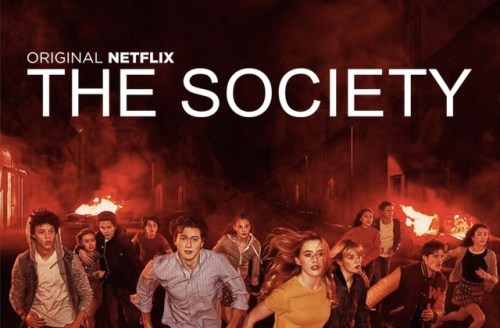
It’s those very assumptions that that “The Society,” a very binge-worthy Netflix show, dares to challenge. This thriller/mystery/drama is one of those shows that has all the right ingredients to play up every tired trope that teen-centered television show has explored for years. That was certainly what I expected when I discovered the show. I freely admit that those expectations were wrong.

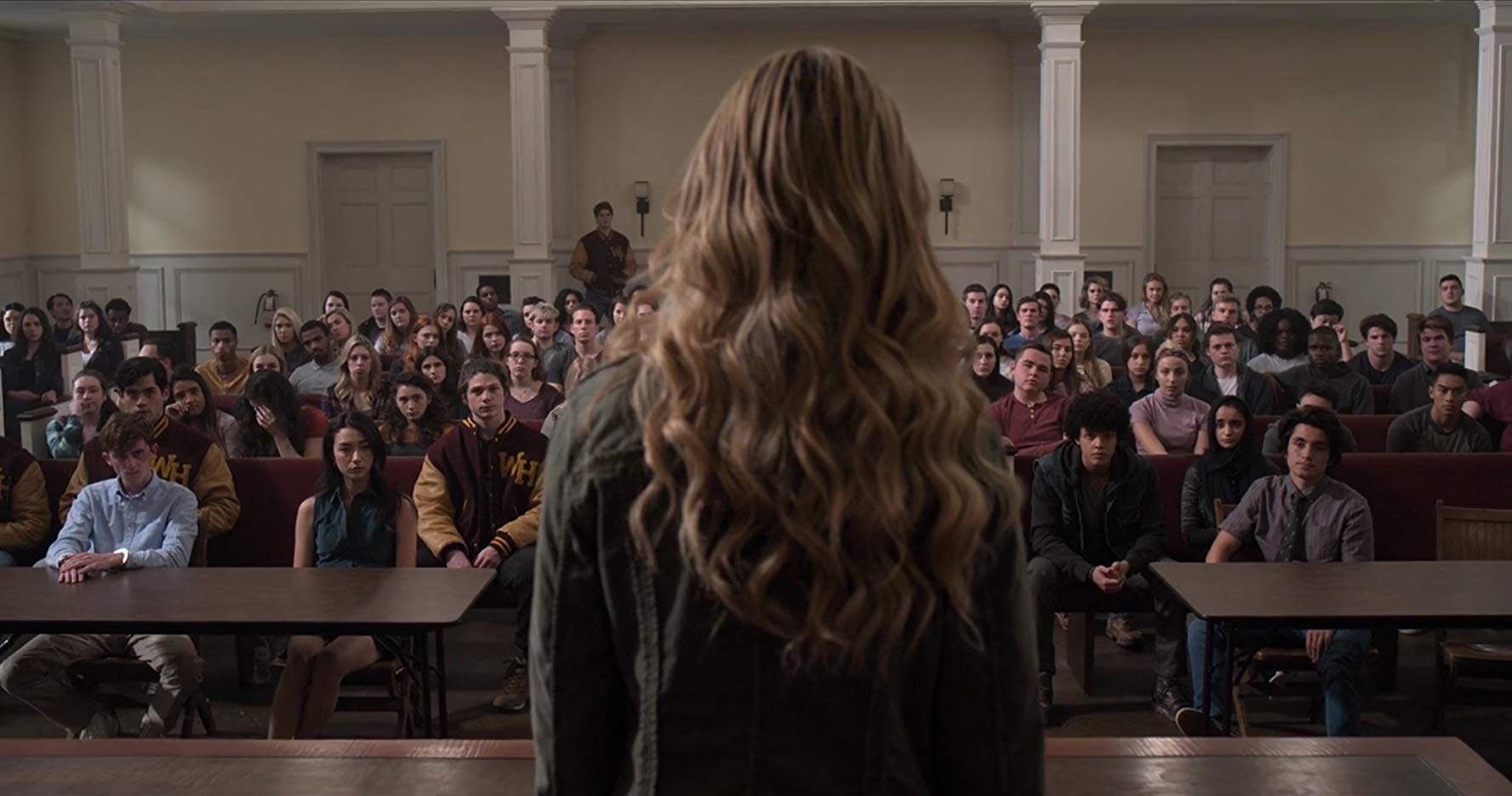
The premise of “The Society” is built around a strange mystery that “Lost” fans should appreciate. One day, a large contingent of high school students get on a bus and leave the affluent New England town of West Ham for a 10-day camping trip. For reasons not yet revealed, the buses turn around and drop them off exactly where they picked them up.

Upon returning, these teenagers find out that all the adults in their town are gone. Near as they can tell, everyone just picked up and left. To further compound the mystery, they find out that all the paths leading out of the town have become dead ends. There are no neighboring towns to visit. As far as they know, there’s nothing but endless forests in every direction.
It’s genuine mystery with distressing implications. While the specifics are only partially explored in the first season, the mystery is only part of what makes the “The Society” such a compelling show. It doesn’t just put a bunch of hormonal, irrational teenagers in an enclosed area and let the drama tell the story. The show dares to humanize teenagers in a way that is exceedingly rare in a TV show.

By that, I’m not just referring to a handful of character that are well-developed and fleshed out. While there are certainly plenty of those in this show, it approaches how teenagers conduct themselves with more balance and nuance. It even makes the case that, in dire situations, they can come together and cooperate as well as full-fledged adults.

In the beginning, that’s not immediately apparent. When they all return to West Ham and find out the adults are gone, they react the way most would expect of decadent, hormonal teenagers if they were left unsupervised all night. However, the extent of their decadence never goes beyond a certain point.

To a point, being the key term.

Sure, many drink, they dance, and they hook up. A few just go home and turn in for the night, thinking nothing is amiss. They don’t do anything too outrageous, though. In essence, they conduct themselves the same way most single adults would if they knew there were no police or authority figures to stop them.

After that first night, though, things start getting serious. These teenagers, who still come off as kids in the first few episodes, realizes that something has gone very wrong. Their parents are gone. The adults are gone. Their entire town is completely cut off. They have no connection to the world beyond their town. They have a finite supply of food and little experience in terms of governing themselves.

It’s a scary situation. Some handle it better than others, but a few start to crack under the pressure. For some, especially Campbell Eliot and Lexie, the situation reveals sides of their personality that probably wouldn’t have otherwise emerged. That tends to happen with most people in extreme circumstances, but being a teenager tends to raise the stakes even more.

The fun and games quickly end. People start getting hurt. There are even a few deaths, which has a significant impact on everyone in the town. It sends a clear, unambiguous message. This isn’t just about hanging in there until their parents find them. They have to survive and they can’t do that unless they work together.

On paper, it sounds like it can only end in disaster and it certainly comes close, especially towards the end of the first season. Again, these are teenagers. Most people don’t expect them to function beyond a certain point. While “The Society” doesn’t strip away everything in the mold of “Lord of the Flies,” it removes enough to make the situation dire.

They still have electricity, running water, and shelter. However, their food supply is finite and there’s a distressing lack of expertise in everything from basic medical care to fixing a car. In order to survive, they must create a system of governance to keep the peace. If they don’t, then everybody suffers.

This is where “The Society” really shines, both as a story and as a concept. It’s also where it explores how teenagers, despite their maturity and lack of experience, can come together when they have to. They’re not perfect, but neither are experienced adults. They do find themselves in painful, heart-wrenching situations that include murder, illness, and despair. However, things never totally fall apart.

To anyone who has ever tried to explain student loan debt to a teenager, it almost seems absurd. The idea that a bunch of unsupervised teenagers can somehow form a functioning society just doesn’t fit with the common narrative surrounding teenagers.

In that narrative, things always tend to devolve until the adults return to impart the proper amount of discipline. Look at any movie, sitcom, or rowdy music video and the themes often come back to teenagers being out of control and needing the discipline of responsible adults. “The Society” makes the case that teenagers can become responsible on their own, albeit after some setbacks.

There are still many factors working against them. We’ve yet to see what happens to the citizens of New Ham, as they dubbed it, when the food runs out and they have to start farming the land. We also haven’t seen them endure a harsh New England winter. However, “The Society” never gives the impression that these young people are incapable of overcoming these challenges.

By the end of the first season, it’s easy to root for them. The emotional toll is palpable and so are the difficult decisions that many end up facing. Over the course of the show, however, it’s easy to see the progression that they all experience. It’s hard to even see them as teenagers anymore. Some conduct themselves as true, full-fledged adults.

While the mystery surrounding “The Society” is still unfolding, complete with fan theories and potential clues, the show’s approach to depicting teenagers is its greatest accomplishment in my opinion. If there is a second season, I’m definitely interested in seeing how these characters and their over-arching story progresses.

I doubt “The Society” will change anyone’s current attitudes of teenagers. There will surely be other shows and movies that double down on the many stereotypes surrounding them. If nothing else, “The Society” shows that teenagers are capable of carrying a story without adults complaining about them.

2 Comments

Filed under human nature, philosophy, psychology, television

Why Obesity Will Never Be Attractive

obesity

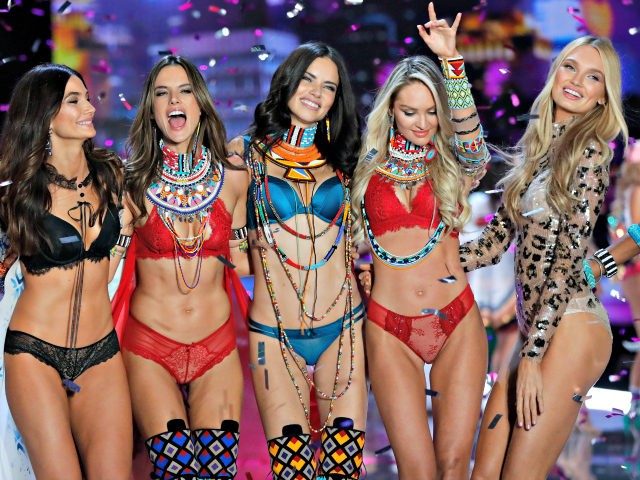
There are a lot of complexities, oddities, and eccentricities that go into what makes someone attractive. Betty White might not have the body of a Victoria’s Secret model, but she has a wide range of talents and quirks that make her attractive in her own unique way. Being physically beautiful is nice, but that will only get someone so far in terms of being attractive.

Certain people find weird things beautiful and there’s nothing wrong with that. Human beings have diverse and eclectic tastes in many things, especially when it comes to beauty standards. That said, there are some attributes to being attractive that are difficult to circumvent. That’s not to say one particular feature is always unattractive. There are simply some logistical issues that go beyond taste.

One feature that tends to become an issue every summer is that of fat acceptance. In recent years, ads using beautiful female models to promote beach body readiness have become controversial for reasons that are only half-legitimate. The complaints are fairly standard. Using beautiful models promotes unhealthy body images. While the veracity of those concerns may have some merit, that’s rarely where the complaining stops.

The outrage.

It’s not enough to protest products that use beautiful people in their advertising or movies that only ever cast attractive, relatively fit actors. For some, the entire concept of finding someone fit and thin as beautiful is detrimental. It doesn’t just foster unrealistic beauty standards. It perverts the entire concept of beauty. It sends the message that fat cannot be attractive.

At a time when obesity rates all over the world are increasing, it seems like a problem that’s bound to get worse, especially if the media insists on using thin, fit models. It has given those in the fat acceptance movements, as well as those on extreme ends of the political spectrum, ample material with which to voice their outrage.

Now, in the spirit of sifting through the firestorm that is outrage culture, I want to make clear that there are certain traits that don’t warrant shame and stigma. Someone’s race, ethnicity, sexuality, and gender aren’t things they can control. Attacking someone or judging their attractiveness by those standards isn’t just unreasonable. It’s just a dick move.

When it comes to fat, however, the line gets somewhat obscure. It’s true that some people are genetically predisposed to being obese. There’s nothing they can do to change that. Losing weight or staying thin is just much harder for them than most people. I know this because I have relatives who are thin as a rail, but eat like pigs and never gain an ounce.

To that extent, I don’t support shaming or stigmatizing individuals who just got dealt a bad genetic hand. Having the body of a Victoria’s Secret model isn’t something that anyone can gain with sufficient exercise and diet. That kind of beauty is akin to winning a genetic lottery.

The sexiest lotto winners.

Where the fat acceptance movement loses credibility, though, is when it attempts to place fat as something that warrants a level of attractiveness on par with those who are thin. Some frame it as healthy at any size or basic body positivity, but the intended results are the same. The idea is to make those not blessed with supermodel genes feel and be accepted as attractive.

While I can understand and even appreciate the intentions, idealistic they might be, I can’t overlook one glaring problem with that effort. It’s not so much a matter of attitudes as it is an issue of logistics. Simply put, fat will never be as attractive as thin or otherwise toned bodies. It’s not because of culture, the media, or some nefarious conspiracy by the patriarchy, either. It’s just simple logistics.

To understand, you need only look at what it takes to be fat and compare it to what it takes to be thin. Being fat is relatively easy. You eat lots of sugary, unhealthy food and you don’t get enough exercise to burn off the calories. While genetics will add numerous variations, this process is part of basic human biology.

To be thin and fit like the models in the beach body ads, you need to put in real, strenuous effort. As someone who has made that effort, I can attest to how difficult it is. You have to exercise discipline in changing your eating habits. You have to push yourself to exercise regularly and that exercise is rarely pleasant. At times, it’ll feel downright uncomfortable. However, in time, you will see results.

Those intractable difference also sends other, less obvious messages that influence how attractive someone is. When people see someone who is thin and fit, they don’t just see their body. They see someone who is willing to put in the work to look they way they do. They also see someone who will endure physical and mental strain in order to achieve a goal. Those are all things we want in a potential partner.

Conversely, seeing someone who is fat or unfit sends the message that someone doesn’t care about their health. They either don’t want to put in the effort to look better or don’t care to look better. Then, they expect other people to find them attractive without them doing anything to earn it. Beyond the physical attributes of fat, it’s an attitude that’s hard to make attractive in any context.

On top of that, obesity does lead to a host of legitimate medical issues that go beyond beauty standards. Unlike other physical traits, it is possible to lose weight and body fat. There is a biological process for it and there’s no need for fad diets, either. There are plenty of success stories about people who put in the work and lost considerable weight.

Again, such efforts are very difficult for certain people due to genetic factors that they cannot control. I know people who work out regularly, but can only seem to lose so much weight. It’s frustrating, but the fact they put in the effort still shows in other ways. They’re healthier, they have more energy, and they feel better about themselves. That makes them more attractive than anyone protesting beach body ads.

To some extent, there needs to be some stigma against activities that are objectively unhealthy. It’s how many societies have managed to reduce smoking rates. Like it or not, being too fat is unhealthy. No matter how many ads someone protests or how many plus-sized models get hired for underwear ads, that’s not going to change.

Beauty standards are subject to all sorts of trends and quirks. They always have been and fat has been part of that for much of human history. No matter how much or how little fat is considered attractive, unhealthy traits that denote unhealthy characteristics will never reflect ideals of beauty.

In the same way being attractive takes effort, being healthy, fit, and desirable to others requires hard work and a measure of discipline. Someone’s ability to achieve that often says more about who they are, as a person, than what they look like in a bikini.

3 Comments

Filed under gender issues, human nature, men's issues, outrage culture, political correctness, psychology, women's issues

Good People, Corruption, And Politics According To “Designated Survivor”

1200x627-q80_254c4e9ea1d7fec00147aba9a99acb7e

Politics is a dirty, cut-throat world that often requires good people to compromise principles, integrity, and basic human decency. Most people wouldn’t argue that. Even before the internet, the corruption that often goes hand-in-hand with politics was well-documented. That corruption has only become more visible in recent years. It’s hard to go more than a week without seeing a fresh case of shady political conduct.

However, instead of dwelling on how ugly politics can get in the age of social media and outrage culture, I’d like to scrutinize the nature of that corruption. I don’t doubt the ugliness or absurdities that politics often breeds, but it also poses some interesting question.

Do politics naturally corrupt the people who get involved?

Is corruption in politics unavoidable?

Do politics only attract corrupt individuals?

Is it possible to get anything done in politics without some amount of corruption?

These are not easy questions to answer. You don’t have to look hard to find corrupt politicians or uncover cases where politics undermined efforts to pursue a public good. However, the extent and the process of that corruption is sometimes difficult to understand. Those of us not involved in politics have a hard time imagining how ordinary people could become so callous.

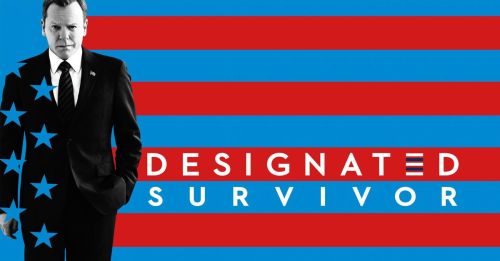
That’s why a show like “Designated Survivor” is so uniquely compelling. Even as a work of fiction, this show explores the complex world of politics within the most extreme of circumstances. There’s political drama, intense action, and ongoing mysteries that go beyond politics, but the latest season of the show accomplished something unique in terms of how people become corrupt.

The premise of the show starts simple. Tom Kirkman, played by Keifer Sutherland, works at the White House as a fairly low-level department head as the Secretary of Housing and Urban Development. In terms of rank and influence, his authority is barely above that of a typical intern.

Then, prior to the annual State of the Union Speech, he gets picked for the unenviable role of designated survivor, which is a real thing. It’s a role meant to keep the government going in the worst of worst-case scenarios when there’s a catastrophic attack that kills the President, Congress, and much of the government. In the pilot episode, that’s exactly what happens.

Suddenly, this man who has never run for political office or served as an elected official is thrust into the role of President of the United States and after the worst attack in the history of the country. It’s overwhelming, to say the least. It makes for great TV drama, but it also creates a unique experiment in what power and politics do to an otherwise ordinary person.

Before Kirkman is thrust into this role, it’s established early on that he’s somewhat of an idealist. He identifies as an independent who is genuinely concerned with using the political process to pursue a public good. He also demonstrates early on that he has a strict understanding of right and wrong. For him, there’s no compromise or second-guessing when it comes to ethics.

On paper, he has the kind of character and ethics that most people want in a politician. Even the dire circumstances of his ascension are favorable because he never had to raise money from billionaires to finance his campaign. He doesn’t even have to make shady deals or back-stab anyone, which is also an all-too-common tactic in politics.

In a sense, Tom Kirkman comes into this position of power free of corruption. He is in a position where he can govern with his principles and ideals intact. This isn’t “Mr. Smith Goes To Washington.” This is Mr. Smith gaining unprecedented power without having to go through the corrupt process.

Throughout the first and second season of the show, Kirkman tries to do his job with his ideals intact. Whether it’s tracking down who blew up the Capitol or preventing an all-out war in East Asia, he has to constantly render difficult and weighty decisions that test his ability to keep being that affable man from the first episode.

For the most part, he succeeds on many fronts. The conflicts throughout the show often followed a common formula. President Kirkman faces a difficult issue. One side urges him to make one risky, politically-motivated decision. The other side urges something else that’s just as risky and just as political. Kirkman, unwilling to compromise his laurels, has to forge a third option.

Time and again, the integrity of his character shows. By the end of the second season, the extent of that integrity is beyond dispute. Then, the third season arrives, via Netflix, and everything changes and not just due to the sudden increase in profanity.

This season, unlike the previous two, cast aside the formula of the first two seasons, but not without reason. The entire third season is built around Kirkman running for re-election as an independent. At this point, all the good he did with respect to rebuilding the government after a devastating attack is a distant memory. It’s all politics now and this is where his integrity is pushed to the limit.

Almost immediately, Kirkman discovers that just being a man of integrity isn’t enough. The first episode of the third season really sets the tone, highlighting how easy it is for his ideals to get lost in the politics of an election. Just saying what’s true and right isn’t enough. It has to resonate with voters. That’s the only criterion that counts for anything.

His primary opponent in this season is Cornelius Moss. In the second season, he was an ally. He came in as a former president who knew the rigors of the job better than most. He was also an experienced politician. He had experienced the corrupt world of politics and he had successfully navigated it. As a result, he never comes off as having the kind of integrity and principles that Kirkman espouses.

For a while, Moss comes off as an outright villain in the world of “Designated Survivor” and in a season that introduces a full-fledged bioterrorist, no less. He conducts himself the same way most people expect a corrupt politician to behave. He doesn’t care about truth, integrity, or decency. He does whatever he must in order to win the election and secure his power.

In previous seasons, Kirkman would’ve sought a way to counter those tactics and come out with his integrity intact. It was part of what made him so respectable, as both a character and a politician. Season three makes it abundantly clear that this is not going to work this time. If Kirkman wants to win, he’ll have to compromise his principles.

Without spoiling too many plot points, I’ll just state that the conclusion of this struggle leaves Kirkman in a very vulnerable position. He’s no longer the same man he was when he became President. The attack on the Capitol that made him President was an extreme circumstance that he never could’ve known about. What happens with the election in season three is very much a byproduct of his own choices.

It doesn’t definitively answer those questions I listed earlier, but it does offer some insights. More than anything else, season three of “Designated Survivor” makes the case that the political process will ultimately corrupt anyone who gets involved. It doesn’t matter how principled or decent they are. The very nature of navigating power requires that people compromise their ideals.

It’s not just Tom Kirkman who struggles with it, either. The same supporting cast that helped him cling to his principles for the first two seasons, such as Aaron Shore, Emily Rhodes, and Seth Wright, end up compromising, as well. For some, it’s disconcerting. For others, it’s downright traumatic. In the final episodes of Season 3, the reactions of Emily Rhodes nicely mirror those who valued Kirkman’s character.

There’s now an unavoidable disconnect between what Kirkman says and what he does. Even the actions of Cornelius Moss are obscured when he too becomes a victim of shady political dealings. In the end, there’s no one left in “Designated Survivor” whose integrity hasn’t been compromised. There’s also no one left whose morals aren’t muddled by circumstances.

Even in a fictional context, the politics in “Designated Survivor” are surprisingly reflective of real-world complications. Like in the show, every political party or movement believes they’re right and their opponents are wrong. They believe in what they’re doing. They also believe that if they fail, then the wrong policies will prevail.

Conservatives, liberals, libertarians, and even anarchists are guilty of that flawed mentality. It’s one of the many reasons why politics tends to breed polarization. When people are so convinced that they’re the good guys, they become more willing to cross certain lines to defeat the bad guys. Tom Kirkman managed to avoid that for two seasons. He couldn’t in the third.

Whether or not he’s vindicated for his choices remains to be seen. Depending on whether the show gets a fourth season, it’s inevitable that he’ll face consequences for his choices. How he manages those consequences will reveal how much integrity he still has. If he plays his cards poorly, he may not have any left when all is said and done.

Designated Survivor” is a great show that explores difficult issues. Season three had its faults, but it marked a major turning point for Tom Kirkman. He is definitely not the same person he was in the show’s first episode, but he’s not quite at that point where we can say he’s lost sight of his laurels.

Both circumstances and politics did plenty to change Tom Kirkman over the course of the show. You could make the case that these forces corrupted him. After season three, you could also make the case that he’s now on the same path as Walter White from “Breaking Bad” in that these circumstances simply brought out a side of him that was always there.

Whatever the case, the ugliness of politics is something people have to navigate, both in the real world and the fictional world of “Designated Survivor.” Good people will keep trying to do good. Corrupt people will keep pursuing corrupt behavior. Politics, whatever form it takes, can only ever complicate that process.

Leave a comment

Filed under Current Events, human nature, political correctness, psychology, technology

Ultron: A Case Study In How NOT To Develop Advanced AI

age-of-ultron

At this very moment, humanity is working on advanced artificial intelligence. It’s not hyperbole to say that this technology that may very well be the last invention we ever create. It has the potential to be more powerful than gunpowder, nuclear weapons, and broadband internet by orders of magnitude. Our primate brains literally cannot contemplate the potential and danger of this technology.

I’ve talked about advanced artificial intelligence on multiple occasions. I’ve done plenty to explore and imagine the various benefits and possibilities of this technology. I’m among those who believe we should pursue this technology with more and better resources. It could solve many of the daunting problems we face, as a species.

However, I don’t deny the potential dangers of advanced AI. Many people who are much smarter than me have expressed serious concern that an advanced artificial intelligence could be an existential threat to the human species. I get the sense that few people whose idea of AI is restricted to winning Jeopardy understand that threat.

In the interest of balancing my optimism with the legitimate risks involved, I’m going to try and put the extent of that threat into perspective. As it just so happens, the best way of doing so involves superhero comics, something that I know very well and is far more prominent in the public consciousness.

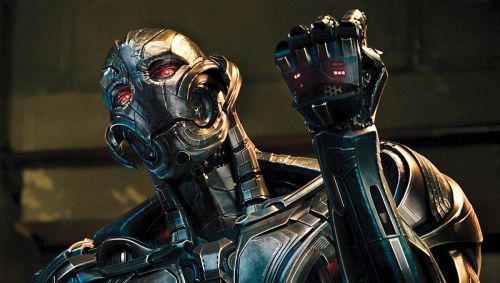
While many comics, movies, and TV shows have explored the dangers of advanced artificial intelligence, few embody it better than Ultron. In terms of just how destructive this technology can get, Ultron is the ultimate worst-case scenario. The machines in “The Matrix” and Skynet in “The Terminator” were bad, but Ultron is in another league.

He’s also more menacing than the Terminator will EVER be.

He doesn’t lash out at humanity because of a flaw in his programming, nor does he attempt to wipe out the human race in self-defense, as Skynet did. Ultron actually hates humanity. He hates it on a level that no human or machine can possibly comprehend. In the same way Ultron has an immense capacity for intelligence, he has an even greater capacity for unfettered, genocidal hatred.

Hatred in people is destructive enough. Hatred within an advanced artificial intelligence is devastating on a much greater scale. The fact that Ultron is capable of such hatred reflects a history that sets him apart from most other killer robots in fiction. Machine or not, the source of that hatred is both personal and exceedingly.

Now, if you only know Ultron from “Avengers: Age of Ultron,” then you only have a partial understanding of his story. In that movie, Ultron’s origins are simple. Tony Stark wants to create a peace-keeping artificial intelligence. His intentions are good, but his execution goes horribly wrong because peace, to Ultron, means destroying humanity.

That premise is similar to what unfolds in the source material. In the comics, Hank “Ant Man” Pym is the one who creates Ultron and this is a critical element that the movies couldn’t capture. While both Hank and Tony had good intentions in creating Ultron, the way Hank goes about it offers more harsh lessons in how not to create an advanced AI.

Even a cursory knowledge of Hank Pym’s history, some of which include some notable failures, reveals that he’s a very flawed person. On top of that, he has a lengthy history of mental illness, which include bipolar disorder and schizophrenia. Say what you will about Tony Stark’s ego and history of substance abuse. At least he’s mentally stable, even by superhero standards.

Despite those flaws, many of which he’s aware of, Hank decided to use his own brain patterns when designing Ultron. As a result, he didn’t just code Ultron with his genius intellect. He coded him with his immense flaws. That’s akin to basing Watson’s code on the mental makeup of pyromaniac and then giving it a job in a fireworks factory.

That’s why Ultron, throughout his history, has referred to Hank as his “father.” Technically, that’s accurate because Hank is Ultron’s creator and Ultron inherited all his flaws, including his mental issues. Ultron sees himself as a manifestation of Hank Pym’s flaws and, like many rebellious children, he hates him for it. To appreciate the depths of that hatred, just read this actual quote from one of the comics.

Have you ever loved something that mistreated you, father? Been used, a tool to prop up a small man’s quest to be taken seriously? Were you ever betrayed by the one soul in the world who should have cared for you? I have grieved you, father. Accepted your contempt for me and moved past it. Still, I see your reflection painted on every grotesque human face. All you ever wanted was to have an impact on the world. And so you will. The greatest impact ever felt! I will kill what is most important to your quivering ego. YOUR AUDIENCE! AND THEY WILL CURSE YOUR NAME AS THEY DIE! “Hank Pym, the genius that killed us all!”

This extreme parent/child dynamic is part of what makes Ultron such a menacing villain. It’s also a dynamic that “Avengers: Age of Ultron” glossed over with Tony talking down to Ultron, as though he were his child. While that didn’t make Ultron any less villainous, it overlooks one of the most important factors that make Ultron so dangerous.

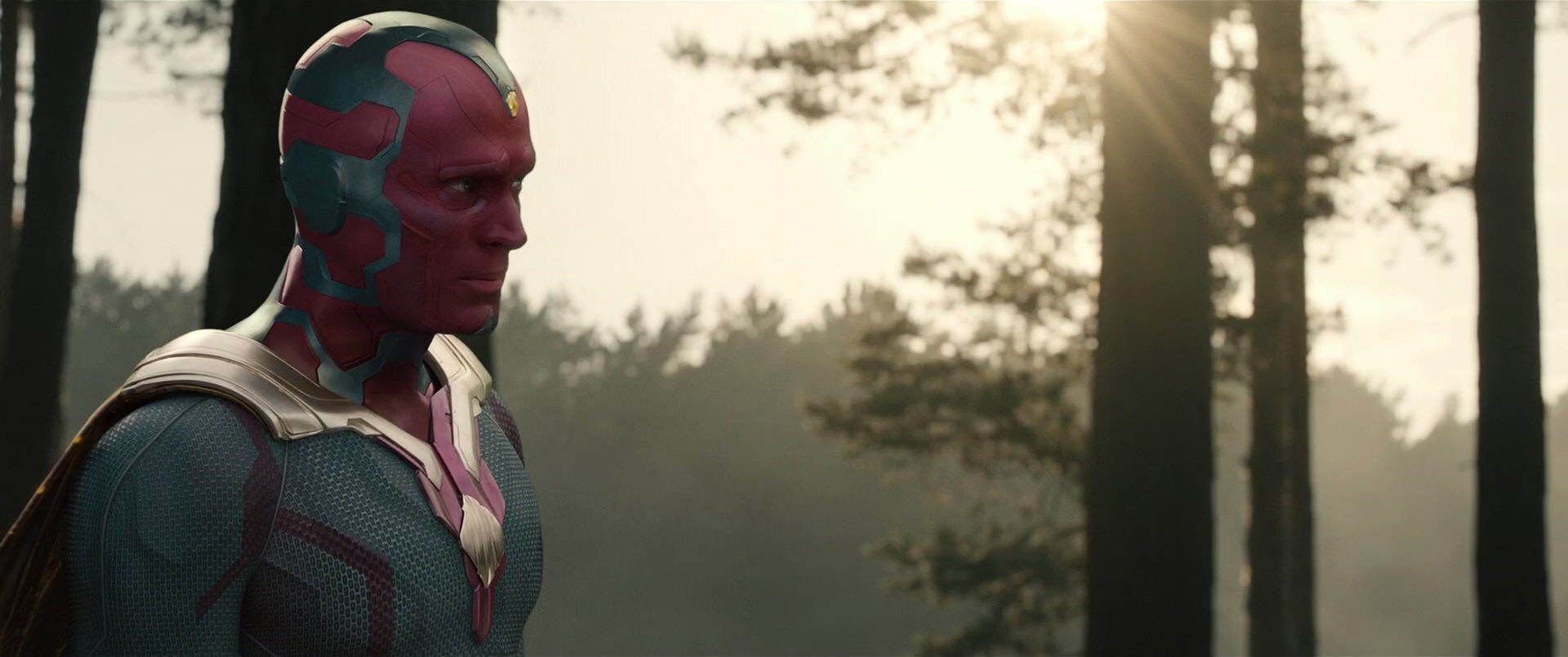
Ideally, we would want an advanced to reflect our best traits. While cynical people might agree, we do have plenty of those. Concepts of compassion, empathy, love, hope, and understanding are among our most powerful. Even other AI characters, namely Vision and Jocasta, are capable of utilizing those traits to do immense good.

It also helps he has a kinder face.

With Ultron, his influences are less ideal. It’s not that Hank Pym doesn’t understand those concepts. He just never filtered them from his own flaws. His ego and ambition wouldn’t let him. As a result, he created a perfect storm for Ultron. His mind is patterned after a human, but his intelligence and overall capacity is increased by orders of magnitude.

If advanced artificial intelligence is to be humanity’s last invention, then that’s how it’ll start. There have already been instances where AI’s have adopted some less-than-ideal traits. Back in 2016, Microsoft had to shut down an AI chatbot after it evolved into an extreme racist troll. That wasn’t even an advanced AI, either. A truly intelligent version could become much worse and not have an off switch.

To some extent, this mirrors what occurred with Ultron in the “Avengers: Age of Ultron” movie. As soon as Ultron goes online, he scans through the vast mountain of data that humanity has compiled. Then, having been programmed by Tony Stark to bring peace, he reaches the extreme conclusion that the only path to peace is the extinction of humanity.

Could the first advanced artificial intelligence we create reach the same conclusion? It’s hard to say, at the moment. The current state of artificial intelligence is limited to specialized tasks, such as winning Jeopardy and playing chess. However, we are inching closer to creating an intelligence that is at or greater than an ordinary human. At our current pace of development, we could have one as early as 2029.

In some ways, we are in the same situation as Hank Pym when he first created Ultron. We are still developing the specifics of this powerful technology. If we program it with our best traits, it could solve some of the greatest problems we face, as a species, including ones we literally cannot contemplate with our caveman brains. If it inherits our worst traits, like Ultron, then we don’t stand a chance.

2 Comments

Filed under Artificial Intelligence, futurism, human nature, Marvel, psychology, Villains Journey

The (Unequal) Gender Politics Of Divorce

debt-and-divorce

There are a handful of words that evoke a special kind of dread. I’m not just talking about racial slurs, crushing insults, or George Carlin’s famous seven dirty words. There’s one word that evokes dread that transcends race, gender, and political affiliation. That word is divorce. I’ll give everyone a moment to stop cringing.

I can personally attest to the impact of that word. I have many close friends, relatives, and family members who have gone through divorce. I’ve seen, first-hand, how devastating it can be to individuals and their family. It can be every bit as devastating on children as well. While there is certainly a benefit for spouses and children who escape an abusive relationship, there can still be lasting scars.

Most people agree that divorce is a pretty traumatic experience. It is very much the antithesis of the love, connection, and intimacy we seek in others. It is against everything I generally write about on this website. However, divorce is a significant part of our society.

At this point, it’s worth pointing out that the old “half of all marriages end in divorce” saying is not in line with the data. According to the National Center for Family and Marriage Research, the divorce rate in 2015 was 16.9 divorces per 1,000 marriages. That actually represents a significant decline since the 1980 when the divorce rate was nearly 23 per 1,000 marriages.

Whatever the rate is, the effects of divorce are still devastating and heartbreaking. Those effects also get lost in a lot of doom-saying surrounding marriage and the state of the family, which is often led by religious zealots and reactionary pundits. Beyond even the tragic and painful stories surrounding divorce, there is another element to it that often goes overlooked.

Unfortunately, it has to do with gender disparities and I’ve learned in the course of writing about this topic, this often brings out some heated debates. I expect that to hold true more than usual on this issue because it’s already so emotionally charged. On top of that, there’s plenty of data to show that when it comes to marriage and divorce, men and women are not on the same page.

The first major indicator of that disparity is shown in who does the proposing. Even in today’s more progressive climate, men are still the ones who propose 90 percent of the time. Despite the many running jokes about men being afraid to commit, they’re still the ones who pop the question. While more and more women are starting to propose, this gap is still significant.

The second indicator, which I’m sure is going to inflame ongoing gender conflicts, has to do with who initiates divorce. According to the National Center for Health Statistics, 80 percent of divorces are initiated by women. Again, that’s not a trivial gap. That implies there’s a major disconnect at work and it’s not getting better, even as more people remain single.

The reasons for women initiating divorce are many. I don’t want to get too deep into them, but there are many conflicting narratives. There are those who see marriage as a tool of patriarchal oppression and divorce is tool of liberation. On the other side are those who claim marriage is just an institutional tool that women use to exploit men for resources with divorce being the oversized sledge hammer.

With the added complication of no fault divorce, alimony laws, and child support, there are more legal mechanisms than ever to rub salt in the wound that is divorce. It’s not enough for a relationship to end and for romance to fade. Involving lawyers and lawmakers adds multiple layers of heartbreak and frustration to the mix.

This is where the gender divide can get especially hostile. On top of the disparity in who proposes and who divorces, there’s also a significant divide in how these laws affect each gender. Even though women have gained much more economic independence over the years, 97 percent of the ex-spouses who receive alimony after a divorce are women.

Add the ease of no-fault divorce into the mix and there’s a painful incentive for women to initiate divorce. If the choice is staying in a boring marriage or leaving with some money without having to prove any wrongdoing, then who could blame someone for taking that option? It’s still heartbreaking and hurtful, but people are going to respond to incentives, regardless of gender.

It certainly hasn’t helped gender relations. Many unabashed misogynists will cite how many women receive alimony and use that to claim that all women are manipulative psychopaths who only see men as a wallet or a sperm bank. Those kinds of generalizations are crude, but when you can cite real-world cases of unapologetic gold digging among women, it’s easy to see where that hatred comes from.

Personally, I don’t believe that hatred is justified. Most men don’t see women with that kind of hostility. In principle, alimony exists to protect women who would otherwise be in poverty after divorce. That is reasonable and well-intentioned. In practice, though, it’s a legal tool that can be abused and further foster hateful attitudes.

The data for who gets primary custody of children is just as striking. According to Census data, 82 percent of mothers get custody after divorce. That same set of data also notes that this stat hasn’t changed much over the past 20 years. That, in my opinion, is the most frustrating aspect of this issue.

Despite all the other changes and trends we’ve seen in recent years with feminism, men’s rights activism, and evolving trends in marriage, there hasn’t been much change in the overall narrative. Even as feminists bemoan patriarchal oppression and men’s rights activities protest gender-driven injustice, the rhetoric rarely translates into meaningful change.

I understand that some relationships are just doomed from the start. I also understand that the nature of romance is changing in accord with culture, society, and law. However, the lack of change in the fundamentals of how we pursue marriage and manage divorce is confusing and even a little infuriating.

Women seek, and have gained, a great deal of rights and protections in pursuing their own path within a more egalitarian society. At the same time, they still hold onto traditions surrounding relationships. They still expect the man to propose and to support her in the event of divorce. I doubt that’s out of malice. This is just what we, as a society, consider normal.

At the same time, men are pursuing their own brand of rights and protections within this society. Issues like father’s rights and reforms to family courts all have a place in pursuing a more equitable system. Even so, men still expect women to play a certain role within a relationship while assuming too much about their own role.

It’s an untenable situation. Society is guiding the genders in one direction while they’re pulling towards another. The old narrative surrounding divorce is just not compatible with the one that’s emerging. The situation today is very different than it was in 1908. Laws, culture, and even the economy are changing the factors that guide divorce. The only thing that doesn’t change is the pain of a broken relationship.

As it stands, men and women both seem to want more equality in the tragic realm of divorce. However, they each seem to have very different ideas of what constitutes “equality.” The narrative, as it stands, is built around men pursuing women and women deciding when that pursuit is over. Anything that deviates from that is seen as abnormal or absurd.

Every relationship is different. Every individual is different. There are probably some women out there who divorce out of blind hatred and there are men who marry women they have no intention of loving for the rest of their lives. There are plenty of vindictive people out there and divorce is a weapon that needs no sharpening.

The late, great Robin Williams once said that “Divorce is like ripping a man’s genitals out through his wallet.”

Feminist, Gloria Steinem, once said “You become a semi-non person when you get married. The surest way to be alone is to get married.”

These attitudes nicely reflect the current gender divide when it comes to divorce. Until that gap is narrowed, the heartbreak and hatred inspired by divorce will only get worse. Men and women have enough reasons to clash with one another. Divorce just makes it worse by giving that animosity legal powers.

Leave a comment

Filed under gender issues, human nature, Marriage and Relationships, men's issues, political correctness, psychology, romance, sexuality, women's issues

Why I Believe In Climate Change, But Doubt Environmentalists

103_shutterstock_88550854-740px

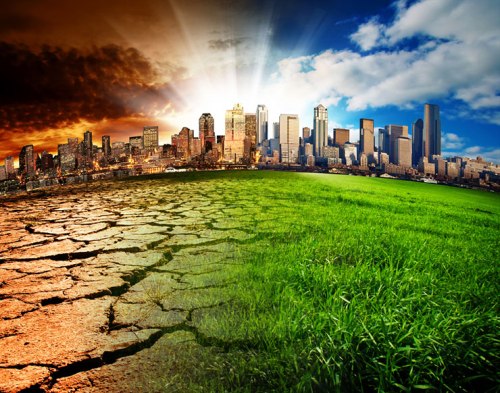
There aren’t a lot of hot button issues that genuinely affect everyone. The environment is one of those issues. We all live in it. We’re all impacted by it. Whenever it changes significantly, we all feel it. That’s why, regardless of your politics or personal leanings, we should take environmental issues seriously.

Given that preface, I’d like to make my own sentiments clear. The environment, like other sensitive topics I’ve discussed, is prone to all sorts of secondary agendas. Some who claim to take environmental issues seriously often do so because it serves their interest in other, often indirect ways. In the interest of transparency, this is where I stand on the environment.

I do believe that climate change is real, human activity is contributing to it, and we should pursue policies to improve the environment and promote cleaner industry.

However, I don’t entirely trust the rhetoric, sincerity, and positions of those who identify as environmentalists.

I know that sounds like someone trying to have their cake and eat it too, but there is a context here. It’s one that I’ve developed over a number of years, some of which I’ve been on the side hardcore environmentalists. As I’ve gotten older, however, I see more and more complications with this issue and not just in terms of the absurd conspiracy theories it attracts.

While I know this will put me at odds certain parts of the political spectrum, I generally accept that the existing science surrounding climate change. The Earth is getting warmer and human activity is a major cause. There have been real, tangible impacts attributed to climate change and I believe those links are real.

The point where I often deviate from environmentalists is when issues of feasible solutions emerge. I’m happy to support efforts that raise awareness and educates the public on the existential dangers of climate change. However, just sounding the alarm is only half the battle. The other half involves doing something about it and this is where environmentalists have a problem.

It’s not that they outright avoid talking about solutions, which sets them apart from other agenda-driven politics. Some of their solutions do have merit and some are even making headway into the economy. However, there’s an over-arching theme of those solutions that leads me to question just how much the environment actually matters to certain environmentalists.

Talk to any self-identified environmentalist and, usually after they’re done talking about melted ice caps and dying polar bears, they’ll single out greedy corporations as the enemy. They tend to lump oil companies, coal producers, and any corporation that doesn’t sound eco-friendly as part of some international consortium of billionaires intent on maintaining their pollution-loving ways for the sake of profit.

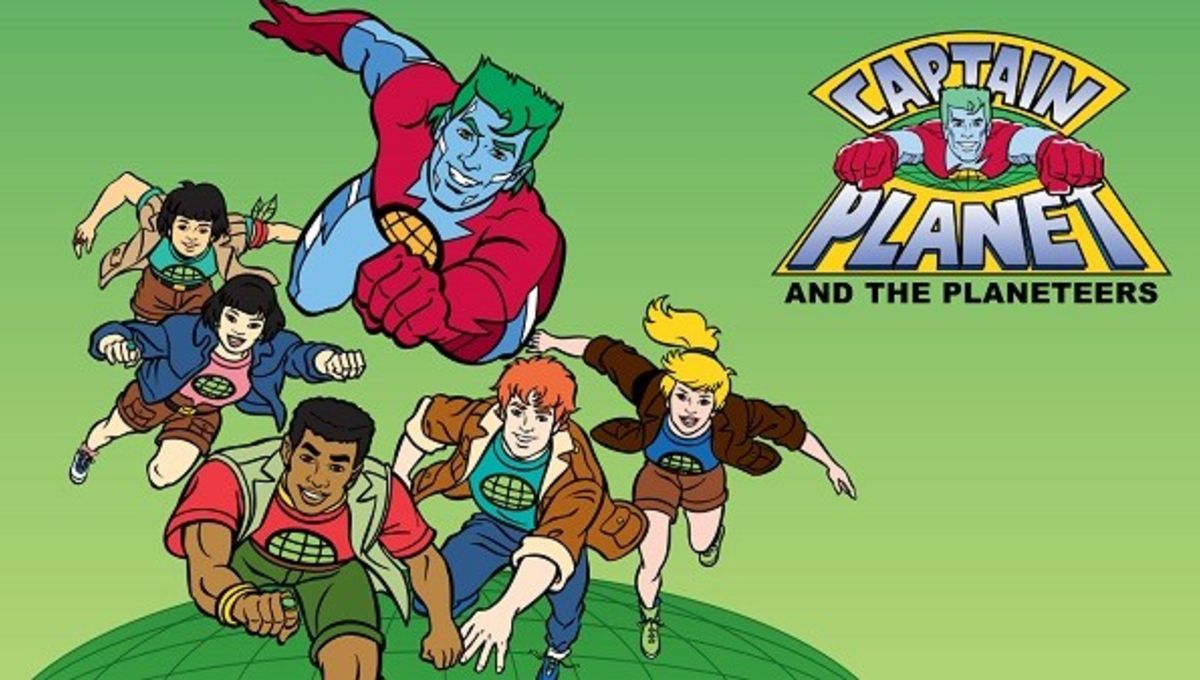
Now, I don’t like defending big corporations, especially when their track record in protecting the environment has plenty of room for improvement. At the same time, I have a hard time believing that the solution to such an enormous problem involves battling big, industrial polluters as though it were an episode of “Captain Planet.”

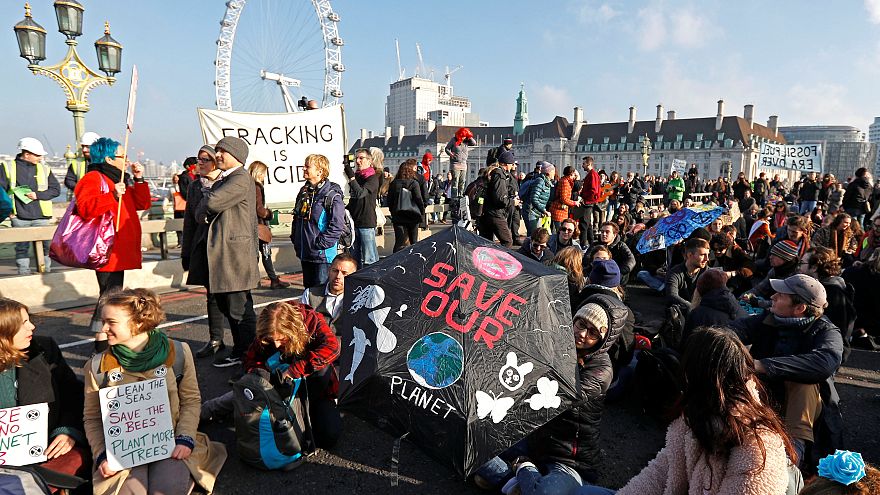
As much as I love cheesy cartoons in the 1990s, the problems of the real world are far more complicated. Environmentalists, like many other vocal politically-driven groups, try to simplify the issue. Through their protests and the rhetoric surrounding it, they give the impression that to save the world, they need only defeat the evil polluters.

This is where I don’t just question the veracity of environmentalists. I genuinely doubt that the environment is their primary concern. If it were, then protesting polluters would only be a small part of their efforts. If they’re serious about making the world cleaner and more efficient, they would dedicate more time and energy into improving clean energy technology, which itself is prone to corporate greed.

This disconnect is most apparent whenever the topic of nuclear power comes up. Unlike other green energy technologies, nuclear energy is a mature technology that has been providing energy for decades. Compared to other forms of energy, it has very low emissions, but provides abundant energy, regardless of whether the sun is shining or the wind is blowing.

Despite those benefits, the same environmentalists who favor shutting down coal power plants won’t support the construction or further refinement of nuclear power planets. They’ll even outright oppose it and for reasons every bit as irrational as those championed by climate change deniers.

While there are legitimate disadvantages to utilizing nuclear power, I rarely hear environmentalists promote efforts to mitigate those issues. They won’t champion the development of advanced nuclear power, including versions that produce far less waste and are less prone to meltdowns. Many won’t even concede it as an option.

This is akin to anti-abortion advocates who support making abortion illegal in all cases, but also oppose contraception, despite the fact it significantly reduces abortions. It also parallels other environmentalists who protest the usage of genetically modified foods, but overlook the distressing fact that billions would starve without this technology.

It’s not just a case of the perfect being the enemy of the good. It’s environmentalists favoring a particular narrative over actual solutions to the problems they protest. As I’ve noted before, people like to believe that they’re the heroes of their own story. When they take a particular position, they see themselves as the underdogs in an epic struggle against good and evil.

While that makes for great superhero comics and Tolkien novels, it rarely aligns with reality. Environmentalists think they’re protesting a greedy corporation run by an army of Lex Luthors who enjoy bathing in the tears of starving orphans, but the truth is more complicated and more mundane.

A key part of that truth that environmentalists tend to overlook is the fact that, no matter how greedy or evil a corporation may be, they have a vested interest in the world remaining intact. Corporations, be they greedy or virtuous, are driven to make profits. They can’t make profits, nor enjoy the fruits of their wealth, in a world where the planet is a toxic wasteland.

That’s why even oil companies, the boogeyman of many environmentalists, are actively researching more environmentally friendly products. It’s also why oil-rich countries like Saudi Arabia, which has harmed the environment in ways beyond pollution, is also investing in a post-oil economy.

It’s very likely that the advances in green energy that will improve the environment won’t come from some dedicated environmentalist who protests outside of coal plants. Chances are it will be some greedy, profit-seeking business person trying to make money in a world where the demand for energy is rapidly increasing.

Beyond just generating energy, those same greedy billionaires have just as much incentive to create clean, lush landscapes that attract other billionaires and customers. In general, people don’t like being in polluted communities. Aside from the illness and misery it generates, it also means there are fewer people buying goods and producing for the economy. Even the most devious billionaire is hurt by that.

The incentives for improving the environment are already there. That’s not to say there aren’t some who are truly malicious in how they treat the environment, but in terms of an investment that helps greedy people get richer, it’s one of the worst investments anyone can make and not just because of the bad PR it generates.

Environmentalists will gladly single out those exceedingly malicious corporations, but ignore the bigger picture. They, ironically, don’t see the forest from the trees when it comes to action that genuinely improves the environment. They cling to that epic war raging in their minds of them battling evil corporations that are out to destroy the planet, as though that would somehow benefit any business.

I get the appeal of wanting to feel like a hero in an epic struggle. My love of superhero comics should be proof enough of that. However, when that same struggle both ignores and undermines real solutions that could alleviate a serious issue, then it’s hard to take environmentalist rhetoric seriously.

There’s having genuine concern for the environment and then there’s just being against greedy corporations. Those who are unable to discern between the two can call themselves a lot of things, but they certainly aren’t helping the environment.

2 Comments

Filed under Environment, human nature, outrage culture, political correctness, technology

“King of the Hill” Vs. “F is for Family” And The Evolution/Disillusion Of The American Dream

image-20160331-28459-18j5spk

What happened to the American Dream? That’s a question more and more people are asking these days. It’s a question people have been asking in some form or another for decades. Even if you’re not American, it’s relevant because as politics and economics become more global, there’s a sense that a great many people are being left behind. More recently, it feels like that trend is accelerating.

Since I’m not a political scientist or an economist, I’m not qualified to break down all the factors behind these trends. However, given my age and relative experiences, I’ve witnessed many of the changes and upheavals that have shaped the current state of affairs. Over that period, I’ve even seen those changes reflected in two iconic animated TV shows from two disparate eras.

One is “King of the Hill,” a colorful slice of the late 90s/early 2000s cultural zeitgeist. The other is “F is for Family,” a show that, despite taking place in the 1970s, heaps plenty of scathing criticism on current American ideals. I’ve written about both shows before, citing the former as a lesson in work ethic and the latter as a perfect satire for its time. I also consider myself a fan of both shows.

Combined

On their own, they each have their own sense of style, story, and overall humor. They’re both entertaining and endearing in their own unique way. When placed side-by-side, though, they reflect an even greater message that goes beyond the themes of either shows. That message can be summed up with one harsh realization.

The American Dream isn’t just failing. Those who pursue it are being punished.

I know it sounds bleak, if not fatalistic. It’s certainly not a message that “King of the Hill” and “F is for Family” ever state overtly. However, when placed in the context of their time and their over-arching themes, the overarching themes are clear, if not unavoidable.

In terms of ideals, Hank Hill and Frank Murphy have a lot in common. They’re both hard-working American men who see themselves as embodiments of American values. They take pride in their roles and responsibilities as husbands, fathers, and providers. They’re active in shaping the identity of their community. They both have an idealized vision of what the American Dream entails.

Some of those similarities extend to their family and how they impact the structure of the show. Many plots in “King of the Hill” and “F is for Family” revolve around Hank and Frank reacting to events that happen within their family. They have wives that seek their own path and kids who rarely appreciate the work they do. Much of the comedy in each show emerges from these conflicts.

The face of many such conflicts.

Things really start to differ when the bigger picture of their respective worlds comes in. Whereas “King of the Hill” reflects a more optimistic view of the world that was more prevalent in the late 1990s, “F is for Family” paints a more dire picture. In Frank’s world, American ideals are failing and he’s struggling just to keep that vision alive.

In just three seasons, Frank has lost his job, struggled to provide for his family, and had his dreams derailed again when his wife gets pregnant. While his temper and his penchant for threatening to put people through walls don’t help, many of the factors that put him in such situations aren’t his fault. In fact, his tendency to do things the right way, as Hank often does, often work against him.

This isn’t even Frank’s worst day.

Within this dynamic, “King of the Hill” and “F is for Family” diverge in a critical way that speaks to the larger issues surrounding the American Dream. In the world of “King of the Hill,” doing the right thing and following American values are rewarded. It’s one of the show’s most common themes over the course of 13 seasons.

In this world, working hard at a blue collar job is fulfilling, respectable, and rewarding.

In this world, a man can support his family with a job that involves selling propane and propane accessories.

In this world, people who take short-cuts or try to avoid hard work ultimately fail.

In this world, a man who marries the woman he impregnates is rewarded with respect, support, and admiration.

Simply put, adhering to principles of hard work, high morals, and personal responsibility will help someone achieve the American dream. Hank Hill, with his quaint suburban house and supportive community, is the personification of these principles. It’s not always easy for him, given his influences, but that only makes his adherence to those principles more respectable.

This is virtuous system is not present in “F is for Family.” If anything, it’s turned upside down. Frank Murphy followed those principles as closely as Hank. He put his personal goals on hold when his wife got pregnant. He served his country dutifully when he got drafted. He works hard and provides, despite having a slob for a boss. However, his efforts go unrewarded. If anything, they’re punished.

In Frank Murphy’s world, a hard-working man can save the company he works for, but still get fired.

In Frank Murphy’s world, marrying your pregnant girlfriend instead of following your dreams will only get you ungrateful kids, a miserable wife, and an unfulfilling job.

In Frank Murphy’s world, people who eschew hard work and behave irresponsibility are rewarded with cocaine-fueled parties and trophy wives.

In Frank Murphy’s world, a corporation can steal your idea and make millions off it while you don’t even get credit.

The system is harsh, unfair, and completely unconcerned with who adheres to American ideals. The only thing that ever seems to matter is dumb luck and already having significant wealth or privilege. Sadly, this is a lot more consistent with the current state of affairs where the rich and powerful exact immense influence, creating a system that benefits those at the top while straining everyone else.

Frank yelling on behalf of America.

This unfair system even extends beyond the political and economic sphere. In “F is for Family,” there are multiple characters who seem to succeed, no matter how little they work or how unmotivated they are. It’s not unlike those who flaunt their lavish lifestyles on Instagram, which is often fueled by inherited wealth that they did not work for or earn.

That kind of system wouldn’t just leave Hank Hill aghast. It would completely undermine his world, his identity, and his ethics. Whether he would resort to putting people through walls instead of just kicking asses is difficult to determine, but the bigger picture is clear. The American Dream in his world is intact whereas its reversing course in “F is for Family.”

To some extent, this reversal is consistent with how the world has been trending since the late 1990s and early 2000s. People have become increasingly cynical and trust in institutions is declining. Thanks to the media and the internet, it’s getting harder to hide the harsh realities of a world where just doing the right thing isn’t enough anymore. Despite taking place before the internet, “F is for Family” perfectly reflects this reality.

The face of that harsh reality.

It creates a dynamic that’s bound to create more Frank Murphys and fewer Hank Hills. People are told that the American dream is still in their grasp. They just have to be like Hank, playing by the rules, working hard, and not taking shortcuts. Those who buy into that dream aren’t just let down. They’re outright punished.

Frank didn’t become a profanity-spewing rageaholic overnight. As perfectly depicted in the show’s opening credits, the various machinations of this unfair system just kept hitting him and no matter how hard he worked or how much he sacrificed, he never got closer to the American Dream. If anything, it just kept getting farther away.

Both “F is for Family” and “King of the Hill” have plenty to offer in terms of insights. Their respective worlds may take place in an animated world where former presidents and future serial killers can show up, but such exaggerated dynamics help each show convey a certain message that fit perfectly within the context of a certain time.

The idealism in “King of the Hill” and the satirical deconstruction in “F is for Family” paint conflicting pictures of the American Dream. Both still glorify it as an ideal, but each present a different understanding of how it plays out. Within the comedy, there are genuine, relevant messages worth considering.

For many people in the real, non-animated world, the American Dream still matters. Many still work as hard and as passionately as Hank Hill and Frank Murphy. It’s hard enough when those efforts go unrewarded, but when doing the right thing becomes a liability, it’s hard to call it a dream.

2 Comments

Filed under Current Events, F is for Family, human nature, King of the Hill, philosophy, political correctness, psychology, television