Tag Archives: social psychology

How (And Why) Boredom Undermines Gender Equality

istock-535894841

Imagine, for a moment, you’re in relationship of perfect equality. You and your partner are the personification of gender equality. You share equal roles and responsibilities. In terms of who does what, gender doesn’t factor into the equation. You do your part and your partner does theirs. From dishes to child care to paying the bills, it’s as equal as any relationship can be.

In essence, your relationship is the ideal that feminism, egalitarians, and even most Men’s Rights Activists champion when they describe the fair and just society they’re fighting for. In a perfect world, your relationship would be the standard. Even if you can’t imagine your current relationship being that perfect, you can still appreciate the ideal.

As with most ideals, though, there’s a major flaw and it has to do with boredom.

The scenario I just described above isn’t another one of my thought experiments. It was inspired by a story in Pluralist about a woman who is frustratingly bored with her perfect feminist husband. To get an idea of how frustrated she is, here’s a direct quote from the article.

“Don’t get me wrong, I love him and this year we celebrated 17 years together – 13 of them married – but I wish he’d lie, cheat, defame or slander just once, so that I could feel better about my own less-than-perfect character. Simply put, I’m bored of being married to a paragon of virtue.”

Now, I know it’s tempting to roll your eyes at a woman making this kind of complaint about her love life. The idea that a spouse is too perfect is like a billionaire complaining that the seats in their new Lamborghini are too soft. I’ve seen more than a few comments on social media criticizing this woman for being so petty. Some have used her story as proof that women can’t handle nice guys and men just can’t win with women.

I don’t think that criticism is fair. I also don’t think that her story proves or disproves a particular aspect of gender politics. However, I believe it does highlight how boredom can complicate the push for gender equality. It’s a factor that rarely comes up in discussions surrounding feminism, men’s issues, LGBT issues, and the societal factors that exist in between. It still has immense influence.

After reading the Pluralist story, I felt sympathy for the woman. I know it’s hard to feel much for someone in such a perfect relationship, especially for those of us who are single, but I can understand how boredom can undermine a seemingly ideal situation. To some extent, this woman’s story shows how boredom can complicate the otherwise noble efforts to pursue gender equality.

In making sense of the woman’s feelings, I found myself thinking back to the high school. If that sounds like an odd connection, I promise there is a logic to it. Now, I’ve made clear in the past how much I hated high school. To say my experience was not ideal would be a gross understatement. That said, the idea behind high school has some useful parallels to gender politics.

The ideals of high school are simple. You take a large group of teenagers, put them into a structured environment, educate them to a particular standard, and send them out into the world with all the knowledge and skills they need to become functional adults. Again, that’s the ideal. While that effort works fine for some, there are many more for whom it fails.

For this particular woman, she represents the lucky few who ace every test, pass every class, and follow every rule. As a result, she should be perfectly equipped to enter adulthood. By all accounts, she does. There are no surprises or setbacks. Everything goes according to the plan and the ideals behind it.

It’s here where the boredom takes hold. That lack of major upheavals means there’s little in terms of challenge or growth. The path is already set. The obstacles have already been cleared. You just have to walk it and you’ll get to where you’re going. There’s no strain, but there’s no sense of achievement, either. In the grand scheme of things, you didn’t overcome anything.

In the context of gender equality, it’s akin to a clear, unobstructed path that doesn’t test or excite anyone. That directly conflicts with the basic psychology of boredom that craves novelty and seeks more intense sensations. Perfect equality, be it in a relationship or a high school, doesn’t leave much room for any of this.

This isn’t just about people being inherently flawed or needing something to complain about. In practice, true equality means the outcome of every challenge is determined. The woman herself stated that she knew how a situation would play out in her marriage. There’s never any negotiation or exchange. With such clear-cut equality, everything is pre-determined.

“If I told him on Friday I was spending Saturday chilling at a spa, he’d probably drop me there so I didn’t have to drive, then take the kids to their clubs before making sure the house was tidy.”

When everything is that predictable, then boredom is practically unavoidable. When there’s nothing to gain or lose, then it’s only a matter of time before malaise sets in. It’s not the woman’s fault and it’s not her husband’s fault, either. That’s just how boredom works.

The article went onto cite a number of studies that indicate couples in equitable relationships have less sex, but they primarily focus on the symptoms of boredom and not the underlying cause. For the woman in the story, I think her frustration has little to do with her husband sharing in the work and everything to do with how predictable everything is.

If I could talk to this woman, I would caution her against wanting her husband to lie, cheat, or develop a bad attitude with her. That might shake things up for her in the short-term, but would do a great deal of damage to the both of them in the long run. I would advise that she and her husband seek new challenges outside gender roles. Both she and her husband may benefit from shaking things up for a while.

What that may entail depends on the nature of their relationship. The article didn’t get into too many personal details and understandably so. Without getting to know this woman or her husband, I can’t be certain what else might be fostering such boredom. There could be other issues beyond their relationship that are causing these feelings.

Whatever the case, the corrosive power of boredom is difficult to work around. Equality is generally a good thing, but when equality fosters predictability, boredom is an unfortunate byproduct. This woman, whatever her politics, knows this better than anyone.

I still support efforts to improve gender equality, especially within relationships. I think it’s beneficial to everyone when roles and responsibilities are shared in an equitable manner. However, I also believe that human beings need challenges and obstacles. Without that, pursuing a greater good takes a back seat to escaping crippling boredom.
Leave a comment

Filed under gender issues, human nature, men's issues, outrage culture, philosophy, psychology, romance, sex in society, sexuality, War on Boredom

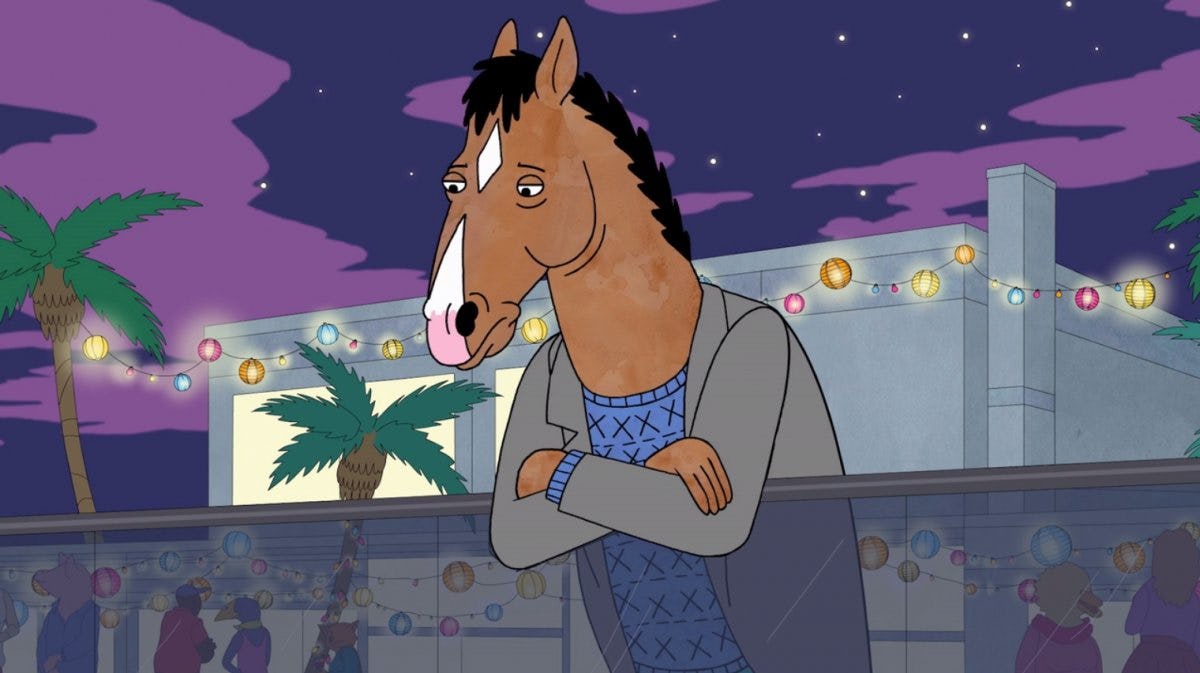
How “Bojack Horseman” Offers A (Refreshingly) Balanced Take On Addiction

bojack20bar

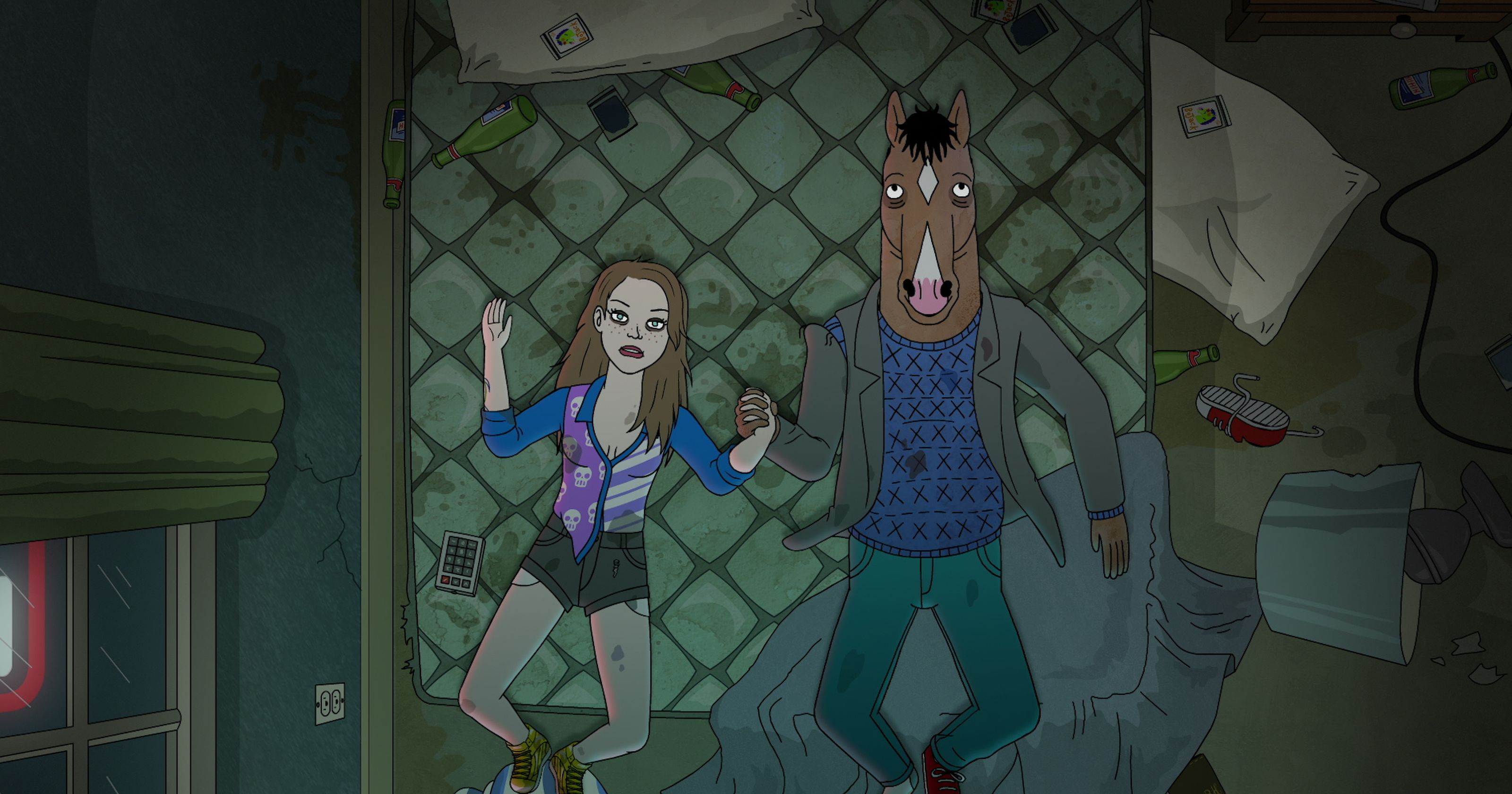
People are complicated. Every person deals with their own set of complications. Some are more serious than others. A person who suffers from crippling addiction doesn’t face the same challenges as someone who has an extreme fear of clowns. Both require different approaches to deal with it and not every person is going to handle it the same way.

I suspect that most people would agree with everything I just stated. Most have probably endured their share of possible complications or dealt with someone who has. It’s one of those basic, but understated facts of life. However, when it comes to complicated problems like addiction and depression, popular media tends to do a lousy job of portraying those problems.

It’s not just that issues like addiction, drug abuse, or depression are overly simplified. The characters involved rarely reflect the complexities surrounding this issue. Look a most TV shows, movies, or books and you tend to get a stripped-down version of these issues. It usually plays out like this.

A character starts the story happy and healthy, but vulnerable and foolish.

Said character makes a few bad choices that triggers the problem.

That character goes through upheavals, losses, and setbacks.

The character hits rock bottom, realizes they have a problem, and decides to get help.

Whatever help they get magically works, the character’s issue is solved, and the credits roll to some upbeat song meant to sell the soundtrack.

I understand most people don’t expect the complex struggles of real people to be boiled down into a half-hour TV show or a two-hour movie. To some extent, these stories sell the fantasy that difficult problems have simple solutions. It’s comforting, but it can be dangerous to those who need help that doesn’t involve magical solutions that leave time for commercial breaks.

Very few TV shows or movies have the time to get into all the nuance surrounding these issues, especially for problems such as addiction. More than any other issue, TV and movies tend to get the nature of addiction very wrong. Addiction, itself, is already subject to all sorts of myths and misunderstandings. That’s even more troubling in the middle of a serious opioid epidemic.

For that very reason, it’s genuinely refreshing to see a popular TV show handle the subject in a more balanced manner. Even if that show involves anthropomorphic horse men that sound like Will Arnett, a little balance goes a long way, especially when dealing with real issues that impact real people.

That show, of course, is “Bojack Horseman.” It’s a show I’ve mentioned and praised before for how it confronts the myth of happy endings. It’s also a show that sets itself apart by lampooning and deconstructing the world of celebrities, happiness, politics, popular culture, and injustice. The fact the show can do this while also being funny, entertaining, and genuine is a testament to the show’s quality and brilliance.

I’ve been following this show since it aired. I’ve watched it grow through several seasons, following a unique path to acclaim and success. I was among those disappointed to hear that the show will be ending after Season 6. I don’t know if there will ever be another show that tackled so many sensitive issues in such a balanced way, but that makes it’s handling of addiction in Season 6 even more impressive.

Since the show’s first season, addiction has been both a common theme and a volatile catalyst. In fact, the very first scene of the first episode makes clear that Bojack has a drinking problem. It’s not subtle in the slightest. When he’s not melting down or mentally torturing himself, he’s drinking heavily or ingesting copious amounts of drugs.

Sometimes, he’s downright creative with drug use.

Throughout the course of the show, this has caused more than a few problems to say the least. People have died. Hearts of been broken. Souls have been crushed, regardless of whether you’re a man, woman, or horseman. These moments have helped give the show a level of dramatic impact that few others have matched.

It has also portrayed addiction with more tact, nuance, and understanding than any show I’ve seen to date. If you or anyone you know have dealt with addiction, then this show “Bojack Horseman” offers a compelling message that’s worth heeding.

Bojack’s addiction issues started off simple, but over the course of five seasons, it has become clear that there’s much more to his self-destructive behavior. It’s not just that he’s a celebrity and celebrities tend to get away with more than most, which the show touches on in some hilariously memorable moments. His life, his upbringing, and his choices have created a complex web of influences that fuel his addiction.

It’s not just that he’s depressed.

It’s not just that his parents were neglectful, hateful, and downright cruel.

It’s not just that he betrayed his best friend, who helped make him a success.

It’s not just that he slept with his best friend’s girlfriend.

There are many other gross misdeeds I could list. A lot happens over course of five seasons and it gets very dark. However, the show never attempts to pin Bojack’s problems with addiction on a singular cause. In Season 6, he attempts to finally confront those problems, but doing so doesn’t mean finding simple solutions. In fact, the solutions are prone to complications of their own.

The first three episodes of Season 6 has Bojack doing something important in the context of treating addiction. It has him look at his life, as a whole, and not just focus on the triggers that inspire his self-destructive behavior. Like addicts in the real world, Bojack learns that there’s no one thing that caused his problems. It’s not a single choice, either. Unlike the light-hearted show that made him famous, life is more complicated than that.

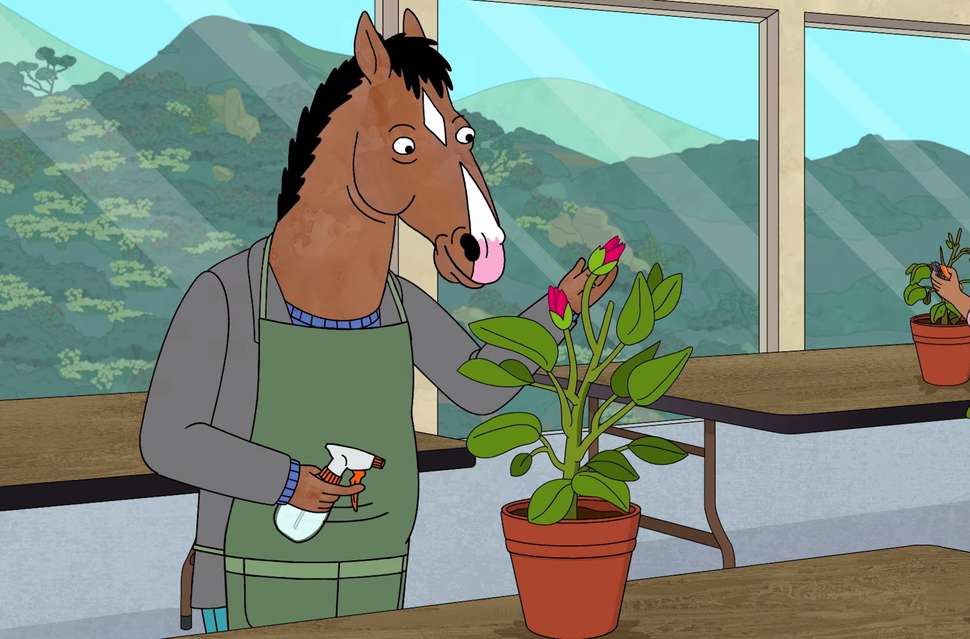
In some respects, drinking gave him the comfort and warmth that his parents never gave him. In others, it allowed him to overcome crippling social anxieties, which only got elevated when he became a celebrity. It wasn’t just that he was dependent on the alcohol to give him a quick dopamine hit to his brain. He came to rely on it, so much so that it incurred more and more complications.

Another part of what makes this portrayal feel balanced is that Bojack’s addictions are never framed as the sole source of his problems. Some of his most regrettable choices in the show happened without the aid of alcohol or drugs. He can’t use addiction as an excuse. Even though he tried to in earlier seasons, he’s not making those same excuses in Season 6.

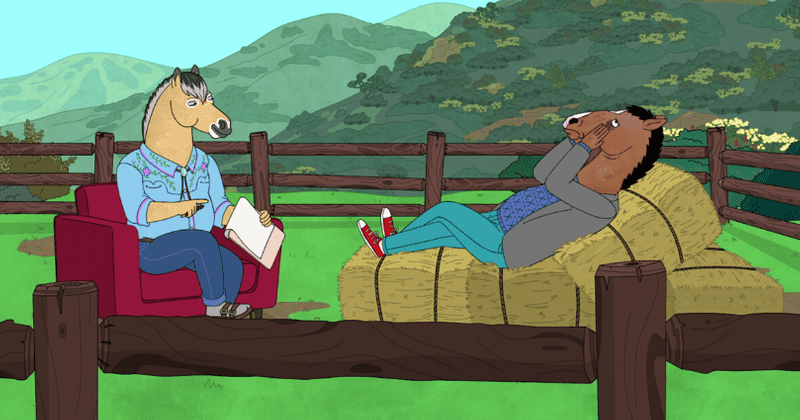
It’s not a smooth process. Few plots in “Bojack Horseman” play out that way. Bojack struggles with his treatment, which is a novel concept for most shows that tackle the issue. Even when he’s not drinking, it still haunts him. That’s another thing addicts in TV shows rarely show. Once they get treatment, it becomes an afterthought. In real life, treating addiction is an ongoing struggle and always will be.

That’s a tough message for any show to depict, let alone one that needs to resolve things within 22 minutes or 26 episodes. On top of that, the act of not resolving serious issues, such as addiction, means the show can’t have a happy ending. That’s something most shows avoid, but “Bojack Horseman” is different.

On multiple occasions, the show points out how flawed the idea of happy endings are, often in depressing ways. At the same time, though, this is necessary context with which to frame addiction. For someone who has as many issues as Bojack, a happy ending just wouldn’t make sense.

It won’t end like this. It just won’t.

He can’t just come to a profound realization in the backdrop of sad music and suddenly be cured. His story and his struggles keep unfolding. Like real addiction, confronting and treating it is a complicated process that can often last a lifetime. It’s frustrating and depressing, but that’s the nature of life and “Bojack Horseman” doesn’t run from that.

With the second part of Season 6 scheduled for release in January, 2020, the end of “Bojack Horseman” is near. What this means for Bojack, his addiction, and the consequences of his choices remains to be seen. No matter how it ends, the show has achieved a great deal by daring to confront the complications of life that most avoid.

The fact this show can achieve this through a cartoon horse voiced by Will Arnett is an even greater accomplishment. While most people will never be able to relate to a half-man/half-horse former sitcom star, they might be able to relate to his struggles with addiction. Sometimes, being able to deal with things in a quirky, animated show helps make those things less daunting in the real world.

2 Comments

Filed under Bojack Horseman, psychology, television

How The Internet Has Weakened (But Not Destroyed) Organized Religion

pic

The current state of organized religion is ripe with conflict and mixed messages. On one hand, religious affiliation has significantly declined over the past 30 years. According to a 2018 survey from Eastern Illinois University, around 23 percent of the US population identifies as having “no religion.” For comparison, that number was only 5 percent in 1972.

In other industrialized countries, the decline is even more pronounced. Throughout Europe, more and more people are drifting away from organized religion. That’s especially true of young people, who are one of the least religious demographics in modern history. In terms of the bigger picture, organized religion is facing a generational time bomb that’s just starting to go off.

At the same time, however, religion still exercises an absurd amount of political power. Religious groups, particularly those who align themselves with conservative politics, have enormous influence. Its platform is tightly woven with that of a major political party. Many people in positions of power identify as religious. Many more rely on a religious base to get elected.

It’s a strange trend that seems counter-intuitive. How can something be weakening due to declining adherents, but still wield so much power? In an age where the egregious crimes of religious institutions have been exposed and more people are educated on the many absurdities of various holy texts, it feels as though organized religion should be on its death bed.

While there are many factors behind this situation, I believe that one particular factor is more influential than most. It also happens to be the same factor that has done the most to weaken religion while helping to sustain its political and social influence. It’s a force that has already radically changed everyone’s life, regardless of their affiliation.

That force is the internet and its impact on religion cannot be overstated.

I’m old enough to remember what it was like to talk about religion in the pre-internet days. You listened to your parents, relatives, priests, mullahs, rabbis, and monks. They told you the history and tenants of their religion. You might ask questions. You might not understand the philosophy behind it. No matter how curious or skeptical you were, you could only do so much to question it.

Most of the time, you just had to trust your elders that they knew what they were talking about. You also had to trust that they wouldn’t lie to you, which is often a risky bet. If you were really motivated, you might go to a library and do some research. Even then, you’d have an uphill battle a head of you, given the many complexities behind religion and why people believe in it.

These days, it’s exceedingly simple to fact check an absurd religious claim. If someone were to claim that a 900-year-old man built a 300-foot wooden boat that housed two of every kind of animal for 40 days during a global flood, you wouldn’t have to spend years in college to learn why that’s absurd. You could just pull out your phone, do a few simple searches, and find out why this claim is completely wrong.

Even a kid who has only taken a basic science class can look up any of the stories their priest, mullah, rabbi, or monk tell them to find out whether they’re based on real history or embellished folklore. Religious institutions, parents, and schools can fight to control the information their young people receive. Many organizations do engage in activities that are outright indoctrination.

However, as demographic trends show, the effectiveness of those efforts only go so far. The information about the absurdities, inconsistencies, lies, and agendas is still out there. It’s widely available to anyone who can access a smartphone or a computer. There’s only so much anyone can do to prevent someone from accessing that information.

As a result, organized religion will never have the same sway it once did in centuries past. No matter how much conservative reactionaries complain, it’s impossible to go back. The combination of modern education and accessible information ensures that major religious institutions will never wield the power they once did.

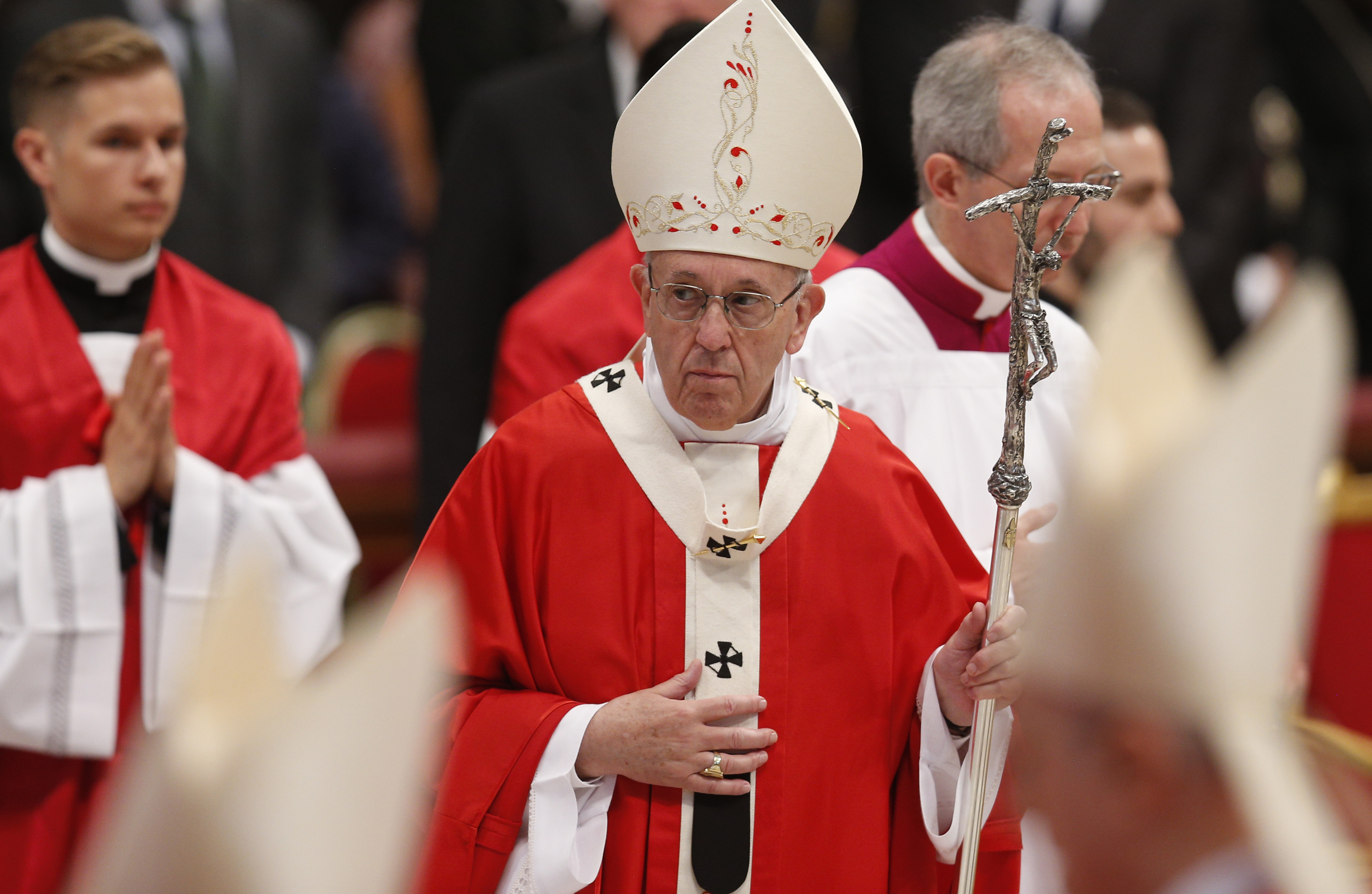
Given the complexities of modern societies and the geopolitics surrounding it, it’s just not practical for a centralized religious institution to exist. The Vatican can still make statements about morality, ethics, and spiritual matters. It just has no means of enforcing them, as evidenced by how little typical Catholics follow their edicts.

Even without this power, the same internet that has permanently weakened religion is also the same thing that sustains some of its considerable influence. In fact, the internet might act as a catalyst that can turn certain individuals from nominal adherents to ardent zealots.

Think back to the young people sitting in churches, mosques, synagogues, or temples. While some might casually look up the religious claims out of curiosities, others might go out of their way to find information that confirms these claims. Even if they’re factually wrong, they’ll look for any bit of information that they can twist to make it seem true and cling to it.

This is why creationism still persists, despite extensive resources that thoroughly debunk it. If someone is really determined to find information that affirms their beliefs, they’ll find it on the internet the same way people find cat videos and knife-wielding crabs. There will even be unscrupulous people to exploit them, including those who are convicted felons.

Like it or not, there are people who sincerely want to believe their preferred religion and will cling to anything that strengthens that belief. Given the open nature of the internet, shaped by the whims of users rather than objective truth, it’s distressingly easy for someone to customize what kind of information they receive.

If someone only wants news and memes about how their religion is true while everyone else is doomed to eternal torture in Hell, then that’s what they’ll get. They can get their news and information from exceedingly bias sources while brushing off others as fake news. There’s nothing from stopping anyone from using the internet in such a manner.

We already see how this has divided people along political lines in recent years. I would argue that this has been going on with religion for even longer. The rise of the religious right and the prevalence of religious media has done plenty to tighten their grasp on ardent believers. While less people may identify as religious, those who do tend to be more dogmatic about it.

Since those kinds of believers can be mobilized and pandered to, they’re a more unified political force. As such, appealing to them means gaining power. That power may be tenuous and limited, but it’s still viable power that plenty of politicians exploit, sometimes to an egregious extent.

In a sense, the internet has made it easy for both the extreme zealots and the inherently skeptical. Those who might have identified as religious out of tradition in the past are more comfortable identifying themselves as non-religious today. It also helps there’s not as much stigma to being a non-believer as there used to be.

At the same time, those who were devout before can become outright zealots if they consume enough extreme content. In fact, their declining numbers in the general population might give them more reasons to become zealous. History has shown that small bands of religious zealots can do a lot of damage. The internet might hinder their ability to gain adherents, but it might also make them more desperate.

It’s a scary possibility, but one I tend to believe is remote. While I might not be a fan of organized religion, I still have many friends and family members who are religious and wonderful human beings. The internet hasn’t changed that. In the long run, I believe that basic humanity that binds us all will win out in the long run. The internet won’t always help, but it’s certainly a valuable tool.

2 Comments

Filed under extremism, human nature, philosophy, politics, religion

How Jar Jar Binks Exposed The Flaws (And Dangers) Of Social Media

maxresdefault-1

Every now and then, something extraordinary happens that reveals how flawed our current system is and how far behind we are in terms of fixing it. Sometimes, it’s tragic. Sometimes, it’s frustrating. In rare cases, it’s hilarious, albeit in a distressing way. Personally, I find those cases most revealing.

Recently, there was one notable instance that included one of the most reviled fictional characters of the past 20 years. No, I’m not talking about King Joffrey or Ramsay Bolton. I’m talking about Jar Jar Binks. If you’re a “Star Wars” fan, then that name likely inspires all sorts of anger, dread, and distress.

Jar Jar is both a joke and a cautionary tale. Aside from proving that George Lucas has no business directing another “Star Wars,” he demonstrates just how wrong an attempt at comedic relief can go. While he wasn’t the only problem with the prequels, he augmented the flaws. On top of being annoying, incoherent, and incompetent most of the time, he was a major symptom of a much larger disease.

Once again, everything that makes Jar Jar such a pariah in the cultural landscape has exposed another disease in a place that’s not far, far away. For reasons that many found confusing and confounding, Jar Jar started trending on Twitter. While there was a someone legitimate reason for this, it was indirect and unintentional. There was no concerted effort to get him trending. It wasn’t even part of any elaborate trolling.

The fact that it took a while to explain why this infamous character was trending says more about social media than it does about Jar Jar. There’s no question that social media has changed the media landscape in ways that cannot be overstated. We current live in a world where companies invest a great deal of time and resources into making their presence on social media unique. Some definitely do it better than others.

At the same time, social media has not always had a positive effect on the world and its users. There have been plenty of cases where social media has been used to brutally harass people and spread blatant lies. There are even some cases in which social media played a role in directing real harm to innocent people. The dangers are there and well-documented.

Most people with an internet connection know those dangers are there. Many see it as the cost of doing business for a technology that has an uncanny ability to connect people. I certainly pay that cost, given my own presence on social media. However, what just happened with Jar Jar on Twitter demonstrated that the cost might have hidden fees in the fine print.

Remember, there was no concerted effort to get Jar Jar trending. Even after he did, nobody could figure out why he was trending. On top of that, the fact that nobody could figure it out only got people more curious, which made him trend even more. It was a self-reinforcing cycle that was funny in some respects, but distressing in many others.

It’s somewhat similar to what happens with people who are famous just for being famous and little more. This unfortunate, but inescapable aspect of celebrity culture rarely creates people who garner respect or admiration. If anything, they foster cynicism and disconnection from the culture. That kind of fame just feels so random, unearned, and empty. Thanks to Jar Jar, we now know social media trends can do the same.

Things can trend for no discernible reason. Matters that nobody even wants to get trending can garner unexpected and often unwanted attention. Thanks to the mechanisms of social media, the mystery behind why something trends can make it trend even more. While that’s going on, legitimate issues that warrant attention can slip under the radar.

Human beings only have so much attention to give. When something like Jar Jar trends for no discernible reason, a non-significant chunk of our collective attention is redirected. It would be one thing if it were just some masterfully act of trolling, but this is something we do to ourselves collective. That means we have no one to blame but ourselves when something like Jar Jar trends.

We’re the ones who make and share these hashtags. The social media companies are just tools and businesses. Like many companies, they’ll engage in plenty of shady activities. They’ll do whatever they think will make them more money. At the end of the day, though, we’re still the consumers who shape social media.

That should be cause for concern because this isn’t vapid celebrity culture we’re dealing with. The things that trend on social media have real-world consequences. Companies have suffered significant harm. Lives of non-celebrity people have been ruined. A random person who becomes famous for no reason rarely causes actual harm to anyone. Social media trends can do so much more.

In some cases, it can cause a great deal of good. If the right thing gets trending, it can rally people to a worthy cause. It can also inform the public of a serious issue. It can even turn real-world tragedies into a powerful force for good. Personally, I think this good overshadows the bad, but when I see Jar Jar trending, I can’t deny that there’s a flaw in this system.

Is there a fix? I believe there is, but I don’t believe it’s as simple as companies tweaking their rules or insulting people who share hash tags. Jar Jar may have been a source of frustration in the early 2000s, but he’s only relevant in 2019 because we make him relevant. It’s not him. It’s not George Lucas. This is all us.

I believe we’re better than that. Despite all the awful things I’ve seen trending on Twitter and Facebook, I see far more positives that warrant far greater attention. Jar Jar might be a symptom, but I take comfort in the fact that he’s a symptom that often burns out quickly. When something is empty, people get bored of it much easier and nobody should ever underestimate the power of boredom.

In the grand scheme of things, Jar Jar trending for no reason isn’t necessarily a setback. It’s just a sign that we, as a tech-savvy society, have a long way to go with respect to managing social media. In an imperfect world, dumb things will trend for dumb reasons. However, when something like Jar Jar starts trending, that’s a sign that we have plenty of room for improvement.

Leave a comment

Filed under human nature, media issues, outrage culture, political correctness, psychology, Star Wars, technology, War on Boredom

What “Malcolm In The Middle” And “Joker” Can Teach Us About Deviance

mv5bowi0nzzjzjqtyzezzc00zwjiltg1ntmtnmzhmmyyogywywq1xkeyxkfqcgdeqxvynja0otqyode40._v1_

What makes someone deviant? What turns otherwise normal human beings into the kind of deviants who go onto commit crimes, foster discord, or lash out at the rest of society? These questions are often contemplated by psychologists, police, politicians, and people who just want to live in peace.

The answers aren’t easy, but they often make for compelling movies and TV shows. Some dare to offer answers that are as revealing as they are distressing. That’s part of what made “Joker” such an impactful movie. It’s also what triggered the controversy surrounding its subversive message. I tried to explore that message my review of the movie, but in doing so, I uncovered something surprising.

The themes in “Joker” are more relevant today than they’ve been in years. It makes the case that when people denigrate, marginalize, or ignore those in the lowest rungs of society, they’re going to create the kinds of monsters and supervillains that undermine the current order. Moreover, they deserve the chaos and deviance that these individuals cause.

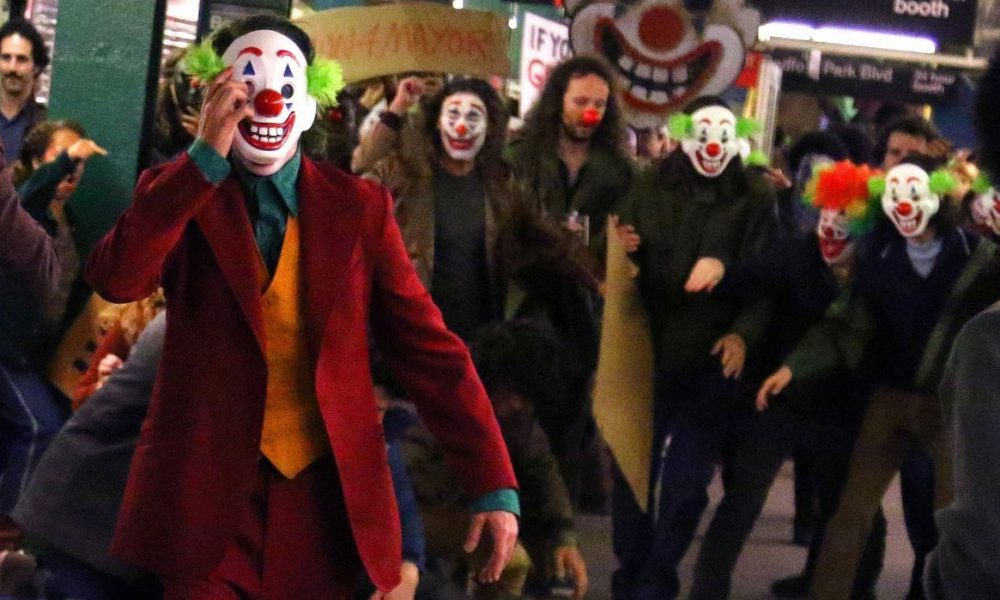
In “Joker,” Arthur Fleck was a perfect storm of unfortunate circumstances and societal denigration. While Gotham City didn’t turn him into the Joker, they put him in a position to make those fateful choices. Nobody tried to help him or give him other options. If anything, the help and options he needed were taken away. It was part of what made his deviance both compelling and understandable.

It reminded me of a famous TV show that made a similar point, albeit one from a very different genre and medium. It dared to make that point decade earlier, long before the current controversies surrounding mass shooters in movie theaters and so-called “incel culture.” That show is “Malcolm In The Middle.”

The two narratives couldn’t be more different. One is an R-rated movie that defies the conventions of the superhero genre and explores the twisted mind of an iconic villain. The other is a prime-time sitcom full of funny, cartoonish antics from a dysfunctional working-class family. One is dark and serious. The other is funny and light-hearted.

Despite those vast differences, they convey very similar messages. They both make the case that a callous, negligent society will create deviant individuals within its most disadvantaged. They also highlight how efforts to push them aside or suppress their deviance will only make things worse.

In “Joker,” it turned Arthur Fleck into an agent of chaos who went onto inspire more chaos in others. The circumstances in “Malcolm In The Middle” were very different and a lot more subtle, but the underlying message was still there.

It’s subtle, but it’s there.

From the first episode of the show to its finale, Malcolm and his family are depicted as both dysfunctional and disadvantaged. In some instances, they’re downright destitute. On many occasions, they deal with crippling debt, dead-end jobs, and arrogant upper-class types who look down on them with disgust. More often than not, Malcolm and his brothers get back at them in their own creative way.

Whatever form the antics take, the show never uses the lower-class status of Malcolm’s family to justify their behavior. Much like “Joker,” it establishes that the characters have agency. They’re dealt a lousy hand, but they still have opportunities to make non-deviant choices. They’re rarely forced into deviant acts. Opportunities arise and they exercise poor judgement, to say the least.

The very least.

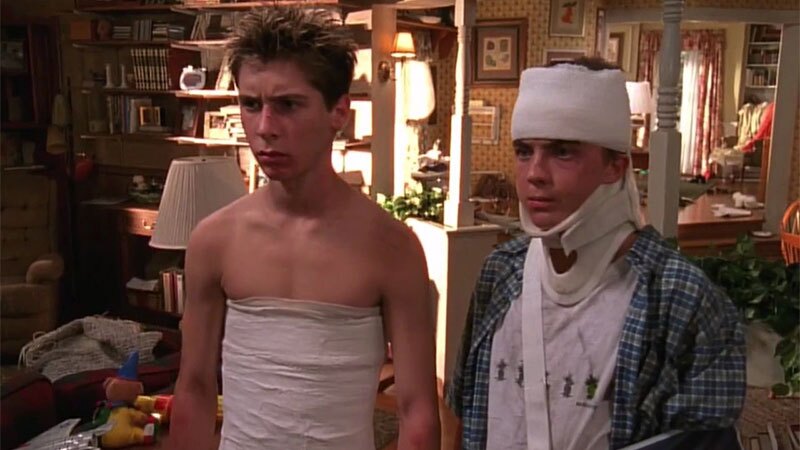
Malcolm and his brothers didn’t have to lie about what happened to Dewey’s bike in Season 1, Episode 15. They did it anyways and things only escalated from there when the consequences caught up with them.

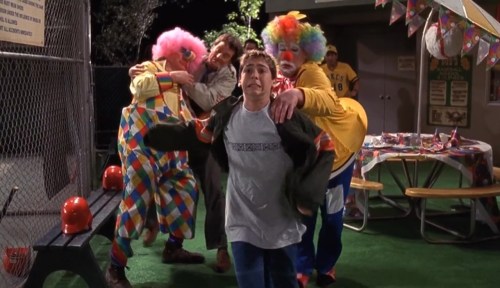
Malcom and his brother didn’t have to buy their mother a terrible birthday gift in Season 2, Episode 3. They still did and the end result led to them fighting an army of clowns in one of the show’s most memorable moments.

It’s not just the kids, either. Hal didn’t have to resort to unorthodox tactics when coaching Dewey’s soccer team in Season 3, Episode 16. He still did and things only got messier from there.

Lois didn’t have to force Malcolm to getting a job as terrible as hers in order to teach him a lesson in Season 5, Episode 6. She still did and, in doing so, taught him an entirely different lesson about just how screwed people like them are. It’s a message that even found its way into her memorable speech in the series finale.

It’s an important component of the show’s brilliance and humor. Malcolm and his family are a mess. They’re constantly getting screwed over by circumstances, bad choices, and other people who look down on them. However, they never come off as victims, nor do they carry themselves as such. They have opportunities to become less dysfunction, but often squander them.

Arthur Fleck had chances to become something other than a killer clown. There were a number of instances in “Joker” in which he could’ve gone a different path. He simply chose not to and society didn’t lift a finger to help him. If anything, they took away what little help he got.

Throughout seven seasons in “Malcolm In The Middle,” Malcolm’s family finds themselves in similar situations. One of the best examples is in Season 4, Episode 17, which happened to be the second clip show episode. In that episode, Hal and Lois recount the births of their kids as they prepare for the arrival of another.

In every instance, the births are subject to strange and hilarious circumstances. In one of them, Lois goes into labor in the driveway of their house because Francis locked her out of the car. Then, while she’s writhing in pain from the labor, a jogger passes by. She yells out she’s having a baby, but the jogger just ignores her and congratulates her.

It’s funny, but symptomatic of the family’s lot in life. Nobody goes out of their way for them. Nobody offers to help them. It even happens again a few episodes later in Season 4, Episode 21 when Lois goes into labor with Jamie. Even though someone calls 9-1-1 and an ambulance arrives, they don’t get there until after she gives birth. The EMTs even joke about how they stopped for coffee.

Like Arthur Fleck, the society around Malcolm’s family doesn’t care about them. They even go out of their way to avoid or neglect them. In “Joker,” Arthur is repeatedly victimized by both the system and individuals who go out of their way to harass him. His situation is already bad, but these ordeals only make it worse.

Early in the movie, Arthur does show signs that he’s capable of being a decent person. He tried to make a kid on the bus laugh. He entertained sick children at a hospital. He could’ve been a productive, positive force in society. Then, society started screwing him over and bad choices on his part led him to become a dangerous deviant.

While Malcolm and his family didn’t become as deviant as the Joker, they still did plenty of damage with their antics. At the same time, there were plenty of instances that showed that, as dysfunctional as they were, they could still be good and decent to others when given the chance. They just rarely got those changes and society rarely provided the incentives.

It’s a powerful message with respect to what makes people deviant. Some people are at the mercy of bad circumstances, be they poverty, mental illness, or having an overbearing mother like Lois. They’re still capable of being good, but it’s easier for them to become deviant when society neglects them. That deviance only compounds as a result of poor judgement and bad choices.

Yes, they compound a LOT.

There are plenty of differences between “Joker” and “Malcolm In The Middle.” Whereas “Joker” takes things to the worst possible outcome in the descent towards deviance, “Malcolm In The Middle” manages to maintain a more hopeful outlook. People can still be deviant and dysfunctional, but they can rise above it. The events of the series finale affirm that.

Those differences aside, this movie and this TV show offer lessons and insight into something that all societies must deal with. There will always be a certain level of deviance. There will also be those more inclined to pursue it. It’s just a matter of how to confront it. More than anything else, “Joker” and “Malcolm In The Middle” shows the consequences of confronting it the wrong way.

1 Comment

Filed under Current Events, human nature, movies, psychology, television, Villains Journey

Purpose, Value, And The Suicide Gender Gap

160322160454_mindfulness_triste_promos_640x360_thinkstock_nocredit

There are few subjects more depressing and tragic than suicide. It’s not a topic people like to talk about. When people take their own lives, either out of sorrow or desperation, it’s terrible. It leaves deep, painful scars on friends and loved ones.

However, it’s because suicide is such a difficult subject that people should talk about it. Before I go any further, I want to urge anyone who might be feeling deeply depressed or suicidal to seek help. The suicide hotline is always available. Please, if you’re feeling that hopeless, call 1-800-273-8255. As someone who has had depressing stretches in life, I urge others in a crisis to seek connection.

Unfortunately, it’s not a connection that people are making these days. According to the American Psychological Association, there was a 30 percent increase in death by suicides from 2000 to 2016. It was the 10th leading cause of death in the United States in 2016. By the numbers, we haven’t seen rates like this since the Great Depression.

There are a great many depressing and tragic factors behind this rise. The ongoing opioid crisis is certainly a factor. A few researchers have cited the influence of social media as contributing to self-destructive behavior. Like mass shootings, everyone has their theories, criticisms, and solutions to the crisis. I’m of the opinion that human beings are too complex to boil it down to something simple.

I agree that in certain cases, opioid addiction can factor into someone committing suicide.

I agree that in certain cases, the use and influence of social media can factor into someone committing suicide.

That’s not to say they’re the cause of it. They’re just small trees in a much larger forest that’s difficult to see, given the heavy emotions involved in this topic. However, I do believe it’s possible to see that bigger picture. To do so, it’s necessary to highlight one particular trend in suicide that also happens to be tied with gender politics.

While suicide is tragic, regardless of gender, there exists an unusual paradox within the data. Women have been shown to attempt and contemplate suicide more than men, but men are still the ones dying at greater rates. It’s not a trivial gap, either. Men are more than three times as likely to commit suicide compared to women.

This indicates there are factors beyond depression, stress, and mental illness. There are other forces at work here and they’re affecting men more than women. What that is and how it works is difficult to surmise. However, speaking as a man who has seen other men endure depressing situations, I believe there are certain factors that gender politics compounds.

At the core of these factors are an individual’s sense of purpose and value. There are many terrible things running through the mind of someone who is suicidal, but it’s not unreasonable to suspect that people who feel suicidal often feel their lives lack purpose and value. There’s nothing left for them to contribute. There’s no value for them to provide. Without that, what’s the point?

It sounds like the kind of sentiment that should affect men and women equally. Depression and despair, after all, know no gender. However, there are a few confounding factors for men. For one, there’s still a significant taboo for men who admit to even having such feelings. It stems from the same taboo about men showing emotions, in general. It’s seen as a form of weakness and men aren’t allowed to be weak.

To understand the implications of that taboo, consider the following scenario.

A man is sitting by himself. He’s crying uncontrollably. He’s sad, depressed, and lonely. He feels like he has nothing to live for. Someone walks by and shows concern. They listen to him lament about his sorrow. They offer sympathy, but tell him he needs to toughen up and get his act together. He just needs to grit his teeth and push forward with his life.

For most people, this scenario isn’t that unrealistic. Most decent human beings will show sympathy when they see someone suffering, male or female. However, the gender of the person suffering does have an impact. I’ve explained before how and why society places a greater emphasis on protecting women’s bodies over those of men.

Even if you discount the extent of that influence, the implications are still clear. We see a depressed man and tell him to fight through it. If he needs to be coddled or treated, then that’s a failure on his part. If he’s that weak, then he has little value to offer. Without value, he has little purpose as well. In essence, he has to prove he’s somehow useful to warrant not killing himself.

Now, consider this scenario.

A woman is sitting by herself. She’s crying uncontrollably. She’s sad, depressed, and lonely. She feels like she has nothing to live for. Someone walks by and shows concern. They listen to her about her sorrow. They offer sympathy and encourage her to find professional help. They even offer contacts and connections. She’s suffering and there are people willing to help her.

Take note of the different approach in this scenario. The person still show sympathy and compassion, as most human beings are wired to do. Where they diverge is in the assumptions surrounding the woman’s distress.

For her, it’s not something she can tough her way through. She’s not expected to just grit her teeth, pull herself out of this deep pit, and move beyond whatever is making her so upset. She’s suffering and the first instinct is to get her some meaningful help. Her life has inherent value. Her just being alive is sufficient to give her purpose.

It’s impossible to overstate the importance of that assumption. It’s an assumption that many men feel like they don’t get. Their suffering is seen as a personal failure. A woman’s suffering is seen as a systemic failure that needs fixing. It perfectly reflects one of Chris Rock’s most memorable quotes.

“Only women, children, and dogs get loved unconditionally. A man is only loved under the condition that he provides something.”

In the context of suicide, men who don’t provide anything have no value. Absent that value, they have no purpose for existing. The source of this disparity is difficult to pin down. Some of it is cultural. Most data shows that when people live in a society with high social cohesion and abundant career opportunities, suicide is low.

That makes intuitive sense. Those social bonds provide purpose. Those opportunities provide value. When people have both, they’re less likely to be depressed. Even if they are, they have a support system that’s there to help them, regardless of their gender or disposition. These bonds are harder to maintain for men because they have to provide something.

Even though women may contemplate or attempt suicide more frequently, the current makeup of society and gender norms provides them with any number of affirmations to remind them of their value. If nothing else, it gives women a moment of pause. Most men don’t get that moment. It’s truly tragic, but it’s a tragedy that gender politics does plenty to compound.

Again, if you are feeling suicidal, regardless of your gender, please take this as my personal plea to seek help. It’s okay to do so. Your life has value. Your life has purpose. Call 1-800-273-8255 if you need to talk. People will listen. People will give you a chance. Whatever the disparities may be, let’s not add to the tragedy.

Leave a comment

Filed under gender issues, Marriage and Relationships, men's issues, psychology, sexuality, women's issues

Finding True Love And Living Happily Ever After According To Isaac Arthur

photographer-finds-couple-she-took-proposal-pics-of

I’ve talked quite a bit about the future of love on this site. I’ve explored the impact of artificial intelligence, radical life extension, and human enhancement on the dynamics of pursuing love and fostering romance. I don’t claim to be the best when it comes to contemplating these topics. I’m humble enough to admit I’m not even in the top 10.

As such, I freely admit there are people who discuss this issue in far greater detail with far greater production values than I’ll ever manage. Just recently, I stumbled across a YouTube channel by someone who makes contemplating the future a relaxing, engaging, and downright pleasant experience.

The name of that channel is Isaac Arthur. If you, or anyone you know, has even a passing interest on future technology, sci-fi concepts, or space exploration, I highly recommend you check out this channel. It covers a wide range of topics from colonizing space to future sources of energy to what kind of pets we may have in the future.

Naturally, a video he made about finding love using future technology is one of my favorite. It only came out earlier this year, but it perfectly breaks down how love, romance, marriage, and family may unfold in a future dominated by artificial intelligence and radical life extension. Mr. Arthur does in one video what I probably couldn’t do in a hundred articles. For that, I thank him.

Leave a comment

Filed under Artificial Intelligence, futurism, romance, sex in society, sexuality, Sexy Future, technology

When Is It Okay To Tell Someone To Grow Thicker Skin?

offended-7

When I was a kid, I played little league baseball. My father also volunteered, being a lover of baseball and an all-around awesome guy. It was fun. I enjoyed it, even though I wasn’t that good. However, I still thought I was better than the majority of the kids on my team. I’d been playing baseball with my dad in the backyard for years. I had developed those skills more than most.

Then, one year, my skills started to slip. In my defense, that was also around the time I developed asthma. I still thought I was good, but there’s only so much you can do with those skills when you’re coughing and wheezing half the time. As a result, my coach had me bat next to last and made me play outfield, which I took as a personal affront.

I know he wasn’t trying to insult me, but I took it very personally. Being a kid, I gave him and everyone around me a bad attitude. When I told my father about this, I thought he would be on my side. Instead, he wasn’t having it. My dad was not the kind of guy who rewarded bad attitudes. No matter how much I told him the coach’s decision upset me, he had the same response.

“Can’t hack it? Get your jacket.”

That became a mantra of his. At the time, I hated it. As I got older, I came to appreciate it. On the surface, it may seem harsh, especially when it’s directed a kid in the context of a little league game. However, it conveys and important lesson while indirectly raising an important question.

When is it okay to tell someone they need to grow thicker skin?

I believe this question is more important now than it ever was when I was a kid playing little league baseball. With the rise of outrage culture and numerous controversies on issues that rarely warrant controversy, I feel as though my father’s wise advice is more relevant than ever.

That said, answering this question isn’t simple. I know it’s tempting for anyone annoyed by political correctness to just brush off outrage as coming from thin-skinned, over-coddled snowflakes. That is, after all, a popular perception among the most vocal critics of outrage culture. However, that recourse ignores some important caveats.

It’s one thing to tell an over-privileged college student majoring in underwater basket weaving that they need to grow thicker skin. It’s quite another to say the same thing to a wounded veteran or a rape survivor. Make no mistake. Those over-privileged professional whiners exist and they deserve both criticism and scorn. They’re still the extreme cases. Most people operate in that vast area between extremes.

To illustrate, consider the following example. You’re on a stage telling a story in front of a large group of people. The story isn’t political, nor is it an attempt to convince someone of a particular worldview. The story contains some difficult themes, including references to graphic violence, sexual abuse, and racism. It doesn’t have to be based on real events. Those themes just have to be sufficiently graphic.

After you’re done telling the story, a small segment of the audience comes up to you and tells you they found your story to be deeply offensive. They claim that the simple act of you telling a story caused them real psychological harm. How do you respond to them?

For some people, their first inclination will be to apologize to them and everyone else who felt offended. This is often the first recourse for any celebrity who tends to make a public gaff, of sorts. It’s an easy option and, at the very least, will mitigate some of the outrage, but it has the added effect of derailing serious discussions.

For others, the first inclination will be to brush off those who are offended and tell them to grow thicker skin. There are certain individuals who make this their primary response. They tend to be less concerned about hurting peoples’ feelings and often criticize those who are easily offended. While that may be warranted in some instances, it can often come off as callous. In some cases, it devolves into outright trolling.

Whatever the recourse, both responses have the same flaw. They ignore the actual substance behind those who took offense to the story. It generalizes the nature of the harm they claim to have endured. It essentially lumps the offense that some thin-skinned college kid feels with that of someone who has legitimate issues.

Without those insights, any apology or lack of apology will make light of any genuine offense someone endures. Those details are necessary in determining who needs to grow thicker skin and who deserves a sincere apology. In essence, the right response is determined on a case-by-case basis and that can get both tricky and cumbersome.

Say one of the audience members took offense because they felt the story glorified the current and historical oppression of women by way of patriarchal traditions. Someone harmed by anything that vague definitely needs to grow thicker skin.

Say one of the audience members took offense because they’re struggling with a legitimate mental illness and parts of the story caused them significant distress that required medical intervention. In that case, telling them to grow thicker skin isn’t just insensitive. It’s downright malicious. People with legitimate medical issues can only do so much to manage their reactions.

It can get a lot more complicated. One of the audience members may have endured a real trauma in their lives and while they’re not on medications, they’re still struggling and hearing the story opened some unhealed wounds. In this instance, an apology is warranted, but only in the context of acknowledging someone’s real-world issues. You can’t tell them to grow thicker skin, but you can encourage them to heal.

Maybe there’s another audience member who just says the story was patently offensive and is too heavy on outdated stereotypes. They’ll angrily rant at how certain elements denigrated their heritage, their culture, and their race. It’s not just that the story was offensive. They believe anyone who tells it is as bad as those who made it. This person may be sincere, but they could also benefit from growing thicker skin.

There are any number of ways someone can claim offense. Some are legitimate, but most are contrived. As a general rule, any offense that requires someone to be offended on behalf of other people is questionable at best and insincere at worst. It tends to happen whenever people try to make broad claims about cultural appropriation or stereotypes.

Even if certain generalizations about cultures are legitimate and certain stereotypes have a basis in fact, the offense is still taken personally. The very fact that it exists is an affront. That’s usually another sign that thicker skin is at least part of the solution. It’s one thing to abhor racist acts. It’s quite another to abhor that it exists at all.

Everyone is wired differently. Some are just more easily-offended than others. That’s an inescapable fact of life in world that’s diverse and has the technology to over-react to anything that anyone may say. Even with those caveats, it certainly helps to discern those who suffer real harm from certain rhetoric and those who really need to grow thicker skin.

There are some criteria that can help us make that determination. It may not help in every case, but here are just a few.

If someone is offended by the fact that something exists, then they need to grow thicker skin.

If someone is offended by mere opinions of other people, then they need to grow thicker skin.

If someone is offended on behalf of an entire group, then they need to grow thicker skin.

If someone is offended because other people can’t know the specifics of what offends them without reading their mind, then they need to grow thicker skin.

If someone is offended by something that was not intended to offend or harm, then they need to grow thicker skin.

Again, these are just general guidelines and there are certainly exceptions to many. However, if we apply these standards to my story as an upset little leaguer who took offense to his coach’s decisions, then my father’s reaction would be appropriate. In that situation, someone is right to tell me that I should grow thicker skin. Moreover, I became stronger and more mature as a result.

1 Comment

Filed under human nature, outrage culture, political correctness, psychology

Feminism, Men’s Issues, And How Legalizing Prostitution Could Affect Both

o-linkedin-prostitution-facebook

Politics, in general, are contentious enough. Gender politics, and the identity politics they invite, often escalate in ways that bring out the ugliest side in people. Every time I’ve talked about these sensitive issues, be they the sources of slut shaming or the implications of double standards, I’ve tried to be fair and understanding to all sides.

In addition, I’ve tried to focus on the bigger picture. That’s often necessary because debating gender politics can get frustratingly personal. I can make a perfectly reasonable argument on an issue like abortion, but that argument will get overshadowed by the fact that I’m a straight male. When it comes to something so divisive, the big picture is often the only one you can scrutinize.

I’m going to try talk about gender politics again and I’m going to get into a few specifics. I understand that’s risky. I also expect more than one person to disagree with my point, if not outright resent it. I’ll take that chance because I feel like this is a point worth making within the current political climate.

On top of gender politics, which covers a great many areas from media depictions to social issues, I’m going to explore it in the context of prostitution. It’s another issue I’ve scrutinized on both a legal and societal level. In this case, they’re intertwined in certain aspects that have major implications.

Even before gender politics entered its current state of contention, there was somewhat of a divide within feminism over prostitution and sex work. I’ve discussed it before, citing the different approaches of sex positive and sex negative ideologies. One sees it as inherently exploitative towards women. The other sees it as an exercise of agency and freedom.

For those concerned with men’s issues, the issue rarely comes up. When I’ve asked about it on places like Reddit, most adopt the libertarian stance. It shouldn’t be illegal and it’s not the business of the government to prosecute consensual sexual behavior. There are a few who oppose it for other reasons, but there isn’t the same divide as there is in other men’s issues.

That could change very soon and, unlike other recent controversies involving gender, it could have serious legal implications. That’s because for the first time in generations, the legality of prostitution is a serious issue during a major election cycle. More than four presidential candidates have gone on record as saying they favor decriminalization of sex work. For such a taboo issue, that’s pretty remarkable.

Some have likened it to the recent successes surrounding the decriminalization of marijuana. Others contend that recent crackdowns on sex workers have added greater urgency to confront this issue. Whatever the source, prostitution is finally becoming a relevant issue and gender politics is sure to be part of it. Unfortunately, that may not be a good thing.

To understand why, it’s necessary to understand what happens when lawyers and the law enter a debate. This isn’t like the anti-harassment movement that seeks to help victims of exploitation in the entertainment industry. This deals in real-world legal issues that have decades of complicated precedent. Changing the law is going to have impacts that go far beyond any trending hashtags.

Gender politics is sure to affect these issues. It already has, to some extent. In recent years, prostitution has become intertwined with transgender rights because it’s not uncommon for transgender women resort to sex work for survival. Keeping prostitution illegal puts an already-vulnerable population at even greater risk of exploitation.

It was also a certain subset of feminists, which includes the likes of Gloria Steinem, who favored the recent laws that cracked down against prostitution online. This is already an issue that strikes many chords within gender politics and it could certainly escalate as more legal challenges come to the forefront.

Just this past year, several states have proposed legislation that would decriminalize sex work. In addition, efforts to close the small number of legal brothels operating in Nevada failed in 2018. While there hasn’t been much tangible change in the courts yet, there is some momentum for this issue. It will only take one state to take the leap and, like marijuana before it, that could start a trend.

This is where the gender politics surrounding prostitution could either get slightly better or significantly worse. In a perfect exchange, the dynamics are simple. Two consenting adults agree on an exchange of money for sex. They carry out the act, exchange the money, and that’s the end of it. Both are satisfied, relatively speaking. There’s no further need for conflict.

Unfortunately, we don’t live in a perfect world. Even in a world where prostitution laws are as equitable as possible, there are plenty of complications. Say, for instance, the two consenting adults agree to the exchange, but one fails or refuses to deliver on their part. Maybe a prostitute could suddenly change her mind about a client. Maybe a client feels the service did not warrant the payment.

How is this resolved?

What happens when someone tries to take a sex worker to court or vice versa?

How does the court or the police go about handling these issues in a way that protects the privacy and welfare of both parties? Is it even possible?

These are all relevant questions and gender politics can only complicate the answer. At the moment, most sex workers cannot go to the police or seek legal recourse when a client becomes abusive or uncooperative. If prostitution is decriminalized, then not only do they have recourse. They have leverage. To appreciate that leverage, consider the following scenario.

A married man with a steady job and several children is going through some serious issues with his wife. As a result, he seeks the intimate comfort with a female sex worker. They engage in multiple exchanges and, by the letter of the law, their actions are legal.

Then, one day, the sex worker incurs an unexpected debt she can’t pay. As a result, she finds out the married man is wealthy and asks for help. When he refuses, she threatens to go the police and claim that he was violent with her during one of their encounters. It’s not true, but filing a report will expose his activities to his family and likely ruin his life.

Very little in this scenario is outright illegal. The sex worker could get into a lot of trouble for filing a false report, but even if she cannot prove her case, the law allows her to pursue a recourse for a client who wrongs her and even if she doesn’t prevail, the client could still suffer incur significant damages.

It’s not just men who are vulnerable, either. Even if sex work is completely decriminalized and those who participate are safe from prosecution, it can still be used against them in entirely legal ways. To illustrate, consider this scenario.

A young woman gets accepted into a prestigious university, but is unable to pay all her expenses, despite having taken out multiple loans. She decides to get into sex work to make extra money, which helps her pay her way through college. She ultimately graduates with honors, gets a great job at a good company, and leaves sex work altogether.

Years later, someone she knew from college joins the company. They knew she did sex work on the side, but don’t bring it up. Then, they’re both up for a promotion and to get an edge, her associate reveals to the whole office that she did sex work. To prove it, this person provides an ad she used that they just happened to have saved.

The woman is humiliated and outraged. On top of that, she doesn’t get the promotion. She is so angry that she tries to sue the company and the person who revealed her past for damages. She also threatens to quit, but knowledge of her past is already public and even though her work was completely legal, it dissuades others from hiring her.

This issue isn’t entirely fictitious. In 2013, a California woman was fired from her teaching job after it was discovered that she’d worked in porn years ago. Even though what she did was perfectly legal, she lost her job and the appeal to get it back. With decriminalized sex work, this could become even more common.

In a world of decriminalized prostitution, those who seek the services of prostitutes are suddenly vulnerable in entirely new ways. A sex worker who need not fear arrest for their activities has a greater ability to expose their activities and use it against them. It doesn’t matter if it’s out of desperation or spite. The leverage is there.

The same applies to those who participate in sex work. Like it or not, there is still a heavy stigma for anyone who works in the sex industry. Even if prostitution is decriminalized, the stigma may still linger. If clients no longer fear arrest, then what’s to stop them from using that stigma against sex workers?

Whether you’re a man, woman, or transgender, these are major complications that have significant implications for everyone. They could ultimately widen the many divides within gender politics. Sex workers and clients alike could face significant, unwanted scrutiny that could trigger a whole host of new debates that nobody is ready for.

These issues aside, I’m still of the opinion that decriminalizing prostitution is preferable to prohibition. History shows time and again that prohibition does more harm than good. We cannot completely remove the harm, but at the very least, we can mitigate it.

4 Comments

Filed under Current Events, gender issues, men's issues, prostitution, sex in society, sexuality, women's issues

The Flaw In Happy Endings According To “Bojack Horseman”

1351058-1419981-zoomed

The world can be a harsh, unforgiving place. The extent of that harshness often depends on circumstances, attitude, and even blind luck. Most people, no matter how rich or successful they are, learn that lesson at some point in their lives. It’s rarely pleasant and often leaves scars that don’t heal.

Even with those scars, many cling to a hopeful, wide-eyed idealism about how much better the world could be. Moreover, that world is worth pursuing at every turn. TV shows, movies, music, and literature convinces us that it can be done and still have plenty of room for commercials, ads, and movie trailers. Nearly every great narrative tries to sell us on some unique kind of world-healing happy ending.

Then, there’s the strange and exceedingly depressing world of “Bojack Horseman.” If ever there was a show that went out of its way to kill happy endings with the force of a billion gut punches, it’s this one. Think of all our most cherished ideals from popular media, social movements, and ideology, in general. “Bojack Horseman” finds a way to crush it all while still being funny, albeit in its own dark way.

I promise it’s funnier than you think.

I say that as someone who has watched “Bojack Horseman” since the first season, but I find myself appreciating its dark themes more and more lately. However, it’s not just because the harshness of the real world is a lot harder to hide in the era of the internet and social media.

Recently, I had a chance to re-watch the past couple seasons. In doing so, I noticed just how much our collective worldview is built around our hope for a happy ending. Almost every character on the show, from Bojack Horseman to Diane Nguyen to Princess Caroline to Mr. Peanutbutter, is driven to achieve some idealized ending for themselves.

For Diane, she seeks to become a successful writer who exacts meaningful change through her work.

For Princess Caroline, she seeks to be an accomplished, independent woman who has it all, both in terms of career and family.

For Mr. Peanutbutter, he seeks to make everyone around him happy and pursue every new project with wide-eyed passion.

For the titular character, Bojack Horseman, pursuing that ending is more complicated. Through him, the harshness of reality seems to hit everyone and everything he comes across. It’s not always through his actions, which are often selfish, reckless, and downright deplorable. His story, which helps drive the show from the beginning, reveals how pursuing idealism can leave us vulnerable at best and destroyed at worst.

To understand how the show does this, it’s necessary to understand what makes this show both unique and appealing. If you only watch the first few episodes, then “Bojack Horseman” doesn’t come off as all that deep. It just seems like a story about a narcissistic washed-up actor who happens to be an anthropomorphic horse in a world full of various human/animal hybrids.

After a while, though, you start to appreciate how Bojack reflects the ugly reality of self-centered celebrities. Whether they’re at the height of their popularity or have been out of work for years, they live in a world that basically requires them to be utterly self-absorbed and completely detached from reality. Living in that world tends to obscure what reality is and provides one too many mechanisms for escaping it.

In the show that made him famous, “Horsin’ Around,” everything was skewed. Every problem was solved within a half-hour. Everyone was happy by the end of the episode. Bojack seems at his happiest and most fulfilled when the cameras are rolling and the show is on. Behind the scenes, which is where most of the show takes place, the ugliness of his reality takes hold.

Without the show, that ugliness consumes him. Over time, it wears on him, causing him to seek that idealized ending that his show often espoused. Throughout multiple seasons, it leads him down many paths. At the same time, others like Diane, Princess Carolyn, and Todd Chavez attempt paths of their own.

From this foundation, any number of ideals can take hold. In Hollywood, or “Hollywoo” as it comes to be called in the show for hilarious reasons, an entire industry is built around telling stories or crafting media that either champion those ideals or distract people from reality. For someone like Bojack, who gets crushed by reality harder than most, it’s the worst place for him to be.

Bojack, and his colorful cast of supporting characters, either embrace or get sucked into this fanciful world. Throughout the show, they get put into positions where they can pursue their dreams, achieve what they think will make them happy, and even are allowed to succeed in some instance. If this were any other show, then that would be the happy ending that both the characters and the audience expect.

Bojack Horseman” is different in that it goes out of its way to expose the flaws in those idealized endings. The creator of the show, Raphael Bob-Waksberg, has even gone on record as saying that he doesn’t believe in “endings,” at least in the way that TV, movies, and popular media present it. In a 2015 interview, he said this about endings.

Well, I don’t believe in endings. I think you can fall in love and get married and you can have a wonderful wedding, but then you still have to wake up the next morning and you’re still you. Like, you can have the worst day of your life, but then the next day won’t be the worst day of your life. And I think it works in a positive and a negative, that all these things that happen are moments in time. And that because of the narrative we’ve experienced, we’ve kind of internalized this idea that we’re working toward some great ending, and that if we put all our ducks in a row we’ll be rewarded, and everything will finally make sense. But the answer is that everything doesn’t make sense, at least as far as I’ve found. Maybe you’ll interview someone else today who’s like “I’ve figured it out, here’s the answer!” But I don’t know the answer, and so I think it would be disingenuous to tell our audience “Here’s the answer!” It’s a struggle, and we’re all trying to figure it out, and these characters are trying to figure it out for themselves.

This sentiment plays out time and again over the course of the show. On more than one occasion, Bojack seems like he’s on the verge of achieving that happy ending and turning those ideals into reality.

He thinks getting cast in his dream role as Secretariat will give him that ending, but it doesn’t.

He thinks being nominated for an Oscar will give him that ending, but it doesn’t.

He thinks being cast in a new TV show will give him that ending, but that only makes things much worse.

At every turn, reality catches up to him. Whether it’s his many vices, his habitual selfishness, or his terrible choices, it always comes back to haunt him. Even when that happy ending seems achievable, it always becomes mired in complications that Bojack can’t always control. The same complications often impact other characters seeking their own happy endings, as well. For some, it ends up being downright tragic.

At times, the show paints a grim picture about even attempting to pursue a happy ending. Even when Bojack has insights into the process, it’s never as easy as his old TV show makes it out to be. However, the fact he and others around him keep pursuing that ending says a lot about everyone’s need to achieve something greater.

Even in a world without talking horsemen, that’s something a lot of people can relate to. Most of us build our lives around hopes and aspirations that we’ll forge our own happy ending. There may even be moments when we feel like we achieve it, whether it’s graduating high school, getting married, having children, or finally beating level 147 in Candy Crush.

However, even after those moments, the credits don’t roll. Things don’t end. The things that led you to that moment only work to the extent that they led you to that one singular moment. Life still continues and the happiness fades. Bojack experiences this at greater extremes, some of which are downright absurd, but people in the real world experience it too throughout their lives.

I can personally attest to this. When I finally finished high school, I thought that was like slaying the final boss in an impossibly hard video game. I felt the same way after graduating college, getting my first girlfriend, or publishing my first book. If the credits started rolling at that moment, it would’ve made for a great ending.

Unfortunately, life just doesn’t work like that. “Bojack Horseman” belabors that every chance it gets while still managing to inject some meaningful comedy along the way. It’s a lesson worth learning, especially for Bojack. It’s one he’ll probably keep learning in future seasons. Chances are, we’ll all learn with him along the way.

In many respects, the one who best summed up this sentiment isn’t Bojack himself. In Season 3, it’s Diane who lays out the harsh reality that everyone in the real and fictional world struggles to accept.

“It’s not about being happy, that is the thing. I’m just trying to get through each day. I can’t keep asking myself ‘Am I happy?’ It just makes me more miserable. I don’t know If I believe in it, real lasting happiness. All those perky, well-adjusted people you see in movies and TV shows? I don’t think they exist.”

It sounds depressing, but that’s par for the course with “Bojack Horseman.” Reality is often depressing, but it’s not utterly untenable because happy endings are impossible. There are many points in the show that try to make that case. Even Bojack himself tries to make that case, albeit in his own twisted way.

I would even argue that the show’s brutal attack on the very concept of idealized happy endings is uplifting, in and of itself. By making the case that all the happy endings we see in the idealized versions of fiction are flawed, it shows how futile and counterproductive it is to pursue them. The real world is harsh and brutal, but you can find moments of happiness along the way. They’re not endings. They’re just part of life.

5 Comments

Filed under Bojack Horseman, Celebrities and Celebrity Culture, human nature, nihilism, philosophy, psychology, television