Tag Archives: Marvel Cinematic Universe

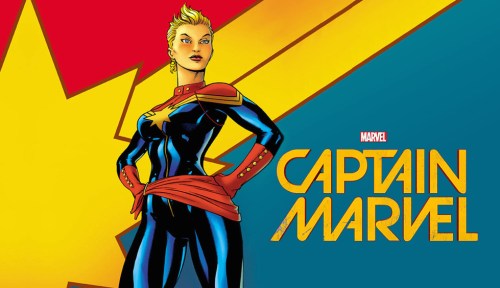
How Captain Marvel Can Be The Future Of The MCU (And How It Can Go Horribly Wrong)

558759l

When a team is on an epic winning streak, it creates the perception that they have some supernatural ability to defy the law of averages and bend reality to their will. It happened to the 2007 New England Patriots. It happened to the 2016 Golden State Warriors. They had this aura of invincibility that made it seem as though they could never lose.

That made their eventual loss, both in championship games no less, that much more painful. However, I would argue that the winning aura of those teams pales in comparison to that of the Marvel Cinematic Universe. If the MCU were a sports team, it would include the likes of Michael Jordan, Tom Brady, LeBron James, Wayne Gretzky, Tiger Woods, and Muhammad Ali in their primes and on crack.

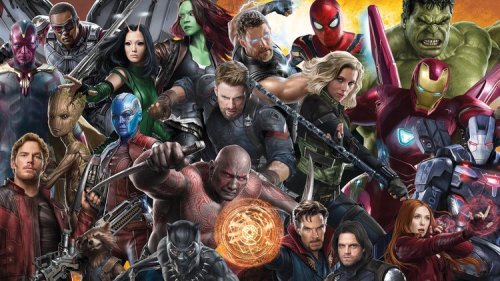
To say that Marvel’s movie franchises are on a winning streak would be like saying a hungry lion has a slight edge over a wounded squirrel. The Marvel Cinematic Universe hasn’t just made superhero movies the gold standard of the box office by raking in $16.8 billion worldwide to date. It has set the bar so high that even close rivals have essentially given up.

Disney, Marvel Studios, and Kevin Feige are riding higher than anyone thought possible, especially for those who still have nightmares about “Batman and Robin.” With both “Black Panther” and “Avengers: Infinity War” breaking a fresh round of records this year, it seems as though that winning streak is only accelerating.

I say all this not just to belabor how much the MCU has accomplished over the past ten years. I say it as a fan who loves Marvel comics and wants to see it keep winning. However, even with “Avengers 4” set to come out next year and make another couple billion, I believe this streak of superhero movie excellence is vulnerable.

It’s no secret that “Avengers 4” will likely mark the end of an era. Kevin Feige has gone on record as saying that this movie will act as an endgame, of sorts. While makes clear that the MCU will continue, with movies planned out until 2025, he also indicates that there will be major upheavals.

That’s somewhat necessary because with the conclusion of “Avengers 4,” many of the contracts for MCU stalwarts like Robert Downy Jr., Chris Evans, and Chris Hemsworth are set to expire. While it’s possible that some may find a way to keep going, others like Chris Evans have made clear that their time in the MCU is almost over.

That means for the MCU to continue its winning streak, it needs to move forward with new characters, new actors, and new ideas. It has to find a way to keep this world moving forward, potentially without the likes of Captain America, Iron Man, and Thor. That’s a huge challenge, even for a franchise on an unprecedented winning streak, and the comics have already failed to fill those voids.

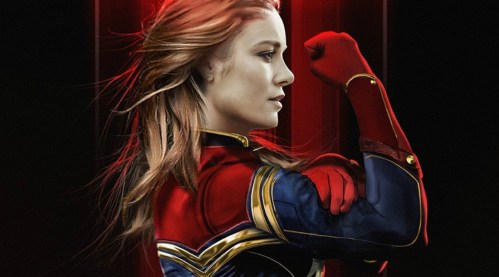
That’s where Carol “Captain Marvel” Danvers comes in. If you saw the post-credits scene for “Avengers: Infinity War,” you know why she’s about to become very relevant to the MCU. I’ve talked about her before and established how things could easily go wrong with her upcoming movie. I imagine I’ll have a lot more to talk about in the coming months.

I don’t think it’s unreasonable to say that Carol Danvers and her upcoming movie, which is slated for release in March 2018, is the most important movie in the history of the genre. I believe this movie may very well determine whether the winning streak of the Marvel Cinematic Universe continues or finally falters.

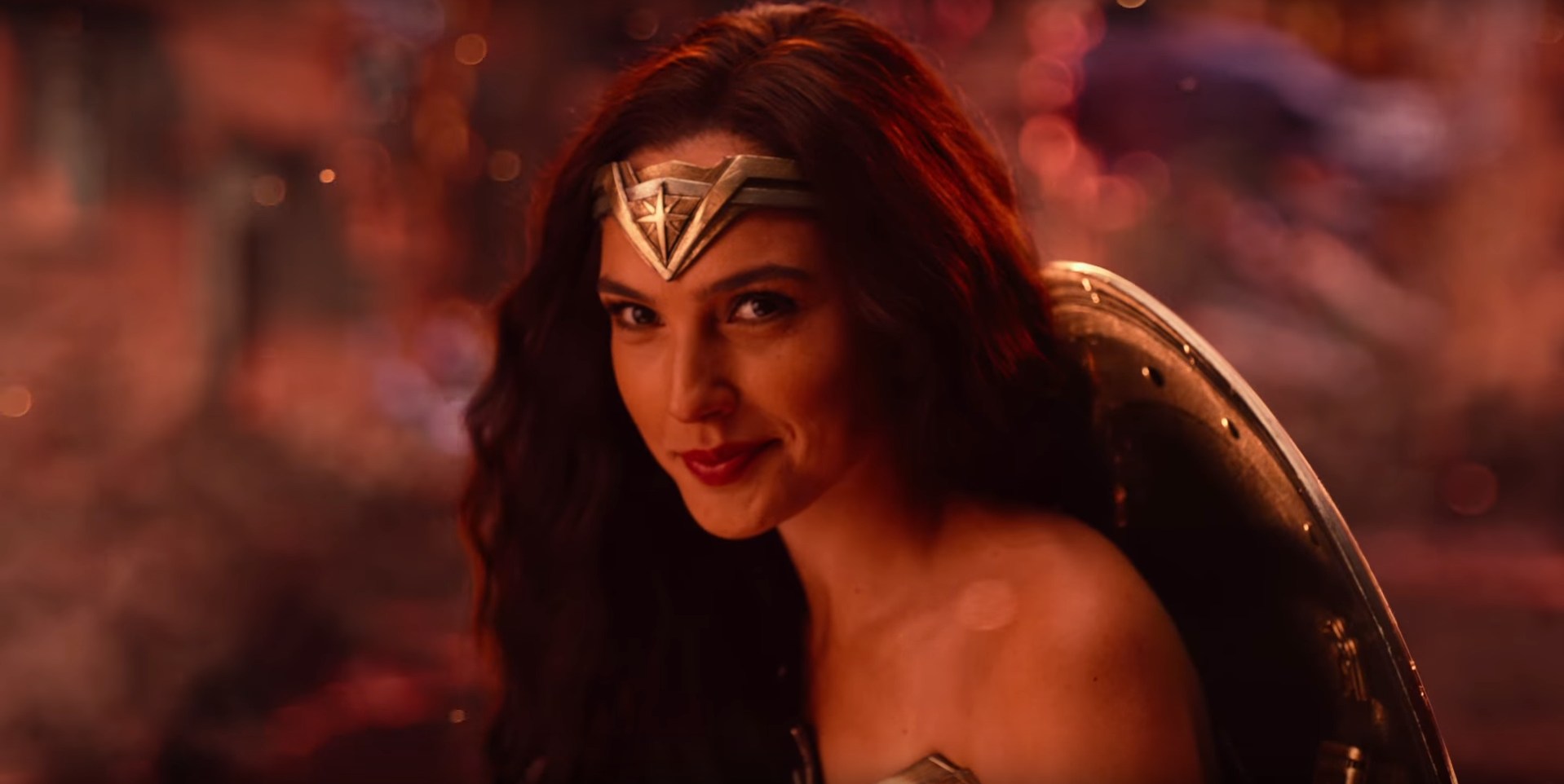
I say that as someone who loves Carol Danvers as Captain Marvel. Back in 2012, Kelly Sue DeConnick effectively reinvented the character in a way that convinced me that she deserves a prominent role in any Marvel universe. In my opinion, she’s essentially Marvel’s version Wonder Woman.

Her movie has so much going for it. “Wonder Woman” established that female superhero movies could be a hit at the box office and garner critical acclaim, despite the scars left by “Catwoman.” On some levels, “Captain Marvel” is facing a lot less pressure and it has the momentum of “Avengers: Infinity War” behind it.

However, the stakes are actually higher for this movie compared to everything “Wonder Woman” faced. Recently, Kevin Feige stated that Carol Danvers will be the new face of the MCU. From a purely logistical standpoint, that makes sense. The MCU needs a new unifying force if Chris Evans’ Captain America is to make his final stand in “Avengers 4.”

I believe Carol can pull it off, as well. She has taken on more leadership roles in the comics and has become a central member of the Avengers’ main team. Combine that with Brie Larson’s charisma and Carol Danvers has all the tools she needs to keep the MCU’s winning streak going.

I believe she can do this simply by being the kind of character that Kelly Sue DeConnick molded six years ago. That version of Carol Danvers emerged from years of being a secondary character in Ms. Marvel who rarely got a chance to achieve the same recognition as her peers. She’s a classic case of a character who elevated themselves by embracing a new identity, a new purpose, and greater ambition.

DeConnick established Carol as someone who achieves so much in one field, but dares to seek greater challenges beyond. She contributed to the Avengers for years, but never pursued a greater vision until she became Captain Marvel. That idea of someone looking to the stars, seeking to achieve more, and pursuing it with unmatched drive is what will help her succeed in ways on par with Wonder Woman.

At the same time, though, there are potential risks and Captain Marvel may be more vulnerable to them than Wonder Woman. While Kelly Sue DeConnick did a lot to reinvent Carol Danvers for a new era, she has faltered somewhat. Recent events in the comics have put her heroic merits into question for all the wrong reasons. Some of Brie Larson’s politically-charged rhetoric hasn’t helped either.

To some extent, Carol’s reputation has faltered because in elevating her status in the comics, she has been hit with the dreaded Galbrush Paradox. The quirks that DeConnick introduced, such as Carol being a Star Wars fan and having a love interest in James Rhodes, have eroded in recent years. In addition, even her artistic depictions have devolved by reducing her feminine features for no apparent reason.

In wake of the vitriol that Star Wars received for its portrayal of female characters, I worry that “Captain Marvel” runs the risk of inviting a similar backlash. If Carol Danvers is not sufficiently compelling, she runs the risk of getting hit with the Mary Sue label that has plagued Rey since “Star Wars: The Force Awakens.”

The worse case scenario, in my opinion, involves turning Carol Danvers into a Captain America or Iron Man stand-in. In the absence of these iconic characters, and their top name actors, Feige and those at Marvel Studios may be tempted to make her too much like them. That would be a huge mistake, especially for an organization on such a huge winning streak.

Carol Danvers is not Steve Rogers, nor is she Tony Stark. She’s not just a woman who takes on a man’s role either. She’s still a woman and, especially under DeConnick, her womanly traits were on display alongside her more badass features. It’s not groundbreaking because Wonder Woman struck just the right balance, having her fight alongside men while still acting like a woman.

In the best case scenario, Carol Danvers follows Wonder Woman’s example and establishes herself as someone worthy of carrying the MCU forward. Unlike Rey, she’s a character with plenty of compelling lore to work with. The key is finding the right blend that’ll help her fit into the Marvel Cinematic Universe.

At this point, without a trailer and only a few teases to go on, it could go either way for “Captain Marvel.” It could be the next in a long line of successes or it could be the MCU’s first failure. To date, Kevin Feige and those at Marvel Studios have shown time and again that they know what they’re doing.

Hell, they took an obscure series involving a talking raccoon and made it a global brand. Until they show they’re capable of screwing up, I’ll continue to give them the benefit of the doubt. At the same time, though, I think it’s worth bracing for that inevitable setback. All winning streaks come to an end. I just hope “Captain Marvel” isn’t the one that ends it.

1 Comment

Filed under Comic Books, Jack Fisher, Superheroes, media issues, movies, superhero movies

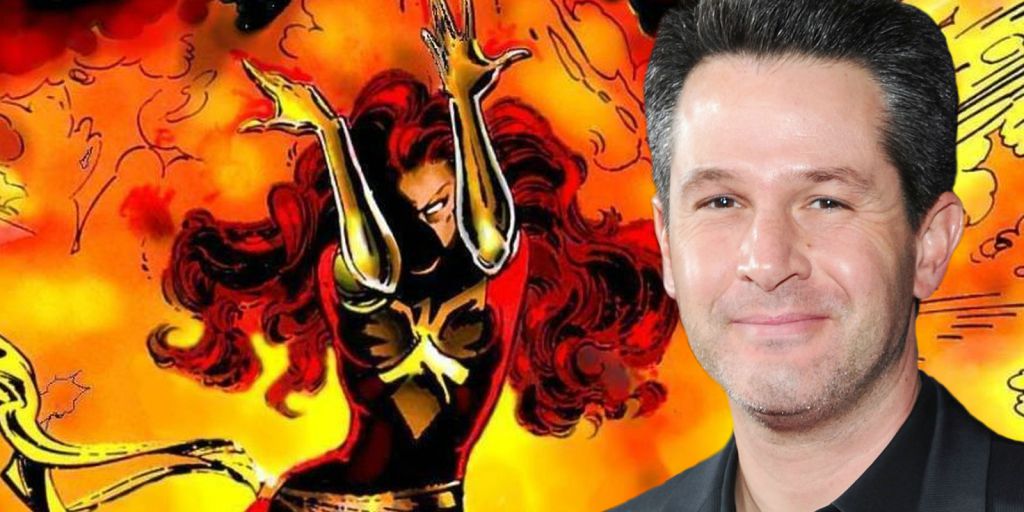
How Negative Expectations May Ruin “X-men: Dark Phoenix” (For The Wrong Reasons)

SophieJean1

There’s an important, but understated difference between negative expectations and a self-fulfilling prophecy. Expectations are like reflexes. They’re somewhat involuntary, reflecting our assumptions and understanding of a situation. A self-fulfilling prophecy involves actual effort. Whether intentional or not, it guides our perceptions in a particular direction, one often associated with a particular bias.

To some extent, a self-fulfilling prophecy is akin to self-hypnosis. We convince ourselves so thoroughly of a particular outcome that to consider otherwise would be downright shocking, if not distressing. That’s why it’s so difficult, at times, to escape a particular expectation, especially if it’s negative.

I bring up expectations and self-fulfilling prophecies because they do plenty to shape our reactions and attitudes, especially in the media we consume. For better or for worse, often varying from person to person, we tend to determine how much we enjoy something before we even experience it.

Sometimes, it works to the benefit of a particular movie, video game, or TV show. The powerful brand of the Marvel Cinematic Universe is built heavily on the expectations that a long list of quality, well-received movies have established. Conversely, the DCEU struggles with negative expectations, thanks largely to a catalog of movies that have failed to consistently deliver.

Then, there’s “X-men: Dark Phoenix.” It’s a movie for which I’ve made my passion and my excitement very clear over the past year. It’s also a movie that is in the midst of an emerging crisis. It’s not the kind that involves negative press, actors melting down on set, or sordid sex scandals, for once. Instead, it’s an issue that involves negative expectations that may very well become a self-fulfilling prophecy.

As big an X-men fan as I am, I don’t deny that the X-men franchise is not on the same level it was in the early 2000s when it dominated the box office alongside Spider-Man. Even though I loved “X-men: Apocalypse,” I can’t deny it under-performed and underwhelmed.

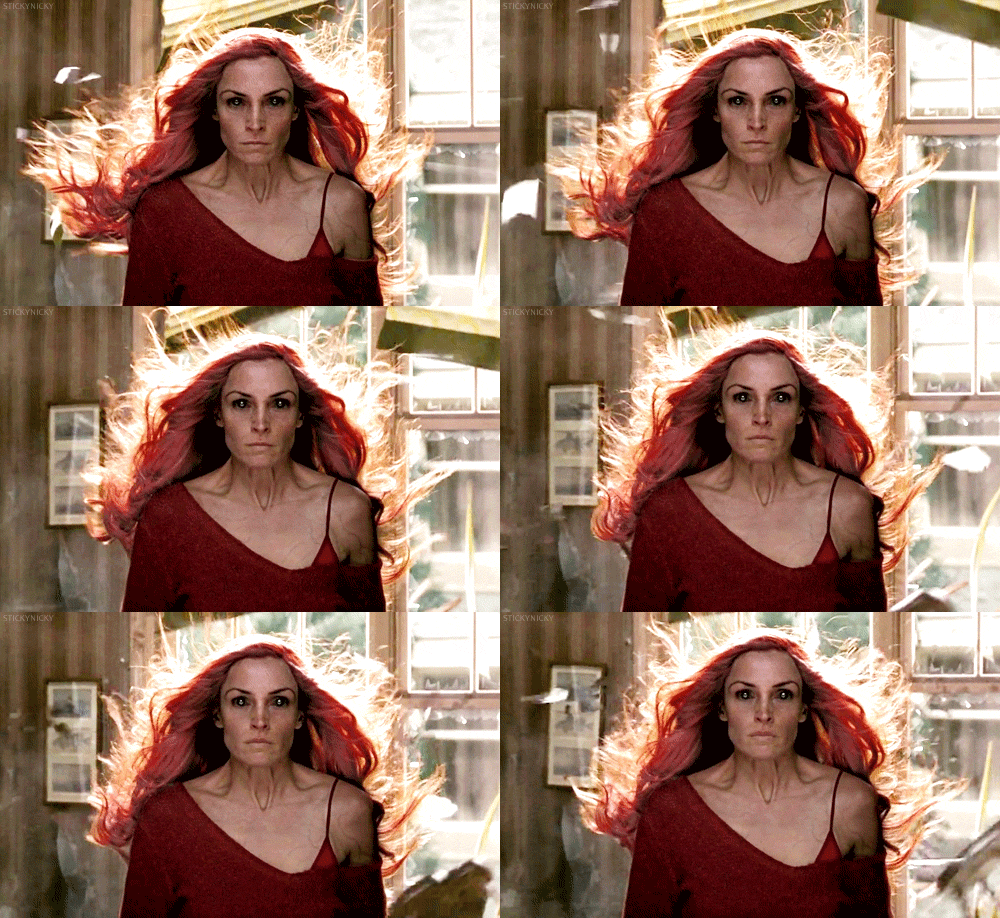
Despite that, “X-men: Dark Phoenix” has more going for it. It’s attempting to tell the Dark Phoenix Saga, the most iconic X-men story ever told. Moreover, it’s attempting to tell that story after it botched it horribly in “X-men: The Last Stand.” Even the director, Simon Kinberg, has gone on record as saying that he wants to “X-men: Dark Phoenix” to succeed where the last one failed.

Given how rare that kind of humility is in Hollywood these days, X-men fans and fans of superhero movies in general have every reason to expect better things from this movie. Given how low the bar is after “X-men: The Last Stand,” I’m more optimistic than I dare to be when it comes to comic book movies.

Unfortunately, that sense of optimism seems to beg getting less and less prevalent. Whether due to the underwhelming performance of “X-men: Apocalypse” or a growing impatience to see the X-men join the MCU after the Disney/Fox merger is complete, there’s a general sentiment that this movie is going to be bad.

I see it on popular YouTube channels. I see in the many comic book message boards I frequent. The overall consensus is that this is a Marvel movie that isn’t part of the MCU. Therefore, it’s going to be terrible. That is, by every measure, a terrible excuse to dismiss a movie, especially when we haven’t even seen a trailer.

To make matters worse, a recent string of leaks from an alleged test screening revealed details that have only fueled those negative expectations. For reasons that I’ll make clear in a moment, I won’t list the details of those links. I will, however, offer a direct quote that aptly sums up the prevailing attitude for this movie.

“I do believe some things won’t change. What can’t change is the movie being really underwhelming. Really lower your expectations because this one is not good.”

This news, if accurate, is not encouraging to anyone hoping to see a well-done Dark Phoenix Saga on the big screen. To make matters worse, those who already had negative expectations about this movie have even more excuses to resent it.

As I’ve noted before, people tend to cling to excuses that justify their preconceived notions. It doesn’t even matter if the excuse is true. Once they have it, they cling to it. It’s usually not done out of malice. It’s just a lot easier to keep thinking what you’ve already thought rather than adjust your expectations.

In this case those, the story surrounding the leaks has already confirmed to be untrue. That leak came from a Reddit post, of all things, which is akin to getting your news from 4chan. On top of that, and this is a testament to Reddit’s users, the mods have stated outright that the user was not credible. This is an exact quote.

Apparently test screen guy is Atlanta Filming, created an account and sent fake spoilers/leaks. Trying to discredit other bloggers because he wants to be “the only legit source”.

If that weren’t telling enough, it was already announced back in March that the movie was going to undergo reshoots in August. Now thanks to “Justice League,” reshoots have gotten a bad name, but they’re a fairly common practice. Even the heavily-hyped, positively-perceived “Avengers 4” is scheduled for reshoots.

Even if those leaks were accurate, chances are the cut of the movie shown at test screenings isn’t the final cut. Kinberg himself has said that the reshoots are intended to shore up the final product, as one would expect of any piece of art. It sounds so reasonable and logical.

That still doesn’t matter, though. It doesn’t change the expectations. This movie still isn’t meeting the impossible set of criteria that fans spoiled by the MCU have so unreasonably set. It’s not in the MCU, nor is it being guided by Kevin Feige. Therefore, it must be terrible.

It’s unfair, unreasonable, and just plain asinine to judge “X-men: Dark Phoenix” by those standards, especially with reshoots to come and no official trailer. At this point, the negative expectations are so heavy that they’re starting to sound more and more like a self-fulfilling prophecy.

With that being the case, I feel like I can predict the reactions from people once the trailer drops. Sure, there will be some like me who are eager to give this movie a chance after what happened with “X-men: The Last Stand,” but I think there will be more comments like this.

“It’s not the MCU. I’ll pass.”

“X-men Apocalypse sucked! I’m not even giving this one a chance.”

“To hell with this movie! Just let Marvel have the rights back already! Fox can’t do anything right!”

Now, far be it from me to defend Fox, the same company that gave us “Wolverine: Origins,” but these are all intensely petty reasons to judge a movie. I say that as someone who is guilty of setting low expectations for movies, cartoons, comics, and TV shows. Hindsight has done plenty to reveal which of those were the result of self-fulfilling prophecies. That still doesn’t make the expectations any less absurd.

Even for those who aren’t just ardently opposed to any superhero movie that isn’t a product of the MCU, I think I can predict the criticisms they’ll probably levy against this movie even after it comes out. Chances are, they’ll be every bit as petty and include comments like this.

“It’s too dark and not cosmic enough!”

“It’s too cosmic and not grounded enough!’

“It’s too much like the comics!”

“It’s not enough like the comics!”

“It doesn’t have enough [Insert Favorite Character Here]!”

“It has too much [Insert Intensely Hated Character Here]!”

There will probably be plenty more excuses for hating this movie, far more than I can list. It doesn’t even matter how subjective they are or how empty they may be. People who are determined to hate something will find an excuse that satisfies their psyche and vindicates their feelings. Anything else would require that someone actually re-evaluate their expectations and that’s just untenable.

It’s frustrating and tragic that a movie or any piece of media would be subject to this kind of debasement before it’s even completed. It’s one thing for a movie to face skepticism because of production troubles, “Solo: A Star Wars Story” being the most recent example. For a movie whose primary crime is not being in the MCU, that’s just plain absurd.

In terms of the bigger picture, it’s good for superhero movies, as a whole, if “X-men: Dark Phoenix” succeeds. It’s unhealthy for the genre if the MCU is the only acceptable avenue for quality superhero movies. We’ve seen with “Wonder Woman” that it is possible for a superhero movie to succeed in a world that doesn’t have Robert Downy Jr. or Chris Pratt.

X-men: Dark Phoenix” deserves the same chance. That’s why I intend to keep my expectations high, but cautious for this movie. Even if it turns out to be good, though, I worry that it’ll be undercut by too many people who are too eager to hate it. It would be both a tragedy for the movie and all those involved, as well as a bad omen for the genre as a whole.

5 Comments

Filed under Comic Books, Jack Fisher, Superheroes, media issues, movies, X-men

A Meta-Level Marvel: A Review Of “Deadpool 2”

large_dp2

When a movie becomes an unexpected hit, both with critics and at the box office, the biggest question isn’t whether or not the studio will make a sequel. Major studios just love money too much. It’s just a matter of whether or not the sequel will be able to capture the magic of what made the first movie so great.

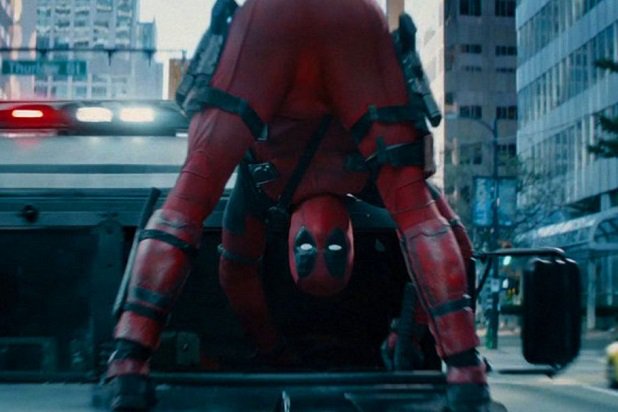
The first “Deadpool” movie was an unexpected hit that Fox didn’t even want to make. It broke so many rules, both with its R-rating and with its unorthodox approach to making superhero movies. In fact, it spent a good chunk of its overly violent first act establishing that “Deadpool” is not a superhero movie and Deadpool, the character, isn’t a traditional superhero.

By daring to be different while also embracing everything that’s lovable and unique  about the character, “Deadpool” found a way to work, despite a paltry budget and an audience that still hadn’t forgotten Deadpool’s disastrous first appearance in “Wolverine Origins.” Now, “Deadpool 2” faces a new, but less daunting challenge in following up the unprecedented success of its predecessor.

Well, I’ll gladly spoil one detail about this movie. It matches, exceeds, and kicks the ever-loving shit out of those challenges. If you enjoyed the first “Deadpool” movie, then you’ll find plenty to enjoy with “Deadpool 2” and then some. Even if you found yourself unsatisfied with the first “Deadpool” movie, “Deadpool 2” will hit leave you feeling content in a way not possible without the aid of heavy stimulants and skilled hookers.

I realize that’s an overly vulgar way of saying that “Deadpool 2” is a great movie, but after seeing it, I think that’s perfectly in keeping with the spirit of the movie. It is, like its predecessor, an R-rated spectacle that does plenty to earn that rating. There’s plenty of profanity, violence, adult themes, and a lot of butt jokes.

Seriously, this movie doubles down on the appeal of butt jokes. It’s not quite in the same cartoonish mold as “South Park,” but it works because it’s a Deadpool movie. It needs to be vulgar and crude for the same reason water needs to be wet.

However, it’s not just the butt jokes, the violence, the crude humor, or the inherent lovability of Ryan “Mr. Blake Lively” Reynolds brings to the table. There are deeper, less juvenile appeals in “Deadpool 2” that help distinguish it from other superhero movies. It’s true to the Deadpool brand, but still finds a way to transcend its genre.

In the same way the first “Deadpool” movie mixed its superhero narrative with that of a genuine, sex-positive romance story, “Deadpool 2” does something similar. Instead of a romance story, though, the movie frames itself as a story about family and how to find one in an unfair, unjust world.

It’s a story that deals with serious issues of abandonment, abuse, and injustice. It does much more than its predecessor to incorporate the struggles minorities face that have played out in previous “X-men” movies. However, “Deadpool 2” never feels too much like an X-men movie. It keeps things personal and that’s key to making its story work.

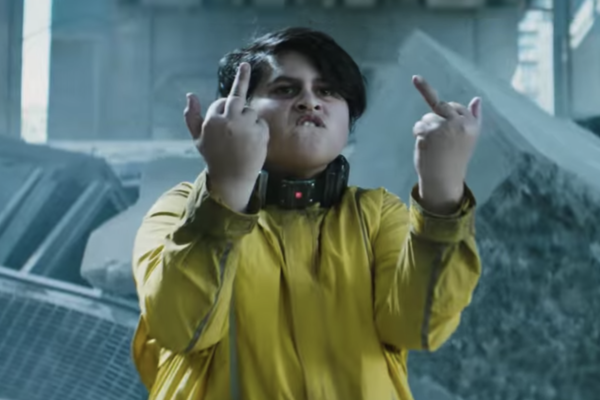
Besides butt jokes and breaking the 4th wall, the underlying theme that drives the narrative in this movie is how everyone’s family gets shattered by various forces. Deadpool loses his family. Cable loses his family. Russell, also known as Firefist, is basically without a family from the beginning.

Those respective losses are what drive the characters through the story. That gives it a level of emotional weight that you wouldn’t expect for a movie based on a wise-cracking, exceedingly violent character who was heavily derived from an established DC character. That emotional weight is critical for both Deadpool and his supporting cast.

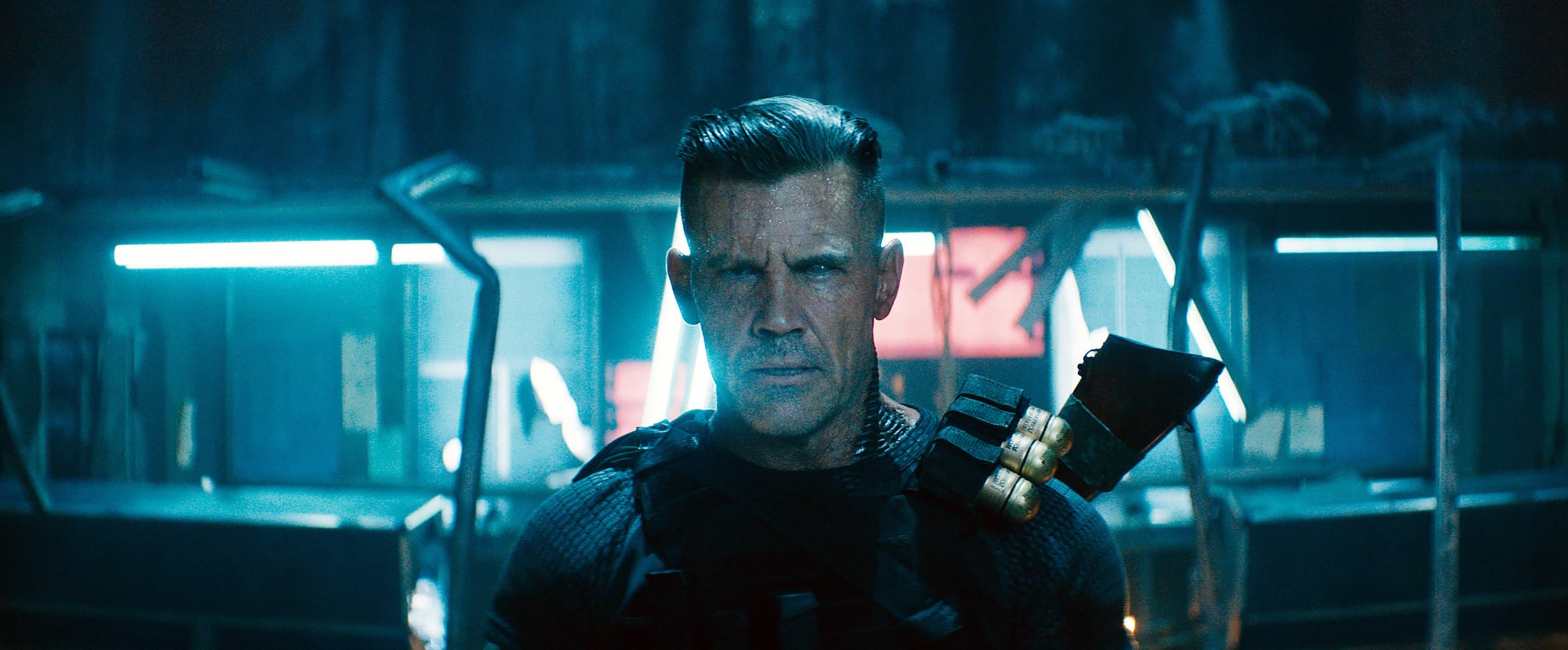
It’s here where “Deadpool 2” further improves on its predecessor. Unlike the first movie, it digs a little deeper into the vast catalog of X-men characters. The most important of those characters is Cable, the time-traveling badass whose convoluted origin story involves a clone of Jean Grey. It’s a character that Josh Brolin brings to life perfectly.

Already riding high from how he played Thanos in “Avengers: Infinity War,” Brolin’s Cable brings a gruff balance to Deadpool’s quirky persona. That’s not just critical for the overall feel of the movie. It’s a critical element to their relationship, as established in the comics.

It’s not at all necessary to be familiar with their history in the comics to appreciate it in this movie, but as a life-long X-men fan, it’s nice bonus to see the spirit of the comics find their way into the movies. Given how often superhero movies take liberties with comic lore these days, that does count for something for fans like me.

As a result, Cable’s gruff, overly serious demeanor complements Deadpool’s eccentricities perfectly. Having both suffered immense personal losses, they both seek the same thing. Their methods are just very different and that makes for some glorious conflict, complete with references to Brolin’s role as Thanos and his role in “The Goonies.”

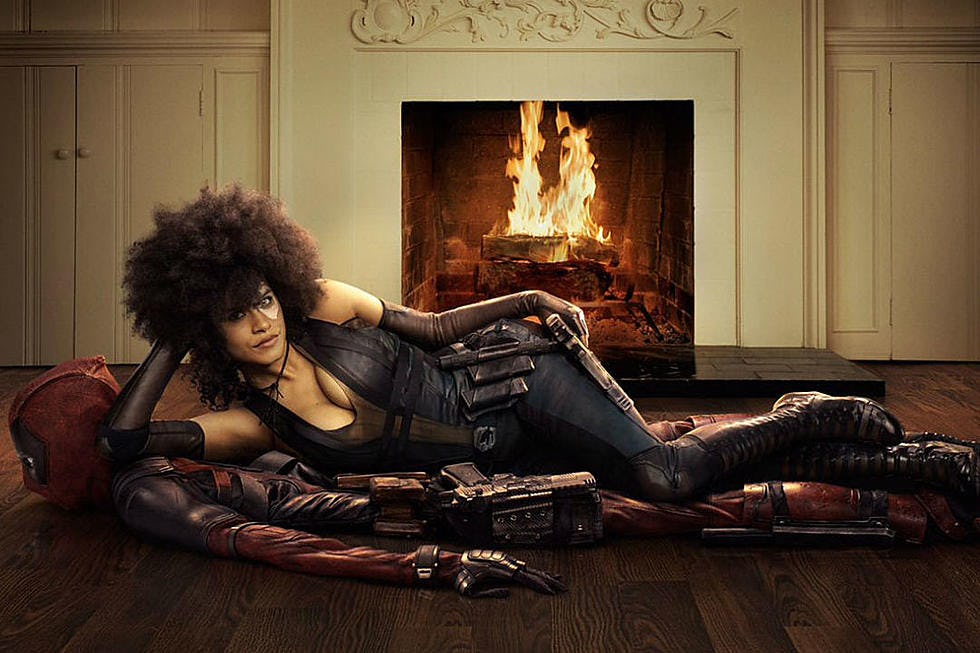
Aside from Cable, “Deadpool 2” also brings in other familiar X-men characters. That includes Colossus and Negasonic Teenage Warhead, who had significant roles in the first movie. It also involves newcomers Bedlam, Shatterstar, and most notably, Zazie Beetz’s Domino. While not all these characters get a chance to shine, Domino does plenty to steal the show in multiple scenes.

There’s even a lengthy list of cameos throughout the movie and not just of the Stan Lee variety. The movie, even with its more serious themes involving family and loss, still finds plenty of ways to lighten the mood and have fun with itself. It never takes itself too seriously or gets too dark. It finds a way to mix in just the right amount of humor into everything.

By nearly every measure, “Deadpool 2” checks all the necessary boxes for an appropriately uncanny sequel. It offers a rich array of content that builds on what the first movie established along with plenty of bonus material, including one of the best post-credits scene of any superhero movie. Even if you don’t care for the movie, that post-credits scene will put a smile on your face, especially if you hatedWolverine Origins.”

That’s not to say it’s a flawless movie. I wouldn’t put this movie above “Avengers: Infinity War” and not just because it’s a different kind of movie. “Deadpool 2” does a lot of things right, but it leaves some things unfinished. There are times when it rushes certain plot elements. As a result, characters like Vanessa and the lovably under-powered Peter feel wasted.

There are also a few instances where the the story feels choppy. Those instances are minor, though. While it would’ve been nice to establish a few other details about characters like Cable and Domino, the overall structure of the movie still works because it keeps the plot of “Deadpool 2” concise. It never tries to cram too much into the story, which has derailed more than a few superhero movies. See “Spider-Man 3.”

Overall, “Deadpool 2” is awesome because it has an identity and sticks to it. There’s crude humor, violence, and plenty of 4th wall breaking. There’s also genuine heart. In the same way the romance elements in the first movie felt sincere, the themes of family and finding a place in an unjust world feel just as sincere in this movie.

You’ll laugh and you’ll feel throughout “Deadpool 2,” but chances are you’ll probably do more laughing. As a whole package, “Deadpool 2” gives you plenty of reasons to leave the movie with a big smile on your face. Whether you’re an X-men fan, a superhero fan, or a fan of neither, this movie gives you something to enjoy.

If I had to score “Deadpool 2,” I would give it a 9 out of 10. It’s not flawless, but it’s pretty damn close. It’s exactly what you want it to be and then some. The ability to make more butt jokes is just a nice bonus.

Leave a comment

Filed under Comic Books, Jack Fisher, Superheroes, superhero movies, X-men

Infinitely Astounding And Then Some: My Review Of “Avengers: Infinity War”

https3a2f2fblogs-images-forbes-com2fcurtissilver2ffiles2f20182f042favengers

We’ve heard it all our lives from parents, teachers, and cartoon characters. Good things come to those who wait. Patience is a virtue. If something is worth having, then taking your time and going through the process will make it that much more rewarding.

As impatient, overly energetic kids, we hated that. As adults, we still hate it to some extent. However, those inane words of wisdom have proven themselves valid time and again.

To some extent, the Marvel Cinematic Universe has a been a decade-long exercise in patience. That patience has already paid off in so many ways with so many memorable moments, raising the bar for cinematic excellence every step of the way. After ten years of that process, though, how could it possibly vindicate all the patience?

Well, having seen “Avengers: Infinity War,” I’m comfortable saying that all the waiting, hype, and post-credits teasers was totally worth it. Never before has a movie come along that required so much build-up and so much connection from other films over such a lengthy period of time. Never before has a film franchise ever achieved such sustained, consistent success that has raked in billions for its Disney overlords.

By nearly every measure, “Avengers: Infinity War” is the culmination of all those efforts. It’s an effort that spans dozens of movies, made and re-birthed entire careers, and dared to tell the kind of story that required such a lengthy, elaborate process. It’s the kind of movie that, a decade ago, seemed impossible. Well, the impossible has been done and the results are nothing short of astounding.

Beyond the hype, setup, and process that went into making this movie, “Avengers: Infinity War” is a ride like no other. It’s not just about superheroes coming together to battle a common enemy. It’s not just about big battle scenes and witty quips between gods and talking raccoons. This is a movie with a powerful, impactful story that strikes so many emotional chords.

That may seem strange for a superhero movie, which have traditionally been big-budget spectacles meant to delight the inner child/fanboy in us all. The idea that a superhero movie could generate real drama and evoke powerful emotions almost seems like a subversion of the underlying appeal of the genre.

It’s for that reason that “Avengers: Infinity War” is so special. It doesn’t just build around the appeal of all these iconic characters, most of which are older than the actors and actresses playing them. It crafts a story that takes all the emotional stakes that had been set up in other movies and pushes them to the absolute limit.

The emotional journey that began in “Iron Man” and “The Avengers” comes to a head in a way that’s both definitive and powerful. There’s no more teasing surrounding Thanos, the Infinity Stones, and all the agendas surrounding them, many of which began in the earliest phases of the MCU. The stakes are clear, the threat is there, and the battles surrounding both are appropriately epic.

Beyond just the spectacle, though, “Avengers: Infinity War” succeeds in what might be the most important aspect for a movie of this scope and scale. The story and the high-octane clashes that fuel it all unfold in a way that makes the last decade of Marvel movies feel even more relevant.

Marvel big-wigs like Kevin Feige love to say it’s all connected. Well, “Avengers: Infinity War” strengthens those connections. Suddenly, the plots involving the infinity stones, going all the way back to “Captain America” and “Guardians of the Galaxy,” matter that much more.

All those plots gain much greater weight as Thanos fights to retrieve all six stones. Now, all the triumphs and failures of these characters more weight. These characters we’ve been cheering for and connecting with now have to push themselves beyond their limits. The end result is an experience that hits as hard as a punch by the Hulk.

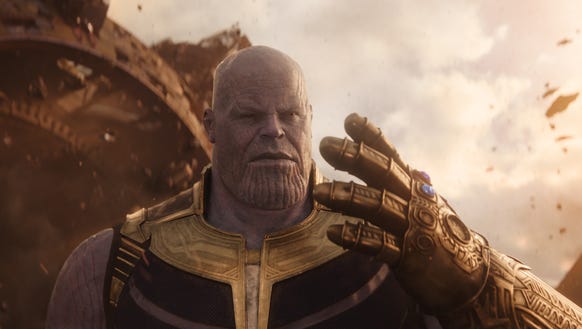
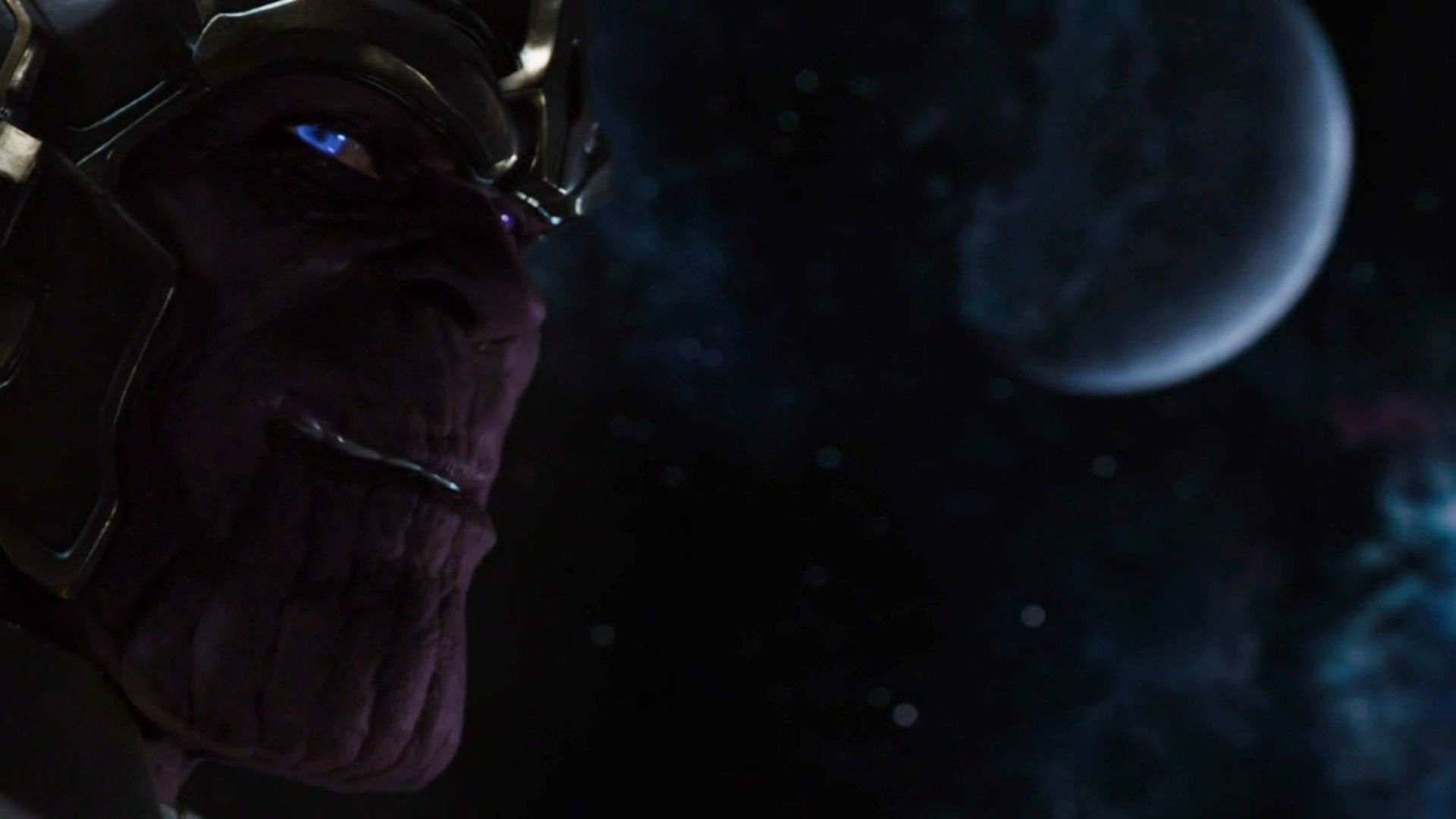
Beyond the connections created by the past ten years of Marvel movies, “Avengers: Infinity War” succeeds in another important way. It crafts the conflict around a powerful, compelling villain. After seeing the movie, I think most would agree that Thanos really steals the show and not just because Josh Brolin’s voice gives us all the right shivers.

It was probably the biggest challenge of this movie, beyond having to build it around a decade of overarching plot points. This movie needed to make Thanos more than just a daunting threat. It had to make him compelling. Given his colorful history in the comics, that was more challenging than most non-comic fans realize.

Thanos needed to be adapted, to some extent, in order for him to work. He couldn’t just be this mad, death-obsessed monster. In a universe that has birthed compelling villains like Loki and Erik Killmonger, he has to have some level of complexity. “Avengers: Infinity War” gives him more than any CGI-generated character could ever hope for.

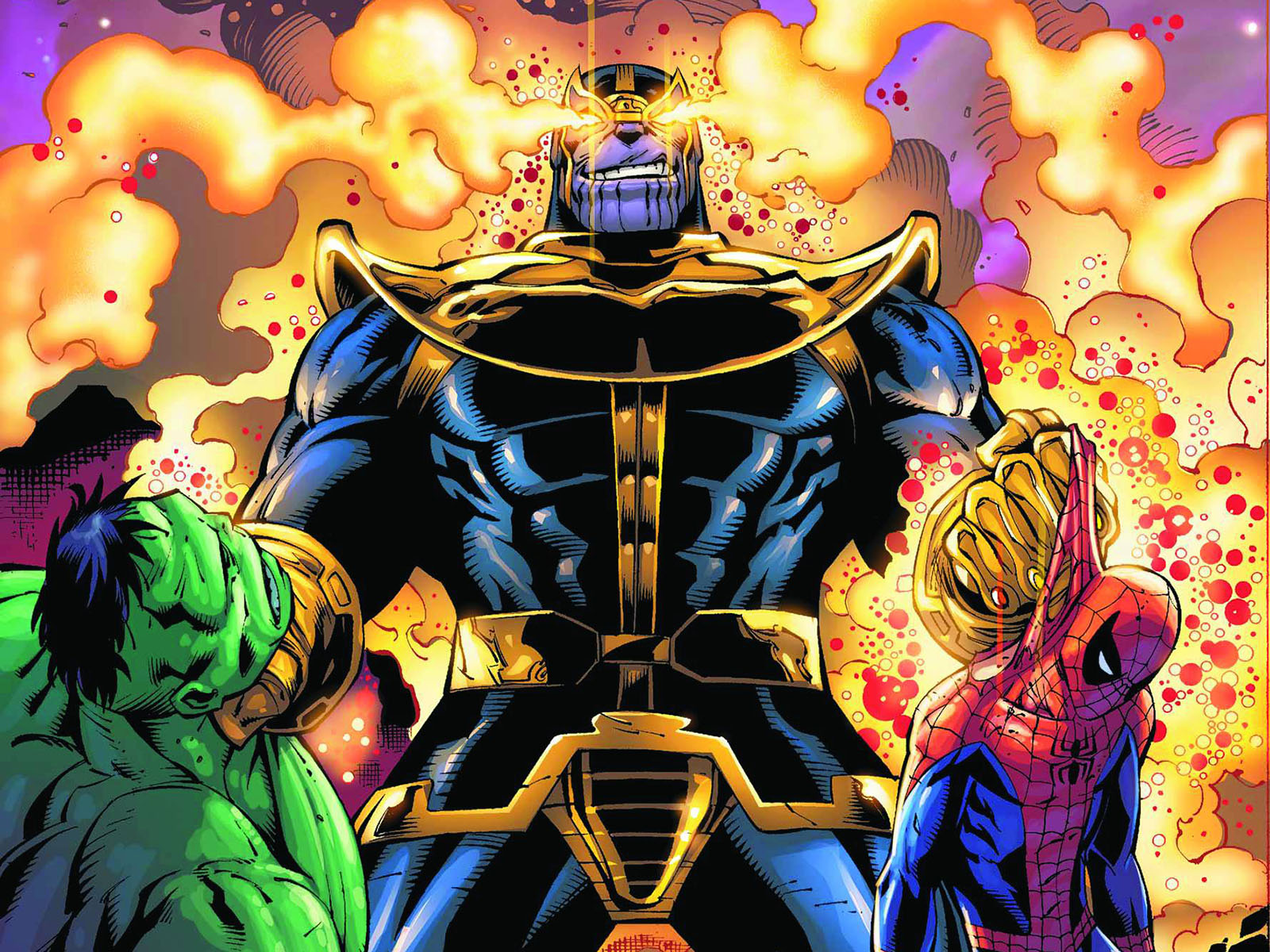
It’s not just that Thanos is menacing, powerful, and able to subdue the Hulk. It’s that he has a clear, unambiguous motivation. He’s very overt about what he’s doing and why he’s doing it. What makes it all the more remarkable is that he finds a way to justify it that doesn’t come off as outright villainous. I would argue that he justifies his actions are better than any other villain in the MCU.

That doesn’t just make Thanos compelling, as both a character and a villain. It helps create moments that establish he’s not just some overwhelming force of evil. He’s a being who has feelings and emotions. Even in the comics, Thanos is a very emotion-driven character. The emotions, in this case, are directed towards something other than wanting to hook up with the living embodiment of death.

As menacing as Thanos is, though, he’s driven by his passions and those passions push him to the kinds of extremes that make all villains so dangerous. It’s not the same kind of greed and ego that makes Lex Luthor’s villainy so overt. As a result, the Avengers have to tap into their own passions to stop him.

This brings out the best in them as well. There are moments between Iron Man, Spider-Man, Vision, the Scarlet Witch, Starlord, Gamora, and Thor that really elevate the drama. There are moments of romance, building on romantic sub-plots from previous movies. There are moments of heart-wrenching loss, more so than any other Marvel movie to date. Most importantly, though, those moments carry weight and impact.

That, more than anything, is what makes “Avengers: Infinity War” a special cinematic experience that was worth waiting a decade for. To some extent, the movie makes clear that it needed those ten years to build up the drama and story. It also needed those ten years to make us, the audience, really care about all these characters. That way, when the final credits roll, we all feel the true breadth of that impact.

You could, in theory, still watch “Avengers: Infinity War” without having seen any other Marvel movie or superhero movie, in general. Even in that context, it’s still a great movie full of action, drama, and memorable moments featuring gods, super soldiers, and talking raccoons. However, without all the movies that came before it and all the connections from them, it just doesn’t carry the same weight.

If “Avengers: Infinity War” has any flaws, it’s that. To truly appreciate the impact of the movie, it’s necessary to know and somewhat care about the other movies in the MCU that helped set it up. Without that, the movie is just another spectacle. It’s still an amazing spectacle full of quality acting and stunning effects. It just relies so much on the foundation that other movies have crafted.

I’ve no problem saying that “Avengers: Infinity War” is one of the greatest superhero movies ever made. It may very well go onto become the highest-grossing superhero movie of all time. However, it’s not without flaws. They are very minor, but they are there.

If there’s one glaring flaw in this masterful superhero saga, though, it’s that the movie is clearly organized to be in two parts. Like “Kill Bill” or the latest “Star Wars” trilogy, the story is incomplete, by necessity. As a result, the ending feels abrupt. It’s still more impactful than gut punch by an army of Hulks, but it’s one of those endings that never comes off as an endpoint.

This movie is presented very much in the mold of “The Empire Strikes Back” in that it hits the heroes hard, allows the villains to make devastating gains, and really raises the stakes for the sequel. Just as that movie made you want to see Luke Skywalker battle Dearth Vader again, “Avengers: Infinity War” makes you want to see the Avengers take down Thanos.

There’s so many things to love about “Avengers: Infinity War” and what it managed to accomplish. It is definitely a historic achievement for movies and the superhero genre, as a whole. If I had to score it, I’d give it a 9.5 out of 10. It’s not perfect because it’s incomplete, but it’s as close to perfect as anything can get after ten years of build-up.

The wait was long and agonizing, but so worth it. The wait for “Avengers 4” will likely be agonizing as well, but Marvel Studios has made a glorious habit of rewarding such patience so I certainly don’t mind waiting. “Avengers: Infinity War” once again raised the bar. I look forward to seeing how Marvel and Disney raise it again.

5 Comments

Filed under Comic Books, Jack Fisher, Superheroes, Movie Reviews

“X-Men: Dark Phoenix” DELAYED Until 2019 (Along With Several Other Movies)

SophieJean2

I normally try not to report the news too much on this blog, unless it’s extremely urgent or extremely sexy. Sadly, this is more in line with the former rather than the latter.

Just this morning, Entertainment Weekly reported that “X-Men: Dark Phoenix” is being delayed until 2019. It had been originally scheduled for release this coming November, just in time for the holidays, no less. I even went out of my way to explain why I’m more excited for this movie than I am “Avengers: Infinity War.” It now seems I’ll have to temper that excitement.

Thankfully, unlike a few other movies that keep getting delayed, this change doesn’t seem to have much to do with the movie itself and has more to do with Fox’s scheduling. “X-Men: Dark Phoenix” is just one of several Fox movies getting delayed or pushed up, some of which aren’t related to superhero movies, including the upcoming biopic on Freddy Mercury, “Bohemian Rhapsody.”

While it’s still only minor comfort for me, as a comic book fan and an X-men fan desperate to erase memories of “X3,” I’m willing to be patient for this movie. To see Sophie Turner do justice to one of the greatest X-men stories of all time is definitely worth waiting for.

Leave a comment

Filed under Comic Books, Jack Fisher, Superheroes, X-men

Why Cheetah Should Be The Main Villain In Wonder Woman 2

It’s been a while since I talked about Wonder Woman, DC Comics, or developments surrounding the planned sequel to her first movie, which I praised to no end last year. Even though a sequel was announced shortly after the movie’s historically successful debut, not much news has come from it.

There’s a reason for that, albeit a distressing one. The news surrounding anything related to DC’s movie universe has been pretty grim since “Justice Leagueunder-performed at the box office. While I enjoyed the movie and gave it a glowing review, I can’t deny that it’s perceived shortcomings have caused all sorts of problems for the DC movie universe.

Image result for henry cavill mustache

Those problems aside, Wonder Woman is still seen as the lone bright spot in a bleak outlook, especially as Marvel keeps raising the bar with their movies. To date, “Wonder Woman” remains the highest rated, highest grossing DC Comics movie. That makes the success of the sequel, still only known as “Wonder Woman 2,” of paramount importance to the future of superhero movies.

To date, there hasn’t been much news surrounding “Wonder Woman 2.” The only official details we have thus far are that Gal Gadot will continue to play Wonder Woman as only she can and Patty Jenkins is once again set to direct it. According to Jenkins herself, it will to be a very different movie compared to the first one. These are her words:

“We’re actually making a totally different film with a lot of the same, similar like things that we love, but it is its own movie completely, so it’s not ‘two’ to us. It’s an entirely new adventure together that we couldn’t be luckier [to do].”

I’m certainly excited about it, as I am with all things related to Wonder Woman. However, there’s one element that I believe will determine whether “Wonder Woman 2” is a “Dark Knight” level success or a “Batman and Robin” sized disaster. By just referencing “Dark Knight,” I think most superhero movie fans know where I’m going with this.

Image result for Heath ledger joker

It’s all about the villains. Regardless of the studio making the movie, the heroes involved, or the sex appeal of said heroes, the movie often succeeds or fails by how compelling or forgettable the villain is. Nobody will ever forget Health Ledger’s Joker in “Dark Knight.” Conversely, I’m pretty sure everyone has already forgotten Steppenwolf in “Justice League.”

Wonder Woman” may not have had an iconic villain on the same level as Heath Ledger’s Joker, but the combined narratives of both Ares and Dr. Poison worked because they supplemented Diana’s journey towards becoming Wonder Woman. Since the core of “Wonder Woman” was built around that journey, she didn’t really need a villain of Joker caliber.

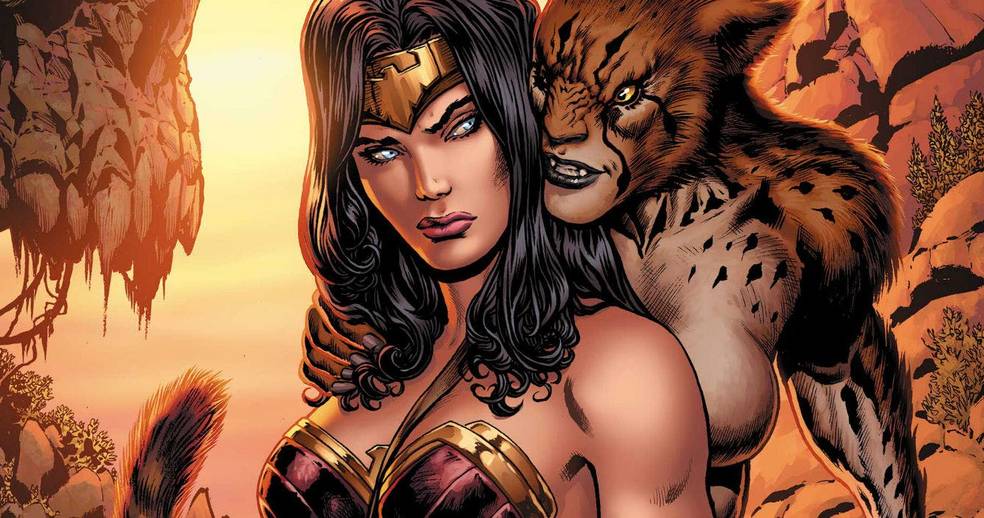
However, she’ll need one for “Wonder Woman 2” and that’s where Cheetah comes in. She has already been rumored to be the villain of the movie. She’s no Joker, but she is probably Wonder Woman’s most well-known villain. The fact that she isn’t an embittered child of Zeus, a story so old that it pre-dates movies, comics, and the printing press, makes that status all the more remarkable.

Image result for Wonder Woman Cheetah

From a pure comic book stand point, Cheetah makes the most sense as the main villain for “Wonder Woman 2” because she’s also one of Wonder Woman’s oldest foes. Her origins go all the way back to the earliest, and also kinkiest, era forged by Wonder Woman’s creator, William Marston.

Like many other classic villains, Cheetah’s persona mirrors Wonder Woman’s in many respects. In her earliest incarnation, Priscilla Rich, she’s an aristocrat woman born to a powerful family. Her mother isn’t a queen, like Diana, but just being in that privileged position from birth puts a great many expectations and temptations on her. It brought out the best in Diana, but it brought out the worst in Cheetah.

From a purely thematic standpoint, that’s an important component for Wonder Woman’s journey. In the same way characters like General Zod embody the kind of person Superman might have become, Cheetah shows Wonder Woman the much darker path she could’ve walked.

Related image

That path already has a very lengthy gap for Patty Jenkins to work with. The conclusion of “Wonder Woman” and the events of “Batman Vs. Superman: Dawn Of Justice” reveal that Diana had been secretly living in the modern world since the end of World War I. That’s a lot of time for her journey to take many turns, some of them darker than others.

That significant breadth of time actually plays to Cheetah’s advantage because her title is not tied to one person. In some instances, it’s a legacy that others take on. In others, it’s a curse that gets transferred from one person to the other. In every case, though, Cheetah embodies a persona that directly clashes with everything Wonder Woman’s stands for.

Wonder Woman fights for compassion. Cheetah fights for herself.

Wonder Woman believes in blessings. Cheetah believes in curses.

Wonder Woman is deeply empathic. Cheetah is exceedingly callous.

Wonder Woman is loyal to her friends. Cheetah betrays them.

Wonder Woman believes in love. Cheetah is driven by hate.

These contrasts were best embodied in Cheetah’s earliest incarnations, but it’s actually her more modern persona in Barbara Ann Minerva that, I believe, has the most potential for “Wonder Woman 2.”

Related image

Like other Cheetah’s before her, Barbara is a privileged woman from a powerful family in which she has all these expectations thrust upon her. As a result, she shares many of the selfish, arrogant, neurotic traits of Priscilla Rich and every spoiled rich brat that ever lived. However, what makes Barbara’s story more compelling is that in her most recent incarnation, she started off as a close friend of Diana.

It’s an element to the villain’s journey that makes their story more entwined with that of the hero. By starting off as a friend, it makes the inevitable clash that much more dramatic. Given the high drama we got in Diana’s final battle against Ares in “Wonder Woman,” it makes sense to take a similar approach with “Wonder Woman 2.” Diana, as we’ve seen, is at her best when drama and passions run high.

Image result for Wonder Woman fights Ares

The Barbara Ann Minerva that Diana knows in the most recent comics can come off as a spoiled brat at times, but she has a genuine fascination with gods, mythology, and the divine. In that context, it’s only natural that Diana would start out as an ally and a friend.

For Diana, especially after how her first movie ended, she would need a friend. After losing Steve Trevor, she would need someone to connect with in a world that is still very new to her. Conversely, Diana can give Barbara the connection she seeks to the world of gods, demigods, and magical lassos that make for hilariously awkward moments.

These two women have everything they need to forge a powerful friendship. At the same time, though, they have everything necessary to create a bitter rivalry as well. In the comics, Barbara’s ambitions and bad choices are what turns her into the feral, villainous Cheetah. It’s those differences in choices doesn’t just make their clash dramatic. It makes it genuinely heartbreaking for Diana.

Image result for Wonder Woman vs cheetah

To some extent, making a new friend and seeing them become an enemy would be even worse than losing Steve Trevor. It would also provide a legitimate explanation as to why Wonder Woman remained hidden from the world for so long, up until the events of “Batman Vs. Superman: Dawn Of Justice.”

Cheetah can do for Diana what Killmonger has recently done for Black Panther. She can give Wonder Woman an enemy that forces her to confront the harsher parts of a world that is still new to her. Back home on her paradise island of warrior women, she was sheltered from all these hardships. Now, she’s all alone in having to face them. That struggle is what will forge her into the iconic female hero that we know and love.

Image result for Wonder Woman vs cheetah

This is, of course, my own personal sentiment and I understand that doesn’t account for much. I’ve already made a wish list of all the things I want to see in “Wonder Woman 2” with the understanding I’ll probably only get a fraction of it, at most. After the first movie, both Gal Gadot and Patty Jenkins have done plenty to earn my trust.

It’s simply my hope that a sequel to such a wonderful, ground-breaking movie will find new ways to raise the bar for superhero movies and female superheroes, in general. That bar is still rising and I believe a character like Cheetah can help raise it for Wonder Woman.


1 Comment

Filed under Comic Books, Jack Fisher, Superheroes, Wonder Woman

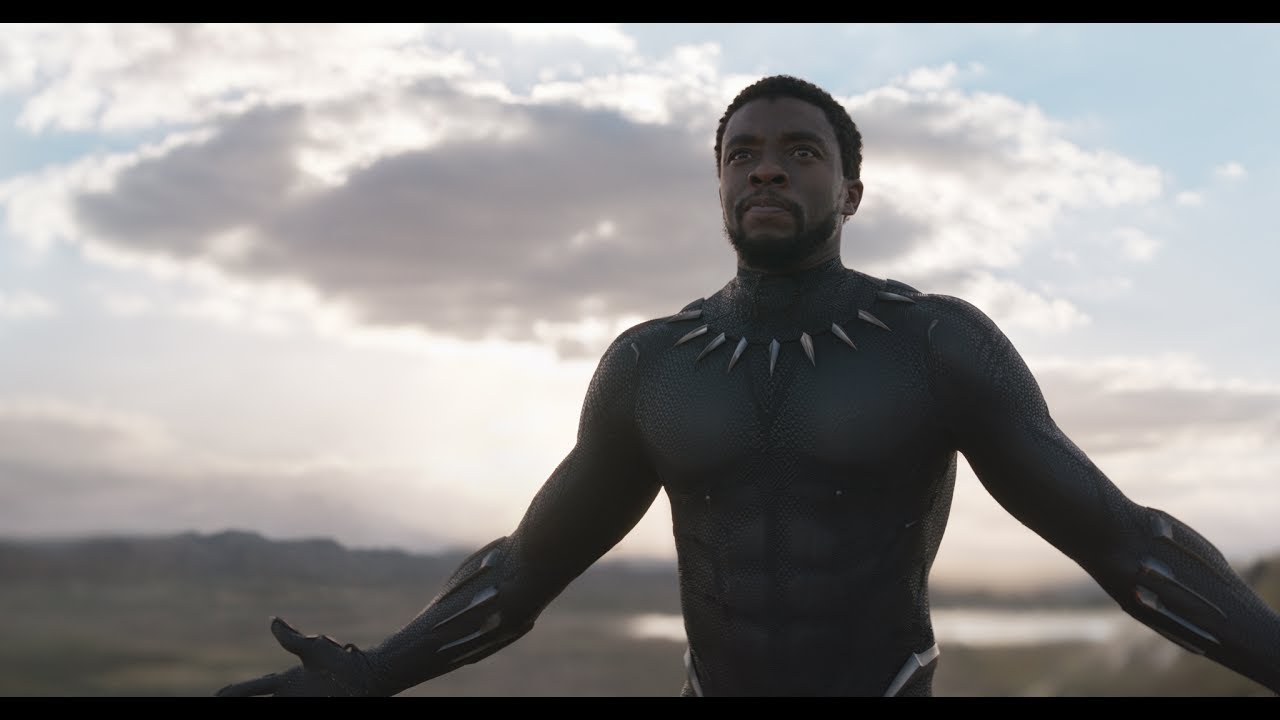
The Secret Appeal Of Marvel’s “Black Panther”

As a fan of all things related to comic books and superheroes, I often find myself digging deeper into the messages and meanings behind these fanciful narratives. I’ve done it on this site before, using superheroes to highlight the value of uniquely balanced romances and the inherent dangers of excessive boredom. I’ll likely keep doing it, so long as my kinky mind keeps making these quirky connections.

Sure, there’s are plenty of times when I just prefer to pour myself a glass of whiskey, sit back, and just enjoy the raw entertainment value of a comic book or superhero movie. Given the sizable slate of superhero movies set for release in 2018, I’m probably going to need more whiskey.

There is one particular movie, however, that is making waves that I haven’t really talked about before. I’m referring to the upcoming “Black Panther” movie, a movie that is already setting pre-sale records on Fandango. While every movie produced by Marvel Studios these days seems to blow up the box office and enrich Disney, this particular movie is unlike anything they’ve ever tried before.

There’s a reason why I haven’t talked much about it. For the most part, I haven’t come up with any meaningful discussions that I think are worth sharing. Like most self-professed Marvel fans, though, I am excited about this movie. It takes a character who has been underrated and overshadowed for most of his history and elevates his position in the larger narrative of the MCU.

The fact that Black Panther is one of Marvel’s most prominent black heroes is certainly another important aspect. In the ongoing effort to promote more diversity in Hollywood and popular culture, “Black Panther” checks all the right boxes. He’s a prominent minority character who holds his own alongside other Avengers, as we saw in “Captain America: Civil War.” He’s ready for his own movie.

Now, before I go any further, I want to make clear that I don’t wish to get into all the racial undertones and white-washing controversies that have plagued Hollywood in recent years. As a comic book fan, I’m just excited to see Black Panther get a chance to elevate his presence. I sincerely hope that Chadwick Boseman can do for T’Challa what Robert Downy Jr. did for Tony Stark.

However, in seeing the growing excitement surrounding this movie, I feel as though the movie is revealing something about the current state of the world that’s not easy to see. It also reveals something profound about the character of Black Panther, as well, that might be even more telling in these sensitive times we live.

It might not be the message that the “Black Panther” movie is trying to convey. I don’t doubt for a second that Marvel Studios and Disney see this movie as just another part of the process of maximizing profits at the box office. However, when you look at the context of this movie and the character it’s built around, there’s one unexpected, but remarkable insight that emerges.

“Black Panther embodies the ideal king that everybody wants to live under.”

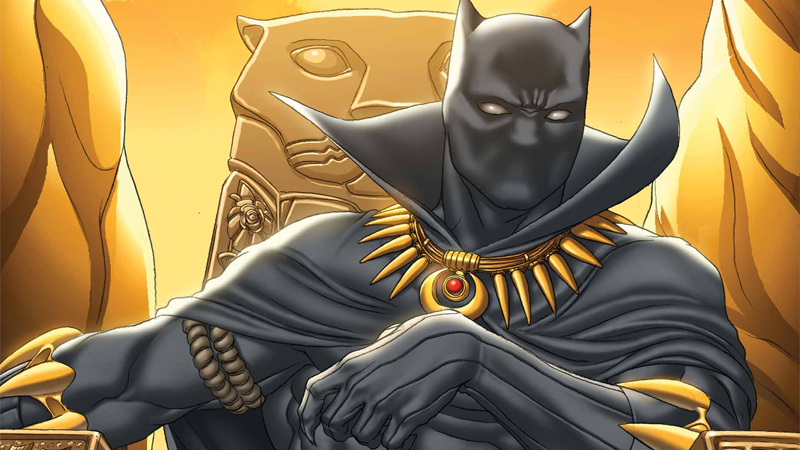
Unlike some of the other insights I’ve tried to ascribe to certain character, it’s not too hard to see this concept reflected in the character of T’Challa. Whether you only know him from his role in the movies or are familiar with his history in the comics, this trait is a core aspect to his persona. He’s not just an Avenger, a superhero, and a prominent black character. He’s the ultimate king that people want to be ruled by.

If it sounds like that conflicts with my assertion that Dr. Doom is the ultimate ruler, then please bear with me. I am going to address that in a way that will hopefully make sense. To understand why this is key to Black Panther’s character, as well as being a big part of his appeal, it’s important to know a few details about his story.

In both the comics and the MCU, Black Panther isn’t just a prominent superhero who also happens to be black. He’s the king of the fictional country, Wakanda, a secretive land in Africa that is extremely advanced and extremely wealthy. This is largely due to its rich deposits of Vibraniam, an equally fictional super-material that is more valuable than anything we have in the real world.

The particulars of Wakanda are important because, like Krypton, Asgard, or Gotham City, it embodies a particular concept. Wakanda is, in many respects, the embodiment of an exotic land that prospers without the influence of the modern world. A key trait of Wakanda is that, for much of its history, it shut itself off from the outside world and actively fought those who tried to change that.

That isolation doesn’t just give Wakanda its exotic appeal. It also insulates it from what we, in the outside world, see an increasingly corrupt system of world governments that don’t do a good job of helping people prosper. Despite all the data that clearly shows the world is improving with each passing year, there’s still a sense that there’s this one magical place that can do it better.

Wakanda is that place. Wakanda is technologically advanced, fully developed, and extremely prosperous. The fact that it’s a country in Africa, which is home to some of the poorest countries in the world, makes it all the more remarkable. The idea that it achieved all this without the aid of other nations helps add to the appeal.

This is where Black Panther’s appeal as the perfect king comes in. Beyond just being advanced and prosperous on its own accord, it’s not ruled by a flawed democracy, a corrupt dictator, or an inept republic. It’s ruled by a wise, competent, and compassionate ruler who also happens to be a superhero on the side. Black Panther, in many respects, embodies all the ways in which rulers wish they were seen.

He wasn’t elected, nor did he come to power in a coup. He rules because he’s the son of a previous, equally competent ruler. It’s basically a traditional monarchy, one that doesn’t require corrupt elections or elaborate legal traditions. While that seems antithetical to the freedom-loving crowd who scoff at living under kings, it does have great appeal.

Like Superman, Black Panther embodies everything people want in a ruler. This is what sets him apart from Dr. Doom. While Doom might be smarter and more capable, most people would not be lining up to live under his rule. Black Panther is different. He’s the kind of king people actually want to live under, even if it means living under the rule of a powerful monarch.

Black Panther and his exotic homeland are insulated from the corruption and ineptitude we associate with our existing rulers. It’s because Black Panther is from such an exotic place that prospered, despite being so isolated, that his ability to rule seems fittingly superhuman. He carries himself as the kind of king who won’t create crazy cults of personality or fail spectacularly.

That appeal is even greater these days because of the growing perception that all leaders are inherently corrupt. The 2016 Election was basically a year-long parade celebrating everything people hate about inept, corrupt leadership. It created this sentiment of hopelessness that no matter which leader end up in power, they’ll still be corrupt.

The events after the 2016 Election have only further reinforced this notion. In a sense, “Black Panther” is coming along at the best possible time because the general public is so disillusioned with the rulers they know. The idea that there’s this powerful, uncorrupted king who benevolently rules a prosperous land isn’t just appealing. It embodies a near-universal desire to live in a perfectly governed society.

At this point, it’s worth noting that this sort of appeal clashes significantly with the harsh truths of the real world. In the same way there’s nobody who can ever be as powerful or as good as Superman, there’s nobody who can ever be as good a ruler as Black Panther. His persona, as well as his country, simply could not exist in the real world.

There are actually countries in this world that are extremely rich in resources, not unlike Wakanda. There are also countries that isolate themselves from the rest of the world and attempt to thrive on their own, absent outside influence. Most of these countries are either extremely poor or extremely corrupt.

Even with semi-competent rulers, it’s impossible for any country to thrive like Wakanda. It’s equally impossible for any ruler to be as effective as Black Panther because no government, be it a dictatorship or a democracy, that can ever manage the never-ending chaos or accommodate infinite needs of the people with its finite resources.

In a sense, rulers like Black Panther and societies like Wakanda are large-scale wish fulfillment for those dissatisfied with their own society. We may not acknowledge that such a ruler and such a society are impossible in the real world, but neither are shape-shifting aliens or silver-skinned men on surf boards. The stories surrounding such concepts act as a unique kind of escapism, which is at the heart of every movie’s appeal.

Now, I’m not saying that this sort of appeal will be the sole reason “Black Panther” succeeds at the box office. I believe that if it succeeds on the level that some are already projecting, it’ll be because of a multitude of factors, much of which can be attributed to the winning formula that Marvel Studios has refined.

Whatever the racial or cultural undertones of a movie like “Black Panther,” it has already struck a chord. It’ll likely strike even more after it’s released. Most probably won’t be related to Black Panther being the perfect king or Wakanda being the perfect society, but the undertones are there. As people become more dissatisfied with their leaders and their society, they’re likely to become more overt about it.

7 Comments

Filed under Comic Books, Jack Fisher, Superheroes

Why Wonder Woman Is The Most Important Member Of The Justice League

There’s a lot that can be said about the “Justice League” movie. Granted, not a lot of it has been good lately. The horrendous critical reception, despite the solid audience reception, has effectively muted the sheer accomplishment of creating this movie in the first place.

It is a hell of an accomplishment, creating a live-action “Justice League” movie just two decades after “Batman and Robin” nearly ruined the genre completely. While the success of movies like “The Avengers” has undermined the novelty of the concept, it still means something to those like me who grew up loving these characters in comics and cartoons.

I could spend multiple blog posts discussing and dissecting the issues with the “Justice League” movie, but I’ll save them for another time. For now, I want to take a moment to highlight an important point that the “Justice League” made, despite all the controversies and shortcomings that hounded it. That point is this.

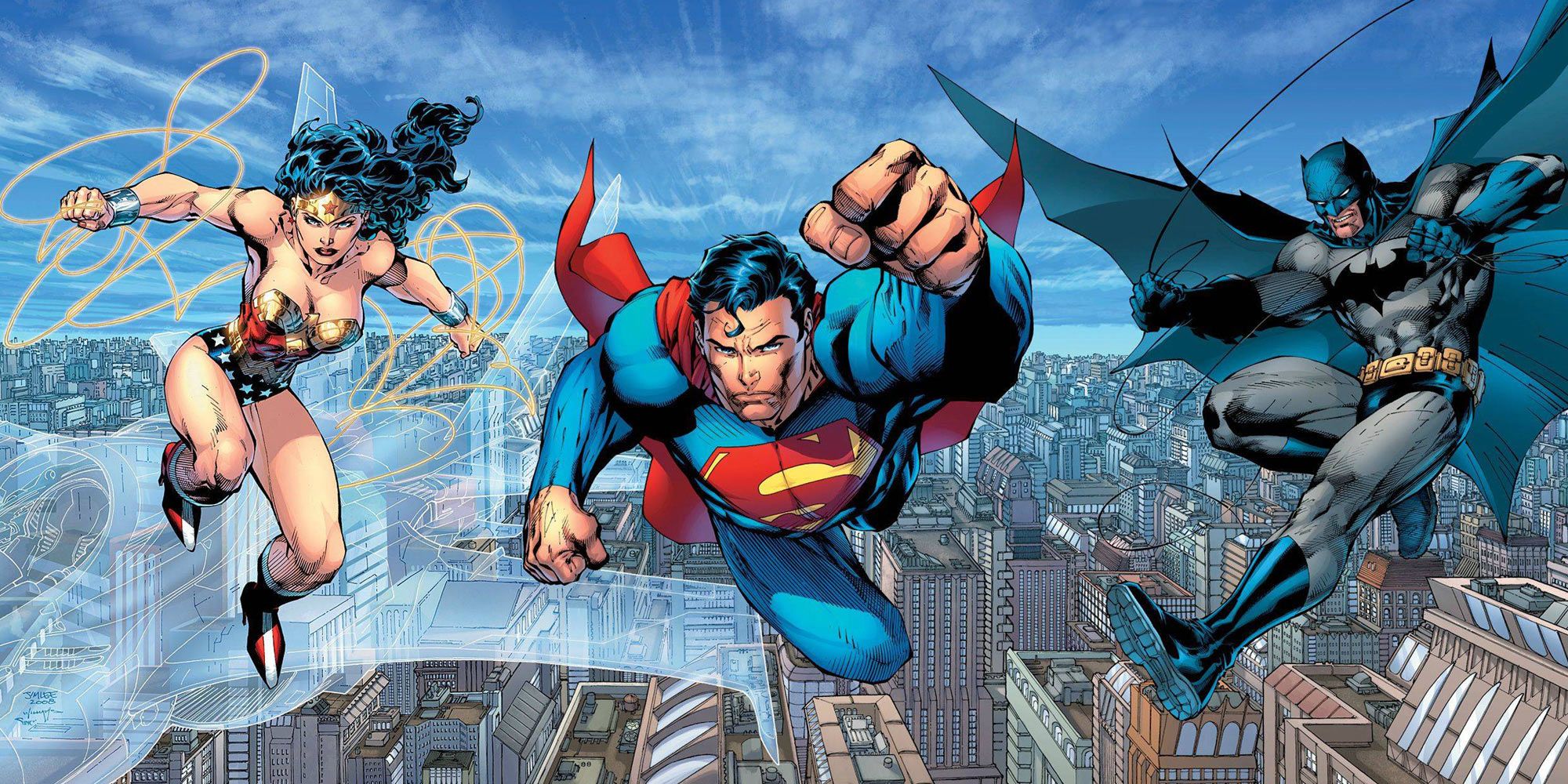
Wonder Woman is THE most important member of the Justice League.

I know that sounds like something a hopeless fanboy would say, particularly those who enjoy talking about the kinkier elements of Wonder Woman’s history. It’s probably something most Wonder Woman fans would agree with and not give much thought to. However, I’d like to take a moment to make my point, even to those die-hard fans of Superman, Batman, and even Plastic Man. You know who you are.

Even among those die-hard fans, there’s no denying that Wonder Woman is part of DC’s superhero trinity. For decades, Superman, Wonder Woman, and Batman have been the anchor of DC’s entire superhero universe, both in terms of popularity and importance. That superhero foundation is unlikely to change anytime soon.

Most of the time, though, Superman or Batman wield the most influence. Between Batman’s cast of iconic villains and Superman’s iconic status, they have a lot going for them, in terms of influence and depth. I don’t deny the strength of their status, nor do I think Wonder Woman trumps them on every level.

However, I still contend that Wonder Woman is the most important member of DC’s superhero pantheon in terms of impact, theme, and narrative. She may never get as many movies as Batman. Considering she has the same number of movies as Catwoman, though, I don’t think that’s a fair measure of Wonder Woman’s importance.

The reason I believe she is that important has less to do with her role within the world of DC and more to do with how she goes about being a hero and an icon. Her situation is very different from that of Batman, Superman, or any other hero in the DC universe, male or female.

Wonder Woman didn’t enter a flawed world that needs heroes by accident or tragedy. In fact, she had every possible reason to not join that world. Her situation before becoming a hero was as ideal as it gets without ripping off a Disney movie.

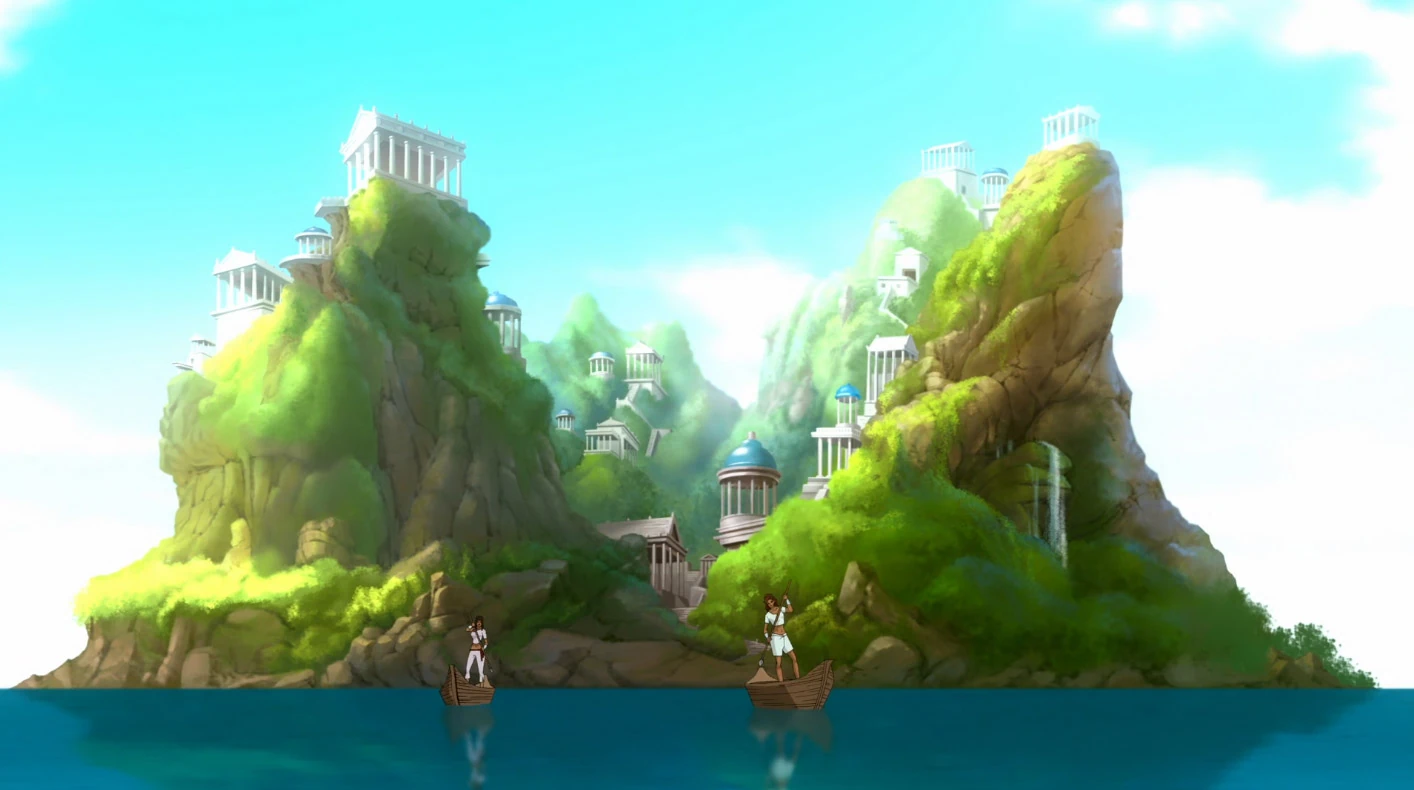
She was a princess on Themyscira, a literal island paradise. As the daughter of Hippolyta, she wanted for nothing. She was surrounded by love, support, and luxury of every kind. Who would ever be inclined to leave such a place to begin with? Those who saw the “Wonder Woman” movie remember that her mother did not want Diana to leave and did what she could to dissuade her.

Despite this, Diana still left her paradise home. She chose to enter a world full of gender inequality, oppression, and bad reality TV. She chose to confront all those flaws and fight them, both with her fists and her heart. She didn’t need to lose someone or be forced by tragedy. That alone makes her a greater hero than most can hope to be.

Contrast that with Batman or Superman. Batman became who he is because of tragedy. Crime took his parents so he built his entire heroic persona out of a response to that tragedy. It helped drive him to become the hero he is. It also led to some pretty insane feats, even by comic book standards.

Superman’s heroic persona wasn’t built on quite as much tragedy, but like Batman, he was somewhat guided into the heroic role. From the time he was an infant, these ideals were in stilled in him. Those who saw the classic 1978 “Superman” movie remember the message his father gave him, through the famous voice of Marlon Brando.

Live as one of them, Kal-El, to discover where your strength and your power are needed. Always hold in your heart the pride of your special heritage. They can be a great people, Kal-El; they wish to be. They only lack the light to show the way. For this reason above all, their capacity for good, I have sent them you…my only son.

Whether by accident or luck, Superman ended up with perfect loving parents who helped nourish those ideals in him. Between those ideals and his immense powers, him not being a hero was never really an option.

With Wonder Woman, she didn’t need circumstances or guidance. She chose the path that led her to becoming a hero. She even chose that path when there were obstacles in her way, namely her mother. Beyond that choice, though, Wonder Woman’s heroism takes on an even greater context when you look at how she goes about it.

Superman may be the ideal when it comes to heroic values. Batman may be the ideal when it comes to seeking justice. However, Wonder Woman’s ideals are even greater in the sense that they’re concepts that ordinary people can relate to. Despite all her power, her approach is something that is wonderfully unifying, if that’s not too fitting a term.

She doesn’t just provide a standard with which to measure heroism. She goes out of her way to confront the good, the bad, and the frustrating of the modern world and not always with her firsts.

In the “Wonder Woman” movie, she doesn’t just criticize the attitudes of early 20th century England, which weren’t very progressive to say the least. She smiled and cheered when she saw a woman with her baby. She also went from fighting alongside men on a bloody battlefield to celebrating with them afterwards.

Along the way, she always wore her heart and her emotions on her sleeve. However, they weren’t a weakness, as they’ve been with Superman. They weren’t her primary motivation either, as is often the case with Batman. She channels her emotions and her passions to win over the hearts of men, women, children, and everyone in between. That’s a power that far exceeds anything form Superman’s strength or Batman’s gadgets.

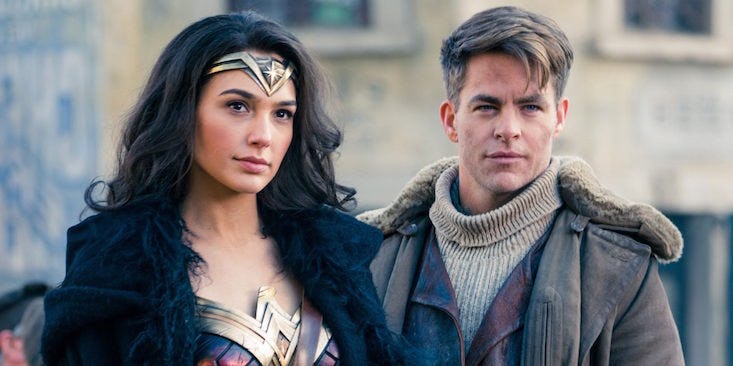
That ability to embrace a flawed world, confronting its ugliness and its beauty, is something that everyone can do and not just Wonder Woman. She just does it better than most and inspires others to join her. She certainly inspired Steve Trevor in the “Wonder Woman” movie. The fact it got Chris Pine naked was just a nice bonus.

It’s an approach she utilizes in every other medium, from comics to cartoons. For those who enjoyed seeing Wonder Woman’s capacity for heart and strength, I urge you to check out the “Justice League Unlimited” cartoon from the early 2000s. There’s no naked Chris Pine, but Wonder Woman still shines in so many meaningful ways.

Every one of those ways comes back to her heart and her willingness to embrace a flawed world with love and compassion. It’s not just about what is right and wrong, just and unjust, or masculine or feminine. It’s about tempering hate and oppression with love and compassion. Those are powerful principles that work just as well in the real world as they do the fictional one.

While those principles might not help the critical reception of “Justice League,” those who’ve seen the movie have likely seen all the ways Wonder Woman uses her heart and her skills to the utmost. It may not convince everyone that she’s the most important member of the Justice League, but I hope it makes a powerful case.

It’s a concept that will likely carry over into future movies in the DC Extended Universe, but has already shown itself to be true throughout the comics, especially in recent years. Superman and Batman have their place and their status among the world of superheroes. However, Wonder Woman’s impact extends far beyond any comic book or movie. It’s an impact that we would all be wise to learn from.

2 Comments

Filed under Celebrities and Celebrity Culture, Comic Books, Jack Fisher, Superheroes, gender issues

How To NOT Screw Up The Captain Marvel Movie

It’s a sad fact of life in an overly flawed world. You hope for the best, but it’s rare that it ever actually happens. Even when it does, it’s not always as much fun as you hope. Ask anyone who lost their virginity during a dare or stood in line for hours to see the Star Wars prequels.

In my experience, it’s rarely feasible to build your anticipation around something for what it can be if everything goes flawlessly. In the real world, there’s no such thing as flawless. People make mistakes. Parties go horribly wrong. Hearts get broken. Michael Bay is given too much money, cocaine, and high explosives.

When it comes to superhero movies, though, it’s not possible to hit a home run at every turn. You can’t expect them to blow your mind and give you the kind of mental orgasm that takes a week to recover from. At best, you can just hope that it doesn’t suck. I love those kinds of orgasms as much as the next guy, but let’s face it. They’re rare and awesome for a reason.

Some movies come close to achieving that kind of cinematic bliss, though. “Wonder Woman” sure did, but as I pointed out in my review, it did have its shortcomings. They were still very minor and by nearly every measure, it is the most successful female superhero movie to date.

More importantly, “Wonder Woman” proved that female superhero movies can be successful. They don’t all have to be box office bombs like “Catwoman.” That opens the door for other female heroes to follow in Wonder Woman’s footsteps. At the moment, though, the only female solo movie besides the Wonder Woman sequel is “Captain Marvel.”

Marvel may have DC beat in almost every other aspect of its movie universe, but now there’s one area where it can’t say it dominates. Sure, it has a lot of strong female characters like Black Widow, Gamora, and the Scarlet Witch. However, they’ve largely been in supporting roles. They’ve never had a chance to shine like Wonder Woman did in her movie.

Captain Marvel will get that chance. She’s the closest hero Marvel has to Wonder Woman, thanks largely to the efforts of writers like Kelly Sue DeConnick. As much as Marvel has dominated DC at the box office, it now has a sub-perfect record. Given the amount of ego and cocaine in Hollywood, there’s no way that Marvel Studios will let that stand.

I don’t doubt that Kevin Feige and the powers that be at Marvel Studio will make every effort to ensure that “Captain Marvel” matches and exceeds “Wonder Woman.” They’ve already cast the beautiful and talented Brie Larson as Carol Danvers. They also announced some major details about the movie at the San Diego Comic Con.

On paper, it looks like this movie has what it takes to match “Wonder Woman.” Then again, on paper I’m sure “Batman and Robin” seemed like a good idea. While I have high hopes for this movie, just as I did with “Wonder Woman,” I’m not going to set my expectations too high. Between the two “Matrix” sequels and “Wolverine Origins,” I’ve been burned too many times.

With that in mind, I intend to do for “Captain Marvel” what I did for “X-men: Dark Phoenix.” I’m going to provide some tips that I’m sure Kevin Feige will never see on how to avoid screwing up the “Captain Marvel” movie.

Wonder Woman” set the bar pretty damn high and looked dead sexy while doing it. It’s unreasonable to expect “Captain Marvel” to exceed it on every level. However, there are a few simple tips to ensure it doesn’t end up enduring the same infamy with “Catwoman.”


Tip #1: Let Carol Fly High (And Take The Audience With Her)

This is the most important tip, right up there with the Marvel Studios logo and Samuel L. Jackson dropping F-bombs, as only he can. Carol Danvers has a few defining traits beyond just looking awesome and kicking ass on a cosmic level. One of those traits is what makes her feel both distinctly human and someone we want to cheer for.

Throughout her history, Carol Danvers has been ambitious in a very particular way. Everybody, male or female, will look up at the stars at night and admire their beauty. Carol, however, doesn’t just want to admire. She wants to actually go there. She doesn’t want to shackle herself to this tiny little mud ball full of killer clowns, spiders, and the Kardashian family.

That’s why she joined the Air Force and fought to outperform everyone in her path. The fact she did that without a penis was secondary. Even before she got her powers, she aspired to go to the stars. Once she got those powers, she was determined to fly higher and go farther than anyone had ever dared, regardless of whether or not they had a penis.

Therein lies the key. Carol dares to venture out into the unknown and kick the ass of anyone or anything that tries to hold her back. That’s the kind of ambition people can get behind. That’s the kind of drive that people admire and want to follow.

It’s part of what makes Wonder Woman so endearing as a character to men and women alike. She has bold ambitions, but she isn’t an asshole about it. She doesn’t just seek to prove herself. She seeks to inspire others. That’s what Captain Marvel needs to do with her desire to go to go to the stars and carry the audience along for the ride.


Tip #2: Tie Carol’s Story Into That Of Mar-Vell’s

I get that there are times when it’s not possible to incorporate certain elements from the comics into a movie. That’s why we didn’t see any not-so-subtle BDSM themes in the “Wonder Woman” movie. However, the movie still made a concerted effort to capture some of the core details of Wonder Woman’s mythos, such as her iconic outfit and her relationship with Steve Trevor.

In the same way Wonder Woman needs her lasso and a desire to have sex with men who look like Chris Pine, there are some core elements to Carol Danvers’ story as a superhero that cannot and should not be glossed over. One of the most important elements involves her connection with Mar-Vell, the original Captain Marvel whose title Carol took on after his death.

Theirs is an unique connection, one with very different dynamics compared to Wonder Woman and Steve Trevor. While there were some romantic overtones early on, their connection was more of a partnership rather than a romance. You can’t tell Carol’s story or get a feel for how she becomes a hero without telling Mar-Vell’s story as well.

That story doesn’t need to take up half the movie, but it does need to feel relevant. Mar-Vell’s story isn’t exactly boring either. He was an alien spy posing as a human on Earth on behalf of the Kree, a race that made it’s presence felt in “Guardians of the Galaxy.” There’s already some connections to build on. This movie just has to do it without a talking raccoon.

The key here is to use Mar-Vell’s story as an alien spy who grows fond of a beautiful Earth woman to supplement Carol’s story. That story is part of how Carol becomes Captain Marvel. That’s why when Kelly Sue DeConnick had Carol take on that title, it had a lot dramatic weight to it. That kind of drama is key for any successful movie, regardless of whether or not it has a talking raccoon.


Tip #3: Give Carol An Attitude (And Make It One To Rally Around)

One of Wonder Woman’s most defining traits, on top of being a beautiful warrior princess, is her capacity for love and empathy. Sure, she’ll fight with all her heart against demons, monsters, aliens, gods, and whatever asshole decided that “Ant Man” should get a movie before her. It’s that heart that makes her personality so endearing.

I point that out because Carol Danvers is not like that. Carol has an attitude and it’s not Wonder Woman. Just because Wonder Woman made a successful movie doesn’t mean Carol has to be too much like her because, in nearly every part of her 40-year history, she’s not like that.

Carol Danvers is a tough, hard-nosed woman who always pushes herself a little farther than anyone dares. That’s to be expected because she’s no princess. She’s a pilot in the United States Air Force. You need to have some attitude to make it there. There are real women who have succeeded in that effort. Let those women be the template.

The key is to do it in a way that doesn’t make her an arrogant bitch. I don’t doubt that’s going to be a challenge because the line between assertive and bitch is exceedingly blurred, more so for women than men. It’s an unfair double standards that people love to whine about, but never do anything to fix. Some argue it can’t be fixed.

That’s not an issue that “Captain Marvel” can hope to resolve over the course of a single movie. As such, it’s important that she walk that fine line in crafting her attitude. Again, Kelly Sue DeConnick struck the perfect balance when she took over Carol’s story in 2012.

She gave her a personality that was tough, but welcoming. She made her someone you want to hug, but don’t want to fuck with. Carol Danvers is ambitious and tough, but also has a strong sense of duty. Being a soldier, a pilot, and a hero, she sees that as part of her mission. It’s what makes her so likable as both a character and a hero.

She can have an edge, but she doesn’t have to be an asshole about it. Being an asshole is one of those traits that knows no gender. Brie Larson is a great actress who has proven that she can play tough, balanced roles. Let her do that and look sexy as hell in the process. That’ll help any movie.


Tip #4: Acknowledge Carol’s Faults And Let Her Bear Burdens

In addition to her attitude, Carol Danvers does has faults. Again, and it’s worth repeating, she is not Wonder Woman. She’s not some demigod princess whose beauty and strength were forged by gods. She’s an ordinary American woman who got her powers because she ended up working with an alien spy. She a fallible, mortal human being with tangible flaws. Any movie about her shouldn’t hide those flaws.

Some of those flaws are more obvious than others and I’m not just talking about the unpleasantness surrounding the plot with Marcus Immortus. Despite being ambitious and determined, Carol tends to be a bit of an adrenaline junkie and is prone to take stupid risks. This has gotten her into trouble before and quite recently in the comics.

With that in mind, it shouldn’t be too surprising that she’s also an alcoholic. However, it’s not the kind of alcoholism that we see with Iron Man. His brand of alcoholism is largely a product of irresponsibility and poor coping skills. Carol’s alcoholism is more about escaping her problems.

In the context of her character, that makes sense. She grew up looking at the stars and wanting to actually go there. She’s always pushing herself to fly a little higher and faster. When she’s unable to do that, she looks for an escape.

For her, accepting limitations is not easy. That’s how her alcoholism got so destructive in the comics, so much so that even Iron Man noticed it. When Iron Man says you have a drinking problem, you can skip the intervention.

That doesn’t mean that Carol has to be a total drunk in the movie. It doesn’t even have to be overtly stated. The reason why Carol drinks is more important than her actually drinking. Accepting limits is difficult for her. It’s a key part of her story and her personality. Let her endure those burdens. Let her confront those flaws. She doesn’t have to be Wonder Woman. Let her be human, with or without her powers.


Tip #5: Make The Kree/Skull War As Epic As Possible

This is somewhat indirect of Carol’s story, but one that’s vital if “Captain Marvel” is to be a fitting addition to the Marvel Cinematic Universe. Beyond just being one of Marvel’s most powerful female characters, her movie also has to expand the overall mythos of the MCU. “Wonder Woman” did that too with DC, albeit on a very limited scale.

In this case, though, that scale needs to be turned up to eleven and given an unlimited supply of crack. That’s because it was announced at the San Diego Comic Con that the “Captain Marvel” movie would introduce the world to the Kree/Skrull war. Talk to any long-time Marvel Comics fan, like yours truly, and they’ll tell you two things. One, She-Hulk is uncomfortably sexy. Two, the Kree/Skrull war is insanely epic.

We like to think we humans are pretty damn good at war. We’ve fought so many of them over our history. Compared to the Kree/Skrull war in the comics, though, we might as well be a bunch of two-year olds playing with melted action figures.

This war is beyond anything Stephen Spielberg or Christopher Nolan could ever capture. For one, this war is on a galactic scale. It’s not just about warring tribes who don’t agree on how many goats to sacrifice during the summer solstice. These are two very different species with very different visions for the galaxy. As big as the galaxy is, it’s just not big enough for them to co-exist.

This massive war has influenced many areas of the Marvel Universe within the comics. It’s usually inevitable that the Avengers, X-men, or any major superhero team from Earth gets caught up in it whenever they dare to leave the planet for more than five minutes. It’s a huge part of the cosmic elements to Marvel, which “Guardians of the Galaxy” just started exploring.

Given the success of those movies, “Captain Marvel” has plenty to build on. Carol Danvers is a soldier. Putting her in the middle of an epic war the likes of which few humans can even fathom will help bring out the best in that soldier. That’s why the Kree/Skrull war has to be as epic as a galactic-level war deserves to be. It’ll bring out the best and worst in all those involved.


There are a lot more tips I can give, but these are the big ones. Unlike “Wonder Woman,” Captain Marvel doesn’t have the burden of proving that female superheroes can hold their own. That has already been proven, so much so that even Ryan Reynolds from “Deadpool” acknowledged it.

More than anything else, “Captain Marvel” must show that Carol Danvers is someone who deserves to be in the same league as Wonder Woman. She’s not the same icon that Wonder Woman is, but she has the potential to be. This movie could finally help realize that potential. It could also be a “Catwoman” level screw-up and no character, male or female, deserves that.

6 Comments

Filed under Comic Books, Jack Fisher, Superheroes

The Captain Marvel Movie: News, Challenges, And Kinks

It’s official. Successful female superhero movies are a thing. Thanks to the success of “Wonder Woman,” the trauma left by the likes of “Catwoman” and “Elektra” can finally be laid to rest. Hollywood can no longer use those affronts to all things heroic, female, and shaped like boobs as an excuse to relegate lady superheroes to backup roles and eye-candy.

Chances are, with “Wonder Woman” being such a boon with critics and fans, we’re about to get bombarded with a bunch of movies that will try desperately to emulate her success. We saw it with “Die Hard.” Now, it’s time for the ladies to get their time as Hollywood’s go-to gimmick for fresh pools of money.

At the moment, though, there’s only one female superhero with a movie in active development and an official release date. That honor goes to “Captain Marvel,” who will attempt to do for the Marvel Cinematic Universe what “Wonder Woman” did for DC’s Extended Universe.

It’s a noble and entirely understandable goal. To this point, Marvel has upstaged DC in damn near everything involving superhero movies. Then, “Wonder Woman” happens and suddenly they can claim they made a successful female superhero movie before Marvel did. If you think there aren’t some bloated egos at Marvel who don’t like that, then you clearly underestimate the impact of money, press, and cocaine.

That hasn’t stopped some at Marvel from praising Wonder Woman. It is, somewhat, a relief that someone managed to do a good female superhero movie. There’s only so much cocaine can do to make Hollywood throw money at what they feel is a losing concepts. Now, “Wonder Woman” has established female superheroes as a viable part of the superhero genre.

On the surface, “Captain Marvel” looks like the perfect character with which to give the Marvel Cinematic Universe its own Wonder Woman. Talk to most Marvel fans not arguing about Thor’s hammer today and they’ll agree. Carol “Captain Marvel” Danvers is the closest thing Marvel has to Wonder Woman.

She definitely checks all the right boxes. She’s a fun, charismatic, badass fighter who regularly goes toe-to-toe with some of the Marvel universe’s biggest foes. She’s one of Marvel’s heaviest hitters. When someone like Thanos, Galactus, or the Red Skull comes to start something, she’s usually on the front lines.

However, there are some aspects to Captain Marvel that make her a challenging character for a movie. Some of them are more daunting than others. First and foremost, Captain Marvel is not Wonder Woman in terms of iconic status. That much is clear and few, even among die-hard Marvel fans, would claim otherwise.

For one, Carol hasn’t had nearly as much time to establish herself as an iconic hero compared to Wonder Woman. While she debuted as a character in 1968 in the pages of “Marvel Super Heroes,” she didn’t get her own series until 1977 and at the time, she went by “Ms. Marvel.” In fact, that’s the title she carried for most of her life.

Even with that title, a long list of potent powers, and undeniable sex appeal, most fans in those days probably wouldn’t have called her Marvel’s version of Wonder Woman. She would still be in the top five on anyone’s list of Marvel’s greatest female heroes. However, most fans would put characters like Storm of the X-men or the Invisible Woman of the Fantastic Four above her.

Despite this, Carol established herself as Ms. Marvel and was a powerhouse who could match Wonder Woman in terms of strength and grit. However, she never really established herself as Marvel’s premier female hero until recently, although the reasons for this are way more convoluted than most non-comic fans think.

This, in essence, is where Captain Marvel faces both some challenges and a few kinks. Yes, by the way, some of those kinks are of the sexual kind that will probably get skipped in any movie about her.

It’s the same challenge Wonder Woman faced, albeit in a different context. As I’ve discussed many times before, and will probably discuss again because it’s just too damn sexy, there were some very kinky BDSM undertones built into Wonder Woman’s character. For reasons that I assume involve exceedingly knotted panties, that kinky history has been purged from her history, although sometimes it pops up.

Carol Danvers’ history isn’t quite that kinky, but there is one element to it that’s kind of a headache for those who see her as Marvel’s version of Wonder Woman. It involves one of her earliest stories and includes elements such as abduction, brainwashing, rape, incest, and impregnation. Trust me, it’s even less kinkier than it sounds.

In that less-than-iconic story, Carol is abducted by a walking feminist nightmare named Marcus Immortus, the son of Kang the Conqueror, one of the Avengers’ greatest foes. He then proceeds to brainwash her into falling in love with him. They then do what people in love do. They get naked and they get frisky. That results in Carol getting pregnant.

Here’s where it gets even weirder and creepier. That kid she gives birth to isn’t exactly the apple of her and her brainwashing lover’s eye. That kid is just another version of Marcus. That means when he got her pregnant, he basically got her pregnant with himself. Trust me, it’s as confusing to the brain as it is to the genitals.

The reasons for this are too convoluted to explain, even to other comic book fans. Simply put, Marcus was aging rapidly and needed to be reborn so he just did what any deranged son of a villain would do. He found a beautiful woman, seduced her, and knocked her up with an infant version of himself. Who among us wouldn’t resort to something similar?

I’ll turn off the sarcasm for now because as the years have gone by, this part of Carol Davners’ story has become even more infamous than Wonder Woman’s BDSM past. At least with Wonder Woman, the BDSM was playful and kinky. The story involving Carol and Marcus is neither. Many, in fact, claim it counts as rape.

In some parts of the world, that claim would have some legal validity. In countries like the United States and Great Britain, there is something called “rape by deception.” It basically means that if someone lies, cheats, or gains sexual consent from someone under false pretense, then that counts as a form of rape.

Now this isn’t a universally held opinion, which is why not every country recognizes it. Some, especially those in the douche-bag pick-up artist community, would argue that consent under a false or half-false pretense is still consent. With a competent lawyer, that argument might actually hold up in court.

For Carol Danvers, though, it’s still a distressingly uncomfortable story. It also doesn’t help that it was one of her first major stories. She’d barely begun to establish herself at Marvel and this certainly didn’t set a very upbeat tone. Granted, comics had used brainwashing before, including the infamous Superman/Big Barda sex tape. However, it had never been taken this far before.

In defense of the writers at the time, this was 1980. It was long before the politically correct era where people get into fist fights over proper pronoun usage. While it wasn’t quite as bad as the world of “Mad Men,” you could still get away with making jokes about a woman’s skirt length. I also assume some were still recovering from disco, cocaine, and Quaalude binges.

Much like Wonder Woman’s BDSM origins, though, this part of Carol’s story has been subject to many “retcons,” as comic fans call it. It didn’t take years either. The process began in 1981 where Chris Claremont, the legendary X-men writer behind the famous Phoenix Saga, had Carol’s brainwashing undone, courtesy of the X-men.

From that point forward, Carol Danvers’ story underwent various forms of growth and development. She took on various titles along the way and worked with many teams, including the X-men, the Avengers, and the Guardians of the Galaxy. Like Wonder Woman, she made her presence felt on multiple fronts throughout the Marvel universe.

However, it wasn’t until a brilliant female writer named Kelly Sue DeConnick came along that Carol Danvers truly became Marvel’s Wonder Woman. If anyone wants a clear understanding of why Carol is getting her own movie starting Brie Larson, I urge them to read this series. It will make clear why she deserves to be on the same level as Wonder Woman.

It’s in this series where Carol Danvers becomes Captain Marvel. That title had been previously held by another character, an alien named Mar-Vell, no less. Unfortunately, Mar-Vell had died, as superheroes tend to do with frustrating regularity. While reluctant at first, Carol takes on that title and she’s wielded it brilliantly every since.

This is the Captain Marvel that the movie will portray. It’s also the one that has helped push Carol Danvers to the front of the lines in Marvel’s effort to appeal to a more diverse audience. While some of those efforts have been subject to a few setbacks, Captain Marvel’s status at Marvel has never been greater. The time is perfect for build on the foundation that Wonder Woman created.

Doing so, however, will be challenging in ways that even Wonder Woman never had to endure. Like Wonder Woman’s BDSM origins, it’s easier to just ignore some of those unpleasant elements of Carol’s early years. However, that won’t stop some from bringing it up.

Given the nature of the story, I can see it becoming one of those issues that certain people belabor for all the wrong reasons. If you think that’s being paranoid, remember that people actually made a big deal about Wonder Woman’s armpit hair in the movie. They’ll find a way to do something similar to Captain Marvel.

Whether or not the Marcus Immortus story becomes an issue remains to be seen. Unlike Wonder Woman’s BDSM history, it was not a major part of Carol’s development or growth as a character. If anything, it was an early obstacle that she had to overcome on her path towards becoming who she is now.

In the end, she overcame those early growing pains. She managed to carve her place in the world of comics as a great female hero in her own right. It took a while for Marvel go develop a clear plan for her, but that plan worked out in the end and I hope it works out in the movie as well. A world with a beautiful, blond, high-flying, kick-ass female superhero is objectively better for everyone.

5 Comments

Filed under Comic Books, Jack Fisher, Superheroes