Tag Archives: comic books

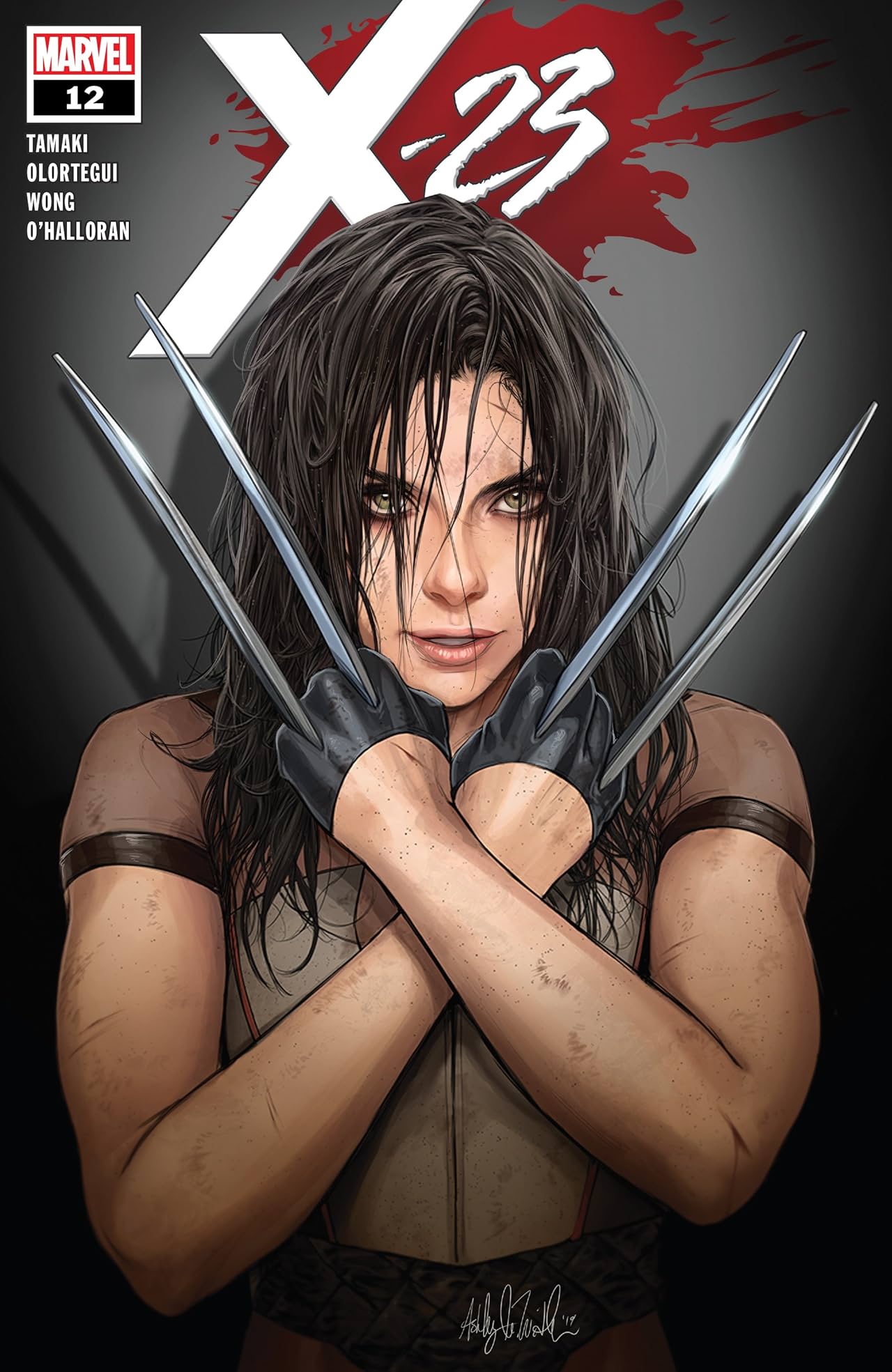
Jack Fisher’s Weekly Quick Pick Comic: X-23 #12

Every week brings a new glut of comics and the world is a better place because of it. As someone who spends a sizable chunk of his time discussing unpleasant topics, it helps balance a lot of things out. I know the world is a messed up place. I survived high school and I watch the news. I understand the value of all things good, pure, and awesome.

When it comes to delivering on all three regularly, Laura “X-23” Kinney is more dependable than most. Ever since her debut on the “X-Men Evolution” cartoon in the early 2000s, she has found a way to endear herself to X-Men fans of all types. Her status as Logan’s most iconic offspring was further cemented in “Logan” and the past several years of comics have run with it.

Laura is now much more than just Wolverine’s clone/daughter. She has forged her own path and created her own identity. She’s not just Wolverine as a teenage girl, but her world is every bit as brutal. She has had to claw, stab, and snarl her way through hordes of terrible people who still think it’s a good idea to create a living weapon with the same volatile temper as Wolverine.

Along that journey, Laura’s story has had many turning points, some more tragic than others. “X-23 #12” marks another turning point that leaves Laura in a difficult, but intriguing spot. It’s not as tragic as other events in her life, but it definitely leaves her with a wounded heart that those who have followed her story in recent years will feel.
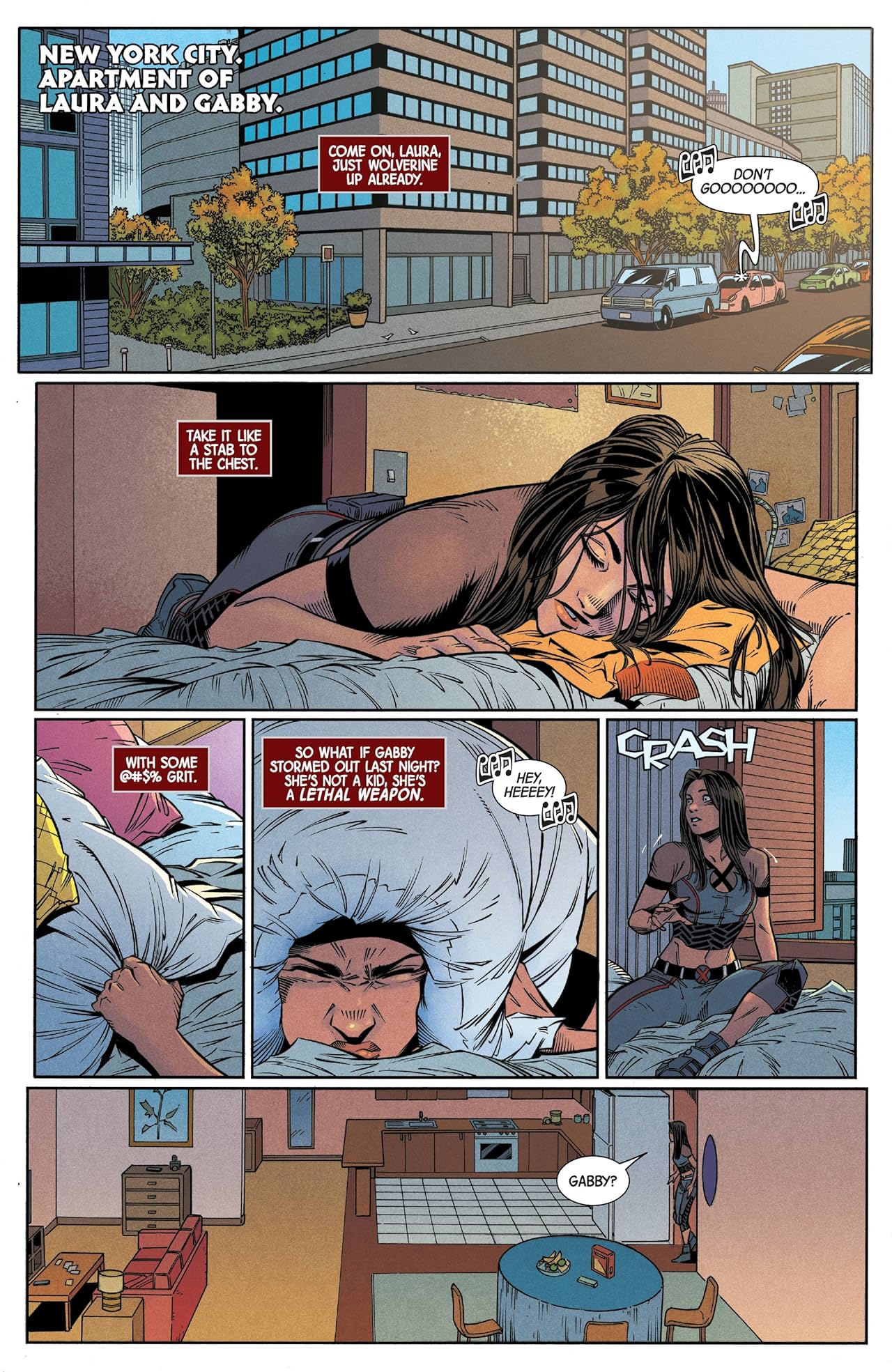
Writer, Mariko Tamaki, has been building towards this moment for the past several issues. When this series began, Laura was definitely on the same page as her fellow clone/sister, Gabby “Honey Badger” Kinney. I’ve done plenty to praise Gabby in the past and since her debut in the pages of “All-New Wolverine,” she has been an objective good in Laura’s life.

Part of that good stems from them being on the same page for much of their struggles. They’re both byproducts of secretive organizations trying to use Wolverine’s DNA to make living weapons. It already cost Gabby multiple sisters and nearly broke Laura. They have many reasons to keep fighting these organizations.

X-23 #12” establishes that these organizations are still out there and they’re still doing crazy things with Wolverine’s DNA. In this instance, they actually use it to make turkeys with a healing factor. I swear I’m not making that up and it’s as amazing as it sounds. However, the inherent strangeness of healing turkeys is only secondary, if you can believe that.

This whole issue is less about Gabby’s love of adorable animals and more about how they’re no longer on the same page. It’s something Laura has spent the past couple issues struggling with and it finally culminates in “X-23 #12.”

It’s not as bloody or destructive as some turning points are for anyone associated with Wolverine. Yes, a train does explode, but that’s pedestrian by Wolverine standards. The real volatility is in how Laura and Gabby’s path diverge.

Tamaki plays up the family dynamic to the utmost. These aren’t just X-Men who act like a family. They are family and families often fight. In this case, it’s not a matter of a simple disagreement or a costly mistake. This fight reveals that Laura and Gabby see the world in a very different way.

Some of it has to do with age. Laura has seen more tragedy and carnage than Gabby. She’s older and more hardened to the world of all things Wolverine. She has been fighting these battles long enough to know that there are times when she can’t avoid tragedy. Innocence will be lost. Pain, suffering, and injustice will win out.

Laura has had enough Wolverine experience to know when she’s in one of these situations. The past few issues have put her in more than one. Gabby, as adorable as she is, hasn’t experienced the same hardships to know when a battle is truly lost. She still tries to save everyone. She even tries to do it with an adorable smile and a pet wolverine.

It makes for a difficult situation because it’s easy to root for both of them. It’s easy to understand why Laura makes the difficult decisions that she does. She knows when a situation can only be resolved with claws. It often leads to tragedy, which is very much a Wolverine tradition. It’s just as easy to root for Gabby when she tries to salvage all the good from an impossibly bad situation.

It’s the kind of family conflict in which neither side is wrong or right. “X-23 #12” simply marks the point where they can’t side with one another anymore. For a family that has endured so much, it’s a sad, but understandable development.
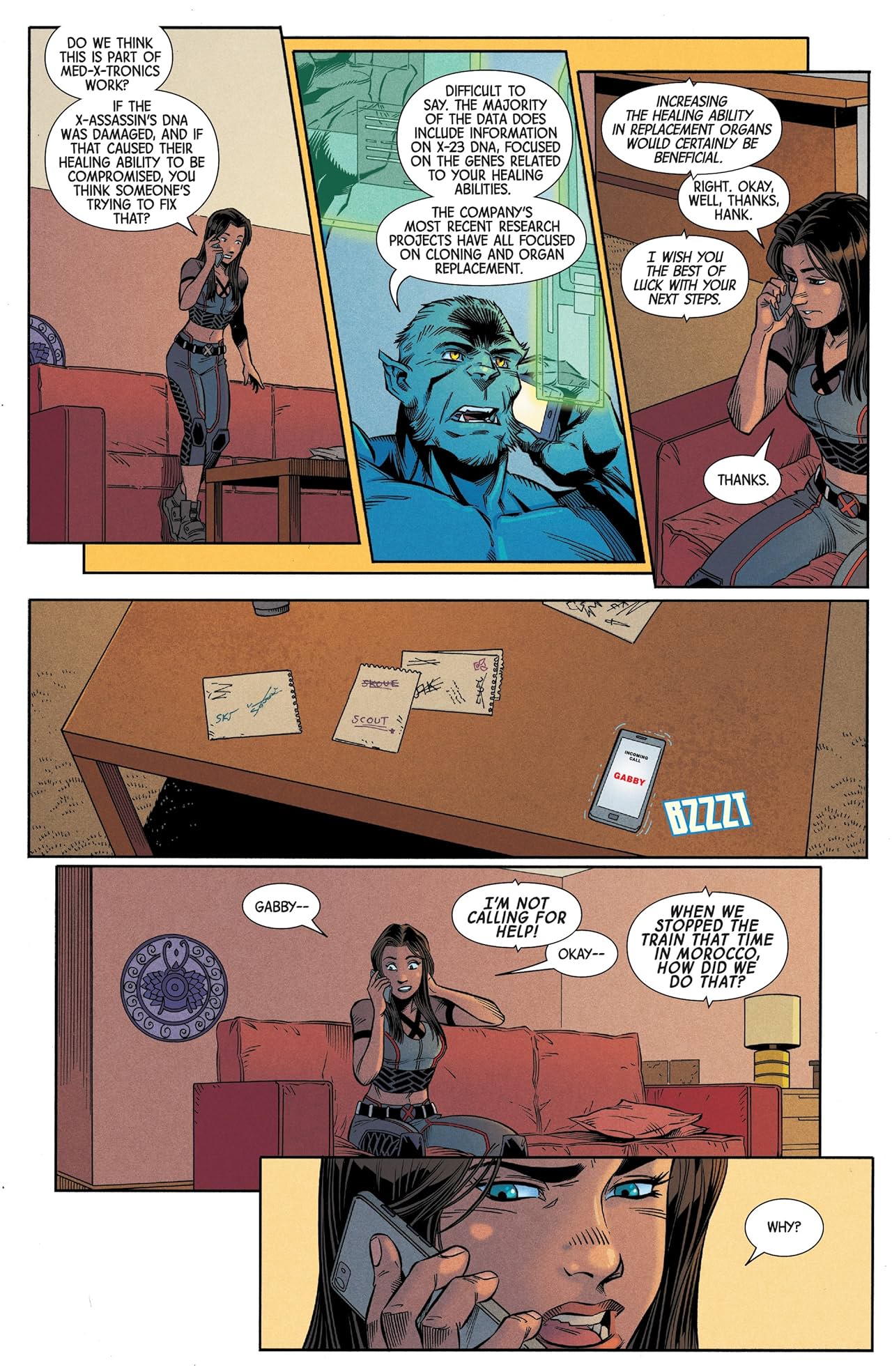
The story of Laura, Gabby, and Wolverine is full of both drama and violence. “X-23 #12” certainly has plenty of that. The presence of mutant turkeys certainly makes it unique, but it’s the drama that really shines here. Tamaki has been building towards this moment for several issues and even though the outcome wasn’t surprising, it still carries plenty of dramatic weight.

The respective lives of Laura and Gabby are fundamentally different after “X-23 #12.” They still have plenty of battles to fight, but they’re no longer in it together. They’re still family, but they’re going their separate paths. Like Logan has often done throughout his history, they strike out on their own and try to do their own thing. Sometimes it works. More often than not, it leads them into more trouble.

That’s the essence of Wolverine and the larger Wolverine family. They keep fighting their own battles, making tough calls along the way, and often putting themselves at odds with those closest to them. Laura made one of those calls and even if it was the right one, it’s not an approach Gabby can be a part of.

X-23 #12” is a bittersweet end to Tamaki’s run on this series and the artwork by Deigo Olortegui helps make these powerful moments colorful. The future of the X-Men comics are already subject to some major upheavals. If nothing else, “X-23 #12” ensures that Wolverine’s family will still have plenty of drama to explore.
Leave a comment

Filed under Jack's Quick Pick Comic

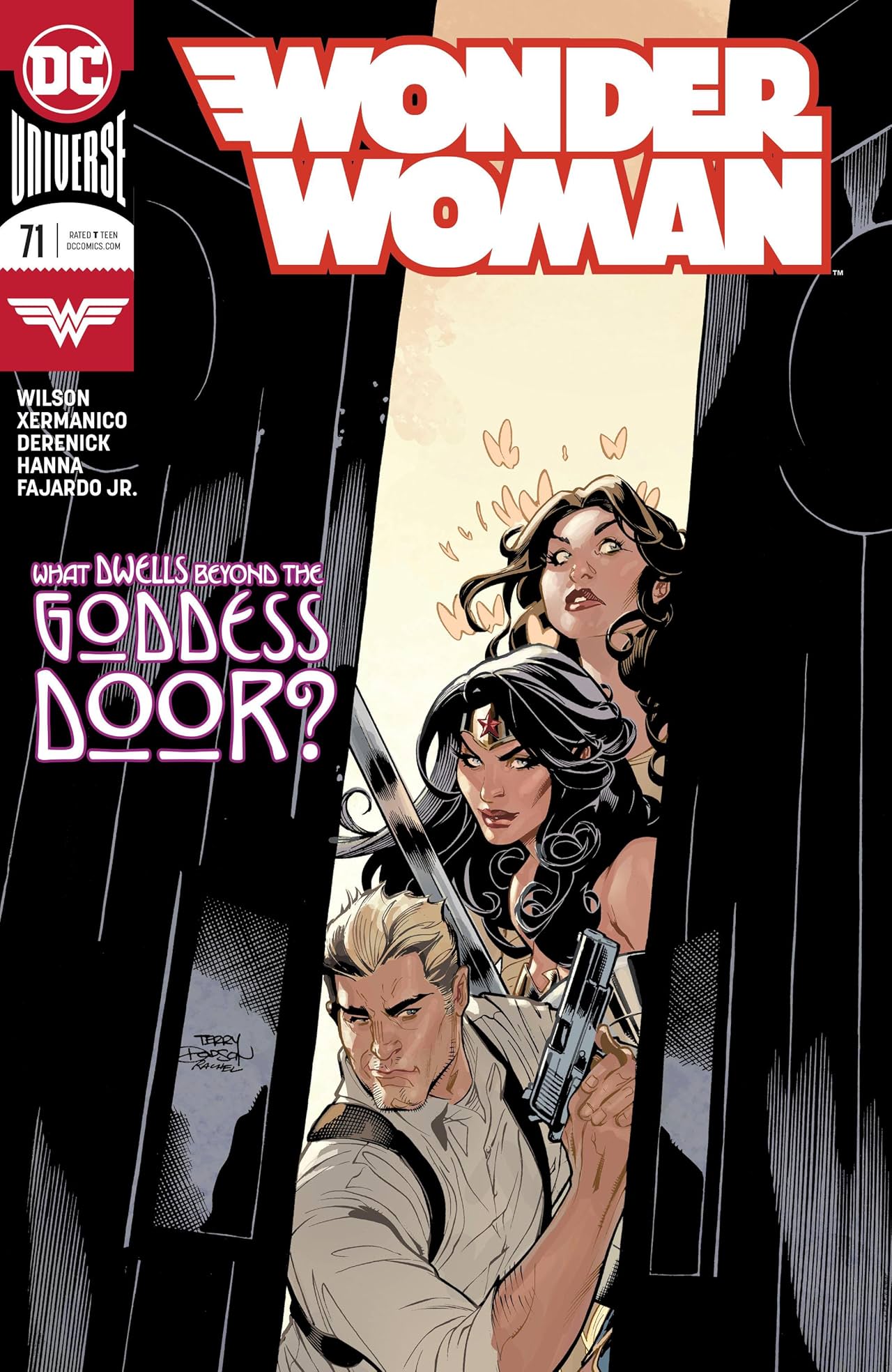
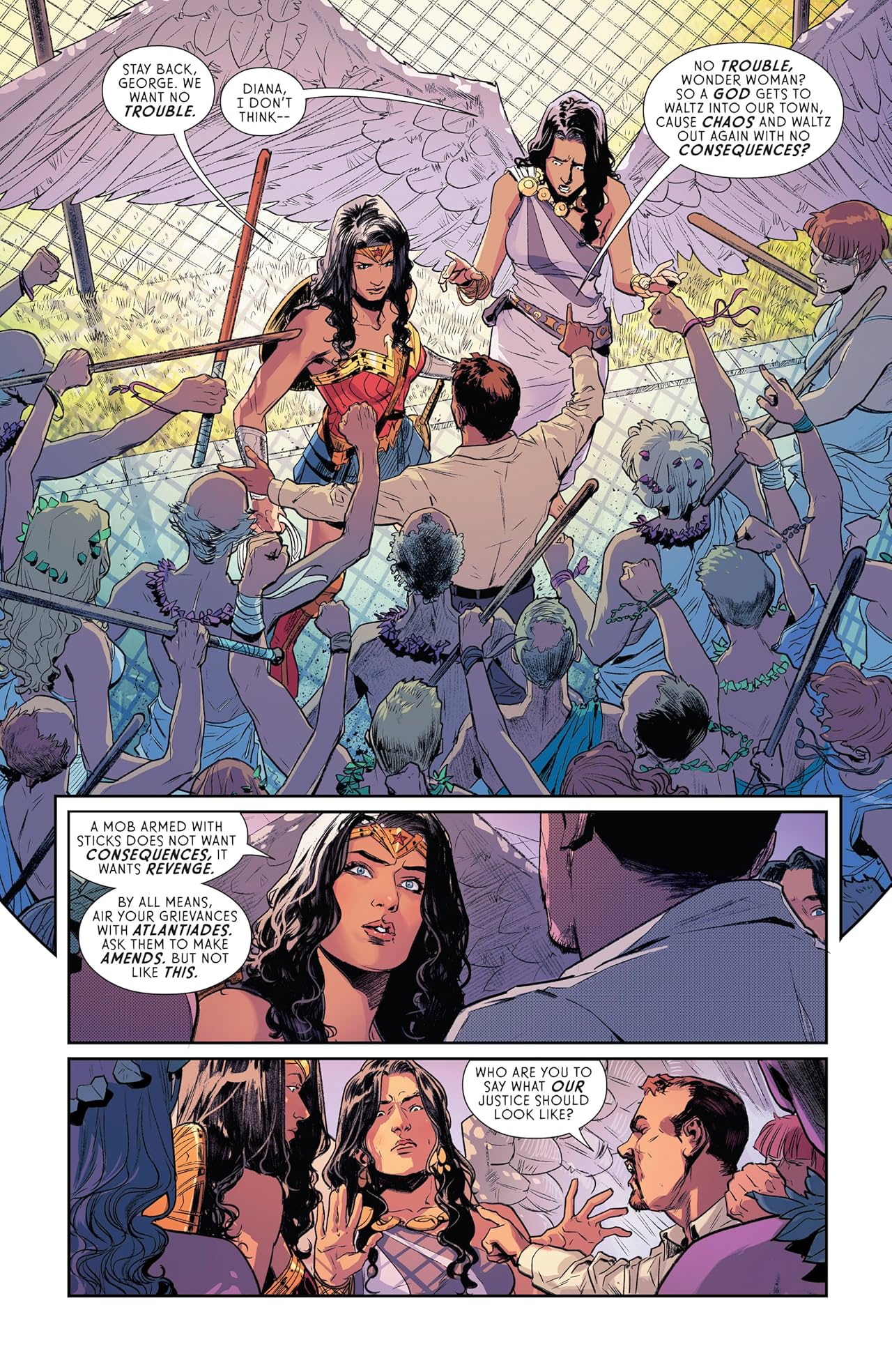
Jack Fisher’s Weekly Quick Pick Comic: Wonder Woman #71

Once a week, comic book fans rejoice as pencil, ink, and imagination come together to bring us a batch of new comics. Whether they involve superheroes, gritty crime drama, sappy romance, or talking ducks in ties, great comics take many forms.

As someone who awaits every Wednesday like Christmas, I make it a point to select one comic from this crowded field that helps make the day feel uniquely festive. It doesn’t always involve superheros gods, demigods, and talking animals. This week, however, that’s exactly what “Wonder Woman #71” contains. That’s not an exaggeration. This comic contains all of that, along with a uniquely impactful story.

The Wonder Woman comics have always been more fanciful than most, even without its former allusions to BDSM. When Wonder Woman isn’t fighting alongside the Justice League or going toe-to-toe against cosmic threats like Darkseid, she often deals with the divine mischief caused by her divine heritage. Since the arrival of writer, G. Willow Wilson, there has been plenty of mischief to go around.

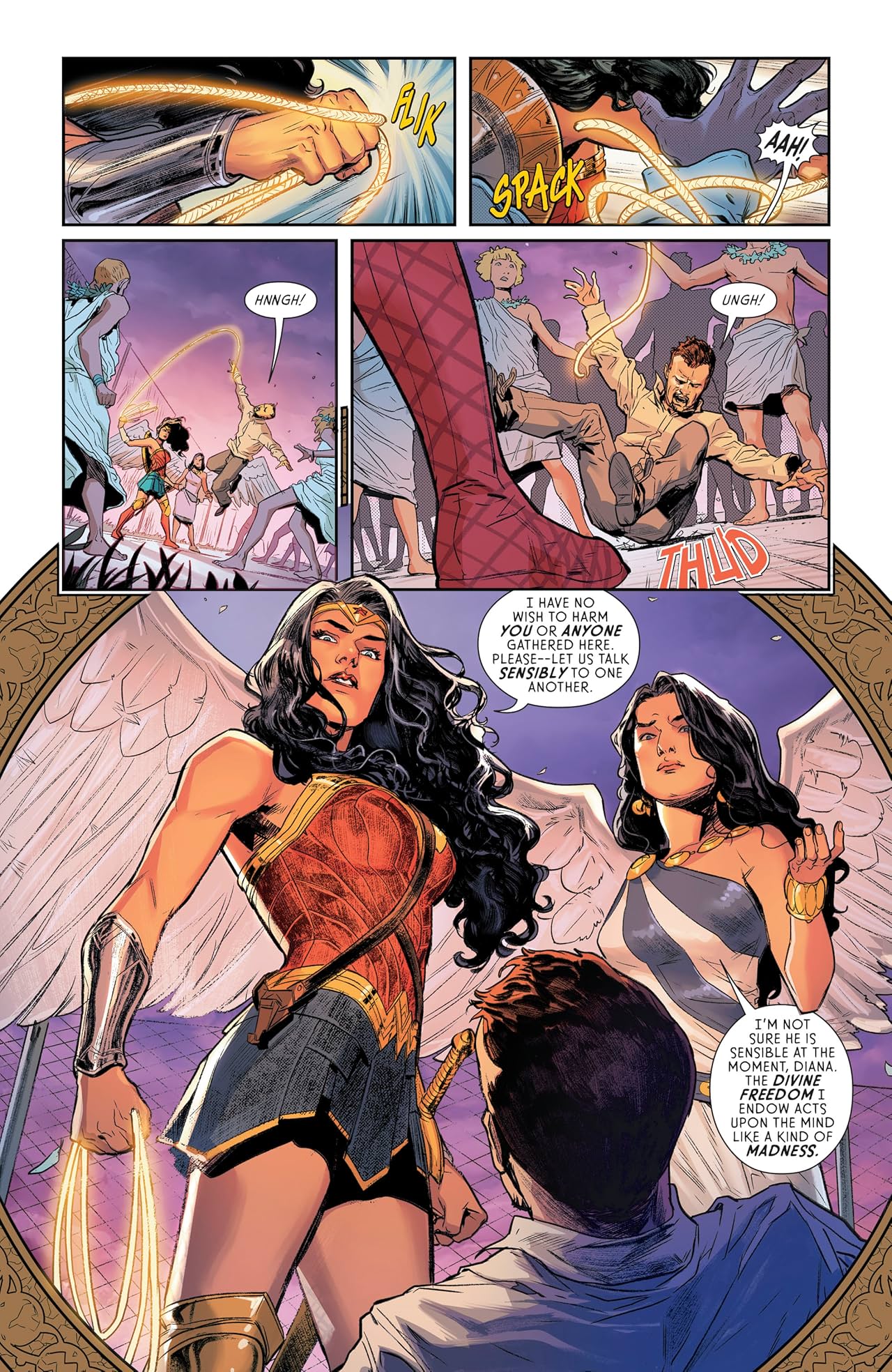
For the past few issues, Diana has been investigating some decadent happenings in a small town called Summergrove. At first, it doesn’t look quite as dire as some of the other godly influences that Wonder Woman has dealt with. The people of this typical community have just become a bunch of free-wielding hippies, randomly pursuing every decadent desire that enters their mind, among other things.

It’s not quite as pornographic as it sounds. Wilson manages to keep things PG-13, for the most part. However, the free loving and utter disregard for Western propriety are just part of the issue. This major disruption in a community not used to public nudity isn’t due to some sudden realization that Puritan traditions are asinine. It’s a direct result of Atlantiades, the god of lust and desire.

Aside from being the offspring of Aphrodite, as well as the kind of deity that aspiring erotica/romance writers could worship, Atalantiades presents a unique challenge to Wonder Woman. Yes, she’s causing real harm to innocent people and their families by exercising her divine power, but she’s not doing it directly, nor is she doing it out of malice.

She is, like many gods in both the world of DC Comics and beings of mythology, unaware of how her power influences frail mortal minds. She doesn’t see ordinary humans with the same care and concern as Wonder Woman. Whereas Diana respects and protects them, gods like Atalantiades pity and manipulate them.

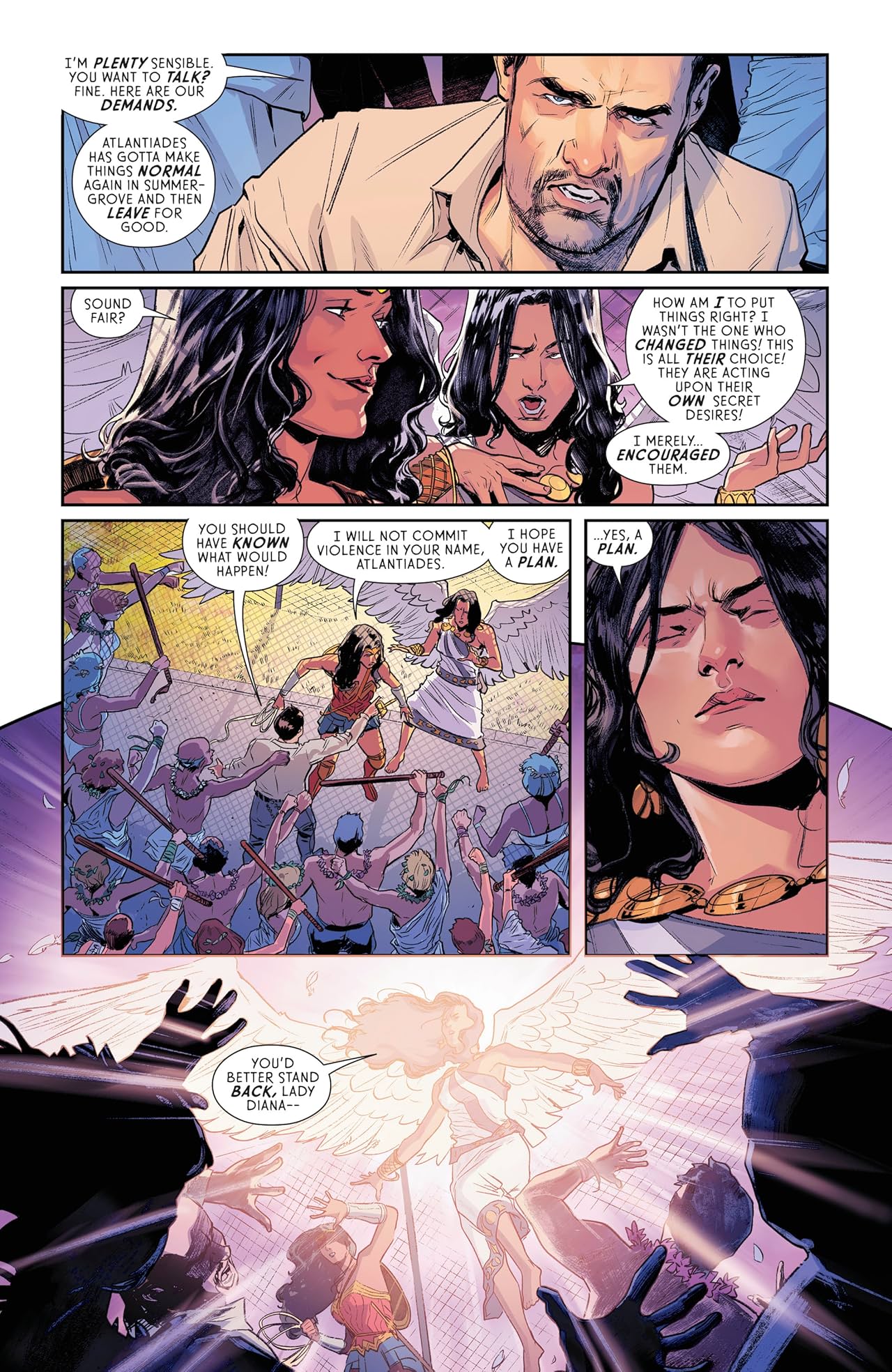
It puts Wonder Woman in a tricky position of convincing Atalantiades that what she’s doing to the people of Summergrove is wrong. The past couple issues have steadily revealed how bad things have gotten. Families are being torn apart and the community is collapsing around itself as people just abandon their responsibilities and ignore all consequences to their action.

It may seem fun, but even the most free spirit of individuals can’t avoid consequences. That’s what it means to be human. However, Atalantiades and the rest of her divine brethren don’t understand that the way Wonder Woman does. Their divinity means they don’t have to deal with the same consequences. They only have to worry when those consequences impact other gods.

That’s another lesson that Atalantiades has to learn the hard way. While Wonder Woman helps her deal with the damage she did to Summergrove, her activities obscure another emerging conflict centered around her mother, Aphrodite. This conflict has higher stakes and greater consequences, mainly because it involves unleashing a mythical beast.

It’s this culmination of consequences that helps “Wonder Woman #71” stand out. There are plenty of stories that involve Wonder Woman fighting mythical beasts and protecting people from unholy manipulations. However, she ends up having to do both here and she can’t resolve both solely through fighting.

Wonder Woman can do a lot of incredible feats, but she doesn’t absolve people or gods of consequences, nor would she if she could. She can’t fight Atalantiades or the people she has influenced, but she can convince her to take responsibility. That’s not as easy as a simple scorn or lecture, but it does make for some revealing exchanges.

Wilson, like many other accomplished Wonder Woman writers, explore the unique and strange perspective of divine beings like Atalantiades. That’s understandable because they’re not mortal. They don’t see mortality, desire, and consequences the same way an ordinary person in the suburb sees it. In many respects, it reveals just how unique Wonder Woman is because she goes out of her way to relate to ordinary people.

Atalantiades makes clear that she doesn’t see love and desire the same way as Diana. Throughout this story arc, even other gods like Aphrodite go out of their way to denigrate Diana’s perspective on matters of love and mortals. She sees it as something empowering and intimate. They see it as something chaotic and corrupt.

Wonder Woman #71” doesn’t entirely resolve that argument, but it does make a compelling case for each side. Atalantiades demonstrates what happens when love and desire run rampant. It’s sexy and even humorous, at times, but it’s also flawed and Wonder Woman helps belabor that.

As more consequences of Atalantiades’ actions play out, Wonder Woman has a chance to make her point in other, more direct ways. This is also where the artwork of Tom Derenick and Xermanico get more vibrant as divine debates turn into divine clashes. It helps highlight how strong Wonder Woman can be with both her words and her fists.

Wonder Woman #71” is not the endgame of this larger story surrounding Atalantiades and Aphrodite, but it is definitely the most dramatic. Wilson explores some pretty heavy topics in this story, touching on gods, love, and the frail mortal beings that get caught in the crossfire. It puts Wonder Woman in some difficult situations in which her compassion has to be as strong as muscles.

As always, she rises to the occasion and inspires more awe and wonder in the process. That’s what makes her Wonder Woman.


Leave a comment

Filed under Jack's Quick Pick Comic

Jack Fisher’s Weekly Quick Pick Comic: War Of The Realms #4

Once a week, the benevolent lords of the comic book world and the corporations they serve grace us with a new stack of comics. At a time when only the headlines of The Onion don’t make you cringe, this world needs the joy they offer. As such, I make it a point to single out one comic from that stack that offers the most value for the joy it conveys.

Some comics succeed by focusing on character development, as is often the case in most X-Men comics. Some succeed by subverting or stretching common superhero tropes, as we often see in comics like Kick-Ass, Invincible, or The Punisher. However, a book need not be overly creative to qualify as an awesome comic. It just needs to take everything we love and turn the volume up to 11.

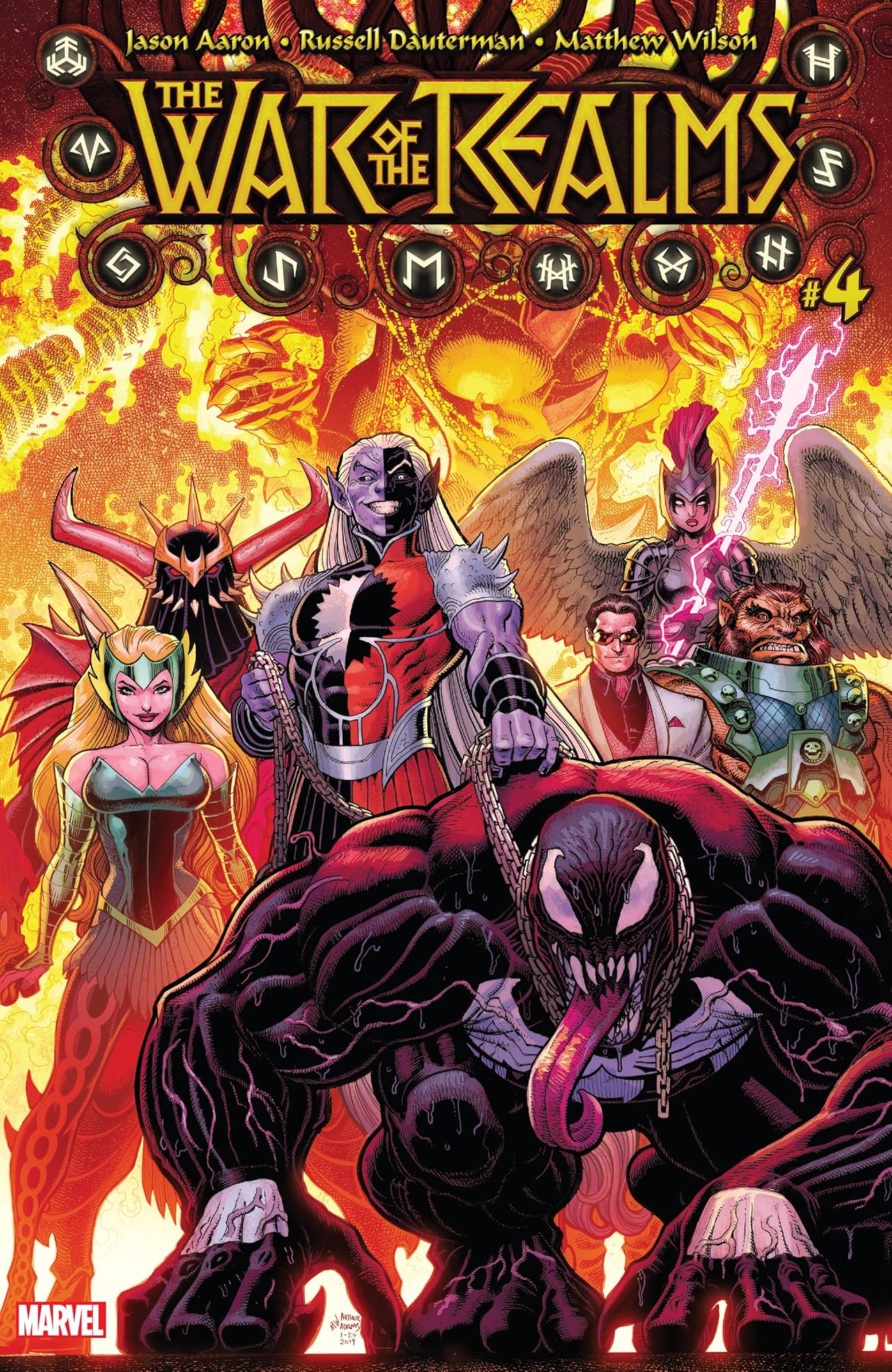
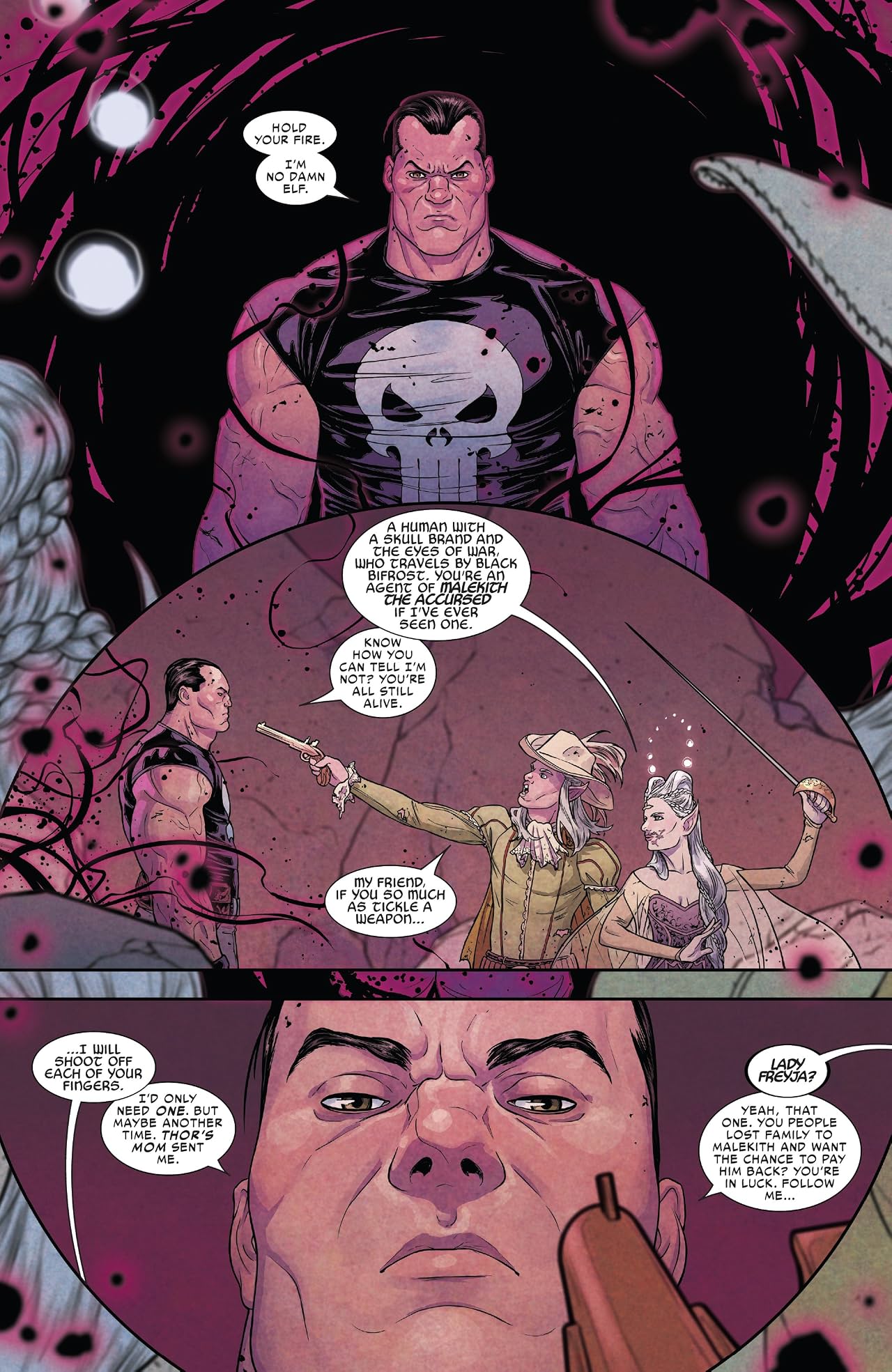
That’s exactly what “War Of The Realms #4” does and then some. It’s one of those books where you need only real the title to know the scope and scale of the story within. This is not just superheroes in flashy costumes battling killer robots on the streets of a big city. This is a war that spans multiple realms involving gods, demigods, evil elves, and frost giants. If you can’t be entertained by that, then you’re just being difficult.

That said, “War Of The Realms #4” is not just several dozen pages of flashy action scenes. There have been plenty of those moments since this event began, but the action was mostly a means of conveying the sheer breadth of this war. Now, the writer of this Marvel main event, Jason Aaron, has raised the stakes even more by making it personal and turning the tide of the battle.

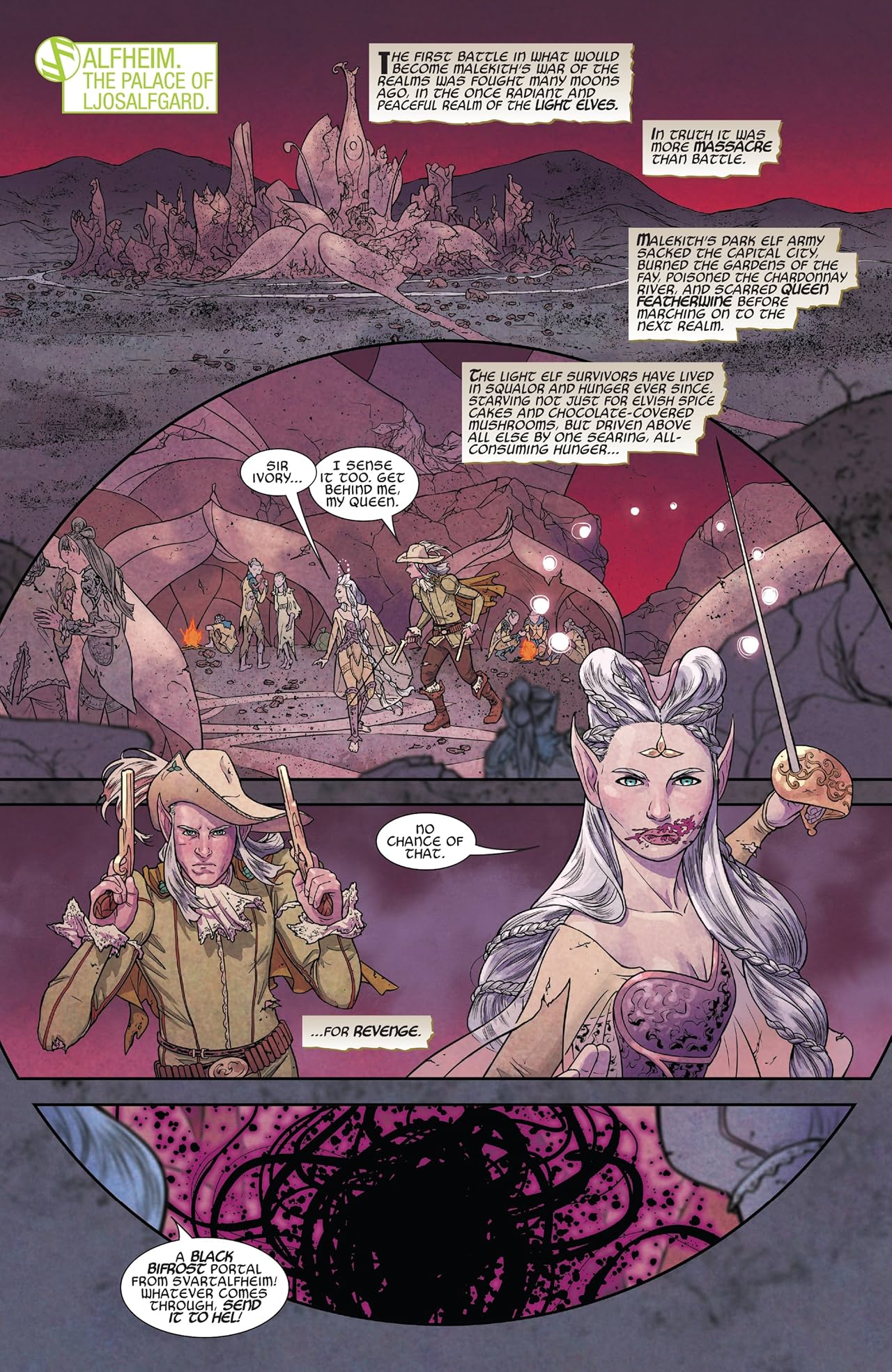
While you don’t have to know too much about the mythos surrounding Asgard and the 10 realms, it certainly helps in this case. Even if you’ve only seen “Thor: The Dark World,” you’ll have enough insight to know why this war is so massive. Malekith the Accursed might have been an afterthought in that movie, but make no mistake. He’s a devious, scheming, evil badass that requires a fully assembled team of Avengers to combat.

For the past three issues, Malekith and forces that include Frost Giants, Angels, Fire Demons, and Dark Elves have led a massive invasion of Earth. It’s not just in New York City, either. Malekith has bigger ambitions than simply disrupting traffic on Broadway. His forces hit every continent.

To this point, there has been no stopping him. Despite the Avengers fighting back on every front, teaming up with the likes of Spider-Man, Blade, Wolverine, Daredevil, Punisher, and Ghost Rider, it still isn’t enough. They still find themselves pushed back, beleaguered, and overwhelmed.

As a result, there have been casualties in this war. Some have already hit certain characters harder than others. Thor, the one usually tasked with beating the unholy shit out of Malekith before he can launch an invasion, is effectively subdued before he hammer back the threat. It is, by far, the most successful attack Malekith has ever launched against his Asgardian nemesis.

That means winning the war won’t come from Thor swinging his hammer around and hitting anything that looks like an evil elf. The Avengers and heroes from across the Marvel landscape have to join in the battle. They’ve managed to fight back, if only to keep the battle going. However, they haven’t made much progress in terms of ending it.

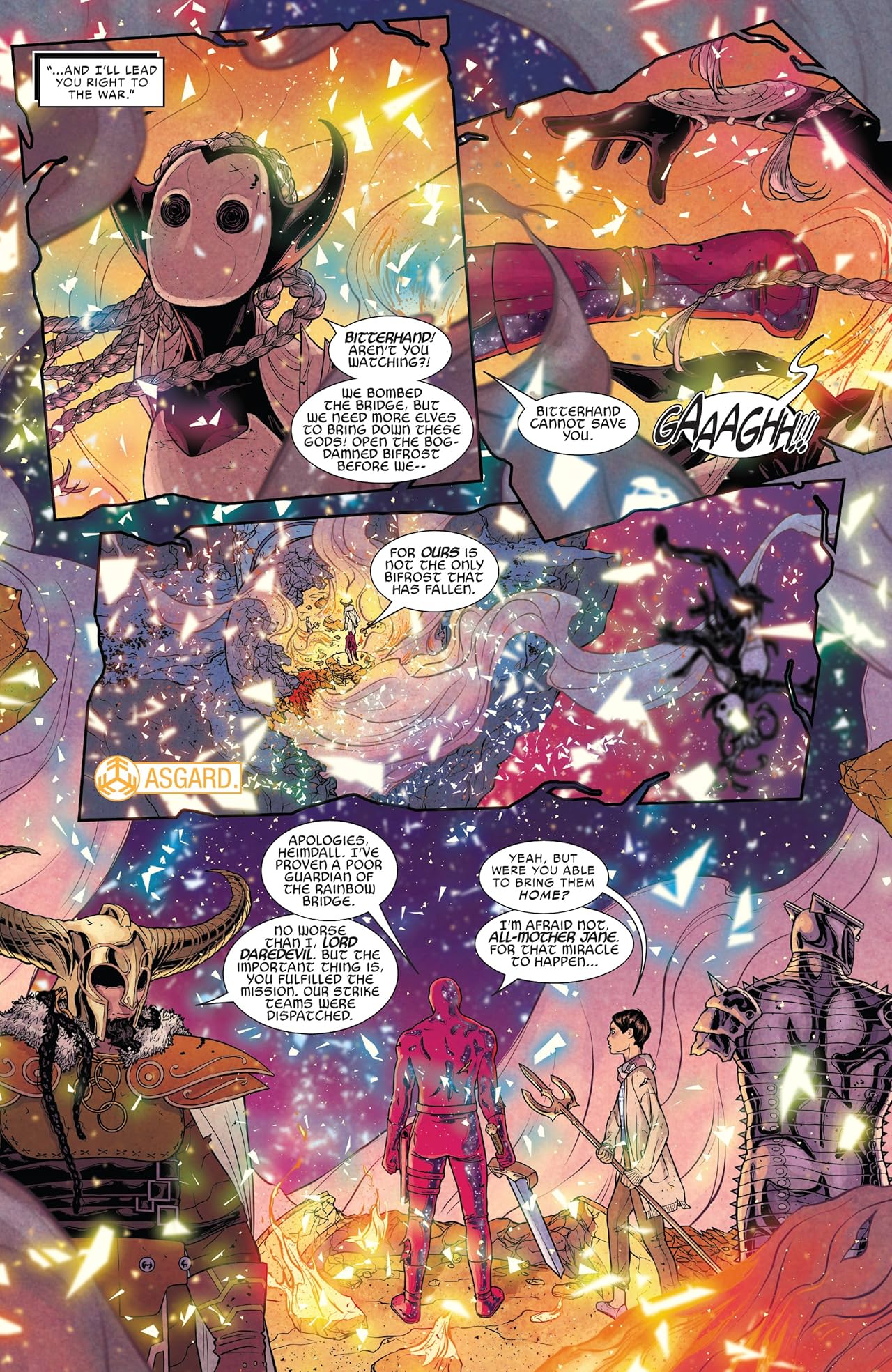
That changes in “War Of The Realms #4” and in some incredibly satisfying ways. Aaron, with the help of the divine artwork of Russel Dauterman, shifts the course of the battle by giving Odin and Freyja an overdue moment that has been years in the making. It’s a moment that marks an emotional high point for this event and for Thor’s overall story.

For the past several years, some of Thor’s biggest battles involve his parents. Odin and Freyja may have come off as only somewhat overbearing in the movies, but things are far more dysfunctional in the comics. There have been times when they’ve actively opposed one another. At one point, Odin even fought Jane Foster when she was wielding Thor’s hammer.

He is a divine blow-hard who most fluent language is arrogance. Freyja has managed to temper his tendencies in the past, but those moments have become few and far between. For a while, they were the godly equivalent of a married couple attempting a trial separation and making everything worse. They still see each other as husband and wife, but it seems like a formality at this point.

Finally, they share a moment in “War Of The Realms #4” that affirms why they got married in the first place. It’s a moment that will likely define the course of this realm-spanning war and have major implications for Thor, Asgard, the Avengers, and every other creature that has tasted an Uru hammer.

I won’t spoil the details of that moment. I’ll just say that it’s a culmination that has been in the works since before the war began. Every big battle, whether it’s in a comic book, a movie, or a TV show with a massive budget, needs a moment like that to give the conflict some emotional weight. That weight has been somewhat lacking since this event began, but “War Of The Realms #4” delivers in a way that feels satisfying and thrilling.

There are other moments in between. Aaron never lets the plot become too chaotic and Dauterman makes sure there’s always a spectacle to admire. Many characters manage to shine through the fog of war, including Ghost Rider, the Punisher, and Jane Foster.

It’s still a big, flashy war featuring superheroes, gods, and monsters from every corner of the Marvel universe. It has all the flashy style to make this realm-spanning war feel like a major event, but “War Of The Realms #4” gives it the necessary substance to give it weight.

It has spectacle, drama, action, and adventure. It also has gods, demigods, superheroes, and evil armies that can overrun continents. What more could you want from a comic book?

Leave a comment

Filed under Jack's Quick Pick Comic

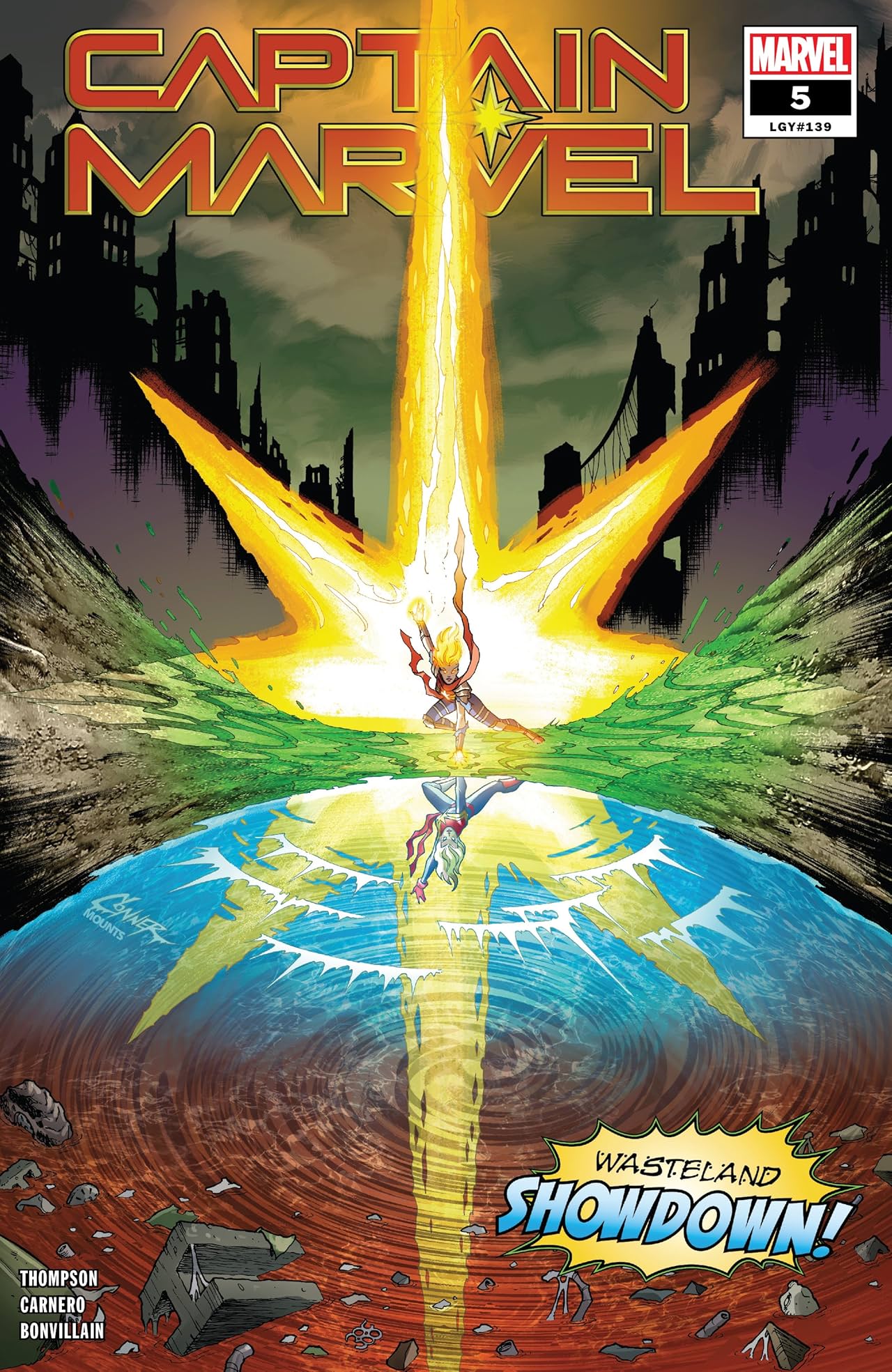
Jack Fisher’s Weekly Quick Pick Comic: Captain Marvel #5

Every Wednesday, passionate comic book fans like myself wake up early to take in a fresh batch of awesome. I can’t think of a better way to start a morning that doesn’t involve a hot tub, a massage, and fresh donuts. In the spirit of making those mornings that much more special, I select one comic from that batch that I feel carries the satisfaction of a thousand hot tub massages.

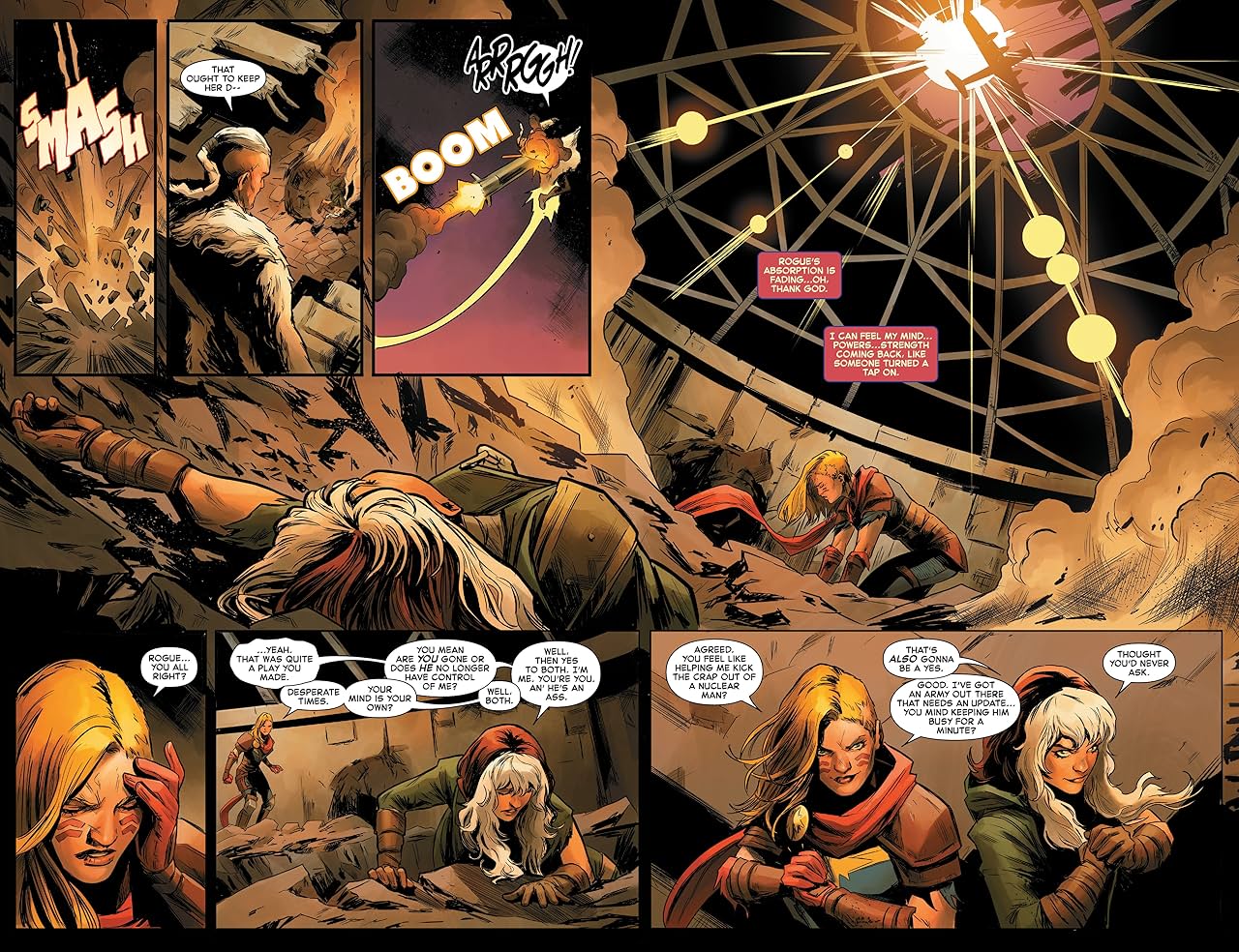
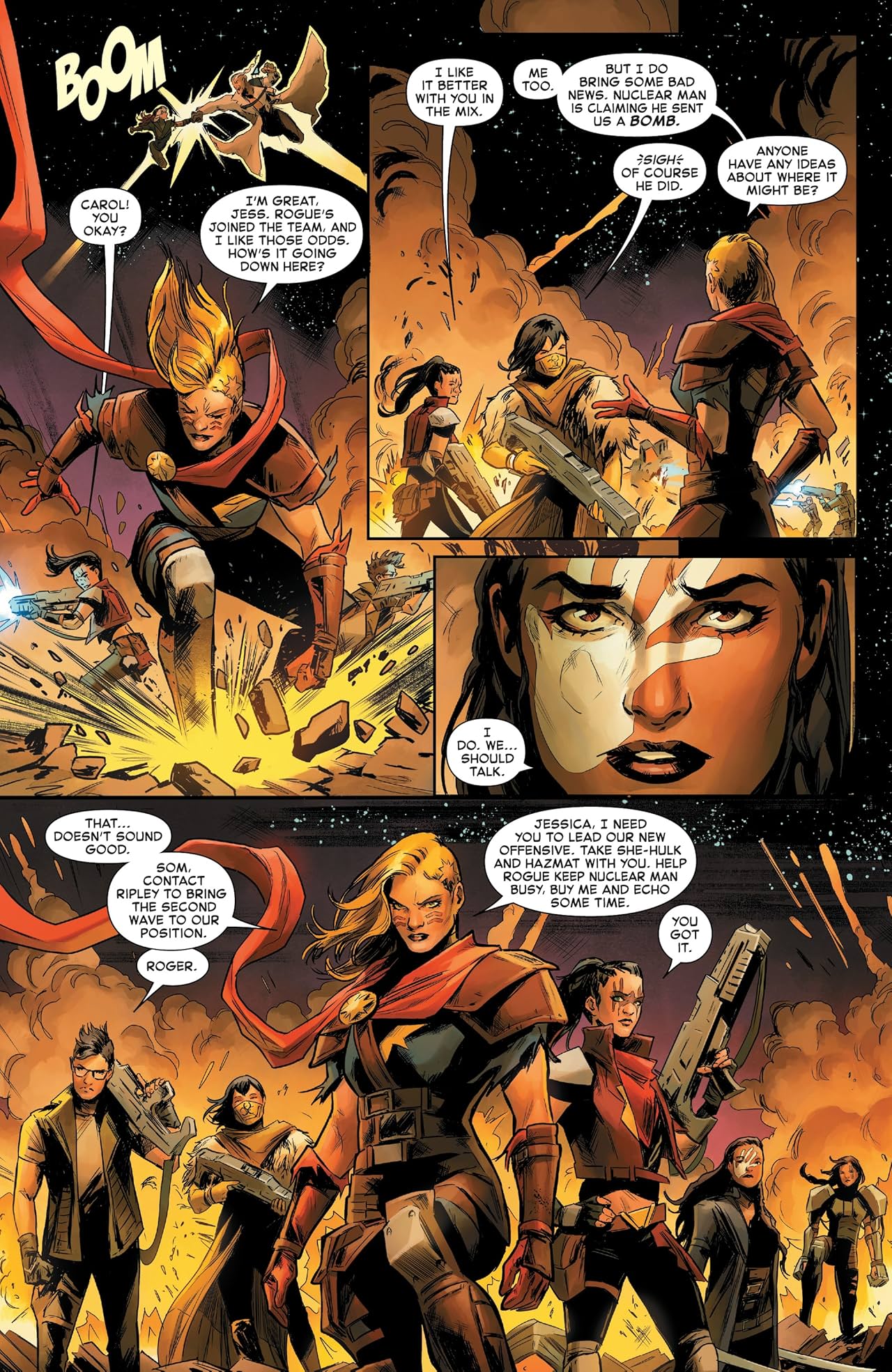
This week, “Captain Marvel #5” delivers just that much satisfaction as writer, Kelly Thompson, caps off her first arc on this series. It’s a story that began just as all things Carol Danvers began ascending into the stratosphere, thanks to the “Captain Marvel” movie. Now, as Carol is still flying higher than ever, Thompson affirms why she soars like no other female superhero.

The stakes in this story aren’t quite as high as they were in her movie or in “Avengers Endgame,” but that actually helps her shine even more in some ways. For the past several issues, she’s been trapped inside a barrier that has covered Roosevelt Island in New York. Inside that barrier, she’s been waging a tough and gritty war alongside several fellow female heroes against Nuclear Man.

Now, you don’t need to know who Nuclear Man is. In terms of overall threats, he’s definitely no Thanos. He’s also an unlikable douche-bag by every measure. He’s equal parts King Joffrey, Ramsey Bolton, and Kanye West. He’s the kind of guy you want to see Carol punch, but he doesn’t make it easy for her. What he lacks in Thanos-level power, he makes up for with his ability to push Carol’s buttons.

For the past several issues, Nuclear Man has pushed, strained, and tested Carol in ways that don’t involve how hard she can punch an incoming asteroid. He certainly has enough power to fight her one-on-one, but that’s not his style, nor is it his goal.

He’s not out to defeat Carol. He wants to enslave her, along with every other woman who stands against him. He created the barrier to trap them, strain them, and wear down their ability to oppose him. Carol just happens to be his ultimate prize. He sees her as the strongest, most capable woman in the world. He’s not entirely wrong.

For him, enslaving her means forcing her to be his wife and bearing his future children. Given Carol’s distressing history with being manipulated by devious men, that just makes the fight more personal. Now, she has even more reasons to kick his ass. However, Nuclear Man still finds a way to hit her every bit as hard as Thanos.

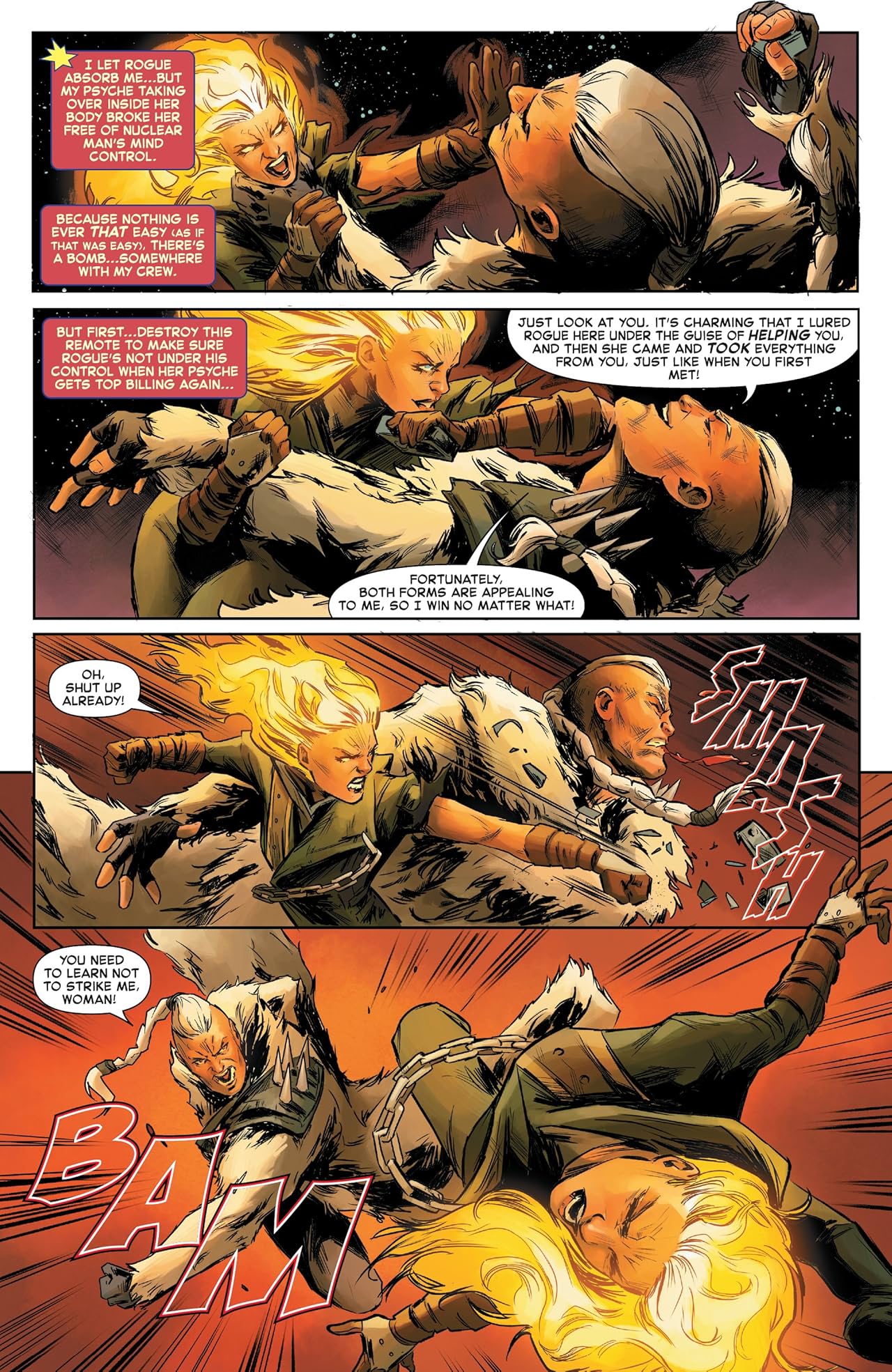
That’s where Rogue comes in. Make no mistake. She makes “Captain Marvel #5” worth reading every bit as much as Carol.

Rogue’s history with Carol is not a good one, to say the least. These two may be superheroes in their own right, but they’re not friends. They’ll never be friends. Carol even says as such at one point. That’s exactly why them having to work together to fight Nuclear Man is so satisfying.

That fight takes up a good chunk of the story, but Thompson goes out of her way to emphasize why Rogue still makes her feel vulnerable. Some of her weakest moments came by Rogue’s hand, literally in some cases. A sizable chunk of her journey as a superhero is defined by Rogue and Nuclear Man used that against her.

It helps give the battle the kind of dramatic weight that makes every punch, quip, and thought bubble feel more impactful. Both Carol and Rogue have to push themselves and each other to get through the final showdown against Nuclear Man. It’s not easy. Victory still comes at a cost, but the end result will still put a smile on your face, especially if you like seeing insufferable douche-bags fail.

If you’re a fan of Captain Marvel from the movie, “Captain Marvel #5” will give you plenty to enjoy. It’s a story in which you can easily imagine Brie Larson handling the action and drama, as only she could.

If you’re primarily a fan of Carol Danvers in the comics, then you’ll have plenty to enjoy as well. By bringing Rogue into the picture, Thompson connects Carol’s past struggles with her ongoing ascension. It’s a connection that feels overdue and welcome, if only to affirm why she’s such a great character.

Captain Marvel #5” doesn’t try to reinvent Carol Danvers, nor does it try to turn her into someone she’s not. It’s the culmination of a story that gives Carol a chance to rise up, affirm her status as Marvel’s premier female superhero, and battle some old demons that still haunt her. Between Thompson’s skilled quips and Carmen Carnero’s vibrant artwork, it’s a complete superhero experience that anyone can appreciate.

Leave a comment

Filed under Jack's Quick Pick Comic

Jack Fisher’s Weekly Quick Pick Comic: DCeased #1

It’s Wednesday and for comic book fans, it’s basically a holiday that doesn’t require decorations, greeting cards, or annoying commercials. Every week brings something new and with many people still recovering from the impact of “Avengers Endgame,” myself included, the world needs something to help us move forward.

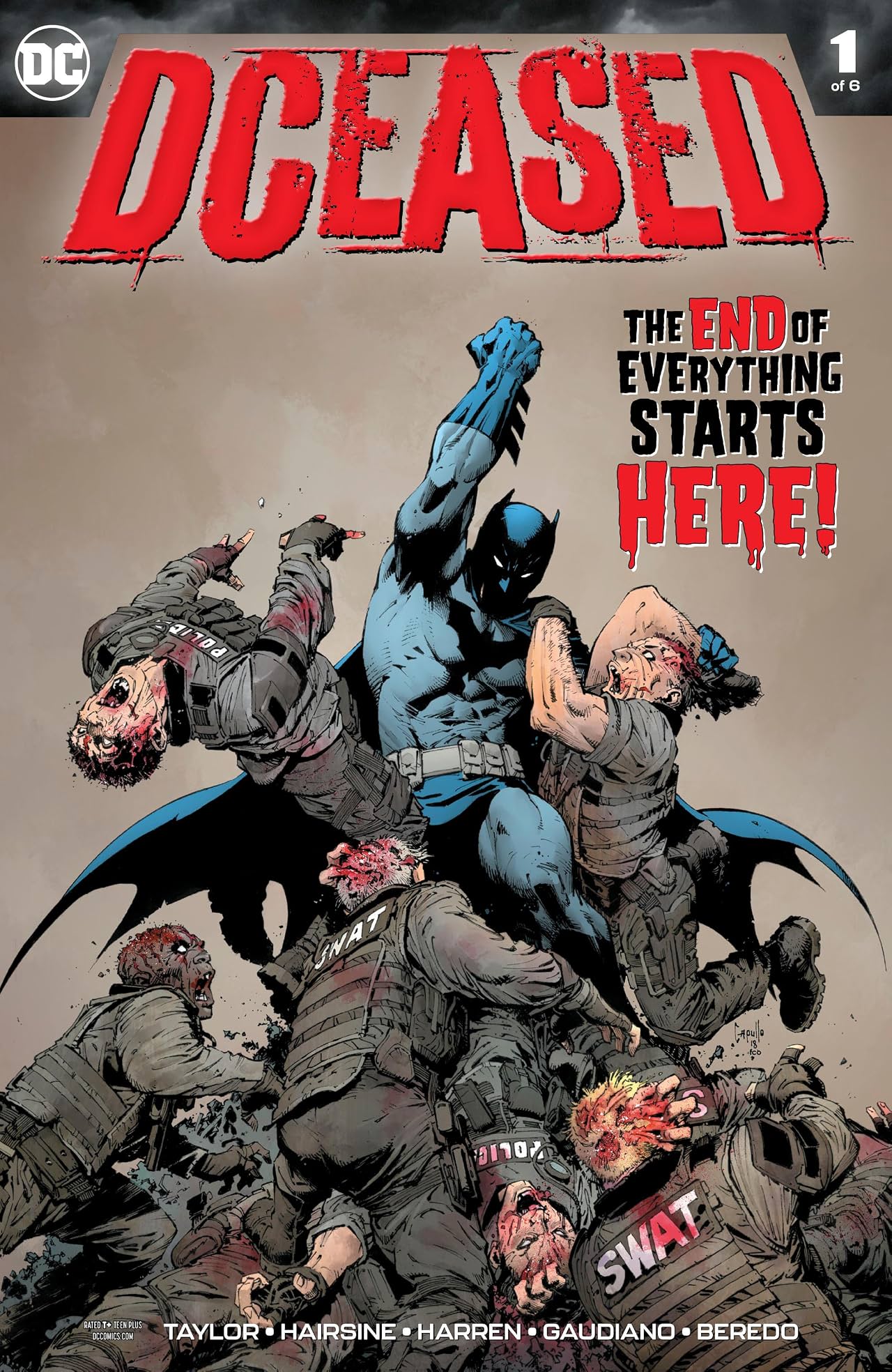
With that in mind, this week’s quick pick offers something that is the dramatic antithesis of a bittersweet ending to an 11-year movie franchise. “DCeased #1” is not the kind of story that will lift your spirits or trigger tears of joy. It’s a different kind of story that seeks a different impact and, much like “Avengers Endgame,” it succeeds.

The story does not build heavily on recent events in the world of DC Comics so if you haven’t kept up, you won’t be too lost. It’s very much a self-contained story that takes a particular concept that’s unique to the DC Universe and twists it in ways it has never been twisted. The results are brutal, terrifying, and a sight to behold, albeit a morbid one.

Writer, Tom Taylor, has a rich history of taking certain concepts within the superhero genre and re-imagining them in new, compelling ways. He did it with his criminally underrated run on “Superior Iron Man” and “DCeased #1” definitely has traces of those themes.

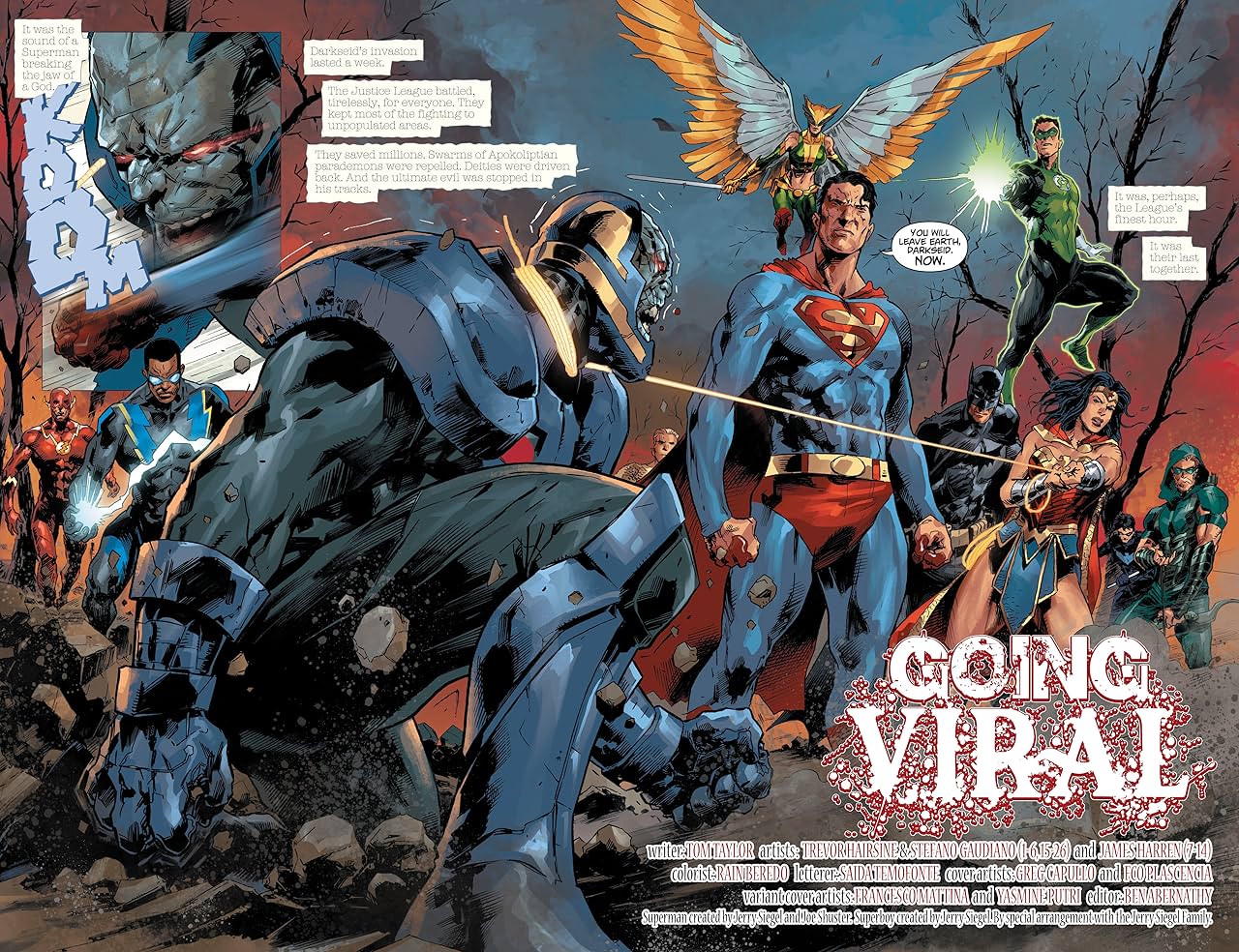
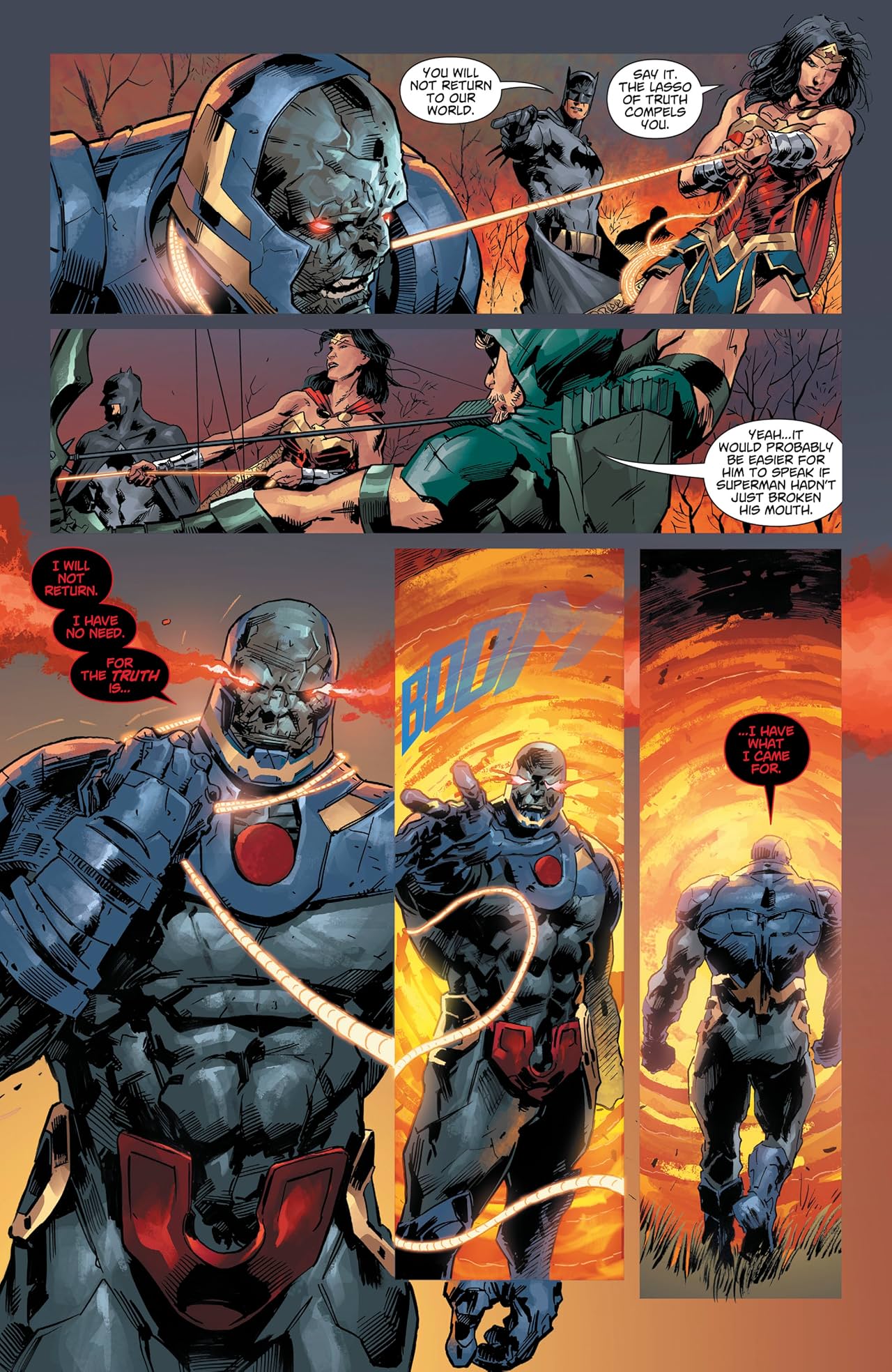
It starts with something familiar. The Justice League has once again defeated Darkseid. In terms of standard operating procedures in the DC Universe, that’s akin to paying your taxes or getting your driver’s license renewed. However, this typical triumph isn’t the end of the story. It’s just the beginning and it gets very dark, very fast.

At first, it has all the makings of another elaborate plot by Darkseid. He’s always had plenty of that. Being a god-like bringer of death and destruction, he always seems to have something going on and never lets defeat by the Justice League hold him back for long.

Then, his plan goes horribly and shockingly wrong. I won’t spoil the details, but what happens to Darkseid, and later everyone on Earth, strikes at the foundation the DC Universe. Like many other superhero comics, there are a special brand of physics in play, many of which would make Einstein’s head explode. However, when those physics are defied or subverted, bad things tend to happen and this might be the worst.

This isn’t the kind of impact that gives an all-powerful, obscenely-evil character like Darkseid an insane power boost. This is something that torments even the most villainous beings as much as its most virtuous heroes. Gods, demigods, aliens, Amazons, billionaire playboys, and even average people on the street are all equally vulnerable.

For once, there’s no evil figure to fight. There’s no devious villain to outwit or overpower. This is a force of nature that hits anyone and everyone. It’s akin to gravity, light, or taxes. Nobody can escape and nobody is immune.

While the concept of “DCeased #1” may seem like apocalyptic disaster porn, its dramatic structure keeps it from getting too gratuitous. Taylor demonstrates a refined understanding of how certain concepts work in the DC Universe and artwork by James Harren and Tervor Hairsine give rich details to some bleak undertones. Taken together, it creates a dark story that has just the right impact.

Whether you follow the comics or only watch big budget superhero movies, it’s easy to get caught up in the standard tropes of superheros. We expect them to fly in, save the day, or even undo the damage if things get too bad. There are any number of stories like that, especially in the DC Universe. That’s why a story like “DCeased #1” can be so refreshing, even when it deals in such dark themes.

This isn’t a case where we can expect the mightiest heroes in DC to save the day, smile for the cameras, and go back to their lives as mild-mannered reporters. This is a devastating cataclysm for which there is no going back. There’s a uniquely surreal impact to watching this world of mighty superheroes succumb. It’s not just different for the sake of being different. It shows us a different aspect of these characters and this world.

We all know what happens when superheroes save the day. Most people have seen that story in some form or another at some point in their lives. “DCeased #1” dares to ask what happens when superheroes can’t save the world. It’s not that they fail. Technically, they’re not even defeated in the mold of Darkseid beating up Superman. Things just go horribly wrong due to forces beyond their control.

In a world full of god-like super-beings from various planets and universes, this level of destruction has quite an impact. Beyond being the antithesis of the classic hero-saves-the-day narrative, “DCeased #1” presents a story that requires these heroes to reveal a different side of themselves. We know how they are when they’re at their most triumphant. Now, we get to see who they are when all hope is truly lost.

It’s a story worth telling and, if your heart and soul can handle it, “DCeased #1” takes the first step in this utter deconstruction of the DC Universe. It’s a dark, grim sight to behold, but one that brings some welcome novelty to superhero comics.

Leave a comment

Filed under Jack's Quick Pick Comic

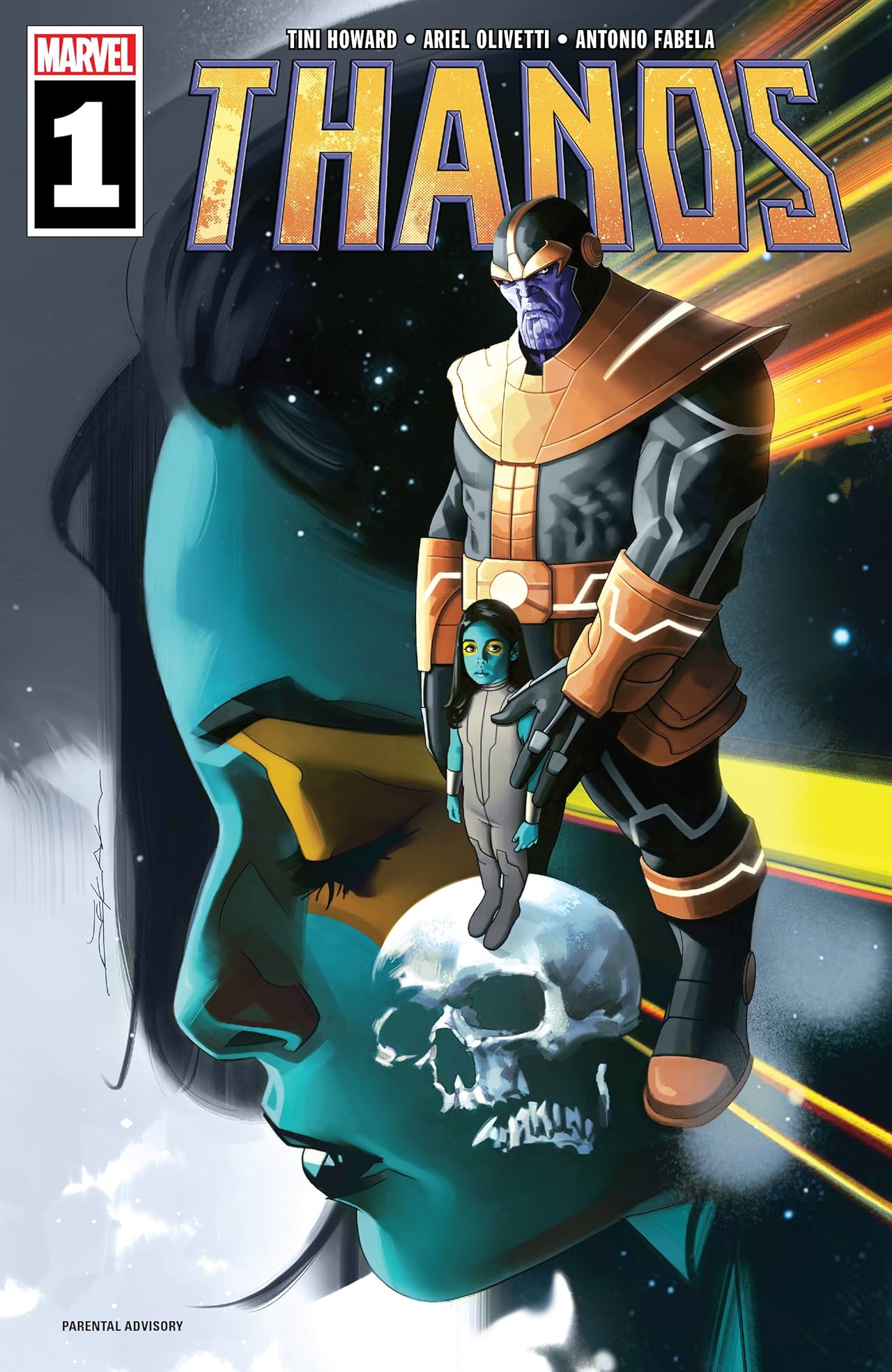
Jack Fisher’s Weekly Quick Pick Comic: Thanos #1

Every Wednesday, a new batch of comic books comes out to bring a badly-needed dose of awesome to a world that can never have too much. Not all of them are generic superhero comics. Not all of them are cheap kid-friendly comics full of talking animals and princesses, either. However, they all contribute to the overall awesome in their own unique way.

This week has more going for it than most. While new comics are certainly a joy to fans of superhero media, the upcoming release of “Avengers Endgame” is, by far, the bigger event. I would go so far as to argue that it’s the biggest event in the history of the superhero genre. However, that event wouldn’t be possible without the comics that birthed these iconic characters.

This week, one character is destined to stand out over everyone else and he’s definitely not a hero. He is Thanos, the Mad Titan who brings death, destruction, and wrath wherever he goes. He brought the Marvel Cinematic Universe to its knees in “Avengers Infinity War.” He’s done it more than a few times in the comics as well. However, “Thanos #1” dares to tell a different kind of story.

In this story, Thanos is still the death-loving, power-mad titan he’s always been. A good chunk of the narrative is spent reinforcing this in ways as brutal as anyone would expect of the Mad Titan. That brutality is important, but not just to Thanos. This story is more about Gamora than it is about him.

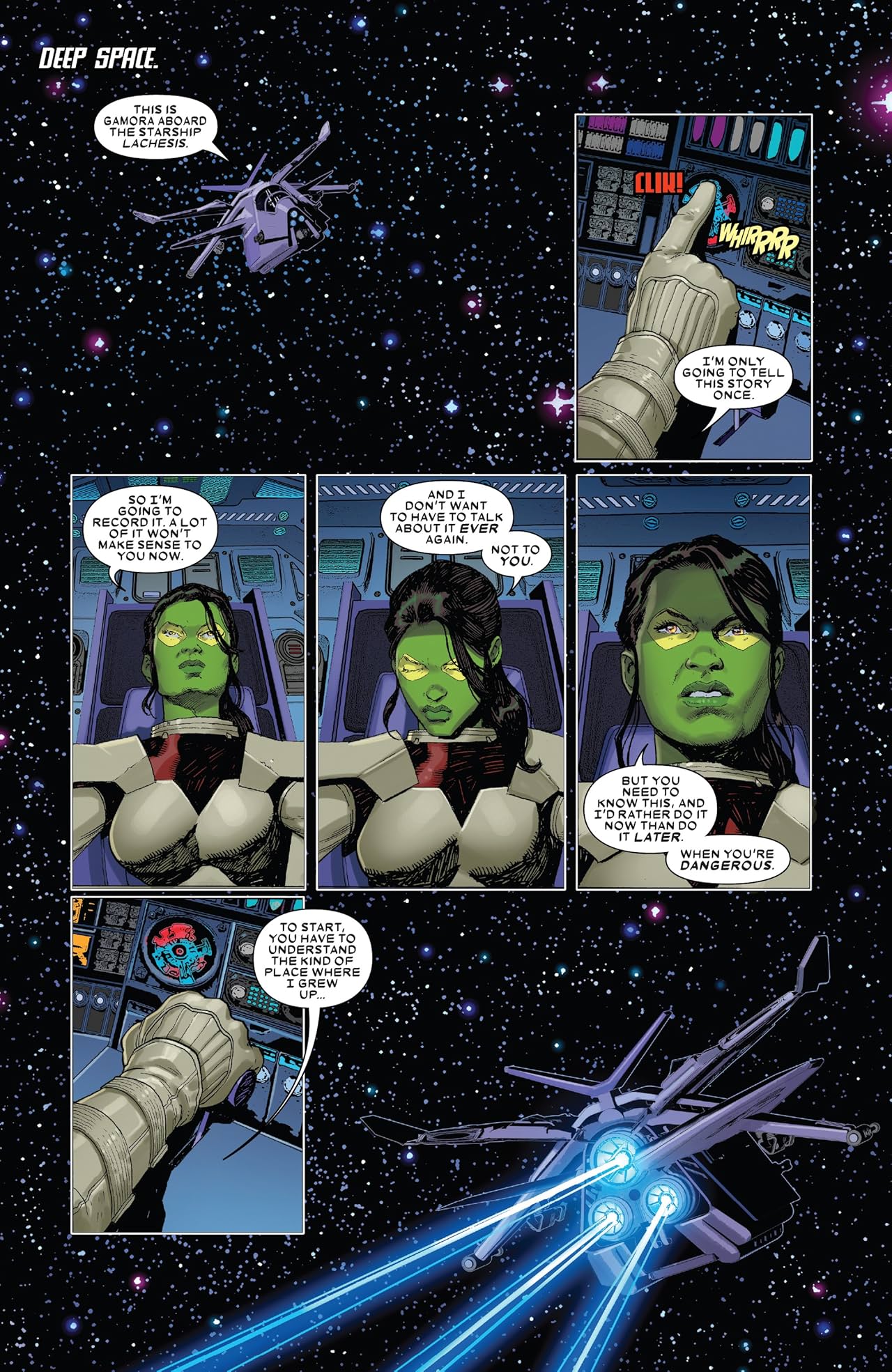
Thanos #1” isn’t just some extended flashback that reinforces how menacing Thanos is or why he’s one of Marvel’s greatest villains. This is Gamora telling her story about how she became the most dangerous woman in the universe under his guidance. It’s definitely a story worth telling and writer, Tini Howard, doesn’t gloss over the gruesome details.

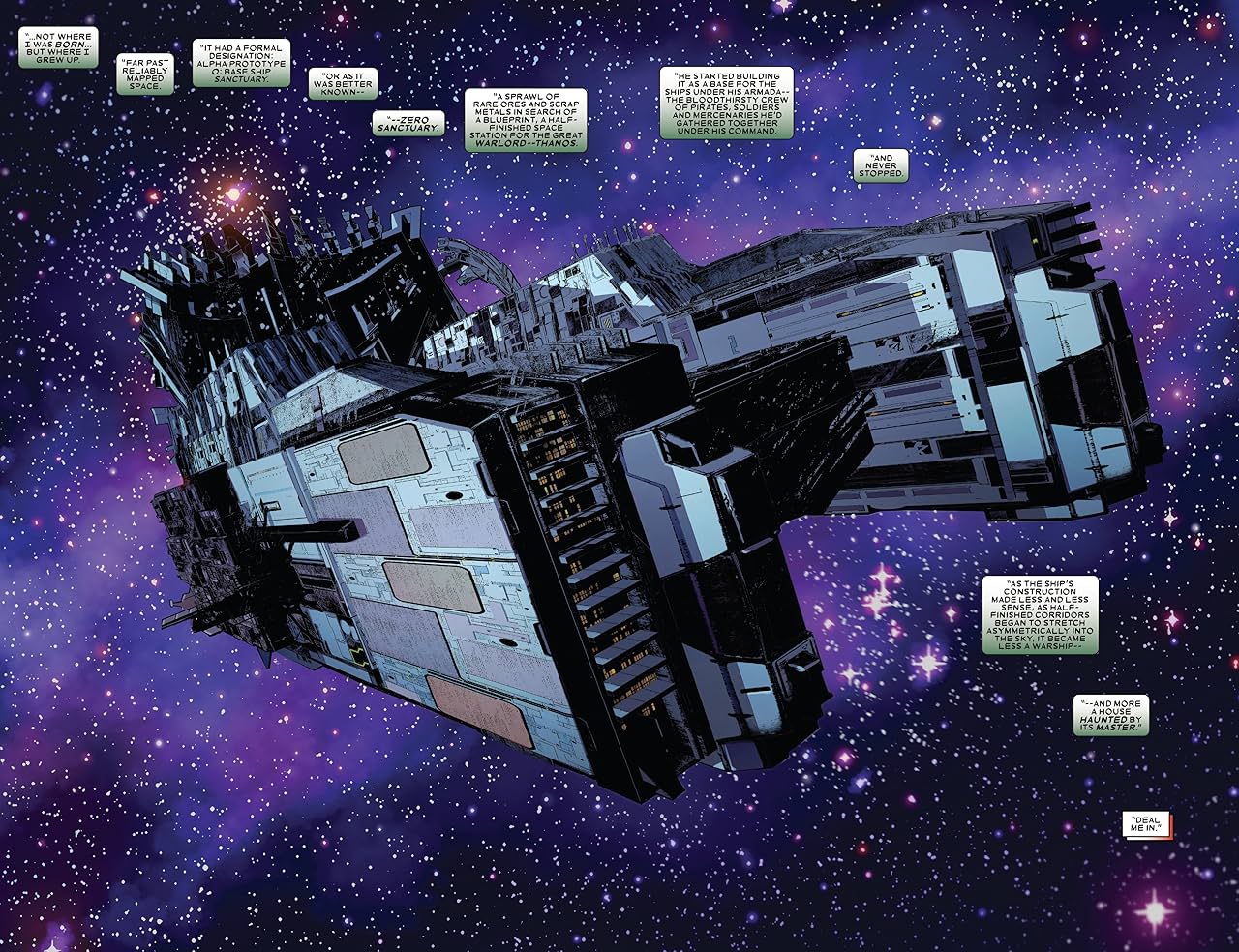
Through Gamora, we see that Thanos isn’t just a cruel, mass murderer. He really is mad on many levels. There are times when he kills with a goal in mind. While that goal isn’t always logical, he does show that he knows how to employ tactics and he knows how to lead other killers into battle.

Then, there are the times when he just kills because he is not a stable mind. It doesn’t matter if it costs him valuable soldiers and crew members. He kills for the same reason other people collect Star Wars toys. He’s obsessed with it. In the same way some fans can never have too many Darth Vader action figures, Thanos can never have too much death.

Howard does plenty to flesh out this side of Thanos. By reinforcing the extent of Thanos’ madness, it makes Gamora’s role a lot more meaningful. That meaning is important because Thanos shows, time and again, that he’ll kill anyone and everyone without a second thought. Whether it’s an entire planet of pacifists or his own crew of murder-happy minions, he does not hesitate for a second when that murder itch strikes.

However, he does hesitate when he encounters Gamora. It’s not out of compassion or pity, either. Something about her stands out that sets her apart from the countless victims Thanos has killed throughout the cosmos. It’s not immediately apparent. It’s also substantially different than what we saw in “Avengers Infinity War,” but the underlying theme is the same.

It still carries dramatic weight and the artwork of Ariel Olivetti nicely captures that drama. Gamora, who narrates the story, doesn’t portray herself as an impressionable victim who was eager for a power-hungry madman to corrupt her. She was, by and large, just a young girl trying to escape a massacre with her family.

She didn’t come from a warrior culture. She didn’t have a violent streak in her. She was, by all accounts, just an ordinary alien woman who wanted to live peacefully in the only world she’d ever known. For her to become the most deadly woman in the universe, she had to be forced down that path and molded in the most brutal way possible.

It’s yet another testament to just how devious Thanos is, both in the comics and the movies. He’s not just capable of leading a team of murderers from one slaughter to another. He’s also capable of turning an otherwise innocent woman into one of the most deadly killers in the universe.

Thanos #1” is one of those comics that came out at the best possible time. Thanks to the events of “Avengers Infinity War” and the upcoming release of “Avengers Endgame,” the extent of Thanos’ villainy has become a major component of the superhero genre. He is the standard by which other villains are measured now and, like the movies, Gamora is part of that story.

Despite the differences between Thanos in the movies and Thanos in the comics, they share a common link through Gamora. She is an integral part of his journey, as a villain. She embodies just how much Thanos’ cruelty can shape and mold those around him. She is who she is because of Thanos and, as much as she hates it, he defines her.

Gamora’s story is not a pleasant one, but “Thanos #1” proves that it’s worth telling. At a time when all things Marvel are fueled by all things Thanos, the timing couldn’t be better for such a story.

Leave a comment

Filed under Jack's Quick Pick Comic

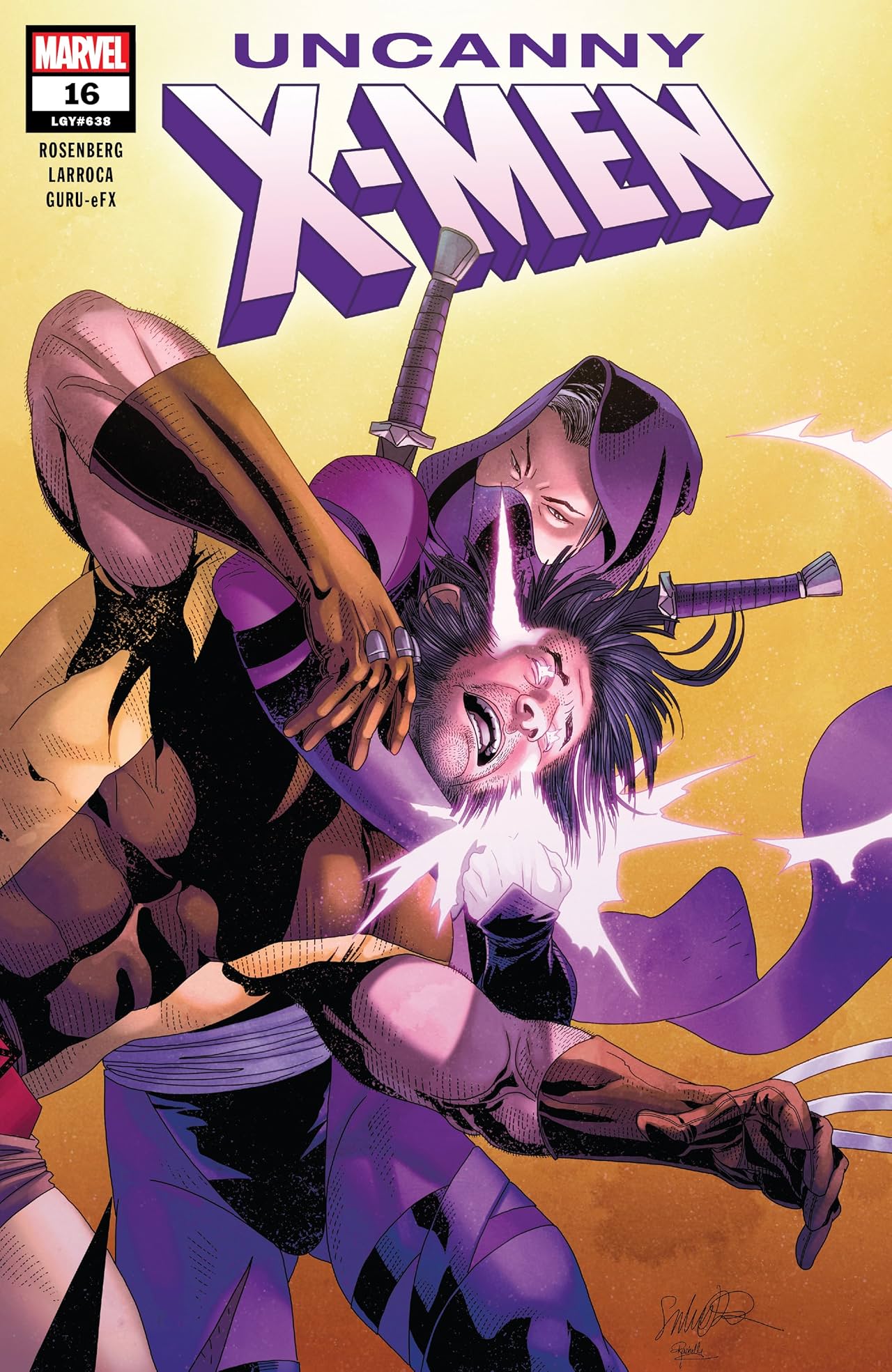
Jack Fisher’s Weekly Quick Pick Comic: Uncanny X-Men #16

Every Wednesday, this crazy world of ours gets a little less intolerable thanks to a fresh batch of comics. At a time when most of our heroes are in movies and too many villains run free in the real world, we need a little something to remind us of all things good, upstanding, and awesome. As such, I make it a point to select one comic from this batch that’s a better reminder than most.

While the world of superhero comics goes through cycles of hope and despair as often as the Hulk goes through cheap pants, the state of affairs for the X-Men have been more dire than usual. Since the reality-warping events of “Uncanny X-Men #10,” the state of mutant affairs in the Marvel universe hasn’t just been tenuous. Mutants are essentially fighting for the right to be more than an afterthought.

As much of the mutant population is exploring the dystopian utopia that is “Age of X-Man,” the remaining X-Men have been trying to find their place in a world that seems all too happy to be rid of mutants. It has not been an easy endeavor, but “Uncanny X-Men #16” reminds us why it’s worth doing.

The X-Men have been beaten, demoralized, wounded, and marginalized. They’ve had to battle old enemies, attack old allies, and even clash with close family. To say they’re at a low point would be like saying John Wick likes his dog. This is one of the most dire situations the X-Men have ever had to endure, including everything ever written by Chuck Austin.

Despite all that, “Uncanny X-Men #16” finds a way to bring out the best in the X-Men’s most ardent champions.

If you’re a Cyclops fan, you’ll find something to love about this issue. If you’re a Wolverine fan, you’ll find something to love about it too. Hell, if you’re a fan of mutant ninjas fighting alongside magic-wielding Russian teenagers, you’ll find something love about it. That last one is not a metaphor, by the way.

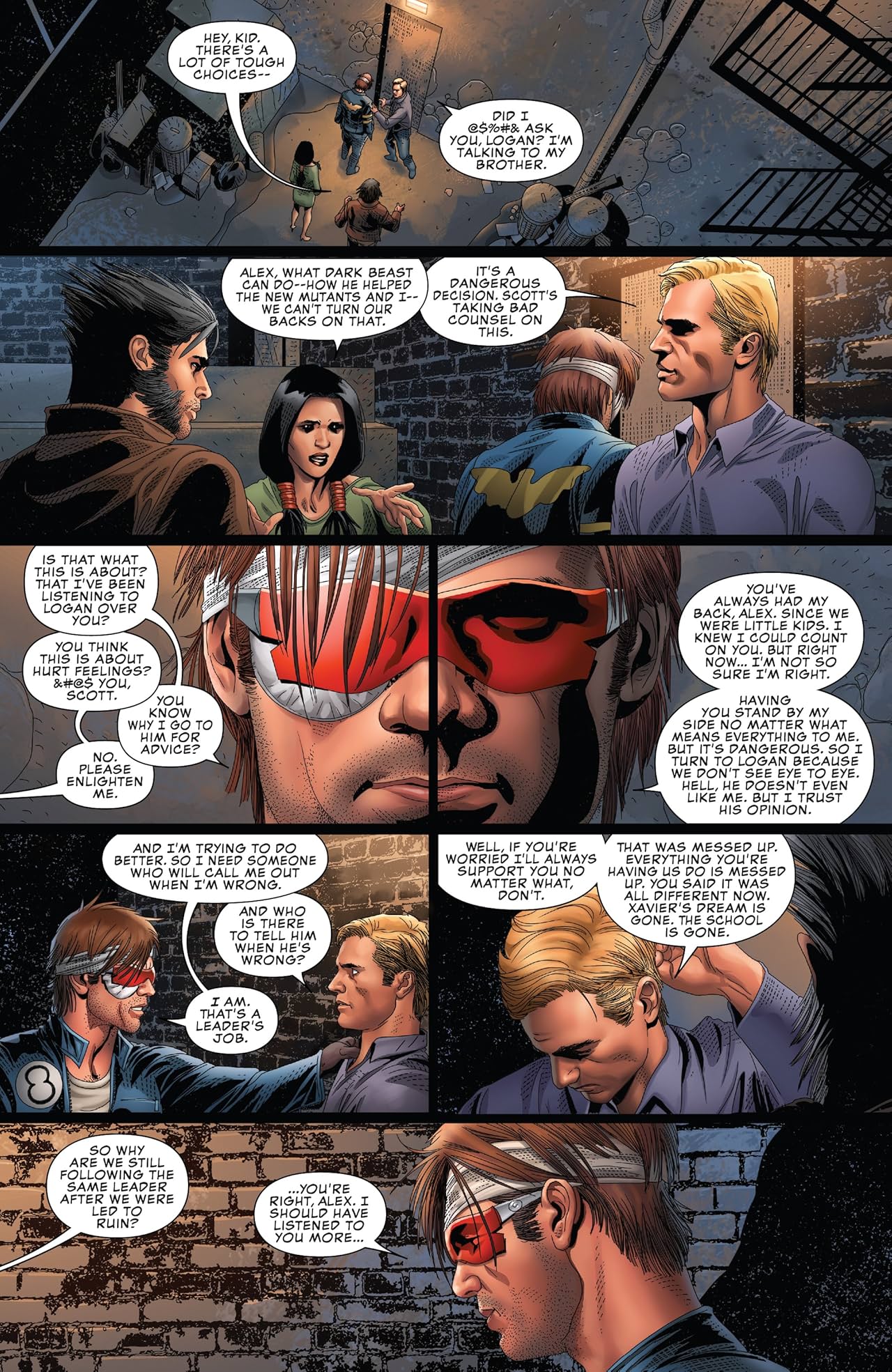
Uncanny X-Men #16” continues a story that has wounded the X-Men in so many ways. A lot of it is mental. Some of it is physical, as Cyclops’ lingering head injury shows. Even as the X-Men fight on, this issue finally shows all the struggle getting to the team. It’s not the first time these characters have expressed doubts, but in the context of the story, it does something important with respect to the past, present, and future of the X-Men.

Everyone on Cyclops’ team knows that mutants are in an existential crisis. They know their numbers are dwindling and that humanity is doing everything possible to make them an afterthought. How does anyone even go about being X-Men in a world like that? Thus far, that has been an unanswered question.

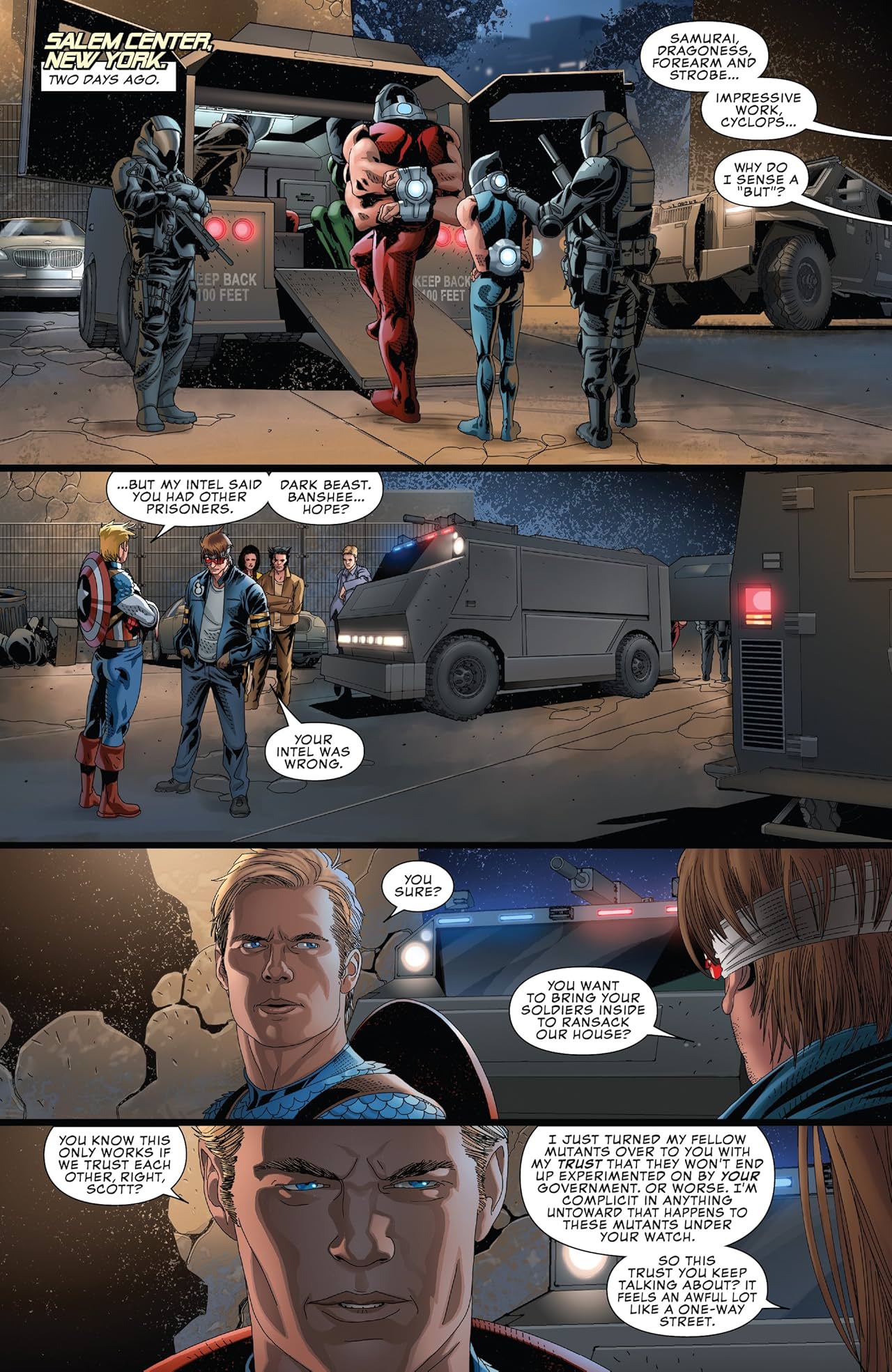
Cyclops and Wolverine tried to answer it by creating a new team out of what remained of the mutant population. They’re actually setting aside their differences and attempting to keep the spirit of the X-Men going. Keep in mind, these are two people who don’t like each other. One of them kept trying to sleep with the other’s wife and the other has shot him through a wall on more than one occasion.

Just putting the team together and fighting what’s left of the X-Men battles has been a struggle over the past several issues. However, “Uncanny X-Men #16” dares to step back and question what they’re fighting for and why they’re even fighting.

Writer, Matthew Rosenberg, explores some overdue discussion among the team. He also puts Cyclops in a unique position that somehow makes him more awesome. For much of his history, as well as his ill-fated roles in the movies, Cyclops has always been the uptight leader who barks orders and expects others to follow them. While we’ve seen hints of that Cyclops here and there, he finds himself in a more uncertain position.

Cyclops no longer trusts himself to be the leader he once was. Even his own brother, Havok, isn’t sold on his leadership at times. While it’s hard to be much of a leader when your entire species is on the brink of extinction, the criticisms aren’t without merit.

Essentially, Cyclops gives the X-Men a chance to show that they can be X-Men without him barking orders. He goes so far as to temper his own leadership in order to give the X-Men a chance to prove their causes is bigger than one person. I won’t say it’s Cyclops’ greatest tactical decision, but the results speak for themselves.

The criticisms and difficult discussions are relevant, giving “Uncanny X-Men #16” much more depth than a typical X-Men comic. It still has plenty of standard superhero action that artist, Salvador Larroca, renders beautifully with his skills. It’s not the flashiest battle, but it has a few twists and complications that require more than just better leadership.

Some of the choices made over the course of the story are questionable. Many of the wounds they’ve suffered haven’t entirely healed. These X-Men are still a far cry from the X-Men that hang out in mansions, fly around in high-speed jets, and fight killer robots. They’re not just struggling to find their place in a world where mutants are almost extinct. They’re trying to find a better way to do what they’ve always done.

The events of “Uncanny X-Men #16” prove that the X-Men still have plenty to offer. They’re still in a tenuous state, but they’re still intact. They’re still finding their way. They’re still learning overdue lessons that bring out the best in each character while not overlooking the worst.

These are exciting times for the X-Men and not just because the movie rights have returned to Marvel. Rosenberg and Larroca have broken the X-Men down in their darkest hour. Now, it feels like they’re becoming the superheroes they have to be. There’s bound to be setbacks, mistakes, and tragedies. However, that’s often when heroes like the X-Men are at their best.


Leave a comment

Filed under Jack's Quick Pick Comic, X-men

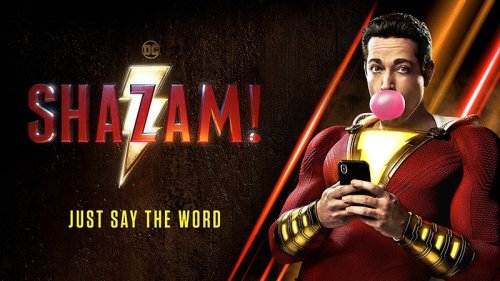
Shazam! Review: A Simple Formula For Maximum Fun

shazam

When a particular genre becomes over-saturated and overdone, it’s tempting to try and reinvent the concept in hopes of striking a new chord. It’s especially tempting when so many others have risen the bar to such an insane extent that success can only be measured in billions instead of millions.

It would’ve been easy for a movie like “Shazam” to give into such temptation. With the recent success of “Aquaman” and “Avengers Endgame” set to break all sorts of box office records, it seems like this movie has to do something extreme, just to stand out. How else would it succeed in such a crowded market in a golden age of superhero movies?

That was my greatest concern before I saw “Shazam.” As much as I loved the trailer, I was worried that this movie would try so hard to stand out that it would overlook the part of actually being a fun cinematic experience. That sort of oversight has been plaguing the DC Extended Universe since “Man of Steel.”

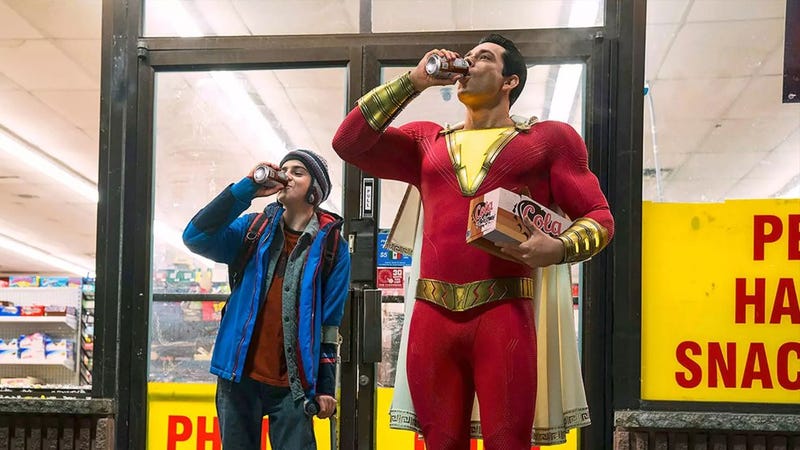
This picture sums up the issues nicely.

Well, having seen the movie, I’m happy to say that none of those concerns were founded. In fact, I’m elated to report that “Shazam” is another big win for DC Comics and superhero movies, as a whole. However, it didn’t win because it reinvented the genre or did something radically different. It won because it followed the basic formula for quality superhero movies and had fun along the way.

It helps that the core appeal of Shazam, as a character and superhero, is that it approaches heroics with a childlike playfulness. Billy Batson, the alter ego of the titular hero, is not some jaded adult like Batman. He’s not even a boy scout idealist like Superman. He’s just a kid and one who got dealt a bad hand, for that matter. Being both an orphan and a troublemaker, he sees the adult world through very different eyes.

That’s a novel perspective, to some extent. Every other superhero movie, even going back to the era of Richard Donner’s “Superman,” has framed the idea through an adult lens. It always starts out as something simple. An individual gets superpowers, they start carrying out simple acts of heroism, and those acts eventually get complicated, as often happens with adult issues.

With a character like Billy, things never get that complicated. Again, he’s a kid. Even in his heroic form, he sees conflict with a childlike simplicity and “Shazam” captures that simplicity perfectly. The movie doesn’t deviate much from the details and themes of the source material. Concepts like the Rock of Eternity and the Seven Enemies of Man are present and accurately portrayed.

Such details may not matter to those unfamiliar with the comics, but such accuracy is largely a bonus. What really makes this movie work is how it follows Billy’s journey and not just the one he undergoes as a hero. His evolution when he’s not a magically-endowed superhero is arguably the most meaningful aspect of the story.

When we first meet Billy, it’s hard to discern whether he has the spirit of a hero. He’s no upstanding boy scout. In fact, he’s very much a troublemaker who’s willing to thumb his nose at police, break the rules when it benefits him, and run away from anyone who tries to help him. However, he never comes close to crossing that might send him down a darker path.

It’s that trait that sets him apart from his villainous counterpart, Dr. Sivana. While he’s no Thanos, he demonstrates that he’s a lot like Billy in a few key aspects. He’s given a chance to become a hero, but is unable to refuse the temptation that often comes with immense power. That failure haunts him and pushes him down a darker path.

For a time, it seems as though Billy could walk a similar path. When he first gets his powers, he reacts in ways that most would expect of a 14-year-old boy. He tries to buy beer. He tries to make money. He even ventures into a strip club. It’s hilarious and cute, but it also establishes the perfect tone for a movie that avoids complicating the standard superhero narrative.

Within that narrative, there’s a hero who makes choices and learns from his mistakes. There’s also a villain who makes choices and refuses to learn from them. When they eventually clash, it’s a flashy spectacle with simple, understandable stakes. It’s no Battle of Wakanda, but it doesn’t have to be.

The look of someone who DIDN’T get to work with Josh Brolin.

From the moment he first gets his powers to the final showdown with Dr. Sivana, Billy develops into his own hero, but never loses his childlike mentality. He’s not forced to grow up too fast, nor does he have to abandon the civilian life he’s trying to establish. Whereas being Bruce Wayne is often an inconvenience for Batman, being Billy Batson is necessary for Shazam.

This shows in the seamless characterization provided by Asher Angel, who plays young Billy, and Zachary Levi, who plays Shazam. At no point does either manifestation feel like a different character. They both wield the same childlike charisma as they navigate their superhero journey. The same lovability that made Levi so great in shows like “Chuck” help him and Angel bring out the best in Billy Batson.

When the movie begins, it’s not clear that Billy has what it takes to be a competent hero. Trying to determine his worth is like trying to determine if some random 14-year-old will one day play in the NFL. The odds are against them, but the potential is still there. By the time the credits roll, the message is clear. Billy has the spirit that Shazam was looking for and you can’t help but root for him.

At its core, “Shazam” checks all the right boxes for the classic hero’s journey. Billy Batson is perfectly poised to take that journey and not just because he’s one of many orphans who become superheroes. The movie doesn’t try to subvert these tried and true tropes. If anything, it embraces them and dares to have a little fun along the way.

It’s easy to share in that fun. The humor is exactly what you would expect of a movie that involves 14-year-olds getting superpowers. It’s serious when it needs to be, but never too serious. Given the grim and gritty settings of other DC Extended Universe movies, it’s a breath of fresh air that the superhero genre badly needed.

It’s not without its flaws. Some details of Billy’s life are underdeveloped and glossed over. There were also inconsistencies with Dr. Sivana as well, but none were egregious to the point where they derailed the movie. It simply stuck to a simple formula, mixed in a few twists along the way, and made the most of what it had to work with.

If I had to score “Shazam,” I would give it an 8 out of 10. It didn’t reinvent superhero movies or raise the bar. It was simply a fun, entertaining movie that gave a character with little star power a chance to shine. It even managed to accomplish all this without trying too hard to make him like Batman. For a DC Comics movie, that alone is a major accomplishment.

Leave a comment

Filed under Movie Reviews, movies, superhero comics, superhero movies

Jack Fisher’s Weekly Quick Pick Comic: Detective Comics #1000

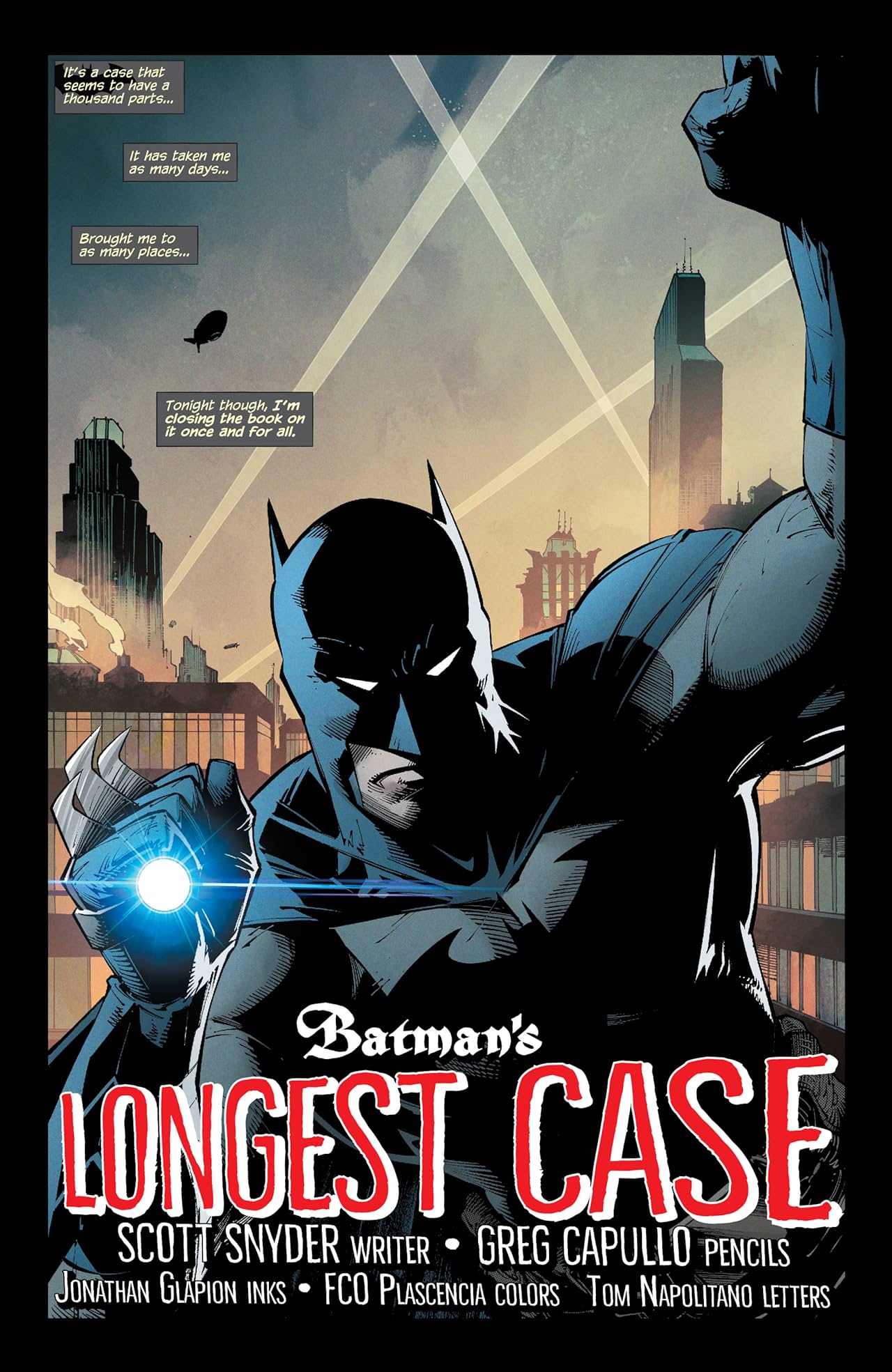
Every Wednesday, a new batch of comics enters this world and makes it a little more awesome. However, it’s not every week that an iconic character achieves an incredible milestone that only one other superhero comic has achieved to date. There aren’t a lot of characters who could hope to achieve such ratified status, but if ever there were someone equipped for that journey, it’s Batman.

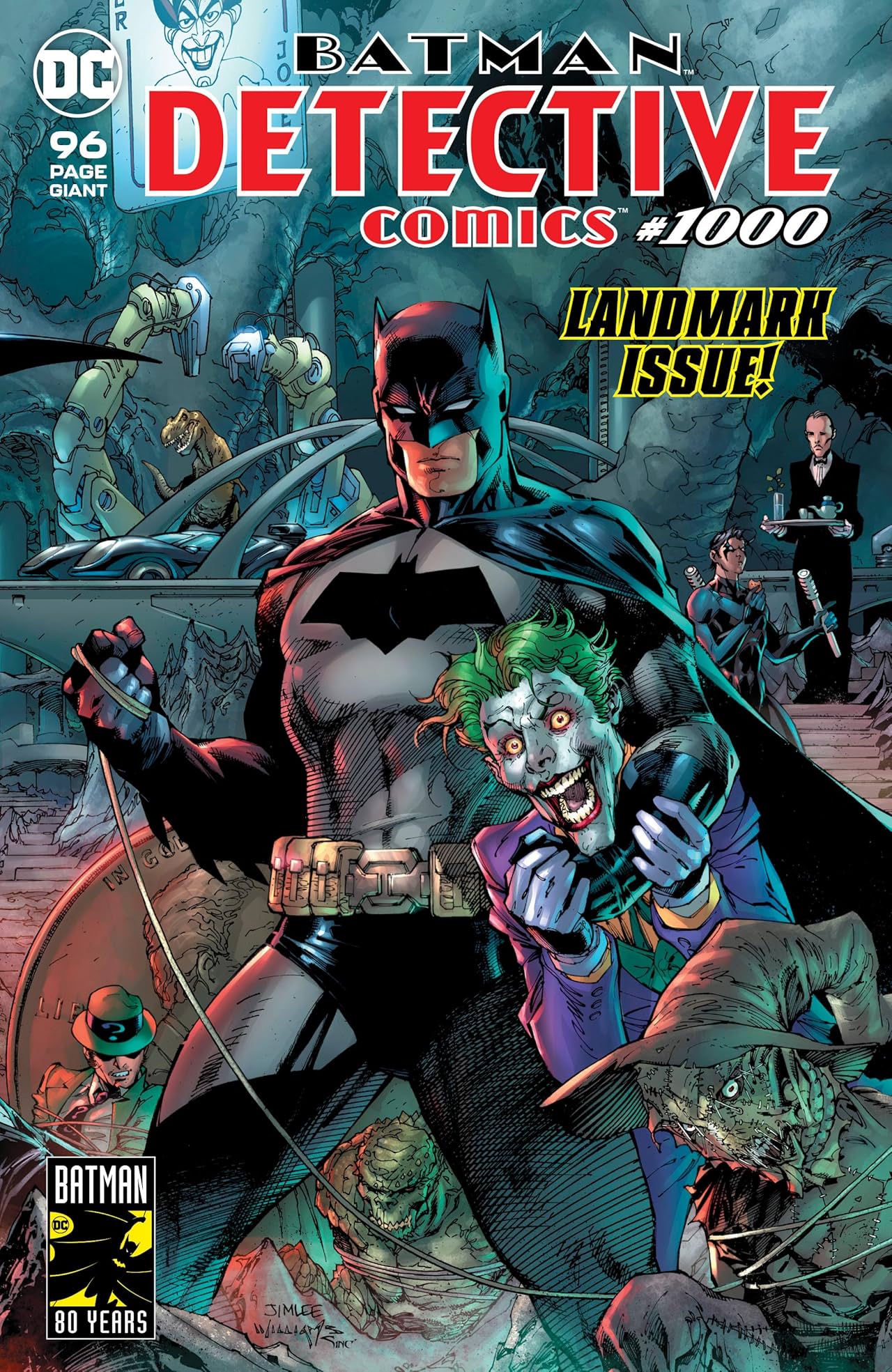
Today will likely go down in history as one of Batman’s greatest triumphs and he achieves it without the aid of Christopher Nolan. That’s because on this day, Detective Comics #1000 came out. Beyond just being a landmark issue that celebrates the legacy of Dark Knight, this comic helps remind superhero fans of every generation why Batman has endured.

From the triumph of “The Dark Knight” to the lasting damage done by Joel Shumacher, Batman has navigated many eras over the years. However, like Superman and Wonder Woman, he has never deviated far from his core persona. He’s a detective, a symbol, and a personification of vengeance against egregious injustice. No matter the time, place, or culture, there’s always room for that kind of crusade.

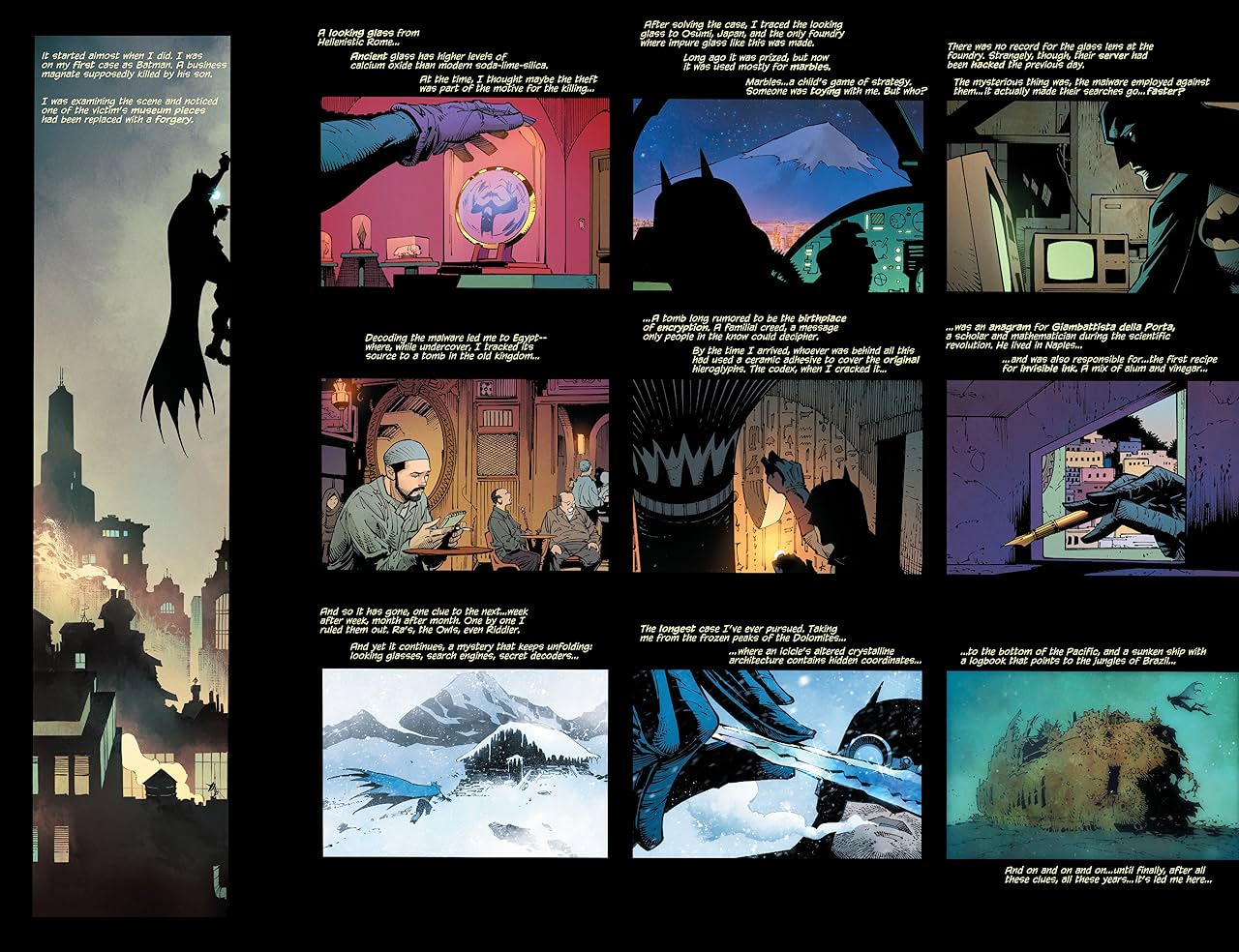
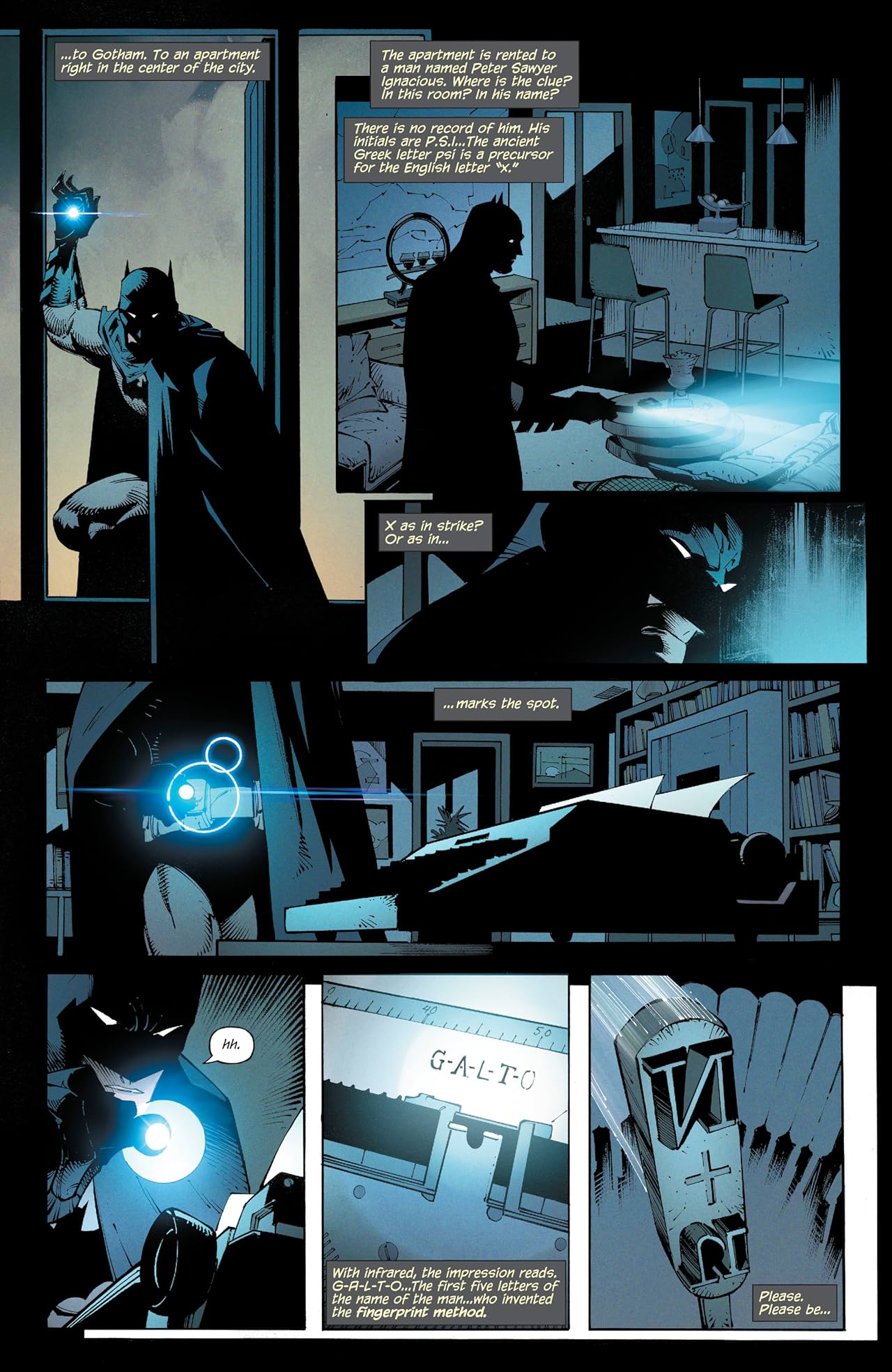
Detective Comics #1000 helps affirm that by telling a collection of short stories by some of DC Comics’ top writers. None of these stories really tie into one another and they don’t have to. It’s just not possible to capture the breadth of Batman’s legacy in just one story, no matter how many members of his iconic rogues gallery enter the picture.

Instead, each story is crafted in a way that helps capture a critical element of Batman’s never-ending crusade. A story by Scott Snyder helps highlight Batman’s unparalleled detective skills. A story by Warren Ellis highlights Batman’s ability to strike fear in criminals. A story by Christopher Priest show show Batman’s humanity is as strong as any one of his skills.

Each story carries its own weight, in terms of drama and impact. They present some of Batman’s best traits alongside his greatest weaknesses. They never give the impression that Batman is too powerful or too capable. At the end of the day, he’s still human. He has very human vulnerabilities and not just compared to the heavy hitters of the Justice League.

Beyond not being bulletproof, there are many instances that show he’s still someone who was deeply scarred as a child. The murder of his parents still haunts him. There are times in which he fails to cope with it, as nicely shown in a story by Denny O’Neil. At the same time, however, that loss and the pain it causes still drives him to be Batman.

In many respects, Batman is more true to his persona than Bruce Wayne. If anything, Bruce Wayne is the real mask. When he’s not wearing his cowl, he has to be someone else. He has to give the impression that he’s a successful, functional adult who got over the murder of his parents long ago. That has never been the case for Batman.

After 1,000 issues of Detective Comics, it’s abundantly clear that Batman does not see injustice the same way others do. People suffer tragedy and injustice all the time, both in the world of superhero comics and in the real world. Most people are content to let the authorities and the justice system deal with it. Batman isn’t most people.

In his world, the crime-ridden metaphor that is Gotham City, the authorities are corrupt and the system is flawed. Unlike people of lesser means, he’s in a position to actually do something about injustice. As Bruce Wayne, he can help improve the economy of the city. As Batman, though, he can make it so other children don’t have to watch their parents die.

It’s a powerful message full of powerful themes. They’re as relevant today as they were 80 years ago when Bob Kane and Bill Finger first created Batman. Injustice and tragedy know no single time, race, culture, or gender. They affect everyone and Batman stands on the front lines to fight it.

More than anything else, Detective Comics #1000 reminds us of why we want Batman on the front lines of that crusade. He’s capable of confronting the worst of the worst in terms of criminals. He’s also compassionate enough to understand and empathize with those who have been affected by injustice. It’s how he’s able to recruit and inspire others like Robin, Nightwing, Batgirl, and Catwoman.

Over the years, he’s even managed to carve out an extended Batman family, of sorts. It’s not the same as the family he lost, but an incredibly touching story by Tom King and Tony Daniels shows just how much it means to him. It helps give balance to someone who can be a hardened crime-fighter one moment and a caring friend the next.

Not all the stories in Detective Comics #1000 are so serious and dramatic. The story by Paul Dini provides some colorful humor that shows that even the gritty world of Batman isn’t prone to a few absurdities. Batman himself doesn’t deny this. He just embraces and accepts it as part of his never-ending crusade.

It’s hard to imagine any crusade lasting 1,000 issues and spanning eight decades, complete with campy TV shows and genre-defining movies. The universal nature of Batman’s crusade against injustice helped fill those issues with so many iconic moments. This landmark issue shows why that crusade is poised to endure another 1,000 issues.

The struggle never ends, but he never gives up. He can’t and he won’t. He’s the goddamn Batman.

Leave a comment

Filed under Jack's Quick Pick Comic

Five Reasons Why Marvel SHOULD Make An Avengers vs. X-Men Movie

avengers_vs._x-men_event

What can be said about the Marvel Cinematic Universe that hasn’t already been said, affirmed, or celebrated? I know I’ve said plenty about it, both in glowing terms and with real concern. Being a fan of superhero comics and the superhero genre, in general, I don’t think I can add much more to the near-cosmic status of this cinematic achievement.

The support of the fans and the billions made at the box office speaks for itself. Say what you will about Disney’s desire to exploit fandoms out of their money. They know how to give the people what they want. Between the recent success of “Captain Marvel” and the insane expectations surrounding “Avengers Endgame,” it’s hard to imagine this decade-spanning franchise ascending to greater heights.

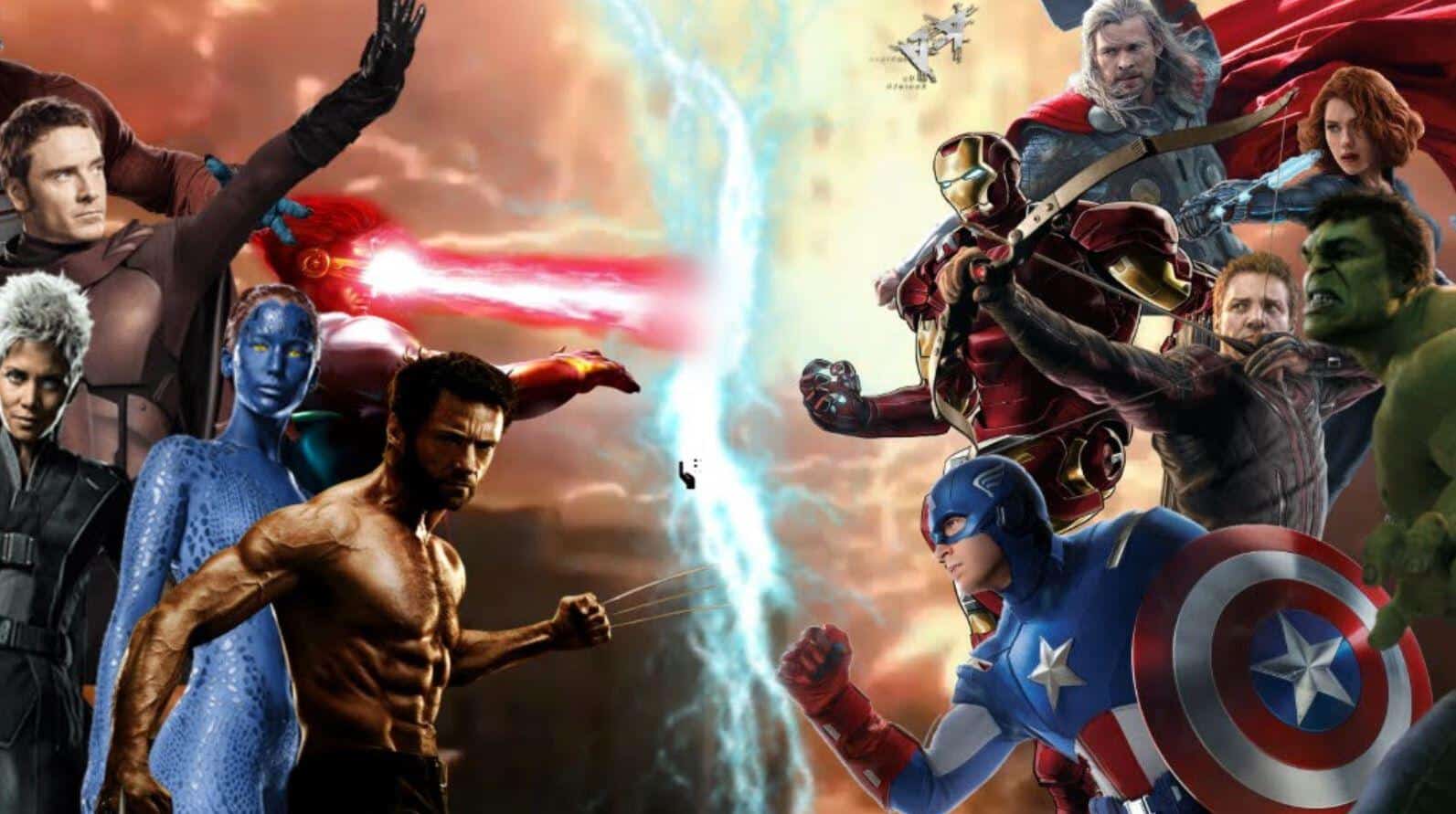
I believe it will, though. I also believe that part of that ascension will involve pitting the Avengers against the X-Men in a clash that is sure to rock the foundations of the MCU. I know that’s somewhat of a reversal of my previous opinions, but recent events have led me to reconsider my position on the Avengers fighting the X-Men.

This isn’t just me, a passionate fan, speculating on what I think will happen once “Avengers Endgame” and the Disney/Fox merger is final. We already know that the X-Men and Fantastic Four are scheduled to arrive in the MCU at some point. It’s the impact they’ll have that’ll set the tone for the future of the MCU and there are already rumors about that impact swirling.

Now, all internet rumors should be taken with the smallest grains of salt, but according to We Got This Covered, a site with a mixed reputation at best, the top brass at Marvel Studios are already plotting a future Avengers vs. X-Men movie. If true, in whole or in part, it would be a bold move, even by the lofty standards of Marvel and their Disney overlords.

It would definitely be a gamble, that’s for sure. That’s because the Avengers and X-Men have clashed in the comics before. There was even a major crossover event entitled “Avengers vs. X-Men” back in 2012. While I won’t get into the specifics surrounding that event, I will go on record as saying that it’s not one of those iconic Marvel stories that fans hold dear.
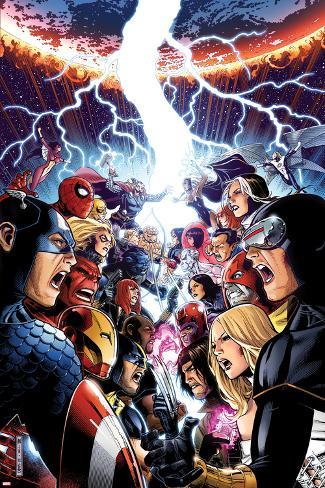
In fact, “Avengers vs. X-Men” is probably the most controversial and divisive story Marvel has told in the past 15 years. It’s not just because it pitted two iconic superhero teams against one another for reasons that weren’t properly fleshed out. It marked the point where heroes fighting other heroes officially got old.

It doesn’t help that the MCU already had a major clash like that with “Captain America: Civil War.” It helps even less that “Batman v. Superman: Dawn of Justice” burned fans out even more on the topic. However, by the time Marvel and Disney get around to making an Avengers vs. X-Men movie, I believe the time will be right to tell this story.

Right now, the MCU is in a bit of a transition. “Avengers Endgame” is set to conclude the story that began with “Iron Man” back in 2008. The arrival of the X-Men and the Fantastic Four in the MCU hasn’t even begun yet and the powerful voices at Marvel Studios have already indicated that they’ll be starting from scratch.

Whatever form their arrival takes, it’s sure to take the MCU in new directions. However, I believe an Avengers vs. X-Men movie would unite the new aspects of the franchise with the old. It would act as a catalyst, of sorts, to connect the stories of the present to those in the past. If done right, it could carry the MCU to heights that Thanos himself couldn’t have achieved.

While I am not a fan of how the conflict played out in the comics, I believe the likes of Kevin Feige and Laura Shuler Donner could craft a superhero battle for the ages that will leave fans like me excited for another decade. What follows are my top five reasons why I believe Marvel and Disney should pursue Avengers vs. X-Men movie.

I concede there are many who don’t share my sentiments. I welcome any comments arguing to the contrary. For now, though, this is why I believe such a movie would fit perfectly into the cinematic marvel that is the MCU.


Reason #1: It Would Highlight (And Confront) The Discrepancies On How The World Approaches Superpowers

As soon as the X-Men arrive in the MCU, they’ll be faced with a frustrating double standard. Spider-Man has superpowers that he uses to swing around New York City, fight bad guys, and save the day. In general, he’s celebrated as a hero, along with most of the Avengers. The X-Men use their superpowers to do the same, but are labeled dangerous threats. What gives?

There are a lot of political and logistical reasons for this. Unlike other heroes, the X-Men are mutants. They were born with their powers. They’re part of an emerging sub-species that may or may not render homo sapiens extinct. That scares ordinary people more than some kid who just got superpowers in a random accident. How does society and established superhero teams deal with that?

It’s a relevant question and one the Inhumans failed miserably at addressing. Part of what made “Captain America: Civil War” such a compelling movie was that it didn’t avoid the complexities of this issue, acknowledging how difficult it is to hold people with superpowers accountable. That conflict was never fully resolved. In an Avengers vs. X-Men movie, the stakes would be even higher.

Unlike “Captain America: Civil War,” however, neither side can leave the conflict unresolved. Mutants will still emerge. People will superpowers will continue to exist. It puts iconic heroes in difficult positions that they can’t punch, stab, or smash their way out of and that often brings out the best and worst in these iconic characters.


Reason #2: It Would Raise The Stakes Surrounding Mutants In The MCU

In many ways, a clash with the Avengers would be the best way to show just how big an impact they’ve had on the MCU. Once the Avengers take notice, there’s no ignoring it anymore. Neither mutants nor the X-men would be able to operate in their own little niche of the MCU. They would have to play a larger part in a world that has already incurred a lot of damage from super-powered beings.

This sort of step is necessary in the overall narrative surrounding mutants in the MCU. It would be their coming out party, so to speak. It would show how far they’ve come and how much farther they have to go in terms of gaining legitimacy in the MCU. The X-Men, especially, have a lot to gain and a lot more to lose.
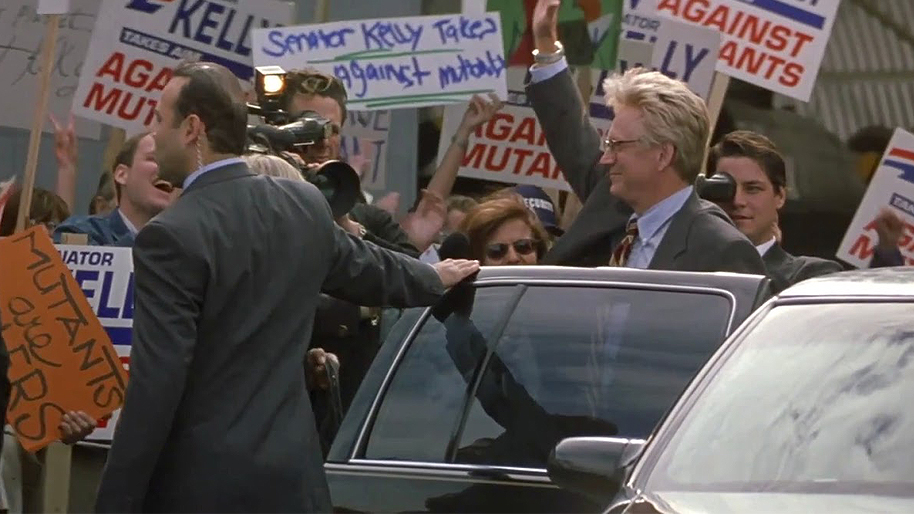
Unlike the Avengers, they can’t fall back on their reputation of having saved the world from Ultron or a Chitari invasion. They’ll be this upstart superhero team fighting to protect a group of vulnerable minorities who may or may not present a clear danger to those around them. It’ll be their chance to show that they belong on the same stage as the Avengers and the MCU will be better because of it.
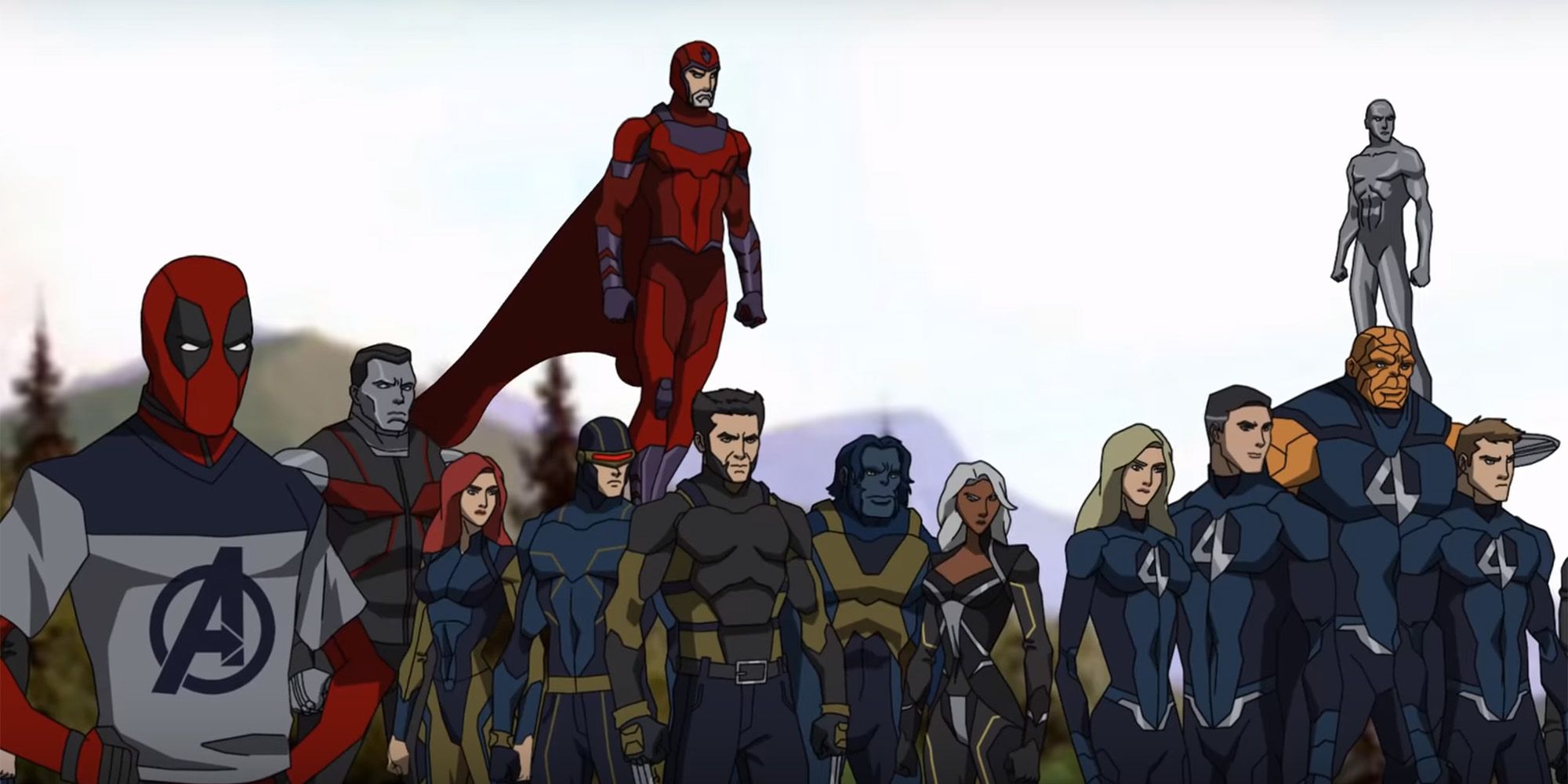

Reason #3: It Would Intensify Rivalries And Ruin Friendships

There are plenty of rivalries in the comics that haven’t yet made their way into the MCU. Some are more prominent than others. The recent arrival of Captain Marvel lays the foundation for an especially big rivalry between her and Rogue, which would certainly add more personal stakes to an Avengers vs. X-men movie.

Beyond rivalries, the comics are full of friendships and connections that run quite deep. Wolverine had close personal ties to both Captain America and Black Widow in the comics. Storm has an extensive, albeit flawed, relationship with Black Panther. A number of X-Men have even been Avengers at some point.

Any clash between the Avengers and X-Men is sure to complicate every friendship and rivalry the two teams may have. Some of those connections will take time to develop. It’s very likely that the next phase of the MCU will probably focus on that in addition to integrating mutants into the MCU. An Avengers vs. X-men movie could simply act as a boiling point where it all comes to a head.


Reason #4: It Would Complicate What It Means To Be A Superhero (In A Good Way)

To some extent, the Avengers were lucky that Marvel Studios couldn’t use the X-Men in the early days of the MCU. In a world without mutants, being a superhero was less complicated. They just needed to use their powers and abilities in a heroic way. Then, they had to assemble and show that they could win wars against invading aliens.

The presence of an entire race of super-powered people, many of which are not inclined to be superheroes, adds a huge complication to the path towards heroism. The fact that mutants have powers presents them and non-mutant heroes with a conundrum.

Are mutants who don’t use their powers to be heroes irresponsible?

Are mutants who choose to use their powers for heroics on the same level as those who got their powers through another means?

These questions don’t have clear-cut answers. In a world where superpowers exist, mutants are a huge complication and the X-Men are on the front lines of it all. They try to inspire other mutants to do what they do while protecting those who choose a different path. They do so knowing that it only takes one mutant using their powers irresponsibility to do a lot of damage.

In an Avengers vs. X-Men movie, the very merits of being a superhero will suddenly be up for debate. That debate won’t likely be resolved with civil conversation and intelligent discourse. Whenever someone like Wolverine and the Hulk are involved, it’s a given there’s bound to be plenty of stabbing and smashing.


Reason #5: It Would Create New Opportunities For Better Villains (With Better Motivations)

Every clash between superheroes comes with a cost. “Captain America: Civil War” effectively divided the superhero community, which made them ill-prepared when Thanos arrived in “Avengers: Infinity War.” The comics followed a similar theme. After the original Civil War event, the entire world became vulnerable to a Skrull invasion.

A battle between the Avengers and X-Men will create a new host of vulnerabilities. For villains, it’s a golden opportunity to establish themselves in a world that is suddenly crowded with superheroes. While Thanos, Loki, and Killmonger all raised the bar for villainy, they couldn’t have emerged without the right opportunity.

With mutants, there aren’t just new opportunities. There are entirely new dynamics at work. It’s no longer a world in which superpowers are just complicated accidents. They can happen in individuals simply by being born. Within those dynamics, new kinds of villains with entirely new motivations can emerge.

Good villains are every bit as critical as good heroes, more so today than in previous eras. If the MCU is to continue to dominate, it needs to nurture the development of those villains while also creating vulnerabilities for them to exploit among heroes. An Avengers vs. X-Men movie would accomplish both.


There are probably other reasons I could list as to why I feel Marvel Studios should make this movie. There are probably plenty of other reasons why they shouldn’t. With the future of the MCU once again set to change after “Avengers Endgame,” the possibilities are vast. With the inclusion of the X-Men, and all the complications that come with them, it’s poised to evolve in bold new ways.

4 Comments

Filed under Comic Books, Jack Fisher, Superheroes, Deadpool, Marvel, movies, superhero comics, superhero movies, X-men