Important Announcement: It’s OKAY To Be Sexy

https://s-media-cache-ak0.pinimg.com/736x/ae/be/5a/aebe5ac078080a1ecda3ea09cc7d6be2.jpg

Today, I have a very important announcement to make. No, it has nothing to do with the release of my upcoming book, “Passion Relapse.” That’s still coming out on April 18th though. Yes, I’m going to promote the hell out of it in the coming weeks so get used to that.

This announcement is every bit as important as my first book. It may even be more important. Since I’m a long way from success as an erotica/romance writer, I don’t say that lightly. However, I do feel that this is worth saying. It needs to be said so brace yourself. This may shock a few people.

It’s OKAY to be sexy!

I’ll give everyone a moment to recover from the shock. Take all the time you need. I know. This is a startling revelation, but hang in there. We’ll get through this together. I promise.

Okay, that’s enough sarcasm for now. I’ll ease up on the melodrama, but it was necessary for a reason. I say it’s a good reason too because this is one of those topics that has no middle ground. Either people just shrug it off or they’re downright hysterical about it.

https://i0.wp.com/img09.deviantart.net/8c00/i/2016/141/e/5/triggly_puff_by_toadman005-da39lfh.png

Since I’m trying to break into the erotica/romance world, this subject actually affects me and could very well affect my future career. The stakes are higher for me is what I’m saying. So what exactly makes this announcement so vital?

Well, to answer that, here’s some context. It wasn’t that long ago that people didn’t make too big a deal about characters in movies, video games, and comic books who were overtly sexual. I’m not saying some people got their panties in one too many knots. I’m saying that, for a time, it really wasn’t high on the list of things that pissed us off.

That time wasn’t too long ago. For reference, allow me to cite one of the most iconic female characters of the past couple decades, Lara Croft. She’s always been one of those characters with a special kind of sex appeal. You could argue that her sex appeal helped make her an icon. How could it not? This is what she used to look like.

https://s-media-cache-ak0.pinimg.com/originals/93/bb/28/93bb28ef011c5477d9bf4cf1760b3226.jpg

That’s pretty sexy. I won’t deny that it’s somewhat impractical for a soldier or a fighter, but Lara Croft is still a badass, globe-trotting fighter who happens to look good in short shorts and bikinis. There’s nothing wrong with that. As a man, I greatly appreciate that sort of visual appeal.

Then, back in 2013, her character was essentially revamped and rebooted. The sex appeal was downplayed, if not outright purged. Lara Croft went from being a badass, globe-trotting fighter with a sexy attitude to just a badass, globe-trotting fighter. She’s still a beautiful woman by most objective standards, but she’s not allowed to be quite as sexy anymore. This is what she looks like now.

https://i0.wp.com/about-games.info/images/photos/photos-of-lara-croft-from-tomb-raider/photos-of-lara-croft-from-tomb-raider-4.jpg

Now I’m not saying there’s anything wrong with how Lara Croft looks now. That hasn’t made her video games any less enjoyable to play. However, the removal of her sex appeal is somewhat jarring.

Lara Croft isn’t the only female character to undergo that change either. Remember when I did my list of female characters that make men hate women? Well, on that list, I put a character named Felecia “Black Cat” Hardy. She’s a typical female vixen character from the Spider-Man comics. She’s another character whose persona is built around sex appeal, as evidenced by her costume.

https://static.comicvine.com/uploads/original/9/93920/1972405-black_pussy_cat_by_artgerm_d3l66kh.jpg

Well, like Lara Croft, she underwent a change too. No, she didn’t become any less likable. Yes, she’s still a character who will make men hate women on some levels. The only difference now is that she doesn’t show as much cleavage.

It’s part of an ongoing story in the Spider-Man comics to make Black Cat more of a crime lord than a vixen. The story has been mediocre for the most part. I won’t say it’s bad, but I will say that it has done nothing to change the parts of Black Cat’s character that make her so unlikable. Whether she’s fully clothed or wearing a G-string thong, she’s still a character that make men say stupid crap about women.

https://i0.wp.com/www.newsarama.com/images/i/000/131/238/original/ASM2014003_int3_00002.jpg

I find this trend somewhat troubling and not just because it means less visible boobs. It troubles me because for some reason, the image of sexy women is somehow a bad thing. Granted, sexy women have always made people feel a bit uncomfortable and not just in their pants, but this is getting into dangerously regressive territory.

There’s no doubt that there’s a certain level of sexism in the media. There’s also a vocal component of radical feminism that has this mentality that any man who admires the image of a sexy woman is somehow sexist, perpetuating sexism, or contributing to rape culture. For a guy just admiring a beautiful woman, that’s pretty extreme.

Beautiful women, pictures of beautiful women, and any female character that has some form of sex appeal is now somehow contributing to this concept of “toxic masculinity.” That’s basically a catch-all term for all the terrible things men do and, conveniently enough, the cause is something that’s hard-wired into their own biology. That’s like calling a man sexist because he sweats more than most women.

Never mind the fact that the ideas of toxic masculinity and rape culture are somewhat flawed concepts. Never mind that since 1995, rates of sexual assault against women have declined by 58 percent. Apparently, all these sexy images are causing a crisis somehow.

Regardless of the facts, these crises are becoming more and more petty. Last year, I mentioned some of the laughable outrage generated by a comic book cover for Invincible Iron Man. Maybe I should’ve pointed it out then too, but that was just one sign among many.

Whether it’s due to concerns about body image or female representation in media, there’s a new moral crusade brewing. This time, however, it’s not being led by clerics, mullahs, monks, and popes. It’s being led by ordinary, educated people who have somehow convinced themselves that being sexy or admiring sexy things is somehow wrong.

I’m here to say that’s simply wrong. It’s okay to be sexy. It’s okay to admire sexy images. Whether you’re a man or a woman, you’re not a bad person for enjoying things you find sexy. You’re just a healthy mind in a healthy body. There’s no reason to apologize for that.

6 Comments

Filed under Sexy Sunday Thoughts

How Professional Trolls Hack Your Brain

Here’s a quick non-rhetorical question. What do Milo Yiannopoulos, Ann Coulter, Bill Maher, Lena Dunham, Bill O’Riley, John Oliver, Alex Jones, and Sean Hannity all have in common? Other than being richer, more successful, and more well-connected than you or I will ever be, what could possibly tie them together in a way that would help them get along at a barbecue?

Take all the time you need. I know this is one of those questions that’s not going to have a very satisfying answer to anybody. I also know it’s one of those questions that pisses people off, even before they answer it. This is the internet. People get pissed off for far less.

Are you done? Well, knowing full-well that I’ve already pissed off plenty of people, here it is. They’re all trolls who use the exact same tactics to make themselves successful and relevant. They may not do it overtly. They may not even admit to it, but on some levels they understand what they’re doing and why it works. Sadly, it works very well.

Now when I say they’re all trolls, I don’t mean to imply that they’re the kind of internet trolls that harass people on social media with insults, death threats, or pictures animals eating their own shit. Those kinds of trolls are a different breed. Granted, they’re annoying and should be ignored at all cost, but these professional trolls are on another level in that they make a damn good living doing what they do.

What these professional trolls do is as brilliant as it is disturbing. Pick any notable public figure who says controversial things. It can be Milo Yiannopoulos making derogatory comments about Muslims. It can be Lena Dunham saying she wished she got an abortion. Just think about any controversial thing that any controversial figure has ever said.

Whether it’s entirely planned or one of those instances where they don’t shut themselves up fast enough, the results are the same. People get outrage. Hashtags get started. Protests erupt. Venomous hate clashes with vocal support. There’s basically all this noise full of anger and passion.

As all this is going on, Milo and Lena are probably laughing to themselves at how much free publicity they just got. Anyone who has ever been in show business, media, or publishing will probably agree. The hardest part of success in Hollywood is getting publicity. There’s only so much of it to go around and people have a very finite attention span. Being able to get free publicity is like being able to play a game with cheat codes.

Now we’ve all heard there’s no such thing as bad publicity before. That sort of sentiment pre-dates the internet, going all the way back to the days when Ozzy Osborne bit the head off of a bat. Today, there’s one key difference that takes this phenomenon, gives it an unlimited supply of crystal meth, and sticks a nine-inch needle in our collective brains.

That difference is immediate access to information. From the internet, to our computers, to our phones, and into our pockets, we no longer have to wait for the evening paper to hear about these atrocious events. Thanks to social media, alerts, and annoying text messages, we can know about them mere minutes after they happen.

While this is a marvel of modern technology and communication, it does have a downside and it’s one that the professional trolls of the world have exploited to the utmost. That downside has to do with how stupid our collective brains are.

By that, I don’t mean that people themselves are stupid. I may be in a minority, but I believe that people, in general, are fairly decent and competent in their day-to-day lives. When I say our brains are stupid, I’m referring to the overall functionality of the hardware involved.

This goes beyond caveman logic, which I’ve cited many times before on this blog. This even goes beyond humans being wired for survival and reproduction rather than logic and reason. This is a byproduct of nature being too much of a blunt instrument rather than a scalpel. In this case, it makes professional trolls rich, successful, and famous.

They do this by hacking an unfortunate quirk in the human brain and using it to their advantage. It’s called “Misattribution of Arousal.” Unlike other convoluted scientific phenomena, this is exactly what it sounds like.

Have you ever been on a roller coaster? Have you ever been really scared by something? Well, if your brain is in working order, it got you extremely aroused and alert. You were afraid, excited, anxious, or euphoric. You could’ve felt any number of emotions at the time.

From your brain’s perspective, though, it’s the goddamn same thing. You’re aroused. There’s a stimulus you need to respond to. That’s all there is to it. As brilliant and complex as the human brain is, it’s still a pretty crude organ. It can’t do math worth a damn. It can easily be tricked by the David Copperfields of the world. It can, however, be tricked into getting aroused for all the wrong reasons.

This is what professional trolls do. They do or say something that gets people aroused. It’s not enough to just get their attention. I’ve already covered how attention is a big part in the “Always Be Closing” approach to success. However, attention only does so much. Adding arousal to the mix does something far greater.

When your brain is in a state of arousal, it doesn’t care much for specifics. It just knows its aroused and needs to respond to something. When you have instant access to information that upsets, angers, or thrills you in any way, that triggers arousal. That arousal, even if its the bad kind, causes the release of dopamine and this is where it gets really dangerous.

For those of you who aren’t caught up on neuroscience, you should still know what dopamine is. That’s the feel-good, everything-is-awesome chemical that our brain uses to reward us for doing things we like. Naturally, it’s a big part of our sexual response. If your brain is swimming in dopamine, that means you’ve had amazing sex.

Now the outrage/interest/arousal we fell with professional trolls doesn’t release quite that much dopamine into our brains. However, it does release some. It releases enough to get a response and due to the crude wiring of our brains, that’s more than enough.

That means that, on some levels, we like being outraged or upset by professional trolls. We like the feeling we get when we despise certain people, groups, or ideologies. Anger, hate, and fear all trigger the same arousal. Our brains enjoy that arousal to some level and thanks to modern communication, it’s far easier to get today than it has ever been in human history.

It’s uncharted territory. If these professional trolls were around 40 years ago, they would probably have a much harder time building an audience. They could say some of the most horrendously-offensive things anyone could possibly say, but it wouldn’t get a lot of attention because word would spread too slowly. The internet, along with social media, is changing that in a big way.

The professional trolls are maximizing that change to their benefit. They’re finding all sorts of ways to anger, upset, or inspire us, even if it’s stressful. Again, our brain doesn’t care. It still arouses us. It still gives us a non-trivial dose of dopamine. That’s all it takes to get people going.

It’s the hidden, unknown, unacknowledged secret that we’re just starting to understand. Whether you’re a die-hard social justice warrior or an outspoken supporter of the alt-right, you use the same methods as the professional trolls. You say and do what you need to do to get people aroused.

It doesn’t matter if it’s true or honest. You don’t even have to believe it on some levels. There are probably many figures out there who, in their private moments, know that what they’re saying is wrong or foolish. They just don’t care though because they’re not looking to say something right or uplifting. They’re trying to get people aroused and worked up.

Now I don’t know which professional trolls feel this way in private. I believe that on some level, they all really believe in what they’re doing. I also believe that on some level, they understand that some of it is misguided and flawed. There’s this vast gray area of understanding that’s hard to grasp and we’ll probably never know for sure just how much these professional trolls believe their own rhetoric.

Whatever the case, this is the world we live in now. We’re all very much at the mercy of the flaws of our collective brains. It’s hard to say where we’ll go from here. I don’t see the methods of professional trolls changing anytime soon. What they’re doing works. It’s making them money, getting them attention, and earning them fame. Until that changes, they’ll keep doing it.

There’s a lot more I can say about this topic and the science behind it. I’ll probably do a few other posts on it, if only to explore the implications for my own efforts to become a successful erotica/romance writer. Until then, I’ll leave some of the other details the brilliant people at Cracked.com.

A while back, they did a podcast on this subject. They bring up some pretty interesting/disturbing points about professional trolls. I don’t agree with their sentiment on every issue, but I do think they make some valid points. For anyone who is generally annoyed by professional trolls, those points are important to understand, if only to maintain a healthy perspective on why trolling works so damn well.

18 Comments

Filed under Jack Fisher's Insights

“Passion Relapse” Is Now Available For Early Download

passionrelapse_800

It’s almost here. The release of my first published book is drawing near and I’m more excited than a school girl in a kitten factory. So far, the folks at Totally Entwined Group have been wonderfully cooperative. As far as I know, April 18th, 2017 is still the full release date for “Passion Relapse.”

That’s the date where you can get both the ebook and the paperback copy. However, if you just can’t wait that long or if you just don’t have enough clean panties until then, there is another option. As part of Totally Entwined Group’s promotional efforts, they allow for early download of a book.

That means it’s possible, if you have standard ebook-reading software, to download “Passion Relapse” early and enjoy my first sexy tale in a published world. You don’t have to wait anymore. You don’t have to nervously watch your stock of dry panties dwindle. You can download the book today and enjoy its sexy narrative in all its glory.

To do, please visit Totally Entwined Group’s website. Again, this is just for the ebook version. If you want to get the paperback book, which is a version I can actually sign for those of you who want it, you’ll still have to wait until April 18th. In the meantime, check out the ebook version of “Passion Relapse,” the first published erotica/romance novel by Jack Fisher. Just typing that puts a big smile on my face.

“Passion Relapse” By Jack Fisher Early Download

Make no mistake. I’ll still be hyping up the release date like Don King on crack. This is my first published book. I want it to be as successful as possible. I know it’s not going to be a best seller. I know it’s not going to make me rich. It is, by and large, another step for me and one I’ve been eager to take. For those who support this book and my efforts, I thank you from the bottom of my heart.

So what are you waiting for? Check out “Passion Relapse” now and change your panties later. I promise the extra laundry is worth it.

Leave a comment

Filed under Book Announcement

Sexy Sunday Thoughts: Power Edition

https://s-media-cache-ak0.pinimg.com/736x/98/1f/ae/981faee3e17e32914dfb2845eebd239d.jpg

It’s the end of another week and we survived without being crushed by a giant monster. By most standards, that makes it a good week. Some people set a higher bar than that. For me, not being sick and not being crushed by a monster are the only criteria I need to feel like I’ve succeeded on Sunday.

Why do I bring up monsters and being crushed? Well, this weekend saw the release of the new “Power Rangers” movie. For any kids who grew up in the ’90s, that is the equivalent of another Pamela Anderson sex tape. It’s got fans whose parents spent an obscene amount of money on toys more excited than a hamster on crack.

Given the crowded field of superhero movies, it’s hard to say whether this will succeed. Then again, nobody thought a Deadpool movie or an Ant Man movie would succeed. The accountants who cash the checks at major studios are probably still laughing their ass off. Since the old Power Rangers show was on right after the X-men cartoon I was so fond of growing up, I really do hope it does well.

I can appreciate a story about five hormonal teenagers dealing with crazy issues that involve aliens, monsters, and an evil Elizabeth Banks in a skin-tight costume. Some things just have universal appeal in that respect. I also feel as though comedy and dirty jokes have that kind of appeal.

I’ll leave the aliens and monster fighting to the Power Rangers. I hope they give me the same courtesy for comedy and dirty jokes. With that in mind, here’s my official “Power” edition of “Sexy Sunday Thoughts.” Enjoy!


“Actors like Bryan Cranston and Hugh Jackman were willing to get naked for their iconic roles. Coincidence?”

In a recent interview on the “The Late Show,” Bryan Cranston joked that he had a nudity clause in every contract. Hugh Jackman has gotten naked in multiple X-men movies on multiple occasions, never once using a body double or CGI.

Both these men were willing to show off their manly goods for all to see in pursuing their iconic roles. I don’t think that’s a coincidence. I think that says a lot about nudity and dedication.


Related image

“A man’s desperate effort to get laid has a equal chance at ending in triumph or humiliation, which says as much about the woman as it does about the man.”

This is more an observation than a thought. Go back and watch any teen sitcom, teen movie, or romantic comedy. More often than not, a desperate man does something crazy in an effort to win over a girl and/or get laid. Whether or not it works is usually decided by the karma equivalent of a coin flip.

While this is entertaining, it also says something about the women involved. For one, it says they attract some pretty crazy men. It also says they respond to them in some pretty crazy ways. In terms of entertainment value, you can’t get much more potent than that.


“Some women don’t have to try very hard to get sex. Those same women, however, often have to try harder to enjoy it. From a gender equality standpoint, that’s perfect balance.”

This is another observation. I’ve known plenty of women who could walk into any bar, club, PTA meeting and get sex with minimal effort. A flirty look, an overt tease, and a detailed map of the nearest motels is all it takes.

However, getting sex and enjoying sex isn’t the same thing. To really enjoy it, the woman has to put some effort into it. For a man, it’s no harder than maintaining an erection. As flawed as nature may be at times, it knows how to balance things out.


“A woman who willingly flashes her breasts has no right to be appalled when a man exposes his dick.”

This is another instance of our innate disdain of hypocrisy. We, as a society, will tolerate a lot of crazy things, from boy bands to reality TV. We still draw the line at hypocrisy. It doesn’t have to be the kind of hypocrisy that causes a major scandal with a well-known priest. It can be simple.

For women who eagerly flash their breasts, many of which grace the streets of New Orleans and Las Vegas, they dramatically increase the chances that they’ll see a stranger’s penis at some point. So if you’re going to flash your tits, make sure you enjoy the sight of penises. Otherwise, you just risk greater hypocrisy.


“When you think about it, the difference between an orgy and a group hug is only a matter of degree.”

As I’ve said before, I’m a hugger. I know the inherent value of hugs. When done right, they bring affection, intimacy, and a sense of well-being to two people. In that sense, an orgy does the same thing, but to a much greater degree. I’m not saying the two gestures are one in the same. I’m just saying they live in the same zip code.


“A doctor who installs breast implants can actually say he has the hopes of men and women alike in his hands.”

A woman seeking breast implants has greater hopes for her body. Any man fond of big breasts hopes that there are more of them in this world. In that context, the doctors who actually install breast implants actually hold these hopes in their hands. They even take it a step further. They actually turn those hopes into something tangible, beautiful, and sexy.

Plastic surgeons are heroes is what I’m saying. To those brave men and women, I thank you.


“At its core, strip poker is the act of making foreplay subject to chance.”

I love a good game of poker as much as the next guy. I also love foreplay as well and support any effort to cherish its value. However, like peanut butter and napalm, some things just aren’t compatible. They do nothing to damage the other, but they do make both a bit harder to operate.

When you’re playing strip poker, you’re basically putting an extra obstacle between your lover and nudity. There are enough obstacles to good foreplay these days. I’d rather we not add more.


“We tend to get bored with things we do too much, but masturbation is a major exception.”

As a kid, it’s easy to get bored with something. As an adult, it’s even easier, especially if you have a high-speed internet connection. Boredom is a common human trait that keeps us from doing things that no longer stimulate us.

When it comes to masturbation, however, that core human trait basically gives us a mulligan. No matter how many times we do it, regardless of our gender, we don’t get bored with it. That shows that nature is willing to make exceptions when warranted.


I hope that helps everyone feel a bit more powerful. It’s probably not on par with piloting a giant robot or fighting an evil Elizabeth Banks in a skin-tight uniform, but I hope it’s a close second.

Some get their power through the morphing grid, a special energy that permeates all life throughout the universe. Some get it through dirty jokes. Since mine doesn’t require guidance from a giant floating head, I think mine works a bit better.

Leave a comment

Filed under Sexy Sunday Thoughts

How To Be An Effective Superhero

This is a direct follow-up to my previous post about why modern superheroes are inherently incompetent and designed to stay that way. I felt I needed to scrutinize the cracks in the foundation, so to speak, before I get around to discussing the stuff build on top of it. That will help make the discussion in this post more relevant and concise.

Even without the context of my previous post, it’s not hard to understand or even acknowledge that so many superheroes are inept, irresponsible, and incompetent at their jobs. Their villains always escape. Their friends/lovers/parents always die/suffer. The world they want to better never changes. It’s a flaw in the system as much as it is an exercise in futility.

Now, I’d like to take a step back, acknowledge the forest from the trees, and offer a solution of sorts. As I’ve done with other issues, I don’t just like to point out flaws. I like to offer viable solutions. Those solutions may not be practical or possible at the moment, but I try to make sure that the concept is sound.

https://i0.wp.com/www.chapter3blog.com/wp-content/uploads/2015/05/super-hero-500x300.jpg

I’d like to apply that method to superheroes now. By that, I mean I’d like to create a guide of sorts that helps establish the tactics, strategies, and ethics of being a competent, effective superhero. I say this knowing that it could never work in any comic book or major movie. This is mostly just an exercise in the actual pragmatics of superheroes.

First off, let’s establish some guidelines for a prototypical hero that would utilize these tactics. In order for them to work, they have to meet a certain criteria. Here’s a quick list of what that may include:

  • The goal of the hero is to reduce crime, confront injustice, and undermine corruption

  • The hero has a concerted interest in protecting as many innocent people as possible

  • The strategy in question cannot rely on the use of certain superpowers, although the use of superpowers can help supplement the strategy

  • The strategy is equally usable by male, female, and alien characters

  • The hero in question is willing to operate in a manner outside the framework of traditional law enforcement

  • The hero in question is willing to cross a certain set of moral lines, but only to an extent

I’m sure there are other ways to refine and supplement this list, but for now, this is what I’ll use in devising my strategy. In order to ensure that its applicable, heroes like Batman, Spider-Man, and Daredevil must be equally capable of implementing it.

Keep in mind, though, that some heroes have goals that go beyond just administering justice. Characters like Superman and the X-men have other goals, some of which goes beyond justice. I’ll save those goals for another post. For now, I intend to focus on the traditional superhero goal of justice and countering evil.

https://leadershipspirit.files.wordpress.com/2013/09/hero-leaders.jpg

In order to formulate this strategy, it’s also important to acknowledge a few unpleasant truths that would make Superman and Captain America cry. By that, I mean that the strategy cannot, for practical means, rely heavily on ideals. This is supposed to apply to the real world and, unfortunately, the real world is extremely unforgiving when it comes to ideals. Just ask Bernie Sanders.

So if we’re going to create a strategy that operates in the real world, we must make sure it accounts for the eccentricities of human psychology. It must utilize caveman logic and pass the Simpson filter. It can’t be too concerned with the nuts and bolts of people and why they do the crazy things they do. It must focus exclusively on results.

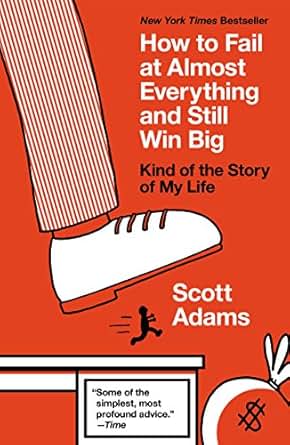
Does your brain hurt yet? Are you wondering if I’m asking you to contemplate dry water, a one-handed clap, or a decent Fantastic Four movie? Bear with me because there is a strategy that checks all these boxes. It’s a strategy I came up with thanks to two books, “Freakanomics” and “How To Fail At Everything And Still Win Big.”

https://i0.wp.com/freakonomics.com/wp-content/uploads/2016/01/Freakonomics-Paperback-298x450.jpg

I’ve read both these books over the past few years and I’m a big fan of their style. They dig deep into the hidden intricacies of how the world works and challenges readers to think about how doing things in new and novel ways. Seeing as how I have the kind of imagination that links robots with a dominatrix, they fit my unique mentality perfectly.

For the purposes of this discussion, I want to cite an article that the authors of “Freakanamics” wrote a number of years ago on terrorism. Basically, with a gross negligence to the high emotions that come with terrorism, the authors used their understanding of economics and human behavior to come up with the most cost-effective way to conduct terrorism. What they came up with was pretty damn terrifying.

My general view of the world is that simpler is better. My guess is that this thinking applies to terrorism as well. In that spirit, the best terrorist plan I have heard is one that my father thought up after the D.C. snipers created havoc in 2002. The basic idea is to arm 20 terrorists with rifles and cars, and arrange to have them begin shooting randomly at pre-set times all across the country. Big cities, little cities, suburbs, etc. Have them move around a lot. No one will know when and where the next attack will be. The chaos would be unbelievable, especially considering how few resources it would require of the terrorists. It would also be extremely hard to catch these guys. The damage wouldn’t be as extreme as detonating a nuclear bomb in New York City, of course; but it sure would be a lot easier to obtain a handful of guns than a nuclear weapon.

Think about that for a moment. If terrorists used a tactic like this, how much fear and dread would it inflict on our daily lives? If those terrorists were even marginally competent, then it would be even scarier. No matter what we did, we would dread that we would be a victim and it wouldn’t be entirely misguided.

This is where “How To Fail At Everything And Still Win Big” comes in. That book talks heavily about how stress and uncertainty affect people. It also teaches on how you can use that to your advantage. It makes painfully clear that the human brain is an irrational device with faulty wiring that hasn’t been updated in 200,000 years. If you’re going to influence it, then you might as well exploit those quirks.
https://images-na.ssl-images-amazon.com/images/I/51sqVXNWHhL._SY445_QL70_.jpg

With these two principles in mind, we can formulate a strategy for our prospective superhero. If utilized, then the criminals, villains, and future threats they face will either be defeated, deterred, or nullified.


  • The hero operates in complete secrecy, working at night or under a different identity. If the hero uses a uniform, then that uniform must not be identifiable or have some sort of stealth feature

This first part of the strategy is simple and not entirely new. Characters like Batman and the Teenage Mutant Ninja Turtles utilize some form of stealth. They operate in the shadows and generally avoid being seen.

Some heroes are even more well-equipped than others. Characters like Solid Snake from the “Metal Gear Solid” video games utilize a stealth suit that utilizes camouflage. Characters like Mystique can shape-shift into looking like someone else. This makes it easier for them to utilize this tactic, but someone as resourceful as Batman could use it just as well.

However, there’s room for improvement.


  • The hero must not have an identifiable name or make themselves known to the media in any way or coordinate with the media. They must, at all costs, avoid creating an identifiable persona

This is where Batman, Spider-Man, and pretty much any hero with a publicly-known name fails. The issue isn’t the name itself. The issue is that by having a name and having some kind of media exposure, they create a tangible, identifiable target.

From a practical perspective, that’s a big problem. That means enemies, be they a mugger or Lex Luthor, have someone they can target and identify. Entire teams of enemies, like the Legion of Doom or the Sinister Six, can rally around a common enemy. That makes enemies stronger and no strategy can succeed with that.


  • The hero must conduct detailed surveillance on villains and criminals, know their crimes and how they connect with others, and focus on those who are high in rank and influence

This is another tactic that most heroes already use to some extent. Batman is probably the most well-known. He uses his detective skills to determine who is a threat, how big a threat they are, and how to go after them. Other heroes, like the Avengers or the Justice League, generally have some type of monitoring system to determine pending threats.

This strategy requires the kind of extensive intelligence and understanding that someone like Batman could appreciate. When Batman determines that someone is a big threat, he’s almost always right. Any hero using this strategy must have similar certainty. Knowing the threat is the first step towards actually defeating it. That’s just a basic rule of war.


  • The hero must defeat their villains/enemies/criminals by making them disappear without a trace, either by killing them and destroying the body or by sending them into a domain from which they can never escape

This is where the strategy conflicts with nearly every major hero, especially the Batmans and Supermans of the comic book world. For the most part, the heroes avoid killing. It’s seen as an ideal. Taking a life is seen as morally abhorrent and for good reason.

However, that moral absolution ends when those same villains, such as the Jokers and Green Goblins of the world, live on to torment again. Despite defeating these villains multiple times, the heroes never do anything to end them. They try and try to lock them away in a prison cell, but they just keep escaping. From a moral standpoint, the suffering those villains inflict is on the heroes’ shoulders.

For most heroes, this means killing is unavoidable. It’s the only sure-fire way to ensure that a villain is never a threat again. For more resourceful/powerful heroes, there are other options like shrinking them to the size of atoms like Ant Man or sending them into the far-distant future, as Superman did with Doomsday.

However, it’s not enough to just kill a villain or enemy in this instance. Superheroes have killed before. Some, like the Punisher, kill a lot, but it still backfires in the long run. Why is that? Well, that’s where the next part strategy comes in.


  • The hero must make sure that nobody knows the villains they kill or disappear are dead, must never take credit for their disappearance, and must do everything possible to disconnect themselves from the villain

This is where even the brutal tactics of the Punisher fail. It’s also where the Freakanomic strategy comes in. The problem with the Punisher’s harsh methods isn’t that they’re harsh or that they result in a lot of killing. The problem is that they give the villains another rallying cry.

The Punisher’s enemies knows he kills. The Punisher usually likes to make clear that he’s the one who killed their associates. While this may shock and horrify some of them, it also has the effect of rallying them against a common enemy. Whether someone is a criminal or a hero, giving your enemies a common threat to rally behind is always a bad idea.

This is why the Punisher’s methods often fail in the long run. Criminals may fear him, but they know he’s responsible. The threat they’re up against has a face. There is a target for them to direct their fear and anger. This means that the criminals and enemies of the hero know who to fight against and in the long run, that never works out for the hero.


  • The hero must make sure that the villains, their allies, and their enemies don’t know why others are disappearing and must never make themselves known. Most importantly, they must make sure the villains are free to make wrong, misguided decisions

Here is where the methods of Scott Adams intersect with “Freakanomics.” In “How To Fail At Everything And Still Win Big,” Adams constantly talks about how people are at the mercy of their caveman brains. When they’re uncertain or anxious about something, they’re prone to making bad decisions for bad reasons. Make too many of those decisions and you tend to doom yourself to failure.

With this method, the hero must make sure that the villain is free and able to keep making those decisions that will ensure they defeat themselves. This is why it’s so important to make sure that the villain never knows that the hero is even fighting against them. They can’t have a mask, a costume, or a symbol to rally against. If it’s one big unknown, then their irrational caveman brains will do the rest.

The Norman Osborns and Lex Luthors of the world will start making up their own targets, irrationally lashing out at what they think is the source of the threat. The hero, for the most part, just needs to sit back and watch it unfold. Let them attack their rivals, make new enemies, and falter under the pressure. So long as they don’t know who or what they’re fighting against, their paranoia will eventually work against them.

In the long run, the villains will lose. They’ll end up dead. They’ll get caught. Most importantly, from the hero’s perspective, they’ll never know who to blame or why. That’s a scary thought, even for a hardened criminal. Nothing scares people more than the unknown.


  • The hero must never seek any kind of recognition, adulation, or compensation for their deeds

This is the final part of the strategy and, arguably, the most important. The problem with characters like Batman and Superman are that they want to be symbols. They want to be recognized for their efforts. Practically speaking, that’s a mistake.

By being symbols, they give their enemies a clear target and something to rally around. No matter how good the hero is at their job, they still make themselves a target. No matter how many villains they defeat, more will emerge and more will know who to fight.

Remove that symbolism. Remove the recognition. Remove the masks, costumes, and iconography of a hero and suddenly, the world of villains is very scary. They don’t know who to fight. They just know that by doing what they do, they could disappear without a trace and never be heard from again.

That’s more terrifying than any torture or punishment because their caveman brains will fill in the blanks with the worst they can conjure.


This caps off my official perfect superhero strategy. To date, no hero in a comic book uses these tactics and for good reason. If it were a comic book, it wouldn’t be very interesting because the outcome would be too final. The hero would be too competent and that’s just not very interesting.

Remove the need for sales, lunch boxes, and porn parodies and imagine how this strategy could work. Say there’s a superhero that wants to take down organized crime. Say that hero has the power of Superman or the Flash. Using their abilities, they quickly locate the top level bosses and associates of these criminals and just make them disappear.

There’s no body. There’s no trace. There’s no police report. There’s no trial. They just disappear. Not knowing who to fight, the criminals start attacking others they think are responsible. When they don’t know who, they just pick random people they think are enemies.

https://spiceaddictionsupport.org/wp-content/uploads/2015/05/paranoid-delusions.jpeg

This makes them more enemies, both from other criminals and law enforcement. No matter what they do, anyone who becomes a boss just disappears and they don’t know why. As a result, nobody even wants to be a crime boss anymore. The organizations just collapse on their own. Criminals still disappear, ensuring even low-level criminals have an incentive to stop. In the long run, the hero accomplishes what they set out to do.

It works with criminals. It works with those who are corrupt. It exploits the quirks of human nature, but also relies on the traits that make us function as a species. Again, it’s a tactic that I doubt any major heroes with movie rights could ever use. However, if they really do care about results, then this is the best way to go. Spider-Man should take notes.

6 Comments

Filed under Comic Books, Jack Fisher, Superheroes

Why Spider-Man May Be The Most Incompetent Hero Of All Time

https://jackfisherbooks.com/wp-content/uploads/2017/03/4f8a2-1420239869401.png

Whenever I talk about comic books and superheroes on this blog, I generally try not to single one particular character out unless I’m trying to make a point. I find that singling out one too many characters is like pointing out all the plot holes in a Michael Bay movie. It just becomes too frustrating and futile in the long run.

That means if I’m going to dedicate a post to a character, it better be for a damn good reason. They must be a uniquely compelling sex-positive female character or a potential prelude for future female villains. Well, after talking about why most superheroes are incompetent by design, I feel compelled to single out one particular character who is, within this context, the worst offender.

That character isn’t some obscure, little-known sidekick from a bygone era either. In this case, the worst case of inept superheroes who take their incompetence to the next level is one of the most recognizable superheroes of the past 50 years. He’s had multiple movies, multiple cartoons, and multiple actors play him with varying degrees of success and/or failure.

Image result for Tobey Maguire Dancing gif

Yes, I’m talking about Spider-Man, also known as Peter Parker. He is, by far, the most recognizable and iconic of Stan Lee’s many creations. He’s also, by a ridiculous margin, the most profitable superhero in terms of merchandise sales. He makes enough money for Marvel every year for them to eat caviar every day off diamond-encrusted gold plates.

So why, then, is he so incompetent as a hero? Why is Marvel’s most iconic character a case study in how not to operate as a superhero? Well, some of it has to do with the built-in incompetence I mentioned before. Spider-Man can’t be too competent, otherwise his overall narrative just wouldn’t be as compelling and his toys wouldn’t sell.

However, compared to the many other orphaned heroes who get their powers through accident or tragedy, Spider-Man sets himself apart by not just screwing himself over, but also by undermining the very principles of power and responsibility that he espouses. That doesn’t just make him an incompetent hero. It just makes him misguided, albeit not on purpose.

So what exactly makes Spider-Man inept by both the standards of a superhero and the standards that he sets on himself? Well, that has everything to do with his tactics and how he goes about them. If you’ve ever read a Spider-Man comic, seen a Spider-Man movie, or watched a Spider-Man cartoon, you know those tactics well. It goes like this:

  • Someone commits a crime
  • Peter Parker springs into action, putting on his costume and mask
  • Spider-Man fights the criminal, making jokes and quips along the way
  • The criminal whines and complains about how he’s ruining their master plan
  • The fight plays out and Spider-Man wins
  • Spider-Man ties the criminal up with his webs for the police
  • Spider-Man goes back to being Peter Parker and uses the pictures he takes of himself to make a living

This is Spider-Man’s primary method for dealing with crime and irresponsibility. It is the primary structure of every major battle he’s ever fought, be it the Green Goblin, Dr. Octopus, or Venom. While he wins/survives many of those battles, and even goes onto marry a supermodel for a while, it’s only when you step back and scrutinize the larger picture that you see how he loses his war against irresponsibility.

First and foremost, it’s important to establish that Spider-Man is one of those heroes who doesn’t kill. Like Superman and Batman, he goes out of his way to prevent the loss of life, be it innocent life or that of his enemy. That’s an understandable position to take. Killing is one of those unambiguous moral lines and many superheroes define their heroics by respecting that line.

For Spider-Man, however, this moral stand against killing is a major liability and the catalyst for his ineptitude. Granted, it’s not intentional, but the byproducts are unavoidable and those close to him have suffered as a result. Just ask Gwen Stacy.

Now I’m not saying Spider-Man is directly responsible for such suffering. Like all heroes, his intentions are good. He wants to help people. He wants to save lives. The problem is that, with his tactics, he’s doomed to hurt far more people than he helps.

This is because his tactics essentially guarantee that he will be a target, his loved ones will suffer, and his enemies will become stronger as a result. This isn’t just because Spider-Man refuses to kill them, although that is part of it. It’s because of the very persona that Spider-Man creates that his efforts are so inept.

Spider-Man, unlike Batman or Daredevil, doesn’t present a very intimidating presence. He’s many things, but intimidating isn’t one of them. His costume isn’t that intimidating. He doesn’t operate in the shadows or anything. He’s actually a well-known public figure, thanks largely to his own efforts and those of his boss, the ultimate blowhard that is J. Jonah Jameson.

This is a huge problem because it ensures that Spider-Man’s presence isn’t considered a major threat or danger to his enemies. He’s more of an annoyance or inconvenience. Whether they’re the Green Goblin or a simple mugger, they know Spider-Man isn’t going to kill them. He’s not even going to seriously wound them. He’ll just fight them, tie them up, and give them over to the police.

Even for those without access to overpaid lawyers, that’s not so much a threat as it is a frustration. On top of that, Spider-Man doesn’t really have meaningful conversations that get people to rethink their choices. He’s just cracks jokes, makes lewd comments, and generally carries himself with the maturity of a 13-year-old. Granted, this is part of his charm as a character, but it also ensures his tactics are doomed to fail.

It’s one thing to anger and annoy an enemy in the heat of battle. That can work to a hero’s advantage. However, the problems with Spider-Man manifest after the battle is over.

By annoying and angering his enemies, all he does is give them more incentive to fight him and hurt those he cares about. On top of that, he wears a flashy, distinct costume that’s easily recognizable in both night and broad daylight. It’s also well-known, thanks to his own efforts at taking pictures of himself and selling them to a newspaper.

Even before the era of smart phones and Twitter hacks, that’s putting a pretty big target on his back. He makes himself an identifiable figure on which his enemies can focus on. Even if they don’t know his identity, they know the source of their frustration. Since Spider-Man doesn’t scare them, they have every possible reason to fight him.

To make matters even worse, he gives his enemies a common threat to rally against. Anyone who knows anything about social psychology, or has just been to a Taylor Swift concert, knows that nothing unites people better than a common cause. He doesn’t just make his enemies stronger as individuals. He makes them stronger as a team. How is that responsible?

In essence, Spider-Man doesn’t intimidate his villains, doesn’t do anything to deter their irresponsible decisions, and gives them a common enemy to really around. If being responsible is deterring the kind of criminals that killed his Uncle Ben, then he’s the most irresponsible hero of all time.

I’m not saying Spider-Man has to start killing like the Punisher. I’m saying that his own tactics undermine his goals. Now you could make a similar criticism to characters like Batman or Daredevil because they don’t kill and their enemies constantly escape to torment them. However, there is one key difference that sets them apart.

Batman and Daredevil, despite their gaudy costumes, are intimidating. In fact, intimidation is a key tactic of theirs. Batman said it himself in the early scenes of “Batman Begins.” He seeks to strike fear in those that prey on the fearful. In this sense, he does succeed.

You could make the argument that because of Batman’s presence, there people in Gotham City who choose not to enter a life of crime. The prospect of dealing with Batman is scary. Fear is a powerful deterrent. Only the truly deranged criminals dare to enter this life and take on Batman. In that context, it makes perfect sense that the kind of villains he faces are the exceedingly deranged kind.

Spider-Man can’t make that claim. He can’t claim that he scares or intimidates people into not choosing a life of crime. If anything, his tactics may annoy ordinary people who wouldn’t otherwise consider such a life, but try it anyways just to shut him up or make a name for themselves.

Every hero is different. Every hero has their own set of tactics, goals, and ideals. However, no hero is as inept, incompetent, or irresponsible as Spider-Man. So long as he keeps doing what he’s doing, and Marvel has a huge financial interest in never allowing it to change, he’ll continue emboldening his enemies while guaranteeing that everyone around him suffers.

It’s both an irony and a tragedy. In his efforts to be responsible with his powers, Spider-Man conducts himself in the most irresponsible way possible. Even if it’s indirect and unintentional, the results are the same. He can still call himself a hero because of his principles. He just can’t call himself a very competent hero.

11 Comments

Filed under Comic Books, Jack Fisher, Superheroes

Why Most Superheroes Are Woefully Incompetent (By Design)

Image result for incompetent superhero

I’ve been meaning to do a post like this for a while now. It’s a topic I’ve actually tried to discuss on comic book message boards. Unfortunately, most comic book message boards too readily devolve into debates about who can lift Thor’s hammer, who Wolverine is sleeping with, and whether or not She-Hulk shaves her pubic hair. Yes, it gets that bad.

Ignoring, for a moment, the immaturity of certain crowds on message boards, there are certain issues pertaining to comic books and superheroes that are too easy to overlook. I say this as someone who is plenty eager to overlook the flaws in a story if it means seeing Starfire, Wonder Woman, Emma Frost, and Storm of the X-men kick ass and look damn sexy while doing it.

One of those flaws, ironically enough, deals with the actual pragmatics that come with being a superhero. Granted, those practical details are usually an afterthought in most superhero comics. Why would anyone give much thought to that when they could instead focus on giant monsters, killer robots, and the Hulk’s penis?

Some of the problem has entirely to do with fans like me. I freely admit that, as a fan, I’m part of the problem. Superheroes, whether they’re in comic books, cartoons, or blockbuster movies, aren’t created with the intent of being really good at their jobs. They’re created as a product to sell. That means they have to be compelling, engaging, and part of a meaningful story.

That’s why we don’t care if Spider-Man fails miserably to stop a criminal or if Superman fails miserably to keep Lex Luthor locked in prison. So long as it’s part of a story, we keep buying in. We increase our emotional and financial investment. It keeps the narrative going and, by default, the money for the company producing the merchandise.

That’s also why there will never be a superhero who is too good at fighting crime, defeating enemies, and solving problems. After a while, they do too much good and the world they live in just doesn’t have enough flaws to be interesting anymore. Who wants to read about Spider-Man anymore after he’s effectively solved New York’s crime problem and spends his days taking photos of hobos pissing on trees in Central Park?

On some levels, comic book companies and movie studios of the world knows this. They’ll never admit it outright, but in the back of their mind, they have to know that they can never let a hero be too competent. Even Superman has to slip up every now and then. Make no mistake though. He definitely has throughout his 70-plus year history, sometimes in laughably disturbing ways.

There’s a very simple reason for this and unfortunately, it’s neither heroic nor sexy. I’ll give you a hint. It’s valuable, it’s green, and it fits perfectly in a stripper’s G-string. If you need more than one guess, you should probably see a doctor.

Yes, I’m talking about money. If anything, it’s kind of ironic, given the values that many superheroes hold and how broke many superheroes often are. They’re created to embody our greatest values, but they’re sole purpose, from an image standpoint, is to make money for the company that owns their rights.

Fortunately or unfortunately, depending on how you look at it, superheroes do succeed in that respect. According to The Hollywood Reporter, Spider-Man alone makes over a billion dollars a year in merchandising. That’s not a typo. I said billion. Batman is a very distant second with a little less than half-a-billion.

Superheroes are big business these days, both in terms of making money and spending it. According to rumors by Bleeding Cool, the next two Avengers movies could collectively cost a billion dollars. Again, that’s not a typo.

It’s because superheroes make so much money and generate so much money for the economy that they have to stay incompetent to some extent. Just look at the superheroes of old, from Greek mythology to the bible to the medieval legends of King Arthur. They all have one defining trait. They all had definitive endings.

Whether tragic or triumphant, the heroes of old were part of a finite narrative that had an ending. King Arthur dies. Hector dies. Jesus Christ triumphs over the Satan. If these were comics, they would never survive in the modern market because they’re too complete. Modern superhero stories can never truly end.

Even iconic comics like Watchmen, which was supposed to have a definitive end, but DC Comics nixed that by incorporating it into their mainline superhero comics. Granted, this thoroughly pissed off Watchmen’s creator, Alan Moore, but he’s been pissed off for any number of reasons for the past 30 years so that’s not saying much.

Instead of ending, modern superhero comics are prone to a tricky phenomenon that most comic book fans know all too well. It’s called retroactive continuity, also known as a “retcon.” This is basically the literary equivalent of a mulligan.

Has Spider-Man become too convoluted, mature, and dark? A retcon will make him a lovable loser again. See “Brand New Day.”

Has Batman become too campy and goofy? A retcon will make him dark and gritty again. See “Batman Begins.”

Have the Fantastic Four become too flat and boring? A retcon will make them a team of jaded young millennials. See 2015’s “Fantastic Four,” although pretty much every Fantastic Four fan would strongly advise against it.

Thanks to retcons, superheroes never age. They can always be reinvented, re-tooled, and adapted for a new audience. Granted, that won’t stop some audiences from whining about it, but it effectively ensures that the narrative never ends and the particulars of the story at every point in the timeline are subject to change.

This can be a good thing sometimes, such as when a retcon gives us a great character like the Winter Soldier in the Captain America comics. However, it can also splatter painfully disturbing details on an established narrative that didn’t need it. Just talk to Spider-Man fans about a story called “Sins Past” and watch them become visibly ill.

In the end, however, it often means that characters never really progress beyond a certain point and the problems they hope to solve never go away. The Joker always escapes. Lex Luthor always returns. Spider-Man’s girlfriend gets killed, injured, or impregnated by his worst enemy. It’s as frustrating as it sounds.

Most superheroes will gloss over this detail by taking a stand against killing. That’s perfectly understandable on some levels. The morality of killing someone is one of those few moral issues that don’t generate too much debate, unless it involves Nazis in video games. However, in some respects, the anti-killing is both an excuse and a sales tactic.

Batman is, by far, the best example in this respect. Despite being the alpha and omega of an ordinary man achieving extraordinary feats without superpowers, Batman still cannot and will not stomach killing any of his villains. No matter how many times they escape, kill, or torment others, he refuses to kill them.

Ignoring for a moment the debate on whether he’s responsible for the deaths those villains subsequently inflict, there’s one other issue that makes Batman’s anti-killing stance more a marketing gimmick than a morality stand. Batman’s villains are iconic characters in their own right.

Just look at the list of famous Batman villains. Then, remember how many of them are popular Halloween costumes. Also keep in mind one of them earned Heath Ledger an Oscar and another got Margot Robbie to put on hot pants. Creating characters this iconic isn’t easy. That’s why comic companies and movie studios are so reluctant to kill them.

This is the dilemma that all superheroes face in modern comics and movies. If Batman kills the Joker, then there are no more iconic battles between the two. If Superman kills Lex Luthor, then there’s no more epic struggle. That means there are fewer comics to sell, toys to make, and slutty costumes to create. That situation, from both a fan and business standpoint, is untenable.

As a result, every modern superhero is, by design, incompetent to some degree. On top of that, the villains are either insanely lucky or ridiculously resilient. That’s why we’ll never see a version of Batman, Superman, or Spider-Man who actually succeed at reducing crime. That’s why we’ll never see the X-men or the Justice League actually create a peaceful world.

It’s not that it’s impossible. It’s just that it ends the story and the ability for big companies to make a boatload of money off them. That ensures every modern superhero is a walking paradox. They can never truly achieve their goal, but they can never stop trying either. It’s not because it’s the right, moral thing to do either. It’s because movie studios and publishing companies still need to make money.

That’s not very heroic, to say the least, but that’s the world we live in. Until money and movie rights stop driving superhero narratives, we’ll never see a truly competent superhero.

5 Comments

Filed under Comic Books, Jack Fisher, Superheroes

Would You Let An AI Choose Your Spouse?

Image result for robots that love

It’s that time again. I’m pitching another one of my sexy thought experiments. I don’t know exactly how many people actually dedicate a significant portion of brain matter to these thought experiments, but I’m one of those guys who just like to put strange, sexy ideas out there. What people do with them is up to them.

This latest sexy thought experiment is actually a spin-off, of sorts, of another post I did that asked the semi-serious question on whether we should actually marry for love. That question wasn’t a thought experiment. I admit some of the points I made were done in a very tongue-in-cheek manner. This time, however, I want to ask a serious question with serious implications for us and future generations.

I’ve already pointed out that the concept of actually choosing your spouse is a new and radical idea in terms of the history of marriage, family, and relationships. Today, over half of all marriages in the world are arranged and some even champion this form of marriage because it boasts a lower divorce rate. That’s a debate for another post. For this thought experiment, I want to focus on the underlying principle of arranged marriages.

Image result for old time marriage

The logic is not entirely flawed or heartless. The idea is that finding a spouse or long-term partner is hard and shouldn’t be entrusted to the erratic whims of love. Men can fall in love with a nun and a cocktail waitress in the same day. Women can fall in love with their high school sweetheart and tennis instructor just as quickly. Love and passions are chaotic to say the least. That makes them an unstable foundation on which to build a relationship.

Arranged marriages are usually arranged by parents. That makes sense because who knows you better than your parents? They birthed you. They raised you. They changed your diapers, cleaned up your messes, and listened to you whine when your favorite TV shows got cancelled. In many respects, they know you better than anyone. Why wouldn’t they be qualified to find you a spouse?

I know it still doesn’t sit right for those in the freedom-loving, I-choose-my-own-path-and-I-DARE-you-to-get-in-my-way spirit of the modern west. It’s sort of a rite of passage in western culture, escaping the influence of your parents and authority figures to set your own path. There’s nothing wrong with this, but let’s not lie to ourselves. Sometimes we use that freedom to make stupid decisions.

Image result for making stupid decisions

For a decision like this, choosing a life-long companion with which to share our lives and passions, it’s generally a good idea not to make a stupid decision. The near-50 percent divorce rate in the United States, as well as every episode of “Married With Children,” is a testament to how bad it can get when we make stupid decisions about our love lives.

This is where the thought experiment enters speculative territory. We can argue whether or not our parents know us well enough to choose our spouse. Some parents know their kids more than others. My parents know when I’m lying, when I’m sad, when I’m upset, and when I just farted. Not every person can say that about their parents.

So what if there was something far smarter, far more informed, and far more resourceful than our parents could ever hope to be? What if there was very powerful, very intelligent authority figure that we trusted and respected because they’re such a critical part of our lives? Would we trust that to pick our spouse?

Image result for love robots

Enter artificial intelligence. I’ve brought that up a lot on this blog. I’ve posted warnings about just how quickly our future robot overlords are catching up to us. I’ve even made the argument that our future overlord will be a dominatrix.  However, I’m not ready to dread our overlords as Skynet rip-offs just yet. I believe our robot overlords may very well earn our submission before it ever needs to impose it.

Finding us the perfect spouse would go a long way towards earning trust. Human beings are a very social, very passionate species. That’s why it should come as no surprise that science has uncovered a wide range of benefits of a long-lasting, healthy relationship. When you’re in love, sexually satisfied, and with that special someone, it makes your life better. That should be more obvious than Pamela Anderson’s cleavage.

Image result for Pamela Anderson

An artificial intelligence, loaded with enough information about us and potential lovers, would be able to, in theory, find us the perfect spouse that complements us in every way. Now this would require insight into people that even our parents don’t know.

For a machine like this to work, it wouldn’t just need to know whether we prefer blondes or brunettes. It would need to know everything about everything, right down to which side of the bed we like to sleep on, and locate someone who finds that sexually appealing. That’s a lot of information about us and not everybody shares that kind of information easily, even if people are too eager to share every wet fart on social media these days.

Those limitations aside, let’s take the thought experiment to its greatest extreme. Let’s imagine an AI that has perfect knowledge about us. Perhaps it actually reads our thoughts and feelings, something computers are just starting to do. We all want to find love. If we had a chance for a machine to do it for us, wouldn’t we take that chance? After all, we already trust machines with our email, our schedules, and our porn stash.

It has a massive database of our thoughts and millions of others. It can then perfectly process all that information, determine which individuals are compatible, and hook them up with an efficiency that puts eHarmony, Match, and Tinder to shame.

Image result for love robots

Now we may never create a machine that works that perfectly, but we could conceivably create one that is powerful enough make determinations that no human mind can possibly make. Even if it wasn’t perfect, would you still take that chance? Would you still let that machine find you your perfect spouse?

Personally, I would give it a try. In fact, I would’ve tried it the second I became legally allowed to try it. I’m not saying I’d be that eager to get married, but I would definitely be eager to find someone who is truly compatible with me and complements me in every meaningful way.

I say this because when it comes to choosing a spouse and finding someone who is truly the one for you, it’s hard. Don’t get me wrong. It’s definitely worth doing, but it’s still very hard and prone to a lot of mistakes.

You’re bound to make mistakes. You’re bound to find someone you think is compatible with you, only to find out that they bring out the worst in you. You’re also bound to endure plenty of heartache along the way. I certainly have had my share. I know as well as anybody how much it sucks. If there’s any way to get around it or minimize it, I’d say it’s worth doing.

Image result for heartbreak pain

We’re already trying. The growth of online dating shows that we want technology to help us find better lovers, spouses, or one-night-stands. We want our technology to make this easier for us. My own less-than-memorable experience with online dating shows that this technology has a ways to go.

Like all technology, there is a growth and maturity period. Right now, we’re at the very nascent stages. We’re just starting to let AI assistants like Alexa, Cortana, and Siri into our lives. The kids born today will grow up having always had these AI’s in their lives. In some cases, they may trust them more than they trust their parents, especially as they become more advanced.

As a new generation comes to trust computers with more and more, doesn’t that mean it’ll only be a matter of time before we trust them to choose our spouse? I’m not saying it’s inevitable, but we’ve seen marriage and cohabitation evolve a lot over the centuries. The one constant, though, is that we all continue to seek love. If we have tools that can better help us find that love, then shouldn’t we make the most of it?

Related image

I’ll leave others to do this thought experiment themselves. Again, it probably won’t come to pass anytime soon, but there’s no reason to think that it wouldn’t. We already trust computers with so much. We’re bound to trust them even more as our lives and the world around us gets more chaotic.

5 Comments

Filed under Jack Fisher's Insights

Animation: A Possible Solution For Erotica/Romance Movies?

This is a follow-up to a post I did a couple of days ago on the future of erotica/romance in movies. It’s an issue that I find myself contemplating more and more with the success, financially speaking, of the “50 Shades of Grey” movies. Since it’s an issue that may end up affecting the industry I work in, namely that of erotica/romance, it’s one in which I’ll keep a close eye on in the coming years.

I’ve already laid out the unique challenges facing erotica/romance in cinema. Even with the success of “50 Shades of Grey,” those challenges are pretty daunting. We’re still a long way away from a sexy erotica romance movie getting as much hype as a “Guardians of the Galaxy” movie. Given how that movie has the sex appeal of Chris Pratt going for it, it’s not  affair fight to say the least.

Fair or not, the obstacles for erotica/romance are still pretty daunting. Between its association with the porn industry and a society that is still horrified of the idea of women being excessively sexual, it really does seem as though this genre on which I’ve chosen to build my writing career has a long way to go.

At the moment, there is a sizable, but not exceedingly large gap to overcome. On one side, you have mature stories with erotic themes like “50 Shades of Grey” and “Showgirls.” On the other, you have porn and the poorly-acted skin flicks that only air after midnight on Cinemax.

Bridging this gap, telling a serious story in a movie with a non-gratuitous amount of sex, is the key. As the success of “Die Hard” and all its assorted rip-offs can attest, it only takes one solid movie to kick-start a new trend.

In giving this issue some serious, sexy thought, which I like to think I’ve gotten pretty good at on this blog, I think there might be one avenue that erotica/romance can take. It would help circumvent some of the biggest obstacles that I laid out before and complement other emerging trends as well. It could even completely reinvent the way movies, sexy or otherwise, are told.

What is this sexy solution, you ask? Well, it already exists in a major way, but it’s due for a major leap forward. It’s this:

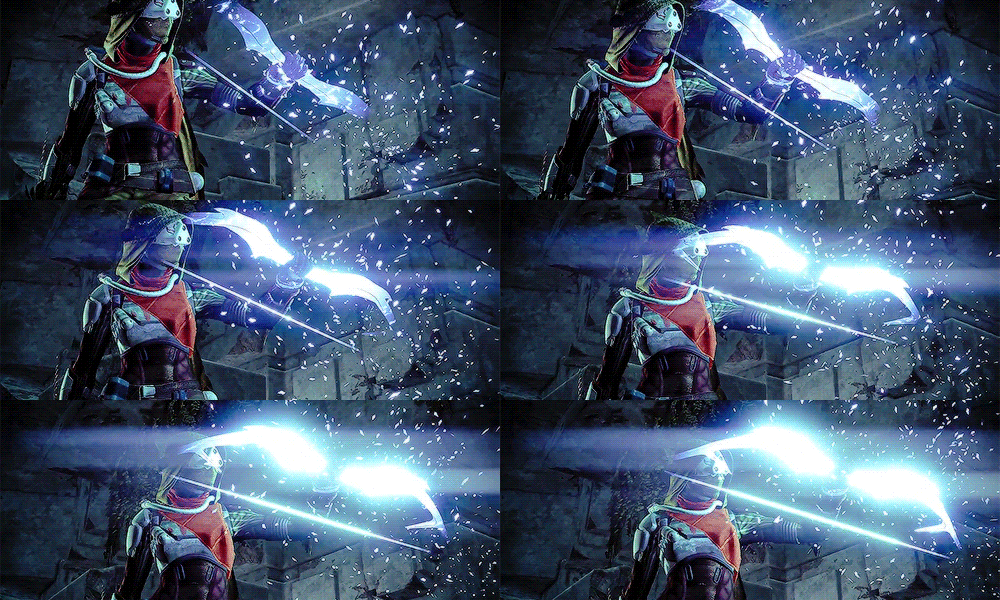
That, my friends, is high-quality animation from the video game, “Destiny: The Taken King.” Take a moment to admire it. Then, think back to how animation used to be. If you’re with me to this point, you’ve already made the overtly-sexy connections.

This may be the key. This may be the secret weapon with which to shatter the seemingly-impenetrable walls that keep erotica/romance relegated to midnight skin-flicks on Cinemax. Animation, namely the high-quality kind that companies like Pixar and Bungie pay top notch for, could be the key to making erotica/romance work.

On paper, it makes perfect sense. With animation, you overcome one of the biggest obstacles in producing a quality movie, namely finding actors and actresses that can both emote the necessary passion and not shrivel, literally and figuratively, when they have to get naked and make love on demand.

Animated characters don’t complain about mood, chemistry, or how their trailers are painted. They don’t age. They don’t get fat. They can look as beautiful or as ugly as a director wants them to be. They are, by default, the perfect medium for bringing a character to life. A number have already become quite iconic.

Related image

Now this isn’t a wholly radical idea. In fact, it’s already an established industry in a magical land called Japan. There’s an entire genre of animated porn called anime porn. This brand of porn utilizes themes and stories so outlandish, so extreme, and so disturbing that even the worst moments in “Game of Thrones” cannot compare. Look up something called “Futanari” for proof. Be warned though, you won’t be able to unsee it.

Radical or not, Japanese anime has the same problem that our softcore skin flicks on Cinemax have here in the United States. The stories are flat. The acting and dialog is atrocious. The main point of these movies is to titillate and not enchant.

Pretty much every male character in an anime porn acts a certain way, just like every bleach-blond, big-breasted woman in a softcore porn acts a certain way. There’s no real depth. It’s just basic, bland, and blunt.

Image result for anime nosebleed

That may be a product of sticking to a winning formula. Japanese anime porn has been around for decades, has an established fan base, and isn’t going to risk that fan base by doing something different. That’s just how an established industry works.

That said, it does prove that there’s a market for mature, animated content. We’re already seeing major studios attempting to tap that market beyond the usual “Simpsons” and “Family Guy” demographics.

In the past few years, new cartoons with mature things like “Archer” and “Bojack Horseman” have found a major audience. Even among younger audiences, shows like “Samurai Jack” reveal that there is a market for a more mature cartoon.

The timing of this growing market couldn’t be better because as this audience is growing, technology in graphics and animation is improving. Moreover, video game companies and developers are using those improvements to tell better stories. Some of these stories are every bit as engaging, dramatic, and emotional as movies. I know this personally, as I’ve freely admitted that the end of Final Fantasy X and Mass Effect got me choked up.

Major video game makers are already exploring deeper, more mature stories that don’t just rly on killing zombies or shooting aliens. Games like “Heavy Rain” utilize mature themes, a rich story, and intimate moments. Having played the game, I can say that this definitely strikes plenty of chords, including the sexy kind.

Image result for Heavy Rain love scene

So there’s a growing market for mature cartoons. The technology for graphics in animation is also improving and being refined through the $5.2 billion video game industry. What’s the hold up then? Why aren’t we seeing an animated “50 Shades of Grey” movie that isn’t limited to Jamie Dornan’s acting abilities?

As is often the case in the entertainment industry, it all comes down to money. That’s the simplest and most complete explanation. It’s safe to assume that if every major movie studio could replace every actor and actress with a 3D animated model, they’d do it in a heartbeat, thereby ensuring that they never have to work with Shia LeBeouf or Lindsey Lohan again.

The reason they can’t do that is because, as much as animation has improved, it’s still expensive. Toy Story 3, the current gold standard for animated movies, cost $200 million to make. For TV, the average cost of a half-hour animated show is about half-a-million and the cost of a top-quality show like “The Simpsons” is about $2 million.

For comparison sake, entire movies like “Boyhood” and “Whiplash” cost less than $5 million. Animation is also more labor-intensive, which requires a great deal of outsourcing, something the cast of a typical sitcom doesn’t have to worry about.

Image result for outsourcing

As it stands right now, animation is not a preferable option for making movies, TV shows, or erotica/romance. It’s costly, labor-intensive, and affiliated with too many talking animals. However, that may be changing in a major way very soon.

This is where I try to channel my inner psychic and see a bit into the future. Granted, I’m about as much a psychic as I am a starting point guard for the Golden State Warriors. Don’t assume I know more than someone working at Starbucks, but at least trust me when I say I do try to see the forest from the trees and make connections where I see them.

While the cost of animation is going up, advances in computing power and AI are growing as well. Most are content to let AI’s run their schedule or make annoying telemarketing calls, but they can’t make are, right? That’s intrinsically human, right?

I’m sorry to say that our future robot overlords are catching up faster than you think. Back in 2014, the University of Spain created, Iamus, a program that creates its own melodies. Not to be left out, Google followed suit with a program of their own in 2016.

Image result for robot musicians

That’s all well and good, even if it sucks for the future Taylor Swifts of the world. That doesn’t mean robots can draw, right? Humans still have that on the machines, don’t they?

Again, our future robot overlords are catching up faster than you think or feel comfortable accepting. In 2016, Google created another AI called “Quick Draw,” which can recognize simple doodles. A number of robots have even been able to produce their own artwork.

Granted, these works of art are a long way away from being Picasso or Elvis Presley. It’s a start though and, as our recent history with technology has shown, the pace of that technology will only accelerate. Given how slow and clumsy we humans are, it’s only a matter of time before they’re a billion times better at it than we are.

On top of that, the technology for computers to read our minds is emerging as well. This too is in the very early stages of development, but there’s a lot of money in technology, art, and doing things a billion times better. If a computer can make a movie like “Frozen” a billion times faster and a billion times cheaper, you can assume Disney will be all over it like Homer Simpson in a donut factory.

Image result for computers that can read thoughts

This has huge implications for every art-based industry in the world, but what does this mean for animation and erotica/romance? Well, most importantly, it means at some point the cost of animation is going to come down.

Eventually, a future version of Google’s drawing software will be so advanced that it can do the job of 100 animators 100 times faster and a million times cheaper. That means movies like “Toy Story 3” no longer cost $200 million. They could cost only a couple million. That means episodes of shows like “The Simpsons” can cost less than a used car.

This opens up countless possibilities for new stories to be told, which don’t have to rely on the bloated budgets or corporate backings of major studios. Since AI is also developing to a level where it can mimic voices, it means that even the cost of voice actors will go down or be replaced altogether.

It won’t happen all at once. There won’t come a day when entire animation studios go out of business or new studios pop up overnight. These types of technology trends take time to develop. They never happen all at once. Cell phones took 40 years to get to where they are now. Modern TV took over a half-century. Expect this kind of technology to take a few decades at the very least.

Image result for old tv

However, there’s a lot of money to be made. The rising cost of producing movies is creating a strong incentive to find an easier, cheaper way to create a similar product, minus all the zeroes at the end of the price tag. When there’s that much incentive, then economics usually makes it an inevitability.

That means the first real erotica/romance movie may not be the same live-action piece we saw with “50 Shades of Grey.” It may very well take the form of colorful, sexy animated feature that doesn’t require self-conscious actors or actresses to use body doubles. Maybe one of my own novels will one day take that form. I hope I live long enough to see it.

Again, that day will not be tomorrow. However, this may be the future of erotica/romance. In that sense, Jessica Rabbit may be less a cartoon sex icon and more a prophet. If so, she may go down in history as the sexiest prophet of all time.

4 Comments

Filed under Jack Fisher's Insights

The Orgasm Gap: Biological Or Psychological?

When it comes to talking about an issue, I generally avoid the kind of crisis fear-mongering you’d see on a CNN special report, a Fox News segment, or an Alex Jones podcast. More often than not, those who resort to fear-mongering are a few steps too close to fitting their heads for tin-foil hats.

However, I’m about to bring up an issue that I believe really is a crisis. It does warrant a little fear-mongering, if only because it directly affects the erotica/romance industry, of which I’m trying to be part of. That’s because it involves orgasms.

Usually, my posts about orgasms are of the fun, positive, sexy variety. That’s to be expected. It’s not hard to make a discussion about orgasms fun. Unfortunately, it’s also not hard to make that discussion dire because when a significant portion of the population isn’t having them, then I consider that to be a big problem.

This isn’t just the sexy musings of an aspiring erotica/romance writer. This is a real issue. There really is an orgasm gap, so to speak. Men, not surprisingly, don’t have a hard time achieving orgasm. Thanks to an unfiltered imagination and internet porn, an orgasm for a man is as routine as a morning cup of coffee.

For women, however, it’s a very different story, one I wish were relegated to the kinds of sexy novels I write. The data doesn’t lie. Women are having a harder time taking a trip to O-town during intimate moments with their male lovers. Regardless of whether you’re a radical feminist or a douche-bag frat boy from an 80s teen movie, we know that’s not fair. Given the universal joys of orgasm, that kind of disparity just isn’t tenable.

Why is this an issue though? Why does this orgasm gap even exist in the first place? Evolution has given both genders a wonderful incentive to have sex, make love, and everything in between. What’s keeping us from enjoying it?

By and large, there are two major theories to explain this injustice. One theory says this gap is primarily due to biology, which is bad news for women because it means the gap is impossible to close. The other says the cause is psychological, which is somewhat less dire because it means the gap can be addressed, albeit with expensive therapy.

Most of the time, when there are two competing theories about why something exists, the truth often lies somewhere in between. In some instances, though, such as the case of creationism and evolution wherein one is definitively right and the other is a religiously-motivated fever dream, the truth is not so balanced.

So with respect to the orgasm gap, which theory is correct? I’m not a scientist and am woefully unqualified to be one. Thankfully, there are some scientists out there who value equal access to orgasms as much as I do and they have done research on this. These people are the true heroes of the erotica/romance world. So what did their research find?

Well, a recent TED talk by Peggy Orenstein does a nice job of summing up these results. I’m not saying her talk is definitive. These TED talks never are. However, her conclusions have some pretty powerful implications and not just for our collective sex lives.

There’s a lot to unpack here. As an aspiring erotica/romance writer, it reveals some major flaws in the proverbial narrative that is our intimate lives.

Parts of her talk definitely resonated with my own personal experience. I remember sex ed when I was in high school. Since my community wasn’t run by uptight religious zealots, I had the good fortune of receiving a fairly comprehensive education about sex, especially compared to Texas standards.

They were pretty thorough, talking about everything from contraception to childbirth. When it came to certain body parts, though, I do recall a distinct difference. Descriptions about male anatomy and how a penis works was fairly concise. Most of my male classmates didn’t learn anything they hadn’t already found out and were fairly assured that their manly bits were operating fine.

When the time came to discuss female anatomy, however, I sensed a distinct shift in mood. Everybody, girls and boys alike, shifted like they were trying to hide a nasty fart. The intricacies of female genitalia wasn’t so much about their beauty or aesthetics. It mostly boiled down to the idea that blood and babies come out of it. That’s about it.

On a personal note, I’ll just say I learned about the existence of the clitoris from “South Park.” What’s that say when a comprehensive sex education program from a major school overlooks something that can be gleaned from watching “South Park?” I’ll give everyone a minute to stop banging their heads against their desk.

Then again, self-image is something every teenager struggles with. I certainly did, but I had a damn good excuse because of my horrible acne problem. It’s one of those things that improves with maturity. Sure, some people mature faster than others, but most of the time, it’s women who do the maturing so how does that orgasm gap not disappear?

This is where the psychology, it would seem, overpowers the biology. Make no mistake. Our thoughts and attitudes can influence our bodies. Anyone who has tried to sleep the night before midterms knows this all too well. Then, there’s the attitudes that we, as a society, collectively impose on each other.

In this case, it’s an attitude we impose on women. Whether by the spirits of angry Puritans or the agendas of old men who vomit uncontrollably at the thought of their daughters having sex, we tell women that they’re not supposed to enjoy sex that much. They’re told the orgasm disparity is normal.

There’s supposed to be this orgasm disparity between men and women. Somehow, this disparity is supposed to keep society intact so that people don’t waste too much time enjoying orgasm. This is where Orenstein gets really personal when she recounts the woman who says:

“I guess we girls are just socialized to be these docile creatures who don’t express our wants or needs.”

The girl who said that claimed to be this fiery, assertive woman. That should reveal just how powerful these attitudes can be.

It’s not just one type of attitude either. Orenstein points out how girls see their vaginas with shame while boys let their dicks hang with pride. Being proud of a body part tends to affect it. I used to play baseball. This works with arms. It works just as well with genitals, if not more so.

However, I think Orenstein overstates genital attitudes in some areas, ignoring the fact that men will shave their balls and undergo circumcision to avoid being aesthetically unpleasing. That’s something that affects both genders more than she lets on.

That said, I agree with her wholly when she brings up one of the most telling details about the orgasm disparity. When same-sex partners are involved, that gap disappears quicker than a cold beer at a Red Sox game in July. This is where the biology theory starts to fall apart.

Now it may seem obvious on some levels, the idea that same-sex lovers can climax at the same rate. It makes intuitive sense. They’re two people working with the same equipment, so to speak. Naturally, they would know how to make that equipment perform.

I don’t doubt that’s part of it. I also think there’s more to it and Orenstein seems to agree.

“Girls’ investment in their partner’s pleasure remains regardless of the gender of the partner. So in same-sex encounters, the orgasm gap disappears. And young women climax at the same rate as men. Lesbian and bisexual girls would tell me that they felt liberated to get off the script — free to create an encounter that worked for them.”

How telling is that? Put women in a situation where certain attitudes about sex and female pleasure don’t apply and they can enjoy a trip to O-Town as much as any man. As an erotica/romance writer, it brings tears of joy to my eyes.

So the orgasm gap disappears with same-sex partners. That’s all well and good, but what about the women out there who can’t get too horny around other women? What about the women who actually want to share the joy of orgasm with men? Well, Orenstein gives hope to those women too when she cites surveys done in cultures that aren’t haunted by the spirits of angry Puritains.

“Consider a survey of 300 randomly chosen girls from a Dutch and an American university, two similar universities, talking about their early experience of sex. The Dutch girls embodied everything we say we want from our girls. They had fewer negative consequences, like disease, pregnancy, regret — more positive outcomes like being able to communicate with their partner, who they said they knew very well; preparing for the experience responsibly; enjoying themselves. What was their secret? The Dutch girls said that their doctors, teachers and parents talked to them candidly, from an early age, about sex, pleasure and the importance of mutual trust. What’s more, while American parents weren’t necessarily less comfortable talking about sex, we tend to frame those conversations entirely in terms or risk and danger, whereas Dutch parents talk about balancing responsibility and joy.“

Let’s all take a moment to thank the Dutch. Let’s also take a moment to understand what this reveals.

Again, no theory is truly definitive, but Orenstein lays out fairly concisely how the orgasm gap is largely a psychological issue. Men define satisfying sex by their orgasm. Women define it by the ability to please their partner, which sets the bar low and ensures an unequal outcome.

That means we, as a society, should set new standards and I can say with a fair amount of certainty that men are all for that. How do I know this? Well, let me let all the women out there on a little secret about us men that really shouldn’t be a secret.

We WANT you to have orgasms when you have sex with us.

It’s true. Men really do want the women they have sex with to orgasm. Most of the time, they don’t want women to just lie there and act like a glorified barbie doll with a pulse. They actually want their partners to feel pleasure.

It shouldn’t require a real stretch in logic. Men understand that if women feel a lot of pleasure during sex, then they’ll want to do it more often with them. More sex makes us happy. We have a powerful incentive to make sure you women share in the joys of orgasms. The problem, albeit a sexy problem, is that it requires a mutual effort.

I believe we can close that orgasm gap for coming generations. I can only do so much as an erotica/romance writer, but we collectively can do so much more. When the day comes where men and women can expect to have an equal potential for orgasms during sex, then we will have achieved true equality. I look forward to that day.

15 Comments

Filed under Jack Fisher's Insights