Tag Archives: sexual health

Why Prostitution Is Illegal And Why It Shouldn’t Remain Illegal

prostitution_racket_hyderabad_1513578588_800x420

When it comes to matters of sex, there are usually two components. One involves passion, emotion, and intimate connection. That’s the romantic side of the equation, the one often glorified in my novels and in centuries worth of romantic media. That side is rarely controversial. In a perfect world, the primary purpose of sex would be to celebrate that connection and propagate the human species. That’s it.

Sadly, and unsurprisingly, we don’t live in a perfect world. That’s why the second component exists. That’s the economic side of sex, the one that involves utilizing sex as a means of exchanging value. That value doesn’t always involve money, resources, or vengeance for a bitter ex-lover. However, the nature of that value is what gives this form of sex greater taboo.

It’s because we glorify the romantic aspects of sex that the idea of treating it like any other exchange makes some people feel uncomfortable. The idea that the intimate act we do with the love of our life in a candle-lit bedroom in Paris is no different from a couple of strangers having a quickie in a gas station bathroom on the Jersey Turnpike just doesn’t sit well.

Image result for prostitutes

It’s that sentiment that has kept prostitution and sex work of all kinds illegal in most of the developed world. It’s also why efforts to change the legal status of sex work often encounters strong opposition. It’s not just from the uptight Puritanical crowd who are against anything that feels to good. Even those within secular organizations oppose it.

Prostitution, sex work, or whatever you want to call it has a long, colorful history. It has always had a place in every society in some form or another. It’s in the bible, it’s in the ancient world, and it has found a way to thrive even in the most repressive of eras. Wherever there are resources to be exchanged or just a large collection of horny individuals, prostitution finds a way. It’s kind of like life itself.

Related image

It’s for that reason that making prostitution illegal and keeping it illegal seems both asinine and futile. It’s one of those issues that has too many forces from both sides of the political spectrum working against it to ever change. Considering the growing concerns over our current approach to sex, it’s an issue that deserves greater scrutiny.

While efforts to regulate or prohibit prostitution are nothing new, the reasons for doing have changed. For most of human history, the reasons were entirely pragmatic. In the days before modern medicine, unregulated prostitution could lead to outbreaks of deadly diseases. Some of those diseases were so debilitating that it’s entirely understandable that many would adopt a very prohibition-centered approach.

As with other prohibitions though, the effects only went so far. Despite all the health risks and moral considerations, there seemed to be this unspoken understanding that prostitution is inevitable. Even St. Thomas Aquinas, a man who had a very narrow view of sin, is said to have said this about prostitution.

“Prostitution is like a sewer in a palace. Take away the sewer and you will fill the palace with pollution.”

Older societies might not have had access nearly as much knowledge as we do today, but they did notice one thing. A society full of horny people with no outlet for all that sexual energy is not a stable one. We even see evidence of that today. Even with the risk of disease in an era before modern medicine, those societies understood that.

Image result for medieval prostitute

It wasn’t really until the early 20th century that the western world really made a push for prohibition. It coincided with other social purity movements that fought for the prohibition of alcohol, gambling, and anything else you can do in Las Vegas on a weekend. It had less to do with pragmatics and more to do with a moral resurgence fueled by religion and political zeal.

While that movement eventually conceded that prohibition of alcohol was fruitless, the anti-prostitution laws they inspired still lingers. As it stands, prostitution is illegal in most of the United States, except for a few places in Nevada. In Europe, there’s a messy patchwork of legality that ranges from fully legal, to quasi-legal, to outright illegal.

Regardless of what the laws say, prostitution exists and will continue to exist. The only thing that changes are the reasons for combating it. Most people these days won’t get into a moral debate about whether two consenting adults having sex is immoral, even if they’re not married. They will, however, show great concern about exploration and subjugation.

Image result for women protests

Today, anti-prostitution attitudes are shaped largely by concerns over human trafficking, a crime that is horrible on too many levels to list. Whether by coincidence or agenda, prostitution is so closely tied to human trafficking that the two are sometimes used interchangeably. Considering how human trafficking often involves more than just sex, that’s not a fair comparison.

Fair or not, it’s that underlying concern that ensures attitudes about prostitution remain predominantly negative. It certainly doesn’t help that many of the victims of human trafficking are mostly disadvantaged women, whose suffering has become a much larger issue in recent years.

While nobody doubts the awful nature of human trafficking and the exploitation of innocent women, it still undercuts the very understanding that many societies in the past either accepted or learned the hard way. A society without a sexual outlet is not a stable one.

Image result for angry muslim men

Whether you’re concerned about the effects of “toxic masculinity” or people developing unhealthy attitudes about sex in general, the attitudes the fuel the prohibition are the same sentiments that keep people from exploring their sexuality. If their desire to just have sex for the sake of sex is seen as a flaw, then that’s going to cause problems. As I’ve noted before, treating sexual desires as a disease rarely works out.

There’s no doubt that there are those who become prostitutes out of desperation, just as there are people who work in fast food restaurants out of desperation. There are also those who freely choose to become prostitutes and even enjoy their work. Ironically, laws prohibiting prostitution hurts both by relegating it to the criminal underworld.

Treating prostitution as a crime seriously undermines the impact of real crimes. It’s not like murder, theft, or violence. These are activities that actively harm other individuals and involve someone going out of their way to subvert someone else’s will or property. Prostitution, namely the kind that involves two consenting adults, involves no such subversion.

Related image

However, by making it illegal, it ensures that there will be criminal elements involves. Criminal elements, by default, involve the kind of violence, theft, and deviance that supporters of prohibition cite. It’s a self-fulfilling prophecy of the worst kind. It’s like shooting yourself in the foot to protest gun violence.

That’s not to say there’s no hope for reforming our attitudes surrounding prostitution. There are branches of sex-positive feminism out there that support recognizing sex work as actual work. Back in 2016, Amnesty International even adopted an official position stating that the decriminalization of prostitution is critical to the pursuit of human rights.

Image result for sex workers rights

While society is probably a long way from full legalization, at least until sex robots are perfected, the attitudes that keep it illegal may end up being more harmful in the long run. The late, great George Carlin said it best with a simple, succinct, and naturally hilarious question.

“I don’t understand why prostitution is illegal. Selling is legal, fucking is legal. So why isn’t it legal to sell fucking?”

The fact that such insightful logic is so funny also makes it kind of frustrating. It’s almost tragic, to some extent, that we insist on complicating what should be a very simple concept. Not every sex act can be an act of passion, just as not every act of passion need be a sex act.

Image result for George Carlin

If society is going to develop healthier attitudes towards sex, then we’re need to give people the ability and opportunities to explore. Prostitution, whatever our attitudes may be, will likely be part of that effort. Any effort to eliminate it completely is doomed to fail. That’s why it’s called the world’s oldest profession.

4 Comments

Filed under gender issues, sex in society, sexuality

What Men Lose From Circumcision

I know it’s been a while since I talked about circumcision. Believe me, that’s not a mistake. Most men would rather have root canal while recovering from a hangover than talk about circumcision. There just aren’t many ways to make it an easy conversation.

I’ve talked about my own circumcision and why many attitudes about circumcision, at least in North America, comes from a man who believed that it would stop boys from masturbating. I’d hoped that was the most I would ever need to discuss it on this blog. Unfortunately, those hopes collapsed after a recent conversation I had.

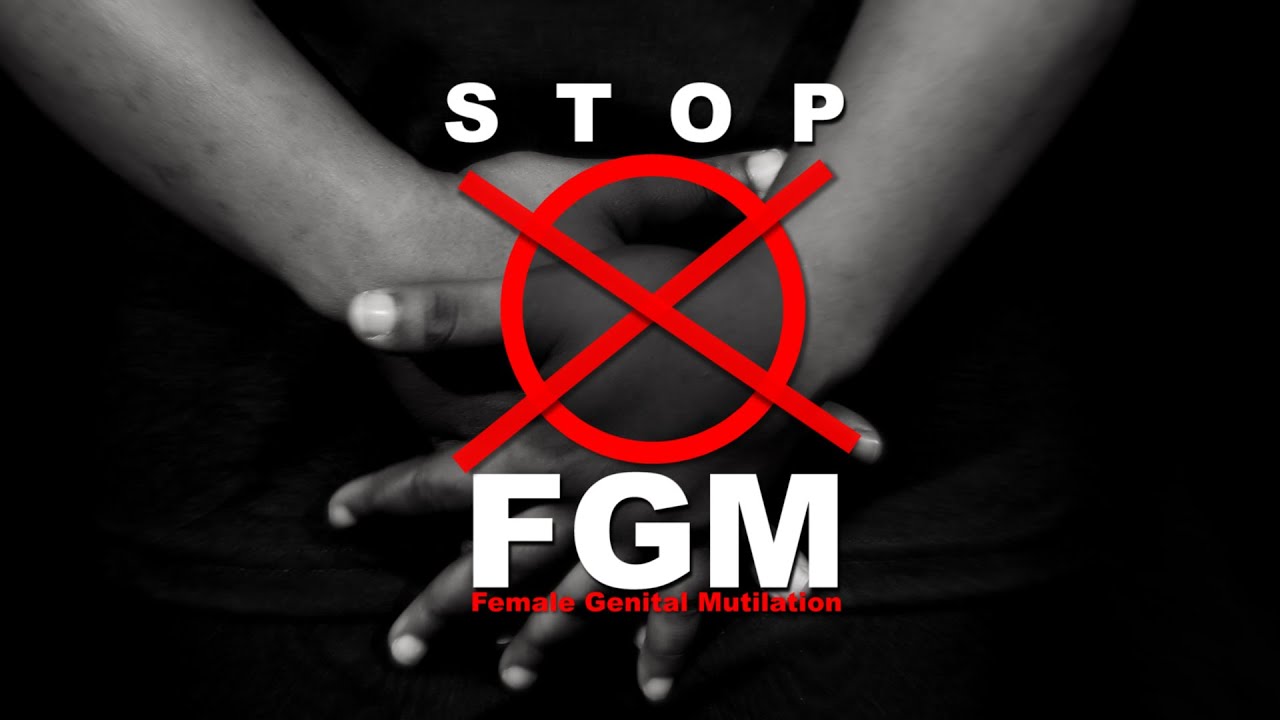
The context of the conversation isn’t that important, but involved a woman I knew online and the recent efforts to end female genital mutilation. By and large, most people in the industrialized world oppose female genital mutilation. It’s seen as a barbaric, brutal practice meant to control women by limiting their ability to experience sexual pleasure. I count myself among those who share in that sentiment.

When it comes to male circumcision, though, those same people just shrug it off. This led to an awkward part of the conversation where I asked why male circumcision gets overlooked while female genital mutilation is considered a major social issue. It led to a somewhat lengthy exchange that I won’t repeat word-for-word, but it came down to this argument.

Men don’t lose as much from circumcision compared to female genital mutilation.

According to the World Health Organization, female genital mutilation is prone to many negative health impacts beyond simply losing the ability to enjoy sex. While male circumcision is prone to its share of complications, the general perception is that it’s a minor issue that does not impair sexual functioning. Even the American Academy of Pediatrics state that the benefits outweigh the risks.

I wasn’t really able to continue the conversation much beyond that. However, I wish I’d had a chance to present more information because, at the end of the day, male circumcision still involves hacking off a part of a man’s anatomy. This isn’t a vestigial tail or a wisdom tooth. This is a man’s penis, a pretty critical part of the body, to say the least.

Even if there are potential health benefits, as the Mayo Clinic states, there is a cost and it’s not just restricted to what a man feels during sex. The most obvious cost is an overall decrease in sensitivity, which leads decreased sexual pleasure and lower orgasm intensity for the man. As with female genital mutilation, the first casualty of this procedure is the basic feelings of sex.

It doesn’t stop there, though. Think about the implications of decreased sensitivity, for a moment. Specifically, if you’re a woman or a gay man, think about how that effects someone’s ability to actually pursue the satisfaction they seek from intimacy. If the sensitivity isn’t there, then that means circumcised men have to work harder to get that same feeling.

This can make for some less-than-intimate experiences. Ever hear of someone complain about how some men resort to “jack-hammering” during sex? Well, those men may not actually be trying to recreate something they’ve seen in porn. That may just be a side-effect of having decreased sensitivity.

Naturally, that can make things uncomfortable for a circumcised man’s partner, be they male or female. Beyond the sensitivity issue, there’s something else that’s lost when a man’s foreskin is absent. However, it’s felt primarily by the man’s partner.

According to a study from Denmark, female partners of uncircumcised men report far less discomfort and far greater lubrication when getting intimate with their partners. Here’s a direct quote from that study that might interest some women if they’ve never been with an uncircumcised man.

“The uncircumcised penis is much glossier, a more velvety feel,” says Dr. Paduch. “So for women who aren’t lubricating well, they have much less discomfort having sex with a guy who is uncircumcised.”

Despite these benefits, there’s still this popular perception that an uncircumcised penis is unattractive and unsightly. Given how prevalent circumcision has been for the past century or so, that’s understandable. However, if that’s the only reason for continuing the routine mutilation of male genitals, it’s not a good one by any stretch.

Now, I don’t doubt that there are some instances in which circumcision is necessary. There are even some drawbacks to having an uncircumcised penis, but it’s debatable just how significant those drawbacks actually are.

The most common issues usually relate to hygiene and risks of infection. That might have been a more pressing issue in the era before anti-bacterial soap and sanitation, but it’s not quite as serious in the modern era. We have soap, showers, indoor plumbing, and condoms. All can work together to mitigate those risks, significantly. Honestly, does it really take that much to convince a man to wash his penis?

For the moment, the primary obstacle to reducing circumcision involves cultural attitudes. For now, uncircumcised penises are still taboo. I’ve written about how taboos come and go. Given that the overall circumcision rate is in decline, there may already be signs that the taboo is waning.

Evolution may be clunky and erratic, but it when it comes to emphasizing survival and reproduction, it’s pretty damn effective. The fact that human beings are among the most successful, dominant species on this planet is a testament to that. That same process created genitals that give us many reasons to enjoy sex. Genital mutilation, for men and women, overtly undermines that to the utmost.

At the moment, society deems any effort to undermine a woman’s ability to enjoy sex to the utmost as immoral, misogynistic, and downright oppressive. As someone who writes erotica/romance novels, I wholly support efforts to preserve a woman’s sexual autonomy. However, when something like circumcision goes on so routinely and without scrutiny, that feels like an egregious double standard.

As it stands, it’s criminal to mutilate a woman’s genitals so that she can’t feel as much pleasure, but it’s accepted to do the same to a man. That’s a fundamental disconnect that cannot sustain itself logically or ethically. If one gender’s pleasure becomes more critical than another’s, then that undermines everyone’s satisfaction in the long run.

8 Comments

Filed under gender issues, sex in society, sexuality

Is Netflix To Blame For Decreasing Sexual Activity?

netflix-and-chill-condom-foil-hand_1

For most of human history, society regularly concerned itself with how much sex people were having. It wasn’t always just a matter of people having too much sex. The collective forces of religion, government, culture, and social norms all worked together to encourage people have the “right” kind of sex.

I put “right” in quotation marks because the whole concept of there being a “right kind of sex” is asinine to begin with. The concept only exists to the extent that it reflects the genuine, pragmatic concerns of previous societies about maintaining a growing population in the face of constant war, famine, plague, and whatever other forces were conspiring to wipe out the human race.

Pragmatic or not, the amount of sex that people have is still a concern and probably always will be to some extent. Unlike 99 percent of human history, though, having enough sex to make enough babies to keep the species going is no longer an issue. If anything, having too many babies is a larger concern.

Image result for overpopulation

It’s within this unprecedented situation, one in which the human race has made so much progress and dominated the world so completely, that we’re also facing a growing issue. People are having less sex. According to the journal Archives of Sexual Behavior, overall sexual activity has been declining since the mid-2000s.

The rate of decline is even more significant among the younger demographics. According to the Centers for Disease Control, the amount of sexually active teenagers declined from 47 percent in 2005 to 41 percent in 2015. Considering that at least half of the teenage population was sexually active throughout the 90s, that is not a trivial decline.

Related image

I’ve talked a bit about this decline in sex. Being an aspiring erotica/romance writer, it’s one of those trends I need to keep up. I’ve posed a number of potential explanations. I’ve explored the possibility that society is becoming more sexually uptight. I’ve also talked about how the ongoing anti-harassment movement may impact our sex lives.

However, there may be an even more powerful force at work that’s hindering our collective ability to get frisky, especially among youth. For once, it has nothing to do with religion, government initiatives, or hashtag movements. In fact, this force may be more powerful than all those forces combined. It has a name and it’s one we know well: Netflix.

Image result for netflix

This actually might be one instance where I don’t need to present a long, detailed explanation about how something affects our sex lives, our culture, and our society as a whole. There’s no need to employ caveman logic or scrutinize agendas. I think most competent can probably look at these trends in sexuality and readily accept that Netflix might very well be a factor.

I admit when I first heard it, I thought it made too much sense. I first saw it in an article in Politico that I thought was an Onion spoof. Apparently, it’s a serious story entitled “Too Much Netflix, Not Enough Chill: Why Young Americans Are Having Less Sex.” Granted, a lot of it is lumping correlation without digging into the causation, but it does make some pretty compelling points.

Dating has fallen precipitously in recent years, at least among teens, as smartphones and screens have become more popular. In the past 10 years, the share of high school seniors who reported ever going out on dates fell from about 70 percent to approximately 55 percent. We don’t have data for dating among adults, but “socializing offline” is down among them, too. For all the talk about young adults’ “Netflix and chilling,” many young men and women may end up just bingeing on Netflix, not chilling.

Within those points, however, is a growing sentiment in which people opting for Netflix is more a reaction than a provocation. The article spends a lot of time breaking down other ongoing trends, including a few from the anti-harassment movement. It’s not that people want to cut themselves off from intimacy, but the risks of getting intimate are greater, albeit not for the same reasons that we had in the past.

These days, young people are less concerned about being branded with a scarlet letter or challenging the sexual norms of our uptight ancestors. However, they are concerned about navigating an ever-changing social landscape that seems to disparage horny men and horny women.

For full-grown adults, it’s already pretty dangerous, as Aziz Ansari found out recently. For inexperienced teenagers, it’s probably even more terrifying. The article even highlighted a few of the notable pitfalls that are likely discouraging young people from putting themselves out there.

One is that in an era where concerns about sexual consent are becoming more salient, false allegations of sexual assault or rape may become more likely to proliferate, driven partly by a lack of clarity about how to define consent in sexual encounters that are often ambiguous and alcohol-fueled. Think of the fraternity accused of gang rape in the retracted Rolling Stone story about the University of Virginia. Or the bizarre charges made by Columbia University’s “mattress girl,” Emma Sulkowicz, against her former friend and lover, Paul Nungesser. Or the sexual assault charges lodged against Alphonso Baity that led to his expulsion from the University of Findlay, despite the fact that multiple witnesses were willing to testify that he engaged in consensual sex with his accuser. Or the successful cases that have been brought by men thrown out of college for alleged sexual assaults. Such allegations can do untold harm to the reputations and lives of many parties—mostly men—who engaged in what seemed to them to be consensual sex.

This is where Netflix comes in, almost by accent. In the past, it was a lot harder to stay entertained and content while also suppressing sexual urges. Why else would chastity belts have been a thing? When there wasn’t much entertainment beyond books and games, it was only a matter of time before those basic urges caught up with people.

Netflix does something that even the strongest chastity belt can never hope to do. It actually succeeds in keeping people distracted and content so that those base desires can’t occupy our thoughts. When there are so many amazing shows, from “Bojack Horsemen” to “Travelers” to “House of Cards” to “Stranger Things,” who has time for sex?

Related image

I write that only half-jokingly because, while it’s not possible to completely overwrite our base desires, it’s still possible to distract us. Human beings are, from a biological standpoint, pretty easy to distract. In the era of the internet and streaming media, it has never been easier to forget about the fact that you’re not having sex.

Add on top of that the growing risks with just attempting to get sex, thanks to concerns about harassment and assault, and Netflix suddenly seems like the path of least resistance. You won’t get accused of assault or harassment by staying home and watching Netflix. You also won’t get pregnant or a nasty disease, either. Add the inherent entertainment of the content and even I can’t deny the appeal.

Image result for binge watching

Now, it’s still doubtful that Netflix and others like it are the primary reason for the decline in sexual activity. As anyone familiar with logical fallacies will tell you, correlation does not equal causation. However, when scrutinized within the context of evolving sexual attitudes, the deficiencies of the past, and basic incentives, I think it’s reasonable to conclude that Netflix is a factor.

That trend, like all trends, is likely to change over time. It’s impossible to predict how our sex lives will change in the next few years, especially as emerging technologies start to affect sex and society at large. For now, there are a lot of factors affecting our sex lives. Netflix is just one, but as someone who is a big fan of “Bojack Horsemen” and “Stranger Things,” I think it’s more powerful than we think.

1 Comment

Filed under gender issues, sex in media, sex in society, sexuality

In Defense Of Hook-Up Culture (To A Point)

635915974671817180628327593_the-crucial-guide-to-surviving-the-hook-up-culture

There are certain cultural phenomena that are difficult to defend. Things like big businesses, the NFL, or the current president come to mind. However, some of those things are attacked, denigrated, or hated for misguided reasons. It’s not always the case that they should be defended, but there are times when a little balance is needed.

When it comes to a topic that’s easy to criticize, hook-up culture has a bigger target than most and that target has only grown in recent years. It’s one of those issues that has fronts for both the unceasing war on horny women and the escalating war on horny men. To defend it means fighting a two-front war, which has historically been a bad idea.

I’m still going to try, though, and not because I think hook-up culture in its current state deserves to be defended. There are certain aspects about that state that I find flawed, some of which I’ve discussed before. Even so, I do believe some aspects of hook-up culture should be defended. I still intend to pick my battles very carefully, though.

At the moment, hook-up culture has been getting attacked on multiple fronts. It used to be that only cantankerous old people whined about young people having more sex than what priests, mullahs, rabbis, and monks deem appropriate. These people saw hook-up culture as antithetical to the idealized nuclear family model that was glorified in every 50s sitcom.

Most people, these days, don’t take that kind of whining seriously. However, a new attack on hook-up culture is actually coming from other young people and otherwise educated people that are smart enough to recognize why those idealized 50s sitcoms were pure fantasy. Instead, they’re attacking hook-up culture as some inherently toxic manifestation that’s destroying men and women alike.

Make no mistake. This attack isn’t restricted to extreme conservatives who see hook-up culture as an affront to traditional values or liberals who see it as a tool of oppression that’s inherently objectifying. It’s not even restricted to man-hating feminists who think cat-calling constitutes assault or women-hating men who see every woman is a gold-digger who wants to ruin his life.

The attack runs deeper than that. Taken all together, these attacks reflects a sentiment that isn’t always hostile to sex, but treats it the same way most people treat a phobia. Regardless of political or agenda affiliation, sex from the attackers is almost always in a context of anxiety, fear, and hyper-vigilance. That phobia manifests in different ways.

If you’re a conservative traditionalist, hook-up culture evokes a fear that anything other than the nuclear family will destroy society and hurt those who participate.

If you’re a liberal progressive, hook-up culture evokes the fear that men will exploit women, using them for their own selfish reasons and subsequently contributing to their continued oppression.

To some extent, I can understand those fears. However, like most phobias that don’t involve spiders, those fear are not justified. They also reflect some very unhealthy attitudes about sex, intimacy, and romance in general.

Some of those attitudes play out in the sensationalized headlines surrounding hook-up culture. In these stories, it’s often portrayed as callous, bland, and overtly hedonistic. People aren’t getting together to fall in love, get married, and make babies. They’re just having sex the same way they would scratch an itch.

For some people, that’s unnerving, especially if they have children above the age of consent. There may even be a twinge of jealousy in that these young people are enjoying the kind of fun that older people didn’t get to experience when they were that age. While I suspect that’s a factor, I don’t think it’s the root cause.

Beyond the cause, though, the attitudes feed the sex-phobic sentiments whenever there’s news that hook-up culture may be harmful. There has been research on the topic and while the American Psychological Association does not draw any sweeping conclusions, it does take the position that hook-up culture is often prone to complications.

Chief among those complications, which also provokes the sentiments of the liberal progressive crowd, are the instances in which people regret hooking up. This is especially sensitive for women. In one study, over 75 percent of the women who’d hooked up with someone regretted it.

For some, it was just an unsatisfying experience. For others, it was somewhat traumatizing. This has become especially taboo since the recent scandal with Aziz Ansari in which the line between regret and misconduct is difficult to see. If you have an agenda, though, confirmation bias will allow you to see these situations as either misogynistic assault or man-hating extortion.

That’s what I find particularly dangerous/revealing about these attacks on hook-up culture. It’s so easy to find instances where people have a bad experience with it or are negatively affected by it. By singling these instances out, whether it’s mental health issues or part of a major celebrity scandal, every side can point to hook-up culture to justify their various sexual anxieties.

It probably doesn’t help that these anxieties may very well contribute to the ongoing orgasm gap between men and women. It also doesn’t help that trends in social media have made hook-up culture even easier to pursue than ever before. By nearly every measure, hook-up culture has little way of defending itself.

This is where I come in and I’m already bracing myself for the criticism.

armor knight man art warrior wallpaper

When I take a step back and look at the intent of hook-up culture instead of the anecdotes surrounding it, I do see something that’s worth defending. I’m not going to discount the negative impact it might have on some people, but I think the sentiment behind hook-up culture deserves more merit.

To highlight that merit, I need only ask a few questions. I doubt I’ll get honest answers from everyone, but at least consider them when contemplating hook-up culture.

Is it possible that hook-up culture reflects some of the inherent flaws with our traditional approaches towards seeking love and sex?

Is it possible that those engaged in hook-up culture are actually looking for some casual intimacy and NOT just hedonistic indulgence?

Is it possible that men prefer hook-up culture because they don’t want to jump through all the hoops of a relationship to get the intimacy and sexual release they desire?

Is it possible that women prefer hook-up culture because they just want to enjoy the toe-curling pleasure that comes with basic sexual intimacy?

Is it possible that some people just want to explore their sexuality without committing too much of their time, energy, and life to a relationship?

None of the questions above are rhetorical or factious in any way. They’re serious, honest questions that I think need to be asked when assessing the issues surrounding hook-up culture.

Regardless of whether or not hook-up culture exists, people are going to get horny. People are going to want to express their sexual desires. There’s no way to stop that. Religion, government, and culture has tried desperately over the years, some going to more extremes than others. All have failed.

This is what I think it hook-up culture’s best defense. It reflects and acknowledges the inherent need of people to express and explore their sexual desires without navigating the myriad of legal, social, and cultural rituals associated with it. In some respects, that reveals the inherent shortcomings in those rituals themselves.

I don’t doubt there are risks associated with hook-up culture. Disease and unwanted pregnancy are at the top of that list, along with instances of exploitation and assault. Focusing on those outcomes is like calling Eddie Murphy’s entire career a failure just because he stared in “Pluto Nash.”

There is a larger context to consider. Remember that study about people regretting their hook-ups? Well, science is rarely that definitive when it comes to matters of human psychology and sexuality. Later studies reveal that the extent of that regret isn’t very strong. It turns out that, like paying to see “Pluto Nash,” we tend to get over it. Most functioning human beings do.

Those same studies also make clear that the quality of the hook-up matters. If someone hooks up with someone for sex, but the sex isn’t satisfying, then of course there’s going to be some regret and anxiety later on. That’s what happens whenever our expectations aren’t met. Just ask anyone who got excited about the Jacksonville Jaguars’ failed Super Bowl guarantee.

This is where the extent of my defense of hook-up culture ends. While I think the various criticisms and anxieties about it are unwarranted, it does carry some baggage that makes all those unpleasant anecdotes so common.

Hook-up culture, in its current form, has all sorts of heavy expectations surrounding it. Whether it’s people actively engaged in it or those observing it from the outside, there’s this sense that hook-up culture is this non-stop party where everyone is enjoying the Caligula-style orgy and nobody leaves unsatisfied. That’s just not how human sexuality works.

Human beings are a passionate, social species. When hook-up culture becomes too dispassionate, which can happen, then it ceases to be a healthy expression of human sexuality. In that context, it’s basically glorified masturbation. As a romance fan and an aspiring erotica/romance writer, I can’t get behind that sort of callousness.

However, I think the attacks on hook-up culture are more misguided than hook-up culture itself. Men are seeing it as an agenda that beautiful women are exploiting. Women are seeing it as an agenda that misogynistic men are exploiting. Liberals and conservatives are seeing it as an affront to everything they deem good and moral. In attacking it, though, they all reveal their own sexual anxieties.

If our collective sexual attitudes are to improve, along with our overall satisfaction, we need to confront these anxieties. Hook-up culture isn’t going away because people wanting to enjoy sex with fewer strings is not going away. We can either learn from it or fight it, with the understanding that fighting it rarely ends well for either side.

Leave a comment

Filed under gender issues, sex in media, sex in society, sexuality

Natural Contraceptive App Blamed For Unplanned Pregnancies (As Expected)

Pregnant woman standing outside on a sunny day

There’s no question that advances in contraception have had a profound impact on our society. Some applaud it. Some resent it. Either way, there’s no uninventing it. Contraception, be it male or female, is a big part of our society and further advances promise to have an even bigger impact.

I’ve talked about the future of contraception before, as well as the potential impacts of those advances. There are a lot of things in development, as I write this, that men and women alike should get excited about. Between better IUDs and more birth control options for men, we’re quickly entering an age where we have unprecedented control over our fertility.

It’s for that very reason that it’s necessary to take a step back and remind ourselves of the existing flaws we have with the current state of contraception. There’s a reason why those advances I mentioned are in development to begin with. What we have now is pretty good, relative to older, more archaic forms of birth control. However, there are a few shortcomings that tend to lead to dramatic, albeit predictable failures.

One of those shortcomings/failures made the news recently and left several dozen women very disappointed, to say the least. According to a story from TheVerge, a recently-developed contraceptive app called Natural Cycles is being blamed for 37 unwanted pregnancies. Anyone who knows anything about pregnancy, female biology, and nature in general probably isn’t surprised.

That’s because the app in question basically made something like this inevitable. According to the article, the Natural Cycles app is supposed to help women who rely on more natural family planning methods. In terms of the actual process, these are the basics:

The app uses an algorithm and measures factors like temperature to determine the period when a woman may be fertile. It’s a popular alternative to hormonal contraceptives like the pill because it lacks side effects.

It’s pretty basic, but the principle makes sense on paper and isn’t based on radically new ideas. The concept of a woman tracking her fertility to determine the times of month when she’s most likely to conceive a child is fairly well-known. It’s most commonly called the “Rhythm Method” and according to the Mayo Clinic, it takes a lot of preparation.

To use this method, a woman needs actively track her menstrual cycle, accurately determine the parts of that cycle where she’s most fertile, and plan her sexual activity around those time-frames. It takes a great deal of physical awareness, as well as a certain measure of discipline, which some people are better at than others.

The Natural Cycles app is supposed to supplement those principles by aiding in that tracking process. It even tries to provide the woman with more data so that she has a better understanding of her body while tracking her cycle. In theory, having perfect knowledge of her biology will ensure a woman knows when she is or isn’t fertile.

natural-cycles-5

It’s that exact theory, however, that makes this news about a surge in unplanned pregnancies so unsurprising. There’s a good reason why this sort of approach to contraception is rarely practiced by anyone other than committed couples and is often discouraged as a general form of contraception.

As with so many other theories, the actual practice of the method doesn’t always work in the real world. That’s because the real world is a lot more chaotic, varied, and unpredictable than concepts on a piece of paper. That applies even more to human biology, male and female.

Now, the appeal of natural family planning like the one Natural Cycles promotes is undeniable. You don’t need to take a pill. You don’t need to have something inserted into your body. Plus, it gives you a chance to really know and understand the workings of your body. For both sexual health and general health, that’s has many benefits.

Unfortunately, the human body is not known for being that transparent. It does not come equipped with a USB port or a wireless interface that provides us with accurate, real-time data about our insides, although that’s one advancement science is working on. Absent that data, natural family planning, even with the aid of Natural Cycles, is going to be either incomplete or flawed.

I don’t doubt that the use of Natural Cycles helps in the process, but there’s a good reason why the same Mayo Clinic that so thoroughly lays out the process of natural family planning also identifies it as one of the least reliable forms of contraception. This is what they had to say about the risks associated with this method.

Using the rhythm method as a form of birth control doesn’t pose any direct risks. However, it’s considered one of the least effective forms of birth control. How well the rhythm method works varies between couples. In general, as many as 24 out of 100 women who use natural family planning for birth control become pregnant the first year. Also, the rhythm method doesn’t protect you from sexually transmitted infections.

Given this information, the fact that some of those using the Natural Cycles app ended up pregnant should surprise no one. The shortcomings of natural family planning are well known and, for the moment, no app is capable of circumventing those shortcomings.

It’s not just that even the most basic activities of the human body are so difficult to quantify and track. Doing so and trying to plan around it assumes all those involved behave with perfect discipline. While I still believe that most human beings are inherently good at heart, I don’t doubt that human beings can also be erratic, irrational, and just plain stupid at times.

There will be moments when a woman misjudges or mistimes her fertility over the course of her cycle. There will also be moments when the passions between a woman and her lover will override whatever discipline they had promised to exercise during that time of the month. Even when people aren’t stupid, they can be overwhelmed by a moment.

That’s the ultimate flaw of natural planning and apps like Natural Cycles. It’s not just prone to human error. It relies on the absence of human error in order to work perfectly. That’s not just flaw. Those are unreasonable expectations that no population of healthy human beings can hope to meet.

It’s sad that several dozen women had to learn this the hard way, even if the outcome was fairly predictable. If nothing else, it should remind us just how much work we need to do on improving contraception, women’s health, and our overall understanding of our biology.

1 Comment

Filed under Current Events, gender issues, sex in society, sexuality

Why Treating Sexuality As A Disease (Always) Fails

mentalhealth.jpg.size-custom-crop.1086x0

It wasn’t too long ago that discussions about reparative therapy, also known as gay conversion therapy, became more a joke than a serious concept. Going back to Michele Bachman’s failed presidential bid in 2012, and all the assorted jokes about her husband, who ran a religion-based therapy center, I think it’s safe to say that this issue has run its course and for good reason.

There was once a time when attempting to change someone’s sexuality into whatever society deemed acceptable was a serious pursuit. Even Sigmund Freud contributed to that effort, going so far as to claim that homosexuality could be cured through hypnosis. Seeing as how hypnotists are more likely to work in Las Vegas stage shows instead of clinics, it should be obvious how wrong he was.

As it stands, reparative therapy is rejected and discouraged by nearly every legitimate psychological and therapeutic organization on the planet. There are still those who claim that’s just part of the larger gay agenda, but those claims don’t deserve to be taken seriously. Whenever that many organizations to agree that something is so ineffective and harmful, it’s usually a pretty clear sign that there’s something wrong with it.

For the rest of the population that doesn’t buy into homophobic conspiracy theories, the issue is resolved. While there’s still a lot we don’t understand about human sexuality, our current understanding offers a fairly concise conclusion. It’s not possible to completely change or radically reorient someone’s sexuality.

So in light this widely-accepted conclusion, any subsequent efforts to radically alter someone’s sexuality through archaic tactics that involve shame, guilt, and pseudo-spiritual bunk should be just as asinine. The keyword there is it should be. Even though reparative therapy is roundly condemned, the spirit of that therapy continues, albeit with a different target.

This time, the targets aren’t homosexuals or some other sexual minority. Instead, the scope is bigger and more extensive than even defunct anti-gay ministries could ever hope to achieve. It’s taking aim at sexuality, as a whole, particularly that of men. While it doesn’t have an official title, the tactics are distressingly similar.

I’m reluctant to put a label on it because I’d rather not throw around blanket terms for an issue this vast. Much of it stems from those opposing everything associated with “toxic masculinity,” a term I’ve already condemned.

From sex scandals to advertising to representations in major movies, the obstacle is the same. A particular brand of male sexuality that caters to straight men seeking the company of beautiful women for basic, shallow reasons isn’t just falling out of favor. It’s seen as corrupt, part of some grand patriarchal conspiracy.

It’s so corrupt that some, such as Joss Whedon, describe it like a disease. Men who simply have these desires are somehow flawed and need to either be educated or scorned. It’s not quite at the level that homosexuals endured in the past, but the common themes are still there.

It’s hard to pinpoint where it began. Some might point to the Harvey Weinstein scandal as the catalyst that turned the public against the whims of horny men, but I think it goes back further than that, even past the 2016 Presidential Election. The concept of criticizing men’s preference to admire beautiful women isn’t new. The extent of that criticism, however, is unprecedented and still growing.

Regardless of how it began, either through vocal critics of breast depictions in video games or protesting sexy advertising, it’s a major movement now. It has popular hashtags and the backing of powerful media outlets. If you’re a straight man who enjoys admiring beautiful women, then congratulations. You’re the source of all the problems in our current sexual landscape.

Given the intensity of the rhetoric in the movement, it’s not just about protesting the injustices perpetrated by men in positions of power who freely exploited that power. It’s attacking certain manifestations of sexuality as a whole, deeming them “problematic” to the point where it’s practically pathologized. That’s how we end up with asinine terms like “toxic masculinity.”

It’s for that reason that the parallels between the long-debunked ideas of reparative therapy and ongoing condemnations of male sexuality are all the more disturbing. Stories about LGBT youth who survived reparative therapy, and not all of them do, tend to tell similar stories. The so-called therapy they get usually involves the following:

  • Excessive condemnation and shaming of certain desires
  • Attributing certain sexual desires with negative connotations
  • Demanding frequent confessions of guilt for past misdeeds, real or imagined
  • Demanding complete dissociation from a previous lifestyle
  • Attributing desires and feelings to disease or an unhealthy state of being
  • Attacking or subverting someone’s identity in an effort to re-shape it
  • Conditioning someone to associate natural feelings with negative sentiments

To anyone who has been keeping track of how men have been criticized for their attitudes towards some of the recent sexual misconduct scandals, these methods should sound painfully familiar. It’s also worth noting that these are methods that the American Psychological Association deems harmful and even dangerous.

Now, I want to be careful with my rhetoric here because I don’t want to imply that straight men who enjoy looking at beautiful women in bikinis are suffering to the same extent LGBT people suffered in these faux-therapeutic settings. That’s not the point I’m trying to make here. I’m just trying to highlight the extent to which the approaches are similar, even if they’re not the same.

It’s one thing to punish actual misconduct. It’s quite another to attack the underlying desires of an entire group. Men looking at beautiful women is now a symptom of objectification, patriarchy, and misogyny. Conversely, women looking at beautiful men is a major Hollywood movie starting Channing Tatum. See the difference?

That difference matters because treating those attitudes as diseases is every bit as misguided as treating homosexuality or transgenderism as a disease. It would be akin to referring to all homosexuality as “toxic sexuality” instead of a simple variation among the vast spectrum that is human sexuality.

That’s not to say there aren’t issues with certain attitudes men have towards sexuality. There are plenty of issues about women’s attitudes as well. However, the fact that the current culture, empowered by social media and selective biases, treats those attitudes the same way reparative therapy treats homosexuality is both revealing and distressing.

The negative impacts of those methods are well-documented, both in terms of harm and ineffectiveness. Relentlessly shaming people for their sexuality, be they straight men or gay women, is pretty damaging. It doesn’t take a licensed therapist to know that conditioning someone to hate their own desires will seriously affect their mental health.

There are many lessons to learn from the failures of reparative therapy. For one, it revealed just how powerful sexual and romantic desire can be in a person. It can also reflect how lonely it can be when those feelings are deemed defective, toxic, or deviant by a society, at large. Countless LGBT individuals have suffered because of these misguided efforts. More will suffer if those lessons aren’t heeded.

5 Comments

Filed under Current Events, gender issues, sex in media, sex in society, sexuality

More Women Are Watching Porn (And Why That’s A Good Thing)

I don’t often talk about the porn industry on this blog. I know that sounds like an oversight, but it’s a deliberate oversight. In my experience, porn is just one of those things that either bothers certain people to no end or is just shrugged off by everyone else.

We know it exists. We know it’s a big business that has always existed, to some extent. Sure, it’s controversial. Some still try to fight it, but to date, nobody has ever won that fight and the sheer amount of porn that exists is proof of that.

As an aspiring erotica/romance writer, who also happens to be a straight man with an internet connection, I’m very much aware of porn, the industry that makes it, and the consumer base that fuels it. While erotica novels aren’t quite as taboo as porn, it does have many similarities. “50 Shades of Grey” proved those similarities aren’t that subtle.

In addition, those same trends can also reflect evolving attitudes towards sex, sexuality, and how people treat intimacy. One might be forgiven for thinking that everything involving sex, intimacy, and how we consume erotic content is devolving into chaos. However, in the midst of all these unsexy trends, I’d like to offer some news that should further complicate the evolving sexual landscape.

According to recent data released by PornHub, also known as the most popular porn site on the internet, 2017 saw the biggest surge in porn consumption came from women. More specifically, the search term “porn for women” increased in popularity by 359 percent. Even if you’re terrible at math, you understand that’s a significant increase.

It’s an increase that the porn industry is noticing, among others. They kind of have to notice it because women still make up half the population last I checked. Even though catering to mostly men has helped make porn a multi-billion dollar industry, it still has room to grow and women are the key, just not in the way the industry is used to.

Whether it’s due to the impact of “50 Shades of Grey” or the impact that feminism has had over the past few decades, more women are consuming porn than ever. Granted, that could just be because more women are willing to admit it, but the data is there. This is happening, regardless of what men or other women say about it.

The type of porn they’re consuming is also noteworthy, if only because their patterns of consumption are different from those of men. According to Vice.com, the type of porn women search for varies in terms of theme and genre. They’re not wildly different from men, but it does highlight some differences in terms of the erotic content both genders pursue.

While I’d love to talk more about the types of adult content women are seeking, if only to highlight how I can work that content into my novels, there’s a particular detail to this story that I want to highlight. I have a feeling it’ll be controversial for some. I’m willing to take that risk because I think this is worth saying.

More women consuming porn is a GOOD thing for both genders.

Take a moment to finish rolling your eyes. I understand that sounds exactly like something a man who regularly writes about sex robots and sex-positive superheroes would say. That doesn’t make the statement any less valid.

While I won’t claim that trends in women consuming porn are all good, as the breadth of human nature is far too broad for a claim that bold, I strongly believe that this is one of those trends where the positives outweigh the negatives. It’s not just because it shows women are more comfortable exploring sexy things. I actually think the positives run much deeper than that.

That’s because in recent years, the porn industry has only ever made headlines for all the wrong reasons. Between the recent spike in porn stars committing suicide and uptight politicians declaring it a public health crisis, it’s safe to say that porn has a public image problem, to put it mildly. However, I think the foundation of that problem goes beyond the explicit content behind it.

To illustrate that, it’s necessary to point out an unusual quirk in the effects of porn on men compared to women. There have been plenty of studies on how porn affects men. Some of it documents negative effects while others reveal positive or no effects. For women, though, the effects are considerably different.

It often occurs whenever there’s a correlation between a negative consequence, like broken relationships and porn consumption. Whenever that correlation exists for men, it rarely occurs to the same extent, if at all, for women. That means that even if there are harmful effects of porn consumption, it does not affect women as much as men.

most-sexually-charged-excerpts-from-erotica-books

To further complicate those insights, as often tends to happen in sexually-charged issues, research has shown that couples who watch porn together are either not negatively affected or enjoy greater levels of satisfaction. That means when it comes to the effects of porn, context and attitudes matters. I’ve mentioned the importance of context when it comes to assessing masculinity. It seems to apply even more to porn.

That’s why I believe women consuming more of it is a good thing, in terms of evolving that context. Unlike other hobbies, porn is unique in that it involves sex and sex often other people. When only one part of that equation is consuming the content, then that content is going to skew in the direction of those consumers. That’s just basic economics.

In this case, those skewed economics can have unpleasant consequences. To those who claim porn creates unrealistic expectations about sex, this is why that occurs. When the consumer base is so narrow, it’s going to become unbalanced. We saw that in the disparity of contraceptive development. Porn did the same.

Over time, that has the effect of narrowing the appeal of the content. To those not consuming that, it takes on a strange, if not taboo context. In the past, this has been reflected by women seeing men’s consumption of porn as creepy or perverse. It’s not unlike how comic books used to be seen as something for kids. Then, they evolved to capture a wider audience.

With women entering the consumer base, the porn industry has a chance to change that narrative. If women are watching more porn, then it becomes less taboo. On top of that, it expands the industry. I’ve talked before about how taboos fade or die off. One of the most potent ways taboos falter is when there are economic forces working against it.

In a sense, the best way for women to make the porn that men consume more equitable is to consume it themselves. By giving the industry a powerful incentive to balance out the content, they create the necessary incentives for producers to make the kind of erotic content that both gets them off and spices things up with their lover. It’s ironic that this is how to make the porn industry friendlier to women, but it’s also somewhat fitting.

As it stands, women’s taste in porn are still evolving and the industry is still figuring it out. However, there are a number of sites out there looking to tap this once overlooked market. In wake of the recent sexual misconduct scandals, there’s even a new sub-genre of porn called ethically produced porn. Think of it as fair-trade coffee for sex.

Regardless of how some feel about the porn industry, in general, or women entering a consumer base once dominated by men, their presence will have an impact. That impact may make some uncomfortable or upset at first, but I believe in the long term, it’ll be a net positive.

We’re entering a world where it’s not taboo for a woman to say she enjoys watching porn. It’s also a world where men don’t have to be as ashamed or secretive about their own porn consumption. I think when those respective taboos fade, it’ll be easier for men and women to have honest conversations about what they like, what turns them on, and everything in between.

Sure, it’ll be awkward. Men and women talking about their respective porn consumption is bound to cause more than a few stressful conversations. However, if the end result is a more open and honest understanding of our sex lives, then I honestly say that extra awkwardness is worth it.

2 Comments

Filed under gender issues, Marriage and Relationships, sex in media, sex in society, sexuality

Why Our Assumptions About Male And Female Promiscuity May Be (Very) Wrong

most-sexually-charged-excerpts-from-erotica-books

When it comes to assumption, we tend not to question them, by default. That’s why they’re assumptions. It’s literally in the definition. It’s entirely natural to make assumptions, especially when they have some sort of inherent logic to them. It’s just how we, as a species, make sense of a chaotic world that we’re trying to survive.

The problem is, as I’ve pointed out many times before, our caveman brains aren’t wired logic. They’re wired primarily to help us survive and reproduce. That’s why our brains are so prone to all sorts of logical fallacies. That’s also why it’s hard to let go of assumptions, even when empirical data a very different story.

This brings me to our assumptions about sexual promiscuity. I’m hope I have your attention now because I knew a bland article about logical fallacies, caveman logic, and false assumption wasn’t going to get anyone excited. Put it in a context that’s both sexy and relevant, especially to an aspiring erotica/romance writer, and there’s much more appeal.

Sexy or not, the issue of assumptions in our sex lives are a lot more relevant in the era of “fake news” and “alternative facts.” These days, people are more likely to cling to their assumptions than ever before, even in the face of obvious evidence to the contrary. Hell, “South Park” even did an entire episode about this concept.

There are all sorts of complex psychological and social reasons for this, some of which I’ve covered before in other less sexy discussions. However, I’m not going to belabor those concepts. Most people know that humans can be exceedingly stubborn, even when faced with undeniable data that counters their assumptions.

That becomes a bigger problem, though, when you’re actually trying to make sense of something on an academic level. Our collective sexuality is one of those things that we try to study and understand, even if our efforts turn out to be disturbingly wrong. I like to think we’ve gotten better at it in the modern era, but sometimes fresh data reveals there’s still room for improvement.

This leads me to one of the most common assumptions about sexuality and the particulars of sexual promiscuity. You’ve probably heard it articulated at some point. It’s the basic structure surrounding male promiscuity versus female promiscuity. It goes like this:

  • Men are promiscuous because sperm production is cheap and there’s an biological incentive to have sex with multiple females in order to sire multiple offspring
  • Women are more selective about their sex partners because bearing children is risky and requires resources, which incentivizes securing men who will stick around to care for those children

There are all sorts of jokes and colloquialisms about this, men being dogs and women being angels. It’s also reflective of the most obvious double standards surrounding male and female sexuality and for most people, it makes sense.

A man can have sex with a thousand woman and, in theory, sire a thousand children. Ignoring the egregious child support payments this man would have to pay, it is consistent with the biological imperative to survive and reproduce.

Conversely, it makes just as much sense for a woman to secure a male partner who won’t just have children with her, but stay with her and invest in raising those children with her. This bears out in the many benefits ascribed to two-parent households.

However, if these assumptions were so logical and so biologically sound, then that would be reflected in the data we gather about our sexuality. Logic should be consistent with data, right? That’s the entire foundation of the scientific method, after all.

This is where the details get sketchy, but in a sexy sort of way. In an article from The Conversation, much of the biological data behind these assumptions about sexual promiscuity among men and women gets an added bit of scrutiny. In doing so, some revealing details emerge. Here is a brief excerpt that should raise a few eyebrows, among other body parts.

The common belief was that males and females were radically different. Moreover, attitudes about Victorian women influenced beliefs about nonhuman females. Males were considered to be active, combative, more variable, and more evolved and complex. Females were deemed to be passive, nurturing; less variable, with arrested development equivalent to that of a child. “True women” were expected to be pure, submissive to men, sexually restrained and uninterested in sex – and this representation was also seamlessly applied to female animals.

Although these ideas may now seem quaint, most scholars of the time embraced them as scientific truths. These stereotypes of men and women survived through the 20th century and influenced research on male-female sexual differences in animal behavior.

Unconscious biases and expectations can influence the questions scientists ask and also their interpretations of data. Behavioral biologist Marcy Lawton and colleagues describe a fascinating example. In 1992, eminent male scientists studying a species of bird wrote an excellent book on the species – but were mystified by the lack of aggression in males. They did report violent and frequent clashes among females, but dismissed their importance. These scientists expected males to be combative and females to be passive – when observations failed to meet their expectations, they were unable to envision alternative possibilities, or realize the potential significance of what they were seeing.

The same likely happened with regard to sexual behavior: Many scientists saw promiscuity in males and coyness in females because that is what they expected to see and what theory – and societal attitudes – told them they should see.

There’s much more to the article and I strongly recommend everyone take the time to read it, in full. It’s somewhat long because it references a lot of old research on animal behavior, as well as cultural attitudes towards sex and gender. However, the underlying theme is fairly clear.

The assumptions about coy, reserved females and aggressive, promiscuous males aren’t clearly reflected in the observed data. In fact, cultural attitudes going all the way back to the Victorian Era may have influenced our interpretation of the data, leading us to negate anything that countered those assumptions. That’s confirmation bias at its most basic.

This is similar to the message in the book, “Sex At Dawn,” which basically argues that our caveman ancestors had much better sex lives than we did. In that context, male and female promiscuity plays out in a very different way that also clashes with many of our assumptions.

In both “Sex At Dawn” and the article, the data seems to suggest that promiscuous females have higher rates of reproductive success. Biologically speaking, this makes sense because she’s getting a diverse sample of sperm and the higher quality material eventually finds a way to win out.

I’ll resist the urge to paint too crude a picture, although I will say that women pursuing a variety of men and attempting to weed out the best among them should not be too shocking. When you’re looking to find love and/or a baby daddy, you want quality and you can’t really be sure of that quality unless you find ways to test it. That’s not quite as dirty as it sounds, but it’s close.

With men, the data also clashes with the assumptions that men need only hump as many things with a pulse as possible. The article questions the idea that sperm is cheap and men’s contributions are purely resource-driven. The data actually suggests that men exercise a considerable degree of selection in choosing their partners. Just having a pulse and a vagina is not the only criteria.

As is now also well-documented, sperm production is limited and males can run out of sperm – what researchers term “sperm depletion.”

Consequently, we now know males may allocate more or less sperm to any given female, depending on her age, health or previous mated status. Such differential treatment among preferred and nonpreferred females is a form of male mate choice. In some species, males may even refuse to copulate with certain females. Indeed, male mate choice is now a particularly active field of study.

In essence, men are capable of being selective and downright loyal to their partners. Women are also just as capable of being sexually open, seeking out a variety of lovers in search of quality partners, both for social and reproductive success. In that sense, the promiscuous tendencies of both genders are a lot more level than any Victorian Era assumption would have us believe.

Add on top of this the documented health benefits of sexual promiscuity, as well as the sexual mores of our hunter/gatherer ancestors, and it’s increasingly clear that our assumptions about the sexual promiscuity are not consistent with biology, logic, or reality in general.

In a sense, our society already reflects this. The growing prevalence of blended families shows that the Victorian ideals that later played out in 1950s sitcoms aren’t accurate reflections of human nature. I doubt that this data will shatter the various assumptions that many still have on sexual promiscuity, but as with most excuses, they can only clash with reality so much.

Leave a comment

Filed under gender issues, polyamory, sex in society, sexuality

Social Context Versus “Toxic” Behaviors: Why The Difference Matters (A Lot)

There’s a fairly well-known set of experiments involving rats and cocaine. It’s a strange, yet revealing combination. In the initial experiment, a rat in a cage was given the choice between cocaine and food. Not surprisingly, especially for someone who has ever tried cocaine, the rat chose cocaine to the point of killing itself.

That experiment, which took place in the 1960s and 1970s, helped establish the idea that those who use cocaine would be so damaged, so addicted, and so utterly gone that they would rather take the drug than survive. It was pretty scary stuff and it helped inspire harsher anti-drug policies in the 1980s.

However, that experiment came into question in 1981 when a professor named Bruce Alexander re-did the experiment, but with one critical change. He didn’t isolate the rats in a cage. He put them in a colorful, positive environment with other rats that came to be known as “rat park.” The results weren’t nearly as scary.

As it turns out, when placed in a better environment with more social support, the rats didn’t become irreversibly damaged cocaine addicts. In fact, even when offered much more addictive drugs like morphine, the rats didn’t imbibe in illicit, drug-fueled bliss nearly as much as their caged counterparts.

I bring up this experiment because it illustrates an important point about behavior and social creatures. Context and social setting matters. It matters a lot. Put someone in a cage, strip them of any social support, and isolate them from the world and they’re bound to endure some pretty toxic effects. That’s a big reason why solitary confinement is considered torture.

That brings me back to the inherently flawed idea of “toxic masculinity,” a term I’ve gone on record as saying should be buried in the deepest, darkest pit of our collective lexicon. I don’t want to re-hash or belabor any of the points I’ve already made about toxic masculinity. I’ll just note that some of the rhetoric surrounding it is distressingly similar to what anti-drug zealots used when demonizing cocaine.

Think, for a moment, about some of the negative traits associated with toxic masculinity. They include, but aren’t restricted to, stuff like:

  • Suppression of emotions
  • Being prone to violence
  • Increases in aggression
  • Associations with abhorrent sexual behavior

Then, look at the traits associated with cocaine addiction and note some of the parallels. In each case, there’s a direct association between these traits and a tangible, unambiguous cause. In one case, it’s a drug. In the other, it’s just being a man and associating with masculinity. Like the rats in that first experiment, though, there’s no context or social circumstances to consider.

That begs an intriguing, but important question, especially to those who still want to use “toxic masculinity” as a catch-all for certain behaviors. Is it really the nature of masculinity itself that’s behind these toxic behaviors or is it the social circumstances within the society?

That’s not a question anyone, especially not aspiring erotica/romance writers, can definitively answer. I don’t doubt it has been asked in other ways. It might even have been studied to some extent, but since it involves the complex machinations of the human psyche, definitive answers are hard to come by.

Even without the results of those studies, is it really that hard to contemplate the possibility that circumstances may effect how masculinity and femininity manifest? The rat park experiments alone hint at a fairly significant impact. Given the orders of magnitude in difference between rat and human brains, it’s not unreasonable to suspect that impact is substantial.

While we can’t run the kinds of experiments that Bruce Alexander did in 1981, we can assess the current status of masculinity within our culture. It may vary from region to region, but in terms of modern western culture, there are a number of traits that we’ve come to associate with masculinity.

It tends to manifest most distinctly in our standard models of romance, which puts men in situations where they have to be competitive, aggressive, cunning, and determined to get the kind of emotional and sexual satisfaction they want. Even when they do, those same situations make them just as inclined to seek other outlets of satisfaction.

Furthermore, men have to navigate these situations with the added baggage of being biologically wired to seek social, romantic, and sexual connections. Women have this wiring too, but the circumstances for them are different in that the culture has different expectations. Moreover, there’s no concept of “toxic femininity” to color their feminine traits as inherently negative.

What this means is the men are entering these circumstances pre-programmed to be very horny, very lonely, and in need of various forms of fulfillment. Being men, they’re expected to go out and get it while women are expected to just let it come to them. Now, I get that this is a gross oversimplification that obscures the overall gender dynamics, but in terms of the overall culture, these are the circumstances.

To illustrate the inherent issues with those circumstance, here’s a scenario that should help paint a picture of the male predicament. Again, it’s a gross oversimplification that I’m sure will offend more than a few people, but still reflects an important point.

Man: Hello, ma’am. I’m lonely and horny. How do I go about getting sex, love, and social support?

Woman: First of all, the fact that you just admitted you’re horny is disgusting. Women being horny, that’s beautiful and erotic. Men being horny is not, so you’re already a pig in my mind.

Man: What? Why? That’s not fair.

Woman: Don’t interrupt me! Talking down to a woman is rude and sexist. It’s basically the first step towards harassment and abuse. Raising your voice to a woman, showing any kind of dominance, is just perpetuating an oppressive gender stereotype that has no place in the current year.

Man: Okay. I’m sorry about that. So how do I go about it then?

Woman: You’re still talking over me. You’re getting dangerously close to harassing me and since you’re a man, everyone will believe me if I accuse you. So choose your words very carefully because if any woman feels upset by what you say or do, even if it’s unintentional, we can accuse you of being an abuser and ruin your life.

Man: Well, I’d like to avoid that at all costs.

Woman: Then, you’ll have to play by our rules. You’ll have to respect every choice a woman makes and take her side in every argument. Disagree with us or go against us and we’ll label you a sexist, misogynist pig. Then, you’ll never find love, sex, or any kind of social support.

Man: Wow. That almost sounds risky. I might just be better off watching porn and masturbating by myself.

Woman: Now, you’re just making it worse. For one, watching porn or admiring female bodies in any capacity is insulting, demeaning, and objectifying.

Man: But I’m attracted to beautiful women. Is that bad?

Woman: It’s awful! You’re contributing to unhealthy beauty standards that not every woman can hope to achieve. You’re part of a much larger problem in society that forces women to meet obligations that are difficult, inconvenient, or outright impossible. That makes you an accomplice to all the crimes ever committed against women.

Man: But I’ve never attacked, hurt, or insulted a woman in my entire life.

Woman: That doesn’t matter. Since men have gotten away with too many crimes in the past, you have to be the one to pay the price in the present. That means you have to carry the guilt of men you’ve never met for crimes and attitudes you had no part in creating. If you go against this in any way, then you’re an even bigger sexist misogynist.

Man: I don’t want that. I don’t want that at all. I guess I’ll have to find some other way to masturbate.

Woman: You’re still making it worse. You see, women can masturbate because it’s sexy and erotic. Men can’t. It’s just disgusting for reasons that neither of us can change. If any women finds out you’ve ever masturbated or paid for sex in any capacity, then they’ll think you’re a creep and a loser. They won’t even look at you, let alone want to be with you.

Man: But that’s not fair! I can’t turn off my desires.

Woman: That’s too bad. You’ll just have to suppress them while you jump through all the elaborate hoops a woman demands in the meantime. Just remember that even if you jump through all those hoops and do everything they ask, they still reserve the right to not have sex with you or love you in the way you want. That’s their choice and you can’t do anything about it.

Man: So what am I supposed to do? This is making me kind of frustrated and angry.

Woman: That’s not my problem. You either play by these arbitrary rules or we cut you off socially, sexually, and romantically. Try to change any of these rules and that just makes you the biggest misogynist of them all.

I’ll stop there and give everyone a moment to fume. Take all the time you need. It’s not the first time I’ve crafted a scenario with some pretty distressing monologues.

If you can get past the outrage, then try and take a moment to reflect on the circumstances in the scenario. Men are in a situation where the path to the kind of sexual, emotional, and social fulfillment that all social species seek is full of potential pitfalls.

Since those obstacles have gotten a lot more treacherous lately, it’s even harder for men to actively seek the very things that make them healthy and fulfilled. It’s akin to forcing the rats from the cocaine experiment back in the cage and demanding that they not succumb to the detrimental effects.

Now, it’s worth pointing out that women didn’t create these circumstances. There’s no feminist conspiracy any more than there’s a nefarious patriarchal conspiracy. In fact, some of these circumstances stem from traditions men have promoted, like the whole obsession with female purity and the concept of slut-shaming. Men have done more than their part to create and exacerbate these circumstances.

As it stands, though, the circumstances for men are such that frustration, anger, and isolation are almost inescapable. Unless you’re very rich and very well-connected, you’ve got a lot of hazards to navigate. Slip up and you’ll be labeled a creep, a misogynist, or worse. Even if that doesn’t put you in a literal cage, it’ll make you feel like you’re in one. At that point, is it really that surprising when a person’s behavior comes off as toxic?

With these circumstances in mind, the concept of “toxic masculinity” becomes even more asinine because it utterly ignores this context. Absent that context, it can only ever damage whatever harmony men and women have. Given how sensitive we’ve become to scandals and sexism, we can’t afford to do much more damage and expect either gender to come out better.

3 Comments

Filed under gender issues, sex in media, sex in society, sexuality

Study Confirms We’re Hornier Around The Holidays

I love the holidays. In terms of themes, traditions, and elaborate decorations, there’s just so much to love about them. I’ve loved them since I was a kid. I still love them as an adult. The older I get, the more reasons I find the love the holidays.

With that in mind, I’d like to share one of those reasons for anyone who might not have enough to love the holidays as much as I do. Even if you don’t need another reason, one more couldn’t hurt. On top of that, this one has to do with sex, love, and making babies under the light of a Christmas tree. I hope I have your attention now.

No, this isn’t just me trying to sell one of my sexy holiday-themed novels, although I do have one that I’m more than happy to promote. This is me reporting on a real scientific phenomenon that’s both sexy and festive, a potent combination for this time of year, if ever there was one.

It comes courtesy of Health.com, a site not known for being festive or sexy. However, one particular reports on a lesser-known phenomenon associated with the holidays and it has little to do with how many times people watch “The Charlie Brown Christmas Special.”

According to a real study published in Scientific Reports, there is a notable uptick in sexual interest during the holidays and that interest actually results in a surge of babies the following September. No, this isn’t something out of The Onion. This is a direct quote.

More babies are born in September than any other month in the United States, which means that nine months prior—right around Christmas and New Year’s—is the most popular time of year for conception.

Think about that for a moment, especially if your birthday is in September. Despite all the whining about the so-called War on Christmas or the overt commercialization of Christmas, there’s still something about the holidays that gets people in the mood. As an aspiring erotica/romance writer and a lover of Christmas, this fills my eyes with tears of holiday joy.

The actual data of the study is pretty revealing in that holidays seem to have a genuine effect on our collective libido. It’s not just Christmas that sees this effect either, but since it’s the biggest holiday of the year in terms of raw capital, the sexy effects are most pronounced.

If you’re interested in the raw data or just want to know the specifics of such a sexy study, here’s what researchers at Indiana University and the Instituto Gulbenkian de Ciencia in Portugal did to surmise this sexy, yet festive conclusion. It’s not exactly in depth, but the results speak for themselves.

To investigate mood and interest in sex, researchers looked at Google Trends data from 2004 to 2014, and Twitter data from 2010 to 2014, in nearly 130 countries. In predominantly Christian countries, they found that web searches for the word sex were highest around Christmas—even in countries in the Southern hemisphere, like Australia and Argentina, where Christmas takes place in the summer.

In majority Muslim countries, web searches for sex spiked around Eid-al-Fitr, a major holiday that marks the end of Ramadan. This was particularly interesting, say the researchers, since Ramadan is based on a lunar calendar and is observed during different seasons, depending on the year.

The study is the first “planetary-level” look at human interest and desire as they refer to sex and reproduction at different times of the year, says co-lead author Luis Rocha, PhD, professor of informatics and associate professor of cognitive science at Indiana University. And it offers strong support for the idea that interest in sex peaks during major cultural or religious celebrations, he says.

Beyond the data, it makes a lot of sense from a purely anecdotal perspective. The holidays, especially Christmas, make us all more inherently aware of traditions and personal connections. We often take time off work, break from our rigorous routines, and share quality moments with our loved ones.

More quality moments, absent the rigors of work, mean more opportunities to get sexy. Add cold weather that forces us to remain indoors and huddling together for body heat and those opportunities get even sexier. It’s just basic math and the sexiest kind of biology.

Considering there’s more than one person in my family who was born in September, I like to think my folks have contributed to this phenomenon. I think it’s a phenomenon that deserves more celebration, even if it can never exceed the strong association between holidays and overpriced toys.

It’s also worth noting that in the pre-Christian era of Western Civilization, there was this proto-Christmas holiday that Ancient Roman celebrated called Saturnalia. While some of its traditions aren’t directly linked to the holiday that became Christmas, it did involve such festivities as gift-giving, feasts, and constant partying. For those with particularly elaborate holiday traditions, that should sound familiar.

Whatever the source, be it the pre-Christian traditions or the modern commercialism we’ve all embraced, there’s just something about the holidays that makes us all feel a bit friskier. It’s a beautiful thing and the fact that there’s real science to bake it up just makes it all the more beautiful.

So, in the spirit of the holidays, I urge everyone to take some time in between gift-giving and Christmas cookies to get a little extra cozy with your lover. You won’t be offending anyone’s religious sensibilities by doing so. In fact, you’ll be carrying on a proud tradition that the human race has celebrated since it invented the concept of holidays. If we’re going to celebrate anything, we’re going to get sexy while doing it.

With that in mind, I hope this adds a little sex appeal to your holiday traditions. If, come September, you find that your festities resulted in the creation of a new life, then you just gave that child even more reasons to love Christmas. Everybody wins.

1 Comment

Filed under sex in society, sexuality