Tag Archives: mental health

Getting (Back) Into Shape After Thanksgiving

2012_06_18_gettingintoshapeforsummer

By now, with the Thanksgiving festivities over and the family gatherings complete, it’s finally sinking in. You realize just how much you ate and how much you’ve probably set back that New Years Resolution you made 11 months ago. If your Thanksgiving was as successful as mine, then it’s likely you feel as anxious as I do about what we just put our bodies through.

That’s not to say it was a bad thing. Thanksgiving is a holiday. You’re supposed to overeat, over-indulge, and forget every sound nutrition advice you ever got from your doctor. That’s part of what makes it special. At some point, however, you have to let go of the holiday spirit and get back to more responsible health habits.

It can be frustrating, tedious, and strenuous on so many levels. It’s still worth doing. Take it from someone who eats like a pig on the holidays and was out of shape for the first half of his life. You do feel a difference when you make an effort to get back into shape after Thanksgiving.

To that end, I’d like to share a few tips, along with some personal insights. Over the past few years, I’ve developed and refined my own method for getting back into healthier habits after a successful Thanksgiving. I’ve even developed my own unique workout routine.

Now, I’m not going to claim that this is one of those gimmicky fitness regiments that you see in infomercials and fitness magazines full of Photoshopped fitness models. What works for one person isn’t going to work for everyone. Everybody’s body is different. Everybody reacts to holiday gorging and exercise differently. There’s no one-size-fits-all approach to getting into shape, at least for now.

That said, there are many health benefits to exercise and staying in shape, especially after the holidays. It goes beyond just looking better naked and looking sexier at the beach in the summer. In some ways, the exercise you do after the holidays is even more rewarding and not just because you have more calories to burn.

You work hard on yourself to ensure you can indulge during the holidays. Like anything worth achieving, putting in the effort makes the end result more satisfying. I’ve certainly come to appreciate that effort and in the interest of helping those still digesting that extra slice of cheesecake, here is my personal process for getting into shape after Thanksgiving.


Step 1: Refocused Diet (That Makes Me Less Hungry)

Make no mistake. Diet is the hardest part of staying in shape.

There’s a popular saying that six-pack abs are made in the kitchen. That’s not just an adage. It’s true. How you eat is a major factor in how you look, feel, and conduct yourself in any effort related to your health. I know Thanksgiving tends to throw a wrench in any diet you might have maintained all year. I say that as someone who ate no fewer than three slices of cheesecake on Thanksgiving.

In a sense, Thanksgiving is the ultimate cheat day and one you should take advantage of. When that day is over, though, the key is less about eating less and more about eating right. What I mean by that is you should focus not on just eating fewer calories. The goal should be to feel less hungry.

That can be done without sheer will-power. It’s a fact that certain foods make you less hungry. Those foods are often high in fiber and protein, including things like eggs, nuts, and whole wheat bread. You don’t have to eat much of those to feel full. Most of my post-Thanksgiving meals consist of chicken, mixed vegetables, and eggs. Much of it comes from frozen meals which aren’t that expensive.

On top of that, I ditch soda and drink mainly water or black coffee. That helps keep sugar intake to a minimum. While it’s difficult to cut sugar out completely, especially after enjoying so many holiday desserts, it is important to limit it. Whether it’s your coffee or your snacks, it’s the sugar that’ll make you feel hungry and keep you from feeling energized.

I usually dedicate the first two weeks after Thanksgiving to sticking to my diet. I make sure most of my meals involve chicken, eggs, and vegetables. I do keep a cheat day for which I will indulge a little, but I try to usually make those first two weeks the most important. Get through that and you’ll be back into less festive eating habits, at least until Christmas.


Step 2: My Workout Routine
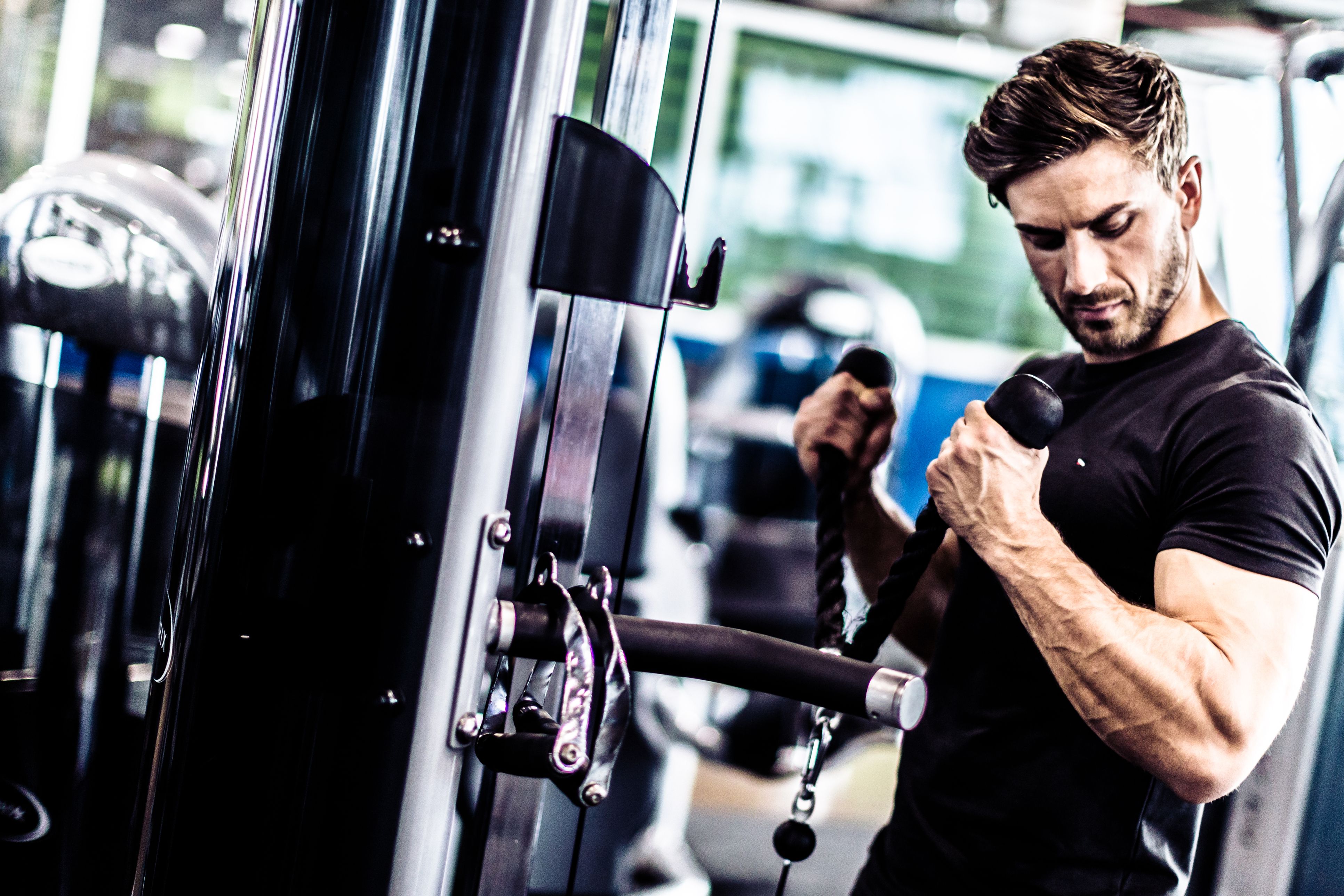
This part is somewhat easier for me because I love working out. I know that’s not a feeling everyone has, especially if they’ve never been big on going to the gym. I understand that. I too used to resent going to the gym. When I started taking my health more seriously, it became part of my routine. Now, I get upset when I can’t go.

My routine isn’t on par with an Olympic athlete or body builder. I also wouldn’t call it easy, either. You will get winded and sore from my workout, but only to a point. It will get the job done, though. I know this because it has helped keep my weight stable, even after holidays. I can also see my abs, biceps, and leg muscles too, which is a nice touch.

My workout isn’t all about going to the gym, either. In fact, I usually go to a gym at least twice a week. That’s as much as I can squeeze in. On days I don’t go, I still work out. It’s just usually involves something different. For that reason, I’ll separate my workout from my gym days from my non-gym days. With that in mind, here’s my routine.

On my gym day, I start by running at least 3.5 miles on a treadmill or outside, if the weather permits it.

I then do a series of weight training with either machines or free weights that include 4 sets of 12 reps of the following:

  • Bicep curls
  • Tricep curls
  • Butterfly chest
  • Shoulder pull-downs/extensions
  • Ab crunches
  • Leg lifts
  • Leg press

In general, this whole routine takes a little over an hour. I’ll also mix it up at times, either by doing the weight training first and then doing cardio at the end. I’ll also sometimes exchange the treadmill for an elliptical, which is easier on my feet and gives a better workout for my legs. If you have knee or foot problems, I highly recommend using an elliptical.

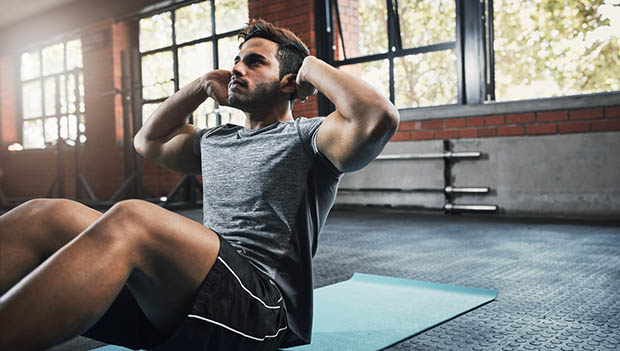
For days when I don’t go to the gym or can’t make it, I try to go running. Most of the time, it’s around the block. I try to run for at least 30 minutes, sometimes longer. In addition, I’ll also do 100 sit-ups, followed by 100 squats in my bedroom. This keeps those muscles strong and gets my heart rate going to burn extra calories.

I also reserve one day of the week for rest. Usually, it’s Wednesday. That’s not just a cheat day, either. It’s critical that you rest your body, even if you’re doing a modest workout routine. I’ve tried going 7 days a week a few times. I often end up hurting myself or making myself too sore to work out for extended periods. Don’t learn that lesson the hard way. Leave one day for rest. Your body will thank you.


Step 3: Staying Focused (Until Christmas)
I know it’s easy to encourage diet and exercise as a means to get back into shape, especially after a holiday like Thanksgiving. Most people can even make the effort for the first couple days after Thanksgiving, just like they do in the first few days after New Year’s when they promise themselves they’ll get into shape.

In the same way people tend to break their New Year’s Resolution, they’ll often break their post-Thanksgiving resolution and it doesn’t help that there’s another major holiday right afterwards. Christmas, with all its sugar cookies and candy canes, adds plenty of temptation to the mix and it’s not easy to resist. I don’t deny that for a second.

That’s why the most critical aspect of getting into shape after Thanksgiving involves focus. By that, I don’t just mean keeping a schedule. One reason why it’s so easy to slip back into unhealthy habits is because the holidays can be overwhelming. You find yourself wanting to just stop, take it easy, and let everything slow down.

However, the holidays don’t slow down, especially as Christmas gets closer. If anything, it makes things even more stressful. When you’re stressed out, you’re less inclined to exercise. You’re also more inclined to reach for those sugary holiday treats. It can quickly become a self-reinforcing cycle that’ll leave you even less healthy than you were after Thanksgiving.

The best way to combat this is to maintain focus. One of the benefits of having other holidays after Thanksgiving is that it offers plenty of distractions. When you’re distracted, you’re less likely to eat and slack off. Use that to your advantage.

Sometimes, it means going shopping or just hanging out with friends more often. It also can involve things like preparing holiday decorations and preparing gift lists. It may not always be productive, but if it keeps you from slipping into that ugly self-reinforcing cycle, then it has merit.


I hope these tips help with everyone still digesting their Thanksgiving treats. There’s a time and a place for indulgence and the holidays are definitely one of them. However, it’s for that reason that we make the time in between as productive and healthy as possible. As a result, it helps make the holidays feel more special in the end.
Leave a comment

Filed under health, human nature, Jack Fisher's Insights, psychology

Movember Memories: A Story About Sweat (And Other Manly Issues)

groamo-e1478022777979

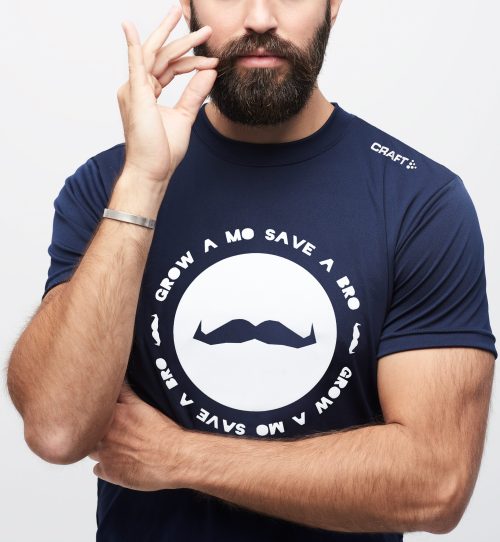
Greetings and I hope everyone is in the Movember spirit. Last year, I decided to become a part of this effort. I feel it’s an objectively good cause that aims to help real people in need. I sincerely hope others join that effort over time.

For those who are unaware, Movember is a movement that started with the Movember Foundation. This foundation works to raise awareness of and donate money towards major issues that predominately impact men. Those issues include research for prostate cancer, mental health treatment, and suicide prevention. These are all wonderful causes to support and I encourage everyone to donate to the foundation.

As part of my effort to help with this cause, I shared a personal story last year about the time I grew a thick beard in college and some of the colorful lessons that taught me. This year, I’d like to do something similar and tell another story. However, this is a different kind of story and one I think offers a more relevant message to the Movember spirit.

This particular story comes from right from one of the most respectable men in my life, my father. He told me this story a few years back when he recounted the time he’d spent in the military. It’s a story that, at the time, we just thought was funny. I still think it is. I also think it has a deeper message that’s more relevant today, especially for men.

Before I continue, I want to make clear that I may not get all the details of this story correct. My father, who I know occasionally reads this site, might reach out to me and note a few corrections. If that’s the case, I’ll gladly update it. That said, I recall enough to ensure I can capture the heart of the story.

The setting of this story is fairly simple. It’s the mid-1970s on a military base in the Midwest. At the time, my dad is done with basic and is officially on active duty. However, he hasn’t been deployed so much of those duties involve basic grunt work around the base. It’s a typical, standard military life for a young man at the time.

One unique part of that life, however, involved a grizzled old officer who, out of respect for this amazing American, I’ll just call the Colonel. The Colonel is basically the senior officers of senior officers at the base. He’s been in the military all his life. He fought in World War II. He probably knows General Patton’s shoe size.

He’s also old enough and has enough seniority to not have a filter. He does not give a damn and won’t hesitate to say the things that would get a typical private punched in the jaw. As a result, he has a special kind of respect and admiration from young soldiers, like my dad. They would gladly share a beer with the Colonel and joke with him without the fear of push-ups.

While that lack of a filter made him popular with soldiers like my dad, it made the Colonel a nuisance to the other officers. Most were content to just overlook his charming personality and chalk it up to being a cantankerous old man. However, that same jaded charm sometimes caused a spectacle.

This one particular spectacle occurred on a day in which the officers and recruits had another regular meeting in the barracks. This was standard for active duty soldiers and my dad had gone through it many times before. He sat in his assigned seat with the rest of his unit. The officers, including the Colonel, sat in the back.

These meetings were often tedious, but a big part of what made them such a drag was the heat. These barracks did not have air conditioning and were not well-ventilated. It was basically an over-sized locker room, full of several dozen men in full military gear. Needless to say, it got uncomfortably sticky at times.

However, since this was the military and good soldiers were conditioned not to complain, nobody said anything about it. My dad certainly didn’t. No one in his unit did, either. They all wanted to. It was one of the most common complaints among his unit.

Finally, one day, the Colonel spoke up. His exact words were as follows.

“Hey! How come no one wants to talk about sweat?”

For other young soldiers, like my dad, who had sat through one too many sweaty meetings, it was a true Spartacus moment. This old guy who hadn’t given a fuck since the Kennedy Administration finally said what they all were thinking. It still earned him an irate look from the other officers, but he got the message across.

This was an issue. It mattered to them. It was taboo to bring up so the one guy whose filter died years ago broke it. It might not have solved the problem, but acknowledging it was a good start.

I wish I could describe the grin on my dad’s face when he first told this story. I could tell it was a fond memory from a strange time in his life, but it’s a story that still resonates with me. It’s also one I think we can learn from.

One of the chief goals of the Movember Foundation is to raise awareness of issues that affect men, but that’s tricky these days, given the current state of gender politics. When the topic of men’s issues come up, it often gets cast aside as rabid anti-feminism or cloaked misogyny. Even if there are legitimate issues, such as prostate cancer and mental health, it still carries negative connotations.

I get the sense that has changed somewhat in recent years. I think there has been somewhat of a backlash to the more extreme elements of gender politics. Issues that effect men are being taken more seriously and I think the Movember Foundation is helping with that. The challenge is being the one to stand up in a hot, crowded room and asking the questions that others are afraid to ask.

How come no one wants to talk about sweat?

You could just as easily apply that to other issues involving men.

How come no one wants to talk about the disparity in cancer research between prostate cancer and breast cancer?

How come no one wants to talk about men committing suicide at higher rates?

How come no one wants to talk about men falling behind in pursuing higher education?

How come no one wants to talk about male victims of domestic abuse?

These are all real issues that effect real people. At the end of the day, regardless of what our gender is, we’re still human. Even issues that effect only part of us ultimately impact all of us. I hope we can all channel the spirit of the Colonel and ask why we’re not talking about these issues. While that old man might not be with us, his message still is. It started with sweat, but it can apply to much more.

Again, in the spirit of Movember, please consider donating to the Movember Foundation and supporting the meaningful work it does.

Leave a comment

Filed under gender issues, Jack Fisher's Insights, men's issues, sex in society, sexuality

Purpose, Value, And The Suicide Gender Gap

160322160454_mindfulness_triste_promos_640x360_thinkstock_nocredit

There are few subjects more depressing and tragic than suicide. It’s not a topic people like to talk about. When people take their own lives, either out of sorrow or desperation, it’s terrible. It leaves deep, painful scars on friends and loved ones.

However, it’s because suicide is such a difficult subject that people should talk about it. Before I go any further, I want to urge anyone who might be feeling deeply depressed or suicidal to seek help. The suicide hotline is always available. Please, if you’re feeling that hopeless, call 1-800-273-8255. As someone who has had depressing stretches in life, I urge others in a crisis to seek connection.

Unfortunately, it’s not a connection that people are making these days. According to the American Psychological Association, there was a 30 percent increase in death by suicides from 2000 to 2016. It was the 10th leading cause of death in the United States in 2016. By the numbers, we haven’t seen rates like this since the Great Depression.

There are a great many depressing and tragic factors behind this rise. The ongoing opioid crisis is certainly a factor. A few researchers have cited the influence of social media as contributing to self-destructive behavior. Like mass shootings, everyone has their theories, criticisms, and solutions to the crisis. I’m of the opinion that human beings are too complex to boil it down to something simple.

I agree that in certain cases, opioid addiction can factor into someone committing suicide.

I agree that in certain cases, the use and influence of social media can factor into someone committing suicide.

That’s not to say they’re the cause of it. They’re just small trees in a much larger forest that’s difficult to see, given the heavy emotions involved in this topic. However, I do believe it’s possible to see that bigger picture. To do so, it’s necessary to highlight one particular trend in suicide that also happens to be tied with gender politics.

While suicide is tragic, regardless of gender, there exists an unusual paradox within the data. Women have been shown to attempt and contemplate suicide more than men, but men are still the ones dying at greater rates. It’s not a trivial gap, either. Men are more than three times as likely to commit suicide compared to women.

This indicates there are factors beyond depression, stress, and mental illness. There are other forces at work here and they’re affecting men more than women. What that is and how it works is difficult to surmise. However, speaking as a man who has seen other men endure depressing situations, I believe there are certain factors that gender politics compounds.

At the core of these factors are an individual’s sense of purpose and value. There are many terrible things running through the mind of someone who is suicidal, but it’s not unreasonable to suspect that people who feel suicidal often feel their lives lack purpose and value. There’s nothing left for them to contribute. There’s no value for them to provide. Without that, what’s the point?

It sounds like the kind of sentiment that should affect men and women equally. Depression and despair, after all, know no gender. However, there are a few confounding factors for men. For one, there’s still a significant taboo for men who admit to even having such feelings. It stems from the same taboo about men showing emotions, in general. It’s seen as a form of weakness and men aren’t allowed to be weak.

To understand the implications of that taboo, consider the following scenario.

A man is sitting by himself. He’s crying uncontrollably. He’s sad, depressed, and lonely. He feels like he has nothing to live for. Someone walks by and shows concern. They listen to him lament about his sorrow. They offer sympathy, but tell him he needs to toughen up and get his act together. He just needs to grit his teeth and push forward with his life.

For most people, this scenario isn’t that unrealistic. Most decent human beings will show sympathy when they see someone suffering, male or female. However, the gender of the person suffering does have an impact. I’ve explained before how and why society places a greater emphasis on protecting women’s bodies over those of men.

Even if you discount the extent of that influence, the implications are still clear. We see a depressed man and tell him to fight through it. If he needs to be coddled or treated, then that’s a failure on his part. If he’s that weak, then he has little value to offer. Without value, he has little purpose as well. In essence, he has to prove he’s somehow useful to warrant not killing himself.

Now, consider this scenario.

A woman is sitting by herself. She’s crying uncontrollably. She’s sad, depressed, and lonely. She feels like she has nothing to live for. Someone walks by and shows concern. They listen to her about her sorrow. They offer sympathy and encourage her to find professional help. They even offer contacts and connections. She’s suffering and there are people willing to help her.

Take note of the different approach in this scenario. The person still show sympathy and compassion, as most human beings are wired to do. Where they diverge is in the assumptions surrounding the woman’s distress.

For her, it’s not something she can tough her way through. She’s not expected to just grit her teeth, pull herself out of this deep pit, and move beyond whatever is making her so upset. She’s suffering and the first instinct is to get her some meaningful help. Her life has inherent value. Her just being alive is sufficient to give her purpose.

It’s impossible to overstate the importance of that assumption. It’s an assumption that many men feel like they don’t get. Their suffering is seen as a personal failure. A woman’s suffering is seen as a systemic failure that needs fixing. It perfectly reflects one of Chris Rock’s most memorable quotes.

“Only women, children, and dogs get loved unconditionally. A man is only loved under the condition that he provides something.”

In the context of suicide, men who don’t provide anything have no value. Absent that value, they have no purpose for existing. The source of this disparity is difficult to pin down. Some of it is cultural. Most data shows that when people live in a society with high social cohesion and abundant career opportunities, suicide is low.

That makes intuitive sense. Those social bonds provide purpose. Those opportunities provide value. When people have both, they’re less likely to be depressed. Even if they are, they have a support system that’s there to help them, regardless of their gender or disposition. These bonds are harder to maintain for men because they have to provide something.

Even though women may contemplate or attempt suicide more frequently, the current makeup of society and gender norms provides them with any number of affirmations to remind them of their value. If nothing else, it gives women a moment of pause. Most men don’t get that moment. It’s truly tragic, but it’s a tragedy that gender politics does plenty to compound.

Again, if you are feeling suicidal, regardless of your gender, please take this as my personal plea to seek help. It’s okay to do so. Your life has value. Your life has purpose. Call 1-800-273-8255 if you need to talk. People will listen. People will give you a chance. Whatever the disparities may be, let’s not add to the tragedy.

Leave a comment

Filed under gender issues, Marriage and Relationships, men's issues, psychology, sexuality, women's issues

How I Lost And Regained My Self-Esteem

depressed-guy

Self-esteem is one of those concepts that has gained a mixed reputation in recent years. To some extent, that reputation is well-earned. We’ve all dealt with people with an inflated ego. Being around them for extended periods can range from frustrating to intolerable. Some have even called the glut of self-esteem and its narcissistic byproducts an epidemic.

Personally, I think that claim is overly hyperbolic. However, I understand the popular sentiment. I was a kid around the time the cracks in the the self-esteem movement really started to show. I sat through many of those classes that espoused the value of self-esteem. I saw all those PSA’s after popular kids shows encouraging kids to believe in themselves no matter what. Even by kid standards, I thought they were cheesy.

At the same time, I was dealing with a lot of personal issues and my self-esteem was often a big part of those issues. I went through periods of my young life when I thought I could do anything. I went through other periods where I thought was a worthless waste of flesh. Going through the rigors of puberty, enduring high school, and dealing with some less-than-ideal health situations certainly didn’t help.

It was worse than this.

In short, I had a lot of self-esteem as a kid. I really believed in myself and I fought hard to affirm that belief. Then, as I became a teenager, I lost my self-esteem. I became a miserable, self-loathing hunk of living misery. I don’t know how I could’ve felt worse about myself. Then, as an adult, I got my self-esteem back and I haven’t let go over it since.

It was a roller coaster ride, to say the least. It wasn’t always a smooth ride and I found many ways to make it harder for myself. The older I get, the more I realize how misguided I was and how much of it was my own doing. I like to think I’ve learned form it. I also think the experience is worth sharing. Hopefully, others can relate. Perhaps, those who struggled like I did can glean lessons I wish I’d learned earlier.

Before I get into the details of this story, I want to make one thing clear. I don’t blame the self-esteem movement that has become so popular to bash.

I don’t blame the schools, either. I grew up in an area where the schools were great, for the most part. By almost any measure, I was lucky. I got an education that many kids in America would envy.

I sure as hell won’t blame my parents and family. In fact, they’re the heroes of this story. They put up with me at times when I was downright insufferable. My mother, my father, and my siblings did all the right things for a kid like me. I’m lucky they were there because things could’ve turned out way worse for me and I have nobody to blame but myself.

To understand where my self-esteem issues began, it’s necessary to understand the kind of kid I was growing up. For the most part, I was pretty normal. However, if there was one trait that set me apart from the other kids, it was how uptight I was.

By that, I don’t just mean I was stressed out by tests and homework. I was the kind of kid who would get anxious and upset if a school bus was late. I always had to be on time. I always had to get things done early. I didn’t procrastinate on anything. That may sound like a useful trait, but the way I went about it made it a liability.

Between being so uptight with timing, I was just as uptight when it came to grades. Anything less than a perfect score was disappointing. I had this mentality where there were only A’s and F’s and nothing in between. Again, this is not something my parents, teachers, or counselors imposed on me. This is something I did to myself.

I held myself to a high standard. I bought into the idea that just believing in yourself was enough to achieve anything. I’d read it in superhero comics. I’d seen it in cartoons. I genuinely believed I was smart and capable at a level that grossly exceeded my actual abilities. Call it inflated self-esteem, if you want. The end result was the same. When you set impossible standards, you set yourself up for inevitable failure.

My parents warned me, as did my siblings and friends. Everybody warned me that I was being too hard on myself. In hindsight, I should’ve listened. I really wish I had because it set me up for some very difficult teen years.

On top of that, this is around the same time I developed a terrible acne problem that plagued me into my 20s. I also developed asthma that made basic exercise or just a typical gym class feel like prolonged torture so on top of having an acne-ridden face, I was also out of shape. It made me extremely self-conscious of my looks and when you’re ready uptight, that’s a bad combination.

Altogether, this hit my self-esteem the same way a flame-thrower hit a wounded fly. I didn’t just lose my confidence. For a while, my sense of self-worth was hanging by the thinnest of threads. It got to a point where I just started randomly insulting myself. It wasn’t a funny kind of self-deprecation, either. My parents and siblings got downright angry with me whenever I did it, but that rarely dissuaded me.

It got bad. For a while, I had a hard time believing it would get much better. I honestly thought my self-esteem was gone and I was destined to be a walking ball of misery. Then, something remarkable happened.

It wasn’t some incredible epiphany, either. As soon as I graduated high school and entered the adult world, I found a new kind of confidence. It didn’t happen overnight, but there was definitely a transition. It started in college, but it only blossomed as I got older and gained more life experience.

I think the catalyst for that change came when I got my first taste of independence. In college, my life wasn’t so micromanaged. I could actually set my own schedule, plan my own day, and make my own choices. Granted, it wasn’t total freedom. I was going to college on my parents’ dollar. However, compared to high school, it was like getting paroled.

In this environment, I learned something critical that I hadn’t learned in high school or from cheesy after school specials. To have self-esteem, it’s not enough to just believe in yourself. You have to work for it. You have to earn that feeling of accomplishment. It’s not easy, but it’s worth doing and by achieving it, you’re going to feel better about yourself, by default.

It also helped that I became much less uptight in college. To some extent, I do blame some of the messages I got in high school. I had been under the impression that if I didn’t get perfect grades in high school, then I would never go to college and I would die poor and lonely. Even if that impression was misguided, it was such a relief to find out my failures in high school did not define me.

That Spanish test I failed in my sophomore year did not ruin my future.

That assignment I botched in my physics class during my Junior year did not decide my fate.

That may not sound like a big deal to most people, but for someone who was as uptight as me, it was eye-opening. It caused me to re-evaluate my approach to personal standards, real achievement, and how I graded myself.

Suddenly, my personal world didn’t seem so dire. There was some room for error. I could make mistakes, learn from them, and be better for it. To my younger self, that concept might as well have been an alien language. I didn’t care about the process. I cared only for the result. I had to learn that appreciating the process helped me work towards those results.

This didn’t just extend to college. It also helped with my personal life and my health. In college, I got my first girlfriend. I actually developed a social life where I made friends, went to parties, and hung out with people. I was still socially awkward. To this day, I’m still behind the curve in that respect. However, I’m light-years ahead of where I was in my youth.

Things really picked up when I started taking care of myself. Instead of just laying around, feeling sorry for myself, I started exercising. I got serious about treating my acne. I sank most of my savings into fixing my eyesight so that I didn’t have to wear thick glasses anymore. In short, I invested in myself. Like any good investment, it didn’t pay off immediately. Over time, though, the results compounded.

Bit by bit, my self-esteem returned. I had to work for it. Whether it was developing better study skills or getting into shape, I actually had to get up in the morning and make a concerted effort. I know it sounds like common sense, but to my younger self, it seemed so hopeless. If I couldn’t achieve everything all at once, then why bother? It was a terrible mindset and one that held me back.

Today, I have the confidence and self-esteem to share this story. I can even look back on those difficult times and laugh at how I acted. Some close family members will even laugh with me, even though I did not make things easy for them. They definitely did their part. They helped keep me from falling too deep into despair. It just took me a while to do my part, as well.

It would be easy for me to make excuses for my struggles. I could’ve blamed the self-esteem movement, misguided teachers, and after school specials that aired in between my favorite cartoon. In the end, they would still be empty. I still made the choices that made me miserable.

I set myself for disappointment and frustration. Nobody was going to come along and fix everything for me. Nothing was going to resolve itself, just by hoping for the best. In the end, my self-esteem was like any other skill or challenge. I had to apply myself. I had to work hard to earn the results I sought. They were hard lessons to learn, but they were worth learning.

I just wished I’d learned them sooner.

5 Comments

Filed under human nature, Jack Fisher's Insights, psychology

The (Surprising) Sources And Implications Of Slut Shaming

vicious-cycle-of-shaming

As a fan of romance and people exploring their sexy side, I’m generally opposed to slut shaming. I understand why it exists, to some extent. Nearly every society in history has had certain hang-ups about sex. Considering its role in propagating the species, it’s understandable that people give it extra scrutiny.

That said, I consider slut shaming a misguided form of scrutiny. The definition, itself, has some ugly implications that go far beyond the inherent risks associated with being reckless, promiscuous, and irresponsible.

For one, it’s almost entirely heaped upon women. James Bond never gets called a slut for his promiscuous behavior. Instead, he gets to be a masculine icon. A woman who has just as much sex gets called a slut and is often painted as deviant. Look no further than legendary Bond girls like Xania Onatopp and Pussy Galore for proof of that.

While it can be pretty overt in popular media, it’s even more pernicious in real life. From women who choose wear revealing clothing to those who actively attempt to confront sexual stigma, there’s no shortage of shaming from multiple directions. It’s frustrating in that it amounts to incessant whining about how other people choose to live their lives, but recent research has cast slut shaming in a new light.

A study published in the Journal of Evolution and Human Behavior attempted to analyze how behaviors associated with slut shaming differed among genders. The popular narrative is that men do most of the slut shaming. The logic is that men see beautiful women having a lot of sex. That bothers them because those women aren’t having sex with them.

Granted, that’s a gross generalization that I’m sure many men and even a few women find offensive. Despite the details, that is the common narrative and it tends to play out in one too many teen comedies. However, science has a way of disrupting those narratives in unexpected ways.

The study revealed that while men and women were equally likely to not trust promiscuous women, women who were more likely to favor punishing those women. In a comprehensive summary conducted by PsyPost, the differences were pretty striking.

“In the study, participants played one of three kinds of economic decision-making games. The participants were led to believe they were playing against a female opponent in real-time, but were actually only interacting with computerized responses.

The opponents varied in whether they appeared to be sexually accessible or sexually restricted. For some participants, the opponent was depicted as a woman wearing a tight, red outfit and an abundance of makeup. For others, the opponent was depicted as a woman wearing loose-fitting clothing with less makeup.

The researchers found that both male and female participants were less willing to share money with a woman wearing the tight outfit. The participants also trusted sexually-accessible opponents with a financial investment less than sexually-restrictive opponents.

Women, but not men, were also willing to inflict punishments on a sexually-accessible female opponent who made an unfair offer, even though it left them empty-handed as well.

Given the choice between receiving a small sum of money while their opponent took a large sum or having neither player receive any money at all, women tended to pick the latter option.”

Take a moment to comprehend what this does to the slut shaming narrative. For those who idealize that 1950s sitcom family life that never truly existed, it’s an aberration. While those women make for good one-night-stands, they hardly make for quality long-term relationships.

Why, then, would men be reluctant to punish those women? I’ve noted before how society tends to micromanage women’s bodies. Slut shaming is only a half-measure because it offers no tangible punishment. While certain societies don’t mind punishing promiscuous women, it doesn’t appear to be entirely predicated on male attitudes.

This study shows that women are just as mistrustful of promiscuous women and are willing to go further in terms of punishing their behavior. The reasons for this are difficult to surmise. The researchers hypothesized that men were primarily concerned with avoiding investment in a child that wasn’t theirs. From an evolutionary standpoint, that’s something to avoid, but not punish.

Conversely, women may be more concerned with the bigger picture. The researchers surmised that women had an evolutionary imperative to keep the cost of sex high to improve their value as potential partners. Actively punishing potential rivals further served that purpose.

From a logistical standpoint, it makes sense. They see beautiful, promiscuous women as people who use cheat codes in video games. They have an unfair advantage when it comes to attracting potential partners and that has significant consequences, especially to those who aren’t beautiful or sexually flexible.

Beyond distracting partners who might otherwise be interested in them, it lowers the value of the sex they have to offer. Why would men be as interested in having sex with them when there are promiscuous women who were willing to give it to them for a lower cost with fewer strings?

While I believe this may be a factor for some women, it’s also another broad generalization that would offend more than a few women. It assumes too much about how they think and feel. Believing women slut shame because it hinders their own sexual value is as absurd as blaming all misogyny on some vast patriarchal conspiracy.

Like all research, the study is limited and can only reveal so much about the complexities of human behavior. The researchers themselves freely admitted this, but that’s exactly why it warrants further study. Like it or not, slut shaming is still prominent in most modern societies. I would argue that the internet and social media are making it worse.

At the same time, I also believe that slut shaming is something we should confront. It causes real harm to real people. It damages our love lives, our sex lives, and everything in between. There are instances in which someone’s irresponsible sexual behavior genuinely warrants scrutiny, but shaming can only serve to make things worse, even for people who aren’t sluts.

3 Comments

Filed under gender issues, human nature, men's issues, outrage culture, political correctness, psychology, sex in media, sex in society, sexuality, women's issues

Addiction, Religion, And The Striking Similarities

1df129fb-3296-485a-8010-1e7989560ad7-large16x9_photo

Battling addiction is a serious issue. Even if you haven’t struggled with it at some point in your life, there’s a good chance that you know someone who has. I’ve known more than a few. I’ve seen how damaging it can be to people and their families.

That makes the process for treating addiction just as critical. Unlike the flu or a nasty headache, it’s not as easy as simply getting a prescription and taking a few pills. Oftentimes, there are powerful psychological factors at work to go along with the equally-powerful biological factors. Finding an effective treatment is exceedingly difficult, especially in the midst of a deadly opioid crisis.

One of the greatest challenges for finding such treatments is ensuring that someone doesn’t just exchange one bad addiction for another. Even if some addictions aren’t as damaging as another, going from heroin to methadone is only a marginal improvement for many. There is, however, one secondary addiction that adds even more complications to the mix and it’s not a pill or a substance. It’s religion.

As always, I’m going to try and be careful with my words here. I know discussions involving religion tend to bring out a lot of high emotions. I’m also aware that whenever I discuss religion, I don’t portray it in a positive light. I make it a point to disclose that religion can be a positive force for many people and I have many devoutly religious people in my family who I love dearly.

That disclaimer aside, the forces surrounding organized religion are powerful and they can be misused. The history of such misuse is well-documented. It’s impact on treating addiction is less known, but does manifest. There have been more than a few celebrities who have become religious after a battle with addiction. Some are genuinely better because of it. However, that does raise a few questions.

Did their religion actually help them overcome their addiction?

Did their religion help them address the underlying factors behind their addiction?

Did their religion just become a replacement for whatever they’d been addicted to?

These questions may come off as cynical, but they have serious implications. Religion is a powerful force on some people. Whether you’re a true believer or an ardent atheist, it’s hard to deny the impact of such a force. Religious experiences have been documented to have measurable effects on the human brain. Some of those effects are comparable to addictive drugs.

That’s not to say that going to church and going to a heroin dealer are the same thing. Addiction is complex and so is brain function. At the same time, the human brain is prone to plenty of flaws. It can be easily tricked and people can even trick themselves. When it comes to addictions, you can’t expect your brain the know the difference between heroin and a religious experience.

There is even some research that demonstrates this to some extent. For people who once built their lives around their addiction, religion is a pretty effective replacement. It demands a great deal of money, time, and energy. It surrounds you with people who reinforce and reaffirm your beliefs and behavior. It can even give some people a very specific high.

That high just becomes the new addiction. That intense feeling that religion gives people suddenly becomes the feeling that addicts are so driven to pursue. It may not feel the same as an addict’s previous addiction, which is why they may not see it as such. That doesn’t matter, though. What matters is that it fills the proverbial void that the previous addiction once filled.

That’s why it shouldn’t be too surprising to find out that some famous addiction treatment programs have deeply religious roots. It also shouldn’t be that surprising when those who find religion after dealing with addiction tend to be quite passionate about their faith, compared to those who found religion through a different path.

Even if these programs help people, it still doesn’t answer the relevant questions surrounding their addiction. Exchanging one disease for another doesn’t constitute a cure, but people make an exception for religion. The idea of someone being addicted to a religion isn’t as easy to imagine as someone being addicted to cigarettes, gambling, or porn. To them, a religious addict is just someone who goes to church more often.

Some see that as a good thing. Compared to robbing gas stations for drug money, it is an improvement. However, it still leaves the underlying cause of the addiction untreated. Whatever is making someone an addict is still present. While I don’t doubt religious organizations are happy to accept their adherence, it doesn’t fundamentally change an addict’s condition.

That can be damaging and dangerous to people who are already vulnerable. In the worst case scenario, finding religion can only create the illusion that the addict has been cured. Society didn’t approve of them being a junkie on the street, but it does approve of them being a devout religious zealot who rails against the evils of their former vice.

That sends the message that society is selective when it comes to treating addicts. As long as their addiction is productive for society, in that it benefits established institutions, it’ll treat that as a cure. It doesn’t matter if it never helps someone get to the root of their problems. As long as it makes them productive, that’s good enough.

Again, I’m not claiming that most religious organizations actively exploit people struggling with addiction. Some definitely do and a few are quite famous for it. However, it’s somewhat telling that we ascribe finding religion to overcoming an addiction when, on many levels, it’s just exchanging one source of addictive behavior for another.

At its best, religion inspires people to do great things for all the right reasons. At its worst, it can exploit someone to such an extent that it can make people who are genuinely sick feel like they’re healed. Addiction, like many other disease, is something that can only get worse if left untreated.

Whether it’s religion or crack, the brain of an addict will do what it takes to sustain its addictive state. There are effective, legitimate treatments for addiction that actually attempt to confront the source of the issues within an addict. Many aren’t as easy or overwhelming as finding religion, but they make a concerted effort at treating the addict rather than simply guiding them to a more socially-acceptable addiction.

Leave a comment

Filed under extremism, human nature, psychology, religion

Why More Men Are Confiding In Sex Workers

australia_prostitution

Where do you turn to when you need to confide in someone? Who can you trust to listen to your problems, not judge you, and show you basic human decency? Some people are lucky enough to have one or more person they can turn to during difficult times.

For me, it’s my parents. Both my mother and my father have always been there for me, no matter what I’m going through. I can tell them anything and I know they’ll listen. They won’t judge me. They won’t tell me to just suck it up. They’ve helped me through some pretty difficult times and I love them deeply for that.

Some people aren’t as lucky. They don’t have close friends or family members they feel they can turn to. This is especially true for those with poor social skills or severe social anxieties. These issues affect everyone, regardless of race, gender, or sexual orientation. However, in recent years, the impact on men has been more pronounced.

As a result, some of those men have been turning to an unexpected source when they need to confide in someone. It’s not friends, family members, or licensed therapists. It’s sex workers. While there are plenty of ugly politics surrounding sex work, some of which I’ve discussed, this unusual phenomenon makes sense, albeit for tragic reasons.

Rather than speculate on those reasons, I’ll let Nicole Emma share the distressing details from her recent Ted Talk. While I strongly recommend everyone to listen to the full lecture, this one anecdote she shared nicely sums up the issue.

“Yesterday, a miracle happened. Since my wife passed, I’ve been very lonely. I haven’t so much as been hugged in over two years. I’m not handsome. I’m not rich. I don’t know how to talk to women, but you held me. You rubbed my back. You listened to me vent about my grief. This might just be a job for you, but today you saved my life.”

Think about this aside from the fact that a man hired a sex worker. This man was lonely, having lost his wife and not experienced much physical intimacy since then. He’s not some charismatic character from a beer commercial. He’s just an ordinary man with the same basic needs as everyone else. He felt like he couldn’t meet those needs so he turned to a sex worker.

Why he felt this way is difficult to surmise, but as a man, I can make a few educated guesses. Like it or not, there’s a stigma associated with men who share their insecurities. I learned that first-hand last year when I dealt with the death of someone very close to me. Even though I was comfortable confiding in my parents, I still felt inclined to hold back.

I know I’m not the only man who has felt this and there are people far smarter than me who have studied this. There are many factors behind this taboo. Some will blame “toxic masculinity,” a flawed concept at best. Others will attribute it to certain expectations about men that we simply don’t scrutinize as much as we should.

Regardless of the cause, the issue comes back to having few outlets for their feelings. Not everyone can afford a therapist and some are even reluctant to share these sentiments online. Given the prevalence of trolling these days, I can’t say I blame them. In that context, a sex worker is in a perfect position to help these men.

Yes, I’m aware that may be a poor choice of words.

Logistically, it provides them with something clear and transparent. The man knows what the woman wants. The woman knows what the man wants. The price is clear and predetermined. There’s no uncertainty or mixed messages.

Beyond the logistics, the exchange fulfills some of basic of needs. There’s actual, physical intimacy. There’s no screen between the man and the sex worker. There’s real human contact and that, in and of itself, provides significant health benefits. Add the inherent health benefits of orgasms and the impact of a sex worker can be more therapeutic than any therapist.

Even without the sex, a sex worker offers the man something that’s difficult to find, even in today’s hyper-connected world. For once, they’re with someone who will listen to them in a way that’s objective, unbiased, and free of judgment. A sex worker may see them as a client, but part of their work involves providing intimacy. Oftentimes, the line between physical and emotional intimacy isn’t clear.

Ms. Emma, having been a sex worker for years, understood that and, based on her personal testimony, she did her job very well. That man she referenced benefited from having that kind of intimacy. Unlike a therapist or a counselor, she didn’t treat him as someone who was sick or in need of medication. She just treated him as a lonely man who needed some intimacy.

I think many men can empathize with that situation. I doubt don’t that women can empathize with it as well. Sometimes, you don’t want therapy and you don’t want the complexities of other social interactions. You just want someone who provides a service that allows you to feel some basic level of emotional and physical intimacy.

Regardless of how you feel about the legality of prostitution or the men who hire sex workers, there’s no denying that this sort of intimacy is a fundamental need. We’ve seen what happens when people don’t get it. In recent years, we’ve seen it get downright ugly and hateful.

People need emotional and physical outlets, regardless of gender. The fact that sex workers are the primary outlet for some men is emblematic of a much larger problem. Beyond the taboos, stigmas, and misguided gender politics, we’re still human. We all still seek intimate connections. Without it, people will suffer and ignoring that suffering will only make it worse.

3 Comments

Filed under Current Events, gender issues, human nature, men's issues, political correctness, prostitution, psychology, romance, sex in society, sexuality, women's issues

Gender, Psychopaths, And The (Revealing) Differences

female-psychopath

Psychopaths are akin to the nastiest side-effects of the human condition. They are, by their nature, an extreme manifestation of certain traits that often run counter to humanity’s best strengths. A big part of our success, as a species, is our ability to coordinate, cooperate, and empathize with one another in ways that balance selflessness with survival. Psychopaths completely throw off this balance.

Between popular misconceptions and a glut of TV shows and movies that glorify psychopaths, most people don’t know the specifics of these twisted minds. In a medical context, psychopathy isn’t considered a mental illness like schizophrenia or OCD. It’s a personality disorder in which individuals exhibit a set of common traits such as:

Having little to no empathy, conscious, or capacity for guilt

Poor impulse control and reckless disregard for the consequences of their actions

A low threshold for boredom coupled with a high capacity for stimulation

Little respect for authority and a predilection for controlling others

Excessively high self-esteem and strong inclination towards selfish behavior

Basically, these are traits consistent with every classic supervillain ever made. Look at all the defining traits for a character like Lex Luthor. That’s the essence of a psychopath. It’s not just that they’re more selfish and less likely to regret bad behavior. They take their selfishness to an extreme and regret doesn’t even enter the equation. Guilt, for a psychopath, may as well be an alien concept.

Naturally, that kind of deviant behavior ensures that psychopaths are highly represented in prison. While they’re not always violent, they tend to be cold and calculating in their actions, not caring for mortality, law, or social norms. From an evolutionary standpoint, this makes them useful as ancient blood-thirsty warriors and modern dictators. In ordinary society, though, they can be dangerous.

However, and this is where discussions generally get heated, that danger manifests differently when gender enters the equation. While men, women, and everything in between are equally prone to becoming psychopaths, an emerging body of research is showing that the effect is not entirely equal.

One recent study revealed that while female psychopaths share most of the same traits as their male counterparts, those traits vary in a few key ways. They’re just as inclined to selfishness, manipulation, and deviance. They just go about it differently. You could even argue they’re more cunning in their approach.

That same study also showed that female psychopathy is frequently attributed to mental illness or other disorders, such as borderline personality disorder. While there often is overlap, it’s actually somewhat convenient from the perspective of a psychopath. It allows them to cloak their psychopathic behavior as an illness that warrants sympathy.

That approach does plenty to serve the interest of the psychopath because sympathy is an easy emotion to manipulate. Others don’t see them as selfish, callous, or reckless. They see them as victims. That means they need treatment, attention, and care, which can both stroke their ego and serve their interests. It’s working smarter and not harder.

While it’s difficult to know for sure whether someone has a legitimate issue with mental illness, the fact people are more prone to attribute psychopathic behavior with illness in women reveals something critical about our approach to gender. We’re perfectly fine labeling a man a psychopath if he fits the criteria, but we’re more inclined to make excuses for women.

Some of that, in my opinion, has more to do with popular culture than gender politics. When most people think of a psychopath, the first image that comes to mind isn’t some devious woman who emotionally manipulates everyone around her to get what she wants. They tend to conjure images of villains like Lex Luthor and serial killers like Ted Bundy.

That’s not to say there aren’t plenty of female psychopaths in popular culture. From the Wicked Witch of the West to Regina George in “Mean Girls,” most people can think of at least one female psychopath in fiction. Some can even identify a few notable female psychopaths from history. However, the fact they’re not the first image that comes to mind when we think of psychopaths is telling.

On some levels, we don’t want to believe that women can be as psychotic as men. Historically, society has been less inclined to attribute heinous crimes to women. More recently, especially with the anti-harassment movement, there’s an even greater tendency to give women the benefit of the doubt, even when there are documented cases of deceit.

Another major difference manifests in the preferred tactics that psychopaths utilize. One study by the International Journal of Women’s Health concluded that female psychopaths are more included to use flirting and sexuality to manipulate others into serving their selfish ends. While I doubt that’ll surprise anyone familiar with the traits of a psychopath, it further plays into a distinct gender-driven narrative.

Some of that is due to logistics. Male psychopaths tend to bully others more directly because of basic strength differences. A female psychopath is less capable of imposing their will on someone physically, but emotions can be every bit as powerful as muscles. When sex enters the equation, the incentives get even stronger.

These methods can be both effective and devious, but they serve the same goal. It helps the psychopath get what they want, be it attention, money, power, or just a good thrill. Psychopaths have a low threshold for boredom and a high threshold for satisfaction so they need to use whatever tactics work best for them. Women just work with different tools.

The end results for male and female psychopaths is just as striking. While all psychopaths care little for law or morality, female psychopaths are less inclined to commit homicide. They’re also less likely to end up in prison, but that may just be a byproduct of having different tactics that make killing less appealing to a psychopath’s interests.

Now, and I wish I didn’t have to make this disclaimer, none of this is to imply that female psychopaths are worse than male psychopaths. At the end of the day, the damage done by psychopathic behavior is gender neutral. Using, abusing, and manipulating people for selfish ends is deplorable, regardless of what body parts someone has or doesn’t have.

There’s still something to be said about how psychopaths conduct themselves and how we react to their behavior. In some ways, we may be doing female psychopaths a favor by approaching them differently than their male counterparts. Psychopaths don’t need much incentive to take advantage of other peoples’ more considerate tendencies. Our attitudes towards gender are only making their job easier.

Like it or not, psychopaths are part of our society. Some of them even wield a distressing amount of power and influence. This is one domain in which we have to be brutally honest and exceedingly fair in how we deal with psychopaths of any gender because they most definitely won’t.

Leave a comment

Filed under gender issues, human nature, philosophy, psychology, sex in society

Why “Adulting” Is Getting Harder

adulting-1

I’ve stated before that there are certain words I believe should be purged from the English lexicon. Contrived, agenda-driven terms like “toxic masculinity” or “mansplaining” are at the top of my list. I strongly believe that terminology like that is doing everything to further hostility and hinder understanding.

That being said, there are a few words that I have mixed feelings about. I think they also do plenty to divide people for all the wrong reasons, but I also understand why they exist. One term that I feel is increasingly relevant, albeit for negative reasons, is the concept of “adulting.”

I put that term in quotes for a reason, but it’s not out of sarcasm or scorn. This is one of those words that exists because there’s a need for it. Even if you think “adulting” sounds silly, chances are a word every bit as silly, if not more so, would’ve been coined. That’s because what it means to be a functioning adult is changing and not in a way that makes things easier.

This sentiment is implied in the popular definition. Even though it’s a fairly new term, it has become relevant enough to warrant a listing in the Oxford Dictionary, which defines it as follows:

The practice of behaving in a way characteristic of a responsible adult, especially the accomplishment of mundane but necessary tasks.

It may seem too simple to warrant scrutiny and maybe that was right several decades ago. However, a lot has changed in the past 30 years. A lot has changed in the past 10 years. The world isn’t as simple as it used to be. It’s become incredibly complex, full of fake news, alternative facts, and contrived outrage. That has changed what it means to be an adult.

I know this will elicit plenty of groans from certain crowds, but I’ll say it anyways. Being an adult is hard these days. Yes, I’m aware that it’s supposed to be hard to some extent. It always has been, going back to the hunter/gatherer days. Being an adult means functioning on your own and contributing to your society. You can no longer rely on parents or elders to provide for you. You must now do the providing.

It’s a challenge for many, some more so than others. However, there are some unique challenges facing adults today, especially among the younger crowds. I know this because I’m one of them. I’ve discussed the distressing issues surrounding Millennials and the potential issues that Generation Z will face in the coming years. Many of those issues, though, will affect everyone of any generation.

I’m not just referring to the crippling student loan debts that are burdening Millennials or the rising cost of housing in urban areas. There are deeper, more fundamental struggles that hinder or even discourage our ability to embrace adulthood. You want to know why nostalgia is so popular or why escapism is so prominent in media? Well, the complications and frequent frustrations that come with “adulting” are huge factors.

To understand, here’s a list of a few reasons why “adulting” is a thing and why just being an adult is getting harder. Hopefully, it’ll help make sense of this annoying, but relevant term. You’ll still probably roll your eyes whenever someone claims they cannot “adult” anymore for the day. If nothing else, this will help you understand where they’re coming from.


Too Much Information Is Overwhelming Us (And Making Us Mentally Ill)

This isn’t just a Millennial thing. It’s not even a byproduct of social media. The trend of people just getting more and more information has been happening for decades as people moved further and further away from rural, agrarian communities. Today, more people are educated now than at any point in human history. That has many benefits, but it comes at a cost.

Now, we can’t just see what’s going on in our world through pictures and streaming media. We can read about things, learn about them, and scrutinize them. That’s helpful in some instances, but in a world that’s increasingly connected and full of conflicting information, it can be overwhelming.

On top of that, we tend to find out about bad news and horrific atrocities as they’re unfolding. Many people alive today actually saw the horrors of the September 11th attacks occur on live TV. More recently, people were able to follow the horrors of the Parkland shooting as it unfolded on social media.

Being informed is part of being an adult, but when you’re informed of every horrific thing that happens in the world, it can wear on you. Some research has shown that this sort of system is impacting peoples’ mental health. In that context, it makes sense for someone to want to step back from that part of adulting.

For most of human history, we didn’t know or care about the horrors going on outside our tiny community. In the past 30 years, we know everything that’s going on everywhere. The human mind is good at a lot of things. Making sense of that much information isn’t one of them.


Our Options Feel Increasingly Limited (And We Don’t Know Which To Follow)

Growing up, every adult told me the path to success was simple. If you just stayed in school, got good grades, went to a decent college, and got a bachelor’s degree, then you were set. You could expect to find a good job with decent pay that would allow you to build a comfortable living for yourself and your future family. I believed in that path. I followed it. I can safely say it was half-true at best.

While there is plenty of merit to a college education, it’s no longer the clear-cut path it once was. I personally know people who graduated from good schools with quality degrees in subjects like engineering and they’re struggling. It’s not that people are getting useless degrees in underwater basket weaving. It’s that just getting a degree is no longer sufficient.

After graduating from college, I was in this daze for a while and many of my fellow graduates were the same. We were all told that getting this degree would set us on the right path, but nobody told us how to navigate that path or what it even looked like. As a result, most people ended up in jobs that had nothing to do with their college major.

On top of that, the job market is becoming increasingly unstable. The rise of the gig economy is making it so people don’t just live paycheck to paycheck. They live job to job, never knowing if they’ll even have one when they wake up the next day. These are not the same well-paying, blue collar factory jobs of the past. This is work that will not help pay a mortgage or a student loan debt.

However, we’re still told that this is the path. This is how we’ll prosper in the future. Even as we look for other options, most adults today don’t know how viable they are. We’re left in a state of uncertainty that past adults never had to deal with. We still need to choose, though, because our bills aren’t going to pay themselves.


There’s No Margin For Error And Every Mistake Will Follow You Forever

Remember when it was possible to make a dirty, offensive joke among friends and not worry about it haunting you for the rest of your life? I’m not being old or cantankerous. I’m serious because I do remember when that was possible. In my youth, I heard plenty of jokes that would’ve ruined someone’s life today if they’d been captured on video or posted on social media.

This isn’t just about political correctness or identity politics corrupting discourse. Adults today live in a world where any mistake they make, be it a bad joke or an off-hand comment, can come back to haunt them. It doesn’t matter if it’s from a celebrity or even if it occurs in private. It can still cost you dearly.

Now, I wish I didn’t have to say this, but I have to since I’m posting this on the internet. None of what I’m saying is implying that certain behavior, language, or comments are justified. I think it’s a good thing, for the most part, that certain people are paying a price for their bigoted attitudes. However, that good does come at a cost and it’s felt by adults at every level.

To some extent, we envy kids now because kids can say dumb things and get away with it. They’re kids. They have an excuse and it’s one of the few excuses most people accept these days. If you’re an adult, though, you’ve got nothing of the sort. You can blame liberals, conservatives, or Ambien all you want. You’re still going to pay a price.

As adults, we’re responsible for what we say and do. That’s part of what it means to be an adult. The problem is that in a world where every mistake is documented and preserved forever, our margin for error is exceedingly small. How many people don’t get the job they want because of an embarrassing photo or tweet they made a decade ago? How many people get fired because of it?

Regardless of how justified it may or may not be, it adds further stress to the inherently-stressful responsibilities that come with being an adult. The adults of today have many complications to deal with and if you mess even one up, then it could haunt you to the day you die. Now, do you understand why so many adults seem so uptight about adulting?


We Feel Like We Cannot Escape (And Badly Need To)

Life has always carried harsh burdens. Whether it was escaping wars or fighting disease, people of every generation in every period have sought out some reprieve from the endless struggle. Sometimes, it takes the form of games, drugs, books, or sports. After a long day of working the fields or gathering food, we needed some form of reprieve.

It’s as important today as it was in previous centuries. The big difference today is that we feel like we have fewer and fewer opportunities to do so. Life on farms and fields was rough, but at least the challenges were clear and laid out. We worked to survive. If we survived, we celebrated. It was simple.

Today, surviving just isn’t enough. We have bills to pay, debts to service, jobs to find, and connections to make. On top of that, we have to keep up with the news and popular trends. We have to fit into an increasingly diverse world where people of different communities and cultures are connected. It’s a lot of work, taking time and energy that go beyond plowing a field.

It doesn’t help that the abundance of information and the prominence of bad news makes the future seem so bleak. Even if society is progressing on almost every measurable level, our perceptions imply that the world outside our windows is dangerous, hostile, and hopeless. We can’t do anything about it, our politicians are inept, and our votes don’t even count.

In those frustrating circumstances, it makes sense for people to lose themselves in video games, movies, and TV shows. The whole concept of binge-watching allows adults to lose themselves in hours of content, which subsequently allows them to detach from a harsh reality that they have no hope of effecting.

Say what you want about adults who still love comic books and video games. The fact that they’re both multi-billion dollar industries is a sign that many are desperate for an escape from the frustrations of their adult lives. The things we loved as kids are just the easiest and most familiar paths.


There are plenty of other reasons I could list about “adulting” and why it’s getting increasingly difficult. I have a feeling that many adults reading this have their own sets of reasons and there will probably be more within the coming years. There will also be others who complain about anyone who tries to talk about those reasons. It’s sure to evoke more frustration and whining.

In the end, we all have to be adults at some point. There’s a time and a place to just step back from it all and take a breath. That shouldn’t be controversial, but the fact that “adulting” is now a thing means there are a lot of complications to adult life and we’re not doing a good enough job handling them.

Leave a comment

Filed under human nature, outrage culture, philosophy, psychology

Masculinity, Feelings, And The Taboo Of Expressing Emotions

man-crying_2532946b

Real men don’t get all touchy-feely with their emotions. How many times have you heard that said in one way or another? Maybe that’s the wrong question to ask. Maybe a better question would be why is it that men can’t get emotional without it being a flaw?

Whatever way you frame the question, it’s hard to deny that there’s an unspoken taboo when it comes to men expressing emotions. A man who gets emotional is seen as weak. He’ll get called a sissy, a wimp, or a pussy. Their ego takes a hit. Their reputation and sense of worth takes a hit. As a result, men have little choice but to suppress their emotions, which is objectively unhealthy.

Conversely, a woman who gets emotional tends not to get criticized. For them, showing emotions is normal. We don’t think it’s wrong for a woman to cry during an emotionally distressing experience. We don’t see that as a sign of weakness. If anything, we would be more concerned if they didn’t show emotion.

It’s a strange, but impactful dynamic. One gender is allowed to express a wide range of emotions without ridicule. The other is expected to suppress those emotions. For men, the only acceptable emotion, it seems, is anger. Men being angry is the only emotion they can show that isn’t entirely taboo, although even that is changing.

The same regressive attitudes that create meaningless terms like “toxic masculinity” adds even more constraints on men’s emotions. Now, a man isn’t even allowed to be angry anymore. His anger just identifies him as another member of a toxic culture that hates women, despises minorities, and wants to create a patriarchal world where they’re all Don Draper.

I hope I don’t need to explain why that notion is wrong, misguided, and just plain asinine. That’s not the purpose of this piece.

I bring this topic up because, as a man, I’ve felt the impact of these attitudes on a personal level. There are a lot of stereotypes about men and masculinity that don’t bother me because the effects are usually overblown or exaggerated. This is one issue where I’ve felt genuine distress.

As I’ve said many times before, I’m a big romance fan. I love romance in comics, movies, TV shows, and even video games. I’ve been a fan of all things romantic since I was a teenager. However, a young man who admits that enjoys romance is likely to get a lot of odd looks from men and women. Nobody ever told me that it’s uncool for men to like romance, but that’s the impression I got.

As a result, I was downright secretive about my love of romance. I wouldn’t mention romantic sub-plots in movies or TV shows among friends or family. I often had to seek out romantic media covertly. There were even occasions where I would be watching something with heavy romance on TV, but change the channel as soon as someone entered the room.

At times, I treated hiding my fondness for romance with the same tact as most men would in hiding their porn stash. If anything, hiding porn would’ve been easier because most people expect men to enjoy that. A man admitting he watches porn won’t surprise anyone these days. A man admitting he enjoys romance doesn’t have that luxury.

That sounds melodramatic on my part and in hindsight, it probably was. However, being a man, I didn’t want to deal with that extra scrutiny. Growing up, I already had other personal issues to deal with, including a terrible acne problem that killed my confidence for most of my youth. The last thing I needed was another reason to feel like a freak.

Eventually, it helped when I found online communities full of romance fans who were men, women, gay, straight, bisexual, and everything in between. That finally gave me an outlet and it’s a big reason why I started writing sexy stories. While I’ve come to appreciate that outlet, it was still frustrating having to hide the fact that I liked romance. If I weren’t a man, it wouldn’t have been a big deal.

As hard as that was, the cost of managing emotions as a man can get much higher. Just this past year, I’ve felt the extent of that cost in ways I honestly can’t put into words. It started with the passing of my grandmother. Saying goodbye to her was one of the hardest things I’ve ever done before.

I had to go through so many painful feelings during that process. I couldn’t tell you whether I handled them well. I like to think I did, but I can’t say with a straight face that I successfully managed my emotions through that whole ordeal. There was a lot I had to either temper or suppress.

It wasn’t because someone was stopping me. There weren’t a cabal of other men actively shaming me for feeling sadness, sorrow, and grief. There weren’t teams of women questioning my masculinity because I dared to show unmanly emotions. As a man, I just didn’t know how to express these feelings. There was just a sense that this wasn’t something men did.

I think it’s only getting harder as masculinity, itself, faces more scrutiny. Nobody can seem to agree on when it’s okay for men to get emotional or how they should go about it. We just know there’s a high price for screwing up. Think about the kinds of criticisms men face if they don’t put on the tough, confident poise of James Bond.

A man who shows too much anger is just a product of toxic masculinity.

A man who cries openly is overly sensitive.

A man who is overly romantic is either whipped or domesticated.

A man who shows sadness is weak and incapable.

A man who tries to talk about his feelings is either mansplaining or whining.

Given all these pitfalls, how is a man supposed to go about expressing his emotions? Just being strong isn’t enough anymore because strength has steadily become more gender neutral. While I think that’s a good thing for men and women alike, I also believe that dealing with emotions is a major blind spot in the world of gender politics.

That’s not to say this issue is being ignored. In wake of the anti-harassment movement, there has been some efforts to re-evaluate how we think about men and emotion. A few tech companies have even formed private men’s groups where men can get together and do more than discuss these issues, among other things.

I can already hear some men saying those groups are for wimps. Some might even doubt the masculinity of the men who participate. That’s understandable. These kinds of attitudes don’t change overnight. However, between the growing suicide rate among men and the impact emotions have on mental health, this is an issue worth confronting.

I won’t say yet whether these groups will be effective at helping men with their emotions, but I believe it’s a start. I also believe that this is one issue in which men and women can come together on. Other parts of the anti-harassment movement and modern feminism are bound to be divisive. This can actually be a unifying force.

Human beings are emotional creatures. No matter how masculine you are or how feminine you are, you’re going to experience a wide range of emotions over the course of your life. If one gender can’t even figure out which emotions are socially acceptable, then how can we hope to forge emotional bonds with one another?

I don’t doubt that emotions are difficult to deal with. I’ve learned that the hard way this past year. I know plenty of other men who are going through the same struggle. In the end, being able and comfortable expressing feelings should be one of the most gender-neutral aspects of the human experience.

2 Comments

Filed under gender issues, human nature, men's issues, outrage culture, sex in society, sexuality, women's issues