Tag Archives: sexuality

Gender Equality, The Market For Sex, And How Prostitution Affects Both

shutterstock_311561246

How do you put a real, tangible value on sex? I’m just not talking about the hourly rate charged by a prostitute. I’m talking about the kind of value that allows us to quantify an experience in terms of resources, market, and exchange. Sex already has an inherent value in that we need it to propagate our species. Just how far does that value go and how much does it affect our society?

I don’t think I’m exaggerating when I say that sex is the second oldest universal currency in the history of the human species after food. People have been using sex as a currency for millennia and not always in the sense of formal prostitution.

Parents marry their daughters off for dowries. Spies have used sex to extract valuable information. Then, there are teenagers who have sex in hopes of gaining popularity. This sexual exchange goes on all the time in the real world and in any number of movies. Call it prostitution if you want. Hate it all you want. It still happens.

The mere fact that it keeps happening, despite the best efforts of repressive governments, shows that the value of sex does a lot to drive our society. For better or for worse, the pursuit and exchange of sex is one of the most powerful driving forces in the overall human experience.

Given the extent of this driving force, it’s bound to affect how the genders interact with one another. Whether it’s ancient patriarchal societies or western democracies, the exchange of sex has an impact on how people relate to one another. It’s for that very reason that it’s worth pondering what happens when the value of sex is skewed.

This is where it really helps to look at the market value for sex in a libertarian context. Technically speaking, the free market approach is consistent with how sex was exchanged in the hunter/gatherer days of humanity. In that sense, it serves as a baseline of sorts for the market value of sex.

With that context in mind, sex exchanged for certain reasons by a particular gender will have a certain value. A man paying a woman for sex has one value. A woman paying a man for sex has another. A man paying multiple women for multiple sex acts over the course of several nights also has value, albeit a more elaborate one.

That payment doesn’t always involve money, either. Sometimes, the payment is in the form of loving intimacy, not unlike the kind I describe in my books. Sometimes, the payment comes in the form of a particular experience or fantasy, like groupies having sex with rock stars. The key to this exchange is that it is done freely and everyone involves gets the value they seek from it.

Ideally, that’s how the market for sex is determined in perfect libertarian world. Unfortunately, that is not the situation the sexual marketplace faces. Multiple social forces that include the law, social stigma, taboos, and media influences all coordinate to skew the market value for sex. As a result, it skews gender relations as well.

In fact, I would argue that the market value for sex has become more skewed over the past few years than it has in the past several decades. The emergence of the anti-harassment movement and the increasing stigma on certain aspects of male sexuality is inflating the sexual market in some places while crashing it in others.

At the moment, most people would agree that female sexuality is more valued than that of males. Beautiful women are used to sell pretty much everything from shampoo to fast food. It’s no secret that men seek the company of beautiful women. Their company is highly valued, both in terms of money and social standing. The late Hugh Hefner understood that better than anyone.

That’s not to say attractive men don’t also hold value. There’s a reason why men like George Clooney, Chris Hemsworth, and even the Old Spice Guy are celebrated and pursued. However, their sexual market value has less to do with how they look and more to do with what they can do. None of them can bear children, but they have unique skills that make them desirable.

Where the market gets skewed is when that libertarian free exchange gets taxed, so to speak, by a potent mix of laws and social norms. If you’re a beautiful woman, you rarely have to pay for sex. Even if you’re marginally attractive, chances are you don’t have to hire a male gigolo. So long as you’re not actively pursuing someone like George Clooney, you can probably put yourself out there and let the sex come to you.

The taxes, in this case, tend to hit the men seeking sex. Under the current law, they have only a handful of options with respect to seeking sex. They need to convince a woman to freely have sex with them without overtly paying her, which would get them arrested. That often involves indirect payments in the forms of dates, adulation, flirting, and attention.

You could claim that those indirect payments are still akin to prostitution, as some have argued, but that’s where the market gets even more skewed. In that situation, where there’s no option for a simpler exchange involving money and sex, the value of female sexuality doesn’t just go up. The cost for men goes up as well.

For most other goods and services, this creates the kind of premium that makes certain things harder for more people to purchase. There’s a reason why only rich, successful people have Rolex watches, stretch limousines, private jets, and gold-encrusted smart-phones. That makes sense for the luxury crowd. With sex, though, that premium has some unique caveats.

For most people, the desire for a gold-encrusted smartphone isn’t there. Most people can see these expensive yachts and fancy cars from afar. They might even admire them. However, admiring something isn’t the same as desiring it. Most people don’t desire a 100-foot yacht and all the responsibilities that come with it. Nearly everyone desires sex.

Regardless of your gender, you can’t turn off your sex drive. Every effort at doing so has resulted in some pretty damaging effects. People are still going to want sex. For those who lack the beauty, social skills, or charisma to get it, there are only so many ways of going about it. When some of those ways are restricted or hindered, there’s a disparity of unfulfilled desires and that disparity can breed problems.

At the moment, that disparity primarily affects the vast majority of men who aren’t rich or as attractive as Ryan Gosling. They have the same sexual desire that men have always had, but their outlets for that desire are fairly limited, more so now than ever before.

That’s not just because prostitution is illegal and simply being caught with a prostitute is subject to significant stigma. Female sexuality is so valued in wake of the anti-harassment movement that simply attempting to get sex carries a higher risk of being labeled a creep, a harasser, or worse. Women have the power to ruin a man’s life, even if the sex is consensual.

That power is directly linked to the inflated value of sex. By keeping prostitution illegal, the access is controlled and the cost goes up. That’s because, by having to operate in a black or gray market, the cost of doing business is subject to the black market premium. Anything on the black market is going to come with greater risk. With greater risks come greater costs and not always in terms of money.

In a sense, prostitution laws and limiting access to sex by a particular gender puts greater power in the hands of those who are wealthy and can subvert the base market. There’s a reason why rich, powerful people can hire prostitutes with relative impunity while the vast majority of those arrested for prostitution are poor or disadvantaged.

Again, if you’re attractive and have easy access to various resources, those laws don’t affect you. If you’re not, whether you’re a prostitute or someone seeking their services, you can be singled out and arrested. In that market, the value primarily benefits those at the top and I’m not just talking about rich people.

There are plenty of others who have a vested interest in inflating the price of female sexuality and limiting sexual outlets for men. It’s the high value of female sexuality that puts many women, from Hollywood to feminist circles, in greater positions of influence. That’s not to say it’s a full-fledged conspiracy. Like any form of market manipulation, though, it’s a way for certain people to maximize their value.

That manipulation may very well be escalating with the expansion of the anti-harassment movement and increasing efforts to regulate the porn industry. These efforts promise to further skew the sexual marketplace, making it so that those of limited resources will have to pay an even higher price to get sex.

The effects of that disparity are hard to predict, but the signs are there. The existing double standards that assume female victimization and male aggression are only compounding the cost of pursuing sex. At some point, the market can only stay inflated so long before it crashes.

Once again, I want to make clear that I’m not claiming there’s some feminist conspiracy looking to control all forms of male sexuality. In my experience, humans are exceedingly limited at carrying out conspiracies and history has given plenty of examples. That said, I do think those who benefit from female sexuality being more valued have a strong incentive to cling to that value.

In any market, those who have an advantage will work hard to maintain that advantage. That’s why I believe efforts to curb prostitution and the porn industry will escalate in the coming years. However, history also shows that sometimes, those efforts can backfire horribly.

Prostitution isn’t going away anytime soon, but efforts to control it will continue to skew the sexual marketplace and gender disparities, alike. If there’s one consolation, though, it’s that inflated markets have a tendency to correct themselves over time. It may take a while for the sexual marketplace to balance out, but so long as the human desire for sex remains strong, our collective libido will find a way.

4 Comments

Filed under gender issues, human nature, Marriage and Relationships, sex in society, sexuality

Why Sex Addiction (Probably) Doesn’t Exist

shutterstock_133047971

When it comes to human psychology, addiction is like quantum physics in that few understand it and Hollywood constantly gets it wrong. I know I say it a lot on this blog, but it’s worth belaboring. People are complicated. One person may watch “Star Wars” and think it’s the greatest piece of cinema of all time. Another may watch it and say it has no redeeming values.

That’s an important context to consider when discussing topics of addiction, which affects a significant portion of the human population. According to Addiction Center, there are approximately 20.6 million people over the age of 12 struggling with an addiction. According to the Centers for Disease Control, over 200,000 people have died since 1999 from prescription drug abuse alone.

Addiction is a serious issue. I know people who have struggled with addiction. I think everybody knows someone in their lives, be they a friend or relative, who has struggled with an addiction of some sorts. Addiction is real and there’s actual biology behind it. As such, it stands to reason that the rising instance of sexual addiction is real.

Image result for struggling with addiction

Before I scrutinize this sexy, yet unsexy phenomenon, I need to preface this by acknowledging that our collective understanding of these issues is still developing. What we consider a psychological dysfunction today may end up just being a healthy variation within the diversity of human thought. That’s why homosexuality is no longer considered a disease.

That context is important to establish because the term “sex addict” has been thrown around a lot lately. It’s not quite on the level of “fake news” or “soy boy,” but it has been cropping up, especially in wake of the recent scandals in Hollywood. Both Harvey Weinstein and Kevin Spacey claimed to be sex addicts after their scandals.

Image result for sex rehab

Needless to say, not everybody buys that excuse. Given my propensity to bemoan excuses, I count myself among them. These men claiming that sex addiction caused their deplorable behavior comes off as a pitiful attempt to gain sympathy, trying to paint themselves as sick. It also assumes a lot about the complex nature of addiction.

It’s true that we can become addicted to damn near anything, but it’s not just a matter of one particular activity flooding the pleasure centers of our brain more than others. Alcoholics don’t get the same orgasmic release from a cold beer that a sex addict gets from a quickie in the shower. There are other psychological forces behind it.

Since we can’t yet read the minds of an individual person, we have only a cursory understanding of those forces. However, there is an established criteria for addiction within a medical context. The American Psychiatric Association, describes addiction as follows:

Addiction is a complex condition, a brain disease that is manifested by compulsive substance use despite harmful consequence. People with addiction (severe substance use disorder) have an intense focus on using a certain substance(s), such as alcohol or drugs, to the point that it takes over their life. They keep using alcohol or a drug even when they know it will causes problems.

At the same time, it establishes a clear difference between just being addicted to a certain activity, like sex, eating, or playing World of Warcraft for 29 hours straight, and the addiction caused by drugs. They don’t even call it addiction. They have a more official label called Substance Use Disorder. Their description of this condition is a lot scarier than just someone who has more orgasms than most.

People with a substance use disorder have distorted thinking, behavior and body functions. Changes in the brain’s wiring are what cause people to have intense cravings for the drug and make it hard to stop using the drug. Brain imaging studies show changes in the areas of the brain that relate to judgment, decision making, learning, memory and behavior control.

These substances can cause harmful changes in how the brain functions. These changes can last long after the immediate effects of the drug — the intoxication. Intoxication is the intense pleasure, calm, increased senses or a high caused by the drug. Intoxication symptoms are different for each substance.

I bring up this distinction because more than one person has described sex like a drug. In doing so, it’s easier to accept that those claiming to suffer from sex addiction have a real ailment. Sex is a powerful drive that evokes pleasure that some brain scans have compared to heroin. Does it not stand to reason that sex addicts are in the same boat as heroin addicts?

Image result for heroin addict

The short answer is no. Sex addicts and heroin addicts are as different from one another as an arm-wrestling contest and an underground fight club. Addiction to heroin has a strict criteria for diagnosis. Sex addiction doesn’t meet that criteria in that alleged addicts don’t respond the same way that those suffering from Substance Use Disorder respond.

According to research done by UCLA, the reactions of those claiming porn addiction did not mirror those addicted to other activities like drinking, smoking, etc. Within that same research, it was also uncovered that sex addiction lacks one of the most important features of an addiction, namely that of diminished response from the pleasure centers of the brain.

That’s key because one of the most damaging factors of an addiction is that over time, the addictive behavior doesn’t light up the pleasure centers of the brain like it used to. That’s why alcoholics need more alcohol and crack addicts need more crack to get the same high. Brain scans show that in drug abuse. They don’t show it in sex addiction.

Image result for sex on the brain

In fact, the conclusions of the researchers on sex addiction were somewhat mundane. According to the data gathered from the brains and experiences of real people, the idea of sex addiction is nothing more than having a high sex drive and poor impulse control. That’s not an addiction. That’s a personality quirk. If anything, the very term “sex addiction” undermines the suffering of real addicts.

I know those conclusions is not going to convince those who genuinely believe that they’re struggling with sex addiction. I don’t doubt that these people are struggling and it’s negatively impacting their lives, their families, and their relationships. However, I believe putting it in the same category as drug abuse only skews our understanding of addiction and sexuality.

Image result for thinking about sex

Some people are really just a lot hornier than others. In the same way some people have a bigger appetite for food, some have a bigger appetite for sex. Unlike food, though, those suffering from eating disorders don’t blame the entire concept of food. There are often other psychological factors behind it.

Sex also has another complication that food and eating don’t. Our culture has an established set of sexual norms that idealize some forms of sexuality and shame others. Even though we’ve accepted more diversity in recent decades, we still idealize monogamous romances where those involved only have sex to make babies or explore the kind of passion reserved for a scene in “Titanic.”

As a result, anything that deviates from that narrative, be they an open relationship or just wanting to hump for the sake of humping, is subject to scorn or shaming. I’ve noted the flaws in this sort of narrative before, but on a much larger scale, it creates a situation where certain manifestations of sex become less a variation and more a disease.

Image result for thinking about sex

Like homosexuality, though, treating those variations as flawed or damaged doesn’t make them go away. It’s possible for a drug addict to get treatment to repair the damage those drugs have done to their bodies and minds. It’s not possible to complete reshape and remold someone’s baseline sexual desires without causing serious damage.

To really get an idea of how this can motivate self-professed sex addicts to engage in such erratic behaviors, imagine for a moment that you’re a heterosexual person in a world where only homosexuality is accepted. As such, you’re expected to enter a homosexual relationship with someone and remain in that relationship indefinitely.

That means you have to ignore or temper your basic sexual desires in order to operate in that society without shame or scrutiny. You have to pretend that the relationship you’re in is sufficient when you know it’s not. Since you can’t turn off your brain or your basic desires, it’s going to mess with your mind and inspire erratic behavior.

It’s for that reason that sex addiction, as it’s currently understood, probably doesn’t exist. I say probably because, as I pointed out earlier, our understanding of sexuality, psychology, and the human experience is still limited. For now, though, our conclusions are fairly simple. You’re not an addict. You’re just really horny and you live in a society that doesn’t afford you the opportunities to explore those feelings.

1 Comment

Filed under gender issues, human nature, sex in media, sex in society, sexuality

The Law Of Proportional Backlash And The Anti-Harassment Movement

tolentino-rising-pressure-of-the-metoo-backlash

There comes a point in every social movement where the momentum seems unstoppable. Whether it’s same-sex marriage, racial equality, or finally having a female Dr. Who, there’s a sentiment that certain trends are just going to play out and there’s nothing anyone can do about it.

That’s a false impression, by the way. Human beings are complex, erratic, and fickle creatures. I’ve touched on this before and will likely bring it up again because human beings are just that interesting. That said, they can also be quite frustrating.

Image result for human nature

When it comes to highlighting those qualities in the midst of an ongoing controversy, though, I have to be careful because I don’t want my points to get lost in the anger. I know as well as anyone else with an internet connection that digital outrage has a nasty habit of undermining meaningful dialog. I want to avoid that as much as possible cause this is one point I feel is worth making.

As I write this, the latest major social movement to combat sexism and sexual misconduct is close to that point I mentioned earlier. It’s still a very hot-button issue and I’ve tried to be fair in discussing it on this blog. However, the current momentum of this movement, which has the wholly noble goal of preventing harassment, is coming up against a force that reflects the eccentricities of human nature.

That force doesn’t have an official or scientific name, but it has many familiar components. For the sake of this discussion, I’ll label it as follows:

The Law Of Proportional Backlash

I’m not claiming this law is definitive or on the same level as the laws of relativity. To make sense of what’s going on, and what often happens with these social movements, it’s just helpful to have a unifying idea to tie it all together.

The essence of this law that I just randomly coined is pretty simple. It’s the human equivalent of Newton’s Third Law, which says for every action, there is an equal and opposite reaction. When it comes to social movements, though, the reaction is more than that. It’s can also be an outright backlash.

Image result for social backlash

To illustrate, you need only look at the frequency with which political parties gain and lose power. Throughout the latter part of the 20th century, as society has become more connected, open, and diverse, these tendencies have played out with stunning regularity. It often plays out like this:

“Hey! The current social order isn’t the perfect, utopian society I want. Let’s kick the people in power out of office and put in these people making impossible promises to achieve impossible things.”

A few years later.

“Hey! These people we put in power haven’t created the perfect, utopian society I waned either. Let’s kick them out and put in other people in power who are also making impossible promises to achieve impossible things. Moreover, let’s hate, shame, and spit on the other side for failing to do all those impossible things!”

I fully concede that’s a very basic illustration of how political power fluctuates in the modern world. I also concede there are many variations, but in terms of the big picture, this is how the Law of Proportional Backlash works.

A movement begins, be it political or social. It gains momentum. Usually, there’s some sort of event that acts as a catalyst. With racial segregation, events like the ruling in Brown v. Board of Education helped get things going. With same-sex marriage, Massachusetts being the first state to legalize it did the same.

Image result for same-sex marriage legalized

For the current movement against sexism and sexual misconduct, I think most would point to either the 2016 presidential election or the Harvey Weinstein scandal as the catalyst. I would argue it’s a combination of both, but I don’t think there’s any doubt that the movement gained a lot of momentum. If it could take down someone as powerful as Harvey Weinstein, then it’s safe to say that movement is pretty strong.

As often happens, though, the momentum provokes backlash. That happens whenever a movement fails to achieve every goal and, spoiler alert, no movement ever achieves every goal. The world is too complex and impossible problems tend to frustrate human limitations. As a result, a movement has to overreach and that will spurn a backlash.

With the movement against sexual misconduct, there are plenty of signs of overreach. There are people scorning others for making reasonable arguments about there being a spectrum of harassment. Careers are being ruined on the basis of anonymous accusations and mixed messages that are impossible to discern.

Image result for Matt Damon comments

There was even a distressing article on BigThink that argued that crimes involving sexual violence should not be subject to the traditional standards of proof. The underlying reason for that is too many guilty people get away with their crimes so it’s worth the risk of punishing the innocent to remedy that issue.

It’s that kind of sentiment, one in which the proportion becomes increasingly extreme, that tends to hasten the backlash. Whenever a movement gets to a point it’s deemed appropriate to sacrifice innocent people for the sake of a cause, then that’s usually a sign that it’s reaching beyond its ideals and emboldening opponents.

There are already major news outlets reporting on that phenomenon. Publications like the New Yorker, the Washington Post, and even the liberal Huffington Post have discussed it in various forms. The reactions to those speaking out against sexual misconduct is no longer one of unity and support. Now, there’s criticism and animosity, the first signs of a real backlash.

Image result for angry feminist protest

Those behind the movement need only look at the LGBT movement to see what that backlash can entail. Even though same-sex marriage is legal, the resulting backlash triggered a surge in “religious freedom” bills that promoted a new kind of discrimination. That backlash is still ongoing. The one surrounding sexual misconduct may just be getting started.

I still don’t doubt the sincerity and ideals behind the movement against sexual misconduct. People want justice for those who have been victimized. Justice is an inherent aspect of the human condition. We’re literally wired to seek it when we feel there’s an injustice in the world.

Unfortunately, in the pursuit of that justice, anger and resentment end up clouding those ideals. We’ve seen that anger directed towards the political process that played out in 2016. We’ve seen it used to demonize and denigrate entire groups of people, including an entire gender in some cases.

Image result for man hating women

When people are attacked, their first instinct isn’t to admit defeat. It’s to fight back. That’s just basic survival instinct and there’s no way any movement, be it political or social, can circumvent that. By fighting back, the backlash itself gains momentum. Sometimes that backlash gains enough momentum to become a movement in it’s own right. Then, it too may be subject to a backlash.

It seems like an never-ending cycle, one in which little is gained in the long run. While I don’t deny it can be disheartening, I believe there are gains that make many movements worthwhile in the long run. Just ask any same-sex couple who can get married now if they’re willing to risk such a backlash. They would probably do so in a heartbeat.

I don’t know how the movement against sexual misconduct is going to play out, even if the backlash it inspires ends up being minor. I hope, in the long run, it has a net-positive effect on society. It still won’t be a perfect society, but whether it’s from the movement or the backlash, even a little gain in justice and human progress can still mean a lot in the long run.

12 Comments

Filed under Current Events, gender issues, sex in media, sex in society, sexuality

Why Prostitution Is Illegal And Why It Shouldn’t Remain Illegal

prostitution_racket_hyderabad_1513578588_800x420

When it comes to matters of sex, there are usually two components. One involves passion, emotion, and intimate connection. That’s the romantic side of the equation, the one often glorified in my novels and in centuries worth of romantic media. That side is rarely controversial. In a perfect world, the primary purpose of sex would be to celebrate that connection and propagate the human species. That’s it.

Sadly, and unsurprisingly, we don’t live in a perfect world. That’s why the second component exists. That’s the economic side of sex, the one that involves utilizing sex as a means of exchanging value. That value doesn’t always involve money, resources, or vengeance for a bitter ex-lover. However, the nature of that value is what gives this form of sex greater taboo.

It’s because we glorify the romantic aspects of sex that the idea of treating it like any other exchange makes some people feel uncomfortable. The idea that the intimate act we do with the love of our life in a candle-lit bedroom in Paris is no different from a couple of strangers having a quickie in a gas station bathroom on the Jersey Turnpike just doesn’t sit well.

Image result for prostitutes

It’s that sentiment that has kept prostitution and sex work of all kinds illegal in most of the developed world. It’s also why efforts to change the legal status of sex work often encounters strong opposition. It’s not just from the uptight Puritanical crowd who are against anything that feels to good. Even those within secular organizations oppose it.

Prostitution, sex work, or whatever you want to call it has a long, colorful history. It has always had a place in every society in some form or another. It’s in the bible, it’s in the ancient world, and it has found a way to thrive even in the most repressive of eras. Wherever there are resources to be exchanged or just a large collection of horny individuals, prostitution finds a way. It’s kind of like life itself.

Related image

It’s for that reason that making prostitution illegal and keeping it illegal seems both asinine and futile. It’s one of those issues that has too many forces from both sides of the political spectrum working against it to ever change. Considering the growing concerns over our current approach to sex, it’s an issue that deserves greater scrutiny.

While efforts to regulate or prohibit prostitution are nothing new, the reasons for doing have changed. For most of human history, the reasons were entirely pragmatic. In the days before modern medicine, unregulated prostitution could lead to outbreaks of deadly diseases. Some of those diseases were so debilitating that it’s entirely understandable that many would adopt a very prohibition-centered approach.

As with other prohibitions though, the effects only went so far. Despite all the health risks and moral considerations, there seemed to be this unspoken understanding that prostitution is inevitable. Even St. Thomas Aquinas, a man who had a very narrow view of sin, is said to have said this about prostitution.

“Prostitution is like a sewer in a palace. Take away the sewer and you will fill the palace with pollution.”

Older societies might not have had access nearly as much knowledge as we do today, but they did notice one thing. A society full of horny people with no outlet for all that sexual energy is not a stable one. We even see evidence of that today. Even with the risk of disease in an era before modern medicine, those societies understood that.

Image result for medieval prostitute

It wasn’t really until the early 20th century that the western world really made a push for prohibition. It coincided with other social purity movements that fought for the prohibition of alcohol, gambling, and anything else you can do in Las Vegas on a weekend. It had less to do with pragmatics and more to do with a moral resurgence fueled by religion and political zeal.

While that movement eventually conceded that prohibition of alcohol was fruitless, the anti-prostitution laws they inspired still lingers. As it stands, prostitution is illegal in most of the United States, except for a few places in Nevada. In Europe, there’s a messy patchwork of legality that ranges from fully legal, to quasi-legal, to outright illegal.

Regardless of what the laws say, prostitution exists and will continue to exist. The only thing that changes are the reasons for combating it. Most people these days won’t get into a moral debate about whether two consenting adults having sex is immoral, even if they’re not married. They will, however, show great concern about exploration and subjugation.

Image result for women protests

Today, anti-prostitution attitudes are shaped largely by concerns over human trafficking, a crime that is horrible on too many levels to list. Whether by coincidence or agenda, prostitution is so closely tied to human trafficking that the two are sometimes used interchangeably. Considering how human trafficking often involves more than just sex, that’s not a fair comparison.

Fair or not, it’s that underlying concern that ensures attitudes about prostitution remain predominantly negative. It certainly doesn’t help that many of the victims of human trafficking are mostly disadvantaged women, whose suffering has become a much larger issue in recent years.

While nobody doubts the awful nature of human trafficking and the exploitation of innocent women, it still undercuts the very understanding that many societies in the past either accepted or learned the hard way. A society without a sexual outlet is not a stable one.
Image result for angry muslim men

Whether you’re concerned about the effects of “toxic masculinity” or people developing unhealthy attitudes about sex in general, the attitudes the fuel the prohibition are the same sentiments that keep people from exploring their sexuality. If their desire to just have sex for the sake of sex is seen as a flaw, then that’s going to cause problems. As I’ve noted before, treating sexual desires as a disease rarely works out.

There’s no doubt that there are those who become prostitutes out of desperation, just as there are people who work in fast food restaurants out of desperation. There are also those who freely choose to become prostitutes and even enjoy their work. Ironically, laws prohibiting prostitution hurts both by relegating it to the criminal underworld.

Treating prostitution as a crime seriously undermines the impact of real crimes. It’s not like murder, theft, or violence. These are activities that actively harm other individuals and involve someone going out of their way to subvert someone else’s will or property. Prostitution, namely the kind that involves two consenting adults, involves no such subversion.

Related image

However, by making it illegal, it ensures that there will be criminal elements involves. Criminal elements, by default, involve the kind of violence, theft, and deviance that supporters of prohibition cite. It’s a self-fulfilling prophecy of the worst kind. It’s like shooting yourself in the foot to protest gun violence.

That’s not to say there’s no hope for reforming our attitudes surrounding prostitution. There are branches of sex-positive feminism out there that support recognizing sex work as actual work. Back in 2016, Amnesty International even adopted an official position stating that the decriminalization of prostitution is critical to the pursuit of human rights.

Image result for sex workers rights

While society is probably a long way from full legalization, at least until sex robots are perfected, the attitudes that keep it illegal may end up being more harmful in the long run. The late, great George Carlin said it best with a simple, succinct, and naturally hilarious question.

“I don’t understand why prostitution is illegal. Selling is legal, fucking is legal. So why isn’t it legal to sell fucking?”

The fact that such insightful logic is so funny also makes it kind of frustrating. It’s almost tragic, to some extent, that we insist on complicating what should be a very simple concept. Not every sex act can be an act of passion, just as not every act of passion need be a sex act.

Image result for George Carlin

If society is going to develop healthier attitudes towards sex, then we’re need to give people the ability and opportunities to explore. Prostitution, whatever our attitudes may be, will likely be part of that effort. Any effort to eliminate it completely is doomed to fail. That’s why it’s called the world’s oldest profession.

4 Comments

Filed under gender issues, sex in society, sexuality

On “Demolition Man” And The Path To A Dispassionate Dystopia

dm1

When it comes to foreseeing the future, be it a “Star Trek” utopia or a “Mad Max” wasteland, Hollywood can be downright prophetic at times. While movies are wrong way more often than they’re right, there are the times when certain movies are more prophetic than they probably intended. Every vision of the future varies wildly, but a few of those visions end up being more relevant, albeit for distressing reasons.

One movie that I find myself contemplating a lot more lately is “Demolition Man.” To date, it’s still one of my favorite Sylvester Stallone movies that doesn’t involve Rocky Balboa. When I was a kid who was just beginning to appreciate R-rated movies, “Demolition Man” ranked right up there with “Terminator 2: Judgment Day.”

It wasn’t just because it was a great action movie, complete with over-the-top violence and a charismatic villain that Wesley Snipes played to perfection. Like “Terminator 2: Judgment Day,” it had depth to it, something that’s rare in action movies, even today. However, after seeing it again recently on cable, I think it’s vision of the future is more relevant now than it was in 1993.

In terms of predicting certain trends, “Demolition Man” already had a pretty good track record. The movie foresaw things like video chat, self-driving cars, mass surveillance, and Arnold Schwarzenegger getting into politics.

There is, however, one vision that even “The Simpsons” didn’t predict and it’s downright distressing at how accurate it was. Beyond the technological advances, the shiny world of “Demolition Man” has a very dystopian undertone.

While it looks peaceful and prosperous on the surface, the movie quickly reveals that this is a world dominated by an extremely authoritarian system run by the well-mannered, yet devious Dr. Raymond Cocteau. It’s a system that willfully and proudly employs draconian laws that ban anything and everything that might be bad for you, from cigarettes to loud music to spicy food.

It’s a system that doesn’t just punish people for cussing. Anyone who doesn’t go along with Cocteau’s rules is basically doomed to live in the sewers as part of a permanent underclass, as Dennis Leary’s character, Edgar Friendly, so eloquently put it. His world regulates intimate human contact to a level that even the Catholic Church would find egregious.

This is a world where people don’t touch each other. They don’t hug each other. Even when they try to high-five each other, they stop just short so that their skin never touches. Needless to say, the people in this world don’t have much of a sex life. In fact, it makes for a very awkward scene at one point.

This is pretty revealing in the sense that when John Spartan, Stallone’s main character, asks about “the old fashioned way” to Sandra Bullock’s character, Lenina Huxley, she’s repulsed by the idea. She then goes on this long rant about how sex is so dangerous. She even notes that in this future, sex requires a goddamn license from the government.

It seemed so laughably ridiculous back in 1993. Unfortunately, it makes a distressing amount of sense in 2018. We may not need a license to have sex, but we’re already developing apps and legal framework surrounding sex and consent. Is the idea that we may one day need a license to have sex really that outrageous?

The situation we have now is not the same in “Demolition Man,” but the themes are eerily similar. As I’ve noted before, the war against horny men and horny women has been escalating. While we’ve done a lot to reduce the stigma of people having sex for reasons other than procreation, society is giving people others reasons to be as repulsed as Huxley was by the idea of “old fashioned” sex.

We’re now in an era where the mere act of depicting a beautiful woman in a video game is considered oppressive to women. Given the recent surge of sex scandals and public displays by celebrities, there’s a growing undercurrent in our culture that would’ve made Dr. Cocteau’s job that much easier.

There’s now a full-fledged movement against sexual misconduct in all forms, be it harassment in the workplace or flirting in public. Reactions to that movement are still ongoing and changing by the day. Some are adopting the so-called Mike Pence rules when dealing with the opposite sex. Some are taking a more radical approach and attempting to just distance themselves from the entire gender setup.

Both approaches play right into Dr. Cocteau’s hands. Both seem to manifest in the dystopian order that we see in “Demolition Man.” It’s a world that came from a society that only ever saw the bad in people. Dr. Cocteau himself said that before he took charge, people trembled in fear at what society had become. That fear made it easy for someone like him to step in and impose his order.

In “Demolition Man,” the violence and crime of the past was used as the source of that fear. Today, violent crime is at record lows, but fear of crime is prevalent as ever thanks largely to media depictions. At the same time, fear of sexual harassment or being accused of it is growing, even as rates of sexual assault declined by more than half.

Given that potent combination of fear, which perfectly entwines sex with violence, is it any wonder that people in 2018 are avoiding being alone with the opposite sex and are less inclined to resist the growth of mass surveillance? Dr. Cocteau may be a fictional character, but we’re following a similar path without him.

Demolition Man” takes place in the year 2032. Is it really that impossible to think our collective fear surrounding violence and sex in 2018 won’t lead to a similarly dispassionate world? As much an optimist as I am about the future, a part of me does worry that we’ll walk the path that Cocteau laid out in the movie.

In that world, fear about crime and sex is so great that basic touch is seen as a pre-cursor to deviance. We already saw Matt Damon get in trouble for suggesting there was a spectrum for harassment. As a result, our future interactions will have to be micromanaged. Even if the crime rates continue to drop, the slightest chance that someone could harass or assault another has to be taken as a certainty.

That may not mean we dress in the strange robes that the people wear in “Demolition Man,” but it’s very likely that world won’t allow for much provocative attire. We already know how cultures like that manifest today and they’re not sexy or friendly, to say the least.

What makes these manifestations worse than those in “Demolition Man” is that these conditions may not need to be imposed by someone like Dr. Cocteau. We may just become so crippled by our fears of violence, harassment, or being accused of harassment that we’ll just create the repressive world of Cocteau without him. That, in my mind, would be an even worse dystopia.

Now, I concede we’re still a long way from that kind of society. If someone like Dr. Cocteau came along today and tried to impose the kind of society that required a license for any kind of sexual activity, he would probably fail. I take some comfort in that.

However, the more our fears surrounding sex, gender, harassment, and violence escalate, the more inclined we’ll be to craft a more repressive, disconnected world. History and basic human biology has shown that sort of effort never works in the long run and can be very damaging.

There are a lot of lessons to be had from a movie like “Demolition Man” while still enjoying Sylvester Stallone delivering his memorable one-liners. Beyond the over-the-top action that makes the movie such a spectacle, there’s a message that is more important in 2018 than it ever was in 1993.

A world built around elaborate, authoritarian rules that try to regulate human expression may seem utopian on the surface, but it becomes distinctly dystopian when you look at the implications. Some of forces behind that dystopia in “Demolition Man” are already starting to manifest. If it ever gets to a point where a high-five has to be rethought, then we should worry.

1 Comment

Filed under Current Events, gender issues, sex in society, sexuality

What Men Lose From Circumcision

I know it’s been a while since I talked about circumcision. Believe me, that’s not a mistake. Most men would rather have root canal while recovering from a hangover than talk about circumcision. There just aren’t many ways to make it an easy conversation.

I’ve talked about my own circumcision and why many attitudes about circumcision, at least in North America, comes from a man who believed that it would stop boys from masturbating. I’d hoped that was the most I would ever need to discuss it on this blog. Unfortunately, those hopes collapsed after a recent conversation I had.

The context of the conversation isn’t that important, but involved a woman I knew online and the recent efforts to end female genital mutilation. By and large, most people in the industrialized world oppose female genital mutilation. It’s seen as a barbaric, brutal practice meant to control women by limiting their ability to experience sexual pleasure. I count myself among those who share in that sentiment.

When it comes to male circumcision, though, those same people just shrug it off. This led to an awkward part of the conversation where I asked why male circumcision gets overlooked while female genital mutilation is considered a major social issue. It led to a somewhat lengthy exchange that I won’t repeat word-for-word, but it came down to this argument.

Men don’t lose as much from circumcision compared to female genital mutilation.

According to the World Health Organization, female genital mutilation is prone to many negative health impacts beyond simply losing the ability to enjoy sex. While male circumcision is prone to its share of complications, the general perception is that it’s a minor issue that does not impair sexual functioning. Even the American Academy of Pediatrics state that the benefits outweigh the risks.

I wasn’t really able to continue the conversation much beyond that. However, I wish I’d had a chance to present more information because, at the end of the day, male circumcision still involves hacking off a part of a man’s anatomy. This isn’t a vestigial tail or a wisdom tooth. This is a man’s penis, a pretty critical part of the body, to say the least.

Even if there are potential health benefits, as the Mayo Clinic states, there is a cost and it’s not just restricted to what a man feels during sex. The most obvious cost is an overall decrease in sensitivity, which leads decreased sexual pleasure and lower orgasm intensity for the man. As with female genital mutilation, the first casualty of this procedure is the basic feelings of sex.

It doesn’t stop there, though. Think about the implications of decreased sensitivity, for a moment. Specifically, if you’re a woman or a gay man, think about how that effects someone’s ability to actually pursue the satisfaction they seek from intimacy. If the sensitivity isn’t there, then that means circumcised men have to work harder to get that same feeling.

This can make for some less-than-intimate experiences. Ever hear of someone complain about how some men resort to “jack-hammering” during sex? Well, those men may not actually be trying to recreate something they’ve seen in porn. That may just be a side-effect of having decreased sensitivity.

Naturally, that can make things uncomfortable for a circumcised man’s partner, be they male or female. Beyond the sensitivity issue, there’s something else that’s lost when a man’s foreskin is absent. However, it’s felt primarily by the man’s partner.

According to a study from Denmark, female partners of uncircumcised men report far less discomfort and far greater lubrication when getting intimate with their partners. Here’s a direct quote from that study that might interest some women if they’ve never been with an uncircumcised man.

“The uncircumcised penis is much glossier, a more velvety feel,” says Dr. Paduch. “So for women who aren’t lubricating well, they have much less discomfort having sex with a guy who is uncircumcised.”

Despite these benefits, there’s still this popular perception that an uncircumcised penis is unattractive and unsightly. Given how prevalent circumcision has been for the past century or so, that’s understandable. However, if that’s the only reason for continuing the routine mutilation of male genitals, it’s not a good one by any stretch.

Now, I don’t doubt that there are some instances in which circumcision is necessary. There are even some drawbacks to having an uncircumcised penis, but it’s debatable just how significant those drawbacks actually are.

The most common issues usually relate to hygiene and risks of infection. That might have been a more pressing issue in the era before anti-bacterial soap and sanitation, but it’s not quite as serious in the modern era. We have soap, showers, indoor plumbing, and condoms. All can work together to mitigate those risks, significantly. Honestly, does it really take that much to convince a man to wash his penis?

For the moment, the primary obstacle to reducing circumcision involves cultural attitudes. For now, uncircumcised penises are still taboo. I’ve written about how taboos come and go. Given that the overall circumcision rate is in decline, there may already be signs that the taboo is waning.

Evolution may be clunky and erratic, but it when it comes to emphasizing survival and reproduction, it’s pretty damn effective. The fact that human beings are among the most successful, dominant species on this planet is a testament to that. That same process created genitals that give us many reasons to enjoy sex. Genital mutilation, for men and women, overtly undermines that to the utmost.

At the moment, society deems any effort to undermine a woman’s ability to enjoy sex to the utmost as immoral, misogynistic, and downright oppressive. As someone who writes erotica/romance novels, I wholly support efforts to preserve a woman’s sexual autonomy. However, when something like circumcision goes on so routinely and without scrutiny, that feels like an egregious double standard.

As it stands, it’s criminal to mutilate a woman’s genitals so that she can’t feel as much pleasure, but it’s accepted to do the same to a man. That’s a fundamental disconnect that cannot sustain itself logically or ethically. If one gender’s pleasure becomes more critical than another’s, then that undermines everyone’s satisfaction in the long run.

8 Comments

Filed under gender issues, sex in society, sexuality

Is Netflix To Blame For Decreasing Sexual Activity?

netflix-and-chill-condom-foil-hand_1

For most of human history, society regularly concerned itself with how much sex people were having. It wasn’t always just a matter of people having too much sex. The collective forces of religion, government, culture, and social norms all worked together to encourage people have the “right” kind of sex.

I put “right” in quotation marks because the whole concept of there being a “right kind of sex” is asinine to begin with. The concept only exists to the extent that it reflects the genuine, pragmatic concerns of previous societies about maintaining a growing population in the face of constant war, famine, plague, and whatever other forces were conspiring to wipe out the human race.

Pragmatic or not, the amount of sex that people have is still a concern and probably always will be to some extent. Unlike 99 percent of human history, though, having enough sex to make enough babies to keep the species going is no longer an issue. If anything, having too many babies is a larger concern.

Image result for overpopulation

It’s within this unprecedented situation, one in which the human race has made so much progress and dominated the world so completely, that we’re also facing a growing issue. People are having less sex. According to the journal Archives of Sexual Behavior, overall sexual activity has been declining since the mid-2000s.

The rate of decline is even more significant among the younger demographics. According to the Centers for Disease Control, the amount of sexually active teenagers declined from 47 percent in 2005 to 41 percent in 2015. Considering that at least half of the teenage population was sexually active throughout the 90s, that is not a trivial decline.

Related image

I’ve talked a bit about this decline in sex. Being an aspiring erotica/romance writer, it’s one of those trends I need to keep up. I’ve posed a number of potential explanations. I’ve explored the possibility that society is becoming more sexually uptight. I’ve also talked about how the ongoing anti-harassment movement may impact our sex lives.

However, there may be an even more powerful force at work that’s hindering our collective ability to get frisky, especially among youth. For once, it has nothing to do with religion, government initiatives, or hashtag movements. In fact, this force may be more powerful than all those forces combined. It has a name and it’s one we know well: Netflix.

Image result for netflix

This actually might be one instance where I don’t need to present a long, detailed explanation about how something affects our sex lives, our culture, and our society as a whole. There’s no need to employ caveman logic or scrutinize agendas. I think most competent can probably look at these trends in sexuality and readily accept that Netflix might very well be a factor.

I admit when I first heard it, I thought it made too much sense. I first saw it in an article in Politico that I thought was an Onion spoof. Apparently, it’s a serious story entitled “Too Much Netflix, Not Enough Chill: Why Young Americans Are Having Less Sex.” Granted, a lot of it is lumping correlation without digging into the causation, but it does make some pretty compelling points.

Dating has fallen precipitously in recent years, at least among teens, as smartphones and screens have become more popular. In the past 10 years, the share of high school seniors who reported ever going out on dates fell from about 70 percent to approximately 55 percent. We don’t have data for dating among adults, but “socializing offline” is down among them, too. For all the talk about young adults’ “Netflix and chilling,” many young men and women may end up just bingeing on Netflix, not chilling.

Within those points, however, is a growing sentiment in which people opting for Netflix is more a reaction than a provocation. The article spends a lot of time breaking down other ongoing trends, including a few from the anti-harassment movement. It’s not that people want to cut themselves off from intimacy, but the risks of getting intimate are greater, albeit not for the same reasons that we had in the past.

These days, young people are less concerned about being branded with a scarlet letter or challenging the sexual norms of our uptight ancestors. However, they are concerned about navigating an ever-changing social landscape that seems to disparage horny men and horny women.

For full-grown adults, it’s already pretty dangerous, as Aziz Ansari found out recently. For inexperienced teenagers, it’s probably even more terrifying. The article even highlighted a few of the notable pitfalls that are likely discouraging young people from putting themselves out there.

One is that in an era where concerns about sexual consent are becoming more salient, false allegations of sexual assault or rape may become more likely to proliferate, driven partly by a lack of clarity about how to define consent in sexual encounters that are often ambiguous and alcohol-fueled. Think of the fraternity accused of gang rape in the retracted Rolling Stone story about the University of Virginia. Or the bizarre charges made by Columbia University’s “mattress girl,” Emma Sulkowicz, against her former friend and lover, Paul Nungesser. Or the sexual assault charges lodged against Alphonso Baity that led to his expulsion from the University of Findlay, despite the fact that multiple witnesses were willing to testify that he engaged in consensual sex with his accuser. Or the successful cases that have been brought by men thrown out of college for alleged sexual assaults. Such allegations can do untold harm to the reputations and lives of many parties—mostly men—who engaged in what seemed to them to be consensual sex.

This is where Netflix comes in, almost by accent. In the past, it was a lot harder to stay entertained and content while also suppressing sexual urges. Why else would chastity belts have been a thing? When there wasn’t much entertainment beyond books and games, it was only a matter of time before those basic urges caught up with people.

Netflix does something that even the strongest chastity belt can never hope to do. It actually succeeds in keeping people distracted and content so that those base desires can’t occupy our thoughts. When there are so many amazing shows, from “Bojack Horsemen” to “Travelers” to “House of Cards” to “Stranger Things,” who has time for sex?

Related image

I write that only half-jokingly because, while it’s not possible to completely overwrite our base desires, it’s still possible to distract us. Human beings are, from a biological standpoint, pretty easy to distract. In the era of the internet and streaming media, it has never been easier to forget about the fact that you’re not having sex.

Add on top of that the growing risks with just attempting to get sex, thanks to concerns about harassment and assault, and Netflix suddenly seems like the path of least resistance. You won’t get accused of assault or harassment by staying home and watching Netflix. You also won’t get pregnant or a nasty disease, either. Add the inherent entertainment of the content and even I can’t deny the appeal.

Image result for binge watching

Now, it’s still doubtful that Netflix and others like it are the primary reason for the decline in sexual activity. As anyone familiar with logical fallacies will tell you, correlation does not equal causation. However, when scrutinized within the context of evolving sexual attitudes, the deficiencies of the past, and basic incentives, I think it’s reasonable to conclude that Netflix is a factor.

That trend, like all trends, is likely to change over time. It’s impossible to predict how our sex lives will change in the next few years, especially as emerging technologies start to affect sex and society at large. For now, there are a lot of factors affecting our sex lives. Netflix is just one, but as someone who is a big fan of “Bojack Horsemen” and “Stranger Things,” I think it’s more powerful than we think.

1 Comment

Filed under gender issues, sex in media, sex in society, sexuality

Presidents Day, Strong Leaders, And Why We’re Attracted To Powerful People (And Always Will Be)

23235661._SY540_

It’s Presidents Day. I know that’s a somewhat bitter reminder for those still upset about the results of the 2016 Presidential Election, but it’s here and we might as well appreciate it. For most people, it’s a chance to get a day off work or take advantage of stores wanting any excuse to have a sale. I’m as fond of sales as much as the next guy, but I think there’s something else about Presidents Day that’s wroth discussing.

Presidents Day, in principle, is an American celebration of the famous leaders who have helped shape the path of the country. Most agree that not just anyone can lead. Even among those who can, only a select few have led particularly well. Even among the Presidents of the United States, there’s a decent mix of admirable strength and frustrating ineptitude.

Image result for inept Presidents

However, the ability of a strong leader isn’t what I want to scrutinize here. Instead, I want to focus on why we’re so attracted to powerful people. I’m not just talking about in a sexual sort of way, either. Regardless of whether or not you want to sleep with a powerful person, it’s hard to deny that we’re attracted to them on many levels.

From a pragmatic perspective, we kind of have to be to some extent. A powerful person is only powerful if they can get people to follow them, carry out their agenda, and do things they wouldn’t normally do for a total stranger. Sure, they can threaten people with force or violence, but that only goes so far. As I’ve noted before in my discussions on fascism, raw leading by brutality can be pretty self-defeating in the long run.

A Biff Tannen style bully, in the grand scheme of things, isn’t very powerful. A truly powerful person is someone who can rally a hundred people who are physically weaker than Biff Tannen and subdue him through a coordinated, cooperative effort. That person, even if they’re as unimposing as George McFly, will always be more attractive.

Image result for george mcfly punches biff gif

In some sense, it’s frustrating. That’s especially true if you’re among those who don’t agree with or care for a powerful person’s agenda. From that perspective, they may seem like a Lex Luthor style super-villain. To them, someone with that kind of power can only ever be up to no good.

To their supporters, though, that same person is basically a messiah. They hold the hopes and dreams of an entire people in their hands. They aren’t just willing to follow that person into battle. They’re probably willing to sleep with them as well. There’s a reason why powerful cult leaders often have a lot of sex.

Related image

That attraction isn’t just reserved for men, either. Women can also gain a special level of allure from power. They don’t have to be a cult leader. They can just be an influential celebrity. It’s one thing for some ordinary woman to demand that someone get down on their knees and lick the dirt off their shoes. However, if Madonna or Taylor Swift made that demand, more than a few people would probably line up to do it.

Regardless of how earned or undeserved that power might be, the forces behind the attraction are the same. A powerful person, be they a world leader or a celebrity, is going to have more advantages when it comes to influence others, regardless of whether or not their goal involves sleeping with them.

Image result for Gaddafi

There are plenty of reasons why so many fall under that spell, but a few stand out more than most. A powerful person may have the physical sex appeal of a bloated George Costanza, but they can more than make up for it by providing some very attractive benefits such as:

  • Protection from physical violence or personal loss
  • Status within a community by simple association
  • Advantages that allow someone to subvert or undercut laws or social norms
  • Resources for one’s self and their family
  • Opportunities to exert influence and pursue personal goals
  • Opportunities to create stronger social networks

By any measure, a powerful person is in a position provide someone with everything they need to survive, reproduce, and live their lives in some degree of comfort. A powerful person doesn’t have to be physically attractive. They just have to be physically capable of providing those benefits to a sizable group of people.

It plays directly into our collective survival instincts, which may very well be the only instinct more powerful than our sex drive. From an evolutionary standpoint, it follows a logical progression. First, we have to ensure that we’re alive and in one piece. Then, we can focus on getting sex and passing on our genes.

Related image

Hooking up with a powerful figure is basically a two-for-one deal in the evolutionary game. Some may even go so far as to call it cheating and I wouldn’t disagree with that sentiment. However, when you consider how much men like Harvey Weinstein and John F. Kennedy got away with, it’s hard to argue with results.

Even as powerful people make the news for all the wrong reasons, a part of us is still going to be attracted to them. It’s a part of ourselves we may hate, to some extent, but in the same way we find ourselves affected by professional trolls, it’s hard to escape. Even as we advance our bodies and minds through technology, we may never escape it.

Now, I’ve argued before that we need to upgrade our brains through technology in order to transcend our tribal tendencies to hate and attack one another. I still believe that’s an imperative. However, even if Elon Musk manages to become a trillionaire by helping us all upgrade our brains to super-human levels, these same forces that make powerful people attractive will remain.

Image result for The Illusive Man

No matter how advanced we become, both as a society and as a species, survival will always be a concern. So long as there are ways for individual people to become powerful within that system, they will always be attractive on a basic level.

At the same time, though, these same powerful people are also major factors in guiding our species forward. Without them, we probably wouldn’t have made the kind of progress we have to date. Like so many other things in this unfair world, you take the good with the bad. In the spirit of Presidents Day, I say we celebrate the good and continue working to minimize the bad.

Leave a comment

Filed under gender issues, human nature, sex in media, sex in society, sexuality

In Defense Of Hook-Up Culture (To A Point)

635915974671817180628327593_the-crucial-guide-to-surviving-the-hook-up-culture

There are certain cultural phenomena that are difficult to defend. Things like big businesses, the NFL, or the current president come to mind. However, some of those things are attacked, denigrated, or hated for misguided reasons. It’s not always the case that they should be defended, but there are times when a little balance is needed.

When it comes to a topic that’s easy to criticize, hook-up culture has a bigger target than most and that target has only grown in recent years. It’s one of those issues that has fronts for both the unceasing war on horny women and the escalating war on horny men. To defend it means fighting a two-front war, which has historically been a bad idea.

I’m still going to try, though, and not because I think hook-up culture in its current state deserves to be defended. There are certain aspects about that state that I find flawed, some of which I’ve discussed before. Even so, I do believe some aspects of hook-up culture should be defended. I still intend to pick my battles very carefully, though.

At the moment, hook-up culture has been getting attacked on multiple fronts. It used to be that only cantankerous old people whined about young people having more sex than what priests, mullahs, rabbis, and monks deem appropriate. These people saw hook-up culture as antithetical to the idealized nuclear family model that was glorified in every 50s sitcom.

Most people, these days, don’t take that kind of whining seriously. However, a new attack on hook-up culture is actually coming from other young people and otherwise educated people that are smart enough to recognize why those idealized 50s sitcoms were pure fantasy. Instead, they’re attacking hook-up culture as some inherently toxic manifestation that’s destroying men and women alike.

Make no mistake. This attack isn’t restricted to extreme conservatives who see hook-up culture as an affront to traditional values or liberals who see it as a tool of oppression that’s inherently objectifying. It’s not even restricted to man-hating feminists who think cat-calling constitutes assault or women-hating men who see every woman is a gold-digger who wants to ruin his life.

The attack runs deeper than that. Taken all together, these attacks reflects a sentiment that isn’t always hostile to sex, but treats it the same way most people treat a phobia. Regardless of political or agenda affiliation, sex from the attackers is almost always in a context of anxiety, fear, and hyper-vigilance. That phobia manifests in different ways.

If you’re a conservative traditionalist, hook-up culture evokes a fear that anything other than the nuclear family will destroy society and hurt those who participate.

If you’re a liberal progressive, hook-up culture evokes the fear that men will exploit women, using them for their own selfish reasons and subsequently contributing to their continued oppression.

To some extent, I can understand those fears. However, like most phobias that don’t involve spiders, those fear are not justified. They also reflect some very unhealthy attitudes about sex, intimacy, and romance in general.

Some of those attitudes play out in the sensationalized headlines surrounding hook-up culture. In these stories, it’s often portrayed as callous, bland, and overtly hedonistic. People aren’t getting together to fall in love, get married, and make babies. They’re just having sex the same way they would scratch an itch.

For some people, that’s unnerving, especially if they have children above the age of consent. There may even be a twinge of jealousy in that these young people are enjoying the kind of fun that older people didn’t get to experience when they were that age. While I suspect that’s a factor, I don’t think it’s the root cause.

Beyond the cause, though, the attitudes feed the sex-phobic sentiments whenever there’s news that hook-up culture may be harmful. There has been research on the topic and while the American Psychological Association does not draw any sweeping conclusions, it does take the position that hook-up culture is often prone to complications.

Chief among those complications, which also provokes the sentiments of the liberal progressive crowd, are the instances in which people regret hooking up. This is especially sensitive for women. In one study, over 75 percent of the women who’d hooked up with someone regretted it.

For some, it was just an unsatisfying experience. For others, it was somewhat traumatizing. This has become especially taboo since the recent scandal with Aziz Ansari in which the line between regret and misconduct is difficult to see. If you have an agenda, though, confirmation bias will allow you to see these situations as either misogynistic assault or man-hating extortion.

That’s what I find particularly dangerous/revealing about these attacks on hook-up culture. It’s so easy to find instances where people have a bad experience with it or are negatively affected by it. By singling these instances out, whether it’s mental health issues or part of a major celebrity scandal, every side can point to hook-up culture to justify their various sexual anxieties.

It probably doesn’t help that these anxieties may very well contribute to the ongoing orgasm gap between men and women. It also doesn’t help that trends in social media have made hook-up culture even easier to pursue than ever before. By nearly every measure, hook-up culture has little way of defending itself.

This is where I come in and I’m already bracing myself for the criticism.

armor knight man art warrior wallpaper

When I take a step back and look at the intent of hook-up culture instead of the anecdotes surrounding it, I do see something that’s worth defending. I’m not going to discount the negative impact it might have on some people, but I think the sentiment behind hook-up culture deserves more merit.

To highlight that merit, I need only ask a few questions. I doubt I’ll get honest answers from everyone, but at least consider them when contemplating hook-up culture.

Is it possible that hook-up culture reflects some of the inherent flaws with our traditional approaches towards seeking love and sex?

Is it possible that those engaged in hook-up culture are actually looking for some casual intimacy and NOT just hedonistic indulgence?

Is it possible that men prefer hook-up culture because they don’t want to jump through all the hoops of a relationship to get the intimacy and sexual release they desire?

Is it possible that women prefer hook-up culture because they just want to enjoy the toe-curling pleasure that comes with basic sexual intimacy?

Is it possible that some people just want to explore their sexuality without committing too much of their time, energy, and life to a relationship?

None of the questions above are rhetorical or factious in any way. They’re serious, honest questions that I think need to be asked when assessing the issues surrounding hook-up culture.

Regardless of whether or not hook-up culture exists, people are going to get horny. People are going to want to express their sexual desires. There’s no way to stop that. Religion, government, and culture has tried desperately over the years, some going to more extremes than others. All have failed.

This is what I think it hook-up culture’s best defense. It reflects and acknowledges the inherent need of people to express and explore their sexual desires without navigating the myriad of legal, social, and cultural rituals associated with it. In some respects, that reveals the inherent shortcomings in those rituals themselves.

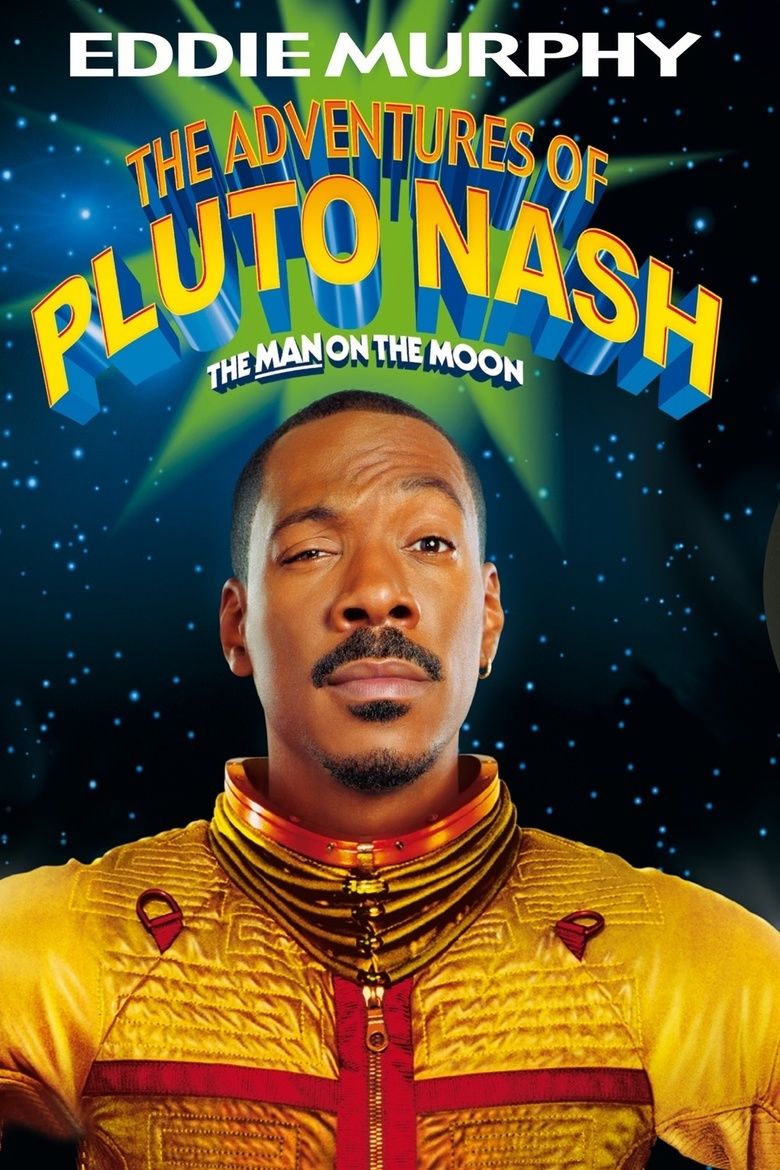
I don’t doubt there are risks associated with hook-up culture. Disease and unwanted pregnancy are at the top of that list, along with instances of exploitation and assault. Focusing on those outcomes is like calling Eddie Murphy’s entire career a failure just because he stared in “Pluto Nash.”

There is a larger context to consider. Remember that study about people regretting their hook-ups? Well, science is rarely that definitive when it comes to matters of human psychology and sexuality. Later studies reveal that the extent of that regret isn’t very strong. It turns out that, like paying to see “Pluto Nash,” we tend to get over it. Most functioning human beings do.

Those same studies also make clear that the quality of the hook-up matters. If someone hooks up with someone for sex, but the sex isn’t satisfying, then of course there’s going to be some regret and anxiety later on. That’s what happens whenever our expectations aren’t met. Just ask anyone who got excited about the Jacksonville Jaguars’ failed Super Bowl guarantee.

This is where the extent of my defense of hook-up culture ends. While I think the various criticisms and anxieties about it are unwarranted, it does carry some baggage that makes all those unpleasant anecdotes so common.

Hook-up culture, in its current form, has all sorts of heavy expectations surrounding it. Whether it’s people actively engaged in it or those observing it from the outside, there’s this sense that hook-up culture is this non-stop party where everyone is enjoying the Caligula-style orgy and nobody leaves unsatisfied. That’s just not how human sexuality works.

Human beings are a passionate, social species. When hook-up culture becomes too dispassionate, which can happen, then it ceases to be a healthy expression of human sexuality. In that context, it’s basically glorified masturbation. As a romance fan and an aspiring erotica/romance writer, I can’t get behind that sort of callousness.

However, I think the attacks on hook-up culture are more misguided than hook-up culture itself. Men are seeing it as an agenda that beautiful women are exploiting. Women are seeing it as an agenda that misogynistic men are exploiting. Liberals and conservatives are seeing it as an affront to everything they deem good and moral. In attacking it, though, they all reveal their own sexual anxieties.

If our collective sexual attitudes are to improve, along with our overall satisfaction, we need to confront these anxieties. Hook-up culture isn’t going away because people wanting to enjoy sex with fewer strings is not going away. We can either learn from it or fight it, with the understanding that fighting it rarely ends well for either side.

Leave a comment

Filed under gender issues, sex in media, sex in society, sexuality

Natural Contraceptive App Blamed For Unplanned Pregnancies (As Expected)

Pregnant woman standing outside on a sunny day

There’s no question that advances in contraception have had a profound impact on our society. Some applaud it. Some resent it. Either way, there’s no uninventing it. Contraception, be it male or female, is a big part of our society and further advances promise to have an even bigger impact.


I’ve talked about the future of contraception before, as well as the potential impacts of those advances. There are a lot of things in development, as I write this, that men and women alike should get excited about. Between better IUDs and more birth control options for men, we’re quickly entering an age where we have unprecedented control over our fertility.

It’s for that very reason that it’s necessary to take a step back and remind ourselves of the existing flaws we have with the current state of contraception. There’s a reason why those advances I mentioned are in development to begin with. What we have now is pretty good, relative to older, more archaic forms of birth control. However, there are a few shortcomings that tend to lead to dramatic, albeit predictable failures.

One of those shortcomings/failures made the news recently and left several dozen women very disappointed, to say the least. According to a story from TheVerge, a recently-developed contraceptive app called Natural Cycles is being blamed for 37 unwanted pregnancies. Anyone who knows anything about pregnancy, female biology, and nature in general probably isn’t surprised.

That’s because the app in question basically made something like this inevitable. According to the article, the Natural Cycles app is supposed to help women who rely on more natural family planning methods. In terms of the actual process, these are the basics:

The app uses an algorithm and measures factors like temperature to determine the period when a woman may be fertile. It’s a popular alternative to hormonal contraceptives like the pill because it lacks side effects.

It’s pretty basic, but the principle makes sense on paper and isn’t based on radically new ideas. The concept of a woman tracking her fertility to determine the times of month when she’s most likely to conceive a child is fairly well-known. It’s most commonly called the “Rhythm Method” and according to the Mayo Clinic, it takes a lot of preparation.

To use this method, a woman needs actively track her menstrual cycle, accurately determine the parts of that cycle where she’s most fertile, and plan her sexual activity around those time-frames. It takes a great deal of physical awareness, as well as a certain measure of discipline, which some people are better at than others.

The Natural Cycles app is supposed to supplement those principles by aiding in that tracking process. It even tries to provide the woman with more data so that she has a better understanding of her body while tracking her cycle. In theory, having perfect knowledge of her biology will ensure a woman knows when she is or isn’t fertile.

natural-cycles-5

It’s that exact theory, however, that makes this news about a surge in unplanned pregnancies so unsurprising. There’s a good reason why this sort of approach to contraception is rarely practiced by anyone other than committed couples and is often discouraged as a general form of contraception.

As with so many other theories, the actual practice of the method doesn’t always work in the real world. That’s because the real world is a lot more chaotic, varied, and unpredictable than concepts on a piece of paper. That applies even more to human biology, male and female.

Now, the appeal of natural family planning like the one Natural Cycles promotes is undeniable. You don’t need to take a pill. You don’t need to have something inserted into your body. Plus, it gives you a chance to really know and understand the workings of your body. For both sexual health and general health, that’s has many benefits.

Unfortunately, the human body is not known for being that transparent. It does not come equipped with a USB port or a wireless interface that provides us with accurate, real-time data about our insides, although that’s one advancement science is working on. Absent that data, natural family planning, even with the aid of Natural Cycles, is going to be either incomplete or flawed.

I don’t doubt that the use of Natural Cycles helps in the process, but there’s a good reason why the same Mayo Clinic that so thoroughly lays out the process of natural family planning also identifies it as one of the least reliable forms of contraception. This is what they had to say about the risks associated with this method.

Using the rhythm method as a form of birth control doesn’t pose any direct risks. However, it’s considered one of the least effective forms of birth control. How well the rhythm method works varies between couples. In general, as many as 24 out of 100 women who use natural family planning for birth control become pregnant the first year. Also, the rhythm method doesn’t protect you from sexually transmitted infections.

Given this information, the fact that some of those using the Natural Cycles app ended up pregnant should surprise no one. The shortcomings of natural family planning are well known and, for the moment, no app is capable of circumventing those shortcomings.

It’s not just that even the most basic activities of the human body are so difficult to quantify and track. Doing so and trying to plan around it assumes all those involved behave with perfect discipline. While I still believe that most human beings are inherently good at heart, I don’t doubt that human beings can also be erratic, irrational, and just plain stupid at times.

There will be moments when a woman misjudges or mistimes her fertility over the course of her cycle. There will also be moments when the passions between a woman and her lover will override whatever discipline they had promised to exercise during that time of the month. Even when people aren’t stupid, they can be overwhelmed by a moment.

That’s the ultimate flaw of natural planning and apps like Natural Cycles. It’s not just prone to human error. It relies on the absence of human error in order to work perfectly. That’s not just flaw. Those are unreasonable expectations that no population of healthy human beings can hope to meet.

It’s sad that several dozen women had to learn this the hard way, even if the outcome was fairly predictable. If nothing else, it should remind us just how much work we need to do on improving contraception, women’s health, and our overall understanding of our biology.

1 Comment

Filed under Current Events, gender issues, sex in society, sexuality