Category Archives: outrage culture

John Oliver, Sex Dolls, And The (Unwarranted) Shaming Of Lonely Men

6732

There’s a general rule in comedy with respect to insults. If you’re going to demean, denigrate, or make fun of a particular person or group, you don’t want to punch down. Granted, you can do it. You can even get a few laughs out of it if you do it well and are exceptionally funny. However, in the grand scheme of things, you’re still an asshole.

It’s the main reason why comedians, be they stand-up comics or talk show hosts, generally direct their insults at the rich, powerful, and privileged. There’s a general understanding that if you’re doing well in this chaotic game of life, either through luck or talent, you can afford to take a few insults. At the end of the day, you can still go home and cry into a pile of money, fame, and affluence.

When you insult a group that has none of those things in any abundance, it’s usually not something people respect, even if they laugh. It’s why even great comedians like George Carlin had to be very careful and exceptionally skilled when he joked about rape.

We miss you, George. We miss you SO much.

Unfortunately, not everyone can be as funny or talented as George Carlin. Sometimes, insult comedy hits an undeserving target. It tends to reveal something about the comedian delivering the insult and where society is, in terms of sympathies. It’s often subtle, but the subtext is there and it has larger implications.

That brings me to John Oliver, the nerdy smart-ass British comedian who owes 95 percent of his fame to John Stewart. His show, “Last Week Tonight,” has won multiple Emmy awards and has garnered substantial praise for its colorful approach to tackling major issues, from the abortion debate to annoying robocalls to the flaws in standardized testing.

While I don’t agree with Mr. Oliver’s politics all the time or his approach to tackling certain issues, I consider myself a fan of his show. Compared to other satirical comedy shows, he tends to strike just the right balance between quality comedy and tackling serious issues.

However, he recently took a comedic jab that deviated from his usual style and not in a good way. It occurred during his episode that focused on China’s controversial One Child Policy. It’s an issue that has been subject to plenty of controversy for years and I think Mr. Oliver was right to talk about it.

One of the major consequences of this policy, which Mr. Oliver rightly pointed out, was how it led to a massive gender population imbalance. Due to a historic preference for sons, there are millions more men than women in China. The disparity is so great that it has caused major social upheavals.

While discussing some of those upheavals, the issue of sex dolls came up. In a country where there are so many lonely men, it makes sense that they would seek some form of outlet and it helps that the market of sex dolls is growing. This is where Mr. Oliver did a little punching down and, unlike his jabs at New Zealand, this didn’t have the same impact. See for yourself in this clip.

Take a moment to consider what he’s joking about here. There are millions of men in China who, through no fault of their own, are likely doomed to a life of loneliness. It’s not because they’re bad men. They’re not creepy, cruel, or misogynistic. They’re just at the mercy of math and demographics. There simply aren’t enough women in their country.

For these men, the old saying that there’s plenty of fish in the sea is an outright lie. Their options are limited and Mr. Oliver is making light of that. He essentially claims that men who use sex dolls are somehow even more pathetic and destined for more loneliness. He makes that claim as someone who is married, has a child, and doesn’t have to deal with those prospects.

It’s not just bad comedy. It’s hypocritical. Earlier in that same clip, he showed sympathy and understanding to a Chinese woman who was forced to have an abortion against her will. He’s shown similar sympathy to people in other situations, from women dealing with restrictive abortion laws to prisoners who had been screwed over by an unfair justice system.

Why would he show no sympathy for these lonely men?

Moreover, why would he make a joke about it?

To some extent, it’s not all on him. There is an egregious double standard when it comes to men who use sex toys. A woman can walk into a sex shop, buy a vibrator, and talk about using it without too much stigma. Sure, there will be a few repressive, sex-negative religious zealots who will complain about anything that gives anyone unsanctioned pleasure, but most people don’t take them seriously.

For men, however, there’s a taboo surrounding the use of sex toys in any capacity. Some of that comes from men more than women. There’s this not-so-subtle assumption that a man who needs a sex toy is somehow less manly. Any man who has to resort to one must be somehow deficient. It can’t just be that he’s lonely or wants to use new tools to please his lover. That would make too much sense.

For the men in China, and other areas where there’s a huge gender disparity, the situation is even worse. These are men who are facing both loneliness and sexual frustration. There’s more than a little evidence that this is not healthy for them on any level. That’s not to say that sex dolls or sex toys will help fill that void, but it will give them an outlet, just as a vibrator gives a lonely woman an outlet.

Unlike a lonely woman, though, these men can’t expect much sympathy. As Mr. Oliver demonstrates, they can expect plenty of shame and stigma. It doesn’t matter that they can’t do anything about their situation. They’re victims of circumstance, demographics, and basic math. Adding stigma and taboo to the mix is akin to kicking them in the balls on the worst day of their lives.

I won’t say that Mr. Oliver should apologize for his remark. He’s a comedian. He’s a citizen in a free country. He can say what he wants. However, the fact that he can joke about lonely men and still get a laugh says a lot about the current attitudes towards lonely men, in general.

We know they’re suffering. We know there’s not much they can do about it, especially in places like China. While we’ll give plenty of sympathy to the lonely women who resort to using sex toys, we’ll stick to shaming and stigmatizing the men who dare to do the same. Then, we’ll pretend to be surprised when they get angry and resentful.

Is that fair? No, it isn’t.

Is that funny? No, I argue that it’s not, especially with the way Mr. Oliver went about it.

He’s no George Carlin. He’s no John Stewart, either. In this particular case, he’s just an asshole.


4 Comments

Filed under Current Events, gender issues, human nature, men's issues, outrage culture, psychology, sex in society, sex robots, sexuality, women's issues

What Does It Mean For A Woman To “Own” Her Sexuality?

53900-liberation-from-womens-liberation

In a perfect world, human sexuality wouldn’t be so political. From  a biological and societal standpoint, the fundamentals are simple.

Two people meet.

They gauge one another’s interest.

They decide to engage in an intimate relationship.

Together, they make a mutual effort to enjoy the fruits of that relationship.

Ideally, an expression of sexuality is a mutual exchange between two people seeking an intimate connection. It doesn’t matter whether it’s a heterosexual relationship, a homosexual relationship, or something more elaborate. So long as those involved are willing, considerate, and open, everyone shares in the benefits.
Sadly, we don’t live in that perfect world. Like it or not, human sexuality is one of the most politically charged topics anyone can discuss. It’s connected to hot button issues like abortion, sexual assault, domestic violence, child welfare, poverty, crime, human trafficking, and even religion. Considering its role in propagating our species, it’s understandable why discussions about about it get heated.

That said, some of those discussions are political for all the wrong reasons. A few are even built on a foundation of absurdities that only serve to distort our perspectives on human sexuality and not in a good way. One of those discussions involve the idea of a woman “owning her sexuality.”

This idea isn’t new, but it has become a more common refrain in recent years, often in conjunction with media depictions of female sexuality. It’s become a slogan, of sorts, for whenever a female celebrity or fictional character does something that’s sexually empowering. Depending on where someone is on the political spectrum, they’ll either cheer or scorn their actions.

However, what constitutes “sexual empowerment” is poorly defined and exceedingly inconsistent. In some cases, empowerment involves a woman being more sexual than society at large deems appropriate. In other cases, empowerment involves a woman being less sexual or less feminine. Here are just a few examples.

When Miley Cyrus was nude in one of her music videos, some saw this as empowering.

When Lara Croft was redesigned to be less sexy in her 2014 reboot, some saw this as empowering.

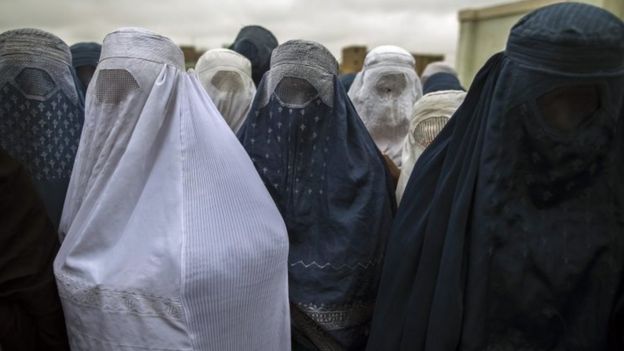
When Muslim women justify restrictive Islamic dress codes, some saw this as empowering.

When some women decided to stop shaving their body hair, some saw this as empowering.

Regardless of what form it takes, the empowerment is framed as women either reclaiming or owning their sexual selves. What it means is often vague, but it usually carries a particular set of connotations.

To own one’s sexuality is to break a set of unspoken rules, give the finger to an unjust system, and forge your own sexual path. It’s like that moment in every great sports movie where the underdog beats the odds and triumphs over their evil opponents. In that triumph, their notion of what constitutes a fair and just expression of human sexuality is vindicated. All others are somehow flawed.

I concede that this is a gross generalization, but it’s the most common narrative I see whenever there’s a story about a woman owning her sexuality. It’s built around the assumption that female sexuality is always the underdog and to own it, a woman needs to somehow seize it from the clutches of repressive, misogynistic men.

Now, I don’t deny that there are many injustices in the current social landscape. Historically, female sexuality has been subject to seriously repressive taboos. Even today, there are still various taboos about female sexual pleasure. Many women genuinely suffer because of it. The idea of women enjoying sex as much as men is still jarring to some people. Some even find it threatening.

In that sense, I don’t blame women for wanting to embrace their sexual selves in an environment that treats their sexuality as tool for political issues or marketing. Like men, they have feelings and desires. They have every right to pursue them with the same passion as anyone else. When it comes to “owning” it, though, the terminology tends to obscure that pursuit.

The fact that “owning” your sexuality can mean so many different things ensures it ultimately means very little. It has become one of those vague, catch-all terms that’s supposed to mark something as meaningful, progressive, or enlightened. In many cases, it comes down to people using sexuality to provoke a reaction, garner attention, or protest an injustice.

While I’m in favor of protesting sexual injustices, the fact that “owning your sexuality” is such an ambiguous act makes it a poor form of protest. All it does is assert that you can make choices about how you express your sexuality and you’re willing to endure the criticism. That doesn’t say anything about the injustice itself.

If anything, the very concept of owning your sexuality raises more questions than answers. To own something implies possession. The fact that a woman owning her sexuality is so celebrated implies that the woman didn’t possess it in the first place. If that’s the case, then when was it taken from her? At what point did she not own it? What did she have to overcome in order to get it back?

To some extent, for a woman to own her sexuality, she and others like her must buy into the idea that someone else governs it to some extent. In some cases, it’s the media with their depictions of idealized feminine beauty. In others, it’s repressive religious dogma that seeks to control female sexuality.

While there are real instances of women having to escape repressive environments, there’s a big difference between a female celebrity posing nude for a magazine and a woman being brutally punished for committing adultery. One involves someone escaping a coercive force that causes them real physical harm. The other involves them doing something that will only subject them to harsh scrutiny, at worst.

In that context, a woman owning her sexuality is no different than willingly enduring extra criticism and aggressive slut shaming. Can it be excessive? It certainly can be. Is it the same as someone putting their life and their body at risk in order to express their sexuality? I would argue that it isn’t.

I know my opinion may not count for much on this issue since I’m a heterosexual man. I concede that there’s only so much I can understand about the female experience. At the same time, I feel inclined to point out that men are human too. Men are also burdened by various taboos and double standards. As such, a man “owning his sexuality” is subject to entirely different standards.

The fact that those standards are so different implies that there’s little substance behind the concept. If a woman can act overtly sexual in one instance and exercise extreme modesty, yet claim to own her sexuality in both cases, then where does the ownership come in? At what point is it any different than just making choices and living with them?

If there is no difference, then the concept is ultimately pointless.

1 Comment

Filed under Celebrities and Celebrity Culture, Current Events, gender issues, men's issues, outrage culture, political correctness, sex in media, sex in society, sexuality, women's issues

Five Common Expectations Of Men That I Would Change

forholde-seg-til-sinte-barn

I love being a man. I’ll go on record as saying I appreciate masculinity and its many values. While masculinity in general has gotten a bad rap in recent years, albeit for absurd reasons, there are many things to enjoy and admire. At their best, good men can achieve great things and effect positive change in the world.

I’ll also go on record as saying that appreciating masculinity does not require that we undermine femininity. That really should go without saying, but in these sensitive times, it’s too easy for mixed messages to go viral. Saying men are good is not the same as saying women are bad or vice versa. That’s just common sense and I genuinely wish it were more common.

Now, that’s not to say being a man is all fun, games, and fart jokes. It does have its share of downsides and I’m not just referring to the biological part of it. Yes, getting kicked in the balls really hurts. Yes, sweating and smelling more often can be annoying. Those aspects of masculinity simply come with the package.

There are other, less concrete ways in which being a man can be frustrating. They have less to do with hormones and more to do with certain expectations. I’ve explored some of those expectations with respect to how men pursue love and the egregious double standards by which men are judged.

Others far smarter than me have discussed some of the bigger issues surrounding how men are treated in modern society, from attitudes about how disposable they are to how sexual assault against them is treated like a joke. Those are serious, legitimate issues that certainly warrant further discussion.

There are also smaller, less-obvious expectations of men that I are just as asinine and are worth changing. They’re necessarily stereotypes or cultural traditions. They’re just subtle norms that rarely get scrutinized. I think, in the name of pursuing greater balance and equality for everyone, these lesser-known aspects of being a man should be part of the discussion.

What follows are five subtle, but common expectations about men that I would like to change or at least reconsider. Some are just standard norms while others reflect certain attitudes and practices. I realize that some are harder to change than others, but they’re worth acknowledging. If anyone has something they’d like to add to this list, please let me know in the comments.


Expectation #1: Having To Wearing A Suit (Even In Blazing Heat)

I look good in a suit. Distinguished men who wear well-made suits are often seen as the pinnacle of male fashion. It’s why you’ll rarely see James Bond fight nameless henchmen in anything less fashionable than imported Armani. While I’m all for men looking good, I feel like men’s choices for high-quality fashion are really limited.

This is especially true in the summer when men are still required to wear suits while women can wear equally fashionable, but far more functional dresses and blouses. I enjoy wearing a suit as much as any fashion-minded man, but it’s downright unbearable when it’s hot. You don’t even have to be outside to feel it. Just being a building with bad air conditioner is enough.

I’m no fashion expert, but I feel like the emphasis on suits for men is over-emphasized. Women’s fashion is more diverse and offers greater flexibility for certain occasions. I acknowledge that some of that fashion is also uncomfortable and impractical. Why should anyone suffer that much for the sake of looking good?

I know there’s only so much anyone can do to change fashion trends, but a little innovation in the field of men’s formal attire would definitely help. At the very least, just having clothes that make summer heat more bearable for everyone will help everyone be more comfortable.


Expectation #2: Not Going To A Doctor (Even When We Should)

In my experience, men not going to a doctor is part stereotype and part attitude. There are more than a few taboos surrounding men’s collective aversion of doctors. Whether it’s due to male bravado or just the underlying assumption that men don’t need doctors as much as women, I think this expectation does more harm than good.

I say that as someone who has been guilty of avoiding doctor visits in the past. At one point, it caused me genuine pain because I refused to go to a doctor for what I thought was just allergies. It turned out I had a bad case of strep throat that I made considerably worse by not going sooner. I don’t care what your gender is. When some expectations lead to needless suffering, they’re worth re-evaluating.

With people, in general, becoming more health conscious, I think the time is right for men to embrace going to the doctor with the same care as women. It’ll won’t just help men become healthier, overall. It’ll help affirm that men’s suffering deserves to be treated with just as much urgency as that of women.


Expectation #3: Taking Less Time Off And Working More Overtime

This is one of those unwritten rules that really ought to be articulated more frequently. Whatever your professional field, be it construction, law, or flipping burgers, there will be times when overtime is necessary. In my experience, which I freely admit is anecdotal, I get the impression that men are expected to bear that burden first and without question.

That’s not to say that women avoid overtime. I know many women who put in longer hours at their jobs than their male co-workers. There’s just a general assumption that a man is going to do more of it and if he doesn’t, then there’s something wrong with him.

The same goes for taking time off. Most people don’t seem to bat an eye when a woman asks for a few days off. They won’t even ask why. If a man makes a similar request, it raises more curiosity and he’s expected to justify it. Again, this isn’t the case everywhere, but even without bringing maternity leave into the mix, men are just expected to work more and work longer.

Some of these expectations are more pronounced in the United States where paid parental leave is not mandated by law. In general, workers in the United States take less time off and work longer than other industrialized countries, which further compounds the issue. Even with regional differences, the attitude about men having to bear a greater work burden is worth reassessing.

After all, I think everyone would benefit by having more time off and not overworking themselves regularly. It’s better for everyone at every level of society.


Expectation #4: Always Knowing What A Lover Likes (Without Having To Ask)

It’s a common fantasy for horny women, but men are just as guilty of fueling it. A woman meets a handsome man. Sparks fly and things get intimate. As soon as the clothes come off, everything happens naturally and perfectly. The man knows just how to please her and he gives her the best lovemaking of her life.

It makes for a great sexy story. I’ve written more than a few of them. While it’s a great fantasy, it obscures a less sexy reality in which men aren’t mind-readers. It doesn’t matter how attractive or naturally endowed a man might be. He’s not going to know exactly how his partner wants to be pleased, by default. They have to actually communicate.

It sounds so logical, but fantasy often fuels those lofty expectations. I’ve known women who get downright frustrated when their boyfriend doesn’t do exactly what they want in bed to satisfy them, but admit they’ve never actually told them. They’ll often drop hints. They’ll even be playful about it. If a man asks for too many specifics, though, then something must be wrong with him.

As a fan of romance and intimacy, I’m very much in favor of lovers enjoying a satisfying sex life. However, the idea that a man should automatically know what satisfies their partner is just not fair. It’s true that some men really don’t know how women’s bodies work, but it’s also true that everyone is different in terms of what pleases them. Nobody is going to be satisfied if nobody communicates.

Again, it’s just common sense that misguided expectations do plenty to complicate. I can attest that most men want to satisfy their lovers. Anything that helps us do that is always welcome.


Expectation #5: Needing To Yell In Order To Be Serious

For certain people, yelling might as well a local dialect. Like Frank Murphy going off on a profanity-laced rant, it might as well be casual conversation. However, for the non-Frank Murphys of the world, there are certain expectations about people who yell and it feels like men have to start the race behind the curve.

I’ve seen in in personal and professional settings. A man will make an argument, but it’s not considered serious. If a woman made the same argument, it’s given more weight. There’s an assumption that if a woman brings it up, then it must be a major issue. It only reaches that same level for a man if he’s willing to yell his case.

To some extent, it’s a double standard. A woman yelling angrily is treated as an aberration while a man yelling with the same anger is just standard operating procedure. At the same time, a man who doesn’t yell or show some kind of escalated anger carries its own set of assumptions. Men have to be angry for it to be serious and if they’re not yelling, it must not be serious.

It often happens during debates about hot-button topics. It can even happen in a simple argument about pizza toppings. There are plenty of important issues that warrant yelling, but I believe expecting one gender to yell more than another only compounds those issues.

We live in a flawed world full of flawed people. Sometimes, we have to temper our expectations. In others, we try to hold one another to a higher standard. Men and women yell at one another enough for trivial reasons. We’re never going to stop yelling. At the very least, we should play by the same rules.

1 Comment

Filed under gender issues, human nature, men's issues, outrage culture, psychology, sex in society, sexuality

Mia Kalifa, The Porn Industry, And Why Her (Lack Of) Earnings Matter

mia-khalifa

Imagine that you’re young, low on money, and in need of a quick buck. You do a few side-gigs, like drive a taxi or do some yard work. You make some money up front. You’re grateful for it. You wish you didn’t have to do it, but you still did and you’re ready to move forward with your life.

Now, imagine that same work you did ended up making someone else a boatload of money that continues to flow in, even though you’ve long since finished your part. Maybe while mowing the lawn, you discovered a priceless artifact under a tree stump. Maybe while driving a taxi, your car became the site of an infamous crime. Anyone with a white 1993 Ford Bronco SUV can attest to that.

With those ideas in mind, let’s talk about Mia Kalifa. If you don’t know who that is, just ask any straight man with an internet connection and a suspiciously large supply of tissue boxes. You might not get an honest answer, but rest assured, she’s a known public figure and not just because she has over 15 million followers on Instagram.

One of the reasons why she has so many.

She’s worth talking about, but not because she’s a former porn star who still garners a great deal of popularity, despite having not worked in the industry for years. Recently, she made the news after revealing that, even though she was one of the most popular porn stars in the world for a time, she made a total of $12,000 for her entire career.

For someone who was that successful in an industry that’s already exceedingly crowded by an abundance of content, that just doesn’t seem to add up. Most working people make more than $12,000 in a year, even if they’re paid minimum wage. They even get to keep their clothes on. What’s going on here?

There is a context to that story. By her own admission, she was in the industry for about three months. She only got paid a flat rate of about $1,000 for each scene she did and, given how few she ended up doing, it’s still more than minimum wage. She basically made $12,000 for approximately two weeks of work. Ignoring, for the moment, that the work involved making porn, it’s not a terrible rate.

However, what stands out most about her story is that she continues to generate money for the companies that initially paid her. To this day, those scenes she shot still generate traffic for popular sites like PornHub and that traffic still makes its parent company, MindGeek, some additional profit.

Most people don’t know, or want to know for that matter, that the most popular porn sites and studios are owned by MindGeek. Think of any site your significant other won’t admit to visiting. Chances are, they own it. They’re basically the Amazon of porn. They’re so big that there really isn’t a close second.

It’s because they’re so big that Ms. Kalifa’s story isn’t unique. Most people who enter the porn industry, be they male or female, have to go through MindGeek in some form or another. They’re basically a monopoly and because of that, they can get away with shady practices, such as underpaying workers or short-changing them with fine print.

Listed above are sites few will admit to knowing.

Most porn performers, including Ms. Kalifa, only get paid a flat rate per scene. They basically function as independent contractors, which means they’re not salaried employees who get benefits. They’re basically Uber drivers, but with sex. Unlike Uber drivers, though, the top performers can actually make a lot more, but they’re the exception and not the norm. Most performers are in Ms. Kalifa’s situation.

It’s not a situation unique to porn. Other elements of the entertainment industry have used similar practices for years. The music industry has plenty of examples of successful artists who sell millions of albums, but still go bankrupt because most of that money went to the companies they worked for rather than the artists themselves.

It even happens in the comic book industry. Few individuals have created and drawn more iconic character than Jack Kirby, but because he was a work-for-hire, he didn’t technically own his creations. The companies he worked for, both Marvel and DC Comics, owned them. As a result of this, there were some lengthy legal battles with Kirby’s estate. Not surprisingly, the companies won.

Think of any industry that involves performing or creating some kind of art. There’s a good chance that there are cases where someone creates something that becomes successful, but the creators themselves don’t profit from it. Only the companies profit.

Again, there’s a context to that. In industries like music, the top one percent of performers earn over three-quarters of the revenue. Most creative endeavors fail to turn a profit. As someone trying hard to break into the publishing industry, I can attest to how common failure and rejection are. These industries, as shady as their practices might be, need to make a profit and that often requires enduring many losses.

That’s exactly why Mia Kalifa’s story matters. It doesn’t just shed light on the less glamorous aspects of the porn industry. It highlights how the actual people behind popular media don’t reap as much of the benefits as we think. For porn stars, current and former, that’s made even harder by the stigma and taboos surrounding the industry. Ms. Kalifa endured those unpleasant elements more than most.

It’s a system that’s only getting worse. There was a time when porn stars could make considerably more money and even earn some residual income from the booming DVD market. Thanks to the advent of streaming media and excessive piracy, that’s no longer the case. It’s why many porn stars are turning to escorting or licensing products.

Given the dirty nature of the business, few politicians or advocates will loudly proclaim they want to help the people in the porn industry. The last few years have been very difficult for anyone in the sex industry. Laws are making sex work more restrictive and more dangerous to everyone involved. Performers will end up with the stigma, but the companies will get most of the profits.

To some extent, what happened to Mia Kalifa’s career is a microcosm of what’s happening to entertainment in general. We’re currently in an era where big companies are acquiring as much intellectual property as possible. Companies, be they major movie studios or porn producers, have a vested interest in controlling the content at the cost of the performers.

Since so few entertainment products turn a profit, these companies have too much incentive to short-change performers and creators. There’s no law that requires companies to give performers a small percentage of future earnings. There’s no law that stops them from exploiting the content created by performers, even if those same performers don’t want to be associated with the work anymore.

Given the money and influence of these companies, that’s not likely to change anytime soon. However, Mia Kalifa did us all a service by making people aware of this very flawed system. The fact that she did this while fully clothed and being brutally honest in a world that lives in alternative facts might be her best performance to date.

1 Comment

Filed under Celebrities and Celebrity Culture, human nature, media issues, outrage culture, political correctness, prostitution, sex in media, sex in society, women's issues

When Is It Okay To Tell Someone To Grow Thicker Skin?

offended-7

When I was a kid, I played little league baseball. My father also volunteered, being a lover of baseball and an all-around awesome guy. It was fun. I enjoyed it, even though I wasn’t that good. However, I still thought I was better than the majority of the kids on my team. I’d been playing baseball with my dad in the backyard for years. I had developed those skills more than most.

Then, one year, my skills started to slip. In my defense, that was also around the time I developed asthma. I still thought I was good, but there’s only so much you can do with those skills when you’re coughing and wheezing half the time. As a result, my coach had me bat next to last and made me play outfield, which I took as a personal affront.

I know he wasn’t trying to insult me, but I took it very personally. Being a kid, I gave him and everyone around me a bad attitude. When I told my father about this, I thought he would be on my side. Instead, he wasn’t having it. My dad was not the kind of guy who rewarded bad attitudes. No matter how much I told him the coach’s decision upset me, he had the same response.

“Can’t hack it? Get your jacket.”

That became a mantra of his. At the time, I hated it. As I got older, I came to appreciate it. On the surface, it may seem harsh, especially when it’s directed a kid in the context of a little league game. However, it conveys and important lesson while indirectly raising an important question.

When is it okay to tell someone they need to grow thicker skin?

I believe this question is more important now than it ever was when I was a kid playing little league baseball. With the rise of outrage culture and numerous controversies on issues that rarely warrant controversy, I feel as though my father’s wise advice is more relevant than ever.

That said, answering this question isn’t simple. I know it’s tempting for anyone annoyed by political correctness to just brush off outrage as coming from thin-skinned, over-coddled snowflakes. That is, after all, a popular perception among the most vocal critics of outrage culture. However, that recourse ignores some important caveats.

It’s one thing to tell an over-privileged college student majoring in underwater basket weaving that they need to grow thicker skin. It’s quite another to say the same thing to a wounded veteran or a rape survivor. Make no mistake. Those over-privileged professional whiners exist and they deserve both criticism and scorn. They’re still the extreme cases. Most people operate in that vast area between extremes.

To illustrate, consider the following example. You’re on a stage telling a story in front of a large group of people. The story isn’t political, nor is it an attempt to convince someone of a particular worldview. The story contains some difficult themes, including references to graphic violence, sexual abuse, and racism. It doesn’t have to be based on real events. Those themes just have to be sufficiently graphic.

After you’re done telling the story, a small segment of the audience comes up to you and tells you they found your story to be deeply offensive. They claim that the simple act of you telling a story caused them real psychological harm. How do you respond to them?

For some people, their first inclination will be to apologize to them and everyone else who felt offended. This is often the first recourse for any celebrity who tends to make a public gaff, of sorts. It’s an easy option and, at the very least, will mitigate some of the outrage, but it has the added effect of derailing serious discussions.

For others, the first inclination will be to brush off those who are offended and tell them to grow thicker skin. There are certain individuals who make this their primary response. They tend to be less concerned about hurting peoples’ feelings and often criticize those who are easily offended. While that may be warranted in some instances, it can often come off as callous. In some cases, it devolves into outright trolling.

Whatever the recourse, both responses have the same flaw. They ignore the actual substance behind those who took offense to the story. It generalizes the nature of the harm they claim to have endured. It essentially lumps the offense that some thin-skinned college kid feels with that of someone who has legitimate issues.

Without those insights, any apology or lack of apology will make light of any genuine offense someone endures. Those details are necessary in determining who needs to grow thicker skin and who deserves a sincere apology. In essence, the right response is determined on a case-by-case basis and that can get both tricky and cumbersome.

Say one of the audience members took offense because they felt the story glorified the current and historical oppression of women by way of patriarchal traditions. Someone harmed by anything that vague definitely needs to grow thicker skin.

Say one of the audience members took offense because they’re struggling with a legitimate mental illness and parts of the story caused them significant distress that required medical intervention. In that case, telling them to grow thicker skin isn’t just insensitive. It’s downright malicious. People with legitimate medical issues can only do so much to manage their reactions.

It can get a lot more complicated. One of the audience members may have endured a real trauma in their lives and while they’re not on medications, they’re still struggling and hearing the story opened some unhealed wounds. In this instance, an apology is warranted, but only in the context of acknowledging someone’s real-world issues. You can’t tell them to grow thicker skin, but you can encourage them to heal.

Maybe there’s another audience member who just says the story was patently offensive and is too heavy on outdated stereotypes. They’ll angrily rant at how certain elements denigrated their heritage, their culture, and their race. It’s not just that the story was offensive. They believe anyone who tells it is as bad as those who made it. This person may be sincere, but they could also benefit from growing thicker skin.

There are any number of ways someone can claim offense. Some are legitimate, but most are contrived. As a general rule, any offense that requires someone to be offended on behalf of other people is questionable at best and insincere at worst. It tends to happen whenever people try to make broad claims about cultural appropriation or stereotypes.

Even if certain generalizations about cultures are legitimate and certain stereotypes have a basis in fact, the offense is still taken personally. The very fact that it exists is an affront. That’s usually another sign that thicker skin is at least part of the solution. It’s one thing to abhor racist acts. It’s quite another to abhor that it exists at all.

Everyone is wired differently. Some are just more easily-offended than others. That’s an inescapable fact of life in world that’s diverse and has the technology to over-react to anything that anyone may say. Even with those caveats, it certainly helps to discern those who suffer real harm from certain rhetoric and those who really need to grow thicker skin.

There are some criteria that can help us make that determination. It may not help in every case, but here are just a few.

If someone is offended by the fact that something exists, then they need to grow thicker skin.

If someone is offended by mere opinions of other people, then they need to grow thicker skin.

If someone is offended on behalf of an entire group, then they need to grow thicker skin.

If someone is offended because other people can’t know the specifics of what offends them without reading their mind, then they need to grow thicker skin.

If someone is offended by something that was not intended to offend or harm, then they need to grow thicker skin.

Again, these are just general guidelines and there are certainly exceptions to many. However, if we apply these standards to my story as an upset little leaguer who took offense to his coach’s decisions, then my father’s reaction would be appropriate. In that situation, someone is right to tell me that I should grow thicker skin. Moreover, I became stronger and more mature as a result.

1 Comment

Filed under human nature, outrage culture, political correctness, psychology

How Smiling Became A Feminist Issue (For Terrible Reasons)

smilingispowerful

What would you think of someone who randomly walked up to you, sensed you looked sad, and suggested something that is scientifically proven to make you feel better? The person doesn’t force it on you. They don’t offer their advice to be smug or facetious. They just see a fellow human in distress and offer to help. By nearly every measure, the person is being a compassionate, decent human being.

Now, having contemplated that scenario, what would you think of a man who walked up to a woman and asked her to smile? While some might not see that as too big a deal, it has become a serious issue in recent years. It may not be the most absurd since it doesn’t involve Wonder Woman’s armpit hair, but it’s still up there.

The scenario I just described is something that, from a purely superficial level, may not seem controversial. Telling someone to smile, regardless of whether they’re a man or a woman, is not just an empty platitude. There is real, legitimate science behind it.

Research has shown that the mere act of smiling has many health benefits, such as improving mood, relieving stress, and strengthening immune function. To some extent, it helps rewire our brain in a way that directly combats depression, anxiety, and all sorts of ailments. It might be the easiest thing anyone can do to feel better. If it were a drug, it would be hailed as a medical breakthrough.

Why then has smiling become such a point of contention? While linking it to sexism is full of many absurdities, there are legitimate grievances that helped make this an issue. I know I’m going to upset people when I talk about this, but I believe it’s worth talking discussing, if only to preserve the benefits of smiling.

From the perspective of those protesting being told to smile, many of which identify as feminists or left-leaning, the issue isn’t about those aforementioned benefits. It’s about people telling them to be happy in a world where they don’t feel like equals. Considering how unequal things were for women throughout history, that’s an understandable sentiment.

Plenty of inequality lingers.

The situation for these women didn’t involve kind strangers walking up to them when they were sad and telling them to smile. It likely involved bosses, spouses, teachers, and various authority figures telling them to smile because frowning wasn’t lady-like. Even if you don’t consider yourself a feminist, it’s easy to see why that would seem condescending.

In some situations, it was even worse. In service jobs, which are often dominated by women, telling them to smile is like asking them to act as a billboard for an organization. They’re treated as a pretty face rather than a person. It’s the male equivalent of being treated as a cog in an assembly line.

That sort of treatment is dehumanizing and people, regardless of gender, resent that and for good reason. In that context, telling a woman to smile is no different than telling her to just shut up and accept everything the way it is, no matter how much she resents it. While that’s rarely the intent, that’s the interpretation.

Most reasonable people can and do acknowledge the sentiments that women feel in those situations. Nobody likes being told to just smile and accept your misery. However, the issue descends into absurdity when telling someone to smile is famed as a byproduct of sexism. It effectively politicizes the very concept of smiling.

As a result, it fosters this idea that a woman cannot smile and be feminist. It’s an idea that has become more mainstream in recent years. To see how, just Google “modern feminist” and look at the images that come up. Very few of the faces that come up are smiling. There’s no Rosie the Riveter. There’s only angry, outraged women yelling to the point where it’s a common meme.

This isn’t just an issue with respect to the popular perception of feminists. When it comes to faces, there’s a great deal of intrinsic biology and neuroscience at work. Seeing an angry face triggers a very different reaction compared to seeing a smiling face. Some of that reaction transcends even extends to other species.

There are also significant differences in how people react to smiling men compared to smiling women. The extent to which that difference is biological is not clear, but unlike many other behavioral traits, smiling is directly tied to many psychological and physiological forces. Tying smiling to ongoing debates about gender is one nobody can win. Like it or not, you can’t debate around biology.

Then, there’s the other side of the gender equation, specifically the one regarding the male perspective. While this perspective is less obvious, it does add some other complexities that often fall through the cracks during these arguments. This is where I can offer some perspective, as a man, because I can attest to this impact.

Whatever you think about the nature of masculinity, it’s a well-documented fact that male brains are wired differently compared to female brains. One of those differences stems from how we react to women in distress. Whether they’re angry or sad, seeing it can trigger that protective instinct that men often feel around women.

I can attest that this instinct is real. A few years back, I was walking down the boardwalk at a beach. It was a loud, rowdy place in the middle of summer so there was plenty of noise. Then, out of nowhere, I heard this woman scream. Almost immediately, I turned towards it and I wasn’t the only one. Several other men, as well as a few women, took notice as well.

The woman had badly hurt herself on her bicycle. I’d rather not describe the injury so I’ll just say she couldn’t stand on her left leg. Thankfully, she was with a couple of friends and they immediately aided her. However, her cries caught the attention of plenty of men, most of them total strangers.

While some with more cynical attitudes may think of that reaction as white knighting, I can assure you it’s a real phenomenon. Men sensing a woman in distress evokes a reaction that stems directly from our natural inclination to form social bonds and protect others. Since women are the ones who bear the babies, we tend to give them extra scrutiny.

That’s not to say that a man telling a woman to smile is always an altruistic act. It doesn’t overlook the situations in which someone uses that rhetoric to denigrate women and make light of the issues they face. However, if the simple act of smiling becomes part of the line that divides feminists from misogynists, then the entire debate surrounding gender becomes obscure.

Telling a woman to smile is not the same as telling her to get back in the kitchen. In addition, making outrage the face of female empowerment won’t help in addressing legitimate issues. It’ll just frame every discussion as something hostile and unreasonable. No matter how legitimate the issues are, it’s difficult to have a meaningful discussion in that situation.

Objectively speaking, smiling is good for you, regardless of gender. It’s something I encourage everyone to do when they’re feeling upset, depressed, or angry. It’s a small gesture and one that doesn’t solve problem, in and of itself.

However, it can help your in many ways, especially if you’re hoping to connect with others in a way that ensures they’ll listen. There are many issues surrounding men, women, and gender that are worth discussing. Making the act of smiling a rallying cry for gender conflicts will only ensure that nobody succeeds in the long run.

3 Comments

Filed under gender issues, human nature, Marriage and Relationships, men's issues, outrage culture, political correctness, psychology, sex in society, sexuality, women's issues

Why Obesity Will Never Be Attractive

obesity

There are a lot of complexities, oddities, and eccentricities that go into what makes someone attractive. Betty White might not have the body of a Victoria’s Secret model, but she has a wide range of talents and quirks that make her attractive in her own unique way. Being physically beautiful is nice, but that will only get someone so far in terms of being attractive.

Certain people find weird things beautiful and there’s nothing wrong with that. Human beings have diverse and eclectic tastes in many things, especially when it comes to beauty standards. That said, there are some attributes to being attractive that are difficult to circumvent. That’s not to say one particular feature is always unattractive. There are simply some logistical issues that go beyond taste.

One feature that tends to become an issue every summer is that of fat acceptance. In recent years, ads using beautiful female models to promote beach body readiness have become controversial for reasons that are only half-legitimate. The complaints are fairly standard. Using beautiful models promotes unhealthy body images. While the veracity of those concerns may have some merit, that’s rarely where the complaining stops.

The outrage.

It’s not enough to protest products that use beautiful people in their advertising or movies that only ever cast attractive, relatively fit actors. For some, the entire concept of finding someone fit and thin as beautiful is detrimental. It doesn’t just foster unrealistic beauty standards. It perverts the entire concept of beauty. It sends the message that fat cannot be attractive.

At a time when obesity rates all over the world are increasing, it seems like a problem that’s bound to get worse, especially if the media insists on using thin, fit models. It has given those in the fat acceptance movements, as well as those on extreme ends of the political spectrum, ample material with which to voice their outrage.

Now, in the spirit of sifting through the firestorm that is outrage culture, I want to make clear that there are certain traits that don’t warrant shame and stigma. Someone’s race, ethnicity, sexuality, and gender aren’t things they can control. Attacking someone or judging their attractiveness by those standards isn’t just unreasonable. It’s just a dick move.

When it comes to fat, however, the line gets somewhat obscure. It’s true that some people are genetically predisposed to being obese. There’s nothing they can do to change that. Losing weight or staying thin is just much harder for them than most people. I know this because I have relatives who are thin as a rail, but eat like pigs and never gain an ounce.

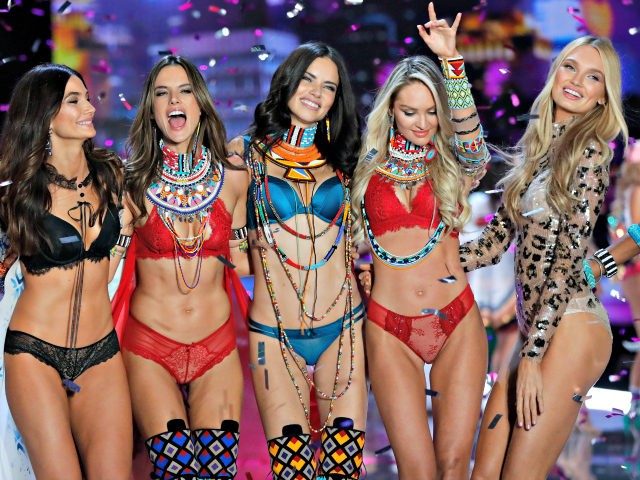
To that extent, I don’t support shaming or stigmatizing individuals who just got dealt a bad genetic hand. Having the body of a Victoria’s Secret model isn’t something that anyone can gain with sufficient exercise and diet. That kind of beauty is akin to winning a genetic lottery.

The sexiest lotto winners.

Where the fat acceptance movement loses credibility, though, is when it attempts to place fat as something that warrants a level of attractiveness on par with those who are thin. Some frame it as healthy at any size or basic body positivity, but the intended results are the same. The idea is to make those not blessed with supermodel genes feel and be accepted as attractive.

While I can understand and even appreciate the intentions, idealistic they might be, I can’t overlook one glaring problem with that effort. It’s not so much a matter of attitudes as it is an issue of logistics. Simply put, fat will never be as attractive as thin or otherwise toned bodies. It’s not because of culture, the media, or some nefarious conspiracy by the patriarchy, either. It’s just simple logistics.

To understand, you need only look at what it takes to be fat and compare it to what it takes to be thin. Being fat is relatively easy. You eat lots of sugary, unhealthy food and you don’t get enough exercise to burn off the calories. While genetics will add numerous variations, this process is part of basic human biology.

To be thin and fit like the models in the beach body ads, you need to put in real, strenuous effort. As someone who has made that effort, I can attest to how difficult it is. You have to exercise discipline in changing your eating habits. You have to push yourself to exercise regularly and that exercise is rarely pleasant. At times, it’ll feel downright uncomfortable. However, in time, you will see results.

Those intractable difference also sends other, less obvious messages that influence how attractive someone is. When people see someone who is thin and fit, they don’t just see their body. They see someone who is willing to put in the work to look they way they do. They also see someone who will endure physical and mental strain in order to achieve a goal. Those are all things we want in a potential partner.

Conversely, seeing someone who is fat or unfit sends the message that someone doesn’t care about their health. They either don’t want to put in the effort to look better or don’t care to look better. Then, they expect other people to find them attractive without them doing anything to earn it. Beyond the physical attributes of fat, it’s an attitude that’s hard to make attractive in any context.

On top of that, obesity does lead to a host of legitimate medical issues that go beyond beauty standards. Unlike other physical traits, it is possible to lose weight and body fat. There is a biological process for it and there’s no need for fad diets, either. There are plenty of success stories about people who put in the work and lost considerable weight.

Again, such efforts are very difficult for certain people due to genetic factors that they cannot control. I know people who work out regularly, but can only seem to lose so much weight. It’s frustrating, but the fact they put in the effort still shows in other ways. They’re healthier, they have more energy, and they feel better about themselves. That makes them more attractive than anyone protesting beach body ads.

To some extent, there needs to be some stigma against activities that are objectively unhealthy. It’s how many societies have managed to reduce smoking rates. Like it or not, being too fat is unhealthy. No matter how many ads someone protests or how many plus-sized models get hired for underwear ads, that’s not going to change.

Beauty standards are subject to all sorts of trends and quirks. They always have been and fat has been part of that for much of human history. No matter how much or how little fat is considered attractive, unhealthy traits that denote unhealthy characteristics will never reflect ideals of beauty.

In the same way being attractive takes effort, being healthy, fit, and desirable to others requires hard work and a measure of discipline. Someone’s ability to achieve that often says more about who they are, as a person, than what they look like in a bikini.

3 Comments

Filed under gender issues, human nature, men's issues, outrage culture, political correctness, psychology, women's issues

Why I Believe In Climate Change, But Doubt Environmentalists

103_shutterstock_88550854-740px

There aren’t a lot of hot button issues that genuinely affect everyone. The environment is one of those issues. We all live in it. We’re all impacted by it. Whenever it changes significantly, we all feel it. That’s why, regardless of your politics or personal leanings, we should take environmental issues seriously.

Given that preface, I’d like to make my own sentiments clear. The environment, like other sensitive topics I’ve discussed, is prone to all sorts of secondary agendas. Some who claim to take environmental issues seriously often do so because it serves their interest in other, often indirect ways. In the interest of transparency, this is where I stand on the environment.

I do believe that climate change is real, human activity is contributing to it, and we should pursue policies to improve the environment and promote cleaner industry.

However, I don’t entirely trust the rhetoric, sincerity, and positions of those who identify as environmentalists.

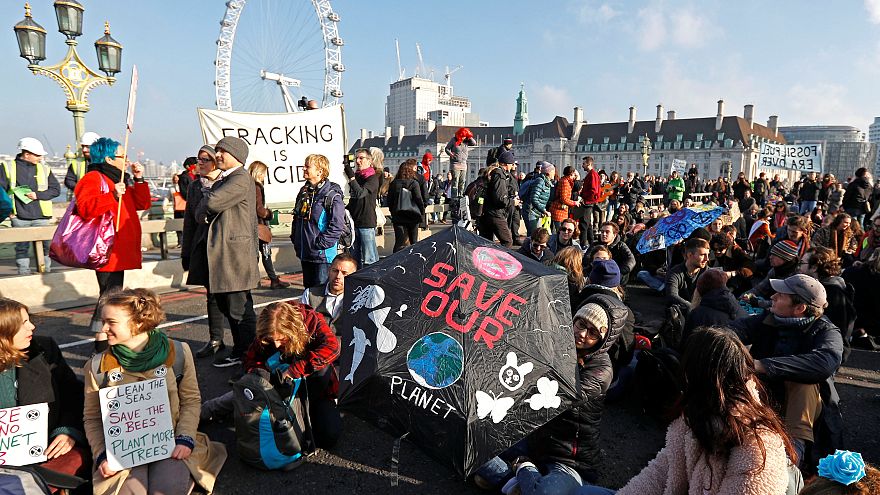
I know that sounds like someone trying to have their cake and eat it too, but there is a context here. It’s one that I’ve developed over a number of years, some of which I’ve been on the side hardcore environmentalists. As I’ve gotten older, however, I see more and more complications with this issue and not just in terms of the absurd conspiracy theories it attracts.

While I know this will put me at odds certain parts of the political spectrum, I generally accept that the existing science surrounding climate change. The Earth is getting warmer and human activity is a major cause. There have been real, tangible impacts attributed to climate change and I believe those links are real.

The point where I often deviate from environmentalists is when issues of feasible solutions emerge. I’m happy to support efforts that raise awareness and educates the public on the existential dangers of climate change. However, just sounding the alarm is only half the battle. The other half involves doing something about it and this is where environmentalists have a problem.

It’s not that they outright avoid talking about solutions, which sets them apart from other agenda-driven politics. Some of their solutions do have merit and some are even making headway into the economy. However, there’s an over-arching theme of those solutions that leads me to question just how much the environment actually matters to certain environmentalists.

Talk to any self-identified environmentalist and, usually after they’re done talking about melted ice caps and dying polar bears, they’ll single out greedy corporations as the enemy. They tend to lump oil companies, coal producers, and any corporation that doesn’t sound eco-friendly as part of some international consortium of billionaires intent on maintaining their pollution-loving ways for the sake of profit.

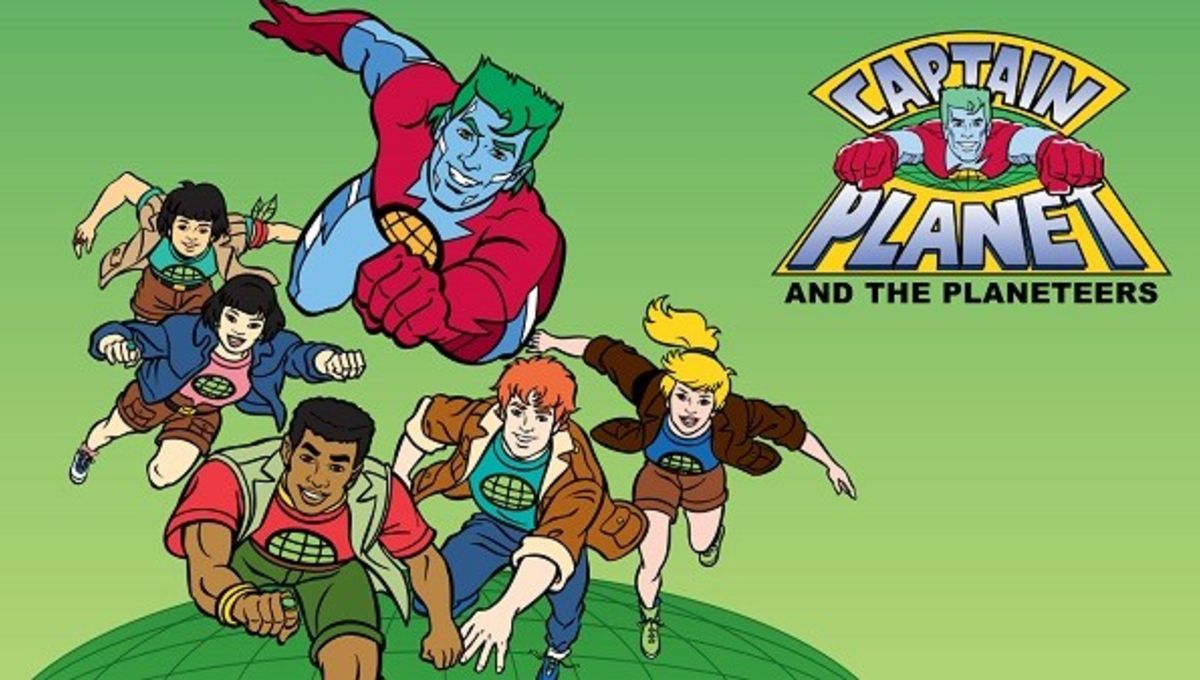
Now, I don’t like defending big corporations, especially when their track record in protecting the environment has plenty of room for improvement. At the same time, I have a hard time believing that the solution to such an enormous problem involves battling big, industrial polluters as though it were an episode of “Captain Planet.”

As much as I love cheesy cartoons in the 1990s, the problems of the real world are far more complicated. Environmentalists, like many other vocal politically-driven groups, try to simplify the issue. Through their protests and the rhetoric surrounding it, they give the impression that to save the world, they need only defeat the evil polluters.

This is where I don’t just question the veracity of environmentalists. I genuinely doubt that the environment is their primary concern. If it were, then protesting polluters would only be a small part of their efforts. If they’re serious about making the world cleaner and more efficient, they would dedicate more time and energy into improving clean energy technology, which itself is prone to corporate greed.

This disconnect is most apparent whenever the topic of nuclear power comes up. Unlike other green energy technologies, nuclear energy is a mature technology that has been providing energy for decades. Compared to other forms of energy, it has very low emissions, but provides abundant energy, regardless of whether the sun is shining or the wind is blowing.

Despite those benefits, the same environmentalists who favor shutting down coal power plants won’t support the construction or further refinement of nuclear power planets. They’ll even outright oppose it and for reasons every bit as irrational as those championed by climate change deniers.

While there are legitimate disadvantages to utilizing nuclear power, I rarely hear environmentalists promote efforts to mitigate those issues. They won’t champion the development of advanced nuclear power, including versions that produce far less waste and are less prone to meltdowns. Many won’t even concede it as an option.

This is akin to anti-abortion advocates who support making abortion illegal in all cases, but also oppose contraception, despite the fact it significantly reduces abortions. It also parallels other environmentalists who protest the usage of genetically modified foods, but overlook the distressing fact that billions would starve without this technology.

It’s not just a case of the perfect being the enemy of the good. It’s environmentalists favoring a particular narrative over actual solutions to the problems they protest. As I’ve noted before, people like to believe that they’re the heroes of their own story. When they take a particular position, they see themselves as the underdogs in an epic struggle against good and evil.

While that makes for great superhero comics and Tolkien novels, it rarely aligns with reality. Environmentalists think they’re protesting a greedy corporation run by an army of Lex Luthors who enjoy bathing in the tears of starving orphans, but the truth is more complicated and more mundane.

A key part of that truth that environmentalists tend to overlook is the fact that, no matter how greedy or evil a corporation may be, they have a vested interest in the world remaining intact. Corporations, be they greedy or virtuous, are driven to make profits. They can’t make profits, nor enjoy the fruits of their wealth, in a world where the planet is a toxic wasteland.

That’s why even oil companies, the boogeyman of many environmentalists, are actively researching more environmentally friendly products. It’s also why oil-rich countries like Saudi Arabia, which has harmed the environment in ways beyond pollution, is also investing in a post-oil economy.

It’s very likely that the advances in green energy that will improve the environment won’t come from some dedicated environmentalist who protests outside of coal plants. Chances are it will be some greedy, profit-seeking business person trying to make money in a world where the demand for energy is rapidly increasing.

Beyond just generating energy, those same greedy billionaires have just as much incentive to create clean, lush landscapes that attract other billionaires and customers. In general, people don’t like being in polluted communities. Aside from the illness and misery it generates, it also means there are fewer people buying goods and producing for the economy. Even the most devious billionaire is hurt by that.

The incentives for improving the environment are already there. That’s not to say there aren’t some who are truly malicious in how they treat the environment, but in terms of an investment that helps greedy people get richer, it’s one of the worst investments anyone can make and not just because of the bad PR it generates.

Environmentalists will gladly single out those exceedingly malicious corporations, but ignore the bigger picture. They, ironically, don’t see the forest from the trees when it comes to action that genuinely improves the environment. They cling to that epic war raging in their minds of them battling evil corporations that are out to destroy the planet, as though that would somehow benefit any business.

I get the appeal of wanting to feel like a hero in an epic struggle. My love of superhero comics should be proof enough of that. However, when that same struggle both ignores and undermines real solutions that could alleviate a serious issue, then it’s hard to take environmentalist rhetoric seriously.

There’s having genuine concern for the environment and then there’s just being against greedy corporations. Those who are unable to discern between the two can call themselves a lot of things, but they certainly aren’t helping the environment.

2 Comments

Filed under Environment, human nature, outrage culture, political correctness, technology

The (Surprising) Sources And Implications Of Slut Shaming

vicious-cycle-of-shaming

As a fan of romance and people exploring their sexy side, I’m generally opposed to slut shaming. I understand why it exists, to some extent. Nearly every society in history has had certain hang-ups about sex. Considering its role in propagating the species, it’s understandable that people give it extra scrutiny.

That said, I consider slut shaming a misguided form of scrutiny. The definition, itself, has some ugly implications that go far beyond the inherent risks associated with being reckless, promiscuous, and irresponsible.

For one, it’s almost entirely heaped upon women. James Bond never gets called a slut for his promiscuous behavior. Instead, he gets to be a masculine icon. A woman who has just as much sex gets called a slut and is often painted as deviant. Look no further than legendary Bond girls like Xania Onatopp and Pussy Galore for proof of that.

While it can be pretty overt in popular media, it’s even more pernicious in real life. From women who choose wear revealing clothing to those who actively attempt to confront sexual stigma, there’s no shortage of shaming from multiple directions. It’s frustrating in that it amounts to incessant whining about how other people choose to live their lives, but recent research has cast slut shaming in a new light.

A study published in the Journal of Evolution and Human Behavior attempted to analyze how behaviors associated with slut shaming differed among genders. The popular narrative is that men do most of the slut shaming. The logic is that men see beautiful women having a lot of sex. That bothers them because those women aren’t having sex with them.

Granted, that’s a gross generalization that I’m sure many men and even a few women find offensive. Despite the details, that is the common narrative and it tends to play out in one too many teen comedies. However, science has a way of disrupting those narratives in unexpected ways.

The study revealed that while men and women were equally likely to not trust promiscuous women, women who were more likely to favor punishing those women. In a comprehensive summary conducted by PsyPost, the differences were pretty striking.

“In the study, participants played one of three kinds of economic decision-making games. The participants were led to believe they were playing against a female opponent in real-time, but were actually only interacting with computerized responses.

The opponents varied in whether they appeared to be sexually accessible or sexually restricted. For some participants, the opponent was depicted as a woman wearing a tight, red outfit and an abundance of makeup. For others, the opponent was depicted as a woman wearing loose-fitting clothing with less makeup.

The researchers found that both male and female participants were less willing to share money with a woman wearing the tight outfit. The participants also trusted sexually-accessible opponents with a financial investment less than sexually-restrictive opponents.

Women, but not men, were also willing to inflict punishments on a sexually-accessible female opponent who made an unfair offer, even though it left them empty-handed as well.

Given the choice between receiving a small sum of money while their opponent took a large sum or having neither player receive any money at all, women tended to pick the latter option.”

Take a moment to comprehend what this does to the slut shaming narrative. For those who idealize that 1950s sitcom family life that never truly existed, it’s an aberration. While those women make for good one-night-stands, they hardly make for quality long-term relationships.

Why, then, would men be reluctant to punish those women? I’ve noted before how society tends to micromanage women’s bodies. Slut shaming is only a half-measure because it offers no tangible punishment. While certain societies don’t mind punishing promiscuous women, it doesn’t appear to be entirely predicated on male attitudes.

This study shows that women are just as mistrustful of promiscuous women and are willing to go further in terms of punishing their behavior. The reasons for this are difficult to surmise. The researchers hypothesized that men were primarily concerned with avoiding investment in a child that wasn’t theirs. From an evolutionary standpoint, that’s something to avoid, but not punish.

Conversely, women may be more concerned with the bigger picture. The researchers surmised that women had an evolutionary imperative to keep the cost of sex high to improve their value as potential partners. Actively punishing potential rivals further served that purpose.

From a logistical standpoint, it makes sense. They see beautiful, promiscuous women as people who use cheat codes in video games. They have an unfair advantage when it comes to attracting potential partners and that has significant consequences, especially to those who aren’t beautiful or sexually flexible.

Beyond distracting partners who might otherwise be interested in them, it lowers the value of the sex they have to offer. Why would men be as interested in having sex with them when there are promiscuous women who were willing to give it to them for a lower cost with fewer strings?

While I believe this may be a factor for some women, it’s also another broad generalization that would offend more than a few women. It assumes too much about how they think and feel. Believing women slut shame because it hinders their own sexual value is as absurd as blaming all misogyny on some vast patriarchal conspiracy.

Like all research, the study is limited and can only reveal so much about the complexities of human behavior. The researchers themselves freely admitted this, but that’s exactly why it warrants further study. Like it or not, slut shaming is still prominent in most modern societies. I would argue that the internet and social media are making it worse.

At the same time, I also believe that slut shaming is something we should confront. It causes real harm to real people. It damages our love lives, our sex lives, and everything in between. There are instances in which someone’s irresponsible sexual behavior genuinely warrants scrutiny, but shaming can only serve to make things worse, even for people who aren’t sluts.

3 Comments

Filed under gender issues, human nature, men's issues, outrage culture, political correctness, psychology, sex in media, sex in society, sexuality, women's issues

Gender Politics, Military Conscription, And Why It Matters

Syria US

When it comes to gender politics, there are certain issues that come to mind and others that slip under the radar. These days, the most newsworthy issues involve things like diversity in popular media, discrimination in certain social spheres, attitudes within certain sub-cultures, and patterns of harassment.

I’ve explored some of these issues in the past, but only when I feel like there’s relevant discussion worth having. The problem with the issues that slip under the radar is that they rarely make headlines, which helps them persist. Even when a headline finally does come along, it’s difficult to discuss because most people aren’t aware of it and haven’t contemplated the implications.

A good example is military conscription. If you live in America, Canada, or Western Europe and are under the age of 40, chances are you haven’t given it a moment’s thought. Conscription, or the draft as it’s commonly known, is one of those institutions that just isn’t as relevant as it used to be. Considering how much war, in general, has declined in the past 50 years, that’s understandable.

However, it’s still relevant in the sense that it reflects old attitudes about society, war, and gender roles. These attitudes are rarely scrutinized, even among feminists, conservatives, liberals, and egalitarians. Now, thanks to recent developments in the courts, this might be a good time to discuss this often-overlooked issue.

If you’re an adult, able-bodied man, then this issue affects you. It has already affected me and almost every other man older than 18 years of age because that’s the age when we had to sign up for the Selective Service System. In doing so, we gave the government the information and discretion to draft us into military service, should the need arrive.

Make no mistake. This is not akin to getting a driver’s license or a social security card. By signing up for the Selective Service System, a sizable chunk of the male population is agreeing to go to war whenever their government decides to conscript them. It’s not a formality, nor is it done out of patriotism either.

Every man has had to learn what this emblem means.

It’s not just because doing so is necessary to access federal programs like student loans, job training, and Pell Grants. Failure to sign up for Selective Service is a felony, punishable by hefty fines and prison time. Logistically speaking, this is an issue in which consent truly doesn’t matter. Men have to do this. They are as subject to conscription as they are to paying taxes.

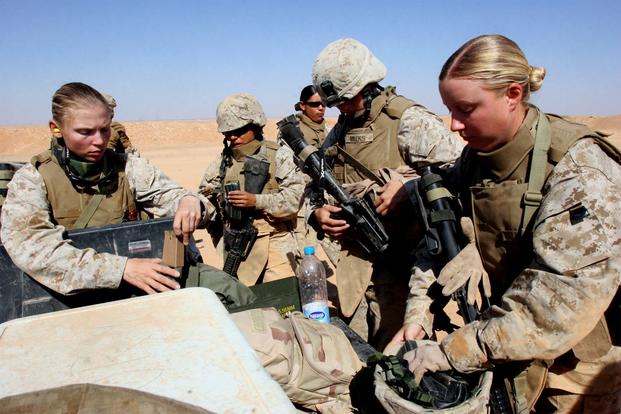
It’s one of the few issues in which the gender divide is clear cut. Men must permit the government to conscript them into military service. Women do not. While women are still free to join the military and enjoy its many benefits, they ultimately have a choice that men don’t. In the event of a war that requires conscription, they won’t be forced to join the fight.

Whether you’re a pacifist, egalitarian, or a radical feminist, this issue should matter because it has significant implications. It’s frequently cited as a case of male disposability and for good reason. The fact that only men must sign up for conscription implies that society is comfortable sending them to the front lines of a war. It affirms that we’re okay with men being brutalized, but not women, a double standard I’ve explored before.

While there are many historical reasons for this, ranging from ancient warrior cultures to evolutionary factors to the pragmatism of protecting the gender that bears the babies, those reasons don’t carry as much weight anymore. Most countries, including the United States, rely on a voluntary service system and several decades of civil rights movements have made gender discrimination illegal.

However, the Selective Service System managed to escape all these changes until very recently. In February 2019, a federal court issued a groundbreaking ruling that concluded the Military Selective Service Act was unconstitutional. This quote from the ruling nicely sums up the reasoning behind that ruling.

In short, while historical restrictions on women in the military may have justified past discrimination, men and women are now “similarly situated for purposes of a draft or registration for a draft.”

While it’s likely that this ruling will be contested, it does provide an opportunity for a more nuanced discussion. Most debates regarding gender tend to focus on areas where women and transgender individuals face discrimination and marginalization. These debates have certainly made their share of headlines, but military conscription is unique in its impact on men.

That might be part of the reason why conscription rarely arises in a gender debate, but with this ruling, the time is right to address it. There’s no denying the discrimination here. Men are being forced to do something at the behest of their government and women are not. This issue reflects a major disparity, but it’s also an opportunity.

Even though military conscription hasn’t been practiced in the United States for several decades, it has already played a significant role in shaping society. A big reason why the civil rights movement made so much progress in the 1950s and 1960s is because conscription required people of various races and backgrounds to work together. In many respects, the structure of the military was a huge equalizer.

This is nicely depicted in the opening scenes of “Full Metal Jacket.” Gunnery Sergeant Hartman made it abundantly clear to every recruit that there’s no discrimination in his unit. Your race, ethnicity, and background didn’t matter in the slightest. In a war, it can’t matter. It’s a powerful message that many soldiers brought back with them.

The face of true unity.

That sort of message has never been applied to gender in the United States. It’s not unprecedented, though. There are a number of countries that have mandatory military service for both men and women. Israel, one of America’s closest allies, is one of them. While they tend to serve different roles, the fact that they’re subject to the same obligations as men sends a powerful message.

It doesn’t just show in the status that women have in Israel have, especially when compared to other neighboring nations. It establishes equal expectations for women and men, alike. In a system where everyone is held to a similar standard when defending their country, it’s harder to justify discrimination.

That has significant implications for the United States in wake of the ruling. Either the Selective Service System must be thrown out entirely or women must be subject to the same requirements. As recently as 2016, Congress debated the idea of including women in the system, but it did not pass. The fact that it sparked few protests is revealing, in and of itself.

By not acting through legislation, the courts are forcing the issue. The Justice Department is already opposing the ruling by claiming that requiring women to register for the draft is “particularly problematic.” That’s somewhat ironic, given that similar rhetoric is used when feminists criticize video game characters for being too sexy.

Despite that rhetoric, it’s just as telling that there are few protests surrounding this statement. The same protesters who marched in Washington DC back in 2017 have been relatively silent in how the government views gender disparity with respect to military conscription. This isn’t a right. It’s a responsibility and one that can unify a society full of diverse people.

To some extent, it’s understandable why those same protesters don’t argue for the same standards with respect to military conscription. Unlike Israel, the United States and most western countries don’t have mandatory military service and the draft hasn’t been utilized in 40 years. For most people, it doesn’t directly affect them.

However, that might also make it the perfect issue for unifying people from both ends of gender issues. If feminists and men’s rights activists are serious about equality in terms of the law and societal standards, then military conscription is a clear-cut issue that they can both rally behind. Either you’re for equality or you’re not. At the very least, it would be helpful to know who’s not.

1 Comment

Filed under Current Events, extremism, gender issues, men's issues, outrage culture, political correctness, women's issues