Category Archives: outrage culture

Sex Vs. Violence (And The Distressing Standards Behind Them)

What makes something obscene? I know the law has its own esoteric definition, but there’s no universal standard. What’s obscene to one person may be mundane to others. How else do you explain old cigarette commercials to millennials or the Super Bowl halftime show to baby boomers?

I ask this question because someone pointed out recently just how many of the biggest, most successful box office movies of the past 10 years rely on violence to sell tickets. I’m not knocking it. I was among those cheering during the final battle scene at the end of “Avengers Endgame.” I also freely admit I watched every season of “24” and was entertained by all the violence it included.

However, that same person who pointed out how much violence was part of these big-budget entertainment products, but was still PG-13. At the same time, if even one of those products included a single image of a female nipple or a depiction of a male penis, then it wouldn’t just be rated R. It would be deemed too obscene for children.

Think about that for a moment. A network TV show can freely depict a scene where Jack Baur tortures a prisoner and a PG-13 movie can depict Captain America beating the crap out of nameless thugs in an elevator, but the viewing public just can’t handle the sight of a female nipple. That’s just too much.

The only thing that could make it worse is the depiction of a penis. That wouldn’t just make a movie or TV show rated R. It would be classified as porn. Never mind the fact that half the population has a penis and even kids know what a penis looks like. Just a depiction of one in any form of media is enough to make it obscene. Meanwhile, you can buy a shirt that has Captain America punching the President.

Now, I know I’m bias because I write sexy stories and talk about sexy topics, but I feel it’s a relevant question to ask.

Why are we more comfortable consuming violent content than sexual content?

I get that sex makes people uncomfortable. I also get why parents don’t like talking to their kids about it. However, when it comes to violence, it’s okay to keep that in a proverbial blind spot.

I remember cartoons in the 80s and 90s. Those cartoons, in addition to being glorified toy commercials, used some form of violence to resolve a plot or tell a story. Some parents complained, but nobody thought it was obscene.

I remember watching “R-Rated” movies as a kid too. I put that in quotes because, by today’s standards, these movies would barley qualify as PG-13. The first “Terminator” movie was rated R. I saw it as a kid. My parents didn’t make a big deal about the sex scene in it, but that was often cited as the scene that made that movie R-rated.

If those same kids watched a simple depiction of two naked people making love, minus the violence, then that content would still be considered mature. If that scene didn’t hide genitals, then it would be considered porn. It doesn’t matter if the scene is romantic, tasteful, and completely consensual. It’s still as pornographic as the most depraved parts of the internet.

Why is that the case?

Why is this a fair standard?

Why do depictions of violence get a pass while depictions of sex are subject to rigid standards?

I understand sex makes people uncomfortable. I also understand that people can be immature about it. They can be just as immature about violence too, but people are willing to confront and tolerate it. With sex, however, it’s always obscene. It’s always taboo. There’s no room for nuance or context.

Going back to the standards of obscenity I mentioned earlier, I think there’s room for improvement. Violence, by definition, harms people. Sex, when done right, does the exact opposite. If we’re going to have standards for obscenity, then let’s at least keep things in perspective.

Leave a comment

Filed under censorship, human nature, outrage culture, political correctness, psychology, sex in media, sex in society, sexuality, video games

A Message To Those Who Whined About The Super Bowl LIV Halftime Show

I promise I won’t keep obsessing over the Super Bowl and how great it was this year, even though it was an objectively amazing game. I originally intended to take a break from sports references for a while, if only to prepare myself for baseball season.

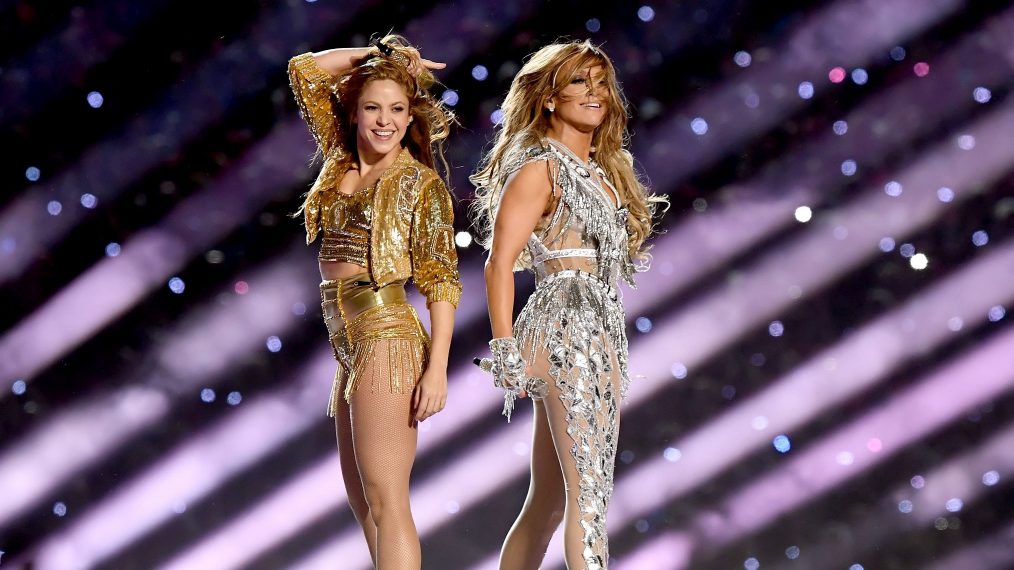
However, those plans went out the window when I saw the equally amazing Super Bowl halftime show featuring Shakira and Jennifer Lopez. To say it was stunning would’ve been an insult. I’ll go on record as saying it’s the greatest Super Bowl halftime show of all time. I don’t see how it will be topped in the near future.

That said, I knew before it was over that it was going to piss some people off. I didn’t even need to check my Twitter feed to know who those people were. I could already sense the collective gasps of a certain segment of people who identify too much with Helen Lovejoy.

We know who these people are. Some of them identify with a particular religion. Some identify with a particular ideology. It doesn’t always come from one point in the spectrum, but it always comes from the extremes. It’s annoying, frustrating, idiotic, asinine, selfish, and just plain stupid. I put it on the same level as those behind those awful car insurance commercials that I despise.

To these people, there’s no arguing with them. They see two beautiful women dancing, singing, and energizing a crowd and they don’t see fun. They see something dangerous, subversive, and perverse. To them, such a thing shouldn’t even exist. It’s not just offensive. It’s dangerous and could corrupt the minds, bodies, and souls of children and adults alike.

To those same people, I have a message.

Grow up or get out.

If that sounds too harsh, I’m sorry. I don’t know of a nicer way to say it.

If you’re the kind of religious zealot who see women doing anything other than obeying her husband, birthing children, and keeping her mouth shut, then you’re in the wrong part of the world.

If you’re the kind of dogmatic, moral values preaching conservative who think women and music that wouldn’t be allowed in a 1950s sitcom is a subversive plot, then your attitudes are 10 steps behind that of most children.

If you’re the kind of regressive, perpetually angry liberal who think any depiction of beautiful women in the media is akin gross objectification that deserves the same condemnation of human trafficking, you need to drag yourself out of the dystopian fantasy land you’ve been living in.

I’ve no sympathy for these people. Whether they’re priest, mullahs, liberals, conservatives, rabbis, feminists, misogynists, or college students with too much free time on their hands, they deserve nothing but scorn. This was an incredible show full of beauty, spectacle, and wonder. It brought joy and astonishment to many. If you can’t enjoy that because your politics or theology won’t let you, then that’s your problem.

There are parts of this world in which you don’t have to confront such joy. There are entire countries where women are subjugated and censored by law. There are remote islands, villages, and lands on which you can’t even access spectacles like this. Go there and create your own joyless world in which women can’t be beautiful, men can’t admire it, and music can’t be played.

The alternative is to just grow up and except that entertainment exists. It’s beautiful, sexy, and powerful sometimes. If you can’t be a mature adult about it, then you have problems beyond your inability to appreciate a great show.

3 Comments

Filed under football, gender issues, outrage culture, religion, sex in media, sex in society, sexuality, television

Every “Star Wars: Rise Of Skywalker” Criticism In A Nutshell

Recently, I saw “Star Wars: Rise of Skywalker.” People tried to spoil it for me. People tried to give me reasons not to go see it. I still saw it and I loved it. It was, in my opinion, the best of the sequel trilogy.

Having said that, there’s a reason why I haven’t written about it or done a full review, as I’ve done before. That reason has less to do with why I loved the movie and more to do with all the whining about it by a small, but vocal segment of the fandom. I won’t name names or cite outlets because they don’t deserve the publicity. The most they deserve is pity and a galactic-sized middle finger.

The most I’ll say about this movie is it’s great. It caps off the story. It has so many wonderful moments that are worth celebrating and if you like it, don’t let some asshole tell you you’re flawed because of it. You’re not. You like what you like and others don’t. Some people are just assholes about it.

That said, you’ll find plenty of YouTube videos and articles criticizing this movie to no end. They say a lot without telling you anything of substance. So, as a service to both Star Wars fans and people who are generally opposed to assholes, here’s all their criticism summed up in a single gif.

giphy

You’re welcome and may the Force be with you.

1 Comment

Filed under movies, outrage culture, superhero movies

Ricky Gervais Offends, Insults, And Charms At The Golden Globes

Some people are just born with an innate talent to entertain. Others simply stop giving a damn at some point in their lives and say what needs to be said with a mix of hilarious wit and brutal honesty. If every this concept took a human form, it would look and sound like Ricky Gervais.

In case you didn’t see it, Mr. Gervais hosted the 2020 Golden Globes for the fifth and final time, presumably. As he’s done before, he teased, offended, and insulted the entire landscape of Hollywood with his trademark British charm and intoxicating smile. It was politically incorrect, over-the-top, and beautiful on every level.

It also reminded everyone in Hollywood that, at the end of the day, they’re still a bunch of rich, entitled fame whores with an inflated sense of importance. For most people who will never be rich or famous on that level, it was nothing short of refreshing. If you’re not convinced, see for yourself.

Thank you, Mr. Gervais. What you said needed to be said. I doubt anyone could’ve said it any better or funnier than you.

1 Comment

Filed under outrage culture, political correctness, television

How (And Why) Boredom Undermines Gender Equality

istock-535894841

Imagine, for a moment, you’re in relationship of perfect equality. You and your partner are the personification of gender equality. You share equal roles and responsibilities. In terms of who does what, gender doesn’t factor into the equation. You do your part and your partner does theirs. From dishes to child care to paying the bills, it’s as equal as any relationship can be.

In essence, your relationship is the ideal that feminism, egalitarians, and even most Men’s Rights Activists champion when they describe the fair and just society they’re fighting for. In a perfect world, your relationship would be the standard. Even if you can’t imagine your current relationship being that perfect, you can still appreciate the ideal.

As with most ideals, though, there’s a major flaw and it has to do with boredom.

The scenario I just described above isn’t another one of my thought experiments. It was inspired by a story in Pluralist about a woman who is frustratingly bored with her perfect feminist husband. To get an idea of how frustrated she is, here’s a direct quote from the article.

“Don’t get me wrong, I love him and this year we celebrated 17 years together – 13 of them married – but I wish he’d lie, cheat, defame or slander just once, so that I could feel better about my own less-than-perfect character. Simply put, I’m bored of being married to a paragon of virtue.”

Now, I know it’s tempting to roll your eyes at a woman making this kind of complaint about her love life. The idea that a spouse is too perfect is like a billionaire complaining that the seats in their new Lamborghini are too soft. I’ve seen more than a few comments on social media criticizing this woman for being so petty. Some have used her story as proof that women can’t handle nice guys and men just can’t win with women.

I don’t think that criticism is fair. I also don’t think that her story proves or disproves a particular aspect of gender politics. However, I believe it does highlight how boredom can complicate the push for gender equality. It’s a factor that rarely comes up in discussions surrounding feminism, men’s issues, LGBT issues, and the societal factors that exist in between. It still has immense influence.

After reading the Pluralist story, I felt sympathy for the woman. I know it’s hard to feel much for someone in such a perfect relationship, especially for those of us who are single, but I can understand how boredom can undermine a seemingly ideal situation. To some extent, this woman’s story shows how boredom can complicate the otherwise noble efforts to pursue gender equality.

In making sense of the woman’s feelings, I found myself thinking back to the high school. If that sounds like an odd connection, I promise there is a logic to it. Now, I’ve made clear in the past how much I hated high school. To say my experience was not ideal would be a gross understatement. That said, the idea behind high school has some useful parallels to gender politics.

The ideals of high school are simple. You take a large group of teenagers, put them into a structured environment, educate them to a particular standard, and send them out into the world with all the knowledge and skills they need to become functional adults. Again, that’s the ideal. While that effort works fine for some, there are many more for whom it fails.

For this particular woman, she represents the lucky few who ace every test, pass every class, and follow every rule. As a result, she should be perfectly equipped to enter adulthood. By all accounts, she does. There are no surprises or setbacks. Everything goes according to the plan and the ideals behind it.

It’s here where the boredom takes hold. That lack of major upheavals means there’s little in terms of challenge or growth. The path is already set. The obstacles have already been cleared. You just have to walk it and you’ll get to where you’re going. There’s no strain, but there’s no sense of achievement, either. In the grand scheme of things, you didn’t overcome anything.

In the context of gender equality, it’s akin to a clear, unobstructed path that doesn’t test or excite anyone. That directly conflicts with the basic psychology of boredom that craves novelty and seeks more intense sensations. Perfect equality, be it in a relationship or a high school, doesn’t leave much room for any of this.

This isn’t just about people being inherently flawed or needing something to complain about. In practice, true equality means the outcome of every challenge is determined. The woman herself stated that she knew how a situation would play out in her marriage. There’s never any negotiation or exchange. With such clear-cut equality, everything is pre-determined.

“If I told him on Friday I was spending Saturday chilling at a spa, he’d probably drop me there so I didn’t have to drive, then take the kids to their clubs before making sure the house was tidy.”

When everything is that predictable, then boredom is practically unavoidable. When there’s nothing to gain or lose, then it’s only a matter of time before malaise sets in. It’s not the woman’s fault and it’s not her husband’s fault, either. That’s just how boredom works.

The article went onto cite a number of studies that indicate couples in equitable relationships have less sex, but they primarily focus on the symptoms of boredom and not the underlying cause. For the woman in the story, I think her frustration has little to do with her husband sharing in the work and everything to do with how predictable everything is.

If I could talk to this woman, I would caution her against wanting her husband to lie, cheat, or develop a bad attitude with her. That might shake things up for her in the short-term, but would do a great deal of damage to the both of them in the long run. I would advise that she and her husband seek new challenges outside gender roles. Both she and her husband may benefit from shaking things up for a while.

What that may entail depends on the nature of their relationship. The article didn’t get into too many personal details and understandably so. Without getting to know this woman or her husband, I can’t be certain what else might be fostering such boredom. There could be other issues beyond their relationship that are causing these feelings.

Whatever the case, the corrosive power of boredom is difficult to work around. Equality is generally a good thing, but when equality fosters predictability, boredom is an unfortunate byproduct. This woman, whatever her politics, knows this better than anyone.

I still support efforts to improve gender equality, especially within relationships. I think it’s beneficial to everyone when roles and responsibilities are shared in an equitable manner. However, I also believe that human beings need challenges and obstacles. Without that, pursuing a greater good takes a back seat to escaping crippling boredom.

Leave a comment

Filed under gender issues, human nature, men's issues, outrage culture, philosophy, psychology, romance, sex in society, sexuality, War on Boredom

Why “It’s Always Sunny In Philadelphia” Is The Perfect Dark Comedy

sunny-920x584-1

Every TV show, from sitcoms to talk shows to adult cartoons featuring dimension-hopping super-genius, attempts to capture a certain theme and hone it to the utmost. They try to craft the right kind of characters who exhibit the necessary traits to convey those themes while still being memorable, likable, and endearing. On top of that, they have to do it for multiple seasons, at least until they achieve syndication.

It’s an enormous challenge. Few shows succeed and even fewer do so consistently. Even among those select few, there’s a risk that the characters and stories will get stale. Due to the nature of half-hour TV shows, there’s only so much you can do before Archie Bunker’s casual bigotry becomes more pathetic than funny. That doesn’t even get into shows that end up crashing and burning in the series finale.

Then, there’s a little show called “It’s Always Sunny In Philadelphia.” In the annuls of TV history, this show is basically a unicorn wrapped in gold, covered in diamonds, and encoded with the browser history of every active politician.

Pragmatically speaking, this is a show that should not have lasted 13 seasons. For one, it airs on FX, a network most people probably don’t know they have, if they actually have it. In addition, the show’s budget is incredibly limited. The pilot was allegedly shot for less than $100 by a cast of aspiring actors who had zero name recognition, at the time.

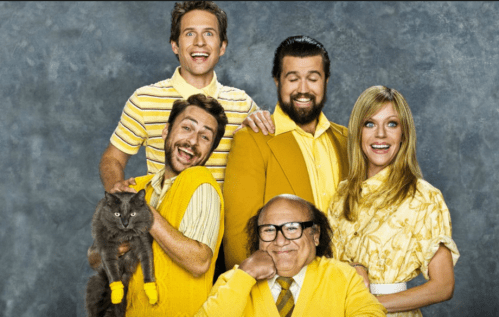
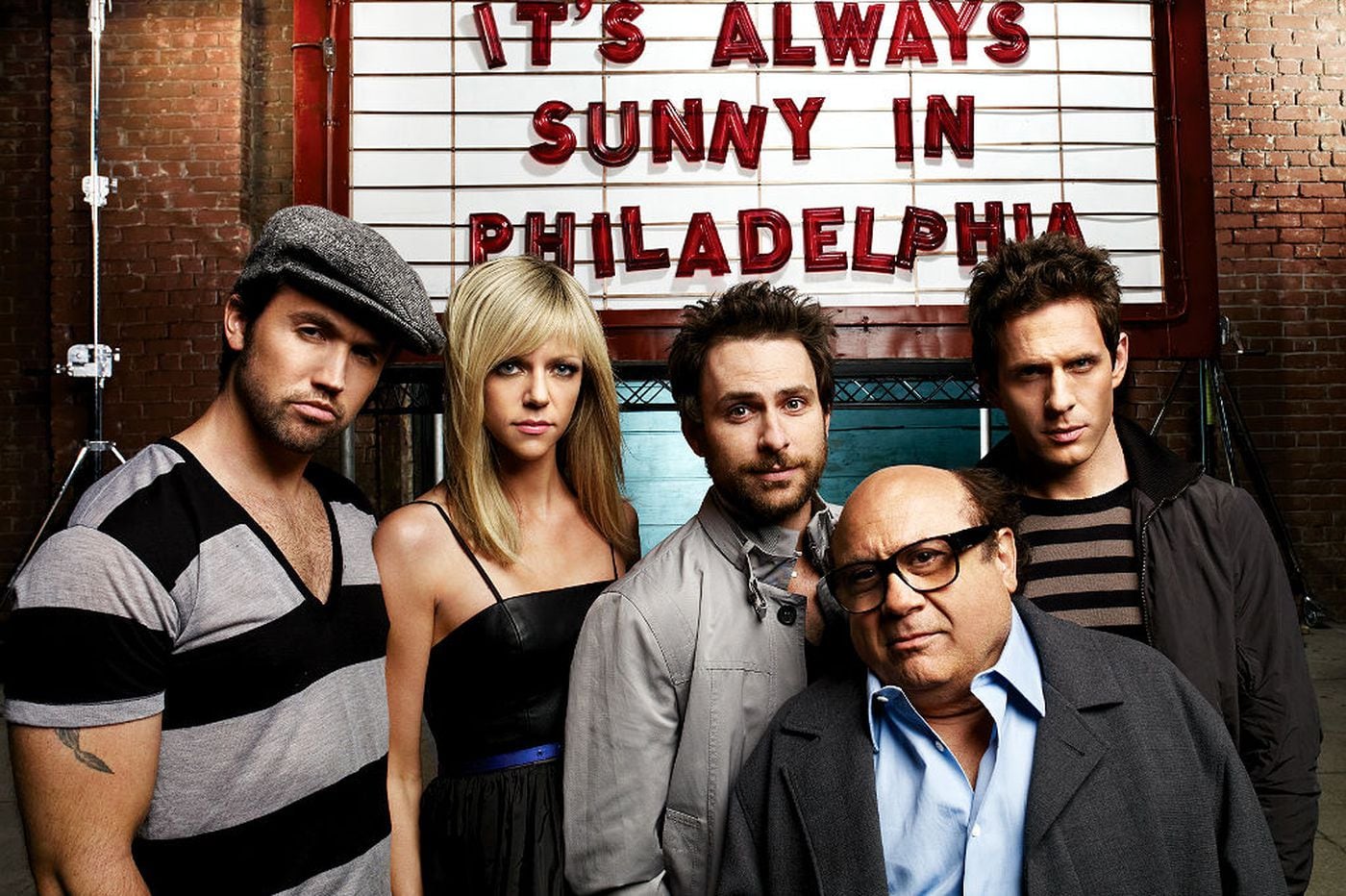
On top of that, there’s the premise of the show. In its simplest form, “It’s Always Sunny In Philadelphia” follows the shameless misadventures “the Gang.” This crew consisting of Charlie Kelly, Ronald “Mac” McDonald, Frank Reynolds, Dennis Reynolds, and Deandra “Sweet Dee” Reynolds basically take every traditional approach to making an enduring TV show and punches it in the kidneys.

This is a show where the characters will buy a boat with the intention of entrapping women.

This is a show where the cast will make an unauthorized Lethal Weapon sequel, complete with blackface, homoerotic subtext, and gratuitous sex scenes featuring Danny DeVito.

This is a show where two people are tricked into digging up the body of their dead mother.

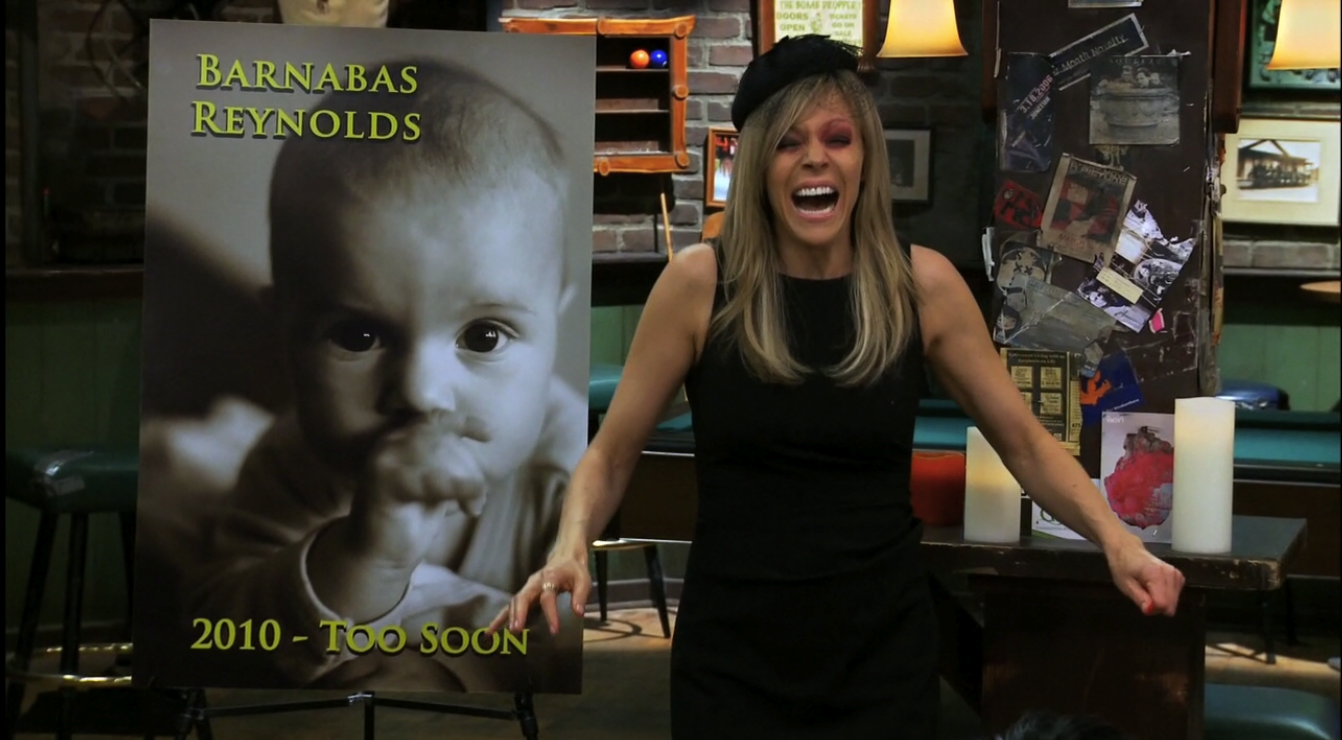
This is a show where you’ll see people hold a funeral for a baby to get out of a tax audit by the IRS.

These are not the activities of lovable characters. Even Shelden Cooper had moments in “The Big Bang Theory” where he came off as genuinely compassionate. With the Gang, there are none of those moments. Sometimes, they’ll be teased. In some episodes, the Gang will give the impression that they’re about to finally realize just how deplorable they are.

Trust me, they’re doing exactly what you think they’re doing and then some.

Ultimately, they don’t just revert back to their less-than-reputable selves. They demonstrate that they never had any intention of changing their ways. Anyone who believed otherwise either hasn’t watched more than two episodes of the show or are deluding themselves. As antithetical as this is for crafting a compelling TV show might be, it doesn’t change one inescapable fact.

It’s Always Sunny In Philadelphia” is funny, enjoyable, and obscenely entertaining.

It almost sounds like a paradox. As someone who only recently became a fan of the show, I have hard time explaining that appeal to most people in a way that doesn’t sound weird. It takes a moment to appreciate the appeal of watching a cast of self-absorbed, narcissistic alcoholics. However, within the tone and context of the show, it doesn’t just work. It achieves something profound.

Specifically, “It’s Always Sunny In Philadelphia” is the perfect manifestation of dark comedy at its finest.

Comedy, in any form, can be difficult. Jokes, gags, and bits can become overplayed and stale. There’s only so many times you can watch Charlie Brown fail to kick a football and still laugh. Dark comedy is even more difficult. It involves taking distressing, taboo subjects and trying to make them funny. Some, like George Carlin, can pull it off masterfully.

I like to think that if George Carlin were still alive, he would be a fan of “It’s Always Sunny In Philadelphia.” The show’s approach to dark comedy isn’t overly complex. It’s just exceedingly overt. It doesn’t try to balance out those dark themes with something serious or nuanced. It blatantly takes things to an extreme and dares to laugh at the absurdities.

Trust me, it gets more absurd than this.

Take, for instance, the funeral for the dead baby that I mentioned earlier. There are only so many ways you can make funerals and dead babies funny, but this show never shies away from a challenge. It also helps that every character in the Gang has the moral fiber of a Big Tobacco lobbyist on crack. They won’t just cross lines. They’ll make it a spectacle.

In this particular case, Sweet Dee is getting audited and for good reason. She acted as a surrogate to carry the child of a transgender woman that Mac used to date. Trust me, it’s more absurd that I can ever put into words. However, Dee didn’t do this out of the goodness of her heart. Nobody in the Gang is ever that altruistic. She did it because she got paid. Then, she decided to list the kid she gave up as a dependent for the tax benefits.

Naturally, this put her at odds with the IRS. Like every problem the Gang faces, she tries to run away from it or pass off the problem to somebody else. However, the problem only escalates. In most TV shows, especially half-hour sitcoms, this is the point where the characters face the consequences of their actions and try to learn from it. Instead, the Gang tries to resolve the problem by holding a baby funeral.

It’s undeniably dark, but the way it plays out is still funny. The way Dee and the rest of the Gang conducts themselves is so irreverent that the inherent darkness of the issue only makes it funnier. It shows just how far the Gang is willing to go to shirk responsibility and avoid consequences. It gets bad and it belabors just how irredeemable these characters are, but it’s still funny.

A big part of what makes that approach funny is how blatant this show is when it comes to the time-tested tropes that TV shows have relied on for decades. Take any show, from “Breaking Bad” to “Friends,” and you’ll see a concerted effort to develop and progress the characters over time. Ideally, they achieve some sort of ultimate goal by the end.

Instead of growth, the Gang actively avoids any effort at growth. Their only goal is to continue being the unapologetic assholes they’ve always been, drink heavily, and recklessly pursue whatever crazy ideas they come up with. Who they are in the first few seasons of “It’s Always Sunny In Philadelphia” aren’t considerably different than who they are in the latest season.

In any other show, characters who don’t grow and progress usually derail the underlying themes. Sometimes, that’s unavoidable. The very structure of a TV show, especially a half-hour sitcom, ensures that the characters can only grow so much. Even after the show achieves syndication, it tries to stick to a formula, even if doing so undermines the very process the characters need to evolve.

By going out of their way to not evolve, the Gang insures “It’s Always Sunny In Philadelphia” never deviates too far from the qualities that make it funny. It even channels its use of dark comedy to poke fun at the same tropes that other shows heavily rely on. From the frustrating use of clip shows to turning romantic sub-plots into a case study for excessive stalking, the show seems to revel in spitting on these time-tested methods.

What makes that comedy even more potent is that after 13 seasons, “It’s Always Sunny In Philadelphia” has lasted longer than some of the most iconic TV shows in history. It has outlasted the likes of “Cheers,” “Mash,” “Friends,” and “Frasier.” Moreover, it keeps finding a way to be funny and relevant. I think a non-insignificant part of that is how it uses dark humor.

There’s plenty more to be said about the show and why it has lasted so long. Even some of the show’s cast members have a hard time explaining why the show is still on the air. Even more likely wonder how the show can keep getting away with being so brazen about using dark comedy to tackle issues surrounding race, religion, gender, sexuality, mental health, and bird law.

There are likely many factors that have contributed to the success and longevity of “It’s Always Sunny In Philadelphia.” It helps that the actors and crew of the show really enjoy working together. There’s something to be said about a show in which the original cast have a genuine passion for their work. It’s well-documented how a toxic environment behind the scenes can derail successful shows.

At the end of the day, though, “It’s Always Sunny In Philadelphia” works because it’s funny and entertaining. It found a way to take the best aspects of dark comedy and run with it. As long as it can keep doing that, the show will have an audience. If it can include more episodes that involve Mac dancing or Danny DeVito getting naked, then that’s just a bonus.

1 Comment

Filed under Celebrities and Celebrity Culture, Current Events, outrage culture, political correctness, politics, psychology, television

Why The “Terminator” Franchise Has Faltered (And How To Revive It)

https3a2f2fblogs-images.forbes.com2fmarkhughes2ffiles2f20162f012fterminator-2-1200x873

Some franchises just aren’t built to last. It’s a sad fact of life. Sometimes, the things we love just cannot grow and blossom. Not every franchise can be like the Marvel Cinematic Universe. In fact, every effort to mirror the success of the MCU has either failed or come up short. For some, it just doesn’t have resources to grow to that extent. In some cases, trying to force a franchise into something it’s not will only hurt it even more.

The latest franchise to learn this the hard way is the “Terminator.” Believe me when I say I take no joy in saying that. I’ve always had a special place in my heart for all things “Terminator.” The original 1984 film was one of the first R-rated movies that my parents let me watch. I remember being scared, but thrilled at the same time. As a kid, that was a major step up from traditional Disney movies.

Then, I saw “Terminator 2: Judgment Day” and the highest of bars was set. Like the first movie, it thrilled and amazed me to no end. At the same time, it struck many emotional chords, especially at the end. I still get choked up to this day when I hear the T-800 tell John, “I know now why you cry, but it is something I can never do.” There’s a good reason why many rank this among the greatest movies of all time.

A big part of what made that movie great was how it completed the story. What began with Sarah Connor’s journey in the first film ended beautifully in the second. It was as complete a story as it could’ve been. To make a sequel after that would’ve been like trying to improve on the Mona Lisa. While the prospect of sequels still interested me, I never got the sense that they could improve on what the first two movies did.

That didn’t stop Hollywood from trying multiple times. While some of those movies had their moments, they never came close to improving on the first two. If anything, each sequel did more and more damage to the franchise. It showed in both the critical reception and the box office. Now, with “Terminator: Dark Fate” an outright flop, the state of this franchise is dire.

Some are already saying it’s dead. I don’t agree with that. It’s in critical condition. That’s for certain. However, I don’t think it’s doomed to the archives of cinematic history. I believe it’s worth taking a step back to understand why the franchise has faltered so badly. I also believe that there is a way to revive it for a new generation.

The reasons the franchise declined are many. Ask a dozen people who love the franchise as much as I do and chances are you’ll get several dozen answers from each of them. They usually boil down to reasons like this.

The ending of “Terminator 2: Judgment Day” was too perfect and final to improve upon.

The sequels muddied and messed up the timeline more than it already was.

The sequels focused too much on action and not enough on the horror of the first movie or the drama of the second.

The sequels didn’t utilize enough of the original cast, relying heavily on the star power of Arnold Schwarzenegger.

The sequels undermined or undercut the impact of the first two movies.

The sequels were too focused on setting up a trilogy rather than making one solid movie.

The threats in the sequels were too bland and predictable, relying too much on newer Terminators fighting older Terminators.

Personally, I think every one of these reasons has merit, but some have more than others. When I re-watch “Terminator 2: Judgment Day” and compare it to the sequels, I can clearly see the difference from a cinematic and storytelling standpoint. That movie was made to complete the story that James Cameron started telling with the first. Every other sequel was made to set up more sequels.

From there, every other issue compounded. The focus of the movies was less about having a genuine impact and more about teasing a future movie. That only works if the first movie is successful and that didn’t happen with any of the sequels after “Terminator 2: Judgment Day.” They attempted to set up a larger story, but nobody cared about that story anymore.

Then, “Terminator: Dark Fate” committed the ultimate sin, in my opinion, when it effectively rendered the first story pointless for the sake of a new one. For me, that ensured that this would be the first Terminator sequel I didn’t see in the theaters. I doubt I’ll even see it when it comes out on cable. What this movie did to John Connors and the over-arching narrative of the franchise just cannot be overlooked.

It’s so bad that I won’t even bother with a spoiler warning. “Terminator: Dark Fate” kills John within the first two minutes of the movie. In one cold, callous sequence, this character who fought so hard with his mother to save the future is rendered pointless. The only difference he made is that the name of the future robot overlords changed. Instead of Skynet, they got Legion. That’s it.

Not Pictured: Anything remotely appealing.

It would be akin to having Thanos come back to life, murder the Avengers, and wipe out half the life in the universe all over again in the first movie after “Avengers: Endgame.” Everything and everyone they fought to save is rendered pointless. Then, that same movie tries to tell a story about a new savior who nobody has any attachment to and will always be defined by being John’s replacement.

There’s nothing about that story that has any appeal, either to a fan of the Terminator franchise or any franchise, for that matter. On top of that, “Terminator: Dark Fate” went heavy on mixing gender politics with the movie. That’s not just an indirect interpretation. The director, Tim Miller, flat out admitted it in interviews before the movie came out.

I don’t want to get too caught up in that aspect of the movie, but I do think it was a contributing factor to the movie’s shortcomings. We’ve seen it happen with other movies before. When a movie is too focused on enduring its female characters pass the Bechdel Test, it rarely puts enough effort into making them likable or endearing. It also obscures the overall plot by making it predictable.

There are many other flaws to highlight in “Terminator: Dark Fate,” as well as plenty more in the movies that came before it. Rather than belabor those, I want to focus on how this franchise rebuilds itself from here. The failures of the sequels have damaged it significantly. There’s no amount of time travel or retroactive changes that can save the story that “Terminator: Dark Fate” tried to set up.

That said, this franchise does have a few things going for it. It’s a known brand that people recognize. When most people hear the word “Terminator,” they usually understand it as a reference to the movies. Even if it’s not as strong a brand as it used to be, it still carries weight and sometimes, that’s all it needs.

The first step to rebuilding it involves ending the futile efforts to build, expand, or somehow improve on the story of Sarah and John Connor. Their story ended perfectly in “Terminator 2: Judgment Day.” Most Terminator fans agree with that and anything that would somehow undermine their legacy is only going to cause more damage.

The next step is to start a new timeline, but one that doesn’t focus on saving the future leader of the resistance or ensuring that Judgement Day occurs. That story has been done to death. For Terminator to succeed, it needs to show that it can do more. In fact, I believe “Terminator: Dark Fate” actually has one sub-plot that might be the key to the franchise’s renewal and survival.

In that movie, the Terminator that killed John, played by Arnold Schwarzenegger, secretly built a human life for itself after its mission was completed. It walked around as a human, met a woman with a son from a previous marriage, and formed a family. If the movie had any plot worthy of intrigue, it was this. Sadly, it was poorly developed and mostly rendered pointless by the end.

It’s a concept that might resonate more today than it could have in 1984. When the first Terminator movie came out, machines and robots weren’t that smart. They were defined by how inhuman, cold, and calculating they were. In recent years, that has changed. Movies like “Ex Machina” and “Wall-E” have built compelling stories about robots that have human traits, including emotions.

It’s something that the Terminator franchise has flirted with before. Part of what made the ending of “Terminator 2: Judgment Day” so dramatic and impactful was the emotional attachment that John developed for the T-800. Even the T-800 showed signs that he’d formed a bond. It made that final sacrifice feel so powerful.

Even “Terminator: Genysis” explored the idea. It had another T-800 form a fatherly bond with a young Sarah Connor, so much so that she called him Pops. While the movie didn’t flesh out the concept as much as it could’ve, there were moments that highlighted the extent of this bond. I strongly believed that if this movie had emphasized this concept over making John Connor evil, it would’ve succeeded.

Rather than hint or imply it, I believe a future Terminator movie should go all in on this idea of a killing machine developing emotional attachments to humans. It’s something that is more relevant today than it was in 1984 or 1991. We already interact more intimately with technology and we’ve even given our technology a personality. I say that’s a story that the Terminator can build upon.

Imagine the following scenario.

It’s the distant future. Machines have taken over. Humanity has been all but enslaved. There are only pockets of resistance. To combat this, the central machine intelligence, Skynet, creates Terminators with the sole purpose of killing the remaining humans.

However, humans prove crafty. They outwit and outsmart the early models. In order to become better killers, new Terminators are created that can mimic, study, and process emotions. Ideally, it could infiltrate human resistance camps, earn their trust, and terminate them appropriately. They would be the ultimate killers.

Unfortunately, there’s not enough data. Humans are too scattered, weak, and desperate. Skynet doesn’t have enough data to give these new Terminators the capabilities it needs. It calculates that it would take too long and require too many resources to compile the data in the present. As a result, it decides to send a model back in time before machines took over.

The model’s mission is simple. It must integrate into human society, compile data, preserve it, and transmit it back to Skynet by preserving it within disks. If it’s identity as a machine is uncovered by a human, its primary protocol is to terminate the human.

The first model is sent back. It arrives in a bustling city that would one day be reduced to ruin. It finds clothes, has an identity, and begins integration. However, just as it’s starting to establish itself, a human finds out it’s a machine. Its protocols are activated, but then something unexpected happens. It doesn’t terminate the human.

Instead of fear, the human develops intrigue. It connects with the Terminator. They start to form a bond. Eventually, the Terminator’s systems for mimicking emotions turn into real emotions. It develops a love for humanity and decides to defy Skynet. That decision ripples into the future and Skynet tries to send other Terminators back to destroy it.

As a Terminator fan, I would love to see a movie like this. It could work with a male or female Terminator. It could also work with a male or female protagonist. Like the T-800 in “Terminator: Dark Fate,” it could even become part of a family, giving it something to fight for and protect. Instead of fighting to protect a savior, the Terminator fights to change the fate of both itself and humanity.

This is just my idea, though. I’d love to hear with other Terminator fans think. I’d also love to hear how they would revitalize this franchise. I believe there is room for this franchise in the current cultural landscape. As machines and advanced artificial intelligence continue to progress, I suspect it’ll become even more relevant.

Like Sarah Connor once said, there is no fate, but what we make for ourselves. That applies to our future as a species. It also applies to this franchise.


Leave a comment

Filed under Artificial Intelligence, gender issues, media issues, movies, outrage culture, technology

Theon Greyjoy and Sansa Stark: How “Game of Thrones” Managed to Avoid Double Standards

swlxd57g7rbk7fszejfk5sighi

The following is an article written and submitted by DC-MarvelGirl 1997, who is a friend of mine and a talented young writer. She has a website and a YouTube channel that I highly recommend. I sincerely thank her for taking the time to write this, as it relates closely to other issues I’ve brought up on this site regarding gender, double standards, and media depictions. Enjoy!


Theon1

In a world of double standards, there comes a point where we should question when something is no longer a joke. With television shows such as “Cobra Kai” and “Married with Children” managing to poke fun at emasculation and male circumcision, after the fact we oftentimes question why we find those jokes funny. If those same jokes were made about women, it would be considered “sexist”. When it comes to men, it is almost as though we are okay with men being brutalized.

It’s pretty hard to avoid double standards in this day and age. However, I would say that there might be an exception to this. Today, I will be discussing the television series “Game of Thrones”, and how they managed to avoid double standards about gender.

Now, I’m not expert on “Game of Thrones”. In fact, I’ve only started reading the first book, and I am halfway through it as I am writing this. When you find a story that genuinely intrigues you and piques your interest, you want to keep reading it. With “Game of Thrones” it is no exception. Additionally, when it comes to issues such as gender, the novels do not hold back. The television series most definitely didn’t hold back when it came to showing brutalization of various characters. The throne room scene where Sophie Turner’s Sansa Stark is being stripped and beaten in front of noblemen forever solidifies for me why she’s such a great actress. In fact, it is my favorite scene to view in general. However, naturally, we as human beings would be uncomfortable seeing women being beaten and brutalized. And I can attest as a woman myself that it is disheartening to watch happen. I think a huge part of it is because we consistently try to protect women and keep them as pure as possible. It consistently shows throughout history, as well, how women are treated in comparison to men.

sansa1

In Sansa’s case, she’s received her taste of brutality on more than one occasion. She’s been forced to suffer and endure so much throughout the course of the television series. You watch the scenes where she is being beaten by Joffrey’s men and the scene where Ramsay Bolton rapes her on their wedding night, you cannot help but feel discomforted viewing it. I don’t think any rational person wouldn’t feel uncomfortable watching scenes like that.

However, what is even more uncomfortable is what occurs with the character of Theon Greyjoy – who throughout the course of the show, and the books, has gone through as much brutalization as Sansa. I would argue that what happens to Theon on the show is worse. When I say that “Game of Thrones” doesn’t hold back with showing brutalization of both men and women, this is where I make my point.

Theon2

With the character of Theon, we are introduced to him as the character who is taken pity upon by Ned Stark, who proceeds to take him in as his ward. Theon starts of similarly to that of Sansa – arrogant and overconfident, and the character that is probably one of the least liked on the show in the first season. Nonetheless, he gets a taste of what it’s like to be broken to nothing after he makes mistake upon mistake, betraying the Stark family. This leads to he being captured by Ramsay Bolton – who at that point is leading Winterfell with an iron fist. This leads to Theon suffering his own torture.

As if Ramsay cutting Theon’s fingers off isn’t bad enough, but Ramsay further emasculates him by cutting his genitalia off. It simply gets worse as Ramsay is next shown eating a long and plump sausage right in front of his captive, making Theon believe that Ramsay is eating his genitals. In addition to emasculating Theon, Ramsay proceeds to rename him “Reek” to further degrade him.

Ramsay

With “Game of Thrones” and the way they portray torture so graphically, there is never a moment where emasculation and brutalization are treated as a joke. Whenever you watch those moments, you can hardly help but feel uncomfortable. With “Game of Thrones”, it’s rare that you will find any double standards regarding the treatment of men and women. In Theon and Sansa’s cases, these would be handled differently if these characters were on a sit-com. Sansa’s situations of rape and being stripped and beaten would be treated seriously on almost any cable network show. Unfortunately, Theon’s case would more than likely be turned into a joke about male circumcision and put on an episode of “Married with Children”.

It comes to show that the book series “A Song of Ice and Fire” and the TV show “Game of Thrones” give a truly eye-opening look at how different genders are treated. It displays an old-fashioned viewpoint of the traditional gender roles, which is a given. Nonetheless, it doesn’t display hypocrisy when displaying torture being thrust upon men and women. Theon and Sansa alike are both treated by various characters with a level of brutality to further humiliate and degrade them. It strips them down to being polar opposites of who they used to be before. Sansa starts off as a bratty and pretentious princess who slowly unravels to a woman who is a lot more hardened, yet she manages to not lose her compassion for others. Theon starts off as an arrogant show-off whom after being emasculated is broken to something else utterly. Nonetheless, you cannot deny that there is something to be said here.

With “Game of Thrones”, both men and women alike suffer and get put through more than we could ever imagine. Both genders are shown to receive the same amount of brutal treatment, and there is no sugarcoating anything at all. If anything, the books and the show alike give us material where you don’t need to talk about double standards, because there are essentially none. However, it doesn’t mean it isn’t worth discussing and bringing up.

DC-MarvelGirl 1997

Leave a comment

Filed under Game of Thrones, gender issues, media issues, men's issues, outrage culture, political correctness, psychology, sex in media, sex in society, sexuality, television, women's issues

How Jar Jar Binks Exposed The Flaws (And Dangers) Of Social Media

maxresdefault-1

Every now and then, something extraordinary happens that reveals how flawed our current system is and how far behind we are in terms of fixing it. Sometimes, it’s tragic. Sometimes, it’s frustrating. In rare cases, it’s hilarious, albeit in a distressing way. Personally, I find those cases most revealing.

Recently, there was one notable instance that included one of the most reviled fictional characters of the past 20 years. No, I’m not talking about King Joffrey or Ramsay Bolton. I’m talking about Jar Jar Binks. If you’re a “Star Wars” fan, then that name likely inspires all sorts of anger, dread, and distress.

Jar Jar is both a joke and a cautionary tale. Aside from proving that George Lucas has no business directing another “Star Wars,” he demonstrates just how wrong an attempt at comedic relief can go. While he wasn’t the only problem with the prequels, he augmented the flaws. On top of being annoying, incoherent, and incompetent most of the time, he was a major symptom of a much larger disease.

Once again, everything that makes Jar Jar such a pariah in the cultural landscape has exposed another disease in a place that’s not far, far away. For reasons that many found confusing and confounding, Jar Jar started trending on Twitter. While there was a someone legitimate reason for this, it was indirect and unintentional. There was no concerted effort to get him trending. It wasn’t even part of any elaborate trolling.

The fact that it took a while to explain why this infamous character was trending says more about social media than it does about Jar Jar. There’s no question that social media has changed the media landscape in ways that cannot be overstated. We current live in a world where companies invest a great deal of time and resources into making their presence on social media unique. Some definitely do it better than others.

At the same time, social media has not always had a positive effect on the world and its users. There have been plenty of cases where social media has been used to brutally harass people and spread blatant lies. There are even some cases in which social media played a role in directing real harm to innocent people. The dangers are there and well-documented.

Most people with an internet connection know those dangers are there. Many see it as the cost of doing business for a technology that has an uncanny ability to connect people. I certainly pay that cost, given my own presence on social media. However, what just happened with Jar Jar on Twitter demonstrated that the cost might have hidden fees in the fine print.

Remember, there was no concerted effort to get Jar Jar trending. Even after he did, nobody could figure out why he was trending. On top of that, the fact that nobody could figure it out only got people more curious, which made him trend even more. It was a self-reinforcing cycle that was funny in some respects, but distressing in many others.

It’s somewhat similar to what happens with people who are famous just for being famous and little more. This unfortunate, but inescapable aspect of celebrity culture rarely creates people who garner respect or admiration. If anything, they foster cynicism and disconnection from the culture. That kind of fame just feels so random, unearned, and empty. Thanks to Jar Jar, we now know social media trends can do the same.

Things can trend for no discernible reason. Matters that nobody even wants to get trending can garner unexpected and often unwanted attention. Thanks to the mechanisms of social media, the mystery behind why something trends can make it trend even more. While that’s going on, legitimate issues that warrant attention can slip under the radar.

Human beings only have so much attention to give. When something like Jar Jar trends for no discernible reason, a non-significant chunk of our collective attention is redirected. It would be one thing if it were just some masterfully act of trolling, but this is something we do to ourselves collective. That means we have no one to blame but ourselves when something like Jar Jar trends.

We’re the ones who make and share these hashtags. The social media companies are just tools and businesses. Like many companies, they’ll engage in plenty of shady activities. They’ll do whatever they think will make them more money. At the end of the day, though, we’re still the consumers who shape social media.

That should be cause for concern because this isn’t vapid celebrity culture we’re dealing with. The things that trend on social media have real-world consequences. Companies have suffered significant harm. Lives of non-celebrity people have been ruined. A random person who becomes famous for no reason rarely causes actual harm to anyone. Social media trends can do so much more.

In some cases, it can cause a great deal of good. If the right thing gets trending, it can rally people to a worthy cause. It can also inform the public of a serious issue. It can even turn real-world tragedies into a powerful force for good. Personally, I think this good overshadows the bad, but when I see Jar Jar trending, I can’t deny that there’s a flaw in this system.

Is there a fix? I believe there is, but I don’t believe it’s as simple as companies tweaking their rules or insulting people who share hash tags. Jar Jar may have been a source of frustration in the early 2000s, but he’s only relevant in 2019 because we make him relevant. It’s not him. It’s not George Lucas. This is all us.

I believe we’re better than that. Despite all the awful things I’ve seen trending on Twitter and Facebook, I see far more positives that warrant far greater attention. Jar Jar might be a symptom, but I take comfort in the fact that he’s a symptom that often burns out quickly. When something is empty, people get bored of it much easier and nobody should ever underestimate the power of boredom.

In the grand scheme of things, Jar Jar trending for no reason isn’t necessarily a setback. It’s just a sign that we, as a tech-savvy society, have a long way to go with respect to managing social media. In an imperfect world, dumb things will trend for dumb reasons. However, when something like Jar Jar starts trending, that’s a sign that we have plenty of room for improvement.

Leave a comment

Filed under human nature, media issues, outrage culture, political correctness, psychology, Star Wars, technology, War on Boredom

Why “Joker” Is Brilliant, But Controversial (For The Wrong Reasons)

960x0

Every now and then, a movie comes along that’s brilliant in so many ways, but undermined by the circumstances of its release. In the same way certain movies come along at just the right time to become a cultural phenomenon, others hit theaters with unexpected forces working against them.

When “The Dark Knight” came out in 2008, its timing was perfect. It struck all the right notes from a cinematic, narrative, and cultural perspective. On top of that, Heath Ledger’s performance as the Joker went down as one of the greatest displays of acting prowess of all time, and not just for a superhero movie. For many, myself included, Ledger’s version of the Joker will always be the one by which all others are measured.

By contrast, “Joker” couldn’t have been timed worse. The current social, political, and cultural landscape is vulnerable and hypersensitive to every one of the themes it explores. On top of that, the movie explores those things very well, so much so that it warrants being in the same conversation as “The Dark Knight” in terms of how it portrays the Joker.

While Heath Ledger’s Joker is still superior in almost every way, what Joaquin Phoenix accomplished in this movie deserves plenty of praise. At the very least, it helps cleanse the memories of those still cringing at Jared Leto’s rather eccentric take on the character in “Suicide Squad.”

This movie, as well as Phoenix’s performance, comes at a time when taboos about mental health and disturbed lonely men are hot-button topics. On top of that, a string of mass shootings perpetrated by disturbed men, some with disturbing manifestos, has created real-life horror while stoking genuine fears. The story in “Joker” neither avoids nor downplays those issues.

This movie also dares to do something that few beyond Alan More has been able to achieve, which is to give the Joker a backstory. For many lifelong comic fans, especially Batman fans, the very concept of fleshing out this character undermines the core of his appeal. He has always functioned better as a chaotic force of nature rather than a person with a tangible history.

Ever since his creation in 1940, his life and his story have been vague. He has been defined as a perfect counter to Batman’s never-ending crusade. Whereas Batman seeks justice through clear, defined rules, the Joker seeks chaos and laughs at such rules. He can never be too defined, as a character, if he’s to personify that chaos.

Despite these challenges, “Joker” finds a way to tell his story and, like “The Dark Knight” before it, actually manages to make the Joker even more terrifying. Through the character of Arthur Fleck, we see a disturbed mind trapped within an environment that does everything to make his condition worse. Through both unavoidable circumstances and fateful choices, we see this broken mind become something far more dangerous.

It doesn’t happen all at once. There’s no single trigger, like falling into a vat of chemicals. There’s a cumulative effect to Arthur Fleck’s transformation. It’s not always logical or smooth, which comes off as intentional from the beginning. The only constant is that Fleck gets more twisted and unhinged with each escalating event.

This is where Phoenix’s performance really shines. He carries himself with a presence that feels very close to what Ledger captured in “The Dark Knight.” He starts off as simply being mentally ill and struggling with it. However, what he does with his illness and what it does to him turns him into something more than just another disturbed loner.

It’s here where the controversy behind the “Joker” takes hold. I would argue it’s a dumb controversy, but it was serious enough for Aurora, Colorado to cancel screenings of the movie. While it feels like an overreaction, it’s somewhat understandable, given what happened in Aurora in 2012.

If that were the extent of the controversy, then “Joker” would only be a passing concern for most people. Then came the idea the movie celebrates or glorifies “incel culture” through Fleck’s story. While I usually try to be balanced when scrutinizing certain ideas, even if they’re absurd, I can’t do that this time.

Simply put, this part of the controversy is just plain stupid. There’s no better way to say it.

Worrying that this movie might somehow inspire lonely, disturbed men to go on killing sprees is completely without merit. It’s akin to worrying that “Friday the 13th” will inspire anyone who wears a hockey mask to brutally murder camp counselors. Moreover, the absurdity of this controversy undercuts the more substantive messages of this movie.

There is a real message in “Joker” and it has nothing to do with incels, masculinity, or even violence. In this world, Gotham City is the perfect symbol of a grossly flawed society that tries to pretend those flaws can be fixed by staying the course. From the perspective of people like Arthur Fleck, this notion is a complete joke.

Much like our world, there’s a small segment of very rich, very powerful people who benefit the most from this society. The Wayne family is the perfect manifestation of this joke. Even when they carry themselves as responsible, upstanding pillars of the community, they still look down at those who are dissatisfied. On top of that, they think their dissatisfaction is a flaw.

Arthur Fleck is as caught up as anyone in this decaying society. Then, through details I won’t spoil, he starts something that inspires chaos that would make Heath Ledger’s Joker proud. That chaos may or may not be entirely justified, but it’s understandable. In a sense, the Joker is just an extreme manifestation of something that seemed inevitable.

If there is a real controversy with “Joker,” it’s that the wrong issues became controversial. This movie conveys a message to the rich, powerful people who benefit the most from society that things aren’t as rosy as they seem. Those same people who think they know the solutions have no idea what people at the bottom are going through and dismissing them as “clowns” only makes things worse.

We’ve already seen this happen in the real world. The powerful who seek greater power call those who lash out as unimportant or misguided. They think those who protest loudly have nothing of merit to say, which only feels like an excuse to not listen. In that sense, it’s probably not surprising that many media outlets have turned on this movie, albeit for the wrong reasons.

At its core, “Joker” highlights the craziness that compounds craziness. In a world that’s unfair, unjust, and full of lies, how can sane person not be driven insane by their circumstances? Arthur Fleck had more circumstances than most and his mental illness only compounded the situation.

There are times when it’s not entirely clear when the events unfolding are real or vivid delusions. It nicely reflects the uncertain nature of the Joker’s origins, as both the Killing Joke and “The Dark Knight” have previously established. There’s a point in the movie where it becomes unclear where Arthur Fleck truly comes from or whether that name is truly his.

In the end, his name doesn’t matter because once he becomes the Joker, he becomes something more than just a mentally ill loner. For certain people who have seen mentally ill loners commit atrocities in the real world, it sparks real fear. At the same time, “Joker” makes clear that’s the wrong target.

After seeing “Joker,” I feel like I just saw a movie that people are going to be talking about for years to come. It’s a movie that can be interpreted in many ways, which is perfectly befitting of the Joker’s chaotic nature. At the same time, I knew some of those interpretations would be used in the name of an agenda and not in a good way.

In another time, “Joker” would be hailed as a movie worthy of praise on the level of “The Dark Knight.” However, because it came out at a time when people fear the lonely, deranged men more than the society that creates them, it’s not able to have the same impact. It’s still an excellent movie and one that will have a unique place in cinematic history for years to come.

1 Comment

Filed under human nature, outrage culture, philosophy, political correctness, politics, psychology, superhero comics, superhero movies