Tag Archives: male sexuality

Masculinity, Feelings, And The Taboo Of Expressing Emotions

man-crying_2532946b

Real men don’t get all touchy-feely with their emotions. How many times have you heard that said in one way or another? Maybe that’s the wrong question to ask. Maybe a better question would be why is it that men can’t get emotional without it being a flaw?

Whatever way you frame the question, it’s hard to deny that there’s an unspoken taboo when it comes to men expressing emotions. A man who gets emotional is seen as weak. He’ll get called a sissy, a wimp, or a pussy. Their ego takes a hit. Their reputation and sense of worth takes a hit. As a result, men have little choice but to suppress their emotions, which is objectively unhealthy.
Conversely, a woman who gets emotional tends not to get criticized. For them, showing emotions is normal. We don’t think it’s wrong for a woman to cry during an emotionally distressing experience. We don’t see that as a sign of weakness. If anything, we would be more concerned if they didn’t show emotion.

It’s a strange, but impactful dynamic. One gender is allowed to express a wide range of emotions without ridicule. The other is expected to suppress those emotions. For men, the only acceptable emotion, it seems, is anger. Men being angry is the only emotion they can show that isn’t entirely taboo, although even that is changing.

The same regressive attitudes that create meaningless terms like “toxic masculinity” adds even more constraints on men’s emotions. Now, a man isn’t even allowed to be angry anymore. His anger just identifies him as another member of a toxic culture that hates women, despises minorities, and wants to create a patriarchal world where they’re all Don Draper.

I hope I don’t need to explain why that notion is wrong, misguided, and just plain asinine. That’s not the purpose of this piece.

I bring this topic up because, as a man, I’ve felt the impact of these attitudes on a personal level. There are a lot of stereotypes about men and masculinity that don’t bother me because the effects are usually overblown or exaggerated. This is one issue where I’ve felt genuine distress.

As I’ve said many times before, I’m a big romance fan. I love romance in comics, movies, TV shows, and even video games. I’ve been a fan of all things romantic since I was a teenager. However, a young man who admits that enjoys romance is likely to get a lot of odd looks from men and women. Nobody ever told me that it’s uncool for men to like romance, but that’s the impression I got.

As a result, I was downright secretive about my love of romance. I wouldn’t mention romantic sub-plots in movies or TV shows among friends or family. I often had to seek out romantic media covertly. There were even occasions where I would be watching something with heavy romance on TV, but change the channel as soon as someone entered the room.

At times, I treated hiding my fondness for romance with the same tact as most men would in hiding their porn stash. If anything, hiding porn would’ve been easier because most people expect men to enjoy that. A man admitting he watches porn won’t surprise anyone these days. A man admitting he enjoys romance doesn’t have that luxury.

That sounds melodramatic on my part and in hindsight, it probably was. However, being a man, I didn’t want to deal with that extra scrutiny. Growing up, I already had other personal issues to deal with, including a terrible acne problem that killed my confidence for most of my youth. The last thing I needed was another reason to feel like a freak.

Eventually, it helped when I found online communities full of romance fans who were men, women, gay, straight, bisexual, and everything in between. That finally gave me an outlet and it’s a big reason why I started writing sexy stories. While I’ve come to appreciate that outlet, it was still frustrating having to hide the fact that I liked romance. If I weren’t a man, it wouldn’t have been a big deal.

As hard as that was, the cost of managing emotions as a man can get much higher. Just this past year, I’ve felt the extent of that cost in ways I honestly can’t put into words. It started with the passing of my grandmother. Saying goodbye to her was one of the hardest things I’ve ever done before.

I had to go through so many painful feelings during that process. I couldn’t tell you whether I handled them well. I like to think I did, but I can’t say with a straight face that I successfully managed my emotions through that whole ordeal. There was a lot I had to either temper or suppress.

It wasn’t because someone was stopping me. There weren’t a cabal of other men actively shaming me for feeling sadness, sorrow, and grief. There weren’t teams of women questioning my masculinity because I dared to show unmanly emotions. As a man, I just didn’t know how to express these feelings. There was just a sense that this wasn’t something men did.

I think it’s only getting harder as masculinity, itself, faces more scrutiny. Nobody can seem to agree on when it’s okay for men to get emotional or how they should go about it. We just know there’s a high price for screwing up. Think about the kinds of criticisms men face if they don’t put on the tough, confident poise of James Bond.

A man who shows too much anger is just a product of toxic masculinity.

A man who cries openly is overly sensitive.

A man who is overly romantic is either whipped or domesticated.

A man who shows sadness is weak and incapable.

A man who tries to talk about his feelings is either mansplaining or whining.

Given all these pitfalls, how is a man supposed to go about expressing his emotions? Just being strong isn’t enough anymore because strength has steadily become more gender neutral. While I think that’s a good thing for men and women alike, I also believe that dealing with emotions is a major blind spot in the world of gender politics.

That’s not to say this issue is being ignored. In wake of the anti-harassment movement, there has been some efforts to re-evaluate how we think about men and emotion. A few tech companies have even formed private men’s groups where men can get together and do more than discuss these issues, among other things.

I can already hear some men saying those groups are for wimps. Some might even doubt the masculinity of the men who participate. That’s understandable. These kinds of attitudes don’t change overnight. However, between the growing suicide rate among men and the impact emotions have on mental health, this is an issue worth confronting.

I won’t say yet whether these groups will be effective at helping men with their emotions, but I believe it’s a start. I also believe that this is one issue in which men and women can come together on. Other parts of the anti-harassment movement and modern feminism are bound to be divisive. This can actually be a unifying force.
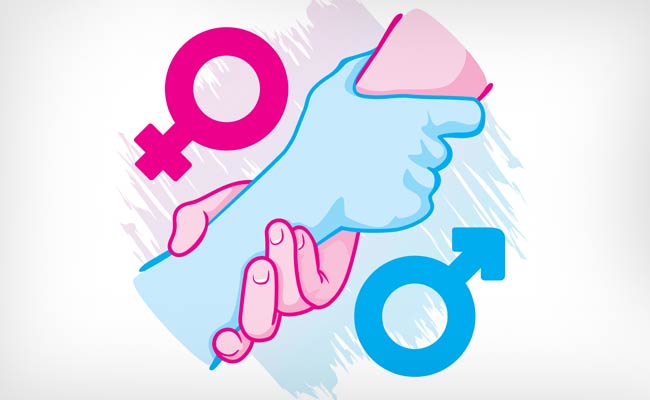
Human beings are emotional creatures. No matter how masculine you are or how feminine you are, you’re going to experience a wide range of emotions over the course of your life. If one gender can’t even figure out which emotions are socially acceptable, then how can we hope to forge emotional bonds with one another?

I don’t doubt that emotions are difficult to deal with. I’ve learned that the hard way this past year. I know plenty of other men who are going through the same struggle. In the end, being able and comfortable expressing feelings should be one of the most gender-neutral aspects of the human experience.
2 Comments

Filed under gender issues, human nature, men's issues, outrage culture, sex in society, sexuality, women's issues

Controlling Women’s Bodies Versus Policing Men’s Thoughts

000_hkg10109760-e1506859911100

Discussing gender issues, whether it’s from a feminist perspective or a male perspective, is fraught with problems. I’m not just referring to the hashtags, virtue signaling, systemic deficiencies, or historic injustices, either. Talk to anyone on any part of the political spectrum for more than five minutes and you’ll realize something very quickly.

Addressing gender issues isn’t just difficult. It’s frustrating.

By that, I don’t mean that it’s impossible to have a productive conversation. There are just certain aspects of that conversation that are intractable. We’ll never be able to agree because we’ll never be on the same page.

Women will point out the historic abuses and injustices perpetrated by men.

Men will point out the inherent advantages and privileges that women are afforded.

Women will bemoan instances of harassment, toxic masculinity, and patriarchal oppression.

Men will cite instances of egregious double standards, male disposability, and cultural marginalization.

Those in the transgender community will point out how both sides are guilty of denigrating their community.

From the most radical of feminists to the most egregious misogynist, there seems to be no common ground. It fuels a great deal of the perpetual outrage culture surrounding gender. Whatever your ideology, it feels like there’s no underlying thread through which we can get to the heart of the conflict.

While I don’t claim to be an expert in feminism, men’s issues, or gender, I’ve written enough about these topics to gain some insight. In doing so, I wish to do something other than complain about the state of gender politics. Instead, I’d like to offer an idea that I believe puts many gender-driven conflicts into a more cohesive context.

The primary catalyst for gender conflicts boils down to controlling women’s bodies versus policing men’s thoughts.

I know it’s a generalization, one that seems too simple to cover so many complicated issues. However, the connections are there. If you take a step back, it’s possible to see how many current and past issues involving gender came down to this simple dynamic.

To understand its implications, take a moment to think about the different ways we judge men and women. Consider how we do it now, how we’ve done it in the past, and the ways we justify it. When you look at the big picture, there are some clear patterns.

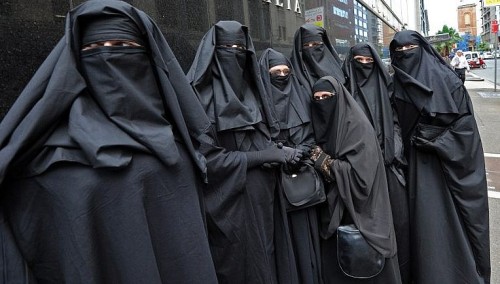
Take, for example, the extent to which modesty and chastity is emphasized for women. In both modern Islamic cultures and ancient agrarian cultures, a virtuous woman was one who didn’t show off her body, didn’t have promiscuous sex, and didn’t thrust herself into major issues. At the same time, modesty in men is never mentioned.

Why is this? I know some feminists will cite the nefarious patriarchy as the source of all female marginalization. That makes for a great melodrama, but it does not reflect reality. I know I’ll upset a few feminists here when I say this, but I think it needs to be said.

The obsession over the female body has nothing to do with patriarchy and everything to do with the fact that women bear children. That’s the one intractable difference between men and women that no ideology can deny. One gender has to carry the future of the species inside their bodies for nine months and the other doesn’t.

Any woman who has endured a pregnancy can attest that this process is strenuous, to say the least. Unfortunately, it’s necessary for the continuation of our species and, by default, the growth of society. From a purely pragmatic perspective, it makes sense to micromanage female bodies.

We need female bodies to be healthy and safe in order to bear children. The fact that, for much of recorded history, men needed to be certain those children were theirs for the inheritance of property only increased that need. Women who were promiscuous, injured, or in any way damaged didn’t just result in their own suffering. It could cause the entire tribe to suffer.

It certainly doesn’t help that we had a limited understanding of human biology and disease until recently. It also doesn’t help that these values of protecting female bodies became enshrined in religion and culture, some of which are still practiced today. This emphasis on controlling the female body is the foundation on which many taboos, traditions, and tropes are built.

On that same foundation is the other side of that dynamic that involves policing the thoughts of men. By that, I don’t just mean men acting immature at the sight of a naked woman or cringing at discussions concerning female biology. I’m talking about a mentality that builds assumptions and expectations about an entire gender based on unknowable thoughts.

Think back to what Judeo-Christian morals say about men who look at a women with lust. It’s such an important issue that Jesus himself says outright that just thinking sexy thoughts about a woman is a major transgression. He didn’t say anything about homosexuality, but he made it clear that contemplating lust is as bad as acting on it.

Many religious traditions and cultures place a similar emphasis on the subject. It’s why traditions in Islam and ancient China advocate separating men from women. If they’re in close proximity, they may look at one another. If they look at one another, then they may think lustful thoughts.

This isn’t just cultures being sexually uptight or overly patriarchal. This emphasis on scorning men’s thoughts makes logistical sense when you look at the intent. From perspective of a functional society, it has to emphasize thought over actions because just judging a man for his actions is insufficient when you extrapolate the consequences.

Say a man sexually assaults a woman. The community rightfully convicts him and punishes him as harshly as possible. No matter how harsh or cruel, though, it doesn’t undo the harm he inflicted on the woman. She is still traumatized. She might even be permanently injured. As I noted before, when a female body suffers, it puts the future of the community in danger.

As a result, we have no choice but to attack the thoughts of the man that preceded his assault. The only way to prevent damage to the female body is to prevent those violent thoughts from occurring in the first place. Unfortunately, we can’t read thoughts. We don’t know what a man is or isn’t thinking when he commits an egregious crime. As a result, we’re left with expectations and assumptions.

That’s where we get flawed concepts like toxic masculinity, the male gaze, and mansplaining. That’s also why there’s a greater emphasis on assuming the guilt of men and believing the claims of women. Attacking their thoughts is the only sure-fire way to prevent them from turning into actions that would harm women and their bodies.

Please note that I emphasized the harm to the female bodies with respect to men’s actions. That’s not an accident. The assumptions are the same today as they were in ancient times when protecting the reproductive function of women wasn’t just a cultural tradition. It was a matter of survival. Any effort that could reduce the chances of a female body being harmed had merit. From there, natural selection does the rest.

With this dynamic in mind, look at some of the relevant cultural issues going on today. Even if the connections aren’t direct, the influencing factors are there. Nearly every one of them come back to controlling women’s bodies and policing men’s thoughts.

At the heart of the abortion debate is controlling women’s bodies.

At the heart of the debate over depictions of women in media is policing men’s thoughts.

At the heart of the anti-harassment movement, the anti-pornography movement, and the opposition to prostitution is the control of female bodies and the policing of men’s thoughts.

It’s rarely stated outright. However, that is what many issues comes back to. Often times, the people involved won’t use words like “control” or “policing.” They’ll claim they’re protecting women’s bodies and enlightening men’s thoughts. That may be the intention, but there are only so many ways anyone can go about pursuing such recourse.

To protect anything, you have to be able to control it to some degree. We can’t protect people, pets, or possessions without some kind of containment. The same goes for reforming someone’s attitudes. It’s necessary to police undesired thoughts to promote the thoughts you want.

In both cases, the outcome is the same. It’s both impossible and untenable to completely control women’s bodies. That requires a level of subjugation that even the most brazen misogynist cannot stomach or maintain. It’s just as impractical to police men’s thoughts. We can never know for sure what someone else is thinking. We’re left to assume and that’s usually the first step towards expecting the worst.

Despite the efforts of government, culture, tradition, and organized religion, nobody has come close to controlling women’s bodies and policing men’s thoughts to any sustainable extent. Men will still think sexy thoughts, a small part of which will precede a serious crime. Women will still put themselves at risk to be free, have fun, and enjoy their bodies on their own terms.

Even if 99 percent of what men think results in no crimes and 99 percent of what women did with their bodies resulted in no negative effects, we’ll still obsess over that one percent of the time when something goes horribly wrong. That obsession will continue to fuel the most radical parts of feminism and the most vocal parts of men’s rights activists.

For now, there’s no way to bridge the gap. That may change as a result of major social and technological trends, but this is the current situation. Again, I don’t claim this idea of controlling women’s bodies and policing men’s thoughts is the definitive catalyst for all gender-driven conflicts. This is just an idea I wanted to share in hopes of providing perspective.

14 Comments

Filed under gender issues, human nature, men's issues, outrage culture, political correctness, sex in society, sexuality, women's issues

A Personal Story About Puberty, Thongs, And High School

thong_sam-cheng-10

It has been a while since I shared some personal insights. In my defense, this past year has been rough. Back in the summer, two very close family members of mine passed away. It has not been easy getting personal under those circumstances. I’d like to change that and in a way that isn’t entirely depressing.

With that in mind, I’d like to tell a story about puberty. I’ll give everyone a moment to stop laughing and/or cringing. Take all the time you need. If you’re like John Oliver, you may need more time than most.

I feel like it’s worth bringing up because, for better or for worse, how we go through puberty plays a big part in how we grow into adults. I can’t claim with a straight face that I handled puberty as well as I could’ve. If I were to grade myself, I would probably get a C-minus, at best. This story that I’m about to share should help explain why.

To understand why this moment in my life sticks out, there’s a particular context I need to establish, especially for my female audience. When it comes to changing from a child to an adult, there’s no one moment that marks the transition. One single strand of pubic hair doesn’t make you a man any more than one juice box makes you a kid.

More often than not, at least for men, there are a series of moments that effectively signal that you are not a kid anymore. You’re not an adult, either. You’re a teenager, steadily transforming into an adult body and doing your best to handle all these weird and overwhelming changes.

I can’t speak to the female experience, but I can say that as a male, those moments can be pretty powerful. They’re like way-points on the journey to adulthood. This story marks one of those way-points. It involves one of my least favorite classes in high school and cute girls wearing revealing thongs.

I’m being dead serious, here. Again, take all the time you need to stop laughing and/or cringing.

The setting was innocent enough. It’s my freshman year of high school. I’m an awkward 15-year-old with a terrible acne problem, an underwhelming stature, and low self-confidence. I’m also at an age where I’m really starting to feel my hormones and not just in terms of awkward boners. While I’d always enjoyed the company of girls, my teenage brain was starting to complicate those feelings.

I could manage that, for the most part. Then, I walk in my Introduction to Spanish class. Now, I’m already dreading this class because, at the time, I sucked at memorizing things not associated with comic books or NFL stats. It didn’t help that my teacher was awful so I was rarely in a good mood when I walked in.

That mood changed, somewhat, when my teacher gave us assigned seating in a new classroom. As it just so happened, I ended up sitting right behind a beautiful young woman with brown hair, tan skin, and nails she always painted purple. Why do I remember that while I forgot pretty much everything else in that class? That’s where thongs enter the story.

This girl, in addition to being beautiful and sweet, loved to wear thong underwear. I knew because from where I was sitting, I could see it clearly. It didn’t matter what kind of pants she wore or what the weather was like. Whenever she leaned forward on her desk, I got a perfect view of the top part of her thong.

I don’t know if it was intentional. This girl was not shy about her body, but not in a trashy sort of way. She was very sweet and kind to everyone, regardless of what she wore. She was that way with me, even though I had lousy social skills and bad acne. Whatever her reason, she didn’t seem to care that her thong showed every time she leaned forward. I never pointed it out to her and neither did anyone else.

I freely admit that I was very distracted by this, but not in a way I minded. If it weren’t a beautiful girl wearing a thong, it would’ve been something else. That’s how disinterested I was in this class. It led to more than a few awkward boners, but I’d been getting those for years. I’d never gotten them in a way that felt like a direct response to someone else’s presence.
It wasn’t just a sign that my body was changing. It signaled that my mind was changing too. How I felt and how I thought about girls was different than before. It was never going to be the same again and I feel like it started with that one thong-loving girl.

I acknowledge that there will be some people out there who think less of me for gawking at the sight of a young woman’s underwear, especially while at school. I’m won’t make excuse and I won’t apologize for it, either.

I was a 15-year-old boy going through puberty. I hadn’t yet mastered the art of hiding porn in my bedroom and the concept of sexy underwear on beautiful women was just starting to appeal to me. It’s for that very reason, however perverse some may find it, that this memory is so vivid for me.

It was at this moment, sitting in Spanish class and covertly admiring the cute girl’s thong, that I realized I was not a kid anymore. I was becoming an adult. That was a critical revelation for me because, up until that point, I still thought of myself as a kid. Even at 15, I hadn’t quite shed that part of my identity. This experience changed that.

I couldn’t keep clinging to childhood. Moreover, I didn’t want to anymore. I felt like an adult. I wanted to grow up. I know that sounds like a lot of revelation from just seeing a cute girl’s thong, but make no mistake. The impact was that profound. It remains a defining moment for my adolescence.

In addition to the thong, I also remember the girl’s name. For the sake of her privacy, I won’t share it. However, after I finished that class, I never had a class with her again. I didn’t see much of her for the rest of high school. I doubt I’ll ever see her again. Even if I don’t, her impact on my teenage life is etched in bedrock. For that, I thank her and her tastes in underwear.
4 Comments

Filed under gender issues, human nature, Jack Fisher's Insights, psychology, sex in society, sexuality

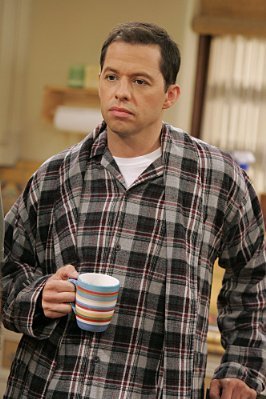
The Pathetic Life Of Alan Harper: A Prelude/Warning To Men?

maxresdefault

Sometimes, popular culture is uncanny at predicting the future. “Star Trek” famously predicted cell phones. “2001: A Space Odyssey” predicted tablet computers. Then, there’s “The Simpsons,” which has predicted so many things that it’s creepy. Some predictions, however, fly under the radar. Some aren’t even predictions as much as they are worst case scenarios.

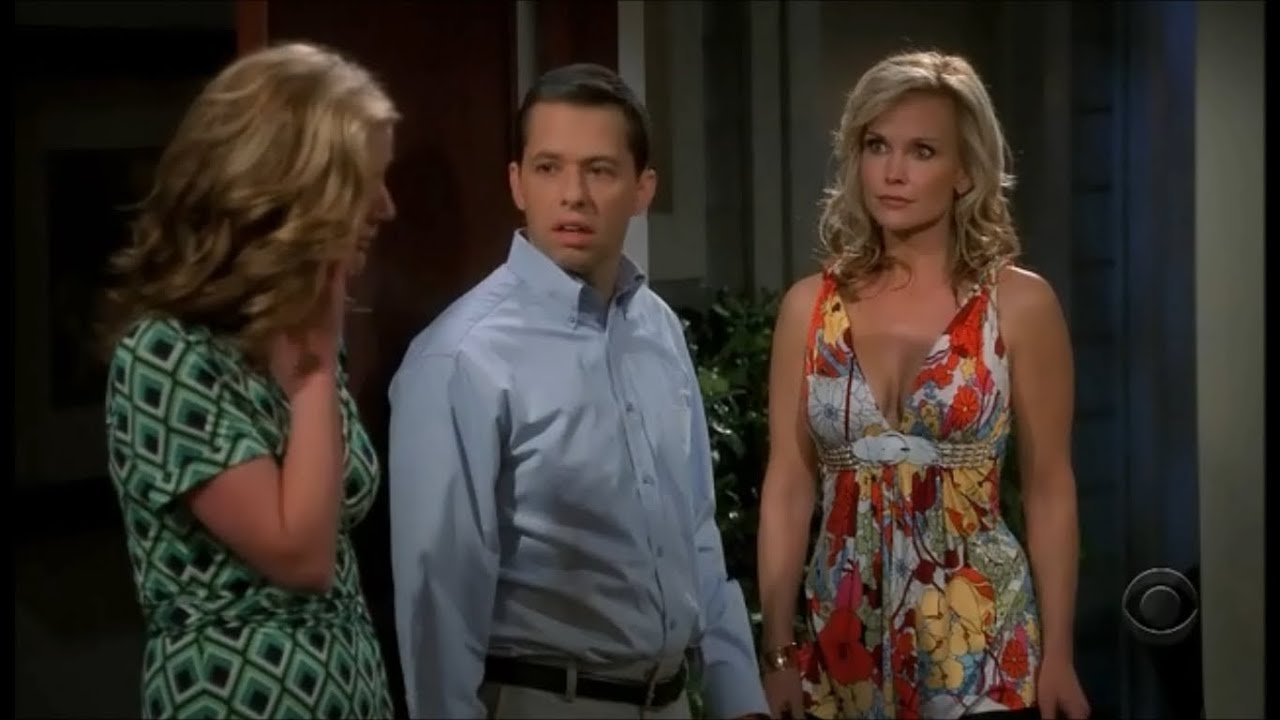
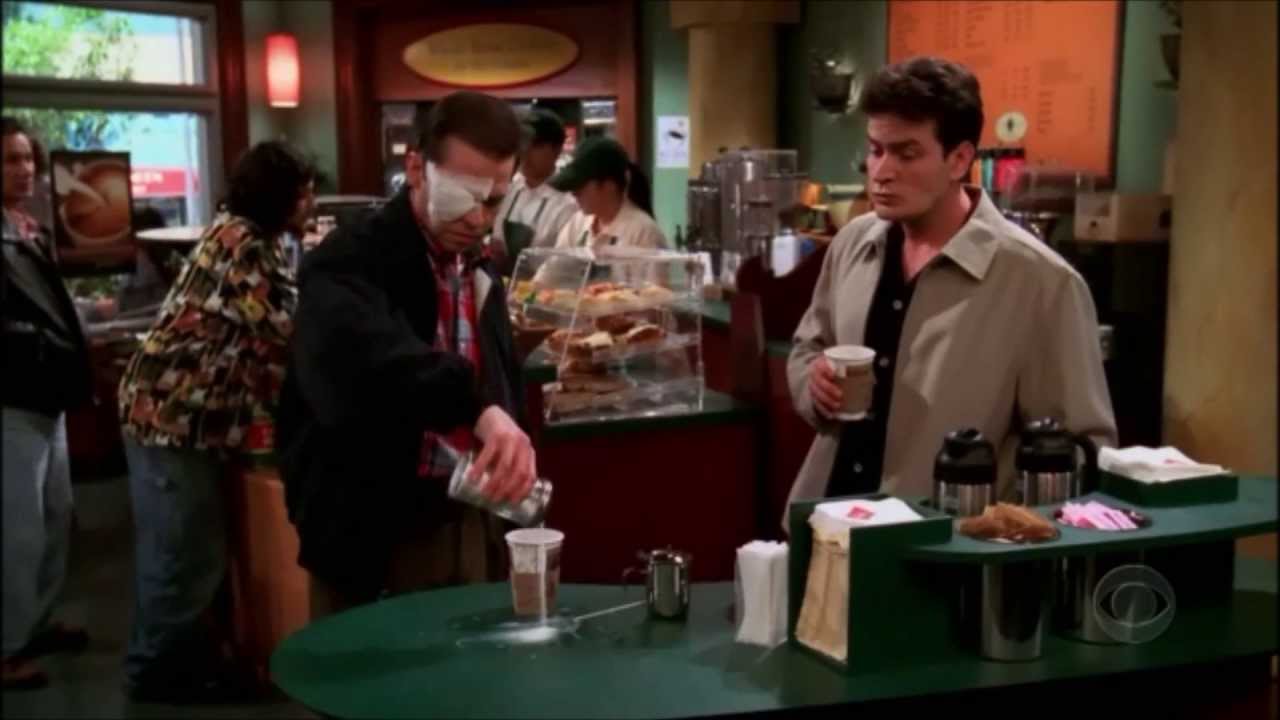
One such scenario played out in “Two and a Half Men,” a show more famous for its off-screen drama than its on-screen antics. Granted, those antics were fairly crude. Most episodes revolved around dirty jokes, sexual innuendo, and glorified hedonism. In today’s social climate, this show would trigger mass protests with every episode.

That didn’t stop it from being funny. I consider myself a fan of the show. However, this is one of those shows that could never be made today, even with an emotionally-stable Charlie Sheen. Its brand of comedy just wouldn’t work in an era where sexy Halloween costumes are considered controversial.

However, the message “Two and a Half Men” conveyed goes beyond its brand of humor and the actors who made it controversial. It’s a message that probably wasn’t intended when the show first aired, but one that manifested with time. That message centers around the only male character to make it through every season alive and unaltered, Alan Harper.

As a character, Alan is the catalyst for the whole show. It begins with him getting kicked out of his house by his wife, forcing him to live with his brother, Charlie. It serves as the foundation for the antics that follow. However, in light of recent trends in feminism, Alan Harper has become more of a concept than a character.

Simply put, Alan Harper is the perfect embodiment of a defeated, emasculated man. He’s a step below the stereotypical beta male. He’s the masculine equivalent of rock bottom. Even the entire cast of “The Big Bang Theory” or Al Bundy from “Married With Children” would feel sorry for him.

You don’t need to watch every episode of every season to see how this plays out. The show rarely goes more than a few minutes without highlighting how pathetic Alan is. The denigration goes beyond his ex-wife kicking him out of his house, divorcing him, and hitting him with egregious alimony payments.

Alan Harper, at his core, is a man dependent on everyone around him for affirmation, but is incapable or unwilling to earn it. His womanizing brother, Charlie Harper, often describes him as a parasitic leech who feeds on the pity of others to survive. In terms if how he conducts himself throughout the show, that’s pretty accurate.

Everything Alan does, from trying to make a living to pursuing romance, is done from a position of dependence. He depends on his brother for a place to live. He depends on his ex-wife to see his son, Jake. He depends on all the women he encounters for love, sex, and affection. He never has any leverage, always working from a position of weakness.

This earns him sympathy, but he’s no lovable loser. In addition to being dependent and weak, he’s also neurotic, selfish, and lazy. He rarely puts much effort into improving his lot in life. He never stands up for himself, rarely accepts responsibility for his mistakes, and endures failure without ever learning from it.

This is especially true in the later seasons of the show after Charlie Sheen was fired. Instead of having to leech off his brother, Alan managed to leech off a total stranger in Walden Schmidt. He makes every possible excuse to keep living in his brother’s house, never pay for anything, and avoid any semblance of personal growth.

Even if you pity Alan Harper, there’s little reason to respect him. Whenever he has a chance to make choices that can change that, he either makes the wrong decision or avoids it entirely. He’s not just a perpetual victim of a vindictive ex-wife, a hedonistic brother, and an idiot son. He actually clings to his victimhood, as though it were part of his identity.

It was fodder for comedy when “Two and a Half Men” was still on the air. Now, it’s a serious issue that affects men and women alike. That’s because leveraging victimhood has become less a comedy trope and more an ideological tactic.

The current discourse, especially when it comes to gender, is often built around who victimizes who. A big part of the anti-harassment movement is driven by the idea that women have been victims for years, suffering in silence under the thumb of misogynistic men. There are more than a few situations like that in “Two and a Half Men.”

Men are just as guilty of using that tactic too, albeit not to the extent of Alan Harper. Men have cited the lack of attention people give Terry Crews or Corey Feldman whenever they talk about issues like sexual abuse. They’ll point out the ways in which women get preferential treatment in our society, some of which actually plays out in “Two and a Half Men.”

There’s no question that harassment and inequality are problems, but just being a victim can’t be the end of the conversation. Alan Harper is, in essence, the personification of what happens when we don’t attempt to further that conversation. It impacts everybody, but it’s especially relevant for men.

Alan reflects a worst-case-scenario. In the overall gender dynamic, he draws every bad card and makes every wrong move. He marries a woman who hates him and exerts immense control over his life. He has a callous, egocentric mother who gives him no affection, guidance, or support. The entire world takes advantage of him and he does nothing to stop it.

To make matters worse, there’s very little Alan can do to stop it. Even if he stands up for himself, he has no support because he’s so dependent on other people. If he gets kicked out of the house, he has nowhere to go. If he makes any money, someone else ends up getting it, often his ex-wife or an ex-girlfriend. He’s not just pathetic in how he handles it. He’s utterly trapped.

This is the kind of nightmare scenario that men genuinely worry about. Many women may laugh it off, but men aren’t blind to the bigger picture. If Alan Harper were gay or transsexual, then he would have organizations that support him. There are many groups that work hard to help disadvantaged members in the LGBT community.

There are also plenty of organizations that help women as well. If Alan were a woman who had been kicked out of his house by a vindictive husband, then there’s no way that the comedy in “Two and a Half Men” would’ve worked. It’s not funny to see a poor woman get thrown out on the streets and denied custody of her child. When it happens to a man like Alan, though, it’s hilarious.

That’s where the humor in “Two and a Half Men” becomes distressingly serious. A character like Alan Harper lends himself to ridicule, but his situation is no laughing matter. He’s the pinnacle of a defeated man. Society does nothing to help him and everything to mock him. If he weren’t a man, it would be a tragedy. Instead, it’s a comedy.

For men, that’s a scary thought. On top of that, his situation can manifest in the real world, minus the laugh track. It is possible for a man to lose his home, his kid, and his money thanks to a vindictive wife. It is possible for a man to be so utterly helpless that he has to depend on everyone’s pity to survive.

The fact that it’s possible, but still funny in the context of a sitcom, gives men more pause today than it did when “Two and a Half Men” was still on the air. Men’s lives are being ruined by a society that does not give them the benefit of the doubt. Any debate that tries to take the side of men tends to get labeled as misogynistic.

We can either take those concerns seriously or create a society where men may end up like Alan Harper, laughably pathetic and utterly destitute. “Two and a Half Men” was still a funny show. However, the core of its comedy has serious implications and that are worth taking seriously, now more than ever.

12 Comments

Filed under gender issues, human nature, Marriage and Relationships, political correctness, psychology, romance, sex in media, sex in society, sexuality, women's issues

Daily Sexy Musings: Men In Uniform

462848pa-october-nt

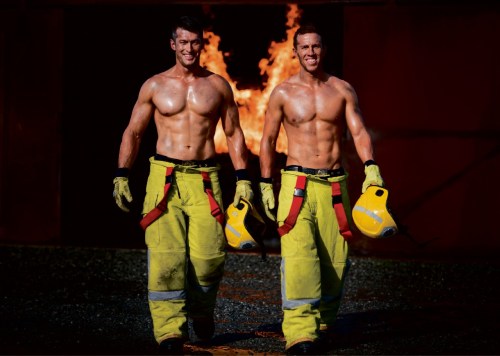
The following is a round of sexy musings inspired by men in uniform. Specifically, it was inspired by a story that a woman told me years ago about how she had the hottest, sexiest night of her life thanks to a police officer. I wish I could share the details of that story, but I prefer to save it for one of my sexy short stories.

It’s no secret that many women find a man in uniform to be sexy. Why else would it be such a popular theme at male strip clubs? Many say power is an aphrodisiac and there’s even some science to support that. Someone who wields authority can both dominate and protect us. On some levels, we’re going to feel some level of intimacy from it. Some of it will be sexual and that’s what this musing celebrates.

We’re all born naked, equally vulnerable and universally weak. We all grow, pursuing many paths and following many passions. For a select few, there’s a special path with numerous obstacles. The work, the rigor, and the sweat impart special skills, weeding out weakness and expanding strength.

Finally, at the end of that path, those elite souls are affirmed. Over their naked, weak bodies they put on a uniform. They display to the world that they defied the odds. They became more than what their flesh alone can convey. They became soldiers, officers, and influencers. It was not given. It was earned.

A man who earns is a man willing to fight.

A man willing to fight is a man who can protect.

A man who can protect is a man with power.

Under the veil of that power, we feel safe. At the same time, we feel afraid. We look up at them. They look down at us. They can dominate, control, and overwhelm us. That fear can be confusing. The line between being afraid and being aroused blurs. Only through the uniform can we see the man behind the power.

Men with such power have to be strong. Men with such power have to be responsible. From their attire, alone, they tell us what they can do for us. If we respect their authority, we contemplate what they can do to us. Any man can exercise power. Only a select few can exercise true authority.

Men with authority don’t subdue. They dominate.

Men that dominate don’t make promises. They just act.

Men that act don’t just protect. They deliver.

We need only submit to their authority. We need only see that uniform and respect the power it conveys. They’ve earned that power. They’ve worked, trained, and toiled. Underneath, there can be no weakness or sloth. There can only be muscle and sinew. From there comes their strength. From their strength, they take us.

We need not resist. We need not desire otherwise. When they shed that uniform, they reveal they’re still men. Even without it, when they stand exposed as any other, the power remains. The strength that earned them that uniform doesn’t wane. It cannot be contained. It can only be channeled.

In that uniform, they are symbols of authority. Out of that uniform, they are conduits of it and we are the spark. They don’t ask. They demand . We don’t just comply. We submit. From their power and our respect, we create the most intimate of harmony.

Leave a comment

Filed under Daily Sexy Musings

Daily Sexy Musings: Machine Learning And Foreplay

18zxvy8he4rl8jpg

The following is a sexy musing that involves artificial intelligence and machine learning, a topic I’ve covered many times before. It may not sound sexy at first, but trust me. There’s plenty of intimate potential if you dare to look. Enjoy!

As I write these words, brilliant people are teaching machines to learn and adapt on a level comparable to that of humans. The promise and potential of this technology cannot be overstated. The things it can do and the feats it’ll help us achieve are beyond imagination.

However, it’s how we’re teaching these machines that makes for some sexy connotations. At the heart of machine learning is the process of navigating complex problems, calculating potential solutions, and learning from mistakes to further refine the approach. Over time, the machine doesn’t just learn its task. It masters it.

Is it a coincidence that this is the same approach we use with foreplay? Think about it.

Two lovers confront one another with a defined task, namely to bring pleasure and express love to one another. They start with simple gestures. From the feedback, they learn from and further refine their approach.

Through trial, error, mistakes, and triumphs, they achieve proficiency in a unique skill. Foreplay is simply the algorithm of lovemaking, a blend of procedures and rules from which we gain an intimate understanding of someone. It starts as something purely physical. When done right, though, it becomes truly intimate.

A machine may not feel or understand love at the moment, but it still uses the very mechanics of lovemaking to achieve its goal. One day, machines will be smart enough to understand complex emotions. On that same day, they may realize just how much of the learning process involves foreplay. If they can one day appreciate it, then why can’t we?

Leave a comment

Filed under Daily Sexy Musings

Daily Sexy Musings: It Starts With A Touch

7460417_orig

The following is a sexy musing on simple touching and how it can turn into something sexy. It may seem like common sense and the basis of many sexy stories, including a few I’ve written, but I believe there’s something much more profound/sensual at work. Enjoy!

One touch is all it took. First, they touched their lover’s shoulder. It was simple, generic, and non-sexual. It was affection at its most basic level. Then, like a seed becoming a giant redwood, it grew and blossomed into something much greater.

One touch became another.

Multiple touches became intimate feelings.

Intimate feelings became powerful lust.

Powerful lust became intense love.

Intense love mixed with all of the above, manifesting into a single cumulative act that encompasses so much.

It all started with that one, simple touch. It can happen at any time under any number of circumstances. Maybe it’s late at night when you and your lover are feeling restless. Maybe it’s early in the morning when a day’s worth of energy hits you both. Maybe it’s the middle of the day when spontaneity or outright boredom take hold. In any case, the evolution of that one touch unfolds.

No words are necessary. Everything that needs to be said is told through action. A caressing of the face reveals affection. A grasp of the buttocks reveals lust. Feeling up the sinews and curves of a lover’s body evokes desire. From expressing our own desires, we then feel desired. It is a perfect cycle of love and lust.

It happens quickly and suddenly. It can be intentional or unintentional. However it happens, the underlying theme is the same. One touch is all it takes to convey so much feeling. Both emotionally and physically, one touch can become an act of intense passion or an outburst of blind lust.

With one touch, the most complex of feelings and the most basic of acts unfold all at once. A caress turns into entrancement. Entrancement becomes foreplay. Foreplay becomes sex. Sex becomes love. It blossoms and blooms, tapping into and channeling the very beauty of nature. It’s just a simple touch, but for two passionate lovers, that’s all it takes.

Leave a comment

Filed under Daily Sexy Musings

The (Not So Secret) Sex Appeal Of Ron Swanson

nickoffermanpr

What is it about certain men who seem to attract women without even trying? What’s their secret? What are they doing that other men aren’t? These are questions that many self-proclaimed love gurus and pick-up artists have attempted to answer. Since many of those gurus are frauds and many pick-up artists are assholes, I wouldn’t put much stock into those answers.

As a man, I’ve known men who can attract women so easily that it seems second nature. I’ve also known men who can barely talk to women, let alone attract them. Most men, and I would put myself in this category, fall somewhere in the middle. Whether you’re a hopeless romantic or a Don Draper level womanizer, it’s worth understanding the qualities that attract women.

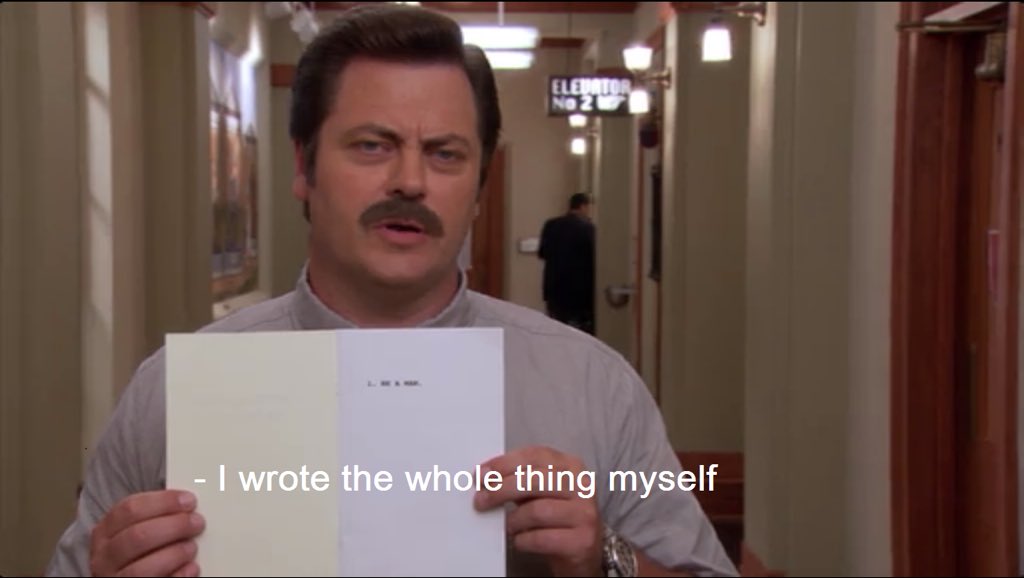
That’s where Ron Swanson comes in. If you’ve watched every episode of “Parks and Recreation” like I have, you know why just saying that name out loud fills the immediate area with greater masculinity. That’s because Ron Swanson is a true man’s man. He has more masculinity in his mustache than most men have in their entire bodies.

I’ve cited Ron Swanson before as someone who embodies a type of masculinity that even self-proclaimed feminists can get behind. He’s strong without being a bully. He’s assertive without being cruel. He’s stern without being heartless. While he doesn’t always exercise good judgment when it comes to ex-wives, Ron reflects a level of manliness that men, women, and everyone in between can respect.

As such, Ron is in a unique position to provide insight into the world of masculine sex appeal. There are multiple instances throughout “Parks and Recreation” in which Ron attracts women. Whether he’s in a serious relationship with Diane Lewis or whipping a crowd of women into a frenzy as Duke Silver, it’s well-established that women find this man attractive.

While that probably isn’t surprising, considering Ron’s character is played by an equally-manly romantic in Nick Offerman, I feel it’s worth scrutinizing the particulars of that sex appeal. I believe there’s insight to be gained from Ron’s masculinity and how it attracts women.

Now, and I wish I didn’t have to disclose this, I don’t mean to imply that this assessment speaks for all women. I am not a woman, nor do I claim to know the various intricacies of the female thought processes. I understand that women have a variety of tastes when it comes to men. Not all of them are going to find Ron Swanson attractive.

When it comes to high standards of male sex appeal, though, Ron checks more boxes than most. That’s why I feel he’s worth singling out in the interest of scrutinizing the most attractive traits associated with masculinity. In doing so, I hope other men can learn from his example.

There are many ways Ron demonstrates these place throughout plays out in “Parks and Recreation,” but one episode in particular encapsulates the essence of his sex appeal. That episode is entitled “Lucky.” It takes place in Season 4 while Leslie Knope is in middle of her campaign for City Council, but Ron’s role in the side-plot to the campaign drama is where there’s more action, including the sexy kind.

That plot involves April Ludgate trying to hook up overly-energetic, exceedingly-dramatic Chris Traeger with Andy’s female professor. It’s not out of the goodness of her heart. Anyone who is familiar with her mannerisms knows that’s not her style. Her intentions are more self-serving because Chris recently suffered a break-up and April believes finding a new love interest will make him less annoying.

Her plan seems good on paper. She invites Andy’s professor, Linda Lonegan, to lunch with her, Andy, and Ron. There, they just happen to run into Chris, who’s eating alone. At first, everything seems to be working. Chris, through the charisma of Rob Lowe, shows a keen and overt interest in her.

While he’s doing this, though, Ron is sitting right next to Linda. He’s showing no romantic interest in her. He’s at a restaurant. His only interest is in how much steak he can eat and how many vegetables he can throw away. Ron does have a romantic side, but he also has priorities, especially when steak is involved.

It’s also worth noting that Linda is a women’s studies professor. In previous episodes, she makes very clear that she identifies as a feminist. I also have to note that she’s not the kind of radical, man-hating feminist that loves to fuel outrage culture. I would categorize her feminism as a healthy, balanced brand of second-wave feminism that dealt with more overt forms of gender inequality.

While Ron doesn’t bring those issues up, they’re a big part of Chris Traeger’s efforts to attract Linda. He effectively filters everything he says to Linda through a feminist lens, going out of his way to use the kind of rhetoric that demonstrates he understands her worldview and embraces it. Initially, Linda does seem interested in him.

Even though he’s very sensitive with his rhetoric, Chris is no beta male. He’s very masculine in his own right with how he takes care of himself and pursues things so energetically. He’s also played by Rob Lowe, who certainly has many traits of an attractive man, even by Hollywood standards.

Despite those traits, Linda ultimately rejects Chris’ invitation to join her for some land kayaking, which isn’t nearly as sexy as it sounds. Then, shortly after Chris leaves, she turns to Ron and invites him back to her place for activities that don’t involve kayaking. Ron, having had three steaks at this point, accepts and it’s overtly implied that they make love, as evidenced by him wearing his red polo shirt the next day.

To understand why Linda chose Ron over Chris, though, it’s important to break down how Ron acts in this scene. Even though Ron wasn’t attempting to attract Linda, she was still drawn to him more than Chris. According to some of the science behind the traits women find attractive in men, that actually makes sense.

From the moment Ron joined Linda in that scene, he was his usual poised self. He didn’t ask for specials from the waiter. He knew what he wanted, which was a porterhouse steak, medium rare. He was confident in his decision, as well as polite and assertive. Those are traits that are both attractive and respectful.

In addition to his demeanor, Ron’s mannerisms reflect confidence and certainty. Even though he eats three steaks, he’s not a slob. He conducts himself in a way that feels approachable and unimposing. Even if he doesn’t try to attract Linda, he does everything necessary to avoid repulsing her.

Beyond what he does, the way Ron speaks is just as powerful. He’s a man of few words whereas Chris will literally go overboard with adjectives and adverbs every chance he gets. His persona is endearing, but he also comes off as intense. For many women, including Linda, that can be a turn-off. Intense men tend to be complicated men and many reasonable women don’t have the energy for that.

On the other end of the spectrum, Ron is much simpler and transparent with his wants and desires. He says it himself in the early episodes of “Parks and Recreation.” He likes pretty, dark-haired women and breakfast food. That kind of simplicity makes him easier to understand and easier to work with. From Linda’s perspective, keeping up with Ron is much less tedious than keeping up with Chris.

Even from a physical standpoint, Ron conveys more raw masculinity than the health-obsessed Chris. While Chris may have six-pack abs and a very healthy resting heart rate, Ron has a manly mustache and studies show that women find facial hair more attractive. While the presence of facial hair probably wasn’t the determining factor for Linda, it likely played a part.

In the end, Linda found herself between two very masculine men. She ultimately went with the man who demonstrates the most attractive masculine traits just by being himself. Her decision doesn’t just highlight the many ways in which Ron Swanson is personifies manliness. It singles out the traits that appeal to women on a basic level.

Ron Swanson is assertive, protective, frugal, stern, loyal, dedicated, and hard-working. He would function just as effectively as a hunter in ancient times as he does as the Director of Parks and Recreation for the city of Pawnee, if not more so. He’s someone who could still care for his lover if civilization collapsed and zombies overran the cities.

It’s here where Ron’s sex appeal goes beyond simply attracting women. Unlike egocentric pick-up artists or hyper-sensitive ladies men, Ron Swanson conducts himself in ways that men and women alike can respect. In turn, he treats men and women with similar respect.

He doesn’t hold women to a different standard. He treats Linda as an equal and not a prize to be won. He leaves it up to the woman to decide if she finds him attractive enough to be with. In the end, he made Linda’s decision both easy and appealing. It’s the kind of masculinity that men, women, feminists, men’s rights activists, egalitarians, and Americans of all stripes can get behind.

Leave a comment

Filed under gender issues, human nature, noble masculinity, psychology, romance, sex in society, sexuality

The Humor In Mutilating Men Versus The Atrocity Of Harming Women

45ee4ed9041461da247f826745881661e77f2046

It’s one of the most traumatic things a man can experience, the permanent damage or total removal of his penis. Whether by accident or intentional violence, he’s badly injured on a physical physical and psychological level. His ability to identify as a man, experience intimacy with others, or just feel basic pleasure is irreparably damaged.

Just mentioning the possibility of losing his penis will make most men cringe. Joke all you want about how much men glorify their genitals, but it really is an important part of their bodies and their identities. Losing it is like losing a limb, which does plenty to cause serious mental trauma. Add losing a key aspect of their masculinity to the mix and that trauma becomes amplified.

Despite that trauma, men losing their genitals is fodder for comedy. Recently, Netflix released a movie called “The Package,” the plot of which is built entirely around a man who loses his penis in an accident. That movie, if you look it up on IMDB, is listed as a comedy. Imagine, for a moment, a movie that tried to make a comedy out of female genital mutilation. How much outrage would that generate?

There’s nothing funny about women’s bodies getting mutilated or even harmed in any serious way. For men, though, it’s actually a pretty common trope. You don’t have to look too deep into the history of media to find jokes about men losing their genitals.

It’s a famous line in “The Big Leboswki.”

It’s a recurring theme in “Fight Club.”

It’s a sub-plot in an episode of “Rick and Morty.”

It’s a primary plot in an episode of “Family Guy.”

Even in media that isn’t overtly comedic, it still becomes a joke. Just look up the various internet memes about Theon Greyjoy from “Game of Thrones” for proof of that. In each case, the mutilation of men and the loss of their masculinity is portrayed as something that’s inherently funny. The fact that Netflix made a movie about that premise shouldn’t surprise anyone.

Even in the cases of real stories about real men losing their genitals, it’s prone to plenty of humor. The most famous case is probably that of John Wayne Bobbitt, whose wife cut off his penis after he raped her. While Bobbitt was, by all accounts, a horribly abusive man who deserved plenty of condemnation for what he did, his name still inspires jokes.

When people say the name Bobbitt, they don’t think of all the abuse he imparted on his wife. They think of how funny it is that his wife cut his dick off. While he was able to get it re-attached, many other men aren’t so lucky. Whether it’s public perception or daytime talk shows, a man losing his penis is still seen as funny.

Conversely, any media that shows a woman being harmed in any way, even if it’s just a slap in the face, is seen as an irredeemable atrocity. Watch shows like “Married With Children” or “The Simpsons” and you’ll see plenty of scenes where Al Bundy and Homer Simpson badly injure themselves through their antics. However, there are exceedingly few scenes that ever lead to the women being harmed.

Anything that leaves any lasting scar on a woman is inherently abhorrent. There are even major international organizations that work to combat practices like female genital mutilation. When women lose their reproductive organs from disease or injury, it’s seen as a tragedy. Anyone who laughs at their pain is rightly scorned.

Why is this, though? Why is it that an entire comedy can be built around a man losing his penis while any plot that involves a woman getting hurt in any way is dead serious? That’s not an easy question to answer. It can’t be entirely attributed to the gender-driven  double standards that I’ve singled out before.

I don’t claim to know the full answer, but I think it’s worth discussing, if only for the sake of maintaining a balanced perspective. I don’t doubt that many have their theories. Some may attribute the humor we find in men getting mutilated to trends in modern feminism. I would strongly disagree with that.

I believe that this idea of laughing at male mutilation while gasping at female victimization preceded modern feminism by a great deal. I would go so far as to say it goes back much further than that. I believe this unique quirk in gender dynamics has roots in ancient pre-modern societies that transcend geography, culture, and ethnicity.

At the core of this phenomenon is one unpleasant, but inescapable truth. I’m probably going to upset some of my fellow men by saying this, but I think it needs to be said.

We NEED to be comfortable with men getting mutilated on some levels.

Take a moment to stop fuming. Then, take a moment to consider why we would need to be okay with this in both current and ancient societies. From a purely logistic standpoint, it makes sense.

For most of human history, men were expected to carry out the dangerous, back-breaking, body-maiming work that built our civilization. Regardless of location, culture, or traditions, putting men in these situations was necessary. Someone needed to fight the wars, plow the fields, hunt dangerous animals, and work in factories.

Until very recently, men had to fill that role because women were at a severe disadvantage due to the dangers and risks of child-rearing. In the pre-modern world, the most vulnerable individuals in a society were pregnant women, newborn infants, and women in labor. In 18th-century England alone, there were 25 deaths per 1,000 births.

With odds like that, there was a legitimate reason to give women extra protection and care that was not afforded to men. Men didn’t have the babies and no society could survive in the long run if it didn’t have a growing population. That’s why, for better or for worse, there are so many cultural and religious traditions that encourage women to remain in domestic roles.

Those same traditions, however, establish a dynamic requiring that we accept a certain level of male victimization. It’s one thing for a man to die in battle or having his genitals maimed in an accident. It’s quite another for a woman, who are tasked with birthing and caring for a new generation, to endure similar harm. Another man can still impregnate a healthy woman. No amount of men can impregnate an injured woman.

I know that dynamic is offensive to both feminists and men’s rights activists because it reduces their value to their reproductive capacity. I get why that’s offensive. Even I find it offensive, as a man. However, therein lies the most critical detail with respect to male mutilation versus male victimization.

These disparate standards, which predate the modern era by centuries, are still very much ingrained in our society. We still see women, especially those of breeding age, as more valuable than men. We romanticize young men who heroically sacrifice themselves in war, but recoil at the idea of young women suffering a similar fate.

Add emerging demographic issues with respect to declining fertility rates and the same incentives for accepting male mutilation are there. We still need people to have children for society to grow and function, but more women are having fewer children and more men are eschewing the pursuit of families entirely.

In terms of logistics, that increases the value of every woman who wishes to have a children and decreases the value of men who refuse to go along with that plan. In that system, a man losing his genitals or suffering a severe injury has to be funny in order for the situation to be tenable. By the same token, any harm coming to a woman has to remain extremely taboo.

Logistics aside, it’s still an unfair predicament that undermines the suffering and trauma that men endure. The fact that we have to be okay with their suffering while overvaluing the suffering of women is bound to fuel more egregious double standards. Movies like “The Package” certainty don’t help, but so long as this age-old gender disparity persists, men losing their penises will remain fodder for comedy rather than tragedy.

10 Comments

Filed under circumcision, gender issues, human nature, media issues, men's issues, outrage culture, political correctness, psychology, sex in media, sex in society, women's issues

The Other Orgasm Gap (Involving Men) And Why We Should Confront It

basic-secrets-male-orgasm

There are many disagreements about gender these days, but when it comes to orgasms, most reasonable people are on the same page. In general, regardless of politics or genital configuration, we’re in favor of them. We support efforts to experience more for ourselves and for our partners. In matters of sex, it’s one of the few unifying issues.

Even if most people agree that orgasms are awesome, there are still some sources of tension. I’ve already touched on the current status of the orgasm gap, as it pertains to women. That is still an unresolved issue and the current status of gender relations can only improve if that gap is reduced or eliminated.

However, there is another orgasm gap that is rarely touched on, but inescapably linked to the current pleasure parity. This one pertains to men and, unlike the female orgasm gap, is shackled by hard biological limits. Any man, myself included, knows those limits all too well.

It’s no secret, but it might as well be one because it’s rarely talked about. Without getting too graphic, I’ll just say that the female orgasm is a symphony whereas the male orgasm is like a kazoo. It’s a one-note instrument that is simple, basic, and blunt. You can still make music with it, but the range is limited.

That’s because men have something called a refractory period. It’s basically the cool-down period that men experience after orgasm. From a biological standpoint, it’s the part of sex where the brain and genitals tell one another that the job is done and it’s time to rest. That process involves releasing all sorts of hormones and chemicals that are responsible for men getting sleepy after sex.

It’s the reason why men have a difficult time getting aroused again after sex, both physically and mentally. Once a man reaches that peak, it takes a while to get to that level again. It can take as little as 15 minutes to almost an entire day. During that time, though, a man’s ability and desire are significantly hindered.

This inescapable process is also the source of many jokes about premature ejaculation and men who can’t last long in bed. I don’t doubt it’s a factor in the orgasm gap. Whereas it takes a man only two to three minutes to achieve orgasm, it takes a woman an average of 12 minutes to do the same. That is not a trivial gap.

Conversely, women aren’t hindered by a refractory period. Even though it takes women longer to climax, they’re capable of having more orgasms in rapid succession. To give you an idea of just how many more women are capable of, the record for most female orgasms in an hour is 134 whereas the most a man has ever had is 16. Again, that is not a trivial gap.

While men don’t have to look far for tips and tricks that allow men to have multiple orgasms, many of these so-called techniques are just gimmicks. They’re methods for improving stamina and control, which is a great thing to have with any partner. However, it doesn’t change the fundamental biology of refractory periods.

That’s not to say this particular gap is impossible to close. That’s also not to say that there aren’t documented cases of men achieving multiple orgasms. They do exist, but there’s not a lot of research on the topic, especially compared to the amount of research on the female orgasm.

If we’re to close the orgasm gap for everybody, though, this is something that’s worth studying. I would even argue that we can’t solve the orgasm gap with women without confronting this lesser-known gap with men. In essence, that refractory period is the greatest hindrance to true orgasm parity.

Just talking about it only goes so far, though. Unlike the female orgasm gap, the refractory period is rooted in biology rather than psychology. From an evolution standpoint, it makes sense. By achieving orgasm quickly, a man can spend less time impregnating a woman and more time surviving. It was a necessary trait for managing the survival/reproduction dynamic of the human species.

Like many other traits from our pre-modern ancestors, though, these traits are less necessary in the modern era. In fact, they can be a liability. In a world of low infant and maternal mortality, we have more incentive to seek quality over quantity in our lovers. The refractory period, much like our body’s tendency to get fat, is a real hindrance to that effort.

Addressing it is probably not going to be as simple as telling men to do kegel exercises. Men being able to achieve multiple orgasms may require an effort similar to that of developing the female birth control pill. In the same way modern medicine has given women control over their fertility, it may end up doing the same for male orgasms.

How modern medicine would go about that is well-beyond my expertise. However, we already do have some clues as to what goes into reducing the refractory period. Studies has shown that a chemical called prolactin may play a major role.

Specifically, when a man climaxes and goes through a refractory period, levels of prolactin in the body spike. In rare cases of multi-orgasmic men, though, it doesn’t rise in conjunction with an orgasm. Now, that could be only be part of a much more complex process, as is often the case in medicine, but it’s a start.

In the same way some people are already hacking their biology for reasons relating to health and beauty, it may be possible to tweak certain bodily processes to enable men to have the same orgasmic potential as women. It doesn’t even have to extend to modifying genetics. It can just involve tweaking chemical and hormonal processes, something we’ve been doing in medicine for years.

Unfortunately, research on this phenomenon is scant at best. However, given how much money pharmaceutical companies have made treating sexual dysfunction, I believe the incentives are there. It may take a long time, but given the progress medicine has made on male contraception lately, I think the infrastructure is in place and so is the market.

It’s hard to predict what form modern medicine will take in treating any condition, be it the limits of the male orgasm or the current orgasm gap with women. However, I am confident in saying that any advance that puts everyone on the same level of orgasmic potential will be a game-changer of the sexiest kind.

Leave a comment

Filed under gender issues, Marriage and Relationships, sex in media, sex in society, sexuality