Category Archives: movies

Every “Star Wars: Rise Of Skywalker” Criticism In A Nutshell

Recently, I saw “Star Wars: Rise of Skywalker.” People tried to spoil it for me. People tried to give me reasons not to go see it. I still saw it and I loved it. It was, in my opinion, the best of the sequel trilogy.

Having said that, there’s a reason why I haven’t written about it or done a full review, as I’ve done before. That reason has less to do with why I loved the movie and more to do with all the whining about it by a small, but vocal segment of the fandom. I won’t name names or cite outlets because they don’t deserve the publicity. The most they deserve is pity and a galactic-sized middle finger.

The most I’ll say about this movie is it’s great. It caps off the story. It has so many wonderful moments that are worth celebrating and if you like it, don’t let some asshole tell you you’re flawed because of it. You’re not. You like what you like and others don’t. Some people are just assholes about it.

That said, you’ll find plenty of YouTube videos and articles criticizing this movie to no end. They say a lot without telling you anything of substance. So, as a service to both Star Wars fans and people who are generally opposed to assholes, here’s all their criticism summed up in a single gif.

giphy

You’re welcome and may the Force be with you.

1 Comment

Filed under movies, outrage culture, superhero movies

The “New Mutants” Trailer And Why I’m Rooting For This Movie

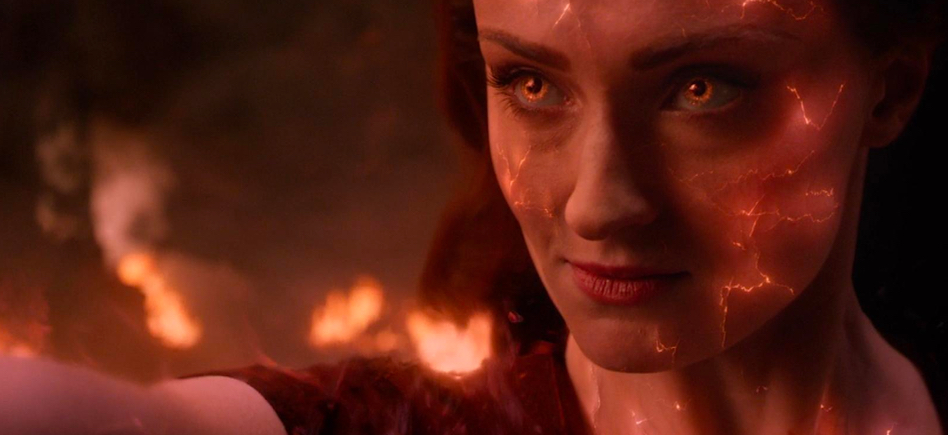
Since the conclusion of “Dark Phoenix,” a movie I genuinely love and have re-watched more times than “Avengers Endgame,” it’s been a strange time for X-Men fans. We know that the X-Men are coming to the Marvel Cinematic Universe. With the Disney/Fox merge finalized, it’s only a matter of time before we see mutants pop up in the Marvel universe. It may even come sooner than we think.

Then, there’s “New Mutants.” This movie, which is based on a well-known, critically acclaimed X-Men comic from the 1980s, is a hell of an anomaly. It was originally supposed to come out in April 2018, but got delayed for reasons that are too complicated and stupid for me to put into words.

Delays aside, it has a bold concept. It attempts to mix horror with superhero movies. It’s a unique combination, but one that doesn’t sound that outlandish. Remember, this is the same franchise that made “Deadpool” a Valentine’s Day movie. However, at a time when Marvel Studios has set such a high bar, it almost feels out of place.

Now, with a firm release date of April 3, 2020, it seems like “New Mutants” is still happening. The director, Josh Boone, has been given the opportunity and the blessing by our Disney and Marvel overlords to see his vision through. Honestly, after seeing the latest trailer, I’m rooting for this movie.

It’s not just that this movie is bringing to life more great characters from the X-Men franchise. This movie is attempting to do something that we’ve never seen in the MCU or from DC, for that matter. It’s daring to mix genres in ways they’ve never been mixed. It’s attempting to craft a different kind of superhero movie. Given the success of “Joker,” I’m genuinely rooting for this movie.

I really do hope it succeeds and not just because I’m a die-hard X-Men fan. I think the superhero movie genre needs this. It needs to show that it can expand, evolve, and grow in new ways. Superhero movies don’t just have to be this colorful, big-scale spectacles backed by Disney’s deep pockets. They can be something different, darker, and bolder.

New Mutants” has had a lot of forces working against it. If it succeeds with critics and fans, then it sends a message to Marvel, DC, and the greater powers that be that there’s room for different kinds of superhero movies. They don’t have to follow the same formula. They can succeed in entirely new ways while still strengthening the brand.

If nothing else, it’ll tell the Martin Sorceresses of the world to piss off in the best possible way.

1 Comment

Filed under movies, superhero comics, superhero movies, X-men

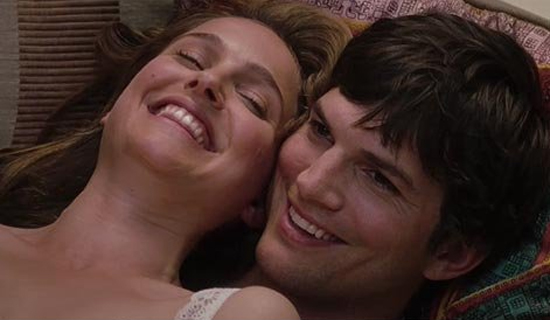
How And Why “No Strings Attached” Became My Favorite Romance Movie

tlbgpwxp2ewzaijwqyxihywkuf8

A few years back, I cited “Crazy/Beautiful,” an underrated cinematic gem from 2001, as my favorite romance movie. That movie, which I feel has aged better than similar movies from previous decades, has a special place in my heart and it always will. It was the first romance movie that I genuinely enjoyed as both a movie and a love story.

However, I’m here to announce that my ranking has recently changed. I still love “Crazy/Beautiful,” but it is no longer my favorite romance movie. That rank now belongs to “No Strings Attached,” the sexy romantic comedy from 2011 starring Ashton Kutcher and future Thor, Natalie Portman. As of this moment, it’s a rank that will be very difficult for any future movie to top.

The premise of “No Strings Attached” and how it became my favorite romance movie is a remarkable story, in and of itself. This is one of those movies I didn’t expect to be so impactful. I ignored it when it initially came out in theaters. The premise sounded generic and it didn’t help that a similar (and inferior) movie called “Friends With Benefits” came out at the same time.

This is even less romantic than it looks.

It’s a common romance trope. Two people decide to eschew traditional dating methods and just stick to sex. They don’t want anything serious. They just want steady, enjoyable sex, minus the complications that relationships bring. It starts off fun and sexy. Then, things get serious when emotion and jealousy enter the picture. Eventually, both characters realize they love each other and that’s the end of that.

It’s not an overly elaborate premise for a love story. I’ve written more than my share of those as an aspiring erotica/romance writer. It can be a great love story when done right. The problem is it’s rarely done right. It’s also painfully predictable. It’s next to impossible to evoke decent drama when the conflicts and resolutions are so obvious. That was what made “Friends With Benefits.”

That was also why it I didn’t bother seeing “No Strings Attached” for years. I thought it seemed too generic. Then, on a whim, I decided to check it out on Hulu. I fully expected to turn it off halfway through once the plot settled into familiar patterns. I freely admit I was dead wrong. I pre-judged this movie and that was a mistake on my part.

By the time the credits rolled, I was smiling from ear-to-ear and shaking my head in disbelief. This movie did something I didn’t expect it to do. I didn’t even think it was possible, given the sheer volume of romance I’ve written and consumed. It struck all the emotional chords it needed to and then some. Most romance movies these days are lucky if they can strike just a few.

To appreciate this, you can’t just look at the movie through its general plot summary. At its core, “No Strings Attached” follows the basic script of two people agreeing to casual sex in lieu of a formal relationship. However, what makes this movie stand out is how it navigates this premise through its two main characters, Emma Kurtzman and Adam Franklin.

Before these two characters ever start having sex, the movie takes time to establish who they are and why they decide to seek such an arrangement. Adam and Emma aren’t just a couple of attractive strangers who cross paths and decide they like casual sex. They’ve actually known each other for years, albeit informally.

The first 10 minutes of the movie are dedicated to showing that they both end up in such a frustrating place in their personal lives. Adam just broke up with his girlfriend, Vanessa. Then, his father, a former TV star, decides to start dating her. Naturally, that leaves him pretty messed up.

Emma’s situation is not much better. Before they reconnect, her father dies and she doesn’t demonstrate the greatest coping skills. Later on, her sister, Katie, is getting married and her coping skills still haven’t improved. Neither she nor Adam are complete wrecks, but they’re trying to navigate difficult personal matters and failing miserably.

These issues have nothing to do with romance, sex, or loneliness. They’re legitimate, relatable issues that real people deal with, even if they’re not as attractive as Ashton Kutcher and Natalie Portman. That makes their problems and their need for comfort feel genuine. It also makes their pursuit of a more casual, less complicated relationship more understandable.

This is where both the story and the romantic chemistry in “No Strings Attached” gains its endearing appeal. It helps that it’s a very sexy appeal, as well, but that’s only ever secondary, at most. As Adam and Emma pursue their new arrangement, we see that it’s not just fun and sexy. It’s genuinely good for them.

Being together in this unique arrangement helps them in many ways. They’re better able to navigate the other issues in their lives. Some of those issues have to do with work. Adam is trying to make it as a writer on a TV show while Emma is trying to further her career as a doctor. Others are on a more personal front with Adam’s dad being a heavy source of drama.

Whatever the issues, the relationship helps Emma and Adam in ways that are subtle, but noticeable. Being together, even if it isn’t romantic, is genuinely good for them. Even when new stresses enter the picture, they help each other get through it. They get to a point where you can’t help but root for them, both as individuals and as a couple.

That journey to something more serious than casual lovers does happen, but it’s chaotic. Considering how predictable stories about casual lovers tend to be, this is one of the most refreshing parts of “No Strings Attached.” It doesn’t happen all at once. There are even some major setbacks along the way. However, there’s a clear and logical progression with Adam and Emma’s romantic journey.

They start out as casual acquaintances.

Then, they start enjoying each other’s company.

Then, they become friends.

Then, they become lovers.

Then, they start to legitimately care about one another.

Then, they start to develop deeper feelings for one another.

Then, they confront those feelings together.

Finally, they fall in love.

Again, it’s not a smooth transition. There are moments in which the extent of their romantic connection is unclear. What Adam and Emma want from one another seems to fluctuate, which makes them feel very human. While it never comes off as entirely one-sided, it never feels like a bland love story in the mold of a fairy tale.

In addition, “No Strings Attached” also avoids the common trap of making sex seem like this huge complication for real romance. In many other love stories of this nature, sex is often framed as this make-or-break act for a couple. Either having sex destroys the romance or it makes the romance inevitable. It gives the impression that you can’t have sex without falling in love.

Beyond reinforcing harmful notions espoused by repressive purity culture, it undercuts the substance of the romance. It implies that it’s contingent on sex in order to blossom. The romance and the sex in “No Strings Attached” is portrayed with more complexity. One never depends on the other, but they do plenty to complement each other.

Ultimately, great sex isn’t the reason Emma and Adam start to fall in love with one another. It acts more as a catalyst. By being together, they’re not just happier and more sexually satisfied. They become better at navigating the various quirks of their respective lives. That’s basically the epitome of a healthy romance.

More than anything else, the end of the movie clearly establishes that these two people want to be together. Their love is not something they can’t avoid or escape. It’s not bound by destiny and ordained by higher forces. Emma and Adam get together because they choose to.

The love they find is not some burden that provokes jealousy or loneliness. They end up together because they want to be together. Their love works because it’s real, sincere, and genuine. This is what makes the final few minutes of the movie the most cathartic I’ve ever experienced in a romance movie. It was those final minutes that sealed “No Strings Attached” as my new favorite romance movie.

There are many other elements of this movie that I could praise for hours on end. I could probably write an entire book on why this movie worked so much better than “Friends With Benefits.” I’ll save that discussion for another time. For now, I encourage anyone out there with a taste for romance to check this movie out. Give it a chance, like I did. Let me know if it had a similar impact.

I don’t doubt more romance movies will come along and challenge “No Strings Attached” for the title of my favorite. I watch more romance movies than most straight men and it may only be a matter of time before another movie comes along that exceeds both this and “Crazy/Beautiful.” I honestly look forward to that day, but “No Strings Attached” sets the bar pretty damn high.

4 Comments

Filed under movies, romance, sex in media, sex in society

Why The “Terminator” Franchise Has Faltered (And How To Revive It)

https3a2f2fblogs-images.forbes.com2fmarkhughes2ffiles2f20162f012fterminator-2-1200x873

Some franchises just aren’t built to last. It’s a sad fact of life. Sometimes, the things we love just cannot grow and blossom. Not every franchise can be like the Marvel Cinematic Universe. In fact, every effort to mirror the success of the MCU has either failed or come up short. For some, it just doesn’t have resources to grow to that extent. In some cases, trying to force a franchise into something it’s not will only hurt it even more.

The latest franchise to learn this the hard way is the “Terminator.” Believe me when I say I take no joy in saying that. I’ve always had a special place in my heart for all things “Terminator.” The original 1984 film was one of the first R-rated movies that my parents let me watch. I remember being scared, but thrilled at the same time. As a kid, that was a major step up from traditional Disney movies.

Then, I saw “Terminator 2: Judgment Day” and the highest of bars was set. Like the first movie, it thrilled and amazed me to no end. At the same time, it struck many emotional chords, especially at the end. I still get choked up to this day when I hear the T-800 tell John, “I know now why you cry, but it is something I can never do.” There’s a good reason why many rank this among the greatest movies of all time.

A big part of what made that movie great was how it completed the story. What began with Sarah Connor’s journey in the first film ended beautifully in the second. It was as complete a story as it could’ve been. To make a sequel after that would’ve been like trying to improve on the Mona Lisa. While the prospect of sequels still interested me, I never got the sense that they could improve on what the first two movies did.

That didn’t stop Hollywood from trying multiple times. While some of those movies had their moments, they never came close to improving on the first two. If anything, each sequel did more and more damage to the franchise. It showed in both the critical reception and the box office. Now, with “Terminator: Dark Fate” an outright flop, the state of this franchise is dire.

Some are already saying it’s dead. I don’t agree with that. It’s in critical condition. That’s for certain. However, I don’t think it’s doomed to the archives of cinematic history. I believe it’s worth taking a step back to understand why the franchise has faltered so badly. I also believe that there is a way to revive it for a new generation.

The reasons the franchise declined are many. Ask a dozen people who love the franchise as much as I do and chances are you’ll get several dozen answers from each of them. They usually boil down to reasons like this.

The ending of “Terminator 2: Judgment Day” was too perfect and final to improve upon.

The sequels muddied and messed up the timeline more than it already was.

The sequels focused too much on action and not enough on the horror of the first movie or the drama of the second.

The sequels didn’t utilize enough of the original cast, relying heavily on the star power of Arnold Schwarzenegger.

The sequels undermined or undercut the impact of the first two movies.

The sequels were too focused on setting up a trilogy rather than making one solid movie.

The threats in the sequels were too bland and predictable, relying too much on newer Terminators fighting older Terminators.

Personally, I think every one of these reasons has merit, but some have more than others. When I re-watch “Terminator 2: Judgment Day” and compare it to the sequels, I can clearly see the difference from a cinematic and storytelling standpoint. That movie was made to complete the story that James Cameron started telling with the first. Every other sequel was made to set up more sequels.

From there, every other issue compounded. The focus of the movies was less about having a genuine impact and more about teasing a future movie. That only works if the first movie is successful and that didn’t happen with any of the sequels after “Terminator 2: Judgment Day.” They attempted to set up a larger story, but nobody cared about that story anymore.

Then, “Terminator: Dark Fate” committed the ultimate sin, in my opinion, when it effectively rendered the first story pointless for the sake of a new one. For me, that ensured that this would be the first Terminator sequel I didn’t see in the theaters. I doubt I’ll even see it when it comes out on cable. What this movie did to John Connors and the over-arching narrative of the franchise just cannot be overlooked.

It’s so bad that I won’t even bother with a spoiler warning. “Terminator: Dark Fate” kills John within the first two minutes of the movie. In one cold, callous sequence, this character who fought so hard with his mother to save the future is rendered pointless. The only difference he made is that the name of the future robot overlords changed. Instead of Skynet, they got Legion. That’s it.

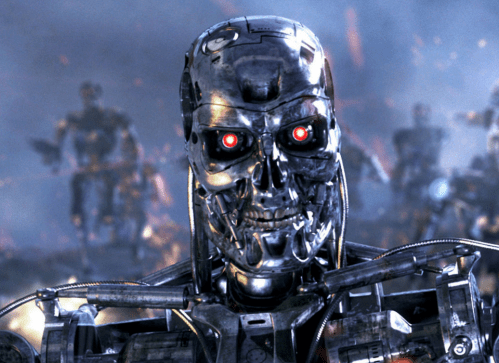
Not Pictured: Anything remotely appealing.

It would be akin to having Thanos come back to life, murder the Avengers, and wipe out half the life in the universe all over again in the first movie after “Avengers: Endgame.” Everything and everyone they fought to save is rendered pointless. Then, that same movie tries to tell a story about a new savior who nobody has any attachment to and will always be defined by being John’s replacement.

There’s nothing about that story that has any appeal, either to a fan of the Terminator franchise or any franchise, for that matter. On top of that, “Terminator: Dark Fate” went heavy on mixing gender politics with the movie. That’s not just an indirect interpretation. The director, Tim Miller, flat out admitted it in interviews before the movie came out.

I don’t want to get too caught up in that aspect of the movie, but I do think it was a contributing factor to the movie’s shortcomings. We’ve seen it happen with other movies before. When a movie is too focused on enduring its female characters pass the Bechdel Test, it rarely puts enough effort into making them likable or endearing. It also obscures the overall plot by making it predictable.

There are many other flaws to highlight in “Terminator: Dark Fate,” as well as plenty more in the movies that came before it. Rather than belabor those, I want to focus on how this franchise rebuilds itself from here. The failures of the sequels have damaged it significantly. There’s no amount of time travel or retroactive changes that can save the story that “Terminator: Dark Fate” tried to set up.

That said, this franchise does have a few things going for it. It’s a known brand that people recognize. When most people hear the word “Terminator,” they usually understand it as a reference to the movies. Even if it’s not as strong a brand as it used to be, it still carries weight and sometimes, that’s all it needs.

The first step to rebuilding it involves ending the futile efforts to build, expand, or somehow improve on the story of Sarah and John Connor. Their story ended perfectly in “Terminator 2: Judgment Day.” Most Terminator fans agree with that and anything that would somehow undermine their legacy is only going to cause more damage.

The next step is to start a new timeline, but one that doesn’t focus on saving the future leader of the resistance or ensuring that Judgement Day occurs. That story has been done to death. For Terminator to succeed, it needs to show that it can do more. In fact, I believe “Terminator: Dark Fate” actually has one sub-plot that might be the key to the franchise’s renewal and survival.

In that movie, the Terminator that killed John, played by Arnold Schwarzenegger, secretly built a human life for itself after its mission was completed. It walked around as a human, met a woman with a son from a previous marriage, and formed a family. If the movie had any plot worthy of intrigue, it was this. Sadly, it was poorly developed and mostly rendered pointless by the end.

It’s a concept that might resonate more today than it could have in 1984. When the first Terminator movie came out, machines and robots weren’t that smart. They were defined by how inhuman, cold, and calculating they were. In recent years, that has changed. Movies like “Ex Machina” and “Wall-E” have built compelling stories about robots that have human traits, including emotions.

It’s something that the Terminator franchise has flirted with before. Part of what made the ending of “Terminator 2: Judgment Day” so dramatic and impactful was the emotional attachment that John developed for the T-800. Even the T-800 showed signs that he’d formed a bond. It made that final sacrifice feel so powerful.

Even “Terminator: Genysis” explored the idea. It had another T-800 form a fatherly bond with a young Sarah Connor, so much so that she called him Pops. While the movie didn’t flesh out the concept as much as it could’ve, there were moments that highlighted the extent of this bond. I strongly believed that if this movie had emphasized this concept over making John Connor evil, it would’ve succeeded.

Rather than hint or imply it, I believe a future Terminator movie should go all in on this idea of a killing machine developing emotional attachments to humans. It’s something that is more relevant today than it was in 1984 or 1991. We already interact more intimately with technology and we’ve even given our technology a personality. I say that’s a story that the Terminator can build upon.

Imagine the following scenario.

It’s the distant future. Machines have taken over. Humanity has been all but enslaved. There are only pockets of resistance. To combat this, the central machine intelligence, Skynet, creates Terminators with the sole purpose of killing the remaining humans.

However, humans prove crafty. They outwit and outsmart the early models. In order to become better killers, new Terminators are created that can mimic, study, and process emotions. Ideally, it could infiltrate human resistance camps, earn their trust, and terminate them appropriately. They would be the ultimate killers.

Unfortunately, there’s not enough data. Humans are too scattered, weak, and desperate. Skynet doesn’t have enough data to give these new Terminators the capabilities it needs. It calculates that it would take too long and require too many resources to compile the data in the present. As a result, it decides to send a model back in time before machines took over.

The model’s mission is simple. It must integrate into human society, compile data, preserve it, and transmit it back to Skynet by preserving it within disks. If it’s identity as a machine is uncovered by a human, its primary protocol is to terminate the human.

The first model is sent back. It arrives in a bustling city that would one day be reduced to ruin. It finds clothes, has an identity, and begins integration. However, just as it’s starting to establish itself, a human finds out it’s a machine. Its protocols are activated, but then something unexpected happens. It doesn’t terminate the human.

Instead of fear, the human develops intrigue. It connects with the Terminator. They start to form a bond. Eventually, the Terminator’s systems for mimicking emotions turn into real emotions. It develops a love for humanity and decides to defy Skynet. That decision ripples into the future and Skynet tries to send other Terminators back to destroy it.

As a Terminator fan, I would love to see a movie like this. It could work with a male or female Terminator. It could also work with a male or female protagonist. Like the T-800 in “Terminator: Dark Fate,” it could even become part of a family, giving it something to fight for and protect. Instead of fighting to protect a savior, the Terminator fights to change the fate of both itself and humanity.

This is just my idea, though. I’d love to hear with other Terminator fans think. I’d also love to hear how they would revitalize this franchise. I believe there is room for this franchise in the current cultural landscape. As machines and advanced artificial intelligence continue to progress, I suspect it’ll become even more relevant.

Like Sarah Connor once said, there is no fate, but what we make for ourselves. That applies to our future as a species. It also applies to this franchise.

Leave a comment

Filed under Artificial Intelligence, gender issues, media issues, movies, outrage culture, technology

What “Malcolm In The Middle” And “Joker” Can Teach Us About Deviance

mv5bowi0nzzjzjqtyzezzc00zwjiltg1ntmtnmzhmmyyogywywq1xkeyxkfqcgdeqxvynja0otqyode40._v1_

What makes someone deviant? What turns otherwise normal human beings into the kind of deviants who go onto commit crimes, foster discord, or lash out at the rest of society? These questions are often contemplated by psychologists, police, politicians, and people who just want to live in peace.

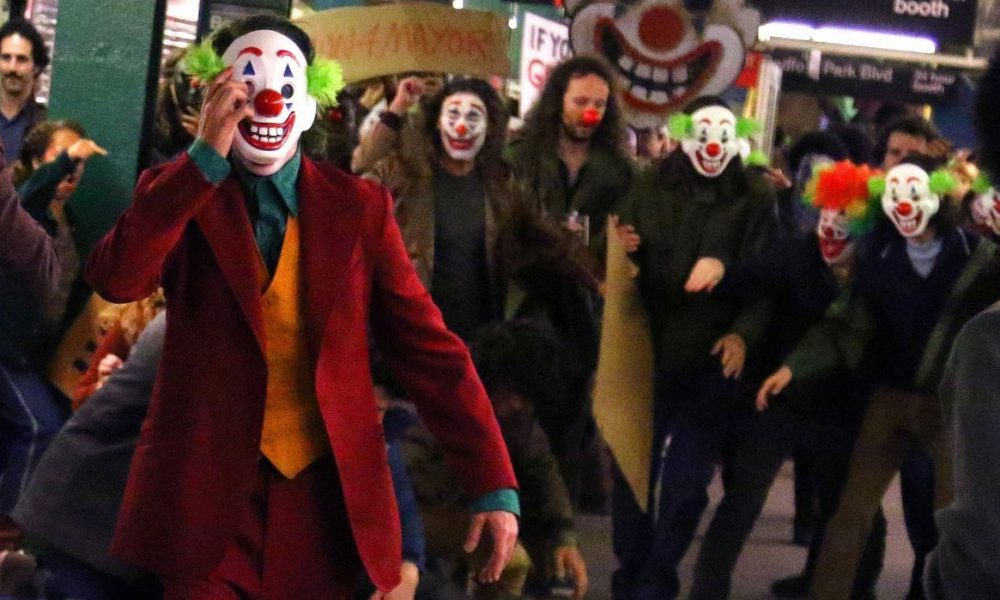
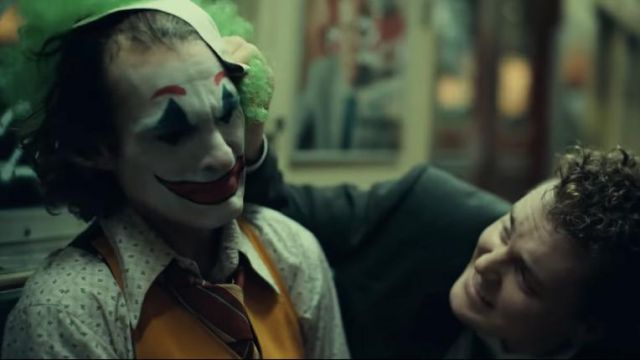
The answers aren’t easy, but they often make for compelling movies and TV shows. Some dare to offer answers that are as revealing as they are distressing. That’s part of what made “Joker” such an impactful movie. It’s also what triggered the controversy surrounding its subversive message. I tried to explore that message my review of the movie, but in doing so, I uncovered something surprising.

The themes in “Joker” are more relevant today than they’ve been in years. It makes the case that when people denigrate, marginalize, or ignore those in the lowest rungs of society, they’re going to create the kinds of monsters and supervillains that undermine the current order. Moreover, they deserve the chaos and deviance that these individuals cause.

In “Joker,” Arthur Fleck was a perfect storm of unfortunate circumstances and societal denigration. While Gotham City didn’t turn him into the Joker, they put him in a position to make those fateful choices. Nobody tried to help him or give him other options. If anything, the help and options he needed were taken away. It was part of what made his deviance both compelling and understandable.

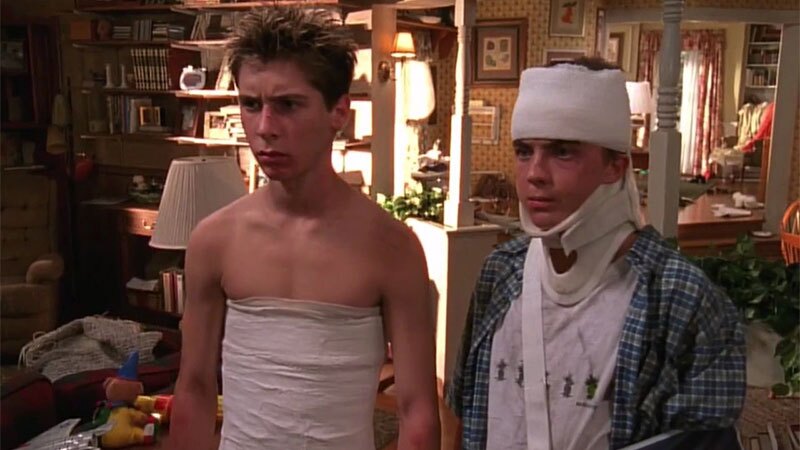
It reminded me of a famous TV show that made a similar point, albeit one from a very different genre and medium. It dared to make that point decade earlier, long before the current controversies surrounding mass shooters in movie theaters and so-called “incel culture.” That show is “Malcolm In The Middle.”

The two narratives couldn’t be more different. One is an R-rated movie that defies the conventions of the superhero genre and explores the twisted mind of an iconic villain. The other is a prime-time sitcom full of funny, cartoonish antics from a dysfunctional working-class family. One is dark and serious. The other is funny and light-hearted.

Despite those vast differences, they convey very similar messages. They both make the case that a callous, negligent society will create deviant individuals within its most disadvantaged. They also highlight how efforts to push them aside or suppress their deviance will only make things worse.

In “Joker,” it turned Arthur Fleck into an agent of chaos who went onto inspire more chaos in others. The circumstances in “Malcolm In The Middle” were very different and a lot more subtle, but the underlying message was still there.

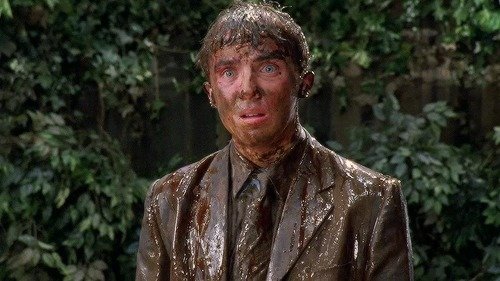
It’s subtle, but it’s there.

From the first episode of the show to its finale, Malcolm and his family are depicted as both dysfunctional and disadvantaged. In some instances, they’re downright destitute. On many occasions, they deal with crippling debt, dead-end jobs, and arrogant upper-class types who look down on them with disgust. More often than not, Malcolm and his brothers get back at them in their own creative way.

Whatever form the antics take, the show never uses the lower-class status of Malcolm’s family to justify their behavior. Much like “Joker,” it establishes that the characters have agency. They’re dealt a lousy hand, but they still have opportunities to make non-deviant choices. They’re rarely forced into deviant acts. Opportunities arise and they exercise poor judgement, to say the least.

The very least.

Malcolm and his brothers didn’t have to lie about what happened to Dewey’s bike in Season 1, Episode 15. They did it anyways and things only escalated from there when the consequences caught up with them.

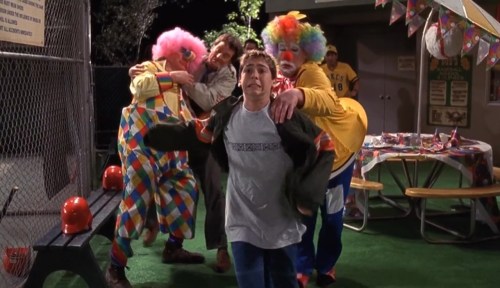
Malcom and his brother didn’t have to buy their mother a terrible birthday gift in Season 2, Episode 3. They still did and the end result led to them fighting an army of clowns in one of the show’s most memorable moments.

It’s not just the kids, either. Hal didn’t have to resort to unorthodox tactics when coaching Dewey’s soccer team in Season 3, Episode 16. He still did and things only got messier from there.

Lois didn’t have to force Malcolm to getting a job as terrible as hers in order to teach him a lesson in Season 5, Episode 6. She still did and, in doing so, taught him an entirely different lesson about just how screwed people like them are. It’s a message that even found its way into her memorable speech in the series finale.

It’s an important component of the show’s brilliance and humor. Malcolm and his family are a mess. They’re constantly getting screwed over by circumstances, bad choices, and other people who look down on them. However, they never come off as victims, nor do they carry themselves as such. They have opportunities to become less dysfunction, but often squander them.

Arthur Fleck had chances to become something other than a killer clown. There were a number of instances in “Joker” in which he could’ve gone a different path. He simply chose not to and society didn’t lift a finger to help him. If anything, they took away what little help he got.

Throughout seven seasons in “Malcolm In The Middle,” Malcolm’s family finds themselves in similar situations. One of the best examples is in Season 4, Episode 17, which happened to be the second clip show episode. In that episode, Hal and Lois recount the births of their kids as they prepare for the arrival of another.

In every instance, the births are subject to strange and hilarious circumstances. In one of them, Lois goes into labor in the driveway of their house because Francis locked her out of the car. Then, while she’s writhing in pain from the labor, a jogger passes by. She yells out she’s having a baby, but the jogger just ignores her and congratulates her.

It’s funny, but symptomatic of the family’s lot in life. Nobody goes out of their way for them. Nobody offers to help them. It even happens again a few episodes later in Season 4, Episode 21 when Lois goes into labor with Jamie. Even though someone calls 9-1-1 and an ambulance arrives, they don’t get there until after she gives birth. The EMTs even joke about how they stopped for coffee.

Like Arthur Fleck, the society around Malcolm’s family doesn’t care about them. They even go out of their way to avoid or neglect them. In “Joker,” Arthur is repeatedly victimized by both the system and individuals who go out of their way to harass him. His situation is already bad, but these ordeals only make it worse.

Early in the movie, Arthur does show signs that he’s capable of being a decent person. He tried to make a kid on the bus laugh. He entertained sick children at a hospital. He could’ve been a productive, positive force in society. Then, society started screwing him over and bad choices on his part led him to become a dangerous deviant.

While Malcolm and his family didn’t become as deviant as the Joker, they still did plenty of damage with their antics. At the same time, there were plenty of instances that showed that, as dysfunctional as they were, they could still be good and decent to others when given the chance. They just rarely got those changes and society rarely provided the incentives.

It’s a powerful message with respect to what makes people deviant. Some people are at the mercy of bad circumstances, be they poverty, mental illness, or having an overbearing mother like Lois. They’re still capable of being good, but it’s easier for them to become deviant when society neglects them. That deviance only compounds as a result of poor judgement and bad choices.

Yes, they compound a LOT.

There are plenty of differences between “Joker” and “Malcolm In The Middle.” Whereas “Joker” takes things to the worst possible outcome in the descent towards deviance, “Malcolm In The Middle” manages to maintain a more hopeful outlook. People can still be deviant and dysfunctional, but they can rise above it. The events of the series finale affirm that.

Those differences aside, this movie and this TV show offer lessons and insight into something that all societies must deal with. There will always be a certain level of deviance. There will also be those more inclined to pursue it. It’s just a matter of how to confront it. More than anything else, “Joker” and “Malcolm In The Middle” shows the consequences of confronting it the wrong way.

1 Comment

Filed under Current Events, human nature, movies, psychology, television, Villains Journey

Five Reasons Why Joss Whedon Should Direct The First X-Men Movie In The Marvel Cinematic Universe

x-men-mcu-disney

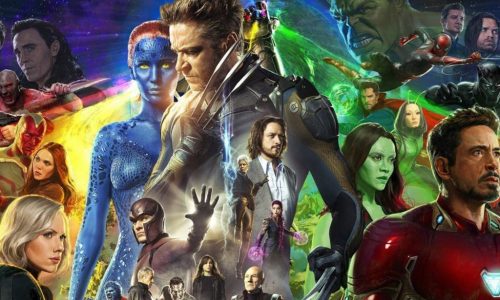
These are exciting times for X-Men fans. The Fox era of X-Men movies is over. With Disney’s purchase of Fox, a new era is set to begin. There are no more divergent timelines or soft reboots. The X-Men are coming to the Marvel Cinematic Universe. It may not happen for a while, but the process has already begun. It’s only a matter of time.

As a lifelong X-Men fan, I’ve discussed both the possibilities and the immense potential of this development. I’m sure I’ll discuss it plenty more as news, rumors, and what not emerge over the next few years. Until then, there isn’t much to go on.

While there are plenty of details to explore, in terms of story, there’s one logistical issue that I feel is worth addressing. It has to do with who will help guide the X-Men into the MCU. Now, it’s a given that Kevin Feige will be the mastermind behind it all. He is, after all, the alpha and omega of all things Marvel Studios. He’ll be the one with the vision, but he’ll still need someone to turn that vision into a tangible product.

That’s not going to be easy for the X-Men. This isn’t the same as making “Ant Man” a viable franchise. The scope and scale of the X-Men franchise is immense. There’s a reason why it lasted 19 years with Fox. It has a wealth of characters, iconic stories, and endearing themes that are as relevant as ever.

Bringing X-Men to the MCU will be a massive undertaking. With that in mind, I’d like to make the case that there’s one director who is uniquely qualified to take on this challenge. Most already know his name and he has already left his mark on the MCU. I think he’ll leave an even bigger mark by taking this on. That name, of course, is Joss Whedon.

Hold your applause/outrage, please.

Now, I know Whedon’s name doesn’t carry the weight it once does. His success really peaked with the first “Avengers” movie, but since then, he’s somewhat faltered. It hasn’t helped that he suffered some bad press, some of which I’ve touched on. Even with these setbacks, and even because of them, I believe he’s the best choice for leading the X-Men into this new era.

As always, I know there will be those who vehemently disagree. I understand that and even welcome those counterarguments in the comments. That said, I’d like to offer five reasons to make my case that Mr. Whedon is the man for the job.


Reason #1: He Has (Successful) Past Experience With X-Men

Joss Whedon is no stranger to the X-Men. In fact, he probably has more experience with this franchise than he did with the Avengers. He did script work on the first X-Men movie. He was also on the short-list to direct multiple X-Men movies at one point. He’s gone on record as saying that he’s an X-Men fan.

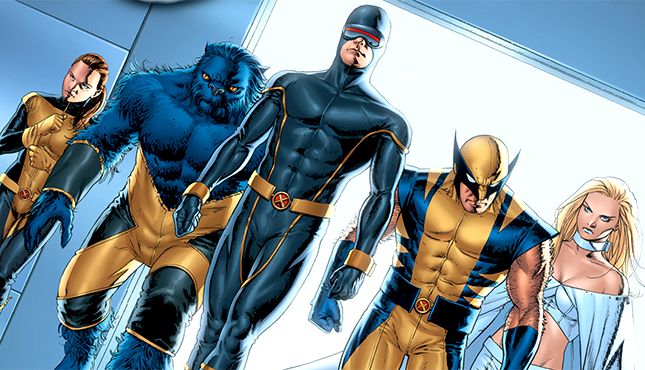
Outside the movies, Whedon’s credentials run even deeper. In the early-to-mid-2000s, he penned an acclaimed run for the Astonishing X-Men comic. If you were to talk to any X-Men fan during that time, myself included, they would’ve said the same thing. Whedon’s run on Astonishing X-Men was one of the best of its era.

Through that run, he demonstrated a strong appreciation of these character. It wasn’t just the female characters either, although they definitely shined. He understood the personalities, dynamics, and quirks with characters like Cyclops, Emma Frost, Wolverine, and Kitty Pryde. He gave them all a chance to demonstrate why they’re so iconic.

While the Fox era of X-Men movies did plenty for Wolverine, Charles Xavier, and Magneto, they rarely succeeded for other major characters. Some, like Cyclops and Rogue, were outright butchered. While Whedon has mishandled characters in the past, his experience with X-Men should help avoid that.

Given the size and scope of the MCU, the margin for error will be small. Having a director who knows, understands, and cares about these characters will go a long way compared to one who is unfamiliar with them. Just ask Josh Trank.


Reason #2: His Style Will Give The X-Men The Right Tone For The MCU

Whether it’s a movie or TV show, Joss Whedon’s work has a distinct tone and style to it. There’s often a tight blend of light-hearted character moments mixed with serious drama. There are also plenty of jokes and quips, but not nearly on the level of an Aaron Sorkin script. For the most part, Whedon works to humanize his characters while making them lovable and relatable in their own way.

That kind of approach is exactly what the X-Men need in the MCU. It’s an approach that has already been proven with the first “Avengers” movie, as well as “Avengers: Age of Ultron.” In each case, both the heroes and the villains had moments where they could joke around, but still have heated arguments when necessary. It was a big part of what made these movies so entertaining and memorable.

The X-Men have had their share of funny moments during the Fox era. Unfortunately, most of them came from Deadpool and the always-charming Ryan Reynolds. By the standards of modern superhero movies, the original X-Men trilogy was very serious and even a little dark. Granted, that was necessary, if only to distance itself from the excessive camp in “Batman and Robin.” Things are different now.

The X-Men franchise has had plenty of bleak, serious moments in recent years. As great as “Logan” was, the franchise could benefit from something more uplifting and Joss Whedon’s style fits that perfectly.


Reason #3: He Knows How To Balance Action, Character Development, And Melodrama

This is something else that’s readily apparent to anyone who read Joss Whedon’s run on Astonishing X-Men or seen at least one season of “Buffy: The Vampire Slayer.” Say what you will about his feminist credentials. The man knows how to strike that critical balance between action, character development, and melodrama.

He did plenty of balancing with action and character development in “Avengers,” but X-Men will need a lot more melodrama to succeed. That’s because all those soap-opera elements that tends to complicate other action franchises are a core part of the X-Men’s DNA. They have been since the heyday of Chris Claremont’s run on the comics.

I’m not just talking about romantic sub-plots and love triangles, which have been a detriment to previous X-Men movies. Being an X-Men and a mutant is full of both personal and interpersonal drama. It’s part of what makes these characters relatable and iconic. People might not be able to relate to the Asgardian God of Thunder, but they can relate to someone who is born different and struggles to cope with those differences.

Add clashes with killer robots and murderous bigots to the mix and you’ve got plenty to work with. In the MCU, where superheroes and super-powers already exist, these are exactly the kinds of complications that can keep things interesting and Whedon has experience doing just that.


Reason #4: He Has Something To Prove (And So Does The X-Men Franchise)

As I noted earlier, Joss Whedon’s career and personal life have taken quite a downturn in recent years. In addition to his divorce, his creative decisions during “Avengers: Age of Ultron” were subject to controversy. Some may argue the extent of that controversy, especially given the box office of that movie, it’s still telling that Whedon hasn’t been involved with the MCU ever since.

On top of that, Whedon name has been unfairly linked to the massive commercial failure of “Justice League.” Now, there’s a lot to be said about the problems with “Justice League,” but I think it’s wrong to lump them on Whedon. He came into a movie that was radically different from his usual style and was already grossly overbudget and behind schedule.

Fair or not, Whedon’s credibility has taken hits on multiple fronts. By spearheading the X-Men’s arrival into the MCU, he has a chance to rebuild it. His career is far from over. Even with the upheavals in his personal life, he hasn’t burned too many bridges or completely lost the trust of fans.

If he has any kind of ego, and most people in Hollywood do, he’ll be more motivated than most to succeed with the X-Men in the MCU. At the same time, the X-Men franchise has just as much to prove. Even with the success of “Logan” and “Deadpool,” not one X-Men movie has ever topped a billion dollars.

As a franchise, the X-Men have fallen behind in the superhero hierarchy. Entering the MCU is their chance to show that they deserve to be in the same world as these multi-billion dollar success stories. To some extent, both Joss Whedon and the X-Men franchise need each other.


Reason #5: He Knows How To Balance New Ideas With Classic Elements

The X-Men that show up in the MCU will be different from the X-Men we saw in the 19 years of movies. That’s a given. It’s only a question of how different they’ll be. That will likely be a key consideration because while the X-Men movies had their share of flaws, they did a number of things that worked exceptionally well, Deadpool being the most notable.

While it’s likely that Marvel Studios won’t do much to change Deadpool, there will definitely need to be some fresh nuance to the X-Men. As it just so happens, Joss Whedon is better than most when it comes to balancing new ideas with classic themes. He did that with Astonishing X-Men in the comics. He did that in both “Avengers” movies, as well.

While some elements worked better than others, they still came together in a polished product that made billions. The X-Men will need that balance as they enter the MCU. Unlike other characters and teams that have been introduced, the X-Men come in with 19 years of cinematic baggage. It must distinguish itself in this new era.

That’s not going to be easy. Depending on when they show up, the MCU could be very different from the one that just culminated with “Avengers Endgame.” Whedon, given his experience, is certainly up for that challenge.


There’s little doubt that mutants coming to the MCU will be a huge upheaval. How Marvel Studios and Disney go about it could determine whether the MCU continues to dominate at the box office or finally runs out of steam. This incredible cinematic world has delivered time and again, overcoming immense challenges and breaking box office records along the way. They’ve earned the benefit of the doubt.

Joss Whedon may or may not be the one to lead the MCU into this new era. I think he has what it takes. I hope he gets a chance. There’s a lot of uncertainty with the X-Men franchise right now, but this is a franchise that has overcome major struggles before. With the Disney machine and the MCU behind it, I don’t doubt for a second that it can become uncanny once more.

1 Comment

Filed under Marvel, Marvel Cinematic Universe, movies, superhero comics, superhero movies, X-men

Why Natalie Portman Becoming Thor Is The Biggest Story From San Diego Comic Con 2019

natalie-portman

If you’re a fan of comic books, superhero movies, and the Marvel Cinematic Universe, this past weekend was like Christmas, Halloween, the 4th of July, and the Super Bowl all rolled into one. The San Diego Comic Con is essentially the epicenter of geek culture. In recent years, it has only gotten bigger, becoming a staging area for major pop culture events. This latest convention was no exception.

While there was plenty of news to follow at this year’s Comic Con, especially for X-Men fans like me, the biggest event was always going to be Marvel Studios. It has already been a historic year for superhero movies, especially on the Marvel side of the genre. Shortly before the convention began, “Avengers Endgame” officially passed “Avatar” to become the highest grossing movie of all time.

It’s a good time to be Kevin Feige.

It’s a good time to be Bob Iger.

It’s a good time to be a Marvel fan, in general.

With the end of “Avengers Endgame,” however, the story that began in 2008 “Iron Man” has concluded. The Avengers assembled in a truly spectacular battle for the ages. Thanos is defeated. The Marvel Cinematic Universe is once again secure, but after making the highest grossing movie of all time, how can Marvel Studios keep raising the bar like this?

In Hall H of the San Diego Convention Center, the next phase of the MCU was finally revealed. Some of the announcements were expected. News of a “Black Widow” movie, as well as an “Eternals” movie, had already been reported months ago. News of a “Blade” movie within the MCU was more surprising, but that wasn’t the biggest story by a long shot.

By far, the biggest Marvel Studios news to come out of San Diego Comic Con 2019 was Natalie Portman returning as Jane Foster to play a female Thor. I’m not going to lie. When I saw this news, I had to blink a few times and slap myself to make sure I wasn’t dreaming. Once certain this was real, it finally sunk in.

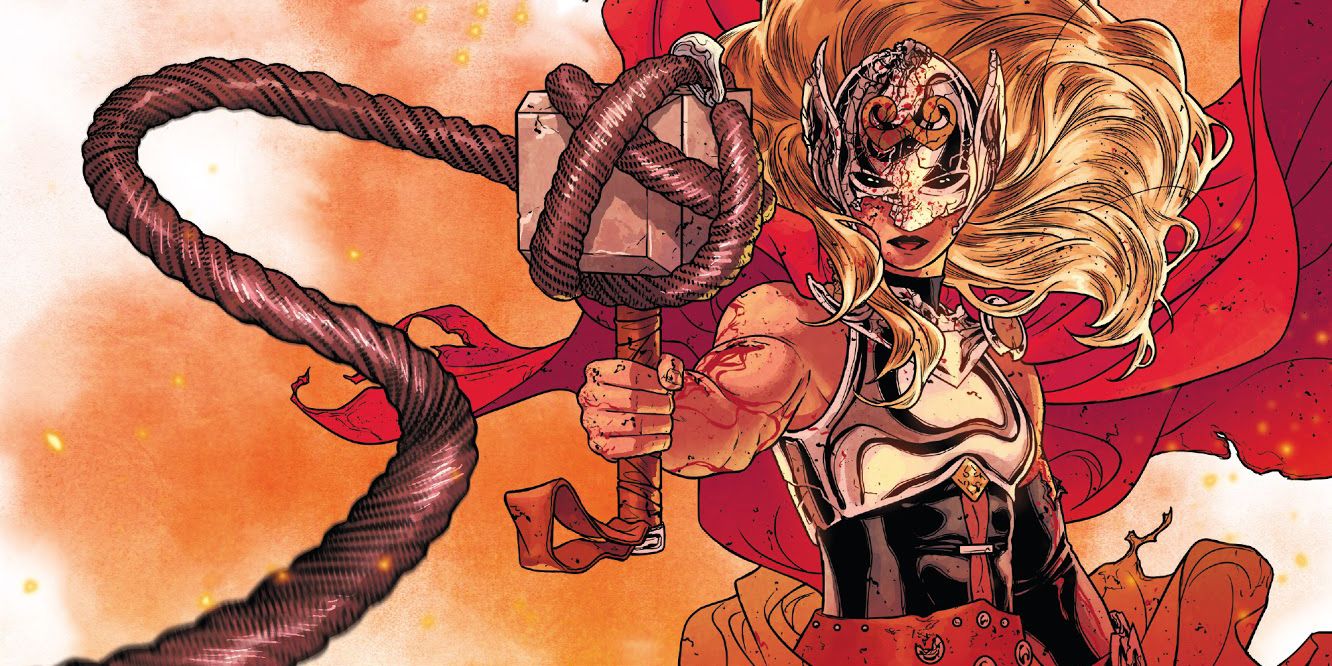
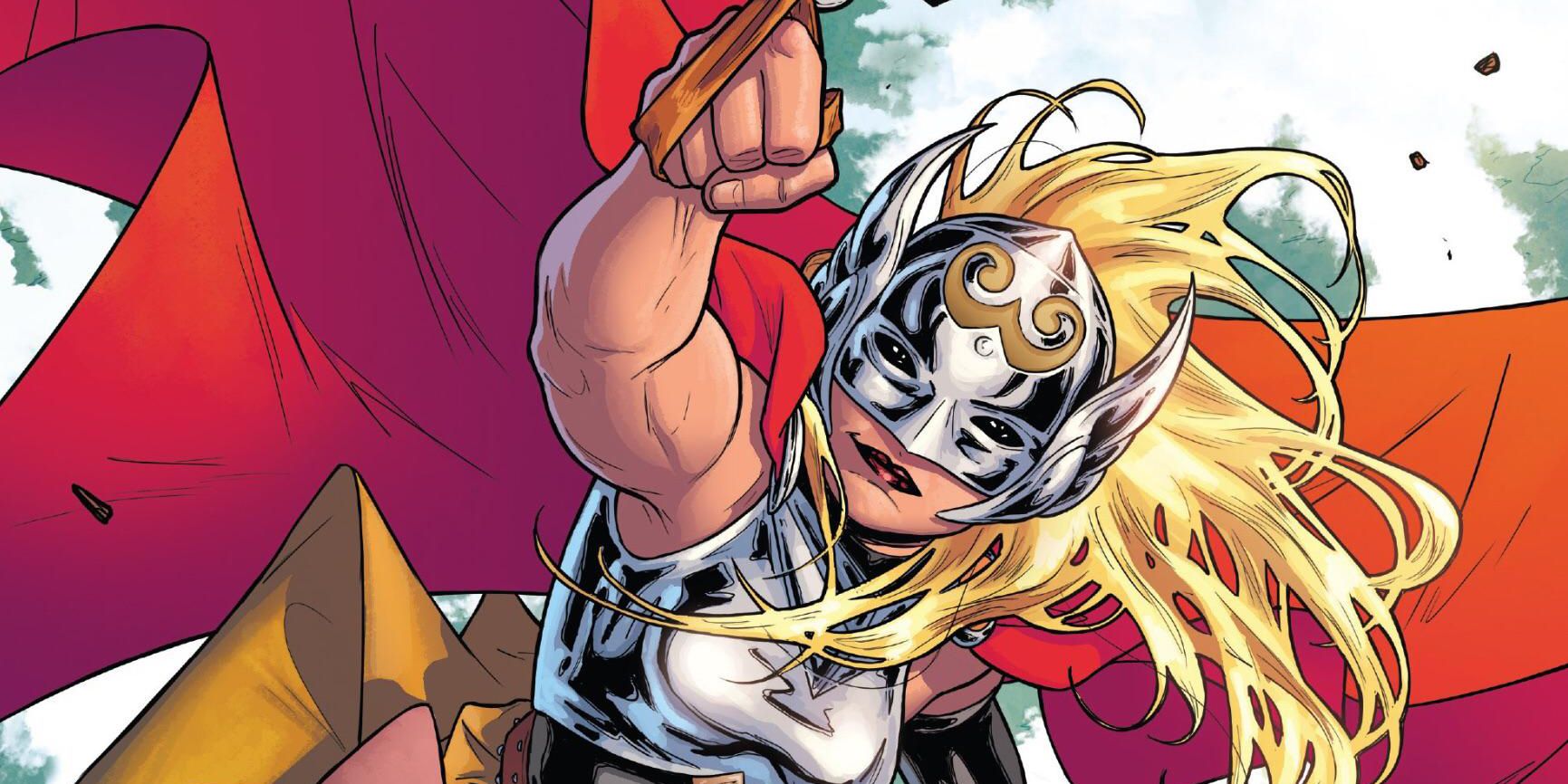
Natalie Portman is returning the MCU as Jane Foster to play a female Thor.

To appreciate why this is a huge deal to longtime comic readers like me, I need to provide a little context. Jane Foster being Thor is a concept that only recently gained prominence, thanks to one of Marvel’s top-tier writers, Jason Aaron.

Back in 2014, the Thor comics underwent a major upheaval. After a fateful encounter with Nick Fury, Thor suddenly became unworthy of lifting Mjolnir. It was a dramatic moment that defined the character for years to come. Then, after everyone in Asgard failed to lift the hammer, Jane Foster came along to wield it. In doing so, she became the new Thor.

If you haven’t read the first few volumes of that story, I cannot recommend them highly enough. Even if you’ve only seen the movies, you’ll still find plenty to love about these comics. They made me a fan of both Thor and Jane Foster. If Marvel Studios and Natalie Portman can even capture a fraction of this story’s greatness, then it’ll be a bold new era for superhero movies.

Now, make no mistake. Jane Foster becoming Thor was not without controversy. In fact, the timing of this story couldn’t have been worse. It came out right around the same time that efforts to promote diversity within superhero comics had become mired in regressive politics. It was a time when iconic characters were being replaced and new characters were being created, albeit with mixed results.

This is how mixed it got and NOT in a good way.

I’d rather not go into all the issues, controversies, and absurdities from that era, but I will say that Jane Foster becoming Thor was one of the success stories from that tenuous period. Her journey as the new Thor didn’t supplant that of her predecessor. If anything, it complemented his story. The title of Thor was greatly improved because Jane Foster wielded that hammer.

Now, Marvel Studios is in an even better position to do the same. The success of both “Wonder Woman” and “Captain Marvel” has established that there is a market for female superheroes. The events of “Avengers Endgame” also opened the door for someone else to step in without diminishing Chris Hemsworth’s character, who may still have a part to play in “Guardians of the Galaxy 3.”

It also helps that Natalie Portman’s Jane Foster has been MIA since the events of “Thor: The Dark World.” While her reasons for leaving were somewhat obscure, the announcement at San Diego left no room for ambiguity. She’s coming back and she’s going to play a major role in the next phase of the MCU.

In my opinion, this will go down as one of the most pivotal announcements in the history of the MCU. Why do I believe this is bigger than the Eternals, Blade, Black Widow, or any of the upcoming shows on the Disney+ streaming service? To answer that, it’s necessary to take a step back and look at the bigger picture.

The Jane Foster that Natalie Portman played in the first two Thor movies is not the same Jane Foster who has established herself as a prominent force in the comics. Throughout her history, she has maintained a strong connection to Thor and not just as a romantic interest. In many respects, she has been the character through which ordinary, non-Asgardian people explore Thor’s world of gods, demigods, and monsters.

A big part of what made Jason Aaron’s story surrounding Jane Foster becoming Thor so powerful was how she proved her worthiness of that title. As a mortal woman with many mortal limitations, she embraced that role and proved herself against gods, monsters, and even other superheroes. It was easy to cheer her on every step of the way.

In any era, it’s a powerful story, having an ordinary human embrace god-like power to bear god-like burdens. In this current era of superhero movies, Jane Foster becoming Thor isn’t just a fitting, comics-accurate way to build her story in the MCU. It’s a story that almost feels necessary.

The MCU is a world that has become densely populated by super soldiers, aliens, gods, monsters, and demigods. With the conclusion of “Avengers Endgame,” the world is in a tenuous state. Friendships, families, and teams have been decimated due to the conflict surrounding Thanos and the Infinity Stones. There are voids to be filled, including a few once populated by gods.

Ordinary people becoming heroes is a story that the MCU has told many times before, the latest being “Spider-Man: Far From Home.” Stories about ordinary people becoming gods haven’t been nearly as common and with the Eternals already poised to join the MCU, I think that story should play out in some manner, if only to keep humanity connected to this world.

Jane becoming the Goddess of Thunder is the perfect story to maintain that connection. Unlike Carol Danvers, Jane is not a soldier or a warrior. She’s a scientist who got caught up in the world of gods and superheroes, but she didn’t run from it in the comic. Now, armed with Natalie Portman’s Oscar-winning talent, she’s poised to make a similar journey in a world that needs new heroes to step up.

It’s an exciting, but uncertain time for the MCU. However, when you’ve got a story like that of Jane Foster becoming Thor and an actress as talented as Natalie Portman leading the way, the future has never been brighter.

3 Comments

Filed under Marvel, movies, superhero comics, superhero movies, Wonder Woman

“Spider-Man: Far From Home” Review: An Amazing Movie With One Spectacular Flaw

spider-man-far-from-home-teaser-poster

In this golden age of superhero movies, Spider-Man occupies a special place. Aside from being one of Stan Lee’s most famous creations, this franchise has undergone many triumphs, failures, scandals, upheavals, and everything in between. No matter where it stands among other franchises, Marvel just isn’t Marvel without Spider-Man.

The first “Spider-Man” movie helped revolutionize the superhero genre alongside “X-Men.” It’s not unreasonable to say that the Marvel Cinematic Universe wouldn’t exist without that first movie. That’s why when Spider-Man entered the MCU with “Spider-Man: Homecoming,” it carried a lot of weight.

With “Spider-Man: Far From Home,” both the standards and the stakes are higher. This movie is coming off the historic success of “Avengers Endgame” and is poised to close out Phase 3 of the MCU. It’s tasked with building on the foundation of its predecessor and dealing with the dramatic aftermath of the battle against Thanos. That’s a tall order for any franchise.

Look at this face and tell me I’m wrong. I dare you.

At the same time, it feels like Spider-Man has to be the franchise to pull this off. Between its special place in the genre and its cast of emerging stars, including the inherently lovable Tom Holland, “Spider-Man: Far From Home” feels like the only movie worthy of such a task. It has everything going for it. The question remains. Does it succeed?

In my humble opinion, I say it does, but not without some major flaws.

In terms of the big picture, “Spider-Man: Far From Home” is a quality Spider-Man movie that checks a lot of boxes, both for the franchise and for the MCU. It seamlessly weaves itself into the evolving narrative of the MCU in wake of “Avengers Endgame.” The first five minutes of the movie touch on the lingering aftermath of that climactic battle. It even injects some of that trademark MCU humor into some heavy moments.

On a more personal level, Peter Parker’s story builds upon the drama of Tony Stark’s death in “Avengers Endgame.” Throughout the movie, Iron Man’s presence looms large. Spider-Man is essentially stuck in the shadow of another hero who really affected his journey as a character in “Spider-Man: Homecoming.” It makes for plenty of dramatic moments that guide Peter throughout the story.

In terms of it genre, “Spider-Man: Far From Home” even succeeds in maintaining the increasingly high bar that Marvel Studios has set for its villains. While Jake Gyllenhaal’s Mysterio won’t rank as highly as Josh Brolin’s Thanos, he proves himself a daunting foe who doesn’t just test Spider-Man. He comes very close to breaking him.

I would even go so far as to say that Gyllenhaal’s take on Mysterio is worth the inflated ticket price. He makes “Spider-Man: Far From Home” work on multiple levels. I would argue that he’s the primary reason why the movie succeeds, despite its critical flaws.

Now, this is where I’m probably going to diverge from the those who have given this movie such glowing reviews. I may even upset some of my fellow Marvel fans who recoil at the idea of an MCU movie faltering. However, I believe the flaws are there and are being overshadowed by factors beyond the scope of the movie.

To me, the biggest failure of this movie isn’t in how it tells Spider-Man’s story. It’s in how it develops Peter Parker’s story. The battle between Spider-Man and Mysterio is beautifully developed. It’s what happens when Peter is out of his mask where the story stagnates and it has everything to do with Zendaya’s character, “MJ.”

I put “MJ” in quotes because she is definitively not Mary Jane Watson, Spider-Man’s most famous love interest in the comics and the character that Kirsten Dunst portrayed in the first three Spider-Man movies. That’s not the issue, though. “Spider-Man: Homecoming” established her and Peter’s friends as something very different from the comics. It wouldn’t be the first time the MCU made such changes.

The problem with MJ, Peter, and their shared role in “Spider-Man: Far From Home” is how poorly their romantic sub-plot plays out. It’s not a trivial sub-plot, either. A good chunk of the plot involves Peter following this elaborate plan to tell MJ how he feels about her. On paper, it’s pretty romantic. In practice, it’s a catalyst for too many cringe-worthy moments.

There’s no polite way to say it. The romance between Peter and MJ in this movie is awful. I won’t say it’s as awful as the nonsensical babble we saw between Peter and Gwen in “Amazing Spider-Man,” but it’s pretty close and for the high standards of the MCU, it’s just unacceptable.

While “Spider-Man: Homecoming” did an admirable job of establishing the dynamics between Peter and MJ, it falls incredibly flat in “Spider-Man: Far From Home.” In fact, if you didn’t see “Spider-Man: Homecoming,” Peter’s efforts to get with MJ seem more obsessive than romantic. At one point, he becomes downright vindictive when someone else tries to get with her. It does not reflect well on Peter.

MJ isn’t much better. Zendaya is a great actress, but she comes off as flat and unemotional throughout this movie. Say what you will about Kirsten Dunst’s portrayal of Mary Jane, but she still displayed a wide range of emotions throughout three movies. Zendaya’s tone and facial expressions barely change throughout this movie.

In essence, there’s no real chemistry between Peter and MJ. Given how critical this relationship is for the plot of the movie, that’s not a trivial oversight. It frames their actions and their decisions as something petty and selfish. There’s never a sense that Peter and MJ make each other better. If anything, they’re liabilities to one another.

In both the comics and the previous movies, this is not how the romantic sub-plots play out. While Spider-Man’s relationships have always complicated his efforts to be a better superhero, they ultimately make him stronger. They make his decision more heroic and his triumphs more satisfying. In “Spider-Man: Far From Home,” the romance was more a handicap than a challenge.

Compared to how other romantic sub-plots in the MCU, Peter and MJ’s is by far one of the weakest. It’s established that they’re attracted to one another. That’s the critical first step in any romantic sub-plot. However, “Spider-Man: Far From Home” skips the part where they actually start caring for one another before they develop deeper feelings.

Again, that’s not a trivial oversight. Compare that to other relationships like Starlord and Gamora, Pepper Potts and Iron Man, or even Thor and Jane Foster. It starts with attraction. The characters flirt and tease one another. Then, at some point, that flirting turns into genuine care. They show concern and emotion when they see one another in danger. From there, deeper feelings emerge.

None of that happens with Peter and MJ. Their interactions lack drama, which limits the personal stakes for Spider-Man’s battle against Mysterio. It helps that there are other personal stakes besides MJ that guide this struggle. If anything, those stakes would be a lot more powerful if the sub-plot with MJ were completely removed.

As bad as this romantic sub-plot is, “Spider-Man: Far From Home” still works because so many other elements of the movie are well done. Mysterio is a great villain who really capitalizes on the post-Thanos landscape of the MCU. Peter’s supporting cast, from his teachers to his Aunt May to his best friend Ned, all get a chance to shine. They help give this movie the right impact.

Compared to other Spider-Man movies, “Spider-Man: Far From Home” definitely exceeds the quality of the two “Amazing Spider-Man” movies that came before it. I would also say it’s slightly better than “Spider-Man 3,” albeit barely. If I had to score this movie, I would give it a 6 out of 10. It’s great, but not amazing.

For the MCU, especially after “Avengers Endgame,” the standards for a great superhero movie have never been higher. This movie met many of those standards, but a major flaw in a key sub-plot kept it from exceeding those standards. While I doubt this will hinder the franchise, I believe it’s a flaw that will only get worse if it’s not addressed in the sequels.

If you see the mid-credits scene, then you know what I’m talking about.

1 Comment

Filed under Comic Books, Jack Fisher, Superheroes, Marvel, Movie Reviews, movies, superhero comics, superhero movies

Why Jennifer Lawrence’s Mystique Is The Best Version Of The Character

x-men-jennifer-lawrence_612x380jpg

Everybody has at least one unpopular opinion that draws ire from the vast majority of people. I’m not referring to extreme political stances, though. Those who identify as full-fledged communists, anarchists, or theocrats are more defined by an ideology than an opinion. I’ve shared plenty of opinions in the past, some of which I’m sure qualify as unpopular.

Regardless of what those opinions entail, I’ve tried to make my point and most of the time, I can find a substantial group of people who share my views. It’s part of why I enjoy doing what I do. However, there’s one particular opinion I have that might be the most unpopular position I’ve ever held.

It has nothing to do with politics or ideology. It has to do with comics and superhero movies, another popular topic I’ve discussed many times before. I’ve shared it before in other forums and in almost every case, I have a hard time finding anyone who agrees with me. Knowing how dangerous it can be to share unpopular opinions on the internet these days, I’m going to take a chance and share it here.

I believe that Jennifer Lawrence’s take on Mystique is one of the best version of the character in any medium.

I’ll give X-men fans, comic book fans, and fans of superhero movies a moment to stop fuming. Take all the time you need. Believe me, I’ve heard and read all the vile insults you want to throw at me. Before you flood the comments section with a fresh batch of frothing hate, please hear me out because I feel like there’s a point worth making here.

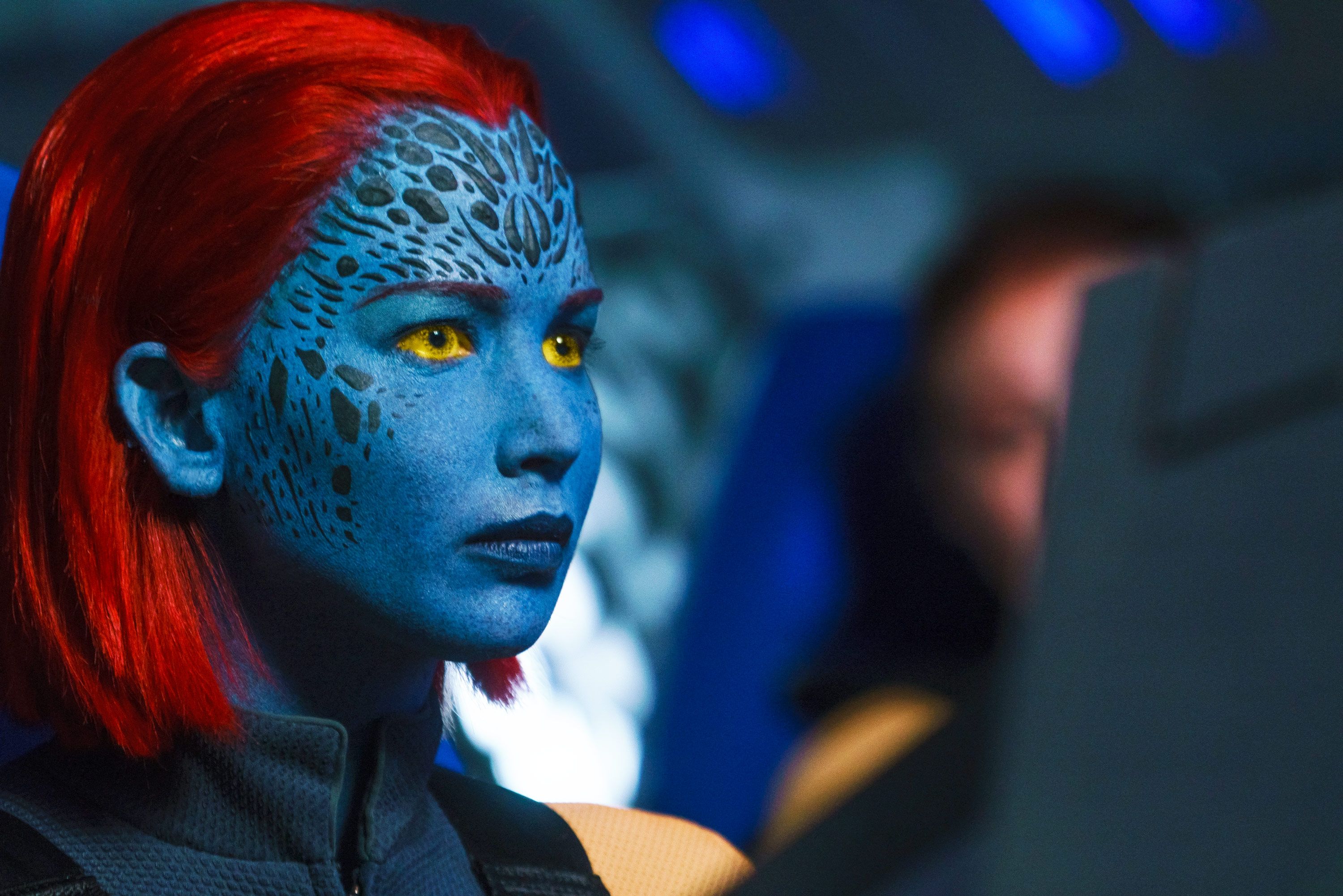
If not, please take this stunning image as a consolation prize.

Before I get into the details of the comics and movies, I freely acknowledge that Jennifer Lawrence is one of those high-profile celebrities for which many have mixed opinion. Ever since she rose to fame, she has been a polarizing figure. People either love her or hate her with very little in between.

Regardless of how you might feel about her, as an actress, there’s no denying that she played an instrumental role in revitalizing the X-Men movies, beginning with “X-Men: First Class.” As Mystique, she succeeded a very popular version in Rebecca Romijn, who set the precedent for blue-skinned shape-shifters who favored nudity. However, there was one important distinction with Ms. Lawrence’s version.

Unlike Ms. Romijn, and every other version for that matter, Ms. Lawrence’s take on Mystique included a backstory that provided unprecedented depth for the character. That story, and the depth that came with it, proved critical in the role that this Mystique would play in “X-Men: Days Of Future Past.” I would go so far as to argue that both movies work largely because of how Ms. Lawrence carried this character.

I can probably find more than a few people who agree that Ms. Lawrence’s Mystique was important in making her first two movies in the role work. Where I probably lose those people is when I go a step further and claim that this version of Mystique is superior to most other versions.

Some might call that hyperbole and maybe it is, to some extent. I still contend that there is an argument to be made and anyone familiar with Mystique’s history in the comics can appreciate it. I doubt I’ll change anyone’s mind, but it’s that very history, or lack thereof, that helped make Ms. Lawrence’s take on the character so compelling.

Mystique, like many other comic book characters, has a history that is more convoluted than most. She’s been around since 1978, but in all that time, her character has never been developed beyond a certain point. In fact, in the grand scheme of Marvel’s vast universe, it’s remarkable that she has managed as well as she has with so little backstory.

There’s no canonical information about where she was born, who her parents are, or even how old she is. She has never appeared as a child or a teenager. She’s always been an adult who goes by the name, Raven Darkholme. It’s not even clear that’s her actual name. Being a shape-shifter, it’s impossible to tell.

Beyond her unexplored history, Mystique’s personality has been pretty flat over the years. She’s a villain. That much is made clear. However, her brand of villainy is not nearly as refined as others. She’s basically a sociopath whose only purpose in life revolves around tormenting the X-Men, especially Wolverine.

How she goes about it varies, but why she does it rarely gets explored. Granted, there have been times when she has joined the X-men, but it never lasts and often ends with her betraying them. It has happened so often that it’s somewhat predictable. Even when it seems like she has undergone some major growth, she always ends up regressing back to her psychotic ways.

She still looks sexy every step of the way.

That’s not to say she has no depth. Being the biological mother of Nightcrawler and the adopted mother of Rogue has been a major source of drama over the years. Her romantic and sexual entanglements have also been colorful to say the least, albeit not always in a good way. However, this drama rarely ever adds depth to her villainy.

While Rebecca Romijn’s version had some nuance, especially in the second movie, she didn’t deviate much from her comic book counterpart. For three movies, she was one of Magneto’s top henchmen and little else. Jennifer Lawrence’s version of Mystique dared to be more than that.

The first minutes of “X-Men: First Class” did more for Mystique’s backstory than three movies and four decades of comics had done to that point. It established her as a mutant who’d run away and had nowhere to go, something that has real-life parallels for certain minorities. From there, she develops a close sibling bond with James McAvoy’s Charles Xavier, which does plenty to develop his character as well.

However, what truly makes this version of Mystique special is how she grows over the course of several movies. Like her comic version, she shifts her allegiances repeatedly. She starts off as an ally of Charles Xavier. Then, she leaves and follows Magneto. Eventually, she returns to Xavier’s side, but not without undergoing major personal upheavals.

In both “X-Men: First Class” and “X-Men: Days Of Future Past,” she finds herself at a crossroads on multiple occasions. Sometimes, she walks a more villainous path. Other times, she’s more virtuous. They’re all contingent on difficult choices and, regardless of where they take her, there’s an underlying sentiment to those choices.

In “X-Men: First Class,” she chooses Magneto because she believes Charles wants her to hide her true form. In “X-Men: Days Of Future Past,” she choose Charles because she realizes the consequences of her actions. Friends and enemies alike try to influence her. When she finally makes a choice, it feels like something a real character would make.

In the comics, you can always assume Mystique will make villainous choices and be right most of the time. With Ms. Romijn’s, you can assume she’ll choose whatever Magneto chooses and be right, as well. The choices of Ms. Lawrence’s Mystique are truly uncertain and for a character defined by her shape-shifting traits, that’s more than fitting.

It wouldn’t be accurate to call Ms. Lawrence’s Mystique a hero. In “X-Men: Apocalypse,” she resents that label. It wouldn’t be accurate to call her a villain either, even though she doesn’t always side with the X-Men. She adapts to whatever her situation requires, like anyone would expect of a skilled shape-shifter. It’s an understandable, and even admirable, take for a character in a superhero movie.

While her ultimate fate was tragic, as revealed in “Dark Phoenix,” her journey has been remarkable. Regardless of how the events of “Dark Phoenix” played out for everyone else involved, it’s still the most complete story that Mystique has ever had. That’s why I feel Jennifer Lawrence’s take on Mystique is the best we’ve seen to date.

That’s not to say she’s without flaws. I don’t doubt that her diminished role in “X-Men: Apocalypse” undercut her development. Even with those flaws, she’s still more balanced than anything the comics or previous X-Men movies have given us. Whatever happens with the X-Men as they joint he MCU, I hope Ms. Lawrence’s Mystique inspires the future of the character for years to come.

To all those who disagree with me, and I’m sure there are many, I welcome your comments and thoughts. I only ask that you keep it civil.

4 Comments

Filed under Comic Books, Jack Fisher, Superheroes, Marvel, movies, superhero comics, superhero movies, X-men

“Dark Phoenix” Review: An Astonishing End To An Uncanny Era

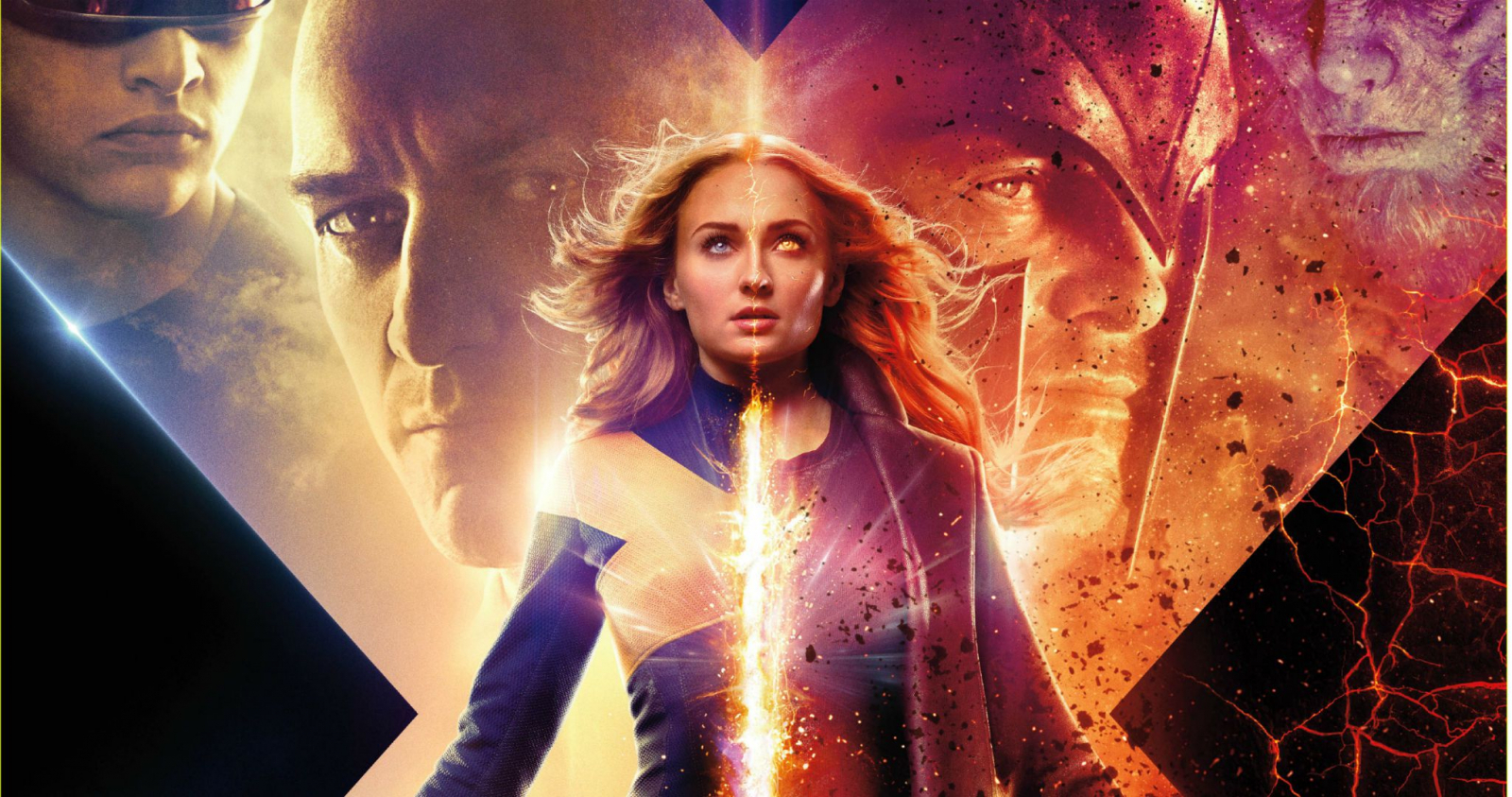
x-men-dark-phoenix-new-poster-1200-1777-81-s

It’s never easy, trying to capture the essence of an iconic story. It’s even harder when you’ve tried once before and failed miserably. To say that “Dark Phoenix” faced more challenges than most movies would be like saying tobacco companies have an image problem. Many of those challenges go beyond the story, the franchise, the studios, and even the movie industry, as a whole.

Despite so many confounding circumstances, the most important challenge of “Dark Phoenix” was always the same. After this iconic X-Men story was horribly botched in “X-Men The Last Stand,” this movie’s primary goal was to do that story justice. The director and long-time X-Men producer, Simon Kinberg, has gone on record as saying he failed in his first attempt. This movie gives him a chance to rectify that.

Before I get into the fiery details, which may include light spoilers, I’d like to offer my personal sentiment after having seen the movie. I understand that not everyone will agree with me, but as a long-time lover of X-Men, this movie means a lot more to me than most in the superhero genre so I like to think that sentiment is strong.

Yes, “Dark Phoenix” does justice to the X-Men’s most iconic story.

Yes, “Dark Phoenix” succeeds where “X-Men The Last Stand” failed.

Yes, “Dark Phoenix” is a satisfying conclusion to this era of X-Men that has spanned nearly two decades.

I realize that many might disagree with my assessment. That’s perfectly fine. Every movie impacts people in different ways. For me, though, “Dark Phoenix” struck all the necessary chords and then some. It focused on the core components of what makes the Phoenix Saga so endearing and runs with it.

That means that there aren’t multiple plots being juggled constantly. From the very first scene, the focus is on Jean Grey and her journey towards becoming Dark Phoenix. It’s a journey that has a foundation in tragedy, lies, love, betrayal, and loss. What happens to her is never just a matter of circumstance. There are tough, meaningful decisions made before, during, and after the darkness consumes Jean.

At every turn, there is plenty of drama. Jean Grey isn’t just some obscure side-character. She’s surrounded by people who love her. Charles Xavier loves her like a surrogate daughter. Mystique loves her like a sister. To Cyclops, she’s the woman he loves and for once, there’s no terrible love triangle that detracts from that love.

That love gives the drama incredible weight, which is critical for any story derived from the Phoenix Saga. It also ensures the losses leave a major impact and, as one of the trailers revealed, those losses are pretty devastating. They’re not just glossed over or forgotten, which was a huge issue with “X-Men The Last Stand.” They resonate throughout the story and inform the decisions of multiple characters.

That’s not to say every aspect is caught up in personal dramas. “Dark Phoenix” still utilizes a villain to maintain some basic superhero dynamics. That villain, played by Jessica Chastain, isn’t as iconic as Magneto or Apocalypse. She and her villainous henchmen are aliens known as the D’Brai, who actually play a critical role in the original story from the comics.

While Chastain is no Thanos, she and her fellow D’Brai have clear, understandable motivations. They’re not just there to cause more suffering and upheaval. They sense the power in Jean and they want to use it to serve their agenda. That’s perfectly consistent with what Jean and the X-men faced in those same comics.

It also firmly establishes that the Phoenix Force in “Dark Phoenix” is not at all like the one on display in “X-Men The Last Stand.” The Phoenix isn’t some split personality within Jean. This movie actually embraces the more cosmic aspects of that story. While it only does so to a point, it helps raise the stakes in a way that goes beyond trying to save or kill Jean Grey.

Even with these cosmic elements, however, “Dark Phoenix” never loses its focus on Jean, her struggles, and the X-Men’s efforts to save her. The pace of the movie rarely slows down. Things happen quickly and concisely. There are still plenty of intimate character moments along the way, but they never drag. The plot keeps unfolding until the very end.

I won’t spoil too many of the details, but I will say that the ending is far less dire and depressing than what unfolded in “X-Men The Last Stand.” Jean isn’t a coward this time around. She doesn’t constantly whine or beg others to kill her before it’s too late. She is the one who ultimately decides her fate. More importantly, she is the one who makes those difficult choices.

Making all this drama and action work wouldn’t be possible without Sophie Turner turning in a truly uncanny performance as Jean Grey. She goes through many emotions over the course of the story. There are scenes in which she goes through more in five minutes than Famke Janssen did in the first three X-Men movies combined. She carries herself wonderfully through the movie’s most intense moments.

The collective efforts of James McAvoy as Charles Xavier, Michael Fassbender as Magneto, Tye Sherridan as Cyclops, and Nicholas Hoult as Beast perfectly complement Turner every step of the way. They capture those essential elements of family and team that’s so critical for every X-Men movie. This being their last ride with these characters, they make the most of the opportunity.

Unfortunately, some characters don’t get as many chances. Alexandra Shipp’s Storm and Evan Peters’ Quicksilver have fairly limited roles, although Shipp turns in a powerful performance in the final battle. Chastain’s alien character, and the D’brai in general, only gets so much refinement. However, that doesn’t make “Dark Phoenix” any less effective because it is, at its core, a story about Jean Grey.

There are other flaws in the movie. To some extent, the constant focus on Jean and the rapid pace of the action prevent other characters or side-plots from getting much emphasis. The long-running romantic sub-plot between Beast and Mystique had some moments, but not nearly enough to maximize the impact of the story.

There are also times when the visuals of “Dark Phoenix” aren’t as colorful as they could’ve been. To some extent, that’s more a reflection on the overall style of the X-Men movies, going back to the first one in 2000. These movies have never focused too much on the flashy costumes that are so prominent in the comics. Considering the iconic styles teased at the end of “X-men Apocalypse,” it’s somewhat disappointing.

This movie might have been able to get away with that 10 years ago, but the rise of the Marvel Cinematic Universe and its embracement of iconic superhero attire make the overall style of the movie seem uninspiring. For most of the movie, nobody even wears a uniform or costume. While a movie like “Logan” can pull that off, it doesn’t work nearly as well in “Dark Phoenix.”

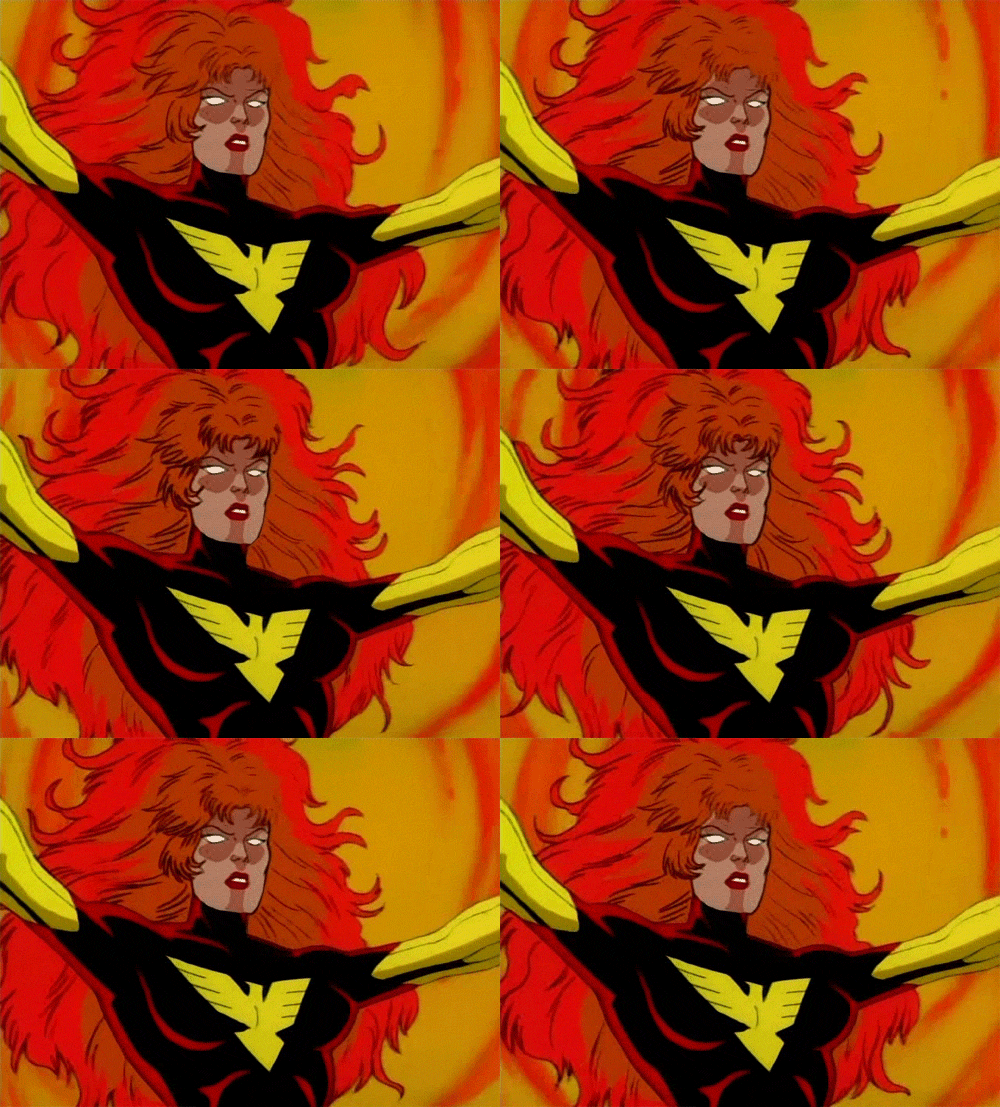
There are some moments where the visual effects really shine, but not in the ones that would’ve really complemented Jean Grey’s journey. While that fiery halo does show up at one point, it feels like it doesn’t show up enough and wasn’t quite as radiant as its brief appearance in “X-men Apocalypse.”

The finer details of the story aren’t flawless either. While they remain concise until the end, there’s a bit of ambiguity in terms of how the events in this movie tie to the epilogue in “X-Men: Days of Future Past.” There’s certainly enough to imply that this movie does not completely undermine that ending, but a lack of specifics leaves a lot of gaps for the audience to fill in.

Even with these shortcomings, the most important components of “Dark Phoenix” still work. It seeks to tell a focused Phoenix story for Jean Grey and it never loses sight of that goal. The acting, the drama, and a brilliant musical score by Hans Zimmer simply add more gravitas to the mix.

Over two years ago, I wrote an article that laid out how the “Dark Phoenix” could succeed in this golden age of superhero movies. Pretty much everything on that list came to pass. This movie embraced the passion surrounding this iconic story. It made use of the Cyclops/Jean romance, kept the Phoenix as the primary plot, and ensured every dramatic moment felt genuine. It didn’t check every box, but it came pretty damn close.

Does that mean that “Dark Phoenix” is among the greatest superhero movies ever made? No, I wouldn’t make that case, especially when it came out the same year as “Avengers Endgame.” The bar for superhero movies is higher than it has ever been before and it’s a difficult standard to apply to a movie like “Dark Phoenix.”

Does that mean that “Dark Phoenix” is the greatest X-Men movie ever made? No, I wouldn’t make that case, either. There are other X-Men movies that rank above this one in terms, but it still captures the most important elements that makes these movies so endearing.

Is it a great movie in general? Yes, I certainly would say it is. If I had to score this movie, I would give it an 8 out of 10. It sets out to do a fitting adaptation of the Phoenix Saga and it succeeds, utilizing all the necessary drama and action along the way. It also caps off 19 years of X-Men movies.

Now, as the X-Men stand poised to enter the MCU, this part of their journey can end and “Dark Phoenix” ended it on a truly uncanny note.

6 Comments

Filed under Movie Reviews, movies, superhero comics, superhero movies, X-men