Tag Archives: politics

Why Evil Billionaires And Politicians Will Save The World

The world is fraught with so many problems. There’s climate change, poverty, economic turmoil, disease, and reality TV shows. At times, it seems so overwhelming. Even though I’ve argued the world is getting better by most measures, I don’t deny there are still a lot of problems in the world that need solving.

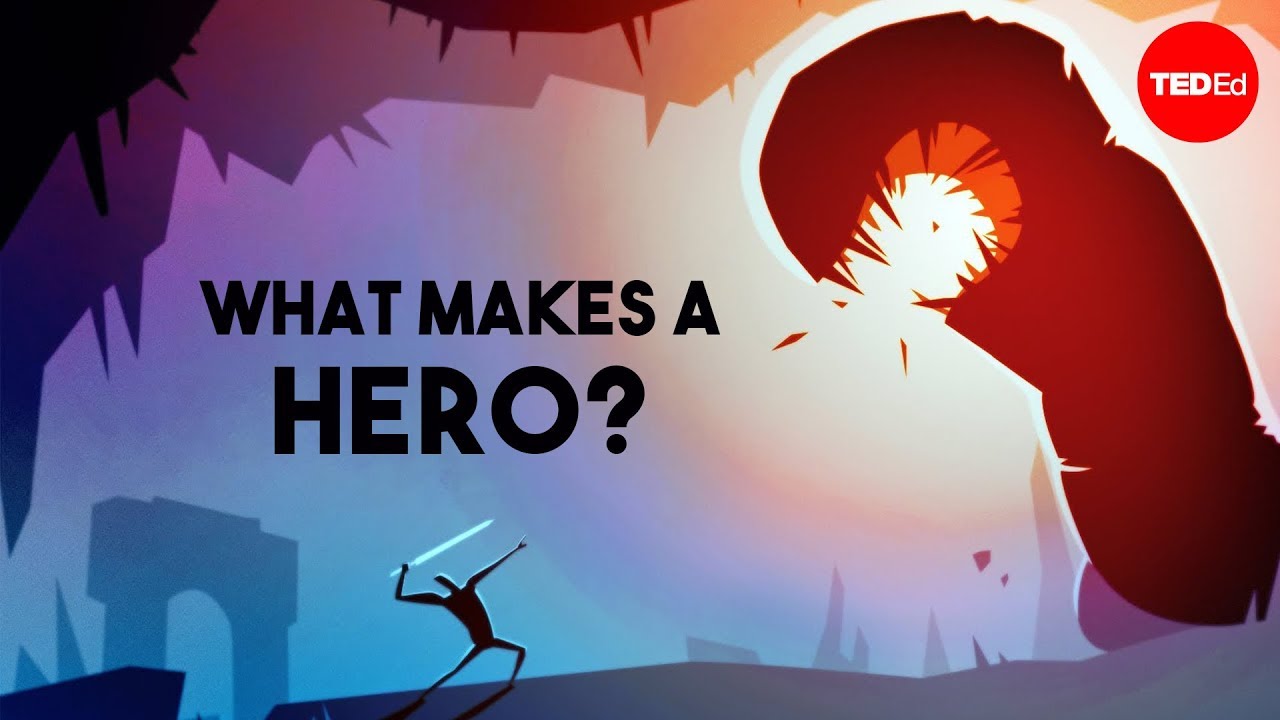
So who’s going to solve them? Who will save us from all these destructive forces and guide the human race forward? Movies, TV shows, comic books, religion, and Oprah have convinced us that it’s the selfless, loving heroes who live to dry the tears of sick orphans and shit rainbows who will save us. Hell, a part of us needs it to be true.
However, in the same way media that pretends us that sex involves a lot more rose petals and spanking than it really does, reality presents a colder, harsher truth. Like the making of a sausage or the outcome O.J. Simpson trial, the truth tends to shatter your preferred fantasy with a hammer and shotgun.

The hard truth, in this case, is that superheroes, saints, and legendary kings who pull swords out of stones won’t save us. Robert Downy Jr. is not going to put on a giant suit of armor and defeat terrorists. Christian Bale is not going to put on a costume and beat up all the criminals. In reality, it’s the evil billionaires and self-serving politicians that will save the world.

I’ll give everyone a moment for their eye to stop twitching. Take all the time you need. I have a feeling I’m going to get plenty of hate for this post. It wouldn’t be the first time either. I know this is not a popular sentiment, especially from someone who loves comic books and superhero movies as much as I do. It is, however, the cold hard truth.

Before you try to punch me through your computer screen, please hear me out. I’m not bringing this up to upset people. I’m talking about it because sometimes, a dose of harsh truth is necessary. In a world where too many people look for easy solutions to impossible problems, it helps to maintain some level of perspective.

In this case, it’s less about perspective and more about understanding how the world works and how people, in general, govern their affairs. Most people who aren’t billionaires or in high positions of power probably have some vague, albeit cynical understanding of how they operate. Whether you’ve seen every Michael Moore documentary or watched one too many Chuck Norris movies, the vision is similar.

You imagine a dark room in a highly secure, underground bunker. In that bunker, there’s a group of men in fancy suits. Sometimes they’re old white men. Sometimes they’re evil foreign dictators. Sometimes they’re scheming celebrities who fantasize about all the ways they’ll corrupt the world’s youth.

It’s a mental picture that plays out in every James Bond movie and every hippie fever dream. We all think that the politicians and billionaires of the world live only to destroy the environment, spit on poor people, and pleasure themselves while sick children suffer. It’s a simple, understandable sentiment that makes us feel like the underdogs in our own movie.

However, this isn’t a movie, nobody is an underdog, and that mental picture is complete bullshit. The reality is that evil billionaires and corrupt politicians are still human, like you and me. They still want similar things. Sure, they may want crazier things like a pool of orphan tears to swim in every now and then. At the end of the day, though, they still eat, sleep, and get horny like everyone else.

As such, they have a vested interest in making sure the world stays in one piece and people don’t die needlessly. They need a world that’s stable, prosperous, and not full of rotting corpses. They need it because their power, wealth, and everything in between depends on it.

It’s the harshest, but most refreshing truth, in a sense. Since we don’t live in a James Bond movie, the companies, governments, and religious groups have a lot of incentive to keep the world in one piece. Sure, they’ll still take stupid risks that end up causing a lot of destruction, but in the grand scheme of things, they want the world to keep turning. They can’t get money, power, and adherents if it doesn’t.

That’s why all the evil organizations and sinister dictators we see in fiction wouldn’t last a day in the real world. It doesn’t matter if they’re as smart as Lex Luthor or as devious as the Red Skull. If they enter this world, they have to go through Disney lawyers, criminal cartels, entrenched lobbying groups, corrupt bureaucrats, and governments with bloated military budgets. They really don’t stand a chance.

I can sense that some are still skeptical, though. I imagine the left-leaning crowd will scoff at the notion that big corporations will somehow save the planet. The crowd on the far right will scoff even harder at the idea that governments, dictators, and all things un-American will do any good whatsoever.

Well, while you’re scoffing, all those things you don’t think can happen are happening. Countries like China and Saudi Arabia, who have an abysmal human rights record, are investing heavily in green energy, biotechnology, and robotics. They are making a concerted effort to be the greenest, cleanest, most efficient society on the planet.

Now, they’re not doing it out of the goodness of their hearts. Don’t think for a nanosecond they are. Their goals are more pragmatic. They understand that relying on fossil fuels, polluting the air, and trashing the environment is not good for the stability of their country. Even if they’re evil to the core, they like they’re power and they want to hold onto it.

Like the Empire in “Star Wars” or Big Brother in “1984,” the biggest concern of any government, especially the repressive ones, is preserving power. They can’t do that if their society is dirty, inefficient, and disease-ridden. They also can’t do that if their people are sick, weak, or improvised. They need doctors, scientists, lawyers, and henchmen who don’t fall after a single judo chop.

That means these sinister rulers need to create a functioning economy that allows at least some of its citizens to prosper. If they don’t, they risk losing everything. They know as well as any high school history student that the Soviet Union, the Ottoman Empire, and the entire state of Venezuela collapsed for being a bit too evil and corrupt.

The same goes for evil billionaires running businesses that make the Lisa Simpsons of the world cry. Whether they’re cigarette companies, oil companies, or companies that sell lead-laced candy, they need a society that’s peaceful and prosperous. They need people to be alive and healthy enough to actually buy their shit.

That’s why companies that people love to hate will donate billions to charity, invest in new technology, and fund the kinds of social change that combats our tribal urge to slaughter one another for petty reasons. Money may very well be the root of all evil, but it doesn’t discriminate. Money from a minority is as good as money from Bill Gates.

Again, these big companies don’t do what they do out of the goodness of their greedy hearts. They do it to make more money. Sure, big pharmaceutical companies may charge obscene prices for life-saving drugs, but they’ll also work to create new drugs that save even more lives.

On top of that, some evil companies go so far as to compete with one another. If one company does something particularly evil, like make a drug that only treats the symptoms of a disease rather than cure it, another might try to give that company a big middle finger by creating a cure instead. Evil selfish people are petty like that. The fact their actions save millions of lives in the process is just an afterthought.

That’s the greatest irony. In order for all this peace and progress to be made, we need evil billionaires and corrupt governments to embrace some of that evil in order to make the progress we seek. We need them to be selfish, paranoid, and cunning.

That’s why it won’t be some selfless scientist, gentle nun, or peace-loving hippie who will fix the problems of this world. It will be some ruthless company or corrupt government looking to strike it rich, gain power, or selfishly fuel their ego. It’s callous, but the end result still benefits everybody.

For all we know, these devious people just want to do what they do to get laid. If that means running a country that funds education and green energy programs or creating a business that makes billions treating disease, then we should cheer them on. Sure, they’re still not heroes, but they’re going to save our asses and expect us to kiss theirs. If it means a better, safer world, then I’m ready to pucker up.

3 Comments

Filed under Jack Fisher's Insights

How To Resist A Fascist Government (And Survive)

There’s been a lot of talk about fascism lately and I don’t deny that I’ve contributed to it. I tried to make that contribution meaningful and even sexy, but I know I’m facing some pretty strong headwinds that have managed to undermine far more relevant voices, like CNN.

Even if it is an uphill, fruitless discussion to have in the long run, it’s still worth having, if only to understand the forces behind it. It’s only when we understand something so daunting and dire that we can better deal with it. Like divorce, a death in the family, or a slow internet connection, it helps to maintain some sense of perspective.

With that in mind, I want to shift the discussion somewhat to something more practical. No, that doesn’t mean I’m about to trivialize the horrors of fascist regimes or make light of their victims. I like to inject sex appeal into everything I talk about, including fascism, but even I can’t make those topics sexy.

To that end, I’d like to focus on what people can do to actually resist a fascist regime. The topic of “resistance” has been a major issue lately, especially after what happened in the 2016 Presidential Election. There have been major protests, some of which I’ve discussed and some of which have become talking points for major media figures.

There’s plenty of angry rhetoric. There’s plenty more whining, yelling, and personal insults. I’m pretty sure that everyone’s mother has been called a whore at least once since January 2017. None of it is very productive, though. Most of it is just fodder for cable news and cheap laughs for those in power.

The truth of the matter is that there’s a right way to do a resistance movement, even against a fascist regime. Even the most authoritarian governments in history are vulnerable to collapse. It’s worth pointing out that nearly every major empire in history has collapsed, including the repressive ones. It may seem like a fascist regime can never fall. History, to date, says otherwise.

So with that in mind, I’d like to make another contribution to the discussion about fascism and the best ways to resist it. Moreover, I want to list the ways people can resist and have a good chance of surviving.

History shows that the kind of violent uprisings glorified in movies like “Red Dawn” may get people excited, and even horny in some cases, but it also shows that such violence tends to breed more violence. You need only look at the French Revolution or the Tiananmen Square protests for proof of that.

To bring down a fascist regime requires patience, foresight, and perseverance. Most importantly, the resistance needs to have easy tactics that everyone can do. That’s why I’ve compiled a quick list of easy tips on how to resist a fascist regime the smart way. It’s easy to do. It requires no violence. It just requires patience, perseverance, and a little luck. If done right, you’re much more likely to survive.

Please keep in mind, though, these tips only apply to fascist regimes that are run by humans, administered by humans, and populated by humans. That means subjects of advanced alien overlords like the Borg or superhuman despots like Dr. Doom need not apply.


Tip #1: Leave If You Can, But Survive If You Can’t

This is the simplest, most obvious tip to anyone unlucky enough to be living under a fascist government. I understand it isn’t always possible. I also understand that dealing with refugees are a complex hot-button issue. However, when it comes to bringing down a repressive government, it can’t be avoided.

One of the ways a fascist regime is inherently unstable is how it deals with it’s smart, highly skilled population. Fascist leaders tend to not like anyone smarter than them. That usually means brilliant, highly skilled people end up leaving the country, taking their knowledge and expertise with them. Nazi Germany found that out the hard way.

Countries like Iran are finding out too. When your country is a repressive, uptight society that won’t let well-paid, well-educated people have a beer or go to a strip club in peace, they tend to take their talents elsewhere. Without that professional class of people, a fascist regime can’t really accomplish much. It’s hard to make weapons of doom when you scare all the mad scientists away.

For those who aren’t highly skilled individuals and are unable to leave, the best thing you can do is survive. I know that’s much easier said than done, especially in the inherent poverty of fascist countries. However, being alive is important because it means the state still needs you. Without you, who’s going to provide the slave labor and constant adulation that a fascist leader demands?

Brutal or not, a fascist regime still has to care for its citizens to some extent. It needs to spend time, money, and resources ensuring that its people are actually capable of providing the labor and human resources to make the system work.

They may not provide much, especially if you end up in prison or a work camp, but the mere act of being alive still undermines the regime. So long as your existence forces the regime to spend time and money making you a productive member of their agenda, you’ve got the edge to some extent. Letting yourself die would only do them a favor. So in a sense, the best resistance anyone can do in such a horrible situation is just survive.


Tip #2: Tell Rulers Exactly What They Want To Hear (But Don’t Mean It)

This is another one of those inescapable pitfalls of living in a fascist regime. On paper, it may sound like you’re just emboldening the regime. That’s true, if you’re only looking at it in the short-term. If you’re willing to play a little three-dimensional chess, though, you can turn the tables.

There’s no doubt that living in a fascist regime will require you to glorify some despotic leader. You may hate their guts. You may pleasure yourself to the idea of them dying a violent death. That’s fine. Keep that hatred and kink strong within you, but keep it within you. If ever you have to put on a fake smile and tell the ruler how big their dick is, just grit your teeth and do it.

You’ll hate it in the short-term, but you’ll see the benefits in the long run. It’s one of those few times when the harshness of reality is on your side. If people only ever tell a dictator what they want to hear, they’ll avoid telling them about serious issues that need to be addressed. They won’t give the full story. They’ll avoid the hard facts, but those facts won’t avoid them.

As a result, fascist rulers will have a poor understanding of a situation or crisis. They’ll be incapable of making the kinds of decisions that strengthen their hold on power. Eventually, those decisions will erode the regime’s ability to function. They’ll leave their society in such a poor state that no amount of adulation will change it. At that point, the regime is as good as gone.


Tip #3: Conform In Public, Defy In Private

This ties directly into the previous tip. If you’re going to survive a fascist regime, you’re going to have to put on a public face you hate and do everything the regime demands that you to do in order to be a good citizen. You’ll hate it inside, but you’ll still do it because that’ll help you survive.

In private, however, you can afford to let yourself go. In fact, doing so will help inoculate you from the propaganda that all fascist regimes depend on to keep their population in line. Even repressive places like Iran are finding out the hard way that while some people show the necessary piety in public, they tend to get really freaky in private.

Now, I understand this would be even harder in a regime like the one described by George Orwell in “1984.” However, keep in mind that the kind of surveillance described in that book is pretty much impossible in the real world. Even North Korea has a hard time preventing smuggling.

If anything, more intensive surveillance means that your actually winning. All that surveillance, costing the regime time and money that it would rather spend strengthening its power. Having to micromanage its citizens is a huge drain on any regime, fascist or otherwise.

Welcome that kind of micromanaging whenever you can. In the long run, the regime will run out of money before you run out of things for them to manage. That way, when the regime starts to collapse, it’ll be easier for you and others dissatisfied with the regime to help it collapse. All you had to do was be deviant in private. Most people do that anyway so it’s something everybody can do.


Tip #4: Create Impossible Issues For Rulers To Deal With

This is a bit harder, but still fairly critical. By creating impossible issues, I don’t mean protest and complain to the fascist government. That’s usually a quick way to end up dead, in prison, or in a forced labor camp. You can still frustrate the regime, but you can do it indirectly.

The easiest way to do this is to just not do your job very well. Channel your inner Wally from “Dilbert” and do just enough to avoid getting into trouble, but nothing more than that. Don’t do your best. Don’t go the extra mile. That forces the regime to commit more resources to doing something that shouldn’t take so many to begin with.

Beyond just being a marginal worker, go out of your way to make day-to-day issues complex and tedious for the authorities. Think of it as a form of trolling, minus the insults to other peoples’ mothers. The key is to get the government to deal with multiple issues on multiple fronts. They don’t need to be big issues. In fact, the smaller the issue, the better.

Small issues frustrate governments far more than larger issues. Government, and its assorted bureaucracy, is a blunt instrument by nature. It can’t deal with smaller issues for the same reason a doctor can’t perform brain surgery with a baseball bat. It just doesn’t have the tools. That won’t stop it from trying. It’ll just made a mess of things and that works to your advantage.


Tip #5: Weaponize The Power of Apathy, Boredom, And Dispassion

This goes along with the previous tip in that it takes being lousy at your job a step further. One of the most important tools that fascist rulers use is their ability to rally up the passions of the public. They use their gift for rhetoric and giving fancy speeches to work people into a frenzy so that they’ll ditch all forms of critical thinking and follow them into battle.

While it helps fascist governments come to power, it’s not very useful when it comes to maintaining power. Sure, fascist governments will hold military parades and create these big, gaudy monuments to their glory. However, it amounts to an oversized toilet for pigeons if it can’t generate the same solidary.

That solidarity is the glue that holds a fascist society together. Apathy, Boredom, and utter dispassion is the solvent that breaks up that glue. If a government spends all that time and money blaring their glorious message to the populous, only to have them look back with blank and tired stares, they’re screwed.

If the people aren’t united and in an orgasmic frenzy of support, they’re less likely to sacrifice or aid the regime. Sure, they’ll follow the rules. They’ll march in the parades. They’ll even put on happy faces. They just won’t put much energy or effort into helping the regime stay together. That’s why the greatest tool any citizen in the resistance can have is their apathy. Without that, a fascist society just falls apart.


Tip #6: Let The Rulers Frustrate Themselves (And Stay Out Of Their Way)

This is probably the most enjoyable tip on this list and not just because it doesn’t require much effort. Technically, you really don’t have to do anything to make this happen, so long as you follow the other tips I’ve listed.

That’s because government and bureaucracy, at least those run by humans, are inherently flawed. That’s because people are inherently flawed. No matter how dedicated or passionate they may be, they’re going to make mistakes. They’re going to fall flat on their faces. All you have to do is let them.

This is especially true of dictators, who everybody is afraid to restrain. Eventually, they’ll get back up, blame everyone but themselves, and try to correct it. Chances are, they’ll fall flat on their face again. They’ll get even angrier. That kick-starts a brutal cycle that the dictator can’t escape. Eventually, they’ll frustrate themselves to the point of utter failure. Once they fail, the regime fails.

When this happens, the best thing anyone can do is stay out of its way. Every fascist regime has inherent flaws. You just have to be patient enough and tough enough to let them happen. It can be grueling and downright dangerous. In the long run, though, human nature and inept dictators will be on your side.

That, in essence, is the greatest and most fitting irony of fascism.

6 Comments

Filed under Jack Fisher's Insights

Why You Should NOT Take Documentaries Too Seriously

Throughout my life, I’ve gone through various phases where I become immersed in certain genres of movies. For a time, I was really into slasher movies. Then, I picked up on the distinct sex-negative themes of those movies and lost interest.

At another time, I became immersed in documentaries. Not surprisingly, that interest also coincided with me getting a subscription for Netflix, a service that puts you in immediate contact with documentaries of all kinds. From government conspiracies involving aliens to stories about porn stars after their career in porn ends. There’s something for everyone is what I’m saying.

On top of that, I also went through a phase where I was pretty big into government conspiracies. It wasn’t just that I believed them to some extent. It was the story around them that fascinated me. Given my love of telling stories, which has since manifested in some sexy novels, it checked all the right boxes for me.

It’s true. There was a time when I actually believed that the government was covering up evidence of an alien presence on this planet. There was also a time when I genuinely believed that the government colluded to manufacture wars from Vietnam to Iraq. I actually believed the government, and people in general, were capable of such confidence. I’ve since learned to temper my expectations.

While I’m no longer a fan of documentaries, I do watch them from time to time. However, I watch them with an overly critical eye. With every documentary I see, even if it has a message I agree with, I still assume that it only offers a tiny part of the story. Chances are a good chunk of this message is a result of cherry picking, clever cinematic, and outright lies.

Now, that’s not to say that the people making these documentaries are total frauds. I don’t doubt for a second that Michael Moore and Morgan Sporlock genuinely believe in the work they’re doing. They wouldn’t sink so much time and money into it if they didn’t. However, these men have agendas. That’s the flaw in every documentary.

This leads me to what specifically inspired this post. Last week, I couldn’t sleep so I decided to fire up Netflix and find some random show. Usually, certain documentaries help make me sleepy, usually the ones that narrated by soft British voices from the BBC. For some reason, I ended up watching a new documentary that came recommended on my list. It was called “What The Health.”

The premise of the documentary was simple. Pretty much all the food you enjoy eating, from fast food to candy to beef jerky to fried eggs, is terrible for you. It’s not just bad for you health-wise. It will give you cancer. I swear on Pamela Anderson’s tits that’s the actual message.

Kip Andersen, the director of this documentary, has a simple message. If your food has any animal products, then you might as well be sprinkling plutonium on your food. It’s also worth mentioning that Kip Andersen is an ardent vegan with a very pro-vegan agenda. He is to health conspiracy theories what Alex Jones is to government conspiracy theories.

That’s not to say that “What The Health” is completely devoid of facts, but it is very much an extended slate of pro-vegan, anti-meat, anti-corporate, pro-hippie propaganda. Even by liberal standards, this documentary is pretty slanted. It would be like a anti-gun control documentary that claims not having a gun makes your penis small, your tits shrink, and your asshole itch. It’s that bias.

Again, I don’t doubt for a second that Kip Andersen believes in what he’s saying. He comes off as the kind of guy who just obsesses so much over his health. That’s what gets him up in the morning. That’s what makes his dick hard at night. What sexy novels are to me, health is to Kip Andersen.

The problem with that, which also happens to be the problem with every documentary, is that it’s produced with an agenda in mind. The size and scope of that agenda varies. There are some documentaries that try to be objective. Most of those produced by PBS tend to be fairly balanced, but even they can fall into the same Alex Jones trap every now and then.

What bothers me about documentaries like “What The Health” is that it’s produced in a way that really preys on our caveman brain’s biggest flaws. There’s just no way to shrug off something like cancer. Pretty much everyone, myself included, knows someone who has suffered from cancer. According to the CDC, cancer killed nearly 600,000 people in 2014 alone. The suffering these people endured cannot be understated.

The problem is that cancer is such a complex disease. There are all sorts of genetic, environmental, lifestyle, disease, and chemical factors that go into it. There’s no one single virus, one single gene, or one single food group that causes it. The human body is too complex, as anyone who has ever studied the female orgasm can attest.

The message “What The Health” sends is not only horribly skewed to the hippie end of the political spectrum, but it’s downright misleading. It gives the impression that cancer and disease have a singular cause. All anyone needs to do to avoid is to just shun animal products, become a vegan, and eat cardboard for the rest of their lives. The fact that this is the same lifestyle as the director is just a hell of a coincidence.

I won’t deny it. “What The Health” does a damn good job of painting itself as credible. However, every documentary does that to some extent. They parade out all these doctors and experts in the field, making bold claims that they can legitimize with their PhDs and titles. However, it’s worth remembering that, as smart as these people are, they’re still human.

It’s also worth remembering that doctors do get things wrong more than we care to admit. There’s also a distressingly large amount of medical research that turns out to be wrong. Like I said, the human body is extremely complex and our caveman brains aren’t wired for that kind of complexity.

On some levels, Kip Andersen and Michael Moore exploit those flaws in our brains. They know how to craft a message that seems credible. They craft a slick, polished narrative that appeals to certain fears and misgivings that everybody has to some degree. They create a false or half-true narrative that preys on our desire to understand the world.

What often happens is that they’re very selective about the information they present. In a sense, they’re taking advantage of the same paradox I pointed out with health care. It’s not just very difficult to offer all the facts in a simple, two-hour documentary. It’s physically impossible. There isn’t enough film on a reel or enough seconds in two hours to convey all that information.

As a result, the message in every documentary is incomplete. In some cases, they’re so incomplete that someone else will try to verify those messages, only to find out how wrong they were.

This actually happened with Morgan Sporlock after his hit film, “Super Size Me.” That movie, much like Kip Andersen, had a very clear agenda. It was anti-corporate, anti-fast food, pro-nutrition. Sporlock even put himself in the line of fire, eating nothing but McDonald’s for 30 days. The proof seemed so clear and apparent.

Then, another documentary called “Fat Head” by Tom Naughton tried to replicate Sporlock’s experiment. There was just one glaring problem, though. The math didn’t add up. He literally could not eat as many calories as Sporlock claimed in “Super Size Me.” You can push an agenda all you want, but if the math doesn’t add up, you’ve got a problem.

On top of that, other people have done similar experiments and come up with different results. A science teacher armed with none of Sporlock’s movie-making resources was able to eat nothing but McDonald’s and actually lost weight. When there’s this kind of inconsistency on all sides, chances are there’s something missing from the story.

Again, I don’t believe that these people do what they do entirely out of malice and greed. Some might, but I choose to have a higher opinion of people in that respect. I think Andersen and Moore sincerely believe the messages in their documentaries, just as creationists ardently believe in their message, despite all the evidence to the contrary.

Now, you can choose to side with men like Moore, Sporlock, and Andersen on various issues. That doesn’t make you a bad or foolish person. However, it’s important to understand that documentaries are not the same as verified, scientific research. They are movies, made for the purpose of telling a story and gaining an audience. They may contain some elements of truth, but they will never tell the whole story.

1 Comment

Filed under Jack Fisher's Insights

Politics, Safety, And The Impossible Paradox

political_debates_in_the_usa_by_brokenteapot

As I’ve said before, I really don’t like talking about politics. I’ve learned over the course of my life, often the hard way, that nothing makes people less comfortable, less horny, and more insufferable than politics. It couldn’t have less sex appeal without involving a clogged toilet, a dead rabbit, and Sean Hannity.

For the most part, I try not to get too political on this blog. I’d much rather be talking about comic books, sex robots, and Leslie Knope. However, there are times when I feel compelled to say something about a particular issue. I often do that with gender issues like feminism because that indirectly ties to the sexier topics I talk about. I try not to take too strong a position. More than anything else, I try to give perspective.

That’s what I did with my post about the health care debate. I tried to be fair to both sides. I tried to frame the issue in a way that both Michael Moore and Ted Nugent could appreciate. I didn’t offer any easy fixes. I didn’t try to denigrate one political ideology over the other. I just tried to point out the inherent flaws in the issue itself.

In the course of writing about that particular debate, I wanted to apply it to a few other issues. However, I quickly realized that there was no way I could do so in a single article and remain concise. When I write on this blog, I tend to assume that part of the audience is drunk, horny, or some combination of the two. That means I can’t drone on for too long, even though I have a habit of doing that when it comes to comics.

Health care is just one issue. Granted, it’s an exceedingly complex issue, but it’s still one issue. The underlying argument I made was that, beyond the complexity, both sides of the political spectrum have the same goal. The problem is that what they want isn’t just logistically difficult. It’s physically impossible.

It’s another hard truth, one that I’d argue is even harder than the truth surrounding O.J. Simpson. Sometimes, even when the politics involved have a noble goal, the particulars of an issue are just beyond our capabilities as humans to produce. We humans can do all sorts of amazing things, from the Great Pyramids to solar-powered vibrators. However, we are a species of many limits, many of which we often fail to acknowledge.

This leads directly to an even bigger picture, of sorts. It also involves something that’s currently impossible in a world without superheros, super-powers, or computers that can’t be hacked for hilariously stupid reasons. Until we start enhancing ourselves, it’ll remain impossible for the foreseeable future.

I call it the impossibility paradox because most people, regardless of their political persuasion, act as though the impossible aspects aren’t there. They’re often smart, driven people who are every bit as driven as their ideological opponents. They work so hard to accomplish something that’s physically impossible. Then, they’re surprised when they come up short.

On top of that, the people they claim to represent or help get upset with them because they didn’t accomplish what they promised. Never mind that what they promised was never possible to begin with. Human beings just aren’t that reasonable, even if they like to pretend that they are. Everybody is still subject to the constraints of reality and, like a moody dominatrix, it doesn’t mind telling us who’s dominant.

Now, apply that dynamic to what might be an even bigger issue than health care for some people. Whether you’re gun-toting conservative or a pot-smoking liberal, most agree that a central function of any government entity is to keep citizens safe.

No state, kingdom, or Dungeons and Dragons guild can survive without providing some level of safety. People, society, and the economy can’t function unless there’s some level of safety. Nobody wants to make iPhones and exchange brownie recipes if there are barbarian hordes just a few miles away, ready to raze your home to the ground.

Since the dawn of civilization, every functioning society has had to provide some measure of safety and protection to its citizens. In exchange, citizens pay taxes to the state so that it can have the resources to perform these duties. Ideally, they’ll use those taxes carefully in accomplishing this goal. In the real world, however, nobody will ever say with a straight face that all taxpayer money is spent wisely.

However, this is where even the anti-government, Ron Swansons of the world have to face another cold, hard fact of reality. It’s every bit as inescapable as the health care debate. Even if, however unlikely, a government spent every penny of taxpayer money wisely and dedicated every resource into ensuring safety and security, it still wouldn’t be enough. That’s because of one simple truth.

“Nobody knows ALL the facts and nobody CAN know all the facts.”

If that sounds a bit too similar to the advice I recently gave on making sense of the world, then bear with me. There’s a reason for that. It’s similar, but not the same because the scope of the issue is different. Every issue takes on twisted, often frustrating new dimensions when politics enter the picture. Just ask Major League Baseball.

When it comes to safety, though, there’s an inescapable complication that has plagued every government entity that ever existed and will continue to plague governments until our robot overlords take over. To provide safety, you need to know everything about a situation and have the resources to deal with it. Unfortunately, or fortunately for privacy-minded folks, nobody can know everything about a given situation.

Nobody can know for sure when and where a terrorist attack will occur.

Nobody can know for sure whether or not a rival nation is plotting against them.

Nobody can know for sure whether a handful of countries are colluding to undermine them.

Nobody can know for sure whether that weird-looking guy walking down the street is about to go on a shooting spree or just skipped laundry day.

There are just so many unknowns in the world of geopolitics. There are a lot of unknowns for individuals as well. Hell, we still can’t figure out just how useful or useless pubic hair is. How are we supposed to know everything about the threats to our safety and sovereignty as people?

That’s just it, though. We can’t know. It’s physically impossible for any one human or group of humans to know everything about a certain situation, individual, or threat. Sure, the CIA could bug your phone and hack your browser history. That may even give them plenty of reason to believe that you’re conspiring with a hidden network of BDSM enthusiasts to take over the entire state of Montana.

At the end of the day, though, even the CIA can’t know for sure and that has proven costly throughout history. No agency, no matter what they call themselves or what sort of fancy acronyms they use, can know everything about a situation. I’m sure they’d like to know. If you’re of the mind of Alex Jones, you might even believe they’re working with aliens to remedy that.

Even if they did have some way to read all our thoughts, there’s still the matter of sifting through random daydreams and outright plots. Honestly, who hasn’t contemplated whipping out a can of lighter fluid and setting a coffee shop on fire because they got your order wrong? The difference between those thoughts and real action, though, is huge.

I’m not saying that governments and police forces should give up trying to keep people safe. We still need some measure of safety in order to function as a society. The problem is that because of this safety paradox, we end up in these brutal cycles that only make us more fearful. It goes like this.

  • Some strange, complex, dire threat is out there and the media blows it up to scare people

  • The people demand action from their politicians and authority figures

  • Those politicians and authority figures try to respond, if only to maintain their hold on power

  • Those politicians and authority figures fail to provide perfect safety because doing so is impossible

  • The public gets upset with the existing people in power and looks for alternatives

  • Some new power-seeking people enter the picture, making impossible promises to fix impossible situations’

  • The citizens, desperate to fix the impossible problem, put these people into power because anything seems like an improvement over the status quo

  • The people who made the impossible promises, predictably, fail to deliver and generate another round of disillusion

  • The cycle starts all over again

This is part of why congress’ approval rating is so low. It’s also why western countries keep cycling through political parties, constantly voting new people into office in hopes that they’ll find a way to solve impossible problems. In every case, they are unable to deliver. Most people don’t see the impossible logistics, though, so they just look to the next power-broker who can deliver.

For now, we’re very much at the mercy of impossible situations and the people who claim they can solve them. Some of these situations will become less impossible as we develop better tools. Until then, though, let’s be mindful of the impossible demands we make on those we entrust with our safety. It’s often when we have impossible standards that we doom ourselves to unlimited disappointment.

7 Comments

Filed under Jack Fisher's Insights

Health Care, Politics, And The Impossible Paradox

As a general rule, it’s my policy to ignore major political issues until after the protests have died down and people have stopped trying to strangle each other through computer screens. Politics is rarely sexy, unless it involves Monica Lewinsky and whoever John F. Kennedy was screwing. In my experience, nothing kills the mood faster than a heated political debate.

I know I’ve spoken on certain hot-button issues before. I did a quick response to the Women’s March earlier this year and the March for Life that quickly followed it. Those weren’t debates, though. Those were protests with simple, clear messages that were easy to break down. Debates aren’t just a little trickier. They’re downright infuriating.

There was a time when I used to enjoy engaging in such debates. I would even go out of my way to find people who disagreed with me, try to understand their position, and then try to argue my own. It was a good mental exercise, but that’s all it ever was.

At no point did I ever change anyone’s mind about anything. At no point did anyone change my mind either. Like debating creationists, they might as well have just been glorified shouting matches. They weren’t meant to actually persuade the other person. The debate was just a spectacle and nothing more.

The fact remains that people don’t like to change their minds about anything. I’ve mentioned time and again how rigid and stubborn the human brain is. Changing an opinion about something is a last resort. Before that happens, people will do the kinds of mental gymnastics that would make a Russian gymnast cringe to justify their opinion.

That brings me to the ongoing health care debate in the United States. I know everybody has an opinion on it and they want to shout that opinion from the highest hill over a bullhorn while Uncle Sam and Lady Liberty give them a back massage. It’s one of those issues that a lot of people are sick of, which is kind of ironic when you think about it.

It’s a frustrating debate to have in the first place because most other industrialized countries have resolved it. The United States of America, despite all the flexing it does of its patriotic nuts, is one of the only industrialized countries that doesn’t have universal health care.

It’s been argued over endlessly by politicians and presidential candidates. Every now and then, one will even build a platform around it. There have been any number of initiatives and policies, some of which do result in meaningful legislation. However, the debate still continues and so does the whining.

Now, I’m not going to take a position in that debate. That’s not the purpose of this post. I’m writing this because someone needs to point something out in this debate that nobody seems to recognize. It’s something that both sides of the debate need to understand, if only to maintain a sense of perspective.

It’s not a thought experiment. It’s not an opinion. It’s not even an argument or a policy idea. It’s a cold, unambiguous fact that is at the heart of the health care debate and others like it. This is a hard truth so whether you’re a card-carrying liberal or a die-hard conservative, you might want to brace yourself.

What we’re trying to accomplish with our health care system is physically IMPOSSIBLE.

Let that sink in for a moment. I don’t usually write in all caps, but this is something that’s worth shouting. If you’re reading this out loud, please read it over again and shout it as loud as you want because it needs to be belabored.

Health care, be it universal or reserved for rich people with decent insurance, is an impossible endeavor that tries to account for infinite possibilities with finite resources. There are over seven billion people on this planet. There are hundreds upon hundreds of diseases that afflict the human body. Treating every person to the utmost just requires too many resources with too few people qualified to administer them.

That’s why the answer to the health care debate isn’t as simple as adopting the same universal health care policies as Europe. Contrary to what Bernie Sanders fans might believe, health care in Europe faces some pretty huge challenges for the exact same reasons. There are too many people who need health care, but there just aren’t enough resources to go around.

Go to any country with any type of health care system you can think of. Don’t be like Michael Moore and focus narrowly on one particular part of a system. No matter where you go and no matter what system you encounter, be it universal or administered by wizards, you’ll always find cases of people not getting the care they need.

Within those cases, you’ll find plenty of unusual cases, such as people who resort to do-it-yourself dental care. You’ll also find plenty of tragedy about people suffering horribly due to their inability to get the care they need. So long as demand outstrips supply, they’ll always happen. That’s just basic economics and dispassionate logic.

In the end, whatever health care policy or reforms get enacted, it won’t be enough. There will still be people who suffer because of it. There will also be people who end up paying more for both their care and that of others. There’s just no way around it. Health care requires resources and people. When there aren’t enough of both, you’re going to get people who get screwed over.

It doesn’t help that many countries, including the United States, face a shortage of qualified doctors. Despite the generous salaries and sexy nurse fantasies, the actual process of becoming a doctor is extremely costly and very difficult. No matter how sexy Hugh Laurie makes it look, becoming a doctor is hard and laborious.

It also doesn’t help that pharmaceutical companies and insurance companies are for-profit companies whose incentives aren’t always in line with providing the best of care. There are people in this world who will risk doing real harm to sick people in order to turn a profit. These people aren’t super-villains or sociopaths, for the most part. They’re just working within a system with flawed parts.

This is not to say that the health care debate is hopeless. For the moment, the situation is impossible. There really isn’t a way to provide adequate care to everybody. However, there are some rays of hope that should keep everyone’s panties from getting too dry.

To combat the doctor shortage, companies like IBM are using Watson, their Jeopardy champion, to help diagnose disease and research treatments. Major biotech companies are using tools like CRISPR, which I’ve talked about before, to alleviate diseases that were once fatal and expensive.

Further into the future, advances in technology like smart blood or brain implants will improve overall efficiency in determining appropriate care. However, there will still be a cost. There will still be a bureaucracy, which both sides of the political spectrum find inherently unsexy. So long as that process is determined by humans and for humans, there will be flaws.

Remember this the next time someone debates health care. No matter what side they’re on, the issues they’re highlighting are literally impossible. It’s still a debate worth having. We should still strive to give the most amount of quality care to the most amount of people. That’s good for society, the economy, and even politicians.

Let’s just remember that there’s a difference between a solvable problem and an impossible situation. Health care, at the moment, is an impossible situation. We shouldn’t lose sight of that, no matter how the debate unfolds moving forward.

6 Comments

Filed under Jack Fisher's Insights

How To Break A Taboo (Or Stop It From Becoming One)

It’s not easy talking about taboos, sexual or otherwise. It’s kind of in the definition. Taboos, by default, are hard to talk about and hard to make sense of. Some don’t even make sense indirectly. If you’ve seen more than two seasons of “South Park,” you understand that.

In talking about weird taboos and the quasi-logic behind them, I try my best to make sense of them. We all have to do that to some extent over the course of our lives. I just try to do it in a way that’s sexy and could potentially lead to sexy stories that I can turn into novels.

While every taboo is unique in the sense that it’s uniquely weird, they are prone to fads, trends, and people just getting bored of them. As I’ve pointed out before, there are certain innocuous behaviors that we do every day that most used to be on par with public masturbation.

A lot of taboos fade over time, often as new generations enter the picture and form taboos of their own. Some linger and refuse to die gracefully. That’s why we still have blurred female nipples on cable TV and not a hint of BDSM in the “Wonder Woman” movie. I refuse to believe that there’s any justification for blurring nipples on network TV in the area of ubiquitous internet porn.

There’s no doubt that we’ll be dealing with taboos for as long as we’re a bunch of cavemen running around with smartphones and nuclear weapons. That may change when we get around to upgrading our brains, but even that may inspire a whole host of taboos that we can’t begin to imagine, although I did try.

For now, there aren’t many ways to break a taboo or stop something from becoming taboo. In some cases, it’s downright impossible. No matter what you do, people are going to get weird around certain proclivities, some of which involve some pretty kinky fetishes. Look up something called “cake farts” and try to find a way to not make that weird.

While there may not be a way to completely eliminate some taboos from our society, there are some ways to confront them. It is possible to break certain taboos and/or avoid them from becoming one altogether. Now, that’s not to say it can be done overnight or with a few strategic tweets. People are really stubborn when it comes to taboos, but they will come around if the conditions are right.

With that in mind, here are some of my tips on breaking and/or circumventing taboos. A lot of these tactics can apply to the sexy kind of taboos, but they also apply to others, many of which involve poor people and minorities. Again, don’t take this as a magic pill or something. Breaking taboos is hard and for good reason. We’re a petty species, but we can be reasonable if the conditions are right. That’s a big if though.


Tip #1: Make Taboos Profitable And Lucrative For Business Interests

This probably won’t surprise anyone who tips generously and has never found used bubblegum wrappers on their pizza. Money talks. It talks a lot. It also influences, more so than we’re comfortable admitting. It can, and often is, a source of corruption. In some parts of the world, that corruption is a big part of the economy. When there’s money to be made by politicians and business people, it can get messy.

That said, it’s a two-way street. Money and business interests can be corrupt, but that same corruptive force can be channeled. We’re seeing that with the growth of the marijuana industry. We saw it with the rise of the porn industry. These industries generate billions of dollars. That’s a lot of money by any measure.

No matter how regressive or uptight people may be, when there’s money to be made, people generally follow the money. A taboo that makes nobody any money is easy to clamp down on. A taboo that generates billions of dollars and significant tax revenue is a lot harder to fight.

While I don’t agree with Gordon Gekko’s famous quote about greed, it can sometimes work to others’ advantage. When it comes to legitimizing a taboo, being profitable and taxable on some level really goes a long way. At some point, the money just overpowers the weirdness.


Tip #2: Make Taboos Expensive To Preserve

This is more a preventative than confrontational measure. After a taboo becomes entrenched, it can usually find ways to endure any number of expensive lawsuits and litigation. Just look at the Church of Scientology. Truly robust taboos will find ways of exploiting the legal system to their advantage.

If you have a chance to be proactive, though, the legal system can work for you. It’s not too hard to sue for discrimination or harassment, these days. If you’re a minority, it’s even easier and you may end up on the news with Bernie Sanders. They key here is to focus more on the bigger picture, though. One lawsuit alone isn’t going to break a taboo. Many lawsuits, however, will make it impossible to maintain.

This is how a lot of our modern anti-discrimination laws emerged, using a series of successive lawsuits that made preserving old taboos too damn expensive. People may be stubborn, but when it comes to getting their lawyer’s bill, they will eventually grit their teeth and change their perspective. Even if they have the money to pay the lawyers, you can’t always put a price on frustration.


Tip #3: Make Sure Taboos Scare And/Or Inconvenience Rich People

This is one of those uncomfortable, if not infuriating, aspects of taboos and social norms. There are usually a disproportionate number of them that are directly effected, or in some cases imposed, by the rich and powerful. Taboos can be a form of excuse banking, helping rich people justify their treatment of the poor and minorities.

That’s how many people justified segregation, slavery, and feudalism. The system was such that any changes would’ve grossly inconvenienced the rich and powerful. In some cases, it might have completely ruined them.

Say what you will about rich people. They can afford to accept such criticism. They, like any other rational human being, seek to preserve their resources and their power. That’s the entire theme of the “Star Wars” movies. If giving minorities equal rights or allowing women to show their tits in public somehow undermines profits or power, then you can bet they’ll fight it with every ounce of their considerable resources.

Conversely, the act of frustrating the rich can help break taboos and even end them. Rich people want more money. Powerful people want more power. One of the major problems with segregation, among many, is that it effectively cut off an entire customer base. Once minorities could work and earn money, they wanted to do what everyone else does and spend it. The desire to spend money knows no race or gender.

Eventually, rich companies will want that money. At the same time, powerful people will want those votes and support. At that point, a taboo’s days are numbered. Being a racist asshole may be fun for some people, but it gets old fast once it starts costing money.


Tip #4: Make A Taboo Boring Or Bland

I’ve spoken before about the power of boredom. It can create super-villains and drive teenagers to cold-blooded murder. It is a powerful force, one that’s plenty powerful to break a taboo.

It’s not easy, though. In fact, I would argue that this is probably the hardest tactic to use if you’re trying to combat a taboo. Taboos usually emerge because something gets a rise out of people, often revulsion or outrage. It’s hard to temper that sort of thing. However, it can be done.

It’s happening right now with taboos surrounding marijuana. When I was growing up, the mere mention of marijuana conjured fear and horror. These days, it mostly conjures scenes from Seth Rogen movies. You could make the argument that public attitudes changed because of growing awareness of the effects of marijuana compared to alcohol. I would argue that the debate just got too boring.

Now that marijuana is becoming a full-fledged industry, there’s a financial incentive to break the taboo. However, it’s the lack of horror and outrage that comes with smoking a joint these days that really undermines the taboo. Say what you will about Seth Rogen. The man isn’t exactly scary. Without that fear, boredom usually follows.


Tip #5: Give A Taboo Political Connections

This is another aspect of making a taboo too expensive to preserve. Sometimes, it’s just not enough that taboos cost businesses money, as racial segregation often does. Even when the economics are on your side, you still need powerful allies when combatting or preventing a taboo.

This is where it pays to have powerful friends who owe you money and/or favors. You don’t always need compromising pictures of them either, but that can help. This is a big part of how the gay rights movement got off the ground. They had the support of billionaires and well-connected individuals who could influence people in power. Money talks, but sometimes political connections shout.

Again, it can cut both ways. There are billion-dollar organizations that fight to preserve taboos, but at least it’s a level playing field. Unlike the working poor, some taboos have billionaires who spend time, money, and favors to fight them. That’s a big part of how same-sex marriage became legal.

So as a rule-of-thumb, it helps to have both rich people and powerful connections in fighting a taboo. Granted, those same taboos could use similar tactics, but they’re at the mercy of the same limits. That means that if, despite the battles between billionaires and power brokers, a taboo simply doesn’t jive with our caveman brains, then it’s going to fail in the long run.


Tip #6: When In Doubt, Turn A Taboo Into A Party

This tactic is probably the most enjoyable, as well as the most satisfying. We humans love to party. We’ll look for any excuse to throw a party, have some fun, and take our clothes off without public shame. Taboos can be serious, scary, and depressing. Parties are the exact opposite of that.

Fighting a taboo with a party is like fighting fire with a waterfall. It’s using a diametrically opposing force to combat something. Mix in music, dancing, alcohol, festivities, exposed body parts, and an excuse to leave work early and you have the perfect antidote to a taboo.

This is what Mardi Gras does once a year. This is what Brazil does with Carnival. Taboos, reservations, anxieties, and fears all melt away in the spirit of having fun and enjoying yourself. This is especially potent for sexual taboos. These taboos, and the social norms built around them, tend to be frustrating and difficult for those who preserve them. A party is like a release, one that’s easy and enjoyable for all those involved.

So if you want to start the ball rolling on breaking a taboo, don’t hire a lawyer or make friends with a billionaire. Start by throwing a party. Make it fun, festive, and happy for all those involve. No taboo will stand a chance.


There are probably more tips and tricks for beating taboos that I didn’t list. There are likely a lot more that I didn’t even think of. Again, I’m not an expert. I’m an aspiring erotica/romance writer who tends to overthink certain subjects more than most, be they comic books or sleeping naked.

While I don’t expect these methods to spare us from a future of censor bars and blurred tits, I hope it makes people aware of the mechanisms behind taboos. They’re rarely logical and they tend to reflect certain proclivities in our society that we’d rather ignore. If we’re to make progress as a species, though, we should confront them and, if necessary, kick them in the ass.

4 Comments

Filed under Jack Fisher's Insights

Universal Basic Income: A Sexy Idea For The Future?

Whenever a bold, ambitious new ideas comes along, there are sure to be skeptics and critics. It’s an unfortunate part of human nature. Our caveman brains get too comfortable with a situation, even if that situation is terrible and involves us shitting in a ditch. We’ll resist change at every turn until it becomes exceedingly inconvenient.

While I imagine there was plenty of resistance to those who introduced ideas like democracy, gender equality, and circumcision, some ideas make so much sense that people have to go out of their way to make excuses. Granted, they’ll still find those excuses. People are tragically adept at clinging to outdated ideas, even when they’ve been thoroughly debunked. Just look at creationists.

There’s no question that our current situation in the world has room for improvement. It’s true, although you’d never know it by watching Fox News for more than five minutes, that the human race is getting better. It’s also true that there’s still a lot of suffering.

According to GlobalIssues.org, there are over one billion people living in poverty. I’m not just talking about the kind of poverty that makes a Big Mac seem like a luxury either. According to UNICEF, around 21,000 children die a day because of poverty-related issues. I think most of us can agree that when children are dying, it’s a big freaking issue.

Even rich countries, like the United States, can’t escape the effects of poverty. According to the most recent census data, about 13.5 percent of the population, which amounts to approximately 43.1 million people, are living in poverty. For a country where people get rich for making a pet rock, that’s just inexcusable.

Poverty is a very serious, very unsexy issue. I could spend multiple posts whining and lamenting about the breadth of this problem. However, if you’ve been following this blog for any length of time, you know I find whining to be right up there with dry heaves, severe head trauma, and clown porn in terms of utterly unsexy wastes of time.

I’m not big on lamenting over problems. I like contemplating the solutions. The crazy creative side in me that comes up with sexy stories just loves to imagine bold new ways to solve overwhelming problems. Could there be such a solution to a problem as big as poverty? Well, there might be and it’s not just some crazy musing of an aspiring erotica/romance writer.

Ladies, gentlemen, and those of unspecified gender, I give you the Universal Basic Income. Like assless chaps, it’s exactly what it sounds like. It’s the idea that the state shouldn’t waste time trying to distribute resources based on need, requiring a bureaucracy that makes the DMV look like a goddamn day spa. Instead, it should just provide a bare minimum cash payment to every citizen, regardless of wealth or need.

If that sounds too simple, then don’t bother bracing yourself. For once, it really is that simple. If you’re a legal citizen, you get a monthly cash payment. It’s not enough to help you afford a golden toilet seat, but it is enough to keep you from starving to death.

If it sounds familiar, it should. The United States has had something similar, but it’s reserved for those lucky enough to live beyond a certain age. It’s called Social Security and, by and large, it’s one of the most popular social programs the United States has ever created. Yes, it’s even more popular than programs that study the economic structures of World of Warcraft.

A Universal Basic Income, or UBI for those who hate excessive syllables, just takes social security a step further. It ditches the whole age requirement, exotic math formulas, and bureaucracy components and just gives a simple, flat payment to everyone. It could come in the mail. It could be sent via PayPal. Even the government can’t screw that up too much.

If it sounds like the kind of radical idea that emerged from one of Bernie Sanders’ fever dreams, then settle down and drink some tea. This idea is actually older than 99 percent of all the nations that currently exist today. Like so many other crazy ideas, it emerged in different times under a different label.

Way back in 483 BC, a time when Bernie Sanders was still fighting for the rights of serfs and peasants, the ancient Athenians came up with something called a Citizens Dividend. It’s basically the same concept, saying that the state should pay its citizens for its use of communal property and various resources.

Sure, the Athenians didn’t adopt the idea and went back to warring with the Persians, but the concept didn’t end there. It re-emerged again through the works of an influential Founding Father by the name of Thomas Paine, a man Glen Beck goes out of his way to admire.

In his essay, “Agrarian Justice,” Paine argues for a citizens dividend wherein the wealth of some obscenely rich landowners would go to some of the poorer citizens to alleviate poverty. It wasn’t a universal income, but it was a method for raising the floor, so to speak, on the poorest citizens.

Again, it wasn’t adopted and for good reason. Rich landowners generally don’t like the idea of having the government take their money and give it to poor people. That has never sat well with super rich folk who need these poor people toiling in the fields so they can bathe in gold and concubines.

However, that might be changing because, unlike the days of Ancient Athens and Thomas Paine, technology is making it so we don’t need a massive underclass of peasants toiling in factories or in fields. Machines are rapidly becoming advanced to a point where even jobs such as trucking, mining, and ordering a Big Mac is destined to become automated.

Last year, the White House issued a report that stated that approximately 47 percent of the existing jobs will become automated in the next decade or so. That’s a lot of jobs that will leave a lot of people out of work with no money and nothing to do. That’s a recipe for disaster, as those enduring Greece’s recent economic troubles can attest.

The UBI could be a way to effectively bridge the gap between the era of making poor people work their asses off to prop up the rich and the era where machines do all the work so people can do more productive things with their time. That means more time for aspiring erotica/romance writers to write sexy stories. Isn’t that a future worth fighting for?

This isn’t just a matter of technology. This is basic economics. Machines don’t get tired, don’t take sick days, and until Skynet becomes active, they don’t unionize. Why else would Amazon be investing so heavily in using robots to operate its warehouses? At some point, you won’t be able to blame immigrants or minorities for taking your job. It’ll be a robot and you’re not going to win a fight with a robot.

So long as automation increases profits and efficiency, it’ll keep happening. Along the way, more and more people will struggle to find work. Sure, those who are well-educated and well-connected will find something to do, even if it means just getting grossly overpaid for speaking gigs. For everyone else, though, the options are limited.

The UBI could be the key to truly alleviating poverty on a mass scale while providing even more incentives to get machines to do the work that crushes one too many souls. It will require a rough transition. A UBI doesn’t exactly fit with the old “Protestant Work Ethic” that some people still go by, but like the Catholic Church’s position on masturbation, it might be one of those concepts we just shrug off.

A world where people don’t have to work to survive is a very different world, one that’s hard to imagine in an America that glorifies working yourself to death while those lazy Europeans enjoy things like paid vacation, maternity leave, and unlimited sick time. However, that image will eventually clash with trends in technology and our need to alleviate poverty to keep society from strangling itself.

This is a world I do hope to see in my lifetime. I may be old, gray, and shitting in bags by then, but I’d like to see what this world would inspire. Would not having to work as much or as hard mean more meaningful relationships? Would it mean more time for sex and intimacy? We can only hope. As always, though, an aspiring erotica/romance can come up with some pretty kinky fantasies.

11 Comments

Filed under Jack Fisher's Insights

Celebrating Women: An Ode To Leslie Knope

It’s been a long, busy week and not just because people can’t shut up about the Super Bowl. I’ve spend an unhealthy chunk of time talking about things like abortion and anti-sex crusaders who would put erotica/romance writers like me out of business. These are not rosy topics, I know. I also know that I don’t want this blog to get overly serious on overly political bullshit. I want this blog to be fun, sexy, and enjoyable.

In that spirit, I’d like to cap off this week with something that I think fits in nicely with all my recent discussions of women’s issues. Make no mistake. These are extremely sensitive issues. They’re not going away anytime soon. The next four years is sure to bring more protests, more controversies, and maybe even some more pussy grabbing. For women, it’s going to be tough.

It’s during times like this that it helps to turn to the women who truly inspire us. I come from a family of many strong women. I’m pretty sure all of them could kick my ass, even on a bad day, if I gave them a reason. I’ve always been surrounded by tough women, many of which could easily lead their own march and not let politically correct bullshit get in the way.

Beyond the kick-ass women of my family, there is one woman from the fictional world that inspires me in very special ways that don’t entirely involve my penis. She’s a woman who is strong, likable, competent, sexy, and sex-positive. She’s a character with flaws, but one who finds ways to overcome them in ways that both men and women can respect.

Her name is Leslie Knope, the alpha woman of one of my favorite shows, “Parks and Recreation.” While a part of me is still saddened that this show has been over for nearly two years now, Leslie Knope still has a special place in my heart.

She embodies so much of what a strong, ambitious woman can be. On top of that, she can do it without busting any man’s balls, at least not more than they deserve. She, along with ultra alpha male Ron Swanson, were the heart and soul of the show. They were both testaments to their gender, finding novel ways to get along, despite their differences.

That, in many ways, is the greatest legacy of “Parks and Recreation.” It showed us how great strong men and strong women could be. For that, I thank Leslie Knope for inspiring me and so many others, even those who aren’t aspiring erotica/romance writers. In honor of this legacy, here is a video I found that offers a fitting tribute to everything that makes Leslie Knope so awesome.

2 Comments

Filed under Jack Fisher's Insights

Appealing To The Masses: The Simpson Filter

ct-homer-simpson-live-pizza-debate-met-0517-20160516

I was going to make this part of my last post where I gave some tips and advice to the people behind the Women’s March. I am serious about being on their side on most major issues. I want them to succeed in protesting the current regime in Washington DC. I think it’s good for freedom and democracy when there’s a healthy opposition to established power structures.

At the moment, though, I don’t think their message is getting through. I also think their approach needs refinement. The tips I offered in my last post were fairly basic. This tip requires a bit more explanation because it applies a mix of caveman logic, sales techniques, and good old fashioned cunning. It’s basically the same technique people use to sell time shares and get laid. If it works for that, then it works for politics as well.

I’ve even given this bit of advice a name, one that I hope is easy to remember. I call it “The Simpson Filter.” It’s not quite as original as “Caveman Logic” and not just because it deals with something that is heavily trademarked and protected by an army of Fox’s lawyers. I promise there is a legitimate reason behind this label and I hope to make that reason abundantly clear by the end of this post.

So what exactly is the Simpson Filter? Well first off, in order to understand it, you need to know who the Simpsons are. If you’ve been near a TV it all in the past 30 years, that should be the easy part.

Most everybody on each side of the political spectrum knows who the Simpsons are. For the purposes of this tip, I’m going to focus on what they represent. By and large, the Simpsons are not the Waltons. They’re not happy, wholesome, and functional. They’re not the Bundy’s either. There is a sense love, sincerity, and family. On the spectrum of cartoon families, the Simpsons are somewhere in the middle.

Why is this important? Well, despite being fictional and full of exaggerated dysfunction, the Simpsons perfectly embody the sentiment of the average American. In fact, the show itself even acknowledged this in Season 2, Episode 16, “Oh Brother, Where Art Thou?” where Homer’s brother, Herb, wants him to design a car for the average American.

Yes, Homer Simpson fails miserably in that effort, but that only further highlights what makes him the perfect archetype for the average guy. He’s not an expert in a given field. He’s not smart enough to understand the complexities of big issues, be they social, political, or economic. Unless it involves beer and donuts, it’s not going to be a priority for Homer Simpson.

The same applies to Marge Simpson, the more thoughtful and less obnoxious part of the family. Marge also embodies an important component of the average American in that she’s focused primarily on keeping her family intact and semi-functional.

Given the various antics of her family, this is a herculean task, even on a good day. Her uncanny ability to manage her family often shows when she’s not around. This is best shown in Season 3, Episode 14, “Homer Alone,” in which Marge decides to go on a vacation and her family struggles mightily in her absence.

In that sense, Marge embodies the side of American society who struggle daily to keep their family intact and functioning for another day. It’s not that big issues involving the economy, politics, or social issues don’t interest her. It’s that she doesn’t have the time or resources to prioritize them. She can only focus on her more immediate concerns, namely preventing Homer from freaking out about the boogeyman.

Given this context, we can create the particulars of the “Simpson Filter.” If we’re going to use this fictional, animated, overtly dysfunctional family as a model, then any message we craft has to resonate with them. If it’s too much for Homer and Marge Simpson to handle, then it’s too much for most Americans.

For the Women’s March, this is vital. They don’t need to appeal to affluent, college-educated people living in cities and earning more than the median wage. They need to appeal to the vast swaths of less-affluent, less-educated people that occupy the non-urban parts of the country. In short, they need to cater their message to many Springfields of this Country and the Simpson families who live in them.

To appeal to them, it’s not enough to just shout anger and outrage at major protests. It’s not enough to hold large public lectures to inform these people either. Homer Simpson doesn’t do lectures and Marge is too worried about her family to even show up at one.

For any message to work on Homer or Marge Simpson, it can’t just have hard facts about the harsh realities of the world. It’s not enough to list, detail by detail, why the principles and policies they favor are worth supporting.

Homer Simpson doesn’t care for details. Marge can only care so much, given her many other concerns. So for every message about every issue, the contents need to go through a filter to make sure they’ll resonate. That filter includes the following provisions:

  • Get the attention of the Homer and Marge Simpsons of the world, but do it in a way that doesn’t shame or denigrate them for not supporting the message in the first place

  • Don’t assume that the Homer and Marge Simpsons of the world are racist, ignorant, or misogynistic and presume, by default, that they are decent people who just want to get by

  • Keep the message incredibly simple in that if it can’t fit into a commercial between a football game, then Homer and Marge aren’t going to care enough about it

  • Craft the message in a way that appeals to the feelings of Homer and Marge as appealing to emotions is the primary method of generating interest

  • Keep the facts secondary, but never let them be tertiary because in the long run, substance will help strengthen the emotions

  • Make sure the simple, emotional message inspires hope because Homer and Marge are more likely to support something that makes them feel hopeful

  • Link the more complex issues in your message with the simpler issues that affect Homer and Marge directly, ensuring they can associate these issues with their own lives

  • Avoid using language and rhetoric that Homer and Marge don’t understand or makes them feel alienated from those you want them to support

  • The message shouldn’t require that Homer and Marge change who they are, but it should make them want to be better

There are probably many more components to this filter that I haven’t articulated yet. Like Caveman Logic, I hope to refine it in future posts. In following the events of the Women’s March and the issues that will likely be more prominent over the next four years, the Simpson Filter will be a good way of revealing how successful or how flawed a message is.

At the end of the day, how right or valid your message is can only ever be secondary. If it fails to resonate or convince anyone, then it has as much impact as a history lecture by Ben Stein.

It’s an unfortunate, but unavoidable aspect of the human species. It’s not enough to be right or moral. You still have to communicate that message in a way that gets flawed, uninformed, and sometimes misguided humans on your side. If you can’t get Homer and Marge Simpson on your side, then your message has no chance.

9 Comments

Filed under Jack Fisher's Insights

My Advice To The Women’s March

As a general rule, I try to avoid giving advice on things I know I’m not qualified to explain. You want advice on writing erotica/romance? Sure, I’ll help, even though I’ve yet to achieve much success in that endeavor. You want advice on comics and superheroes? Hell, I’m your guy. I should be the first person you call.

In terms of complex sociopolitical issues, though, I’m as qualified to explain those topics as I am to perform brain surgery while blindfolded. I am not an expert. I’m not even in the same hemisphere as an expert. Then again, it’s not like experts have a perfect track record of explaining these issues either so it’s not like their voices are somehow more pure. At the end of the day, their farts stink as much as mine.

I establish this context because I’m going to make an exception to that general rule I mentioned earlier. I’m going to offer some advice to a group that I think needs all the help they can get. Specifically, I’m talking about the fine citizens of the United States who organized the Women’s March.

I’ve already given my reaction to this mark. I hope I made clear that I mostly agree with their policy positions at every level. They stand for principles that I don’t believe the current regime in Washington is going to protect. I support them in their efforts, even if I think their approach is lacking in substance. That’s exactly why I’d like to lend whatever help an aspiring erotica/romance writer can offer, however limited that might be.

What follows is a list of simple tips that I hope will help the people behind the Women’s March. What they seek is admirable and respectable. However, I worry that they will undermine their message by using a flawed, misguided approach in pursuing their goals. I hope with these tips, they’ll be better able to achieve those goals.


Tip #1: Acknowledge The Breadth Of The Audience You Seek To Influence

You see that map above? That’s a picture of how every county in the United States voted in the 2016 election. Notice anything unique about it, other than how it looks like a jigsaw puzzle designed by a brain-damaged orangutan? There’s a lot of red and only a few spots of blue. Why is that?

Well, the blue parts are the ones containing America’s largest cities. The red are largely rural, low-density areas full of small towns, tight-nit communities, and exceedingly few vegan restaurants. These areas make up a good chunk of the land, but less than half the population. That’s because the cities, which contain the urban crowds, draw in more people with more diverse economic opportunities.

Why does this matter? That’s because it’s these rural, under-developed areas are the ones who gravitate towards the conservative side of the political spectrum. They do this because their way of life is dying. It’s dying and the conservative crowd knows how to appeal to them, selling them false hope while the other side basically ignores them.

The Women’s March deals with issues that affect everybody, but they basically overlook this part of the country entirely. These are people whose lives are devoid of hope and issues like LGBT rights, speech codes on college campuses, and soda taxes aren’t going to affect their lives.

These are people who the Women’s March largely ignores, but they still vote. They still have hopes, dreams, and aspirations. Without acknowledging them or reaching out to them, they’re basically ignoring a huge part of the Country that desperately needs hlep and hope.


Tip #2: Abandon Political Correctness, Kill It, And Bury It In The Deepest Hole

I cannot stress this enough. It needs to be belabored, reinforced, and beaten down with a two-ton anvil. In order for the Women’s March to make their message resonate on the widest scale possible, those involved must abandon, kill, and disavow political correctness in all its forms.

I cannot be polite or funny about this. Jerry Seinfeld has tried, but even he can’t find the humor in it. That should tell you everything you need to know. If someone like Jerry Seinfeld can’t find humor in it, then nobody can.

By political correctness, I mean everything from speech codes to gender identity politics to people protesting the name of a football team. A big reason why the current regime is in power is because the vast majority of the population has heard the rhetoric of the politically correct and they hate it with a vitriol that rivals every Mortal Kombat character ever made.

If you really want to appeal to more people, you need to ditch the excessive PC bullshit that has alienated an entire generations from an entire end of the political spectrum. Either abandon it or watch as the new regime coaxes its way through election after election.


Tip #3: Focus on Justice For Everybody And Not Just For A Select Few

This seems obvious and most in the Women’s March probably agree with this sentiment. However, the problem with their style is that they focus too much on justice for one particular group. They focus on LGBT, women, minorities, and refugees. That’s all well and good. These people need justice too. However, don’t focus so much on them that you forget about everybody else.

Believe it or not, injustice knows no political party. It knows no political ideology. An LGBT person is vulnerable to injustice. A straight white man living in rural Alabama is vulnerable to it as well. If you want both of those individuals on your side, keeping mind that both vote, don’t focus on a few specific trees while ignoring the forest.

By focusing too much on one group or another, you get cases like the Duke Lacrosse case and the UVA false rape case. It also means that groups like radical feminists skew the message, throwing around toxic terms like “patriarchy” and “rape culture.” These terms poison the well and alienate others, all in addition to being mostly bunk.

It may be tempting to focus exclusively on minorities who are vulnerable, and they are, but alienating others in the process helps no one in the long run.


Tip #4: Be Serious (And Ditch The Goofy Hats And Costumes)

This directly address those who wear the goofy vagina costumes to these rallies. Look, I love vaginas as much as the next straight guy. I admire the beauty of vaginas all the time as an erotica/romance writer. However, when you make these costumes and use them in protests, you’re not sending a message of justice and inclusion. You just look like you came back from a Halloween party at the Playboy Mansion.

There’s a time and a place for comedy in politics. Those times should be few and targeted. It also helps to leave them up to the professionals, such as John Oliver and Trevor Noah. These are people who know how to inject humor into an issue for the right reasons. They are also funnier than 99 percent of the population.

Let them handle the humor. For everyone else, leave the goofy costumes at home. When you wear that stuff, people who don’t agree with you aren’t going to be swayed. They’re just going to roll their eyes and think it’s a joke. If you want to reach these people, this is not how you want to get their attention.

The same goes for those goofy pink hats. Those hats aren’t cute or convincing in any way. They just look goofy. If you really want to appeal to everyone, you need to come off as real, honest people. Believe it or not, people respond to others who they can relate to. What a concept, right?


Tip #5: Appeal To Feelings While Avoiding Insults

This may sound dishonest to some because shady car salesmen use the same tactics. They’ll come up to you and make you feel like the most important person in the world while trying to sell you shit on four wheels. It may be dishonest, but it works. There’s a reason why used car salesmen still exist.

If you learn nothing else from last year’s election, then at least learn this. Facts do matter, but they’ll always be secondary to feelings. When it comes to perception versus reality, perception wins 99 times out of 100. I’ve already written about this. I don’t want to belabor it, but I think it needs to be belabored.

This goes back to caveman logic. The human brain is not wired for truth and understanding. It’s wired for survival and reproduction. It doesn’t come to decisions based on facts. First, it has us react to the proverbial lion in the bushes. Then, our brains come up with a reason to justify our reaction. From a scientific perspective, it’s ass backwards. It’s also the only way you can relate to people.

If you can make someone feel like they matter to you, then they’re more likely to help you. That needs to be the first step. For the Women’s March to reach others who don’t already agree with them, they need to tap into those feelings that led them to vote for the other side in the last election. Those feelings are key. If you want to convince them of anything, you must first confront those feelings first.


Tip #6: Focus On Hope Over Outrage

This should be fairly obvious, but it’s one of those issues I think the Women’s March glossed over at times. Hope is a powerful message. Hope is what got Barack Obama elected twice. Hope is the ultimate motivator and rallying cry. That’s what got people off their asses and to the polls during the last election. Naturally, they chose the candidate that gave them the most hope.

Right now, the Women’s March is focused less on hope and more on outrage. That’s completely understandable. There’s plenty to be outraged about and I’m not just talking about grabbing women by the pussy. However, outrage is only slightly more meaningful than whining. It’s too easy for one to turn into the other.

The time for lamenting over losses is over. The election is over. The new regime is in. They’re already at an advantage because they’re going to find out that delivering hope is much harder than actually promising hope. This is where the Women’s March has the advantage. Instead of focusing on the failures of the past, they need to focus on the hope for the future.

What does that future mean? What can they offer that the current regime cannot or will not offer? Give people something to look forward to. Give them something to aspire to. It works for Superman. It works just as well for what the Women’s March seeks to accomplish.


Tip #7: Pick The Right Battles And Choose The Right Allies

This isn’t as important as hope or abandoning political correctness, but make no mistake. A movement will be judged on the allies it chooses. In the last election, the losing party chose poorly. How do I know this? Off the top of your head, who was the most reputable ally they chose?

Can’t think of anyone? I rest my case. You see, in addition to being big on feelings, the human brain is also big on association. If you associate yourself with something good, then that’s going to affect how others perceive you. If you don’t, then you leave yourself vulnerable to wild accusations that some people in the FBI can exploit.

If you want allies, make sure you pick the ones who will also fight your battles. You want someone who will fight for minority rights, religious rights, and the rights of women? Well, those organizations do exist. They’re easy to ally with and they accept donations. They include the likes of the American Civil Liberties Union, Amnesty International, and Habitat For Humanity.

Once you have allies like this, then you’re better able to pick the right battles. It’s a losing endeavor trying to shame, scorn, and scold others into accepting your views. By showing support through legitimate legal avenues, it shows you’re serious and people do react when they sense someone is putting in the effort.


Tip #8: Inspire Rather Than Demean

This is more a general rule than advice. Inspiration is every bit as powerful as hope. In the last election, one side inspired an entire population who had grown resentful of uptight, politically correct intellectuals who demeaned and denigrated them for the crime of not being a marginalized group. When you demean entire groups like that, you lose allies and send them running to your enemies.

Those people, however, can be swayed back. Doing so means changing the approach. It means changing the perception, style, and substance behind that approach. The people behind the Women’s March must show the college-educated urban elite and the poor white rural people that they matter. They think they’re good, decent human beings and they want to build a future with them.

All too often, a movement devolves into a classic “us against them” mantra. That may win elections in the short term, but it drives people apart in the long run. The people behind the Women’s March need to think about the long term. They need to think beyond the next election.

There are entire generations who believe that the people behind the Women’s March are only fighting for a few select minorities. They need to show that they will fight for everyone. It’s only when you can appeal to everyone that you can overcome everything. Remember that and you need not fear the outcome of any election.

1 Comment

Filed under Jack Fisher's Insights