Tag Archives: Wolverine

Multiverses, Mutants, And The (Uncanny) Implications Of “Spider-Man: Far From Home”

download

Anyone who has read more than a few comics, seen a few movies, or consumed more than a little sci-fi knows what often happens when multiple universes enter the picture. First, the overall story becomes bigger in scope, scale, and complexity. Second, a host of major complications emerge. Third, when done poorly, it becomes next to impossible to follow.

In terms of a larger narrative, it’s a huge gamble. It’s one of those plot points that is easy to mess up, not unlike time travel, wizards, or clones. Very few franchises, be they movies, comics, or TV shows, can make that gamble pay off. If ever there was a franchise that could make it work, it’s the Marvel Cinematic Universe.
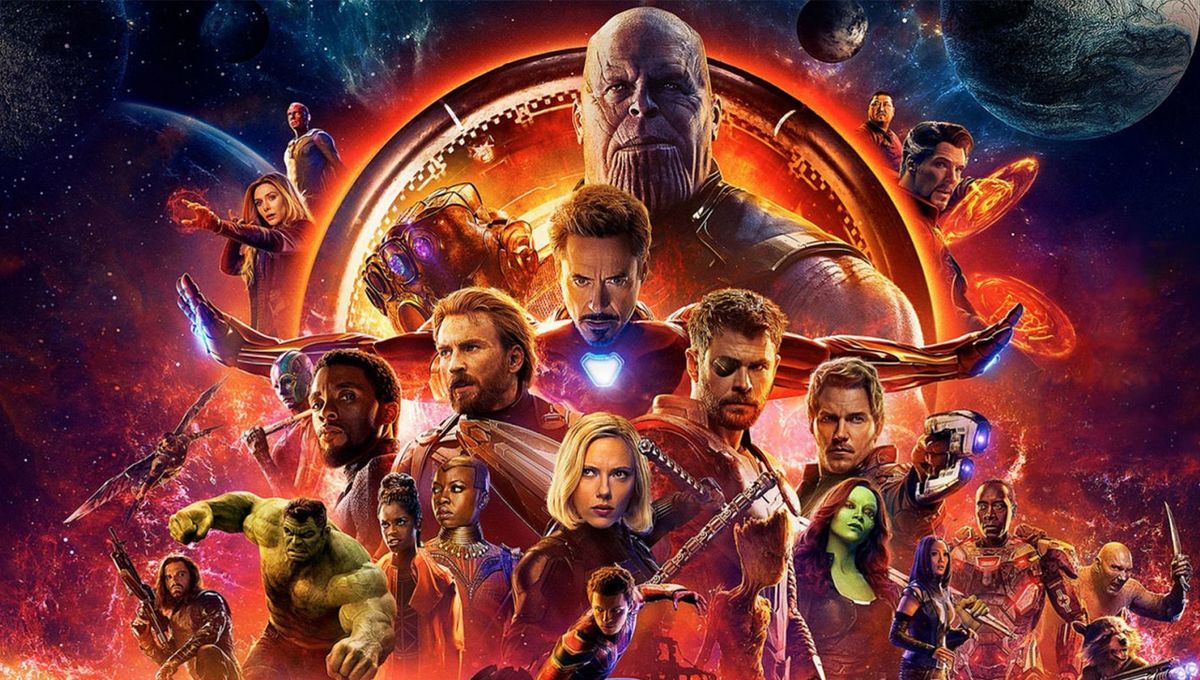
Between the record-breaking box office of “Avengers Endgame” and the adulation of countless fans, including myself, Marvel Studios is uniquely equipped to make the concept of a multiverse work within its over-arching story. To some extent, it has to. The finality of “Avengers Endgame” means it will have to find some way to grow without the iconic characters that helped make it.

The stage has already been set for a larger multiverse to emerge within the MCU. Just as fans like me are finally recovering from the emotional upheaval we experienced in “Avengers Endgame,” the second trailer for “Spider-Man: Far From Home” dropped and, beyond dropping some heavy spoilers, it revealed that the multiverse is officially a thing in this world.

There are a lot of implications for this, many of which go beyond Spider-Man’s story in the MCU. As the trailer reveals, the universe-altering events of “Avengers Endgame” opened a literal and proverbial door to new conflicts within the MCU. These conflicts offer many opportunities for some of Marvel’s many cosmic characters, but I believe the biggest opportunity is for the X-Men.

I say that not just as a huge X-Men fan who has already written extensively about their potential in the MCU. I believe that Marvel Studios could reinvent the X-Men and the entire concept of mutants in a way that’s fresh, engaging, and very relevant to events unfolding in the real world.

Marvel and their Disney overlords have already reported that the X-Men will be rebooted into the MCU in the coming years under the skilled hand of Kevin Feige. However, the method and details of that plan have yet to emerge and chances are, it’ll be several years before we see that full-on reboot that X-Men fans have been pining for since Hugh Jackman hung up his claws.

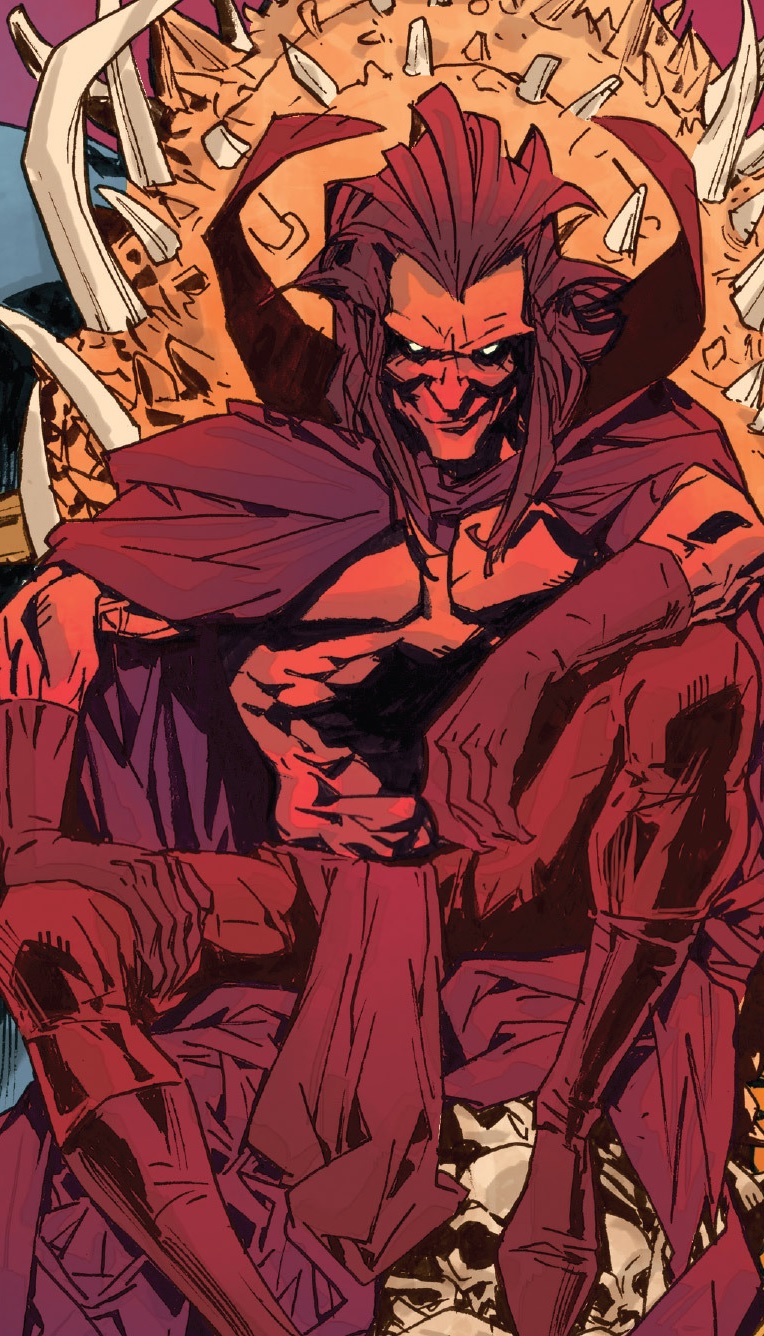
Imagining Wolverine without Hugh Jackman.

Even for Marvel Studios, it’s going to be a challenge. How do you introduce mutants, an entire race of super-powered beings, into a world in which they’ve never been mentioned? In fact, thanks to conflicts over movie rights, nobody in the MCU could even utter the word “mutant” without incurring the wrath of Fox’s lawyers.

That’s a problem because in over 10 years of movies, TV shows, and tie-ins, the Marvel Cinematic Universe has become populated with many super-powered beings that include gods, super soldiers, and teenagers armed with spider powers. On top of that, they already have a race of genetically modified people called the Inhumans, who basically acted as a stand-in for mutants at one point.

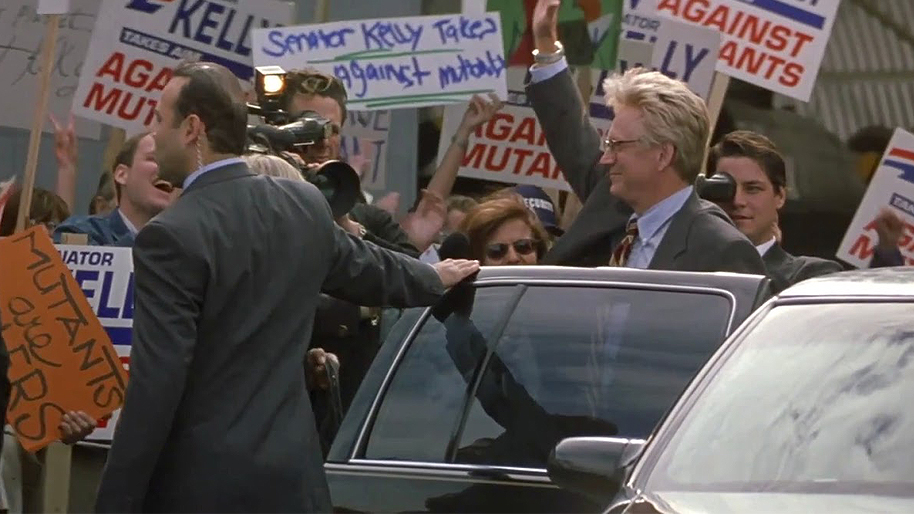
This complicates the whole premise of the X-Men. A big part of their story and their appeal is the parallels between mutants and real-world minorities. The X-Men emerged during the time of the Civil Rights Movement in the United States and have since come to represent oppressed minorities from many eras, from racial minorities to the LGBTQ community.

That’s a tougher parallel to establish in the MCU because how can mutants be hated and feared in a world where Asgardians, super soldiers, and talking raccoons exist? Granted, mutants have a unique aura of unpredictability in that anyone could potentially be a mutant. Unlike the Inhumans, there’s no catalyst or radioactive spider necessary to activate their powers. They need only survive to puberty.

It’s still a stretch because the hate and fear of the 1960s is very different from that of the early 2000s century. It’s one thing to just be afraid and hateful of mutants. It’s quite another to craft killer robots to hunt them while ignoring entire populations of similar super-beings.

This is where the multiverse could enter the equation. With the proper sci-fi machinations, it could both bring the X-Men into the MCU while framing mutants in a context that makes them very relevant to contemporary issues. The key is linking the struggle with mutants with that of refugees.

Whereas discussions over minority issues have become somewhat predictable in recent years, debates about refugees have been much more heated. It has triggered protests, empowered populist uprisings, and caused a rise in xenophobia that far exceeds the old-school racism of the mid-20th century. These are the kinds of heated politics in which the X-Men thrive.

The “Spider-Man: Far From Home” trailer establishes that something happened in the battle against Thanos that opened the door to the multiverse. It’s easy to envision a scenario in which a population from a more hostile universe seeks refuge in one that is already used to super-powered beings.

It’s not difficult to imagine things getting that bad for the X-Men or mutants. Both “X-Men: Days of Future Past” and “The Gifted” explored a world where mutants where hunted, imprisoned, and outright murdered. The comics also have a lengthy history of dystopian futures in which the X-Men could not stop humanity from hating and fearing their kind.

Then, just as things look hopeless, a doorway to another universe unexpectedly opens. Mutants suddenly have a chance to escape their rapidly-decaying world and start anew. It’s an opportunity many desperate and traumatized refugees seek in the real world. Their stories are full of horror and atrocity. It’s a story that resonates beyond the superhero genre.

In addition to providing a mechanism for entering the MCU, it also solves another critical issue with respect to narrative. It gives the X-Men a new type of story that hasn’t been told before in the movies. For the past 19 years, almost every X-Men movie has followed a similar formula.

Mutants are hated and feared.

The X-Men try to combat that fear.

Someone, often Magneto, tries to provoke a war between humans and mutants.

The X-Men stop that war from occurring.

It’s a story that has played out many times. Sometimes, it has been great. Other times, it has been god-awful. Just telling that same story again in the MCU won’t be enough. By making mutants refugees, the entire dynamics change in a way that could cause all sorts of upheavals that could impact many other MCU franchises.

One possibility.

Like real-life refugees, they come to a new world out of desperation, escaping horrors that they had no part in creating. The world they enter is inherently suspicious of them. They see them as strange, dangerous outsiders who could bring their problems to their homes. These are real concerns from people other than the reactionary radicals who often preach hate.

It’s one of those issues that has no good resolution. These people are victims of a war that they want to escape. They flee to wherever they feel they’ll be safe. Often, their options are limited and when an opportunity comes along, they have to pursue or die. If the events of “Avengers Endgame” somehow create such an opportunity, then why wouldn’t someone take a chance?

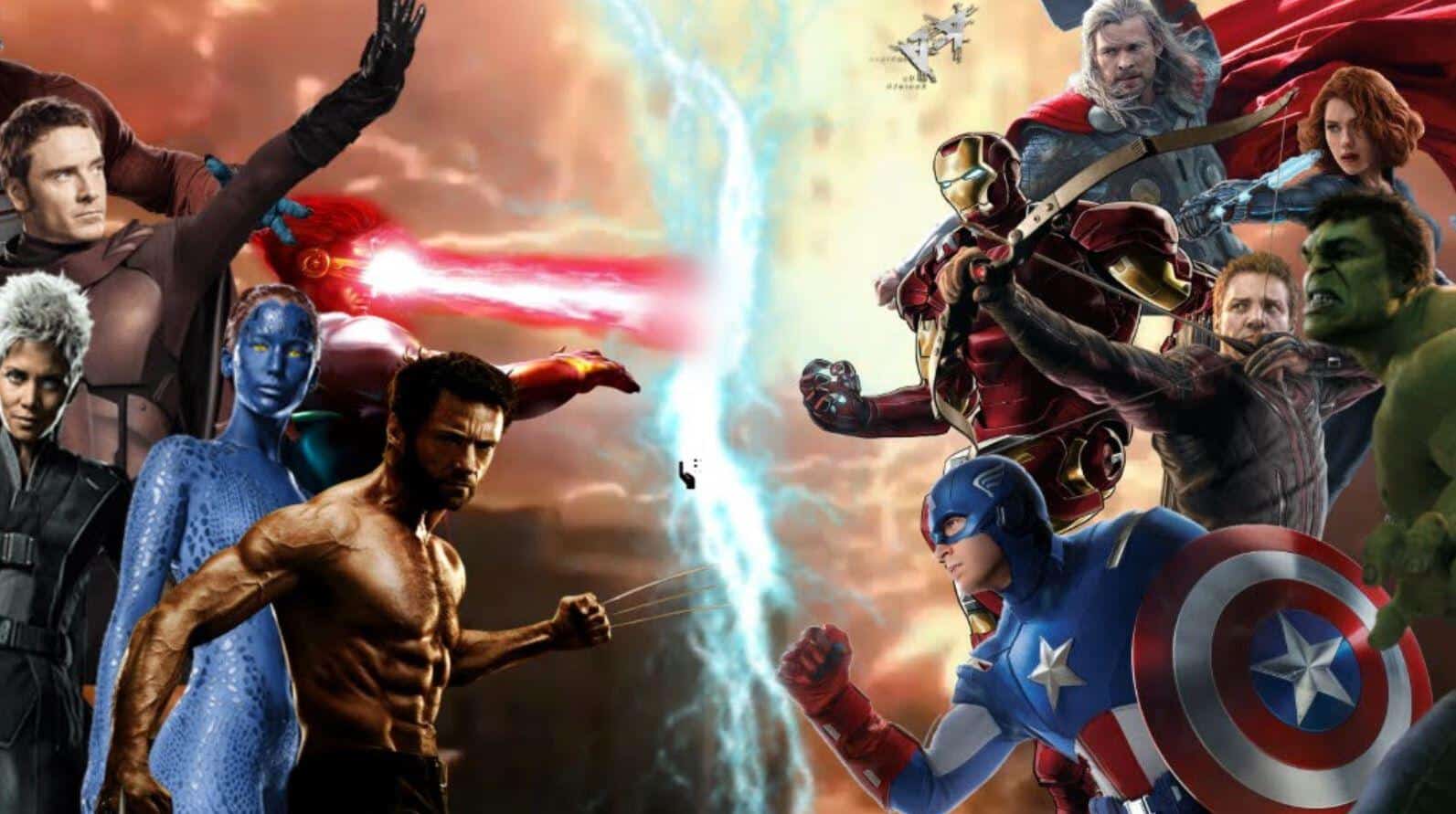
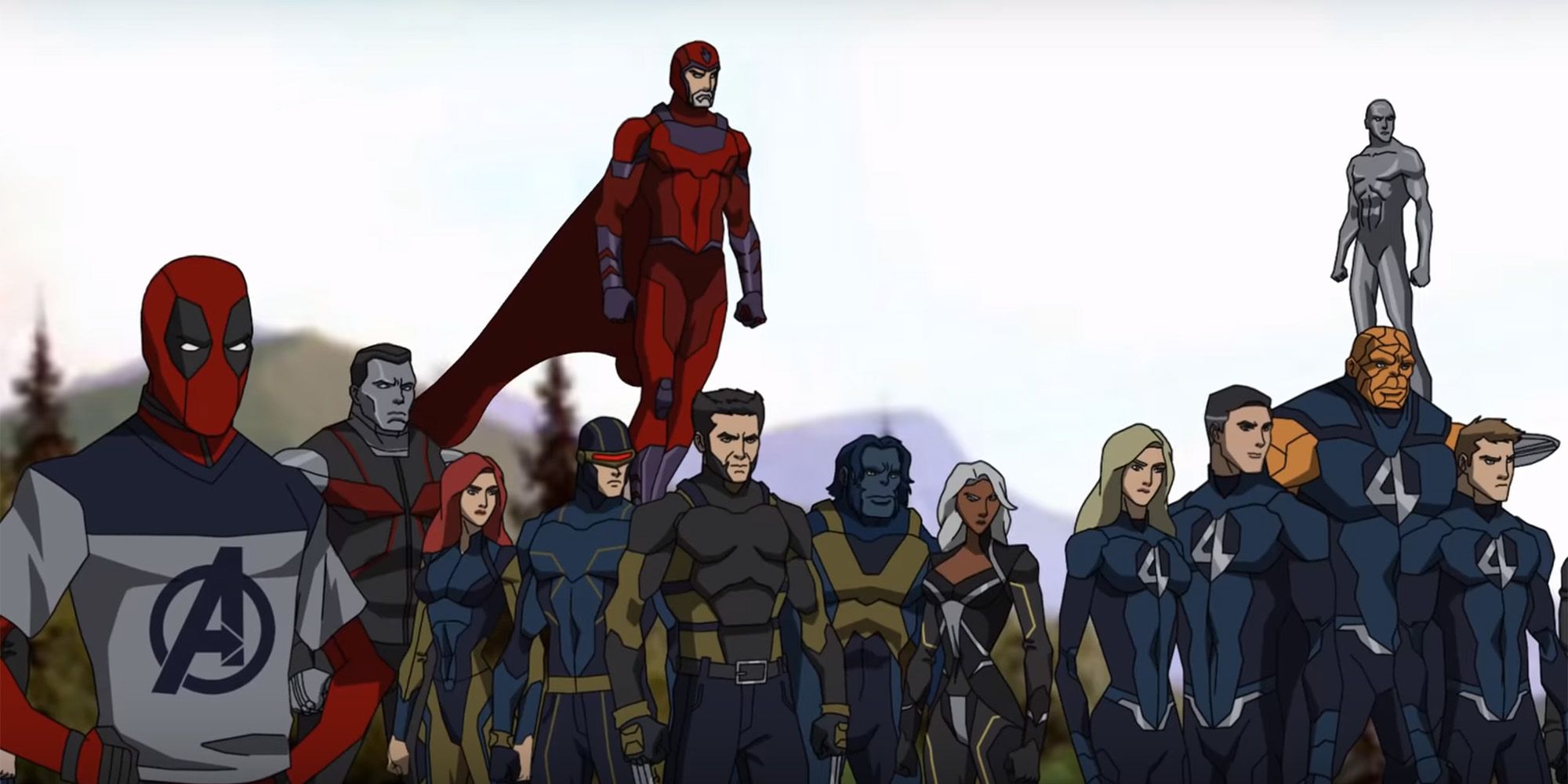
It would put mutants and the X-Men at odds with everyone in the MCU, from the Avengers to SHIELD to the average person still recovering from invading aliens in New York. It would also establish a clear divide that could one day manifest in a full-blown “Avengers Vs. X-Men” movie, which has already been teased.

All that being said, the powers that be at Marvel Studios may opt for an entirely different approach. In that case, everything I just described may be a moot point. This is just one approach that I found myself contemplating after seeing the “Spider-Man: Far From Home.” It’ll probably be a while before we know the full implications, both for the multiverse and for mutants in the MCU.
1 Comment

Filed under Deadpool, Marvel, movies, Spider-Man, superhero comics, superhero movies, X-men

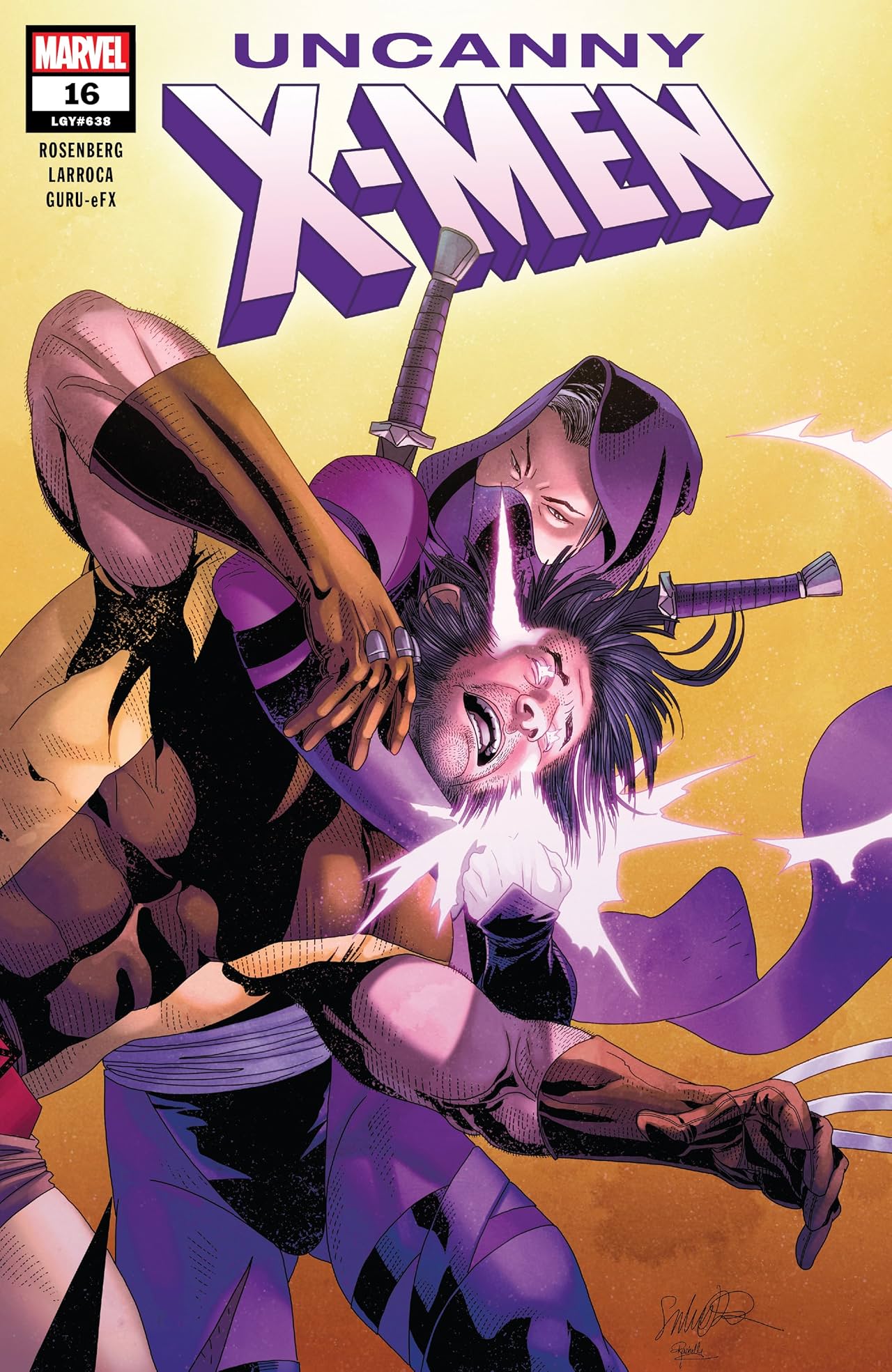
Jack Fisher’s Weekly Quick Pick Comic: Uncanny X-Men #16

Every Wednesday, this crazy world of ours gets a little less intolerable thanks to a fresh batch of comics. At a time when most of our heroes are in movies and too many villains run free in the real world, we need a little something to remind us of all things good, upstanding, and awesome. As such, I make it a point to select one comic from this batch that’s a better reminder than most.

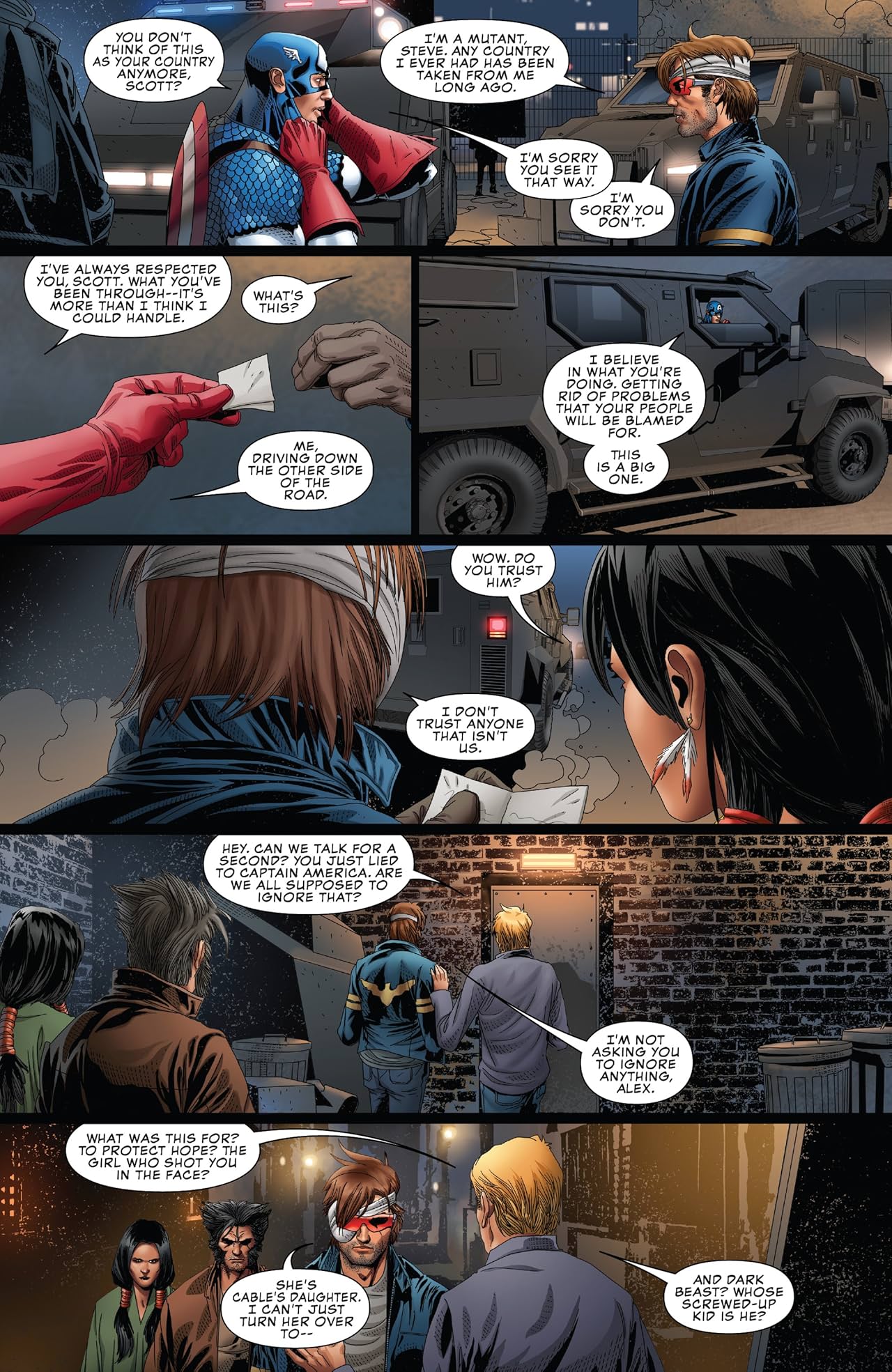
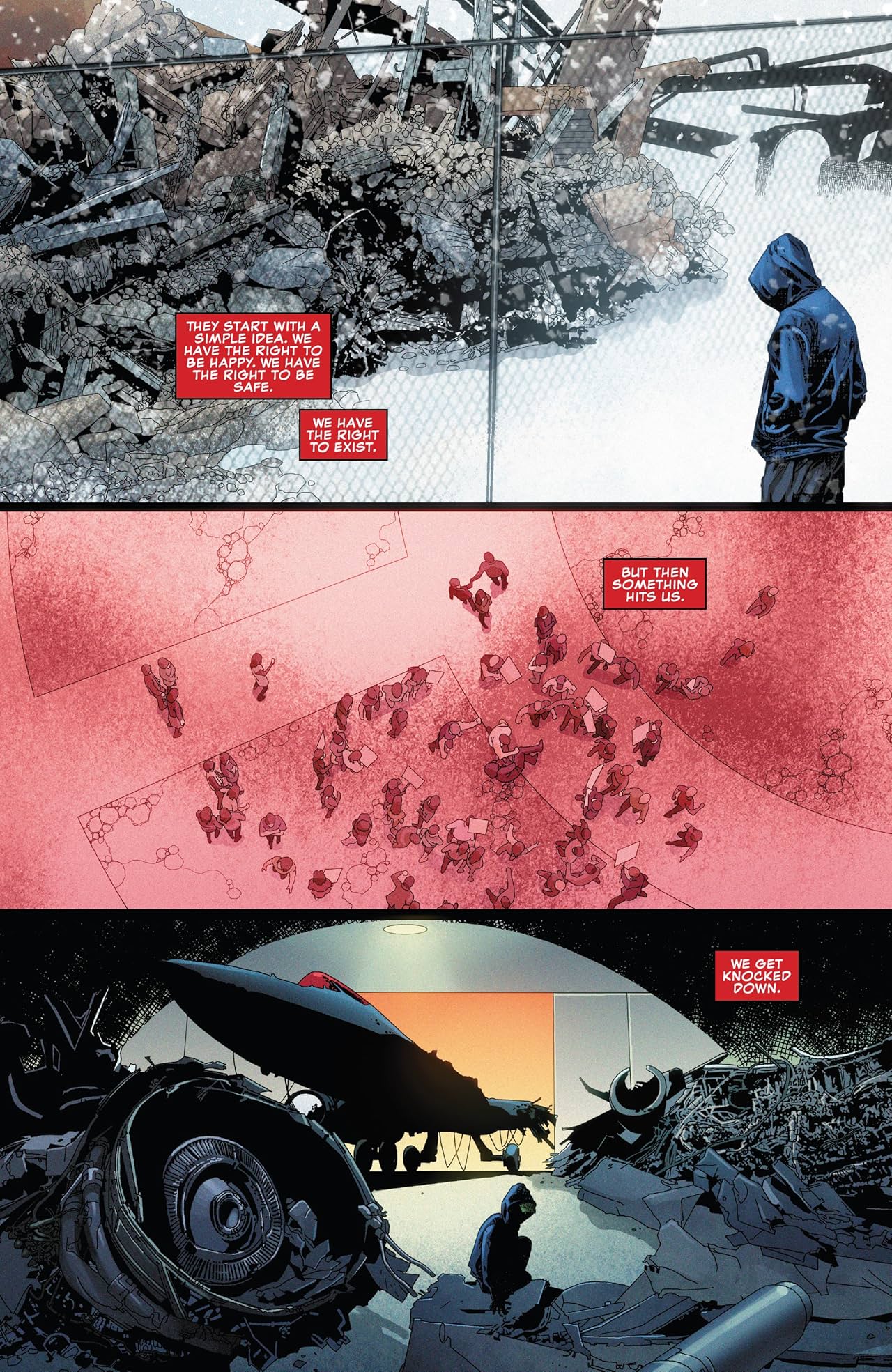
While the world of superhero comics goes through cycles of hope and despair as often as the Hulk goes through cheap pants, the state of affairs for the X-Men have been more dire than usual. Since the reality-warping events of “Uncanny X-Men #10,” the state of mutant affairs in the Marvel universe hasn’t just been tenuous. Mutants are essentially fighting for the right to be more than an afterthought.

As much of the mutant population is exploring the dystopian utopia that is “Age of X-Man,” the remaining X-Men have been trying to find their place in a world that seems all too happy to be rid of mutants. It has not been an easy endeavor, but “Uncanny X-Men #16” reminds us why it’s worth doing.

The X-Men have been beaten, demoralized, wounded, and marginalized. They’ve had to battle old enemies, attack old allies, and even clash with close family. To say they’re at a low point would be like saying John Wick likes his dog. This is one of the most dire situations the X-Men have ever had to endure, including everything ever written by Chuck Austin.

Despite all that, “Uncanny X-Men #16” finds a way to bring out the best in the X-Men’s most ardent champions.

If you’re a Cyclops fan, you’ll find something to love about this issue. If you’re a Wolverine fan, you’ll find something to love about it too. Hell, if you’re a fan of mutant ninjas fighting alongside magic-wielding Russian teenagers, you’ll find something love about it. That last one is not a metaphor, by the way.

Uncanny X-Men #16” continues a story that has wounded the X-Men in so many ways. A lot of it is mental. Some of it is physical, as Cyclops’ lingering head injury shows. Even as the X-Men fight on, this issue finally shows all the struggle getting to the team. It’s not the first time these characters have expressed doubts, but in the context of the story, it does something important with respect to the past, present, and future of the X-Men.

Everyone on Cyclops’ team knows that mutants are in an existential crisis. They know their numbers are dwindling and that humanity is doing everything possible to make them an afterthought. How does anyone even go about being X-Men in a world like that? Thus far, that has been an unanswered question.

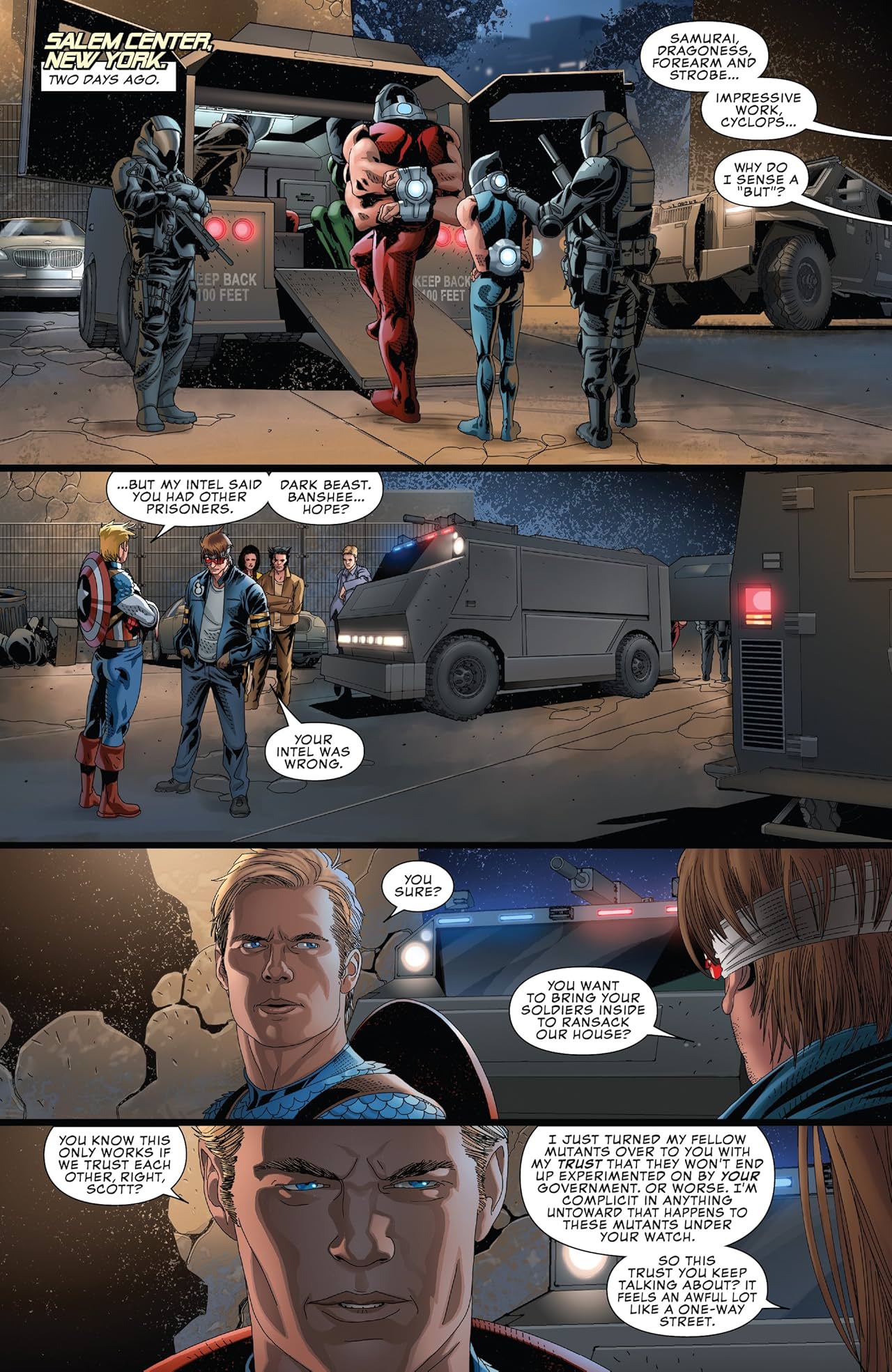
Cyclops and Wolverine tried to answer it by creating a new team out of what remained of the mutant population. They’re actually setting aside their differences and attempting to keep the spirit of the X-Men going. Keep in mind, these are two people who don’t like each other. One of them kept trying to sleep with the other’s wife and the other has shot him through a wall on more than one occasion.

Just putting the team together and fighting what’s left of the X-Men battles has been a struggle over the past several issues. However, “Uncanny X-Men #16” dares to step back and question what they’re fighting for and why they’re even fighting.

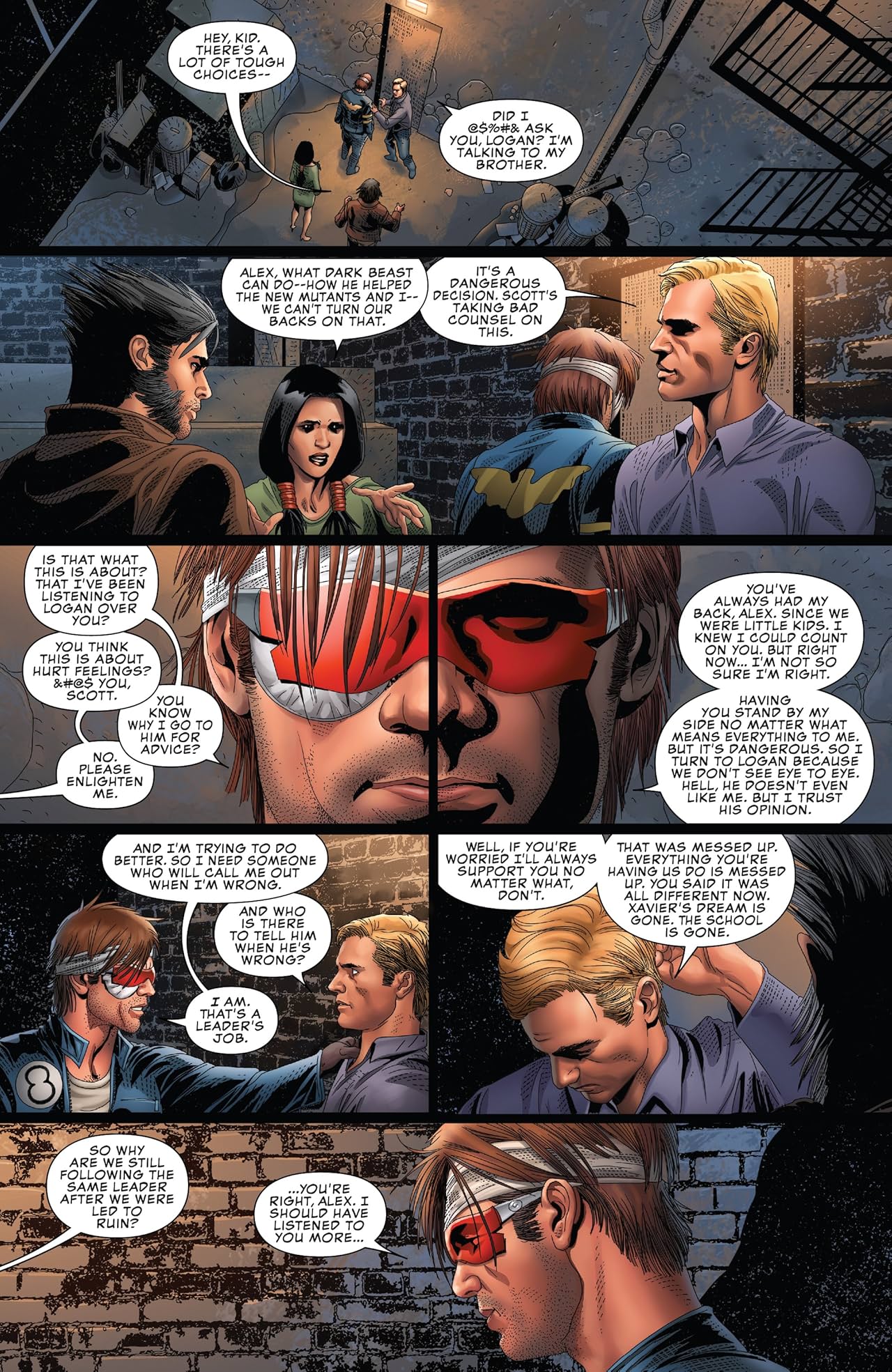
Writer, Matthew Rosenberg, explores some overdue discussion among the team. He also puts Cyclops in a unique position that somehow makes him more awesome. For much of his history, as well as his ill-fated roles in the movies, Cyclops has always been the uptight leader who barks orders and expects others to follow them. While we’ve seen hints of that Cyclops here and there, he finds himself in a more uncertain position.

Cyclops no longer trusts himself to be the leader he once was. Even his own brother, Havok, isn’t sold on his leadership at times. While it’s hard to be much of a leader when your entire species is on the brink of extinction, the criticisms aren’t without merit.

Essentially, Cyclops gives the X-Men a chance to show that they can be X-Men without him barking orders. He goes so far as to temper his own leadership in order to give the X-Men a chance to prove their causes is bigger than one person. I won’t say it’s Cyclops’ greatest tactical decision, but the results speak for themselves.

The criticisms and difficult discussions are relevant, giving “Uncanny X-Men #16” much more depth than a typical X-Men comic. It still has plenty of standard superhero action that artist, Salvador Larroca, renders beautifully with his skills. It’s not the flashiest battle, but it has a few twists and complications that require more than just better leadership.

Some of the choices made over the course of the story are questionable. Many of the wounds they’ve suffered haven’t entirely healed. These X-Men are still a far cry from the X-Men that hang out in mansions, fly around in high-speed jets, and fight killer robots. They’re not just struggling to find their place in a world where mutants are almost extinct. They’re trying to find a better way to do what they’ve always done.

The events of “Uncanny X-Men #16” prove that the X-Men still have plenty to offer. They’re still in a tenuous state, but they’re still intact. They’re still finding their way. They’re still learning overdue lessons that bring out the best in each character while not overlooking the worst.

These are exciting times for the X-Men and not just because the movie rights have returned to Marvel. Rosenberg and Larroca have broken the X-Men down in their darkest hour. Now, it feels like they’re becoming the superheroes they have to be. There’s bound to be setbacks, mistakes, and tragedies. However, that’s often when heroes like the X-Men are at their best.


Leave a comment

Filed under Jack's Quick Pick Comic, X-men

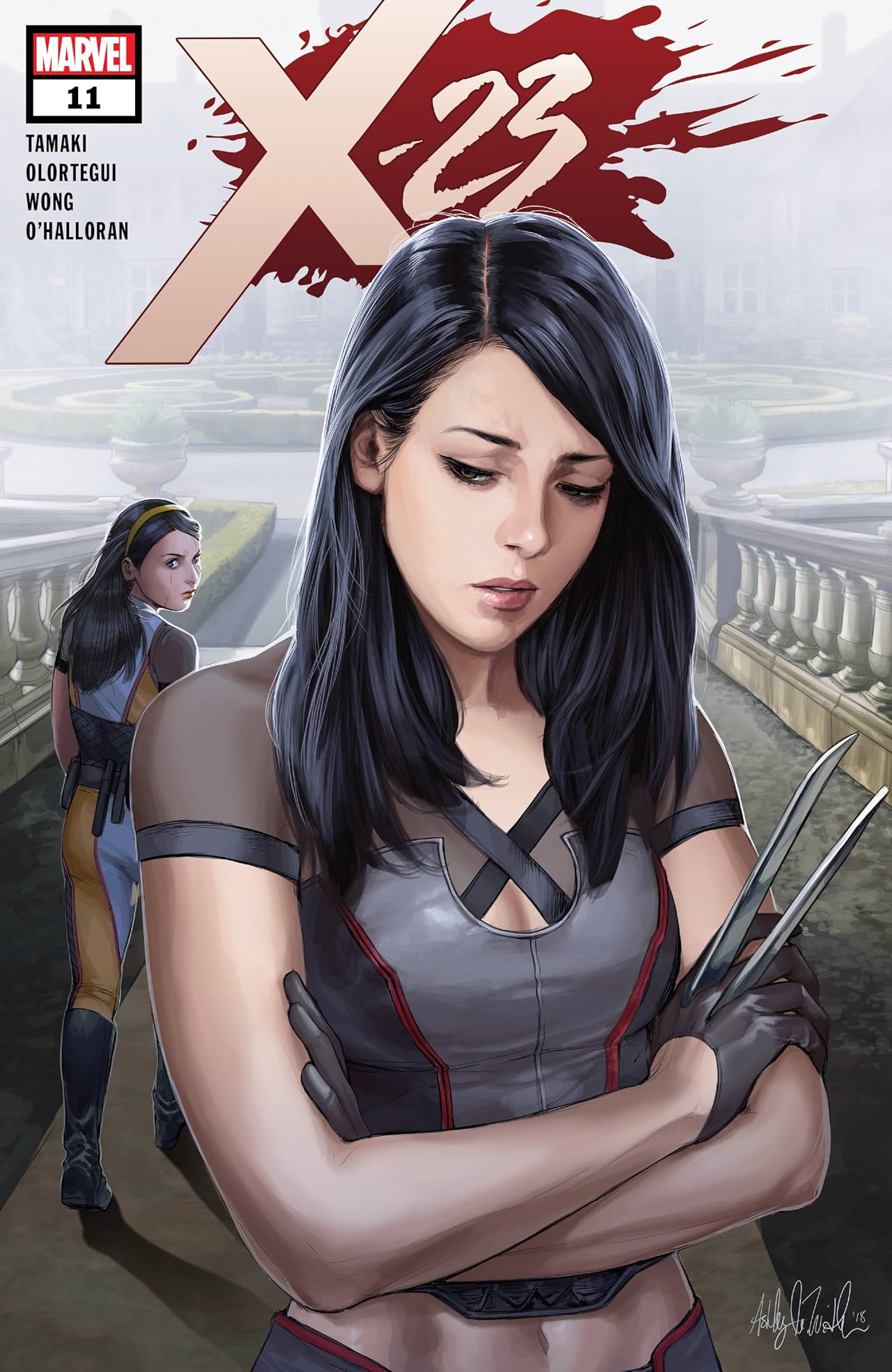
Jack Fisher’s Weekly Quick Pick Comic: X-23 #11

Every week, a new crop of comics enters this world to make the world a better place and/or help tide fans over until the release of “Avengers Endgame.” Whether you’re a fan of superheroes, melodrama, or just pretty artwork from artists not afraid to draw gaudy costumes, there’s something for everyone.

Every Wednesday, I take it upon myself to select one comic that I feel offers something extra beyond the price tag. Historically, few characters offer a wider range of appeals than Laura “X-23” Kinney.

Some know her as the daughter of Wolverine. Some know her as the breakout star of the “Logan” movie who helped make Dafne Keen a star. Regardless of how you know her or the medium in which she comes, she often brings a diverse story of violence, brutality, melodrama, and heartbreak. This week’s pick, “X-23 #11,” delivers on all of this, and then some.

Since writer Mariko Tamaki took over the series, Laura has gotten back to basics in terms of her mission. While she served admirably as Wolverine for a while, her priorities often change when she finds out some mad scientist wannabe is trying to make living weapons again. Considering how often this results in a blood bath, such efforts should count as an elaborate suicide attempt.

It’s a bigger deal to Laura than most. Like Logan, these programs have brought her nothing but pain. Unlike Logan, though, she doesn’t have the benefit of having holes in her memory. She remembers all the horrible crap that these programs did to her, which included the murder of her mother. She has more incentive than most to take these programs down as quickly and brutally as her father would have.

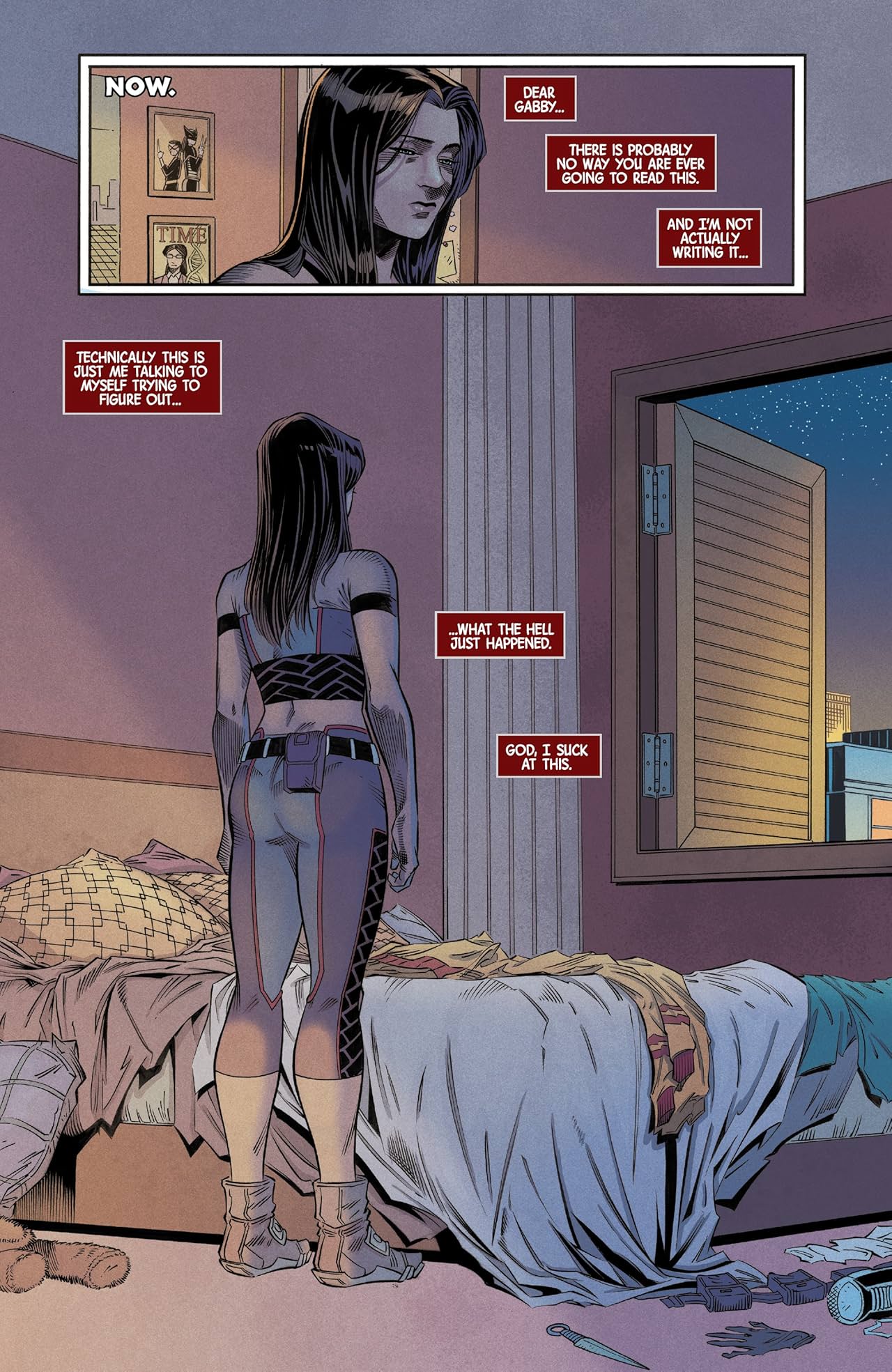
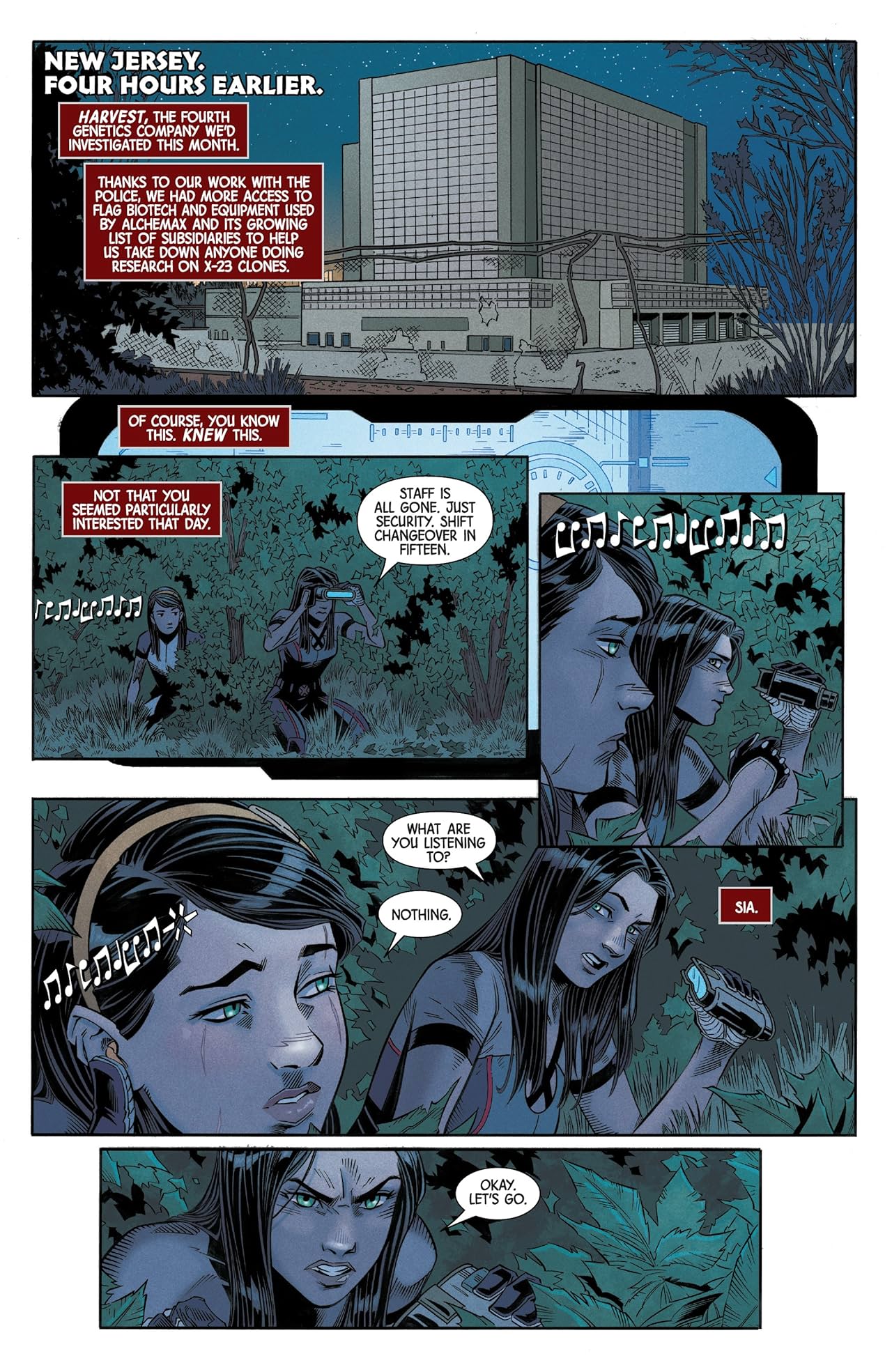
This is the primary goal in “X-23 #11,” but there’s a lot more at work than just someone with adamantium claws tearing through a weapons facility. In X-men comics, that’s basically a typical Monday. What makes this typical part of Laura’s mission harder than usual is the growing divide between her and her clone sister, Gabby “Honey Badger” Kinney.

That divide began several issues earlier. Like a pissed off Wolverine chasing the last can of beer, things have been getting anxious between the two. Since her debut in All-New Wolverine, Gabby has been a wonderful ray of sunshine mixed with omega-level cuteness for Laura. I’ve documented the breadth of that cuteness before, but it has never worked against Laura until now.

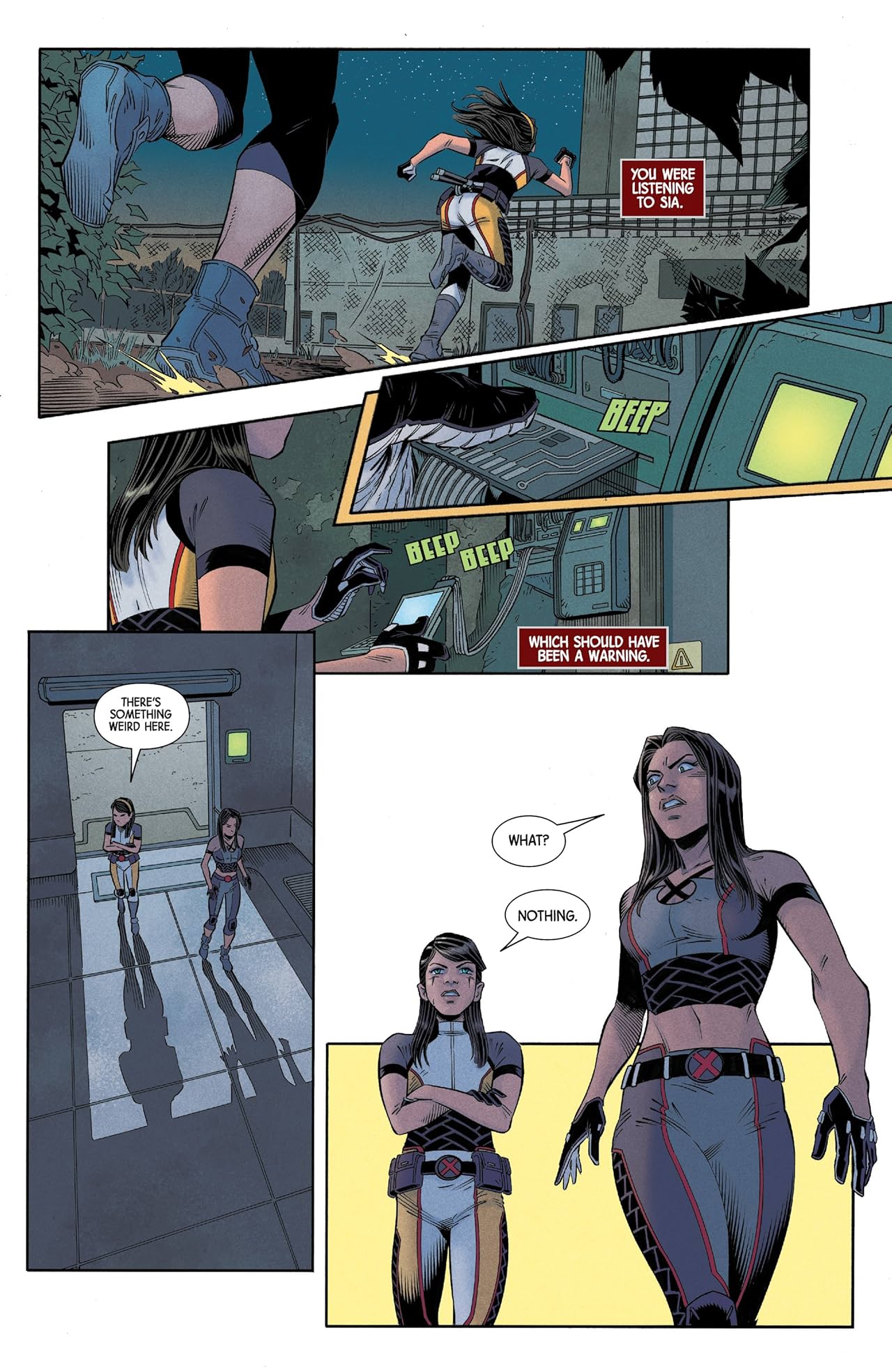
Laura knows it’s happening. She even senses that there’s some simmering resentment in Gabby, so much so that it affects her tastes in music. This isn’t just sisters bickering over what to binge-watch on a Friday night, though. “X-23 #11” establishes a fundemental divide between Laura and Gabby that may very well send the two sisters in a very different direction.

Tamaki has been setting up that divergence for several issues, but now there’s no putting it off any longer. It started with a debate over what to do when a shady company called Harvest made an army of X-23 clones that had been augmented/hijacked by cybernetics. While it made for some pretty brutal battles, it also highlighted the difference in Laura’s approach to dealing with other living weapons compared to Gabby’s.

Gabby, being the glowing ball of lovable cuteness that she is, wants to save these weapons. She sees them like other sisters. Even when it they come off as brain dead, like the cyborg X-23 army they battled, her first instinct is to save them and not destroy them. Laura, having seen too many clones cause too much suffering, favors a more direct solution that involves adamantium claws.

What makes the drama in those issues, as well as “X-23 #11,” so compelling is that it’s easy to see both points of view. Gabby knows that she wouldn’t even be alive if Laura hadn’t shown compassion when dealing with the clones that these living weapons programs produce. She also wasn’t subject to the same tragedies as Laura so she still has that wide-eyed optimism about helping other clones.

Laura, being older and a lot more damaged from her experiences, knows that the real world tends to crush optimism the same way Logan crushes beer cans. She has suffered and lost a great deal in dealing with these living weapon programs. She understands that not every clone can be saved. She knew that was the case with the cyborg clones that she and Gabby battled, but also knew Gabby was not going to agree with her.

Now, as the aftermath of that conflict sets in through “X-23 #11,” they both face some difficult, heart-breaking choices. For once, few of those choices can be made while stabbing heavily armed henchmen. There is some of that in this story and Diego Olortegui’s artwork does plenty to make that a visual spectacle. However, it’s the family drama that really sets this issue apart.

If you’ve been following the evolution of Laura and Gabby’s relationship since her debut, then the events of “X-23 #11” are genuinely heartbreaking. These two have steadily become a real family in their brief time together. Now, they’re being torn apart by bitter disagreements and painful choices.

Both Laura and Gabby experience the heartache. Even if you haven’t been following their respective stories, it’s easy to appreciate the bitter divide between two sisters. It happens in the real world and without mutant powers. Sometimes, things between siblings go bad and they drift apart. Seeing that happen with Laura and Gabby is nothing short of tragic.

It’s bittersweet, but it also helps set the stage for the future of both characters. “X-23 #11” is one of those comics that doesn’t avoid a difficult moment between two characters who no longer see eye-to-eye on an important issue. Even within family, these moments happen. This one was inevitable, but Tamaki and Olortegui made sure this one hit hard in all the right ways.

With Logan back from the dead, it promises a very divided Wolverine family, to say the least. For a family that has been subject to cloning experiments, constant torture, and even a trip to Hell, it’s a tough situation, but one that tends to make them all more badass in the long run.

Leave a comment

Filed under comic book reviews, Jack's Quick Pick Comic, superhero comics, X-men

Jack Fisher’s Weekly Quick Pick Comic: War Of The Realms #1

Every week, the world is in desperate need of something to make it just a little more fun. As such, every Wednesday brings us a fresh batch of comics that achieves just that and then some. With the anticipation of “Avengers Endgame” at unprecedented levels, we all need something to tide us over until we cram into theaters and send piles of money to our Disney overlords.

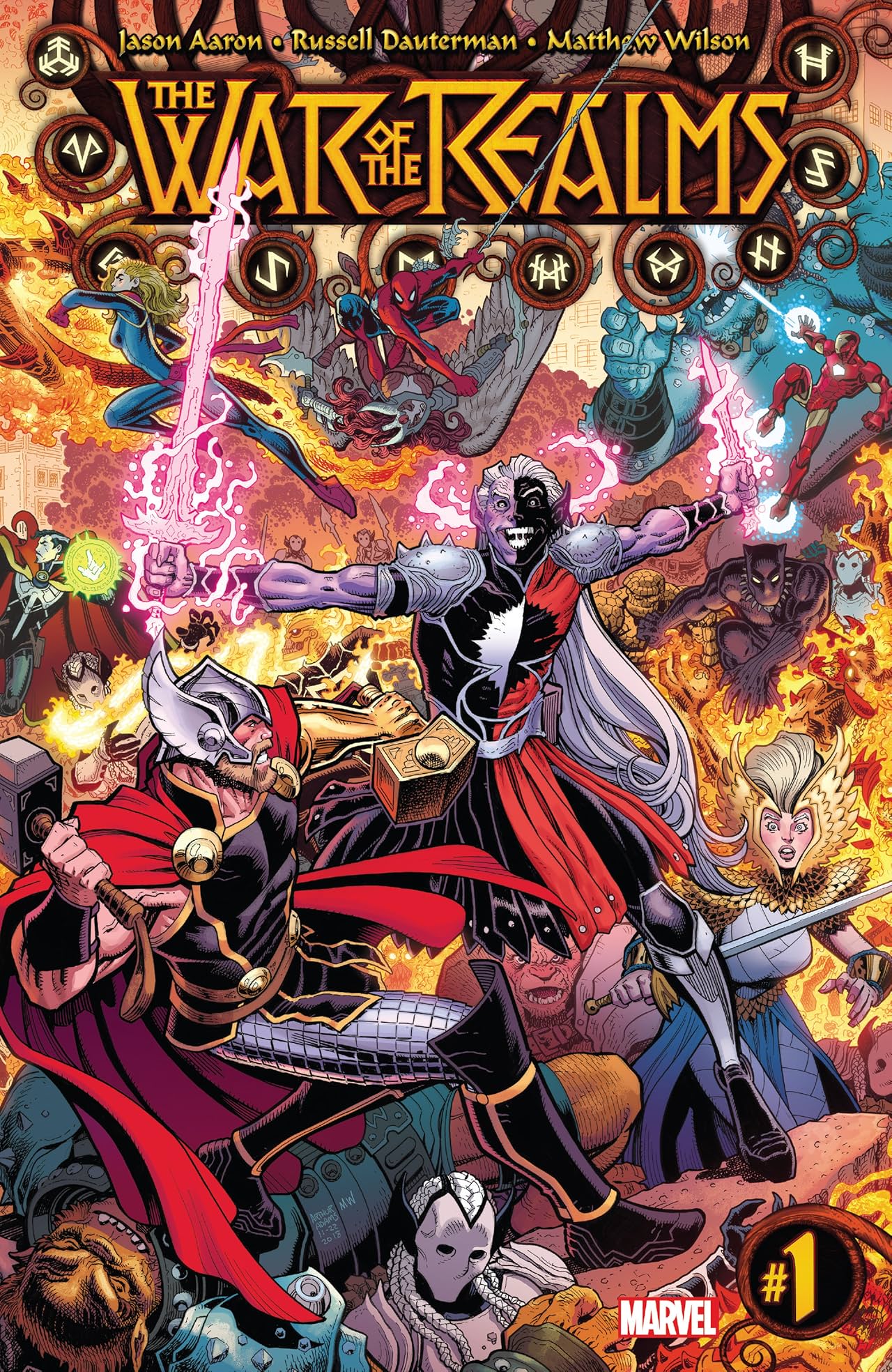
Thankfully, a comic like “War of the Realms #1” does plenty to scratch that superhero itch and it doesn’t require anyone to deal with crashing websites. While the big gathering in the Marvel Cinematic Universe is taking shape, these kinds of gatherings seem to occur every other Tuesday in the comics. Some are more awesome than others and the one that unfolds in “War of the Realms #1” definitely qualifies.

You don’t have to have followed to recent comics to appreciate it, although it certainly helps. The world of Marvel comics is always in flux with respect to the threats the heroes face and the situations in which they find themselves. “War of the Realms #1” is a confluence of compounding factors that started in Thor’s world of gods and mythical monsters. Now, it has erupted to a level that even comic book gods can appreciate.

If you thought Asgard was in a rough place after “Thor Ragnarok,” then you’ll be unpleasantly shocked at how much worse it can get in the comics. However, it’s not solely because of giant fiery monsters set to 70s rock music. It’s largely because Odin, in stark contrast to the charm exuded by Anthony Hopkins, is a divine prick in the comics.

It’s because of him that Asgard is in ruins, much of his fellow gods have abandoned him, and the realms are ripe for invasion. Despite being the All-Father of gods, he’s powerless to stop it and the heroes of Earth/Midgard are the ones who have to fight it. Prick or not, it still makes for a hell of a spectacle that brings out the best in Russell Dauterman’s artwork.

The mystical machinations of the war aren’t overly complex, nor do they need to be. Asgard isn’t a shining bastion of order and stability anymore. That means Frost Giants, Dark Elves, and Trolls are free to organize and invade other realms. Leading the pack is Malekith the Accursed and if you thought he was a push-over in “Thor: The Dark World,” this comic should help shatter that notion.

Far from being the bland throw-away villain in the movie, Malekith is a forced to be reckoned with in “War of the Realms #1.” He has united gods, monsters, and entire races into one massive army right out of J. R. R. Tolkein’s worst nightmare. Now, he leads them into a full-scale invasion of Midgard and the battle that ensues is as epic as anyone could hope for.

It’s not just Avengers who rush to the front lines. We see the likes of Spider-Man, Wolverine, Daredevil, and the Punisher join the chaos. This is not just a battle for the Avengers. This is something that will bring in players from all ends of the Marvel Universe.

Even with the recent Disney/Fox merger closing, this isn’t something we’re going to see in the Marvel Cinematic Universe anytime soon. “War of the Realms #1” offers a taste of just how much bigger the world of Marvel can be when all its iconic characters occupy the same world. Even for those who can barely contain their excitement over “Avengers Endgame,” this comic should give those same fans plenty of possibilities to contemplate.

The underlying plot to “War of the Realms #1” may be basic, but Jason Aaron, who has been the architect of both Thor and the Avengers for years, finds plenty of ways to bring depth to such a colorful clash. He even finds a way to squeeze in a joke about colonoscopies and kidney stones. I promise I’m not making that up.

Much like the movies, there bits of humor that keep things from getting too dire. However, “War of the Realms #1” never feels like a joke or an excuse to see Thor beat up frost giants. Jason Aaron has shown, throughout his run, that he can incorporate layers into mystical, hammer-wielding spectacles. Those layers are definitely there and poised to affect the battle.

How that battle plays out is just starting to unfold. Even though this comic is padded with extra pages to go along with the inflated price, it’s very much a prelude to a much larger conflict. That conflict already has Spider-Man making dirty jokes and Loki getting eaten by a frost giant. If you can’t find entertainment in that, then you’re just being difficult.

Beyond the entertainment value, “War of the Realms #1” offers the kind of high-stakes superhero crossover story that movie fans have only recently come to appreciate while comic fans have been enjoying it for years. While Malekith the Accursed will never be on the same level as Josh Brolin’s Thanos, there’s something to be said about a character who can wage a cosmic war on the entire Marvel Universe.

Whatever your feelings about Malekith, Odin, or Spider-Man’s brand toilet humor, “War of the Realms #1” has plenty to enjoy while also setting up a much larger conflict. It’s a story that gives the superheroes we love a chance to unite, kick ass, and break stuff. It’s stories like that which remind comic fans why New Comic Book Day is truly the best day of the week.

Leave a comment

Filed under Jack's Quick Pick Comic

Five Reasons Why Marvel SHOULD Make An Avengers vs. X-Men Movie

avengers_vs._x-men_event

What can be said about the Marvel Cinematic Universe that hasn’t already been said, affirmed, or celebrated? I know I’ve said plenty about it, both in glowing terms and with real concern. Being a fan of superhero comics and the superhero genre, in general, I don’t think I can add much more to the near-cosmic status of this cinematic achievement.

The support of the fans and the billions made at the box office speaks for itself. Say what you will about Disney’s desire to exploit fandoms out of their money. They know how to give the people what they want. Between the recent success of “Captain Marvel” and the insane expectations surrounding “Avengers Endgame,” it’s hard to imagine this decade-spanning franchise ascending to greater heights.

I believe it will, though. I also believe that part of that ascension will involve pitting the Avengers against the X-Men in a clash that is sure to rock the foundations of the MCU. I know that’s somewhat of a reversal of my previous opinions, but recent events have led me to reconsider my position on the Avengers fighting the X-Men.

This isn’t just me, a passionate fan, speculating on what I think will happen once “Avengers Endgame” and the Disney/Fox merger is final. We already know that the X-Men and Fantastic Four are scheduled to arrive in the MCU at some point. It’s the impact they’ll have that’ll set the tone for the future of the MCU and there are already rumors about that impact swirling.

Now, all internet rumors should be taken with the smallest grains of salt, but according to We Got This Covered, a site with a mixed reputation at best, the top brass at Marvel Studios are already plotting a future Avengers vs. X-Men movie. If true, in whole or in part, it would be a bold move, even by the lofty standards of Marvel and their Disney overlords.

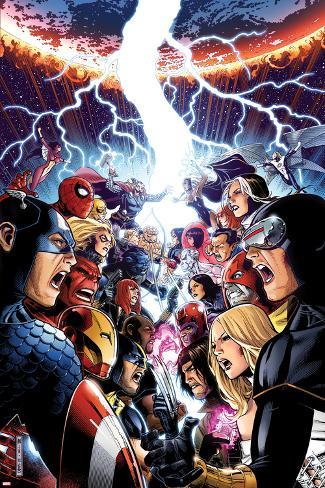
It would definitely be a gamble, that’s for sure. That’s because the Avengers and X-Men have clashed in the comics before. There was even a major crossover event entitled “Avengers vs. X-Men” back in 2012. While I won’t get into the specifics surrounding that event, I will go on record as saying that it’s not one of those iconic Marvel stories that fans hold dear.

In fact, “Avengers vs. X-Men” is probably the most controversial and divisive story Marvel has told in the past 15 years. It’s not just because it pitted two iconic superhero teams against one another for reasons that weren’t properly fleshed out. It marked the point where heroes fighting other heroes officially got old.

It doesn’t help that the MCU already had a major clash like that with “Captain America: Civil War.” It helps even less that “Batman v. Superman: Dawn of Justice” burned fans out even more on the topic. However, by the time Marvel and Disney get around to making an Avengers vs. X-Men movie, I believe the time will be right to tell this story.

Right now, the MCU is in a bit of a transition. “Avengers Endgame” is set to conclude the story that began with “Iron Man” back in 2008. The arrival of the X-Men and the Fantastic Four in the MCU hasn’t even begun yet and the powerful voices at Marvel Studios have already indicated that they’ll be starting from scratch.

Whatever form their arrival takes, it’s sure to take the MCU in new directions. However, I believe an Avengers vs. X-Men movie would unite the new aspects of the franchise with the old. It would act as a catalyst, of sorts, to connect the stories of the present to those in the past. If done right, it could carry the MCU to heights that Thanos himself couldn’t have achieved.

While I am not a fan of how the conflict played out in the comics, I believe the likes of Kevin Feige and Laura Shuler Donner could craft a superhero battle for the ages that will leave fans like me excited for another decade. What follows are my top five reasons why I believe Marvel and Disney should pursue Avengers vs. X-Men movie.

I concede there are many who don’t share my sentiments. I welcome any comments arguing to the contrary. For now, though, this is why I believe such a movie would fit perfectly into the cinematic marvel that is the MCU.


Reason #1: It Would Highlight (And Confront) The Discrepancies On How The World Approaches Superpowers

As soon as the X-Men arrive in the MCU, they’ll be faced with a frustrating double standard. Spider-Man has superpowers that he uses to swing around New York City, fight bad guys, and save the day. In general, he’s celebrated as a hero, along with most of the Avengers. The X-Men use their superpowers to do the same, but are labeled dangerous threats. What gives?

There are a lot of political and logistical reasons for this. Unlike other heroes, the X-Men are mutants. They were born with their powers. They’re part of an emerging sub-species that may or may not render homo sapiens extinct. That scares ordinary people more than some kid who just got superpowers in a random accident. How does society and established superhero teams deal with that?

It’s a relevant question and one the Inhumans failed miserably at addressing. Part of what made “Captain America: Civil War” such a compelling movie was that it didn’t avoid the complexities of this issue, acknowledging how difficult it is to hold people with superpowers accountable. That conflict was never fully resolved. In an Avengers vs. X-Men movie, the stakes would be even higher.

Unlike “Captain America: Civil War,” however, neither side can leave the conflict unresolved. Mutants will still emerge. People will superpowers will continue to exist. It puts iconic heroes in difficult positions that they can’t punch, stab, or smash their way out of and that often brings out the best and worst in these iconic characters.


Reason #2: It Would Raise The Stakes Surrounding Mutants In The MCU

In many ways, a clash with the Avengers would be the best way to show just how big an impact they’ve had on the MCU. Once the Avengers take notice, there’s no ignoring it anymore. Neither mutants nor the X-men would be able to operate in their own little niche of the MCU. They would have to play a larger part in a world that has already incurred a lot of damage from super-powered beings.

This sort of step is necessary in the overall narrative surrounding mutants in the MCU. It would be their coming out party, so to speak. It would show how far they’ve come and how much farther they have to go in terms of gaining legitimacy in the MCU. The X-Men, especially, have a lot to gain and a lot more to lose.
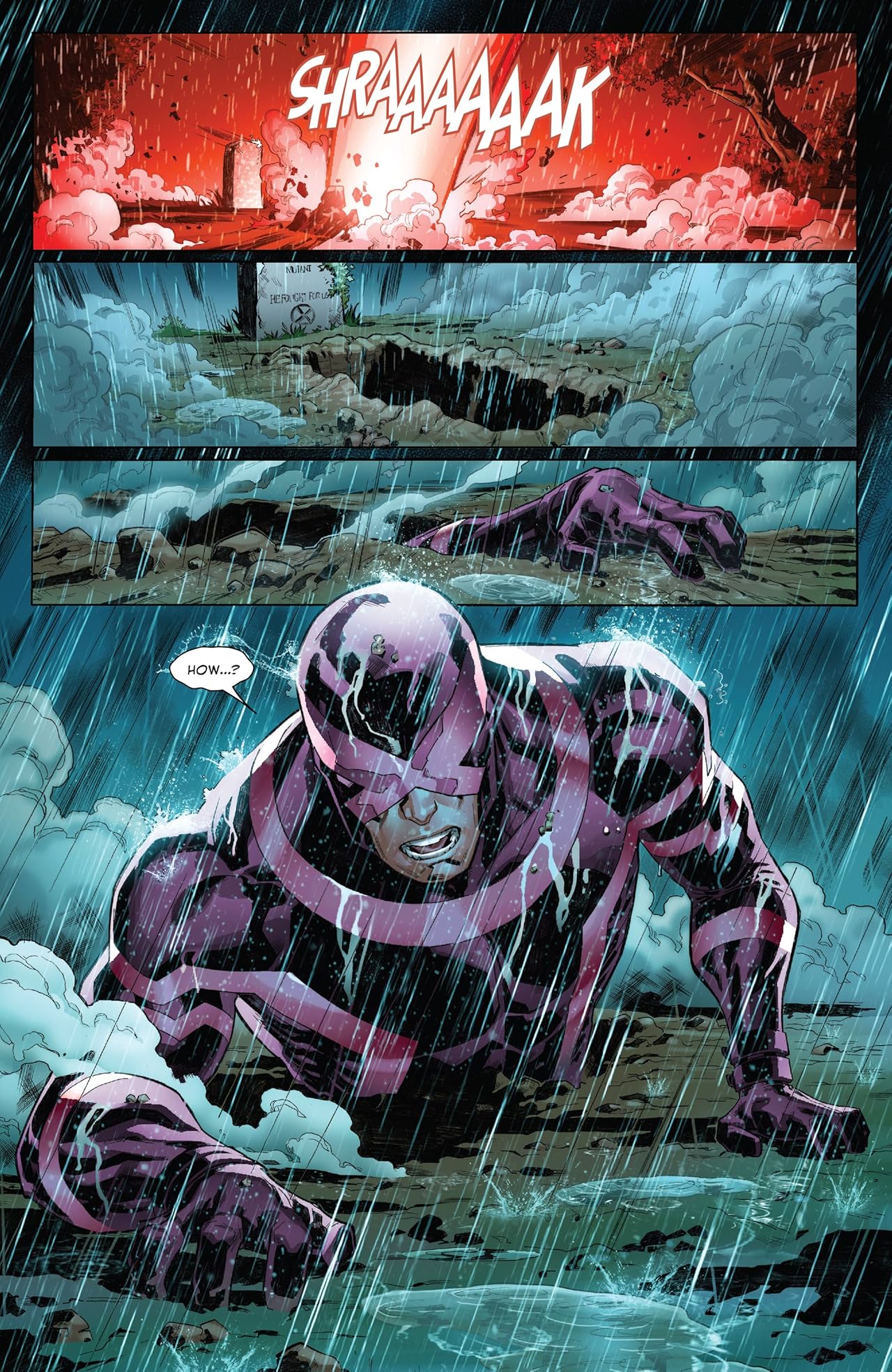
Unlike the Avengers, they can’t fall back on their reputation of having saved the world from Ultron or a Chitari invasion. They’ll be this upstart superhero team fighting to protect a group of vulnerable minorities who may or may not present a clear danger to those around them. It’ll be their chance to show that they belong on the same stage as the Avengers and the MCU will be better because of it.


Reason #3: It Would Intensify Rivalries And Ruin Friendships

There are plenty of rivalries in the comics that haven’t yet made their way into the MCU. Some are more prominent than others. The recent arrival of Captain Marvel lays the foundation for an especially big rivalry between her and Rogue, which would certainly add more personal stakes to an Avengers vs. X-men movie.

Beyond rivalries, the comics are full of friendships and connections that run quite deep. Wolverine had close personal ties to both Captain America and Black Widow in the comics. Storm has an extensive, albeit flawed, relationship with Black Panther. A number of X-Men have even been Avengers at some point.

Any clash between the Avengers and X-Men is sure to complicate every friendship and rivalry the two teams may have. Some of those connections will take time to develop. It’s very likely that the next phase of the MCU will probably focus on that in addition to integrating mutants into the MCU. An Avengers vs. X-men movie could simply act as a boiling point where it all comes to a head.

Reason #4: It Would Complicate What It Means To Be A Superhero (In A Good Way)

To some extent, the Avengers were lucky that Marvel Studios couldn’t use the X-Men in the early days of the MCU. In a world without mutants, being a superhero was less complicated. They just needed to use their powers and abilities in a heroic way. Then, they had to assemble and show that they could win wars against invading aliens.

The presence of an entire race of super-powered people, many of which are not inclined to be superheroes, adds a huge complication to the path towards heroism. The fact that mutants have powers presents them and non-mutant heroes with a conundrum.

Are mutants who don’t use their powers to be heroes irresponsible?

Are mutants who choose to use their powers for heroics on the same level as those who got their powers through another means?

These questions don’t have clear-cut answers. In a world where superpowers exist, mutants are a huge complication and the X-Men are on the front lines of it all. They try to inspire other mutants to do what they do while protecting those who choose a different path. They do so knowing that it only takes one mutant using their powers irresponsibility to do a lot of damage.

In an Avengers vs. X-Men movie, the very merits of being a superhero will suddenly be up for debate. That debate won’t likely be resolved with civil conversation and intelligent discourse. Whenever someone like Wolverine and the Hulk are involved, it’s a given there’s bound to be plenty of stabbing and smashing.


Reason #5: It Would Create New Opportunities For Better Villains (With Better Motivations)

Every clash between superheroes comes with a cost. “Captain America: Civil War” effectively divided the superhero community, which made them ill-prepared when Thanos arrived in “Avengers: Infinity War.” The comics followed a similar theme. After the original Civil War event, the entire world became vulnerable to a Skrull invasion.

A battle between the Avengers and X-Men will create a new host of vulnerabilities. For villains, it’s a golden opportunity to establish themselves in a world that is suddenly crowded with superheroes. While Thanos, Loki, and Killmonger all raised the bar for villainy, they couldn’t have emerged without the right opportunity.

With mutants, there aren’t just new opportunities. There are entirely new dynamics at work. It’s no longer a world in which superpowers are just complicated accidents. They can happen in individuals simply by being born. Within those dynamics, new kinds of villains with entirely new motivations can emerge.

Good villains are every bit as critical as good heroes, more so today than in previous eras. If the MCU is to continue to dominate, it needs to nurture the development of those villains while also creating vulnerabilities for them to exploit among heroes. An Avengers vs. X-Men movie would accomplish both.


There are probably other reasons I could list as to why I feel Marvel Studios should make this movie. There are probably plenty of other reasons why they shouldn’t. With the future of the MCU once again set to change after “Avengers Endgame,” the possibilities are vast. With the inclusion of the X-Men, and all the complications that come with them, it’s poised to evolve in bold new ways.

4 Comments

Filed under Comic Books, Jack Fisher, Superheroes, Deadpool, Marvel, movies, superhero comics, superhero movies, X-men

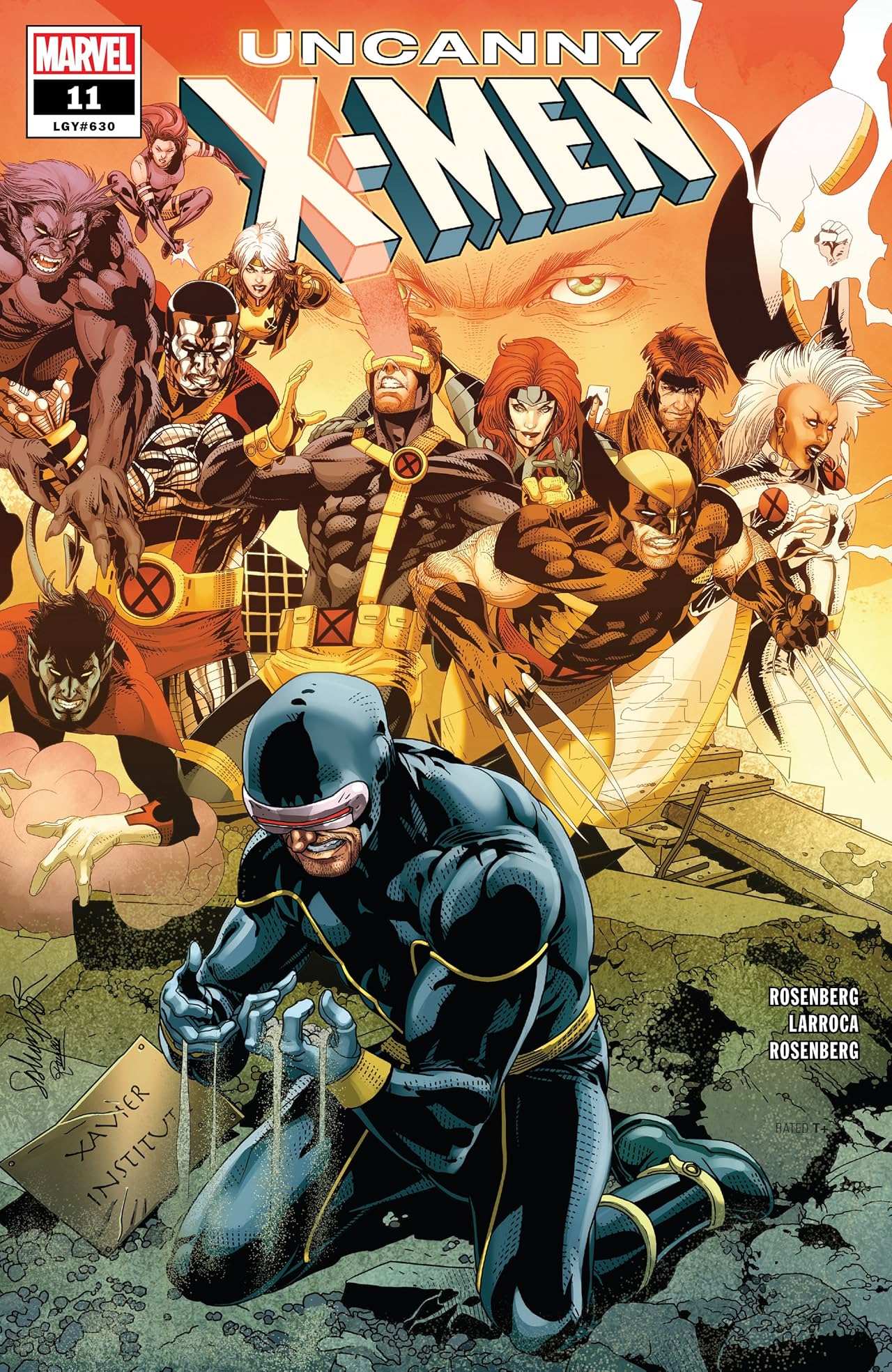
Jack Fisher’s Weekly Quick Pick Comic: Uncanny X-Men #11

Every week, a fresh crop of new comics comes out and the world is a little bit more awesome because of it. As a lifelong fan of comics, superheroes, and many other things that the Bill Maher’s of the world despise, I take it upon myself to single out one comic from that week that makes this most special of days for superhero fans that much more memorable.

This week was a busy week with big events brewing with DC’s Heroes In Crisis story and Marvel’s ongoing Age of X-Man event. Being a lifelong X-men fan, I know I’m somewhat bias towards the X-men side of things. This week, however, I didn’t need that bias to single out Uncanny X-Men #11 as my top pick of the week.

It’s not just because this book comes on the heels of Cyclops’ latest return from the dead, which occurred in Uncanny X-Men Annual #1 a couple weeks ago. It’s not just because he’s returning to a world where most of the X-Men have disappeared and been presumed dead after their battle with Nate Grey in Uncanny X-Men #10, either. What makes this comic my top pick is something far greater.

In every superhero comic, you learn the most about a character when they’re at their worst. It’s easy for any hero to shine when things are going well. When the world loves them, when super-villains despise them, and when they’re not stuck on the wrong end of a love triangle, it’s easy to seem heroic. It’s when everything is terrible and their world is on the brink that you learn who they truly are.

Uncanny X-Men #11 lets everyone know who Scott “Cyclops” Summers is. In this story, he has no X-men to lead. He has no beautiful wife by his side or buxom blonde lusting after him. His mentor is gone. His home is gone. Everything he ever fought to defend is gone. What does a man like that do in a situation like that?

He can either cower and whine or he can step up and fight. Cyclops, having gone to war with the Avengers and the Inhumans, has never been one to cower. The story that Matthew Rosenberg and Salvador Larroca tell here shows why he’s the leader of the X-men in the first place. It shows why beautiful telepaths are attracted to him. When things are at their worst for the entire mutant race, this is the man you want leading you.

If you’re a Cyclops fan in any capacity, Uncanny X-Men #11 is a must-have. However, what makes this book even more valuable is that it’s giant-sized. That means it costs a little more than the typical two to three dollar price, but you get a lot more for those few extra bucks.

In addition to Cyclops kicking ass, Wolverine has his own story that unfolds in the background. He too recently came back from the dead and has been dealing with the many complications associated with resurrection in his own series, Return of Wolverine. Having sufficiently stabbed those complications, he’s ready to return to the X-Men and he’s just in time to help Cyclops, a guy who’s wife he kept trying to sleep with.

It’s a beautiful thing, these two coming together once more in the X-Men’s darkest hour. The way it happens and the action it inspires is too great for words. That’s why I’m not going to spoil it. I’ll just say that if you’re a Cyclops fan, a Wolverine fan, or an X-Men fan in general, this comic feels like one of those books that will one day be critical in the history of the greater Marvel universe.

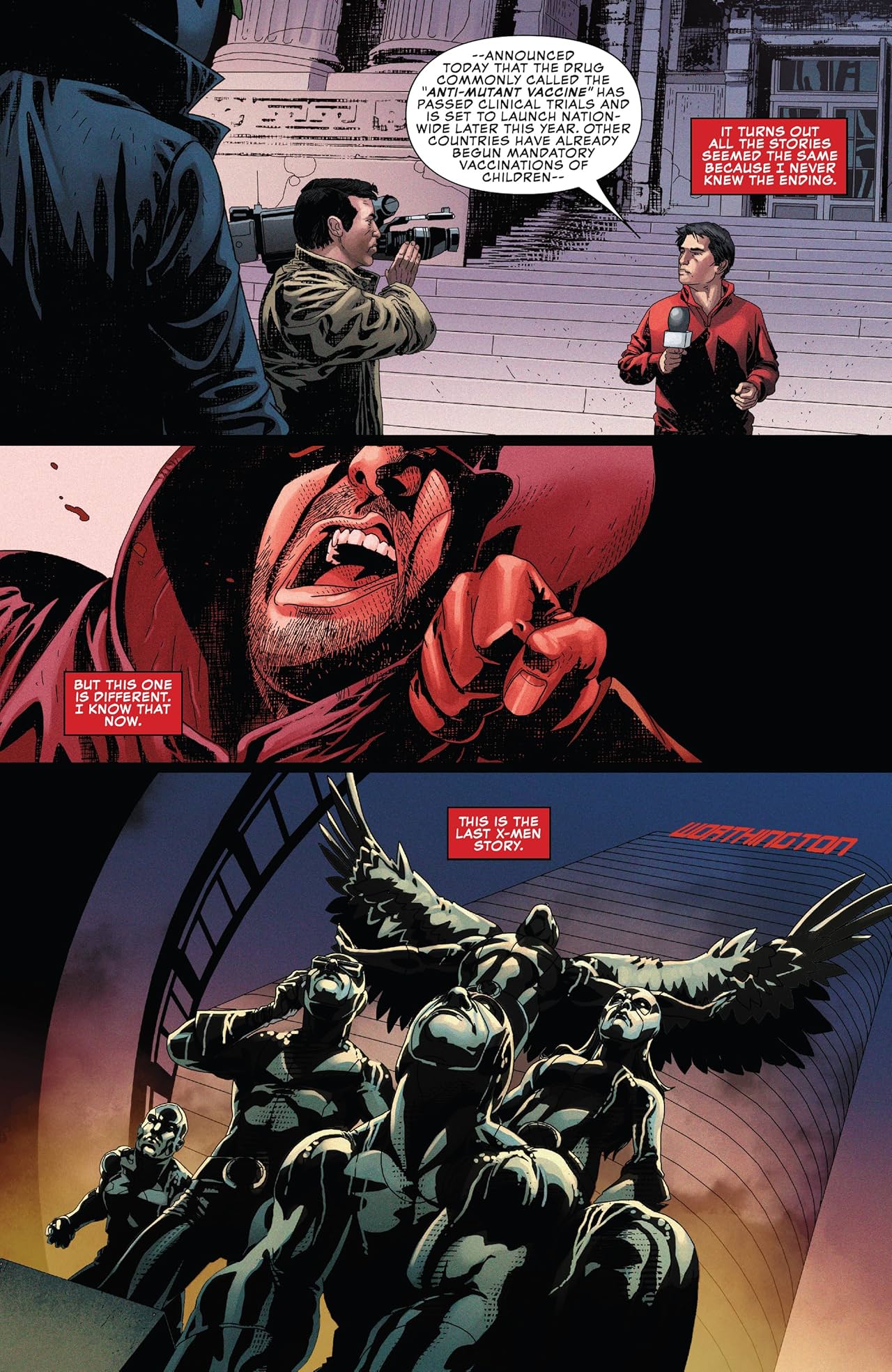
As it stands, the X-Men are gone and the mutant race is fading into obscurity. Rather than genocide, they’re facing a future where people simply treat mutation like a flu shot. The vaccine that was introduced in Uncanny X-Men #1 works. Parents can now keep their children from becoming mutants. While it greatly limits their chances of becoming superheroes, it ensures they can lead a “normal” life.

What does this mean for the future of the X-Men? What does it mean for mutants? These are unanswered questions that will probably linger for many issues to come, but Uncanny X-Men #11 effectively fires the first shot in a new struggle. Cyclops, Wolverine, and the rest of the mutant race aren’t content to just whither away. That’s not their style and this issue demonstrates why in so many uncanny ways.

If the measure of a true hero is determined by how they handle their darkest hour, then Uncanny X-Men #11 reaffirms why the X-Men are in a league all their own. The world may always love the Avengers, but the X-men will always command their respect.

Leave a comment

Filed under Jack's Quick Pick Comic

Jack Fisher’s Weekly Quick Pick Comic: Uncanny X-Men Annual #1

Every Wednesday, a new crop of comics enters this world and makes it just a little more awesome. Being a lover of comics in addition to a lover of love, I try to select one comic from this fresh batch that I feel offers the most awesome for just a few bucks. At a time when the economy is always on a verge of tanking, it’s hard to find a better value.

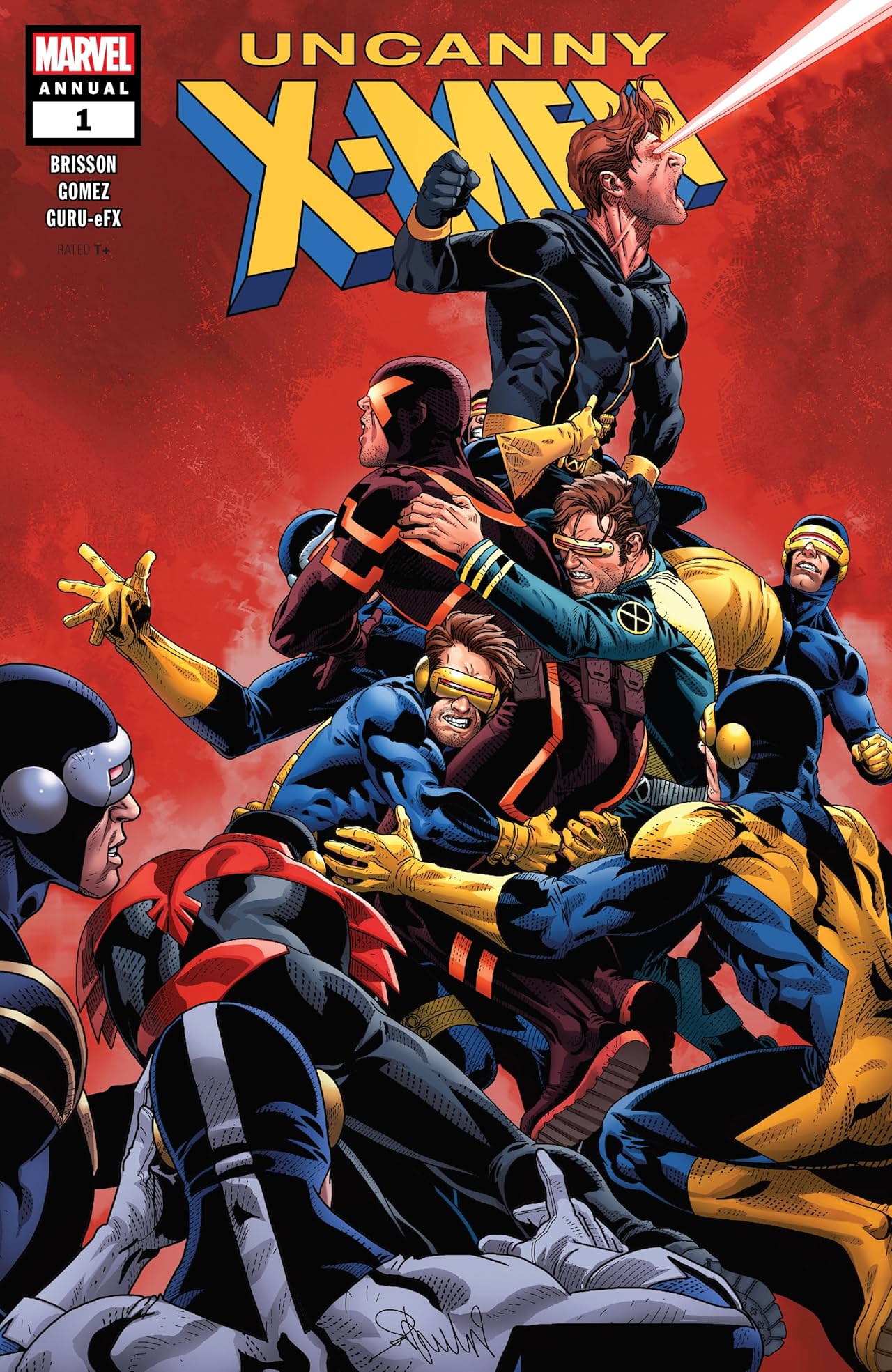
This week’s pick was an easy one with “Uncanny X-men Annual #1” and not just because I’m hopelessly bias towards the X-men, in general. This issue marks a critical development in the overall landscape of the X-men and the Marvel Universe, as a whole. As the beautiful cover art by Salvador Larroca indicates, it’s all about Cyclops.

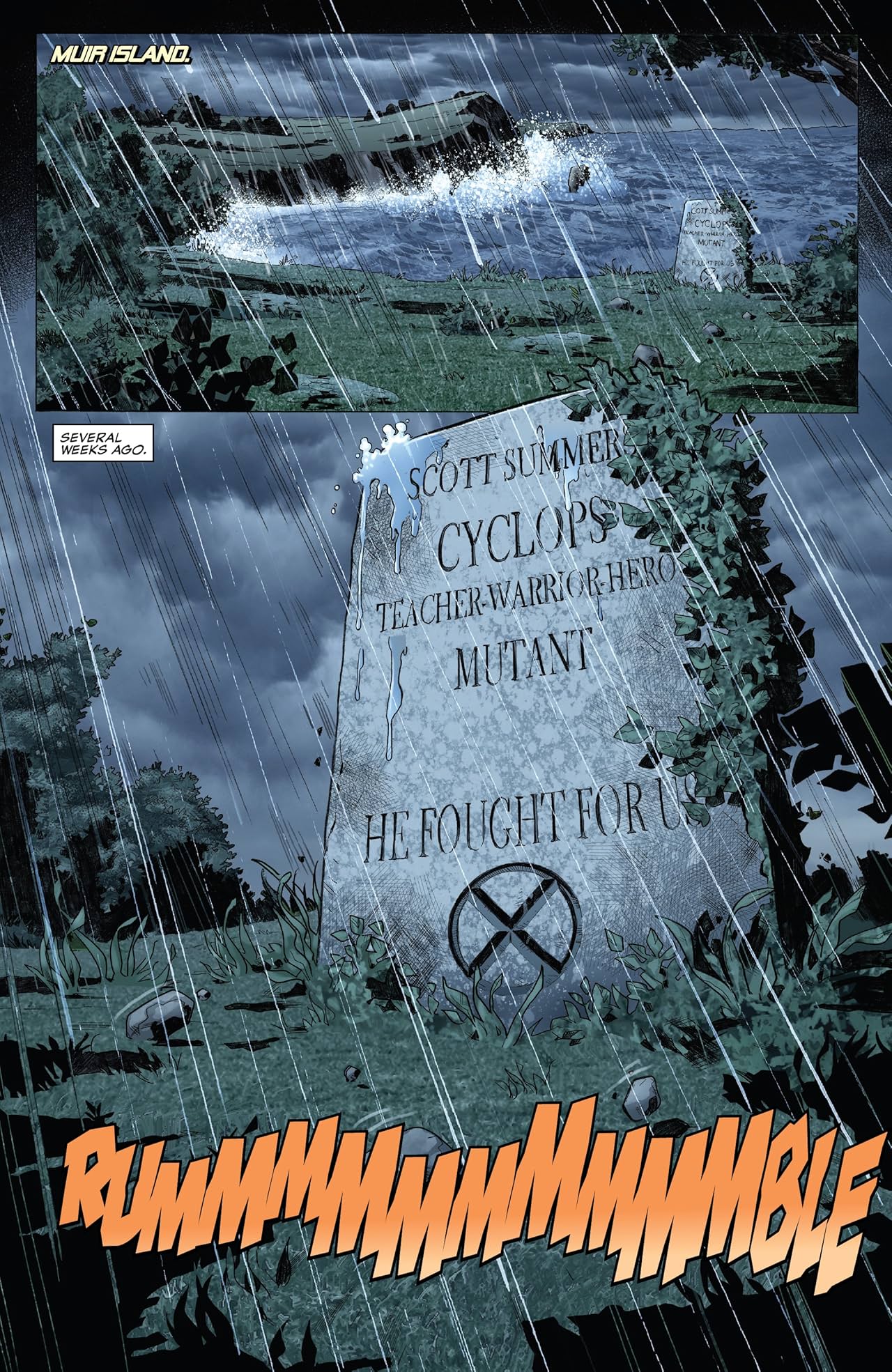
That may not seem like a big deal for those who don’t regularly follow the X-men comics, but trust me when I say that this is a huge development. That’s because for the past three years, Cyclops has been dead in the X-men comics. In an event aptly called “Death of X,” Scott Summers met an inglorious end at the hands of the Terrigen Mists, the alien gas cloud that gives the Inhumans their powers.

His death had a major impact on the overall landscape of the X-men and very little of it was good. In the same way that the Avengers aren’t the same without Captain America and the Justice League isn’t the same without Superman, the X-men just aren’t the X-men without Cyclops. He’s literally been with the X-men since the beginning and there’s just something missing when he’s not there.

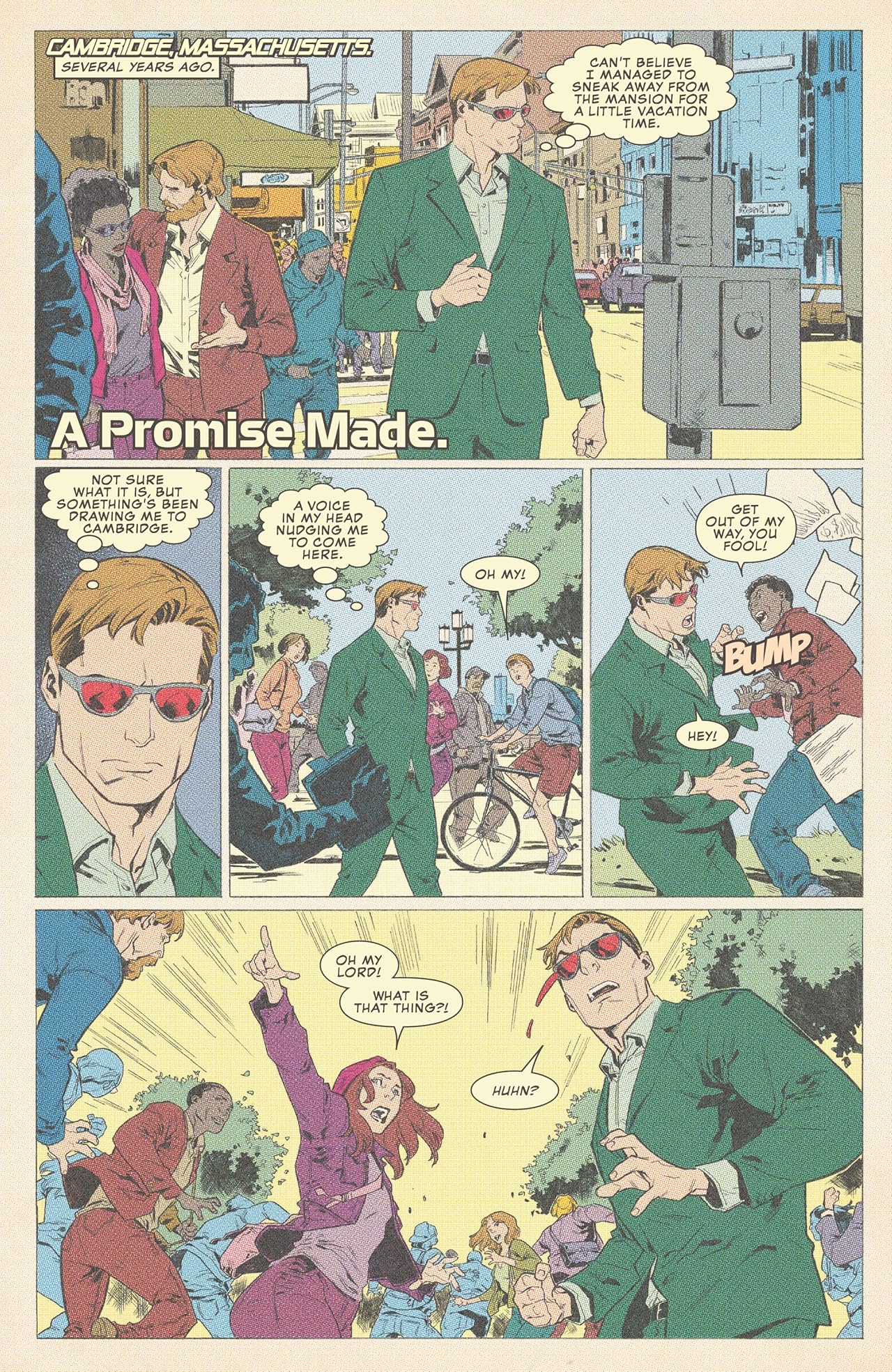
Writer, Ed Brisson, makes it a point to highlight this throughout the issue. Aside from just telling the story of how Cyclops came back from the dead, he takes some time to demonstrate why he’s the leader of the X-men. He even puts him in a position to show why he’s a hero and why other heroes follow him.

Without spoiling too much, the story builds beautifully off the events of both “Death of X” and “Extermination,” which is another brilliant X-men story by Mr. Brisson that I highly recommend. It even references moments from “Phoenix Resurrection,” another story I’ve given high praise. The connections and details in this comic fit beautifully. It shows that there was a lot of effort and thought put into this story.

As someone who has read more comics than most will ever admit to reading, I can safely say I know when a writer isn’t trying very hard. For the past couple years, a new crop of writers that include the likes of Mr. Brisson show that there’s a new round of passion surrounding the X-books and it clearly shows in “Uncanny X-men Annual #1.”

Beyond making appropriate connections to recent continuity, the story checks all the right boxes in terms of telling a quality X-men story. It even checks some extra boxes in terms of showing a character at his best when they sorely need it.

Cyclops is one of those characters who always seems to generate heated debates among X-men fans. He’s also someone a long list of talented Marvel writers have mishandled over the years. The fact he’s part of the worst love triangle of all time is proof of that. This issue cuts through those complications and just gets to the core of what makes Cyclops great.

This issue is one of those comics that will definitely have a ripple effect for future X-men comics. Any time a major character comes back from the dead, which happens a lot in X-men comics, it’s a big deal. It often marks a turning point for the course of the story and lays the groundwork for the future of the series.

By the time you finish “Uncanny X-men Annual #1,” you really feel as though you’ve just witnessed one of those turning points. On top of that, there’s a sense that this character who has been so maligned over the years for all the wrong reasons is back to his old self. If that doesn’t get your inner X-men fan excited, then you’re just being difficult.

For Cyclops fans, X-men fans, and Marvel fans in general, “Uncanny X-men Annual #1” is one of those rare books that actually gets you excited about the future. At a time when you can’t go more than a day without something terrible trending on social media, that’s worth the price of a comic book.

Leave a comment

Filed under comic book reviews, Jack's Quick Pick Comic

The following is a review I wrote for PopMatters for Dead Man Logan #1. Enjoy!

Bar Fights, Final Journeys, and Dystopian Futures in Marvel’s ‘Dead Man Logan #1’


Leave a comment

November 29, 2018 · 9:50 pm

The following is a review I wrote for PopMatters for X-23 #6. Enjoy!

Class, Clones, and Killer Robots in Marvel Comics’ ‘X-23 #6’

Leave a comment

November 8, 2018 · 5:02 pm

Gabby Kinney: A Case-Study In Cuteness

Gabby.jp

What makes a character cute?

That’s a not an empty question. It’s one that movie studios, TV networks, toy makers, and novelists attempt to answer every day. I’m not just talking about the ones affiliated with Disney, either. While the House of Mouse is legendary for crafting a winning formula for the creation of all things cute and lovable, it’s worth breaking down the components.

Understanding them isn’t just important for creating likable characters. It can be pretty damn lucrative too. Just look at the merchandise sales for “Frozen.” Cute, adorable characters sell. They sell a lot. Plenty has been written about the cuteness of characters created by Disney, Fox, and a multitude of Japanese anime. However, I’d like to single out one particularly adorable character.

As it just so happens, this character is from the world of superhero comics. Specifically, she’s from the X-men comics. If you’ve followed this website for any length of time, this shouldn’t surprise you in the slightest. I promise this isn’t just another love letter to the X-men like the many I’ve crafted before. This is an exploration of a character who forged a unique path to cuteness.

Her name is Gabrielle “Gabby” Kinney, also known as Honey Badger. You probably haven’t heard of her because, in the context of Marvel’s vast history, she’s very new. She has only been around for about three years. In that time, though, she’s done plenty to make her mark on the world.

Think of the cutest characters you’ve ever known. Whether it’s a talking animal, a princess, or a boy band, take a moment to contemplate all the traits that make them cute. From their looks, their personality, their story, and everything in between, think about qualities that make them so adorable.

Without hesitation, I can say Gabby has all those qualities, as well as a few you didn’t know could be so adorable in the first place.

That may sound like a bold claim, but it’s true. After reading every issue of All-New Wolverine, I genuinely believe that she has raised the bar for cuteness for any character, both within superhero comics and in the real world. To appreciate why her story is so remarkable, it’s necessary to know some key details about her backstory.

This should give you a few telling hints.

On paper, she doesn’t come off as the kind of character who can be overly cute. She’s a clone of Laura “X-23” Kinney, who herself is a partial clone of Wolverine. Given the number of clone-based character in comics, including a few who are notably infamous, she doesn’t have a lot going for her at first.

That changes quickly after she’s introduced. She’s actually one of three clones from Laura, but she ends up being the one who makes the greatest impression and not just because she doesn’t go evil, which tends to happen a lot with clones in comics.

From the beginning, Gabby sets herself apart as being the more upbeat, bubbly clone of the bunch. She’s not overly angry or vindictive. She isn’t even that bothered by the fact that she’s a clone. It helps that she’s just a kid, but it also helps that this has never been hidden from her. She knows what she is and doesn’t whine about it. That, alone, makes her more mature than the majority of adult heroes, even the non-clone ones.

She even has a sense of humor about it. She doesn’t take herself too seriously. She doesn’t get too uptight in tense situations, either. That even includes dangerous situations that involve dragons, zombie animals, and alien parasitic bugs. Gabby sees the world through a rose-colored lens, regardless of how ugly it is, and this is the key to what makes her so adorable.

Whether she’s helping Laura battle Sentinels or caring for a pet wolverine, Gabby always finds a reason to smile. She’ll always look for the lighter side of a complicated situation and help others see it. That sort of thing is becoming increasingly precious in today’s overly-cynical world, but it’s especially powerful in the world of superhero comics.

The very premise of any world involving superheroes requires that the world contain the kinds of chaos that can’t be contained with extra police and stiffer fines. In Gabby’s case, she inhabits a world full of evil organizations like Hydra, shape-shifting aliens like the Skrulls, and actual devil-like creatures that go out of their way to ruin marriages between iconic characters.

The fact that Gabby can lighten the mood under those circumstances helps amplify her lovability. Make no mistake. She is disturbingly lovable. I say that as someone who was extremely sick of clone character at the time All-New Wolverine debuted in June 2015. However, the writer of All-New Wolverine, Tom Taylor, went the extra mile with Gabby.

It’s not just in the light-hearted jokes that she makes. It’s not just the fact that she’s a cute kid full of youthful innocence, despite having been cloned in a lab by assholes who wanted to make her a living weapon. Any character can just say goofy things and ignore the horrible crap going on around them. Where Gabby really shines is how she affects those around her.

From the moment she meets Laura to her first hilarious team-up with Deadpool, Gabby has a positive influence on pretty much everyone she meets. She doesn’t get scared or overwhelmed by any given situation, even those involving parasitic aliens. She never lets these situations destroy her child-like innocence.

That, in and of itself, sets her apart in a major way. In so many other stories involving cute characters, their innocence is treated like fine china. It’s easy to crack, easy to taint, and irreparable when damaged. More often than not, a big part of a plot surrounding cute characters is how they become corrupted.

Tom Taylor basically turns that narrative upside down. Rather than build the story around how Gabby loses her innocence, he essentially surrounds her innocence in an adamantium shell that’s every bit as unbreakable as Wolverine’s claws.

This is critical to what makes Gabby uniquely cute, but it’s also important to the presence she brings to the X-men comics and the larger Marvel universe. Instead of having everyone try to protect her innocence, she basically has to shove her cuteness in their face and remind them that she doesn’t need protecting. In fact, they need her more than she needs them.

She gives them a reason to laugh and smile after Hydra has taken over the United States. She gives them a reason to feel good after the Red Skull comes back to life yet again to bring old-fashioned fascism to the world. She goes out of her way to be a positive presence on everyone she encounters. However, it’s her impact on Laura where her cuteness becomes genuinely endearing.

To appreciate why that matters, it’s worth recalling just how dark and brutal Laura’s story has been thus far. That story has closely followed that of her predecessor, Logan. She was born in a lab, subject to dehumanizing treatment, and turned into a living weapon. Unlike Gabby, she didn’t escape it until she’d committed soul-scarring atrocities, one of which included the death of her mother.

Since her introduction in the memorable, yet underrated “X-men Evolution” cartoon of the early 2000s, Laura has personified a worst-case-scenario for a cloned character. Her life, her story, and her personality are driven by loss, anger, and sorrow. Then, Gabby comes along and suddenly, there’s a light in her life.

Gabby is like a breath of fresh air to someone who has only been breathing smog for all their life. She’s like a hot shower after spending 4 hours shoveling snow in a blizzard. She provides an overdue balance to long-suffering characters like Laura that it’s more than just refreshing. It’s cathartic.

Gabby helps give Laura and her story something that benefits them both. She creates an outlet from the endless string of tragedies that plague the Marvel universe and the real world. She dares Laura and those following her story to not let all that ugliness destroy all that is good and pure. A cloud of darkness doesn’t have to cover the entire sky. There’s always room for a ray of light.

Gabby is that ray of light. Cute, adorable characters tend to shine brighter than most. That’s what gives them such a powerful presence. Whether it’s in a Disney movie or a superhero comic, they illuminate the darkness and make the characters around them do more than just lament. The fact that Gabby does all of this and cares for a pet Wolverine makes her a special kind of cute.

3 Comments

Filed under Deadpool, human nature, media issues, superhero comics, superhero movies, video games, X-men