Tag Archives: superhero comics

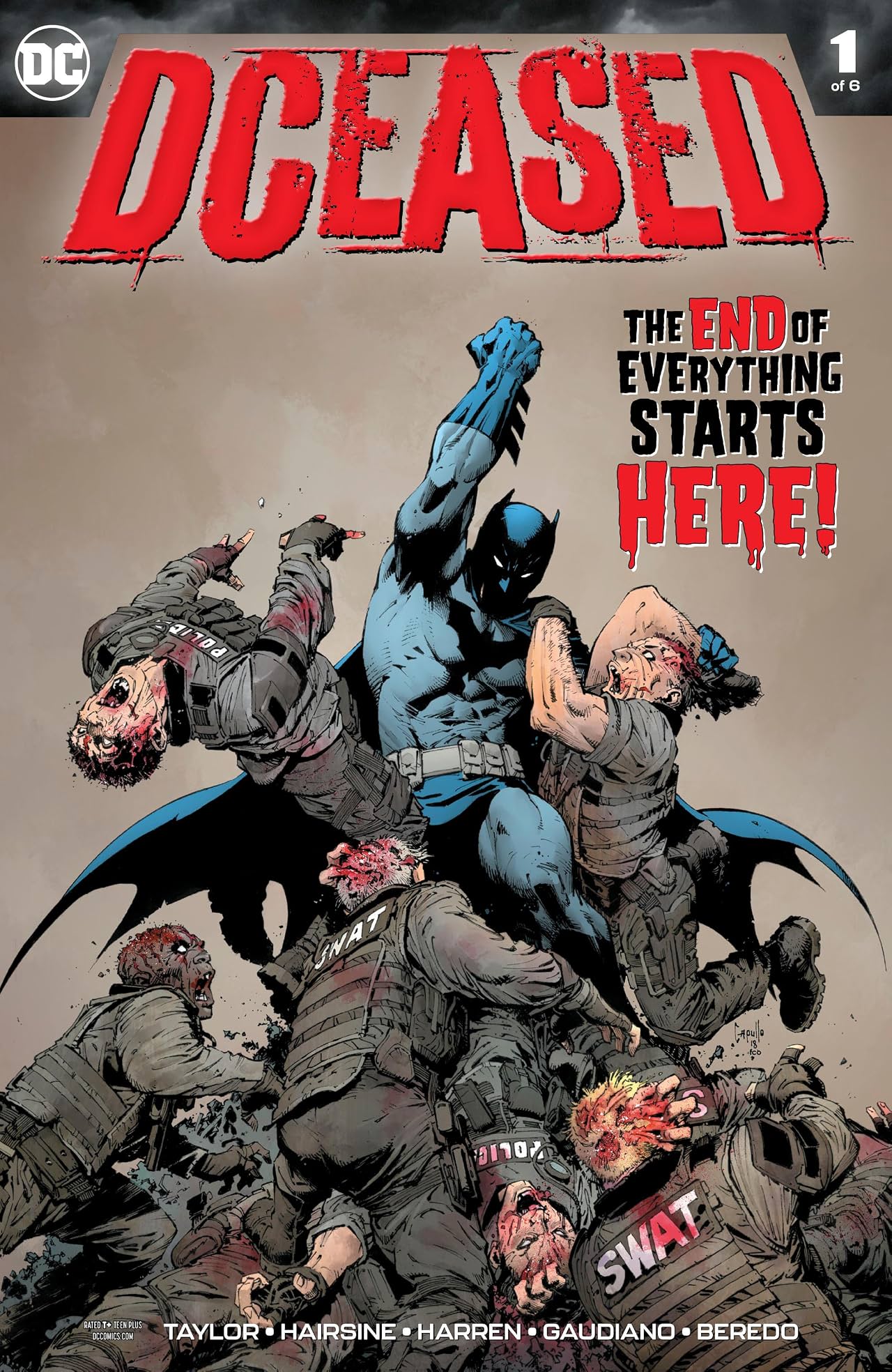
Jack Fisher’s Weekly Quick Pick Comic: DCeased #1

It’s Wednesday and for comic book fans, it’s basically a holiday that doesn’t require decorations, greeting cards, or annoying commercials. Every week brings something new and with many people still recovering from the impact of “Avengers Endgame,” myself included, the world needs something to help us move forward.

With that in mind, this week’s quick pick offers something that is the dramatic antithesis of a bittersweet ending to an 11-year movie franchise. “DCeased #1” is not the kind of story that will lift your spirits or trigger tears of joy. It’s a different kind of story that seeks a different impact and, much like “Avengers Endgame,” it succeeds.

The story does not build heavily on recent events in the world of DC Comics so if you haven’t kept up, you won’t be too lost. It’s very much a self-contained story that takes a particular concept that’s unique to the DC Universe and twists it in ways it has never been twisted. The results are brutal, terrifying, and a sight to behold, albeit a morbid one.

Writer, Tom Taylor, has a rich history of taking certain concepts within the superhero genre and re-imagining them in new, compelling ways. He did it with his criminally underrated run on “Superior Iron Man” and “DCeased #1” definitely has traces of those themes.

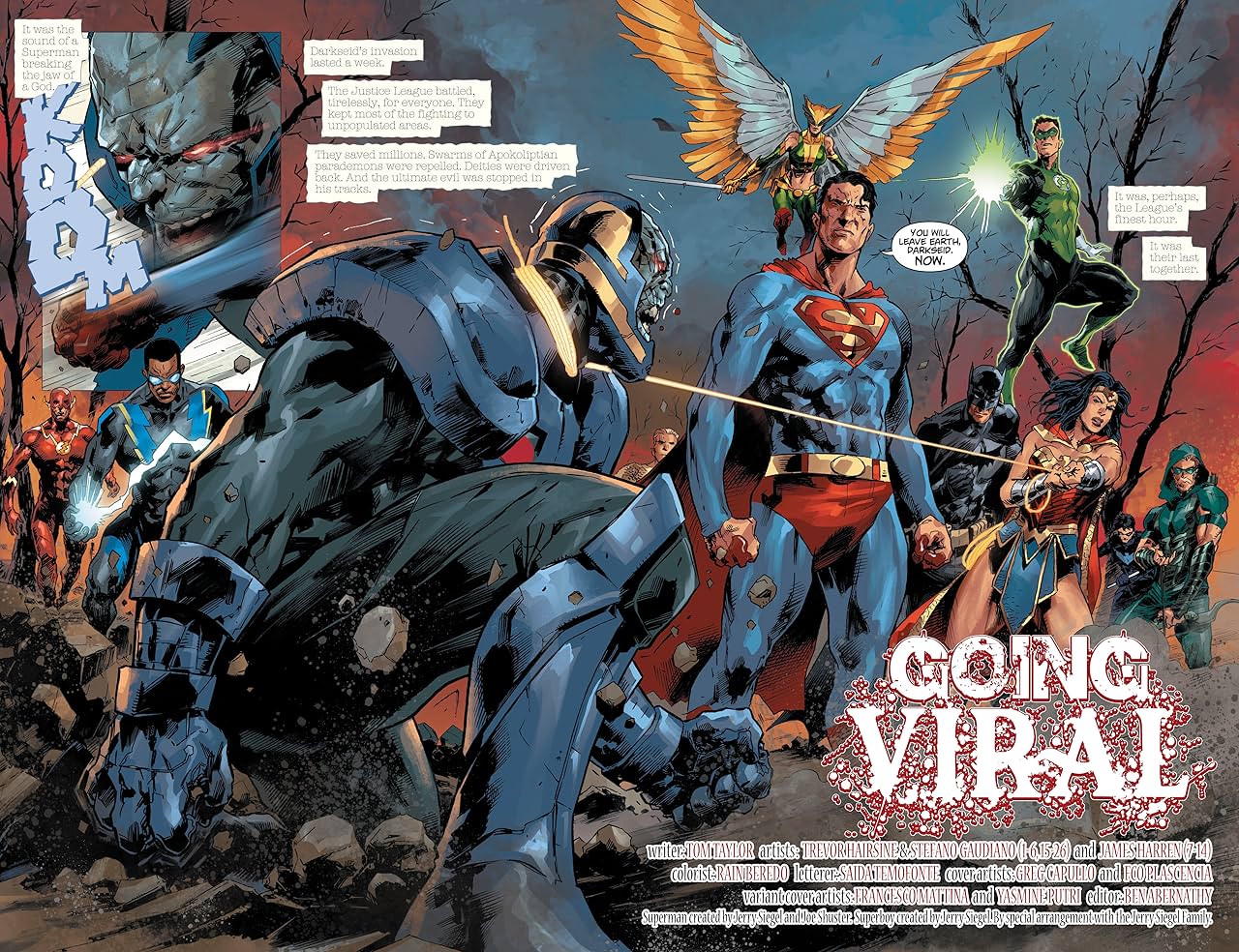
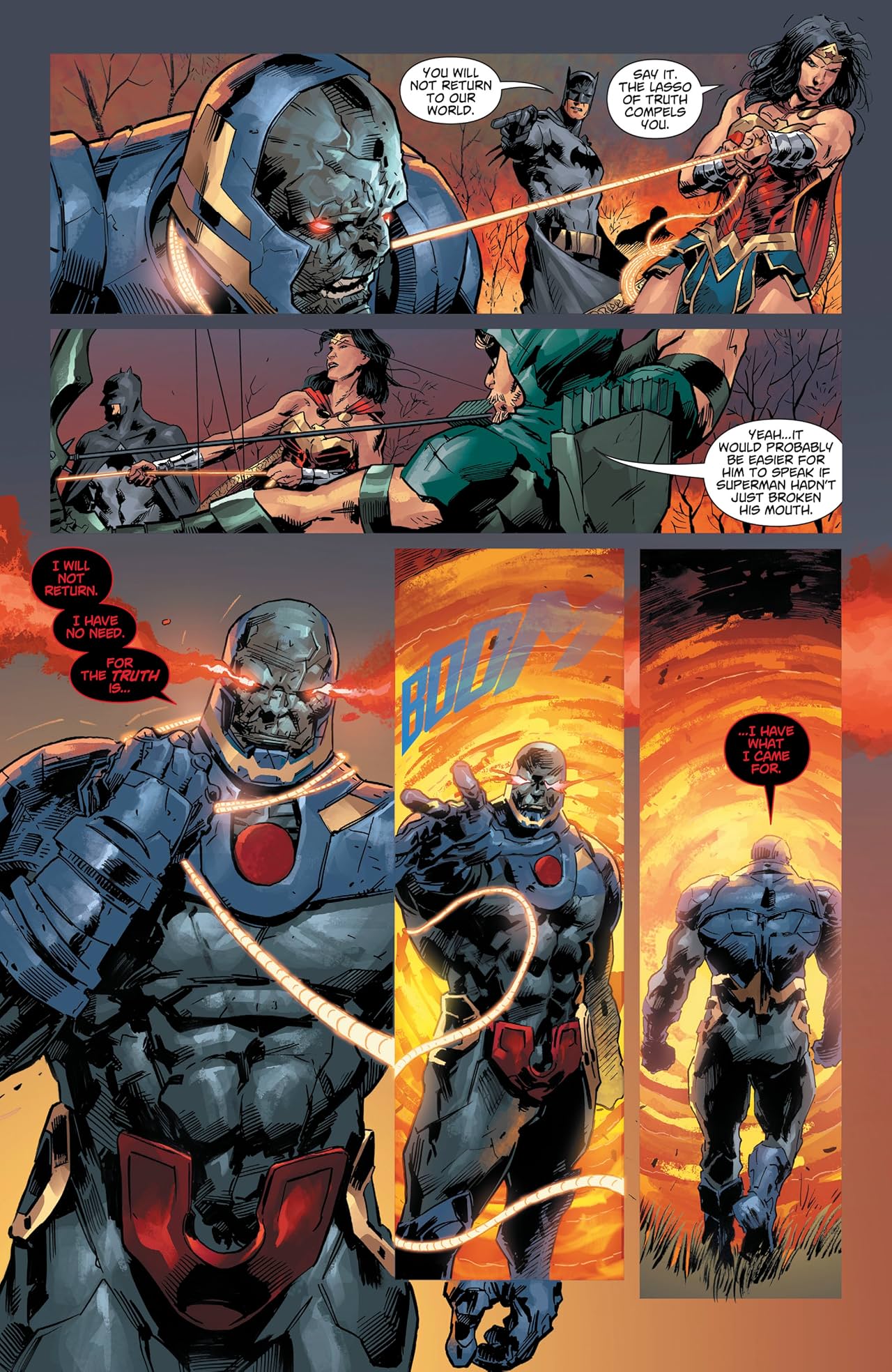
It starts with something familiar. The Justice League has once again defeated Darkseid. In terms of standard operating procedures in the DC Universe, that’s akin to paying your taxes or getting your driver’s license renewed. However, this typical triumph isn’t the end of the story. It’s just the beginning and it gets very dark, very fast.

At first, it has all the makings of another elaborate plot by Darkseid. He’s always had plenty of that. Being a god-like bringer of death and destruction, he always seems to have something going on and never lets defeat by the Justice League hold him back for long.

Then, his plan goes horribly and shockingly wrong. I won’t spoil the details, but what happens to Darkseid, and later everyone on Earth, strikes at the foundation the DC Universe. Like many other superhero comics, there are a special brand of physics in play, many of which would make Einstein’s head explode. However, when those physics are defied or subverted, bad things tend to happen and this might be the worst.

This isn’t the kind of impact that gives an all-powerful, obscenely-evil character like Darkseid an insane power boost. This is something that torments even the most villainous beings as much as its most virtuous heroes. Gods, demigods, aliens, Amazons, billionaire playboys, and even average people on the street are all equally vulnerable.

For once, there’s no evil figure to fight. There’s no devious villain to outwit or overpower. This is a force of nature that hits anyone and everyone. It’s akin to gravity, light, or taxes. Nobody can escape and nobody is immune.

While the concept of “DCeased #1” may seem like apocalyptic disaster porn, its dramatic structure keeps it from getting too gratuitous. Taylor demonstrates a refined understanding of how certain concepts work in the DC Universe and artwork by James Harren and Tervor Hairsine give rich details to some bleak undertones. Taken together, it creates a dark story that has just the right impact.

Whether you follow the comics or only watch big budget superhero movies, it’s easy to get caught up in the standard tropes of superheros. We expect them to fly in, save the day, or even undo the damage if things get too bad. There are any number of stories like that, especially in the DC Universe. That’s why a story like “DCeased #1” can be so refreshing, even when it deals in such dark themes.

This isn’t a case where we can expect the mightiest heroes in DC to save the day, smile for the cameras, and go back to their lives as mild-mannered reporters. This is a devastating cataclysm for which there is no going back. There’s a uniquely surreal impact to watching this world of mighty superheroes succumb. It’s not just different for the sake of being different. It shows us a different aspect of these characters and this world.

We all know what happens when superheroes save the day. Most people have seen that story in some form or another at some point in their lives. “DCeased #1” dares to ask what happens when superheroes can’t save the world. It’s not that they fail. Technically, they’re not even defeated in the mold of Darkseid beating up Superman. Things just go horribly wrong due to forces beyond their control.

In a world full of god-like super-beings from various planets and universes, this level of destruction has quite an impact. Beyond being the antithesis of the classic hero-saves-the-day narrative, “DCeased #1” presents a story that requires these heroes to reveal a different side of themselves. We know how they are when they’re at their most triumphant. Now, we get to see who they are when all hope is truly lost.

It’s a story worth telling and, if your heart and soul can handle it, “DCeased #1” takes the first step in this utter deconstruction of the DC Universe. It’s a dark, grim sight to behold, but one that brings some welcome novelty to superhero comics.

Leave a comment

Filed under Jack's Quick Pick Comic

Jack Fisher’s Weekly Quick Pick Comic: Thanos #1

Every Wednesday, a new batch of comic books comes out to bring a badly-needed dose of awesome to a world that can never have too much. Not all of them are generic superhero comics. Not all of them are cheap kid-friendly comics full of talking animals and princesses, either. However, they all contribute to the overall awesome in their own unique way.

This week has more going for it than most. While new comics are certainly a joy to fans of superhero media, the upcoming release of “Avengers Endgame” is, by far, the bigger event. I would go so far as to argue that it’s the biggest event in the history of the superhero genre. However, that event wouldn’t be possible without the comics that birthed these iconic characters.

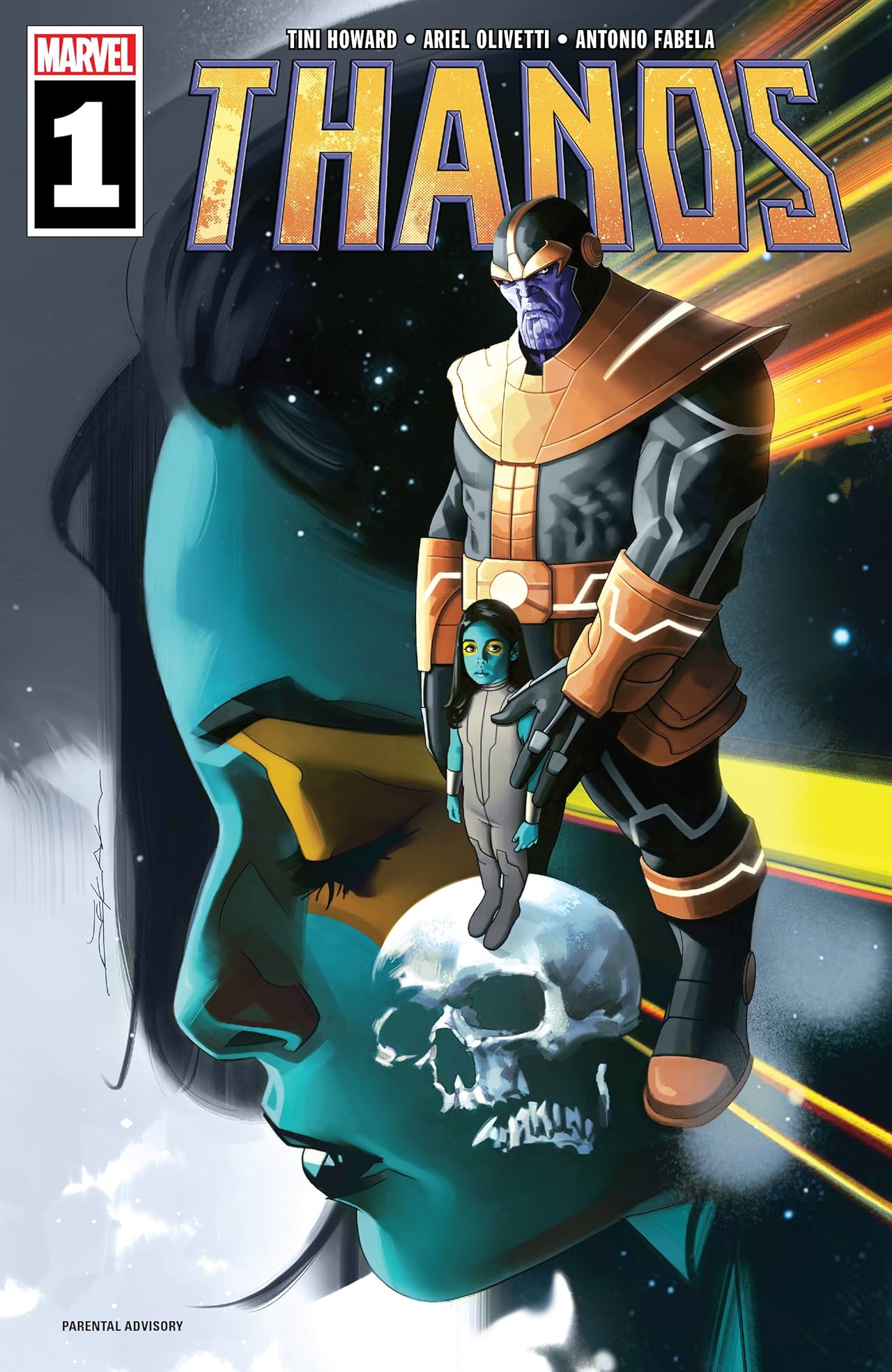
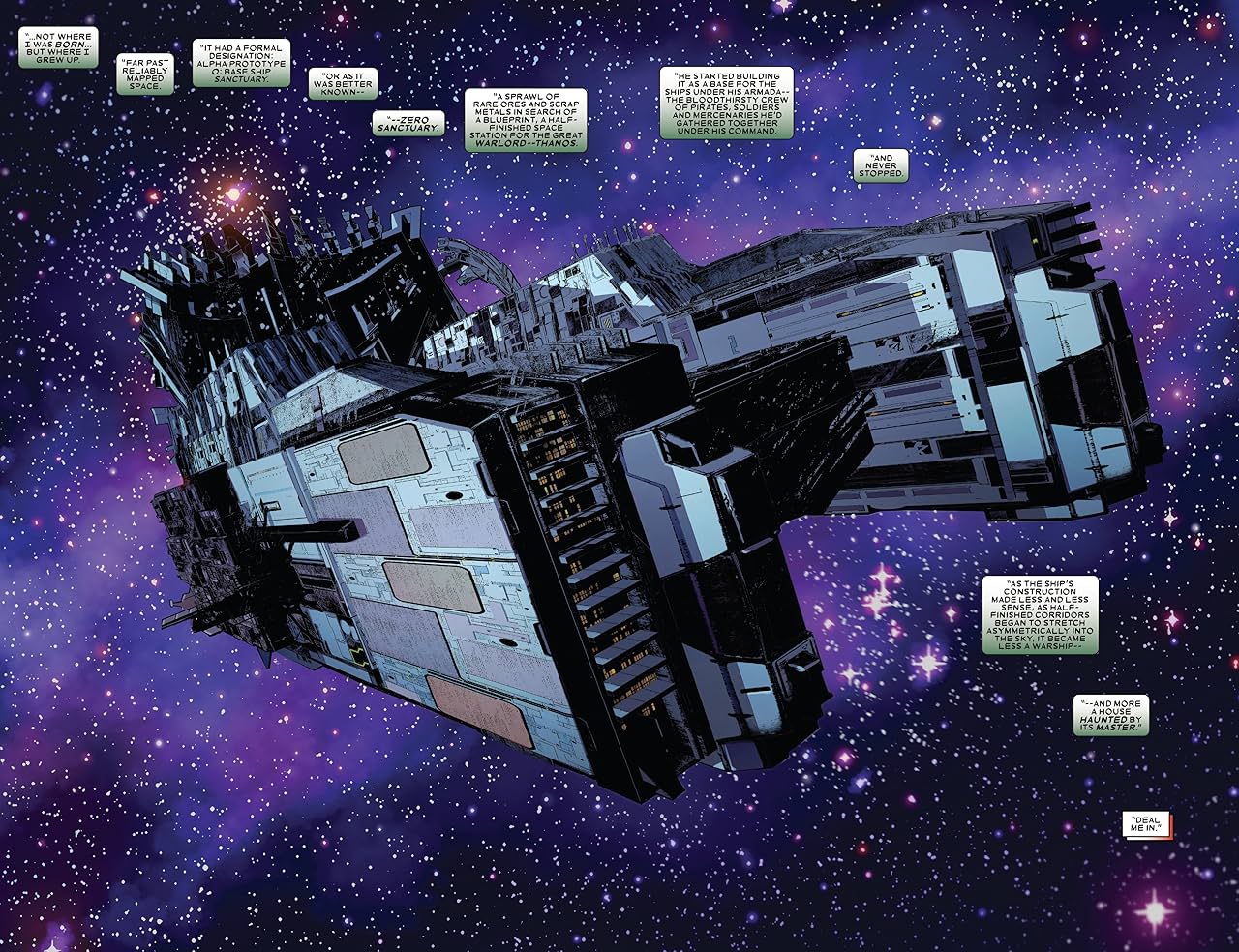
This week, one character is destined to stand out over everyone else and he’s definitely not a hero. He is Thanos, the Mad Titan who brings death, destruction, and wrath wherever he goes. He brought the Marvel Cinematic Universe to its knees in “Avengers Infinity War.” He’s done it more than a few times in the comics as well. However, “Thanos #1” dares to tell a different kind of story.

In this story, Thanos is still the death-loving, power-mad titan he’s always been. A good chunk of the narrative is spent reinforcing this in ways as brutal as anyone would expect of the Mad Titan. That brutality is important, but not just to Thanos. This story is more about Gamora than it is about him.

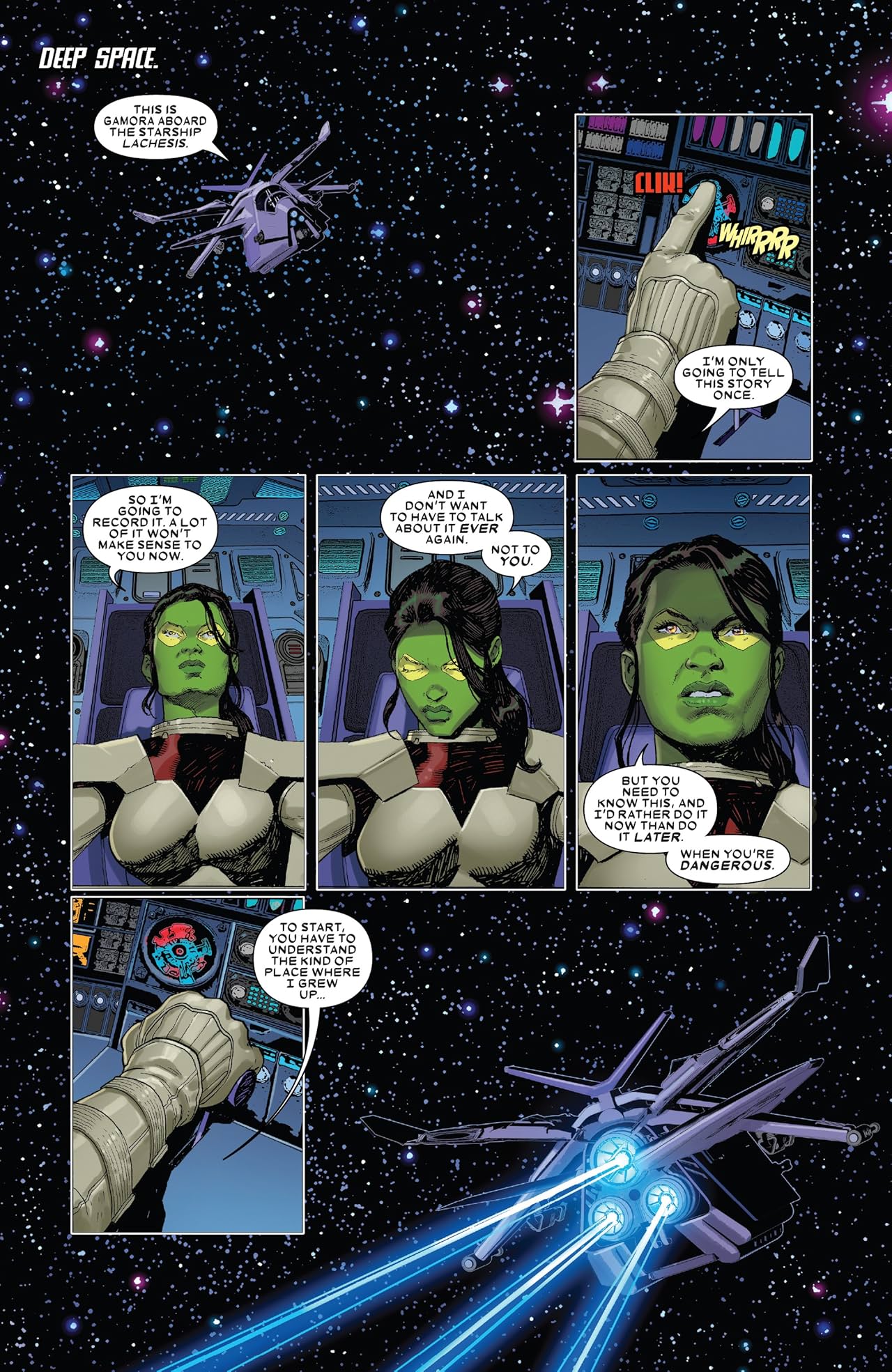
Thanos #1” isn’t just some extended flashback that reinforces how menacing Thanos is or why he’s one of Marvel’s greatest villains. This is Gamora telling her story about how she became the most dangerous woman in the universe under his guidance. It’s definitely a story worth telling and writer, Tini Howard, doesn’t gloss over the gruesome details.

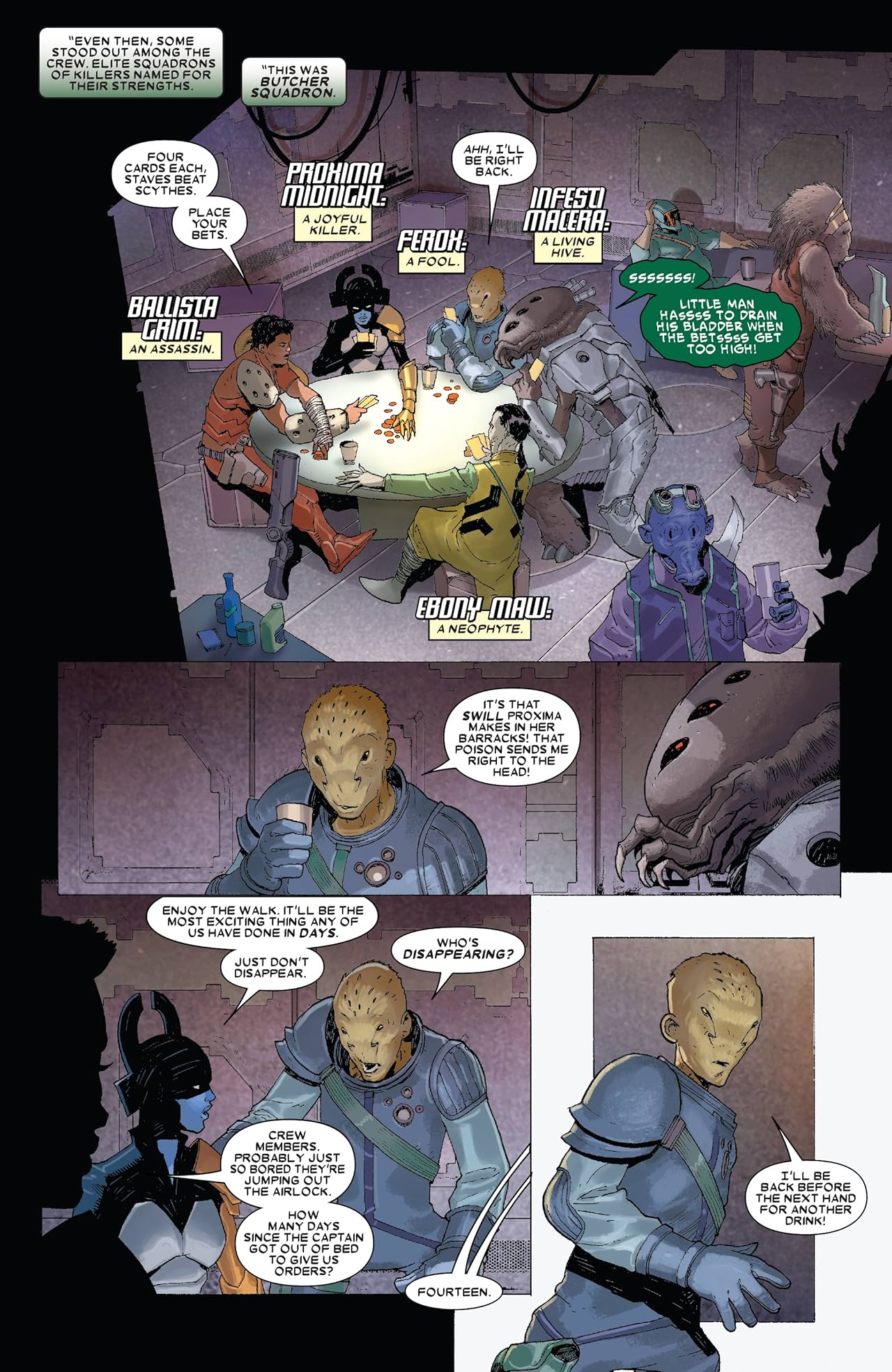
Through Gamora, we see that Thanos isn’t just a cruel, mass murderer. He really is mad on many levels. There are times when he kills with a goal in mind. While that goal isn’t always logical, he does show that he knows how to employ tactics and he knows how to lead other killers into battle.

Then, there are the times when he just kills because he is not a stable mind. It doesn’t matter if it costs him valuable soldiers and crew members. He kills for the same reason other people collect Star Wars toys. He’s obsessed with it. In the same way some fans can never have too many Darth Vader action figures, Thanos can never have too much death.

Howard does plenty to flesh out this side of Thanos. By reinforcing the extent of Thanos’ madness, it makes Gamora’s role a lot more meaningful. That meaning is important because Thanos shows, time and again, that he’ll kill anyone and everyone without a second thought. Whether it’s an entire planet of pacifists or his own crew of murder-happy minions, he does not hesitate for a second when that murder itch strikes.

However, he does hesitate when he encounters Gamora. It’s not out of compassion or pity, either. Something about her stands out that sets her apart from the countless victims Thanos has killed throughout the cosmos. It’s not immediately apparent. It’s also substantially different than what we saw in “Avengers Infinity War,” but the underlying theme is the same.

It still carries dramatic weight and the artwork of Ariel Olivetti nicely captures that drama. Gamora, who narrates the story, doesn’t portray herself as an impressionable victim who was eager for a power-hungry madman to corrupt her. She was, by and large, just a young girl trying to escape a massacre with her family.

She didn’t come from a warrior culture. She didn’t have a violent streak in her. She was, by all accounts, just an ordinary alien woman who wanted to live peacefully in the only world she’d ever known. For her to become the most deadly woman in the universe, she had to be forced down that path and molded in the most brutal way possible.

It’s yet another testament to just how devious Thanos is, both in the comics and the movies. He’s not just capable of leading a team of murderers from one slaughter to another. He’s also capable of turning an otherwise innocent woman into one of the most deadly killers in the universe.

Thanos #1” is one of those comics that came out at the best possible time. Thanks to the events of “Avengers Infinity War” and the upcoming release of “Avengers Endgame,” the extent of Thanos’ villainy has become a major component of the superhero genre. He is the standard by which other villains are measured now and, like the movies, Gamora is part of that story.

Despite the differences between Thanos in the movies and Thanos in the comics, they share a common link through Gamora. She is an integral part of his journey, as a villain. She embodies just how much Thanos’ cruelty can shape and mold those around him. She is who she is because of Thanos and, as much as she hates it, he defines her.

Gamora’s story is not a pleasant one, but “Thanos #1” proves that it’s worth telling. At a time when all things Marvel are fueled by all things Thanos, the timing couldn’t be better for such a story.

Leave a comment

Filed under Jack's Quick Pick Comic

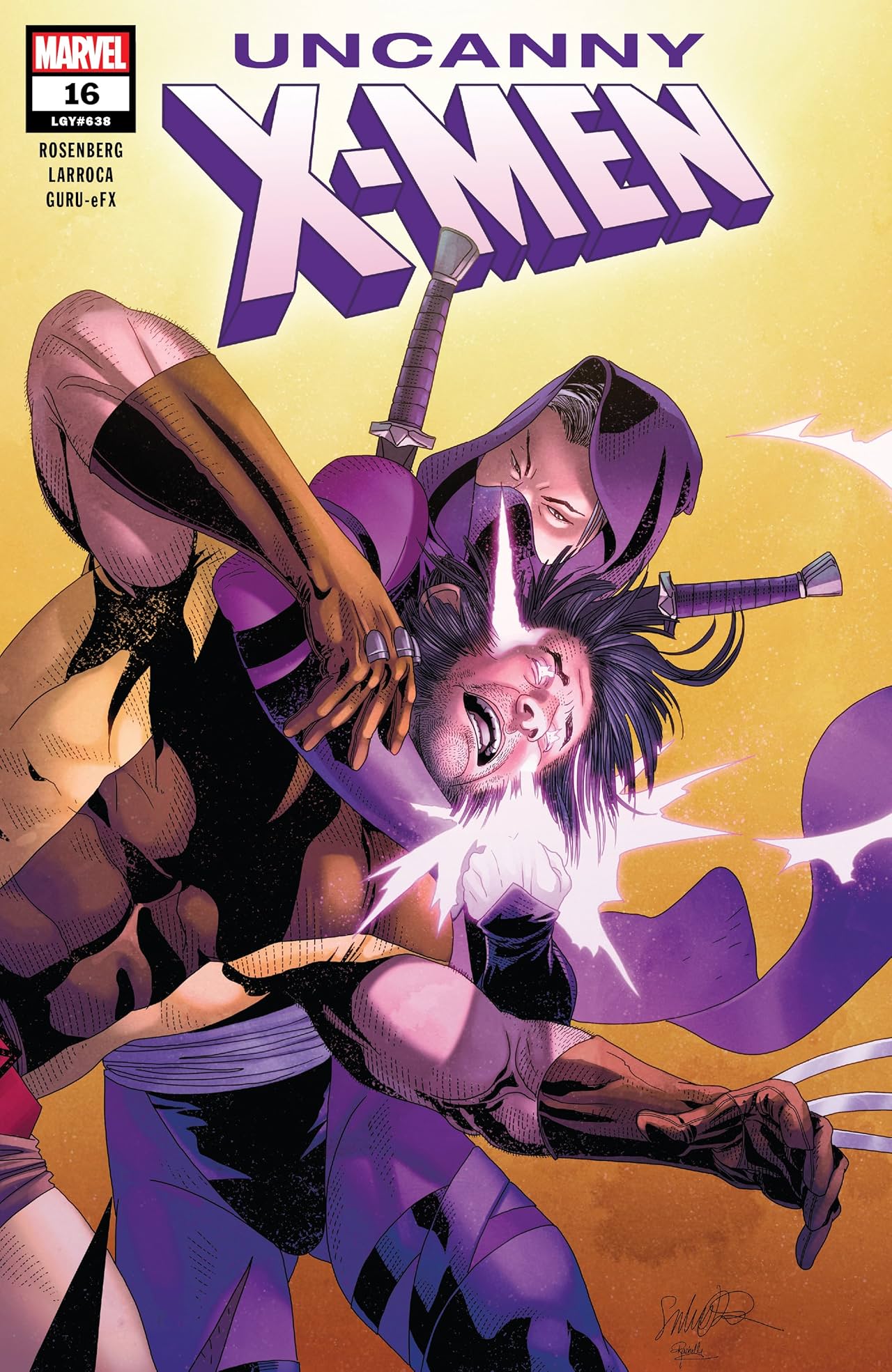
Jack Fisher’s Weekly Quick Pick Comic: Uncanny X-Men #16

Every Wednesday, this crazy world of ours gets a little less intolerable thanks to a fresh batch of comics. At a time when most of our heroes are in movies and too many villains run free in the real world, we need a little something to remind us of all things good, upstanding, and awesome. As such, I make it a point to select one comic from this batch that’s a better reminder than most.

While the world of superhero comics goes through cycles of hope and despair as often as the Hulk goes through cheap pants, the state of affairs for the X-Men have been more dire than usual. Since the reality-warping events of “Uncanny X-Men #10,” the state of mutant affairs in the Marvel universe hasn’t just been tenuous. Mutants are essentially fighting for the right to be more than an afterthought.

As much of the mutant population is exploring the dystopian utopia that is “Age of X-Man,” the remaining X-Men have been trying to find their place in a world that seems all too happy to be rid of mutants. It has not been an easy endeavor, but “Uncanny X-Men #16” reminds us why it’s worth doing.

The X-Men have been beaten, demoralized, wounded, and marginalized. They’ve had to battle old enemies, attack old allies, and even clash with close family. To say they’re at a low point would be like saying John Wick likes his dog. This is one of the most dire situations the X-Men have ever had to endure, including everything ever written by Chuck Austin.

Despite all that, “Uncanny X-Men #16” finds a way to bring out the best in the X-Men’s most ardent champions.

If you’re a Cyclops fan, you’ll find something to love about this issue. If you’re a Wolverine fan, you’ll find something to love about it too. Hell, if you’re a fan of mutant ninjas fighting alongside magic-wielding Russian teenagers, you’ll find something love about it. That last one is not a metaphor, by the way.

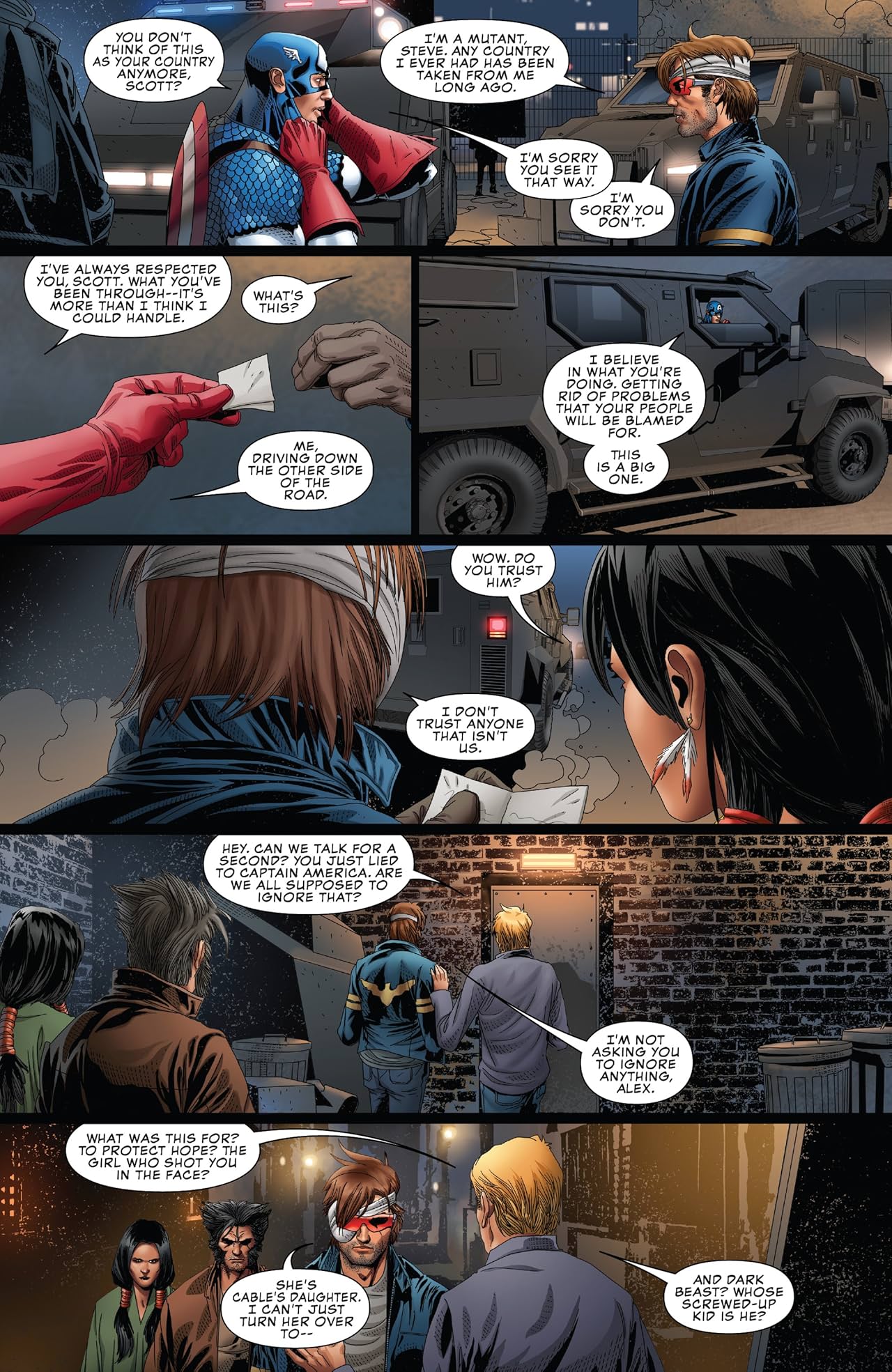
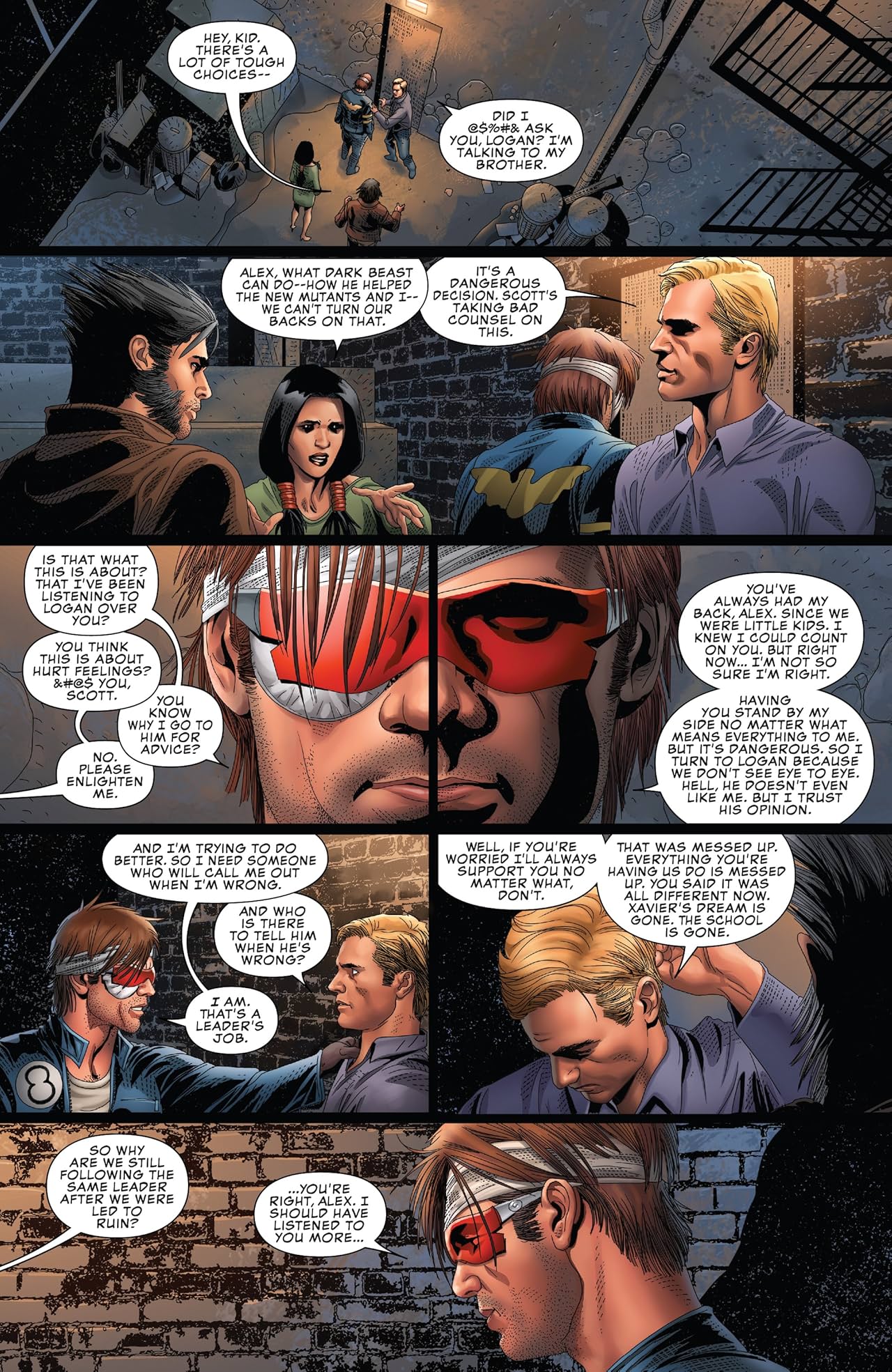
Uncanny X-Men #16” continues a story that has wounded the X-Men in so many ways. A lot of it is mental. Some of it is physical, as Cyclops’ lingering head injury shows. Even as the X-Men fight on, this issue finally shows all the struggle getting to the team. It’s not the first time these characters have expressed doubts, but in the context of the story, it does something important with respect to the past, present, and future of the X-Men.

Everyone on Cyclops’ team knows that mutants are in an existential crisis. They know their numbers are dwindling and that humanity is doing everything possible to make them an afterthought. How does anyone even go about being X-Men in a world like that? Thus far, that has been an unanswered question.

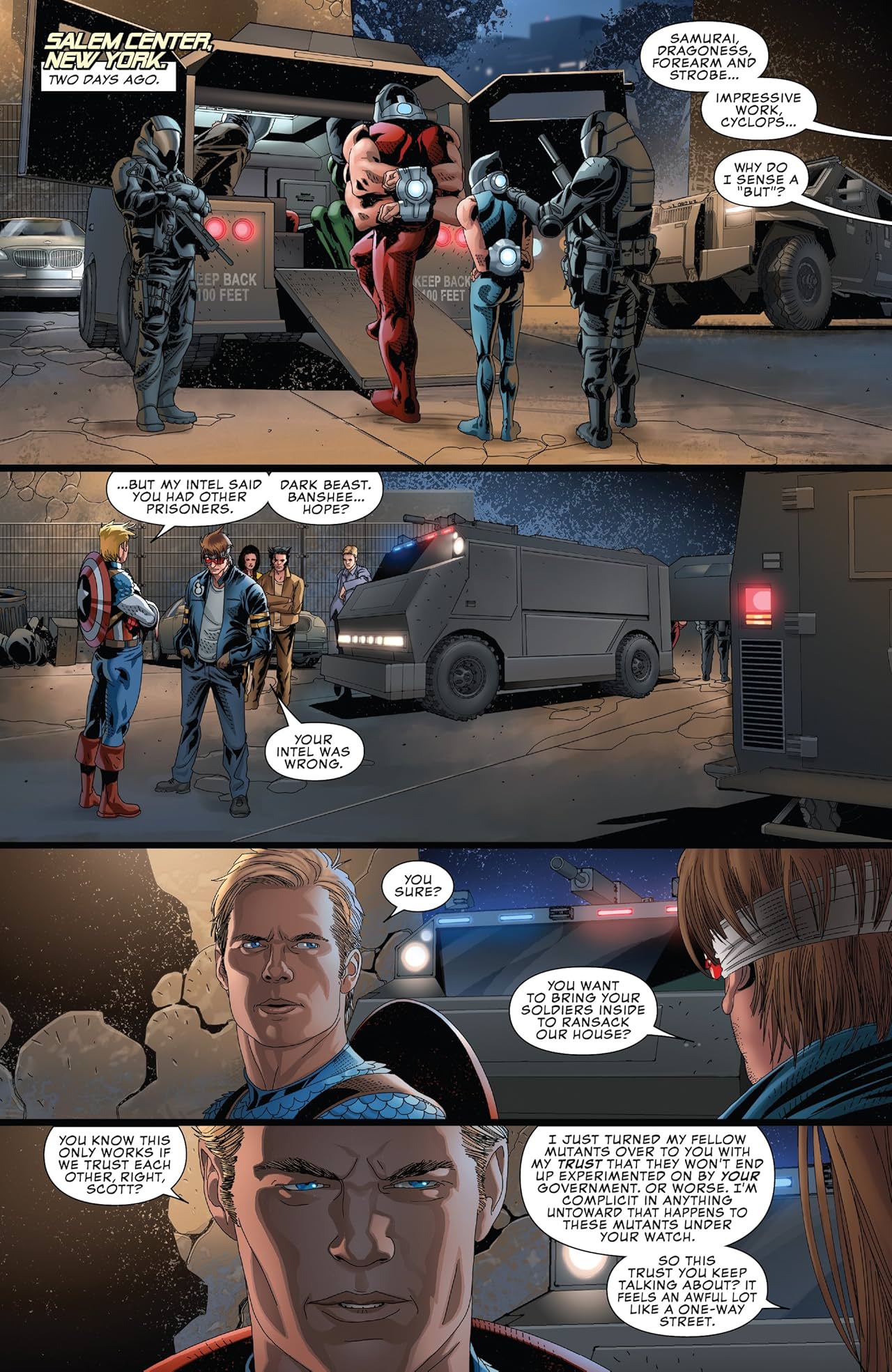
Cyclops and Wolverine tried to answer it by creating a new team out of what remained of the mutant population. They’re actually setting aside their differences and attempting to keep the spirit of the X-Men going. Keep in mind, these are two people who don’t like each other. One of them kept trying to sleep with the other’s wife and the other has shot him through a wall on more than one occasion.

Just putting the team together and fighting what’s left of the X-Men battles has been a struggle over the past several issues. However, “Uncanny X-Men #16” dares to step back and question what they’re fighting for and why they’re even fighting.

Writer, Matthew Rosenberg, explores some overdue discussion among the team. He also puts Cyclops in a unique position that somehow makes him more awesome. For much of his history, as well as his ill-fated roles in the movies, Cyclops has always been the uptight leader who barks orders and expects others to follow them. While we’ve seen hints of that Cyclops here and there, he finds himself in a more uncertain position.

Cyclops no longer trusts himself to be the leader he once was. Even his own brother, Havok, isn’t sold on his leadership at times. While it’s hard to be much of a leader when your entire species is on the brink of extinction, the criticisms aren’t without merit.

Essentially, Cyclops gives the X-Men a chance to show that they can be X-Men without him barking orders. He goes so far as to temper his own leadership in order to give the X-Men a chance to prove their causes is bigger than one person. I won’t say it’s Cyclops’ greatest tactical decision, but the results speak for themselves.

The criticisms and difficult discussions are relevant, giving “Uncanny X-Men #16” much more depth than a typical X-Men comic. It still has plenty of standard superhero action that artist, Salvador Larroca, renders beautifully with his skills. It’s not the flashiest battle, but it has a few twists and complications that require more than just better leadership.

Some of the choices made over the course of the story are questionable. Many of the wounds they’ve suffered haven’t entirely healed. These X-Men are still a far cry from the X-Men that hang out in mansions, fly around in high-speed jets, and fight killer robots. They’re not just struggling to find their place in a world where mutants are almost extinct. They’re trying to find a better way to do what they’ve always done.

The events of “Uncanny X-Men #16” prove that the X-Men still have plenty to offer. They’re still in a tenuous state, but they’re still intact. They’re still finding their way. They’re still learning overdue lessons that bring out the best in each character while not overlooking the worst.

These are exciting times for the X-Men and not just because the movie rights have returned to Marvel. Rosenberg and Larroca have broken the X-Men down in their darkest hour. Now, it feels like they’re becoming the superheroes they have to be. There’s bound to be setbacks, mistakes, and tragedies. However, that’s often when heroes like the X-Men are at their best.


Leave a comment

Filed under Jack's Quick Pick Comic, X-men

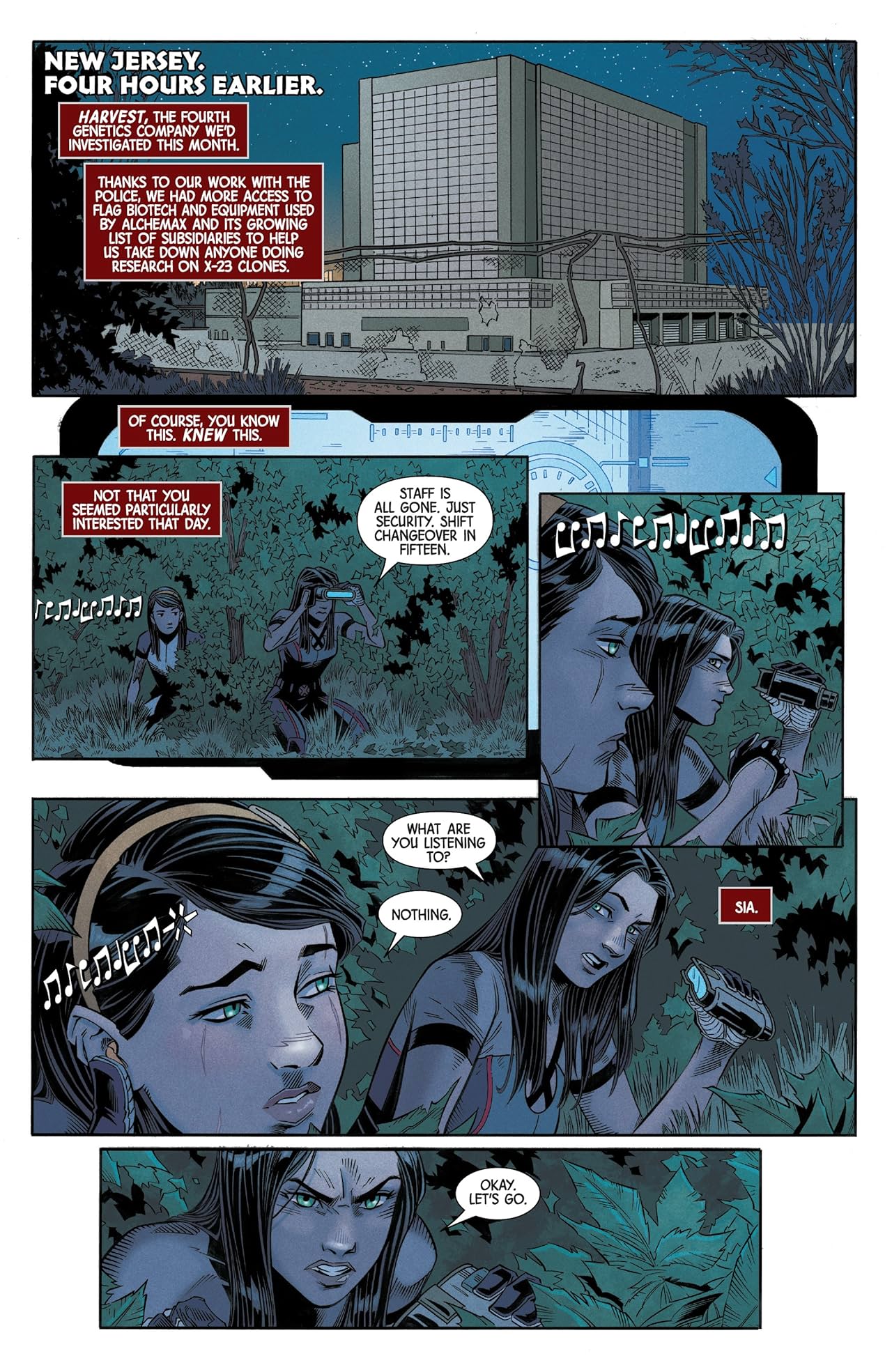
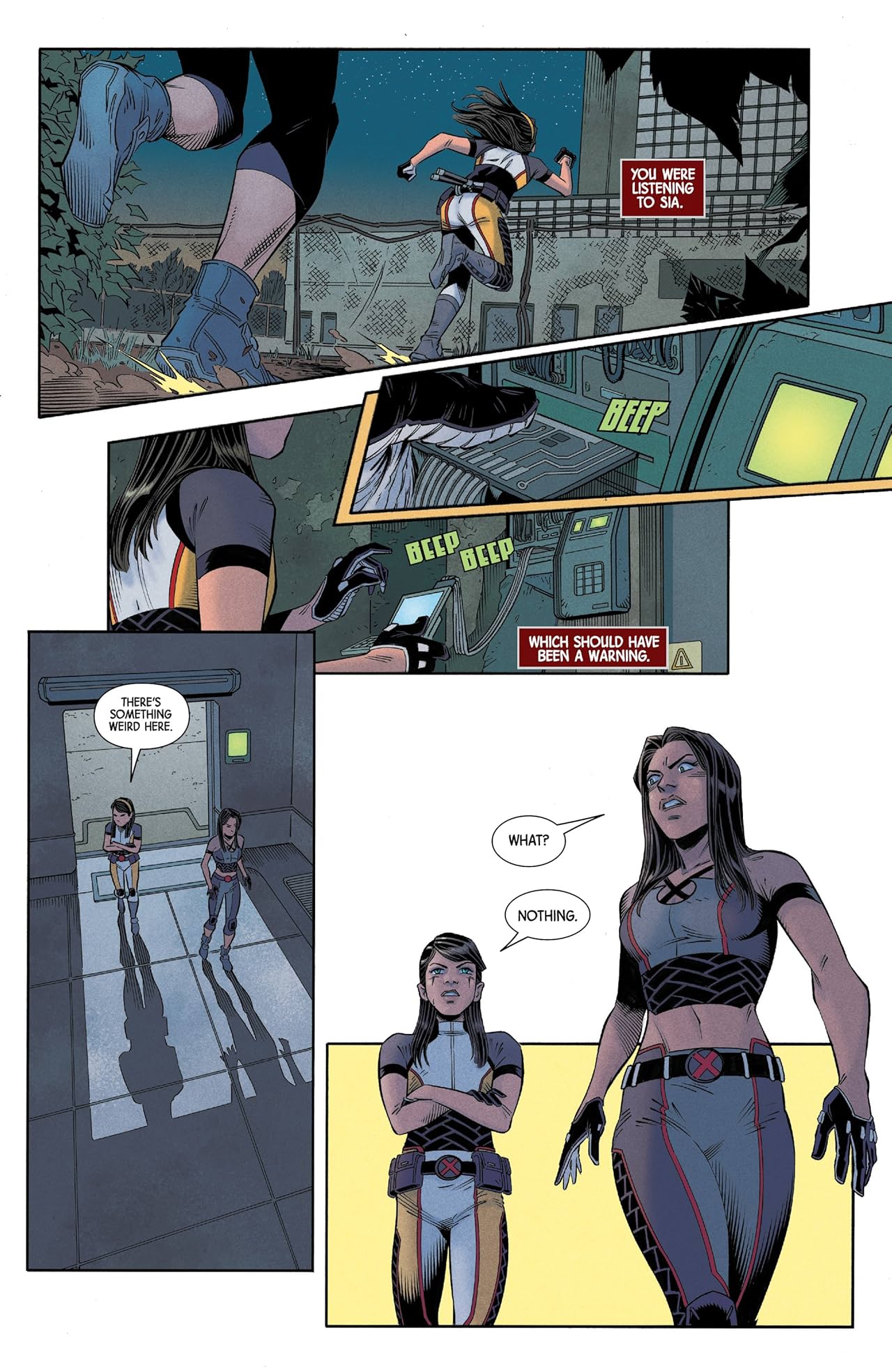
Jack Fisher’s Weekly Quick Pick Comic: X-23 #11

Every week, a new crop of comics enters this world to make the world a better place and/or help tide fans over until the release of “Avengers Endgame.” Whether you’re a fan of superheroes, melodrama, or just pretty artwork from artists not afraid to draw gaudy costumes, there’s something for everyone.

Every Wednesday, I take it upon myself to select one comic that I feel offers something extra beyond the price tag. Historically, few characters offer a wider range of appeals than Laura “X-23” Kinney.

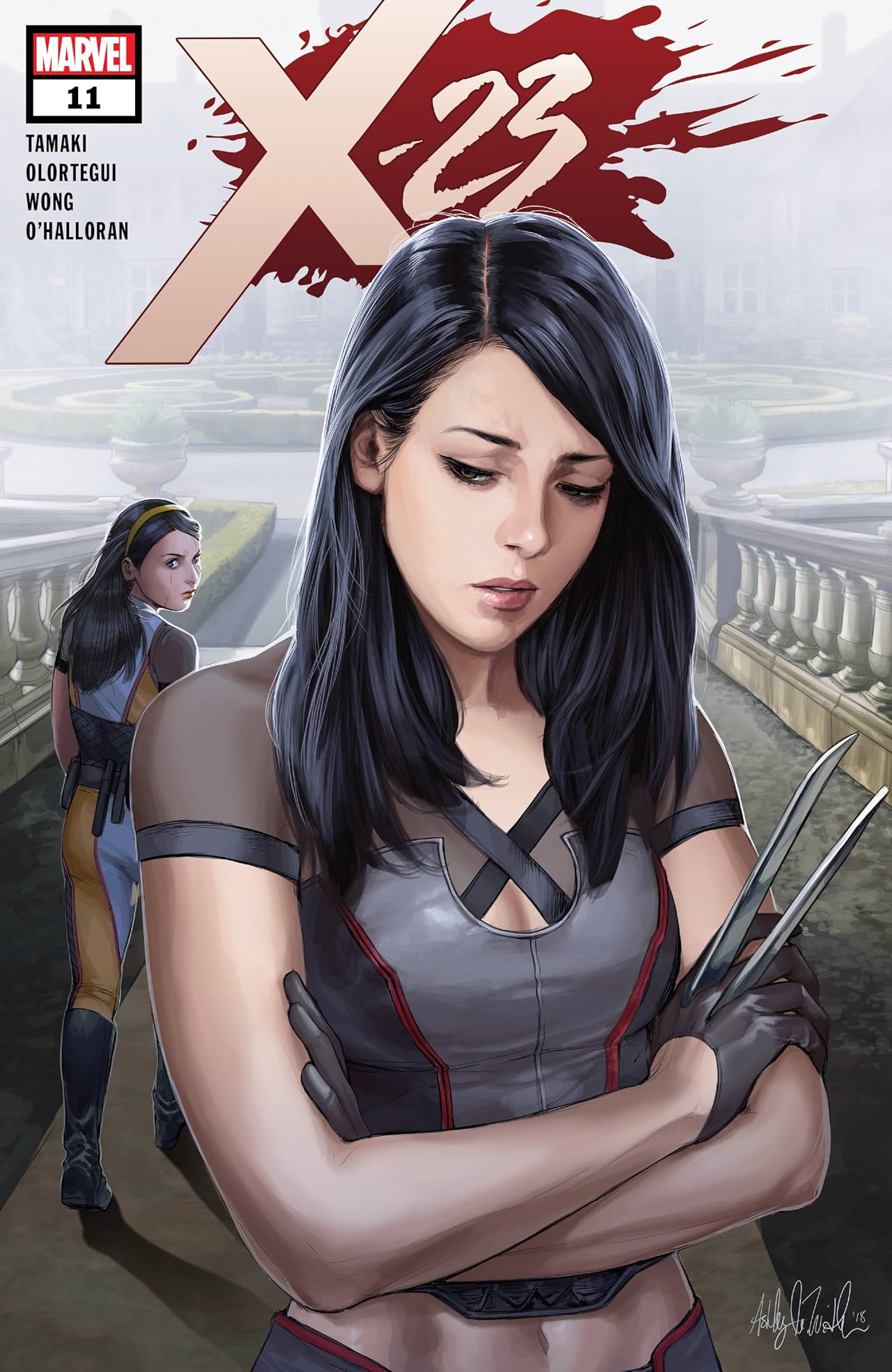
Some know her as the daughter of Wolverine. Some know her as the breakout star of the “Logan” movie who helped make Dafne Keen a star. Regardless of how you know her or the medium in which she comes, she often brings a diverse story of violence, brutality, melodrama, and heartbreak. This week’s pick, “X-23 #11,” delivers on all of this, and then some.

Since writer Mariko Tamaki took over the series, Laura has gotten back to basics in terms of her mission. While she served admirably as Wolverine for a while, her priorities often change when she finds out some mad scientist wannabe is trying to make living weapons again. Considering how often this results in a blood bath, such efforts should count as an elaborate suicide attempt.

It’s a bigger deal to Laura than most. Like Logan, these programs have brought her nothing but pain. Unlike Logan, though, she doesn’t have the benefit of having holes in her memory. She remembers all the horrible crap that these programs did to her, which included the murder of her mother. She has more incentive than most to take these programs down as quickly and brutally as her father would have.

This is the primary goal in “X-23 #11,” but there’s a lot more at work than just someone with adamantium claws tearing through a weapons facility. In X-men comics, that’s basically a typical Monday. What makes this typical part of Laura’s mission harder than usual is the growing divide between her and her clone sister, Gabby “Honey Badger” Kinney.

That divide began several issues earlier. Like a pissed off Wolverine chasing the last can of beer, things have been getting anxious between the two. Since her debut in All-New Wolverine, Gabby has been a wonderful ray of sunshine mixed with omega-level cuteness for Laura. I’ve documented the breadth of that cuteness before, but it has never worked against Laura until now.

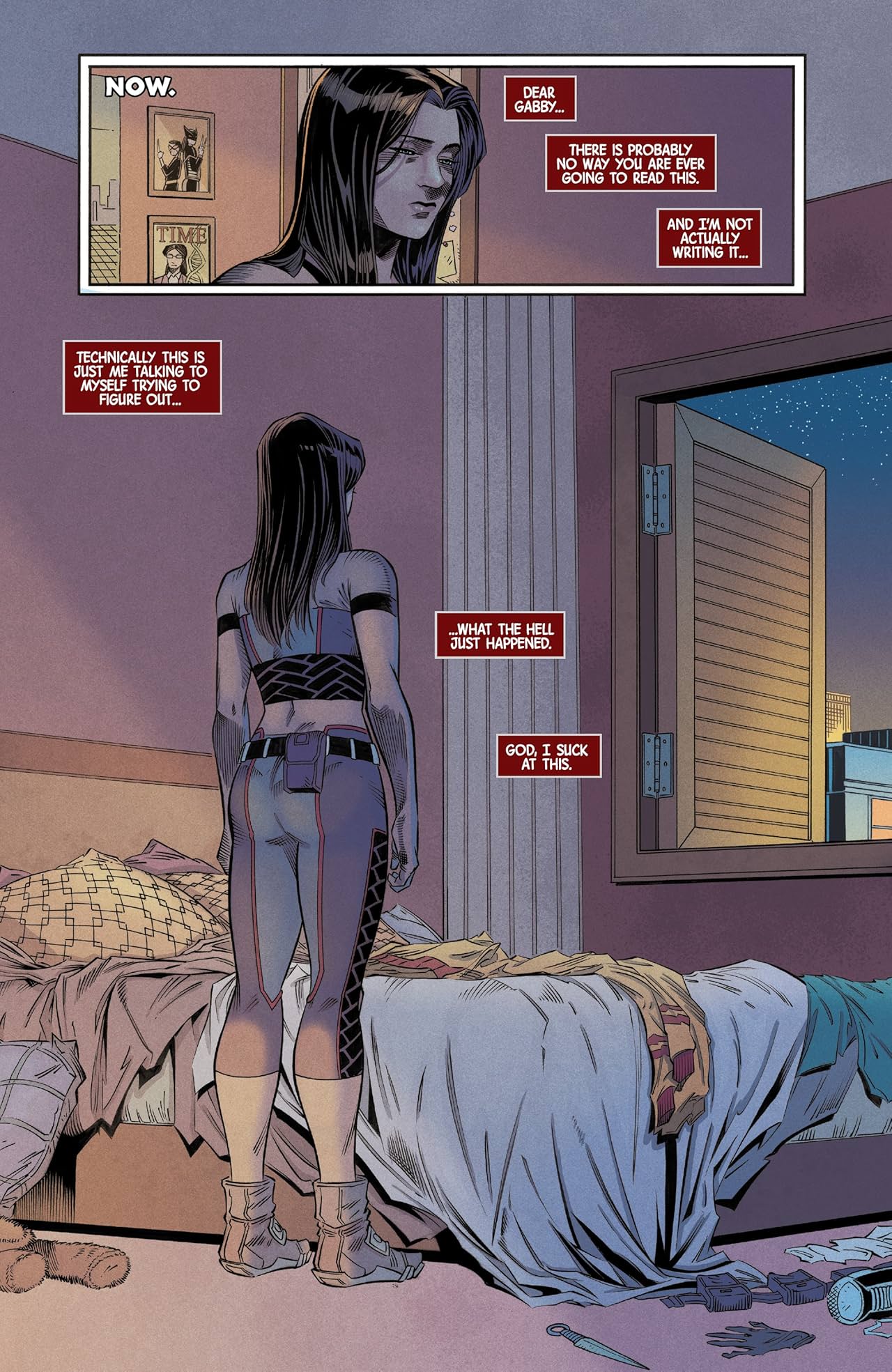
Laura knows it’s happening. She even senses that there’s some simmering resentment in Gabby, so much so that it affects her tastes in music. This isn’t just sisters bickering over what to binge-watch on a Friday night, though. “X-23 #11” establishes a fundemental divide between Laura and Gabby that may very well send the two sisters in a very different direction.

Tamaki has been setting up that divergence for several issues, but now there’s no putting it off any longer. It started with a debate over what to do when a shady company called Harvest made an army of X-23 clones that had been augmented/hijacked by cybernetics. While it made for some pretty brutal battles, it also highlighted the difference in Laura’s approach to dealing with other living weapons compared to Gabby’s.

Gabby, being the glowing ball of lovable cuteness that she is, wants to save these weapons. She sees them like other sisters. Even when it they come off as brain dead, like the cyborg X-23 army they battled, her first instinct is to save them and not destroy them. Laura, having seen too many clones cause too much suffering, favors a more direct solution that involves adamantium claws.

What makes the drama in those issues, as well as “X-23 #11,” so compelling is that it’s easy to see both points of view. Gabby knows that she wouldn’t even be alive if Laura hadn’t shown compassion when dealing with the clones that these living weapons programs produce. She also wasn’t subject to the same tragedies as Laura so she still has that wide-eyed optimism about helping other clones.

Laura, being older and a lot more damaged from her experiences, knows that the real world tends to crush optimism the same way Logan crushes beer cans. She has suffered and lost a great deal in dealing with these living weapon programs. She understands that not every clone can be saved. She knew that was the case with the cyborg clones that she and Gabby battled, but also knew Gabby was not going to agree with her.

Now, as the aftermath of that conflict sets in through “X-23 #11,” they both face some difficult, heart-breaking choices. For once, few of those choices can be made while stabbing heavily armed henchmen. There is some of that in this story and Diego Olortegui’s artwork does plenty to make that a visual spectacle. However, it’s the family drama that really sets this issue apart.

If you’ve been following the evolution of Laura and Gabby’s relationship since her debut, then the events of “X-23 #11” are genuinely heartbreaking. These two have steadily become a real family in their brief time together. Now, they’re being torn apart by bitter disagreements and painful choices.

Both Laura and Gabby experience the heartache. Even if you haven’t been following their respective stories, it’s easy to appreciate the bitter divide between two sisters. It happens in the real world and without mutant powers. Sometimes, things between siblings go bad and they drift apart. Seeing that happen with Laura and Gabby is nothing short of tragic.

It’s bittersweet, but it also helps set the stage for the future of both characters. “X-23 #11” is one of those comics that doesn’t avoid a difficult moment between two characters who no longer see eye-to-eye on an important issue. Even within family, these moments happen. This one was inevitable, but Tamaki and Olortegui made sure this one hit hard in all the right ways.

With Logan back from the dead, it promises a very divided Wolverine family, to say the least. For a family that has been subject to cloning experiments, constant torture, and even a trip to Hell, it’s a tough situation, but one that tends to make them all more badass in the long run.

Leave a comment

Filed under comic book reviews, Jack's Quick Pick Comic, superhero comics, X-men

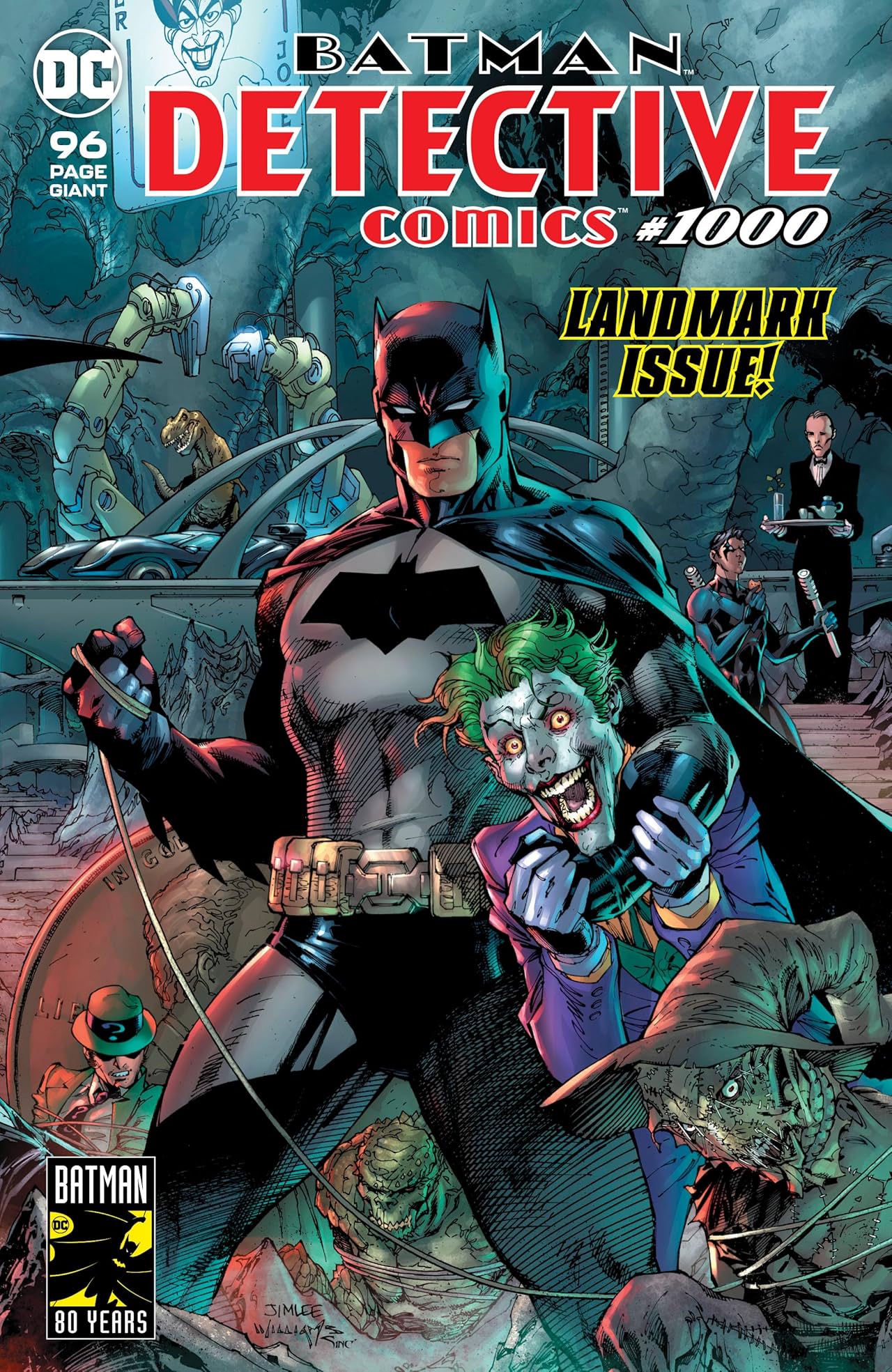
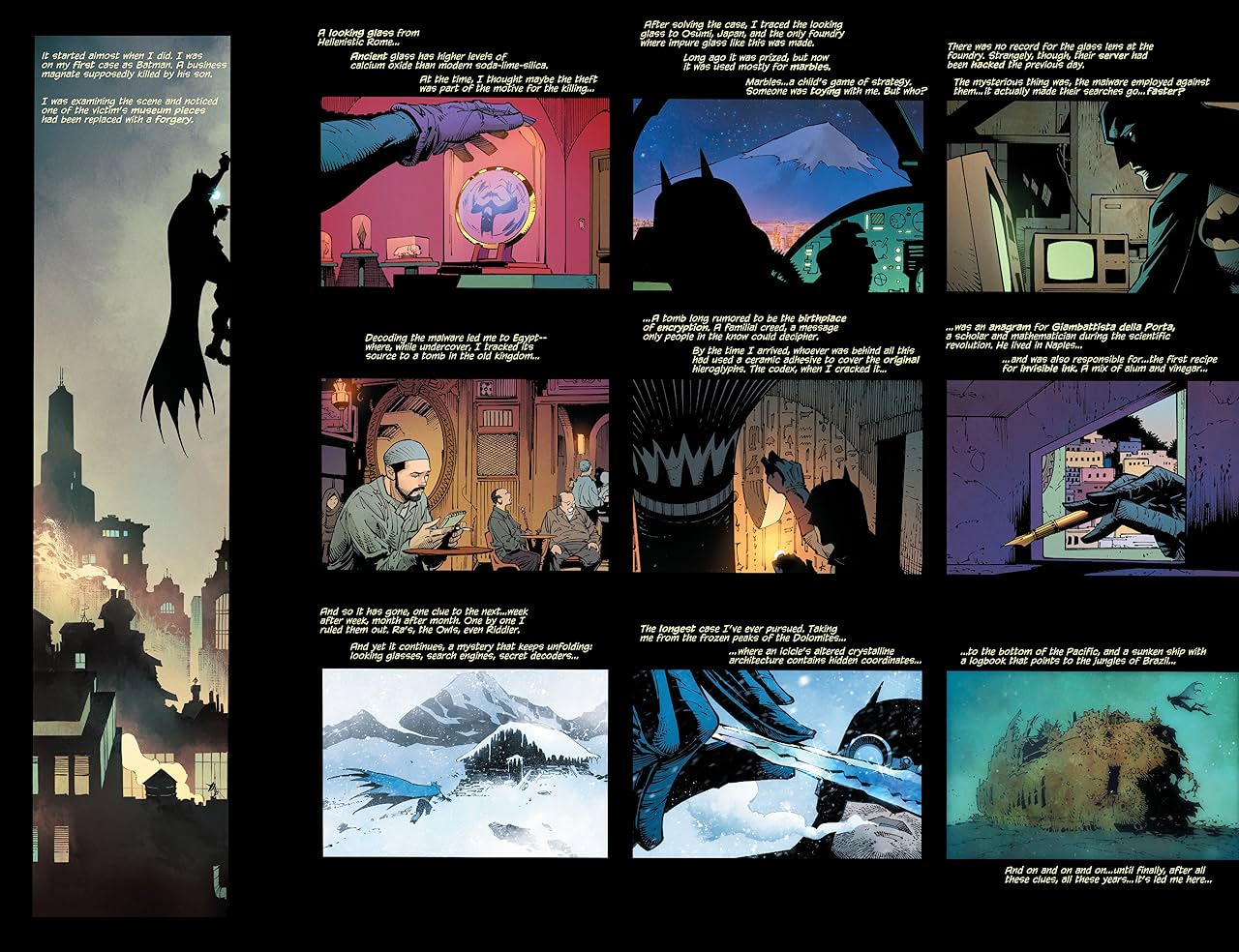
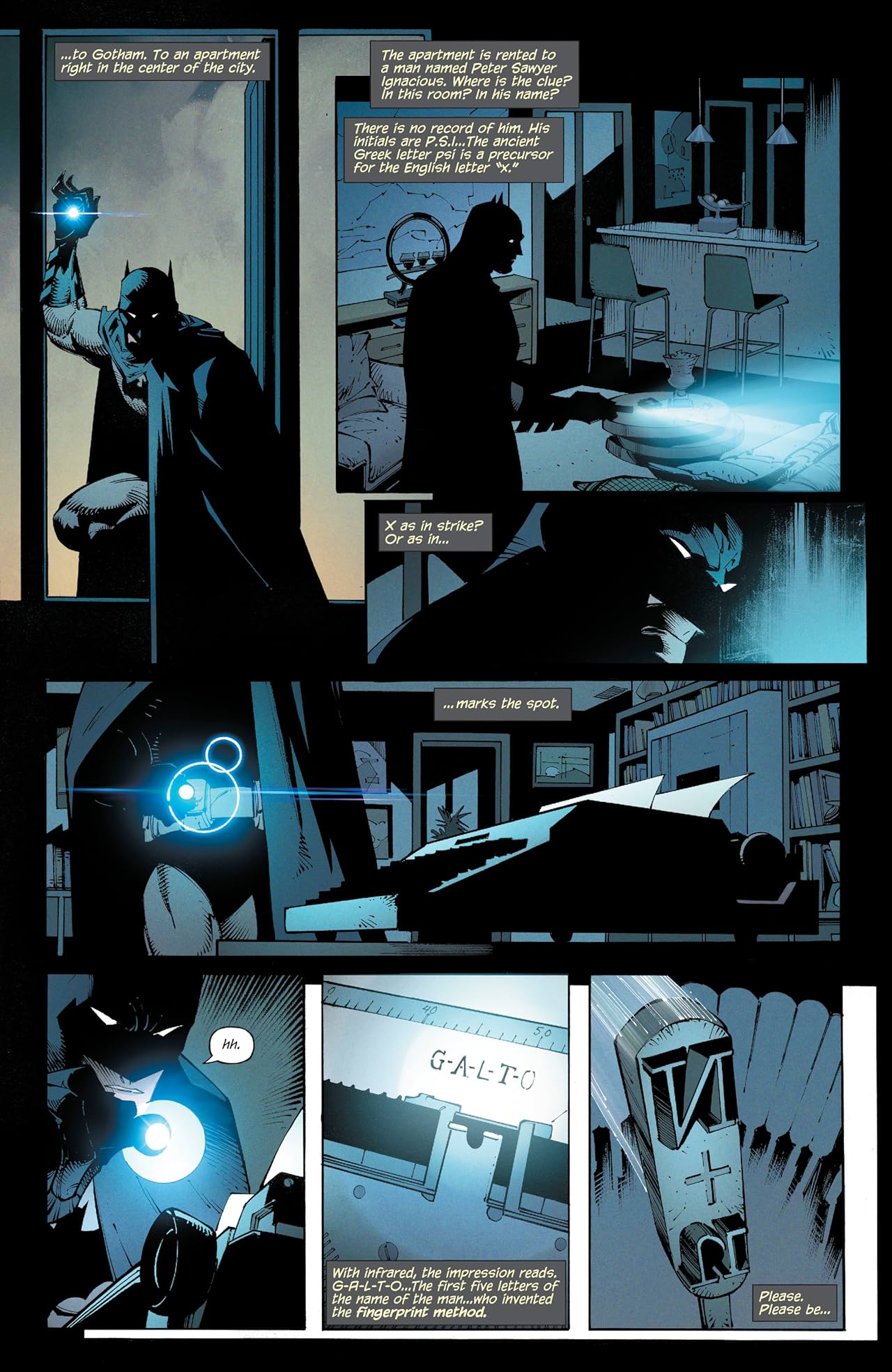
Jack Fisher’s Weekly Quick Pick Comic: Detective Comics #1000

Every Wednesday, a new batch of comics enters this world and makes it a little more awesome. However, it’s not every week that an iconic character achieves an incredible milestone that only one other superhero comic has achieved to date. There aren’t a lot of characters who could hope to achieve such ratified status, but if ever there were someone equipped for that journey, it’s Batman.

Today will likely go down in history as one of Batman’s greatest triumphs and he achieves it without the aid of Christopher Nolan. That’s because on this day, Detective Comics #1000 came out. Beyond just being a landmark issue that celebrates the legacy of Dark Knight, this comic helps remind superhero fans of every generation why Batman has endured.

From the triumph of “The Dark Knight” to the lasting damage done by Joel Shumacher, Batman has navigated many eras over the years. However, like Superman and Wonder Woman, he has never deviated far from his core persona. He’s a detective, a symbol, and a personification of vengeance against egregious injustice. No matter the time, place, or culture, there’s always room for that kind of crusade.

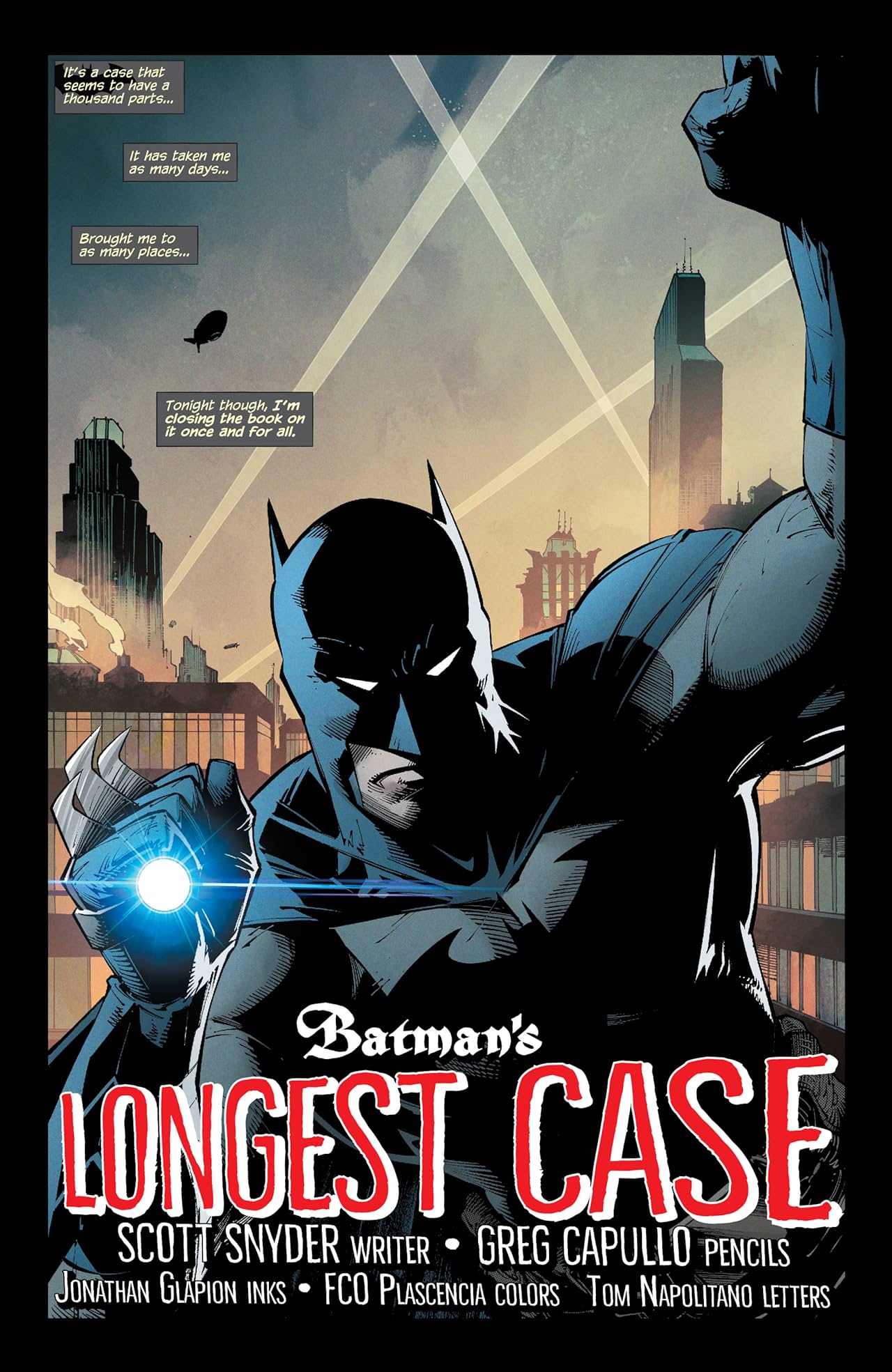
Detective Comics #1000 helps affirm that by telling a collection of short stories by some of DC Comics’ top writers. None of these stories really tie into one another and they don’t have to. It’s just not possible to capture the breadth of Batman’s legacy in just one story, no matter how many members of his iconic rogues gallery enter the picture.

Instead, each story is crafted in a way that helps capture a critical element of Batman’s never-ending crusade. A story by Scott Snyder helps highlight Batman’s unparalleled detective skills. A story by Warren Ellis highlights Batman’s ability to strike fear in criminals. A story by Christopher Priest show show Batman’s humanity is as strong as any one of his skills.

Each story carries its own weight, in terms of drama and impact. They present some of Batman’s best traits alongside his greatest weaknesses. They never give the impression that Batman is too powerful or too capable. At the end of the day, he’s still human. He has very human vulnerabilities and not just compared to the heavy hitters of the Justice League.

Beyond not being bulletproof, there are many instances that show he’s still someone who was deeply scarred as a child. The murder of his parents still haunts him. There are times in which he fails to cope with it, as nicely shown in a story by Denny O’Neil. At the same time, however, that loss and the pain it causes still drives him to be Batman.

In many respects, Batman is more true to his persona than Bruce Wayne. If anything, Bruce Wayne is the real mask. When he’s not wearing his cowl, he has to be someone else. He has to give the impression that he’s a successful, functional adult who got over the murder of his parents long ago. That has never been the case for Batman.

After 1,000 issues of Detective Comics, it’s abundantly clear that Batman does not see injustice the same way others do. People suffer tragedy and injustice all the time, both in the world of superhero comics and in the real world. Most people are content to let the authorities and the justice system deal with it. Batman isn’t most people.

In his world, the crime-ridden metaphor that is Gotham City, the authorities are corrupt and the system is flawed. Unlike people of lesser means, he’s in a position to actually do something about injustice. As Bruce Wayne, he can help improve the economy of the city. As Batman, though, he can make it so other children don’t have to watch their parents die.

It’s a powerful message full of powerful themes. They’re as relevant today as they were 80 years ago when Bob Kane and Bill Finger first created Batman. Injustice and tragedy know no single time, race, culture, or gender. They affect everyone and Batman stands on the front lines to fight it.

More than anything else, Detective Comics #1000 reminds us of why we want Batman on the front lines of that crusade. He’s capable of confronting the worst of the worst in terms of criminals. He’s also compassionate enough to understand and empathize with those who have been affected by injustice. It’s how he’s able to recruit and inspire others like Robin, Nightwing, Batgirl, and Catwoman.

Over the years, he’s even managed to carve out an extended Batman family, of sorts. It’s not the same as the family he lost, but an incredibly touching story by Tom King and Tony Daniels shows just how much it means to him. It helps give balance to someone who can be a hardened crime-fighter one moment and a caring friend the next.

Not all the stories in Detective Comics #1000 are so serious and dramatic. The story by Paul Dini provides some colorful humor that shows that even the gritty world of Batman isn’t prone to a few absurdities. Batman himself doesn’t deny this. He just embraces and accepts it as part of his never-ending crusade.

It’s hard to imagine any crusade lasting 1,000 issues and spanning eight decades, complete with campy TV shows and genre-defining movies. The universal nature of Batman’s crusade against injustice helped fill those issues with so many iconic moments. This landmark issue shows why that crusade is poised to endure another 1,000 issues.

The struggle never ends, but he never gives up. He can’t and he won’t. He’s the goddamn Batman.

Leave a comment

Filed under Jack's Quick Pick Comic

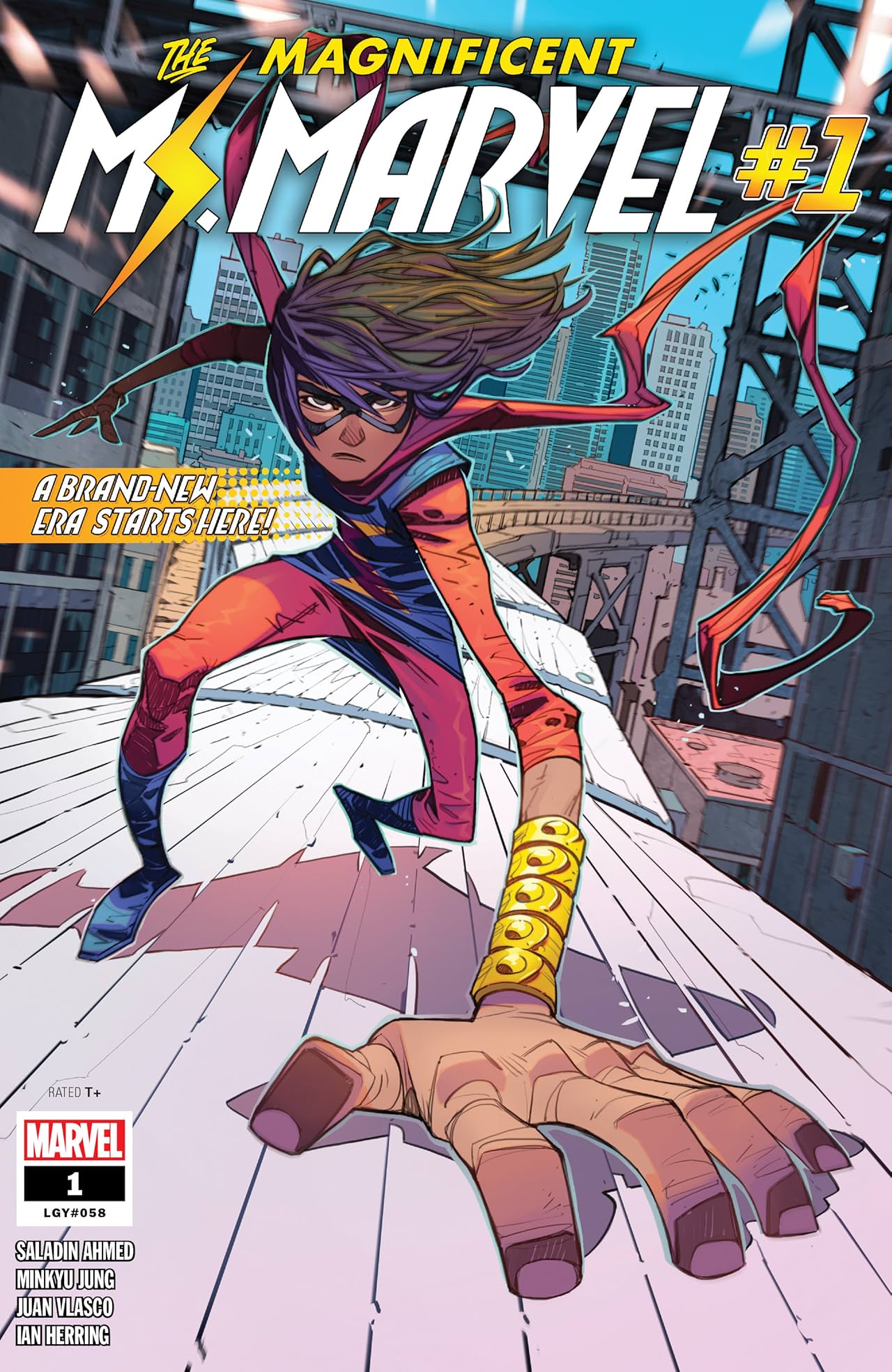
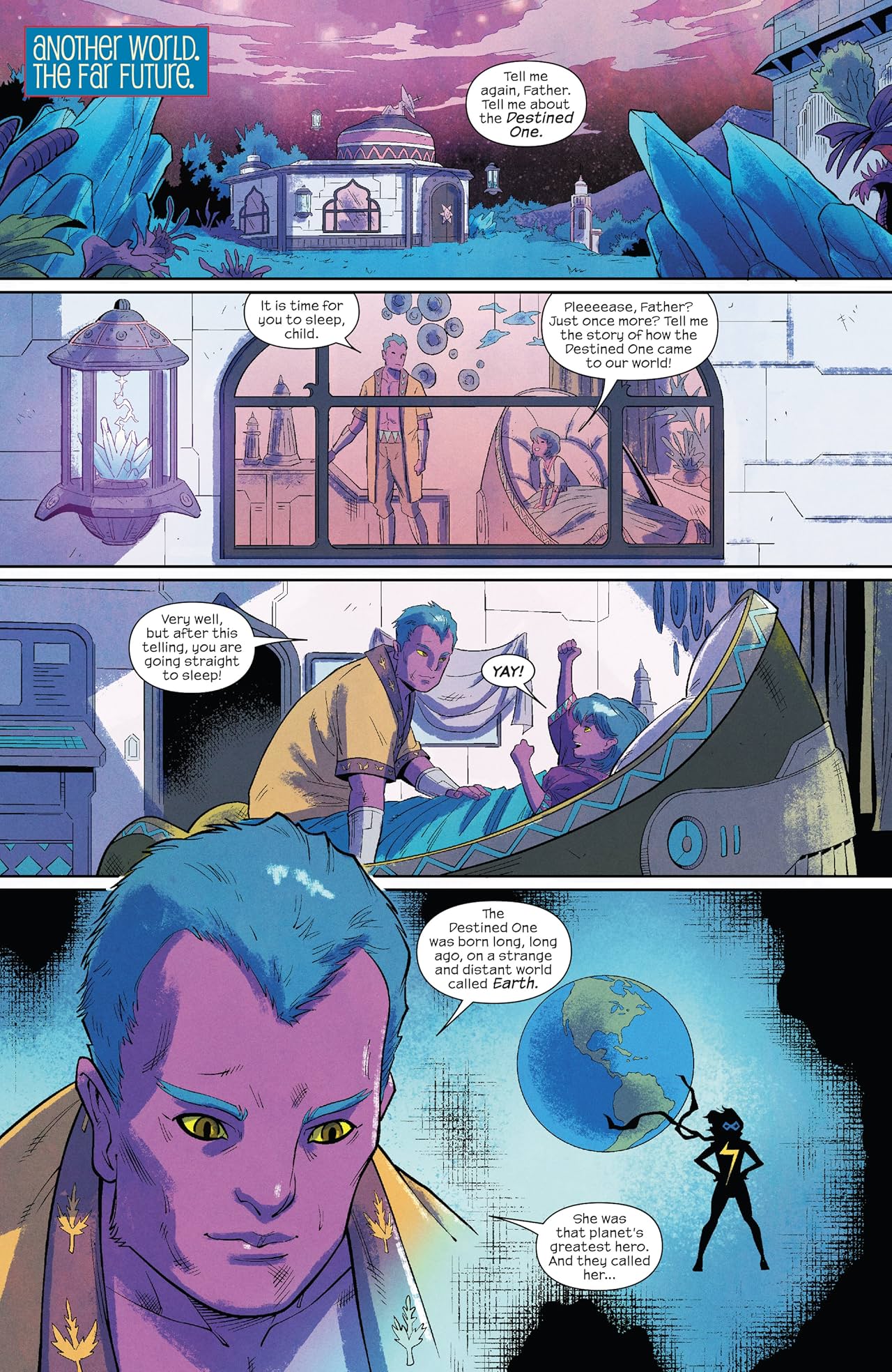
Jack Fisher’s Weekly Quick Pick Comic: Magnificent Ms. Marvel #1

Every Wednesday, a new batch of comics enters this chaotic world and makes it a little more tolerable. As someone who has come to appreciate this weekly injection of personal joy, I’ve taken it upon myself to single out one particular comic that helps make that Wednesday extra special in the hearts of comic fans.

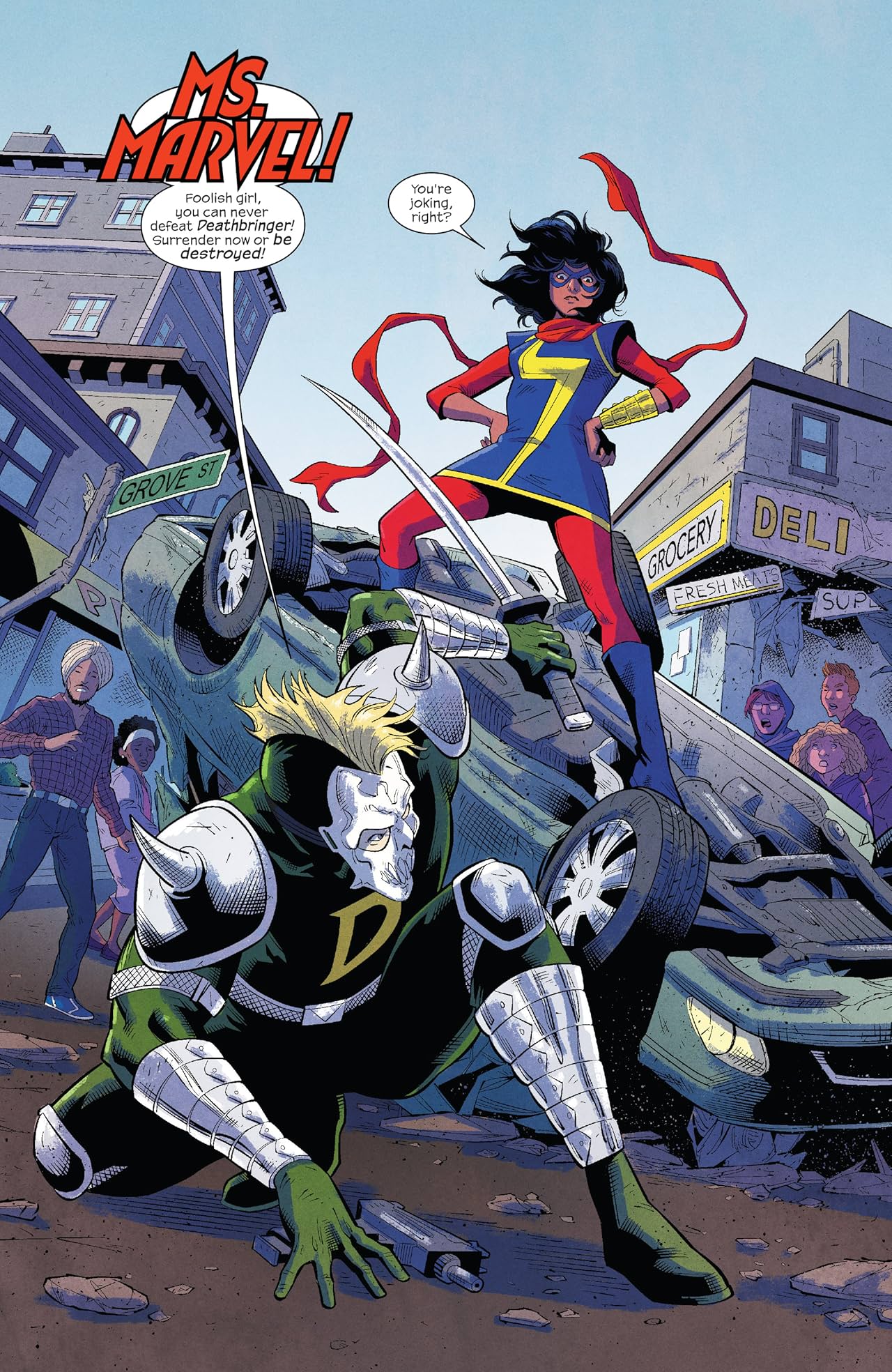
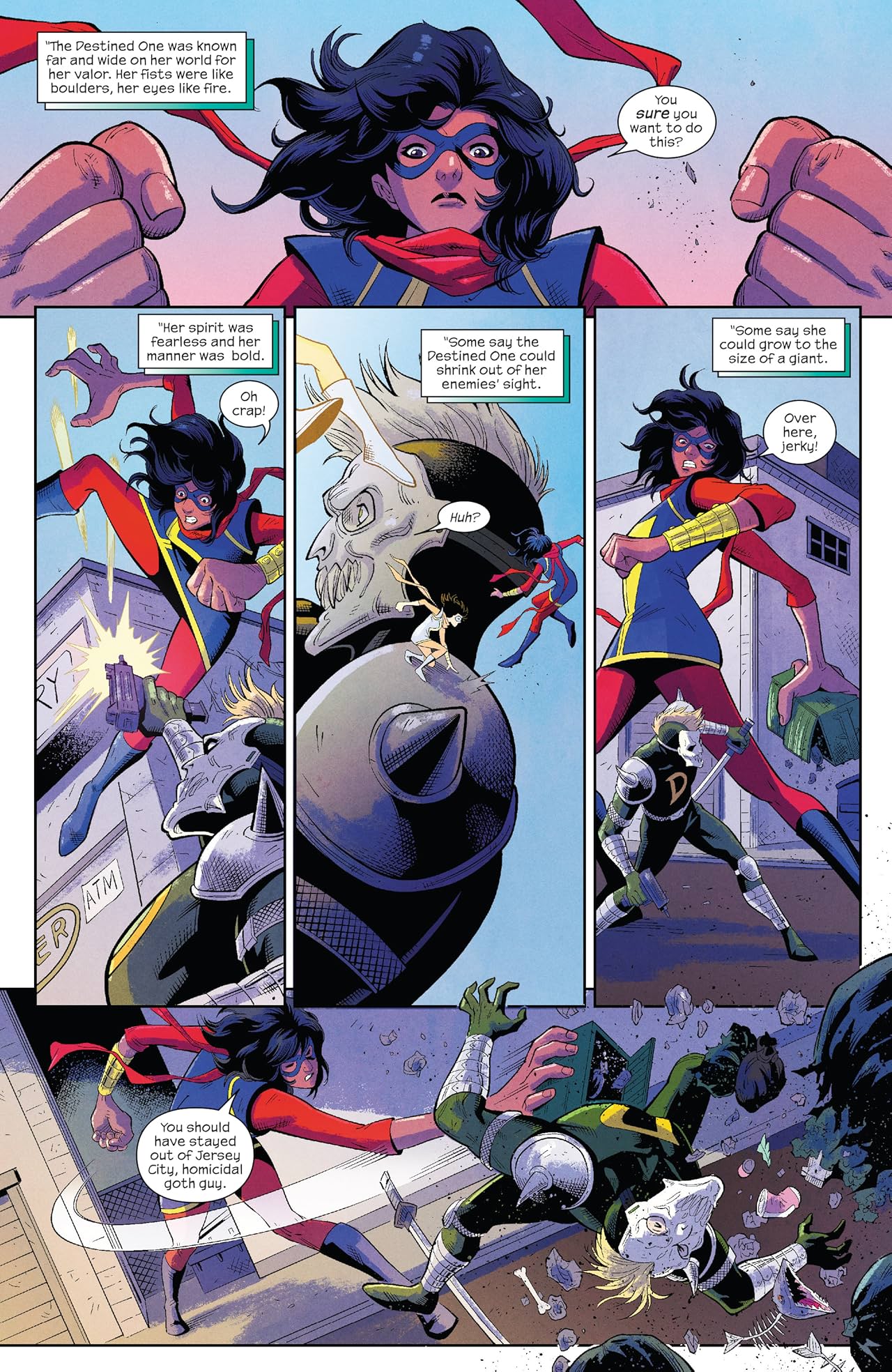
This week had more going for it than most because “Magnificent Ms. Marvel #1” came out and for those still bathing in the afterglow of the “Captain Marvel” movie, this is a perfect desert. While it doesn’t feature Carol Danvers, it does focus on Kamala Khan, her biggest fan and the one who has been carrying on her mantle wonderfully since 2014.

I’ve already mentioned Kamala before, having singled her out as a case study in how to do young female superheroes right in an era where gender politics and internet trolls are determined to make everything go horribly wrong. Kamala has grown a great deal over the past several years and, with the success of “Captain Marvel,” seems destined to enter the MCU.

There’s so much about Kamala that makes her lovable, heroic, and compelling. If you need a reminder why, “Magnificent Ms. Marvel #1” is the perfect refresher. This series marks a transition of sorts. The previous writer for Ms. Marvel, G. Willow Wilson, has left the title. As the one who created Kamala Khan and did so much to make her so lovable, she set a very high bar.

Kamala’s new writer, Saladin Ahmed, does plenty to maintain the lovability that comic fans have come to expect from Ms. Marvel. In the earliest parts of the issue, he takes a page right out of Wilson’s creative playbook by focusing heavily on Kamala’s story when she’s not in costume.

It’s a major part of what makes Kamala so relatable. She’s an aspiring superhero, but she’s also a teenage girl with plenty of non-superhero issues to deal with. She has friends, parents, and bus schedules to deal with. Like a young Peter Parker, she has to balance her superhero life with her civilian life. Unlike Peter Parker, though, her life is subject to unique challenges that aren’t contingent upon dead uncles.

While Kamala does spend time in her Ms. Marvel costume fighting a couple villains, the biggest upheavals in “Magnificent Ms. Marvel #1” occur when she’s not in costume. I won’t drop too many spoilers. I’ll just say that her superhero life and her civilian life come at a sudden crossroads.

At first, it seems sudden. There doesn’t appear to be much of a build towards the drama. Then, Ahmed throws in an unexpected twist towards the end that completely changes the situation surrounding that drama. It suddenly becomes a mystery, one that may have greater consequences for Kamala down the road.

Every teenage superhero faces critical moments, at some point, that changes the course of their journey. Peter Parker often dealt with those moments by quitting for a while, but Kamala never gives the impression that she’s going to quit. Despite all the hardship and frustration that being Ms. Marvel brings her, she never uses that as an excuse to walk away. That, in and of itself, puts her ahead of the curve for most aspiring superheroes.

At the same time, it also makes her vulnerable. “Magnificent Ms. Marvel #1” puts her in a position where her life as Ms. Marvel and Kamala Khan undergo a major upheaval. She faces a new kind of threat that isn’t well-defined. However, it quickly establishes that it’s capable of attacking her on a very personal level.

It’s the worst kind of attack for a young hero undergoing heavy personal dramas. She basically has to fight her battles with a wounded spirit, but she still fights. That’s what makes her Ms. Marvel. That’s what makes her so easy to root for, both as a character and as a hero.

For years, G. Willow Wilson told Kamala’s story in a way that made her endearing in her own unique way. So far, Saladin Ahmed is moving that story forward in ways that make you want to root for Kamala even more. “Magnificent Ms. Marvel #1” doesn’t just tell the next phase of Ms. Marvel’s superhero journey. It raises the stakes, promising a new kind of challenge that will either break her heart or make it stronger.

1 Comment

Filed under Jack's Quick Pick Comic

Jack Fisher’s Weekly Quick Pick Comic: Captain Marvel: Braver & Mightier #1

Every week, a new collection of comics enters this world and makes it a just little more bearable. In these times of internet trolls, political divide, and terrible movie remakes, few things are as relaxing and rewarding as enjoying a good comic on a Wednesday morning. Once again, I’m here to single out one particular comic that helps make a good morning turn into a great day.

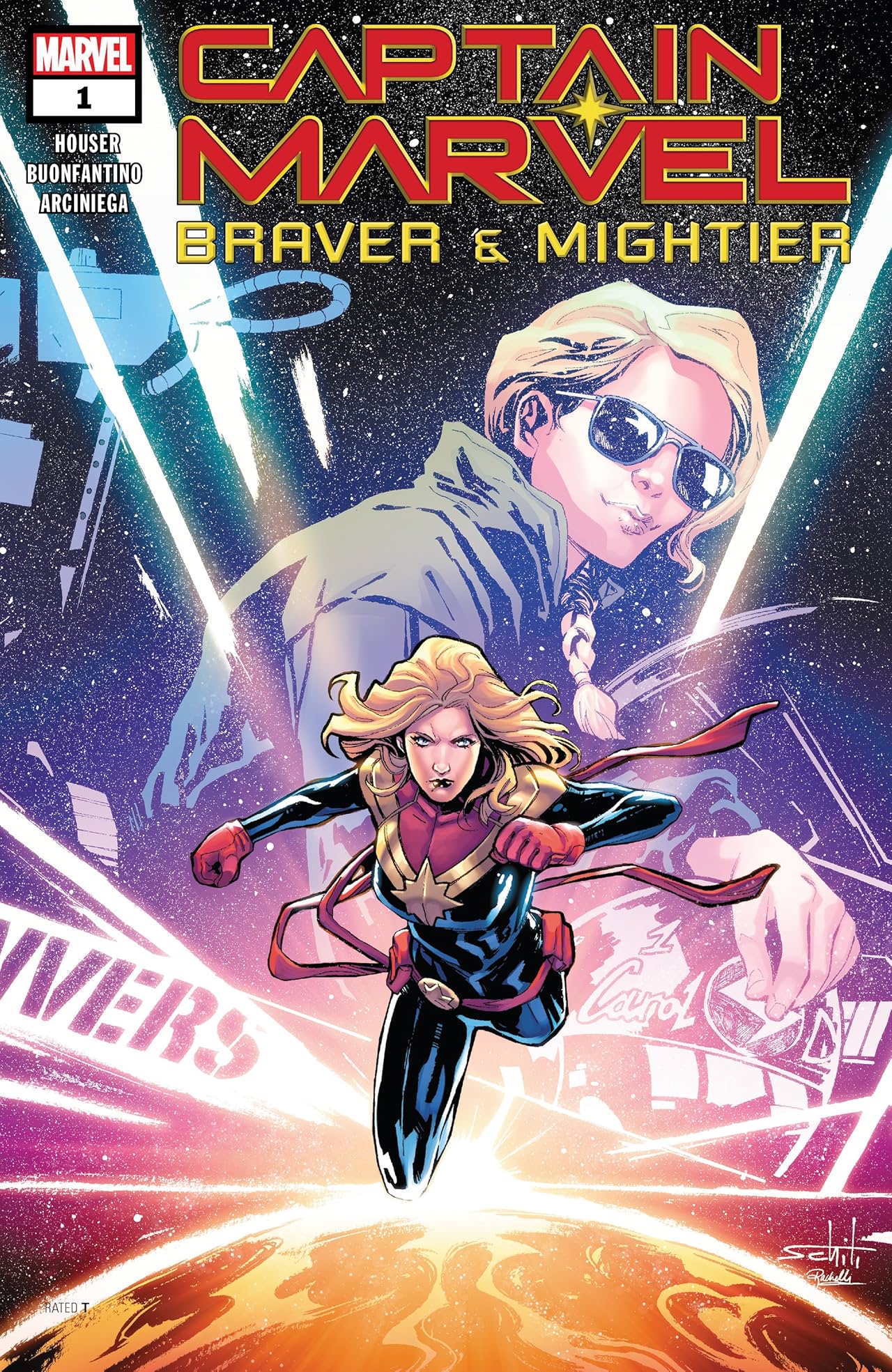
This week, along with a sizable chunk of 2019 thus far, is another great week to be a fan of all things Carol “Captain Marvel” Danvers. With her big debut movie coming out in just over a week, she’s about to achieve a rare status among comic book superheroes. That makes a comic like “Captain Marvel: Braver and Mightier #1” that much more special.

This comic isn’t actually part of Captain Marvel’s other ongoing series by Kelly Thompson, which I also highly recommend. This comic is a simple one-shot with a simple story that, in 23 short pages, highlights why Captain Marvel is a character deserving of the superhero A-list.

If you’re looking for a plot with some big, elaborate twist, you’re looking for too much here and you’re looking in the wrong place. If you’re just looking for a nice, simple summation of who Carol Danvers is and why she’s such a great hero, you’ll get everything you need and then some.

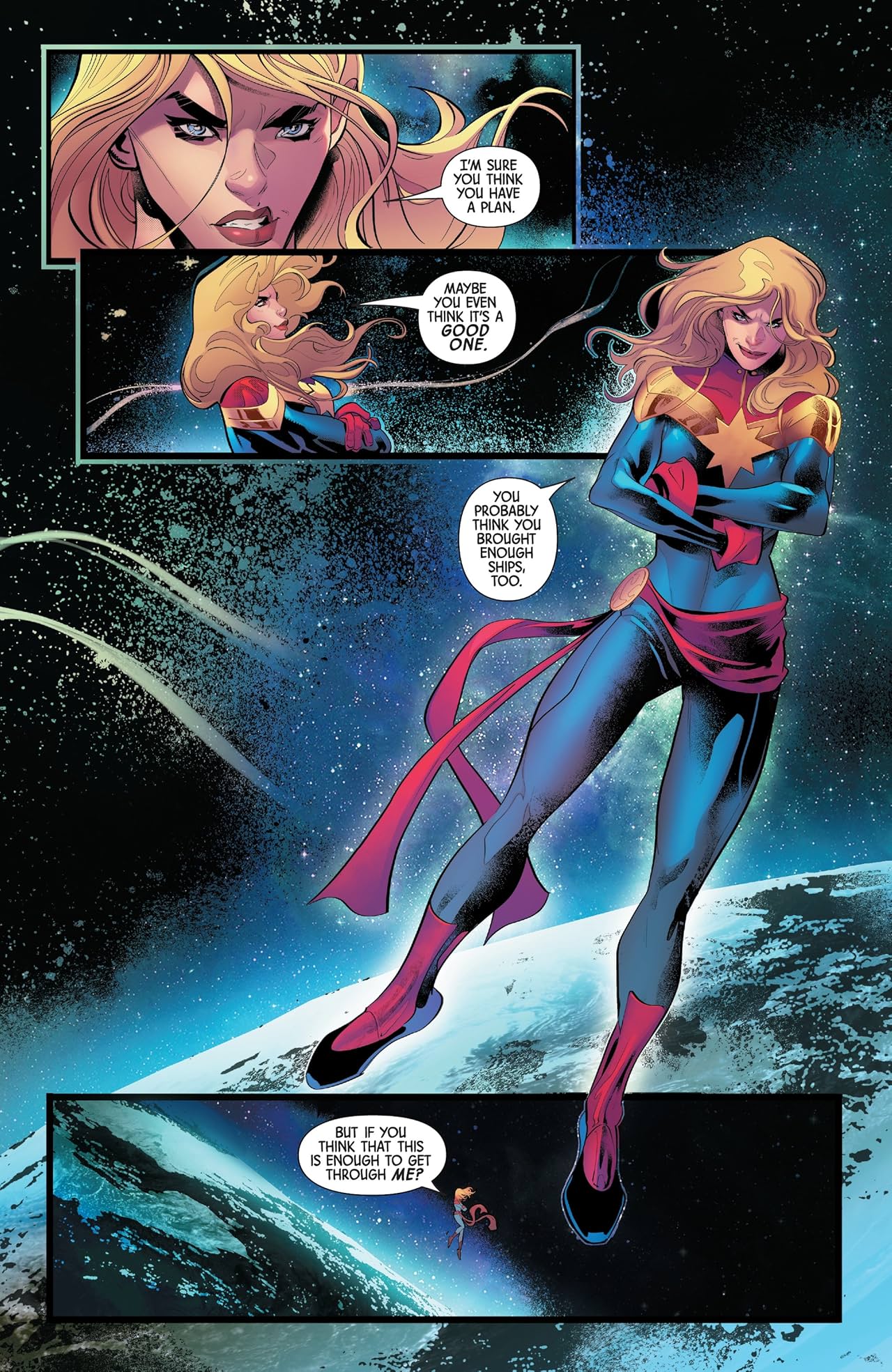
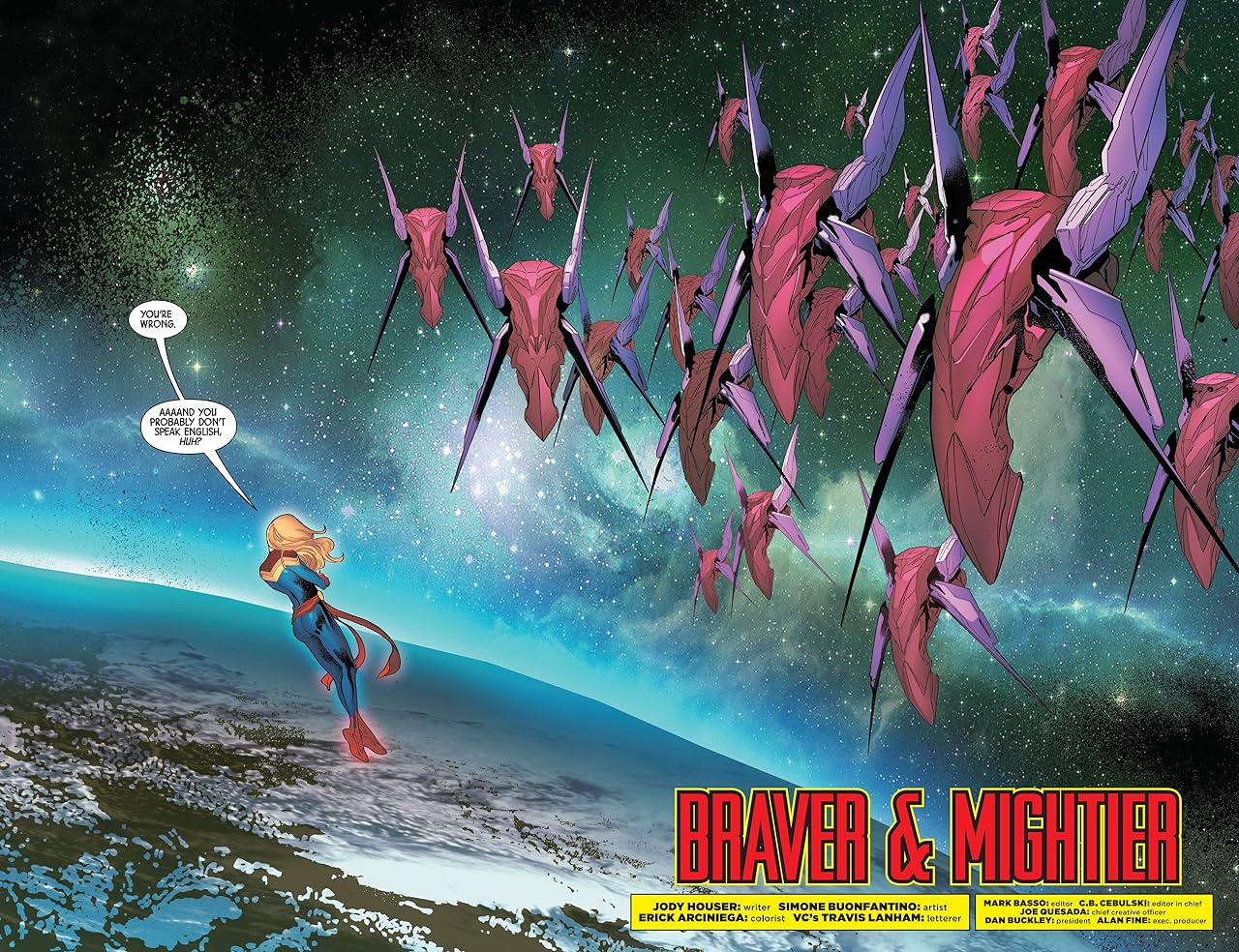
Writer, Jody Houser, puts Carol in a fairly simple setting. A fleet of mysterious aliens are threatening to invade Earth. It’s the sort of thing that happens at least once a week in the Marvel universe. It happens so often that it really doesn’t warrant assembling the Avengers. This sort of thing is right up Carol’s alley.

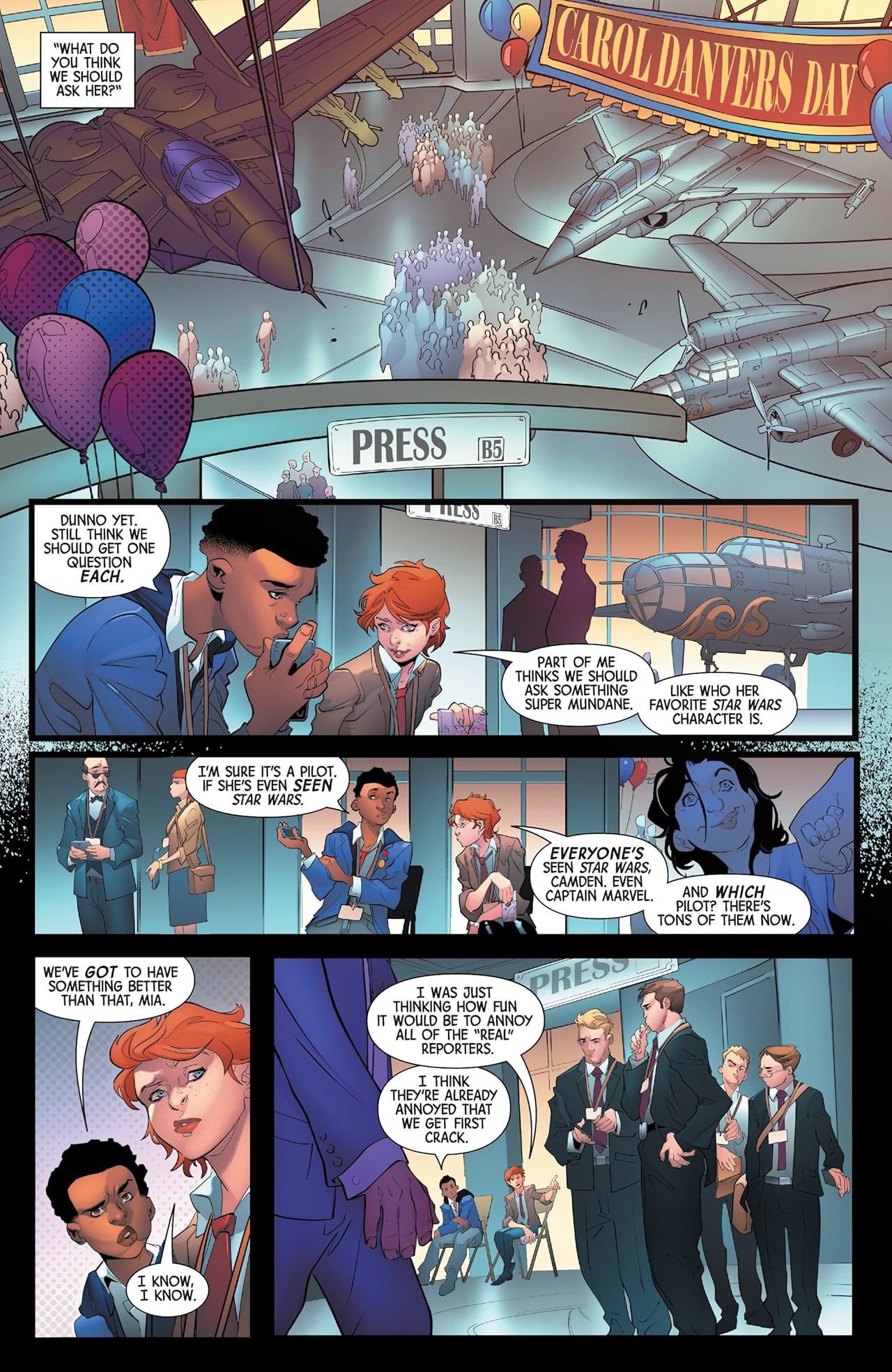
While this is going on, another smaller story unfolds back on Earth. At the Air and Space Museum back on the ground, Carol is being honored with her own little day of celebration. Having come from the United States Air Force and from NASA, it makes perfect sense that they would single her out as their preferred hero. Captain America already has the 4th of July and Tony Stark has a big enough ego.

As part of this celebration, some people in the press are looking for a chance to interview her. Among that press pool are a couple of local high school students who only got to attend because they’re local. They’re not exactly professional reports. They even admit that. However, they still have a chance to talk to Captain Marvel and they want to make the most of it.

They won’t get to ask her many questions. In fact, they need to figure out just one. All the while, they find out along with the rest of the world that Captain Marvel is fighting aliens on the same day when she’s supposed to be celebrated. It feels exactly like the sort of thing she would do, but these two plots complement each other in a way that really works in the end.

Without spoiling too much, Ms. Houser uses “Captain Marvel: Braver and Mightier #1” to demonstrate an issue that affects Captain Marvel more than most superheroes. As someone who is part human and part alien, she is often torn between worlds. Her desire to fly higher, further, and faster isn’t just about ambition. It reflects how her alien side often clashes with her human side.

Throughout her history, especially since she took the title of Captain Marvel in 2012, she often finds herself divided between confronting alien threats in Marvel’s vast cosmic landscape and defending the Earth with her fellow Avengers. As a result, it’s sometimes hard for her to relate to the people on Earth, as well as the aliens not trying to kill her.

Being able to relate to the people they’re saving is an important component for any hero, regardless of their origins or heritage. Superman is an alien and Wonder Woman is a demigod, but they still have strong connections to the world they protect. “Captain Marvel: Braver and Mightier #1” helps remind Carol of that connection.

In the end, Ms. Houser’s story and Simone Buonfantino’s artwork work together perfectly to demonstrate how far Carol Danvers has come and how much further she is poised to soar. It acknowledges the challenges she faced in the past and even noted some of her failures. However, Carol takes the good with the bad. That’s not just the mindset of a good superhero. That’s the mentality of a mature, understanding person.

The simplicity and humanity of “Captain Marvel: Braver and Mightier #1” makes it an excellent entry point for those curious about Captain Marvel beyond her upcoming movie. Again, it’s not too dense in terms of plot, but doesn’t need to be in order to work. It’s a good time to be a fan of all things Carol Danvers and this comic can only make those good times even greater.

Leave a comment

Filed under Jack's Quick Pick Comic

Jack Fisher’s Weekly Comic Quick Pick: Ms. Marvel #38

Fridays may be everyone else’s favorite non-weekend day of the week, but ask most comic book fans and they’ll say Wednesday holds a special place in their hearts. It’s that magical day when a new batch of comics enters the world and our souls are nourished by their awesome. I don’t care what kind of a week I’m having. When new comics come out on Wednesday, I find a reason to smile.

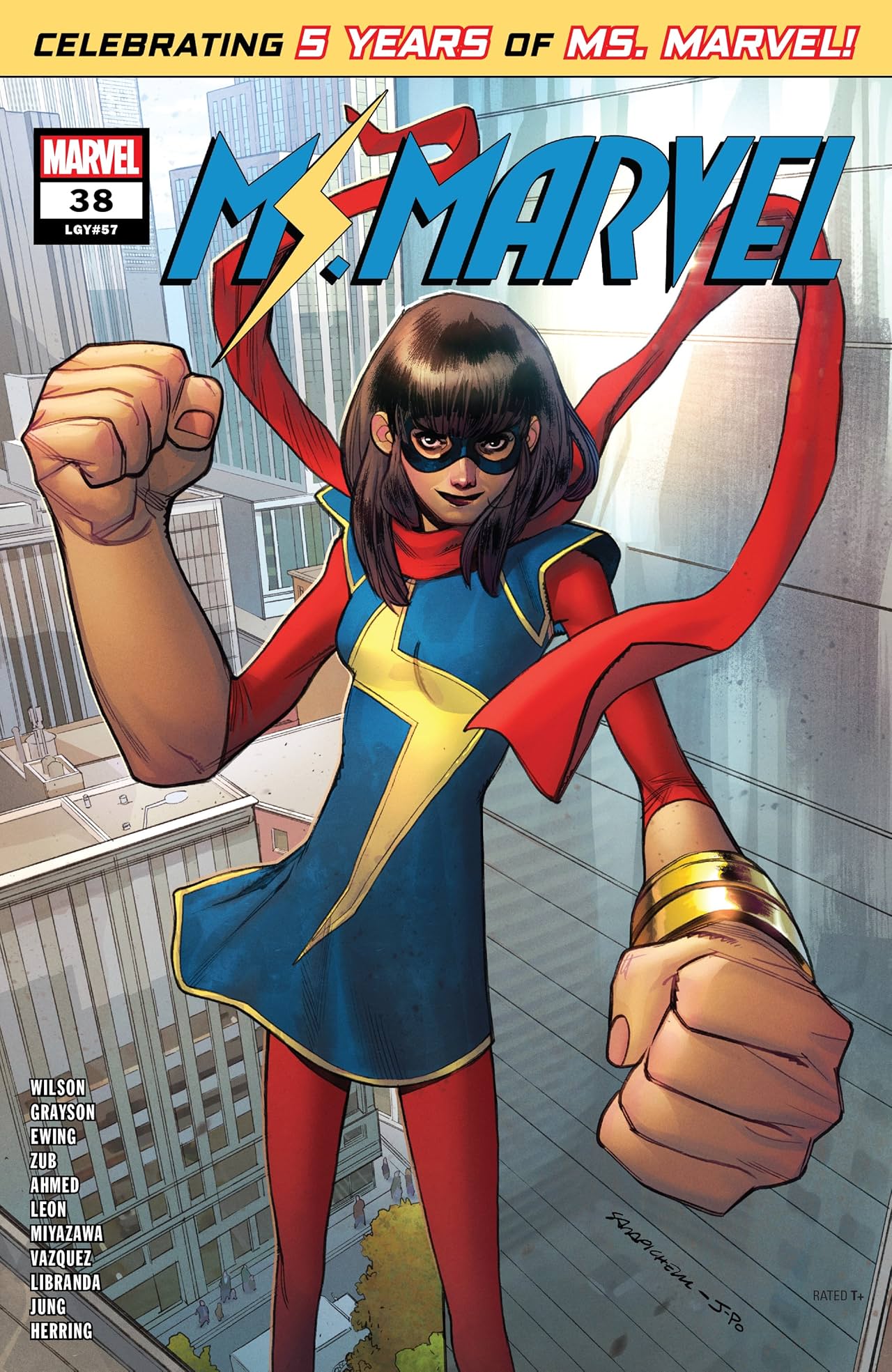
This week, with Valentine’s Day coming up and me being single, I needed more reasons than usual. Thankfully, this week brought us Ms. Marvel #38 and I’m already feeling the love. It also happens to be the five-year anniversary since her landmark debut. Given all the awards and accolades she received in that time, this definitely qualifies as a milestone worth celebrating.

I’ve gone out of my way to praise Kamala Khan before, citing her as a prime example of how to do female superheroes right in this crazy era. She’s young, lovable, determined, and idealistic. She’s also relatable, dealing with the same problems that most stressed out teenagers from Jersey City often deal with. If the past five years of comics haven’t convinced you of that, then Ms. Marvel #38 should help make that point.

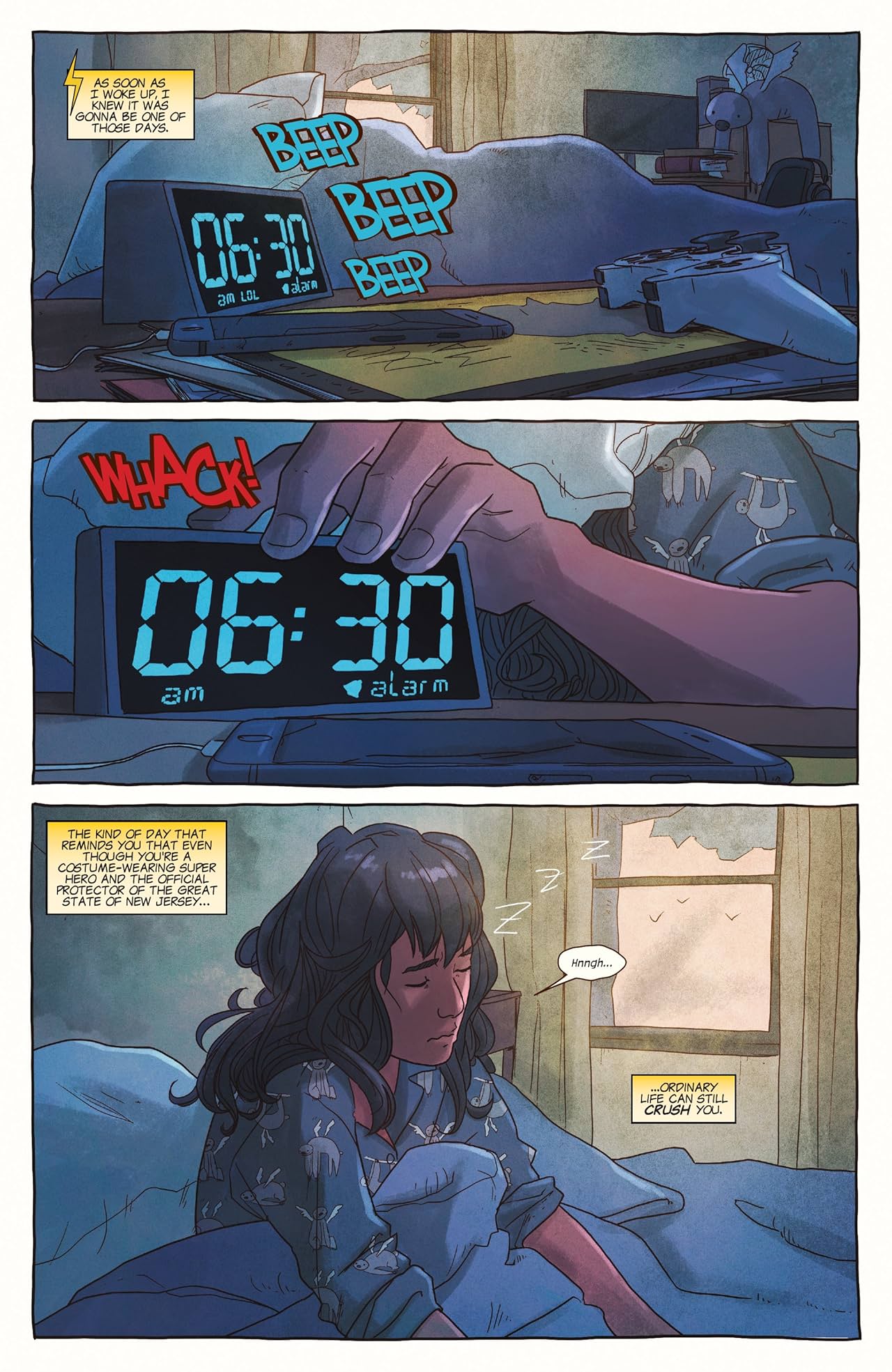
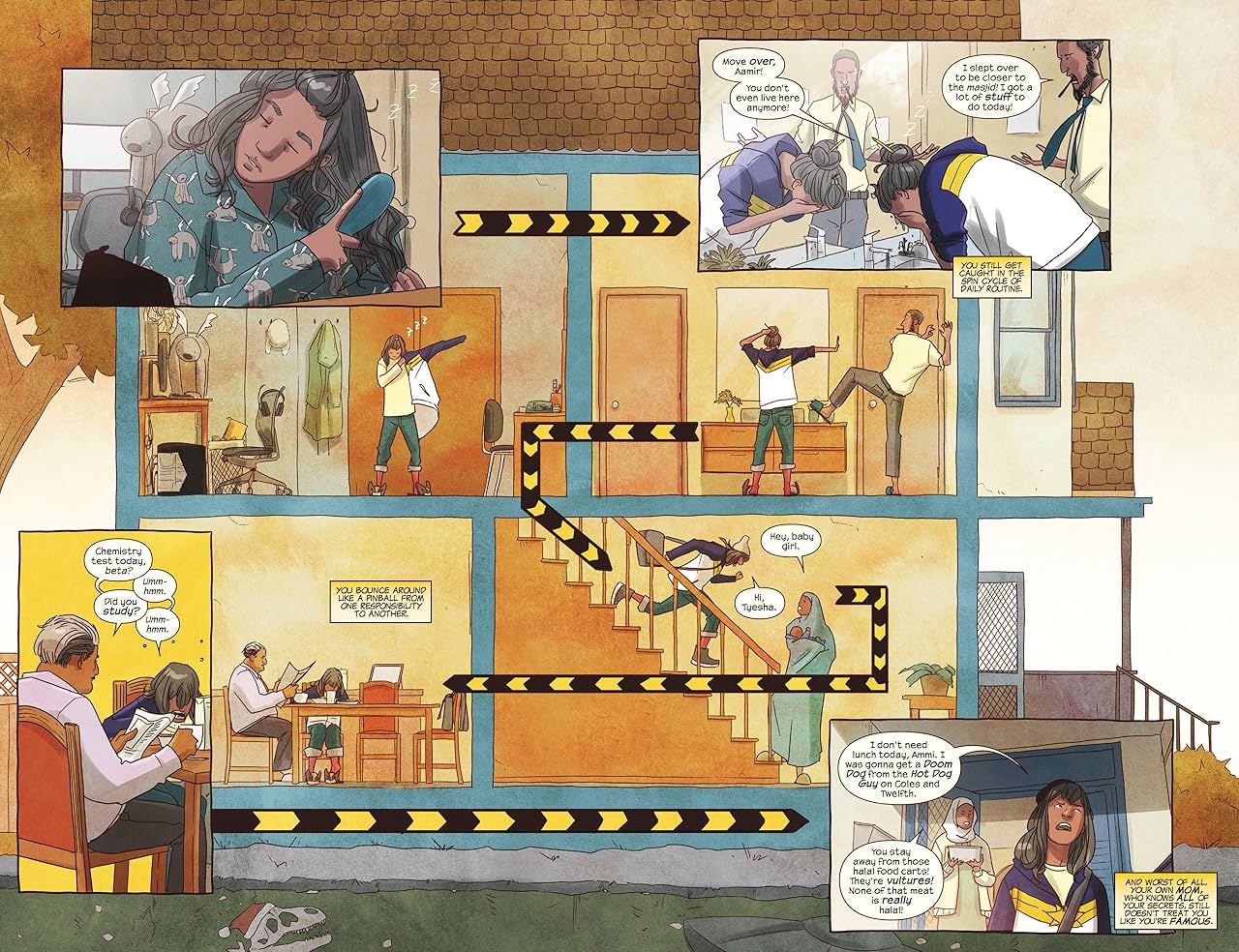
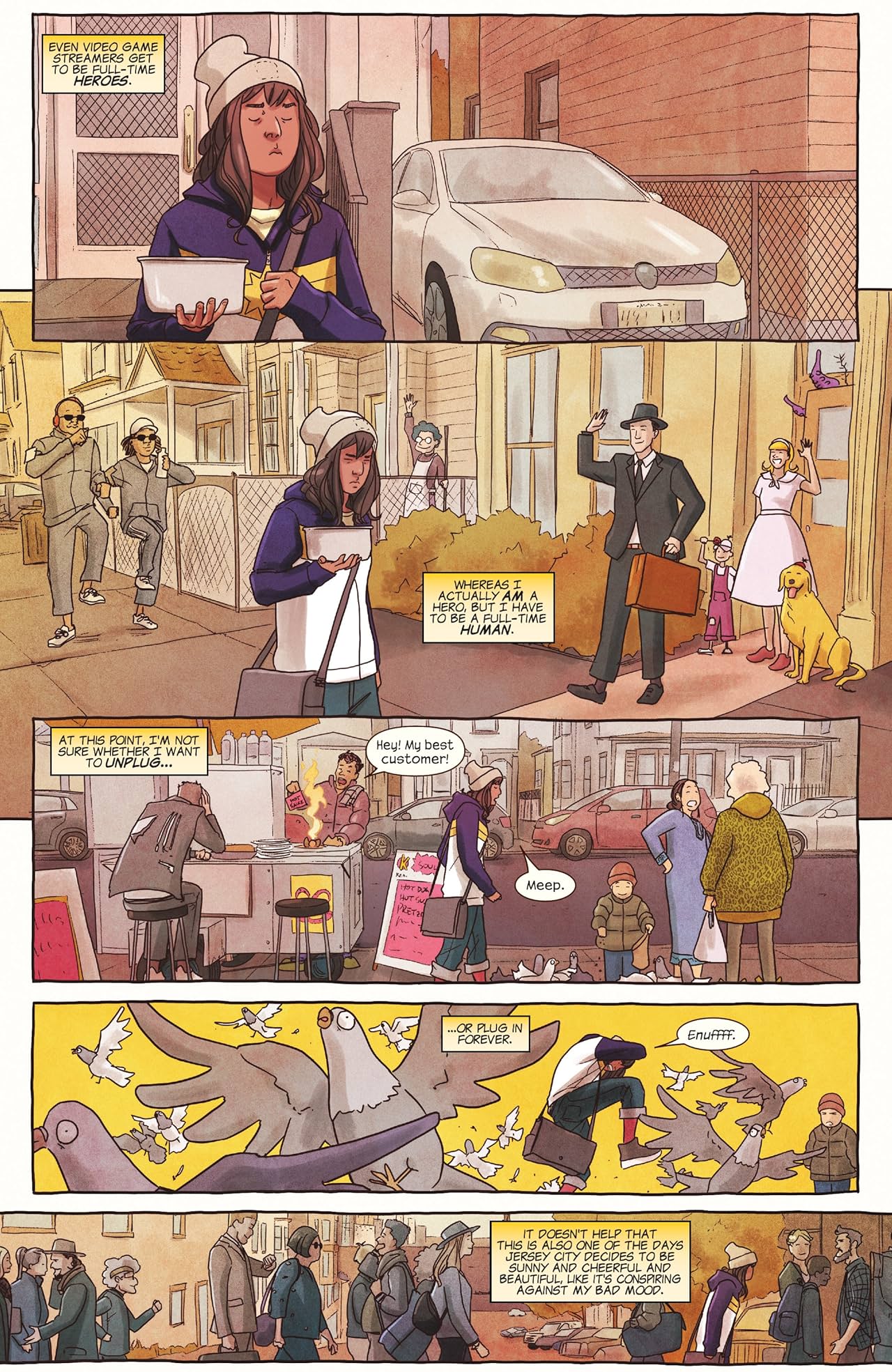
This milestone issue is a one-shot, self-contained story that starts off with Kamala being in a miserable mood. Then, after a brief, but colorful adventure with her friends, she remembers that being pissed off all day is a waste of a perfectly good day. It’s simple. Writer G. Willow Wilson doesn’t try to reinvent Kamala here. She just affirms why she has come as far as she has in five years.

A big part of that process involves highlighting the parts of Kamala’s life that don’t involve costumed villains, superpowers, and dealing with Deadpool’s dirty jokes. Wilson takes the time to show Kamala dealing with parents, siblings, and just getting to school on a day when she feels like crap. It may seem mundane, but Wilson uses it to humanize Kamala at every turn.

In the same tradition of Peter Parker’s Spider-Man, Kamala Khan’s Ms. Marvel is a teenage girl first and a superhero on the side. She doesn’t have the luxury of mixing her personal life with that of her superhero life. Both affect the other and rarely in a good way. She wants to be a superhero, but she doesn’t want to stop being Kamala Khan. That’s not just a challenge. It’s overwhelming.

The stress really gets to her in this Ms. Marvel #38. Even without some major villain attacking, she’s doubting herself and her ability to manage everything. Then, she finds herself plucked into a strange new dimension where the most cheesy tropes of old RPG games come to life. If it sounds random, that’s because it is, but that’s exactly why it works.

Like a double shot of espresso and a slap upside the head, Kamala has to stop moping and be Ms. Marvel. At the same time, she has to help her friends who get sucked into this world as well. Nakia, Zoe, and Bruno do not have superpowers. However, they still end up helping Kamala every bit as much as her powers.

It’s one of the most common, but powerful themes of Ms. Marvel comics. Whereas supporting characters often end up being complications and liabilities for many heroes, Kamala’s supporting cast often supplement her heroics rather than hinder them. Sure, they still have to be rescued every now and then, but it never feels like anyone is a damsel.

There’s also more to this little dive into the world of overdone video game themes than just giving Kamala an adventure to go on. In between the colorful visuals that artist Nico Leon provides every step of the way, there are a few powerful moments in which Kamala and her friends realize how much they’ve grown and how much they haven’t.

It’s a fitting testament to how far Kamala Khan has come in the past five years. On some levels, she’s the same insecure girl she was before she got her powers. On others, she’s grown a lot since then. Having watched her grow since her debut issue, I found Ms. Marvel #38 to be a satisfying testament to the kind of hero she has become.

For that reason and plenty others, Ms. Marvel #38 is an easy choice for my weekly quick pick. Even if you haven’t been following Kamala Khan’s story too closely at this point, this wonderfully-crafted, self-contained story will help reveal why she has become such a big deal in comics in the past five years. Hopefully, the next five years are just as enjoyable, especially if she ever finds her way into the MCU.

Beyond being a teenager, a girl, and a fan of superheroes and video games, Kamala Khan’s journey is one that’s easy to follow and even easier to root for. She starts off having a bad day and you can’t help but want to see her turn it around. We’ve all had bad days. Some are so bad that even superpowers can’t cheer us up. However, Ms. Marvel finds a way because she’s just that special.

Leave a comment

Filed under Jack's Quick Pick Comic

Five Reasons Why Spider-Gwen Deserves Her Own Movie

background

It’s a great time to be fan of superhero comics, but it’s especially great if you’re a Spider-Man fan. Even if you’re not a big fan of the superhero genre, it’s hard to deny the prominence of this famous Marvel franchise. Between a successful spin-off movie in “Venom,” the remarkable acclaim for “Into The Spider-Verse,” and the recent trailer for “Spider-Man: Far From Home,” it’s an amazing time for wall-crawler enthusiasts.

At this point, hoping for more is just being greedy. With a sequel to “Venomin the works and other spin-off projects in the pipeline, it almost feels wrong to hope for something specific. Marvel, Sony, and Disney are already giving us so much. What more can they possibly offer?

Well, I’d like to make the case that there is one particular branch of the evolving Spider-Man universe that warrants greater attention. It’s something that was already hinted at within “Into The Spider-Verse” and I feel she could have a greater than any other Spidy-centric media. The timing is right. The market is ripe for her ascension. It’s just a matter of building on foundation that is already rich with potential.

I’m referring to Spider-Woman, also known as Gwen Stacy, but best known as Spider-Gwen. In the mythos of Spider-Man, she’s a fairly recent development. However, her rise to prominence has been nothing short of spectacular and I believe she has done plenty to warrant her own place in the franchise.

Most Spider-Man fans know the name, Gwen Stacy. She has had a prominent place in the Spider-Man comics for decades. However, like Miles Morales, Spider-Gwen emerged in an alternate universe where known characters are different and events unfold differently. Her sequence in “Into The Spider-Verse” offered a brief overview of who she was, but her story is far richer than that.

That story still contains many of the iconic themes associated with Spider-Man. Issues like power, responsibility, and dealing with J. Jonah Jameson are a huge part of Spider-Gwen’s story. However, there are a few distinct variations that help set her apart and it’s because of those traits that I believe she can carry her own movie.

What follows are just a few reasons for why I feel that way. There are probably plenty more that other Spider-Gwen fans will resent me for skipping. I understand and accept that responsibility. Since these are such great times for Spider-Man fans, I like to think we don’t need that many reasons to give someone like Spider-Gwen her own movie.


Reason #1: She Sets Herself Apart From Peter Parker (Aside From Being A Woman)

If the success of “Into The Spider-Verse” taught us anything, other than the inherent appeal of cartoon pigs, it’s that you don’t have to be Peter Parker in order to embody the themes of Spider-Man. Miles Morales did a lot to set himself apart in terms of personality, circumstances, and abilities. Spider-Gwen does plenty of that too, but she takes it even further.

In the world of Spider-Gwen, the story of Gwen Stacy unfolds very differently. She’s not a nerd like Peter. She’s not a biracial teen trying to fit in at a new school. She’s the same sweet girl that Spider-Man fans know from classic stories. That all changes when she gets bit by that radioactive spider instead of Peter.

The Gwen Stacy that emerged after is still Gwen, but she goes about utilizing her powers very differently compared to Peter. They change the way she carries herself. She doesn’t approach them the same way as Peter or other Spider-Man characters. She follows her own path, complete with her own sense of power and responsibility.

Her approach is not radically different from that of Peter Parker, but it still feels distinct. How Gwen becomes Spider-Woman and how this affects her, as a character, is not a story that can be told with Peter Parker, Miles Morales, or any other character, for that matter. The fact she’s a woman at a time when female superheroes have been subject to greater scrutiny is just a nice bonus.

Moreover, the story of Peter Parker has been told and retold many times, already. There have been three distinct timelines with three different actors taking on the role. There’s only so much more that can be done at this point. Gwen Stacy is a different story, but one that’s familiar enough to fit into the greater Spider-Man mythos.


Reason #2: Her Story Brings A Unique Set Of Challenges (Aside From Being A Woman)

Being a masked vigilante is hard. Five decades of Spider-Man comics and three movie franchises have done plenty to establish that. However, Peter Parker never had to deal with being a vigilante while having a cop for a parent. He also never had to be the prime suspect in the death of a friend that he tried desperately to protect.

Those are just some of the challenges Gwen faces throughout her story in the comics. Unlike Peter, she’s not just another high school student trying to balance her personal life with her superhero life. She faces far greater challenges than not having a date to the prom or showing up late to class.

One of her biggest challenges, throughout her story, revolves around being a vigilante while her father, George Stacy, is a cop with the NYPD. On top of that, he’s initially tasked with arresting Spider-Woman because she’s implicated in the death of Peter Parker. Learning that his daughter is Spider-Woman only compounds that challenge.

There’s a lot of drama in that dynamic. If you want to see how it plays out, I strongly recommend checking out the comic series written by Jason Latour. These challenges are things that you won’t find in a Spider-Man story with Peter Parker. Like her counterparts, Gwen bears many burdens and responsibilities, but having a cop for a father only makes it harder.

At a time when the conduct of the police is under more scrutiny than ever, I think a Spider-Gwen movie could explore those conflicts better than most. Beyond giving Gwen different obstacles, it offers a different perspective on what it means to be a hero and how difficult it is to manage when family affairs get involved.


Reason #3: The (Fitting) Tragedy Of Peter Parker In Her World

It’s impossible to tell the story of Spider-Gwen without telling the story of Peter Parker in her world. Her version of Peter is very different in that not getting bit by that radioactive spider sent him down a darker path. His story is one of tragedy, but it’s the kind of tragedy that complements Gwen’s story and fits perfectly with the themes of Spider-Man.

In many respects, Peter fills the role of Uncle Ben in the world of Spider-Gwen, but not in the same way. It’s not a classic case of failing to stop him from getting hurt by a random accident. Gwen actually went out of her way to protect Peter. Getting superpowers actually made that easier for her. She sees him as her friend and wants to help him.

However, in doing so, Peter makes some fateful decisions that result in his death. It’s not just tragic. It’s gut-wrenching for Gwen. She has to watch this boy she cares about die because he wanted to be more like her. She’s very much responsible for what happened to him. On top of that, Spider-Woman is blamed for his death, thanks to shoddy reporting by J. Jonah Jameson.

This version of Peter is powerful in how it twists the classic Spider-Man narrative without warping it entirely. By helping Peter like she did, Gwen ultimately failed him. That’s a different, but effective way to learn the importance of power and responsibility.


Reason #4: She’s Likable In Many Ways (More So Than Peter)

Even in stories where she doesn’t have powers, Gwen Stacy is a genuinely likable character. She’s sweet, fun-loving, and genuine. She’s the kind of girl you can be friends with and/or fall in love with. She’s honest and blunt in how she deals with people. She’s also compassionate and understanding. Getting superpowers only enhances these traits.

What we saw in “Into The Spider-Verse” was just a small sample of a much richer persona. Her attitude, as well as her ability to connect with others in awkward situations, is plenty endearing. In the comics, we see this manifest in many other ways. From the way she deals with her father to how she interacts with her band-mates in their all-female band, the Mary Janes, is likable on so many levels.

I would go so far as to argue that she’s a lot more likable than Peter Parker, if only because she’s less prone to brooding and whining. Throughout the comics, she ends up in some pretty rough situations, which include being actively hunted by the NYPD and unable to go home to her father after he learns of her identity. It’s rough, but at no point does she just whine about it.

As sweet as Gwen is, she also has grit. She knows how to endure a lousy situation and when the going gets tough, she finds a way to get stronger. She still messes up along the way. In fact, she messes up a lot in the comics, but she learns from her mistakes and she grows along the way.

I’m not saying Peter Parker hasn’t grown over the years, but even after five decades of comics, cartoons, and movies, his growth tends to regularly stagnate. Every time he seems to move forward with his life, he takes a step back, whether it’s undoing a marriage or losing his billion-dollar company.

Spider-Gwen may not have had as much time to grow and regress, but her story has been allowed to evolve in many ways since her debut. That development is full of opportunities. Even though she has only been web-swinging since 2014, she has plenty of material for a great movie.


Reason #5: Her Story Is Not Bogged Down By Continuity

This is more a logistical issue than anything else. Peter Parker has been around since the Kennedy Administration. His story has years upon years of continuity that effectively shackle him from radical change. I’ve mentioned before how all superheroes are subject to these constraints. I’ve even argued that Spider-Man is more inept than most at dealing with them.

With Spider-Gwen, however, there are far fewer constraints and many potential avenues for growth. Her story, and that of her distinct alternate universe, is in its infancy, relative to other superheroes. She hasn’t been around long enough for complications and retcons to accumulate. She can follow many different paths, both in the comics and in the movies.

One of the common complaints that comic fans will levy against a movie is how closely it follows the source material. Since Peter Parker is such an icon, there’s not a lot of wiggle room. With Spider-Gwen, there isn’t much source material from which to deviate. “Into The Spider-Verse” already captured the basics. A full-fledged Spider-Gwen movie will have plenty of flexibility.

There are plenty of other reasons I could list to justify Spider-Gwen getting her own movie. She’s a great character who embodies unique aspects of the greater Spider-Man mythos. Given the current state of the superhero genre, especially with respect to box office returns, I don’t think Sony, Marvel, and Disney need many to make Spider-Gwen their next success story.

1 Comment

Filed under Marvel, movies, Spider-Man, superhero comics, superhero movies

Jack Fisher’s Weekly Comic Quick Pick: Ms. Marvel #37

Every Wednesday is a holiday for comic book fans. That’s the day when a fresh batch of comics from companies we love to complain about give us a fresh dose of ink-laden awesome. Within each batch of books are plenty of comics to brighten your week and make the world a little more magical. I try to single one particular comic out from that pack that I feel has more magic than most.

This week’s comic quick pick was tricky. There were some quality books this week from the likes of X-men, Justice League, Wonder Woman, and Spider-Man. However, one book found a way to stand out in the most adorable way possible. That book is “Ms. Marvel #37” and if you have a low tolerance for cuteness, this book may be too much for you.

I’ve sang the praises of Kamala Khan in the past. I’ll likely find new ways to praise her in the future, especially if she ends up joining the Marvel Cinematic Universe. She’s one of the most likable characters in all of superhero comics. It helps that she hasn’t been around long enough to do something awful, but it also helps when her personal struggles and her superhero struggles blend together perfectly.

That’s the primary theme in “Ms. Marvel #37.” There isn’t a villain to fight, for once. There is a disaster, but it’s not caused by a 100-foot monster or a mad scientist with access to too much plutonium. It’s caused by some a mix of bad luck and poor infrastructure, something that just happens to be a growing issue in the real world.

It’s not nearly as preachy as it sounds. It’s the kind of issue that the Avengers and other superhero teams don’t get to do often enough, help innocent people dealing with a disaster. Kamala gets to be a different kind of hero, one who does more than just punch villains. It helps reinforce that she’s not just a hero for the sake of wearing a fancy costume. She’s a hero because she genuinely wants to do the right thing.

What a concept, right? Kamala is someone who just does the right thing because it’s the right thing. Superman doesn’t have to be the only one with those kinds of values. Unlike Superman, though, Kamala has to do the right thing while babysitting. No, I’m not referring to having an annoying side-kick. I’m talking about a real, actual, diaper-wearing baby.

That baby belongs to her brother, Aamir. He entrusted Kamala and his wife’s brother, Gabe, to watch him. It started going wrong before people needed rescuing, albeit in a hilariously endearing way. Kamala has dealt with some pretty major threats since becoming Ms. Marvel. However, she’s never dealt with a baby and that overwhelms her than her last team-up with Carol Danvers.

It’s as hilarious as it is fitting. It shows that Kamala is still a teenage girl. She’s still young and easily overwhelmed by things she isn’t familiar with. She ends up having to rely on friends and supporting cast to help her, of which she has many. They all have a knack for showing Kamala that things don’t have to be as dire as she thinks. Experience will help you cope, regardless of whether you’re a superhero.

It’s a good message that’s a lot more useful than old PSA’s about eating vegetables and saying no to drugs. “Ms. Marvel #37” continues Kamala’s tradition of making a positive statement through superhero comics, something that seems corny on paper, but works beautifully through her.

It’s part of what makes Kamala so endearing. It’s also what makes her such an effective superhero as Ms. Marvel. She doesn’t just save the day. She inspires others and is, in turn, inspired by them. When things get rough, she reacts in a way that feels distinctly human. In the Marvel universe, which is populated by gods, demigods, and Squirrel Girl, it’s nothing short of refreshing.

To say Kamala has a rough, but enlightening day in “Ms. Marvel #37” would be accurate. It’s just as accurate to say that she has a few low points where she lets the stresses of babysitting and superhero work get to her. That only makes how she handles it that much more fitting.

Ms. Marvel #37” is not part of a larger story arc, nor is it tied to some ongoing event. It’s a simple, self-contained comic that G. Willow Wilson and Nico Leon use to remind us why Kamala Khan is so lovable. In that sense, it works. In another, the final page provides an ominous hint that Kamala and her family are about to endure a major upheaval in the best possible way.

There are a lot of events going on in the world of superheroes. It’s tough, if not frustrating, to keep up with all of them. That’s exactly what makes “Ms. Marvel #37” so enjoyable. It’s one comic with one story about one lovable hero. You get you’re money’s worth, both in terms of satisfaction and feels. What more could you want?

Leave a comment

Filed under Jack's Quick Pick Comic