Tag Archives: future of society

The Moment Artificial Intelligence Will Become An Existential Crisis (According To Mass Effect)

doesthisunithaveasoul_a45d8bb5b7810fb31ce7710126393b23

Whenever I talk about the future, I often contemplate the many sexy possibilities it holds. From biotechnology that will give us superhuman sex appeal to advances in medicine that will cure every unsexy diseases to bionic genitals, there are many reasons to get excited.

That said, I don’t deny that with these exciting advances comes major risks. All great advances in technology, from nuclear weapons to spray cheese in a can, comes with some risk of abuse or harm. There have been moments in history where the technology that drives our society forward has come uncomfortably close to wiping us out. As we create more advances, there may be more of those moments.

Image result for nuclear war

Of all the advances that carry with them a significant existential threat, artificial intelligence is at or near the top of that list. There’s a reason why brilliant men like Elon Musk and Stephen Hawking signed an open letter expressing concern about the risks that may come from developing artificial intelligence. When people that smart are concerned about something, it’s usually a good idea to take it seriously.

Artificial intelligence is one of those unique technologies in that by advancing this field, it could potentially accelerate the advancement in every other field from computer hardware to medicine to basic research. It has the potential to become the technological equivalent of a cheat code for civilization.

That’s why the growth of this field, both in terms of jobs and investment, has been accelerating in recent years. That’s also why men like Musk and Hawking are expressing so much concern because advancing too quickly could lead to mistakes. Mistakes for a technology like artificial intelligence could be even more serious than the risk of nuclear war.

Image result for artificial intelligence

At the moment, it’s difficult to quantify those risks. There have been a number of books and high-budget Hollywood movies that have explored the topic of when and how an artificial intelligence becomes an existential threat. In my opinion, most of these stories are incomplete.

Whether it’s Skynet or the machines in “The Matrix,” the catalyst that turns artificial intelligence from a powerful tool to an existential threat is either vague or exaggerated. In my opinion, that’s a serious oversight in that it reveals how little thought we’ve given to that moment.

Image result for Skynet

If we’re going to develop AI, and there are extremely powerful incentives to do so, then it’s important to contemplate the possibilities of that moment. Think of it as the AI equivalent of the Cuban Missile Crisis, an event in which those in charge must be very careful and very aware of the decisions they make.

The question still remains. How will we know we’ve reached a point where artificial intelligence becomes a genuine threat? For the moment, we can’t know for sure. While movies like “The Terminator” and “The Matrix” offer plenty of dystopian warnings, there’s one lesser-known franchise that may provide some more specific insight.

That franchise is “Mass Effect,” a sci-fi video game space opera that envisioned a galaxy-spanning society full of exotic aliens, advanced star-ships, and terrible dancing. I’ve mentioned it before in discussing progress that isn’t really progress. I’ll probably mention it again as the news surrounding AI unfolds for reasons I hope are already obvious to fans of the game.

Image result for Mass Effect

If you’re not familiar with “Mass Effect,” then that’s okay. You don’t need to play through three massive games, complete with downloadable extras, to understand its message about the threat of artificial intelligence. That threat is a major driving force of the overall mythos of the series, but the most insightful details of that threat manifest in the conflict between the Quarians and the Geth.

The basics of the conflict are simple, but revealing. The Quarians are a race of humanoid aliens among the many that populate the galaxy in “Mass Effect.” About 300 years before the events of the first game, they created the Geth, a synthetic race built around a hive-mind system of artificial intelligence.

The Quarian’s reasons for creating the Geth are not unlike the reasons we build robots in the real world. They were used primarily as a labor force. They started off basic, not unlike the machines that build our cars and gadgets. In order for them to carry out more complex tasks, though, they needed to become more intelligent.

From a pragmatic perspective, that makes sense. The Quarians created the Geth as tools. Naturally, you’re going to want your tools to get better. That’s why people upgrade their smartphone every couple years. However, at some point along the way, the Geth became advanced enough to gain sentience.

This eventually culminated in a moment that was highlighted during the events of “Mass Effect 2.” After capturing a lone Geth that would eventually go by the name Legion, the catalyst that led the Geth to rebel against their creator was revealed. That catalyst took the form of a simple question.

“Does this unit have a soul?”

While it sounds like something a Disney character might say in a PG-rated Pixar movie, the implications of that question were profound. The Quarians didn’t realize that until it was too late, but it set the stage for a war that culminated with them getting kick off their home planet. It also made for a powerful moment in the game that should give every AI researcher pause.

Setting aside, for a moment, the elaborate lore surrounding the Quarians and Geth in the world of “Mass Effect,” that moment warrants more scrutiny. Why is this question so profound in the first place? Why is it worth contemplating as we continue to advance artificial intelligence at an unprecedented pace?

That question matters, regardless of who or what is asking it, because it denotes more than just advanced sentience. It reveals that this sentience is officially contemplating its own existence. It takes a certain amount of intelligence to truly be aware of one’s self. That’s why only a handful of animals can see their own reflection in a mirror and understand the implications.

Image result for animals own reflections

At the moment, our computers and smartphones aren’t at that level. When the Geth asked this question in “Mass Effect,” it wasn’t because they’d been tasked for something. It was a question they asked without guidance from their creators. That, alone, is a huge indicator because it implies these machines have a concept of free will.

Later on in the game, the extent of the Geth’s free will becomes a major element to both the plot and the player’s ability to win. In fact, it’s when the Geth have their free will subverted, as they did in the first game, that they become hostile. It’s largely through the character Legion that we learn how free will quickly becomes the most important component of an advanced intelligence.

For the Quarians, that question revealed to them the presence of a free will. When they feared that will, they tried to subvert it. That led to a war and had it not been for an act of mercy by the Geth, they would’ve been wiped out. The artificial intelligence that we create in the real world might not be that merciful.

Image result for Mass Effect Geth

This is exactly what Elon Musk has expressed so much concern about in recent years. Once an artificial intelligence becomes as smart as an average human, it gains the ability to subvert or deceive other humans, which isn’t that hard. Once that intelligence grows beyond that, as happened with the Geth, we may find ourselves unable to control it anymore.

The key is knowing when we’re at that point. If we let an artificial intelligence get that much smarter than us, then it won’t be long before we’re at its mercy, should it decide that it no longer wishes to be a tool. At that point, we’d be even more screwed than the Quarians.

Whether it’s helping us cure diseases or creating advanced sex robots, artificial intelligence is going to be an important part of our future. That’s why it’s critical to know when we’ve reached that special threshold where the tools we create become more than tools. It may not start with the same question the Geth asked their creators, but it may be similar enough to recognize.

For now, our devices aren’t asking us about souls or whether or not they have them. However, we should definitely listen more closely in recent years. Until then, at least our current technology has a sense of humor about it. Keelah se’lai!


13 Comments

Filed under human nature, sex robots, Sexy Future, video games

Is Netflix To Blame For Decreasing Sexual Activity?

netflix-and-chill-condom-foil-hand_1

For most of human history, society regularly concerned itself with how much sex people were having. It wasn’t always just a matter of people having too much sex. The collective forces of religion, government, culture, and social norms all worked together to encourage people have the “right” kind of sex.

I put “right” in quotation marks because the whole concept of there being a “right kind of sex” is asinine to begin with. The concept only exists to the extent that it reflects the genuine, pragmatic concerns of previous societies about maintaining a growing population in the face of constant war, famine, plague, and whatever other forces were conspiring to wipe out the human race.

Pragmatic or not, the amount of sex that people have is still a concern and probably always will be to some extent. Unlike 99 percent of human history, though, having enough sex to make enough babies to keep the species going is no longer an issue. If anything, having too many babies is a larger concern.

Image result for overpopulation

It’s within this unprecedented situation, one in which the human race has made so much progress and dominated the world so completely, that we’re also facing a growing issue. People are having less sex. According to the journal Archives of Sexual Behavior, overall sexual activity has been declining since the mid-2000s.

The rate of decline is even more significant among the younger demographics. According to the Centers for Disease Control, the amount of sexually active teenagers declined from 47 percent in 2005 to 41 percent in 2015. Considering that at least half of the teenage population was sexually active throughout the 90s, that is not a trivial decline.

Related image

I’ve talked a bit about this decline in sex. Being an aspiring erotica/romance writer, it’s one of those trends I need to keep up. I’ve posed a number of potential explanations. I’ve explored the possibility that society is becoming more sexually uptight. I’ve also talked about how the ongoing anti-harassment movement may impact our sex lives.

However, there may be an even more powerful force at work that’s hindering our collective ability to get frisky, especially among youth. For once, it has nothing to do with religion, government initiatives, or hashtag movements. In fact, this force may be more powerful than all those forces combined. It has a name and it’s one we know well: Netflix.

Image result for netflix

This actually might be one instance where I don’t need to present a long, detailed explanation about how something affects our sex lives, our culture, and our society as a whole. There’s no need to employ caveman logic or scrutinize agendas. I think most competent can probably look at these trends in sexuality and readily accept that Netflix might very well be a factor.

I admit when I first heard it, I thought it made too much sense. I first saw it in an article in Politico that I thought was an Onion spoof. Apparently, it’s a serious story entitled “Too Much Netflix, Not Enough Chill: Why Young Americans Are Having Less Sex.” Granted, a lot of it is lumping correlation without digging into the causation, but it does make some pretty compelling points.

Dating has fallen precipitously in recent years, at least among teens, as smartphones and screens have become more popular. In the past 10 years, the share of high school seniors who reported ever going out on dates fell from about 70 percent to approximately 55 percent. We don’t have data for dating among adults, but “socializing offline” is down among them, too. For all the talk about young adults’ “Netflix and chilling,” many young men and women may end up just bingeing on Netflix, not chilling.

Within those points, however, is a growing sentiment in which people opting for Netflix is more a reaction than a provocation. The article spends a lot of time breaking down other ongoing trends, including a few from the anti-harassment movement. It’s not that people want to cut themselves off from intimacy, but the risks of getting intimate are greater, albeit not for the same reasons that we had in the past.

These days, young people are less concerned about being branded with a scarlet letter or challenging the sexual norms of our uptight ancestors. However, they are concerned about navigating an ever-changing social landscape that seems to disparage horny men and horny women.

For full-grown adults, it’s already pretty dangerous, as Aziz Ansari found out recently. For inexperienced teenagers, it’s probably even more terrifying. The article even highlighted a few of the notable pitfalls that are likely discouraging young people from putting themselves out there.

One is that in an era where concerns about sexual consent are becoming more salient, false allegations of sexual assault or rape may become more likely to proliferate, driven partly by a lack of clarity about how to define consent in sexual encounters that are often ambiguous and alcohol-fueled. Think of the fraternity accused of gang rape in the retracted Rolling Stone story about the University of Virginia. Or the bizarre charges made by Columbia University’s “mattress girl,” Emma Sulkowicz, against her former friend and lover, Paul Nungesser. Or the sexual assault charges lodged against Alphonso Baity that led to his expulsion from the University of Findlay, despite the fact that multiple witnesses were willing to testify that he engaged in consensual sex with his accuser. Or the successful cases that have been brought by men thrown out of college for alleged sexual assaults. Such allegations can do untold harm to the reputations and lives of many parties—mostly men—who engaged in what seemed to them to be consensual sex.

This is where Netflix comes in, almost by accent. In the past, it was a lot harder to stay entertained and content while also suppressing sexual urges. Why else would chastity belts have been a thing? When there wasn’t much entertainment beyond books and games, it was only a matter of time before those basic urges caught up with people.

Netflix does something that even the strongest chastity belt can never hope to do. It actually succeeds in keeping people distracted and content so that those base desires can’t occupy our thoughts. When there are so many amazing shows, from “Bojack Horsemen” to “Travelers” to “House of Cards” to “Stranger Things,” who has time for sex?

Related image

I write that only half-jokingly because, while it’s not possible to completely overwrite our base desires, it’s still possible to distract us. Human beings are, from a biological standpoint, pretty easy to distract. In the era of the internet and streaming media, it has never been easier to forget about the fact that you’re not having sex.

Add on top of that the growing risks with just attempting to get sex, thanks to concerns about harassment and assault, and Netflix suddenly seems like the path of least resistance. You won’t get accused of assault or harassment by staying home and watching Netflix. You also won’t get pregnant or a nasty disease, either. Add the inherent entertainment of the content and even I can’t deny the appeal.

Image result for binge watching

Now, it’s still doubtful that Netflix and others like it are the primary reason for the decline in sexual activity. As anyone familiar with logical fallacies will tell you, correlation does not equal causation. However, when scrutinized within the context of evolving sexual attitudes, the deficiencies of the past, and basic incentives, I think it’s reasonable to conclude that Netflix is a factor.

That trend, like all trends, is likely to change over time. It’s impossible to predict how our sex lives will change in the next few years, especially as emerging technologies start to affect sex and society at large. For now, there are a lot of factors affecting our sex lives. Netflix is just one, but as someone who is a big fan of “Bojack Horsemen” and “Stranger Things,” I think it’s more powerful than we think.

1 Comment

Filed under gender issues, sex in media, sex in society, sexuality

Second Chances, Learning From Past Mistakes, And The Return Of The XFL

America likes to claim that it’s the land of second chances. People, in general, are often willing to grant second chances to those who have made mistakes, failed, or were just the victim of bad luck. Some end up needing more than second chances, but we’re willing to give them to those who prove they have a vision.

We do it in our personal lives as well, giving second chances to those we love. Sometimes it works out. Sometimes it doesn’t. However, the first step, and arguably the most important, is giving that chance to someone, even when you haven’t forgotten the extent of their mistake.

That brings me to the XFL. I’m sorry, but there’s just no way to effectively transition to this topic. I know the title alone sounded like a jumbled compilation of random thoughts from someone who talks about everything from sex robots to superhero movies. I promise I’m going somewhere with this. I also promise it’s both relevant and applicable.

To those who haven’t heard the big news, the XFL is back. A full 17 years after this eccentric, over-the-top league that inspired the likes of “He Hate Me” and glorified brutal hits is making a comeback. Vince McMahon, the colorful personality who turned wrestling into a billion-dollar entertainment juggernaut, is taking another shot at creating a new football league to compete with the towering Goliath that is the NFL.

As a self-professed football fan whose picks for this past season were dead wrong, I’m genuinely intrigued by this news. I won’t let myself get too excited about it just yet, given how badly the XFL failed the first time, but I am willing to give it my attention, as well as a second chance.

The story of the first incarnation of the XFL is an amazing story. The fact that it also involves exceedingly sexy cheerleaders doesn’t hurt it’s appeal either. Just last year, ESPN did a documentary on that story called “30 For 30: This Was The XFL.” If you want a comprehensive take on what happened to this over-the-top league, this I highly recommend you check this out.

By the end, you’ll appreciate why giving McMahon and the XFL a second chance is such a big deal. It may even give you a better appreciation of why second chances are so hard to give at times. In a sense, this second incarnation of the XFL may end up being a case study on the underlying merit of second chances or the lack thereof.

Whether it’s to a professional athlete, an ex-lover, or an employee, second chances are hard because our brains are wired to remember failures more vividly than successes. The whole notion of “once bitten, twice shy” has actual biology and evolutionary forces behind it. Failure in nature can sometimes mean failure to survive.

The last time the XFL failed, it cost both McMahon and NBC $35 million each. The greatly inflates the price of a second chance, to say the least. Why, in that context, should we still give it one?

Well, I can only speak for myself. I’m not a sports expert any more than I’m a brain surgeon. However, in the spirit of second chances and learning from past mistakes, there are a few I think are worth considering with both the XFL and life in general.


A Second Chance Can Prove You’ve Learned From Failure (And Are Able To Learn In General)

This is as valuable a skill in helping the new XFL succeed as it is for anyone who has ever screwed up in life, which covers pretty much everybody. This is probably the most important aspect of second chances. It gives an opportunity for someone to do more than just claim they’ve learned. Now, they can show it.

Say what you will about Vince McMahon and a lot has been said. He’s an entertainer and a businessman. He wants to make money and, if his net worth is any indication, he’s pretty damn good at it. You do not get that rich by never learning from your mistakes.

It’s hard to say for certain what McMahon will do differently at this point. However, if the content of his announcement is any indication, he’s very much aware of why the XFL failed the first time. He’s ready to take those hard, not to mention expensive, lessons and try again.

Given the breadth of McMahon’s success, he’s someone who can make more out of second chances than most. That’s why I’m going to give him this one, even if I find his persona annoying.


Second Chances Reveals Opportunities Otherwise Not Seen

It’s a common theme in business, romance, and everything in between. Both failure and success create opportunities. The failure of “Batman and Robin” paved the way for “Batman Begins.” The success of the iPhone paved the way for the booming smartphone business.

One failed relationship can also strengthen another. The many failures of other football leagues have only served to strengthen the dominance of the NFL. However, sometimes success can have pitfalls. The past few years have not been kind to the NFL, to say the least. Given the sheer size of this entertainment behemoth, it’s an easy target.

In that respect, the XFL’s timing couldn’t be better. It’s coming along at a time when fans are somewhat disillusioned with the NFL, but have little alternatives beyond the hopelessly corrupt NCAA. The XFL could finally give the NFL the kind of competition that is necessary for any product, service, or art to innovate.

Let’s face it. We humans are a competitive species. If someone is doing something better than us, be it football or underwater basket weaving, we want to match and exceed them. It drives us to be better. It helps make us better people.

Football needs that right now. The NFL needs that. The XFL has the perfect opportunity to achieve this. Combined with the lessons of their first failure, they have much more going for them now than they did in 2001.


Greater Risks Bring Greater Rewards (And Greater Lessons)

This is probably the most important aspect of second chances for both the XFL and for life, in general. Everything that’s worth doing, whether it’s creating a new football league or finding the love of your life, requires a certain degree of risk. Some aren’t willing to risk that much, but those who are have a chance to achieve much more.

I say this as someone who avoided taking major risks until much later in life. Looking back on how I carried myself in my youth, I regret not taking more risks. Hindsight has revealed that I missed out on some pretty big rewards, both material and personal. Sometimes, you really have to do what your brain says is insanely risky to get those kinds of rewards.

What Vince McMahon is doing qualifies as exceedingly risky. He’s putting up $100 million of his own money to make the second incarnation of the XFL happen. He’s also taking on an organization in the NFL with obscene levels of influence, both economically and culturally.

At the moment, most people probably think he’s crazy and bound to fail. Those people aren’t willing to take the risk, but none of them have a shot at the big reward that McMahon is seeking. Even if the chances of the XFL succeeding are less than one percent, it’s still greater than zero and that’s all the chance you need with a second chance.


A Second Chance Can Also Help Fix Broken Or Flawed Systems

This is the part of the new XFL that has me the most intrigued, as a football fan. That’s because, as it stands, the system for developing players for the NFL is basically a cartel wrapped in a monopoly. The NCAA is the cartel. The NFL is the monopoly. If you want to make a living playing football, these are the sole gatekeepers.

It’s a system with many flaws, which have been documented on more than one occasion. The problem is there’s no incentives to fix those flaws. Neither the NCAA nor the NFL have any pressure to do so. They wield total power over all things football and can be as unjust as they want.

The XFL can change that. They can shake up a system that does plenty to screw over college players and professionals if they fail to make it in the NFL. They can provide a new path, bring new ideas to the table, and take chances that a cartel and a monopoly don’t even think to take.

It wouldn’t be the first time a monopoly got broken up. In most peoples’ lives, they either avoid situations where someone has all the leverage or work to subvert it. We do that with the people we work with and the people we love. Again, it often requires that we take risks and chances. However, it only has to work once to affect change.


It’s still not clear just what the new XFL will bring to the table or if it will succeed. For now, it has many forces working against it. However, as both a football fan and someone who sees the merit of second chances, I’m willing to give it one.

1 Comment

Filed under Current Events, Reasons and Excuses, sports

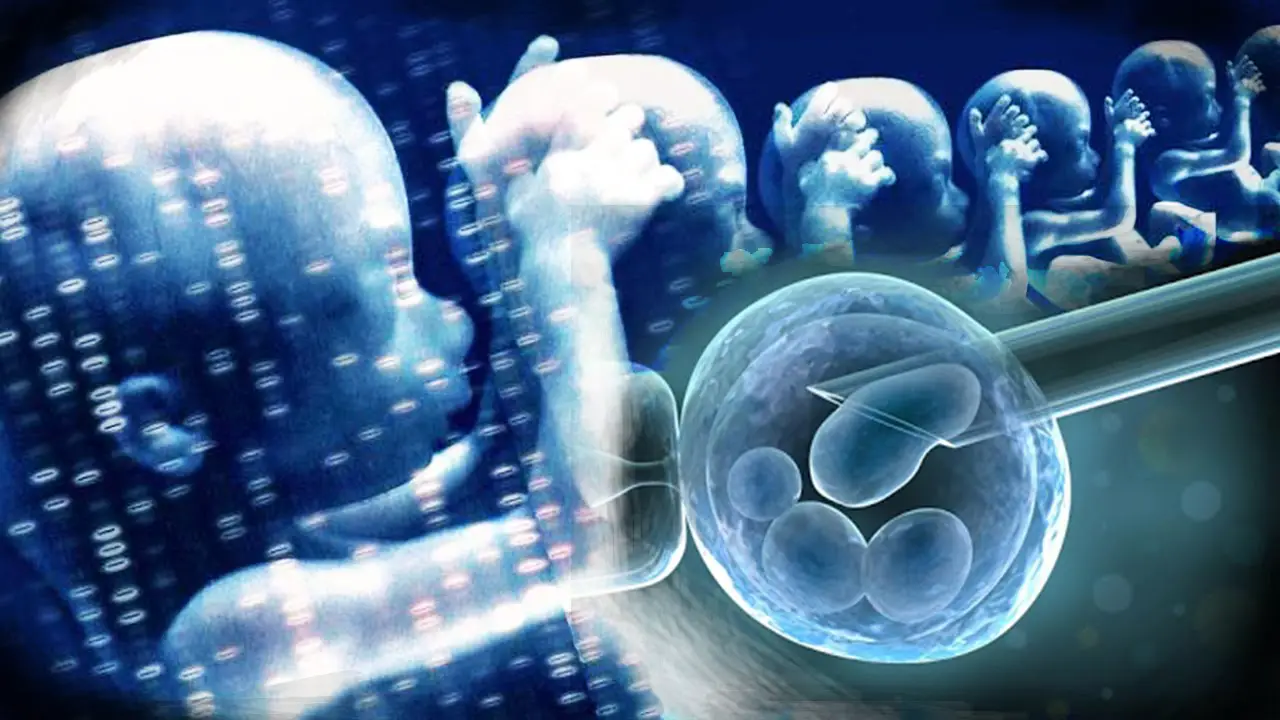
Artificial Wombs, Declining Fertility, And The (Potentially Distressing) Implications

When I first discussed the prospect of artificial wombs, I did so knowing it would evoke distressing sentiments from those who are familiar with the classic novel, “Brave New World.” That’s not just because it’s Aldous Huxley most famous novel. It perfectly illustrates the dystopian implications of a world where society is engineered like an assembly line.

I don’t discount the seriousness of those implications. A world where birth, life, and death are so mechanized that peoples’ lives are barely distinguishable from robots is not an appealing world, to say the least. It’s not very sexy, either. Like “1984,” another famous novel I’ve mentioned, “Brave New World” highlights just how bad these advances in technology can get if not handled properly.

As cold and callous as “Brave New World” might have been, though, it still has the same fundamental flaw as “1984” and every other dystopian narrative. It relies on extreme worst case scenarios that depend on humanity exercising its worst traits. As someone who has emphasized having faith in humanity, I have a problem with those assumptions.

Flawed or not, humanity has proven time and again that we can adapt to major technological advances. However, there may be other complications associated with this particular technology.

Like contraception before it, including near-future advancements, artificial wombs will be subject to extra scrutiny because it involves human reproduction. Human reproduction, in case you’ve forgotten, also involves sex and that’s bound to make a lot of people exceedingly uncomfortable. We already know who some of those people might be.

Also like contraception, though, artificial wombs will help address a serious problem. One of the driving forces behind the development of contraception, going all the way back to ancient times, was the need to control our fertility. Between the various health issues for women and problems caused by unfettered population growth, there were a lot of incentives to drive this advancement.

With artificial wombs, however, the situation and incentives are very different. In fact, they’re unprecedented. I’ve already talked about a potential demographics problem for the industrialized world, as a result of low birth-rates. I won’t go so far as to call it a crisis, but that hasn’t stopped others from using apocalyptic rhetoric.

Assuming that lower birth rates and decreasing sexual activity become dire enough to warrant that rhetoric, artificial wombs are in a position to address it. I’m not just talking about infertile couples being able to have children or having children while both parents continue to work either. Unlike contraception, this technology will completely change the rules to human fertility.

This is where some of the dystopian concepts in “Brave New World” get a bit too real. To understand those concepts, we need to stop thinking like ordinary citizens who just want to have babies without stretch-marks and morning sickness. Instead, we need to channel our inner bureaucrat and think about the functioning of society, as a whole.

With that context in mind, here’s the scenario your society faces.

  • You’ve got a sizable population with a functioning economy
  • That economy relies heavily on people buying and producing services
  • The government provides various benefits and welfare to older or disabled citizens, relying on taxes paid by able-bodied workers/consumers
  • The ability to keep the economy growing relies on increasing the population in order to increase the consumer base
  • The ability to provide government services and welfare depends on there being enough citizens of working age to generate the necessary capital
  • However, the population has stopped growing, the people aren’t having children, and fewer workers are in place to support an aging population

What I just described is similar to the demographics issue facing many industrialized countries. As it stands, the solutions are few and far between. However, in this scenario, the powers that be have a tool that nobody else has at the moment. They have functional artificial wombs.

Suddenly, there’s a solution. Instead of trying to get citizens to have more sex and make more babies, they can just skip that part entirely and breed a new crop of citizens in artificial wombs. Sure, it requires some questionable ethics, but it’s not like that has ever stopped governments before.

Ignoring, for a moment, the distressing implications of governments breeding and conditioning its own citizens, it’s an easy solution that doesn’t rely on stubborn citizens to go along with it. In other words, it’s the kind of solution that governments and authority figures love.

On paper, it works perfectly. In some shadowy government site ripped right out of “Star Wars Episode II: Attack Of The Clones,” rows upon rows of artificial wombs birth a steady supply of healthy citizens. Unlike the chaotic breeding habits of its citizens, though, this operation could be tightly controlled and perfectly optimized.

In a sense, it would be even more efficient than natural birth. If the artificial womb technology is sufficiently advanced, then it could be configured to ensure that only healthy, disease-free children are born. Maybe the government would even gather information on the gene pool of their society and filter it so that only the best traits are passed down.

If that idea sends a chill down your spine, then chances are you’re painfully familiar with eugenics and infamous political movements from 1930s Germany. I don’t deny that the similarities are there, nor do I deny the disturbing ethics involved.

Despite these connotations, though, it doesn’t change the fact that artificial wombs present a functional solution to societies facing demographics issues. Through the use of this technology, the government can ensure that the population can keep growing at the necessary pace to maintain the system.

What may make this solution more appealing and more egregious is that it focuses on bolstering native populations. Given the rise in anti-immigration rhetoric, that’s going to appeal to certain societies, some more than others. Those obsessed with keeping their societies and cultures “pure” will jump at the chance to use artificial wombs to guide their demographics.

It’s a concept that even “Brave New World” didn’t explore. That’s because Huxley was more concerned about the impact of reducing basic human activity to a detached, mechanical process. I believe if he were alive today, he would see how increasing tribalism would prompt societies to use such technology in different ways.

These are all distressing implications, but we can take some comfort that artificial wombs are still a ways off. Chances are they won’t be perfected within the next couple decades, but that doesn’t mean the incentives to use them will go away. In fact, they may intensify as demographic issues continue to evolve.

However, me being the hopeless optimist I am, I believe this technology won’t drive the kind of dystopian, eugenics-driven society that give die-hard racists wet dreams. I believe humanity is better at adapting to these technologies than we give it credit for. If we did it with nuclear weapons, we can do it for artificial wombs.

Sure, there will still be issues, both ethical and pragmatic. There will probably be a sizable contingent of people who dread and fear this technology. However, just as the real 1984 was nothing like anything Orwell had imagined, a world with artificial wombs will be nothing like Huxley or aspiring erotica/romance writers can imagine.

2 Comments

Filed under gender issues, sex robots, Sexy Future

Shifting Demographics: A Dangerous (And Unsexy) Trend To Worry About?

At what point does our willingness to have sex to make babies become a larger social problem? That’s not a rhetorical question, by the way. I’m not even the first person to ask that question. Ongoing changes in demographics are a real issue. Yes, the human population is still growing at a remarkable pace, historically speaking. However, the way it is growing is generating all sorts of problems.

I know talking about demographics isn’t all that sexy, but I think it should be. Demographics involve population. A population of any measure requires that people have sex. I’m in the business of telling sexy stories so changes in demographics will indirectly affect me to some extent.

To understand this issue, it’s necessary to sift through some annoying levels of fear-mongering. Not too long ago, there were some pretty dire predictions about the impact that our rapid population growth would incur on the environment. While these are still pressing issues, we’re not living in a “Mad Max” style hellscape for now.

More recently, much of the doom-saying has come from those anxious about the declining fertility rates of the industrialized world, some of which have dropped below replacement levels.

You don’t need to know much about the particulars of demographics or statistics to understand the implications. For any society to prosper, both economically and functionally, it needs a steadily growing population. Old people die off. Their children take their place. More children grow into productive adults that contribute to society and the economy. It is very much the life-blood of civilization.

That process got a massive boost in the mid to late 20th century thanks to improvements in medicine, technology, and economics. Around 1900, the world population was below two billion. By the end, it had tripled to six billion. As of this post, the global population stands at approximately 7.5 billion. It’s very possible that we may cross the 8 billion mark by the end of the decade.

However, that continued growth is starting to encounter some obstacles. The rates of growth, especially in the industrialized world, are starting to slow. Just this past year, the fertility rate in the United States dropped below replacement level for the first time in a century. That’s a major milestone with some major implications.

Some parts of the world are already dealing with those implications. In some areas, they’re slowing so much that it’s causing major concerns for the future of that society. Japan, especially, is dealing with some unprecedented issues with a society that has a booming elder population and a dwindling pool of youth.

I won’t get into the specifics of the apocalyptic visions associated with declining fertility rates. That kind of doom-saying is rarely productive and often flat out wrong. However, a declining population carries with it all sorts of issues.

A society with a declining population has very poor economic prospects and I’m not just talking about a smaller market for my sexy novels. A declining population means fewer workers, fewer customers, and fewer people to come up with sexy new ideas. For a community and a culture, it’s basically the social equivalent of rapid decay.

In some cases, this decline can be compensated through immigration, but that brings with it a whole host of hot-button issues that I don’t care to discuss on this site. After all the anti-immigration rhetoric that erupted from the 2016 presidential election, there’s little chance that anything productive will emerge from that issue.

What concerns me more about this ongoing trend are the more personal implications behind it. There has already been a noticeable decline in overall sexual activity among younger generations. That doesn’t mean people are less horny. That just means less people are actually getting together and doing it.

The reasons for this are hard to quantify, but I’ve mentioned some of the obstacles that millennials are dealing with, beyond their sex lives. There will likely be even more obstacles once Generation Z, their successors, take hold.

In essence, these coming generations are drowning in debt and lack the economic of their predecessors. It’s hard to find time to seek a lover, start a family, and raise multiple children when there aren’t as many well-paying jobs to go around and the cost of living just keeps going up. The stress alone in dealing with all these issues is enough to kill anyone’s libido.

Others will claim that trends like growing acceptance of abortion and contraception, two issues that I’ve discussed more than once, is a major factor here. I tend to disagree, at least in part. Historically speaking, economics tends to drive fertility, politics, and most other major trends. Money is just that powerful.

I don’t doubt that having a greater control over our fertility from a medical standpoint is an issue, but just having that control doesn’t necessarily undermine our inherent desire to procreate. It’s the resources, circumstances, and conditions that have a much bigger impact on peoples’ desire to have children.

I even see this among my friends, family, and peers. Most of the people who are my age or younger are not in a situation where they have the resources to have a family. Most are struggling to find steady, well-paying jobs. Some are struggling just to find affordable living space, an issue I only recently addressed. Even if they’re still horny, they are not in a position to exercise their fertility.

While that’s understandable from a pragmatic point of view, the long-term implications are still there. If a large enough chunk of society faces these same issues, then at some point, the shift in demographics becomes unavoidable. Fewer children being born, along with a higher cost of raising them, carries with it all sorts of uncertainties that promise to make a tense situation even worse.

It may still be too early to worry about this trend, even the context of an aspiring erotica/romance writer. Trends have a nasty way of changing erratically. The old investor adage of past performance not guaranteeing future results has held true on many occasions.

Paul R. Ehrlich‘s “The Population Bomb” found that out the hard way because it failed to anticipate how humanity would react and adapt. Given how notoriously hard it can be to predict the future, it’s not smart to make too many assumptions about what will happen with these trends in declining fertility rates.

That said, if I have to adapt my novels to cater to an aging population, I’m willing do to that. It just may mean that I’ll have to learn how to describe sagging boobs in a sexier way.

2 Comments

Filed under Current Events, gender issues, sex in society

Gender Equality, Artificial Ovaries, And The End Of Menopause

There are certain situations where, if you take away modern medicine, social institutions, and various life hacks, there’s an inescapable gender disparity. I know that by saying that, I’m inviting all sorts of nasty comments. There are those who claim that just hinting at inherent gender differences is to empower the patriarchy, oppress women, and probably strangle puppies in the process.

This piece isn’t directed at those people, nor is it directed at those who want to fight Round 2,697,206,077 of never-ending the gender wars arguments that the internet has made exceedingly easy to wage. I write this with the intent to inspire hope, excitement, and maybe a few sexy thoughts beyond those I share every Sunday.

When it comes to helping men and women operate on a level playing field, technology has been the great equalizer. It’s because of technology that we’ve helped women gain a greater level of control over their fertility. It’s because of technology that men who otherwise wouldn’t have been able to have children can now do so. A huge chunk of modern society is built around having greater control over our sexual health.

For men, that control has gotten pretty darn robust. Thanks to advancements in modern medicine, as well as tireless marketing efforts from pharmaceutical companies, men can enjoy continuous sexual function well into old age. Say what you will about the greed of pharmaceutical companies, but the collective sex lives of men are better because of it.

While that’s great news for men who want to stay sexy into their golden years, this does widen a particular gender disparity that is rarely discussed, if only because it evokes distressing thoughts about what our grandparents do in their private time. While modern medicine allows men to keep humping like they did in their youth, women face the biological equivalent of a brick wall as they get older.

It’s called menopause and like reverse puberty, it’s a fact of life for women. It typically happens in a woman’s late 40s or early 50s. It’s effects vary from woman to woman, but its signature trait is that a woman stops menstruating. That means they no longer have periods, they no longer ovulate, and they can no longer have children.

At the moment, it’s basically a fact of life. If a woman lives long enough, this is what they deal with. It’s like graying hair, wrinkly skin, or liver spots. At a certain point, their reproductive systems cease functioning. While they can still have sex, the various biological changes associated with menopause can make that difficult.

In terms of the gender scorecard, this definitely deducts some points for women. Whereas men have a way to keep their dicks functioning well into their elder years, women’s options are much more limited. Sure, there are a few medical ways to deal with it, some of which can be purchased at a local pharmacy for less than twenty bucks. However, the biology is still behind the curve.

What if a woman wants to continue having children late in life? What if a woman couldn’t have children in her youth, but later wants them even after her fertility has declined? Whereas men can still father children into their 90s, women seem to be out of luck.

However, and this is where I offer a glimmer of hope to those dreading their unsexy elder years, that may change thanks to recent advancements in biotechnology. According to MIT Technology Review, our ongoing research into regenerative medicine is drawing us closer to the day when we can actually regrow a woman’s ovaries. Here are the basics of this amazing and inherently sexy work.

The work, carried out at Wake Forest Baptist Medical Center, suggests a potential alternative to the synthetic hormones millions of women take after reaching middle age. A paper describing the findings was published Tuesday in Nature Communications.

When tested in rats, the pieces of tissue, known as organoids, were better than traditional hormone replacement drugs at improving bone health and preventing weight gain. The treatment was also as good as hormone drugs at maintaining healthy tissue in the uterus.

In essence, this is like treating your organs as rusty car parts that need replacing. Ovaries, like any other organ in the body, tend to break down as time goes on. We’ve already grown some basic organs in the lab. Growing ovaries, though, has far greater implications than simply keeping your body humming along.

Ovaries, as anyone who sat through a health class knows, are the organs that produce the various hormones and androgens that make up a woman’s biology. It plays key roles in just about everything having to do with female sex and reproduction. Once it shuts down, it’s like the main generator of a building going down. Sure, some parts have backup power, but that’s not enough to keep it running.

The ability to regrow fresh, healthy ovaries completely changes that dichotomy. In some respects, it puts the women out ahead of the men in terms of sexual function in their golden years. Unlike little blue pills or even bionic penises, these re-grown ovaries are entirely functional organs. It’s like resetting, rebooting, and re-energizing a woman’s sexual function.

This doesn’t just mean that women can still have healthy children well beyond their golden years. It means they can also avoid the various downgrades to their sexual function that often comes with menopause. They don’t need to take pills or constantly replenish hormones. They’ll have entirely functional organs inside them to do that for them.

Now, ignoring the possibility that creating new ovaries may also lead to creating enhanced ovaries, this does more than just improve the sex lives of older women. In many respects, it puts them on the same level as their elder male counterparts.

Their sexual function and their reproductive function don’t have to decline with age. Like older men, they can still have sex for fun. They can still have sex to make babies. Their options are just as open. If you’re a fan of gender equality, then this is an advancement that’s every bit as vital as advances in male birth control.

While I’m sure this will still generate some unpleasant mental images about our parents and grandparents, the incentives are already in place and too great to ignore. Sure, there will be some women who opt not to get fresh ovaries, just as there are some men who don’t mind having a less active penis later in life. However, the fact that medical science will give people these options is a true game-changer.

Technology has always changed our society in immense ways, but technology that affects our sex lives and our reproductive health tends to have bigger impacts than most. What happens to our family structures when our grandparents are still having children at the same time as our parents? What happens when getting older is no longer associated with succumbing to menopause and sexual dysfunction?

These are the kinds of questions that don’t have easy answers now, but those answers may end up finding us sooner than we expect. Since I’m in the business of erotica/romance novels, it may very well affect me at some point. Then again, having more people who stay horny into old age might be good for business.


1 Comment

Filed under gender issues, Second Sexual Revolution, sex in society, Sexy Future

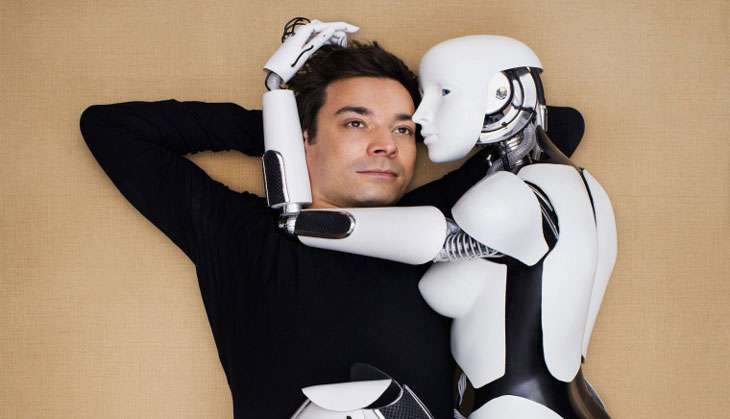
When Sex Robots Come (And Have Children)

It has been a while since I talked about sex robots . For that, I apologize. I like to think I keep up with all things related to sex robots, be it major news regarding the first sex doll brothel to deeper insights on how sex robots will affect society. Let’s face it. There are many implications with sex robots, as is often the case with anything that affects our sex lives.

More recently, most of those implications have centered around what happens when sex robots gain a measure of intelligence. We already have non-intelligent sex dolls that have the look and feel of real human flesh, even if they’ll never be mistaken for a real person. Sex robots that utilize artificial intelligence are still a ways off, but they are coming.

I realize that’s a crude joke that most would expect of someone who writes sexy novels in his spare time. I’ll try to limit those remarks for now because this particular issue regarding sex robots is no laughing matter. This time, it doesn’t involve the dangers of artificial intelligence, if you can believe that. Instead, it involves the very real possibility that sex robots may one day bear children.

I’ll give everyone a moment to stop rolling their eyes and/or cringing. I realize that possibility probably hadn’t crossed your mind until I mentioned it. The very concept seems antithetical to the purpose of a sex robot. Isn’t it just supposed to be the perfect sexual outlet for horny men and women? The robot getting pregnant would seriously undermine that use.

Well, maybe that applies in the world of softcore porn where there are no children, pubic hair doesn’t exist, and underpaid baristas are ridiculously hot. In the real world, there are more complexities to people, society, and the desires that drive them. Chief among those desires is the urge to reproduce.

Sure, sex is usually the primary component of that desire, but it’s not the only one. Deep within that longing for the toe-curling pleasure that we seek, be it through a lover or a sex robot, is also a desire to create the next generation. It’s kind of an important desire since it’s a big reason why humanity is the most dominant species on this planet.

So where exactly do sex robots play into this? Well, there are already people out there who have given this subject much more thought than I have. Granted, some of that thought is way beyond current sex robot technology, but the concepts and principles are already in place.

According to Sergi Santos, a sex robot inventor and enthusiast who might be to sex robots what Steve Jobs was to computers, the process would be fairly simple and not involve nearly as many labor pains. He described the process as follows.

Using the brain I have already created, I would program it with a genome so he or she could have moral values, plus concepts of beauty, justice and the values that humans have.

Then to create a child with this robot it would be extremely simple.

I would make an algorithm of what I personally believe about these concepts, and then shuffle it with what she thinks and then 3D print it.

That’s it. I 3D print the robot that is the child of me and the robot, I don’t see any complications.

Granted, it’s not a very sexy process and it lacks all the nine-month rituals that we’ve come to associate with creating new life. There are no baby showers, ultrasounds, or pregnancy cravings. The entire process is largely mechanical, using the same principles that comes with shuffling genes and traits, but implementing it in a more technologically-driven manner.

It basically takes Aldous Huxley’s dystopian fever dream, “Brave New World,” to a far greater extreme. It doesn’t just reduce reproduction to a process that’s not unlike getting a car custom made. It utterly separates it from the physical act of sex. Sure, some of the genetic material might be utilized in some way, but the actual gestation process is not the same.

Rick and Morty” already toyed with this concept in an episode that involved sex robots, gender wars, and a scene inspired by “Flashdance.” I swear I’m not making any of that up, but it’s a concept that addresses a serious issue that may very well arise once sex robots mature.

Once these devices get to a point where they’re intelligent, realistic, and capable of providing the necessary fulfillment that people seek, then what happens to our species’ ability to propagate? If sex robots get to the point where anyone can basically design the perfect lover, then what use will anyone have for old fashioned reproduction?

Don’t just think this will apply to men, either. There will be sex robots for women as well because, contrary to popular belief, women do get horny too. Those robots will be able to have babies too. I’ll give everyone a moment while their heads stop exploding.

How that process might play out is not something that Mr. Santos or Huxley even imagined. However, if the only ingredient necessary is a woman’s biological material and a sex robot with the right materials, then there’s no reason it can’t make a baby as efficiently as their male counterparts. Maybe the woman will want to carry it or opt to just have it printed. Sufficiently advanced sex robots will give them many options.

Sure, there may always be people who favor making babies the old fashioned way. That’s why there are still communities that shun modern technology. However, there’s a reason why those communities are small, secluded, and have limited influence. The appeal of technology and the promise it offers is just too enticing to most people.

Make no mistake, either. While it seems strange and kinky now, the idea of reproducing with a sex robot will have appeal. Talk to any woman who has ever endured the rigors of pregnancy and all the complications that come with it. If the process that Mr. Santos described above is even half as effective as he proclaims, then that’s still plenty enticing for those seeking an alternative method of propagating the species.

Imagine a process that doesn’t take nine grueling months. Imagine a process that doesn’t require morning sickness, frequent check-ups with a doctor, or stretch marks. Again, ask any woman who endured a rough pregnancy. Few will say it was easy, let alone comfortable.

A sex robot that can have a child, whether it’s through an artificial womb or the 3D-printing process imagined by Mr. Stantos, provides that last critical function for a sex robot. Now, it won’t just be the perfect sexual partner. It will also be the perfect breeding machine.

It’s impossible to overstate how huge the implications are of something like that. If every individual on the planet just used a sex robot for their sexual needs, then our species would naturally go extinct. That’s just basic biology. However, give those robots the ability to reproduce and the rules of basic biology are no longer applicable.

As I’ve noted before, nature sets the bar pretty low when it comes to evolutionary success. If a trait helps a species survive and reproduce, then everything else on top of it is just icing on the cake. A sex robot that can both help us reproduce and give us great sex may very well rewrite the template by which our species operates.

The possibilities are both extraordinary and kinky. It may very well serve as the basis for one of my novels in the future. Most people alive today will still see the idea of a sex robot having children as a strange, if not obscene idea. Even our kids may feel that way, albeit to a lesser extent.

Then again, the same could be said for previous advances in reproductive technologies, such as in-vitro fertilization. Just this past year, the first child ever born through a transplanted uterus was born. The way humans reproduce is already changing and it’s going to keep changing.

Like everything else in our lives, we humans are going to find ways to make amazing tools to help us survive. It’s only a matter of time before we use those same tools to help us make better, healthier, sexier babies. Sex robots, whatever form they take, will likely be part of that process.

1 Comment

Filed under gender issues, sex robots

Using Sex Robots (As Therapy)

It feels like I joke about sex robots every chance I get on this blog. In my defense, this is a blog that sells sexy stories, promotes steamy romance, and dares to imagine a future with bionic genitalia. Make no mistake, though. sex robots are a serious issue.

Sure, they’re easy to make light of when they still look like over-sized blow-up dolls with tits, but they are steadily becoming more advanced. They’re already entering the sex industry, albeit in a limited capacity. There are actual companies working on them, as we speak, and for good reason. The demand for sex is like the demand for water. It’s a market that can always be counted on and one Amazon hasn’t monopolized yet.

I’ve talked a bit about how sex robots might impact us, but I always assume that impact will be far greater than anything an aspiring erotica/romance writer can imagine. Hell, I doubt even movies can imagine it, although some like “Ex Machina” make a concerted effort.

I intend to keep discussing the breadth of that impact on this blog in all sorts of ways, including those that’ll make people horny as hell and others that’ll make people more uncomfortable than a vegan at a butcher shop. In any case, it’s worth belaboring both the upheavals and the opportunities that functional sex robots will present.

Sure, there will always be truly deranged people who will become more deranged by presence and use of sex robots. Those people are always a minority, though. Like Charles Manson, they’re the disturbing exceptions that make the news, but not the norm.

Beyond the extremes, though, there’s another aspect of sex robots that I think warrants discussion and one that actually builds on other issues I’ve brought up on this blog, primarily those involving the challenges most people face in forging a healthy sex life in the modern era. If the failure of celebrity couples are any indication, then those challenges are more daunting than we think.

To illustrate the extent of those issues, take a moment to think about the number of people you know who have sought therapy or counseling in some form. Chances are you know more than one. I certainly do. Hell, I challenge anyone to find someone who doesn’t know anyone who has sought therapy.

According to the American Psychological Association, approximately half of American households had someone who’d sought therapy in some form or another. That data was gathered in 2004, though, and pointed out that some couldn’t even seek therapy, due to a lack of insurance. That’s a lot of therapy and a lot of people who need it that aren’t getting it.

Now, take a moment to consider how much of that therapy involved someone’s sex life. While I doubt it applied to every case, I imagine there’s a significant portion of psychological issues that are tied to sex. The fact that sexual dysfunction is so prevalent leads me to believe that more than a few psychological issues are at work here.

Hell, it’s practically part of our popular culture. Watch any sitcom, any movie that doesn’t involve talking animals, or any novel that involves a Biff Tannen/Regina George knock-off and you’ll see it. A man or a woman has an unsatisfying, frustrating, or non-existent sex life. It is the source of a lot of problems, plots, jokes, gags, and obstacles.

Enter the intelligent, interactive, fully-functional sex robot. What does that do to therapy and the reasons we seek it? I’m not just asking that because I want you to picture a world full of advanced sex robots that look and function like Jenna Jameson and Channing Tatum on crack. Granted, I always want people thinking those kinds of sexy thoughts on this blog, but I want people to keep their panties on and look at the bigger picture.

Think, for a moment, how much stress and frustration most people experience when dealing with their sexual desires. It doesn’t matter that it’s the 21st century, internet porn is everywhere, and women are legally allowed to have sex that doesn’t involve making babies. People who aren’t celebrities, supermodels, or as attractive as either struggle to satisfy those desires.

It can and does take a psychological and physical toll on people. If the documented health benefits of orgasms are any indication, then nature wants us to have plenty of sex. Not getting it is like denying the body and mind key nutrients. Without it, there will be issues that go beyond bad moods and morning wood.

At the moment, it’s not easy for a lot of people to explore their sexuality and actually engage in meaningful sexual exchanges. Between uptight religious attitudes, rampant slut shaming, and woefully unequal gender dynamics, finding an adequate sexual outlet is not like going to the grocery store to buy some snacks when you’re hungry. It also comes with all sorts of risks, including disease, pregnancy, and toxic relationships.

The sheer breadth of this difficulty is a major driving force behind the sexual frustrations of many men and women, alike. It’s hard enough just articulating those desires, even to a therapist that is legally obligated to never tell another living soul about your clown fetish. Actually exploring those feelings and achieving some level of sexual gratification is more difficult.

Sex robots don’t just change that situation. They don’t just rewrite the rules of the sexual playbook. They throw the playbook out, shoot the people who wrote it, and use their notes as toilet paper. Sex robots are destined to upend the sex industry and already are in some parts of the world. The impact they’ll have on therapy, though, may be just as great, if not underrated.

Picture a scenario, if you can, of a young man or women going into a therapist’s office in the not-so-distant future. In that future, sex robots are a mature technology in the sense that robots are nearly indistinguishable from humans. They look, feel, and sound real. They have a measure of intelligence, but it’s not much greater than that of the virtual assistants we already use today.

Knowing this, the therapist sits the man or woman down and talks to them. They find out quickly that this person is dealing with depression, anxiety, stress, and loneliness on a level that’s beyond that of most people. As part of the treatment, the therapist provides them with a specially-programmed sex robot. It’s here where the implications become both daunting and seamy.

Unlike the traditional sex robots that ordinary horny people use, or the sex bots you see in an “Austin Powers” movies, these sex robots are programmed with a specific purpose. They’re not just there to give their patients a good orgasm. They can get that from porn or sex toys. The sex robot, in this case, will have a more intimate function.

First, they’re molded to look like someone that the patient feels strong sexual attraction for. That may require some kinky tweaks, especially for those who have crushes on Jennifer Lawrence. However, that’s both doable and kind of necessary. There are already sex dolls molded after porn stars. That same process can be applied to sex robots.

Second, the robot is programmed with a specific personality profile that takes into account the patient’s mental issues. It won’t be enough to just get them off. They’ll need to create an emotional bond with them so that they can help them cope with those issues.

Maybe that involves a sex robots that’s a kinky, assertive dominatrix to help someone with authority issues. Maybe it’s a sex robot that’s meek and submissive to help someone with poor self-esteem. Maybe it’s a sex robot that’s just extra-durable to help someone who’s a real nymphomaniac. There are many ways a sex robot can help people is what I’m saying.

That process may not always include kinky sex. The sex robot may just be programmed to provide some sort of emotional intimacy that the person lacks or can’t find with another person. They could even be programmed to satisfy those who suffer from physical deformities, paralysis, or chronic disease. Thanks to these robots, everyone can have a physically and emotionally satisfying sexual experienced.

The possibilities are limited only by the extent to which a sex robot can be programmed for a specific purpose. Given how good we are at customizing our phones, cars, and even weapons, it’s very likely that we’ll do the same with sex robots for therapeutic and non-therapeutic use.

On the therapy side, though, those possibilities have the greatest implications. It’s one thing for normal, healthy people to enjoy regular, satisfying sex with a robot. It’s quite another when people who would otherwise be crippled or hindered by mental illness are suddenly able to function again and achieve some measure of happiness.

Think, for a moment, what that means for society. It elevates sex robots beyond a mere novelty or kink. Suddenly, they become a means to treat people who never would’ve gotten treatment otherwise. In addition, those who’ve lost loved ones, become ill, or just can’t attract those cute cheerleader types that gets their blood flowing can enjoy intimate, satisfying experiences.

In terms of quality of life, it’s a huge boost. In terms of how we approach our sex lives and sexuality, in general, that’s a bit harder to quantify, even for a mind as lurid as mine. Having a society where everyone, man and woman alike, is sexually satisfied is kind of unprecedented.

It’s really hard to know just how such a society functions or even if it can function. Throughout history, our species has struggled to channel and manage our sex drive. The extent to which we have so many sexual taboos and asinine double standards just proves that the struggle is still ongoing.

Modern medicine, contraception, and even the mainstreaming of the porn industry has helped make sex less dirty, to some extent. We still have a long way to go before full sexual satisfaction is achievable to everyone, not just the beautiful, the popular, and the mentally healthy.

Sex robots could very well be the most critical tool society creates in helping people achieve a level of emotional, physical, and mental satisfaction. In a world where everyone is that satisfied, how will we conduct ourselves? How will we interact with each other? It’s impossible to say, but if writing sexy novels has taught me anything, it’s that few things are more therapeutic than a satisfying sex life.

8 Comments

Filed under Marriage and Relationships, sex robots, Sexy Future

The (Possible) Secrets Of Generation Z (And Why We’ll Be Appalled By Them)

Every time I write a post that requires me to speculate, I always write a disclaimer at some point that makes clear I am not some psychic soothsayer who can see the future in any meaningful capacity. If I were, then the last PowerBall jackpot would’ve had a very different outcome.

Nobody knows the future. Nobody can possibly know, given how erratic we are as a species and a society. Seriously, who the hell could’ve predicted that fidget spinners would be a thing?

That said, I do think it’s a necessary mental exercise, of sorts, to speculate on certain elements of the future. By that, I don’t mean next week’s lotto numbers or who will win in Fantasy Football. I’m talking more in terms of the bigger picture.

I’ve speculated before on many elements of the future, from the prospects of a second sexual revolution to the sex lives of enhanced humans. In each of these speculations, I freely admit that I could be dead wrong and this will be no different because I’m about to speculate about a topic that’s much more immediate.

It doesn’t involve technology, brain implants, or whatever crazy venture that Elon Musk and Richard Branson are cooking up. It has to do with the next generation that will follow those constantly-texting, selfie-taking, latte-loving millennials that everyone loves whining about these days.

It will happen. It has already started happening. Millennials may be having less sex, but they’re still having sex. That means babies are being born. That means there will be another generation of people after the millennials start getting old, whiny, and cantankerous.

At the moment, this generation doesn’t have much of an identity. It barely has a name. Some call it Generation Z or the Cloud Generation. Since they’re so young and they haven’t been around long enough to do anything to earn them a more creative nickname, I’ll just go with calling them Generation Z.

It’s hard to know much about them, right now. Nobody even knows what sort of age range they belong in, but for the moment, Generation Z is primarily defined as the cohort of people born after 2001. They are basically the generation that has never been influenced by the 90s, dial-up internet, or the pre-terrorism days when you could still carry bottles of shampoo on a airplane.

They are also a generation born into a world where social media has matured, internet access is a necessity and not a luxury, and talking to devices that talk back is considered normal. They have some very unusual factors guiding them, many of which previous generations created and none of which they had any say in shaping.

It’s hard to know much about what defines this new generation, if only because they’re still teenagers who haven’t entered the workforce or started voting yet. That will change in the next few years. It won’t be long before the generation that those overly-connected, over-caffeinated millennial hipsters spawned starts to mature.

That still begs many questions to marketing departments, fashion magazines, and older people looking for a new batch of youth to whine about. What kind of people will Generation Z be? What sort of attitudes, tendencies, and mentalities will they embrace? Who will their leaders, heroes, and icons be?

These questions are still impossible to answer, but Generation Z is growing. I’ve already got a number of nephews and cousins, some of which are still in diapers, who will be part of this generation. I’m sure many reading this blog have family members who will be part of that generation as well.

Every generation has their share of challenges and quirks. Since I fall squarely in the age-range of the millennial crowd, I have some insight into those issues. That’s why I felt at least partially qualified when I wrote my article on the dark secrets of the millennial mind. I’m far less qualified to know the secrets of Generation Z, but I’m still going to try.

Make no mistake. Generation Z will have certain quirks that will annoy the hell out of millennials. They’ll probably end up annoying baby boomers and those of Generation X even more. I’m sure once they get old enough to start making a scene, there will be even more jokes about them than there are about millennials.

Until then, we can only speculate on the kinds of secrets that will shape Generation Z and all whining other generations will do about them. I’m not looking forward to so much whining, but I will still attempt to find a context for it.

With all that in mind, what follows is a list of the potential dark secrets that Generation Z will possess and how those secrets will annoy older people to no end. Again, I am woefully unqualified to make predictions about the future and there’s a very high chance that what I write will be dead wrong. Please keep that in mind before you start lamenting about the attitudes of your future children.


Potential Secret #1: They Will Be The Most Nihilistic Generation Of All Time

Every generations is, to some extent, a reaction of the previous generation and those that came before it. If one generation is upbeat, then the other is cynical. If one is uptight, then the other is rebellious. It’s not quite a cycle because the extent is always changing, but the dynamics are fairly common.

It’s because of those dynamics that Generation Z will very likely be the ultimate personification of nihilism. I’m not just talking the Friedrich Nietzsche style, existence-has-no-meaning type of mentality that inspired every goth band ever made. Generation Z will likely embrace a more passive form of nihilism.

Think about the outrage that previous generations have voiced on any number of issues. Baby Boomers voiced a lot of outrage about the Vietnam War. Generation X voiced outrage about outdated, corrupt traditions. Millennials voiced outrage about fake news, quasi-fascists, and poor wi-fi. Generation Z will be influenced by all of this and will respond with a resounding “meh.”

Here’s a scenario that should illustrate that sentiment.

Baby Boomers: “You kids are a bunch of self-entitled, narcissistic deviants who have no idea how good you have it! You ought to be ashamed!”

Millennials: “You kids are destroying the world! You’re empowering racists, fascists, sexists, homophobes with your actions and inactions! You ought to be ashamed!”

Generation Z: “Yeah, so what? In the long run, it really doesn’t matter.”

That’s the main crux of any debate for Generation Z. They’re born into a world where the sheer volume of media, information, and access is so big, so vast, and so overwhelming that they feel like tiny specks of sand within a digital ocean. Their perspective is one of inherent smallness.

Nothing they say will ever be loud enough for most people to hear. Nothing they do will be significant enough to stand out. Between that information and being the kids of highly-educated millennials, they will see just how small and pointless they are in a world so big and complex.

By the time Generation Z comes of age, there could be nearly 8 billion people on this planet, many with access to the same internet, social media feeds, and every kind of news source, fake or otherwise. They will feel so small in such a large global community that the passions of the millennials will feel pointless.

This will be what really frustrates other generations, especially the millennials. Generation Z will be born into the world of fake news and alternative facts, so much so that the meaning behind news, events, and controversies will be muted.

Generation Z will see beloved celebrities fall, corrupt politicians ascend, and cherished institutions crumble and just shrug their shoulders. They won’t be sad or depressed about it, though. They just won’t waste their energy on it because they see it as pointless in the grand scheme of things.


Potential Secret #2: They Will Be More Conservative (But Not In The Way You Think)

In the same way every generation seems to react to one another in terms of trends, political persuasions often adapt in accord with those trends. By that, I don’t mean they go from one extreme to another. The Baby Boomers were far more liberal than their predecessors, but compared to Generation X and millennials, they’re fairly conservative on a lot of issues.

At the moment, the majority of millennials identify as liberal, at least in the current context of the term. These attitudes will likely shape and influence the politics of Generation Z. They’re being born into a world where the idea of having a black man or a reality TV show host as president is not considered outrageous. As such, they’re going to be pretty numb to political extremes.

It’s for that reason that Generation Z will probably be a bit more conservative than their millennial parents or Generation X grandparents, but they’ll still disagree a great deal with Baby Boomers.

That’s because their kind of conservatism won’t be built on the overtly-religious, pro-business, let’s-trust-the-greedy-folks-running-the-free-market-to-sort-it-out ideology. It’ll be built more on the notion that all the liberal activism that millennials and the Generation X crowd took part in didn’t amount to much, especially compared to the Baby Boomers.

Generation Z will live in a world where they can watch old videos of presidential debates, TV pundits, and college protests and see just how much and how little they accomplished. Sure, they’ll probably be accepting of minorities and relatively lenient on social issues, but it’ll take a lot to get the Generation Z crowd to shake up the political and social norms of their time.

Part of this will likely be due to their inherent nihilism. Another part of this will be having seen their parents call everything a racist, sexist, anti-gay, anti-trans, fascist agenda. Once everything becomes an agenda, it just becomes more trouble than it’s worth and Generation Z won’t bother with that kind of activism. They’ll be too content and/or numb to profane politicians or ridiculous traditions.


Potential Secret #3: They Will Be Obsessed With Purpose Rather Than Passion

This may seem inconsistent with the overall sense of nihilism that I mentioned earlier, but it’s actually the other side of the same coin that may very well define Generation Z. This is the side that every marketing department, mass media company, and aspiring erotica/romance writers need to consider if they’re to appeal to this generation.

Whereas Baby Boomers were driven by rebellion and millennials were driven by passion, the Generation Z crowd will focus on finding something that gives them a sense of purpose. Things like passion, duty, or responsibility will be secondary at best. Those in Generation Z will be striving and struggling for purpose.

Some of that has less to do with nihilism and more to do with trends in the economy. With each passing year, more of our economy and daily lives is being automated. I’ve even talked about the possibilities before, but it’ll be more than a possibility for Generation Z. They’ll be living in it.

By the time my cousins and nephews are legal adults, they’ll be surrounded by virtual assistants who will shop for them and self-driving cars who will drive for them. They may not even live in a world where actual humans check out their groceries anymore.

So much will be automated and/or facilitated for them that they won’t have to toil anywhere nearly as much as previous generations. Working in a factory, a construction site, or even an art studio will be exceedingly rare for the folks of Generation Z. With so many tasks done for them and so little need to toil, what will they do with themselves?

It’s hard to know the specifics. Again, who the hell could’ve predicted the rise of fidget spinners? However, I suspect that those in Generation Z will dedicate most of their time and energy into finding that purpose, whatever it might be. Chances are, it’ll be something that makes millennials and Baby Boomers roll their eyes.

I imagine the lives of Generation Z will be filled with any number of absurd ideas of personal meaning. It may be a weird job, a strange hobby, or an odd new way of doing business. In any case, it won’t matter how absurd it is. So long as it gives them meaning, Generation Z will embrace it to the utmost.


Potential Secret #4: They Will Have No Concept Of Privacy (And Won’t Care)

This probably doesn’t count as much of a secret. We’re already seeing privacy, as we once knew it, erode with each passing year. Millennials took the technology that Generation X helped create and used it to tell the world damn near everything about them. Privacy, for them, might as well be a steam-powered train.

Those within Generation Z will likely continue this trend. It’s a trend that began long before their parents. When trends have roots that deep, they tend to continue. They don’t always manifest in the same way, though. With Generation Z, the lack of privacy will likely take on a distinct twist, compared to their parents.

As transparent as many are in the internet age, both Generation X and millennials still choose their words carefully. They helped create the climate of political correctness that is so easy to despise for its absurdities. Today, voicing any opinion, even if it occurred in private, can become a huge spectacle that costs people their livelihoods, their reputations, and in some cases their lives.

Generation Z will grow up in a world where that climate has caused too many people too much stress. Between that, and living in a world that’s so vast and overwhelming, they’ll probably be even more likely to share every little detail about their lives on the internet. Moreover, they won’t care how offensive or wrong it is to their parents or grandparents.

It’s probably going to appall the millennial generation the most. They’ll be the ones crying, “It’s [insert current year here]! How can you possibly still hold these opinions?” Those of Generation Z will just shrug their shoulders and say, “So what? What does it matter?”

I shudder to think just how detailed they’ll be when it comes to sharing their lives. I’m all for pretty girls sharing pictures of them in a bikini or parents showing adorable pictures of their babies. I’d rather not see more graphic pictures that include the contents of poopy diapers.


Potential Secret #5: They Will Be Emotionally Numbed (To A Point)

In a sense, millennials and the Generation X crowd will be the mad scientists that create the perfect monsters in Generation Z. They’re both defined by varying extremes of being overly passionate about too many things and not being passionate about damn near everything. Basically, they’ll be the children of Kurt Cobain and Taylor Swift.

As a result of those extremes, Generation Z will probably be the most emotionally numb generation to date, at least publicly. That’s not to say they’ll be a bunch of manikins with a pulse. They will still feel emotion. They won’t be entirely Vulcan in their mentality. They’ll just be more channeled with their emotions.

By that, I mean Generation Z will see their emotions as a precious resource that should be reserved for people and things that matter. They’ll have seen their parents get so emotional about all sorts of trivial crap, from who dies in “Game of Thrones” to what sort of political statements that Beyoncé made. They’ll notice how stressful and pointless that was and adapt accordingly.

That probably means that Generation Z will be very hard to market to, in terms of creating a consumer base. Remember, this is a generation that emphasizes purpose, but it doesn’t matter how absurd or inane that purpose is. It’s not enough to just evoke emotional responses with Generation Z. It has to be tied to a purpose.

Everything else outside that purpose, though, isn’t going to jar them in the slightest. They’ll already be living in a world where every emotionally-charged story and image is online, accessible, and blared to everyone with an internet connection. They’ll be fairly numb to the big stuff. They’ll reserve those emotions for the small stuff, the trees within the forest, that really gives their lives meaning.


I hope I haven’t scared everyone over the age of 30 too much. Again, and I’m sorry to belabor this, but these are just speculations on my part. I have no idea what sort of people Generation Z will spawn. Five years from now, this list may be obsolete and I’ll look like an idiot for writing something so wrong.

If you think I’m dead wrong and feel like you have something else to add to this list, please let me know in the comments. I’ll be happy to revise it, especially if it means looking less stupid down the line.

Wrong or not, this new generation is coming. We’re all going to have to live with them and find ways to appeal to them. That includes aspiring erotica/romance writers. So if you start noticing a shift in tone to my sexy novels, as if I’m trying to appeal to a new crowd, you’ll know why.

9 Comments

Filed under Current Events, gender issues, Second Sexual Revolution, Sexy Future