How To Make Sense Of The World In One Easy Step

https://hw.infowars.com/wp-content/uploads/2016/10/201016msm.jpg

When it comes to politics, the news, or general advice, I try to avoid it as best I can on this blog. I want this blog to be a refuge and reprieve from the vast, stinky ass crack that is the real world and the parts of the internet that amplify the smell. That’s why I prefer talking about less dire subjects like sex robots and sex-positive comic book characters.

If I do talk about something that’s in the news or controversial, I usually try to put a humorous and/or sexy spin on it. I don’t want to push an agenda, start a movement, or leader a rally. That’s just too much time and effort that could be better spent talking about hot teachers and bionic penises.

https://mobilespyworld.com/wp-content/uploads/2017/01/top-spy-app-teacher-sex-with-student.jpg

I know that I sometimes give the impression that I have an agenda beyond selling my novels. I try to minimize that, but sometimes it’ll slip through. I try to avoid it, but I’m not going to apologize either. I’m only human. Every now and then, something I write or say will have some sort of connotation to real world news, events, etc. At the end of the day, I want to make this blog as sexy and fun as my novels.

That being said, I’d like to do something a little different today. No, I’m not going on some sort of political rant. I’m not going to get on a soap box, hold up a sign, and start talking about shape-shifting lizard people. I’ll leave that sort of thing to Alex Jones or the character/troll he allegedly plays.

Instead, I’d like to offer a bit of insight to those still struggling to make sense of the world, the news, and the people claiming that fluoride is an elaborate mind control scheme. It’s not necessarily advice. I’m an aspiring erotica/romance writer. I’m as qualified to give advice as I am to build a star ship.

https://i0.wp.com/allennance.com/wp-content/uploads/2015/06/peanuts-blogging-advice-770x433.jpg

What I’m offering here is perspective, a precious commodity in a world where everyone has the means of muting messages they don’t want to hear. Anyone who watches the news for more than ten minutes or spends more than five searching for it on their Facebook feed is sure to be overwhelmed, upset, and confused.

It’s just too easy to filter out the news and facts you don’t like. It’s too easy to mold your own agenda into a neat little package that makes you feel content to some extent. Sometimes we do too good a job. Sometimes our agenda is so nice and neat that it does everything other than give us oral sex.

That’s why we need perspective. That’s why we need to step back, see the bigger picture, and understand that we all embrace our own particular brand of fake news, alternative facts, and elaborate excuses. It’s the only way to truly make sense of the world, at least as much as our caveman brains will allow us.

https://spiritualworld.co.in/en/wp-content/uploads/2016/03/Maintaining-the-Perspective-800x400.jpg

So here’s how you do it. There’s only one step. It’s free. It’s simple. There’s no complicated instruction manual. It can all be boiled down into three simple words. Brace yourself because this is going to either rock your world, break your heart, or make you yawn. Take a moment if you need to. If not, read along because here it is. Here is the secret to making sense of a chaotic world full of crazy people.

Nobody Knows ANYTHING

Go on. Roll your eyes and laugh. Start calling me names in the comments.  Call me a cuck, a troll, or an agent of the Illuminati. I don’t expect this to blow anyone’s mind or soak anyone’s panties beyond a certain extent. It is, however, as true and honest insight as you’ll ever find in the era of fake news.

Now, I can’t claim to have come up with this on my own. This little bit of insight is actually something one of my old college professors told me on the first day of his class. Before you roll your eyes again, know that this professor could easily have been mistaken for a hobo who just robbed a fancy clothing store. Imagine every pipe-smoking professor you’ve ever had. Now imagine the exact opposite. That’s this guy.

https://thetvseriesguy.files.wordpress.com/2012/06/tc2.jpg

He dropped this incredible truth bomb on us the first day because he wanted to make clear that he would not be giving us the politically correct version of his class. He was going to be honest in as brutal a way he could without getting fired. The fact he was tenured and admitted to working drunk in the past kind of added to his credibility.

So what exactly did he mean when he said those words? How do they relate to what I mean by it? In the grand scheme of things, it has to do with the certainty we all seek. Our caveman brains, for better and for worse, crave certainty and abhor stress. When we have a gap in our knowledge and understanding, we naturally jump at anything to fill it.

Sometimes it’s a certain news source. Sometimes it’s a certain religion. Sometimes it’s a particular political ideology, social club, or even a TV show. Talk to anyone who was a big fan of “Lost.” They’ll put any charismatic preacher to shame.

Since our brains are so crude and aren’t equipped with a google connection (yet), it doesn’t matter whether or not the source we seek is true. It doesn’t even matter of it’s debunked. Our brains still cling to it because changing our minds causes too much stress and we’ll make any excuse to avoid that stress.

That creates an unavoidable paradox of sorts and I’m not talking about the ones Doc Brown worried about in “Back To The Future.” Our caveman brains are so limited, but they’re wired to seek certainty. However, because of those limits, our ability to achieve certainty on complex issues is next to impossible. In most cases, it is impossible.

Nobody knows for sure what the economy will do today, tomorrow, or even two hours from now.

Nobody knows for sure whether a new product will sell or be a flop.

Nobody knows for sure whether a rookie athlete will be a bust or a hall of famer.

Nobody knows for sure whether a particular movie will be a big box office success like “Deadpool” or an unmitigated disaster like “John Carter.”

Nobody knows for sure whether a law, court decision, or executive order will do more harm than good.

Nobody knows for sure how a new piece of technology will affect society.

Nobody knows for sure whether their theories about life, the universe, and everything in between are accurate.

In the end, nobody knows anything. It’s just that simple.

That’s not to say that we should be inherently doubtful of everything. At most, those who make bold proclamations can only make best guesses. It’s not always accurate, but sometimes it’s fairly close. Other times, it’s just dumb luck. Ask the guy who predicted the Chicago Cubs world series victory in 1993.

We can surmise, speculate, and reason all we want. In the end, nobody really knows anything. Nobody can really be certain. Nobody can have all the facts. That’s why people gravitate towards others who express such certainty. It’s akin to having a superpower. In our minds, having that kind of certainty is right up there with Superman, the X-men, or the Avengers.

Unlike superheroes, though, that certainty is self-delusion at best and a scam at worst. Those who at least try to be reasonable, offering facts and best guesses in extrapolating those facts, deserve a chance and some credibility. If they’re honest, they’ll admit they don’t know everything with absolute certainty. They can be fairly confident, but they can never be completely certain.

Keep this in mind the next time you see a news story, an article, a book, a self-help guru, or a religious zealot. They can only claim certainty, but they don’t know any more than you do. They don’t know anything for certain. That doesn’t make them inherently bad. It just makes them misguided.

I hope this perspective helps. I hope the world makes a bit more sense now. I can only do so much as an aspiring erotica/romance writer. Like everyone else, I don’t know anything with certainty. I know only that I want this blog to be both helpful and sexy. This is just another part of that effort.

5 Comments

Filed under Jack Fisher's Insights

A Disease-Free World: We’re More Ready Than You Think

https://i0.wp.com/portuguese-american-journal.com/wp-content/uploads/2011/05/stem_cell_lab_hood05_10734.jpg

It’s such a frightening thought. It terrifies parents, priests, rabbis, mullahs, monks, and conservative republicans. People, especially young people, are having sex at this very moment. If that’s not horrifying enough, they’re having sex for fun.

They’re not doing it with their government-approved, religiously-sanctioned spouse. They’re not doing it to produce more babies that will grow into tax-paying, church-going citizens. They’re just doing it because they enjoy the wonderful, toe-curling pleasure that comes with sex.

The most horrifying thought of all, though, is that they’re doing it and they’re not facing any consequences for it. They’re not getting pregnant because of modern contraception. They’re not getting sick either because of modern medicine. There’s literally no legitimate reason other than stigma to dissuade people from having sex for fun. It’s such a horrifying thought.

Okay, that’s enough sarcasm for now. What I just described is an exaggerated extreme of the mentality of those who are opposed to a society that permits or does not punish sexual promiscuity. It’s a reverse of the thought experiment I pitched last year about a world where the diseases that used to scare people out of having sex are all cured.

I don’t think people realize just how much closer we are to that world than they think. Most people alive today don’t remember a world where the biggest dread wasn’t HIV. It was debilitating diseases like syphilis, gonorrhea, and chlamydia. To give you an idea of just how devastating they were, over 20,000 people died from syphilis alone in 1939.

Like small pox, these diseases ravaged generation after generation. Also like small pox, modern medicine eradicated it from our collective fears. In fact, the rise of antibiotics has been largely credited with kick-starting the sexual revolution of the 1960s, more so than contraception.

There are still some scary diseases out there, though. In some respects, those same parents, priests, rabbis, mullahs, monks, and conservative republicans can take a perverse comfort that diseases like HIV/AIDS provides a strong incentive to avoid excessive promiscuity. That comfort, however, won’t last.


In a previous post, I talked about an emerging medical tool called CRISPR and how it may hold the key to ending infectious disease as we know it. I also asked a question I’m sure the anti-promiscuity crowd dreads. Are we ready for a world where we don’t have to worry about sexually transmitted diseases?

There are people who believe that our society simply cannot function in a world where there aren’t any scary diseases to dissuade people from having more sex than the Catholic Church sanctions. On paper, their fears aren’t wholly unreasonable.

In a society with so much promiscuity, fewer people will get married. Fewer people will form the stable, nuclear family that every 50s sitcom championed. Without disease, why would anyone forge any stable family units? Then, there’s the children. How traumatic would it be for them if they grew up in a world where people just had sex for fun?


That’s not entirely sarcasm. That is a very real concern and I can empathize with it to some extent. A society without disease, but full of rampant promiscuity is just so different. Our society has always had to content with these horrible diseases. The idea that they would no longer be a factor just seems unnatural and uncharted for our species.

However, empathy or not, it’s also a sentiment that I believe is misguided. It’s rooted more in flawed assumptions about a specific cultural ideal than actual human biology. I would argue that human beings, as well as society in general, is more prepared for a disease-free world than the Vatican would have us believe.

I believe this because there is a precedent, sort of. In fact, this may be one of the few instances where caveman logic works in favor of our emerging future and not against it. To understand this, we have to go beyond the ways our hunter/gatherer ancestors functioned. We have to look at the practical aspects of these nasty diseases.

For a disease to be real nasty, it has to both spread easily and within a population of hosts that are able to infect as many potential hosts as possible. When you look at our modern infrastructure, or even our ancient trade routes, it’s easy to see why a nasty disease would choose humans.

It’s also easy to see why diseases would use sex to spread. Like eating, it’s a hardwired drive that built into every human being. The desire to mate is every bit as powerful as the desire to eat. Unlike foodborne disease, though, sex provides more opportunities to infect other hosts. On top of that, rubbing body parts together is a lot more direct than simply sneezing on someone.

However, while modern and even pre-modern infrastructure made sex an ideal mechanism for spreading disease, we have to remember that this situation is actually very recent. The ability to simply travel to other regions, meet other people, and possibly have sex with them is very new in the context of our evolutionary history. For most of that history, though, the story was very different.

That brings me back to the hunter/gatherer lifestyle from which all our ancestors evolved. Books like “Sex At Dawn,” which I’ve mentioned before, describe in great detail the particulars of this lifestyle. It’s a lifestyle that, ironically to some extent, makes sex a pretty lousy method for transmitting disease.

This is because during those hunter/gatherer days, we humans roamed and foraged in small bands of closely-knit tribes. These tribes rarely interacted with other tribes because most were spaced out over large areas. Naturally, roaming lands and foraging for food makes it hard to stay in one place, stake claim to a territory, and fight over it.

On top of that, these close-knit tribes had very low population density, a limited ability to travel long distances, and no elaborate trade networks. That means that within these tribes, a sexually transmitted disease is rightly screwed. Sure, it can infect a tribe, but not much else. If that disease is fatal, it may kill the tribe, but it also kills itself as well. So if a disease as nasty as AIDS did emerge, it never had a chance to spread.

If there were any diseases, they couldn’t be fatal and they couldn’t seriously affect fertility. Like the common cold or the flu, it could only ever be so nasty. Otherwise, it never would’ve survived into the modern era.

Keep in mind, also, that the hunter/gatherer lifestyle was the lifestyle of choice for our species for nearly 90 percent of its existence. Our evolution and biology emerged within this lifestyle. That lifestyle was also conducive to some fairly loose sexual practices, many of which would make the Rick Santorums of the world faint. That’s why it’s not unreasonable to say that our ancestors had better sex lives than we do.

Those sexual practices were rarely conducive to the world of white picket fence type families that is so idealized by western civilization. It’s also not conducive to the world of kings and his multiple wives/concubines/sex slaves. That kind of rigid structure or hierarchy just doesn’t work in in a hunter/gatherer society. That’s why many practice strong egalitarian traditions.

This makes sense in terms of sheer pragmatism. In a society of hunter/gatherers where you’re only working with small tribes, you can’t be too much of a bigot. Everyone has to pitch in. Everyone has to share. You can’t be too big an asshole because you won’t survive without your tribe, nor will you have a chance to have sex. From an evolutionary and society perspective, it’s a pretty good deal.

In this context, human beings are already well-wired for a more promiscuous society. In fact, as “Sex At Dawn” argues half-jokingly, it may be better for us overall. You need only look at the happy, sexy lives that Bonobo chimps live. They have a lot of sex. They rarely fight. Even by hippie standards, they’re pretty chill.

At the moment, we humans can’t live those lives. Our world is too developed, too connected, and too vast for our caveman brains to make sense of. Add nasty diseases that can now use sex to effectively spread and it just isn’t pragmatic anymore, even if our biology favors it.

That may change very soon though. Once tools like CRISPR and contraceptives like Vasalgel are refined, those barriers are gone. We can safely exercise the same libido that our ancestors got to enjoy. What will that do for society? What will that do for the dynamics between men and women? It’s hard to imagine, but it’s a damn sexy idea that’s worth imagining.

3 Comments

Filed under Sexy Future

A Disease-Free World: It’s Closer Than You Think

https://cdn2.hubspot.net/hub/62006/file-889628455-jpg/images/future_of_medicine_with_ehr.jpg

Last year, I proposed a little thought experiment that I’m sure everyone whoever sat through a high school health class outside of Texas has contemplated at some point. I simply asked people to imagine a world where all the dreaded infectious diseases, including the very unsexy kind, were cured.

I tailored the thought experiment to focus on our sex lives because disease is still a major concern for anyone that is sexually active. That’s not just because diseases are used as scare tactics to dissuade teenagers from having more sex than priests, rabbis, mullahs, and monks have deemed appropriate. These diseases still carry a stigma to them that you just don’t get with the cold or flu.

Anything that effects disease is bound to affect our sex lives and many underestimate just how big an effect it’s already had. Many attribute the sexual revolution of the 1960s to the rise of contraception, but in observing the historical data, it’s now clear that this remarkable advancement didn’t play quite as big a role.

https://s-media-cache-ak0.pinimg.com/originals/66/92/1d/66921d8c6bb216ae0d02fb9d39d42f5f.jpg

If any one breakthrough should be credited with the sexual revolution and the greater sexual freedom that came with it, it’s modern antibiotics. That’s right. Penicillin probably did more for your sex life than the pill ever did.

That’s because up until the 20th century, nasty diseases like syphilis, gonorrhea, and chlamydia weren’t just more prevalent. They were downright debilitating. Just ask Al Capone. There was a legitimate reason to avoid excessive sexual promiscuity. It could actually kill you.

These days, however, the diseases that ravaged generations and scared the extremely horny to death are no big deal. If caught early, a thorough round of antibiotics will ensure your blood is as clean as a chaste nun. While religious conservatives may hate that, it is one of the many benefits that modern medicine has bestowed upon us that our disease-weary ancestors could only dream of.

http://destination-yisrael.biblesearchers.com/.a/6a0120a610bec4970c017d412833e1970c-pi

At the moment, HIV is the only disease that’s still fatal, but even that is losing its grip because modern antiviral drugs can contain it to the point where it’s manageable. It’s still a concern and it’s still ravaging certain parts of the world. However, at some point, even diseases like this will succumb to modern medicine.

I bring all this up because a future without infectious disease, including the unsexy kind, is actually closer than you think. I’m not saying it’ll happen in the next few years so don’t throw all your condoms away just yet. Within the next couple decades, though, we may very well see a future where the horrifying diseases we dread today no longer plague us.

To understand the scope of this issue, we first need to understand how most of our modern medicine works when it comes to treating infectious disease. Modern antibiotics, as well as antiviral drugs, operate in a way that’s akin to carpet bombing in World War II. Anyone who has seen one too many History Channel documentary knows about that.

https://i0.wp.com/static4.businessinsider.com/image/57c70326b996eb26008b568f-538/b-2-spirit-bombing.jpg

It’s a messy, destructive, and potentially counterproductive effort that does a lot of collateral damage. Sure, you’ll probably kill a few Nazis, but you may also kill some of the folks opposing them. For many diseases, though, it does the trick. Our bodies can take the necessary punishment to take down these nasty bugs.

Now, we may have a new tool with which to fight disease and this one go beyond merely bombing its target. It’s more akin to sending a legion of Navy SEALs and ninjas to take down a handful of targets and do so with an efficiency that gives military commanders wet dreams. It’s called CRISPR and it will change the world in ways that even antibiotics never managed.

CRISPR stands for “Clustered Regularly Interspaced Short Palindromic Repeats,” but make no mistake. This exceedingly wordy, overly technical jargon is a game-changer. It’s modern medicines first functional gene-editing tool that allows scientists to cut and paste genes the same way we cut and paste text on a computer. That may not sound like a big deal, but if you’re concerned about your sex life, trust me. It’s a huge deal.

https://i0.wp.com/decisionstrat.com/wp-content/uploads/2014/10/iStock_000036737862Medium.jpg-628x326.jpeg

Infectious disease, be they a sore throat or total organ failure, relies on pathogenic organisms that are genetically programmed to infect others and spread to as many other hosts as possible. Anyone who saw the movie “Outbreak” understands this. Until CRISPR came along, we really couldn’t attack those genetics. That’s why we needed the biological equivalent of carpet bombing to combat them.

CRISPR changes that. It can specifically identify certain segments of DNA within an orgasm, snip them out, and either replace them with something else or nothing at all. For any robust infectious pathogen looking to ruin your weekend, that’s the equivalent of a head shot with a 44 magnum.

https://i0.wp.com/14544-presscdn-0-64.pagely.netdna-cdn.com/wp-content/uploads/2012/12/1339691715153zombie-headshot1.jpg

CRISPR is still in the early stages of its development. It is, essentially, in beta test mode wherein scientists and researchers are working out the kinks and refining various editing techniques. However, the implications are already taking shape.

Last year, a team at Temple University successfully proved that CRISPR could be used to remove HIV from infected cells. If CRISPR can take down something as robust and devious as HIV, a disease that has tormented medicine for decades, then all bets are off. Every disease that relies on a pathogenic microorganism is screwed.

Even antibiotic resistance won’t help them this time. That’s because CRISPR is akin to a chainsaw and a tree. The tree can only adapt so much to resist chemicals, pollutants, or whatever other lifeforms are used to kill it. No amount of adaptation will save it from a chainsaw. That’s why there are no chainsaw-resistant trees.

http://husqvarnacdn.azureedge.net//qs_h=700&crop=1&w=1470&ver=00000000T000000/_$$_/media/dam/husqvarna/forest%20chain%20saws%20electric%20saws%20power%20cutters%20and%20saw%20mills/chain%20saws/2014/12/03/09/00/h150-0213.ashx

Modern medicine already spurred one sexual revolution, but that one still had limits. This brings me back to the same thought experiment I pitched last year. What will happen to our society when tools like CRISPR are perfected and every infectious disease we ever worried about is no more?

This isn’t some distant scenario either. There may very well be children alive today who will grow into a world where they never have to worry about diseases like AIDS, the flu, SARS, or hepatitis. Add in advances in contraception like Vasalgel and the possibilities become even more intriguing, not to mention sexy.

https://s-media-cache-ak0.pinimg.com/originals/dc/c8/5b/dcc85b167b2683f610c5d2f8385929da.jpg

Again, don’t throw away your condoms just yet. CRISPR isn’t perfected just yet, but its potential is already clear. The days of the diseases that sex ed teachers have used to scare teenagers out of having sex are numbered. A world without infectious disease isn’t just possible. It’s very probable now. The question is are we ready for it?

32 Comments

Filed under Sexy Future

Wonder Woman, Gal Gadot, And A Positive Feminist Message

It’s hard to believe it’s almost here. In less than one month, the “Wonder Woman” movie starring Chris Pine and Gal Gadot will finally be released. It’s been a long time coming. For comic book and superhero fans of every age, race, and gender, this is a movie we’ve been waiting for with baited breath and wet panties.

I’ve already made my love of Wonder Woman quite clear on this blog. She is, beyond dispute, the most iconic female hero of the last 100 years. She isn’t just a symbol for female power that spans generations. She represents a unique heart, spirit, and passion that appeals just as much to 1950s housewives as it does to latte-loving millennials in 2017.

Of all the many superhero movies I’m excited for, “Wonder Woman” is at the top of a very long list. She already made her presence felt in last year’s “Batman v. Superman: Dawn of Justice.” While that movie was critically panned to no end for all the wrong reasons, there was one sentiment than most agreed on. Wonder Woman was one of the best parts of that movie.

Gal Gadot, who also happens to be a former Israeli soldier in addition to being drop-dead gorgeous, proved that she is worthy of this iconic role. She can be Wonder Woman and kick an insane amount of ass while doing it. She can do all of this while having a level of sex appeal that Lynda Carter herself would be proud of.

https://i0.wp.com/i.imgur.com/Z8BQ2kT.jpg

This is all wonderful news for fans of comics, superheroes, and beautiful kick-ass women. This is also usually where I turn the tables in a post and bring up an issue that tends to bring down your spirits faster than a dead kitten in a graveyard for orphans.

Well, if you’re looking for me to put another dent in your soul, I’m going to have to disappoint you this time. Instead, I wanted to bring up Wonder Woman, Gal Gadot, and all the wonders that come with her for a genuinely good reason that should put a smile on your face and fill your heart with a cradle of baby puppies.

That’s because, as the marketing machine ramps up for Wonder Woman, Gal Gadot and the director, Patty Jenkins, are hitting the media circuit. Naturally, that’s going to lead to a few fake controversies and out-of-context quotes. Just look at any interview ever done with Ben Affleck. It’s as inevitable as a child star needing therapy.

https://i0.wp.com/cinepremiere.impresionesaerea.netdna-cdn.com/noticias/2016/05-mayo/SadBenaffleck.jpg

It’s a dangerous game, throwing yourself out there in a world where the internet will crucify you for using the wrong pronouns. If anyone can do it and be sexy as hell, though, it’s Gal Gadot. She ended up proving herself in a way that any Amazon warrior would be proud of.

She did so by addressing an issue that tends to infuriate the internet, people, and the very forces of nature if it’s ever mentioned above a whisper. That’s right, Gal Gadot talked about feminism. I’ll give everyone a moment to stop gasping, but don’t head for your safe space just yet. This one actually has a happy ending.

I’ve made multiple posts on how hard it is to talk about this issue, especially when there are so many frustrating double standards. Gal Gadot didn’t attempt to address everything. Even Wonder Woman has her limits. However, she did address one issue that seems to divide feminists, conservative Christians, and men who have a hard time hiding their boners. Specifically, she talked about her attire.

https://i0.wp.com/www.cosmicbooknews.com/sites/default/files/galww.jpg

Usually, when people talk about women’s attire, it turns into a pay-per-view caliber whining fight where one side argues it’s too sexy and the other side argues it’s too repressive. Wear too little and you’re being too slutty. Wear too much and you’re propagating the grand patriarchal conspiracy to relegate all women to making sandwiches. You just can’t win.

Gal Gadot, being the wonderful woman she is, proved that wrong. In an interview with the New York Times, she addressed the issue of Wonder Woman’s attire and did so in a way that every self-proclaimed feminist should learn from. Here’s what she said.

“I think as a feminist, you should be able to wear whatever you like!” Ms. Gadot said. “In any case, there is such a misunderstanding of the concept. Feminism is about equality and choice and freedom. And the writers, Patty and myself all figured that the best way to show that is to show Diana as having no awareness of social roles. She has no gender boundaries. To her, everyone is equal.”

It almost makes too much sense. It’s almost too logical. If you’re for feminism, you should be for wearing whatever the fuck you want. If you want to wear a G-string and a tube top made out of duct tape, then wear it. If you want to wear a burka or a bear costume, then wear it. That is the perfect feminist message, one that men, women, and those of unspecified gender can get behind.

It’s wonderfully refreshing because feminism, be it radical or otherwise, has been somewhat schizophrenic when it comes to women’s attire. On one hand, you’ll have feminists protesting their right to sunbathe topless. On the other, you’ll have feminists whining about video game characters dressing too sexy.

It’s a painfully asinine conflict, one that reduces feminism to glorified virtue signaling coupled with excessive excuse banking. It’s the main reason why feminism has become such a toxic buzzword that’s less associated with equality and more associated with mean-spirited bitchiness.

https://i0.wp.com/media.breitbart.com/media/2015/12/maxresdefault.jpg

What Gal Gadot says helps put things in perspective. It’s also the perfect response to the bullshit decision the United Nations made earlier this year to rescind her status as an ambassador to girls because she was too sexy. She’s able to frame feminism in a context where only genuinely uptight, misogynistic, patriarchal asshats can disagree. By every measure, that’s a win for Wonder Woman and feminism.

I’m sure Gal Gadot and Wonder Woman will still have her detractors from feminists, men, and even other comic book fans. That’s just the nature of a world full of diverse, erratic, and often misguided opinions. That’s why it’s so refreshing for someone like Gal Gadot to use your position to make a positive contribution.

There will still be those who complain that Wonder Woman’s attire is too sexy. There will also be those who complain that she’s not sexy enough and that she’s not a good role model. However, those same people would complain about the sky being too blue if they had nothing else so their opinions deserve less credibility than their farts.

Gal Gadot didn’t need to say what she said. She didn’t need to prove to anyone that she deserves the role of Wonder Woman. She still did it and for that, on behalf of Wonder Woman fans and fans of those who say things that actually make sense, I thank her.

4 Comments

Filed under Comic Books, Jack Fisher, Superheroes

What “Guardians Of The Galaxy” Can Teach Us About Character Development

https://i0.wp.com/www.projectcasting.com/wp-content/uploads/2017/04/Guardians-of-the-Galaxy-Vol-2-wallpaper.jpg

What makes a character great, iconic, and memorable? Think of your favorite character from your favorite movie, novel, or TV show. Why do they stand out? What is it about them that just makes you want to hug them, love them, and reenact every scene from every porno ever made since 1982? Take all the time you need. I imagine it involves some fairly extensive thought, among other things.

Creating these kinds of characters is one of the greatest challenges that any director, producer, or aspiring erotica/romance writer can face. It doesn’t matter how great the story is, how awesome the action sequences are, or how gratuitous the nudity is. If there’s no iconic character, then the story just won’t have the kind of impact you’ll feel in your heart or your loins. Just ask Michael Bay. Better yet, ask Megan Fox.

https://i0.wp.com/talkiewood.com/wp-content/uploads/2014/07/Megan-Fox-Transformers-Photos-HD-Wallpaper.jpg

That’s why I’ve often seen characters as the bedrock on which any great story is built. In the same way you can’t build the Empire State Building on a mountain of soft, unstable shit, you can’t craft a great story without lovable, memorable, and iconic characters.

I’ve certainly tried to create those kinds of characters in my novels. Stories like the ones I craft in “Passion Relapse” or “Skin Deep” rely heavily on developing strong characters with strong motivations. I won’t say those stories succeeded. I’ll leave that up to the readers, but that process may very well determine how my career as an erotica/romance writer plays out.

That brings me to the “Guardians of the Galaxy” movies. I know that’s not much of a segway, but cut me some slack. When you’re trying to relate the challenges of character development with a movie that has both a talking tree and a raccoon with a machine gun, there’s only so much you can do in terms of transitions.

https://static.comicvine.com/uploads/original/11117/111170007/4251409-groot1.jpg

For those of you who have been under a rock and/or in a coma, “Guardians of the Galaxy” is the biggest surprise hit in movies since some guy named George Lucas convinced movie producers that audiences wanted to see space battles, Wookies, and light sabres.

The first movie came out in 2014 and made $773 million worldwide. For a movie based on a team of obscure comic book characters that nobody outside the most hardcore of comic book fans knew existed. They are not the Avengers. They are not the X-men. They were the D-list of D-list characters.

The story of how they ended up being one of the biggest franchises that didn’t come from the mind of George Lucas or Stephen Spielberg is epic in and of itself. It might have simply been a matter of pragmatics, given how Marvel doesn’t own the movie rights to all its iconic characters.

Whatever the circumstances might have been, though, James Gunn and Marvel Studios managed to create another blockbuster franchise for Marvel and Disney. For a couple of companies that are never satisfied with just a few billion dollars here and there, that’s saying something.

https://i0.wp.com/www.boonestoons.com/art/disneydeathstar.jpg

The success is undeniable. Just this past week, “Guardians of the Galaxy Vol. 2” came out and generated $145 million domestically on top of the $427 million it had already generated worldwide. I saw the movie the day after it came out. It’s fun, it’s heartfelt, and it’s dramatic in the best possible way. If you haven’t seen it yet, it’s well-worth your time.

In watching this movie and its predecessor, though, I saw something that was actually more remarkable than a raccoon with a machine gun, if you can believe that. I saw, in my opinion, a case study on how to develop endearing, memorable characters that will both entertain audiences and make them care less about overpaying for popcorn.

The best example, in the context of the first two movies, is Peter “Starlord” Quill, who is played by Chris Pratt. That fact alone is both remarkable and telling because before “Guardians of the Galaxy,” Pratt was best known as that chubby dork from “Parks and Recreation.” In a sense, though, the journey of the Andy Dwyer and that of Starlord tell a similar story. One just has a lot more sex appeal than the other.

When both “Guardians of the Galaxy” and “Parks and Recreation” start out, both Starlord and Dwyer aren’t presented as likable characters. One is an admitted thief and outlaw. The other is a selfish slacker. On the surface, they give no reason as to why we should hope they succeed at anything that doesn’t involve severe head trauma.

That changes quickly though, especially for Starlord. Shortly after the story begins in “Guardians of the Galaxy,” we start to see that he isn’t just some renegade outlaw looking to steal things, blow stuff up, and swim in a pool of orphan tears. He’s just trying to get by in a galaxy full of rough circumstances.

He and the rest of his crew, including the talking tree and raccoon, are all in a similar boat. They’re not out there looking for baby seals to beat with baseball bats. They’re just trying to get by, making as much money as they can with their limited skills and jaded reputations.

Sure, it leads to a clash that nearly destroys a planet, but that’s not their fault. Those are just more rough circumstances, coupled with an insane alien religious zealot with a big ass hammer. It’s every bit as ridiculous and entertaining as it sounds.

That situation, as well as their lot in life, is a big reason why Starlord and his ragtag team of outlaws gain so much appeal. It’s also a major factor in what made the story so great. These characters, especially Starlord, aren’t born as princes, prodigies, or heirs. They don’t just start at the bottom of the social ladder. They start in a deep hole right under it.

Starlord had a lot of shit luck early on. He never knew who his father was as a kid. His mom died of cancer. Then, a team of alien bounty hunters abducted him and made him their personal bitch for most of his life. He’s not just an underdog. He’s someone that even other underdogs spit on.

That makes his efforts to find a better lot in life, including those involving crime, both understandable and justified. There’s almost no other way for Starlord to pull himself up and carve out a better story for himself. He has to be an outlaw of sorts. Having Chris Pratt’s sex appeal is just a nice bonus.

However, the outlaw persona is not the core of Starlord’s character. It’s never more than a secondary trait at best. Starlord is still a hero in the sense that when the situation gets tricky, his first inclination is to do the right thing. When what he thinks is just a simple heist turns into a galaxy-threatening crisis, he doesn’t need any coaxing. He wants to do the right thing.

That doesn’t just make him heroic. That makes him endearing. That makes him someone we can root for. That makes him someone we can get behind. In terms of creating an iconic and endearing character, Starlord checks all the right boxes and so do much of his teammates, including the talking tree. Given Groot’s limited vocabulary, that’s quite an accomplishment.

“Guardians of the Galaxy Vol. 2” takes that effort a step further by having Starlord meet up with his long-lost father. It both expands on the origins that began in the first movie and adds greater emotional appeal.

The first movie succeeded in making Starlord a character we can root for. That meant that even before the second movie began, we as an audience were already rooting for him. We wanted him to find his father. We wanted him to have the kind of relationship that he wanted with his father.

I won’t spoil the key details of the movie, but I’ll just say that the this sentiment is what makes the story in “Guardians of the Galaxy Vol. 2” especially devastating. However, it’s devastating in the best possible way because it reminds us how much we were rooting for this character.

We all wanted Starlord, a guy who lived most of his life in the armpits of society, to achieve that happiness he sought. When the devastating truth comes out, it hurts both him and the audience. We empathize with his plight and we share in the devastation.

This is the most potent manifestation of a character that any novel, movie, or TV show can achieve. When it gets to a point where the audience shares in the struggle and plight, it becomes more than just an entertaining story. It becomes personal.

Starlord’s journey might not have been the same as Superman, Captain America, or even Luke Skywalker, but it’s a journey we shared. It’s one that evoked all the right emotions within us. That’s why it was so effective. That’s why James Gunn, Chris Pratt, and Marvel are now swimming in a fresh pool of money.

There are many lessons that can be learned from movies like “Guardians of the Galaxy” and not just those espoused by talking trees. As an aspiring writer, I want to create characters like Starlord that readers want to root for. I want a character whose pain and pleasure will be felt by everyone who reads it.

It’s not an easy feat to accomplish. I’ve made a concerted effort in every one of my novels. I won’t say I’ve succeeded yet. I won’t say I’ve failed either. However, I do feel there’s plenty of room for improvement. I’ll just have to figure out how to do it without the aid of a talking raccoon with a machine gun.

2 Comments

Filed under Comic Books, Jack Fisher, Superheroes

How To NOT Screw Up X-men: Dark Phoenix

If you’ve been following this blog in any capacity, then you know I love comic books and superheroes. I try to work them into many topics, from effective superhero tactics to sexy female heroes who are uniquely sex positive. Assume, for the future, that if there’s sexy topic that can be related to comics, then I’ll find a way to discuss it.

In addition, those who follow this blog also know that I have a special affinity for the X-men. I tend to cite them more than most, whether it’s discussing a romance among equals, the future of female villains, or candidates for UN Ambassadorship. Again, I’ll use any possible excuse in any sexy topic to cite them again. I’m both a passionate erotica/romance writer and a passionate fan. I make no apologies for that.

So when some major news regarding superhero movies, particularly X-men movies, comes up, I’m going to discuss it. I may even belabor it. I know that may not be the reason some people visit the blog of an aspiring erotica/romance writer, but superhero movies, especially those involving the X-men, are important to me.

Keep in mind, the X-men also have characters like Emma Frost so that means there’s plenty of opportunities for sex appeal. This news, in particular, has its share of sexy and romantic connotations so it is relevant for erotica/romance fans. If you need proof, I have just two words for you: Sophie Turner.

I’ll give “Game of Thrones” fans a second to stop smiling. I’ll give X-men fans another because some of them, myself included, are still buzzing at her limited, but spectacular performance in “X-men: Apocalypse.” Other than Ryan Reynolds, the man who brought Deadpool to life, Ms. Turner may very well hold the key to the future of the X-men movies.

Whereas we only got one X-men movie this year with “Logan,” 2018 will bring us two. While “Deadpool 2” is sure to generate plenty of interest and dick jokes, it’s “X-men: Dark Phoenix” that will likely determine the fate and future of the X-men movies. Other than Sophie Turner’s sex appeal, there’s a lot of uncertainty about that effort.

That’s because “X-men: Dark Phoenix” isn’t just attempting something bold. The Phoenix Saga it’s based on is, by far, the most iconic and acclaimed X-men story of all time. Talk to any X-men fan in any capacity and most of them will agree. The Phoenix Saga is the gold-encrusted adamantium standard by which all X-men stories are measured. It also happens to be the story that Fox woefully botched once before.

It’s true and it still gives X-men fans nightmares to this day. Back in 2006, Fox attempted to tell the story of the Phoenix in “X-men: The Last Stand.” The end results were so poorly received that they ended up erasing it completely from the timeline in 2014’s “X-men: Days of Future Past.” Yes, it really was that bad.

I could do multiple blog posts on why the movie was so terrible. In fact, I already did one that covered the nauseatingly awful love triangle involving Cyclops, Jean Grey, and Wolverine. However, that was just one in a long list of unforgivable crimes that “X-men: The Last Stand” committed.

Chief among those crimes, for X-men fans, was how it handled the Phoenix sub-plot. The mere fact that it was a sub-plot was a huge problem. As I said before, the Phoenix Saga is the most iconic, respected, and beloved X-men story of all time. To treat it as a goddamn sub-plot, while wasting the acting talent and sex appeal of Famke Janssen, is both tragic and infuriating.

Beyond just relegating it to a sub-plot, “X-men: The Last Stand” basically looked over all the major themes of the Phoenix Saga and basically threw them out like expired milk. The Phoenix Saga is a story built around love, humanity, untamed power, and sacrifice. “X-men: The Last Stand” had none of that. It only used the Phoenix as a way to make Wolverine get all whiny about a woman he barely knew. That’s it.

The handling of the Phoenix was so bad that longtime X-men producer, Simon Kinberg, admitted earlier this year that they screwed up. Think about that for a moment. A big-time Hollywood producer, someone with unlimited access to blowjobs and cocaine, admitted a mistake. He didn’t make an excuse, as so many people in power tend to do. He owned his mistake. For that, Mr. Kinberg earns my respect.

I also believe that Mr. Kinberg does not want to go down in history as the man who botched the most beloved X-men story of all time. That kind of reputation can permanently destroy his credibility among a vocal audience. Just ask Joel Shumacher how nasty it can get.

Moreover, Mr. Kinberg already has the resources he needs to make a Phoenix Saga work. He laid the groundwork with “X-men: Apocalypse” by having Sophie Turner shine more in one scene than Famke Jannsen ever could through three movies. He also has an immensely-talented actress in Ms. Turner to bring out the passion and drama that is so vital to the Phoenix Saga.

In other words, Mr. Kinberg and the powers that be at Fox have no excuses this time. They didn’t have any last time with “X-men: The Last Stand,” but the stakes were lower then. The market for superhero movies is going to be very crowded in 2018. Having already screwed up the Fantastic Four, they need to show they can learn from their mistakes.

Being the passionate comic book fan and X-men fan that I am, I want to help in whatever way I can. Given that I’m an aspiring erotica/romance writer with precisely zero influence on anything outside this blog, that’s not saying much. I don’t expect anyone from Fox to ever read this blog or know about me. The most I can do is just put the information out there so I can say I did what I could.

With that in mind, I’m not going to offer a wish list on what must occur in a “X-men: Dark Phoenix “movie. If you base the value of a movie or comic book on something specific, you’re just setting yourself up for disappointment.

Instead, it’s better to lay out what to avoid, thereby allowing some creative flexibility along the way. No matter how passionate a fan you are, it’s important to be somewhat flexible. Otherwise, you’ll just find yourself among fans whining about how Finn Jones is too white play Iron Fist.

So for X-men fans, comic fans, and superhero fans in general, here’s my list of tips on how to avoid botching the Phoenix Saga again. I write this hoping that the people at Fox understand that X-men fans are a forgiving bunch, but messing up the most iconic story in X-men history twice would be pushing it.


Tip #1: Embrace AND Unleash The Passion

This should be the most obvious, but it somehow slipped everyone’s mind in “X-men: The Last Stand” so it’s worth putting at the top of the list and belaboring to no end. At the core of the Phoenix Saga, which is also its greatest appeal, is the passion behind the story.

It is, in essence, a story about overwhelming power guided by overwhelming passions. Within the story, Jean Grey is possessed by a cosmic entity known as the Phoenix Force, which pushes her psychic powers to the limit, beyond, and into the depths of space. That’s not an exaggeration either. She actually goes into space with this power.

Now doing that in a movie would be tricky, but Jean doesn’t have to go into space to realize the theme here. She just has to get a chance to emote and lament about the sheer breadth of this power. Her passions are what drive it. They create the huge, emotional spectacle that helped make the Phoenix Saga so iconic.

Famke Jannsen never got a chance to do much in “X-men: The Last Stand.” In fact, all she really did was stand around, look deadpanned, and that’s about it. She never even flashed any Phoenix-like symbolism, which is pretty pathetic since Fox managed to squeeze it in with “X-men: Apocalypse.” A Phoenix Saga with flat emotions is like sandwich without bread. You just can’t have one without the other.


Tip #2: Make Any Sacrifice Feel Genuine
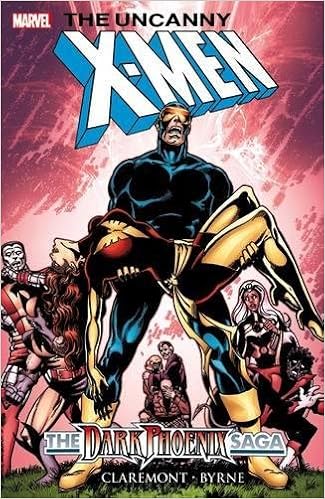
This is somewhat unique to the Phoenix Saga mythos in general. In addition to overwhelming passion and immense power, sacrifice is at the core of what makes a the Phoenix Saga so iconic among X-men fans. In the end, Jean Grey makes a heroic sacrifice for her friends, the world, and the man she loves. It’s one of the most emotional, dramatic moments in the history of comics.

Again, “X-men: The Last Stand” found a way to completely screw this up. In fact, saying they screwed up would be too polite because they didn’t just undermine this critical moment in X-men lore. They did the exact opposite.

Jean Grey does not make any sacrifice in “X-men: The Last Stand.” What she does is basically an act of pure cowardice. She doesn’t heroically sacrifice herself to save the ones she loves. She makes someone else kill her, specifically Wolverine. She doesn’t beg him. She makes him. There’s nothing heroic about that. Hell, that’s a dick move, even by Wolverine standards.

For any Phoenix Saga to work, there needs to be some sort of sacrifice along the way. That sacrifice also has to be genuine, dramatic, and heartfelt. That’s what makes it so endearing. Nobody ever felt any kind of endearment to a coward. Since the X-men are superheroes and all, there’s no room for that kind of cowardice.


Tip #3: Embrace And Expand The Cyclops/Jean Romance

I’ve talked about this romance on multiple occasions and for good reason. It is, by far, the most important, iconic romance in the history of X-men. The romance of Cyclops and Jean Grey goes all the way back to the earliest days of the X-men, as created by Stan Lee and Jack Kirby. It’s a romance that has resulted marriage, death, resurrection, and multiple children. You won’t find many romances with this kind of depth.

Unfortunately, nobody who saw the original X-men movies ever would’ve suspected as such. Those movies gave the impression that the romance only existed to cock-block Wolverine and Jean Grey only existed to be a piece of ass for him to achieve. The love triangle is toxic enough in the comics, but the movies took it to a level so egregious that both the X-men fan and erotica/romance fan in me wants to vomit violently.

There’s no real depth between Wolverine and Jean Grey, especially in the movies. There is, however, a powerful and important dynamic between Cyclops and Jean Grey. Theirs is a uniquely balanced romance, one where they both stand together in ways that isn’t typical of superhero movies or romance movies in general. They’re both heroes. They share in one another’s struggles and burdens.

Most importantly, though, they complement each other. They inspire one another to be better. That’s what we saw, at least in a limited capacity, in “X-men: Apocalypse.” That movie didn’t just thrust them together and proclaim that they’re star-crossed lovers. They actually laid a foundation for a deeper connection. By the end of that movie, it was easy to see a romance between them blossoming.

In the comics, the Cyclops/Jean romance was central to the Phoenix Saga. Their romance was a catalyst for so much of the drama that to remove it is to remove a critical element of what makes the story work.

“X-men: The Last Stand” tried to work around it by thrusting Wolverine into the role of Jean’s love interest. That failed miserably though because again, there was never a single goddamn reason for anyone to believe that there was any meaningful chemistry with them.

It was the history and extent of Cyclops and Jean Grey’s romance that made the Phoenix Saga so meaningful in the comics. At one point in the story, they even talked about getting married. A deep, passionate romance is what helped make the Phoenix Saga so impactful on so many levels.

That kind of romance can’t be forced. “X-men: The Last Stand” tried and failed miserably. A Dark Phoenix movie cannot make that same mistake again. The foundation is already there thanks to “X-men: Apocalypse.” The Dark Phoenix movie just has to crank up the passion. Sophie Turner’s sex appeal will do the rest.


Tip #4: Make The Phoenix The Primary Plot

After what I said earlier about how “X-men: The Last Stand” treated the Phoenix Saga, this should be a no-brainer. Then again, the sheer stupidity of circumventing the Cyclops/Jean Grey relationship in the first three movies should’ve been a no-brainer too so I’m not going to assume too much here.

The Phoenix Saga is too dramatic, too iconic, and too emotional a story to relegate to a sub-plot. “X-men: The Last Stand” tried and failed so miserably that no one could really blame Jean Grey for wanting to die in the end. Fox and Mr. Kinberg cannot let that happen again. The X-men, Jean Grey, and the Phoenix Saga deserve better.

From the moment the opening credits begin to the moment the generic 90s grunge music plays at the end, Jean Grey and the Phoenix Force should be the central focus. There can certainly be plenty of sub-plots, as there always are in every superhero movie. However, the Phoenix Saga must take priority. If it doesn’t tie into that story in a meaningful way, then it should be tabled for another movie.

The Phoenix Saga is a big enough story to carry the whole movie. In the comics, it unfolded over the course of several years, diverting into plenty of sub-plots along the way. A movie doesn’t have that kind of flexibility, but it still has plenty of time to set up and execute the drama that makes the Phoenix Saga so endearing.

Movies are plenty capable of creating that level of drama. Movies like “Titanic” and “Terminator 2” are able to do it all within a cohesive narrative. More than anything else, the Phoenix Saga should feel complete by the end of the movie. Other sub-plots can linger for sequels, but the Phoenix Saga must get first dibs.


Tip #5: Introduce New Villains And Tie Them Into The Phoenix Story

This might actually be the easiest part of making X-men: Dark Phoenix awesome. Chances are that’s already part of the plan and not just because there’s no hint that Michael Fassbender wants to return to play Magneto again. Now I love Fassbender as much as the next straight X-men fan, but his role as Magneto has been done to death, going all the way back to the first X-men movie.

The X-men have a long and rich library of villains. Very few of those villains have had a chance to grow within the movies. Some, like Mojo, are woefully impractical. Others, such as a devious figure named Mr. Sinister, are ripe for development. Even Walter White himself, Bryan Cranston, has expressed an interest in playing Sinister. That alone should tell you everything you need to know about his potential.

On top of that, Mr. Sinister has close ties to Cyclops and Jean Grey. It really wouldn’t take much to involve him in the Phoenix Saga. While he did not participate in it directly in the comics, he did go onto influence a great deal of stories that expanded the Phoenix mythos in X-men. Putting him in the center of the conflict in a Dark Phoenix movie makes too much sense.

There are other lesser villains like the U-men and the Purifiers that could find their way into the mix. So there should be no concerns about not having enough villains. The key is tying these villains into the main Dark Phoenix story. If done well, especially with the aid of Bryan Cranston’s acting prowess, then the movie has everything it needs to succeed.


There’s a lot more to consider in making an X-men: Dark Phoenix movie. I’m just a passionate fan so I’m hardly qualified to evaluate every one of them. If I were, Fox probably would’ve hired me and underpaid me by now to make this movie work. Since they haven’t, I can only hope there are much smarter, much more passionate people working tirelessly to make this movie great.

As a fan, I want to see this movie succeed. I want to see Fox and Mr. Kinberg make up for their mistakes in “X-men: The Last Stand.” It would be both an accomplishment and a service for which fans would be forever grateful. Grateful fans are more willing to give money to those who please them. That is, after all, Fox’s ultimate goal.

The incentives are in place. The story is there. The iconic characters are there. The passion is there. The love, heart, and emotions are there. It’s only a matter of bringing them together into a single, cohesive story that will thrill audiences, evoke tears of joy, and soak panties.

It can be done. I pray to whatever cosmic forces are out there that Fox can pull this off. As an X-men fan, a comic book fan, and a fan of iconic love stories, X-men: Dark Phoenix deserves to be that awesome.

20 Comments

Filed under Comic Books, Jack Fisher, Superheroes

Sexy Sunday Thoughts: Cinco De Mayo Edition

Break out the maracas and pour yourself a glass of tequila because it’s that time of year again. No, I’m not talking about a politically incorrect Halloween party that is sure garner unwarranted controversy, as Hillary Duff found out last year. I’m talking about Cinco de Mayo, the Mexican equivalent to the 4th of July.

Yes, I understand it was two days ago. Yes, I understand some are still sleeping off a tequila hangover. No, I do not care. It’s a holiday that involves drinking, celebrating, and beautiful women dressing up. That’s all I need to know.

I understand we live in sensitive times. This is a period in our history where any discussion about any culture that wasn’t prominently represented in 1950s sitcoms tends to generate the kind angry vitriol usually reserved for the comments section of Justin Bieber music videos. I’ve no desire to turn this blog into that kind of digital waste dump.

Mexico has been in the news a lot over the past couple years, albeit for some less-than-flattering reasons. It’s likely to be an ongoing shouting match for the next four years and beyond. Until Elon Musk gives all our brains a badly-needed update, we’re kind of stuck with this sort of insipid hatred.

For now, though, I want to set that all aside and just celebrate one of Mexico’s major holidays with another entry of my Sexy Sunday Thoughts. Even if you don’t care for another country’s holidays, at least appreciate the sexy thoughts they inspire. Those thoughts transcend cultures for all the right reasons.


“If eating, sleeping, and sex are basic needs, then do wet dreams count as multitasking?”

https://i0.wp.com/images.teamsugar.com/files/upl1/0/3362/20_2008/BEA_048.preview.jpg

Let’s face it. We all have busy, hectic lives. Even our most basic needs will sometimes slip our minds. There’s a lot to worry about, but when it comes to basic needs, I think our bodies intrinsically try to compensate however it can. A wet dream may lead to messy sheets and an awkward conversation, but it ties into two basic needs. In that sense, I think it’s a uniquely efficient function of the human body.


“Isn’t it ironic that men will put on fancy suits and women will put on expensive dresses just to entice someone else into take it off for them?”

https://i0.wp.com/mariofavela.com/wp-content/uploads/pretty-woman-well-dressed-man.jpg

I love wearing fancy suits as much as the next guy. When I put on a suit and tie, I feel like I just got a kiss from Jennifer Lawrence. They can be expensive as hell and a pain to keep clean, but that’s the price of looking good, I suppose. For women who invest a lot of money into a dress, I imagine the sentiment is similar.

Even so, there is something to be said about the unstated goals of looking good. Wearing fancy clothes and looking good is one of the many ways we let others know we take care of ourselves. It’s also one of the many ways we let others know that we’re interested in boning. So when part of that process involves getting our clothes off, I think that says something about the subtle undertones of fashion.


“The cleanest pair of male underwear will never be as sexy as a dirty pair of women’s panties.”

https://rlv.zcache.com/easter_panties_womens_easter_bunny_underwear_boyshorts-rf01ba96c53204a6fa83f41c653d5d73d_j8j4c_540.jpg?rlvnet=1

This may or may not be a double standard of sorts. There aren’t a lot of male attire, aside from maybe a fat wallet, that has the same innate sex appeal as a woman’s panties. Why else would there be vending machines in Japan that dispense used panties? Why else would women be able to sell their panties on Ebay?

Now I love panties as much as the next heterosexual male. They’re just one of the many beautiful garments that exemplify the female form. I don’t know the psychological mechanisms behind their beauty, but I know that there’s just no way that male underwear, or male garments of any kind, can ever compete.


“When you consider the fact that we’re all naked underneath our clothes, public nudity laws are both unenforceable and redundant.”

https://13709-presscdn-0-13-pagely.netdna-ssl.com/wp-content/uploads/2015/10/nef-2015-poll-americans-topless-topfree-equality-nudity-young-naturists-america.jpg

This is a sentiment I often find myself contemplating whenever I see someone freak out over public nudity or something on TV that was just too damn sexy. From Janet Jackson’s nipple to pretty much anything Pamela Anderson has worn, there are some people who just get so uncomfortable at the thought that someone out there is naked.

At the end of the day, we’re all still naked underneath our clothes. I’ve made my sentiments towards nudity clear so I don’t think it should surprise anyone that I have such a cynical view of anti-nudity laws.


“The day someone declared sex to be immoral is the same day someone else found a loophole.”

https://coubsecure-s.akamaihd.net/get/b60/p/coub/simple/cw_timeline_pic/5fd44b3aee5/c8941772a6069af16bd98/med_1409624365_1383522133_image.jpg

This is just human nature. Tell someone they can’t have something they really want and they’ll find a way to get it. Some will bend the rules more than others. Some will flat out ignore them. When it comes to sex, one of the most basic drives in nature, the incentives for finding a loophole couldn’t be greater.

It shows in the way some people try to get around a society’s prudish norms. Abstinence only education may do everything it can to scare the shit out of teenagers who are already horny as hell, but their response is to just delay it a bit longer or try anal sex. Put in all the rules you want. When someone is that horny, they’ll find and/or make a loophole.


“Beautiful women and attractive men have many advantages in life, but under the influence of sufficient alcohol, we’re all equally sexy.”

https://i0.wp.com/s.hswstatic.com/gif/beer-goggles-orig.jpg

This is just a basic function of alcohol. We’ve all heard about the “beer goggles” effect. There is even some science behind it. I think it’s nature’s way of bridging the divide between kings and peasants.

No matter how rich and sophisticated you are, alcohol will make you and everyone around you as unrestrained and immature as a 13-year-old boy who just discovered internet porn. Honestly, I kind of take comfort in that. It shows that we’re all more equal than we think.


“Anyone who says talk is cheap probably never called a sex hotline.”

https://i0.wp.com/static1.businessinsider.com/image/55560428ecad045610e9a60d/typo-causes-new-jersey-officials-to-endorse-sex-hotline.jpg

I feel old in that I remember the days when sex hotlines was the closest you could come to hearing sexy women talk in sexy ways. Maybe cam girls are the modern equivalent. Whatever the case, they function they function the same way. They charge you money to hear beautiful women talk dirty. That’s right. You’re paying for words and if your credit card statement tends to get awkward, then chances are it won’t feel that cheap.


” Ice cream is great. Orgasms are great. So would ice cream that gives you orgasms be even greater or redundant?”

https://image.freepik.com/free-photo/close-up-of-woman-with-ice-cream_1098-3923.jpg

This is more a philosophical question than a curiosity. I love ice cream. A lot of people love ice cream. For some, ice cream is right up there with orgasms. For a select few, a tub of ice cream is on the same level as an orgasm. So what would happen if you combined the two? Would it be redundant or would it double the fun? It’s hard to say, but it’s fun and sexy to contemplate.


Thank you and muchas gracias to all of Mexico and all those who appreciate any holiday that gives us an excuse to drink, dance, and wear sexy outfits. At a time when we have way too many excuses to hate each other, we need as many of those days we can get.

Leave a comment

Filed under Sexy Sunday Thoughts

Virtue Signaling: How It Creates Beta Males And Bitchy Girls

They’re weak, pathetic, gullible, whiny, sullen, and boring. They lack confidence, charisma, and any meaningful personality trait that might help them stand out and accomplish something of value. They do nothing to excite the opposite sex and make only the most asinine of efforts to do so. They are the beta males, an inane segment of the male population that I’ve protested before.

Now, allow me to describe a different crop of annoying people whose presence pollutes the collective gene pool. They’re loud, obnoxious, arrogant, impolite, dense, unreasonable, vindictive, and crass. They are unflinching, unfeeling, and utterly devoid of empathy to anyone who isn’t like them. Their disdain of others and perpetual victimhood complex is the only thing that gets them up in the morning.

I’m talking, of course, about bitchy girls. If beta males are a bane to all those with a Y-chromosome, then bitchy girls are repugnant stain on the feminine mystique. I call them girls because there’s a difference between women and girls. Being a woman, just like being a man, requires some measure of maturity. Girls, like their beta male boys, have none of that. As such, they don’t deserve to be called women.

https://k61.kn3.net/taringa/1/9/4/6/2/7/8/shakas666/579.jpg

I bring up these two case studies of festering warts within the human condition to help make another point about virtue signaling. I know some people are probably tired of this topic. Believe me, I feel your pain. However, this last point is more relevant because it affects our personal lives, as well as my efforts as an erotica/romance writer.

Beta males and bitchy girls are sometimes a necessary component of a story, especially one that relies on major antagonistic characters. You need a male or female character that is easy to hate and easy to root against. That’s why we have characters like Biff Tannen and Regina George from “Mean Girls.”

It used to be that we needed those characters to be alpha males or alpha females. They had to be tough, mean-spirited jocks or cruel, cold-hearted bitches that nobody rooted for when they got gutted by a crazed killer in a hockey mask. It’s crude, but it did the trick. Unfortunately, new trends in character development, as well as real life, are tweaking that script and not for the better.

https://typeset-beta.imgix.net/rehost%2F2016%2F9%2F13%2F88eaf78f-f569-41af-aae6-bb067df4f16e.jpg

Beta males and bitchy girls may not be natural allies on paper, but they occupy the same space in terms of being utterly contemptible on multiple levels. They just take different routes and virtue signaling is how they get there.

The best contemporary example are certain breeds of those who call themselves “male feminists.” By the way, anyone who actually has to preface feminism like that should raise a few red flags. That’s usually a sign that they’re already retreating into beta male mode and there’s nothing you can do to stop them.

These types of men are habitual virtue signalers, routinely bashing their own gender and agreeing with the bitchy girls about everything involving some “cisgendered white male patriarchy” conspiracy. They essentially emasculate themselves, shunning any male traits, and associating every masculine trait with being Biff Tannen.

https://i0.wp.com/thelibertarianrepublic.com/wp-content/uploads/2017/01/maxresdefault-2.jpg

It’s a form of self-flagellation, an effort to alleviate the sheer guilt they feel with being male and trying to earn attention and/or pity from others. That’s how they seek their validation and when they interact in groups, they can’t help but reinforce those efforts. Virtue signaling is just the proverbial gasoline they use to keep the fire going.

For bitchy women, the virtue signaling is much more overt. Unlike the beta males, they’re exceedingly vocal with their efforts. They don’t discuss, debate, or rationalize. They just yell, whine, and groan. Virtue signaling is just how they stay on topic.

Bitchy women don’t care about anyone’s voices, except their own. They loudly whine and bemoan about everyone who doesn’t buy into their view of the world. They will yell about the oppressive white male patriarchy at the top of their lungs. Then, when someone calls them out on their bullshit, they dare to play the victim.

https://i0.wp.com/roughcutmen.org/wp-content/uploads/2014/04/Playing-the-Victim1-1.jpg

In the mind of a beta male and a bitchy girl, they are the underdog hero of their own story and everyone else is an evil demon-possessed Nazi working on behalf of reincarnated slave-holders from the 1850s. Virtue signaling allows them to prop up this inner narrative, as though they have to keep it going in order to ensure they get the same ending they’ve seen in every Rocky movie.

It isn’t just that this inner narrative is utterly false and devoid of substance. It isn’t just that it gives them too many excuses to cling to these annoying tendencies, which constitutes excuse banking of the worst kind. The biggest tragedy here, beyond the people they annoy, is that with their virtue signaling, they champion traits that naturally drive people apart.

Beta males and bitchy women do not conduct themselves in ways that inspires intimacy, progression, and growth. They present themselves as heroes of their own story, an ideal for what a man and woman should be, but they cannot and will not realize that the picture they’re paintings is both flawed and repugnant.

https://images-na.ssl-images-amazon.com/images/G/01/digital/video/hero/TVSeries/TheGreatestAmericanHero_327393900_GAH._V348547917_SX940_.jpg

A beta male, in his meek ineptitude, barely qualifies as a pet to a bitchy girl. A bitchy girl, in her immature arrogance, is just another bully that a beta male tolerates. Together, they reinforce a brutal cycle of bitterness, self-loathing, and arrogance that ensures isolation, apathy, and loneliness.

For an aspiring erotica/romance writer, that’s a triple dose of narrative kryptonite. For characters like the ones in “Passion Relapse” or “Skin Deep,” it’s important I strike a particular balance. I can’t have characters being too much like Biff Tannen or Regina George. I can’t have them be like the entire cast of the “Big Bang Theory” either. If I want those characters to be more than mere foils, they need to have some complexity.

I’m not saying there isn’t a place for characters like this. Someone needs to be Freddy Kruger’s first victim in a horror story. However, virtue signaling and those who abuse send a toxic message about what makes a man or a woman moral within the context of a story.

https://i0.wp.com/bh-s2.azureedge.net/bh-uploads/2016/06/freddy-krueger1-1.jpg

Beta males and bitchy girls don’t deserve to be heroes, ideals, or examples. More than anything else, they are cautionary tales of what happens when virtue signaling goes too far and infects someone’s mind. They should not be encouraged, nor should they be ignored either.

There are many different dynamics that go into making a character, real or fictional, into who they are. If they need something like virtue signaling to function, then that’s a sign there’s something inherently flawed. People have enough excuses to be mean to one another, some of which they can’t do a damn thing about. It’s better for society, our live lives, and erotica/romance novels if we don’t provide them with more.

3 Comments

Filed under Jack Fisher's Insights

Visual And Aesthetics Update

As some may have noticed, I did a few minor visual updates to this blog. They’re nothing major. I just tried to make the side-bar a bit less cluttered, changed the top banner, and added a little background color. I felt like this site needed a little visual TLC. While I’m still dedicated to making the content on this blog as sexy and substantive as possible, a little added style certainly couldn’t hurt.

There may be some more changes in the future. Now that I have my first published book out on the market, I want to make this blog feel more professional and polished. I want it to stand out in the vast abyss of cat videos, skateboarding accidents, and graphic porn that is the internet. I know that’s ambitious, but nobody ever became successful or got laid without a little bravado.

Given that my talents are largely centered around words rather than design skills, it may take more than a few tweaks. So if the site starts to look strange for a while, that’s just me fiddling with the settings. My ultimate goal is to create a site that stimulates your mind, your eyes, and your genitals. It’s a process, but it’s a goal I think is worth achieving.

Leave a comment

Filed under Uncategorized

Virtue Signaling: Why We Are NOT The Hero Of Our Own Story

https://i0.wp.com/www.nsu-magazine.com/wp-content/uploads/2014/10/stupid-heroes-18a.jpg

Think back to any movie that ever involved a lovable underdog. For anyone who has been to a movie theater more than once since 1978, this shouldn’t be that hard. Hell, think about a popular TV show involving a lovable underdog, going all the way back to the “Leave It To Beaver” days. What do they all have in common?

The similarities aren’t exactly subtle. The lovable underdog isn’t someone who is big, strong, handsome, cocky, arrogant, or dumb. They’re often unremarkable, so much so that others don’t acknowledge their existence. They do little to stand out and even less to distinguish themselves, but the same story usually plays out for them.

Whether they’re John McClane from “Die Hard,” Peter Parker from “Spider-Man,” or the entire cast of “The Big Bang Theory,” they embody the traits of all that is good and right with the world. They overcome obstacles, bullies, and a world where pretty girls aren’t lining up to touch their dicks to become heroes in their own right.

In the end, everything works out for them. In the end, they get what they want. The world comes to love them. Everybody, male and female alike, loves them. They are respected and admired for their thoughts, actions, and ideas at every turn. They have every reason to feel good about themselves.

What I just described is both the standard narrative for no less than 95 percent of every underdog story ever told and the primary reason why virtue signaling is getting out of hand. If that sounds like a bit of a stretch, then please bear with me. There is a logic behind it and, unlike my previous post on virtue signaling, it has a major implications.

As with other topics, like sex robots and body shaming, it’s impossible to cover every aspect of a certain topic. Virtue signaling, having only recently become a major buzzword, definitely qualifies. It is very much an emerging trend that is finding its way into politics, gender issues, media, and even erotica/romance. Since I’m trying to make a living writing erotica/romance, that deeply concerns me.

For this particular post, I want to highlight the more direct impacts of virtue signaling that I’ve observed in recent years. Specifically, I want to focus on how it affects the way people see themselves and the way they relate to one another. There’s a lot of material to cover and I can only handle so much coffee before my brain starts to short out.

I’ll table my concerns about brain function for the moment because this is something that I haven’t just observed. I’ve experienced it as well. As a man, trends that affect how men and women relate to one another don’t just affect the kinds of sexy stories I tell. They effect me personally and how I conduct myself in my day-to-day life. They effect all of us, often in ways we don’t see or acknowledge.

https://68.media.tumblr.com/b664b64461e0d42f56e427ab57e978d6/tumblr_of2nn1s1fl1vho2i6o1_500.gif

With respect to virtue signaling, these effects have only recently become more pronounced to the growth of social media. Unlike every other point in human history, we no longer need a million people to march through a capital city or a massive rebellion to send a message. We just need a smartphone, an internet connection, and a willingness to castigate ourselves in a public sphere.

As a result, virtue signaling has become a popular pastime of sorts. Political leaders, media figures, and ordinary people with too much free time on their hands go out of their way to make these elaborate gestures to prove that they’re virtuous or pious or tolerant or not a Nazi.

More often than not, these gestures just aren’t enough and people end up doing more and more, thus creating a brutal cycle of sorts. Sometimes the gesture is misinterpreted, as often happens with poorly-worded Tweets. Sometimes it’s just part of a larger agenda, one that requires constant reaffirmation in light of incessant criticism. Video game critics found out just how bad this could get back in August 2014.

https://i0.wp.com/orig04.deviantart.net/5ec4/f/2015/363/1/f/gamergate_life_67_by_kukuruyoart-d9lx9tn.png

It’s a stressful endeavor, trying to loudly proclaim to the masses that you’re as virtuous, heroic, and understanding as any protagonist from a John Hughes movie. It’s also tearing us apart and making us despise one another.

So how exactly does it work and why is it so toxic? Well, to answer that, think back to lovable underdogs that I mentioned earlier. We, as a culture, love those characters for a reason. They live in a world where they do what they do, but come out on top. They win in every way they want to win, becoming the heroes of their own stories.

The problem with that world is that it’s a total fantasy and too many people try to make that fantasy fit into their reality. Unfortunately, reality is notoriously uncompromising. Just ask anyone who tried to make a romantic gesture that backfired horribly.

https://imgix.ranker.com/user_node_img/50052/1001036453/original/dead-flowers-and-a-ruined-car-interior-freestyle-list-photo-u1?w=650&q=50&fm=jpg

It’s not that they’re insincere or inept, though. They’re just part of an entire generation that has grown up seeing this narrative of the lovable underdog overcoming the odds and they’ve been led to believe that this is how you succeed. This is how you become the hero of your own story.

We, being the egotistical creatures we are, want to be that hero. We want to be the lovable underdog we see in the movies who can say they overcame the odds, succeeded, and got laid in the process. However, the tactics we see in movies and TV shows just don’t work in the real world or require an obscene amount of luck.

Since all the success, adulation, and sex doesn’t just immediately happen like it does over the course of a two-hour movie, those wanting to be the hero try to force it. That’s where virtue signaling comes in.

Since being a hero often requires hard work, sacrifice, talent, training, and the ability to be in the right place at the right time, virtue signaling offers a much easier alternative. It’s not solely about laziness. It’s just often the path of least resistance and the most readily available path. Can you blame anyone for taking it?

https://thehungryrabbitblog.files.wordpress.com/2017/01/virtue.jpg

Rather than actually doing something meaningful, virtue signaling allows people to feel like they’re the hero of their own story, even if they accomplish nothing heroic. To their caveman brain, it doesn’t matter. It already has a hard time processing what gets it aroused. How the hell is it going to determine whether someone qualifies as a hero?

The short answer is that it can’t. The longer answer is that our caveman brains still urge us to seek validation from our tribe and security in our identity. Virtue signaling allows us to do both, even when there’s nothing of substance behind it.

This can lead to a real identity crisis for some people. There are people who define themselves as members of a particular tribe, be they radical feminists, conservative Christians, or Twilight fans. When they feel as though they aren’t slaying the necessary dragons, s to speak, they become distressed and look for any way to alleviate it. Virtue signaling allows them to at least feel it’s alleviate, which is close enough.

https://www.blogcdn.com/massively.joystiq.com/media/2010/07/hero.jpg

That laughably low standard ensures that virtue signaling is almost always an empty, shallow gesture at most. It only ever functions as a means to help certain individuals feel better about themselves, alleviate the mental stresses that come with seeking validation, and ensure they can be the hero of their own story, even if they do nothing heroic.

In a real world full of unflinching, unyielding circumstances that keep most people from ever doing anything remotely heroic, virtue signaling offers empty promises that only feel real enough to keep our brains and tribes functioning. Even when there’s no substance whatsoever, it gives people an illusion to buy into and that can be dangerous because it gives people an excuse to not do something greater.

https://i.gse.io/gse_media/116/9/1476388021-Allen-Batista---Magic-Show-tickets.jpg?c=1&h=520&p=1&q=60&w=920

As I’ve pointed out before, people will cling to any excuse that allows them to justify their actions or lack thereof. Now that doesn’t make those who virtue signal bad. If anything, their desire to be the lovable underdog hero of their own story proves to me that such people are good at heart. They’re just misguided, clinging to the feelings and validation that virtue signaling earns them.

Since I like to be a bit more optimistic about people in general, I believe that the lack of substance that inherently comes with virtue signaling will eventually catch up with most people. There will be those who can never escape it. For most people, though, I believe they’ll learn that there are better ways to be the lovable underdog hero of your own story.

19 Comments

Filed under Jack Fisher's Insights