The following is a review I wrote for PopMatters for Justice League #1. Enjoy!
The following is a review I wrote for PopMatters for Justice League #1. Enjoy!
The following is a review I wrote for Popmatters on “New Mutants: Dead Souls #1.” Enjoy!
Teenagers And Zombies Are A Good Mix In “New Mutants: Dead Souls #1”

Say what you will about these tumultuous times. One thing is still clear. It’s a damn good time to be a fan of Black Panther. Whether you’re a long-time reader of the comics or Chadwick Boseman enjoying a meteoric rise in fame, these are the best of times for T’Challa, Wakanda, and everything in between.
As of this writing, the “Black Panther” movie has topped $700 million worldwide in just over a week since its release. It’s well-poised to cross the $1 billion mark that only a handful of movies have reached. Things are going very well for Black Panther is what I’m saying.
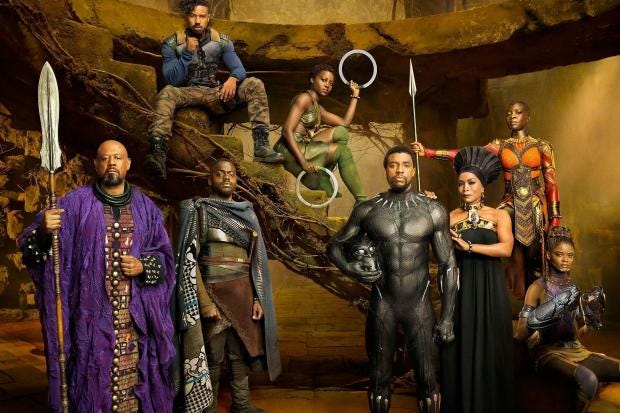
I cite all this good news surrounding Black Panther because what I’m about to discuss is not going to show him in the best of light. None of it detracts from the character, nor does it undercut the remarkable achievements that the “Black Panther” movie has accomplished. Given the promising future of Black Panther’s future, though, I think now is probably the best time to bring it up.
Once again, it has to do with superheroes and romance. Long-time readers of this blog probably aren’t surprised by that in the slightest. I talk about superhero romances a lot, citing instances where those romances embody the best elements of a love story and those that are inherently flawed. I’m afraid this is going to be about the latter.
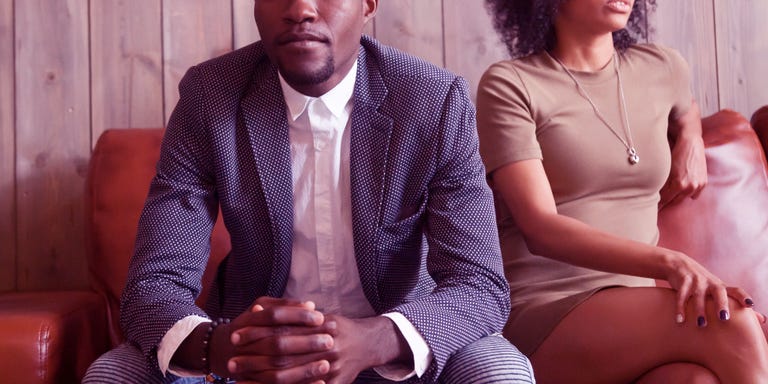
Black Panther is a great character and has a lot of things going for him, right now. Between a successful movie and a successful ongoing solo series, which you should definitely check out, he has a lot has gone right for him. Unfortunately, that does not extend to his love life.
To those who only know T’Challa through the “Black Panther” movie, I’m not referring to Nakia, who is his primary love interest in that story. I’m referring to a much higher-profile relationship he had with a much higher-profile character in the mid-2000s. That character is Storm, a character I’ve praised before and not just for her love of foreplay.
It’s true. In Black Panther Volume 4, Issue 18, which came out in 2006, Storm and Black Panther got married in what was billed as the highest-profile superhero marriage since the wedding of Cyclops and Jean Grey. It even managed to temporarily stop the ongoing hostilities in Marvel’s now-famous Civil War event.

On paper, it was billed as the union between two of Marvel’s most prominent black superheroes. It was presented as a union between a weather goddess and a king. It couldn’t have had more going for it without being the central plot of a Disney movie, which isn’t impossible at this point.
There’s just one glaring, omega-level problem with that approach. The relationship between Storm and Black Panther is one of the shallowest, emptiest, and least compelling romances in the history of superhero comics. Yes, it’s even worse than the time Juggernaut had a fling with She-Hulk.
For two character who are so iconic, well-rounded, and endearing, that’s quite a statement. I imagine that more than a few people disagree with it, but there’s a reason behind that statement and it’s not an overly petty one. Between being a die-hard fan of superhero comics and an aspiring erotica/romance writer, the flaws in this relationship stand out more than most for me.
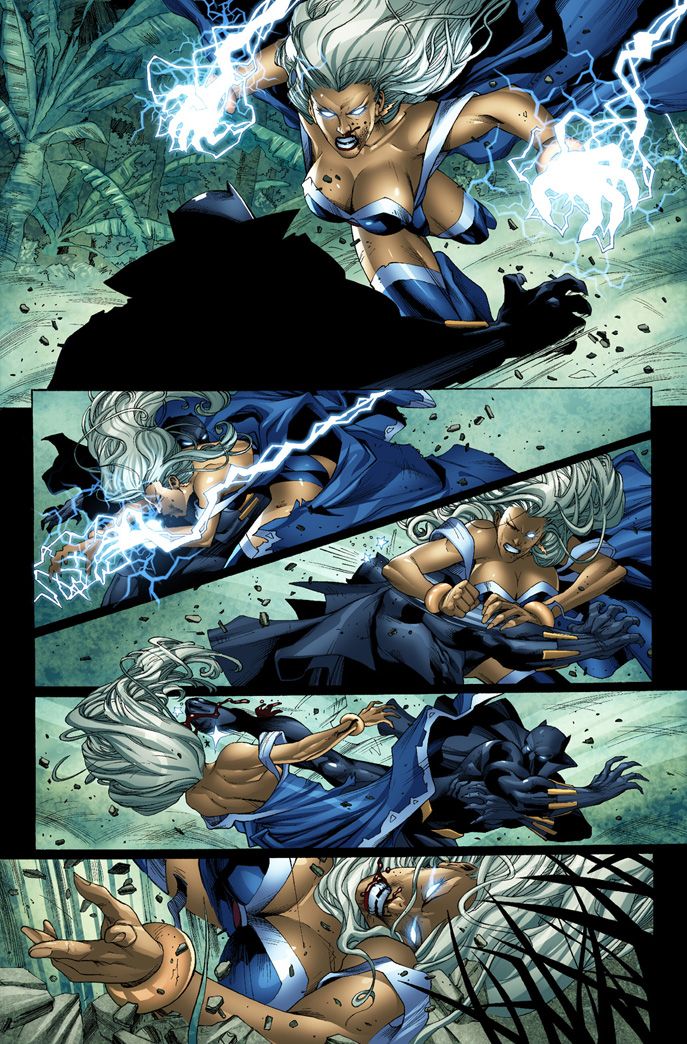
The most glaring flaw, by far, is just how forced the relationship was in the first place. I won’t say it was quite as bad as the relationship between Jean Grey and Logan was in the X-men movies, but it was pretty damn close. From the beginning, it was less about the chemistry between these two characters and more about the fact that they were two prominent black superheroes.
Never mind having an actual reason to want to be together. Never mind actually tying their respective stories together in a compelling way. The approach was as lazy as it was empty, essentially relying on the iconic status of both characters and nothing more. By that logic, Taylor Swift and Ed Sheeran should’ve gotten married already.
Even if the approach was lazy, the premise could’ve worked if there was time and effort into developing the Storm/Black Panther romance compelling. Sadly, that’s not the approach Marvel used. They were in such a rush to get these two married that they skipped the part where they told a dramatic love story that brings these characters together in a meaningful way.

As a romance fan and a comic book fan, that was as satisfying as food poisoning and a hangover. Instead of presenting valid reasons as to why these two characters should be in love, Marvel rewrote Storm and Black Panther’s history to establish that they met each other when they were young and shared a strong connection. That’s all well and good, but there’s one glaring problem.
By rewriting the past, it devalues the emotional depth in the present. Instead of actually building that depth, it’s just suddenly revealed that these two characters had a long-standing history. There’s no need to tell a more elaborate story. It already happened in the past and they’re only acknowledging it now. If I could write that with more sarcasm, I would.
Now, history being rewritten in comics is nothing new. That’s what comic fans refer to as a “retcon” and it’s basically the narrative equivalent of a mulligan. When used correctly, it can help clear up convoluted elements. When used poorly, however, it can be very destructive. Just ask Captain America fans.

A retcon is the ultimate contrivance and that was the foundation of the Storm/Black Panther relationship. If every good relationship starts with a strong foundation, then the Storm/Black Panther relationship was built on a mix of quicksand and moldy bread.
I get the intent. In order for Storm and Black Panther to get married, they needed to establish that their relationship was somehow worthy of being on the same level as Superman/Lois Lane or Mr. Fantastic/Invisible Woman. Unfortunately, the only way to do that is to rewrite their entire history so that their love was something that had depth. It just happened entirely behind the scenes.

Contrast that with the love story we saw in the “Black Panther” movie between T’Challa and Nakia. There was nothing contrived about that story. These two characters both had their own narrative. In pursuing that narrative, they came together in a way that felt organic, genuine, and sincere. It was probably the most sincere love story in a superhero movie since the original Deadpool movie.
That shared narrative has huge gaps with Storm/Black Panther and not just because it required a rewriting of their respective history. Even before that retcon, Storm and Black Panther followed very different narratives.
Storm, since her debut in 1975, has been an integral part of the X-men and their story. She was a key player in some of the most defining moments in X-men history. Along the way, she’s had various romantic relationships with the likes of Bishop, Nightcrawler, and Forge. For a time, she had a pretty passionate relationship with Wolverine.

The fact she had all those relationships while Black Panther had plenty of his own, most notably with former Captain Marvel, Monica Rambeau, makes the idea that they shared this powerful bond in their youth seem not so powerful. Even if there were other forces pushing them apart, the fact they followed such distinct narratives really undermines the sincerity of their relationship.
It also makes for some pretty distressing implications. Throughout the X-men’s history, the team has been on the run and on the brink every other week. In some cases, it led to some pretty brutal tragedies. All these things were happening with the X-men and Storm was often on the front lines.
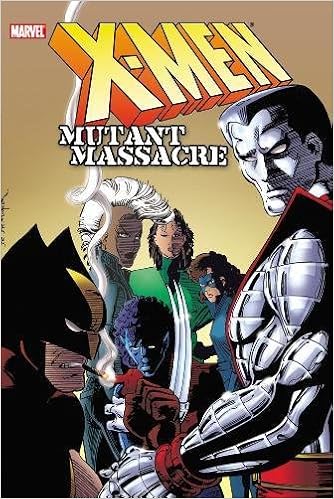
The fact that she and her friends struggled so much while T’Challa, king of the most advanced nation in the Marvel universe, never did a goddamn thing to help her or her friends just makes the situation even worse. Unlike Wolverine or Forge, he wasn’t there to share in all the struggles. Granted, T’Challa had his own struggles, but neither he nor Storm ever went out of their way to support one another.
Sharing struggles is one of the most important components of a believable, functional romance in both the real world and in superhero comics. Without that, it’s like trying to build furniture without a hammer. You can try, but if you don’t have the right tools, the results are going to be limited at best.
It’s the fact that Storm and Black Panther shared such different struggles that their marriage in the comics ended in a fairly ugly fashion. When the Avengers and X-men clashed in the aptly-named “Avengers vs. X-men” event, Storm and Black Panther were on opposite sides. The conflict was so bad that it left Wakanda in ruin and by the end, their marriage was annulled.
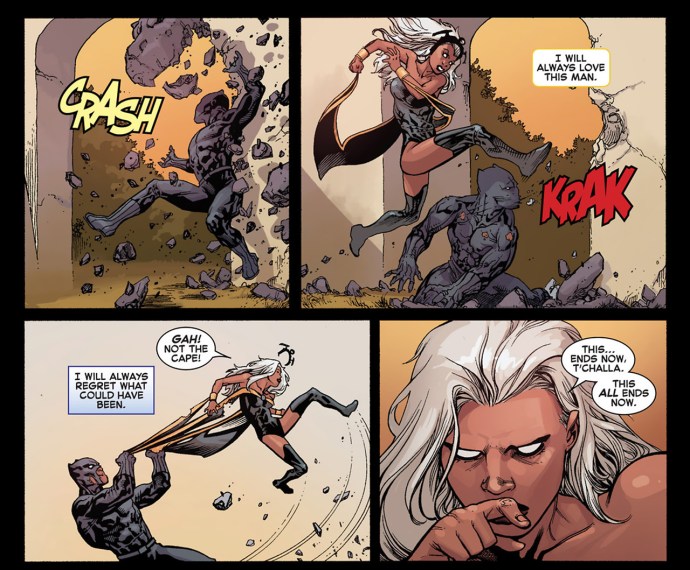
It was an inglorious ending to a romance that Marvel tried hard to make iconic. Unfortunately, they went about it in all the wrong ways for all the wrong reasons. There’s no question that Storm and Black Panther are among Marvel’s highest-profile black heroes, even more so now with the success of the “Black Panther” movie. That’s still not the sole reason why they should be romantically involved.
The relationship was so forced and so flawed that even the X-men’s most iconic writer, Chris Claremont, says the whole thing was a big mistake. Storm and Black Panther may have potential, but by forcing it and rushing it to such an egregious extent, it’s hard to take that romance seriously.
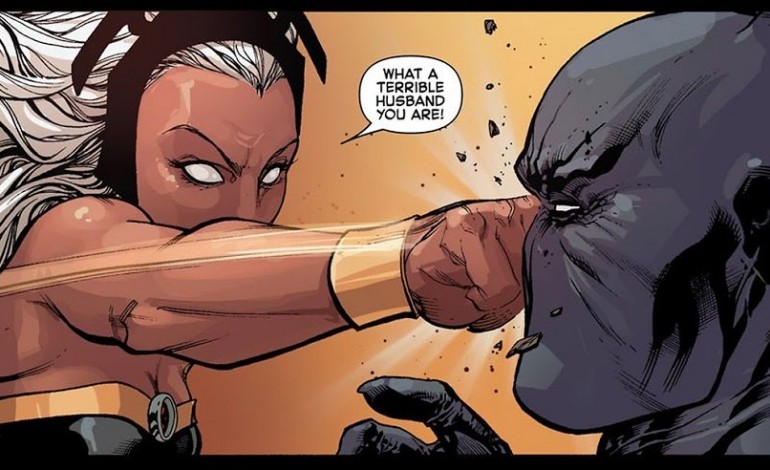
If nothing else, the Storm/Black Panther relationship should provide a cautionary tale for superhero romances and real romances alike. Most importantly, it reinforces the notion that genuine romance can’t be forced. Strong couples share in their respective struggles, supporting one another and guiding one another.
Storm and Black Panther did none of that. Marvel’s approach to forging their relationship only gave them more reasons not to be together. Both characters have a bright future in their own respect, but that future cannot and should not be forced or contrived.
It’s been a while since I talked about Wonder Woman, DC Comics, or developments surrounding the planned sequel to her first movie, which I praised to no end last year. Even though a sequel was announced shortly after the movie’s historically successful debut, not much news has come from it.
There’s a reason for that, albeit a distressing one. The news surrounding anything related to DC’s movie universe has been pretty grim since “Justice League” under-performed at the box office. While I enjoyed the movie and gave it a glowing review, I can’t deny that it’s perceived shortcomings have caused all sorts of problems for the DC movie universe.

Those problems aside, Wonder Woman is still seen as the lone bright spot in a bleak outlook, especially as Marvel keeps raising the bar with their movies. To date, “Wonder Woman” remains the highest rated, highest grossing DC Comics movie. That makes the success of the sequel, still only known as “Wonder Woman 2,” of paramount importance to the future of superhero movies.
To date, there hasn’t been much news surrounding “Wonder Woman 2.” The only official details we have thus far are that Gal Gadot will continue to play Wonder Woman as only she can and Patty Jenkins is once again set to direct it. According to Jenkins herself, it will to be a very different movie compared to the first one. These are her words:
“We’re actually making a totally different film with a lot of the same, similar like things that we love, but it is its own movie completely, so it’s not ‘two’ to us. It’s an entirely new adventure together that we couldn’t be luckier [to do].”
I’m certainly excited about it, as I am with all things related to Wonder Woman. However, there’s one element that I believe will determine whether “Wonder Woman 2” is a “Dark Knight” level success or a “Batman and Robin” sized disaster. By just referencing “Dark Knight,” I think most superhero movie fans know where I’m going with this.

It’s all about the villains. Regardless of the studio making the movie, the heroes involved, or the sex appeal of said heroes, the movie often succeeds or fails by how compelling or forgettable the villain is. Nobody will ever forget Health Ledger’s Joker in “Dark Knight.” Conversely, I’m pretty sure everyone has already forgotten Steppenwolf in “Justice League.”
“Wonder Woman” may not have had an iconic villain on the same level as Heath Ledger’s Joker, but the combined narratives of both Ares and Dr. Poison worked because they supplemented Diana’s journey towards becoming Wonder Woman. Since the core of “Wonder Woman” was built around that journey, she didn’t really need a villain of Joker caliber.
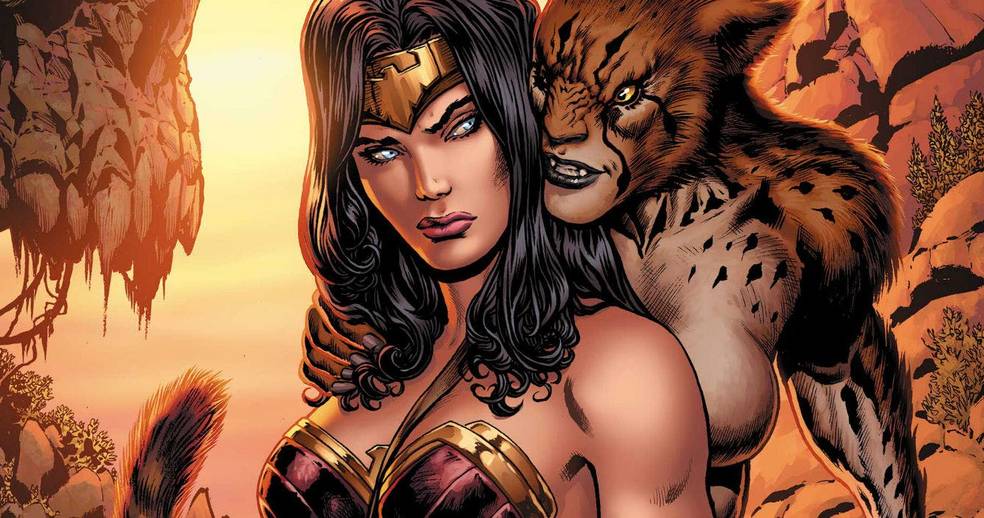
However, she’ll need one for “Wonder Woman 2” and that’s where Cheetah comes in. She has already been rumored to be the villain of the movie. She’s no Joker, but she is probably Wonder Woman’s most well-known villain. The fact that she isn’t an embittered child of Zeus, a story so old that it pre-dates movies, comics, and the printing press, makes that status all the more remarkable.
From a pure comic book stand point, Cheetah makes the most sense as the main villain for “Wonder Woman 2” because she’s also one of Wonder Woman’s oldest foes. Her origins go all the way back to the earliest, and also kinkiest, era forged by Wonder Woman’s creator, William Marston.
Like many other classic villains, Cheetah’s persona mirrors Wonder Woman’s in many respects. In her earliest incarnation, Priscilla Rich, she’s an aristocrat woman born to a powerful family. Her mother isn’t a queen, like Diana, but just being in that privileged position from birth puts a great many expectations and temptations on her. It brought out the best in Diana, but it brought out the worst in Cheetah.
From a purely thematic standpoint, that’s an important component for Wonder Woman’s journey. In the same way characters like General Zod embody the kind of person Superman might have become, Cheetah shows Wonder Woman the much darker path she could’ve walked.

That path already has a very lengthy gap for Patty Jenkins to work with. The conclusion of “Wonder Woman” and the events of “Batman Vs. Superman: Dawn Of Justice” reveal that Diana had been secretly living in the modern world since the end of World War I. That’s a lot of time for her journey to take many turns, some of them darker than others.
That significant breadth of time actually plays to Cheetah’s advantage because her title is not tied to one person. In some instances, it’s a legacy that others take on. In others, it’s a curse that gets transferred from one person to the other. In every case, though, Cheetah embodies a persona that directly clashes with everything Wonder Woman’s stands for.
Wonder Woman fights for compassion. Cheetah fights for herself.
Wonder Woman believes in blessings. Cheetah believes in curses.
Wonder Woman is deeply empathic. Cheetah is exceedingly callous.
Wonder Woman is loyal to her friends. Cheetah betrays them.
Wonder Woman believes in love. Cheetah is driven by hate.
These contrasts were best embodied in Cheetah’s earliest incarnations, but it’s actually her more modern persona in Barbara Ann Minerva that, I believe, has the most potential for “Wonder Woman 2.”

Like other Cheetah’s before her, Barbara is a privileged woman from a powerful family in which she has all these expectations thrust upon her. As a result, she shares many of the selfish, arrogant, neurotic traits of Priscilla Rich and every spoiled rich brat that ever lived. However, what makes Barbara’s story more compelling is that in her most recent incarnation, she started off as a close friend of Diana.
It’s an element to the villain’s journey that makes their story more entwined with that of the hero. By starting off as a friend, it makes the inevitable clash that much more dramatic. Given the high drama we got in Diana’s final battle against Ares in “Wonder Woman,” it makes sense to take a similar approach with “Wonder Woman 2.” Diana, as we’ve seen, is at her best when drama and passions run high.
The Barbara Ann Minerva that Diana knows in the most recent comics can come off as a spoiled brat at times, but she has a genuine fascination with gods, mythology, and the divine. In that context, it’s only natural that Diana would start out as an ally and a friend.
For Diana, especially after how her first movie ended, she would need a friend. After losing Steve Trevor, she would need someone to connect with in a world that is still very new to her. Conversely, Diana can give Barbara the connection she seeks to the world of gods, demigods, and magical lassos that make for hilariously awkward moments.
These two women have everything they need to forge a powerful friendship. At the same time, though, they have everything necessary to create a bitter rivalry as well. In the comics, Barbara’s ambitions and bad choices are what turns her into the feral, villainous Cheetah. It’s those differences in choices doesn’t just make their clash dramatic. It makes it genuinely heartbreaking for Diana.

To some extent, making a new friend and seeing them become an enemy would be even worse than losing Steve Trevor. It would also provide a legitimate explanation as to why Wonder Woman remained hidden from the world for so long, up until the events of “Batman Vs. Superman: Dawn Of Justice.”
Cheetah can do for Diana what Killmonger has recently done for Black Panther. She can give Wonder Woman an enemy that forces her to confront the harsher parts of a world that is still new to her. Back home on her paradise island of warrior women, she was sheltered from all these hardships. Now, she’s all alone in having to face them. That struggle is what will forge her into the iconic female hero that we know and love.
This is, of course, my own personal sentiment and I understand that doesn’t account for much. I’ve already made a wish list of all the things I want to see in “Wonder Woman 2” with the understanding I’ll probably only get a fraction of it, at most. After the first movie, both Gal Gadot and Patty Jenkins have done plenty to earn my trust.
It’s simply my hope that a sequel to such a wonderful, ground-breaking movie will find new ways to raise the bar for superhero movies and female superheroes, in general. That bar is still rising and I believe a character like Cheetah can help raise it for Wonder Woman.
Filed under Comic Books, Jack Fisher, Superheroes, Wonder Woman
The following is a comic book review that I wrote for PopMatters for Mighty Morphin Power Rangers #24. Enjoy!
Mighty New Worlds and Mightier Complications in ‘Mighty Morphin Power Rangers #24’
Every now and then, a TV show comes along at just the right time. Like bikinis in the summer, hot chocolate in the winter, or beer at a football game, it just makes the right connections for all the right reasons.
You could argue that shows like “Married With Children” or “South Park” were shows that just happened to come along at a time when audiences were eager for something different, but didn’t know it. Some, especially “Married With Children,” couldn’t be made today because of changing standards. The fat jokes alone would’ve triggered endless whining on social media that would’ve gone on for years.
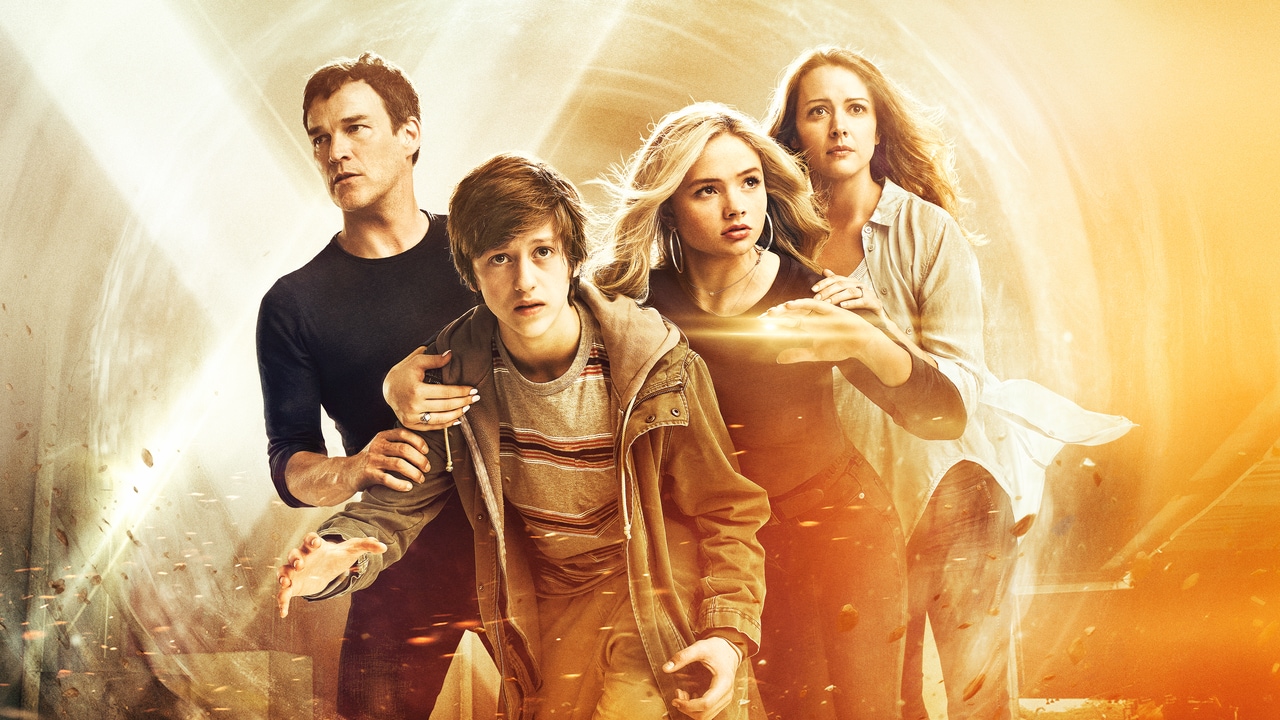
That brings me to “The Gifted,” Fox’s latest effort to squeeze every cent of profit from the X-men franchise. Yes, this is going to be another one of those posts. As I’ve done before, I’m going to tie real-world issues to one of my favorite superheroes. Unlike other posts, though, those ties go beyond getting romance tips from Deadpool.

While I’m usually skeptical about efforts to shamelessly exploit the glut of superhero shows on TV, I gladly make an exception for “The Gifted” and for a good reason. Compared to superhero melodrama on the CW or the gritty violence of the superheroes on Netflix, it’s a very different kind of show with a very different kind of struggle. Unlike aliens, blind lawyers, and secret armies of ninjas, this struggle is more relevant.
That’s because “The Gifted” doesn’t focus on heroes. Sure, it takes place in the same world as the X-men, but they aren’t the focus. Instead, the show builds its story around the Von Strucker family. They don’t live in a mansion. They don’t have their own personal hypersonic jet. They don’t even have their own personal high-tech training room.
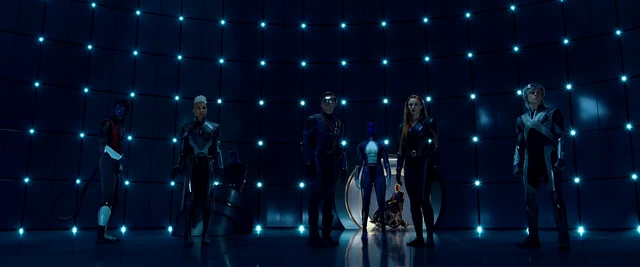
The Von Struckers, unlike their comic counterparts, are an ordinary middle class family. They aren’t concerned with superheroes, super-villains, and insane love triangles between heroes. They’re concerned with work, school, taxes, and taking out the garbage. In a sense, they are a reflection of real people in a world with unreal challenges.
That’s a perspective that rarely manifests in the X-men movies. In fact, other than a memorable scene in “X2: X-men United,” the impact that mutants have on ordinary people is rarely touched on. Sure, they’ll show humans running in terror from a Sentinel or a pissed-off Magneto. That doesn’t give us much insight into the lives these people live.
“The Gifted” builds an entire narrative around a family that lives in this world and during exceedingly tense times, no less. This is not a world where seeing the X-men take down a Sentinel is the sort of thing that happens every other Tuesday. This is a world where both the X-men and the Brotherhood have disappeared in an event that has only been referred to as “The July 15th Incident.”

That incident, much like 9/11 or a major assassination, created a dramatic/traumatic shift in society. Suddenly, mutants aren’t just another minority issue. They’re an existential threat, like nuclear weapons or mass pandemics. Mutants aren’t just a distant threat anymore. They’re a real threat.
From the perspective of the Von Struckers, at least in the first episode, the danger of mutants is like the threat of terrorism. They know it’s there. They accept the systems and precautions that society has put in place to deal with it. They’ve learned not to think much of it. They’re too busy just being an ordinary family in a world that happens to have individuals who have the mutant ability to turn into ice cream.
In a sense, we’ve done the same thing in the real world. We accept that we live in a world where the NSA reads all our emails, the CIA tries to assassinate world leaders, and gross injustices happen every day. We know, to some extent, that it’s manifesting all around us. We just shut it out and try to live our lives.
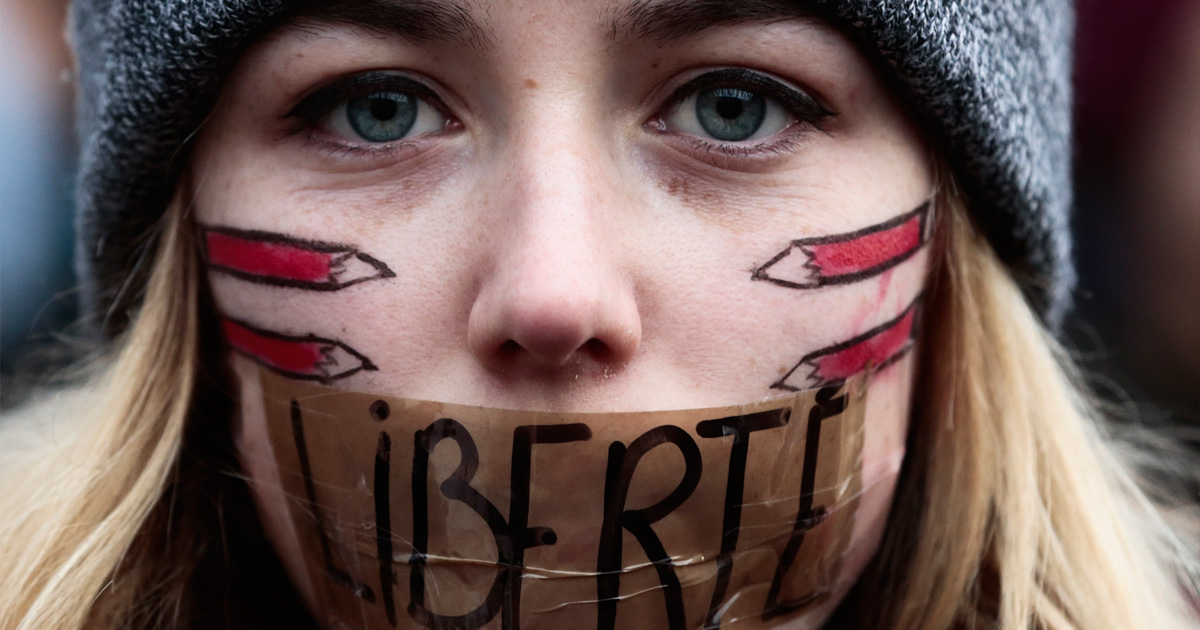
What happens, though, when that injustice hits you or someone you love? That’s what happens to the Von Struckers in the very first episode of “The Gifted.” Their blissfully oblivious lives are shattered when Reed and Kate Strucker find out their children are both mutants. Not only that, one of them ends up trashing the school gymnasium when his powers first manifest.
Their happy, middle class lives aren’t just disrupted. They’re shattered, spit on, and covered in fresh whale shit. To make matters worse, Reed Strucker, played by Stephen Moyer, was a prosecutor who made his living sending mutants to prison. Short of beating mutant children with a baseball bat for a living, he couldn’t have had a worse job.
The mutants he sent to prison weren’t always guilty of crimes. Sometimes, it was just a matter of being in the wrong place when their biology decided to act up. It would be like a teenage boy being arrested for an awkward boner, something we can’t always control. Granted, mutant powers tend to be more destructive, but they can be just as unpredictable.
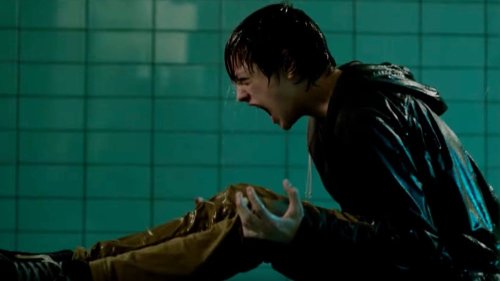
It’s this revelation, as well as the events that unfold in the episodes that follow, that really highlight the impact that “The Gifted” leaves. It’s an impact more relevant than most X-men stories, including the ones that involve jealous ex-lovers. In a sense, it’s one that many minorities already understand all too well.
From the beginning of the show, there’s never a sense that Reed Strucker believed that he was hurting anyone. He never came off as the kind of guy who hates mutants and longs for the days where men like him can throw mutants into internment camps. He’s just doing his job, which he believes is making the public safer.
It’s really no different from those who genuinely believe that homosexuality is inherently harmful or that gun control will only lead to more violence. Most of the people who believe these things, the Pat Robertsons and Richard Spencers of the world notwithstanding, are decent people who want to live in a world where they’re families are safe.
/cdn.vox-cdn.com/uploads/chorus_image/image/55892991/gifted.0.jpg)
Then, something traumatic comes along that shatters this worldview. They find out they have a gay son or they find themselves in the crossfire of a mass shooting. Suddenly, they can’t ignore these injustices anymore. They can’t go about their happy lives as though the system isn’t victimizing someone. It’s one of those rare situations where no amount of excuse banking can change the truth.
In a sense, the Von Strucker family are reflections of the families in the real world that find themselves on the wrong end of injustice. Whether it’s a Muslim family victimized by racial profiling or being on the wrong side of a sexual harassment claim, it’s not possible to avoid or ignore it anymore. These injustices are hurting you and the people you love. It’s soul-shattering, but that’s what makes “The Gifted” so compelling.
In the fourth episode, this message really hits hard. Reed finds himself in a jail cell right next to Polaris, a mutant who he prosecuted in the first episode, who also happens to be Magneto’s daughter. In these bleak conditions, she basically lays out all the hard truths that he and others like him avoid.

Yes, there was an incident where a group of mutants, which you could substitute for any minority, did something terrible. That was a terrible incident, but efforts to prevent other incidents like that are just hurting real people who don’t want to be superheroes fighting killer robots. Polaris is just one of them. Reed’s children are two more.
That harsh message is one that carries over in the real world, often in tragic ways. Back in 2007, a documentary called “For The Bible Tells Me So” highlighted deeply religious families who had been vehemently anti-gay, only to have one of their children turn out to be gay. Sometimes, it changed their perspective. In some instances, though, it ended tragically.
It’s a harsh, but necessary truth. We can’t control our circumstances. Much like Reed Strucker, we sometimes find ourselves in the worst situations at the worst possible times. The world is chaotic, full of strange people who do terrible things. The fact we can’t control or prevent those things is agonizing, at times. We, as a society, will do as much as we can to mitigate that danger.

In the process, though, we’ll try to fight injustice with more injustice. We’ll obsess less over what is real and more about what is potentially real. It leads us to do extreme things like throw innocent people into internment camps or create killer robots to protect people.
“The Gifted” reveals the cost of those measures. It goes beyond the eccentricities surrounding superheroes and focus on the real impact that real minorities feel. Most who are lucky enough to not be part of that group remain content to ignore it. Then, when it finally affects them, they realize just how unjust it is.

At a time when injustices are harder to hide and minorities are a growing part of society, these are important messages. The X-men have been exploring these themes for years, often with colorful adventures involving cosmic birds. “The Gifted” goes even deeper and during these troubled times, these are messages worth heeding.
Filed under Current Events, gender issues, X-men

When I did my review for the “Wonder Woman” movie earlier this year, I did so under fairly favorable circumstances. The movie was already getting a lot of positive buzz from critics and general word-of-mouth. I was excited to see it in any case, but that buzz certainly set a positive tone when assessing the merits of that movie.
With “Justice League,” I face the polar opposite of those circumstances. While I generally try not to give much weight to critics or Rotten Tomatoes scores, it was hard to avoid this time. Unlike “Wonder Woman,” the buzz for this movie was entirely negative and it showed in the box office returns, also known as the only real measure that studios care about.

For a movie that was set to be a major milestone, finally putting DC’s most iconic heroes into one movie, it has since become an outright scandal. How can a movie with so much superhero star power do this poorly? That’s a question I am not equipped to answer, especially since people much smarter and more well-connected than me already have.
Instead, I’m going to walk right into this ongoing firestorm of whining and anger to give my spoiler-free review of this movie. I wanted to do it sooner, but I decided to let that firestorm die down just a bit before I offered my take. That might have been a mistake on my part. There’s a lot of noise surrounding “Justice League,” but not much insight.
With that in mind, I’m going to keep my review simple. I’m not going to try and extrapolate a bigger picture, like I did with “Wonder Woman.” I’m just going to focus my review on one simple question.
Is “Justice League” a good movie?
Before I go into detail and try to talk over all the noise, I want to answer this question with my honest and sincere sentiment. Given how much I’ve talked about comic books, superheroes, and superhero movies, including the sexy parts, I like to think my answer has at least some weight. However much stock you put into my opinion, here’s my ultimate conclusion on “Justice League.”
It is a good movie.
Yes, I realize that sentiment doesn’t reflect its Tomatometer score. Keep in mind, though, that score reflects the opinions of critics who are paid to see and/or overthink movies. It doesn’t reflect how actual fans feel about it, which actually shows in the response for this movie.
Even critics can’t deny that this movie went out of its way to please fans, especially those who were dissatisfied with “Batman v. Superman: Dawn Of Justice.” It directly dealt with the aftermath of that movie, as well as the characters’ reaction to it. It even dealt with the aftermath of “Wonder Woman,” building upon a foundation and creating connections, exactly like a real movie universe should.
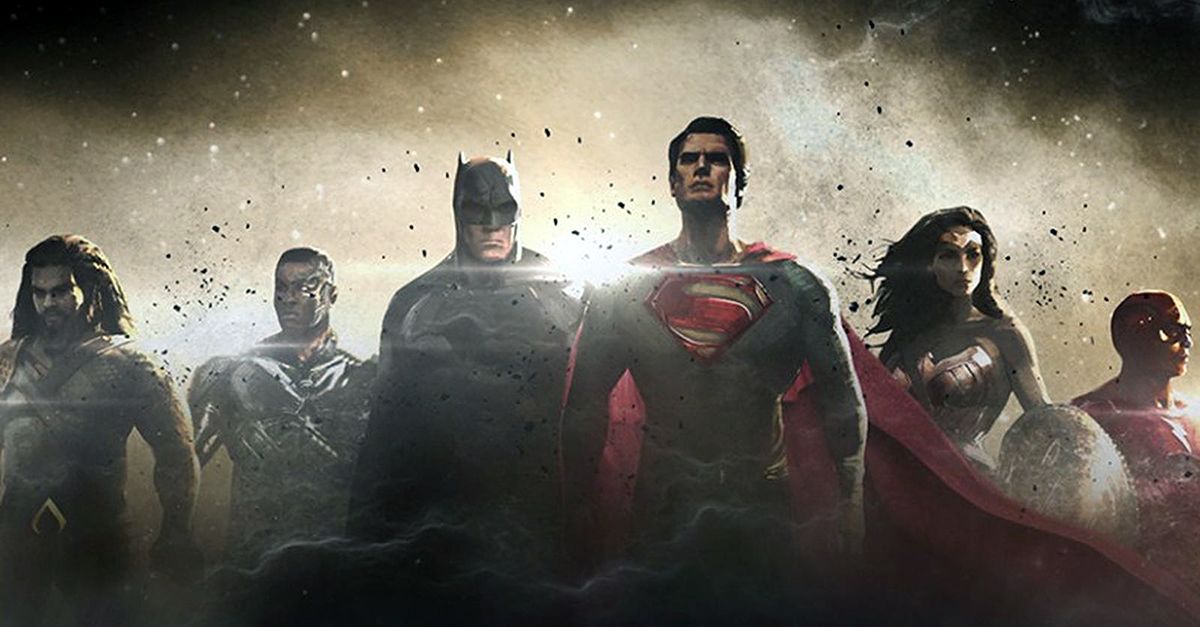
Those connections weren’t too critical to appreciate the movie as a whole. It also works very well on its own, creating a simple, concise plot that really ramps up the scale. Again, it’s entirely consistent with the effort to make a large, inter-connected movie universe, just as Marvel has done with so much acclaim.
However, that’s not my primary reason for me saying that “Justice League” is a good movie. In simplest terms, this movie is good because it sticks to the basics and does them very well. It doesn’t try to be overly elaborate. It doesn’t attempt to reinvent the characters to an excessive degree. Yes, those characters have some variations, compared to their comic counterparts, but it’s nothing that warrants confusion or outrage.
Superman is still Superman. Wonder Woman is still Wonder Woman. Batman is still Batman, even if it is through the brooding demeanor of Ben Affleck. Getting those three right is critical to the success of any “Justice League” movie and this one makes it a point to do that early on.

It doesn’t stop there, though. It puts time and energy into developing the rest of the league, namely Flash, Aquaman, and Cyborg. These three characters had only brief cameos in “Batman v. Superman: Dawn Of Justice,” but they achieved much greater depth here.
These supporting members weren’t just there to fill out the ranks. They each had their own personal story to follow. Through that story, Flash, Aquaman, and Cyborg gain a personal stake in “Justice League.” It’s not just about saving the world for them. They’re struggling for something greater and, through the story, they achieve it.
At times, there are a lot of plots unfolding simultaneously. The personal stories of all those involved tend to mix. While it does get somewhat messy, it never gets chaotic. The story never goes off-track and it never becomes too confusing, which was a common criticism levied against “Batman v. Superman: Dawn Of Justice.”

A major reason why the story remained so concise was because of the main villain, Steppenwolf. While he’s not as iconic a villain as Lex Luthor, Loki, or Darkseid, who is mentioned multiple times, he does plenty to establish himself as a powerful threat and a highly motivated villain.
Like the other members of the league, his role in the plot has a personal component. He doesn’t just show up, wanting to destroy the world for shits and giggles. There’s an actual reason behind his actions and those reasons never become excuses, something that should carry weight for any character.
On top of those reasons, Steppenwolf’s story helps build the bigger picture of the DC Extended Universe. Through it, we learn that there are much larger conflicts in this universe that go beyond the Justice League. It helps establish a larger role for the Amazons, who showed their strength in “Wonder Woman.” It also establishes the Atlanteans and Green Lantern Corp, who are set to show theirs in future movies.

If the secondary goal of “Justice League” was to build a world and expand the possibilities, it certainly succeeded. If its primary goal was to bring each hero together in a way that was entertaining, flashy, and dramatic, then it succeeded as well.
There were plenty of powerful moments. There were plenty of dramatic moments. There were even some funny moments, most of which involved Ezra Miller’s Flash. Few of the moments felt forced or contrived. None felt empty either. There was purpose in every moment, decision, and action. By those most basic of standards, “Justice League” works.
I would even argue that this movie works better than a lot of Marvel movies. I would certainly put it above titles like “Avengers: Age Of Ultron” and “Iron Man 3,” movies that I think get more praise than they deserve. “Justice League” even makes the effort to improve on the mistakes of its predecessor, something few franchises even try, as “Amazing Spider-Man” can attest.

None of this is to say that “Justice League” is without flaws. It certainly has a few. The effects aren’t as flashy or colorful as other movies. Even “Man Of Steel” had better effects, by comparison. It’s also worth belaboring that Ben Affleck is no Christian Bale and Steppenwolf is no Darkseid. It really did feel as though the movie held back, at times.
If that’s the biggest shortcoming of “Justice League,” though, then I still say it qualifies as a good movie. It tells a story. It fleshes out characters. It tells a big, flashy story, full of big battles and satisfying conclusions. There’s a sense of emotional catharsis at the end that is much more uplifting than what we got in “Batman v. Superman: Dawn Of Justice.” When put in the context of the greater DCEU, it acts like frosting on the cake.

Why, then, does it receive such hate and scorn from critics? If this movie does have a major crime, it’s that it isn’t crafted in the same mold as Marvel with their cinematic universe. I don’t deny that Marvel sets a very high bar. However, this movie cannot and should not operate by those same standards. If it did, then those same critics would just whine that it’s ripping off Marvel too much.
There are other criticisms of “Justice League,” but when so many of them revolve around Henry Cavill’s digitally-removed mustache, those criticisms are downright petty. It is possible to hate and criticize this movie by focusing on those petty issues, but that’s hardly a fair way to judge the actual substance of the movie.

In terms of actual substance, “Justice League” has it and plenty more. It Superman being Superman, Batman being Batman, and Wonder Woman being Wonder Woman, just in case her movie didn’t give you enough of that. For that reason, “Justice League” deserves far more praise than it has gotten and far less petty criticism.
In the end, it still gives us a satisfying, live-action Justice League movie. That, in and of itself, makes it inherently awesome
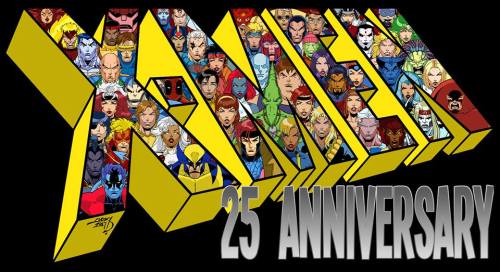
This past Halloween was extra sweet for a certain group of comic book fans, one that I just happen to be part of. Even if you’re not a comic book fan and were just a kid of the 90s, growing up on a steady diet of Saturday morning cartoons, this year marked a special milestone for one of the best shows of that era.
Yes, it involves superheroes. Yes, it involves X-men, which I often go out of my way to discuss. Yes, it involves this iconic theme music that has since become my ring tone.
That insanely catchy guitar rift that got stuck in the heads of millions of fans is from “X-men: The Animated Series.” On October 31st, 1992, this series debuted on Fox Kids and countless childhoods were forged from that day forward, including my own.
That was 25 years ago and while that thought makes me feel way older than I care to feel, it still brings back fond memories. One of my favorite parts of the day, as a kid, was rushing home from school, turning on the TV, and watching my favorite shows. “X-men: The Animated Series,” along with shows like “Spider-Man” and “Power Rangers,” were a big part of my carton diet.

I largely credit this show and “Spider-Man” for getting me into comic books, superheroes, and everything that came with it. I also credit those shows with giving me an early understanding of character development, romance, and storytelling, which would go onto help me write my sexy novels.
For that reason, and many others, “X-men: The Animated Series” has a special place in my heart. I imagine many X-men fans feel the same way because it was this show that helped the X-men really peak in the 90s. What the Avengers are today, the X-men were in the 90s. They were very much the alpha and omega of all things involving superheroes.
While this 25th anniversary gives me time to reflect fondly over how much this show enriched my childhood, my life as an adult has only further expanded my perspective. When I look back on “X-men: The Animated Series,” I’m somewhat amazed by how relevant it still is in terms of theme, drama, and story.

It’s easy to forget that this series came out at a time when most cartoons followed a simple, predictable formula, regardless of whether or not superheroes were involved. There was evil. The heroes found out about said evil. They fought it. Then, the credits roll. “X-men: The Animated Series” dared to think bigger.
While the animation and voice acting might be somewhat dated, this show dared to speak up about social issues. It dared to explore ideas of hate, bigotry, and discrimination. At a time when parents were still fighting mortal crusades over rock music, this show tried to be relevant in a new way.
Now, as I look back on this series that lasted for five years and 76 glorious episodes, I realize just how progressive and insightful this show truly was for its time. As more and more forms of media, including comics, push for greater diversity, “X-men: The Animated Series” found a way to pull that off 25 years ahead of schedule.

In a sense, the X-men have always been about progressive themes like inclusion, diversity, and justice. Even though some of those words have become toxic today, they embodied the best of it, going back to its earliest days of drawing parallels with the Civil Rights movement. This show just captured it at a time when it a new form of progressive concepts were taking hold.
So, in honor of the 25th anniversary of this show, I’d like to highlight five reasons why “X-men: The Animated Series” was even more progressive than you remember. Even if you’re not a fan of X-men or comics, it’s amazing to think that a show from 25 years ago achieved so much of what others are trying to accomplish today.
“Genuine bigotry and hatred was depicted in ordinary people.”

To X-men fans, it seems obvious. Bigotry and hatred are very much a part of the X-men’s DNA, going all the way back to their early days in the 60s. However, for a kids cartoon, this was akin to Miley Cyrus flashing her tits on an episode of “Hannah Montana.”
“X-men: The Animated Series” did not water down the themes of blind hatred and bigotry espoused in the comics. If anything, they took it a step further by giving a voice, putting that blind hatred on display through characters like Graydon Creed.
This especially played out in the second season where hate groups like the Friends of Humanity formed. They’re the anti-mutant equivalent of the KKK. Their hate was so blind and deep that when one character, Jubilee, asked them why they hated her so much, Creed said simply, “You were born!”
That kind of hatred is harsh in real life, let alone a kids show. The fact that this show gave the X-men more than just monsters, tyrants, and aliens to fight showed an uncanny, if that’s not too fitting a term, willingness to scrutinize these painfully real issues.
As a kid, I barely understood it. As an adult, I’ve come to appreciate it even more. I like to think that exposing that kind of hate in a cartoon showed an entire generation of kids what true assholes look and sound like. Given the amount of assholes in this world, those lessons were invaluable. Plus, it was way more entertaining than “Sesame Street.”
“The characters were diverse and had vastly different personalities.”

Here’s a quick question that should trigger some unpleasant conversations on message boards, as if there are any others. Look at the cast of the Avengers movie. Aside from talking raccoons and androids, what do you notice? They’re mostly men, they’re mostly white, and they mostly have the same avenging personality.
Now, look at the X-men. You’ve got an uptight white guy, a burly Canadian, a sexy southern woman, an African goddess, a smooth-talking Cajun, a giddy teenage girl, and a guy in a wheelchair. Even by today’s absurd diversity standards, the X-men check a lot of boxes. They’ve been checking those boxes since long before diversity was even an annoying buzzword.
It’s not just that the cast of “X-men: The Animated Series” was diverse on the surface. It’s not just that they disagreed with each other, as the Avengers frequently do. They had such wildly different personalities that didn’t always mesh. Cyclops and Wolverine alone had all sorts of clashes and not just over wanting to sleep with the same redhead.
That kind of diversity of thought and personality is something modern cartoons, TV shows, and movies still struggle to achieve. “X-men: The Animated Series” managed to achieve that at a time when Hillary Clinton was still likable. It was a big accomplishment at the time and one that only gets more impressive as the years go by and people still fight about diversity in media.
“The show did feminism and strong female characters RIGHT.”

I’ve said it before and I’ll keep saying it in future posts. Talking about feminism is dangerous, divisive, and frustrating, especially in wake of recent scandals. Nobody seems to know how to even handle feminism or strong female characters who aren’t Wonder Woman. Long before the “Wonder Woman” movie raised the bar, though, “X-men: The Animated Series” made sure it set that bar pretty damn high.
Even by modern standards, “X-men: The Animated Series” found a way to do feminism right. Unlike other cartoons, the female characters weren’t part of the supporting cast or relegated to roles of a love interest. They actually participated on the same level as the male characters.
They didn’t have to create new female characters or force a female character into a male role. “X-men: The Animated Series” simply took characters like Storm, Rogue, Jubilee, and Jean Grey and maximized their strengths. They gave them personalities, power, and individual stories. They didn’t have to show up their male teammates. They could stand on their own and thrive as women.
In terms of feminism, “X-men: The Animated Series” was at omega-level standards long before it became a priority. At a time when we’re still struggling to make solid female characters, it’s remarkable and refreshing to see how well it was done.
“The show didn’t shy away from harsh, dramatic moments.”

People used to make a big deal about cartoon violence. The big worry was that kids would see a cartoon duck fighting with a cartoon rabbit and think that playing with double-barreled shotguns were toys. It was a very different, very strange time, to say the least.
“X-men: The Animated Series” basically gave a big, adamantium finger to this debate, at least to the extent that they could get around the network censors. This show did not shy away from the harsh, dramatic moments that had played out in the comics. In fact, in the second episode of the series, one of the characters dies.
Keep in mind, this is a kids show where characters are not allowed to curse or show blood. The fact that this show killed a character in an early episode, and referenced death on more than one occasions, showed a remarkable willingness to portray real struggles with real stakes. Sure, it probably upset a few parents, but it sent a powerful message about the real world.
“X-men: The Animated Series” dealt with real issues of bigotry, hatred, and intolerance. As such, it couldn’t water down the harshness and the pain it incurred. These are issues that people are still reluctant to talk about today and this show brought it up during the Clinton Administration. That shows both guts and foresight.
“The villains, heroes, and themes had layers of complexity.”

Watch any cartoon made before 1992 and chances are the characters you see will be pretty basic. You have your evil, mustache-twirling villains. You have your generic good guy/hero types. You have exaggerated violence and shameless toy promotions. There’s not a whole lot of depth there.
“X-men: The Animated Series” once again dared to do more. It dared to let its characters grow and evolve over the course of five seasons. It’s an approach that worked so well that others, like the “Spider-Man” cartoon that debuted two years later, went onto adopt it. These characters had all sorts of layers and depth in the comics. The show chose not to simplify it for a young audience and embrace that complexity.
Sure, characters like Magneto, Sinister, and Apocalypse came off as generic bad guys at first, but they developed more and more depth as the series went on. There were even times when Magneto came off as genuinely sympathetic. For a kids show, these moments were pretty heavy and something you just wouldn’t get with the Ninja Turtles.
Today, everyone is trying to give their characters that Walter White style of complexity. Everyone is trying to create a series with a sense of progression. Well, “X-men: The Animated Series” were already doing that in the days of dial-up internet.
The fact this show succeeded to the extent that it did, while being as progressive as it was, even by modern standards, is nothing short of uncanny. After 25 years, the show still has a special place in the hearts of X-men fans. Sure, the animation and dialogue may be dated, but those progressive themes have never been more relevant.
Filed under Comic Books, Jack Fisher, Superheroes, X-men

Some days are special, but only to a specific group of people. For some, it’s Elvis’ birthday. For others, it’s the birth of a child. There are even those who just get emotional on Taco Tuesdays.
For notes comic book fans, like myself, that day is today because as I write this, I’m preparing to make my way to the New York Comic Con. It is, quite possibly, the closest thing comic fans to a holy day. It involves parties, performances, and elaborate costumes. It’s basically like Mardi Gras, but with less nudity and public drunkenness.
It’s a wonderful time when comic fans gather over a shared passion. For someone like me, who writes a lot about passion in my novels, it’s a special feeling and one I intend to celebrate to the utmost. Expect me to enjoy this experience to the utmost and share the memories, sexy or otherwise, as I see fit.
So for all my fellow comic fans, or just those who share in this special passion, I thank you for helping to make the New York Comic Con awesome.
Filed under Uncategorized
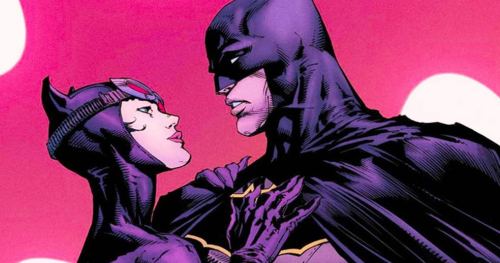
I had a whole other topic I wanted to discuss today, but sometimes certain events occur that require you to throw out your plans, spit on your schedule, and love every second of it. Despite some of the tragic news to come about in the last few days, something big just happened in the world of comics, a world with which I’ve made my passions known.
It’s news that appeals to both the comic book fan in me and the erotica/romance fan in me. It’s rare that a combination that potent converges in my world. When it does, my heart and loins are sent into overdrive for all the right reasons. I don’t care if that sounds overly dramatic. I’m in good a mood right now to dampen my spirits.
This time, I’m not going to provide a larger context. I’m not going to give some elaborate backstory on the circumstances to explain an ongoing controversy. Whether you don’t know squat about superhero comics or haven’t felt a romantic sentiment since the series finale of “90210,” you can’t deny this is big.
You don’t need context. You don’t need much insight either. All you need to know is this.
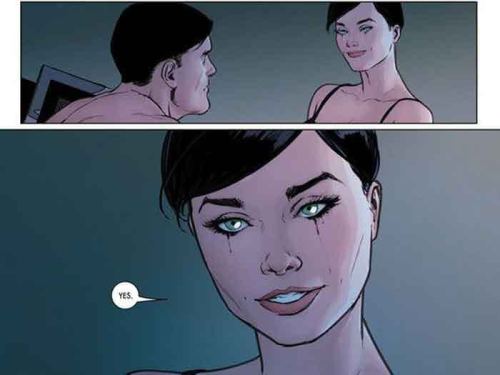
That’s right. USA Today broke the story. In Batman #24, Bruce proposed to Selena on a rooftop. Now, after months of agonizing build-up, Batman #32 gives the answer. The Dark Knight and the sexy jewel thief who dresses in a skin-tight costume are getting married.
In an era where 95 percent of all Batman stories involve him brooding all the time, including those involving Lego-themed characters, Batman is getting married. If you put your ear to a computer screen, you can hear thousands of comic fans squeeing and cheering uncontrollably.
In the context of superhero comics, this is big news and not just because it means seeing Catwoman in her underwear more often. As I write this, superhero comics are going through a rough patch in which iconic romances, especially those involving Marvel’s heroes, are being undone, undermined, or reserved for non-canon alternate universes. It’s a tough time to be a romance fan and a comic fan.
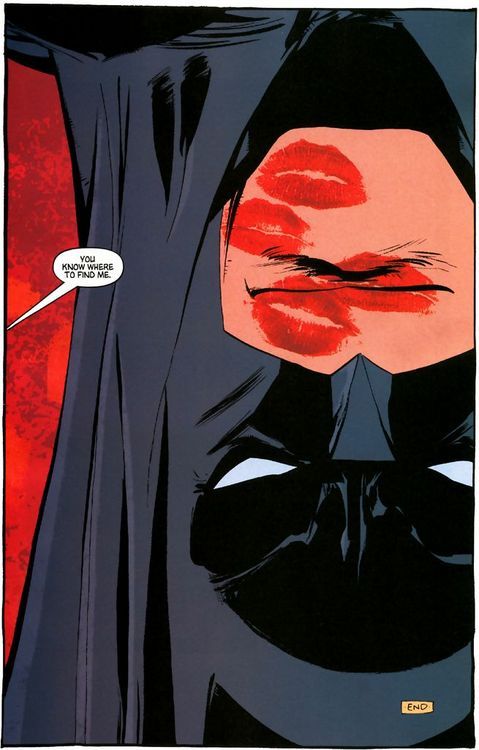
Lately, DC Comics has been trying to change that. They’ve been expanding the long-time marriage between Superman and Lois Lane in recent years, building on a family element and even giving them a son to raise. Someone actually had the audacity to think that a loving relationship can have appeal outside of a toxic love triangle. What a concept, right?
While they may not be as iconic as Superman and Lois Lane, Batman and Catwoman have had their share of romantic and sexy moments. Theirs is not the sweet, cuddly relationship that Superman has with Lois Lane. Theirs is more complicated, but many times hotter and not just because Catwoman looks sexy as hell in her underwear.
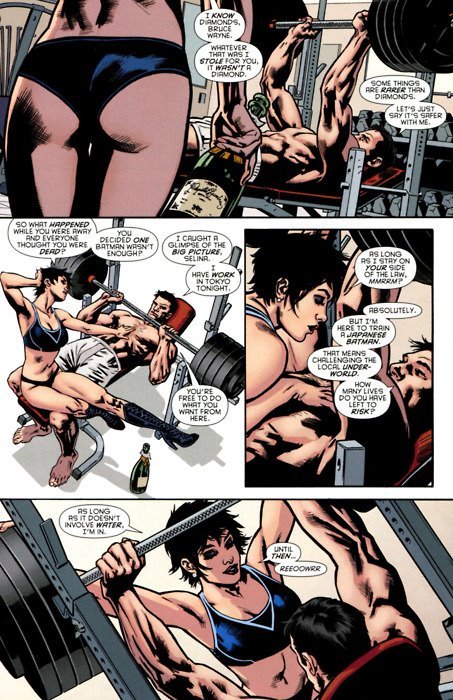
These are two people who don’t always find themselves on the same side of the law, but they both have lines they won’t cross. They both have principles they won’t compromise. They’re both tough, capable, and know how to handle themselves in overwhelming situations.
He’s the goddamn Batman. She’s the sexy-as-hell Catwoman. Superman and Lois may make sweet, passionate love. That’s fine for them. For Batman and Catwoman, they’ll settle for the hot, exciting, dangerous love that gets the heart and genitals going in all the right ways. It’s even sexier than it sounds.

For Batman, a character best known for brooding, growling, and making Christian Bale one of the biggest names in Hollywood, it’s a huge shift in his life. The past several years of Batman comics have expanded his mythos in many ways, even giving him a son, but he’s never really gone beyond brooding and beating up criminals. For a man defined by how tortured he is, this sort of thing adds some badly-needed balance.
Ever since the mid-80s when Frank Miller got his hands on Batman, he’s been such a dark character who is so overly serious in everything he does. At times, he seems to go out of his way to deny himself any measure of happiness. It makes Batman feel less like a hero and more like someone who’s just obsessive and/or mentally ill.
By having him find love with someone, that adds an important dynamic to his character. It means that he doesn’t just want to brood all the time over Gotham City’s crime problem. He wants to find some measure of happiness. Despite the loss his suffered as a kid, he still wants and feels love. Something about that shows just how resistant he is as Batman.
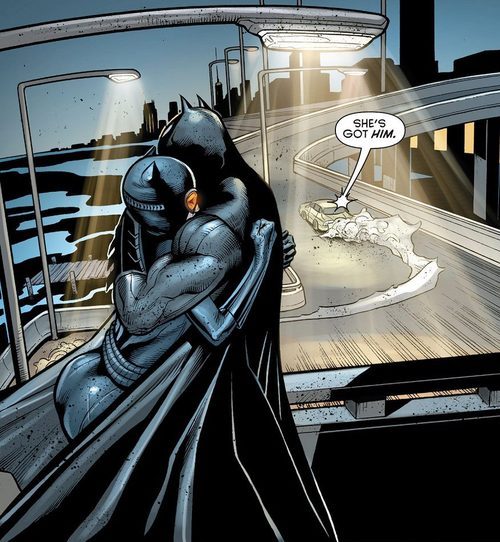
Granted, Batman has had his share of love interests over the years, as is the case with most heroes. He’s still nowhere near as bad as Wolverine. However, of all those love interests, Catwoman is probably the most iconic. They’ve been married in other realities with varying degrees of success, but this is the first time DC Comics is giving them the same shot they gave Superman and Lois Lane.
Not much has been revealed beyond Catwoman’s acceptance of Batman’s proposal. I doubt anyone has thought about wedding plans or honeymoons just yet, which for them probably involves beating the snot out of the Joker. There may or may not be a wedding special like there has been with other iconic romances.
All we know is that the desire and the will is there. For Batman and Catwoman, or passionate lovers of any kind in any reality, real or fictional, sometimes that’s all you need.