Tag Archives: sexual assault

Aziz Ansari: A Case Study Of He Said/She Said And Impossible Justice

775097771ph00038-official-v

Ordinarily, I prefer to wait until an ongoing scandal involving a celebrity dies down before I comment on it. In my experience, it takes time for the full story to emerge. Most of the time, a more complete story tends to render any premature comments moot. John Carpenter recently provided a notable example of why such prudence is important.

That said, there are times when patience is also moot because the narrative follows an all too familiar pattern. It becomes so predictable that you can practically set your watch to it. Over the past several months, especially since the Harvey Weinstein scandal, we’ve seen that pattern play out in all sorts of disheartening ways. That’s why I’m opting not to wait on offering comments on Aziz Ansari.

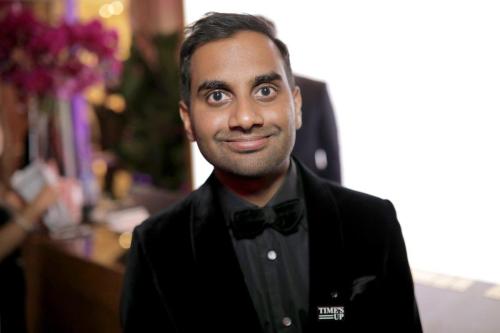
By now, everybody with an internet connection, a social media feed, and a predilection for celebrity meltdowns knows the story. Aziz Ansari is the latest case of the Weinstein Effect. His name has officially been added to the growing list of male celebrities being accused of sexual misconduct.

The story first broke on Babe.net where a 23-year-old Brooklyn-based photographer calling herself Grace, which isn’t her real name, told a very distressing story about a night she had with Ansari. That story reads like a bad date, but still echoes with some of the same themes that Harvey Weinstein has helped make infamous. Naturally, this story is already striking a chord with the ongoing anti-harassment movement.

The way Grace tells it, she got into a situation that she lost control over and Ansari took advantage of that situation. I don’t want to get too caught up in the details. They’re just too unsexy, even for an aspiring erotica/romance writer.

Before I even attempt to comment, it’s worth pointing out that Grace said herself that she confronted Ansari about this privately. On the surface, it seemed like a terrible example of miscommunication and mixed messages. According to the article, this was the exchange.

Grace: I just want to take this moment to make you aware of [your] behavior and how uneasy it made me.

Ansari: Clearly, I misread things in the moment and I’m truly sorry.

If this had occurred several years ago, that probably would’ve been the end of it. The incident would’ve been a nasty experience for Grace and an uncomfortable memory for Ansari, but it probably wouldn’t have made the news, outside a few disreputable tabloids. Since powerful men harassing women has become a far greater issue, though, this is now national news.

It’s already generating the kind of divisive arguments that have been cropping up since the Weinstein scandal. Supporters of the anti-harassment movement are siding with Grace, accepting her story as another example of powerful men exploiting women. Opponents, including a few celebrities, are saying this movement is going too far and devolving into a man-hating witch-hunt.

Neither side is going to convince the other they’re wrong. Both sides have plenty of rhetoric to make their point. When I look at this story, though, I see far greater forces at work. I also see a devolving situation that is doing more to divide people in lieu of addressing real issues surrounding men, women, consent, and harassment.

When you read over Grace’s story and then read the statement Aziz Ansari issued in response, there’s one inescapable fact. It’s impossible to vindicate or disprove either version of the story. It is very much a classic he said/she said ordeal. She said he assaulted her. He said everything they did was consensual. There’s no way to be certain.

Sure, there’s a distinct possibility that one of them is lying. Everyone, celebrity and non-celebrity alike, is prone to lying. There have been documented incidents of women falsely accusing men. There have been men who have lied and gotten away with sexual misconduct. However, without knowing more details about the incident, it’s not possible to truly know.

Me being a guy who places a lot of faith in people, I suspect that both Grace and Ansari believe they’re telling the truth. I believe that if you hooked them up to a perfect lie detector, it would verify that both of them believe their respective stories with all their hearts.

This sounds like an impossible position until you remember that our memories are not very reliable, especially when it comes to unpleasant memories. Beyond simply not remembering the details of a terrible situation, our brains are wired to avoid the kind of mental discomfort that comes with enduring or committing a sexual assault at all costs, even if that means mis-remembering the truth.

It’s because of this that the he said/she said nature of stories like this is difficult to process. It creates a scenario that’s different from most other crimes and injustices. There’s no dead body. There’s no lost or damaged property. There’s nothing tangible to highlight the crime or misdeed. There are only two conflicting stories. As a result, it leads to a situation of impossible justice.
Even if everything Grace described happened exactly as she said it did, there’s no way to prove it in a courtroom or even a civil case. Even if Ansari is one-hundred percent innocent and is the victim of an elaborate extortion plot, there’s no way to prove that either, absent a confession or new information.

In both instances, there’s an injustice being committed. Since humans are wired with an innate sense of justice that shows even when we’re infants, that situation is untenable in our collective minds. People hear a terrible story like Grace’s and that inner justice system goes into overdrive.

Since we don’t have the time, energy, or even the capabilities to gather all the facts, we’re left relying on a certain degree of prejudice. This is where the impossible justice of he said/she said gets real ugly and this scandal with Ansari demonstrates it. When people start relying on prejudices, it tends to bring out the worst in humanity.
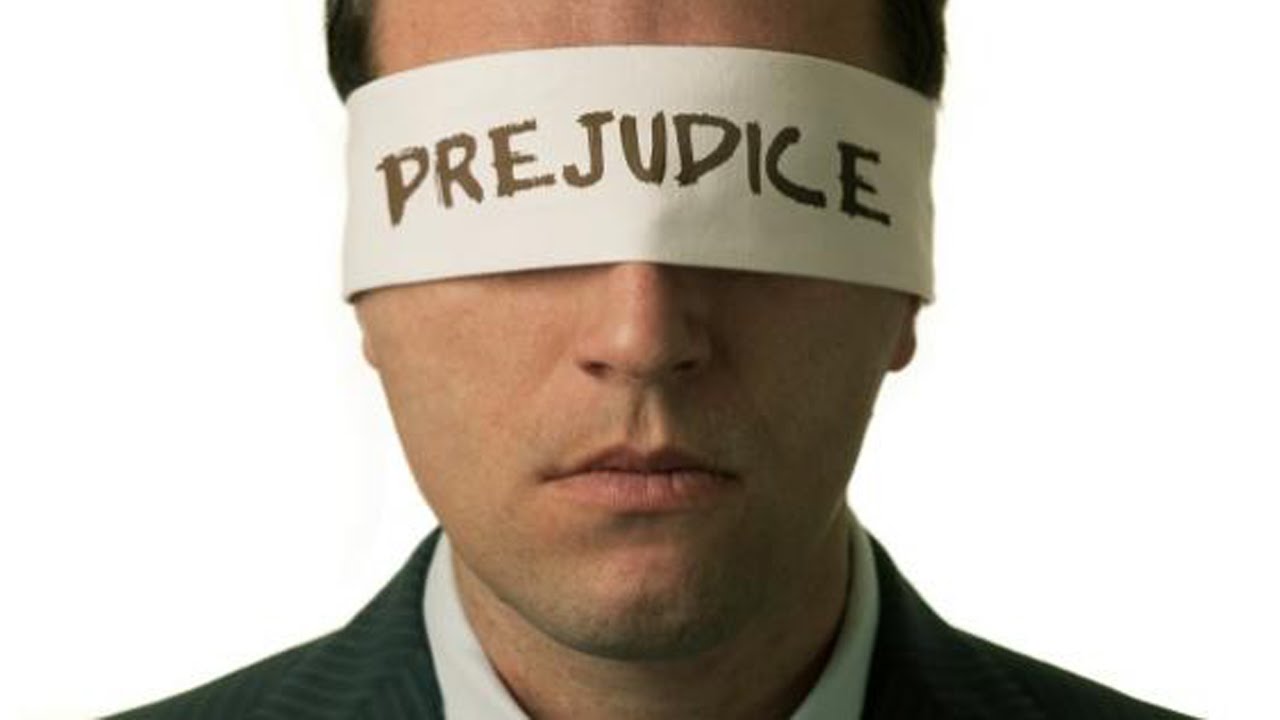
For those who believe our culture is full of entitled, misogynistic men who see women only as objects to be owned, then their prejudices will be reinforced by this story. For those who believe the movement against sexual misconduct is going too far and all men are being demonized, this story does the same.

That’s greatest tragedy of an impossible justice. It gives certain people the anecdotal evidence they need to further their agenda. It also gives those who stand against that agenda even more incentive to fight back. In the end, it only serves to heighten hostilities and intensify the rhetoric.

At a time when men and women are increasingly divided, especially in matters pertaining to sex and intimacy, this sort of story really drives us in all the wrong directions. It frames all men as sleazy pigs who jump at any opportunity to harass a woman. It frames all women as victims who must fight back against everyone and everything attacking them, real or imagined.
For me, personally, this story makes me sick to my stomach because it’s one of those stories that’s perfect for pushing an agenda, but not for pursuing justice. If what happened to Grace is true, then I’m in favor of having Ansari face justice for his misdeeds. I say that as someone who has been a fan of his comedy and his work on “Parks and Recreation.”

As it stands, though, there’s not enough evidence beyond the he said/she said dynamic to convict anyone of a crime. Absent that kind of justice, people are filling in the blanks with whatever gender-driven prejudices they want to strengthen.

In my personal opinion, which may put me at odds with both sides, I believe that there’s a third version of this story between Grace and Ansari that is closer to the truth. In that version, Ansari isn’t a total gentleman and Grace isn’t a hapless victim either. It’s just an experience that becomes awkward and unpleasant for them, the memories of which later get conflated and influenced by outside sources.

In the end, it’s still impossible to know for sure. Short of high-definition video, unambiguous audio, and an ability to read the exact thoughts of both Grace and Ansari during those moments when they were together, we can’t know how consensual or hostile the situation was between them. It messes with our desire for justice, especially when it comes to how men treat women.

In seeking that justice, though, it’s important to remember that there are instances where the truth isn’t just elusive. It’s physically impossible to ascertain. In those instances, trying to fill that uncertainty with agendas will only lead to more injustice in the long run for everyone.

7 Comments

Filed under Celebrities and Celebrity Culture, Current Events, gender issues, sex in media, sex in society

Why The Men Were Silent At The Golden Globes (For Good Reason)

When I was in middle school, I had a particularly vindictive gym teacher one year who had a knack for breaking the spirits of pre-teens. If we forgot to wash our uniforms, failed to take our seats on time, or just farted too loud, we were given a choice. Either we had to run a mile or do 100 push-ups. We got to choose, but both choices sucked.

The real kicker was that if we didn’t choose, then the teacher would choose for us and would go out of his way to make that choice seem extra cruel. It was one of those situations where it really didn’t matter what we said or did. One way or another, we were going to suffer for our actions and inaction.

This brings me to this year’s Golden Globes. Bear with me. I promise that’s not as big a non-sequiter as it sounds. There’s a valid reason I brought up the story of my vindictive gym teacher and it ties directly into the ongoing social movement to combat the sexual misconduct of powerful men.

I’ve talked about this issue before and, to be honest, I wish I didn’t have to keep discussing it. I would much rather be telling sexy stories, sharing sexy thoughts, or discussing upcoming superhero movies. However, these issues surrounding sexual misconduct in Hollywood have an undeniable impact on the sexual landscape and as an aspiring erotica/romance writer, that’s not something I can ignore.

A lot has been said and done since the movement began in wake of the Harvey Weinstein scandal. There has been a great deal of outrage, complete with protests and hashtags. Powerful men have fallen. Careers and reputations have been ruined. Entire movies and TV shows have actually been changed, as a result of this effort.

In some respects, it’s a good thing and I have pointed out the silver linings. Men harassing or abusing women is not something a just society should overlook. This isn’t one of those irrational moral panics, such as Satanic ritual abuse or the impact of violent video games. These instances of men abusing women have happened and some of the accused have confessed.

However, this ongoing crusade against powerful men, as well as horny men in general, has walked a fine line between a pursuing justice and demonizing any man who ever dared to admire a beautiful woman. It’s not quite at the level of an old-fashioned witch hunt, but it’s already in that dark territory where passions obscure reality.

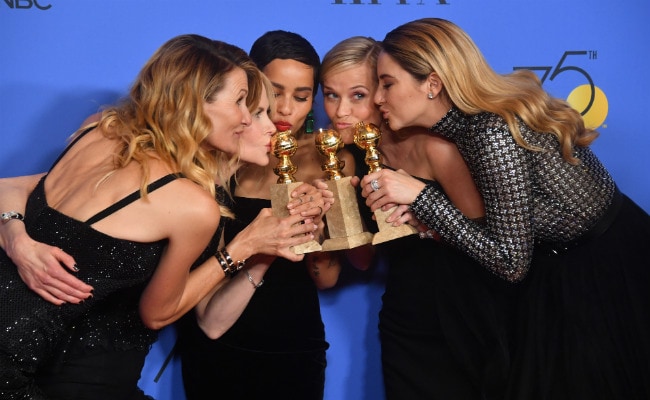
What happened at the Golden Globes might end up being the most telling sign of all. Initially, the big news for this event was positive. Some of the most prominent women in Hollywood, including Emma Watson and Oprah Winfrey, came together in a show of solidarity against the sexual victimization of women. They all wore black dresses and got behind the newly-created “Time’s Up” movement.

Like other movements before it, the intent is good. This movement seeks to provide legal defense and resources for those who have been victimized by sexual misconduct. That’s an objectively good thing, but that wasn’t the most revealing moment of the Golden Globes. Instead, the biggest message came from what was not said.

It has been reported by more than one outlet. While the women at the Golden Globes were quite vocal in their ongoing efforts to clamp down on sexual misconduct, the men were mostly silent. Other than a brief remark from Seth Meyers at the beginning and some men dressing in black, Hollywood’s male stars were largely silent.

To some, this is already very problematic. I imagine it’s going to stir quite a bit of outrage among those trying to further the movement. However, when you take a step back and look at the situation in which these men were in, their silence makes complete sense. In fact, those same women who are determined to combat the Harvey Weinsteins of the world may very well have made it their only option.

To understand why, think back to my vindictive gym teacher for a moment. That teacher understood that to break the spirits of powerless pre-teens, it was necessary to put them in a situation where their choices mattered less than the ugly gym uniforms the school forced them to wear. By establishing just how powerless they were, it made any effort to speak up seem pointless.

These men, as powerful and successful they may be, were in a situation not unlike the one my hapless classmates were in that year. There was nothing they could’ve said or done that wouldn’t have been deconstructed, dissected, or misconstrued. No matter what they said or didn’t say, it would be used to label them as enemies of the movement and of women, as a whole.

If one of the men stood up on that stage and gave an impassioned speech condemning Harvey Weinstein, then his reputation would suffer. He would be labeled a virtue signaling white knight who was compensating for something. After what happened to Joss Whedon, those concerns wouldn’t be unfounded. He may even still face condemnation among women for not speaking up earlier or naming other harassers.

If that same man stood up and tried to give an impassioned speech on the importance of confronting the issue responsibly, then he would likely have suffered condemnation similar to that of Matt Damon, who dared to question whether all harassment should be treated equally. Even hinting at such nuance would’ve earned that man the toxic label of a misogynistic victim blamer.

Essentially, the men at the Golden Globes knew they couldn’t win either way. No matter what they said, it would’ve been used against them or undermined their career, somehow. These men, as powerful and successful they may be, are still human, despite what Tom Cruise may claim. They want to protect their jobs and their reputations. They can’t do that if they get slapped with these toxic labels.

In the end, silence was their safest bet and that, in and of itself, reveals the extent to which this crusade against sexual misconduct has gone. It’s past the point where people can have reasoned arguments about the issue. Now, it’s all outrage and hyperbole. Either you’re completely on board with that outrage or you’re just as bad as Harvey Weinstein. There is no gray area.

That lack of gray area means men have to be silent, which is the exact opposite of what the women in the movement are trying to achieve. It’s ironic, but understandable. These men aren’t going to garner much sympathy. They’re rich, handsome, and successful. There’s only so much sympathy they can inspire, due to their position.

Silence is the only way to avoid the added scrutiny that would undermine a career. Silence is the only way to avoid saying something that might offend, enrage, or upset a public that has shown in recent times an uncanny unwillingness to ruin lives and reputations. It’s actually worse than censorship, when you think about it, because it is self-imposed rather than coerced.

The fact that the men didn’t speak up at the Golden Globes may or may not represent a tipping point, of sorts. If the anti-harassment movement has created an environment that’s so frail that silence is the safest recourse, then that same movement lacks a critical component it needs to succeed.

Like it or not, men need to be part of the conversation with respect to sexual misconduct. Silence on their part means the crimes, the culture, and the attitudes that fosters such misconduct won’t change. Moreover, their point of view cannot be discounted as virtue signaling or “mansplaining.” The fact remains that if people feel helpless, then they won’t care enough to make the effort.

Like the broken spirits of my old gym class, if the men don’t think their words matter or may be used against them, then it makes perfect sense for them to remain silent. Outrage, awareness, and condemnation alone is not going to inspire meaningful change in the dynamics between men and women.

Both sides actually have to listen to one another and feel their words actually matter. It’s only then when silence will no longer be the most preferred and logical recourse.

4 Comments

Filed under Celebrities and Celebrity Culture, Current Events, gender issues, sex in media, sex in society, sexuality

Making Sense Of Sexual Misconduct, Valid Arguments, And Matt Damon

We like to think that when there’s a serious problem, our first instinct is to approach it with a logical, reasoned understanding of what it is and how to go about solving it. Ideally, that’s how competent, civil societies go about these things. By those same ideals, though, nobody ever cheats on their taxes, lies on their resume, or downloads free movies from torrent sites.

In the real world, there are some problems where our emotions surrounding an issue are so powerful, so intense that they undercut our ability to approach it logically. It’s part of the flawed wiring in our caveman brains that seems to crop up in every major issue I discuss on this blog.

That brings me back to one of the most emotionally charged issues of the day in sexual assault. It’s an issue that has touched everything from movies to video games to the comic book industry that I’m so fond of. Between the scandals and the movements they inspire, it’s one of the most heated issues that doesn’t involve Star Wars fan theories.

It’s because the emotions surrounding sexual assault and sexual harassment are so heated right now that trying to force any level of logic or context into the discussion is next to impossible. If done poorly, it can come off as victim blaming, which is tends to intensify emotions even more.

This brings me to Matt Damon, an actor who has built much of his career about having to be rescued. Unfortunately, he didn’t get that memo about the current emotional state of this issue. It’s still very raw and very charged. There’s a reason for that, but that reason is secondary right now and he just found that out the hard way.

It happened during a recent interview for ABC’s “Popcorn with Peter Travers.” During the interview, Mr. Damon decided to give his opinion on the issue, as many other celebrities have on the issue. This is what he had to say.

“I think it’s wonderful that women are feeling empowered to tell their stories and it’s totally necessary,” he said. “I do believe there’s a spectrum of behavior. … You know, there’s a difference between, you know, patting someone on the butt and rape or child molestation, right? Both of those behaviors need to be confronted and eradicated without question, but they shouldn’t be conflated.”

The bold parts are my doing. That’s because these are the parts stirring even more emotion within an already heated discussion that shows no signs of settling. Harvey Weinstein triggered it and subsequent celebrity scandals escalated it. Matt Damon may have escalated it even more by trying to put a kind of logic into a discussion that isn’t ready for it.

On paper, what Mr. Damon said isn’t unreasonable. In fact, it’s fairly logical by most standards. There is, indeed, a spectrum of behavior for sexual misconduct, just as there’s a spectrum for behavior of any kind of deviance.

In the same way that stealing a bag of candy from a grocery store isn’t the same as stealing the Mona Lisa, an unwanted hug at an office Christmas party is not the same as a brutal rape in a dark alley. There is a spectrum for that kind of behavior. One warrants serious punishment and prosecution. The other warrants disapproval and scorn, but not much else.

However, that kind of approach is just too logical for something that’s so emotionally charged. I know I keep saying that, but it’s worth belaboring and it really does matter. Sexual assault is an extremely emotional topic, one that incurs an immense amount of trauma and suffering to the victims. To them, logic and spectrums mean as much as the weather on Neptune.

As a result, the reactions to Mr. Damon’s words have been more than a little charged. The most vocal reaction came from Alyssa Milano and Minnie Driver. This is what they had to say on the matter.

Now, I don’t doubt their sincerity. These are two women who have been in the entertainment industry long enough to know more than a few dirty secrets. There’s plenty of emotion and disdain in their words. They go out of their way to focus on the bigger picture that’s fueling the outrage, emphasizing past injustices and systemic problems that pre-dated them, Matt Damon, and most people alive today.

In terms of the emotions surrounding the ongoing discussion, their words struck all the right chords. They focused on the pain and suffering that sexual assault has done to women like them and many other before them. They also emphasize how these injustices went overlooked and unpunished.

That’s where they have Mr. Damon beat because, like I’ve noted before, we have this inherent sense of justice hardwired into us from birth. Injustice rightly makes us upset, uncomfortable, and outraged. However, it’s that same reaction that can also blind us to the logic behind the injustice.

There’s nothing that Ms. Driver and Ms. Milano said that disproves or undercuts Mr. Damon’s points. They don’t even try to argue that everything, from a hug to a rape, is equally egregious when judging sexual misconduct. They just point out that Mr. Damon is a terrible person and part of the problem they’re trying to fight. As such, there’s no reason for them to take his words seriously.

That may help them win the current argument, but it doesn’t necessarily make them right in the long run. I’ve said before that there’s a huge difference between winning an argument and being right. One matters in the long run. The other doesn’t. For an issue as serious as sexual misconduct, that’s a dangerous precedent.

Again, I get the reason why women like Ms. Driver and Ms. Milano react so strongly. It’s very personal for them. I doubt Mr. Damon has ever been a victim of the kind of misconduct they’ve endured. Therein lies the problem, though, if either side is serious about confronting the issue.

It’s so personal for some people. It’s a problem to be solved with logic and understanding for others. At the moment, those sides just can’t coexist. It doesn’t matter whether Matt Damon, a well-known celebrity, makes a valid point. It doesn’t even matter if that’s an important point to make in order to prevent this movement from enduring a backlash, which some have already expressed concerns about.

However, it has to matter. In order for us, men and women alike, to create a more just society that confronts sexual misconduct appropriately, both the high emotions and the logic has to matter. It’s the only way anyone can be motivated and informed enough to do something about it.

I’m not going to say that Mat Damon was wrong for saying what he said. I’m also not going to say that Alyssa Milano and Minnie Driver were wrong for reacting the way they did, either. I’ll only say that overlooking logic and ignoring context never work out in the long run. At some point, reality catches up to us all. In the long run, reality wins every argument, regardless of our emotions.

11 Comments

Filed under Celebrities and Celebrity Culture, Current Events, gender issues, sex in society

Why People Blame The Victim (And How To Avoid It)

In wake of recent social trends and lurid scandals that took way too long to expose, we’ve entered a precarious moment in our history. I’m not just talking about ongoing issues surrounding gender inequality or trends in our sexual behavior, either. We, the same people who can’t even agree on the color of a dress, have come to a rare consensus on an issue.

Blaming the victims a sexual assault is BAD.

I’ll give everyone a moment to stop cringing and rolling their eyes. I know. This feels like one of those issues that shouldn’t even be an issue to begin with. Unfortunately, it evokes all sorts of heated emotions between men, women, feminists, men’s right’s activists, the transgender community, and certain species of baboons for all I know. It’s that a very loaded, very unsexy a topic.

Now, before I go any further, I want to make one thing abundantly clear. In talking about the particulars victim blaming, I’m not getting behind a particular movement or agenda. I’m choosing to confront this issue for the same reason I’ve used for confronting many unsexy issues.

Issues like sexual assault, and the victim blaming that comes with it, tie directly with our sexuality and our ability to love one another, albeit on the more sinister end of the spectrum. Given my efforts to become a successful erotica/romance writer, I can’t ignore these issues, nor do I want to.

I apologize if the way I go about discussing this issue offends or upsets some people. It wouldn’t be the first time I’ve been clumsy or misinformed with my words. However, this is one issue that nobody, be they a Hollywood producer or erotica/romance writer, should avoid. Sexual assault and sexual harassment are bad enough. Blaming the victim is just the napalm that gets dumped on that fire.

Overall, I think it’s a good thing that there’s rising awareness about sexual misconduct, especially among those in positions of power. Sure, it has been prone to a few misguided controversies, but the overall intent is good. Sexual misconduct is a serious crime. Who could possibly be against it?

That is a rhetorical question, by the way. I’ll skip the part where I recount how various internet trolls would answer that and get to victim blaming, which is where this inherently noble endeavor hits a brick wall and tries to pick a fight with it. Given that brick walls are undefeated against people armed only with profanity and alcohol, it’s a fight that tends to leave everyone bloodied.

It happened with the Harvey Weinstein scandal. It happened with Corey Feldman. It will likely happen again with the next major scandal to break. At some point in the narrative, someone will imply or state outright that the victims bear some or all of the responsibility for what happened to them.

Some will say they put themselves in a bad situation. Some will say they secretly wanted it and just played the victim to score sympathy. Some will say they dressed in a way that made them deserving of it, which is especially common among those who decry beautiful women in sexy attire. There’s another term for this kind rhetoric. It’s called being an asshole.

There’s really not much context here because by every measure, blaming the victim of a crime is a pretty rotten thing to do. Whether you’re a man, a woman, or something in between, scolding someone who just endured a traumatic injustice is right up there with strangling a puppy, drop-kicking a kitten, and slitting a unicorn’s throat.

As nasty a reaction it is, there is also an underlying mechanism behind it. Some of it is tied to the flawed wiring of our caveman brains, but I would argue most of it stems from the inherent difficulty of thinking rationally when we’re in such an emotionally charged state. Given the seriousness of crimes like sexual assault, emotions are often in overdrive.

The moment we hear about sexual assault, it triggers something in our collective minds that makes us want to lash out. It’s such an egregious injustice and most decent human beings seek to right an injustice. It’s actually one of humanity’s best qualities and one of the reasons I believe people are generally good.

However, sexual assault is not like a stolen phone, a damaged house, or a black eye. You can buy someone a new phone. You can help them fix their house. You can give someone with a black eye and ice pack to help sooth their suffering. You can’t easily do that with someone who endured a sexual assault.

Many times, as was often the case with perpetrators like Bill Cosby, the injustices aren’t tangible, nor are they easy to remedy. However, we’re still appalled that such an injustice even occurred. That innate sense of justice that we have hardwired into our brains at birth urges us to right this egregious wrong.

Unfortunately, our brains are still crude instruments that can’t always tell the difference between perpetrator and victim, especially when we’re in an emotional state. As a result, we have a hard time separating the crime from the actual people involved. It’s not some shady, patriarchal agenda. It’s just a byproduct of our inherent need to maintain a just and fair world around us.

Then, there’s the extreme tribalism that comes into play. Yes, that lingering flaw from our caveman past plays a part in this too. Think back to any case involving a sex scandal, be it one involving a celebrity or someone in a position of power. Then, look at those who did the bulk of the victim blaming. Chances are they’ll have some sort of allegiance or admiration to the accused.

That makes sense because we instinctively defend members of our tribe. Whether we share a political affiliation, an ideology, or a fondness for Bill Cosby’s brand of comedy, our first reflex is to defend our tribe, even if it means turning a blind out to cold, hard facts. This is why some people will still defend men like O.J. Simpson against all evidence to the contrary.

On some levels, it’s understandable, even if victim blaming is such an egregious act. Nobody wants to believe that they’re a bad person. Some want to believe they’re the hero of their own story and the world around them is full of villains. That’s where victim blaming becomes a dick move disguised as a defense mechanism.

If anything associated with their tribe becomes affiliated with something as horrible as sexual assault, then it becomes personal for them. When it becomes that personal, then other people can only be targets. As a result, the people those victim-blamers target will, in turn, fire back with the same tactics. Again, the people become disconnected from the injustice and it just becomes a glorified shouting match.

It basically adds another injustice on top of another, turning a crime into a personal struggle to protect your tribe, identity, and certainty that you’re a decent person and those who don’t agree with you are assholes. It’s a great way to rally a tribe in the struggle for survival. In an era where false accusations and poorly-worded tweets ruin lives, it’s downright dangerous.

Within this danger, though, lies the key to confront the fuel that feeds the fires of victim blaming. It’s impossible, at least for now, to know the pain a victim feels or the veracity of an accusation. Absent that certainty, the best we can do is focus on the underlying injustices surrounding sexual assault.

Whether it’s a man exploiting his power to abuse women or a woman going out of her way to ruin a man’s life, the connective tissue to the entire issue revolves around justice. Our desire to live in a just world is one of the few things that transcends tribalism.

To illustrate how that plays out, here’s a quick scenario.

Person One: Help me! That asshole has been sexually harassing me for years!

Person Two: What? What the hell happened? What did you do?

Do you see the disconnect there? The foundation for victim blaming is right there in the initial reaction. If the accused is someone the second person likes or respects, their first instinct will be to defend them. That’s hard to avoid and both sides can turn on each other quickly.

Now, here’s the same scenario with a key change.

Person One: Help me! That asshole has been sexually harassing me for years!

Person Two: What? That’s terrible! Nobody should have to endure something like that.

See the difference? This time, the second person doesn’t immediately personalize the issue. He and the victim are on the same page. They both understand that this is a crime. This is an injustice. That serves as a foundation for fixing it.

I don’t deny that it’s only a minor change and one that’s difficult to utilize in every instance. That’s unavoidable for emotionally charged issues like sexual assault. However, that’s exactly why the effort is so important. Anything we can do to stay on the side of the victims and confront the larger injustices of sexual assault will be far more productive than just attacking one another.

Until we can finally upgrade our caveman brains, egregious acts like sexual assault and victim blaming will likely remain. There are many mechanisms behind it, but there are far more that transcend it. Whatever the long-term outcome of the ongoing efforts to confront sexual misconduct, we have many more reasons to come together than we do to keep casting blame.

4 Comments

Filed under Current Events, gender issues, sex in society, sexuality

Gal Gadot’s Message To Misogynists (And Why It’s Incomplete)

It has been a good year for Gal Gadot. When you’re the woman who brought Wonder Woman to life in one of the most successful movies of 2017, as well as the highest grossing superhero origins movie of all time, you can objectively say you’re doing pretty damn well for yourself.

Ms. Gadot has every reason to be confident and not just because she’s the second woman since Lynda Carter who can call herself Wonder Woman with a straight face. She didn’t just make the “Wonder Woman” movie an unmitigated success while also getting Chris Pine naked in the process. She did it in a way that was truly empowering to women, female superheroes, and guys who just appreciate women who can kick ass.

As such, Ms. Gadot’s words carry a lot more weight than most people, regardless of their gender. She could say tomorrow that pineapples and beaver testicles are the greatest pizza topping of all time and we, as a society, would still take her seriously. That’s how much power you get from making an awesome “Wonder Woman” and doing part of it while pregnant, no less.

That’s why when, during a promotional interview with IGN with her “Justice League” co-star, Ezra Miller, Ms. Gadot made a bold proclamation. Granted, it wasn’t entirely serious and Miller had goaded her, but since she’s Gal “Wonder Woman” Gadot, these words still carry weight.

“Misogynist sexists, your wrath upon this world is over!”

If you want to see the full interview in order to get the full context of the statement, which is important here, you can watch the video here.

Again, the statement wasn’t on the same level as a full-blown protest, complete with bra burning. This is her and a co-star goofing around, but some of that sentiment stems directly from some distressing recent events involving powerful men being dicks to women. These issues are serious, bringing out the best and worst in people.

That’s why Ms. Gadot’s message matters. As I write these words, there are probably people out there taking them far more seriously than she intended. Some may even use it as a rallying cry to wage war against everyone with a penis who dared to have a dirty thought about a beautiful woman. While those people may be a fringe minority, the message still resonates, due to the unique time we find ourselves in, as a culture.

There’s no question that 2017 is a turning point and not just for female superhero movies like “Wonder Woman.” USA Today is already calling it “The Harvey Weinstein Effect” and has been maintaining a list of powerful men who have lost their jobs and/or reputations, due to sexual misconduct.

At this point, even if you’re a card-carrying member of the patriarchy, you can’t deny the growing trend. It’s gotten to a point where anytime you see a male public figure’s name trending on social media, there’s a good chance that they’re somehow involved in some sordid sexual misconduct. Say what you will about the merits of this trend, but it’s happening.

Going back to Ms. Gadot’s bold proclamation, I think it’s partially accurate in that it’s already being fulfilled. Powerful men who have harassed women are losing power, reputation, and influence. Influential organizations are cutting ties with those who are embroiled in sex scandals.

If you’re a powerful man who loves using his power to coerce sexual favors, this is not a good time for you and Ms. Gadot’s words should strike fear in you. While that part of her statement is valid, and most people would probably agree with it, there is one issue with it. It’s incomplete.

By that, I don’t mean Ms. Gadot misspoke. I am not foolish enough to tell Wonder Woman herself how she should talk when she could probably kill me with her pinkie toe. In terms of the overall substance of her message, though, it’s one of those instances where the rhetoric is more ambitious than the words.

The problem is that the message gives the impression that there’s an actual war going on. Coming from Gal Gadot, who served in the Israeli army before becoming Wonder Woman, it makes sense for her to frame it in such a way.

However, when it comes to powerful men exploiting vulnerable women, that’s not a war. That’s an societal problem on top of a leverage problem on top of a biological problem within the ongoing problem that is our caveman brains. Granted, that’s a lot of problems, but framing it as a war only compounds them.

That’s because wars, and wraths by default, are chaotic and bloody. Wars have casualties and most of the time, they’re not just enemy soldiers. Declaring a war on something, even if it’s an objectively bad thing, is bound to stir chaos that will affect others than the intended targets. Just look at the casualties in the ongoing war on drugs for distressing proof of that.

Ms. Gadot’s comment also implies there’s some shadowy army of evil Harvey Weinstein clones, each plotting and planning to create a world where they can harass and assault women with impunity. That may very well be a plot for another Wonder Woman movie, but it’s not reflective of the real world.

The kind of misogyny that creates men like Harvey Weinstein is not the result of some shadowy conspiracy that only Alex Jones would buy into. They’re largely a result of unequal power structures, outdated ideas about gender roles, and people generally taking advantage of opportunities that other horny men can only dream of.

It’s not an agenda or a wrath that’s in play here. It’s injustice and exploitation, coupled with greed and corruption. That, in and of itself, is a pretty toxic combination that affects people of any gender. It can get pretty bad at every levels of power, but it’s not just restricted to misogyny or general sexism.

Now, there’s no question that there’s still a lot of injustice and sexism in the world. If Ms. Gadot wants to fight that, both as an advocate and as Wonder Woman, I would gladly fight beside her, along with anyone else who would heed her call. That call, however, can’t be the same as a war cry against a secret cabal of misogynist sexists. It has to have more substance than that.

For the most part, people already despise misogynist sexists. Neither Ms. Gadot nor Wonder Woman need to convince anyone of that. Men with sordid pasts are already seeing their reputations and authority being undermined by recent efforts. Ms. Gadot herself even played a part in one of them involving Brett Ratner.

However, it can’t be like Wonder Woman’s final battle against Ares in the “Wonder Woman” movie. That’s not how sexism manifests in the real world. It’s not one of those things that can be fought with fists and godly powers. It’s one of those things that can only be fought with understanding, knowledge, and compassion, all of which are among Wonder Woman’s core tenants.

I don’t know what a better rallying cry would be for Ms. Gadot. Even if I did, it wouldn’t mean much coming from a male erotica/romance writer. Sexual harassment, sexual assault, and sexism are all serious issues. As such, any effort to confront them needs to start with the right message and I hope Gal Gadot is among those who delivers that message.

1 Comment

Filed under Celebrities and Celebrity Culture, Comic Books, Jack Fisher, Superheroes, gender issues

People Who Admitted They Were Wrong (And Why We Should Respect Them)

There’s one sentence that nobody likes saying. Hell, it’s a thought we avoid thinking at all costs. It’s painful, stressful, and downright damaging to our entire understanding of who we are. No, it doesn’t involve distressing phrases like “unfortunate accident,” “slight complication,” or “broken condom.” This incredibly gut-wrenching concept can be boiled down to five simple words.

“I admit I was wrong.”

I’ll give everyone not named Kanye West a moment to stop shuddering. I know. Just reading over that sentence was stressful. I’m only being half-sarcastic here, but I’ve been on the internet long enough and seen one too many comments sections to know the sheer power of those words, if only because they’re so rarely said.

More than ever, we live at a time when nobody wants to admit how wrong they are. It doesn’t even matter, in some cases, when someone is proven wrong beyond any possible doubt. People will still deny it. To make matters worse, a lot of these people tend to be in major positions of power.

There are a lot of things I can say about this phenomenon. Hell, I don’t deny that there have been times when I’ve clung to demonstrably wrong sentiments much longer than I should have.

A lot of it has to do with the flawed wiring of our caveman brains, which I know I constantly belabor on this site. We have this mental picture of who we are in our minds and being wrong is like a stack of dynamite to the foundation. It’s often why people will go to egregiously misguided efforts to protect that mental compilation of who they are.

However, I don’t want to spend too much time belaboring that. I’ll save that for other topics, preferably for a time when our collective faith in humanity is due for its regular gut punch. Instead, I want this post to inspire a sense of hope.

As hard as it may seem, it is possible for people to admit they were wrong. It’s even possible for them to make amends. It’s even possible for some of those people to be celebrities, individuals whose grasp on reality is often tenuous at best. I admit it sounds as impossible in an age where celebrities believe in aliens, chemtrails, and 9/11 conspiracy theories. It does happen though.

Recently, the fine and sexy folks at Cracked.com did a compilation, which they call Pictofacts, of people who undertook the agonizingly difficult task of admitting that they were wrong. Here are some highlights that should give everyone pause, if only to marvel at how any human being can humble themselves in the face of such distress.

Entry 20

Entry 19

Entry 17

Entry 15

Entry 3

These are just a few cases. There are plenty more out there that are every bit as profound. Even so, take a moment to appreciate the breadth of these admissions and the change of heart that these people underwent.

These aren’t just people who watched too much Fox News or listened to their crazy uncles too closely. These are admitted racists, homophobes, bigots, and even a goddamned Neo-Nazi who stood up, admitted they were wrong, and tried to make amends.

It’s impossible to overstate how dramatic this is, from a purely personal standpoint. The inability to admit when we’re wrong is hardwired into us. Making such an admission is akin to resisting the urge to eat when you’re starving or avoid staring at a pair of exposed breasts when you’re horny. It goes against some fundamental forces of biology.

It essentially requires that someone take a baseball bat to the entire foundation of their psyche and rebuild it from scratch. That is not an easy process, nor is it pleasant. It can cost friends, family, reputations, and even careers, as some celebrities like Leah Remini are finding out.

Despite all this, these people still do it. They still do what they understand to be the right and decent thing. It’s not just something that warrants respect. It should be celebrated. Stubbornness isn’t just an unfortunate default setting in our biology. It’s one of those forces that’s getting a lot worse. Anyone who can overcome it in this environment has a strength that not everyone has.

It’s because of that environment that cases like this, where people admit outright that they were wrong, will become more rare. In the age of the internet and social media, it’s too easy to find a group of like-minded people who will reinforce any position, no matter how wrong they are. Why else would flat earth societies still exist?

That makes acknowledging those who do admit their mistakes all the more important. Now, that’s not to say that everyone should overlook whatever misdeeds they did when they were wrong. As I said in my piece about forgiving sexual misconduct, there are some things that just shouldn’t be overlooked.

Even in the extreme cases, though, it’s important to give people a chance. We need to place faith in people, something I’ve lamented before. We, as a society, need to reward those who endure the agony of admitting that they were wrong. We should keep in mind just how difficult it is for anyone to come to such a realization, especially if they’re a celebrity or someone of major influence.

Admitting that you’re wrong requires strength. It should not be seen as a weakness. At a time when billions of people have access to unlimited information, including half-truths and outright lies, it’s important that people value what is true and just. It’s still a difficult process and our flawed biology will fight us every step of the way. However, that’s exactly why it’s so important.

Leave a comment

Filed under Celebrities and Celebrity Culture, Current Events, gender issues

Forgiving Sexual Misconduct (And Why We Should Try It)

When someone says they’re sorry, how do you decide whether or not to accept their apology? Some are easier than others. If someone uses your toothbrush by mistake, it’s not a big deal for them to say they’re sorry, buy you a new one, and move on with your lives. It’s only when someone does something that’s really egregious that we find out how forgiving we truly are.

When it comes to egregious behavior, though, sexual assault and sexual harassment are near the top of the list. Recent news surrounding celebrity sex scandals have only solidified that sentiment. Just being a dick to someone is bad enough. Being a dick in a way that makes someone feel violated, used, and abused takes it ten steps further.

As bad as those lurid misdeeds can be, should we still accept their apologies when they express remorse? It’s a hard question to ask and one I’m sure evokes a lot of difficult emotions, especially for those who have been victims. However, forgiveness is a powerful force, more so than most people realize.

I’m not saying that everyone should forget about someone’s crime or overlook how awful it was, but it’s still a question that’s worth asking. Our ability to answer it will reveal a lot about our society and the kind of people we are. Knowing those risks, I’ll say it outright.

Should we forgive those accused of sexual misconduct if they apologize? 

I ask that question with the understanding that some people will never forgive someone for their misdeeds and for entirely understandable reasons. I don’t blame animal lovers for refusing to forgive Michael Vick for what he did to innocent dogs. I certainly wouldn’t blame victims of sexual assault to forgive the likes of Harvey Weinstein or Bill Cosby if they ever came out and offered a heartfelt apology.

However, even if certain people can’t forgive, that doesn’t mean that we, as a society, shouldn’t make the effort. Human beings are flawed creatures. They make mistakes. They do bad things, some worse than others. They may not think of their actions as bad. They may just see what they do as their own twisted version of “normal.”

It’s only when the breadth of their crimes are shoved in their faces that they stop making excuses. For those with power and influence, those excuses can be pretty egregious, as I’ve mentioned in my discussions on excuse banking. Despite those factors, these people are still human, at the end of the day. Provided they’re not sociopaths, they do have feelings and they do experience remorse.

Even if we, as a society, hate what they’ve done, should we give them the benefit of the doubt when they apologize? That may be harder to do for certain celebrities, but I still believe it’s worth doing.

It reflects a sentiment I expressed a while back on our growing lack of faith in people, as a whole. We’ve become so jaded, so cynical about the world that as soon as we see a public figure’s name trending, we instinctively assume the worst. I admit that whenever I see someone on the top trends of Twitter, I brace myself for news that’s going to churn my stomach.

It’s that kind of cynicism that really poisons our perceptions, leading us to assume the worst in people. Beyond making us miserable like extra in an old grunge music video, it numbs us to the possibility that someone can be capable of redemption. If we’re just too cynical, we don’t even bother giving them a chance.

That’s a tragedy, in and of itself, because if we don’t at least try to forgive people for their crimes, then what reason do they have to apologize in the first place? It just gives people more reasons to make more excuses, as Kevin Spacey tried and failed to do when his scandal broke.

Those excuses just leave us more jaded, thereby making those accused more defensive. It’s a brutal cycle that ensures people will become more focused on not getting caught for their misdeeds rather than rectifying them. That’s not a healthy mentality for any society, be it one that exists online or one from our caveman days.

I don’t deny that forgiveness is a challenge, especially as we’ve become more sensitive to certain types of crimes. It’s also a two-way street in that the celebrity and/or public figure has to actually apologize in the first place. That doesn’t always happen. Some people are incapable of such humility.

Some, however, do make the effort. Shortly after news of his scandal broke, Louis CK issued a statement admitting the allegations were true and expressed remorse for them. He didn’t file a lawsuit or go on a PR blitz to quash the story. He confronted it directly and owned up to it. That’s something even non-celebrities struggle to do and for that, he deserves some credit.

Again, that’s not to say that the things Louis CK did weren’t egregious. If possible, he should face the same penalties that any non-celebrity would face if they were in his position, whether that be a hefty fine, a restraining order, or jail time.

However, once he pays his price and admits his guilt, the ball is then in our court. It’s up to us to give him another chance to make amends. Yes, it’s a risk because if he does it again, then there will be another victim that suffers. We still have to ask ourselves, though, what good can possibly come by punishing someone like Louis CK until the day he dies?

Excessive shaming can have some pretty debilitating effects on people, some of which can inspire even more misdeeds. Think back to what I described with learned helplessness and Al Bundy Syndrome. At some point, a person subjected to too much punishment just stops trying to avoid it and does nothing to change their behavior. That too can lead to more victims and more crimes.

That’s why, in the grand scheme of things, it’s in our best interests as decent human beings to give those who express remorse for their sexual misdeeds a chance. First, give them a chance to confront and apologize for their actions. Then, once convinced of their sincerity, give them a chance to be good again.

That means not belaboring or hounding them for their past crimes. That doesn’t mean ignoring them either. What happened in the past is bad, but it should remain in the past. The focus should be on the present and the future. If both sides are on the same page, in that respect, then that’ll do much more to improve our sate of affairs. Let’s not lie to ourselves. We kind of need that right now.

1 Comment

Filed under Celebrities and Celebrity Culture, Current Events

The Unpersoning Of Celebrities (And Why It’s Happening)

These past few weeks have been rough for celebrities, at least to the extent that anyone rich, famous, and powerful can have it rough. Between Harvey Weinstein, Kevin Spacey, and Louis CK, it has been a bad time for male celebrities who have used their fame to justify showing their dicks to women who didn’t ask for it.

I’ve already talked quite a bit about the impact of these scandals and the sexual dynamics that guide them. I don’t want to spend too much time belaboring the severity of these accusations, if they’re true. Some have already been verified. I don’t doubt that more will find their way into the headlines as we collectively agree that celebrities harassing women is not something we’ll overlook anymore.

It’s hard to say how far this probe into the sexual misconduct of powerful men will go. It may very well be the case that celebrity culture is facing an overdue purge of perverse assholes who think their fame gives them a convenient excuse to put their hands and dicks in places they don’t belong. However, it’s the way in which we go about punishing them that I find most revealing.

In George Orwell’s dystopian masterpiece, “1984,” he introduced a number of concepts that one too many authoritarian governments have taken to heart. I’ve talked about a few of them before, but one in particular that stands out is that of “unpersoning.” It’s a phenomenon that many of these accused celebrities are learning about the hard way.

In “1984,” the concept of unpersoning is as nefarious as it is pragmatic. When someone becomes a malcontent or a threat to the established order, it’s not enough to just arrest or kill them. They have to be utterly erased from history, society, and common knowledge.

It’s not just that it becomes illegal or taboo to mention a person. To unperson someone is to remove their existence from the collective consciousness of society. It’s not just that people forget about these individuals. They have to forget that they forgot so that anything this person may have said, done, or thought might as well have never happened.

While our society isn’t quite on the same level as Big Brother in “1984,” that hasn’t stopped us from making a concerted effort. Since the recent revelations, Harvey Weinstein has been ousted from the company that bears his own name. Kevin Spacey has been fired by Netflix and erased from his recent role in a Ridley Scott movie. More recently, everyone seems to be cutting ties with Louis CK.

It’s not quite the same level of unpersoning that we see in “1984,” but the concept is the same. It’s not enough to wait for the courts to sort out these accusations. Public opinion, public perception, and an increasingly low tolerance for this sort of behavior is putting once-powerful people on the wrong end of the social justice equation.

It’s still not clear just how true some of these accusations are and, as a rule, I don’t assume the worst until it is proven in a court of law. However, there sheer volume of the accusations lead me to believe that there’s some truth to the story. Despite what “Ocean’s Eleven” may have you believe, groups of people aren’t that good at subverting the law. Usually, one of them cracks under the pressure.

Even if only a fraction of the accusations turn out to be true, the unpersoning of celebrities is understandable to some extent. Please don’t take that to mean that I’m overlooking the possibility that some accusation may very well be fabricated or exaggerated. With celebrities, though, the situation is a bit different.

If an ordinary, non-celebrity person commits sexual harassment or sexual assault, it usually doesn’t make the news. Most of the time, it’s handled by the police, an HR department, or vindictive friends who put cherry bombs in the perpetrator’s toilet. That’s just basic justice for a functioning society.

The problem, for both celebrities and non-celebrities alike, however, is that proving these kinds of crimes is hard. Our justice system is built on the idea that those accused are presumed innocent until proven guilty beyond a reasonable doubt. The burden of proof is very high and it’s a big reason why people like O. J. Simpson are acquitted.

It’s for that very reason, which O. J. Simpson himself proved, that it’s even harder to convict a celebrity. Unlike most ordinary people, celebrities like Harvey Weinstein and Kevin Spacey have the power, money, and influence to hire the best legal defense that money can buy. It adds even more difficulty to securing a conviction while giving victims even fewer reasons to come forward.

That’s where unpersoning comes in. Multiple generations have watched as celebrities like O. J. Simpson get acquitted for heinous crimes because they had access to resources that most people can only dream of. As such, our collective faith in our rigid justice system is understandably low.

In a sense, social media and the internet has given people a mechanism for doing what the legal system can’t and won’t do. It gives society a way to punish those deemed guilty of crimes that their high-priced legal team and PR consultants won’t allow. In a sense, it’s the only way to ensure celebrities face some form of justice.

Unlike previous eras of Hollywood scandals, it’s not as easy to sweep an incident under the rug. If a celebrity does something horrible, it only takes a few people with functioning cell phones and social media accounts to expose those crimes. Just ask Mel Gibson how bad this can turn out.

A part of me still feels uncomfortable with this form of justice because it’s not hard for it to go too far. It’s both possible and likely that someone will get accused of sexual harassment or sexual assault who is entirely innocent. We saw it with the infamous UVA case and the Duke Lacrosse case. So long as people are willing to lie, there will be false accusations.

At the same time, though, a part of me understands why this is happening. We humans have an innate sense of justice, even as babies. When we feel there’s a serious injustice in our world, we feel compelled to right it. With celebrities, we’ve had precious few recourse that don’t involve overpriced lawyers. Now, through the use of unpersoning, we have a way.

It’s still not on the same level as Big Brother in “1984,” nor is it to an extent that a celebrity will go to prison. At the end of the day, a well-off celebrity will still have millions of dollars and mansions full of servants willing to cater to their every need. Sure, their lives and reputations will be damaged, but they won’t exactly suffer the same as an ordinary person convicted in a court of law.

It’s not perfect. It’s not even wholly consistent with all the tenants of justice. For the moment, though, unpersoning is becoming the new way in which we punish celebrities who commit injustice. Until we find a better way to deal with issues like sexual harassment, it’s the best recourse we have. Only time will tell whether it proves effective.

4 Comments

Filed under Celebrities and Celebrity Culture, Current Events

The (Kind Of) Silver Lining To Recent Sex Scandals

Given the number of lurid sex scandals that have popped up in recent years, and not just the ones I’ve mentioned, you can be forgiven for thinking that there’s an epidemic of powerful men being a dick to women. Go to any social media site or comments section and you’ll usually find angry rants that are nothing short of apocalyptic.

I certainly don’t blame people for being angry about these scandals. What the Harvey Weinsteins, Bill O’Reillys, and Bill Cosbeys of the world have done is egregious. There are no excuses for being that unapologetically crude.

These are men in positions of power. They know, on some levels, that they have leverage that they can use to exploit others. It’s impossible to know whether they would do what they did without this power. So few people have that kind of power that it’s difficult and disturbing to know how most people would use or abuse it.

At the end of the day, though, they still decide whether or not to exploit their power for personal gain. Even if they’re able to cover it up for years, it’s still their choice and it’s all the more egregious.

As bad as these scandals are, though, I think it’s worth taking a step back to acknowledge an understated upside to this string of lurid news. It’s easy to forget sometimes that good news hides in the shadows of bad news. In fact, good news in general tends to hide behind the glut of horror and dread we’re fed every day by the media.

So what kind of good news can we possibly glean from the increasingly lurid sex scandal involving Harvey Weinstein? What good can come out of any sex scandal where a powerful man exploits his position to seduce desperately driven women? Well, if you’re willing to look beyond the infuriating details, it’s actually pretty revealing.

It’s getting MUCH harder for people to get away with sex scandals in general.

Think about it for a moment. Take a step back and look at the world we’re in now, with respect to sex scandals. Ignore, for a moment, the extreme voices from radical feminists and men’s rights activists who would use this scandal to push an agenda. The fact that everyone is so outraged by this scandal should count as good news.

Very few people are making excuses for Harvey Weinstein. Former allies are abandoning him. His wife is leaving him. The film industry that he helped expand is cutting ties with him at every turn. Despite being such a powerful, influential figure in Hollywood, this lurid scandal is costing him dearly.

Compare that to how scandals of the past often unfolded. Other than hilariously dishonest tabloids claiming that Madonna had a secret affair with Martian ambassador, most scandals rarely drew this kind of scrutiny and condemnation.

One of the most infamous examples is that of O.J. Simpson, who had a documented history of spousal abuse prior to the murder of his ex-wife, Nichole. However, despite this abuse, he was still largely a beloved celebrity figure. He was so beloved that some people just refused to believe that he was the kind of monster who would beat a woman.

If O.J. Simpson had carried out such abuse today, it would trend on social media immediately and there would be no way to sweep it under the rug. Say what you will about the prevalence of the internet, but it does carry out one important function. It makes hiding bad, sometimes criminal behavior a lot harder.

Go back 30 years and it was possible, albeit inconvenient, for someone with money and influence to hide a scandal. They just had to pay off the right people, sweet-talk the authorities, and have some damn good lawyers. When used wisely, it’s like it never happened.

Fast forward to today and no amount of money, influence, or overpaid lawyers can stop some random person with a smartphone from tweeting about a celebrity having a major meltdown or cheating on their spouse. Once it’s online, it’s next to impossible to stop.

Now sometimes, this can be a problem. Every now and then, a false rumor will start trending and lead to a lot of frustration. However, given the breadth and speed of modern media, it tends to correct itself. Once a rumor is obviously false, it tends to disappear quickly.

When it’s not a rumor and there’s a lot of digital evidence to back it up, as was the case with Harvey Weinstein, social media does not hold back. No amount of lawyers, PR agents, or hit men can stop it. Once the lurid truth gets out, people will respond and the internet ensures their responses won’t be filtered by the FCC.

This is where we, as a society, show another kind of progress. When it comes to powerful men exploiting women, we as a people have very little tolerance for that these days. We’ll tolerate a certain amount of douche-baggery, but when it becomes criminal, most people draw the line.

Harvey Weinstein is now paying the price. While I think it’s still important to see how valid the accusations against him are, the amount of evidence that has come out thus far leads me to believe that a significant chunk of these lurid stories are true. For what he did, he should pay a price.

Given the price he’s already paid, in terms of his reputation and loss of job opportunities, it sends a powerful message to powerful men. This isn’t the era of “Mad Men” anymore. You can’t expect to get away with these kinds of sex scandals anymore. Social media and the reactionary masses that use it will find out. When they do, you will pay a huge price.

In a world where powerful people can get away with atrocious behavior, some of which is downright criminal, it’s hard to have faith in people. While our world is far from perfect, I think the response to the Harvey Weinstein scandal shows that we’re making progress.

Even powerful men like Weinstein can’t hide their misdeeds anymore. People today are far less willing to turn a blind eye to these kinds of crimes. It won’t completely eliminate the kinds of lurid scandals that frustrate celebrities and titillate gossip magazines, but it will ensure that those kinds of scandals will be much harder to avoid. It won’t stop certain people, but it will help prevent them from using celebrity to hide their misdeeds.

12 Comments

Filed under Celebrities and Celebrity Culture, Current Events, gender issues

How NOT To Respond To An Old Sex Scandal (Too Late For Harvey Weinstein)

Whenever a celebrity or person of influence becomes the subject of a sex scandal, sometimes the most you can do is just pop open a cold beer, put your feet up, and enjoy the show. There’s sure to be a mix of hilarity, disgust, and anguish along the way. You might as well be comfortably drunk.

Last year, it was Roger Ailes and Bill O’Reilly who got caught thinking with the wrong head and that cost them their jobs. While I’ve expressed my concern about the precedent those scandals might set, I never doubted for a second that there would be more like them in the future. I also didn’t doubt those involved would find a way to handle it poorly.

Sadly, I was right, albeit not surprised. Last week, the New York Times broke a story about Hollywood mogul, Harvey Weinstein, paying off sexual harassment accusers for decades. Among those accusers are famous names like Ashley Judd and not-so-famous names like Emily Nestor, who found themselves in a woefully unequal power dynamic where Weinstein held the kind of power that would make Christian Grey envious.

For those who are fans of Weinstein’s work, which include famed Miramax productions like “Pulp Fiction,” “Chasing Amy,” and “Good Will Hunting,” these are pretty distressing allegations. This isn’t the kind of playful flirting that goes too far. This is the kind of harassment that involves luring ambitious, vulnerable women to hotel rooms and demanding massages.

Granted, it could’ve gotten much worse, as we saw with the Roman Polanski scandal. For the most part, though, Weinstein’s conduct is not that different from what we saw with Ailes and O’Reilly.

He was a powerful man who could make or end careers. He was surrounded by young, attractive, ambitious women over which he had a great deal of leverage. Some men will take advantage of those opportunities and spend decades of their lives trying to shove it under the rug.

Eventually, secrets and hush money only go so far. Just a few days after the scandal broke, Weinstein was terminated from the Weinstein Company that bears his name. Even though many of the accusations haven’t made their way through the court system, the company heard enough and isn’t waiting for the verdict.

Before you start feeling any measure of sympathy for Harvey Weinstein, I think it’s worth pointing out that he hasn’t exactly denied the allegations, nor has he made any sincere apologies. Instead, he’s been making excuses and anyone who has followed this blog for a while knows how I feel about excuses.

homer simpson fail. . EPIC AIL Sometimes, youjust have no excuse.

Shortly after Weinstein was fired, he did exactly what nobody should do in a sex scandal and started making excuses. Instead of the old, “She told me she was 18,” excuse, this is what he said according to The Hollywood Reporter.

“I came of age in the 60’s and 70’s, when all the rules about behavior and workplaces were different. That was the culture then.”

In terms of excuses, this is basically the kind of D-level effort of a lazy high school student during a mid-term. He’s not apologizing. He’s not denying or asking for understanding. He’s just claiming that the times were different and somehow, harassing women like he did was okay back then.

Now, I wasn’t alive in the 60’s or 70’s. I don’t entirely know or understand what kind of culture Weinstein was talking about. I just know that in nearly every era and culture, being a dick to women is pretty frowned upon, especially if you’re in a position of power.

Weinstein wasn’t just some creepy guy following women home from bars. He was the head of a major movie company that could turn people into stars. Given the sheer breadth of people seeking stardom, and the vast majority of those who fail, it’s hard to understate how powerful Weinstein was.

It’s for that reason that his excuses come off as even more egregious. It goes beyond the “that’s just how things were” gimmick that we see glorified in “Mad Men.” This is a man who preyed on women who had dreams of being a star. He held those dreams in his hand and used them to take advantage of those women. There are just no excuses for that and his effort to make excuses just makes it worse.

Now, as bad as Weinstein’s excuses are, I also have to give him the same courtesy I gave Bill O’Reilly and Roger Ailes. By that, I mean I need to point out that these stories the New York Times reported are not completely verified. There is a possibility, however remote you might think, that Weinstein’s conduct wasn’t as bad as the women claim.

It may even be the case that some of Weinstein’s accusers were never actually harassed, but are seeking damages because they want to extort money from him. That does happen. Men and women are equally capable of exploiting a situation. While Weinstein’s conduct and responses have made that unlikely, there’s often a chance that the media will exaggerate the story for dramatic effect.

At this point, though, it’s too late for Weinstein. He’s effectively sealed his fate by making poor excuses and doing a pitiful job of managing the narrative. Even if the accusations were all fake, his response to them has shattered any sense of sympathy or understanding he might have garnered. He basically shot himself in the foot and tried to treat it with sulfuric acid.

It’s almost certain that Harvey Weinstein won’t be the last big mogul or media icon to get caught up in a sex scandal. It’s also fairly likely that whoever gets caught next will make the same excuses.

There’s a right way and a wrong way to handle a scandal, even if you’re guilty. However, the kind of people who make excuses in being dicks to women probably don’t care much about the right way to begin with. That’s not just tragic. That’s downright cold.

11 Comments

Filed under Celebrities and Celebrity Culture, Current Events, Reasons and Excuses