Category Archives: television

Why Do We Root For Characters Like Bojack Horseman?

Why do we root for people who do awful things?

Why do we root for the crazed killer in a slasher movie?

Why do we celebrate anti-heroes over traditional, upstanding heroes?

Why do we want people who do irredeemable things to be redeemed?

These are questions are similar in that they have a common theme, but they apply to a wide variety of situations. It feels like those questions have become more relevant in recent years as the standards for quality TV, movies, and characters has risen, which I’ve called the Walter White effect. While it can make for compelling stories, the questions themselves have distressing implications.

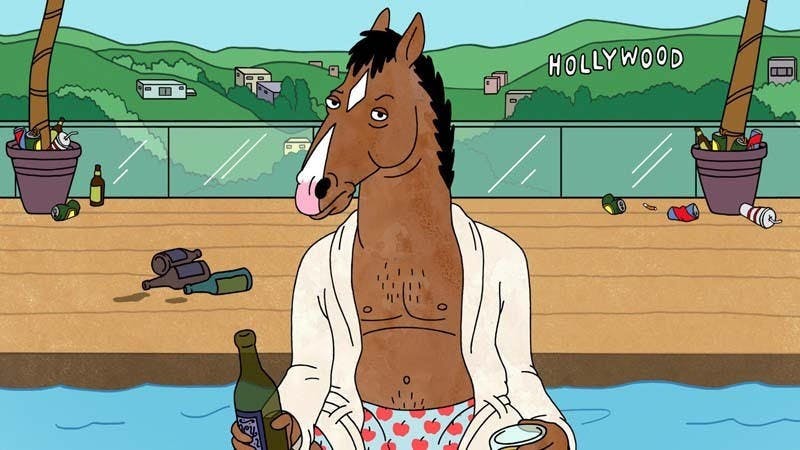
I’ve found myself contemplating those questions more seriously after the final season of “Bojack Horseman.” While I love this show and have praised its themes in the past, the final season really pushed the envelope on how far a show could go in telling stories about broken characters.

There’s no getting around it. From the first episode to the series finale, it’s abundantly clear that Bojack Horseman is not a respectable person. He’s a self-centered, narcissistic, alcohol, ego-centric asshole who has hurt people, exploited people, and taken full advantage of his celebrity status. If we knew someone like this in real life, we would never root for them. We’d probably root against them.

However, as I watched this show over the years, I still found myself rooting for Bojack. In following his story, learning about who he is, where he comes from, and how he deals with his problems, I genuinely hoped that he would find some semblance of peace in the end. Even as his sordid deeds started to come to light in the final season, a part of me didn’t want to see him fall, especially when he’d made so many strides.

Bojack isn’t the only character with this issue. There are countless other characters in popular culture, such as Don Draper and Wolverine, who do many awful things throughout their story. I’m a fan of those characters, especially Wolverine. At the same time, I can’t ignore the fact that he’s done terrible things that are on par with Bojack’s crimes.

At the same time, I root for Wolverine. I also find it easier to root for him over Bojack because while Wolverine is largely a product of what others have done to him, Bojack is a product of his own awful decisions.

Bojack has no special powers or excuses, outside being a celebrity. He has his share of issues and circumstances, from verbally abusive parents to substance abuse to legitimate mental illness. However, throughout the show, he’s still the one who makes the choices that ultimately hurt him and his loved ones. Moreover, he spends a great deal of time avoiding the consequences or downplaying them.

This is why I think the final season of Bojack Horseman” was so impactful. While I did often root for Bojack throughout the show, the final season made it a point to remind everyone of the terrible things he’s done. The show is brilliant in how it has everything collapse around Bojack, but not because of circumstance. Once again, his own terrible choices and endless excuses are what do him in.

Seeing him face real, actual consequences for his decisions helped give the show a sense of balance when it ended. Bojack didn’t have a happy ending. Very few characters did. At the same time, he wasn’t killed or endlessly punished. It just left him in an uncertain state where he faced consequences for his past choices. Now, he has to make new choices moving forward.

It’s not satisfying for anyone who’d been rooting for Bojack. At the same time, it’s cathartic for that part of us who wanted him to face consequences for the awful things he’d done. Even so, the fact we rooted for him in the first place is oddly jarring and I think it speaks to a part of our nature that’s difficult to understand.

On some level, I feel like people want to see horrible people redeem themselves. Redemption stories are powerful in both the world of fiction and the real world. I think it’s in our nature to want to see good in everyone, even when they’ve done awful things. The power and desire to forgive is real.

However, does that mean we should let horrible deeds go unpunished? It’s one thing to forgive someone for a lie, but what about someone who abandons his best friend when he gets fired? What about someone who nearly chokes a woman to death in a drug-fueled rage? What about someone who takes advantage of a woman with amnesia?

Those deeds are all things that Bojack did over the course of Bojack Horseman.” There are many others, some of which he never faced consequences for. Even though he’s an extreme example, even by fictional character standards, we still root for him. We still want him to find redemption. I think that says more about us than it does about him.

Awful people will do awful things, but when we see them trying to make things better, it’s hard not to cheer them on. I believe its in our nature to want to see others be the best they can be. The challenge is balancing that inclination to root for them and the need to punish shitty behavior.

Bojack’s story is over, but there are plenty of other characters like him that we root for. It’s not wrong to root for them, but it’s important to maintain a proper perspective. Redemption can be a powerful story. However, can there be any redemption without consequences?

I don’t know the answer. If you have some insights, please share them in the comments.

1 Comment

Filed under Bojack Horseman, human nature, media issues, psychology, television

Report: Rosario Dawson Has Been Cast As Ahsoka Tano For “The Mandalorian” (And The Galaxy Is More Awesome)

At a time when the stream of bad news seems endless and unyielding, you need to embrace the good news as much as you can, no matter what form it takes. Most of the time, you have to focus on the little things. While those can be good, there’s still a place for big, awesome revelations that make the world feel slightly less terrible.

Late yesterday, a uniquely awesome story broke in the world of Star Wars. Say what you will about the movies, but “The Mandalorian” was a perfect manifestation of everything that’s great about Star Wars. It had a little of everything on top of the galactic level of cuteness that is Baby Yoda. It’s hard to imagine this show getting any better.

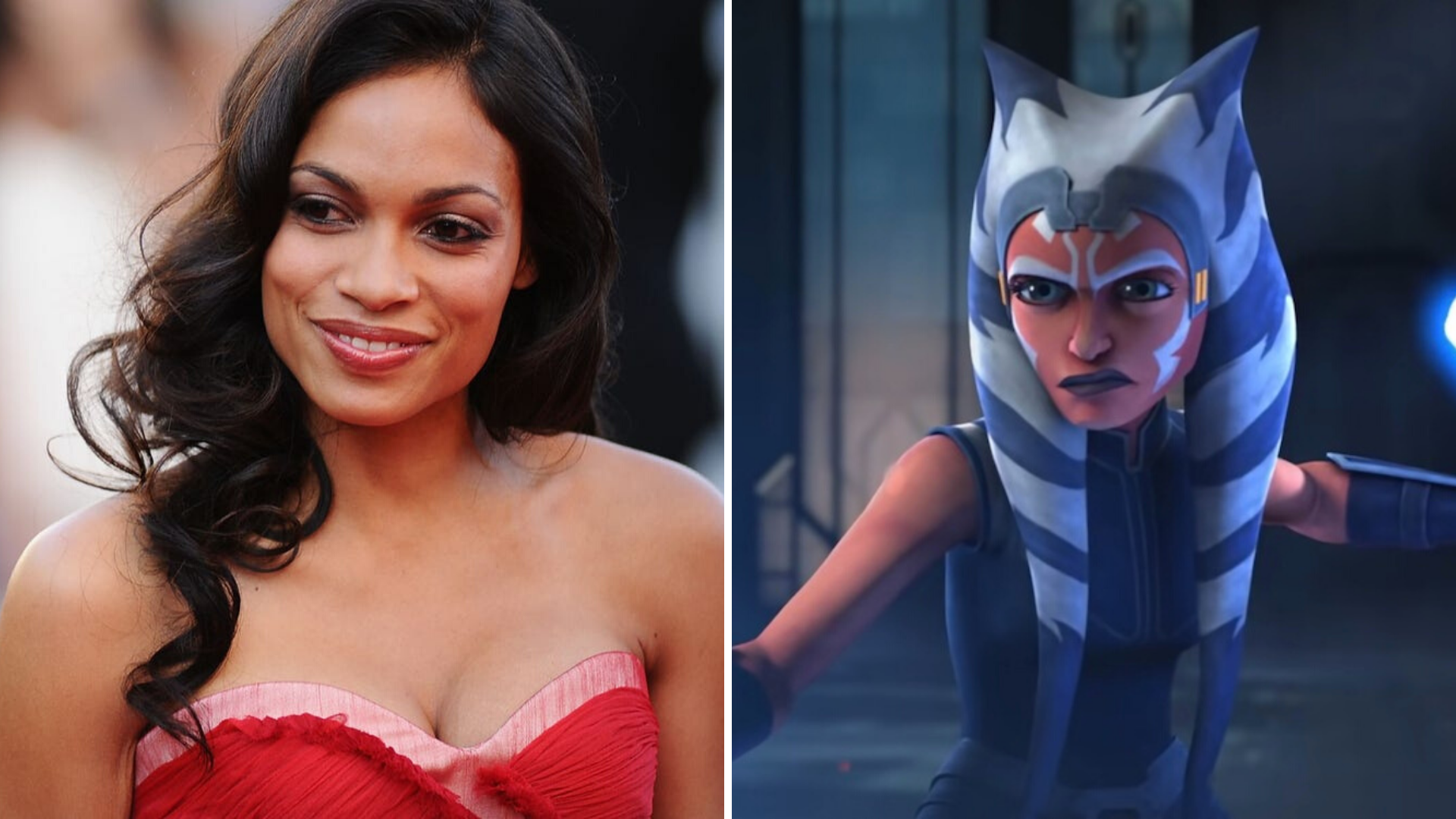
Well, according to SlashFilm, “The Mandalorian” is about to raise the bar once again. This time, it comes from a familiar source and one that has a special place in my heart. That source is Ahsoka Tano, a character I go out of my way to praise and chrish with every midichlorian in my being. If SlashFilm’s report is true, she’s about to make her live-action debut in the next season of “The Mandalorian,” courtesy of Rosario Dawson.

SlashFilm: ‘The Mandalorian’ Season 2 Casts Rosario Dawson as Ahsoka Tano

We have exclusively learned that Rosario Dawson will appear in The Mandalorian season 2 and are excited to report that she will be playing a fan-favorite character previously only seen in the Star Wars animated productions. Dawson will be playing a live-action version of Ahsoka Tano, Anakin Skywalker’s Jedi padawan apprentice who appeared in Star Wars: The Clone Wars and Star Wars: Rebels. This would be the character’s first appearance in live-action.

I cannot put into words how excited I am. I’m already a fan of Rosario Dawson, having grown fond of her character in “Daredevil” and “The Defenders.” She has what it takes to bring Ahsoka to life. While Ashley Eckstein will always be Ahsoka’s true voice, I believe Rosario Dawson can bring her spirit to life.

Ahsoka reflects the best of what Star Wars can be. She embodies the journey, the struggle, and the hardship that comes with doing the right thing when everyone else is doing so much wrong. Her instincts aren’t always right and her attitude isn’t always endearing, but there’s no denying her spirit.

She’s a special soul and one that the world of Star Wars needs right now. I really hope this report turns out to be true. I look forward to seeing Ms. Dawson don her Togruta attire. Between her and Baby Yoda, the future of Star Wars looks both bright and adorable.

Leave a comment

Filed under Star Wars, television

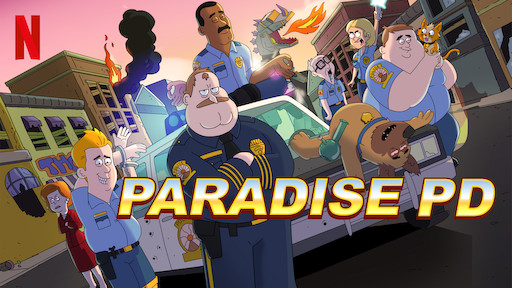
“Paradise PD” Season 2: My Take (And Hopes For Season 3)

Some TV shows aren’t made to be dramatic, profound narratives on the human condition. They don’t stop at just being entertaining, either. Sometimes, a TV show is just there to be hilariously obscene, absurd, and funny. It doesn’t appeal to everyone, but there’s a place for it in the entertainment landscape. It’s a dark, dirty place that few admit to liking. It’s there, none-the-less.

I’d argue that, at this moment in time, “Paradise PD” has anchored itself in that dirtiest of dirty places. Not long ago, I cited the trailer for Season 2 as a means to call out the people who whined and complained about shows like “The Simpsons” and “South Park” back in the 90s. At the same time, I consider myself a fan of the show. I’ve been eagerly waiting for season two since it was announced late last year.

Well, this past weekend, I reserved a good chunk of my time to binge all of season 2. I bought myself a box of donuts, a case of beer, and an extra-comfortable pair of pants so I could take in this wildly obscene show in all it’s glory. After completing all eight episodes, catching my breath from all the laughter, and cleaning the entrails off my now-tainted soul, I feel I can make a full critical assessment of this season.

Simply put, it’s goddamn fucking awesome.

Yes, it’s obscene. You will see graphic depictions of male genitalia, fecal matter, breasts, and blood. You will also hear un-bleeped profanity, including the kinds of F-bombs that even “South Park” can’t drop. There are entire plots revolving around public masturbation, the ability to take a shit in a public restroom, and grown men comparing the size of their testicles.

Trust me, it’s every bit as NSFW as it sounds and then some.

It still works. You’ll hate yourself for laughing at some of the gratuitous violence and sex, but you’ll still laugh hard. It’s the kind of show that takes full advantage of being on Netflix and not subject to the censors of cable or network TV.

In many respects, “Paradise PD” feels like what its predecessor, “Brickleberry,” should’ve been. That’s not just because it has the same creators in Roger Black and Waco O’Guin, as well as the same aesthetics. “Brickleberry” barely walked the line in terms of how absurd and obscene it could get. “Paradise PD” doesn’t just jump over that line. It shoots in the balls and pisses on the entrails.

The characters in “Paradise PD” don’t try to be deep or introspective in the mold of “Bojack Horseman.” However, they’re a bit more balanced compared to “Brickleberry.” The main protagonist, Kevin, is still an idiot with many pathetic shortcomings, but he is sincere. He wants to be a good cop and, at times, he proves that he can be in the right situation.

Other characters, like Gina and Dusty, have a few defining traits, but they’re allowed to mix things up every now and then. Everyone in the show gets a few more layers in Season 2 and while their conduct still makes them walking FCC fines, they’re still likable, more so than almost every character in “Brickleberry.”

There’s even an overall arc, of sorts, for the season. It’s not overly complex. You can even skip a few episodes and still not be lost. It still has some dramatic stakes on top of the dick, poop, and sex jokes. They even build on some of the stakes that were established in the first season. It also leaves room to develop them even more in Season 3, if there is one.

I genuinely hope this show gets another season and not just because this one ended on a cliffhanger. This show, as obscene and dirty as it is, fills its niche perfectly. Again, it’s not for everyone. If you’re a child, a devout Christian, a radical feminist, or just someone with incredibly thin skin, this show probably won’t appeal to you. If you have a healthy sense of humor and a strong gag reflex, then “Paradise PD” is definitely binge-worthy.

Now, if you’ll excuse me, I need to take a long shower while trying hard not to laugh at everything Hobson said.

1 Comment

Filed under Paradise PD, television

The Golden Age Of TV Just Got More Golden: HBO’s “Last Of Us” Announcement

In this age of fake news, baseless rumors, and 4chan leaks, it’s easy to be cynical. Even when you see news or rumors that seem genuinely good, it’s hard to believe it’s real. Sometimes, you feel like you live in a world where no news or rumors could possibly be that good. Therefore, it must be wrong or fake.

Then, every once in a while, something comes along that reminds you that genuine good can still happen in this crazy world. Even if it seems rare, that doesn’t make it any less awesome. That’s how I felt when news broke yesterday that HBO, fresh off the heels of turning “Watchmen” into an incredible TV series, announced that it was making a show based on the video game, “The Last of Us.”

CNN: HBO is turning “The Last of Us” video game into a TV series

To those who haven’t played this game or aren’t familiar with the story, it’s hard to appreciate why this news is so incredible. I’ve written about this game and its two titular characters, Ellie and Joel, before. However, the impact of this game goes beyond that. This is one of those rare games that isn’t just a game. It’s a narrative experience that hits you in ways you don’t expect.

On the surface, the primary experience is that of a post-apocalyptic survival horror game that just happens to be one of the most critically acclaimed games of the past 20 years. What makes it so special is how it evokes so many emotions along the way. I knew when I bought the game that it was heavy on drama. I braced myself, thinking I could handle it, especially after seeing “Logan.” It still wasn’t enough.

I’m not the only one who had that experience either. Many others have shared their experience with this game. It really is an emotional roller coaster in all the right ways. The idea that HBO is going to take that experience and build a show around it is just too amazing for words.

At the moment, there aren’t many details, other than the fact that Craig Mazin, who produced “Chernobyl,” is working with the game’s creator, Neil Druckmann. However, given how hard HBO has been working to fill the void left by “Game of Thrones,” I’m encouraged that they have that much more incentive make this show as incredible as the game.

I’ll definitely be following news about this announcement closely, moving forward. In the meantime, for those who don’t play video games and need proof that this game will make an awesome show, I offer you this.

4 Comments

Filed under television, video games

A Message For The Moral Crusaders Of My Childhood (Inspired By The Trailer For “Paradise PD” Season 2)

I’m old enough to remember when parents, teachers, and politicians protested incessantly about shows like “Beavis and Butt-Head” because they were too obscene.

I’m old enough to remember when parents, teachers, and politicians complained endlessly about the lyrics and themes of gangasta rap music.

I’m old enough to remember when parents, teachers, and politicians whined constantly about the violence depicted in every episode of “Power Rangers.”

Hell, I’m even old enough to remember when those same parents, teachers, and politicians said that “The Simpsons” were too immoral for prime-time TV. Those memories make me feel much older than I care to admit, but that’s beside the point.

I have a message for those same parents, teachers, and politicians of that era. I know some are no longer with us, but I know for a fact that plenty are still alive, healthy, and as vocal as ever about bemoaning anything obscene, objectionable, or fun. To those people, I have one simple request.

Watch the following trailer for “Paradise PD” Season 2 and then tell me how you feel about all those other shows you whined about throughout the 1990s. I’d love to hear what you have to say.

For the record, I’m a huge fan of “Paradise PD.” I’m very excited about Season 2. I know it’s a show that takes vulgarity, obscenity, and gratuitous violence to levels that even “South Park” won’t touch, but it’s more fun than a pervert in a panty factory and I intend to enjoy every second of it.

1 Comment

Filed under censorship, political correctness, politics, television

The “It’s Always Sunny In Philadelphia” Filter: A Simple Process For Making Choices

How do you make good choices?

How do you know when something is right, just, and ethical?

How do you go about determining the morality and ethics of any given situation?

These are the kinds of questions that lawmakers, philosophers, scientists, religious leaders, and YouTube commenters debate constantly. It’s one of those deep, fundamental issues that everyone contemplates regularly, but few can claim to understand. The world is so chaotic and complicated. It’s incredibly difficult to surmise a simple, concise, consistent standard for making good choices.

However, there are ways of simplifying that daunting process. It may still be impossible to completely resolve such issues for every person in every situation, but we can make it easier. As it just so happens, one of the greatest TV shows of all time, “It’s Always Sunny in Philadelphia,” provides us with an important tool that also happens to be hilarious.

Using that tool is simple. It goes like this.

If a certain choice, response, or recourse seems like someone that the Gang would do in It’s Always Sunny in Philadelphia,” then chances are it’s not the one you should follow.

To anyone who has watched this show in any capacity, that makes total sense. For those who haven’t had a chance to watch this hilariously obscene middle finger to every sitcom ever made, here’s just a sample of what I’m talking about.

Even if you’re not familiar with the show, this should at least get you familiar with the implications. I’ve written aboutIt’s Always Sunny in Philadelphia” in the context of its masterful handling of dark comedy. I concede that this is one of those shows that isn’t for everyone. It’s hard to explain to most people the appeal of a show that finds humor in baby funerals, crack binges, and unauthorized Lethal Weapon sequels.

At the same time, it’s because this show dives head-first into dark comedy that it paints a clear picture on what goes into making bad decisions. There’s no getting around it. The characters in this show, also known as the Gang, are not morally upstanding people. In fact, they don’t even try to be moral. Nearly every episode involves them pursuing some elaborate plot based entirely on selfishness, greed, ego, or misguided pettiness.

They’re not stupid on the level of Homer Simpson or Peter Griffin, but they aren’t very smart either. Everything they do, from hoarding gasoline in an oil crisis to stalking a waitress, is incredibly simplistic. It can always be reduced to a basic level of selfish narcissism that never goes beyond basic.

It’s because the Gang’s choices are so basic and self-serving that the show is so funny in the first place. “It’s Always Sunny in Philadelphia” essentially takes the unique setup of a sitcom to amplify all the terrible traits and tropes that frequently go along with other shows that try too hard to be deeper.

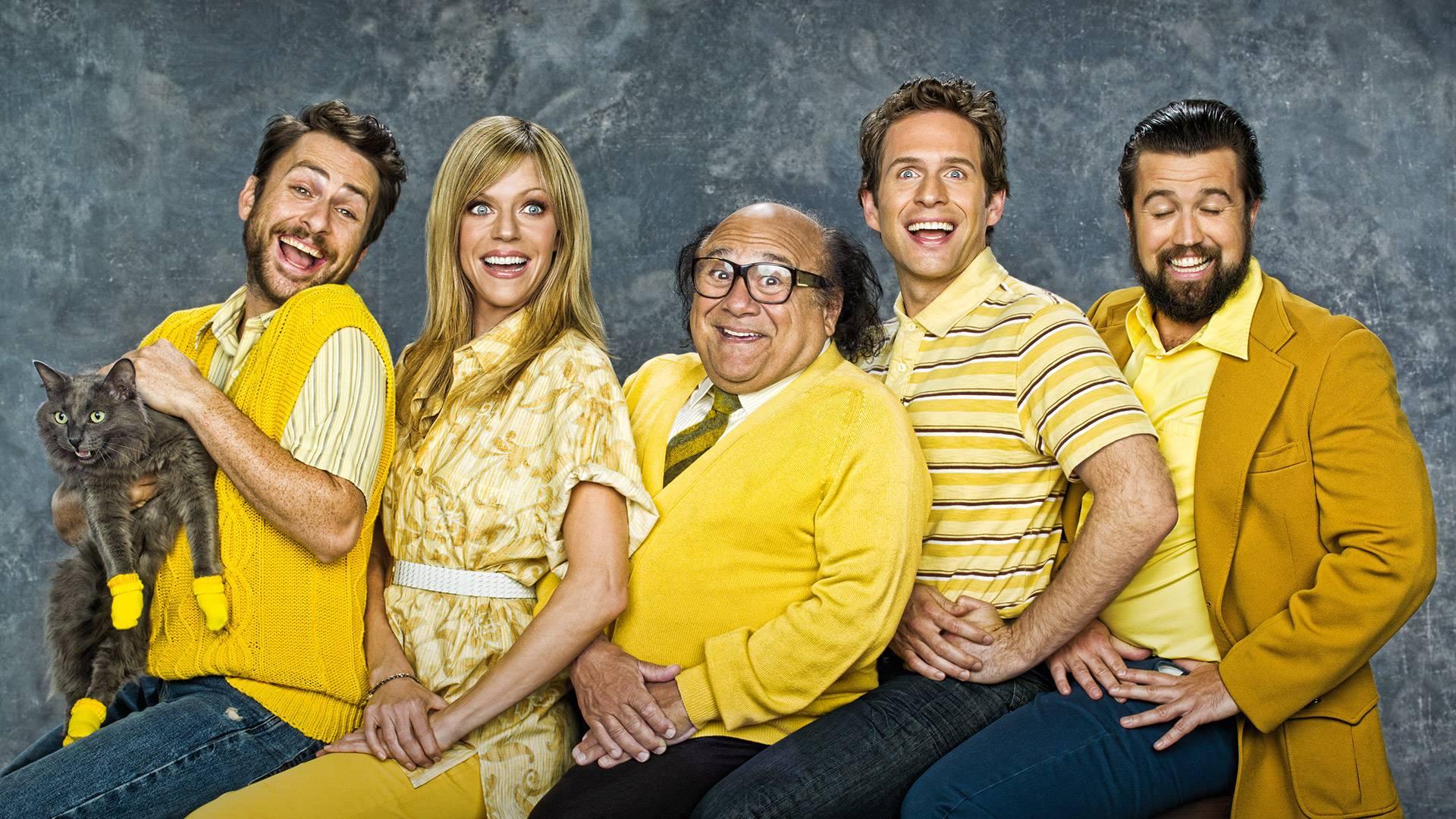
At its core, It’s Always Sunny in Philadelphia” doubles down on the simplicity of having characters who don’t even try to be moral. Through 14 seasons, the Gang actively avoids any effort to change or grow in a meaningful way. Charlie, Dee, Dennis, Mac, and Frank are the same selfish narcissists they are in Season 14 as they are in Season 4.

Even as the show has gotten bolder and more absurd with the Gang’s antics, their motivations are the same. They don’t need to be overly complex to be funny. That’s what makes these characters and the entire premise of “It’s Always Sunny in Philadelphia” such a great filter.

The next time you’re in a situation where you need to make a decision, try and apply this filter. What would Sweet Dee do? What would Frank Reynolds do? What would Dennis, Mac, and Charlie do? If you can determine that, then you can also determine exactly what not to do.

Even if it’s not specific, the moral filter of It’s Always Sunny in Philadelphia” can act as a reminder. If you’re going to be exceedingly selfish and narcissistic in making decisions, then you’re tempting fate the same way the Gang does with every absurd antic. Doing so will rarely pan out well for you and those around you.

If you need further proof, just look at Rickety Cricket.

Leave a comment

Filed under human nature, philosophy, political correctness, psychology, television

A Message To Those Who Whined About The Super Bowl LIV Halftime Show

I promise I won’t keep obsessing over the Super Bowl and how great it was this year, even though it was an objectively amazing game. I originally intended to take a break from sports references for a while, if only to prepare myself for baseball season.

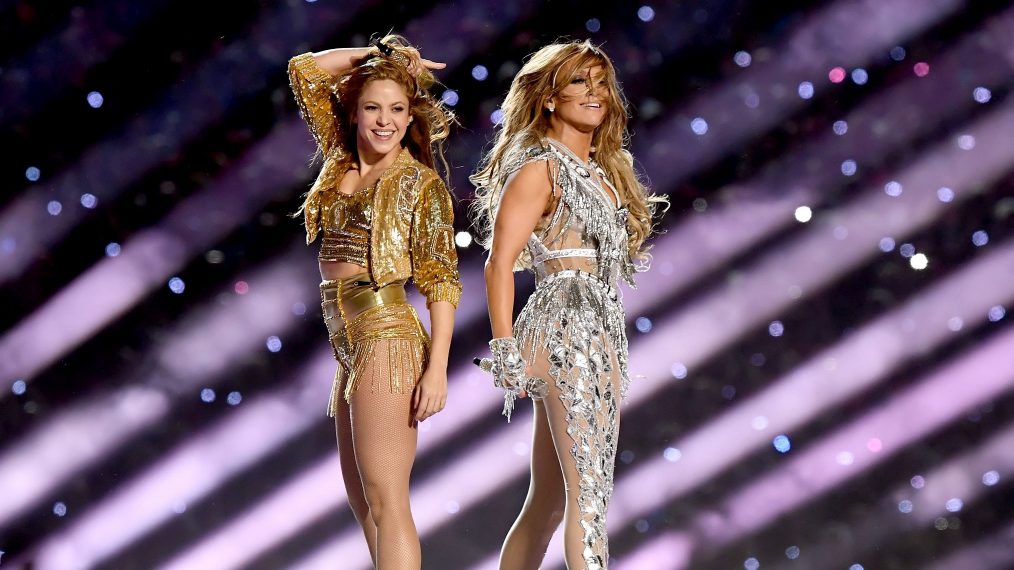
However, those plans went out the window when I saw the equally amazing Super Bowl halftime show featuring Shakira and Jennifer Lopez. To say it was stunning would’ve been an insult. I’ll go on record as saying it’s the greatest Super Bowl halftime show of all time. I don’t see how it will be topped in the near future.

That said, I knew before it was over that it was going to piss some people off. I didn’t even need to check my Twitter feed to know who those people were. I could already sense the collective gasps of a certain segment of people who identify too much with Helen Lovejoy.

We know who these people are. Some of them identify with a particular religion. Some identify with a particular ideology. It doesn’t always come from one point in the spectrum, but it always comes from the extremes. It’s annoying, frustrating, idiotic, asinine, selfish, and just plain stupid. I put it on the same level as those behind those awful car insurance commercials that I despise.

To these people, there’s no arguing with them. They see two beautiful women dancing, singing, and energizing a crowd and they don’t see fun. They see something dangerous, subversive, and perverse. To them, such a thing shouldn’t even exist. It’s not just offensive. It’s dangerous and could corrupt the minds, bodies, and souls of children and adults alike.

To those same people, I have a message.

Grow up or get out.

If that sounds too harsh, I’m sorry. I don’t know of a nicer way to say it.

If you’re the kind of religious zealot who see women doing anything other than obeying her husband, birthing children, and keeping her mouth shut, then you’re in the wrong part of the world.

If you’re the kind of dogmatic, moral values preaching conservative who think women and music that wouldn’t be allowed in a 1950s sitcom is a subversive plot, then your attitudes are 10 steps behind that of most children.

If you’re the kind of regressive, perpetually angry liberal who think any depiction of beautiful women in the media is akin gross objectification that deserves the same condemnation of human trafficking, you need to drag yourself out of the dystopian fantasy land you’ve been living in.

I’ve no sympathy for these people. Whether they’re priest, mullahs, liberals, conservatives, rabbis, feminists, misogynists, or college students with too much free time on their hands, they deserve nothing but scorn. This was an incredible show full of beauty, spectacle, and wonder. It brought joy and astonishment to many. If you can’t enjoy that because your politics or theology won’t let you, then that’s your problem.

There are parts of this world in which you don’t have to confront such joy. There are entire countries where women are subjugated and censored by law. There are remote islands, villages, and lands on which you can’t even access spectacles like this. Go there and create your own joyless world in which women can’t be beautiful, men can’t admire it, and music can’t be played.

The alternative is to just grow up and except that entertainment exists. It’s beautiful, sexy, and powerful sometimes. If you can’t be a mature adult about it, then you have problems beyond your inability to appreciate a great show.

3 Comments

Filed under football, gender issues, outrage culture, religion, sex in media, sex in society, sexuality, television

The Final Season Of Star Wars: The Clone Wars Is Coming (Along With More Ahsoka Tano)

Some things are worth waiting for. At the top of that list are things like finding the love of your life, going on a dream vacation, or having your first legal glass of whiskey. For Star Wars fans, the seventh and final season of “The Clone Wars” is likely at the top of that list.

I’m not talking about the sub-par movie that Hayden Christiansen will never live down. I’m talking about the incredible animated TV show it spawned. Say what you will about the quality of the prequel Star Wars trilogy, and many things have been said, but it still brought us the The Clone Wars.” For me, that was worth enduring Jar Jar Binks.

This show encapsulates everything that’s awesome about Star Wars. Even if you never saw the movies or are only marginally familiar with them, this show has plenty of appeal. From the animation to the story to the voice acting, every details is perfectly refined to maximize everything that’s great about Star Wars.

It’s only flaw was that it ended abruptly after Season 6. There’s a long, convoluted reason for that. It’s not worth getting into, but it doesn’t matter now. The Disney overlords that now own Star Wars are giving The Clone Wars the last season it needed to complete the story.

As someone who fell in love with this show, I couldn’t be more excited. Given that I’ve seen all the Star Wars movies, I know how it ends and where it leads. Anakin Skywalker is still going to become Darth Vader. The republic will fall and Emperor Palpatine will rise to power. However, I’m still excited and the reason for that can be summed up in two words.

Ahsoka Tano

I’ve mentioned her before. I’ve made my case as to why she’s one of the best characters in all of Star Wars. Everything that made her great began in this show. She became the kind of character that Star Wars fans of every generation can root for within this show. Now, she’ll have a chance to further demonstrate her strength in one more season.

Watch the trailer. See all the ominous signs of what’s to come. See the emerging darkness within Anakin. Most importantly, watch how Ahsoka sets herself up for an battle that’s sure to be another epic struggle.

Say what you will about Baby Yoda, but to see Ahsoka Tano battle Darth Maul in a light sabre duel is more than worth a Disney Plus subscription.

1 Comment

Filed under Star Wars, television

Ricky Gervais Offends, Insults, And Charms At The Golden Globes

Some people are just born with an innate talent to entertain. Others simply stop giving a damn at some point in their lives and say what needs to be said with a mix of hilarious wit and brutal honesty. If every this concept took a human form, it would look and sound like Ricky Gervais.

In case you didn’t see it, Mr. Gervais hosted the 2020 Golden Globes for the fifth and final time, presumably. As he’s done before, he teased, offended, and insulted the entire landscape of Hollywood with his trademark British charm and intoxicating smile. It was politically incorrect, over-the-top, and beautiful on every level.

It also reminded everyone in Hollywood that, at the end of the day, they’re still a bunch of rich, entitled fame whores with an inflated sense of importance. For most people who will never be rich or famous on that level, it was nothing short of refreshing. If you’re not convinced, see for yourself.

Thank you, Mr. Gervais. What you said needed to be said. I doubt anyone could’ve said it any better or funnier than you.

1 Comment

Filed under outrage culture, political correctness, television

Why “It’s Always Sunny In Philadelphia” Is The Perfect Dark Comedy

sunny-920x584-1

Every TV show, from sitcoms to talk shows to adult cartoons featuring dimension-hopping super-genius, attempts to capture a certain theme and hone it to the utmost. They try to craft the right kind of characters who exhibit the necessary traits to convey those themes while still being memorable, likable, and endearing. On top of that, they have to do it for multiple seasons, at least until they achieve syndication.

It’s an enormous challenge. Few shows succeed and even fewer do so consistently. Even among those select few, there’s a risk that the characters and stories will get stale. Due to the nature of half-hour TV shows, there’s only so much you can do before Archie Bunker’s casual bigotry becomes more pathetic than funny. That doesn’t even get into shows that end up crashing and burning in the series finale.

Then, there’s a little show called “It’s Always Sunny In Philadelphia.” In the annuls of TV history, this show is basically a unicorn wrapped in gold, covered in diamonds, and encoded with the browser history of every active politician.

Pragmatically speaking, this is a show that should not have lasted 13 seasons. For one, it airs on FX, a network most people probably don’t know they have, if they actually have it. In addition, the show’s budget is incredibly limited. The pilot was allegedly shot for less than $100 by a cast of aspiring actors who had zero name recognition, at the time.

On top of that, there’s the premise of the show. In its simplest form, “It’s Always Sunny In Philadelphia” follows the shameless misadventures “the Gang.” This crew consisting of Charlie Kelly, Ronald “Mac” McDonald, Frank Reynolds, Dennis Reynolds, and Deandra “Sweet Dee” Reynolds basically take every traditional approach to making an enduring TV show and punches it in the kidneys.

This is a show where the characters will buy a boat with the intention of entrapping women.

This is a show where the cast will make an unauthorized Lethal Weapon sequel, complete with blackface, homoerotic subtext, and gratuitous sex scenes featuring Danny DeVito.

This is a show where two people are tricked into digging up the body of their dead mother.

This is a show where you’ll see people hold a funeral for a baby to get out of a tax audit by the IRS.

These are not the activities of lovable characters. Even Shelden Cooper had moments in “The Big Bang Theory” where he came off as genuinely compassionate. With the Gang, there are none of those moments. Sometimes, they’ll be teased. In some episodes, the Gang will give the impression that they’re about to finally realize just how deplorable they are.

Trust me, they’re doing exactly what you think they’re doing and then some.

Ultimately, they don’t just revert back to their less-than-reputable selves. They demonstrate that they never had any intention of changing their ways. Anyone who believed otherwise either hasn’t watched more than two episodes of the show or are deluding themselves. As antithetical as this is for crafting a compelling TV show might be, it doesn’t change one inescapable fact.

It’s Always Sunny In Philadelphia” is funny, enjoyable, and obscenely entertaining.

It almost sounds like a paradox. As someone who only recently became a fan of the show, I have hard time explaining that appeal to most people in a way that doesn’t sound weird. It takes a moment to appreciate the appeal of watching a cast of self-absorbed, narcissistic alcoholics. However, within the tone and context of the show, it doesn’t just work. It achieves something profound.

Specifically, “It’s Always Sunny In Philadelphia” is the perfect manifestation of dark comedy at its finest.

Comedy, in any form, can be difficult. Jokes, gags, and bits can become overplayed and stale. There’s only so many times you can watch Charlie Brown fail to kick a football and still laugh. Dark comedy is even more difficult. It involves taking distressing, taboo subjects and trying to make them funny. Some, like George Carlin, can pull it off masterfully.

I like to think that if George Carlin were still alive, he would be a fan of “It’s Always Sunny In Philadelphia.” The show’s approach to dark comedy isn’t overly complex. It’s just exceedingly overt. It doesn’t try to balance out those dark themes with something serious or nuanced. It blatantly takes things to an extreme and dares to laugh at the absurdities.

Trust me, it gets more absurd than this.

Take, for instance, the funeral for the dead baby that I mentioned earlier. There are only so many ways you can make funerals and dead babies funny, but this show never shies away from a challenge. It also helps that every character in the Gang has the moral fiber of a Big Tobacco lobbyist on crack. They won’t just cross lines. They’ll make it a spectacle.

In this particular case, Sweet Dee is getting audited and for good reason. She acted as a surrogate to carry the child of a transgender woman that Mac used to date. Trust me, it’s more absurd that I can ever put into words. However, Dee didn’t do this out of the goodness of her heart. Nobody in the Gang is ever that altruistic. She did it because she got paid. Then, she decided to list the kid she gave up as a dependent for the tax benefits.

Naturally, this put her at odds with the IRS. Like every problem the Gang faces, she tries to run away from it or pass off the problem to somebody else. However, the problem only escalates. In most TV shows, especially half-hour sitcoms, this is the point where the characters face the consequences of their actions and try to learn from it. Instead, the Gang tries to resolve the problem by holding a baby funeral.

It’s undeniably dark, but the way it plays out is still funny. The way Dee and the rest of the Gang conducts themselves is so irreverent that the inherent darkness of the issue only makes it funnier. It shows just how far the Gang is willing to go to shirk responsibility and avoid consequences. It gets bad and it belabors just how irredeemable these characters are, but it’s still funny.

A big part of what makes that approach funny is how blatant this show is when it comes to the time-tested tropes that TV shows have relied on for decades. Take any show, from “Breaking Bad” to “Friends,” and you’ll see a concerted effort to develop and progress the characters over time. Ideally, they achieve some sort of ultimate goal by the end.

Instead of growth, the Gang actively avoids any effort at growth. Their only goal is to continue being the unapologetic assholes they’ve always been, drink heavily, and recklessly pursue whatever crazy ideas they come up with. Who they are in the first few seasons of “It’s Always Sunny In Philadelphia” aren’t considerably different than who they are in the latest season.

In any other show, characters who don’t grow and progress usually derail the underlying themes. Sometimes, that’s unavoidable. The very structure of a TV show, especially a half-hour sitcom, ensures that the characters can only grow so much. Even after the show achieves syndication, it tries to stick to a formula, even if doing so undermines the very process the characters need to evolve.

By going out of their way to not evolve, the Gang insures “It’s Always Sunny In Philadelphia” never deviates too far from the qualities that make it funny. It even channels its use of dark comedy to poke fun at the same tropes that other shows heavily rely on. From the frustrating use of clip shows to turning romantic sub-plots into a case study for excessive stalking, the show seems to revel in spitting on these time-tested methods.

What makes that comedy even more potent is that after 13 seasons, “It’s Always Sunny In Philadelphia” has lasted longer than some of the most iconic TV shows in history. It has outlasted the likes of “Cheers,” “Mash,” “Friends,” and “Frasier.” Moreover, it keeps finding a way to be funny and relevant. I think a non-insignificant part of that is how it uses dark humor.

There’s plenty more to be said about the show and why it has lasted so long. Even some of the show’s cast members have a hard time explaining why the show is still on the air. Even more likely wonder how the show can keep getting away with being so brazen about using dark comedy to tackle issues surrounding race, religion, gender, sexuality, mental health, and bird law.

There are likely many factors that have contributed to the success and longevity of “It’s Always Sunny In Philadelphia.” It helps that the actors and crew of the show really enjoy working together. There’s something to be said about a show in which the original cast have a genuine passion for their work. It’s well-documented how a toxic environment behind the scenes can derail successful shows.

At the end of the day, though, “It’s Always Sunny In Philadelphia” works because it’s funny and entertaining. It found a way to take the best aspects of dark comedy and run with it. As long as it can keep doing that, the show will have an audience. If it can include more episodes that involve Mac dancing or Danny DeVito getting naked, then that’s just a bonus.

1 Comment

Filed under Celebrities and Celebrity Culture, Current Events, outrage culture, political correctness, politics, psychology, television