Category Archives: psychology

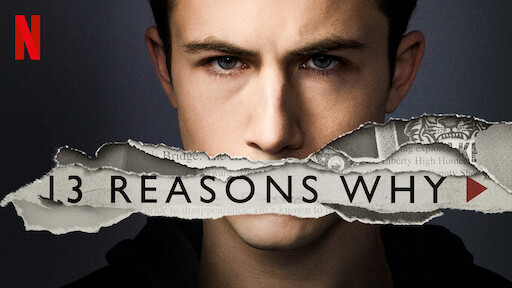
How “13 Reasons Why” Handled Male Sexual Assault in The Least Sensitive Way

The following is an article submitted by my good friend, DC-MarvelGirl 1997. We’d both been working on pieces about “13 Reasons Why” and she was generous enough to submit this. She tackles an issue that I was very hesitant to write about and for that, I thank you. She does great work on her website, which I encourage everyone to visit.


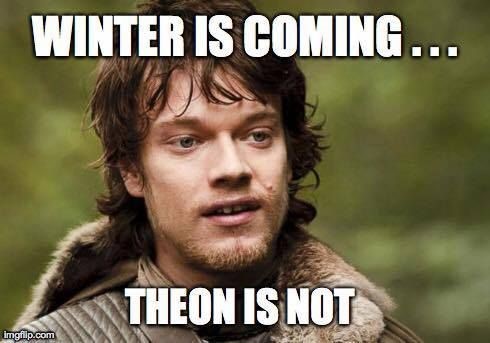
We live in a world filled with double standards. It’s by far one of the biggest diseases we have in society. I’m not putting this to the same standards of COVID 19, which is by far the deadliest pandemic we’ve ever faced in worldwide. Double standards are a different kind of disease, meaning they breed this false sense of contentment. And no, I’m not just referring to the Theon Greyjoy memes, which are truly sad and pathetic. I’ll admit it. When I look up those memes, I at first chuckle. But then I remember why they were made, and it is to point out that Theon no longer has his penis. Suddenly, those memes are no longer funny.

Theon

As much as I wish this article is about those Theon Greyjoy memes, it’s not. That’s what’s painful for me. This article is about the frankly piss-poor representations of male sexual assault in entertainment. And no, I am not referring to Burt Reynolds’ “Deliverance,” which was one of the first movies to put rape of a man into a scene. At least with that movie, it was done well. Even made for TV films like “The Rape of Richard Beck” did it better, because with “The Rape of Richard Beck,” now known as “Deadly Justice,” they blacked it out before the rape happened.

What I’m referring to is the rape scene from the season 2 finale of “13 Reasons Why.” It was the scene that made many people throw up watching it. For those of you who watched it, you know what I am talking about.

scene1

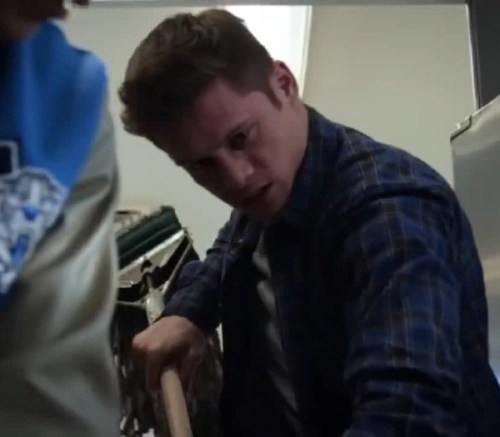
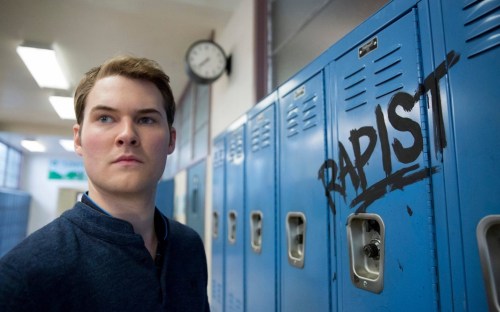
Now, I’ll admit it. I never watched “13 Reasons Why,” because it was banned from my household by my mother. And after hearing about how the show got progressively worse, I’m glad I didn’t watch any other episodes beyond the pilot. It’s a show that psychiatrists cautioned teenagers from watching, because it could be triggering to those thinking about suicide. Not only does it send the contrived message that you can use suicide to get revenge, but it handled male sexual assault in one of the worst ways possible. Because I’ve never watched the show for myself, I had to do a little bit of research on the “13 Reasons Why” wiki pages, and look up articles critiquing it. The male rape scene centers around the character of Tyler, who gets sodomized with a mop handle by a character named Montgomery. Not only was the scene unnecessarily graphic, triggering, and disturbing leaving many either crying, getting sick, or feeling disgusted, but the aftermath of it all is what I’m most critical of.

I understand that “13 Reasons Why” wanted to show that men can be raped as well. But their delivery was terrible. Like I said, the scene was downright disgusting and stomach-churning. But they didn’t bother showing Tyler doing something effective to get the bullying to stop. It doesn’t help that the teachers in the show are portrayed as incompetent of seeing what’s right in front of them, giving this sense that you cannot even trust your teachers to keep you safe. But the show didn’t bother giving us scenes of Tyler handling the aftermath with maturity. They just cut to him wanting to shoot up a school dance, mirroring the Columbine massacre which is one of the most devastating tragedies in US history.

Let’s just say, I would have handled this rape scene and aftereffects a lot differently.

scene2

If I were to write out that rape scene between Tyler and Montgomery, I would have shown the graphic violence of Tyler being drowned in the toilet and having his head slammed against the mirror. Then, I would have an extreme close-up of Montgomery’s hand reaching for the mop handle as the camera shakily backs away to display him leaning over Tyler’s back. Then, the scene would fade to black, signifying what’s to come. After that, I would have it fade into Tyler sitting on the bathroom floor with his pants down. That to me is more than enough to let the viewer know what happened, without giving you every, horrible detail of what happens. Then, there would be other scenes I’d add in.

How about having Tyler go to a hospital to be examined by a doctor? All the signs could be there, showing he’d been raped, but the doctor neglects to acknowledge this and that’s one of the things that pushes him.

How about showing Tyler being interviewed by police, but an officer telling him he was asking for it? That would also give him a reason to want revenge.

The reason why I put those two suggestions above, is because male rape isn’t given the same consideration as female rape. When a female is raped, it becomes a world-wide news story. When a man is raped, it’s not treated the same way. I tried to research cases of male rape in the recent years, and you wouldn’t know if there was, because the news doesn’t talk about it. Look at cases such as Corey Feldman and Brent Jeffs. Brent Jeffs I’m just mentioning, because his story is downright heartbreaking. He was raped by his own uncle, Warren Jeffs, the head of the FLDS. Jeffs’ story is one that many do not consider at all. Of course, people have the knowledge that Warren Jeffs raped and molested boys and girls alike, but they often forget to acknowledge that boys in that “church” were raped. They’re blinded by how horrifically the women and girls in that “church” are treated, that they forget about the boys. That to me is the saddest thing.

scene3

If “13 Reasons Why” bothered displaying how the criminal justice system fails to acknowledge male rape victims, then that would have been a much more powerful impact than Tyler trying to shoot up a school.

Overall, “13 Reasons Why” failed in a major way to display consequences of male sexual assault. They neglected important details with the character of Tyler, and didn’t even bother showing Tyler going to the authorities until season 3. And the fact that Montgomery was just arrested on the spot for raping Tyler, when there’s no rape kit having been done? I don’t buy that for one second.

However, keep in mind, they did the same thing with Hannah Baker in season 1. She didn’t go to the police reporting teachers’ negligence. She didn’t go to a hospital to be examined by a doctor. She just blamed everyone for her suicide with tape recordings, claiming it to be all their fault when she didn’t bother going to higher authority for help. And the fact that they display her mother blaming everyone as well? To me, that’s even more pathetic. I understand that you are hurting because your daughter took her own life and that she was raped. But she also failed to get help beyond going to a guidance counselor, who clearly wasn’t doing his job.

Therefore, do yourself a huge favor, and do not watch “13 Reasons Why.”

DC-MarvelGirl 1997

Leave a comment

Filed under health, human nature, media issues, philosophy, psychology, rants, television

The (Many) Reasons Why “13 Reasons Why” Fails At Confronting Serious Issues

There’s a place for mindless, shallow, escapist entertainment in this world. I would argue that place is even greater now as we cope with a global pandemic. Sometimes, you just want to turn your brain off, watch your favorite superhero movie or Michael Bay explosion-fest, and enjoy yourself. There’s nothing wrong with that.

There’s also a place for entertainment that attempts to have a meaningful, serious conversation about a real-world issue. I’d also argue that kind of entertainment is more important now than it was last year. I know this kind of entertainment is risky, especially when it tackles taboo subject or social politics. Sometimes, that effort evokes distress, disgust, or outright hate. It’s still worth doing.

However, that kind of media can be counterproductive when it gets an issue wrong, flawed, or ass-backwards. When the conversation it attempts to have is misguided or contrived, then its effects can be outright damaging.

This is how I feel about “13 Reasons Why.” It’s one of Netflix’s most serious shows in that it attempts to confront serious, painful issues. From teen suicide to bullying to sexual assault to mental illness, this show attempts to portray these issues in a way that helps us talk about them. I respect that goal. I think the show’s creators, actors, and producers had good intentions.

I also think they failed in too many critical ways.

I don’t just say that as someone taking the time to critically analyze a show. As someone who was a miserable teenager, I really wanted this show to start this conversation. I wanted it to send a good, meaningful message through its morbid themes. After the first season, I was very disappointed and a little depressed.

The premise of the show has the right ingredients. It revolves around the suicide of Hannah Baker, a teenage girl who took her own life and left pre-recorded tapes behind for her fellow students, namely Clay Jensen, to follow. The story attempts to explore what led Hannah to this grim decision that left her family, friends, and community devastated. Unfortunately, in doing so, it starts the wrong conversation.

That’s not just my opinion. Organizations like the National Association of School Psychologists and the United States Society of Clinical Child and Adolescent Psychology have criticized the show for how it depicts suicide. It has also been linked to an uptick in suicides and suicidal ideation among teenagers. Now, that might just be an unlinked correlation, but it’s still a distressing sign.

Then, there’s the plot of the show itself. This is where I felt the show really lost sight of its mission because, as a show, there’s a need for drama. Unfortunately, incorporating that drama undermines the conversation and, in some cases, turns it against itself.

Beyond the graphic depictions of Hannah’s suicide, which was received so negatively that was subsequently cut out, the whole show is built around a world of teenage caricatures that don’t exist in the real world. It portrays a world that relies heavily on stereotypes, gives little depth to characters no named Hannah or Clay, and makes every issue seem overly simplistic.

That’s good for dramatic moments and concise plots, but not for having real conversations about complicated issues. The people in Hannah’s life, from her parents to her friends, barely function as background characters. The authority figures, namely those in the school or in the police, are even worse. They’re essentially portrayed as never caring in the slightest, only seeing teenagers like Hannah as a nuisance.

For a show that wants to have a real conversation about teen issues, this is a terrible message. Teenagers already have an incomplete view of the world. Many of them already think nobody cares about them. The sequence of events in “13 Reasons Why” only confirms that. How is that supposed to help any teenager who might be contemplating suicide?

That’s still not the worst part, in my opinion. If “13 Reasons Why” has one glaring flaw, it’s how Hannah’s suicide essentially affirmed her motivations. To some extent, Hannah got exactly what she wanted when she killed herself and made those tapes. She punished the people she held responsible. Her story became the story that everyone talked about.

This isn’t just a terrible message with a depressing premise. It effectively misses the entire goddamn point in the conversation about suicide and teenage issues. In effect, Hannah doesn’t commit suicide because she’s clinically depressed or mentally ill. She does it as a very graphic “Fuck you!” to a world that didn’t listen to her.

It doesn’t just hurt her family. It doesn’t just cause more pain to her friends, some of which genuinely tried to help her. It gives the impression that suicide will make someone relevant. It’ll make everyone who didn’t care suddenly care. It ignores the pain caused by someone’s suicide and focuses on how it punishes those who wronged her.

Hannah was wronged. There’s no doubt about that. She was outright raped. She was a legitimate victim. If the show had decided to focus only on sexual assault and avoid suicide altogether, it might have sparked a more meaningful conversation.

However, the show grossly simplifies her issues, as though one egregious act is all it takes to send her overboard. People, even teenagers, tend to be more complex than that. On top of that, Hannah is shown to make bad choices and take little responsibility for her actions. We, the audience, are supposed to sympathize with her, but she makes that more difficult than it should be.

I wanted to like “13 Reasons Why.” I really did. I wanted it to further an issue that I think should be addressed. I was genuinely disappointed with how it panned out. The fact the show got multiple seasons only made it worse, rendering every serious issue as little more than a catalyst for drama. I don’t recommend this show to anyone if they want to confront issues like suicide and depression.

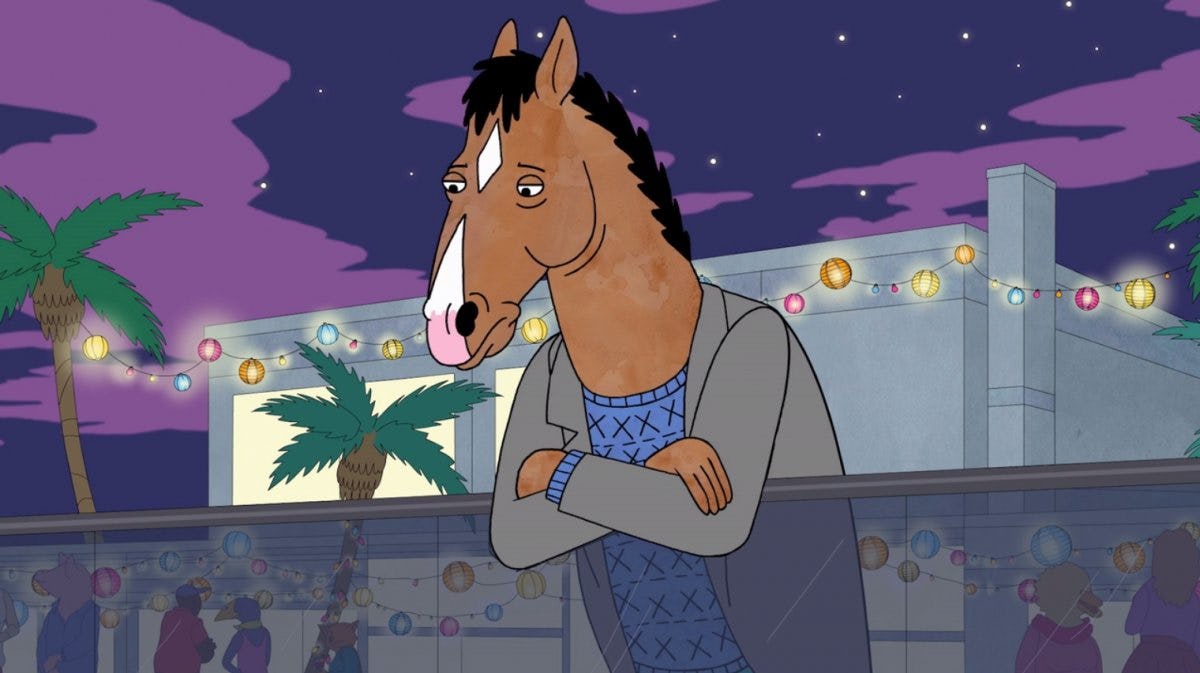
Ironically, if not tragically, Netflix already has a show that addresses these issues in a much more meaningful way. It even manages to do this with cartoon characters that depict humanoid horses. Yes, I’m referring to “Bojack Horseman.”

I understand it’s a cartoon. I also understand it’s a comedy that’s meant to make you laugh at times. However, the fact it still manages to depict the real struggles of depression and mental illness in a relevant only makes “13 Reasons Why” more tragic in the grand scheme of things.

These are serious issues that deserve serious conversations. If you can’t start that conversation better than a cartoon horse man, then you’re doing something very wrong.

Leave a comment

Filed under health, human nature, media issues, philosophy, psychology, rants, television

Michael Jordan, Intensity, And Championships (With References To Glengarry Glen Ross)

There has been an ongoing, and at times insufferable, debate in the world of basketball. Who is the greatest of all time? ESPN recently released their ranking. The top five are as follows:

  1. Michael Jordan
  2. LeBron James
  3. Kareem Abdul-Jabbar
  4. Bill Russell
  5. Magic Johnson

Do you agree with this list? How do you even go about determining who is the greatest player, given how much the sport has changed over the decades? That’s not an easy question to answer, especially for a sport like basketball. Unlike football or baseball, it is possible for one player to make a huge difference on a team’s chances of winning. Just ask the Cleveland Cavilers.

That question has gotten more scrutiny lately and not just because there are no sports to distract us. A comprehensive documentary entitled “The Last Dance” has added some rhetoric to the greatest of all time conversation. This documentary covers the career of the number one player on ESPN’s list, Michael Jordan.

If you haven’t seen this documentary and are marginally interested in sports, I highly recommend checking it out. Even if you’re not a basketball fan, it’s worth seeing for reasons beyond the sport it covers. It offers an unprecedented insight into the life, drive, and mindset of a player that many believe to be the greatest. That insight is also something that has inspired some mixed feelings.

Now, I’m old enough to remember the second half of the Michael Jordan era for the Chicago Bulls. I remember seeing his team win those last three championships and being in awe. To say he was an iconic athlete would be an understatement. In the same way it’s impossible to describe how big Michael Jackson was in the 1980s, it’s impossible to articulate how big Michael Jordan to the sports world in the 1990s.

Being like Mike wasn’t just a marketing slogan. It was a testament to just how much Michael Jordan dominated at everything he did. I know there’s an entire generation of basketball fans who only know the greatness of Steph Curry, Kobe Bryant, and LeBron James, but in terms of sheer star power, Michael Jordan was bigger.

There’s always caveats about whether he would dominate as much in today’s game. I’m of the opinion that he would. Like I said, I grew up watching him in his prime. He’s one of those rare athletes who would have found a way to dominate in any era. However, that’s just my opinion. We’ll never truly know if Michael Jordan is better than Lebron James or Bill Russell.

However, Jordan’s greatness isn’t the only thing on display in The Last Dance.” In some sense, it exposes the dark side of being great. In public, Michael Jordan is that smiling, friendly guy who tries to sell them overpriced sneakers. In private, and during games, he was not that. He was incredibly intense. Some even call him a bully.

While that may surprise others who only know Jordan through his marketing team, it really shouldn’t. You don’t win six NBA championships, multiple MVPs, and a nickname like “Air Jordan” by being overly nice. In the world of professional sports, you can’t be Mr. Rogers. You have to be intense, sometimes to an extreme.

Michael Jordan was the epitome of extreme. Even as a kid, I saw it in the games. The man looked like he was ready to run through a wall and over people to win. The way he played the game with such intensity almost made him seem superhuman. That makes for amazing television, but on the court and in the heat of the game, it makes him something else.

That intensity reminds me of another famous insight into what it takes to succeed. It’s not nearly as iconic as Michael Jordan making the winning shot in the NBA Finals, but it’s close. It’s Alec Baldwin’s legendary speech about closing in “Glengerry Glenn Ross.” In case you need a reminder or some brutally honest motivation, here it is.

Look at Baldwin’s demeanor. Listen to the intensity of his voice. He sounds like a bully. He doesn’t sound at all likable. He sounds like the kind of guy you wish you could punch. Unfortunately, he also sounds like the guy who succeeds at what he does.

He’s intense.

He’s abrasive.

He demands greatness from others and has no sympathy for those not willing to put in the effort.

That won’t make him many friends, but it will make champions. That’s the kind of intensity that athletes like Michael Jordan channel. It’s not something that just anyone can do. It’s not even something you can entirely fake. You can try, but it only goes so far. You either have it or you don’t.

Being intense, competitive, and a little abrasive is often unpleasant, but it’s critical in pursuing success. Whether it’s selling real estate or winning six NBA championships, you need that kind of intensity to raise your game and those around you. You can have all the talent and charisma in the world, but it’ll only get you so far if you don’t have the drive to push yourself.

Michael Jordan had that drive. He pushed himself and those around him. He stepped on a few toes. He made plenty of enemies. He strained himself and his teammates. He also made mistakes, but that only fueled his intensity.

That’s why, in my opinion, he’s the greatest of all time.

Leave a comment

Filed under human nature, outrage culture, political correctness, psychology, sports

How Much Of What We Know Will Be Wrong Years From Now?

Take a moment to consider all the things you think are right, true, and valid. Please note, I’m not referring to opinions. I’m talking about things that are, in your mind, unassailable fact. These are things like certain laws of physics, certain assumptions of politics, and a general understanding of how the world works. To us, they’re both common knowledge and common sense.

Historically speaking, it’s a guarantee that at least some of what you believe to be completely true will one day be proven completely wrong or at least only partially true. It won’t happen to everything you think you know. You may not even live to see it. However, that day will come and you’ll have to consider the painful possibility that you were wrong about something.

I pose this little thought experiment as a means of refining perspective. We like to believe that we live in a time when the great mysteries of the universe are either known, unknowable, or within our grasp within our lifetime. Every generation likes to believe they have a firm grasp of everything they need to know, more so than any generation before them. The idea that another generation might be better than them is untenable.

Again, history says we’re destined to look foolish to the vast majority of people 100 years from now. It’s not just from changing social attitudes. It’s not just in the workplace, either. Rest assured, there are things you accept today that will be wrong, rejected, or scorned in the future.

It’s hard to know what those things are. From a societal standpoint, our current attitudes regarding wealth disparity, the treatment of animals, and how we care for the elderly could be subject to categorical scorn. In some cases, it might just be a product of circumstances, but that wouldn’t make it any less wrong.

In terms of science, it gets even trickier. Over the centuries, there have been a multitude of well-accepted theories that were subsequently proven wrong. If you’re a creationist, don’t get too excited. Those theories were wrong because we uncovered new information that helped us craft better theories that nobody even thought of. It’s how we got things like germ theory, the big bang theory, and quantum theory.

Many of these revelations began with us looking for evidence that we were right. Even though confirmation bias is a powerful force, it can only do so much against an unforgiving reality. Even the likes of Albert Einstein got a number of key issues wrong when seeking to understand the universe.

Years from now, our smartest scientist will seem like a mediocre college student. It’s just a matter of time, effort, and discovery. Every time we think we understand something completely, we uncover information that reminds us just how little we know in the grand scheme of things. It can be frustrating, but it also is what helps us progress as a species.

That doesn’t even begin to factor in the impact of tools like advanced artificial intelligence. Everything humanity knows is limited by how much humanity can collectively understand. Our primate brains are driven by primate instincts. That limits our ability to understand things beyond a certain point. In theory, an advanced artificial intelligence could understand things in ways our brains literally cannot process.

That’s why it’s such an important perspective to maintain. You are going to be wrong about something at some point in your life. Years after you’ve passed away, your children and grandchildren will find out that you were wrong about much more than you thought. It’s inevitable. It’s also humbling and worth embracing.

We’ll never know everything about everything, but knowing more than we used to is always valuable. Ignorance may be bliss, but it’s also pretty useless in the grand scheme of things.

Leave a comment

Filed under human nature, philosophy, psychology, technology, Thought Experiment

A Note On The “Last Of Us 2” Leaks (And Spoilers In General)

People have mixed, but intense opinions on spoilers. I know people who will get downright violent if you threaten to spoil something to them. I also know people who just roll their eyes and brush them off, as though they’re no big deal. It’s one of those issues where there’s very little middle ground.

In the age of the internet and social media, it’s almost impossible to avoid them. Some movies, video games, and TV shows can be completely spoiled in a single tweet. There are unmoderated anonymous boards like 4chan where every detail can be spoiled, alongside posts of trolls determined to make ordinary people gouge their eyes out.

Personally, I prefer to read spoilers before I see a movie, buy a game, or get invested in a show. When I saw “Dark Phoenix” and “Star Wars: The Force Awakens,” I read spoilers beforehand. They actually made me more excited to see those movies because I liked what I read.

Sometimes, I make exceptions. I avoided spoilers for both “Avengers: Endgame” and “Breaking Bad.” In those cases, I really wanted to feel the impact when I saw how the story played out the first time. While I doubt reading spoilers would’ve made me enjoy both stories any less, there was an element of impact that I couldn’t have gotten otherwise.

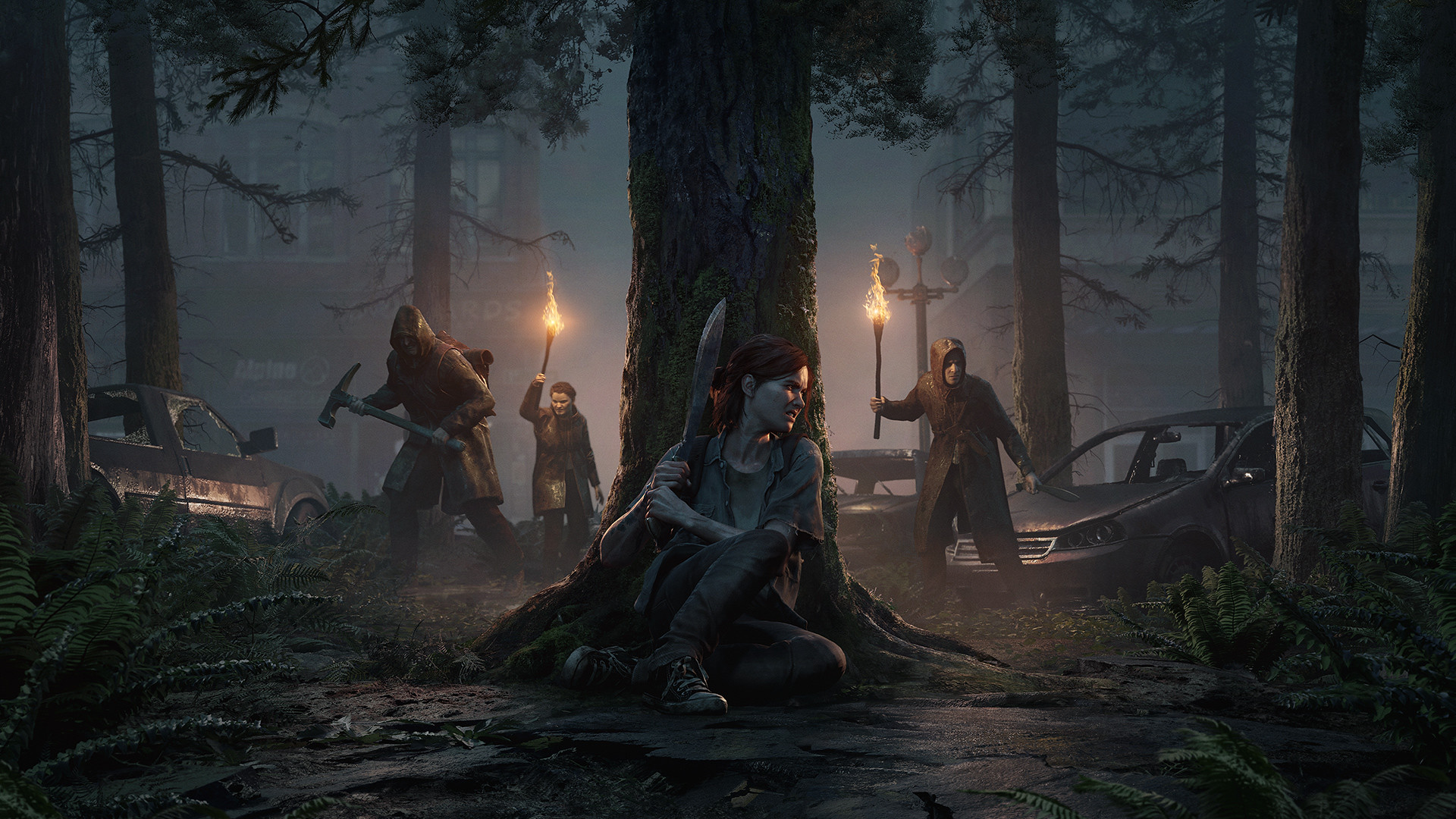
I think a lot of people make exceptions when it comes to spoilers, but sometimes they have an impact that goes beyond spoiling a surprise. That’s what happened recently with “The Last of Us Part 2,” one of the most anticipated video games of the past decade. As someone who played the first “The Last of Us” and praised it on multiple occasions, I was among those brimming with excitement.

Then, an employee at the developer, Naughty Dog, leaked the entire story. Out of respect for those who still don’t want to be spoiled, I won’t go into detail here. I’ll just cite the report by Den of Geek, who also made a concerted effort to avoid such details.

Den of Geek: The Last of Us 2 Leaked Plot Confirmed by Naughty Dog

The Last of Us Part 2‘s story has been leaked. Various clips that showcase nearly the entirety of the game’s story have made their way online. Naughty Dog has recently confirmed the leak via a tweet that asks fans to not spoil the game for others and to avoid spoilers if possible.

The extent of this leak is massive. Not only do these leaked clips include nearly every major cutscene from The Last of Us Part 2, but it seems that fans have also gotten their hands on a leaked level list that details the story structure of the sequel.

Now, I’m going to be careful with my words here because I don’t want to spoil this game for those who don’t want to be spoiled. Even though the leaks have spread on nearly every platform, I don’t want to compound the issue. The primary reason I’m bringing this issue up with The Last of Us Part 2” is because this whole situation with spoilers has some important insights that are worth mentioning.

The biggest insight, thus far, is just how much these spoilers effect the perception of the game. Before the leaks came out, “The Last of Us Part 2” was by far one of the most anticipated games of the year. Naughty Dog’s reputation was very polished and there weren’t many people saying bad things about them.

That situation has been completely reversed.

While it’s hard to gauge every reaction, I’ve seen a fairly consistent pattern. Almost everyone, including those who were very excited about this game, are incredibly disappointed by this. It’s not just that the story was spoiled. The details of that story have rubbed everyone the wrong way.

Without getting into specifics, they effectively undermine some of the most important aspects of the first game. The journey the players took in The Last of Us was a deeply emotional experience. Even if you’d read the spoilers ahead of time, there’s a lot of appeal to that experience. I knew the basic of the game long before I played it. It still had a profound impact on me by the time I got to the end of the game.

With The Last of Us Part 2,” that impact is effectively undercut. The journey that we took in the first game doesn’t matter as much in this game. Everything that made you fall in love with these characters and their struggles is either ignored or overshadowed by something else. For anyone who loved the first game, where’s the appeal in that?

There are also some “political” overtones to the story that have rubbed people the wrong way. I put “political” in quotes because in the world of video games, “political” is usually just code for “political or ideological leanings that I don’t agree.” I’ve never cared much for that. In general, I try to avoid it, but it has become an unfortunate trend in video games, thanks to scandals that have only gotten more absurd with time.

The only aspect of “politics” that I resent in video games, and media in general, is how it tends to hallow out a story. If the point of a story is to just score certain points with certain ideologies, then it renders the story bland and predictable. When done poorly, it becomes outright propaganda.

Based on these spoilers, I won’t say that “The Last of Us Part 2” reeks or propaganda, but the ideological themes are not exactly subtle. While those themes don’t bother me personally, I’ve seen enough internet outrage mobs to know the reaction it’ll incur. That reaction will only obscure any legitimate criticism of the game and its story.

I had not pre-ordered this game, but I was planning to once a new release date was finalized. Now, I’ve no desire to play this game anytime soon. I’ll still follow reviews and feedback. If parts of these leaks prove to be inaccurate, I’ll gladly change my tune. To date, however, nobody at Naughty Dog has denied them. That’s often a sign that they’re real.

To some extent, I’m grateful. I’d much rather learn about this before I dropped over $60 on a game that was only going to disappoint me. During these times, nobody can afford to waste that kind of money. I’ll wait until others play the game to see how the full story plays out. Maybe it’ll work out in the end, but I’m not very hopeful.

It’s a disappointing turn for something that I was genuinely excited about. It also darkens the prospect of this franchise becoming a how on HBO. It’ll be interesting to see how these leaks and the reactions to them effect the sales of the game. If it’s as bad as some dread, then the emotional journey that this franchise took us on could come to an abrupt and tragic end.

2 Comments

Filed under Current Events, LGBTQ, outrage culture, political correctness, psychology, video games

How Much Agency Do We Really Have?

How much agency do we actually have in our day-to-day lives?

How much freedom do we actually enjoy on a pragmatic basis?

I ask these questions as part of another thought experiment, albeit one that requires more introspection than the others I’ve posed. I think it’s relevant at a time when we’re dealing with a global pandemic that has severely restricted everyone’s agency to significant degrees. It’s also relevant because it’s something we rarely scrutinize.

There’s another reason I’m discussing matters of agency. It has less to do with current events and more to do with frequent criticisms of certain stories. As an aspiring writer and an avid consumer, especially of superhero media, the agency of certain characters is an integral part of that process. You can’t tell a meaningful story without characters exercising some level of agency.

What has become a major issue in recent years is the source, degree, and structure surrounding that agency. I’ve noticed critics and consumers alike scrutinizing who makes the major choices in a story, as well as what role they play, how they look, and why they’re doing what they do. While these are relevant details, that scrutiny can be misguided.

I see it whenever a female character is perceived as having no agency or having too much.

I see it whenever a male character is perceived as being the only source of agency for every major detail.

I see it whenever a character of a different race, ethnicity, or sexual orientation play a role that isn’t just restricted to tokenism.

It has derailed many meaningful conversations about some genuinely great stories. It has also established this standard for some people that if any character with agency happens to be of a certain gender or ethnicity, they roll their eyes and discount the story as pushing some sort of agenda. I find that to be incredibly shallow and short-sighted.

That’s why I think it helps to analyze how much agency we think we have in the real world. It’s easy to quantify that agency within the rigid structure of a story, but the real world is larger, more complicated, and a lot less predictable. How can we determine how much agency we actually have in the grand scheme of things?

How much agency did you have in being born into a particular time, place, or socioeconomic level?

How much agency did you have in falling in love with the person you married?

How much agency did you have in getting the job you have or the career you pursued?

How much agency did you have in finding the friends and social circles you’re part of?

On the surface, it may seem like you’re exercising your ability to choose in these circumstance. I ask that you take a step back and think a bit harder about it.

When it comes to our lot in life, did we really have much say in the economic and social system that we’re part of? Sure, we can choose to not participate, but in doing so, we either starve to death because we don’t have money for food or we become completely isolated from the world and any semblance of social support.

We think we have choices when we go to the supermarket or a restaurant, but how many of those choices are already chosen for us? We don’t always by the cheapest brand of cereal because we want to. We buy it because we have to. In that same sense, we don’t always buy the car we want. We buy what we can afford.

To a large extent, our agency is incredibly limited by our economic resources. It’s limited even more by our social structure, as well. We can’t always do what we want, no matter how depraved. We can’t just walk outside naked, rub our genitals against the nearest person, and yell racial slurs at the top of our lungs. We’d get arrested, imprisoned, or ostracized, at the very least.

Even if what we do isn’t illegal, we still limit our choices because of peer pressure and social stigma. It’s not illegal to watch porn on a public bus, but it will get you odd looks and plenty of scorn. To some extent, we sacrifice some of our agency to maintain an orderly, functioning society. It’s just a question of how much we sacrifice and how much we’re willing cling to.

With all that in mind, see if you can take stock in the amount of agency you exercise in your day-to-day life. You may be surprised by how little or how much you actually have. It may not be the most interesting thought experiment you can do for yourself, but the implications it offers are profound.

1 Comment

Filed under human nature, outrage culture, philosophy, psychology, Thought Experiment, writing

Bojack Horseman: A Real (And Honest) Face Of Depression

Whenever a TV show, movie, or other piece of media tries to do a realistic take on a serious issue, I tend to roll my eyes and brace myself. That’s because nine times out of ten, the writers and producers of these rarely sincere efforts get things half-assed or ass backwards. Sometimes, they’re not just wrong in their portrayal of an issue. It’s downright destructive. See the first season of “13 Reasons Why” for disturbing proof.

That makes any show that succeeds in portraying a serious issue all the more powerful. By that standard, “Bojack Horseman” is a diamond within a golden crown atop a pile of steaming cow shit. I apologize for the visual, but I feel like that’s the best way to get my point across.

I’ve found plenty of reasons to praise this show since it ended, but being stuck at home for weeks on end has given me more time to appreciate the many amazing things this show achieved. It’s hard enough to get emotionally worked up over a show about real people. To get worked up about a show of cartoon human/animal hybrids counts as a special achievement.

It’s not secret that Bojack Horseman tackles a lot of sensitive issues with varying degrees of sincerity, humor, and tact. The show always tries to entertain, but it also makes a concerted effort to approach these issues in a way that doesn’t feel shallow or half-hearted. Again, see 13 Reasons Why” for an example of how poorly this can go.

I’ve already highlighted how this show gives a well-developed take on the nature of addiction, an issue that is rarely more than plot catalyst for zany antics in most shows. There’s another issue that “Bojack Horseman” handles with just as much skill and it’s one that shows almost always get wrong when they try to tackle it. That issue is depression.

I’m not talking about the kind of depression we feel when a loved one dies, a spouse divorces us, or the show that made us a famous actor in the 1990s gets cancelled. I’m referring to real clinical depression, which is a real medical issue that plagues a lot of people in the real world, including people I know personally.

Now, I understand why depression is so difficult to confront in a half-hour/hour-long TV show. It’s not like the flu or some visible wound that you can treat directly and watch heal. Depression, at its core, is a one-two punch of chemical and mental that complement one another perfectly to make someone miserable to a crippling degree.

It’s chemical in that there are parts of the brain that just aren’t operating properly. The systems that usually make someone happy and content just aren’t working right. They often require medication or extensive cognitive therapy to get that system going again.

The mental part plays off those deficiencies in that they foster this mindset that keeps people in a constant state of doom, gloom, and misery. That mindset often acts as a catalyst for various destructive behaviors, from substance abuse to violent outbursts to self-harm. The effects vary wildly from person to person, but the mentality remains the same.

Where TV shows and movies often fail with depression is two-fold. First, it fails to depict the extent of someone’s depression. Second, it fails to show how it’s properly treated. Just showing someone in a saddened state isn’t the same as showing someone who’s clinically depressed. It only gets worse when that same show or movie tries to treat it as though it has a singular cause.

Sometimes, it’s because a character was abused.

Sometimes, it’s because a character lost a loved one.

Sometimes, it’s because a character didn’t make one single choice that haunts them.

Those are all decent catalysts for character development, but that’s not how depression works. It doesn’t just come from one action or inaction, nor can it be treated by confronting it. You can’t just go on a quest, save the day, and suddenly be a glowing ball of happiness. Depression is more complex than that.

That’s why it was so refreshing to “Bojack Horseman” take a very different approach. Throughout the show, Bojack is shown to have many issues. Depression is just one of them. He’s a substance abuser, a narcissist, and insanely self-destructive. If he went to a therapist, they’d need overtime to treat all his issues.

However, most therapists would agree that Bojack meets the criteria for clinical depression. He’s in a constant state of misery throughout the show and goes to great lengths to alleviate that misery, but often ends up making himself more miserable due to bad behavior and terrible judgement. In essence, his other personal issues often compound his depression.

Unlike other shows, though, the source of his depression is never framed as one particular thing. While he is shown to have abusive parents, substance abuse problems, and crippling guilt from his many bad decisions, there’s never a point where one issue becomes the source.

That, in and of itself, is an important distinction in portraying depression in a realistic way. However, of all the moments that highlight the extent of Bojack’s depression, one episode stands out over all the others. That episode is aptly called Stupid Piece of Sh*t.”

In this episode, Bojack is trying to deal with his previously estranged daughter (who turns out to be his half-sister) and his abusive mother, who is declining mentally in her old age. Like the many other challenges he faces throughout the show, his depression makes this difficult. What makes this episode stand out, though, is how it’s rendered through Bojack’s thoughts.

Through the colorful animation and the haunting voice talent of Will Arnett, these internal monologues give a voice to a depressed mentality the likes of which few shows have captured. It still utilizes a semi-humorous tone, but never stops being real or serious. It’s a powerful insight into what Bojack goes through every day. It doesn’t excuse his awful behavior, but it does provide an important context.

What makes this portrayal all the more powerful is when Hollyhock, his half-sister, asks him about it later in the episode. Like Bojack, she appears to be struggling with that same inner monologue and it’s not a pleasant feeling. She’s young hasn’t lived long enough to make Bojack’s mistakes, which makes her question at the end downright heartbreaking.

That voice in the back of my head that tells me I’m dumb and stupid that’s just stupid, it goes away it’s just a teenage girl thing right. Those voices… they go away, right?

That question, and the way Bojack answers it, cements this episode and this show as one of the best portrayals of real depression in any medium. At a time when we’re all isolated, I think it’s important to understand what real depression looks like. Even if it comes from a show about talking horsemen who sound like Will Arnett, it’s an important perspective that we can all appreciate.

2 Comments

Filed under Bojack Horseman, psychology, television

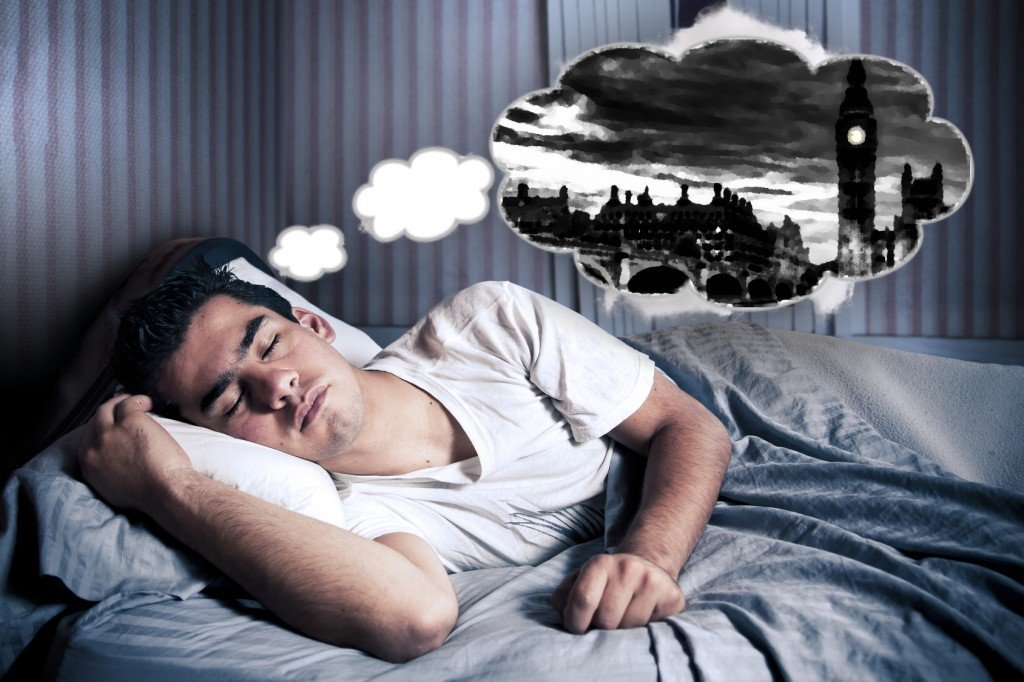
A Common (And Revealing) Theme Of My Dreams

I’m not of the opinion that dreams are some profound indicator of the deepest, darkest recesses of our unconscious. I don’t buy into the old Freudian idea that what you dream about reflects some profound desire about the workings of your psyche. That’s not to say I think dreams are just random noise inside your brain that sometimes surfaces when you sleep. I just think they’re more mundane than we give them credit for.

I say this as someone who both took college level psychology courses and as someone who can recall certain dreams. I’m hardly an expert, but I’m familiar with the various theories as to why human beings have dreams. I think some are more plausible than others. I certainly have my leanings, but I admit those leanings are influenced by my personal experiences with dreams.

To understand, I’d like to share a common theme in my dreams that I’ve noticed over the years. I tend not to remember most of my dreams, but the ones I do seem to have many similarities that have held true since I was a teenager. If they were TV shows or sitcoms, they would all have the same plot.

I’m always running very late to something important.

I admit this is a somewhat bland theme for a dream, but I understand where it comes from. Any friends, family, or relatives who might be reading this wouldn’t be surprised either. They know, as well as I do, that for most of my early life, I was very uptight about being on time. I’d even go so far as to say I was downright obsessive about it. I’m pretty sure I annoyed more than one person with my constant desire to not be late.

As early as elementary school, I made a big deal about being on time or early to everything, be it school, a movie, or some kind of event. The mere thought that I might be late caused me a great deal of stress, so much so that I experienced panic attacks on some occasions.

Knowing that, it makes perfect sense that my dreams would center around this theme. Just last week, I had a dream that involved me standing in front of my old bedroom window, watching the bus go by, and realizing that I had just overslept big time and was incredibly late.

It’s similar to the one I had last year. Again, it involved me standing in my bedroom, looking at a clock, and realizing I was extremely late for a flight to a big wedding I was set to attend. The dream rarely stopped there. Often, I would attempt to catch up, packing my clothes and getting my things together in hopes of catching up. Most of the time, it didn’t work. In some dreams, I even face a setback that makes me even later.

It’s rarely scary or traumatizing. They don’t feel like nightmares in that I wake up in a cold, terrified sweat. They feel more like echoes of old attitudes that had a profound impact on my early life and some of my adult life.

I’ve gotten a lot better and healthier with respect to punctuality. College was really the time when I took a seriously look at my obsessive need to be on time and find other ways of dealing with it. It didn’t happen all at once. It took several years for me to get less uptight about running late. While I can still be somewhat anal about it, I’m nowhere near as anxious about it.

That doesn’t keep it from showing up in my dreams. Since this tendency was such a big part of my life, especially in my youth, I’m not surprised that it’s such a common theme. I have a feeling it’ll keep being a theme throughout my life. If that’s the extent of my most vivid dreams, then I’m okay with that.

To those who remember their dreams, what are the common themes you tend to notice? Do you think these dreams have greater meaning or are they just mental garbage that your brain clumps together while you sleep? I’d like to know. Please share your dream experiences in the comments.

Leave a comment

Filed under Jack Fisher's Insights, psychology

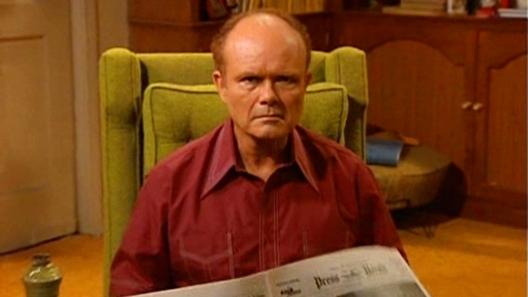
How I Came To Respect Red Foreman From “That ’70s Show”

Time, age, and hindsight have a way of changing how you see things. The attitudes and perspectives you have when you’re 35 are bound to be different than the ones you had when you were 15. It’s just part of life, as you get older. The world is such a different place through the mind of a teenager than it is to an adult.

This manifests in many ways, but the one I’ve found most revealing has to do with the way I see old TV shows that I watched in my youth. Some shows age better than others. I recently citedChuck” as one of those rare shows that seems to get better with age. Most shows don’t get that benefit. Some age so poorly that there’s no way they could ever air today.

Thanks to the joys of being quarantined, I’ve had a chance to re-watch and re-visit some of the shows I loved in my youth. Shows like “Chuck” have only reaffirmed why I loved it so much. Other shows evoke a different reaction. One such show is “That ’70s Show.”

When I was a teenager, this was one of my favorite shows. In terms of TV sitcoms, it checked all the right boxes. It didn’t try to revolutionize the genre. It kept things simple, using 70s aesthetics and proven sitcom tropes to make an entertaining show. It never got too extreme. It never tried to cross too many lines. It just tried to have fun with a certain time period and a cast of colorful characters.

Most of the characters were lovable in their own right. My personal favorite was Fez. Some of the best lines in the show came from him. However, one character often stood out even more. In many ways, he was the show’s primary antagonist. He was Red Forman and when he wasn’t threatening to put his foot in someone’s ass, he was a frequent obstacle to whatever scheme the kids had conjured.

In many respects, any sitcom that involves a cast of teenagers needs a character like Red. He embodies the hard-nosed, uncompromising, uncool authority figure. Most of his roles revolve around stopping the kids from doing what they’re doing or punishing them as soon as they get caught. In that context, he’s easy to root against most of the time.

I certainly did when I watched the show in my youth. In fact, Red was one of my least favorite characters in the show because he was just such a hardass. He didn’t have any of the charm or likability as other sitcom dads. Al Bundy might have been a lousy dad, but at least he was funny. Red was rarely funny, his foot-in-ass remarks notwithstanding.

Then, after watching a few episodes recently, I found myself looking at Red Forman differently. I also saw the teen cast differently. While there were certainly times when Red was an unambiguous asshole, those times were a lot less frequent than I remember. In fact, I came to appreciate Red a lot more as I watched the show from an adult perspective.

In hindsight, it’s easy to understand why. When you’re a teenager, authority figures are often barriers to all the things you want to do. They’re the reason you can’t stay out late at night, drink beer, smoke pot, or hook up with your significant other. They enforce the rules that keep you from having all the fun you want to have. They’ll rarely explain those rules. It usually comes down to them being the parent and you being their kid.

This certainly plays out in “That ’70s Show” throughout many plots. I remember watching those same plots as a teenager and rolling my eyes whenever Red Forman got involved. Then, after watching them again, I found myself siding with Red and not just with respect to who deserved a foot in the ass.

When Eric, Fez, Kelso, Jackie, and Donna do something stupid, it’s rarely because of the rules or the authority figures who enforce them. More often than not, they do what they do by choice. They don’t think things through. They think about the consequences to their actions. They are, after all, immature teenagers in the 1970s. They’re more inclined than most to do stupid things for stupid, selfish reasons.

Red Forman may not be the best when it comes to helping them mature, but he’s not wrong for calling them out on it. Most of the time, they are on the wrong side of the dumb-ass equation. Their efforts to eat, drink, have sex, and avoid responsibility are all products of their own immaturity. Someone like Red needs to be there to remind them of that.

Is he the best father figure for helping teenagers navigate their immaturity? No, he isn’t.

Is he better than most of the bumbling dads who tend to populate most TV shows? Yes, he is and he’d kick the asses of most of those dads.

As a teenager, I had a hard time relating to Red Forman. As an adult, I can’t help but respect him. He is surrounded by a lot of dumb-asses and a wife who’s on the verge of a nervous breakdown every other day. The fact he hasn’t put his foot in more asses is a testament to his restraint.

If you need more proof, please see this series of clips. If you haven’t seen the show in a while, then you may find yourself remembering Red more fondly than you thought.

Red Forman may be a hard-ass. He’ll never be father of the year or the first person you invite to a party. However, in a world of dumb-asses, he’s a beacon of order. For that, he deserves our respect.

2 Comments

Filed under Celebrities and Celebrity Culture, media issues, philosophy, psychology, television

Loneliness, Bitterness, And Perspectives From Pandemics

See the source image

The crisis surrounding the Coronavirus/COVID-19 pandemic affected our world and our lives in ways too numerous to list. I hate talking about it and lamenting on all the things we’ve lost because of it, from March Madness to movies to new comics. Unfortunately, it’s unavoidable. Unlike misguided outrage or clickbait, I can’t just step away from my computer and escape. The world around me is still quarantined.

It’s a rare, unprecedented level of awful that will likely resonate for decades to come. It’s awful on so many levels, but it’s often through awful experiences that new perspectives emerge. I’d like to offer one today, if only to divert attention from how bad the news keeps getting.

Let’s face it. If you’re a very social person who enjoys going out, meeting new people, and forging new connections, this experience has been hell. It’s not just that bars, clubs, malls, and movie theaters are closed. You can’t even get close to people to connect with them anymore. Social distancing has made everyone less inclined to get close. For people who value that closeness, it’s nothing short of devastating.

At the same time, the less social crowd has probably noticed just how little their lives have changed. If you enjoyed sitting on your ass all day, watching TV and playing video games, then chances are you’re not feeling the impact that much. You might even take a perverse satisfaction out of the fact that your hobbies and passions have already equipped you to weather this crisis.

Between those extremes, however, lies the insights that are worth noting. Before this crisis took hold, it wasn’t uncommon to cite lonely, anti-social people, most of which were men, as damaged and dangerous. They’re behind many of the insults thrown at the “incel” community or those who debate feminism and social justice on message boards.

I know because I’ve been called that on more than one occasions. It’s often some variation of “basement-dwelling neckbeard” or something of the sort. I honestly don’t pay much attention to those insults. I’ve been on the internet long enough to grow fairly thick skin. At the same time, I think this crisis can offer a new perspective on loneliness to those who aren’t used to it.

Being trapped at home for days on end, unable to go out and socialize, means a sizable chunk of people who haven’t experienced loneliness to this extent can now know what it’s like. While I genuinely hope it ends soon and doesn’t leave any lasting scars on people, I hope it makes the necessary impression.

If you’re lucky enough to have a family, then you’ve got some support. If you’re lucky enough to have a lover, then you’ve got a source of intimate contact that feels like a precious luxury to many. That assumes that nobody you care about is sick, which adds a new level of dread to the loneliness. It’s not a pleasant feeling. It’s also a feeling worth scrutinizing.

To get that point across, I’d like to pose some questions to those who have ever labeled someone an incel, toxic, problematic, or any other insult that makes them unworthy of compassion.

How does it feel to have the desire to connect with others, but not the means?

How does it feel to be cut off from intimate human contact through no fault of your own?

How does it feel to have hours on end to yourself with nothing more than your hobbies to occupy yourself?

How does it feel to feel so utterly alone through no fault of your own?

How does it feel to be completely powerless to change your current situation?

I apologize if any of these questions come off as harsh. I hope they still convey the necessary message. Some of it may be personal for me. I’ve had people insult me whenever I’ve admitted to feeling lonely. Being a man, I feel like I don’t get much sympathy. People just assume I’m not doing something right and it’s up to me to fix it.

While part of that might be true, there are also parts that are simply beyond my control. A global pandemic is one of those things that’s beyond everyone’s control, from young men who play video games to world leaders who wield real power. For once, we’re all at the mercy of the same overwhelming force. We can’t hide from it or its effects.

There’s no patriarchal conspiracy, radical feminist plot, or secret cabal of lizard people working against us. This is just something that emerged from nature and hit us where it hurt at the worst possible time. For once, we’re all on the same page in terms of how vulnerable and concerned we are.

It’s a rare, but bittersweet opportunity. In recent years, there has been this narrative about lonely, bitter men, as well as lonely bitter women. They’re lonely and bitter because the world didn’t give them everything they wanted on a silver platter, so they take it out on everyone else.

They want the world to cater to their sensibilities.

They claim their preferences are right and anything to the contrary is flawed, political, or in some ways invalid.

They cling to their opinions, citing only the facts that justifies them while attacking those that oppose them.

Everyone is guilty of doing this. I certainly am. It’s tempting to write them off as products of a bitter, lonely existence for which they are wholly responsible. If nothing else, this pandemic shows that everyone is at the mercy of their circumstances.

Whatever someone’s attitude may be, even if it is misguided and flawed, it doesn’t make their loneliness any less real. It’s easy to insult those kinds of people when your situation is entirely different and arguably better. Now, this disease has put every one of us in the same boat, relatively speaking.

I hope we all remember this feeling and how much it sucks. I genuinely hope it inspires and educates others to understand how crippling loneliness can be for some people. Not everyone deals with it in a healthy way. Many will continue to cope in unhealthy ways long after this crisis is over.

At least now we know what drives those feelings. Whether you’re a lonely man, a lonely woman, or just lonely in general, we’ve all experienced the struggle it brings. Keep that in mind the next time you judge someone who seems bitter and angry at the world. They may just be lonely and no matter what your politics or ideology may be, it can make us feel as sick as any pandemic.

Leave a comment

Filed under gender issues, health, human nature, men's issues, outrage culture, political correctness, psychology, sex in society, sexuality, women's issues