Tag Archives: movies

How To Do Romantic Sub-Plots Right (And Why Some Fail)

3586038c620fcc65ac400b9fc3bc86ca1

This will probably surprise no one who regularly visits this site, but I love romantic sub-plots. In many cases, they’re my favorite part of a movie, TV show, or comic book. I’ve made my love for romance in general fairly well-known, but romantic sub-plots offer a special kind of appeal.

Now, when I say romantic sub-plots, I’m not referring to the stories built solely around romance, like many of my novels. I’m referring to stories that are primarily presented as another genre, be it sci-fi, fantasy, or a blatant “Die Hard” rip-off, but include a secondary romantic story that runs parallel to the main story.

Sometimes, that story is subtle. Sometimes, it becomes a major catalyst for other parts of the main story. Sometimes, it just adds a little melodrama in between all the bigger, flashier conflicts. Watch pretty much any prime time show on the CW these days and you’ll see examples of every kind to some extent.
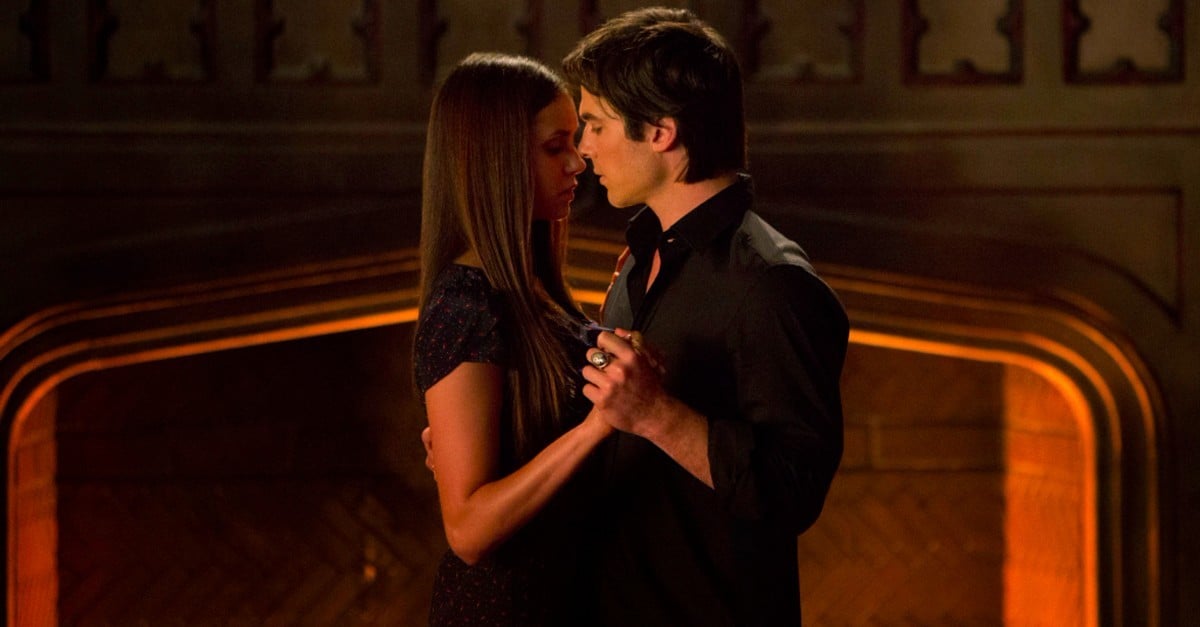
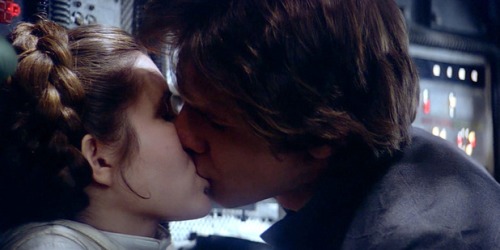
As much as I love these sub-plots, though, they can also be frustrating. For every romantic sub-plot I felt was handled well, I can think of five others that were horribly botched. On one end, you have the rich, balanced love story of Han Solo and Princess Leia in the original “Star Wars” trilogy. On the other, you’ve got the inherently toxic love story between Penny and Leonard in “The Big Bang Theory.”

There’s so much variety and diversity to romantic sub-plots that I could spend an entire weekend going through all of them. However, for the sake of making a more concise point, I want to focus on what makes a romantic sub-plot truly compelling. Regardless of genre, medium, or scope, a good romantic sub-plot can really enhance the overall plot.

Like every other sub-plot or storytelling tactic, though, romantic sub-plots are prone to all sorts of tropes, cliches, and traditions. Some are more useful than others. However, some can create obstacles and pitfalls that derail an otherwise promising romantic sub-plot.

While I don’t consider myself an expert on all the mechanisms that go into a good romantic sub-plot, I do know plenty of others out there who are far smarter than me and far more capable of explaining the subject in a more comprehensive way. They may not be experts either, but they know how to get the point across.

That’s where wonderful YouTube channels like Overly Sarcastic Productions come in. I’ve referenced it before in previous discussions about strong female characters, but it also provides other extensive breakdowns of various tropes and does it in a colorful, entertaining way, sometimes literally.

One such video in their Trope Talk series covers romantic sub-plots and the breakdown here is the best I’ve seen to date on what makes a good and not-so-good sub-plot. If you haven’t seen it yet, I highly recommend you watch it. If nothing else, it should put some of your favorite and least favorite romantic sub-plots into a larger context.

There’s a lot of fast-talking, broad-based breakdowns of this trope, which the narrator freely admits she doesn’t fully understand. However, she demonstrates that she understands enough to point out what not to do when pursuing a romantic sub-plot on a fairly basic level. I want to go beyond basics.

The video singles out a few TV shows and cartoons where the romantic sub-plot falls flat, such as “The Legend of Korra” and “Castle.” In both cases, the sub-plot is very shallow in that it’s built entirely on the fact that a straight male and a straight female character work closely together. As such, they become romantically entangled.

Therein likes the most glaring problem, though. Just being two characters who work together is seen as sufficient to justify the sub-plot. As a result, there’s no effort to build meaningful chemistry between the characters. In some cases, there isn’t even an effort to establish whether they’re romantically compatible with one another.

This is probably the most common, not to mention the most annoying, problem that arises when romantic sub-plots enter a story. The sub-plot is given the bare minimum in terms of depth, relying on the audience to fill in the blanks as to why these two should be together.

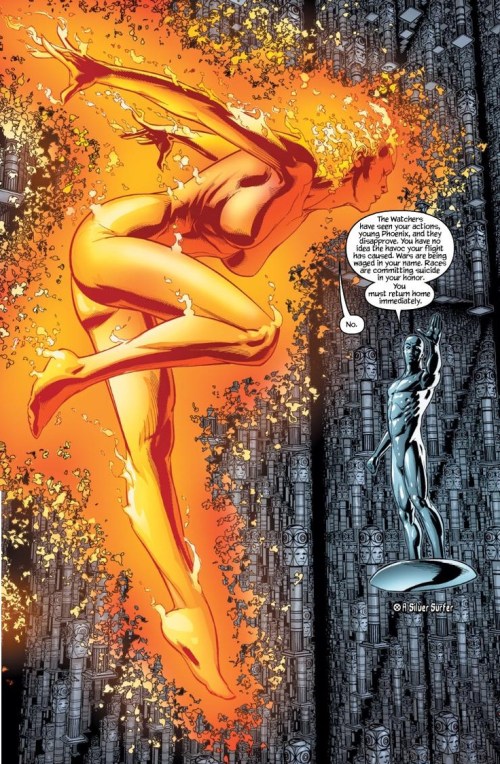
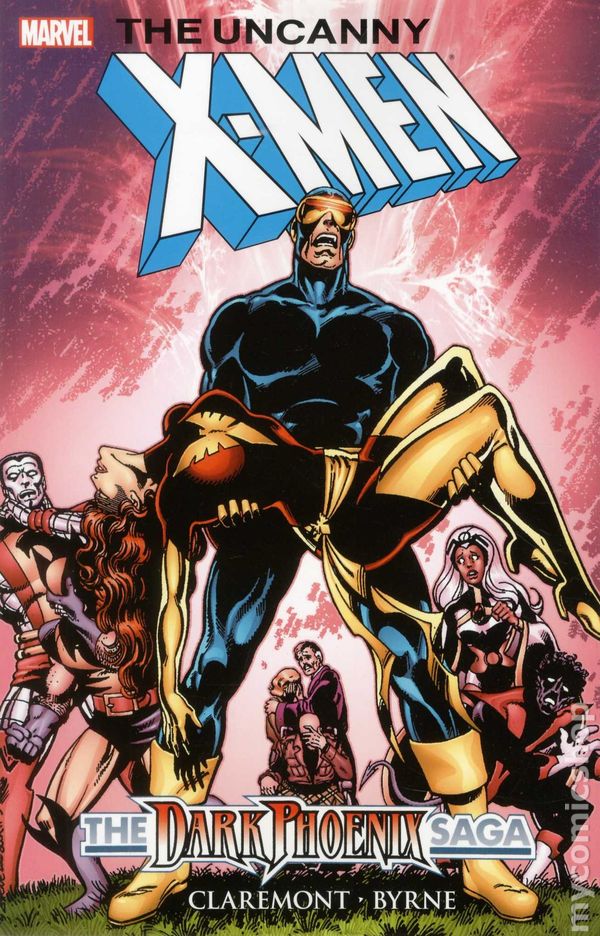
This happens a lot in the superhero genre. Romantic sub-plots and soap operas are the cornerstone of some of the most iconic superhero comics, TV shows, and movies. One of the most epic examples, the Dark Phoenix Saga, is set to become a movie next year. However, I would argue that the superhero genre is most guilty of this common shortcoming.
Take, for instance, the first “Iron Man” movie and the romantic sub-plot between Tony Stark and Pepper Potts. Never mind the fact that these two characters don’t have much of a romance in the comics. The first movie and the two successful sequels that follow do plenty to establish Tony and Pepper as the primary romance of the story. However, it does little to show why these two belong together.

The same thing happens with Thor and Jane Foster in the first two “Thor” movies. Unlike Iron Man, the comics establish a more robust romantic history between these two. The movies, however, do little to drawn from this history. They rely solely on the fact that Thor spends a little time around Jane, she’s attracted to him, and that’s all that’s necessary for the romance to unfold.

Again, it’s shallow in that it relies too heavily on the audience to fill in the gaps of chemistry and compatibility. For any functional romance, those gaps are pretty big. Just getting together is only a small part of that process and the story around it. Movies like “Thor” and “Iron Man” give the impression that just being around each other long enough is sufficient. These characters don’t have to actually work on their romance.

Compare that to the much more developed romances in the superhero genre, such as Barry and Iris in “The Flash” TV show. In that romance, just getting together isn’t the end of the story. It’s just part of it. Barry and Iris actually work, struggle, sacrifice, and even argue at times, but that’s exactly what makes their relationship so meaningful.

Outside the superhero genre, there are other ways the romantic sub-plot gets derailed in a way that’s more annoying than entertaining. I think “Friends” was one of the worst offenders with Ross and Rachel because almost the entirety of the sub-plot was built around them struggling to get together. Sure, the process of two people coming together can be compelling, but that can’t be the whole story.

Movies tend to struggle with it even more, but mostly due to logistical reasons. There’s only so much romantic development you can squeeze into a two or three hour movie. However, it can be done. Despite being brief and tragic, the sub-plot of Sarah Conners and Kyle Reese in the original “Terminator” movie showed that it is possible for a romantic sub-plot to be meaningful within those limitations.

Far more often, though, movies try to rush a sub-plot or outright force it. That’s part of what makes any romance hard to take seriously. In a movie like “Jurassic World,” where you have two very different characters in Claire and Owen, it really has to be forced because outside the plot of the movie, it’s hard to imagine these two having a meaningful relationship.

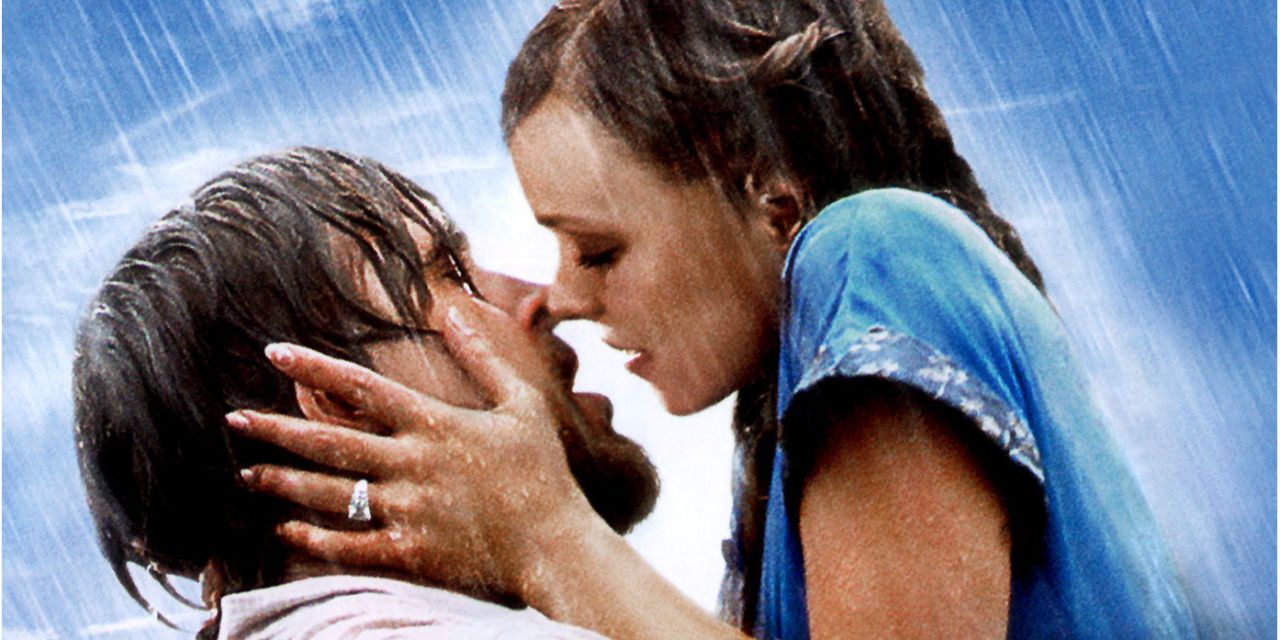
In some respects, that’s a good litmus test for any romantic sub-plot. If you can’t see the characters involved functioning outside the plot of the movie, then chances are the romantic sub-plot is fundamentally flawed. It’s easy to imagine iconic couples like Superman and Lois Lane, Cyclops and Jean Grey, or even Allie and Noah in “The Notebook” enjoying a functional relationship past the final credits.

Even for couples where it’s harder to picture them outside a conflict, it helps when a romantic sub-plot still puts in extra effort to make the romance believable. While this is a challenge in movies, TV, and comics, I’ve actually seen this handled a lot better in modern video games.

Romantic sub-plots are important elements of popular games like the “Uncharted” series. What makes that sub-plot effective, though, is how much time and energy is put into establishing why a man like Nathan Drake would be with a woman like Elena Fisher. It even goes out of its way to show how these two characters create a genuinely functional relationship towards the end.

While it might be a bit of a stretch, I would also cite the “Mass Effect” series that I’ve praised before in how well it handles romantic sub-plots. Now, it’s a stretch because the game is structured in a way where the player can choose a particular romantic sub-plot or choose to not have one at all. That makes the story a lot more fluid than a movie or TV show, but it still manages to create depth for a sub-plot.

That depth shows, regardless of which romantic sub-plot the player chooses. Whether it’s Shepard and Liara, Shepard and Ashley, or Shepard and Garrus, the game provides opportunities for depth and development. If you follow the sub-plot through to the end, the romance has genuine dramatic weight.

In the end, that’s the most important impact of any romantic sub-plot. When done right, it adds greater weight to the overall narrative. It creates an emotional dimension that goes beyond just achieving a goal or surviving a conflict. It fleshes out the emotions, passions, and desires of the characters involved.

Conversely, it can really disrupt the plot when done wrong. I’ve already covered how the worst love triangle in history derailed the X-men movies. Talk to any “Star Wars” fan and they’ll probably say the poor romance between Anakin Skywalker and Padme was the most disappointing part of the prequels not named Jar Jar Binks.

To some extent, a romantic sub-plot is a gamble. It stretches the odds, but it also increases the payout. When it fails, it can fail pretty spectacularly. When it works, though, it can make for some of the most dramatic, passionate moments in a story. As an unapologetic romance lover, I say it’s a gamble worth taking.
1 Comment

Filed under Comic Books, Jack Fisher, Superheroes, gender issues, human nature, Love Or Obsession, Marriage and Relationships, movies, romance, sex in media

When (And When Not) To Listen To Fan Backlash

et_rian_johnson_041417_hulu_2

In Hollywood, there’s somewhat of a paradox when it comes to ego. You need to have a certain amount of arrogance to believe you can make the kinds of movies that fans, critics, and executives who love swimming in pools of cash all love. At the same time, you also need to be humble enough to know when your ideas are crap.

I’ve been writing almost daily since I was 15-years-old. I’m humble enough to know that I’ve written some pretty crappy things in that time. However, I’m also arrogant enough to believe that I have many great stories to tell, some of which I put in my novels and some of which I put in sexy short stories.

It’s a bit easier for someone like me because I’m not a famous director, artist, or novelist just yet. I can still walk down the street without body guards and not be harassed by fans or stalkers. For someone like Rian Johnson, though, I imagine it takes a very different blend of arrogance and humility to navigate the creative process.

I’m sure that blend has been more erratic than usual for the past several months for Mr. Johnson. There’s already a sizable contingent of Star Wars fans who see him the same way Batman fans see Joel Shumacher after “Batman and Robin.” To say fans had mixed reactions to “Star Wars: The Last Jedi” would be the most polite way of saying that these have been the most difficult times for those fans since the days of Jar Jar Binks.

While I made my sentiments on the movie clear last year, I don’t deny that fans have some legitimate gripes about the movie. There are indeed times when it feels like the movie is trying to push an agenda and it doesn’t push it very well. There are also fairly sizable plot holes that are difficult to overlook, which may also reflect some creative upheavals that occurred behind the scenes.

Regardless of how you feel about “Star Wars: The Last Jedi” or the criticism surrounding it, there’s no denying that it had issues. That was going to happen, regardless of how the movie turned out. However, it’s the way Mr. Johnson reacted to those issues that’s most revealing here. It’s also somewhat of a lesson in both arrogance and humility.

Since the film’s release, Rian Johnson hasn’t been willfully ignorant about fan criticisms. To his credit, he hasn’t resorted to name-calling or scoffing. He’s been fairly diplomatic, for the most part. In an interview with Business Insider, this was his primary response.

Having been a “Star Wars” fan my whole life, and having spent most of my life on the other side of the curb and in that fandom, it softens the blow a little bit.

I’m aware through my own experience that, first of all, the fans are so passionate, they care so deeply — sometimes they care very violently at me on Twitter. But it’s because they care about these things, and it hurts when you’re expecting something specific and you don’t get it from something that you love. It always hurts, so I don’t take it personally if a fan reacts negatively and lashes out on me on Twitter. That’s fine. It’s my job to be there for that. Like you said, every fan has a list of stuff they want a “Star Wars” movie to be and they don’t want a “Star Wars” movie to be. You’re going to find very few fans out there whose lists line up.

And I also know the same way the original movies were personal for Lucas. Lucas never made a “Star Wars” movie by sitting down and thinking, “What do the fans want to see?” And I knew if I wrote wondering what the fans would want, as tempting as that is, it wouldn’t work, because people would still be shouting at me, “F— you, you ruined ‘Star Wars,'” and I would make a bad movie. And ultimately, that’s the one thing nobody wants.

And let me just add that 80-90% of the reaction I’ve gotten from Twitter has been really lovely. There’s been a lot of joy and love from fans. When I talk about the negative stuff, that’s not the full picture of the fans at all.

While I agree with most of what Mr. Johnson said, it’s the bold parts that I find most questionable. It’s at that point where Mr. Johnson goes from being diplomatic to showing signs of the kind of arrogance that undercuts criticism, as a whole.

First off, the idea that George Lucas never made the original “Star Wars” with fans in mind is an unfair comparison. For one, that movie had no fan base to build from and no fans to please. Moreover, Lucas purposefully employed the kind of hero’s journey narrative that had been pleasing fans for centuries. The fact that Luke Skywalker’s story fits Joseph Campbell’s heroic archetype to the letter is not a coincidence.

Secondly, the passions of fans aren’t just built around wanting to see more light saber battles and/or Princess Leia in a bikini. Fans may be unruly and unreasonable at times, but they are the ones that make franchises like Star Wars so successful. They’re the ones who wait in line at the theaters, dress up at comic cons, and spark heated discussions on message boards.

The fans matter is what I’m saying. When there’s an obvious disparity between what the fans are saying and what critics are saying, then there are clearly larger forces at work that go beyond fans being petty. That’s when backlash becomes more than just complaining.

It’s one thing for a handful of fans to overly scrutinize a movie. It’s quite another when there’s a large contingent of fans express a wide variety of concerns, ranging from agenda-pushing to real gaps in the plot. That kind of variety implies that there were missteps beyond not making clear whether Han or Greedo shoot first.

When the criticisms don’t have to get that petty, it’s usually a sign that you should grit your teeth, thicken your skin, and sift through the anger and outrage to see what didn’t work in the final product. Doing so doesn’t mean admitting that you’re a bad director or artist. It just means that you’re willing to take in criticism and learn from it.

Rian Johnson, as well-mannered as he has been since “Star Wars: The Last Jedi” came out, never gives the impression that he, an admitted fan, took the criticisms of fans too seriously. It was akin to getting information from a test screening and completely throwing it out, something movies often do at their own peril.

It’s one thing to have a vision that you want to see through. I certainly felt that way when I wrote some of my novels. It’s quite another when that vision becomes so rigid that you stop listening to people trying to tell you that parts of it are flawed. Mr. Johnson seemed to ignore those flaws while listening to those who told him what he wanted to hear. Being a successful Hollywood type, that’s kind of unavoidable.

That’s also why maintaining a sense of humility is so important. I never assume that a vision that I have for a novel or short story is inherently flawless. In fact, I work under the assumption that it’s crap and needs refinement. The creative process itself is always ongoing and anyone who isn’t trying to improve their craft is dooming themselves to stagnation. Listening to fans, even annoying ones, is part of that process.

Now, I don’t know Rian Johnson and won’t pretend to understand the kind of pressure he faced from Disney to make “Star Wars: The Last Jedi” another billion-dollar hit. I also won’t pretend to understand what it feels like to see all sorts of hateful comments about how he ruined an iconic franchise. That takes thick skin that not a lot of people have.

However, when there’s an obvious disconnect between your vision and the sentiments of fans, one that is backed up by more than a handful of mean tweets, then ignoring the backlash is one of the worst things you can do. Trolls can be mean, but at a certain point, blaming trolls is no more credible than blaming the Illuminati.

If there’s a lesson to be learned from “Star Wars: The Last Jedi” and Rian Johnson, it’s that there are times when backlash is an unavoidable part of the creative process and there are times when it’s a sign that there’s a flaw in that process. The signs were there for Mr. Johnson. He chose to ignore them in the name of pursuing his own vision and arrogantly believing that it would work.

That arrogance isn’t necessarily a bad thing in terms of creativity, but it is a major risk and the fan backlash implies that the risk didn’t entirely pay off. J. J. Abrams played it safe in “Star Wars: The Force Awakens,” sticking to the tried and true formula that the original trilogy made so iconic. While it also had its share of criticism, it was minor and narrow compared to what Mr. Johnson got with “Star Wars: The Last Jedi.”

The fact that J. J. Abrams is coming back to direct the next Star Wars movie is another sign that there was more than just trolling behind the backlash surrounding “Star Wars: The Last Jedi.” While I still enjoyed the movie, personally, I believe the movie would’ve benefited by listening to the fans.

For Mr. Johnson and Mr. Abrams, I don’t envy the difficult position they’re in, having to direct the path of such an iconic franchise. However, if I could offer them any feedback whatsoever, it would be this. Fans are usually pretty forgiving. If Star Wars fans can forgive Jar Jar Binks, then they can forgive the flaws in Star Wars: The Last Jedi.” It just takes one solid story that reminds fans why they love Star Wars in the first place.

1 Comment

Filed under Celebrities and Celebrity Culture, movies, Star Wars

“X-Men: Dark Phoenix” DELAYED Until 2019 (Along With Several Other Movies)

SophieJean2

I normally try not to report the news too much on this blog, unless it’s extremely urgent or extremely sexy. Sadly, this is more in line with the former rather than the latter.

Just this morning, Entertainment Weekly reported that “X-Men: Dark Phoenix” is being delayed until 2019. It had been originally scheduled for release this coming November, just in time for the holidays, no less. I even went out of my way to explain why I’m more excited for this movie than I am “Avengers: Infinity War.” It now seems I’ll have to temper that excitement.

Thankfully, unlike a few other movies that keep getting delayed, this change doesn’t seem to have much to do with the movie itself and has more to do with Fox’s scheduling. “X-Men: Dark Phoenix” is just one of several Fox movies getting delayed or pushed up, some of which aren’t related to superhero movies, including the upcoming biopic on Freddy Mercury, “Bohemian Rhapsody.”

While it’s still only minor comfort for me, as a comic book fan and an X-men fan desperate to erase memories of “X3,” I’m willing to be patient for this movie. To see Sophie Turner do justice to one of the greatest X-men stories of all time is definitely worth waiting for.

Leave a comment

Filed under Comic Books, Jack Fisher, Superheroes, X-men

Tomb Raider Review: A Moderate Leap, But Major Progress

dvxtpgiv4aaihbu

Earlier this year, I expressed a sincere hope that the new “Tomb Raider” movie would finally do something that no other video game movie had managed to do. I hoped that it would be to video game movies what the original “X-men” was to modern superhero movies. I’d even hoped that Lara Croft could be to video game characters what “Wonder Woman” was to female superheroes.

That last one might have been hoping for too much, but I don’t think I’m alone in wanting to see Hollywood get at least one movie based on a video game really right. Between the lackluster “Resident Evil” movies and the god-awful “Super Mario Bros,” the genre is overdue for a hit.

I get that there are challenges associated with making a movie out of a video game. However, Lara Croft and “Tomb Raider” is in a better position than most. It’s a franchise that has an iconic character who has built a strong fanbase over the course of two decades. The fact that she’s a strong, sexy female character at a time when the appetite for such characters is greater than ever works even more to her benefit.

While Lara Croft’s sex appeal has been controversial in recent years, she’s still a great character whose games already have a very cinematic feel. Having played her 2013 game multiple times, I can attest to the strength of that narrative. It has all the necessary elements that translate well to a movie.

This movie, being a franchise that has already attempted twice with Angelina Jolie in the early 2000s to mixed success, seems to make a better effort than most to succeed where so many have fail. This version of “Tomb Raider” works hard to tell a real, serious story on par with that of any other successful action franchise. It tries to do this while still incorporating elements of the game into the narrative.

It’s ambitious and sincere. It also helps that it cast Alicia Vikander, an Oscar-winning actress whose brilliance and sex appeal in “Ex Machina” made her well-suited to the role. Criticisms of her having the necessary boobs for the role aside, Ms. Vikander can act and be sexy in her own right. It’s only a matter of whether she can channel that talent into making “Tomb Raider” succeed where so many others have failed.

Well, having seen the movie on its opening weekend, I’d like to offer my assessment on this matter. While I’ll always be haunted, to some extent, by terrible video game movies like “Super Mario Bros,” I went in feel genuinely hopeful for this movie. I was also bracing myself, knowing as well as anyone the history of video game movies.

With that mentality going into the theater, I eagerly gave “Tomb Raider” and Alicia Vikander the benefit of the doubt. By the time I came out of the theater, I was able to come to a simple conclusion, albeit one with a few caveats.

Yes, this is a good movie, but it’s not a game-changer.

It’s true. “Tomb Raider” is an genuinely good video game movie. I honestly didn’t think I would ever be able to say that with a straight face in my lifetime, but I can and it’s worth saying again. This is a good movie.

By that, I mean the movie has a concise, well-crafted story from start to finish. The movie establishes who Lara Croft is, what she’s dealing with, and what kind of person she is. The plot isn’t too messy. The effects aren’t too cheesy. The acting is actually good and not just from Ms. Vikander. Everyone in this movie seems to make a real, honest effort.

Like the 2013 video game, the movie follows a young, inexperienced Lara Croft who has yet to become the sexy badass that went onto inspire so much lurid fan art. However, by the end of the movie, you can already see traces of that sexy badass growing within her. As a character, she grows and evolves over the course of the movie. Watching her grow and seeing her struggle at times is genuinely compelling.

The story and the details surrounding it are tight and well-organized. At no point in the movie is there a scene that feels random, contrived, or forced. The events that unfold happen organically, from Lara getting arrested early in the movie to unlocking the secrets to an ancient tomb on the hidden island of Yamatai. Nothing ever just happens. There’s a rhyme and rhythm to the story.

It’s a story that is not bland or predictable, even to those who played the 2013 game multiple times, like I did. The movie downplays some of the more mystical elements of Lara Croft’s mythos, but still incorporates plenty of the over-the-top machinations that Tomb Raider and “Indiana Jones” fans alike can appreciate.

However, it’s that effort to make the movie feel less fanciful that, in my opinion, keeps it from being the kind of game-changing movie that “X-men” and “Wonder Woman” were. While “Tomb Raider” qualifies as a good movie, it doesn’t do enough to be a truly great movie.

This movie, in many respects, plays it safe. While it puts Lara through plenty of tough situations, things never get too dire for her. She’s allowed to suffer and endure wounds, but only to a point. Others, including her father as played by Dominic West, arguably endure a whole lot more.

Safe or not, it’s understandable that the movie wouldn’t try to do too much all at once. Movies that do that tend to get messy, as many recent Michael Bay films can attest. I think “Tomb Raider” did the right thing, playing it safe and keeping things simple. It left some of its potential on the table, but did plenty to leave much of that potential available for future sequels.

That’s somewhat of a gamble, though. Too many movies, these days, are made solely with sequels in mind and sometimes that assumes too much. Anyone who saw “Green Lantern” or “The Mummy” can attest to that. At least with “Tomb Raider,” the ending and the revelations it offers actually leave you feeling excited for a sequel.

That’s a gamble that may or may not pay off. I’m aware that this movie did not exactly set the box office on fire, especially in a market still dominated by “Black Panther.” However, it did manage to pull in some decent numbers overseas and that might give this movie the fuel it needs to become a full-fledged franchise.

Again, the movie does have flaws. If you go into “Tomb Raider” looking for reasons to hate it, you’ll find them. If you think Ms. Vikander wasn’t sexy enough, you’ll find points in the movie to vindicate that. Conversely, if you think Ms. Vikander was too sexy and her portrayal in this movie is contributing to sexism and the objectification of women, you’ll find instances of that too.

If, however, you go in hoping for a good, coherent movie that tells a compelling, dramatic story, you’ll find that “Tomb Raider” delivers. In fact, I would argue that it delivers in ways no video game movie has ever managed before. It doesn’t do quite enough to be a new “Wonder Woman,” but it achieves far more than any previous video game movie has ever dared.

If I were to score this movie, I would give it a solid 8 out of 10 or a 7.5 out of 10 at the lowest. “Tomb Raider” has an opportunity to redefine a maligned movie genre and it succeeds. With other movies like “Rampage” coming out this year, the situation is ripe for a new generation of video game movies that aren’t terrible.

Whether your a fan of the games, a fan of action movies, or just looking for a great female character played by someone other than Gal Gadot and Scarlett Johansson, “Tomb Raider” will give you plenty to enjoy. It may still be a while before we can relegate movies like “Super Mario Bros” to the same dusty bin as “Batman and Robin,” but “Tomb Raider” offers a critical first step.

Leave a comment

Filed under Celebrities and Celebrity Culture, Movie Reviews, sex in media, video games

The Mixed (And Misguided) Messages Of All-Female Movie Remakes

1436573990_ghostbusters-zoom

There are some topics that I really want to comment on, but the rhetoric surrounding it are so hostile and so controversial that I feel like any comment I make will put way too big a target on my back. Keep in mind, this is coming from someone who has talked about issues like abortion, religious extremism, and Wonder Woman’s BDSM origins.

In general, if I want to contribute to the conversation, I try to wait until the heat dies down and the Twitter bans subside. Sometimes, that takes a long time, so much so that I’m tempted to just drop the issue altogether. For this one, though, I think there’s no use waiting because it’s a trend now and the controversies associated with it are here to stay.

It seems so long ago now, but when I first heard that there would be a new “Ghostbusters” movie with an all-female cast, I was genuinely intrigued. I was not among those who thought this was the worst idea ever and that this was somehow ruining my childhood, as some upset fans had claimed.

Maybe it’s because I’m not as big a Ghostbusters fan as I am an X-men fan, but I didn’t mind the novel/gimmicky approach that director Paul Feig attempted. The long-rumored Ghostbusters 3 wasn’t happening. The original cast couldn’t get it off the ground and Bill “Peter Venkman” Murray had made clear that he had no interest in reprising his role. Why not try something different to reinvigorate the franchise?

It could’ve been a bold new approach to Ghostbusters. A fresh take, a new cast, and an infusion of female-centered star power could’ve really kick-started a whole new trend, one that both elevated long-dormant franchises and expanded the role of female characters, a trend that had already begun.

Then, the trailer came out and those possibilities became much more remote. While I, personally, didn’t despise it, I was considerably less intrigued. The fact that the trailer went onto become the most disliked trailer in the history of YouTube speaks volumes for how poorly this otherwise-novel concept came off.

I had originally intended to see the movie when it came out. Then, as new clips came out and I got a sense of how the story would unfold, I decided not to. When it finally came out on cable, I tried watching it. I ended up changing the channel. It’s not that I hated the movie. It just had none of the appeal I’d hoped.

I know that’s somewhat petty considering the many controversies the movie generated, complete with sexism, racism, and everything else that sets the internet ablaze these days. As soon as professional trolls like Milo Yiannopoulos got involved, I saw that as a sign that this was one of those controversies that would transcend movies for all the wrong reasons.

I don’t know if enough time has passed for the animosity to settle, but in reflecting on the controversies of “Ghostbusters,” I feel the time is right to confront it. Regardless of whether it succeeded or failed, it effectively kick-started the idea of all-female remakes. That’s an idea that I think still has merit, but the approach and overall message of “Ghostbusters” make clear that the Hollywood still hasn’t figured it out.

In a sense, the problem with “Ghostbusters” is similar to the ongoing problems with strong female characters in general. From the parts I saw, the approach to that movie was shallow and crass in that it painted nearly every male supporting character a bumbling idiot in need of female guidance. This was especially true of Kevin, the dim-witted secretary played by Chris Hemsworth.

I get that some of that approach was an effort to inject the kind of humor that made the original Ghostbusters so funny and memorable, but it really fell flat, almost to an insulting degree. It reinforced the notion men somehow need to be denigrated or taken down a peg for female characters to be strong.

While it didn’t offend me, personally, it certainly undermined the story. A world full of idiot men isn’t that bad. That’s a huge part of the appeal for shows like “The Simpsons” and “Family Guy.” However, that kind of appeal doesn’t fit with that of Ghostbusters.

Beyond just making all the men seem like idiots, the way in which the all-female cast brought little nuance to their roles. They were just four women pasted into four roles previously played by men. That’s it. They brought nothing new to the table. I say that as someone who really likes Melissa McCarthy and Leslie Jones, but I know they’re capable of far more than they gave in this movie.

If the intent was to show that women could work these roles just as well as men, then that’s the wrong goal, especially for a franchise as beloved as Ghostbusters. That effort denigrates both men and women because it doesn’t send the message that they’re equals. It sends the message that they’re interchangeable, disposable, and not the least bit unique.

The original cast of Ghostbusters had unique, quirky personalities that were memorable and iconic. The all-female cast had some of that, especially Leslie Jones’ character, but not nearly enough. Too much of it was built around the persona these actresses had already established in other roles. They really didn’t do anything to set themselves apart other than fill a role once held by a man.

That can’t be the only thing an all-female cast brings to the table. Just being women cannot and should not be enough to carry a story or revitalize a franchise. It’s true that men and women have various character archetypes, some of which are more distinct than others, but there has to be room for innovation.

Great female characters like Buffy the Vampire Slayer, Rey from “Star Wars,” or Sarah Conner from “The Terminator,” do a lot more than just do things men usually do while being women. They’re allowed to exercise their feminine traits every now and then. The all-female cast of Ghostbusters never got that chance. They tried too hard to be like the originals and it just didn’t work.

I won’t say that “Ghostbusters” utterly ruined the concept of remaking movies with an all-female casts. The movie wasn’t that bad. It just didn’t do nearly enough to make it really good. It didn’t kill a genre like “Batman and Robin” almost did with superhero movies. It does count as a setback, though.

It’s one I hope Hollywood learns from because, at the moment, there are similar movies in development. The latest, which I admit I’m also intrigued by, is “Ocean’s 8.” Unlike “Ghostbusters,” it’s not a complete remake and it doesn’t try to replace the entire cast of “Ocean’s Eleven.” It’s following a similar narrative, but using an all-female cast to tell the story.

While this franchise isn’t as iconic as “Ghostbusters,” it’s still bound to cause plenty of controversy and heated debates on sexism. However, based on the trailer, I’m intrigued once more. I know that burned me last time, but I’m still willing to give it a chance.

I still believe that all-female casts, even for non-remakes of major movie franchises, have great potential. Women do make up half the population, last I checked. They have plenty of stories to tell. If “Ocean’s 8” can succeed where “Ghostbusters” failed, then that can revitalize the concept. As Hollywood has shown before, it only needs to work once to start a trend.

I believe the concept will succeed once these movies stop trying to troll certain audiences and focus on building new perspectives within a story. The perspective of women is supposed to complement that of men, not subvert it. If a movie can succeed in that, then it can truly appeal to everyone.

5 Comments

Filed under gender issues, Movie Reviews, sex in media, sexuality

My “Star Wars: The Last Jedi” Review: Hope, Inspiration, And Risk

How does anyone go about meeting impossible expectations for an iconic mythos with an insanely passionate fan base? Hollywood may be in the business of delivering fantasy on a scale that defies imagination, from talking animals to snakes on a plane, but even movie magic has its limits.

That brings me to “Star Wars: The Last Jedi,” by far, the most anticipated movie of 2017. It’s predecessor, “Star Wars: the Force Awakens,” kick-started a new trilogy on the foundation of the first one. Granted, it did so in a way that was very safe, very measured, and extremely low-risk. However, by all accounts, it worked.

With “Star Wars: The Last Jedi,” that approach just isn’t viable. The story set up in “Star Wars: the Force Awakens,” as well as the inherent differences in the characters involved, requires that there be at least some degree of novelty in this movie. The key is not pushing it beyond the point where it loses the magic that makes “Star Wars” special.

Before I try to judge just how much or how little “Star Wars: The Last Jedi” stayed on target, to so speak, there’s one point I want to make before I go any further. It’s probably the most important point for anyone assessing this movie, especially in the context of its iconic predecessors.

“Star Wars: The Last Jedi” is a GOOD movie.

I’m okay saying that with a straight face because by the standards of story, plot, spectacle, drama, heart, and emotional impact, this movie checks all the right boxes. It has so many powerful elements to go alongside its epic, sci-fi backdrop. There are memorable moments, iconic characters, and scenes that’ll brighten your day.

There are times when the movie gets your heart racing, regardless of whether this is your first “Star Wars” or you’ve watched “The Empire Strikes Back” a million times. There are also times when the movie drags, but with “Star Wars,” there’s a grading curve the size of 15 parsecs. Those high standards are bound to skew any review of “Star Wars: The Last Jedi.”

While I’m willing to call this movie good, if not great, by those lofty standards, I still won’t put it in the same category as the original trilogy. I wouldn’t put it in the same category as the Jar Jar-fueled failure that was “The Phantom Menace,” either. This movie dares to be much more ambitious than “Star Wars: the Force Awakens” and that’s a good thing. Its ability to realize this ambition, however, is a very different story.

The movie hits the ground running. Like “The Empire Strikes Back,” this movie puts the Resistance led by Princess Leia in the same dire position we saw the Rebel Alliance in the original trilogy. Even though they scored a major victory at the end of “Star Wars: the Force Awakens,” it didn’t stop the First Order from continuing their ascent.

For much of “Star Wars: The Last Jedi,” the Resistance is on the ropes and on the brink of annihilation. Every moment counts from the moment the iconic screen crawl ends. There’s always a sense of action and tension. It makes clear from the beginning that this is the kind of movie where you’ll want to push your bladder capacity to the max.

This makes the movie exciting at every turn. It’s even exhausting, at times. However, it’s definitely a strength. When there are epic space battles, secret missions, and tense moments between characters, that strength only grows in terms of scope and scale. If you like adrenaline in your movies, “Star Wars: The Last Jedi” is basically made for you.

Usually, that kind of action comes at the cost of character development. Remarkably, this movie manages to avoid that. The respective stories of Rey, Finn, and Poe Dameron each continue in their own unique way. They each carry with them a great deal of importance for the overall story and they all come off as characters who are easy to root for and love.

Some do far better than others. Poe Dameron definitely benefits most from having more face time in this movie. Unlike “Star Wars: the Force Awakens,” he has much more influence over the direction of the plot. He stands in stark contrast to everyone around him, from Finn to Princess Leia. If there were a Poe Dameron fan club, then this movie would be their favorite, by default.

The other characters shine in their own ways, as well. Finn’s story is compelling in that it picks up where he left off. He’s still very much a reluctant participant in this conflict, much like Han Solo before him. He has his share of opportunities to run from or confront his past. His struggles in making those decisions help strengthen his character even more.

With Rey, though, it’s a bit more complicated. In fact, I would go so far as to say that “Star Wars: The Last Jedi” made it much harder for her to establish herself as an icon within the “Star Wars” mythos. The mystery of where she came from, who her parents are, and why she’s so strong in the Force really fall flat. However, she still finds plenty of ways to be compelling.

This brings me to parts of “Star Wars: The Last Jedi” that I think fell flat. I won’t say they didn’t work completely, if only because nobody like Jar Jar showed up. However, there are flaws in this movie that keep it from achieving the kind of iconic status of its predecessors.

If this movie has a major flaw, it has to do with how it handles Kylo Ren and Supreme Leader Snoke. These two were set up in “Star Wars: the Force Awakens” to be the new version of Darth Vader and Emperor Palpatine. However, the way their story plays out is very different and not necessarily in a good way.

Part of what made Darth Vader such an iconic villain was how far he fell to the dark side and how he managed to fight back, despite Emperor Palpatine’s influence. It’s clear that Kylo Ren is on a similar dark path, but there’s never an explanation as to how Supreme Leader Snoke corrupted him. There’s not even a sense of who Snoke is and why he reached out to Kylo Ren in the first place.

That lack of context makes many of the events surrounding Kylo Ren seem somewhat empty. He makes clear that he’s on a dark path and he wants to pursue that path to the utmost. Rey, in her need to see the light, tries to connect with him. It helps make for some of the most dramatic moments in the entire movie. However, without a greater context, they don’t have the kind of impact that made “The Empire Strikes Back” so great.

That still doesn’t stop Kylo Ren from stealing the show in his own way. Towards the end, he ends up going much further than Darth Vader or any Sith ever dared. More than anything else, “Star Wars: The Last Jedi” establishes Kylo Ren as the ultimate adversary for Rey, the Resistance, and the entire galaxy. There’s no redemption for him. There’s no chance he’ll come back to the light. Even Princess Leia acknowledged that.

It’s a huge departure and a very different direction that is somewhat new to the “Star Wars” mythos. Some fans may see that as a bad thing. Others may see it as a good thing. Personally, I think it’s good because it clearly sets this trilogy apart from the others. It makes clear that this trilogy is not going to follow the same patterns as the others. That’s exciting in some ways, but jarring in others.

Overall, I consider that approach a net positive for “Star Wars: The Last Jedi.” There are a few other minor flaws. Some of the newer characters, like Rose Tico, don’t really do much to endear themselves to the audience. They don’t pull a Jar Jar, though, and completely derail the story, either.

There’s a lot more that could be said about the flaws “Star Wars: The Last Jedi,” but those flaws are petty in the sense that they stem from the simple truth that this movie is not “The Empire Strikes Back.” Those expecting it to be that way are setting themselves up for disappointment. Those expecting similar themes will be disappointed too.

“Star Wars: The Last Jedi” doesn’t try to be “The Empire Strikes Back” and that’s a good thing. It tries to succeed in its own unique way and by most measures, it succeeds. The movie never drags. It never gets confusing or chaotic. Every story and sub-plot manages to come together in a fairly concise manner. It has polish and focus, as well as moments that are just pure fan service.

Again, this movie is not going to be as iconic as “The Empire Strikes Back” and that’s worth belaboring because, if some of the fan reactions to this movie are any indication, that’s what a lot of people were hoping for. Unlike “Star Wars: the Force Awakens,” this movie took chances and dared to do something different. In terms of expanding the breadth of the “Star Wars” mythos, those chances paid off.

More than anything else, though, “Star Wars: The Last Jedi” establishes the importance of maintaining hope in the face of the most dire situations. So much of this movie is spent with the good guys on the brink of defeat. At times, it seems as though they’re just delaying the inevitable. That makes the hope they inspire that much more special.

That’s what makes “Star Wars: The Last Jedi” a great movie experience. It doesn’t just expand the story of an iconic mythos. It does it in a way that inspires hope. Given how fragile hope often is in the real world in the face of some pretty grim headlines, that kind of hope is more important than ever.

3 Comments

Filed under Movie Reviews

Why I’m More Excited For “X-men: Dark Phoenix” Than “Avengers: Infinity War”

Not long ago, the internet stopped for a brief moment and had a shared orgasm over the “Avengers: Infinity War” trailer. I’m not going to lie. I enjoyed my share of the collective ecstasy. I had a smile on my face for the rest of the day. Sure, I had a hard time hiding my comic book loving boner, but compared to other awkward boners I’ve dealt with, I was more than happy to wear loose pants for the rest of the day.

I honestly didn’t think I could be more excited about the impressive slate of superhero movies set for release in 2018. Then, Entertainment Weekly had to come along and offer a first glimpse into “X-men: Dark Phoenix,” a movie I’ve talked about before with the same anxious excitement as Wonder Woman. Honestly, I don’t think anyone not named MC Hammer makes pants loose enough.

I don’t know if the timing was on purpose. I just know that my erection can only get so hard when it comes to superhero movies. Me being an unapologetic X-men fan, which I’ve belabored more than once on this site, I’m inherently more excited about this movie than I am “Avengers: Infinity War.”

I get it. Marvel Studios and Kevin Feige are on a win-streak that would make an entire team of Michael Jordan’s envious. To date, the Marvel Cinematic Universe has raked in over $13 billion and “Avengers: Infinity War” is guaranteed to add to it and at a time when even highly-touted X-men movies can’t rake in more than $800 million.

Why, then, should anyone who isn’t an unapologetic X-men fan be more excited about “X-men: Dark Phoenix?” There are many reasons, more so than most who aren’t X-men fans probably realize. Some are more obvious than other. The first, and most notable, can best be summed up by two words: Sophie Turner.

In case anyone needs a reminder why she’s such a big deal, take a look at these first glimpses of Ms. Turner in all her Jean Grey/Dark Phoenix glory. Be sure you have loose pants and clean underwear handy. Don’t say I didn’t warn you.

SophieJean1

I’ll give everyone a moment for their heart to settle and their pants to untighten. Take all the time you need. Believe me, it took me longer than I expected.

That one picture, in addition literally burning with Ms. Turner’s sex appeal, checks the most important box I listed in my article about how to not screw up a Dark Phoenix movie. It unleashes the fiery passion of the Phoenix and uses Sophie Turner’s sex appeal to do it.

While I doubt that director Simon Kinberg read that post, it’s a big deal that he’s emphasized this aspect of “X-men: Dark Phoenix.” That’s primarily because that critical element that makes the Phoenix Saga one of the greatest X-men stories of all time was omitted from the last attempt to do a Dark Phoenix movie, “X-men: The Last Stand.” The less said about that craptactular failure, the better.

Beyond capturing the necessary elements for a decent Dark Phoenix story, it also reflects a fundamental difference between this movie and “Avengers: Infinity War.” At its core, the Phoenix Saga is about a beloved friend and hero becoming corrupted. It involves high drama, heart-breaking sacrifices, and beautiful redheaded women kicking ass.

The core of “Avengers: Infinity War” is decidedly not that, especially after Black Widow died her hair. This movie is banking less on high drama and more on over-the-top battles involving the most powerful heroes of the Marvel Cinematic Universe against Thanos, one of Marvel’s most overpowered villains with a disturbingly extreme death fetish.

Now, there’s nothing inherently wrong with that approach. In fact, it’s probably the best possible approach for a movie that has been built up over the course of over a dozen big-budget films. Nobody can ever claim that Kevin Feige hasn’t been thorough in establishing the scale for this movie.

The problem, if you can call it that, is because of that scale, it’s difficult for a movie like “Avengers: Infinity War” to be anything other than what you expect it to be. It’s going to be an intense, over-the-top battle that will triple down on the themes that made the first Avenger’s movie so successful. At this point, that’s all it can do.

“X-men: Dark Phoenix” offers something more than that. Like “Avengers: Infinity War,” it’s expanding the scope and scale of the movie to a level that no previous X-men movie has ever attempted. Whereas the first X-men trilogy tried way too hard to stay grounded, this one is letting the X-men push the boundaries like they do every other week in the comics.

“X-men: Dark Phoenix” will let the X-men go into space. It’ll let Jean Grey get overwhelmed and surrounded by cosmic fire, something “X-men: The Last Stand” barely even attempted. It’ll even let Sophie Turner get naked. That alone is worth the bloated ticket price.

Those elements, both the cosmic fire and the nudity, don’t even have to be forced. They’re actually in line with the canon X-men comics. Jean Grey has been known to fly around in the cosmic buff every now and then. I won’t say it’s a critical element to Phoenix Saga movie, but as someone who values nudity more than most, I can safely say it’s a hell of a bonus.

b0eecc16ca5ed57fd3b9cb5d6c5d65ea--jean-grey-phoenix-dark-phoenix

While I doubt anyone will pay extra to see Thanos get naked in “Avengers: Infinity War,” there’s one more element that helps sell me on “X-men: Dark Phoenix.” It has less to do with spectacle or nudity and more to do with underlying theme.

In a sense, “X-men: Dark Phoenix” is an opportunity to go beyond superhero movies. Like “Logan” and “Deadpool” before it, this movie has elements that can help it go beyond superhero movies, just as the original Phoenix Saga dared to go beyond stories about super-powered people in spandex costumes defeating villains.

There are all sorts of genres that “X-men: Dark Phoenix” can encompass. It can be a tragedy. It can be a sci-fi adventure. It can be a romance, which I’ve touched on before. It can be so many things, all within a single narrative. The ability for one movie to encompass all those elements, be it a superhero movie or a Disney musical, is a rare and special thing.

“Avengers: Infinity War” has its place and chances are, it’s going to make more money than “X-men: Dark Phoenix.” It may end up making more money than any movie in history that doesn’t involve exploding death stars or blue aliens.

For me, someone who isn’t one of Fox or Disney’s accountants, you can’t put a price on the breadth of experiences offered by “X-men: Dark Phoenix.” Given the early fan responses to these new teasers, it’s safe to say I’m not a alone in this sentiment. Hopefully, those sentiments only grow once the first trailer drops.

If Fox, Simon Kinberg, and Sophie Turner can get it right in all the ways X-men: The Last Stand” failed and/or didn’t attempt, then it promises to be a truly special cinematic experience.

Also, and it’s worth repeating, the prospect of Sophie Turner getting naked outside a disturbing scene in “Game of Thrones” should appeal to everyone. Besides, why should Jennifer Lawrence’s nudity-loving Mystique have all the fun?


11 Comments

Filed under Comic Books, Jack Fisher, Superheroes, X-men

The TomatoMeter: Is It Ruining Movies?

Let’s not lie to ourselves. We all have that one movie that we love, but everyone else, from our friends to professional critics, hate with a passion. I don’t deny I have my share. In fact, I have more than one. Some of my favorite guilty pleasure movies involve such critically panned classics like “Dude Where’s My Care?” and “Terminator Genisys.”

I don’t apologize for loving those movies, nor should anyone else apologize for liking the movies that they like. Everybody is entitled to their own tastes in movies, TV shows, comics, and porn. Granted, tastes in porn can be somewhat revealing about a person, but that’s another discussion for another article.

The discussion I’d like to have now has less to do with our ability to love critically panned movies and more to do with what’s happening with the movie industry, which has released more than it share of terrible movies. These are strange times for Hollywood and not just because it’s much harder to hide a sordid sex scandal.

Anyone who has watched at least one movie or been to the non-pornographic parts of the internet for at least ten minutes has probably heard of a site called Rotten Tomatoes. It is to movies what a rectal thermometer is to your health. Most people don’t like using it. Many try to ignore or avoid it. Sometimes, though, it tells us important things about our general health.

I’ll try to keep the rectal analogies to a minimum because there’s a growing issue with respect to Rotten Tomatoes and how it’s effecting the industry. More than one major producer has come out and bemoaned the site’s impact on the industry. Granted, one of those voices is Brett Ratner and his credibility has taken a huge hit lately. That doesn’t make that impact any less serious.

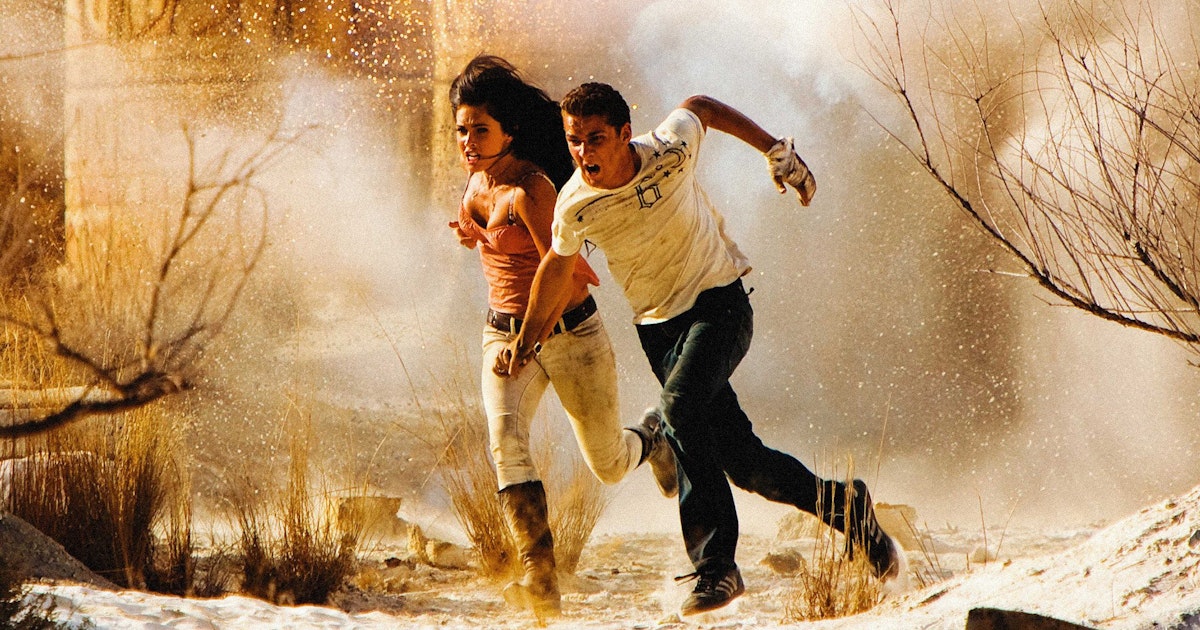
There was a time as recently as 2007 that a movie could get a lousy score on Rotten Tomatoes and still do well at the box office. Most recently, movies like “Transformers: Revenge of the Fallen” were the poster boy for this phenomenon. That movie earned a pitiful 19 percent on the Tomatometer, but it still managed to rake in over $836 million at the box office.

Personally, I really enjoyed that movie. I thought it was a lot of fun, despite Shia Lebouf’s goofy demeanor, at times. However, that movie might have been the last of its kind in that it failed so hard with critics, but still made plenty of money, both domestically and at the foreign box office. Later movies did much worse domestically and had to rely on international box office receipts to turn a profit.

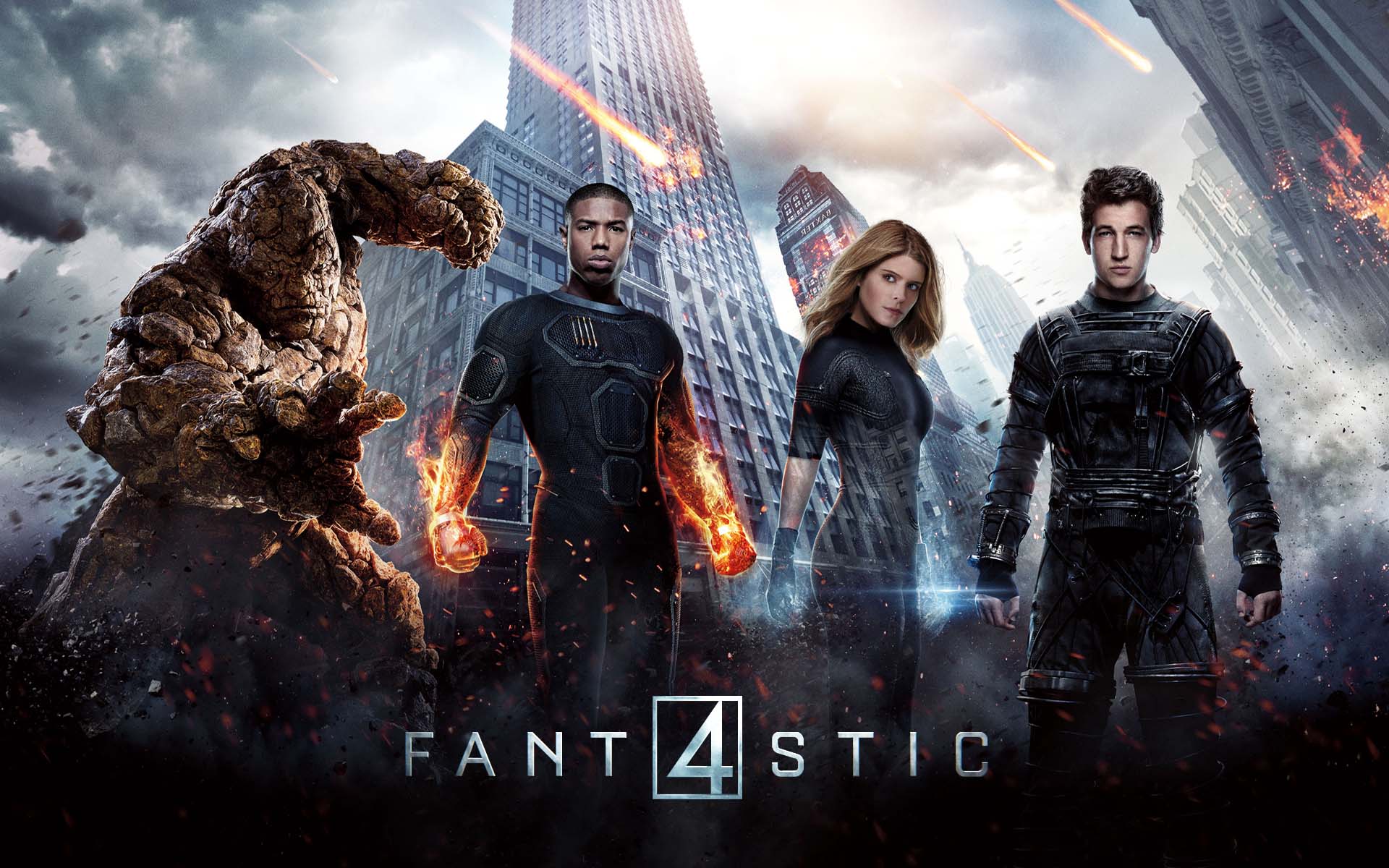
Since then, a bat Tomatometer score can really hurt a movie’s profits. Most recently, the two movies that suffered this the most were “Fantastic Four” and “Batman v. Superman: Dawn of Justice.” Both of these movies didn’t just under-perform. In some cases, major studios singled them out as a reason for declining profits.

Even more recently, the “Justice League” movie took a major hit when its Tomatometer score tanked, even though the majority of audiences liked it. There’s already a lot of doomsaying going on that, due to the poor reception of the movie, it could end up losing a great deal of money for Warner Brothers.

Think about that for a moment. The critics hated that movie, but the audiences loved it. However, due to the poor Tomatometer score, a movie like “Justice League” is doomed to go down in history as a failure. Even if the point of the movie is to entertain the audience, which “Justice League” seemed to achieve, it’s going to fail because a handful of critics said so.

This is where the influence of Rotten Tomatoes gets kind of scary. There are a great many movies that audiences love, such as “Independence Day” and “Home Alone” that have lousy Tomatometer scores, but were still huge box office successes. They succeeded because they pleased audiences and not critics. They’re certainly not the only ones.

If those movies had come out today, then they wouldn’t have been as much a success. Today, it’s easier than ever to look up how acclaimed a movie is and judge its quality, based on its score. Some of the people who ended up loving movies “Home Alone” might never have seen it, just because of the Tomatometer.

On some levels, that’s understandable. People don’t want to pay to see a movie that sucks. We waste our money on enough crap these days. We don’t want to pay $15 to see a movie we don’t like. However, how do we even know we won’t like it until we see it? Are we really going to trust critics to do that kind of thinking for us?

Now, there will be some who never pay much attention to what critics say. Even if Rotten Tomatoes had been around years ago, I still would’ve seen “Dude Where’s My Care?” because that’s just the kind of guilty pleasure movie I love.

However, if too many studios are concerned about what the almighty Tomatometer says, then movies like that might not even get made in the first place. Sure, the world wouldn’t change much if a movie like “Dude Where’s My Care?” had never been made, but that’s not the point.

If an entire industry is going to obsess over what a handful of critics on Rotten Tomatoes say about their movie, then they’re going to focus on pleasing them instead of audiences. This has already caused some consternation among movie fans, some of which suspect that there’s something corrupt going on behind the scenes.

While I don’t usually subscribe to conspiracy theories, I don’t think this one would take a full-blown CIA operation to achieve. If a movie studio wants to spend a few extra million dollars bribing movie critics to prop up their Tomatometer score, then I can’t think of how anyone could stop them.

Sure, it’s unethical, but nobody is going to prison for that. Human nature tells us that if there’s a low-risk way to achieve high-risk returns with little chance of getting caught and only minor repercussions at best, then it probably will happen at some point. It’s not unreasonable to suspect that it has happened in the past, but those involved are smart enough not to get caught.

With the Rotten Tomatoes, though, that kind of corruption becomes even easier because the result is quantifiable. You can see it in the Tomatometer score of a movie. It’s hard to imagine such a powerful tool not getting corrupted at some point.

For now, I suspect this trend will continue with Rotten Tomatoes wielding greater and greater power over a movie’s success. That trend could easily change or reverse down the line. For now, though, I won’t go so far as to say that Rotten Tomatoes is actively ruining movies. I’ll just say that it’s setting a dangerous precedent.

1 Comment

Filed under Celebrities and Celebrity Culture, Current Events, Movie Reviews

My Top 5 Favorite Fan Theories

There are many guilty pleasures on the internet these days, although only a few require a total clearing of your browser history. I don’t deny enjoying some of those pleasures, but there is one in particular that I’ve grown fond of in recent years. It’s one of the few that requires extra thinking, but in a fun, non-tedious sort of way.

I’m referring about fan theories, also known as the biggest chunk of Reddit that doesn’t involve celebrities answering random questions about their genitals. Now, I didn’t realize how much I loved fan theories until I started exploring them. Like pumpkin spice lattes, they’re one of those strange novelties you don’t know you like until you try them.

I didn’t even know they were a thing until Cracked.com started doing articles about them. I was among those who didn’t bother reading too much into a TV show, movie, or song. I just took them in, singled out the ones that had beautiful women in bikinis, and enjoyed the extra butter in my popcorn. Fan theories inspired me to dig a little deeper and sometimes, it can change the overall experience for the better.

Granted, some fan theories are going to be much more absurd than others, as many “Game of Thrones” fans will attest. Some are so absurd that creators have to come out and shoot it down, as a “Friends” co-creator had to do when a theory involving Phoebe and meth-fueled fantasies gained popularity. Yes, these theories can get that crazy.

Sure, those crazier fan theories are good for a laugh, but I prefer fan theories that add nuance and depth to the story. Even if they require a few contrivances here and there, I find that they enhance the overall impact of the narrative. Sometimes, they can even clarify some ambiguous plot points.

As a general fan of stories that have impact, both in the heart and in the loins, there are certain fan theories that resonate with me more than others. That’s why I’d like to list my top five favorite fan theories and why I think they improve the overall story. If nothing else, I hope it gets people to watch a little closer at the media they consume. They may surprise themselves by how a little imagination can add to the experience.


Fan Theory #1: James Bond Is A Title, Not A Name

This fan theory is beautiful in its simplicity. It doesn’t require a huge stretch of the imagination. If anything, it helps connect a few dots that you didn’t even know where there. No matter which version of James Bond you prefer, from Sean Connery to Daniel Craig, this theory fits into it.

The concept is simple. James Bond, like the 007 designation itself, isn’t the name of an actual person. It’s a title. This doesn’t necessarily mean that every James Bond movie ever made fits into the same continuity. It just means James Bond is less a person and more a concept.

He represents the epitome of a spy, a badass, and a smooth-talking ladies man. In every era, from the Cold War to today, there’s a need for men like that. James Bond represents the ideal for those men. Like Navy Seals, only a few have what it takes. Those select few earn the right to go by that name that makes women of all eras swoon. I find that inherently poetic.

If you subscribe to this theory, it even enhances other movies. It ties directly into a theory about the movie, “The Rock,” and somehow it makes Sean Connery even more badass. The sheer reach of this theory is part of why it’s my favorite.


Fan Theory #2: Stan Lee Is The Watcher

As a die-hard comic book fan, which I’ve made clear on many occasions, this theory is near and dear to my heart, if only because it further immortalizes the legend that is Stan “The Man” Lee.

As anyone who has seen a Marvel movie since 2000 knows, Stan Lee often appears as a cameo in every movie. From a hot dog vendor in “X2: X-men United” to a Fed Ex guy in “Captain America: Civil War,” he seems to pop up everywhere, regardless of which studio owns the movie rights.

Well, this fan theory takes those appearances and turns them into something more than just a fun gimmick. It says that Stan is actually playing the same character in all his appearances, namely that of Uatu, The Watcher. Those who know Marvel lore understand why this is a big deal and why it makes so much sense.

The Watcher is like a cosmic historian, documenting and cataloging every major event in the Marvel universe, going back to the beginning. He’s been known to change appearance and show up unexpectedly throughout the comics. Who better encapsulates that spirit other than Stan “The Man” Lee?

This is actually one of those theories that became so popular that it was effectively confirmed in “Guardians of the Galaxy Volume 2” wherein Stan Lee is shown interacting with the Watchers. It could mean that this theory might expand the breadth of the entire Marvel Cinematic Universe, a feat that only Stan himself could hope to accomplish.


Fan Theory #3: R2-D2 And Chewbacca Are Secret Rebel Agents

I don’t deny it. I’ve seen every Star Wars movie to date in the theaters and I love every one of them, Jar Jar Binks notwithstanding. I know there’s a popular Jar Jar fan theory that helps make “The Phantom Menace” somewhat more interesting, but I don’t think it does much to enhance the overall saga.

That’s why this theory about R2-D2 and Chewbacca is much more intriguing. It claims that at the end of “Revenge of the Sith,” R2 did not get its memory wiped. Why would it? It witnessed the rise of the Empire and the fall of Anakin Skywalker. That’s very useful information for the future rebellion.

However, R2 and anyone else associated with the old Jedi order needs to lay low once Palpatine comes to power. That’s where Chewbacca comes in, who already established a relationship with Yoda in “Revenge of the Sith.” By becoming an agent of Yoda and the rebels, he can coordinate with R2 to spread intel among the rebellion right under the Empire’s nose.

It also explains how he ended up with Han Solo, a smuggler who constantly annoys the empire with his criminal activities. By being on Tattooine, he can keep an eye on Luke along with Obi-Wan while relaying intel.

More than any other theory, it provides connective tissue between the prequels and the sequels. It also makes R2 even more lovable, which in and of itself is quite an accomplishment.


Fan Theory #4: Andy’s Parents Are Going Through (A Nasty) Divorce

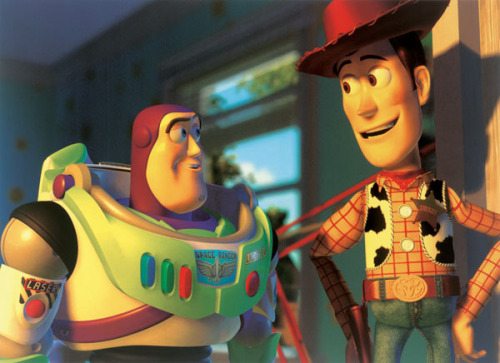
Honestly, who doesn’t love “Toy Story?” I question the emotional health of anyone who doesn’t. It’s such a fun, upbeat story full of heart and emotion. It helped make Pixar the gold standard for animated movies that make adults cry like children.

Well, get some tissues because this fan theory makes “Toy Story” just a little bit more emotional, if you can believe that. It helps make sense of why Andy is so imaginative, preferring to play with toys for hours on end in his room. The answer is simple, but solemn. His parents are going through a nasty divorce.

While there’s nothing in the movies that directly hint at it, the absence of Andy’s father is somewhat telling. Some eagle-eyed fans have even pointed out that Andy’s mother isn’t wearing a wedding ring. That hints that there’s something amiss in his home life. Either Andy’s father left his family or he got kicked out of the house. It also explains why the family was moving in the first movie.

I like this theory because it adds some context to Andy’s home life. It makes me understand why he loves his toys so much. He creates these wonderful worlds in his mind to escape and cope with a tough situation. Compared to what he could’ve done, I think it’s both healthy and refreshing.


Fan Theory #5: The Dinosaurs In “Jurassic Park” Are NOT Dinosaurs

The appeal of “Jurassic Park” is pretty easy to understand. In terms of summer blockbusters, it checks all the right boxes. It involves cute kids, running from monsters, and wondrous imagery that doesn’t entirely rely on CGI. It’s so wondrous that you don’t care that the dinosaurs in that movie look nothing like actual dinosaurs and the science behind making them is impossible in the real world.

That’s why this fan theory is so compelling because it adds an extra layer to that wonder. Simply put, Jurassic Park has no dinosaurs. All those creatures you see in every movie aren’t based on any actual creatures that once lived. They were all genetically engineered to simply look like what people think are dinosaurs.

While that may help make sense of why the creatures in the movies don’t resemble anything we see in the fossil record, it adds an even greater amount of intrigue to “Jurassic Park” because it gives Dr. Hammond a more subtle motivation. Why would he even ask a couple of paleontologist to visit his park in the first place?

This theory gives a more clear-cut answer in that Hammond knew that if he could fool a couple of paleontologists, then he knew he was onto something. He could call the creatures in his park dinosaurs instead of some zoo for genetic monstrosities. Remember, he wants to appeal to family and kids.

This theory, like the Stan Lee/Watcher theory, actually got some level of confirmation in “Jurassic World.” In that movie, Dr. Henry Wu flat out says that “there are no dinosaurs in Jurassic World.” Everything was engineered to up the spectacle. It’s one of those theories that makes too much sense, but in a good way.

2 Comments

Filed under Celebrities and Celebrity Culture, Comic Books, Jack Fisher, Superheroes, Jack Fisher's Insights

How “Happy Death Day” (Surprisingly) Enriches Horror/Slasher Movies

When it comes to horror/slasher movies, it’s hard to break new ground these days. That’s because most still cling to the tried and true formula established by the likes of “Friday The 13th” and “Halloween.” That means there is usually going to be some crazed killer, some horny teenagers, and some sweet, yet sexy virgin who survives it all. You can practically set your watch to it, along with the standard jump scares.

It’s for that reason that slasher movies aren’t really as big a draw as they used to be. On top of that, they tend to be annoyingly sex negative and not in a subtle way either. If you’re a horny teenager in a slasher movie, then there’s a 99 percent chance you’ll be dead by the time the credits roll.

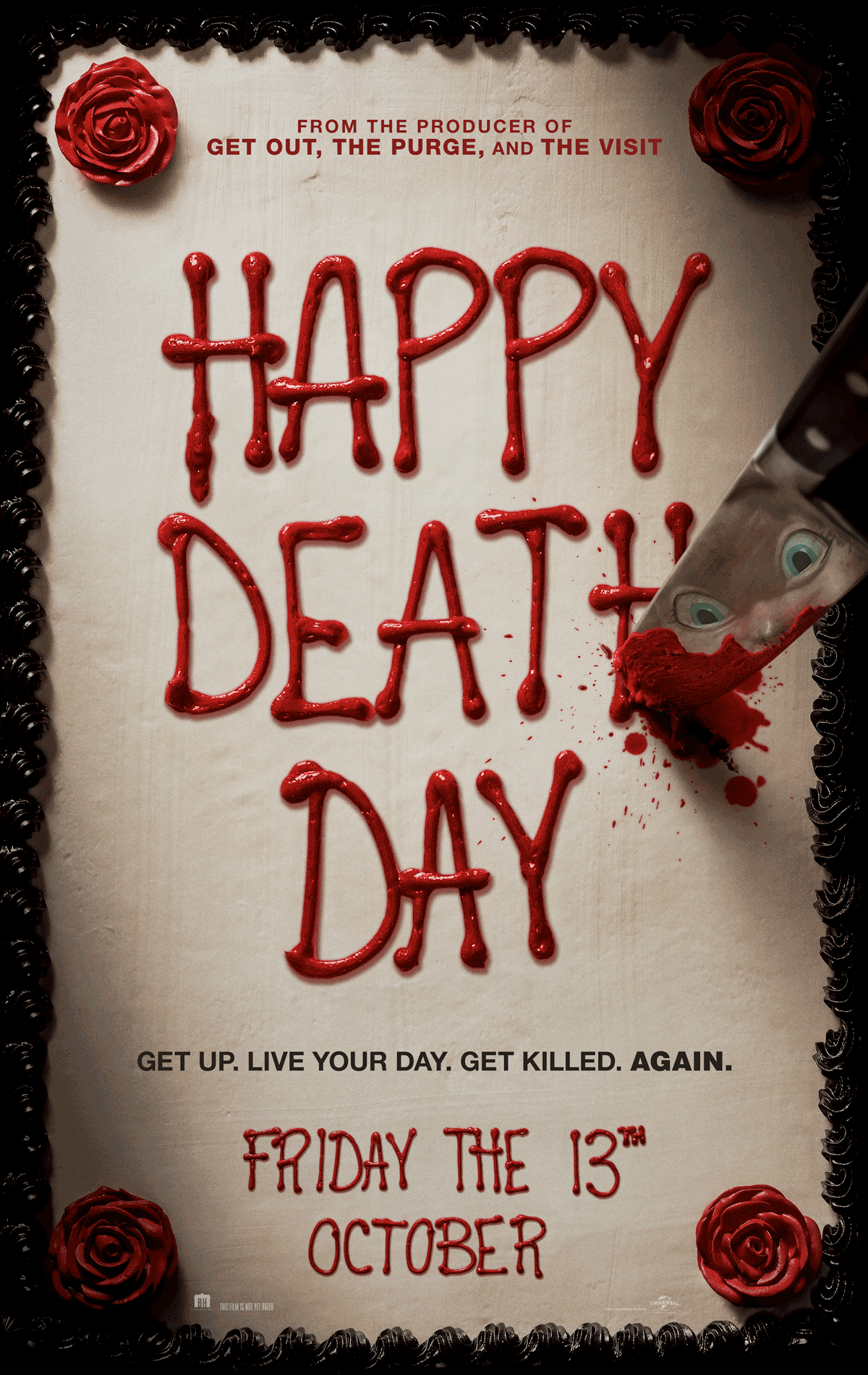
That’s why when a movie comes along to shake up that narrative, it’s worth noticing. That brings me to a recent horror movie that caught my intrigue and defied my expectations. It’s called “Happy Death Day” and, apart from the goofy title, it accomplishes something remarkable.

The first major accomplishment, for me personally, is that the trailer actually made me want to see the movie. In this era where every movie trailer follows a similar formula, we’ve all become fairly numb to their effects. We know what they’re trying to do and how they’re trying to do it. Unless you were already planning to see the movie, as is often the case with superhero movies, then a trailer probably won’t do much.

With “Happy Death Day,” the trailer struck a chord for me because it presented a different kind of slasher/horror movie. Moreover, it did so in a way where the concept was more appealing than the actual slashing/horror. Whereas most horror movies will try to build every promotional effort around that horror, “Happy Death Day” threw something else into the mix that proved enticing.

That concept may not seem radically new, on paper. “Happy Death Day” doesn’t radically reinvent the genre as much as it innovates with established concepts. It’s basically a combination of “Friday The 13th,” “Final Destination,” and “Groundhog Day.” It uses familiar themes like masked killers, time loops, and  exceedingly elaborate scenes. However, it’s the way in which they’re presented that makes the movie work.

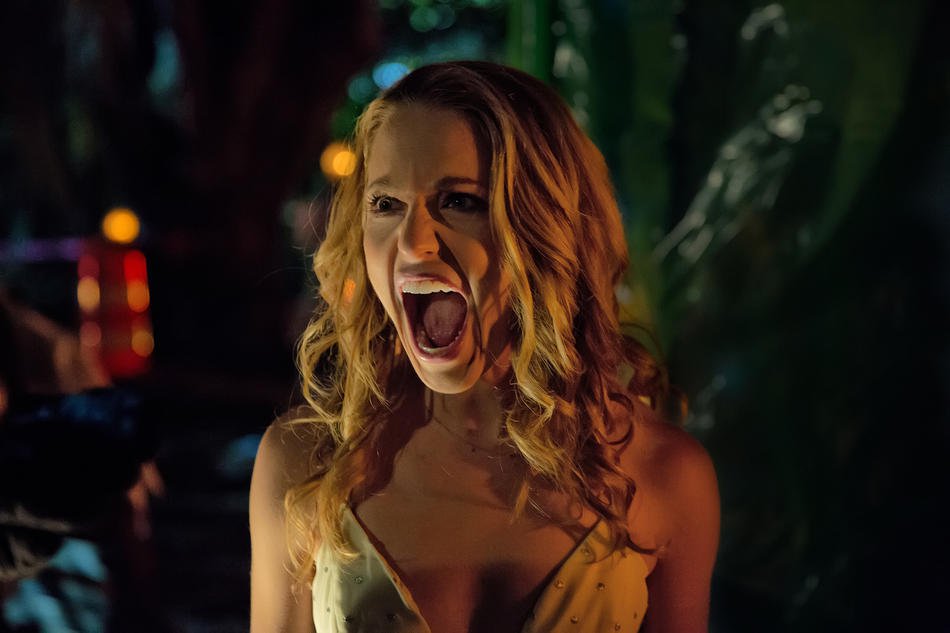
It also helps that the presentation is done through a beautiful female protagonist named Teresa “Tree” Gelbman, who is played by a very emotive Jessica Rothe. Beyond being a pretty face, though, Tree embodies everything audiences love to hate about beautiful, sexually active women in horror movies.

She’s shallow, callous, self-centered, dismissive, and just plain mean. I won’t say she’s on the same level as Regina George from “Mean Girls,” but she’s in the same time zone. Essentially, she’s basically a female version of Phil Connors in “Groundhog Day” in the sense that she’s a fairly reprehensible person that we’re not supposed to like from the get-go.

When someone is nice to her, she just blows them off. When someone tries to wish her a happy birthday, she just rolls her eyes. On top of that, she’s openly promiscuous, hooking up with her friends’ boyfriends and having an affair with her married teacher. By every measure, this is a girl who should be at the top of Jason Voorhees’ kill list.

However, “Happy Death Day” actually digs a bit deeper than “Groundhog Day” in that, over the course of the movie, we learn why Tree is the way she is. She isn’t just bitchy for the sake of being bitchy. There’s a reason for it and as the movie goes on, it’s hard not to root for her as she struggles against her killer.

Speaking of her killer, that’s another part about “Happy Death Day” that stands out. Unlike Freddy Krueger or Jason Voorhees, there’s never a sense that this killer is someone to root for. In typical slasher movies, it’s easy to root for the killer because they have a certain personality or charisma to them. That’s not the case here. In a sense, the killer in this movie is less a person and more deadly obstacle for Tree to overcome.

I don’t want to reveal too much about the killer because that would be getting into spoiler territory. I enjoyed this movie enough to actually want people to go and see it or rent it. This movie definitely is worth seeing because it doesn’t play out entirely like a traditional slasher/horror movie. There are twists and turns that help it stand out.

That leads me to one of the most unique and intriguing elements of “Happy Death Day.” Unlike so many other slasher movies, this movie doesn’t implicitly penalize characters for being overly sexual. I won’t go so far as to say it’s sex positive, like the “Deadpool” movie. Essentially, it’s entirely sex neutral and for a horror movie, that’s still pretty remarkable.

What happens to Tree in “Happy Death Day” has nothing to do with the fact that she’s a beautiful young woman who enjoys having sex for the fun of it. If you take away the sex, but keep the rest of her personality traits intact, she’s still the same person. She would still be subject to the same horrors that unfold throughout the movie.

Her being trapped in an endless cycle of being killed and re-killed has little to do with her promiscuity and everything to do with what a rotten person she is. That’s the part of her that puts her in the crosshairs of a killer. Overcoming that rotten persona is every bit the struggle as the one that involves running from a psycho-killer.

Needless to say, it gets pretty chaotic and messy. Being a horror/slasher movie,  “Happy Death Day” has more than its share of gratuitous violence and bloodshed. That’s one horror element that this movie doesn’t try to subvert, but it doesn’t have to. It just makes it work in a whole new way.

Now, I enjoyed this movie thoroughly. I highly recommend others see it as well, either in theaters or on TV when it comes out. That’s not to say it’s flawless, though. There are some elements in “Happy Death Day” that left much to be desired.

For one, the movie is rated PG-13. While I understand the studio wanting to appeal to a wider audiences, I think that was a mistake for a horror/slasher movie. At times, the violence and nudity seem incredibly watered-down. Compared to a standard “Friday The 13th” sequel, it felt unbelievably tame.

On top of that, some of the supporting characters, namely the nice/generic love interest, Carter Davis, played by Israel Broussard, left a lot to be desired. Carter is likable and all, but he comes off as too flat. There’s never a sense that he and Tree should be together for any other reason beside the fact he’s nice. While it never feels outright forced, it lacks depth.

There’s also the somewhat tongue-in-cheek humor that the movie tries to squeeze in. It tries to be meta in that it acknowledges that elements of the story are similar to “Groundhog Day.” This effort falls somewhat flat and kind of takes away from the drama. I get why it’s there since the parallels are so obvious, but saying it out loud really undermines the mood.

Even with those shortcomings, “Happy Death Day” was still an incredibly enjoyable experience. I honestly can’t remember the last time I enjoyed seeing a horror/slasher movie in the theater. The concept, the story, and the characters involved all offered a unique appeal, one that dared to defy traditional horror formulas. For that, I give this movie two thumbs up and a special place on my list of horror movies.


1 Comment

Filed under Movie Reviews, sex in media