

The following is my review for “The Life of Captain Marvel #1” that I wrote for PopMatters. Enjoy!
‘The Life of Captain Marvel #1’ Comic Preps Fans for the Upcoming ‘Captain Marvel’ Film
The following is my review for “The Life of Captain Marvel #1” that I wrote for PopMatters. Enjoy!
‘The Life of Captain Marvel #1’ Comic Preps Fans for the Upcoming ‘Captain Marvel’ Film
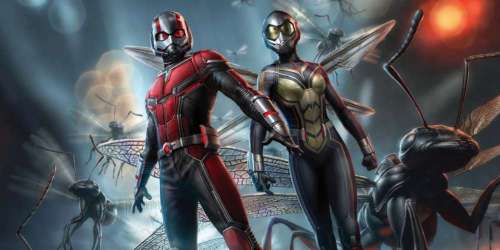
Whenever I go into a Marvel movie these days, I often wonder whether this will be the movie that finally derails the Marvel Cinematic Universe’s unprecedented winning streak. Whenever I to go to see any other kind of superhero movie, I just wonder whether or not it’ll fail miserably. For some, the extent of that failure can be pretty egregious.
It says something about the brand that Kevin Feige and Disney have created when the quality of a movie is assumed by the audience. Ever since the first “Iron Man,” the MCU has found ways to raise the bar, match it, raise it again, and make billions in the process. The brand is so strong that it can turn obscure comics involving talking raccoons into a global phenomenon.
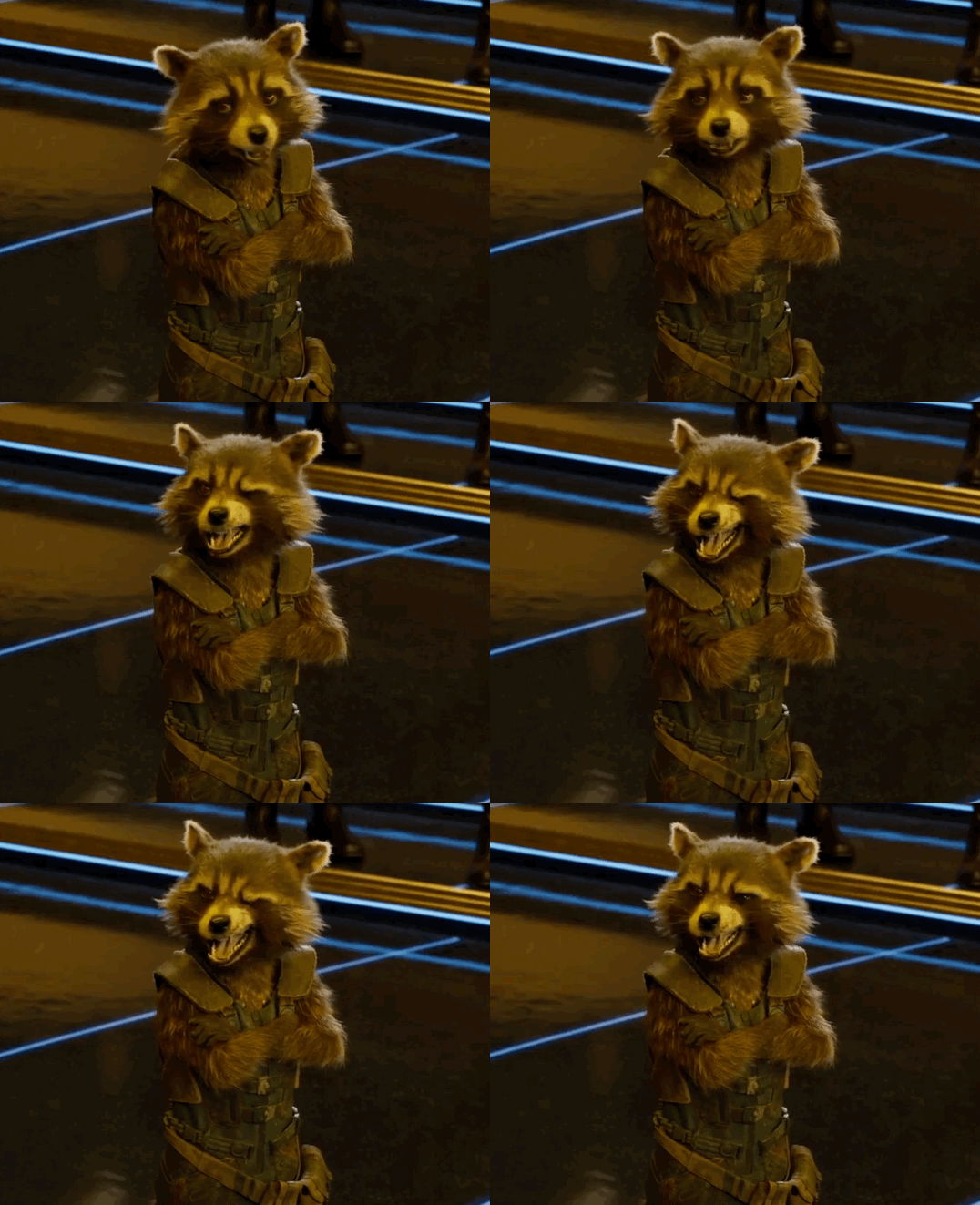
It’s for that reason I wasn’t at all surprised when Feige and our Disney overlords turned “Ant Man” into another successful franchise. Granted, he’s not nearly on the same level as Iron Man or Captain America, but he doesn’t have to be. The fact his first movie made over $500 million is proof that even obscure characters can play a part in the MCU’s winning streak.
For the most part, I thought “Ant Man” was a decent movie. It was fun, but not on the same level as “Guardians of the Galaxy” or “Thor: Ragnarok.” However, what really got me excited for the inevitable sequel was the promise of a more meaningful romantic sub-plot between Scott Lang and Hope Van Dyne.
When I heard that the title of the sequel was “Ant Man and the Wasp,” I grew even more hopeful. The first movie did a lot to establish the connection between Scott and Hope. Unlike the other romantic connections that have emerged in the MCU, this one had the potential to become something more than just a standard plot device.

It’s an understated, but emerging issue in the MCU. When it comes to romance, Marvel movies have a frustrating tendency to only go so far. Sure, it has romantic moments between Captain America and Peggy Carter, Tony Stark and Pepper Potts, and Black Panther and Nakia. However, those moments rarely go beyond moving the plot forward.
With Ant Man and Wasp, there’s an opportunity to inject a more refined level of romance into the Marvel Cinematic Universe. Beyond just giving characters added motivation, this is a relationship that can function more like a partnership rather than a plot catalyst. A good romance, after all, is an exercise in developing quality partnerships.
This is what I was hoping to see with “Ant Man and the Wasp” in addition to Paul Rudd finding new ways to be hilarious. Being a self-professed lover of romance, I wanted to see this romantic evolution happen on-screen and within the context of a larger story. Looking back on it, I might have been hoping for too much.

That’s not to say my hopes were dashed for this movie. I’ll gladly go on record as saying that “Ant Man and the Wasp” is a solid movie that improves on its predecessor. At the same time, though, I felt this movie was a missed opportunity to give the MCU an element that it has been sorely lacking for a while now.
Ever since Thor’s relationship with Jane Foster was unceremoniously cast aside after “Thor: The Dark World,” Marvel movies have been doing the bare minimum when it comes to romance. I would argue that has been part of a larger trend within superhero movie not involving Deadpool.
From the beginning, “Ant Man and the Wasp” sets itself apart by having Scott Lang and Hope Van Dyne operate as an equal partnership. They both have plenty of moments where they show off their skill. Hope gets to show off early by really shining as Wasp. Scott contributes later on in ways that are both cunning and hilarious.

In my opinion, the most important achievement of this movie is establishing how complementary Hope and Scott are as a duo. On their own, they show they’re plenty capable. However, they can only achieve what they want when they work together. That, in essence, is the foundation of any meaningful romance.
Unfortunately, “Ant Man and the Wasp” doesn’t do much to build on that foundation. There are a few romantic moments, but they’re very small and usually involve puppy love glances. There aren’t any instances where Hope and Scott get that intimate. They work together and they work well, but it’s exceedingly basic.
There’s never an impression that their relationship deserves to be elevated above a relationship like Thor and Jane. Even though Hope and Scott is a lot more balanced in terms of how they function together, it’s not necessarily the kind of love story that will strike an emotional chord.
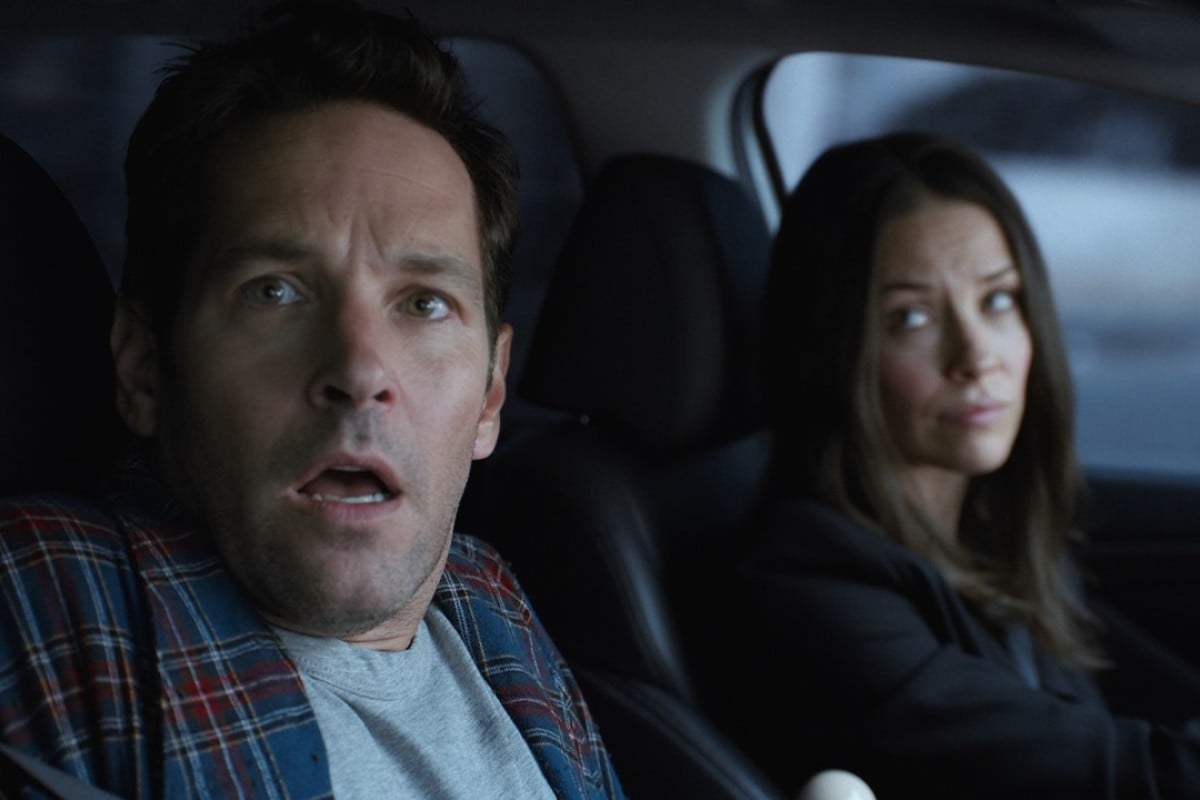
They work well together and they’re attracted to one another. Their romance is basically not that different than a typical office romance. In many respects, their relationship is overshadowed by the one between Hank Pym and his missing wife, Janet. That ends up being a more compelling love story, which is saying a lot given the complications of their relationship in the comics.
Even that romantic element is relatively basic, though. Much of the conflict revolves around Ant Man and Wasp’s efforts to save Janet from the quantum realm, where she’s been trapped for years. It creates plenty of family-driven drama, which certainly has its appeal. In terms of overall drama, though, it only goes so far.
Outside those romantic elements, “Ant Man and the Wasp” does everything it needs to in order to maintain the brand of the MCU. It’s coherent, concise, and entertaining. The movie relies heavily on the comedic elements, which fits perfectly for a character who rides around on ants.

Ant Man is not Black Panther, Captain America, or Thor. Wasp is not Black Widow, Gamora, or Peggy Carter. They don’t try to be more than who they are. They stick to the core of their character. In an era where superheroes try too hard to be like Batman, this counts as an accomplishment.
In this same era, there’s a similar effort to develop more balanced female characters who aren’t Wonder Woman. Wasp definitely counts as progress in that effort. She can hold her own, kick ass, and complement those around her, whether that’s Scott Lang or Hank Pym. She’s still no Wonder Woman, but Marvel may be saving that effort for “Captain Marvel.”

In terms of the villain in this movie, “Ant Man and the Wasp” manages to get by with Ghost. While there is some intrigue with her character, she does little to make herself memorable. Compared to Erik Killmonger, who stole the show in “Black Panther,” Ghost was more an obstacle than a villain. She still got the job done and did so with personality.
Overall, if I had to score “Ant Man and the Wasp,” I would give it a 7 out of 10. It’s an all-around solid movie that’s fun, entertaining, and satisfying. It’s definitely a breath of fresh air after the grim circumstances surrounding “Avengers: Infinity War,” at least until the post-credits scene. However, the romance lover in me still feels that it left much of its potential untapped.
Filed under Movie Reviews, movies, romance, superhero movies
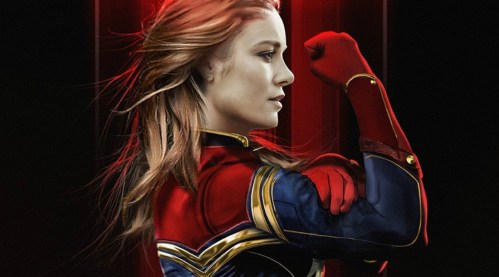
When a team is on an epic winning streak, it creates the perception that they have some supernatural ability to defy the law of averages and bend reality to their will. It happened to the 2007 New England Patriots. It happened to the 2016 Golden State Warriors. They had this aura of invincibility that made it seem as though they could never lose.
That made their eventual loss, both in championship games no less, that much more painful. However, I would argue that the winning aura of those teams pales in comparison to that of the Marvel Cinematic Universe. If the MCU were a sports team, it would include the likes of Michael Jordan, Tom Brady, LeBron James, Wayne Gretzky, Tiger Woods, and Muhammad Ali in their primes and on crack.
To say that Marvel’s movie franchises are on a winning streak would be like saying a hungry lion has a slight edge over a wounded squirrel. The Marvel Cinematic Universe hasn’t just made superhero movies the gold standard of the box office by raking in $16.8 billion worldwide to date. It has set the bar so high that even close rivals have essentially given up.

Disney, Marvel Studios, and Kevin Feige are riding higher than anyone thought possible, especially for those who still have nightmares about “Batman and Robin.” With both “Black Panther” and “Avengers: Infinity War” breaking a fresh round of records this year, it seems as though that winning streak is only accelerating.
I say all this not just to belabor how much the MCU has accomplished over the past ten years. I say it as a fan who loves Marvel comics and wants to see it keep winning. However, even with “Avengers 4” set to come out next year and make another couple billion, I believe this streak of superhero movie excellence is vulnerable.
It’s no secret that “Avengers 4” will likely mark the end of an era. Kevin Feige has gone on record as saying that this movie will act as an endgame, of sorts. While makes clear that the MCU will continue, with movies planned out until 2025, he also indicates that there will be major upheavals.

That’s somewhat necessary because with the conclusion of “Avengers 4,” many of the contracts for MCU stalwarts like Robert Downy Jr., Chris Evans, and Chris Hemsworth are set to expire. While it’s possible that some may find a way to keep going, others like Chris Evans have made clear that their time in the MCU is almost over.
That means for the MCU to continue its winning streak, it needs to move forward with new characters, new actors, and new ideas. It has to find a way to keep this world moving forward, potentially without the likes of Captain America, Iron Man, and Thor. That’s a huge challenge, even for a franchise on an unprecedented winning streak, and the comics have already failed to fill those voids.
That’s where Carol “Captain Marvel” Danvers comes in. If you saw the post-credits scene for “Avengers: Infinity War,” you know why she’s about to become very relevant to the MCU. I’ve talked about her before and established how things could easily go wrong with her upcoming movie. I imagine I’ll have a lot more to talk about in the coming months.
/2014%2F10%2F29%2Ffa%2FCaptainMarv.e9f29.jpg)
I don’t think it’s unreasonable to say that Carol Danvers and her upcoming movie, which is slated for release in March 2018, is the most important movie in the history of the genre. I believe this movie may very well determine whether the winning streak of the Marvel Cinematic Universe continues or finally falters.
I say that as someone who loves Carol Danvers as Captain Marvel. Back in 2012, Kelly Sue DeConnick effectively reinvented the character in a way that convinced me that she deserves a prominent role in any Marvel universe. In my opinion, she’s essentially Marvel’s version Wonder Woman.
Her movie has so much going for it. “Wonder Woman” established that female superhero movies could be a hit at the box office and garner critical acclaim, despite the scars left by “Catwoman.” On some levels, “Captain Marvel” is facing a lot less pressure and it has the momentum of “Avengers: Infinity War” behind it.
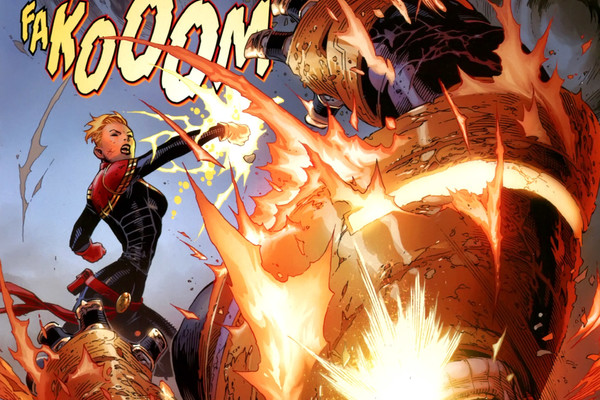
However, the stakes are actually higher for this movie compared to everything “Wonder Woman” faced. Recently, Kevin Feige stated that Carol Danvers will be the new face of the MCU. From a purely logistical standpoint, that makes sense. The MCU needs a new unifying force if Chris Evans’ Captain America is to make his final stand in “Avengers 4.”
I believe Carol can pull it off, as well. She has taken on more leadership roles in the comics and has become a central member of the Avengers’ main team. Combine that with Brie Larson’s charisma and Carol Danvers has all the tools she needs to keep the MCU’s winning streak going.
I believe she can do this simply by being the kind of character that Kelly Sue DeConnick molded six years ago. That version of Carol Danvers emerged from years of being a secondary character in Ms. Marvel who rarely got a chance to achieve the same recognition as her peers. She’s a classic case of a character who elevated themselves by embracing a new identity, a new purpose, and greater ambition.

DeConnick established Carol as someone who achieves so much in one field, but dares to seek greater challenges beyond. She contributed to the Avengers for years, but never pursued a greater vision until she became Captain Marvel. That idea of someone looking to the stars, seeking to achieve more, and pursuing it with unmatched drive is what will help her succeed in ways on par with Wonder Woman.
At the same time, though, there are potential risks and Captain Marvel may be more vulnerable to them than Wonder Woman. While Kelly Sue DeConnick did a lot to reinvent Carol Danvers for a new era, she has faltered somewhat. Recent events in the comics have put her heroic merits into question for all the wrong reasons. Some of Brie Larson’s politically-charged rhetoric hasn’t helped either.
To some extent, Carol’s reputation has faltered because in elevating her status in the comics, she has been hit with the dreaded Galbrush Paradox. The quirks that DeConnick introduced, such as Carol being a Star Wars fan and having a love interest in James Rhodes, have eroded in recent years. In addition, even her artistic depictions have devolved by reducing her feminine features for no apparent reason.

In wake of the vitriol that Star Wars received for its portrayal of female characters, I worry that “Captain Marvel” runs the risk of inviting a similar backlash. If Carol Danvers is not sufficiently compelling, she runs the risk of getting hit with the Mary Sue label that has plagued Rey since “Star Wars: The Force Awakens.”
The worse case scenario, in my opinion, involves turning Carol Danvers into a Captain America or Iron Man stand-in. In the absence of these iconic characters, and their top name actors, Feige and those at Marvel Studios may be tempted to make her too much like them. That would be a huge mistake, especially for an organization on such a huge winning streak.
Carol Danvers is not Steve Rogers, nor is she Tony Stark. She’s not just a woman who takes on a man’s role either. She’s still a woman and, especially under DeConnick, her womanly traits were on display alongside her more badass features. It’s not groundbreaking because Wonder Woman struck just the right balance, having her fight alongside men while still acting like a woman.

In the best case scenario, Carol Danvers follows Wonder Woman’s example and establishes herself as someone worthy of carrying the MCU forward. Unlike Rey, she’s a character with plenty of compelling lore to work with. The key is finding the right blend that’ll help her fit into the Marvel Cinematic Universe.
At this point, without a trailer and only a few teases to go on, it could go either way for “Captain Marvel.” It could be the next in a long line of successes or it could be the MCU’s first failure. To date, Kevin Feige and those at Marvel Studios have shown time and again that they know what they’re doing.

Hell, they took an obscure series involving a talking raccoon and made it a global brand. Until they show they’re capable of screwing up, I’ll continue to give them the benefit of the doubt. At the same time, though, I think it’s worth bracing for that inevitable setback. All winning streaks come to an end. I just hope “Captain Marvel” isn’t the one that ends it.
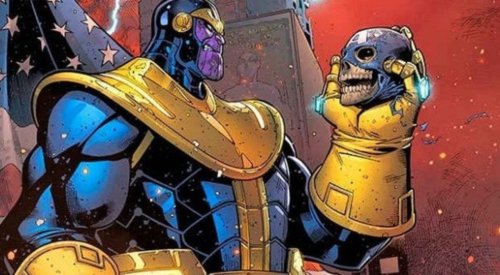
We’re living in a golden age, of sorts. If you’re fan of comic books, superhero movies, and complex villains, you’ve got a lot to appreciate. Between the emergence of complex villains like Walter White and the dominance of superhero movies at the box office, “Black Panther” and “Avengers: Infinity War” being the latest, these are amazing times indeed.
It wasn’t that long ago that villains were barely distinguishable from a well-designed speed bump. Sure, there were memorable villains, but unless they came from the mind of George Lucas or Francis Ford Coppola, they weren’t that memorable. They only ever existed to make the hero more heroic.
That all changed when Health Ledger raised the bar as the Joker in “The Dark Knight.” That Oscar-winning performance, more than anything, proved that villains could be both compelling and have motivations that go beyond pissing off the hero. More recently, Thanos in “Avengers: Infinity War” has set a new standard that would make the Joker’s grin even wider.

As wonderful a time this is for fans of heroes and villains, alike, that added complexity comes with a few uncomfortable side-effects. In order for a villain to be compelling, they have to have some kind of motivation beyond just wanting to kill the hero. They have to have a goal or desire that ordinary, non-villainous people can understand and empathize with.
Heath Ledger’s Joker was an agent of death and chaos, but he found a way to make that seem right in the twisted, crime-ridden world of Batman. Thanos did the same with “Avengers: Infinity War.” What he did was on a much bigger scale than the Joker, but why he did it is actually part of what made him so menacing.
He didn’t want to wipe out half of all life in the universe out of sadism, hatred, or vengeance either. He didn’t even do it for the same reason he did it in the comics, which involved him falling in love with the female personification of death. I swear I’m not making that up. It’s one of those rare occasions that it’s good that the movie didn’t follow the comics too closely.

As the action-packed spectacle plays out in “Avengers: Infinity War,” Thanos goes out of his way to justify what he’s doing. It’s monstrous, brutal, and outright genocidal. At the same time, however, he really thinks he’s doing the right thing. He genuinely believes that the universe will benefit more than it loses by killing half of all life.
The way he goes about justifying such an atrocity is part of what makes “Avengers: Infinity War” such an incredible movie, as I made abundantly clear in my review. His motivations are presented so well that it’s hard not to ask the disturbing, yet pertinent question. Is Thanos right? Even if it’s only in part, is there some twisted merit to culling an entire population at that scale?
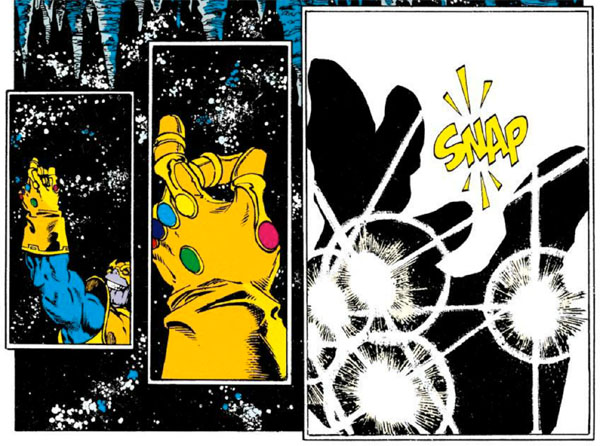
They’re deplorable questions with even more deplorable answers. Nobody who isn’t openly pro-genocide can condone Thanos’ methods. Even so, it’s a question that’s hard to leave unanswered. Even if that question itself disgusts us, it’s still one worth asking.
With that in mind, I’m going to make a concerted effort to answer it. Moreover, I’m going to try and answer in a way that doesn’t skew too heavily towards heroic or villainous biases. I’m just going to try and assess the merits of Thanos’ idea that culling life on a massive scale is necessary to save it in the long run.
The answer for such a daunting question is not simple, but it’s not as complex as those posed by other villains like the Joker, Baron Zemo, or Erik Killmonger. There’s a short and a long answer. To start, here’s the short answer to that daunting question.
Thanos is wrong, even if his intentions are right.
I think most sane people would agree with that. “Avengers: Infinity War” did an excellent job of giving context to Thanos’ action. He believed overpopulation on his home world, Titan, would destroy it. He turned out to be right. He saw, with his own eyes, his entire world destroy itself. In terms of raw numbers, he’s not wrong. Half a world is still better than no world.
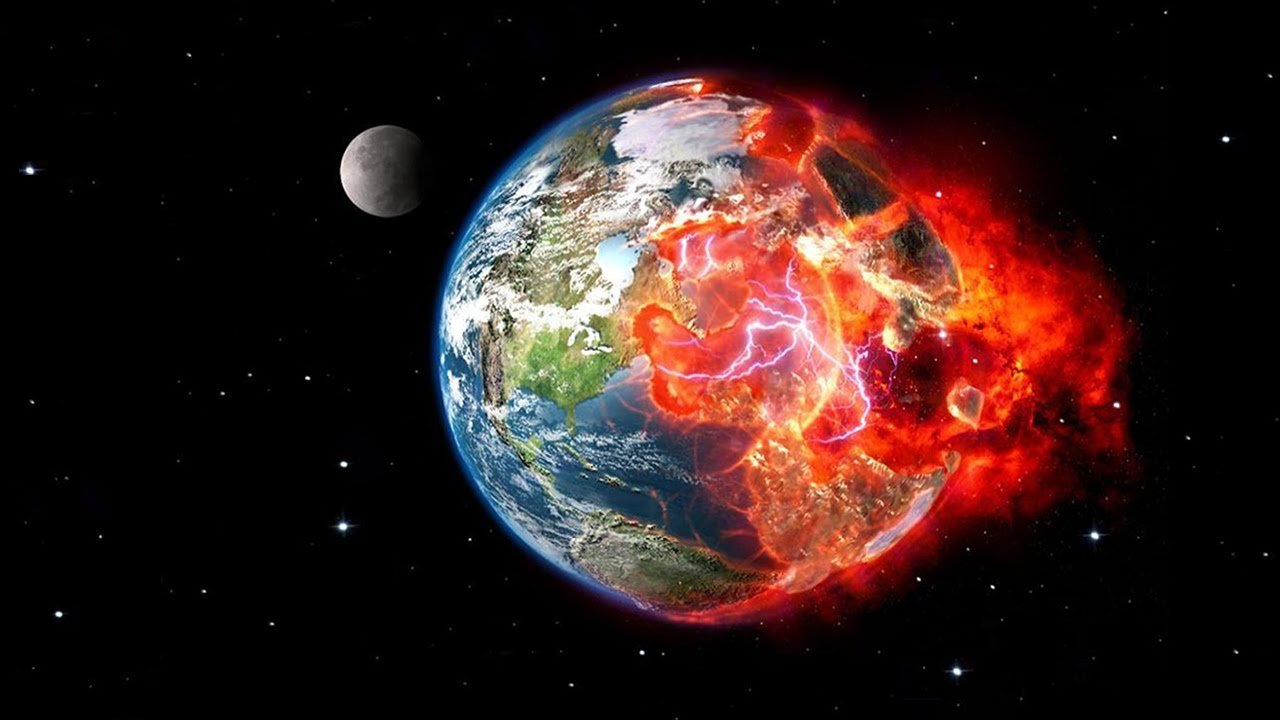
There’s even some real-world parallels. Granted, they rely on immense amounts of suffering, but the implications are hard to ignore. It didn’t happen with the aid of infinity gems or talking raccoons though. It happened through an aptly named period called the Black Death, a period in history that I’m sure would fill Thanos with glee.
Most people with a passing familiarity of history know what happened during the Black Death. A wave of disease, mostly in the form of Bubonic Plague, ravaged Eurasia. It was so devastating that it’s estimated to have killed between 50 and 200 million people. In some cities, more than half the population died over a five-year span. Even by Thanos standards, that’s pretty brutal.
At the same time, though, the consequences of the Black Death had a few silver linings. Those lucky enough to survive inherited a world in which the flaws of the previous order had been shattered. Thanks to the Black Death, the old feudal order ended. A new middle class emerged. Old traditions and dogmas that helped spread the disease collapsed. From the ashes of that destruction, a stronger, healthier society emerged.

Thanos himself pointed that out in “Avengers: Infinity War” at one point. A massive onslaught of random, chaotic death has a way of getting society to reorganize itself. That kind of devastation makes it much harder to cling to the old order, especially if it relies on a mass of disease-prone peasants to do hard-labor for subsistence resources at best.
That’s the benefit Thanos sees. That’s also the danger that influential scholars like Thomas Malthus saw when he noted the dangers of overpopulation. Unlike Thanos, though, Malthus didn’t favor unleashing waves of death. He simply favored encouraging people to restrain themselves from having too many children that they couldn’t sustain. There was no need for an Infinity Gauntlet.
Both Thanos and Malthus saw overpopulation and strained resources as a problem, one that has to be solved by either restraint or mass death. However, the crux of their philosophy still relies on a series of key assumptions that are inherently flawed. This leads directly to the longer answer to that distressing question I posed earlier.
Thanos is wrong because his sample size is too small and justifying his actions requires assumptions that are demonstrably false.
I don’t think the answer needs to be that long, but it’s worth further elaboration. Not long ago, I cited a man named Dr. Norman Borlaug, a man who is basically the anti-Thanos. Rather than using death to fight hunger, he channeled the power of science, compassion, and good old grit to create new tools to improve food production, thereby feeding a growing population.
:max_bytes(150000):strip_icc()/Norman-Borlaug--58b9cad25f9b58af5ca6d368.jpg)
It’s worth noting that while Dr. Borlaug was hard at work, there were a lot of doomsayers out there like Thanos, warning that a growing population would lead to war, starvation, and conflict. Paul R. Ehrlich was probably the most famous with his book, “The Population Bomb,” which might as well have been written by Thanos.
Unlike Thanos, though, Dr. Borlaug and men like him helped prove that idea dead wrong. Ehrlich, Malthus, and Thanos all worked under the same flawed assumption. The carrying capacity of the world was finite. Once life approached that finite limit, it would lead to conflict that included starvation and war.
In the case of a species that could make weapons, like humans, that conflict could potentially destroy the entire world. That’s what happened to Thanos’ world. It almost happened to humanity on more than one occasion. However, there’s a fundamental flaw in that assumption. It’s the idea that humanity, or some other advanced species, is incapable of finding ways to transcending natural limits.
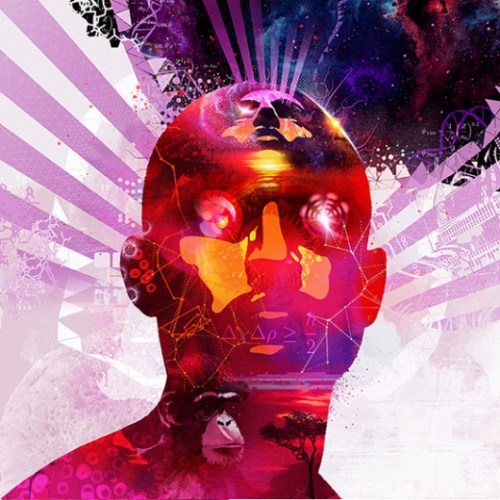
Part of what sets humans apart from other animals, who are very much at the mercy of a land’s carrying capacity, is their ability to make tools and modify the environment to improve survival and enhance resource management. As flawed as humans are, that’s still one of humanity’s greatest strengths. It’s part of what has helped us become the dominant species on this planet.
The human race, especially with the rise of modern civilization, has created amazing new tools that have helped us transcend the limits that once ravaged our species. Old limits like famine, disease, and even large-scale war have either been eliminated or mitigated. Even as our population increases, thereby straining our resources, we keep creating new tools that help us progress.
For Thanos to be right, humans and other alien species have to be incapable of making such tools. To some extent, Dr. Norman Borlaug proved Thanos wrong before Thanos was even created by Jim Starlin in 1973 . By then, Dr. Borlaug had already received a Nobel Prize for his work in helping to increase food production in places vulnerable to famine.

Maybe Thanos’ people never had a Dr. Borlaug to help improve their ability to prosper. From his perspective, someone like that is impossible. He goes onto assume that if it’s impossible on his world, then it’s impossible on every other world in the universe. It’s a flawed assumption, a sample size fallacy mixed with a faulty generalization fallacy.
Like a true villain, though, Thanos also works under the assumption that his world, Titan, is somehow representative of all worlds. It’s inherently egotistical, something that a lot of villains deal with. From Thanos’ perspective, though, he’s still doing what he thinks is right. He can’t possibly imagine that any other world could escape the fate of his.
There’s one more element he and other doomsayers like him have to assume that’s impossible to know. It’s also an element that undercuts many of the benefits that devastating events like The Black Death might foster. Even if killing half a population results in short-term benefits, those benefits are only justified if those killed weren’t going to aid in the progress of a society.

Think back to all those who died in The Black Death. Think back to those who’ve died in other terrible atrocities. How many of those dead might have gone onto become a Leonardo Di Vinci, a Martin Luthor King Jr., or a Nikola Tesla? Sure, there might have been a few nasty personalities mixed in, but they’re far less common than those with ideas, ambitions, and dreams.
It’s another significant assumption, believing that some of those lost in the atrocity might have gone onto solve the problems that Thanos foresaw. However, the fact that it’s every bit as possible as the contrary is further proof that Thanos’ logic, and that of other population doomsayers, is inherently flawed.

While I doubt these arguments would convince Thanos he’s wrong, seeing how he is still a villain and has a reputation for being mad, they’re still worth scrutinizing. Even if it’s possible to understand and even sympathize with Thanos to some extent, it’s refreshing to remind ourselves how flawed his assumptions are and how wrong he is in the grand scheme of things.
If nothing else, it reminds us why we should keep cheering the Avengers on when they take on Thanos again in “Avengers 4.” It’ll make that moment when they finally triumph that much more satisfying.
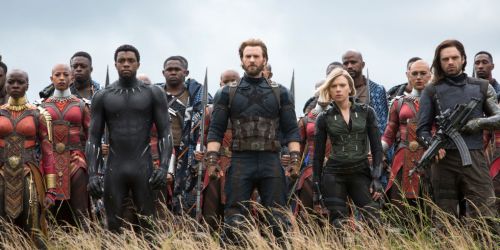
The past few weeks have been exciting, shocking, and downright cathartic for fans of superhero movies. The success of “Avengers: Infinity War” is beyond dispute. Between critical praise and a record-setting box office haul, it has entered uncharted territory in terms of success, both as a movie and as a cultural phenomenon.
As a lifelong comic book fan who hasn’t forgotten the dark days “X-men Origins: Wolverine” and “Batman and Robin,” the impact of this movie puts a big smile on my face. Even those who doubted a movie this ambitious could be made or keep hoping for superhero fatigue can’t deny the breadth of what “Avengers: Infinity War” has achieved.
Those achievements are worth celebrating, at least until the first trailer of “Avengers 4” comes out. As part of that celebration, I also think it’s worth taking a step back and looking at the bigger messages that “Avengers: Infinity War” conveys. To simply call it a big, flashy spectacle meant to milk movie fans of money would be a gross oversimplification.

Nothing becomes this successful without having meaning beyond the spectacle. No movie can appeal to such a wide audience or get them to pay grossly inflated ticket prices without having that meaning. Movies like “Avatar” and “The Godfather” have that kind of meaning that transcends the content of the movie. Even other superhero movies like “The Dark Knight” dare to explore deeper philosophical insights .
I believe those insights are present in “Avengers: Infinity War.” I also believe that those insights are unique because the entire setup for the movie is so unique. No movie in history has required a decade of build-up, multiple phases, and an over-arching narrative that spans movies that range from gods invading Earth to talking Raccoons teaming up with renegade space pirates .
That puts this movie in uncharted territory. The events of the movie can’t function in a vacuum without losing elements of that larger message. While the nature of that message is debatable, I’m going to make a case that the deeper meaning in “Avengers: Infinity War ” is one that complements those of the previous Avengers movies. I’ll even go so far as to claim it has implications for the real world.
The core of that message, I believe, has to do with a simple truth that probably seems inane, especially to those who read a lot of comics or consume a healthy dose of superhero-themed media. However, it’s a message worth belaboring and it can best be summed up like this.
A united team is stronger than a collection of powerful individuals.
I know that sounds like a snippet from one of Captain America’s inspiring speeches. It’s probably something teachers, coaches, and parents have conveyed to their kids, going all the way back to pre-school. However, I think “Avengers: Infinity War” conveys that message in a way that makes for a much greater spectacle with an equally great impact.
Even if you watch “Avengers: Infinity War” without seeing the last two Avengers movies, there’s one obvious obstacle that all the heroes face in the battle against Thanos. Before the first shot is fired, they’re all deeply divided. They’re not a team. They’re a mess.

Iron Man and Captain America aren’t on friendly terms. Tony Stark said as such at the beginning of the movie. It’s also established that Captain America and those loyal to him are fugitives, a direct result of the events in “Captain America: Civil War.” They are, to some extent, a metaphor for a divided team and a divided society.
That may not sound like a big deal, but to the extent it reflects a core strength of humanity, as both a species and a society, it couldn’t be more vital. I’ve mentioned before how tribal people can be. I’ve even framed it as a flaw, at times. While it certainly can work against us, it’s also one of our greatest strengths.
I don’t think it’s unreasonable to say that the human ability to form groups, work together, and coordinate in the name of a common goals is one of our greatest survival advantages. By forming teams and organizing societies, we’ve become the most dominant species on this planet. The Avengers are, from a philosophical standpoint, the embodiment of that team strength.
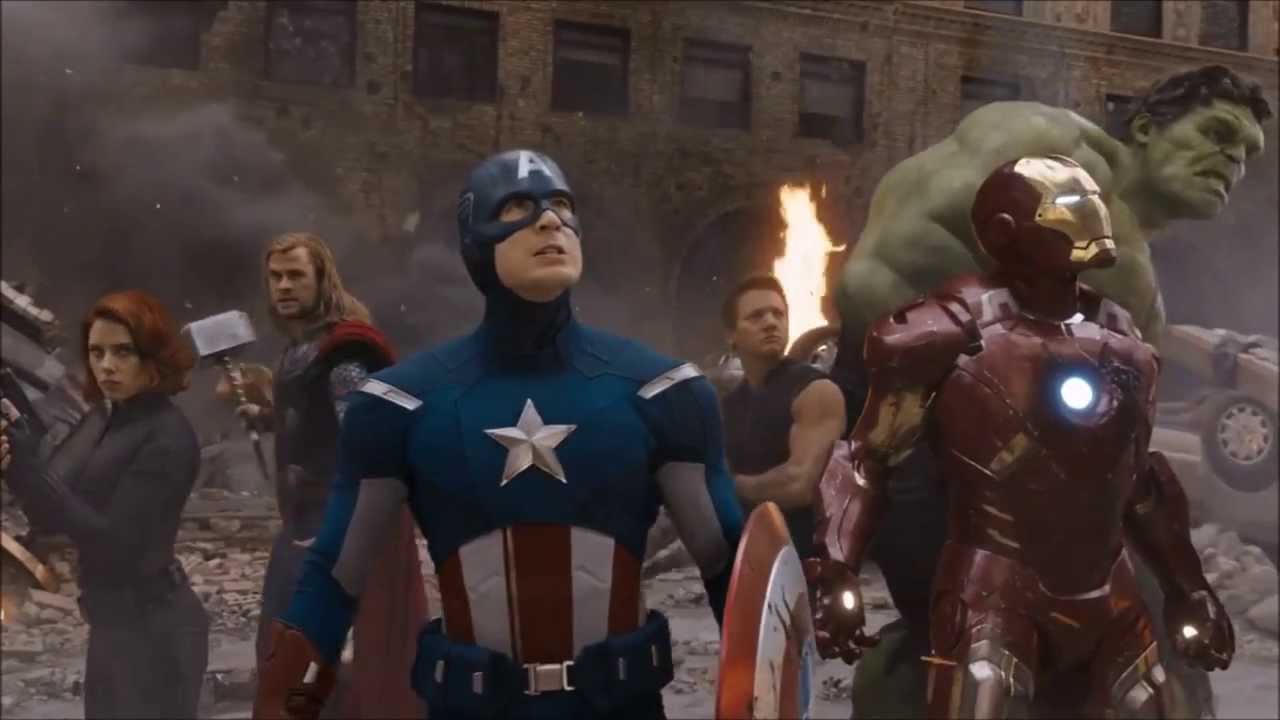
As individuals, we all have plenty of shortcomings. Not everyone knows how to fix a car, program a computer, or treat a staph infection. There are also too many of us who die from stupid accidents or treatable infections. As a team within a society, though, we’re able to thrive and overcome obstacles that no individual can overcome, even if they’re a super soldier or a billionaire inventor.
In “Avengers: Infinity War,” the team faces the ultimate obstacle in Thanos. He hits like an unpredictable force of nature. He brings callous, chaotic death and is willing to cross every conceivable line to achieve his goal. He’s not someone that can be dissuaded, talked down, or negotiated with. He must be opposed directly.
In other words, he’s the worst kind of threat the Avengers could’ve faced in their current condition. That’s critical because the first “Avengers” movie and “Avengers: Age of Ultron” do plenty to establish the value of having a unified team against such threats. In both those movies, the Avengers bicker and clash. However, they stay united and eventually defeat the threat.

You don’t need to look that deep into history to see parallels that reflect the strength of unified alliances. The unity of the allied powers in World War II proved overwhelming to the Axis. Contrary to popular belief and even a few popular alternate history stories , the Axis powers were never that close to winning the war. In fact, they were a very poor allegiance and hurt each other much more than they helped.
Even in recent times, greater unity in the form of globalization, free trade, and mass communication has helped unite the world on an unprecedented scale. While globalization gets a bad rap these days, it has helped create one of the most peaceful and prosperous times in human history. Like the Avengers, disparate societies are working together to achieve things they couldn’t achieve on their own.
In “Avengers: Infinity War,” and I know this is somewhat of a spoiler for those who haven’t seen the movie, the divisions within the team kept them from uniting against Thanos. They couldn’t be as effective as they were in “Avengers” and “Avengers: Age of Ultron.”
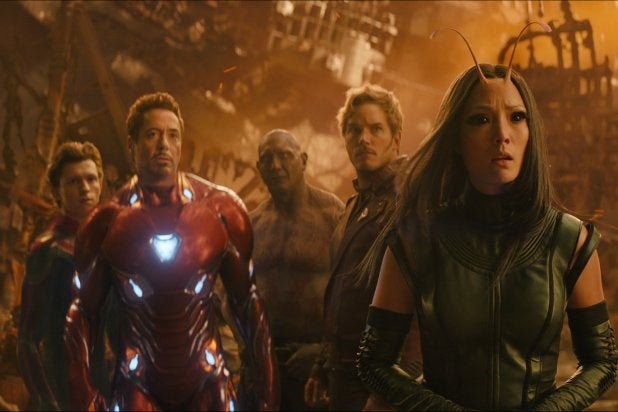
You could also make the argument that the Avengers weren’t willing to sacrifice as much as him. There were, indeed, opportunities to stop Thanos in his tracks. However, those opportunities required someone to die. The logic was that sacrificing one life would save many, trillions in this case.
That may seem like a failure on the part of the Avengers, but I would argue those difficult decisions are a direct byproduct of disunity. When a team is divided and not coordinating with one another, they have to make these kinds of sacrifices. Even if they did, though, it still doesn’t guarantee that they would beat Thanos.
It’s another consequence of disunity, division, and not coordinating with one another. Everything becomes a reaction. There’s little room to plan or prepare. That worked against the Avengers in a big way because they did have some warning surrounding Thanos. The visions Tony had in “Avengers: Age of Ultron,” at the very least, offered hints as to what might be coming.

Rather than use that opportunity to unite, they ended up divided. In the end, the outcome of “Captain America: Civil War” ensured that “Avengers: Infinity War” was going to end badly for the Avengers. It’s part of what helped give “Avengers: Infinity War” such an enormous impact. It takes those over-arching narratives from other movies and gives them greater weight.
Now, none of this is to say that the Avengers would’ve defeated Thanos easily had they been united from the beginning. Even if every one of them had been present and on the same page, there are no guarantees against a threat like Thanos. Like a supervolcano eruption or a gamma ray burst, it’s impossible to know whether we can survive a powerful threat we’ve never faced before.
Even so, history and nature are ripe with examples that demonstrate how united, cohesive teams are better able to survive major threats than powerful individuals. One human versus one hungry grizzly bear is not a fair fight. An entire team of humans, armed with a desire to survive and the collective know-how of multiple individuals, makes it exceedingly unfair for the grizzly.

Like the Avengers, the best teams are those that maximize an individual’s unique talents while empowering them with a collective drive. In those same teams, the conflict between individualism and collectivism strikes a critical balance. They aren’t so unified that they become prone to drone-like behavior. They also aren’t so divided that they’re too weak to coordinate.
We see that balance in teams that win championships. We also see it in organizations that accomplish great things, from building the pyramids to landing a man on the moon . A lot of what humanity has achieved, as a species, has been done through a collection of brilliant individuals who are able to work within a society to make their ideas happen.

The same effect applies to superheroes, who embody ideals of individual powers and abilities. On their own, Captain America, Iron Man, Thor, and even Ant Man can do great things. As a team, though, they can do much better.
It’s both a lesson and a powerful message, laced within a cinematic marvel. It shows just how weak and vulnerable we are when we’re divided, petty, and disorganized. Hopefully, “Avengers 4” can complete the story by showing just how strong we can be when we’re united, motivated, and driven. It may be an old, overplayed message, but it’s one worth belaboring in a world that’s still very divided.

The following is a review I wrote for PopMatters for Avengers #1. Enjoy!

We’ve heard it all our lives from parents, teachers, and cartoon characters. Good things come to those who wait. Patience is a virtue. If something is worth having, then taking your time and going through the process will make it that much more rewarding.
As impatient, overly energetic kids, we hated that. As adults, we still hate it to some extent. However, those inane words of wisdom have proven themselves valid time and again.
To some extent, the Marvel Cinematic Universe has a been a decade-long exercise in patience. That patience has already paid off in so many ways with so many memorable moments, raising the bar for cinematic excellence every step of the way. After ten years of that process, though, how could it possibly vindicate all the patience?

Well, having seen “Avengers: Infinity War,” I’m comfortable saying that all the waiting, hype, and post-credits teasers was totally worth it. Never before has a movie come along that required so much build-up and so much connection from other films over such a lengthy period of time. Never before has a film franchise ever achieved such sustained, consistent success that has raked in billions for its Disney overlords.
By nearly every measure, “Avengers: Infinity War” is the culmination of all those efforts. It’s an effort that spans dozens of movies, made and re-birthed entire careers, and dared to tell the kind of story that required such a lengthy, elaborate process. It’s the kind of movie that, a decade ago, seemed impossible. Well, the impossible has been done and the results are nothing short of astounding.
Beyond the hype, setup, and process that went into making this movie, “Avengers: Infinity War” is a ride like no other. It’s not just about superheroes coming together to battle a common enemy. It’s not just about big battle scenes and witty quips between gods and talking raccoons. This is a movie with a powerful, impactful story that strikes so many emotional chords.

That may seem strange for a superhero movie, which have traditionally been big-budget spectacles meant to delight the inner child/fanboy in us all. The idea that a superhero movie could generate real drama and evoke powerful emotions almost seems like a subversion of the underlying appeal of the genre.
It’s for that reason that “Avengers: Infinity War” is so special. It doesn’t just build around the appeal of all these iconic characters, most of which are older than the actors and actresses playing them. It crafts a story that takes all the emotional stakes that had been set up in other movies and pushes them to the absolute limit.
The emotional journey that began in “Iron Man” and “The Avengers” comes to a head in a way that’s both definitive and powerful. There’s no more teasing surrounding Thanos, the Infinity Stones, and all the agendas surrounding them, many of which began in the earliest phases of the MCU. The stakes are clear, the threat is there, and the battles surrounding both are appropriately epic.

Beyond just the spectacle, though, “Avengers: Infinity War” succeeds in what might be the most important aspect for a movie of this scope and scale. The story and the high-octane clashes that fuel it all unfold in a way that makes the last decade of Marvel movies feel even more relevant.
Marvel big-wigs like Kevin Feige love to say it’s all connected. Well, “Avengers: Infinity War” strengthens those connections. Suddenly, the plots involving the infinity stones, going all the way back to “Captain America” and “Guardians of the Galaxy,” matter that much more.
All those plots gain much greater weight as Thanos fights to retrieve all six stones. Now, all the triumphs and failures of these characters more weight. These characters we’ve been cheering for and connecting with now have to push themselves beyond their limits. The end result is an experience that hits as hard as a punch by the Hulk.
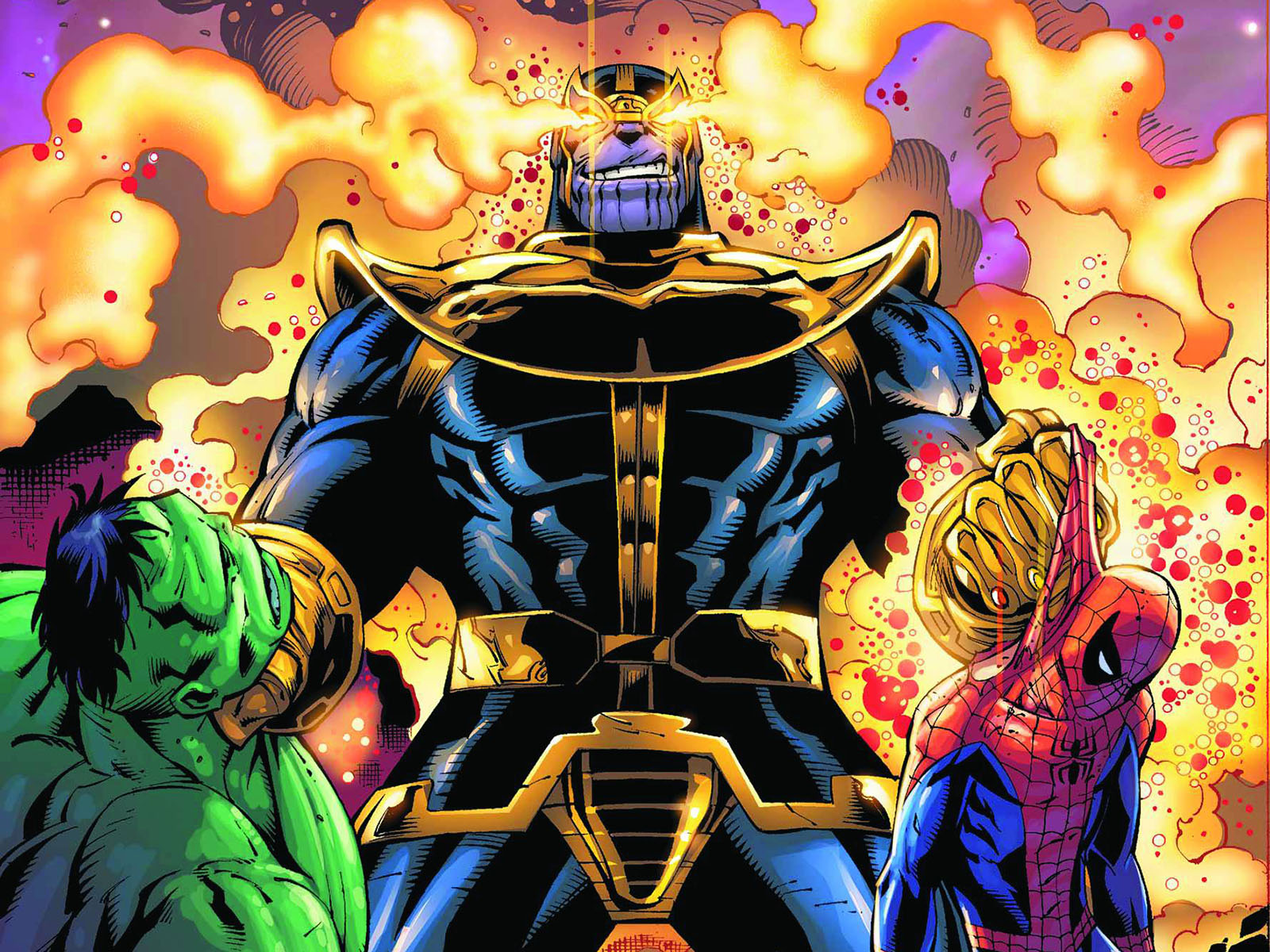
Beyond the connections created by the past ten years of Marvel movies, “Avengers: Infinity War” succeeds in another important way. It crafts the conflict around a powerful, compelling villain. After seeing the movie, I think most would agree that Thanos really steals the show and not just because Josh Brolin’s voice gives us all the right shivers.
It was probably the biggest challenge of this movie, beyond having to build it around a decade of overarching plot points. This movie needed to make Thanos more than just a daunting threat. It had to make him compelling. Given his colorful history in the comics, that was more challenging than most non-comic fans realize.
Thanos needed to be adapted, to some extent, in order for him to work. He couldn’t just be this mad, death-obsessed monster. In a universe that has birthed compelling villains like Loki and Erik Killmonger, he has to have some level of complexity. “Avengers: Infinity War” gives him more than any CGI-generated character could ever hope for.

It’s not just that Thanos is menacing, powerful, and able to subdue the Hulk. It’s that he has a clear, unambiguous motivation. He’s very overt about what he’s doing and why he’s doing it. What makes it all the more remarkable is that he finds a way to justify it that doesn’t come off as outright villainous. I would argue that he justifies his actions are better than any other villain in the MCU.
That doesn’t just make Thanos compelling, as both a character and a villain. It helps create moments that establish he’s not just some overwhelming force of evil. He’s a being who has feelings and emotions. Even in the comics, Thanos is a very emotion-driven character. The emotions, in this case, are directed towards something other than wanting to hook up with the living embodiment of death.

As menacing as Thanos is, though, he’s driven by his passions and those passions push him to the kinds of extremes that make all villains so dangerous. It’s not the same kind of greed and ego that makes Lex Luthor’s villainy so overt. As a result, the Avengers have to tap into their own passions to stop him.
This brings out the best in them as well. There are moments between Iron Man, Spider-Man, Vision, the Scarlet Witch, Starlord, Gamora, and Thor that really elevate the drama. There are moments of romance, building on romantic sub-plots from previous movies. There are moments of heart-wrenching loss, more so than any other Marvel movie to date. Most importantly, though, those moments carry weight and impact.
That, more than anything, is what makes “Avengers: Infinity War” a special cinematic experience that was worth waiting a decade for. To some extent, the movie makes clear that it needed those ten years to build up the drama and story. It also needed those ten years to make us, the audience, really care about all these characters. That way, when the final credits roll, we all feel the true breadth of that impact.
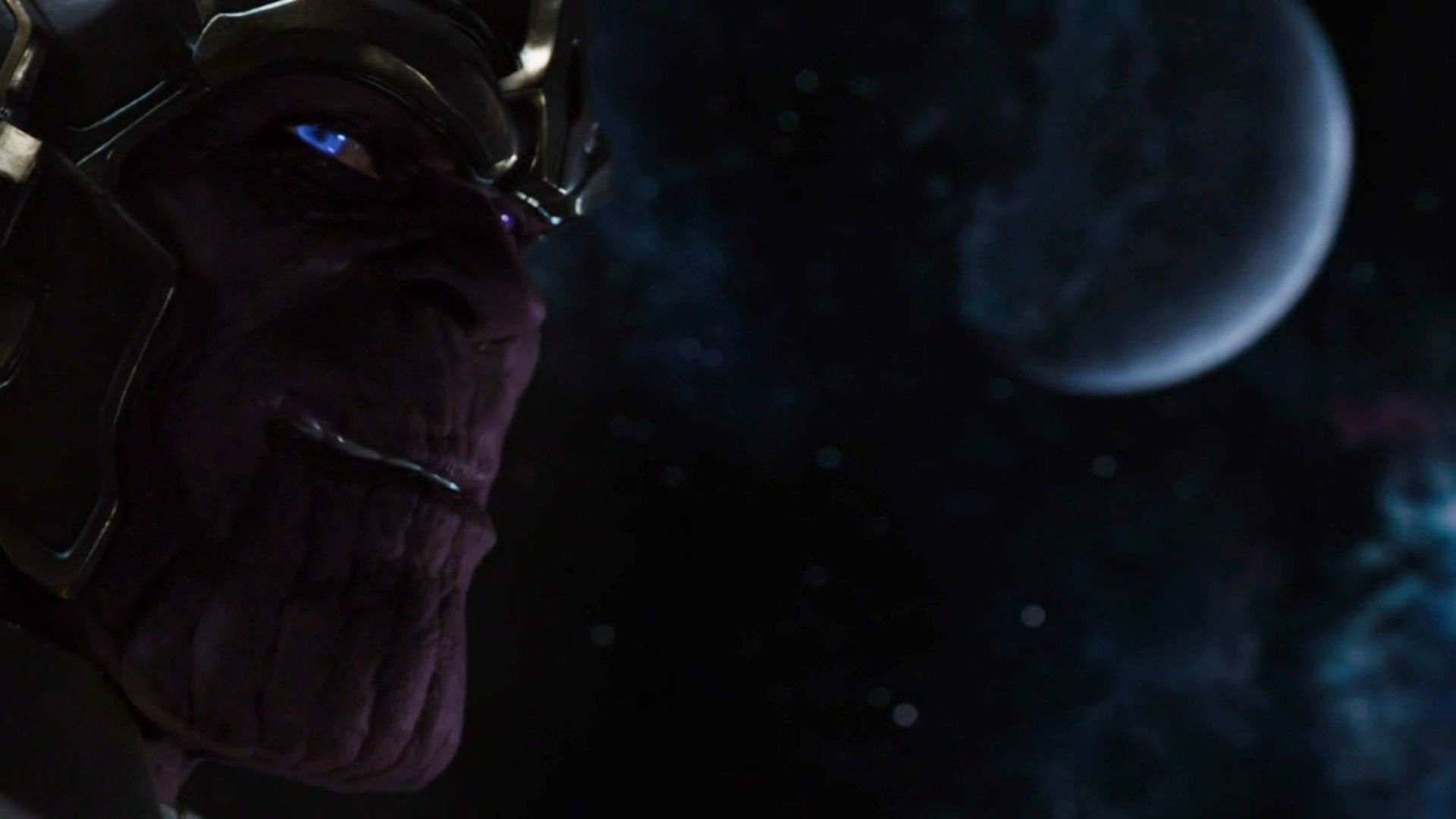
You could, in theory, still watch “Avengers: Infinity War” without having seen any other Marvel movie or superhero movie, in general. Even in that context, it’s still a great movie full of action, drama, and memorable moments featuring gods, super soldiers, and talking raccoons. However, without all the movies that came before it and all the connections from them, it just doesn’t carry the same weight.
If “Avengers: Infinity War” has any flaws, it’s that. To truly appreciate the impact of the movie, it’s necessary to know and somewhat care about the other movies in the MCU that helped set it up. Without that, the movie is just another spectacle. It’s still an amazing spectacle full of quality acting and stunning effects. It just relies so much on the foundation that other movies have crafted.

I’ve no problem saying that “Avengers: Infinity War” is one of the greatest superhero movies ever made. It may very well go onto become the highest-grossing superhero movie of all time. However, it’s not without flaws. They are very minor, but they are there.
If there’s one glaring flaw in this masterful superhero saga, though, it’s that the movie is clearly organized to be in two parts. Like “Kill Bill” or the latest “Star Wars” trilogy, the story is incomplete, by necessity. As a result, the ending feels abrupt. It’s still more impactful than gut punch by an army of Hulks, but it’s one of those endings that never comes off as an endpoint.
This movie is presented very much in the mold of “The Empire Strikes Back” in that it hits the heroes hard, allows the villains to make devastating gains, and really raises the stakes for the sequel. Just as that movie made you want to see Luke Skywalker battle Dearth Vader again, “Avengers: Infinity War” makes you want to see the Avengers take down Thanos.

There’s so many things to love about “Avengers: Infinity War” and what it managed to accomplish. It is definitely a historic achievement for movies and the superhero genre, as a whole. If I had to score it, I’d give it a 9.5 out of 10. It’s not perfect because it’s incomplete, but it’s as close to perfect as anything can get after ten years of build-up.
The wait was long and agonizing, but so worth it. The wait for “Avengers 4” will likely be agonizing as well, but Marvel Studios has made a glorious habit of rewarding such patience so I certainly don’t mind waiting. “Avengers: Infinity War” once again raised the bar. I look forward to seeing how Marvel and Disney raise it again.
Filed under Comic Books, Jack Fisher, Superheroes, Movie Reviews

The following is a sexy short story entitled “Avenging Desire.” It’s not based on any real events, but it was inspired by the recent hype surrounding the debut of “Avengers: Infinity War.” Enjoy!
The wait was almost over. The day that fans of Marvel and superhero movies had been waiting for had finally arrived. “Avengers: Infinity War” was set to release and fans of all kinds had lined up outside the MaxCinema IMAX theater for the midnight showing.
Michelle Meyers considered herself one of those fans. In fact, she considered herself a bigger fan than 90 percent of those waiting in line, thinking they could get away with not pre-ordering tickets two weeks ahead of time. A few days ago, she would’ve laughed at them for their lack of foresight. Now, if they knew her current predicament, they’d probably be laughing at her.
“The biggest movie premier of my life,” Michelle mused as she sat on the hood of her car, “and fate finds a way to make it harder for me… and break my heart, in the process.”
Muttering a string of curses to herself, she looked away from the crowd and checked her phone. She had a little more than an hour before the midnight premier of the movie. She should’ve been more excited than any sane woman should for a movie premier. It was the cinematic event of a lifetime and Michelle thought she’d prepared for it, even going so far as to get a Black Widow costume.
Then, it happened. More specifically, her boyfriend happened. Eric Landon, the man she’d dated for two years and seen more than her share of superhero movies with, broke up with her. On top of that, she found out he’d been cheating on her with some girl he met on a comic book message board, of all places. If that weren’t bad enough, he’d been the one to pre-order their tickets.
“Fuck you, Eric,” Michelle said, still staring at her phone, which had an old picture of them in the background. “Fuck you for being worse than Thanos when it comes to loving your girlfriend. The least you could’ve done was break my heart after we saw the movie.”
She kept cursing her ex under her breath and in her mind, hoping that new girl he left her for would bust his balls like the Hulk every chance she got. Michelle had gone through bad break-ups before, but she’d never hated someone so much for ending a relationship at the worst possible time.
It wasn’t just that the tickets he bought had been in his name. She’d also found out just a few hours ago that Eric intended to use what should’ve been her ticket to take his new girlfriend to see the movie. For all she knew, they were already in line and Eric was wearing the same old Captain America T-shirt he wore on their first date.
It was tempting to just hunt him down, kick his ass in public, and take the ticket that was rightfully hers. However, Michelle had another plan, one that would help her see the movie and get back at her ex. It required a little cunning and sacrifice on her part, but for a chance to see “Avengers: Infinity War” tonight, she was willing to take that chance.
As time ticked by at an agonizingly slow pace, Michelle kept checking her phone, watching as the premier drew closer by the second. Finally, she heard the voice she’d been waiting.
“Michelle Meyers…is that you?” said Samuel Hartman, the man who held the keys to making her night a success.
“That’s me,” Michelle said, putting on her best smile and using her most seductive tone. “You’re right on time, Sam.”
“I know you couldn’t give too many specifics with your text, but how do you want to…”
Michelle held up her hand to silence him. He sounded so nervous, if not a little anxious. She couldn’t have that. She had to maintain a certain mood. It was the only way they could both get what they wanted.
“Don’t overthink this, Sam. I was vague for a reason,” she said as she got off the hood of her car. “First, let me see the tickets. I need to be sure…more so than I was with Eric.”
“Of course,” he replied, already sounding somewhat calmer.
She watched as Sam reached into his back pocket, took out his wallet, and showed her two movie tickets to the “Avengers: Infinity War” premier, which was set to begin in under an hour. Michelle then approached him, scrutinizing the tickets to make sure they were real. Having worked in a movie theater during high school, she knew how to spot fakes. Near as she could tell, they were real.
“Wow! You got great seats,” Michelle said with a smile.
“My older brother is a real movie junky,” Sam said. “He has picking the best seats down to a science.”
“And you thought to use it on the biggest movie premier of the past decade…smart.”
“Well, in my defense, I do consider myself an Avengers fan. Plus, I failed miserably to get tickets to the Black Panther movie and I wasn’t going to make that mistake again.”
“Except, you already had someone to share those tickets with, didn’t you?” Michelle said.
“I did,” he admitted, “but that’s where my sister’s terrible luck is your gain. She and I were going to see this movie tonight, just like we have with every MCU movie. Then, her car breaks down on her way back from Florida and she’s not going to be in until tomorrow night.”
“My older brother is a mechanic. I’ll get him to fix that car for free if this is as worth it as I hope.”
Michelle took a step closer and, in a move that would’ve made the Black Widow proud, pulled the young man into an intimate embrace. It was a lot more intimate than she usually offered for someone she’d just met, but for Sam and the promise of seeing “Avengers: Infinity War,” she made an exception.
Sam wasn’t just a guy who happened to have a spare ticket to the movie. The only reason Michelle knew him was because he worked for the same law firm as Eric. Sam even outranked him technically, having been close to one of the partners at the firm. She’d met him at the office Christmas party and remembered that he’d recently endured a nasty break-up as well. That aligned their goals in ways beyond the movie.
Michelle had overheard Eric talking to Sam about “Avengers: Infinity War” earlier in the week, just before she found out about his lying, cheating antics. She also remembered Sam being less an asshole when debating who could lift Thor’s hammer. That made the revelation that he had a spare ticket even more enticing. It also made her method of payment much clearer.
“Um…Michelle?” said Sam, still holding the tickets and his wallet.
“Yes, Sam?” said Michelle, smiling playfully as she let her body press against his.
“I know you said you wanted to earn this ticket,” he told her.
“I still do,” she replied seductively.
“For the record, though…I still would’ve accepted cash. I would’ve even offered a discount after what Eric did to you. I mean…cheating on you and using his ticket on the girl he cheated with? That’s just wrong!”
“It’s for that exact reason I didn’t accept the discount. You see, unlike Eric, I prefer to put in the work. I like doing things the hard way. It makes the end results so much more rewarding.”
With each word she spoke, Michelle channeled every ounce her flirting skills. She hadn’t used those skills much since college and even back then, she needed a little alcohol to really maximize the effect. True to her word, she decided to push herself with Sam and for all the right reasons.
As he stood dumbfounded in her embrace, she casually grasped his arms and lowered them so that he put the tickets and his wallet away. She then guided his arms around her waist so they could share a more complete embrace. She could still sense Sam overthinking things to some extent, but if the sudden hardness in his pants were any indication, his thoughts were giving way to action. Tony Stark would’ve been proud.
“That’s also why I parked my car all the way out here,” Michelle told him, gesturing towards her car. “It’s a long walk to the theater, it’s in a corner lot, and it’s right across from that pile of broken concrete that the construction crews haven’t cleaned up yet.”
“Yeah, I figured there was a reason for that,” said Sam with an awkward grin.
“The reason is simple,” she said more intently. “It’s remote and private. On top of that, all the cops are in the theater, making sure nobody sneaks in a bottle of bourbon inside a toy hammer.”
“Would you think less of me if I tried something like that when I saw Thor: Ragnarok last year?”
“Actually…I’d find that incredibly hot.”
She must have sounded like Scarlett Johannsen because she swore she felt a bulge form in Sam’s pants instantly. Embracing him under the poor illumination of a street light, the crowded theater in the distance taking up everyone else’s attention, she and Sam might as well have been in the same underground cave as Thor was in “Avengers: Age of Ultron.”
Michelle didn’t know Sam that well, but he loved superhero movies like her and he hadn’t given away her ticket to “Avengers: Infinity War” to some undeserving bitch. That was more than enough to evoke the desires she needed to make their little transaction work.
The first part of it involved a simple kiss, which Michelle gave Sam without hesitation. She even threw in a little tongue with some extra body contact. That actually surprised him, but in the best possible way.
“Whoa,” Sam said after their lips parted, “you’re very direct.”
“I am when I have to be,” she quipped.
“Eric once mentioned how determined you could be when in the right mindset. I think he undersold that trait.”
“Please don’t mention that name from here on out. As far as I’m concerned, there are only three things that matter right now…you, me, and seeing this goddamn movie.”
Michelle kissed him again, being even more direct than before. She practically shoved her tongue into his mouth, grabbed his wrist and guiding his hands down onto her butt. That time, Sam didn’t hesitate. Instead, he kissed back. Apparently, his brain had caught up with the rest of his body. Much like the Avengers, they were ready to assemble for the ultimate mission.
Having set the tone and made her intentions clear, Michelle sensed they were ready for the next part of their transaction. That meant a different kind of assembling.
“Now then,” Michelle said, after their lips parted, “why don’t we take this to the back seat of my car and finalize our little deal?”
“Between this movie and your kissing skills…I’m just going to shut up now.”
“Works for me!”
Tapping the same giddy spirit she felt years ago when she came out of the first “Iron Man” movie, she latched onto Sam’s arm and led him to her car. As soon as she opened the rear passenger doors, she couldn’t get into the back seat with him fast enough.
Her car wasn’t the most spacious vehicle in the world, but she’d cleaned it out that afternoon, knowing she’d need every bit of space for tonight. As soon as she closed the door behind her, doing one quick check to make sure nobody was in sight, Michelle smothered Sam with healthy dose of kissing and fondling.
Before long, he was lying on the back seat with her on top of him, his hands back on her butt as their still-clothed bodies pressed together in the confined space. She more she kissed him, the more she kissed back. The more she pawed his chest, the more he squeezed his butt. It wasn’t quite the kind of teamwork the Avengers embodied, but it still seemed fitting.
All the kissing and touching helped things heat up very quickly. Already, Michelle felt the air inside her car get hotter and stickier. It made staying fully clothed unbearable for a second longer.
“Sam,” she said, already breathless as she lay on top of him, “it’s getting hotter than Surtur’s balls in here. What do you we ditch these itchy clothes?”
Sam just grinned, keeping his promise to shut up while she carried out their little transaction. That fact alone – him actually keeping a promise – already put him above her ex. That might very well make the next part even more enjoyable.
Rising up in the seat, still straddling his waist, Michelle took off her Black Widow themed T-shirt to reveal a matching black bra. Then, with the same seductive glance that made Scarlett Johannsen the best part of “Iron Man 2,” she unhooked the clasp and removed it, allowing her breasts to tumble free.
“Michelle,” Sam said, his eyes widening with delight at the sight of her breasts.
“You can call me Natasha Romanov if you want,” Michelle said playfully, doing her best Russian accent.
“I’ll…stick to Michelle,” he said jokingly.
They both laughed and kissed again. Sam didn’t need help guiding his hands to her breasts. He quickly found his way and began fondling them with both hands. He wasn’t too hard. He was actually careful. Clearly, he had fondled breasts before and was pretty good at it. That got Michelle even more eager to get out of her clothes.
First, she helped Sam keep up. As he fondled and admired her breasts, she undid his button-up shirt with an Avengers logo on the chest. Once that was off, she undid his belt buckle and pants. That proved more challenging because that bulge she felt earlier had grown quite a bit. Still determined, both to finish the job and see the movie, she managed to pull them off, boxers and all.
“That’s better,” Sam said as he eagerly kicked off his pants.
“Yes…much better,” said Michelle.
She felt like a drunken prom date, getting her first glimpse of Sam’s dick. In addition to being in better shape than Eric, Sam was more endowed as well. In the spirit of Thor, she looked to test if he was worthy of it. That also meant testing just how determined she was to see “Avengers: Infinity War.”
“I’m going to suck your dick, now,” she told him. “Then, I’m going to fuck you. I’m going to fuck you so well that you’ll deem me worthy of that ticket…so worthy that Thor, himself, would be proud.”
“You just keep sweetening this deal, Michelle,” Sam said with the widest grin she’d ever seen on a man.
He must have felt like Tony Stark at that moment and Michelle intended to affirm that feeling. Still hovering over him, letting him admire and touch her breasts, she reached down and began fondling his cock. That got a favorable reaction, one that she followed to the utmost.
With his rigid member in hand, she adjusted herself so that she could get a more up-close look at his manhood. Sam did the same, rising up from the seat so she had room to work. Now comfortably resting with his back against the door, Michelle leaned in and took his length into her mouth.
“Oh yeah!” he moaned upon feeling her lips around his shaft.
Encouraged, she began sucking him off, treating it like a mission ordered by Captain America himself. Michelle usually wasn’t that eager to give a blowjob. When she’d been with Eric, he often had to sweet-talk her into it. She didn’t need that with Sam. He’d already given her plenty of incentive to both go the extra distance and even enjoy it a little.
On paper, it seemed like a chore. She would give a man sex. He’d give her a ticket to see “Avengers: Infinity War.” It was a simple, albeit lurid transaction. It might have even been illicit, according to her uncle, who happened to be a cop. Michelle refused to approach it like that, though. Like Scott Lang in “Ant Man,” she saw it as an opportunity worth pursuing.
Whether she was just that excited about the movie or just extra horny for some reason, Michelle’s efforts paid off. Eric’s blissful moans were proof enough of that, as well as the way his dick throbbed in her mouth. After sucking and slithering her way along his length, he was as hard as the Hulk’s bicep. That was her queue for the next part.
“Mmm…so strong and hard,” Michelle said playfully. “Ready to smash my pussy like the Hulk, Sam?”
“Hell yeah!” Sam said, now every bit as into it as her.
She grinned up at him, giving the tip of his dick one last lick in anticipation. She then rose up, undid her tight-fitting black pants, and pulled them down, along with her panties. Upon kicking them off with her sandals, Michelle eagerly straddled him so that his member was perfectly aligned with her wet opening.
“For the record,” she said, now gazing intently into his eyes, “I’m not just doing this for a movie ticket. I’m doing this to avenge the pain my ex caused me.”
“Avenge huh?” said Sam in a humored tone. “I can totally respect that!”
He smiled playfully and she smiled back before capturing his lips again. Then, as their tongues became entwined, Michelle thrust her hips downward and drove his cock up into her.
A surge of sharp sensations followed. The penetration was surprisingly smooth. She’d gotten herself much wetter than she’d thought. Either Sam was having an effect on her or the prospect of seeing “Avengers: Infinity War” made her just that horny. She preferred to think it was a little of both.
“Ohhh Michelle!” Sam moaned.
“Yeah…you like that?” Michelle said curtly. “You like how I avenge my ex?”
“Ohhh fuck yeah! Avenge him…just like that!”
She laughed playfully and kept kissing him, all while thoroughly gyrating her hips and building up towards a sexual rhythm. She clung to his shoulders while he held onto her waist, their naked bodies gliding and moving together in a sexual heat. Michelle even noticed the windows fogging up from all the heat and sweat. It was her kind of avenging, indeed.
As if possessed by the devious spirit of Loki, Michelle rode Sam’s cock with a passion, making it a point to fuck him better than she’d fucked Eric in the last few months of their relationship. She was hard and thorough with every movement, really working his length into her depths. Together, they made a potent heat within her car, even rocking it at times.
Soon, it didn’t feel like an obstacle between her and seeing “Avengers: Infinity War.” It was almost like a bonus, getting some hot sex before the movie. It almost didn’t seem fair, but then again, it wasn’t fair how her ex treated her so she figured they were officially even.
Within the back seat, despite the inherent confinement, she and Sam managed to go at it longer than she’d expected. He even managed to work up a good sweat, his chest glistening under the limited lighting from outside. She felt some sweat beading up on her naked skin as well as they worked their way towards a thunderous peak.
It even got a little chaotic, naked bodies shifting around while hands eagerly roamed. At one point, Sam was squeezing her butt as she rode him and she was pinching his nipples. At another, she was leaning back as she rode him so he could keep fondling her breasts. Whatever form their sex took, it had the same goals. One involved seeing the movie. The other involved something more basic.
“Michelle, I…I’m close!” Sam grunted, his every breath becoming more labored. “I’m getting real…real close!”
“Ooh me too, Sam!” Michelle moaned. “Please…come first. I want you…to come first!”
That seemed so counterintuitive, a woman wanting a man to climax first during sex. Then again, it was part of the transaction. She promised to give him a satisfying fuck in exchange for that ticket. That meant his peak had priority, but that didn’t mean she couldn’t also enjoy it.
Still leaning back, allowing Sam to keep admiring her breasts, Michelle worked her hips in a final surge of energy. Like that last desperate push the Avengers made against the Chitari in the first movie, she was determined to finish. Much like her favorite superhero team, she eventually triumphed.
“Ohhh Michelle!” Sam cried out as he finally climaxed.
It was so abrupt, but intense. Michelle felt Sam’s body tense within her grasp, his hands really squeezing her butt as the feeling took over. She finally slowed her motions, watching as Sam’s face contorted to the pleasure that came along with his release. She made sure he enjoyed it, remaining on top of him while his dick throbbed inside her.
Since she was so close to her own climax, though, she kept the rhythm going for a bit longer. From that final push, along with a little extra self-stimulation, she managed to achieve orgasm as well. She hadn’t expected it, as part of her deal with Sam. The fact she could just made the avenging that much more satisfying.
“Mmm…Sam!” Michelle moaned. “Avenge…with me!”
That sounded so cheesy out loud, but in a state of orgasmic bliss, she was beyond caring. With Sam still reeling from his own peak, Michelle grabbed onto his shoulders, closed her eyes, and threw her head back as she let out a cry that felt like it came straight from Asgard.
She was much louder and more energetic than she’d intended. However, she’d always enjoyed being vocal during sex. Adding that on top of her excitement on seeing “Avengers: Infinity War” just made her deal with Sam that much sweeter.
“I think…we’re done avenging,” said Sam breathlessly.
“That’s for sure!” said Michelle, still dazed by her orgasm.
Their naked bodies remained entwined as she soaked in the feeling, taking in every last ripple of pleasure that coursed up through her body. She even threw in a sultry kiss and an extra embrace. It helped let Sam know that what they had just done was more than just a transaction for movie tickets.
Once the feeling passed, their bodies parted and Michelle caught her breath. Still sweaty and sticky, she and Sam were sure to look pretty disheveled in the theater. She didn’t care, though. She was too excited about the movie, among other things.
“Come on,” she told him. “Let’s get dressed and get in line. We’ve got a movie to see!”
“I haven’t forgotten,” said Sam as he gathered his clothes.
As soon as he found his pants, he took his wallet out again and handed her the ticket. Michelle, still fully nude, eagerly took it. Having done her part and completed the deal, it was hers now. Just holding it in her hand helped it feel real.
“I’m also glad you didn’t take the discount price I offered,” Sam told her.
“Of course you didn’t,” Michelle teased as she put the ticket in her purse. “This way, you got to have sex.”
“That, and I helped avenge something that needed avenging,” he said, “On the night of an Avengers movie premier, I can’t think of anything more fitting.”
Filed under Sexy Short Story

As a fan of all things related to comic books and superheroes, I often find myself digging deeper into the messages and meanings behind these fanciful narratives. I’ve done it on this site before, using superheroes to highlight the value of uniquely balanced romances and the inherent dangers of excessive boredom. I’ll likely keep doing it, so long as my kinky mind keeps making these quirky connections.
Sure, there’s are plenty of times when I just prefer to pour myself a glass of whiskey, sit back, and just enjoy the raw entertainment value of a comic book or superhero movie. Given the sizable slate of superhero movies set for release in 2018, I’m probably going to need more whiskey.

There is one particular movie, however, that is making waves that I haven’t really talked about before. I’m referring to the upcoming “Black Panther” movie, a movie that is already setting pre-sale records on Fandango. While every movie produced by Marvel Studios these days seems to blow up the box office and enrich Disney, this particular movie is unlike anything they’ve ever tried before.
There’s a reason why I haven’t talked much about it. For the most part, I haven’t come up with any meaningful discussions that I think are worth sharing. Like most self-professed Marvel fans, though, I am excited about this movie. It takes a character who has been underrated and overshadowed for most of his history and elevates his position in the larger narrative of the MCU.
The fact that Black Panther is one of Marvel’s most prominent black heroes is certainly another important aspect. In the ongoing effort to promote more diversity in Hollywood and popular culture, “Black Panther” checks all the right boxes. He’s a prominent minority character who holds his own alongside other Avengers, as we saw in “Captain America: Civil War.” He’s ready for his own movie.

Now, before I go any further, I want to make clear that I don’t wish to get into all the racial undertones and white-washing controversies that have plagued Hollywood in recent years. As a comic book fan, I’m just excited to see Black Panther get a chance to elevate his presence. I sincerely hope that Chadwick Boseman can do for T’Challa what Robert Downy Jr. did for Tony Stark.
However, in seeing the growing excitement surrounding this movie, I feel as though the movie is revealing something about the current state of the world that’s not easy to see. It also reveals something profound about the character of Black Panther, as well, that might be even more telling in these sensitive times we live.
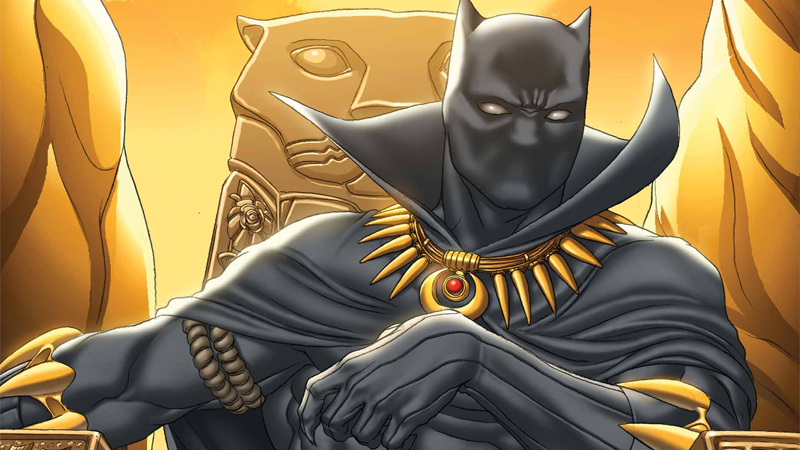
It might not be the message that the “Black Panther” movie is trying to convey. I don’t doubt for a second that Marvel Studios and Disney see this movie as just another part of the process of maximizing profits at the box office. However, when you look at the context of this movie and the character it’s built around, there’s one unexpected, but remarkable insight that emerges.
“Black Panther embodies the ideal king that everybody wants to live under.”
Unlike some of the other insights I’ve tried to ascribe to certain character, it’s not too hard to see this concept reflected in the character of T’Challa. Whether you only know him from his role in the movies or are familiar with his history in the comics, this trait is a core aspect to his persona. He’s not just an Avenger, a superhero, and a prominent black character. He’s the ultimate king that people want to be ruled by.
If it sounds like that conflicts with my assertion that Dr. Doom is the ultimate ruler, then please bear with me. I am going to address that in a way that will hopefully make sense. To understand why this is key to Black Panther’s character, as well as being a big part of his appeal, it’s important to know a few details about his story.
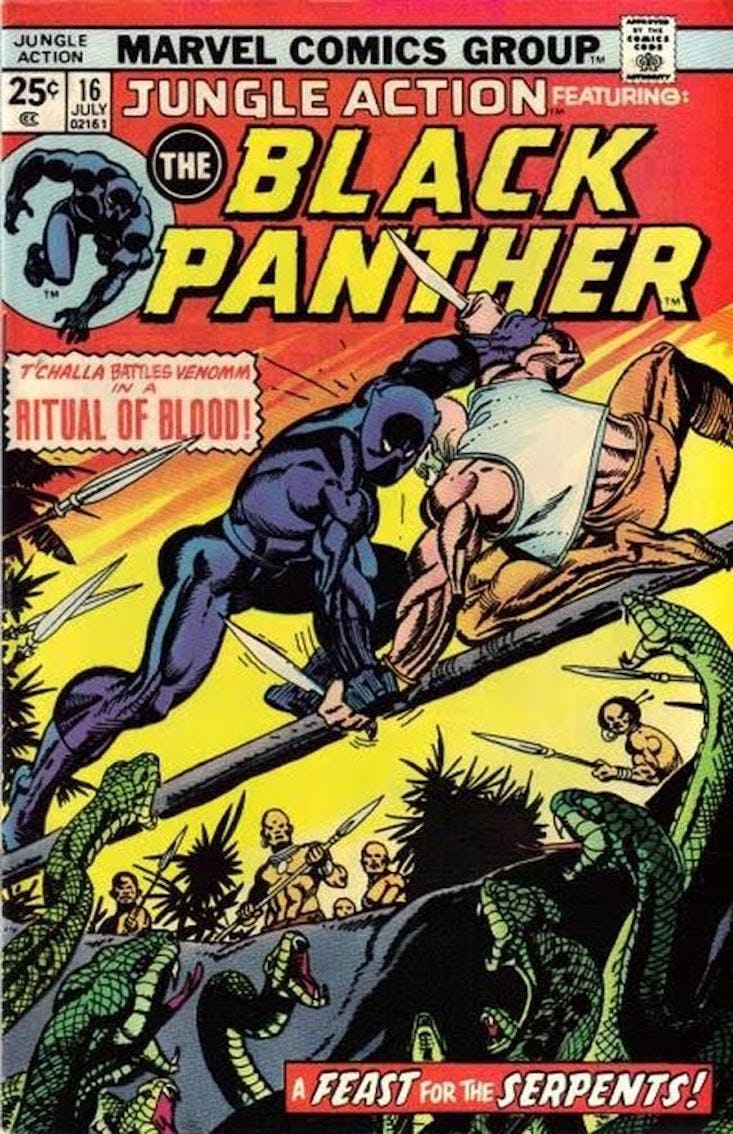
In both the comics and the MCU, Black Panther isn’t just a prominent superhero who also happens to be black. He’s the king of the fictional country, Wakanda, a secretive land in Africa that is extremely advanced and extremely wealthy. This is largely due to its rich deposits of Vibraniam, an equally fictional super-material that is more valuable than anything we have in the real world.
The particulars of Wakanda are important because, like Krypton, Asgard, or Gotham City, it embodies a particular concept. Wakanda is, in many respects, the embodiment of an exotic land that prospers without the influence of the modern world. A key trait of Wakanda is that, for much of its history, it shut itself off from the outside world and actively fought those who tried to change that.
That isolation doesn’t just give Wakanda its exotic appeal. It also insulates it from what we, in the outside world, see an increasingly corrupt system of world governments that don’t do a good job of helping people prosper. Despite all the data that clearly shows the world is improving with each passing year, there’s still a sense that there’s this one magical place that can do it better.

Wakanda is that place. Wakanda is technologically advanced, fully developed, and extremely prosperous. The fact that it’s a country in Africa, which is home to some of the poorest countries in the world, makes it all the more remarkable. The idea that it achieved all this without the aid of other nations helps add to the appeal.
This is where Black Panther’s appeal as the perfect king comes in. Beyond just being advanced and prosperous on its own accord, it’s not ruled by a flawed democracy, a corrupt dictator, or an inept republic. It’s ruled by a wise, competent, and compassionate ruler who also happens to be a superhero on the side. Black Panther, in many respects, embodies all the ways in which rulers wish they were seen.
He wasn’t elected, nor did he come to power in a coup. He rules because he’s the son of a previous, equally competent ruler. It’s basically a traditional monarchy, one that doesn’t require corrupt elections or elaborate legal traditions. While that seems antithetical to the freedom-loving crowd who scoff at living under kings, it does have great appeal.

Like Superman, Black Panther embodies everything people want in a ruler. This is what sets him apart from Dr. Doom. While Doom might be smarter and more capable, most people would not be lining up to live under his rule. Black Panther is different. He’s the kind of king people actually want to live under, even if it means living under the rule of a powerful monarch.
Black Panther and his exotic homeland are insulated from the corruption and ineptitude we associate with our existing rulers. It’s because Black Panther is from such an exotic place that prospered, despite being so isolated, that his ability to rule seems fittingly superhuman. He carries himself as the kind of king who won’t create crazy cults of personality or fail spectacularly.
That appeal is even greater these days because of the growing perception that all leaders are inherently corrupt. The 2016 Election was basically a year-long parade celebrating everything people hate about inept, corrupt leadership. It created this sentiment of hopelessness that no matter which leader end up in power, they’ll still be corrupt.

The events after the 2016 Election have only further reinforced this notion. In a sense, “Black Panther” is coming along at the best possible time because the general public is so disillusioned with the rulers they know. The idea that there’s this powerful, uncorrupted king who benevolently rules a prosperous land isn’t just appealing. It embodies a near-universal desire to live in a perfectly governed society.
At this point, it’s worth noting that this sort of appeal clashes significantly with the harsh truths of the real world. In the same way there’s nobody who can ever be as powerful or as good as Superman, there’s nobody who can ever be as good a ruler as Black Panther. His persona, as well as his country, simply could not exist in the real world.
There are actually countries in this world that are extremely rich in resources, not unlike Wakanda. There are also countries that isolate themselves from the rest of the world and attempt to thrive on their own, absent outside influence. Most of these countries are either extremely poor or extremely corrupt.

Even with semi-competent rulers, it’s impossible for any country to thrive like Wakanda. It’s equally impossible for any ruler to be as effective as Black Panther because no government, be it a dictatorship or a democracy, that can ever manage the never-ending chaos or accommodate infinite needs of the people with its finite resources.
In a sense, rulers like Black Panther and societies like Wakanda are large-scale wish fulfillment for those dissatisfied with their own society. We may not acknowledge that such a ruler and such a society are impossible in the real world, but neither are shape-shifting aliens or silver-skinned men on surf boards. The stories surrounding such concepts act as a unique kind of escapism, which is at the heart of every movie’s appeal.
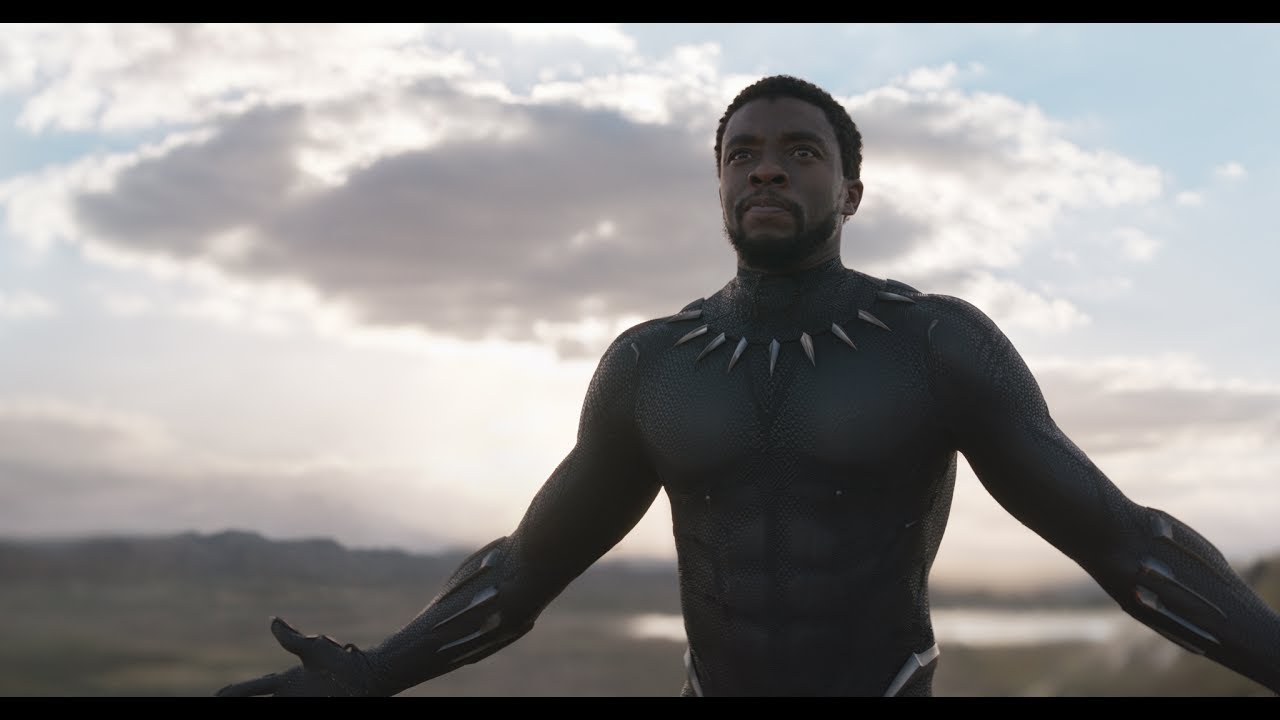
Now, I’m not saying that this sort of appeal will be the sole reason “Black Panther” succeeds at the box office. I believe that if it succeeds on the level that some are already projecting, it’ll be because of a multitude of factors, much of which can be attributed to the winning formula that Marvel Studios has refined.
Whatever the racial or cultural undertones of a movie like “Black Panther,” it has already struck a chord. It’ll likely strike even more after it’s released. Most probably won’t be related to Black Panther being the perfect king or Wakanda being the perfect society, but the undertones are there. As people become more dissatisfied with their leaders and their society, they’re likely to become more overt about it.
Filed under Comic Books, Jack Fisher, Superheroes


 Jack Fisher's Official Publishing Blog