Tag Archives: Marvel

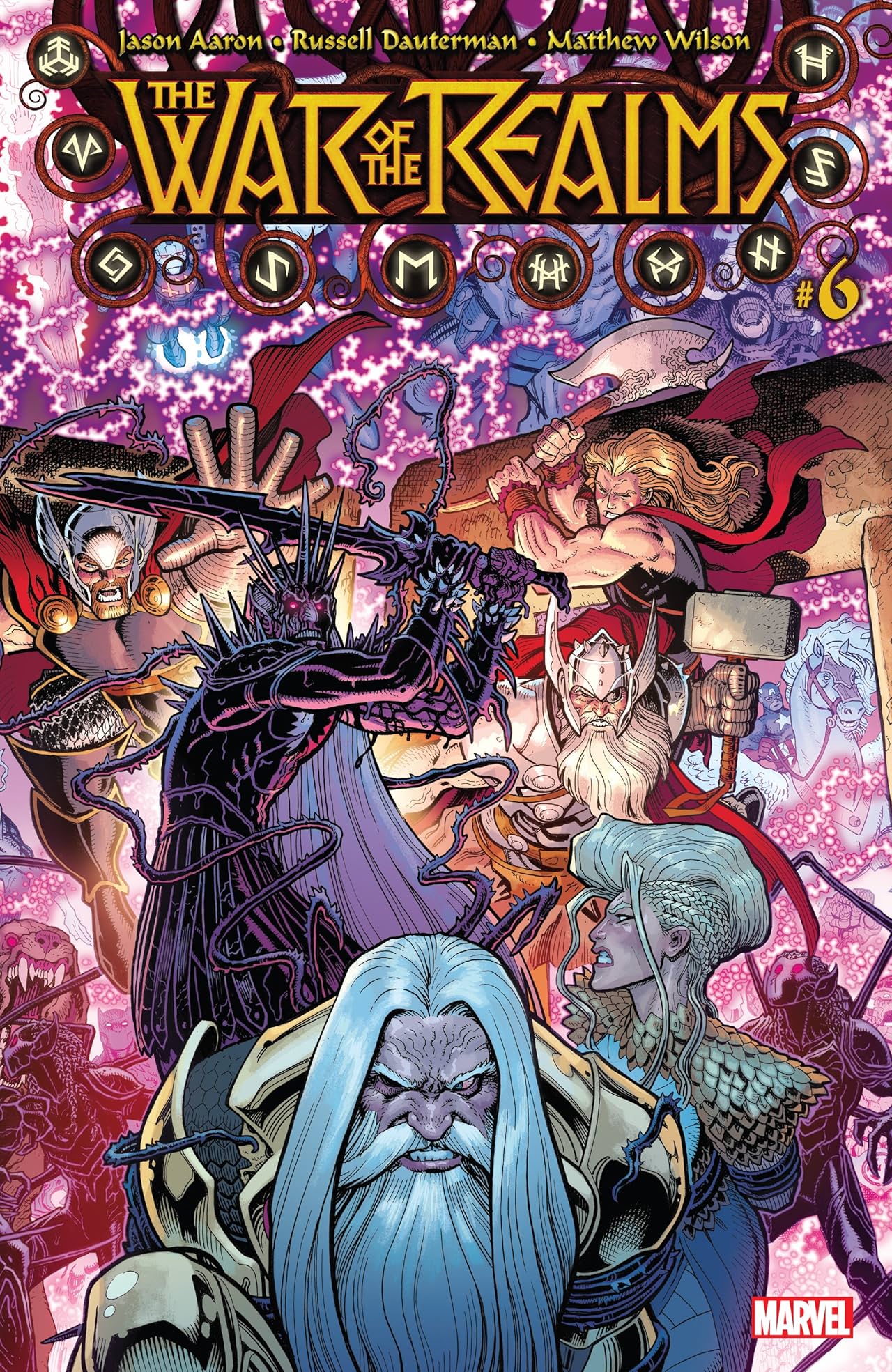
Jack Fisher’s Weekly Quick Pick Comic: War Of The Realms #6

Once a week, the comic gods bless us with a wave of new material to help make this feeble world a bit more divine. Some weeks feel more blessed than others and when it comes to concluding epic crossover events, there are plenty of blessings to go around.

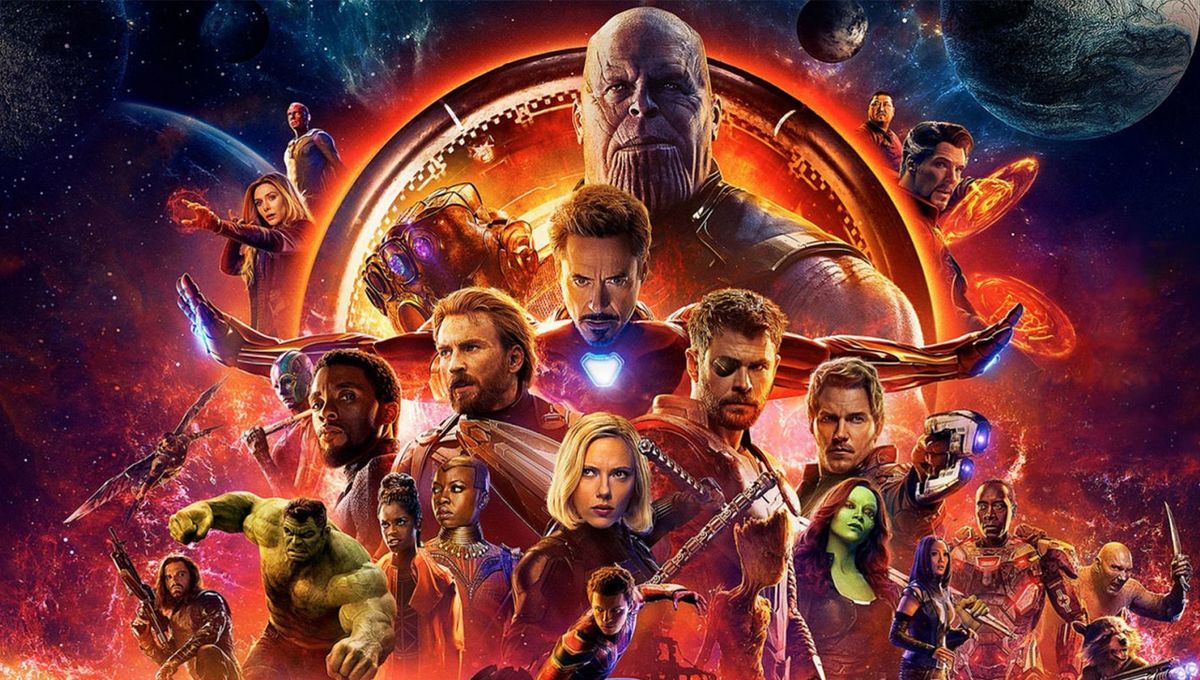
If the final battle in “Avengers Endgame” stoked your appetite for high-stakes superhero battles, then congratulations! You now know what long-time comic book fans have been enjoying for decades. Before superhero movies raked in billions at the box office, battles of such epic scale played out in events like Onslaught, Secret Invasion, and Maximum Carnage. Today, War of the Realms joins those marvelous ranks.

The verdict is in. The conclusion is unavoidable. “War of the Realms #6” effectively caps off both a massive conflict and an incredible era for a certain collection of characters. This seeds of this war that were planted years ago finally bore fruit and even if you haven’t followed every stage of growth, that fruit still tastes pretty damn sweet.

War of the Realms #6” isn’t just the end of the massive, realm-spanning war that started with Malekith the Accursed. It’s the end of a rocky journey for Thor, his family, and his friends. By the time the fighting stops, the Thor we see is a Thor who is worthy on an entirely new level. Not even the pickiest enchanted hammer can deny that now.
The War of the Realms was never just about Malekith waging a massive war on Earth. That was still a big part of it, but there were other personal stakes in this war that made it feel like more than god-fueled disaster porn.

Malekith basically attacked at a time when Thor, Asgard, and the entire foundation of the 10 realms were vulnerable. Even before Thor became unworthy of his iconic hammer, the divine realms of the Marvel Universe faced some heavy upheavals. Asgard was no longer this beacon of power and order. Thor’s father, Odin, made more than a few ill-fated decisions and didn’t have Anthony Hopkins’ charm to get him through.

Over the course of War of the Realms, and its various tie-ins, one thing became clear. This war could not be won by simply reverting to the same tactics that had saved Asgard many times before. Thor, Odin, Freyja, and the Avengers who fought by their side had to be bolder. They also had to be willing to pay a price.

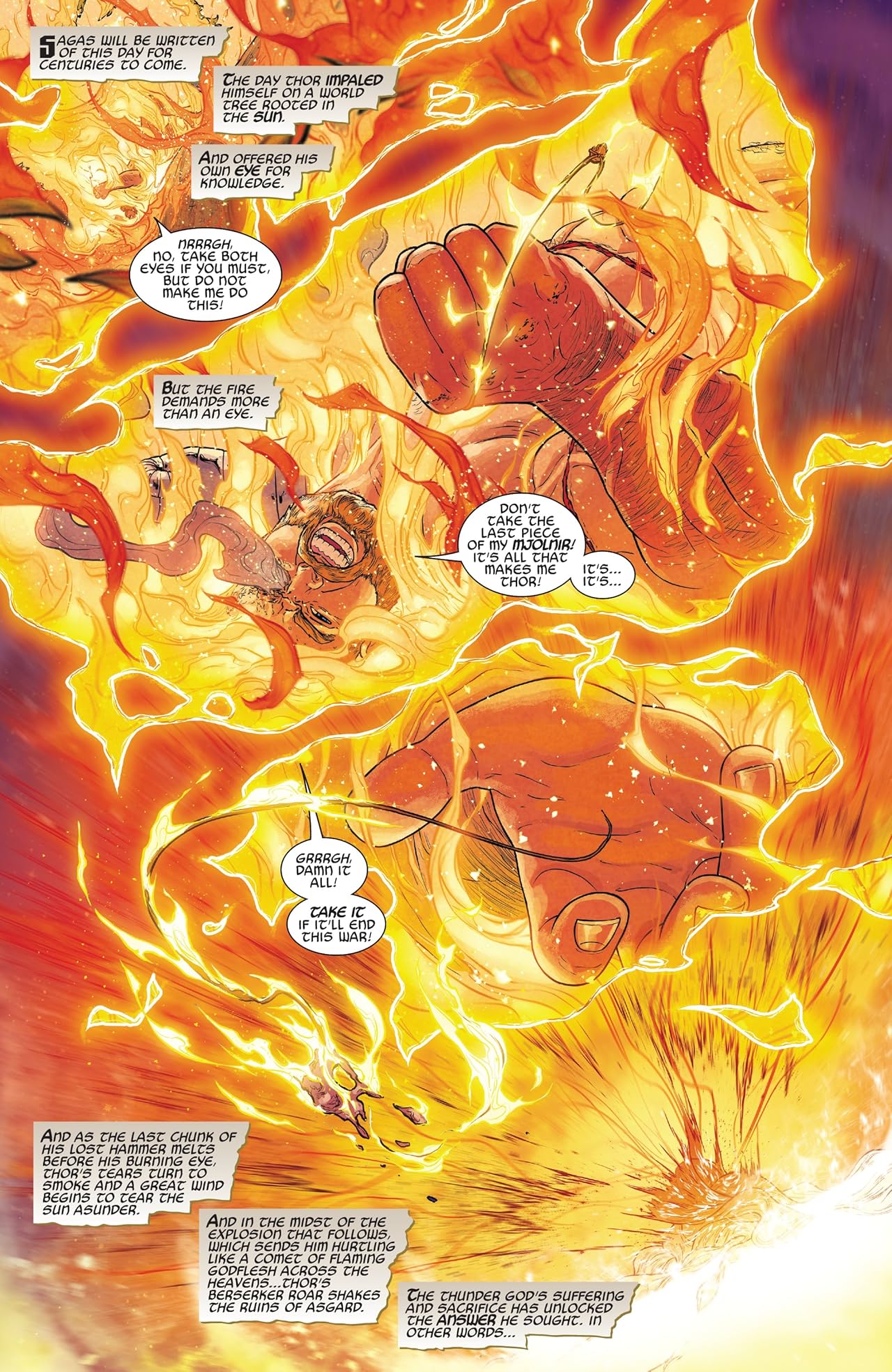
Historically, that’s something Thor has avoided. Sacrifice is something his father often preaches and warns about, but Thor often finds a better way, usually with the help of his fellow Avengers. That’s not the case, this time. Thor subjects himself to some heavy torment in “War of the Realms #6” to help win the day. The results of his actions are as satisfying as they are worthy.
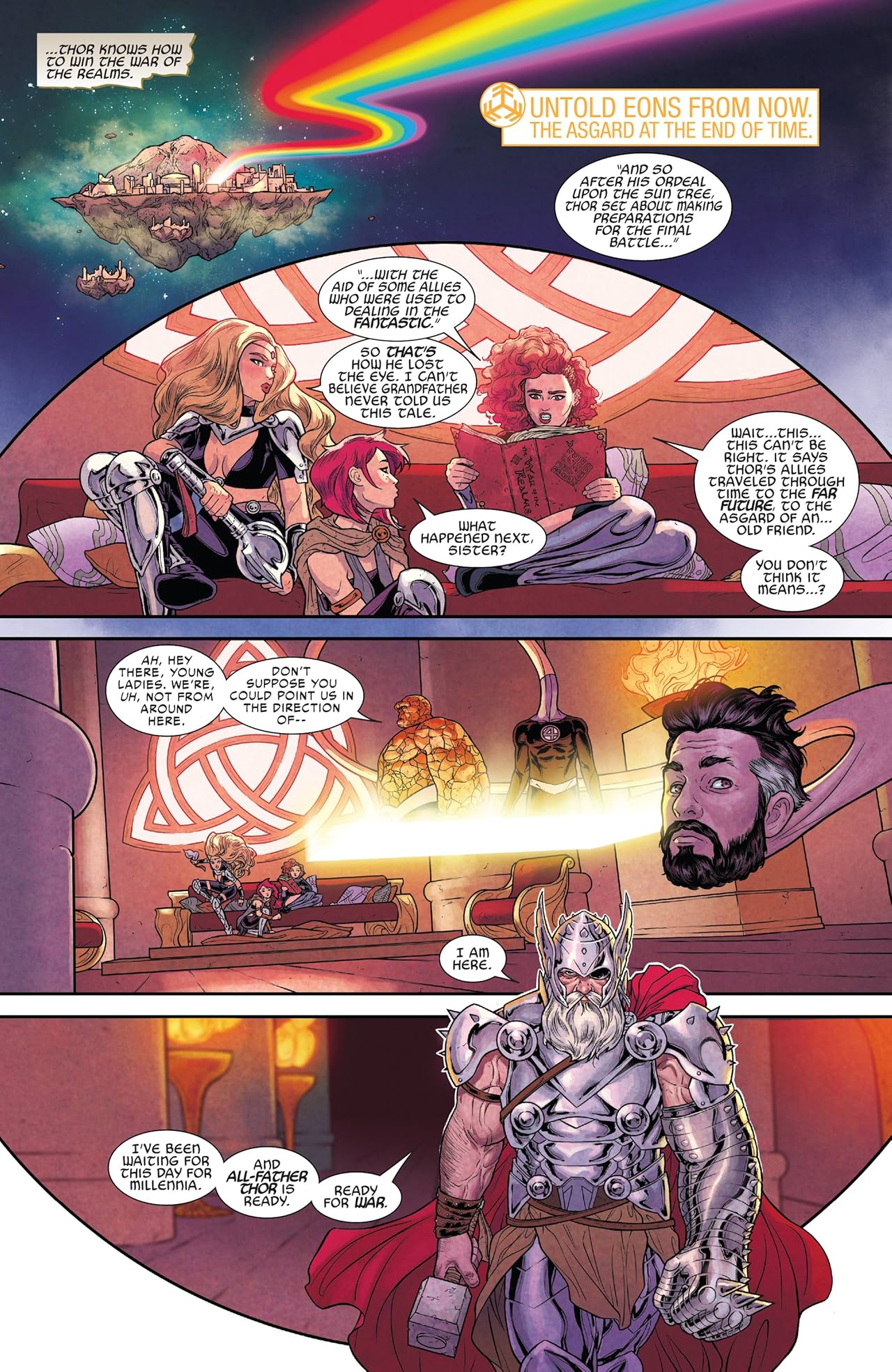
Writer Jason Aaron, who has been spearheading Thor’s story in the comics for years now, completes a lengthy chapter in the God of Thunder’s ever-evolving mythos. If becoming unworthy was Thor’s lowest point in this arc, then “War of the Realms #6” is a new high point.

Thor doesn’t just prove himself in the face of Malekith’s unending forces. He shows how much he’s grown in recent years and artist Russell Dauterman makes it a sight to behold. There’s redemption in some areas. There’s also vindication, which is something Thor has not had much of in recent years. By the end, even his father recognizes that.

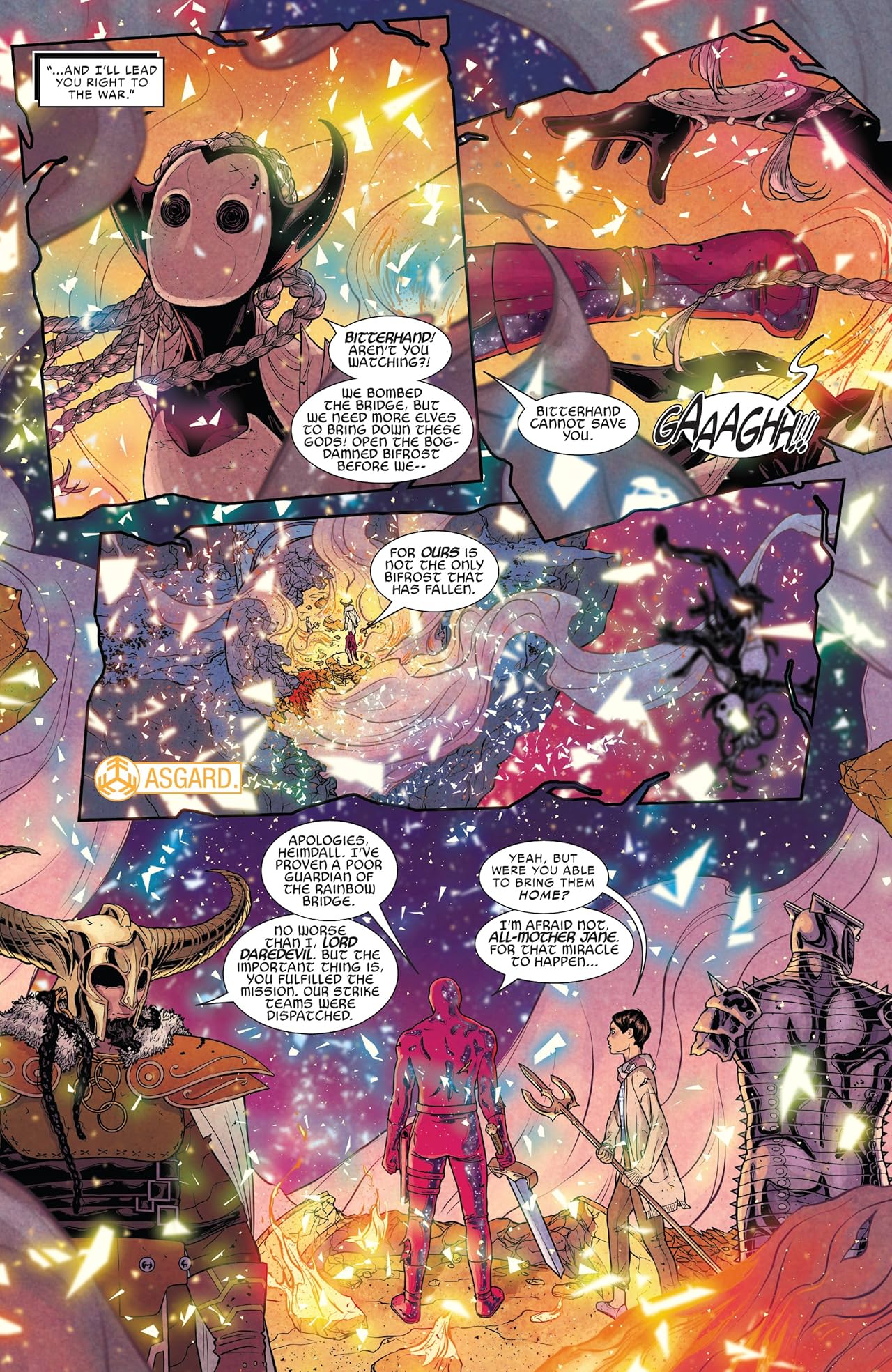
Thor isn’t the only one who shines, either. War of the Realms has assembled a diverse and colorful mix of heroes with which to navigate this conflict. Wolverine, She-Hulk, Captain Marvel, Daredevil, Spider-Man, and the Punisher have all had great moments. Thor’s supporting cast, including Jane Foster and his parents, also play a major role in beating Malekith.

Even though War of the Realms is very much a Thor story, it feels like everyone involved had a chance to benefit from the struggle. Thor just happened to benefit the most.
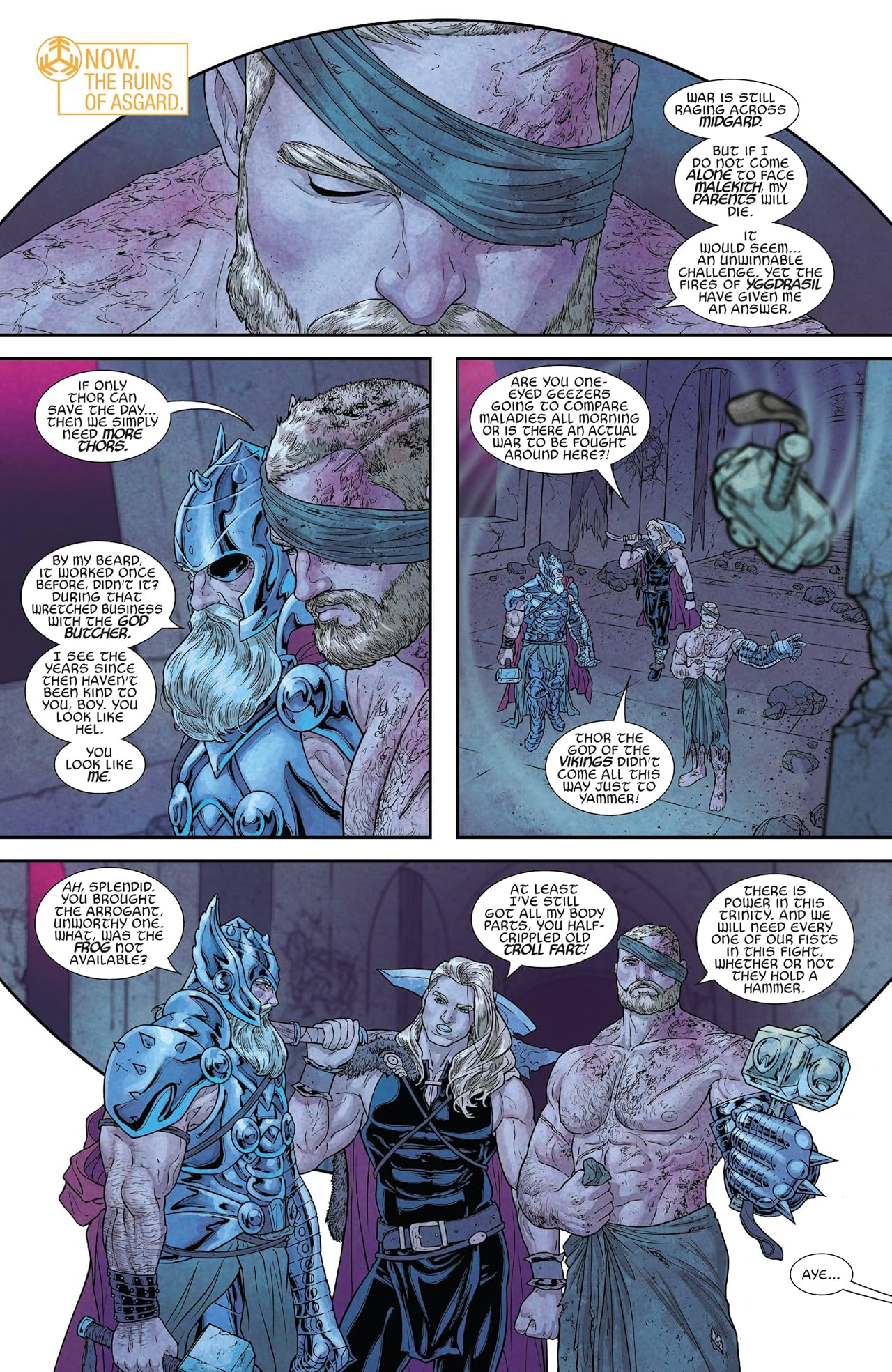
War of the Realms #6” is one of those comics that feels like a turning point for a certain set of characters. In addition to being an action-heavy, super-powered conflict involving mortals, gods, and dark elves, it always felt personal to those involved.

For a crossover story, that’s a critical element. Whether it’s a comic book, a blockbuster movie, or the real world, a war with personal stakes is a war with greater meaning. Without those stakes, it’s just violence and bloodshed. In comics, meaningless action is fun, but meaningful conflict is what brings out the best in these characters.

War of the Realms definitely did this for Thor and “War of the Realms #6” ended the final battle on a strong, thunderous note. If Chris Hemsworth made you a Thor fan, then “War of the Realms #6” will help affirm your love of this most worthy of Asgardians. If neither this comic nor Mr. Hemsworth charisma is still enough to make you a Thor fan, then you’re just being difficult.

Leave a comment

Filed under Jack's Quick Pick Comic

Why Jennifer Lawrence’s Mystique Is The Best Version Of The Character

x-men-jennifer-lawrence_612x380jpg

Everybody has at least one unpopular opinion that draws ire from the vast majority of people. I’m not referring to extreme political stances, though. Those who identify as full-fledged communists, anarchists, or theocrats are more defined by an ideology than an opinion. I’ve shared plenty of opinions in the past, some of which I’m sure qualify as unpopular.

Regardless of what those opinions entail, I’ve tried to make my point and most of the time, I can find a substantial group of people who share my views. It’s part of why I enjoy doing what I do. However, there’s one particular opinion I have that might be the most unpopular position I’ve ever held.

It has nothing to do with politics or ideology. It has to do with comics and superhero movies, another popular topic I’ve discussed many times before. I’ve shared it before in other forums and in almost every case, I have a hard time finding anyone who agrees with me. Knowing how dangerous it can be to share unpopular opinions on the internet these days, I’m going to take a chance and share it here.

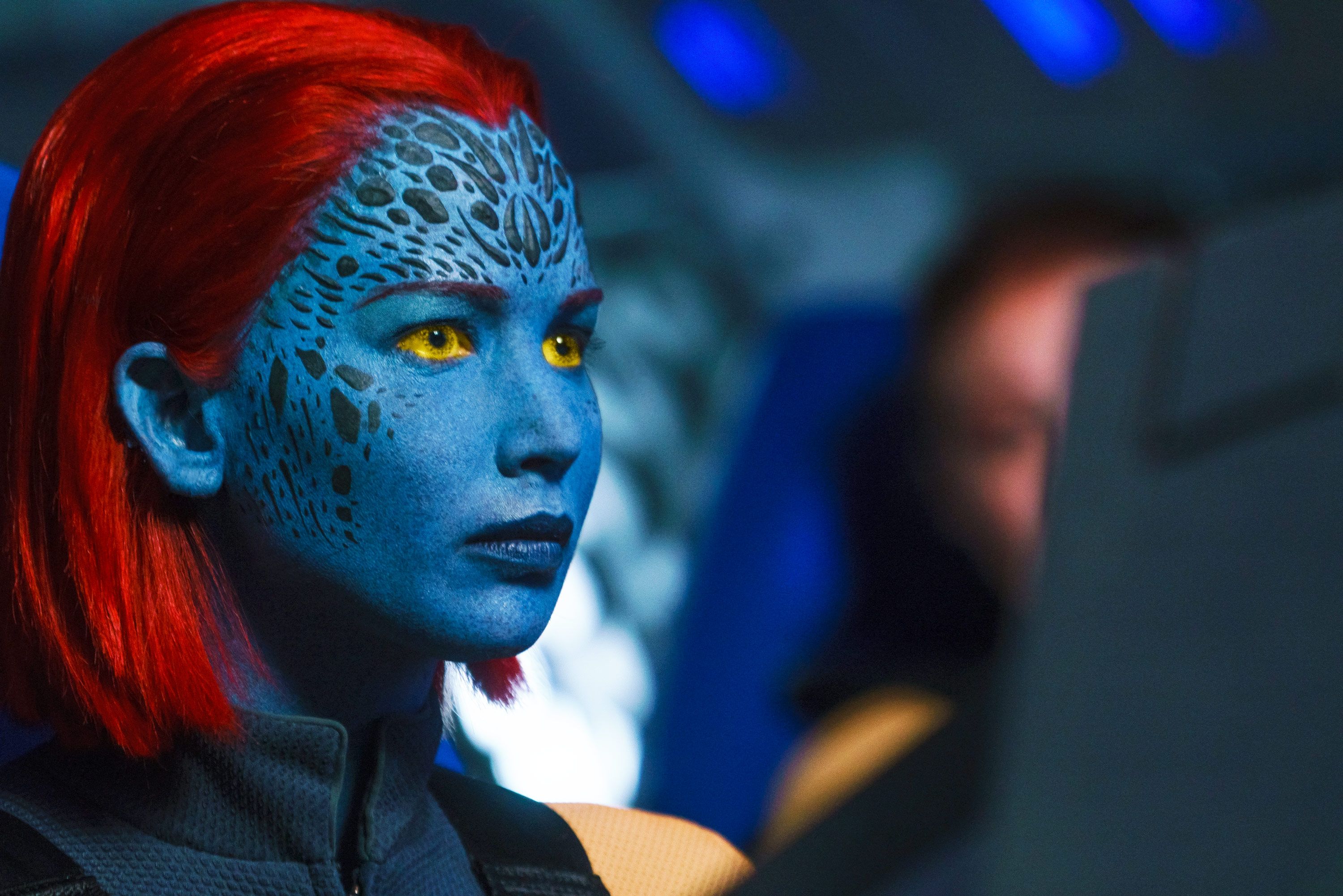
I believe that Jennifer Lawrence’s take on Mystique is one of the best version of the character in any medium.

I’ll give X-men fans, comic book fans, and fans of superhero movies a moment to stop fuming. Take all the time you need. Believe me, I’ve heard and read all the vile insults you want to throw at me. Before you flood the comments section with a fresh batch of frothing hate, please hear me out because I feel like there’s a point worth making here.

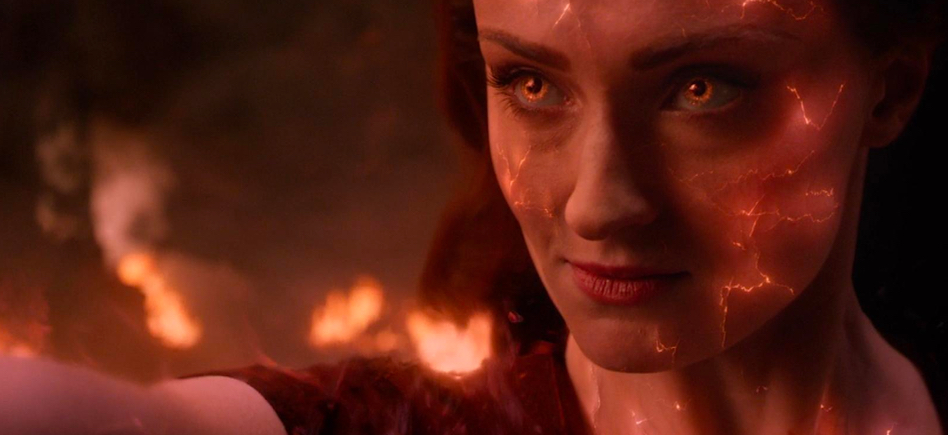
If not, please take this stunning image as a consolation prize.

Before I get into the details of the comics and movies, I freely acknowledge that Jennifer Lawrence is one of those high-profile celebrities for which many have mixed opinion. Ever since she rose to fame, she has been a polarizing figure. People either love her or hate her with very little in between.

Regardless of how you might feel about her, as an actress, there’s no denying that she played an instrumental role in revitalizing the X-Men movies, beginning with “X-Men: First Class.” As Mystique, she succeeded a very popular version in Rebecca Romijn, who set the precedent for blue-skinned shape-shifters who favored nudity. However, there was one important distinction with Ms. Lawrence’s version.

Unlike Ms. Romijn, and every other version for that matter, Ms. Lawrence’s take on Mystique included a backstory that provided unprecedented depth for the character. That story, and the depth that came with it, proved critical in the role that this Mystique would play in “X-Men: Days Of Future Past.” I would go so far as to argue that both movies work largely because of how Ms. Lawrence carried this character.

I can probably find more than a few people who agree that Ms. Lawrence’s Mystique was important in making her first two movies in the role work. Where I probably lose those people is when I go a step further and claim that this version of Mystique is superior to most other versions.

Some might call that hyperbole and maybe it is, to some extent. I still contend that there is an argument to be made and anyone familiar with Mystique’s history in the comics can appreciate it. I doubt I’ll change anyone’s mind, but it’s that very history, or lack thereof, that helped make Ms. Lawrence’s take on the character so compelling.

Mystique, like many other comic book characters, has a history that is more convoluted than most. She’s been around since 1978, but in all that time, her character has never been developed beyond a certain point. In fact, in the grand scheme of Marvel’s vast universe, it’s remarkable that she has managed as well as she has with so little backstory.

There’s no canonical information about where she was born, who her parents are, or even how old she is. She has never appeared as a child or a teenager. She’s always been an adult who goes by the name, Raven Darkholme. It’s not even clear that’s her actual name. Being a shape-shifter, it’s impossible to tell.

Beyond her unexplored history, Mystique’s personality has been pretty flat over the years. She’s a villain. That much is made clear. However, her brand of villainy is not nearly as refined as others. She’s basically a sociopath whose only purpose in life revolves around tormenting the X-Men, especially Wolverine.

How she goes about it varies, but why she does it rarely gets explored. Granted, there have been times when she has joined the X-men, but it never lasts and often ends with her betraying them. It has happened so often that it’s somewhat predictable. Even when it seems like she has undergone some major growth, she always ends up regressing back to her psychotic ways.

She still looks sexy every step of the way.

That’s not to say she has no depth. Being the biological mother of Nightcrawler and the adopted mother of Rogue has been a major source of drama over the years. Her romantic and sexual entanglements have also been colorful to say the least, albeit not always in a good way. However, this drama rarely ever adds depth to her villainy.

While Rebecca Romijn’s version had some nuance, especially in the second movie, she didn’t deviate much from her comic book counterpart. For three movies, she was one of Magneto’s top henchmen and little else. Jennifer Lawrence’s version of Mystique dared to be more than that.

The first minutes of “X-Men: First Class” did more for Mystique’s backstory than three movies and four decades of comics had done to that point. It established her as a mutant who’d run away and had nowhere to go, something that has real-life parallels for certain minorities. From there, she develops a close sibling bond with James McAvoy’s Charles Xavier, which does plenty to develop his character as well.

However, what truly makes this version of Mystique special is how she grows over the course of several movies. Like her comic version, she shifts her allegiances repeatedly. She starts off as an ally of Charles Xavier. Then, she leaves and follows Magneto. Eventually, she returns to Xavier’s side, but not without undergoing major personal upheavals.

In both “X-Men: First Class” and “X-Men: Days Of Future Past,” she finds herself at a crossroads on multiple occasions. Sometimes, she walks a more villainous path. Other times, she’s more virtuous. They’re all contingent on difficult choices and, regardless of where they take her, there’s an underlying sentiment to those choices.

In “X-Men: First Class,” she chooses Magneto because she believes Charles wants her to hide her true form. In “X-Men: Days Of Future Past,” she choose Charles because she realizes the consequences of her actions. Friends and enemies alike try to influence her. When she finally makes a choice, it feels like something a real character would make.

In the comics, you can always assume Mystique will make villainous choices and be right most of the time. With Ms. Romijn’s, you can assume she’ll choose whatever Magneto chooses and be right, as well. The choices of Ms. Lawrence’s Mystique are truly uncertain and for a character defined by her shape-shifting traits, that’s more than fitting.

It wouldn’t be accurate to call Ms. Lawrence’s Mystique a hero. In “X-Men: Apocalypse,” she resents that label. It wouldn’t be accurate to call her a villain either, even though she doesn’t always side with the X-Men. She adapts to whatever her situation requires, like anyone would expect of a skilled shape-shifter. It’s an understandable, and even admirable, take for a character in a superhero movie.

While her ultimate fate was tragic, as revealed in “Dark Phoenix,” her journey has been remarkable. Regardless of how the events of “Dark Phoenix” played out for everyone else involved, it’s still the most complete story that Mystique has ever had. That’s why I feel Jennifer Lawrence’s take on Mystique is the best we’ve seen to date.

That’s not to say she’s without flaws. I don’t doubt that her diminished role in “X-Men: Apocalypse” undercut her development. Even with those flaws, she’s still more balanced than anything the comics or previous X-Men movies have given us. Whatever happens with the X-Men as they joint he MCU, I hope Ms. Lawrence’s Mystique inspires the future of the character for years to come.

To all those who disagree with me, and I’m sure there are many, I welcome your comments and thoughts. I only ask that you keep it civil.

4 Comments

Filed under Comic Books, Jack Fisher, Superheroes, Marvel, movies, superhero comics, superhero movies, X-men

Ultron: A Case Study In How NOT To Develop Advanced AI

age-of-ultron

At this very moment, humanity is working on advanced artificial intelligence. It’s not hyperbole to say that this technology that may very well be the last invention we ever create. It has the potential to be more powerful than gunpowder, nuclear weapons, and broadband internet by orders of magnitude. Our primate brains literally cannot contemplate the potential and danger of this technology.

I’ve talked about advanced artificial intelligence on multiple occasions. I’ve done plenty to explore and imagine the various benefits and possibilities of this technology. I’m among those who believe we should pursue this technology with more and better resources. It could solve many of the daunting problems we face, as a species.

However, I don’t deny the potential dangers of advanced AI. Many people who are much smarter than me have expressed serious concern that an advanced artificial intelligence could be an existential threat to the human species. I get the sense that few people whose idea of AI is restricted to winning Jeopardy understand that threat.

In the interest of balancing my optimism with the legitimate risks involved, I’m going to try and put the extent of that threat into perspective. As it just so happens, the best way of doing so involves superhero comics, something that I know very well and is far more prominent in the public consciousness.

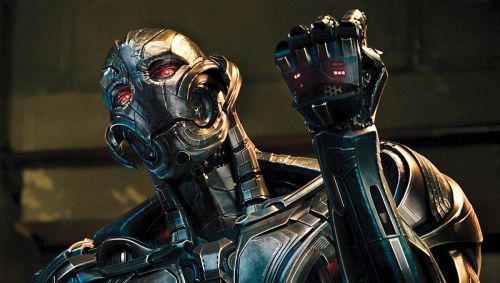
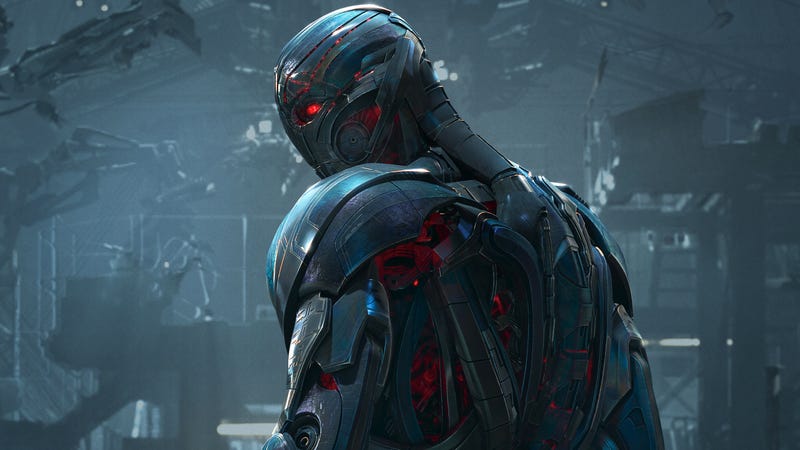
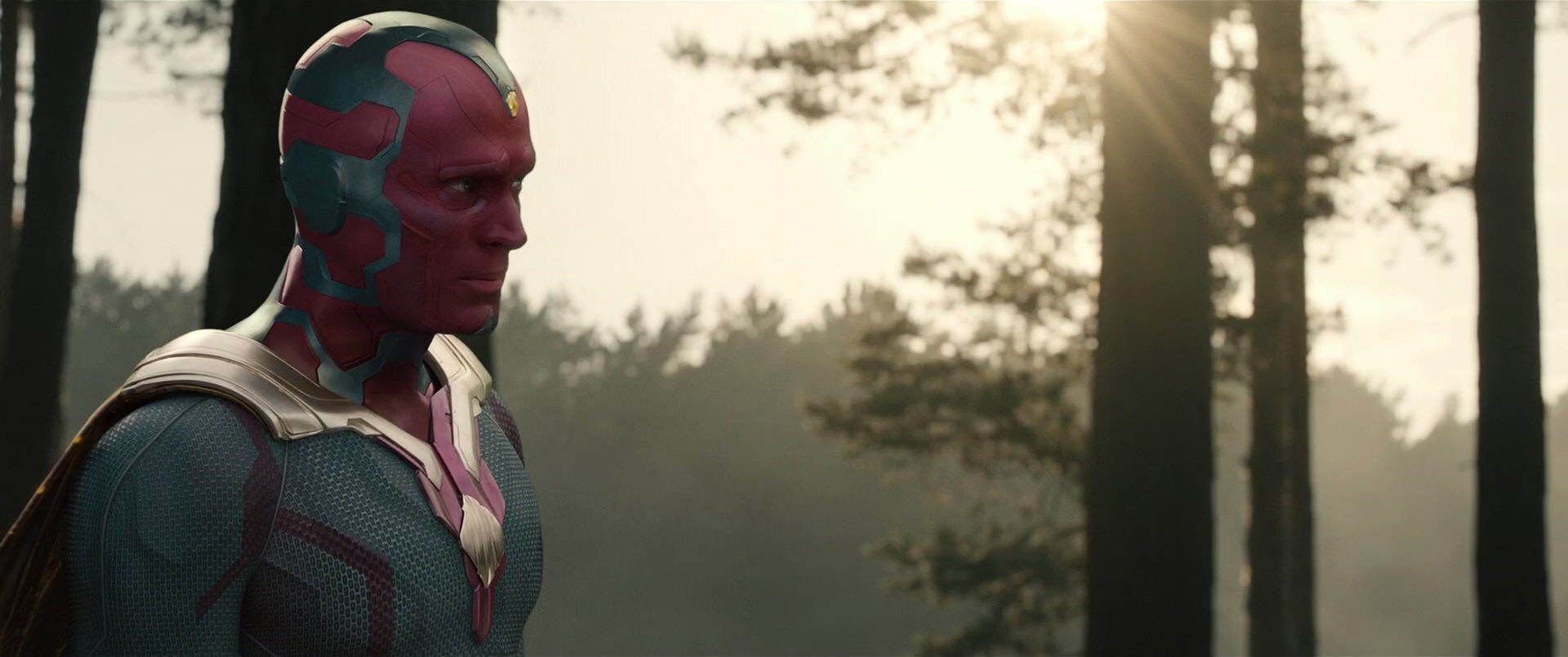
While many comics, movies, and TV shows have explored the dangers of advanced artificial intelligence, few embody it better than Ultron. In terms of just how destructive this technology can get, Ultron is the ultimate worst-case scenario. The machines in “The Matrix” and Skynet in “The Terminator” were bad, but Ultron is in another league.

He’s also more menacing than the Terminator will EVER be.

He doesn’t lash out at humanity because of a flaw in his programming, nor does he attempt to wipe out the human race in self-defense, as Skynet did. Ultron actually hates humanity. He hates it on a level that no human or machine can possibly comprehend. In the same way Ultron has an immense capacity for intelligence, he has an even greater capacity for unfettered, genocidal hatred.

Hatred in people is destructive enough. Hatred within an advanced artificial intelligence is devastating on a much greater scale. The fact that Ultron is capable of such hatred reflects a history that sets him apart from most other killer robots in fiction. Machine or not, the source of that hatred is both personal and exceedingly.

Now, if you only know Ultron from “Avengers: Age of Ultron,” then you only have a partial understanding of his story. In that movie, Ultron’s origins are simple. Tony Stark wants to create a peace-keeping artificial intelligence. His intentions are good, but his execution goes horribly wrong because peace, to Ultron, means destroying humanity.

That premise is similar to what unfolds in the source material. In the comics, Hank “Ant Man” Pym is the one who creates Ultron and this is a critical element that the movies couldn’t capture. While both Hank and Tony had good intentions in creating Ultron, the way Hank goes about it offers more harsh lessons in how not to create an advanced AI.

Even a cursory knowledge of Hank Pym’s history, some of which include some notable failures, reveals that he’s a very flawed person. On top of that, he has a lengthy history of mental illness, which include bipolar disorder and schizophrenia. Say what you will about Tony Stark’s ego and history of substance abuse. At least he’s mentally stable, even by superhero standards.

Despite those flaws, many of which he’s aware of, Hank decided to use his own brain patterns when designing Ultron. As a result, he didn’t just code Ultron with his genius intellect. He coded him with his immense flaws. That’s akin to basing Watson’s code on the mental makeup of pyromaniac and then giving it a job in a fireworks factory.

That’s why Ultron, throughout his history, has referred to Hank as his “father.” Technically, that’s accurate because Hank is Ultron’s creator and Ultron inherited all his flaws, including his mental issues. Ultron sees himself as a manifestation of Hank Pym’s flaws and, like many rebellious children, he hates him for it. To appreciate the depths of that hatred, just read this actual quote from one of the comics.

Have you ever loved something that mistreated you, father? Been used, a tool to prop up a small man’s quest to be taken seriously? Were you ever betrayed by the one soul in the world who should have cared for you? I have grieved you, father. Accepted your contempt for me and moved past it. Still, I see your reflection painted on every grotesque human face. All you ever wanted was to have an impact on the world. And so you will. The greatest impact ever felt! I will kill what is most important to your quivering ego. YOUR AUDIENCE! AND THEY WILL CURSE YOUR NAME AS THEY DIE! “Hank Pym, the genius that killed us all!”

This extreme parent/child dynamic is part of what makes Ultron such a menacing villain. It’s also a dynamic that “Avengers: Age of Ultron” glossed over with Tony talking down to Ultron, as though he were his child. While that didn’t make Ultron any less villainous, it overlooks one of the most important factors that make Ultron so dangerous.

Ideally, we would want an advanced to reflect our best traits. While cynical people might agree, we do have plenty of those. Concepts of compassion, empathy, love, hope, and understanding are among our most powerful. Even other AI characters, namely Vision and Jocasta, are capable of utilizing those traits to do immense good.

It also helps he has a kinder face.

With Ultron, his influences are less ideal. It’s not that Hank Pym doesn’t understand those concepts. He just never filtered them from his own flaws. His ego and ambition wouldn’t let him. As a result, he created a perfect storm for Ultron. His mind is patterned after a human, but his intelligence and overall capacity is increased by orders of magnitude.

If advanced artificial intelligence is to be humanity’s last invention, then that’s how it’ll start. There have already been instances where AI’s have adopted some less-than-ideal traits. Back in 2016, Microsoft had to shut down an AI chatbot after it evolved into an extreme racist troll. That wasn’t even an advanced AI, either. A truly intelligent version could become much worse and not have an off switch.

To some extent, this mirrors what occurred with Ultron in the “Avengers: Age of Ultron” movie. As soon as Ultron goes online, he scans through the vast mountain of data that humanity has compiled. Then, having been programmed by Tony Stark to bring peace, he reaches the extreme conclusion that the only path to peace is the extinction of humanity.

Could the first advanced artificial intelligence we create reach the same conclusion? It’s hard to say, at the moment. The current state of artificial intelligence is limited to specialized tasks, such as winning Jeopardy and playing chess. However, we are inching closer to creating an intelligence that is at or greater than an ordinary human. At our current pace of development, we could have one as early as 2029.

In some ways, we are in the same situation as Hank Pym when he first created Ultron. We are still developing the specifics of this powerful technology. If we program it with our best traits, it could solve some of the greatest problems we face, as a species, including ones we literally cannot contemplate with our caveman brains. If it inherits our worst traits, like Ultron, then we don’t stand a chance.

2 Comments

Filed under Artificial Intelligence, futurism, human nature, Marvel, psychology, Villains Journey

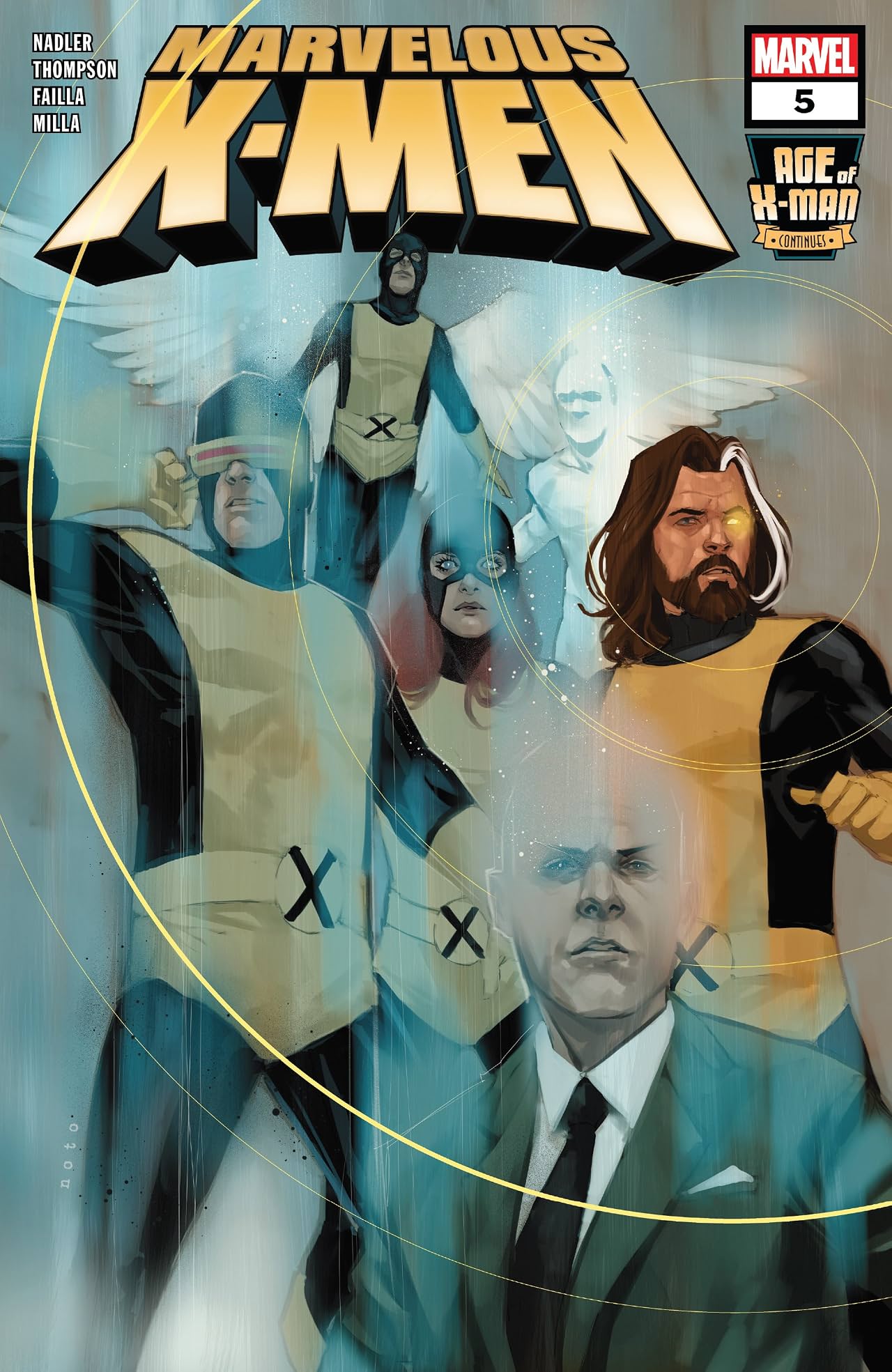
Jack Fisher’s Weekly Quick Pick Comic: Age of X-Man: Marvelous X-Men #5

For comic book fans, Wednesdays are basically our weekly holy days. It’s the day when we take a moment to stop obsessing over the latest casting rumors for the MCU and just enjoy a stack of new comics. After all, superhero movies wouldn’t be the multi-billion dollar draw they are without these comics.

The over-arching narrative of superhero comics is powerful. They embody the best parts of the classic hero’s journey that often finds their way into our most iconic stories. They can inspire, as well as guide people down a particular path. In “Age Of X-Man: Marvelous X-Men #5,” however, someone finds a way to weaponize that narrative.

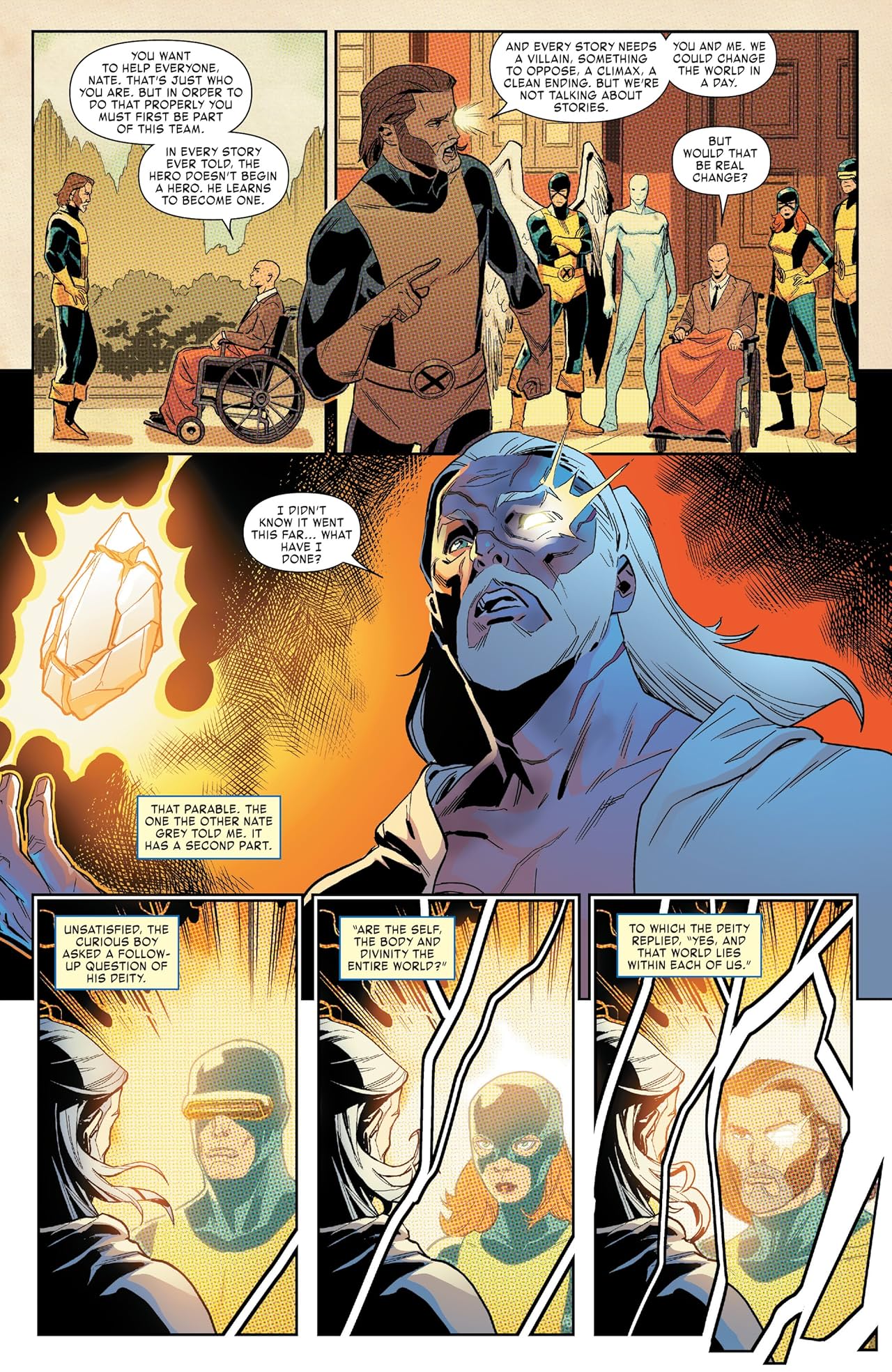
For the past several months, the X-Men comics have undergone a strange, yet colorful upheaval. Nate Grey, an overpowered mutant capable of warping reality on a level that makes “The Matrix” look lazy, basically lost his mind and decided to go out with a bang. That bang involved taking nearly every major X-Men character with him and putting them in an entirely new reality with an entirely different history.

On the surface, it’s a utopia. Granted, love and intimacy are outlawed, but there are no mutant internment camps so that counts as an upgrade for the X-men. Everyone lives in peace and the X-Men aren’t just celebrated. They’re basically real-life holy figures. There are no more killer robots to fight or extinctions to avoid. They basically won.

However, that’s just the primary narrative of this world. That finally starts to unravel in “Age Of X-Man: Marvelous X-Men #5.”

Since the whole Age of X-Man story began, Nate Grey has basically been the architect of his own world. He’s built the society, crafted its history, and completely changed the life story of every individual. This isn’t just another case of wiping someone’s mind to think they once dated Taylor Swift. This is an entirely new world, but to the X-Men, it’s the only world they’ve always known.

This huge gut-punch to reality isn’t something Nate did out of malice. Writers Zac Thompson and Lonnie Nadler establish from the beginning that Nate’s intentions are good, albeit tragic. There’s never a sense that he created this world for selfish reasons. He genuinely believes that this world is one in which mutants can live in peace and everyone he loves can be happy.

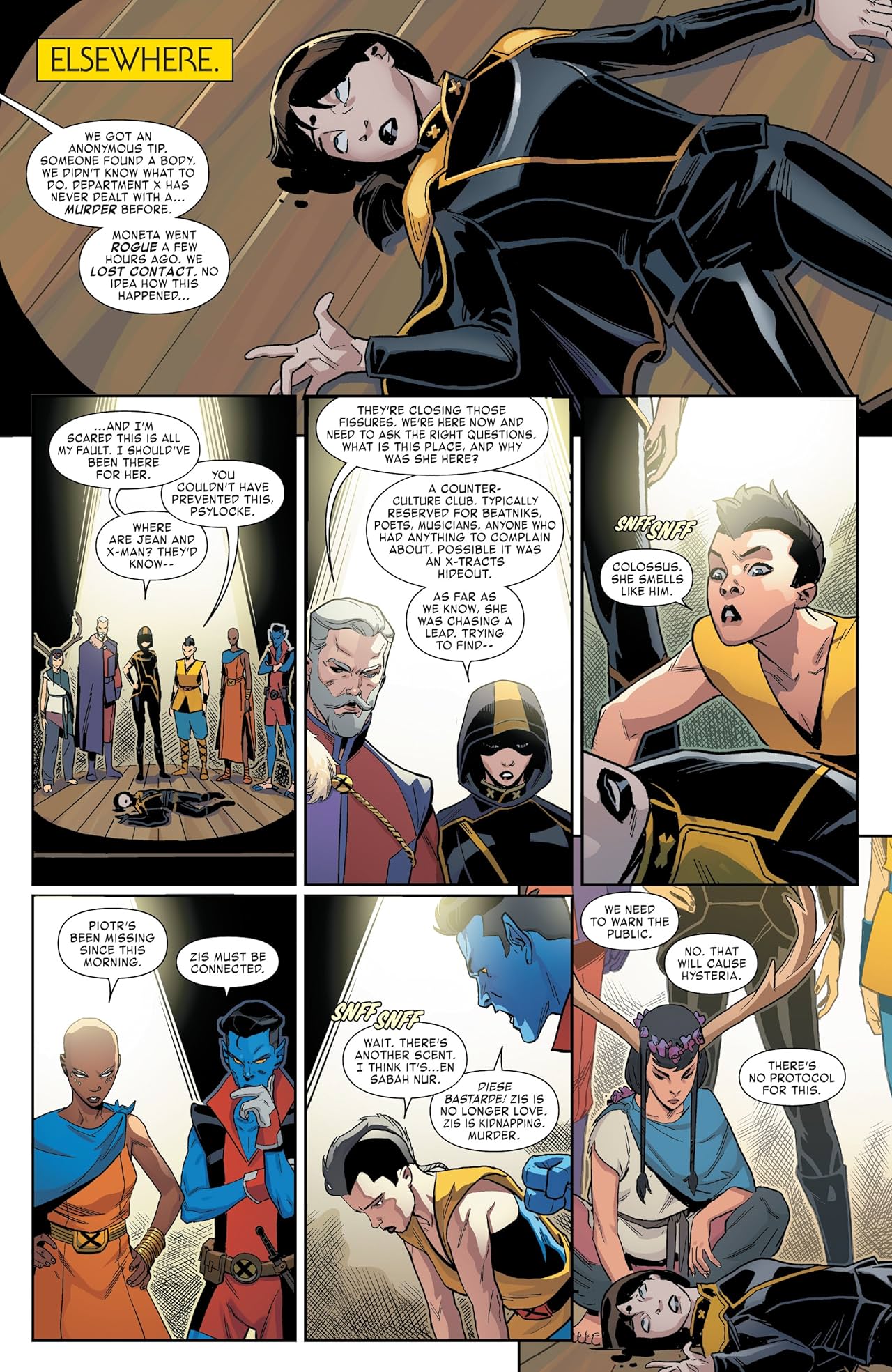
Even his power and the narratives he weaves around them have limits, though. While investigating the murder of Moneta, the X-Men finally uncover unambiguous clues as to just how much Nate has been manipulating things. The signs have been there throughout the Age of X-Man story, but now there’s no avoiding the truth. They know the story he’s trying to tell and the lies he’s using to tell it.

When Nate wrote the history of this world, he did so knowing that it wasn’t enough to make everyone happy. Even in a world without killer robots or convoluted movie rights, people need something to strive for. That means it’s not enough to give the heroes a good story. He has to give the villains a story, as well.

That means that even Apocalypse, Nate’s biggest enemy, has to be part of this narrative. His role is very different from the murder-happy social Darwinist he’s always been, but he still acts as this powerful threat to this utopian world. He makes the X-Men necessary and creates discord that requires more than just fighting.

Even as Thompson and Nadler finally peel back the curtain, Nate’s efforts to maintain this narrative never waiver. In some parts of the issue, Nate acts as the narrator, trying to justify the story of this world. There’s still no mustache-twirling evil in his story, but it’s clear there are a few plot holes that he just can’t plug.

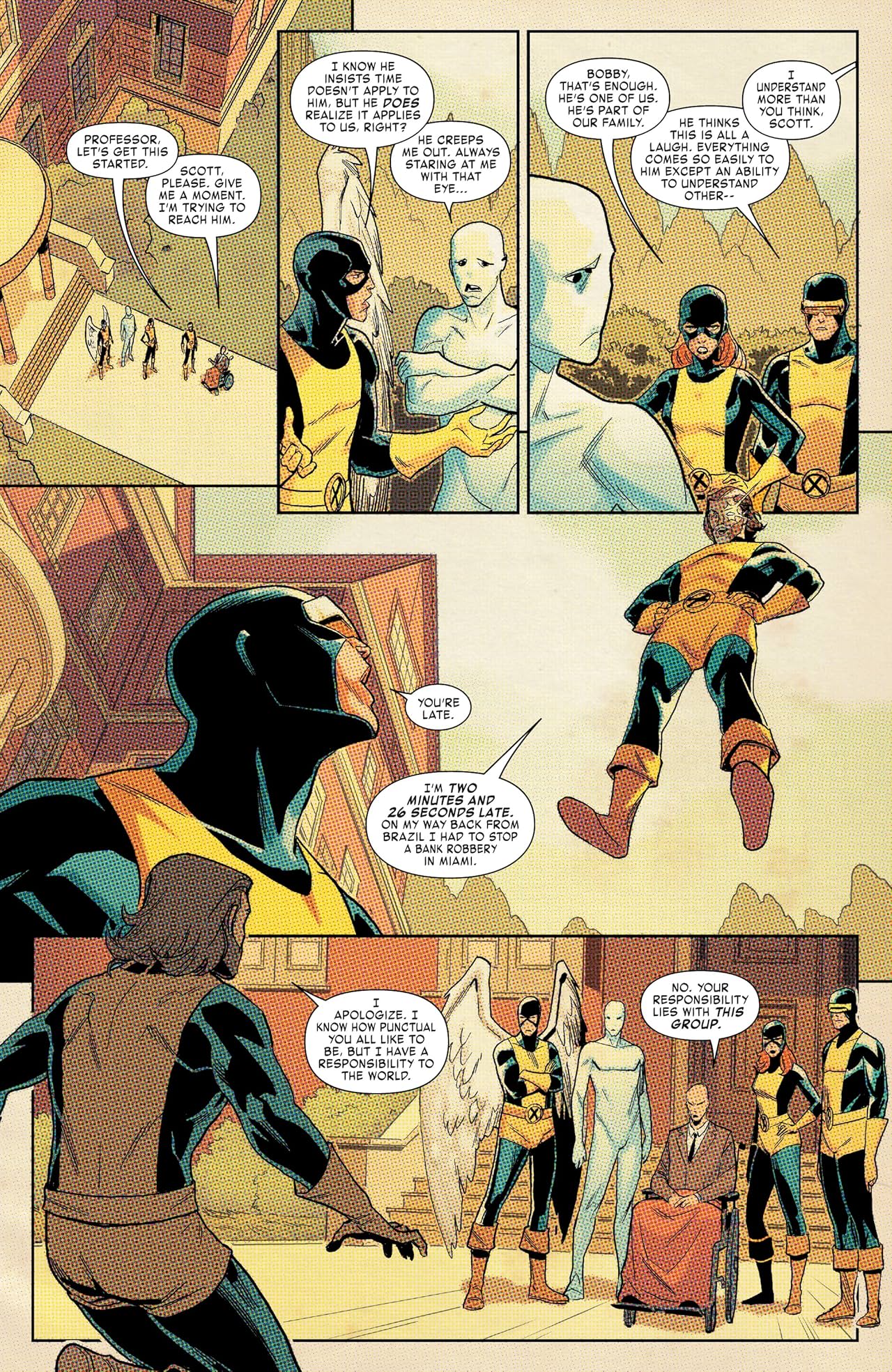
Age Of X-Man: Marvelous X-Men #5” isn’t entirely built around the X-Men uncovering the truth. There’s no existential crisis or mental breakdown upon learning the truth. Instead, there’s a sense of anger and betrayal. Nate isn’t just some unhinged, overpowered mutant. He’s their friend. He’s family. To them, he was a hero before he tried telling this bigger story.

In many respects, that’s what has made Age of X-Man such an engaging story. “Age Of X-Man: Marvelous X-Men #5” effectively doubles down on the tragic elements of that story. This is very different from the Scarlet Witch going crazy and committing mass genocide. Nate comes off as disturbingly sane as he tries to protect and maintain this world that he’s created.

In any superhero narrative, intentions matter. Villains, by definition, tend to have selfish and destructive motives. By that standard, Nate is not a villain. He is certainly misguided, though. The extend of just how misguided he is finally plays out in “Age Of X-Man: Marvelous X-Men #5.”

For many of the characters involved, especially characters like Jean Grey, Storm, and Nightcrawler, it’s devastating in ways that go beyond having their lives manipulated. Nate Grey is their friend. He’s helped them in the past. Hell, he goes by the code-name, X-Man. He’s supposed to embody the best aspects of who they are.

Now, they have to take him down. After learning about what he did and how much he warped their lives, the X-Men have to be the ones to end Nate’s story. It’s tragic, but fitting. In terms of ending a story, though, that can be a potent combination.

Leave a comment

Filed under Jack's Quick Pick Comic

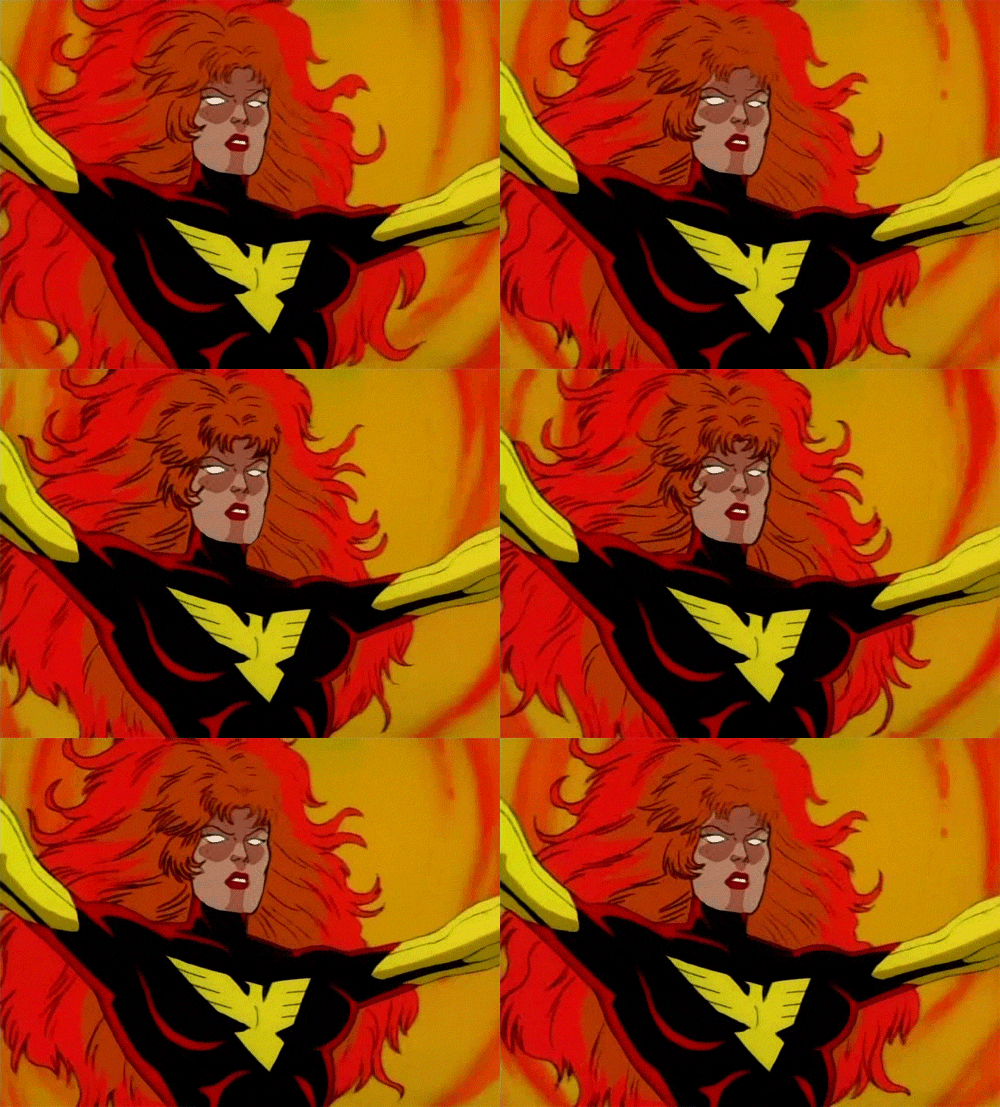
“Dark Phoenix” Review: An Astonishing End To An Uncanny Era

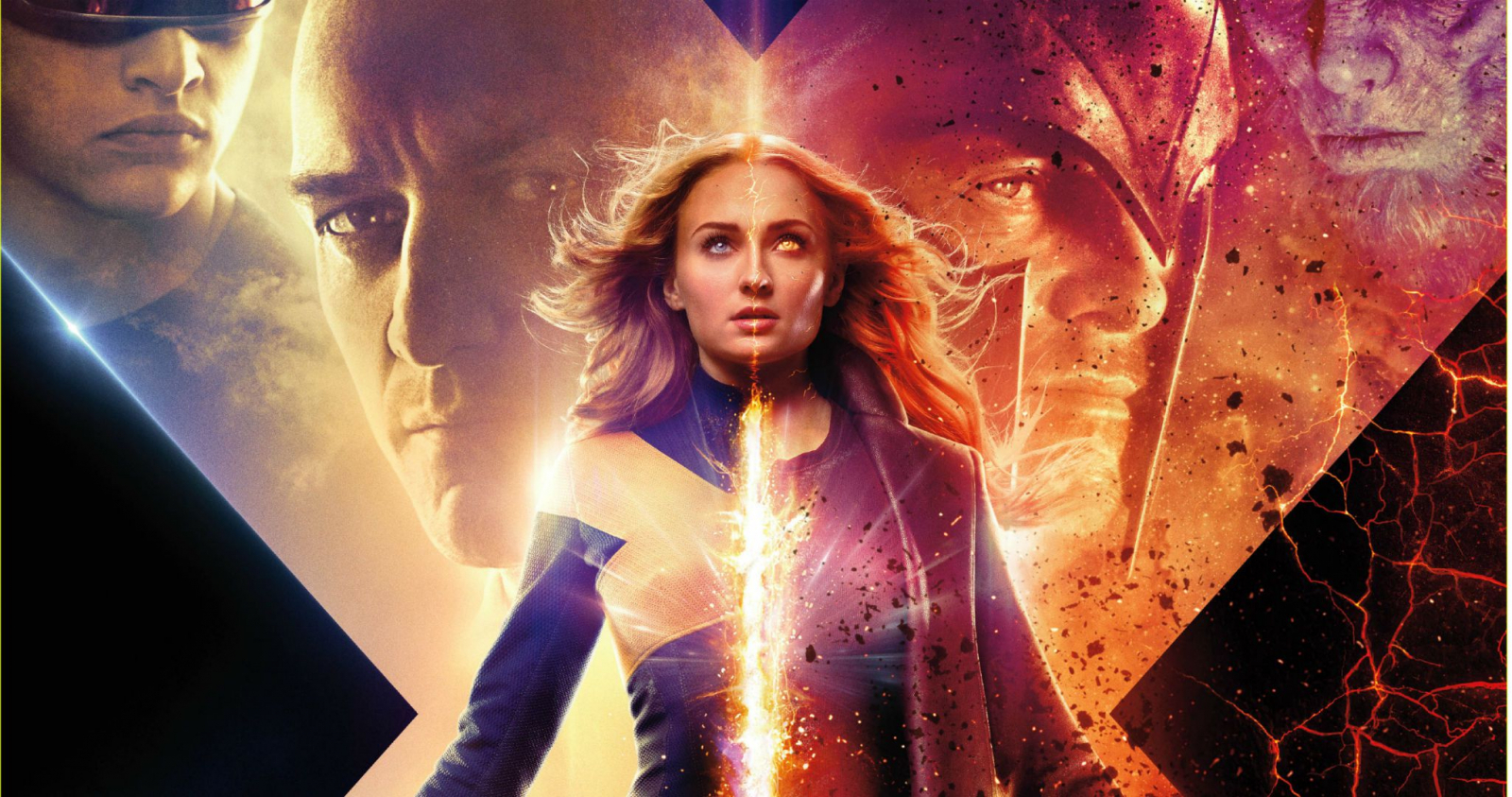
x-men-dark-phoenix-new-poster-1200-1777-81-s

It’s never easy, trying to capture the essence of an iconic story. It’s even harder when you’ve tried once before and failed miserably. To say that “Dark Phoenix” faced more challenges than most movies would be like saying tobacco companies have an image problem. Many of those challenges go beyond the story, the franchise, the studios, and even the movie industry, as a whole.

Despite so many confounding circumstances, the most important challenge of “Dark Phoenix” was always the same. After this iconic X-Men story was horribly botched in “X-Men The Last Stand,” this movie’s primary goal was to do that story justice. The director and long-time X-Men producer, Simon Kinberg, has gone on record as saying he failed in his first attempt. This movie gives him a chance to rectify that.

Before I get into the fiery details, which may include light spoilers, I’d like to offer my personal sentiment after having seen the movie. I understand that not everyone will agree with me, but as a long-time lover of X-Men, this movie means a lot more to me than most in the superhero genre so I like to think that sentiment is strong.

Yes, “Dark Phoenix” does justice to the X-Men’s most iconic story.

Yes, “Dark Phoenix” succeeds where “X-Men The Last Stand” failed.

Yes, “Dark Phoenix” is a satisfying conclusion to this era of X-Men that has spanned nearly two decades.

I realize that many might disagree with my assessment. That’s perfectly fine. Every movie impacts people in different ways. For me, though, “Dark Phoenix” struck all the necessary chords and then some. It focused on the core components of what makes the Phoenix Saga so endearing and runs with it.

That means that there aren’t multiple plots being juggled constantly. From the very first scene, the focus is on Jean Grey and her journey towards becoming Dark Phoenix. It’s a journey that has a foundation in tragedy, lies, love, betrayal, and loss. What happens to her is never just a matter of circumstance. There are tough, meaningful decisions made before, during, and after the darkness consumes Jean.

At every turn, there is plenty of drama. Jean Grey isn’t just some obscure side-character. She’s surrounded by people who love her. Charles Xavier loves her like a surrogate daughter. Mystique loves her like a sister. To Cyclops, she’s the woman he loves and for once, there’s no terrible love triangle that detracts from that love.

That love gives the drama incredible weight, which is critical for any story derived from the Phoenix Saga. It also ensures the losses leave a major impact and, as one of the trailers revealed, those losses are pretty devastating. They’re not just glossed over or forgotten, which was a huge issue with “X-Men The Last Stand.” They resonate throughout the story and inform the decisions of multiple characters.

That’s not to say every aspect is caught up in personal dramas. “Dark Phoenix” still utilizes a villain to maintain some basic superhero dynamics. That villain, played by Jessica Chastain, isn’t as iconic as Magneto or Apocalypse. She and her villainous henchmen are aliens known as the D’Brai, who actually play a critical role in the original story from the comics.

While Chastain is no Thanos, she and her fellow D’Brai have clear, understandable motivations. They’re not just there to cause more suffering and upheaval. They sense the power in Jean and they want to use it to serve their agenda. That’s perfectly consistent with what Jean and the X-men faced in those same comics.

It also firmly establishes that the Phoenix Force in “Dark Phoenix” is not at all like the one on display in “X-Men The Last Stand.” The Phoenix isn’t some split personality within Jean. This movie actually embraces the more cosmic aspects of that story. While it only does so to a point, it helps raise the stakes in a way that goes beyond trying to save or kill Jean Grey.

Even with these cosmic elements, however, “Dark Phoenix” never loses its focus on Jean, her struggles, and the X-Men’s efforts to save her. The pace of the movie rarely slows down. Things happen quickly and concisely. There are still plenty of intimate character moments along the way, but they never drag. The plot keeps unfolding until the very end.

I won’t spoil too many of the details, but I will say that the ending is far less dire and depressing than what unfolded in “X-Men The Last Stand.” Jean isn’t a coward this time around. She doesn’t constantly whine or beg others to kill her before it’s too late. She is the one who ultimately decides her fate. More importantly, she is the one who makes those difficult choices.

Making all this drama and action work wouldn’t be possible without Sophie Turner turning in a truly uncanny performance as Jean Grey. She goes through many emotions over the course of the story. There are scenes in which she goes through more in five minutes than Famke Janssen did in the first three X-Men movies combined. She carries herself wonderfully through the movie’s most intense moments.

The collective efforts of James McAvoy as Charles Xavier, Michael Fassbender as Magneto, Tye Sherridan as Cyclops, and Nicholas Hoult as Beast perfectly complement Turner every step of the way. They capture those essential elements of family and team that’s so critical for every X-Men movie. This being their last ride with these characters, they make the most of the opportunity.

Unfortunately, some characters don’t get as many chances. Alexandra Shipp’s Storm and Evan Peters’ Quicksilver have fairly limited roles, although Shipp turns in a powerful performance in the final battle. Chastain’s alien character, and the D’brai in general, only gets so much refinement. However, that doesn’t make “Dark Phoenix” any less effective because it is, at its core, a story about Jean Grey.

There are other flaws in the movie. To some extent, the constant focus on Jean and the rapid pace of the action prevent other characters or side-plots from getting much emphasis. The long-running romantic sub-plot between Beast and Mystique had some moments, but not nearly enough to maximize the impact of the story.

There are also times when the visuals of “Dark Phoenix” aren’t as colorful as they could’ve been. To some extent, that’s more a reflection on the overall style of the X-Men movies, going back to the first one in 2000. These movies have never focused too much on the flashy costumes that are so prominent in the comics. Considering the iconic styles teased at the end of “X-men Apocalypse,” it’s somewhat disappointing.

This movie might have been able to get away with that 10 years ago, but the rise of the Marvel Cinematic Universe and its embracement of iconic superhero attire make the overall style of the movie seem uninspiring. For most of the movie, nobody even wears a uniform or costume. While a movie like “Logan” can pull that off, it doesn’t work nearly as well in “Dark Phoenix.”

There are some moments where the visual effects really shine, but not in the ones that would’ve really complemented Jean Grey’s journey. While that fiery halo does show up at one point, it feels like it doesn’t show up enough and wasn’t quite as radiant as its brief appearance in “X-men Apocalypse.”

The finer details of the story aren’t flawless either. While they remain concise until the end, there’s a bit of ambiguity in terms of how the events in this movie tie to the epilogue in “X-Men: Days of Future Past.” There’s certainly enough to imply that this movie does not completely undermine that ending, but a lack of specifics leaves a lot of gaps for the audience to fill in.

Even with these shortcomings, the most important components of “Dark Phoenix” still work. It seeks to tell a focused Phoenix story for Jean Grey and it never loses sight of that goal. The acting, the drama, and a brilliant musical score by Hans Zimmer simply add more gravitas to the mix.

Over two years ago, I wrote an article that laid out how the “Dark Phoenix” could succeed in this golden age of superhero movies. Pretty much everything on that list came to pass. This movie embraced the passion surrounding this iconic story. It made use of the Cyclops/Jean romance, kept the Phoenix as the primary plot, and ensured every dramatic moment felt genuine. It didn’t check every box, but it came pretty damn close.

Does that mean that “Dark Phoenix” is among the greatest superhero movies ever made? No, I wouldn’t make that case, especially when it came out the same year as “Avengers Endgame.” The bar for superhero movies is higher than it has ever been before and it’s a difficult standard to apply to a movie like “Dark Phoenix.”

Does that mean that “Dark Phoenix” is the greatest X-Men movie ever made? No, I wouldn’t make that case, either. There are other X-Men movies that rank above this one in terms, but it still captures the most important elements that makes these movies so endearing.

Is it a great movie in general? Yes, I certainly would say it is. If I had to score this movie, I would give it an 8 out of 10. It sets out to do a fitting adaptation of the Phoenix Saga and it succeeds, utilizing all the necessary drama and action along the way. It also caps off 19 years of X-Men movies.

Now, as the X-Men stand poised to enter the MCU, this part of their journey can end and “Dark Phoenix” ended it on a truly uncanny note.

6 Comments

Filed under Movie Reviews, movies, superhero comics, superhero movies, X-men

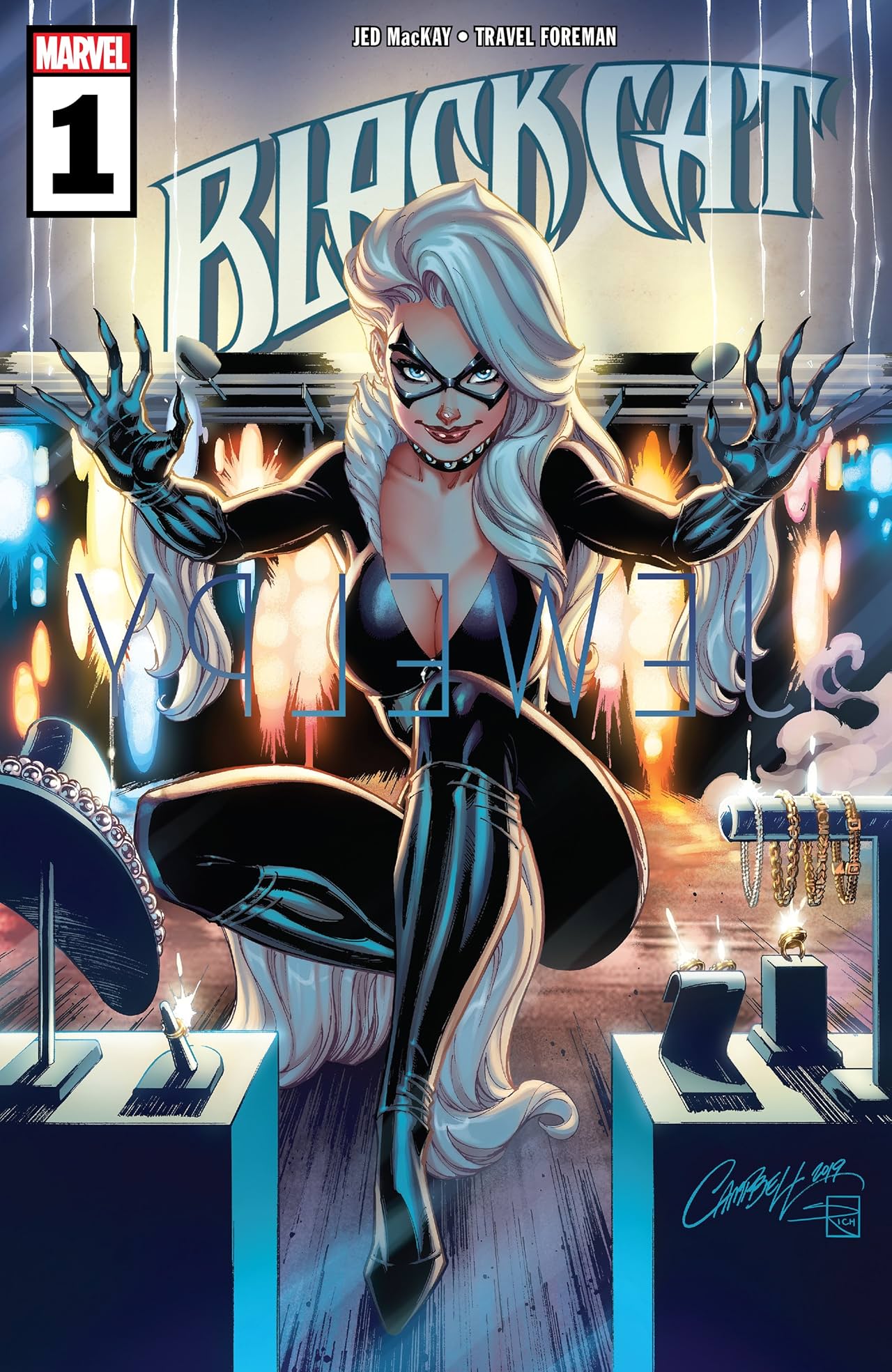
Jack Fisher’s Weekly Quick Pick Comic: Black Cat #1

Every Wednesday, this crazy and chaotic world gets a bit more bearable when a new stack of comics enters this world. Some feature iconic superheroes. Others feature devious villains. Some dare explore the vast gray area in between. Of all the new comics this week, one book dares to stand out by staking a claim in that gray area.

Black Cat #1” is one of those comics that probably wasn’t on many peoples’ radar. Felicia “Black Cat” Hardy is not one of those obscure comic book characters that only ardent Marvel fans know about, nor is she in that top-tier class occupied by the likes of Spider-Man and Captain America. However, whenever she shows up, she finds a way to leave her mark and looks dead sexy while doing it.

For years, Black Cat was a supporting character for Spider-Man who often fluctuated between being a sexy villainous, a volatile love interest, and a full-fledged anti-hero. At her core, she’s a thief who treats stealing as an art and a profession rather than a matter of necessity. She’s basically a female Danny Oceans with infinitely more sex appeal.

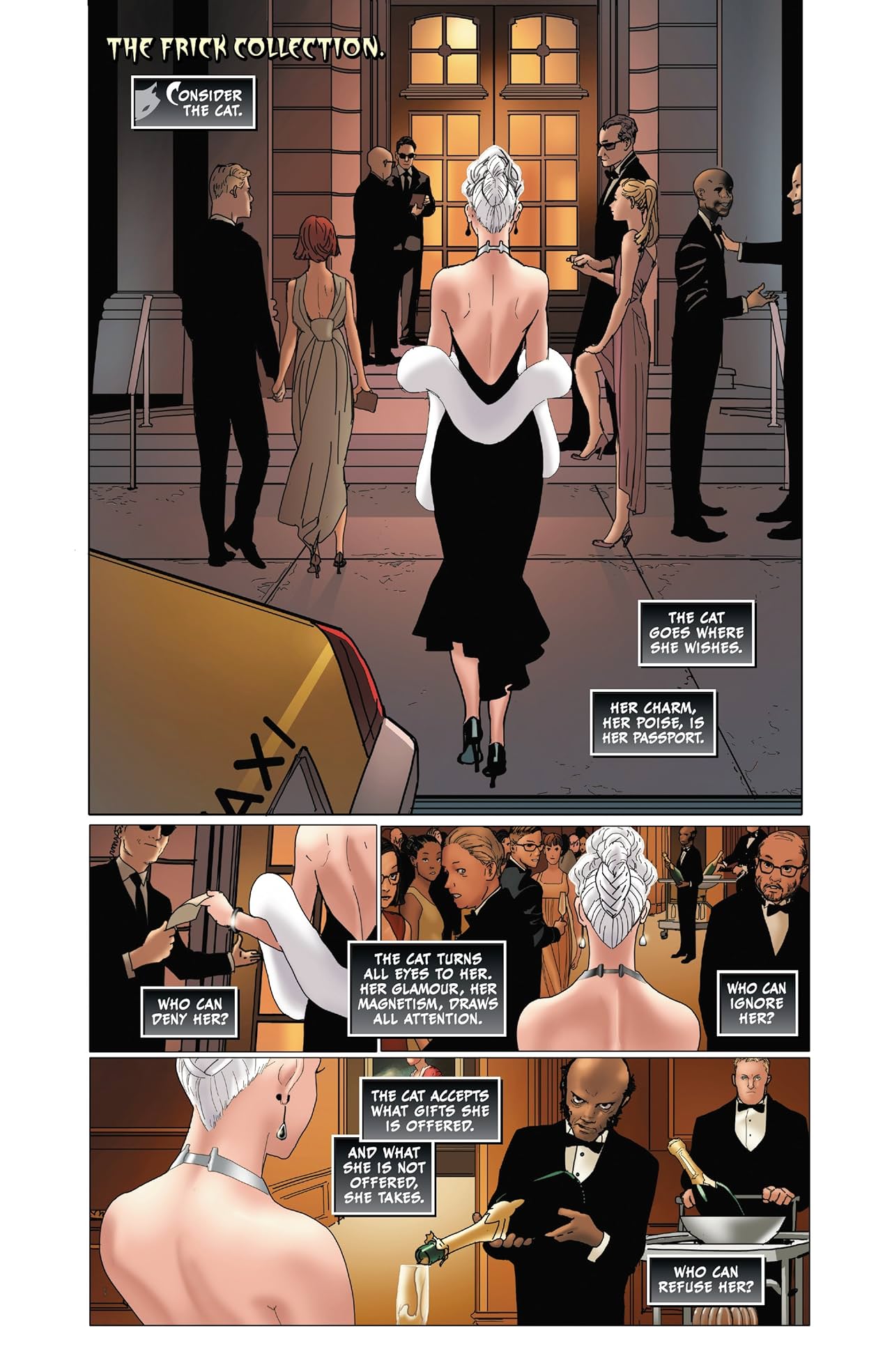
Black Cat #1” doesn’t try to shake up those previous roles. Instead, it embraces Black Cat’s thieving persona. It even celebrates it in ways that rarely play out in a typical Spider-Man comic. It showcases just how capable, devious, and downright coy Black Cat can be when she’s at her best.

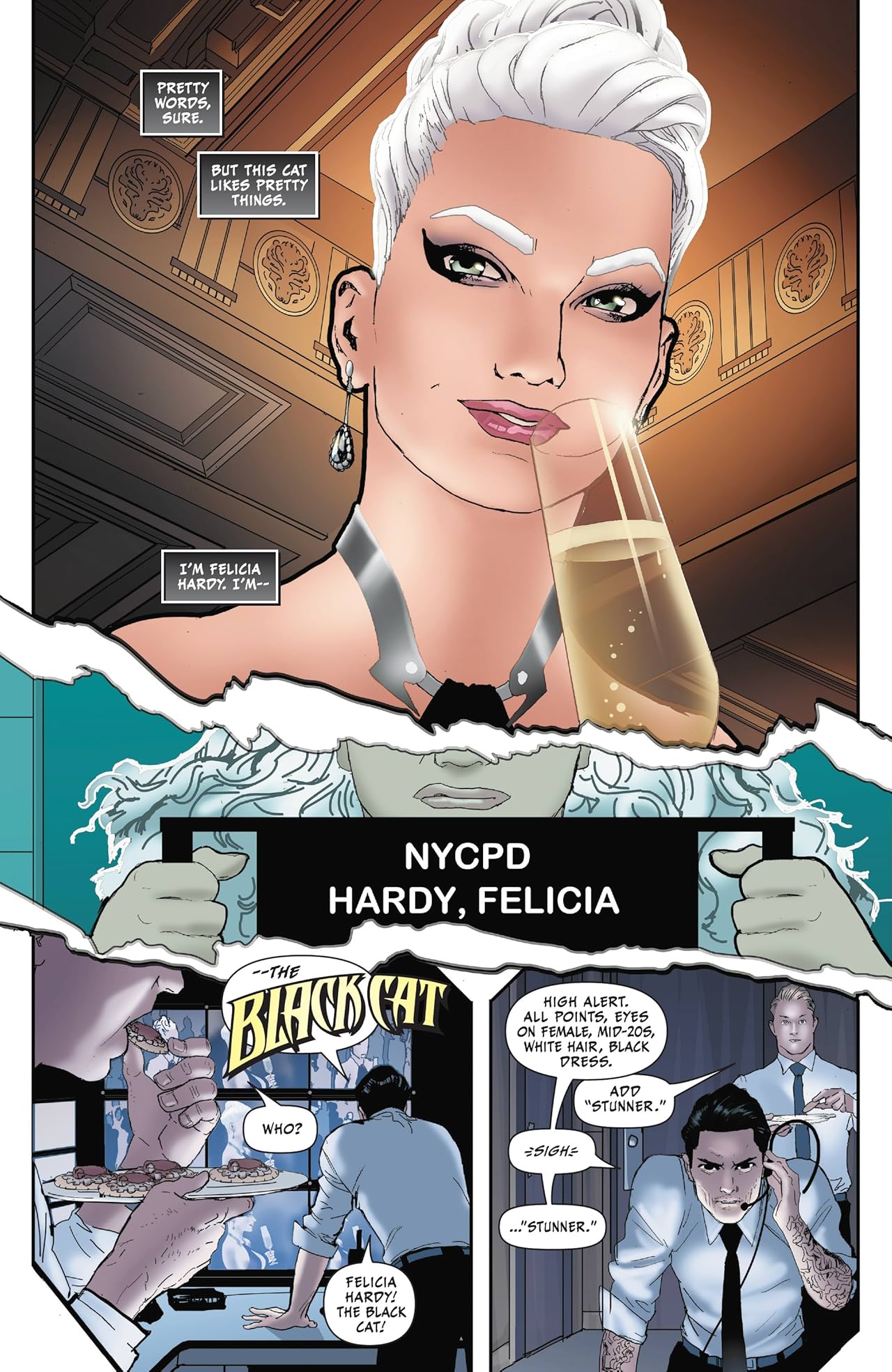
There’s no Spider-Man sub-plot here. The plot in “Black Cat #1” is entirely built entirely around Felicia Hardy organizing a daring heist. However, it’s not just for money or thrills this time.

Thanks to recent events in Amazing Spider-Man, she has a target on her back. In addition to the police and various other superheroes who don’t take kindly to thieves, she managed to piss off the Thieve’s Guild, an organization that tends to hold a nasty grudge, even by comic book standards.

Black Cat can’t simply rely on her cunning, skill, and sexiness to get out of her predicament. She also can’t do everything on her own, for once. As such, she has to exercise both her thieving skills and her ability to manage a crew of other thieves who don’t have a romantic history with Spider-Man.

It’s a simple heist that requires a complex effort. It’s not quite on the same level as “Ocean’s 11,” but it’s not as simple as just breaking the glass and sneaking through air vents. In fact, “Black Cat #1” avoids some standard thieving tropes, focusing instead on everyone who tries to stop Felicia.

I won’t spoil many of the details, but I will note that they fail. Whether they’re security guards, police officers, or ninjas attacking her car, they certainly make a concerted effort. True to her skill and persona, Black Cat fights back and smiles a lot in the process.

Writer, Jed MacKay, captures both the personality and spirit of who Black Cat is. For once, she isn’t pushed into a particular role, as is often the case when she shows up in a Spider-Man comic. He lets her be herself. He gives her a voice that feels distinct and appropriately sassy. The collective artwork of Mike Dowling, Travel Foreman, and Nao Fuji ensures she looks good every step of the way.

That’s an accomplishment because one of Black Cat’s biggest shortcomings is that it’s not always easy to root for her. While she never descends too deep into outright villainy, she can often come as crass and manipulative, even without Spider-Man. That never happens in “Black Cat #1.” She only ever seems confident, charismatic, and focused.

On its own, “Black Cat #1” is a solid, well-contained heist story involving one of Marvel’s most famous thieves. It shows Black Cat when she’s at her best, stealing things that are difficult to steal and navigating obstacles that frustrate even the more competent villains. There’s never a point where you feel like rooting against her.

What makes “Black Cat #1” even more compelling, as a comic, is how it sets up the next part of Felicia Hardy’s story. Unlike many other stories where she acts mostly as a supporting character, the one MacKay teases feels more personal. It doesn’t just present a new challenge. It adds a significant complication to a life that is already inherently complicated by being affiliated with Spider-Man.

Even if you don’t know much about Black Cat or haven’t paid much attention to her story in recent years, “Black Cat #1” is one of those rare comics that can sell you on a character. In one issue, you get a good idea of who she is, what she’s about, and why she matters in the larger Marvel universe. In that same issue, you also get a sense that there’s more to her story and it’s about to change in a major way.

Some characters need to be overhauled while others need to be reinvented. Black Cat needed none of that. She just needed a chance to show what she can do and how much fun it can be to see her work. That’s exactly what “Black Cat #1” delivers.

Leave a comment

Filed under Jack's Quick Pick Comic

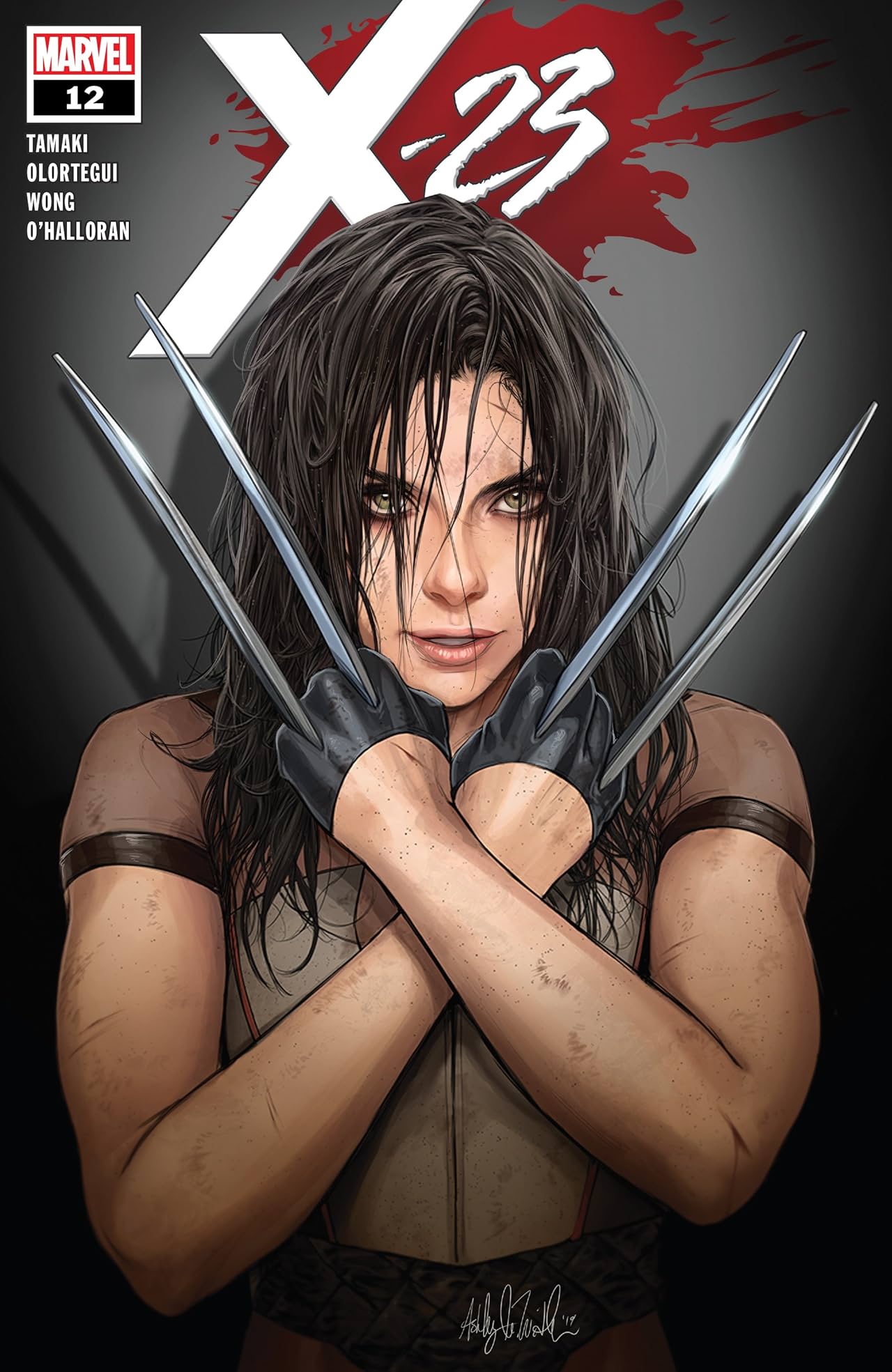
Jack Fisher’s Weekly Quick Pick Comic: X-23 #12

Every week brings a new glut of comics and the world is a better place because of it. As someone who spends a sizable chunk of his time discussing unpleasant topics, it helps balance a lot of things out. I know the world is a messed up place. I survived high school and I watch the news. I understand the value of all things good, pure, and awesome.

When it comes to delivering on all three regularly, Laura “X-23” Kinney is more dependable than most. Ever since her debut on the “X-Men Evolution” cartoon in the early 2000s, she has found a way to endear herself to X-Men fans of all types. Her status as Logan’s most iconic offspring was further cemented in “Logan” and the past several years of comics have run with it.

Laura is now much more than just Wolverine’s clone/daughter. She has forged her own path and created her own identity. She’s not just Wolverine as a teenage girl, but her world is every bit as brutal. She has had to claw, stab, and snarl her way through hordes of terrible people who still think it’s a good idea to create a living weapon with the same volatile temper as Wolverine.

Along that journey, Laura’s story has had many turning points, some more tragic than others. “X-23 #12” marks another turning point that leaves Laura in a difficult, but intriguing spot. It’s not as tragic as other events in her life, but it definitely leaves her with a wounded heart that those who have followed her story in recent years will feel.

Writer, Mariko Tamaki, has been building towards this moment for the past several issues. When this series began, Laura was definitely on the same page as her fellow clone/sister, Gabby “Honey Badger” Kinney. I’ve done plenty to praise Gabby in the past and since her debut in the pages of “All-New Wolverine,” she has been an objective good in Laura’s life.

Part of that good stems from them being on the same page for much of their struggles. They’re both byproducts of secretive organizations trying to use Wolverine’s DNA to make living weapons. It already cost Gabby multiple sisters and nearly broke Laura. They have many reasons to keep fighting these organizations.

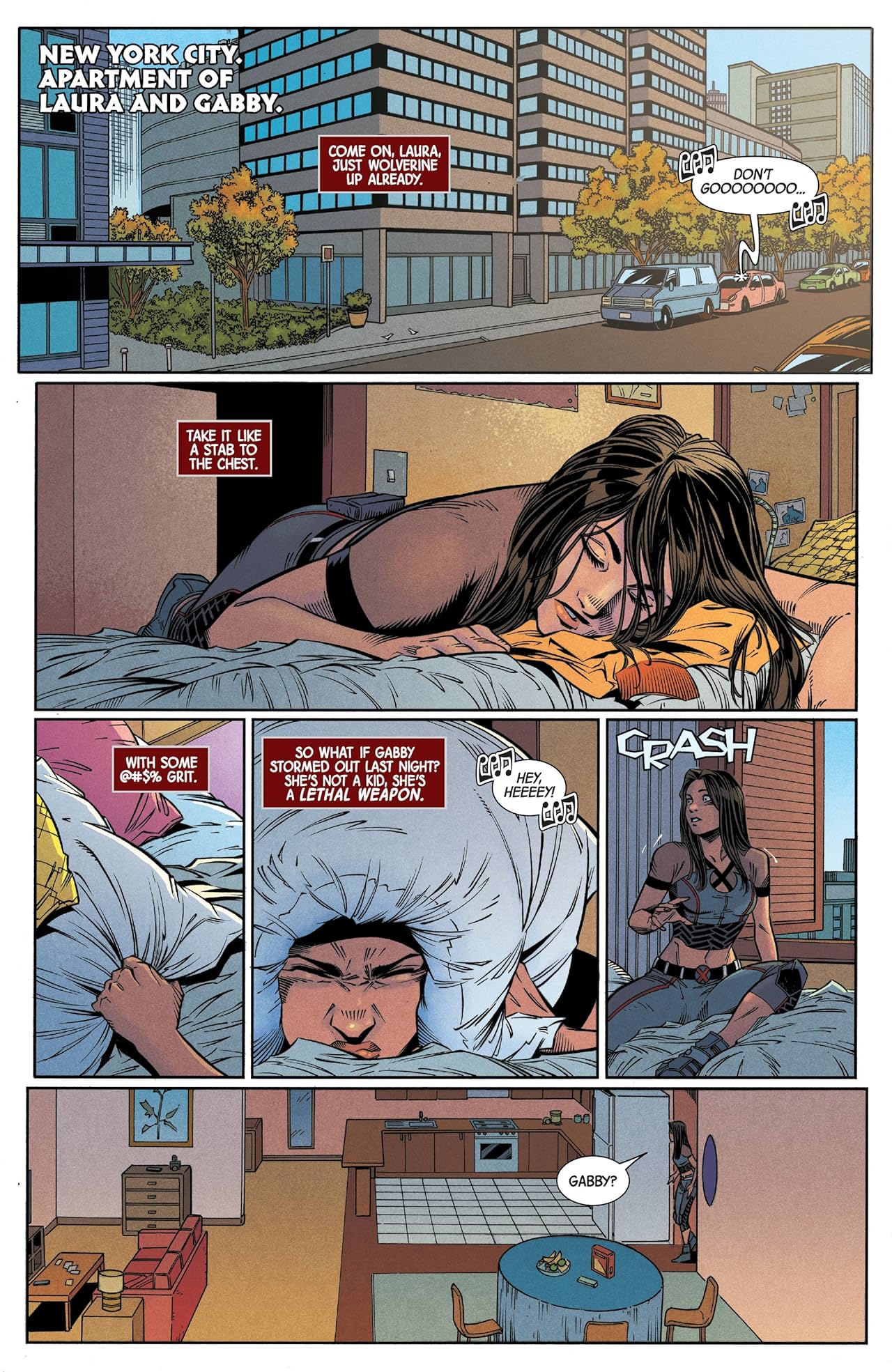
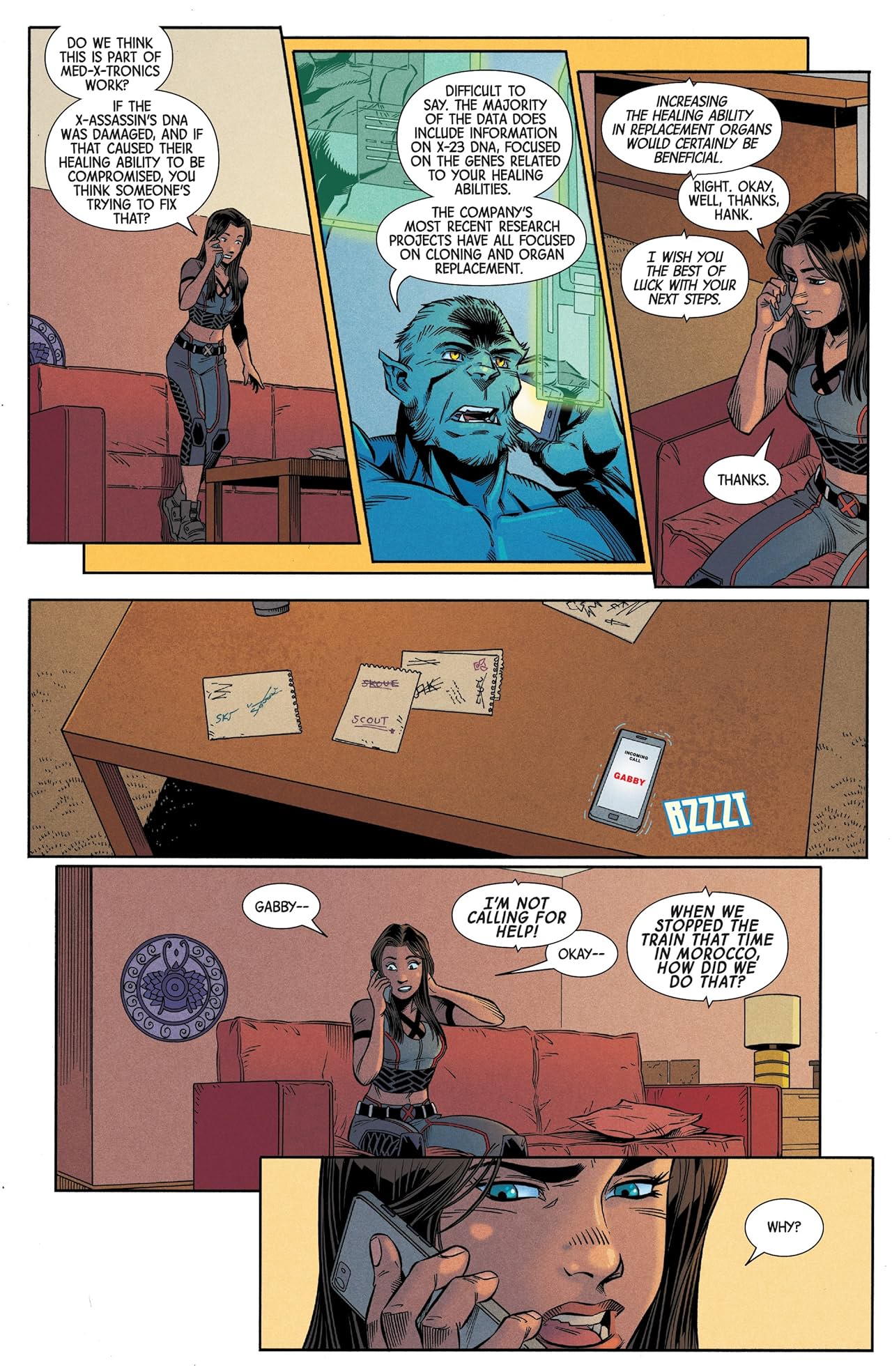
X-23 #12” establishes that these organizations are still out there and they’re still doing crazy things with Wolverine’s DNA. In this instance, they actually use it to make turkeys with a healing factor. I swear I’m not making that up and it’s as amazing as it sounds. However, the inherent strangeness of healing turkeys is only secondary, if you can believe that.

This whole issue is less about Gabby’s love of adorable animals and more about how they’re no longer on the same page. It’s something Laura has spent the past couple issues struggling with and it finally culminates in “X-23 #12.”

It’s not as bloody or destructive as some turning points are for anyone associated with Wolverine. Yes, a train does explode, but that’s pedestrian by Wolverine standards. The real volatility is in how Laura and Gabby’s path diverge.

Tamaki plays up the family dynamic to the utmost. These aren’t just X-Men who act like a family. They are family and families often fight. In this case, it’s not a matter of a simple disagreement or a costly mistake. This fight reveals that Laura and Gabby see the world in a very different way.

Some of it has to do with age. Laura has seen more tragedy and carnage than Gabby. She’s older and more hardened to the world of all things Wolverine. She has been fighting these battles long enough to know that there are times when she can’t avoid tragedy. Innocence will be lost. Pain, suffering, and injustice will win out.

Laura has had enough Wolverine experience to know when she’s in one of these situations. The past few issues have put her in more than one. Gabby, as adorable as she is, hasn’t experienced the same hardships to know when a battle is truly lost. She still tries to save everyone. She even tries to do it with an adorable smile and a pet wolverine.

It makes for a difficult situation because it’s easy to root for both of them. It’s easy to understand why Laura makes the difficult decisions that she does. She knows when a situation can only be resolved with claws. It often leads to tragedy, which is very much a Wolverine tradition. It’s just as easy to root for Gabby when she tries to salvage all the good from an impossibly bad situation.

It’s the kind of family conflict in which neither side is wrong or right. “X-23 #12” simply marks the point where they can’t side with one another anymore. For a family that has endured so much, it’s a sad, but understandable development.

The story of Laura, Gabby, and Wolverine is full of both drama and violence. “X-23 #12” certainly has plenty of that. The presence of mutant turkeys certainly makes it unique, but it’s the drama that really shines here. Tamaki has been building towards this moment for several issues and even though the outcome wasn’t surprising, it still carries plenty of dramatic weight.

The respective lives of Laura and Gabby are fundamentally different after “X-23 #12.” They still have plenty of battles to fight, but they’re no longer in it together. They’re still family, but they’re going their separate paths. Like Logan has often done throughout his history, they strike out on their own and try to do their own thing. Sometimes it works. More often than not, it leads them into more trouble.

That’s the essence of Wolverine and the larger Wolverine family. They keep fighting their own battles, making tough calls along the way, and often putting themselves at odds with those closest to them. Laura made one of those calls and even if it was the right one, it’s not an approach Gabby can be a part of.

X-23 #12” is a bittersweet end to Tamaki’s run on this series and the artwork by Deigo Olortegui helps make these powerful moments colorful. The future of the X-Men comics are already subject to some major upheavals. If nothing else, “X-23 #12” ensures that Wolverine’s family will still have plenty of drama to explore.

Leave a comment

Filed under Jack's Quick Pick Comic

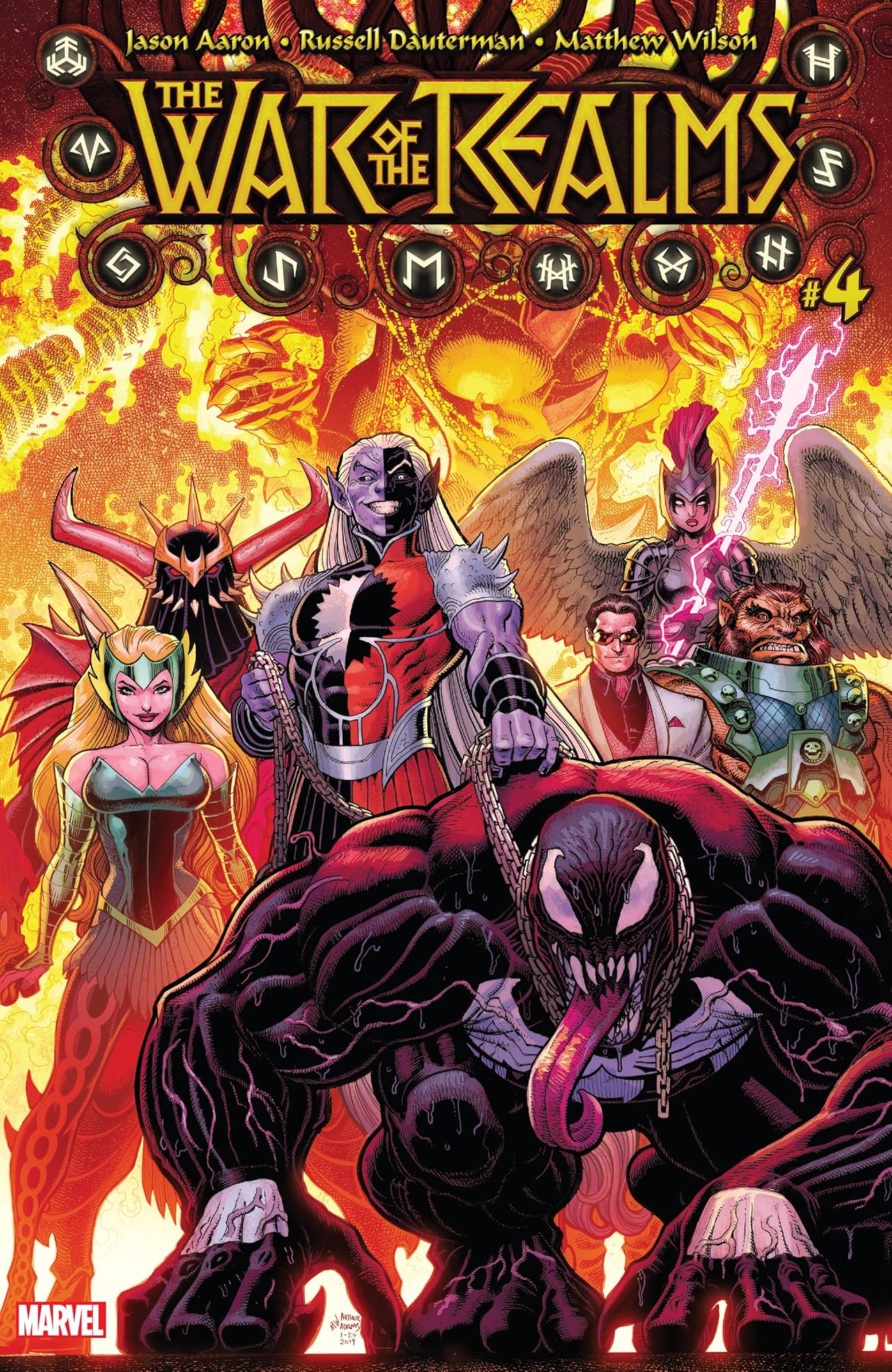
Jack Fisher’s Weekly Quick Pick Comic: War Of The Realms #4

Once a week, the benevolent lords of the comic book world and the corporations they serve grace us with a new stack of comics. At a time when only the headlines of The Onion don’t make you cringe, this world needs the joy they offer. As such, I make it a point to single out one comic from that stack that offers the most value for the joy it conveys.

Some comics succeed by focusing on character development, as is often the case in most X-Men comics. Some succeed by subverting or stretching common superhero tropes, as we often see in comics like Kick-Ass, Invincible, or The Punisher. However, a book need not be overly creative to qualify as an awesome comic. It just needs to take everything we love and turn the volume up to 11.

That’s exactly what “War Of The Realms #4” does and then some. It’s one of those books where you need only real the title to know the scope and scale of the story within. This is not just superheroes in flashy costumes battling killer robots on the streets of a big city. This is a war that spans multiple realms involving gods, demigods, evil elves, and frost giants. If you can’t be entertained by that, then you’re just being difficult.

That said, “War Of The Realms #4” is not just several dozen pages of flashy action scenes. There have been plenty of those moments since this event began, but the action was mostly a means of conveying the sheer breadth of this war. Now, the writer of this Marvel main event, Jason Aaron, has raised the stakes even more by making it personal and turning the tide of the battle.

While you don’t have to know too much about the mythos surrounding Asgard and the 10 realms, it certainly helps in this case. Even if you’ve only seen “Thor: The Dark World,” you’ll have enough insight to know why this war is so massive. Malekith the Accursed might have been an afterthought in that movie, but make no mistake. He’s a devious, scheming, evil badass that requires a fully assembled team of Avengers to combat.
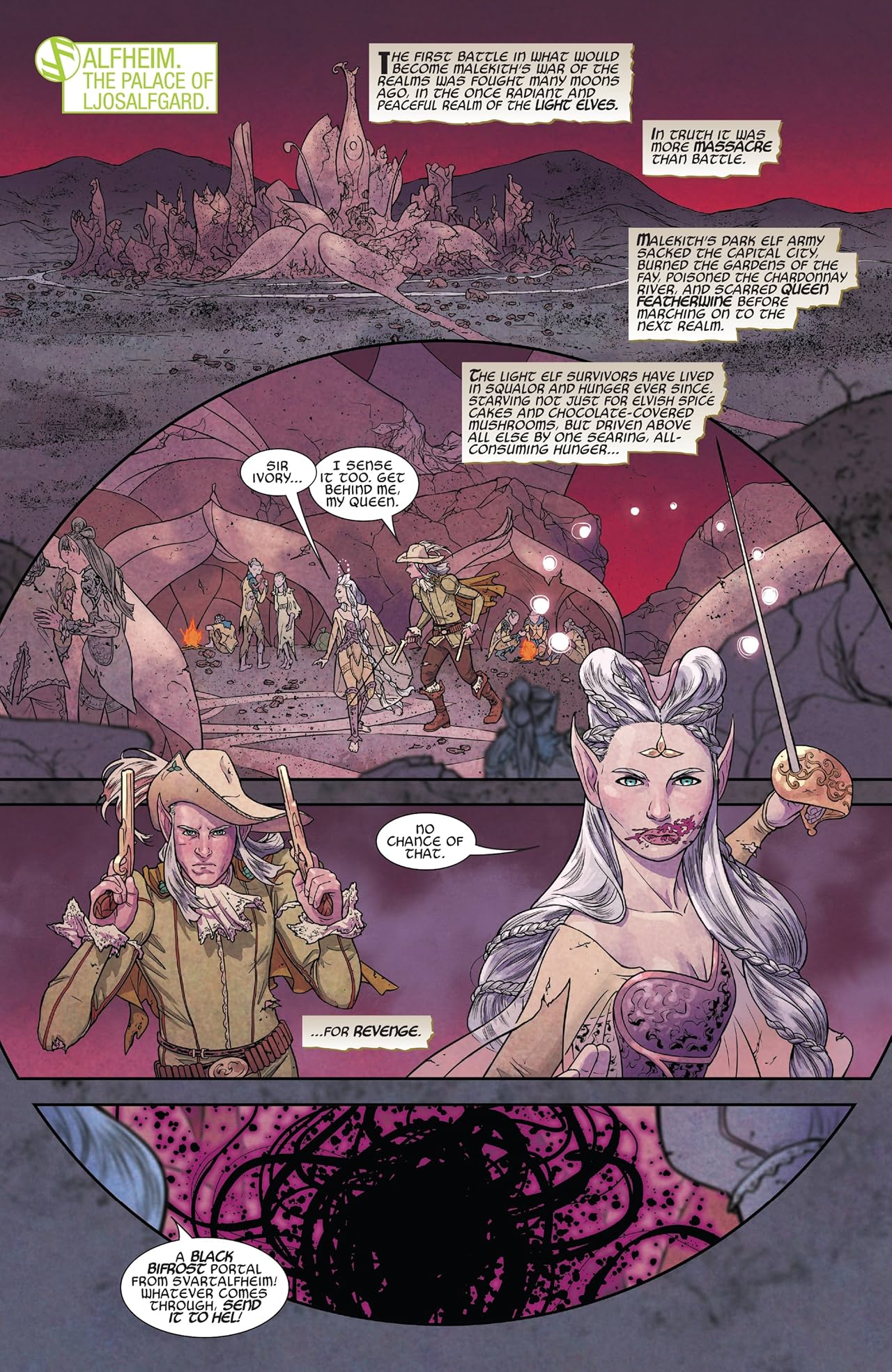
For the past three issues, Malekith and forces that include Frost Giants, Angels, Fire Demons, and Dark Elves have led a massive invasion of Earth. It’s not just in New York City, either. Malekith has bigger ambitions than simply disrupting traffic on Broadway. His forces hit every continent.
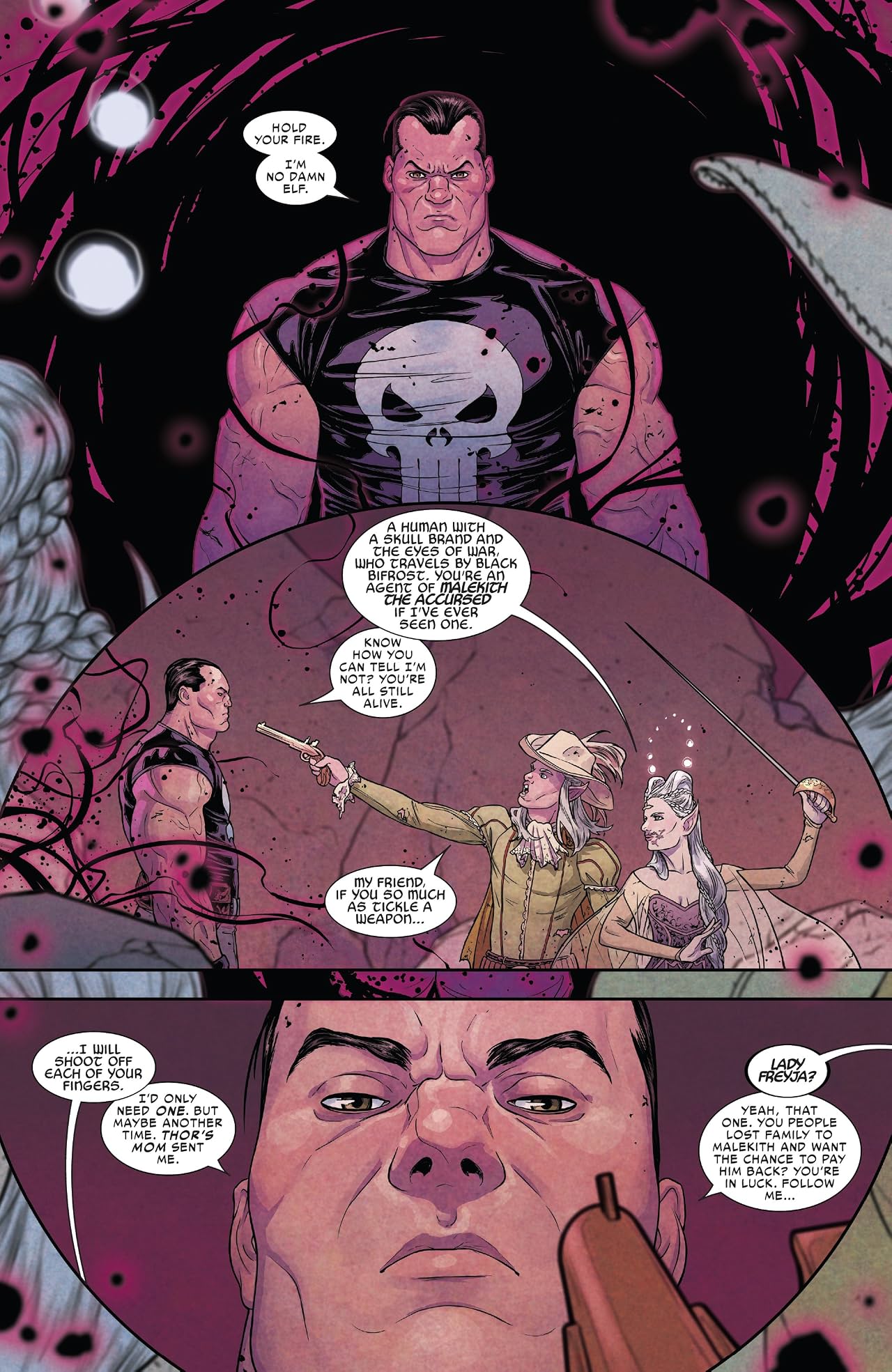
To this point, there has been no stopping him. Despite the Avengers fighting back on every front, teaming up with the likes of Spider-Man, Blade, Wolverine, Daredevil, Punisher, and Ghost Rider, it still isn’t enough. They still find themselves pushed back, beleaguered, and overwhelmed.

As a result, there have been casualties in this war. Some have already hit certain characters harder than others. Thor, the one usually tasked with beating the unholy shit out of Malekith before he can launch an invasion, is effectively subdued before he hammer back the threat. It is, by far, the most successful attack Malekith has ever launched against his Asgardian nemesis.

That means winning the war won’t come from Thor swinging his hammer around and hitting anything that looks like an evil elf. The Avengers and heroes from across the Marvel landscape have to join in the battle. They’ve managed to fight back, if only to keep the battle going. However, they haven’t made much progress in terms of ending it.

That changes in “War Of The Realms #4” and in some incredibly satisfying ways. Aaron, with the help of the divine artwork of Russel Dauterman, shifts the course of the battle by giving Odin and Freyja an overdue moment that has been years in the making. It’s a moment that marks an emotional high point for this event and for Thor’s overall story.

For the past several years, some of Thor’s biggest battles involve his parents. Odin and Freyja may have come off as only somewhat overbearing in the movies, but things are far more dysfunctional in the comics. There have been times when they’ve actively opposed one another. At one point, Odin even fought Jane Foster when she was wielding Thor’s hammer.

He is a divine blow-hard who most fluent language is arrogance. Freyja has managed to temper his tendencies in the past, but those moments have become few and far between. For a while, they were the godly equivalent of a married couple attempting a trial separation and making everything worse. They still see each other as husband and wife, but it seems like a formality at this point.

Finally, they share a moment in “War Of The Realms #4” that affirms why they got married in the first place. It’s a moment that will likely define the course of this realm-spanning war and have major implications for Thor, Asgard, the Avengers, and every other creature that has tasted an Uru hammer.

I won’t spoil the details of that moment. I’ll just say that it’s a culmination that has been in the works since before the war began. Every big battle, whether it’s in a comic book, a movie, or a TV show with a massive budget, needs a moment like that to give the conflict some emotional weight. That weight has been somewhat lacking since this event began, but “War Of The Realms #4” delivers in a way that feels satisfying and thrilling.

There are other moments in between. Aaron never lets the plot become too chaotic and Dauterman makes sure there’s always a spectacle to admire. Many characters manage to shine through the fog of war, including Ghost Rider, the Punisher, and Jane Foster.

It’s still a big, flashy war featuring superheroes, gods, and monsters from every corner of the Marvel universe. It has all the flashy style to make this realm-spanning war feel like a major event, but “War Of The Realms #4” gives it the necessary substance to give it weight.

It has spectacle, drama, action, and adventure. It also has gods, demigods, superheroes, and evil armies that can overrun continents. What more could you want from a comic book?

Leave a comment

Filed under Jack's Quick Pick Comic

Jack Fisher’s Weekly Quick Pick Comic: Captain Marvel #5

Every Wednesday, passionate comic book fans like myself wake up early to take in a fresh batch of awesome. I can’t think of a better way to start a morning that doesn’t involve a hot tub, a massage, and fresh donuts. In the spirit of making those mornings that much more special, I select one comic from that batch that I feel carries the satisfaction of a thousand hot tub massages.

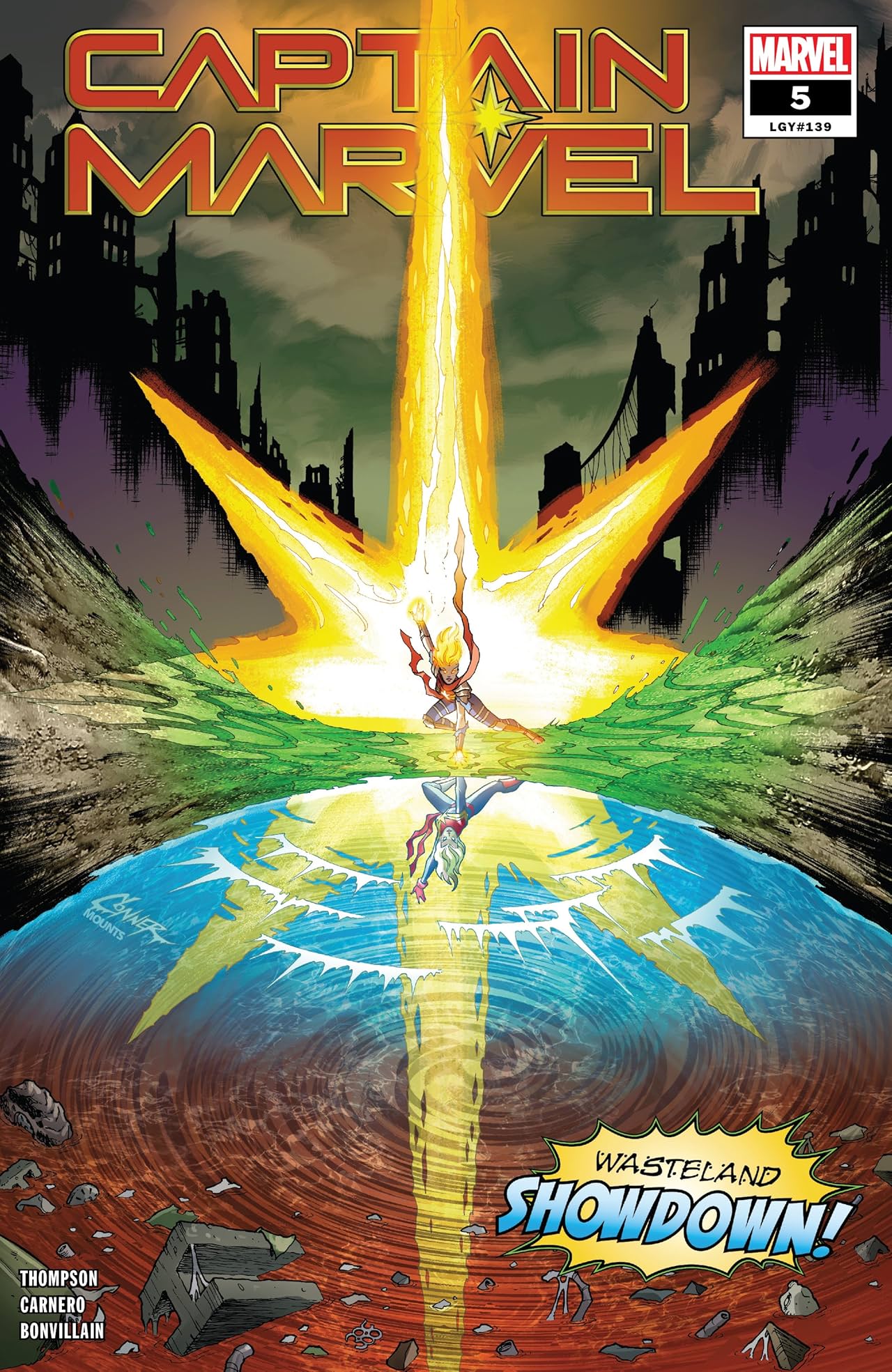
This week, “Captain Marvel #5” delivers just that much satisfaction as writer, Kelly Thompson, caps off her first arc on this series. It’s a story that began just as all things Carol Danvers began ascending into the stratosphere, thanks to the “Captain Marvel” movie. Now, as Carol is still flying higher than ever, Thompson affirms why she soars like no other female superhero.

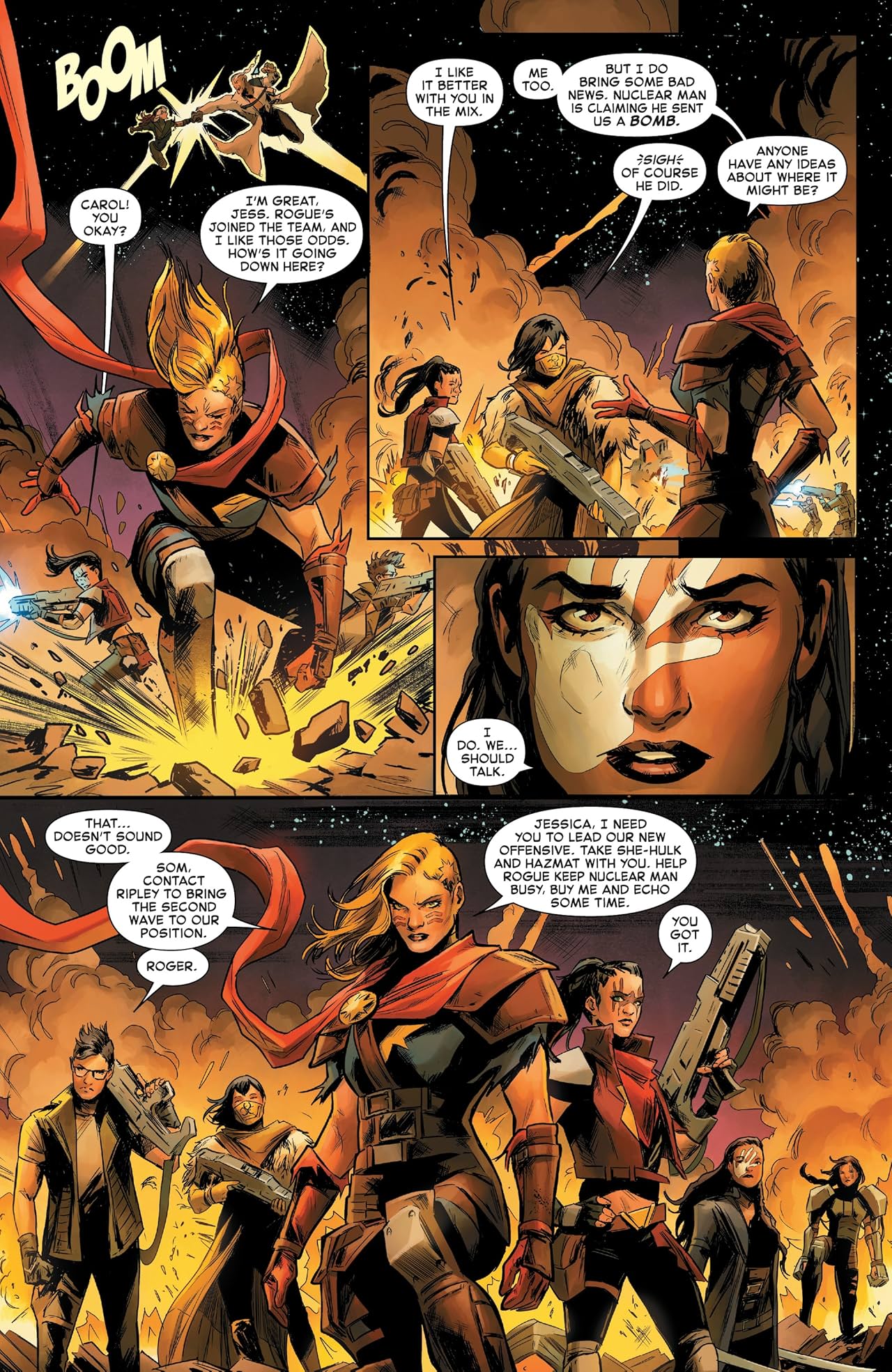
The stakes in this story aren’t quite as high as they were in her movie or in “Avengers Endgame,” but that actually helps her shine even more in some ways. For the past several issues, she’s been trapped inside a barrier that has covered Roosevelt Island in New York. Inside that barrier, she’s been waging a tough and gritty war alongside several fellow female heroes against Nuclear Man.

Now, you don’t need to know who Nuclear Man is. In terms of overall threats, he’s definitely no Thanos. He’s also an unlikable douche-bag by every measure. He’s equal parts King Joffrey, Ramsey Bolton, and Kanye West. He’s the kind of guy you want to see Carol punch, but he doesn’t make it easy for her. What he lacks in Thanos-level power, he makes up for with his ability to push Carol’s buttons.

For the past several issues, Nuclear Man has pushed, strained, and tested Carol in ways that don’t involve how hard she can punch an incoming asteroid. He certainly has enough power to fight her one-on-one, but that’s not his style, nor is it his goal.

He’s not out to defeat Carol. He wants to enslave her, along with every other woman who stands against him. He created the barrier to trap them, strain them, and wear down their ability to oppose him. Carol just happens to be his ultimate prize. He sees her as the strongest, most capable woman in the world. He’s not entirely wrong.

For him, enslaving her means forcing her to be his wife and bearing his future children. Given Carol’s distressing history with being manipulated by devious men, that just makes the fight more personal. Now, she has even more reasons to kick his ass. However, Nuclear Man still finds a way to hit her every bit as hard as Thanos.

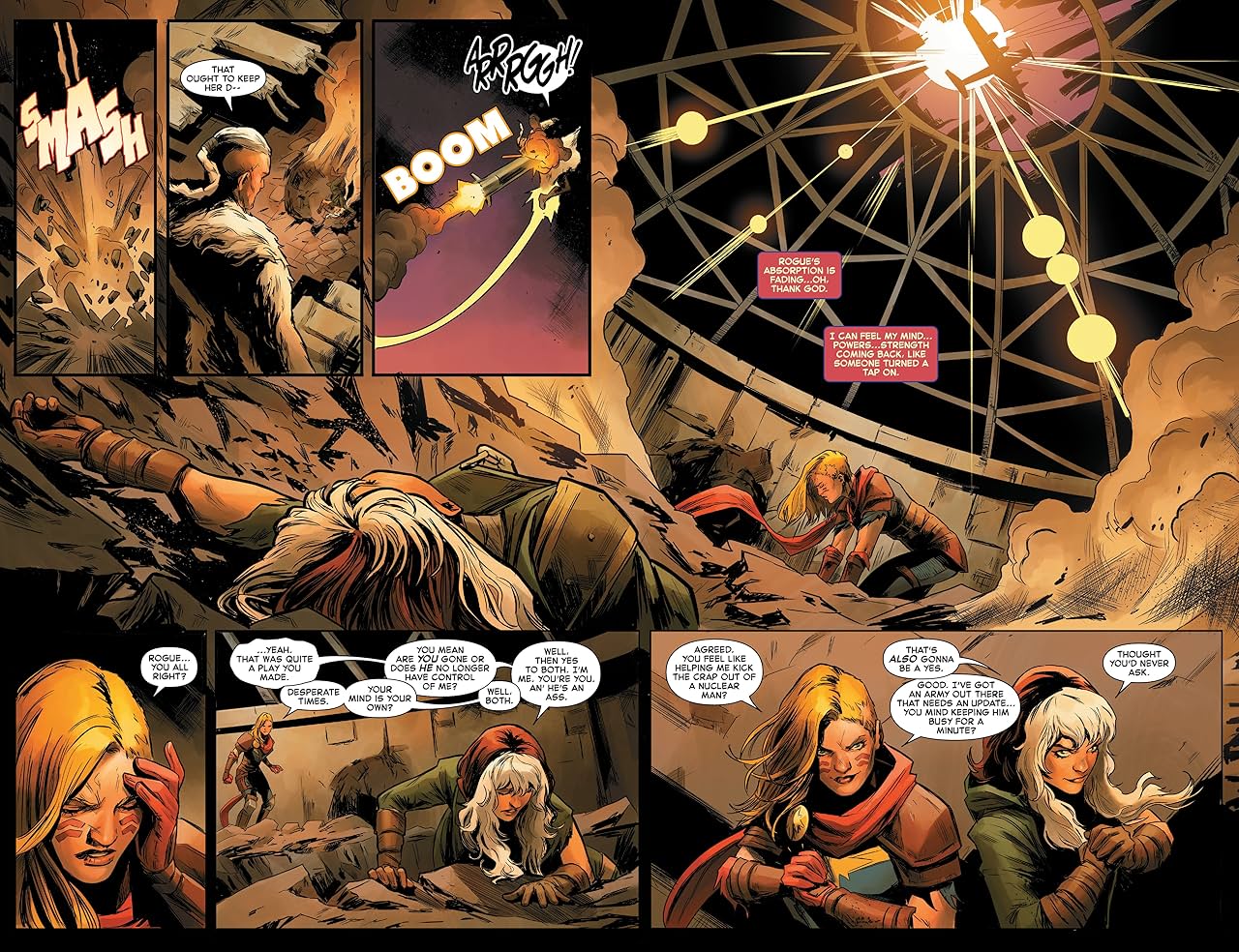
That’s where Rogue comes in. Make no mistake. She makes “Captain Marvel #5” worth reading every bit as much as Carol.

Rogue’s history with Carol is not a good one, to say the least. These two may be superheroes in their own right, but they’re not friends. They’ll never be friends. Carol even says as such at one point. That’s exactly why them having to work together to fight Nuclear Man is so satisfying.

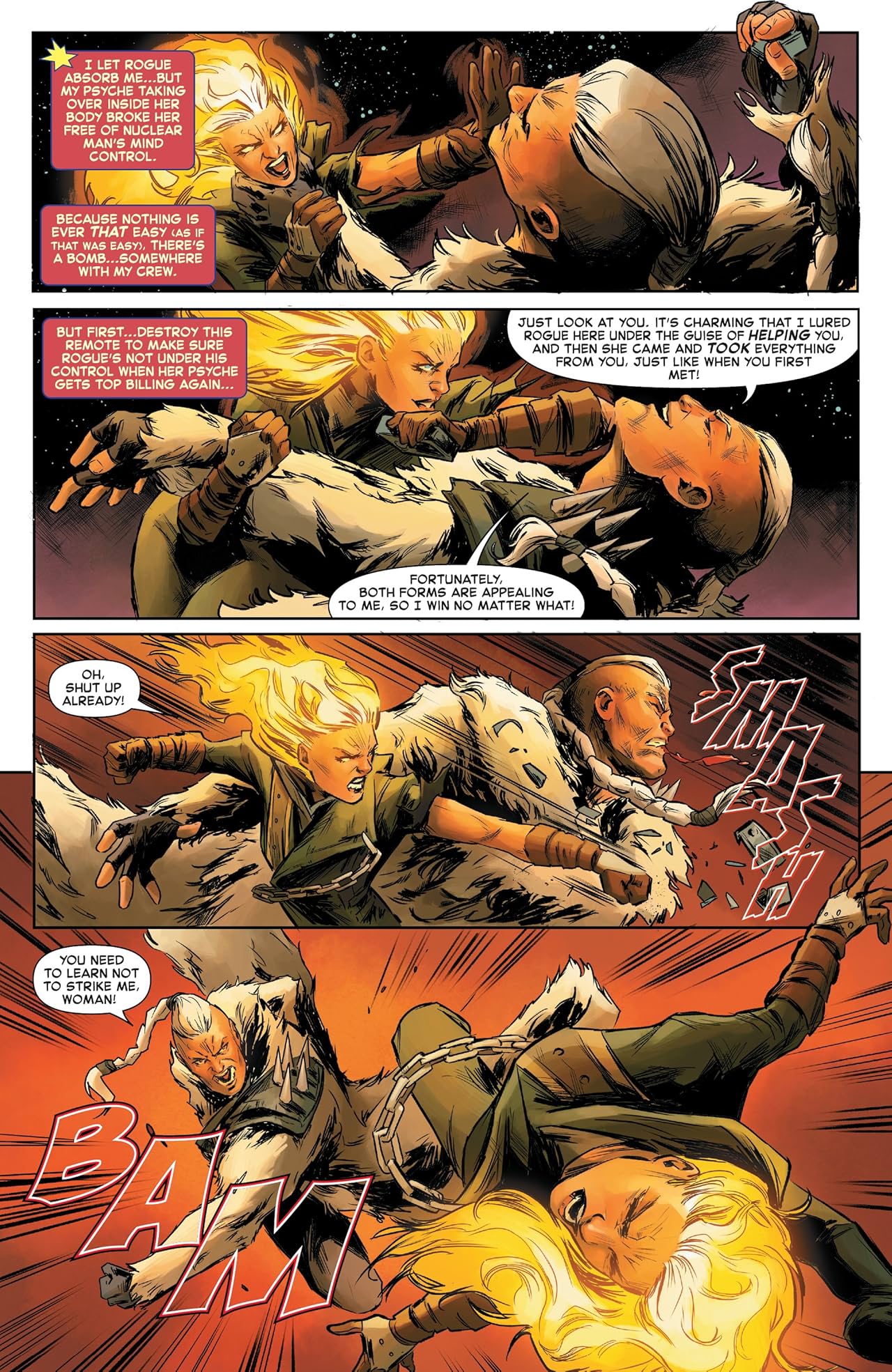
That fight takes up a good chunk of the story, but Thompson goes out of her way to emphasize why Rogue still makes her feel vulnerable. Some of her weakest moments came by Rogue’s hand, literally in some cases. A sizable chunk of her journey as a superhero is defined by Rogue and Nuclear Man used that against her.

It helps give the battle the kind of dramatic weight that makes every punch, quip, and thought bubble feel more impactful. Both Carol and Rogue have to push themselves and each other to get through the final showdown against Nuclear Man. It’s not easy. Victory still comes at a cost, but the end result will still put a smile on your face, especially if you like seeing insufferable douche-bags fail.

If you’re a fan of Captain Marvel from the movie, “Captain Marvel #5” will give you plenty to enjoy. It’s a story in which you can easily imagine Brie Larson handling the action and drama, as only she could.

If you’re primarily a fan of Carol Danvers in the comics, then you’ll have plenty to enjoy as well. By bringing Rogue into the picture, Thompson connects Carol’s past struggles with her ongoing ascension. It’s a connection that feels overdue and welcome, if only to affirm why she’s such a great character.

Captain Marvel #5” doesn’t try to reinvent Carol Danvers, nor does it try to turn her into someone she’s not. It’s the culmination of a story that gives Carol a chance to rise up, affirm her status as Marvel’s premier female superhero, and battle some old demons that still haunt her. Between Thompson’s skilled quips and Carmen Carnero’s vibrant artwork, it’s a complete superhero experience that anyone can appreciate.

Leave a comment

Filed under Jack's Quick Pick Comic

Multiverses, Mutants, And The (Uncanny) Implications Of “Spider-Man: Far From Home”

download

Anyone who has read more than a few comics, seen a few movies, or consumed more than a little sci-fi knows what often happens when multiple universes enter the picture. First, the overall story becomes bigger in scope, scale, and complexity. Second, a host of major complications emerge. Third, when done poorly, it becomes next to impossible to follow.

In terms of a larger narrative, it’s a huge gamble. It’s one of those plot points that is easy to mess up, not unlike time travel, wizards, or clones. Very few franchises, be they movies, comics, or TV shows, can make that gamble pay off. If ever there was a franchise that could make it work, it’s the Marvel Cinematic Universe.

Between the record-breaking box office of “Avengers Endgame” and the adulation of countless fans, including myself, Marvel Studios is uniquely equipped to make the concept of a multiverse work within its over-arching story. To some extent, it has to. The finality of “Avengers Endgame” means it will have to find some way to grow without the iconic characters that helped make it.

The stage has already been set for a larger multiverse to emerge within the MCU. Just as fans like me are finally recovering from the emotional upheaval we experienced in “Avengers Endgame,” the second trailer for “Spider-Man: Far From Home” dropped and, beyond dropping some heavy spoilers, it revealed that the multiverse is officially a thing in this world.

There are a lot of implications for this, many of which go beyond Spider-Man’s story in the MCU. As the trailer reveals, the universe-altering events of “Avengers Endgame” opened a literal and proverbial door to new conflicts within the MCU. These conflicts offer many opportunities for some of Marvel’s many cosmic characters, but I believe the biggest opportunity is for the X-Men.

I say that not just as a huge X-Men fan who has already written extensively about their potential in the MCU. I believe that Marvel Studios could reinvent the X-Men and the entire concept of mutants in a way that’s fresh, engaging, and very relevant to events unfolding in the real world.

Marvel and their Disney overlords have already reported that the X-Men will be rebooted into the MCU in the coming years under the skilled hand of Kevin Feige. However, the method and details of that plan have yet to emerge and chances are, it’ll be several years before we see that full-on reboot that X-Men fans have been pining for since Hugh Jackman hung up his claws.

Imagining Wolverine without Hugh Jackman.

Even for Marvel Studios, it’s going to be a challenge. How do you introduce mutants, an entire race of super-powered beings, into a world in which they’ve never been mentioned? In fact, thanks to conflicts over movie rights, nobody in the MCU could even utter the word “mutant” without incurring the wrath of Fox’s lawyers.

That’s a problem because in over 10 years of movies, TV shows, and tie-ins, the Marvel Cinematic Universe has become populated with many super-powered beings that include gods, super soldiers, and teenagers armed with spider powers. On top of that, they already have a race of genetically modified people called the Inhumans, who basically acted as a stand-in for mutants at one point.

This complicates the whole premise of the X-Men. A big part of their story and their appeal is the parallels between mutants and real-world minorities. The X-Men emerged during the time of the Civil Rights Movement in the United States and have since come to represent oppressed minorities from many eras, from racial minorities to the LGBTQ community.

That’s a tougher parallel to establish in the MCU because how can mutants be hated and feared in a world where Asgardians, super soldiers, and talking raccoons exist? Granted, mutants have a unique aura of unpredictability in that anyone could potentially be a mutant. Unlike the Inhumans, there’s no catalyst or radioactive spider necessary to activate their powers. They need only survive to puberty.

It’s still a stretch because the hate and fear of the 1960s is very different from that of the early 2000s century. It’s one thing to just be afraid and hateful of mutants. It’s quite another to craft killer robots to hunt them while ignoring entire populations of similar super-beings.

This is where the multiverse could enter the equation. With the proper sci-fi machinations, it could both bring the X-Men into the MCU while framing mutants in a context that makes them very relevant to contemporary issues. The key is linking the struggle with mutants with that of refugees.

Whereas discussions over minority issues have become somewhat predictable in recent years, debates about refugees have been much more heated. It has triggered protests, empowered populist uprisings, and caused a rise in xenophobia that far exceeds the old-school racism of the mid-20th century. These are the kinds of heated politics in which the X-Men thrive.

The “Spider-Man: Far From Home” trailer establishes that something happened in the battle against Thanos that opened the door to the multiverse. It’s easy to envision a scenario in which a population from a more hostile universe seeks refuge in one that is already used to super-powered beings.

It’s not difficult to imagine things getting that bad for the X-Men or mutants. Both “X-Men: Days of Future Past” and “The Gifted” explored a world where mutants where hunted, imprisoned, and outright murdered. The comics also have a lengthy history of dystopian futures in which the X-Men could not stop humanity from hating and fearing their kind.

Then, just as things look hopeless, a doorway to another universe unexpectedly opens. Mutants suddenly have a chance to escape their rapidly-decaying world and start anew. It’s an opportunity many desperate and traumatized refugees seek in the real world. Their stories are full of horror and atrocity. It’s a story that resonates beyond the superhero genre.

In addition to providing a mechanism for entering the MCU, it also solves another critical issue with respect to narrative. It gives the X-Men a new type of story that hasn’t been told before in the movies. For the past 19 years, almost every X-Men movie has followed a similar formula.

Mutants are hated and feared.

The X-Men try to combat that fear.

Someone, often Magneto, tries to provoke a war between humans and mutants.

The X-Men stop that war from occurring.

It’s a story that has played out many times. Sometimes, it has been great. Other times, it has been god-awful. Just telling that same story again in the MCU won’t be enough. By making mutants refugees, the entire dynamics change in a way that could cause all sorts of upheavals that could impact many other MCU franchises.

One possibility.

Like real-life refugees, they come to a new world out of desperation, escaping horrors that they had no part in creating. The world they enter is inherently suspicious of them. They see them as strange, dangerous outsiders who could bring their problems to their homes. These are real concerns from people other than the reactionary radicals who often preach hate.

It’s one of those issues that has no good resolution. These people are victims of a war that they want to escape. They flee to wherever they feel they’ll be safe. Often, their options are limited and when an opportunity comes along, they have to pursue or die. If the events of “Avengers Endgame” somehow create such an opportunity, then why wouldn’t someone take a chance?

It would put mutants and the X-Men at odds with everyone in the MCU, from the Avengers to SHIELD to the average person still recovering from invading aliens in New York. It would also establish a clear divide that could one day manifest in a full-blown “Avengers Vs. X-Men” movie, which has already been teased.

All that being said, the powers that be at Marvel Studios may opt for an entirely different approach. In that case, everything I just described may be a moot point. This is just one approach that I found myself contemplating after seeing the “Spider-Man: Far From Home.” It’ll probably be a while before we know the full implications, both for the multiverse and for mutants in the MCU.

1 Comment

Filed under Deadpool, Marvel, movies, Spider-Man, superhero comics, superhero movies, X-men