Category Archives: Current Events

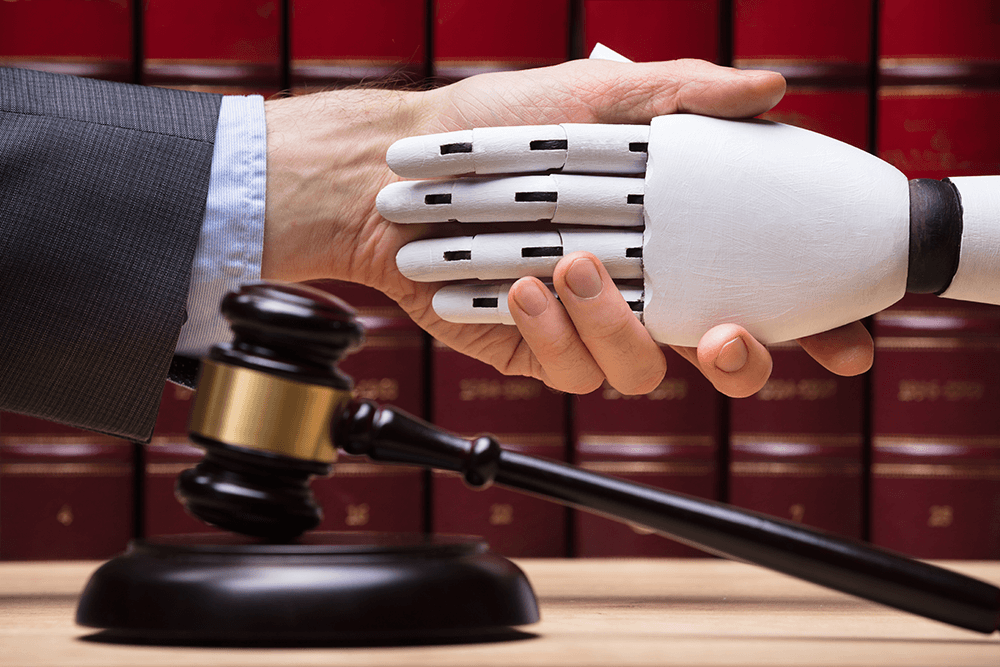
Artificial Intelligence Is Learning Law: Is Government Next?

It’s inevitable. As technology advances, certain industries are going to become obsolete. That’s why the horse-and-buggy industry is incredibly limited. It’s also why companies don’t make typewriters or LaserDisk movies anymore. Once better tech becomes available, an industry either adapts or disappears. Just ask Blockbuster.

Sometimes, it’s obvious that an industry is becoming obsolete. Again, just ask Blockbuster. As soon as something better, easier, and more convenient comes along, it’s only a matter of time before it takes over. However, it’s when things aren’t quite as obvious where more dramatic changes occur.

In terms of dramatic change, few things have the potential to generate more than artificial intelligence. I’ve highlighted that many times before, but a lot of that potential depends on advances that haven’t happened yet. They’re still likely to happen at some point, which may or may not be in my lifetime. They’re just not there yet.

That said, AI doesn’t have to become advanced on the level of Skynet or Hal 9000 to impact and/or disrupt major industries. The AI technology we have now is already having an impact. It may only be a narrow form of AI, which is AI that’s focused on performing a specific task, like playing chess. Its potential is still immense and some fields are feeling it more than others.

One industry that might feel it first is law. Now, at the risk of inspiring one too many lawyer jokes, I’m going to try and keep things general here. I’m also going to try and fit in some personal experience. I know some lawyers personally. I’ve been in law offices and I’ve seen how they work. You don’t have to be that much a visionary to understand how AI could change this industry entirely.

Recently, TechNews did a story on how artificial intelligence is learning basic legal operations and learning it quite well. Given the massive amounts of data and technicalities included in American law, a narrow AI is ideally suited to handle such tasks. However, I don’t think the piece fully grasps the implications.

TechNews: Lawyers Beware: Artificial Intelligence Is Learning Law – And Doing Frighteningly Well

AI or artificial intelligence is starting to find its footing in the legal field. The world is now on the brink of revolution in legal profession spearheaded with the extensive use of AI in the entire industry, specifically by the in-house lawyers.

Just like how email greatly changed the way people conduct their business on a daily basis, AI is also expected to become an ever-present force and an invaluable assistant to almost all lawyers.

But the million-dollar question now is, what does the future look like for AI as far as the legal industry is concerned? A much bigger question is, will AI soon replace real life lawyers?

These are not unreasonable questions. What will happen to the current legal industry if much of the legal grunt-work can be handled by an AI? What will happen to the industry when it’s no longer necessary to have a huge team of overpaid lawyers to conduct competent legal operations?

As someone who has been in his share of law offices, I can make a few educated guesses. I can easily imagine firms shrinking their office space, but expanding their operations. Most of the legal offices I’ve gone to dedicate 80 percent of their office space to storing documents and secure research material. Very little is left or necessary for the actual people doing the work.

The recent pandemic has only revealed that plenty of this work can be done form home or remotely. Some legal proceedings are even unfolding through Zoom calls, albeit with mixed results. It’s a step in that it undermines and disrupts the traditional model for handling the law. It also raises a much larger question that the TechNews article didn’t ask.

Once AI learns the law, then is learning government next?

It’s a natural progression. Governments make and administer laws. An AI that specializes in the law would also have to learn government, as well. A narrow AI might be able to process the general bureaucracy of a government, but what happens when those systems become more advanced?

I’m not just talking about a scenario where an AI becomes the government, which I’ve already speculated on. An AI that has perfect expertise in both law and government operations could have many less obvious effects. Inefficiencies that often go unnoticed in a bureaucracy are suddenly harder to overlook. Inconsistencies that rarely get fixed, due to that bureaucracy, can finally be remedied.

In theory, a sufficiently advanced AI, which need not be as intelligent as a human, could do more than just document legal and government proceedings. It could formulate new laws and policies on its own. Some may seem outrageous from a basic non-lawyer human perspective, but make perfect sense within a functioning legal system or government.

It may still seem like just another tool for lawyers to stay organized, but I think it could be more than that. If an AI makes both legal and government systems more efficient, then what will that mean for those in government? Would politicians be better able to implement their agenda if they have tools like AI at their disposal? Would that necessarily be a good thing?

This is where things get both tricky and political. No matter how confident you are in your political persuasions, the party you favor will not always be in power.

It may seem like politics is trending a certain way, but those trends change quickly. People who think their party is strong now can’t imagine a time when they’ll lose that strength. It happens regularly in any democracy.

Like it or not, your party will one day be out of power. When that happens, do you want the other party having a more efficient means of implementing their policies?

I’m sure everyone’s answer to that question will vary. What no one is certain of is how we’ll keep up with ever-improving AI systems, regardless of what industry they’re in. It’s one thing for a system to make it easier to stream movies or keep track of groceries. It’s quite another when it becomes intimately involved with our laws and our government.

The TechNews article expressed some concern, but only with respect to how it affects the current law industry. I believe AI, even if it’s focused only on law, will have a far larger impact. That’s not to say that AI will render law firms and governments obsolete.

If ever there was one domain in which foresight is critical, it’s this. Some industries can and should become obsolete. Others, like how we govern our society, need a more careful approach. We simply cannot afford our laws and our government to end up like Blockbuster.

3 Comments

Filed under Artificial Intelligence, Current Events, human nature, Neuralink, politics, technology

A Band, A Song, And A Music Video That Has Aged Too Well

It’s a sad fact of life. Certain movies, TV shows, songs, toys, and products just don’t age well. For every timeless classic, like “Citizen Kane” or Mozart operas or Betty White, there’s an “All In The Family” or “Gone With The Wind.” That’s not to say these pieces of popular media are bad or should be censored. They just have a cringy impact in today’s climate.

I love classics as much as the next guy, but even I can’t deny that the lyrics for songs like “Brown Sugar” or “Under My Thumb” by the Rolling Stones have some distressing connotations. I don’t judge anyone who still enjoys those songs or loves the Rolling Stones. Let’s just acknowledge that times change, societies change, and certain media just doesn’t fit anymore.

That being said, it’s also possible for something to age a little too well. Again, I’m not just talking about Keanu Reeves or Betty White. Every now and then, you revisit an old movie, show, or song that doesn’t just fit right into the current cultural climate. It almost fits too well.

That’s how I felt recently while going over some old music. I was updating my workout playlist when I came across some old songs I had from Rage Against The Machine, a band I hadn’t followed closely since high school. In re-listening to some of those songs, I realized two things.

One, they still rock. They rock every bit as much as they did when I was a teenager.

Two, their music has aged way too well in the current political climate.

Now, if you know anything about this band, the kind of music they play, and what they stand for, you’re probably not surprised. Rage Against The Machine is not subtle. Their music is very political. It always has been, going back to their formative years in the mid-1990s.

They’re anti-authoritarian, revolution-heavy act that you don’t see much outside the heyday of the hippie era in the 1960s. As a teenager, I didn’t appreciate that kind of political rhetoric in music. At the time, the only politics I cared about involved how many snow days we were allowed at school.

Now, having grown up and become painfully aware of the current state of politics, I find myself appreciating Rage Against The Machine even more. I know it’s a couple decades too late, but it’s still profound. Just listening to the songs I have, I feel like they could’ve come out today and be just as relevant.

The best example that I came across just happens to be my favorite Rage Against The Machine song of all time, “Sleep Now In The Fire.” When I hear this song, it blows my mind that it came out in 1999. It feels so long ago, but it still rings so true.

Even the music video, which I remember seeing on MTV regularly, has aged remarkably well. I would argue it aged too well. Just see for yourself.

To anyone born after the year 2000, please take a moment to appreciate what the band did here. They defied a decision made by New York City. They played on the steps of the Wall Street Stock Exchange for this video. That could not happen today. In a world after September 11, 2001, they wouldn’t get off with a fine or a warning. They’d go to prison.

Then, there are the lyrics. Just take a moment and read over these lyrics. How much more relevant are they now compared to 1999?

Yeah
The world is my expense
The cost of my desire
Jesus blessed me with its future
And I protect it with fire
So raise your fists and march around
Just don’t take what you need
I’ll jail and bury those committed
And smother the rest in greed
Crawl with me into tomorrow
Or I’ll drag you to your grave
I’m deep inside your children
They’ll betray you in my name

[Chorus]
Hey, hey
Sleep now in the fire
Hey, hey
Sleep now in the fire

[Verse 2]
The lie is my expense
The scope of my desire
The party blessed me with its future
And I protect it with fire

[Pre-Chorus]
I am the Niña, the Pinta, the Santa Maria
The noose and the rapist, the fields’ overseer
The agents of orange, the priests of Hiroshima
The cost of my desire
Sleep now in the fire

[Chorus]
Hey, hey
Sleep now in the fire
Hey, hey, hey
Sleep now in the fire

[Verse 3]
For it’s the end of history
It’s caged and frozen still
There is no other pill to take
So swallow the one that makes you ill

[Pre-Chorus]
The Niña, the Pinta, the Santa Maria
The noose and the rapist, the fields’ overseer
The agents of orange, the priests of Hiroshima
The cost of my desire
Sleep now in the fire
Yeah

It’s downright eerie. The whole song is about how the rich, powerful, and well-connected can get away with anything. They lie, cheat, and steal with impunity. They’ll pay lip service to revolution and change, but never hesitate to throw people in a fire if they get out of line.

It feels like a perfectly dystopian indictment of the current political rhetoric. People on both sides of the political spectrum, liberal and conservative, jealously protect their power and influence. They’ll tell people what they think they want to hear, stoking hatred and fear, all while enjoying the fruits of their position.

Regardless of your politics, you can’t help but appreciate this kind of hard-hitting message. It feels like we’re always at the mercy of the rich and powerful. They play political games. We’re just brought along for the ride.

Rage Against The Machine was making music about this long before the internet, social media, and cable news made those politics so hateful. They dared to rage against a corrupt system before it became a common tool of political theater.

They warned us.

They yelled it out in song.

We didn’t listen and we should’ve.

At the very least, they still rock.

Leave a comment

Filed under Current Events, media issues, music, political correctness, politics, YouTube

Remembering (And Learning From) The Cuban Missile Crisis In 2020

I know 2020 has been historically awful.

I know this year will leave an unmistakable scar on countless many for multiple generations.

I know it seems like the world, as we once knew and took for granted, is ending and is never coming back.

I’m living this year-long nightmare with the rest of you. I’m experiencing all the bleak news, life disruptions, and major cancellations. For the rest of my life, no matter how it unfolds, I’ll remember 2020 and how it felt like the world was falling apart. While I don’t deny it will recover, albeit slowly, we will move forward.

At the same time, I think it helps to offer a little perspective. As bad as this year has been and as dire as things seem, you can’t definitively say this is the worst it’s ever been. That’s hyperbole and hyperbole is rarely accurate or helpful. To help make this point, I’d like to remind everyone of a real historical event in which the world almost did actually end.

That event is the Cuban Missile Crisis. It’s also a wholly relevant event because, as of this writing, we’re entering the third week of October. That puts us right within that critical timeframe between October 15th and October 27th, 1962. During those fateful days, the crisis unfolded. You don’t need to be an expert in history to appreciate how close we came to nuclear war.

The specifics of the crisis are well-known. The USSR had shipped missiles with nuclear warheads into communist Cuba. The United States, feeling threatened, demanded those missiles be withdrawn. Tensions ensued. Diplomatic and military preparations were made. Every hour counted. Every decision was critical. One wrong move and millions would die in nuclear hellfire.

At one point, it came down to the decision of a single human being on a Russian sub. His name is Vasili Arkhipov and I’ve mentioned him before. It’s not an exaggeration to say that his decision not to fire nuclear-armed torpedoes in response to depth charges prevented nuclear war. We really were that close. This video nicely explains the situation.

Personally, I probably owe that man my life. My father was just kid at the time, but he, my grandmother, and grandfather lived just outside of Washington DC at the time. To offer some perspective, they were less than a 30-minute drive from National Mall and that’s accounting for traffic.

If nuclear war broke out, it’s a given that DC would be among the first targets hit. Had the missiles started flying, my entire family would’ve been among those millions of dead. I wouldn’t be here and it’s doubtful that most of the people reading this wouldn’t be here. Unlike a deadly pandemic, it wouldn’t have been a natural disease. Our destruction would’ve been our own doing.

It all unfolded in the span of two weeks. Think about that, relative how skewed our concepts of time have become in 2020. In just two weeks in 58 years, we almost destroyed ourselves and our entire civilization. We were that close to the brink, but we got through it.

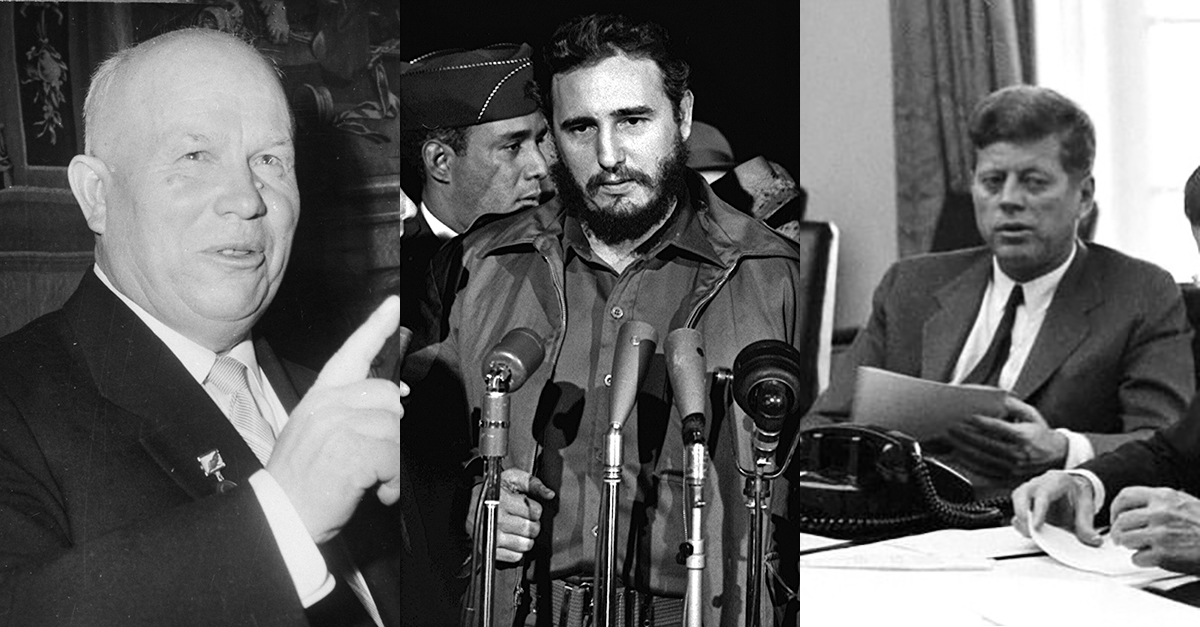
It was tense. It took some key decisions from men like Vasili Arkhipov, John F. Kennedy, and Nikita Kruzchev to make it through in one peace, but we made it. There were plenty of opportunities to mess up or make the wrong decisions, but we didn’t. That’s why we’re here in 2020, alive and complaining about having to wear a mask in a restaurant.

Take a moment to appreciate that context.

Take another to appreciate how we moved forward from that event.

After the crisis, both sides of the Iron Curtain went to great lengths to avoid a situation like that. The world shrunk in the sense that communication became more critical. Countries and communities needed to communicate with one another to make sure nothing got overlooked, lost in translation, or mistook.

When there are nuclear weapons in play, you literally cannot afford to make mistakes.

Those were hard lessons for everyone. That’s why I have some sliver of hope that the scars from 2020 will teach us similar lessons. This pandemic has shown just how fragile our civilization still is. It also shows that the deadly forces of nature are apolitical. They don’t care about your ideology, race, or beliefs. They’ll hit us just as hard. They’ll hurt us just as much.

Pandemics don’t give a damn about borders. They don’t give a damn about divisions. They’re as chaotic as a nuclear explosion. They’ll burn and scar anything that gets in their path. We can’t negotiate or bullshit our way out of it. The only way we get through it is by cooperation, compassion, and understanding.

It’s been 58 years since the Cuban Missile Crisis. It left scars on a generation, but those scars ensured we worked harder to avoid nuclear war. I sincerely hope that the scars left by this pandemic will teach a new generation how to cooperate and how to get through a global crisis like this.

Those hopes may seem overly ambitious, given how divided we still are. I believe our desire to not live in a world ravaged by disease or nuclear war will motivate us to unite in the long run.

Leave a comment

Filed under Current Events, human nature, Jack Fisher's Insights, politics

On Privilege, Resentment, and Lottery Winners

Think of a person you knew in high school that you just didn’t like. The reason why you didn’t like them isn’t important. They’re just someone you don’t care for and would prefer not to think about them in any capacity.

Now, imagine that same person won the lottery.

Suddenly, this person you seriously resent has been gifted a glut of random, unfeeling luck. They now have access to wealth, resources, and opportunities that you can only dream of.

From afar, they look happy and thrilled. Their life seems destined to be one of excitement, leisure, and fulfillment. They did nothing to deserve it. They didn’t work for it or earn it. They just got lucky.

Would that make you resent them even more? Before you answer that question, ask yourself another.

Is it even right to resent a person who just got lucky?

Most reasonable people might have a problem despising someone, just because they got lucky. It’s petty, resenting someone for their good fortune. It implies that you don’t think they deserve it.

It also implies that you think you deserve it more. There’s something inherently wrong with a system that allows someone like that to get lucky while you are stuck in your current circumstances.

I bring this up because it helps illustrate the hot-button debates surrounding privilege. It has become somewhat of a dirty word in recent years. In many discussions surrounding race, politics, religion, and gender, the topic of which group has which privileges tends to come up. These discussions can get downright ugly, especially when they’re racially charged.

Now, I’m going to be very careful with my words here. I want to make a valid point, but I don’t want it to inspire even more ugly discussions. I also don’t want to give the impression that every side of the issue is equally substantive. Some arguments are more absurd than others. That’s an unavoidable pitfall when discussing sensitive issues. That’s where you’ll get argumentative equivalent of flat-earthers.

With that context in mind, I want to try and deconstruct the rhetoric surrounding which group has privilege, what it implies, and why it matters. The concept of social privilege is pretty simple. In a diverse, multi-cultural society, like the one we’ve established over the past few centuries, certain groups have inherent advantages over others. However, not all of those advantages are the same.

If you’re a straight, cis-gendered man, you have certain advantages.

If you’re a straight, cis-gendered woman, you have certain advantages.

If you’re white in a society that’s predominantly white, you have certain advantages.

The same concept applies to disadvantages. Being a minority in most societies, regardless of development, will incur some disadvantages. If you’re black, gay, Muslim, Jewish, transgender, bisexual, or disabled in a society where the majority is none of those things, you will face challenges that others won’t. For anyone who values fairness, justice, and equality, that’s an issue.

It can be even subtler than that. If you’re born with natural beauty, you’ll have advantages as well. Like it or not, people tend to help someone who’s physically attractive. The same applies if they happen to have a special talent, such as throwing a football or playing an instrument. People without those skills are at a disadvantage, if only with respect to attention.

As a social species, humans already have an innate sense of fairness. These disparities don’t go unnoticed by both the majority and minority. Like playing a game where someone is using cheat codes, people are going to strive for greater fairness.

Some will be more aggressive than others in that pursuit. At the same time, those who have those advantages will try to maintain them. They may not even see them as advantages.

While that seems simple in the context of a game, it gets exceedingly complex when you apply it to society at large. It also gets contentious, as both historic and contemporary protests have shown.

It has even become popular to tell people to “check their privilege” at the door when entering a conversation. Even if it’s done in the spirit of fairness, it can still come off as downright resentful.

That may be understandable, to some extent. It may even be acceptable for some because achieving perfect fairness and perfect equality just isn’t realistic. There’s always going to be someone who gets lucky or is just naturally more talented or beautiful. It’s the nature of reality. It still doesn’t answer the same question I posed earlier.

Is it right to resent a person who just got lucky?

For anyone attempting to answer it, there’s probably a short and long version of that answer. It may depend on the nature of the luck involved. Someone who wins the lottery is easy to envy, but difficult to resent. If you don’t know the person, then chances are you’re not going to resent them. You’ll just be jealous of their luck.

However, the random luck of a lottery winner isn’t that different from the random luck that makes someone straight, white, Christian, and male at a certain point in history within a certain society in which they have advantages. When we’re born, we don’t have a choice in the circumstances. We simply grow, develop, and react within them along the way.

Those circumstances can include some very distressing facts. There’s no getting around the fact that certain groups have brutally oppressed others and effected the system to preserve their advantages while disadvantaging others. Even if it happened centuries ago, the effects of those injustices are still felt today.

Most reasonable, decent people are in favor of righting such injustices. However, the right way to go about it is where a lot of resentment starts to emerge. Some of that is unavoidable, given how easy it is to derail an argument, but there’s another component to discussions about privilege that goes beyond lottery winners.

Whenever someone protests the privileges of any group, be they white men, affluent middle-class women, or people born with natural beauty, there’s often an angry backlash and not just from those seeking to protect their privilege. In fact, most of that backlash comes from people who fit the generalization, but are not privileged.

There are straight white men who, despite their demographics and circumstance, have no advantages whatsoever. They’re poor, destitute, and miserable. They work every bit as hard as those in minority groups, but still struggle.

Then, despite their dire circumstances, they hear rhetoric that claims they’re somehow the most privileged people in the world. Chances are, they’re going to feel resentful too.

That’s because, statistically speaking, only a handful of people who fit the stereotype of “privileged” individuals really enjoy those advantages. These are individuals in positions of power and authority, both politically and economically. Some are identifiable by name. Others are just indirectly influential, due to their wealth, status, and resources.

The vast majority of men don’t have a say in how patriarchal or egalitarian society is.

The vast majority of white people don’t have a say in how racially segregated society is.

The vast majority of women don’t have a say in how men are disadvantaged men are in divorce court, child custody, or alimony.

The vast majority of straight people don’t have a way in how the law handles issues LGBTQ discrimination.

The vast majority of Christians, Muslims, Jews, Buddhists, and Hindus have no say in how their religion conducts itself as an organization.

However, since there’s rarely a single, mustache-twirling villain who exists solely to oppress on certain issues, our only choice is to generalize. We’re already a tribal species, by nature. It’s depressingly easy to channel that into what we perceive as the source of an injustice.

It’s also easy to resent people who are clearly privileged and go out of their way to abuse it. Those individuals deserve that kind of resentment. Like a lottery winner who becomes an insufferable asshole because of his luck, the resentment is both understandable and justified.

The problem with resenting the privilege of entire groups is that it’s difficult to see the forest from the trees. The existence of one asshole lottery winner doesn’t mean that every lottery winner is an asshole by default. By that same token, the existence of one group of people who enjoy egregious advantages doesn’t mean everyone like them enjoys them as well.

There are all sorts of complexities and nuances that go into what gives certain people advantages over others. Sometimes, it’s objectively unfair how certain people exploit their advantages and we should all work for a more fair and just system.

However, it’s a simple matter of removing the privileges to level the playing field. It’s also not realistic to yell at people until they purposefully disadvantage themselves for the sake of others. That’s akin to demanding that lottery winners give up their winnings in the spirit of fairness. It doesn’t just defeat the purpose. It makes us the resentful assholes.

Leave a comment

Filed under Current Events, extremism, gender issues, human nature, LGBTQ, media issues, outrage culture, political correctness, politics, psychology

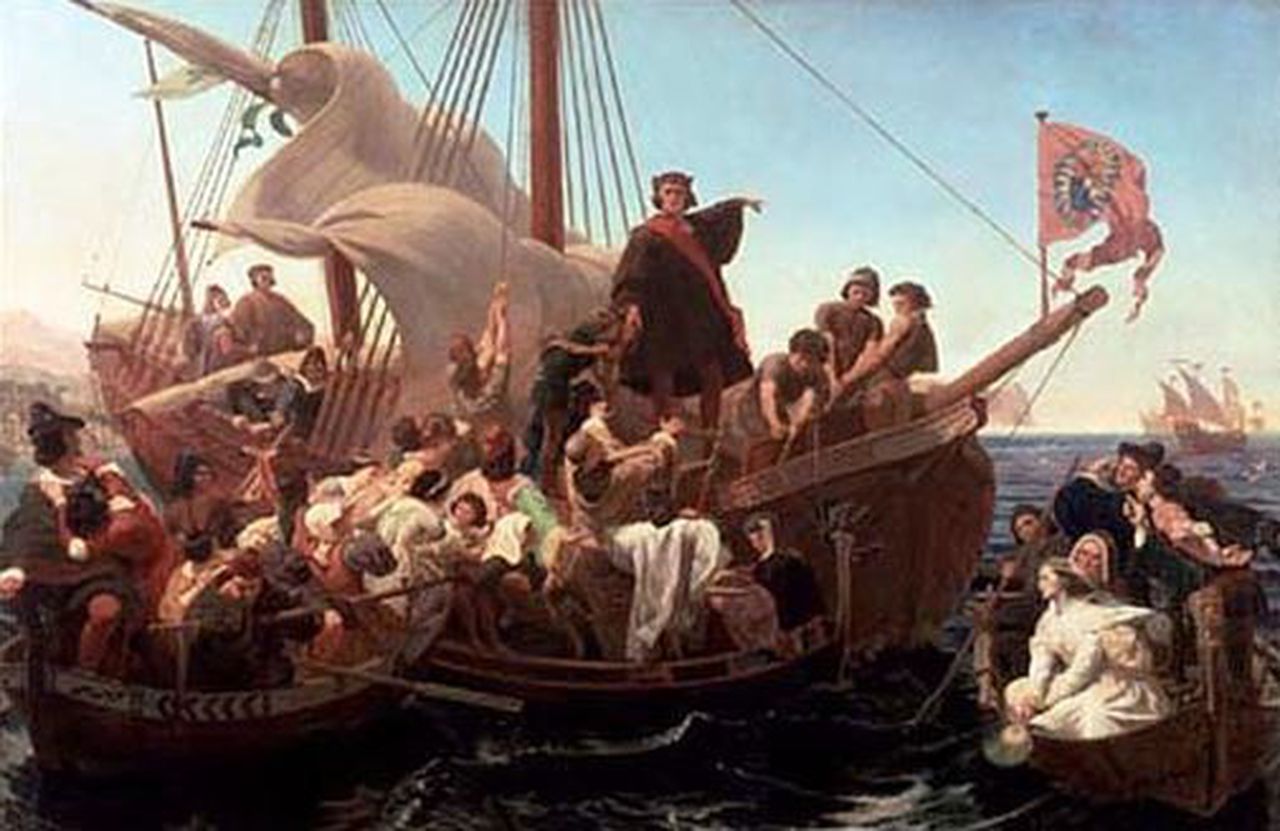
Happy Columbus Day (And My Honest Thoughts On It)

First off, Happy Columbus Day!

I know that’s a somewhat political statement these days, but I’ll say it anyways, just to get it out of the way.

I’m not saying it to be political. These days, I try to be very careful about statements that can be even partially construed as political. That’s just the nature of the times we’re living in. We’re so divided, defensive, and tribal that it’s hard to see anything we don’t agree with as a politically-motivated attack.

As a result, Columbus Day has taken on some very political overtones in recent years and not in a good way. It used to just be a day to celebrate the landmark voyage of a famous explorer from the 15th century. That voyage, regardless of the politics surrounding it, opened the door to a new age of exploration between the Americas and Europe. Some believe that is worth celebrating.

On the other side, there are those who rightly highlight the negative impacts and outright atrocities that Columbus’ voyage incurred. If you were a native living in the Americas at the time of his arrival, you had no reason to celebrate. The man ushered in an era that saw the utter decimation of the entire native population.

He was also, even by the standards of his time, quite the asshole. He took slaves. He wasn’t exactly popular with his crew. He might not have been the worst offender of his time, but he certainly didn’t raise the bar.

Like many historical figures from the distant past, Christopher Columbus was a complex figure. There’s a lot we’ve come to know about him, especially in recent years as the less savory parts of his story have become more accessible. With that knowledge and the benefit of hindsight, a critical question remains.

Should Columbus Day still be celebrated as a holiday?

I admit freely that, for most of my life, I saw Columbus Day as little more than an extra day off school. I didn’t know or care much about the man or his story, beyond what I was told in school. Since then, I’ve tried to keep a balanced perspective on him.

If you want a fairly comprehensive assessment on who Columbus was and how we should judge him in the modern era, I recommend the rundown from the YouTube channel, Knowing Better. He does make his biases and opinions very clear, but he still gets the point across.

If there’s one take-away worth gleaning from this video, it’s that we can appreciate the achievements of Christopher Columbus. We can even acknowledge the impact he had on world history, for better or for worse. However, celebrating him as a holiday at this point has connotations and implications that just don’t work in the modern era.

Columbus isn’t history’s greatest monster, but he’s not someone who deserves a state-sanctioned holiday in a country that has a diverse population, including groups that suffered greatly due to Columbus’ legacy. For that reason, I think at the very least, the name of the day should be changed.

Some have proposed calling it Indiginous Peoples Day to celebrate the legacy, as well as acknowledge the hardships, of the Native American populations of the Americas. I would certainly be on board with that.

Perhaps we can call it something more generic like World Exploreres Day or Unity Day. While Christopher Columbus may have been an asshole, he did succeed in one critical area. He took a major step towards connecting the world. Whether they called it the old world or the new world, the result was the same. We are now one world because we dared to explore and connect.

That, in my opinion, is worth celebrating and we can do it without glorifying Christopher Columbus.

Leave a comment

Filed under Current Events, political correctness, politics, rants

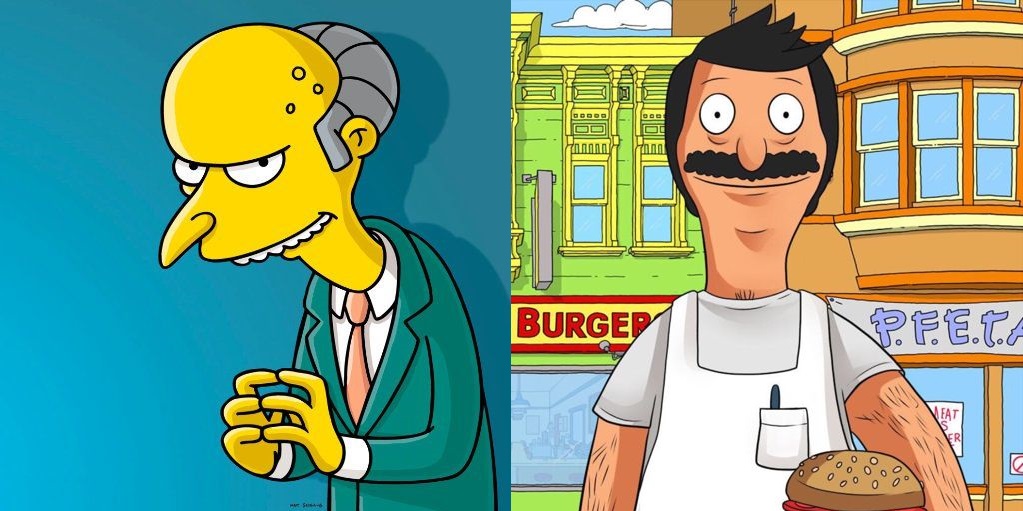
Extremes In Capitalist Tropes: Bob Belcher Vs. Montgomery Burns

The following is a video for my YouTube channel, Jack’s World. It’s a bit of a shift from my previous videos. In this, I try to dissect certain TV tropes from some of my favorite shows. For this video, I’m breaking down how capitalism manifests in two distinct characters, namely Montgomery Burns from “The Simpsons” and Bob Belcher from “Bob’s Burgers.”

I’m very curious to see what kind of response I get here. If you like what you see with this video and want to see more like it, please let me know. Thanks and enjoy!

Leave a comment

Filed under Current Events, extremism, human nature, Jack's World, media issues, political correctness, politics, television, YouTube

Two Monday Night Football Games: Something Awesome From Something Awful In 2020

It’s been a weird year for sports and for horrific reasons. Let’s not overlook that. This year has been horrific in general for reasons I hope I don’t have to belabor. However, it is possible for good things to come out of awful circumstances. That doesn’t make the circumstances any less awful, but a good thing is still a good thing.

For me, a lifelong football fan who builds his Sunday afternoons and Monday nights around watching football, it’s been plenty weird. Watching NFL games in front of empty stadiums has taken some getting used to. All that fake crowd noise isn’t the least bit convincing.

That said, I’ll gladly take this kind of football over no football. At the same time, news about positive COVID-19 tests among NFL teams has me genuinely concerned. It already caused one game to get delayed. It threatened to delay another one. It was scary.

Then, through this horrible thing, something awesome emerged. The marquee matchup between the New England Patriots and the Kansas City Chiefs was postponed to Monday Night. That meant we had what amounted to a double-header last night, starting at 7:00 p.m. EST and going past midnight.

I think I speak for many of my fellow football fans when I say I loved this. I loved it in ways I cannot put into words without the aid of alcohol or spiked coffee.

Yes, I’m tired this morning from staying up so late.

Yes, it’s something that emerged from a bad situation.

Yes, it’s still awesome.

Two Monday Night Football games? A double-header that makes Monday’s less awful and Monday night’s more eventful? Yes, please! This is an objectively wonderful thing and I say let’s have more of it.

Sundays are great and because of NFL RedZone, football fans can plug themselves into every game for hours at a time. It’s wonderful and has made football such an engaging, day-long experience.

However, there are times in the season when there are as many as 9 or 10 games going at once at 1:00 p.m. in my time zone. Even with RedZone, it’s hard to keep up with. Some of those games deserve to be prime time games. Some of those teams would benefit from a little prime time exposure. I say this is the perfect way to do it.

Monday Night Football is already a ratings bonanza for everyone involved, regardless of how awful this year has been. Adding another game to that mix can only help add to the boon. I hope last night was a proving ground of sorts. There is room for two games on Monday night.

To the NFL, please use this as a sign. Turn this objectively terrible situation into something awesome. Football fans will thank you for years to come.

Leave a comment

Filed under Current Events, football, sports, television

PSA: Disagreeing With Someone Is NOT A Violent Act

There are certain basic, inherently decent truths in this world. Most reasonable people understand them to some extent. We don’t need to be persuaded of their merits.

Being a selfish asshole is a bad thing.

Lying, cheating, and stealing is a bad thing.

Compliments and kind words help us and others like us.

Not everything you see on the internet is true.

These are just a few. I hope they’re not controversial. I like to think I have enough life experiences to make these statements with some credibility. Ideally, we don’t need to remind each other of these simple truths. They should be a given for anyone with a functioning brain.

Unfortunately, we live in an exceedingly imperfect world and years like 2020 only intensify those imperfections.

So, in that frustrating spirit, I’d like to make a quick public service announcement that I hope will function as a simple reminder. Please note I’m not referring to one particular person or a single group. I’m addressing as many people as possible. If you can, please forward this along because this needs to be said, reinforced, and belabored.

Someone disagreeing with you is not a violent act against you, nor should it be construed as one.

I know. That sounds like common sense. It is, for the most part. Most of us learn in grade school that someone disagreeing with you is not a big deal. You don’t have to like it. You may feel angry about it, but it’s hardly damaging. We live in a diverse society with diverse people. You’re going to encounter people who don’t think or believe like you do.

That’s fine.

That’s life.

However, lately it feels like the mere act of disagreeing with someone is somehow construed as this aggressive, violent political statement. Just telling someone you don’t agree with their politics or voted differently in the last election is no longer a simple point of disagreement. It’s an outright affront.

I see it in social media, comments sections, and in person debates. It gets incredibly ugly and it escalates way too fast. It often goes like this.

Person A: I voted for this candidate/hold this position/support this effort.

Person B: Really? I voted for the other candidate/position/effort.

Person A: You horrible piece of fucking shit! You’re ruining this country and this world! I hate your fucking guts and everything you stand for! You should fucking die a horrible death!

I wish I could say that was hyperbole. I really wish I could. Sadly, that’s a painfully accurate paraphrasing of the rhetoric I see whenever people start arguing. Whether it’s about politics, pop culture, video games, or which fictional characters they like, it gets so ugly, so fast that it’s disturbing.

It’s not treated as a difference of opinion. Some treat simple, differing opinions as a series of kidney punches delivered by Ivan Drago. It’s a gross, irrational, unbalanced response to the mere act of holding an opinion. If you don’t believe me, just try making these comments on any social platform.

I enjoyed Star Wars: The Last Jedi.

I support professional athletes protesting police injustice during the national anthem.

Brie Larson is a great actress.

There should be more diversity in certain franchises.

These are innocuous opinions. They don’t physically harm anyone. They reveal only a tiny sliver of who someone actually is. However, the mere utterance of these opinions is often a trigger for the most vile, hateful, rage-fueled reactions you can imagine.

That’s not just wrong.

That’s not just misguided, either.

It’s fucking stupid.

There’s no other way to describe it. These reactions are not the least bit warranted. Someone disagreeing with you is not an act of violence. It’s just not. Treating it as such is absurd, not to mention regressive.

Nobody, I don’t care who you are, is ever going to live in a world where everyone agrees with them. Humans just aren’t wired like that. Getting so upset about it is not a productive use of our time, energy, and passions.

I realize this will likely fall in deaf ears for some, but I hope others will take a step back and reassess how they react to someone voicing an opposing opinion. This world is messy enough. Let’s not make it worse by fighting each other for petty, unwarranted reasons.

Leave a comment

Filed under Celebrities and Celebrity Culture, censorship, Current Events, human nature, media issues, outrage culture, political correctness, politics, rants

Latest “Black Widow” And MCU Delays: Perspectives And Prospective

This year has sucked for many reasons. While one reason tends to be more prominent than others, many of us have felt it. Some have just felt it more than others. While 2020 has sucked for everyone, it especially sucks for fans of superhero movies and the Marvel Cinematic Universe.

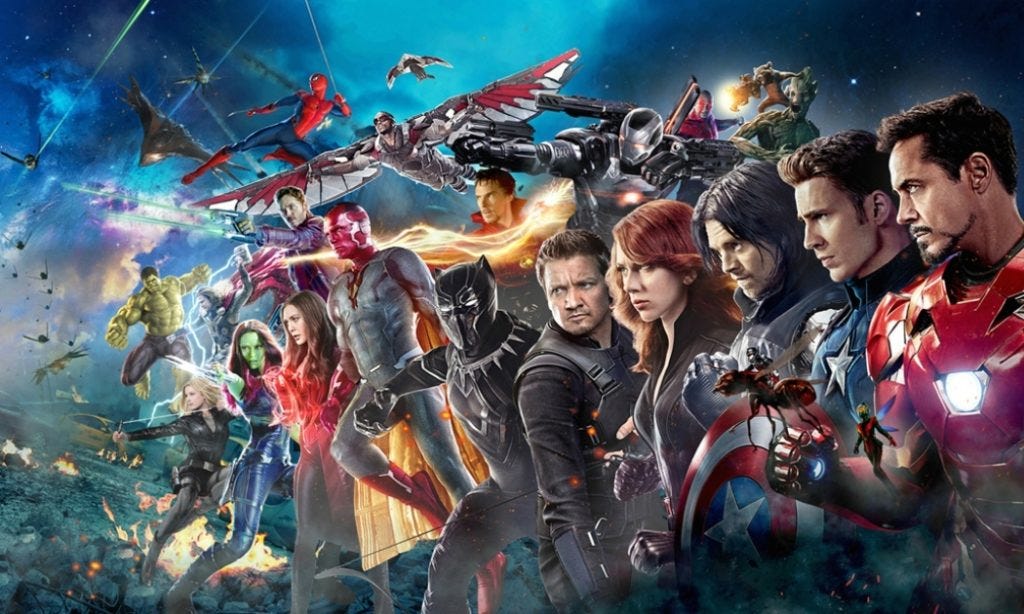
This year was supposed to be a year of transition. After the record-breaking returns of “Avengers Endgame,” the MCU was at a crossroads. Prominent actors had lived out their contracts. Certain heroes were killed off or retired. Longtime Marvel fans like myself were both anxious and curious to see where the MCU would go from here.

This year was supposed to be the beginning of Phase 4, which was to commence with “Black Widow,” “Eternals,” and “Shang-Chi.” On top of that, the MCU was going to venture into the world of streaming with several Disney-Plus shows. It all seemed so promising.

Then, the goddamn pandemic hit. Need I say more?

Now, it’s official. For the first time in a decade, there will be no MCU movies in 2020. According to The Verge, “Black Widow” has been pushed into 2021, along with the rest of the aforementioned 2020 slate of movies.

The Verge: Black Widow delayed to 2021, pushing back The Eternals and other Marvel movies

Black Widow will now open on May 7th, 2021 — more than one year after it was originally scheduled to be released. Like with other Marvel delays, Black Widow’s new date pushes Shang-Chi and the Legend of the Ten Rings back from its May 7th, 2021 release date to July 9th, 2021. The Eternals, which was supposed to follow Black Widow is moving from February 12th, 2021 to November 5th, 2021. A number of other Disney films, including West Side Story and The King’s Man, were also moved around as part of the shuffle.

Basically, the entire timeline for the MCU’s next phase just skipped a year. As someone who scheduled entire months around going to see Marvel movies, I can’t put into words how disappointing this is. This year has broken my heart, my spirit, and my hope for a brighter future. This just rubs salt, acid, and molten lead in the wound.

However, as disappointing as this news is, I do want to keep things in perspective. I also want to highlight some insights that may or may not be encouraging. Please don’t mistake any of that for tangible hope. I still have none left. At the same time, I do see reasons for encouragement.

For one, I’m not too surprised by “Black Widow” being delayed. I think the bean counters at Disney saw the box office returns of “Tenet” and decided to throw in the towel for this year. Despite that movie being widely praised by fans and critics, it barely made enough to cover the marketing budget for a typical MCU movie.

Movie theaters are not back. They are a long way away from being back, so to speak. This pandemic has hit them harder than any other industry that doesn’t involve health care workers and mask manufacturers. Even if a good movie comes out, people are still reluctant to go.

That’s not likely to change this year. It probably won’t change in the first few months of 2021, either. However, if the current timelines are to be believed, we should have a working vaccine by the end of 2020. That’s the only way the world will return to some semblance of its former self.

Now, I don’t believe that timeline for a second and I don’t think Marvel Studios believes it, either. If they did, then they wouldn’t have pushed “Black Widow” all the way into the spring. While this does mean a longer wait, it also reveals something else that’s just as important.

Earlier this year, I questioned whether the entire movie theater industry has been irreparably damaged. While I stand by many of my points, I might need to pull them back. Before this news came out, Disney decided to take the plunge into pure streaming and dump “Mulan” onto its streaming service. I suspect that if this move proved both successful and profitable, then that might be the future for all its major movies.

However, that future is now in question. While Disney has claimed that the movie has generated some healthy profits, the extent of those profits is very much in question. Nobody is convinced that “Mulan” is a success or failure. This is not like “Trolls World Tour,” a kids movie that cost less than half of what it took to make “Mulan.”

In a healthy, non-pandemic world, it’s hard to say whether “Mulan” would’ve worked out better. However, it is fairly clear that dumping a big budget blockbuster movie on a streaming service just isn’t as profitable as the good old fashioned box office.

That bodes well for both movie theaters and the MCU. I believe that Disney and Marvel Studio believes that their big budget blockbusters need to come out in theaters. These are not cheap independent movies that Netflix gladly gobbles up. These are massive cinematic undertakings. They need movie theaters to get a good return on their investment.

That need might very well be what saves the movie theater industry, at least to some extent. I think moving the MCU’s heavy hitters into 2021, assuming by then a vaccine will have tempered the pandemic, shows that they still believe in this model. They’re still committed to using this platform for developing the MCU.

Honestly, I’m a bit relieved. As much as I love binge-watching my favorite movies, there’s still something to be said about the movie theater experience. I don’t think that watching “Avengers Endgame” on my TV would have had the same impact as it did when I saw it in IMAX. That experience is still valuable.

Now, I’ve learned not to trust release dates and timelines. This year has taught me that all timelines are tentative when pandemics are a factor. Be that at as it may, Disney’s reluctance to dump big movies on a streaming platform bodes well for the movie going experience.

If and when “Black Widow” comes out on its newly scheduled date, I’ll definitely be there to see it. It may also be the best possible sign that we’ve gotten through this awful shit storm that has been 2020.

Leave a comment

Filed under Current Events, Marvel, Marvel Cinematic Universe, movies, superhero comics, superhero movies

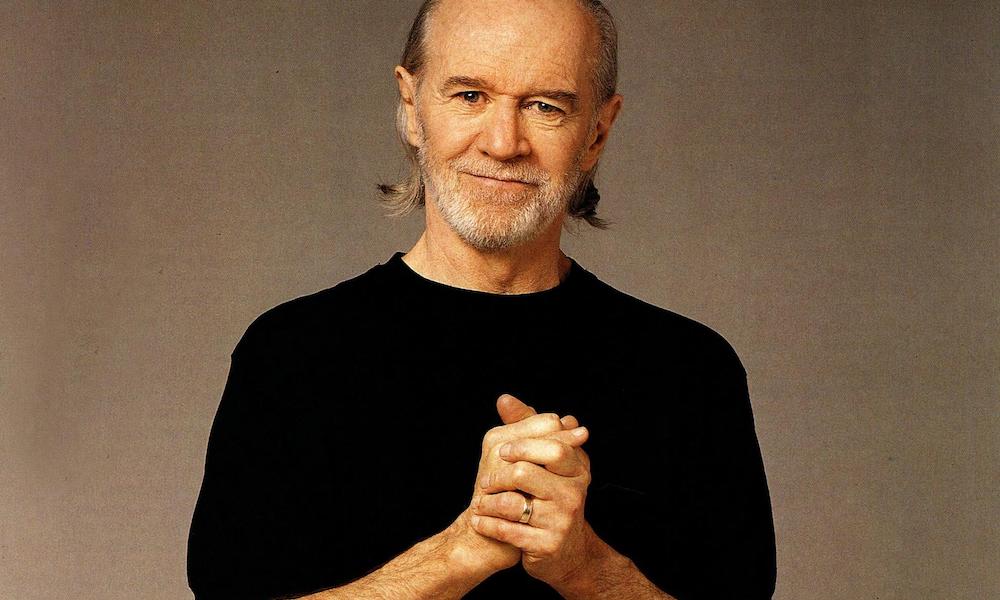
George Carlin (Still) Perfectly Explains The Abortion Issue For 2020

These are scary times for many people. Between pandemics and politics, a simple scroll through your daily news feed might as well be a horror movie. However, for those concerned about abortion rights in the United States, it’s even scarier.

There’s a very real possibility that abortion rights could regress. Now, with a new vacancy on the Supreme Court, it’s very likely that the laws surrounding abortion will change considerably in the next several years, regardless of how the election pans out.

If you’re a woman, I feel for you. I honestly have no idea how frightening it must be, the prospect of going back to a world where abortion had to occur in the shadows.

Now, with abortion being such a relevant issue, I’m tempted to write about it more. I’m also considering doing a video about it for my YouTube channel, Jack’s World. I’m not quite sure I want to invite those kinds of politics to this site or my channel just yet. If I do, I’ll be sure to announce it.

In the meantime, I still want to leave those debating the abortion issue with something of substance. Thankfully, the late great comedian, George Carlin, already masterfully broke down this issue years ago. To date, I’ve yet to see anyone make a more effective statement on the abortion issue and the absurdities surrounding it. Just watch and see for yourself.

He could’ve said every word of this today and it still would’ve been relevant. It still would’ve been true, accurate, and concise. Honestly, it’s kind of sad that this didn’t end the debate completely. It’s even sadder that neither side has come up with better arguments.

We miss you, George Carlin.

This world really needs someone like you, right now.

Abortion is such a sensitive issue and one that will only get more divisive in the coming weeks. I don’t know what the endgame is. I just know it’s going to get a whole lot worse before it gets better.

1 Comment

Filed under abortion, Celebrities and Celebrity Culture, Current Events, politics, religion, women's issues, YouTube