Category Archives: Comic Books, Jack Fisher, Superheroes

How To NOT Screw Up X-men: Dark Phoenix

If you’ve been following this blog in any capacity, then you know I love comic books and superheroes. I try to work them into many topics, from effective superhero tactics to sexy female heroes who are uniquely sex positive. Assume, for the future, that if there’s sexy topic that can be related to comics, then I’ll find a way to discuss it.

In addition, those who follow this blog also know that I have a special affinity for the X-men. I tend to cite them more than most, whether it’s discussing a romance among equals, the future of female villains, or candidates for UN Ambassadorship. Again, I’ll use any possible excuse in any sexy topic to cite them again. I’m both a passionate erotica/romance writer and a passionate fan. I make no apologies for that.

So when some major news regarding superhero movies, particularly X-men movies, comes up, I’m going to discuss it. I may even belabor it. I know that may not be the reason some people visit the blog of an aspiring erotica/romance writer, but superhero movies, especially those involving the X-men, are important to me.

Keep in mind, the X-men also have characters like Emma Frost so that means there’s plenty of opportunities for sex appeal. This news, in particular, has its share of sexy and romantic connotations so it is relevant for erotica/romance fans. If you need proof, I have just two words for you: Sophie Turner.

I’ll give “Game of Thrones” fans a second to stop smiling. I’ll give X-men fans another because some of them, myself included, are still buzzing at her limited, but spectacular performance in “X-men: Apocalypse.” Other than Ryan Reynolds, the man who brought Deadpool to life, Ms. Turner may very well hold the key to the future of the X-men movies.

Whereas we only got one X-men movie this year with “Logan,” 2018 will bring us two. While “Deadpool 2” is sure to generate plenty of interest and dick jokes, it’s “X-men: Dark Phoenix” that will likely determine the fate and future of the X-men movies. Other than Sophie Turner’s sex appeal, there’s a lot of uncertainty about that effort.

That’s because “X-men: Dark Phoenix” isn’t just attempting something bold. The Phoenix Saga it’s based on is, by far, the most iconic and acclaimed X-men story of all time. Talk to any X-men fan in any capacity and most of them will agree. The Phoenix Saga is the gold-encrusted adamantium standard by which all X-men stories are measured. It also happens to be the story that Fox woefully botched once before.

It’s true and it still gives X-men fans nightmares to this day. Back in 2006, Fox attempted to tell the story of the Phoenix in “X-men: The Last Stand.” The end results were so poorly received that they ended up erasing it completely from the timeline in 2014’s “X-men: Days of Future Past.” Yes, it really was that bad.

I could do multiple blog posts on why the movie was so terrible. In fact, I already did one that covered the nauseatingly awful love triangle involving Cyclops, Jean Grey, and Wolverine. However, that was just one in a long list of unforgivable crimes that “X-men: The Last Stand” committed.

Chief among those crimes, for X-men fans, was how it handled the Phoenix sub-plot. The mere fact that it was a sub-plot was a huge problem. As I said before, the Phoenix Saga is the most iconic, respected, and beloved X-men story of all time. To treat it as a goddamn sub-plot, while wasting the acting talent and sex appeal of Famke Janssen, is both tragic and infuriating.

Beyond just relegating it to a sub-plot, “X-men: The Last Stand” basically looked over all the major themes of the Phoenix Saga and basically threw them out like expired milk. The Phoenix Saga is a story built around love, humanity, untamed power, and sacrifice. “X-men: The Last Stand” had none of that. It only used the Phoenix as a way to make Wolverine get all whiny about a woman he barely knew. That’s it.

The handling of the Phoenix was so bad that longtime X-men producer, Simon Kinberg, admitted earlier this year that they screwed up. Think about that for a moment. A big-time Hollywood producer, someone with unlimited access to blowjobs and cocaine, admitted a mistake. He didn’t make an excuse, as so many people in power tend to do. He owned his mistake. For that, Mr. Kinberg earns my respect.

I also believe that Mr. Kinberg does not want to go down in history as the man who botched the most beloved X-men story of all time. That kind of reputation can permanently destroy his credibility among a vocal audience. Just ask Joel Shumacher how nasty it can get.

Moreover, Mr. Kinberg already has the resources he needs to make a Phoenix Saga work. He laid the groundwork with “X-men: Apocalypse” by having Sophie Turner shine more in one scene than Famke Jannsen ever could through three movies. He also has an immensely-talented actress in Ms. Turner to bring out the passion and drama that is so vital to the Phoenix Saga.

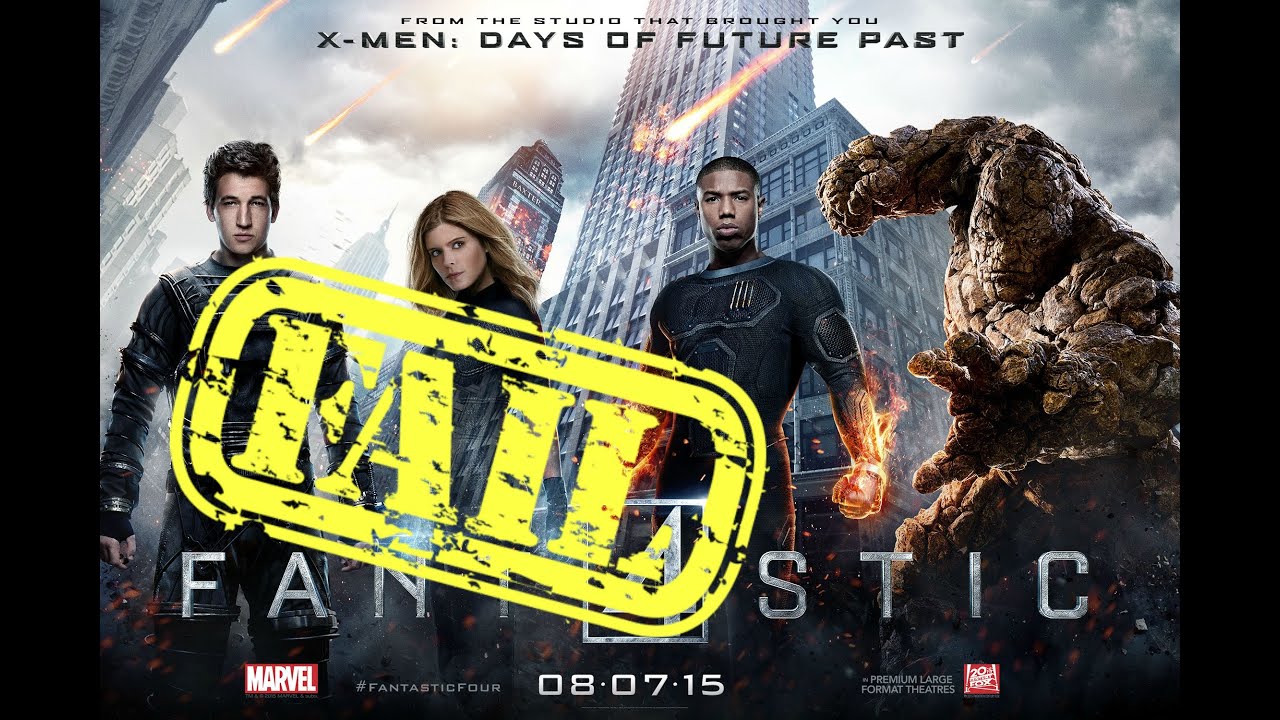
In other words, Mr. Kinberg and the powers that be at Fox have no excuses this time. They didn’t have any last time with “X-men: The Last Stand,” but the stakes were lower then. The market for superhero movies is going to be very crowded in 2018. Having already screwed up the Fantastic Four, they need to show they can learn from their mistakes.
Being the passionate comic book fan and X-men fan that I am, I want to help in whatever way I can. Given that I’m an aspiring erotica/romance writer with precisely zero influence on anything outside this blog, that’s not saying much. I don’t expect anyone from Fox to ever read this blog or know about me. The most I can do is just put the information out there so I can say I did what I could.

With that in mind, I’m not going to offer a wish list on what must occur in a “X-men: Dark Phoenix “movie. If you base the value of a movie or comic book on something specific, you’re just setting yourself up for disappointment.

Instead, it’s better to lay out what to avoid, thereby allowing some creative flexibility along the way. No matter how passionate a fan you are, it’s important to be somewhat flexible. Otherwise, you’ll just find yourself among fans whining about how Finn Jones is too white play Iron Fist.

So for X-men fans, comic fans, and superhero fans in general, here’s my list of tips on how to avoid botching the Phoenix Saga again. I write this hoping that the people at Fox understand that X-men fans are a forgiving bunch, but messing up the most iconic story in X-men history twice would be pushing it.


Tip #1: Embrace AND Unleash The Passion

This should be the most obvious, but it somehow slipped everyone’s mind in “X-men: The Last Stand” so it’s worth putting at the top of the list and belaboring to no end. At the core of the Phoenix Saga, which is also its greatest appeal, is the passion behind the story.

It is, in essence, a story about overwhelming power guided by overwhelming passions. Within the story, Jean Grey is possessed by a cosmic entity known as the Phoenix Force, which pushes her psychic powers to the limit, beyond, and into the depths of space. That’s not an exaggeration either. She actually goes into space with this power.

Now doing that in a movie would be tricky, but Jean doesn’t have to go into space to realize the theme here. She just has to get a chance to emote and lament about the sheer breadth of this power. Her passions are what drive it. They create the huge, emotional spectacle that helped make the Phoenix Saga so iconic.

Famke Jannsen never got a chance to do much in “X-men: The Last Stand.” In fact, all she really did was stand around, look deadpanned, and that’s about it. She never even flashed any Phoenix-like symbolism, which is pretty pathetic since Fox managed to squeeze it in with “X-men: Apocalypse.” A Phoenix Saga with flat emotions is like sandwich without bread. You just can’t have one without the other.


Tip #2: Make Any Sacrifice Feel Genuine
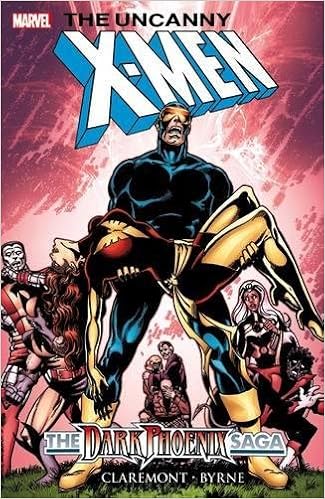
This is somewhat unique to the Phoenix Saga mythos in general. In addition to overwhelming passion and immense power, sacrifice is at the core of what makes a the Phoenix Saga so iconic among X-men fans. In the end, Jean Grey makes a heroic sacrifice for her friends, the world, and the man she loves. It’s one of the most emotional, dramatic moments in the history of comics.

Again, “X-men: The Last Stand” found a way to completely screw this up. In fact, saying they screwed up would be too polite because they didn’t just undermine this critical moment in X-men lore. They did the exact opposite.

Jean Grey does not make any sacrifice in “X-men: The Last Stand.” What she does is basically an act of pure cowardice. She doesn’t heroically sacrifice herself to save the ones she loves. She makes someone else kill her, specifically Wolverine. She doesn’t beg him. She makes him. There’s nothing heroic about that. Hell, that’s a dick move, even by Wolverine standards.

For any Phoenix Saga to work, there needs to be some sort of sacrifice along the way. That sacrifice also has to be genuine, dramatic, and heartfelt. That’s what makes it so endearing. Nobody ever felt any kind of endearment to a coward. Since the X-men are superheroes and all, there’s no room for that kind of cowardice.


Tip #3: Embrace And Expand The Cyclops/Jean Romance

I’ve talked about this romance on multiple occasions and for good reason. It is, by far, the most important, iconic romance in the history of X-men. The romance of Cyclops and Jean Grey goes all the way back to the earliest days of the X-men, as created by Stan Lee and Jack Kirby. It’s a romance that has resulted marriage, death, resurrection, and multiple children. You won’t find many romances with this kind of depth.

Unfortunately, nobody who saw the original X-men movies ever would’ve suspected as such. Those movies gave the impression that the romance only existed to cock-block Wolverine and Jean Grey only existed to be a piece of ass for him to achieve. The love triangle is toxic enough in the comics, but the movies took it to a level so egregious that both the X-men fan and erotica/romance fan in me wants to vomit violently.

There’s no real depth between Wolverine and Jean Grey, especially in the movies. There is, however, a powerful and important dynamic between Cyclops and Jean Grey. Theirs is a uniquely balanced romance, one where they both stand together in ways that isn’t typical of superhero movies or romance movies in general. They’re both heroes. They share in one another’s struggles and burdens.

Most importantly, though, they complement each other. They inspire one another to be better. That’s what we saw, at least in a limited capacity, in “X-men: Apocalypse.” That movie didn’t just thrust them together and proclaim that they’re star-crossed lovers. They actually laid a foundation for a deeper connection. By the end of that movie, it was easy to see a romance between them blossoming.

In the comics, the Cyclops/Jean romance was central to the Phoenix Saga. Their romance was a catalyst for so much of the drama that to remove it is to remove a critical element of what makes the story work.

X-men: The Last Stand” tried to work around it by thrusting Wolverine into the role of Jean’s love interest. That failed miserably though because again, there was never a single goddamn reason for anyone to believe that there was any meaningful chemistry with them.

It was the history and extent of Cyclops and Jean Grey’s romance that made the Phoenix Saga so meaningful in the comics. At one point in the story, they even talked about getting married. A deep, passionate romance is what helped make the Phoenix Saga so impactful on so many levels.

That kind of romance can’t be forced. “X-men: The Last Stand” tried and failed miserably. A Dark Phoenix movie cannot make that same mistake again. The foundation is already there thanks to “X-men: Apocalypse.” The Dark Phoenix movie just has to crank up the passion. Sophie Turner’s sex appeal will do the rest.


Tip #4: Make The Phoenix The Primary Plot

After what I said earlier about how “X-men: The Last Stand” treated the Phoenix Saga, this should be a no-brainer. Then again, the sheer stupidity of circumventing the Cyclops/Jean Grey relationship in the first three movies should’ve been a no-brainer too so I’m not going to assume too much here.

The Phoenix Saga is too dramatic, too iconic, and too emotional a story to relegate to a sub-plot. “X-men: The Last Stand” tried and failed so miserably that no one could really blame Jean Grey for wanting to die in the end. Fox and Mr. Kinberg cannot let that happen again. The X-men, Jean Grey, and the Phoenix Saga deserve better.

From the moment the opening credits begin to the moment the generic 90s grunge music plays at the end, Jean Grey and the Phoenix Force should be the central focus. There can certainly be plenty of sub-plots, as there always are in every superhero movie. However, the Phoenix Saga must take priority. If it doesn’t tie into that story in a meaningful way, then it should be tabled for another movie.

The Phoenix Saga is a big enough story to carry the whole movie. In the comics, it unfolded over the course of several years, diverting into plenty of sub-plots along the way. A movie doesn’t have that kind of flexibility, but it still has plenty of time to set up and execute the drama that makes the Phoenix Saga so endearing.

Movies are plenty capable of creating that level of drama. Movies like “Titanic” and “Terminator 2” are able to do it all within a cohesive narrative. More than anything else, the Phoenix Saga should feel complete by the end of the movie. Other sub-plots can linger for sequels, but the Phoenix Saga must get first dibs.


Tip #5: Introduce New Villains And Tie Them Into The Phoenix Story

This might actually be the easiest part of making X-men: Dark Phoenix awesome. Chances are that’s already part of the plan and not just because there’s no hint that Michael Fassbender wants to return to play Magneto again. Now I love Fassbender as much as the next straight X-men fan, but his role as Magneto has been done to death, going all the way back to the first X-men movie.

The X-men have a long and rich library of villains. Very few of those villains have had a chance to grow within the movies. Some, like Mojo, are woefully impractical. Others, such as a devious figure named Mr. Sinister, are ripe for development. Even Walter White himself, Bryan Cranston, has expressed an interest in playing Sinister. That alone should tell you everything you need to know about his potential.

On top of that, Mr. Sinister has close ties to Cyclops and Jean Grey. It really wouldn’t take much to involve him in the Phoenix Saga. While he did not participate in it directly in the comics, he did go onto influence a great deal of stories that expanded the Phoenix mythos in X-men. Putting him in the center of the conflict in a Dark Phoenix movie makes too much sense.

There are other lesser villains like the U-men and the Purifiers that could find their way into the mix. So there should be no concerns about not having enough villains. The key is tying these villains into the main Dark Phoenix story. If done well, especially with the aid of Bryan Cranston’s acting prowess, then the movie has everything it needs to succeed.


There’s a lot more to consider in making an X-men: Dark Phoenix movie. I’m just a passionate fan so I’m hardly qualified to evaluate every one of them. If I were, Fox probably would’ve hired me and underpaid me by now to make this movie work. Since they haven’t, I can only hope there are much smarter, much more passionate people working tirelessly to make this movie great.

As a fan, I want to see this movie succeed. I want to see Fox and Mr. Kinberg make up for their mistakes in “X-men: The Last Stand.” It would be both an accomplishment and a service for which fans would be forever grateful. Grateful fans are more willing to give money to those who please them. That is, after all, Fox’s ultimate goal.

The incentives are in place. The story is there. The iconic characters are there. The passion is there. The love, heart, and emotions are there. It’s only a matter of bringing them together into a single, cohesive story that will thrill audiences, evoke tears of joy, and soak panties.

It can be done. I pray to whatever cosmic forces are out there that Fox can pull this off. As an X-men fan, a comic book fan, and a fan of iconic love stories, X-men: Dark Phoenix deserves to be that awesome.

20 Comments

Filed under Comic Books, Jack Fisher, Superheroes

How To Be An Effective Superhero

This is a direct follow-up to my previous post about why modern superheroes are inherently incompetent and designed to stay that way. I felt I needed to scrutinize the cracks in the foundation, so to speak, before I get around to discussing the stuff build on top of it. That will help make the discussion in this post more relevant and concise.

Even without the context of my previous post, it’s not hard to understand or even acknowledge that so many superheroes are inept, irresponsible, and incompetent at their jobs. Their villains always escape. Their friends/lovers/parents always die/suffer. The world they want to better never changes. It’s a flaw in the system as much as it is an exercise in futility.

Now, I’d like to take a step back, acknowledge the forest from the trees, and offer a solution of sorts. As I’ve done with other issues, I don’t just like to point out flaws. I like to offer viable solutions. Those solutions may not be practical or possible at the moment, but I try to make sure that the concept is sound.

https://i0.wp.com/www.chapter3blog.com/wp-content/uploads/2015/05/super-hero-500x300.jpg

I’d like to apply that method to superheroes now. By that, I mean I’d like to create a guide of sorts that helps establish the tactics, strategies, and ethics of being a competent, effective superhero. I say this knowing that it could never work in any comic book or major movie. This is mostly just an exercise in the actual pragmatics of superheroes.

First off, let’s establish some guidelines for a prototypical hero that would utilize these tactics. In order for them to work, they have to meet a certain criteria. Here’s a quick list of what that may include:

  • The goal of the hero is to reduce crime, confront injustice, and undermine corruption

  • The hero has a concerted interest in protecting as many innocent people as possible

  • The strategy in question cannot rely on the use of certain superpowers, although the use of superpowers can help supplement the strategy

  • The strategy is equally usable by male, female, and alien characters

  • The hero in question is willing to operate in a manner outside the framework of traditional law enforcement

  • The hero in question is willing to cross a certain set of moral lines, but only to an extent

I’m sure there are other ways to refine and supplement this list, but for now, this is what I’ll use in devising my strategy. In order to ensure that its applicable, heroes like Batman, Spider-Man, and Daredevil must be equally capable of implementing it.

Keep in mind, though, that some heroes have goals that go beyond just administering justice. Characters like Superman and the X-men have other goals, some of which goes beyond justice. I’ll save those goals for another post. For now, I intend to focus on the traditional superhero goal of justice and countering evil.

https://leadershipspirit.files.wordpress.com/2013/09/hero-leaders.jpg

In order to formulate this strategy, it’s also important to acknowledge a few unpleasant truths that would make Superman and Captain America cry. By that, I mean that the strategy cannot, for practical means, rely heavily on ideals. This is supposed to apply to the real world and, unfortunately, the real world is extremely unforgiving when it comes to ideals. Just ask Bernie Sanders.

So if we’re going to create a strategy that operates in the real world, we must make sure it accounts for the eccentricities of human psychology. It must utilize caveman logic and pass the Simpson filter. It can’t be too concerned with the nuts and bolts of people and why they do the crazy things they do. It must focus exclusively on results.

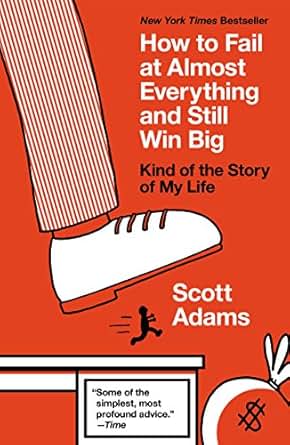
Does your brain hurt yet? Are you wondering if I’m asking you to contemplate dry water, a one-handed clap, or a decent Fantastic Four movie? Bear with me because there is a strategy that checks all these boxes. It’s a strategy I came up with thanks to two books, “Freakanomics” and “How To Fail At Everything And Still Win Big.”

https://i0.wp.com/freakonomics.com/wp-content/uploads/2016/01/Freakonomics-Paperback-298x450.jpg

I’ve read both these books over the past few years and I’m a big fan of their style. They dig deep into the hidden intricacies of how the world works and challenges readers to think about how doing things in new and novel ways. Seeing as how I have the kind of imagination that links robots with a dominatrix, they fit my unique mentality perfectly.

For the purposes of this discussion, I want to cite an article that the authors of “Freakanamics” wrote a number of years ago on terrorism. Basically, with a gross negligence to the high emotions that come with terrorism, the authors used their understanding of economics and human behavior to come up with the most cost-effective way to conduct terrorism. What they came up with was pretty damn terrifying.

My general view of the world is that simpler is better. My guess is that this thinking applies to terrorism as well. In that spirit, the best terrorist plan I have heard is one that my father thought up after the D.C. snipers created havoc in 2002. The basic idea is to arm 20 terrorists with rifles and cars, and arrange to have them begin shooting randomly at pre-set times all across the country. Big cities, little cities, suburbs, etc. Have them move around a lot. No one will know when and where the next attack will be. The chaos would be unbelievable, especially considering how few resources it would require of the terrorists. It would also be extremely hard to catch these guys. The damage wouldn’t be as extreme as detonating a nuclear bomb in New York City, of course; but it sure would be a lot easier to obtain a handful of guns than a nuclear weapon.

Think about that for a moment. If terrorists used a tactic like this, how much fear and dread would it inflict on our daily lives? If those terrorists were even marginally competent, then it would be even scarier. No matter what we did, we would dread that we would be a victim and it wouldn’t be entirely misguided.

This is where “How To Fail At Everything And Still Win Big” comes in. That book talks heavily about how stress and uncertainty affect people. It also teaches on how you can use that to your advantage. It makes painfully clear that the human brain is an irrational device with faulty wiring that hasn’t been updated in 200,000 years. If you’re going to influence it, then you might as well exploit those quirks.

https://images-na.ssl-images-amazon.com/images/I/51sqVXNWHhL._SY445_QL70_.jpg

With these two principles in mind, we can formulate a strategy for our prospective superhero. If utilized, then the criminals, villains, and future threats they face will either be defeated, deterred, or nullified.


  • The hero operates in complete secrecy, working at night or under a different identity. If the hero uses a uniform, then that uniform must not be identifiable or have some sort of stealth feature

This first part of the strategy is simple and not entirely new. Characters like Batman and the Teenage Mutant Ninja Turtles utilize some form of stealth. They operate in the shadows and generally avoid being seen.

Some heroes are even more well-equipped than others. Characters like Solid Snake from the “Metal Gear Solid” video games utilize a stealth suit that utilizes camouflage. Characters like Mystique can shape-shift into looking like someone else. This makes it easier for them to utilize this tactic, but someone as resourceful as Batman could use it just as well.

However, there’s room for improvement.


  • The hero must not have an identifiable name or make themselves known to the media in any way or coordinate with the media. They must, at all costs, avoid creating an identifiable persona

This is where Batman, Spider-Man, and pretty much any hero with a publicly-known name fails. The issue isn’t the name itself. The issue is that by having a name and having some kind of media exposure, they create a tangible, identifiable target.

From a practical perspective, that’s a big problem. That means enemies, be they a mugger or Lex Luthor, have someone they can target and identify. Entire teams of enemies, like the Legion of Doom or the Sinister Six, can rally around a common enemy. That makes enemies stronger and no strategy can succeed with that.


  • The hero must conduct detailed surveillance on villains and criminals, know their crimes and how they connect with others, and focus on those who are high in rank and influence

This is another tactic that most heroes already use to some extent. Batman is probably the most well-known. He uses his detective skills to determine who is a threat, how big a threat they are, and how to go after them. Other heroes, like the Avengers or the Justice League, generally have some type of monitoring system to determine pending threats.

This strategy requires the kind of extensive intelligence and understanding that someone like Batman could appreciate. When Batman determines that someone is a big threat, he’s almost always right. Any hero using this strategy must have similar certainty. Knowing the threat is the first step towards actually defeating it. That’s just a basic rule of war.


  • The hero must defeat their villains/enemies/criminals by making them disappear without a trace, either by killing them and destroying the body or by sending them into a domain from which they can never escape

This is where the strategy conflicts with nearly every major hero, especially the Batmans and Supermans of the comic book world. For the most part, the heroes avoid killing. It’s seen as an ideal. Taking a life is seen as morally abhorrent and for good reason.

However, that moral absolution ends when those same villains, such as the Jokers and Green Goblins of the world, live on to torment again. Despite defeating these villains multiple times, the heroes never do anything to end them. They try and try to lock them away in a prison cell, but they just keep escaping. From a moral standpoint, the suffering those villains inflict is on the heroes’ shoulders.

For most heroes, this means killing is unavoidable. It’s the only sure-fire way to ensure that a villain is never a threat again. For more resourceful/powerful heroes, there are other options like shrinking them to the size of atoms like Ant Man or sending them into the far-distant future, as Superman did with Doomsday.

However, it’s not enough to just kill a villain or enemy in this instance. Superheroes have killed before. Some, like the Punisher, kill a lot, but it still backfires in the long run. Why is that? Well, that’s where the next part strategy comes in.


  • The hero must make sure that nobody knows the villains they kill or disappear are dead, must never take credit for their disappearance, and must do everything possible to disconnect themselves from the villain

This is where even the brutal tactics of the Punisher fail. It’s also where the Freakanomic strategy comes in. The problem with the Punisher’s harsh methods isn’t that they’re harsh or that they result in a lot of killing. The problem is that they give the villains another rallying cry.

The Punisher’s enemies knows he kills. The Punisher usually likes to make clear that he’s the one who killed their associates. While this may shock and horrify some of them, it also has the effect of rallying them against a common enemy. Whether someone is a criminal or a hero, giving your enemies a common threat to rally behind is always a bad idea.

This is why the Punisher’s methods often fail in the long run. Criminals may fear him, but they know he’s responsible. The threat they’re up against has a face. There is a target for them to direct their fear and anger. This means that the criminals and enemies of the hero know who to fight against and in the long run, that never works out for the hero.


  • The hero must make sure that the villains, their allies, and their enemies don’t know why others are disappearing and must never make themselves known. Most importantly, they must make sure the villains are free to make wrong, misguided decisions

Here is where the methods of Scott Adams intersect with “Freakanomics.” In “How To Fail At Everything And Still Win Big,” Adams constantly talks about how people are at the mercy of their caveman brains. When they’re uncertain or anxious about something, they’re prone to making bad decisions for bad reasons. Make too many of those decisions and you tend to doom yourself to failure.

With this method, the hero must make sure that the villain is free and able to keep making those decisions that will ensure they defeat themselves. This is why it’s so important to make sure that the villain never knows that the hero is even fighting against them. They can’t have a mask, a costume, or a symbol to rally against. If it’s one big unknown, then their irrational caveman brains will do the rest.

The Norman Osborns and Lex Luthors of the world will start making up their own targets, irrationally lashing out at what they think is the source of the threat. The hero, for the most part, just needs to sit back and watch it unfold. Let them attack their rivals, make new enemies, and falter under the pressure. So long as they don’t know who or what they’re fighting against, their paranoia will eventually work against them.

In the long run, the villains will lose. They’ll end up dead. They’ll get caught. Most importantly, from the hero’s perspective, they’ll never know who to blame or why. That’s a scary thought, even for a hardened criminal. Nothing scares people more than the unknown.


  • The hero must never seek any kind of recognition, adulation, or compensation for their deeds

This is the final part of the strategy and, arguably, the most important. The problem with characters like Batman and Superman are that they want to be symbols. They want to be recognized for their efforts. Practically speaking, that’s a mistake.

By being symbols, they give their enemies a clear target and something to rally around. No matter how good the hero is at their job, they still make themselves a target. No matter how many villains they defeat, more will emerge and more will know who to fight.

Remove that symbolism. Remove the recognition. Remove the masks, costumes, and iconography of a hero and suddenly, the world of villains is very scary. They don’t know who to fight. They just know that by doing what they do, they could disappear without a trace and never be heard from again.

That’s more terrifying than any torture or punishment because their caveman brains will fill in the blanks with the worst they can conjure.


This caps off my official perfect superhero strategy. To date, no hero in a comic book uses these tactics and for good reason. If it were a comic book, it wouldn’t be very interesting because the outcome would be too final. The hero would be too competent and that’s just not very interesting.

Remove the need for sales, lunch boxes, and porn parodies and imagine how this strategy could work. Say there’s a superhero that wants to take down organized crime. Say that hero has the power of Superman or the Flash. Using their abilities, they quickly locate the top level bosses and associates of these criminals and just make them disappear.

There’s no body. There’s no trace. There’s no police report. There’s no trial. They just disappear. Not knowing who to fight, the criminals start attacking others they think are responsible. When they don’t know who, they just pick random people they think are enemies.

https://spiceaddictionsupport.org/wp-content/uploads/2015/05/paranoid-delusions.jpeg

This makes them more enemies, both from other criminals and law enforcement. No matter what they do, anyone who becomes a boss just disappears and they don’t know why. As a result, nobody even wants to be a crime boss anymore. The organizations just collapse on their own. Criminals still disappear, ensuring even low-level criminals have an incentive to stop. In the long run, the hero accomplishes what they set out to do.

It works with criminals. It works with those who are corrupt. It exploits the quirks of human nature, but also relies on the traits that make us function as a species. Again, it’s a tactic that I doubt any major heroes with movie rights could ever use. However, if they really do care about results, then this is the best way to go. Spider-Man should take notes.

6 Comments

Filed under Comic Books, Jack Fisher, Superheroes

Why Spider-Man May Be The Most Incompetent Hero Of All Time

https://jackfisherbooks.com/wp-content/uploads/2017/03/4f8a2-1420239869401.png

Whenever I talk about comic books and superheroes on this blog, I generally try not to single one particular character out unless I’m trying to make a point. I find that singling out one too many characters is like pointing out all the plot holes in a Michael Bay movie. It just becomes too frustrating and futile in the long run.

That means if I’m going to dedicate a post to a character, it better be for a damn good reason. They must be a uniquely compelling sex-positive female character or a potential prelude for future female villains. Well, after talking about why most superheroes are incompetent by design, I feel compelled to single out one particular character who is, within this context, the worst offender.

That character isn’t some obscure, little-known sidekick from a bygone era either. In this case, the worst case of inept superheroes who take their incompetence to the next level is one of the most recognizable superheroes of the past 50 years. He’s had multiple movies, multiple cartoons, and multiple actors play him with varying degrees of success and/or failure.

Image result for Tobey Maguire Dancing gif

Yes, I’m talking about Spider-Man, also known as Peter Parker. He is, by far, the most recognizable and iconic of Stan Lee’s many creations. He’s also, by a ridiculous margin, the most profitable superhero in terms of merchandise sales. He makes enough money for Marvel every year for them to eat caviar every day off diamond-encrusted gold plates.

So why, then, is he so incompetent as a hero? Why is Marvel’s most iconic character a case study in how not to operate as a superhero? Well, some of it has to do with the built-in incompetence I mentioned before. Spider-Man can’t be too competent, otherwise his overall narrative just wouldn’t be as compelling and his toys wouldn’t sell.

However, compared to the many other orphaned heroes who get their powers through accident or tragedy, Spider-Man sets himself apart by not just screwing himself over, but also by undermining the very principles of power and responsibility that he espouses. That doesn’t just make him an incompetent hero. It just makes him misguided, albeit not on purpose.

So what exactly makes Spider-Man inept by both the standards of a superhero and the standards that he sets on himself? Well, that has everything to do with his tactics and how he goes about them. If you’ve ever read a Spider-Man comic, seen a Spider-Man movie, or watched a Spider-Man cartoon, you know those tactics well. It goes like this:

  • Someone commits a crime
  • Peter Parker springs into action, putting on his costume and mask
  • Spider-Man fights the criminal, making jokes and quips along the way
  • The criminal whines and complains about how he’s ruining their master plan
  • The fight plays out and Spider-Man wins
  • Spider-Man ties the criminal up with his webs for the police
  • Spider-Man goes back to being Peter Parker and uses the pictures he takes of himself to make a living

This is Spider-Man’s primary method for dealing with crime and irresponsibility. It is the primary structure of every major battle he’s ever fought, be it the Green Goblin, Dr. Octopus, or Venom. While he wins/survives many of those battles, and even goes onto marry a supermodel for a while, it’s only when you step back and scrutinize the larger picture that you see how he loses his war against irresponsibility.

First and foremost, it’s important to establish that Spider-Man is one of those heroes who doesn’t kill. Like Superman and Batman, he goes out of his way to prevent the loss of life, be it innocent life or that of his enemy. That’s an understandable position to take. Killing is one of those unambiguous moral lines and many superheroes define their heroics by respecting that line.

For Spider-Man, however, this moral stand against killing is a major liability and the catalyst for his ineptitude. Granted, it’s not intentional, but the byproducts are unavoidable and those close to him have suffered as a result. Just ask Gwen Stacy.

Now I’m not saying Spider-Man is directly responsible for such suffering. Like all heroes, his intentions are good. He wants to help people. He wants to save lives. The problem is that, with his tactics, he’s doomed to hurt far more people than he helps.

This is because his tactics essentially guarantee that he will be a target, his loved ones will suffer, and his enemies will become stronger as a result. This isn’t just because Spider-Man refuses to kill them, although that is part of it. It’s because of the very persona that Spider-Man creates that his efforts are so inept.

Spider-Man, unlike Batman or Daredevil, doesn’t present a very intimidating presence. He’s many things, but intimidating isn’t one of them. His costume isn’t that intimidating. He doesn’t operate in the shadows or anything. He’s actually a well-known public figure, thanks largely to his own efforts and those of his boss, the ultimate blowhard that is J. Jonah Jameson.

This is a huge problem because it ensures that Spider-Man’s presence isn’t considered a major threat or danger to his enemies. He’s more of an annoyance or inconvenience. Whether they’re the Green Goblin or a simple mugger, they know Spider-Man isn’t going to kill them. He’s not even going to seriously wound them. He’ll just fight them, tie them up, and give them over to the police.

Even for those without access to overpaid lawyers, that’s not so much a threat as it is a frustration. On top of that, Spider-Man doesn’t really have meaningful conversations that get people to rethink their choices. He’s just cracks jokes, makes lewd comments, and generally carries himself with the maturity of a 13-year-old. Granted, this is part of his charm as a character, but it also ensures his tactics are doomed to fail.

It’s one thing to anger and annoy an enemy in the heat of battle. That can work to a hero’s advantage. However, the problems with Spider-Man manifest after the battle is over.

By annoying and angering his enemies, all he does is give them more incentive to fight him and hurt those he cares about. On top of that, he wears a flashy, distinct costume that’s easily recognizable in both night and broad daylight. It’s also well-known, thanks to his own efforts at taking pictures of himself and selling them to a newspaper.

Even before the era of smart phones and Twitter hacks, that’s putting a pretty big target on his back. He makes himself an identifiable figure on which his enemies can focus on. Even if they don’t know his identity, they know the source of their frustration. Since Spider-Man doesn’t scare them, they have every possible reason to fight him.

To make matters even worse, he gives his enemies a common threat to rally against. Anyone who knows anything about social psychology, or has just been to a Taylor Swift concert, knows that nothing unites people better than a common cause. He doesn’t just make his enemies stronger as individuals. He makes them stronger as a team. How is that responsible?

In essence, Spider-Man doesn’t intimidate his villains, doesn’t do anything to deter their irresponsible decisions, and gives them a common enemy to really around. If being responsible is deterring the kind of criminals that killed his Uncle Ben, then he’s the most irresponsible hero of all time.

I’m not saying Spider-Man has to start killing like the Punisher. I’m saying that his own tactics undermine his goals. Now you could make a similar criticism to characters like Batman or Daredevil because they don’t kill and their enemies constantly escape to torment them. However, there is one key difference that sets them apart.

Batman and Daredevil, despite their gaudy costumes, are intimidating. In fact, intimidation is a key tactic of theirs. Batman said it himself in the early scenes of “Batman Begins.” He seeks to strike fear in those that prey on the fearful. In this sense, he does succeed.

You could make the argument that because of Batman’s presence, there people in Gotham City who choose not to enter a life of crime. The prospect of dealing with Batman is scary. Fear is a powerful deterrent. Only the truly deranged criminals dare to enter this life and take on Batman. In that context, it makes perfect sense that the kind of villains he faces are the exceedingly deranged kind.

Spider-Man can’t make that claim. He can’t claim that he scares or intimidates people into not choosing a life of crime. If anything, his tactics may annoy ordinary people who wouldn’t otherwise consider such a life, but try it anyways just to shut him up or make a name for themselves.

Every hero is different. Every hero has their own set of tactics, goals, and ideals. However, no hero is as inept, incompetent, or irresponsible as Spider-Man. So long as he keeps doing what he’s doing, and Marvel has a huge financial interest in never allowing it to change, he’ll continue emboldening his enemies while guaranteeing that everyone around him suffers.

It’s both an irony and a tragedy. In his efforts to be responsible with his powers, Spider-Man conducts himself in the most irresponsible way possible. Even if it’s indirect and unintentional, the results are the same. He can still call himself a hero because of his principles. He just can’t call himself a very competent hero.

11 Comments

Filed under Comic Books, Jack Fisher, Superheroes

Why Most Superheroes Are Woefully Incompetent (By Design)

Image result for incompetent superhero

I’ve been meaning to do a post like this for a while now. It’s a topic I’ve actually tried to discuss on comic book message boards. Unfortunately, most comic book message boards too readily devolve into debates about who can lift Thor’s hammer, who Wolverine is sleeping with, and whether or not She-Hulk shaves her pubic hair. Yes, it gets that bad.

Ignoring, for a moment, the immaturity of certain crowds on message boards, there are certain issues pertaining to comic books and superheroes that are too easy to overlook. I say this as someone who is plenty eager to overlook the flaws in a story if it means seeing Starfire, Wonder Woman, Emma Frost, and Storm of the X-men kick ass and look damn sexy while doing it.

One of those flaws, ironically enough, deals with the actual pragmatics that come with being a superhero. Granted, those practical details are usually an afterthought in most superhero comics. Why would anyone give much thought to that when they could instead focus on giant monsters, killer robots, and the Hulk’s penis?

Some of the problem has entirely to do with fans like me. I freely admit that, as a fan, I’m part of the problem. Superheroes, whether they’re in comic books, cartoons, or blockbuster movies, aren’t created with the intent of being really good at their jobs. They’re created as a product to sell. That means they have to be compelling, engaging, and part of a meaningful story.

That’s why we don’t care if Spider-Man fails miserably to stop a criminal or if Superman fails miserably to keep Lex Luthor locked in prison. So long as it’s part of a story, we keep buying in. We increase our emotional and financial investment. It keeps the narrative going and, by default, the money for the company producing the merchandise.

That’s also why there will never be a superhero who is too good at fighting crime, defeating enemies, and solving problems. After a while, they do too much good and the world they live in just doesn’t have enough flaws to be interesting anymore. Who wants to read about Spider-Man anymore after he’s effectively solved New York’s crime problem and spends his days taking photos of hobos pissing on trees in Central Park?

On some levels, comic book companies and movie studios of the world knows this. They’ll never admit it outright, but in the back of their mind, they have to know that they can never let a hero be too competent. Even Superman has to slip up every now and then. Make no mistake though. He definitely has throughout his 70-plus year history, sometimes in laughably disturbing ways.

There’s a very simple reason for this and unfortunately, it’s neither heroic nor sexy. I’ll give you a hint. It’s valuable, it’s green, and it fits perfectly in a stripper’s G-string. If you need more than one guess, you should probably see a doctor.

Yes, I’m talking about money. If anything, it’s kind of ironic, given the values that many superheroes hold and how broke many superheroes often are. They’re created to embody our greatest values, but they’re sole purpose, from an image standpoint, is to make money for the company that owns their rights.

Fortunately or unfortunately, depending on how you look at it, superheroes do succeed in that respect. According to The Hollywood Reporter, Spider-Man alone makes over a billion dollars a year in merchandising. That’s not a typo. I said billion. Batman is a very distant second with a little less than half-a-billion.

Superheroes are big business these days, both in terms of making money and spending it. According to rumors by Bleeding Cool, the next two Avengers movies could collectively cost a billion dollars. Again, that’s not a typo.

It’s because superheroes make so much money and generate so much money for the economy that they have to stay incompetent to some extent. Just look at the superheroes of old, from Greek mythology to the bible to the medieval legends of King Arthur. They all have one defining trait. They all had definitive endings.

Whether tragic or triumphant, the heroes of old were part of a finite narrative that had an ending. King Arthur dies. Hector dies. Jesus Christ triumphs over the Satan. If these were comics, they would never survive in the modern market because they’re too complete. Modern superhero stories can never truly end.

Even iconic comics like Watchmen, which was supposed to have a definitive end, but DC Comics nixed that by incorporating it into their mainline superhero comics. Granted, this thoroughly pissed off Watchmen’s creator, Alan Moore, but he’s been pissed off for any number of reasons for the past 30 years so that’s not saying much.

Instead of ending, modern superhero comics are prone to a tricky phenomenon that most comic book fans know all too well. It’s called retroactive continuity, also known as a “retcon.” This is basically the literary equivalent of a mulligan.

Has Spider-Man become too convoluted, mature, and dark? A retcon will make him a lovable loser again. See “Brand New Day.”

Has Batman become too campy and goofy? A retcon will make him dark and gritty again. See “Batman Begins.”

Have the Fantastic Four become too flat and boring? A retcon will make them a team of jaded young millennials. See 2015’s “Fantastic Four,” although pretty much every Fantastic Four fan would strongly advise against it.

Thanks to retcons, superheroes never age. They can always be reinvented, re-tooled, and adapted for a new audience. Granted, that won’t stop some audiences from whining about it, but it effectively ensures that the narrative never ends and the particulars of the story at every point in the timeline are subject to change.

This can be a good thing sometimes, such as when a retcon gives us a great character like the Winter Soldier in the Captain America comics. However, it can also splatter painfully disturbing details on an established narrative that didn’t need it. Just talk to Spider-Man fans about a story called “Sins Past” and watch them become visibly ill.

In the end, however, it often means that characters never really progress beyond a certain point and the problems they hope to solve never go away. The Joker always escapes. Lex Luthor always returns. Spider-Man’s girlfriend gets killed, injured, or impregnated by his worst enemy. It’s as frustrating as it sounds.

Most superheroes will gloss over this detail by taking a stand against killing. That’s perfectly understandable on some levels. The morality of killing someone is one of those few moral issues that don’t generate too much debate, unless it involves Nazis in video games. However, in some respects, the anti-killing is both an excuse and a sales tactic.

Batman is, by far, the best example in this respect. Despite being the alpha and omega of an ordinary man achieving extraordinary feats without superpowers, Batman still cannot and will not stomach killing any of his villains. No matter how many times they escape, kill, or torment others, he refuses to kill them.

Ignoring for a moment the debate on whether he’s responsible for the deaths those villains subsequently inflict, there’s one other issue that makes Batman’s anti-killing stance more a marketing gimmick than a morality stand. Batman’s villains are iconic characters in their own right.

Just look at the list of famous Batman villains. Then, remember how many of them are popular Halloween costumes. Also keep in mind one of them earned Heath Ledger an Oscar and another got Margot Robbie to put on hot pants. Creating characters this iconic isn’t easy. That’s why comic companies and movie studios are so reluctant to kill them.

This is the dilemma that all superheroes face in modern comics and movies. If Batman kills the Joker, then there are no more iconic battles between the two. If Superman kills Lex Luthor, then there’s no more epic struggle. That means there are fewer comics to sell, toys to make, and slutty costumes to create. That situation, from both a fan and business standpoint, is untenable.

As a result, every modern superhero is, by design, incompetent to some degree. On top of that, the villains are either insanely lucky or ridiculously resilient. That’s why we’ll never see a version of Batman, Superman, or Spider-Man who actually succeed at reducing crime. That’s why we’ll never see the X-men or the Justice League actually create a peaceful world.

It’s not that it’s impossible. It’s just that it ends the story and the ability for big companies to make a boatload of money off them. That ensures every modern superhero is a walking paradox. They can never truly achieve their goal, but they can never stop trying either. It’s not because it’s the right, moral thing to do either. It’s because movie studios and publishing companies still need to make money.

That’s not very heroic, to say the least, but that’s the world we live in. Until money and movie rights stop driving superhero narratives, we’ll never see a truly competent superhero.

5 Comments

Filed under Comic Books, Jack Fisher, Superheroes

Wonder Woman Origins Trailer

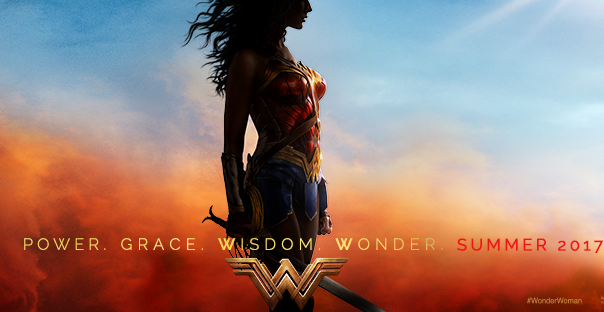
It’s almost here! In just a few more months, Wonder Woman, the most iconic female superhero of all time and secret BDSM icon, is going to release her first live-action movie. Despite what the assholes at the United Nations may claim, this has been a long time coming.

There have been multiple Superman movies. There have been dozens of Batman movies. Hell, even Ant Man got his own movie. That’s right. A hero named Ant Man got a movie before Wonder Woman. What’s that say about us as a culture?

We’ve had to ensure some pretty nasty moments to get to this point and I’m not just talking about the poor reviews that Batman v. Superman: Dawn of Justice got. We’ve had a Catwoman movie that has since become infamous. There has even been an Elektra movie that has since become as forgettable as Ben Affleck’s performance as Daredevil.

There’s no question that the road to this movie has been long and hard, but it’s finally almost here. The Wonder Woman movie is poised to join the world of superhero movies at a time when raccoons and talking trees are finding their way into this genre.

With only a few months left, Warner Brothers released another trailer this past weekend. I would’ve made a big deal of it sooner, but being sick kind of got in the way of that. I’m better now so I’m ready to make a big fucking deal of it now.

Are you done cheering like a school-girl on crack? Good. As a long-time comic book fan, seeing this trailer puts a smile on my face and a boner in my pants. I couldn’t be happier that superhero movies have become the alpha and omega of box office blockbusters. However, I have been somewhat frustrated by the lack of successful female superhero movies.

Wonder Woman can change that. Wonder Woman, being the first and most iconic female hero of the last 70 years, can bring some much-needed balance and sex-appeal to superhero movies. While I doubt the BDSM elements of her history are going to show up in this movie, I’m glad she’s joining the crowded crop of superhero movies that has one too many talking racoon and actors named Chris.

This trailer specifically focuses on Wonder Womans origins. Again, there’s no hint of BDSM, but the core elements are there. There’s Themyscira, her homeland. There’s the Amazons, a society of warrior women blessed by the gods. There’s a weapon that no woman on Themyscira is worthy to wield. Those are all key elements of an awesome Wonder Woman story.

That story will commence this June. Expect me to be among the first in line. Also expect me to write a thorough assessment on this blog, especially if any BDSM moments show up. I imagine they’ll be well-hidden if they do, but at this point, I’ll just gladly accept an awesome Wonder Woman movie that’ll remind the assholes at the UN why she’s one of the most iconic female heroes of all time.

3 Comments

Filed under Comic Books, Jack Fisher, Superheroes

The Logan Movie And Why It Matters

Today is a big day for X-men fans. As such, that means it’s a big day for me. I hope I’ve made it abundantly clear on this blog that I’m a big comic book fan and a big X-men fan. Hell, I dedicated an entire post to explaining why Storm is a better role model for girls than Wonder Woman. If that’s not enough to get my point across, then you’re just being difficult.

Today, the X-men fan in me is giddier than a school girl in a house full of puppies because this is the day the “Logan” movie comes out. This is not just another superhero movie for me, nor is it just another attempt by Fox to keep the X-men movie rights from returning to Marvel, although that certainly is part of it. This movie represents the end of an era for X-men and the potential beginning of another.

This movie was destined to be bittersweet because Hugh Jackman made clear that this movie would be his last time playing Wolverine. For X-men fans of the past 17 years, this is a big fucking deal. Hugh Jackman is to Wolverine what dick jokes are to Deadpool. They’re so intrinsically tied to one another. They make each other inherently better.

The fact that anyone can play the same character for 17 years in a major action movie that requires a ridiculous workout regiment says just as much about Hugh Jackman as it does about Wolverine. In that same time, we’ve had three actors play Spider-Man, two actors play Batman, and two actors play Superman. There has always been one Wolverine. Jackman sets that high bar. The cast of Justice League should take notice.

As an X-men fan, I will be sad to see Jackman hang up his claws after this. Wolverine will never be the same without him, but he’s better as a character because of him. For that, I will be eternally thankful to Mr. Jackman for his passion and dedication.

However, there’s another reason to be excited about this movie and it has little to do with Hugh Jackman or his sex appeal. I know. That’s a bold claim. I know many of the ladies out there would passionately disagree, but that reason is every bit as important as Jackman’s sexiness.

For this particular movie, as well as the future of the X-men in general, Wolverine isn’t the alpha and omega of all things X-men. It’s not just because the cast for X-men is so large and diverse. In this movie, Logan literally can’t be that guy anymore. His body, his spirit, and his resolve are breaking down. Even with metal bones and a healing factor, he just can’t do what he does anymore, nor does he even want to.

That’s where Laura “X-23” Kinny comes in. Who is X-23 and why should you care? Well, make no mistake. X-23 is a major reason to see this movie. She’s also a major reason to read the X-men comics because she is very much a part of the legacy that Wolverine has created.

X-23, who is played by Dafne Keen this movie, is one of the most important characters to enter the X-men comics in the past 20 years. She debuted in 2004 in season 3 of the X-men cartoon, X-men Evolution. For a kids show that aired on Saturday mornings, her story is pretty damn harsh.

On paper, she’s a clone of Wolverine. That’s not a new concept. Comic books are full of clone characters and stories about clones. Some of them are decent. Some are infamously terrible. However, X-23 took it many steps further.

Like Wolverine, she’s prone to outbursts of violent rage. She prefers solving her problems by stabbing them and she’ll spit, swear, and snarl in ways that would make any man’s balls feel a little bit smaller. She’s not a tomboy. She’s the kind of girl who beats the shit out of tomboys and looks badass doing it.

However, her story goes even deeper than that. X-23 never carried herself as a clone. She always carried herself as a part of Wolverine’s family. At first, she hated it. In fact, in her debut episode of X-men Evolution, she tried to kill him. Her reasons are best summed up by one succinct quote.

This is your fault, everything I am is because of you!

What exactly is she and why does she blame Wolverine? Well, one of the most defining traits, aside from his convoluted romantic history, about Wolverine is his mysterious past. It’s mysterious because a good chunk of it has been wiped from his memory. This mystery is a big part of what drove the first two Wolverine movies.

With X-23, however, she has no such luxury. She remembers everything and not just because she’s just a teenager. She remembers all the ways her creators tortured her. At least Logan got to live a life before he became a living weapon. X-23 was created from birth to be that same weapon. Every waking hour of her childhood was dedicated to turning her into a heartless killing machine.

Now I know I joke about how traumatic high school is for some teenagers, but what X-23 went through defies even the worst high school experiences, including gym class. She has been so systematically conditioned, trained, and abused to become more a thing than a person that it pisses her off and rightfully so.

In both X-men Evolution, and her comic book origin story “X-23: Innocence Lost,” she turns on her creators. By that, I mean she fucking maims every one of them. However, she still sees Logan as the reason she exists. It’s his DNA that made her. At first, she sees him as a source of pain. Eventually, though, she comes to see him as her salvation.

This is what is so meaningful and relevant about X-23 and her story. She was literally created to be more weapon than human. She was not supposed to have family, emotions, or attachments of any kind. Despite this, and all the torture that came with it, she still sought those connections out.

She even achieved it, thanks to her own efforts, as well as Logan. She came to see him as a father rather than an enemy. Logan, despite his predilection for beer and married women, embraced the opportunity to be a father to this girl. He brought out the best in X-23 and she brought out the best in him.

As a character, X-23 is both compelling and relevant. With Hugh Jackman leaving the X-men movies, who else can carry on his legacy? Deadpool can do a lot, even with his pants on, but even the sex appeal of Ryan Reynolds has its limits.

The X-men comics have already taken that step. After Wolverine died in a final battle against his creators, X-23 decided to honor her father’s legacy by taking on his mantle. On top of that, the yellow spandex looks better on her.

There’s one more reason why X-23 is so important to the future of the X-men, superhero movies, and female characters as a whole. At the moment, every comic company and movie producer not on a cocaine binge is trying to create better female characters. In many respects, they have plenty to work with.

DC and the Justice League have Wonder Woman, who is a already a female icon. Marvel has Captain Marvel, who they are working tirelessly to make into a female icon. The X-men also have Storm, a female character whose grace and badassery transcend race, gender, or whatever else hippies bitch about. However, X-23 represents something that’s different and vital.

It’s not just that these iconic female characters are all adults who have established themselves in competent roles. These characters try to embody the best of what women can be. X-23 follows a different struggle. She fights to overcome the dehumanization she endured as a child and become her own person. It’s a constant struggle, one that leads to some pretty brutal moments, but one that’s wholly relevant in 2017.

While “Logan” may be Hugh Jackman’s swan song to an iconic character, it’s also a celebration of the emergence of X-23. At a time when women have plenty of reasons to dread, X-23 represents the will and strength to confront those challenges, stab them, look damn good while doing it.

All his life, and through Hugh Jackman’s charisma, Wolverine claimed to be the best he was at what he did. Now, thanks to X-23, he can rest easy knowing that his legacy is secure.

5 Comments

Filed under Comic Books, Jack Fisher, Superheroes, Jack Fisher's Insights

Magneto: The Original Walter White?

It’s a common pattern in pop culture. Elvis and the Beatles didn’t invent rock music. They just made it mainstream. “The Godfather” didn’t invent the Italian Mafia. It just made it mainstream. The movie “Deep Throat” didn’t invent blowjobs. The human race figured that out centuries ago. The movie just finally got around to recognizing how amazing the concept would be.

These patterns often play out before our eyes without us really noticing. Nobody ever realizes they’re part of something greater, at least until they’re being played by Denzel Washington or Daniel Day Lewis in a movie. There’s always some strange revolution going on and I’m not talking about the kind that involves fad diets.

When I decided to break down the impact of Walter White on villains and antagonists in pop culture, I knew I was a bit late to the party. “Breaking Bad” has been off the air since 2013. In that time, the cultural impact of Walter White and how Bryan Cranston brought this character to life has spread. Many have already done far more thorough breakdowns of this character that are far more insightful than anything I could ever do.

At the same time, however, a part of me still looks at Walter White and sees the same pattern that has played out in music, TV, and even porn. Like Elvis, Walter White didn’t invent the complex antagonist/anti-hero. He just made it mainstream. However, I think there’s another character who accomplished this while Bryan Cranston was voicing bad Power Rangers villains.

Which character am I talking about? What kind of character could’ve possibly captured the complexities and depth that Walter White embodied without having his own show on AMC? This character actually pre-dates AMC, cable TV, Power Rangers, and even hippies. His name is Erik Lensherr, but he’s best known as the X-men villain, Magneto.

Yes, this is going to be another one of those posts. If you’ve been following this blog for any length of time, you know I jump at the chance to relate anything I can to comic books, especially X-men.

I’ve already used X-men to highlight what I feel are relevant issues. I’ve cited an X-men comic as a prime example of a true relationship of equals. I’ve cited X-men as teaching valuable lessons in the importance of foreplay. I’ve even singled out one X-man in particular, Storm, as a more viable female icon than Wonder Woman.

That said, it should come as no surprise that I make another connection when the unapologetic comic book fan in me sees the opportunity. For Magneto, the opportunity is definitely there. Based on his story, his personality, and his actions, he can claim that he was Walter White before there ever was a Walter White.

That claim isn’t hard to justify to anyone who learned about Magneto from the X-men movies, specifically the first X-men movie in which he was played by Gandalf himself, Sir Ian McKellen, and the pseudo-reboot entitled “X-men: First Class” in which Michael Fassbender gave the character an uncomfortable amount of sex appeal.

Both these movies make it a point to emphasize one of the most important, not to mention traumatic, aspects of Magneto’s character. He’s a holocaust survivor. He didn’t just live through one of the greatest atrocities in the history of mankind. He lost his entire family in it. He literally saw humanity at its worst. Can anyone honestly blame him for being a villain?

Unlike Walter White, it wasn’t desperation or circumstance that made Magneto want to give a big middle finger to the human race and get the ball rolling on their successors. He’s always been a little pissed off at the world for allowing such an atrocity. When you’re surrounded by the greatest evils of humanity, is it any wonder why you would found a group called the Brotherhood of “Evil” Mutants?

Even if he does have a good reason for being evil, this justification alone doesn’t put Magneto on the same level as Walter White. A major aspect of Walter White and the concept he embodies is the complexity of his character. If Magneto were just another Dr. Doom wannabe who just happens to have a better reason for hating the human race, then this concept wouldn’t apply.

However, Magneto does have depth. He does have complexity. His history is rich with stories that has him navigating a vast gray area of morality. One day, he’s a reformed man who helps the X-men fight off killer robots trying to wipe them out. On another, he’s creating a giant mutant monster to unleash upon the human race.

This isn’t just a bitter old man who gets moodier than most. His shifting allegiances, as well as his efforts to walk that fine line between villain and anti-hero, doesn’t happen sporadically. Magical spells aren’t used to just make him a hero, although that tactic has been used on other characters in comics.

Magneto’s story, much like Walter White, follows him making hard decisions in difficult situations. The consequences of these decisions lead him down many paths, some of which get pretty damn dark. Just read Cullen Bunn’s 2014 “Magneto” series for proof of that. That series alone ensures Magneto deserves to be on the same level as Walter White.

What makes Walter White such a compelling character is that his struggle and his hard decisions feel so real. He’s a man struggling in a difficult situation, but those situations only serve to bring out the worst in him.

Magneto may live in a world of mutants, superheroes, and characters who ride cosmic surfboards, but what he endures is painfully real. He lived through a real atrocity that has scars that we, as a species, are still struggling to confront. Whether the evil within him was always there or influenced by these struggles, it still felt painfully real.

The X-men, and the mutant struggle that Magneto has always been a part of, embodies the struggles of minorities. Even X-men director, Bryan Singer, has cited these struggles as an important part of the mythos. The struggles of minorities and the atrocities they suffer is painfully real.

In the case of Magneto, the horror of these real events helped shape his fictional path as a character. Walter White can’t claim he endured such atrocities. He endured injustice, but not on the same level as Magneto. These forces shaped their respective stories and personas.

At the end of the day, it still leaves us wondering whether these forces actually made them evil or just brought out the evil that was already there. While it may involve a little of both in the grand scheme of things, it’s still a big part of what makes these characters so compelling. At least with Magneto, he can say he knocked first.

8 Comments

Filed under Comic Books, Jack Fisher, Superheroes, X-men

Jack Fisher’s Favorite Christmas Special (It Involves X-men)

I love this time of year. I love Christmas, the holidays, and everything associated with it. I’m the kind of guy who puts his Christmas tree up a few days after Halloween, does all his Christmas shopping before Thanksgiving, and gets drunk on eggnog when the first Christmas special airs.

My love of Christmas even extends into my erotica/romance career. I wrote an entire book around the premise of mixing seasonal cheer with an overtly sexy story. It’s called “Holiday Heat” and if you’re looking for a sexy gift that doesn’t involve handcuffs or anything leather-studded, this will fill that need, among others.

51abo16bvxl-_sx384_bo1204203200_

I hope I’ve made clear by now just how much I love Christmas. I’ll definitely be doing plenty of celebrating over the next few days, with and without my pants on. I’m at that stage in my holiday celebration where I’m watching all my favorite Christmas specials and discovering new ones.

Now I have a soft spot for the classics. I can watch the “Charlie Brown Christmas Special” again and again and still love every second of it. I can watch “The Santa Clause” and “Die Hard” just as much. Then, there’s “Bad Santa.” I don’t think I need to explain why I love that movie so much.

As much as I love those movies, there is one particular Christmas special that is near and dear to my heart. It’s necessarily the most iconic or the most sexy, but it’s been a favorite of mine since I was a kid. Naturally, it involves comic books, which I seem to cite a lot on this blog. Even more naturally, it involves X-men, which I cite more than most.

Back in the mid-90s, there was a sizable glut of comic book themed cartoons. I know because I watched damn near every one of them. My priorities were survive school, get home as fast as possible, and watch cartoons. X-men, particularly the 90s animated series that ran for 76 episodes, was one of those cartoons.

It may seem a little dated now, but for its time, this was the alpha and omega of all things X-men. It was the avenue through which many X-men fans were created. Naturally, I was one of them. Just as naturally, it had a Christmas special.

That special was called “Have Yourself A Morlock Little Christmas.” It’s one of the few episodes where the X-men don’t fight aliens, killer robots, or super-villains. Instead, they seek to help the Morlocks, a group of outcast mutants who live in the sewer to escape anti-mutant persecution. Not surprisingly, their Christmas isn’t very festive, but that doesn’t stop the X-men from making their holiday a little more awesome.

It’s short. It’s sweet. It’s not going to make you cry or vomit. It’s just going to put a smile on your face for all the right reasons. While there may be other Christmas specials in the future, this one will always have a special place in my heart. If you’re an X-men fan or a comic book fan in general, I highly recommend you add this to your holiday viewing schedule.

I can’t post the entire episode here on this blog without earning the wrath of Marvel’s army of lawyers, but here’s a clip that should show what this episode has to offer.


1 Comment

Filed under Comic Books, Jack Fisher, Superheroes

Why Women (And Men) Need More Sex-Positive Role Models

There was a time when we just didn’t talk about the sex lives of role models and superheroes. To talk about what Superman, Wonder Woman, or Captain America did in private with lingerie, bottle of lube, and a willing partner wasn’t just obscene. It was akin to hearing your parents talk about the night we were conceived, right down to the color of the nipple clamps our moms used.

While we still shudder at the thought of our parents describing their sex lives to us, we’re a bit more comfortable with our heroes and role models filling us in on their intimate lives. In some respects, we’ve come a long way. We’ve gone from joking about how Superman can have a baby with a human woman to big (not so) shocking reveal earlier this year that Wonder Woman is bisexual.

The topic of superhero sex lives has always been somewhat taboo, except for perverse fan fiction, some of which I actually write. There’s an even greater taboo about the sex lives of our real-life role models and that can be very damaging, especially if the private sex lives of those role models become scandalous. Just ask Tiger Woods.

As an aspiring erotica/romance writer, who often navigates taboos and favors more sex-positive superheroes like Starfire, I feel like we’re vampires working in a blood bank. We’re putting ourselves in stressful, self-destructive circumstances that will only lead to disappointment and heartache with respect to our role models.

I get it. We want our role models to embody ideals. We hold them to a higher standard. We want Superman to not be concerned with whether his wife can bear his child. We want Tiger Woods to be a faithful, upstanding pillar of virtue. The problem with having such high standards isn’t that it puts undue pressure on the role models. The problem is that it makes it way too easy for us to hate ourselves for being human.

The problem with ideals is in the very definition. According to Dictionary.com, the core meaning of the word is:

  • A conception of something in its perfection

  • A standard of perfection or excellence

  • Something that exists only in the imagination

We expect our role models to embody these ideals, whether they’re real or fictional characters. The fact that we can’t even get our fictional characters to live up to those ideals, as evidenced by Superman’s role in a porno tape with Big Barda, is pretty damn telling. So why should anyone expect Tiger Woods to live up to that ideal?

What we need now isn’t an ideal for a role model. We don’t even need a flawed role model either. We already have plenty of that with Batman, Wolverine, and Mick Jagger, who just had his eight kid at 73. What we need, in my humble opinion, is a true sex positive role model.

By “sex positive,” I don’t mean a role model who isn’t afraid to talk about their sex lives. We already have plenty of celebrities and superheroes who do that. We have Cortney Love, Tony Stark, and pretty much every hair metal band from the 1980s. By sex positive, I mean someone who both embraces sexuality and subverts the stigma.

It’s that last part that’s the challenge here. It’s one thing for a hero or an icon to have sex and be casual about it. It’s quite another to do it in a way that undermines the stigma that still surrounds sex.

Make no mistake. That stigma is still there. We expect rich and successful men to have a lot of sex with a lot of random women, but when a woman does it, we think there’s something wrong with her. There’s still this frustrating taboo surrounding female sexuality and it’s ruining our sex lives, among other things.

It goes beyond the rich and powerful too. Even among youth and adults, there’s still this strange disconnect with our sexuality. It’s legal for two consenting adults to have sex for whatever reason they want, but we still shame and stigmatize it. We still have this arbitrary standard that if you have too much sex, then something’s wrong with you.

How much is too much? Well, that’s the tricky part. Nobody knows. One person’s slut is another person’s free spirit. One person’s stud is another person’s beta male. We just don’t know because we don’t talk about it. We don’t discuss it. We can’t even agree on what constitutes consent in sex anymore.

Enter a sex-positive role model. Enter someone who will approach sexuality the same way most people approach a hot cup of cocoa on a cold winter day. They don’t just embrace the crude elements of it. They embrace the beauty as well. They shatter the awkwardness. They spit on the taboos. They don’t need to flaunt their sexuality. To them, it’s just normal.

Sadly, there aren’t a lot of role models like that right now. In fact, I could only come up with two: Starfire and Deadpool. I’ve already made it abundantly clear why Starfire is the perfect sex-positive superhero. The fact she looks like this only helps.

With Deadpool, it’s a little trickier. He’s not much of a hero. He even says as such in his hit movie. However, while he’s crude in pretty much everything he does, he’s not crude when it comes to sex. It’s not this dirty, forbidden act. It’s just this basic thing that people do.

Sometimes it’s for love. Sometimes it’s for fun. Sometimes it’s how you celebrate the holidays with your lover. In that sense, Deadpool perfectly captures that spirit.

As much as I love Starfire and Deadpool, I don’t think they’re nearly enough. I think we need more sex positive role models and heroes. Some, like Amber Rose, are making an effort. I think we’ll need to make an even greater effort because all taboos and stigmas, be they sexual or not, don’t fade easily.

We human beings are anxious and uptight about things that make us uncomfortable. Our culture, going all the way back to the Puritans, the Vatican, and the Mullahs, has done too good a job at making us uncomfortable about sex. We’ve made progress over the centuries in breaking that discomfort. More sex-positive role models and heroes can only help.

2 Comments

Filed under Comic Books, Jack Fisher, Superheroes, Jack Fisher's Insights

Storm Of The X-men: A Better Role Model For Women And Girls

I used to think some issues were completely apolitical. Seriously, who could create a political firestorm out of puppies, cat videos, and chocolate? I still want to believe that there are some things beyond our collective ability to taint, but when there are coherent men claiming that Satan uses Pokemon Go to corrupt people, I can’t help but question that belief.

I also used to think that Wonder Woman’s place as a cultural icon and a role model for women was beyond dispute. Sure, she has some kinky subtext in her origins, but she’s still a powerful character in modern pop culture. She’s a strong, passionate woman who protects the innocent and fights injustice with the heart of a warrior. How could her status as a role model possibly be disputed?

Well, the humorless asshats who petition the United Nations and weak little shits who take them seriously decided Wonder Woman is just too much woman for them to handle. Apparently, being a badass warrior who fights injustice and protects the innocent isn’t enough because she’s too damn sexy. Seriously, that’s the UN’s reason for ditching her as an ambassador to women and girls.

It still makes me want to spit fire and shit bricks. So a woman can do everything and anything to make the world a better place, but she can’t look like someone that some people want to see naked? What the fuck does that have to do with being a role model?

I could spend the next five blog posts ranting angrily about this issue, but I like to be more productive with my anger. I understand that there’s only so much, in other words nothing, that posting angry words on the internet can accomplish. With that in mind, I’m going to take a deep breath, drink a glass of whiskey, and try a different approach.

Since the folks at the UN and the humorless asshats who petition them are so keen on making this an issue, I’d like to do a public service and propose a solution. I’m not going to convince humorless asshats that Wonder Woman isn’t too sexy. I understand that these are people who tremble in fear at the thought of women being too naked and men being too fond of naked women. I can’t hope to change that.

With that in mind, I’d like to nominate another iconic woman for the role of UN Ambassador to women and girls. I believe there is another cultural icon who can be a symbol to women and girls all over the world. She’s also a badass superhero who protects the innocent, fights injustice, and looks damn good while doing it.

Ladies, gentlemen, and those of unspecified gender, I hereby nominate Storm of the X-men for the ambassadorship for women and girls all over the world.

Before the same humorless asshats who rejected Wonder Woman start whining, give me a chance to make my case. Then, go ahead and find a reason to reject this amazing testament to female badassery. I dare you.

While it’s true that Storm hasn’t been around as long as Wonder Woman, having made her debut in 1975’s Giant-Sized X-men #1, her impact on the world of comic books and on pop culture is beyond dispute.

Storm is one of those characters who just arrived at the best possible time. She’s a minority within a minority, a African woman playing the part of a superhero at a time when most of them still looked like extras from a “Leave It To Beaver” rerun.
She helped usher in a new wave of diversity in both comics and popular culture. She came at a time when people started to realize that not every superhero had to be like Superman, Batman, or Wonder Woman. It was also a time when people started realizing that minorities can have a place in popular culture. Some people are still shocked by this for some reason.

This made Storm’s ascension to being one of the greatest female superheroes of all time all the more impressive. It’s not just that she was a woman of color playing the part of a superhero. She was never just there to fill a quota. She actually contributed to the growth and success of the X-men.

Look at her resume and you’ll find a woman who made her presence felt and not just because she can direct a lightning bolt up your ass. She’s been a leader, a teacher, a friend, a lover, and a champion for peace. Even recently, she’s led the X-men in a peaceful struggle, despite her people being routinely gassed to death.

She didn’t start with many advantages either. She wasn’t a princess like Wonder Woman. In fact, she started at the opposite end of the spectrum, having been a thief and pick-pocket early in life. She had to fight to survive, eventually seeking new opportunities with the X-men and escaping a life of crime. In a world where millions of children live in poverty, that makes Storm much more relatable and relevant.

In addition, Storm isn’t the kind of female hero who becomes a damsel in distress every other week. In fact, she’s been one of the X-men’s heaviest hitters, as opposed to characters like Kitty Pryde and Jean Grey, who seem to faint or need rescuing every other issue.

Storm has also lead the X-men, having fought Cyclops for this role in Uncanny X-men #201. In case you’ve forgotten, Cyclops is a white guy. That should make ultra-liberal hipsters at least somewhat happy.

She’s also not like Lois Lane or the Invisible Woman, whose character is often defined by the relationships she has. Storm has always been her own person and done her own thing. That doesn’t stop her from pursuing romance for all the right reasons.

She’s pursued relationships with the likes of Forge, Black Panther, and Wolverine. She was even married to Black Panther for a while. Granted, that marriage got annulled because Storm dared to not side with her husband during a major clash between the Avengers and X-men, but that should only strengthen her case, especially in the eyes of more radical feminist types.

She’s not overly traditional in her views of love and relationships. She doesn’t believe in a woman becomes a man’s glorified pet when she decides to marry him. She can still have thoughts of her own. There are still men in the Middle east and this country that are appalled by such an idea.

She also believes strongly in loyalty and understanding, which any woman would need if they dared to date someone like Wolverine. She doesn’t always have to be in a relationship, but when she is, she puts in the effort. She does her part. Just don’t you dare have the audacity to skip foreplay.

In terms of looks, which the UN just couldn’t overlook with Wonder Woman, Storm definitely has her own unique style. It’s not overtly sexual. Her costumes rarely emphasize her breasts, butt, or any other body part that might make a man’s pants too tight. If anything, her most defining physical feature is her white hair, which she’s not afraid to style in all sorts of exotic ways.

Storm is beautiful. She knows how to be sexy too. However, sexuality is not a big part of her deal. She’s not like Starfire in that she channels her sexuality in unique ways. She is sexual, but in a very healthy way. She can count all her lovers on one hand. How many politicians can make that claim these days?

I could go on and on. I could spend multiple blog posts arguing why Storm is the perfect role model for women and girls. I’m sure there are still some humorless asshats out there who will nitpick her to death in hopes of finding an excuse to complain about her.

They’ll probably throw around terms like “cultural appropriation” or “colonialism” to discount Storm’s qualifications. Maybe she’s too exotic. Maybe she’s too obscure because she’s part of a team. Maybe having an Oscar-winning actress like Halle Berry play her in multiple movies is somehow a problem.

Whatever the case and whatever the excuse, Storm’s legacy speaks for itself. Storm’s place in popular culture, superhero comics, and being uniquely sexy is secure. If that’s not enough for the UN and the asshats who petition them, then that’s their problem.

7 Comments

Filed under Comic Books, Jack Fisher, Superheroes