Category Archives: Current Events

Five Video Games To Help Combat Boredom During A Health Crisis

I’ve been trying to avoid the increasingly bleak news surrounding the ongoing health crisis involving the Coronovirus/COVID-19. I tried offering a more optimistic outlook a while back, but that post has since aged like spoiled milk and rotting cheese.

Make no mistake. This is a crisis. Not even Tom Hanks is immune to it. As I write this, several areas near where I live have confirmed new cases. There’s talk of schools closing and major events being cancelled. After the NBA suspended its season, anything is possible at this point.

We may soon face the possibility of being stuck at home, frantically washing our hands and trying to wait out this crisis. After the disease, the biggest threat is the boredom that inevitably comes with being cooped up inside for too long. Having endured many blizzards in my life that kept me stuck at home for days on end, I can confirm that this is a real possibility.

Thankfully, I learned from an early age that video games are a great way to alleviate boredom. There’s only so much TV I can watch and so many shows I can binge. With TV and movies, you’re not always engaged. It’s too passive. It’s easy to get anxious and tense. With video games, you have to stay engaged in order to play. It’s a good distraction, as well as a good way to pass the time.

It also helps that games have come a long way since the days of Super Mario and Donkey Kong. The games I played as a kid got me through blizzards. For an extended quarantine, the might not have sufficed. However, games these days are bigger and more complex than ever. Some are so big that they become a massive time-suck. You could lose days on end playing these games and never know the snow outside had melted.

Since this crisis will likely take longer to pass than a blizzard, I’d like to offer a list of video games that should help pass the time and combat boredom. Please note that none of these games are MMOs or games that require a constant internet connection. That’s to accommodate those who don’t live in places with good internet. Some of these games are only available on PC, but most are available on consoles in some form.

We’re in uncharted territory with this crisis, but crippling boredom is sure to make it worse. While you’re waiting out the worst of this crisis, please consider using these games to tide you over in the meantime.


1. Elder Scrolls: Skyrim

The world of the Elder Scolls franchise is a vast, magical place and Skyrim is by far the most extensive. If you’re a fan of fantasy games, or the fantasy genre in general, you will lose yourself in this game for all the right reasons. It’s not just a game about slaying dragons and fighting monsters. That is part of the story, but there’s so much more to do.

There are side-quests galore. There are unexplored lands. There are magical items to gather, refine, and improve. There are personal connections to foster and develop. You never run out of things to do in Skyrim. It’s less a game and more a customizable fantasy world that you get to explore through a character you create. Such an immerse experience ensures you’ll have hours of fun. Just be careful with mods and cheats.


2. Mass Effect Trilogy

For fans of sci-fi, the world of Mass Effect is every bit as rich as Elder Scrolls. Specifically, I’m referring to the Mass Effect Trilogy, as a whole. I’d even throw in Mass Effect Andromeda if you want to expand it even more. Just make sure you get the version that patches the glitchy graphics.

I’ve mentioned Mass Effect before when talking about artificial intelligence. I’ve even cited it as having one of the best romantic sub-plots of any game I’ve ever played. Those are all great reasons to play this game, but there’s so much more to this world. I could spend days on end just writing about it and far longer playing it.

Mass Effect isn’t as much of an open world as Skyrim, but it’s so rich in scope and lore that you rarely run out of things to do. It’s also a game that isn’t linear in its story. There are many paths you can take, many choices you can make, and many passions to pursue. It’s a game with a great deal of replay value and given how long it takes to get through it just once, you’ll rarely be bored.

Also, it has Mordin singing. That’ll make any depressing day feel better.


3. Civilization Series (For PC Gamers)

This is a game for fans of real-time strategy, history, and fictional politics. It’s also one of those games that you don’t realize is such a time suck until you see how much you’ve played it. I know this because I spent an entire summer playing Civilizations III and it felt like the quickest summer vacation of my life.

Instead of shooting and adventure, Civilizations is all about strategy. You found a civilization. You build and grow that civilization from ancient times to the modern world. In the process, you try to dominate over other competing civilizations, whether through war or diplomacy. It’s a little complex at times, but it’s easy to get into. Before you know it, several hours have passed you by.

There are many entries of this franchise, but I would suggest going with Civilizations IV and V, depending on how good your PC is. Even without online play, these games offer a rich, rewarding experience that you’ll get lost in for all the right reasons.

Just be sure to keep track of time. Trust me, you’ll forget to eat or sleep if you don’t.


4. Sim City Series

This game has some personal weight for me. The Sim City franchise has always been near and dear to my heart. Since the days of Super Nintendo, this has been one of those games that offers something different. The goal isn’t to destroy or dominate. The goal is to build a city and make it the best damn city you can. It sounds dull, but Sim City makes it both fun and rewarding.

I remember spending hours on end, testing layouts and designs for cities. There are so many ways you can build your own city. Most versions of the games also have scenarios you can take on that test your ability to manage a city through a crisis. Given the recent news, it gives you a certain appreciation for what mayors and governors must endure.

Sim City might not appeal to everyone, but it’s a different kind of gaming experience that gets you engaged in a unique way. If you can get into it, you have something that you can enjoy for days at a time.


5. Grand Theft Auto 5
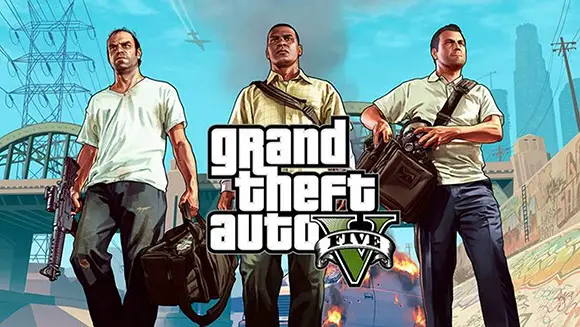
I know parents, politicians, religious officials, and people who just don’t like fun will hate this. However, when you’re stuck at home and fighting off boredom, there’s no getting around it. The Grand Theft Auto games are full of violence and sex, but they’re rarely boring. Grand Theft Auto V is, by far, the most comprehensive entry into the franchise and the game that will keep you in a permanent state of road rage for days on end.

There’s a rich story, but there’s also a vast world full of things to do. Many of those things involve sex, murder, drugs, and stealing, but that’s exactly why you play a game like this. It’s a dark fantasy world built on a foundation of heavy satire. When you need to blow off steam, there’s always a worthy target in the world of Grand Theft Auto.

It also has Trevor Phillips. If you can’t find entertainment value in playing Trevor Phillips, then you’re just being difficult.


I hope this helps anyone out there who is caught up in the worst of this crisis. Being cooped up inside for reasons you can’t control can be frustrating. No matter who you are, it gets to you after a while. There are many ways to cope, but if you have a computer or a video game console, you have options that should help tide you over. These are just some of them.

Stay safe. Stay calm. Above all, wash your damn hands.

1 Comment

Filed under Current Events, video games

How Much Money Do You Really Need?

Most people aren’t born into wealth. The vast majority of the population has no idea what it’s like to be a billionaire, a millionaire, or someone who just doesn’t live with the constant dread that they’re just one missed paycheck away from total ruin. There’s a reason why they’re called the one percent and it goes beyond basic math.

I admit I’ve often contemplated what it would be like if I suddenly became wealthy. I’ve even articulated some of those musings in detail. I suspect most people have day-dreamed at some point what they would do if they suddenly had a billion dollars at their disposal. For most people, it’s difficult to contemplate because, like it or not, money changes people and not always for the better.

When someone asks what you would do with a million dollars, it’s easy to come up with all sorts of answers. Some are inevitably going to be more absurd than others. The movie “Office Space” articulated that point perfectly. However, there’s another question that I feel is worth asking and I also feel it’s more revealing.

How much money do you really need?

I’m not talking about fantasy wealth here.

I’m not talking dream vacations, dream homes, or spending sprees.

How much money do you actually need to live a happy, comfortable life by whatever standards you define it?

That’s a harder question to answer because it varies for everyone. There are some people in the world who think a million dollars isn’t enough. Depending on where you live in the world, that’s not an unreasonable position. Even with those variations, it still doesn’t zero in on the answer. How much is enough?

I’ve seen how people act when the lottery gets above the $300 million mark. In my experience, once things get over $100 million, that’s when even a typical day dream isn’t enough to appreciate just how much money that is. I’ve tried to imagine it and in every case, I come to the same conclusion.

If I had that much money, I honestly wouldn’t know what to do with it.

It’s not that my needs are simple or cheap. I think my costs are fairly average for someone living in a suburban area. If I had $100 million, didn’t invest a penny in stocks or bonds, and stopped making money today, I still wouldn’t be able to spend it all before I turned 100.

I probably couldn’t even spend $50 million. When things get into the billion-dollar territory, it gets even more absurd. Even millionaires have a hard time fathoming how billionaires operate. Most people, even with decent math skills, don’t understand just how much money a billion dollars is.

At that point, you’re way beyond basic needs and wants. You’re in a domain in which you literally cannot spend all that money at once. You have to legitimately try to lose it all and while some people have done that, it often happens in the process of seeking even more billions to add to their fortune. It rarely occurs just by spending money on your day-to-day needs.

In that context, contemplating how much money you actually need says more about you and your situation than it does about your understanding of finance. If you need that much money to be comfortable, then that says something about your mindset and it’s not just about greed. Some want to change the world for the better with that money. Some want to impose their will on it. It depends on who you are and what drives you.

For me, personally, I don’t think I need anything above $10 million. I probably wouldn’t need more than $5 million just to maintain my current living costs, adjusting for inflation, and planning for my future. That might change if I ever get married and have kids, but for now, that’s my perspective.

I’m interesting in hearing how others would respond to this question. How much money is enough for you? How much would you need to be content, stable, and happy? Let me know in the comments. I’d be happy to revisit this issue again down the line.

Leave a comment

Filed under Current Events, human nature, philosophy, politics, psychology

A (Hopeful) Perspective On The Coronavirus

See the source image

As a general rule, I always watch the news with a skeptical eye. That’s not just because we live in an era of fake news, misguided outrage, and conspiracy theories about shape-shifting lizard people. I’ve learned from time, experience, and observation that the news can only ever tell part of a story as it’s happening. The full story never comes out until much later. Sometimes, it’s years later.

That’s not easy when following stories like the coronavirus. Unlike other major news stories that make headlines for all the wrong reasons, this is a serious issue. This is something the public needs to know about. The coronavirus is not just a nasty cold. It’s killing people all over the world. That’s an indisputable fact and one that warrants serious concern.

At the same time, there’s a context worth noting. As bad as the coronavirus is, it’s not the second coming of the Black Death or the Spanish Flu. This is not the kind of disease that will turn the planet into a post-apocalyptic wasteland in the mold of a Stephen King novel. It’s still serious, but it’s not a global cataclysm. Even if it ends up killing millions, there are over 7.6 billion people on this planet.

Human beings adapt.

Human beings survive.

It’s one of the few things we’re good at.

There’s another perspective worth considering when following the news of the coronavirus. Unlike the devastating plagues of the past, humanity has developed a decent infrastructure for medicine, technology, and research. Granted, it took us centuries of trial, error, and mass death and there’s still plenty of room for improvement, but that system is there. It’s better than nothing. Just ask Medieval Europe.

That system is already doing its job in combating the virus. Already, researchers at the University of Texas in Austin have mapped out critical portions of the virus. That sort of thing couldn’t have been done this quickly or at all just 30 years ago. This data is critical for the development of treatments and, ultimately, a vaccine.

The fact that this happened so quickly after the outbreak is something the news hasn’t reported on. Even if treatments develop and the virus is contained, as we’ve seen with other recent outbreaks, it probably won’t be a huge story within the ever-changing news cycle.

We know this because in late 2019, the first vaccine for Ebola was approved for use by the FDA and it barely showed up in the headlines. Considering how much panic the Ebola outbreak caused several years ago, this is quite a triumph. It shows just how quickly our current system can respond to these diseases.

Again, there’s still room for improvement and accessibility to medicine is a major issue, but the coronavirus is not some new form of disease. It’s a virus. We know what viruses are. We have the technology to study, treat, and combat them, more so than we have at any point in human history. Considering how much better we’ve gotten since the heyday of the AIDS pandemic, I say that’s reason to be hopeful.

That doesn’t mean we should let our guard down. When the CDC issues a warning about the coronavirus, we should take it seriously. At the same time, we should take comfort in the knowledge that we live in an era where human ingenuity has limited the suffering caused by these devastating plagues.

As with Ebola, we will eventually develop a treatment for the coronavirus. It won’t be perfect, but it will limit the death and suffering it causes. It also won’t make the news because it’s just not scary or dire enough. At this point, finding effective treatments for diseases is so mundane it barely qualifies as news. That’s an objectively good thing.

I hope that helps provide a bit of context and hope to the news surrounding the coronavirus. It’s still worth taking seriously, but we shouldn’t let grim headlines distract us from the great things that humanity achieves when faced with a challenge.

2 Comments

Filed under biotechnology, Current Events, technology, Uplifting Stories

A Perspective On Generation Gaps

As a general rule, I try not to talk about politics with anyone. I avoid getting into political debates online, as well. I used to actively seek that out. I’ve since learned there are less frustrating ways to waste my time.

A significant part of that frustration comes from talking politics with people who are significantly older or significantly younger than me. I’m in my thirties now. I still remember my teen years, but I also can’t deny that I’m different now than I was back then. I’m still the same person. Time and perspective just have a cumulative effect.

I think most people experience the same thing, regardless of their age. I’ve talked about issues regarding generation gaps before. I imagine they’ll become even more prominent as Generation Z comes of age. It’ll only get more divisive as the Baby Boomers start to retire.

I know this because I’ve gotten into more than a few debates with older relatives and family members. Every time politics comes up, they’ll share stories with me about how things used to be, how they see things now, and how they think things are going to pan out in the future. I’m not going to lie. It has led to more than a few “Okay Boomer” moments.

Those moments shouldn’t define the discourse, nor should it be an intractable barrier. I’ve faced similar barriers in talking politics with people far younger than me. It’s hard to explain the complexities of the world to teenagers when their experiences are so limited.

With that in mind, I’d like to take a moment to offer a brief perspective on generation gaps and discussing controversial issues. Whether it’s politics, society, or life in general, I feel it might help to take a step back and try to see the forest from the trees. To that end, here’s a quick insight that I hope people from every generation can appreciate.

Your attitudes, beliefs, and assumptions are not the same as they were 10 years ago.

Your attitudes, beliefs, and assumptions will not be the same as they are 10 years from now.

However, at your core, you are still the same person.

The attitudes, beliefs, and assumptions of every functioning adult you’ll encounter are not the same as they were 10 years ago.

The attitudes, beliefs, and assumptions of every functioning adult you’ll encounter will not be the same 10 years from now.

However, at their core, they’re still the same people.

You and the people around you may change, but change is never anyone’s first inclination. It only takes hold when it feels right, necessary, or convenient.

Whether you’re young, old, or middle aged, I hope this helps make sense of things. I don’t claim to be smarter or more insightful than anyone else with an internet connection. I just believe that making sense of this chaotic world and the many people within it starts with a balanced perspective.

You won’t be able to understand every idea from every generation, but it’ll remind you that people have more alike than they are different. We don’t have to identify with all those differences. It’s just easier to get along when we remember just how similar we are.

Leave a comment

Filed under Current Events, human nature, philosophy, political correctness, politics, psychology

RIP Kobe Bryant

I’m not a big basketball fan. I’m not a big NBA fan. I haven’t followed it closely since Michael Jordan retired. However, the news of Kobe Bryant’s death is just plain tragic.

Behind the championships, the accolades, and the celebrity, he was still a man. He had friend, family, and a life to live. Then, it was tragically cut short, along with his daughter. Some stories are just too tragic to put into words. This is one of them.

Leave a comment

Filed under Current Events

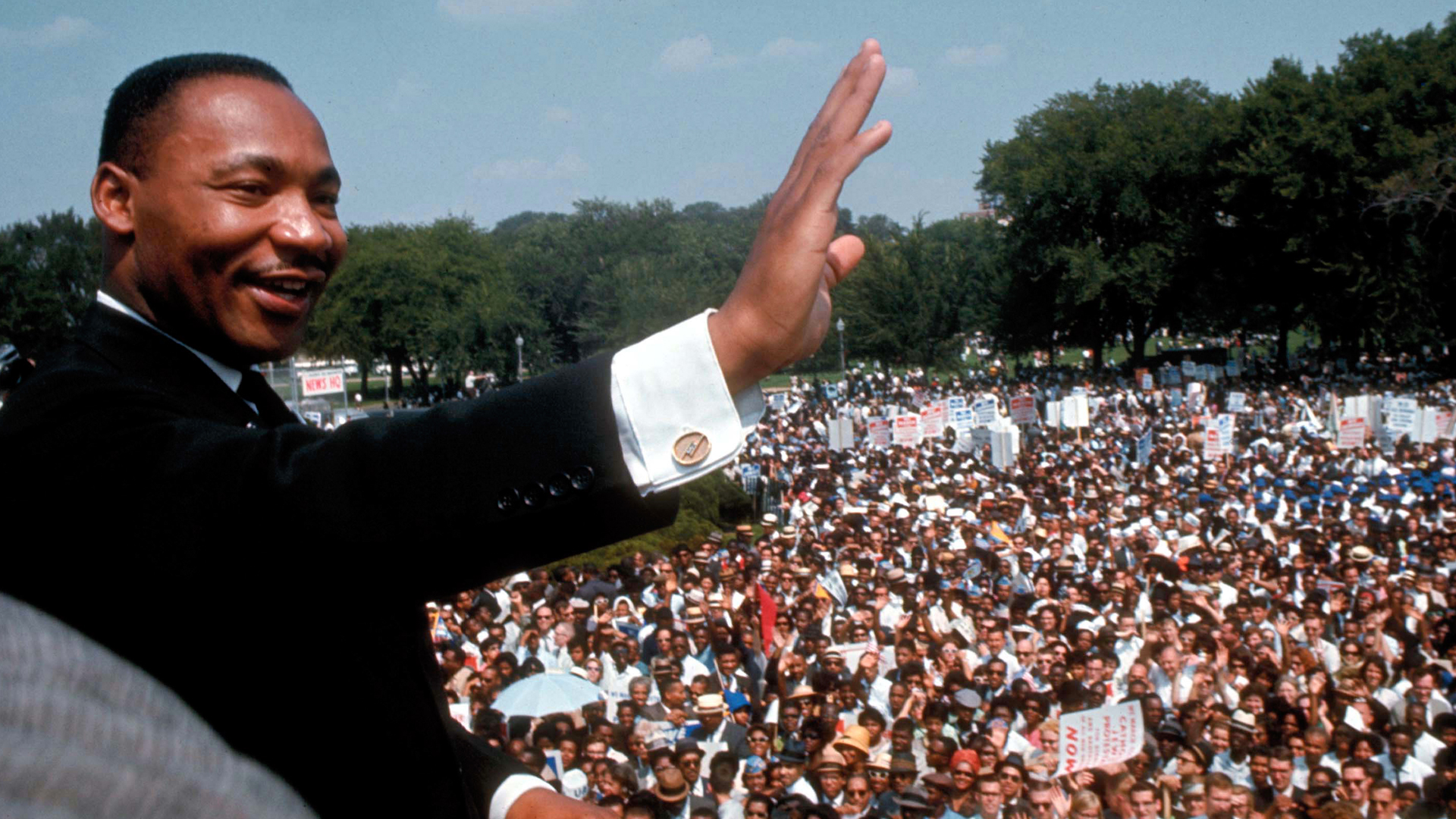
Martin Luther King Jr. Day: Pursuing A Dream

Today is a day in which we remember a dream. In a world that’s full of hard truths, fake news, and gross injustices, we need that dream more than ever. It’s a dream I like to think that humanity has always had on some level, but it took a remarkable man named Martin Luther King Jr. to put it into words that will resonate for generations to come.

In general, I don’t like talking about politics. I’ve written about sensitive issues before, but I honestly think it’s a waste of time. I don’t think it’s possible to change someone’s mind by just debating the issues. I also don’t think it’s possible to convince someone that they’re wrong through discourse alone. It’s not impossible, but it’s exceedingly difficult.

Dr. King did something remarkable during his tireless pursuit of justice and civil rights. He confronted hatred, but he didn’t fight back with it. He dared to inspire, appealing to ideals greater than politics or tradition. He presented a dream of a better world. He preached a message of hope and love. It might not have changed the minds of his opponents at the time, but it inspired generations of others to pursue that dream.

It’s a dream that’s still worth pursuing. Some may argue that we’ve regressed. I respectfully disagree. While we haven’t made as much progress as most would prefer, signs of progress are there. There’s still room for improvement, but the dream is relevant as ever. As Dr. King himself once said, “The arc of the moral universe is long, but it bends towards justice.”

If you need another reminder as to why that dream is still important, you need only listen to Dr. King’s most famous speech. It’s a speech that made the dream feel real and it’s a dream worth pursuing now and for generations to come.

Leave a comment

Filed under Current Events, human nature, political correctness, politics

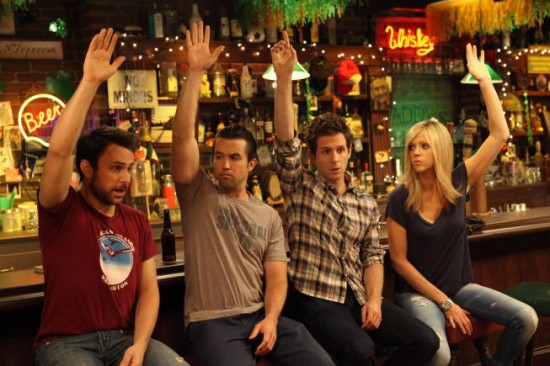
Why “It’s Always Sunny In Philadelphia” Is The Perfect Dark Comedy

sunny-920x584-1

Every TV show, from sitcoms to talk shows to adult cartoons featuring dimension-hopping super-genius, attempts to capture a certain theme and hone it to the utmost. They try to craft the right kind of characters who exhibit the necessary traits to convey those themes while still being memorable, likable, and endearing. On top of that, they have to do it for multiple seasons, at least until they achieve syndication.

It’s an enormous challenge. Few shows succeed and even fewer do so consistently. Even among those select few, there’s a risk that the characters and stories will get stale. Due to the nature of half-hour TV shows, there’s only so much you can do before Archie Bunker’s casual bigotry becomes more pathetic than funny. That doesn’t even get into shows that end up crashing and burning in the series finale.

Then, there’s a little show called “It’s Always Sunny In Philadelphia.” In the annuls of TV history, this show is basically a unicorn wrapped in gold, covered in diamonds, and encoded with the browser history of every active politician.

Pragmatically speaking, this is a show that should not have lasted 13 seasons. For one, it airs on FX, a network most people probably don’t know they have, if they actually have it. In addition, the show’s budget is incredibly limited. The pilot was allegedly shot for less than $100 by a cast of aspiring actors who had zero name recognition, at the time.

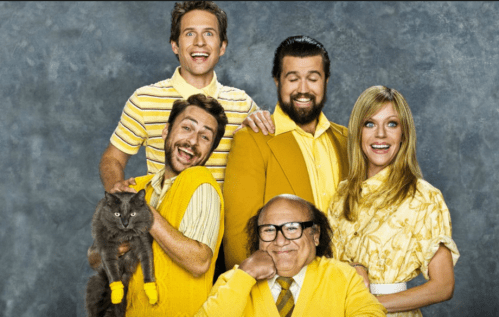
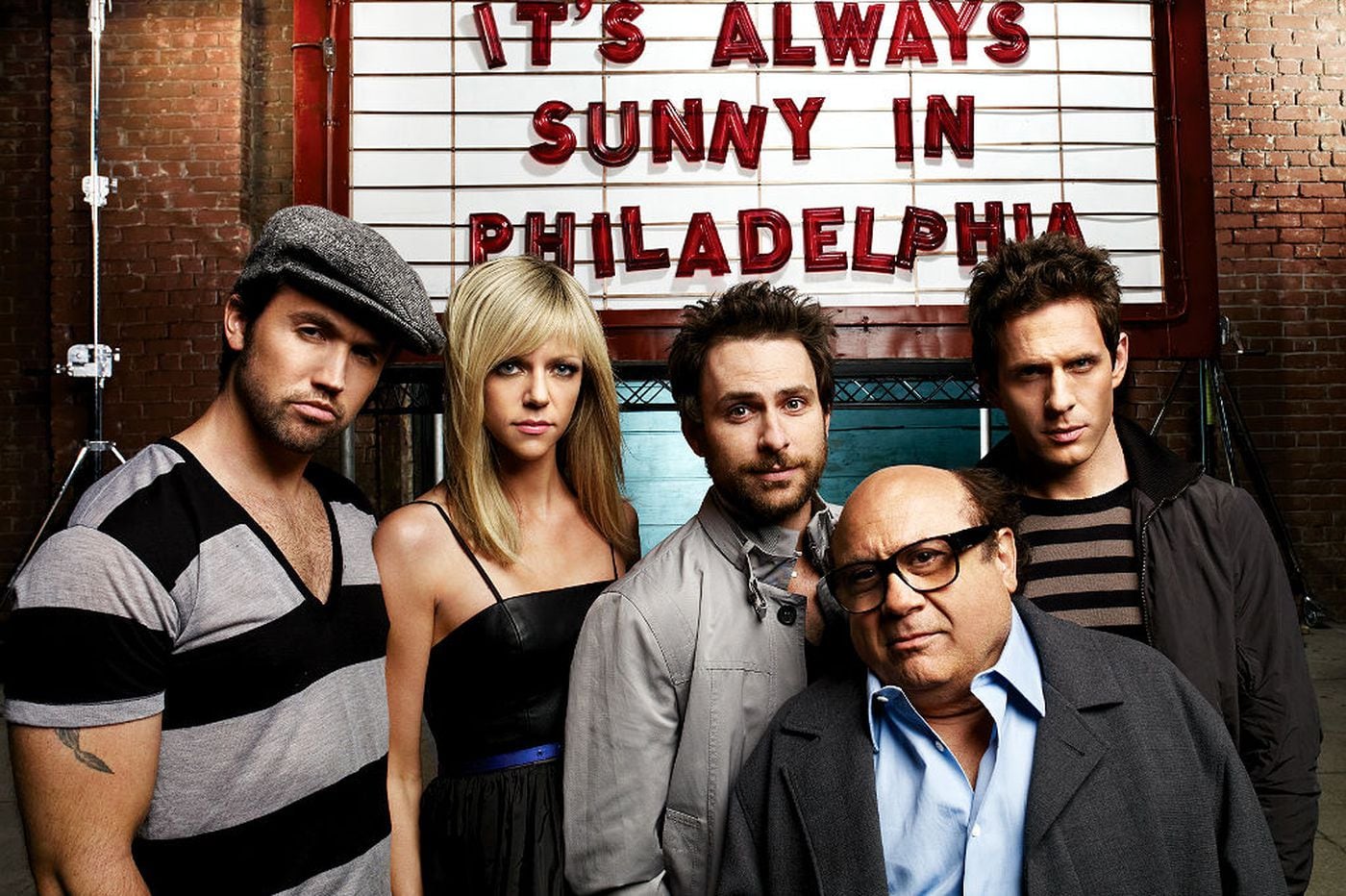
On top of that, there’s the premise of the show. In its simplest form, “It’s Always Sunny In Philadelphia” follows the shameless misadventures “the Gang.” This crew consisting of Charlie Kelly, Ronald “Mac” McDonald, Frank Reynolds, Dennis Reynolds, and Deandra “Sweet Dee” Reynolds basically take every traditional approach to making an enduring TV show and punches it in the kidneys.

This is a show where the characters will buy a boat with the intention of entrapping women.

This is a show where the cast will make an unauthorized Lethal Weapon sequel, complete with blackface, homoerotic subtext, and gratuitous sex scenes featuring Danny DeVito.

This is a show where two people are tricked into digging up the body of their dead mother.

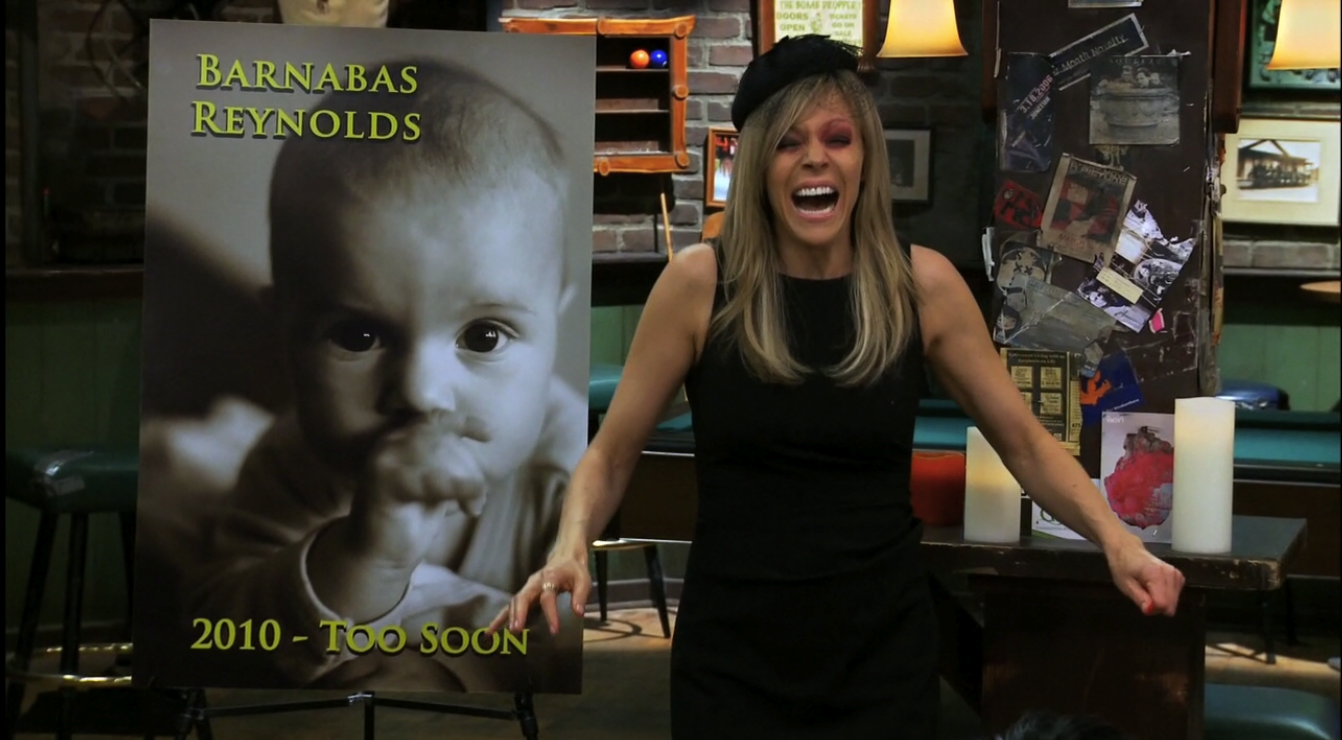
This is a show where you’ll see people hold a funeral for a baby to get out of a tax audit by the IRS.

These are not the activities of lovable characters. Even Shelden Cooper had moments in “The Big Bang Theory” where he came off as genuinely compassionate. With the Gang, there are none of those moments. Sometimes, they’ll be teased. In some episodes, the Gang will give the impression that they’re about to finally realize just how deplorable they are.

Trust me, they’re doing exactly what you think they’re doing and then some.

Ultimately, they don’t just revert back to their less-than-reputable selves. They demonstrate that they never had any intention of changing their ways. Anyone who believed otherwise either hasn’t watched more than two episodes of the show or are deluding themselves. As antithetical as this is for crafting a compelling TV show might be, it doesn’t change one inescapable fact.

It’s Always Sunny In Philadelphia” is funny, enjoyable, and obscenely entertaining.

It almost sounds like a paradox. As someone who only recently became a fan of the show, I have hard time explaining that appeal to most people in a way that doesn’t sound weird. It takes a moment to appreciate the appeal of watching a cast of self-absorbed, narcissistic alcoholics. However, within the tone and context of the show, it doesn’t just work. It achieves something profound.

Specifically, “It’s Always Sunny In Philadelphia” is the perfect manifestation of dark comedy at its finest.

Comedy, in any form, can be difficult. Jokes, gags, and bits can become overplayed and stale. There’s only so many times you can watch Charlie Brown fail to kick a football and still laugh. Dark comedy is even more difficult. It involves taking distressing, taboo subjects and trying to make them funny. Some, like George Carlin, can pull it off masterfully.

I like to think that if George Carlin were still alive, he would be a fan of “It’s Always Sunny In Philadelphia.” The show’s approach to dark comedy isn’t overly complex. It’s just exceedingly overt. It doesn’t try to balance out those dark themes with something serious or nuanced. It blatantly takes things to an extreme and dares to laugh at the absurdities.

Trust me, it gets more absurd than this.

Take, for instance, the funeral for the dead baby that I mentioned earlier. There are only so many ways you can make funerals and dead babies funny, but this show never shies away from a challenge. It also helps that every character in the Gang has the moral fiber of a Big Tobacco lobbyist on crack. They won’t just cross lines. They’ll make it a spectacle.

In this particular case, Sweet Dee is getting audited and for good reason. She acted as a surrogate to carry the child of a transgender woman that Mac used to date. Trust me, it’s more absurd that I can ever put into words. However, Dee didn’t do this out of the goodness of her heart. Nobody in the Gang is ever that altruistic. She did it because she got paid. Then, she decided to list the kid she gave up as a dependent for the tax benefits.

Naturally, this put her at odds with the IRS. Like every problem the Gang faces, she tries to run away from it or pass off the problem to somebody else. However, the problem only escalates. In most TV shows, especially half-hour sitcoms, this is the point where the characters face the consequences of their actions and try to learn from it. Instead, the Gang tries to resolve the problem by holding a baby funeral.

It’s undeniably dark, but the way it plays out is still funny. The way Dee and the rest of the Gang conducts themselves is so irreverent that the inherent darkness of the issue only makes it funnier. It shows just how far the Gang is willing to go to shirk responsibility and avoid consequences. It gets bad and it belabors just how irredeemable these characters are, but it’s still funny.

A big part of what makes that approach funny is how blatant this show is when it comes to the time-tested tropes that TV shows have relied on for decades. Take any show, from “Breaking Bad” to “Friends,” and you’ll see a concerted effort to develop and progress the characters over time. Ideally, they achieve some sort of ultimate goal by the end.

Instead of growth, the Gang actively avoids any effort at growth. Their only goal is to continue being the unapologetic assholes they’ve always been, drink heavily, and recklessly pursue whatever crazy ideas they come up with. Who they are in the first few seasons of “It’s Always Sunny In Philadelphia” aren’t considerably different than who they are in the latest season.

In any other show, characters who don’t grow and progress usually derail the underlying themes. Sometimes, that’s unavoidable. The very structure of a TV show, especially a half-hour sitcom, ensures that the characters can only grow so much. Even after the show achieves syndication, it tries to stick to a formula, even if doing so undermines the very process the characters need to evolve.

By going out of their way to not evolve, the Gang insures “It’s Always Sunny In Philadelphia” never deviates too far from the qualities that make it funny. It even channels its use of dark comedy to poke fun at the same tropes that other shows heavily rely on. From the frustrating use of clip shows to turning romantic sub-plots into a case study for excessive stalking, the show seems to revel in spitting on these time-tested methods.

What makes that comedy even more potent is that after 13 seasons, “It’s Always Sunny In Philadelphia” has lasted longer than some of the most iconic TV shows in history. It has outlasted the likes of “Cheers,” “Mash,” “Friends,” and “Frasier.” Moreover, it keeps finding a way to be funny and relevant. I think a non-insignificant part of that is how it uses dark humor.

There’s plenty more to be said about the show and why it has lasted so long. Even some of the show’s cast members have a hard time explaining why the show is still on the air. Even more likely wonder how the show can keep getting away with being so brazen about using dark comedy to tackle issues surrounding race, religion, gender, sexuality, mental health, and bird law.

There are likely many factors that have contributed to the success and longevity of “It’s Always Sunny In Philadelphia.” It helps that the actors and crew of the show really enjoy working together. There’s something to be said about a show in which the original cast have a genuine passion for their work. It’s well-documented how a toxic environment behind the scenes can derail successful shows.

At the end of the day, though, “It’s Always Sunny In Philadelphia” works because it’s funny and entertaining. It found a way to take the best aspects of dark comedy and run with it. As long as it can keep doing that, the show will have an audience. If it can include more episodes that involve Mac dancing or Danny DeVito getting naked, then that’s just a bonus.

1 Comment

Filed under Celebrities and Celebrity Culture, Current Events, outrage culture, political correctness, politics, psychology, television

Why We Should Stop Bleeping, Blurring, And Censoring

free-speech-censored-min

Over the course of history, certain tools, traditions, and words have become obsolete. It’s just part of the ever-changing nature of society. It’s why we don’t use VCRs or cassette tapes anymore. It’s also why we don’t use words like jargogle, corrade, and kench. Those are all real words that used to be common in the English language. Now, they’re relics of history.

Given the chaotic, yet evolving nature of language, why do we still censor certain words in the media? I don’t ask that question as someone who thinks Big Bird should start dropping F-bombs on Sesame Street. I’m genuinely curious as to how we can still justify bleeping certain words when they’re said on TV or over the radio.

I know the history of censorship in mass media in the United States. I know there are laws like the Communications Decency Act and famous Supreme Court cases like FCC v. Pacifica Foundation. Many of these laws have a basis in protecting the eyes and ears of children from hearing or seeing something objectionable.

At a time when the media had only a handful of accessible channels, the might have made sense to some extent. I say might because I certainly don’t agree with bleeping or blurring anything. Hiding something, be it profanity or female nipples, doesn’t make it less real. If anything, it gives it a greater allure, but that’s beside the point.

We live in different times now. That FCC v. Pacifica Foundation decision was rendered in 1978, a time before the internet, smartphones, and comments sections. Today, anyone with a cell phone and an internet connection can look up any amount of obscene, indecent, profane content, plenty of which is accessible to children for free and without a credit card number.

Kids know what these words are. Chances are, they know what female nipples look like too. However, TV shows and radio stations still blur and bleep these things as though they’re as damaging as a pack of cigarettes. I know the law is often slow to catch up to trends in technology, but at this point, bleeping or blurring anything is more a joke than a legal mandate.

That’s easy for me to say as a legal adult with no kids, but I haven’t forgotten what it was like to be a kid. I remember hearing these dirty words and seeing these dirty images. I knew what they meant. My parents didn’t hide that from me. They didn’t like me saying those words or talking about those topics all the time, but they told me the truth and I understood it.

Kids may be impressionable, but they’re not stupid. Most kids are smart enough to understand that words carry certain meaning and the human body is composed of many parts, some more visually appealing than others. Censoring it doesn’t change that. If anything, it sends the message that everyone thinks they’re too stupid or weak to handle these concepts.

Aside from insulting kids as a whole, it also operates under the assumption that just hearing certain words or seeing certain images somehow damage them, as though human beings are ever that simplistic. While there is some research on this topic, the conclusions are fairly limited. The only common thread seems to be that, when it comes to dirty words, context matters.

There are times when we, as human beings, need to verbalize our emotions. When we’re angry, in pain, or upset, we’re going to want to communicate that. Profanity is just a byproduct of that. I know that when I stub my toe, I don’t stop to censor myself. I drop as much F-bombs as I have to and the world remains intact, even when there are children nearby.

That doesn’t mean I want kids to cuss like me all the time. Again, there is a context. There’s a time and a place for that sort of language. That’s an important lesson to teach someone at any age. That way, they’ll know not to sound like an asshole at a job interview or while on a date. Bleeping words doesn’t teach that lesson. It just gives these words more power than they deserve.

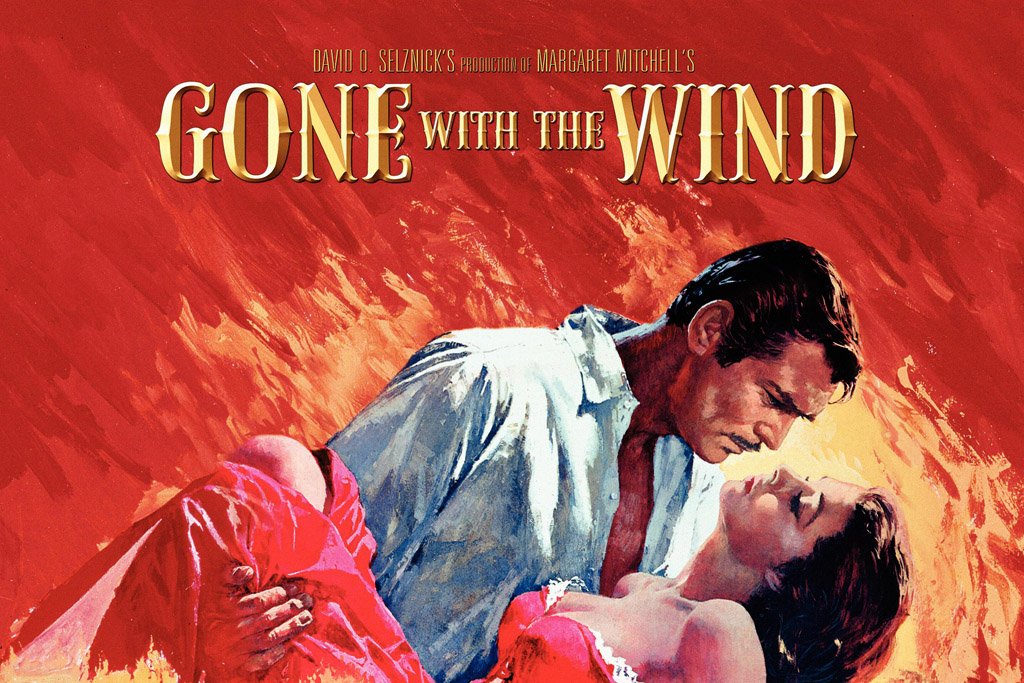
Standards are always changing. There was a time when Clark Gable saying “damn” in “Gone With The Wind” was considered shocking. When I was a kid, I certainly got plenty of scorn when I said words like that, even while not in public. However, hearing them on TV and movies didn’t change my understanding of these words. It just sounded stupid.

This used to be considered mature.

These days, it’s not uncommon to hear someone say “damn” in a TV show or song. It doesn’t get bleeped or censored. More and more, words like “shit” aren’t being bleeped either. Rick Sanchez says it at least once an episode on “Rick and Morty.” There was even an episode of “South Park” that made saying “shit” on a TV show a big deal.

In terms of knowing when something has become obsolete to the point of absurdity, that’s as clear a sign as any. The same goes for blurring certain body parts. The widespread availability and accessibility of internet porn has removed all sense of mystery from the imagery of breasts, butts, and genitalia. Kids today no longer need to find someone’s porn stash to see these parts in all their glory. They just need an internet connection.

Now, that’s not to say I’m okay with every prime-time network show depicting the same level of profanity, sex, and violence as an episode of “Game of Thrones.” Like anything, there can be too much of it and if overdone, even the most obscene or indecent concepts lose all meaning and are devoid of impact.

There are also some people who are genuinely uncomfortable using certain words and seeing certain images. That’s perfectly fine. That’s their choice. Since there are plenty of options in terms of channels, websites, and radio stations, they don’t have to listen to or see this kind of content. Even if they do, the world doesn’t end because they’re temporarily distressed.

When the late, great George Carlin famously listed the infamous seven dirty words that became the basis of a Supreme Court case, there was a context and a situation at the time that made this kind of censorship seem reasonable. That context and those times are long gone. Carlin himself understood that. When it came to deconstructing the absurdities of language, he said it best when he made this observation.

These words have no power. We give them this power by refusing to be free and easy with them. We give them great power over us. They really, in themselves, have no power. It’s the thrust of the sentence that makes them either good or bad.


1 Comment

Filed under censorship, Current Events, media issues, political correctness, sex in media, sex in society, technology, television

What “Malcolm In The Middle” And “Joker” Can Teach Us About Deviance

mv5bowi0nzzjzjqtyzezzc00zwjiltg1ntmtnmzhmmyyogywywq1xkeyxkfqcgdeqxvynja0otqyode40._v1_

What makes someone deviant? What turns otherwise normal human beings into the kind of deviants who go onto commit crimes, foster discord, or lash out at the rest of society? These questions are often contemplated by psychologists, police, politicians, and people who just want to live in peace.

The answers aren’t easy, but they often make for compelling movies and TV shows. Some dare to offer answers that are as revealing as they are distressing. That’s part of what made “Joker” such an impactful movie. It’s also what triggered the controversy surrounding its subversive message. I tried to explore that message my review of the movie, but in doing so, I uncovered something surprising.

The themes in “Joker” are more relevant today than they’ve been in years. It makes the case that when people denigrate, marginalize, or ignore those in the lowest rungs of society, they’re going to create the kinds of monsters and supervillains that undermine the current order. Moreover, they deserve the chaos and deviance that these individuals cause.

In “Joker,” Arthur Fleck was a perfect storm of unfortunate circumstances and societal denigration. While Gotham City didn’t turn him into the Joker, they put him in a position to make those fateful choices. Nobody tried to help him or give him other options. If anything, the help and options he needed were taken away. It was part of what made his deviance both compelling and understandable.

It reminded me of a famous TV show that made a similar point, albeit one from a very different genre and medium. It dared to make that point decade earlier, long before the current controversies surrounding mass shooters in movie theaters and so-called “incel culture.” That show is “Malcolm In The Middle.”

The two narratives couldn’t be more different. One is an R-rated movie that defies the conventions of the superhero genre and explores the twisted mind of an iconic villain. The other is a prime-time sitcom full of funny, cartoonish antics from a dysfunctional working-class family. One is dark and serious. The other is funny and light-hearted.

Despite those vast differences, they convey very similar messages. They both make the case that a callous, negligent society will create deviant individuals within its most disadvantaged. They also highlight how efforts to push them aside or suppress their deviance will only make things worse.

In “Joker,” it turned Arthur Fleck into an agent of chaos who went onto inspire more chaos in others. The circumstances in “Malcolm In The Middle” were very different and a lot more subtle, but the underlying message was still there.

It’s subtle, but it’s there.

From the first episode of the show to its finale, Malcolm and his family are depicted as both dysfunctional and disadvantaged. In some instances, they’re downright destitute. On many occasions, they deal with crippling debt, dead-end jobs, and arrogant upper-class types who look down on them with disgust. More often than not, Malcolm and his brothers get back at them in their own creative way.

Whatever form the antics take, the show never uses the lower-class status of Malcolm’s family to justify their behavior. Much like “Joker,” it establishes that the characters have agency. They’re dealt a lousy hand, but they still have opportunities to make non-deviant choices. They’re rarely forced into deviant acts. Opportunities arise and they exercise poor judgement, to say the least.

The very least.

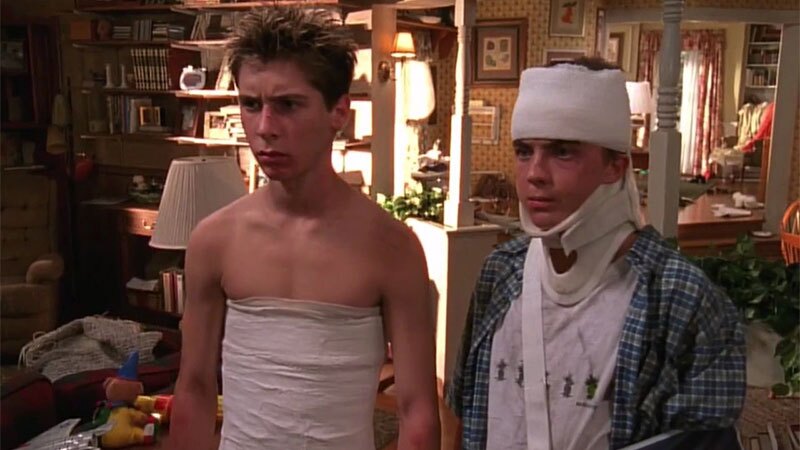
Malcolm and his brothers didn’t have to lie about what happened to Dewey’s bike in Season 1, Episode 15. They did it anyways and things only escalated from there when the consequences caught up with them.

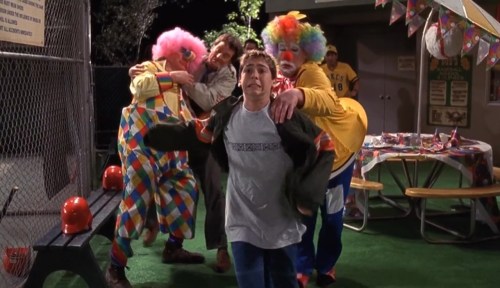
Malcom and his brother didn’t have to buy their mother a terrible birthday gift in Season 2, Episode 3. They still did and the end result led to them fighting an army of clowns in one of the show’s most memorable moments.

It’s not just the kids, either. Hal didn’t have to resort to unorthodox tactics when coaching Dewey’s soccer team in Season 3, Episode 16. He still did and things only got messier from there.

Lois didn’t have to force Malcolm to getting a job as terrible as hers in order to teach him a lesson in Season 5, Episode 6. She still did and, in doing so, taught him an entirely different lesson about just how screwed people like them are. It’s a message that even found its way into her memorable speech in the series finale.

It’s an important component of the show’s brilliance and humor. Malcolm and his family are a mess. They’re constantly getting screwed over by circumstances, bad choices, and other people who look down on them. However, they never come off as victims, nor do they carry themselves as such. They have opportunities to become less dysfunction, but often squander them.

Arthur Fleck had chances to become something other than a killer clown. There were a number of instances in “Joker” in which he could’ve gone a different path. He simply chose not to and society didn’t lift a finger to help him. If anything, they took away what little help he got.

Throughout seven seasons in “Malcolm In The Middle,” Malcolm’s family finds themselves in similar situations. One of the best examples is in Season 4, Episode 17, which happened to be the second clip show episode. In that episode, Hal and Lois recount the births of their kids as they prepare for the arrival of another.

In every instance, the births are subject to strange and hilarious circumstances. In one of them, Lois goes into labor in the driveway of their house because Francis locked her out of the car. Then, while she’s writhing in pain from the labor, a jogger passes by. She yells out she’s having a baby, but the jogger just ignores her and congratulates her.

It’s funny, but symptomatic of the family’s lot in life. Nobody goes out of their way for them. Nobody offers to help them. It even happens again a few episodes later in Season 4, Episode 21 when Lois goes into labor with Jamie. Even though someone calls 9-1-1 and an ambulance arrives, they don’t get there until after she gives birth. The EMTs even joke about how they stopped for coffee.

Like Arthur Fleck, the society around Malcolm’s family doesn’t care about them. They even go out of their way to avoid or neglect them. In “Joker,” Arthur is repeatedly victimized by both the system and individuals who go out of their way to harass him. His situation is already bad, but these ordeals only make it worse.

Early in the movie, Arthur does show signs that he’s capable of being a decent person. He tried to make a kid on the bus laugh. He entertained sick children at a hospital. He could’ve been a productive, positive force in society. Then, society started screwing him over and bad choices on his part led him to become a dangerous deviant.

While Malcolm and his family didn’t become as deviant as the Joker, they still did plenty of damage with their antics. At the same time, there were plenty of instances that showed that, as dysfunctional as they were, they could still be good and decent to others when given the chance. They just rarely got those changes and society rarely provided the incentives.

It’s a powerful message with respect to what makes people deviant. Some people are at the mercy of bad circumstances, be they poverty, mental illness, or having an overbearing mother like Lois. They’re still capable of being good, but it’s easier for them to become deviant when society neglects them. That deviance only compounds as a result of poor judgement and bad choices.

Yes, they compound a LOT.

There are plenty of differences between “Joker” and “Malcolm In The Middle.” Whereas “Joker” takes things to the worst possible outcome in the descent towards deviance, “Malcolm In The Middle” manages to maintain a more hopeful outlook. People can still be deviant and dysfunctional, but they can rise above it. The events of the series finale affirm that.

Those differences aside, this movie and this TV show offer lessons and insight into something that all societies must deal with. There will always be a certain level of deviance. There will also be those more inclined to pursue it. It’s just a matter of how to confront it. More than anything else, “Joker” and “Malcolm In The Middle” shows the consequences of confronting it the wrong way.

1 Comment

Filed under Current Events, human nature, movies, psychology, television, Villains Journey

John Oliver, Sex Dolls, And The (Unwarranted) Shaming Of Lonely Men

6732

There’s a general rule in comedy with respect to insults. If you’re going to demean, denigrate, or make fun of a particular person or group, you don’t want to punch down. Granted, you can do it. You can even get a few laughs out of it if you do it well and are exceptionally funny. However, in the grand scheme of things, you’re still an asshole.

It’s the main reason why comedians, be they stand-up comics or talk show hosts, generally direct their insults at the rich, powerful, and privileged. There’s a general understanding that if you’re doing well in this chaotic game of life, either through luck or talent, you can afford to take a few insults. At the end of the day, you can still go home and cry into a pile of money, fame, and affluence.

When you insult a group that has none of those things in any abundance, it’s usually not something people respect, even if they laugh. It’s why even great comedians like George Carlin had to be very careful and exceptionally skilled when he joked about rape.

We miss you, George. We miss you SO much.

Unfortunately, not everyone can be as funny or talented as George Carlin. Sometimes, insult comedy hits an undeserving target. It tends to reveal something about the comedian delivering the insult and where society is, in terms of sympathies. It’s often subtle, but the subtext is there and it has larger implications.

That brings me to John Oliver, the nerdy smart-ass British comedian who owes 95 percent of his fame to John Stewart. His show, “Last Week Tonight,” has won multiple Emmy awards and has garnered substantial praise for its colorful approach to tackling major issues, from the abortion debate to annoying robocalls to the flaws in standardized testing.

While I don’t agree with Mr. Oliver’s politics all the time or his approach to tackling certain issues, I consider myself a fan of his show. Compared to other satirical comedy shows, he tends to strike just the right balance between quality comedy and tackling serious issues.

However, he recently took a comedic jab that deviated from his usual style and not in a good way. It occurred during his episode that focused on China’s controversial One Child Policy. It’s an issue that has been subject to plenty of controversy for years and I think Mr. Oliver was right to talk about it.

One of the major consequences of this policy, which Mr. Oliver rightly pointed out, was how it led to a massive gender population imbalance. Due to a historic preference for sons, there are millions more men than women in China. The disparity is so great that it has caused major social upheavals.

While discussing some of those upheavals, the issue of sex dolls came up. In a country where there are so many lonely men, it makes sense that they would seek some form of outlet and it helps that the market of sex dolls is growing. This is where Mr. Oliver did a little punching down and, unlike his jabs at New Zealand, this didn’t have the same impact. See for yourself in this clip.

Take a moment to consider what he’s joking about here. There are millions of men in China who, through no fault of their own, are likely doomed to a life of loneliness. It’s not because they’re bad men. They’re not creepy, cruel, or misogynistic. They’re just at the mercy of math and demographics. There simply aren’t enough women in their country.

For these men, the old saying that there’s plenty of fish in the sea is an outright lie. Their options are limited and Mr. Oliver is making light of that. He essentially claims that men who use sex dolls are somehow even more pathetic and destined for more loneliness. He makes that claim as someone who is married, has a child, and doesn’t have to deal with those prospects.

It’s not just bad comedy. It’s hypocritical. Earlier in that same clip, he showed sympathy and understanding to a Chinese woman who was forced to have an abortion against her will. He’s shown similar sympathy to people in other situations, from women dealing with restrictive abortion laws to prisoners who had been screwed over by an unfair justice system.

Why would he show no sympathy for these lonely men?

Moreover, why would he make a joke about it?

To some extent, it’s not all on him. There is an egregious double standard when it comes to men who use sex toys. A woman can walk into a sex shop, buy a vibrator, and talk about using it without too much stigma. Sure, there will be a few repressive, sex-negative religious zealots who will complain about anything that gives anyone unsanctioned pleasure, but most people don’t take them seriously.

For men, however, there’s a taboo surrounding the use of sex toys in any capacity. Some of that comes from men more than women. There’s this not-so-subtle assumption that a man who needs a sex toy is somehow less manly. Any man who has to resort to one must be somehow deficient. It can’t just be that he’s lonely or wants to use new tools to please his lover. That would make too much sense.

For the men in China, and other areas where there’s a huge gender disparity, the situation is even worse. These are men who are facing both loneliness and sexual frustration. There’s more than a little evidence that this is not healthy for them on any level. That’s not to say that sex dolls or sex toys will help fill that void, but it will give them an outlet, just as a vibrator gives a lonely woman an outlet.

Unlike a lonely woman, though, these men can’t expect much sympathy. As Mr. Oliver demonstrates, they can expect plenty of shame and stigma. It doesn’t matter that they can’t do anything about their situation. They’re victims of circumstance, demographics, and basic math. Adding stigma and taboo to the mix is akin to kicking them in the balls on the worst day of their lives.

I won’t say that Mr. Oliver should apologize for his remark. He’s a comedian. He’s a citizen in a free country. He can say what he wants. However, the fact that he can joke about lonely men and still get a laugh says a lot about the current attitudes towards lonely men, in general.

We know they’re suffering. We know there’s not much they can do about it, especially in places like China. While we’ll give plenty of sympathy to the lonely women who resort to using sex toys, we’ll stick to shaming and stigmatizing the men who dare to do the same. Then, we’ll pretend to be surprised when they get angry and resentful.

Is that fair? No, it isn’t.

Is that funny? No, I argue that it’s not, especially with the way Mr. Oliver went about it.

He’s no George Carlin. He’s no John Stewart, either. In this particular case, he’s just an asshole.

4 Comments

Filed under Current Events, gender issues, human nature, men's issues, outrage culture, psychology, sex in society, sex robots, sexuality, women's issues