
Another glorious preview for “Captain Marvel” has dropped. Let’s all take a moment to soak in its marvelous glory. She’s destined to fly higher, farther, and faster than any hero before her. Thanos is fucked. Nuff said!
Another glorious preview for “Captain Marvel” has dropped. Let’s all take a moment to soak in its marvelous glory. She’s destined to fly higher, farther, and faster than any hero before her. Thanos is fucked. Nuff said!
Filed under Marvel, superhero comics, superhero movies

The following is a review I wrote for PopMatters for “The Life of Captain Marvel #5.” Enjoy!
Losses, Journeys, and Ascensions: ‘The Life of Captain Marvel #5’

The following is a review I wrote for PopMatters for X-Men Red #11.
Jean Grey Exercises the Power of Emotional Intelligence in ‘X-men Red #11’

In the modern era of superhero movies, Spider-Man is one of the bedrock franchises that has guided the genre through its journey from niche market to global box office dominance. Alongside the first “X-men” movie, Sam Raimi’s original “Spider-Man” is credited with ushering in this golden age of superhero cinema.
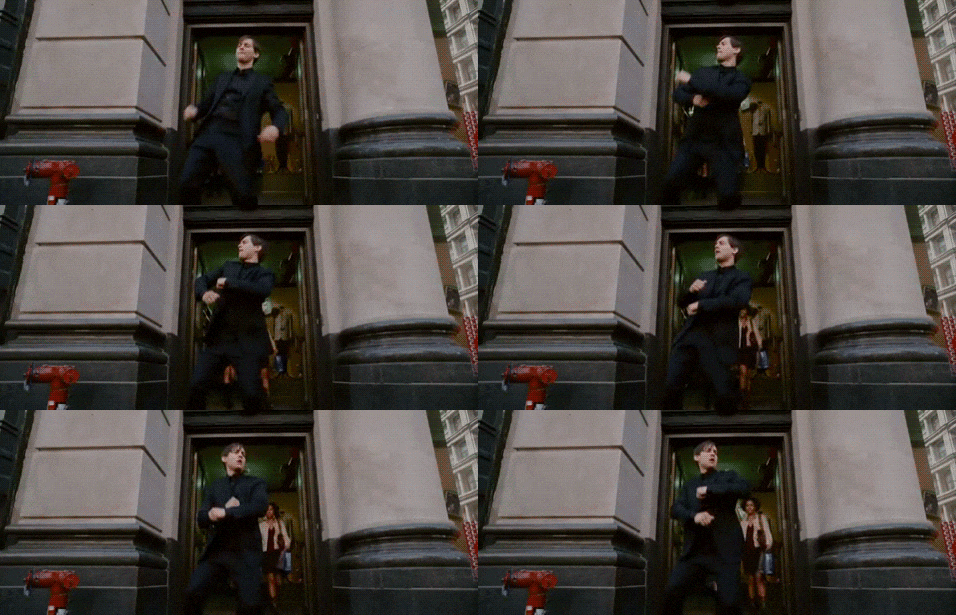
It has been a bumpy road at times. We had high points with “Spider-Man 2” and not-so-high points with “Amazing Spider-Man 2.” Regardless of how these movies fared, the story of Peter Parker shouldering the power and responsibilities of Spider-Man has become ingrained in pop culture. We still could’ve done without that awful dance scene, though.
Given all the weight Spider-Man has for the genre, a movie like “Into The Spider-Verse” has a lot going for it and just as much working against it. The story of Peter Parker has been done, redone, and overdone so much that it feels like there’s no room left for nuance. Well, “Into The Spider-Verse” definitively proves there’s still untapped potential and it runs even deeper than anyone thought.
I don’t want to spoil much about this movie, but I will spoil this. “Into The Spider-Verse” is every bit as awesome as critics and audiences alike have said. It’s a truly groundbreaking achievement for superhero movies, animation, and the Spider-Man franchise. The fact that it managed to do this without being part of the Marvel Cinematic Universe makes that accomplishment all the more remarkable.
This movie succeeds on so many levels. It takes a concept drawn directly from the comics and expands on it, creating a whole new world in which all things Spider-Man do not revolve entirely around Peter Parker. That’s not a typo, by the way. This is a Spider-Man movie in which Peter Parker is not the main driving force of the story.

It’s this kid.
He’s still there. He still plays a major part in the story. However, this movie is a story about Miles Morales. Those who follow the comics will recognize that name. He’s not just some unknown character who gets thrust into a central role in the vein of the “Ghostbuster” reboot. Miles has a fairly comprehensive history going back to 2011 and this movie captures the heart of that history perfectly.
Miles is not like Peter in many ways. Beyond the fact that he’s half-black, half-Latino, and the nephew of a dangerous super-villain, his powers are slightly different. His personality is different, as well. He’s not the same nerdy dork that Peter Parker was, but he is very much an outsider who struggles to fit in.
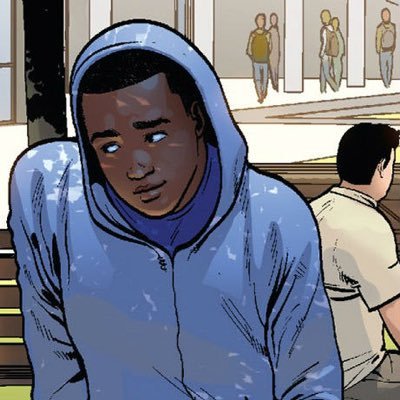
Miles has more confidence, but not in the arrogant hipster Andrew Garfield sort of way. He’s someone who isn’t sure of who he wants to be or where he wants his life to go. On one hand, he’s got his parents who want him to aspire to something greater than a life in Brooklyn. On the other, he has influences like his Uncle Aaron pulling him down a darker path.
Him getting bit by a radioactive spider only compounds these conflicting forces. Part of what makes Miles work when other would-be Spider-Man replacements failed is that his struggle feels genuine. He never comes off as a rip-off or a substitute. What makes Miles a Spider-Man worth rooting for is how Peter Parker inspires him to take on that responsibility.
The comics went about that in one particular way that worked brilliantly. “Into The Spider-Verse” utilizes a different, but similar approach that’s every bit as compelling. Peter Parker has a major influence, but the movie throws in many other influences that send Miles down the path to becoming Spider-Man.

Some of those influences come in the form of other famous alternate-version Spider-Man characters, including the likes of Spider-Gwen and Spider-Ham. “Into The Spider-Verse” manages to give them their own stories that show how they fit into the greater Spider-Man mythos, but for Miles, they embody the responsibility before him.
Like Peter, and so many other Spider-Man characters, he’s initially reluctant to bear that burden. Over the course of the movie, he endures plenty of agonizing decisions and crippling self-doubt. He struggles in ways that we’re not used to seeing Spider-Man struggle, but that’s exactly why “Into The Spider-Verse” works so well in the current landscape of superhero movies.
Going back to the first “Iron Man” movie, we’ve come to expect struggles and setbacks from our heroes. Miles has a lot more than most and not just because of his youth or inexperience. He has huge shoes to fill and the history of characters filling the shoes of iconic heroes is mixed at best.

By the end of the movie, though, Miles effectively proves that he’s worthy of being Spider-Man. He deserves a spot in the greater Spider-Man mythos. It doesn’t have to revolve entirely around Peter Parker. For some Spider-Man fans, that may seem outrageous. “Into The Spider-Verse” shows that there’s plenty of room for characters like Miles.
How it goes about this has greater implications for the future of superhero movies than it does for the present. I would even go so far as to say that “Into The Spider-Verse” might end up being a major turning point for the superhero genre because of how it tells Miles’ story alongside that of Peter Parker.
Aside from just raising Miles’ profile, “Into The Spider-Verse” does something that is overdue for Peter Parker’s story. Specifically, it ages him. The Peter Parker in this story is not some wide-eyed kid with Tom Holland’s baby face. He’s an older, more jaded version of Peter who has made mistakes and lost confidence in himself, as often happens to those who survive to middle age.

The look of a man who has fought one too many muggers.
It’s part of the paradox of heroism that I’ve mentioned before in that many popular superheroes aren’t allowed to age beyond a certain point. In fact, that was cited as the primary reason for breaking up Spider-Man’s marriage to Mary Jane Watson in the comics. Aging a hero beyond the mold Frank Miller’s version of Batman just seems like a dead end.
“Into The Spider-Verse” makes the case that this doesn’t have to be the case. Peter Parker can grow up and even endure a mid-life crisis. For a character who has been around since the early 1960s, it almost feels overdue. His struggle doesn’t have to be the end of his story. If anything, it helps further Miles’ ascension to becoming the new Spider-Man.

It’s a theme that has played out in the comics more recently. Older heroes are inspiring a new crop of younger heroes. Miles Morales was among the first. Others like Kamala Khan and Riri Williams have followed. It feels like a natural progression of the superhero archetype, inspiring others to take up the responsibility and aspire to something greater.
Miles Morales isn’t a replacement for Peter Parker. He’s a supplement to the greater Spider-Man mythos and “Into The Spider-Verse” establishes how well this can work. His story is every bit as endearing as Peter’s, but without supplanting him. As such, it provides a new template for superhero movies in the future.
Not every story has to rely on rehashing and revamping iconic characters from the Stan Lee/Jack Kirby/Steve Ditko era. It’s possible for new characters to emerge without replacing older ones. The world of superheroes can grow and evolve with subsequent generations. It’ll have to and not just because of actors’ contracts expiring.
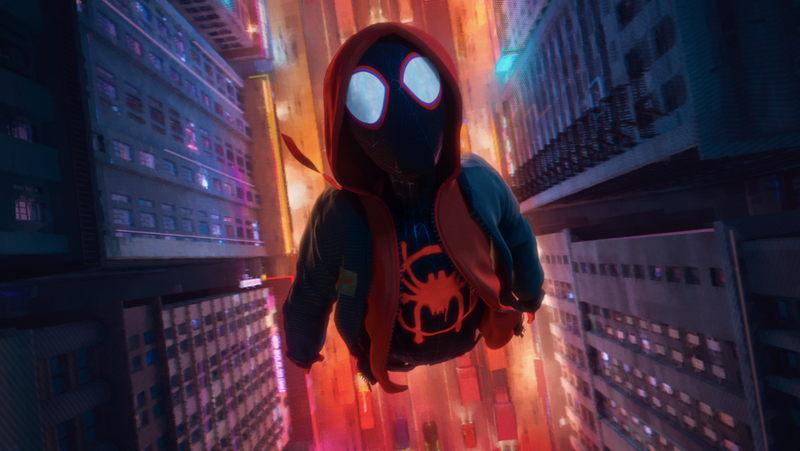
If I had to score “Into The Spider-Verse,” I would give it an 8 out of 10. It’s a great movie, but it does have some shortcomings. They’re very minor. The pacing of the movie is erratic at times and the designs for certain characters, namely Kingpin and Scorpion, have room for improvement. It never feels chaotic or disconnected, though. The movie has a unique artistic style that fits perfectly with the story.
Every now and then, someone will claim that superhero movies will one day go the way of the western. That may still happen at some point, but “Into The Spider-Verse” shows that there are whole new paths to explore and they have to exist in the MCU. This movie is an incredible achievement beyond just being a great superhero movie and one I hope inspires others for years to come.
Also, the tribute to Stan Lee at the end will bring a tear to your eyes. Be certain of that.
What is happening to villains these days? That’s an entirely reasonable question to ask. Over the past decade, we’ve seen a remarkable shift in how we approach villainy in movies, TV, comic books, and video games. I’m not just talking about the superhero media, either. However, that happens to be the most visible manifestation of this change.
As a long-time fan of both superheroes and quality villains, I welcome this change. At the same time, I’m curious about where it’s leading and what it means for the future. Villains are as old as storytelling itself. From the Bible to “Star Wars,” these stories work best when there’s villainy to oppose the unfolding narrative. Villains have always evolved alongside the heroes that oppose them, but that evolution seems to be accelerating.
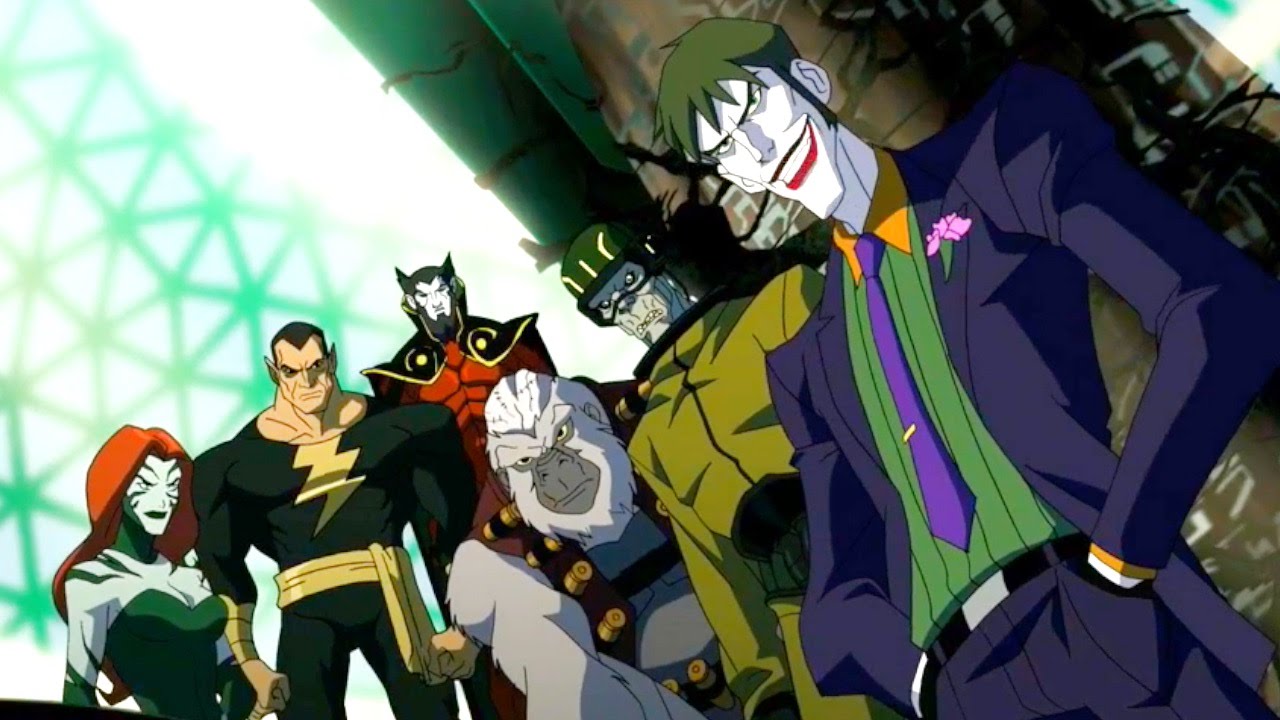
I’ve discussed the unique journey that villains undergo and how they set themselves apart from heroes. Traditionally, a villain’s primary purpose was to both oppose the hero and highlight how heroic they are. The sheer malice of characters like Lex Luthor help contrast the pure selflessness of characters like Superman. It’s easier to appreciate those heroes knowing they have to deal such malicious opponents.
Then, something remarkable happened. Audiences began demanding more of their villains. It wasn’t enough to just have a villain oppose a hero. People began wanting villains who were understandable and even relatable to some extent. Ironically, they wanted a villain they could root for.
That helped lead to characters like Walter White from “Breaking Bad.” His impact was so profound that I even called his influence the Walter White effect. However, I think there were others who paved the way for Walter White. If I had to pick one villain that helped kick-start this trend in villainy, it would be Heath Ledger’s Joker from “The Dark Knight.”

From this portrayal of villainy, the emerging state of villains emerged and it may very well set the tone for the future. On the surface, this version of the Joker wasn’t too different from the one who had existed in the comics for years. He’s dangerous, destructive, murderous, and callous, like many villains. Unlike most, though, he does what he does with a laugh and a smile.
What made this version of the Joker so memorable was the principles behind his madness. To him, society is corrupt and people aren’t inherently good. As such, he seeks to point out how laughable it is when others try to save it. Batman’s crusade against crime is the biggest joke of all, which helps drive their rivalry.
It’s a philosophy that few other than terrorists and extreme nihilists would buy into, but it’s one that’s understandable to some extent. We don’t have to agree with them or their methods. We just have to see their twisted logic. They can’t just be standard James Bond villains whose motives are indistinguishable from fascists, communists, or terrorists. There needs to be something more personal at work.

We saw plenty of that in 2018’s biggest movies. From “Black Panther” to “ Avengers: Infinity War” to “Incredibles 2,” the villains all had something personal at stake. Erik Killmonger saw his villainous actions as heroic. He wasn’t out to just take over Wakanda. He had a vision in mind that felt justified to some extent, especially to those familiar with real-world historical injustices.
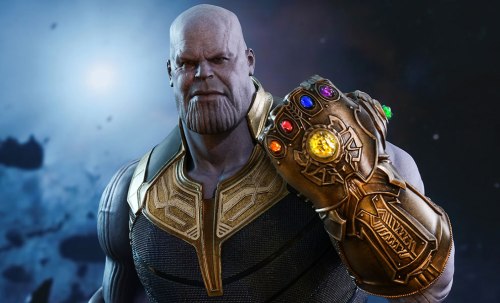
Thanos raised the bar even more in “Avengers: Infinity War.” He never tries to come off as a hero, but he never sees his actions as villainous, either. In fact, when heroes like Dr. Strange call him out, he frames his desire to cull half the population in the universe as mercy. For him, it’s simple math. Half a population is better than no population at all.
These motivations, as devious they might be on paper, have some semblance of merit to it. Both Thanos and Killmonger think they’re doing the right thing. That significantly impacts how the heroes in their stories go about thwarting them, although I would argue that one story was more complete while the other remains unresolved.
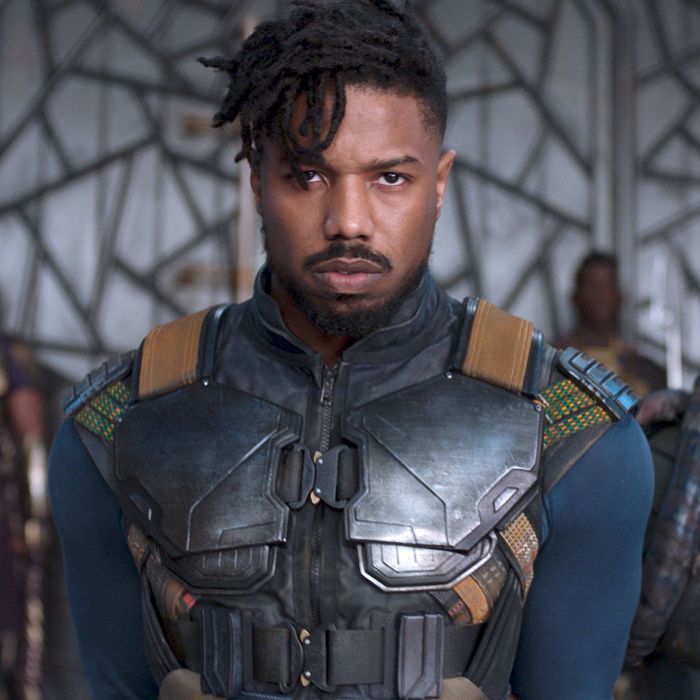
In “Black Panther,” T’Challa doesn’t just stop at defeating Killmonger. He actually sees some of his enemy’s points and takes steps to address them. He doesn’t revert things back to the way they were. Wakanda doesn’t return to the same isolated state it had been at the start of the movie. Instead, he seeks to find a middle ground. That, I would argue, is the new template for how heroes defeat this kind of villain.
The resolution in “Avengers: Infinity War,” however, is not as clear. That’s largely due to the story not being complete. There is a sequel planned, but at no point in the three-hour spectacle did the Avengers attempt to prove Thanos wrong. They only ever tried to stop him. That oversight has not gone unnoticed by audiences.

This, in many ways, sums up the new dynamic between heroes in villains. It’s no longer enough for heroes to just defeat their adversaries. It’s not even enough for villains to be exceptionally devious. There have to be larger principles at work. It can’t just be reduced to general greed, ego, or bullying.
Thanos seeks to kill have the population because he believes that it’ll prevent the complete extinction of all life.
Erik Killmonger seeks to empower oppressed minorities to right past injustices.
Dr. Doom seeks to conquer the world because a world under his rule is the only one free of suffering and want. That’s actually canon in the comics.
It’s makes crafting compelling villains more difficult, but at the same time, it opens the door to more complexity. On top of that, it demands that audiences think beyond the good versus evil dynamic that has defined so many stories, going back to the days of fairy tales. It’s a challenge that some are certain to fail. Some already have, sadly.
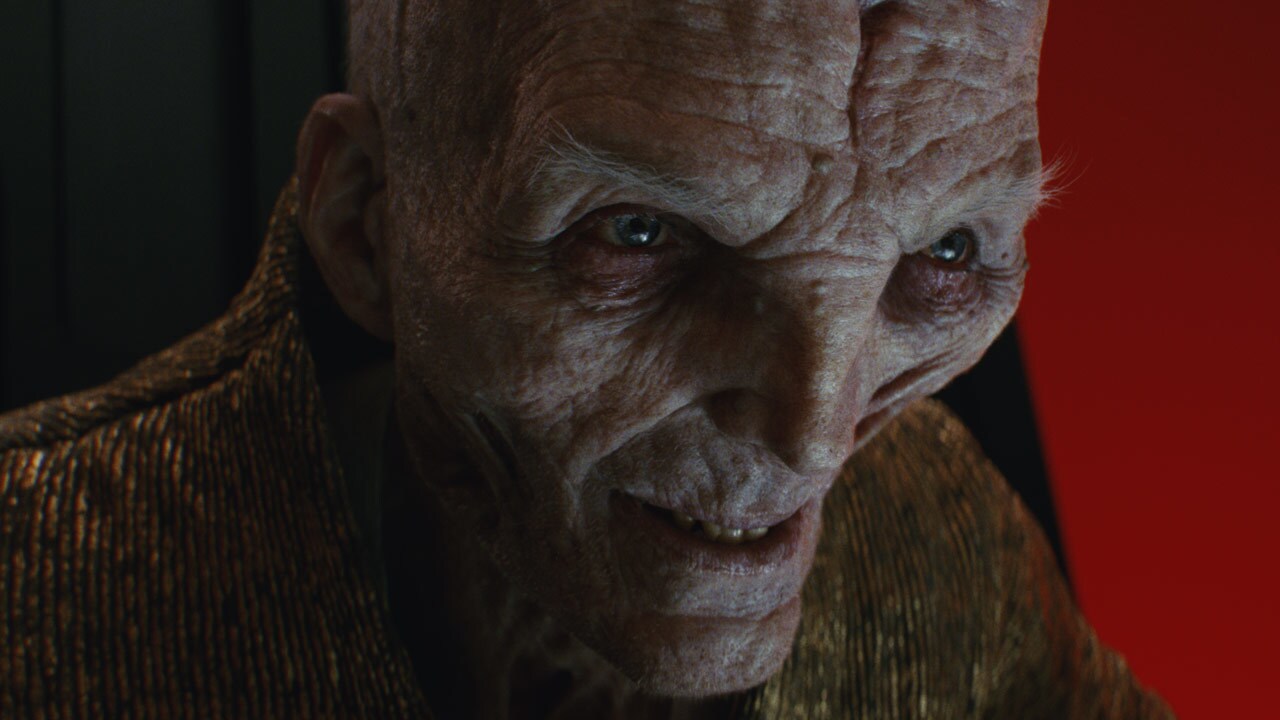
It also sets the tone for future forms of villainy. How that villainy manifests is impossible to predict, but given the current trends, I think there’s room to speculate. At the heart of this emerging villainy is the idea that the current system just isn’t working. It’s so bad that the only viable option is to destroy and rebuild it. There’s no room, whatsoever, for reform.
This is where the heroes will have to evolve, as well. They can’t just play “Super Friends” and save the day. They have to actually make meaningful changes to move society forward. King T’Challa did that at the end of “Black Panther.” Other heroes need to be as willing. Otherwise, they won’t be able to call themselves heroes. They’re just defenders of a status quo may not be working as well as they think.
It’s an ideological struggle that parallels many real-world struggles. People today have less and less faith in established institutions. As a result, more people are falling sway to populist rhetoric that promises to break down the current system entirely. By and large, people today aren’t content with just preserving things as they are. They seek more meaningful change.

That presents a serious problem for heroes and a golden opportunity for villains. Historically, heroes haven’t been able to effect change beyond a certain point. Some of that is for logistical reasons. A hero can never create a functioning utopia without ending the story completely, which is something major media companies cannot have. There’s too much money to be made.
Logistics aside, the future of villainy will have plenty of raw materials to work with and plenty of societal angst to draw upon. Heroes who save the day, but do little else won’t be able to call themselves heroes in the world currently unfolding. Villains who have a real vision with understandable motivations will find themselves with more supporters than before.

It’s no longer taboo to root for the villain, especially when the heroes don’t confront the flaws in their rhetoric. In what seems prophetic now, “Avengers: Age of Ultron” may have put it best when Ultron stated:
“I’m sorry, I know you mean well. You just didn’t think it through. You want to protect the world, but you don’t want it to change.”
That’ll be the key to the future of villainy, change in a world that resists too much of it happening at once. It’ll make for some complicated villains, but it will definitely make the struggle of heroes even harder. However it plays out, I believe it’ll be worth watching.
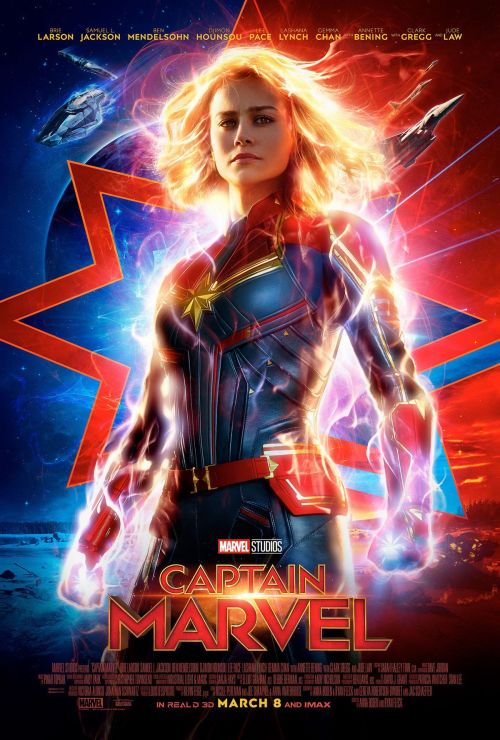
I hope everyone has had a chance to catch their breath after the release of the “Captain Marvel” trailer. I certainly needed a day or two. It was one of those experiences in which it takes time to process every wondrous detail. I don’t know how many times I watched it. I just know that March 8, 2019 cannot get here fast enough.
The response to the trailer has been overwhelmingly positive, which has become the norm for all things affiliated with Marvel Studios. The bar for this movie is high, but matching and exceeding high bars is exactly what Carol Danvers does. The Marvel Cinematic Universe is already on an unprecedented win streak, both in terms of acclaim and box office. By all accounts, “Captain Marvel” is poised to continue that streak.
If I had to bet on it, I would place a hefty wager on “Captain Marvel” succeeding. Marvel Studios is riding such a huge wave of hype after “Avengers: Infinity War” that the idea of one of their movies failing seems unthinkable. However, it wasn’t that long ago that people felt the same way about “Star Wars.” Then, “Solo: A Star Wars Story” came along and shattered that notion with the force of a thousand Death Stars.
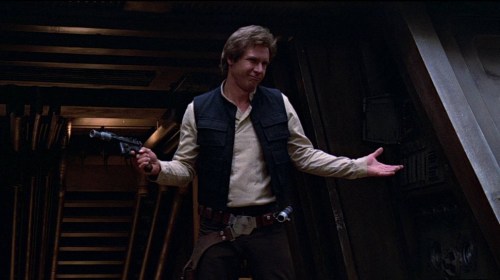
Like it or not, the law of averages dictates that Marvel Studios will fail at some point. Whether or not that happens with “Captain Marvel” remains to be seen. For the moment, that doesn’t seem likely, but the possibility is definitely there. I would go so far as to say that “Captain Marvel” is more vulnerable than previous Marvel movies and not just because the bar for success is so ridiculously high.
Kevin Feige, the President of Marvel Studios, has gone on record as saying that Captain Marvel will be one of the most powerful characters in the MCU. Her presence will be a game-changer for the immediate and distant future. That means the margin for error is ridiculously small. Marvel Studios literally cannot afford for “Captain Marvel” to fail. That may end up being what makes this movie so vulnerable.
As a lifelong fan of superhero comics and a Captain Marvel fan, I feel like it’s worth contemplating this most distressing possibility. Never mind the implications for Marvel, Disney, and the entire superhero genre that may unfold in the event that “Captain Marvel” fails. How could a movie with so much going for it and an Oscar-winning actress in Brie Larson end up failing in the first place?

After watching the new trailer multiple times, reading multiple articles, and contemplating my previous comments on this movie, I’ve surmised a handful of concerns that I believe could derail this movie. Some of these concerns assume certain details that may very well be dead wrong by the time the movie comes out. I have no insight beyond the trailers I’ve seen and the details that have been made public.
I don’t expect everyone to share these concerns. Some may even have entirely difference concerns and I’d be happy to discuss them in the comics. For now, this is just me, as a fan of both Carol Danvers and superhero comics, contemplating what could go wrong for a movie that aspires to do so much.
Reason #1: Limiting The Extent Of Carol’s Agency (Inadvertently)
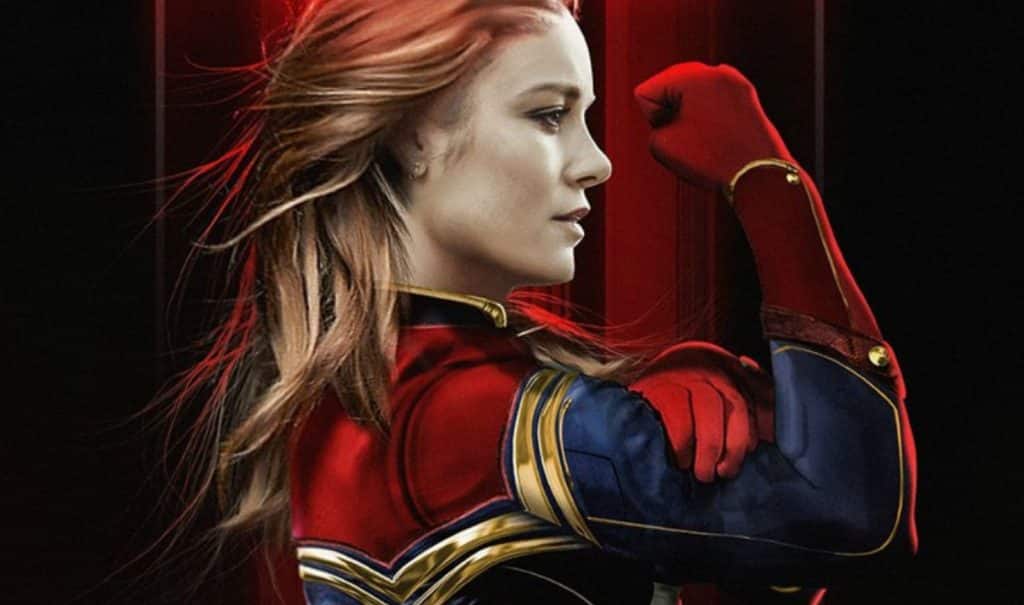
One of the biggest revelations from the second trailer had to do with an important plot point that was ripped directly from the comics. In the first minute, we find out that Carol’s memory has been erased and she’s caught up in the agenda of the Kree. Given how the only notable Kree character in the MCU to date has been Ronan the Accuser, this does not bode well for her.
This is a critical detail because in the comics, Carol lost both her memories and her powers at one point and had to effectively rebuild herself. That struggle helped establish how resilient she was, as a character. It also helped build her appeal. More importantly, though, it emphasized her struggle to regain her sense of agency.
Being mind-wiped is always a tricky plot point, as was nicely demonstrated in “Captain America: Civil War.” The biggest problem is being mind-wiped really hinders a character’s ability to make weighty choices. For Bucky Barnes, that isn’t too controversial. For Carol Danvers, a female hero in an era where female heroes have become fodder for identity politics, it could be an issue.
If, from the get-go, Carol is just a puppet of the Kree and her entire story revolves around her escaping their control, then that doesn’t just narrow the plot. It limits her agency because it makes her choices predictable. If, at any point in the story, she’s faced with a choice to follow the agenda of the Kree or go against them, it’s not going to surprise anyone when she chooses to go against the aliens trying to use her.
By making too much of the story about Carol re-asserting her agency, it makes the movie less about her fighting shape-shifting aliens and more about her regaining her independence. While that too can be a compelling story, and one in line with her history in the comics, it hinders the plot by making every choice obvious. When none of the choices in a story seem difficult, it can get boring fast.
Reason #2: Not Allowing Carol To Be Wrong

This is another factor that could make “Captain Marvel” too predictable and boring. Marvel Studios has made it clear that they want Carol Danvers to be the future of the MCU. Like Captain America, she’s poised to become the face of Marvel and their Disney overlords. For that very reason, it’s important that they allow her to be wrong.
To understand why, think back to “Wonder Woman,” the movie that set the gold standard for female superhero movies. In this movie, Wonder Woman doesn’t just make a fateful choice when she leaves Paradise Island. She also ends up being dead wrong about the identity of Ares. It made for a powerful moment that genuinely surprised me.
That moment didn’t just establish that Wonder Woman was fallible, despite being this overpowered badass warrior princess. It humanized her in a critical way. You could argue that this trait is more integral to Marvel’s heroes because they end up being wrong in a wide variety of ways. Tony Stark’s journey to becoming Iron Man started with him being wrong about something.
My concern for Carol is that making her this overpowered female hero who can defeat Thanos will take priority over everything else. The story won’t even give her a chance to be wrong or make a bad decision. That won’t just make the plot predictable and boring. It could earn Carol Danvers the dreaded “Mary Sue” label that has plagued characters like Rey.
That, more than anything, could derail Carol’s ascension to the upper echelons of the MCU. If she becomes a joke more than an icon, then she won’t be able to do carry out the bold plans that Marvel Studios has laid out for her. Part of what makes characters like Iron Man and Wonder Woman so popular is that they’re so easy to cheer for. Cheering for an annoyingly flawless character who is never wrong is much harder.
Reason #3: Not Effectively Explaining Carol’s Absence From The MCU
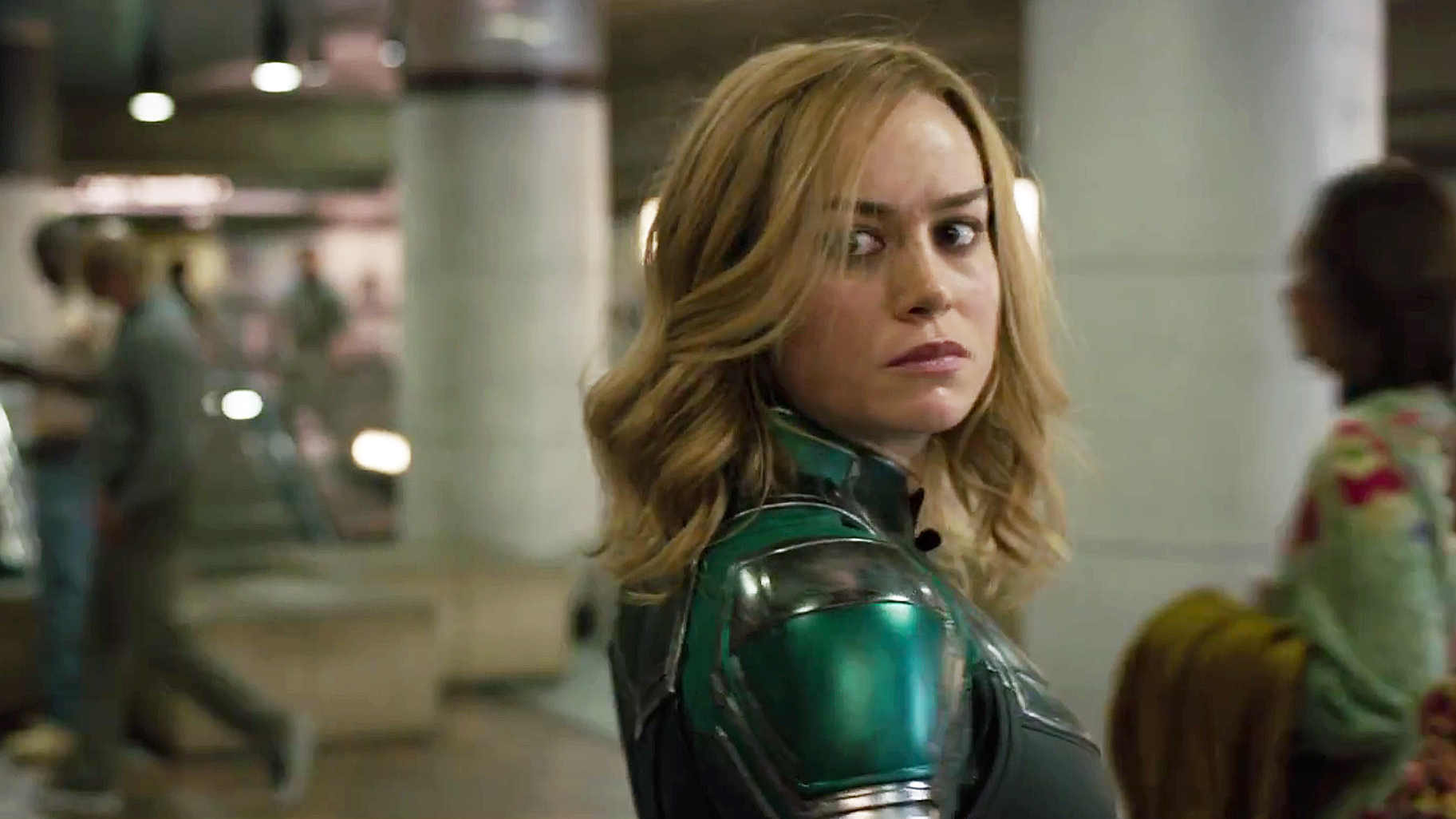
This is more a logistical concern than anything else. Before the first trailer ever dropped, it was established that “Captain Marvel” was going to take place in the 1990s. As a result, it would unfold within a world before the Avengers ever assembled and before superheroes ever became mainstream. It would also explore the origin of pre-eye patch Nick Fury, something that “Captain America: The Winter Soldier” only hinted at.
That’s an intriguing idea that digs into an unexplored aspect of the MCU. At the same time, it does raise a major question. If Carol has been Captain Marvel since the 1990s, where has she been? Why wasn’t she available when Loki or Ultron attacked? While it makes sense outside the movies in that a “Captain Marvel” movie wasn’t even scheduled before 2012, those questions are still relevant in the story.
The end of “Avengers: Infinity War” somewhat compounds this issue because Nick Fury reveals that he has had a way of contacting Carol all this time. A tie-in comic also hints at his past dealings with Carol, but is vague on why he chose not to summon her. Chances are “Captain Marvel” will try to answer that question more in depth, but that answer might not be adequate.
It’s not a trivial detail that can be glossed over. If Carol doesn’t have a good reason for not being on Earth during invasions from aliens and genocidal robots, then that makes it harder to get behind her as the most powerful hero in the MCU. It can’t come off as an excuse because Marvel Studios hadn’t planned that far ahead. Without a good reason, Carol just wouldn’t come off as heroic.
Reason #4: Making Her A Female Superhero BEFORE Making Her A Great Female Characters

This is where the stakes for “Captain Marvel” get frustratingly political. I’ve mentioned before how creating quality female characters has become mired in identity politics. This movie has already been affected somewhat by those corruptive forces. “Wonder Woman” managed to avoid it from a plot perspective and that’s the most “Captain Marvel” can do.
This means that before Carol Danvers becomes the super-powerful, high-flying badass we saw in the trailer, she needs to establish herself as a character, first. This is something I’ve seen movies, comics, and TV shows get completely backwards in recent years. There’s such an emphasis on making someone a “strong female character” that they forget the part where they’re a compelling character.
Carol Danvers has decades of character development in the comics. She’s someone who has deal with upheavals in her personal life, her superhero life, and everything in between. It’s hard to fit all of that into a two-and-a-half hour movie, but both “Wonder Woman” and “Captain America: The First Avenger” showed that it’s possible.
I can easily imagine Marvel Studios feeling tempted to make “Captain Marvel” the kind of cosmic spectacle we saw in “Guardians of the Galaxy.” I wouldn’t blame them for taking that approach, but having that without establishing the depths behind Carol Danvers would only be half a movie. Visual spectacles are great, but without quality characters, it’s just flashy images and nothing else.
Reason #5: Trying Too Hard To Make Carol Too Powerful
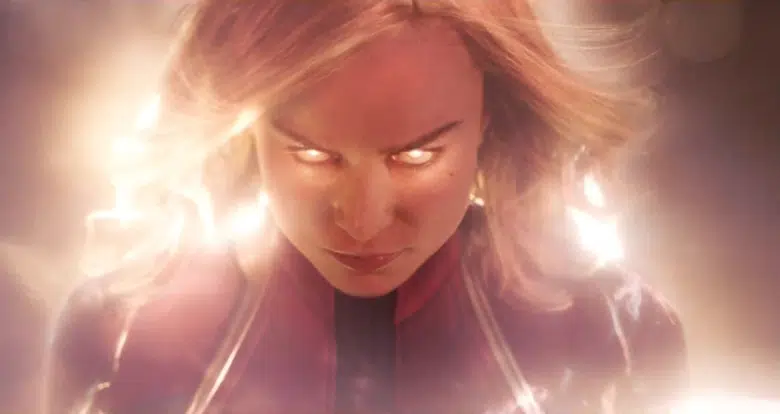
This issue is part logistics and part agenda. The events of “Avengers: Infinity War” were astonishing in terms of scope and scale. In the end, the collective might of dozens of Avengers could not stop Thanos. He was stronger than Thor, the Hulk, and the entire army of Wakanda. By default, taking him down requires a new level of power.
Carol Danvers promises to wield such power. Before the movie finished shooting, Kevin Feige dubbed her the most powerful Avengers in the MCU. That power may be necessary to defeat Thanos, but getting Carol that power could be tricky. Her power levels are already pretty extreme in the comics, but the MCU deals with different circumstances and scales.
The second trailer offers some clues as to how Carol gets her powers. Like the comics, they’re tied to her biology getting mixed up with that of the Kree. Beyond that, the scope and extent of her powers are vague. It’s not clear whether there’s something unique about her or the process that gives her so much power. At some point, she’ll have to level up and expanding powers in superhero media is always tricky.
When powers don’t have defined limits or are left vague, they tend to resolve every story in the spirit of a Deus Ex Machina trope. In short, there’s a supremely powerful threat. Then, by some contrived happenstance, the good guys gain access to power at or greater than the threat. It’s simple, but contrived. A DC movie may get a pass, but the bar for Marvel Studios is higher.
Again, I believe that “Captain Marvel” will be a great movie. Most of these concerns are just a byproduct of only knowing the movie through a couple of trailers. None of these reasons are inescapable. Given the impressive track record of Marvel Studios, there’s no reason to believe they won’t find a way to make it work and raise the bar even more.
One way or another, “Captain Marvel” is set to be a major turning point for the MCU. Whether it succeeds or fails, it will have a significant impact on the overall genre. However, it’s in the best interest for the MCU, Marvel, and superhero media, in general, that this movie succeeds.

The following is a review I wrote for PopMatters for “X-Men: The Exterminated #1.”
On Melodrama and Family Ties in Marvel’s ‘X-Men: The Exterminated #1’
The second “Captain Marvel” trailer has dropped. There’s a lot I’d love to talk about. For now, though, let’s just take a moment to marvel at what awaits us in March 2019.

The following is a review I wrote for PopMatters for Dead Man Logan #1. Enjoy!
Bar Fights, Final Journeys, and Dystopian Futures in Marvel’s ‘Dead Man Logan #1’
The most relevant stories are often the ones that ask the most difficult questions. The nature of those questions vary among places, people, cultures, and whatever happens to be pissing off a significant chunk of the population. Regardless of the circumstances, those questions are important and sometimes they come from unexpected places.
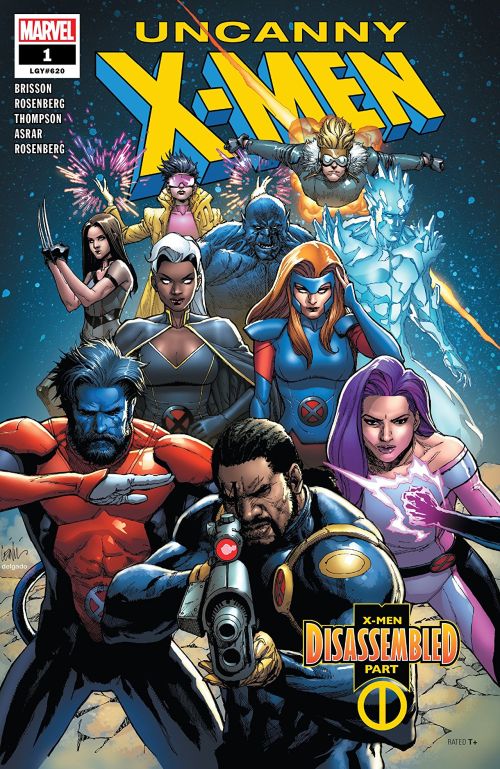
I wasn’t expecting such questions when I picked up “Uncanny X-men #1,” the latest relaunch in the most iconic X-men brand of all time. I was just glad to see Uncanny X-men return to prominence after an extended absence dating back to 2016. This first issue was over-sized and priced at $7.99, which is a lot for a single comic. I still feel like I got my money’s worth.
In addition to telling a great story that brought many prominent X-men characters to the forefront, “Uncanny X-men #1” did something unique in terms of how it established a conflict. For once, it didn’t involve killer robots, preventing a genocide, mutant terrorist, or alien space gods. Instead, it asked one profound question.
What if there was a way to preventing people from becoming mutants in the first place?
That may sound like a question that has come up in other X-men stories, but that’s only partially correct. This isn’t about curing mutants, a story that Joss Whedon brilliantly told during his run on Astonishing X-men and that “ X-men: The Last Stand” botched horribly. This is about inoculating children the same way we do for polio.
Specifically, a lab develops a vaccine that prevents the X-gene from expressing. Technically, they would still be mutants in that they would still have this gene. It just wouldn’t express itself. It would be akin to turning off the gene responsible for cystic fibrosis or sickle-cell anemia. It essentially treats mutation the same way we would treat any other genetic-based disease.
Naturally, the X-men and many other mutants don’t like this idea and not just because it’s akin to treating homosexuality as a mental illness. It reeks too much of genocide, something they’ve faced on more than one occasion. It would’ve been easy for “Uncanny X-men #1” to present it in that way, but that’s not how it plays out.
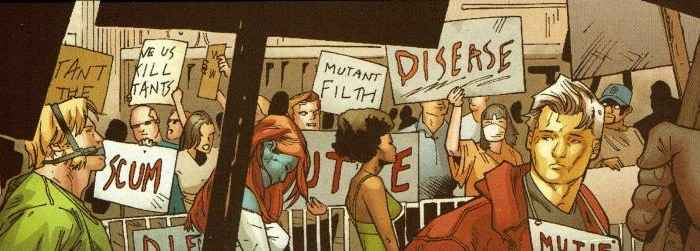
The all-star creative team of Ed Brisson, Kelly Thompson, Matthew Rosenberg, and Mahmud Asrar frame the issue in a very different way. Instead of some anti-mutant racist like Graydon Creed or William Stryker calling for mutant extermination, we get Senator Ashton Allen. He’s as generic a politician as can be in a superhero comic, but what he says and how he says is revealing.
Amidst a crowd of humans, mutants, and X-men, he talks about this mutant vaccine as a tool to alleviate suffering. He doesn’t rant about the dangers of evil mutants like Magneto or Apocalypse. He talks only about mutant children developing powers that could be dangerous to themselves or others. In that context, a vaccine might actually help them.
When you consider the mutant powers of characters like Rogue and Cyclops, who have mutant abilities that do real damage when uncontrolled, it seems entirely reasonable to make this vaccine available. Senator Allen never says anything about forcing it on kids or on mutants that already exist. He only ever emphasizes making it an option for concerned parents.
That’s distressing for the X-men because they don’t need to be omega-level psychics to imagine the implications. They can easily envision a concerned parent who doesn’t want their child to deal with the possibility that they may shoot lasers out of their eye one day. Any parent who cares for their child will want to mitigate the chances of them enduring such hardships.

In a world populated by mutant-hunting robots, parents already have plenty of incentive to use this vaccine. Given the damage that mutant-led conflicts often incur, the government has just as much incentive to make that vaccine available to everyone, free of charge and tax deductible. Governments less concerned with things like human rights could force it on children and that has some real-world parallels.
For mutants and the X-men, though, that means a permanent loss of their identity. Considering how mutants act as a metaphor for other oppressed minorities, this has implications for the real world, as well. I would even argue that the question will become increasingly relevant in the coming decades.
To appreciate just how relevant it could be, you need only look up the heartbreaking stories of parents who have disowned their children because they’re gay or transgender. In tragic some cases, people are driven to suicide. Even for those who aren’t parents, anything that might avert this kind of hardship is worth considering.

Given the complex causes of homosexuality, as well as the many factors behind transsexuality, it’s unlikely that there could ever be a vaccine to prevent it. The same can be said for conditions like Dwarfism. It’s not just genes, hormones, or radioactive spider bites that shape an individual’s persona. It’s a complex confluence of many things.
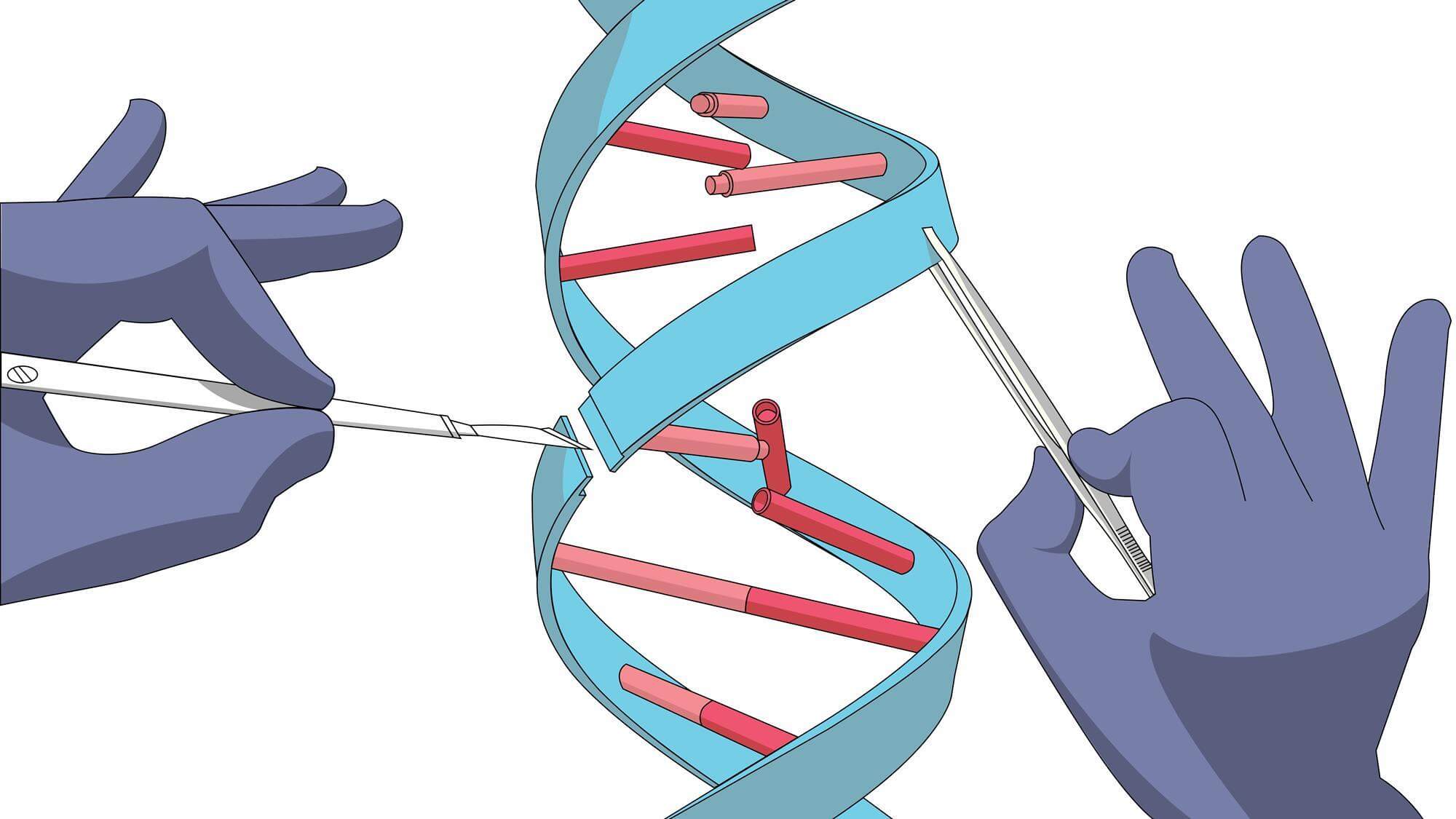
However, we are getting very close to a point where it’s possible to design children at the genetic level. Thanks to tools like CRISPR, it might even be possible one day to cut out entire traits from the human genome. That could, in theory, eradicate both cystic fibrosis and Dwarfism. More than a few people have expressed concern about that possibility.
Homosexuality and transsexuality are a bit different since there is no one gene or hormone that causes it, but most contemporary research suggests that genetics do play at least some role. Using similar technology, it might be possible for parents in the future to minimize or eliminate the chances of their children being homosexual or transsexual.
I imagine many in the LGBT community feel the same way about those efforts that the X-men felt about Senator Allen’s efforts in “Uncanny X-men #1.” Even if it only extends to giving parents this option for children and provides strict protections for those already born with these traits, it still treats who and what they are as a disease.
It’s dehumanizing and demeaning. More than one X-men in “Uncanny X-men #1” makes that abundantly clear. They don’t see being a mutant as a disease any more than homosexuality, transsexuality, or dwarfism. The fact that there’s now a way to prevent this makes for an existential crisis with some pretty heavy implications for the real and fictional world.
In the world of Marvel comics, a world without mutants has its own set of issues, the least of which would be the loss of a top-selling comic series. In the real world, though, the stakes are even higher. What would we, as a society, do if we suddenly had the tools to prevent homosexuality, transsexuality, and dwarfism in children before they’re even born?
.jpg)
I’ll even ask a more controversial question that’s sure to draw plenty of ire. What if those same tools could be used to modify the skin color, facial features, and overall appearance of our children? We already understand how genetics affects our appearance to some extent. What happens when we’re able to determine that for someone before they’re ever born?
These are objectively distressing questions. I’m glad “Uncanny X-men #1” dared to ask them. I doubt they’ll get debated or resolved completely in the proceeding issues, mostly because such resolutions are impossible in superhero comics. It still presents the X-men with a unique issue to confront and one that we will likely have to confront in the real world.
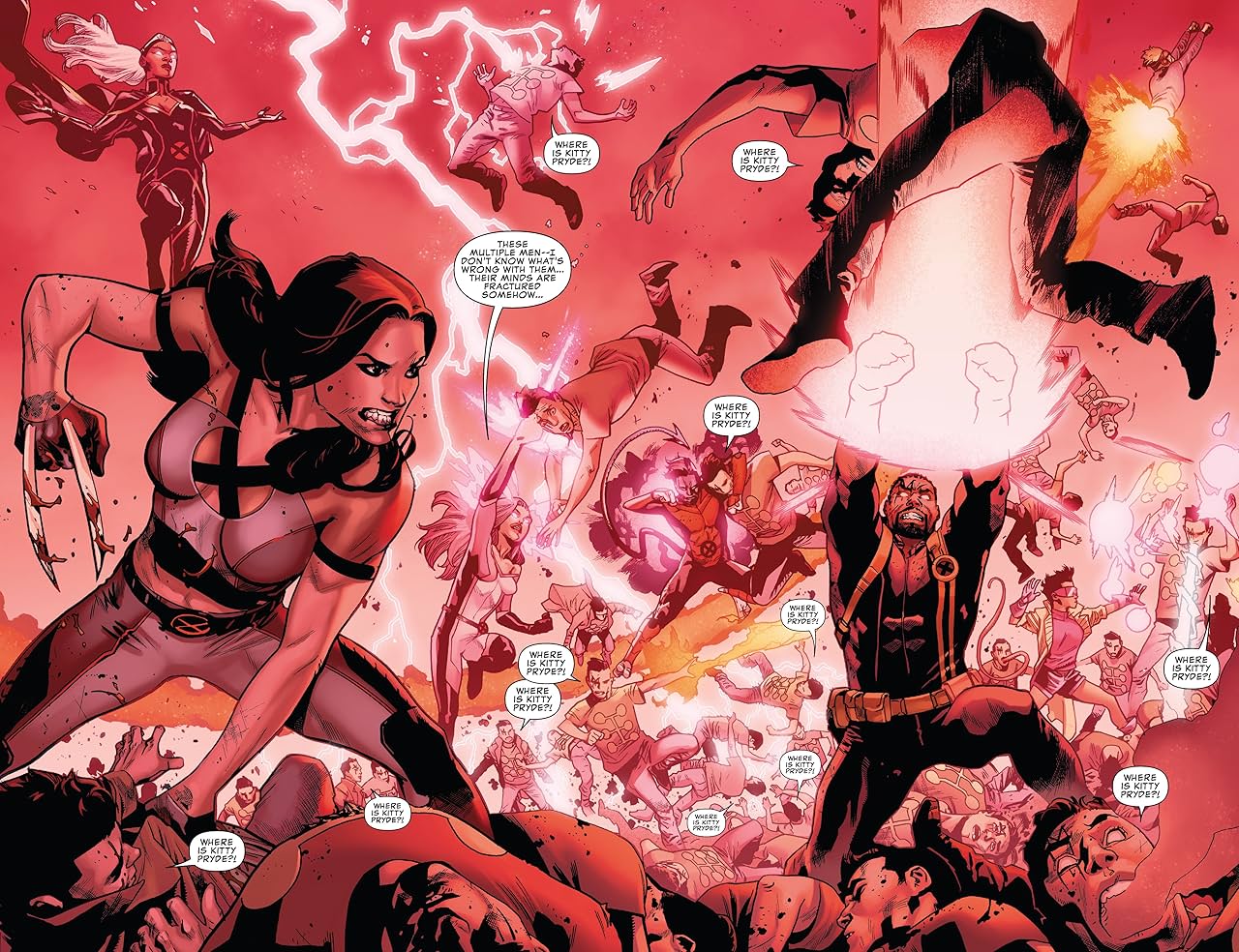
As is often the case with difficult questions, the answers are likely to anger some and distress many. Most people genuinely and sincerely want what’s best for their children. In the world of Marvel Comics, that could mean preventing them from gaining the kind of superpowers that makes them targets for Sentinels. In the real world, that could mean removing an entire class of people from the gene pool.
In issues like this, there are no heroes or villains. There are just difficult choices that we must make before someone else makes them for us.


 Jack Fisher's Official Publishing Blog