
The following is a video from my YouTube channel, Jack’s World. It is the first in a series of videos that I’ve been working on regarding the prospect of rebooting Ultimate Marvel. This series will be at least six videos long and is my most ambitious video series to date. Enjoy!
Tag Archives: superhero comics
Rebooting Ultimate Marvel: Why It Should Be Done
Filed under Jack's World, Marvel, superhero comics, superhero movies, YouTube
Spider-Man: No Way Home – An Amazing Culmination With Amazing Implications
The following is a video from my YouTube channel, Jack’s World. It is my full review and reaction to “Spider-Man: No Way Home.” Now, make no mistake. This is the biggest, boldest, most ambitious Spider-Man movie ever made. It is also one of the biggest superhero movies since “Avengers: Endgame.” As such, it had a lot to live up to. It’s also one of those rare movies that is best left unspoiled.
With that in mind, please note that this video contains heavy spoilers. Please see this movie beforehand. It’s so worth not spoiling. You have been warned. Enjoy!
X-Men 97 Is Official! Reaction, Speculation, And (Uncanny) Excitement
The following is a video from my YouTube channel, Jack’s World. It is a general reaction video to the incredible news that “X-Men: The Animated Series” is coming back as X-Men 97 in 2023! I noted I would make a video the first time I mentioned this. For news this great, I couldn’t post it fast enough. Enjoy!
Filed under Marvel, Marvel Cinematic Universe, superhero comics, superhero movies, X-men, YouTube
Marvel Studios’ Eternals: A Different (But Powerful) Cinematic Marvel
The following is a video from my YouTube channel, Jack’s World. This video is my spoiler-filled review of Marvel Studios’ “Eternals.” I’m well-aware that this movie was quite divisive among fans and critics, but I never let that sort of thing keep me from appreciating a movie, nor should anyone else. This is just my opinion of this very bold, very different kind of superhero movie. Enjoy!
Jack’s Comic Gems: Fantastic Four: Books of Doom
The following is a video from my YouTube channel, Jack’s World. It is another entry in my ever-growing Jack’s Comic Gems playlist. This time, I highlight a gem from the lands of Latveria with Fantastic Four: Books of Doom. Enjoy!
Shang Chi and the Legend of the Ten Rings: Fanciful Fights and Marvelous Drama
The following video is from my YouTube channel, Jack’s World. It is my full review of “Shang Chi and the Legend of the Ten Rings.” Please note that this video has major spoilers, so if you haven’t seen the movie, you have been warned. Also, it’s a great movie! You should definitely see it the first chance you get. Enjoy!
Why Superhero Secret Identities Are More Relevant Than Ever
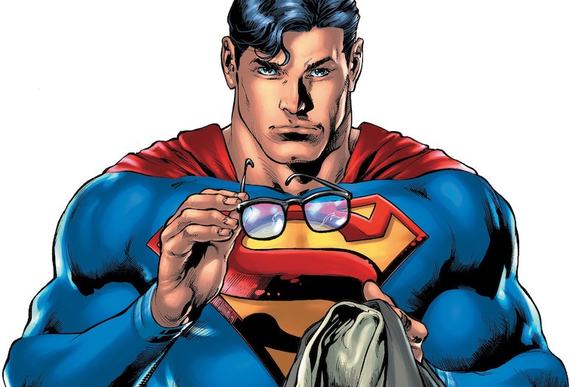
You don’t have to be a lifelong fan of superheroes to know the role that secret identities play in their over-arching narrative. It’s one of those story elements that often goes hand-in-hand with a hero’s journey. Part of becoming a hero involves forging an identity and, more often than not, this identity can’t function alongside the one they start with.
It’s a story that has roots in the early days of modern superhero comics. It wasn’t just a common plot point. It was practically a given. It was as necessary as capes, colorful costumes, and punishing masked criminals.
From a practical standpoint, having a secret identity has some legitimate merit. There are things Bruce Wayne can do as Batman that he cannot do and vice versa. The same goes for Superman, Wonder Woman, Spider-Man, and many other iconic heroes. In “Batman Begins,” Bruce Wayne set the stage for his secret identity by crafting Batman as a symbol, one that conveyed an idea that went beyond the person in the costume.

In recalling that scene, I think that idea was more prophetic than Christopher Nolan initially intended. When I look at how secret identities have come to define many characters, I believe they’re more important today than they have been in any other era.
I don’t just say that as a long-time fan of superhero comics who has used his knowledge of the genre to explore serious issues. I believe that we, as a society, are entering uncharted territory when it comes to how we manage our identities. The influence of the internet, social media, and an increasingly connected world is more powerful than any fictional hero. It’s already finding its way into superhero media.
This topic became especially relevant for Superman fans because back in late 2019, the release of “Superman #18” officially revealed Superman’s identity as Clark Kent. Now, it wasn’t not the first time Superman’s identity has been exposed, but this time it wasn’t a gimmick. Now, Superman had to learn how to be Superman without a secret identity.
Over the past decade, the value and vulnerabilities of secret identities have been under fire. One of the most jarring moments of the original “Iron Man” movie was the very end when Tony Stark didn’t attempt to hide the fact he was Iron Man. For those not familiar with the comics, it might not have seemed like a big issue. Trust me, it was a major shift.
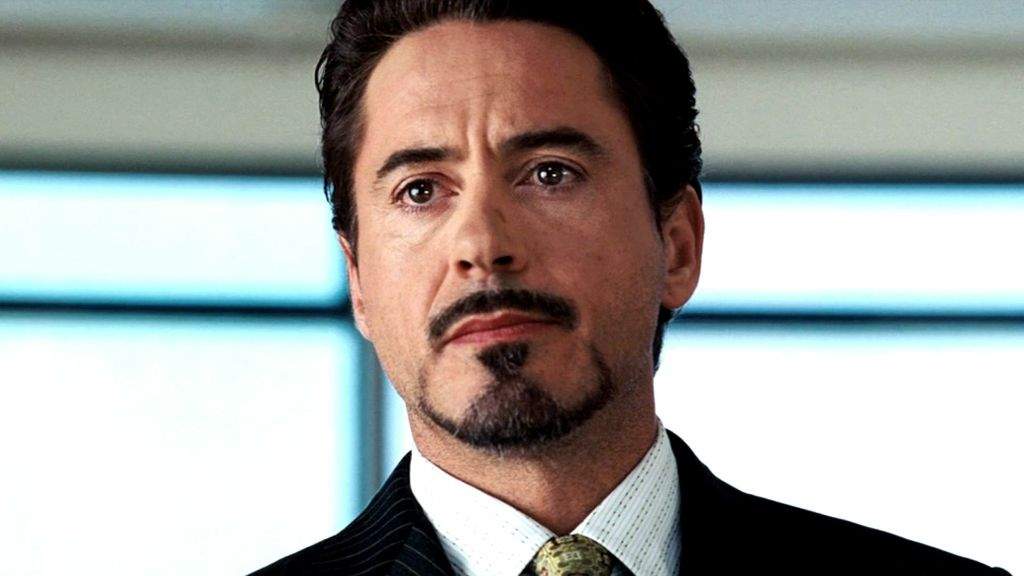
While Tony Stark debuted as Iron Man in 1963, his identity didn’t become public until the early 2000s. That’s nearly four decades of him operating with a secret identity. In the context of his journey, this was not a trivial decision.
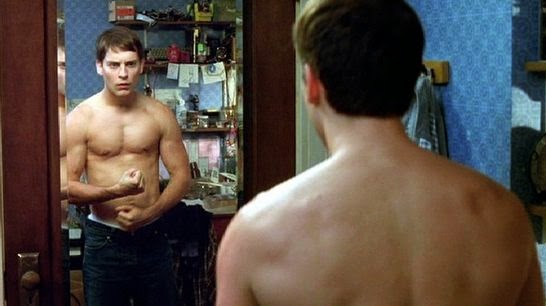
What happened to Spider-Man at the end of “Spider-Man: Far From Home” was even more jarring. While his secret identity has been revealed many times in the comics, it’s almost always retconned. Like Batman and Superman, he has to have a secret identity. He has to have a civilian life that’s separate from his superhero life.
There’s even a notable episode of “Superman: The Animated Series” in which Superman flat out admits that he’d go crazy if he couldn’t be Clark Kent. Think about that for a second. Superman, one of the most powerful and iconic superheroes of all time, admits that can’t handle a life without a secret identity. This is someone who can handle Lex Luthor, Darksied, and Brainiac. If he can’t handle it, then what hope do we have?

That question might not have been too relevant 20 years ago. Before the age of smartphones, broadband internet, and social media, a superhero might have been able to get away with having their identity exposed. You could say the same for anyone who happened to have a dirty secret or a double life. Whether it was an affair or a secret hobby, you didn’t have to work that hard to keep it secret.
Back then, not everyone had a fully-functional camera in their pocket or a means of sharing their media on a mass scale. Even if someone did manage to take a compromising picture or video, it wouldn’t be a huge revelation unless it was published by a major news source and even then there was no guarantee it would have staying power, especially if other major stories broke at the same time.
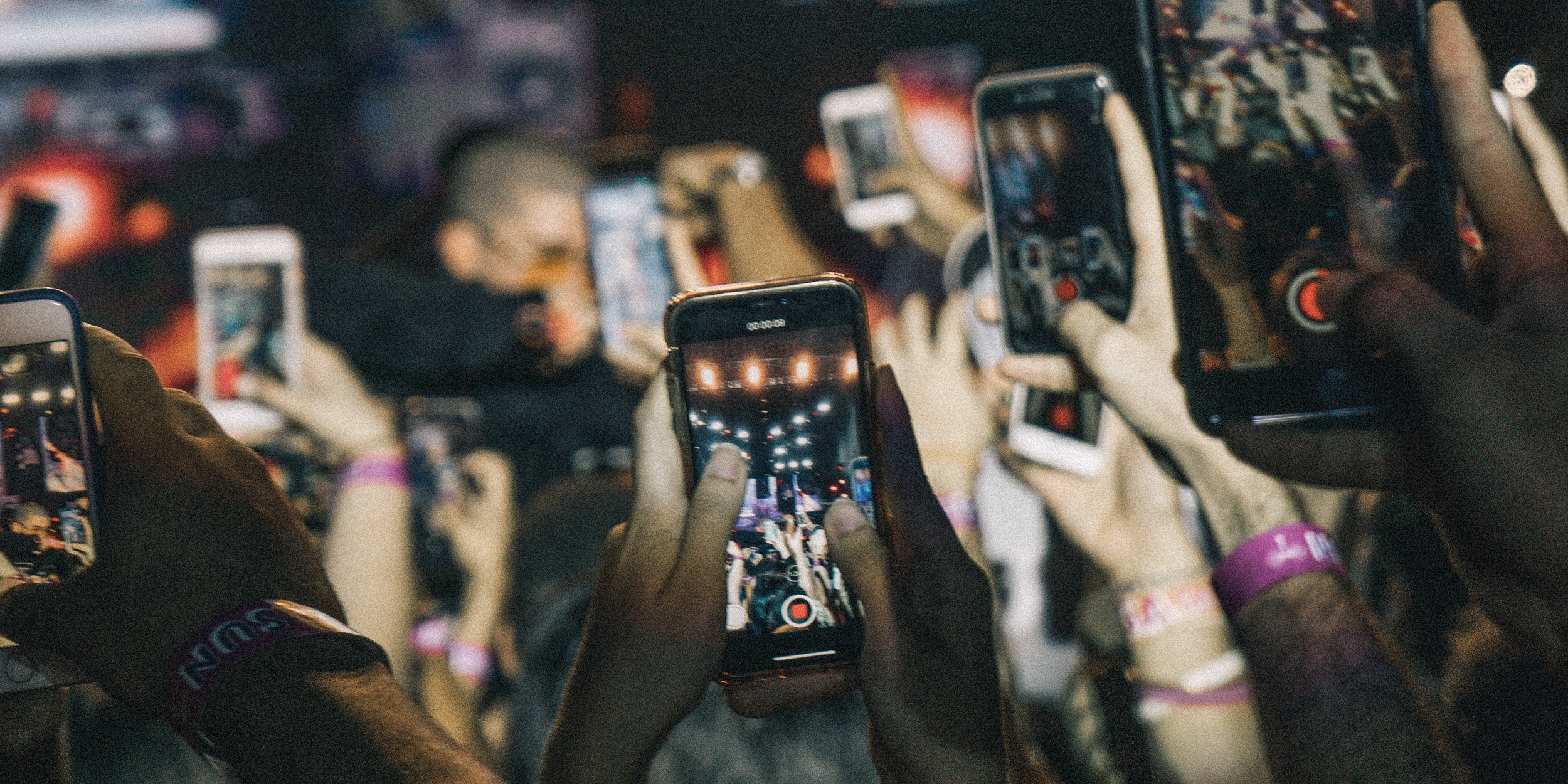
Now, anyone with a smartphone and an internet connection can capture compromising footage of anyone and share it with the world in seconds. In the world of superheroes, it makes keeping an identity harder than ever. Spider-Man found that out the hard way at the end of “Spider-Man: Far From Home.” Ordinary people and major celebrities are finding that out as well in the real world.
The internet and social media has created an unusual, yet potent system that skews the dynamics of having an identity, secret or otherwise. On one hand, it’s easier than ever to create an anonymous persona on the internet. With that persona, people are unbound by the propriety of real-world interaction.
It’s part of why the comments section of any website or social media feed is full of deplorable rhetoric that highlights the worst in people. Ordinary people can use the anonymity of the internet to say thing they would never say to another human being face-to-face. At the same time, celebrities and people of influence have the opposite problem.
In this hyper-connected world, every word and every action is permanently archived and subject to greater scrutiny. Every mistake or misstep is amplified and blown out of proportion. Every bit of subtext and nuance is completely lost in the various biases and agendas of the public. In essence, public figures have little to no control of their identity. They are very much at the mercy of how others perceive them.
That kind of scrutiny can have benefits and drawbacks. You could argue that the added scrutiny of social media has held celebrities and people of influence to a higher standard. They can no longer operate in the shadows with impunity. Dirty secrets will come out. Bad behavior will be documented. The O.J. Simpsons and Bill Cosbys of yesteryear could not get away with their deplorable behavior in today’s environment.
That may be a good thing on some levels, but it comes at a cost and not just for those who have had their lives ruined by the internet. In a world where anonymous identities are easily created and valued identities are easily ruined, how can anyone hope to maintain a balanced perspective? Whether you’re an accomplished celebrity or just some random blogger, don’t you still need a persona that feels true?
For people who are stuck in difficult situations, such as those belonging to racial, religious, or LGBTQ minorities, having that secret identity might be the only one that feels true or genuine. If that gets exposed, then those individuals could be in legitimate danger. There are parts of the world who will punish these individuals in ways far more serious than online trolling.
In the past, these kinds of people didn’t have an outlet or a means of connecting with others who share their struggles. They either had to organize in secret or set up their own communities, which often meant making themselves real-life targets. The ability to create an identity, secret or otherwise, can be a powerful mechanism for helping people forge an identity that feels true to who they are.
To some extent, superheroes embody the importance of these identities. They can’t do what they do without them. They can’t remain connected to the people and the world they’re trying to protect if they’re always in costume, trying to maintain this persona they’ve created. Without it, they become disconnected and overwhelmed. As a result, they can’t be the heroes they need to be.
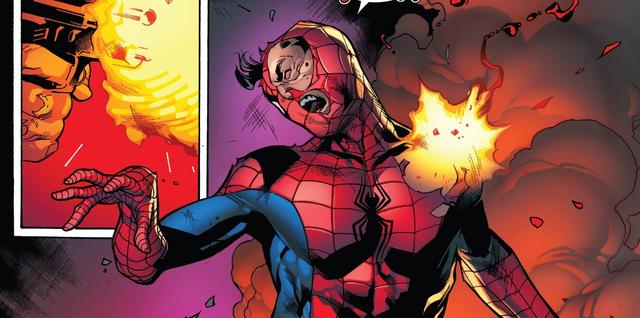
For people in the real world, having these identities is more important than ever. You don’t have to be a superhero to appreciate their value, but as our world becomes more connected, it’s become a lot easier to understand why Spider-Man and Batman work so hard to preserve their secret identities.
The fact they still struggle, despite having super-powers and billions of dollars, is a testament to just how difficult it can be. As the world becomes increasingly connected and increasingly tribal, it’s only going to get harder.
Why Lex Luthor Is The Ultimate Villain
The following is a video from my YouTube channel, Jack’s World. This video is a brief exploration of one of the greatest fictional villains of all time, Lex Luthor. There has been an ongoing trend in recent year to develop more complex villains with equally complex motivations. However, there’s still room for the kind of old school, pure evil villain and nobody epitomizes that more than Lex Luthor. Hopefully, this video gives everyone a new appreciation of that. Enjoy!
Filed under DC Comics, philosophy, superhero comics, superhero movies, Villains Journey, YouTube
What Recent X-Men Comics Can Teach Us About Present (And Future) Politics

Trying to make sense of politics is like trying to understand quantum mechanics while stoned. The process of governing humanity has always been tricky. Ever since we exchanged our basic hunter/gatherer ways for a more formal system of order, the process has only become more difficult over time. You don’t have to look far to see the complexities and the overall absurdities of politics.
I’ve tried to talk about politics before, albeit with a limited focus on hot-button issues. I never claim to be an expert or an authority on the matter. I’m an aspiring erotica/romance writer. My understanding of politics is as limited as most people who don’t live, work, and breath these issues. Despite those limitations, I still want to make an effort to talk politics in a novel way.
As it just so happens, I’ve come up with just such a way and it involves X-Men comics. Considering how much I’ve written about X-Men and superhero comics in general, this should surprise no one.
/cdn.vox-cdn.com/uploads/chorus_image/image/64901699/Screen_Shot_2019_08_01_at_8.43.52_PM.0.png)
More specifically, I want to take the events that have been unfolding in the X-Men comics for the past two years and use it to make sense of the current state politics. I also want to use it to speculate a bit on where these politics might lead us. Again, I am not even close to an expert, but I do believe that art and media have an uncanny way of shining a light on the real world and there are few narratives more uncanny than the X-Men.
The current state of politics, especially in the United States and Western Europe, has been dominated by polarization. More and more, citizens are becoming more tribal. On top of that, people are becoming more divided. That’s not just an anecdote, either. According to Pew Research, the public has become more ideologically split over the past 20 years and it’s only getting worse.
Rather than try to make sense of these decade-long trends, I want to apply it to the politics in the X-Men comics. More than any other superhero comic or franchise, politics are a major driving force for the X-Men, more so than killer robots. Co-creator, Stan Lee, stated that the inspiration for the X-Men was drawn from the ongoing Civil Rights movement that was in full swing in the early 1960s.

Over the years, this idea of mutants being an oppressed minority who were hated and feared for being different has been the driving force behind the X-Men’s story. It is also a big part of what helped them gain such a wide appeal. Some of the X-Men’s most iconic stories come from conflicts inspired by the hate and fear that ordinary humans feel towards mutants.
In the real world, hatred and fear are powerful forces that don’t need killer robots to cause upheaval. Hatred and fear is at the heart of debates surrounding migrants and immigrants. That same hatred and fear is at the heart of the political polarization.
Liberals hate and fear conservatives because they think they want to turn the world into one big plantation ruled by rich, wealthy slave-owners.
Conservatives hate and fear liberals because they think they want to abandon their heritage, punish people for the sins of their ancestors, and micromanage their lives.
In the world of X-Men, humans hate and fear mutants because they think they’re too dangerous, unpredictable, and uncontrollable. On top of that, if they truly are a new species, then that means their survival means humanity’s extinction.
The parallels aren’t perfect, but they are there. Mutants aren’t just a metaphor for any minority who has been oppressed, segregated, and denigrated. They represent just how divided two groups can be. Constant conflict ensures that hatred and fear will fester. However, it’s the events of House of X and Powers of X that the entire concept of X-Men has gained greater political relevance.
In case you haven’t been following superhero comics, the details of these events are many, but the theme is relatively simple. After years of fighting, running, surviving, and being marginalized because of movie rights, the entire mutant race has decided to reorganize themselves into a new society.
This isn’t some exclusive club or superhero team. With help from Charles Xavier and the powerful foresight provided by Moira MacTaggart, the mutants of the Marvel Universe have united within a new homeland, which happens to be a living island. They also have their own mysterious language that only they understand. They are essentially establishing themselves as a new political entity.
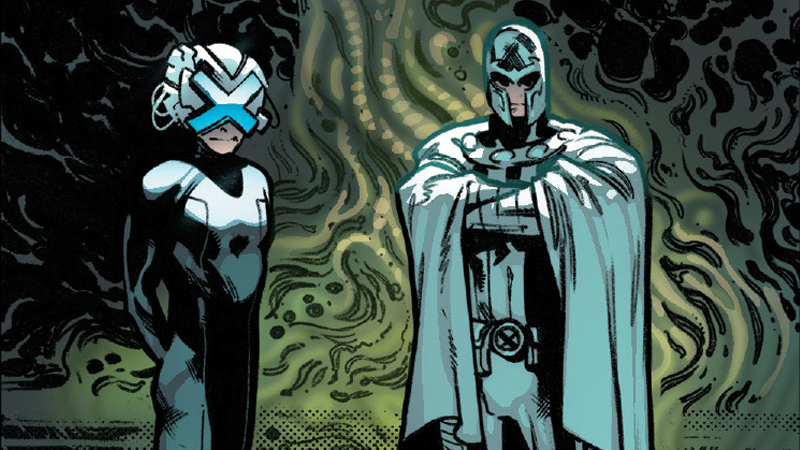
In the scope of the X-Men’s 50-plus year history, the idea isn’t new. There have been multiple efforts over the years to give mutants a homeland. One was called Genosha. One was called Utopia. Both enjoyed some measure of short-term success, but both ended up destroyed or abandoned. The reasons for this aren’t important. What sets them apart from Krakoa is the scale.
To understand it in a real-world context, think of Genosha and Utopia as enclaves within a community. They’re akin to neighborhoods in America or Europe that are predominantly populated by a particular ethnic group or religion. Many are quite successful in their own right. Others have become the sites of atrocities and tragedies.
What the mutants are doing with Krakoa in the comics is something bigger than an enclave. They’re not just seeking to be recognized as a full-fledged country, either. Charles Xavier, the X-Men, and every other mutant is building Krakoa to be a society that can function with or without humanity. It’s not land borrowed from humans. It’s land that’s theirs and theirs alone.
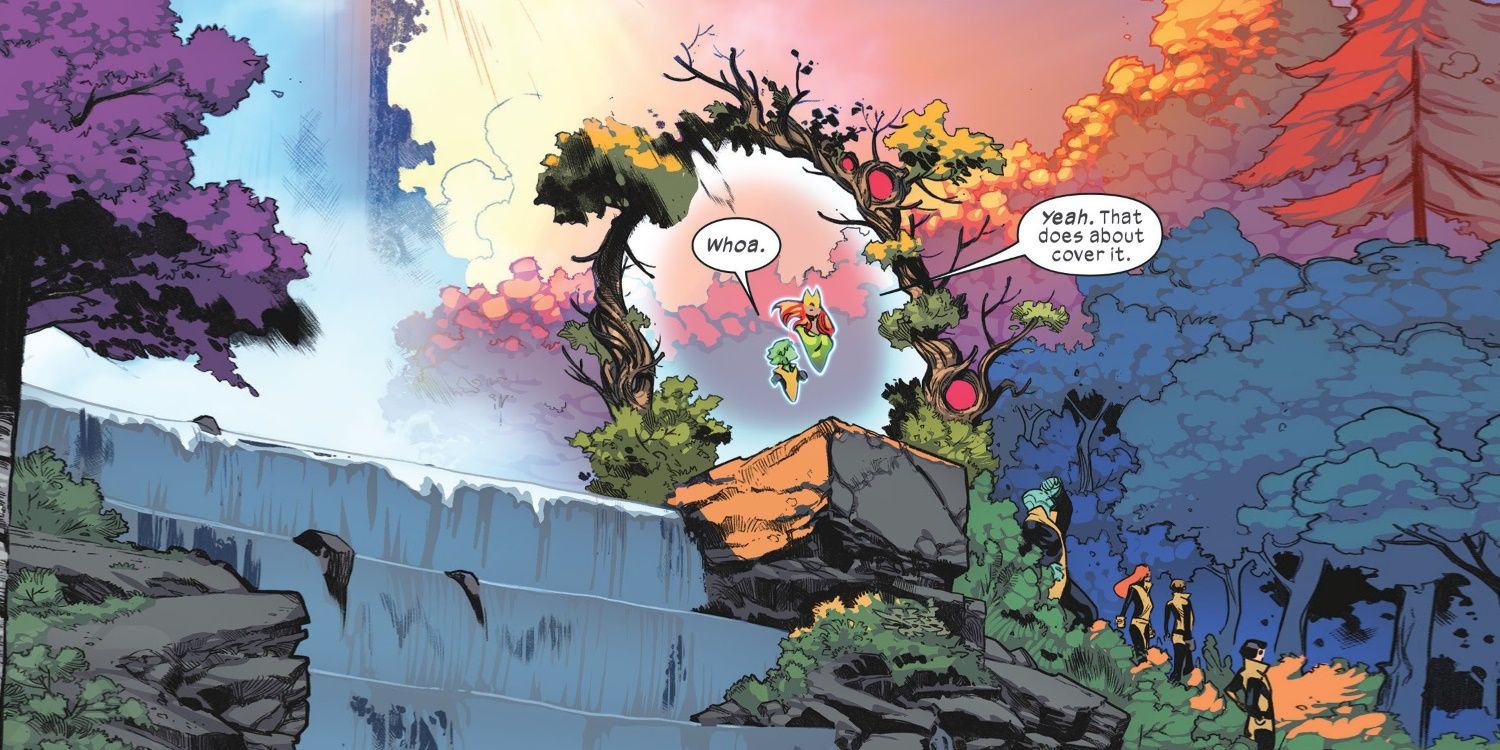
That’s not to say Krakoa operates in isolation, as Wakanda once did. They actually seek to maintain diplomatic relations with the world. They even have valuable resources with which to trade. They don’t have to make these kinds of deals, but under Charles Xavier, they do anyway. It culminates in “House of X #5,” in which Krakoa gains formal recognition by the UN.
This is where the politics of the X-Men comics add some necessary nuance to what we’re seeing in the real world. When people feel marginalized, they tend to feel unwelcome. Even if you are legally an American, a German, an Italian, or a Wakandan, being hated and feared by a large segment of the country makes you feel like you don’t belong.
Between divided polls and America’s colorful electoral map, it’s not hard for anyone to feel out of place. The added polarization provided by the internet, social media, and cable news only adds to the divisions and the animosity. As a result, people naturally retreat into groups and tribes where they feel welcome. Whether it’s a political group, a religious group, or an identity, they seek some form of sanctuary.
In doing so, these groups essentially create their own little world within their community. It’s a world that might as well be a separate reality from what others see. It’s how different people can see the same facts, but have wildly different interpretations. Their brains are still working and the facts are still facts. It’s how they apply them to their world that’s different.
Each group feels they don’t belong. They may even feel victimized. It doesn’t matter if the group happens to make up the vast majority of the population. They still feel like they’re the ones under attack, not unlike the X-Men when they constantly confront fearful, hate-filled humans. They act as though they need to carve their own place in the world and defend it at all costs.
This is where House of X and Powers of X can provide some possible insights into the future of politics. To some extent, Krakoa is a natural byproduct of mutants being hunted, attacked, and denigrated at every turn. They tried isolating themselves on islands. They tried living among humans, sometimes in their most populated cities. Now, they’re trying something bigger.

It’s not exactly peaceful and not everyone understands it, which seems antithetical to Charles Xavier’s dream. However, it’s pragmatic in a very political sense. They have a homeland that they can control. They have barriers for entering and exiting that homeland. Nobody who isn’t authorized can enter it. It’s basically the ultimate immigration control.
On top of that, it has valuable resources that the rest of the world wants. The mutants of Krakoa are willing to share them, but only if they respect their new homeland and treat it like a legitimate country with its own culture, laws, and norms. In a world where people constantly attack others for not respecting their culture or norms, it feels like the ultimate endgame of sorts.
Those who want their culture and way of life preserved will only have more incentive to become more organized. If they keep feeling hatred and fear, they may look for ways to simply function without those they feel don’t belong. People won’t just become more ideologically divided. They may end up more divided in a very literal sense.

It’s the ultimate manifestation of our natural tribal instincts. We seek to join, maintain, and protect our tribe from others, be they real or imagined. It doesn’t matter if there are objective facts that show our tribe is somehow wrong or misguided. We still feel inclined to protect it at all cost.
This era of X-Men comics has been exciting. Writer, Jonathan Hickman, has turned the X-Men from just another superhero team into a blossoming community with its own culture, identity, and borders. As an X-Men fan, I’ve been enjoying it a great deal. As someone in the real world who can’t always avoid politics, it leaves me worried about just how divided we’ll ultimately become.
Filed under human nature, politics, superhero comics, X-men
Jack’s Comic Gems: Red Sonja World’s Away
The following is a video from my YouTube channel, Jack’s World. It’s another entry in my ongoing Jack’s Comic Gems playlist. This one involves the She-Devil with a Sword herself, Red Sonja. That means it’s going to be full of magic, violence, and chain mail bikinis. However, this particular book offers something extra to that fanciful formula and it’s what helps make this latest adventure by the redheaded warrior a true gem. Enjoy!
Filed under Jack's Comic Gems, Jack's World, superhero comics, YouTube


 Jack Fisher's Official Publishing Blog