Tag Archives: business

Why AI SHOULD Replace Most CEOs

This is a video from my YouTube channel, Jack’s World.

In this video, I make the case that, of all the jobs artificial intelligence could replace, CEO should be at the top of that list. In recent years, CEOs in general have generated headlines for all the wrong reasons. With the ongoing advancements in AI, this is one job for which we should be actively trying to remove human flaws.

Leave a comment

Filed under Artificial Intelligence, Jack's World, television, YouTube

Thought Experiment: Contemplating (Viable) Alternatives To Capitalism

This is another video from my YouTube channel, Jack’s World. This video is a thought experiment about capitalism. Specifically, it challenges us to contemplate alternatives that we could actually implement in the real world. Given the current trends in politics, which either glorify or villainize capitalism, I think this sort of idea is increasingly relevant. And it’s something we should contemplate seriously as technology, society, and the world continues to change. Enjoy!

Leave a comment

Filed under Current Events, human nature, Jack's World, philosophy, politics, Thought Experiment, YouTube

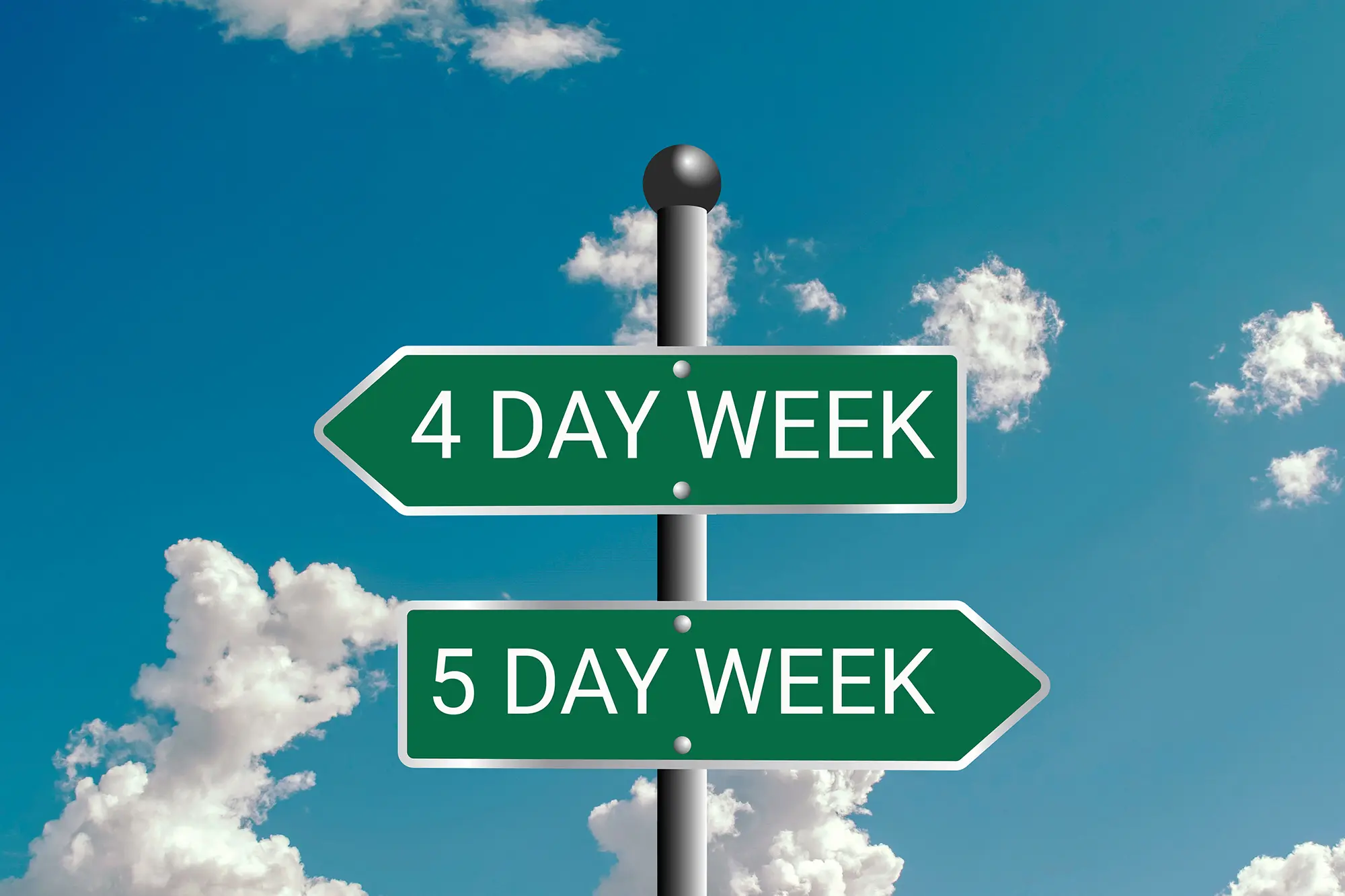
Why We Should Embrace A Four-Day Work Week

If you’ve ever worked a full-time job, chances are that job had set hours during certain days of the week. It may vary from job to job, but in most developed countries there’s this concept of a standard work week. And it goes like this.

You work five days a week, often Monday through Friday.

You work eight hours a day, usually around 9:00 a.m. to 5:00 p.m.

You typically don’t work major holiday or overtime. But if you do, you get paid overtime.

That’s seen as a “normal” work week these days. I put “normal” in quotes because what constitutes a normal workday has changed a great deal over the years. But I prefer not to focus on the history of the work week. I just want to ask a simple question about the work week as we currently accept it.

Is the five eight-hour workday schedule really the most effective approach to work?

It’s an honest question and one I think the COVID-19 pandemic has made more relevant. Beyond revealing how much work we can be done remotely and from the comfort of our homes, it also revealed that our concept of a normal work schedule is somewhat skewed. And it might be a good time to re-evaluate our understanding.

Some are already doing that. A number of companies in various parts of the world are starting to experiment with a four-day work week. It doesn’t always entail less work. In some cases, people opt to work four ten-hour days instead of five eight-hour days. The duration of the shifts don’t change. It’s just the structure.

And according to the conclusions of multiple studies, the results have been a massive success for everyone involved.

Overall productivity remained unchanged or actually improved.

Worker satisfaction increased, as did overall work/life balance.

The same amount of work got done, even when fewer hours overall were worked.

There were practically no real downsides. People got an extra day off, but were just as productive. They were also happier, overall. Even if you’re a ruthless business tycoon with no sympathy for others whatsoever, these results are encouraging. After all, happier and more fulfilled workers means less turnover and less conflicts overall. Unless your company runs on the tears and suffering of others, that’s generally good for business.

Even in the absence of these studies, I can personally attest to the appeal and the merits of a four-day work week. While I wasn’t lucky enough to have that schedule with any of the full-time jobs I worked, I do know it was a popular option in one particular company.

Since I don’t know if my former employer visits my site, I won’t say their name or their industry. I’ll just say that this company utilized a lot of shift-work. There were some typical nine-to-five shifts, but most varied considerably in order to ensure 24/7 coverage of our operations. I typically worked five days a week, usually 10:00 a.m. to 6:00 p.m.

However, there was an option for those with kids to work four ten-hour days. The day of the week they got off varied. My supervisor actually encouraged those who used this option to coordinate and decide amongst themselves which day of the week they would take off. Some preferred having Monday off. Some preferred having Friday off. One even preferred having Tuesdays off.

It was probably the most popular shift, but one that wasn’t widely adopted. It was always framed as a shift reserved for those with young children who needed an extra day to take care of doctor’s appointments, personal matters, and what not.

Personally, I would’ve definitely preferred working four ten-hour days. Even if it meant those four days were longer, I would’ve gladly worked that time in exchange for a longer weekend. It would’ve made a lot of things easier, especially when I was young and just out of college. Even today, it would make a lot of things easier. An extra day would give me more time to rest, run errands, work out, and work on my personal life.

I suspect many feel the same way. Just think about how excited/relieved you are every time you have a long weekend to look forward to. But honestly, is a three-day weekend really that long? It’s still less than half of the week. And can you honestly say you get less done on a shorter work week?

Now, I understand that not all work is the same. There are certain jobs for which a four-day work week just isn’t practical. By the same token, there are also types of work for which a five-day work week isn’t practical, either. We just still use that schedule because it’s considered standard and “normal.” We’re so used to it that we don’t even question it.

But we should. The results of the studies I mentioned imply that there are better ways to get just as much work done with less time in a manner that is just as productive, if not more so. So why not embrace that?

I suspect a part of it has to do with how the five-day, 40-hour work week is engrained in a lot of labor laws. That is not a trivial detail that we can just overlook. But laws can be changed. And in this case, there’s a better and more efficient option available.

In a world with so many diverse people and so many diverse forms of work, it makes sense to be flexible. If a shorter work week means equal or greater amounts of efficiency, then the only thing stopping us is outdated assumptions about what constitutes “full-time work.”

I sincerely hope that changes in the coming years, especially as people continue to realize the value of a good work/life balance. Just because we’ve been structuring our jobs a certain way for decades doesn’t mean we should keep doing it that way. If a four-day work week is better by every measure, then we’re only making our jobs more miserable by clinging to outdated practices.

Leave a comment

Filed under Current Events, health, politics, psychology

Why We’ll Never (Fully) Get Rid Of Misinformation

How Private Information Helps Fake News Hoodwink the Public

Being informed is important. In some cases, it is literally a matter of life and death. That’s a big reason why I’ve made multiple posts urging people to get vaccinated against COVID-19. It could literally save your life. It’s also free, by the way. How many other things that could save your life are also free?

Seriously, people, get vaccinated. I’ll belabor that as much as I have to.

However, this isn’t only about vaccines or the idiots who refuse to get them. It’s about the “information” that these people are using to justify their choices. I put “information” in quotes because calling some of this stuff information is a poor use of the term.

Information, by definition, is supposed to inform. It’s supposed to make you more aware and educated about the world around you. Lies, propaganda, and misinformation do none of that. That sort of thing makes you dumber, more vulnerable, and more easy to manipulate by those willing to do so.

It happens in politics, religion, pop culture, business, and even shady marketing schemes. Much of these endeavors don’t have facts, truth, or verifiable information on their side. As a result, they require that people buy into whatever misinformation they feed them. It’s dishonest, disgraceful, and should be condemned to the utmost.

The problem is that people still buy into it.

Moreover, some people actively seek for this kind of information.

This is something I think many people have experience with, either directly or indirectly. I also suspect it has become a lot more relevant lately, given the rise of anti-vaxxers and conspiracy theories. This sort of mentality was always present. The problem is that the internet and social media have made it disturbingly easy to spread.

Now, it’s easy and tempting to blame big tech companies for this phenomenon. Make no mistake. Big tech companies are certainly at fault to some degree. Many of these same companies also have done some incredibly shady things, to say the least.

However, I’m still of the opinion that, no matter how disreputable big tech companies can be, it still ultimately falls on the users to control what information they seek. Whether it’s Google, Facebook, or TikTok, these systems don’t operate in a vacuum. They simply respond to user input. We are, to some extent, responsible for the information we seek.

I’m certainly guilty of seeking out information that isn’t exactly reputable. There have been times, including a few very recent instances, where I find myself seeking information that turned out to be less than truthful. Even if it was for something as innocent as comic book news or NFL trade rumors, it’s still misinformation as best and outright lies at worst.

That may not do much harm if the information you’re seeking is only damaging to your Fantasy Football team, but if that information involved politics or your health, then that’s where the real damage can occur. I’ve already seen it manifest with friends who fell down some very dark internet rabbit holes. Some of that might have just been by accident, but I also don’t doubt it was intentional in some cases.

In recent years, I’ve tried to make a more concerted effort to seek accurate, truthful information. I haven’t always succeeded, but I genuinely try to find true and accurate information, even if it’s something I don’t like. The fact it takes so much effort has me worried.

On top of that, it has led me to believe that it might not be possible to avoid misinformation. Even without the internet, it will find you. Propaganda and lies did exist before the digital age. It’ll likely always exist to some extent, so long as human brains are wired a certain way. Since we can’t change that anytime soon, despite the best efforts of Elon Musk, we’re likely stuck with misinformation.

This has me genuinely concerned because, even as some tech companies are making greater efforts to combat misinformation, it’s still relatively easy to find. On top of that, there are people out there working for nefarious organizations who are actively engaged in creating, spreading, and supplementing misinformation. Even if you shut them all down tomorrow, others will just spring up to replace them.

In some respects, it’s a lot like the war on drugs. You could arrest every single drug dealer in the world this morning, but by dusk a bunch of new dealers will emerge to take their place. Like it or not, there’s still a demand and there’s money, influence, and power to be gained.

Misinformation may not be the same as heroin or pot, but is subject to the same incentives. People actively seek it. Taking it in makes them feel special, important, and smarter than their neighbor. Today, it’s misinformation about vaccines, liberals, and gaming culture. Tomorrow, it might be about something else entirely.

It all comes back to how we’re wired. Our brains are not designed to seek truth or accurate information. They’re designed to keep us alive. Misinformation might be damaging in the long run, but it can make us feel better in the short-term, which is sadly more than enough incentive for some, even if it proves deadly in the long run.

I seriously wish I could end this on an uplifting note. I genuinely tried to find some way of putting a positive spin on this struggle. Unfortunately, the best I could come up with is to simply urge everyone to try harder to seek true and accurate information. If these past two years have taught us anything, it’s that bad information can cause a lot of harm.

We can never get rid of it, so long as our brains operate as they do.

We can and should still do our part. Truth and accuracy matters. You may not like it, but it may very well save your life in the long run.

Leave a comment

Filed under Current Events, outrage culture, political correctness, politics, psychology, rants, technology

Rethinking Jobs And Business: How Pandemics And Relief Benefits May Change Both

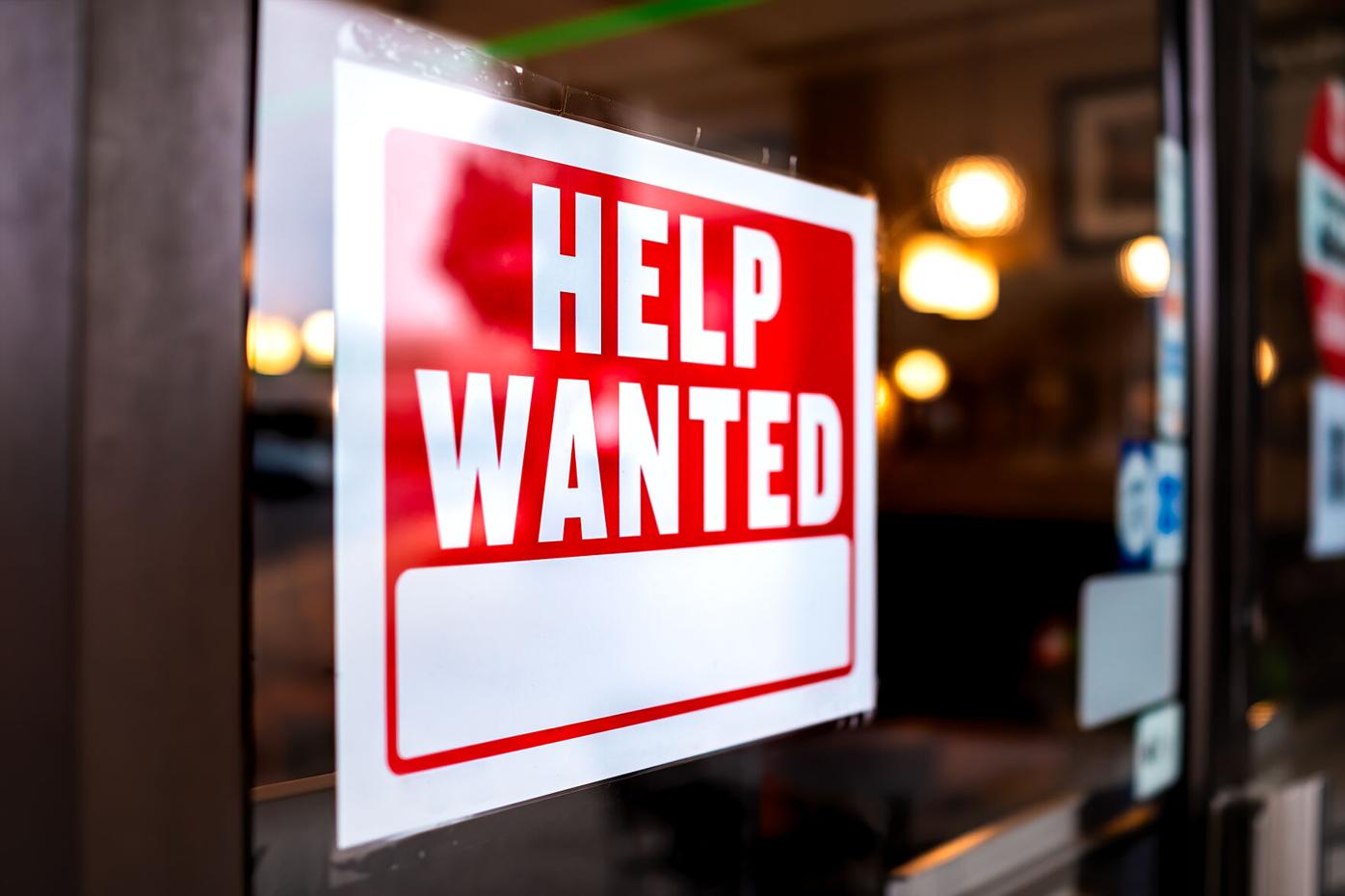
Help wanted? | Free | hometownsource.com

The world is always changing. That’s the only constant.

Sometimes, it changes more rapidly and chaotically than usual. That tends to happen a lot when major events transpire, such as a once-in-a-generation pandemic that infected millions and shut down entire countries. I hope I don’t have to belabor that to anyone with a news feed for the past year.

At the same time, these kinds of rapid upheavals can get us thinking harder about things we tend not to question. I’m not just talking about how much we take our health, our infrastructure, and our essential workers for granted. I’m referring to bigger concepts about how we approach life, society, and how we structure our lives.

One area that seems to be getting more scrutiny lately is how we approach jobs, work, and careers. I’ve certainly given it more thought, mostly in terms of the impacts of telework and how I used my stimulus check. I suspect many others have contemplated these topics in new ways in wake of recent events.

Now, as the pandemic nears its end, some of those concepts are already manifesting in the real world. One effect, in particular, has been especially jarring in America, mostly for reasons that other industrialized countries may find laughable. It has to do with people not wanting to work for a lousy, unlivable wage.

I know that shouldn’t be such a radical concept, but it is and as a proud American, I find it infuriating. There’s no getting around it. The ages for the average, non-CEO American have been stagnant for decades. It’s an issue that has been festering since long before the pandemic and even before I was born.

Before the pandemic swept in, there was an ongoing debate on whether the minimum wage should be increased to $15 nationally. I won’t get too heavily into the politics and talking points behind it, mostly because it ultimately descends into cycle of speculation and fallacies. I’ll just say that the pandemic has complicated that debate in unexpected ways.

During the height of the pandemic, the economy was basically shut down. Suddenly, millions were out of work and businesses had to shut down. Many still haven’t fully recovered. A big reason why many didn’t starve to death or end up on the streets was because of government relief packages, which included extended unemployment benefits.

While America’s relief package wasn’t nearly as generous as other countries, it was certainly better than nothing. I know plenty of people who genuinely needed that relief to stay afloat in terms of paying bills and feeding their families. It’s also not unreasonable to say that this was a critical measure in terms of preventing the pandemic from getting even worse.

However, this effort revealed something remarkable. According to a study done last year, the unemployment benefits that many workers received was actually better than their previous wages. It wasn’t an insignificant chunk of the work force, either. The benefits were greater for approximately 68 percent of American workers.

What does that say about the wages we’re paying our workers?

Moreover, what does that say about the system in general that workers can make more by not working than they would if they were?

Something about that doesn’t add up, literally and conceptually. I get that this was an unprecedented situation. At the same time, it reveal something about how we see work and workers. It’s something businesses are starting to realize too.

As the country and the world opens up, new job opportunities are arising. That’s good news for those who have been out of work. Unfortunately, those same businesses are having a hard time filling those positions.

The jobs are there.

The workers are there.

They just aren’t gravitating towards one another.

Here’s a brief rundown of the situation, courtesy of NPR. If you haven’t been working or are lucky enough to have kept your job during the pandemic, it should offer some insight and perspective.

NPR: Millions Are Out Of A Job. Yet Some Employers Wonder: Why Can’t I Find Workers?

At a time when millions of Americans are unemployed, businessman Bill Martin has a head-scratching problem: He’s got plenty of jobs but few people willing to take them.

“I keep hearing about all the unemployed people,” Martin says. “I certainly can’t find any of those folks.”

Martin helps run M.A. Industries, a plastics manufacturing company in Peachtree City, Ga. The company makes products used in the medical industry — specifically, in things like coronavirus tests and vaccine manufacturing and development.

But as he struggles to keep up with demand, Martin is finding it almost impossible to find new workers.

As someone who has worked his share of lousy, low-paying jobs, I can’t say I’m surprised by this. Don’t get me wrong. I still feel for the business owners who need workers to keep things going. I just can’t forget how arduous it was, working hard at a job that paid so little and left me so exhausted at the end of the day.

If the alternative is staying home and collecting unemployment, which ultimately pays more, then the choice is easy. That’s especially true for those who have kids or relatives they need to take care of. It’s not that they’re lazy, as some overpaid pundits love pointing out. It’s just that the nature of these jobs aren’t that appealing, especially when the pay is so low.

If anything, this situation has inspired us all to take a step back and look at how we approach work, jobs, careers, and business. When you think about it, it’s a little distressing that we build so much of our lives around work. It’s not just something we do out of obligation and responsibility. Many literally have to work in order to survive.

Is that right?

Is that just?

Is that healthy for society as a whole?

I say this as someone who has been lucky enough to have jobs that I’ve both loved and hated. I know what it’s like to work for a business that you hate. I also know what it’s like to have a job you find genuinely fulfilling. Not everyone is that lucky. In fact, I suspect the vast majority of the population, even in America, never experience that luck.

I get that there are economic reasons why some businesses can’t pay their employees high wages. I’ve worked in fast food restaurants. I know the profit margins aren’t exactly large. I also know that, even when I could make more than minimum wage, it was rarely enough to live on. That’s not even factoring the physical toll some of this work takes.

Despite that toll, there was still an undeniable stigma to those who didn’t work or those who simply avoided low paying jobs. In America, it’s a direct extension of that old protestant work ethic that equates moral worth with a willingness to do backbreaking labor for minimal pay. I’m not saying that work ethic is wrong, but I do think it needs to be re-evaluated.

The pandemic suddenly gave people an option on whether or not they wanted to do these kinds of low-paying jobs. Many understandably opt to just collect unemployment. They may not live luxuriously, but they will live. In some cases, they’re even better off.

It may be a sign of things to come. I already speculated on how the pandemic relief bills could be a precursor to a universal basic income. Now that people have experienced life in which their survival isn’t directly tied to having a low-paying job, I think it’ll be difficult to back.

I also think that’s a good thing. Regardless of how you feel about minimum wages, work ethic, or running a business, I think it’s generally a positive trend that we’re starting to decouple work with the right to survive. I think it’s a trend that has to happen, especially as automation does more and more of the low-skilled labor traditionally done by human workers.

It’s true. Some people are lazy and don’t like to work. Some people are just so driven and incapable of not working. Both still deserve to live without needed a job to keep them from starving to death or losing their home. As bad as this pandemic has been, I sincerely hopes it inspires us to rethink how we structure our society. There is a better way of doing things. We should always strive to do things better. Sometimes, that means rethinking everything we’ve come to believe about work, business, and life in general.

Leave a comment

Filed under Current Events, health, human nature, politics

Doing The Right Thing: Results Vs. Motivations

Recall, for a moment, an instance where you were faced with a difficult choice. You had a pretty good idea of what choices were right and what choices were wrong, but could not be completely certain. What choice did you make and why did you make it? What motivated you to do what you did? What were the results?

We’ve all been in situations like that at some point in our lives. Most of the time, it’s mundane. It effects only us and those in our immediate surroundings. In those instances, motivations tends to be basic. You make a decision you feel works best and you deal with whatever consequences that occur. However, when it comes to larger decisions by people in powerful positions, it tends to get more complicated.

Those complications have become a lot more visible in recent years, due to the internet and social media. Now, if you’re a rich celebrity or in a position of power, your choices are always scrutinized. Doing the right thing is not just a matter of morality anymore. It’s an added complication for public relations and advertising.

People will do the right thing because it’s good for their image.

People will do the right thing because it’s for a cause they believe in.

People will do the right thing because they’re being pressured, criticized, or condemned.

Whatever the case, the decision is usually the same. Even the moral components of the decision are the same. It’s just the motivation that’s different.

With that in mind, and given the dynamics I just described, I have one more question to add to this issue.

When it comes to doing the right thing, how much or how little do motivations actually matter?

It’s a relevant question in a connected world where it’s painfully easy to overreact. Recently, I speculated on the reactions to the recent news that the Washington Redskins were changing their controversial nickname. It didn’t take long for those speculations to become real.

Less than a day after this announcement was made, people were already saying that it was too late. Even if it was the right thing to do and was the desired result that advocates had fought for, it’s somehow not enough. They’ll point out that the only reason the name was changed was because major sponsors pressured it.

That point is probably valid. If the franchise stood to lose a great deal of money over clinging to its old nickname, even if they sincerely believed it wasn’t offensive, the economic pressures were just too great. When it comes to impassioned pleas versus financial pressure, money usually wins out.

It’s unfortunate, but that’s the world we live in. Money talks louder than outrage. It always has. It always will. No matter how much we resent that, that’s not something we can change right now. Regardless of how you might feel about that system, the question remains.

Does it truly matter? Advocates got their wish. The name of the team is changing. It might not be changing for the reasons they want, but it is changing. Isn’t that enough?

Do the results matter more than the motivations? We can never see, touch, feel, or measure someone’s motivations. We can only ever experience the results. One is tangible. The other is not. Which matters more to you?

I think it’s a relevant question because those continue to complain, protest, and whine about the team are only doing a disservice to their cause and future causes like it. They’re setting it up so that, no matter what their opponents do, there’s no way they can ever appease them.

If they don’t change the name, they inspire more outrage and criticism.

If they do change the name, they’re still subject to outrage and criticism because they didn’t do it soon enough or for the right reasons.

How is that fair? How is that even logical? If anything, that kind of approach only gives everyone a good excuse to never engage with opponents. They know there’s nothing they can do to placate them, so what’s the point? Short of getting in a time machine and undoing history, there’s literally nothing they can do.

Either results matter or they don’t. It’s as simple as that. If you’re not happy with the results, then you’ll never be happy with anything.

Leave a comment

Filed under Current Events, human nature, philosophy, political correctness, politics

A Brief Rant About Car Insurance Commercials

I understand why commercials exist. I’ve been watching TV my whole life. Even as a kid, I knew the economics behind it.

People have stuff they want to sell. TV networks and shows need to make money. Commercials are a way to do that. They need that money to keep providing us with content, compensate studios, and put up with egotistical actors. Those same economics apply to YouTube videos and streaming services like Hulu. If you don’t want to see those commercials, you have to pay extra for services like HBO and Netflix.

Economics aside, there’s only so much understanding I can have when certain commercials become more than just a nuisance. There’s advertising, there’s business, and then there’s just being annoying. With Super Bowl LIV just a few days away and a slew of big budget marketing pushes on the way, it’s a given that we’ll see a few of those commercials.

Since I plan to watch the Super Bowl this year, as I’ve done every year since I was a toddler, I’d like to offer a brief personal insight into a certain category of commercials. That insight can be summed up in just a few words.

Fuck any and all car insurance commercials!

I apologize if that’s not the most articulate insight ever uttered on the internet, but I’m not sorry for expressing my utter hatred of car insurance commercials. I’m not being factious. I’m dead serious.

Fuck car insurance commercials and every marketing team behind them!

Fuck their stupid gimmicks, dumb jingles, dim-witted celebrities, and annoyingly repetitive bullshit!

Fuck everything about the entire concept behind car insurance commercials!

I know there are a lot of annoying commercials out there, but for the past few years, car insurance commercials have entered a unique category of utterly infuriating. It’s bad enough that they seem to make up half of all commercials in existence. Every show on Hulu has at least one car insurance commercial and every live sports broadcast seems to have at least 20. They’re selling a product that’s inherently boring and frustrating.

Car insurance is not life saving medicine, a new toy, a fancy gadget, or a new movie. It’s goddamn bureaucracy, for crying out loud. Moreover, it’s bureaucracy that people are legally required to purchase if they own or regularly operate a vehicle. We don’t have the option to just ignore car insurance if we have a car. For both legal and financial reasons, we have to have it.

That makes relentlessly advertising it exceedingly redundant. I remember when I bought car insurance. I didn’t recount all the commercials, gimmicks, and quirky sayings they love to use. I just used the same insurance my parents and relatives had. They already had accounts. It was easier, quicker, and the price was basically the same.

Again, and it’s worth repeating, I needed to buy insurance when I bought my first car. The process wasn’t some life-defining experience. It was goddamn paperwork, followed by a few forgettable phone calls to an agent. These commercials, which present car insurance as this powerful, life-affirming experience, couldn’t be further from the truth without Michael Bay directing it.

Most of the time, I don’t think about insurance. I have had to use it before. It wasn’t the least bit thrilling. It was just phone calls and paperwork. That was it. Most people I know have the same experience. They don’t like dealing with insurance any more than they like going to the dentist to get root canal surgery.

I’ve met people who have bought things because they saw a commercial for it. I’ve never met anyone who said they bought car insurance because of a commercial they saw. It just adds to the lengthy list of reasons as to why I despise these commercials and skip or mute them if I can.

With each passing year, they become more annoying. I don’t see that changing anytime soon. I know I’ll see plenty while watching the Super Bowl. To those companies and their overpaid marketing departments, I’ll say it again.

Fuck your goddamn car insurance commercials!

2 Comments

Filed under Jack Fisher's Insights

Mia Kalifa, The Porn Industry, And Why Her (Lack Of) Earnings Matter

mia-khalifa

Imagine that you’re young, low on money, and in need of a quick buck. You do a few side-gigs, like drive a taxi or do some yard work. You make some money up front. You’re grateful for it. You wish you didn’t have to do it, but you still did and you’re ready to move forward with your life.

Now, imagine that same work you did ended up making someone else a boatload of money that continues to flow in, even though you’ve long since finished your part. Maybe while mowing the lawn, you discovered a priceless artifact under a tree stump. Maybe while driving a taxi, your car became the site of an infamous crime. Anyone with a white 1993 Ford Bronco SUV can attest to that.

With those ideas in mind, let’s talk about Mia Kalifa. If you don’t know who that is, just ask any straight man with an internet connection and a suspiciously large supply of tissue boxes. You might not get an honest answer, but rest assured, she’s a known public figure and not just because she has over 15 million followers on Instagram.

One of the reasons why she has so many.

She’s worth talking about, but not because she’s a former porn star who still garners a great deal of popularity, despite having not worked in the industry for years. Recently, she made the news after revealing that, even though she was one of the most popular porn stars in the world for a time, she made a total of $12,000 for her entire career.

For someone who was that successful in an industry that’s already exceedingly crowded by an abundance of content, that just doesn’t seem to add up. Most working people make more than $12,000 in a year, even if they’re paid minimum wage. They even get to keep their clothes on. What’s going on here?

There is a context to that story. By her own admission, she was in the industry for about three months. She only got paid a flat rate of about $1,000 for each scene she did and, given how few she ended up doing, it’s still more than minimum wage. She basically made $12,000 for approximately two weeks of work. Ignoring, for the moment, that the work involved making porn, it’s not a terrible rate.

However, what stands out most about her story is that she continues to generate money for the companies that initially paid her. To this day, those scenes she shot still generate traffic for popular sites like PornHub and that traffic still makes its parent company, MindGeek, some additional profit.

Most people don’t know, or want to know for that matter, that the most popular porn sites and studios are owned by MindGeek. Think of any site your significant other won’t admit to visiting. Chances are, they own it. They’re basically the Amazon of porn. They’re so big that there really isn’t a close second.

It’s because they’re so big that Ms. Kalifa’s story isn’t unique. Most people who enter the porn industry, be they male or female, have to go through MindGeek in some form or another. They’re basically a monopoly and because of that, they can get away with shady practices, such as underpaying workers or short-changing them with fine print.

Listed above are sites few will admit to knowing.

Most porn performers, including Ms. Kalifa, only get paid a flat rate per scene. They basically function as independent contractors, which means they’re not salaried employees who get benefits. They’re basically Uber drivers, but with sex. Unlike Uber drivers, though, the top performers can actually make a lot more, but they’re the exception and not the norm. Most performers are in Ms. Kalifa’s situation.

It’s not a situation unique to porn. Other elements of the entertainment industry have used similar practices for years. The music industry has plenty of examples of successful artists who sell millions of albums, but still go bankrupt because most of that money went to the companies they worked for rather than the artists themselves.

It even happens in the comic book industry. Few individuals have created and drawn more iconic character than Jack Kirby, but because he was a work-for-hire, he didn’t technically own his creations. The companies he worked for, both Marvel and DC Comics, owned them. As a result of this, there were some lengthy legal battles with Kirby’s estate. Not surprisingly, the companies won.

Think of any industry that involves performing or creating some kind of art. There’s a good chance that there are cases where someone creates something that becomes successful, but the creators themselves don’t profit from it. Only the companies profit.

Again, there’s a context to that. In industries like music, the top one percent of performers earn over three-quarters of the revenue. Most creative endeavors fail to turn a profit. As someone trying hard to break into the publishing industry, I can attest to how common failure and rejection are. These industries, as shady as their practices might be, need to make a profit and that often requires enduring many losses.

That’s exactly why Mia Kalifa’s story matters. It doesn’t just shed light on the less glamorous aspects of the porn industry. It highlights how the actual people behind popular media don’t reap as much of the benefits as we think. For porn stars, current and former, that’s made even harder by the stigma and taboos surrounding the industry. Ms. Kalifa endured those unpleasant elements more than most.

It’s a system that’s only getting worse. There was a time when porn stars could make considerably more money and even earn some residual income from the booming DVD market. Thanks to the advent of streaming media and excessive piracy, that’s no longer the case. It’s why many porn stars are turning to escorting or licensing products.

Given the dirty nature of the business, few politicians or advocates will loudly proclaim they want to help the people in the porn industry. The last few years have been very difficult for anyone in the sex industry. Laws are making sex work more restrictive and more dangerous to everyone involved. Performers will end up with the stigma, but the companies will get most of the profits.

To some extent, what happened to Mia Kalifa’s career is a microcosm of what’s happening to entertainment in general. We’re currently in an era where big companies are acquiring as much intellectual property as possible. Companies, be they major movie studios or porn producers, have a vested interest in controlling the content at the cost of the performers.

Since so few entertainment products turn a profit, these companies have too much incentive to short-change performers and creators. There’s no law that requires companies to give performers a small percentage of future earnings. There’s no law that stops them from exploiting the content created by performers, even if those same performers don’t want to be associated with the work anymore.

Given the money and influence of these companies, that’s not likely to change anytime soon. However, Mia Kalifa did us all a service by making people aware of this very flawed system. The fact that she did this while fully clothed and being brutally honest in a world that lives in alternative facts might be her best performance to date.

1 Comment

Filed under Celebrities and Celebrity Culture, human nature, media issues, outrage culture, political correctness, prostitution, sex in media, sex in society, women's issues

Why I Believe In Climate Change, But Doubt Environmentalists

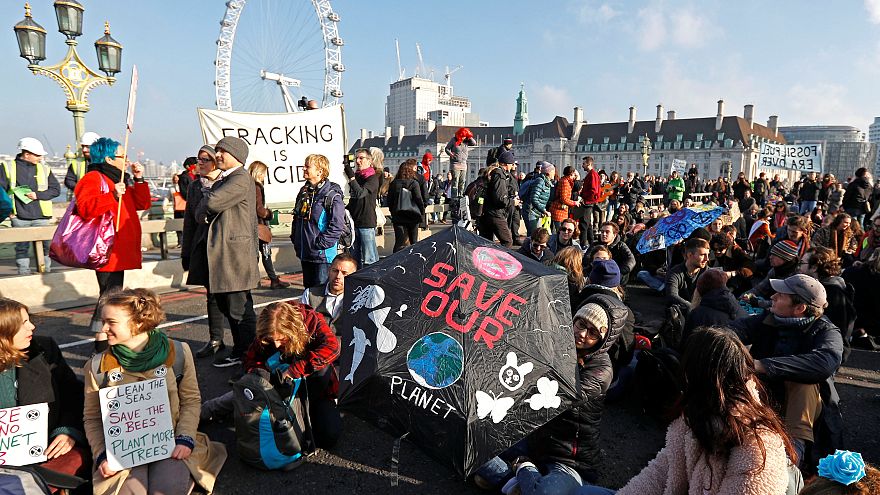
103_shutterstock_88550854-740px

There aren’t a lot of hot button issues that genuinely affect everyone. The environment is one of those issues. We all live in it. We’re all impacted by it. Whenever it changes significantly, we all feel it. That’s why, regardless of your politics or personal leanings, we should take environmental issues seriously.

Given that preface, I’d like to make my own sentiments clear. The environment, like other sensitive topics I’ve discussed, is prone to all sorts of secondary agendas. Some who claim to take environmental issues seriously often do so because it serves their interest in other, often indirect ways. In the interest of transparency, this is where I stand on the environment.

I do believe that climate change is real, human activity is contributing to it, and we should pursue policies to improve the environment and promote cleaner industry.

However, I don’t entirely trust the rhetoric, sincerity, and positions of those who identify as environmentalists.

I know that sounds like someone trying to have their cake and eat it too, but there is a context here. It’s one that I’ve developed over a number of years, some of which I’ve been on the side hardcore environmentalists. As I’ve gotten older, however, I see more and more complications with this issue and not just in terms of the absurd conspiracy theories it attracts.

While I know this will put me at odds certain parts of the political spectrum, I generally accept that the existing science surrounding climate change. The Earth is getting warmer and human activity is a major cause. There have been real, tangible impacts attributed to climate change and I believe those links are real.

The point where I often deviate from environmentalists is when issues of feasible solutions emerge. I’m happy to support efforts that raise awareness and educates the public on the existential dangers of climate change. However, just sounding the alarm is only half the battle. The other half involves doing something about it and this is where environmentalists have a problem.

It’s not that they outright avoid talking about solutions, which sets them apart from other agenda-driven politics. Some of their solutions do have merit and some are even making headway into the economy. However, there’s an over-arching theme of those solutions that leads me to question just how much the environment actually matters to certain environmentalists.

Talk to any self-identified environmentalist and, usually after they’re done talking about melted ice caps and dying polar bears, they’ll single out greedy corporations as the enemy. They tend to lump oil companies, coal producers, and any corporation that doesn’t sound eco-friendly as part of some international consortium of billionaires intent on maintaining their pollution-loving ways for the sake of profit.

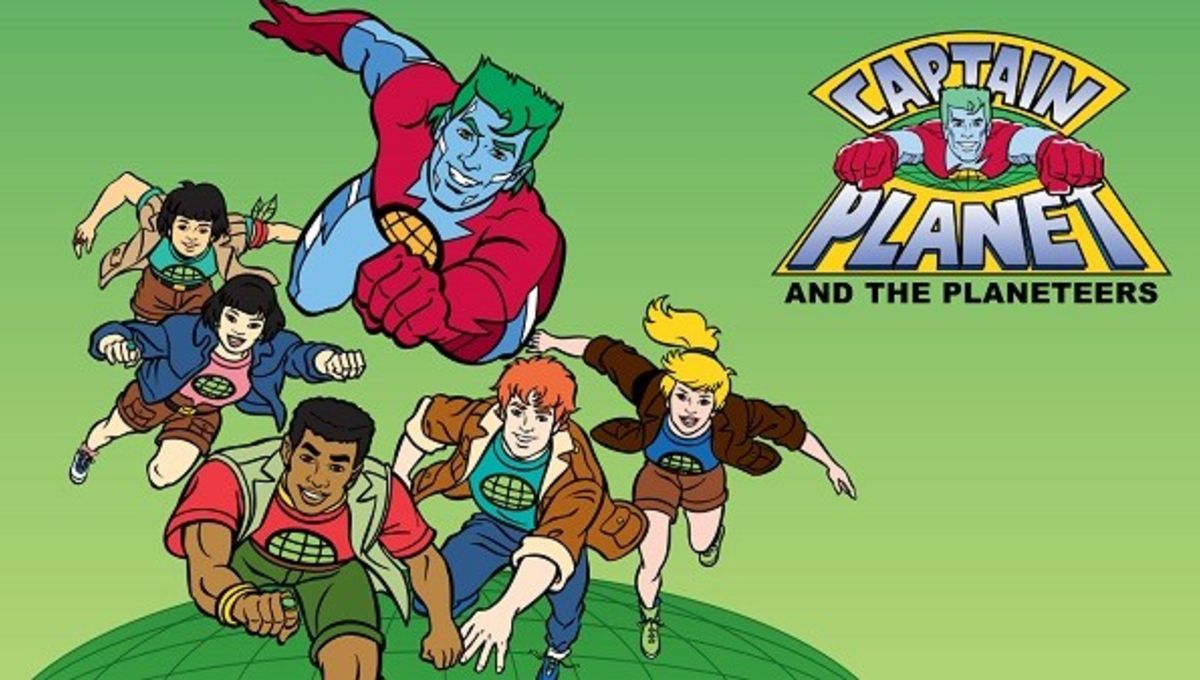
Now, I don’t like defending big corporations, especially when their track record in protecting the environment has plenty of room for improvement. At the same time, I have a hard time believing that the solution to such an enormous problem involves battling big, industrial polluters as though it were an episode of “Captain Planet.”

As much as I love cheesy cartoons in the 1990s, the problems of the real world are far more complicated. Environmentalists, like many other vocal politically-driven groups, try to simplify the issue. Through their protests and the rhetoric surrounding it, they give the impression that to save the world, they need only defeat the evil polluters.

This is where I don’t just question the veracity of environmentalists. I genuinely doubt that the environment is their primary concern. If it were, then protesting polluters would only be a small part of their efforts. If they’re serious about making the world cleaner and more efficient, they would dedicate more time and energy into improving clean energy technology, which itself is prone to corporate greed.

This disconnect is most apparent whenever the topic of nuclear power comes up. Unlike other green energy technologies, nuclear energy is a mature technology that has been providing energy for decades. Compared to other forms of energy, it has very low emissions, but provides abundant energy, regardless of whether the sun is shining or the wind is blowing.

Despite those benefits, the same environmentalists who favor shutting down coal power plants won’t support the construction or further refinement of nuclear power planets. They’ll even outright oppose it and for reasons every bit as irrational as those championed by climate change deniers.

While there are legitimate disadvantages to utilizing nuclear power, I rarely hear environmentalists promote efforts to mitigate those issues. They won’t champion the development of advanced nuclear power, including versions that produce far less waste and are less prone to meltdowns. Many won’t even concede it as an option.

This is akin to anti-abortion advocates who support making abortion illegal in all cases, but also oppose contraception, despite the fact it significantly reduces abortions. It also parallels other environmentalists who protest the usage of genetically modified foods, but overlook the distressing fact that billions would starve without this technology.

It’s not just a case of the perfect being the enemy of the good. It’s environmentalists favoring a particular narrative over actual solutions to the problems they protest. As I’ve noted before, people like to believe that they’re the heroes of their own story. When they take a particular position, they see themselves as the underdogs in an epic struggle against good and evil.

While that makes for great superhero comics and Tolkien novels, it rarely aligns with reality. Environmentalists think they’re protesting a greedy corporation run by an army of Lex Luthors who enjoy bathing in the tears of starving orphans, but the truth is more complicated and more mundane.

A key part of that truth that environmentalists tend to overlook is the fact that, no matter how greedy or evil a corporation may be, they have a vested interest in the world remaining intact. Corporations, be they greedy or virtuous, are driven to make profits. They can’t make profits, nor enjoy the fruits of their wealth, in a world where the planet is a toxic wasteland.

That’s why even oil companies, the boogeyman of many environmentalists, are actively researching more environmentally friendly products. It’s also why oil-rich countries like Saudi Arabia, which has harmed the environment in ways beyond pollution, is also investing in a post-oil economy.

It’s very likely that the advances in green energy that will improve the environment won’t come from some dedicated environmentalist who protests outside of coal plants. Chances are it will be some greedy, profit-seeking business person trying to make money in a world where the demand for energy is rapidly increasing.

Beyond just generating energy, those same greedy billionaires have just as much incentive to create clean, lush landscapes that attract other billionaires and customers. In general, people don’t like being in polluted communities. Aside from the illness and misery it generates, it also means there are fewer people buying goods and producing for the economy. Even the most devious billionaire is hurt by that.

The incentives for improving the environment are already there. That’s not to say there aren’t some who are truly malicious in how they treat the environment, but in terms of an investment that helps greedy people get richer, it’s one of the worst investments anyone can make and not just because of the bad PR it generates.

Environmentalists will gladly single out those exceedingly malicious corporations, but ignore the bigger picture. They, ironically, don’t see the forest from the trees when it comes to action that genuinely improves the environment. They cling to that epic war raging in their minds of them battling evil corporations that are out to destroy the planet, as though that would somehow benefit any business.

I get the appeal of wanting to feel like a hero in an epic struggle. My love of superhero comics should be proof enough of that. However, when that same struggle both ignores and undermines real solutions that could alleviate a serious issue, then it’s hard to take environmentalist rhetoric seriously.

There’s having genuine concern for the environment and then there’s just being against greedy corporations. Those who are unable to discern between the two can call themselves a lot of things, but they certainly aren’t helping the environment.

2 Comments

Filed under Environment, human nature, outrage culture, political correctness, technology

Scrutinizing (And Questioning) The Gender Wage Gap

wage_gap_photo_

There are some assumed truths that we, as a society, don’t question as much as we should. In the era of fake news, alternative facts, and conspiracy theorists who act like living internet memes, it’s hard to know what’s true anymore. Even when things are proven definitively false, people still cling to them. Why else would creationism still exist?

However, there are a few over-arching assumptions that I feel deserve more than just skepticism. There are some common talking points that have significant flaws solely because of their implications. You don’t even need to compile statistics or conduct extensive research. Just asking questions that build directly from the logic are sufficient to expose underlying flaws.

One talking point that keeps coming up in the world of gender politics is the gender wage gap. It’s been an issue for years, but keeps coming up in everywhere from Hollywood to tech companies. Even though I’ve talked about gender politics many times before, I’ve avoided this particular issue because everyone can find numbers to throw at it to support their position. As a result, there’s not much to write about.

That’s why I’m not going to try and debate it with economic studies or statistics. There are plenty of other people far smarter and more qualified to do that sort of thing. Instead, I want to scrutinize this common and contentious issue in a few simple ways that I hope demonstrate why it’s such a flawed issue to begin with. I believe this can be accomplished by asking just a few simple questions.


If Women Are Always Paid Less, Then Why Would A Company Hire Men?

I’m not an economist, a financial specialist, or a business expert, but I understand logistics as well as most people. Last I checked, a good business seeks to maximize profits and minimize costs. That’s the hard of nearly every challenge for every business, whether they’re selling widgets or time shares.

With that in mind, why would any business hire men if they can save money by hiring women? If women are every bit as capable, as many in the halls of gender politics argue, then there’s no reason for them to favor men. If the gender wage gap is true, then any business that hires men is intentionally throwing money away.

I get that the economics of wages, combined with the complexities of gender dynamics, create all sorts of confounding factors. That doesn’t change the math or the incentives surrounding profit. The basics of the wage gap imply that there’s a system in place that allows companies to pay women less for the same work, but they’re not taking advantage of it.

That just doesn’t make sense and I rarely hear those who bemoan the pay gap address this. I feel like since most people don’t understand business or economics, it’s easy to ignore and people just take the path of least resistance.


What Exactly Constitutes Equal Work?

This might be entirely subjective in most cases, but the idea of “equal pay for equal work” is becoming a bigger and bigger part of this issue. I hear politicians, pundits, and protesters using this phrase in any number of speeches in debates. However, they never go into detail.

Equal pay is one thing, but equal work is something else entirely. Human beings are not machines. Even if two people have the exact same skill level, they’re not always going to produce the same product with their work. That’s just not physically possible for non-cyborg humans.

I don’t doubt that a woman can be just as good as a man in many tasks, from typing up reports to carving furniture out of wood like Ron Swanson. Most of these skills are not physically impossible for able-bodied people, regardless of their genital configuration. Even if they’re capable, though, how do you decide that their work is equal?

Is it determined by how much time they put in? Is it determined by the volume of the work or the amount of money it generates? Most businesses use a mix of workers that have a wide variety of talents, skills, and abilities. Given those constraints, the whole idea of equal work seems to break down.

I’m not saying there aren’t cases where a woman is paid less for doing the same work as a male counterpart. That probably has happened before and will happen again. I just don’t see how that can be address beyond a case-by-case basis.


How Do You Enforce Perfectly Equitable Pay?

Beyond just determining what equal work is, there’s the whole concept of enforcing that equality. Passing laws is the most obvious possibility, but implementing those laws can be tricky. In the state of Georgia, there’s a weird law that prohibits people from living on a boat for more than 30 days. How do the authorities go about enforcing something like that?

Like I said before, businesses have all sorts of complex machinations. People have a variety of skills, roles, and duties. Not everyone works the same hours and not everyone will work with the same efficiency. Do they all still get paid the same? How would you even go about determining what constitutes fair pay in every instance?

It’s not just unfeasible. It’s physically impossible. There are so many subjective forces at work and everyone will argue that their work contributed more value than everyone else’s. They all can’t be right, but they all can be wrong and if everyone is wrong, then how can you know the truth? Even if the idea of equal pay seems good and just, it still breaks down when you try to apply logistics.


What Else Can People (Reasonably) Do?

In 1963, the Equal Pay Act was passed and signed into law by President Kennedy. This law stated outright that no employer could utilize sexist discriminatory practices when determining the wages of its employees. That law has been on the books ever since. It’s a federal law so it applies to every state and territory. It can be enforced by legal resources at every level of government.

Paying someone less because they’re a woman is already illegal and has been for decades. What else can people do? Like I said, enforcing a law is difficult, but the law is still there. However, in the same way that drug laws didn’t make illicit drugs go away, laws concerning equal pay don’t make the gaps go away.

Laws can only provide rules. They can only do so much to change society as it is. The pay gap has significantly narrowed, but it’s not perfect. Nothing ever is. Beyond abolishing wages for everyone, which may actually happen one day, what else can be done? I get that many favor hiring more women and minorities, but is that really reasonable for every business in every sector of the economy?


Again, I see the merit and the passion behind the idea. Someone getting paid less for their work just because of their gender is a gross injustice, but righting that wrong in such a complex world just isn’t that easy. Nothing ever is. I know these questions can’t be fully answered, but I hope that simply asking them offers a more complete perspective of the issue.

1 Comment

Filed under gender issues, men's issues, outrage culture, political correctness, sex in society, sexuality, women's issues